
The moment the train pulls out of London and the city’s brick facades give way to open sky, you realize you’ve already left—and you’ve only been traveling 30 minutes. Summer weekends within reach of London deliver exactly what the city can’t: salt air on your face at Margate, thermal waters warming your shoulders in Bath, or the kind of silence that only exists in the Cotswolds when you’re standing alone in a honey-colored village at dawn.
What makes London’s weekend escapes unique isn’t just proximity—it’s variety. You can choose between art-gallery cool coastal towns, medieval villages frozen in time, countryside estates designed for wandering, or dramatic geology that took 150 million years to create.
Most destinations sit within 90 minutes to 3 hours by train or car, meaning you’re not sacrificing your entire weekend to travel logistics.
This guide cuts through the noise and helps you decide exactly which escape matches what you actually want to do—whether that’s swimming, eating oysters, hiking dramatic cliffs, soaking in thermal spas, or simply sitting in a pub garden and watching the light change.
Budget ranges: day trips run £15–30 for transport plus £10–25 for attractions; overnight stays range from £80–150 per night in mid-range hotels to £250+ for country estates and luxury spas. Book accommodations 4–6 weeks ahead for July and August weekends.
Which Coastal Towns Offer the Best Beach Weekend Trips from London?
The Kent and Sussex coasts deliver the fastest beach escapes from London—most within 90 minutes by train or car—but the real decision comes down to what kind of coastal experience you want: art-gallery cool, Victorian charm, family-friendly buzz, or dramatic geology. Summer is peak season (June through August), meaning crowds and higher prices, but also guaranteed warm water and reliable sunshine.
Book accommodations and train tickets at least 2-3 weeks ahead during July and August.
Quick Comparison: Which Coastal Town Wins for You?
| Destination | Distance from London | Best For | Why It Wins | Skip If |
|---|---|---|---|---|
| Margate | 1.5 hours by car or train | Art lovers, young crowds, vintage vibes | Trendy galleries, Turner Contemporary, restored seafront | You want quiet or traditional seaside charm |
| Whitstable | 1.5 hours by train | Foodies, couples, relaxed weekends | Oyster restaurants, pebble beach, independent shops | You need sandy beach or family attractions |
| Rye & Camber Sands | 2 hours by car or train | History buffs, photographers, couples | Medieval hilltop town + sandy beach combo | You want modern amenities or nightlife |
| Brighton | 1 hour by train | Families, LGBTQ+ travelers, all ages | Pier, pebble beach, restaurants, Pride events | You prefer small towns or escape-the-crowds vibes |
| Durdle Door & Lulworth Cove | 2.5–3 hours by car | Hikers, geology enthusiasts, photographers | Iconic limestone arch, dramatic cliffs, coastal walks | You want easy beach access or prefer staying in one town |
| North Norfolk (Holkham & Wells-next-the-Sea) | 3 hours by car or train | Nature lovers, families, slow travelers | Wide sandy beaches, salt marshes, quiet charm | You need quick access or prefer southern coast |
1. Margate & Botany Bay (Kent)
Distance from London: Approximately 1.5 hours by car or train.
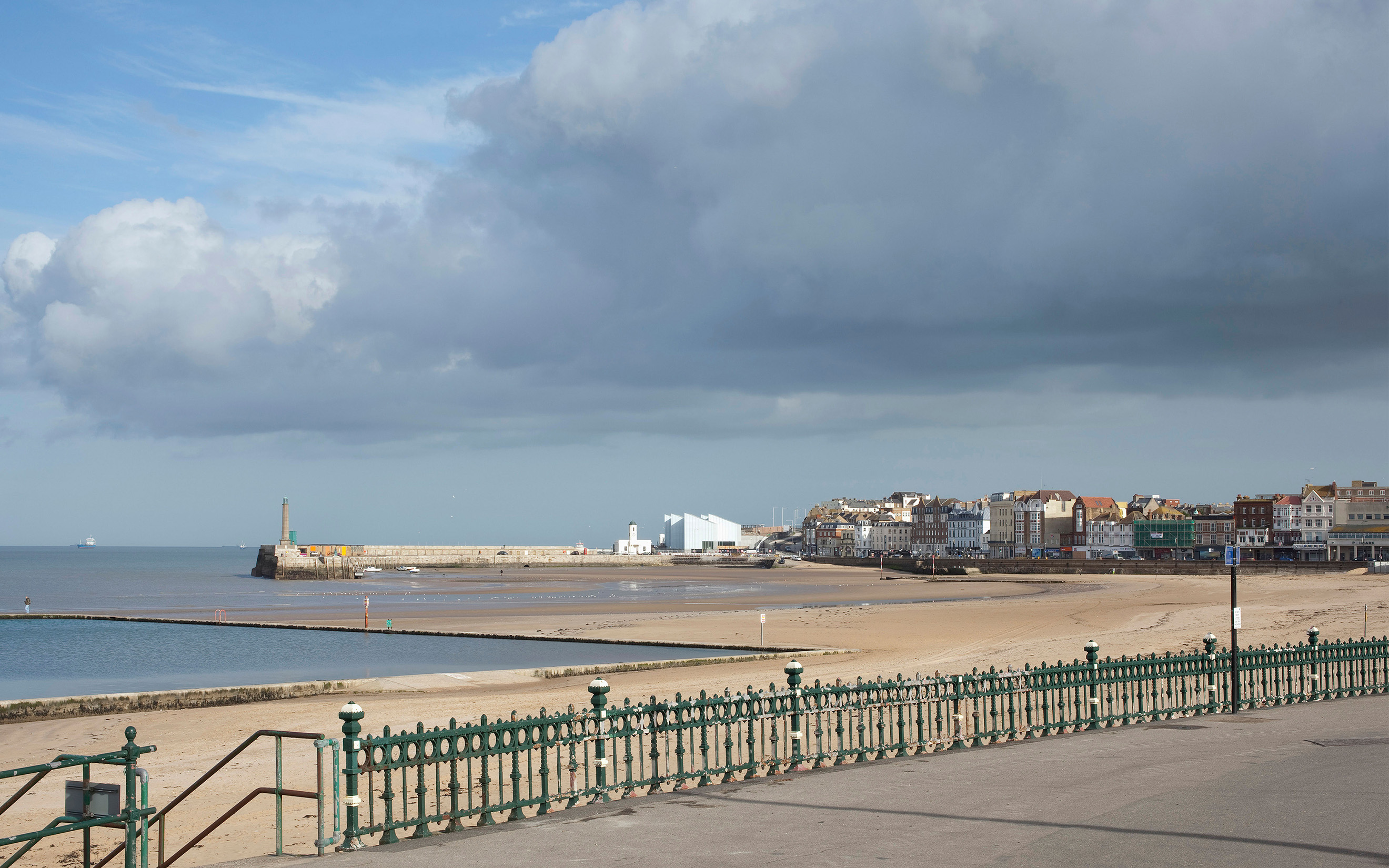
Margate has shed its faded-seaside reputation and become London’s coolest beach escape, anchored by the Turner Contemporary art gallery and a revitalized seafront. This is the pick for anyone under 40 who wants gallery openings, independent cafés, and a pebble beach without pretension.
The town draws artists, young professionals, and creative weekenders—not families with toddlers or anyone seeking traditional English seaside quiet.
What makes it win: The Turner Contemporary (free entry, world-class rotating exhibitions) sits directly on the beach, and the restored Lido has become a social hub. Botany Bay, just north of town, offers dramatic chalk cliffs and a quieter stretch of shingle beach for swimming or sunset walks.
Summer weekends fill up fast; book your hotel or Airbnb by early June.
Practical action: Arrive by mid-morning on Saturday to secure a spot at one of the seafront restaurants before lunch crowds hit. The train station is a 10-minute walk from the beach; driving requires paid parking (expect £8–15 per day).
Stay in the town center near the seafront for walkable access to galleries, shops, and the beach.
Who should skip it: Anyone wanting a traditional, quiet seaside town or families with young children looking for amusement arcades and ice cream shops—Brighton does that better.
2. Whitstable (Kent)
Distance from London: Approximately 1.5 hours by train from London Victoria or Charing Cross.
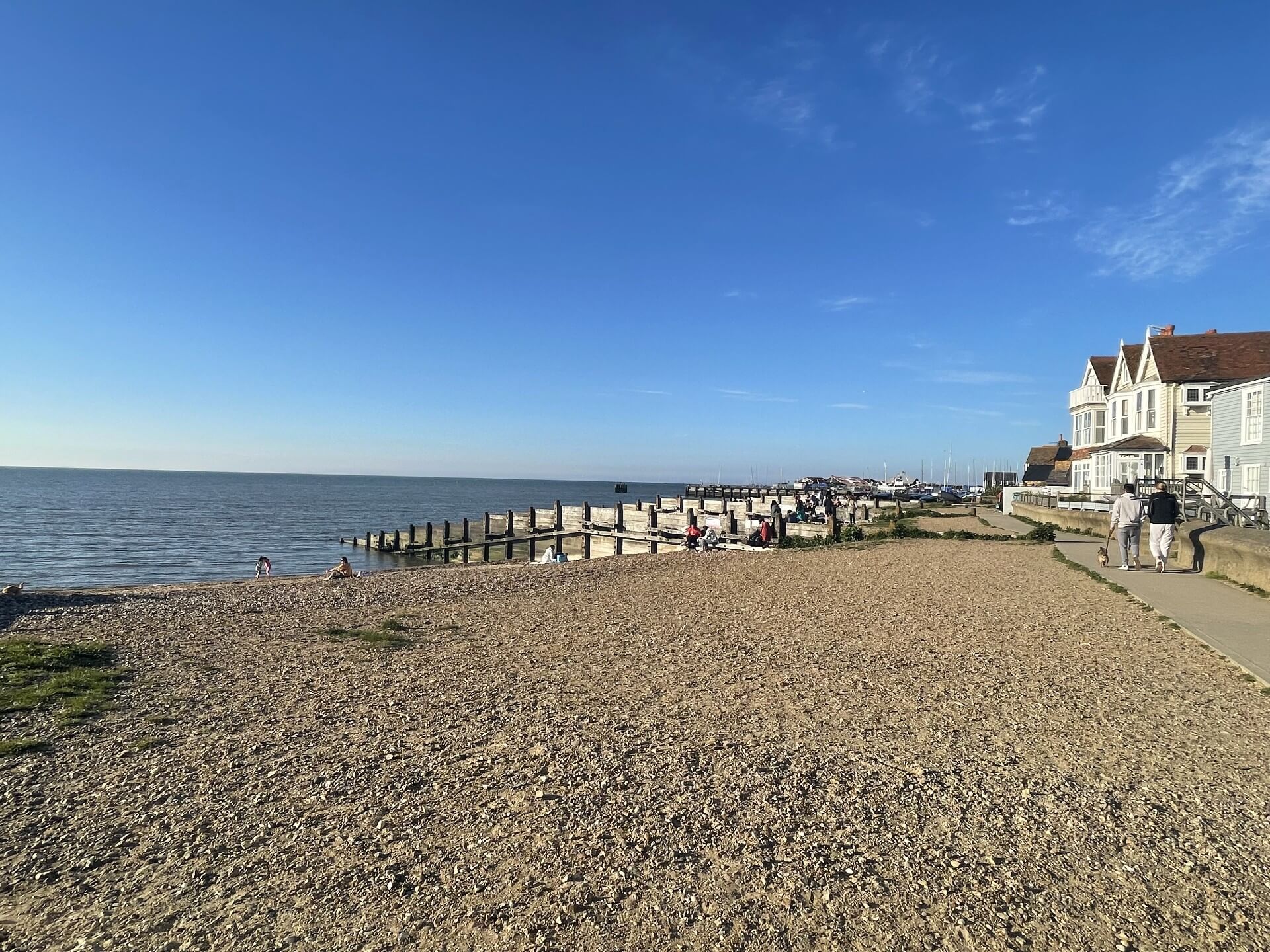
Whitstable is the coastal town for food-focused couples and anyone who prioritizes a proper meal over beach crowds. The pebble beach is narrow and not ideal for swimming, but the harbor, independent restaurants, and oyster shacks make it worth the trip.
This is a slower, more refined weekend than Margate—expect vintage shops, art studios, and serious seafood.
What makes it win: Whitstable oysters are legendary; book a table at one of the harbor-side restaurants (Wheelers, Crab & Lobster, or The Sportsman nearby) weeks ahead for summer weekends. The beach is best for walking and sunset drinks, not swimming.
The town center is compact and entirely walkable from the train station.
Practical action: Arrive Friday evening or early Saturday morning and book dinner immediately—top restaurants fill by Wednesday for summer weekends. The pebble beach is pebbly, so bring water shoes if you plan to wade.
Stay within walking distance of the harbor for easy restaurant access and morning beach strolls.
Who should skip it: Families wanting a sandy beach, swimmers prioritizing water time, or anyone on a tight budget—restaurant prices are higher than other coastal towns.
3. Rye & Camber Sands Beach (East Sussex)
Distance from London: Approximately 2 hours by car or train.
Rye is one of England’s best-preserved medieval hilltop towns, with cobblestone streets, half-timbered houses, and a genuine pirate-port history. Camber Sands, just 5 miles away, offers a rare sandy beach on the southeast coast.
This combination makes it ideal for couples and photographers who want history, charm, and beach access without choosing between them. The town itself deserves a full day; the beach is the bonus.
What makes it win: Rye’s medieval layout and independent shops create an Instagram-ready afternoon, while Camber Sands delivers the sandy beach most of the southeast coast lacks. The town has literary history (home to authors like E.F.
Benson) and atmospheric pubs tucked into narrow lanes. Summer weekends draw crowds, but the town absorbs them better than smaller villages.
Practical action: Spend Saturday morning exploring Rye’s streets and lunch at a harbor-side café, then drive or bus to Camber Sands for the afternoon swim or beach walk. Book a cottage or small hotel in Rye town center to avoid the 5-mile commute each way.
Parking in Rye is limited; use the main car park near the town entrance and walk.
Who should skip it: Anyone wanting a single-location beach weekend or families with young children—Rye’s narrow streets and steep hills are tiring with strollers.
4. Brighton (East Sussex)

Distance from London: Approximately 1 hour by train from London Victoria.
Brighton is the family-friendly, all-ages coastal destination—pier, pebble beach, restaurants, and a thriving LGBTQ+ scene. It’s the busiest option on this list, but also the most accessible and versatile.
Summer weekends are packed, but the infrastructure handles it: plenty of hotels, easy train access, and enough activities to justify the crowds.
What makes it win: The pier is iconic (rides, arcades, restaurants), the seafront promenade is lively, and the town has genuine character beyond the beach—The Lanes (narrow shopping streets) and North Laine offer independent boutiques and cafés. Pride events (August) draw massive crowds and create an electric atmosphere.
The train journey is short enough for a day trip but long enough to justify an overnight stay.
Practical action: Book train tickets in advance (off-peak fares are cheaper). Arrive early Saturday to claim a spot on the beach or a table at a seafront restaurant.
Stay near the seafront or in The Lanes for walkable access to shops, restaurants, and the beach. Parking is expensive and difficult; use the train.
Who should skip it: Anyone seeking a quiet, undiscovered coastal town or a couples-only romantic escape—the crowds and noise are the whole point here, and that’s not for everyone.
5. Durdle Door & Lulworth Cove (Dorset)

Distance from London: Approximately 2.5–3 hours by car; no direct train access (nearest station is Dorchester, then bus or taxi).
Durdle Door is the most dramatic coastal destination on this list—a 150-million-year-old limestone arch rising from the water, backed by towering golden cliffs. This is for hikers, geology enthusiasts, and photographers willing to drive and walk for the payoff.
The beach is small and pebbly, but the landscape is unforgettable. Lulworth Cove, a short walk away, offers a sheltered sandy beach and calmer swimming.
What makes it win: The geology is extraordinary—the cliffs expose 185 million years of rock layers, and the arch itself is a natural marvel. The coastal walk between Durdle Door and Lulworth Cove (about 1.5 miles) is one of England’s most scenic hikes.
Summer crowds are real, but the landscape absorbs them better than a town beach.
Practical action: Arrive very early (8–9 a.m.) to secure parking at Durdle Door car park (expect £6–8 per day, cash only). The walk down to the beach is steep and rocky; wear proper shoes.
Lulworth Cove car park fills by mid-morning on summer weekends. Stay in the nearby village of West Lulworth or Dorchester and drive out for the day, or base yourself in Weymouth for a larger town with more restaurants and hotels.
Who should skip it: Anyone with mobility issues, families with young children, or those wanting a relaxed beach day without hiking—the terrain is unforgiving and the beach is small.
6. North Norfolk (Holkham & Wells-next-the-Sea)
Distance from London: Approximately 3 hours by car or train (via Norwich, then local transport).
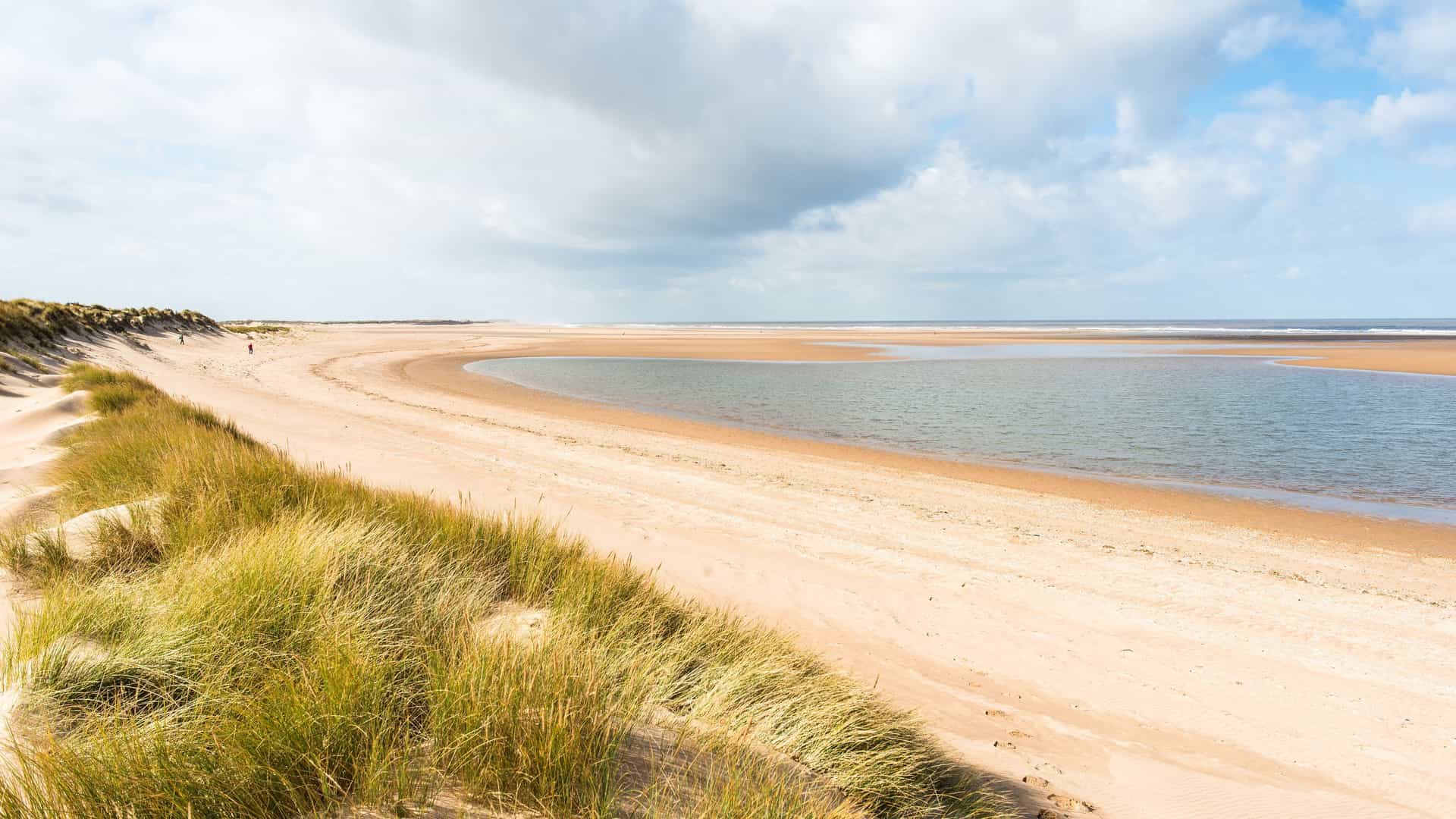
North Norfolk offers the widest, quietest sandy beaches on this list, backed by salt marshes and nature reserves. Holkham Beach is a 3-mile stretch of golden sand; Wells-next-the-Sea is a charming harbor town with independent shops and seafood restaurants.
This is the choice for nature lovers, families wanting space, and anyone willing to drive longer for genuine escape from London crowds.
What makes it win: The beaches are genuinely uncrowded even in summer, the sand is soft and wide, and the landscape feels remote despite being accessible. Holkham Hall (a stately home) sits nearby for a cultural afternoon.
The North Norfolk Coast Path offers excellent walking. Summer weather is reliable, and the long daylight hours reward early starts.
Practical action: Arrive Friday evening or early Saturday; the drive is long enough to justify an overnight stay. Base yourself in Wells-next-the-Sea for harbor charm and restaurant access, or stay near Holkham for direct beach access.
Book restaurants ahead—summer weekends fill up. Bring layers; North Norfolk coastal winds can be cool even in summer.
Who should skip it: Anyone wanting quick beach access from London or preferring a vibrant town atmosphere—the 3-hour drive and quieter pace aren’t for everyone.
Summer Coastal Weekends: Final Decision
For the fastest escape with trendy vibes, choose Margate or Brighton (1–1.5 hours). For food and charm, pick Whitstable or Rye (1.5–2 hours).
For dramatic scenery and hiking, go Durdle Door (2.5–3 hours by car). For wide, quiet beaches and nature, choose North Norfolk (3 hours).
Book accommodations and trains 2–3 weeks ahead for July and August weekends; summer Saturdays fill fast. Arrive early to secure parking and restaurant tables, and expect pebble beaches on the southeast coast except at Camber Sands and North Norfolk, where sand dominates.
Best Countryside and Spa Escapes for a Relaxing Summer Weekend
The English countryside within two to three hours of London offers something the city never can: silence, open sky, and the kind of pace that makes a weekend feel like a week. This section covers four destinations where the point is not to rush between attractions but to settle in, breathe, and let the landscape do the work—whether that’s rolling hills, thermal waters, or manicured estates designed for wandering.
7. The Cotswolds (Gloucestershire)
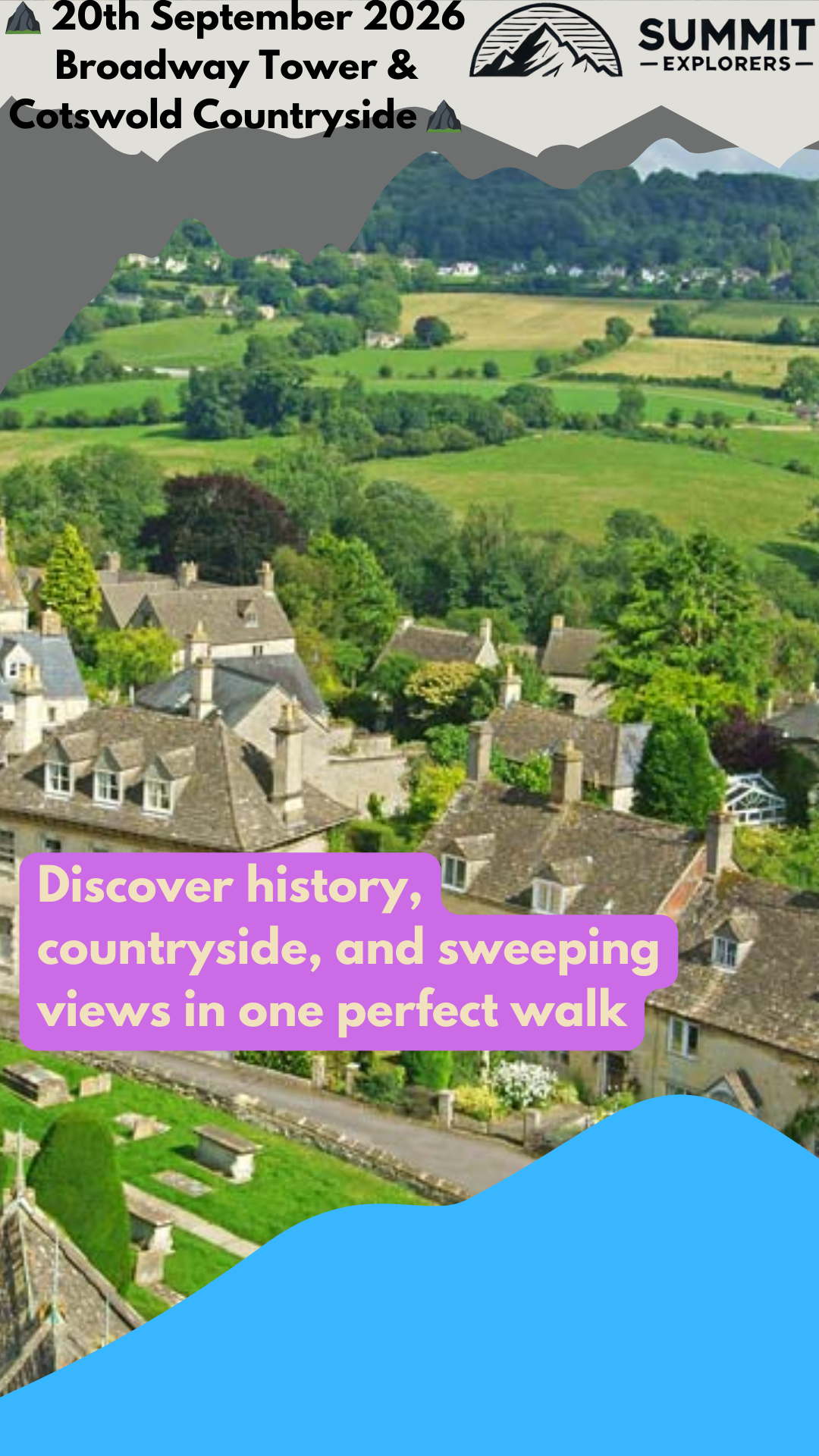
The Cotswolds win for anyone who wants to see the England that appears in period dramas without the crowds of a major city—honey-colored stone villages, pub lunches that justify the drive, and walking trails that deliver views of 16 English counties on a clear day. This is the escape for couples, small groups, or solo travelers seeking genuine quiet; skip it if you need nightlife or cutting-edge restaurants.
Distance and access: Approximately 2.5 hours by car or around 2 hours by train from London. Driving is the more practical option for exploring multiple villages and estates.
What to do: The standout walk is the 1.5-mile route from Broadway Tower to the village of Broadway—a historical quirk perched on Broadway Hill that delivers panoramic countryside views. Beyond walking, the Cotswolds reward slow exploration: picturesque villages like Bourton-on-the-Water and Bibury are best visited on foot, and gardens at Hidcote Manor and Kiftsgate Court showcase floral displays worth the detour.
The real win here is the pub culture—seek out a gastropub for a traditional Sunday roast or evening meal rather than chasing formal dining.
Where to stay: Base yourself in one of the larger villages (Broadway, Bourton-on-the-Water, or Chipping Campden) for walkable access to shops, restaurants, and trailheads. Boutique inns and country hotels cluster in these hubs, making it easy to explore on foot during the day and return to a comfortable base at night.
Insider move: Arrive early on a weekday if possible—weekends draw coach tours and day-trippers. Visit Broadway Tower first thing in the morning before crowds build, then spend the afternoon wandering villages and stopping for a late lunch rather than dinner, which tends to be busier and pricier.
8. Bath (Somerset)
Bath is the only destination on this list where the main attraction is literally beneath your feet—the only naturally heated thermal waters in Britain, which the Romans engineered into a spa complex 2,000 years ago and which modern Bath has rebuilt into a reason to slow down and soak. Choose Bath if you want history, architecture, and wellness in one compact city; skip it if you prefer countryside isolation or are traveling with young children who won’t appreciate the pace.
Distance and access: Approximately 1.5 hours by train from London Paddington, making it the easiest escape on this list. No car needed; the city center is entirely walkable.
What to do: The thermal experience is the centerpiece. Thermae Bath Spa offers the most accessible public route into the waters, while The Spa Village Bath at The Gainsborough provides a more luxurious option.
Beyond the spa, Bath’s Georgian architecture and Roman heritage reward wandering—the Bath Skyline Walk, a six-mile loop just outside the city center, threads through meadows and woodlands while framing the city from above. This walk is the antidote to feeling trapped in a tourist zone; it reminds you that Bath sits in actual countryside.
Where to stay: Stay in the city center or near the Royal Crescent for walkable access to spas, restaurants, and the Roman Baths. Boutique hotels and Georgian townhouse conversions dominate the accommodation scene, and proximity to the thermal spas is the key decision factor—you want a 10-minute walk maximum so you can slip in for a soak without planning a production.
Insider move: Book spa sessions for early morning or late afternoon to avoid midday crowds. The waters are warmest and least crowded before 10 a.m. or after 4 p.m. Pair a soak with a quiet breakfast or early dinner in one of the side streets off the main drag—the tourist restaurants cluster around the Roman Baths, but better food and fewer crowds hide one block over.
9. Winchester (Hampshire)
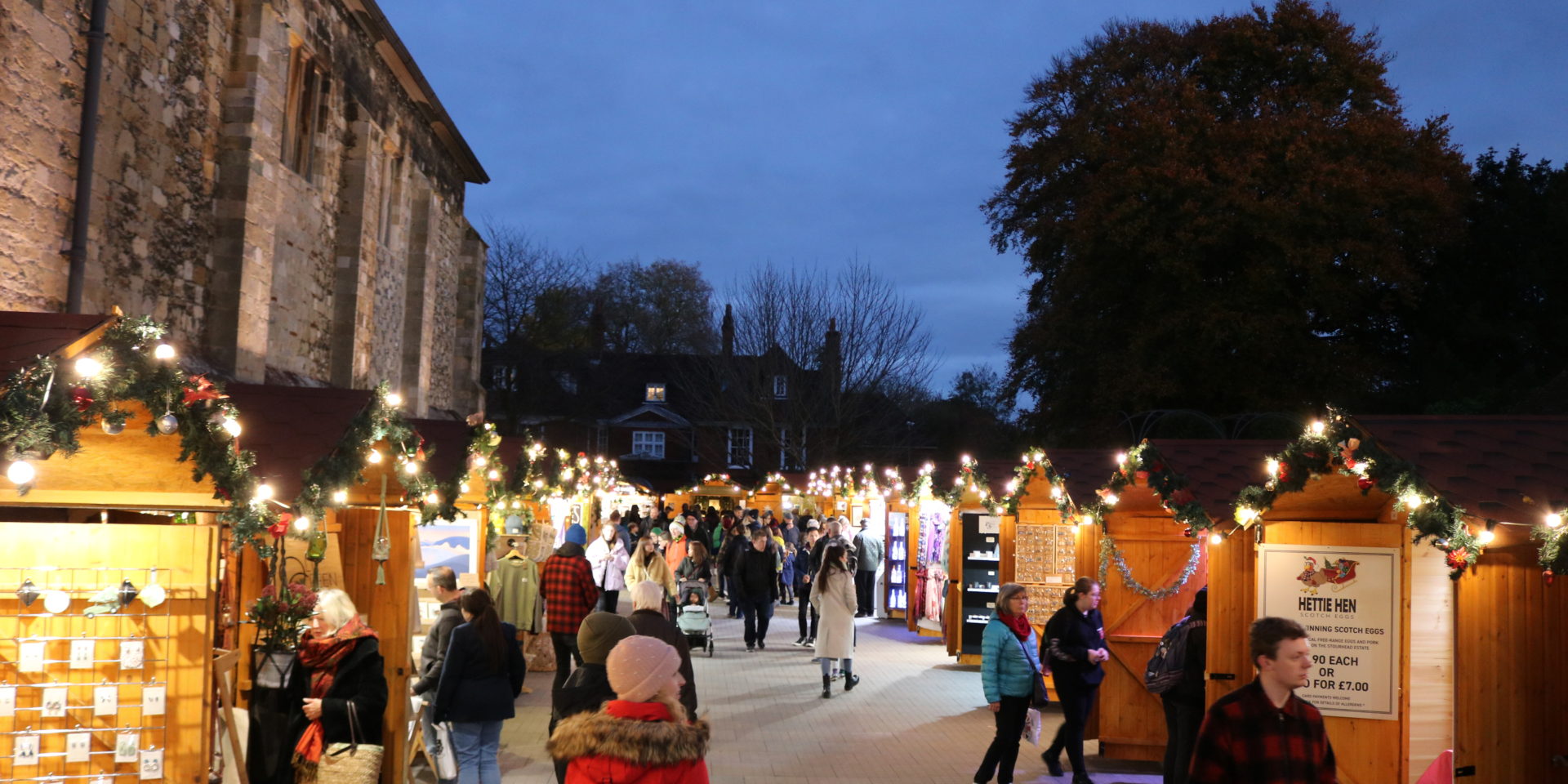
Winchester is the underrated choice—a cathedral city with genuine medieval bones, a river walk that feels like stepping into a landscape painting, and none of the tourist machinery of Bath or the Cotswolds. Pick Winchester if you want history and walking without performing the role of tourist; it’s best for solo travelers, couples, and small groups who value atmosphere over attractions.
Distance and access: Approximately 1 hour by train from London Waterloo, or about 1.5 hours by car. The train is faster and the city center is compact enough to explore on foot.
What to do: Winchester Cathedral dominates the skyline and the experience—it’s one of England’s grandest medieval cathedrals and worth an hour inside. The real escape, though, is the River Itchen walk, which threads through water meadows and connects Winchester to the village of St. Cross.
This walk is quieter and more rewarding than any marked tourist trail; it’s where locals go to think. The High Street and surrounding lanes reward aimless wandering—independent bookshops, cafes, and pubs cluster here, and the pace is genuinely slow.
Where to stay: Stay near the cathedral or along the High Street for walkable access to restaurants, shops, and the river walk. Smaller boutique hotels and inns dominate; the goal is a base where you can walk everywhere and feel embedded in the town rather than visiting it.
Insider move: Skip the main cathedral entrance during peak hours (midday, weekends) and enter through the side door near the gift shop—shorter queues, same experience. Walk the Itchen Valley in the late afternoon when day-trippers have left and the light softens across the water meadows.
10. Hampshire Country Estates (Four Seasons Hampshire)
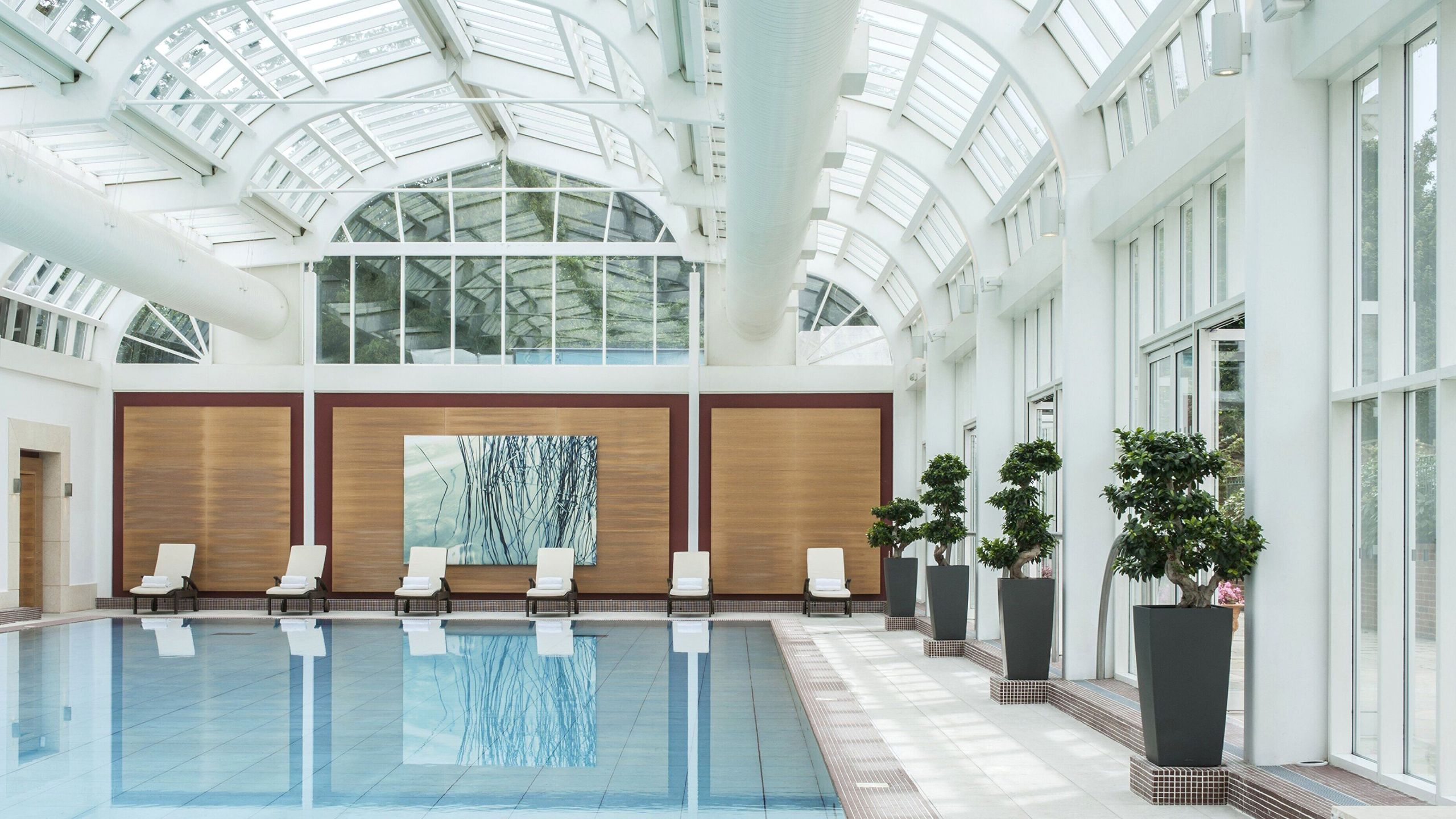
For travelers who want countryside immersion without leaving a luxury resort, the Four Seasons Hampshire delivers—a sprawling estate with spa facilities, gardens, and enough space that you can forget London exists. This is the choice for couples seeking pampering, families wanting a resort base with countryside access, or anyone willing to pay premium rates for convenience and service.
Skip it if you want authentic village exploration or are budget-conscious.
Distance and access: Located in Dogmersfield, Hampshire, approximately 45 minutes to 1 hour from central London by car. Not accessible by public transport; a car or car service is essential.
What to do: The estate itself is the destination—spa treatments, fine dining, walking trails through the grounds, and manicured gardens provide a complete experience without leaving the property. The Four Seasons model prioritizes comfort and service over exploration, making it ideal for a true retreat weekend where the goal is to unwind rather than sightsee.
Where to stay: You’re staying at the Four Seasons itself, which means all accommodations, dining, and spa services are on-site. This all-in-one approach eliminates decision fatigue and logistical planning—the trade-off is that you’re paying resort prices for countryside access rather than discovering independent hotels or village character.
Insider move: Book spa treatments in advance, especially for summer weekends when the resort fills with London escapees. Request a room overlooking the gardens rather than the car park—the view difference is worth the ask.
If you venture off-site, the nearby village of Hook has modest pubs and shops, but the estate is designed so you won’t need to leave.
Quick Comparison: Countryside and Spa Escapes
| Destination | Best For | Travel Time | Main Appeal | Vibe |
|---|---|---|---|---|
| The Cotswolds | Walking, villages, pub culture | 2.5 hrs by car / 2 hrs by train | Honey-stone villages, countryside views, gastropubs | Quintessential England, slow-paced |
| Bath | Thermal spas, history, architecture | 1.5 hrs by train | Roman thermal waters, Georgian city, Skyline Walk | Historic, cultured, walkable |
| Winchester | Medieval history, quiet walks, local atmosphere | 1 hr by train / 1.5 hrs by car | Cathedral, river walk, independent shops | Authentic, understated, peaceful |
| Four Seasons Hampshire | Luxury pampering, resort convenience, families | 45 mins–1 hr by car | Spa, fine dining, estate grounds, all-inclusive | Upscale, service-focused, self-contained |
How to Choose Your Countryside Escape
Pick the Cotswolds if you want to walk between villages and experience the landscape as locals do. Choose Bath if thermal waters and Georgian architecture matter more than isolation.
Go to Winchester for genuine quiet and medieval history without resort infrastructure. Book the Four Seasons if you want luxury and spa services without planning logistics or leaving the property.
Summer timing note: All four destinations are busiest in July and August. For the most peaceful experience, aim for June or early September when school holidays haven’t yet begun and the weather remains warm.
Weekdays are significantly quieter than weekends across all four options.
Which Historic University Cities Are Perfect for a Summer Weekend?
Three university cities within an hour or two of London offer the rare combination of world-class architecture, literary history, and the kind of walkable charm that makes a summer afternoon feel like stepping into another century—without the tourist crush of London itself.
| City | Distance from London | Best For | Main Draw |
|---|---|---|---|
| Oxford | ~1 hour by train (Paddington) | Harry Potter fans, architecture lovers, literary history | Anglo-Saxon college architecture, filming locations |
| Cambridge | ~1 hour by train (King’s Cross) | Punting enthusiasts, Darwin/Newton nerds, pub crawlers | River Cam, cobblestone streets, Roman trading town heritage |
| Canterbury | ~1.5 hours by train (Victoria or London Bridge) | Medieval history buffs, Chaucer readers, cathedral explorers | Medieval cathedral, pilgrimage town charm, Kent countryside |
11. Oxford (Oxfordshire)

Oxford earns its nickname “City of Dreaming Spires” because the university’s Anglo-Saxon college architecture actually dominates the skyline—not metaphorically. This is the city that educated centuries of British politicians and inspired both Harry Potter filming locations and C.S.
Lewis’s Narnia lamp post. The move: spend a full day here, not squeezed into a half-day side trip to Blenheim Palace (which deserves its own focus).
Train from Paddington Station takes roughly an hour.
Why it wins for this trip: Unlike Cambridge’s river-focused charm, Oxford’s appeal is purely architectural and literary. Walk the college quads, visit the lamp post on Addison’s Walk that inspired Lewis, and hunt Harry Potter filming spots at Christ Church and other colleges.
The university’s age—it predates Cambridge by a century—means older, more dramatic stonework. Summer crowds are real but manageable if you arrive by 9 a.m.
Who should skip it: Anyone uninterested in architecture or literary history. The city is not a beach or countryside escape; it’s a walking tour with pubs and tea shops. If you want to swim or hike, choose elsewhere.
Practical action: Book college entry tickets online in advance (some charge £3–5 per college; others are free). Arrive early to avoid afternoon tour groups. The Bodleian Library and Ashmolean Museum are free and worth 1–2 hours each.
12. Cambridge (Cambridgeshire)
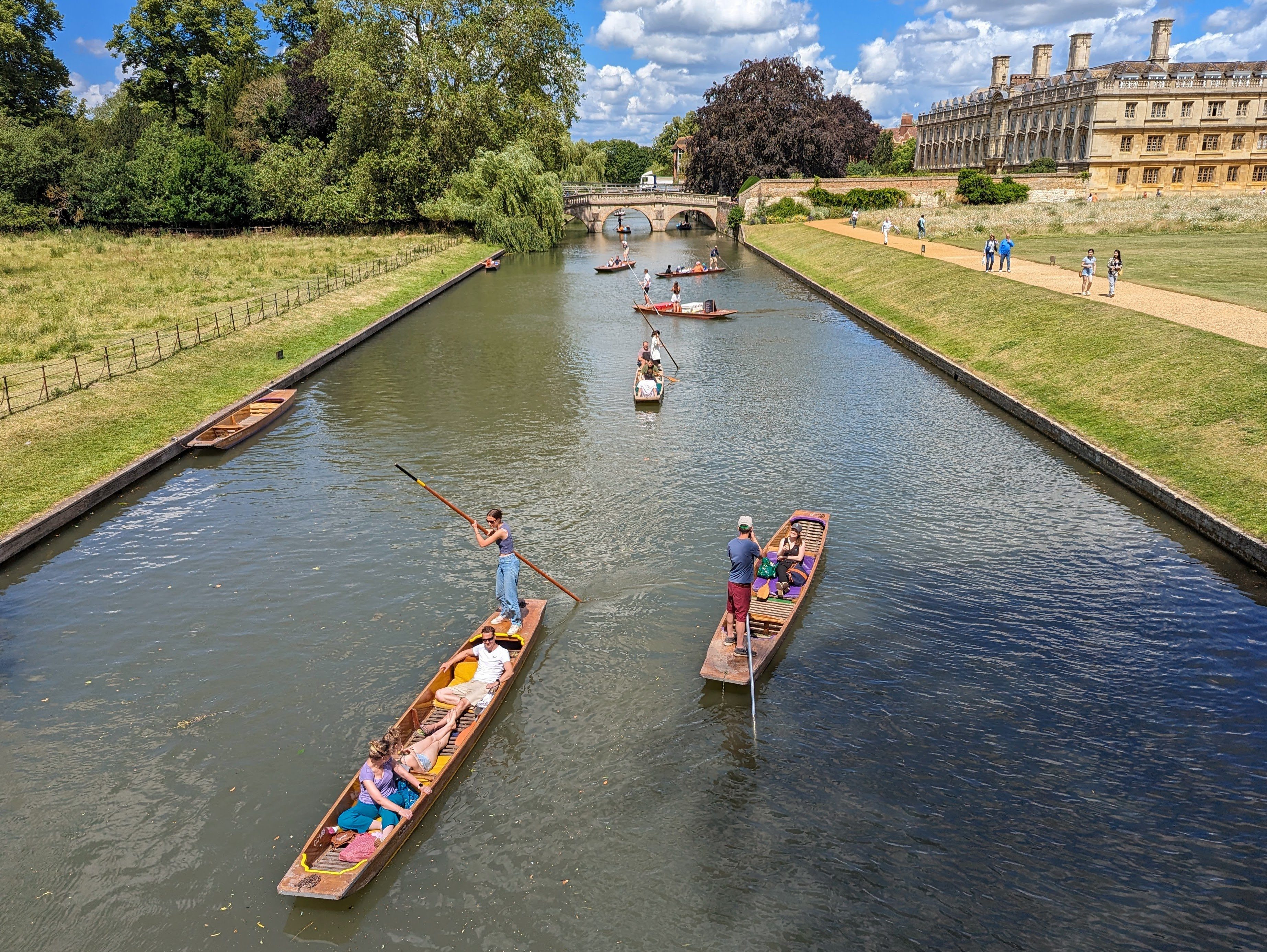
Cambridge’s River Cam is the difference—punting past college gardens in summer is the closest England gets to Venice without leaving the Midlands. The university was founded in 1209 and educated Charles Darwin and Isaac Newton, but what matters for a weekend trip is that the cobblestone streets, riverside pubs, and college gardens create an atmosphere that feels both intellectual and deeply relaxed.
Why it wins for this trip: Punting is the main event. Rent a punt (roughly £20–30 per hour) and drift past the Backs—the gardens behind the colleges—or book a guided tour if you’d rather not navigate the river yourself.
The town is smaller and less crowded than Oxford, and the pub scene is genuinely good (not tourist-trap good). King’s College Chapel is the architectural showstopper.
Train from King’s Cross takes about an hour.
Who should skip it: Anyone who dislikes water activities or prefers dramatic architecture over pastoral scenery. If you’re not keen on punting, Cambridge loses its main advantage over Oxford.
Practical action: Book punts in advance during peak summer (June–August); walk-up availability shrinks fast. Arrive by 10 a.m. to secure a good time slot.
The Evensong service at King’s College Chapel (free, typically 5:30 p.m. weekdays) is worth timing your visit around.
13. Canterbury (Kent)
Canterbury is the medieval outlier—a pilgrimage town that hasn’t stopped being one since Chaucer’s time. The cathedral dominates the walled city center, and the narrow streets radiate outward with half-timbered buildings and independent shops, not chain stores.
This is the smallest and most intimate of the three university cities, and the one that feels least like a tourist destination despite being famous.
Why it wins for this trip: Canterbury Cathedral is genuinely awe-inspiring, and the surrounding medieval town is walkable in a few hours. The literary connection is strong (Chaucer’s pilgrims headed here), and the Kent countryside beyond the walls offers escape if you want to extend the trip.
Train from Victoria or London Bridge takes roughly 1.5 hours. The vibe is quieter and more local than Oxford or Cambridge.
Who should skip it: Anyone on a tight schedule or uninterested in medieval history. It’s smaller than the other two, so a half-day visit feels rushed. If you want nightlife or a buzzing student atmosphere, Oxford or Cambridge deliver more.
Practical action: Book cathedral entry in advance (expect roughly £15–17). Climb the tower for views over the town and Kent countryside (additional fee, roughly £5–7).
The town’s independent cafés and pubs are genuinely good—no need to book ahead, but arrive by noon to avoid lunch crowds.
Best stay approach: Base yourself in the town center near the cathedral for walkable access to all three cities’ main attractions. Summer accommodation fills quickly; book 4–6 weeks ahead for peak July–August weekends.
Each city has boutique hotels and guesthouses within the historic centers, though prices rise sharply in high season.
Top Castles and Royal Estates to Visit on a Sunny Weekend
Royal estates and castles within an hour of London transform a summer weekend into a living history lesson—no dusty museum required. These aren’t just photo backdrops; they’re working palaces with grounds designed to impress, kitchens that fed hundreds, and chapels where actual coronations happened.
The best ones pair castle tours with manicured gardens, riverside walks, and on-site cafés, so you can spend a full day without feeling rushed.
| Estate | Location & Distance | Best For | Top Reason to Go |
|---|---|---|---|
| Windsor Castle | Berkshire, 25 miles west (30 min by train) | Royal history buffs, couples, families | Oldest occupied castle in the world; St George’s Chapel architecture |
| Hampton Court Palace | Surrey, 12 miles southwest (short train ride) | Families, Henry VIII history fans | Stunning grounds and extensive palace interiors; audio tour flexibility |
| Highclere Castle | Hampshire, ~1.5 hours by car | Downton Abbey fans, castle enthusiasts | Iconic filming location; morning visits beat afternoon crowds |
| Blenheim Palace | Oxfordshire, ~1.5 hours by car | Architecture lovers, UNESCO seekers | UNESCO World Heritage site; Churchill’s birthplace |
| Scotney Castle & Audley End House | Kent & Essex, 1–1.5 hours by car | Garden lovers, quieter alternatives | Moated castle romance; less crowded than Windsor |
14. Windsor Castle & Town (Berkshire)
Windsor Castle is the oldest and largest occupied castle in the world—and it still functions as a royal residence, which means you’re touring an actual working palace, not a museum. The castle sits on a hill overlooking the Thames in a charming riverside town, making it easy to combine a morning tour with an afternoon stroll and lunch along the water.
What to see: The castle’s audio tour is the move here because you control the pace—skip the bits that bore you and linger on what fascinates you. St George’s Chapel is the architectural standout: a high-medieval Gothic masterpiece where the Royal Wedding took place.
The chapel’s choir loft offers the same sightline the Queen had during the ceremony, which is a specific detail that makes the visit feel less like a tourist tick-box and more like stepping into actual royal life.
Best time to visit: Arrive early (first entry slot) to beat crowds. Summer weekends fill up fast, especially after 11 a.m. Plan for 2–3 hours inside the castle, plus time for the grounds.
Getting there: Take the train from London Waterloo or London Paddington directly to Windsor & Eton Central Station (roughly 30 minutes). The castle is a 5-minute walk from the station.
This beats driving if you want to avoid parking headaches in the town center.
After the castle: Stroll through Windsor town itself—it has genuine charm beyond the castle gates. Feed the swans along the Thames (you’ll see them everywhere), then grab lunch at The Boatman, a riverside pub with outdoor seating that actually justifies the tourist-trap location.
The Thames views and local ale selection make it worth the slight premium on food prices.
Who should skip it: If you’re not interested in royal history or architecture, Windsor feels like a pilgrimage to a monument rather than an adventure. The town itself is pleasant but small—a half-day trip is enough unless you’re deeply invested in the castle’s story.
15. Blenheim Palace (Oxfordshire)
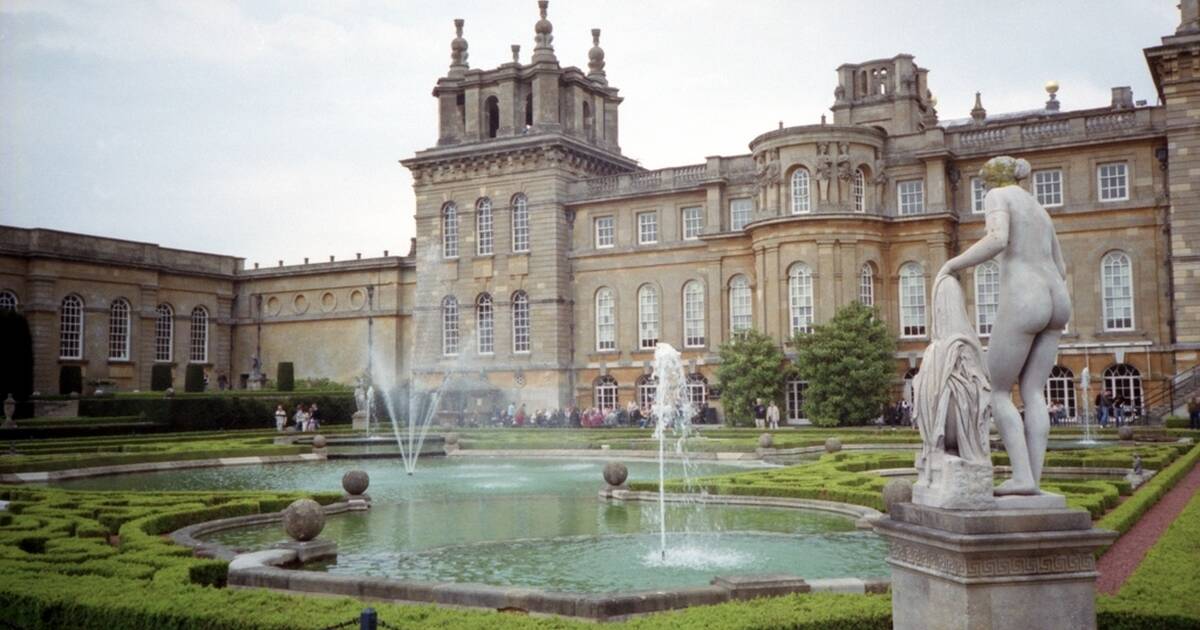
Blenheim Palace is a UNESCO World Heritage Site and the birthplace of Winston Churchill—which means it’s architecturally significant in ways that go beyond “pretty old building.” The palace sits in 2,000 acres of parkland designed by Capability Brown, one of England’s most famous landscape architects. This is the estate to choose if you want grandeur that feels intentional and historically weighty, not just ornamental.
What to see: The palace interiors are lavish but can feel overwhelming if you’re not pacing yourself. The grounds are the real draw: formal gardens, a lake, woodland walks, and enough space to spend half a day just wandering without feeling like you’re retracing steps.
The Churchill exhibition adds context if you want it, but the palace itself is the main event.
Getting there: By car is easiest—roughly 1.5 hours from central London. The A44 route is straightforward.
Train is possible but requires a connection (London to Oxford, then a taxi or bus to the palace), which adds time and hassle. If driving, arrive by mid-morning to secure parking and avoid the afternoon rush.
Best time to visit: Summer weekends are busy, but the palace manages crowds better than Windsor because the grounds are so vast. Weekday visits (if you can swing them) are noticeably quieter.
Plan for a full day if you want to see the interiors and explore the grounds without rushing.
Who should skip it: If you’re not interested in 18th-century architecture or British history, Blenheim feels like a long drive for a fancy house tour. The grounds alone don’t justify the trip unless you’re a serious garden enthusiast or want a peaceful walk in manicured parkland.
16. Highclere Castle & Bampton (Hampshire)

Highclere Castle is famous as the filming location for Downton Abbey, which means if you’re a fan of the show, this visit feels like stepping into the actual set—because you are. The castle is still a private residence, so tours are limited to specific hours, but the interiors and grounds are genuinely impressive beyond the TV connection.
What to see: Tour the castle in the morning during the earliest time slot available. By lunchtime, drive to Bampton village (just over an hour away), which is where most of the Downton Abbey exterior scenes were filmed.
The village is charming in a low-key way—stone cottages, a church, a village green—and walking through it feels like a pilgrimage for fans. Grab lunch at a local pub and wander the streets where the show was shot.
Getting there: By car is the only practical option—roughly 1.5 hours from central London. The drive is straightforward but not scenic enough to justify taking it slowly.
Plan to spend 2–3 hours at the castle, then drive to Bampton for lunch and a village walk (1+ hour). This is a full-day trip, not a half-day.
Insider detail: Highclere opens for limited hours during summer, and tours fill up quickly. Book tickets online in advance—same-day tickets are often unavailable on weekends.
The on-site café serves decent sandwiches and coffee, but it’s not a destination lunch; eat here only if you’re short on time.
Who should skip it: If you’re not a Downton Abbey fan and don’t care about the filming location connection, Highclere is a pleasant but not exceptional castle visit. The interiors are interesting but not as grand as Blenheim or Windsor.
The real draw is the show tie-in, so without that emotional connection, the drive feels long for the payoff.
17. Hampton Court Palace (Surrey)
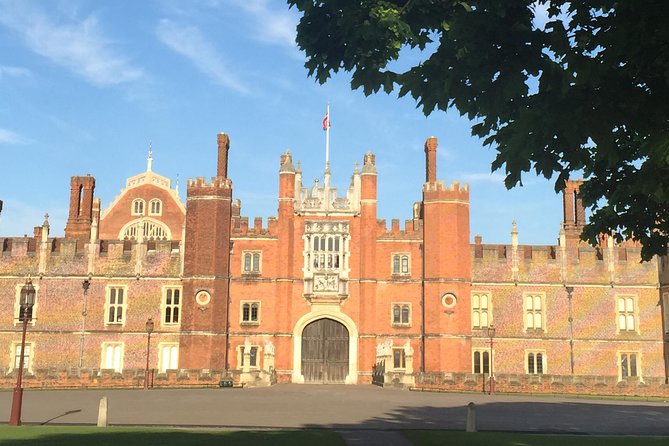
Hampton Court Palace is Henry VIII’s former home, and unlike Windsor (which is still a working royal residence), Hampton Court is fully open for exploration. It’s only 12 miles from central London and accessible by a short train ride, making it the easiest castle visit to fit into a weekend without eating up travel time.
The palace is massive—expect to spend a full day here if you want to see the interiors, gardens, and grounds without rushing.
What to see: The palace interiors are extensive and genuinely fascinating if you use the audio tour. The tour lets you skip sections that don’t interest you and dig deep into the ones that do—perfect for learning about the enormous staff it took to run such an elaborate household and keep Henry VIII satisfied.
The grounds are beautiful and family-friendly, with gardens, a riverside walk along the Thames, and plenty of open space to decompress between indoor sections.
Getting there: Train is the best option. From central London (Waterloo Station), take a direct train to Hampton Court Station—roughly 30 minutes.
The palace is a 5-minute walk from the station. This beats driving because parking is limited and the train drops you right at the entrance.
Best time to visit: Arrive early (first train slot) to beat families and school groups. Summer weekends are busy, but the palace is large enough that it doesn’t feel claustrophobic.
Weekday mornings are noticeably quieter if you have flexibility.
Practical tip: The audio tour is included with admission and is genuinely worth using. It’s not a generic museum narration—it includes specific details about daily life, the kitchen’s scale, and Henry VIII’s personality that make the palace feel lived-in rather than sterile.
Rent it at the entrance; don’t skip it.
Who should skip it: If you’re tired of palace interiors or Henry VIII history, Hampton Court feels repetitive after visiting Windsor or Blenheim. The palace is best for families and history enthusiasts who want to spend a full day exploring, not for travelers who want a quick castle photo and a town stroll.
18. Scotney Castle & Audley End House (Kent & Essex)
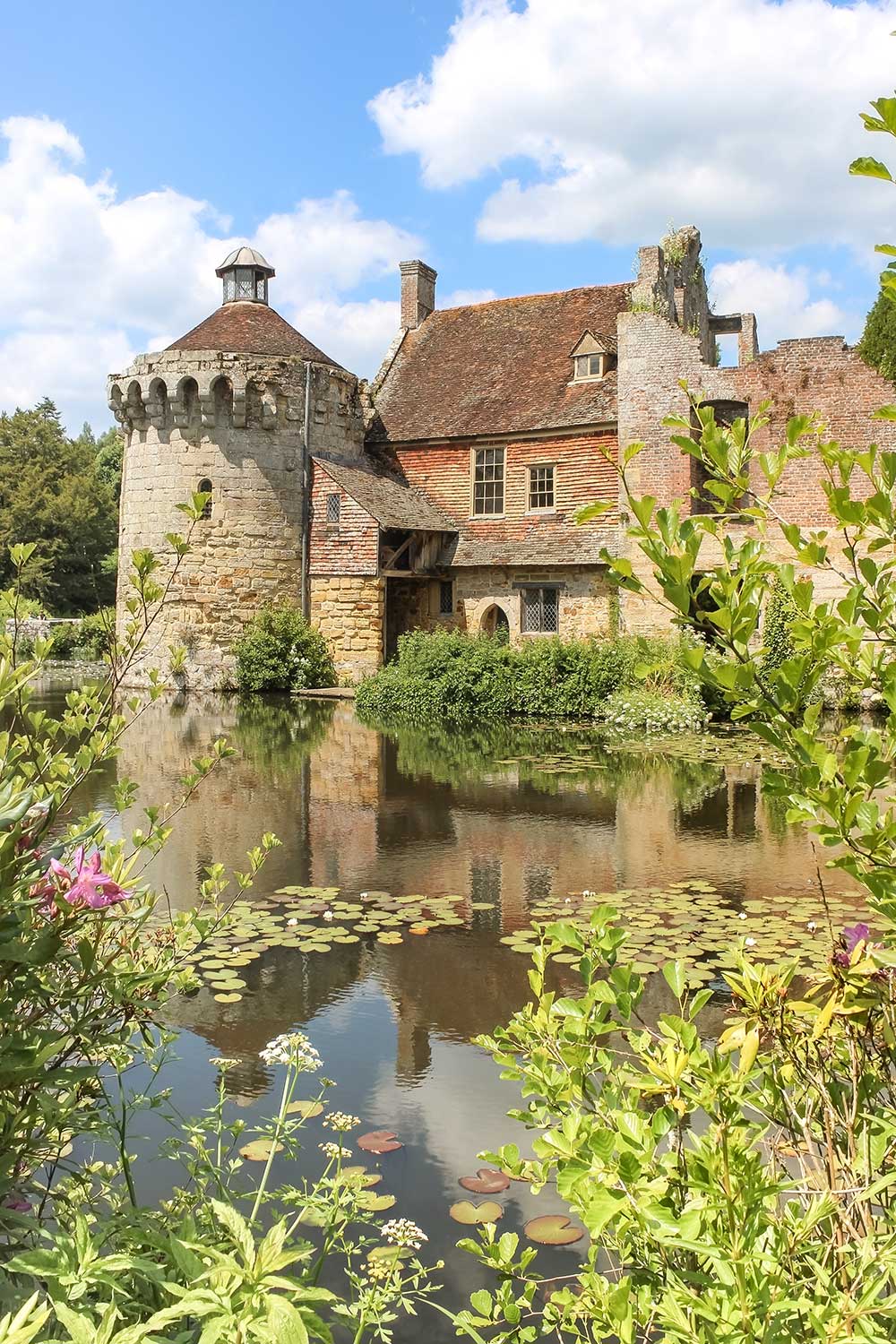
Scotney Castle and Audley End House are the quieter alternatives to Windsor and Hampton Court—both are stunning, both are less crowded, and both reward a slower pace of exploration. Scotney Castle is a moated castle with romantic, overgrown gardens that feel more like a secret than a major tourist attraction.
Audley End House is a sprawling Jacobean mansion in Saffron Walden with manicured grounds and a more intimate feel than the royal palaces.
Scotney Castle (Kent): The moat, the ivy-covered ruins, and the carefully designed gardens make this feel like a fairy-tale setting rather than a historical monument. It’s smaller than Windsor or Hampton Court, which means you can see it thoroughly in 2–3 hours without feeling rushed.
The grounds are the main draw—bring a picnic or grab lunch at the on-site café, then spend an afternoon wandering the gardens and exploring the castle ruins. This is the choice for travelers who want beauty and atmosphere over grand interiors.
Audley End House (Essex): Located in Saffron Walden, Audley End is a Jacobean mansion with impressive interiors and formal gardens. It’s less famous than the royal palaces, which means fewer crowds and a more relaxed visiting experience.
The house is genuinely interesting—ornate rooms, period furnishings, and a sense of how wealthy families actually lived. Pair it with a walk through Saffron Walden town itself, which has medieval charm and good local restaurants.
Getting there: Both require a car or a combination of train and taxi. Scotney Castle is in Lamberhurst, Kent (roughly 1 hour by car from London).
Audley End is in Saffron Walden, Essex (roughly 1 hour by car). If you’re visiting both in one trip, they’re not on the same route—choose one per weekend or plan a longer road trip that includes other Essex or Kent stops.
Best time to visit: Summer is ideal for the gardens at both estates. Scotney’s gardens peak in late spring and early summer; Audley End’s formal gardens are stunning year-round but most photogenic in summer.
Book ahead if visiting on a weekend, but both are far less crowded than Windsor.
Who should skip it: If you want grand palace interiors and famous royal history, these estates feel smaller and less iconic. They’re best for travelers who prioritize gardens, atmosphere, and avoiding crowds over checking off famous-castle boxes.
Planning Your Castle Weekend: Stay and Route Tips
If you’re visiting multiple estates in one weekend, base yourself in a town that offers easy access to your chosen castles. For Windsor and Hampton Court, stay in Windsor town itself or in a nearby hotel with easy train access—both palaces are accessible by train from central London, so you don’t need to drive.
For Highclere and Blenheim, a car is essential; consider staying in Oxfordshire (near Blenheim) or Hampshire (near Highclere) and planning a two-day trip that combines both estates with a village exploration or countryside walk.
For Scotney Castle and Audley End, a car is necessary, and the two estates aren’t close enough to visit in a single day without significant driving. Choose one per weekend, or plan a longer road trip through Kent or Essex that includes other attractions (Colchester Castle and Roman ruins are near Audley End, for example).
Summer weekends are peak season for all these estates. Book castle tickets online in advance, especially for Highclere and Blenheim, which limit daily visitors.
Arrive early (first entry slot) to maximize your time and avoid afternoon crowds. Bring comfortable walking shoes—the grounds at all these estates are expansive, and you’ll do far more walking than you expect.
Is It Worth Leaving London for Shopping or Ancient Monuments?
Yes—but only if you’re willing to commit a full day and pick the right destination for your actual interests. This section covers three wildly different draws: two ancient stone circles that predate recorded history, a designer outlet village that’s genuinely worth the trip, and a film-set experience that only works if you care about Harry Potter.
None of these are casual add-ons to a London day; each demands its own dedicated visit.
19. Stonehenge & Avebury Stone Circles (Wiltshire)
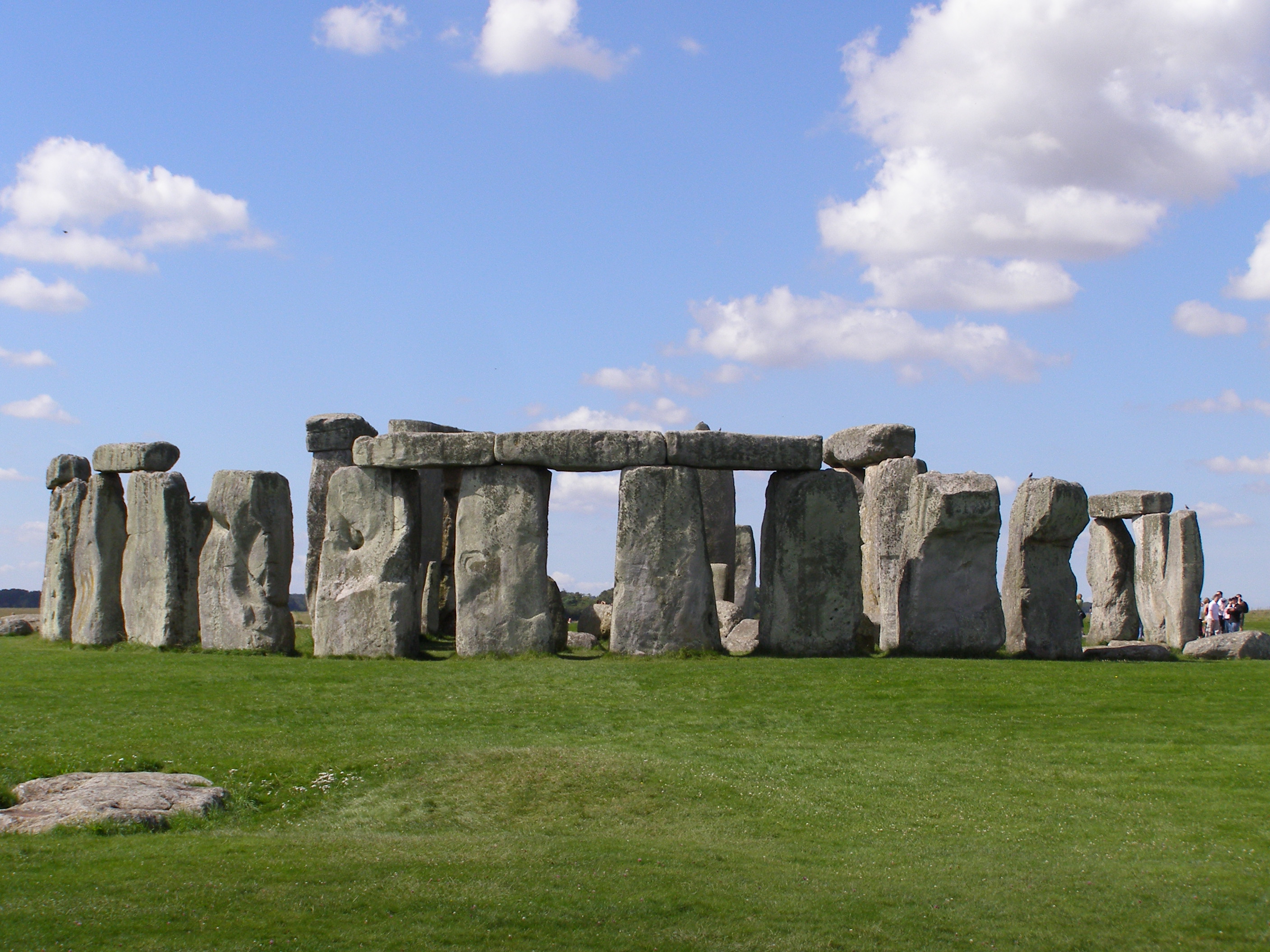
Stonehenge is the famous one—and the more overrated of the two. Avebury Stone Circle, just 9 miles away, is the smarter move for anyone who actually wants to touch history instead of stare at it from behind a rope.
Why Stonehenge wins for Instagram, why Avebury wins for actual experience: Stonehenge is a managed UNESCO site with strict visitor controls, timed entry slots, and a visitor center that costs extra. You’ll see the stones, but from a distance—the iconic view is the point.
Avebury is free year-round, sits in the middle of a village, and you can walk directly among the stones without barriers. The henge and stone circles date to the Neolithic period and actually predate Stonehenge, making Avebury the older and archaeologically richer site.
If you’re visiting for the “wow” factor and photos, Stonehenge delivers. If you want to understand why ancient people built these monuments and feel the scale of the effort, Avebury is the real prize.
Logistics and timing: Both sites are in Wiltshire, roughly 90 minutes south of London by car or train. Stonehenge requires advance booking for timed entry; Avebury does not.
A combined visit to both (Stonehenge in the morning, Avebury in the afternoon) is feasible as a day trip, but you’ll spend 4–5 hours driving and walking. Base yourself in Salisbury (the nearest town with hotels and restaurants) if you want to explore both without rushing, or book a tour from London that handles transportation.
Who should skip this: Anyone uninterested in prehistoric archaeology or ancient monuments. The experience is contemplative and slow—there are no rides, shows, or interactive exhibits.
Summer crowds at Stonehenge are substantial; visit early morning or late afternoon to avoid peak times.
20. Bicester Village (Oxfordshire)
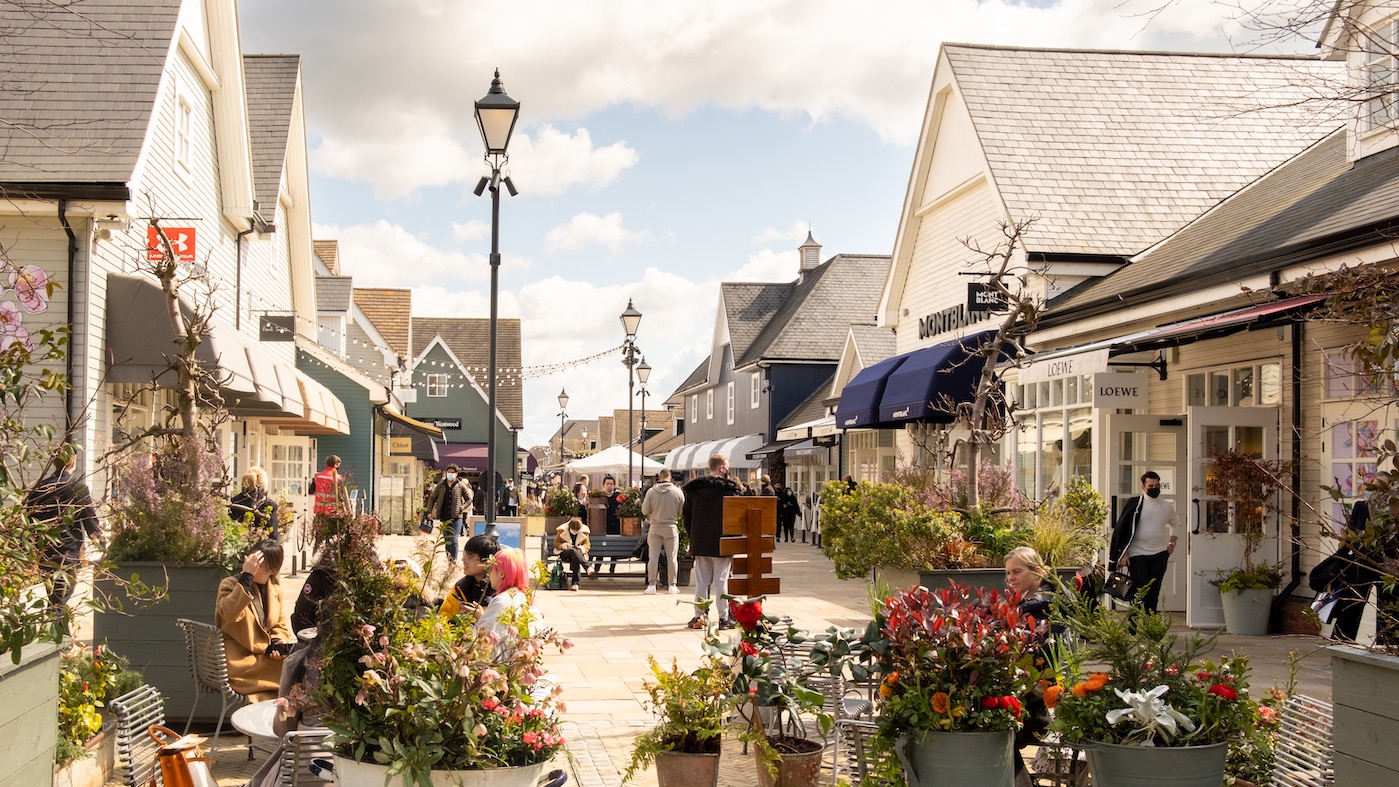
Bicester Village is the UK’s best destination for discounted designer goods—and it genuinely delivers if you know what you’re shopping for and when to go.
The real advantage: This is a designer outlet village with brands like Burberry, Prada, Coach, and Mulberry at 30–60% off retail. The setting is pleasant (open-air, tree-lined walkways), the selection is serious, and prices beat London department stores.
The catch: it’s a shopping destination, not a sightseeing one. Go if you need specific items; skip it if you’re browsing for entertainment.
Best time to visit and how to get there: Weekday mornings (Tuesday–Thursday, arriving by 10 a.m.) are nearly empty; weekends are packed and chaotic. The train from London Marylebone to Bicester North takes roughly 1 hour, and a shuttle runs directly from the station to the village—no car needed.
If driving, arrive early; the free car park fills quickly during peak hours.
What to expect: Plan 2–4 hours depending on how serious you are. There are decent restaurants and cafes on-site, so you can make a half-day of it without rushing back to London.
The village is well-maintained and easy to navigate, but it’s still fundamentally a shopping center, not a charming English village.
Who should skip this: Anyone who doesn’t have specific designer items on a wish list. Casual browsers will find it underwhelming. Also skip if you dislike outlet shopping culture or prefer independent boutiques.
21. Warner Bros. Harry Potter Studio Tour (Watford)
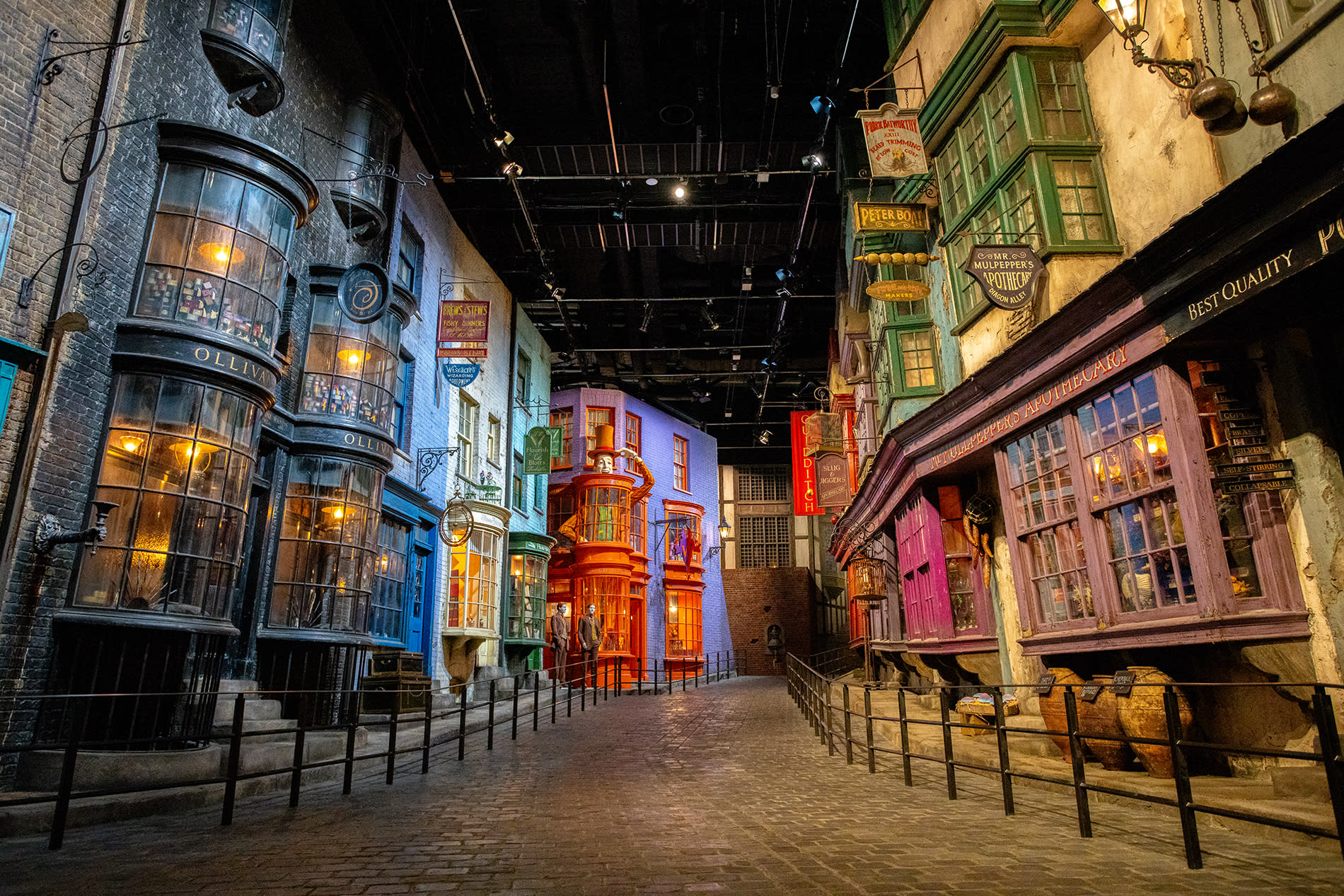
This is a full-day commitment that only makes sense if you’re a genuine Harry Potter fan—and even then, it’s expensive and logistically awkward.
What you’re actually getting: The real sets, props, and costumes from the Harry Potter films, displayed across soundstages and backlots. You’ll walk through Diagon Alley, see the Hogwarts Great Hall, and explore the Gryffindor common room.
It’s immersive and well-curated, but it’s a museum experience, not a theme park with rides or shows. Expect to spend 3–4 hours minimum; many fans spend 5–6.
How to get there (and why it matters): Watford is roughly 1 hour northwest of central London, but there’s no direct public transport to the studio itself. The easiest option is booking a guided tour through Viator or similar providers that includes round-trip coach transport from Victoria Station in central London, plus your entry ticket.
These tours typically depart around 9 a.m. and return by 5 p.m., accounting for London traffic. If you’re driving, parking is available on-site.
Self-arranging train + taxi is possible but slower and more expensive than a package tour.
Cost and booking: Entry alone is £53–£57 per adult (prices vary by date and advance booking). Package tours with transport run £80–£120+ depending on the operator.
Book well in advance during summer; slots fill quickly, especially weekends and school holidays.
Insider detail: The studio tour includes a butterbeer station (a themed drink that tastes like butterscotch cream soda). It’s overpriced at roughly £6 per cup, but it’s part of the experience if you’re committed to the immersion.
Bring comfortable shoes—there’s substantial walking on hard floors.
Who should skip this: Non-Harry Potter fans will find it tedious and expensive. Even casual fans may feel the price and travel time aren’t justified. The experience is entirely indoors and heavily themed; there’s no “general interest” appeal.
Best time to visit: Weekday visits (especially mid-week) are less crowded than weekends. Summer holidays (late July–August) are peak season and busiest. Early morning slots move through faster than afternoon ones.
Frequently Asked Questions
How far can I realistically travel for a weekend trip from London?
Destinations within 3 hours by train or car work best for a true weekend (Friday evening to Sunday night). This covers everything in the article: Kent and East Sussex beaches (1–1.5 hours), the Cotswolds and Dorset (2–3 hours), and Hampshire estates (1–2 hours).
Anything beyond 3 hours eats into your actual free time and turns into a logistics puzzle rather than a getaway. Train is faster and less stressful than driving if you’re leaving Friday evening; driving wins if you want flexibility on arrival time and plan to explore multiple villages or coastal towns.
What’s the best time in summer to book these trips?
July and early August see peak crowds and peak prices across all coastal towns, Cotswolds villages, and castle attractions. June and late August are sweeter spots — still warm, fewer families on school holidays, and easier to book accommodations without booking 8 weeks ahead.
If you’re flexible, weekdays (Tuesday–Thursday) beat weekends for availability and lower rates everywhere. Book accommodations 4–6 weeks in advance for summer weekends; day-trip attractions like Windsor Castle and the Warner Bros.
Studio Tour need tickets reserved at least 2–3 weeks ahead to guarantee entry.
Do I need a car for these weekend trips?
No, but it depends on your destination. Train access is excellent to Brighton, Cambridge, Oxford, Canterbury, Bath, and Winchester — these are walkable once you arrive and don’t require a car.
Coastal towns like Margate, Whitstable, and Rye are also train-accessible, though having a car lets you explore quieter beaches and neighboring villages without waiting for local buses. The Cotswolds and North Norfolk are frustrating by train (multiple changes, slow connections); a rental car or organized tour makes these genuinely enjoyable.
The Warner Bros. Studio Tour in Watford is nearly impossible to reach by public transport — book a coach tour from central London (leaves Victoria Station) instead of wrestling with connections.
What should I pack for a summer weekend near London?
Bring layers, not just a t-shirt. Coastal areas — Margate, Whitstable, Durdle Door, and North Norfolk — stay windy even on hot days; a lightweight jacket or jumper is essential.
Sunscreen, sunglasses, and a hat are non-negotiable for beach days and countryside walks. If you’re visiting castles or stately homes, wear comfortable walking shoes (you’ll be on your feet for hours).
For spa weekends at places like Four Seasons Hampshire, pack workout clothes and casual dinner wear. Check the forecast the week before; British summer weather shifts fast.
Are these trips expensive, or can I do them on a budget?
Budget varies wildly by destination and stay style. Day trips cost roughly £15–30 for train fares from London, plus £10–25 for most attractions (beaches are free; castles and studios run £20–35).
Overnight stays range from £80–150 per night for mid-range hotels in coastal towns and university cities, to £250+ for country estates and spa resorts. Eating out in villages and small towns is cheaper than London (expect £12–18 for lunch, £25–40 for dinner).
Budget-conscious travelers should base themselves in larger towns with train access (Brighton, Cambridge, Bath) where accommodation and food options are more varied; tiny villages have fewer cheap options and limited restaurants.
Can I do multiple destinations in one weekend?
Yes, but only if they’re on the same route. A coastal loop (Margate → Whitstable → Rye in one weekend) works because they’re roughly sequential along the southeast.
Mixing a beach town with the Cotswolds in one weekend doesn’t work — they’re in opposite directions and you’ll spend more time driving than exploring. University cities (Oxford, Cambridge, Canterbury) can be combined if you’re willing to move accommodations, but it defeats the purpose of a relaxing weekend.
Pick one region, stay put, and do day excursions from a home base instead.
What if the weather is bad?
Indoor-focused destinations are your backup plan. The Warner Bros.
Studio Tour, Windsor Castle, Blenheim Palace, Highclere Castle, and Canterbury Cathedral all work in rain. Cambridge and Oxford have excellent museums and bookshops for rainy afternoons.
Spa weekends at Four Seasons Hampshire are actually better in cooler weather. Coastal towns like Margate and Brighton have galleries, vintage shops, and covered arcades.
Avoid committing your entire weekend to beach activities; always have a wet-weather plan (a museum, a pub lunch, a historic house tour) ready to go.
Do I need to book accommodations in advance?
For summer weekends, yes — 4–6 weeks ahead is standard. Popular coastal towns (Brighton, Margate, Whitstable) and university cities (Cambridge, Oxford) book up fast, especially for Friday and Saturday nights.
The Cotswolds and Hampshire estates have fewer rooms, so book even earlier if those appeal to you. Day trips don’t require advance booking for accommodation, but timed-entry tickets to castles and studios should be reserved 2–3 weeks ahead.
If you’re traveling mid-week (Tuesday–Thursday) in June or late August, you can sometimes book 2 weeks out and still find good options.
Which destination is best if I’m traveling with kids?
The Warner Bros. Studio Tour is the obvious choice for Harry Potter fans of any age.
Beaches (Margate, Whitstable, Rye, Durdle Door) work for families who don’t mind crowds in July–August. Windsor Castle and Blenheim Palace have grounds to run around on, though the castle interiors can feel long for young children.
Cambridge and Oxford are walkable and have punting (boats) on the river, which kids enjoy. Skip the Cotswolds for a weekend with children — it’s all slow village walks and farm shops, which bores most kids.
Highclere Castle appeals only to Downton Abbey fans old enough to care about the show.
Book Your Escape and Go
Pick your destination based on what you actually want to do—not what sounds impressive. If you crave salt water and galleries, book Margate by mid-June.
If you want thermal spas and Georgian streets, reserve Bath accommodation now for early September when crowds drop but weather stays warm.
These escapes exist because London residents have spent centuries figuring out exactly how far you can travel and still feel like you’ve genuinely left. Summer is the only season when all of them—beaches, countryside, castles, and spa towns—deliver their full promise simultaneously.
Reserve your train tickets and accommodations this week for a June or early September weekend, arrive early Saturday morning, and let the landscape do what the city never can.
Leave a Reply