
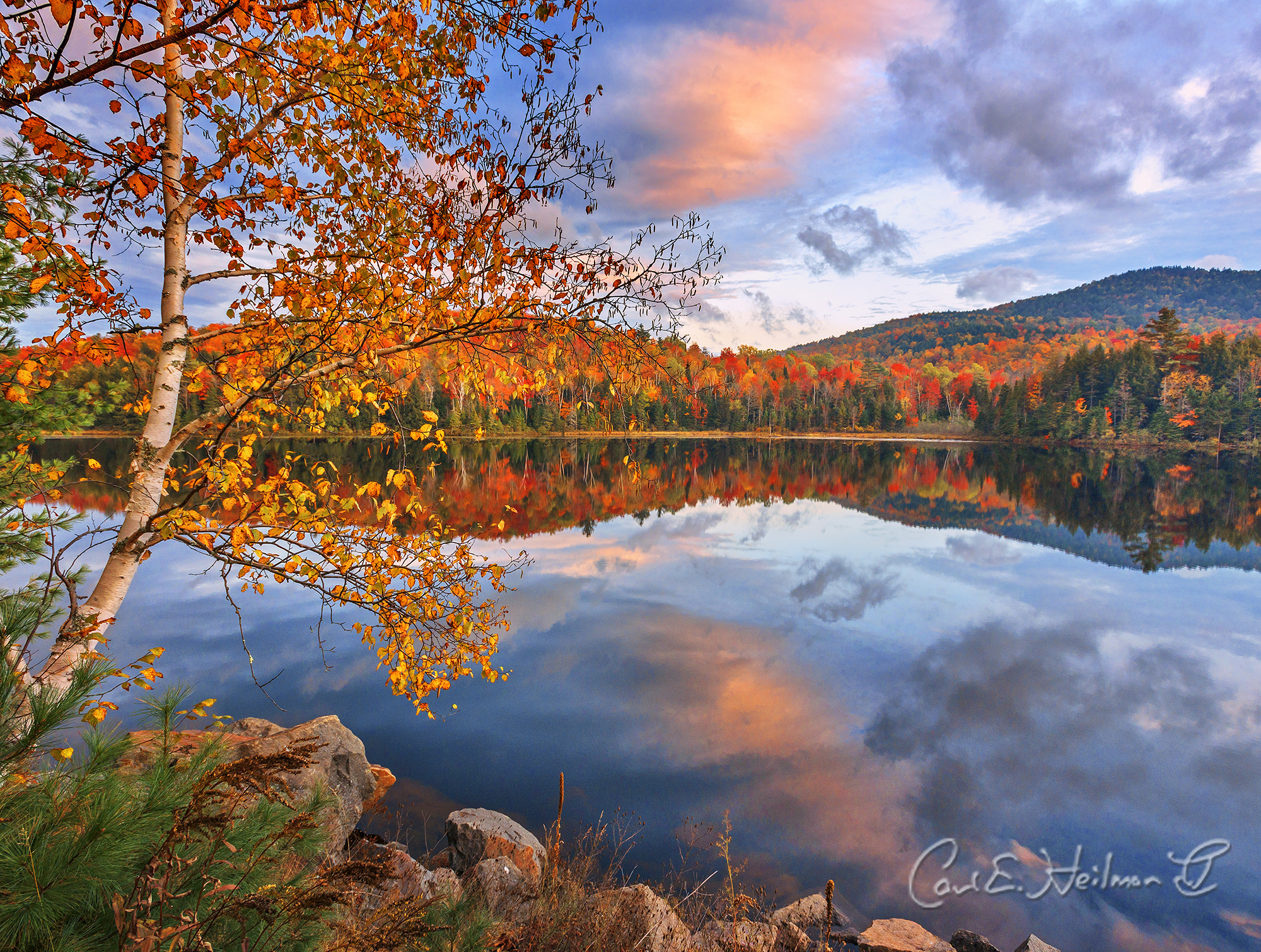
The air turns crisp, the light shifts gold, and the trees around you ignite in reds, oranges, and yellows so vivid they almost don’t look real. This is the Adirondacks in fall, and it’s one of the longest, most reliable foliage seasons in the country—but only if you time it right.
What makes the Adirondacks different from everywhere else is the staggered color progression: the Lower Adirondacks peak in late September, while the High Peaks don’t turn until mid-October, which means you can chase peak color across regions instead of missing it entirely. This guide cuts through the guesswork and tells you exactly when to go, where to stay, and which drives and hikes deliver the most stunning views without wasting a single day.
Budget-wise, expect $100–200 per night for solid mid-range lodging in Lake George or Lake Placid, $50–150 for scenic drives and hikes (mostly free), and $250–350 per person if you splurge on a hot air balloon ride or gondola experience.
Your Quick-Reference Foliage Roadmap
- Peak windows by region: Lake George and Lower Adirondacks peak late September through mid-October; High Peaks and Upper Adirondacks peak early to mid-October. First week of October delivers the most consistent color across all regions.
- Best scenic drives: Route 73 and Route 86 hug Cascade Lakes with mirror-perfect reflections; Prospect Mountain Veterans Memorial Highway delivers high-elevation vistas across Lake George and beyond (closes November 11); Gore Mountain Gondola offers 360-degree aerial views above the treeline.
- Top hikes for foliage: Indian Head via Gill Brook Trail (11 miles, 6–7 hours, waterfalls included); Roaring Brook Falls (1–2 hours, easy, family-friendly); Cascade Lakes (2–3 hours, lake reflections); Up Yonda Farm (1–2 hours, minimal elevation gain).
- Unique experiences: Hot air balloon rides over Lake George ($250–350 per person, sunrise departures); Revolution Rail Co. rail bike tours along the Hudson River (weekends through October, 2 hours); apple picking and corn mazes at local orchards (half-day add-ons).
- Must-see attractions: Ausable Chasm (dramatic gorge with waterfalls and canyon walls); High Falls Gorge (easier alternative, family-friendly); Wild Center Wild Walk in Tupper Lake (canopy-level walkways through peak color).
- Best bases: Bolton Landing (late September–early October, walkable, waterfront charm); Lake Placid or Keene Valley (early to mid-October and later, mountain-town feel, High Peaks access).
Best Time to Visit the Adirondacks for Fall Foliage
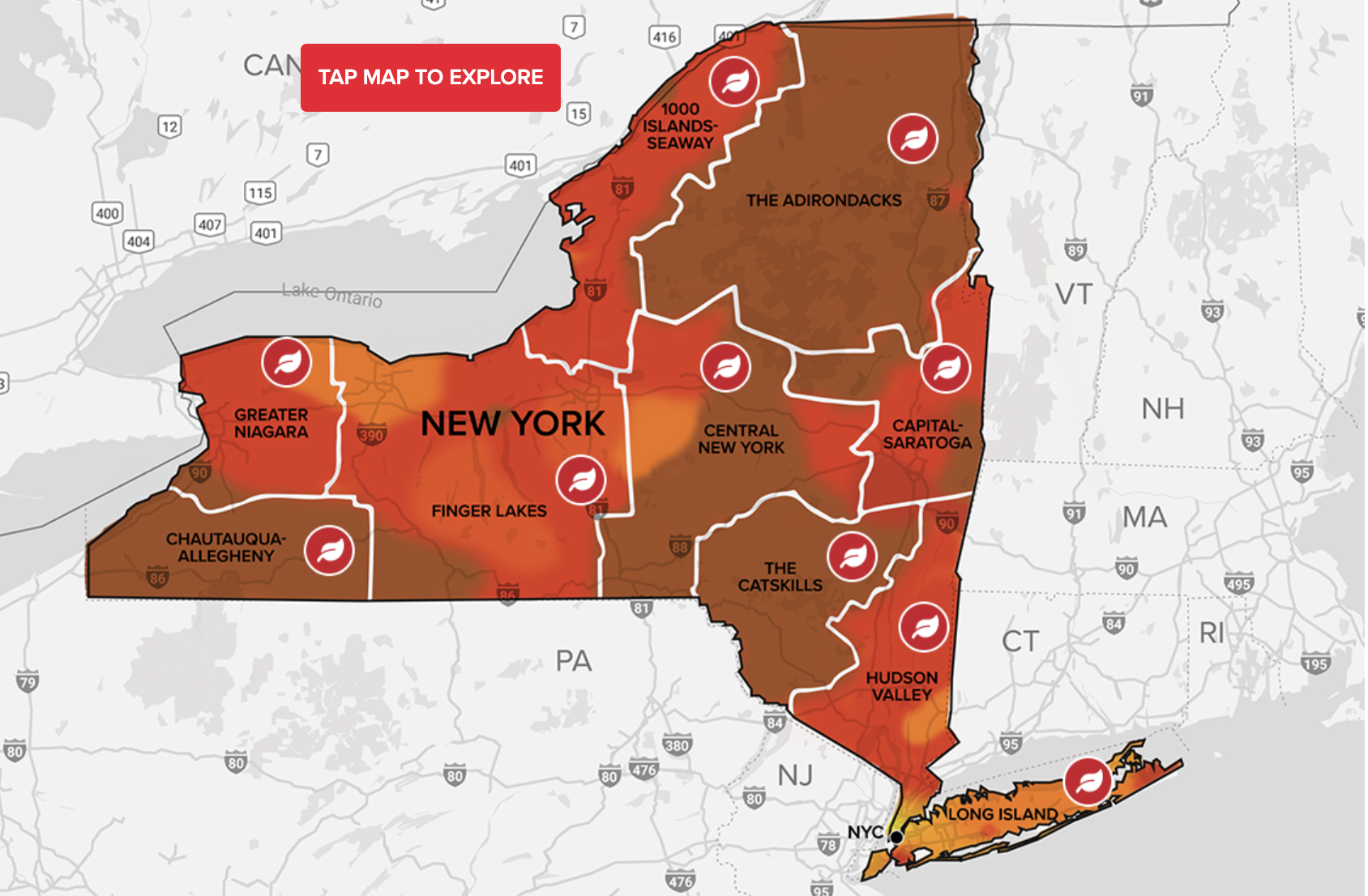
The Adirondacks deliver one of the longest and most reliable fall color seasons in the country—but timing matters enormously. Peak foliage windows vary significantly by region, and hitting them wrong means driving past half-bare trees instead of the vibrant reds, oranges, and golds that make the trip worth planning.
The key is knowing which region peaks when, then using live foliage reports to confirm conditions before you book.
Peak Foliage Windows by Region
The Adirondacks don’t turn color all at once. The Lower Adirondack region (Lake George and surrounding Warren County) peaks first, typically between late September and mid-October.
The Upper Adirondacks and High Peaks regions, including Keene Valley and Lake Placid, peak slightly later, usually extending into mid-October. This staggered timing is your advantage: if you miss the window in one region, you can pivot to another without losing the trip entirely.
- Lake George and Lower Adirondacks: Late September through mid-October. This region typically shows 15% color change by mid-September, then builds rapidly. Plan here first if you’re visiting in late September.
- High Peaks and Upper Adirondacks (Keene Valley, Lake Placid area): Early October through mid-October. Higher elevation means slightly delayed peak, which works in your favor if you’re flexible on dates.
- Best single week across all regions: The first week of October historically delivers the most consistent color across the entire park, with favorable weather and minimal crowding compared to mid-October weekends.
Base yourself in Lake Placid or Bolton Landing if you want flexibility to chase color across regions without moving lodging—both are centrally positioned to access upper and lower zones within 30–45 minutes of driving.
How Foliage Reports Help Plan Your Trip
Don’t guess. The Adirondack Peak Fall Foliage Map and regional foliage reports (updated weekly by Visit Adirondacks and the Lake George Chamber of Commerce) track color progression in real time.
These reports specify the percentage of trees showing color, which regions are peaking, and which are just beginning—information that changes week to week and makes the difference between a stunning trip and a disappointing one.
Check the official foliage report 7–10 days before your planned travel dates. If your target region shows less than 50% color, delay by a week or shift to a region that’s further along.
Reports are typically updated every Monday or Tuesday, so plan your final booking decision by mid-week to secure lodging before peak weekends fill up. Peak weekends (mid-October Saturdays and Sundays) book solid 3–4 weeks in advance, so if you’re flexible on dates, aim for a weekday visit or the first two weeks of October when availability is still reasonable and crowds are lighter.
Top Scenic Drives for Adirondacks Fall Foliage
These three drives are the fastest way to see peak color without leaving your car — each one delivers a different payoff, so choose based on what matters most to you: mountain vistas, lake reflections, or aerial perspective.
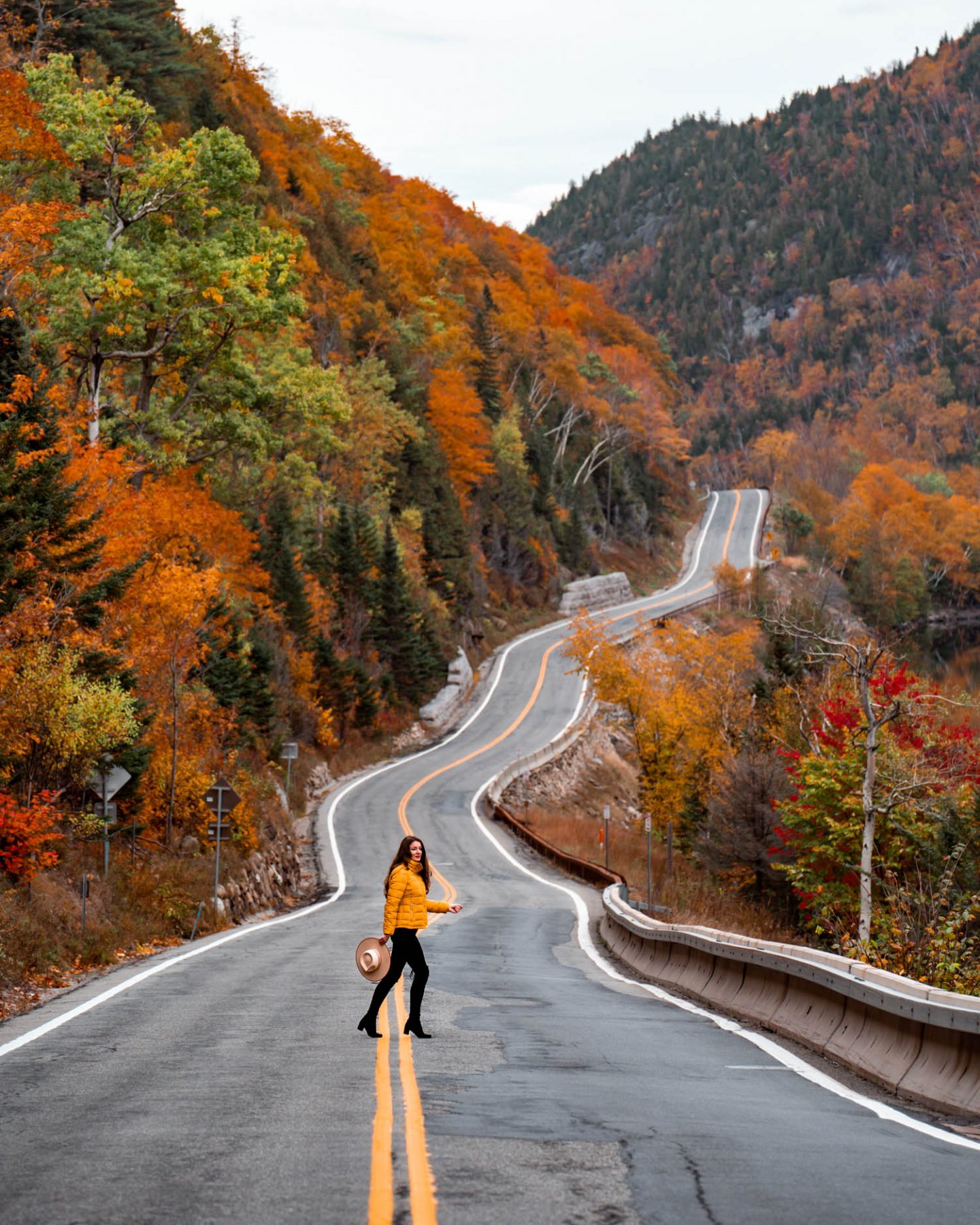
Route 73 and Route 86
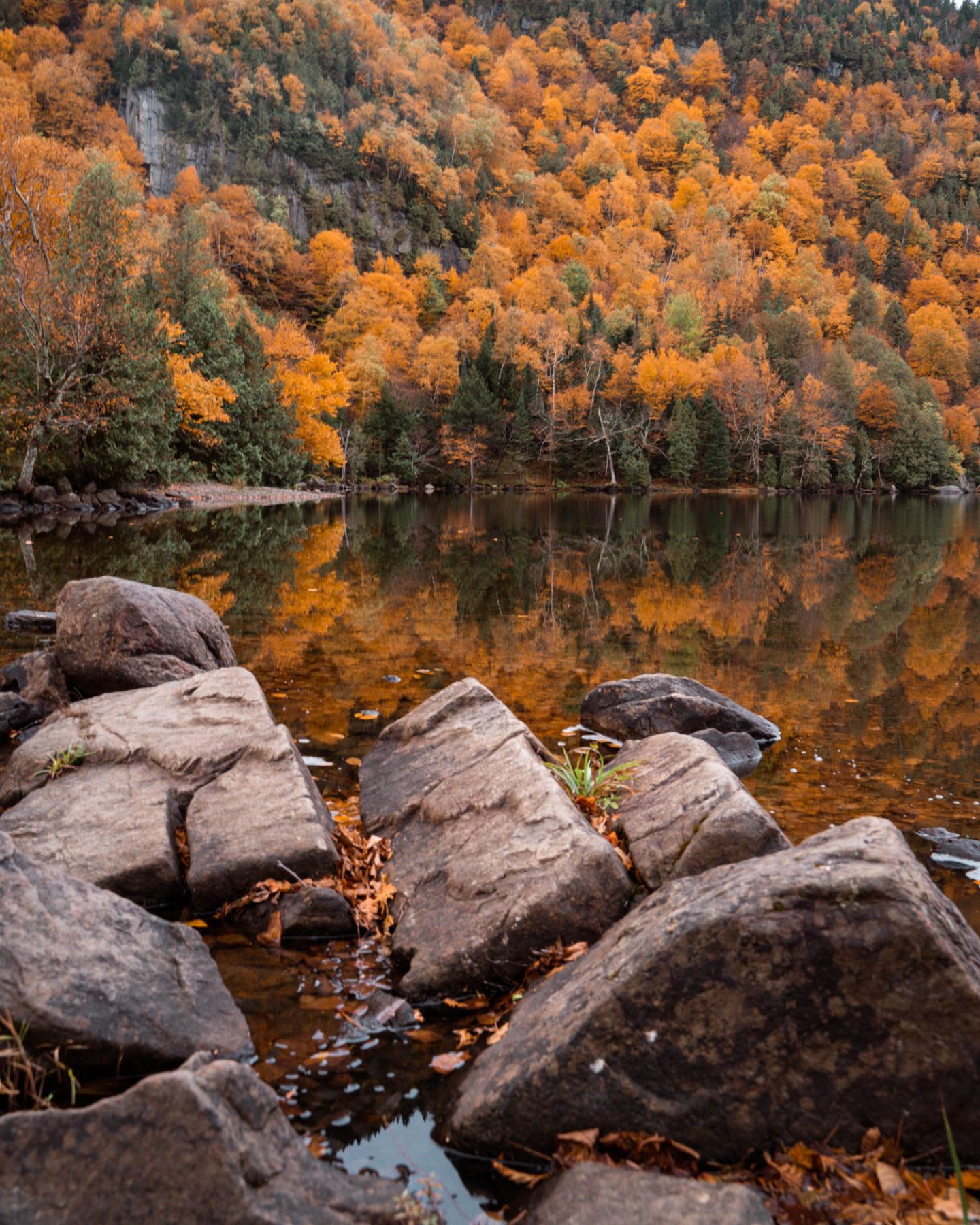
Route 73 is the move if you want immediate, effortless access to jaw-dropping lake-and-mountain color. The road hugs Upper and Lower Cascade Lakes, which sit framed by sheer rock cliffs and dense fall foliage.
Park at any turnoff, walk a few steps, and you’re standing in front of a postcard — on calm days, the water mirrors the trees perfectly, giving you double the color. Route 86 extends the same experience with panoramic views of the Adirondack High Peaks burning with reds and oranges as you drive.
- Best for: Photographers and anyone who wants color without hiking.
- Timing: Peak foliage typically hits late September through mid-October, though the region’s foliage report updates weekly — check it before you drive.
- Insider tip: Arrive early morning or late afternoon to avoid crowds at the Cascade Lakes pulloffs and catch the best light on the water reflections.
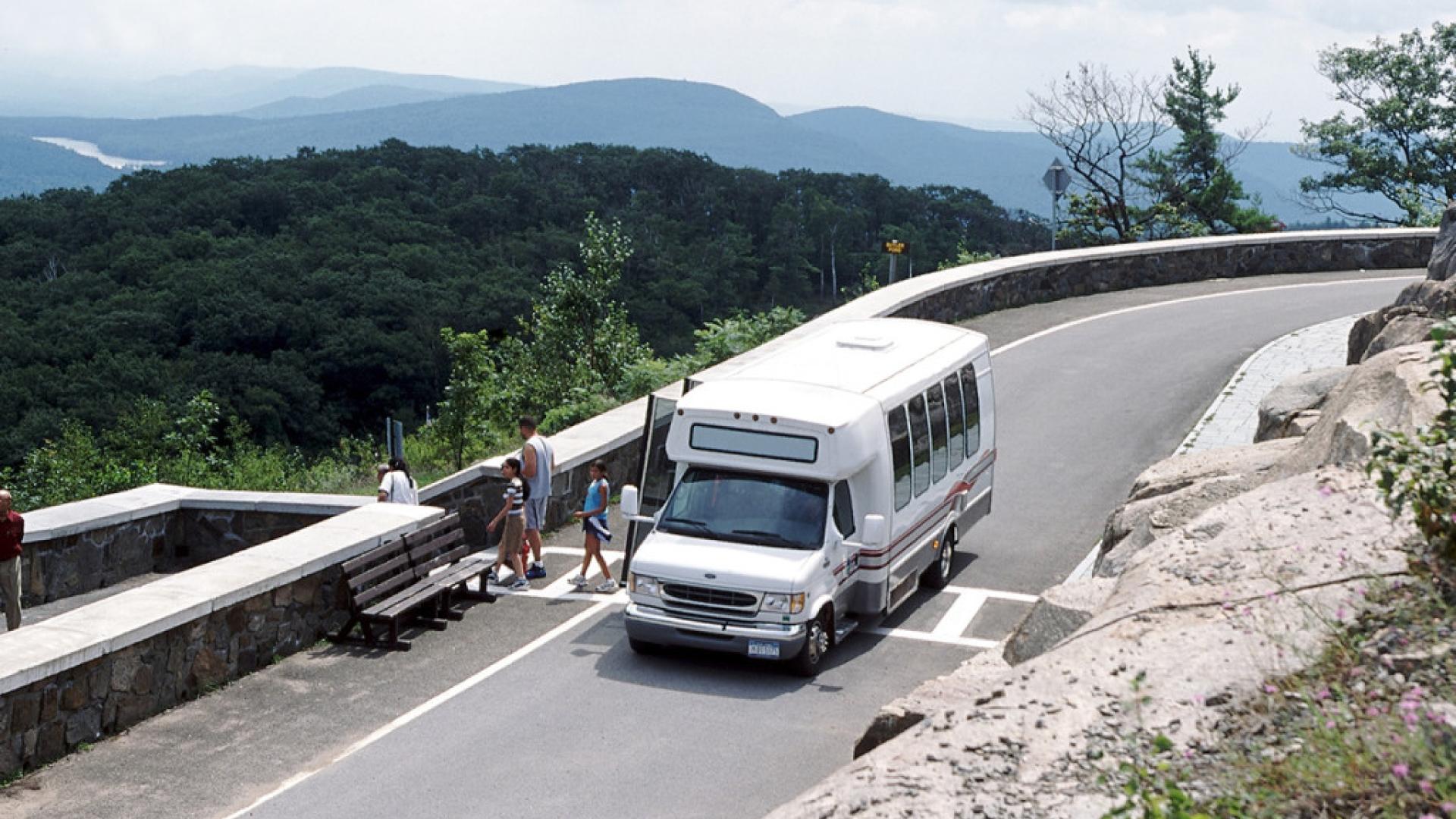
Prospect Mountain Veterans Memorial Highway
This is the drive for expansive, high-elevation views without the hike. The highway climbs to a summit with sightlines that stretch across Lake George and the surrounding Adirondack peaks — on clear days, you can see all the way to Vermont’s Green Mountains and New Hampshire’s White Mountains beyond.
The entire landscape unfolds in layers of fall color below you.
- Best for: Travelers who want dramatic elevation and scope without effort.
- Critical detail: The highway closes November 11 each year, so this drive is only available early and mid-fall — plan accordingly.
- Timing: Early October typically offers the most vibrant color and clearest visibility.
Gore Mountain Gondola Ride
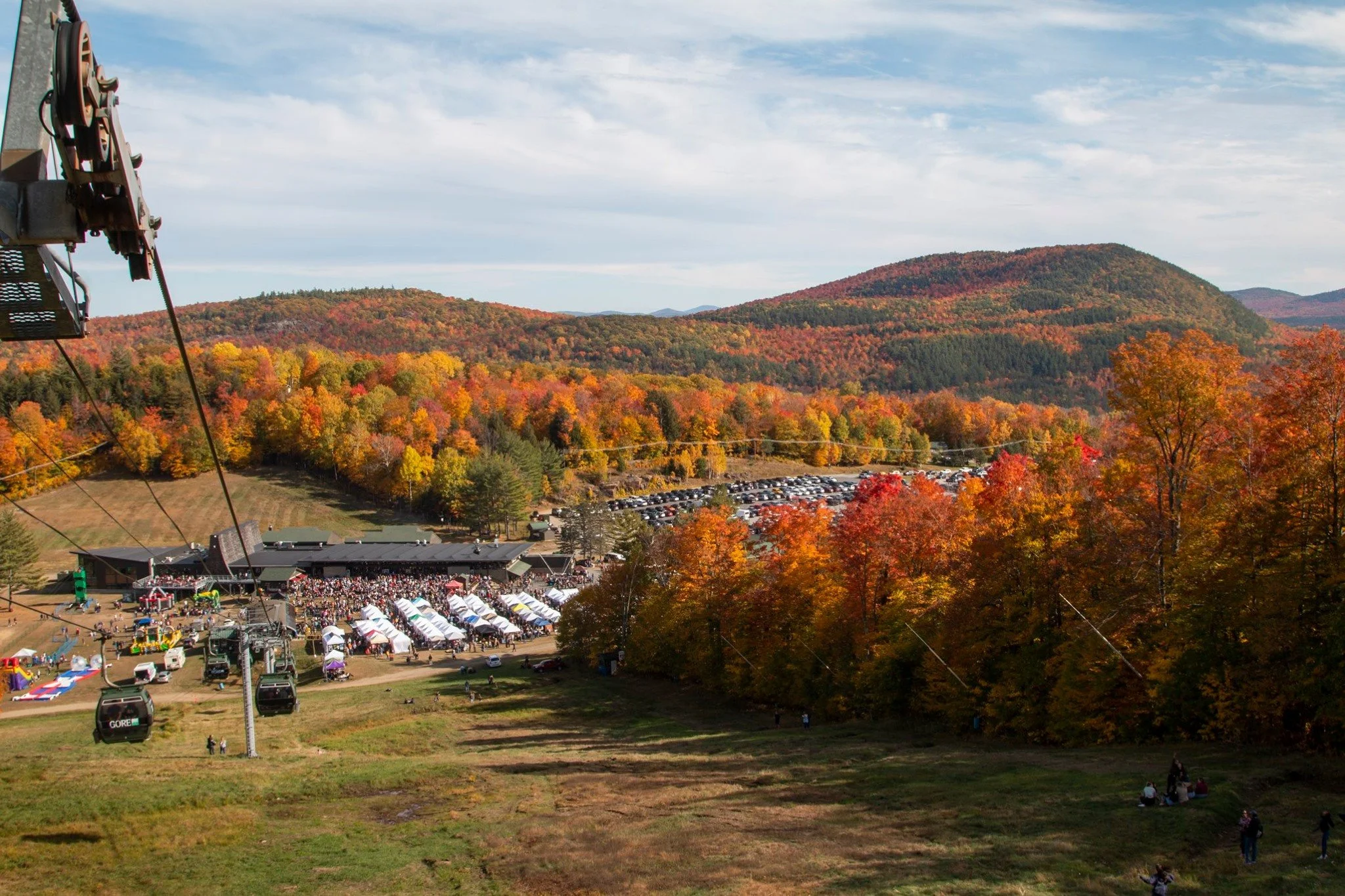
Skip the drive entirely and take the aerial route. Gore Mountain’s scenic gondola lifts you above the treeline during fall, delivering 360-degree views of Adirondack peaks wrapped in color.
This is the only way to see the full scale of the foliage display from above — you get perspective that no road can match.
- Best for: Anyone who wants a different vantage point and doesn’t mind paying for the experience.
- Logistics: Gore Mountain is located in North Creek. Confirm gondola operating dates and hours with the mountain directly, as fall schedules vary by year.
- Insider tip: Go on a clear day — clouds will block the views that make this worth the ticket price.
Base yourself in the Lake George or Lake Placid area if you’re planning to drive all three routes over a few days. Both towns offer convenient access to these scenic corridors and keep you positioned for early-morning departures when light and crowds are best.
Best Hikes for Adirondacks Fall Foliage Views
The Adirondacks’ hiking trails deliver fall color at eye level—not from a car window or observation deck—which means you’ll see reds, yellows, and oranges reflected in alpine lakes, framed by cliff faces, and layered across ridgelines in ways that photographs can’t capture. These four hikes range from accessible waterfall walks to serious all-day efforts, so pick based on your fitness level and how much time you have, not just the promise of views.
Indian Head via Gill Brook Trail
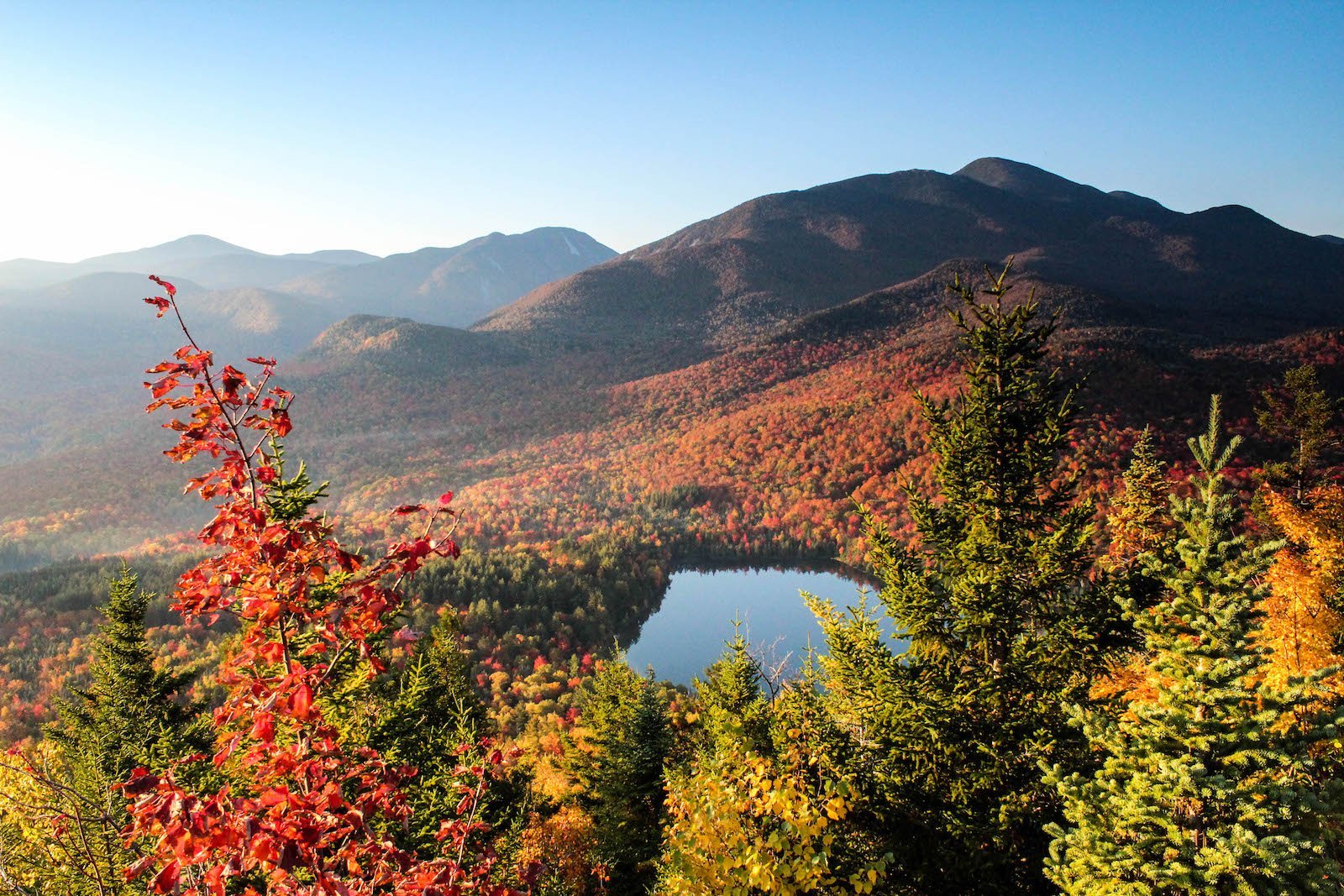
This is the hike to do if you want the single most rewarding payoff in the Adirondacks—but only if you’re willing to earn it. The Indian Head overlook delivers views that justify the 11-mile round-trip commitment, especially when the canopy is at peak color.
The Gill Brook Trail is the scenic route choice: it’s longer and more forested than the alternative Lake Road option, but it rewards you with over a dozen waterfalls along the way. Fall foliage frames these cascades perfectly, turning the hike into a waterfall-and-color experience rather than just a slog to a viewpoint.
Start early and expect 6–7 hours round trip depending on fitness and photo stops. The trail is not technical, but the distance is real—this isn’t a casual afternoon walk.
Base yourself in Keene Valley or Lake Placid for convenient trailhead access and lodging options that let you rest after a full day.
Cobble Hill and Roaring Brook Falls
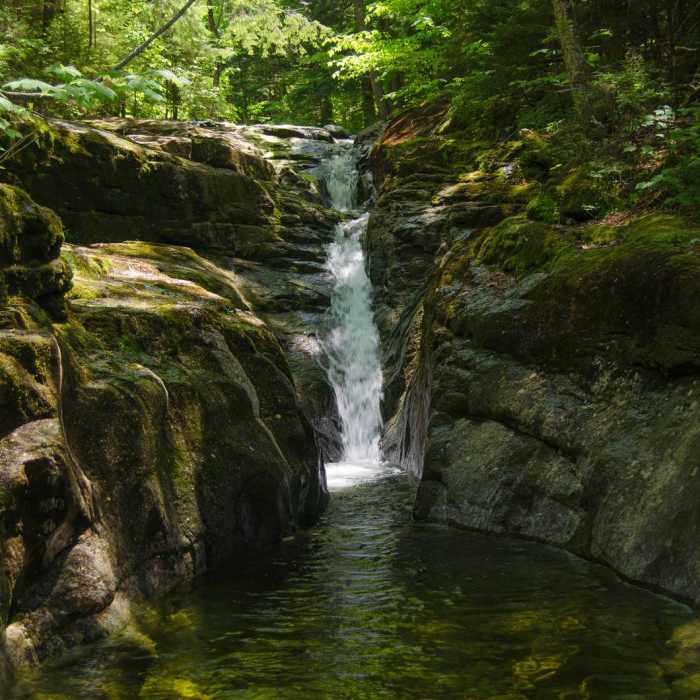
If you want waterfall drama without the 11-mile commitment, Roaring Brook Falls delivers. The trailhead sits on Route 73 in Keene Valley, and the hike to the lower falls is short and easy—perfect for families or anyone who wants color without exhaustion.
The lower falls are the main attraction, but the trail continues upward if you want to push further.
The catch: rocks around the falls are wet and slippery year-round, so move carefully if you climb near the water. The payoff is a powerful cascade framed by fall foliage and the kind of mist that catches afternoon light.
Plan 1–2 hours for the lower falls section, longer if you continue to the upper falls. This hike works well as a morning or early-afternoon stop before heading to dinner in nearby Lake Placid or Keene Valley.
Cascade Lakes and Chapel Pond
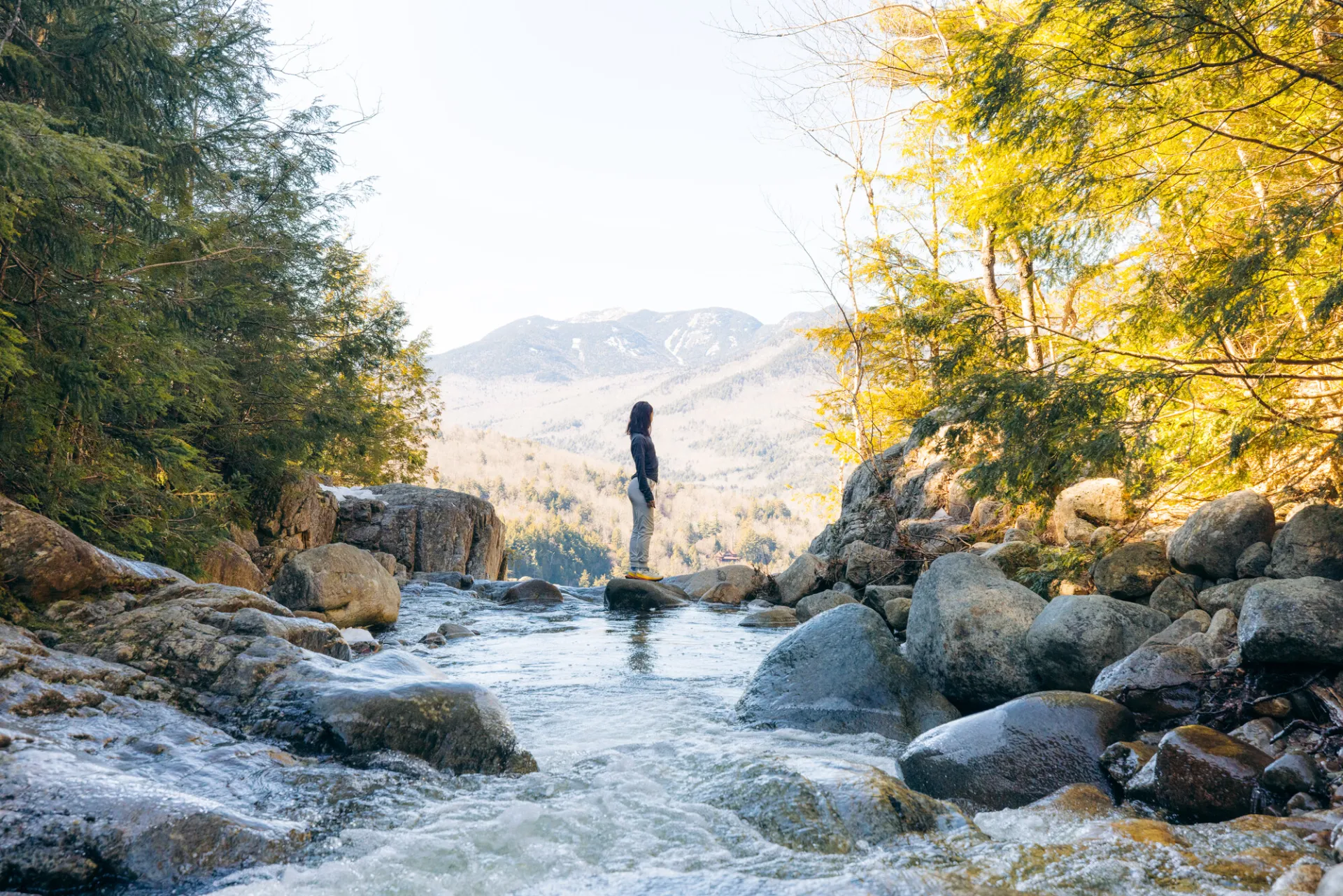
Cascade Lakes offers a gentler alternative for hikers who want alpine scenery without extreme elevation gain. The trail delivers lake views surrounded by fall color, and the pond reflections amplify the foliage display—especially on calm mornings.
This is a solid choice for photographers and anyone building a mixed itinerary of hiking, scenic drives, and town time.
The hike is moderate and typically takes 2–3 hours depending on how far you push. It’s accessible enough for a midday activity between a scenic drive and an evening meal, making it ideal for travelers splitting their time between hiking and other Adirondacks attractions.
Up Yonda Farm Environmental Education Center and Hackensack Mountain
Up Yonda Farm, located in Bolton Landing, spans 73 acres with a hilltop lookout that delivers panoramic fall foliage views without serious technical hiking. The trails here are educational and well-maintained, making this the best choice if you want color and views with minimal physical demand.
The hilltop vantage point captures the surrounding landscape in full fall dress.
This is also the right pick if you’re staying in the Lake George and Bolton Landing area—it’s convenient and worth a 1–2 hour visit. Pair it with the Pinnacle Trail in Bolton Landing, which is another relatively easy hike with rewarding panoramic views of Lake George and the surrounding foliage.
Together, these two trails let you see fall color from different angles without overcommitting your day.
Quick Comparison: Which Hike Fits Your Trip?
| Hike | Distance & Time | Difficulty | Best For |
|---|---|---|---|
| Indian Head via Gill Brook Trail | 11 miles, 6–7 hours | Moderate (distance, not technical) | All-day commitment; waterfall lovers; serious hikers |
| Roaring Brook Falls | 1–2 hours to lower falls | Easy to Moderate | Families; waterfall drama without distance; quick stops |
| Cascade Lakes | 2–3 hours | Moderate | Lake reflections; photographers; mixed itineraries |
| Up Yonda Farm & Pinnacle Trail | 1–2 hours each | Easy | Minimal physical demand; Lake George area visitors; panoramic views |
Insider tip: Roaring Brook Falls and Cascade Lakes both sit near Route 73, which is also one of the region’s best scenic drives—you can combine hiking and driving in a single day without backtracking. Start with a hike in the morning, then drive the scenic corridor in the afternoon for a full foliage experience.
Unique Ways to Experience Adirondacks Fall Foliage
Skip the standard scenic drive and get literally above the trees — hot air balloons, rail bikes, and orchards turn fall foliage from a passive view into an active memory. These experiences work best when booked early in the season and paired with a base in the Lake George or Lake Placid area for easy morning access.
Hot Air Balloon Rides and Scenic Flights
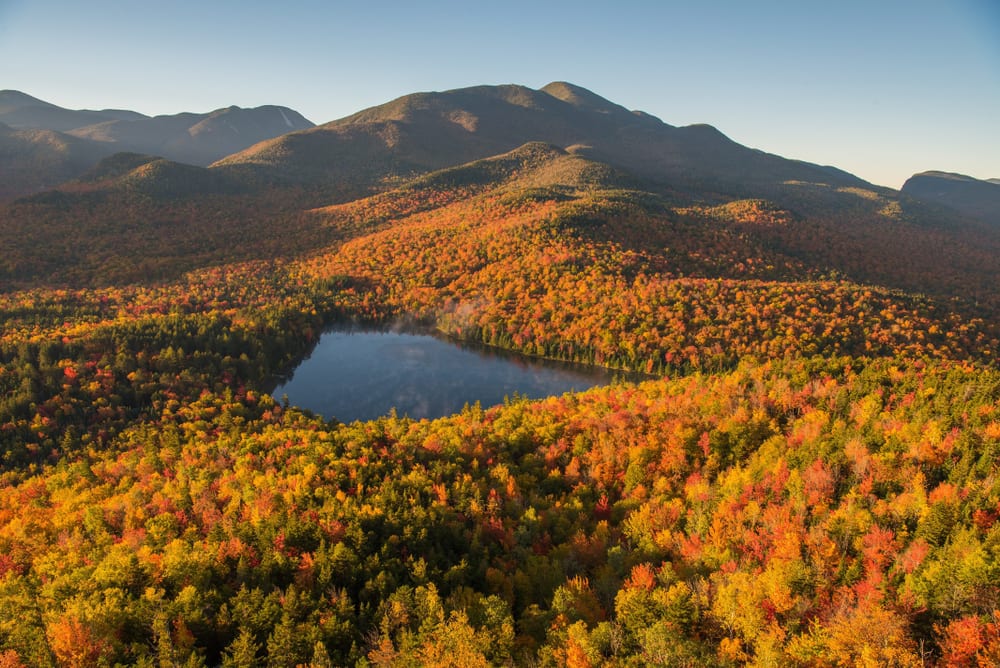
A Beautiful Balloon operates hot air balloon rides over the Lake George region, lifting you above the foliage canopy for a perspective you cannot get from any hiking trail or scenic overlook. This is the move for couples seeking a romantic fall date or small families willing to wake up early — balloon flights typically depart at sunrise when the light hits the colors best and winds are calmest.
Book at least 2–3 weeks ahead during peak foliage season; flights depend on weather and operate on a limited schedule. Expect roughly $250–350 per person, though pricing varies by season and operator availability.
The flight duration is typically around one hour aloft, though the full experience (including briefing and landing) takes 3–4 hours total.
Lake Cruises and Rail Bike Tours
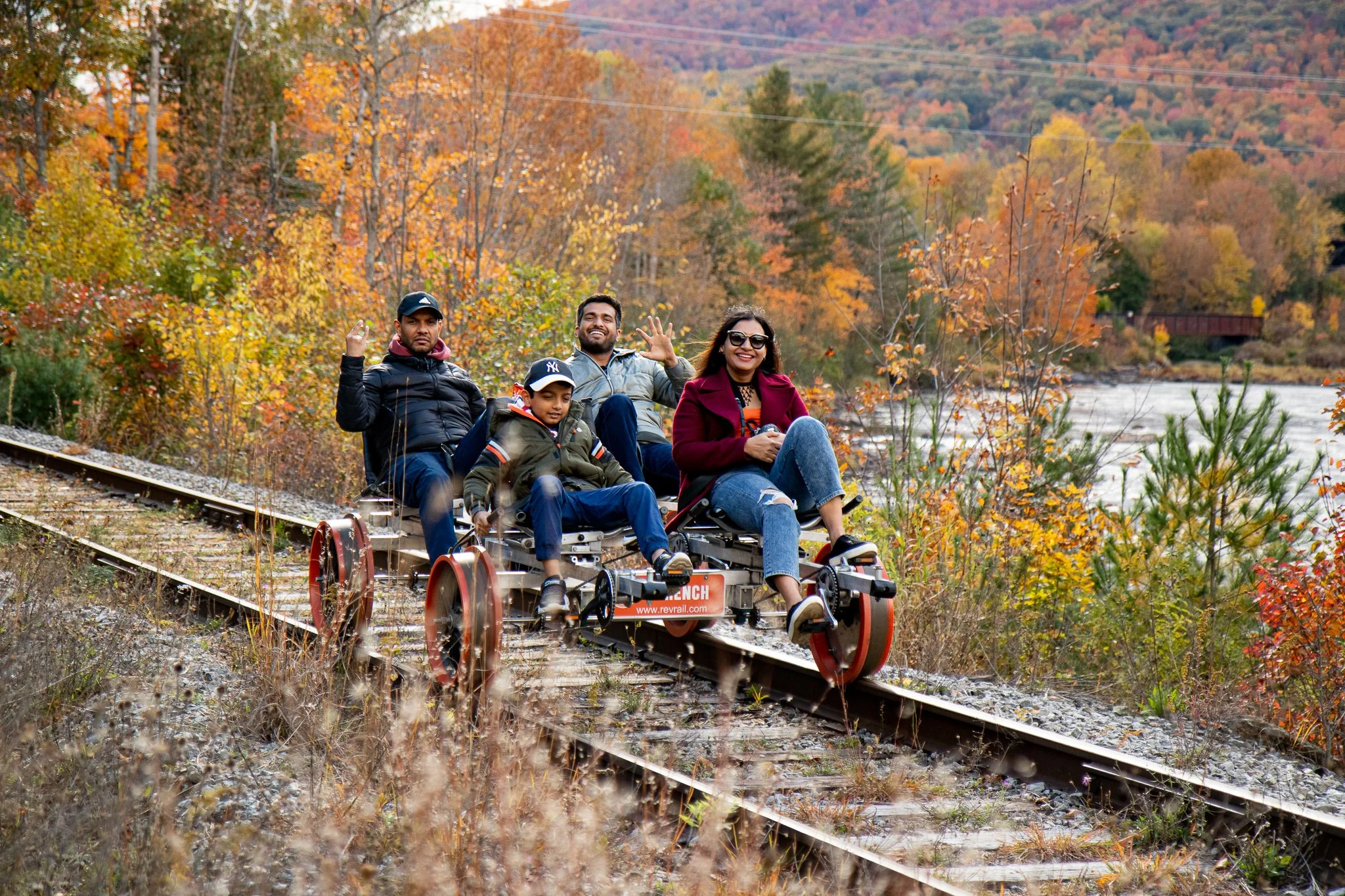
Revolution Rail Co. operates rail bike tours through the final days of October on weekends, pedaling you 6 miles along remote railroad tracks through dense Adirondack forest. The two-hour tour takes you under a canopy of colorful trees, along and over the Hudson River, and past the historic North Creek Railroad Station — this is fall foliage with active engagement, not passive viewing.
Book ahead; weekend slots fill quickly during peak color weeks. The experience suits anyone comfortable with moderate physical activity; the pace is leisurely and the track is flat, making it accessible for most fitness levels.
Corn Mazes and Apple Picking
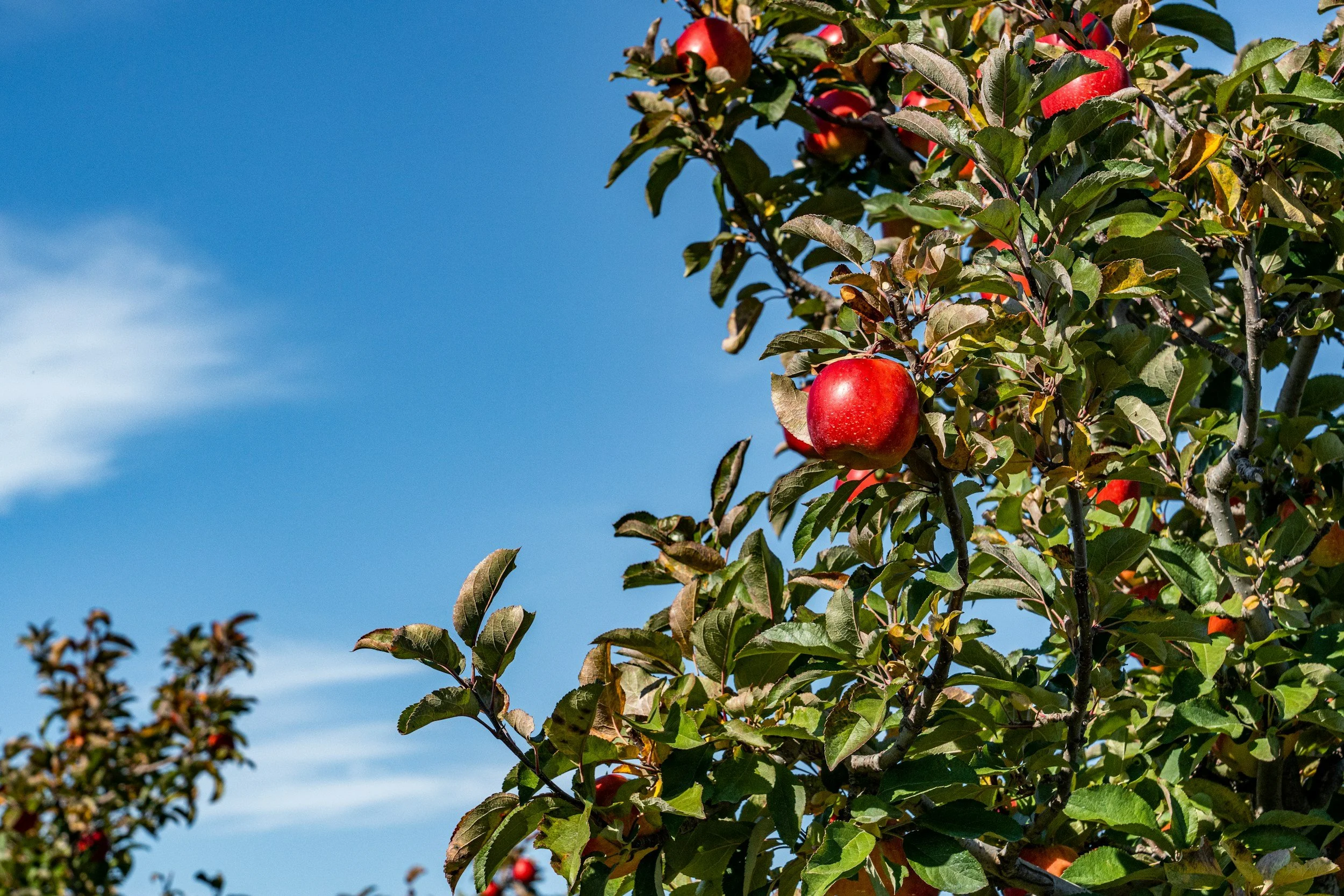
Fall in the Adirondacks includes traditional harvest activities — corn mazes and apple picking operations run throughout the region during autumn weekends. These work best as half-day add-ons to your foliage itinerary rather than standalone trips.
They appeal to families with children and anyone seeking a slower, more tactile connection to the season. Many orchards and farms also offer cider, donuts, and other seasonal goods on-site, making them natural lunch or snack stops during a foliage road trip.
Confirm operating dates and hours directly with individual farms, as schedules vary and some close by mid-October.
Best base for these activities: Lake George and Bolton Landing area puts you within 30–45 minutes of balloon launch sites and rail bike tours, with easy access to nearby orchards and farms. Lake Placid and Keene Valley area works if you prefer a mountain-town feel, though you’ll add 45–60 minutes of drive time to reach most balloon and rail bike operations.
Must-See Attractions for Adirondacks Fall Foliage
These three destinations deliver the most Instagram-worthy fall moments in the Adirondacks — and they’re worth the trip because they combine foliage views with activities that justify a full day, not just a quick photo stop.
Ausable Chasm
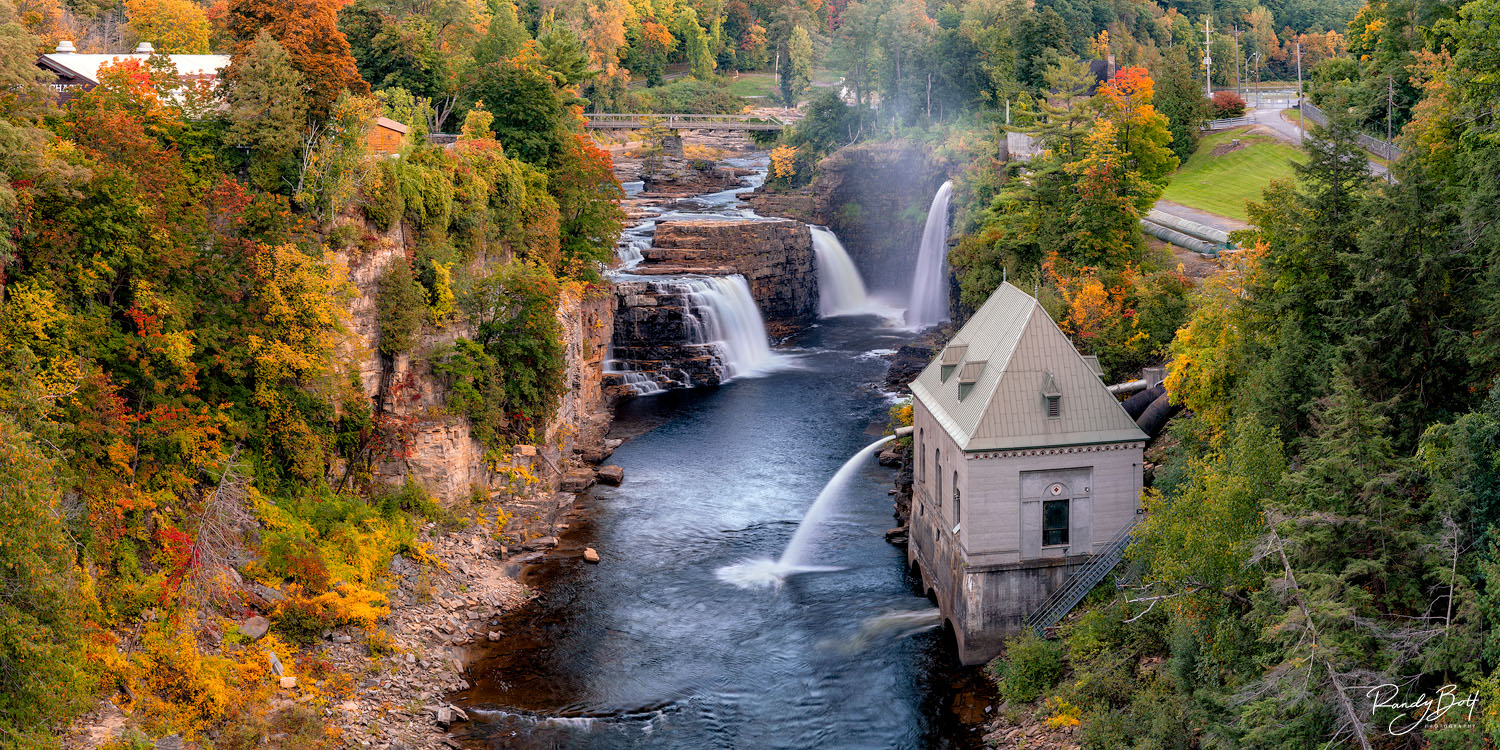
Ausable Chasm earns its nickname “Grand Canyon of the East” in fall, when canyon walls frame towering trees in peak color. This is the move if you want drama — sheer rock cliffs, rushing water, and dense forest canopy all at once.
The half-mile waterfall walk along the AuSable River is the main draw, but the Adventure Trail and mountain biking routes give you options depending on your energy level and schedule.
- Best for: Photographers and hikers who want a full-day destination, not a roadside pullout.
- Insider tip: Go early on weekdays in peak foliage season — the parking lot fills fast on weekends, and morning light hits the canyon walls best.
- Add-on: The gift shop stocks local Adirondack crafts if you want to bring something home beyond photos.
High Falls Gorge
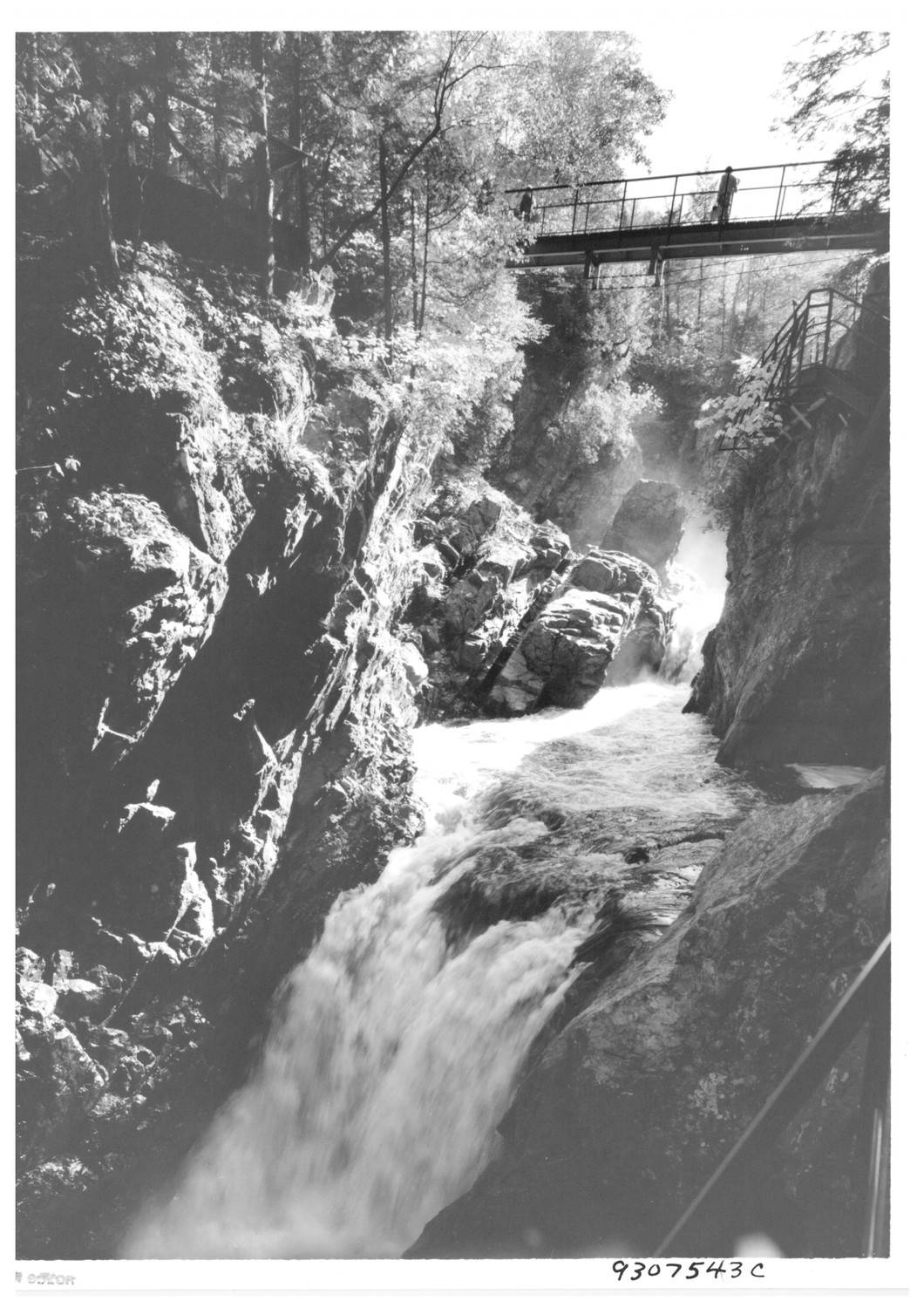
High Falls Gorge is the easier, more accessible version of Ausable Chasm — same river, same foliage intensity, but with less elevation change. The half-mile waterfall walk is gentle enough for families and older hikers, and the River View Café means you can eat without leaving the property.
The gorge is located in the Whiteface Region, making it a natural stop if you’re driving Route 86 or planning a day around Whiteface Mountain.
- Best for: Families, less experienced hikers, and anyone who wants foliage views without steep terrain.
- Why it wins over Ausable Chasm: Shorter walk, on-site food, and less crowded — trade some drama for accessibility and convenience.
- Timing: Peak foliage typically peaks mid-to-late September through early October in this region; confirm current conditions with the venue before visiting.
The Wild Center Wild Walk
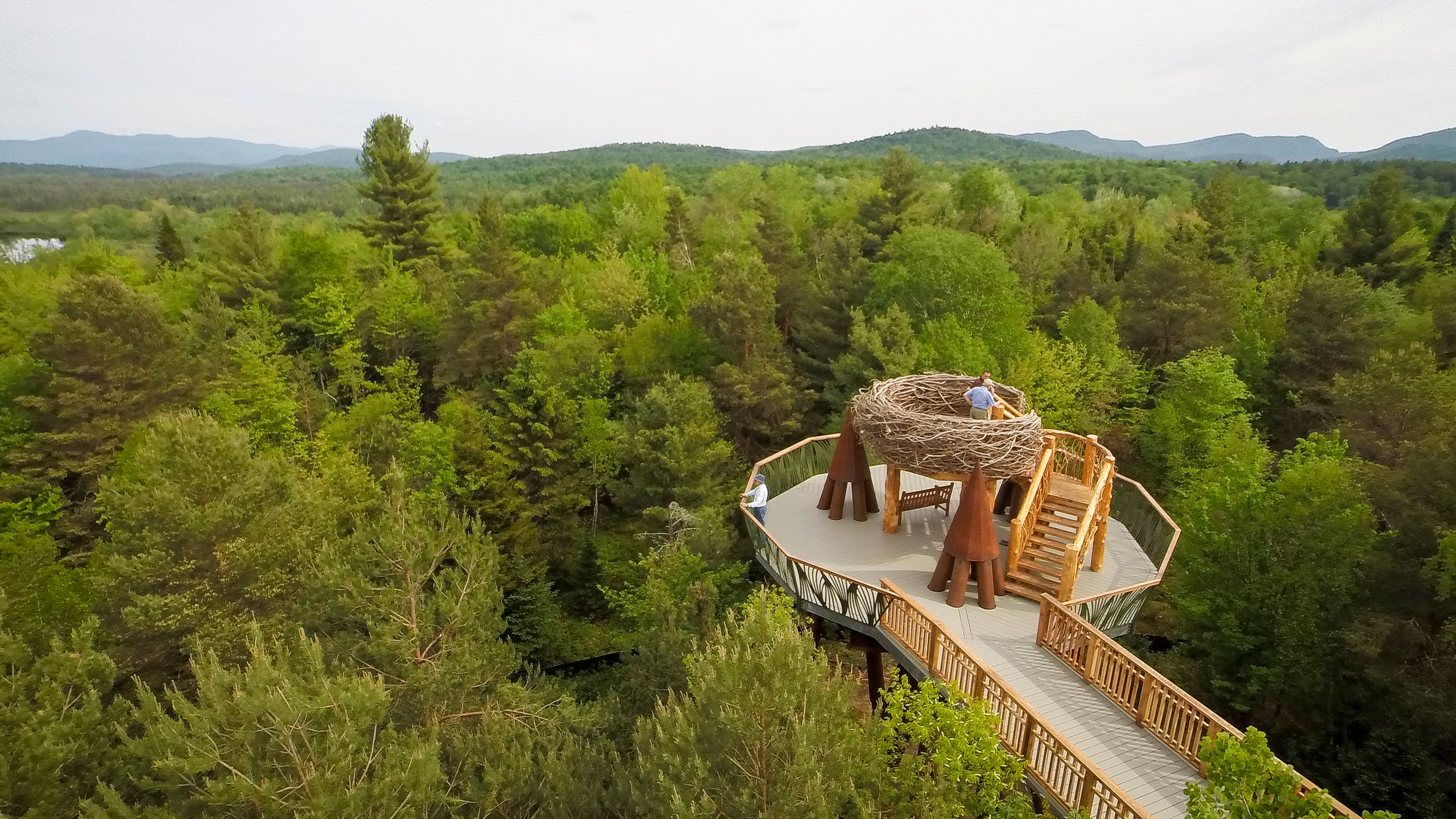
The Wild Center in Tupper Lake offers something no other Adirondack foliage spot does: a bird’s-eye view of the forest canopy. The Wild Walk is a series of elevated walkways and platforms suspended above the forest floor, including a giant spider’s web and bird’s nest lookout.
In fall, you’re literally walking through the trees at peak color rather than looking up at them from the ground — the perspective shift alone makes this worth the drive.
- Best for: Families with kids, anyone who wants a unique angle on foliage, and visitors who want to combine outdoor views with museum time.
- The full experience: Budget 2–3 hours for the Wild Walk plus the museum and indoor exhibits; trails along the Raquette River extend your visit if weather holds.
- Operating window: Open through fall; verify current hours and any seasonal closures before planning your visit.
- Why it’s different: This is the only canopy-level foliage experience in the region — every other attraction is ground-level or roadside views.
Fort Ticonderoga and Adirondack Experience
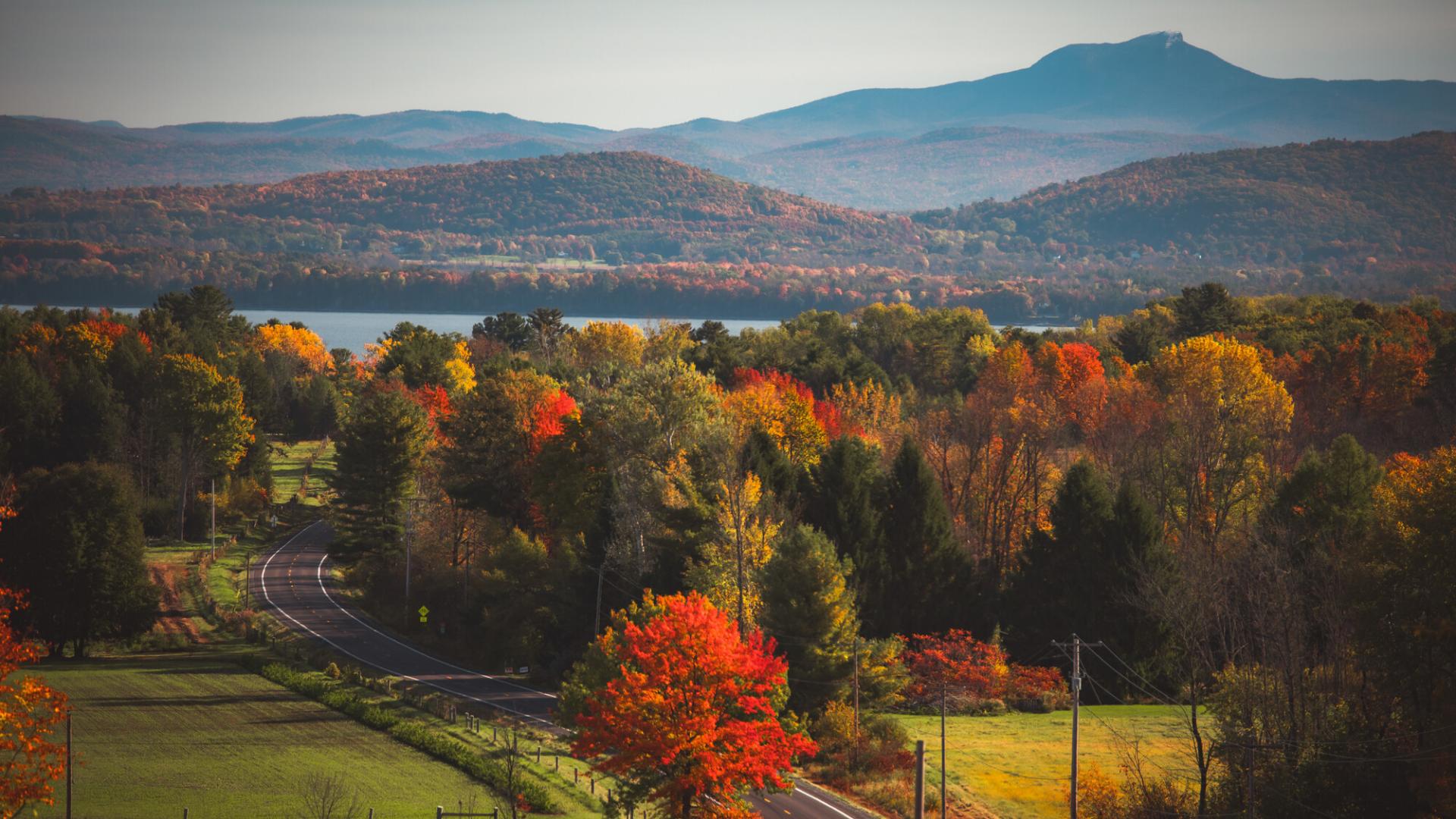
Fort Ticonderoga sits on Lake Champlain’s shore with fall foliage as a backdrop — it’s a historic military site first, but the grounds and waterfront views are stunning in autumn. The Adirondack Experience (formerly the Adirondack Museum) is located in Blue Mountain Lake and focuses on Adirondack history, culture, and outdoor heritage.
Neither is a foliage-only destination, but both are worth visiting if you’re spending multiple days in the region and want to mix outdoor scenery with cultural context.
- Fort Ticonderoga: Plan 1.5–2 hours for the fort itself; the waterfront setting and surrounding trees make it photogenic in fall, and it’s a natural stop if you’re exploring the Lake George area.
- Adirondack Experience: Budget 2–3 hours for the museum; it’s inland rather than a foliage-focused attraction, but it provides excellent context on Adirondack history and culture if you want depth beyond scenery.
- When to visit: Both are open year-round, but fall hours may differ; confirm operating schedules before planning your visit.
- Why include them: If you’re staying multiple nights in the region, these break up driving and add substance to a foliage trip — they’re not must-sees for foliage alone, but they’re solid half-day or full-day additions if you have the time.
Where to Stay for Optimal Adirondacks Fall Foliage Access
Your lodging choice determines whether you’re chasing peak color or stuck watching it from a distance. The Adirondacks span 6 million acres across 10 distinct regions, and foliage peaks at different times in each zone — so staying in the right area during the right week is the difference between brilliant reds and browns.
Lake George and Lake Placid are the two strongest bases: Lake George peaks late September through mid-October and sits closest to the southern foliage window, while Lake Placid and Keene Valley access the northern high-elevation peaks that turn color later. Choose based on your target week and what you want to do between sunrise and sunset.
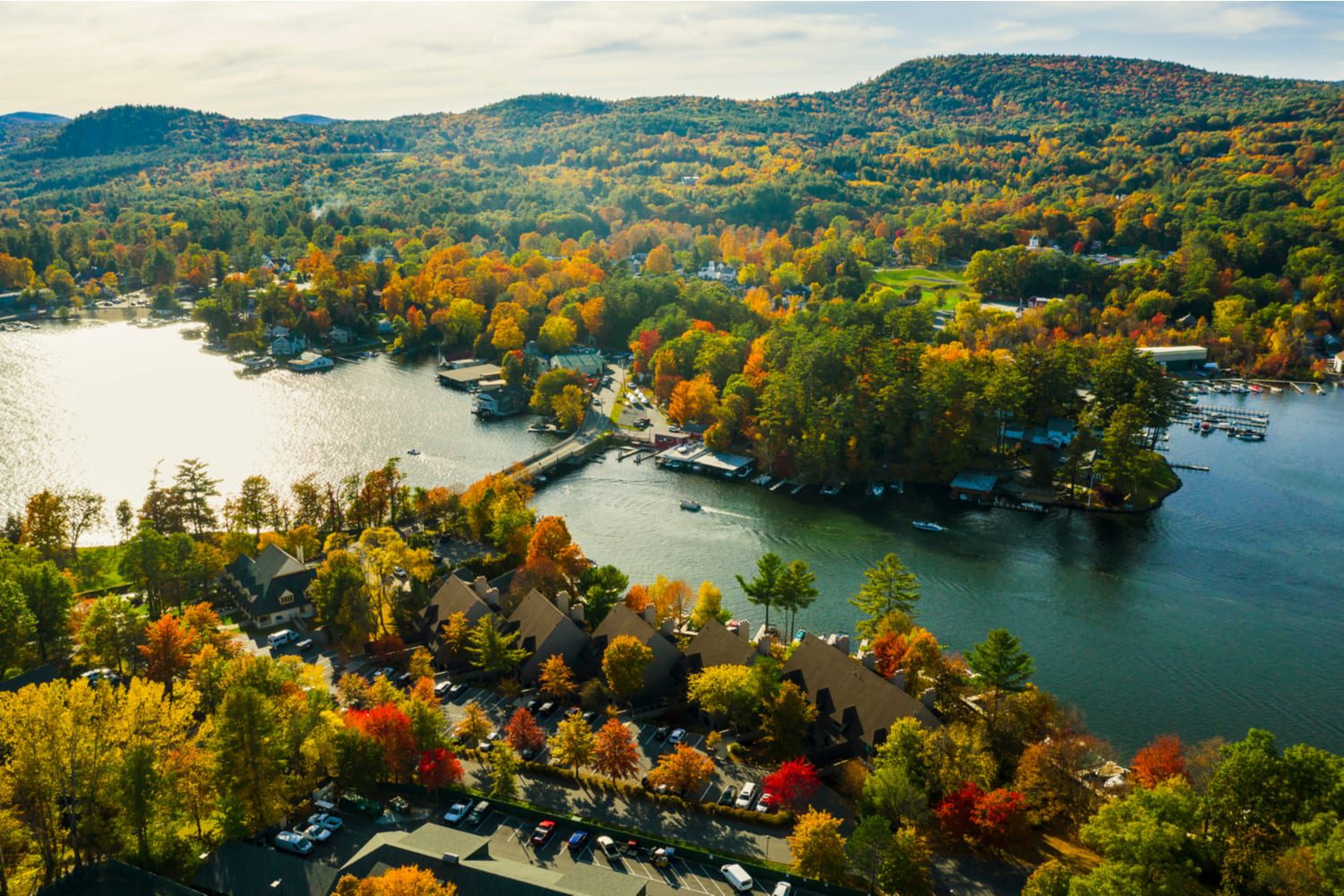
Lake George and Bolton Landing Area
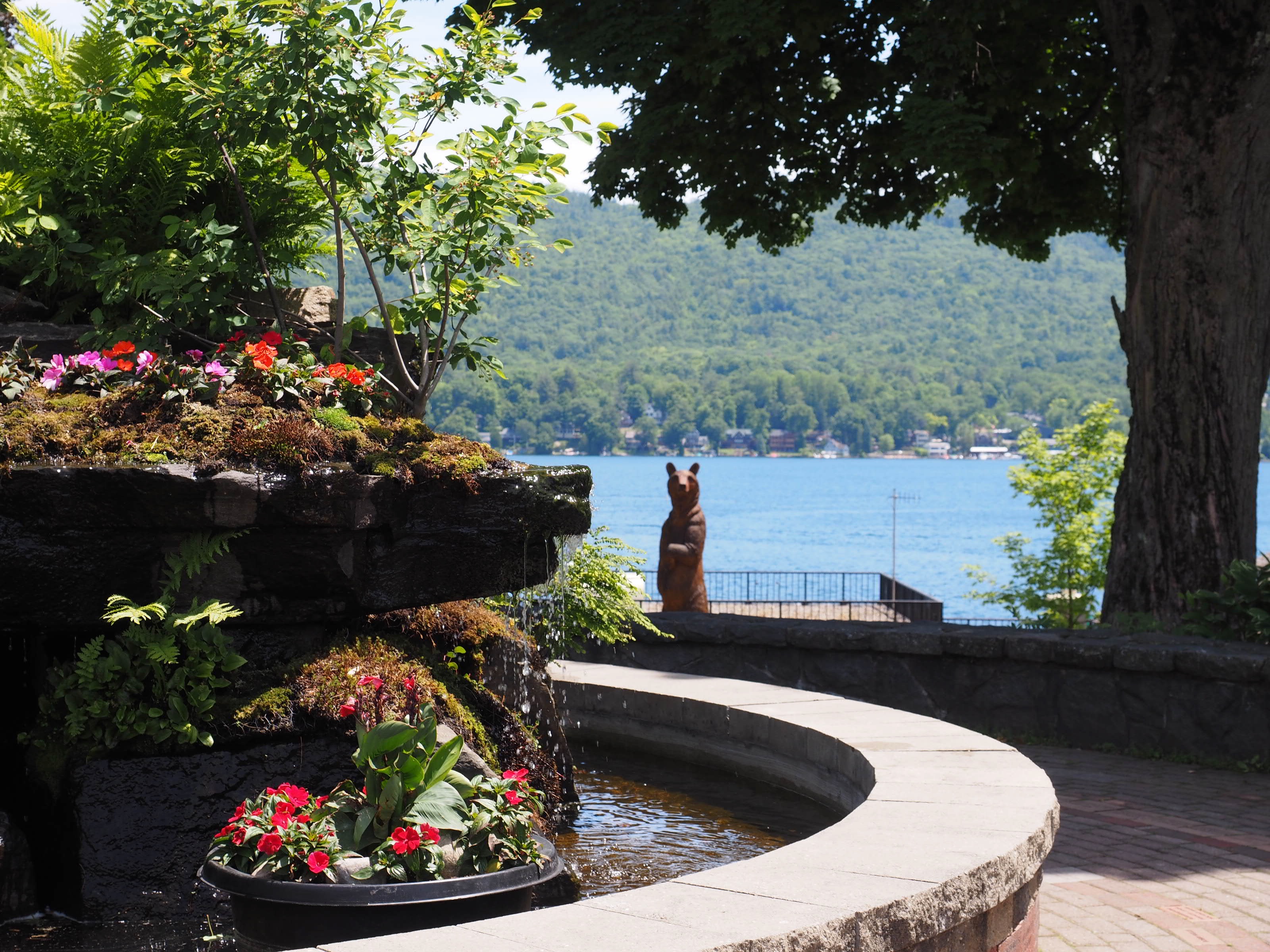
Base yourself in Bolton Landing if you’re visiting late September through early October and want waterfront charm without the noise of the main Lake George village. This is the sweet spot for couples and small groups: the town is compact enough to walk, close enough to scenic drives (Route 9N hugs the shoreline), and positioned perfectly for both lake cruises and the Pinnacle Trail hike, which delivers panoramic foliage views across the water.
Peak foliage here typically hits 80–85% color change by late September, with bright oranges and reds dominating the shoreline.
- Best for: Couples, photographers, and anyone prioritizing walkable access to lake views and easy hikes without resort crowds.
- Stay style: Waterfront inns and small lodges within walking distance of Rogers Memorial Park and the lake’s edge.
- Key advantage: You’re positioned for both morning lake cruises and afternoon scenic drives on Route 9N without backtracking; the Pinnacle Trail trailhead is minutes away.
- Insider detail: Arrive midweek (Tuesday–Thursday) rather than weekends — Bolton Landing’s lodging books solid by Friday during peak foliage season, and weekday mornings offer quieter lake access for photography.
Lake George village itself (south of Bolton Landing) works if you want more dining and retail options, but expect higher prices and more traffic during peak weekends. The town sits at roughly 80% color change by late September — slightly behind Bolton Landing — so if timing is tight, Bolton Landing edges ahead.
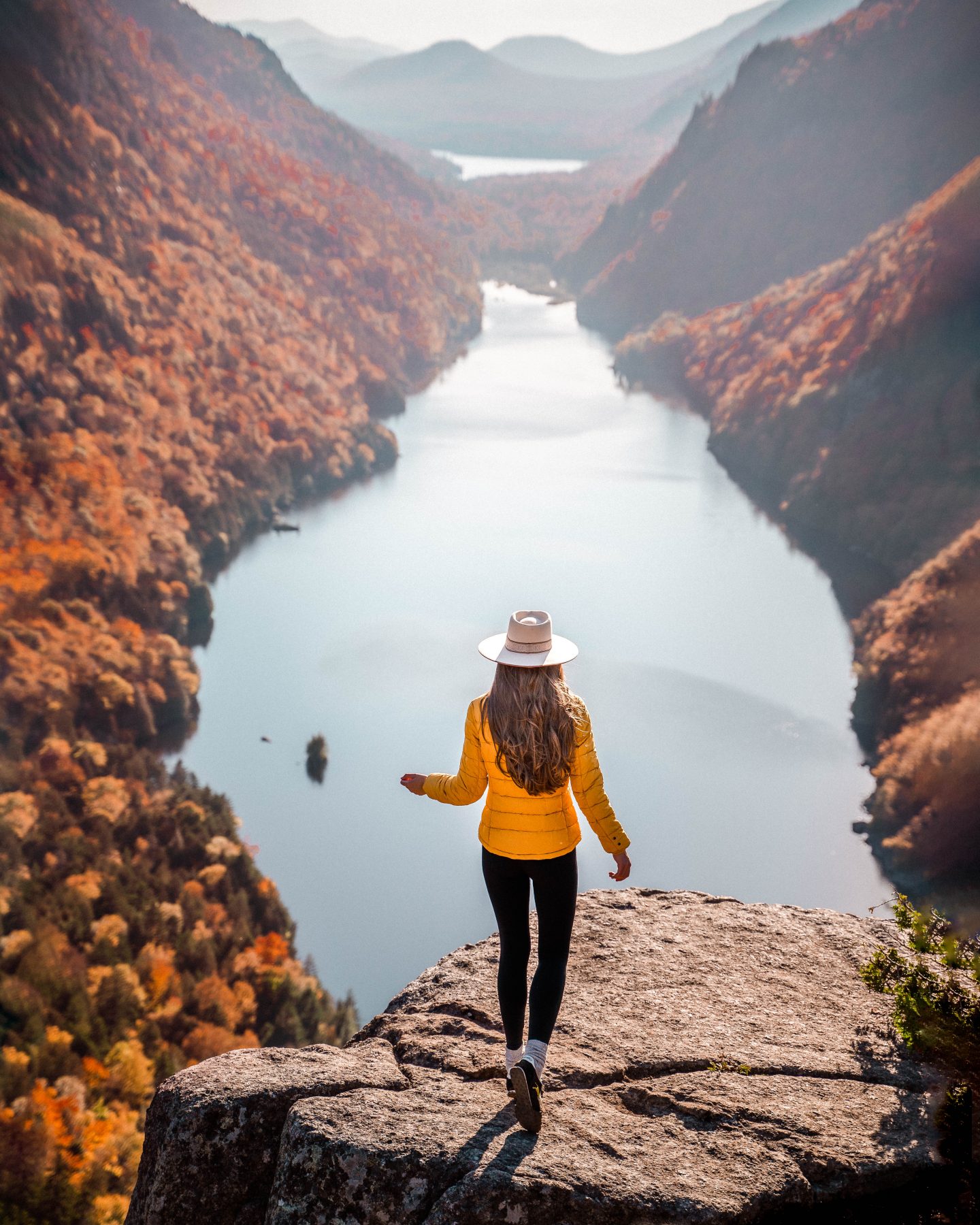
Lake Placid and Keene Valley Area
Stay in Lake Placid or Keene Valley if your foliage window is early to mid-October or later. These northern high-elevation towns turn color 1–2 weeks after Lake George, making them the right choice if you’re visiting after October 1st or want to extend a foliage trip across two regions.
Lake Placid is the larger hub with more lodging variety and restaurants; Keene Valley is quieter and sits closer to the Ausable River and Ranney Bridge, a historic stone bridge framed by fall color and surrounded by easy walking trails.
- Best for: Anyone visiting early to mid-October or later; hikers and couples seeking quieter mountain towns over busy lakeside resorts.
- Stay style: Mountain lodges, inns, and small resorts with fireplaces and views of the High Peaks; Keene Valley offers more intimate, budget-friendly options.
- Key advantage: You’re 5–10 minutes from trailheads for Cascade Lakes and Chapel Pond (scenic, easy-access foliage spots on Route 73), and within 20 minutes of Ranney Bridge and the Ausable River gorge.
- Insider detail: Book lodging with a fireplace or fire pit — evening temperatures drop into the 30s by mid-October, and a fire transforms a standard night into the reason people come to the Adirondacks in fall. Mountain lodges with fire pits offer this at roughly the same price as standard rooms.
Lake Placid’s downtown is walkable and offers more dining and shopping if you want evening options beyond your lodge; Keene Valley is a 20-minute drive south and trades convenience for quieter mountain scenery and easier access to the Ausable River valley. Both towns typically see peak foliage from early to mid-October, with color lingering into late October at higher elevations.
Timing overlap: If you’re visiting the first week of October, both regions are worth considering — Lake George is past-peak but still vibrant, while Lake Placid is just reaching peak. A two-night split (3 nights Lake George, 2 nights Lake Placid) captures both windows and lets you experience the foliage progression across the Adirondacks’ geography.
Frequently Asked Questions
When exactly is peak foliage in the Adirondacks?
Peak foliage typically arrives between late September and mid-October, though the exact timing shifts by region and year. The Lake George region and surrounding Warren County usually peak between late September and mid-October.
Higher elevations in the central and northern Adirondacks peak slightly later. The safest move is to check the Adirondack Peak Fall Foliage Map (updated weekly during fall) before booking—it breaks down color status by region so you’re not guessing.
First week of October is historically a strong bet for weather and color combined, but confirm current conditions with Visit Adirondacks or local chambers before committing.
Do I need to hike to see great fall foliage, or can I drive?
Driving is your best move if you want maximum color with minimum effort. Route 73 and Route 86 are the two most scenic fall drives in the region, delivering panoramic views of the High Peaks and lake reflections without leaving the car.
Cascade Lakes on Route 73 are especially easy—just pull off at a turnout and walk straight to the water for reflection shots. If you do want to hike, shorter walks like the half-mile waterfall loop at High Falls Gorge or trails around Cascade Lakes and Chapel Pond deliver foliage views without requiring serious elevation gain.
The Gore Mountain gondola ride is the lazy-person’s peak view—you ride up, see the surrounding Adirondack peaks burning with color, and ride back down.
What’s the difference between visiting early October versus late September?
Late September (especially the week of September 16 onward) shows early color change—expect roughly 15% transformation in the Lake George region—but trees are still mostly green. Early October delivers peak reds, oranges, and yellows across the entire region.
Late September is better if you want to avoid crowds and don’t mind a more subtle color palette; early October is better if you’re traveling specifically for that “postcard” look. Weather is also more stable in early October.
If you’re flexible, early October wins.
Where should I base myself for the best foliage access?
Lake George and the Whiteface Region (including towns like Keene Valley) are the two strongest home bases. Lake George puts you near Route 73, Cascade Lakes, and High Falls Gorge—all top-tier foliage spots with easy car access.
The Whiteface Region gives you proximity to Ranney Bridge (a historic spot over the Ausable River with excellent color views and surrounding trails) and the High Peaks scenic drives. Both regions have lodging and dining options.
If you’re doing a road trip across the Adirondacks, overnight in Lake George first, then drive north through the High Peaks region on Route 73 and Route 86 the next day.
Book Your Adirondacks Fall Trip with Confidence
Check the Adirondack Peak Fall Foliage Map 7–10 days before your planned travel dates, then book lodging immediately if your target region shows 50% or higher color change. If you’re flexible, aim for the first week of October—historically the most consistent window across all regions with favorable weather and lighter crowds than mid-October weekends.
The Adirondacks’ staggered foliage progression is a genuine advantage: you’re not locked into a single week or region, which means even if you miss peak color in one area, you can pivot to another without losing the trip. This flexibility is what makes the Adirondacks worth the planning.
Pick your base (Lake George for late September, Lake Placid for early October and beyond), book your lodging, then plan your first morning drive on Route 73 or Route 86 to confirm the color is as good as the foliage report promised.
Leave a Reply