The smell hits you first—crisp air mixed with fermenting fruit and earth—as you step out of the car and see rows of trees heavy with red and gold apples stretching toward the horizon. Your kids are already running toward the nearest branch, and suddenly the two-hour drive feels worth it.
Apple picking season in the USA isn’t a fixed date; it’s a moving target that shifts by state, elevation, and weather, which means September and October are your reliable months for most Northeast orchards, but confirmation with the farm one week before you leave is non-negotiable. The Northeast dominates American apple picking because its cool fall nights and rich soil produce varieties that actually taste like something—not the mealy supermarket default.
This guide cuts through the guesswork and tells you exactly which orchards deliver real days (not Instagram theater), how far to actually drive without exhausting your family, and what to pack so your apples stay crisp on the drive home. Budget ranges: $10–20 per person for orchard entry, $30–60 for a full day including lunch and apples for a family of four; splurge options add cider donuts, farm activities, and overnight lodging in a nearby small town.
Plan Your Apple Picking Road Trip
- Best timing: Mid-September through mid-October for most Northeast orchards; confirm availability 3–7 days before driving.
- Ideal drive distance: One to two hours each way for families with young kids; longer drives only if the orchard anchors a larger fall route.
- Top Northeast regions: Hudson Valley, New York (Masker Orchards in Warwick); Massachusetts Pioneer Valley; Vermont Champlain Valley; Maine for late-season picking into November.
- Varieties to pick: Honeycrisp and Gala for fresh snacking; Granny Smith for baking; Fuji for road trips (stores longest).
- Money-saving move: Choose orchards with bag-based pricing, bring your own lunch, set a picking limit before you start, and skip farm café markups.
- Essential packing: Cooler with ice packs, closed-toe hiking shoes, sunscreen, work gloves, portable phone charger, and ventilated containers to prevent bruising on the drive home.
When Is Apple Picking Season for a USA Road Trip?
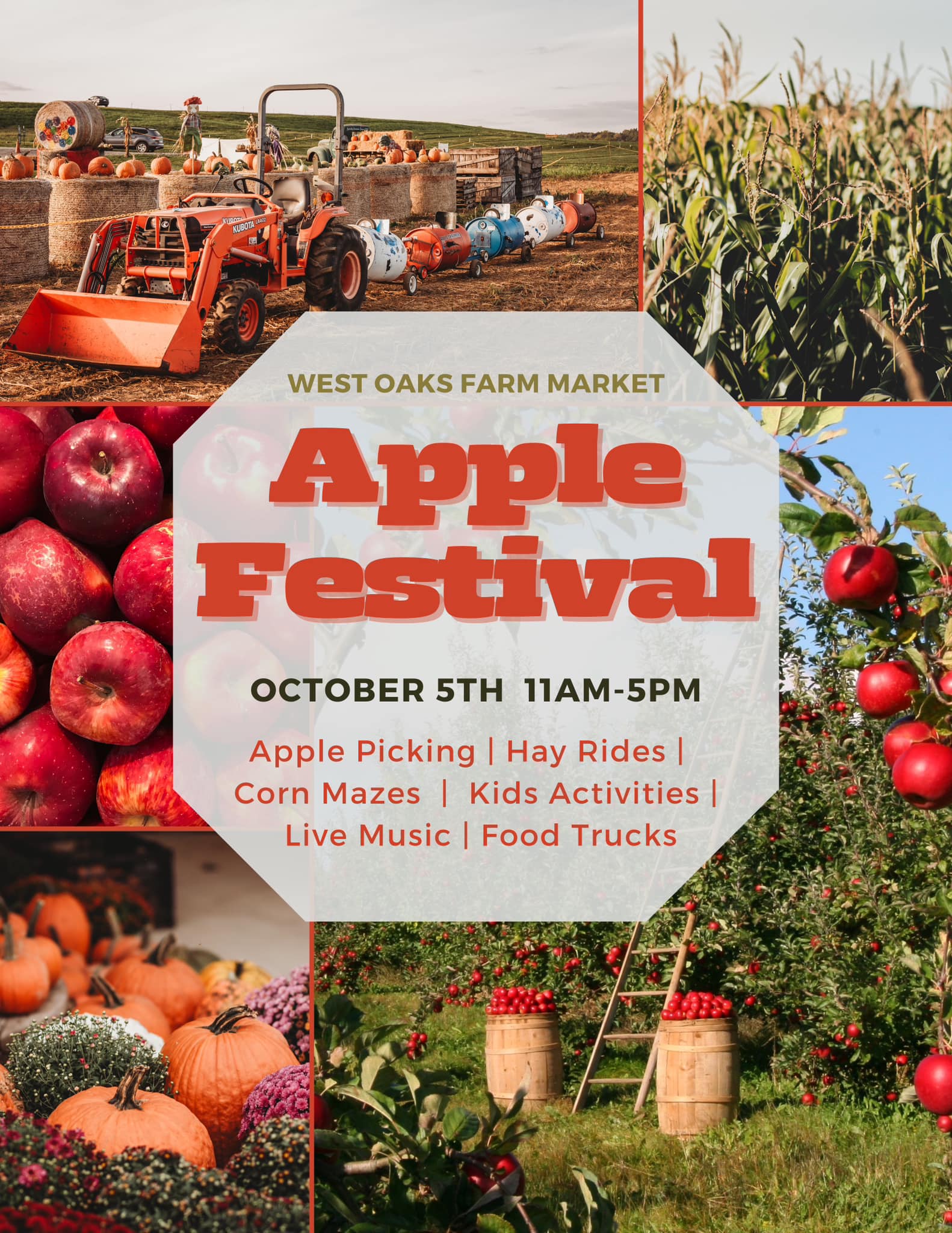
Apple picking season is not one date—it’s a moving target that shifts by state, elevation, weather, and variety, which means the same orchard can peak two weeks earlier or later than last year. Early apples arrive in late summer in some regions, but September and October are the reliable months for most family road trips across the Northeast and beyond.
A warm spring, late frost, heavy rain, or unexpected storm can push the entire harvest window forward or backward, so checking the orchard’s current crop update before you drive is non-negotiable.
Factors That Shift the Harvest Window
The safest answer to “when should I go?” is local—a farm in the Northeast peaks at a completely different time than one in the Midwest, South, or Pacific Northwest. Here’s what actually moves the needle:
- Spring warmth: A warm spring accelerates bloom and harvest; a cold one delays everything by weeks.
- Elevation: Higher orchards harvest later than valley orchards in the same state—sometimes by 3–4 weeks.
- Apple variety: Early varieties (Gala, Honeycrisp) ripen in late August or early September; mid-season apples (Fuji, Braeburn) peak in October; late varieties stretch into November in cold climates.
- Late frost or summer storms: Frost in spring can damage buds; hail or heavy rain in summer can reduce yield and shift when orchards open to the public.
Checking Orchard Crop Updates Before You Drive
Do not rely on last year’s dates or generic “apple picking season” posts. Call or check the orchard’s website or social media 3–7 days before your trip—most orchards post weekly or real-time updates on what’s ready to pick right now.
This single step saves you from driving two hours only to find the orchard isn’t open yet or has already closed for the season.
- Contact the orchard directly: A quick phone call or email asking “what’s ready to pick this week?” beats guessing. Many orchards update their websites or Facebook pages with current availability.
- Ask about specific varieties: If you’re after Honeycrisp for snacking or Granny Smith for baking, confirm they’re ripe and available now—don’t assume.
- Confirm hours and reservation requirements: Some orchards require advance booking during peak weekends; others operate first-come, first-served. Knowing this before you leave home prevents a wasted trip.
- Check for weather-related closures: Heavy rain can make fields muddy and unsafe; orchards may close temporarily or limit access.
Base your road trip around mid-September through mid-October as the safest window for most Northeast orchards, but treat that as a planning baseline, not a guarantee. Confirm the specific orchard’s current status one week before you drive.
How Far Should You Drive for an Apple Picking Road Trip?
The distance you drive matters far more than the quality of the orchard itself—a mediocre orchard one hour away beats a stunning one three hours away because tired kids and exhausted parents turn a memory into a chore. The right drive time depends entirely on your children’s ages and whether this is a standalone trip or part of a larger fall route.
Recommended Drive Times for Families with Kids
For families with children under age eight, stick to one to two hours each way as your baseline. This window keeps the drive manageable before kids lose patience, leaves energy for actual picking and farm activities, and prevents the return trip from becoming a meltdown situation.
Toddlers and preschoolers especially benefit from orchards close to home on a first trip—you’re testing the concept, not proving endurance.
Families with older kids (ages eight and up) can extend to two to three hours if the orchard is genuinely worth it or if it anchors a larger fall route with planned stops. The key is honest assessment: a two-hour drive to a mediocre orchard with no other activities nearby is a waste.
A two-hour drive to an orchard that’s part of a scenic loop through a charming town, with a good lunch spot and a cider mill nearby, becomes a real day.
Keep the return drive simple and direct. Kids are tired after walking outdoors and picking apples—they’re not interested in scenic detours or surprise stops on the way home. Plan your route so the drive back is the straightest line possible.
Building Your Drive Into a Larger Route
Longer drives work only when the orchard is one stop in a planned fall itinerary, not the entire destination. If you’re already heading to the Northeast for a foliage trip, a scenic drive, or a weekend in a specific town, then a one-and-a-half to two-hour detour to a quality orchard makes sense.
If you’re driving two hours solely for apples, reconsider—choose something closer and use the saved time for other activities at the orchard itself or in the surrounding area.
Base yourself in a town near your chosen orchard cluster rather than driving to a new location each day. This approach reduces total drive time, keeps kids’ routines stable, and lets you explore multiple orchards if one is closed or crowded.
Small-town bases in apple-growing regions (like the Hudson Valley in New York, the Shenandoah Valley in Virginia, or central Massachusetts) offer good lodging options and multiple orchards within 20–45 minutes of each other.
Distance vs. Quality Trade-Off
- One hour or less: Choose this for first-time trips, families with very young children, or when you have limited weekend time. Proximity trumps prestige.
- One to two hours: The sweet spot for most families. Far enough to feel like a real outing, close enough that the drive doesn’t dominate the day.
- Two to three hours: Only if the orchard is exceptional, part of a larger route, or you’re staying overnight in the area. Solo drive for a single activity rarely justifies this distance.
- More than three hours: Treat this as a weekend trip with overnight lodging, not a day drive. The orchard becomes one activity among several, not the main event.
The closest orchard is not always the best choice—but the best orchard is rarely worth a drive that exhausts your family before you arrive. Choose proximity first, then quality within that radius.
How to Choose the Right Orchard for Your Apple Picking Road Trip?
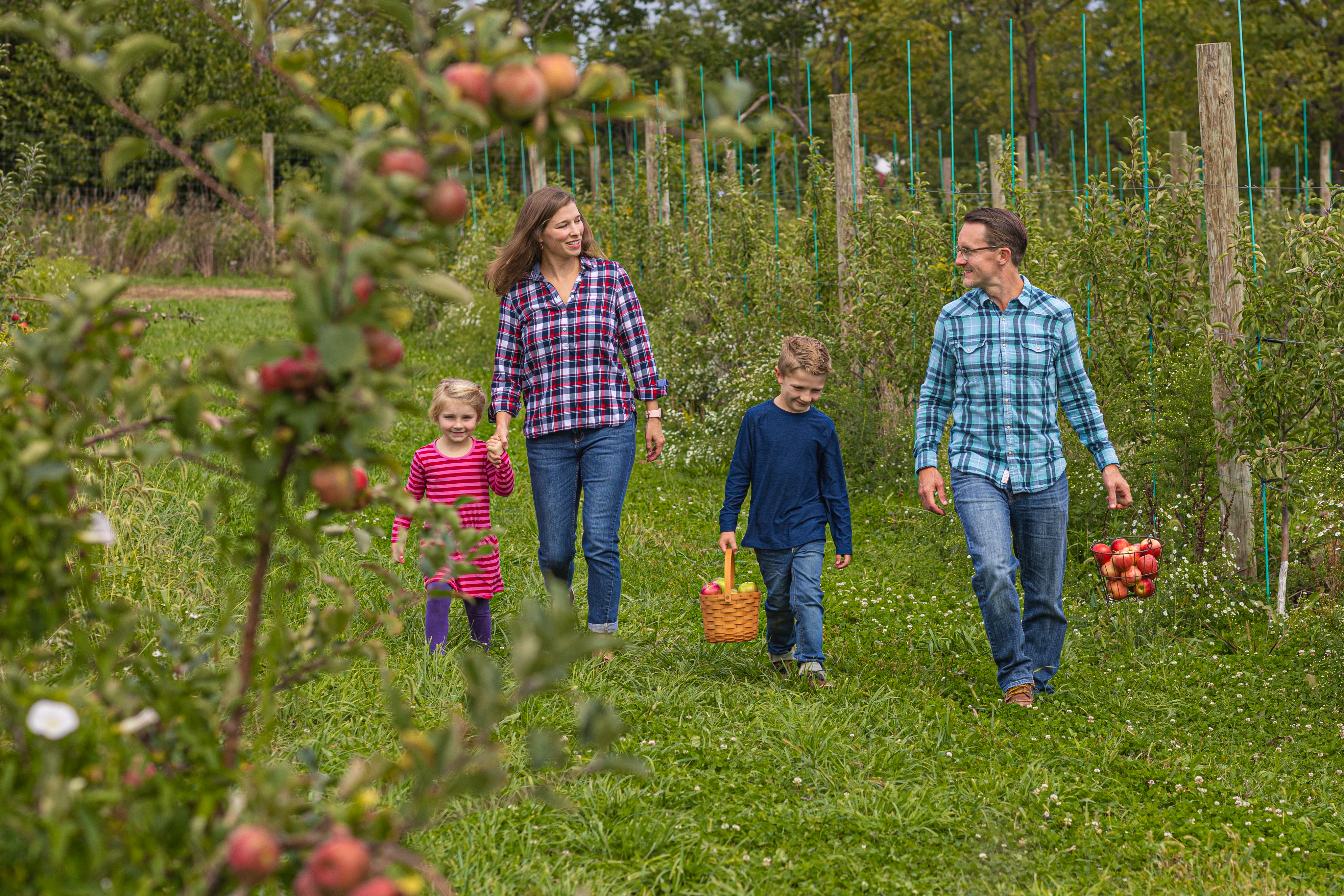
Not all orchards are created equal — some let you drive straight to the trees while others require a 20-minute walk with young kids, some charge flat fees while others nickel-and-dime you per activity, and some have picked-over rows by noon. The difference between a smooth family day and a frustrating one comes down to knowing what to compare before you book.
Key Features to Compare for Families
Start by filtering orchards on these decision factors, because they directly affect your experience and cost:
- Parking and walking distance: Look for orchards that let you drive close to the picking rows or offer short walks from parking. This matters most if you have kids under 8 or anyone with mobility concerns — a half-mile walk in the heat kills the fun fast.
- Pricing structure: Compare orchards that charge by the bag or pound versus those with flat admission plus per-activity fees. Bag-based pricing is easier to budget and prevents overspending; flat fees work better if you plan to stay for 3+ hours and use multiple activities.
- Crowd timing: Call ahead or check their website for which days and hours are slowest. Morning visits (before 10 a.m.) typically have easier parking, shorter picking lines, and better apple selection — afternoon crowds can strip popular varieties by 2 p.m.
- Picking limits: Some orchards set a minimum or maximum per visit. Know this upfront so you don’t arrive expecting to fill a bushel when the farm caps you at one peck.
- Amenities beyond picking: Cider donuts, farm market, restrooms, picnic areas, and kid activities vary widely. Decide if these are nice-to-haves or deal-breakers for your family’s day.
- Reservation requirements: Many popular orchards now require advance booking, especially on weekends. Check their policy before driving — showing up without a reservation can mean being turned away during peak season.
Budget-friendly apple picking works best when you compare prices across 2–3 nearby orchards, choose one with bag-based pricing, bring your own lunch and drinks, and set a picking limit before you start. This prevents impulse buying and keeps the total cost under control.
Orchard Rules and Reservation Requirements
Every orchard has its own rules, and breaking them can get you asked to leave or charged unexpected fees. Know the basics before you arrive:
- Bring your own containers or rent theirs: Most orchards provide bags, baskets, or bushel containers — confirm what’s included in your admission price. Some charge extra for larger containers or require a deposit.
- Picking tools: Many orchards provide clippers or picking poles; others ask you to bring your own or charge a rental fee. Check their website or call ahead.
- What you can and cannot pick: Some orchards restrict certain varieties to specific dates or reserve premium apples for their market. Ask which rows are open for picking on your visit date.
- Time limits: A few orchards set a maximum time in the orchard (usually 2–3 hours). Know this if you’re planning a long, leisurely morning.
- Advance booking: Popular orchards, especially in the Northeast, now require reservations during September and October weekends. Book at least 1–2 weeks ahead for peak dates. Some offer online booking; others require a phone call.
- Payment methods: Confirm whether the orchard accepts cards or cash only. Rural locations sometimes have limited payment options.
Call or check the orchard’s website the week before your visit to confirm current hours, picking availability for that day, and whether any sections are closed. Orchards sometimes close rows mid-season if a variety is picked out or if weather affects ripeness.
For a road trip, base yourself in a nearby town with parking-friendly lodging and early morning access to your chosen orchard. Northeast orchards cluster in regions — staying in a small-town center like Warwick, New York, or Shelburne, Vermont, puts you minutes from multiple farms and leaves your afternoon free for a second stop or cider donuts without backtracking.
Best Orchards for Apple Picking Road Trips in the Northeast USA
The Northeast dominates American apple picking because its cool fall nights and rich soil produce varieties that actually taste like something — not the mealy supermarket default. This region’s orchards range from sprawling u-pick operations to intimate family farms, and the difference between a mediocre trip and a memorable one comes down to knowing which orchard matches your family’s pace and what you actually want to pick.
Base yourself in a small town near your chosen orchard rather than driving back and forth from a city — you’ll catch morning light, avoid crowds, and have time to explore the farm without rushing. Most Northeast orchards cluster within 1–3 hours of major highways, making them ideal for weekend road trips from Boston, New York, or Philadelphia.
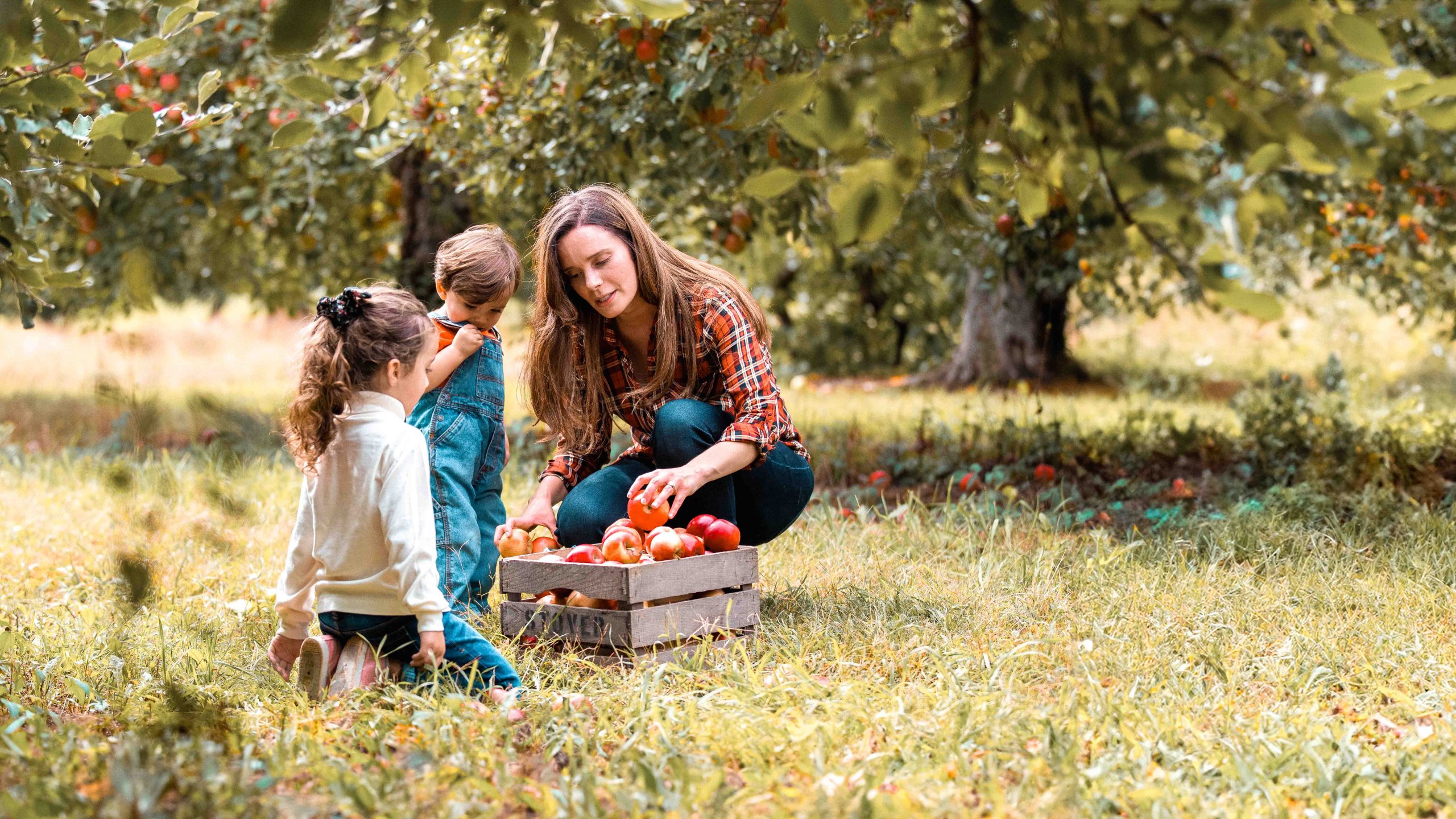
Connecticut Orchards
Connecticut orchards tend toward smaller, quieter operations — good if you want to avoid the Instagram-crowd chaos but still need reliable picking conditions. The state’s orchards typically open in late August for early varieties and run through October, with September as the sweet spot for volume and variety selection.
Plan to base yourself in a town like Woodstock or Litchfield if you’re making a full day of it; both have farm-to-table restaurants and small inns within 15 minutes of multiple orchards. Arrive by 9 a.m. to secure parking and hit the best rows before afternoon heat.
Maine Orchards
Maine’s orchards sit at higher elevation and cooler temperatures, which means the picking season runs later — often into November — and the apples stay crisp longer. This is your move if you’re planning an October road trip and want to guarantee fruit availability without the early-fall rush.
Expect longer drive times from major cities (3–4 hours from Boston), but the payoff is genuine solitude and orchards that feel like working farms, not tourist attractions. Stay in a small town like Fryeburg or Naples; both have lodging within 20 minutes of several orchards and offer scenic drives through the White Mountains on your way.
Massachusetts Orchards
Massachusetts has the highest concentration of pick-your-own orchards in the Northeast and the easiest access from Boston and Providence. The trade-off is crowds — especially on weekends in September and early October — but the variety and farm amenities (cider, donuts, hayrides) are unmatched.
The Pioneer Valley and Central Massachusetts regions have the most orchards within a 60-mile radius. Weekday mornings in late September offer the best balance of availability and fewer visitors.
Stay in Amherst or Sturbridge if you’re making it a multi-orchard trip; both towns have multiple lodging options and are centrally located for orchard-hopping.
New Hampshire Orchards
New Hampshire orchards are known for allowing you to drive directly to the trees — a huge convenience for families with young kids or anyone who doesn’t want to hike far into the rows. The state’s orchards also tend to have strong cider and farm-stand operations, so you can build a full afternoon around one location.
The Lakes Region and southern foothills have the most accessible orchards. September through mid-October is peak season. Base yourself in a town like Meredith or Laconia if you want to combine apple picking with lake scenery and other fall activities.
New York Orchards
New York’s Hudson Valley and Finger Lakes regions produce some of the most photogenic orchards in the country — rolling hills, old barns, and consistent picking conditions. Masker Orchards in Warwick is a standout for families because you can drive directly to the rows and picnic among the trees, eliminating the need to hike or shuttle between parking and picking areas.
September and October are peak months, with early varieties available by late August. The Hudson Valley is closer to New York City (90 minutes) and has more lodging and restaurant options; the Finger Lakes are quieter and better for a multi-day road trip.
Stay in towns like Cold Spring or Beacon if you want walkable downtowns with farm-to-table dining, or choose a small inn near the orchards themselves for maximum convenience.
Rhode Island Orchards
Rhode Island’s orchards are compact and family-focused, with strong emphasis on farm activities beyond picking — flowers, hayrides, farm stands. Sweet Berry Farm in Middletown is one of the state’s most popular for good reason: it started as a hobby farm and has grown into a polished operation without losing the intimate feel.
September and October are the main picking months. Rhode Island’s orchards are within 45 minutes of Providence and Newport, so you can easily combine an orchard visit with coastal scenery or a stay in a beach town.
Middletown itself has modest lodging, but Newport is only 20 minutes away if you want more upscale options.
Vermont Orchards
Vermont orchards sit at the highest elevations in the Northeast, which means they pick later and the apples are exceptionally crisp — but it also means shorter seasons and less predictability. If you’re planning a late-September or October road trip and want to avoid crowds entirely, Vermont is worth the drive from Boston or New York.
The Champlain Valley and central regions have the most orchards. Many are working farms first and tourist operations second, so call ahead to confirm picking availability and hours — some operate by appointment only.
Stay in a small town like Stowe, Waterbury, or Middlebury; all have mountain scenery, farm-to-table restaurants, and are within 30 minutes of multiple orchards. Plan for 4–5 hours of driving from Boston or New York City.
Which Apple Varieties Should You Pick for Snacks, Baking, and Storage?
The apple variety you pick determines whether you’ll eat it fresh in the car, bake it into something worth the drive, or watch it sit in your fridge for weeks untouched. Most orchards grow 8–15 varieties across the season, and picking the right ones means the difference between a trunk full of apples you actually use and a trunk full of regret.
Know what you’re after before you arrive — orchards often have limited quantities of premium varieties, and popular picks get depleted fast, especially on weekend mornings.
Best Apples for Fresh Snacking
Honeycrisp, Gala, and Fuji apples are the non-negotiable snacking varieties — they’re crisp, sweet, and taste good straight off the tree without any prep. Honeycrisp is the premium choice: it’s expensive at grocery stores, abundant at pick-your-own orchards in September and early October, and worth filling a bag with because the texture doesn’t deteriorate fast.
Gala apples are slightly softer but sweeter, making them the better choice if you’re picking with young kids who want instant gratification. Fuji apples are denser and hold their crunch longer, so they travel better in a cooler for multi-day road trips.
Skip the tart varieties (Granny Smith, Pink Lady) if snacking is your goal — they’re mouth-puckering straight up and demand sugar or cooking to shine. Save your picking energy for the sweet ones.
Best Apples for Baking and Pies
Granny Smith is the gold standard for baking because it holds its shape, has balanced tartness, and doesn’t turn to mush in the oven — this is the variety professional bakers reach for, and you should too. Pink Lady (Cripps Pink) is the second choice: slightly sweeter than Granny Smith but still tart enough to cut through sugar, and it bakes beautifully.
Cortland apples are underrated for pies; they’re crisp, juicy, and maintain structure during cooking.
The insider move: mix varieties. A blend of Granny Smith (structure and tartness) with Honeycrisp or Gala (sweetness and flavor) creates better pie than a single variety alone. Most orchards let you mix and match in one bag, so don’t commit to just one type.
Best Apples for Applesauce and Canning
Jonagold and Jonathan apples are the workhorses for applesauce and preserves — they break down easily, have good acidity for canning safety, and develop rich flavor when cooked down. McIntosh apples are softer and cook faster, making them ideal if you want to minimize prep time at home.
Both varieties are typically available in late September through October at Northeast orchards.
For storage longevity, Granny Smith, Fuji, and Honeycrisp keep longest in a cool basement or refrigerator — expect 4–8 weeks if stored properly in a cool, humid environment. Softer varieties like McIntosh and Gala deteriorate faster, so pick those only if you plan to use or process them within 2–3 weeks of your trip.
| Apple Variety | Best Use | Flavor Profile | Storage Life |
|---|---|---|---|
| Honeycrisp | Fresh snacking | Sweet, crisp | 3–4 weeks |
| Gala | Fresh snacking, kids | Sweet, soft | 2–3 weeks |
| Fuji | Fresh snacking, road trips | Sweet, dense | 6–8 weeks |
| Granny Smith | Baking, pies, storage | Tart, crisp | 6–8 weeks |
| Pink Lady | Baking, snacking | Sweet-tart, crisp | 4–6 weeks |
| Cortland | Baking, pies | Balanced, crisp | 4–6 weeks |
| Jonagold | Applesauce, canning | Tart-sweet, soft | 3–4 weeks |
| McIntosh | Applesauce, canning | Soft, juicy | 2–3 weeks |
Pro tip for road-trip packing: Bring a small cooler with ice packs to keep apples cool during the drive home, especially if you’re picking in warm early-fall weather. Apples picked in the morning stay fresher longer and are less likely to bruise in transit than afternoon picks.
What Family Activities Make an Apple Picking Road Trip More Fun?
The best apple picking days aren’t packed schedules—they’re flexible mornings that let kids pick at their own pace, grab a snack when energy dips, and try one or two farm activities without feeling rushed. Build in downtime, and the trip stays fun instead of becoming a checklist.
On-Farm Activities and Photo Opportunities
Most orchards offer more than just picking, and the smartest families use these add-ons strategically. Start with picking for the first hour or so while energy is highest, then pivot to a secondary activity to reset the mood before heading home.
- Cider donuts and farm snacks: Buy these mid-visit, not at the end—they refuel kids and break up the picking stretch without spoiling lunch.
- Pumpkin patches: If the farm has one, hit it after picking when legs are tired but the photo op is still worth it. This works especially well for families with younger kids who tire quickly from picking.
- Photo moments near orchard rows or farm signs: These take five minutes and give kids a sense of accomplishment beyond just filling a basket. Older kids especially appreciate having a visual record of the day.
- Apple variety taste test: Let each child pick one variety they’ve never tried and taste it fresh in the orchard. This turns picking into discovery instead of just labor.
- Scavenger hunt for red, green, and yellow apples: Works best for kids ages 4–10 and adds a game element without requiring extra farm infrastructure.
Orchards like Masker Orchards in Warwick, New York, let you drive right up to the trees and picnic among the groves—a setup that works perfectly for families who want to combine picking, eating, and photos in one spot without walking far. McDougal Orchards in Springvale offers 346 acres and a historic home backdrop that naturally frames good photos without feeling forced.
Post-Trip Apple Cooking Ideas
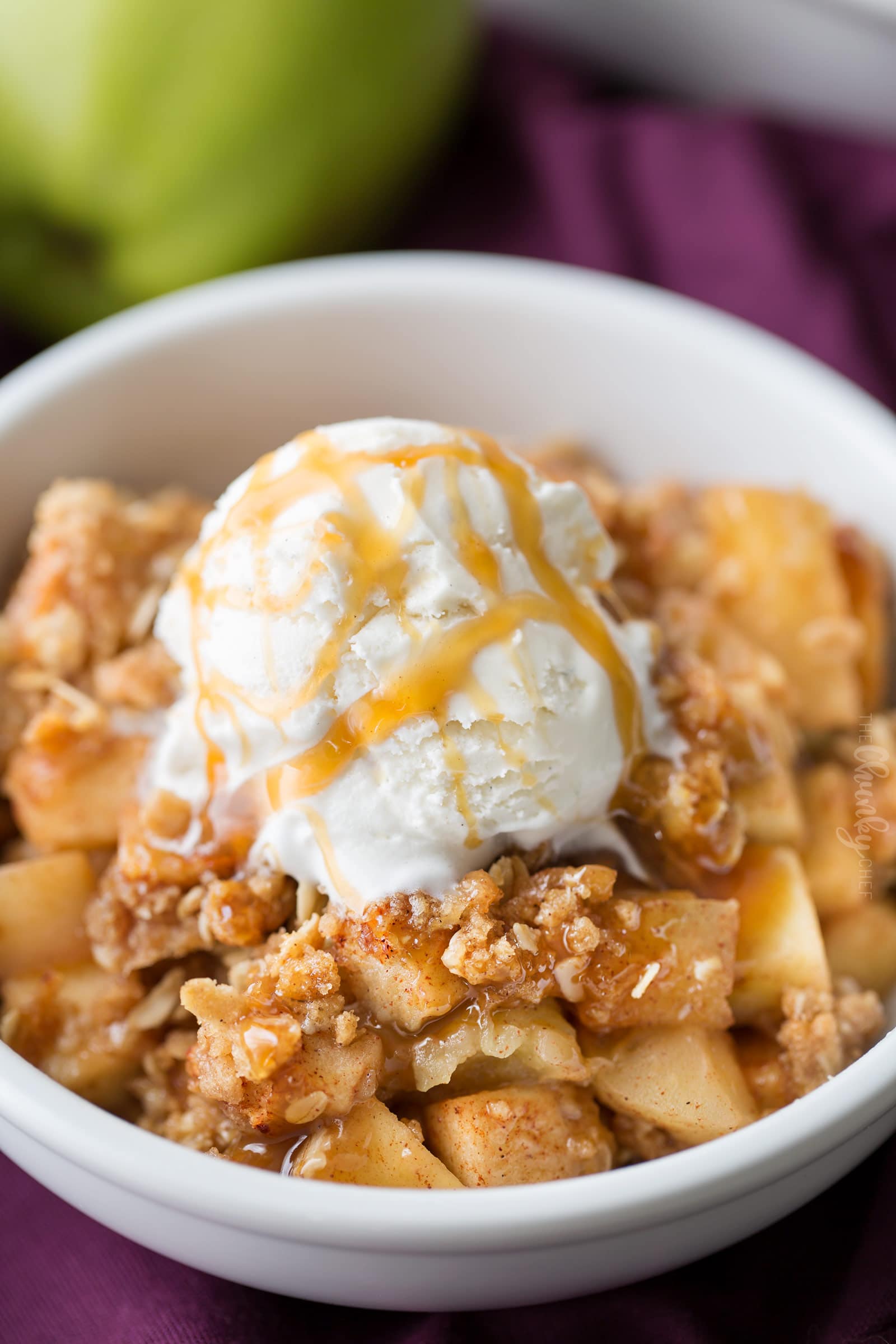
The apples you pick are only half the memory—what you make with them afterward keeps the trip alive for weeks. Plan one or two simple recipes before you leave, not after, so you’re not staring at a bushel wondering what to do.
- Apple crisp or crumble: Easiest win for families. Minimal prep, forgiving timing, and tastes better than anything store-bought. Kids can help peel and mix without much skill required.
- Muffins: Use shredded apples so they bake into the batter evenly. These freeze well, so make a double batch and eat them over two weeks.
- Applesauce or apple butter: Best for larger harvests. Slow cooker versions require almost no attention, and the smell fills your house for hours. Freeze in ice cube trays for single servings.
- Pies and galettes: Save these for families who actually bake regularly—one-off pie attempts after a long day often disappoint. If you’re not confident, skip it.
- Gifts for neighbors or grandparents: Pick extra apples specifically to give away. Wrap them in a small basket with a handwritten label. Kids remember this gesture longer than eating the apples themselves.
Choose recipes that match your actual cooking habits, not Pinterest aspirations. A simple crisp made three times beats an ambitious pie that never happens.
Most families find one or two recipes they return to year after year, turning the orchard trip into a seasonal ritual rather than a one-off outing.
How to Build a Packing List for an Apple Picking Road Trip?
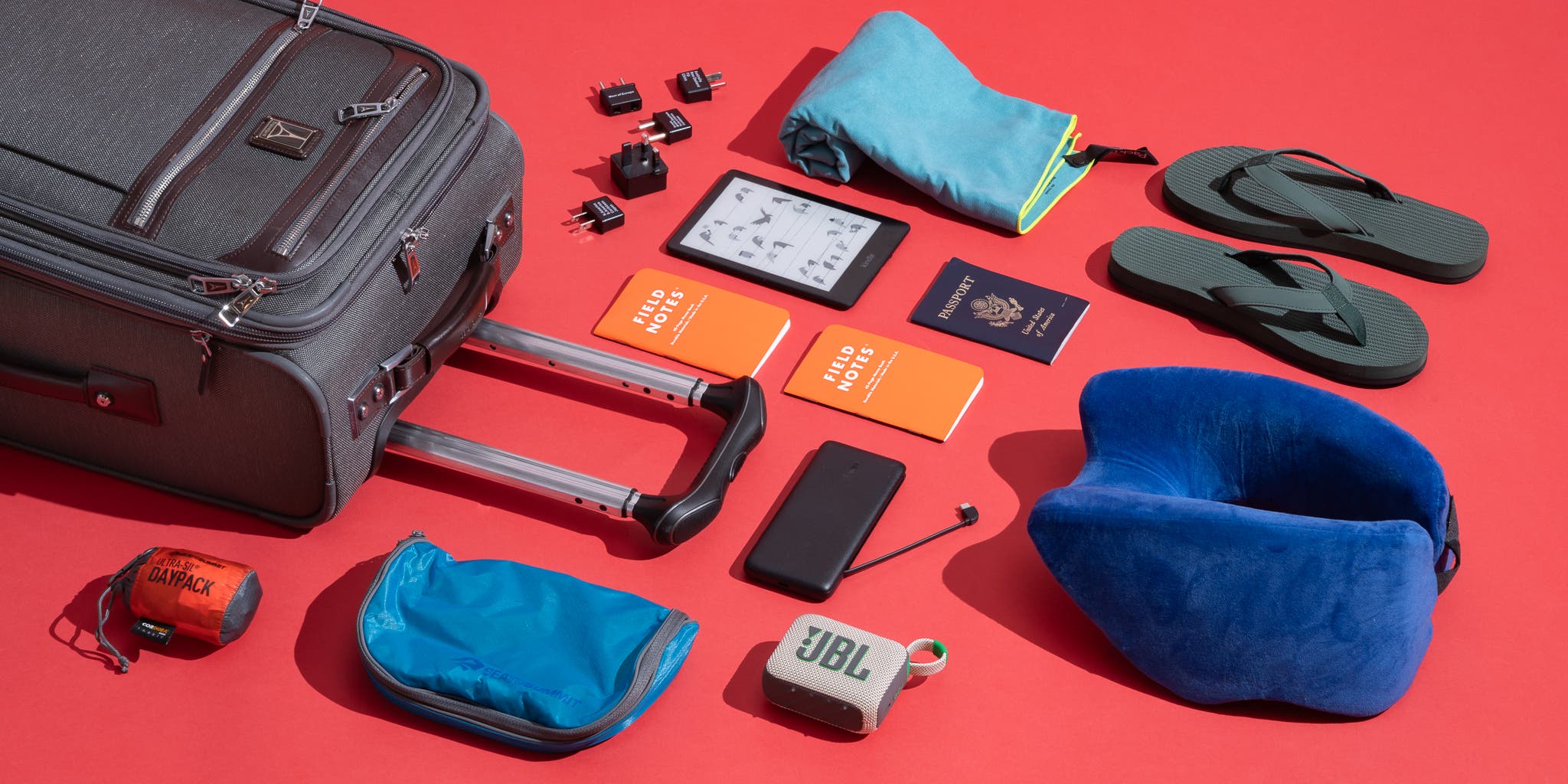
The difference between a smooth apple picking day and a frustrating one often comes down to one thing: whether your phone dies at hour five, your kids get bored waiting in line, or your picked apples roll around loose in the car on the drive home. A focused packing list solves these problems without turning your vehicle into a storage unit.
Skip the generic road trip checklist — this one targets the specific demands of orchards: all-day outdoor time, limited shade, uneven terrain, and the need to transport fragile fruit safely.
Comfort, Weather, and Kid Essentials
Apple orchards expose you to sun, wind, and temperature swings that feel different than a typical outdoor activity because you’re moving constantly through rows and bending repeatedly. Dress in layers — mornings are cool, midday sun is strong, and late afternoon can feel chilly again.
Bring a lightweight jacket or fleece that packs small, not a heavy coat.
- Sun protection: Sunscreen (reapply every two hours), wide-brimmed hats for kids and adults, and sunglasses. Orchards offer minimal shade, and reflection off the ground intensifies UV exposure.
- Footwear: Closed-toe shoes with good grip — not sneakers alone. Orchard ground is often uneven, damp from morning irrigation, and slopes slightly. Hiking shoes or trail runners beat standard athletic shoes.
- Hand care: Work gloves or gardening gloves for picking (your hands will get sticky from apple sap and dirt). Bring extras if kids are picking too.
- Hydration: A large refillable water bottle per person — orchards are deceptively thirsty work. Most orchards have water stations, but bringing your own means you don’t wait in line or run out mid-picking.
- Entertainment for downtime: A small notebook, colored pencils, or a portable speaker for the car ride. Picking itself keeps kids engaged, but waiting for payment or during a farm snack break matters.
- First aid basics: Bandages, antihistamine cream (for bug bites — orchards have mosquitoes), and pain reliever. Blisters from new gloves or small cuts from branches happen more often than you’d expect.
Food, Picnic, and Portable Power Items
Orchards pull you away from restaurants and reliable cell service for hours. Packing your own food saves money, keeps kids fueled, and lets you eat on your schedule — not the farm’s.
The portable power piece is non-negotiable: phones die fastest when you’re using GPS, taking photos, and running a small fan to stay cool in a parked car.
- Cooler with ice packs: A mid-size cooler (not oversized) fits easily in the trunk and keeps lunch, snacks, and drinks cold for a full day. Pack it the night before so ice packs are fully frozen.
- Picnic food: Sandwiches, cheese, crackers, fruit (bring grapes or berries — not more apples), and granola bars. Skip anything that requires heating or utensils beyond a knife. Most orchards allow picnicking in the groves, so eating among the trees is part of the experience.
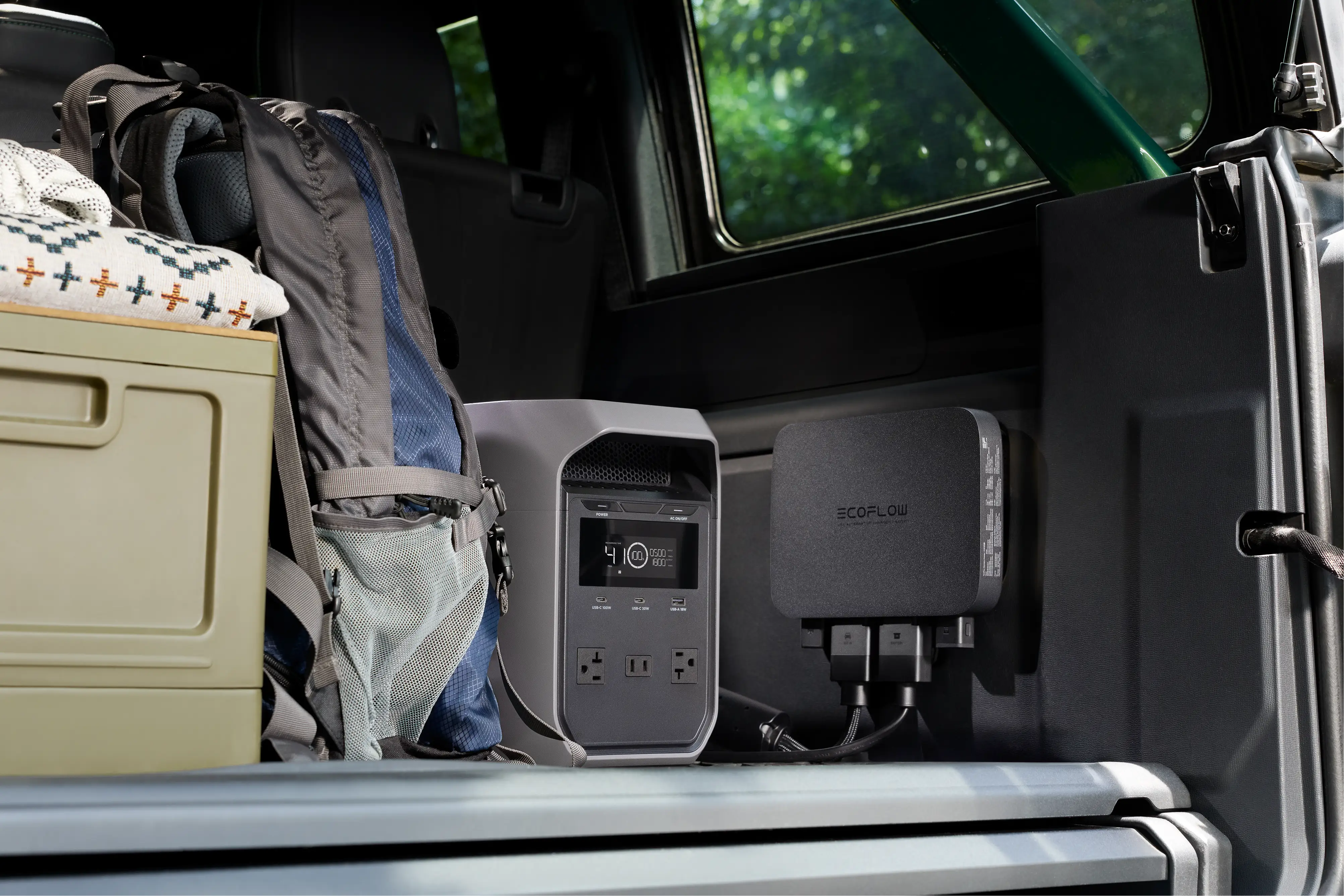
- Portable power station: A rechargeable battery unit with AC outlets and USB ports keeps phones, cameras, and small fans running all day without hunting for a wall outlet. This is the single item that prevents the “dead phone at 3 p.m.” disaster. Capacity of 500–1000Wh is typical for a full day of family use; confirm compatibility with your devices before buying.
- Reusable water bottles: Bring at least one per person, plus one extra. Filling at the orchard’s water station is free and reduces plastic waste.
- Wet wipes or hand sanitizer: Apples and dirt go together. Wipes let kids clean hands before eating without waiting for a bathroom.
- Trash bags: Bring two or three small bags. Orchards expect you to leave no trace, and having bags in the car prevents apple stems and snack wrappers from scattering.
For the ride home: Pack sturdy produce bags or small cardboard boxes to separate your picked apples from rolling around loose. Apples bruise easily once picked, and loose fruit rolling in the trunk damages both the apples and your car’s interior.
Lay them in a single layer if possible, or use dividers. A small blanket or towel between layers adds cushioning for longer drives.
How to Plan a Picnic on Your Apple Picking Road Trip?
A picnic turns apple picking from a quick farm stop into a real fall day — but only if your food survives the drive and tastes good when you’re hungry. Skip the complicated cooler setups and pack items that actually travel well without turning into a soggy mess by lunchtime.
Easy Travel-Friendly Picnic Foods
Sandwiches, wraps, crackers, fruit, trail mix, and sealed drinks are the winners here because they need zero setup and won’t spoil if your cooler isn’t perfect. These items also won’t compete with the fresh apples you’re about to pick — which is the real point of eating at the orchard anyway.
- Sandwiches and wraps: Pack them in a hard-sided container to prevent crushing. They’re filling enough to power through hours of picking without needing refrigeration for a few hours.
- Crackers and cheese: Pair shelf-stable crackers with individually wrapped cheese or cheese that doesn’t require constant cold. This combo stays fresh longer than you’d think.
- Fresh fruit (non-apple): Grapes, berries, or oranges add variety without competing with the apples you’re picking. They travel well and need no prep.
- Trail mix and nuts: These are your emergency snack if the day runs longer than planned. They’re shelf-stable and take up almost no space.
- Sealed drinks: Water bottles and juice boxes are non-negotiable — picking is thirsty work. Avoid glass bottles that can break in the car.
Skip deli meats that spoil quickly, mayo-heavy salads, and anything that needs heating. The goal is food that tastes good at room temperature and doesn’t require a full kitchen setup in the orchard parking lot.
Keeping Perishables Cold During the Drive
A basic cooler with ice packs will keep cheese, sandwiches, and drinks safe for the 2–4 hours most apple picking trips last. Don’t overthink this — you’re not preserving food for a week.
- Pack ice packs (not loose ice): Reusable ice packs won’t leak into your food and take up less space than ice. Freeze them the night before your trip.
- Layer strategically: Put ice packs on the bottom and top of your cooler, with perishables in the middle. This keeps everything cold without direct contact that causes freezer burn.
- Keep the cooler in the shade: Leave it in the car trunk or under a tree at the orchard, not in direct sun. Even a few hours of sun exposure will warm it faster than you expect.
- Eat perishables first: If your picnic happens mid-afternoon, eat anything that needs cold protection before the apples and shelf-stable snacks.
Most orchards allow you to bring your own picnic and eat among the groves — check the orchard’s rules before you arrive. Some, like Masker Orchards in Warwick, New York, actively encourage it and let you drive right up to the trees.
This beats eating in a parking lot every time.
Bringing lunch and snacks also keeps your total trip cost down, which matters when you’re already buying apples by the bag. Set a picking limit before you start so you don’t overbuy and waste what you can’t use.
How to Keep Apples Fresh on the Drive Home?
Apples bruise and soften faster in a warm car than you’d expect — especially if you’ve picked a full bag and stacked it carelessly on the back seat. The difference between apples that taste crisp when you get home and ones that turn mealy in three days comes down to one drive-home decision: shade and spacing.
Proper Storage and Sorting Tips
Place all bags and boxes in the shadiest part of your vehicle immediately after picking — typically the floor behind the front seats or a shaded cargo area. Never stack heavy bags on top of each other, particularly if you’ve picked larger varieties.
Apples compress under their own weight, and stacking accelerates bruising and softening.
If your drive home is longer than two hours, consider bringing a small cooler with ice packs (not ice directly touching the apples, which causes freezing damage). Keep the car windows cracked or the air conditioning on during the drive to prevent heat buildup, which is the fastest way to lose freshness.
- Separate by ripeness: Sort softer apples to the top of your bags so they’re not crushed by firmer ones underneath.
- Use ventilated containers: Cardboard boxes or mesh bags allow air circulation better than sealed plastic bags.
- Avoid the trunk: Heat builds faster in enclosed spaces; keep apples in the passenger cabin where you can monitor temperature.
- Don’t wash before driving: Moisture speeds decay. Wait until you’re home to rinse apples.
Once home, store apples in the refrigerator’s crisper drawer (not on the counter) to extend freshness by weeks. Apples kept cold stay firm and flavorful far longer than those left at room temperature.
Frequently Asked Questions
Is Apple Picking Better in the Morning or Afternoon?
Morning wins every time for apple picking, especially with kids. The orchard is less crowded, the air is cooler so you won’t tire as fast, and apples are still firm from the overnight chill — they pick cleaner and store longer.
Afternoon heat makes the fruit softer and bruises more easily during picking and transport. If you’re driving more than an hour, leave early enough to hit the orchard by mid-morning and still have time to pick without rushing.
Can Apple Picking Work as a Budget Fall Road Trip?
Yes, but only if you choose the right orchard and set limits before you start. Look for farms that charge by the bag rather than bundling multiple activities into one high price — this keeps costs transparent and prevents surprise fees.
Bring your own lunch, snacks, and drinks instead of buying from the orchard café, which typically marks up food 30–50%. The real budget killer is buying more apples than your family can realistically use or preserve; decide on a picking limit before you enter the rows and stick to it.
Apple picking is genuinely one of the most affordable fall road trip activities available — entrance fees usually run $10–20 per person, and you leave with food that justifies the cost.
Should Families Wash Apples in the Orchard?
No — wait until you get home. Orchard apples are dusty and may have light pesticide residue, but washing them on-site wastes time and water you don’t have.
Wet apples also bruise more easily during the drive home and are heavier to carry. Pack them dry in your bags, store them in a cool car, and wash them thoroughly once you’re back.
This also prevents mold from developing during transport.
How Far Should Families Drive for Apple Picking?
One to two hours each way is the sweet spot for families with young children. Anything longer than two hours one way risks tired kids, a difficult return drive, and apples that spend too much time in a warm car.
If you want to drive farther, build the orchard into a bigger fall route with planned stops — a cider mill, scenic overlook, or small-town lunch break — so the drive feels like part of the adventure, not a slog. Families with toddlers should stick closer to home for the first trip; you can always expand next year once you know what your kids can handle.
Longer drives work better when the orchard is part of a multi-stop itinerary rather than a standalone destination.
Your Apple Picking Road Trip Starts This Week
Pick an orchard within your target drive time, call or check their website right now to confirm what’s ripe and whether they require reservations, and plan to arrive by 9 a.m. to beat crowds and heat. Apple picking works as a real fall memory only when you treat it as a full day—not a rushed stop—which means building in time for a picnic among the trees, a secondary farm activity, and the drive home without stress.
The Northeast’s orchards deliver something you can’t get anywhere else: apples that taste like actual fruit, picked by your own hands, in a landscape that looks like fall should look. This is worth the drive.
Start by choosing your orchard region based on drive time and available dates, then call the farm this week to lock in your visit and confirm what varieties are ready to pick right now.
Leave a Reply