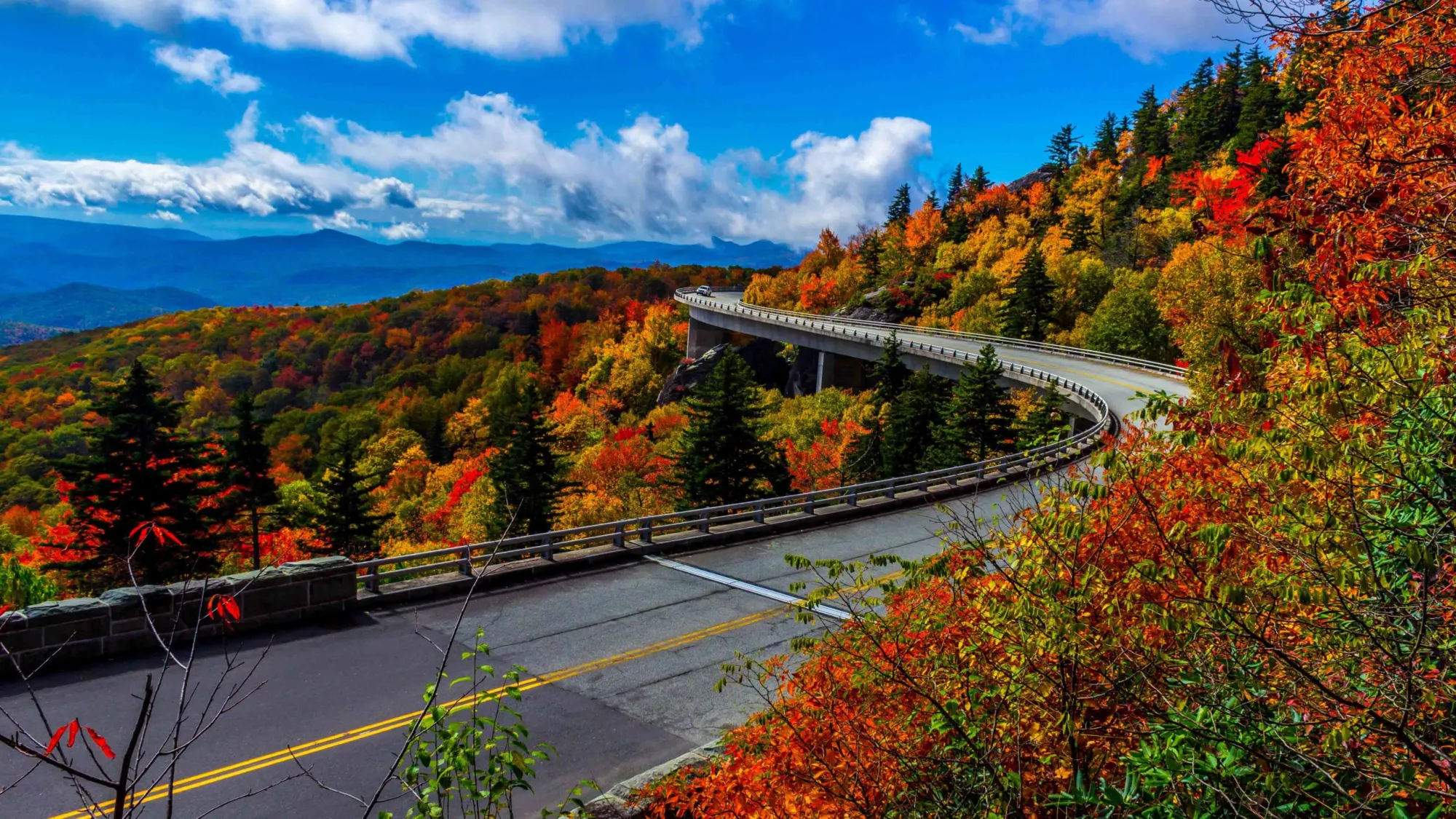
The moment you crest the Blue Ridge Parkway in early October, the air shifts—cooler, sharper, carrying the smell of wet leaves and woodsmoke. The mountains around you explode in reds and golds that seem almost unreal, like someone turned up the saturation on reality itself.
Asheville’s fall advantage isn’t timing a single “peak week”—it’s elevation. The Blue Ridge climbs from 2,200 feet to over 6,000 feet, meaning color cascades downward over six weeks instead of hitting everywhere at once, giving you flexibility no other destination offers.
This guide cuts through the peak-date anxiety and tells you exactly when to visit based on what you want to see, where to stay for the best views, and which hikes and activities actually deliver on fall’s promise. Budget ranges: $80–150 for value motels, $120–250 for downtown hotels, $250–400+ for luxury resorts with mountain views.
Your Fall Asheville Cheat Sheet
Best Time to Visit: Early October for high-elevation color with fewer crowds; mid-to-late October for dramatic valley-wide reds and golds (expect peak pricing and weekend traffic).
Peak Color by Elevation: Late September at 6,000+ feet | Early October at 5,000–6,000 feet | Mid-October at 4,000–5,000 feet | Late October below 4,000 feet.
Insider Move: Visit Sunday–Thursday to avoid gridlock on the Blue Ridge Parkway and secure better lodging rates; October weekends book months in advance.
Must-Do Activities: Hike Mount Pisgah or Craggy Pinnacle for high-elevation color; catch sunset at Omni Grove Park Inn; pick apples in Hendersonville (30 minutes south); explore Cataloochee Valley for wild elk against fall ridges.
Where to Stay: Omni Grove Park Inn for unobstructed mountain views and sunset access; downtown Asheville for walkable restaurants and breweries; South Asheville boutique motels for value with character.
Critical Planning Detail: Fill your gas tank before heading onto the Blue Ridge Parkway—no stations exist along the 469-mile stretch. Call (828) 298-0398 before driving to confirm road conditions.
When is the Best Time to Visit Asheville for Fall Colors?
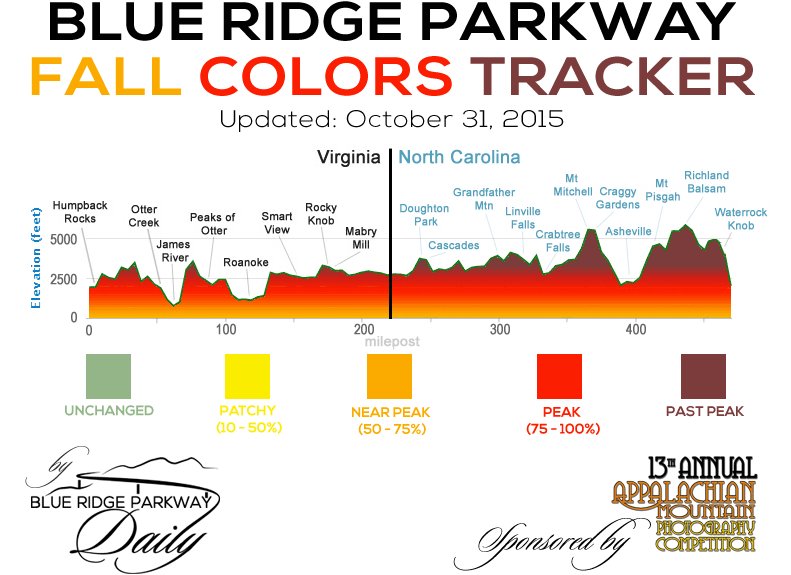
October is peak season for fall color in Asheville—but the exact week that matters most depends entirely on elevation, and that’s your strategic advantage. The Blue Ridge Parkway’s 469-mile stretch climbs from 2,200 feet to over 6,000 feet, meaning color cascades downward over six weeks instead of hitting everywhere at once.
This isn’t a bug; it’s your permission slip to visit whenever your schedule allows and still find incredible foliage somewhere on the mountain.
A Detailed Peak Foliage Timeline by Elevation
Skip the anxiety about “peak week”—Mother Nature doesn’t follow a calendar. Instead, plan around elevation zones and adjust your driving routes accordingly.
- Late September (6,000+ feet): Spotty color begins on the highest ridges and rocky peaks. Rough Ridge and Graveyard Fields on the Blue Ridge Parkway show first hints of red and gold. This is early, but if you’re chasing the absolute first color and don’t mind sparse coverage, these high-elevation hikes deliver.
- Early October (5,000–6,000 feet): Color transforms dramatically above 5,000 feet. Mount Mitchell, Grandfather Mountain, and Beech Mountain (a mile-high town worth staying in for cooler temps and early color) show peak reds and oranges. South on the Parkway, Waterrock Knob and Black Balsam areas explode with color. Max Patch and Roan Mountain on the Appalachian Trail offer hike-and-picnic views that rival any postcard.
- Mid-October (4,000–5,000 feet): This is when most travelers arrive, and for good reason. Mount Pisgah and Devil’s Courthouse areas south on the Blue Ridge Parkway hit their stride. Colors really pick up steam, and the Parkway becomes congested on weekends—arrive early on weekdays to avoid gridlock.
- Late October (below 4,000 feet): Lower elevations around Asheville city proper and valley floors show peak color last. If you visit the last two weeks of October, base yourself in Asheville and take day trips up the Parkway to chase higher elevations.
The insider move: Visit Sunday through Thursday to avoid crowds and secure better lodging rates. Saturdays are extremely busy, and top bed-and-breakfasts, cabins, and mountain inns fill October weekends months in advance—book early or plan a weekday trip.
What to Expect from Asheville’s Fall Weather and Crowds
October weather in the mountains is unpredictable and that’s non-negotiable: temperatures can swing 20 degrees between valley and ridge, and conditions change fast. Pack layers—what feels mild in Asheville’s downtown can be crisp or even cold at 5,000 feet.
Bring a jacket, long sleeves, and a light base layer, and you’ll be comfortable no matter where the day takes you.
Crowds are the real trade-off. October is peak tourist season, and prices reflect it.
Accommodations are expensive, top restaurants fully book, and the Blue Ridge Parkway grows congested, especially on weekends. This is the cost of visiting during the most beautiful weeks.
If crowds and high prices are deal-breakers, visit early September (limited color but far fewer people) or late October (lower elevations, fewer tourists, better rates).
Cell service is limited in national parks and on hiking trails—research your outdoor areas before you go. Bring a physical map alongside GPS; mountain roads can be tricky to navigate, especially on winding Parkway sections.
Essential Tips for Navigating the Blue Ridge Parkway in Autumn
The Blue Ridge Parkway is accessible in 20–30 minutes from most Asheville lodging, making it the easiest way to chase color without committing to a full day’s drive. But the Parkway demands respect and planning, especially in fall.
- Fill your gas tank before leaving the city. No gas stations exist along the Parkway—running empty on a scenic mountain road is a preventable nightmare.
- Pack snacks and water. Restaurants are scarce in scenic areas, and you don’t want to waste time driving down the mountain for lunch when peak light is happening now.
- Call ahead for road conditions: (828) 298-0398. Weather changes quickly; sections close for maintenance or weather without warning. A 10-minute call saves hours of wasted driving.
- Arrive early on weekends, or skip them entirely. Expect slow traffic on Saturdays and Sundays, especially mid-October. Weekday mornings offer clear roads and better parking at overlooks.
- Use elevation strategically. If lower elevations are past peak, drive higher. If high elevations are too early, stay in the 4,000–5,000 foot zone. The Parkway’s elevation range means there’s always color somewhere—you just have to know where to look.
Buy Biltmore Estate tickets in advance for better prices and preferred tour times if that’s on your itinerary. Book lodging now if you’re targeting October weekends—the best cabins, inns, and B&Bs fill up fast.
Base yourself in Asheville proper or a nearby mountain town for easy Parkway access and restaurant options, then take day trips up the mountain to chase color at different elevations.
Top 10 Things to Do in Asheville in the Fall
Fall in Asheville isn’t just about leaf-peeping from a distance—it’s about being inside the color, tasting it at festivals, chasing ghosts through historic streets, and catching sunsets that make you understand why people move here permanently. The following 10 activities let you experience the season like a local, not a tourist passing through.
1. Go Apple Picking in Hendersonville’s “Apple Alley”

Hendersonville, about 30 minutes south of Asheville, is the apple capital of North Carolina, and fall is the only time to do this right. Pick your own fruit directly from the tree—it tastes nothing like supermarket apples—and most orchards let you eat as you go.
This is the move if you want a tangible fall memory and fresh cider to bring back to your rental cabin. Expect to spend 1–2 hours picking, and plan for mid-September through October for the best selection.
2. Experience the Biltmore Estate’s Autumn Splendor
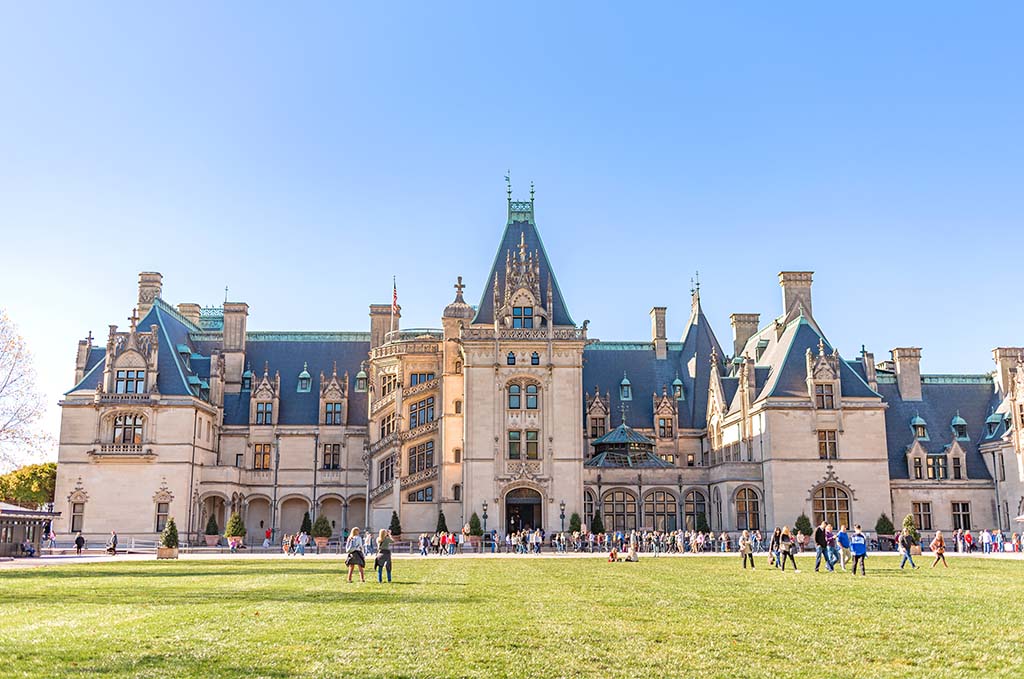
The Biltmore Estate’s 8,000 acres transform into a patchwork of gold, crimson, and amber in October, and the mansion itself—America’s largest privately owned house—becomes a backdrop for some of the most photographed fall scenes in the Southeast. Walk the grounds at your own pace, or take the guided estate tour if you want the history.
The estate is open year-round, but October is peak season, so arrive early (before 10 a.m.) to avoid crowds and secure parking. Admission is required; check the official website for current pricing and any seasonal packages.
3. Chase Ghosts on a Haunted LaZoom or Gray Line Trolley Tour

Asheville’s downtown is genuinely haunted—or at least the stories are good enough that you’ll believe it. LaZoom and Gray Line both run ghost tours that blend local history with spine-tingling tales.
LaZoom’s tours are more theatrical and comedic; Gray Line’s are more straightforward historical. Both operate in fall and take roughly 90 minutes.
Book in advance during October, as these sell out fast on weekends.
4. Attend Iconic Fall Festivals and Street Fairs

Asheville hosts multiple fall festivals throughout September and October—Oktoberfest celebrations at local breweries, street fairs with live music and local vendors, and harvest festivals. The exact dates and events vary year to year, so check the Asheville Convention & Visitors Bureau website or local event calendars before you book.
These festivals are free or low-cost to attend and give you a genuine feel for the community, not a curated tourist experience.
5. Catch a Sunset at the Omni Grove Park Inn
The Omni Grove Park Inn sits on a ridge with unobstructed views of the Blue Ridge Mountains, and October sunsets here are genuinely spectacular—the sky turns colors you didn’t know existed, and the mountains glow. Make a dinner reservation at Edison (the better choice for views and food) or Sunset Terrace, and time it to arrive 30 minutes before sunset.
Even if you’re not staying at the hotel, you can come for drinks and the view. This is the single best sunset spot in Asheville, no debate.
6. Ride the Great Smoky Mountains Railroad
A scenic train ride through the mountains in October is pure nostalgia—you sit back, watch the foliage roll past, and someone else handles the driving. The Great Smoky Mountains Railroad operates multiple routes from nearby towns, with journey times typically ranging from 3–5 hours depending on the route.
Book well in advance for fall, as these trips fill up quickly. This works especially well if you want a full-day activity without the physical exertion of hiking.
7. Witness the “Shadow of the Bear” Phenomenon
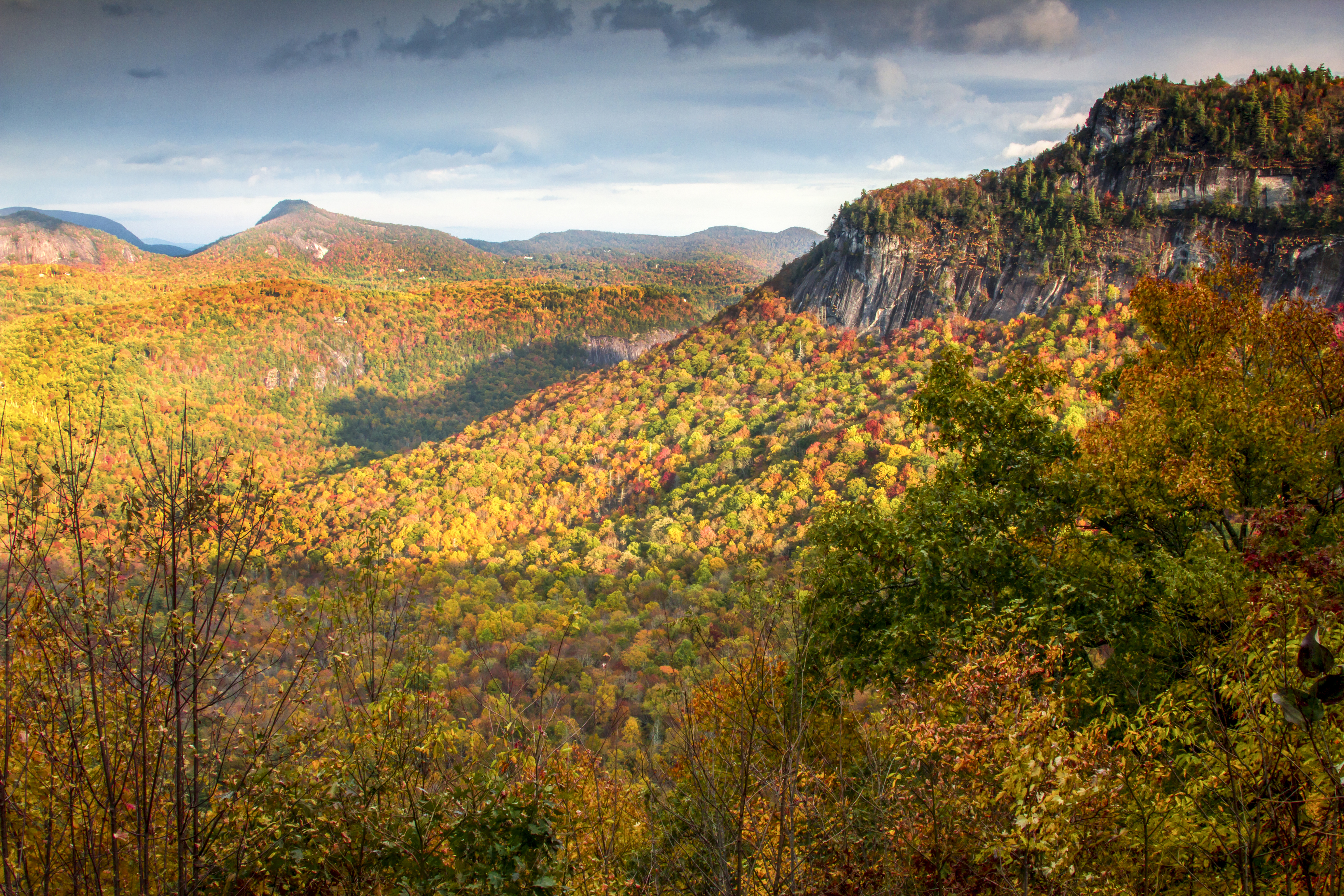
In the mountains around Cashiers and Waynesville (about 45 minutes southwest of Asheville), a natural rock formation on Whiteside Mountain casts a shadow that resembles a bear’s profile when the sun hits it at the right angle in fall. It’s a quirky, Instagram-friendly moment that requires a short hike and specific timing—typically mid-to-late October.
The drive to Cashiers is scenic on its own, making this a worthwhile half-day excursion if you’re willing to venture beyond downtown Asheville.
8. Watch the Elk in Cataloochee Valley
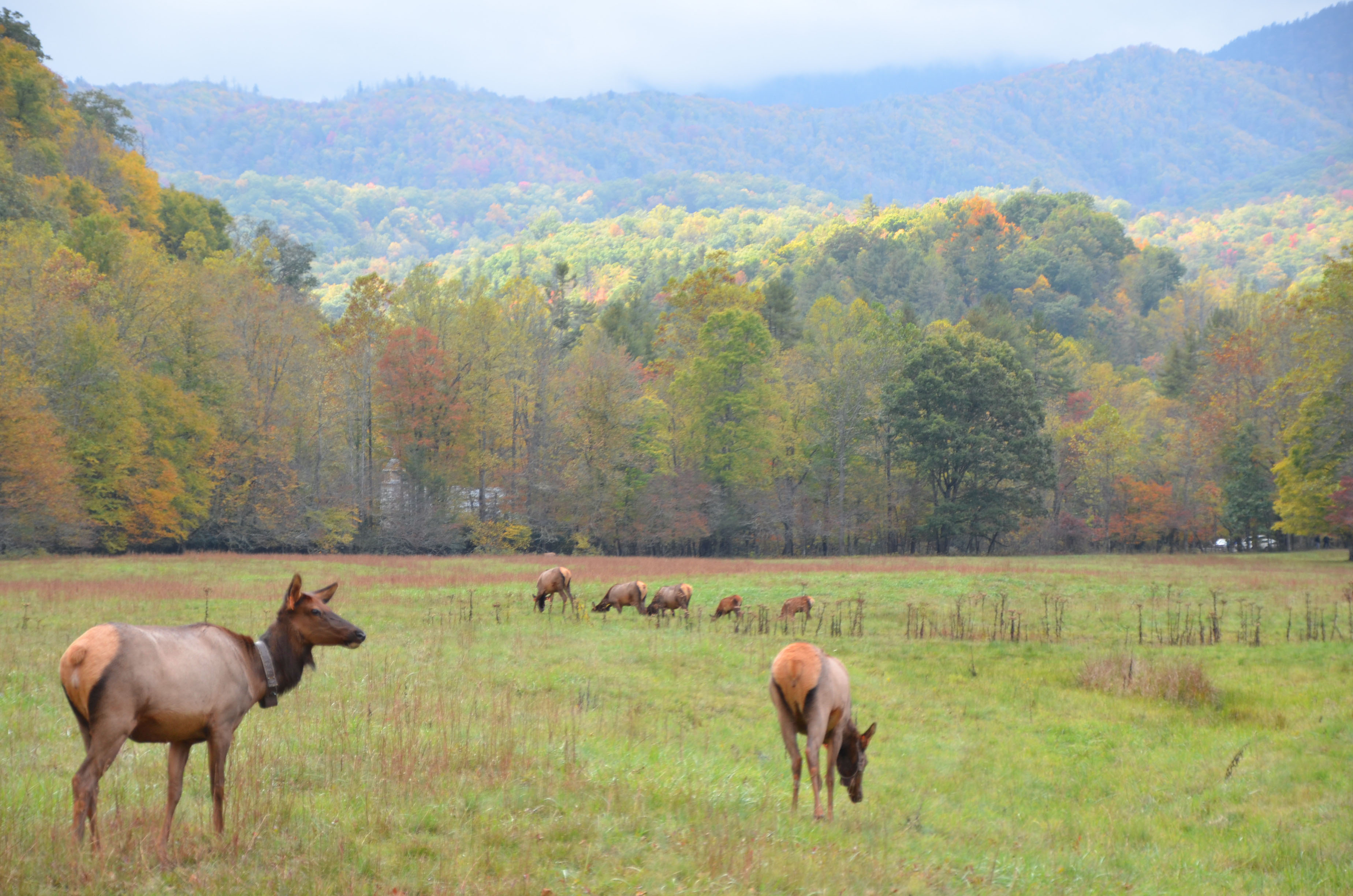
Cataloochee Valley, in the Great Smoky Mountains National Park about an hour east of Asheville, is one of the few places in the eastern United States where you can reliably see wild elk. The best time is just before sunset when they’re most active.
Bring a picnic, set up in a pullout, and watch the herd graze against a backdrop of fall-colored ridges. This is a low-effort, high-reward activity—no hiking required, just patience and good timing.
The valley also has historic buildings and easy trails if you want to explore further.
9. Explore Spooky Abandoned Places and Dark Tourism Sites
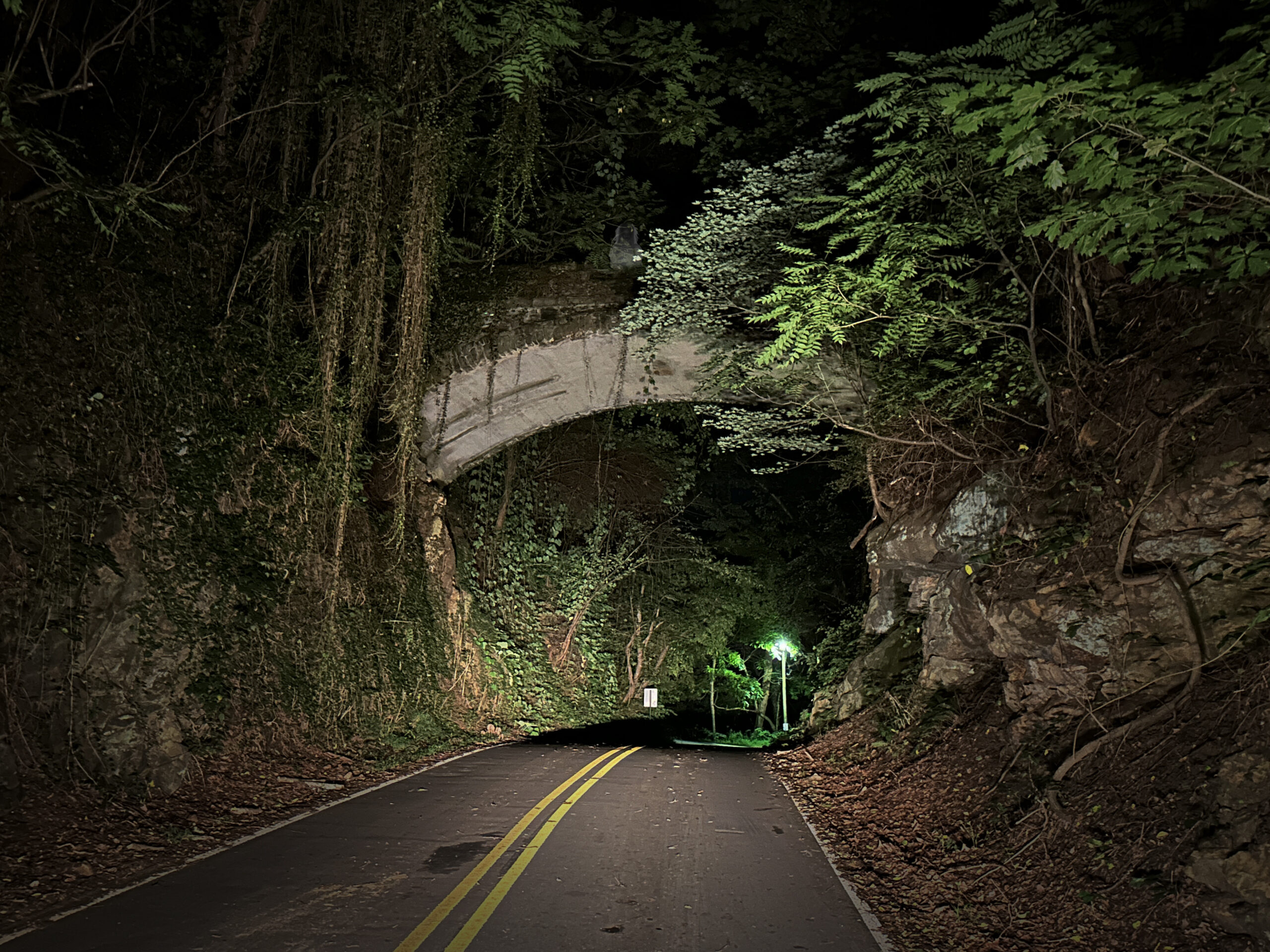
Asheville has several genuinely eerie locations you can visit for free. Helen’s Bridge, a stone bridge on the outskirts of town, is said to be haunted by a young woman who died there—locals claim your car won’t start if you turn it off on the bridge (don’t test this).
The Zelda Fitzgerald Memorial marks the site of the Highland Hospital fire where the famous author died in 1948. The Omni Grove Park Inn itself is known for its resident ghost, the Pink Lady, who guests and staff have reported seeing in the halls.
Chicken Alley features a mural and local lore about a murdered doctor whose ghost allegedly taps a cane on the pavement. These sites are free to visit and add a layer of dark history to your fall wandering.
10. Visit the North Carolina Arboretum and Botanical Gardens
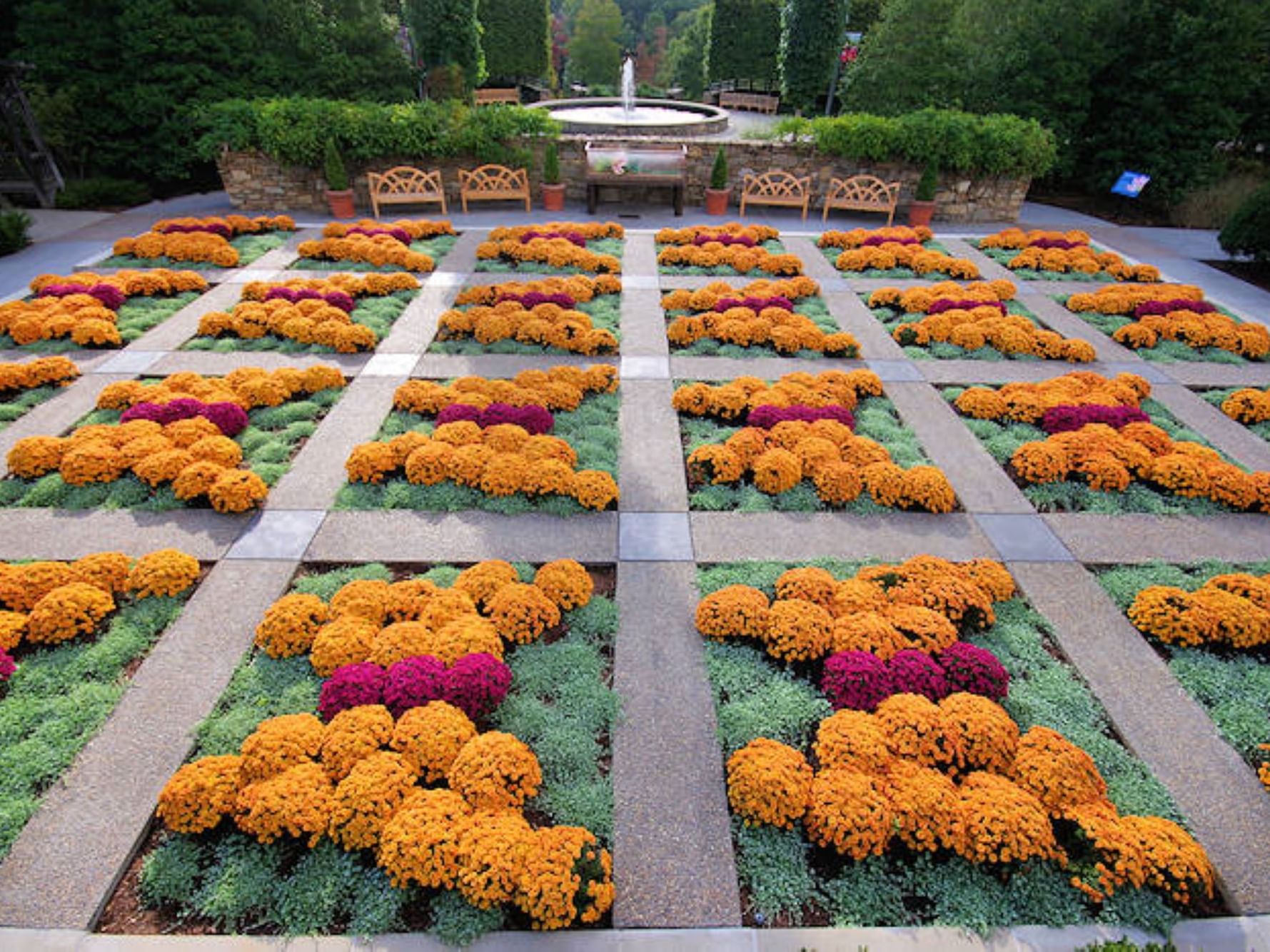
The NC Arboretum and Asheville Botanical Gardens offer curated fall color without the crowds of the Biltmore Estate. The arboretum has 65 acres of trails through themed gardens and native plantings—the Japanese garden and native azalea collections are especially striking in October.
Admission is free (donations encouraged). This is the move if you want a peaceful, contemplative fall experience with excellent photography opportunities and minimal tourist infrastructure.
Where to base yourself: Stay downtown Asheville for walkable access to ghost tours, restaurants, and breweries. If you’re planning to hit multiple activities across the region (Hendersonville, Cashiers, Cataloochee), consider a central location like a downtown hotel or mountain inn with easy highway access—you’ll save driving time and can explore without backtracking.
Best Fall Hikes Near Asheville for Leaf Peeping
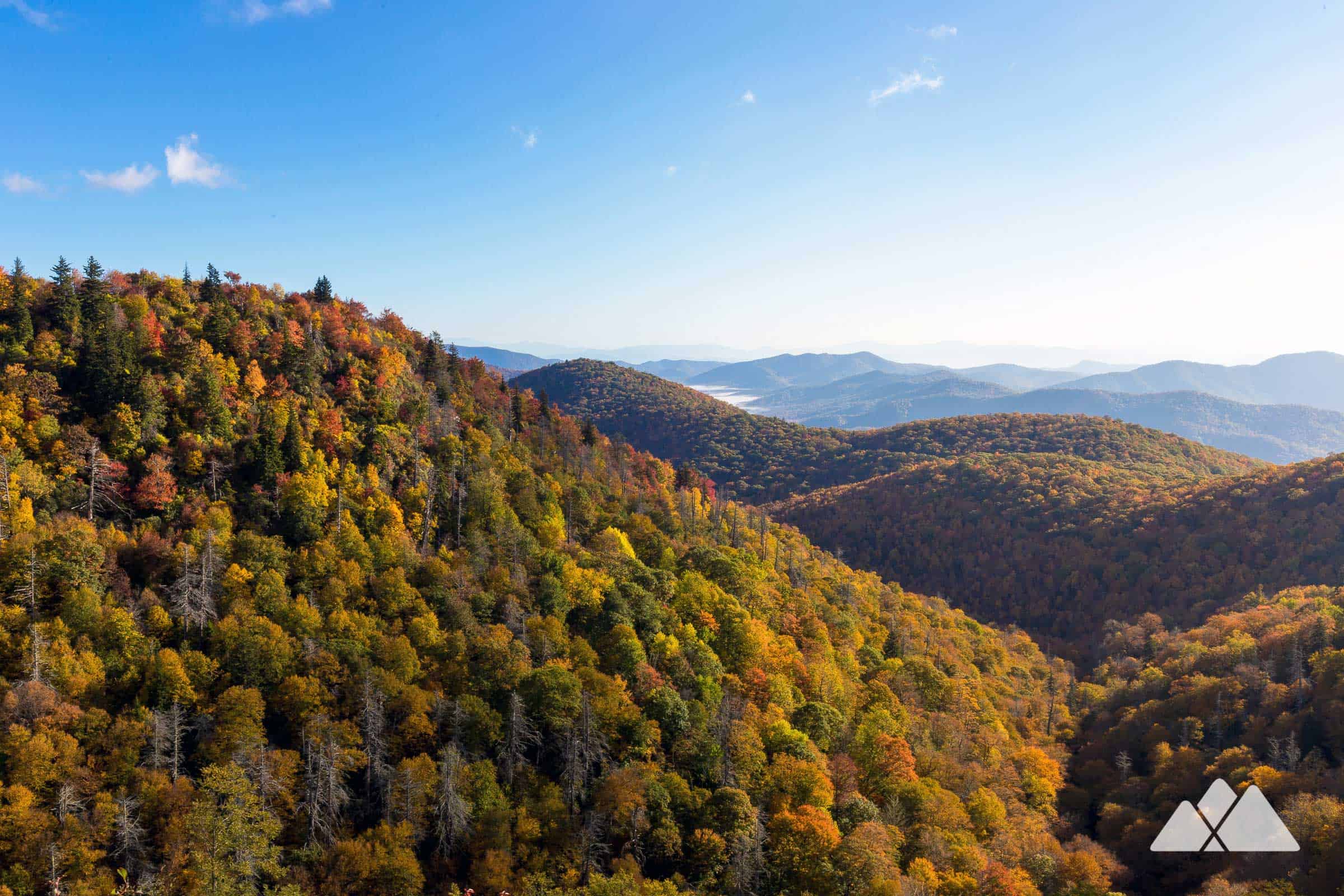
The trick to fall hiking near Asheville isn’t chasing one perfect peak date—it’s using elevation to your advantage. Colors arrive at the highest ridges by early October, cascade through mid-elevation trails by late October, and linger in the valleys through November.
This means you can time your hike to catch peak color no matter when you visit, and you’ll avoid the trap of hiking trails that are an hour-plus drive from the city when excellent color is minutes away.
High-Elevation Trails for Early October Color
Head to the Blue Ridge Parkway and trails above 4,000 feet if you’re visiting early October. These peaks turn first and deliver the most dramatic color-to-sky contrast. Expect temperatures 20 degrees cooler than the city, so layer aggressively.
- Mount Pisgah: The most direct high-elevation option from Asheville. The summit trail is steep but short, and the 360-degree views of turning ridges justify the burn. Peak color here typically hits early October.
- Craggy Pinnacle and Craggy Gardens: A moderate 1.5-mile loop on the Parkway north of Asheville with alpine meadow views and early-season color. Crowds are real on weekends—arrive before 9 a.m. or go Sunday–Thursday.
- Black Balsam via the Art Loeb Trail (add Sam Knob): A 5-mile out-and-back that gains 1,000 feet through high-elevation forest. The payoff is treeless ridges with 360-degree views and color that peaks in early October. This is a serious hike, not a casual stroll.
- Graveyard Fields Loop: A moderate 3-mile circuit on the Parkway that passes small waterfalls and open meadows. Leaves change earlier here than lower elevations, making it ideal for early-October visits. The loop format means no backtracking.
- Fryingpan Mountain Tower: A less-crowded alternative to Pisgah with similar views. The fire tower at the summit adds a historical element, and the hike is slightly easier.
Mid-Elevation and City Hikes for Late October Peak
By late October, the sweet spot for color is between 2,000 and 3,500 feet—exactly where Asheville’s most accessible trails live. These hikes fill up fast on weekends, so book lodging early and plan to hike Sunday–Thursday if possible.
Gas up your tank before leaving the city; there are no stations along the Parkway.
- Bearwallow Mountain: A 4-mile round-trip near Montreat (15 minutes north of Asheville) with minimal elevation gain and payoff views. This is the move for hikers who want color without the climb.
- The NC Arboretum: Technically not a single trail but a network of easy-to-moderate loops on 426 acres. Peak color here aligns with late October. This is where to bring non-hikers or families—you can walk as little or as much as you want, and the curated plantings mean organized, photogenic color.
- Bent Creek Experimental Forest trails: A series of moderate loops just south of Asheville with reliable mid-elevation color and minimal crowds compared to Parkway trails. Cell service is spotty, so download a map.
Waterfall Hikes with Autumn Foliage

Waterfall hikes combine two peak-season rewards: rushing water and canopy color. DuPont State Forest, 30 minutes south of Asheville, is the best-kept secret for this combination.
The forest’s 3-waterfall loop is moderate, well-maintained, and less crowded than Parkway trails on weekends.
- DuPont State Forest (3-Waterfall Hike): A 4.5-mile loop visiting High Falls, Triple Falls, and Hooker Falls with reliable mid-to-late October color. The trail is well-marked and popular with families, but it still feels less hectic than the Parkway. Parking fills by 10 a.m. on weekends—arrive early or visit weekdays.
- French Broad River area trails: Multiple easy-to-moderate walks along the river with reflective water and surrounding color. These are ideal for late October when mid-elevation foliage peaks. Pack a picnic and make an afternoon of it.
Mountain Biking Trails for Fall Scenery
If you’re on two wheels instead of two feet, Asheville’s network of mountain bike trails delivers color with speed. Most trails are rideable in early-to-mid October when high-elevation color is prime.
- Pisgah National Forest trails: A sprawling network of singletrack with options for all skill levels. The higher-elevation loops (like those near the Pisgah Inn area) turn color earliest. Expect muddy conditions after rain—check the (828) 298-0398 road condition line before heading out.
- Bent Creek Experimental Forest: A beginner-to-intermediate network with reliable color and less technical terrain than Pisgah. This is where to ride if you want scenery without constantly managing roots and rocks.
Stay Strategy: Base yourself in Asheville proper for easy access to mid-elevation trails and the Parkway. If you’re prioritizing high-elevation color in early October, consider a night in Banner Elk (45 minutes north) or near Linville Gorge for closer access to Table Rock and Hawksbill Mountain.
Book cabins or mountain inns early—October weekends fill months ahead. If you’re visiting in late October or early November, Asheville’s downtown hotels and B&Bs give you walkable access to breweries and restaurants after hiking, plus morning access to nearby DuPont State Forest and Bent Creek trails.
Insider Tip: Use the Blue Ridge Parkway’s elevation range (2,200 to 6,000+ feet) as your color-chasing tool. If one elevation is past peak, drive 20 minutes up or down the Parkway to find fresh color.
This flexibility beats stressing about exact peak dates. Expect slow traffic on weekends—go early morning or weekday to actually enjoy the drive.
Which Hotels Offer the Best Fall Views?
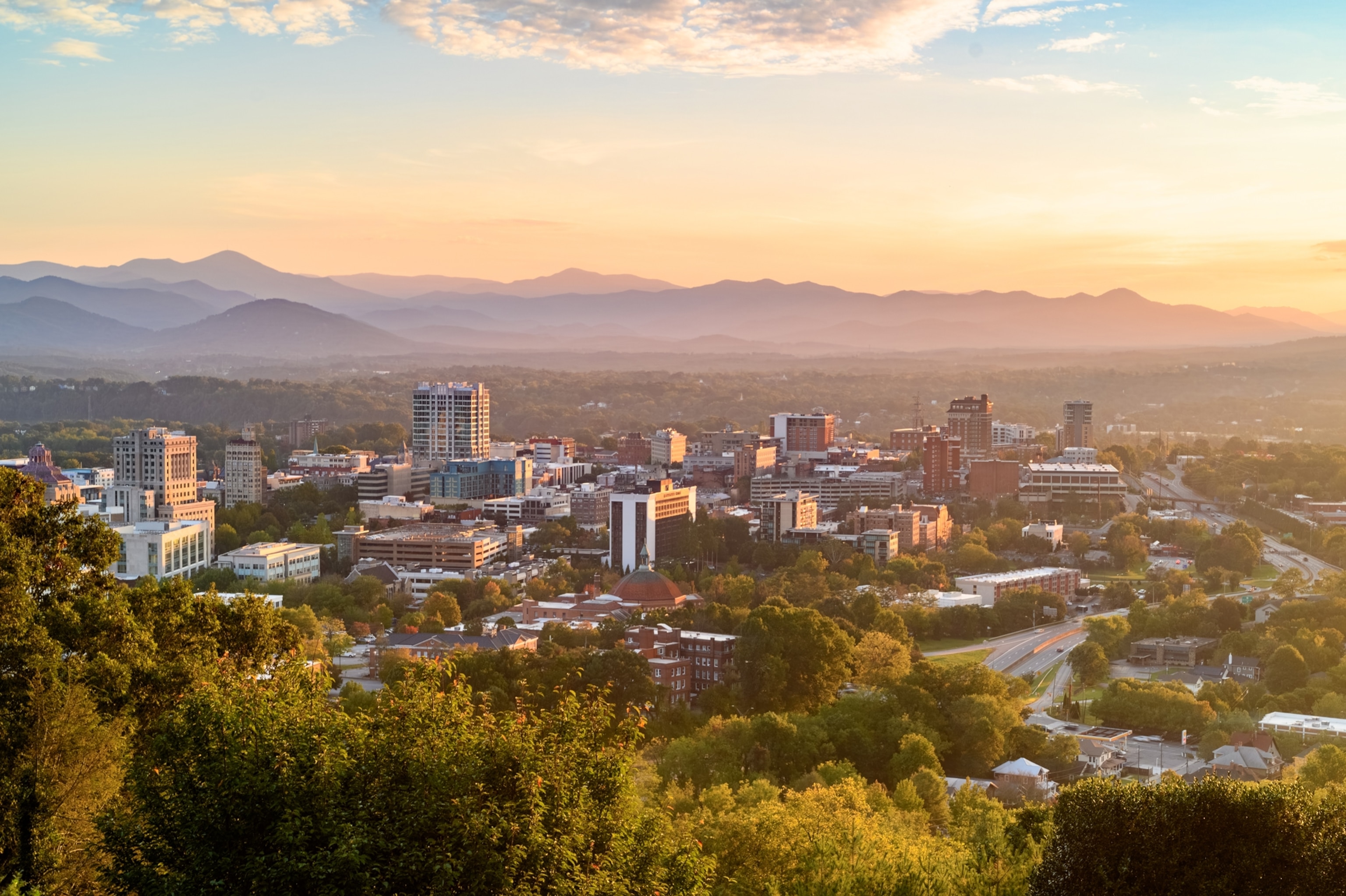
Peak fall season in Asheville means hotel rooms book 2–3 months ahead, and prices climb 40–60% above summer rates. The difference between a room facing the parking lot and one overlooking the Blue Ridge can make or break your trip — so choose your base strategically.
Asheville’s best fall lodging splits into three clear tiers: luxury resorts with unobstructed mountain sightlines, walkable downtown hotels that keep you in the action without the resort markup, and value-focused boutique options that don’t sacrifice character for price.
Luxury Resorts and Splurge-Worthy Stays
The Omni Grove Park Inn is the uncontested winner if your priority is fall color views from your room. Perched on a hillside overlooking the Blue Ridge, nearly every room captures the foliage cascade — especially suites on the north and east wings.
The property itself functions as a sunset destination (drinks on the terrace beat most restaurants in town), and the on-site hiking trails mean you can step outside and into peak color without a car. Book a room with a mountain-facing balcony, not a courtyard view — the extra cost is worth it for fall.
Expect $250–400+ per night during peak October weekends; reserve by late July for the best availability.
This is the splurge that actually pays off: you’re not just buying a bed, you’re buying a front-row seat to the foliage show and cutting your driving time to scenic overlooks by half.
Convenient Downtown Hotels for Walkability
Downtown Asheville keeps you steps from restaurants, breweries, and the South Slope Arts District — but most downtown hotels trade mountain views for street access. The trade-off works if you plan to spend evenings exploring the city rather than watching sunsets from your room.
Look for properties on the north side of downtown (near Pack Square) rather than the south side; they’re closer to the Blue Ridge Parkway entrance and offer slightly better sightlines toward the mountains without the premium price tag of Grove Park.
Downtown stays typically run $120–250 per night in fall, with availability better than resort properties because fewer tourists prioritize walkability over views. This is the smart move for foliage chasers who also want a vibrant evening scene — you’re trading some mountain vista for convenience and energy.
Best Value and Boutique Motels for Budget Travelers
Asheville’s boutique motel scene punches above its weight class in fall. Look for independent properties in South Asheville or along Merrimon Avenue (north of downtown) — they offer character without resort pricing, and many sit closer to Blue Ridge Parkway access points than downtown hotels.
These typically run $80–150 per night in fall, with rooms that feel designed rather than corporate-templated.
The insider move: book a motel with a covered porch or balcony facing the mountains rather than a standard room. You’ll catch morning fog rolling off the ridges and afternoon color shifts without paying resort rates.
Many boutique properties also include free parking (crucial in crowded fall season) and are quieter than downtown hotels — a real advantage if you’re hiking hard and need actual rest.
Budget doesn’t mean sacrificing fall experience. A $100-per-night motel with mountain views and a quiet setting beats a $180 downtown hotel with a parking garage and street noise.
Frequently Asked Questions
Is October a good time to visit Asheville?
October is the sweet spot for Asheville fall travel — peak foliage, milder weather, and the full festival calendar running. Early October (first two weeks) still has manageable crowds and early-elevation color; late October delivers the most dramatic valley-wide reds and golds but brings peak-season pricing and weekend traffic.
If you hate crowds, September works for apple picking and early ridge color, but you’ll miss the main foliage show. October is the move if you want the full experience without sacrificing comfort.
When exactly should I book to catch peak fall colors?
There is no exact date — and that’s actually your advantage. Colors cascade from high elevations (2,500+ feet) in early October down to lower valleys by late October, so driving the Blue Ridge Parkway and scenic roads guarantees you’ll hit peak color somewhere on any given day.
Use the elevation timeline from earlier sections as a planning baseline, but confirm current conditions with the Blue Ridge Parkway visitor center or local outfitters 1–2 weeks before your trip. Mother Nature doesn’t follow a calendar, which means you can’t really miss it if you’re flexible with dates.
What’s the weather actually like in fall, and do I need to pack layers?
October in Asheville ranges from mild 60s–70s during the day to crisp 40s–50s at night and early morning — especially at higher elevations on the Parkway. Rain is common but usually brief.
Pack layers: a lightweight jacket, long sleeves, and a fleece or sweater you can shed. Waterproof hiking boots matter if you’re doing trails; regular sneakers work for town and scenic overlooks.
Mornings are cold enough that sunrise hikes and Parkway drives require a jacket, but afternoons warm up fast.
Will fall foliage be crowded, and is it worth the hassle?
Yes, it’s crowded — especially weekends in late October and at famous overlooks on the Blue Ridge Parkway. The tradeoff: the color is genuinely spectacular, and Asheville’s infrastructure (restaurants, lodging, activities) handles fall volume better than smaller mountain towns.
Avoid peak weekends if possible; weekday visits cut crowds by 60–70%. Early October and mid-week dates in late October are your best bets for fewer people and shorter waits at restaurants and attractions.
The crowds are real, but the foliage justifies them — just don’t expect solitude.
Book Your Fall Trip Now—Here’s Your Next Move
Pick your priority: high-elevation color in early October (book a cabin near Banner Elk or Beech Mountain and plan Parkway drives), or dramatic valley color in late October (base yourself in downtown Asheville for restaurant access and easy Parkway day trips). Either way, reserve lodging now—the best properties fill 2–3 months ahead, and October weekends disappear by July.
Asheville’s fall isn’t just about leaf-peeping from a distance; it’s about being inside the color, hiking through it, eating fresh apples from orchards that day, and watching sunsets that explain why people move here permanently. The crowds are real, but the foliage justifies every minute of driving and every dollar spent.
Start by choosing your dates based on the elevation timeline above, then book your lodging and reserve Biltmore Estate tickets (if that’s on your list) before you plan anything else—everything else flows from those two decisions.
Leave a Reply