
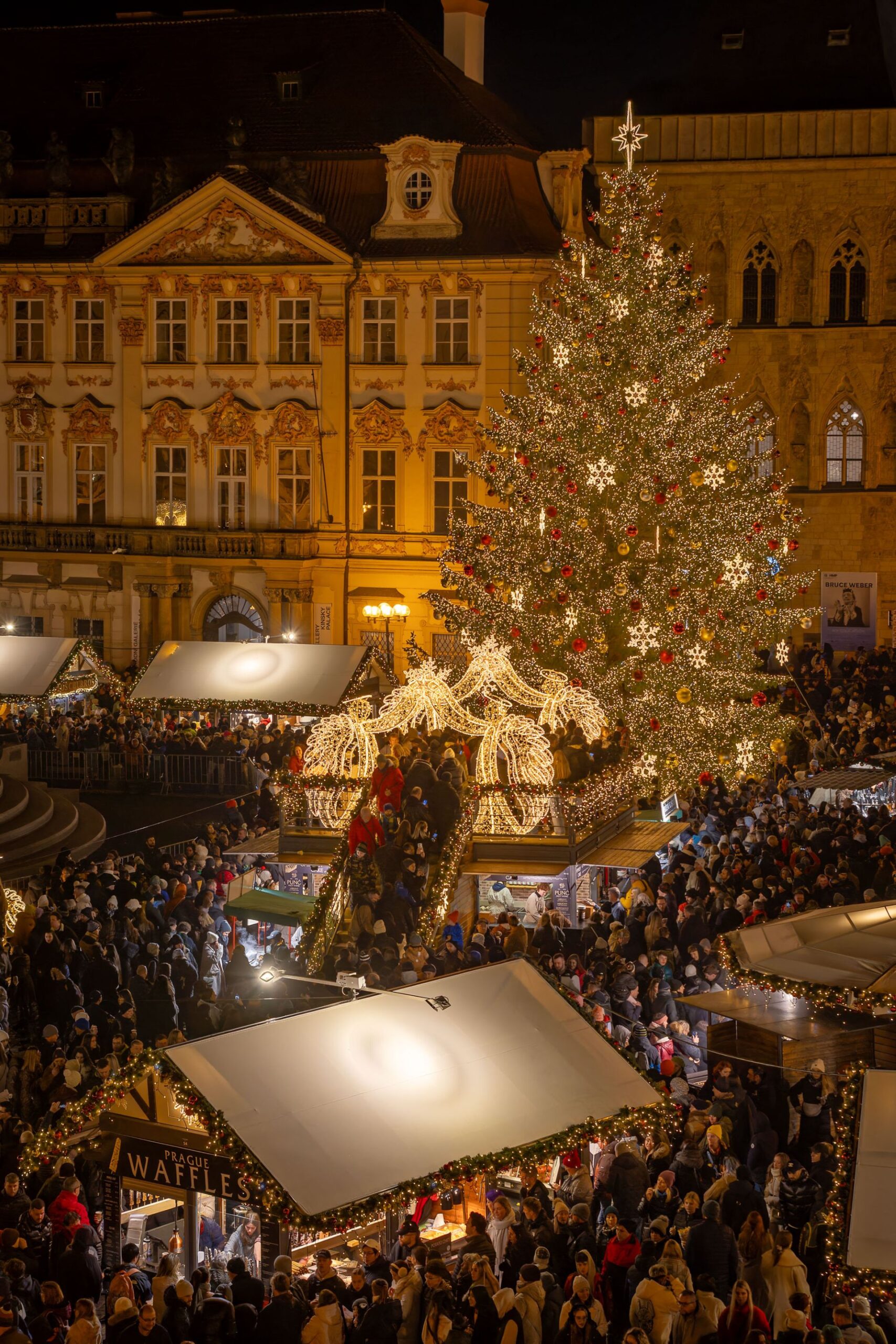
Smoke curls from a charcoal grill where a three-foot klobása sizzles and pops, and the smell of roasting pork tangles with cinnamon sugar from the trdelník cart next door. Two steps later, your gloved hands wrap around a ceramic mug of steaming medovina — warm Czech honey wine that tastes like December distilled.
Prague’s Christmas markets aren’t one single event but a scattered constellation of a dozen-plus markets, each with a completely different personality, and most visitors only ever see the two loudest ones. This city does medieval Gothic backdrops, genuine artisan crafts, and mulled wine at half the price of Vienna — that combination doesn’t exist anywhere else in Europe.
This guide walks you through exactly which markets match your style, what to eat and skip at each one, and how to plan your days so you hit the right spots at the right times. A comfortable full day of market-hopping — eating, drinking, and picking up a few handmade gifts — runs about $40–70 per person, with budget-conscious days closer to $30 if you stick to the neighborhood markets.
Top Prague Christmas Markets: Iconic vs. Authentic
Prague runs a dozen-plus Christmas markets every winter, but they split into two camps worth understanding before you go: the grand, photo-ready showpieces where every tour group funnels in, and the neighborhood squares where Czech families actually shop for gifts and drink svařák without a selfie stick in sight. The best trip hits one of each.
Quick comparison for planning:
| Market | Crowd Level | Best For | Typical 2026 Dates |
|---|---|---|---|
| Old Town Square | Very heavy | Iconic photos, wow factor | Nov 28 – Jan 6 |
| Wenceslas Square | Heavy | Easy access, food variety | Late Nov – early Jan* |
| Peace Square | Light | Authentic gifts, local crowd | Nov 20 – Dec 24 |
| Tylovo náměstí | Very light | Quick mulled wine stop | Nov 25 – Dec 24 |
| Republic Square | Moderate | Shopping without chaos | Nov 25 – Dec 24 |
| Anděl (Smíchov) | Light | Local produce, errands vibe | Late Nov – Dec 24* |
| Mariánské náměstí | Light–moderate | Unique gifts, charity focus | Late Nov – Dec* |
| Jiřího z Poděbrad | Light | Artisans, family events | Late Nov – Dec 24* |
| Naplavka | Moderate | Weekend riverside atmosphere | Select Saturdays in Dec |
| Havel’s Market | Moderate | Central souvenirs, convenience | Nov 25 – Dec 24 |
*Dates marked with an asterisk are approximate — confirm with the city’s official Prague Christmas Markets site before booking travel, as schedules shift year to year.
Base yourself in or near Staré Město (Old Town) and you can walk to at least five of these in a single afternoon. Details on neighborhoods and hotels are in the lodging section.
Old Town Square Christmas Market (Staroměstské náměstí)
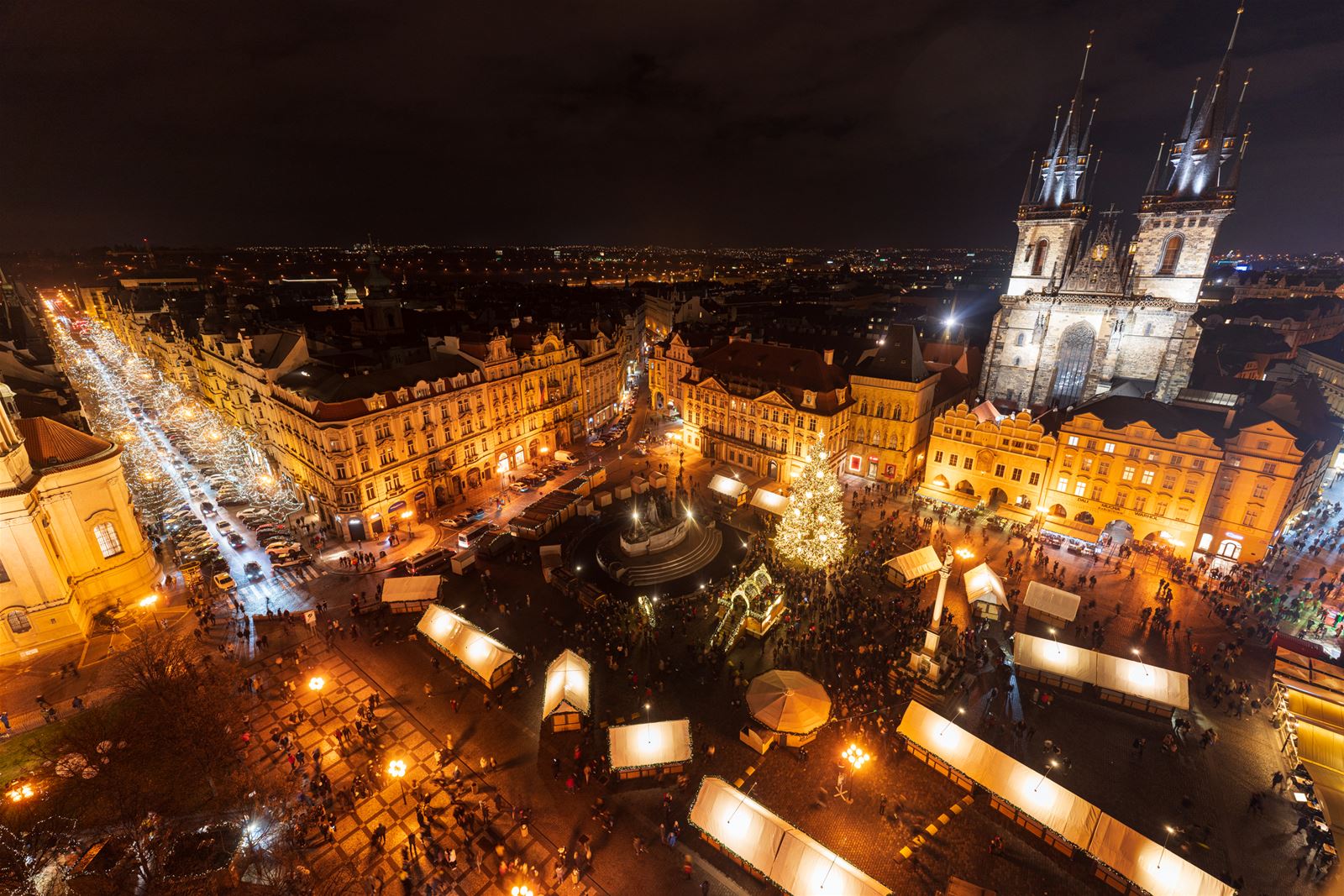
This is the one you’ve already seen on Instagram — and it delivers in person. The Gothic spires of the Church of Our Lady before Týn and the pastel facades of the Astronomical Clock create a backdrop no other market in the country can match.
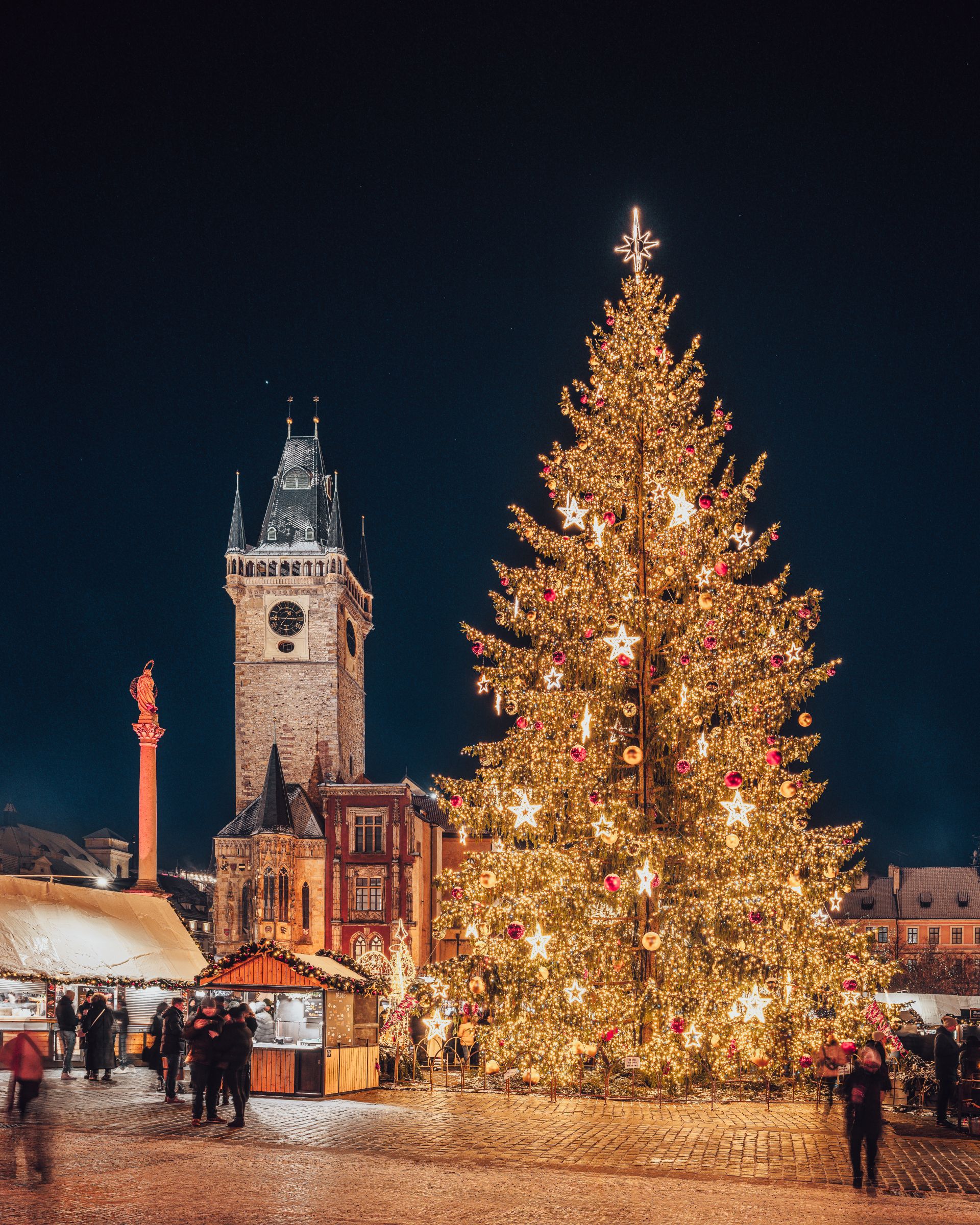
A towering Christmas tree anchors the square, and the smell of roasting pork and hot mulled wine hits you from a block away.
Go for the atmosphere, the photos, and the tree-lighting ceremony. But be honest with yourself about what you’re signing up for: this market is shoulder-to-shoulder from about 4 PM onward during the first three weeks of December.
For the 2026 season, it runs November 28 through January 6, making it the last market still operating after New Year’s.
- When to go: Before noon on a weekday for breathing room.
- What to try: Halušky (potato dumplings with bacon and cheese) — this is one of the main spots in Prague to find them.
- What to skip: The generic ornaments and mass-produced trinkets at the front-row stalls — better crafts are deeper in or at other markets.
Wenceslas Square Christmas Market (Václavské náměstí)
Prague’s second-biggest market stretches down the lower portion of Wenceslas Square, and honestly, it’s more useful than beautiful. The backdrop is modern commercial buildings, not medieval churches, so the visual payoff is lower.
What it does have is scale and easy transit access — you’re right on top of the Můstek metro stop.
Come here for food variety and convenience, not ambiance. It’s the companion market to Old Town Square and runs on a similar schedule through early January.
You’ll find halušky here too, along with a broader mix of international street food stalls that the smaller markets don’t bother with.
Peace Square Christmas Market (Náměstí Míru) — Best for Authenticity
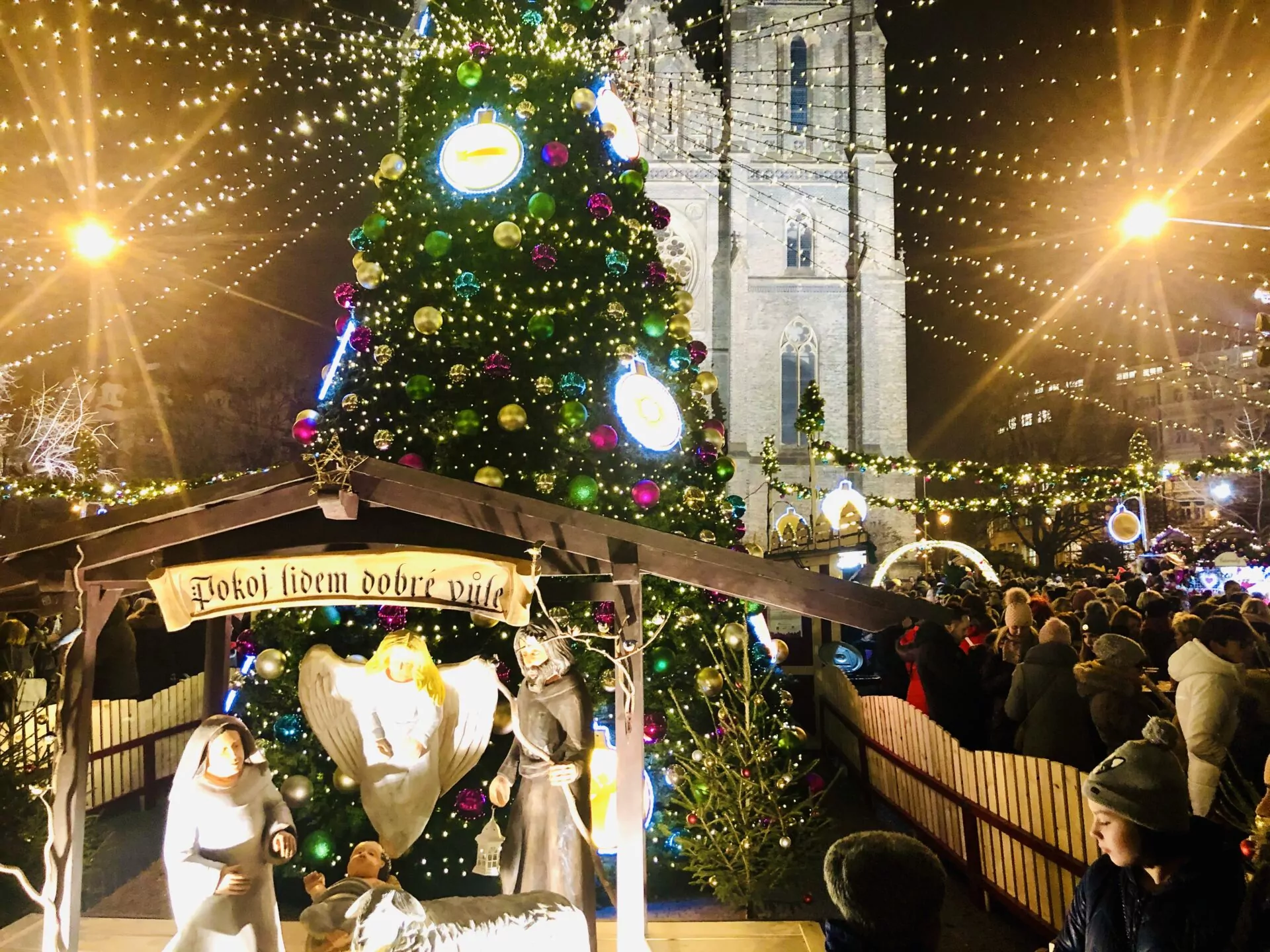
This is the market locals actually go to, and that’s not marketing copy — it’s the reason to put it on your list. Set in front of the neo-Gothic Church of St. Ludmila in the Vinohrady neighborhood, Peace Square feels like a holiday market that happens to allow tourists rather than one built around them.
Here’s the insider edge: Peace Square opens on November 20, 2026 — a full week before Old Town Square or any of the other major markets. If you’re in Prague that third week of November, this is where the season actually begins.
- What to buy: Traditional Czech advent calendars, beeswax candles, wooden toys, and handmade decorations — the kind of things you’ll find at Old Town Square for 30% more.
- The vibe: Families with strollers, older couples sipping medovina (honey wine), zero tour groups. Runs through December 24.
- Getting there: Metro A to Náměstí Míru — direct, no transfers needed from Old Town.
Tylovo náměstí Christmas Market — Best for Food & Community Feel
A tiny neighborhood market tucked behind the Národní třída area, Tylovo náměstí is the kind of place you stumble into and stay longer than planned. It runs from November 25 to December 24, typically 10 AM to 8 PM, and it’s small enough to cover in fifteen minutes — which is exactly its charm.
Grab a cup of svařák, eat something warm, and move on without the decision fatigue of a 50-stall market.
This is your mid-afternoon refuel stop between Old Town Square and the Vinohrady markets, not a destination in itself.
Best Prague Christmas Markets for Specific Experiences
Prague spreads its Christmas markets across the city in a way that rewards planning — each one has a different personality, and showing up randomly means you’ll likely miss the best match for your trip. Here’s how to pick the right market for what you actually care about.
| Experience | Go To | Why It Wins |
|---|---|---|
| Iconic photos | Old Town Square | Týn Church + tree + Astronomical Clock — no contest |
| Crowd-free locals’ scene | Náměstí Míru | Fewer tourists, real neighborhood energy |
| Best food stalls | Tylovo náměstí | Community market with serious food focus |
| Handmade & artisan gifts | Jiřího z Poděbrad | Local makers, not mass-produced souvenirs |
| Families & kids’ activities | Jiřího z Poděbrad + Mariánské náměstí | Live entertainment, charity stalls, relaxed pace |
For the Most Picturesque Backdrop
Old Town Square Christmas Market is the answer — and it isn’t close. The massive tree glowing in front of the Gothic spires of the Church of Our Lady before Týn, with the Astronomical Clock ticking on the opposite side, creates a backdrop that no other Prague market can match.
Come right at dusk (around 4:00–4:30 PM in late November through December) when the lights switch on and the sky still has color. After 6 PM, shoulder-to-shoulder crowds make good photos nearly impossible.
If you want a second option with a very different mood, the riverside Naplavka Farmers Market on festive Saturdays offers the Vltava and Prague Castle on the hillside — beautiful in a less classic, more local way. Just note it runs weekends only.
For Avoiding Tourist Crowds & Finding Local Gems
Náměstí Míru in Prague 2 is your best bet. This is where actual Prague residents shop and socialize — the market sits in a residential Vinohrady neighborhood, not a tourist corridor, so the ratio of locals to visitors genuinely shifts.
It also tends to open earlier than the main markets, sometimes from late November, giving you a head start on the season.
Tylovo náměstí and Anděl in Smíchov follow the same logic: neighborhood markets with real community feel, lower prices, and zero tour-bus energy. The Anděl market doubles as a practical stop since it sits right above a major metro station and features stalls selling daily essentials alongside festive food — useful if you’re staying in an apartment rental on the west side of the river.
For the Ultimate Food & Drink Experience
Tylovo náměstí earns this title. The market’s entire identity revolves around food and community rather than gift shopping, so stall quality skews higher here.
Look for trdelník (chimney cake) done over open coals rather than gas, grilled klobása sausages with mustard and bread, and halušky — small potato dumplings topped with cheese and bacon that started as a Slovak dish and became a Prague market staple.
For mulled wine (svařák), every market pours it, but the smaller markets like Tylovo and Náměstí Míru tend to charge noticeably less than Old Town Square — typically 60–80 CZK versus 100+ CZK at the big two. At Naplavka, the Saturday farmers’ market format means you also get craft hot chocolate, roasted chestnuts, and locally produced honey wine alongside the standards.
For a complete food-focused route, start at Tylovo náměstí, walk 10 minutes to Náměstí Míru for second-round snacks, then finish at Old Town Square for the atmosphere — you’ll eat better than anyone who only visited the tourist center.
For Unique Handmade Gifts & Crafts
Jiřího z Poděbrad is the clear winner for anyone who wants to skip mass-produced ornaments and find work from actual Czech artisans. The Vinohrady location means vendor selection favors local craftspeople over import resellers.
Mariánské náměstí (the charity market near the Old Town) takes a different approach — each stall is run by a different nonprofit, and the handmade gifts and traditional decorations on offer are genuinely one-of-a-kind. Some stalls also serve hot chocolate and small snacks.
This is the market to visit if you want your spending to support a cause, not just fill a suitcase.
For convenient central souvenirs without the artisan pretense, Havel’s Market (Havelské tržiště) sits right between Old Town Square and Wenceslas Square year-round — it adds Christmas items during the season but is best for quick, easy grabs rather than carefully chosen gifts.
For Families & Festive Entertainment
Jiřího z Poděbrad runs regular family events and workshops alongside its artisan stalls, making it the best choice for anyone traveling with kids who need more than just walking and eating. The surrounding Vinohrady neighborhood also has plenty of family-friendly cafés for warm-up breaks — base yourself in this district if traveling with children, since the pace is calmer and streets are wider than the Old Town.
Mariánské náměstí adds live entertainment and a relaxed charity-market atmosphere that works well for families who want festive programming without the intensity of the big markets. Children’s activities and performances are part of the schedule here, though specific events vary by year — check the market’s listing closer to your visit.
Avoid Old Town Square and Wenceslas Square with young kids after mid-afternoon in December. The crowds become genuinely stressful with strollers or small children, and the narrow aisle between stalls leaves almost no room to stop.
Morning visits (before 11 AM) to these bigger markets are manageable, but shift to the neighborhood markets for afternoon and evening.
Practical Guide: Planning Your Visit
The first Prague Christmas market of the season isn’t the famous Old Town Square — it’s Peace Square (Náměstí Míru), which typically opens around November 20, giving you nearly two weeks of festive browsing before the main markets even fire up.
When Do Prague Christmas Markets Open in 2025/2026?
For the 2025/2026 season, the main Christmas markets — Old Town Square and Wenceslas Square — run from November 29, 2025 through January 6, 2026. Several smaller markets close earlier, on December 24.
Here’s the early-opening advantage most visitors miss:
| Market | Typical Opening | Closes |
|---|---|---|
| Peace Square (Náměstí Míru) | ~November 20 | December 24 |
| Old Town Square | November 29 | January 6 |
| Wenceslas Square | November 29 | January 6 |
| Tylovo náměstí | ~November 25 | December 24 |
| Republic Square | ~November 25 | December 24 |
| Havel’s Market (Christmas Edition) | ~November 25 | December 24 |
| Kampa Island | ~December 3 | ~January 4 |
Planning baseline: Smaller market dates shift slightly each year — always confirm exact dates on the official Prague tourism website before booking flights. Havel’s Market stalls generally open 10:00 am to 8:00 pm during the Christmas period.
The real move: Arrive by late November. You’ll catch the opening weekend atmosphere at smaller markets without the December crush, and still have the main markets running by the time you hit Old Town Square.
How Many Days Do You Need for Prague’s Christmas Markets?
Two full days covers all the markets without rushing — Prague’s Christmas market scene is compact compared to Vienna or Nuremberg. Plan one day for the central cluster (Old Town Square, Wenceslas Square, Havel’s Market, Republic Square, and Tylovo náměstí) and a second day for the outlying gems (Peace Square, Kampa Island, Jiřího z Poděbrad, and Naplavka if it’s Saturday).
Add a third day if you want to actually see Prague beyond mulled wine stalls — Prague Castle, the Jewish Quarter, and a proper sit-down Czech meal deserve their own time.
Is Visiting Prague Christmas Markets Expensive?
Prague remains one of Europe’s most affordable capital cities for a Christmas market trip. You won’t find Vienna-level prices here, but costs have risen in recent years as the city’s popularity has surged.
Typical market spending per person:
- Food at stalls: Expect roughly 80–180 CZK ($3.50–$8) per item. A sausage with bread runs cheaper; a full plate of pork knee with dumplings costs more.
- Drinks: Mulled wine (svařák) typically costs 80–120 CZK ($3.50–$5). Hot honey wine and punch fall in the same range.
- Crafted gifts and ornaments: Handmade items at smaller markets cost more than mass-produced souvenirs at Old Town Square — budget 200–800 CZK ($9–$35) per quality piece.
Where your money goes furthest: Peace Square, Tylovo náměstí, and the Naplavka Farmers Market tend to price food and crafts more fairly than the main tourist squares, since their customer base skews local.
A comfortable budget for a full market day — eating, drinking, and picking up a few gifts — runs roughly $40–$70 per person, though this varies with appetite and shopping habits.
What’s the Best Way to Get Around the Christmas Markets?
Walk. Prague’s historic center is compact, and every market within the city core is reachable on foot from any Old Town hotel in under 20 minutes. This is one of the great advantages of Prague’s markets versus more spread-out cities.
For the outlying markets, Prague’s tram network is excellent — the tram stops directly at or near Peace Square and Jiřího z Poděbrad. Buy a 24-hour or 72-hour transit pass for unlimited trams, metro, and buses; it’s far cheaper than individual tickets and removes the hassle of validating fares.
Base yourself in or near Staré Město (Old Town) for the shortest walks to the densest cluster of markets. Hotels and boutique inns around Náměstí Republiky or the Old Town Square give you everything within a 10-minute radius.
Are Prague Christmas Markets Safe & Crowded?
Prague’s Christmas markets are safe for tourists. Violent crime targeting visitors is extremely rare.
The main concern is pickpocketing at the Old Town Square and Wenceslas Square markets, especially during evening peak hours on weekends. Keep your wallet in a front pocket or crossbody bag and stay alert in dense crowd bottlenecks near food stalls.
Crowd levels vary sharply by location and timing:
- Most crowded: Old Town Square on any December weekend evening, especially the two Saturdays before Christmas.
- Noticeably calmer: Republic Square, Peace Square, and Tylovo náměstí — these attract mostly locals and never feel packed.
- Best time of day for any market: Arrive by 10:00–11:00 am. Crowds don’t build until mid-afternoon, and you’ll get the freshest food while stallholders are still setting up generously.
What Should I Wear for Prague Christmas Markets in Winter?
December in Prague averages 0–4°C (32–39°F), with occasional dips below freezing and a real chance of snow. You’ll be standing outdoors for hours, not just walking through — dress like you’re attending an outdoor event, not a quick stroll.
- Layer system: Thermal base layer, fleece or wool mid-layer, windproof and water-resistant outer shell. This handles the shift between warm mulled-wine moments and standing still watching a nativity performance.
- Footwear matters most: Insulated, waterproof boots with good grip. Cobblestones get icy and slushy. Fashion sneakers are a fast track to cold, wet feet.
- Accessories: Warm hat, scarf, and gloves are non-negotiable. Your hands will be holding food and drinks constantly — gloves you can eat in (touchscreen-compatible or fingerless) are the move.
- Don’t overdress for indoors: You’ll pop into churches, cafés, and shops between markets. Layers you can unzip and stuff in a bag keep you from overheating.
The insider move nobody mentions: Bring a small hand warmer pouch or buy one at a pharmacy (lékárna) when you arrive. Tuck it in your coat pocket.
It transforms a cold evening market stroll from endurance test into genuine enjoyment — especially after 5:00 pm when temperatures drop and the Old Town Square tree lights up.
What to Eat & Drink: A Prague Christmas Market Food Guide
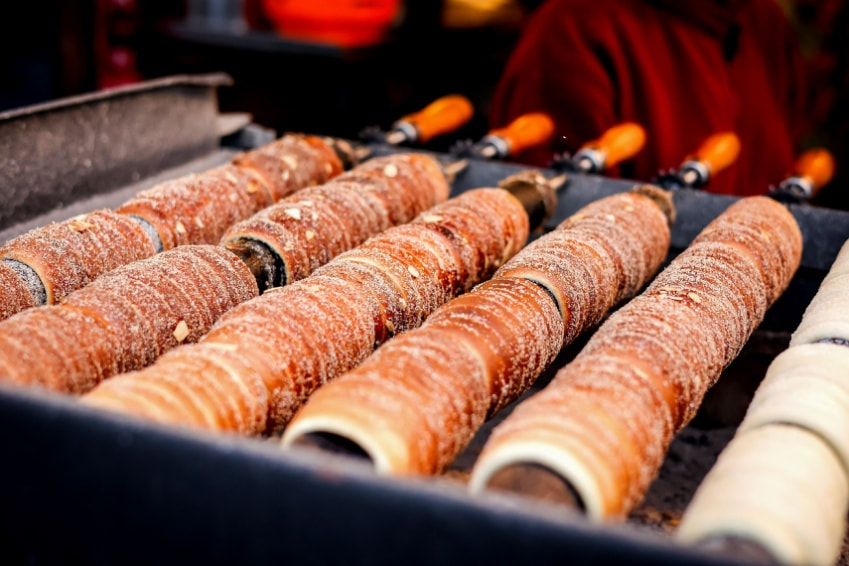
The smoke rising off a three-foot klobása sizzling over open coals is your first clue that Prague’s Christmas markets take eating seriously — and the grilled sausage stations are where locals actually line up, not the pretty trdelník carts.
Here’s the honest rundown of what’s worth your koruny and what’s pure tourist spectacle.
| Category | Must-Try | Skip | Budget (per item) |
|---|---|---|---|
| Savory | Klobása (grilled sausage), vepřové koleno (pork knee), halušky | Pre-made lukewarm skewers | 100–180 CZK (~$4–8) |
| Sweet | Trdelník (freshly made only), palačinky, perníčky | Pre-packaged gingerbread boxes | 80–150 CZK (~$3.50–6.50) |
| Hot Drinks | Svařák, medovina, grog | Anything from a plastic thermos (stale) | 60–120 CZK (~$2.50–5) |
| International | Lángos, bramboráky | Generic “international” kebab stands | 80–150 CZK (~$3.50–6.50) |
Savory Czech Classics: Sausages, Ham & Dumplings
This is the main event. Skip the sad reheated options and hunt for stalls where sausages hit the grill in front of you.
- Klobása (Grilled Sausage): The single best thing you’ll eat at a Prague Christmas market. A long, smoky Czech sausage served in a roll with mustard. Look for stalls with a visible charcoal grill and a queue — that’s the sign of turnover and freshness. Budget roughly 120–180 CZK depending on the market location.
- Vepřové Koleno (Pork Knuckle): A massive, slow-roasted pork leg with crackling skin, carved to order. This is a full meal disguised as a snack. One portion easily feeds two. Best at larger markets like Old Town Square and Wenceslas Square.
- Halušky (Small Potato Dumplings): Originally a Slovak dish that’s become a Prague market staple — soft, gnocchi-like dumplings tossed with sheep cheese and crispy bacon bits. Found primarily at Old Town Square, Kampa Island, and Wenceslas Square. Comfort food at its finest in freezing weather.
- Párk v Rohlíku (Hot Dog in a Roll): The cheapest thing you’ll find, usually around 60–80 CZK. It’s nothing fancy — a frankfurter tucked into a hollowed-out bread roll with mustard or ketchup — but it’s a genuine Czech street-food tradition, not just filler. Good budget option when you’re saving room for sweets.
- Kuřecí Špízy (Chicken Skewers): Widely available and passable, but rarely great. They’re the safe choice tourists default to. The sausage and pork knuckle are far better bets for flavor.
Insider tip: The savory food stalls at Peace Square (Náměstí Míru) and Tylovo náměstí consistently beat Old Town Square for quality and value — fewer crowds mean faster turnover, which means fresher food. Old Town Square wins on atmosphere, not on what’s on your plate.
Sweet Treats: Gingerbread, Trdelník & Pancakes
Prague’s market sweets lean heavy on spectacle — the question is whether the flavor matches the Instagram moment.
- Trdelník: The chimney cake you’ll see everywhere — dough wrapped around a cylinder, grilled over coals, then rolled in cinnamon sugar. The catch: trdelník from a machine-heated cart tastes like sweet bread. Trdelník from a stall with actual charcoal and a visible rotation? Genuinely good. Wait for one made fresh in front of you rather than grabbing a pre-made one from a display hook. Prices range from 100–150 CZK, and Nutella filling is the crowd favorite, though the classic cinnamon-sugar version is more honest.
- Perníčky (Czech Gingerbread): These decorated gingerbread cookies are a centuries-old Czech tradition — dense, spiced, and less sweet than American gingerbread. Buy them freshly baked from artisan stalls rather than in pre-wrapped gift boxes at souvenir stands. The artisan versions taste completely different from the mass-produced ones.
- Palačinky (Crepes/Pancakes): Thin Czech-style pancakes filled with jam, Nutella, or sweet cottage cheese (tvaroh). Simple, warming, and consistently good across markets. Budget roughly 80–120 CZK.
- Fried Donuts (Koblihy): Sugar-coated, filled with jam or cream. Rich, messy, and exactly what you want when it’s -2°C outside. Every market has them.
Verdict: The trdelník is worth trying once for the experience, but don’t let it crowd out the perníčky — the gingerbread is the actual Czech tradition and a far more interesting flavor.
Essential Hot Drinks: Svařák, Medovina & Grog
You’ll be drinking constantly — Prague markets in late November through December run between -2°C and 5°C, and every stall sells something warm in a commemorative mug.
- Svařák (Mulled Wine): The default market drink. Czech svařák tends to be sweeter and less spiced than German Glühwein, with a stronger fruit flavor. Budget 80–120 CZK including the mug deposit. The quality varies wildly by stall — look for vendors heating it in an open pot rather than pouring from a pre-made container. Some markets offer a “shot” version with rum or amaretto added.
- Medovina (Honey Wine/Mead): The sleeper hit of Prague markets. Warm Czech mead served in small ceramic cups is richer and more complex than svařák. Prices range from 80–150 CZK. This is the drink to choose when you want something that actually tastes like it has local roots rather than a mass-market recipe.
- Grog: Czech grog is rum, hot water, sugar, and lemon — essentially a Czech hot toddy. It’s deceptively strong and cuts through the cold better than anything else on offer. Usually 60–100 CZK. Best consumed after 4 PM when the evening chill really sets in.
- Punč (Punch): A fruitier, often non-alcoholic alternative to svařák, sometimes made with citrus and spices. Good option if you want warmth without alcohol, though many versions are quite sweet.
On the commemorative mugs: Most vendors charge a refundable mug deposit (typically 50–100 CZK). You can return the mug for your money back or keep it as a free souvenir.
The designs change yearly, making them genuinely collectible. Keep your first mug — it’s a better souvenir than anything in the gift stalls.
Must-Try International & Street Food Options
Czech food dominates, but a few international options have earned their place at Prague’s markets.
- Lángos: Hungarian in origin but wildly popular in Prague — a deep-fried dough disc topped with garlic butter, sour cream, and grated cheese. Terrible for your arteries, phenomenal for your mood. Budget roughly 80–130 CZK. Worth every calorie on a cold evening.
- Bramboráky (Potato Pancakes): Crispy, garlicky Czech potato pancakes fried on a flat-top grill. Technically Czech, but they straddle the line between snack and meal. Golden, crunchy, and deeply satisfying. Found at most markets for 80–120 CZK.
- Kürtőskalács (Slovak Chimney Cake): Similar to trdelník but with Slovak branding — sometimes with different fillings or coatings. Not worth a separate try if you’ve already had trdelník.
- Satay Skewers & International Stalls: You’ll spot the occasional Asian, Mexican, or Italian stall scattered among the Czech ones. Most are forgettable. The exception: if a market stall has something smoking on a grill that smells distinctly different from the sausage-and-trdelník default, it’s usually worth investigating.
The real food strategy: Eat savory at the smaller, local-leaning markets like Peace Square or Tylovo náměstí where prices are 20–30% lower and quality is noticeably higher. Save your drink budget and gingerbread buying for Old Town Square, where the atmosphere justifies the slight price premium.
And always eat before 7 PM — food quality dips as the evening wears on and the same trays sit under heat lamps.
Where to Stay for Prague Christmas Markets
Forget the generic “stay in Old Town” advice. The real decision is choosing between waking up to the sound of market stall assembly from your apartment window or the quiet charm of a neighborhood where you’re the only tourist on the cobblestones.
Base your hotel choice on whether you want your market experience to start the moment you step outside or after a short, festive walk.
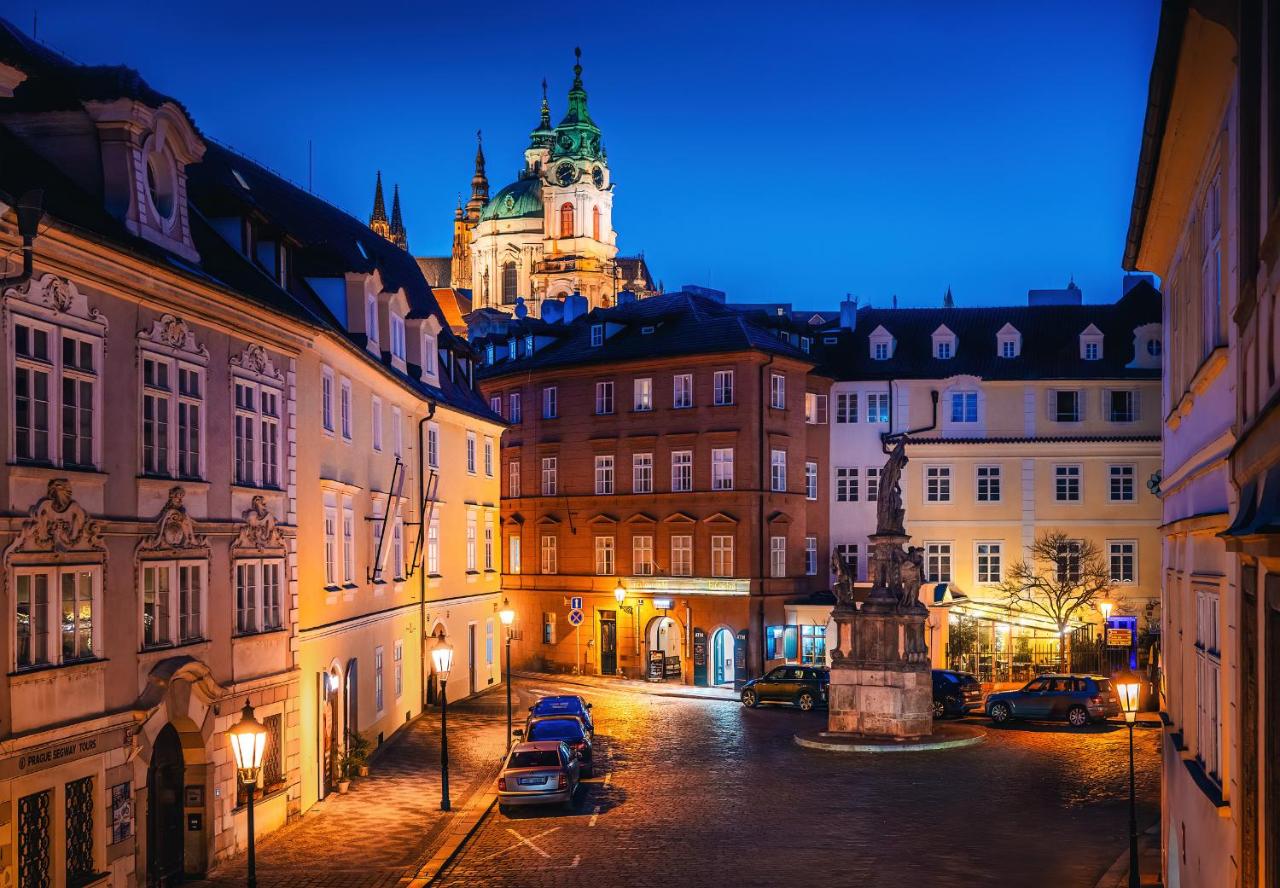
Best Areas & Hotels Near Old Town & Main Markets
Staying within a five-minute walk of Old Town Square or Wenceslas Square is unbeatable for convenience, especially if you plan evening visits to see the lights. You pay a premium for this location, and it comes with tourist crowds even outside market hours.
This is the move for first-time visitors who want to be immersed in the festive spectacle from dawn to late night.
- Best for Atmosphere: Look for a hotel on a quiet side street just off the main squares, like along Celetná or Štupartská. You get the magic without the direct noise of the market stalls.
- Best for Views: A room facing away from Old Town Square, towards the Týn Church courtyard, often provides a stunning, less crowded vista of the spires.
- Insider Booking Tip: For a room with a direct market view (e.g., of the Old Town Square tree), you must book by September and be prepared to pay a 30-50% premium. Confirm the view with the hotel before booking.
Best for Families & Proximity to Charles Bridge
The Malá Strana (Lesser Town) and Nový Svět areas, across the river, offer a quieter, fairy-tale setting with direct access to Charles Bridge. The walk to Old Town Square takes 10-15 minutes, which is manageable and keeps you away from the main tourist rush.
The cobblestone streets and palace gardens feel magical under a dusting of snow.
- Best Choice: A family-run pension or apartment on a street like Nerudova or in Nový Svět. You get local character, more space, and a home base that feels like a neighborhood, not a tourist complex.
- Key Advantage: Proximity to the Advent markets at Prague Castle and the charming, smaller market on Malostranské náměstí. These are less crowded and perfect for families.
- Planning Note: The walk uphill to Prague Castle can be slippery in winter. Choose lodging near the Nerudova street entrance to minimize the climb.
Best for Stylish & Central Boutique Stays
The area around Náměstí Republiky and the streets leading to Wenceslas Square offer a fantastic middle ground. You’re steps from the Republic Square market (known for fewer crowds) and a short walk to Old Town.
This zone has seen a wave of design-forward boutique hotels in restored historic buildings.
- The Trade-off: You sacrifice the immediate “market-outside-your-door” feeling of Staré Město for more style, often better value, and easier access to multiple markets.
- Best For: Couples and design-conscious travelers who plan to explore the city’s markets systematically and appreciate a quieter street to return to.
- Location Hack: Choose a hotel within a 3-block radius of Náměstí Republiky. You gain direct access to the Palladium shopping mall (for indoor warming breaks) and the metro/tram hub for easy trips to markets like Jiřího z Poděbrad.
Bottom Line: Book your lodging by early October for the best selection and Christmas market season rates. Prioritize walkability—winter in Prague is cold, and you don’t want a long commute between your warm hotel room and a cup of svařák (mulled wine).
A central apartment with a small kitchen lets you enjoy market snacks for breakfast and escape crowds on your own terms.
Frequently Asked Questions
What Unique Czech Christmas Traditions Can I See?
Time your visit around December 5 and you’ll catch the St. Nicholas procession, where costumed figures of St. Nicholas, angels, and devils walk the streets while children recite poems or sing songs in exchange for sweets and fruit. This is a genuinely local tradition, not something staged for tourists.
Beyond that, watch for walnut-floating — a folk fortune-telling custom — and the omnipresent gingerbread (perník) gifting, which Czechs treat as a sincere gesture, not a novelty.
Are Prague Christmas Markets Worth It Compared to Other European Cities?
Prague wins on value and atmosphere, not scale. Vienna and Nuremberg are the heavyweights — bigger, flashier, and significantly more packed.
Prague’s markets feel more intimate by comparison, with shorter lines and prices that won’t drain your travel fund. Mulled wine here typically runs 50–80 CZK (roughly $2–3.50), a fraction of what you’d pay in Vienna.
The trade-off is that Czech markets are smaller and less polished than the German or Austrian giants. If you want grand spectacle, go to Vienna.
If you want charm, affordability, and a medieval backdrop that arguably beats them all, Prague is the move. As a bonus day trip, the market in Český Krumlov — a perfectly preserved South Bohemian town about three hours south — looks straight out of a fairytale and receives a fraction of Prague’s visitor numbers.
What Are the Best Souvenirs to Buy at Prague Christmas Markets?
Focus on things you genuinely cannot get at a generic airport shop. Hand-painted blown-glass ornaments are the standout Czech craft — they’re fragile but lightweight enough to pack in carry-on.
Hand-carved wooden figures and traditional Czech puppets are solid choices too. For edible gifts, pick up a tin of Czech honey (med) or a bottle of medovina (honey wine) — both are regionally specific and travel well.
Skip anything mass-produced with “Prague” stamped on it; those same keychains are sold at every souvenir stall in Old Town year-round.
Can You Visit Prague Christmas Markets on Christmas Day?
Most Prague Christmas markets close on December 24 or shortly after — Christmas Eve is the main event in the Czech Republic, not December 25. Some larger markets, particularly at Old Town Square, have historically stayed open through the first days of January, but individual stalls may close or reduce hours on December 25 and 26.
Plan your market visits for the days before December 24 to guarantee full access. Always confirm current-year schedules with the official Prague city events page before booking, as dates shift slightly each year.
Start Planning Your Prague Christmas Market Trip
Book your lodging by early October, then build your first day around the central cluster — Old Town Square, Wenceslas Square, Tylovo náměstí, and Republic Square are all reachable on foot from any Old Town hotel in under ten minutes. Save Náměstí Míru and Jiřího z Poděbrad for day two, when you’ll want the calmer pace and sharper food after the sensory overload of the big squares.
Prague at Christmas is one of those rare trips where the thing you came for — mulled wine under Gothic spires, handmade ornaments from a real artisan, a sausage that actually tastes like smoke and fire — genuinely delivers on the fantasy.
Pin this guide and start browsing hotels near Náměstí Republiky or Staré Město — the market season begins in late November and the best rooms disappear fast.
Leave a Reply