
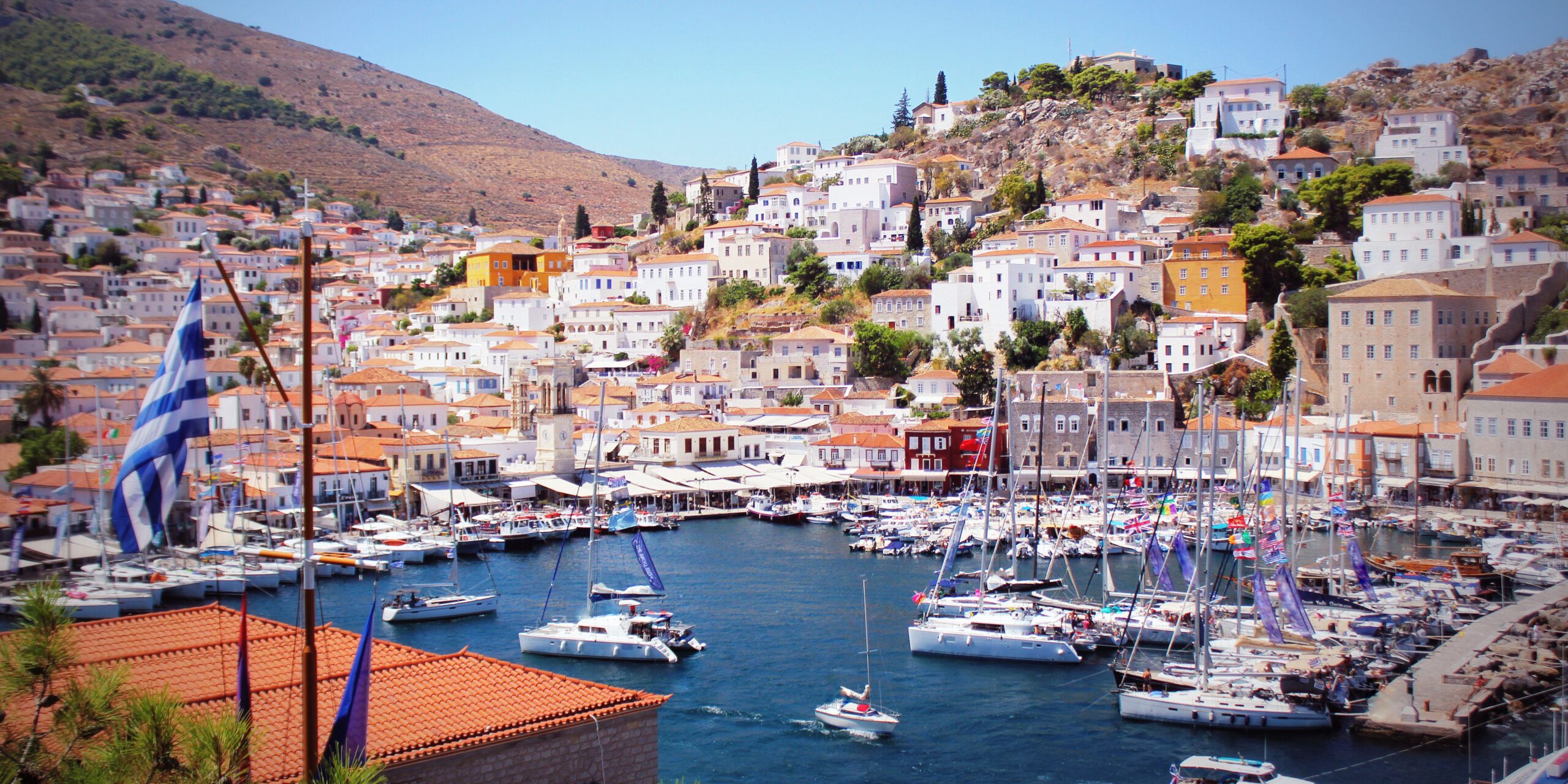
The Aegean in September feels like a secret the summer crowds missed—the water is still bathwater-warm, the ferries run regularly, and you can actually sit at a taverna without a reservation or fighting for beach space. I’ve timed trips to this exact window for years, and it’s when Greece stops performing for tourists and starts living again.
September strips away the July-August chaos without closing down the islands, which is what makes it fundamentally different from shoulder seasons elsewhere. The southern islands (Crete, Rhodes, the Dodecanese) hold heat longer than anywhere else in Greece, while the Cyclades drop prices by 20–40% and still deliver the whitewashed villages and caldera views you came for—just without the gridlock.
This guide cuts through the noise and tells you exactly which islands reward September timing, where to stay to avoid tourist zones, and how to move between islands without getting stranded by ferry schedules that don’t run daily.
Budget ranges: expect $40–80 per night on quieter islands (Naxos, Paros, Folegandros), $60–150 on popular ones (Santorini, Mykonos, Crete), and €12–18 for solid taverna meals with wine across the board.
Where to Go Based on What You Actually Want
Warmest Water & Longest Swimming Season: Crete (26–27°C through October) and Rhodes (26°C, calm east coast). Pick these if warm-water swimming is non-negotiable.
Famous Views Without August Chaos: Santorini and Mykonos. Prices drop 20–30% in September, restaurants have tables, and you can actually see the sunset without being swept along by human current.
Best Budget + Best Food: Naxos (cheapest major Cycladic island, serious restaurants, famous Graviera cheese) or Syros (working island with neoclassical architecture and halvadopita dessert).
Solitude & Drama: Folegandros, Serifos, Milos, or Karpathos. These islands reward travelers willing to skip the famous names—you’ll have empty beaches and authentic villages, but fewer restaurants and nightlife.
Sailing & Lush Scenery: Corfu (Venetian heritage, emerald coastlines), Kefalonia (mountain hiking, hidden coves), or Zakynthos (shipwreck views, sea turtle spotting in September).
Quick Athens Escape: Hydra (60-minute ferry, car-free, harbor-front charm, overnight stays essential).
Which Greek Islands Have the Warmest Weather and Swimming Conditions in September?
September in Greece is a paradox: summer crowds thin out while sea temperatures remain bathwater-warm across the southern islands, making it the sweet spot for swimmers who hate fighting for beach space in August. The Dodecanese and Crete stay hot enough for comfortable swimming well into late September, while northern islands cool faster — a critical detail if you’re choosing between regions.
Crete: The Diverse Southern Giant with Summer Weather into October
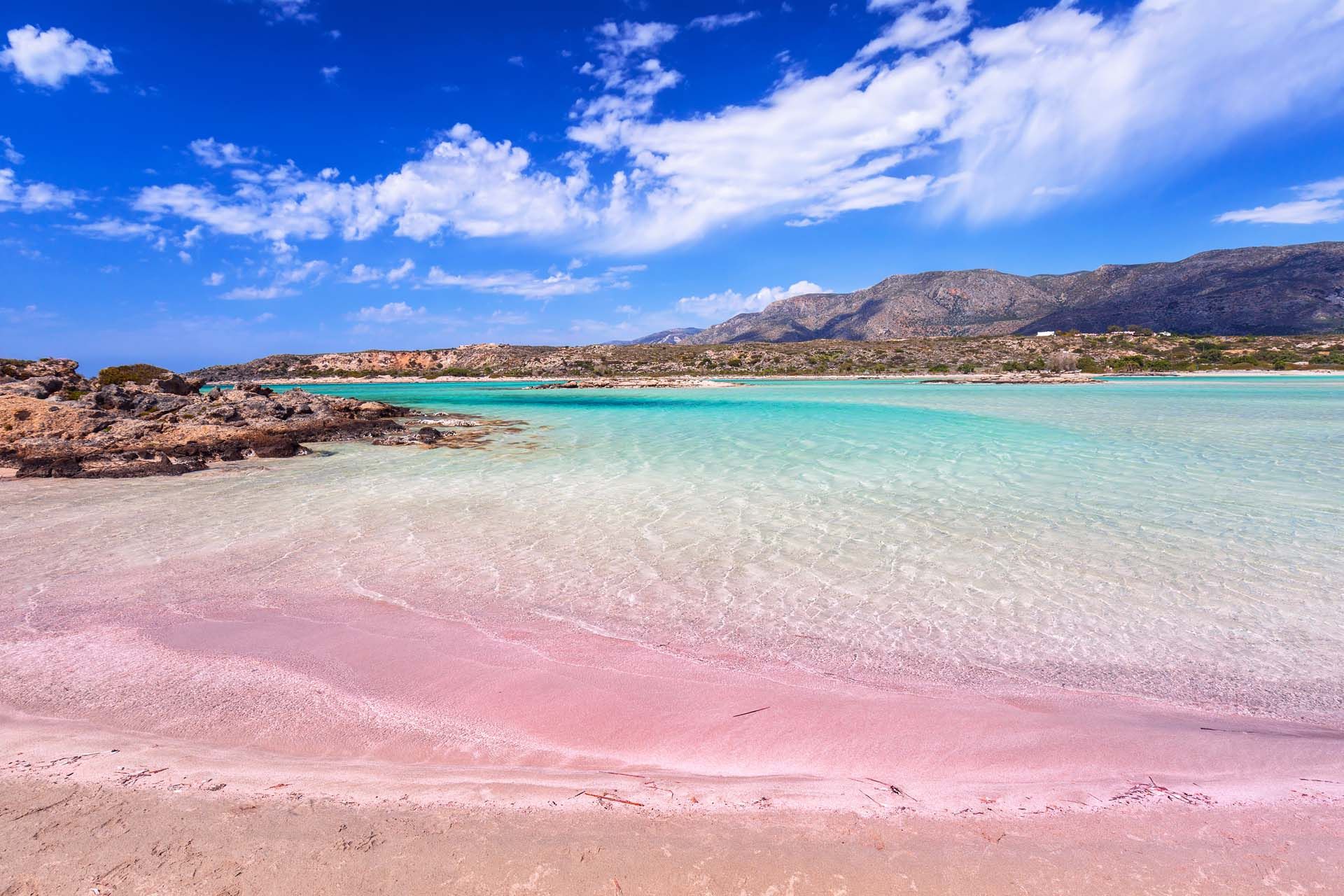
Crete holds heat longer than any other major Greek island, with sea temperatures typically around 26–27°C (79–81°F) through September and early October. This is the island to pick if you want guaranteed warm-water swimming without the July–August tourist crush.
The southern coast — particularly around Matala, Plakias, and Paleochora — stays warmer longer than the northern shore and sees fewer visitors even in peak season.
Base yourself in a quieter southern town like Plakias or Paleochora rather than Heraklion or Chania if you want to avoid the main tourist infrastructure while keeping beach access immediate. The island’s size means you can day-trip between archaeological sites (Knossos, Phaistos) and swimming coves without backtracking, and September weather is stable enough that you won’t lose beach days to wind or rain.
Crete wins for travelers who want both cultural depth and reliable warm-water swimming in one island — you won’t need to island-hop to feel like you’ve experienced “real” Greece.
Rhodes: Medieval History and Warm Dodecanese Beaches
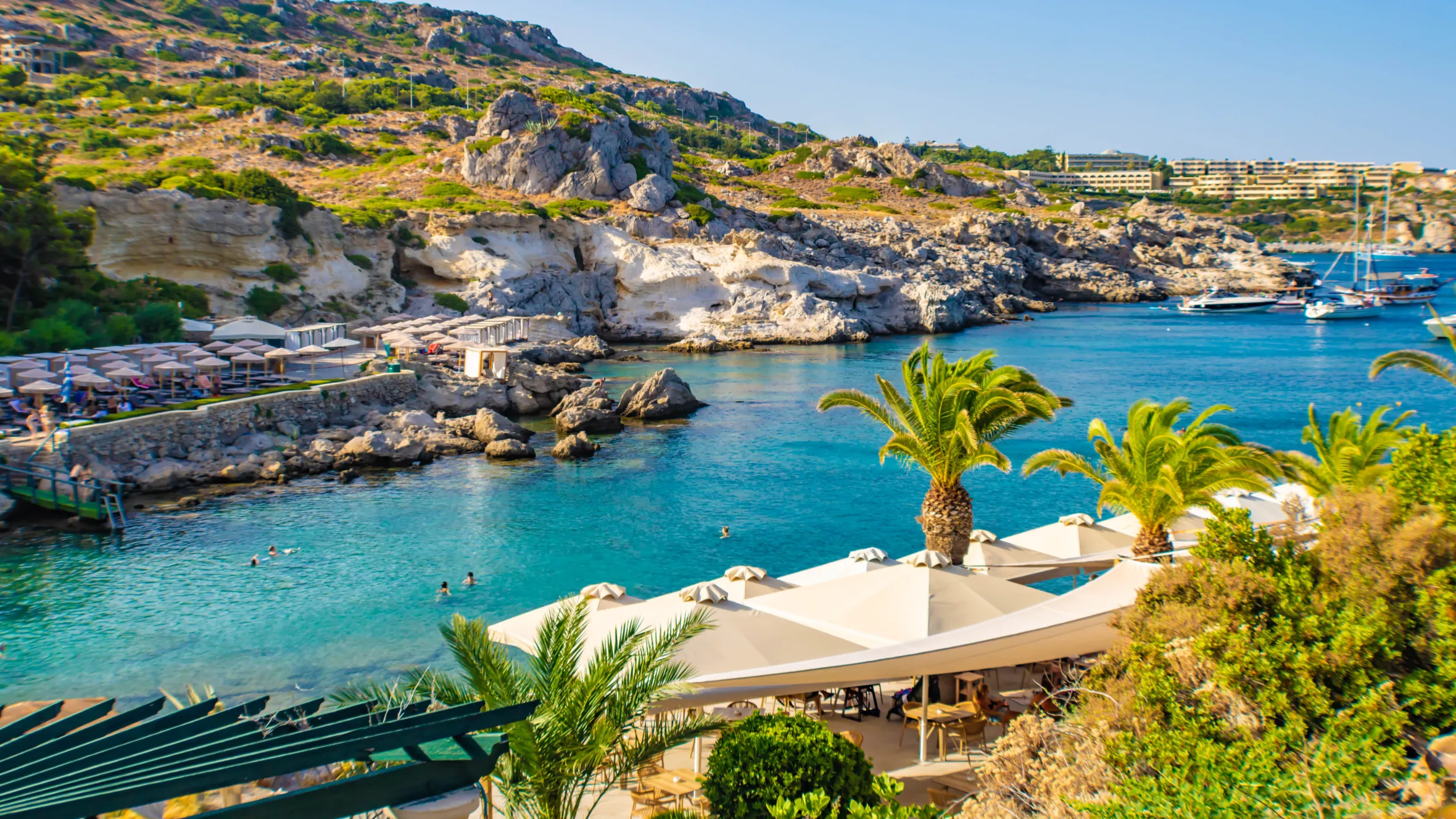
Rhodes sits far south in the Dodecanese, meaning it bakes longer into autumn than the Cyclades. September water temperatures hover around 26°C (79°F), and the island’s east coast is sheltered from wind, making it ideal for swimmers who want calm, predictable conditions.
The medieval Old Town of Rhodes is walkable and atmospheric in September without the gridlock of summer, and the nearby beaches at Lindos, Tsambika, and Faliraki offer everything from sandy family stretches to dramatic cliff-backed coves.
Stay in the Old Town or nearby Lindos village if you want to combine history with beach access — both are compact enough to explore on foot and close enough to multiple beach options. Rhodes wins if you want guaranteed warm water, historical substance (the Palace of the Grand Masters, ancient Lindos Acropolis), and fewer tourists than Santorini or Mykonos, all without sacrificing modern amenities or restaurant variety.
Kos: Ancient Ruins and Multi-Sport Beach Resorts
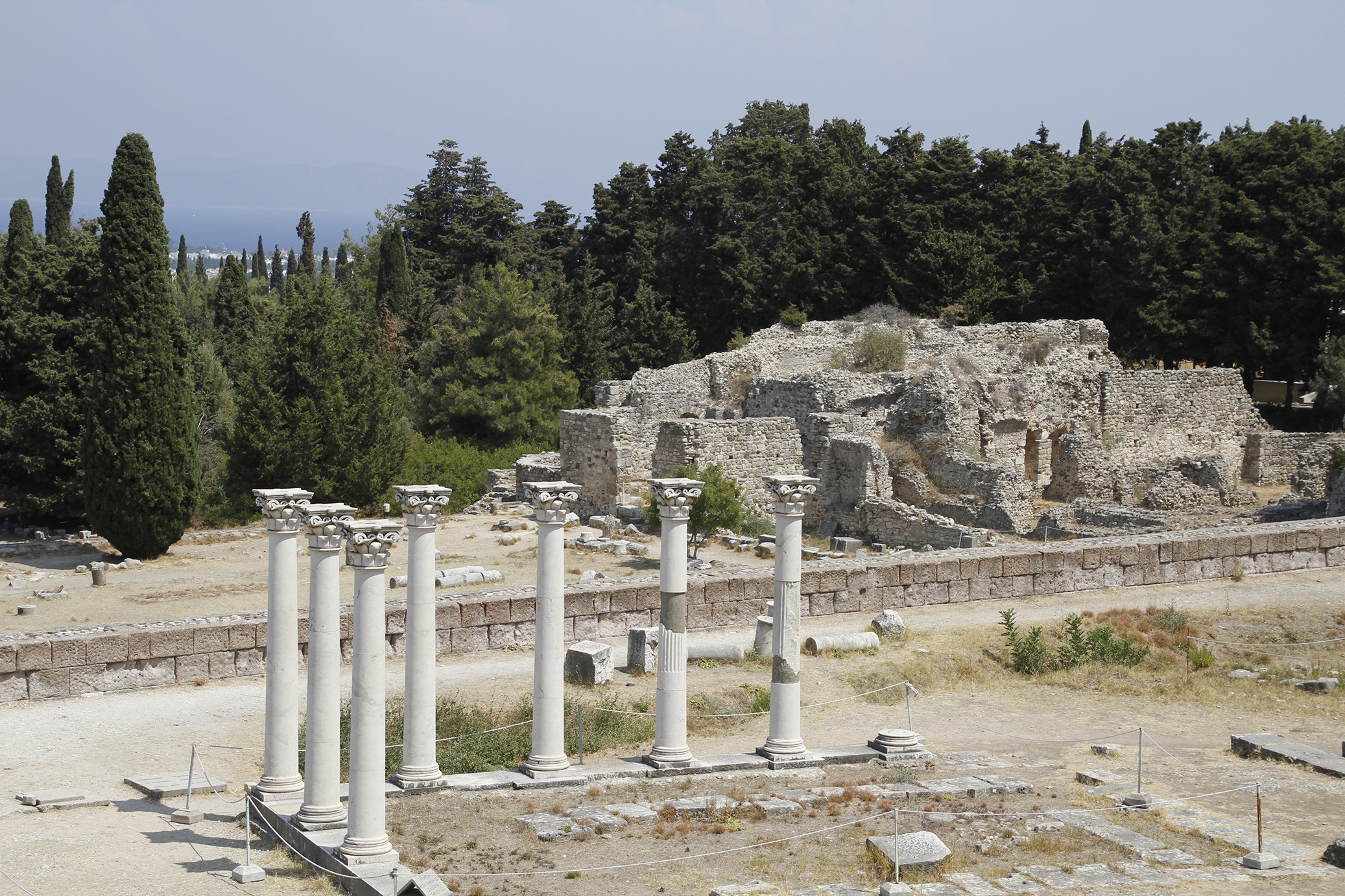
Kos is a working island, not a postcard — it has the infrastructure of a larger resort destination but retains authentic neighborhoods away from the beach strip. September water temperatures match Rhodes at around 26°C (79°F), and the island’s flat terrain and long beaches make it accessible for families and less mobile travelers.
The Asklepion (the ancient medical school where Hippocrates taught) and the medieval Castle of the Knights are substantial historical draws, and unlike Santorini or Mykonos, you won’t queue for hours or pay inflated prices to see them.
Kos is best for travelers who want warm water, easy beach access, and ancient history without the aesthetic pilgrimage vibe of Santorini — it’s functional and rewarding rather than Instagram-famous. The island has multiple beach towns (Kardamena, Mastichari, Tigaki), so you can choose between quieter village swimming or livelier resort-style beaches depending on your mood.
Book beachfront or beach-adjacent accommodation in a quieter town like Mastichari if you want immediate water access without the party-scene energy of central Kos Town.
Karpathos: Untamed Landscapes and Authentic Dodecanese Culture
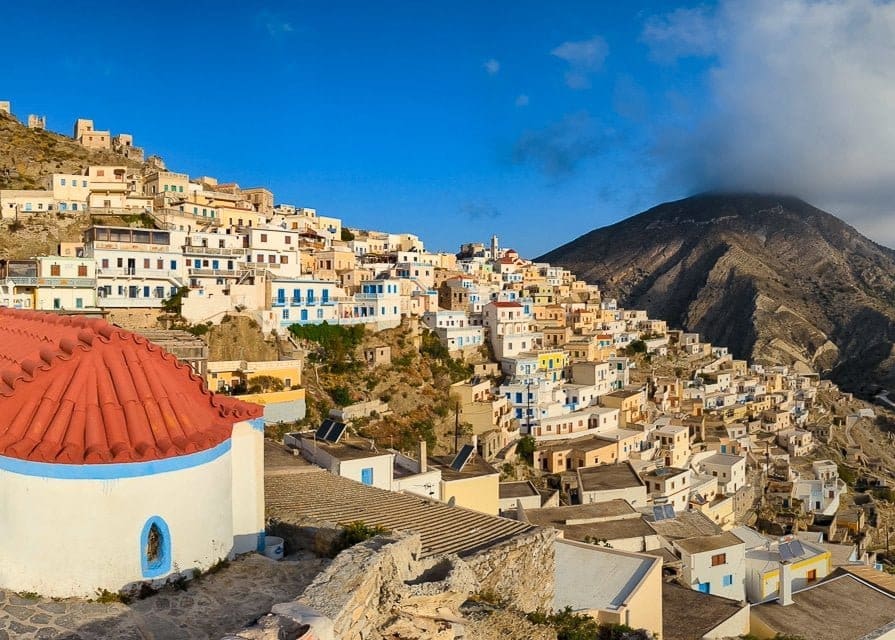
Karpathos is the Dodecanese’s least-touristed major island, with September water temperatures around 25–26°C (77–79°F) and a landscape that feels genuinely remote — think dramatic mountain villages, traditional fishing harbors, and beaches that require a short hike or boat ride to reach. The island has no major resort infrastructure, which means fewer crowds and lower prices, but also fewer restaurants and nightlife options.
This is the move only if you’re comfortable with basic amenities and want to feel like you’ve discovered something untouched.
The northern villages of Olympos and Menetes are the cultural heart — whitewashed houses, traditional dress still worn daily, and food that hasn’t been adapted for tourists. Stay in a small family-run hotel or guesthouse in Olympos or the port town of Pigadia if you want authentic village life with basic comfort.
Karpathos wins for adventurous swimmers who prioritize solitude and cultural authenticity over convenience — you’ll have warm water and empty beaches, but you’ll sacrifice restaurant variety and nightlife. Ferry connections are less frequent than to Rhodes or Kos, so plan your arrival and departure carefully.
Warmest Islands for September Swimming
| Island | Sept. Water Temp | Best For | Trade-Off |
|---|---|---|---|
| Crete | 26–27°C (79–81°F) | Warm water + history + variety | Largest island; requires planning to avoid main tourist zones |
| Rhodes | 26°C (79°F) | Medieval history + calm east coast | More developed than Karpathos; busier than Kos |
| Kos | 26°C (79°F) | Ancient ruins + accessible beaches | Less scenic than Rhodes; more resort-oriented |
| Karpathos | 25–26°C (77–79°F) | Solitude + authentic culture | Limited restaurants; fewer ferry connections; basic infrastructure |
Bottom line: Pick Crete or Rhodes if you want warm water with easy access to restaurants, history, and nightlife. Pick Kos if you want warm water without Santorini prices.
Pick Karpathos only if you’re willing to trade convenience for authenticity and empty beaches.
Best Cyclades Islands to Visit in September for Lower Prices and Fewer Crowds
September transforms the Cyclades from overcrowded summer hotspots into genuinely livable islands where you can eat at a taverna without a reservation and actually see the whitewashed buildings instead of tour groups. Late September especially—after the first week—drops both prices and crowds by 30–50% compared to August, while water temperatures remain warm enough for comfortable swimming.
This section covers the Cyclades islands that reward September timing most: iconic names that shed their peak-season chaos, lesser-known alternatives that offer the same Aegean magic without the markup, and the specific reasons each one wins for different travelers.
Santorini: Iconic Caldera Views Without the Peak-Summer Congestion
Santorini in September means you can actually walk through Oia without being swept along by human current, and sunset viewing shifts from a mosh pit to something resembling the postcard you came for. The caldera views, volcanic beaches, and wine tastings remain unchanged—but the experience becomes yours instead of shared with 15,000 others.
Best for travelers who want the famous Santorini experience but refuse to fight for it; September wins because ferries run regularly, accommodation prices drop roughly 20–30% from August peaks, and you’ll find tables at acclaimed restaurants without booking three weeks ahead. Avoid the town center between 9:00 am and 4:00 pm if cruise ships are in port (typical in shoulder season)—instead, visit Oia at sunrise or after 6:00 pm, when the light is better and the crowds have thinned.
Stay in Kamari or Perivolos on the east coast for quieter beach access and lower nightly rates than Oia or Fira, while remaining close enough for evening sunset visits.
Mykonos: Cosmopolitan Vibe and Beach Clubs at a More Reasonable Price
Mykonos in September retains its nightlife and cosmopolitan energy but becomes actually enjoyable—beach clubs offer free beach chair access with any food or drink purchase (prosecco runs roughly €7), and you can move through Little Venice without being pickpocketed or trampled. Best for travelers who want the party and style without the August chaos and premium pricing; September wins because accommodation rates drop significantly, restaurants have tables, and the island’s famous beach clubs remain open and lively without feeling like a human cattle market.
Base yourself in the Chora (main town) for walkable access to restaurants and nightlife, or in Kalafatis on the south coast if you prefer quieter beach time with easy evening access to town.
Naxos: The Most Affordable Cycladic Island with Incredible Food
Naxos punches above its weight in September—it’s the cheapest major Cycladic island, famous for Graviera cheese and exceptional potato varieties, and it has enough size and infrastructure to avoid the “limited restaurant choices” trap that plagues tiny islands. Best for foodies and budget-conscious travelers; September wins because prices stay low year-round, the island’s food reputation means serious restaurants (not tourist traps), and September timing means you’ll actually get a table and personalized service.
Stay in Naxos Town (the main port village) for waterfront dining and easy ferry access, or base yourself in Filoti for mountain village authenticity and proximity to hiking and local tavernas.
Milos: Surreal Volcanic Landscapes and Hidden Coves
Milos looks like another planet—moon-like rock formations, sulfur-colored cliffs, and coves accessible only by boat create landscapes that feel genuinely remote despite solid ferry connectivity. Best for travelers seeking dramatic scenery and solitude over nightlife; September wins because the island remains uncrowded, boat tours to hidden beaches run regularly, and you can explore without the summer heat making hiking unbearable.
The island’s small size means limited accommodation—book by mid-August for September dates. Stay in Plaka (the hilltop main village) for views and local taverna access, or Pollonia on the north coast for beach proximity and ferry connections to nearby Kimolos.
Ios: From Rowdy Summer Party Hub to Peaceful Autumn Paradise
Ios has a reputation as a party island for 18–20-year-olds in summer, but once university resumes in fall, it transforms into one of the Cyclades’ best-kept secrets—cheap, beautiful beaches, excellent Greek cuisine, and a genuinely local atmosphere replace the summer chaos. Best for travelers who want authentic island life, great food, and low prices; September wins because the party crowd evaporates, accommodation becomes affordable, and restaurants shift from tourist-focused to genuinely good.
Eat dinner at Lord Byron (make a reservation and order the feta cheese appetizer—it’s among the best food on any Cycladic island), then grab an after-dinner cocktail at Ios Blue Bar, and catch sunset at the Church of Panagia Gremniotissa, which is walkable from the main town and offers the island’s best sunset vantage. Stay in Ios Town (the main port village) for walkable access to restaurants and the church.
Paros: Traditional Fishing Villages and World-Class Kite Surfing
Paros offers traditional whitewashed villages, working fishing harbors, and some of the Aegean’s best kite surfing conditions without Mykonos’s price tag or attitude. Best for active travelers and those seeking authentic island villages; September wins because wind conditions remain excellent for water sports, accommodation prices are reasonable, and the island’s size means enough restaurant variety to avoid the “limited choices” problem of tiny islands.
Stay in Parikia (the main port town) for ferry access and taverna-lined waterfront, or Naoussa on the north coast for a more traditional fishing village feel and proximity to kite surfing beaches.
Thirasia: The Untouched, Crowd-Free Alternative to Santorini
Thirasia is Santorini’s smaller neighbor—same caldera views, same volcanic geology, almost no tourists—and it’s accessible by a short ferry from Santorini’s main port. Best for travelers who want Santorini’s iconic scenery but refuse the crowds; September wins because ferries run regularly, the island remains genuinely quiet, and you can day-trip from Santorini or stay overnight for an even more authentic experience.
Accommodation is minimal (book well ahead), so most travelers use it as a day excursion from Santorini, departing early morning and returning by evening to avoid the cruise ship crowds that hit Santorini’s main towns midday.
Folegandros: Quiet, Whitewashed Romantic Escape
Folegandros is small, steep, dramatic, and almost aggressively quiet—whitewashed buildings cling to cliffsides, the main town sits on a plateau with endless sea views, and there are no beach clubs, no nightlife, and no reason to visit if you want entertainment beyond swimming and eating. Best for couples and solo travelers seeking genuine solitude and romance; September wins because the island remains uncrowded, ferries run regularly, and the dramatic landscape (dramatic enough to feel isolated) becomes even more appealing when you’re not fighting for space.
Stay in Chora (the main hilltop village) for the iconic whitewashed aesthetic and taverna access, or in Karavostasis (the port village) if you prefer beach proximity and easier ferry logistics.
Tinos: Traditional Marble Villages and Spiritual Heritage
Tinos is a pilgrimage destination famous for its marble-working tradition, whitewashed villages, and the Church of Panagia Evangelistria—it draws Greek Orthodox pilgrims rather than party tourists, which means a fundamentally different island culture and genuine local atmosphere year-round. Best for travelers interested in Greek Orthodox heritage, traditional craftsmanship, and authentic village life; September wins because the island remains affordable and uncrowded, ferries run regularly, and you’ll encounter actual locals rather than seasonal workers.
Stay in Tinos Town (the main port village) for ferry access and waterfront dining, or in one of the inland marble villages like Pyrgos for deeper immersion in traditional island life.
Serifos: Off-the-Beaten-Path Cycladic Authenticity
Serifos is small, genuinely underdeveloped by tourism standards, and rewards travelers willing to skip the famous names—it has beaches, a charming hilltop main town, and almost no infrastructure for mass tourism, which means almost no tourists. Best for travelers seeking authentic Cycladic life and willing to accept minimal nightlife or restaurant variety in exchange for genuine solitude; September wins because ferries run regularly enough to make it accessible, prices stay low, and the island’s lack of development means no seasonal price spikes.
Accommodation is limited—book early. Stay in Serifos Town (the hilltop main village) for the iconic Cycladic aesthetic and local tavernas, or Livadi (the port village) for beach proximity.
Syros: Neoclassical Architecture and Foodie Hotspots
Syros is the Cyclades’ administrative center and a working island (not a tourist island pretending to work)—it has neoclassical architecture rivaling Hydra, serious restaurants, and a local population that outnumbers visitors even in summer. Best for foodies and travelers interested in Greek architecture and local culture; September wins because Syros remains affordable year-round, restaurants cater to locals (which means better food and reasonable prices), and the island’s size ensures enough dining variety to satisfy any palate.
Syros is famous for a dessert-pie called halvadopita—seek it out at local bakeries. Stay in Ermoupoli (the main port town) for neoclassical architecture, waterfront dining, and ferry access to other Cyclades islands.
| Island | Best For | Why September Wins | Stay Where |
|---|---|---|---|
| Santorini | Iconic caldera views without crowds | Prices drop 20–30%; no reservation needed for restaurants | Kamari or Perivolos (quieter than Oia/Fira) |
| Mykonos | Nightlife and cosmopolitan vibe | Beach clubs open; prosecco €7; tables available | Chora (town) or Kalafatis (beach-focused) |
| Naxos | Budget-conscious foodies | Cheapest major Cycladic island; serious restaurants; Graviera cheese | Naxos Town (waterfront) or Filoti (mountain village) |
| Milos | Dramatic volcanic landscapes | Uncrowded; boat tours run regularly; hiking weather improves | Plaka (hilltop main village) or Pollonia (beach/ferry access) |
| Ios | Authentic island life after summer party season ends | Party crowd leaves; cheap accommodation; excellent local food | Ios Town (main port village) |
| Paros | Kite surfing and traditional villages | Excellent wind conditions; reasonable prices; restaurant variety | Parikia (main port) or Naoussa (fishing village) |
| Thirasia | Santorini scenery without Santorini crowds | Ferries run regularly; genuinely quiet; caldera views included | Day trip from Santorini (minimal overnight accommodation) |
| Folegandros | Couples and solo travelers seeking solitude | Uncrowded; dramatic cliffside scenery; quiet tavernas | Chora (hilltop main village) or Karavostasis (port village) |
| Tinos | Greek Orthodox heritage and marble villages | Pilgrimage destination (not party island); affordable; authentic | Tinos Town (main port) or Pyrgos (marble village) |
| Serifos | Off-the-beaten-path authenticity | Minimal tourism infrastructure; genuinely undiscovered; low prices | Serifos Town (hilltop main village) or Livadi (port village) |
| Syros | Foodies and architecture enthusiasts | Working island (not tourist island); serious restaurants; halvadopita dessert | Ermoupoli (main port town with neoclassical architecture) |
The Cyclades decision framework for September: If you want the famous view (Santorini) or the famous nightlife (Mykonos), go in September and book accommodation by mid-August—prices drop enough to justify the famous names, and crowds thin enough to make them actually enjoyable. If you want food and authenticity, choose Naxos or Syros.
If you want solitude and drama, choose Milos, Folegandros, or Serifos. If you want a party island that’s actually livable, choose Ios after Labor Day when the college crowd leaves.
If you want to avoid Santorini’s crowds but keep the caldera views, take the short ferry to Thirasia instead.
Best Ionian and Saronic Islands for September Sailing and Lush Scenery
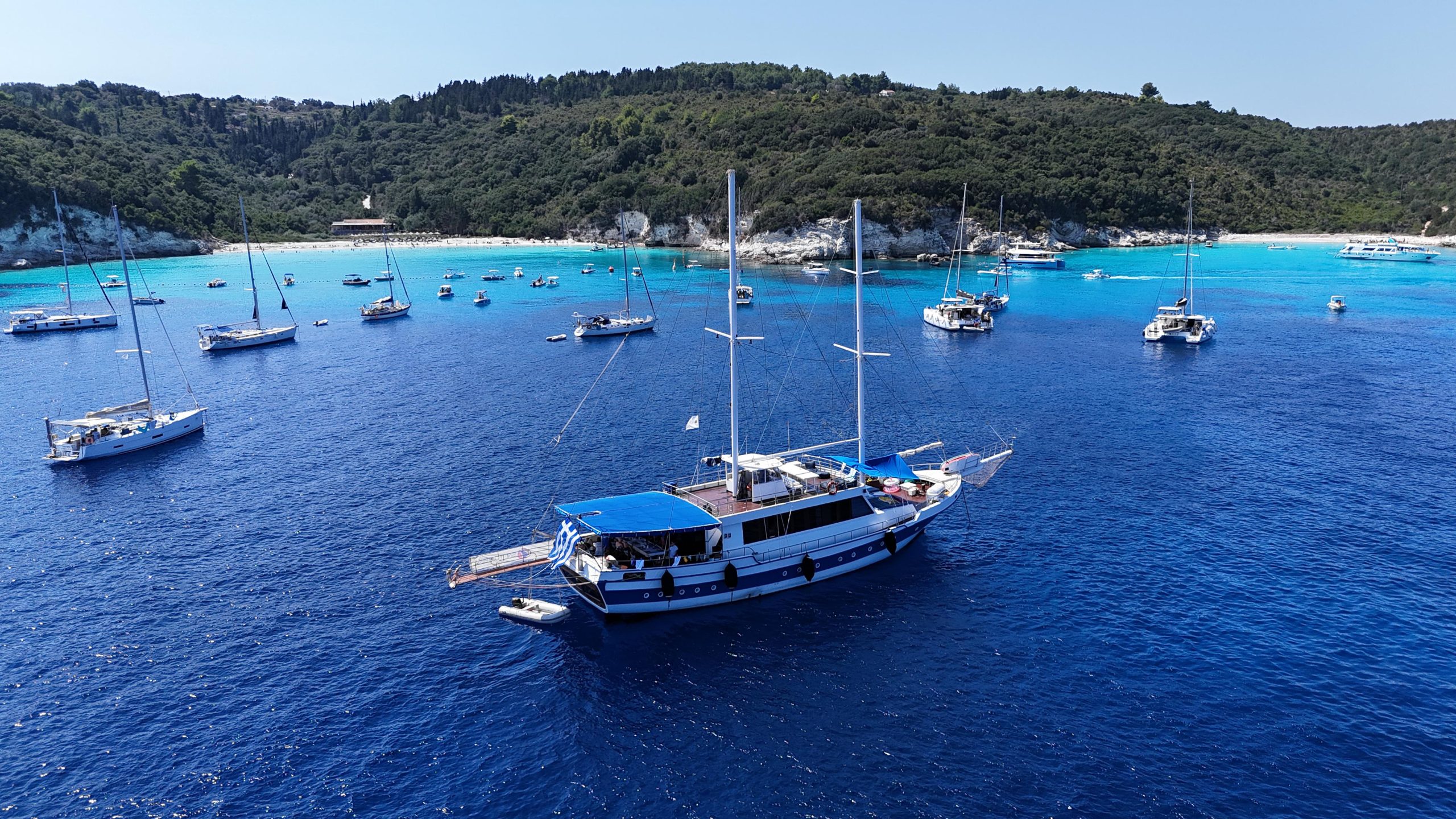
The Ionian Islands stand apart from the Aegean—greener, wilder, and built for water sports rather than postcard crowds. September is when the Ionians hit their stride: summer heat breaks, the sailing wind picks up, and the emerald coastlines stay warm enough for swimming without the August crush.
These islands reward sailors, hikers, and travelers who want landscape drama over nightlife. The Saronic islands near Athens offer a different appeal: car-free villages, quick ferry access, and a more intimate escape than the famous Cyclades.
Corfu: Rich Venetian Legacy and Emerald Coastlines
Corfu’s Venetian old town—a UNESCO World Heritage site—sits on an island so lush it feels more Italian than Greek, with olive groves and cypress trees replacing the typical Aegean scrub. This is the island for travelers who want history, architecture, and green hiking trails without sacrificing beach access.
The Liston promenade and Old Fortress anchor the charming old town, where narrow streets reveal Venetian shutters and neoclassical facades. September weather is ideal for exploring on foot without melting, and the island’s position in the northwest Ionian makes it a natural sailing hub with good ferry connections to Albania and Italy if you’re island-hopping beyond Greece.
Best for: History buffs and sailors who want lush scenery and European architecture. Why it wins: Corfu combines genuine Venetian heritage with active water sports and hiking—not just beaches.
Kefalonia: Relaxed Mountain Hiking and Dramatic Cove Beaches
Kefalonia is the largest Ionian island and the one for active travelers who want both mountain trails and hidden coves without the pretense. The island’s interior is rugged and green; the coastline features dramatic limestone cliffs and turquoise swimming spots accessible by boat or short hikes.
September temperatures make multi-hour hikes feasible, and the island’s relaxed vibe—fewer package tourists than Corfu—means you’ll find local tavernas and family-run waterfront inns rather than resort chains. The island’s famous Myrtos Beach lives up to its reputation, but the real wins are the lesser-known coves and the Aenos mountain trails that few tourists bother with.
Best for: Hikers and couples seeking dramatic landscapes and quiet beach access. Why it wins: Kefalonia offers genuine mountain-to-sea adventure without the crowds or pretension of more famous islands.
Zakynthos: Famous Shipwreck Views and Turtle Spotting
Zakynthos (Zante) is famous for one image—the rusted shipwreck framed by towering cliffs at Navagio Beach—but the island delivers far more than a photo op. September is prime sea turtle season; loggerhead turtles nest on the island’s beaches and can be spotted in the water during boat tours.
The island is larger and more developed than Kefalonia, with better restaurant variety and nightlife if you want it, but the real draw is the combination of dramatic geology, wildlife, and accessible boat tours that don’t require serious hiking fitness. Avoid the party-focused resort towns (Laganas) and base yourself in quieter villages like Volimes or near the northern beaches.
Best for: Wildlife enthusiasts and photographers who want iconic scenery plus active marine life. Why it wins: Zakynthos delivers both the famous shipwreck view and genuine turtle-spotting opportunities in September, plus better infrastructure than smaller Ionians.
Lefkada: Active Sports, Windsurfing, and Gorge Hiking
Lefkada is the adrenaline island—famous for windsurfing at Vassiliki Beach, rock climbing, and gorge hiking through the Lefkada Canyon. September winds are still strong enough for serious windsurfers but less punishing than summer; water temperatures remain warm.
The island is connected to mainland Greece by a bridge, making it easy to add to a road trip, but don’t let that fool you—the interior is wild and underdeveloped compared to the Cyclades. Hikers should tackle the Lefkada Canyon trail (usually open year-round, but confirm before booking) for dramatic limestone walls and freshwater pools.
The island’s beaches are less famous than Kefalonia’s, which means shorter lines and better value.
Best for: Windsurfers, rock climbers, and active hikers. Why it wins: Lefkada is the only Ionian island with world-class wind sports and serious mountain hiking in one place.
Hydra: A Car-Free Saronic Escape Close to Athens
Hydra is a 60-minute ferry from Athens’s Piraeus port, making it the closest island escape for Athenians and travelers short on time. The island has no cars—only donkeys, boats, and foot traffic—which means the harbor-front town stays quiet and walkable even in peak season.
September is ideal: warm enough for swimming, cool enough for exploring the stone mansions and narrow alleys without exhaustion. The island’s artistic heritage and upscale-casual vibe attract writers and painters, not party crowds.
Overnight stays are essential; day-trippers miss the magic of the harbor at sunset and the town after the ferries leave.
Best for: Travelers based in Athens seeking a quick, car-free island escape with genuine charm. Why it wins: Hydra’s proximity to Athens and car-free design make it the easiest Saronic island to reach, and September crowds are manageable compared to summer.
Ionian and Saronic Islands in September
| Island | Best For | Key Activity | Crowd Level | Ferry Access |
|---|---|---|---|---|
| Corfu | History + sailing | Old town walks, water sports | Moderate | Good (northwest Ionian hub) |
| Kefalonia | Hiking + quiet beaches | Mountain trails, cove swimming | Low | Moderate (central Ionian) |
| Zakynthos | Wildlife + drama | Turtle spotting, shipwreck views | Moderate-High | Good (southern Ionian) |
| Lefkada | Active sports | Windsurfing, gorge hiking | Low-Moderate | Bridge access (mainland connected) |
| Hydra | Quick Athens escape | Harbor walks, swimming | Moderate | Excellent (60 min from Piraeus) |
Insider Detail: Timing and Boat Access
Ferry schedules to the Ionians are less frequent than Cyclades routes—book accommodation first, then check ferry availability rather than the reverse. Lefkada’s bridge access means you can rent a car on the mainland and drive across, skipping ferry queues entirely.
For Hydra, the last ferry from Piraeus typically departs around 8:00 pm in September; missing it means a night on the island, which is actually ideal if you have flexibility. Corfu ferries from mainland Igoumenitsa run year-round but book ahead in September if traveling on weekends.
How to Choose and Plan Your September Greek Island Hopping Adventure
September strips away the chaos of peak season without closing down the islands — ferries run regularly, accommodation is plentiful at lower prices, and you’ll actually see locals instead of just crowds. The real decision isn’t whether to go, it’s how to move between islands without wasting time on ferries that don’t run daily or getting stranded on an island with limited connections.
Evaluating Airports vs. Ferry Routes for Late-Season Connectivity
Most Greek islands have ferry connections in September, but not all routes operate every day — some run only once or twice weekly even during the shoulder season. This matters: if you’re island hopping and your ferry doesn’t run the day you want to leave, you’re stuck.
Check ferry schedules first before booking your base or planning your route, because connectivity varies wildly by island.
Airports are your backup plan and your time-saver. Even small islands like Kasos have air service, and most connect directly to Athens — exceptions exist (Kastelorizo requires routing through Rhodes), so verify before booking.
Use airports as your entry or exit point to avoid ferry delays, or base your hop on an island with air access so you’re not trapped by rough seas or schedule gaps. The trade-off: flights cost more than ferries but save you 2–4 hours and the risk of cancellation.
Best strategy: Fly into a major hub (Athens, Crete, or Rhodes), spend 2–3 days there, then ferry to smaller islands with confirmed daily or near-daily connections. If you’re island hopping for more than a week, book your return flight from an airport island rather than betting on ferries to get you back to Athens on time.
Why September Is the Best Time to Experience Local Fiestas (Panigiria)
September is when Greeks actually celebrate on their islands — not the manufactured festivals for tourists, but real panigiria (village festivals) tied to religious holidays and harvests. By mid-September, cruise ships have thinned out and the islands shift back to local rhythms.
You’ll find tavernas full of families, not tour groups, and street celebrations that aren’t staged for cameras.
The catch: panigiria dates vary by island and year, so research specific islands before booking. Check local tourism websites or ask your accommodation host once you arrive — they’ll know what’s happening in the next week.
These festivals often mean late-night celebrations, closed roads, and fully booked tavernas, so plan accordingly if you want to join in or prefer quiet.
How to Budget for September Accommodations and Dining
September accommodation prices drop 20–40% from August peaks, and availability opens up — you can often book the week before or even a few days ahead without losing your choice. Expect roughly $60–150 per night for mid-range hotels or studios on popular islands (Santorini, Mykonos), and $40–80 on quieter islands (Naxos, Paros, Folegandros).
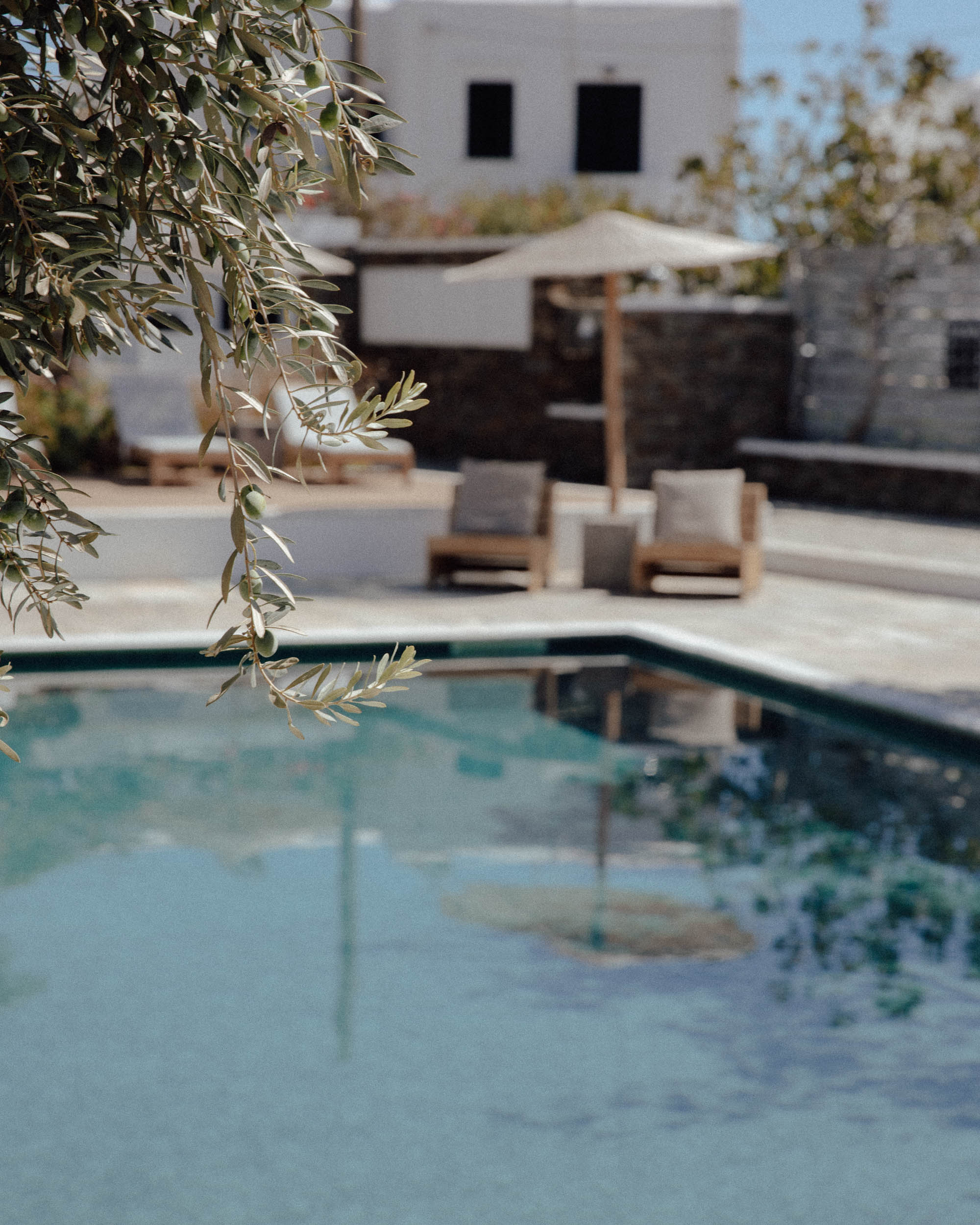
Boutique properties with 12–15 rooms offer the best value for couples seeking quiet: you get design, a pool, and views without the noise of sprawling resorts, and prices reflect the smaller footprint.
Dining costs less in September because restaurants lower prices to fill seats. Expect €12–18 for a solid taverna meal with wine on most islands; tourist-trap seafood restaurants near ports run €25–40.
Eat where Greeks eat — away from the main pedestrian zones and cruise ship ports. Ask your hotel for neighborhood tavernas, not the ones with picture menus facing the waterfront.
Booking window: For September, book accommodations 4–6 weeks ahead for popular islands (Santorini, Mykonos, Crete) to secure your preferred location and rate. For lesser-known islands (Serifos, Tinos, Folegandros), 2–3 weeks is usually enough.
Ferries should be booked 1–2 weeks in advance, especially if you’re traveling mid-September when some families still vacation.
Base yourself strategically: Pick one island as your 3–4 day anchor (Naxos or Paros work best — central location, daily ferry connections, excellent food, lower prices) and day-trip or overnight-hop from there. This cuts packing/unpacking time and lets you test ferry routes before committing to multi-day island chains.
If you’re doing a longer hop, fly into Athens or Crete, spend 2 days there, then island hop for 5–7 days before flying out — this avoids the stress of ferrying back to Athens on your last day.
Avoid cruise ship hours: Cruise ships dock 9:00 am–4:00 pm, turning main towns into bottlenecks. Visit famous spots (Oia in Santorini, main ports) only in early morning or evening.
Stay at small, quiet hotels away from the port if you’re on a popular island — 500 meters from the main pedestrian zone makes a dramatic difference in peace and authenticity.
Frequently Asked Questions
Is September a good time to visit the Greek islands?
September is one of the best months to visit the Greek islands — the peak summer crowds thin out by mid-month, ferries run regularly between islands, and accommodation prices drop significantly compared to July and August. The water remains warm for swimming, and the weather stays reliably sunny and pleasant.
The only trade-off: some smaller islands and seasonal restaurants begin closing toward the end of September as the tourism season winds down, so early-to-mid September gives you the sweet spot of fewer tourists with everything still fully operational.
Which Greek island has the warmest water in September?
The southern islands — Crete, Rhodes, Kos, and the Dodecanese chain — have the warmest water in September, with temperatures typically remaining in the mid-to-high 70s Fahrenheit. The Cyclades (Santorini, Mykonos, Naxos, Paros) run slightly cooler but still comfortable for swimming.
If warm-water swimming is your priority, base yourself in the southern islands rather than the Ionian islands off the western coast.
Are ferries still running regularly between Greek islands in September?
Yes, ferries operate regularly throughout September between major islands and to the mainland. However, schedules begin tightening toward the end of the month as passenger volume drops and some seasonal routes close.
Book ferry tickets at least a few days in advance rather than same-day to ensure availability, especially if you’re traveling late September or between smaller islands. Check with ferry operators directly closer to your travel dates, as schedules and routes change seasonally.
Which Greek island is the least crowded in September?
Folegandros, Serifos, Thirasia, Tinos, and Karpathos see a fraction of the summer tourist traffic in September while remaining fully accessible and open. These islands lack the cruise-ship infrastructure of Santorini or Mykonos, so even in peak hours they feel genuinely quiet.
If you want whitewashed villages and authentic Greek island life without fighting crowds, these smaller Cycladic and Dodecanese islands deliver — just confirm that specific restaurants and accommodations you’re targeting are still open, as some close by late September.
Do Mykonos and Santorini beach clubs stay open in September?
Most major beach clubs and nightlife venues on Mykonos and Santorini remain open through September, though some begin closing or reducing hours by late month as the season winds down. Early September is safer for guaranteed access to full club schedules and events.
If beach clubs are central to your trip, plan for early-to-mid September and confirm operating hours directly with venues before booking, since closures accelerate in late September as the tourism season officially ends.
Book Your September Island Trip With Confidence
Start by choosing your base island (Naxos or Paros work best—central location, daily ferry connections, excellent food, lower prices), book accommodation 4–6 weeks ahead for popular islands or 2–3 weeks for quieter ones, then confirm ferry schedules before finalizing your island-hop route. If you’re nervous about ferry reliability, fly into Athens or Crete, spend 2 days there, then island-hop for 5–7 days before flying out—this removes the stress of ferrying back to Athens on your last day.
September is when the Greek islands shift from performing for tourists to actually living, and that difference is worth planning for. You’ll swim in warm water, eat at tavernas full of families instead of tour groups, and pay 30–50% less than August while experiencing the real version of Greece.
Pick your island this week, confirm ferry schedules by next week, and book accommodation by mid-August for early September or by late August for mid-September dates—this timing locks in the best rates and guarantees your preferred location.
Leave a Reply