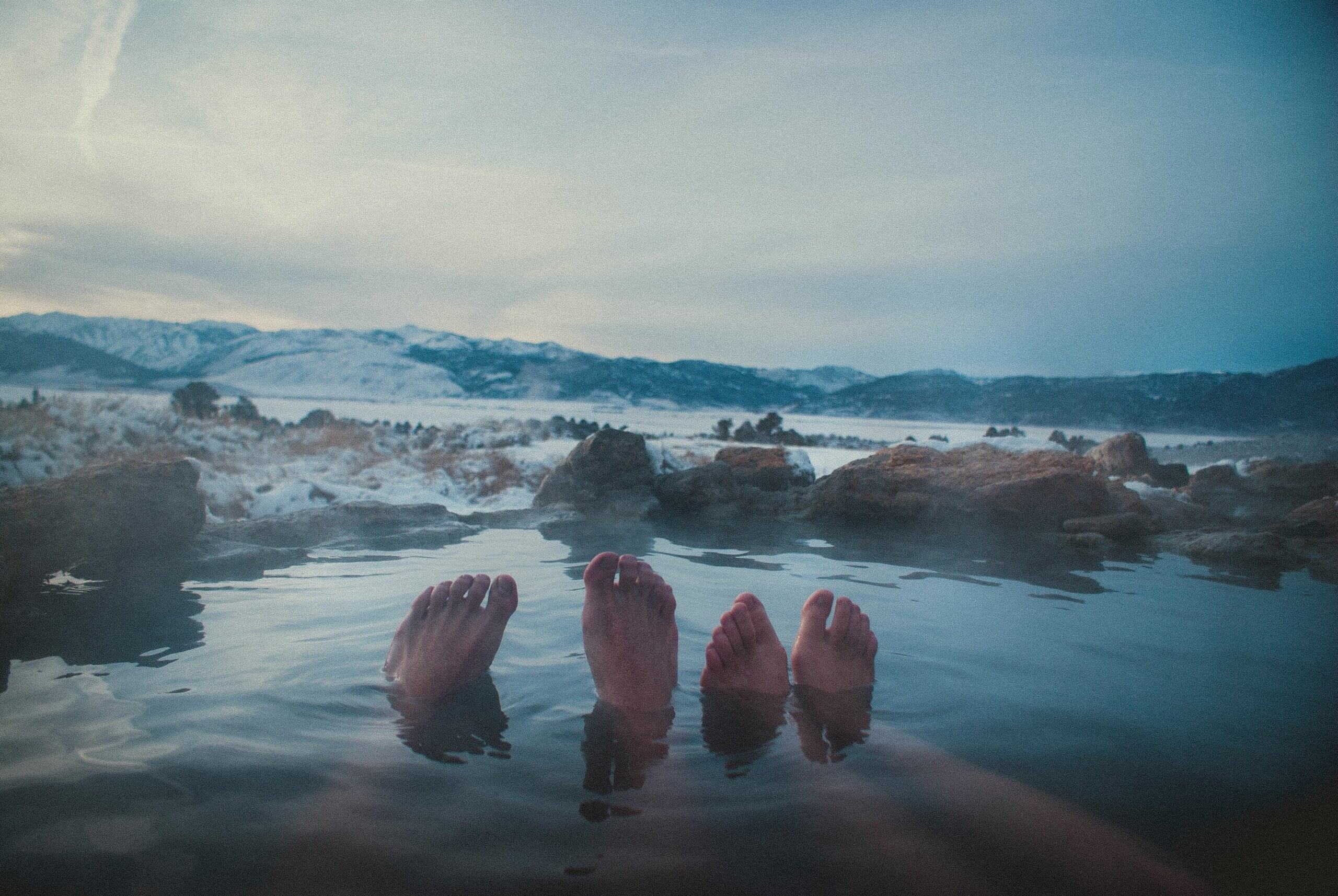
The steam hits your face before your eyes adjust, and then the cold stops mattering — your body is wrapped in 106°F mineral water while snowflakes dissolve bare shoulders.
That sulfur smell, the absolute January silence, the way overworked muscles finally unlock — these are things a July soak simply cannot deliver.
Winter is the only season when the most popular hot springs empty out enough to feel like yours alone, and the freezing air turns every dip into a full-body sensory event you will not forget.
This guide sorts the best winter hot springs across the American West into categories — resort comfort, backcountry adventure, ski-trip add-ons, and family-friendly — so you can stop scrolling and start booking.
Budget-wise, wild springs on public land are free, developed day-use pools run $25–$50 per person, and all-inclusive luxury resorts like Dunton Hot Springs start around $600 or more per night.
Your Fast Track to the Right Winter Hot Spring
Short on time? These six picks represent the strongest choice in each category covered throughout this guide.
- Resort comfort: Buckstaff Bathhouse in Hot Springs, Arkansas, runs a private old-school bathing ritual unchanged since 1912. Quapaw Bathhouse next door swaps solitude for communal thermal pools under a stained-glass dome.
- Post-ski recovery: Iron Mountain Hot Springs near Glenwood Springs, Colorado, puts 16 mineral pools an hour from Vail and Aspen along the Colorado River.
- Wild adventure: Goldbug Hot Springs near Salmon, Idaho, rewards a steep winter hike with cascading pools in a snowy canyon. Spence Hot Springs near Santa Fe, New Mexico, is the easier, lower-risk entry point.
- Family-friendly: Lava Hot Springs, Idaho, combines outdoor mineral pools with a full indoor aquatic center and waterslides that keep kids busy for hours.
- Solitude seekers: Riverbend Hot Springs in Truth or Consequences, New Mexico, offers private soaking tubs on the Rio Grande in a town that goes nearly silent all winter.
- One-of-a-kind soak: Homestead Crater in Midway, Utah, lets you swim inside a 10,000-year-old limestone dome. Dunton Hot Springs in Colorado is an exclusive ghost-town resort worth every dollar of the splurge.
Best Resort-Style Hot Springs for Winter Comfort
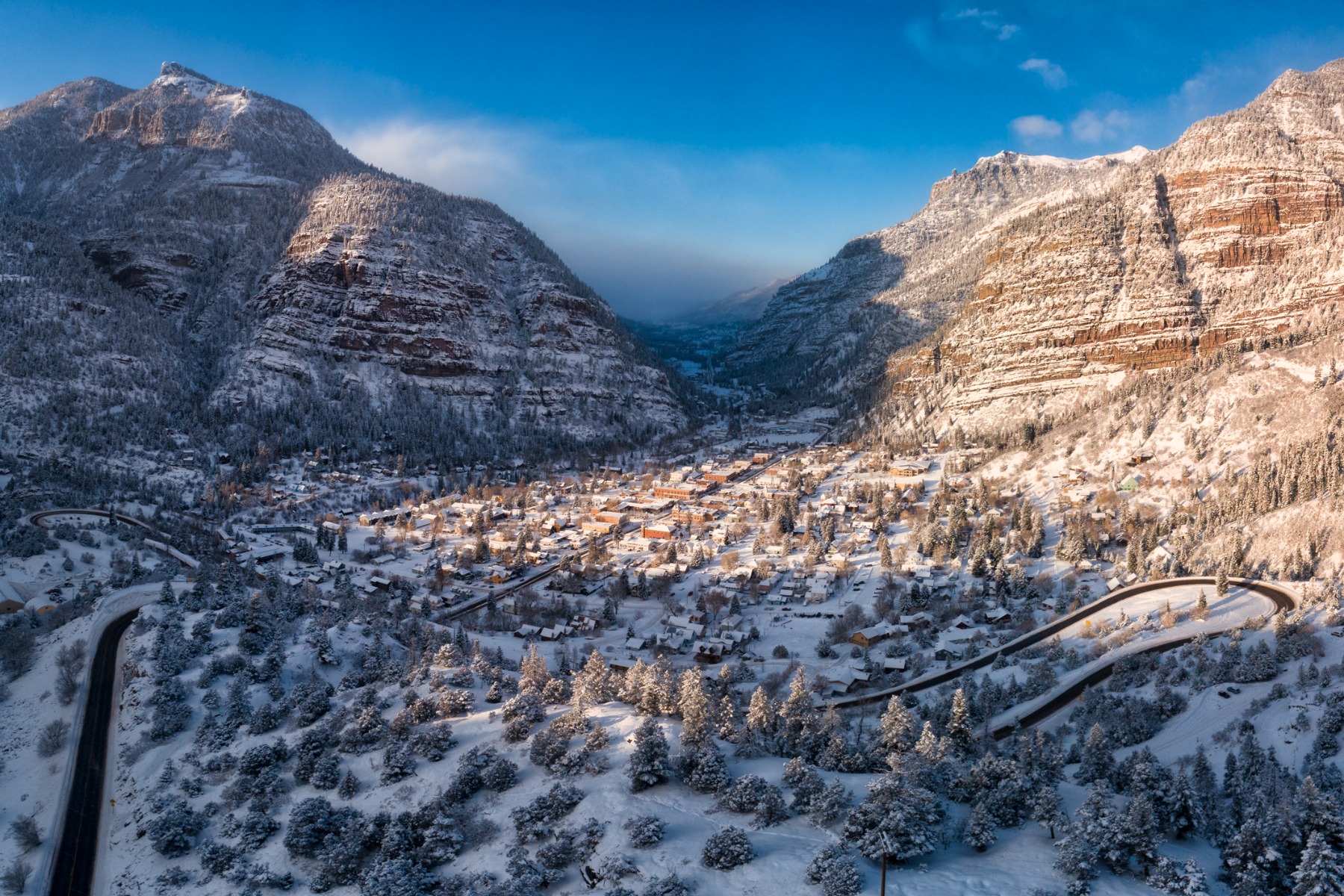
These are the hot springs where the winter chill is part of the charm, not a drawback. You trade wilderness solitude for heated pools, plush robes, and a spa menu that actually melts the day away—perfect if your ideal soak ends with a glass of local wine, not a headlamp hike back to the car.
For a quick comparison, scan this overview to find your match:
| Location | Best For | Key Winter Comfort |
|---|---|---|
| Buckstaff Bathhouse | History purists & solitude seekers | Classic, private bathing ritual |
| Quapaw Bathhouse | Social soakers & families | Large public thermal pools under a stained-glass dome |
| Iron Mountain Hot Springs | Post-ski recovery | 16+ mineral pools with mountain views, near ski resorts |
| Dunton Hot Springs | Luxury couples & special occasions | Exclusive, all-inclusive ghost town resort |
| Calistoga Spa Hot Springs | Wine country travelers | Full spa services combined with Napa Valley tasting rooms |
| Yellowstone Hot Springs | National park gateway stays | Large thermal pool steps from the park’s north entrance |
| Homestead Crater | Unique, one-of-a-kind experience | Soak inside a 10,000-year-old limestone dome |
| Lava Hot Springs | Families & group trips | Multiple temperature-regulated pools and waterslides |
Buckstaff Bathhouse (Hot Springs National Park, Arkansas)
This is the only bathhouse in the district that still operates as a traditional, private bathing experience since 1912. You get a private tub, steam cabinet, and needle shower—a deliberate, old-school ritual that’s the opposite of a crowded public pool.
Book ahead; this is about quiet immersion, not socializing.
- Insider Take: Request a mid-morning slot on a weekday for the quietest experience and most attentive service.
- Planning Note: The 20-minute drive from Little Rock makes it a straightforward day trip or a stay in the charming town of Hot Springs.
Quapaw Bathhouse (Hot Springs National Park, Arkansas)
If Buckstaff is about private tradition, Quapaw is its social, public counterpart. Soak in the large, domed thermal pools under a stunning stained-glass skylight.
It’s more relaxed and interactive, making it better for couples or families with teens who want a casual, beautiful soak.
- Insider Take: The pool temperatures vary; the coolest is often the most pleasant for a long soak.
- Planning Note: No reservations needed for the public pools; it’s first-come, first-served.
Iron Mountain Hot Springs (Glenwood Springs, Colorado)
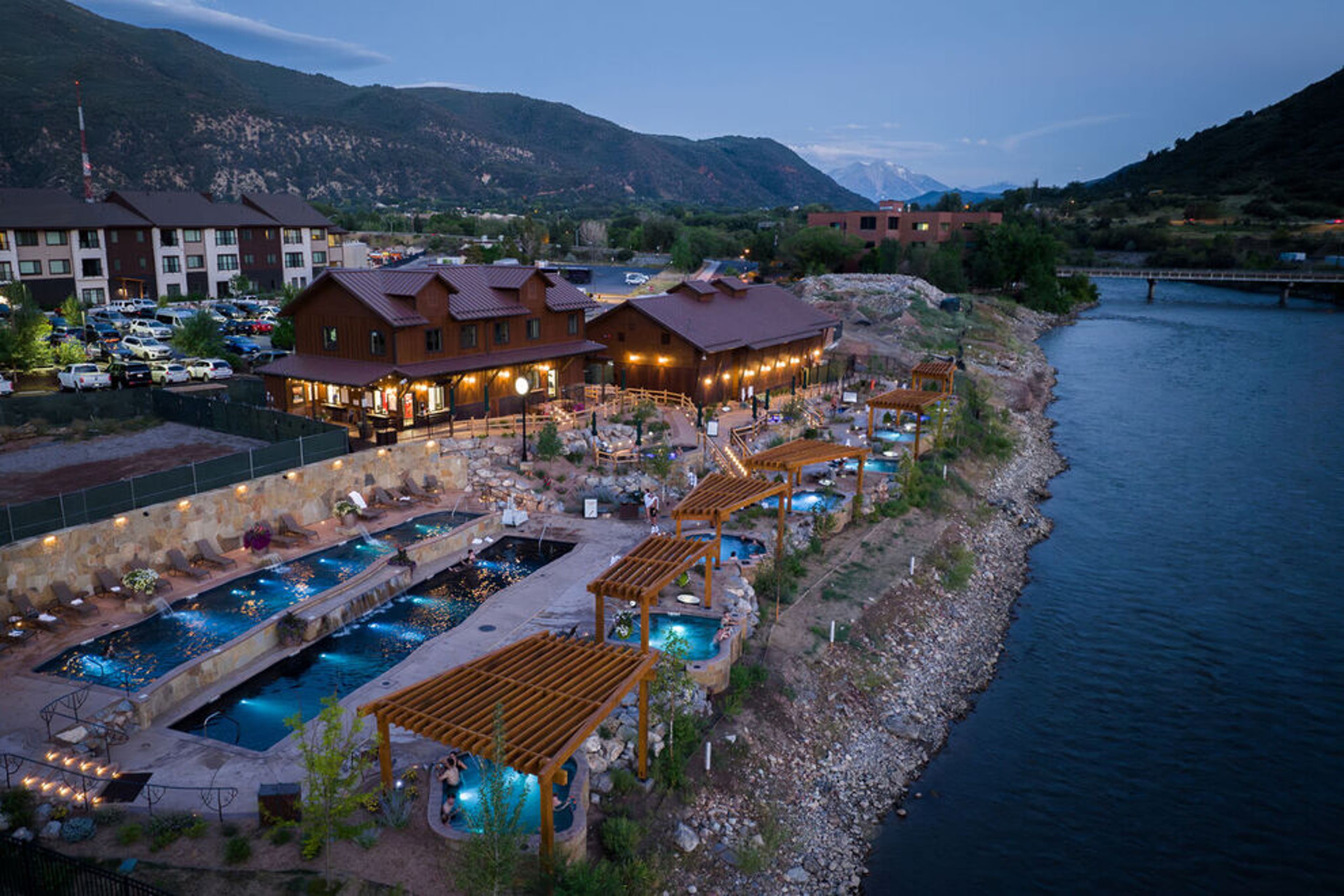
This is your post-Vail or Aspen recovery move. Located about an hour from those major ski resorts, it features 16 small, natural mineral pools each set to a different temperature, all overlooking the Colorado River.
The mineral content is the real draw for sore muscles.
- Insider Take: Go at dusk for the best river views and to catch the lights of Glenwood Springs across the water. The lodge’s cafe is solid for a post-soak meal.
- Planning Note: Expect roughly $40-$50 for adult admission. It’s busiest on weekends after ski season starts—aim for a weekday visit.
Dunton Hot Springs (Dolores, Colorado)
Dunton isn’t just a hot spring; it’s an exclusive, restored 19th-century ghost town turned luxury resort. This is for splurging on a special winter getaway.
You’ll stay in a beautifully appointed hand-hewn log cabin, with gourmet meals and the natural hot springs included. It’s remote, expensive, and utterly unique.
- Insider Take: The resort’s own natural spring-fed pool is spectacular, but booking a private session in the original 19th-century bathhouse is the pinnacle experience.
- Planning Note: This is an all-inclusive resort experience. Rates are high, but cover lodging, meals, and springs access. Book months in advance for winter dates.
Calistoga Spa Hot Springs (Calistoga, California)
Choose this if your ideal winter day ends with a hot soak followed by an exceptional glass of wine. Located in the heart of Napa Valley, the spa offers classic hot mineral pools, full spa treatments, and is walking distance to dozens of tasting rooms.
The pools are no-frills but impeccably clean and effective.
- Insider Take: Book a spa treatment mid-week; weekend slots fill with locals. The “volcanic ash” mud treatment is a signature worth trying.
- Planning Note: Winter is Napa’s quiet season, meaning better hotel rates and easier tasting room reservations. Base yourself in Calistoga for walkable access.
Yellowstone Hot Springs (Gardiner, Montana)
The standout feature here is the large, naturally flowing thermal pool with views of the Yellowstone River and the mountains. It’s a relaxed, unpretentious facility just north of the park’s entrance.
After a winter day of spotting bison in Lamar Valley, this is a straightforward, warm soak without any fuss.
- Insider Take: The pool temperature is hot but varies with the seasons and flow; winter is often the hottest due to colder air temperatures.
- Planning Note: Gardiner is the only year-round entrance to Yellowstone, making this the perfect base camp for a winter park visit. It’s often less crowded than other gateway towns.
Homestead Crater (Midway, Utah)
The experience here is truly singular: soaking in a 10,000-year-old, naturally heated geothermal pool inside a 55-foot-tall beehive-shaped limestone dome. You can swim, snorkel, or even take a paddleboard yoga class in the mineral water.
It feels like a hidden sanctuary from the winter cold outside.
- Insider Take: The crater maintains a steady ~95°F (35°C) year-round. For the most serene atmosphere, book a “soak only” session early in the day.
- Planning Note: Located near Park City, it’s an easy 30-40 minute drive from the ski resorts. Reservations are required and slots fill up—book online ahead of your trip.
Lava Hot Springs (Lava Hot Springs, Idaho)
This is the best resort-style option for families. The main facility features multiple large outdoor mineral pools of varying temperatures, from hot to cool, plus waterslides that are open on winter weekends.
The town itself is small, safe, and built around the springs.
- Insider Take: The private tubs at the “Lava Hot Springs Inn” across the street are a great upgrade if you want to avoid the main pools’ crowds.
- Planning Note: Winter weekend hours for the waterslides are typically limited—confirm with the operator before planning your visit. It’s a popular stop for families traveling between Salt Lake City and Yellowstone.
Top Wild Hot Springs for Winter Adventure
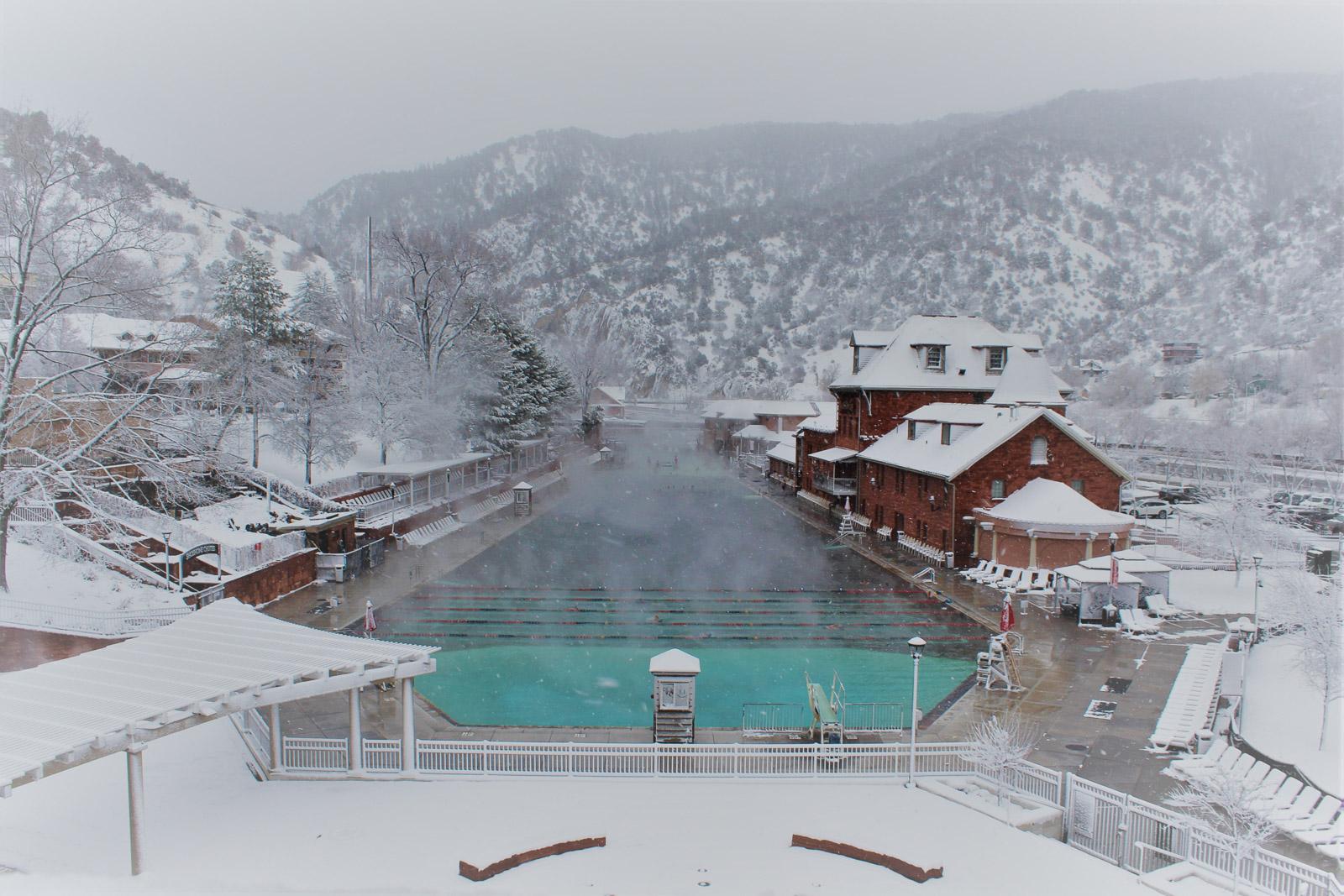
Forget the groomed decks and towel service—winter adventure means soaking where steam meets snowdrifts on unmarked dirt roads. These springs demand effort and reward it with solitude.
| Hot Spring | State | Winter Access Highlight | Quick Take |
|---|---|---|---|
| Spence | New Mexico | Short, icy hike from plowed lot | Easiest wild spring in the Jemez; gets crowded |
| San Antonio | New Mexico | Road often closes; snowshoe/ski in | High-reward effort for mountain seclusion |
| Wild Willy’s | California | Plowed access; wind-whipped cold | See “Hot Springs Near Winter Sports” section |
| Keough | California | Main pool stays hot; cooler temps | Reliable, accessible Eastern Sierra option |
| Umpqua | Oregon | Road may require chains; misty canyon | Iconic deck pools; can be dangerously icy |
| Deer Creek | Oregon | Highway pull-off; tiny, hot pool | Quick roadside stop; don’t expect solitude |
| Bonneville | Idaho | Paved access; river temps vary | Family-friendly “wild” feel with easier access |
| Goldbug | Idaho | Steep trail icy; cascading pools | Top pick for dramatic scenery; serious trek |
| Gold Fork | Idaho | Plowed; well-maintained facility | See “Hot Springs Near Winter Sports” section |
| Maple Grove | Idaho | Access varies; reservable tubs | Great for groups wanting guaranteed soak |
| Nimrod | Montana | Gated in winter; walk/snowmobile in | Truly remote; for the prepared explorer |
| Ruby Valley | Nevada | Long dirt road; often impassable | Surreal desert oasis; only attempt with 4WD |
| Panaca Warm | Nevada | Public, easy access; no facilities | Wading pool feel; good for a quick, bare stop |
Spence Hot Springs (Jemez Springs, New Mexico)
This is your best bet for a wild winter soak near Santa Fe without a multi-hour commitment. A short, sometimes icy hike from a paved parking area leads to several pools perched on a canyon ledge.
The payoff is huge, but so is the popularity—arrive at sunrise on weekdays for quiet.
- Best For: Soakers wanting wild access with minimal winter risk.
- Winter Reality: Trail is packed snow/ice; microspikes highly recommended.
- Base Yourself: Jemez Springs town has basic lodging; Santa Fe is a 1-hour drive.
San Antonio Hot Springs (Santa Fe National Forest, New Mexico)
The road to San Antonio is typically closed to vehicles from November through April, transforming the access into a 4-mile round-trip snowshoe or ski. This filters out almost everyone, leaving you with stunning, cliffside pools overlooking a snowy valley.
This is a full-day winter mission, not a casual dip.
- Best For: Fit adventurers combining a winter hike with a remote soak.
- Insider Tip: Check with the Jemez Ranger District for exact road closure dates; the effort guarantees near-total solitude.
- Base Yourself: Jemez Springs or Los Alamos for gear and food.
Keough Hot Springs (Bishop, California)
Keough’s large, hot main pool is your reliable Eastern Sierra option when winter weather makes other dirt-road springs a gamble. It’s not “wild” in the backcountry sense—there are basic facilities—but the surrounding desert is stark and beautiful in winter, and the 104°F+ water is a sure thing.
- Best For: Reliable access and consistent heat when backcountry plans fail.
- Note: Operated by Inyo County; typically has an entrance fee (check county site for current winter pricing).
- Base Yourself: Bishop, a gateway to skiing at Mammoth Mountain.
Umpqua Hot Springs (Umpqua National Forest, Oregon)
The famous tiered, covered pools above the North Umpqua River are magical in winter mist. However, access is serious: the final road is steep, narrow, and often requires chains.
The trail to the springs becomes a sheet of ice. This is an advanced winter destination.
- Best For: Experienced winter drivers and hikers okay with significant ice risk.
- Critical Warning: Falls on the icy trail are common and serious. Bring cleats and poles.
- Base Yourself: Diamond Lake or Roseburg for more amenities.
Deer Creek Hot Springs (Central Cascades, Oregon)
Just a tiny, hot pool right off Highway 138, Deer Creek is a quick roadside stop, not a destination. It’s useful for breaking up a drive along the Umpqua River corridor but offers no solitude or wilderness feel. The pull-off is small and can be icy.
- Best For: A convenient, hot leg-stretch during a winter road trip.
- Honest Take: Don’t detour for it; combine it with other Umpqua corridor stops if you’re already there.
Bonneville Hot Springs (Lowman, Idaho)
Located along the South Fork Payette River, Bonneville has a mix of rock-lined pools that feel wild, though the site is managed and accessible via a short path. Winter transforms the riverside setting with steam and snow.
Water temperature varies significantly between pools—test before you commit.
- Best For: Families and groups wanting a “wild” vibe with manageable winter access.
- Winter Note: Road is plowed but can be icy; check Idaho 511 for highway conditions.
- Base Yourself: Lowman or Garden Valley.
Goldbug Hot Springs (Salmon, Idaho)
The steep, 2-mile trail to Goldbug’s cascading pools is a summer favorite, but winter turns it into a challenging, ice-ax-worthy ascent. The reward is a series of hot pools in a dramatic, snowy canyon often to yourself.
Only attempt with solid winter hiking skills and gear.
- Best For: The ultimate winter adventure soak for serious hikers.
- Insider Tip: The lower pools are warmer and less exposed to wind than the topmost ones.
- Base Yourself: Salmon for lodging and last-supply stop.
Nimrod Hot Springs (Byrne, Montana)
A set of primitive, cement-lined pools in a remote valley northwest of Missoula. The road is gated in winter, adding a 3-mile round-trip snowshoe or ski to the approach. The water is hot, the setting is completely quiet, and you will likely be alone.
- Best For: Montanans seeking true off-grid winter solitude.
- Access Intel: Contact the Lolo National Forest ranger district in Superior for gate status and road conditions.
Ruby Valley Hot Springs (Ruby Valley Refuge, Nevada)
This is a true high-desert gamble. A long, unpaved road across the Ruby Valley must be clear of snow and mud—which is rare in winter.
If you make it, you’ll find large, warm pools in a vast, empty landscape. Call the Refuge headquarters before you drive; a 4WD with high clearance is non-negotiable.
- Best For: Nevada explorers with winter-capable vehicles and flexible plans.
- Reality Check: Access is unreliable; never attempt alone or without notifying someone of your plans.
Panaca Warm Springs (Panaca, Nevada)
This isn’t a soaking pool; it’s a warm, shallow, public wading area with no facilities. In winter, it’s a peculiar, quick stop to feel geothermal warmth in the stark desert.
Don’t drive out of your way for it, but if you’re near Cathedral Gorge State Park, it’s an oddity worth 15 minutes.
- Best For: A curious, brief stop on a southern Nevada road trip.
- Note: Day-use only; no camping. Water is warm, not hot.
Hot Springs Near Winter Sports Destinations
The best ski days end in hot water — not at the lodge bar. These four springs sit within an hour of major Western ski resorts, so you can trade ski boots for a soak without burning your evening.
If you’re already locked into a Vail, Aspen, Mammoth, or central Idaho trip, adding a hot spring is almost too easy to skip.
| Hot Spring | Nearest Ski Resort | Drive Time | Vibe |
|---|---|---|---|
| Iron Mountain | Vail / Aspen | ~1 hour | Developed resort pools |
| Avalanche Ranch | Aspen / Carbondale | ~45 min | Secluded ranch cabins |
| Wild Willy’s | Mammoth Mountain | ~20 min | Free wild soak |
| Gold Fork | Brundage / Tamarack | ~30–40 min | Terraced developed pools |
Iron Mountain Hot Springs (Glenwood Springs, Colorado)
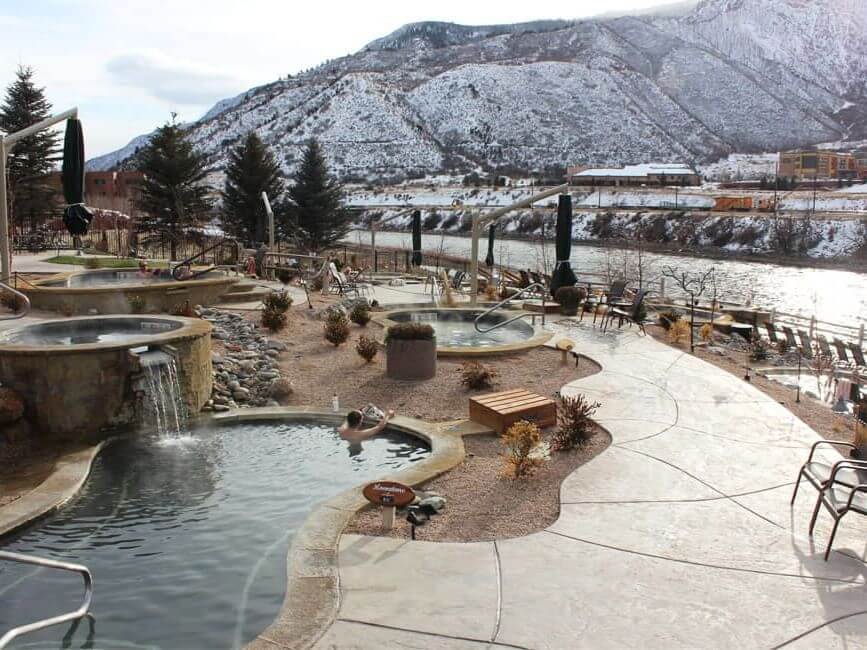
Iron Mountain gets its full treatment in the resort-style section, so here’s the ski-trip angle: you’re one hour from Vail or Aspen on I-70, soaking in 14 mineral pools along the Colorado River the same afternoon your legs quit. Day-use admission runs roughly $30–40 depending on season — confirm current pricing before you go.
Stay tip: Glenwood Springs is the natural overnight between Vail and Aspen, with solid mid-range hotel options. Base here and you can soak in the evening and be back on the slopes by morning.
Avalanche Ranch Hot Springs (Redstone, Colorado)
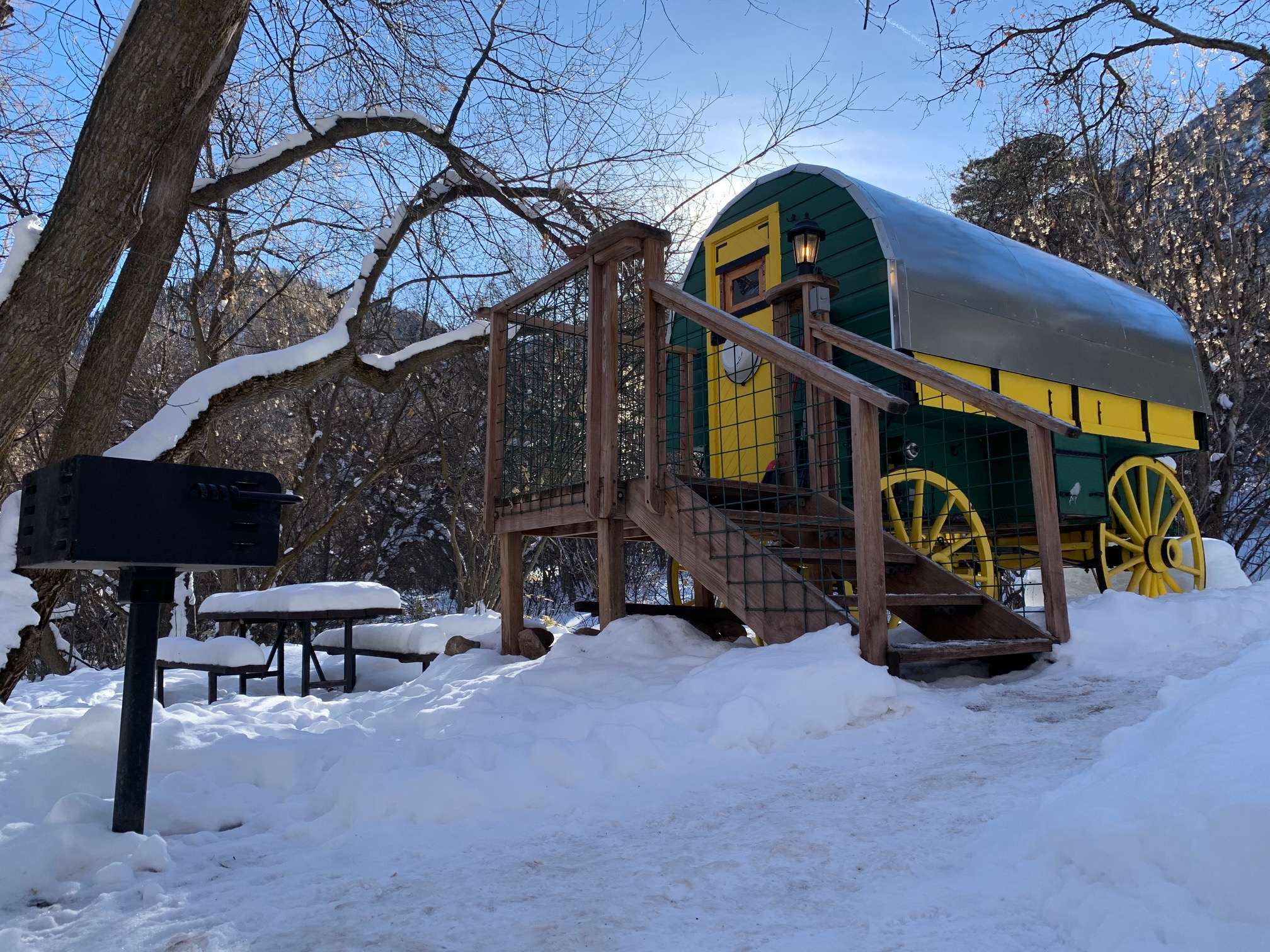
This is the quiet counterpoint to Iron Mountain’s resort feel. Avalanche Ranch sits outside Redstone, roughly 45 minutes from Carbondale, which is itself about 30 minutes from Aspen via Highway 82.
Tiered rock pools in a mountain meadow, no crowds, and a ranch setting that feels a world away from any ski area — this is the pick for skiers who want solitude paired with Aspen access.
Lodging: Avalanche Ranch operates its own cabins on-site, making it one of the few Colorado hot springs where you sleep steps from the pools. Winter cabin rates vary by date — book well ahead for holiday weekends.
Redstone and Carbondale are the backup options; both are small towns with limited but solid lodging.
Insider detail: The drive along Highway 133 through the Crystal River valley is stunning but can be icy in winter. Arrive in daylight and take it slow.
The road is plowed, but it’s narrow in spots and shaded enough to stay slick even on clear days.
Wild Willy’s Hot Springs (Mammoth Lakes, California)
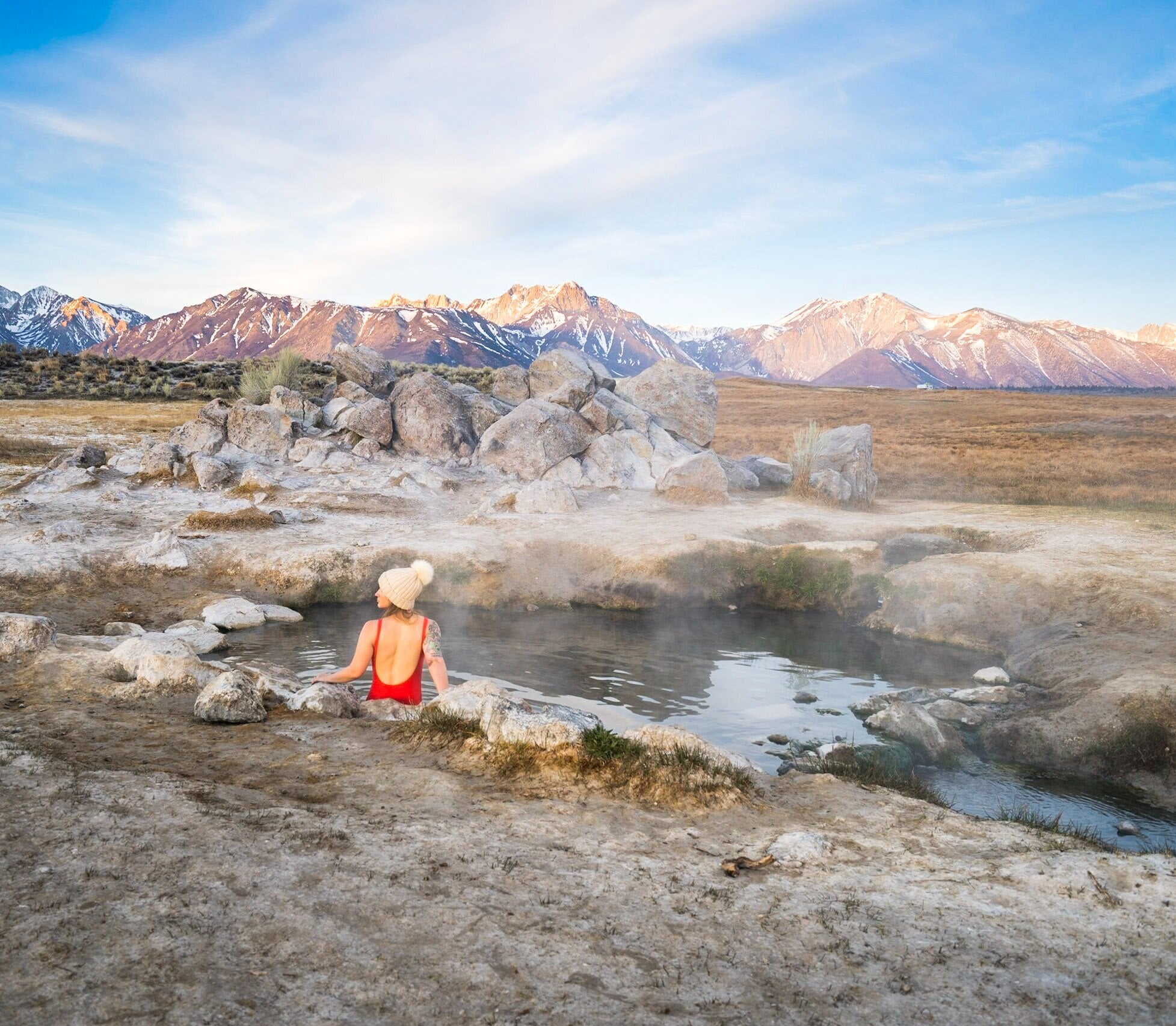
Wild Willy’s is detailed in the wild hot springs section. For ski trip planners, the only fact that matters is this: it’s about 20 minutes from Mammoth Mountain’s main lodge and it’s free.
The dirt road in can be rough in winter — check conditions before heading out, and don’t attempt it in a low-clearance vehicle after fresh snow.
Stay tip: Mammoth Lakes has the lodging infrastructure to match its ski resort: condos, hotels, and vacation rentals are abundant. Base yourself in town and you’re minutes from both the slopes and the springs.
Gold Fork Hot Springs (Cascade, Idaho)
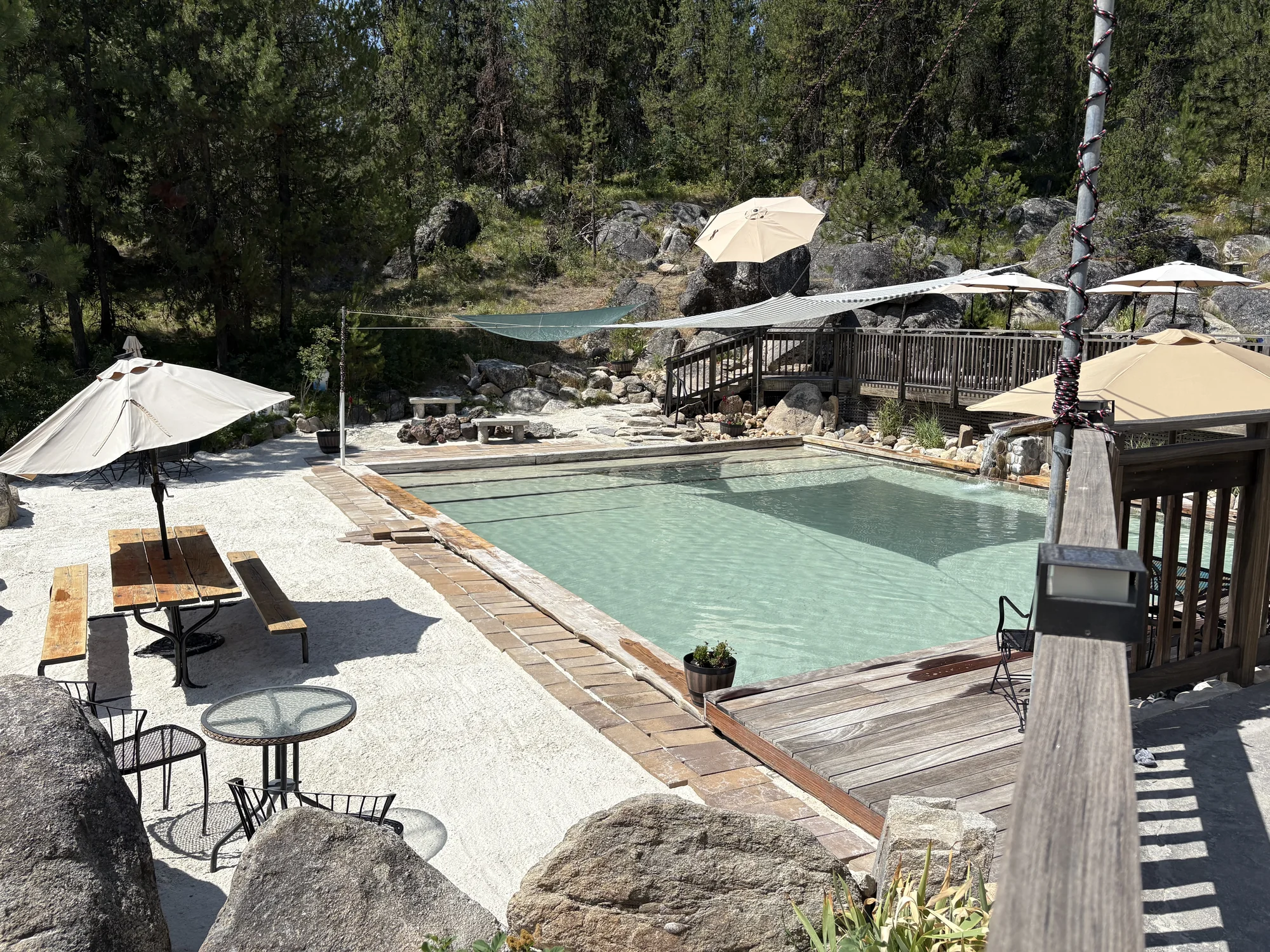
Gold Fork is covered in the wild hot springs section. The ski-resport case is straightforward: it sits roughly 30 to 40 minutes from both Brundage Mountain and Tamarack Resort — two Idaho ski areas that see a fraction of the Colorado or Utah crowds.
Developed, terraced pools make for a reliable warm-up or wind-down regardless of weather.
Stay tip: McCall, about 40 minutes north, is the natural base for both ski areas. It’s a real town with restaurants, lodging, and a beautiful frozen Payette Lake in winter.
The drive between McCall and Gold Fork on Highway 55 is plowed but can be slick — budget extra time, especially after dark.
Family-Friendly Hot Springs for Winter Getaways
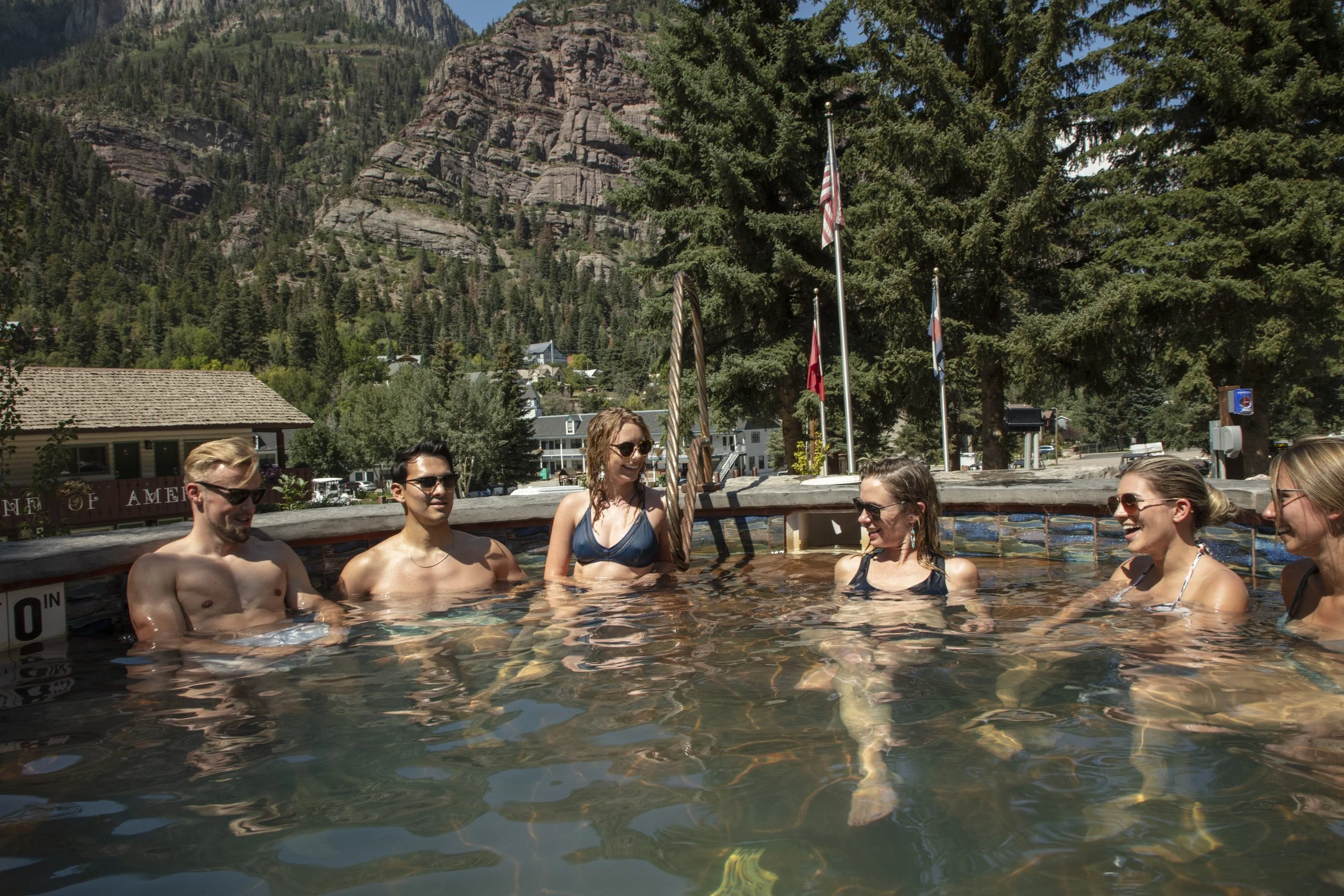
These five hot springs all nail the same thing families actually need in winter: warm water you can enjoy without your kids whining about the cold walk back to the car. Each one works differently, so this comparison table saves you the research time.
| Hot Spring | Best Age Range | Winter Edge | Book Ahead? |
|---|---|---|---|
| Quapaw Bathhouse | All ages (6+ for pools) | Indoor, historic bathhouse row | Walk-ins accepted |
| Zion Canyon Hot Springs | Toddlers through teens | Sunny, dry desert roads | Walk-ins; peak weekends fill |
| Lava Hot Springs | 4 and up | Indoor pool complex for snowy days | No reservations needed |
| Calistoga Spa Hot Springs | 6 and up | Napa Valley — wine for parents, pools for kids | Reserve spa treatments early |
| Yellowstone Hot Springs | 8 and up (outdoor only) | No crowds, snow-covered scenery | Walk-in only |
Quapaw Bathhouse (Hot Springs National Park, Arkansas)
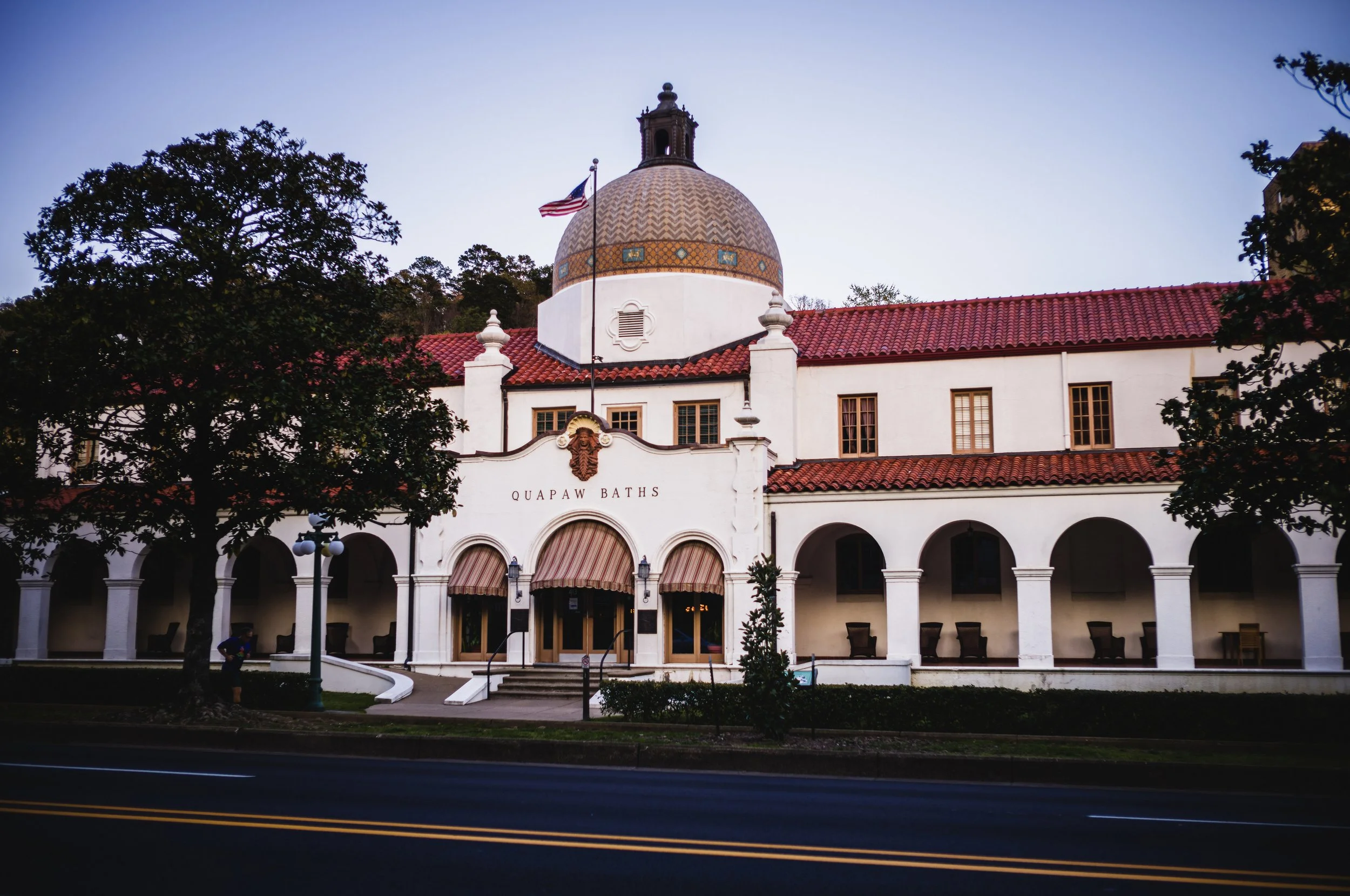
Quapaw is already covered in detail earlier in this guide, but the family angle deserves its own callout: this is the only Bathhouse Row option with a large communal soaking pool kids age six and up can use. The other historic bathhouses require private tub appointments, which means your seven-year-old is sitting on a bench waiting while you soak.
Quapaw skips that problem entirely. Hot Springs National Park itself is free to enter, and Bathhouse Row sits right on Central Avenue — walk to lunch, ice cream, or the Gangster Museum without moving your car.
Zion Canyon Hot Springs (Washington, Utah)
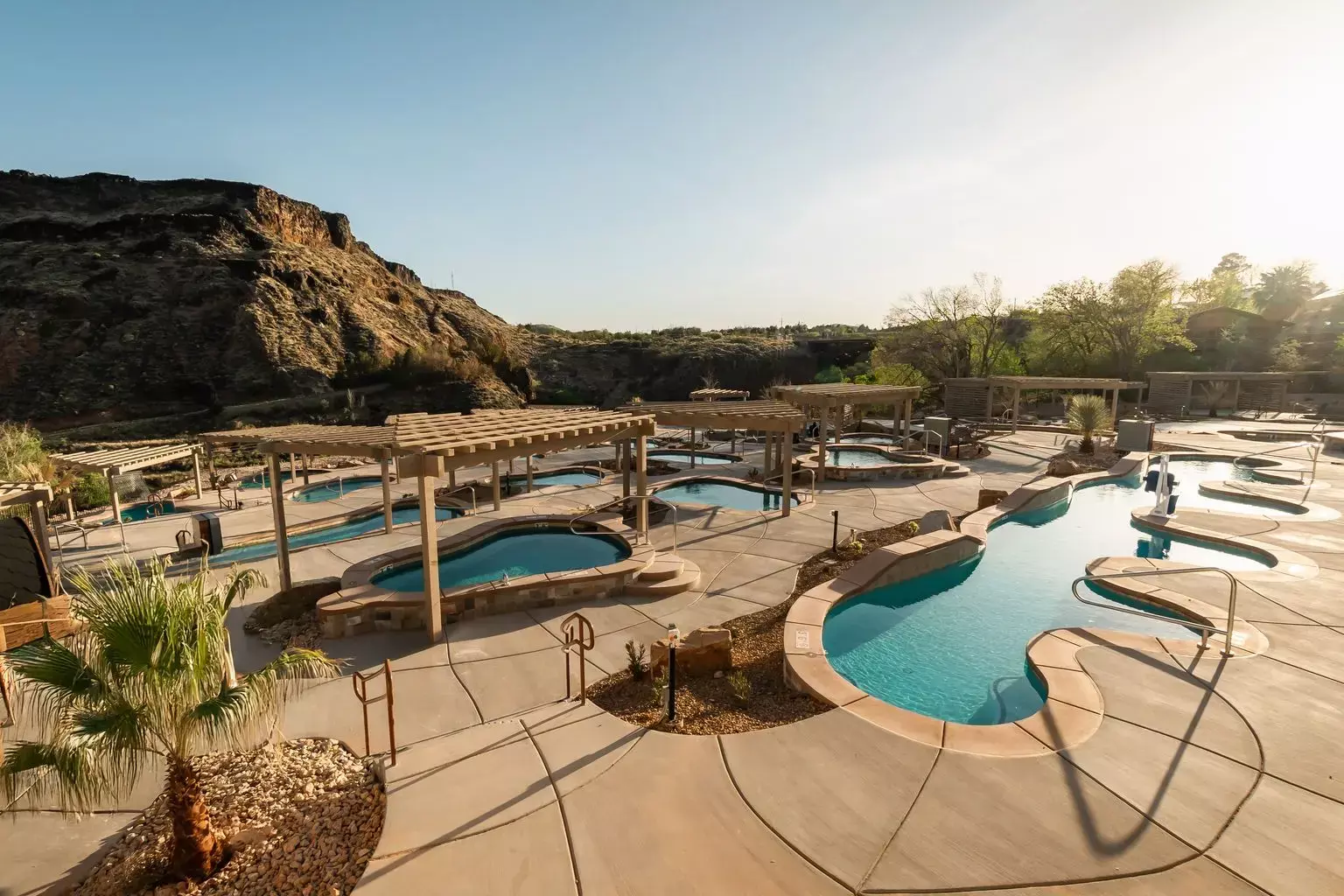
Southern Utah in winter is a cheat code families overlook. Expect less snow, more sun, and dry roads when the rest of the mountain west is buried.
Zion Canyon Hot Springs has multiple pools and family-friendly space, and that warm water plus desert air combination feels completely different from a snowy mountain soak — your kids stay comfortable between dips instead of sprinting for towels.
- Location advantage: Washington, Utah sits just outside Zion National Park’s less-crowded Kolob entrance, so you can combine a short winter hike with soaking in the same day.
- Pools: Multiple temperature pools mean you can find one that works for younger kids who can’t handle 104°F water. Aim for the pools in the 98°F–102°F range for children under eight.
- Lodging: Base in St. George or Hurricane for family-friendly hotels with pools of their own — the drive to Zion Canyon Hot Springs from either town is roughly 20–30 minutes.
Winter weekends can fill up. Arrive before 10 a.m. or target weekdays for the best experience with small kids.
Lava Hot Springs (Lava Hot Springs, Idaho)
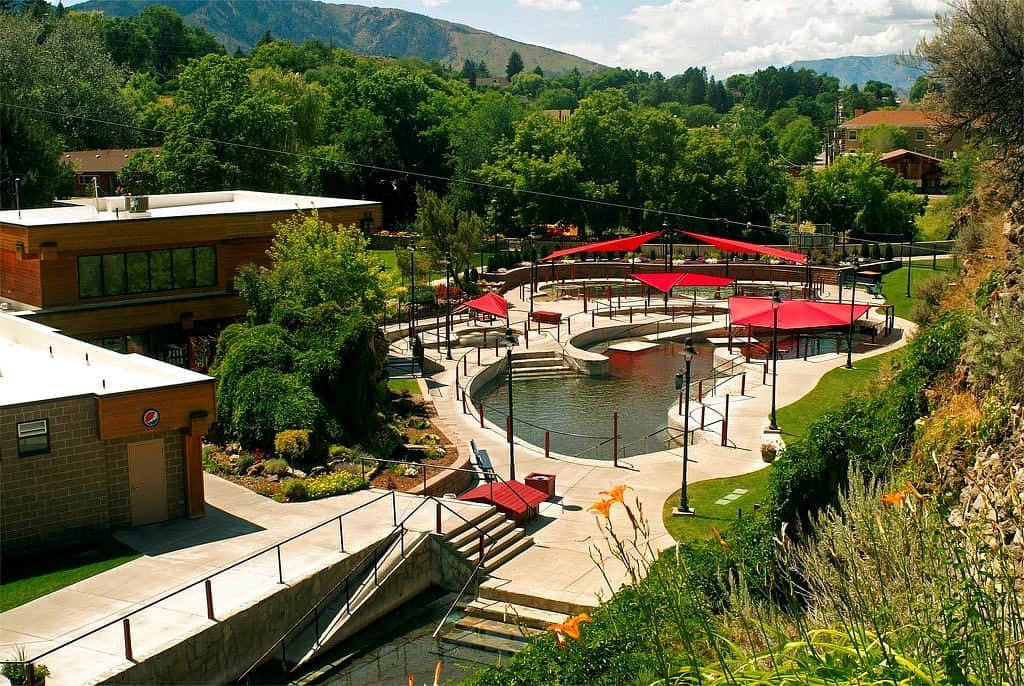
Lava Hot Springs gets its own detailed section in this guide, but here’s the family-specific reason it belongs on this list: it’s one of the few hot springs destinations in the U.S. with a dedicated indoor aquatic center alongside the outdoor hot pools. When your kids get restless in the hot water, they can hit the indoor pool and waterslides without leaving the property.
That indoor backup plan is the difference between a two-hour visit and a full day out.
The town itself is walkable and small — most lodging sits within a few blocks of the springs, which matters when you’re hauling tired kids back to the room in winter coats. Book a cabin or motel in town rather than driving in from Pocatello for the full experience.
Calistoga Spa Hot Springs (Calistoga, California)
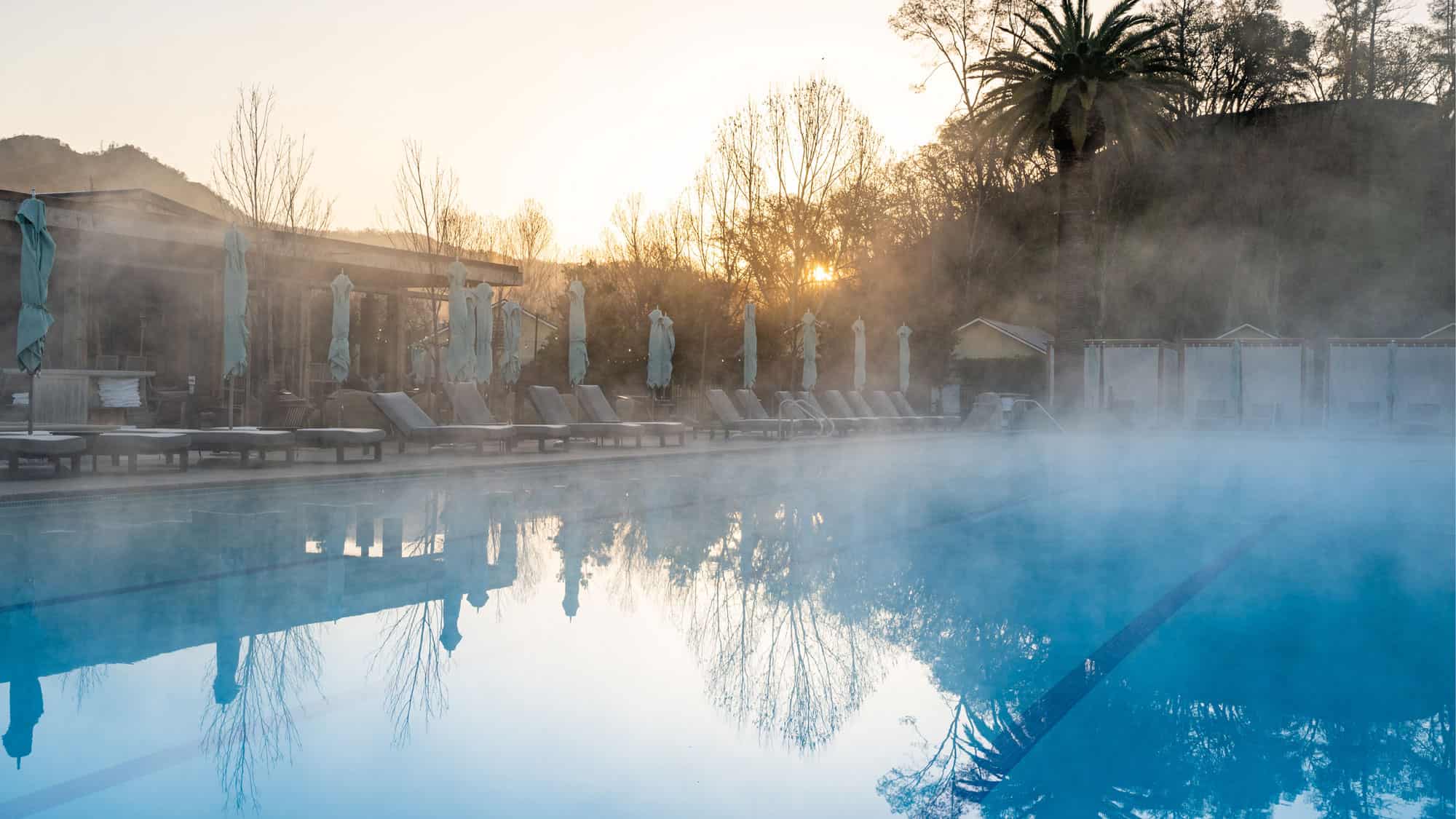
Calistoga is covered elsewhere in this guide for its geothermal pools and wine country setting. For families, the move is this: you get real hot springs soaking while one parent can step out for a world-class tasting within walking distance.
Upper Napa Valley stays mild in winter — daytime highs in the 55°F–60°F range — so the outdoor pools are comfortable without the brutal cold that makes mountain springs a hard sell for younger kids.
Minimum age for the main pools is typically six. Book a mud bath or spa treatment for yourself well in advance; popular weekend slots fill two to three weeks out, especially around holiday periods.
Yellowstone Hot Springs (Gardiner, Montana)
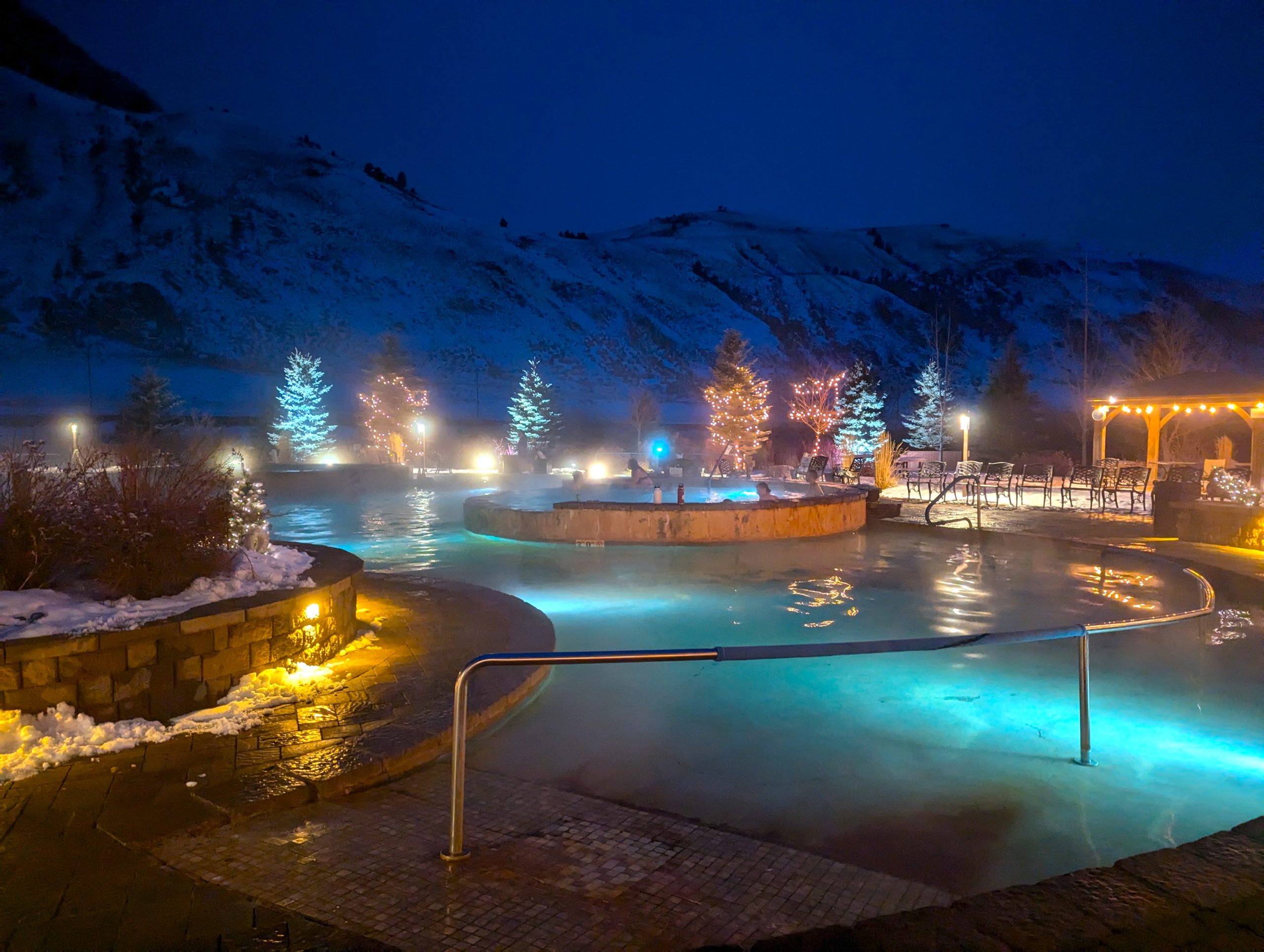
Yellowstone Hot Springs appears in its own section of this guide, but families should know one thing: this is an outdoor-only facility, and Gardiner winters are genuinely cold — think highs in the 20s°F and 30s°F from December through February. That makes it a hard sell for kids under eight who won’t tolerate the cold transition between water and changing area.
For older kids and teens who can handle it, the snow-covered Yellowstone backdrop is unbeatable, and the post-soak glow in freezing air is a core memory kind of moment.
Base in Gardiner itself — it’s a small town with a handful of family-friendly motels and cabins, and you’re at the North Entrance to Yellowstone year-round. The park’s winter season (typically December through mid-March) offers guided snowcoach tours and wildlife viewing that pair perfectly with an afternoon soak.
Best Underrated Hot Springs for Winter Solitude
The surest way to be alone in a hot spring on a January afternoon is to pick one that requires a long gravel road, a high-clearance vehicle, and zero cell signal. These six spots reward the extra planning with the kind of silence that commercial bathhouses can’t replicate — and most of them are free.
| Spring | State | Cost | Type | Winter Access |
|---|---|---|---|---|
| Hart Mountain | Oregon | Free | Primitive | Unreliable — snow/ice |
| Juntura | Oregon | Free | Primitive | Good when roads are dry |
| Nimrod | Montana | Free | Primitive | Moderate — check locally |
| Panaca Warm Springs | Nevada | Free | Semi-developed | Generally accessible |
| Ruby Valley | Nevada | Free | Primitive | Unreliable — remote roads |
| Riverbend | New Mexico | Paid | Developed | Excellent |
Hart Mountain Hot Springs (Hart Mountain National Antelope Refuge, Oregon)
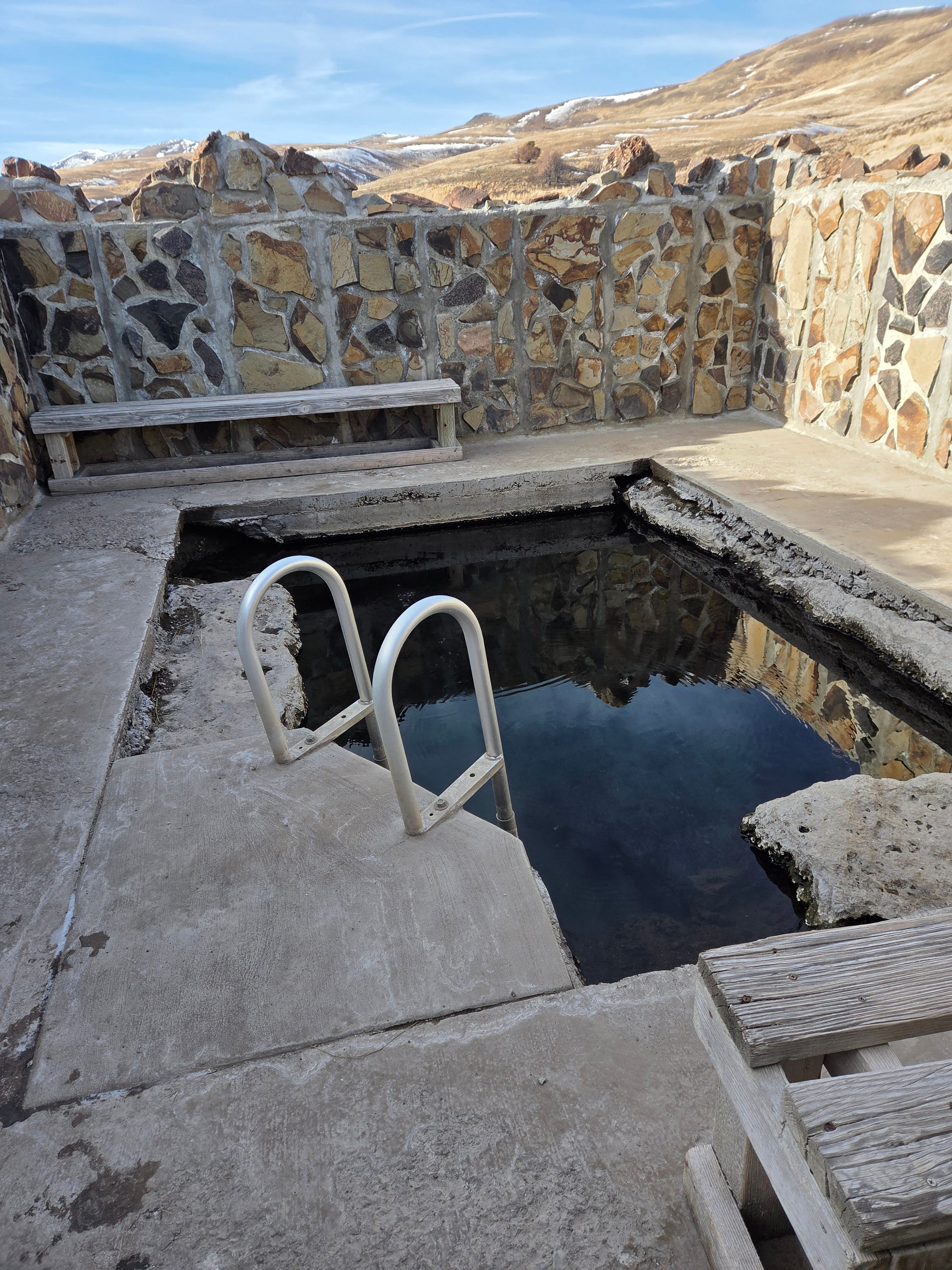
Two primitive concrete pools sit at the base of a fault-block cliff in one of the most remote corners of southeastern Oregon. This is the pick for anyone who defines solitude as “nearest human might be a pronghorn antelope.” The larger pool stays around 98°F; the smaller one runs hotter.
Both are free and open year-round.
The catch is winter access. The refuge headquarters road from Plush is roughly 60 miles of gravel that becomes icy and sometimes impassable from November through March. Call the Refuge office in Plush before you drive out — this is the single most important planning step.
A high-clearance vehicle is strongly recommended, and four-wheel drive may be necessary after storms. There is free primitive camping at the Hot Springs Campground adjacent to the pools, but bring everything you need: no services, no water, no cell reception.
The nearest fuel and groceries are in Lakeview, about 90 minutes south.
Best for: Experienced backcountry visitors with flexible schedules who can wait for a clear-weather window. Not a good pick for a fixed winter itinerary — you might arrive to find the road closed.
Juntura Hot Springs (Juntura, Oregon)
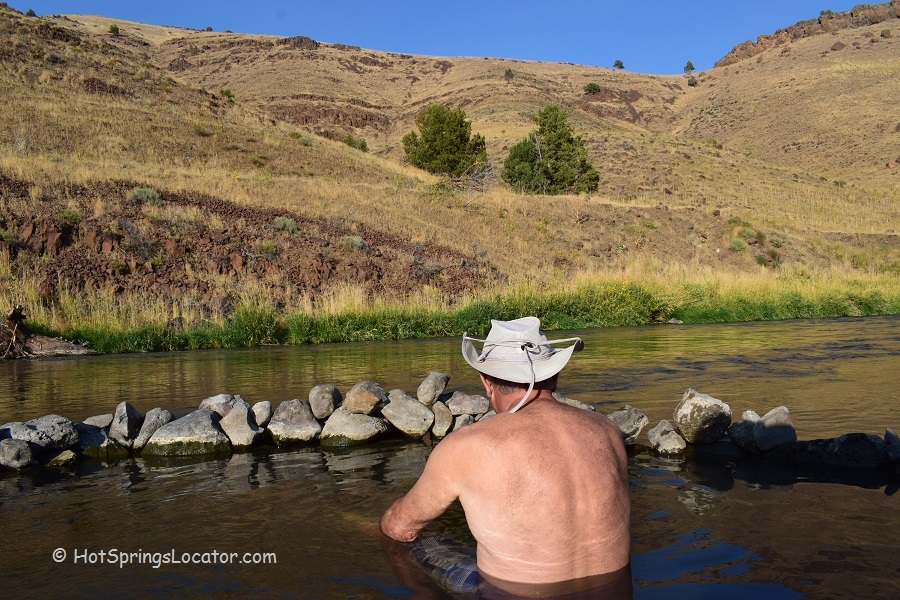
Located just off US-20 in the high desert of eastern Oregon, Juntura offers free riverside soaking with far less commitment than Hart Mountain. The pools sit along the Malheur River, and winter temperatures in the water typically range from warm to hot depending on the specific pool.
Access is usually straightforward since the main highway stays plowed and the springs are close to the road.
Juntura is a good option if you are already driving the US-20 corridor between Bend and Boise. The town itself is little more than a crossroads — base yourself in Burns (about an hour west) or plan it as a stop on a longer eastern Oregon road trip.
Expect minimal crowds even on holiday weekends.
Best for: Travelers driving across eastern Oregon who want a free, low-effort soak without a long detour.
Nimrod Hot Springs (Near Bryne, Montana)
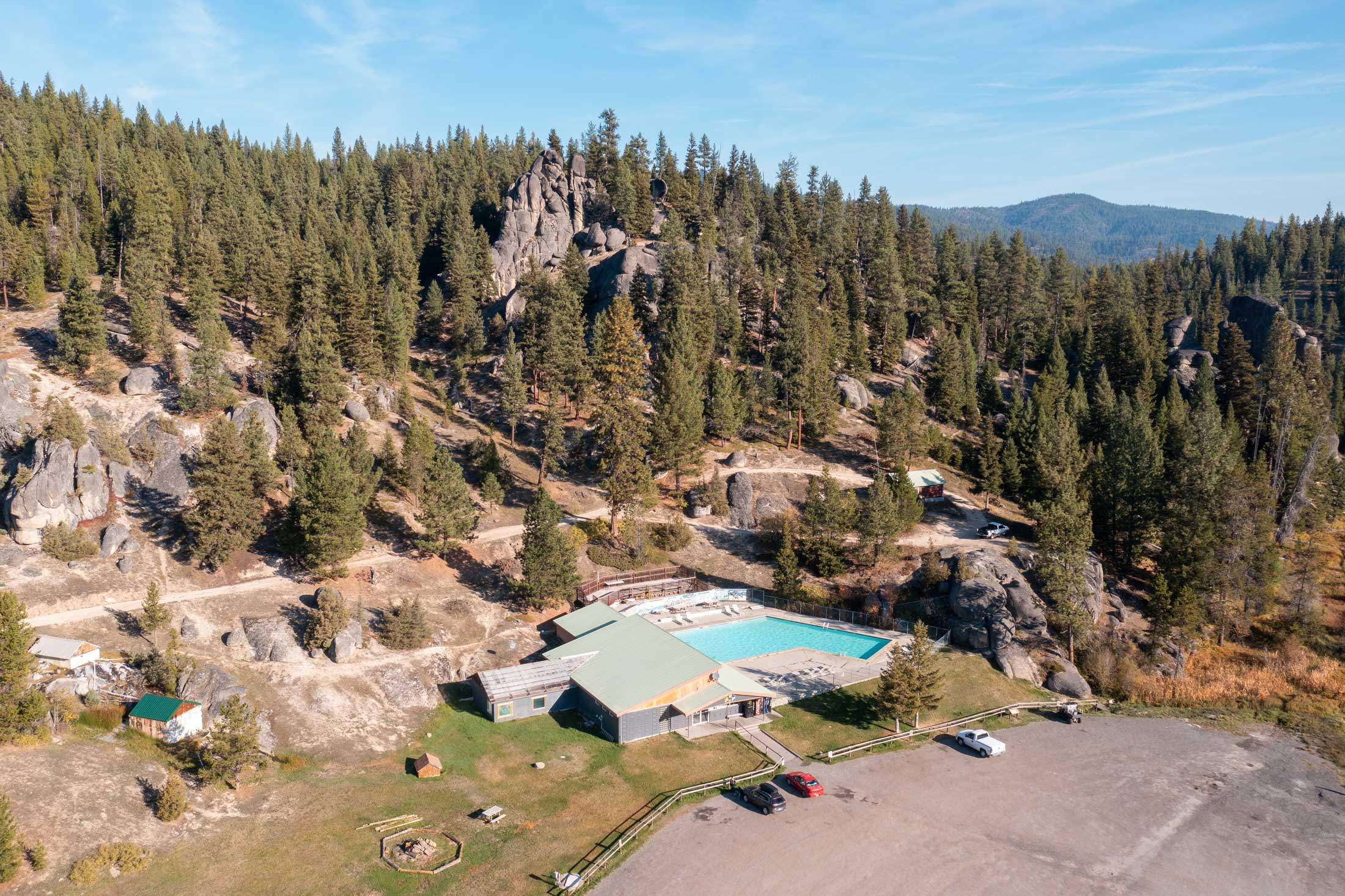
A small, little-known spring tucked into the Montana backcountry near Bryne. This one flies under the radar even by local standards — most Montanans have never heard of it.
The soaking area is primitive and the water temperature varies by season, but winter visits are possible when the access road remains passable.
Winter conditions in this part of Montana are serious. Check road status with local authorities before heading out, and carry chains or traction devices.
The nearest reliable services and lodging are in the Butte area, roughly 45 minutes away depending on exact route. This is a spring for people who enjoy the hunt — signage is minimal and a bit of route-finding confidence helps.
Best for: Montana-based adventurers or anyone already exploring the Butte–Helena corridor who wants an off-map detour.
Panaca Warm Springs (Panaca, Nevada)
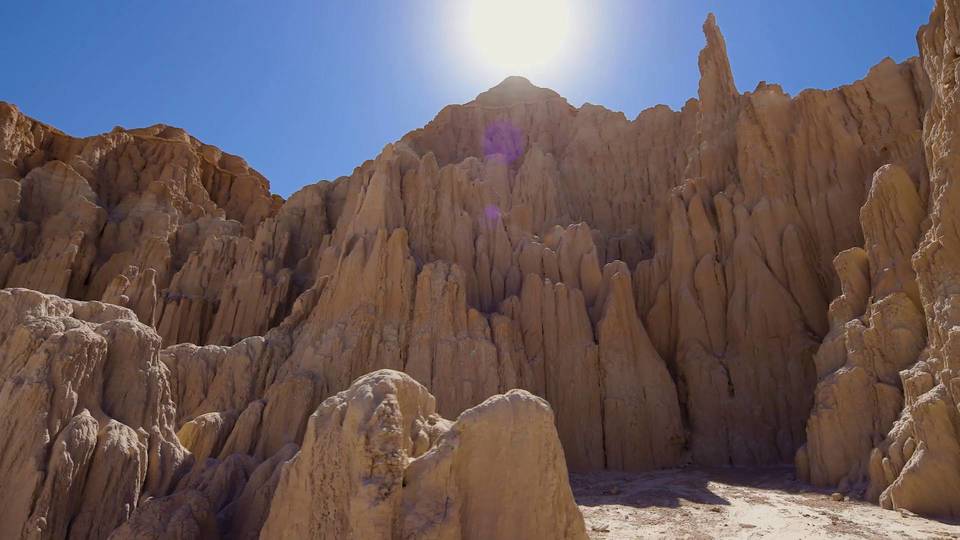
Panaca sits in the remote eastern Nevada desert near Cathedral Gorge State Park, and its warm springs are the easiest to access in this entire section. A concrete wading pool collects the naturally warm water, and getting there requires only a short drive from town on maintained roads — no 4WD, no hike, no guessing.
The water runs warm rather than hot, which actually feels right on a sunny 45°F winter afternoon.
Caliente, about 30 minutes north, has the closest lodging and fuel. Cathedral Gorge is worth combining with the soak — the eroded clay spires look dramatic against winter skies and see almost no visitors from November through February.
This is the most “plug-and-play” option on the list: show up, soak, drive to your hotel.
Best for: Anyone who wants the feeling of a hidden spring without the logistical headaches. Best paired with a Cathedral Gorge visit.
Ruby Valley Hot Springs (Ruby Valley Refuge, Nevada)
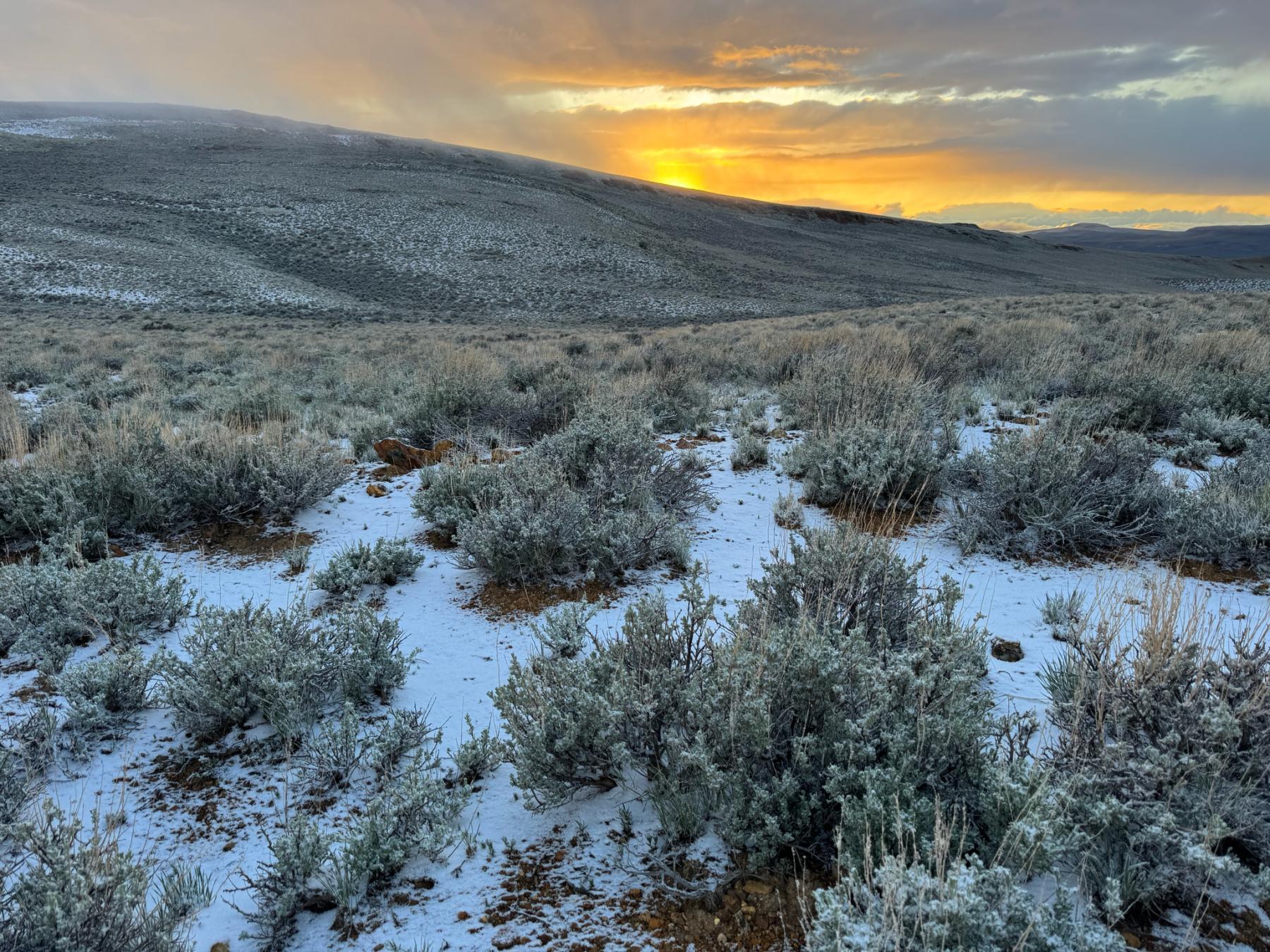
Deep in northeastern Nevada’s Ruby Valley, this spring sits near a national wildlife refuge that sees more elk than people in winter. The setting — wide-open valley floor with snow-capped ranges on both sides — is the real draw.
The pools are free and undeveloped.
Getting here is the challenge. Ruby Valley is at least an hour from Elko on highways that stay plowed, plus additional miles on gravel roads that may not.
Winter access is genuinely uncertain, and there are essentially no services between Elko and the springs. This is a summer-through-early-fall favorite that becomes a serious winter expedition. If you attempt it in January, treat it like a backcountry trip: full tank, emergency supplies, someone who knows your plan.
Best for: Nevada locals or road-trippers passing through Elko who are comfortable with remote desert driving and accept the risk that the springs may be inaccessible.
Riverbend Hot Springs (Truth or Consequences, New Mexico)
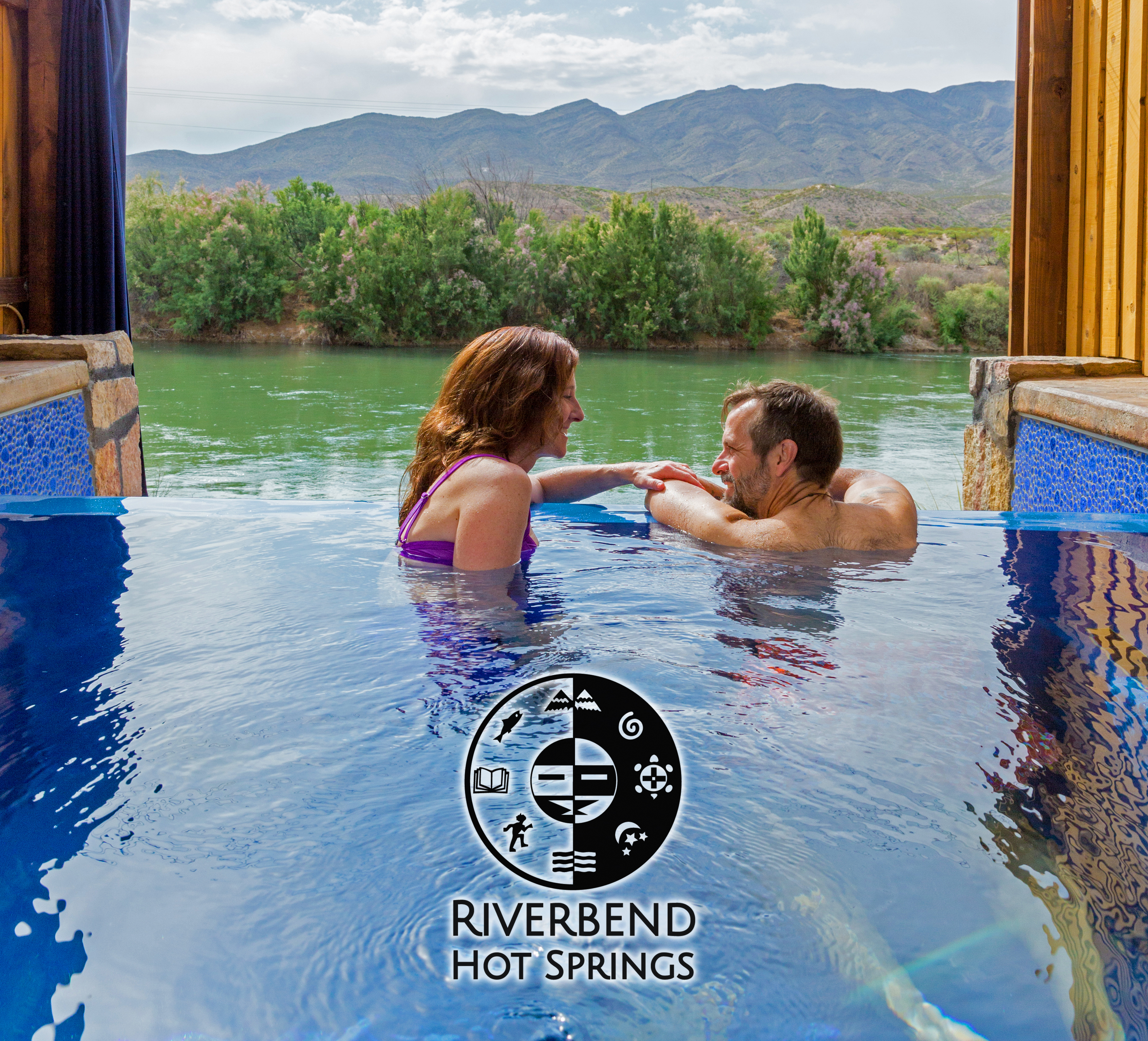
Riverbend is the outlier on this list — a developed, paid facility rather than a wild pool — but it earns its spot because winter is when Truth or Consequences goes nearly silent. Private soaking tubs sit directly on the Rio Grande, and booking a late-afternoon session in January means watching steam rise off the water while the town empties out.
Prices for private tub sessions typically range from roughly $15–30 per person depending on time and day, though rates vary seasonally — confirm current pricing on their website before visiting.
T or C (as locals call it) is a straight shot off I-25, about two hours south of Albuquerque. The town has a handful of other bathhouses along the historic Bathhouse Row, and winter room rates at local inns drop well below summer prices.
This is the best pick on the list for anyone who wants solitude without sacrificing hot water reliability, a clean changing room, or a king bed within walking distance.
Best for: Couples or solo travelers who want guaranteed hot water, private soaking, and a quirky small-town winter escape — without needing a 4WD vehicle or a tolerance for dirt roads.
How to Safely Enjoy Hot Springs in Winter?
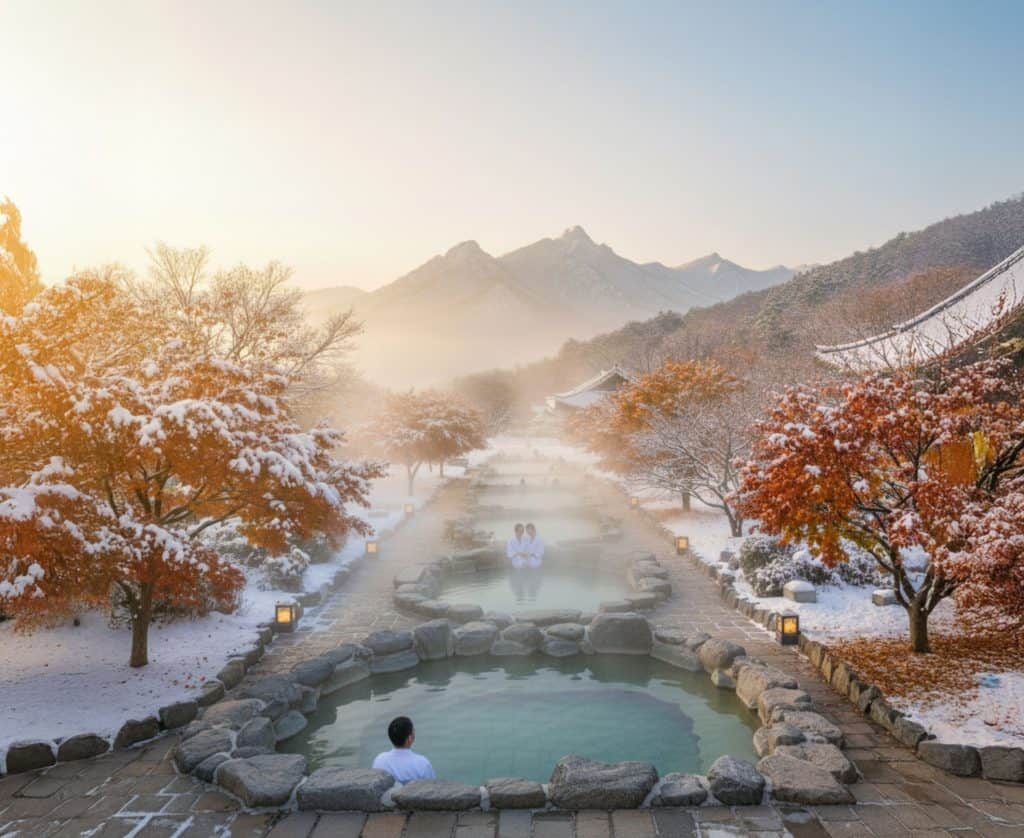
The steam curling off a hot pool into freezing air is exactly the shot you came for — but that same steam is your body losing moisture at an accelerated rate, and it’s just one of the real hazards most first-time winter soakers never consider. Nail these basics and your soak is genuinely restorative.
Skip them and you’re looking at a headache at best, a rescue call at worst.
What temperature is ideal for winter soaking?
Target water between 104°F and 110°F (40°C to 43°C). This range is warm enough to offset freezing air and actually feel therapeutic, but won’t push your body into dangerous overheating.
Anything above 110°F significantly raises the risk of burns, rapid heart rate, and dizziness.
Always test the water with your hand or foot before entering. Developed pools at places like Iron Mountain Hot Springs or Calistoga Spa Hot Springs are monitored for temperature.
Wild, untamed springs are not — they can spike well above safe levels without warning. If the water makes you pull your hand back immediately, wait or find a cooler section of the pool.
How long should you soak in hot springs during winter?
15–20 minutes per soak, maximum. Cold air makes it tempting to stay put, but your core temperature rises faster than you realize — especially above 104°F. After 20 minutes, exit, cool down for at least 10 minutes, and re-enter only if you feel completely steady.
Hydration is the step everyone skips. You’re sweating even surrounded by snow, and dehydration combined with hot water causes lightheadedness fast.
Drink at least 16 ounces of water before you get in and keep a bottle within arm’s reach of the pool. This matters doubly at high-elevation springs in Idaho or Colorado, where altitude already dehydrates you.
Are natural hot springs safe to visit in the snow?
Yes — snow itself doesn’t make the springs dangerous, but it transforms the journey into a real risk assessment. The biggest winter concern isn’t the water. It’s getting there.
Before you drive out, check road conditions with the local forest service or county transportation site. Tell someone your exact destination and expected return time.
For wild springs like Wild Willy’s near Mammoth Lakes or Goldbug Hot Springs near Salmon, Idaho, winter access often requires snowshoes or microspikes — regular hiking boots won’t grip packed ice.
Want a guaranteed-access winter soak? Stick to developed sites with plowed parking and maintained paths — the bathhouses in Hot Springs National Park, Yellowstone Hot Springs near Gardiner, or Homestead Crater in Midway, Utah, are reliable year-round regardless of snowfall.
What are the biggest winter hazards at hot springs?
- Hypothermia between pool and car: Wet skin plus freezing wind drops your body temperature in minutes. Bring a dry robe or oversized towel and change into warm, dry layers immediately after exiting — don’t linger in a wet swimsuit even for photos.
- Scalding from unregulated water: Staffed facilities monitor temperatures continuously. Wild springs do not. Test every single time, even at pools you’ve visited before — geothermal output shifts with seasons and seismic activity.
- Slippery rocks and uneven ground: Wet stone coated in ice is essentially a skating rink. Wear water shoes with rubber grip soles, not bare feet or smooth flip-flops. This single tip prevents more injuries than any other.
- Flash flooding and runoff changes: Winter storms can cause sudden water level shifts in creek-fed pools. If the water looks murky, is moving faster than usual, or smells sulfur-heavy beyond normal, skip it.
- Dehydration and fainting: Hot water, cold air, and hiking exertion create a perfect storm. Headache, nausea, or tunnel vision mean get out immediately and sit down on stable ground with water and a warm layer.
Should you avoid alcohol before visiting hot springs in winter?
Absolutely — this is non-negotiable. Alcohol dilates blood vessels and lowers blood pressure, both of which the hot water is already doing aggressively. Combine the two and fainting risk spikes, which in a natural pool surrounded by rocks and snow can turn catastrophic fast.
Save the celebratory drink for after, back at your lodge or cabin, when you’re warm, dry, and standing on solid ground. This applies even at staffed resorts with people around — and it’s especially critical at remote wild springs with no cell service and no one nearby.
Your body is working hard to regulate itself in extreme temperature swings. Let it do its job first.
What Should I Pack for a Winter Hot Springs Trip?
The right gear separates a transcendent snow-dusted soak from a shivering, slogging mess. Here’s exactly what to pack to stay warm, dry, and safe on the trail and in the water.
Essential clothing layers and footwear
Winter soaking demands a strict layering system: a moisture-wicking base, an insulating mid, and a waterproof outer shell. You’ll generate heat hiking in but chill rapidly stepping out of the water. Base layer: Merino wool or synthetic fabric—never cotton. Mid layer: A lightweight puffy jacket or fleece. Outer layer: A fully waterproof and windproof jacket and pants. Footwear: Insulated, waterproof hiking boots for the trail are non-negotiable.
Pack lightweight sandals or water shoes with grippy soles for the hot spring itself—rocky, slippery surfaces are common at wild springs.
Why you need a quick-dry microfiber towel
A standard cotton towel is your worst enemy in winter. It stays wet, gets heavy, and will make you colder the moment you step out.
A compact microfiber towel dries in minutes, packs down to the size of a soda can, and wicks moisture from your skin far more effectively. Bring one for drying off and a separate one to sit on for the walk back to your car or cabin.
Hydration and nutrition essentials
Cold air and hot water are a sneaky dehydration combo. Pack more water than you think you need—at least one liter per person for a moderate hike.
Add electrolyte tablets or powder to replenish what the soak sweats out. For snacks, choose calorie-dense, easy-to-eat foods that won’t freeze solid: energy bars, nuts, chocolate, and dried fruit.
Eat before you get cold to help your body regulate temperature.
Gear for snowy trails and access roads
For trailheads with packed snow or icy paths, traction devices like Yaktrax or microspikes are essential—they strap right over your boots and prevent dangerous slips. If you’re driving mountain passes in Idaho, Colorado, or Oregon, carry tire chains or ensure your vehicle has reliable all-wheel drive.
Always check local road conditions and avalanche reports (if applicable) before you go. A lightweight pair of snowshoes can be a game-changer for accessing backcountry springs after a fresh dump.
Safety and emergency items
Remote springs require self-reliance. Pack these even for a short hike: a headlamp (short winter days mean you may hike out in the dark), a basic first-aid kit, a fully charged phone and a portable power bank, chemical hand and toe warmers, and a dry bag or waterproof stuff sack to keep your extra clothes and electronics absolutely dry.
Always tell someone your exact itinerary and expected return time.
| Category | Top Priority Item | Why It’s Non-Negotiable |
|---|---|---|
| Warmth | Merino wool base layer | Wicks sweat, insulates when wet, and won’t stink after multiple wears. |
| Footwear | Waterproof boots + grippy sandals | Keeps feet warm on the trail and provides safe footing on slick spring edges. |
| Hydration | Electrolyte packets | Combats the double dehydration of cold air and hot soaking more effectively than water alone. |
| Safety | Traction devices | Prevents falls on icy trail sections that are often unavoidable at winter access points. |
Insider tip: Pack all your dry clothes and towels in a waterproof compression sack inside your daypack. One slip on an icy bank or a stray splash can soak your only change of clothes, turning your car ride home into a dangerously cold experience.
Keep them bone dry until the moment you need them.
Frequently Asked Questions
Are natural hot springs in the USA free to visit?
Many are. Primitive hot springs on public land — the kind described throughout this guide — are often completely free, though some charge a small day-use or parking fee.
Umpqua Hot Springs in Oregon, for example, charges $5 for parking. Developed resort-style springs like Iron Mountain Hot Springs in Glenwood Springs or Calistoga Spa Hot Springs are a different category entirely; expect to pay $25–$60+ per adult for a day pass.
The wild springs are your best budget play, but they come without amenities, so you’re trading comfort for savings.
Where are most natural hot springs located in the USA?
The western half of the country dominates. The highest concentration of accessible natural hot springs sits in Idaho, Oregon, California, New Mexico, Colorado, Utah, and Nevada — all states with volcanic geology and active geothermal systems.
Idaho alone has over 100 soakable hot springs. If you’re mapping a winter road trip around multiple stops, the mountain West corridor from New Mexico north through Colorado, Utah, and Idaho will give you the densest options with the fewest driving hours between them.
Can you visit hot springs when it’s snowing?
Absolutely — and you should. Snow-soaking is the whole point of a winter hot springs trip.
You’re sitting in 104°F+ water while flakes hit your shoulders; it’s the contrast that makes it memorable. The practical concerns are road access and gear, not the weather itself.
Bring waterproof boots for the walk in, pack a dry bag for your clothes, and confirm trailhead or road conditions before you go. A 4WD or AWD vehicle is worth having if the spring requires any unpaved driving in winter, which many of them do.
What makes a hot spring suitable for winter soaking?
Temperature is everything. For cold-weather soaking, look for springs between 104°F and 110°F (40°C–43°C) — warm enough to counteract freezing air without becoming dangerous.
Anything below 100°F will feel tepid once the temperature drops. Always test the water before fully submerging; some undeveloped springs run hot enough to scald, especially near the source.
Beyond temperature, the best winter springs have short approaches (under a mile), aren’t reliant on seasonal road access that closes in winter, and ideally offer some natural wind protection — a canyon, tree cover, or rock walls.
How do I find hot springs with few crowds in winter?
Winter itself does most of the work — visit counts drop sharply from November through February at most wild springs. To guarantee solitude, hit the trailhead before 9 a.m. on weekdays.
Avoid holiday weekends entirely; MLK Day and Presidents’ Day weekend draw surprisingly packed parking lots at popular spots like Wild Willy’s and Spence Hot Springs. The springs that require longer hikes or 4WD access — places like Goldbug Hot Springs near Salmon, Idaho, or Umpqua Hot Springs in Oregon — naturally filter out casual visitors.
If a spring is a paved-road, parking-lot walk-up, expect company; if it demands effort, you’ll likely have it to yourself.
Stop Waiting for Warm Weather to Soak
Start with Iron Mountain Hot Springs if you are pairing a ski trip with your first winter soak — the 16 mineral pools and Colorado River views are the easiest win on this entire list.
If you want wild and free, Spence Hot Springs near Santa Fe is the best low-commitment entry into backcountry soaking, while Goldbug in Idaho is the one that will actually make you earn it.
A winter hot spring is not just a warm pool — it is the only place where the season’s harshness transforms into something restorative instead of something to endure.
Pick your spring from this list, pack your microspikes and a dry robe, and stop letting January keep you indoors when the best soaking of the year is waiting outside.
Leave a Reply