
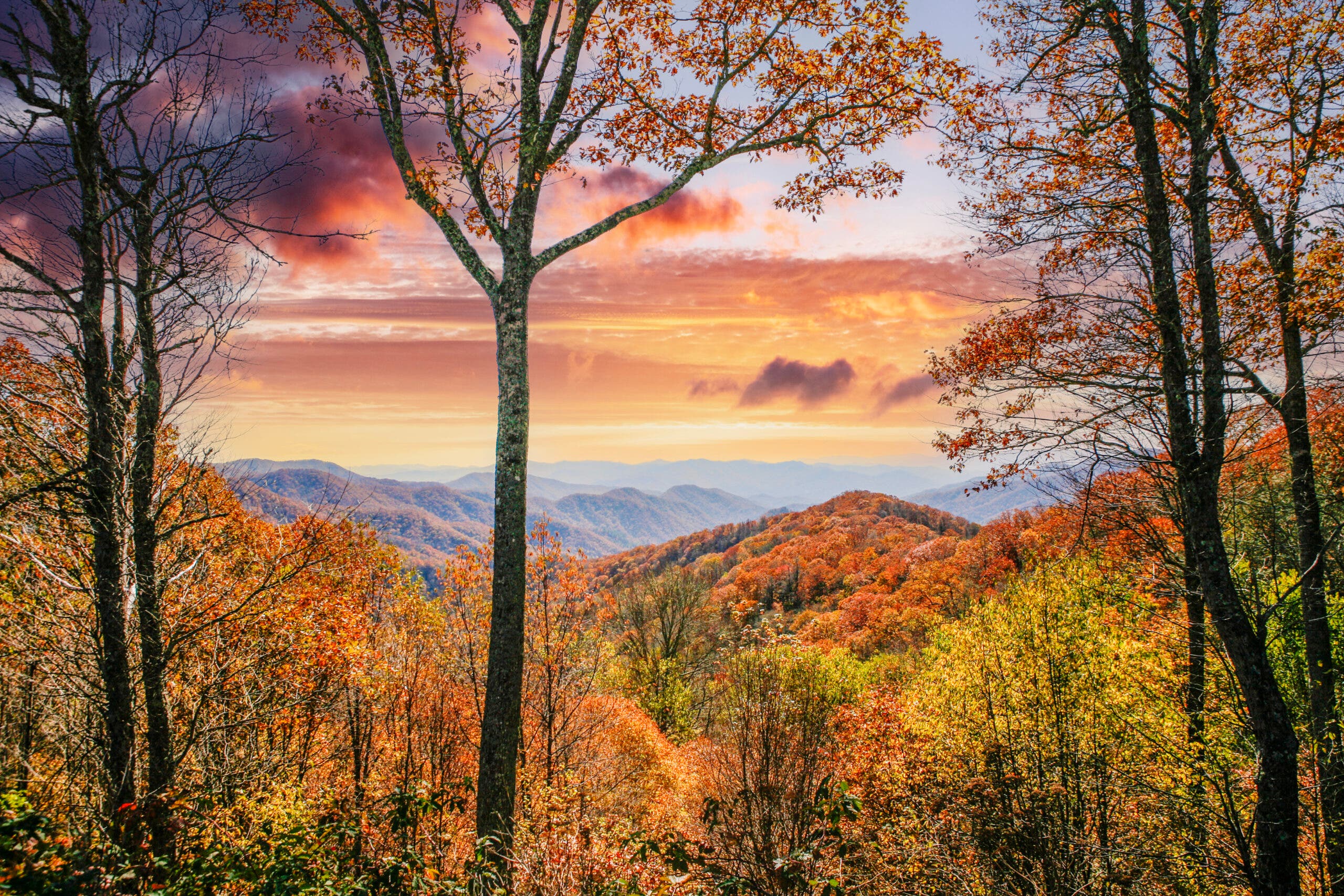
Crisp autumn air carries the sharp scent of damp earth and pine as golden aspen leaves tremble like tiny coins in the mountain breeze. Beneath your boots, the trail crackles with fallen maple leaves painted in shades of fiery crimson and deep pumpkin orange.
Chasing autumn in our national parks is unlike any backyard leaf-peeping because it pairs these exploding colors with dramatic, raw landscapes like jagged granite peaks and deep sandstone canyons. You aren’t just looking at trees; you are witnessing entire ecosystems put on their final, breathtaking show of the year.
This guide will help you pinpoint exactly which park matches your travel dates and how to avoid the gridlock of peak season. Expect to spend $150 per night for a budget road trip, $300 for mid-range gateway cabins, or $600+ for iconic park lodges.
My Quick-Pick Guide to Autumn in the Parks
If you are short on time, here is my cheat sheet for the ultimate fall foliage trip. These are the absolute standouts from my own travels across the country.
- Best for Classic Coastal Views: Head to Acadia National Park in early October for fiery maples reflecting in the Atlantic.
- Best for Golden Mountain Peaks: Choose Grand Teton National Park in late September to see shimmering aspens frame the jagged Tetons.
- Best to Escape the Crowds: Visit Theodore Roosevelt National Park for solitary golden river corridors in late September.
- Best for Surprising Desert Reds: Hike McKittrick Canyon in Guadalupe Mountains National Park for rare, brilliant maples.
- Best for Late-Season Leaf Peeping: Book Congaree National Park in November to see copper bald cypress trees in the swamp.
Top 8 Eastern National Parks for Vibrant Deciduous Colors
The Eastern United States offers a masterclass in autumn transitions, where vast hardwood forests transform into a mosaic of burnt orange, gold, and crimson. While many travelers flock to the same three mountain passes, the true secret to a successful fall trip is matching your arrival date to the specific latitude and elevation of the park.
| National Park | Peak Foliage Window | Best For |
|---|---|---|
| Isle Royale & Voyageurs | Late September | Solitude & Northern Evergreens |
| Acadia | Early to Mid-October | Coastal Views & Maples |
| Shenandoah | Mid to Late October | Scenic Drives |
| Great Smoky Mountains | Mid-October to Early November | Biodiversity & Deep Forest |
| Hot Springs & Mammoth Cave | Early to Mid-November | Off-Peak Travel |
| Congaree | Early to Mid-November | Swamp Forest Colors |
Isle Royale and Voyageurs National Parks (Great Lakes Region)

These northern wilderness areas are the first to turn, typically peaking in late September. I recommend these parks for travelers who prioritize silence over convenience; you will find very light visitation compared to the Appalachian parks.
At Isle Royale, focus your time on the western end near Windigo, which hosts a higher density of maples. Skip these parks if you require panoramic vistas, as the landscape is dominated by dense forest cover.
Acadia National Park (Maine)
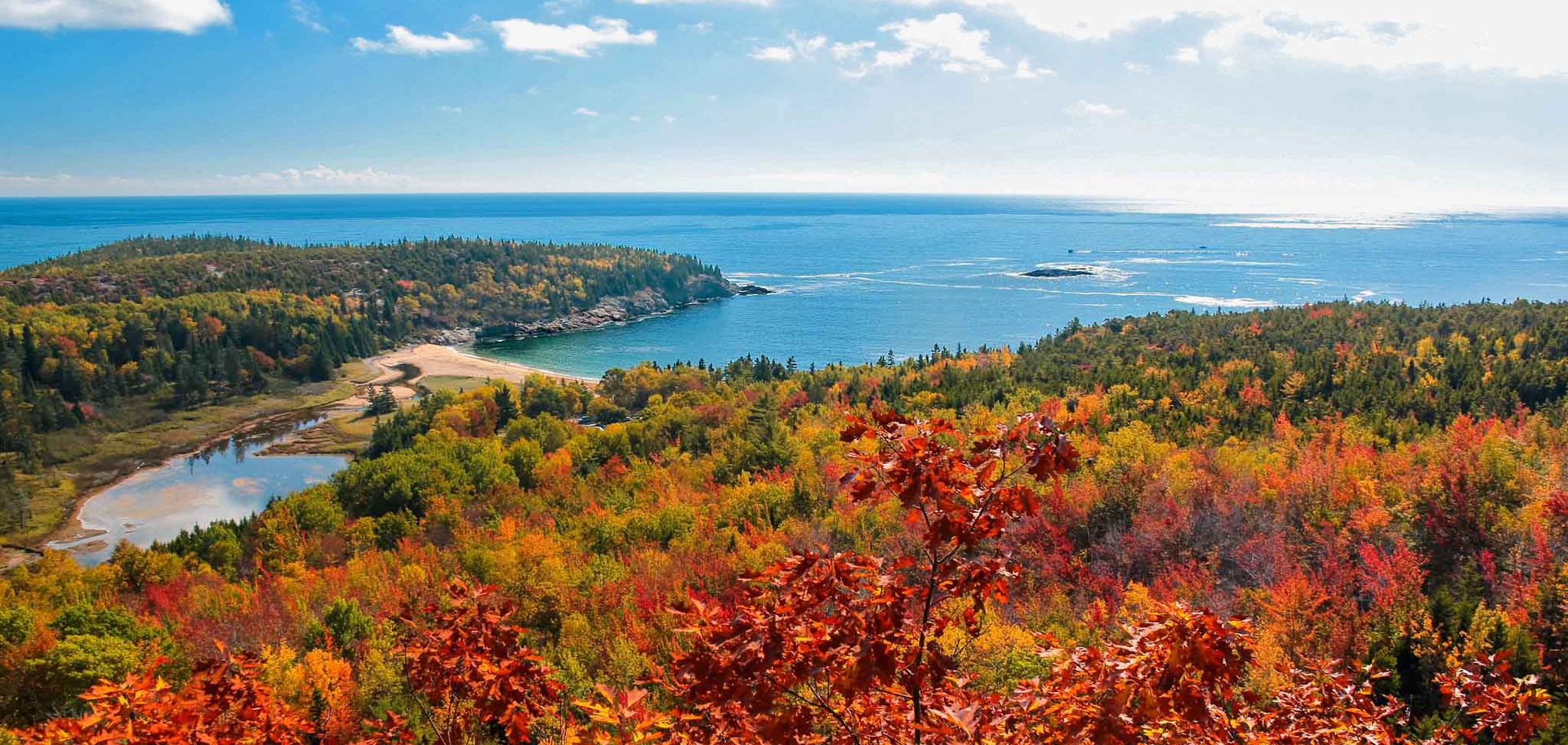
Acadia is the quintessential New England fall destination, where the Atlantic coastline meets fiery sugar maples. Plan for peak colors in early to mid-October.
For the best experience, base yourself in Bar Harbor for easy access to the Park Loop Road. My top tip: arrive at the Jordan Pond parking area before 7:30 a.m. to secure a spot, as the crowds here are intense during foliage season.
Shenandoah National Park (Virginia)
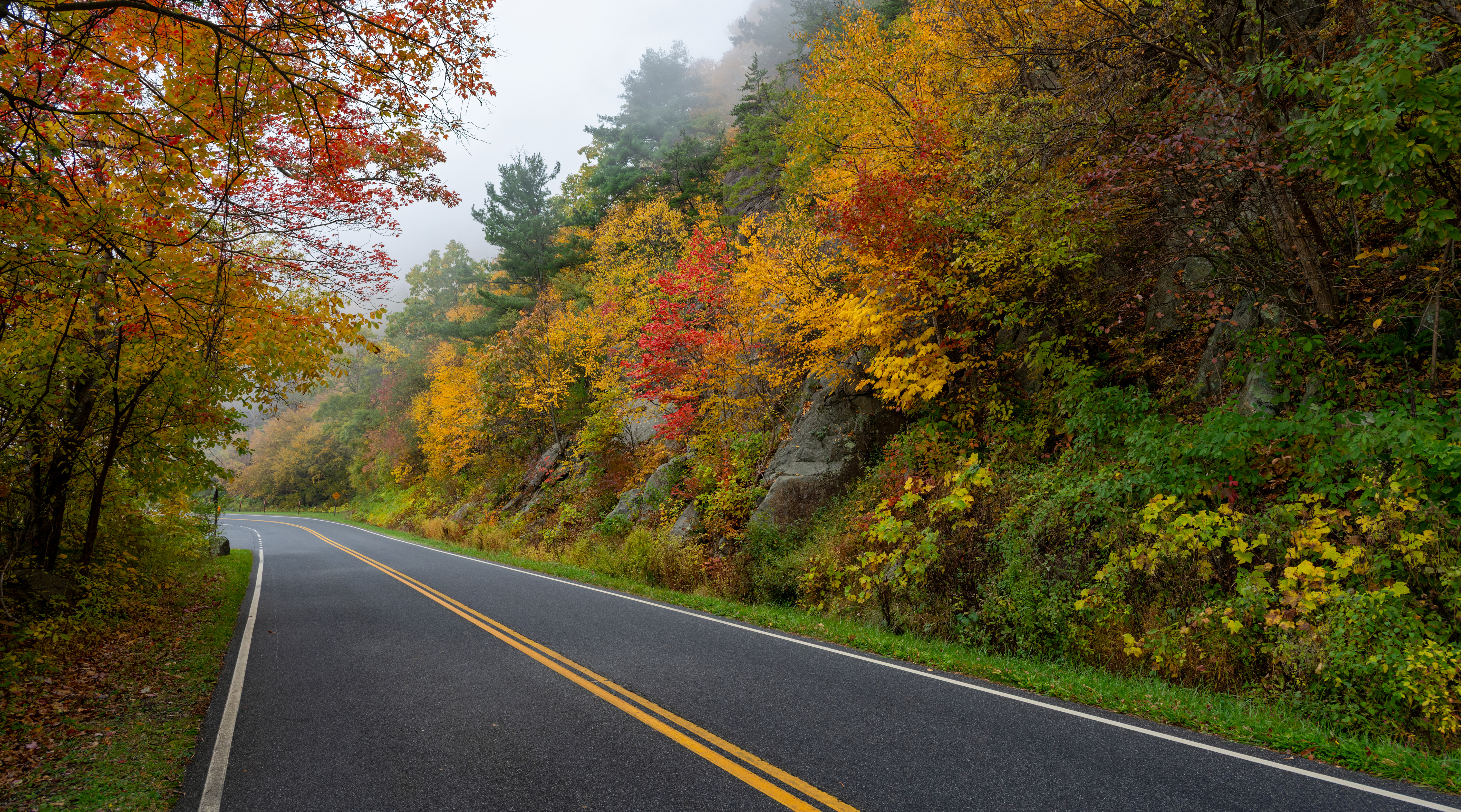
Shenandoah is built for the road-trip traveler. The park’s spine, Skyline Drive, offers constant elevation changes that allow you to chase the “wave” of color as it descends the mountains throughout October.
Stay in the gateway town of Luray for a mix of mountain inns and easy park entrance access. If you want to avoid the heaviest traffic, visit during the week; weekends in mid-October often result in significant congestion at overlooks.
Great Smoky Mountains National Park (North Carolina & Tennessee)
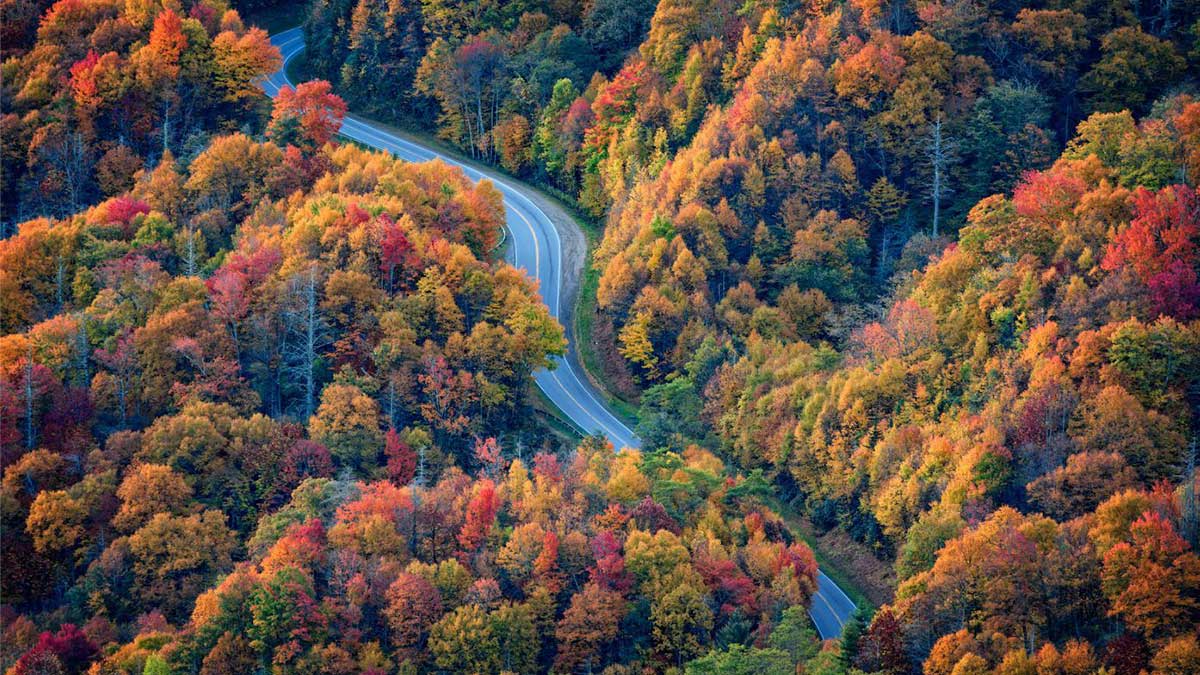
This park is the heavy hitter of the Southeast, boasting an incredible diversity of trees including hickories, scarlet oaks, and sweetgums. Because of the massive elevation range, you can find color anywhere from mid-October through early November.
With over 1.5 million monthly visitors in October, the “before 8 a.m. or after 4 p.m.” rule is not a suggestion—it is a requirement for your sanity. Skip the main thoroughfares during midday and head toward the Cataloochee Valley for a quieter experience.
Hot Springs and Mammoth Cave National Parks (Southern Woodlands)
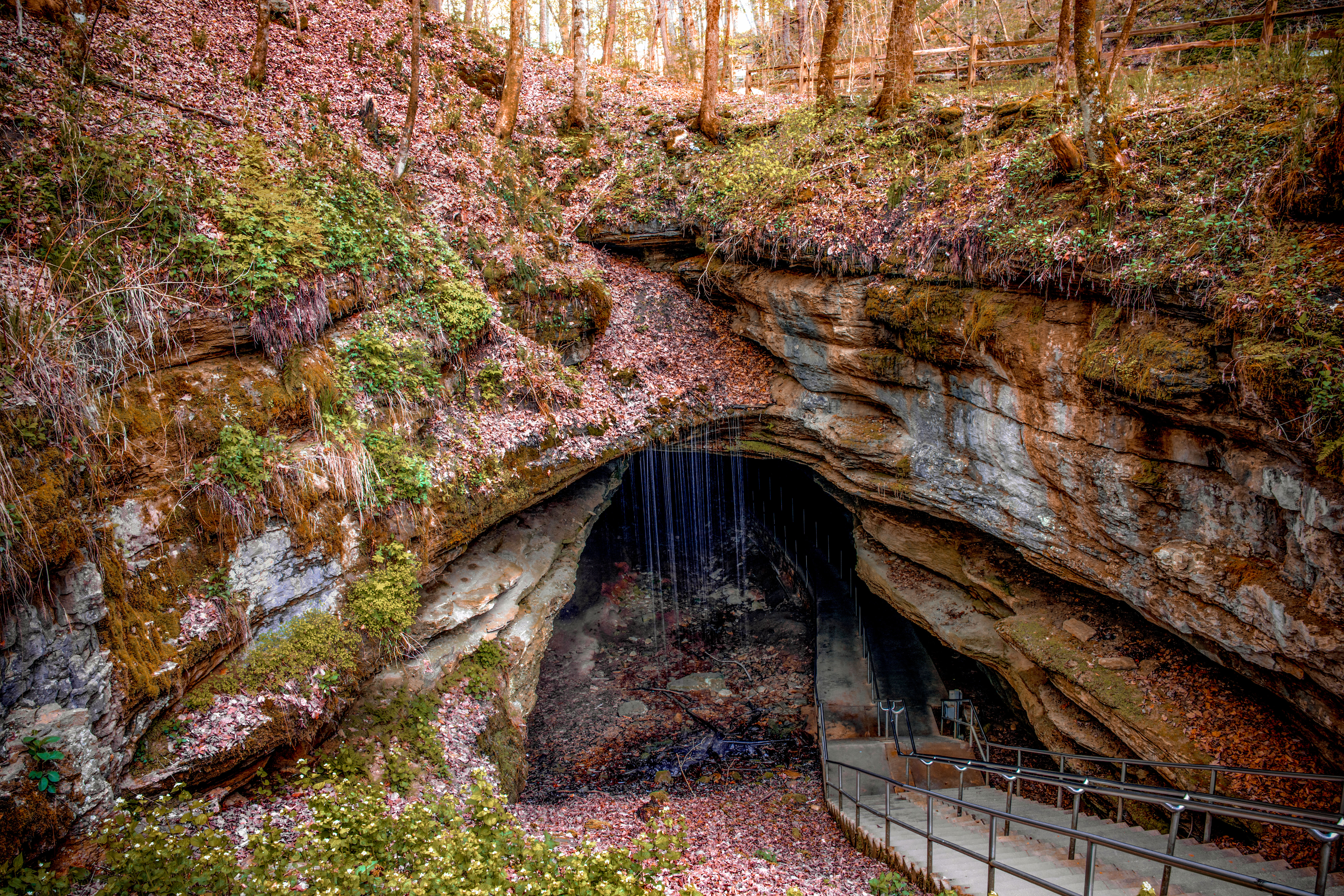
These parks are the best choice for travelers who missed the northern peak and want to extend their season into November. The landscape here is defined by gentle, rolling hills rather than jagged peaks.
At Mammoth Cave, the Green River Bluff Trail provides the best vantage points, while Hot Springs offers excellent color within the Gulpha Gorge area. These parks are significantly less crowded than their Appalachian counterparts, making them ideal for a low-stress getaway.
Congaree National Park (South Carolina Swamp Forests)
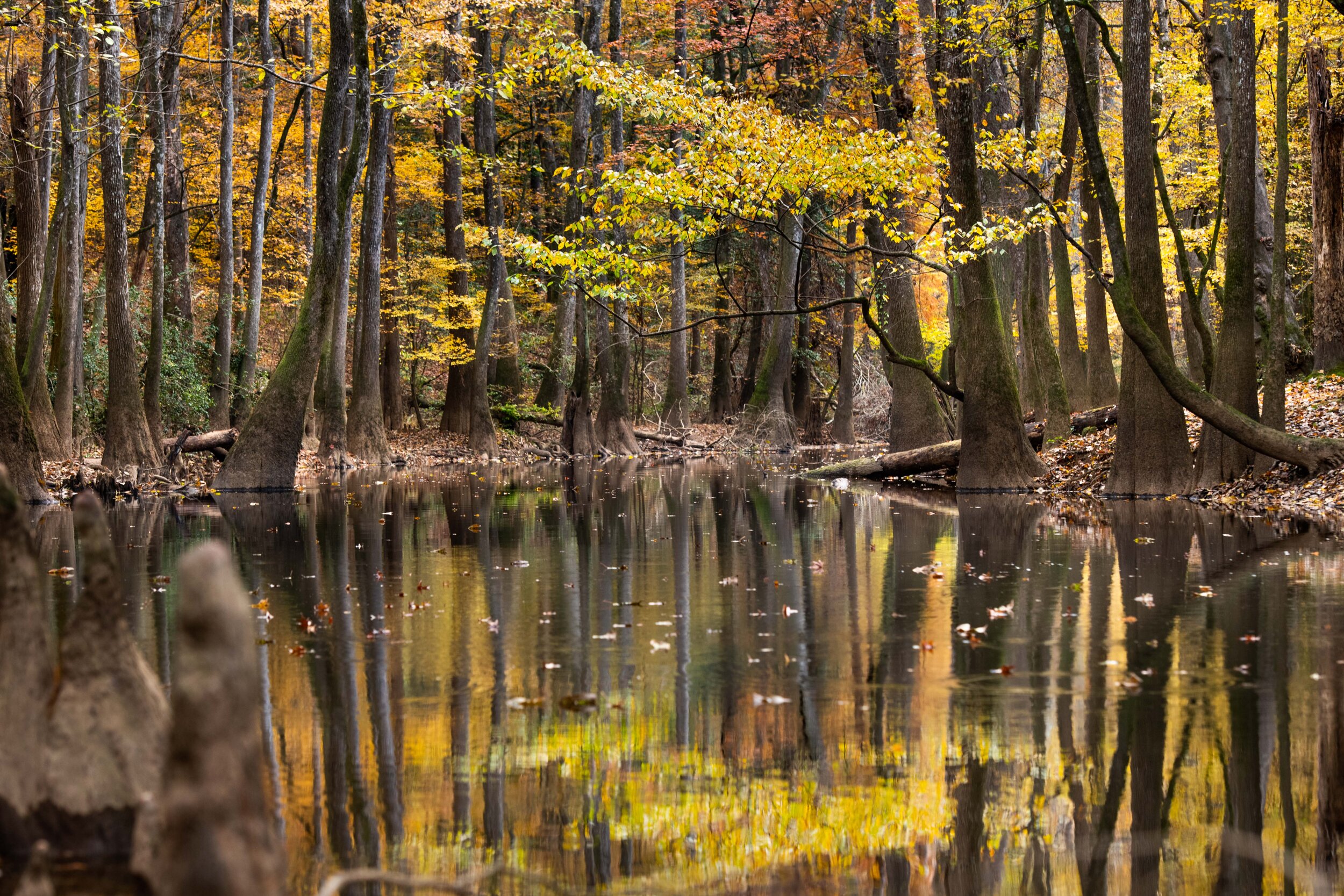
Congaree is a late-season outlier, with the swamp forest often reaching peak color in early to mid-November. The towering bald cypress and tupelo trees turn a brilliant copper and gold that reflects beautifully in the blackwater sloughs.
This is a niche pick for those who prefer boardwalk hiking over mountain climbing. It is a unique, quiet, and often overlooked destination for late-autumn travelers.
Final Decision Factors: Choose the Great Lakes or Maine if you want the classic, crisp early-autumn experience. Choose the Southern parks (Hot Springs, Mammoth Cave, or Congaree) if you are planning a November trip or simply want to avoid the high-traffic corridors of the Blue Ridge Mountains.
Top 5 Rocky Mountain National Parks for Golden Aspens
The Rocky Mountain region offers a unique autumn spectacle where high-altitude quaking aspens transform entire mountainsides into shimmering gold against a backdrop of rugged, snow-dusted peaks. Unlike the multi-colored hardwoods of the East, these parks provide a dramatic, high-contrast display that typically peaks earlier, often between mid-September and early October.
| Park | Peak Window | Best For |
|---|---|---|
| Glacier | Mid-Sept to Mid-Oct | Larch trees and dramatic alpine views |
| Theodore Roosevelt | Late September | River valley golden corridors |
| Rocky Mountain | Late Sept to Early Oct | Classic high-elevation aspen groves |
| Grand Teton | Late Sept to Early Oct | Iconic peak-and-foliage photography |
| Great Sand Dunes | Late Sept to Early Oct | High-contrast desert-to-mountain color |
Grand Teton National Park (Wyoming)
Grand Teton is the gold standard for photographers who want the jagged, snow-capped peaks framed by brilliant yellow cottonwoods and aspens along the Snake River. I recommend focusing your time in the Moose-Wilson Road corridor for the most intimate forest views.
This park is best for those who want a classic, high-alpine aesthetic; skip it if you are looking for a secluded experience, as the main pull-offs become extremely crowded during the final week of September.
Rocky Mountain National Park (Colorado)
This park offers the most accessible high-altitude aspen displays in the country, with the Trail Ridge Road providing a literal drive through the clouds and into the changing canopy. I prefer the lower-elevation trails near Bear Lake for the most vibrant yellow hues.
It is best for road-trippers who want to combine scenic driving with moderate hiking. Always check for timed-entry reservation requirements, which are standard for this park during the busy autumn season.
Glacier National Park (Montana)
Glacier provides a unique twist on the typical golden aspen show by featuring the Western larch, a deciduous conifer that turns a brilliant, fiery gold in mid-October. The west side of the park begins its transition in mid-September, creating a beautiful mix of evergreen and deciduous color.
It is the best choice for those who prefer a longer, cooler autumn season; skip it if you are planning a late-October trip, as high-mountain road closures often begin as winter weather sets in.
Great Sand Dunes National Park (Colorado)
The juxtaposition of golden-leaved trees against the towering, stark sand dunes creates a visual contrast you won’t find anywhere else in the National Park system. The cottonwoods along the base of the dunes turn a deep, rich yellow by late September.
I recommend this park for families and those who want a shorter, more manageable visit compared to the massive mountain parks. It is a hidden gem for those who want to avoid the peak-season congestion of its northern neighbors.
Theodore Roosevelt National Park (North Dakota)
While often overlooked, the North Unit of this park features stunning corridors of aspens lining the Little Missouri River that glow intensely against the rugged, eroded badlands. It is the best option for travelers seeking solitude and a raw, expansive landscape.
Plan your visit for the final week of September to hit the peak. I recommend basing yourself in the nearby town of Medora; it serves as the perfect gateway for early-morning access to the park’s scenic drives before the afternoon heat sets in.
Decision Summary: Choose Grand Teton or Rocky Mountain if you want the quintessential, postcard-perfect mountain experience. Opt for Glacier if you prefer unique tree varieties and a longer season, or head to Theodore Roosevelt or Great Sand Dunes if your priority is escaping the crowds for a more rugged, quiet landscape.
Top 10 Southwest Desert National Parks with Surprising Autumn Foliage
The desert is often mischaracterized as a monochromatic landscape, but the high-elevation basins and canyons of the Southwest undergo a dramatic, albeit fleeting, transformation when temperatures drop in late September and October. While these parks are defined by red rock and conifers, specific microclimates harbor pockets of deciduous color that contrast sharply against the arid backdrop.
For the best experience, focus on the following regions during the final week of September through mid-October:
- Zion National Park (Utah): Best for canyon-floor color; look for cottonwoods turning bright yellow along the Virgin River.
- Guadalupe Mountains National Park (Texas): Best for rare high-desert maples; the McKittrick Canyon trail is the premier spot for fall foliage in the state.
- Capitol Reef, Arches, and Canyonlands National Parks (Utah): Best for orchard-based color; the historic Fruita district in Capitol Reef offers a unique contrast of golden fruit trees against red sandstone cliffs.
- Great Basin and Bryce Canyon National Parks (High-Elevation Basins): Best for hikers; seek out creek-side pockets of deciduous trees hidden below the main rims.
- Black Canyon of the Gunnison and Mesa Verde National Parks (Colorado Plateaus): Best for shrub-level color; look for oak scrub turning deep crimson along the canyon rims and mesa entrances.
- Grand Canyon National Park (Arizona’s North Rim): Best for aspen stands; the higher elevation of the North Rim supports pockets of quaking aspens that provide a gold-leaf canopy against the canyon depths.
Zion National Park (Utah)
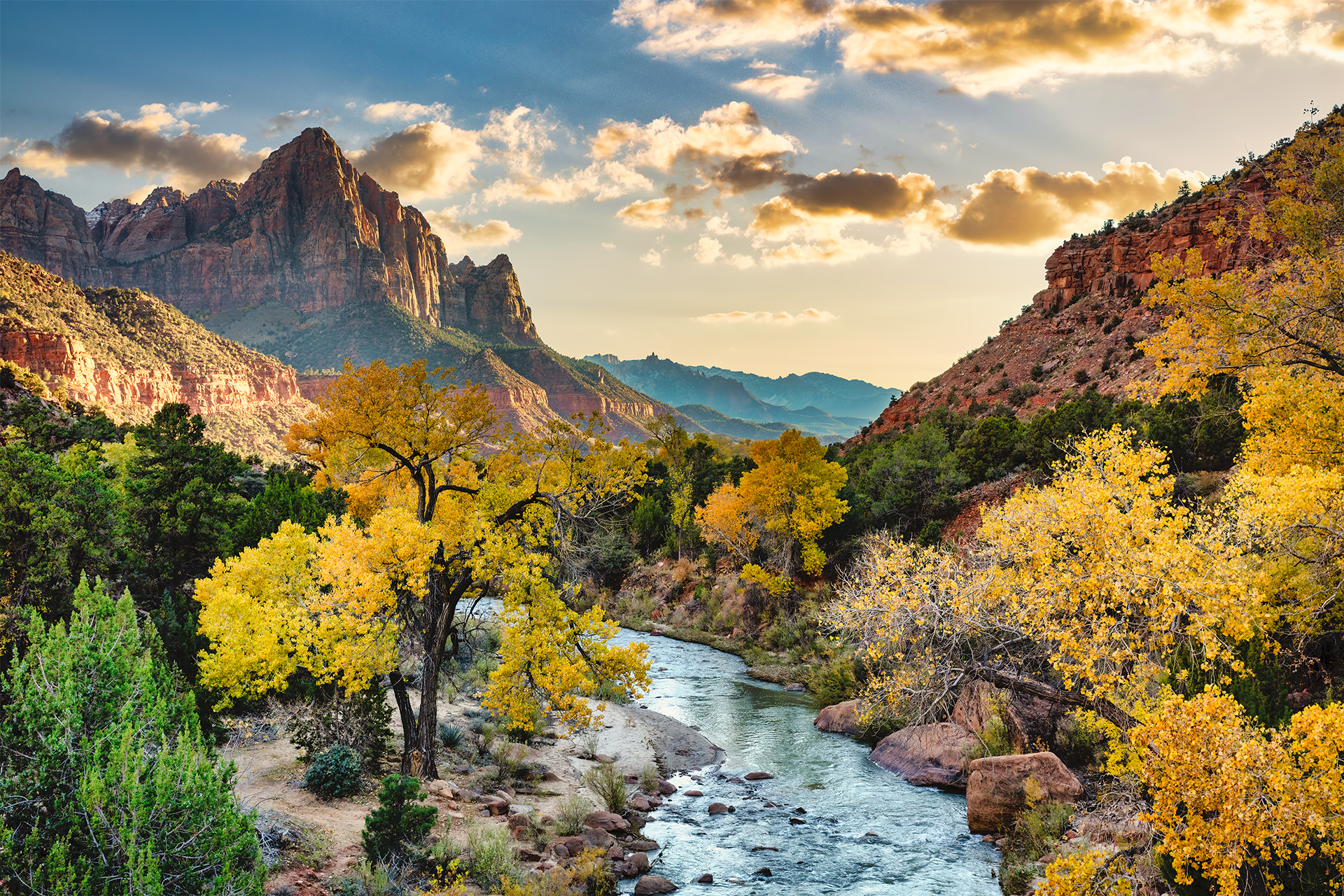
Zion is the move if you want high-contrast photography. The yellow cottonwoods lining the Virgin River provide a brilliant, saturated contrast to the towering Navajo Sandstone cliffs.
I recommend focusing your time on the Zion Canyon Scenic Drive, as the color is most accessible here. Skip the upper plateaus if you are strictly hunting for foliage, as they are dominated by evergreen pinyon-juniper forests.
Guadalupe Mountains National Park (Texas)
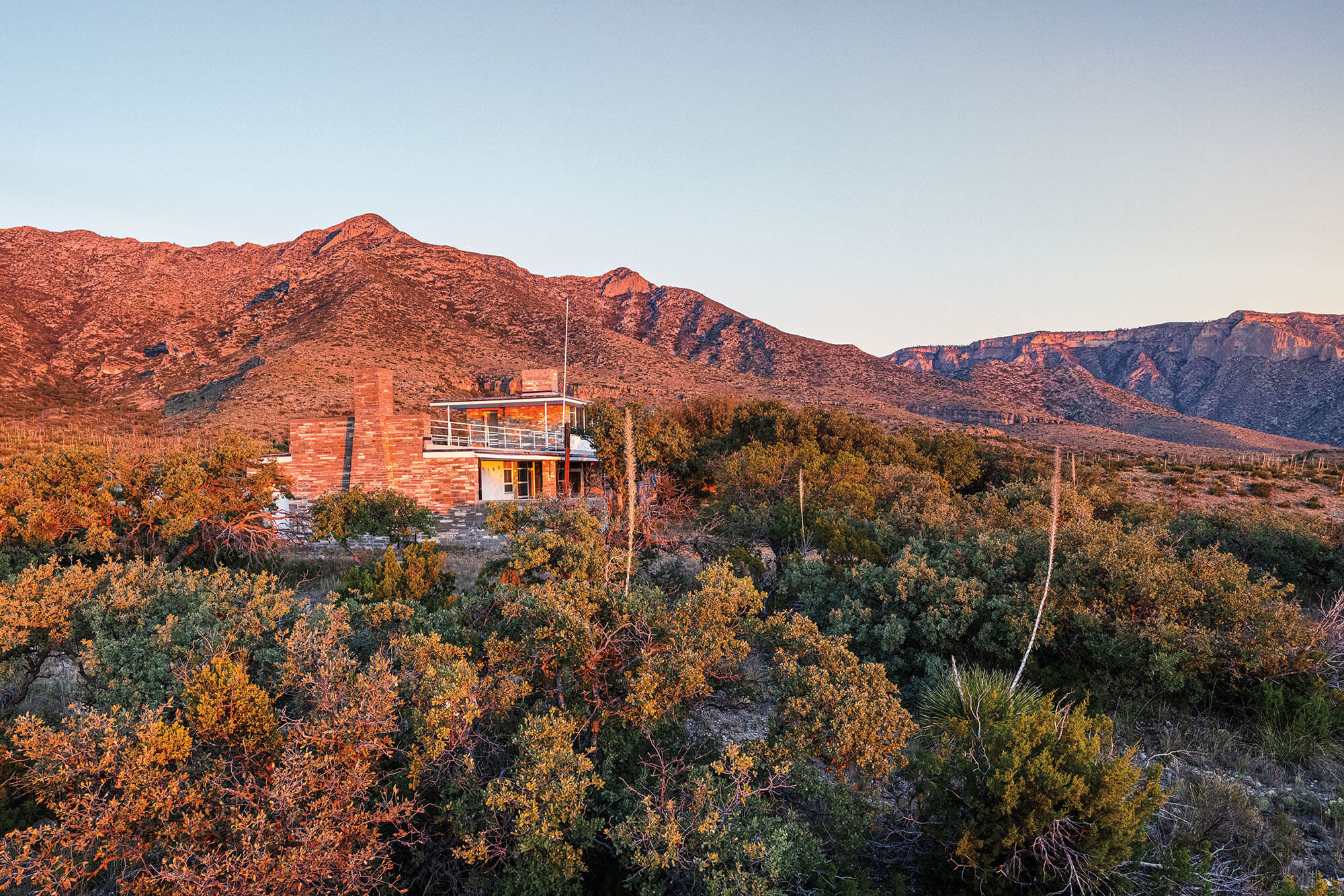
This is the hidden gem of the Southwest. The Bigtooth Maples in McKittrick Canyon turn a vibrant, fiery red that feels entirely out of place in the desert.
My pick is to hike the McKittrick Canyon Trail early in the morning; it is the most reliable spot for fall color in the entire park. You must arrive early, as parking at the trailhead is limited and fills quickly during peak weekends in October.
Capitol Reef, Arches, and Canyonlands National Parks (Utah’s Red Rocks)
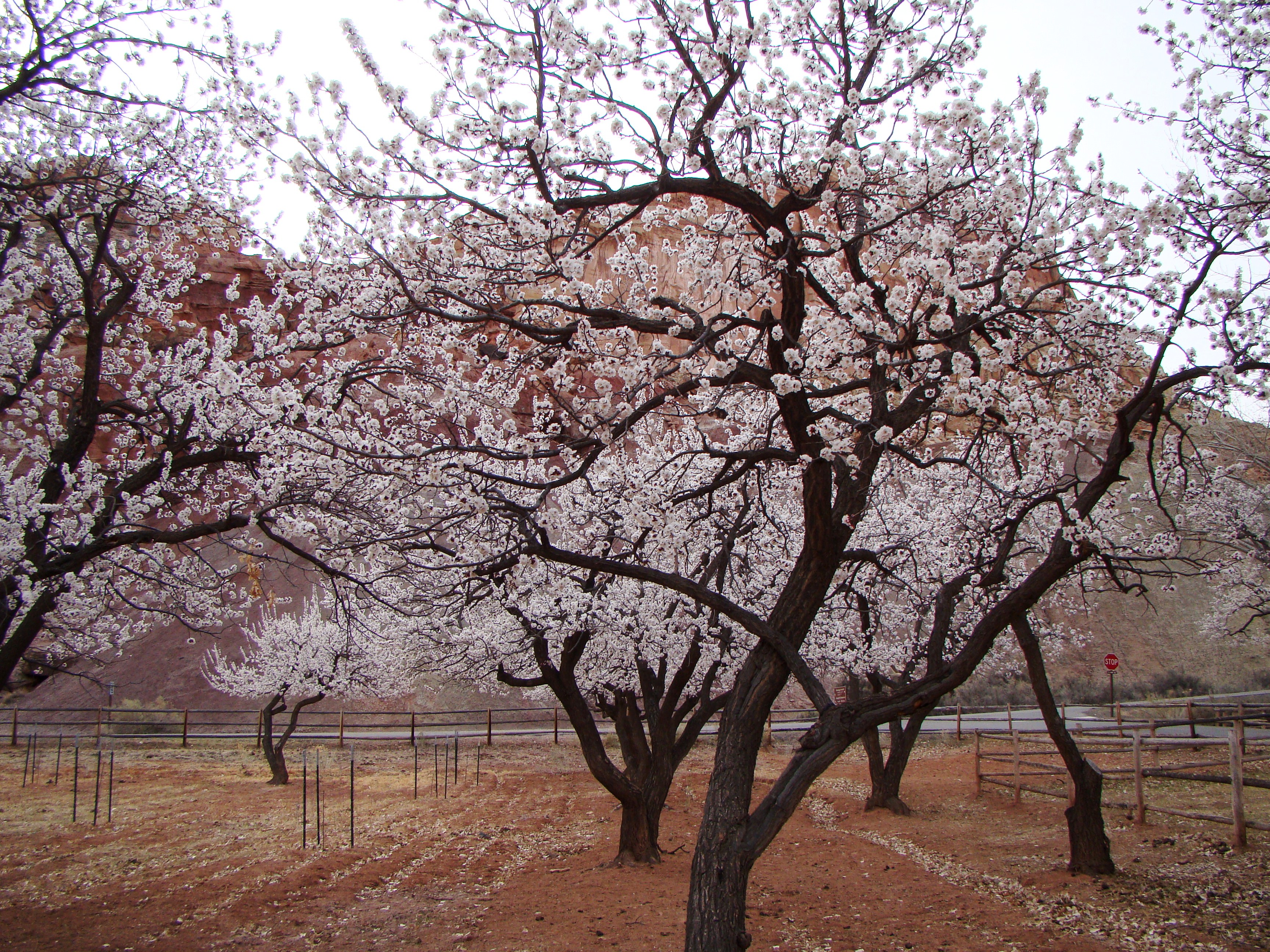
Capitol Reef wins this group hands-down for the historic Fruita orchards. When the leaves turn, the valley floor glows gold against the backdrop of the Waterpocket Fold.
Arches and Canyonlands are better for red rock vistas than foliage, so prioritize Capitol Reef if your goal is autumn color. Base yourself in Torrey, Utah, for the most convenient access to the park’s main entrance.
Great Basin and Bryce Canyon National Parks (High-Elevation Basins)
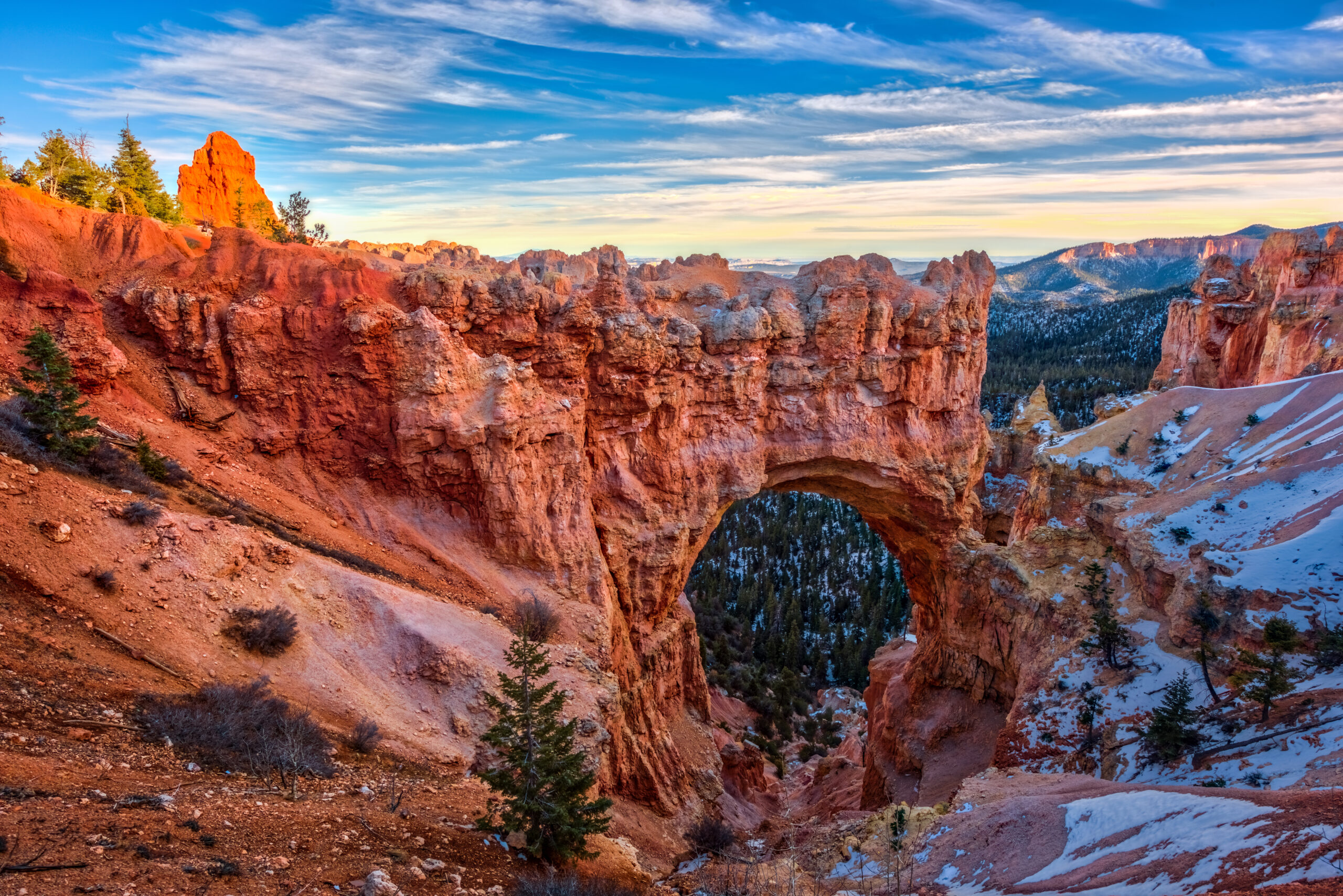
These parks are high-altitude environments where conifers dominate, meaning foliage is sparse and requires effort to find. I recommend Bryce Canyon only if you are already planning to hike the trails below the rim, where small clusters of deciduous trees congregate near water sources.
If you are looking for vast, sweeping forests of color, these parks will likely disappoint.
Black Canyon of the Gunnison and Mesa Verde National Parks (Colorado Plateaus)
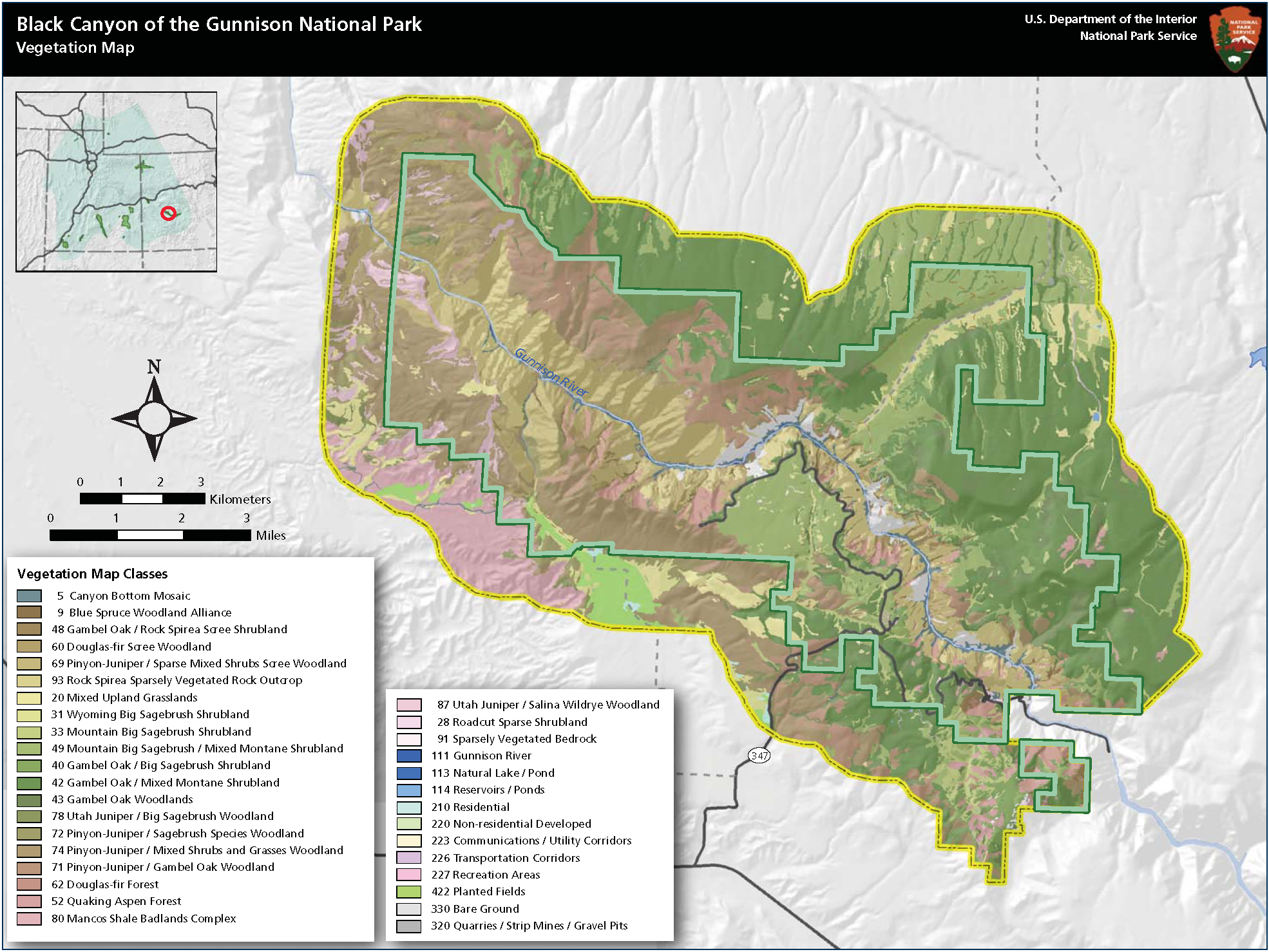
At Black Canyon, the oak scrub along the rim turns a deep, rustic crimson in late September. It is a subtle but beautiful display.
At Mesa Verde, the transition happens at the lower elevations near the park entrance; the shrubs here provide a surprising splash of color before you reach the high-mesa conifer forests. These are best for travelers who enjoy a mix of history and scenery.
Grand Canyon National Park (Arizona’s North Rim)
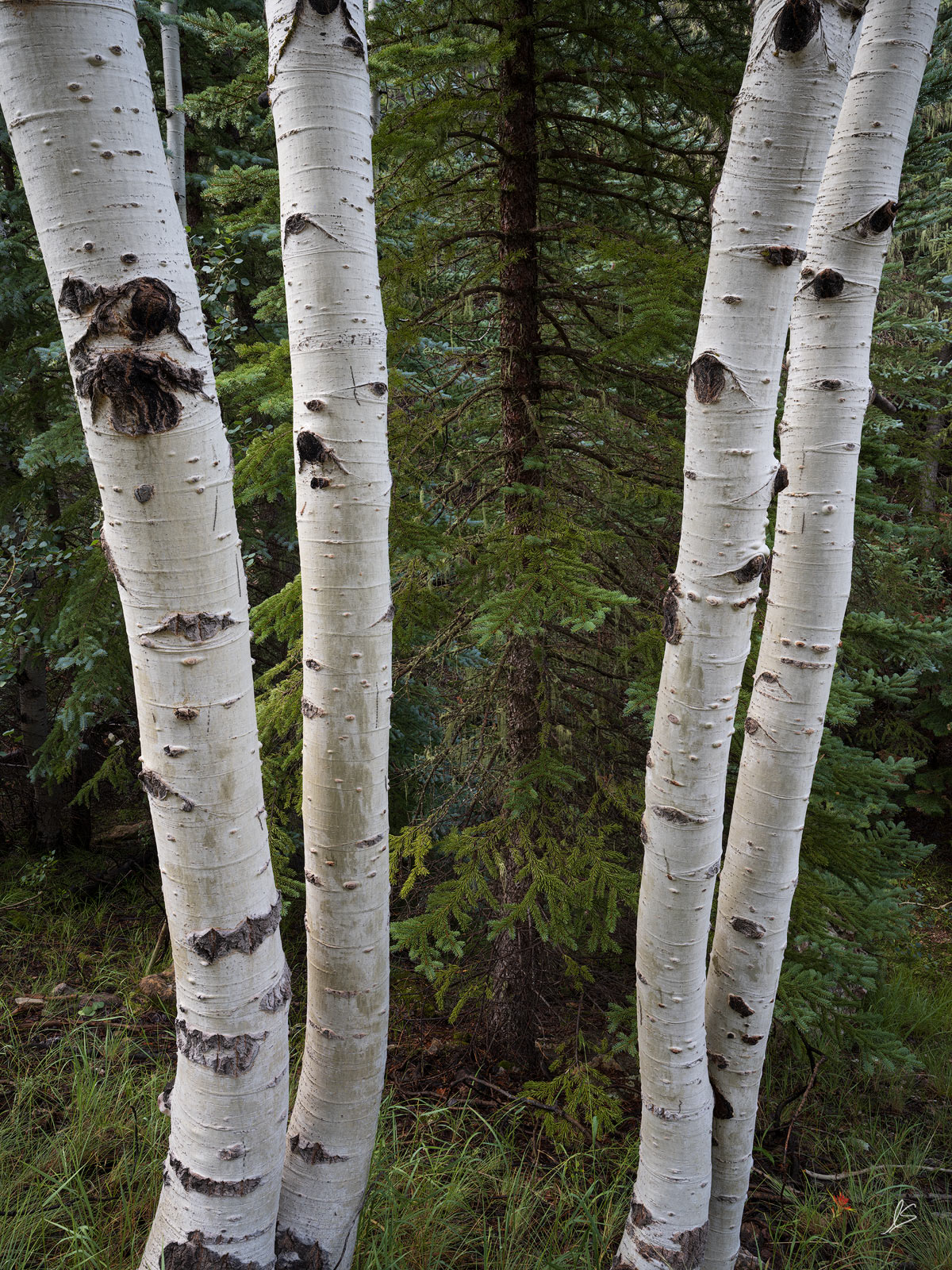
The North Rim is the superior choice for foliage compared to the South Rim due to its higher elevation and cooler temperatures. You will find groves of quaking aspens that turn a brilliant gold, providing a stunning frame for the canyon views.
I recommend staying at the Grand Canyon Lodge on the North Rim for the best access to these high-altitude groves, but book well in advance as the season is short and the lodge closes for the winter in mid-October.
Summary: For the most dramatic colors, prioritize Guadalupe Mountains for its maples or Capitol Reef for its unique orchard setting. If you are visiting the Grand Canyon, stick to the North Rim to catch the aspen gold before the first snows arrive.
Top 7 Pacific Coast and Cascade National Parks for Fall Colors
While the Pacific Coast and Cascade ranges are dominated by evergreen conifers, the true magic of autumn here lies in the sub-alpine meadows and localized deciduous pockets that ignite with color long before the first winter snows. Unlike the broad swaths of color found in the East, these parks reward the patient traveler who knows exactly where to look for the fleeting displays of vine maple and huckleberry.
| National Park | Peak Color Window | Best For |
|---|---|---|
| Mount Rainier | Late September | Alpine meadow photography |
| North Cascades | Late September/Early Oct | Rugged mountain backdrops |
| Olympic | Early to Late October | Rainforest contrast |
| Yosemite/Kings Canyon | Mid to Late October | Dramatic canyon accents |
| Sequoia/Pinnacles | Late October | Foothill golden hues |
Mount Rainier and North Cascades National Parks (Washington’s Sub-Alpine Meadows)
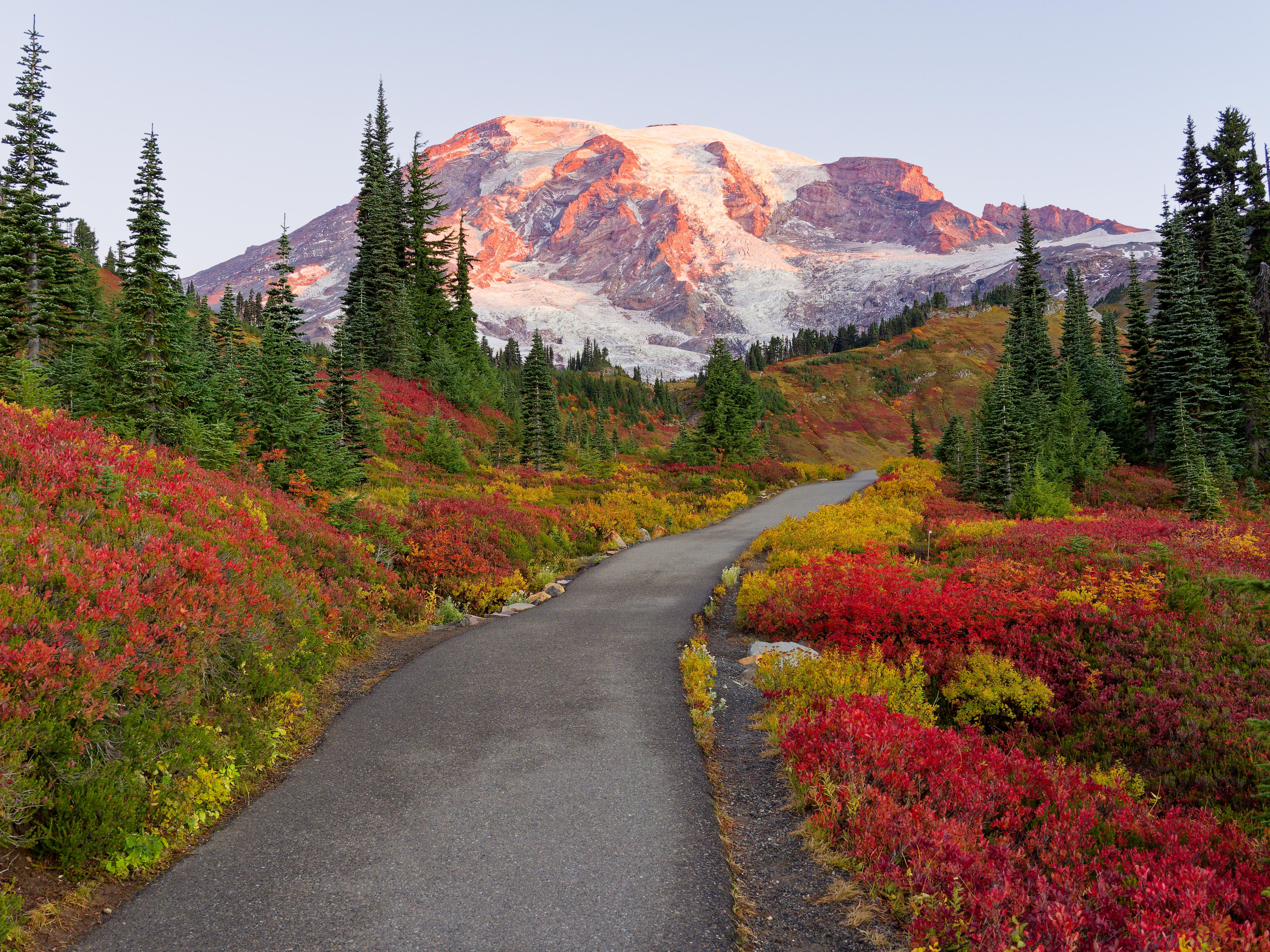
In the high-altitude meadows of Mount Rainier, the fall display is a ground-level phenomenon. I recommend heading to the Paradise area during the final week of September, where low-lying berry plants turn the landscape a brilliant, fiery red that rivals the intensity of summer wildflowers.
For those visiting the North Cascades, focus on the sub-alpine zones where the ground cover transforms into a tapestry of crimson and gold. Skip the dense, old-growth conifer stands if you are hunting for color; instead, prioritize the open meadows along Stevens Canyon at Mount Rainier for the best views of vine maples.
Always check the park’s wilderness permit office or visitor centers for early road closures, as high-elevation access can be cut off by snow as early as October.
Olympic National Park (Washington’s Rain Forests and Coast)
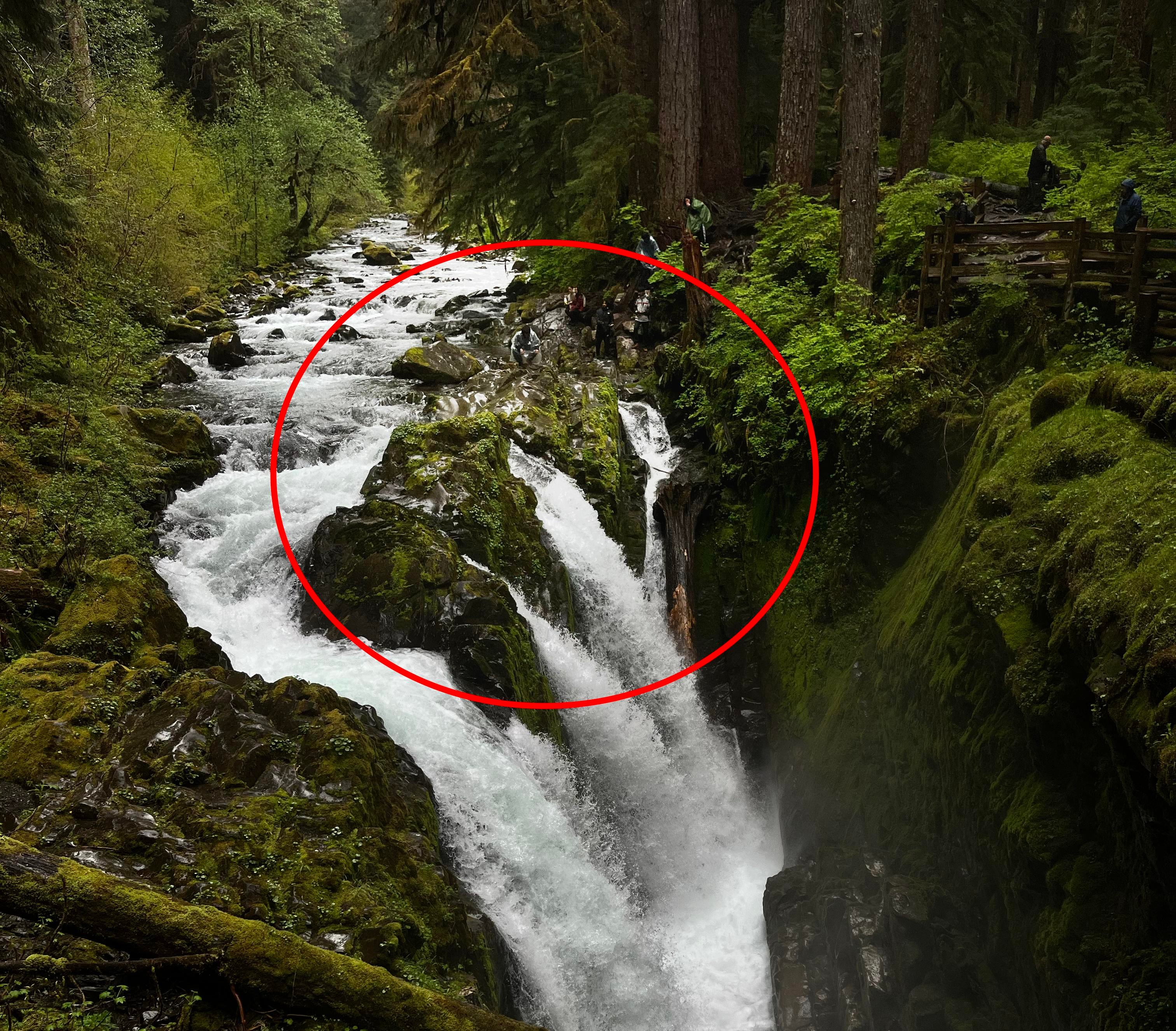
Olympic National Park offers a unique, moody autumn aesthetic where the deep greens of the temperate rain forest provide a dark canvas for vibrant foliage. My pick is the Sol Duc Valley, where the maples—both bigleaf and vine—create stunning orange and yellow accents against the moss-draped trees.
The timing here is slightly later than the high Cascades; plan your visit for mid-to-late October to catch the peak. For a base, I suggest staying in Port Angeles or Forks to ensure you are positioned for early morning trailhead access, which is essential to beating the mist and crowds.
Yosemite and Kings Canyon National Parks (California’s Sierra Nevada)
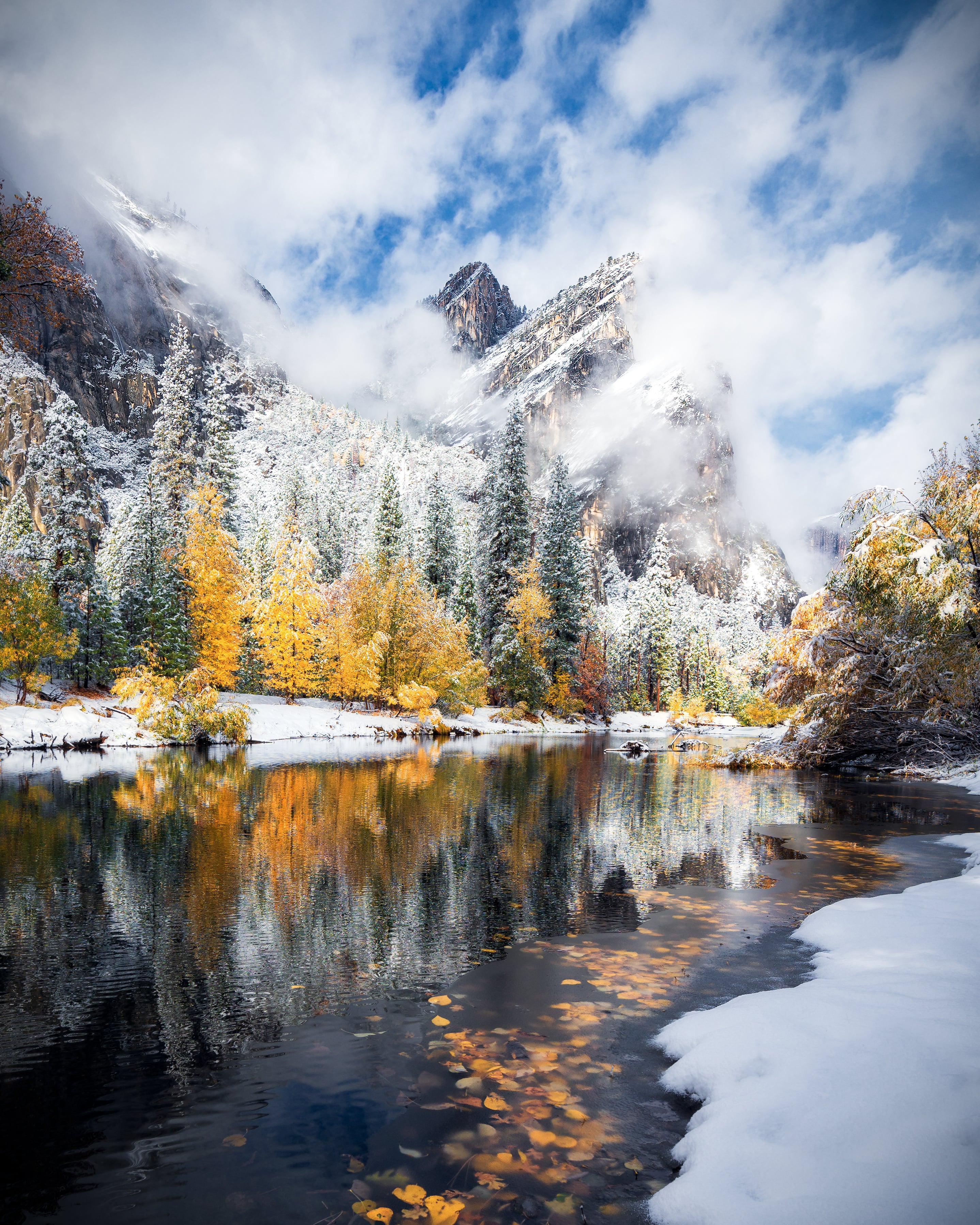
In the Sierra Nevada, fall color is a game of finding the right pocket. While the massive granite walls define the landscape, the deciduous trees nestled in the valley floors and canyons provide the color.
In Yosemite, look for the black oaks and dogwoods that turn shades of gold and deep red against the gray rock. Kings Canyon is equally impressive, with localized groves that pop in mid-to-late October.
I recommend staying in gateway towns like Mariposa or Three Rivers to secure more reliable lodging options, as park-managed cabins often book out months in advance. Avoid the temptation to drive deep into the high country during late October, as the first storms can make mountain passes unpredictable.
Sequoia and Pinnacles National Parks (California’s Foothills and Groves)
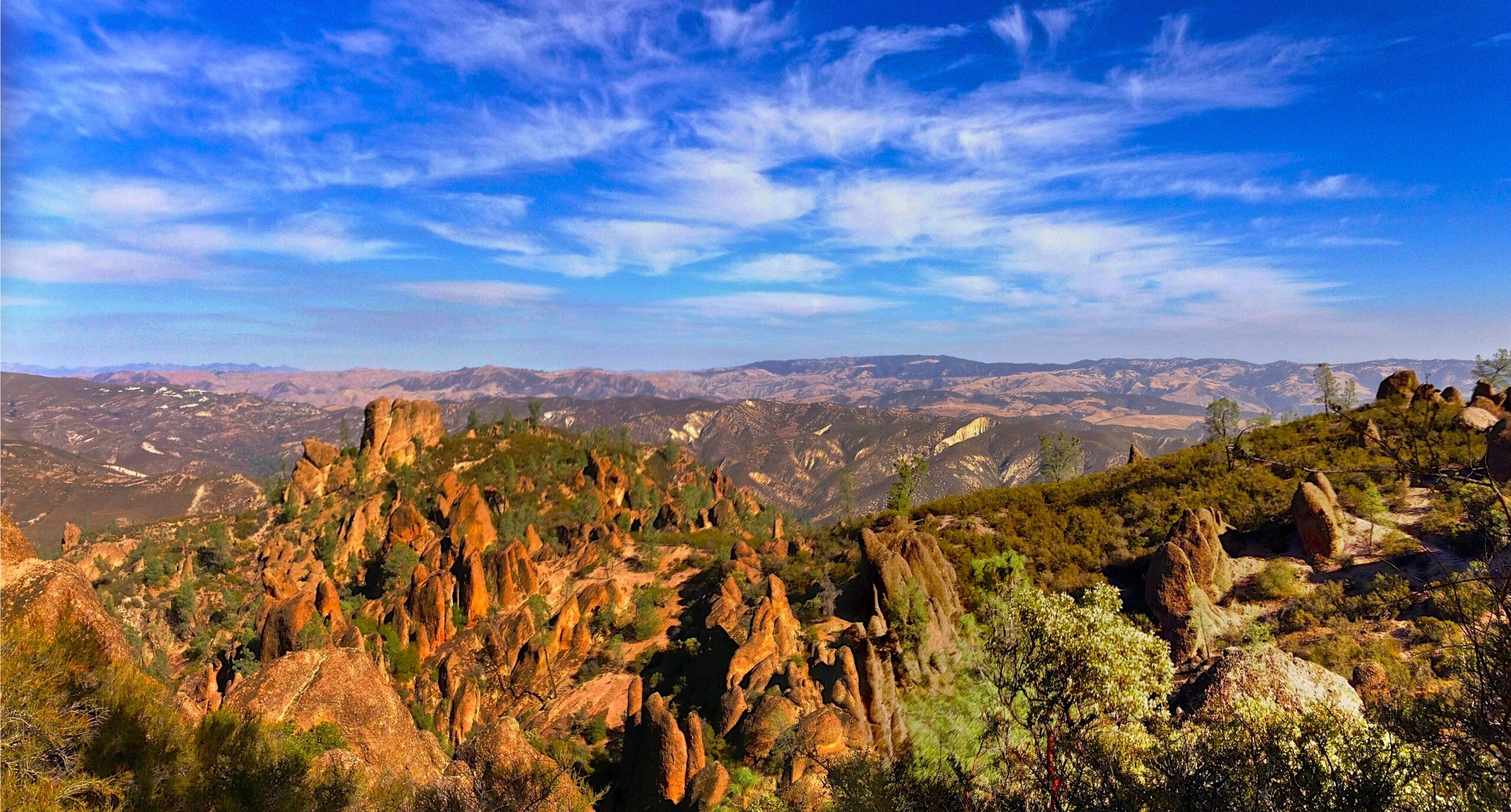
The foothills of Sequoia and the unique volcanic terrain of Pinnacles offer a different, more subtle autumn experience. By late October, the lower-elevation oaks and shrubs in these parks begin to shift, providing a golden glow that contrasts beautifully with the massive trunks of the sequoia groves.
Pinnacles is particularly rewarding for hikers who want to avoid the high-altitude chill of the Sierras. My advice: prioritize an early morning hike at Pinnacles to catch the morning light hitting the rock spires, which makes the surrounding foliage look even more vibrant.
Be prepared for significant temperature swings between the cool mornings and warm afternoons, and always carry extra water, as these regions remain dry well into the fall.
Summary: To maximize your trip, prioritize the high-altitude meadows of Washington in late September and shift your focus to the California foothills and coastal rain forests by mid-to-late October. Always prioritize early morning starts to avoid parking congestion at popular trailheads, and remember that in these regions, the best colors are often found in small, specific pockets rather than across the entire landscape.
Top 7 Alaskan National Parks for Early Tundra Autumns
Alaska’s autumn is a fleeting, high-intensity event where the entire landscape—not just the trees—transforms into a vivid tapestry of crimson, gold, and burnt orange. Because Alaska’s seasons are compressed, you must plan for a narrow window; by mid-August, the high-elevation tundra begins its transformation, often concluding by mid-September.
Unlike the deciduous forests of the lower 48, the Alaskan show is defined by the ground-level color of the tundra and the dramatic backdrop of rugged, glaciated peaks.
| National Park | Peak Timing | Key Visual |
|---|---|---|
| Denali | Late Aug – Early Sept | Vast tundra slopes |
| Gates of the Arctic | Mid – Late Aug | Arrigetch Peaks gold |
| Kobuk Valley | Late Aug | Caribou migration |
| Lake Clark | Early Sept | Burgundy tundra |
| Katmai | Mid-Sept | Riparian gold |
| Wrangell-St. Elias | Late Aug – Early Sept | Alpine foliage |
| Kenai Fjords | Early Sept | Coastal mountain hues |
Denali National Park (Tundra Landscapes)
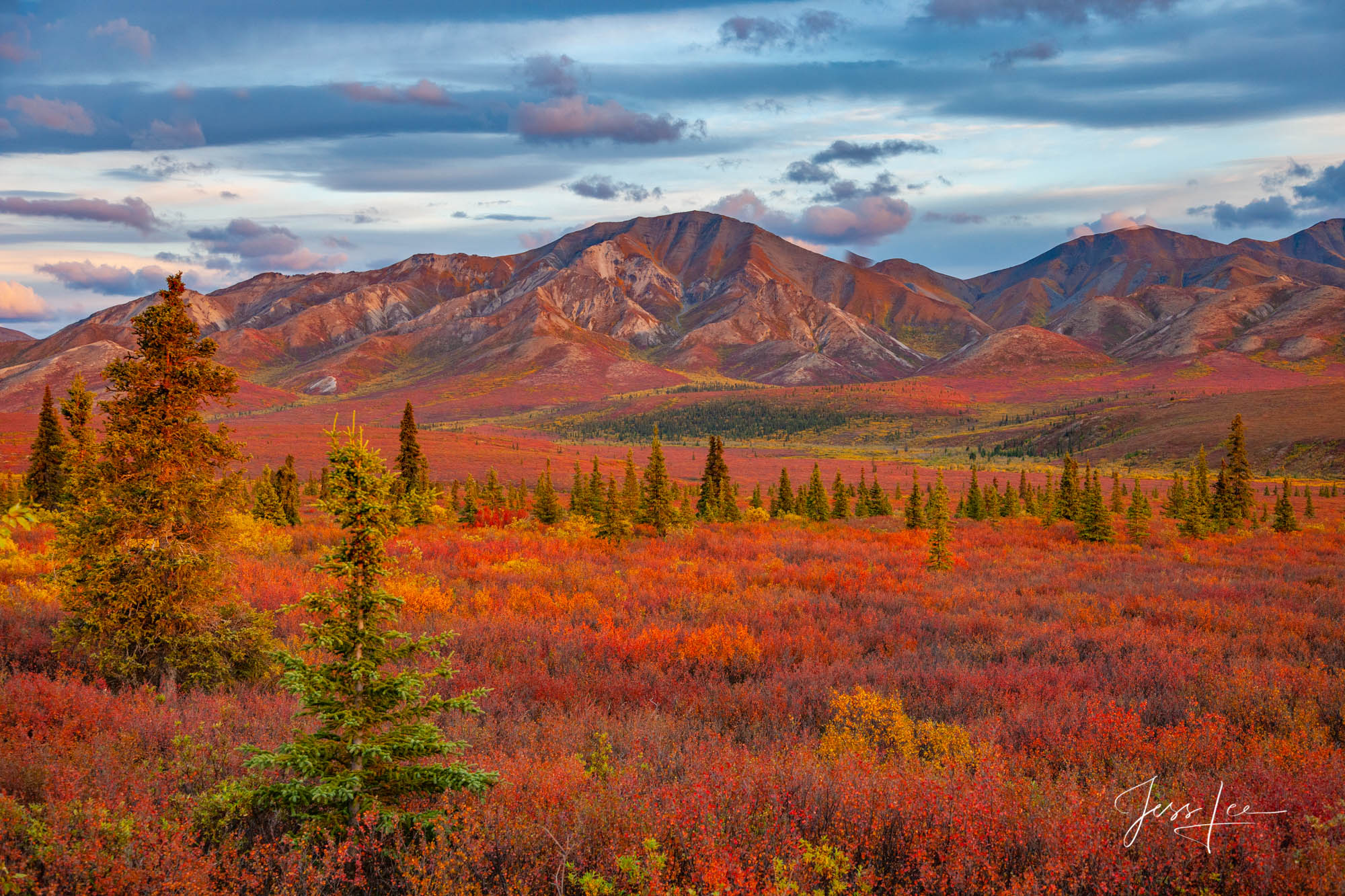
Denali is the gold standard for tundra viewing. I recommend visiting in late August to catch the tundra’s transition into deep reds and oranges.
Because the park is massive, stay in the gateway town of Healy for easy access to the park entrance. My pick is to prioritize the bus transit deep into the park to see the colors against the backdrop of the Alaska Range.
Gates of the Arctic and Kobuk Valley National Parks (The Arctic Circle)
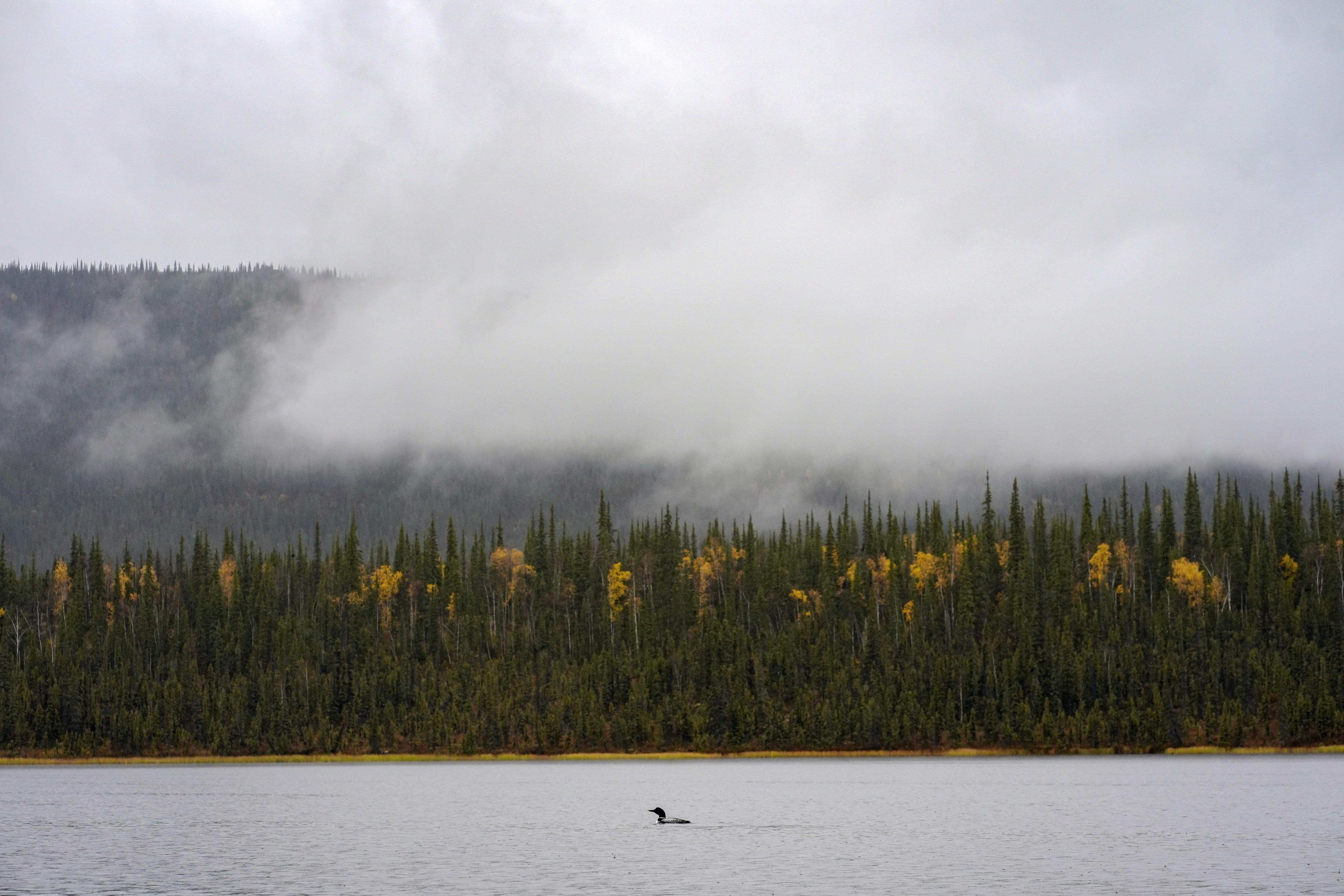
For the true wilderness seeker, these parks offer the earliest color shifts in the state. Gates of the Arctic peaks by mid-August, while Kobuk Valley follows closely at the end of the month.
These parks are best for experienced backcountry travelers; skip them if you require developed infrastructure. The main draw here is the synchronicity of the fall foliage with the annual caribou migration.
Lake Clark and Katmai National Parks (Southwest Alaska Riparian & Tundra)
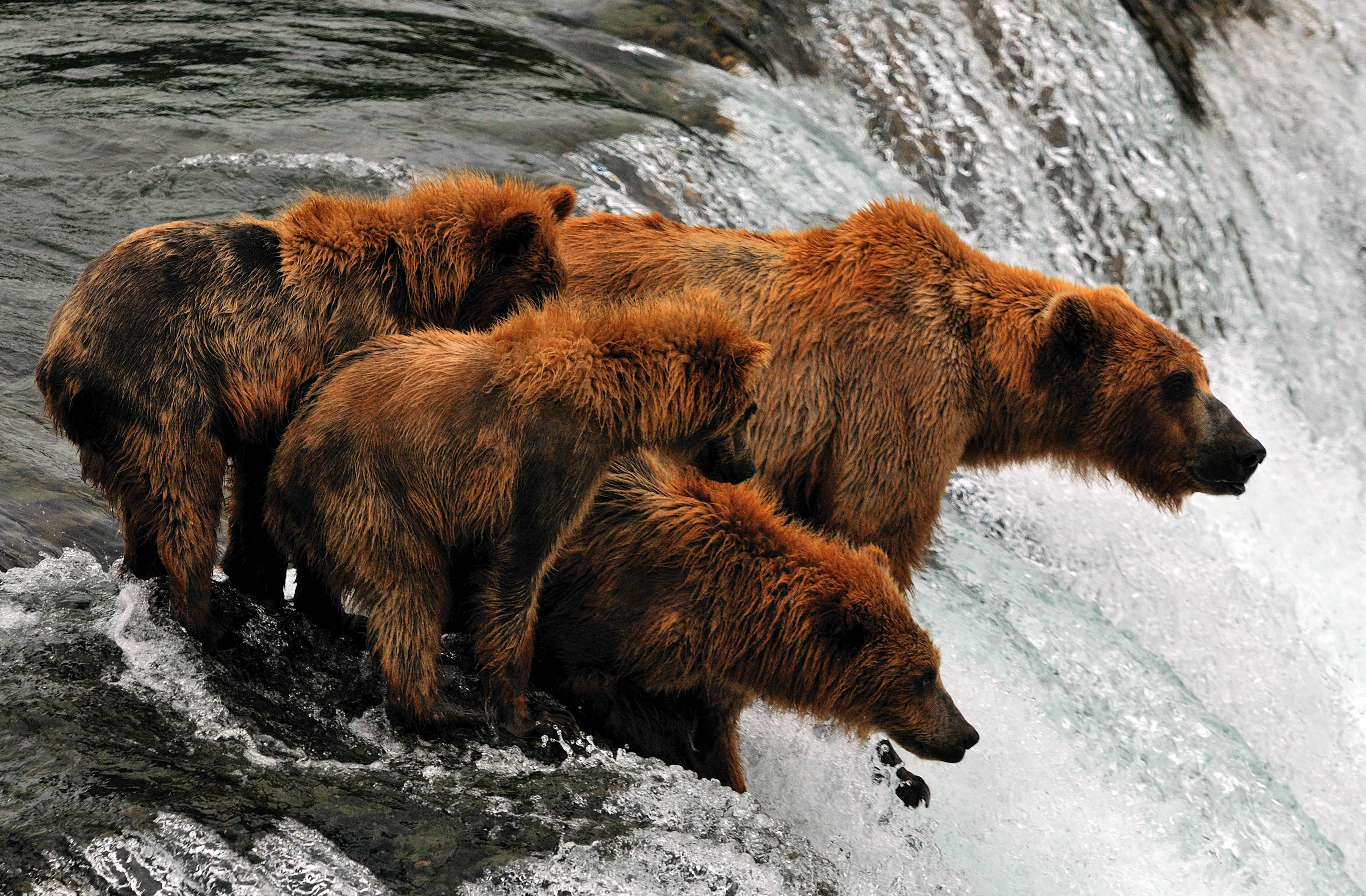
Lake Clark’s eastern tundra turns a striking burgundy in the first week of September, while Katmai’s riparian areas near Brooks Camp peak in mid-September. I recommend Katmai for those who want to combine foliage viewing with late-season bear watching.
Be prepared for wet conditions, as fall weather on the Alaska Peninsula is notoriously unpredictable.
Wrangell-St. Elias and Kenai Fjords National Parks (South-Central Alaska)
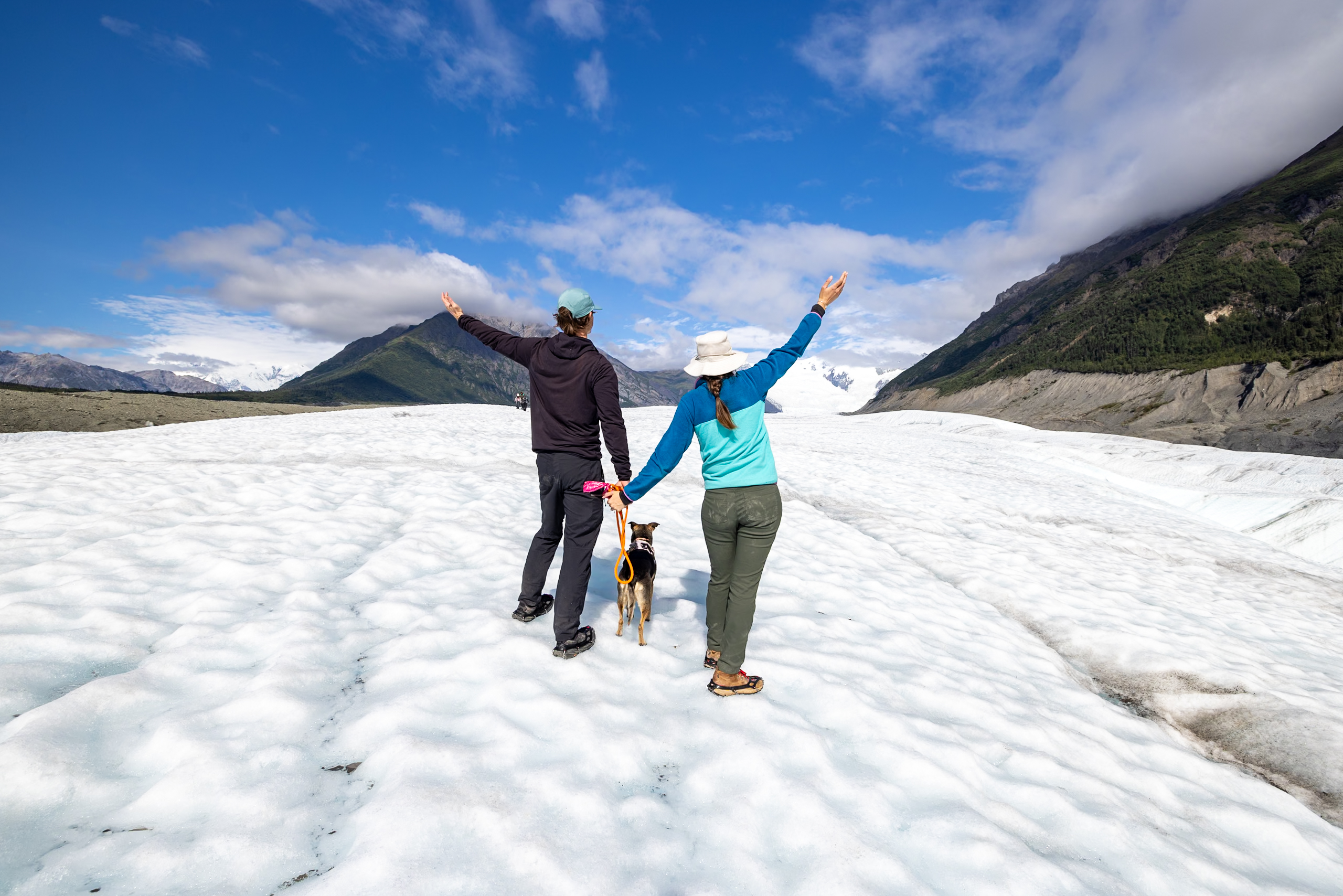
Wrangell-St. Elias offers expansive alpine views that turn golden by late August, while Kenai Fjords provides a coastal perspective on autumn. These parks are more accessible for road-trippers; base yourself in McCarthy for Wrangell-St. Elias or Seward for Kenai Fjords.
I prefer these areas for travelers who want a mix of mountain hiking and coastal scenery without needing bush planes to reach the best color zones.
Planning Tip: Because Alaskan autumn is so short, always confirm your flight and lodging availability at least six months in advance. The weather can change rapidly, so pack high-quality, moisture-wicking layers.
My final advice: prioritize the first two weeks of September for the best balance of color and manageable temperatures.
How to Plan Your Fall Colors Trip to Great Smoky Mountains National Park?
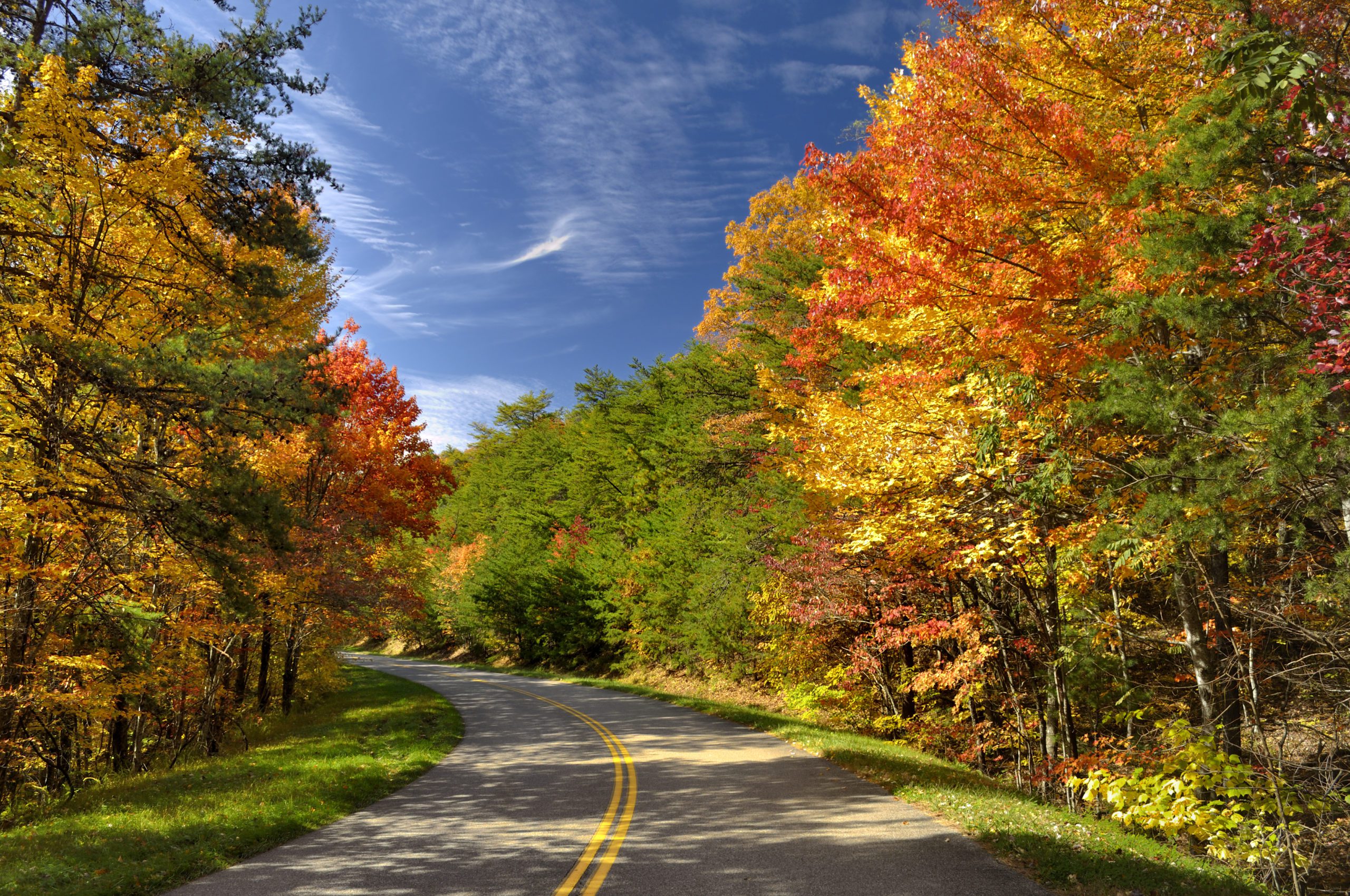
Great Smoky Mountains National Park demands a strategic approach to autumn, as the park’s immense elevation range—stretching from roughly 875 to 6,643 feet—creates a rolling wave of color that lasts from late September through mid-November.
When is Peak Foliage in the Smokies? (Elevation vs. Timing)
Timing your visit requires choosing your elevation target, as the color change follows a predictable downward progression from the peaks to the valley floors.
- High Elevations (above 5,000 feet): Aim for the first two weeks of October. This is where you will catch the earliest transitions, including the brilliant yellows of the birches and the gold of the mountain maples.
- Mid-to-Lower Elevations: Plan for the final two weeks of October into early November. This is the prime window for the iconic sugar maples, hickories, and scarlet oaks that define the classic Smokies landscape.
Pro Tip: If you miss the peak at the summits, simply drive down to the lower valleys; the colors often persist here long after the high ridges have turned bare.
Best Scenic Drives & Viewpoints
The following routes offer the most efficient way to capture the vast, kaleidoscopic vistas of the Southern Appalachians.
| Route/Stop | Best For | Why It Wins |
|---|---|---|
| Newfound Gap Road | Panoramic vistas | The primary artery through the park, offering constant elevation changes and frequent overlooks. |
| Cades Cove | Wildlife & history | Combines vibrant valley foliage with historic structures and high deer-sighting probability. |
| Foothills Parkway | Unobstructed views | Provides a sweeping, wide-angle perspective of the mountains that is less congested than the main park roads. |
| Kuwohi (formerly Clingmans Dome) | High-altitude color | The highest point in the park; ideal for seeing the early-season change from the absolute top. |
Top Autumn Hiking Trails
Escape the roadside congestion by heading into the park’s 800-mile trail network. I recommend prioritizing these paths for a quieter experience:
- Little River Trail: My pick for those who want a gentle, scenic walk; it follows an old railroad grade and offers beautiful river views framed by turning hardwoods.
- Alum Cave Trail: Best for hikers who want dramatic geological features alongside their foliage; the views from the bluffs are unmatched.
- Oconaluftee River Trail: Ideal for families or those seeking an easy, flat walk that stays close to the water and wildlife.
- Appalachian Trail (AT): Choose this if you want to experience the high-elevation “ridge-top” color change; it is the most rugged and rewarding option.
Essential Tips to Avoid Crowds, Navigate Traffic, and Stay Safe
October is the busiest month of the year for the Smokies, with over 1.5 million visits logged annually. You must plan accordingly to avoid spending your trip in a traffic jam.
- The Golden Rule: Arrive at your chosen trailhead or scenic overlook before 8 a.m. or after 4 p.m. If you arrive at 10 a.m. on a Saturday in October, expect full parking lots and significant delays.
- Weekday Advantage: If your schedule allows, visit during the week. The weekend crowds are intense, and weekdays offer a vastly superior experience for photography and solitude.
- Base Yourself Wisely: For the best access, look for cabins or mountain inns in gateway towns like Gatlinburg or Townsend. Staying in these areas allows you to beat the morning traffic entering the park from the main gates.
- Stay Safe: Mountain weather is volatile. Even if it is warm in the valley, temperatures at high elevations like Kuwohi can be significantly colder. Always pack layers and check the forecast for the specific elevation you intend to visit.
Final Recommendation: Focus your trip on the final two weeks of October. While the park is busy, this window provides the highest probability of seeing the widest variety of tree species in peak color across the most accessible elevations.
Frequently Asked Questions
When is the absolute best time to see fall colors?
Peak timing is dictated by elevation and latitude rather than a fixed calendar date. In parks like Great Smoky Mountains, colors shift from the high ridges down to the valleys between mid-October and early November.
Conversely, northern parks like Glacier see the Western larch turn gold by mid-October, while the west side of the park begins its transition as early as mid-September. I recommend checking the specific park’s official website or local foliage reports two weeks before your departure, as weather patterns can shift peak windows by several days each year.
How can I avoid the massive crowds during peak season?
Popular destinations like Great Smoky Mountains National Park see over 1.5 million visitors in October alone, making parking and traffic the primary challenges. The most effective strategy is to adjust your internal clock: arrive at trailheads or scenic overlooks before 8:00 a.m. or plan your excursions for after 4:00 p.m. This not only helps you secure a parking spot but also provides the softest, most photogenic light for your shots.
Are there specific areas that offer better foliage than others?
Diversity of species is the key to a vibrant display. Parks with a mix of deciduous trees—such as sugar maples, hickories, and scarlet oaks—offer a more complex color palette than those dominated by a single species.
For instance, the riparian areas around Brooks Camp in Katmai provide a stunning contrast of deciduous vegetation against the tundra, while the higher elevations of the Rockies offer the distinct, brilliant gold of quaking aspens. If you are looking for the most variety, prioritize parks that feature both high-altitude coniferous forests and lower-elevation deciduous woodlands.
What should I pack for an autumn national park trip?
Layering is non-negotiable because temperatures can drop significantly as you move between valley floors and mountain summits. Even if the base of the park feels mild, high-elevation trails often experience near-freezing temperatures in the morning.
I suggest bringing a moisture-wicking base layer, a fleece or insulated mid-layer, and a windproof outer shell. Sturdy, waterproof hiking boots are essential, as autumn weather can bring unexpected rain or early-season snow that makes trails slippery.
Summary for Success: To maximize your trip, prioritize early morning arrivals to beat the crowds, pack versatile layers to handle rapid elevation-based temperature changes, and always consult real-time park alerts for the most accurate foliage status.
How to Make Your Autumn Park Adventure Happen
Your first step is to lock in your dates and match them to the elevation of your target park. If you are aiming for the Great Smoky Mountains, book a cabin in Townsend or Gatlinburg for late October right now.
For those heading west to Grand Teton or Rocky Mountain, secure your timed-entry permits and vehicle reservations immediately before they sell out.
There is nothing quite like standing in a grove of golden trees with crisp mountain air in your lungs to make you feel completely re-energized.
Grab your favorite cozy sweater, pack your camera gear, and start mapping out your ultimate autumn road trip today.
Leave a Reply