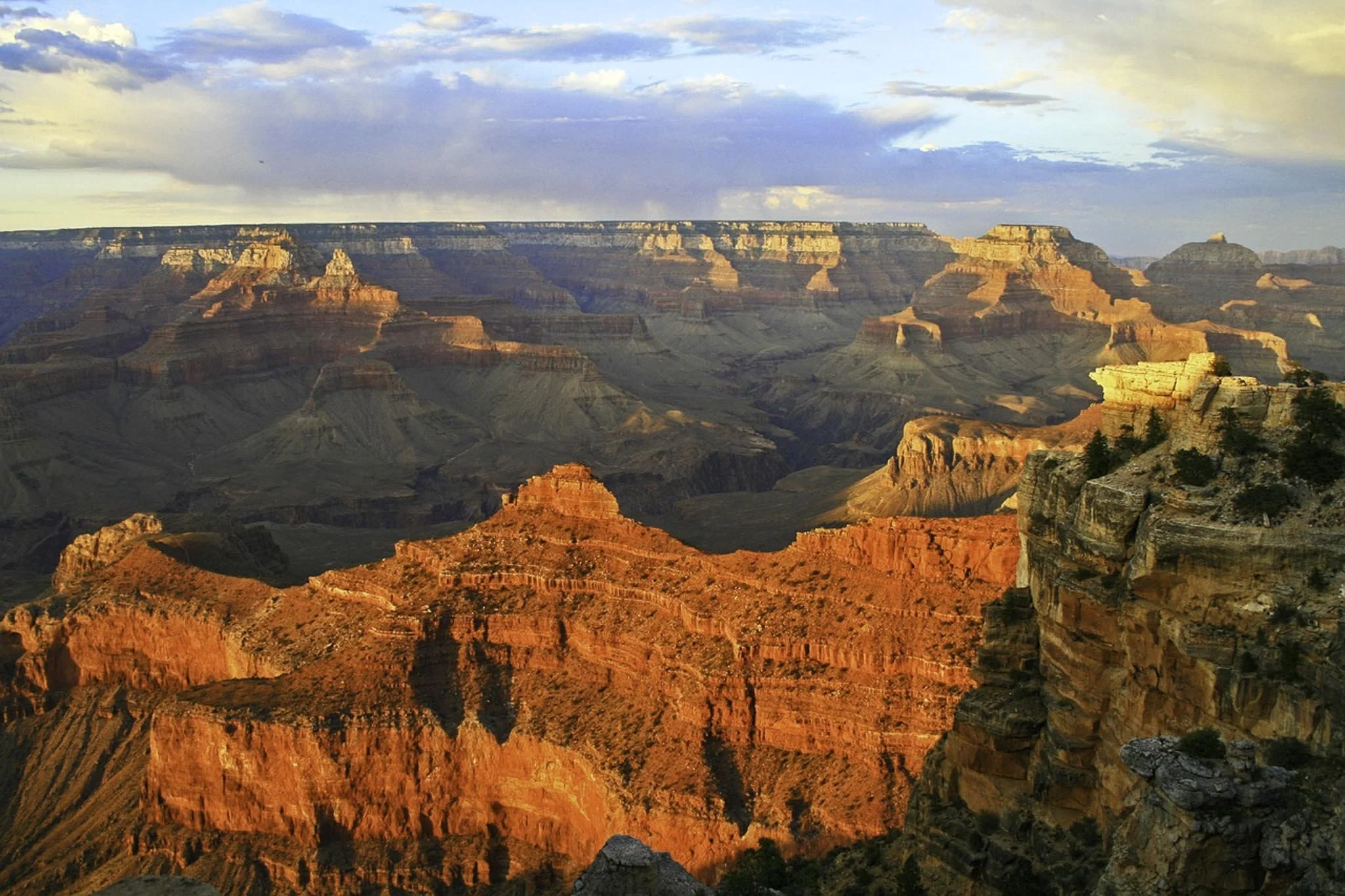
The Grand Canyon at sunrise in November is a different animal entirely — golden light crawling down limestone walls while you stand at Yavapai Point with maybe a dozen other people instead of the summer mob that makes you feel like you’re at a theme park.
November is the only month you can comfortably hike from a 75°F saguaro forest to an 8,000-foot frosty canyon rim in the same road trip, and off-season lodging prices drop 20 to 40 percent at gateway towns that charge a premium from June through September.
This guide helps you match your travel style — desert solitude, fall foliage, volcanic drama, or underground adventure — to the park that actually delivers in November.
Budget travelers hitting free parks like Great Smoky Mountains or Hot Springs can expect roughly $30 to $45 per person per day with camping or basic motels.
Mid-range park visits with gateway-town lodging and entrance fees run $60 to $85 per person per day, while a splurge trip to Hawaii Volcanoes lands around $100 to $140 per person per day including Big Island accommodations.
Top Desert National Parks to Visit in November
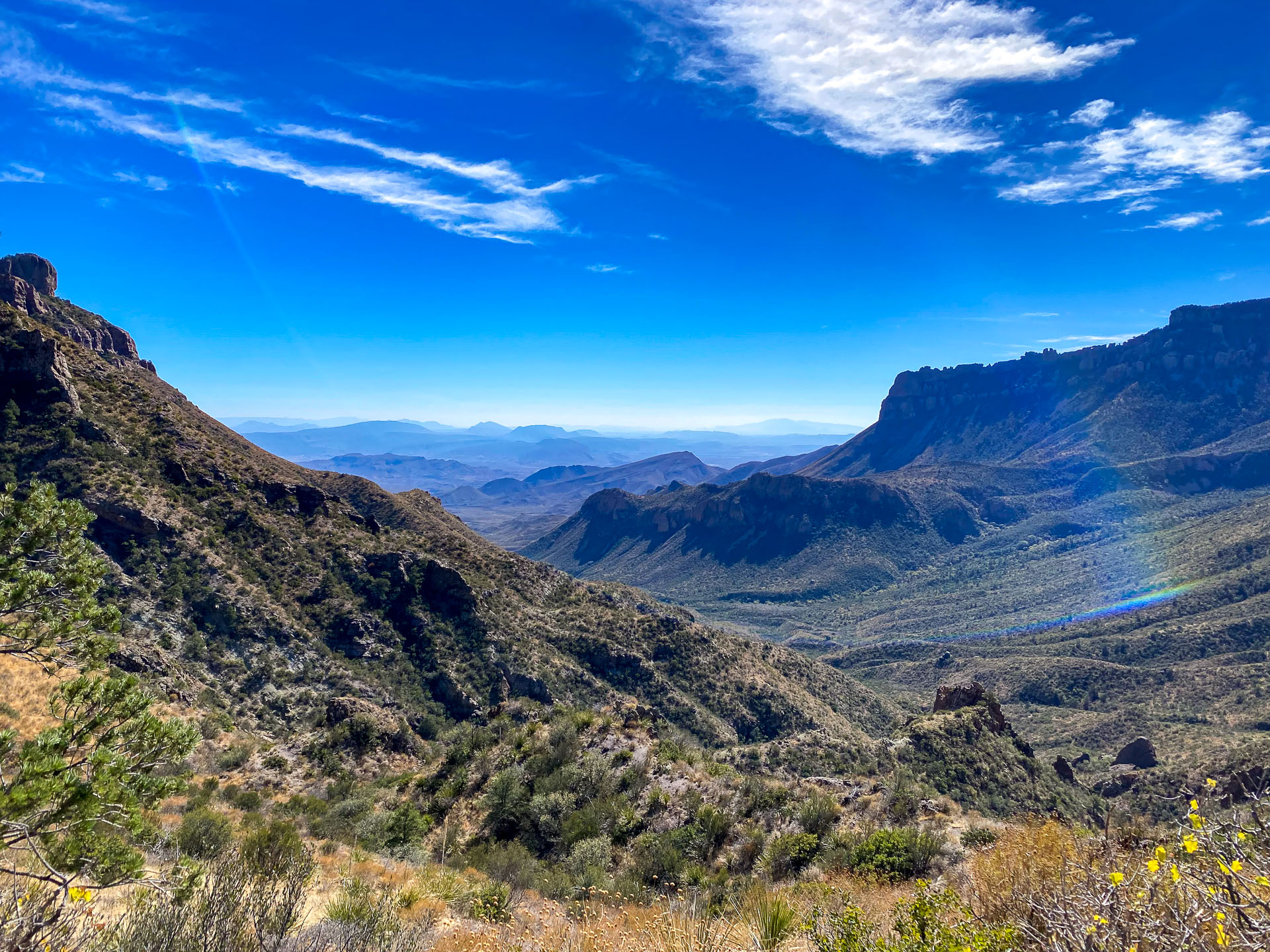
November is when the American desert finally exhales. Daytime highs settle into the mid-60s to low 70s — hiking temperatures that are flat-out impossible from May through September — and the low-angle light turns every sandstone wall and gypsum dune into something worth photographing.
These five parks deliver the most dramatic desert landscapes in the country, and November is the narrow window when you can actually enjoy them on foot without heat exhaustion becoming a trip-ending concern.
| Park | Avg High / Low (Nov) | Standout Feature | Gateway Town | Days Needed |
|---|---|---|---|---|
| Big Bend, TX | 66°F / 46°F | Desert canyons + mountain trails | Terlingua | 3–4 |
| White Sands, NM | 66°F / 28°F | World’s largest gypsum dune field | Alamogordo | 1 |
| Saguaro, AZ | ~75°F / ~48°F | Iconic giant cacti at golden hour | Tucson | 1–2 |
| Carlsbad Caverns, NM | 62°F / 40°F | Underground cathedral caves | Carlsbad | 1–2 |
| Joshua Tree, CA | ~70°F / ~42°F | Bouldering + surreal night skies | Twentynine Palms | 2–3 |
Big Bend National Park, Texas
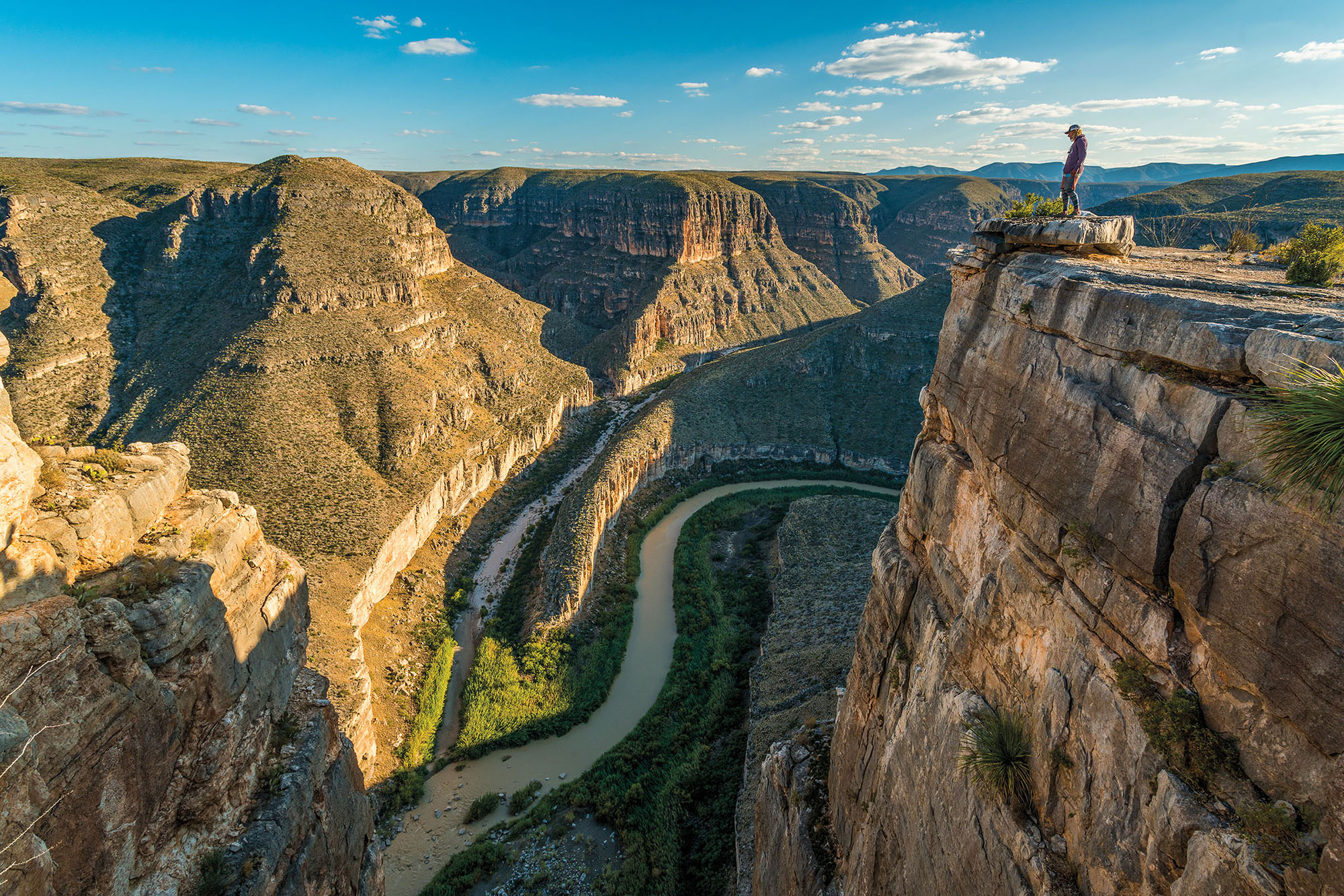
Big Bend is the most underrated national park in the lower 48, and November is its sweet spot. The Chihuahuan Desert floor warms to a perfect 66°F by midday while the Chisos Mountains stay cool enough for serious ridge hiking.
The Lost Mine Trail — a 4.8-mile round trip with sweeping views of Casa Grande and Juniper Canyon — is the single best bang-for-your-buck hike here. Start by 8 a.m. to have the overlook nearly to yourself.
This park is genuinely remote. Terlingua, the closest town, is a former ghost mining settlement with a population under 200.
It has a handful of restaurants and vacation rentals but zero chain hotels. The Chisos Mountains Lodge is the only in-park lodging, and its rooms book out two to three months ahead for November weekends.
If you want to camp, the Chisos Basin campground is the move — higher elevation means warmer nights than the desert floor, which can dip into the low 40s.
- Best for: Hikers and solitude seekers who don’t mind a long drive to get there — the nearest major airport (Midland-Odessa) is still four hours away.
- Don’t skip: Santa Elena Canyon at sunset. The 1,500-foot limestone walls glow amber when the sun hits them from the west.
- Skip if: You only have a weekend and you’re flying in. The drive time alone eats a full day.
White Sands National Park, New Mexico
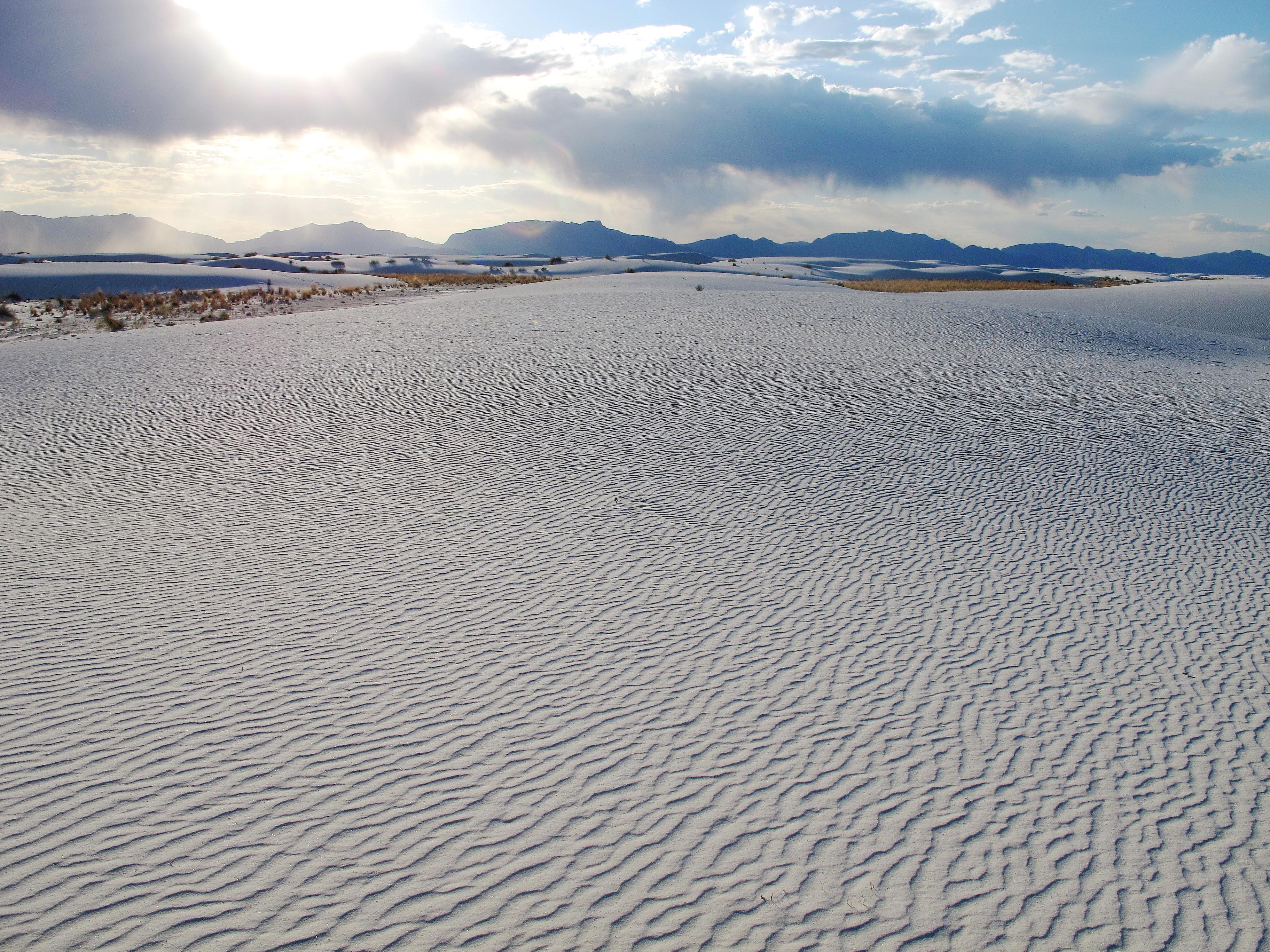
Nothing in the U.S. looks like White Sands. The park protects 275 square miles of pure white gypsum dunes — the largest gypsum dune field on Earth — and in November, the low sun throws long blue shadows across the dune crests that make the landscape look genuinely otherworldly.
Average highs hit 66°F, but nighttime temperatures plunge to around 28°F, so dress in layers and bring more than you think you need.
The park sits in the Tularosa Basin, about 50 miles from Alamogordo, which is your best base for hotels and supplies. Entry is $25 per vehicle.
The Dune Life Nature Trail (1-mile loop) and the Alkali Flat Trail (5-mile loop) are the two standout hikes — the latter takes you deep into the dune field where you’ll see almost no one else.
- Best for: Photographers and families. Kids can sled the dunes — grab a plastic disc at the visitor center gift shop or bring your own.
- Insider tip: Arrive 90 minutes before sunset. The dunes turn pink and gold, the crowds thin to almost nothing, and you’ll get the photos that actually look like the ones that made you click on this article.
- Watch out: White Sands Missile Range occasionally closes the park road for testing. Check the NPS website the morning of your visit — closures are posted by 7 a.m.
Saguaro National Park, Arizona
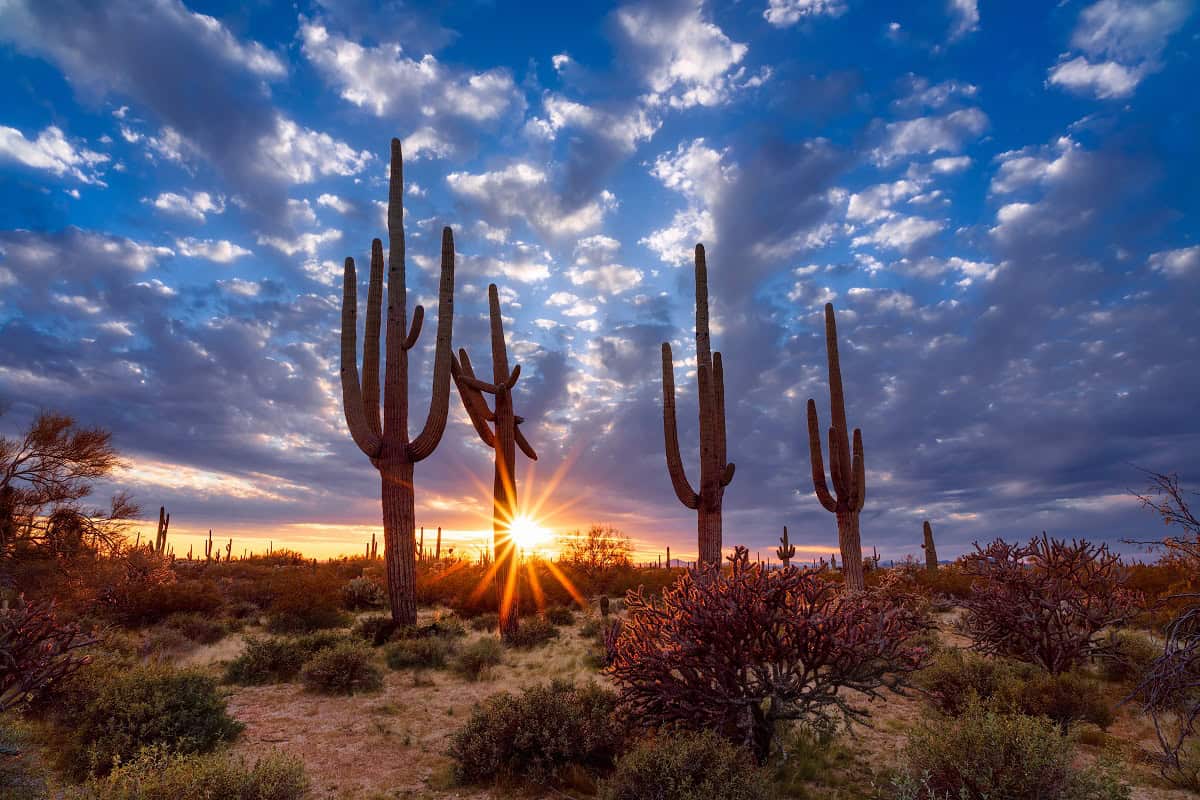
Saguaro splits into two districts flanking Tucson — the Rincon Mountain District (East) and the Tucson Mountain District (West). In November, with highs around 75°F, both are ideal for hiking, but they serve different trips.
The West District has denser saguaro forests and shorter, more photogenic trails like the Valley View Overlook (0.8 miles). The East District offers longer backcountry routes into the Rincon Mountains.
If you’re choosing one, go West for the iconic cactus shots.
The huge advantage here is Tucson itself. You’re 30 minutes from a real city with excellent Mexican food, boutique hotels, and a major airport.
Base yourself in central Tucson and you can hit both districts as day trips. The park charges $25 per vehicle, valid for seven days across both districts.
- Best for: Travelers who want a national park experience without roughing it — Tucson’s dining and lodging scene makes this the most comfortable desert park visit on this list.
- Don’t skip: The Cactus Garden Loop at the Red Hills Visitor Center (West) at golden hour. The saguaros against the Catalina Mountains is the shot.
- Insider tip: The East District’s Cactus Forest Drive is a one-way scenic loop that’s far less trafficked than the West side. If you want quiet, go East on a weekday morning.
Carlsbad Caverns National Park, New Mexico
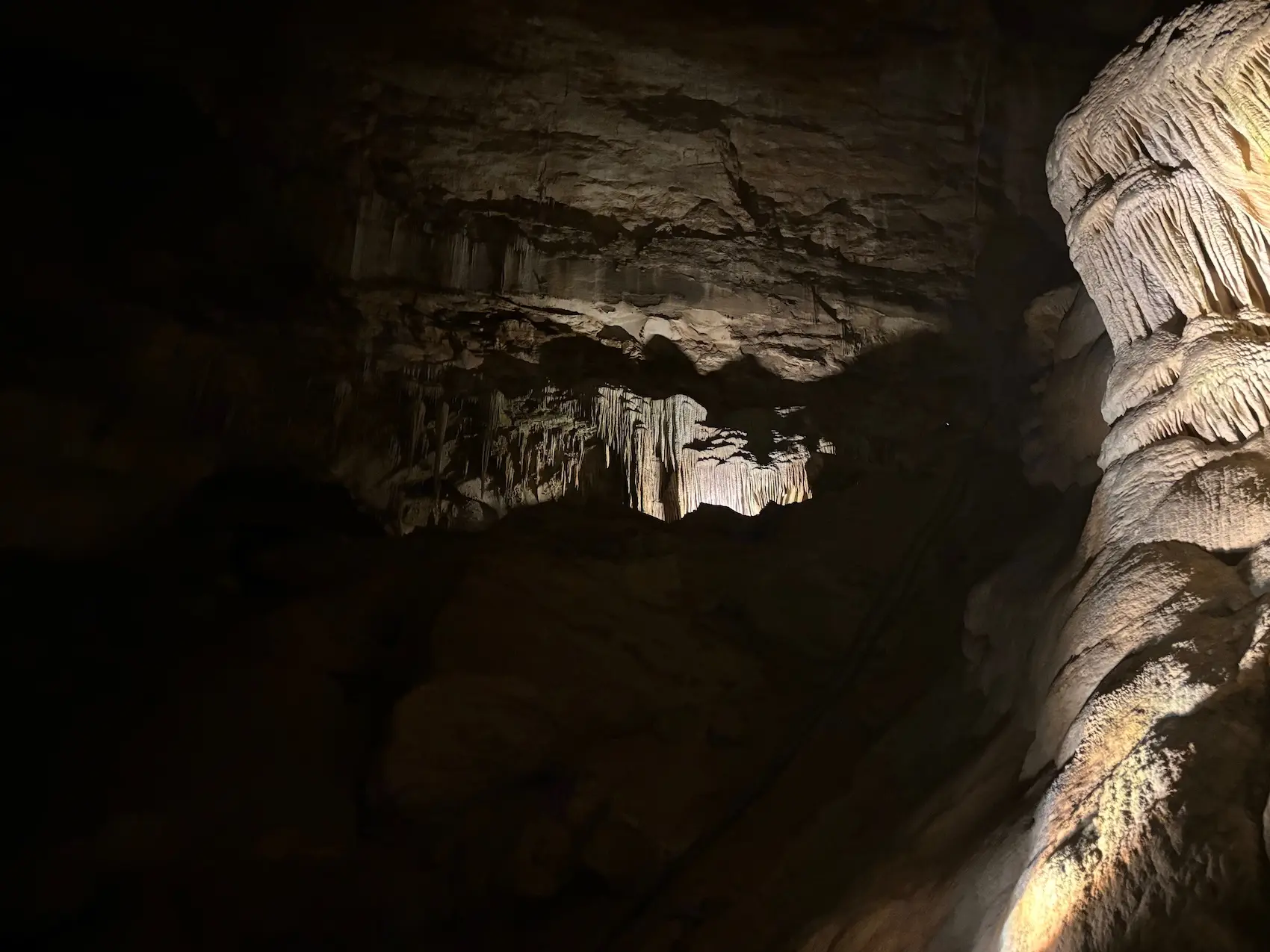
Carlsbad Caverns flips the desert park script entirely — the main attraction is 750 feet underground. The Big Room, a limestone chamber the size of six football fields, is one of the most visually overwhelming natural spaces in North America.
November averages 62°F outside, but the cave stays a constant 56°F year-round, so bring a light jacket regardless of the surface weather.
The self-guided Natural Entrance tour is the way in. You walk down the steep switchback trail into the mouth of the cave — a 1.25-mile descent that builds anticipation far better than the elevator.
The Big Room trail is another 1.25 miles on a relatively flat, paved loop. Budget two to three hours for both.
Timed entry reservations are required and can be made at recreation.gov; adult tickets are roughly $15–$18 depending on the season.
Base yourself in the town of Carlsbad, about 20 miles from the park entrance. It’s a small oil town with limited dining, but it has reliable chain hotels.
If you want something more interesting, White’s City — right at the park turnoff — has a motel and a few basic amenities.
- Best for: Anyone who wants a completely different kind of national park day. This is the best cave experience in the U.S., period.
- Insider tip: The bat flight program (Brazilian free-tailed bats exiting the cave at dusk) typically runs through October and ends before November. Don’t plan around it — confirm with the park directly.
- Pair it with: White Sands is about 3.5 hours west. Combining both into a southern New Mexico road trip is the strongest two-park November itinerary in the desert Southwest.
Joshua Tree National Park, California

Joshua Tree in November is peak season for good reason: highs hover around 70°F, the Joshua trees are photogenic year-round, and the boulder formations at Jumbo Rocks and Hidden Valley are finally cool enough to climb without burning your hands on sun-heated granite. The park draws rock climbers from around the world, but you don’t need gear to appreciate the stacked boulders — scrambling around them is half the fun.
The park has two main entrances: the West (Joshua Tree town) and the North (Twentynine Palms). Enter from the north if you want to hit Skull Rock and the Cholla Cactus Garden first; enter from the west if you’re prioritizing Hidden Valley and Barker Dam.
Entry is $30 per vehicle, valid for seven days.
Here’s the reality check: Joshua Tree gets crowded on November weekends. The parking lot at Keys View and the Barker Dam trailhead can fill by 9 a.m. on Saturdays.
Visit on a Tuesday through Thursday if your schedule allows. For lodging, Twentynine Palms has more hotel options and slightly better access than the town of Joshua Tree, though both work.
The park’s campgrounds (Black Rock and Indian Cove are the best-equipped) require reservations through recreation.gov and fill up weeks ahead for November.
- Best for: Weekend warriors from Los Angeles or San Diego — it’s a two- to three-hour drive with world-class stargazing once the sun goes down.
- Don’t skip: The Cholla Cactus Garden at sunset. The “teddy bear” cholla glow backlit against the Pinto Basin is the single most photographed scene in the park for a reason.
- Insider tip: Skip the crowded west-side entrance on weekend mornings. Drive an extra 15 minutes to the North Entrance in Twentynine Palms — shorter lines, faster access to the park’s interior.
Which Utah Parks Deliver the Best Hiking Conditions in November?
November is Utah’s secret sweet spot: the brutal summer heat is gone, the crowds have thinned dramatically, and the desert light is absolutely perfect for hiking. You get crisp, sunny days without the need for a 5 AM start to beat the heat.

Zion National Park
Zion is the undisputed king for November hiking variety. The shuttle system typically runs through late November, giving you easy access to the main canyon without the parking nightmare.
The Narrows is still hikeable with proper gear (expect water temps around 45°F), and trails like Observation Point via the East Mesa trailhead offer world-class views without the permit hassle of Angels Landing.
- Best For: Hikers wanting iconic canyon scenery and well-maintained trails.
- Key Detail: The Zion Canyon shuttle usually operates until the Sunday after Thanksgiving. Confirm the exact end date with the park, as this is your last chance for car-free access until spring.
- Stay Base: Springdale is the obvious gateway, but for a quieter, more affordable option, consider the town of Hurricane, a 30-minute drive away.
Arches National Park
Arches in November is a hiker’s dream. The scorching summer temperatures that make the exposed trails miserable are replaced by comfortable 50s°F days.
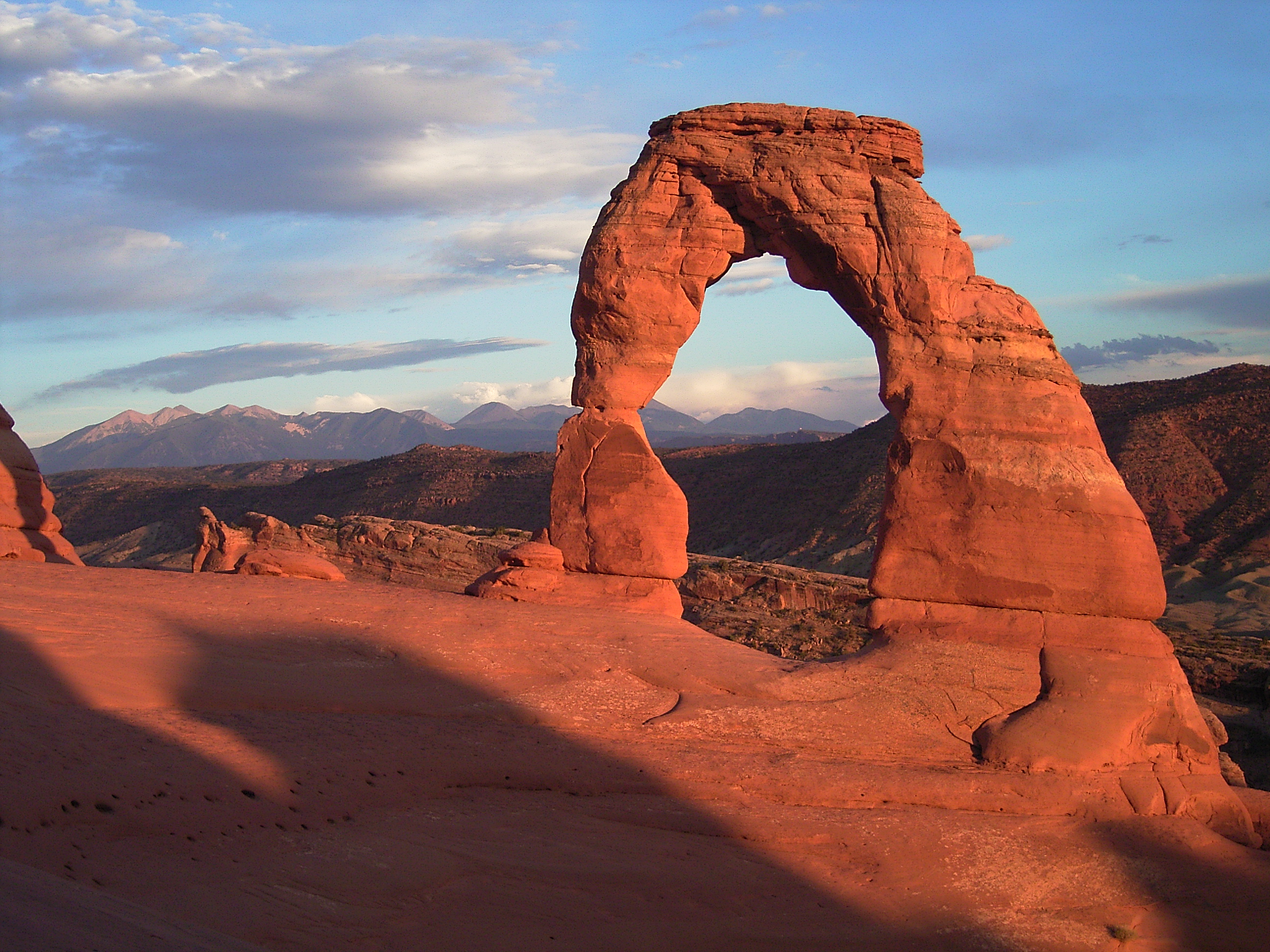
You can actually enjoy the hike to Delicate Arch at midday instead of frying. The park’s timed entry reservation system typically ends in October, so November access is first-come, first-served—arrive before 9 AM to guarantee entry.
- Best For: Photographers and hikers who want to see iconic arches without summer’s oppressive heat and crowds.
- Key Detail: The Windows Section and Devils Garden trails are less crowded than Delicate Arch but equally stunning. Prioritize them for a more serene experience.
- Stay Base: Moab is the only real option, and it’s a fantastic base with great restaurants and gear shops.
Canyonlands National Park
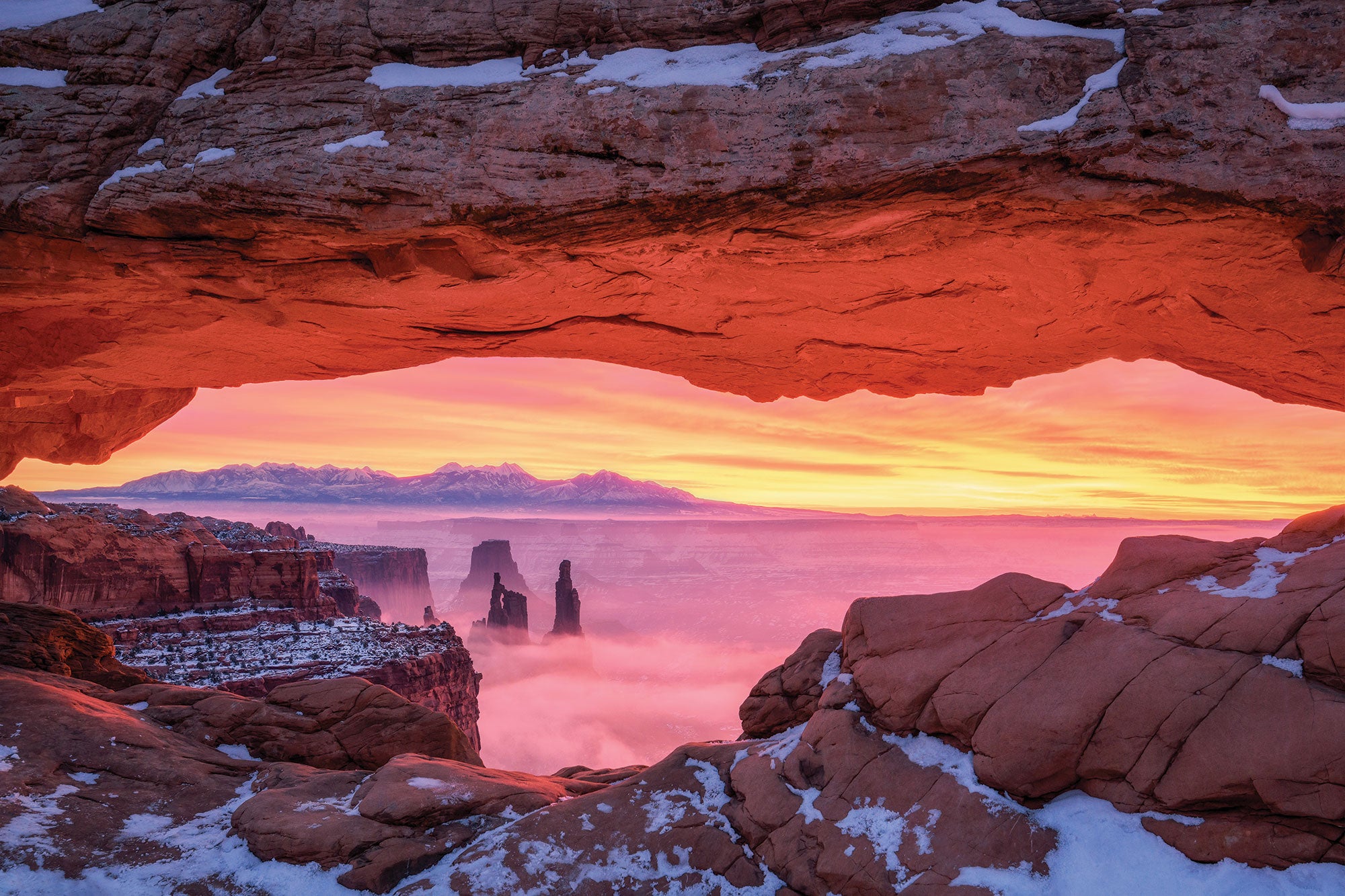
Canyonlands is for hikers seeking solitude and vast, raw landscape. November’s cooler temps make the long, exposed trails in the Island in the Sky district—like the 11-mile Syncline Loop—genuinely enjoyable.
The park sees a fraction of the visitors of its neighbors. Sunrise at Mesa Arch is still a must, but you’ll share it with dozens, not hundreds.
- Best For: Experienced hikers and backpackers wanting remote, challenging terrain and epic solitude.
- Key Detail: The White Rim Road is often passable in November for high-clearance 4WD vehicles, but check conditions with the ranger station. A permit is required for overnight trips.
- Stay Base: Moab serves both Arches and Canyonlands (Island in the Sky is a 30-minute drive from town).
Bryce Canyon National Park
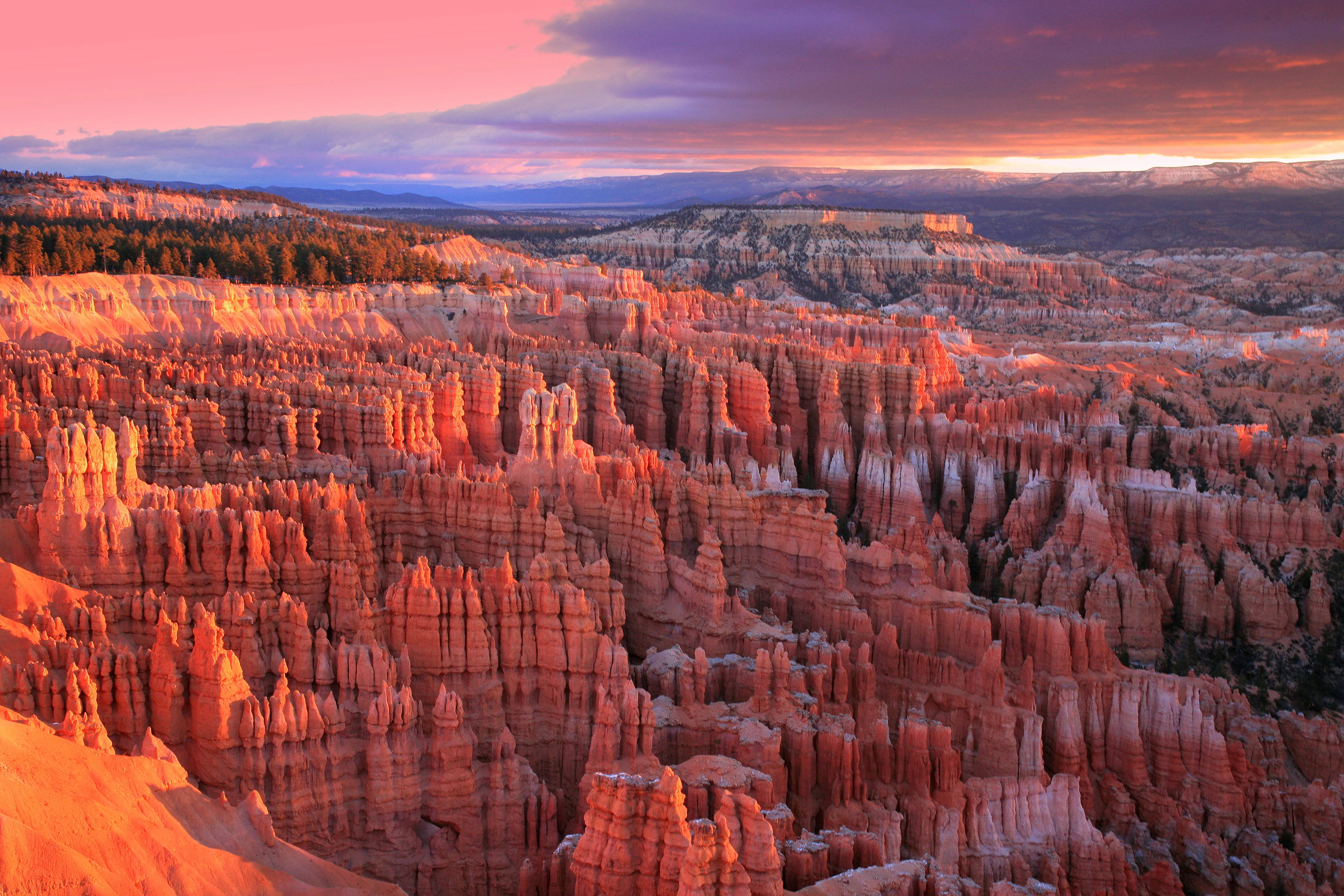
Bryce is the coldest of the four, with average highs around 48°F and lows near freezing. This is a feature, not a bug.
The crisp air makes the orange hoodoos pop under a deep blue sky, and you can hike the Queen’s Garden/Navajo Loop combo without sweating through your layers. Snow is possible and adds magical scenery, but trails can be icy—microspikes are a smart pack item.
- Best For: Hikers who want a surreal, otherworldly landscape and don’t mind bundling up.
- Key Detail: The park’s free shuttle usually stops running in late October. In November, you’ll drive yourself, but parking at popular trailheads like Sunset Point is rarely an issue.
- Stay Base: The lodge inside the park is a classic, but the town of Bryce Canyon City, just outside the gate, has more affordable options.
| Park | Nov. High / Low (°F) | Crowd Level | Best November Hike |
|---|---|---|---|
| Zion | 56 / 30 | Moderate | Observation Point (East Mesa) |
| Arches | 54 / 28 | Low-Moderate | Devils Garden Primitive Loop |
| Canyonlands | 52 / 28 | Low | Grand View Point Trail |
| Bryce Canyon | 48 / 23 | Low | Queen’s Garden/Navajo Loop |
The Insider Move: For the ultimate November road trip, hit Bryce first (coldest, most dramatic), then work your way to Zion via Highway 89. This lets you acclimate to the cooler temps and saves the most versatile park for last.
Book your Zion shuttle tickets the moment they’re released if you’re visiting before the service ends.
Best National Parks for Fall Foliage and Cooler Weather in November
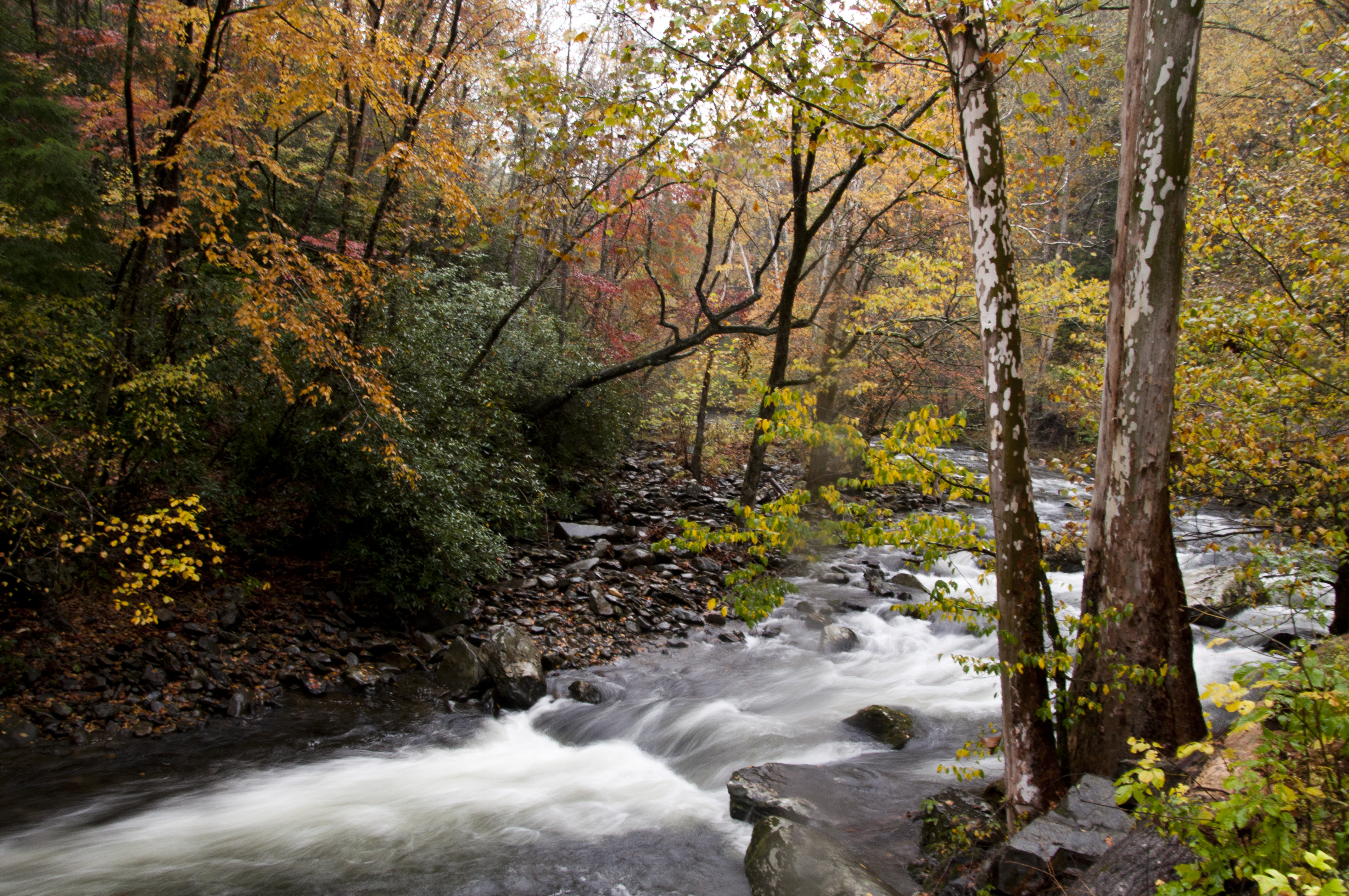
By mid-November, the last stubborn oaks in the Smokies finally drop their copper leaves — and the crowds thin just enough to make the overlooks feel yours. These three parks trade summer’s heat for crisp air, golden canopy, and trails you can actually enjoy without melting.
| Park | Nov. Temp Range | Standout Draw | Crowd Level |
|---|---|---|---|
| Great Smoky Mountains | 55°F / 29°F | Peak fall color, waterfalls | High (busiest park in the U.S.) |
| Hot Springs | 62°F / 40°F | Thermal soaking, pet-friendly trails | Low |
| Mammoth Cave | 60°F / 39°F | World’s largest cave system | Low–Moderate |
Great Smoky Mountains National Park
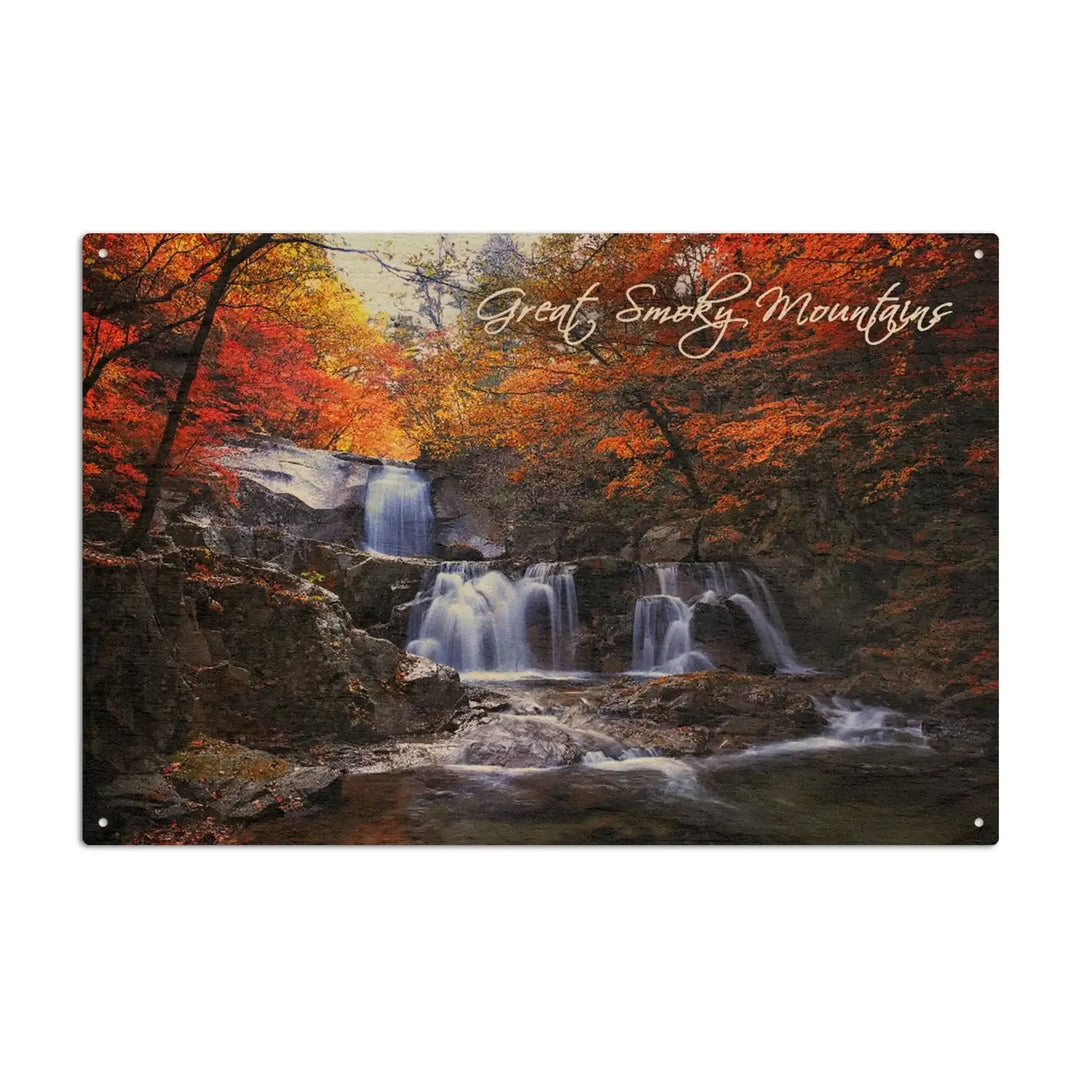
This is the most-visited national park in the country for a reason — and November is when the southern Appalachians put on their final, most dramatic color show. Expect blazing ridgelines, misty valleys, and waterfall trails surrounded by amber and rust.
The trade-off is real: Cades Cove and Newfound Gap Road stay busy through early November, especially on weekends. Arrive at trailheads before 8 a.m. or target weekdays to dodge the worst of it.
- Best foliage window: Early-to-mid November at lower elevations; peak color climbs down from the ridges throughout the month.
- Must-do hike: Alum Cave Trail to Arch Rock — moderate, 4.4 miles round trip, with dramatic cliff faces and late-season color.
- Base yourself in: Gatlinburg for direct park access and walkable dining, or Townsend on the quieter western side if you want to skip the strip-mall energy.
- Plan for cold: Overnight lows dip to the upper 20s. Pack real layers, not just a hoodie.
Hot Springs National Park, Arkansas
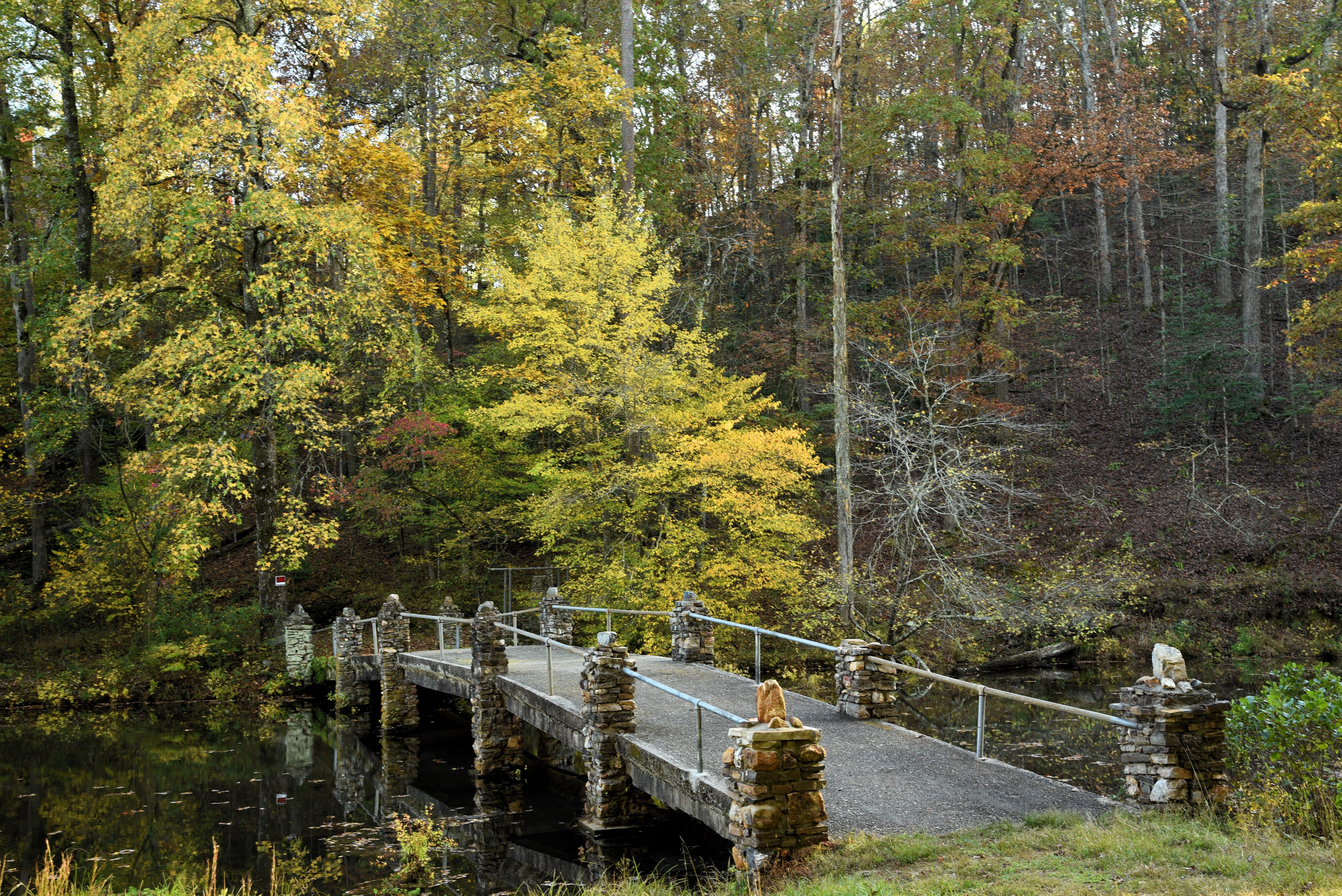
Hot Springs is the most underrated pick on this list. It is the only national park where you can soak in naturally heated thermal water — up to 143°F — after a morning hike through the Ouachita Mountains.
November’s mild 60s-degree days make the trails comfortable, and the fall color along the Gulpha Gorge Trail is genuinely beautiful without the shoulder-to-shoulder traffic you will find in the Smokies.
- What makes it different: Bathhouse Row is a National Historic Landmark district right in downtown Hot Springs. Buckstaff Bathhouse still operates traditional thermal bathing — expect roughly $30–$40 for a bath experience, though confirm pricing before you go.
- Pet-friendly standout: Dogs are welcome on every trail in the park, which is rare among national parks. They are only restricted inside park buildings.
- Getting there: About one hour from Little Rock via US-70. The park sits within the city of Hot Springs itself — no long drive through remote land to reach a gate.
- Base yourself in: Downtown Hot Springs, walking distance to Bathhouse Row and the trailheads. The town has a solid restaurant scene along Central Avenue.
Mammoth Cave National Park, Kentucky
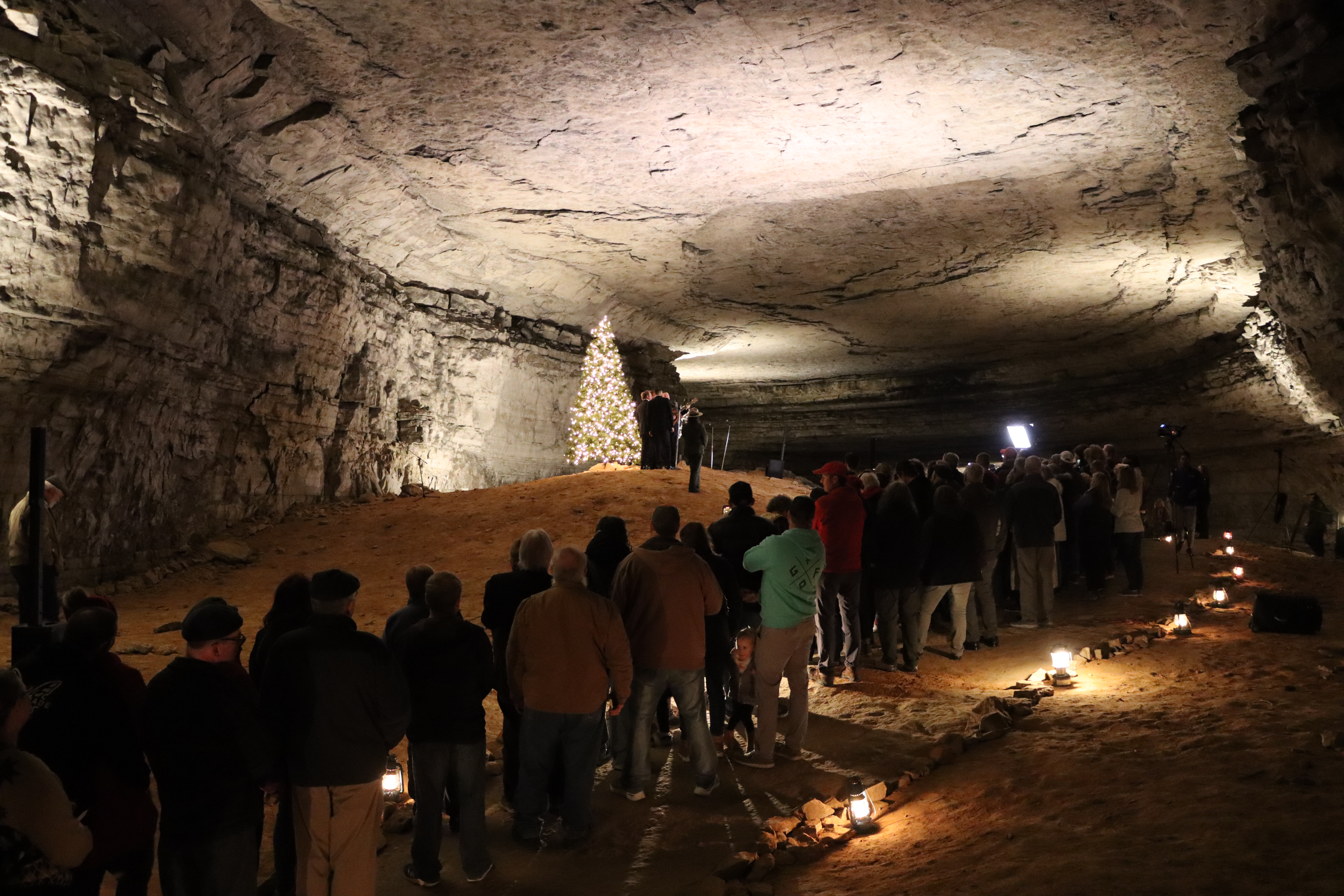
Mammoth Cave protects the longest known cave system on Earth — over 400 miles of surveyed passageways — and November is one of the smartest months to visit. Cave tours run year-round at a constant 54°F underground, so the season does not matter below the surface.
What changes is everything above it: the hardwood forests along the Green River turn gold and amber, and the aboveground trails are nearly empty.
- Book cave tours early: Popular tours like the Historic Tour and Domes and Dripstones sell out, even in November. Reserve through recreation.gov as soon as your dates are firm — typically $15–$25 per adult depending on the tour.
- Do not skip the surface: The Cedar Sink Trail and the River Styx Spring Trail are short, scenic, and overlooked by most visitors who only come for the cave.
- Base yourself in: Cave City or Park City, both about 15 minutes from the park’s main entrance. Options are basic but affordable — expect $60–$100/night for standard motels and cabins.
- Insider note: The cave stays a steady 54°F year-round, but November’s surface temps in the upper 30s–low 60s mean you need a jacket both above and below ground. Dress in layers you can peel off once you are inside.
Which National Parks Offer Unique November Experiences?
November is when two of America’s most dramatic landscapes become something most summer visitors never get to see — a volcanic island where the earth is still actively building new terrain, and a mile-deep chasm finally freed from the shoulder-to-shoulder crowds that define it from June through September.
Hawaii Volcanoes National Park, Hawaii
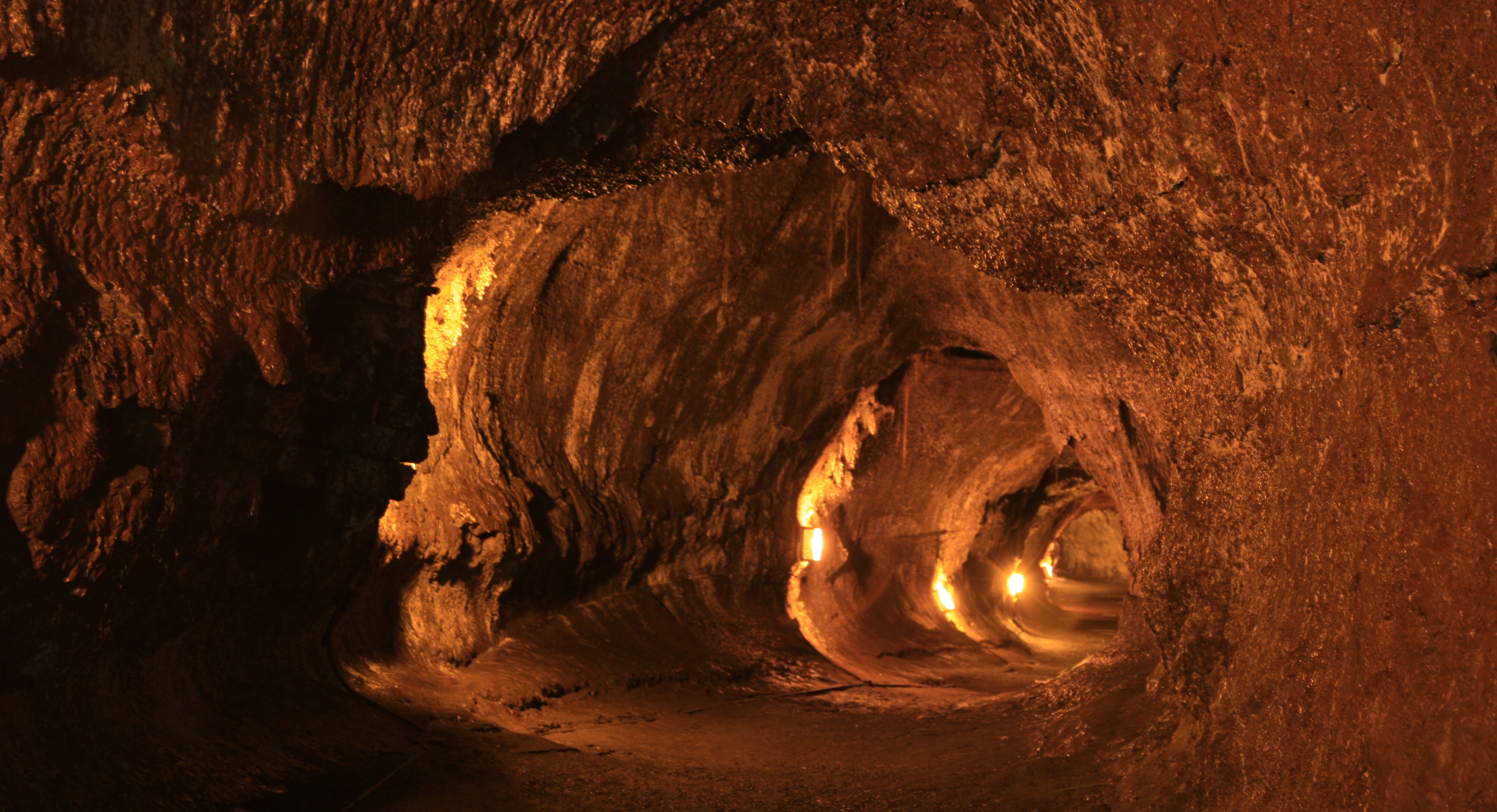
This is the only national park where you can watch the planet literally creating new land. Kīlauea, one of Earth’s most active volcanoes, has been erupting on and off for decades — and even when surface lava isn’t visible, the park delivers experiences no other park on this list can match: walking through the Nāhuku lava tube, standing at the edge of the Halemaʻumaʻu crater, and crossing fields of solidified lava that range from jet-black to rust-red.
November temperatures at the summit hover around 57°F during the day and dip to roughly 35°F at night — cooler than most people expect for Hawaii, so pack layers and a rain shell. Rain is frequent at this elevation (around 4,000 feet), but that’s exactly what keeps the surrounding rainforest lush and the visitor numbers well below the December–March peak.
- Best for: Geology enthusiasts, photographers, and anyone who wants a national park that feels genuinely otherworldly — not just scenic, but primordial.
- Don’t miss: The Thurston Lava Tube (Nāhuku) — arrive before 9 a.m. to walk it without a crowd. The 11-mile Crater Rim Drive loops past the park’s best overlooks and can be done in a single morning.
- Stay in: Volcano village, just outside the park entrance, has small inns and vacation rentals that drop to shoulder-season rates in November. Hilo, about 30 miles northeast, offers more hotel inventory and serves as the main flight gateway to the island.
Insider detail: Check the USGS Hawaiian Volcano Observatory website before your trip — eruption status changes frequently, and seeing active lava flow is a matter of timing, not luck. When Kīlauea is actively erupting, the park sometimes opens special viewing areas that don’t appear on standard visitor maps.
Grand Canyon National Park (South Rim)
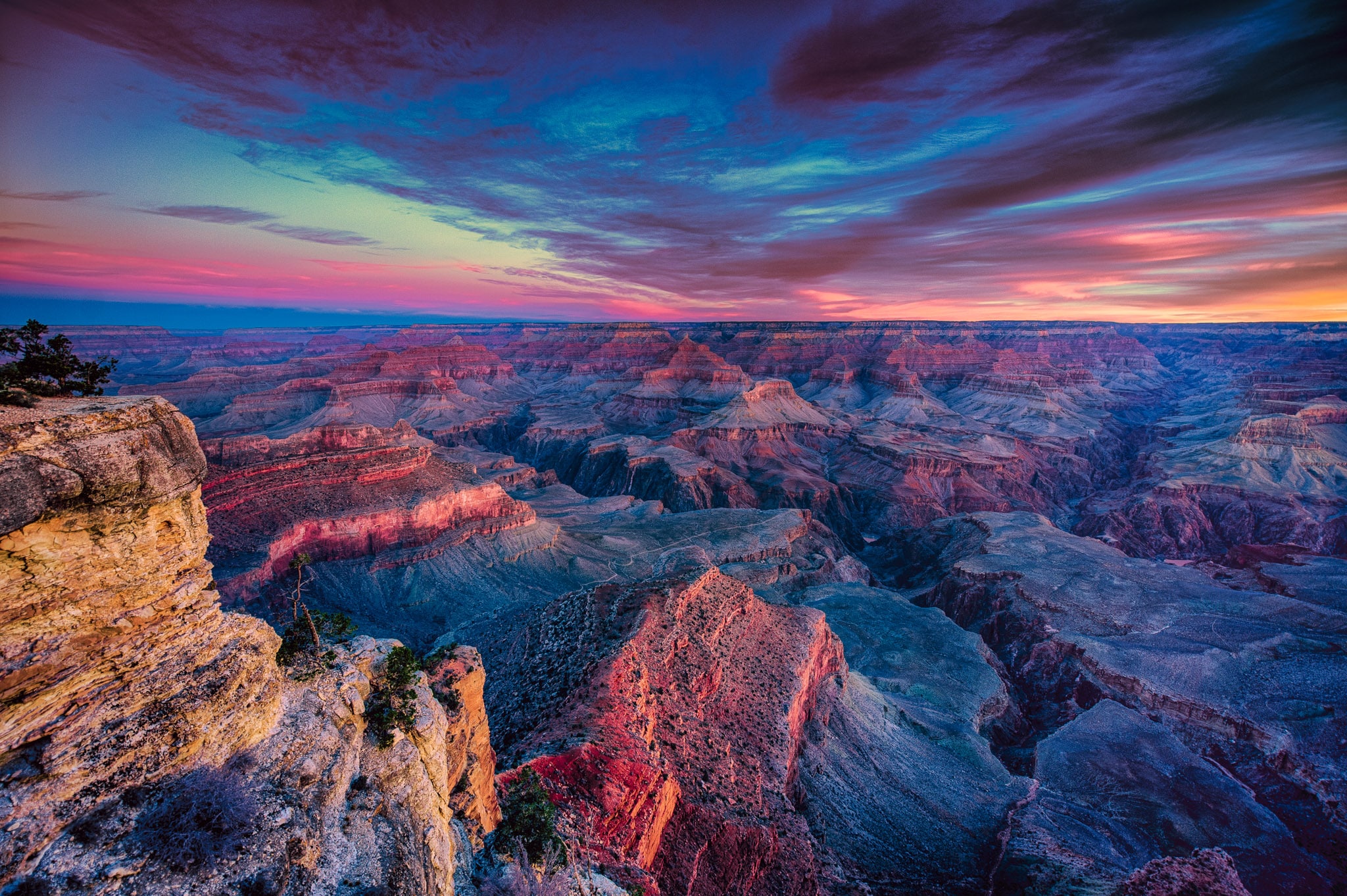
The Grand Canyon in November is what summer visitors only dream of: daytime temperatures in the mid-50s, almost no rain or snow, and a fraction of the nearly 6 million people who flood this park annually. The South Rim stays open year-round, while the North Rim typically closes by mid-October — so November is exclusively a South Rim experience.
The real payoff is crowd relief. Summer’s brutal 10 a.m.–4 p.m. crush at Grand Canyon Village and popular viewpoints like Mather Point and Yavapai Point practically vanishes.
You can actually stand at a rim overlook and hear the canyon’s silence instead of someone’s Bluetooth speaker.
- Best for: Hikers who want to tackle Bright Angel or South Kaibab trails without heat risk, and photographers chasing low-angle winter light painting the canyon walls in gold and shadow.
- Plan for: At least two days — one for rim viewpoints and the village, one for a partial descent into the canyon. Even hiking a mile or two down Bright Angel changes your entire perspective of this place.
- Stay in: Tusayan, the small town just outside the South Entrance, has several hotels and is far easier to book (and cheaper) in November than summer. Inside the park, El Tovar and Bright Angel Lodge sit directly on the rim — book months ahead even in the off-season, because demand at these properties never fully drops.
Insider detail: Arrive at the South Rim before 8 a.m. Tour buses still roll in by mid-morning even in November. Sunrise from Yavapai Point is the single best light of the day — and in November, sunrise lands around 6:45 a.m., a far more civilized hour than summer’s painful 5:15 a.m. start.
How Much Does It Cost to Visit These Parks in November?
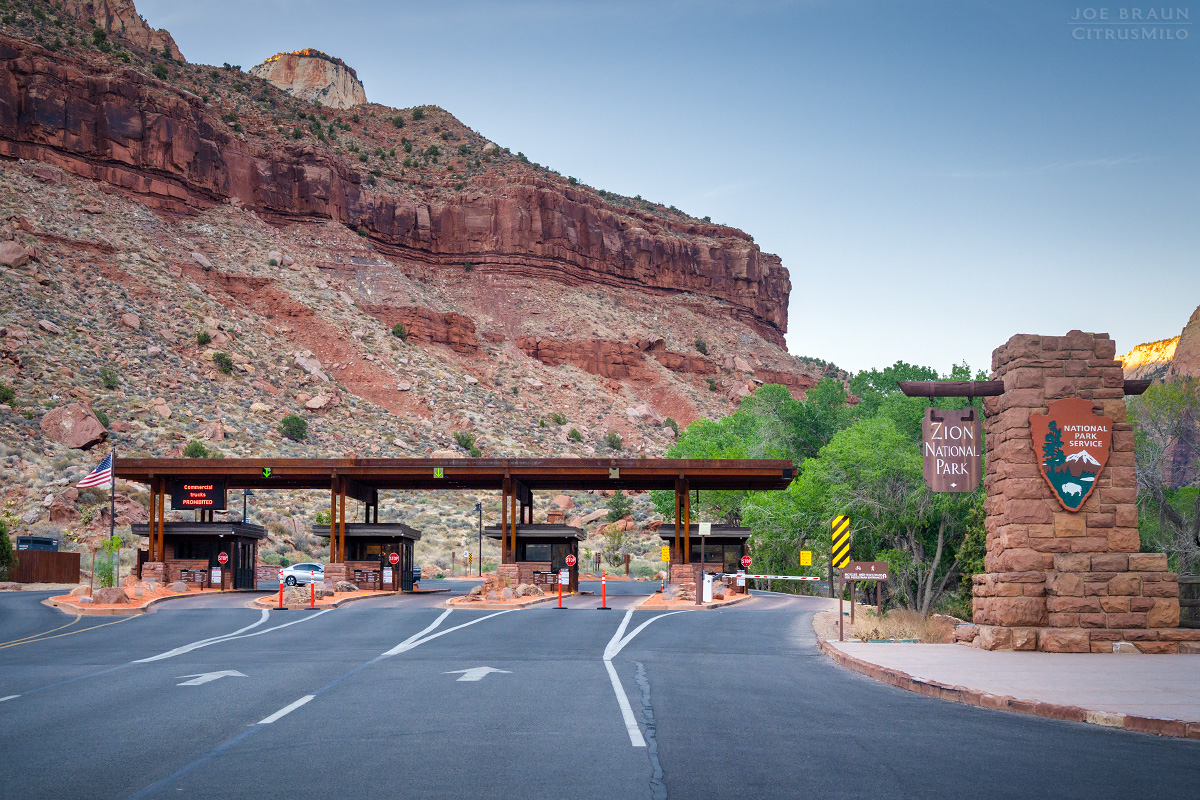
Most parks in this guide charge $25–$35 per vehicle for a seven-day entrance pass — but three of them are completely free to enter, and November’s off-season pricing on lodging can save you hundreds compared to peak summer rates.
Entrance Fees at a Glance
| Park | Vehicle Fee (7 Days) | Per Person (Walk/Bike) |
|---|---|---|
| Zion National Park | $35 | $20 |
| Bryce Canyon National Park | $35 | $20 |
| Grand Canyon (South Rim) | $35 | $20 |
| Big Bend National Park | $30 | $15 |
| Joshua Tree National Park | $30 | $15 |
| Saguaro National Park | $30 | $15 |
| Arches National Park | $30 | $15 |
| Canyonlands National Park | $30 | $15 |
| Hawaii Volcanoes National Park | $30 | $15 |
| White Sands National Park | $25 | $15 |
| Carlsbad Caverns National Park | $15/person | $15 |
| Great Smoky Mountains | Free | Free |
| Hot Springs National Park | Free | Free |
| Gateway Arch National Park | Free | Free |
| Mammoth Cave National Park | Free | Free |
Insider move: If you’re hitting three or more parks this year, buy the America the Beautiful Annual Pass for $80. It covers entrance fees at every park on this list — and every other national park in the system.
One Zion + Grand Canyon trip already pays for it. Purchase at the first park entrance station or online at recreation.gov before your trip.
Activity Fees That Sneak Up on You
Entrance is just the start. Several parks in this guide charge extra for the experiences that actually draw you there:
- Carlsbad Caverns: The self-guided cave tour is included with entrance, but ranger-led tours like King’s Palace run $8–$20 per person. Book in advance — November tours fill faster than you’d expect because fewer time slots are offered.
- Mammoth Cave: Cave tours range from $12 for the self-guided Discovery Tour to $65 for the challenging Wild Cave Tour. These are the main attraction — budget for at least one.
- Gateway Arch: The tram ride to the top costs $16 for adults. The museum underneath is free.
- Grand Canyon: No extra activity fees for standard hiking, but mule rides and river permits are separate bookings entirely.
Where November Saves You Real Money
November is shoulder or off-season at nearly every park on this list, and that translates directly to your wallet:
- Lodging drops 20–40% at gateway towns near Zion (Springdale), Bryce Canyon (Tropic/Panguitch), and the Grand Canyon (Tusayan) compared to June–September rates.
- Campground availability improves dramatically. Sites at Big Bend, Joshua Tree, and Saguaro that require summer reservations often have walk-up availability in November.
- Gas and food in park gateway towns tend to be slightly lower in shoulder season, though don’t expect dramatic discounts — these are small-town economies.
The Real Cost Comparison
Here’s what a realistic two-day visit actually costs per person in November, assuming two people splitting a vehicle entrance and one night of lodging in a gateway town:
- Budget pick (Hot Springs or Great Smoky Mountains): $0 entrance + $60–$90/night lodging = roughly $30–$45/person per day. These free parks with affordable Southern gateway towns are the best value in the entire system.
- Mid-range (Zion, Arches, or Bryce Canyon): $17.50/person entrance + $80–$130/night lodging = roughly $60–$85/person per day. November pricing in Springdale or Moab makes these parks far more accessible than their summer reputations suggest.
- Splurge (Hawaii Volcanoes): $15/person entrance + $150–$250/night lodging near Volcano, HI = roughly $100–$140/person per day. The Big Island isn’t cheap, but November airfare from the mainland is typically lower than December–March.
Bottom line: A November national park trip can cost as little as $60 per person per day at free parks with camping, or $80–$100 per person per day at fee parks with gateway-town lodging. The America the Beautiful Pass is the single best purchase if you’re visiting more than two parks — ever, not just this trip.
Is It Safe to Hike National Parks in November?
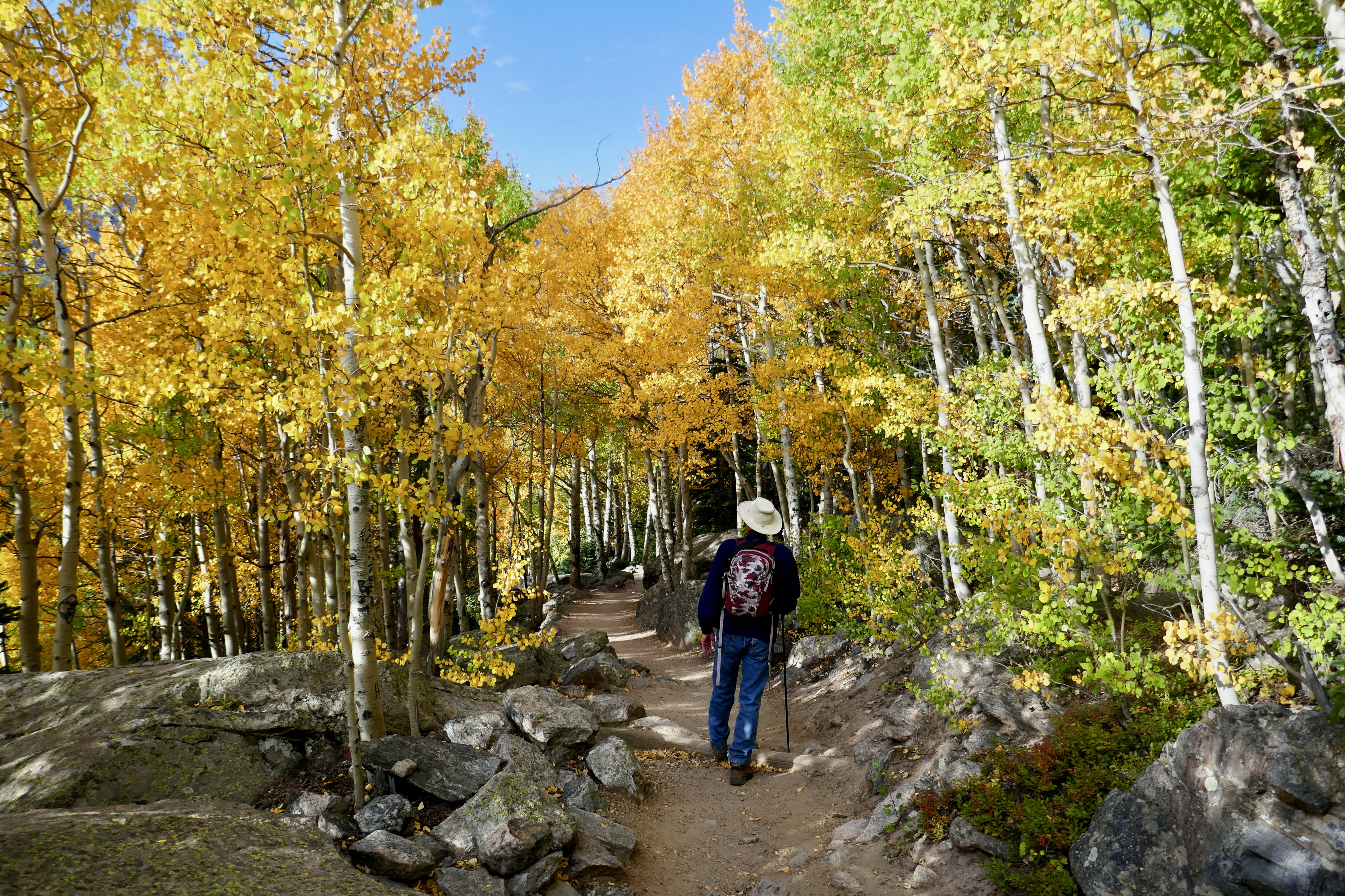
November hiking is generally safe — and often safer than summer — but the hazards shift from heat exhaustion to hypothermia, ice, and vanishing daylight. The parks that will punish you for being unprepared are the ones with the biggest temperature swings: Zion drops to 30°F overnight, Bryce Canyon’s rim sits above 8,000 feet where ice forms on shaded trails by mid-morning, and Rocky Mountain National Park can see snow and sub-freezing conditions at elevation with little warning.
The Real November Hazards, Ranked
- Temperature shock: Desert and canyon parks swing 30–40°F between dawn and afternoon. Zion averages 56°F highs and 30°F lows in November. Start a hike at sunrise in a t-shirt and you’re flirting with hypothermia by mile two. Layer like you’re hiking two seasons in one day — because you are.
- Ice on trails: Above 6,000 feet — Bryce Canyon, Rocky Mountain, Grand Canyon’s North Rim — shaded sections freeze overnight and don’t thaw until late morning. Microspikes ($20–40 at any outdoor retailer) are not optional on these trails. They’re the single piece of gear that prevents the most November injuries.
- Shorter daylight: You lose roughly 30 minutes of usable daylight per week through November. By late month, sunset hits before 5:00 PM in most parks. Plan turnaround times, not summit goals. A headlamp weighing 3 ounces in your pack is the difference between an adventure and a rescue call.
- Flash floods in canyons: Narrows-style slot canyons in Zion and the desert Southwest still carry flash flood risk in November. Rain can fall miles upstream and arrive as a wall of water with no local warning. Check the park’s flash flood forecast the morning of your hike — not the night before.
- High-altitude effects: Rocky Mountain National Park’s popular trails start above 9,000 feet. If you’re arriving from sea level, altitude headaches and shortness of breath hit harder in cold, dry air. Hydrate aggressively and save the strenuous trails for day two.
- Wildlife encounters: November is elk and deer rut season in Great Smoky Mountains and Rocky Mountain. Bull elk are aggressive and unpredictable. Stay 75+ yards away — that’s the length of a basketball court — and never position yourself between a male and female.
Park-by-Park Safety Snapshot
| Park | Primary Risk | What to Pack |
|---|---|---|
| Zion | Cold mornings, flash floods in Narrows | Neoprene socks, layers, flood forecast check |
| Bryce Canyon | Icy trails above 8,000 ft | Microspikes, trekking poles |
| Rocky Mountain | Snow, altitude, sudden storms | Microspikes, extra layers, altitude acclimation day |
| Great Smoky Mountains | Crowded trails, elk rut, wet rocks | Sturdy boots, bear spray, early start |
| Grand Canyon (South Rim) | Temperature drop with elevation, dehydration | 1 liter water per 2 hours, warm layers for rim |
| Hawaii Volcanoes | Volcanic gases, uneven lava terrain | Sturdy closed-toe shoes, check air quality alerts |
| Mammoth Cave | Cave stays 54°F year-round — no thermal risk | Light jacket, good shoes |
The Non-Negotiable Safety Checklist
- Tell someone your plan: Leave your trail name, expected return time, and car location with a friend or the ranger station. Cell service is unreliable in most parks.
- Start early, turn around early: The safest hikers in November are back at the trailhead by 3:00 PM. Cold creeps in fast after 4:00 PM, and trails that were dry at noon become icy as shade takes over.
- Carry more water than you think: Cold air masks dehydration. You won’t feel thirsty, but your body is losing moisture with every cold, dry breath. Two liters minimum for any hike over 4 miles.
- Check conditions the morning of: Ranger stations and park websites post daily trail conditions. A 30-second check can redirect you from a closed or dangerous trail to a better one.
The honest bottom line: November is one of the safest months to hike if you respect the season. Fewer crowds mean fewer people-related incidents, cooler temps mean no heat stroke, and shorter days force smarter planning.
The hikers who get into trouble are the ones who packed for September and hiked like it was July.
How Do You Get Around Without a Car in November?
Forget the rental car line—these parks prove you can explore America’s wild spaces by shuttle, bike, and your own two feet, even as the season shifts.
November is a transitional month for park transportation. Summer shuttle systems are often scaled back or stopped entirely, and some park roads close for winter. Your strategy shifts from “hop on the next bus” to “plan your access point carefully.”
Parks with Reliable November Shuttles
A few major parks run year-round or extended-season shuttles that are your best bet for car-free access.
- Zion National Park, Utah: The Zion Canyon Shuttle typically runs through late November, though with reduced frequency. This is non-negotiable for accessing the main canyon—private vehicles are banned in the main canyon during shuttle season. Insider tip: Book your shuttle ticket online in advance; walk-up availability is scarce, especially on fall weekends.
- Grand Canyon National Park (South Rim), Arizona: The free Village Route (Blue) shuttle runs year-round, connecting lodges, viewpoints, and the Visitor Center. For Hermit Road, the Hermit Road (Red) shuttle usually operates through November 30th, after which you can drive it yourself.
- Acadia National Park, Maine: The fare-free Island Explorer bus system operates on a limited late-fall schedule, usually through late October or early November. Confirm the exact end date before planning, as it’s weather-dependent.
Gateway Towns as Your Base Camp
For parks without shuttles, your move is to stay in a walkable gateway town and use outfitters or taxis for park entry.
- Moab, Utah (for Arches & Canyonlands): The town itself is bike-friendly. Rent an e-bike to reach Arches’ entrance (about 5 miles from downtown) or book a guided tour that includes transport. For Canyonlands’ Island in the Sky district, you’ll need a shuttle or tour service, as it’s 30+ miles away.
- Springdale, Utah (for Zion): This town is directly at Zion’s pedestrian entrance. You can walk or bike into the park from most hotels. Several local outfitters offer bike rentals and e-bike tours.
- Tusayan, Arizona (for Grand Canyon): This town is just outside the South Rim entrance. The Grand Canyon Visitor Center is about a 2-mile bike ride from here. Some hotels offer complimentary shuttles to the park entrance.
Guided Tours & Shuttles as Your Wheels
When public transit fails, commercial services fill the gap. This is often the most seamless (though pricier) option.
- Book a multi-park tour: Companies based in Las Vegas, Phoenix, or Salt Lake City offer day trips to parks like Zion, Bryce Canyon, and the Grand Canyon. This is the easiest way to see multiple parks without driving.
- Use park-approved concessionaires: For specific experiences like the Grand Canyon’s West Rim or accessing remote trailheads, authorized tour operators provide the only vehicle access. Always book directly through the park’s official website links.
- Local taxi/rideshare: In towns like Moab or Springdale, Uber/Lyft availability can be spotty. Save the number of a local taxi company in your phone as a backup.
The Bottom Line: For a truly car-free November trip, prioritize Zion (with its shuttle) or base yourself in a walkable town like Springdale. For parks like Arches or Great Smoky Mountains, a rental car is still the most flexible option, but guided tours can bridge the gap if you’re committed to not driving.
Frequently Asked Questions
Is November a good time to visit national parks?
It’s arguably the best month for a specific type of trip. You get the trifecta of smaller crowds, comfortable temperatures in typically hot parks, and dramatic seasonal scenery.
The trade-off is shorter daylight hours and the need for layered clothing, especially in desert and high-elevation parks where nights get cold. For avoiding the peak-season chaos of summer, November is a clear winner.
Which national parks are best for avoiding crowds in November?
Target the desert Southwest and Utah’s “Mighty Five.” Parks like Big Bend, White Sands, Saguaro, and Arches see a significant drop in visitation compared to spring and fall peak seasons. Zion and Bryce Canyon are still popular but far more manageable than in October.
The real insider move is visiting mid-week; even the busiest parks feel empty on a Tuesday in November.
Do I need reservations for national parks in November?
For most parks, no timed-entry reservations are required in November. This is a major advantage over summer months.
However, always check the specific park’s website before you go, as policies can change. The one exception is if you plan to stay at a park lodge or popular gateway town hotel—book those months in advance, as availability shrinks with the season.
What should I pack for a November national park trip?
Layering is non-negotiable. Pack a moisture-wicking base layer, a fleece or insulating mid-layer, and a windproof/waterproof shell.
Desert parks like Joshua Tree and Saguaro can see daytime highs in the 70s°F but plummet to near freezing at night. For Great Smoky Mountains or Bryce Canyon, add a warm hat and gloves.
Sturdy, broken-in hiking boots are essential, as trails may have early frost or wet leaves.
Pick Your Park and Start Planning Now
Start by choosing one park from the cheat sheet above that matches your November calendar and travel style, then check the NPS website for current conditions and any timed-entry requirements before you book anything.
November is the one month where America’s most dramatic landscapes are finally accessible on foot, at off-season prices, without fighting for a parking spot at the trailhead.
If you’re visiting more than two parks this year — or ever — buy the America the Beautiful Annual Pass for $80 at recreation.gov before your trip, because it pays for itself on your first road trip and covers every park on this list.
Leave a Reply