Imagine standing on a windswept ridge at dawn, watching the first golden rays of sun hit a jagged, glacier-carved peak. The crisp mountain air fills your lungs as the scent of blooming subalpine wildflowers drifts up from the valley below.
Summer is the only fleeting window of the year when high-altitude roads clear and these rugged, wild landscapes become fully accessible. Unlike any other season, you can hike through alpine tundra and kayak past calving glaciers in the same warm-weather getaway.
This guide will help you choose the perfect summer park based on your travel style, whether you crave backcountry solitude or a scenic coastal escape. Expect to spend around $50 to $150 per night for budget camping, $200 to $400 for mid-range lodges, and $600+ for high-end park resorts.
The Quick-List: Finding Your Perfect Summer Park
Short on time? Here is my quick-reference guide to the absolute best summer national parks based on what you want to experience.
- Best for Alpine Hiking: Head to Glacier or the Grand Tetons for snow-free high trails and dramatic peaks.
- Best for Crowd-Free Solitude: Escape to Isle Royale or Great Basin where the tourist rush rarely reaches.
- Best for Water Adventures: Choose Voyageurs for houseboating or Acadia for rugged ocean coastlines.
- Best for Wildlife & Wildflowers: Visit Yellowstone for grizzly spotting or Mount Rainier for exploding summer meadows.
Which Mountain National Parks Have the Best High-Alpine Hiking in Summer?
High-alpine hiking in the American West is a fleeting window of perfection; these five parks offer the only reliable access to jagged peaks, blooming tundra, and snow-free glacial basins between July and early September.
| National Park | Primary Summer Appeal | Best For |
|---|---|---|
| Glacier (MT) | Going-to-the-Sun Road access | Serious hikers and photographers |
| Rocky Mountain (CO) | High-altitude tundra driving | Wildlife viewing and accessibility |
| Grand Teton (WY) | Alpine lake trail networks | Varied trail difficulty |
| North Cascades (WA) | Rugged, glacier-carved peaks | Backcountry solitude |
| Great Basin (NV) | Ancient bristlecone pine forests | High-desert mountain escape |
1. Glacier National Park (Montana)
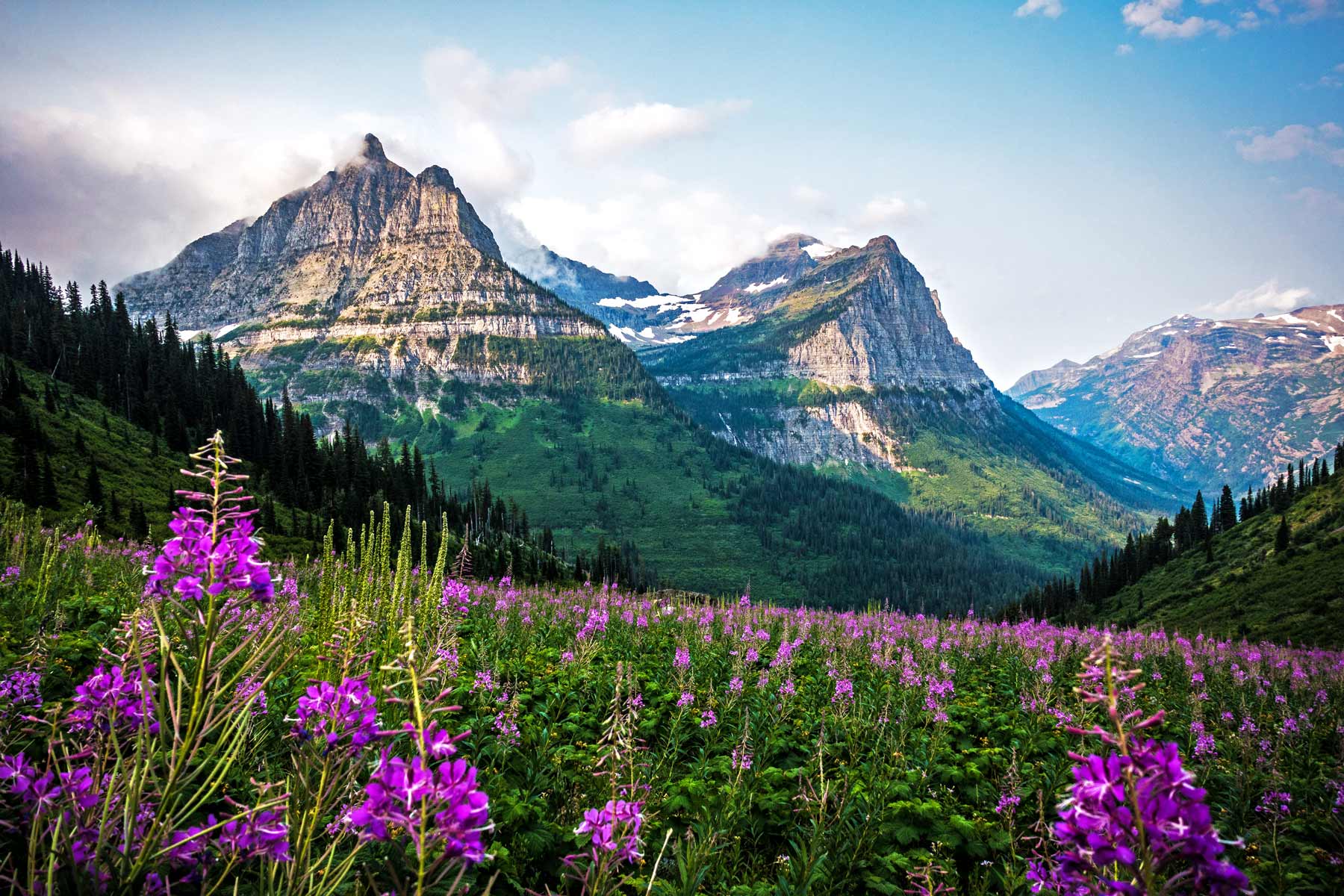
Glacier is the ultimate summer destination because the park’s crown jewel, the Going-to-the-Sun Road, is only fully open and accessible during the short summer window. I recommend planning your visit for mid-July through August to ensure high-alpine trails are snow-free and wildflower meadows are in full bloom.
Afternoon thunderstorms are common, so start your hikes at dawn to avoid being exposed on high ridges when the weather turns.
2. Rocky Mountain National Park (Colorado)
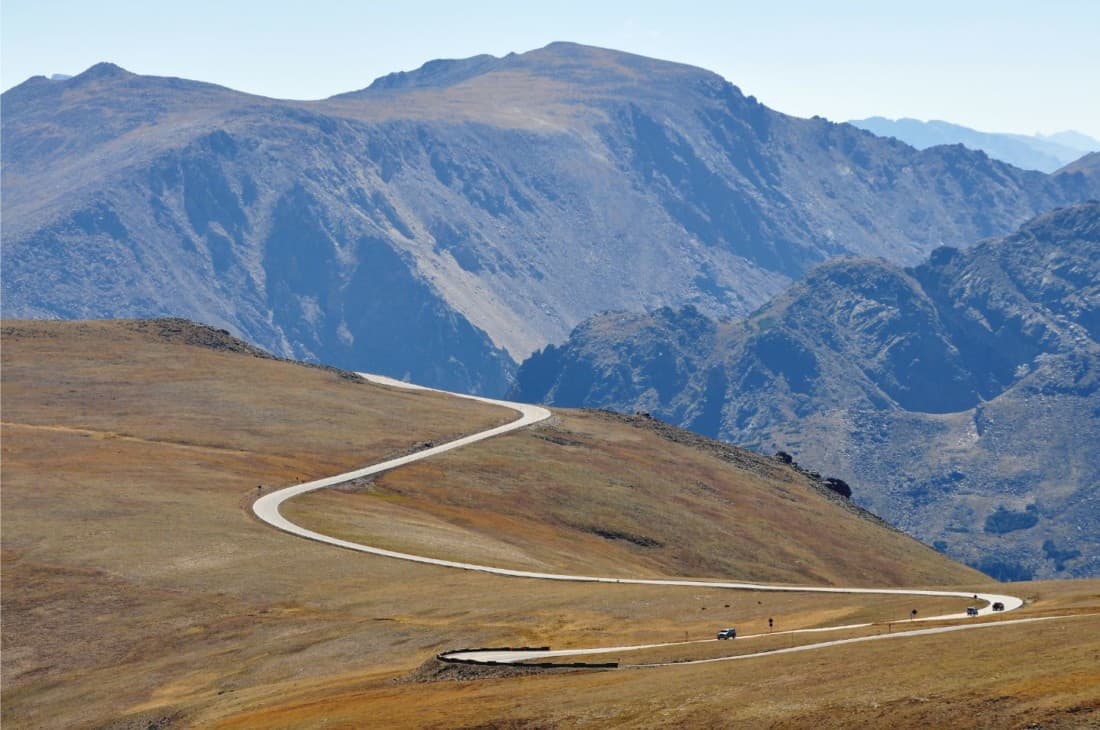
Rocky Mountain National Park is defined by its extreme elevation, boasting sixty peaks over 12,000 feet. The main draw is Trail Ridge Road, the highest continuous paved road in North America, which turns the high-alpine tundra into a driveable experience.
Wildlife is a major perk here; look for elk in the meadows and bighorn sheep near the road. I suggest basing yourself in Estes Park for easy morning access to the trailheads.
3. Grand Teton National Park (Wyoming)
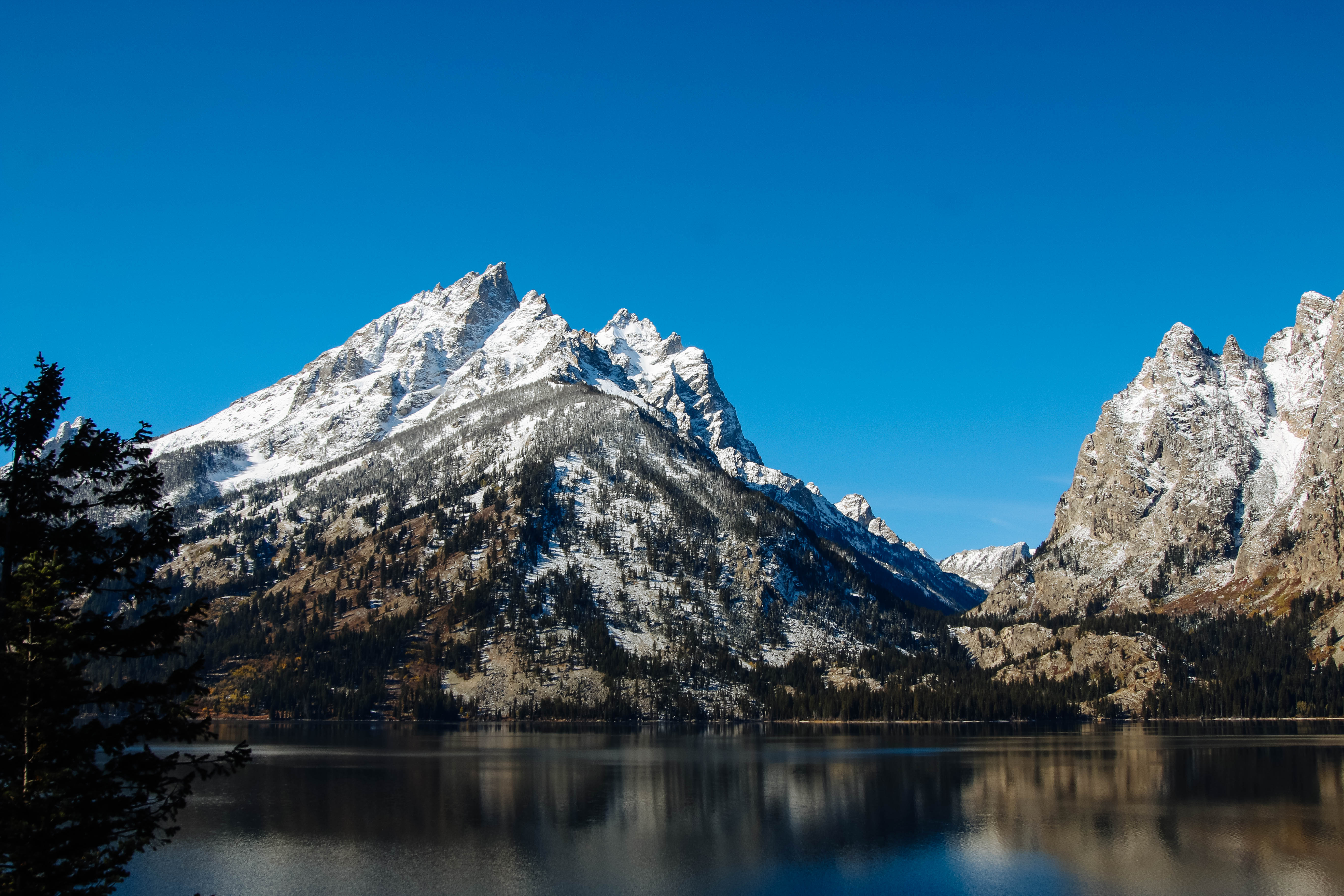
The Tetons offer the best balance of dramatic, snow-capped peaks and accessible lake-side hiking. For a challenging day, the routes to Garnet Canyon or Death Canyon are unmatched, while the Jenny Lake and String Lake loops provide spectacular views with less vertical gain.
If you want to save on lodging, skip the expensive park-adjacent hotels and look for free camping in the nearby Bridger-Teton National Forest.
4. North Cascades National Park (Washington)
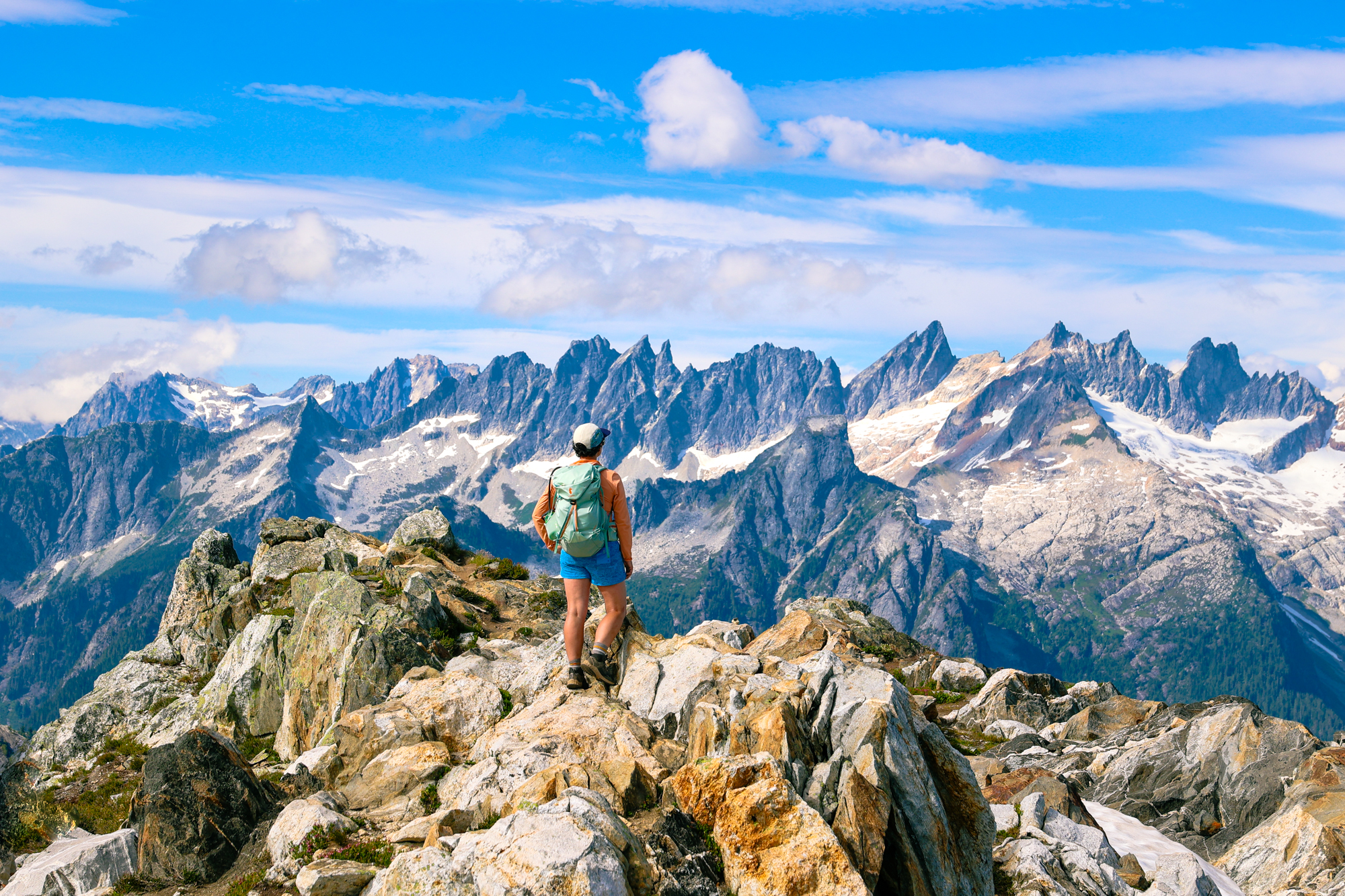
North Cascades is the choice for travelers who want to avoid the massive crowds found in more famous parks. The landscape is intensely rugged, featuring jagged, glacier-carved peaks and deep, forested valleys.
Because of the heavy winter snowpack, the high-country trails often do not clear until late July. This is a destination for those who prefer backcountry hiking over paved overlooks.
5. Great Basin National Park (Nevada)
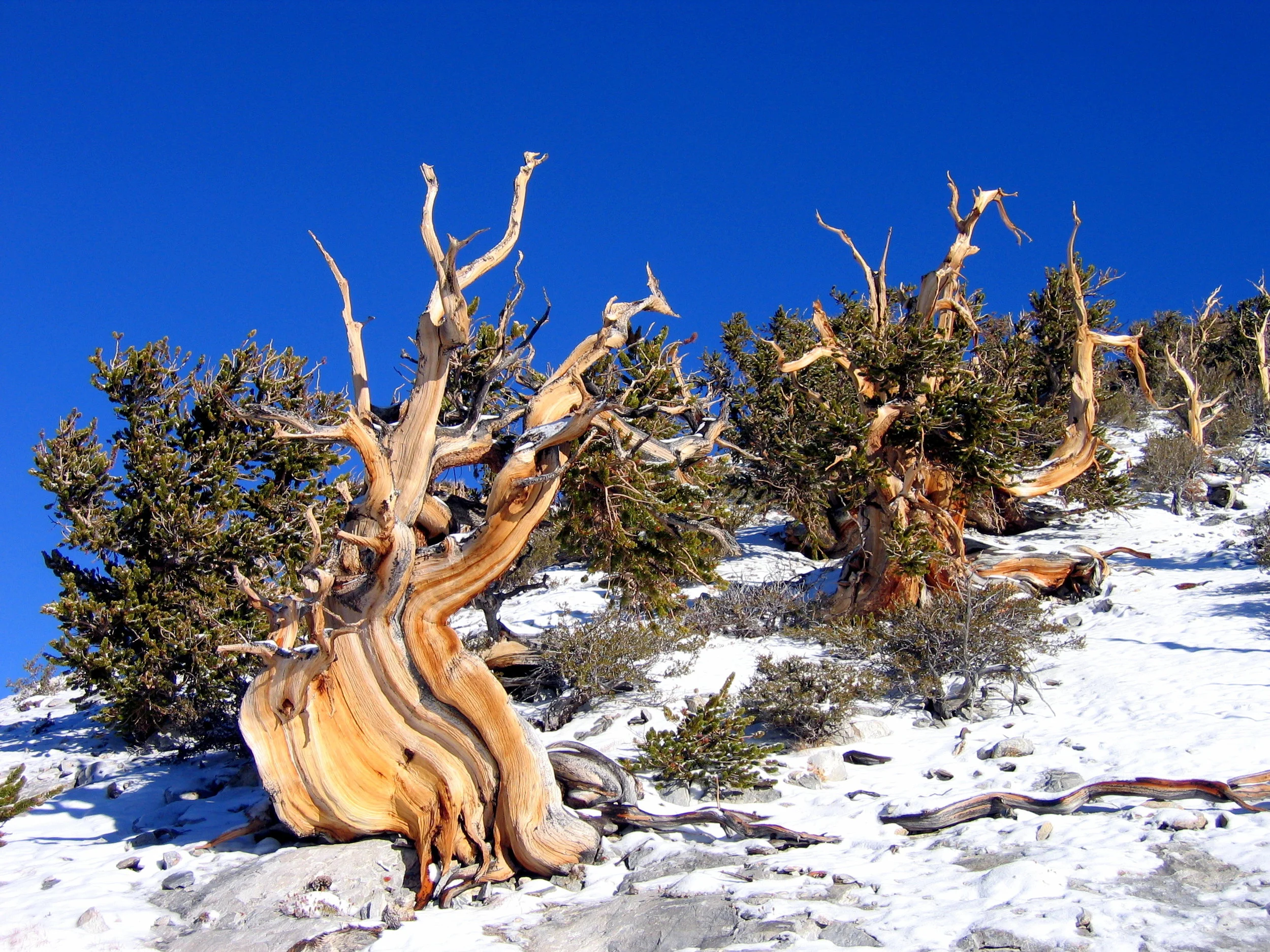
Great Basin is the hidden gem of the high-alpine world. While other parks are sweltering in the summer heat, the high elevation here keeps temperatures cool and comfortable.
The highlight is the hike to see the ancient bristlecone pines, some of the oldest living organisms on earth. It is a quieter, more contemplative experience compared to the major mountain parks, perfect for those who want to escape the summer tourist rush.
The Bottom Line: If you want the most iconic, postcard-perfect alpine scenery, Glacier wins. If you want a mix of high-altitude driving and wildlife, choose Rocky Mountain.
For the best variety of hiking difficulty, Grand Teton is the clear winner.
Best National Parks for Summer Water Adventures and Coastal Escapes
Summer is the prime window to trade dusty trails for the cooling spray of the Atlantic, the deep solitude of Lake Superior, or the volcanic depths of the Cascade Range. These parks offer a distinct reprieve from the heat, provided you plan for the specific logistics of island access or high-altitude snowmelt.
| Park | Primary Water Feature | Best For | Access Note |
|---|---|---|---|
| Voyageurs | Connected Lakes | Boating & Fishing | Boat required |
| Isle Royale | Lake Superior | Backpacking & Solitude | Boat/Seaplane only |
| Acadia | Atlantic Coast | Coastal Views & Cycling | Vehicle/Shuttle |
| Crater Lake | Volcanic Caldera | Photography & Vistas | Check snow levels |
6. Voyageurs National Park (Minnesota)
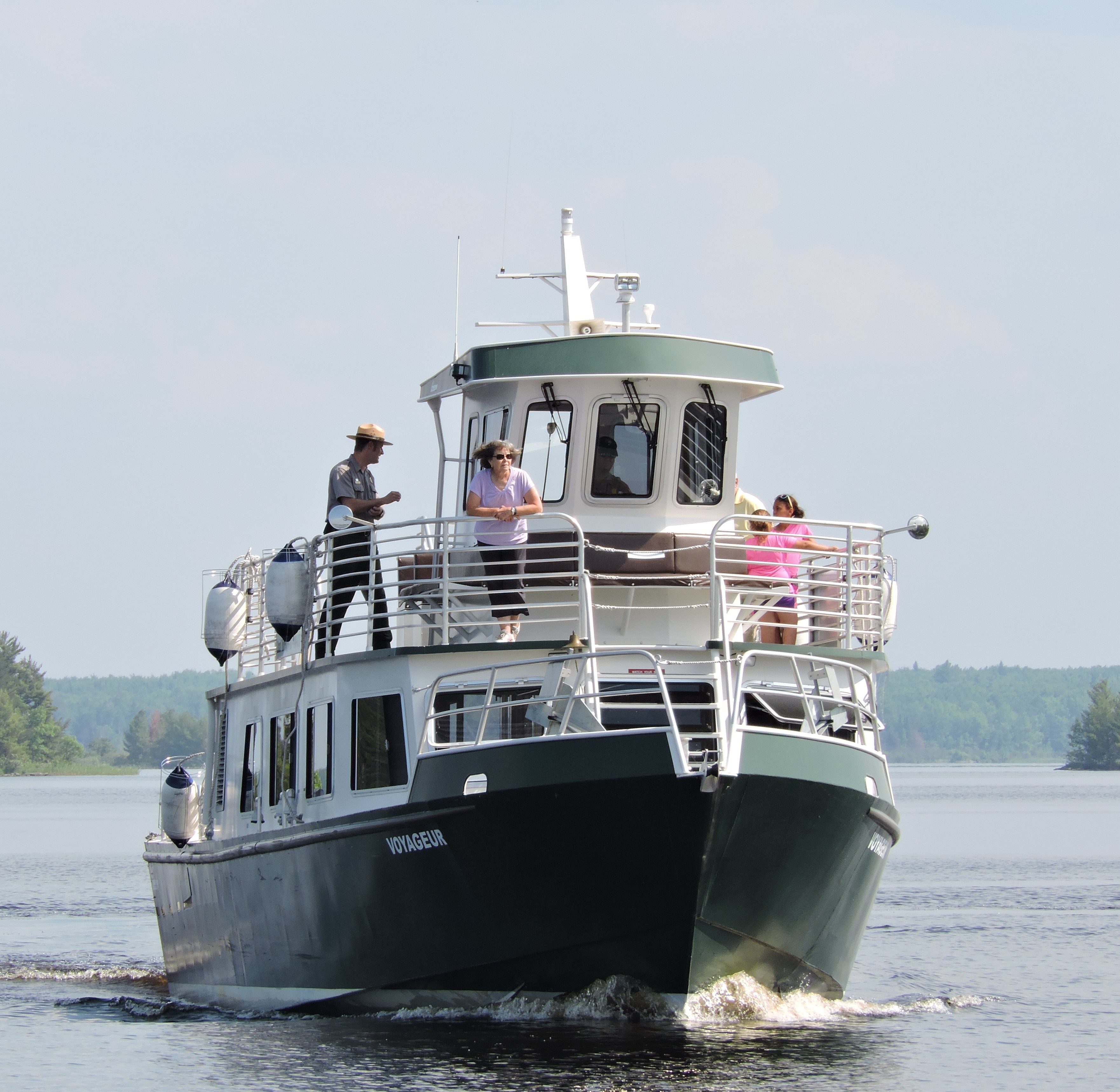
Voyageurs is a water-based wilderness where the land is merely a collection of islands and peninsulas; you cannot experience this park without a boat. I recommend renting a houseboat or a motorboat from gateway towns like International Falls or Ash River to truly access the interior lakes.
It is the best choice for travelers who want to escape crowds entirely and prefer a quiet, floating campsite over a traditional tent pad. Skip this park if you are not comfortable navigating by water or lack experience with boat safety.
7. Isle Royale National Park (Michigan)
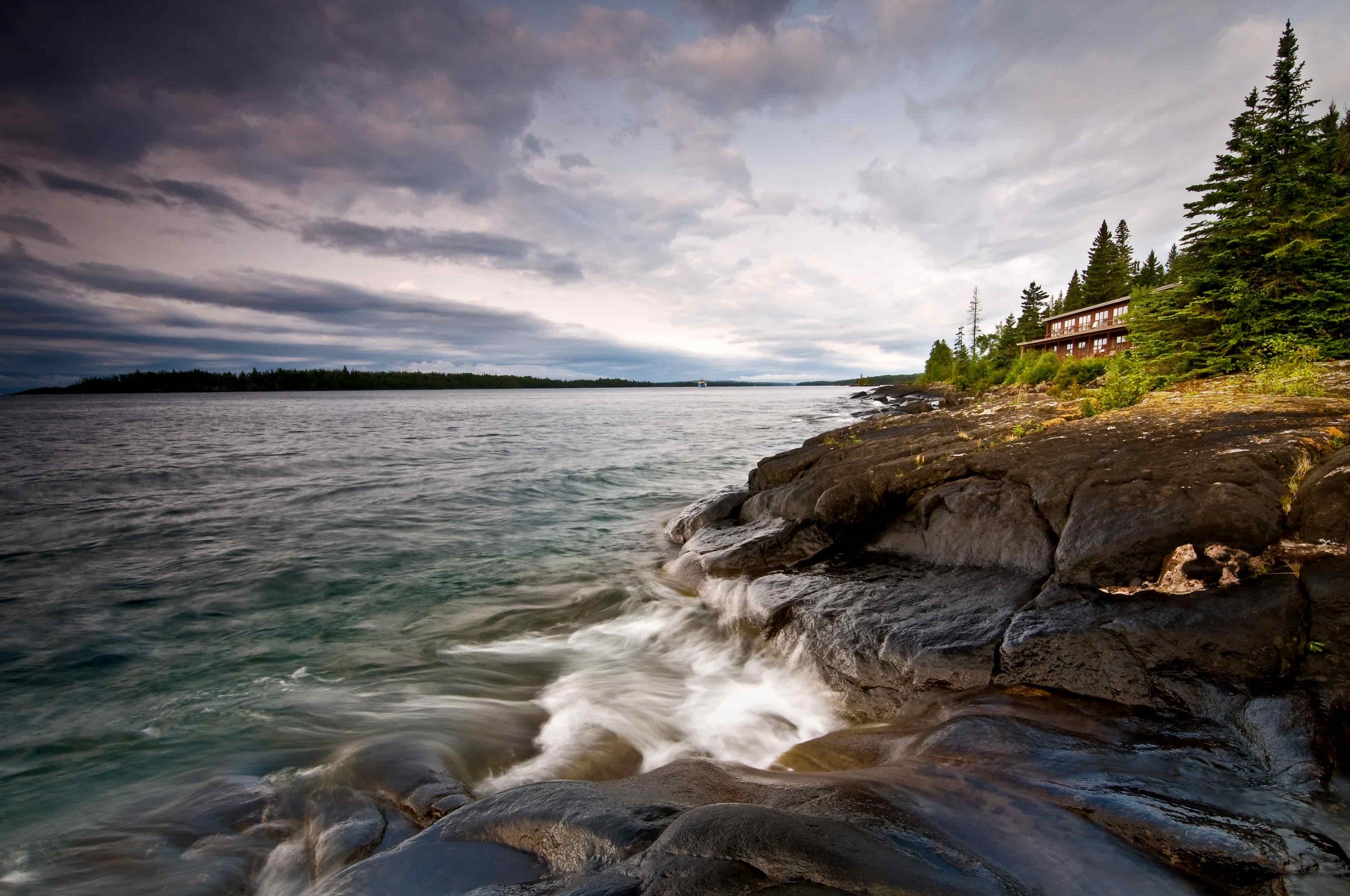
Isle Royale is the ultimate “get away from it all” destination, consistently ranking as one of the least-visited parks due to its remote location in Lake Superior. You must commit to a ferry ride or seaplane trip from Michigan or Minnesota to reach the island.
It is the best pick for serious backpackers and wildlife enthusiasts hoping to spot moose or wolves. I recommend visiting in July or August when ferry schedules are most frequent and the island temperatures are mild.
Skip this if you require immediate access to amenities or cellular service.
8. Acadia National Park (Maine)

Acadia offers a quintessential summer atmosphere where rugged granite cliffs meet the Atlantic Ocean. The park is best for those who enjoy a mix of active mornings—cycling the historic carriage roads—and indulgent afternoons eating local seafood and popovers in nearby Bar Harbor.
I recommend securing your Cadillac Mountain sunrise reservation well in advance, as these slots disappear quickly during peak summer months. It wins for its unique combination of mountain and maritime scenery, but skip it if you are looking for a secluded, off-the-grid experience, as the main attractions can be quite busy.
9. Crater Lake National Park (Oregon)
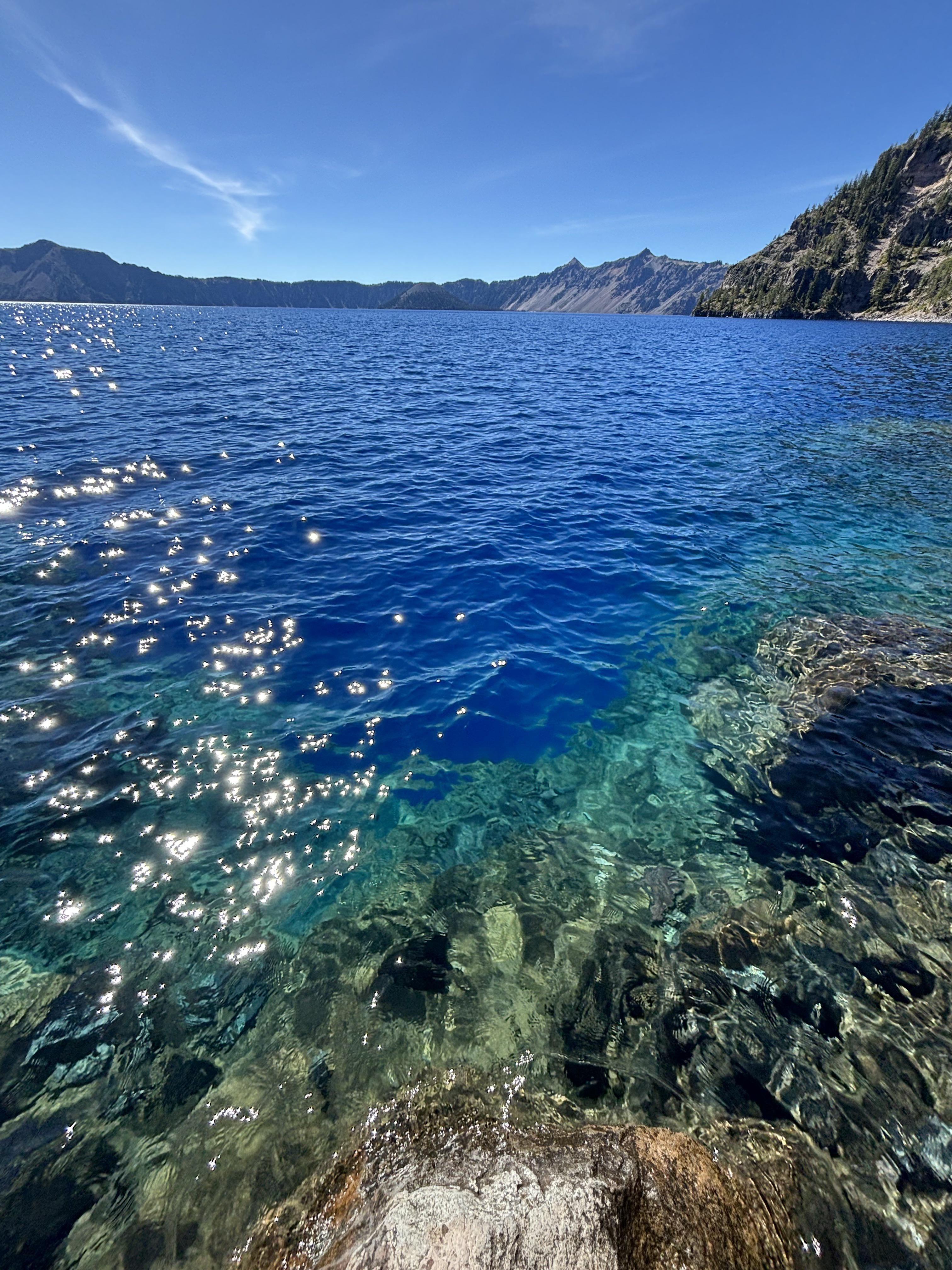
Crater Lake’s water is an impossibly deep, vivid blue that is best viewed when the Rim Drive is fully open, which typically happens by early July. Because of the heavy snowpack, I recommend checking the park’s current road status before booking your trip to ensure you can circle the entire caldera.
This park is best for photographers and sightseers who want a high-impact, visual experience without needing to hike long distances. Skip the swim if you are sensitive to cold; the water remains freezing even in the heat of August.
Summary: Choose Voyageurs or Isle Royale if you prioritize solitude and water-based transit. Choose Acadia if you want a social, coastal town vibe with easy access to amenities.
Choose Crater Lake if you want a singular, stunning volcanic view that is accessible by car.
Best Volcanic, Geothermal, and Rainforest Parks to Visit in Summer
Summer transforms the American landscape, turning high-altitude meadows into wildflower carpets and unlocking remote northern wilderness areas that remain frozen for the majority of the year. Whether you are chasing the geothermal power of the Rockies or the lush, moss-draped silence of a Pacific Northwest rainforest, these parks offer the most dramatic seasonal shifts in the country.
| Park | Primary Summer Draw | Best For |
|---|---|---|
| Yellowstone | Geothermal activity & wildlife | First-timers & families |
| Mount Rainier | Subalpine wildflower blooms | Day hikers & photographers |
| Olympic | Temperate rainforests & coast | Diverse landscape seekers |
| Kenai Fjords | Glaciers & marine wildlife | Boat tour enthusiasts |
| Denali | 24-hour daylight & megafauna | Backcountry & wildlife lovers |
10. Yellowstone National Park (Wyoming)
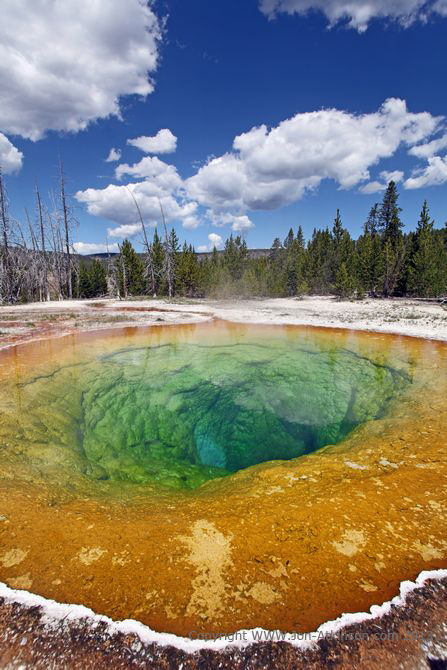
Yellowstone is the world’s original national park, and summer is the only time you can reliably access its full breadth across three states. Because this is one of America’s busiest parks, I recommend basing yourself in gateway towns like West Yellowstone or Gardiner to ensure early-morning access to the geyser basins before the tour buses arrive.
Expect heavy traffic near Old Faithful and Grand Prismatic Spring; the best way to escape the crush is to head into the Lamar Valley at dawn for prime wolf and grizzly spotting.
11. Mount Rainier National Park (Washington)
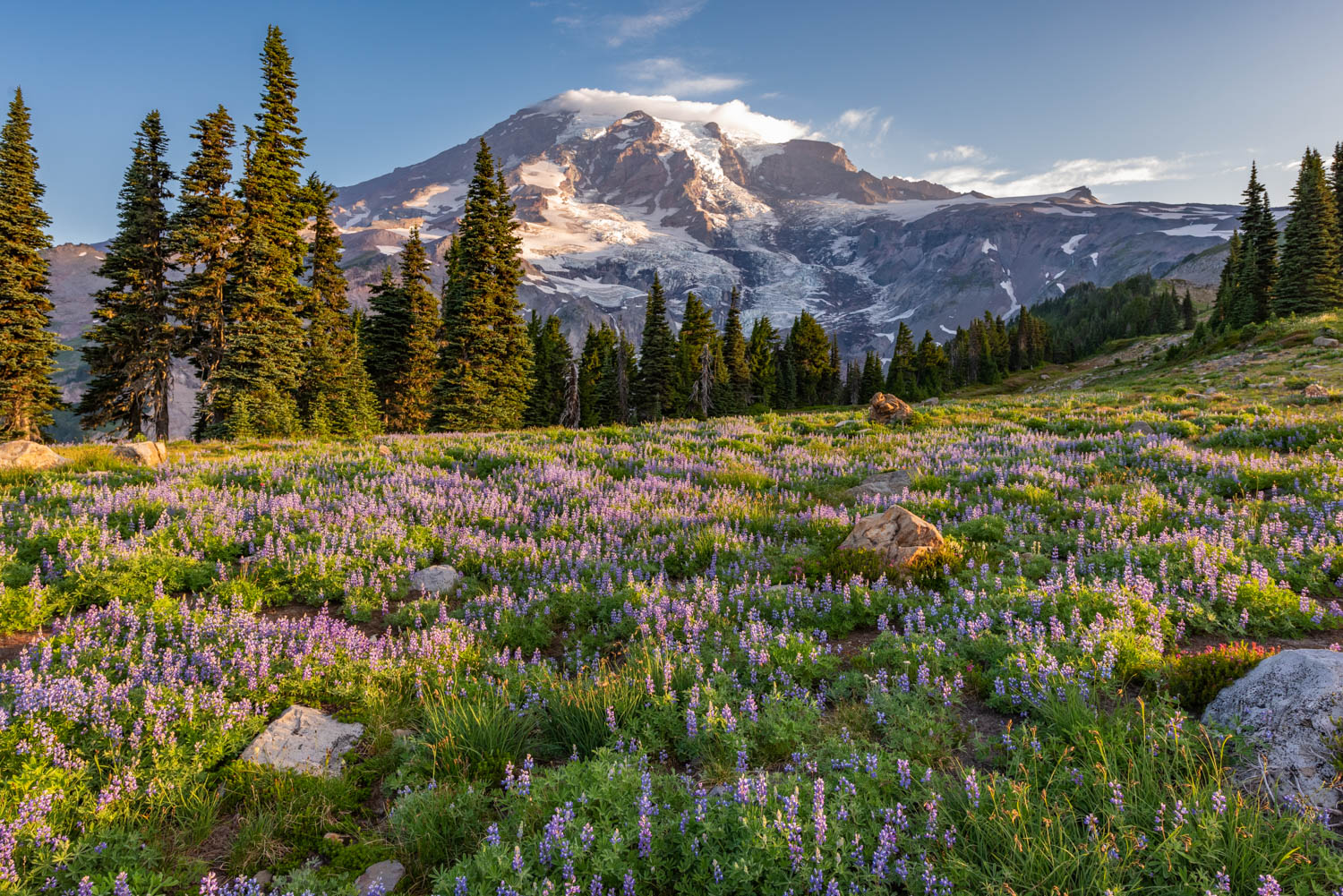
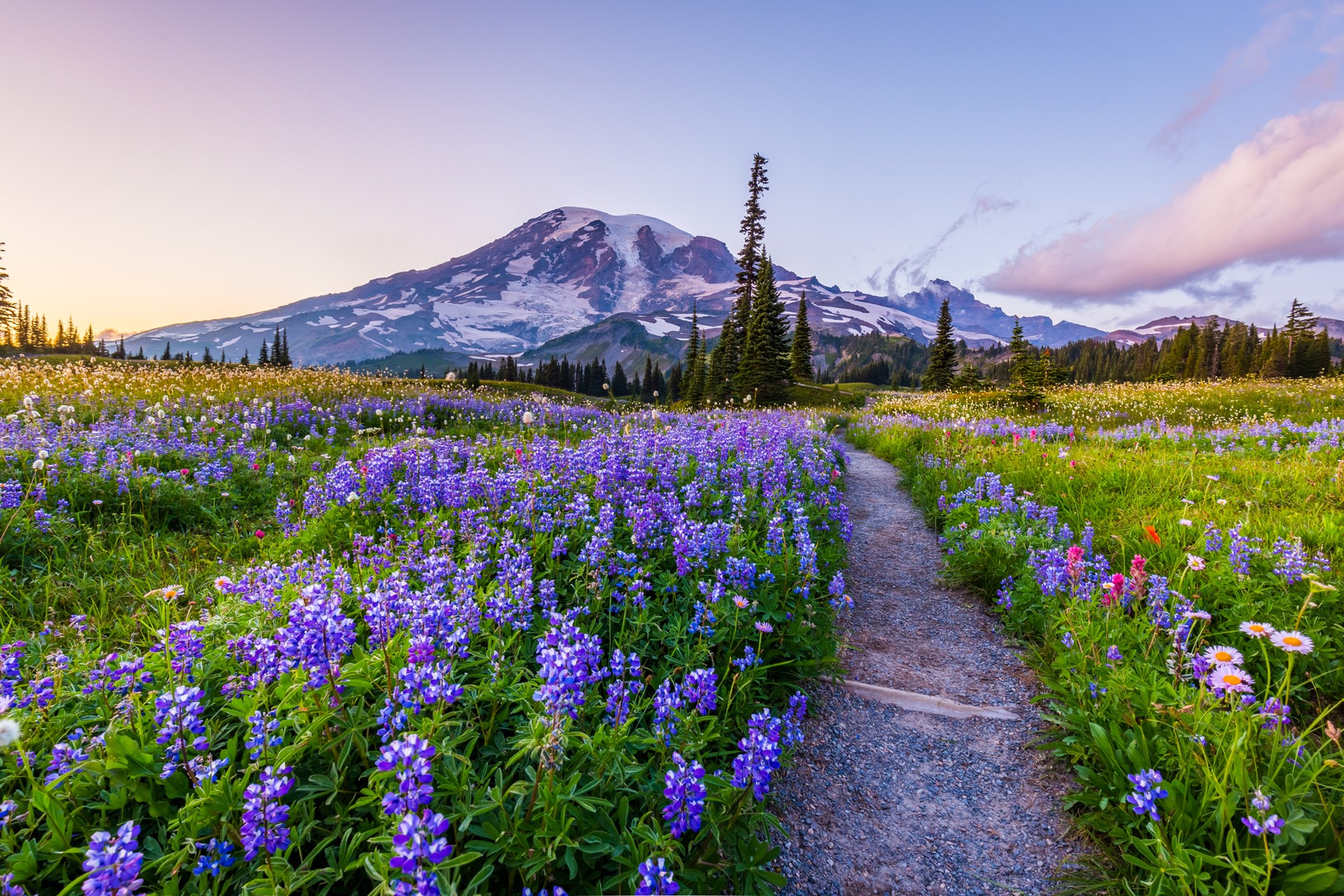
Summer in Mount Rainier is defined by the explosive bloom of wildflowers in the Paradise area, which typically peaks from mid-July through August. While the Skyline Trail loop is the most popular hike for a reason, it is consistently crowded; I recommend starting your trek by 7:00 AM to secure parking and find a moment of solitude.
Always pack a windproof shell, as the mountain creates its own weather and temperatures can plummet even on sunny July afternoons.
12. Olympic National Park (Washington)
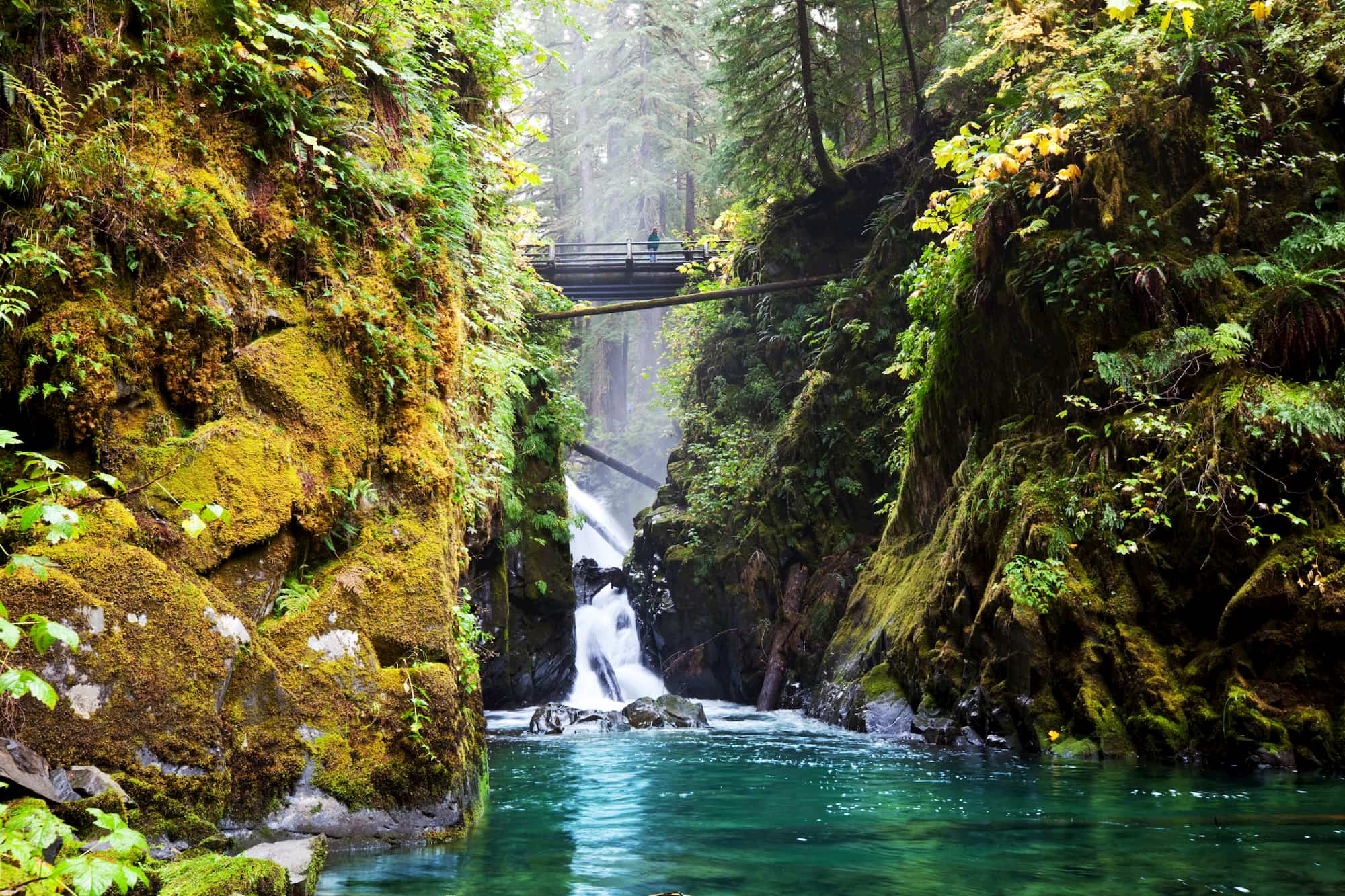
Olympic offers a rare trifecta of coastal beaches, jagged peaks, and temperate rainforests that receive over 12 feet of rain annually. For the best experience, base yourself in Port Angeles for easy access to the Hurricane Ridge alpine areas or Forks for proximity to the Hoh Rain Forest.
I prefer visiting the Hoh in the early morning to hear the forest before the crowds descend; the sheer scale of the moss-draped old-growth trees is unlike anything else in the lower 48 states.
13. Kenai Fjords National Park (Alaska)
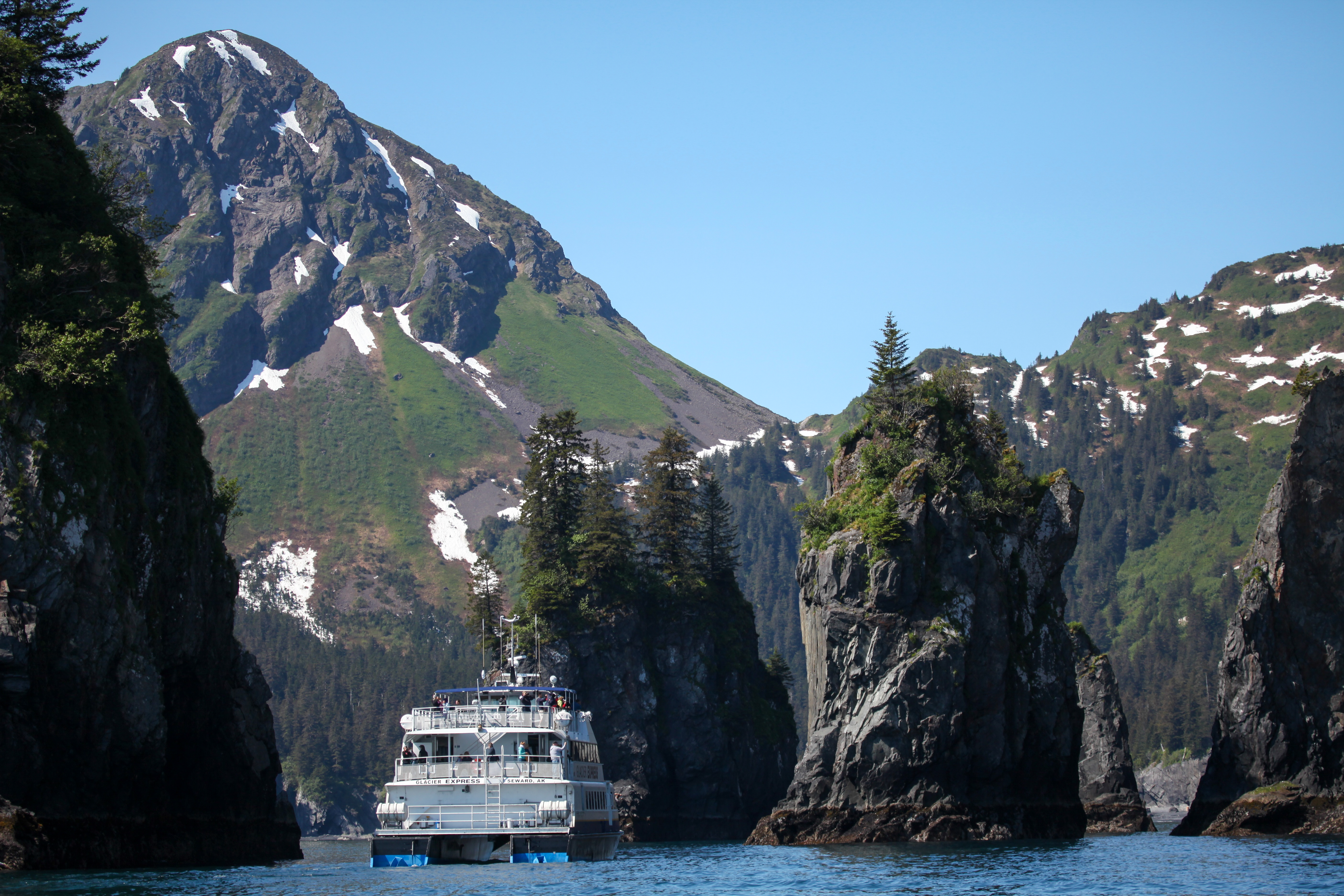
Summer is the primary window for accessing the coastal wonders of Kenai Fjords, where boat tours from Seward are the only way to witness the calving of massive tidewater glaciers. This park is best for those who want to see orcas, humpback whales, and puffins in a single day.
Book your boat excursions well in advance, as these tours fill up months ahead of the peak July and August season.
14. Denali National Park (Alaska)
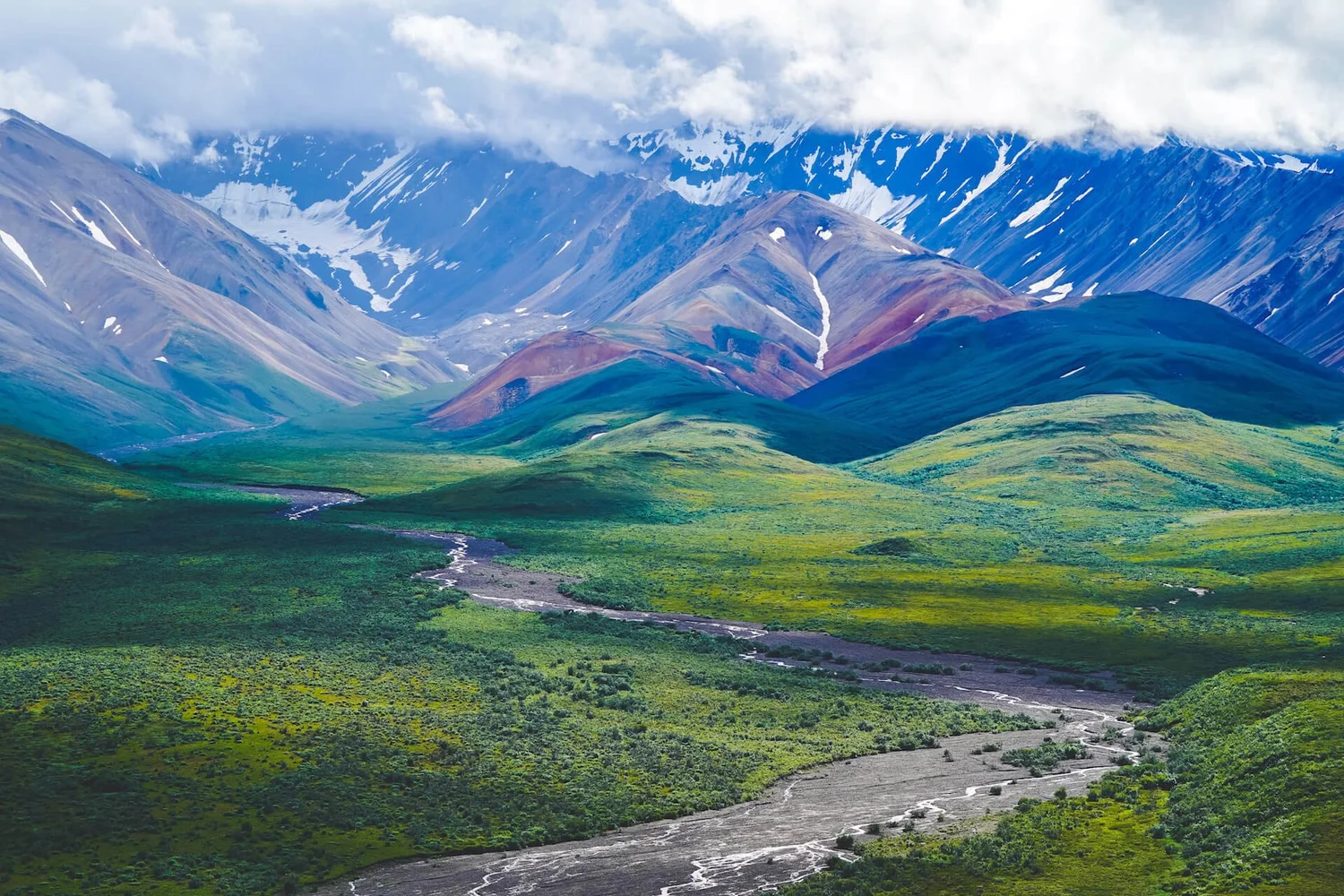
Denali in the summer is a surreal experience defined by nearly 24 hours of daylight, giving you the flexibility to hike or wildlife-watch well into the “night.” The park road is the central artery for your adventure; utilize the official park shuttle system to venture deep into the interior, where you are likely to spot caribou, Dall sheep, and grizzly bears. I recommend prioritizing a multi-day stay to account for the frequent cloud cover that often obscures the peak of Denali itself.
Editor’s Tip: For the best summer experience, prioritize parks with high-latitude or high-altitude features. You are trading inevitable crowds for guaranteed access to trails and wildlife that are simply unreachable during the winter months.
Always check current road status and timed-entry requirements before finalizing your travel dates, as these policies are updated annually.
How Can You Avoid the Crowds at the Best National Parks in Summer?
The secret to experiencing iconic landscapes without the shoulder-to-shoulder congestion is shifting your internal calendar just two weeks outside of the peak July and August rush. While most visitors flock to park entrances during the height of school vacation, the transition periods of late June and early September offer the most reliable weather with a fraction of the foot traffic.
Traveling During Shoulder Windows (Late June and Early September)
Choosing these windows requires flexibility, as high-elevation trails in parks like Glacier or Mount Rainier may still hold lingering snowpack in late June. However, the trade-off is significantly quieter trailheads and easier access to parking lots that typically fill by 7:00 AM during mid-summer.
I recommend targeting the second week of September for the best experience; the air is crisp, the mosquitoes have largely subsided, and the golden hour light is perfect for photography.
Planning Strategy for Shoulder Seasons:
- Check Trail Status: Always verify current trail conditions on the official National Park Service website before finalizing your gear, as “summer” access dates vary wildly by year and elevation.
- Prioritize Gateway Towns: Base yourself in gateway towns like Jackson for the Tetons or Estes Park for Rocky Mountain National Park. These hubs offer essential services and lodging that remain fully operational even as park visitation dips.
- The “Early Bird” Rule: Even in the shoulder season, popular spots like the Trail of the Cedars in Glacier or the Paradise area in Mount Rainier demand an arrival before 8:00 AM to secure a spot.
Utilizing Park Shuttles and Securing Timed Entry Passes
Modern park management now relies heavily on technology to prevent gridlock, and ignoring these systems is a recipe for a ruined trip. Many of the most popular parks have implemented mandatory timed-entry reservation systems or vehicle permits during the summer months.
I recommend booking these the moment your travel dates are set, as they often sell out months in advance.
Essential Access Tactics:
- Timed Entry Reservations: Parks like Rocky Mountain and Glacier frequently require these for vehicle access during peak hours. If you fail to secure one, your only options are entering the park before the reservation window begins (often before 6:00 AM) or after it ends (typically in the late afternoon).
- Leverage Park Shuttles: In parks like Denali or Zion, shuttles are not just a convenience—they are often the only way to access the interior road systems. Using the shuttle system removes the stress of finding parking at popular trailheads and allows you to focus on the landscape rather than traffic.
- The “Mid-Day Pivot”: If you find yourself in a park during the heat of the day when crowds are at their peak, move to lower-traffic areas or secondary entrances. I prefer exploring the “backdoor” trailheads, which often provide the same scenic payoff with significantly fewer hikers.
Summary for Success: The most effective way to avoid crowds is a combination of timing and logistics. Prioritize late June or early September for your visit, secure your timed-entry permits as soon as the booking window opens, and commit to an early-morning start.
If you skip the mid-day rush by utilizing shuttles or visiting less-trafficked trailheads, you will find the solitude that these parks were meant to provide.
What Should You Pack for a Summer National Park Trip?
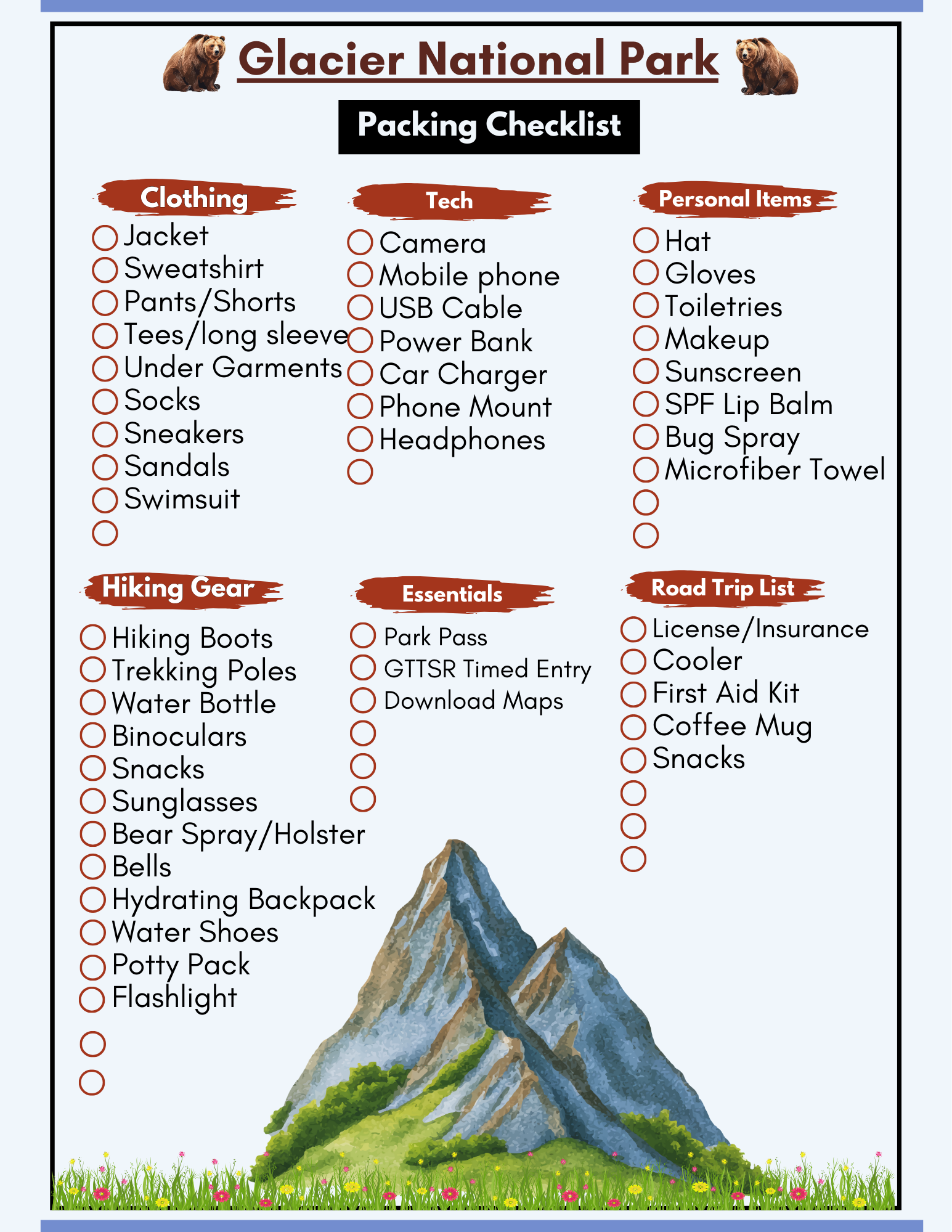
Packing for a summer national park trip requires balancing the intense, direct sun of high-altitude environments with the unpredictable temperature swings that can drop near freezing once the sun dips behind a mountain range. I recommend viewing your gear as a modular system; you want to be able to shed layers quickly during a midday ascent and pile them on the moment you reach a windy, exposed summit.
Essential Footwear and Trail Gear
Your footwear is the single most important investment for a successful trip, and I prefer a sturdy, broken-in trail runner or a lightweight hiking boot over heavy leather options. Because summer trails in parks like Glacier or Rocky Mountain can remain muddy or snow-dusted well into July, waterproof membranes are a smart choice, though they can be warmer on dry, dusty paths.
- Traction: If you plan on high-alpine hiking before mid-July, pack a pair of lightweight microspikes. They are a game-changer for crossing lingering snow patches safely.
- Socks: Stick to merino wool. It wicks moisture and prevents blisters better than cotton, which stays damp and heavy.
- Trekking Poles: I recommend these for anyone tackling steep elevation gains; they save your knees on the descent and provide stability on uneven, rocky terrain.
Hydration, Navigation, and Safety Equipment
In high-altitude parks, dehydration happens faster than you realize because the air is thinner and drier. I recommend carrying a minimum of two liters of water for any moderate hike, using a reservoir system so you can sip without stopping.
Never rely solely on your phone for navigation; battery drain is common in cold mountain air or areas with no signal.
- Navigation: Always carry a physical topographic map and a compass. Download offline maps via your park’s official app or a trusted GPS service before you leave your hotel or gateway town.
- First Aid: Keep a basic kit with moleskin for blisters, antiseptic wipes, and pain relievers in your daypack.
- Bear Safety: If you are visiting parks like the Tetons or Glacier, bear spray is non-negotiable. Keep it in a holster on your hip or chest, not buried inside your bag, and know how to use the safety mechanism before you hit the trailhead.
Sun Protection and Layered Apparel
The sun at 8,000 feet is significantly more intense than at sea level, and you will burn faster than you expect. I recommend a “sun hoody” made of UPF-rated synthetic fabric; it provides full coverage without the need for constant reapplication of sunscreen on your arms and neck.
The Layering Strategy:
- Base Layer: A moisture-wicking synthetic or merino wool t-shirt.
- Mid-Layer: A lightweight fleece or “puffy” down jacket. Even in July, mornings at high elevations can start in the 30s or 40s (Fahrenheit).
- Outer Shell: A high-quality rain jacket is essential. Mountain weather shifts in minutes, and a sudden thunderstorm can turn a pleasant hike into a cold, dangerous situation.
Final Pro-Tip: When basing yourself in gateway towns like Jackson, Wyoming, or Estes Park, Colorado, visit a local gear shop on your first day. The staff there will have the most accurate, up-to-the-minute beta on which trails are currently clear of snow and which gear is actually necessary for the specific conditions of that week.
Frequently Asked Questions
When is the best time to visit high-elevation parks like Glacier or Mount Rainier?
The sweet spot for high-alpine hiking is typically late July through mid-August. While the summer season technically begins earlier, high-elevation trails in parks like Glacier and Mount Rainier often remain snow-covered until mid-July.
I recommend targeting early August to ensure the Going-to-the-Sun Road is fully open and the subalpine meadows are at their peak wildflower bloom.
Do I need a reservation to enter these parks in the summer?
Many popular parks, including Glacier and Rocky Mountain, now utilize timed-entry reservation systems or vehicle permits during the peak summer season. These requirements change annually and by specific park entrance.
I recommend checking the official National Park Service website at least three months before your trip to confirm if your destination requires a pre-booked slot, as these passes often sell out weeks in advance.
How do I avoid the worst of the summer crowds?
The most effective strategy is to adopt an “early bird” schedule: arrive at park trailheads before 7:00 a.m. to secure parking and experience the trails in relative solitude. If you are not an early riser, plan your major sightseeing for the late afternoon and evening hours, as most day-trippers depart by 4:00 p.m. Additionally, I suggest utilizing park shuttle systems where available to bypass parking congestion entirely.
Are afternoon thunderstorms a concern during summer?
Yes, afternoon thunderstorms are common in high-altitude parks like Glacier and the Tetons. These storms can develop rapidly and bring lightning, which makes exposed ridgelines and high-alpine summits dangerous.
My pick is to complete your high-elevation hikes before noon; if you see dark, building clouds, head below the treeline immediately.
What is the best way to stay near these parks during the summer?
For the best access, look for gateway towns that offer a mix of lodge and cabin options. Staying in towns like Jackson for Grand Teton or the various lodges near park entrances allows for easier early-morning starts.
If you prefer a more immersive experience, book in-park lodging or campgrounds as soon as the reservation windows open—often six to twelve months in advance—because these spots are the first to sell out for the summer season.
How to Lock In Your Ultimate Summer Park Adventure
Your immediate next step is to check the reservation opening dates for Glacier’s Going-to-the-Sun Road or Rocky Mountain’s timed-entry system. I highly recommend booking your gateway lodging in Estes Park or Jackson right now before the best cabins sell out.
Experiencing the raw, untouched beauty of these high-alpine meadows and wild coastlines in the peak of summer is a bucket-list adventure you will never forget. Grab your physical topographic maps, pack your bear spray, and start locking in your summer trail permits today.
Leave a Reply