
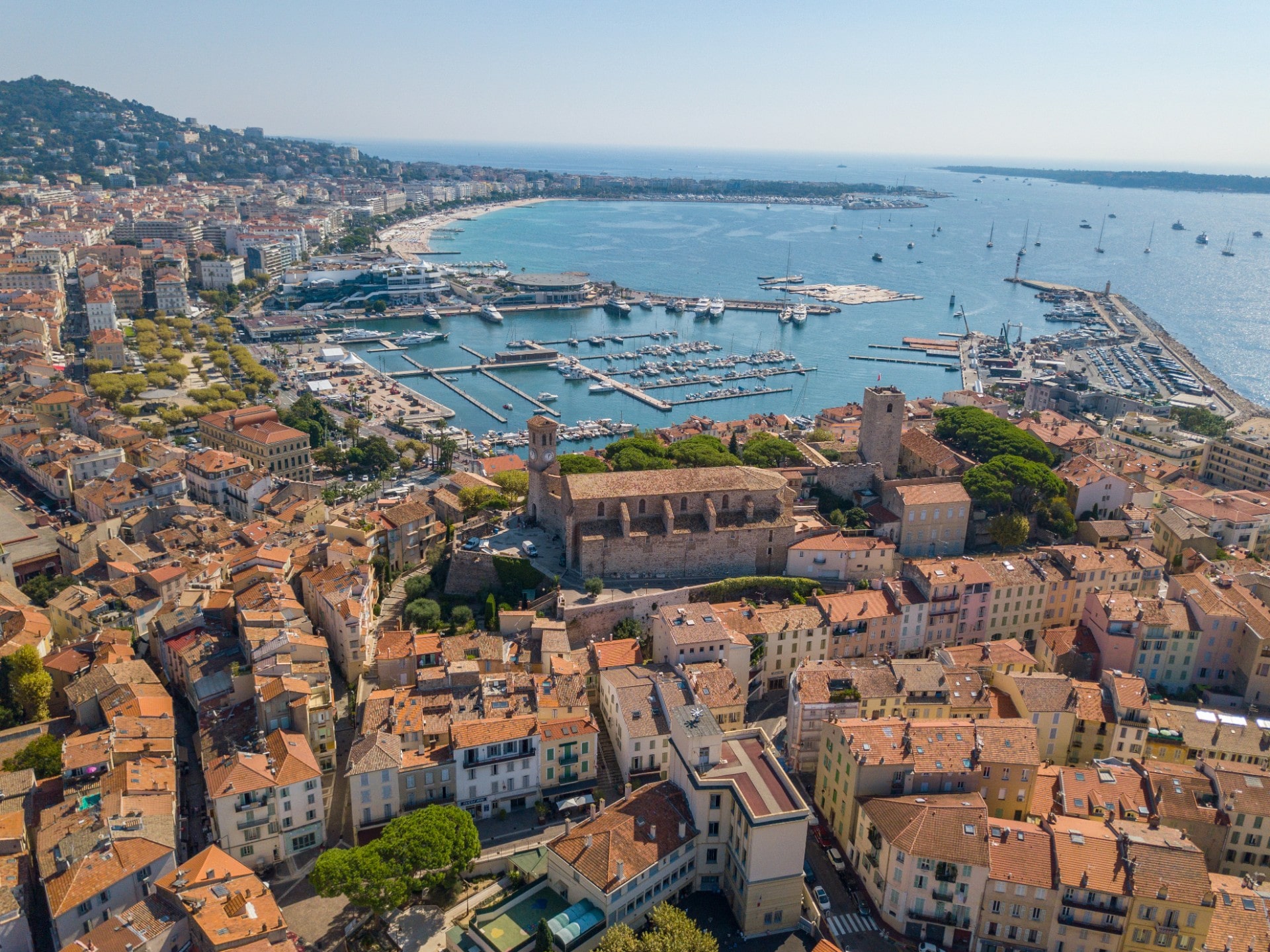
September is when Europe stops performing for tourists and starts living again. The beach towels are rolled up, school routines have pulled families home, and what remains is glorious golden light, shoulder-season prices, and harvest festivals that feel genuinely local rather than staged.
This month beats peak summer on every practical front: Mediterranean water sits at its warmest of the year (77°F in Crete, 75°F on the French Riviera), mountain trails are clear and crisp without the July-August sweat, and cultural cities finally feel walkable instead of suffocating. You’re paying what locals pay, not what summer tourists subsidize — hotels drop 20–40% compared to July, flights save 15–30%, and restaurants stop inflating prices for outdoor seating.
This guide cuts through the noise and tells you exactly where to go based on what you actually want: warm-water beach days, serious mountain hiking, cultural immersion, or harvest festivals where locals still outnumber tour buses.
Budget ranges: Mediterranean beach destinations run $$ to $$$; mountain regions like Slovenia and Spain offer $$ value; cultural cities like Prague and Copenhagen range $$ to $$$; luxury experiences (Swiss Alps, French Riviera) lean $$$.
Where September Actually Wins: Quick Decision Guide
Warmest beaches with manageable crowds: Crete (77°F water, zero pretense), Alentejo Coast Portugal (authentic fishing villages, half the Algarve price), French Riviera (75°F water, walkable culture), Athens & Peloponnese (history + swimming, no summer heatstroke).
Best hiking without crowds or heat: Slovenia’s Soča Valley (turquoise rivers, solitude), Spanish Pyrenees (dramatic peaks, foraging season), Dolomites Italy (autumn foliage, world-class views), Norwegian Fjords (coastal mountains, early northern lights), Iceland (otherworldly geothermal scenery).
Cultural cities that actually feel like cities: San Sebastián & Bilbao (pintxo bars uncrowded, beaches still swimmable), Copenhagen (hygge season, bike culture, prices drop), Prague (golden light, Signal Festival, day-trip access), London (Royal Parks at their best, museums breathable), Edinburgh (moody charm, haunted vaults atmospheric), Córdoba (Mezquita without heatstroke).
Harvest festivals and seasonal traditions: Tuscany & Chianti (grape harvest, golden light), Bavaria (pre-Oktoberfest vibes, alpine lakes), The Cotswolds (honey villages, apple crumble season), Sierra de Aracena Spain (jamón ibérico festivals), Ireland’s Wild Atlantic Way (coastal drives, early Samhain celebrations).
The real decision: Pick beach destinations if warmth and water are non-negotiable. Pick mountains if you want solitude and dramatic scenery.
Pick cities if you want culture without crowds. Pick harvest regions if food and local traditions matter most.
Is September Really the Best Time to Visit Europe?
September is when Europe stops performing for tourists and starts living again. The beach towels are rolled up, school routines have pulled families home, and what remains is glorious golden light, shoulder-season prices, and harvest festivals that feel genuinely local rather than staged.
This is the month when the continent exhales.
5 Reasons to Travel During the “Shoulder Season”
Shoulder season isn’t a compromise—it’s the actual sweet spot. Here’s why September wins:
- Fewer crowds without sacrificing warmth: Mediterranean beaches still hit their best water temperatures, inland vineyards glow with late-summer light, and you can actually walk through town centers without navigating selfie-stick traffic. Especially in places like Córdoba, the Cotswolds, or Copenhagen, September feels calm and authentic.
- Prices drop noticeably: Hotels, flights, and restaurants charge less than July and August, but you’re not getting off-season discounts that come with actual bad weather. You’re paying for comfort, not desperation.
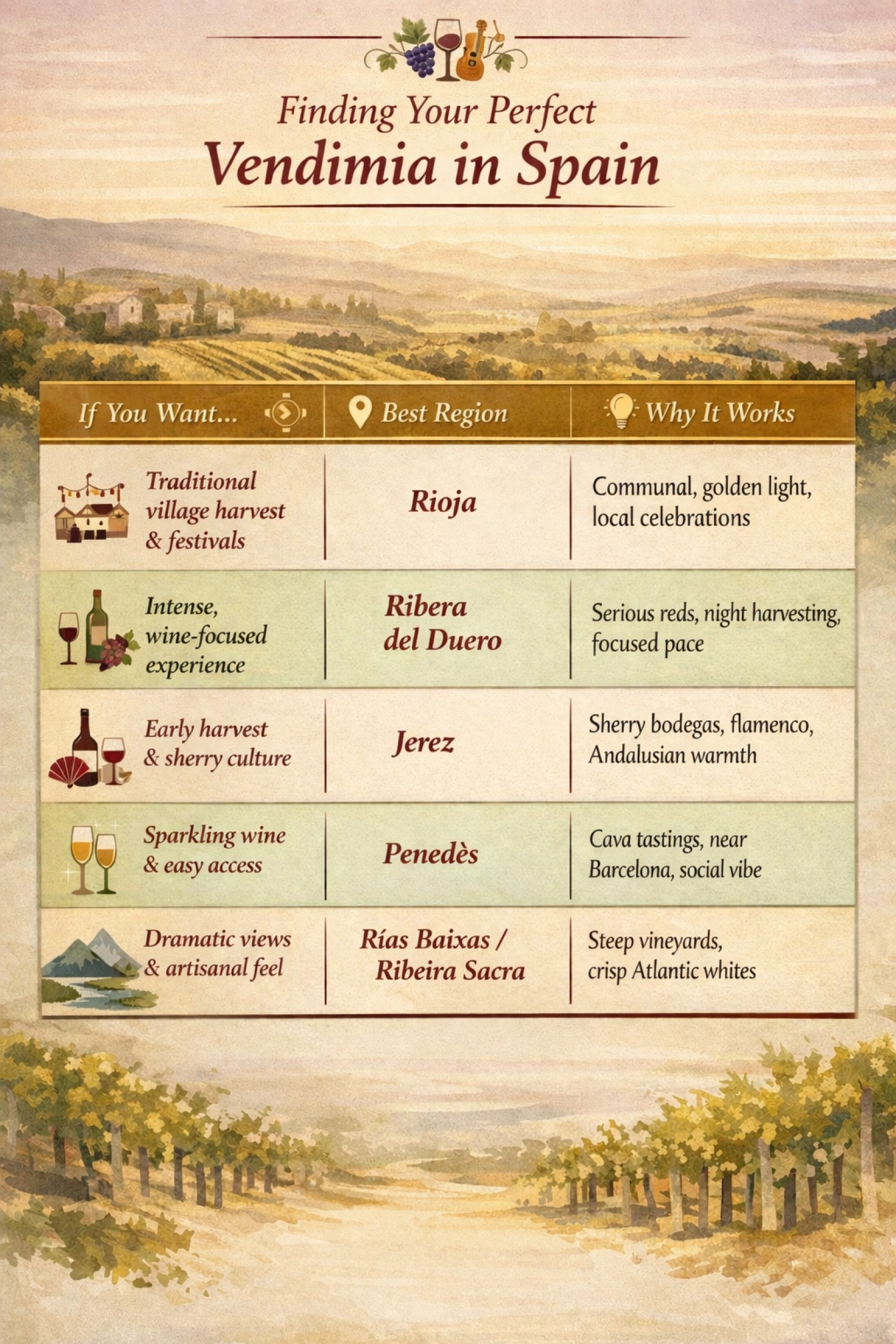
- Harvest festivals and local traditions peak: Tuscany enters grape harvest season with vineyards glowing in soft evening light. Ireland hosts the Oyster and Seafood Festival in Galway, the Cork Jazz Festival, and the Dublin Theatre Festival. Spain’s Bienal de Flamenco (held every two years) brings world-class flamenco events. These aren’t tourist performances—they’re when locals celebrate.
- Northern Europe becomes genuinely hikeable: Crisp air, bright skies, and quiet trails make September ideal for Norwegian fjords, the Swiss Alps, and Iceland. Early northern lights begin appearing in late September in far northern regions.
- Light quality shifts to something magical: Summer’s harsh midday glare softens into golden, atmospheric evening light. Photographers and anyone who appreciates landscape beauty notice the difference immediately.
What is the Weather Like in Europe in September?
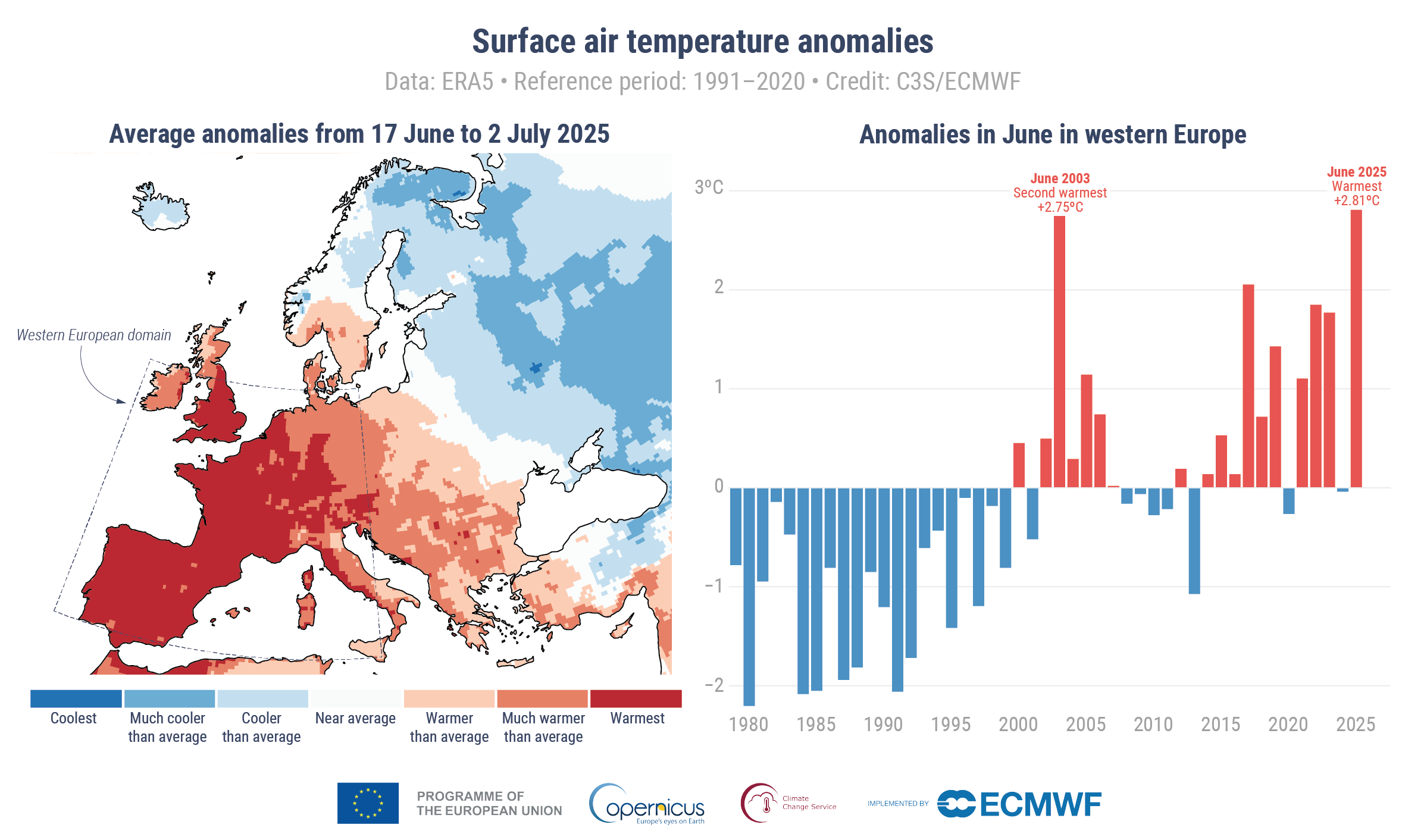
September weather varies dramatically by region, but the pattern is consistent: warm days linger across the Mediterranean, while northern and mountain regions cool into crisp, clear conditions. Plan accordingly based on your destination.
Mediterranean and coastal regions (Greece, southern Spain, Portugal, southern Italy) stay warm with daytime temperatures typically in the mid-70s to low 80s Fahrenheit. Seas reach their best temperatures for swimming.
Rain is rare, and evenings cool pleasantly—perfect for outdoor dining without summer’s oppressive heat.
Inland wine regions and central Europe (Tuscany, Bordeaux, Prague, Budapest) experience comfortable temperatures in the 60s to 70s Fahrenheit during the day, with cooler mornings and evenings. This is ideal for walking, driving through countryside, and exploring towns without overheating.
Occasional rain begins appearing, especially in September’s second half.
Northern Europe and mountains (Scotland, Scandinavia, Swiss Alps, Norwegian fjords) turn crisp and bright, with daytime temperatures in the 50s to 60s Fahrenheit. Mornings and evenings require a jumper.
Skies stay clear and bright, making this the best hiking season of the year. Early autumn colors begin appearing in late September, especially in mountain regions.
How to Pack for “Wardrobe Roulette” (Layers and Essentials)
September is the month of wardrobe roulette—you genuinely cannot predict what you’ll need on any given day. Pack layers, not separate outfits.
- Summer staples as your base: T-shirts, lightweight shorts, and trainers still work for daytime in Mediterranean regions and southern Europe.
- A warm jumper (non-negotiable): Mornings in mountain regions, evenings everywhere, and entire days in northern Europe require this. Choose something packable that doesn’t take up suitcase space.
- Light waterproof jacket: Rain appears more frequently in September’s second half, especially inland and in northern regions. A compact, packable rain jacket beats an umbrella for walking and hiking.
- Comfortable walking shoes: September is prime hiking and exploring season. Bring shoes that work for both casual town walks and longer trails.
- Something smarter for cities or theatre nights: If you’re visiting cultural cities like Prague, London, or Edinburgh, or attending harvest festivals and theatre events, pack one outfit that works for restaurants and evening venues. Nothing elaborate—dark jeans and a nicer top, or a simple dress.
- Sunscreen and sunglasses: Mediterranean sun is still strong in September, and mountain sun reflects intensely off water and snow.
Is it Cheaper to Visit Europe in September?
Yes—significantly cheaper than July and August, but not rock-bottom cheap. September is the pricing sweet spot: you save money without sacrificing weather or access to attractions.
Hotel rates typically drop 20–40% compared to peak summer, depending on the destination and how close you are to major festivals. A room in central Prague, Córdoba, or Copenhagen that costs €150–200 in July might run €90–130 in September.
Beachfront hotels in Greece and Portugal see similar reductions. Booking 4–6 weeks in advance locks in better rates than last-minute.
Flights are cheaper but not budget-airline cheap. Expect roughly 15–30% savings on transatlantic and intra-Europe flights compared to summer peaks, though prices vary by airline, route, and how far ahead you book. Early September (first two weeks) is cheaper than late September, when some families travel during extended school breaks.
Restaurants and attractions maintain normal pricing, but you’ll spend less overall because you’re not paying premium prices for everything. Local tavernas, wine bars, and family-run cafés don’t inflate September rates the way beachfront tourist spots do in July.
The real savings come from avoiding peak-season markups: tour groups, skip-the-line fees, and inflated restaurant prices for outdoor seating. In September, you’re paying what locals pay, not what summer tourists subsidize.
Where are the Warmest Places for a Beach Holiday in September?
September flips the script on Mediterranean travel: the water is at its warmest of the year, the air is still hot enough for serious beach time, and the summer crush has evaporated. These four destinations deliver reliable heat, manageable crowds, and the kind of golden-hour light that makes even mediocre beaches look like postcards.
1. Crete, Greece: Warm Seas and Ancient Ruins
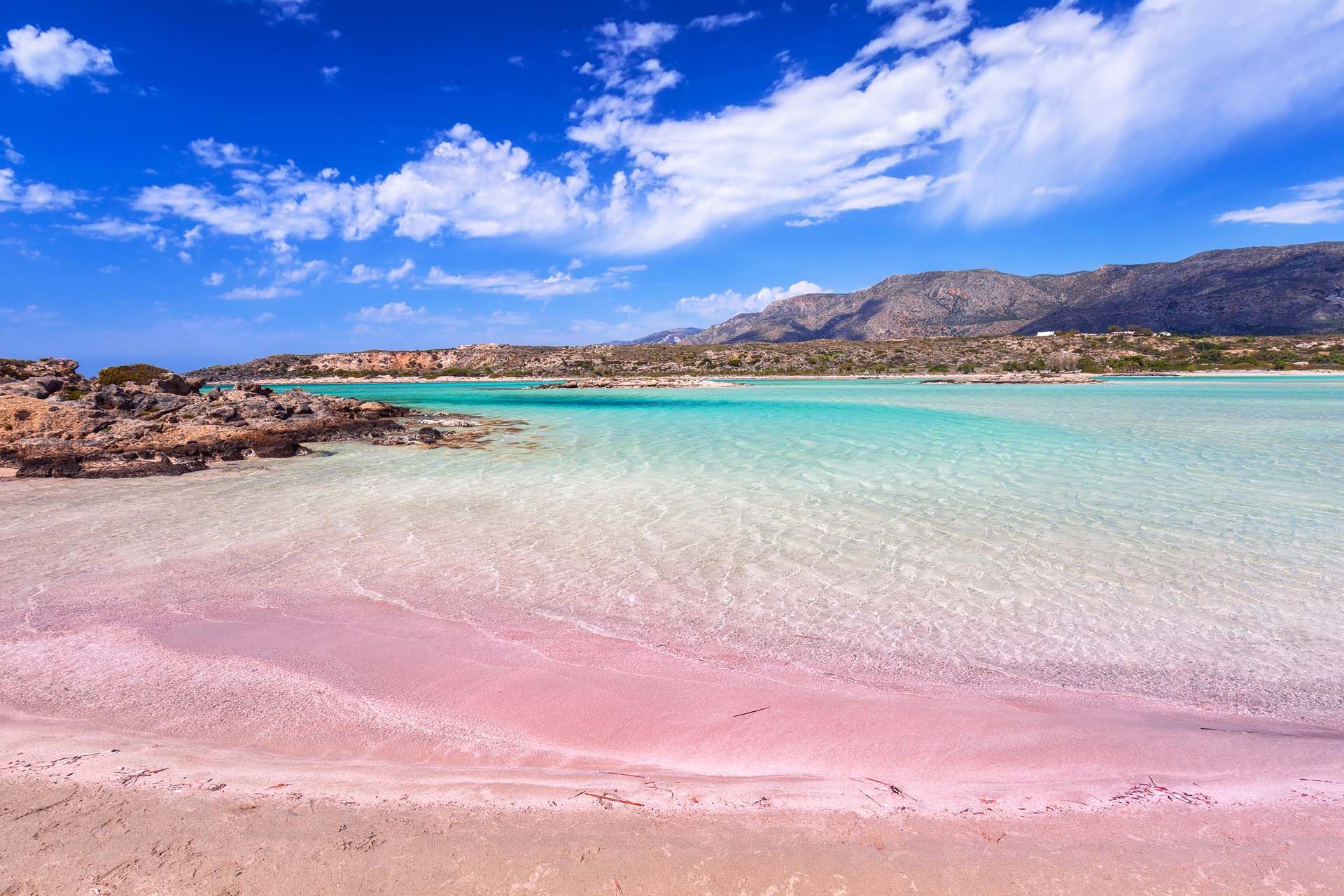
Crete wins September for pure beach comfort — water temperature sits at 77°F, air temps hover in the low 80s, and you’ll see roughly 10 hours of daylight with only 2 rainy days expected all month. This is the sweet spot: warm enough to spend entire days in the water, cool enough that you’re not melting by noon.
Base yourself in Chania or Rethymno for walkable old-town waterfronts and easy access to both beaches and archaeological sites. The real move is splitting time between the famous (and crowded) pink-sand Elafonisi beach and the quieter, equally stunning Falassarna on the west coast — both are reachable by car or local bus within an hour.
Hike the Samaria Gorge in early September when temperatures are still manageable, or spend afternoons exploring Minoan palace ruins at Knossos without the July-August tour-group chaos. Tavernas near the waterfront serve fresh fish and local wine under warm evening light, and September’s local harvest festivals celebrate everything from grapes to feta cheese.
Best for: Anyone wanting guaranteed warm water, ancient history, and island rhythm without peak-season prices or crowds. The win: Water temperature alone — at 77°F, Crete’s sea is swimmable for hours, while most other Mediterranean spots hover around 72–75°F.
2. The French Riviera: Nice, Villefranche, and Antibes
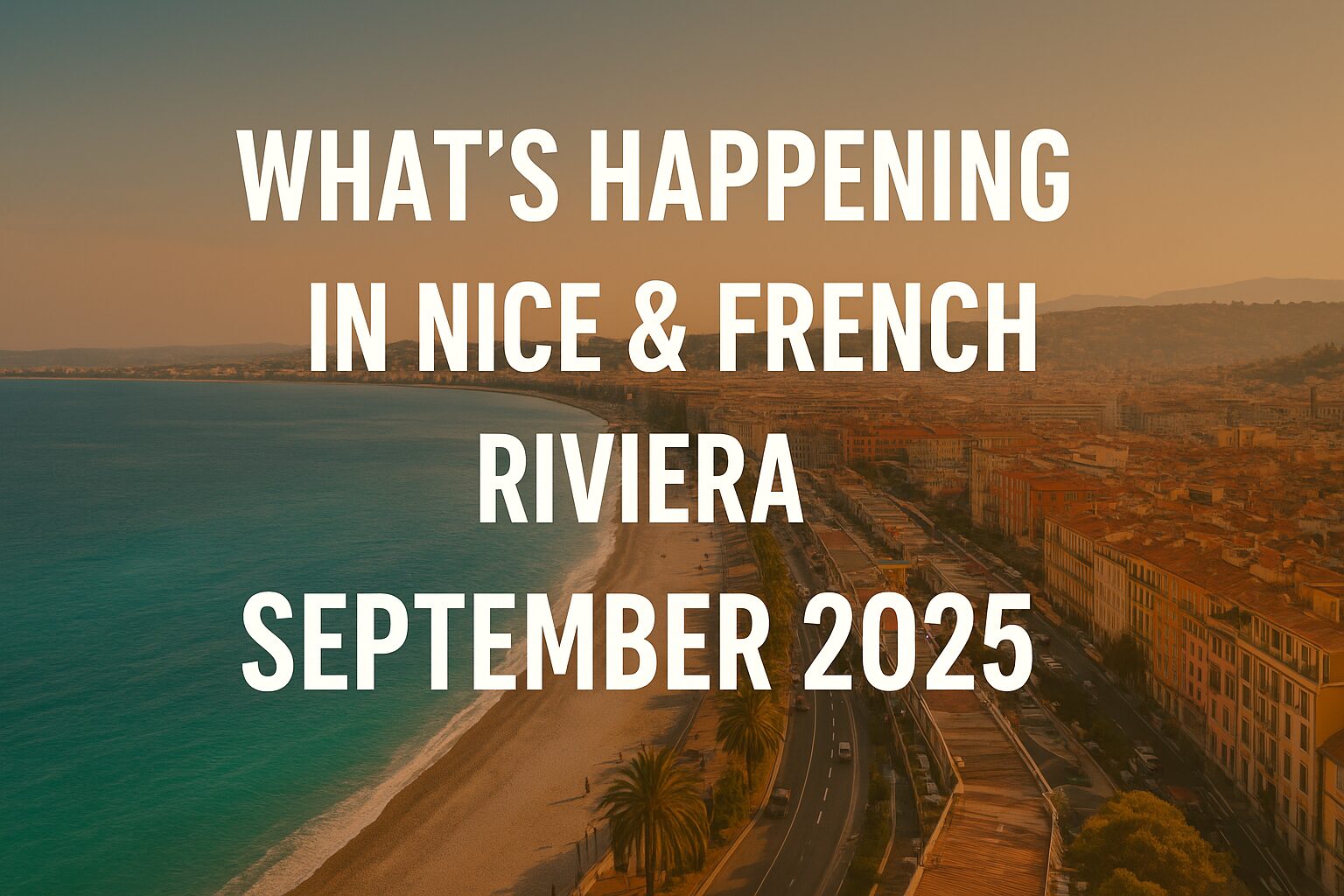
The Côte d’Azur in September feels like a secret that everyone knows but nobody acts on — the water is 75°F, temperatures peak around 79°F, and the crowds have genuinely thinned. This is the month when locals return from August holidays and restaurants stop running on skeleton crews.
Stay in Nice for the largest range of hotels and restaurants, or Antibes if you want a smaller, more walkable old town with better beach access. The Promenade des Anglais in Nice is still beautiful but no longer shoulder-to-shoulder; Villefranche’s crescent bay offers calmer water and fewer vendors than Nice’s main beaches.
Skip the crowded waterfront restaurants and instead eat lunch at casual bistros one block inland — same quality, half the price, no tourist markup. Hike up to the hilltop villages of Èze or Saint-Paul-de-Vence in the late afternoon when light turns golden; both are 30–45 minutes inland and feel completely removed from beach crowds.
The water is warm enough for full days of swimming, but the air is cool enough that walking the old-town streets doesn’t feel exhausting.
Best for: Travelers who want beach time without sacrificing culture, food, or walkable charm. The win: September is the only month when you get both warm water AND the energy of a functioning, non-tourist-focused city.
3. Alentejo Coast, Portugal: Authentic Surf and Fishing Villages
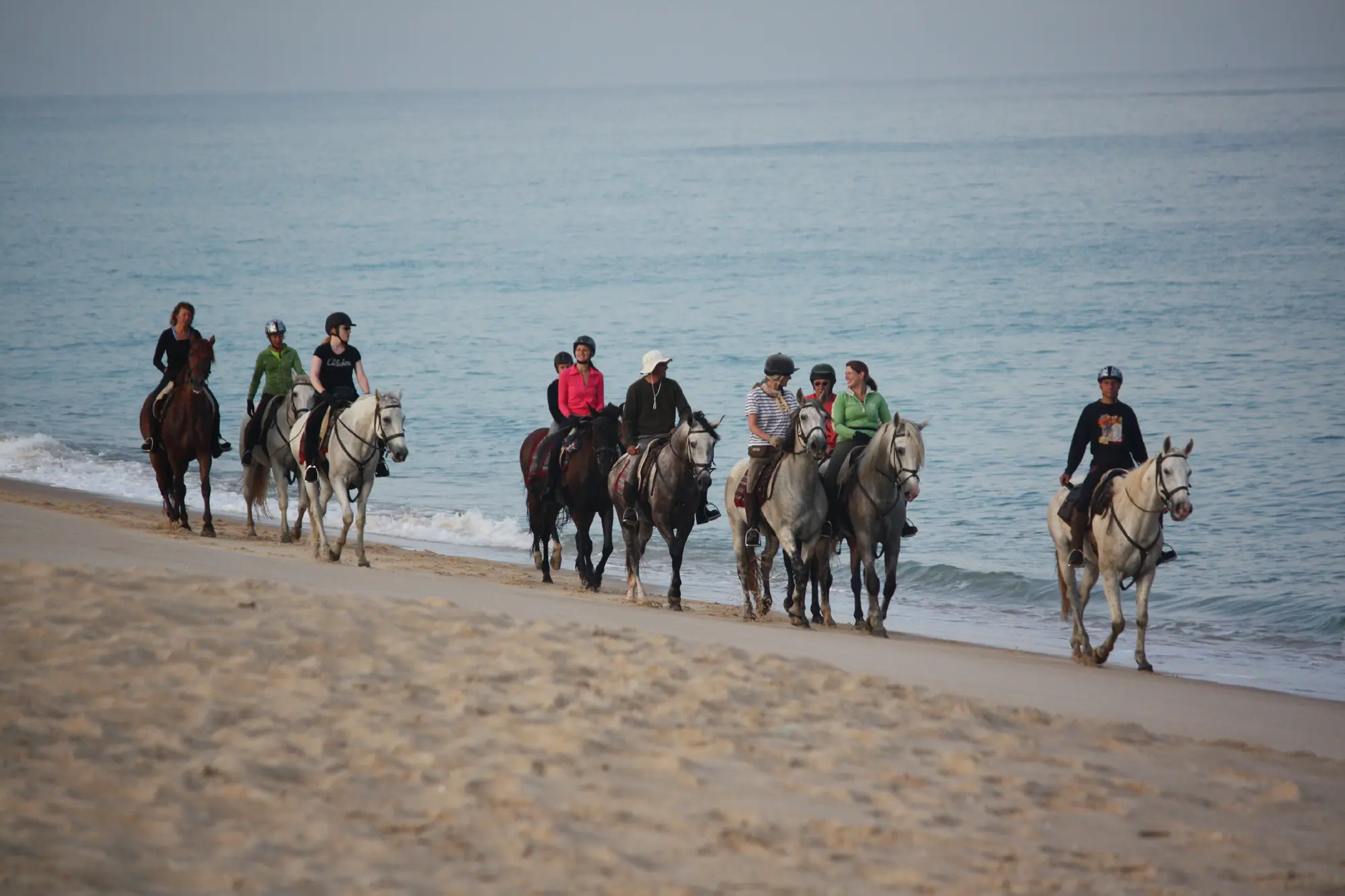
The Alentejo Coast is the anti-Algarve — dramatic cliffs, wide sandy beaches, and fishing villages where tourists are still a novelty rather than the main event. Water temperature reaches 72°F, air temps sit around 77°F, and you’ll have 8 hours of daylight with only 4 rainy days expected.
Base yourself in Vila Nova de Milfontes, a small riverside town with a genuine local vibe, or Odeceixe if you want a quieter, more isolated feel. Walk the coastal trails that connect beaches — the cliff-top paths between Odeceixe and Arrifana are stunning and rarely crowded.
Swim at Praia da Comporta for wide, empty sand, or head to the smaller coves near Aljezur for more dramatic scenery. Eat at family-run seafood restaurants where the catch of the day is actually the catch from this morning; expect grilled fish, local wine, and bills that feel like a gift.
September is still warm enough for full beach days, but the summer heat has broken enough that you can actually walk around town without needing a siesta.
Best for: Travelers seeking authentic Portugal without resort infrastructure or package-tour energy. The win: You get warm water and genuine beach time at roughly half the cost of the Algarve, with zero pretense.
4. Athens and the Peloponnese: Exploring Without the Heatstroke
Athens in September is finally livable — temperatures drop to the high 70s, humidity eases, and the archaeological sites stop feeling like open-air ovens. The Peloponnese, reachable by car or bus in 1–3 hours, offers beach towns, ancient ruins, and mountain villages all within a single trip.
Stay in Athens for museums and nightlife, then day-trip or overnight to the Peloponnese. Nafplio, a small coastal town with Venetian architecture and nearby beaches, is 2 hours south and makes an excellent overnight base.
From there, visit Mycenae and Epidaurus (ancient theatre ruins that rival anything in Greece) in the early morning before heat builds, then swim at nearby beaches in the afternoon. The Peloponnese also offers quieter alternatives: Monemvasia, a medieval fortress town on a rocky peninsula, feels completely removed from Athens’ energy and has small pebble beaches for cooling off.
September’s local harvest festivals celebrate grapes, wine, and regional products — seek out village celebrations if you’re there mid-month.
Best for: History lovers who want beach time without choosing between culture and swimming. The win: You avoid Athens’ brutal July-August heat while still accessing world-class archaeology, and the Peloponnese’s smaller towns feel genuinely Greek rather than tourist-focused.
| Destination | Water Temp | Air Temp | Sunlight Hours | Rainy Days | Budget Level |
|---|---|---|---|---|---|
| Crete, Greece | 77°F | 68–84°F | 10 | 2 | $$ |
| French Riviera | 75°F | 63–79°F | 8 | 4 | $$$ |
| Alentejo Coast, Portugal | 72°F | 60–77°F | 8 | 4 | $$ |
| Athens & Peloponnese | 75°F | 68–82°F | 10 | 2 | $$ |
The real decision: Pick Crete if warmth and water are non-negotiable. Pick the French Riviera if you want beach time plus walkable culture and don’t mind paying for it.
Pick Alentejo if you want authentic Portugal and lower costs. Pick Athens if you’re combining beach time with serious archaeology and want to avoid summer heat.
Which Mountain Destinations Offer the Best Hiking and Landscapes?
September transforms Europe’s mountains into a hiker’s sweet spot: trails are clear, crowds have thinned to almost nothing, and the light turns golden without the brutal heat of summer. This is when you can actually enjoy the view instead of just surviving the climb.
Below are the destinations where the hiking and scenery genuinely justify the trip — not the Instagram version, the real one.
1. Slovenia’s Soča Valley and Julian Alps: A Hidden Adventure Hub
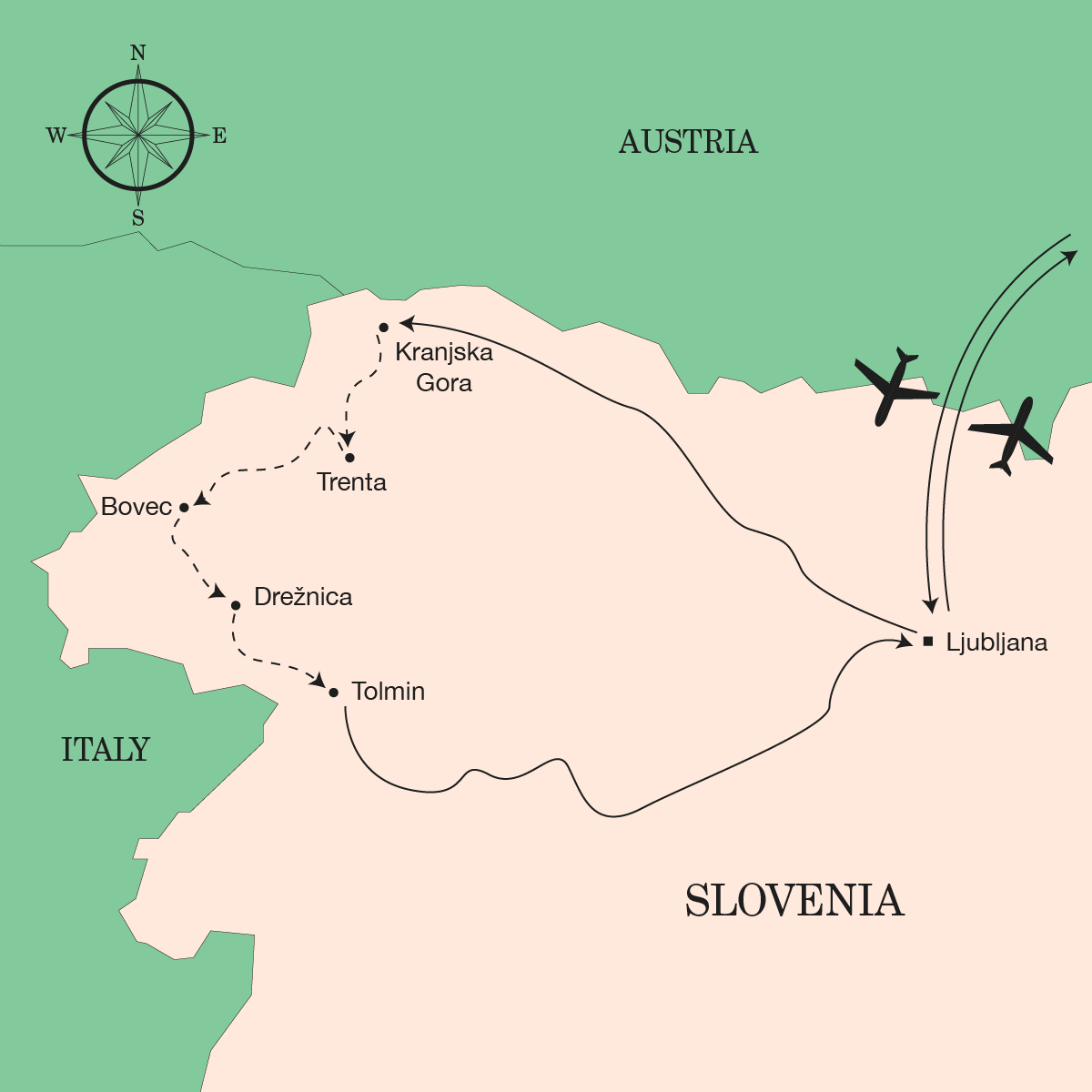
The Soča Valley delivers what the Alps promise but rarely deliver in September: solitude, turquoise water, and trails that feel like your own discovery. The Julian Alps rise dramatically above emerald river canyons, and September temperatures (expect roughly 55–75°F) make full-day hikes comfortable without the August sweat.
This wins for anyone who wants serious mountain scenery without fighting crowds or booking lodges months in advance.
Base yourself in the small towns of Kobarid or Bovec, which sit at the valley entrance and offer direct access to trailheads, local restaurants, and modest guesthouses. The Soča Trail itself is a 6-hour riverside walk that requires no technical skill but delivers views that rival anything in Switzerland — at a fraction of the cost.
If you want to combine hiking with wine, Goriška Brda (Slovenia’s answer to Tuscany) sits just over the border and hits peak harvest season in September, meaning vineyard visits and tastings happen without the summer tourist markup.
2. The Spanish Pyrenees and Picos de Europa: Dramatic Limestone Peaks
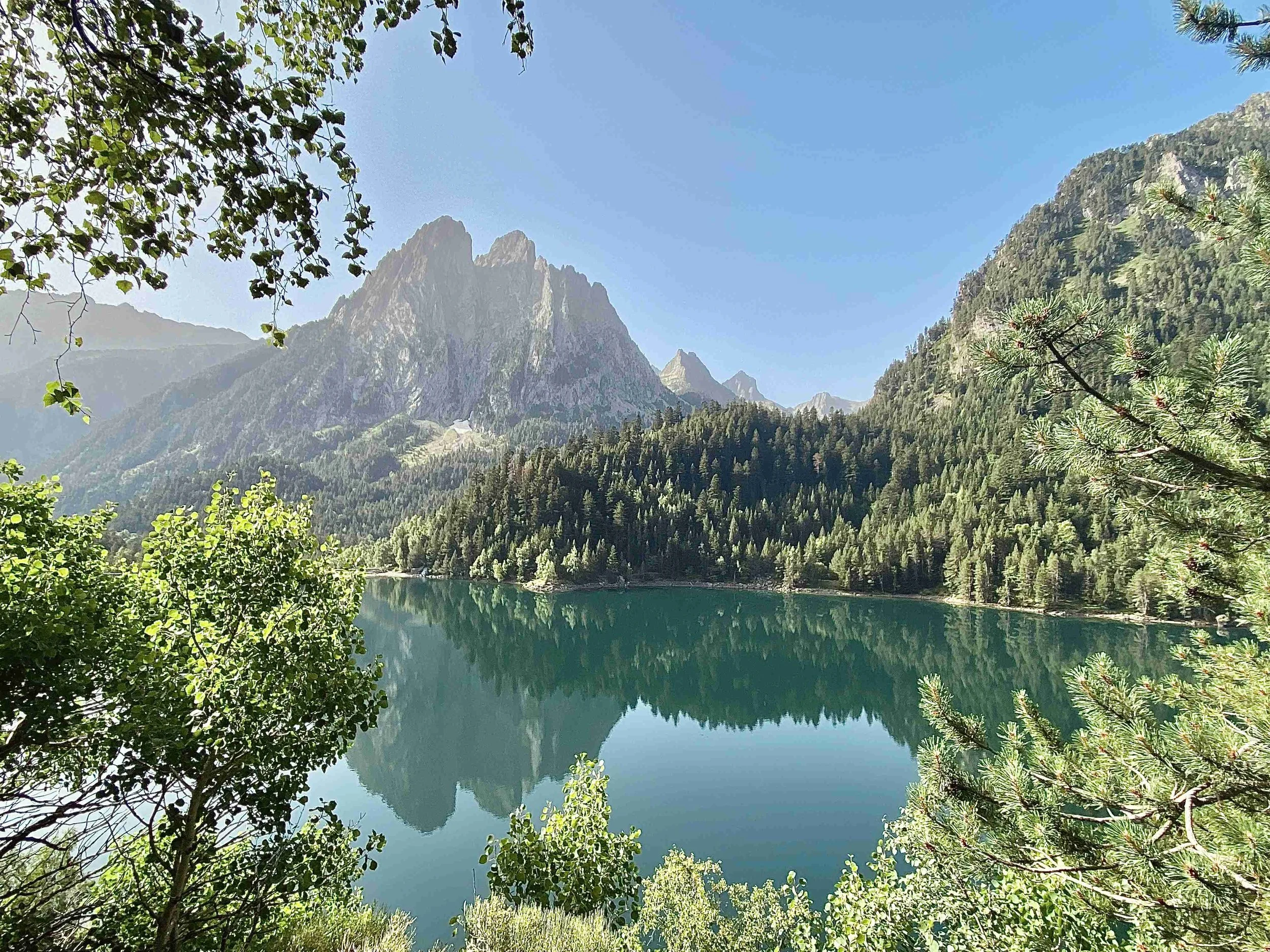
The Spanish Pyrenees in September occupy that perfect in-between: crowds have vanished, the air is crisp, and the landscape still feels alive with waterfalls and green valleys. This is the moment before snow comes, when mushroom foraging season begins and locals are back on the trails — follow them if you want to know where the best fungi are hiding.
The Picos de Europa, one of Europe’s most underrated September destinations, offer dramatic limestone formations, deep valleys, and authentic mountain villages where regional cheeses and seasonal produce still fill local markets.
Temperatures typically range from 55–73°F, with about 7 hours of daylight and 7 rainy days expected across the month — pack layers and waterproof shells, but don’t let the rain forecast scare you off. The region wins for hikers who want dramatic scenery without the Swiss price tag and for anyone interested in Spanish mountain culture that hasn’t been smoothed over for tourism.
Stay in small towns like Cangas de Onís or Arenas de Cabrales, which sit near major trailheads and offer easy access to the Cares Gorge (a stunning canyon walk) and the Lakes of Covadonga.
3. The Dolomites, Italy: World-Class Vistas and Autumn Foliage
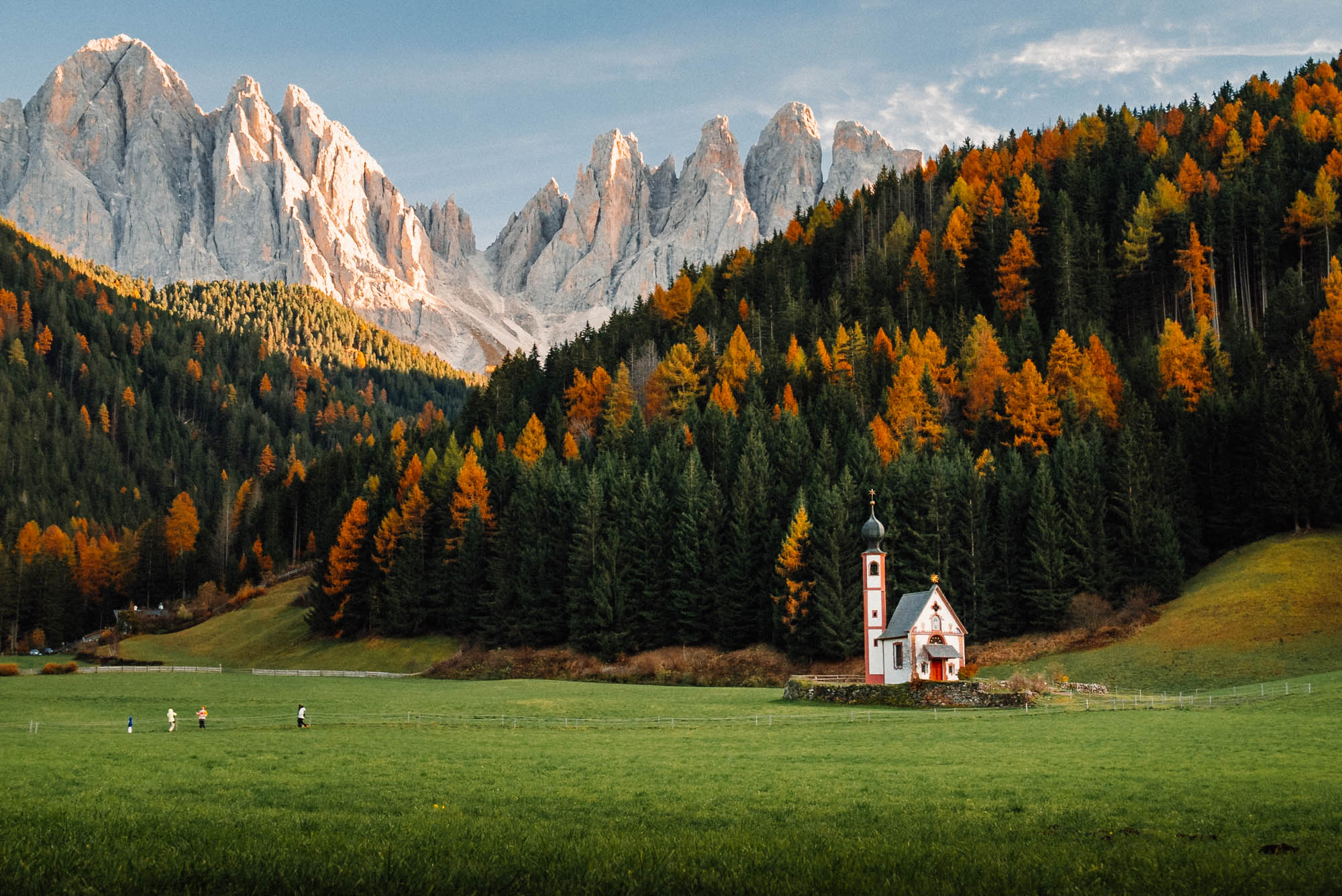
The Dolomites in September deliver the dramatic limestone peaks and turquoise lakes that dominate hiking magazines, but with the bonus of early autumn color that turns the views from beautiful to “so beautiful you might cry.” The lower temperatures of fall make full-day hikes genuinely enjoyable instead of a survival test, and the vibrant foliage elevates every ridge walk and alpine meadow crossing. This is the destination for hikers who want world-class scenery with the infrastructure to back it up — excellent trail marking, mountain huts, and easy logistics.
September temperatures range from roughly 55–75°F depending on elevation, with about 7 hours of daylight. The region is best explored by basing yourself in towns like Cortina d’Ampezzo, Ortisei, or Bolzano, which offer mountain lodges, rifugios (mountain huts), and easy access to the famous Alta Via hiking routes.
If you time your visit well, you might catch the traditional Almabtrieb — a procession where alpine cows, dressed up in flowers and bells, are brought down from their summer grazing in the mountains. It’s exactly as charming as it sounds.
4. Annecy Mountains, France: Lake Days and Alpine Grazing
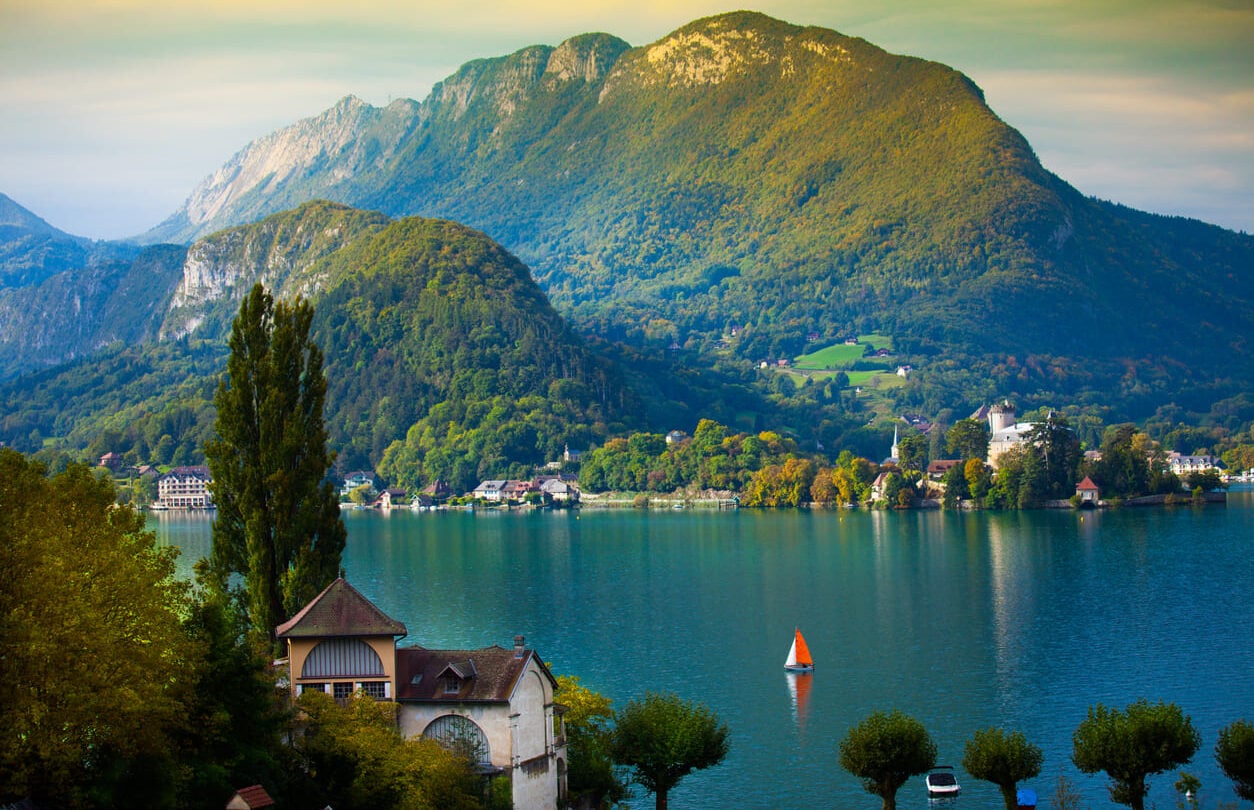
The Annecy lakefront in September feels like summer’s encore — cooler, classier, and blessedly crowd-free — but the real draw is the mountain terrain that rises directly from the water. This region is far more than postcard reflections; it’s a serious hiking destination where you can walk from lakeside to high alpine meadows in a single day.
The combination of lake access and dramatic peaks makes this ideal for travelers who want variety: some days on water, some days on trails, all without the chaos of peak season.
Expect temperatures around 55–75°F and roughly 7 hours of daylight. Base yourself in Annecy town (walkable, with excellent restaurants and lake access) or in smaller mountain villages like Chamonix or Megève if you want higher elevation and more serious alpine terrain.
The Annecy Mountains tourism board maintains detailed trail information and seasonal conditions, making trip planning straightforward. September is also when local markets fill with seasonal produce and regional cheeses, so plan meals around what’s fresh rather than what’s on a fixed menu.
5. The Swiss Alps: Traditional “Alpabzug” Cow Processions
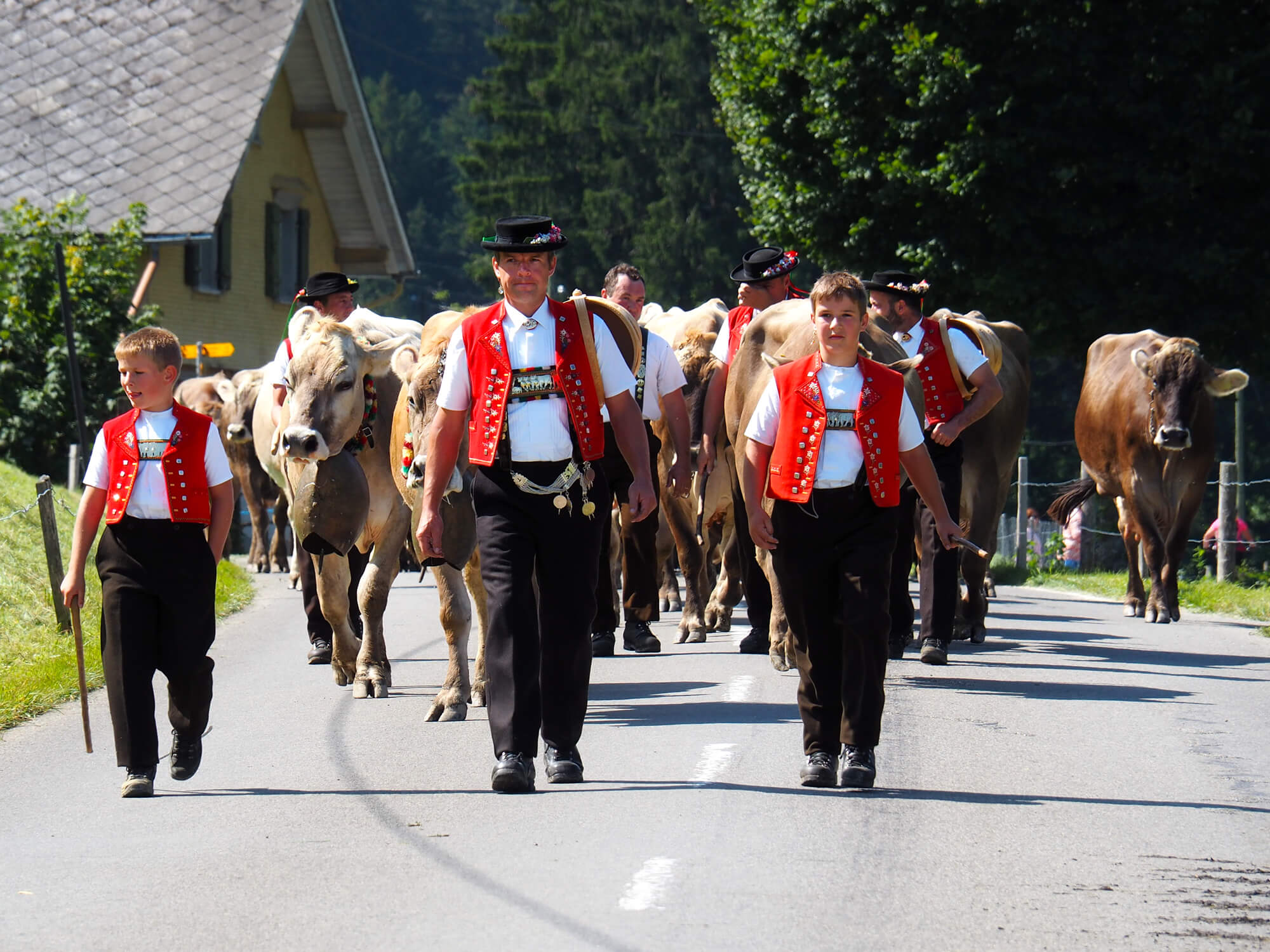
The Swiss Alps in September offer the hiking infrastructure and trail quality that justify the premium price tag, especially if you time your visit to catch the Alpabzug — the traditional procession when alpine cows, decorated with flowers and enormous bells, are brought down from summer mountain pastures. It’s a genuine cultural event, not a tourist performance, and it happens across different regions throughout September depending on elevation and local tradition.
This destination wins for hikers who want perfectly maintained trails, excellent signage, and the chance to witness authentic mountain life.
Temperatures typically range from 50–68°F at lower elevations, dropping significantly at altitude. Expect roughly 7 hours of daylight and about 10 rainy days across the month — September weather in the Alps can shift quickly, so pack layers and waterproof gear.
Base yourself in gateway towns like Interlaken, Zermatt, or Grindelwald, which offer mountain lodges, train access to trailheads, and easy logistics for day hikes or multi-day alpine traverses. The Swiss hiking app and official trail maps are among the best in Europe — download them before you go.
6. Norwegian Fjords and Iceland: Crisp Air and Early Northern Lights
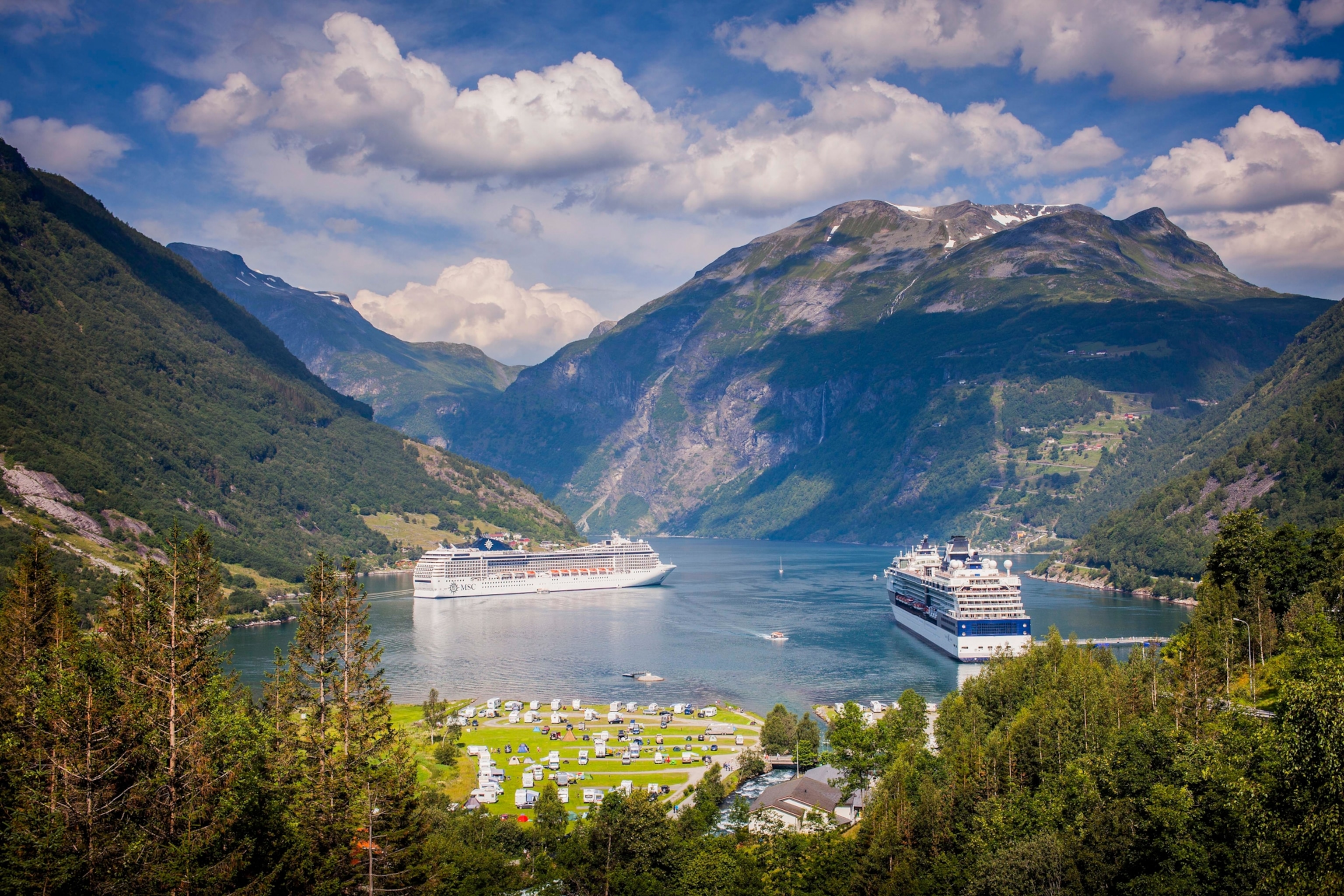
Norway’s fjords — particularly Ålesund, Geiranger, and Sognefjord — transform in September as summer softens into early autumn. Light crowds, mild temperatures (expect roughly 50–65°F), and excellent visibility create perfect conditions for boat trips, panoramic hikes, and scenic drives.
Fjord towns feel peaceful and atmospheric rather than overrun, and early autumn foliage begins to appear in high mountain valleys. This wins for anyone who wants dramatic coastal-mountain scenery without fighting cruise ship crowds or paying peak-season prices.
Plan roughly 7 hours of daylight and about 10 rainy days across the month — Norwegian weather is changeable, so waterproof layers are non-negotiable. Base yourself in small fjord towns like Geiranger, Flåm, or Balestrand, which offer lodges, guesthouses, and direct access to boat tours and hiking trails.
The scenic drives (like the Flåm Railway) are as rewarding as the hikes themselves.
Iceland’s South Coast and Golden Circle offer a different mountain experience: crisp air, fewer travelers, and expansive early-autumn landscapes across waterfalls, black-sand beaches, and geothermal fields under clear skies. Days are long enough for scenic drives (expect roughly 6 hours of daylight), while darkening nights offer a genuine chance to spot the first northern lights of the season — a bonus you won’t get in other European mountain regions.
Temperatures range from roughly 45–55°F, with about 11 rainy days expected, so waterproof everything and embrace the weather as part of the experience.
Base yourself in Reykjavik or smaller towns like Vík for access to the South Coast, or stay near the Golden Circle for geothermal hikes and waterfall walks. Iceland’s mountain scenery is otherworldly — volcanic, barren, and utterly unlike the Alpine destinations above — making it the pick for hikers who want something completely different from the traditional European mountain experience.
Quick Comparison: Which Mountain Destination Matches Your Trip Style?
| Destination | Best For | Temperature Range | Daylight Hours | Budget Level |
|---|---|---|---|---|
| Slovenia (Soča Valley) | Solitude + river scenery + wine | 55–75°F | 7 hours | $$ |
| Spanish Pyrenees | Dramatic peaks + foraging + local culture | 55–73°F | 7 hours | $$ |
| Dolomites, Italy | World-class views + autumn color + infrastructure | 55–75°F | 7 hours | $$$ |
| Annecy, France | Lake + mountain combo + variety | 55–75°F | 7 hours | $$$ |
| Swiss Alps | Perfect trails + cow processions + luxury | 50–68°F | 7 hours | $$$ |
| Norwegian Fjords | Coastal mountains + boat access + quiet towns | 50–65°F | 7 hours | $$$ |
| Iceland | Otherworldly scenery + northern lights + geothermal | 45–55°F | 6 hours | $$$ |
The honest take: If budget matters, Slovenia and Spain deliver the best hiking-to-cost ratio. If you want the most reliable infrastructure and weather, Switzerland and the Dolomites are worth the premium.
If you want something completely different from typical Alpine hiking, Iceland is the only choice. If you want a mix of mountain and water, Norway and Annecy split the difference perfectly.
Best Cultural City Breaks for Mild Weather and Fewer Crowds
September transforms Europe’s cultural capitals into intimate, walkable destinations where you can actually see the architecture and taste the local food without fighting crowds or melting in summer heat. The sweet spot: warm enough for outdoor dining and evening strolls, cool enough that museums and galleries feel refreshing rather than suffocating, and tourist numbers have dropped enough that you can book restaurants without reservations made three months prior.
1. San Sebastián and Bilbao, Spain: Pintxos and Coastal Luxury
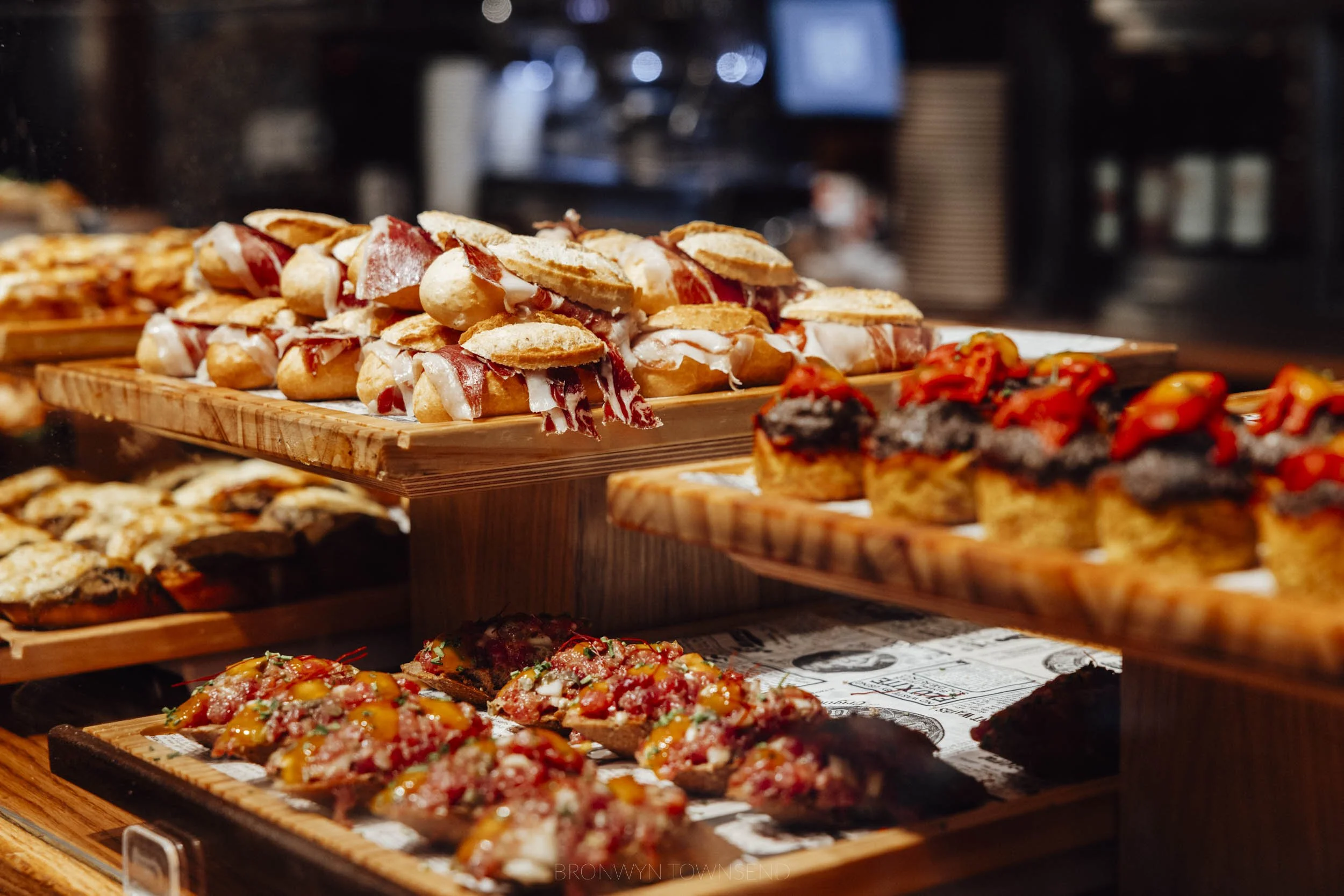
San Sebastián is the move for food-obsessed travelers who want world-class dining without the pretension or the crowds of Barcelona. September weather is warm but not scorching—perfect for hopping between pintxo bars along the harbor, where locals still outnumber tourists and a plate of jamón ibérico costs €3 instead of €12.
The real win: you can walk into legendary pintxo bars like Bar Martínez or Gros without a two-hour wait, and the beaches (Playa de la Concha, Playa Ondarreta) are still swimmable but not packed shoulder-to-shoulder.
Bilbao, 90 minutes inland by train, pairs perfectly as a two-night add-on. The Guggenheim is genuinely stunning, but September’s lower crowds mean you’re not shuffling through rooms in a human conveyor belt.
The Casco Viejo (old town) feels alive with locals grabbing coffee and wine, not selfie sticks. Base yourself in the Casco Viejo or near the Guggenheim for walkable access to both food and culture—most hotels here are within 10–15 minutes of the main attractions on foot.
2. Copenhagen, Denmark: Hygge, Bikes, and Budget-Friendly Strolls
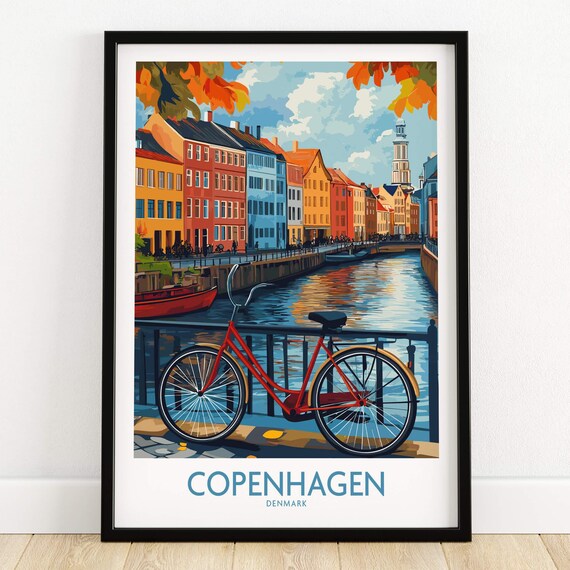
Copenhagen in September hits that rare sweet spot where the city leans into coziness without the full weight of winter darkness. Canals are still swimmable, café patios are still full, and the light is softer and more flattering than summer’s harsh glare—perfect for wandering Nyhavn, biking through Christiania, or lingering over cinnamon pastries.
The tourist crush has genuinely eased, which means you can actually book restaurants, and prices drop noticeably compared to peak summer.
This is the city for travelers who want to move slowly: rent a bike (every local does), grab coffee at a neighborhood café, and let the rhythm of the city dictate your pace rather than a checklist. Stay in Vesterbro or Nørrebro for the real Copenhagen vibe—these neighborhoods have the best independent restaurants, vintage shops, and local bars.
Tivoli Gardens and the Rosenborg Castle are worth a few hours, but the real magic is in the everyday experience of being a temporary local.
3. Prague, Czechia: Light Installations and Fairytale Day Trips
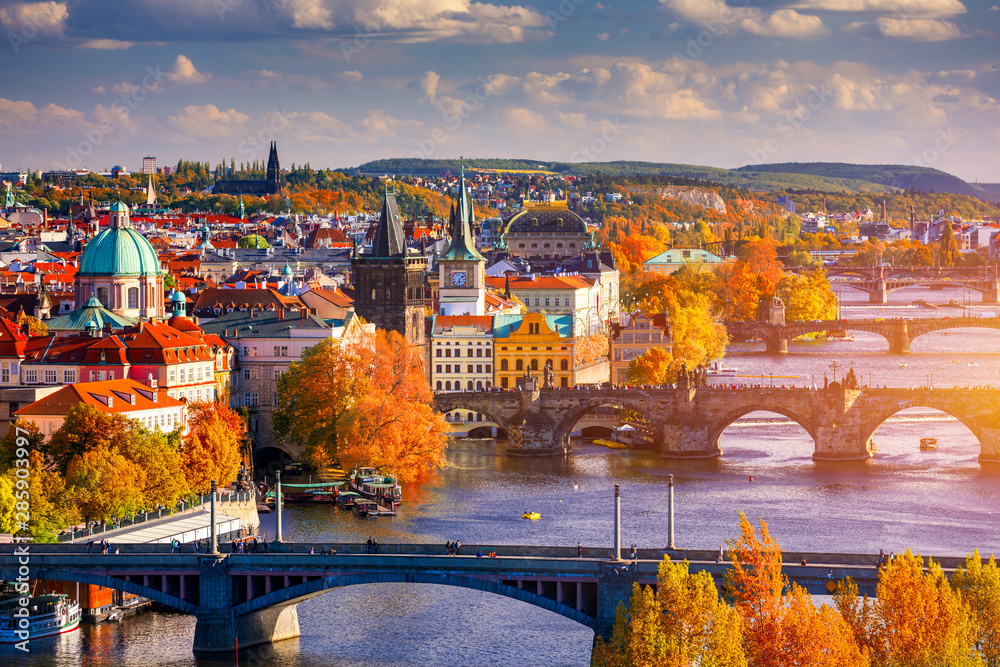
Prague’s peak summer crowds are brutal—you’re fighting through tour groups just to see the Astronomical Clock. September solves that problem completely while adding a bonus: the Signal Festival (typically held in early October but worth checking dates) transforms the city with epic light installations across historic buildings, and the Prague Sounds Festival brings world-class musicians to venues throughout the city.
Even without festivals, September light is golden and forgiving, making the Charles Bridge and Prague Castle actually photographable without 500 people in your frame.
The real advantage is day-trip access. Kutná Hora (bone church and medieval architecture) is 90 minutes by train and feels like stepping into a Gothic novel. Český Krumlov, a fairytale riverside town, is 3 hours south and worth an overnight if you have time.
Base yourself in Staré Město (Old Town) or Malá Strana (Lesser Town) for walkable access to everything—avoid the tourist traps directly on the Charles Bridge and eat where locals eat (the side streets have better food and better prices).
4. London, England: History Tours and Royal Parks

London in September is when the city stops feeling like a theme park and starts feeling like a place where people actually live. Summer’s peak crowds have cleared, but the weather is still warm enough for outdoor markets, park picnics, and evening walks along the Thames.
The light is softer, museums are less suffocating, and you can book a table at a proper restaurant without planning weeks ahead.
Skip the obvious (Big Ben, Tower of London) and spend time in the Royal Parks—Regent’s Park, Kew Gardens, and Hyde Park are genuinely restorative in September, and locals use them like extended living rooms. The British Museum and National Gallery are worth a few hours each, but go early (before 11 a.m.) or late (after 4 p.m.) to avoid the worst crowds.
Stay in Bloomsbury or King’s Cross for walkable access to museums, markets, and restaurants without the tourist markup of areas like Leicester Square.
5. Edinburgh, Scotland: Haunted Vaults and Local Charm
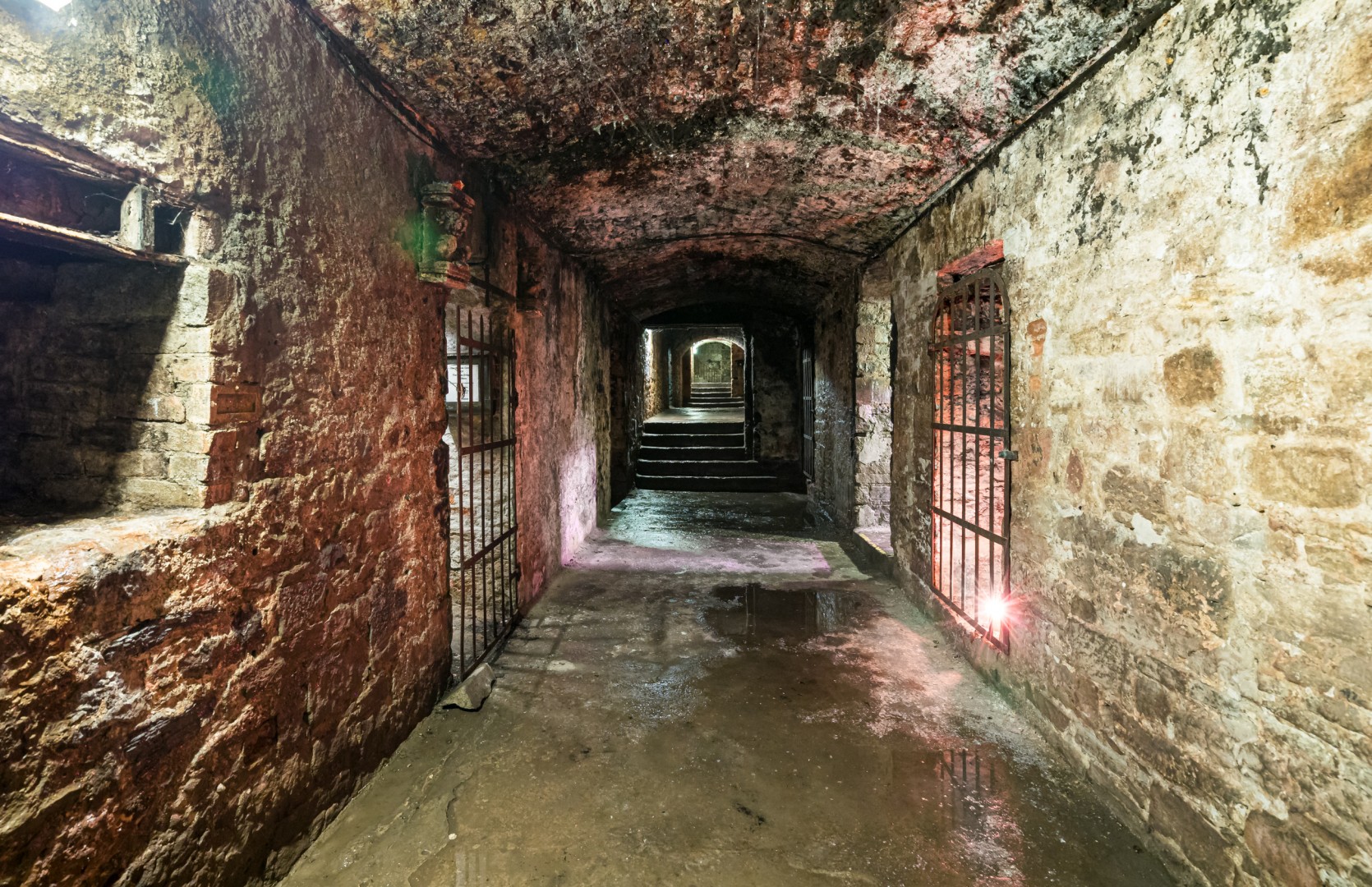
Edinburgh is built for romanticizing in moody weather, and September delivers exactly that: cool mornings that call for a jacket, dramatic skies, and fewer tourists clogging the Royal Mile. The city’s haunted vaults (underground chambers beneath the old city) are genuinely atmospheric in September’s low light, and the Edinburgh Festival Fringe (typically August) has wrapped, so the city feels less like a circus and more like itself.
This is the city for travelers who want history with personality. Walk up to Edinburgh Castle for views over the city, explore the cobbled streets of the Old Town, and spend an evening in a proper pub in the Grassmarket or Stockbridge neighborhoods (where locals actually drink).
The Pentland Hills are a 20-minute bus ride from the city center and offer hiking with views of the city and surrounding countryside. Stay in the Old Town for walkability, or in Leith (the harbor neighborhood) for a more local, less touristy vibe with excellent seafood restaurants.
6. Córdoba, Spain: Flower-Drenched Patios and the Mezquita
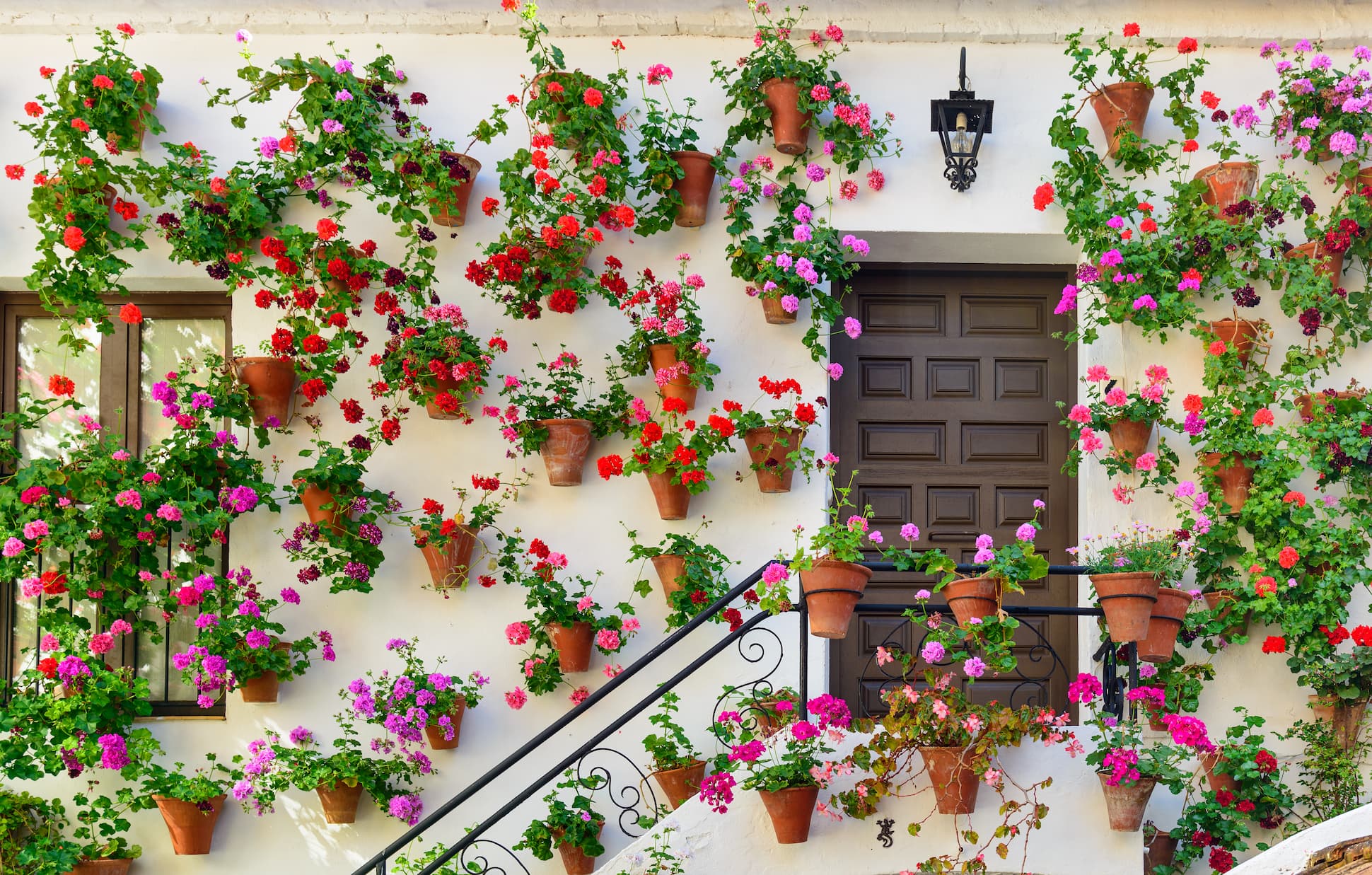
Córdoba in September is when you actually want to visit the Mezquita—the city’s architectural masterpiece—without risking heatstroke. Summer temperatures here are brutal (often 95°F+), but September cools to a comfortable 80–85°F, and the famous flower-filled patios (courtyards) are still in bloom.
The city feels alive without the crush of July and August tourists, and the evening light on the Mezquita’s arches is genuinely magical.
This is a one-night or two-night stop, not a week-long base, but it’s worth every hour. The Mezquita is the obvious draw, but the real magic is wandering the Jewish Quarter (Judería) and getting lost in narrow streets lined with whitewashed houses and hidden patios.
Eat at a local tapas bar in the Judería—prices are reasonable, and the food is excellent. Stay in the old town (near the Mezquita) for walkable access to everything; most hotels here are within 5–10 minutes of the main sights on foot.
| City | Best For | Why September Wins | Stay Base |
|---|---|---|---|
| San Sebastián & Bilbao | Food lovers, coastal culture | Pintxo bars uncrowded, beaches still swimmable, warm but not hot | Casco Viejo (Bilbao) or harbor area (San Sebastián) |
| Copenhagen | Slow travelers, bike culture, budget-conscious | Hygge season begins, crowds ease, prices drop, perfect light | Vesterbro or Nørrebro |
| Prague | History buffs, day-trip explorers | Golden light, Signal Festival (early Oct), low crowds, easy access to Kutná Hora and Český Krumlov | Staré Město or Malá Strana |
| London | Museum lovers, park walkers | Summer crowds gone, weather still warm, Royal Parks at their best, restaurant availability | Bloomsbury or King’s Cross |
| Edinburgh | History seekers, moody-weather romantics | Fringe Festival over, dramatic skies, haunted vaults atmospheric, fewer tourists on Royal Mile | Old Town or Leith |
| Córdoba | Architecture lovers, patio explorers | Cool enough to enjoy Mezquita, flowers still blooming, no summer heat, authentic local vibe | Old Town (Judería) |
Insider tip: Book accommodations in the old towns and historic neighborhoods listed above—they’re walkable, authentic, and you’ll save time and frustration. Avoid hotels near major train stations or in modern business districts; you’ll spend more and see less of the actual city.
In all six cities, the best restaurants and bars are in neighborhoods where locals eat, not where tour buses stop. Ask your hotel concierge or a local barista where they eat dinner—that’s your real guide.
Where to Experience the Best Harvest Festivals and Seasonal Traditions?
September is when Europe’s harvest calendar peaks — vineyards glow gold, markets overflow with stone fruit and new wine, and centuries-old traditions resurface before autumn fully arrives. These five destinations let you eat, drink, and celebrate alongside locals rather than tour buses.
1. Tuscany and Chianti, Italy: Wine Harvest and Golden Light
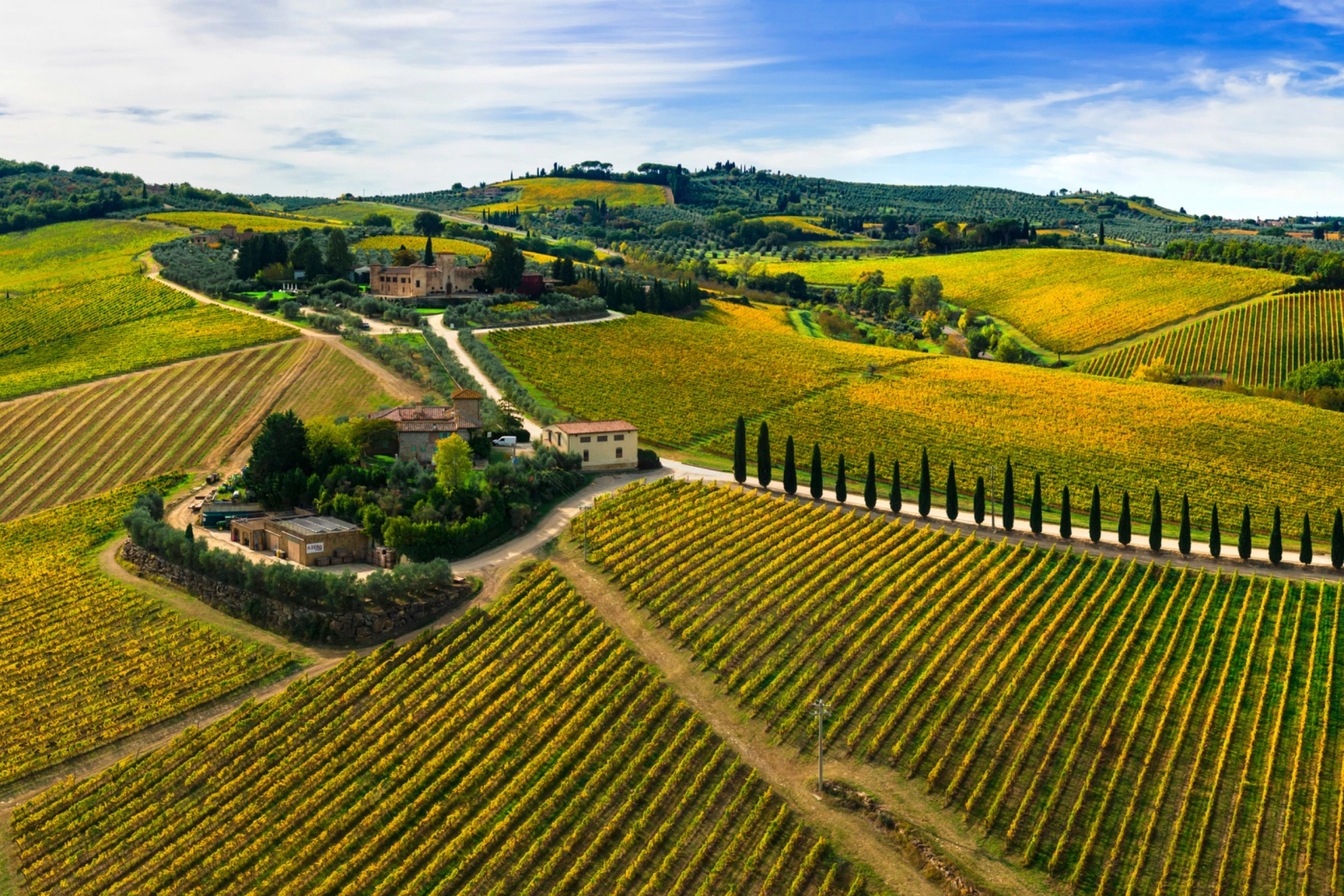
Tuscany in September is harvest season, which means vineyards are alive with activity, countryside light turns honeyed and soft, and small towns like Pienza, Montepulciano, and Radda feel genuinely welcoming rather than overrun. Temperatures range from 57–77°F — warm enough for long afternoon drives through rolling hills but cool enough to walk between olive groves and cypress-lined roads without melting.
This is the move for anyone who wants to taste wine at the source while grapes are actually being picked, not weeks after the season ends.
Base yourself in a small Chianti town or rent a villa with vineyard views — you’ll wake to harvest activity and have direct access to family-run wineries that don’t advertise online. Visit local wineries during crush (early to mid-September), explore Florence in soft evening light, and time dinners for when restaurants feature the season’s first pressings.
Expect roughly $$$-tier pricing for accommodations and wine tastings, though agriturismo stays (farm inns) offer better value than boutique hotels in larger towns.
2. Bavaria, Germany: Pre-Oktoberfest Vibes and Alpine Lakes
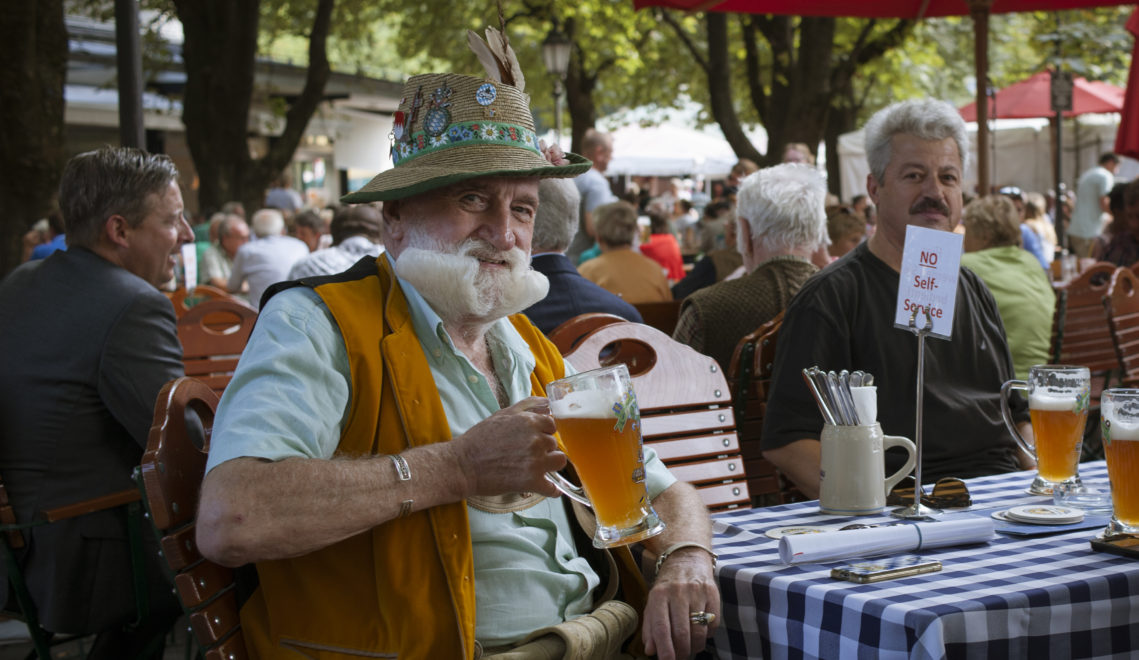
Early September in Bavaria delivers beer gardens, mountain villages, and alpine blue skies without the frat-boy crowds that descend during official Oktoberfest. Temperatures sit at 52–70°F — cool enough for hiking but warm enough to sit outside with a Maß and pretzel for hours.
The oompah bands are still there, the beer is still flowing, but the atmosphere is local rather than tourist-circus.
Stay in a small village like Mittenwald or Oberammergau rather than Munich — you’ll have immediate access to hiking trails and beer gardens where Bavarians actually gather, plus shorter drives to alpine lakes like Eibsee. Arrive early September to catch pre-Oktoberfest celebrations in smaller towns, which feel more authentic than the main Munich event.
Budget $$ for lodging and meals; beer gardens typically cost less than sit-down restaurants.
3. The Cotswolds, UK: Honey-Hued Villages and Apple Crumble
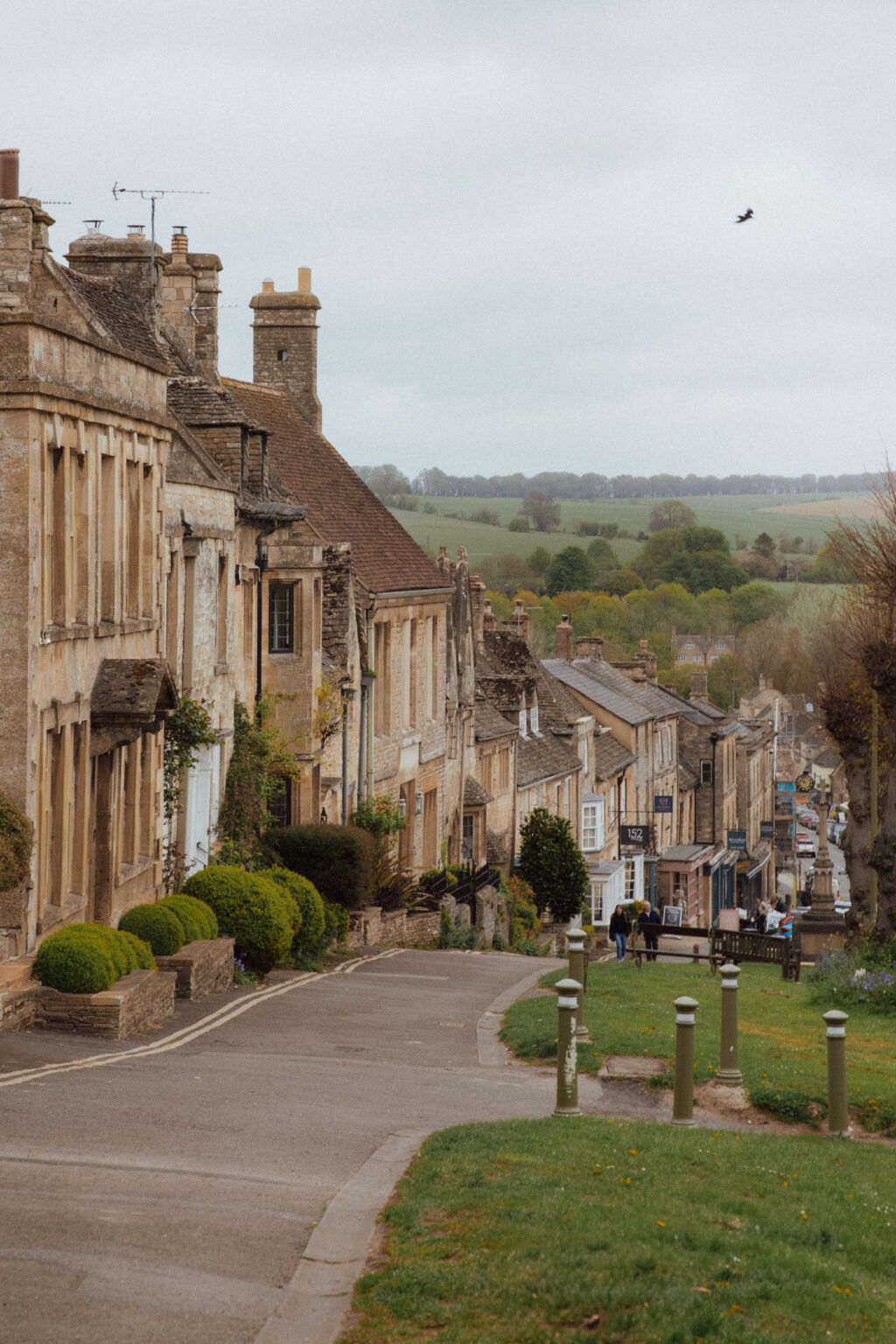
The Cotswolds in September means honey-colored stone villages without the bus loads — temperatures are 50–63°F, perfect for wandering on foot, and local markets fill with apples, pears, and late-summer produce. This is the season when village fairs and harvest festivals happen in smaller towns like Bourton-on-the-Water and Chipping Campden, and restaurants shift menus toward apple crumble, game, and comfort food that actually tastes like something.
Base yourself in a walkable village center or rent a cottage with a fireplace — September evenings cool down fast, and a log fire becomes genuinely appealing rather than decorative. Explore on foot or by car, stopping at farm shops and village pubs for lunch.
Budget $$ to $$$; the Cotswolds lean upscale, but September pricing is lower than summer.
4. Sierra de Aracena, Spain: The World’s Most Expensive Ham Festivals
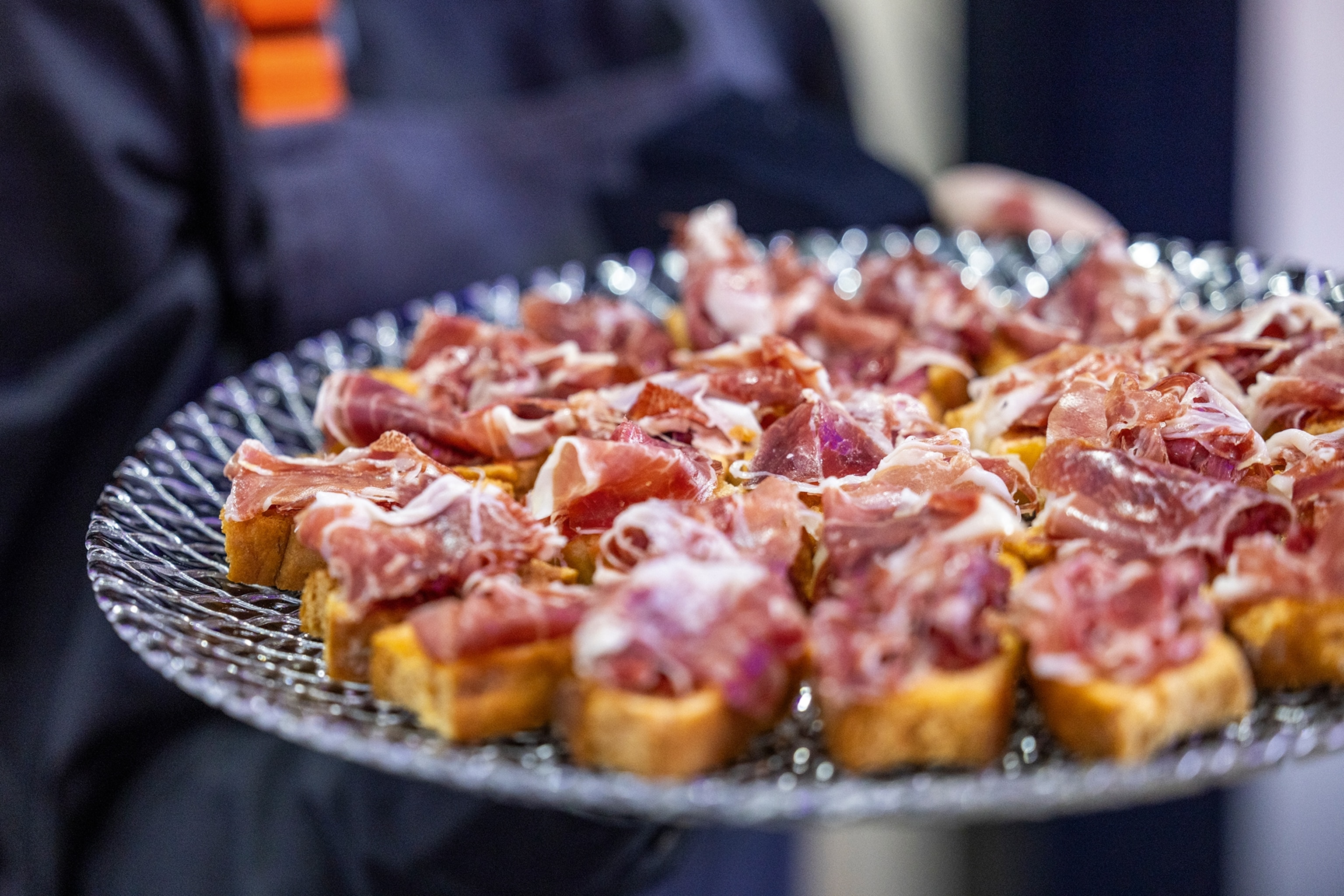
Sierra de Aracena is Andalusia’s least-known gem and the region that produces Jamón ibérico — the world’s most expensive ham — celebrated with its own festival typically held in October (though September events occur in surrounding towns). This is the move for food travelers who want to taste cured ham at source, meet producers, and explore whitewashed villages in a region that feels genuinely undiscovered compared to Seville or Granada.
Plan a September visit to catch pre-festival celebrations and harvest markets in smaller towns throughout the region; confirm exact festival dates with local tourism boards, as they vary by year. Stay in a village base like Aracena itself and take day trips to producers’ farms and local restaurants specializing in jamón.
Budget $$ for accommodations and meals; this region is significantly cheaper than coastal Andalusia.
5. Ireland’s Wild Atlantic Way: Coastal Drives and Early Samhain Spirits
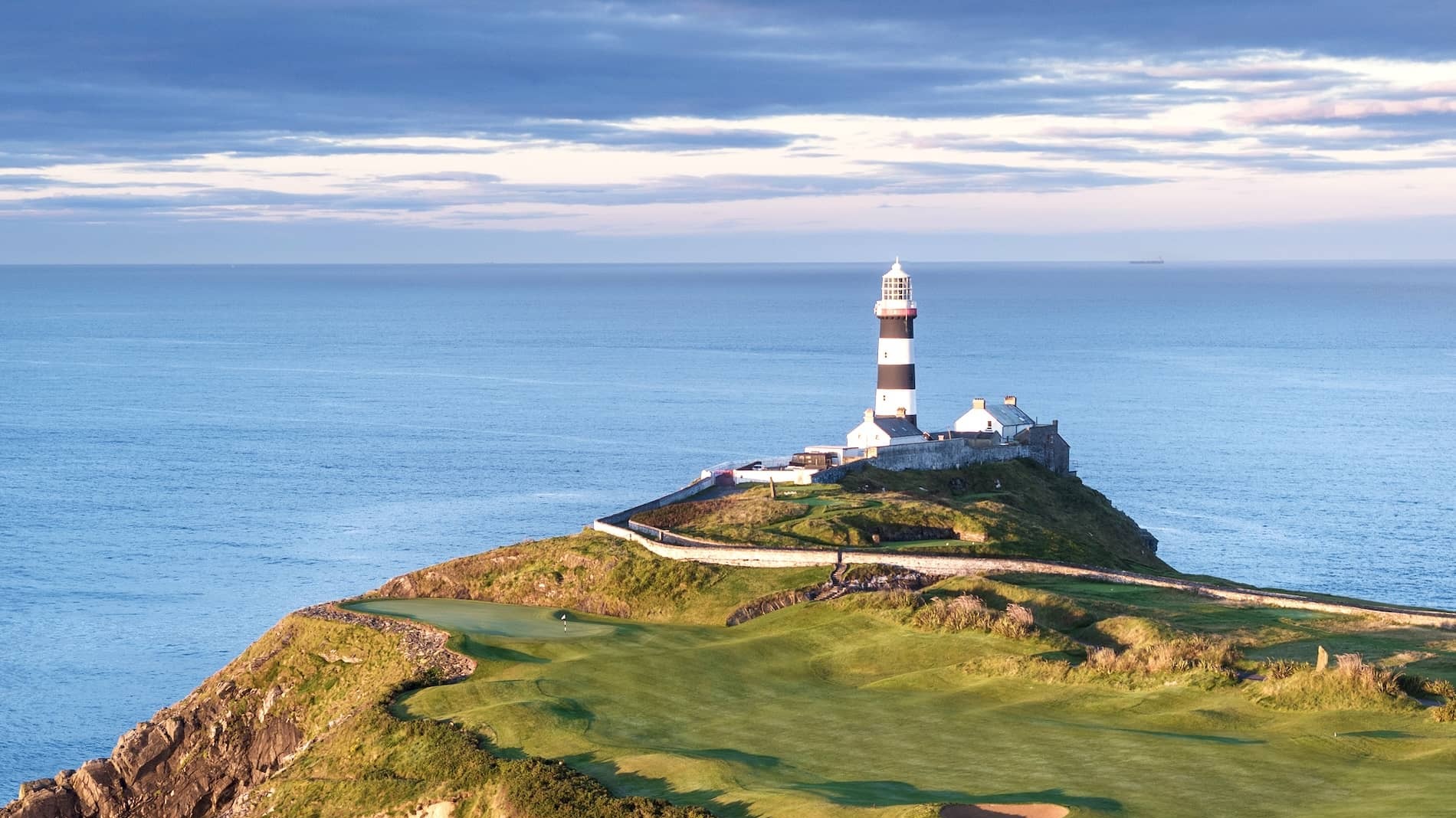
Ireland’s southwest coast in September offers mild temperatures (50–63°F), long golden evenings, and fewer visitors — perfect for slow coastal drives along the Wild Atlantic Way and exploration of Killarney National Park, the Beara Peninsula, and colorful towns like Kenmare and Cork. September is also when the veil between seasons thins in Irish tradition, and early Samhain (Halloween) celebrations begin in small towns, adding a cultural layer beyond scenery.
Rent a car and base yourself in Kenmare or Cork, using them as overnight stops for exploring the Beara Peninsula — one of Ireland’s most scenic and least crowded coastal routes. Drive the Wild Atlantic Way at your own pace, stopping at small fishing villages and coastal pubs.
Budget $$ for lodging and food; September is shoulder season, so prices drop from summer peaks. Expect 12 rainy days in the forecast, so pack layers and waterproof gear — but rain here creates dramatic light and keeps crowds away.
Comparison at a Glance:
| Destination | Best For | Temperature | Key Tradition | Budget |
|---|---|---|---|---|
| Tuscany & Chianti | Wine lovers, photographers | 57–77°F | Grape harvest, winery visits | $$$ |
| Bavaria | Beer & hiking enthusiasts | 52–70°F | Pre-Oktoberfest celebrations | $$ |
| The Cotswolds | Village walkers, food travelers | 50–63°F | Village fairs, harvest markets | $$ to $$$ |
| Sierra de Aracena | Food adventurers, off-beat explorers | Warm (exact range not confirmed) | Jamón ibérico festival (October) | $$ |
| Wild Atlantic Way, Ireland | Coastal drivers, culture seekers | 50–63°F | Early Samhain celebrations | $$ |
How to Get Around Europe Without a Car in September?
September is when Europe’s train networks shine — fewer summer crowds mean shorter queues at ticket windows and more breathing room on platforms, while the season’s mild weather makes station-hopping and walking between neighborhoods genuinely pleasant instead of exhausting. The real decision isn’t whether trains work; it’s whether your specific itinerary demands a rental car for the freedom to explore regions trains don’t efficiently reach.
Best Train Routes for Scenic Fall Views
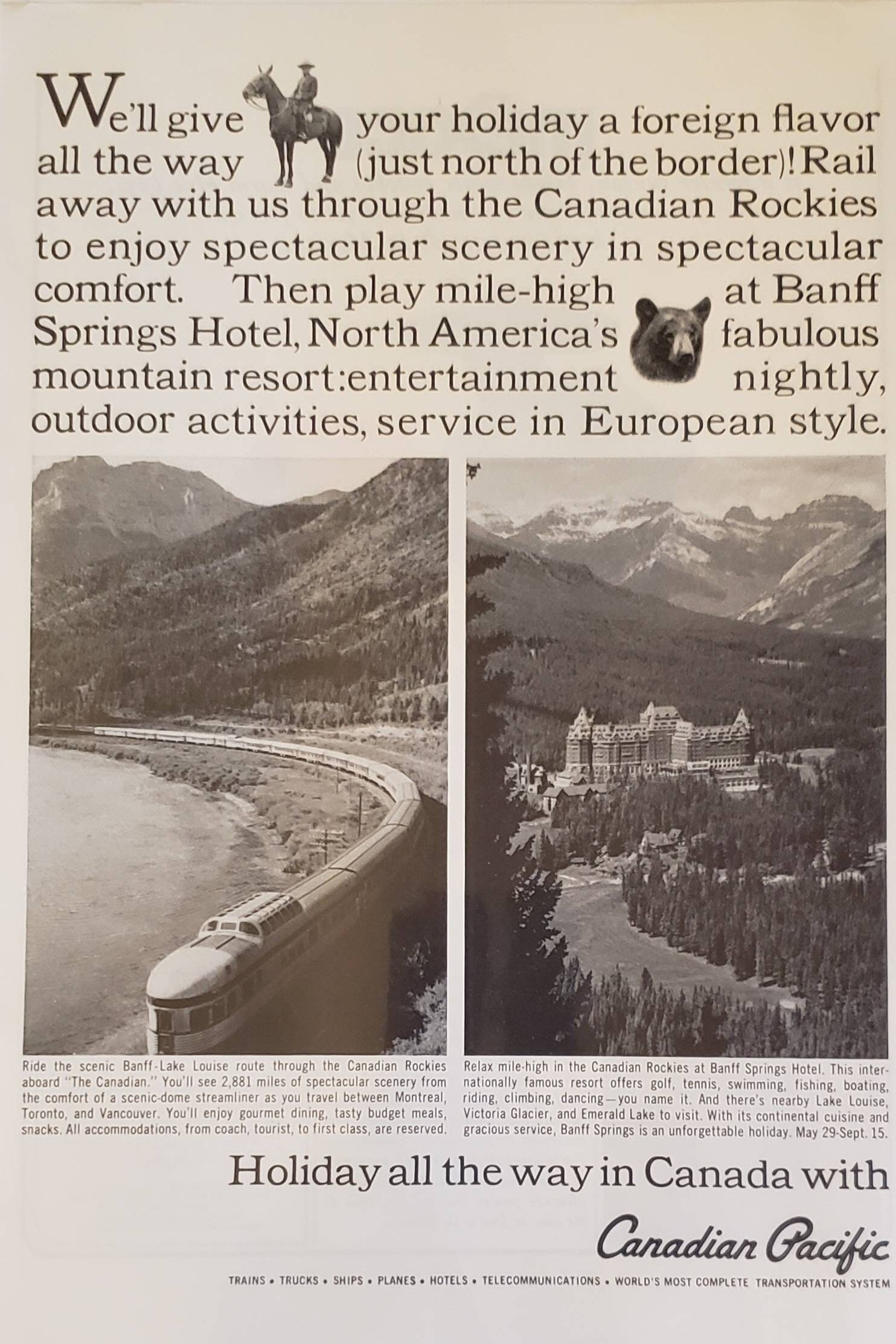
Western Europe’s rail network is dense and efficient enough that you can string together entire itineraries without ever renting. Base yourself in gateway cities with strong train connections — Florence for Tuscany wine country, Athens for the Peloponnese, Copenhagen for Scandinavia — and day-trip or overnight-hop to nearby regions.
Trains beat driving for anyone who wants to sip wine, read, or simply watch the landscape shift without managing traffic or parking stress.
For pure visual payoff, the routes that matter in September are those where early autumn light transforms the journey itself into the destination. The Florence-to-Siena line cuts through Tuscany’s harvest-season vineyards during golden hour, and the Athens-to-Peloponnese regional trains offer glimpses of olive groves and coastal towns without the summer heat that makes driving exhausting.
The Scottish Highlands are best explored by train from Edinburgh — the Strathspey Steam Railway and regional services connect to Glencoe and the Cairngorms, where September’s heather blooms and crisp skies reward slow travel. Copenhagen’s S-train network extends into Swedish Scania, making day trips to coastal towns and forest hikes feasible without a car.
Book train tickets 2–4 weeks ahead for the best fares, especially on popular routes like Paris-to-Amsterdam or Munich-to-Venice. Eurail passes make sense only if you’re crossing 4+ countries in under 2 weeks; otherwise, point-to-point bookings are cheaper.
Overnight trains (Paris-to-Rome, Vienna-to-Venice) save a hotel night and arrive refreshed — a genuine win for September itineraries that pack multiple regions.
Which Regions Require a Rental Car for Maximum Freedom?

Rural mountain regions and coastal drives where trains thin out demand a rental car if you want to actually explore rather than stick to main towns. The Pyrenees, Bavarian Alps, Norwegian fjord valleys, and Portugal’s Alentejo coast are designed for driving — train access exists but connects only major hubs, leaving the best hiking trailheads, village stays, and winery visits stranded without wheels.
The Spanish Pyrenees and Picos de Europa are the clearest example: trains link Bilbao and San Sebastián (both excellent bases), but the dramatic limestone peaks, alpine meadows, and mountain villages that define September hiking require a car to reach trailheads and overnight in smaller mountain towns. Similarly, the Dolomites in Italy and the Swiss Alps reward drivers who can wake early, park near a trailhead, and chase autumn foliage without waiting for bus schedules.
Norway’s fjords are scenic by train, but the best September experiences — quiet hiking, small-town lodges, early northern lights — sit on side roads a rental car unlocks.
Portugal’s Alentejo coast and Slovenia’s Soča Valley follow the same pattern: towns like Tavira or Kobarid are reachable by train, but the fishing villages, river gorges, and coastal drives that justify a September visit require a car. Rent for 3–5 days in these regions rather than for your entire trip; fly into a major hub, use trains for city-to-city movement, then rent a car for the specific mountain or coastal leg.
September is ideal for driving these regions — temperatures are cool enough that long drives don’t drain you, and early autumn light is softer than summer’s harsh glare. Roads are clear, fuel costs are stable, and traffic is lighter than July–August.
Book rentals at least 2 weeks ahead; expect roughly €30–60 per day for a compact car, depending on the country and provider.
Using eSIMs to Stay Connected on the Road
Buying local SIM cards is outdated; an eSIM installed before you land keeps you connected across multiple countries without swapping physical cards or hunting for phone shops. This matters most for drivers navigating unfamiliar roads and train travelers coordinating connections — a working data plan is the difference between confident navigation and stressful detours.
Install an eSIM before departure using providers like Airalo or Truely. Airalo offers pay-as-you-go data across 190+ countries and works for light users (a few hours of maps and messaging daily); Truely is better if you’re streaming, uploading photos, or using navigation constantly.
Both activate instantly once you land — no waiting at airport kiosks, no language barriers, no overpaying for roaming.
For September road trips and train hops across multiple countries, buy a multi-country eSIM plan rather than switching providers at each border. Expect roughly €10–25 for 5–10 GB across Europe, depending on coverage duration and data speed.
Activate it the day before travel so you have working maps and booking confirmations the moment you land. Keep your home carrier’s plan on your physical SIM as backup for calls and texts if needed — most eSIM plans prioritize data over calling, which is fine for travel but risky if you need emergency contact.
Test your eSIM’s signal strength in your accommodation’s WiFi zone before heading out; if it’s weak, contact the provider’s support chat (all major eSIM apps include this) and switch to a local carrier partner in that country. September’s mild weather and longer daylight mean you’ll spend more time outdoors navigating — reliable data is worth the small upfront cost.
Frequently Asked Questions
Can you still swim in the Mediterranean in September?
Yes — the Mediterranean is at its warmest in September, making it ideal for swimmers who skipped peak summer. Southern Spain, Greece, and Italy all offer comfortable water temperatures; even alpine lakes like Annecy and coastal towns like San Sebastián remain pleasantly swim-worthy.
If beach access is your priority, base yourself in one of the Mediterranean destinations covered earlier in this guide — the water temperature combined with fewer crowds makes September the sweet spot for swimming without the July-August chaos.
When does fall foliage start in Europe?
Early autumn color appears across Southern Germany and the Alps by mid-to-late September, with the most dramatic displays arriving in October. London’s regal parks and Prague’s historic districts show golden leaves by late September, creating atmospheric conditions perfect for city walks and day trips.
If catching peak foliage is your goal, plan for late September in mountain regions and early October in city parks — confirm exact timing with local tourism boards closer to your travel dates, as weather patterns shift annually.
Is Oktoberfest in Munich worth the crowds?
Oktoberfest runs in late September and early October, but it draws massive crowds that contradict September’s main appeal: fewer tourists and authentic local rhythm. If traditional beer halls and festival energy matter more to you than solitude, book accommodations well in advance and expect inflated prices across Munich.
For most travelers prioritizing September’s shoulder-season benefits, skip Oktoberfest and explore Southern Germany’s fall foliage and quieter beer culture instead — you’ll find the same regional character without the festival-sized crowds.
Which European countries are safest for solo female travelers in the fall?
Spain, Italy, Greece, Portugal, Denmark, and Czechia consistently rank among Europe’s safest destinations for solo female travelers, with good public transportation, visible police presence, and strong tourism infrastructure. September’s shoulder season means fewer rowdy crowds in party districts and more locals going about daily life — making cities like Copenhagen, Prague, Barcelona, and Athens feel more navigable.
Stay in well-reviewed accommodations in central or established neighborhoods, use registered taxis or ride-sharing apps after dark, and trust your instincts about which areas feel welcoming. The countries and cities featured throughout this guide are all solid choices for independent travel.
What are the best places in Europe to visit in September for couples?
Couples benefit most from destinations that combine romance with space to move slowly — September’s mild weather and thinner crowds make this possible. The French Riviera (Nice, Villefranche, Antibes) and Crete offer seaside intimacy with warm water and sunset appeal.
Tuscany and Chianti deliver wine-country romance during harvest season, with countryside drives and candlelit dinners in small towns like Pienza and Montepulciano. For active couples, the Dolomites and Annecy Mountains provide dramatic scenery and hiking without summer’s exhausting heat or crowds.
San Sebastián and Bilbao work for food-focused pairs who want pintxos, river walks, and cultural depth without the intensity of high season. Book smaller boutique hotels or countryside inns in these regions rather than large resort chains — the personal service and local knowledge make a difference for couples seeking authentic connection.
Book Your September Trip With Confidence
Pick one destination from the categories above that matches your actual priorities — don’t try to cram three regions into two weeks. September’s real magic is moving slowly enough to notice the golden light and eat where locals eat, not rushing through a checklist.
Book accommodations 4–6 weeks ahead to lock in shoulder-season rates before prices creep back up. For beach destinations, confirm water temperatures and rainy-day forecasts with local tourism boards — September weather is stable but varies by region.
Start with your non-negotiable: Do you need warm water for swimming, or are you after mountain trails and crisp air? Are you traveling solo, as a couple, or with family?
Do you want to move between cities or base yourself in one place? Answer those three questions, match them to the destinations in this guide, and you’ll land on the right choice without overthinking it.
Leave a Reply