
The moment you step into a European forest in mid-October, the air shifts—cooler, sharper, carrying the smell of damp earth and woodsmoke. Golden larches glow against gray limestone peaks, birch forests turn butter-yellow almost overnight, and the light itself turns honey-warm in a way that summer never achieves.
Europe’s fall colors arrive on a staggered schedule that rewards flexibility: Lapland peaks in late September, the Alps explode in mid-October, and Mediterranean valleys hold subtle golds into November. This means you can chase the color wave geographically rather than chasing it frantically in one region, and you’ll do it without the summer crowds that make these places feel like theme parks.
This guide helps you decide which region matches your timing, your budget, and whether you actually need a rental car. Budget-conscious travelers should expect €70–150 per night for mid-range mountain inns in October; mid-range travelers can push to €150–250 for boutique properties; splurge options run €250+ for luxury alpine resorts and palace hotels.
Quick Reference: Where Peak Foliage Hits and When
Scandinavia (Finland, Sweden, Norway): Late September–early October. Birch and larch turn golden yellow; this is the earliest peak in Europe and the shortest window (2–3 weeks).
Alpine Regions (Dolomites, Austria, Switzerland, Bavaria): Mid-October–early November. Golden larches create brilliant yellow-orange valleys; dramatic mountain light; car helpful but not always required.
Central Europe (Germany, Czech Republic, Hungary): Mid-October–late October. Mixed reds, oranges, yellows; castle backdrops; excellent train access in many areas.
Southern Europe (Croatia, Montenegro, southern France): Late October–November. Subtle color shifts; milder temperatures (65–75°F); fewer crowds than Alpine regions.
Best No-Car Destinations: Ortisei (Dolomites), Calanques National Park (France), Kotor (Montenegro), Wachau Valley (Austria), Lauterbrunnen (Switzerland).
Must-Have-Car Destinations: Cortina d’Ampezzo (Dolomites), Engadin Valley (Switzerland), Garmisch-Partenkirchen (Bavaria), Transfagarasan Road (Romania).
When is the Best Time to See Fall Colors in Europe?
Peak foliage across Europe clusters between mid-October and early November, but the exact timing shifts north to south and depends entirely on that year’s weather patterns. Cooler temperatures trigger the color change, so northern regions like Sweden, Norway, and Finland turn first—sometimes as early as late September—while Mediterranean areas stay green longer. This means your timing window depends on which region you’re targeting, not a single “best week” for all of Europe.
Don’t expect all trees in one area to change simultaneously. The transformation happens gradually, with some trees still green while others peak, so you’ll see a mixed palette rather than uniform color saturation.
This actually works in your favor: it extends the window for good foliage photography and hiking, rather than compressing it into a single week.
Regional Timing: From Lapland to the Mediterranean
Northern Europe turns first. Finland, Sweden, and Norway typically peak in late September through early October.
Central Europe—including the Alps, Germany, Austria, and the Dolomites—reaches peak color in mid to late October. Southern regions like Croatia, Montenegro, and southern France hold green longer, with fall colors arriving in late October or early November if at all.
| Region | Peak Timing | What to Expect |
|---|---|---|
| Scandinavia (Finland, Sweden, Norway) | Late September – Early October | Birch and larch turn golden yellow; shorter daylight; cool mornings |
| Alpine Regions (Austria, Switzerland, Bavaria) | Mid-October – Early November | Golden larches dominate; dramatic mountain light; crisp air |
| Central Europe (Germany, Czech Republic, Hungary) | Mid-October – Late October | Mixed reds, oranges, yellows; castle and forest backdrops |
| Southern Europe (Croatia, Montenegro, southern France) | Late October – November | Subtle color shifts; milder temperatures; fewer crowds |
For the Dolomites specifically, mid-October to early November is the window when golden larches transform entire valleys into brilliant yellow and orange, and the low-angle autumn sun casts rich golden and rosy light across the dramatic rock formations. The Wachau Valley in Austria peaks in October and is reachable by a one-hour train ride from Vienna, making it ideal for a quick autumn escape without a car.
Factors That Influence Peak Foliage Dates
Weather is the primary variable. An unusually warm September delays color change; an early cold snap accelerates it.
Rainfall, frost timing, and even summer drought conditions affect when and how intensely leaves change. This is why peak dates shift by one to two weeks year to year—there’s no fixed calendar date that guarantees peak color.
Elevation matters significantly. Higher altitudes cool first, so alpine regions turn before lowland valleys. In the same country, mountain passes can peak two weeks earlier than nearby towns at lower elevation.
Tree species also determines timing. Birches and larches turn earlier than beeches and oaks.
The Dolomites and Alpine valleys are prized for fall foliage partly because golden larches dominate those landscapes and create that distinctive bright yellow palette earlier than other European regions.
What is “Ruska” and Why Should You Visit Finland in September?
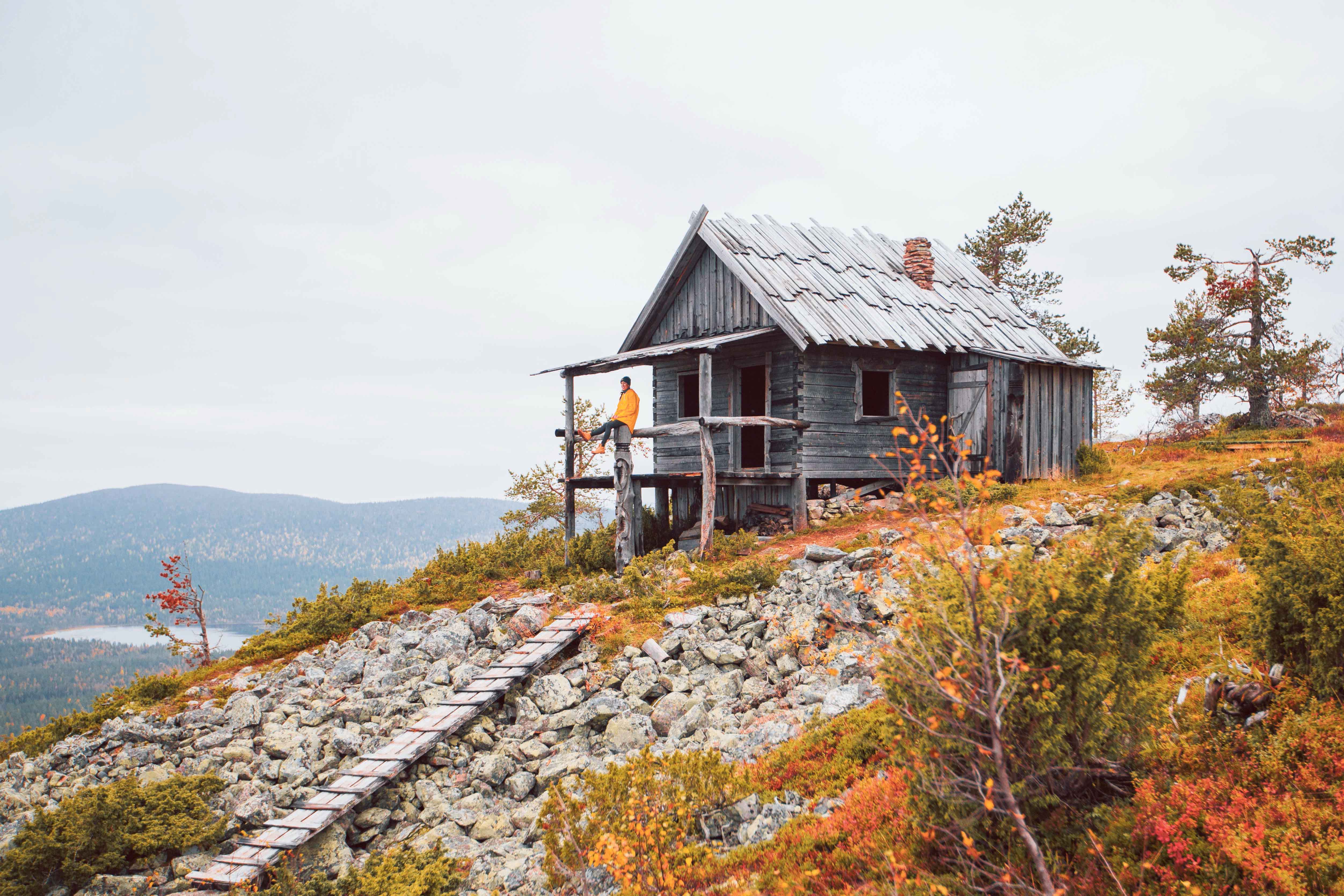
Ruska is the Finnish term for autumn foliage, and it’s a cultural phenomenon as much as a natural event. In Finland, particularly Lapland, ruska arrives in late August or early September when birch forests turn brilliant shades of yellow, orange, and red almost overnight. The season is short—typically lasting only two to three weeks—which makes timing critical but also creates an intense, concentrated burst of color that peaks earlier than anywhere else in Europe.
Visit Finland in September if you want to see fall colors before traveling south to the Alps or Central Europe. The combination of rapid color change, long daylight hours (though noticeably shorter than summer), crisp air, and fewer crowds makes early September the ideal window.
You’ll also catch the tail end of the hiking season before mountain huts close at the end of September, though many high-altitude huts in the Alps shut down by then, limiting hut-to-hut options.
The advantage of ruska: you can plan an early-September trip to Finland, then move south to Germany, Austria, or Italy in mid-October for a second wave of foliage without overlapping crowds. This staggered approach also lets you follow the color change geographically, rather than chasing it frantically in a single region.
Practical note: If you’re planning an Alpine fall-color trip, a rental car is nearly essential for reaching mountain valleys and scenic drives. However, if you want to skip the car, focus on destinations with train or bus access: Ortisei in the Dolomites, Calanques National Park near Marseille, Kotor in Montenegro, and the Wachau Valley in Austria are all reachable without driving and offer strong fall-color appeal.
Top 10 Most Instagrammable Fairytale Towns and Castles
These destinations deliver the postcard-perfect autumn backdrop most travelers chase across Europe — but the real win is visiting them in fall when the crowds thin out and the forest canopy turns into a kaleidoscope of orange, yellow, and brown. Peak foliage typically arrives mid to late October, though timing shifts slightly each year based on weather.
A rental car is essential for most of these alpine and valley locations; only a handful are accessible by public transit. Base yourself in the largest nearby town to keep costs down and maintain flexibility for day trips.
Burg Eltz, Germany
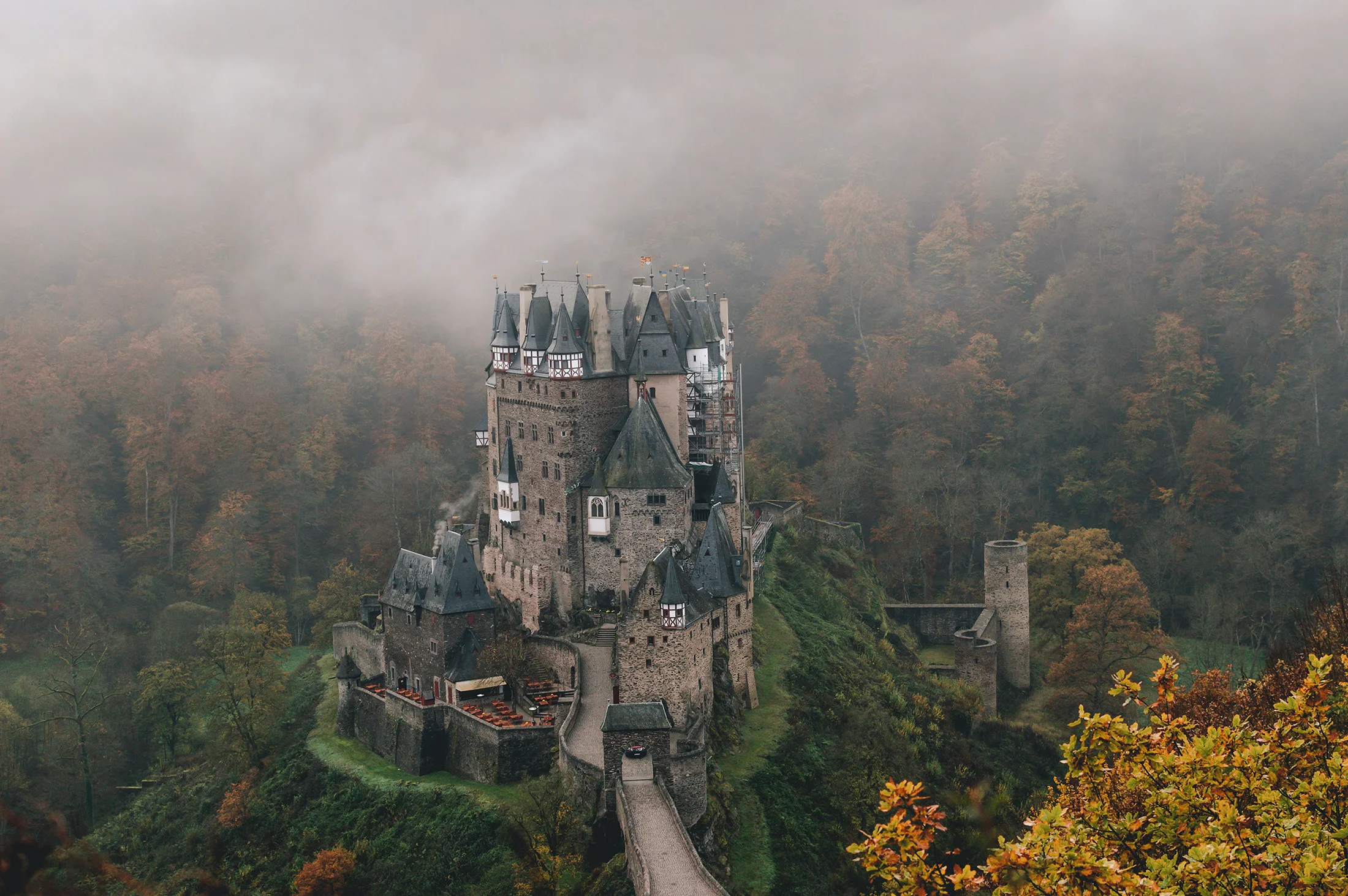
This castle doesn’t sit on a dramatic hilltop like every other German fortress — it’s nestled in the Eltz forest valley beside the Elzbach river, which means the surrounding landscape wraps around you instead of spreading below you. Built in 1540 and still owned by the 33rd generation of the Eltz family, it’s one of the few German castles that survived World War II intact.
The result is a structure that looks exactly like it stepped out of a Disney film, which is precisely why it dominates Instagram feeds every October.
Best time to visit: Mid to late October when the surrounding forest turns orange and yellow, and crowds drop significantly. Stay in: Wierschem (the village where the castle sits) or the larger Moselle Valley towns like Cochem, about 20 minutes away by car, for more lodging options and restaurants.
Neuschwanstein Castle, Germany

King Ludwig II built this 19th-century fantasy in the Bavarian Alps specifically to inspire awe — and it worked so well that Disney based Cinderella’s castle on it. In fall, the castle sits elevated above dense forest painted in oranges, yellows, and browns, and the crowds that choke this place in summer finally disappear.
This is the only time of year when you can actually photograph it without 500 other tourists in frame.
Best time to visit: Mid to late October for peak foliage and minimal crowds. Stay in: Füssen or Hohenschwangau village (both within 20 minutes by car) for castle-adjacent lodging and easier parking than trying to base yourself directly at the castle.
Hallstatt, Austria
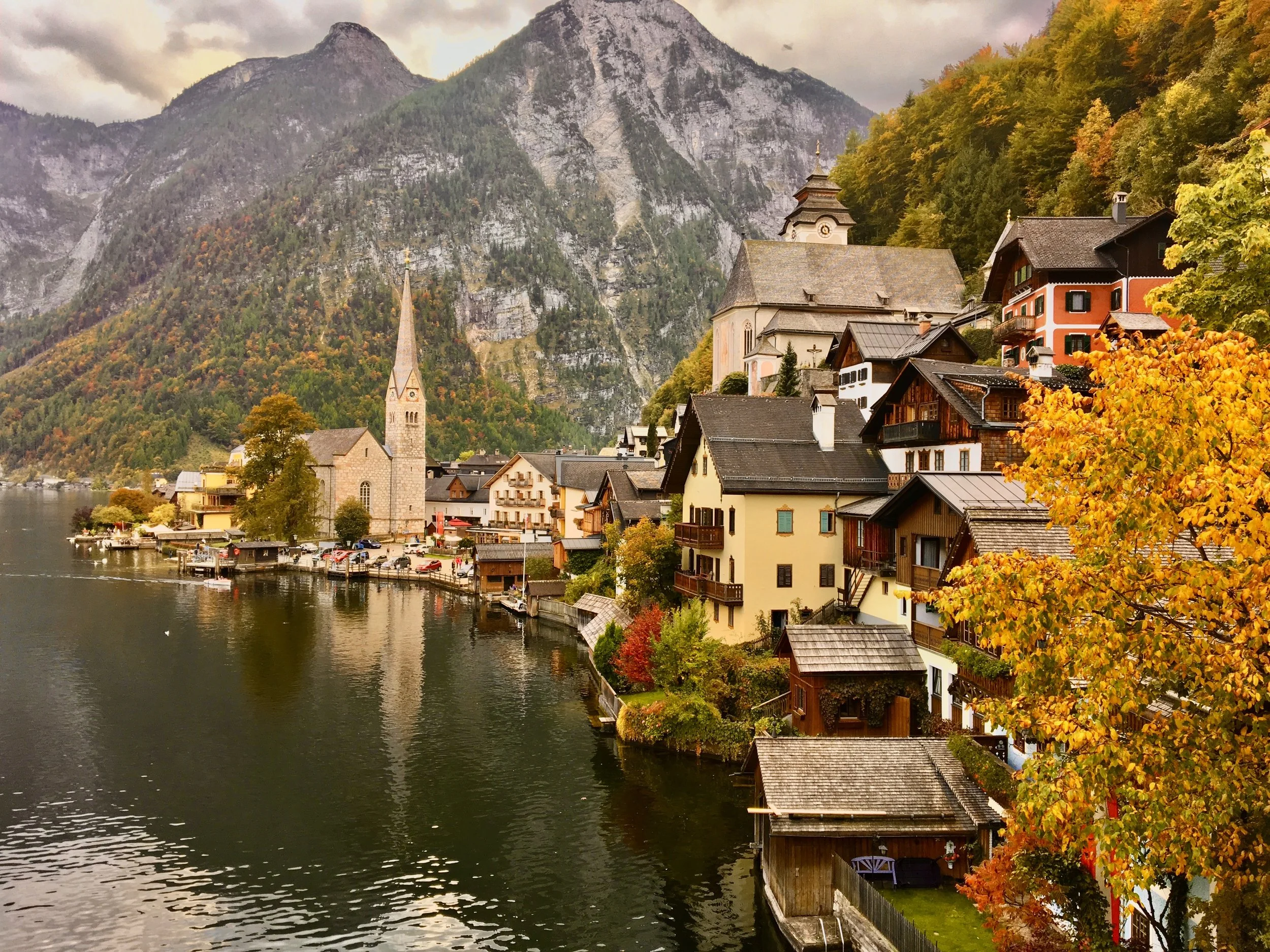
This postcard-perfect lakeside village is so photogenic that it’s become a victim of its own success — tour buses now arrive in waves during peak season. Fall is the only window when Hallstatt feels like an actual place where people live rather than a theme park.
The village sits on the shore of Hallstätter See, ringed by mountains that turn golden in October, and the reflected light on the water creates that impossible-looking glow you see in travel magazines.
Best time to visit: Late September through October before winter weather sets in. Stay in: Hallstatt itself if you can book early (rooms fill fast in fall), or nearby Obertraun across the lake for quieter lodging with the same views and easier parking.
Lake Bled and Pokljuka Plateau, Slovenia
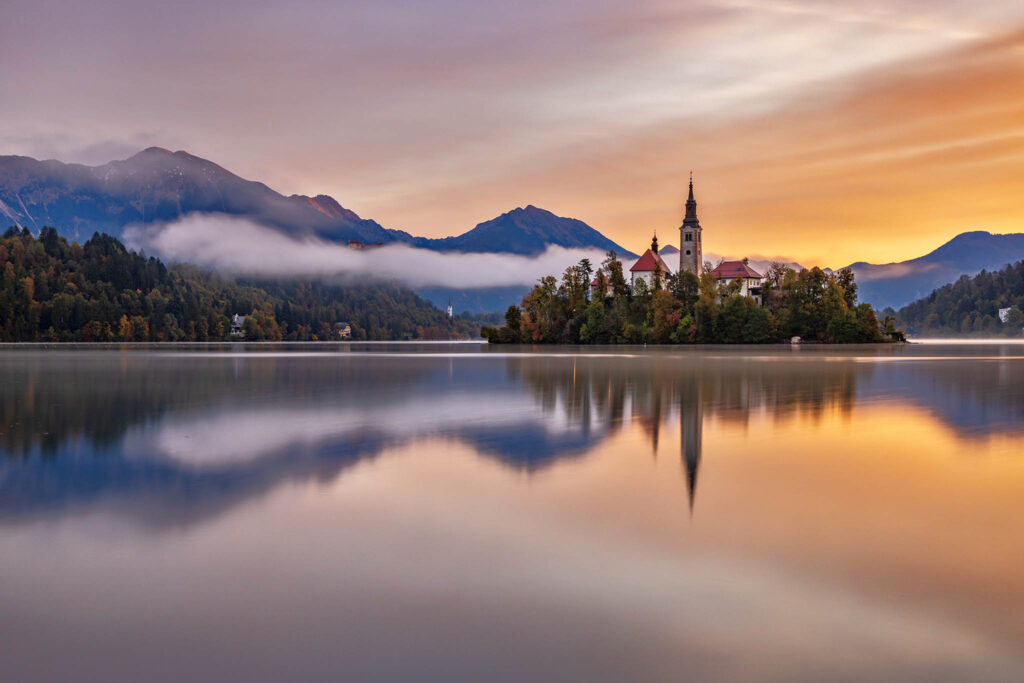
Lake Bled sits in the Julian Alps just one hour from Ljubljana, and it’s the kind of destination that doesn’t make most travelers’ radar until they see a photo. The lake’s tiny island features a castle-topped church, and in autumn the entire shoreline is framed by forest turning brilliant shades of red and gold.
The Pokljuka Plateau rises directly behind the lake, offering hiking trails through beech forests that glow amber in fall — and almost no crowds because most tourists skip Slovenia entirely.
Best time to visit: October for peak foliage. Stay in: Bled town itself for walkable access to the lake and restaurants, or the smaller village of Radovljica (15 minutes away) if you want quieter lodging with the same hiking access.
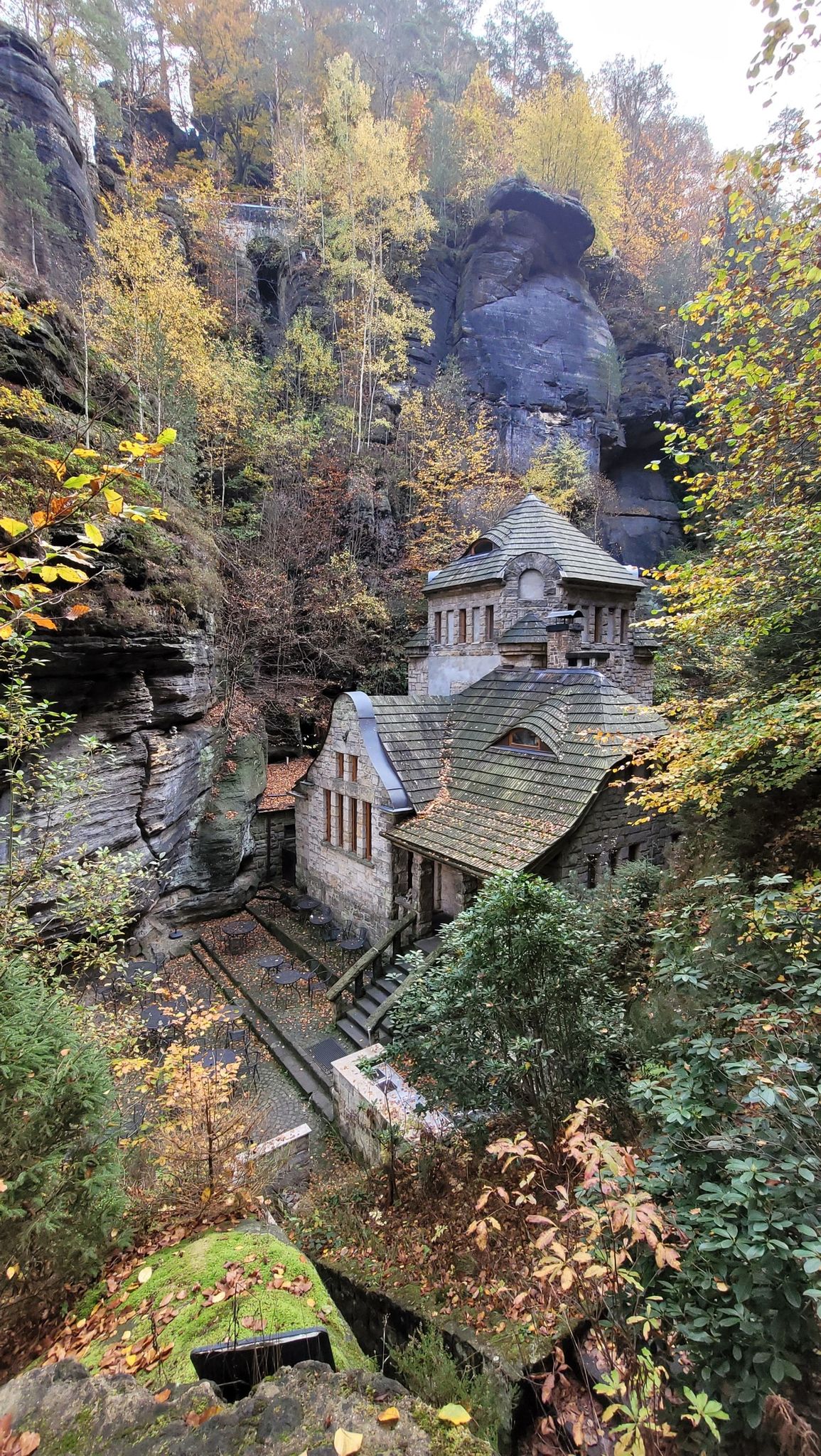
Hrensko and Bohemian Switzerland, Czech Republic
Only 275 people live in Hrensko, a tiny town right on the German border in the Bohemian Switzerland region — which means you can walk through what looks like an enchanted forest for hours without seeing another tourist. The town sits in a dramatic sandstone gorge surrounded by dense woodland that turns into a patchwork of gold and crimson in autumn.
This is the kind of place where you’ll have entire hiking trails to yourself.
Best time to visit: Late September through October. Stay in: Hrensko itself (limited but charming options) or the slightly larger town of Decín (20 minutes away by car) for more lodging variety and restaurants.
Lillafüred and the Palace Hotel, Hungary
Lillafüred is a small resort town about two hours from Budapest, hidden in a beautiful forest with hanging gardens, caves, a waterfall, and a lake. The Palace Hotel anchors the town and offers the kind of old-world grandeur that makes you feel like you’ve stepped into a period film.
Fall transforms the surrounding forest into warm tones, and the cooler temperatures make the gardens and hiking trails actually pleasant instead of sweaty.
Best time to visit: October. Stay in: Lillafüred itself — the Palace Hotel is the main accommodation option, but it’s worth it for the location and access to the gardens, caves, and lake activities without needing a car.
Paris, France: Montmartre and the Eiffel Tower Gardens
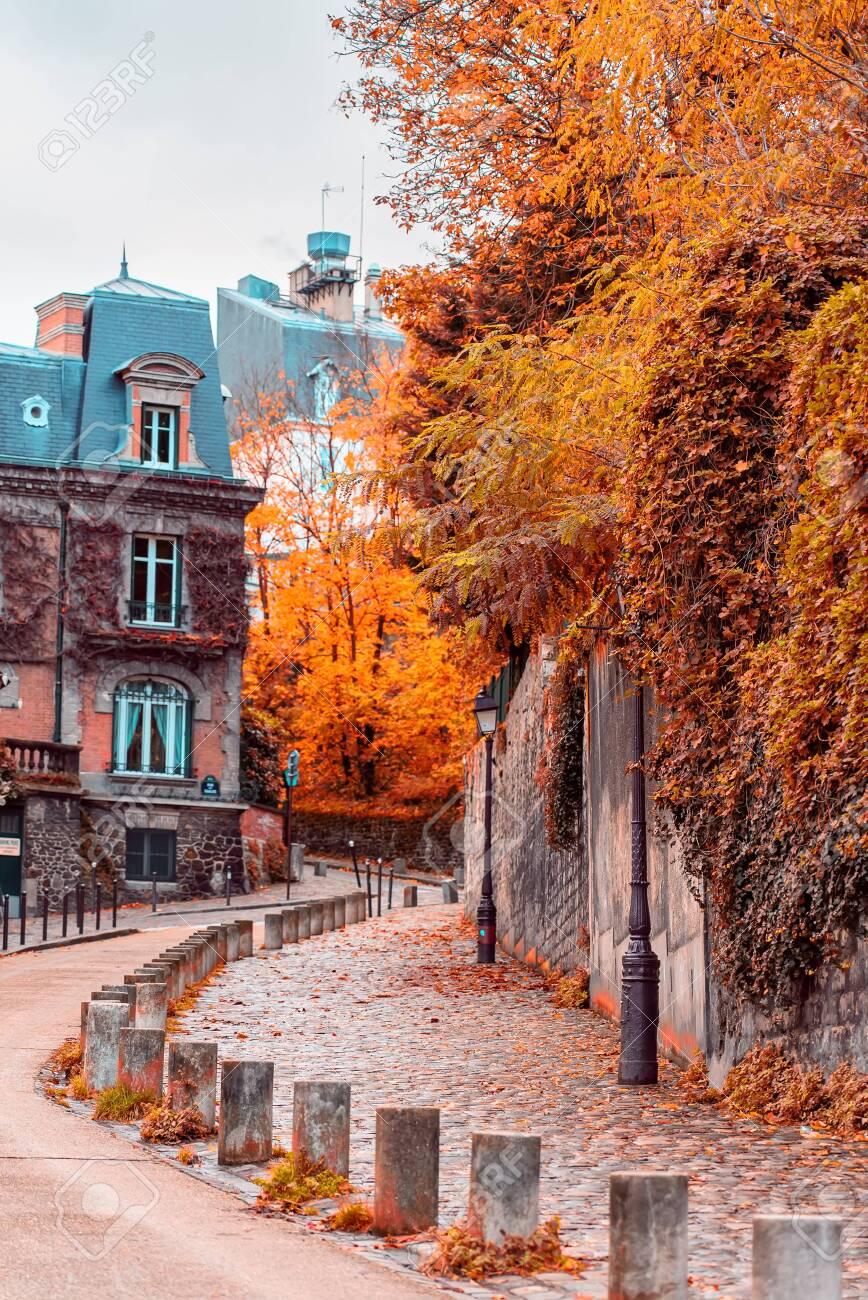
Paris in fall is a completely different city than Paris in summer — the light turns golden, the crowds thin out, and the parks actually feel peaceful. Montmartre’s winding streets and tree-lined squares are perfect for wandering without fighting through tour groups, and the Eiffel Tower Gardens (Jardins du Trocadéro) offer the best unobstructed views of the tower framed by trees turning yellow and orange.
This is when Paris actually feels like the romantic destination people imagine.
Best time to visit: Late September through October. Stay in: Montmartre or the Marais district for walkable access to both neighborhoods and easy metro connections to the Eiffel Tower and other sights.
Botassart and Le Tombeau du Géant, Belgium
Botassart is a tiny village in the Meuse River valley in southern Belgium, known for the dramatic rock formation called Le Tombeau du Géant (The Giant’s Tomb). The village sits in a gorge surrounded by dense forest that turns into a riot of autumn color, and the hiking trails through the valley are some of the most underrated in Western Europe.
Almost no English-language travel guides mention this place, which means you’ll have the trails almost entirely to yourself.
Best time to visit: October. Stay in: Botassart itself (very limited lodging) or the nearby town of Dinant (20 minutes away) for more hotel options and restaurants while maintaining easy access to the hiking trails.
Lauterbrunnen and the Jungfrau Region, Switzerland
Lauterbrunnen Valley is a dramatic U-shaped gorge in the Bernese Oberland with waterfalls cascading down sheer cliff faces on both sides. In fall, the valley walls turn golden and the light reflects off the waterfalls in a way that makes every photo look unreal.
The town is car-free, which means the valley stays quiet and peaceful — no traffic noise, just the sound of water and wind through the trees. This is one of the few major Alpine destinations you can experience without a rental car.
Best time to visit: September through early October before mountain huts close and higher elevations get snow. Stay in: Lauterbrunnen village itself for direct access to the valley and cable car connections to higher elevations, or the slightly larger town of Interlaken (30 minutes away by train) for more lodging options.
Perast and the Bay of Kotor, Montenegro
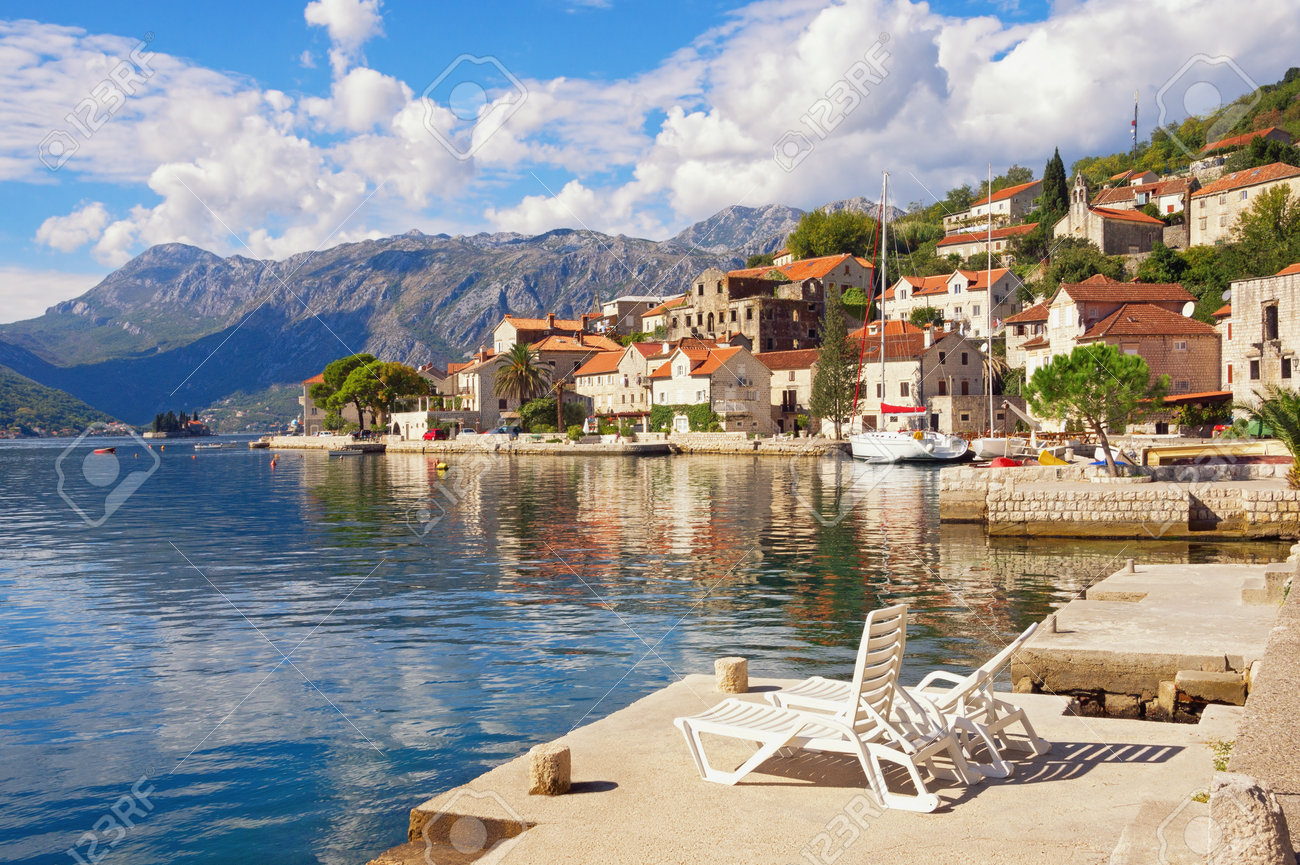
Perast is a tiny waterfront village on the Bay of Kotor with Venetian architecture, a dramatic mountain backdrop, and two small islands with churches sitting just offshore. The bay’s steep limestone walls turn warm gray and gold in autumn light, and the cooler temperatures make walking the waterfront actually enjoyable instead of exhausting.
This is the Mediterranean’s best-kept secret — dramatic enough to feel exotic, but quiet enough to actually relax.
Best time to visit: October when temperatures drop to comfortable levels and summer tourists leave. Stay in: Perast itself (small, charming hotels) or the larger town of Kotor (15 minutes away by car) for more lodging variety. Boutique Hotel Astoria and Hotel Vardar in Kotor’s Old Town offer walkable access to restaurants and the waterfront, while Villa Maestral and Corso Levante Luxury Suites in the Dobrota neighborhood provide quieter waterfront bases.
Comparison Overview: What to Prioritize
| Destination | Best For | Car Required? | Crowd Level in Fall | Peak Foliage Timing |
|---|---|---|---|---|
| Burg Eltz, Germany | Fairytale castle + forest immersion | Yes | Very low | Mid-late October |
| Neuschwanstein, Germany | Iconic castle photography | Yes | Low | Mid-late October |
| Hallstatt, Austria | Lakeside village postcard | No (but helpful) | Moderate | Late September–October |
| Lake Bled, Slovenia | Island castle + hiking | Yes | Very low | October |
| Hrensko, Czech Republic | Solitude + enchanted forest | Yes | Extremely low | Late September–October |
| Lillafüred, Hungary | Palace resort + gardens | No | Very low | October |
| Paris, France | Urban elegance + iconic sights | No | Moderate | Late September–October |
| Botassart, Belgium | Hiking + dramatic gorge | Yes | Extremely low | October |
| Lauterbrunnen, Switzerland | Alpine valley + waterfalls | No | Low | September–early October |
| Perast, Montenegro | Mediterranean charm + islands | Helpful | Very low | October |
Insider Planning Tips
- Booking window: Reserve lodging by late August for October travel — fall is peak season for these destinations and rooms fill fast.
- Rental car strategy: If you’re visiting multiple German or Austrian castles (Burg Eltz, Neuschwanstein, Hallstatt), rent a car for 3–5 days and create a loop rather than booking separate accommodations in each town.
- Photography timing: Arrive at famous viewpoints (Hallstatt’s lakeside, Burg Eltz’s valley approach, Lauterbrunnen’s main square) at sunrise or just before sunset to avoid crowds and capture the best light on the foliage.
- Weather reality: October weather in the Alps and mountain regions can shift rapidly — pack layers and waterproof jackets regardless of the forecast.
- No-car alternatives: If you’re avoiding a rental, stick to Hallstatt, Lillafüred, Lauterbrunnen, and Perast — all are accessible by train or bus with walkable town centers.
Best Mountain Regions for Golden Larches and Alpine Views
Golden larches are the secret weapon of European fall foliage — they transform entire alpine valleys into sheets of yellow and orange in ways that deciduous forests simply cannot match. Unlike the reds and browns that dominate lower elevations, these conifers create a completely different visual experience, and they peak mid-to-late October across the Alps.
If you want dramatic mountain backdrops combined with color that photographs like nothing else in Europe, these five regions deliver.
The Dolomites, Italy: Cortina d’Ampezzo and Val Gardena
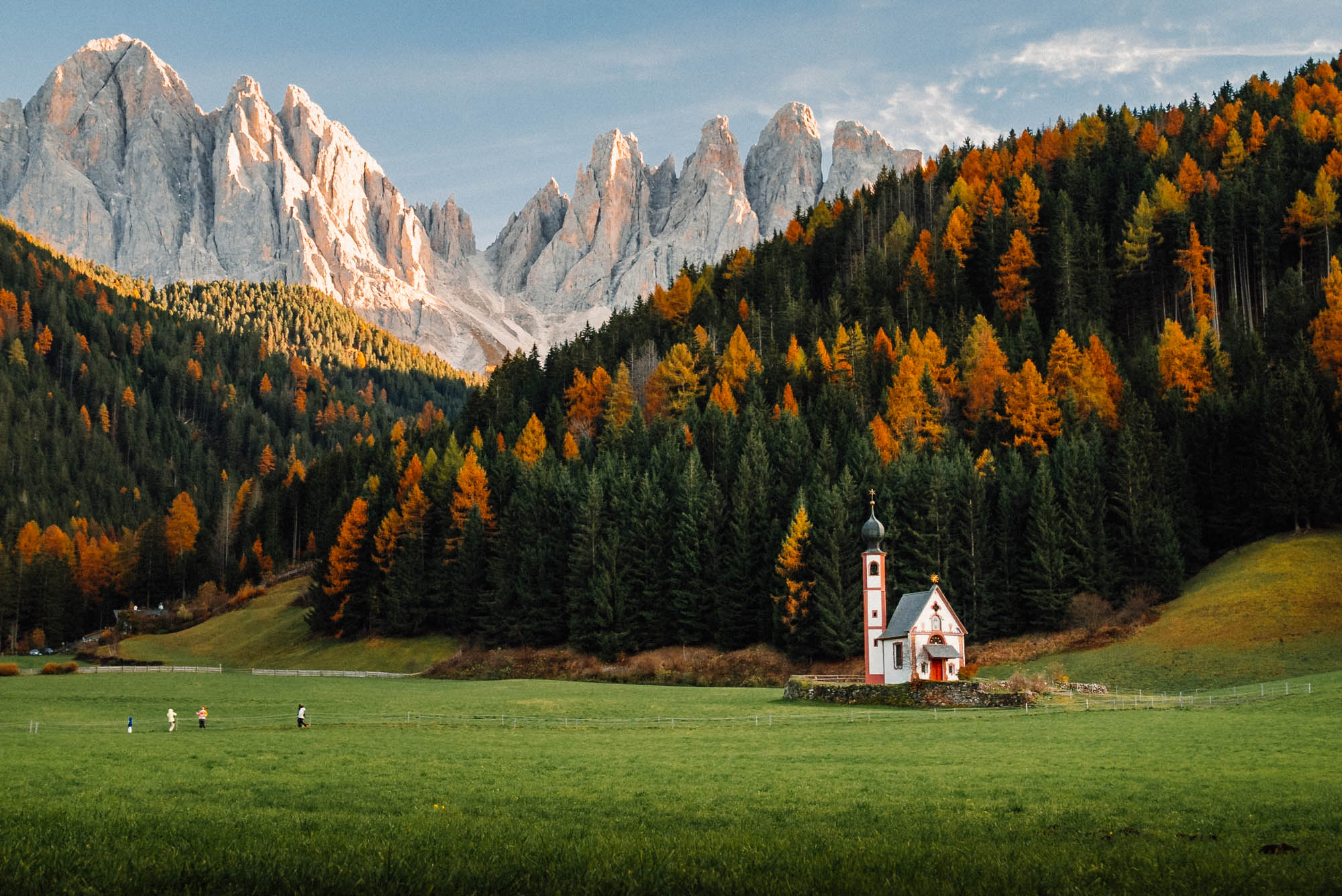
The Dolomites in fall are the gold standard for alpine foliage photography — the larches turn brilliant yellow and orange while the dramatic limestone peaks stay gray and jagged, creating contrast that’s almost unreal. The light also shifts in autumn, casting longer shadows and rosy-pink tones across the rock formations that you simply don’t get in summer.
Peak color runs mid-to-late October.
Val Gardena is your best bet if you’re traveling without a car. While many Dolomites tourist areas shut down in late September, Val Gardena stays open year-round with functioning cableways and bus service throughout October. This South Tyrolean valley is the gateway to Alpe di Siusi, Seceda, and Sassolungo — all major hiking and viewing areas.
Cortina d’Ampezzo is more upscale and car-dependent but offers a more exclusive mountain-resort feel if you’re renting.
Plan to base yourself in either Ortisei (the main town in Val Gardena) or Cortina for 2–3 days minimum. Expect roughly €80–150 per night for mid-range mountain inns; boutique options run higher.
Rent a car if you want flexibility between valleys and trailheads — public transport works but is slower. October weather is unpredictable; bring layers and waterproof jackets.
Filzmoos and the Dachstein Massif, Austria
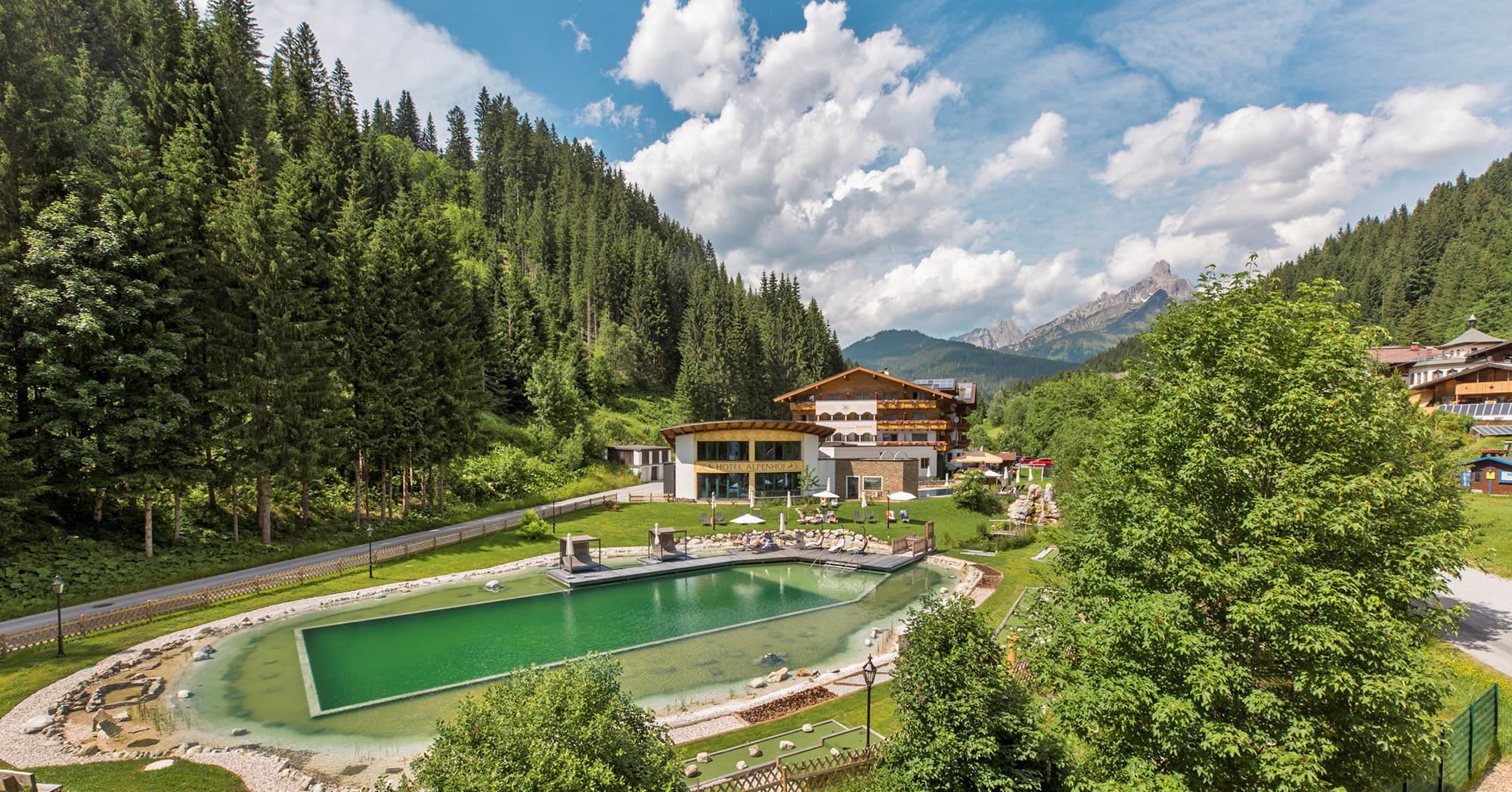
Filzmoos sits in the Salzburg region and offers the kind of quiet, authentic alpine village experience that Cortina and Ortisei have largely outgrown. The Dachstein Massif towers above with golden larches covering the lower slopes while the limestone peaks remain snow-dusted by late October.
This is a working mountain village, not a resort town, which means fewer crowds and lower prices.
The hiking here is excellent and less trafficked than the Dolomites. Cable cars operate through October, making ridge walks and alpine meadow hikes accessible without technical climbing.
The village itself is walkable and compact — stay in a traditional Austrian mountain inn or guesthouse (expect €70–120 per night) and you can reach trailheads on foot or via short bus rides.
Filzmoos works best as a 2–3 day stop if you’re road-tripping through Austria, or a full week if you want to hike extensively. The drive from Salzburg is roughly 1.5 hours.
Peak color is mid-to-late October, same as the Dolomites, but Filzmoos tends to be 3–5 days ahead of lower elevations due to altitude.
Engadin Valley, Switzerland
Engadin is where serious hikers and photographers go for alpine fall color — it’s higher, more remote, and the larch forests are denser than anywhere else in the Alps. The valley runs north-south at roughly 1,800 meters elevation, meaning the season is compressed and intense.
Peak color is typically late September through mid-October, earlier than the Dolomites or Austria.
St. Moritz is the famous base, but it’s expensive and crowded. Pontresina or Samedan are better choices for actual hiking access and reasonable lodging (€90–140 per night for mid-range options).
The valley is car-friendly but also well-served by the Bernina Express train, which runs scenic routes through larch forests — this is one of Europe’s best train journeys in fall.
Hut-to-hut hiking is normally popular here, but most mountain huts close by late September, so plan day hikes instead. The Segantini Museum in St. Moritz is worth an hour if weather turns bad.
Expect cooler temperatures and possible early snow at higher elevations — bring serious gear. A 3–4 day stay captures the season well.
Garmisch-Partenkirchen and the Bavarian Alps, Germany
Garmisch-Partenkirchen is Germany’s main alpine resort town and sits at the base of Zugspitze, the country’s highest peak. The surrounding Bavarian forest turns orange and gold in October, and the town itself is far more accessible and affordable than Swiss or Italian alternatives.
Peak color is mid-to-late October.
This is the easiest alpine fall-color destination for travelers without serious hiking experience or a car. The town has excellent public transport, cable cars that operate through October, and well-marked trails ranging from easy walks to serious alpine hikes.
The Höllentalklamm Gorge hike is a popular moderate option with dramatic canyon walls and fall foliage.
Stay in Garmisch-Partenkirchen proper (€80–130 per night for decent mid-range hotels) or the smaller village of Mittenwald nearby for a quieter feel. The town is 1.5 hours south of Munich by train or car, making it an easy add-on to a larger Bavaria itinerary.
Neuschwanstein Castle is within day-trip distance if you want to combine mountain hiking with fairytale architecture.
The Highlands and Perthshire, Scotland
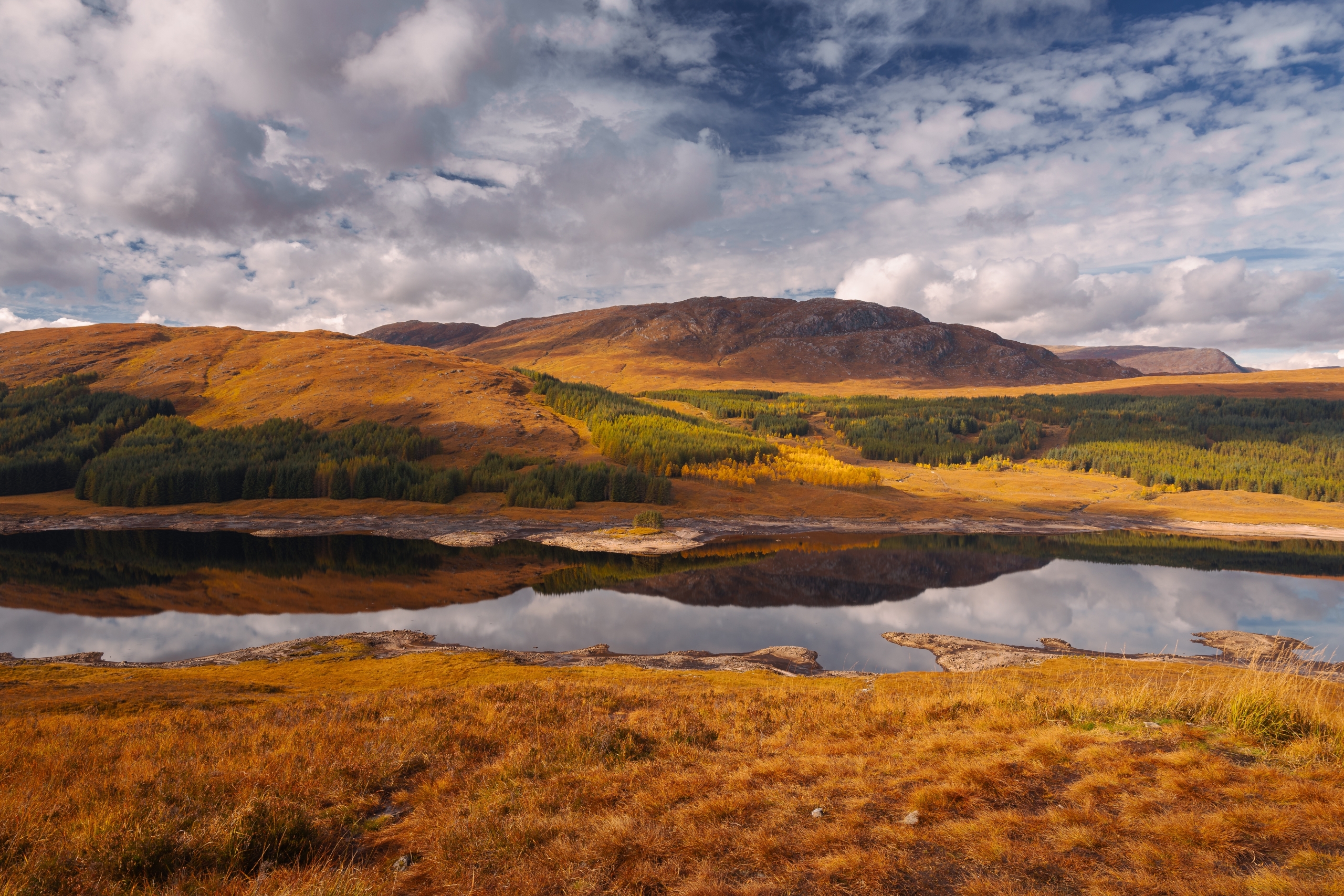
Scotland’s fall colors are subtler than the Alps — think deep reds, burgundies, and golds rather than bright yellows — but the landscape is wilder and the crowds are minimal. Perthshire in central Scotland has the best concentration of color, with Birch forests turning copper and gold against moorland and lochs.
Peak color is late September through mid-October, earlier than continental Europe.
This region doesn’t have dramatic alpine peaks, but the scenery is moody and atmospheric in a way that suits fall photography. Pitlochry is the main town and a good base (€70–120 per night for guesthouses and small hotels).
The surrounding area has excellent hiking, whisky distilleries, and small lochs that reflect autumn colors beautifully.
A car is helpful but not essential — train service connects Pitlochry to Edinburgh and Glasgow, and local buses reach many trailheads. Plan 3–4 days to explore properly.
The weather is unpredictable and cool (expect 40–50°F), so pack waterproof layers. This is the least crowded option on this list and appeals most to travelers seeking authentic landscape over Instagram-famous peaks.
Planning Your Alpine Fall Trip: Timing, Access, and What to Pack
Fall colors peak between mid and late October across most Alpine regions, though exact timing shifts 3–5 days year to year depending on weather. Higher elevations (Engadin, upper Dolomites) peak earlier; lower valleys peak later.
Check regional weather forecasts 2–3 weeks before travel to narrow your window.
Most alpine mountain huts close by late September, so plan day hikes only — this isn’t the season for multi-day hut-to-hut treks. Cableways and buses operate through October in all five regions listed above, making ridge walks and high-elevation meadow hikes accessible without technical climbing.
A rental car is essential for the Dolomites, Filzmoos, Garmisch-Partenkirchen, and Engadin if you want to move between valleys and access multiple trailheads. Val Gardena and Perthshire work without a car if you’re willing to base yourself in one town.
Scotland’s Highlands are the most car-optional of all five regions.
Pack layers aggressively — temperatures drop 3–5°F for every 1,000 meters of elevation gain, and October weather is volatile. Bring waterproof jackets, thermal base layers, and good hiking boots.
Sunscreen and sunglasses are non-negotiable; fall light is intense at altitude and reflects off rock and water.
Most Scenic National Parks and Forested Trails for Leaf Peeping
These five parks deliver the most dramatic fall color payoff in Europe — but timing, crowds, and access vary sharply, so choose based on what matters most to your trip.
Plitvice Lakes National Park, Croatia
Plitvice is the move if you want waterfalls framed by blazing forest color and minimal crowds — fall is the sweet spot when summer tourism drops but the trees are at peak orange and red. The park sits 80 miles from Zagreb and consists of 16 lakes connected by cascading waterfalls, with the lush forests providing the contrast that makes the water look impossibly blue.
The park divides into two sections — the Upper Lakes and Lower Lakes — with eight different visitor courses to choose from, so you can tailor your walk to your fitness level.
- Peak timing: Late September through early October.
- Entrance fee: Expect roughly $8–15 depending on season; confirm current pricing at the official park website since rates vary seasonally.
- What to know: The park is open year-round, but mountain huts close by late September, so this is a day-trip destination, not an overnight hiking base. Base yourself in Zagreb and drive in for the day, or stay in a nearby town and arrive early to beat the morning light crowds on the most photographed trails.
Lake District National Park, United Kingdom
The Lake District wins for accessibility and sheer beauty if you’re already in the UK — it’s a UNESCO World Heritage Site covering 2,362 square kilometers in England’s northwest, and the mountainous terrain means color change happens in dramatic waves across elevation zones. Buttermere and Tarn Hows are the non-negotiable stops: Buttermere delivers postcard-perfect reflections of golden hillsides in still water, while Tarn Hows offers easier walking with 360-degree forest views.
- Peak timing: Mid to late October.
- Getting there: The Lake District is accessible by train from Manchester or London, though a rental car gives you flexibility to chase color across multiple valleys. The region is compact enough for a 3–5 day loop without backtracking.
- Where to stay: Base yourself in Ambleside or Keswick — both are walkable towns with easy trailhead access and won’t require a car for dining and evening walks. Book lodging early; fall weekends fill fast.
Müllerthal Region (Little Switzerland), Luxembourg
Luxembourg’s Müllerthal earns its “Little Switzerland” nickname through hilly terrain and dramatic gorges, and it’s criminally underrated for fall color because most travelers skip the country entirely. The entire Müllerthal trail network spans 112 kilometers, but you don’t need to hike all of it — the Schiessentümpel waterfall is the highlight, surrounded by beech and oak forest that turns deep amber and rust in October.
- Peak timing: Mid to late October.
- Best base: This works as a day trip from Brussels (roughly 2.5 hours by car or train), making it ideal if you’re combining it with Belgium or Germany. If staying overnight, the town of Echternach sits at the heart of the region and has modest hotel options.
- Insider tip: Start hikes early — the region gets crowded on weekends, and early morning light hits the gorges best anyway.
The Vicentine Coast and Fisherman’s Trail, Portugal
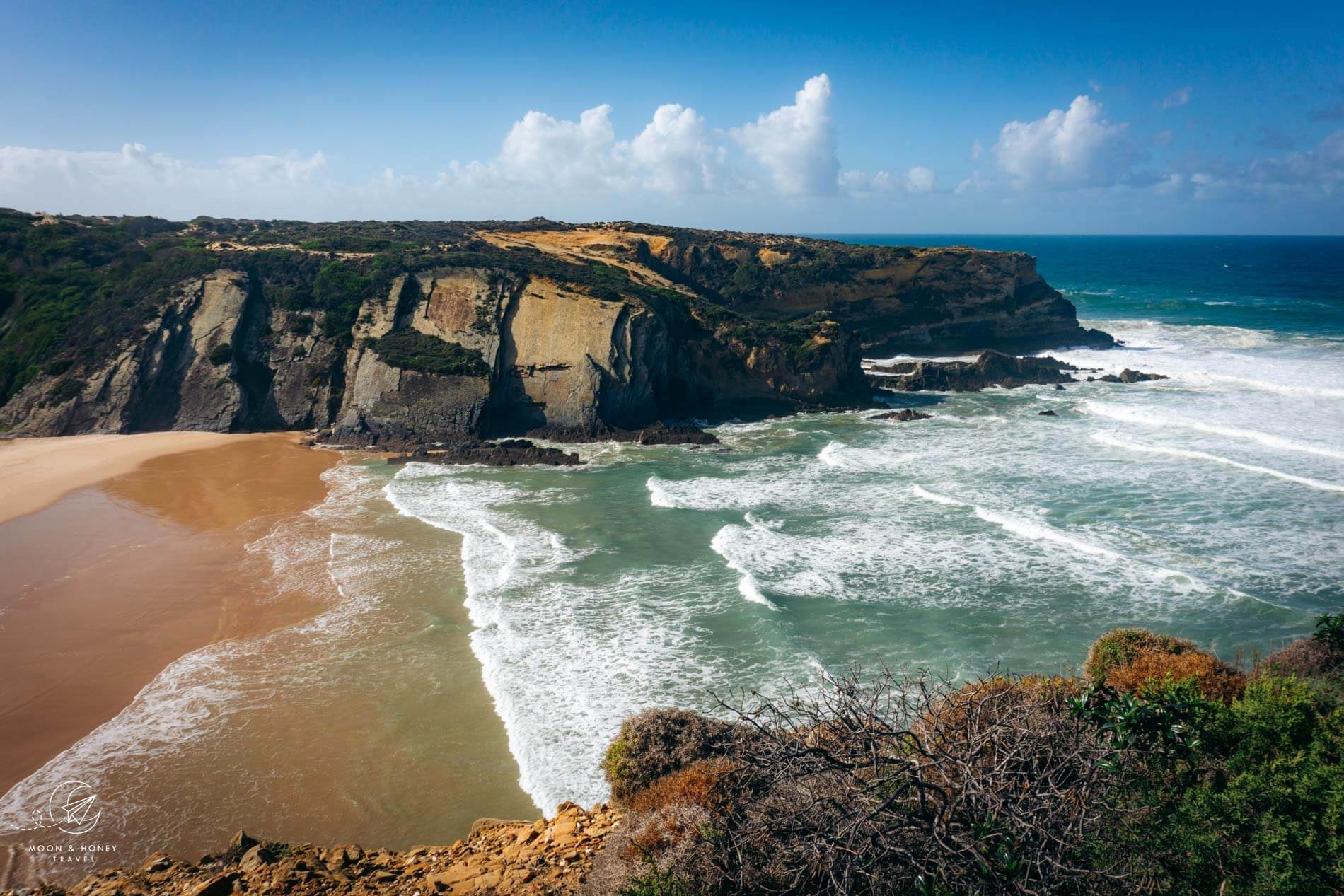
The Vicentine Coast is the outlier here — it’s coastal rather than mountain forest, so “fall colors” means golden cliffs, amber grasses, and the Mediterranean light turning honey-warm rather than trees turning red. The Fisherman’s Trail runs between Sines (Alentejo) and Sagres (Algarve) along Portugal’s Atlantic edge, and fall is genuinely the best season: summer heat breaks, crowds vanish, and the light is perfect for photography without the glare.
- Peak timing: Late September through October.
- What to know: This is a coastal walk, not a forest hike, so pack differently — bring sun protection and wind layers. The trail is manageable without a car if you base yourself in one of the coastal towns and do day walks, but a rental car lets you explore multiple sections and inland villages.
- Where to stay: Sagres or Lagos offer the most amenities and ferry/boat access if you want to add water-based exploration. The Algarve is busier than Alentejo, but Sagres keeps a quieter, more rugged feel.
Calanques National Park, France
Calanques is Europe’s first national park to blend land, sea, islands, and peri-urban areas — it stretches between Marseille and La Ciotat along the Mediterranean coast and is the only option on this list you can reach without a car. The dramatic limestone cliffs and turquoise water don’t change color the way forests do, but fall brings cooler temperatures, clearer water, and the Mediterranean light turns golden rather than harsh white.
- Peak timing: Late September through October.
- Access: Calanques is one of the few fall destinations in Europe that doesn’t require a rental car — Marseille has excellent train connections, and you can hike, kayak, or take boat tours directly from the city. This makes it ideal if you’re combining it with Provence or the French Riviera.
- What to know: Some calanques (coves) close seasonally for nesting birds, so confirm access before planning specific hikes. The water is swimmable in early fall but cold by late October.
Bring water and sun protection — the white rock reflects intense heat even in autumn.
Comparison Overview
| Park | Best For | Peak Timing | Car Required? | Crowd Level |
|---|---|---|---|---|
| Plitvice Lakes, Croatia | Waterfalls + forest color contrast | Late September–early October | Yes | Low (off-season) |
| Lake District, UK | Accessibility + iconic reflections | Mid–late October | Optional (train works) | Moderate–high weekends |
| Müllerthal, Luxembourg | Gorges + underrated gem status | Mid–late October | Yes (or Brussels day trip) | Low–moderate |
| Vicentine Coast, Portugal | Coastal walks + golden light | Late September–October | Optional (walkable towns) | Low |
| Calanques, France | No-car option + Mediterranean drama | Late September–October | No (Marseille-based) | Moderate (boat tours busy) |
Which Southern European Destinations Stay Warm in the Fall?
Southern Europe’s Mediterranean and sub-Mediterranean zones hold warmth well into November, making them ideal for travelers who want fall foliage without the bite—or who simply prefer 65–75°F over 45°F. These four destinations deliver that sweet spot: mild temperatures, fewer summer crowds, and either wine harvests, mountain color, or coastal scenery that peaks in autumn.
Wachau Valley Wine Region, Austria
The Danube River cuts through terraced vineyards here, and autumn is harvest season—the vines turn gold and crimson while winemakers work, and the valley fills with that specific energy of a region at its busiest and most alive. Temperatures typically stay in the 50–60°F range, cool enough for comfortable walking but not cold.
This is a no-car-needed destination: trains run directly through the valley, stopping at small wine towns like Dürnstein and Weissenkirchen. Base yourself in one of these riverside villages for 2–3 days, walk the vineyard terraces, and book wine tastings at local producers—many offer harvest-time tours.
The valley is compact enough to explore on foot or by local bus, and the Danube Valley Cycle Path runs the entire length if you prefer two wheels.
Peak foliage and harvest typically align in late September through mid-October. Book wine tastings and riverside hotels 4–6 weeks ahead; this is the busiest season after summer.
Mallorca, Spain: The Tramuntana Mountains
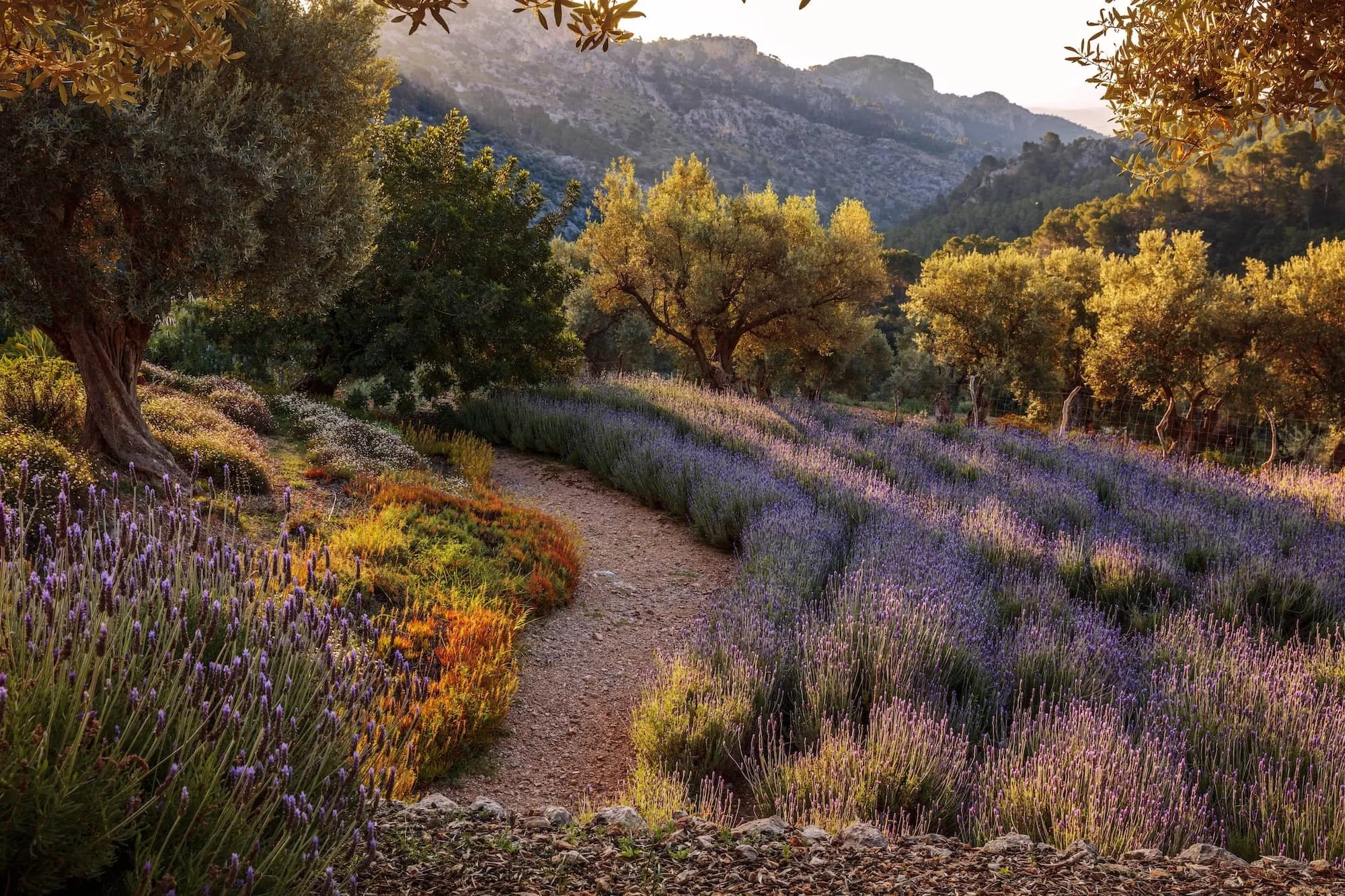
Mallorca’s northern spine stays warm—expect 65–70°F in October—while the Tramuntana Mountains shift into rust, gold, and deep green. This is the island’s only region with real elevation and seasonal color; the rest of Mallorca stays stubbornly green year-round.
The mountains also mean fewer beach tourists and a completely different pace from the resort coast.
Base yourself in the mountain villages of Sóller, Deià, or Valldemossa. These are walkable, car-optional towns with local buses connecting them, though a rental car gives you flexibility to explore smaller villages and mountain roads.
Hiking trails crisscross the range—the GR221 long-distance route is the marquee option, but day hikes from any village work just as well. October is ideal: warm enough for shorts during midday hikes, cool enough at dawn and dusk that you’ll want a layer.
Accommodation ranges from small rural hotels to finca (farmhouse) rentals. Book 6–8 weeks ahead for October; the weather is perfect and word has spread. Avoid late November onward—rainfall increases and some smaller hotels close.
Algarve Region, Portugal
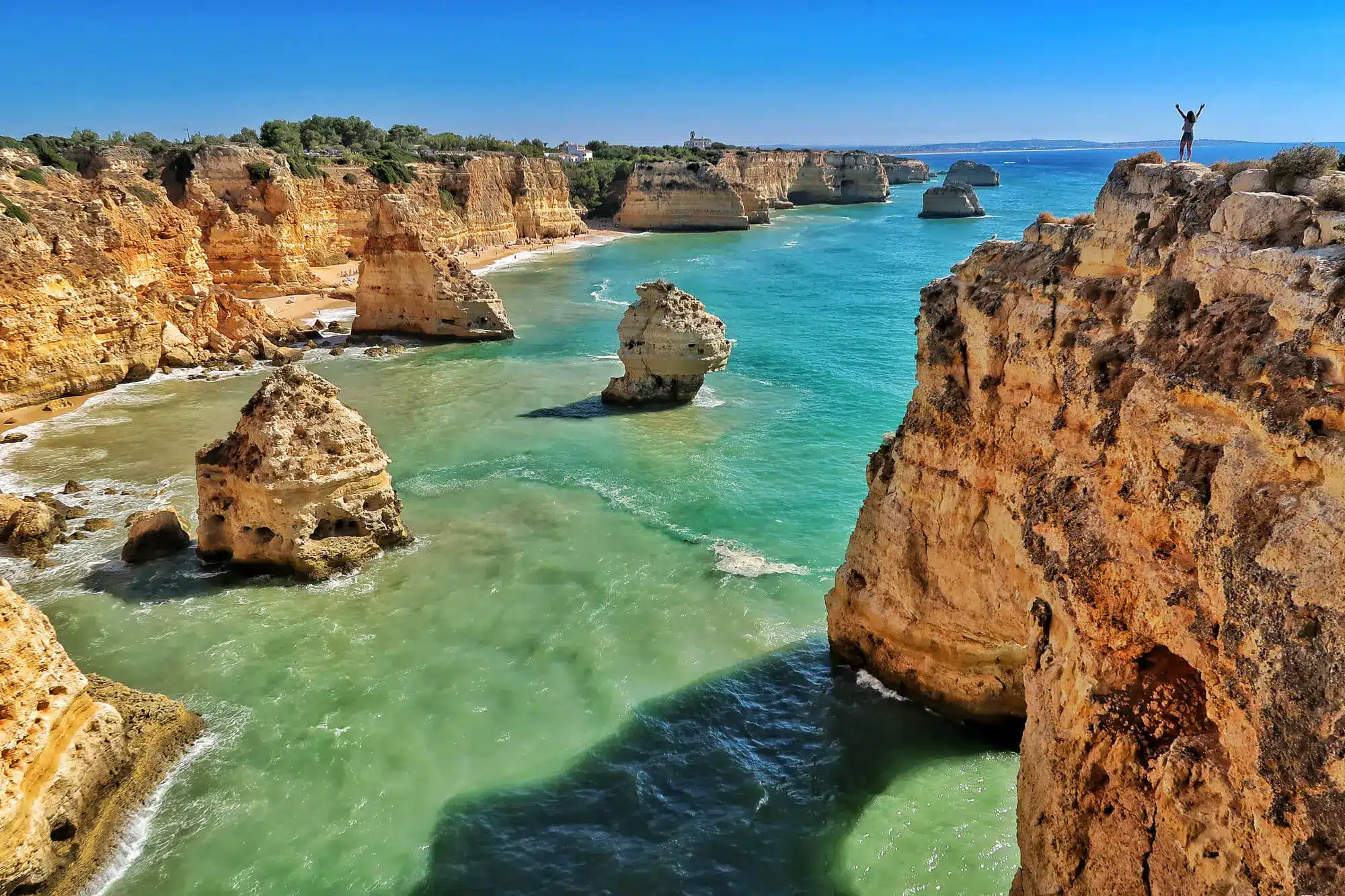
The Algarve’s dramatic rust-colored cliffs, golden beaches, and inland cork forests create a landscape that feels warmer than it is—partly because the light is so rich and partly because 68–72°F genuinely feels balmy after northern Europe. Fall is the sweet spot: summer heat and crowds are gone, but the sea is still swimmable and the hiking season is just beginning.
The region splits into three zones: the rocky eastern coast (Tavira, Olhão), the dramatic central cliffs (Carmo, Benagil), and the quieter western coast (Lagos, Ponta da Piedade). Each has different vibes.
Stay in Lagos or Silves for the best balance of coastal access, walkability, and restaurant density. A car is helpful but not essential—buses connect towns, and local ferries access hidden beaches.
October is peak: water temperature hovers around 66°F (swimmable for most), rainfall is minimal, and accommodation prices drop 20–30% from summer. Book 4–6 weeks ahead.
November brings occasional rain and some smaller restaurants close, so stick to October if timing is flexible.
Budva Riviera and Sveti Stefan, Montenegro
The Budva Riviera hugs the Adriatic with a string of pebble and sand beaches backed by limestone mountains that turn bronze and deep green in fall. Sveti Stefan—the fortified island village connected by a narrow causeway—is the visual anchor, but the entire riviera (roughly 20 kilometers of coast) offers quieter alternatives with the same dramatic backdrop and warmer water than you’d expect at this latitude.
October temperatures sit around 70°F; the sea is still 68–70°F and genuinely pleasant for swimming. This is the ideal window before November rains and before the few mountain huts close for the season.
Base yourself in Sveti Stefan village itself (small, atmospheric, walkable) or in nearby Budva (larger, more restaurant options, slightly more touristy). Both are car-optional; local buses connect the riviera towns, though a car lets you explore the Bay of Kotor and mountain villages inland.
Sveti Stefan’s beaches—Sveti Stefan Beach, Miločer Beach, and Queen’s Beach—are the main draws. Book accommodation 6–8 weeks ahead for October; the weather is perfect and the crowds are manageable.
After mid-November, rainfall increases and some hotels close seasonally.
Is a Rental Car Necessary to See Europe’s Best Fall Colors?
The short answer: a car unlocks the alpine valleys and mountain passes where fall colors peak hardest, but you don’t need one if you’re willing to trade flexibility for convenience and base yourself in well-connected towns.
For destinations like the Dolomites, Cortina d’Ampezzo, and the Bavarian Alps, a rental car is essential—these regions have no reliable public transit connecting the scenic valleys and high-altitude viewpoints where golden larches and dramatic foliage are concentrated. The same applies to Romania’s Transfagarasan and Transalpina roads, where you’re driving the attraction itself.
However, if you’re visiting Ortisei in Val Gardena (Dolomites), Calanques National Park near Marseille, Kotor in Montenegro, or Austria’s Wachau Valley, trains and local buses handle the heavy lifting, and you’ll spend less time navigating unfamiliar roads.
The trade-off is real: without a car, you’re locked into town-based itineraries and dependent on tour schedules. With a car, you control timing, can chase light for photography, and reach trailheads and viewpoints that buses skip entirely.
For serious fall foliage hunting—especially in the Alps—a car wins.
Top Fall Destinations to Visit Without a Car
Ortisei, Dolomites, Italy: This mountain village sits on excellent local bus routes and cable car networks that connect to surrounding valleys. You can base yourself here and day-trip to nearby hiking trails and viewpoints without driving.
Peak colors: mid-October.
Calanques National Park, France: Accessible by train from Marseille (roughly 30 minutes), this Mediterranean park offers dramatic limestone cliffs and coastal fall scenery without needing wheels. Hiking trails are well-marked and accessible from the park entrance.
Peak colors: late October.
Kotor, Montenegro: This Bay of Kotor town is walkable and connected by local buses to surrounding mountain villages. The bay itself and nearby Perast offer fall colors reflected in water—a quieter alternative to crowded Alpine regions.
Peak colors: mid to late October.
Wachau Valley, Austria: A one-hour train ride from Vienna, this UNESCO-listed wine region is best explored on foot or by local bus between villages. October is the standout month here—vineyards turn gold and red, and Heuriger (wine taverns) are in full swing.
No car needed to experience it. Peak colors: October.
Tips for Navigating Alpine Roads and Scenic Passes
- Book a rental car in advance: Fall is peak season in the Alps. Reserve through platforms like Discovercars.com at least 2–3 weeks ahead to secure competitive rates and your preferred vehicle type. Expect roughly €40–80 per day depending on car size and rental duration.
- Understand mountain road closures: Alpine passes can close without warning due to early snow or weather. Check road conditions daily with local tourism boards or apps like Öamtc (Austria) or Michelin before departing. Some high passes close entirely by late October.
- Drive during daylight only: Mountain roads are narrow, winding, and poorly lit. Autumn daylight shrinks fast—plan to finish driving by 4 p.m. to avoid navigating in darkness.
- Parking at trailheads fills fast: Arrive early (before 9 a.m.) at popular hiking spots, especially on weekends. Many Alpine towns charge €3–5 for 3-hour parking tickets; larger lots near train stations (like Lauterbrunnen’s €3.50 for 3 hours) are safer bets if you’re exploring on foot.
- Fuel up in towns, not on passes: Gas stations are rare at high altitude. Fill your tank before entering mountain regions.
- Download offline maps: Cell service drops in valleys and tunnels. Use Google Maps or Maps.me offline before you leave town.
Driving the Transfagarasan Road and Transalpina, Romania
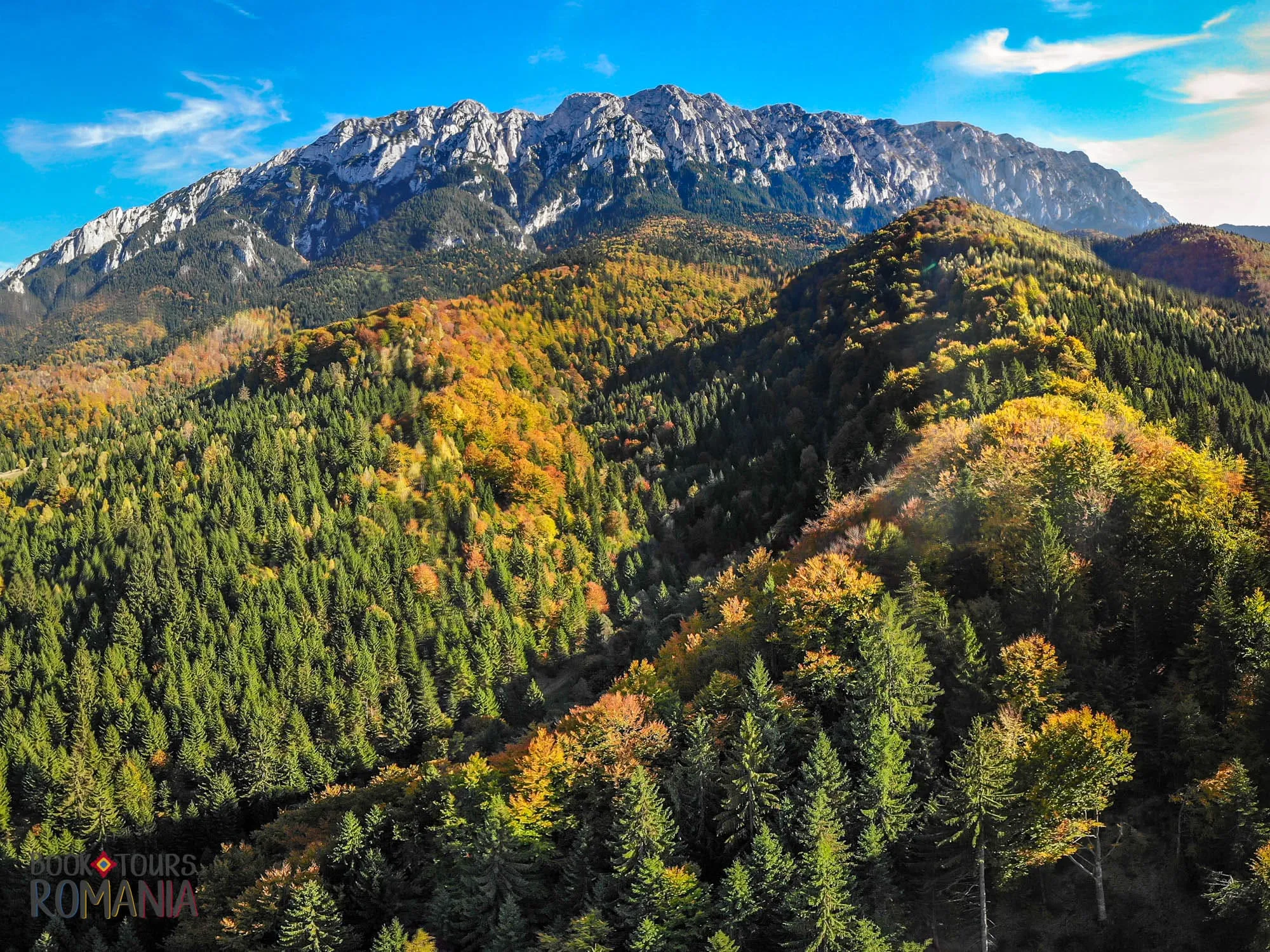
These two high-altitude roads through the Carpathian Mountains deliver some of Europe’s most dramatic fall foliage and are worth a dedicated road trip. The Transfagarasan famously earned “the best road in the world” title from Top Gear, and autumn is when it truly earns that claim—the surrounding peaks and valleys explode in gold and crimson.
Transfagarasan Road: This 90-kilometer route connects Bucharest to Sibiu and climbs to 2,134 meters at Balea Lake. The drive typically takes 2–3 hours depending on stops and traffic.
Peak fall colors: mid to late October. The road is usually open mid-May through October, but confirm current status before traveling—early snow can close it without notice.
Stop at Balea Lake for panoramic views of the surrounding peaks, which are especially striking when larch trees turn yellow.
Transalpina Road: This 146-kilometer route runs between Olanesti and Sebes and reaches 2,145 meters at Urdele Pass. It’s less crowded than Transfagarasan but equally scenic.
The drive takes roughly 4–5 hours with stops. Peak fall colors: mid to late October.
This road also closes seasonally—typically open late May through October. The Urdele Pass offers 360-degree views of the Carpathians in full autumn dress.
How to drive both in one trip: Base yourself in Sibiu (a charming medieval town with good hotels and restaurants) and tackle Transfagarasan as a day drive south, then loop north to Transalpina the next day. This avoids backtracking and keeps you within 2–3 hours of your base.
Alternatively, rent from Bucharest, drive Transfagarasan north to Sibiu, then Transalpina east, and return to Bucharest—a logical 3-day loop.
- Insider detail: Both roads are most photogenic in early morning light when mist clings to the valleys and the sun hits the larch trees at a low angle. Leave your accommodation by 6:30 a.m. to catch this window before clouds build.
- Late afternoon (after 3 p.m.) also works but daylight fades fast in October.
- Rental car logistics: Book through Discovercars.com or local Romanian agencies. A standard sedan works fine, but an SUV or higher-clearance vehicle is safer on rougher sections of Transalpina.
- Fuel costs are low in Romania (roughly €1–1.20 per liter), but fill up in Sibiu before heading into the mountains.
- Road conditions: Both roads are well-maintained but narrow with hairpin turns and steep drop-offs. Drive slowly, especially if you’re unfamiliar with mountain driving.
Weather can change rapidly—pack warm layers and check forecasts before departing. If snow appears, turn back immediately; these roads are not safe in winter conditions.
How to Plan Your Autumn Trip Without the Summer Crowds
Mountain huts across the Alps close by late September, which means hut-to-hut hiking routes shut down right when fall colors are starting to peak — but this closure is exactly why autumn becomes the smarter travel window for most visitors. Summer crowds evaporate, hotel rates drop noticeably, and you avoid the infrastructure chaos of peak season without sacrificing the visual payoff.
Why You Should Visit During the Shoulder Season
Autumn (mid-September through early November) is when Europe becomes genuinely livable again. Summer tourists have returned home, schools are back in session, and the heat that makes city walking miserable in July and August has broken.
This means you get moderate temperatures, walkable streets in places like Paris and Kotor, and the ability to actually book a restaurant reservation without planning three weeks ahead.
Hotel rates during autumn typically undercut summer pricing by 30–50%, depending on the destination and how close you book to peak foliage dates (mid to late October). This price drop is real — not a marketing claim — because demand genuinely softens once families return to school routines.
You’re paying less for better access: shorter lines at castles like Burg Eltz, fewer crowds on trails around Lake Bled, and actual availability at mountain lodges that fill instantly in July.
The trade-off is specificity: fall colors peak between mid and late October across most of Europe, but the exact timing shifts slightly each year depending on weather. Plan flexibility into your dates rather than booking a rigid itinerary months in advance.
What You Need to Know About Mountain Hut Closures
If hut-to-hut hiking is your goal, autumn is not your season. Most Alpine mountain huts close by the end of September, which eliminates the backbone of guided hiking routes through the Dolomites, Austrian Alps, and Swiss peaks.
This is a hard stop, not a soft suggestion — infrastructure simply shuts down.
However, this closure creates an advantage: car-based exploration becomes the smarter strategy. You can drive through Alpine valleys (like Val Gardena in the Dolomites or Engadin Valley in Switzerland) and stop for day hikes without relying on hut reservations or multi-day logistics.
A rental car gives you flexibility to chase peak foliage timing as weather shifts, which matters because fall colors don’t follow a fixed calendar.
If you’re set on staying in mountain regions without a car, prioritize destinations with road access and town-based lodging: Ortisei in the Dolomites, Kotor in Montenegro, the Wachau Valley in Austria, and Calanques National Park near Marseille all offer autumn foliage without requiring hut-to-hut infrastructure.
Finding Lower Hotel Rates and Avoiding “Fall Frenzy” Crowds
Book accommodations 4–6 weeks before your target travel dates, not months ahead. This window captures the shoulder-season pricing sweet spot without locking you into rigid dates when foliage timing is still uncertain.
Prices rise sharply once mid-October approaches and peak-foliage forecasts solidify — that’s when casual travelers suddenly book, and rates spike accordingly.
Stay in smaller towns adjacent to major foliage destinations rather than the destinations themselves. For example, base yourself in Dobrota (the seafront neighborhood near Kotor) instead of Kotor’s Old Town — you get waterfront access, lower rates, and easier parking for day trips to the Bay of Kotor.
Similarly, towns in the Wachau Valley offer better value than Vienna, while still providing train access to the valley’s golden-hour vineyard views.
Avoid booking during the first two weeks of October and the last two weeks of October — this is when “fall frenzy” peaks and prices spike. The sweet spots are late September (before most foliage peaks but with excellent rates) and early November (after peak colors have faded but with deeply discounted rooms and virtually no tourists).
You sacrifice some visual intensity for genuine solitude and 40–60% rate reductions.
For destinations like Paris, Plitvice National Park in Croatia, and the Lake District in the UK, autumn automatically means fewer crowds compared to summer — so even mid-October stays will feel manageable. These popular destinations don’t require the same booking precision as Alpine regions where foliage timing and hut closures create bottlenecks.
Frequently Asked Questions
What’s the single best week to catch peak fall colors across Europe?
Mid to late October is your safest bet for the majority of destinations covered in this guide — the Dolomites, Austrian Alps, German castles, and most Alpine regions hit their stride then. However, this is not fixed; weather shifts the peak by a week or two each year.
Northern regions like Lapland and Finland peak earlier (late September), while lower-elevation Mediterranean areas stretch into early November. Check with your specific destination’s tourism board 2-3 weeks before your planned trip to confirm current conditions rather than relying on historical dates.
Do I really need to rent a car to see fall colors in Europe?
No, but it depends on where you’re going. A car is essential for Alpine destinations like the Dolomites, Engadin Valley, and the Bavarian Alps — these regions have limited public transit to trailheads and scenic viewpoints.
However, several top fall destinations work perfectly without one: Kotor (Montenegro), Ortisei in the Dolomites, Calanques National Park near Marseille, and Austria’s Wachau Valley are all accessible by train or local buses. If you’re basing yourself in a town like Hallstatt or staying in a walkable old town, you can explore nearby forests and valleys on foot or short transit rides.
When do mountain huts close, and does that affect fall foliage trips?
Most Alpine mountain huts close by the end of September, which means hut-to-hut hiking routes are no longer an option once October arrives. This doesn’t kill fall color trips — you can still day-hike from valley towns, stay in mountain lodges or inns that remain open, or base yourself in a nearby village and explore on foot.
Just don’t expect the full hut-hiking experience if you’re traveling in peak foliage season (mid-October onward).
Why do fall colors peak at different times in different regions?
Temperature is the main driver. Northern regions like Sweden, Norway, and Finland experience cooler weather first, so their leaves turn earlier (late September).
As you move south and to lower elevations, the color change happens progressively later — typically peaking in mid to late October across central Europe, and stretching into early November in southern areas. Trees also don’t all change at once within the same region; the transformation is gradual, which is why checking current conditions closer to your travel dates beats relying on fixed peak dates.
Book Your Autumn Trip With Confidence
Start by choosing your region based on timing: Scandinavia if you’re traveling in late September, the Alps for mid-October, or southern Europe if you’re flexible into November. Then decide whether you need a car by checking if your specific destination has train or bus access to trailheads and viewpoints — most do, but Alpine valleys reward driving flexibility.
Fall foliage in Europe isn’t just about color; it’s about reclaiming these landscapes from summer crowds and experiencing them the way locals actually do. The light is better, the air is clearer, and you’ll have entire hiking trails to yourself.
Reserve your accommodation 4–6 weeks before your target dates to capture shoulder-season pricing without locking yourself into rigid dates when foliage timing is still uncertain. Check your destination’s tourism board 2–3 weeks before departure to confirm current peak-color conditions, then book your flights and lodging with confidence.
Leave a Reply