

Steam rises from a ceramic mug of glühwein in a Nuremberg square while snowflakes catch the lamplight overhead — and two time zones south, your toes sink into Atlantic sand at 22°C in Fuerteventura.
That single continent-wide range — from frozen medieval squares to swimmable ocean — is what makes Europe in December unlike anywhere else on earth.
Europe’s Christmas markets have no equivalent outside this continent, and December is the only month when summer-hot cities like Barcelona and Dubrovnik let you walk the Colosseum or ancient walls in total solitude.
This guide sorts every type of December European trip into clear categories so you can match your travel style to the right destination fast.
Budget travelers can land in Prague, Budapest, or Antalya for roughly $80–120 per day all-in.
Mid-range trips to Vienna, Strasbourg, or Innsbruck run about $150–250 daily, while splurge-level stays in Zermatt, Copenhagen, or Lucerne will push $300 or more per night before lift passes.
Your Quick-Pick Guide: Six Types of December Trips in Europe
This article covers a lot of ground — so here’s the fastest way to find your trip. Pick the category that matches what you actually want, and scroll to that section.
- Craving real warmth and sunshine → Fly to the Canary Islands (Tenerife, Fuerteventura, Gran Canaria, Lanzarote). At 20–23°C with swimmable ocean, they’re Europe’s only near-guarantee of actual winter sun.
- Want classic Christmas markets → Strasbourg for France’s oldest market since 1570, or Prague for the best overall value with svařák under $3 and a square that looks like a film set.
- Planning a festive city break → Edinburgh for the UK’s best New Year’s Eve (Hogmanay), or Rome for the Colosseum and Vatican without a single summer queue.
- Dreaming of fairytale countryside → Hallstatt for Alpine postcard perfection (arrive before 10 AM), or the Alsatian villages of Riquewihr and Eguisheim for half-timbered magic with a rental car.
- Chasing the Northern Lights → Alta, Norway for the highest aurora probability under near-24-hour polar darkness, or Rovaniemi, Finland if you’re bringing kids who want Santa plus the lights.
- After skiing with jaw-dropping scenery → The Dolomites for 1,200 kilometers of runs with Italian mountain-hut lunches, or Zermatt for expert terrain under the Matterhorn if budget isn’t a concern.
Best Winter Sun Destinations in Europe in December
When Northern Europe is shivering at 2°C, the Canary Islands are sitting at 22°C with swimmable ocean — and that single gap is why this section exists. If you want actual warmth in December (not “mild” — warm), southern Europe and the Atlantic islands are the only honest options.
Here’s the reality check, distilled into one table:
| Destination | Typical Dec High | Swimming? | Best For |
|---|---|---|---|
| Canary Islands | 20–23°C / 68–73°F | Yes — ocean and pools | Guaranteed sun, beaches, water sports |
| Madeira | 18–20°C / 64–68°F | Pools and rock pools; ocean is cool | Hiking, gardens, NYE fireworks |
| Cyprus | 16–19°C / 61–66°F | Brave swimmers only | Ancient ruins without crowds |
| Malta | 16–19°C / 61–66°F | Pools yes; ocean cool | Walking, history, architecture |
| Málaga | 16–18°C / 61–64°F | No | Tapas city break, Picasso, terrace dining |
| Antalya | 15–17°C / 59–63°F | No | Value, Roman ruins, old town charm |
| Lisbon | 14–16°C / 57–61°F | No | City break, pastéis, winter light |
| Nice | 12–14°C / 54–57°F | No | Off-season Riviera, local food |
| Barcelona | 12–15°C / 54–59°F | No | Gaudí without summer queues |
Notice the temperature cliff. Canary Islands, Madeira, and Cyprus are genuine winter-sun destinations where you’ll pack shorts. Everything from Málaga down is mild-city-break territory — enjoyable, but bring a jacket and recalibrate expectations.
The Canary Islands: Fuerteventura, Tenerife, Gran Canaria, and Lanzarote
The Canaries are Europe’s only near-guarantee of real warmth in December. Daytime highs hover around 20–23°C across all four main islands, and the sea temperature sits close to 21°C — ocean swimming is genuinely on the table, not just a brochure promise.
How to pick your island:
- Fuerteventura: Best for beaches and wind sports. Corralejo is the standout base — flat, walkable, with the Dunas de Corralejo natural park stretching along the coast. Quieter than Tenerife or Gran Canaria, with a laid-back surfer energy.
- Tenerife: Most variety. The south coast (Los Cristianos, Costa Adeje) delivers the sunniest weather; the north (Puerto de la Cruz) is greener, cooler, and more authentically Canarian. Teide National Park gets cold up top — bring layers for the cable car, which usually runs daily but can close for wind.
- Gran Canaria: Best all-rounder for families. Maspalomas dunes are the iconic beach scene; Las Palmas city adds real urban life if you want more than a resort bubble. The microclimates here are wild — the south can be sunny while the capital is cloudy.
- Lanzarote: Volcanic landscapes that look extraterrestrial. Timanfaya National Park is the main draw. Less beach-centric than Fuerteventura, more about dramatic scenery and César Manrique’s architectural legacy across the island.
Evenings cool down, especially inland and at elevation, but a light jacket handles it. This remains t-shirt weather for most of the day.
Madeira, Portugal
Madeira trades guaranteed beach days for something more dramatic: lush mountain ridges dropping into the Atlantic, year-round levada hiking trails, and Funchal’s New Year’s Eve fireworks display — one of the largest in the world, usually confirmed by the regional tourism board each autumn.
Daytime highs sit around 18–20°C. The sea runs cool, but the natural volcanic rock pools at Porto Moniz are the popular compromise — sheltered, scenic, and swimmable for most people.
December also brings Funchal’s famous Christmas light installations, which transform the main streets into a walkable spectacle.
Base yourself in Funchal for walkability, restaurant access, and the cable car up to Monte. It’s the most practical hub for day-tripping the north coast villages and mountain interior.
Book early if you’re staying through New Year’s — Funchal hotels typically fill months ahead, and prices roughly double compared to the first two weeks of December.
Cyprus
Cyprus holds 16–19°C along the coast in December, paired with some of the Mediterranean’s best archaeological sites — minus the summer crowds that make them miserable. Paphos’s Tombs of the Kings and Kourion’s clifftop Greco-Roman amphitheater are genuinely enjoyable when you can hear yourself think.
The Akamas Peninsula offers serious hiking without the heat that makes summer visits exhausting. For a balanced base, Limassol works well: good restaurant scene, a restored old town quarter, and easy driving access to both the Troodos Mountain villages (expect cooler 8–12°C up there) and the Paphos archaeological zone.
Don’t come expecting beach days. Come expecting pleasant walking weather, empty ancient ruins, and taverna lunches on a sun-warmed terrace in December. That combination is the real draw.
Malta
Malta’s 16–19°C December days are built for the kind of trip this island demands: walking. Valletta’s honey-colored limestone streets, the silent medieval city of Mdina, and the fishing village of Marsaxlokk are all best explored on foot — and December means you won’t be shoulder-to-shoulder doing it.
The architecture here is unlike anywhere else in Europe — Baroque churches, Knights of St. John fortifications, and the extraordinary Co-Cathedral of St. John in Valletta, which houses two Caravaggio masterpieces. That alone justifies the flight.
Base in Valletta or neighboring Sliema for ferry connections to Gozo and Comino. Gozo makes an easy day trip and feels like Malta before tourism discovered it — quieter, greener, more rural.
Budget roughly 1.5 hours round-trip including the ferry crossing. Accommodation in Valletta runs from boutique hotels in converted palazzi to well-located Airbnbs; Sliema offers more modern hotel options at slightly lower prices.
Málaga, Spain
Málaga at 16–18°C in December is an underrated city break — warm enough for outdoor terrace dining, cool enough to walk all day without wilting. The Picasso Museum (Málaga is his birthplace), the Moorish Alcazaba fortress, and the Soho arts district deliver a solid three-day itinerary, and December pricing is noticeably friendlier than spring or summer.
This is the gateway to the Costa del Sol, but the city itself deserves your time before you drive anywhere. Mercado Central de Atarazanas is where locals actually eat — grab a plate of boquerones fritos and a cold beer at one of the market bars instead of the tourist restaurants along Calle Marqués de Larios.
A high-speed AVE train connects Málaga to Madrid in roughly 2.5 hours and to Córdoba in under an hour, making it viable as part of a broader southern Spain itinerary.
Antalya, Türkiye
Antalya is Europe’s best-value winter sun option that most American travelers overlook. December highs around 15–17°C in the old town (Kaleiçi), with a dramatic Roman-era harbor, Hadrian’s Gate, and excellent Turkish cuisine at roughly half the cost of comparable Mediterranean destinations.
Kaleiçi is the only base that makes sense — stay in a restored Ottoman house hotel within walking distance of the harbor, the restaurants, and the Antalya Museum, which holds one of Turkey’s finest collections of Roman sculpture. The surrounding Lycian ruins at Termessos (a mountaintop city accessible by car) and Aspendos (a nearly intact Roman amphitheater) are uncrowded day trips in December.
Turkey’s exchange rate has made Antalya exceptional value for American travelers. A full dinner with drinks in Kaleiçi typically runs $15–25 per person. Fly into Antalya Airport (AYT), which connects through major European hubs.
Lisbon, Portugal
Lisbon in December isn’t warm — expect 14–16°C — but it’s mild enough for full days outdoors, and the city takes on a golden quality in winter light that summer visitors never see. Alfama’s narrow tiled streets, Belém’s custard tarts straight from the oven at Pastéis de Belém, and the LX Factory creative complex are all crowd-free.
The Christmas market on Praça do Comércio adds festive atmosphere without overwhelming the city. Pair Lisbon with a day trip to Sintra’s fairy-tale palaces — roughly 40 minutes by train at about €4.50 return — and December’s thinner crowds make Pena Palace actually enjoyable instead of the summer-era human conveyor belt.
Stay in Baixa-Chiado for central walkability or Alfama for atmosphere and character. Both give you direct access to Tram 28, major restaurants, and the waterfront.
Nice, France
Nice in December (12–14°C) is the French Riviera at its most local. The Promenade des Anglais is empty enough to actually walk without weaving around rollerbladers, and the old town’s restaurant scene shifts from tourist menus back to authentic Niçois cooking — socca, pissaladière, and pan bagnat.
This works best as a base for broader Riviera exploring. Monaco is roughly 25 minutes by train at about €5, and the hilltop village of Èze makes a half-day trip that feels like stepping into a painting.
Don’t expect swimming weather. Expect elegant off-season calm at a fraction of summer prices, with the kind of light that painters came here for.
Barcelona, Spain
Barcelona at 12–15°C is not a sun destination — be honest with yourself about that. But it’s a brilliant December city break if your priority is Gaudí’s architecture without the 30°C heat and the summer-era four-hour queues at Sagrada Família.
A seasonably warm afternoon can still produce a beach walk along Barceloneta, though you’re not sunbathing.
December translates to shorter lines at Park Güell, easier Casa Batlló booking, and restaurant reservations that don’t require planning a week ahead. The Fira de Santa Llúcia Christmas market outside the cathedral runs through late December if you want a festive touch — but the real reason to come is seeing the city’s landmarks without the August chaos.
Best Christmas Market Cities in Europe in December
Europe’s Christmas market season peaks between late November and December 23rd, and the twelve cities below each bring something the others don’t — from a 590-year-old market in eastern Germany to a riverside fair in Slovenia that most American travelers haven’t discovered yet.
This overview helps you match your trip priorities to the right city fast:
| City | Standout | Best For | Budget Level |
|---|---|---|---|
| Strasbourg & Colmar | France’s oldest markets, Alsatian wine | First-timers, romantics | Mid-range |
| Dresden | Oldest market in Europe (1434) | Tradition purists, history buffs | Affordable |
| Nuremberg | Strict vendor quality rules | Foodies, families | Affordable |
| Vienna | Imperial backdrop, 12+ markets | Couples, culture lovers | High |
| Prague | Best value in Europe | Budget travelers, photographers | Budget-friendly |
| Budapest | Market food champion | Foodies, budget travelers | Budget-friendly |
| Zagreb | Three-time “Best Market” winner | Off-the-beaten-path seekers | Budget-friendly |
| Cologne & Berlin | Scale and variety | NYE planners, big-city fans | Mid-range |
| Copenhagen | Tivoli Gardens transformation | Scandi design lovers | High |
| Tallinn & Riga | Medieval fairy-tale setting | Adventurous travelers | Affordable |
| Bruges | Chocolate, waffles, canals | Eaters, day-trippers | Mid-range |
| Ljubljana | Unspoiled riverside charm | Underrated-gem seekers | Affordable |
Strasbourg and Colmar: The Capital of Christmas in Alsace
Strasbourg earned its “Capitale de Noël” label by hosting markets since 1570 — among the oldest in France. Over 300 wooden chalets blanket the Grande Île (a UNESCO World Heritage site), with Place Broglie and the cathedral square as the main anchors.
The Alsatian mulled wine is the real draw here: spicier and less sweet than German Glühwein, often made with local Pinot Gris.
Colmar, 45 minutes south by TER regional train (roughly €12–15 each way), is the miniature fairy-tale version — six distinct markets in a half-timbered old town walkable in a single afternoon. Skip weekends in mid-December; the narrow streets become gridlocked.
Midweek is when Colmar’s charm actually works.
Stay: Base in Strasbourg’s Petite France quarter for walkable access to every market, then day-trip to Colmar by train. Book early — Strasbourg hotels fill by early November for December weekends.
Dresden: Home of Europe’s Oldest Christmas Market
Dresden’s Striezelmarkt has been running since 1434 — the oldest documented Christmas market in Europe, and the city has the archives to prove it. The market centers on Altmarkt Square with a towering wooden Christmas pyramid and a 14-meter Ore Mountain step pyramid as its signature landmarks.
The Stollen sold here (dense, buttery, dusted with powdered sugar) is the authentic version — nothing like the supermarket imitations elsewhere.
What sets Dresden apart: the market feels local, not manufactured for tourists. The surrounding Neumarkt and the rebuilt Frauenkirche create a backdrop that’s both historic and architecturally stunning after dark.
Prices are noticeably lower than in western Germany — expect €3–5 for Glühwein and €2–4 for food at the stalls.
Nuremberg, Germany
The Christkindlesmarkt on Hauptmarkt Square operates under strict vendor rules — only handcrafted and traditional products make the cut. This means genuine Nuremberg Rostbratwurst (tiny, snappy sausages sold in sets of six or twelve) and proper Lebkuchen instead of mass-produced tourist souvenirs.
Buy your gingerbread from Lebkuchen Schmidt or Wicklein, not random stalls.
Insider tip: Arrive before 11 a.m. The market opens around 10, and that first hour is the only window with actual breathing room. By noon on any weekend, the aisles are packed shoulder-to-shoulder.
Vienna, Austria
Vienna runs over a dozen Christmas markets, but quality varies sharply. The Rathausplatz market has the showpiece setting (enormous tree, neo-Gothic city hall) but is also the most crowded and commercially touristy.
Skip it and head to the better-curated alternatives:
- Spittelberg: Narrow Biedermeier streets, artisan stalls, and the market where Viennese residents actually shop. The ceramics and hand-printed textiles here are genuinely good.
- Schönbrunn Palace: 80+ stalls on the palace forecourt. The imperial setting elevates everything, and it’s calmer than the city-center options.
- Am Hof: The upscale pick — fine handcrafted gifts, higher price points, and an elegant atmosphere that suits adults-only visits.
Budget warning: Vienna is the most expensive Christmas market city on this list. Expect €5–6 for Glühwein and €8–12 for a meal at the stalls. The tradeoff is legitimately superior craft quality and one of Europe’s most photogenic city backdrops.
Prague, Czech Republic
Prague is the best-value Christmas market city in Europe — by a wide margin. The Old Town Square market, with the Týn Church spires overhead and a massive tree as the centerpiece, looks like a film set.
Svařák (Czech mulled wine) runs about 60–80 CZK (roughly $2.50–3.50), and trdelník (chimney cake, technically not Czech but nobody cares because it’s excellent) costs about the same.
The Wenceslas Square market is larger and more modern — less atmospheric but better for browsing without the Old Town crush. Visit Old Town Square after 5 p.m. when the lights come on and the crowd thins slightly.
Essential safety note: Pickpockets work the Old Town Square market aggressively during December. Carry valuables in a front crossbody bag, never a backpack.
Budapest, Hungary
Vörösmarty Square anchors Budapest’s market scene, but the food is the real reason to come. Lángos (deep-fried dough topped with sour cream and cheese), kürtőskalács (chimney cake), and steaming bowls of goulash — all under €5.
Budapest’s market food is better and cheaper than every other city on this list.
The Advent Feast at St. Stephen’s Basilica is the second must-visit: a light show projected onto the basilica’s facade runs every 30 minutes after dark and is genuinely impressive. Combine it with an afternoon at Széchenyi or Gellért thermal baths and you have Central Europe’s best winter formula.
Stay: Base in District V or VI (inner Pest) for walkable access to both main markets and the Danube promenade.
Zagreb, Croatia
Zagreb won “Best Christmas Market in Europe” three consecutive years (2016–2018) from European Best Destinations and has maintained the standard. The Advent festival spreads across Ban Jelačić Square, Zrinjevac Park, and the Upper Town (Gornji Grad), with ice skating, live music, and stalls selling fritule (mini doughnuts) and Croatian mulled wine at prices that make Germany look absurd.
This is the pick for anyone wanting an authentic Christmas market experience without the crowd pressure of Western Europe. December flights from major European cities to Zagreb regularly dip below €50 round-trip on budget carriers — making it one of the cheapest December market trips from the US via a connection.
Cologne and Berlin, Germany
Cologne runs seven distinct Christmas markets. The cathedral market (am Dom) is the headline — hundreds of stalls directly beneath a Gothic masterpiece.
For a less touristy alternative, the Stadtgarten market in the Belgian Quarter skews younger and more local.
Berlin is the strongest pick if you’re combining markets with New Year’s Eve. The Gendarmenmarkt market — currently relocated to nearby Bebelplatz due to ongoing renovations; confirm the exact location before booking — has the highest-quality artisan stalls in the city.
Berlin hosts 80+ markets total, so the variety is unmatched. The downside: Berlin’s markets feel more commercial and less intimate than the smaller cities on this list.
Come for the scale, nightlife, and NYE energy — not for cozy charm.
Copenhagen, Denmark
Tivoli Gardens transforms into a Christmas world from mid-November through late December — over 1,000 decorated Christmas trees, nisse (Scandinavian elf) figures, and wooden stalls selling Danish design goods, æbleskiver (round pancake puffs), and gløgg with almonds and raisins. Entry typically runs around 150–180 DKK (roughly $20–25).
The catch is the cost. Copenhagen sits at the top of this list price-wise — a full market meal easily hits €15–20. The payoff is hygge at its purest: candlelit stalls, wool blankets, mulled wine, and a Scandinavian aesthetic no other market city replicates.
Insider tip: Tivoli on a Tuesday or Wednesday afternoon in early December is a different experience than a Saturday in mid-December. Weekday visits mean shorter lines, actual table space at the food stalls, and enough quiet to appreciate the design details.
Tallinn, Estonia and Riga, Latvia
Tallinn’s Christmas market in Raekoja plats (Town Hall Square) occupies a UNESCO-listed medieval Old Town that’s among the best-preserved in Europe. The wooden stalls, medieval-style crafts, and hot mulled wine set against 14th-century architecture deliver the fairy-tale experience that the research consistently highlights.
This is the market for travelers who find Western European versions too polished.
Riga, about three hours south by bus, offers a similar vibe at lower prices. The Doma laukums (Cathedral Square) market is smaller but worth the detour if you’re already in the Baltics.
Both cities are significantly cheaper than Western Europe — expect €2–3 for drinks and €4–6 for food at the stalls.
Pair them: Fly into Tallinn, spend 2–3 days, take the bus to Riga for 2 days, and fly home from there. Both cities are compact enough to explore thoroughly in that window.
Which European City Should You Visit in December?
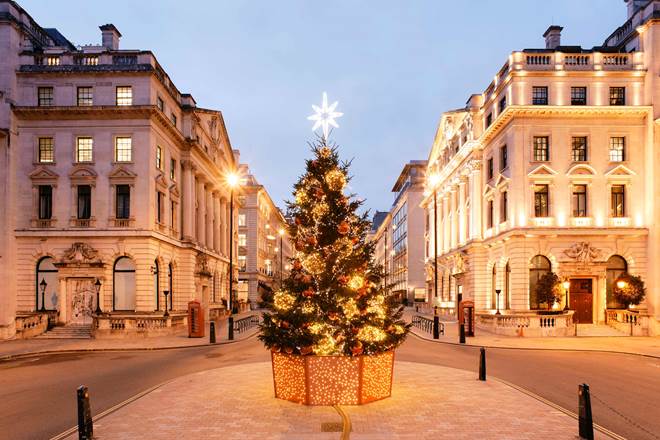
December flips the script on European city breaks: hotel rates drop 30–50% from peak summer, world-famous sites have a fraction of the usual queue, and cities dress themselves in lights, markets, and seasonal food you won’t find any other month. The nine cities below each offer something fundamentally different — your pick depends on whether you want festive chaos, empty ancient ruins, or a break from Christmas entirely.
| City | Best For | December Highlight | Crowd Level |
|---|---|---|---|
| London | New Year’s Eve + festive energy | Winter Wonderland, Thames NYE fireworks | High around holidays |
| Edinburgh | Hogmanay street party | Princes St Gardens market, castle fireworks | Moderate; high NYE |
| York | Medieval atmosphere, compact trip | St Nicholas Fair, The Shambles at dusk | Low to moderate |
| Amsterdam | Canal-side art lovers | Amsterdam Light Festival by boat | Moderate |
| Rome | Iconic sights without lines | Empty Colosseum, Vatican nativity scene | Low (except Vatican) |
| Porto | Wine lovers, budget travelers | Port cellars without waitlists | Low |
| Dubrovnik | Historic walls, zero cruise ships | Old Town without summer crush | Very low |
| Istanbul | Non-Christmas winter break | Grand Bazaar, hamams, mosque culture | Low to moderate |
| Athens | Ancient ruins on a budget | Acropolis without heat or queues | Low |
London, England: Winter Wonderland and New Year’s Eve
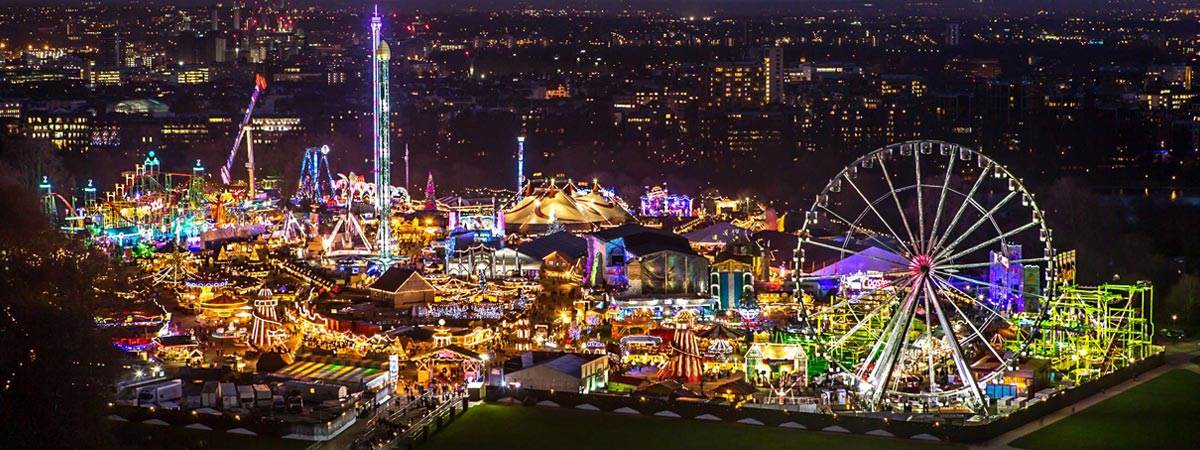
London leans fully into the festive season. Hyde Park’s Winter Wonderland — free to enter, with rides, ice skating, and Bavarian-style beer halls — runs through early January.
Oxford and Regent Street shut down for their annual Christmas light switch-ons in November, and the lights stay up all month. The real draw, though, is New Year’s Eve: fireworks erupt over the Thames at midnight, and official viewing tickets (typically around £15–20, released in autumn) sell out fast.
- Who it’s for: Anyone who wants maximum festive energy and doesn’t mind bundling up and paying London prices.
- Best base: Southbank or Covent Garden — walkable to most December highlights and well-connected by Tube.
- Weather reality: Expect 3–9°C with frequent rain. London’s free museums (British Museum, Tate Modern, Natural History Museum) are the best rainy-day insurance in Europe.
- Book early: NYE fireworks tickets, hotel rates near Southbank, and any West End show you want — December is peak theatre season.
Edinburgh, Scotland: Christmas Markets and Hogmanay
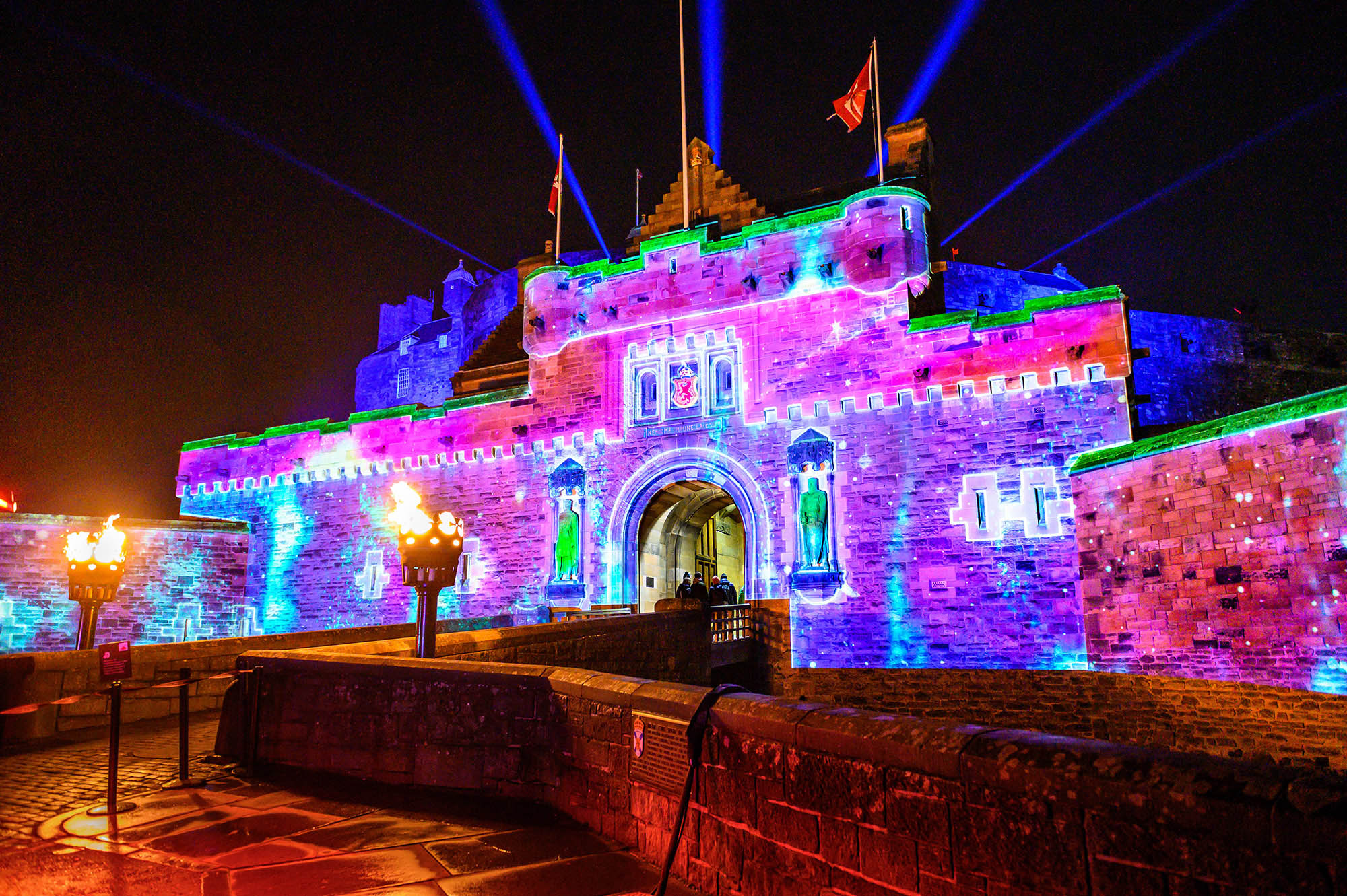
Edinburgh runs a Christmas market in Princes Street Gardens with wooden chalets selling crafts, food, and mulled wine, backed by a view of the castle lit up overhead. But the real reason to pick Edinburgh over any other UK city in December is Hogmanay — the city’s legendary multi-day New Year celebration featuring a torchlight procession on December 30, a massive street party on the 31st, and fireworks exploding above Edinburgh Castle at midnight.
- Who it’s for: Travelers who want the best New Year’s Eve in the UK — period.
- Critical booking note: Hogmanay street party tickets sell out. Book by early autumn.
- Weather reality: 3–7°C and sunset around 3:30pm. The short daylight makes the city feel even more atmospheric after dark, but plan outdoor time for midday.
- Best base: Old Town (Royal Mile) or New Town (Princes Street area) — both put you within walking distance of the market and Hogmanay venues.
York, England: A Medieval Christmas
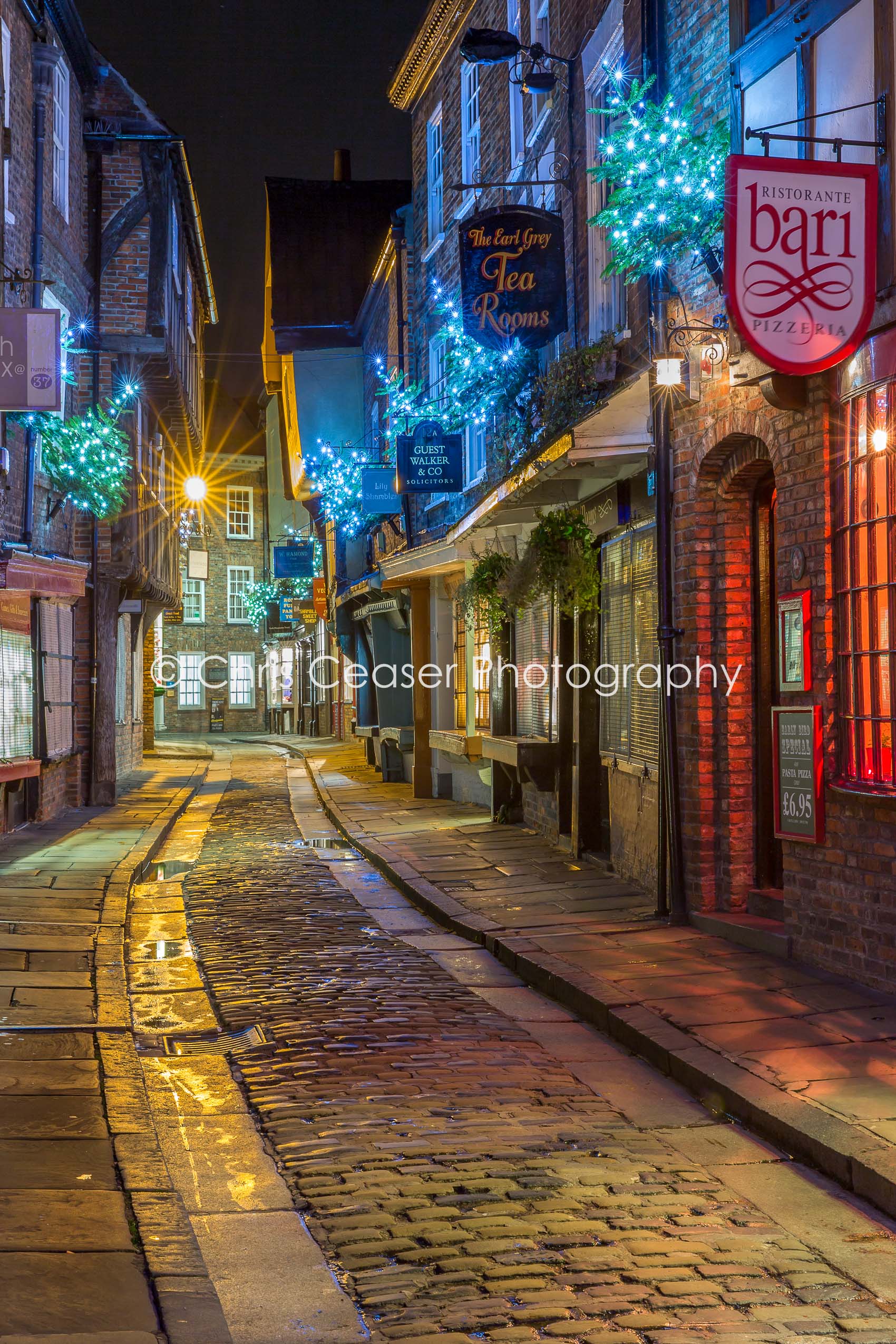
York’s St Nicholas Fair fills the city’s medieval streets with wooden chalets, and The Shambles — the narrow, timber-framed lane that inspired Diagon Alley — looks genuinely magical after dark with its Christmas garlands and lamplight. This is the pick for anyone who wants festive charm without London’s price tag or Edinburgh’s Hogmanay crowds.
- Why it wins: The entire walled city is walkable in a day. Two nights is the sweet spot — enough to hit the market, walk the city walls, visit York Minster, and eat well.
- Insider detail: The Shambles is packed by midday. Visit at 8–9am or after 7pm for near-empty shots and actual atmosphere.
- Budget note: Expect roughly 30–40% less than London for comparable meals and accommodation.
Amsterdam, Netherlands: Light Festival on the Canals
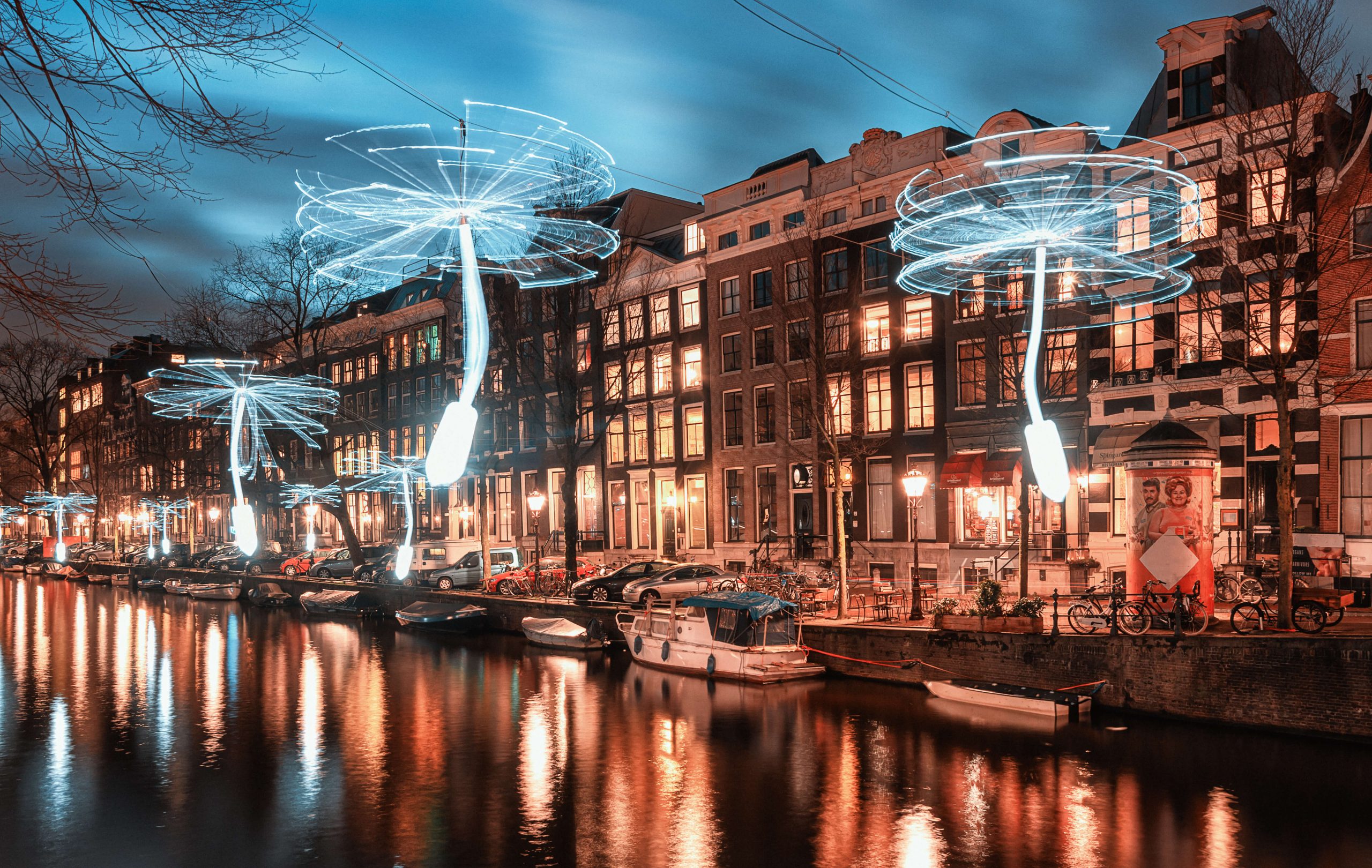
The Amsterdam Light Festival transforms the canal ring into an open-air gallery from late November through January. International artists install large-scale illuminated works along the water, and the best way to see them is from a canal boat at night — most tour operators offer dedicated Light Festival cruises for roughly €20–30 per person.
- Who it’s for: Art lovers and anyone who finds Amsterdam’s summer scene too hectic. December is calm, atmospheric, and far less crowded at the major museums.
- Best base: The Canal Belt (Jordaan or Nine Streets neighborhood) — puts you on top of the Light Festival route and within walking distance of Rijksmuseum and Anne Frank House.
- Weather reality: 2–6°C and damp. Dress for cold canal-side wind. Indoor anchors: Rijksmuseum, Van Gogh Museum, and the brown cafés of Jordaan.
- Insider detail: Anne Frank House releases tickets six weeks out on Tuesdays. Set a calendar reminder — December slots go fast despite lower overall crowds.
Rome, Italy: Christmas at the Vatican
Rome is the standout December pick if iconic sights matter more to you than warm weather. The Colosseum, Borghese Gallery, and Vatican Museums see dramatically shorter lines compared to summer — you can often get same-week tickets for sites that sell out months ahead in peak season.
St. Peter’s Square hosts a large nativity scene and towering Christmas tree, and midnight Mass on Christmas Eve at the Vatican is free but requires tickets requested directly from the Prefecture of the Papal Household.
- Who it’s for: Culture-focused travelers who want the Colosseum and Vatican without shoulder-to-shoulder crowds.
- Best base: Centro Storico or Trastevere — walkable to the major sites and full of restaurants that stay open through winter.
- Weather reality: 4–13°C, cool and occasionally rainy, but comfortable for walking all day with a jacket.
- Book ahead regardless: Vatican Museums and Borghese Gallery require advance tickets year-round. Borghese especially — it operates on timed entry with a hard visitor cap.
Porto, Portugal: Wine, Azulejos, and Fewer Crowds
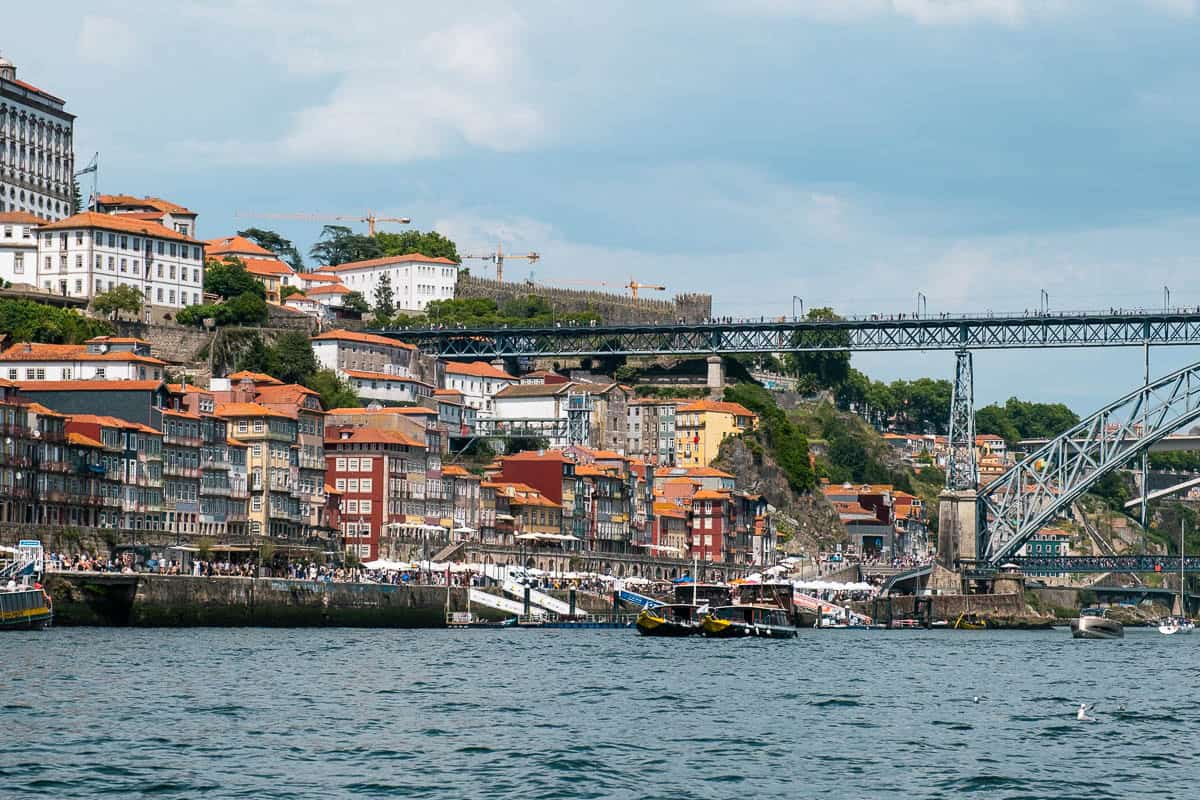
Porto in December means walking into port wine cellars in Vila Nova de Gaia without a reservation and getting seated for a tasting immediately — something unthinkable in July. The city’s azulejo-tiled landmarks, including São Bento Station and Igreja do Carmo, are nearly empty.
This is also one of the most budget-friendly Western European capitals for food: a full meal with wine at a solid local restaurant typically runs €12–20 per person.
- Who it’s for: Food and wine travelers who want a walkable, affordable city with genuine character — no performance, just real life.
- Weather reality: 8–14°C with regular rain. Pack a rain jacket and plan port cellar visits for the wettest hours.
- Best base: Ribeira (riverfront) or Cedofeita (trendy, slightly inland) — both put you within walking distance of the main sights without needing transit.
Dubrovnik, Croatia: Medieval Charm Without the Summer Crowds
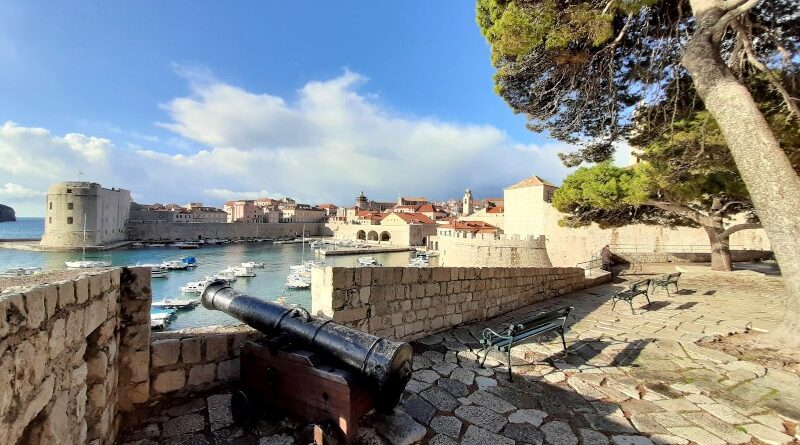
Cruise ships stop docking in Dubrovnik by late October, which means December’s Old Town is almost unrecognizable from the summer crush. You can walk the full circuit of the city walls — typically shoulder-to-shoulder from June through September — with barely anyone else up there.
The Stradun, Dubrovnik’s polished limestone main street, belongs to you.
- Who it’s for: Travelers who’ve been curious about Dubrovnik but put off by overtourism reports.
- Critical caveat: Not everything stays open. Some restaurants, hotels, and the cable car close for winter — verify before booking. The Lovrijenac Fortress and city walls remain accessible.
- Weather reality: 5–12°C, often rainy. Pack layers and waterproof shoes for the marble streets, which get slippery when wet.
- Best base: Old Town if you want to be inside the walls (a handful of boutique hotels stay open year-round); Lapad or Babin Kuk for seafront hotels with better winter availability.
Istanbul, Türkiye: A Christmas-Free Winter City Break
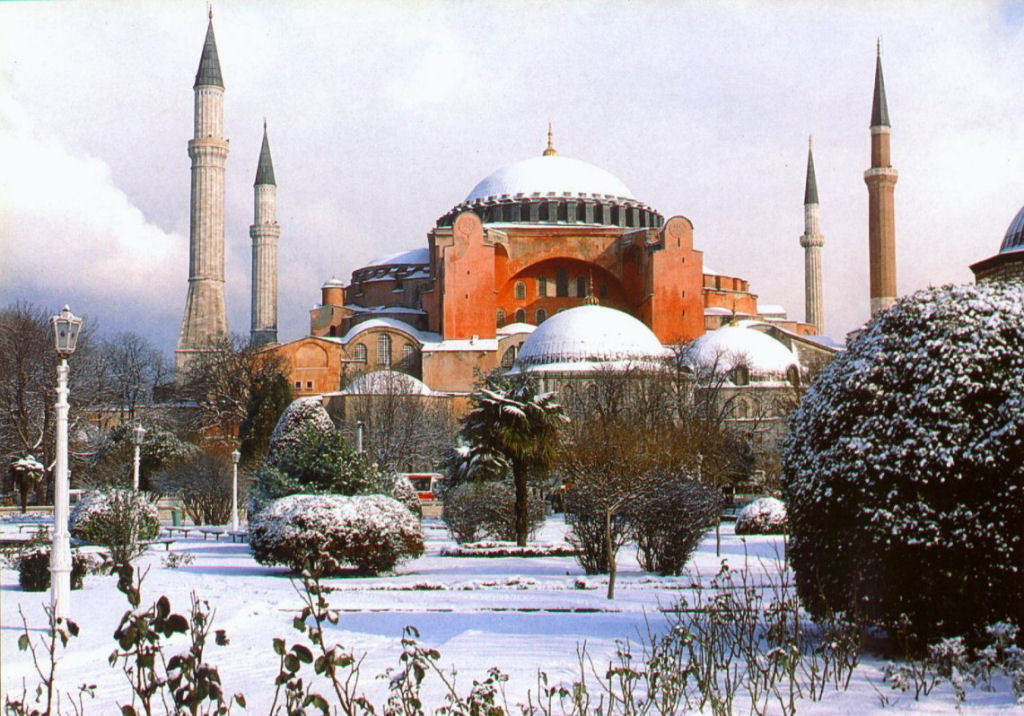
Istanbul skips Christmas entirely, which is exactly why some travelers pick it in December. You get a city break built around mosques, bazaars, and food — no holiday decorations, no inflated seasonal pricing, just the Grand Bazaar, the Blue Mosque, and Hagia Sophia operating as they always do.
A traditional Turkish bath at a historic hamam like Çemberlitaş or Kılıç Ali Paşa is arguably the best possible cold-weather afternoon activity.
- Who it’s for: Travelers who want to escape the Christmas hype entirely, or anyone who’s been meaning to visit Istanbul and doesn’t mind cooler weather.
- Weather reality: 3–9°C with rain likely. The bazaars and hamams are heated; the mosques are not — dress warmly for sightseeing.
- Budget advantage: The Turkish lira’s weakness against the dollar and euro makes Istanbul one of the best-value city breaks in Europe right now.
- Best base: Sultanahmet for first-timers (walking distance to Hagia Sophia, Blue Mosque, Topkapı Palace) or Beyoğlu/Karaköy for a more local food and nightlife scene.
Athens, Greece: Ancient Wonders in the Off-Season
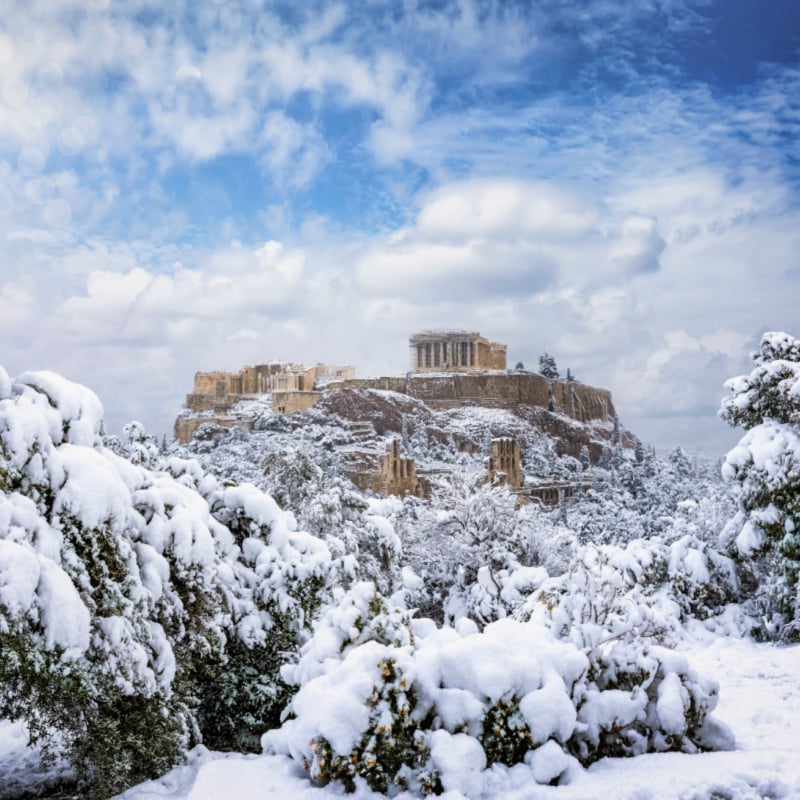
Climbing to the Acropolis in 15°C December sunshine instead of 38°C August heat is a completely different experience — you can actually linger at the Parthenon without feeling like you’re melting. December in Athens means low hotel rates, no cruise-ship crowds at the ancient sites, and a Plaka neighborhood that stays lively with tavernas year-round.
- Who it’s for: Budget-conscious travelers and history lovers who want world-class ruins without summer suffering.
- Weather reality: 7–15°C, often sunny with occasional rain. Perfect walking weather for the hilltop sites that are miserable in summer.
- Best base: Plaka or Monastiraki — walkable to the Acropolis, the Ancient Agora, and Psyrri’s restaurant scene. Avoid Omonia — it’s grittier and further from the sights.
- Insider detail: The combined archaeological sites ticket (roughly €30, valid 5 days) covers the Acropolis, Ancient Agora, Roman Agora, and several other sites. In December you can actually visit all of them in the ticket window without rushing.
Best Fairytale Winter Villages and Countryside Escapes in December
December in Europe’s countryside means frost on thatched roofs, nearly empty medieval streets, and the kind of quiet that makes you feel like you’ve stepped into a snow globe—and you’ll have it mostly to yourself.
These escapes trade Christmas market crowds for authentic charm. Here’s a quick comparison to help you choose:
| Destination | Vibe | Best For | Key Drawback |
|---|---|---|---|
| The Cotswolds | Cozy, pastoral English charm | Slow-paced driving trips & pub lunches | Weather is damp and grey |
| Hallstatt | Alpine postcard perfection | Iconic photos & family magic | Can feel overrun even in winter |
| Alsatian Villages | Festive half-timbered magic | Pairing with Christmas markets | Limited transport; a car is best |
| Cappadocia | Surreal, otherworldly landscape | Unique adventure & photography | Cold mornings; not a traditional Christmas |
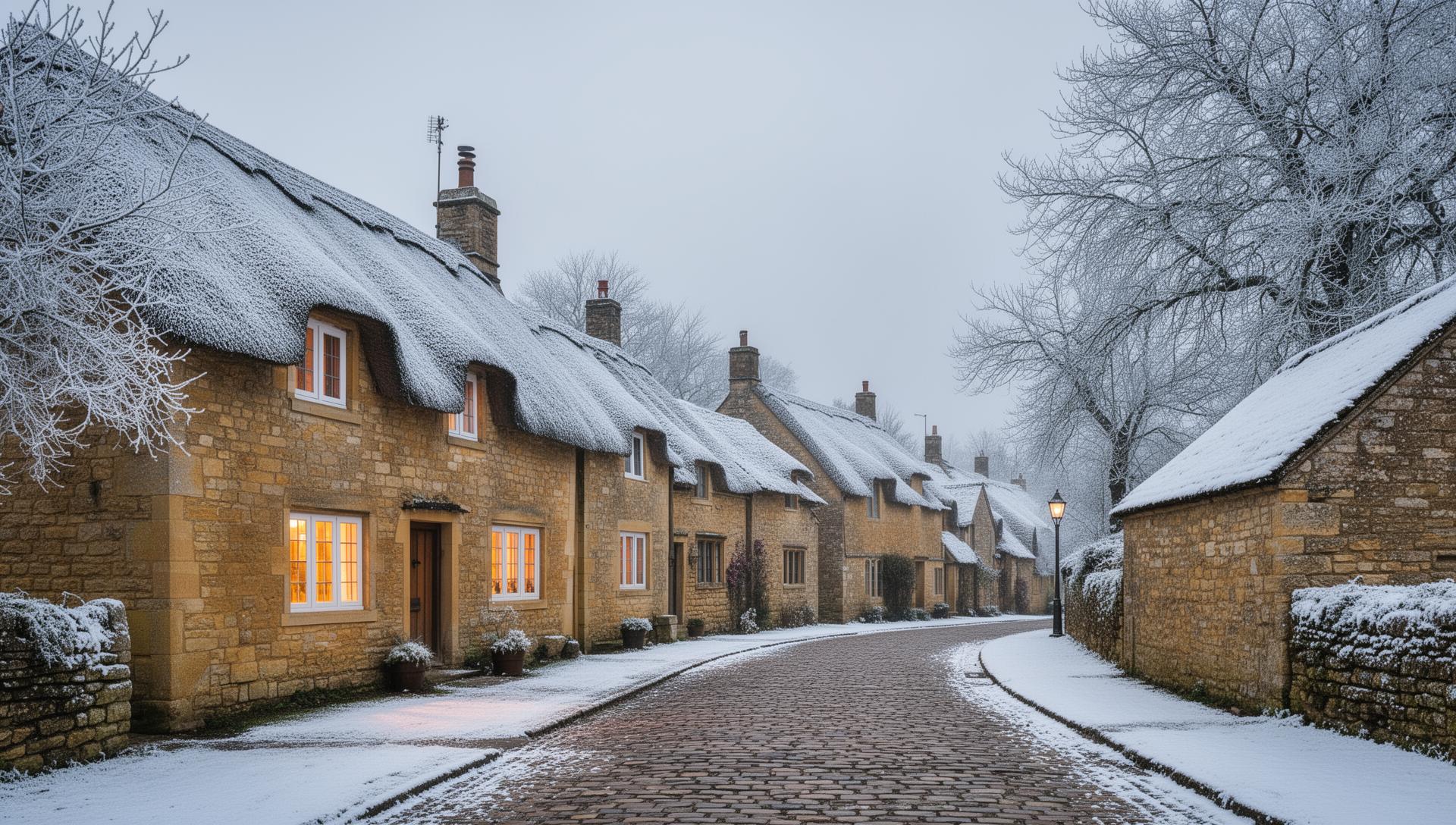
The Cotswolds, England
Forget the summer crowds; December’s Cotswolds is all about cozy pubs with low beams and roaring fires, villages like Bibury and Bourton-on-the-Water quiet under a soft grey sky. You come here for the drive, the walks, and the feeling of stepping into a BBC drama set.
- The win: True solitude. You can have Arlington Row in Bibury practically to yourself on a crisp December morning.
- The reality: Weather is unpredictable—expect cold, damp days. A waterproof jacket and layers are non-negotiable.
- Base yourself: In a boutique inn in Stow-on-the-Wold or Chipping Norton for central access and good dining. It’s a driving region; rent a car.
- Insider move: Many top village pubs and restaurants have reduced hours or close for a winter break in mid-week. Call ahead or book every dinner reservation, especially for weekends.
Hallstatt, Austria
This lakeside Alpine village is pure fairytale, dusted with snow in December. It’s iconic for a reason—the colorful houses backed by towering mountains are utterly stunning. But manage expectations: even in winter, it’s a major tourist draw.
- The win: The scenery is unmatched, and if you get a clear day, the reflections on the lake are breathtaking.
- The reality: It will not be empty. Day-trippers from Salzburg still arrive by mid-morning. The magic hour is before 10 AM.
- Base yourself: Stay in Hallstatt itself (book months ahead) for early mornings and evenings. Alternatively, the nearby town of Obertraun or Bad Goisern offers more lodging options with a short drive or ferry ride.
- Insider move: The best photo of the classic village view isn’t from the crowded main square. Walk to the small dock area near the Evangelical Church for a cleaner angle with the mountain backdrop.
The Alsatian Villages: Eguisheim, Riquewihr, and Kaysersberg
While Colmar gets the fame, these three smaller villages in Alsace, France, deliver concentrated storybook charm with half-timbered houses and vineyard-covered hills. In December, they’re intertwined with the regional Christmas market scene, offering a more intimate festive experience than the big cities.
- The win: Riquewihr feels like a perfectly preserved medieval gem, while Eguisheim’s circular layout is uniquely charming. They’re less crowded than Colmar’s “Little Venice.”
- The reality: A car is almost essential for hopping between them, as local bus service is limited, especially in winter. They are small; a full day can cover all three.
- Base yourself: In Colmar for the best mix of village access and amenities. The villages are each a 15-25 minute drive away.
- Insider move: Visit Kaysersberg—the birthplace of Albert Schweitzer—on a weekday evening. Its festive lights and castle ruins feel magical and far quieter than the daytime bustle.
Cappadocia, Türkiye
This isn’t a Christmas destination—it’s a geological and historical wonder. December brings crisp, cold air and often a dusting of snow on the surreal “fairy chimney” rock formations. It’s for travelers seeking a dramatic landscape over tinsel and markets.
- The win: Sunrise balloon rides over a snowy moonscape are an unforgettable spectacle, and December often has clear skies and fewer tourists than spring/fall.
- The reality: Mornings are very cold (often below freezing), and some cave hotels have less consistent heating. The festive atmosphere is minimal.
- Base yourself: In a cave hotel in Göreme for convenience and views. Upgrade to one with a heated pool or excellent common areas for cozy downtime.
- Insider move: For the best balloon photo without dozens of other balloons in your frame, book a flight for a Tuesday or Wednesday. Weekend launches are significantly more crowded.
Final tip: All these destinations book up for the holiday period. For December travel, aim to have your accommodations locked in by late summer.
Where Can You See the Northern Lights in Europe in December?
At 70 degrees north, Alta, Norway doesn’t see the sun rise above the horizon from late November through mid-January — and that near-constant darkness is exactly what makes December one of the most reliable months for catching the aurora borealis across Northern Europe. All three of these destinations sit above or near the Arctic Circle, but they serve very different types of travelers.
| Destination | Best For | Northern Lights Edge | Don’t Miss |
|---|---|---|---|
| Rovaniemi, Finland | Families and Santa fans | Deep Arctic darkness plus guided aurora photography tours | Santa Claus Village, husky sledding |
| Reykjavik, Iceland | First-timers and city lovers | Easy evening tours from a walkable capital city | Golden Circle day trip, Blue Lagoon |
| Alta, Norway | Serious aurora chasers | Polar night gives near-24-hour darkness — the best odds | Sorrisniva Ice Hotel, Northern Lights Cathedral |
Rovaniemi, Finland
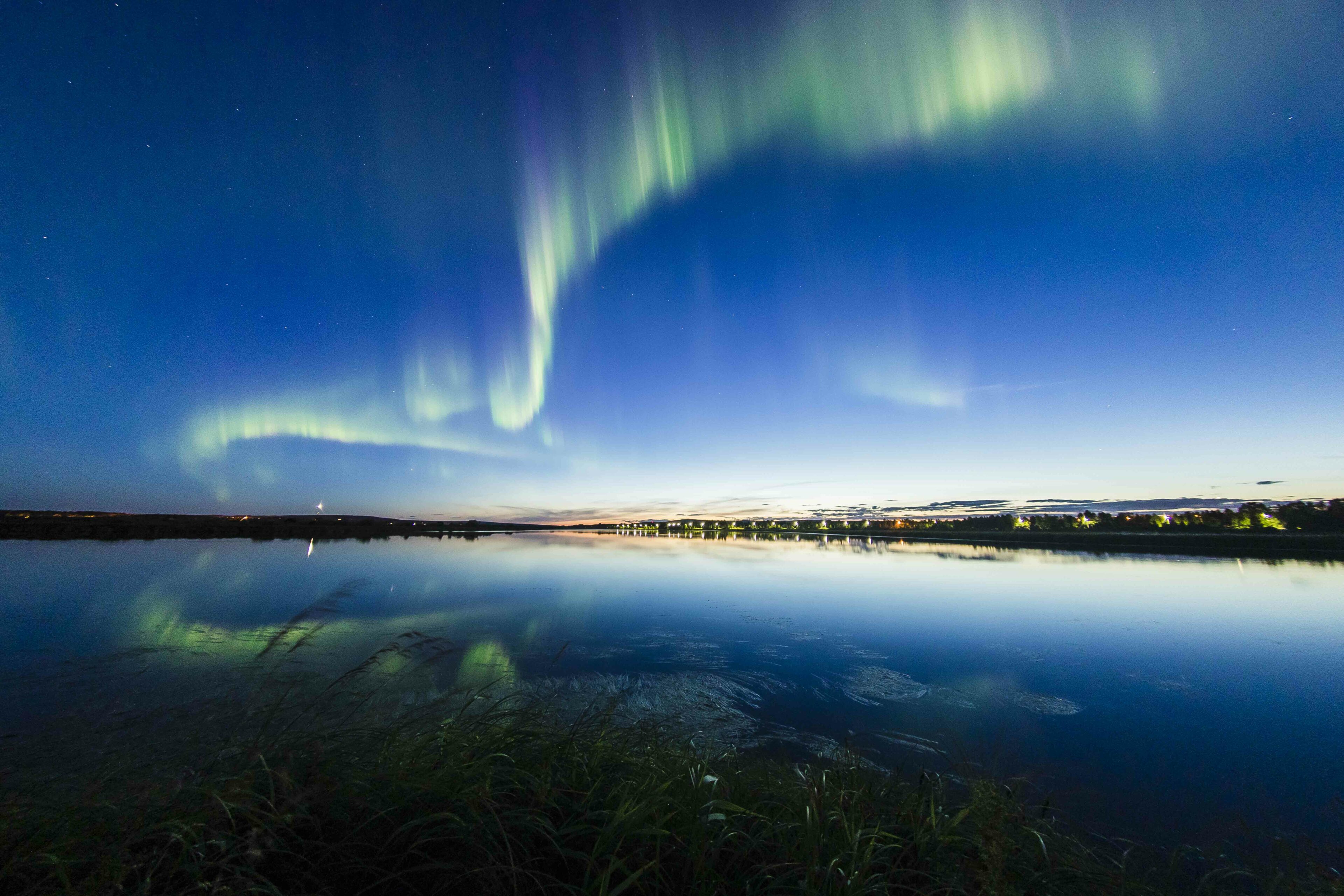
Rovaniemi is the only destination where you can meet Santa Claus in the morning and chase the aurora at night — that combo makes it unbeatable for families with kids under 12. December transforms this Arctic capital into a full-blown winter wonderland, and Santa Claus Village sits right on the Arctic Circle line, which is genuinely fun for children.
But skip the gimmicks if you’re here for the lights: book a dedicated Northern Lights photography tour into the surrounding wilderness, where guides monitor cloud cover and solar activity to position you under clear skies. Expect roughly €80–120 per person for evening aurora tours, though prices vary by operator and group size.
Beyond the lights, husky sledding and snowmobile safaris round out the winter adventure roster. Base yourself in Rovaniemi’s compact city center — hotels like the Arctic Light Hotel put you within walking distance of restaurants and tour pickup points.
The town is small enough that you won’t need a car once you arrive.
- When to book: December tours sell out fast — reserve aurora and husky experiences at least four to six weeks ahead.
- Getting there: Rovaniemi Airport receives direct flights from Helsinki in about 1 hour 20 minutes; overnight sleeper trains from Helsinki also run daily.
- Insider tip: Arrive a day before your Northern Lights tour and spend it recovering from jet lag — you’ll be out until 1 or 2 a.m., and exhaustion kills the experience.
Reykjavik, Iceland
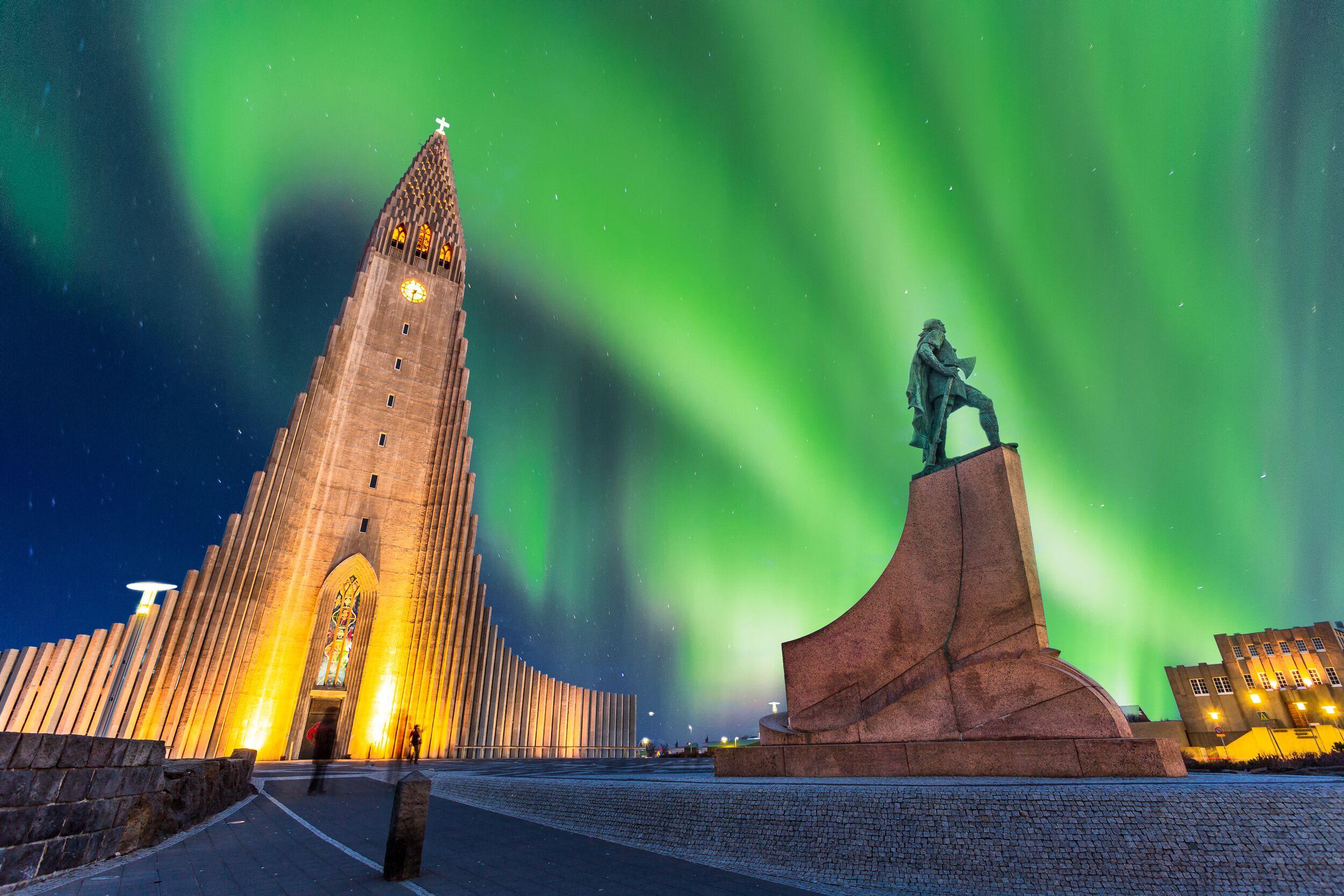
Reykjavik is the easiest Northern Lights destination on this list — you can fly in, check into a hotel, and be on an organized aurora bus tour that same evening. The city itself leans into December with light installations and Christmas decorations across the downtown core, but the real draw is how accessible the wilderness is: most tours drive 30 to 60 minutes out of the city to escape light pollution, and operators typically cancel and reschedule if cloud cover blocks the sky.
That “free rebook” policy is standard with reputable companies — always confirm it before paying.
The trade-off compared to Alta or Rovaniemi is that Reykjavik sits farther south at 64 degrees north, which means slightly lower aurora probability on any given night. December compensates with roughly 19–20 hours of darkness, so the viewing window is wide.
Combine evening lights tours with a daytime Golden Circle excursion to the Gullfoss waterfall and Geysir geothermal area, or spend a afternoon at the Blue Lagoon (book well in advance — December slots fill fast).
- Best base area: Downtown Reykjavik around Laugavegur, the main shopping and restaurant street — most tour operators offer hotel pickups in this zone.
- Budget note: Iceland is expensive. Expect roughly $200–300 per night for a mid-range downtown hotel in December, and dinner for two averaging $80–120 at sit-down restaurants.
- Insider tip: Book your first tour for the night you arrive and your second for two nights later — if the first gets cancelled due to clouds, you still have another shot without scrambling.
Alta, Norway
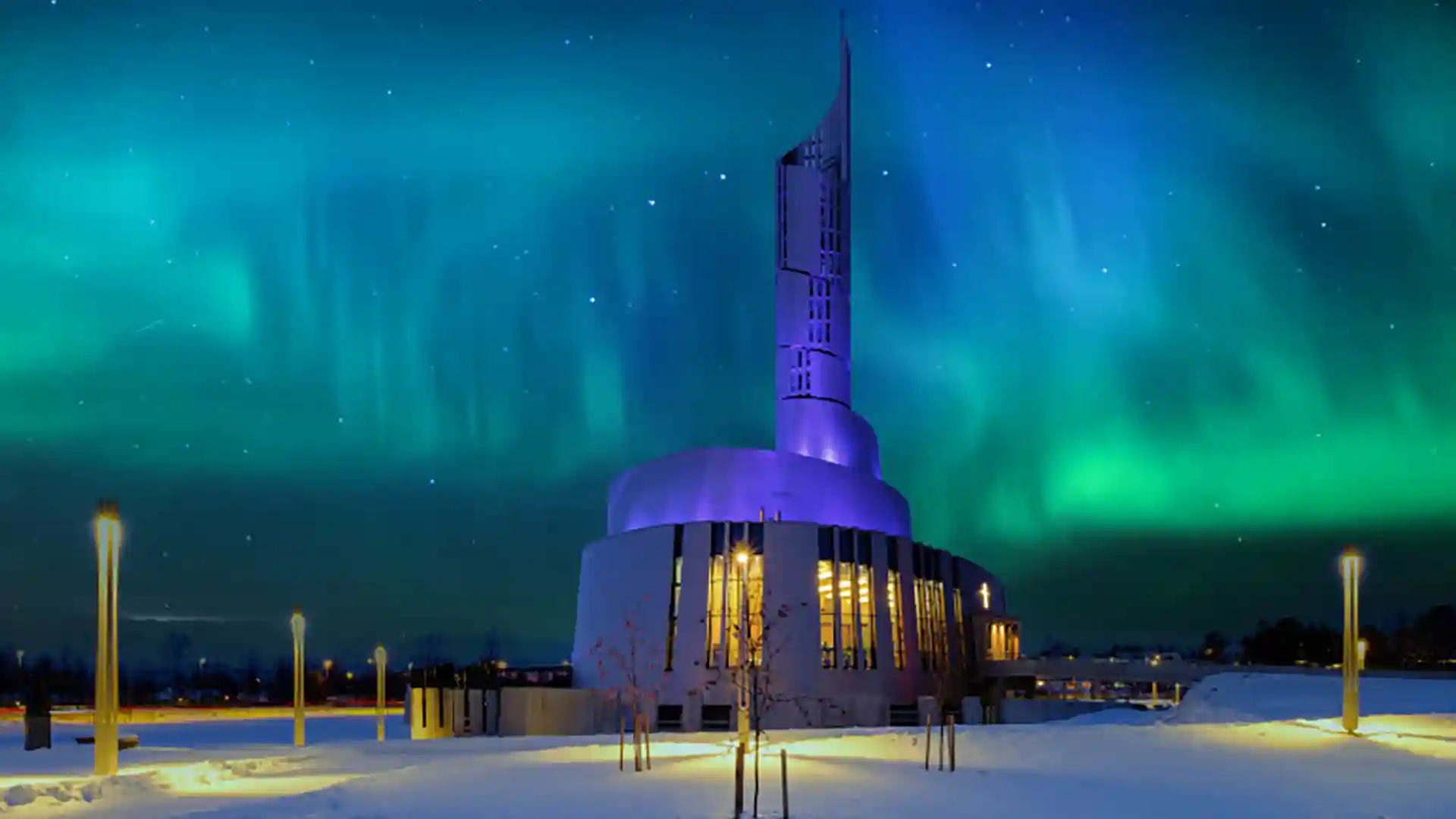
Alta earns its nickname as “the Town of the Northern Lights” — this is the destination for travelers who prioritize aurora probability above everything else. The polar night means the sun never rises above the horizon from late November to mid-January, creating a twilight blue glow for only a few hours in the afternoon and darkness the rest of the time.
That near-total lack of daylight takes adjustment, but it delivers optimal viewing conditions you simply won’t find farther south.
Guided aurora tours here are the move — guides check real-time cloud maps and solar activity forecasts, then drive to whichever location has the clearest skies. Tours typically run from 10 p.m. to 2 a.m., so take an afternoon nap.
Many outfitters provide tripods and a photographer to capture the moment, which is worth it if you’re not confident shooting in extreme cold and darkness. Expect roughly NOK 1,000–1,500 (about $95–145) per person, though rates shift by season and provider.
During the limited twilight hours, Alta offers serious winter activities: dogsledding, snowmobiling, cross-country skiing, snowshoeing, and ice fishing. The Sorrisniva Ice Hotel — rebuilt from scratch each winter using ice from the Alta River — is worth at least one night if you can handle sleeping at around minus five to seven degrees Celsius.
The Northern Lights Cathedral, a striking modern landmark, and the Alta Museum with prehistoric rock carvings round out the daytime options.
- Best base area: Stay in central Alta near the Bossekop area for easy access to restaurants and tour pickups; the Sorrisniva Ice Hotel sits about 20 minutes outside town along the river.
- Getting there: Alta Airport receives direct flights from Oslo in about 2 hours; book flights early as December availability narrows fast on this route.
- Insider tip: The polar night disorients many visitors on day one — download an alarm app and force yourself onto a normal sleep cycle immediately, or you’ll miss your 10 p.m. tour pickup from sheer confusion about what time it is.
Best Alpine and Winter Sports Destinations in Europe in December
December in the Alps means reliable early-season snow, festive mountain towns, and slopes that rival anything in January or February — minus the peak-season chaos and price spikes. These four destinations deliver serious skiing with enough off-piste charm to justify the trip even if you never click into bindings.
| Destination | Best For | Vibe | Budget Level | Nearest Major Airport |
|---|---|---|---|---|
| Innsbruck | Ski-city combo | Historic + sporty | Moderate | Innsbruck (INN) |
| Zermatt | Expert skiing, iconic views | Upscale village | High | Zurich (ZRH) or Geneva (GVA) |
| Lucerne | Scenic base, easy day trips | Romantic + polished | High | Zurich (ZRH), ~1 hr by train |
| The Dolomites | All levels, food-forward skiing | Rustic-luxe | Moderate to high | Innsbruck (INN) or Verona (VRN) |
Innsbruck, Austria
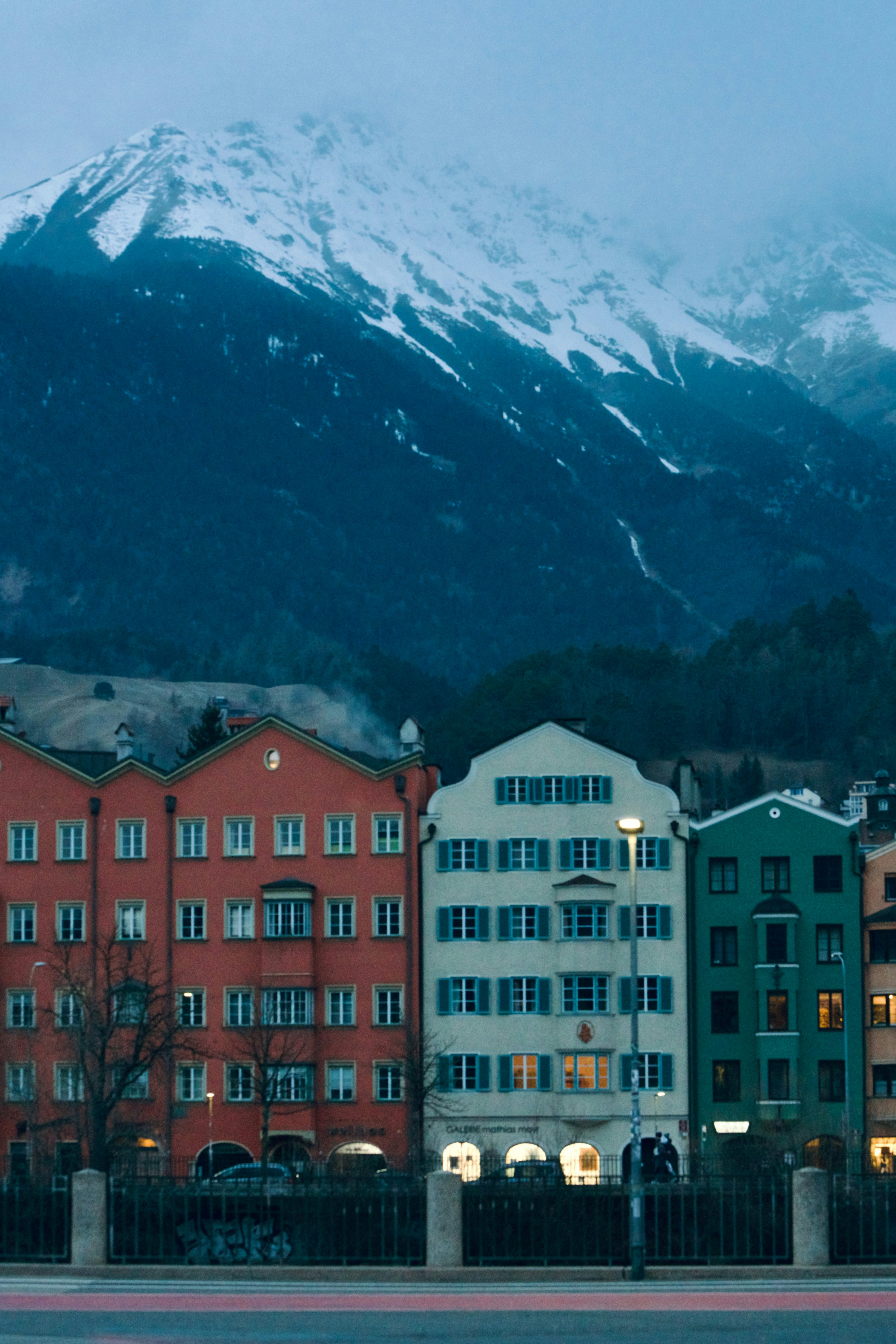
Innsbruck does something no other Alpine city manages: you can ride a cable car from the historic center straight to the slopes in under 20 minutes. The Nordkettenbahnen funicular departs from the old town and drops you onto Hafelekarspitze at 2,269 meters — genuinely one of the steepest urban-to-summit connections in Europe.
For December skiing, the nine resort areas of the Ski Plus City Pass give you access to roughly 300 kilometers of runs plus entry to 22 city attractions. A multi-day Ski Plus City Pass typically runs around €75–110 per day depending on duration — confirm current pricing with Innsbruck Tourism, as rates shift seasonally.
This is the move if your travel partner wants culture museums while you want moguls.
Who it wins for: Travelers who refuse to choose between city breaks and ski trips. The old town’s pastel facades, the Golden Roof, and the Nordkette backdrop make for a scene that photographs better than it has any right to.
- Base yourself in: Old town (Innenstadt) for walkability, or the quieter Wilten neighborhood if you want lower lodging costs with easy tram access to the center.
- Don’t miss: The Bergisel Ski Jump tower — even non-skiers appreciate the panoramic view and the Zaha Hadid–designed architecture.
- Book early: December availability fills fast around the Christmas markets (Christkindlmarkt at the Golden Roof runs roughly late November through late December).
Zermatt, Switzerland
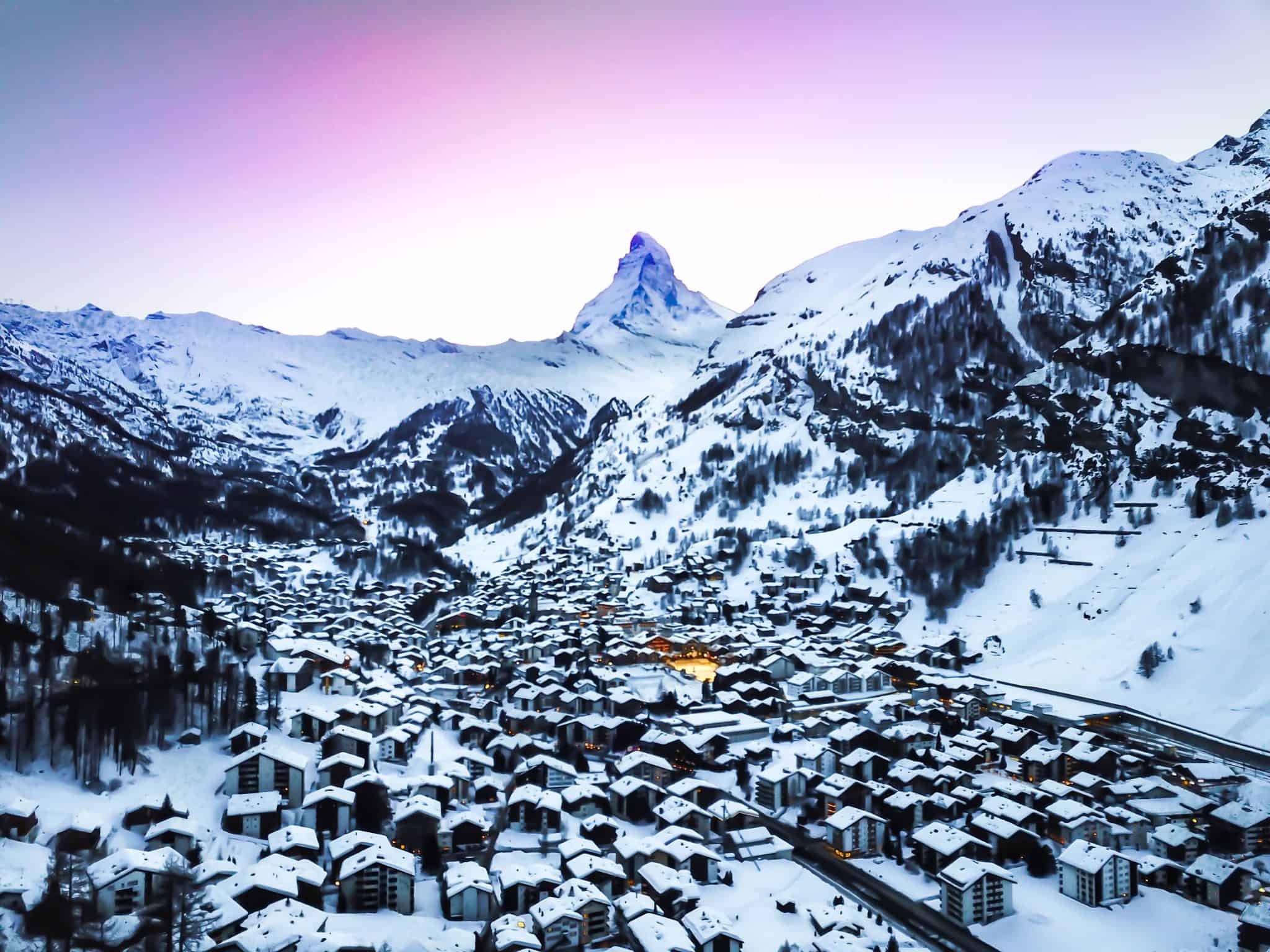
Zermatt exists for one reason: to ski under the Matterhorn. That iconic pyramid-shaped peak towers over 360 kilometers of interconnected runs spanning the Swiss-Italian border, with the highest skiable terrain in the Alps reaching above 3,800 meters at the Matterhorn Glacier Paradise.
December snow reliability here is among the best in Europe because of altitude alone.
Fair warning: Zermatt is car-free. You park in Täsch (5 km away) and take a shuttle train into town. This is a feature, not a bug — the village feels frozen in time, with timber chalets, no engine noise, and electric taxis humming along narrow lanes.
The cost reality: Zermatt is expensive. A one-day lift pass typically costs around CHF 90–110, and lodging skews premium.
A 3-hour group ski lesson usually runs CHF 120–180 per person through local ski schools — book directly with operators like Stoked Swiss Ski & Snowboard School for better rates than third-party platforms. Dining can hit CHF 40–60 per main at mid-range restaurants.
This is Switzerland; budget accordingly.
Who it wins for: Intermediate-to-advanced skiers who want bragging-rights terrain and don’t mind paying for it. Beginners can find gentler slopes on the Rothorn side, but your money goes further elsewhere if you’re just learning.
- Base yourself in: The village center for atmosphere, or Winkelmatten for quieter lodging with direct gondola access and Matterhorn views from your balcony.
- Insider move: Cross over to Cervinia on the Italian side for a long lunch — the food is better, the prices are lower, and the skiing back into Switzerland in the afternoon light with the Matterhorn ahead is unforgettable.
- Early December perk: Crowds are noticeably thinner before the Christmas-New Year rush, and some lodges offer lower introductory seasonal rates.
Lucerne, Switzerland
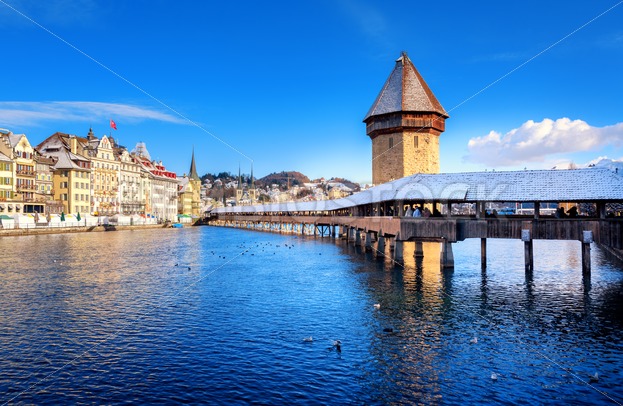
Lucerne is not a ski resort — it’s the kind of polished lakeside city where December feels like stepping into a Swiss chocolate box lid. The medieval Chapel Bridge draped in lights, the frozen edges of Lake Lucerne, and the snow-capped peaks of Pilatus and Rigi visible from nearly every cobblestoned lane make this a winter scene that doesn’t require ski boots to appreciate.
That said, serious skiing is within easy reach. Engelberg-Titlis (about 45 minutes by train) offers glacier skiing and runs the world’s first revolving cable car.
The smaller, more affordable Stoos resort is roughly an hour away. Day trips to both are realistic from a Lucerne base.
Who it wins for: Couples, families with mixed interests, and anyone who wants the Alps as a backdrop rather than a full-time commitment. You get winter sports access without the isolation of a mountain village.
- Base yourself in: The Altstadt (Old Town) side of the Reuss River for the most atmospheric walkable location — hotels here put you steps from the Chapel Bridge and Christmas market.
- Off-slope highlight: Ice skating on the outdoor rink at Europapark or on natural frozen surfaces when conditions allow (typically late December onward, weather dependent — check locally).
- Day trip worth it: The Pilatus “Golden Round Trip” — boat across the lake, cogwheel railway up (the world’s steepest), and cable car down. In December, confirm operating schedules as some segments reduce service or close for maintenance.
The Dolomites, Italy
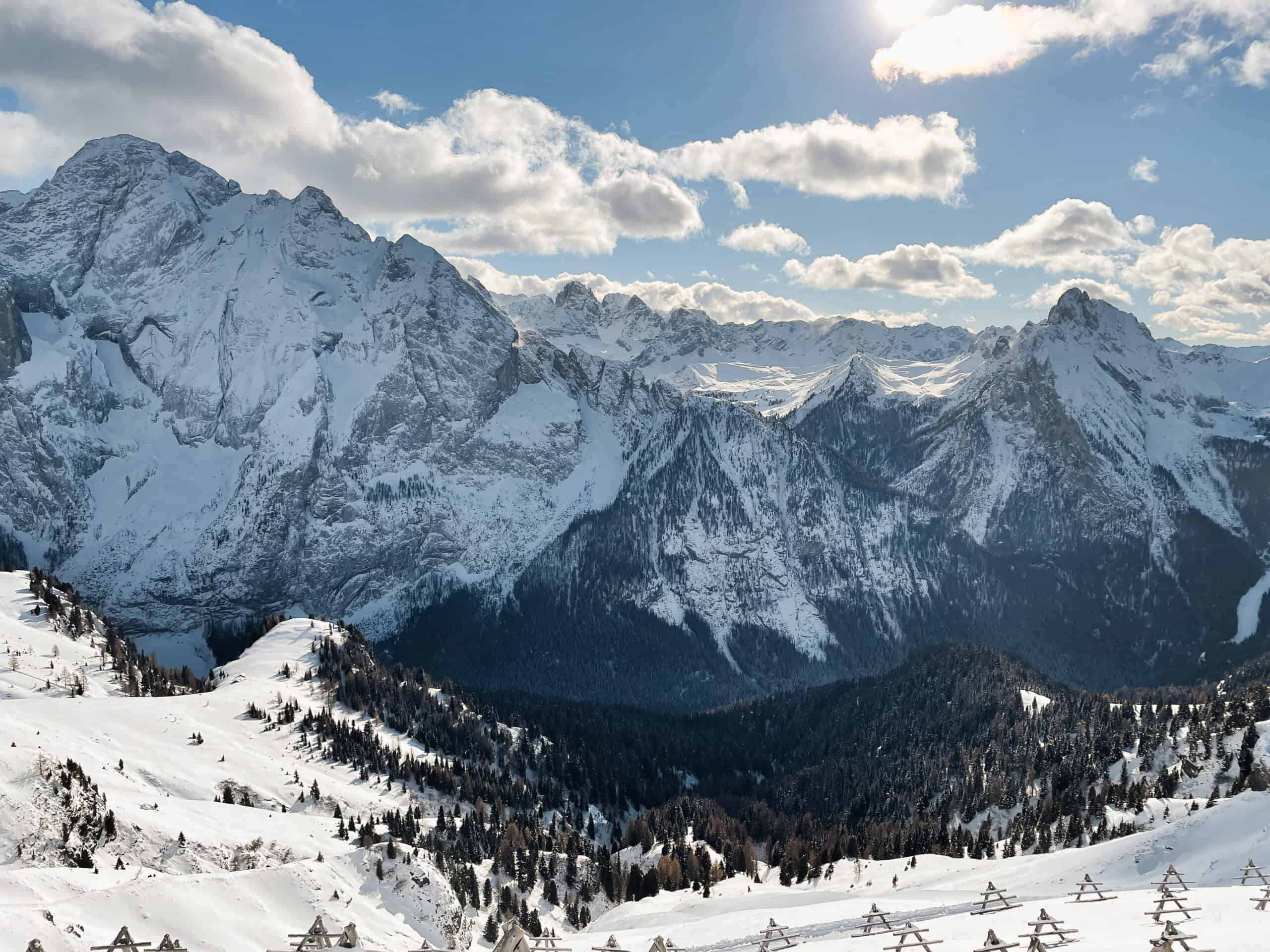
The Dolomites deliver what I consider the most underrated ski experience in Europe: the Dolomiti Superski circuit connects 12 resorts across 1,200 kilometers of runs on a single pass, all carved between those absurdly dramatic pale rock spires. December brings reliable early snow at higher elevations, and the Sellaronda — a 40-kilometer loop around the Sella massif — is one of the most scenic ski routes anywhere on the planet.
The Italian Alps also mean Italian food at mountain huts (rifugi). Forget sad cafeteria trays — think polenta with melted cheese, handmade canederli dumplings, and apple strudel with views that belong on a postcard.
Lunch on the mountain here is genuinely part of the experience, not an afterthought.
The cost advantage: Compared to Switzerland, the Dolomites are noticeably more affordable. A Dolomiti Superski day pass typically runs around €75–85, and rifugio lunches hover around €15–25 per plate.
Lodging in towns like Val Gardena or Alta Badia ranges from family-run guesthouses to four-star spa hotels, with December rates generally lower than February peak.
Who it wins for: Intermediate skiers who love long, cruising runs with jaw-dropping scenery. Beginners will find gentler terrain in Alpe di Siusi (Seiser Alm), Europe’s largest high-altitude alpine meadow.
Non-skiers can snowshoe, cross-country ski, or simply eat their way through the mountains.
- Base yourself in: Ortisei (Val Gardena) for charm and central access, or San Cassiano (Alta Badia) for upscale dining and quieter slopes.
- Don’t miss: The First World War ski tour — a route tracing the old front lines between Italian and Austrian positions through the mountains, with historical markers along the way.
- Language note: The Dolomites are in South Tyrol, where German is spoken as widely as Italian. Menus, signs, and conversations often switch between both — it’s part of the region’s identity, not confusion.
How to Plan Your December Trip to Europe: Weather, Budget, and Timing
December in Europe isn’t one weather pattern—it’s two distinct continents split by the Alps, and choosing the wrong one for your goals is the most common planning mistake.
What’s the Weather Like Across Europe in December?
Northern and Central Europe (Germany, Czech Republic, Austria, Scandinavia): Expect cold. Highs typically range from 0°C to 5°C (32°F to 41°F), with lows below freezing.
Snow is common, especially later in the month, creating the classic winter wonderland look.
Southern Europe (Spain, Portugal, Southern France, Italy, Greece, Türkiye’s Aegean coast, Malta): Milder and often sunny. Highs range from 10°C to 15°C (50°F to 59°F).
Rain is possible, but you’ll find plenty of dry, pleasant days for sightseeing.
The Canary Islands & Madeira (Portugal’s far south): This is the winter-sun exception. Temperatures hover around 18°C to 22°C (64°F to 72°F), offering a genuine beach or hiking day.
Is December a Good Time for Budget Travel in Europe?
Absolutely—if you time it right. Airfare and hotel prices follow a very specific pattern: they spike for the Christmas/New Year’s period (roughly December 20 through January 2).
- Early December (1st-15th): This is the sweet spot for value. You get full Christmas market and festive atmospheres at a fraction of the peak-season price. Crowds are thinner in cities like Vienna, Prague, and Strasbourg.
- Late December (20th+): Expect premium pricing everywhere, especially in popular market cities and ski resorts. Book accommodations months in advance.
Budget travelers should also consider Lisbon, Zagreb, or Budapest—their overall cost of food and lodging remains lower than Western capitals even in peak season.
Early December vs. Late December: Which Is Better?
| Factor | Early December (1st-15th) | Late December (20th-31st) |
|---|---|---|
| Crowds & Atmosphere | Festive lights and markets in full swing, but crowds are manageable. The vibe is local and cheerful. | Peak tourist season. Markets are packed, especially on weekends. The atmosphere is electric but hectic. |
| Pricing | Significantly lower for flights and hotels. Some attractions may have shorter hours. | Premium pricing across the board. Requires advance booking for almost everything. |
| Openness & Closures | All major sights, markets, and restaurants are open. Some smaller shops may have limited hours. | Many local businesses close for holidays (especially Dec 24-26). Major tourist sites remain open but with special holiday schedules. |
| Best For | Budget travelers, those wanting relaxed market visits, and photographers seeking uncrowded shots. | Travelers seeking peak Christmas Day/New Year’s Eve celebrations and who don’t mind crowds or higher costs. |
Insider timing: For Christmas markets, the weekend of the first and second Advent (typically early December) often has special ceremonies and fewer tour groups than the final week before Christmas.
What Should You Pack for Europe in December?
Pack for two climates unless you’re committing to one region. A layering system is non-negotiable.
- Core Base: Thermal underwear and merino wool socks are worth their weight in gold. They take up minimal space and make any coat warmer.
- Outerwear: A waterproof, windproof winter coat is essential for the north. For the south, a packable down jacket or a wool coat over layers is perfect.
- Footwear: Waterproof, insulated boots with good tread for icy cobblestones in northern cities. Comfortable walking shoes suffice for the south.
- Accessories: A warm hat, gloves, and a scarf are mandatory in the north. Toss a compact umbrella in your bag for any destination.
Pack this one thing most people forget: A portable power bank. Cold weather drains phone batteries quickly, and you’ll rely on your phone for maps, tickets, and market stall photos.
Frequently Asked Questions
Where in Europe is actually warm in December?
Southern destinations are your only real option. The Canary Islands — Tenerife, Fuerteventura, Gran Canaria, and Lanzarote — deliver the hottest daytime temperatures in Europe during December, averaging 20–23°C.
Malta and Cyprus follow at 16–19°C, still pleasant enough for light layers and outdoor exploring. On mainland Europe, Málaga, Lisbon, and Antalya sit in the 10–17°C range — mild but not reliably sunny.
If you want beach weather and guaranteed warmth, fly to the Canaries. Everything else is a compromise.
Is December a good time to visit Europe, or is everything closed?
December is one of Europe’s best months — you just need to pick the right kind of trip. Christmas market cities like Vienna, Prague, Strasbourg, and Nuremberg are in their absolute peak season, running from mid-November through late December (most markets close by December 23–26, so confirm exact dates).
Southern destinations like Barcelona, Nice, and Lisbon are quieter, with shorter lines at major attractions and lower hotel rates than summer. The trade-off: shorter daylight hours and some beach facilities or island ferries may run reduced schedules.
Book accommodation early for Christmas market cities — they fill fast and prices spike.
What should I pack for a December trip to Europe?
It depends entirely on where you’re going. For Northern and Central Europe (Prague, Vienna, Copenhagen, Budapest, Zagreb), expect freezing temperatures, sometimes well below zero — pack a proper winter coat, thermal layers, waterproof boots, and a warm hat.
For Southern Europe and the Mediterranean (Malta, Málaga, Lisbon, Barcelona), daytime highs of 10–17°C mean a medium-weight jacket and layers you can peel off when the sun comes out. The Canary Islands are the exception — shorts and a light layer will do.
One universal tip: bring comfortable, waterproof shoes regardless of destination. December rain is common across the continent.
Are Christmas markets in Europe worth visiting in late December?
Most major Christmas markets shut down between December 23 and December 26 — so late December is cutting it close. If you arrive December 20–22, you’ll catch the final days.
Vienna and Strasbourg typically run through December 26, while Dresden’s Striezelmarkt and Nuremberg’s Christkindlesmarkt usually close on December 24. After that, you’re out of luck.
Plan arrival by December 21 if markets are your priority, and confirm dates with the official market websites each year since they shift slightly. The upside of visiting just before closing: crowds thin out significantly in those final days compared to the first two weeks of December.
Pick Your December Trip and Lock It In
Start by deciding which of the six categories matches your travel style — then pick one destination from that section and check accommodation availability for your dates right now.
December transforms Europe into something summer visitors never get to see: empty ancient ruins, candlelit markets with centuries of history behind them, and off-season prices at places that charge double six months later.
The best December trips in Europe book out fast — especially Christmas market cities and Northern Lights lodges — so pull up your chosen destination tonight and reserve before someone else grabs your dates.
Leave a Reply