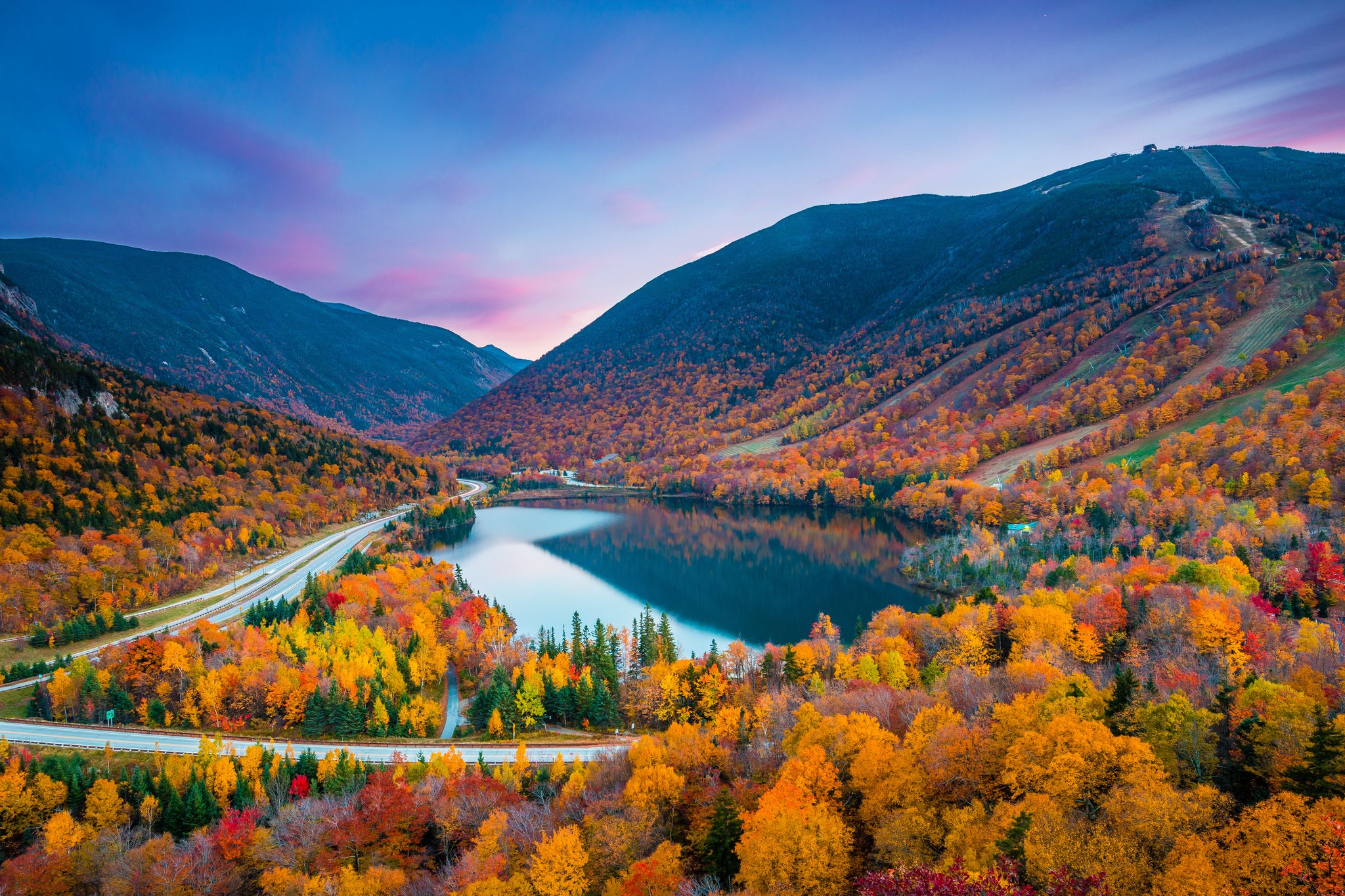
Imagine winding through a tunnel of sugar maples that glow like stained glass in the afternoon sun, the air sharp with woodsmoke and apple cider, while a covered bridge appears around the next bend. That’s October on the East Coast — a six-week spectacle of color that rolls from the White Mountains of New Hampshire to the Blue Ridge of North Carolina, and catching it at exactly the right moment is the difference between jaw-dropping and bare branches.
What makes East Coast fall foliage genuinely unlike autumn anywhere else is the sheer density and variety packed into a single corridor: ocean cliffs in Acadia, waterfall gorges in the Finger Lakes, Amish farmland in Lancaster, and colonial cemeteries in Salem — all blazing with color within the same month. Nowhere else on earth offers this much geographic and cultural range under one continuous canopy of red and gold.
This guide walks you through exactly where to go, when to hit each region, and which destinations actually deliver versus the ones that just photograph well on Instagram. Expect to spend roughly $150–$250 per night at budget-friendly inns and B&Bs, $250–$450 for mid-range hotels in popular foliage towns, and $500+ for splurge properties like Asheville’s Biltmore-area lodges or in-park cabins along Skyline Drive.
Quick-Pick Guide: Which October Trip Fits You Best
Don’t have time to read every section? Start here. These are the standout picks for each style of October trip on the East Coast.
- Classic New England charm: Stowe, Vermont — white-steepled village framed by Vermont’s highest peak, peak color in early October, and Route 100 running right through town.
- Coast meets color: Acadia National Park, Maine — the only place where blazing fall foliage meets Atlantic pink granite cliffs; base in Bar Harbor and book Cadillac Mountain sunrise reservations early.
- Best single scenic drive: Skyline Drive, Virginia — 105 miles with 75 overlooks and concentrated color you can cover in one incredible day.
- Epic road trip: Blue Ridge Parkway, North Carolina — 469 miles of engineering marvels and late-season color through early November, with Asheville as your hub.
- Halloween energy: Salem, Massachusetts — real witch trial history meets citywide costume parties and haunted attractions throughout October; go midweek to skip the insane weekend crowds.
- Best for families: Great Smoky Mountains — late-season color, paved waterfall hikes like Laurel Falls, and gateway towns built for kids in Gatlinburg and Pigeon Forge.
When Does Foliage Peak Across the East Coast in October?
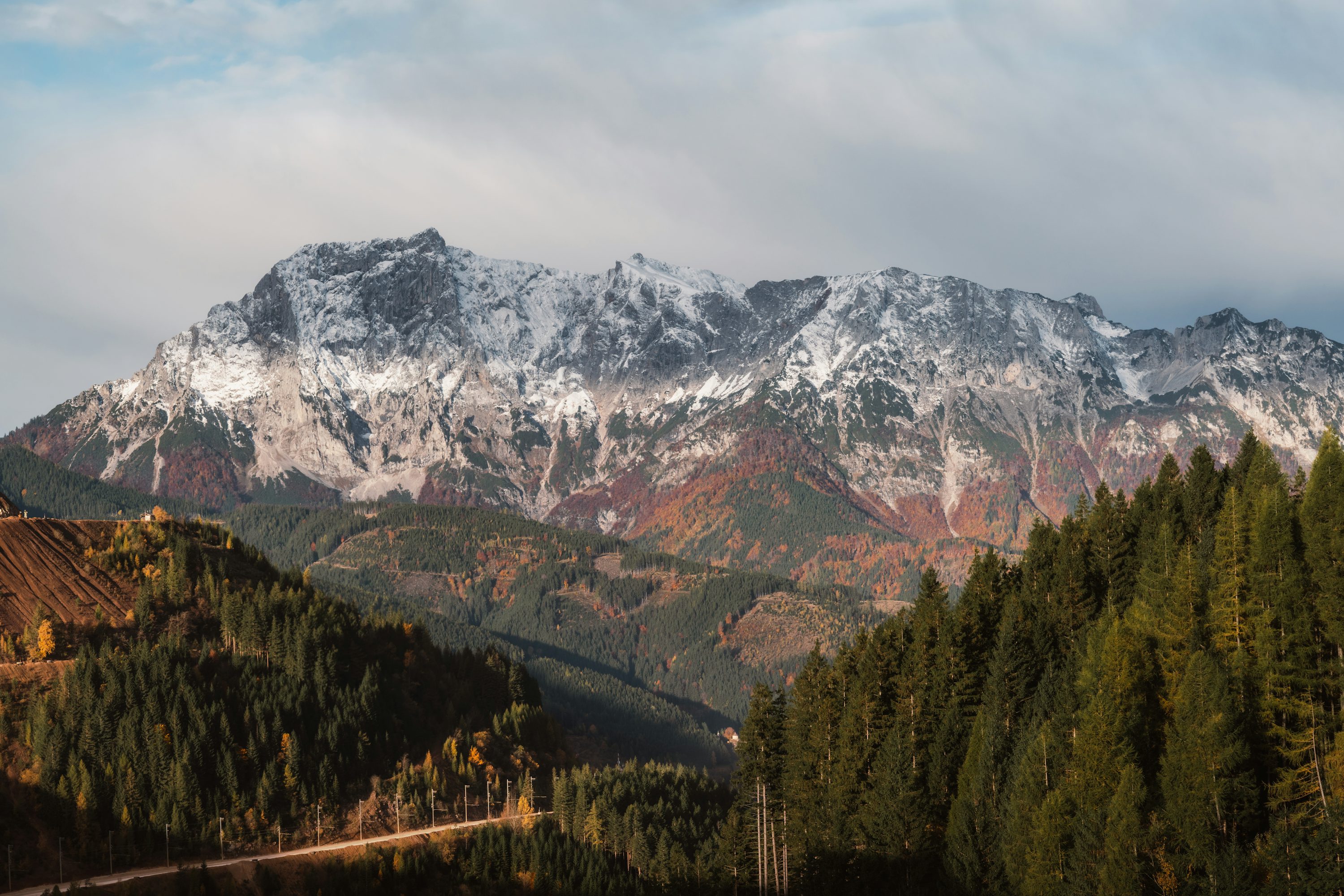
Fall color on the East Coast moves as one six-week wave, starting in late September across northern New England and rolling into early November in the southern Appalachians. Time it right and you’re driving through a tunnel of gold and crimson.
Miss by a week and you’re staring at bare branches — which is exactly why this timing map matters more than any destination list.
Here’s the at-a-glance breakdown, from earliest to latest:
| Region | Typical Peak Window | Best Base Towns |
|---|---|---|
| Northern New England (VT, NH, ME mountains) | Late Sept – early Oct | Stowe, North Conway |
| Coastal Maine (Acadia) | Early – mid Oct | Bar Harbor, Camden |
| Finger Lakes, NY | Early – mid Oct | Ithaca, Watkins Glen |
| Southern New England (MA, CT) | Mid – late Oct | Lenox, Kent |
| Hudson Valley & Catskills, NY | Mid – late Oct | Sleepy Hollow, Hunter |
| Pennsylvania Dutch Country | Mid – late Oct | Lancaster |
| Shenandoah & Skyline Drive, VA | Mid – late Oct | Luray, Front Royal |
| Blue Ridge & Smokies (NC, TN) | Mid Oct – early Nov | Asheville, Gatlinburg |
The insider move most visitors miss: higher elevations peak a full week or more before valleys in the same region. Chase ridgelines and summit drives early in the window; save river valleys, lakeshores, and low-lying farmland for the back end.
One hard frost in the mid-20s can end the show within days — watch overnight lows as you plan.
Northern New England Timing
Northern New England peaks first and fastest — usually the final days of September through the first week of October. Vermont’s Green Mountains and New Hampshire’s White Mountains deliver the most intense early color, with the Kancamagus Highway and Route 100 through Stowe as the standout drives.
Coastal Maine, including Acadia National Park, runs a few days behind the inland mountains, typically hitting early to mid-October.
If your trip targets Columbus Day weekend — which falls around October 13–14 most years — skip northern New England. It’s already past peak by then nearly every season. That weekend belongs to the mid-Atlantic band instead.
Mid-Atlantic and Hudson Valley Windows
The second and third weeks of October are the sweet spot for the widest stretch of the East Coast: the Berkshires, Litchfield Hills, Hudson Valley, Finger Lakes, and the Shenandoah. Columbus Day weekend is prime time here, with color at or near peak from the Catskills through the Connecticut highlands.
Shenandoah and Skyline Drive typically peak mid to late October, though weather swings can shift it by nearly a week either direction. Check the National Park Service weekly foliage report before committing — it updates with real-time color status along the 105-mile drive, which is far more reliable than any calendar estimate.
Base in Luray or Front Royal for easy access to overlooks.
The Finger Lakes often deliver surprisingly early color — early to mid-October — thanks to the combination of elevation and latitude around Watkins Glen. If you can only pick one mid-October destination, the gorge trails there with fall foliage overhead beat most alternatives for sheer visual impact.
Southern Mountains and Late-Season Color
Traveling late October through the first week of November? The southern Appalachians are your answer.
The Blue Ridge Parkway through North Carolina, Asheville’s surrounding ridges, and the Great Smoky Mountains hold color longer than anywhere on the East Coast — typically peaking mid-October to early November, with lower elevations lasting the longest.
The late-season advantage most people overlook: noticeably fewer crowds and meaningfully lower lodging rates compared to peak New England pricing. Asheville and Gatlinburg fill up on fall weekends, but midweek stays — Sunday through Thursday — drop by 20 to 40 percent at most properties.
If you have schedule flexibility, midweek in late October along the Blue Ridge Parkway delivers the best foliage-to-crowd ratio of the entire season.
Best New England Destinations for Classic October Charm
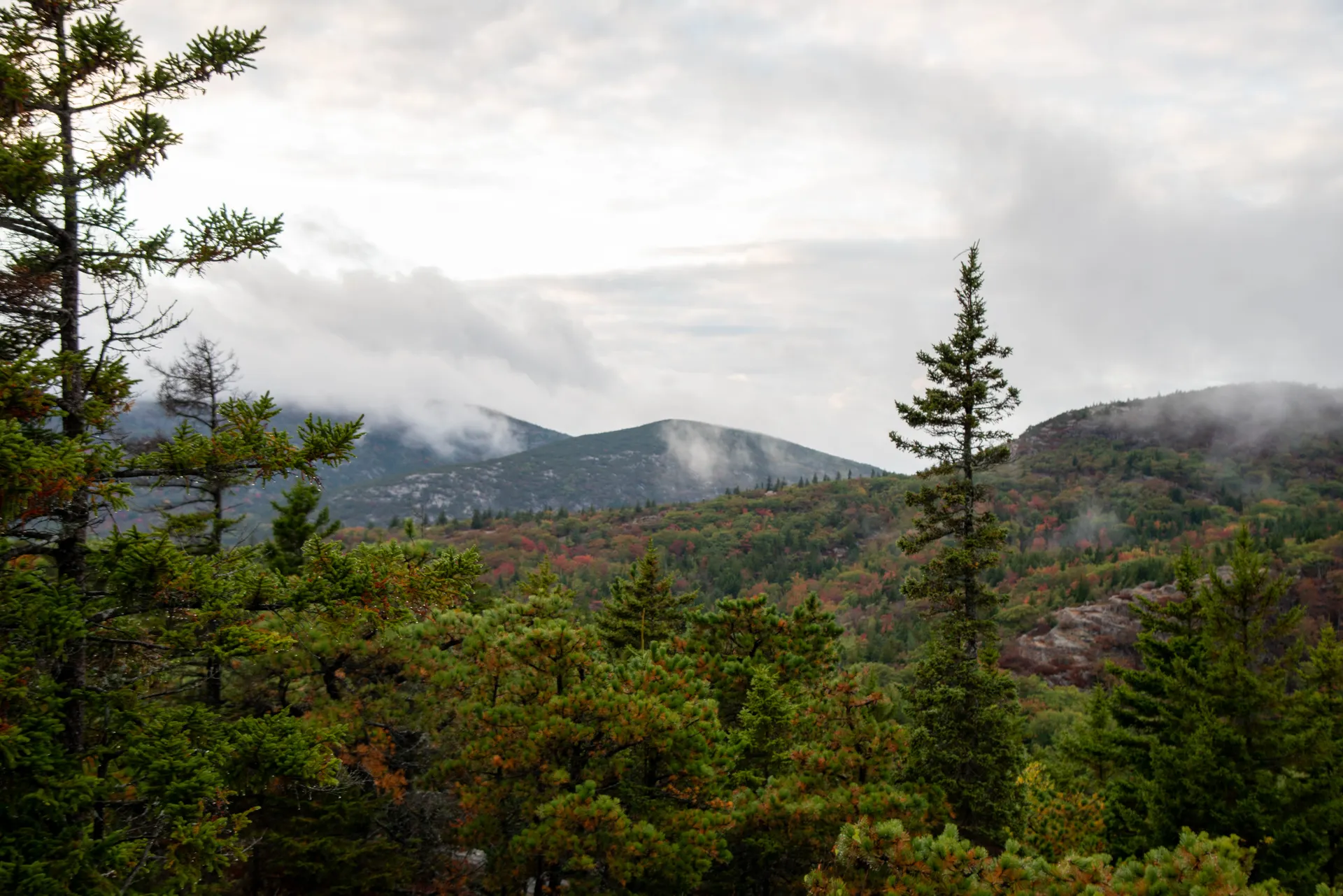
The window between late September and late October lets you chase peak color across five distinct New England landscapes — from oceanfront cliffs to quiet river valleys — without doubling back. Here’s where each one shines, who it suits, and where to base yourself.
| Destination | Peak Color | Best For | Where to Base |
|---|---|---|---|
| Acadia National Park, Maine | Early–mid October | Coast and color in one frame | Bar Harbor |
| Stowe, Vermont | Late Sept–early Oct | Quintessential village plus mountain drama | Stowe village |
| Kancamagus Highway, NH | Late Sept–mid Oct | Pure scenic driving, no distractions | Lincoln or Conway |
| The Berkshires, MA | Mid–late October | Culture, food, and fewer crowds | Lenox or Stockbridge |
| Litchfield Hills, CT | Mid–late October | Quiet riverside escapes closest to NYC | Kent or Litchfield |
Acadia National Park, Maine
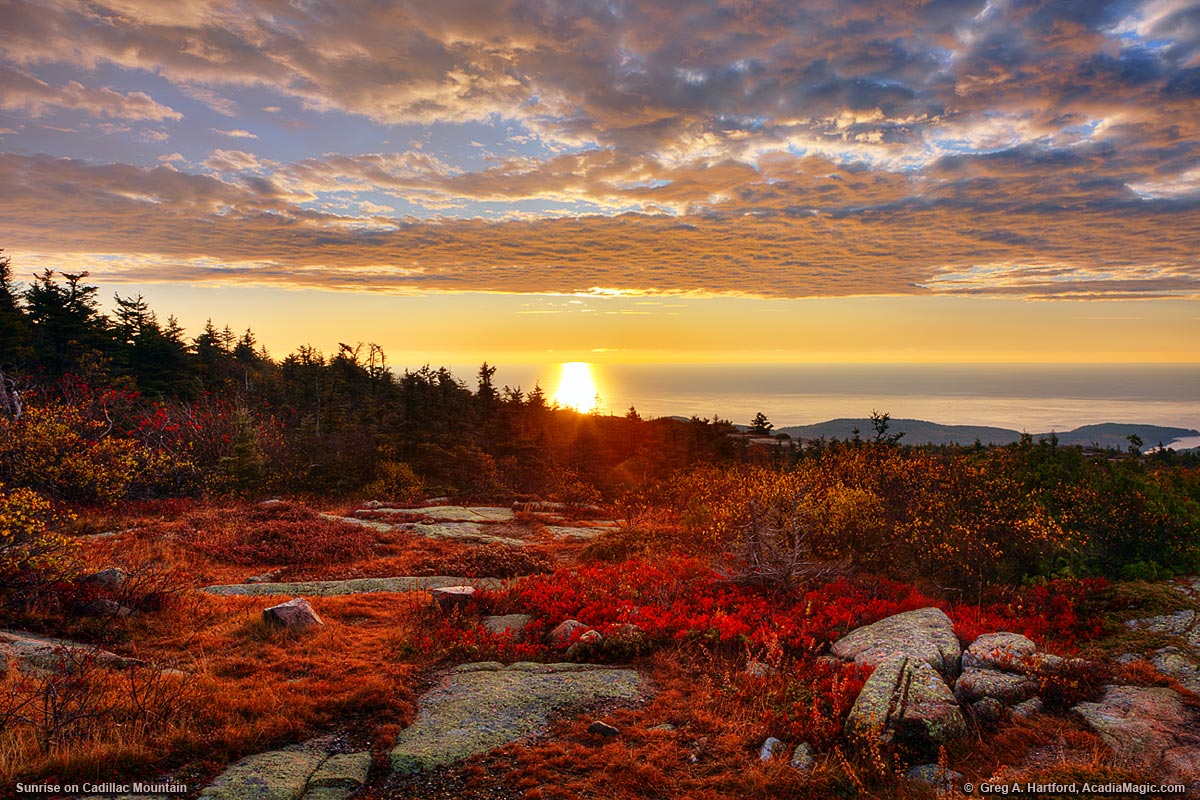
Acadia is the only spot on this list where blazing fall color meets the Atlantic. Pink granite cliffs, crashing surf, and hillsides of orange and gold all land in the same photo — and that combination is why it books out months in advance.
Peak timing: Early to mid-October, typically. Color starts on higher elevations first and rolls downhill.
What to do:
- Sunrise from Cadillac Mountain: This is the first place in the US to see sunrise for part of the year. Arrive at least 45 minutes early — the summit lot fills fast in October.
- Park Loop Road: The 27-mile loop hits the coast, the mountains, and most trailheads. Drive it counterclockwise to stay on the ocean side.
- Hiking: The Beehive and Precipice trails are adrenaline-filled options; Jordan Pond Path is flat and family-friendly.
Where to stay: Bar Harbor is the obvious base — walkable downtown, solid restaurants, and five minutes from the park entrance. For something quieter, look at Southwest Harbor or Northeast Harbor on the island’s quieter side.
Expect most lodging to run $200–$400+ per night in peak October; book by July for weekend availability.
Insider detail: The park requires a vehicle reservation for Cadillac Mountain sunrise and daytime access from late May through October — these sell out quickly. Check recreation.gov well ahead of your trip.
Stowe, Vermont
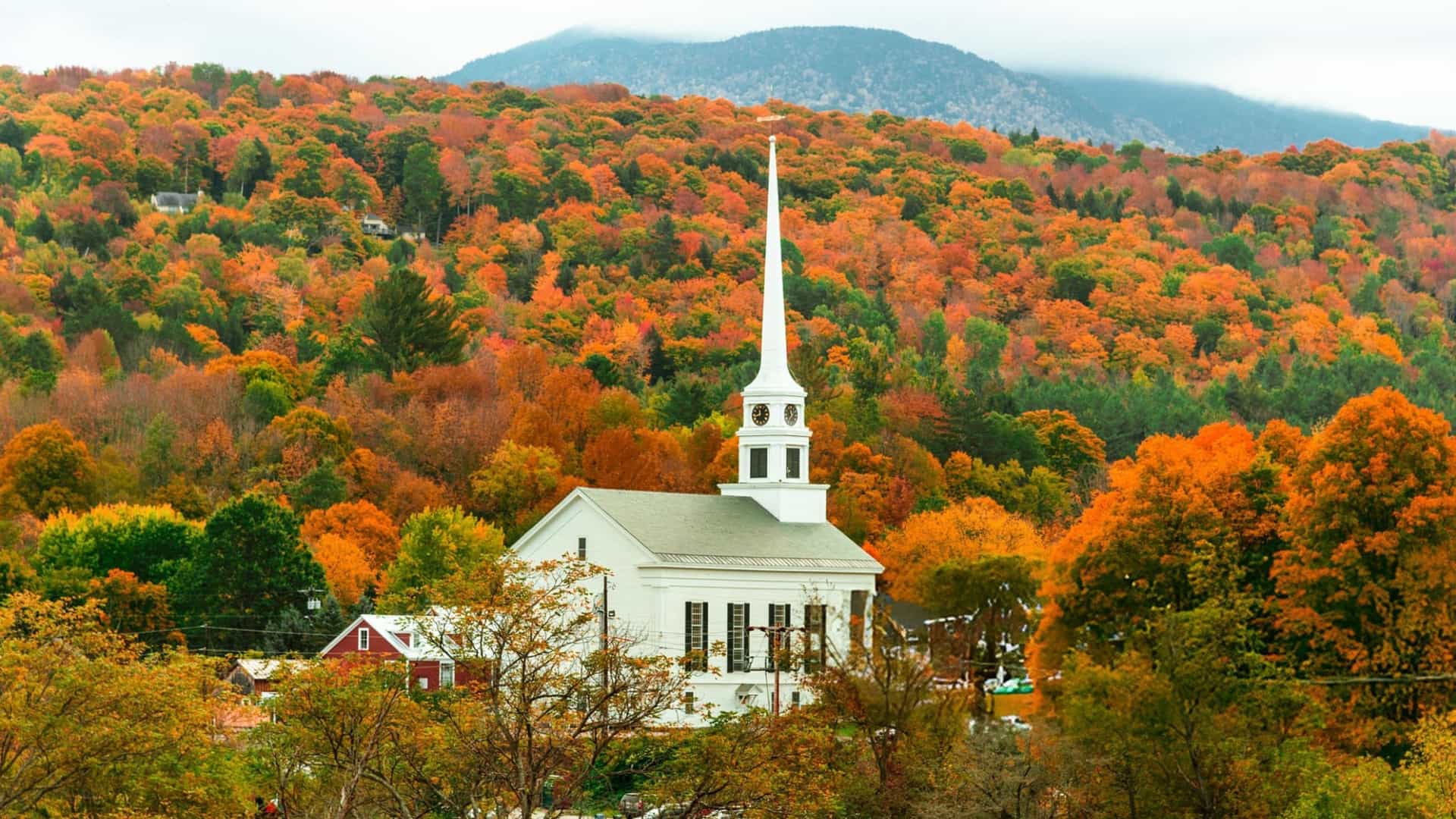
Stowe is the postcard version of New England autumn — a white-steepled village framed by Mount Mansfield, Vermont’s highest peak, all wrapped in sugar maple color. Peak hits early here, usually late September into the first week or two of October.
What to do:
- Drive Route 100: This is the spine of Vermont’s foliage country, and Stowe sits right on it. Head south toward Waterbury for covered bridges and farm stands.
- Mount Mansfield Gondola: Runs from Stowe Mountain Resort and delivers summit views without the hike. Confirm operating dates — it typically runs through mid-October but weather can close it early.
- Stowe Recreation Path: A paved 5.3-mile trail through meadows and covered bridges, ideal for walking or biking with peak color all around.
Where to stay: Stowe village has inns and lodges at every price point. The Trapp Family Lodge sits on a hillside with mountain views and Austrian-lodge style.
For budget-friendly, look at Waterbury — ten minutes south, usually cheaper, and home to the Ben & Jerry’s factory. October rates in Stowe typically range from $175 to $500+ per night depending on the property and weekend demand.
Insider detail: Weekday visits are dramatically less crowded than weekends. Midweek in early October is the sweet spot — full color, half the traffic, and easier dinner reservations.
Kancamagus Highway, New Hampshire

Locals call it “the Kanc” — a 35-mile stretch of Route 112 through the White Mountains with zero gas stations, zero stoplights, and relentless color the entire way. This is a drive-only experience, and that’s exactly the point.
Peak timing: Late September through mid-October, depending on elevation. The higher western end tends to turn first.
What to do:
- Drive it end to end: Lincoln on the west side to Conway on the east. Budget 90 minutes without stops — but you’ll stop. A lot.
- Lower Falls and Rocky Gorge: Easy pull-offs right off the road with short walks to water features surrounded by color.
- Albany Covered Bridge: One of the most photographed covered bridges in New England, and it sits right along the route.
Where to stay: Lincoln and Conway are the two gateway towns, one on each end. Lincoln has more chain hotels and is closer to I-93.
Conway and North Conway have outlet shopping, more dining options, and easier access to the eastern White Mountains. Either works — pick based on your driving direction.
Insider detail: There is no cell service for most of the drive. Download your maps offline before you go, and fill up your gas tank in Lincoln or Conway — there’s nothing in between.
The Berkshires, Massachusetts
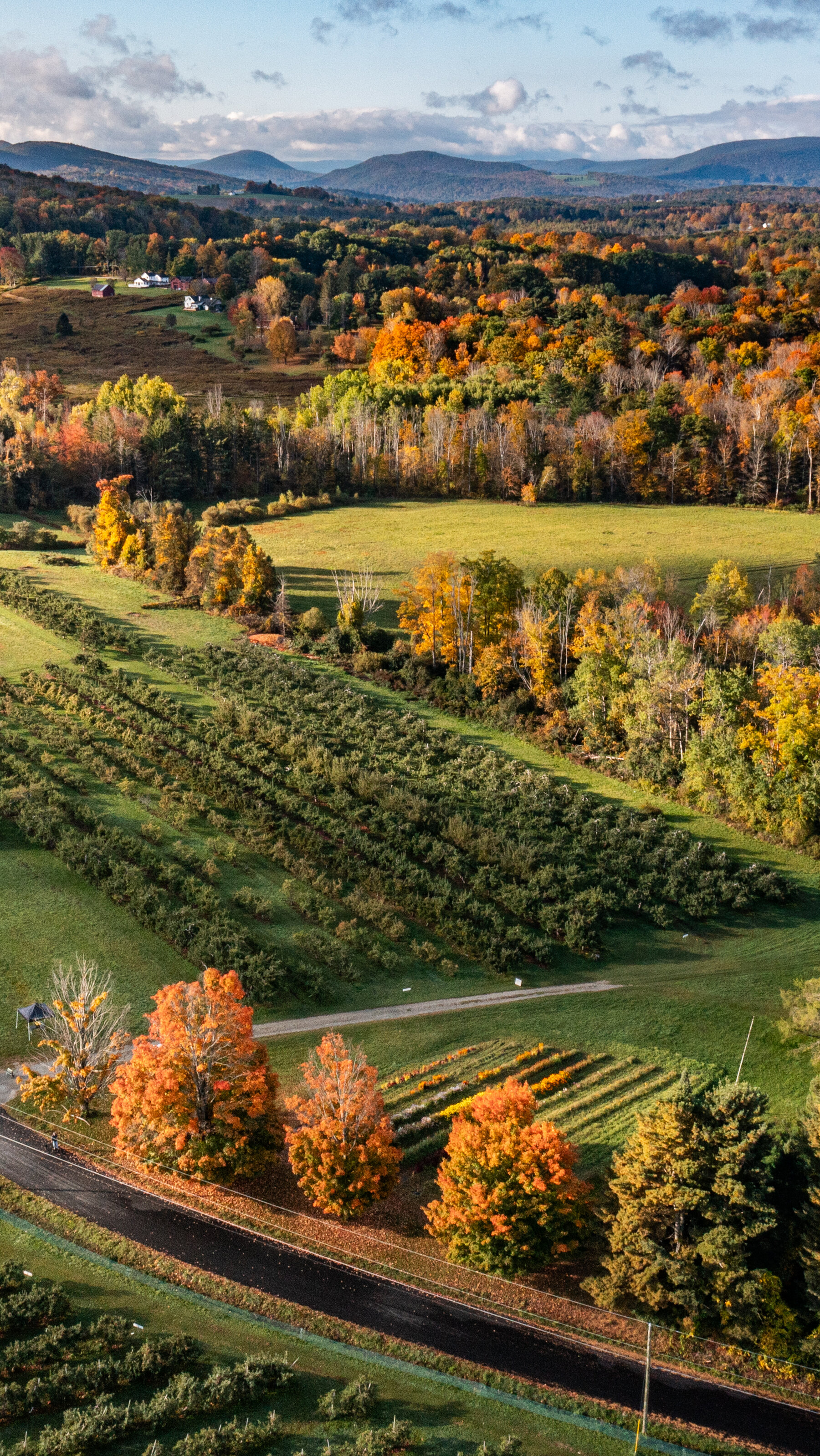
The Berkshires deliver New England foliage with a cultural edge — world-class music, art museums, and farm-to-table dining layered into rolling hill country. It’s also one of the less-crowded options on this list, which matters on peak October weekends.
Peak timing: Mid to late October. Color usually starts at higher elevations around Mount Greylock and works its way into the valleys.
What to do:
- Mount Greylock summit: At 3,491 feet, it’s Massachusetts’ highest point. The auto road to the top is typically open through early November, weather permitting. On a clear day, you can see five states.
- Norman Rockwell Museum (Stockbridge): America’s most famous illustrator’s original works, set in the town that inspired many of them.
- Mass MoCA (North Adams): One of the largest contemporary art centers in the country, housed in a restored factory complex. Worth a half day.
Where to stay: Lenox and Stockbridge are the classic bases — walkable small towns with excellent restaurants and inns. Great Barrington skews younger and more affordable.
The Berkshires reward slow travel: two or three nights lets you mix outdoor time with museum visits and long dinners.
Insider detail: Tanglewood, the Boston Symphony Orchestra’s summer home, ends its season in early fall — but the grounds are still open for walking. Combine it with a morning hike and an afternoon museum for the best Berkshire day.
Litchfield Hills, Connecticut
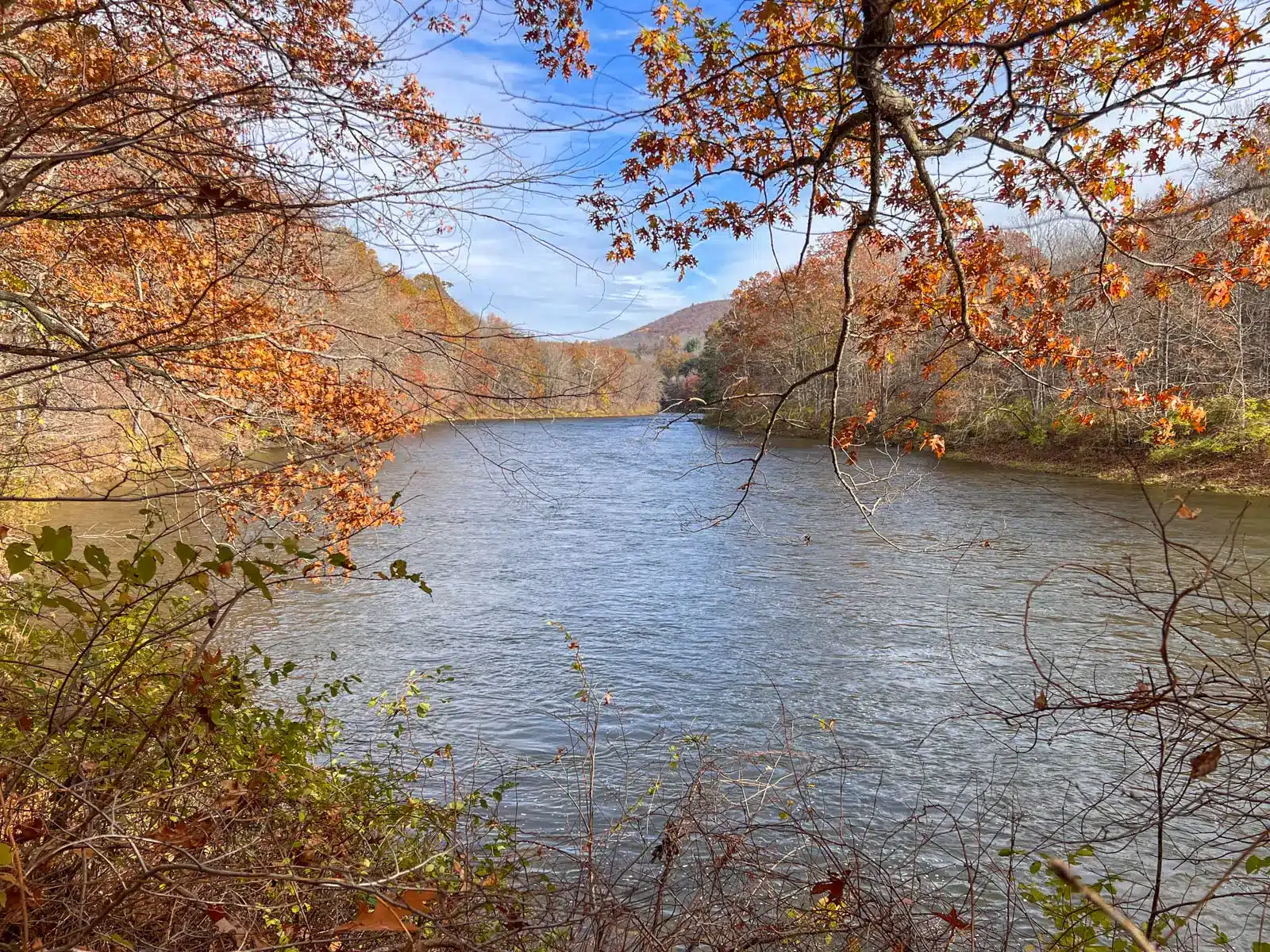
Litchfield Hills is the closest New England foliage destination to New York City — roughly two hours from Manhattan — and it feels a world away. Quiet roads, covered bridges, the Housatonic River, and villages like Kent and Litchfield that haven’t been overrun by tourism.
If you want autumn charm without the Stowe or Acadia crowds, this is where to go.
Peak timing: Mid to late October. The Housatonic River valley is the scenic spine.
What to do:
- Kent and the Housatonic River: Kent Falls State Park has a cascading waterfall surrounded by color, and it’s a short walk from the parking area. The town of Kent itself has a walkable main street with galleries and cafes.
- White Memorial Conservation Center (Litchfield): Miles of easy trails through wetlands and forests — excellent for birding and photography in October.
- Route 7 and Route 202: These parallel roads through the hills are the best scenic drives, with farm stands and covered bridges along the way.
Where to stay: Kent and Litchfield are the two best bases. Kent is smaller and more remote; Litchfield has a slightly larger town center with more dining options.
B&Bs and small inns dominate the lodging scene here — expect $150–$350 per night in October. For a splurge, the Interlaken Inn in Lakeville combines a rural setting with upscale amenities.
Insider detail: This is the one New England foliage destination where you can realistically do a day trip from Manhattan or the Connecticut shoreline. Leave early, drive Route 7 north, stop in Kent for lunch and a waterfall, and be home by dinner.
Top Scenic Drives for Fall Colors
These two legendary drives connect to form one of the most stunning fall road trips in the world, but you should choose one unless you have a full week to spare.

Skyline Drive and Shenandoah National Park, Virginia
Skyline Drive is the undisputed king of concentrated fall color. This 105-mile road traces the crest of the Blue Ridge with 75 overlooks—meaning you’re never more than a minute from a jaw-dropping valley view.
It’s the smarter choice if you only have a day or two and want maximum payoff with minimal driving effort.
- Best for: A dedicated 2-3 day trip focused entirely on foliage viewing and easy hikes. Perfect if you want a high volume of scenic stops without long stretches between them.
- Peak Timing: Usually mid to late October. The colors roll down the mountainsides, so check the NPS fall color report the week before you go.
- Insider Move: Enter at the Rockfish Gap entrance (south end) and drive north. You’ll face less traffic and catch the afternoon light on the overlooks perfectly.
- Base Yourself: Luray or Front Royal are convenient gateway towns. For in-park lodging, Skyland Resort or Big Meadows Lodge book up nearly a year in advance—plan accordingly.
- Cost & Time: Park entrance fee is per vehicle (typically $30 for a 7-day pass). Driving the full length without stops takes about 3 hours. Budget a full day to do it justice.

Blue Ridge Parkway, North Carolina
The Parkway picks up where Skyline Drive ends and runs 469 miles to the Great Smoky Mountains—it’s a multi-day commitment, but the scale and variety are unmatched. The engineering marvel of the Linn Cove Viaduct alone is worth the trip.
- Best for: A longer road trip (4-7 days) where the drive is the main event. It offers more dramatic mountain engineering, longer vistas, and a greater diversity of landscapes and small towns.
- Peak Timing: Color progresses south, peaking in the North Carolina sections from mid-October to early November.
- Crucial Planning Note: As of 2025, sections remain closed for Hurricane Helene repairs, with full reopening targeted for late 2026. You must check the NPS road closure map before booking. Detours exist but alter the experience.
- Base Yourself: Asheville is the premier hub for southern Parkway access, with excellent food and lodging. For the middle stretch, Boone or Blowing Rock are excellent. Pack layers; temperatures can vary 20°F from valley to peak.
- Cost & Time: No entrance fee, but you’ll spend more on gas and multi-night stays. Don’t rush it—average under 200 miles per day to enjoy the overlooks and hikes.
| Decision Factor | Skyline Drive (VA) | Blue Ridge Parkway (NC) |
|---|---|---|
| Best For | Short trip, high density of views | Epic road trip, engineering & scale |
| Time Needed | 1-3 days | 4-7 days (check closures) |
| Peak Color | Mid-late October | Mid Oct – early Nov |
| Must-See Stop | Big Meadows Overlook | Linn Cove Viaduct |
| Lodging Vibe | In-park lodges or gateway motels | City base (Asheville) or mountain inns |
The Bottom Line: Pick Skyline Drive for a focused, accessible foliage immersion. Choose the Blue Ridge Parkway for an ambitious, once-in-a-lifetime autumn journey—but only after confirming current road access for your travel dates.
Combining them is a bucket-list endeavor, but only if you have 10+ days and a flexible plan.
Coastal and Lakeside Spots with October Foliage
Finger Lakes, New York
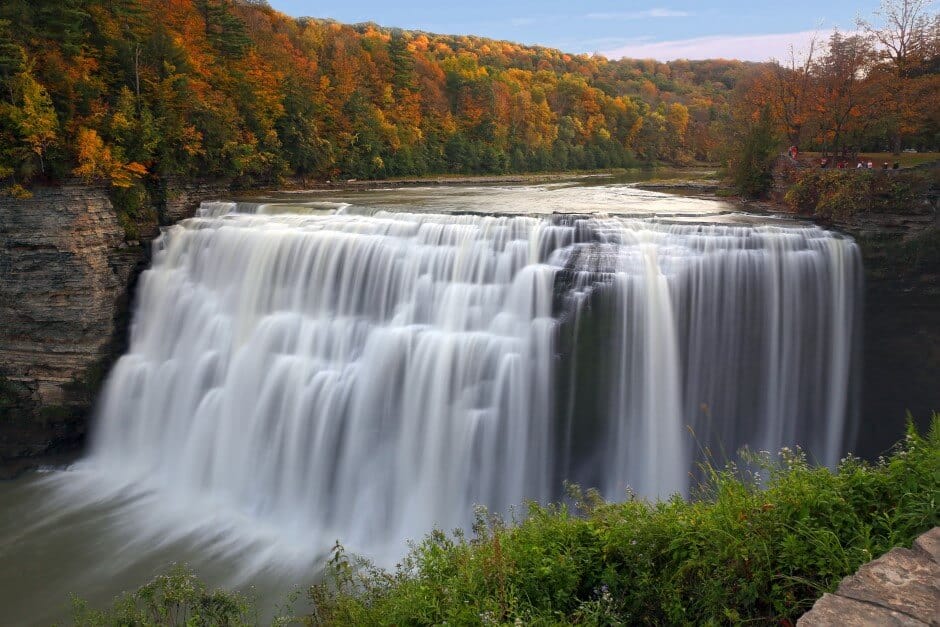
Deep limestone gorges carved by glaciers, waterfalls spilling through canopies already turning copper and gold — the Finger Lakes deliver October scenery that rivals northern New England, with a fraction of the crowds.
Peak color hits early to mid October here, and that window overlaps perfectly with harvest season at the region’s dozens of wineries along Seneca and Cayuga Lakes. This is a weekend trip, not a long-haul commitment: both Ithaca and Watkins Glen sit under 4.5 hours from New York City or Philadelphia.
Watkins Glen State Park is the non-negotiable stop. The Gorge Trail passes 19 waterfalls in roughly two miles through a narrow stone canyon draped in autumn maples. Most state parks in the Finger Lakes charge around $8–10 for parking, though driving between the lakes and stopping at overlooks costs nothing.
- Best for: Couples and friend groups who want waterfalls, wine, and zero pretense in a single weekend.
- Base yourself in: Ithaca for more restaurants and college-town energy, or Watkins Glen for immediate gorge and lakefront access.
- Skip it if: You need a wide peak-color window — the timing here is narrower than northern New England.
Spend your afternoon on a Seneca Lake wine trail loop — the Rieslings are genuinely world-class, and tasting rooms are far less hectic than anything in Napa. After dinner, drive a quiet lakeside road and watch the sunset turn the water into exactly the kind of mirror-still reflection the region is named for.
Insider detail: Arrive at Watkins Glen before 9 AM. The gorge fills with tour buses by mid-morning, and early light filtering into the canyon is dramatically better for photos.
The same rule applies to Taughannock Falls, a 215-foot cascade just north of Ithaca that’s taller than Niagara — and nearly empty at dawn.
Halloween and Festive October Experiences
October on the East Coast isn’t just about foliage — it’s when entire towns transform into living Halloween sets, complete with costumed crowds, candlelit cemeteries, and centuries of real haunted history that no theme park can match.
Salem, Massachusetts
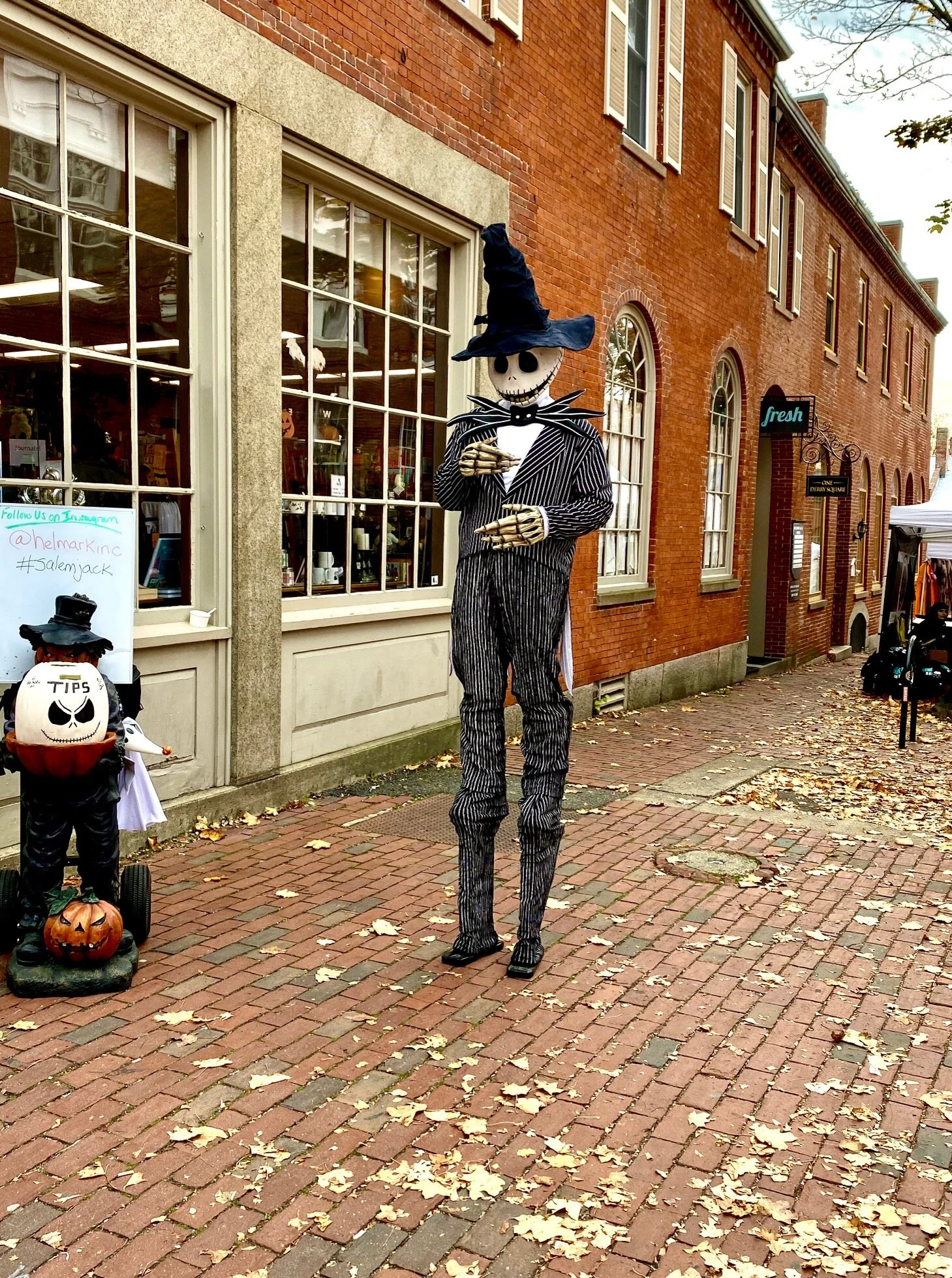
Salem during October is less a town visit and more a full-contact cultural event. The entire month is Haunted Happenings, Salem’s citywide festival that turns every block into a stage for street performers, psychic fairs, costume parades, and haunted house attractions operating alongside genuine 1692 witch trial sites.
- Why it wins: Nowhere else in America blends real dark history — the Salem Witch Trials memorials, the Witch House, the Peabody Essex Museum’s original court documents — with unapologetically kitschy haunted attractions and a citywide costume party atmosphere. You get education and entertainment in the same block.
- The real play: Walk Essex Street’s pedestrian mall at dusk when the crowd energy peaks and street performers are out. The Witch Trials Memorial on Liberty Street, just steps away, hits differently after dark — open 24 hours, free, and hauntingly quiet compared to the chaos nearby.
- What disappoints: Last two weekends of October are crush-level crowded — expect shoulder-to-shoulder streets, 45-plus minute waits at popular attractions, and surge pricing at every restaurant. Midweek visits (Tuesday through Thursday) in mid-to-late October deliver the full Haunted Happenings experience at roughly a third of the crowd density.
- How long: One full day covers the highlights; two days if you want museum time and evening ghost tours without rushing.
Base yourself within walking distance of Essex Street — downtown Salem has a cluster of boutique inns and small hotels, but rooms book months ahead for October weekends. The MBTA commuter rail from Boston’s North Station takes about 35 minutes and runs frequently, making a Boston-to-Salem day trip completely viable if Salem lodging is sold out or overpriced.
Insider note: The real witch trial sites — Gallows Hill, the Rebecca Nurse Homestead in Danvers, the Old Burying Point cemetery — are outside the main tourist drag and free or low-cost. Most visitors never leave Essex Street. You should.
Sleepy Hollow and the Hudson Valley, New York

This is the actual town that inspired Washington Irving’s Legend of Sleepy Hollow, and every October it leans fully into that legacy with cemetery tours, a massive jack-o’-lantern display, and the Headless Horseman himself riding through the streets.
- Why it wins: Sleepy Hollow offers a more atmospheric, less chaotic Halloween than Salem. The Old Dutch Church — built in 1685 — and the adjacent Sleepy Hollow Cemetery are genuinely eerie, especially on guided evening lantern tours through graves dating to the Revolutionary War. Irving himself is buried here.
- The real play: The Great Jack O’Lantern Blaze at Van Cortlandt Manor in nearby Croton-on-Hudson is the Hudson Valley’s marquee October event — thousands of hand-carved, illuminated pumpkins arranged into elaborate displays along the riverfront. Tickets typically go on sale in late summer and sell out for peak October dates fast; check Historic Hudson Valley’s site and book the moment tickets open.
- What disappoints: Sleepy Hollow the village is small — you can walk the core in under an hour. Without an event or cemetery tour on the calendar, it’s a pleasant but brief stop. This is a one-to-two-day trip, not a week-long base.
- Cost: Wandering the village and cemetery grounds is free; event tickets (Blaze, cemetery tours, Horseman’s Hollow haunted attraction) typically run $20–$45 per person depending on the event and date.
Getting there: Sleepy Hollow sits about 30 miles north of Midtown Manhattan — roughly 45 minutes by car or about an hour on Metro-North’s Hudson Line to Tarrytown station, then a short taxi or rideshare. Driving is easy midweek, but October weekends bring parking crunches and road closures around event venues.
Base in Tarrytown — it’s the neighboring village with more hotel and restaurant options, a walkable downtown, and direct Metro-North access. The Tarrytown House Estate and a handful of riverfront boutique hotels put you within minutes of both Sleepy Hollow’s attractions and the broader Hudson Valley’s fall scenery, wineries, and Kykuit estate tours.
Book Tarrytown lodging by early September for October weekends; midweek availability holds longer.
Insider note: The cemetery’s Uncovering the Headless Horseman nighttime tour — lantern-lit, narrated, limited capacity — is the single best thing to do in Sleepy Hollow in October. It sells out well in advance.
Prioritize booking this over anything else in town.
Relaxed and Family-Friendly East Coast Stops
Forget the steep mountain hikes and frantic schedules—these October destinations are built for slow drives, cozy picnics, and wide-open farm country under a blazing canopy. Here’s where to go for easy autumn charm.
Lancaster County, Pennsylvania
Lancaster County is rolling farm country at its coziest. Red barns, covered bridges, and patchwork fields glow in the autumn light, with peak color typically arriving mid to late October.
It’s the perfect October alternative for families who prefer pastoral tranquility over mountain crowds.
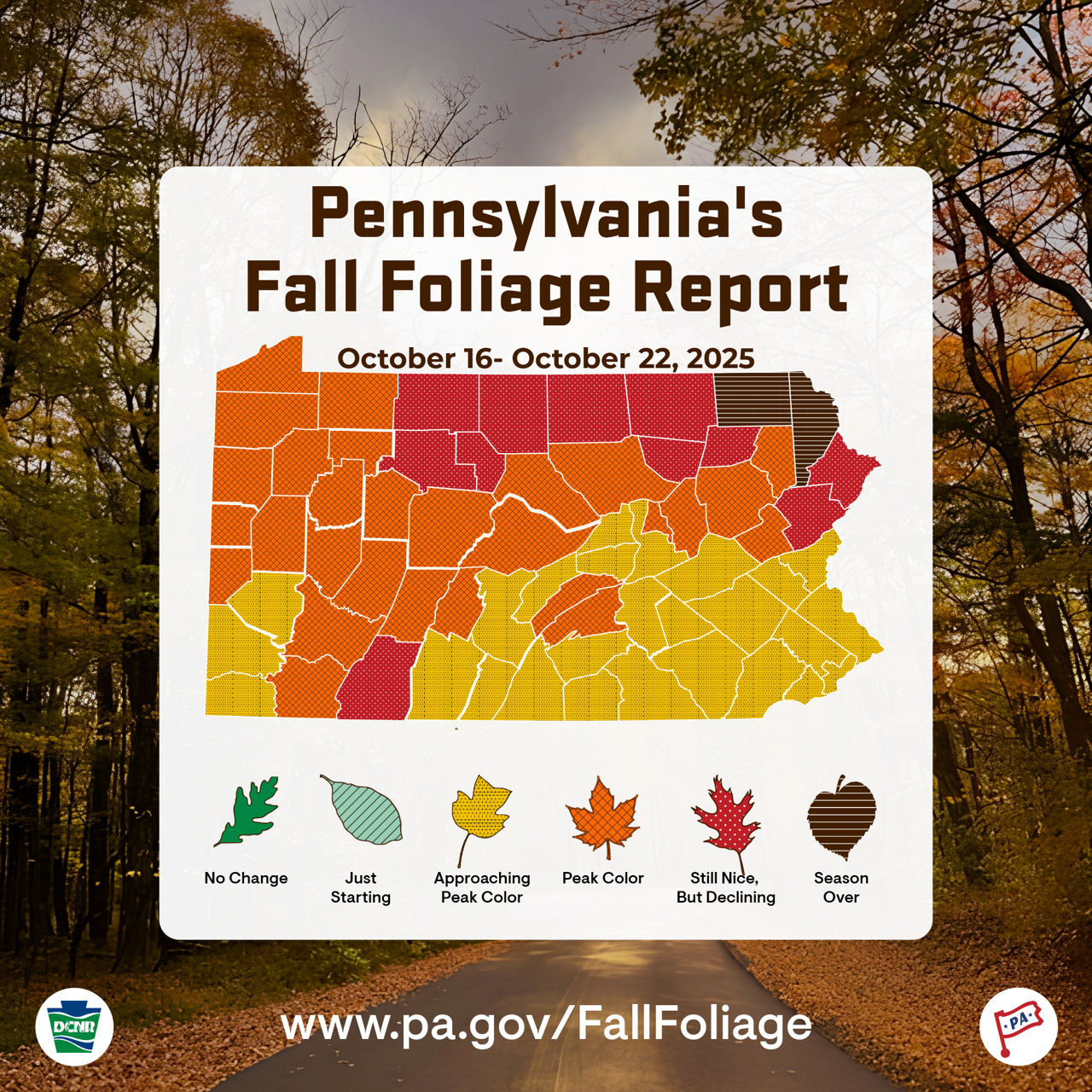
- The Vibe: Slow-paced and deeply authentic. Think horse-drawn buggies, roadside farm stands with fresh apple cider, and miles of gentle, scenic countryside.
- The Activity: Drive the backroads between villages like Bird-in-Hand, Intercourse, and Strasburg. Stop at a farm market like the iconic Bird-in-Hand Farmers Market for local pretzels, cheese, and autumn treats.
- Family Win: The Strasburg Rail Road offers a scenic steam train ride through the colorful farmland—a guaranteed hit with kids that requires zero hiking.
- Insider Detail: Skip the premium-priced outlets and head to the smaller, family-owned shops in the villages for better deals on quilts, furniture, and handmade goods.
Asheville and Biltmore Estate, North Carolina
Asheville is a mountain town with serious fall energy: cool air, long-lasting color, a buzzing food and arts scene, and the grand Biltmore Estate right at the edge of town. Mid-October to early November is prime time.
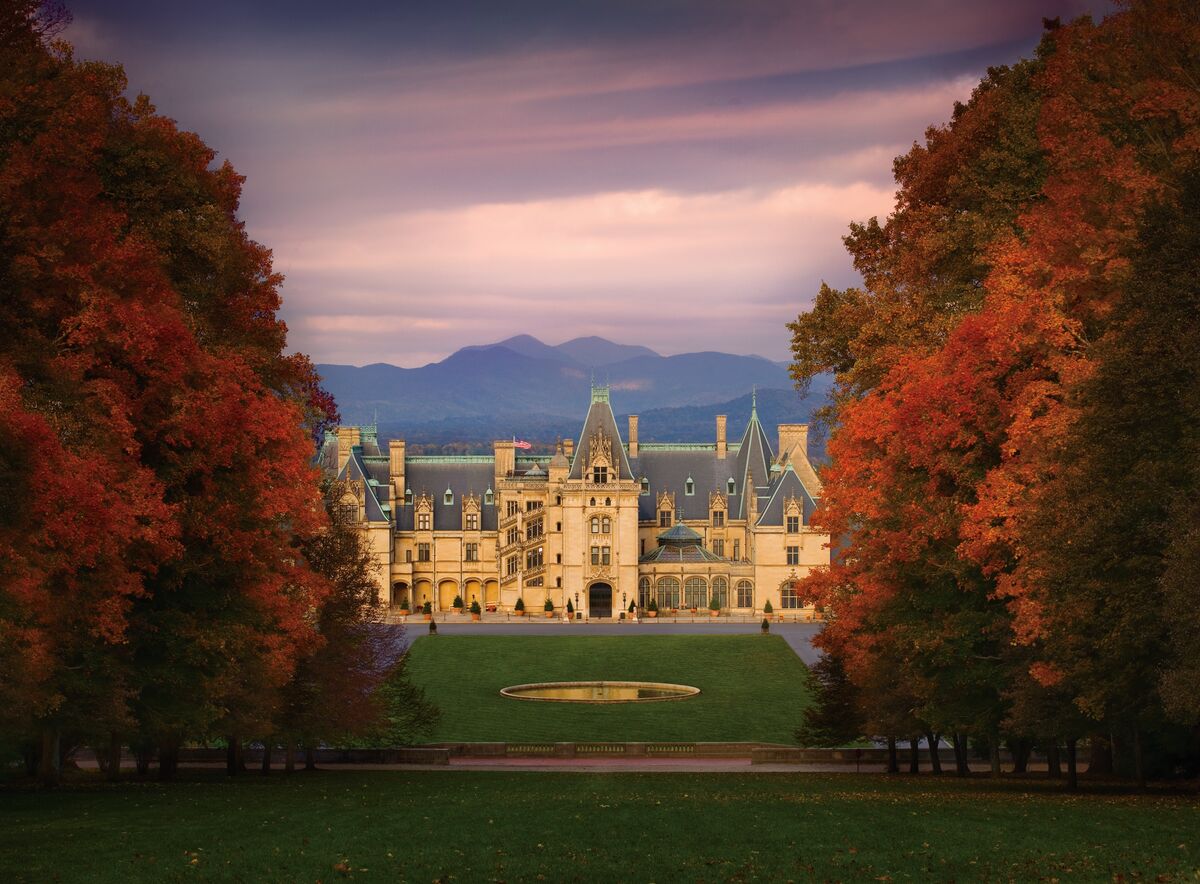
- The Draw: This is for the family that wants culture mixed with nature. Downtown Asheville’s walkable streets are packed with independent bookstores, galleries, and breweries (many with fantastic outdoor seating).
- The Main Event: A day at the Biltmore Estate. The estate’s gardens are stunning in fall, and the house tour is a fascinating, self-paced activity. Book your house entry time online weeks in advance—popular slots sell out.
- Driving Delight: A short section of the Blue Ridge Parkway runs near town. Drive the portion from the Folk Art Center to the Craggy Gardens area for high-elevation color without the commitment of a full Parkway road trip.
- Stay Context: Base yourself in downtown Asheville for easy walkable dinners, or in a cabin just outside town (try the Black Mountain or Weaverville areas) for more quiet and forest access.
Great Smoky Mountains, North Carolina and Tennessee
The Smokies close out the East Coast color season. By the time the North has gone bare, these mountains are just hitting their stride, with peak color rolling down the slopes from mid-October through early November.
It’s the best late-season bet for a relaxed, scenic mountain getaway.
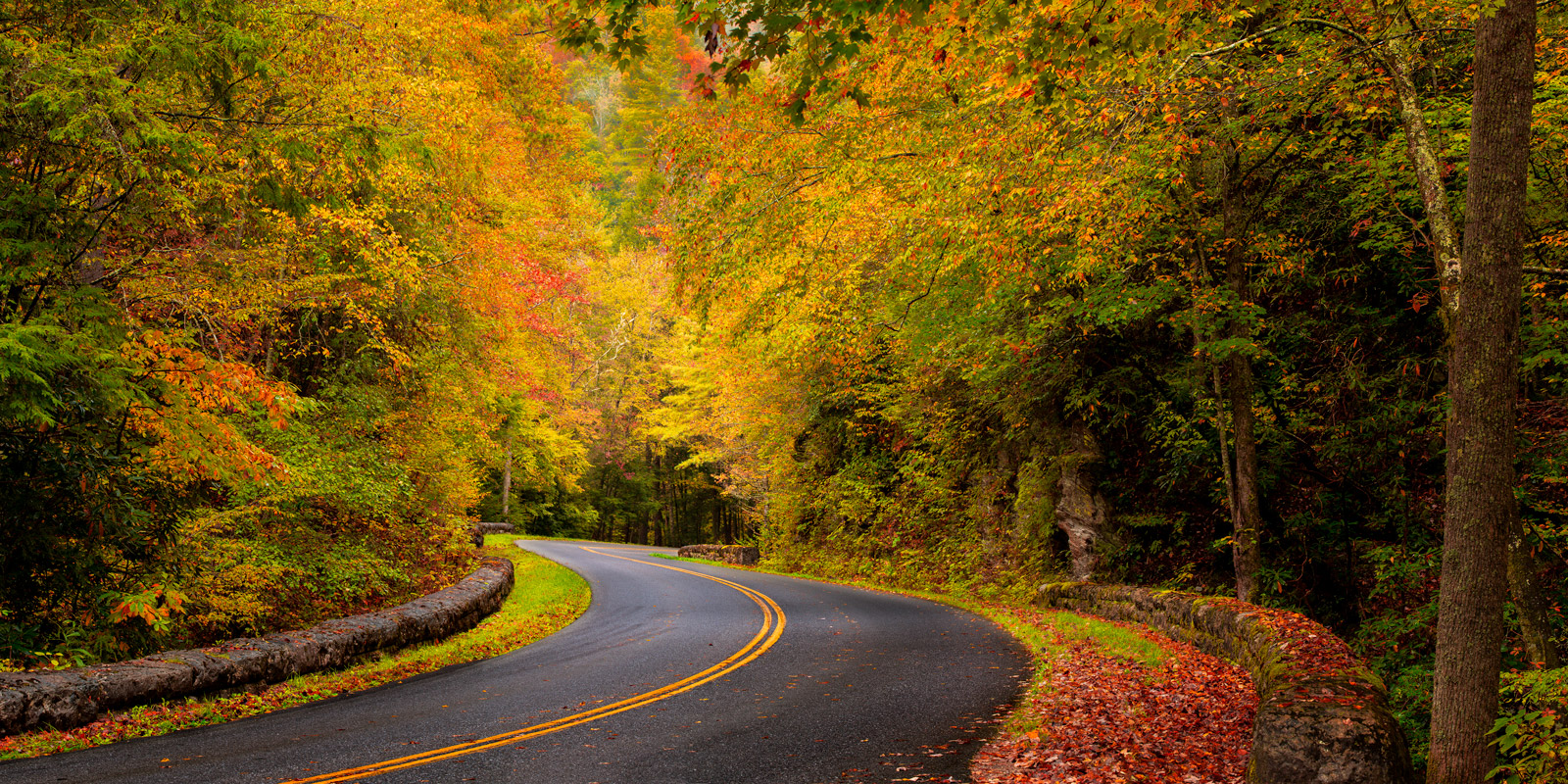
- The Advantage: Lower elevations are still green and warm early in the month, while high ridges like Newfound Gap are exploding. This gives you a range of temperatures and experiences on a single trip.
- The Scenic Drive: Skip the hectic Cades Cove loop and drive Newfound Gap Road (US 441) from Gatlinburg, TN, to Cherokee, NC. It’s a stunning, linear drive with numerous overlooks—far more relaxing with kids.
- Family-Friendly Hike: The Laurel Falls Trail (2.6 miles round-trip, paved) is the park’s most popular for good reason: it leads to a beautiful 80-foot waterfall and is manageable for most ages.
- Where to Stay: The gateway towns of Gatlinburg and Pigeon Forge are built for families, with dozens of mini-golf courses, pancake houses, and cabin rentals. For more serenity, base yourself in Townsend, the “Quiet Side of the Smokies.”
At a Glance: Your Decision Factors
| Destination | Best For | Peak October Window | Key Planning Tip |
|---|---|---|---|
| Lancaster County, PA | Pastoral drives, farm culture, gentle family activities. | Mid to late October | Focus on backroads between villages, not highways. |
| Asheville & Biltmore, NC | Culture, food, and grand estate scenery. | Mid Oct – Early Nov | |
| Great Smoky Mountains, NC/TN | Late-season color, scenic drives, iconic national park. | Mid Oct – Early Nov |
How Much Does an East Coast October Trip Cost?
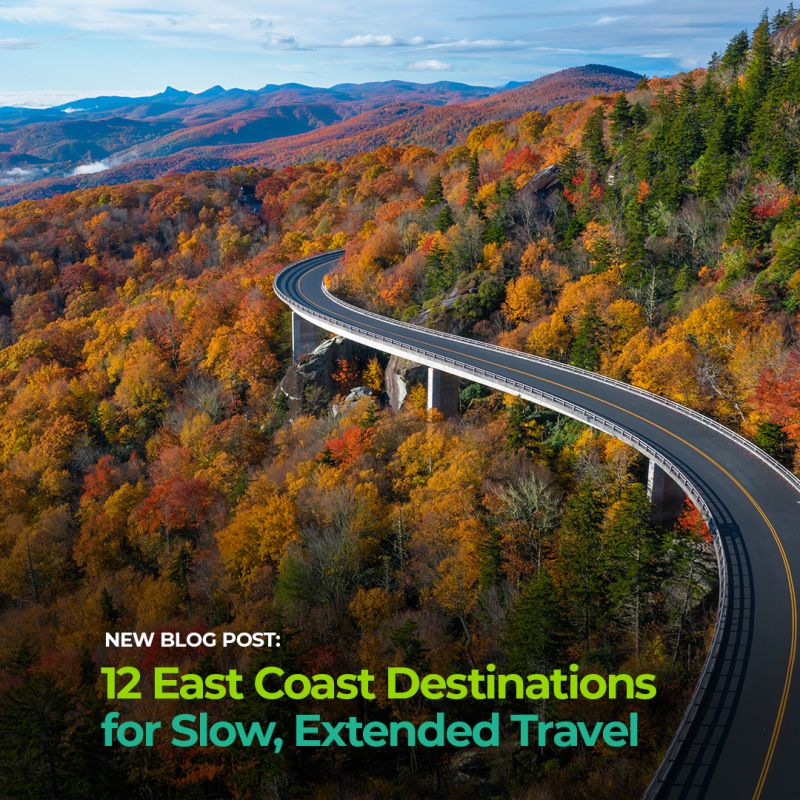
A week of fall color from New England to the mid-Atlantic can cost less than a long weekend at a single ski resort, if you prioritize the right experiences.
Budgeting for October is straightforward because the star attractions—scenic drives, hikes, and small-town charm—are largely free. Your costs are dominated by a few key paid experiences, food, and lodging. Here’s where to spend and where to save.
Key Destination Cost Snapshot
| Destination | Typical Paid Activity | Approximate Cost | Insider Tip |
|---|---|---|---|
| Stowe, Vermont | Gondola ride at Stowe Mountain Resort | $30-$40 per adult | Book tickets online in advance; lines can be long on peak foliage weekends. |
| Kancamagus Highway, NH | Parking pass at trailheads | $5 per day (cash or exact change) | Buy a week-long pass ($15) if you’re hiking multiple days; it’s more economical. |
| Litchfield Hills, CT | Farmers’ market or apple picking | $10-$30 for a family bag of apples | This region’s beauty is free; save your budget for local farm stands and cafes. |
| Finger Lakes, NY | State park parking | $9-$10 per vehicle | Park once at a central gorge like Watkins Glen and walk the town; it minimizes daily fees. |
Where the Money Actually Goes
Lodging is your biggest variable. For popular New England towns like Stowe or those near the Kancamagus Highway, book a cabin or inn months in advance. A quality 3-star hotel in these areas often runs $250-$450 per night during peak October weekends.
For better rates, consider basing yourself in a gateway city like Burlington, Vermont, or Keene, New Hampshire, and taking day trips.
Food and drink. Farm-to-table dining in the Berkshires or wine tastings in the Finger Lakes will add up. Expect to pay $20-$35 for an entree at a nice restaurant.
A smart strategy is to mix a few memorable dinners with picnic lunches from local general stores or delis—a sandwich from a Vermont country store costs $10-$12 and tastes better than any fast food.
Hidden fees. Some iconic drives are free, but they’re the exception. Shenandoah National Park and Acadia charge vehicle entry fees (around $30 per car for a 7-day pass). These are worth it, but factor them in.
3 Cost-Saving Strategies That Work
- Travel mid-week. Lodging prices can drop 20-30% from Sunday to Thursday nights, and you’ll face fewer crowds at trailheads and scenic overlooks.
- Prioritize one paid experience per day. Choose between a gondola ride, a museum, or a wine tasting, and enjoy free hikes and drives for the rest of the time.
- Embrace the shoulder season. The last week of October offers brilliant color in southern regions like the Blue Ridge and significantly lower lodging rates than the first two weeks of October in New England.
Is It Safe to Travel the East Coast in October?
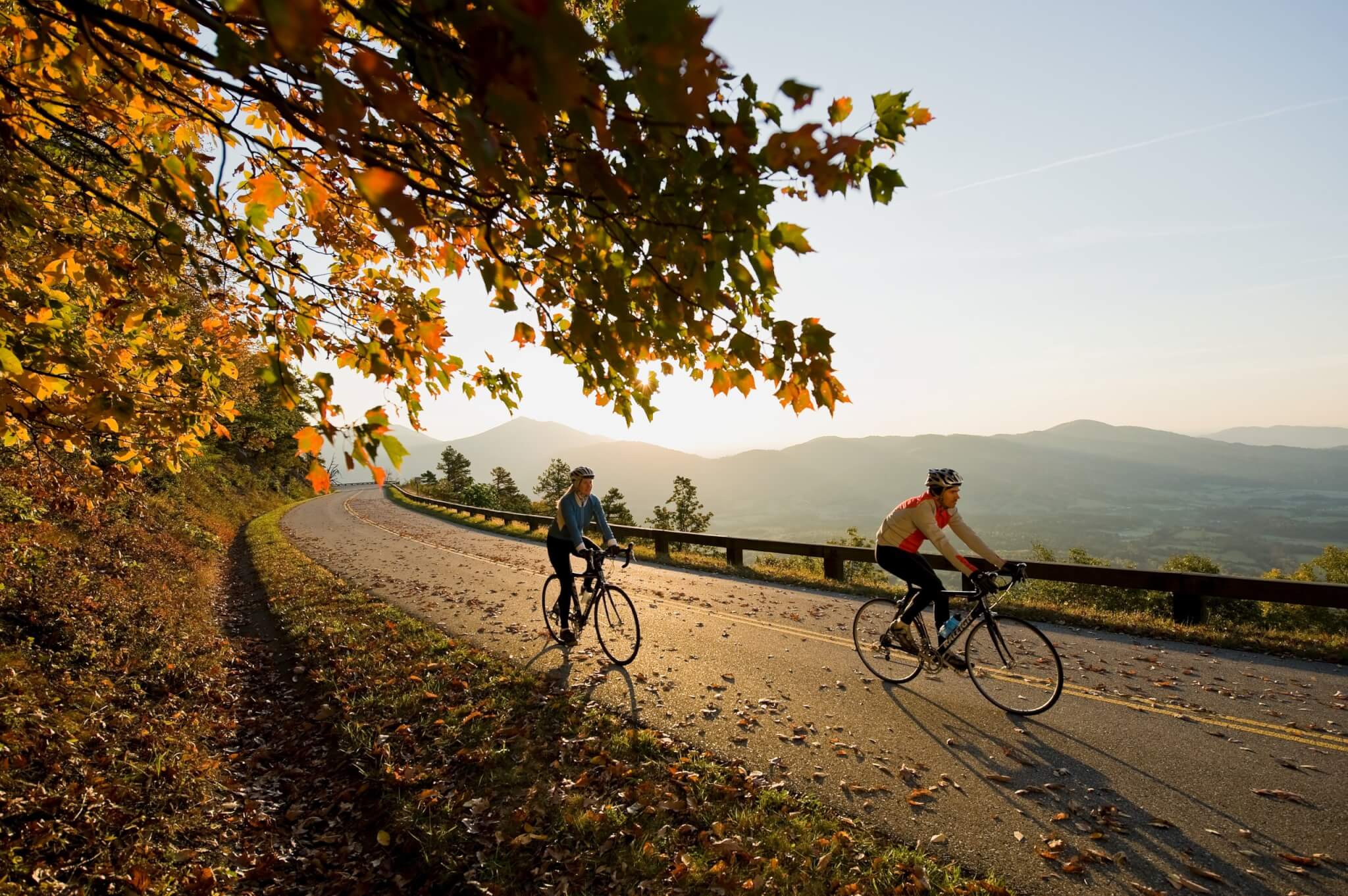
October is one of the safest and most comfortable months to travel the East Coast — but three real hazards catch people off guard every year: early-sunset driving on winding mountain roads, deer collisions during rut season, and unpredictable temperature swings that can shift 30 degrees in a single day. None of these should stop you.
They should shape your planning.
Weather: What Actually Goes Wrong
The East Coast in October is generally mild — daytime highs range from the low 60s in northern New England to the mid-70s in Virginia and the Carolinas. The problem is volatility.
A sunny 70-degree afternoon in the Berkshires can turn into a near-freezing, rainy morning the next day. In higher elevations — think Smoky Mountains, Green Mountains, White Mountains — overnight lows regularly dip into the 30s, and frost is common by mid-October.
Light snow is possible at higher elevations in Vermont, New Hampshire, and Maine by late October, though it rarely sticks long.
Bottom line: Pack layers you can peel on and off, a waterproof jacket, and one warm mid-layer. Check mountain forecasts the morning of any hike — not the night before.
Driving Hazards You Should Know
Fall foliage season means peak traffic on narrow, winding roads — especially Kancamagus Highway, Skyline Drive, and Blue Ridge Parkway. The risks aren’t just congestion.
Wet fallen leaves on pavement are as slick as ice when braking, and fog rolls into valleys fast in October mornings, especially along river corridors in New England and the Blue Ridge.
- Deer collisions peak in October and November. Deer are in rut and far more active, especially at dawn and dusk. Slow down on rural two-lane roads in Pennsylvania, Virginia, and the Carolinas — these states rank among the highest nationally for deer-vehicle collisions.
- Sunset comes early and fast. By late October, darkness falls by 6 p.m. in the mid-Atlantic and earlier in northern New England. Plan scenic drives to finish before dusk — mountain roads with no guardrails and no lighting become genuinely treacherous at night.
- Blue Ridge Parkway and Skyline Drive have no gas stations or services on long stretches. Fill your tank before entering and carry water and snacks. Cell service is unreliable on both routes.
Crowds and Busy Weekends
October weekends — especially Columbus Day weekend (the second Monday in October) — are the single busiest time on East Coast foliage routes. Parking lots at popular trailheads, overlooks, and small-town main streets fill by mid-morning.
This creates its own safety issues: double-parked cars blocking narrow roads, pedestrians walking on roadways, and general chaos in towns like Stowe, Woodstock, and along the Kanc.
Arrive before 9 a.m. on October weekends or plan for weekdays. This one decision eliminates most crowd-related headaches. If you can only travel weekends, pick secondary destinations — the Finger Lakes or Litchfield Hills over Acadia or Stowe.
Hurricane Season Isn’t Over
Atlantic hurricane season runs through November 30. While October storms are less frequent than September, they do happen — and coastal towns from the Outer Banks through Cape Cod are vulnerable.
If you’re planning coastal portions of your trip, monitor the National Hurricane Center forecasts in the days before departure. Travel insurance with weather-related cancellation coverage is worth the cost for October coastal trips, typically running $50–100 for a basic policy on a domestic week-long trip.
Trail and Outdoor Safety
Daylight is your limiting factor, not difficulty. Most popular East Coast fall hikes — the Franconia Ridge Loop, Cadillac Mountain, Chimney Rock — are well-marked and well-traveled in October.
But trail conditions shift fast after rain. Rock scrambles get slippery, stream crossings rise, and alpine summits in New Hampshire and Maine can see wind chill well below freezing even on otherwise pleasant days.
Carry a headlamp, even for day hikes — October daylight can end before you expect it.
The One Thing Most Travelers Forget
Book lodging before you finalize your route, not after. October weekends sell out months in advance across New England, the Hudson Valley, and the Blue Ridge corridor.
Hotels, cabins, and inns in peak foliage areas often require two-night minimums on weekends. If you wait until a week out, you’ll be driving 45 minutes each way from your hotel to the scenic spots you came to see — which adds fatigue and dark-driving time to every day.
How to Get Around the East Coast Without a Car?
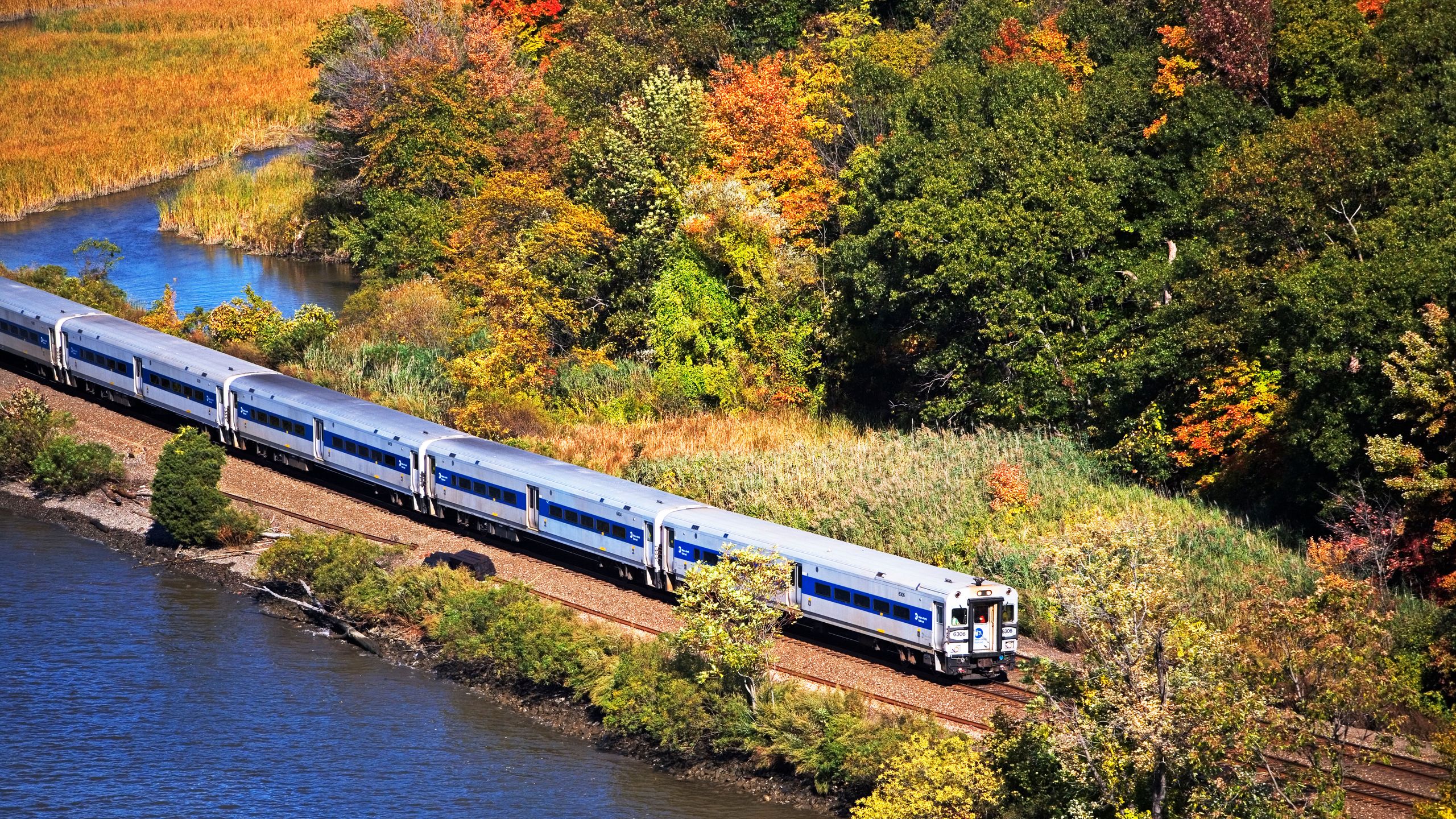
The Amtrak Downeaster, which cuts through the heart of New England’s foliage from Boston to Brunswick, Maine, is proof that the region’s best autumn views aren’t just for drivers.
A car is the most flexible tool for a classic leaf-peeping road trip, but it’s not the only way. For travelers who prefer to relax, focus on specific city pairs, or avoid parking headaches in places like Salem, these are your real options.
Train: Amtrak’s Northeast Corridor and Regional Routes
Amtrak is the most comfortable and scenic non-driving option for covering longer stretches, especially between major hubs. It’s the winner for couples and solo travelers who value legroom, Wi-Fi, and the ability to watch the landscape change without focusing on the road.
- Northeast Regional & Acela: The workhorse for city-to-city travel (Boston, New York, Philadelphia, Washington D.C.). A Regional ticket is far cheaper than the Acela, which only saves you about 30 minutes between Boston and New York—rarely worth the premium. Book 2-3 weeks ahead for the best fares.
- Downeaster: Connects Boston to Portland and Brunswick, Maine, putting you within striking distance of Acadia (via bus connection). This line is particularly beautiful in early-to-mid October.
- Vermonter & Ethan Allen Express: These are your keys to the heart of fall color without a car. The Vermonter runs from New York to St. Albans, VT, while the Ethan Allen goes from New York to Burlington, VT, via Rutland. Service is limited (usually one daily round trip), so schedules must dictate your itinerary. Book early; these trains sell out in October.
- Adirondack: A stunning, all-day journey from New York City up the Hudson River to Montreal. It’s an experience in itself, but its utility for leaf-peeping is limited as it doesn’t connect directly to most peak foliage towns.
Insider Tip: Amtrak’s “USA Rail Pass” can be a terrible value for October foliage because it requires advance reservations for each leg, and the most popular trains sell out long before you’d use all the segments. Individual tickets booked far ahead are usually cheaper and guarantee a seat.
Bus: The Budget Backbone for City Pairs
Buses are the no-frills, budget champion for direct travel between specific cities. They beat trains on price and sometimes on frequency, but sacrifice comfort and the ability to see much from the window.
This is the move for students or anyone prioritizing cost over comfort for a 3-5 hour hop.
- Peter Pan Bus Lines & Greyhound: Connect all major Northeast cities. Service is frequent, but buses can be delayed by the same traffic you’re avoiding. BoltBus and FlixBus offer similar routes with often lower base fares but less flexibility.
- Key Routes: Boston to New York (3.5-4.5 hours), New York to Philadelphia (2 hours), New York to Washington D.C. (4-5 hours). For Vermont foliage, Vermont Translines connects Albany, NY (reachable by Amtrak/bus) to towns like Manchester and Bennington.
Flying: For Long Distances or Tight Schedules
Flying only makes sense for skipping the entire BosWash corridor—for example, getting from Atlanta or Chicago to Boston or New York in under three hours to start a New England trip. Once you land, you’ll still need to rent a car, use regional transit, or book a guided tour to see foliage.
October airfare to New England is high; book by July if possible.
Guided Tours: The All-Inclusive Solution
If navigating any of the above feels like a chore, a multi-day guided tour is the zero-stress alternative. Companies like Tauck, Collette, and smaller regional operators run dedicated fall foliage coach tours.
They handle all lodging, some meals, and itinerary planning. This is the move for older travelers, families with young kids, or anyone who wants a curated experience without the logistics.
It’s the most expensive option per day, but it eliminates all planning anxiety.
Quick Comparison
| Mode | Best For | Key October Pro | Key October Con |
|---|---|---|---|
| Train | Scenic comfort, city-to-city | Views, no driving stress | Limited schedules to rural areas |
| Bus | Budget city-hopping | Low cost, high frequency | Traffic, basic comfort |
| Fly + Rent | Starting a long trip quickly | Saves time over long distance | Airfare is high; need car anyway |
| Guided Tour | All-inclusive, no-planning | Zero logistics, expert routing | Fixed itinerary, highest cost |
Frequently Asked Questions
How far in advance should I book lodging for an October East Coast trip?
If you’re targeting a peak foliage weekend in a popular town like Stowe, North Conway, or Asheville, book three to six months out — rooms sell out fast and prices spike once the color reports hit the news. Last-minute travelers have better luck staying a town or two off the main color route, where availability holds longer and rates stay saner.
Shoulder weekdays (Tuesday through Thursday) almost always have openings even in peak season.
When does fall foliage actually peak across the East Coast in October?
Color moves from north to south over several weeks. Northern New England — think Stowe, the Kancamagus Highway, Acadia — typically peaks late September through the first week of October.
The Hudson Valley, Berkshires, and Litchfield Hills hit their stride mid-to-late October. The Blue Ridge Parkway and Shenandoah hold color into late October and sometimes early November.
The East Coast’s latitude range is the entire reason this season lasts weeks instead of days, so plan your starting point based on your travel dates, not the other way around.
Is October a good time to visit the East Coast?
October is arguably the single best month for an East Coast trip. Summer crowds thin dramatically, temperatures cool into the 50s–70s°F across most regions, and shoulder-season pricing kicks in at hotels and attractions.
Hiking trails clear out, restaurant reservations become easier to snag, and the foliage alone makes the scenery worth the visit. The only trade-off: unpredictable weather.
Pack layers and a rain shell, and you’ll be fine.
What’s the best way to plan an East Coast fall road trip in October?
Match your dates to the color map. Start in northern New England if you’re traveling early in the month, or begin further south if you’re going mid-to-late October.
Build in one or two overnight bases rather than driving a new town every night — gateway towns like North Conway, Stowe, and Asheville make excellent multi-night hubs with easy access to scenic drives. Factor in that mountain roads like the Kancamagus Highway and Blue Ridge Parkway have no gas stations on long stretches; fill up before you head out.
Plan Your October East Coast Adventure Now
Start by locking in your dates, then match them to the foliage map — if you’re traveling the first week of October, head to Stowe or the Kancamagus Highway; if you’ve got mid-to-late October, the Berkshires, Hudson Valley, or Shenandoah will be at peak. Book your lodging the moment you confirm your dates because October weekends in foliage country sell out months ahead and waiting only guarantees a 45-minute commute from some forgettable highway motel.
October on the East Coast is the kind of trip that resets your entire season — the color, the crisp air, the small-town charm, and the genuine sense that every mile of road has something worth stopping for. There is no other time of year where this much beauty, history, and regional character comes together in one continuous corridor.
Pick the destination that matches your travel dates, book that lodging today, and start counting down to the best autumn road trip of your life.
Leave a Reply