The moment Labor Day passes, something shifts on American roads—summer crowds evaporate, hotel rates drop, and the light turns golden. September is when you actually want to be driving, not stuck in traffic behind tour buses.
This is the rare month when you get everything: mild temperatures perfect for hiking and beach days, early foliage in mountain zones without October’s chaos, and genuine solitude at destinations that were shoulder-to-shoulder packed in July. The Northeast mountains, Pacific Northwest, and Southern coasts all hit their sweet spot right now.
I’ve mapped nine road trips that actually deliver on the September promise—no crowds, no melting in heat, no fighting for parking. Budget ranges from $800–$1,200 for a week (budget motels, self-catering) to $2,500–$4,000+ (boutique inns, restaurants, activities included).
The Nine Best September Routes at a Glance
Northeast Picks: Acadia National Park and Maine Coast (6 hours from Boston) delivers post-Labor Day calm with early foliage and lighthouse-hopping. The Kancamagus Highway through New Hampshire and Vermont offers 35 miles of mountain scenery before peak-foliage crowds arrive.
Mountain Escapes: Lake Placid in the Adirondacks (4 hours from Albany) sits at 1,900 feet where foliage turns early and nights drop into the 40s—perfect for fireplace-side relaxation. Asheville and the Blue Ridge Parkway (40 minutes from the airport) combines early fall color with outdoor festivals and farm stands in full harvest mode.
Coastal Gems: Cape May, New Jersey (2.5 hours from Philadelphia) becomes genuinely quiet with warm water still swimmable and Victorian charm intact. Charleston and the Lowcountry (15 minutes from the airport) offers mild weather, empty beaches, and historic streets without summer gridlock.
Pacific Northwest & Alaska: North Cascades National Park and the Cascade Loop (2.5 hours from Seattle) showcases golden larches and alpine tundra before winter closures. Kenai Fjords, Alaska (4.25 hours by train from Anchorage) is your last window for glacier tours and whale-watching before winter storms shut down boat access.
Western Standouts: Zion National Park, Utah (gateway town Springdale) delivers comfortable hiking temps and deeper-glowing red rock in September light. The Pacific Coast Highway near Carmel, California offers warm, clear days without summer fog and the water is warmest of the year.
4 Best Northeast Road Trips for Early Fall Foliage
September in the Northeast is when you get the rare win: summer crowds vanish, temperatures stay mild enough for hiking and beach days, and the first waves of foliage ignite the forests without the peak-season chaos and hotel markups that come in October. This is the sweet spot for road trips that combine coastal drives, mountain scenery, and small-town exploration without fighting for parking or reservations.
| Route | Best For | Drive Time from Major City | Key Highlight |
|---|---|---|---|
| Acadia National Park & Maine Coast | Scenic drives, coastal hiking, lighthouse tours | ~6 hours from Boston | Post-Labor Day calm with early foliage |
| New England Loop: Vermont & New Hampshire | Mountain villages, scenic highways, leaf-peeping prep | ~2 hours from Boston (Kancamagus start) | Kancamagus Highway in peak early-fall condition |
| Adirondack Mountains & Lake Placid | Alpine scenery, mountain lodges, hiking | ~4 hours from Albany | High-elevation views before peak foliage crowds |
| Cape May & New Jersey Shoreline | Beach relaxation, Victorian architecture, dolphin-watching | ~2.5 hours from Philadelphia | Warm water, fewer crowds, secluded beaches |
Acadia National Park and the Rugged Maine Coast
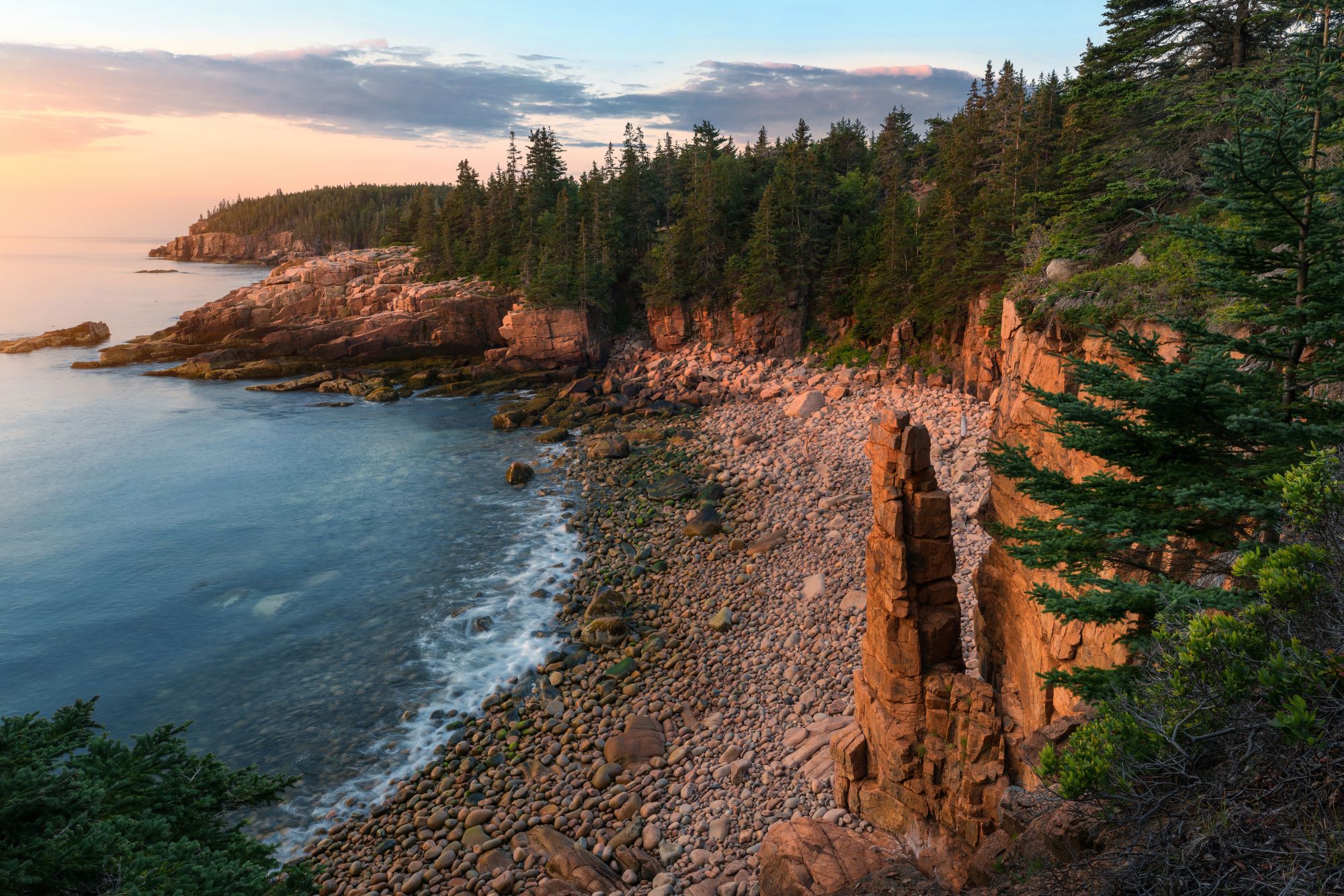
Acadia in September is the version of itself that locals prefer—summer day-trippers have cleared out, the weather is still warm enough for coastal hikes and beach walks, and the first hints of crimson and gold are beginning to creep into the spruce and birch forests. This is when the Park Loop Road, the park’s iconic 27-mile scenic drive, becomes genuinely peaceful instead of a bumper-to-bumper crawl.
Base yourself in Bar Harbor or nearby towns along the coast. The drive from Boston takes roughly six hours; fly into Boston Logan and head northeast.
Once you’re in the park, prioritize the Park Loop Road for sunrise or late afternoon drives when light hits the cliffs and coves best, and plan at least one full day for hiking—the Sunset Ridge Trail on Mount Mansfield or shorter coastal walks near Thunder Hole deliver dramatic views without requiring technical gear. The park entrance fee is $30 per vehicle for a seven-day pass.
Beyond the park, lighthouse-hopping along Maine’s jagged coastline is the move—the lighthouses are photogenic, accessible, and clustered close enough that you can hit three or four in a day. The rugged, rocky shoreline is quintessential New England and photographs better in September light than at any other time of year.
The Ultimate New England Loop: Vermont and New Hampshire
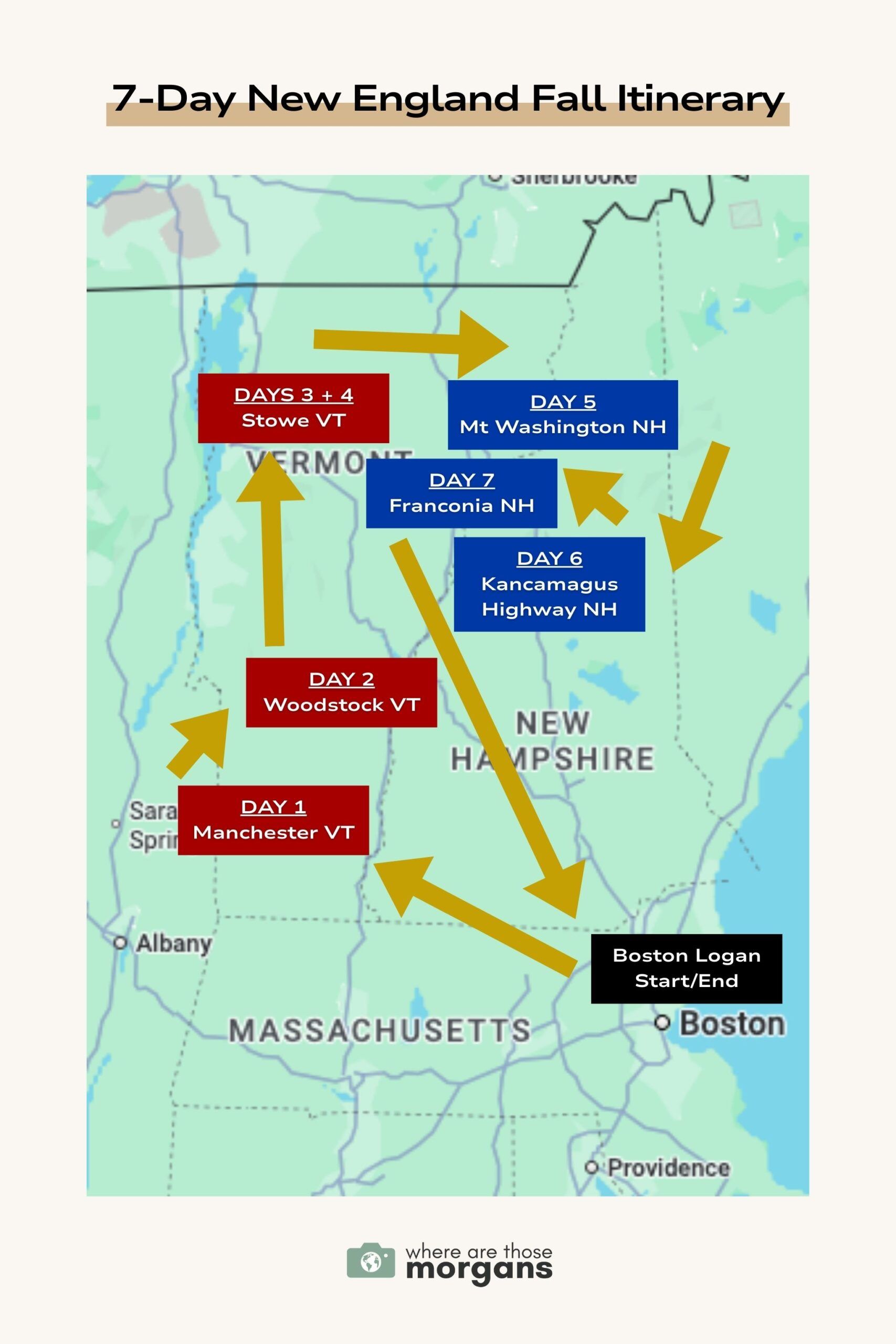
The Kancamagus Highway in New Hampshire is the single best early-fall scenic drive in the Northeast—35 miles of mountain passes, river valleys, and dense forest that turns into a gallery of color before the October peak-foliage crush arrives. September gives you the road nearly to yourself, with temperatures cool enough for comfortable hiking but warm enough that you’re not bundling up.
Start from Boston (roughly two hours to the Kancamagus entrance) and drive the highway west toward the White Mountains. Stop at pullouts for short walks—the forest floor is still lush and the light is clean.
From there, loop north into Vermont and spend time in the charming village of Woodstock, which has galleries, farm-to-table restaurants, and the kind of New England postcard aesthetic that justifies the detour. The drive from the Kancamagus to Woodstock is roughly three hours.
Overnight in a mountain inn or small-town hotel in the Woodstock or Stowe area—these towns have solid lodging options and are positioned perfectly for morning hikes or scenic drives. Mount Mansfield, Vermont’s highest peak, has accessible trails with views that rival anything in the White Mountains, and the leaf-covered hiking routes are less crowded in early September than they’ll be two weeks later.
The Adirondack Mountains and Lake Placid
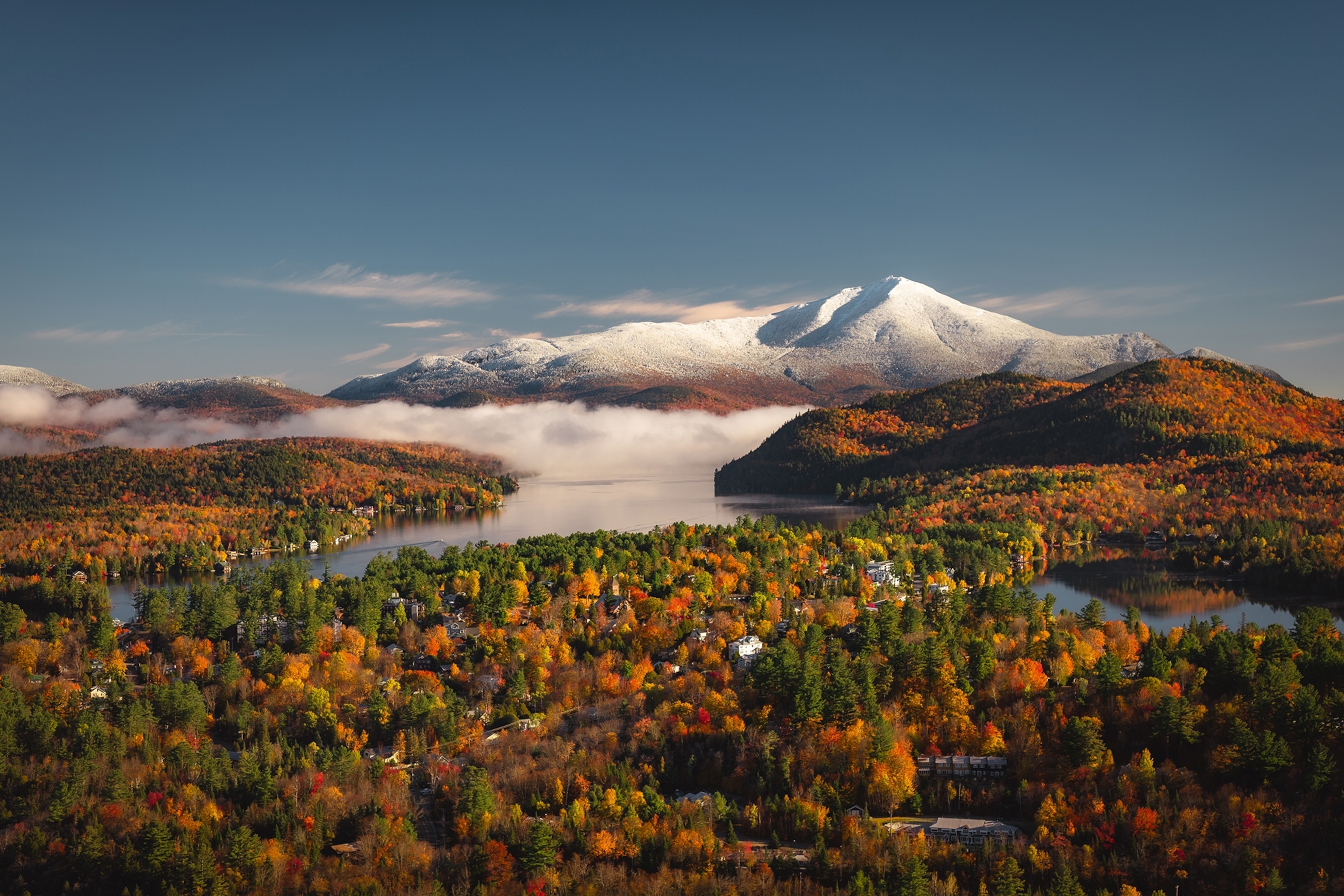
Lake Placid sits at 1,900 feet elevation in the heart of the Adirondack range, which means the foliage turns earlier and the air has that crisp, mountain-morning quality that September delivers before the peak-season tourists arrive. The drive from Albany is roughly four hours; from New York City, expect five to six hours depending on traffic.
Stay in Lake Placid village itself—it’s walkable, has solid restaurants and shops, and puts you minutes from trailheads and the lake. The town is famous for hosting the 1980 Winter Olympics, and that history is woven into the local character without feeling like a museum.
Hike Whiteface Mountain for alpine views, paddle on the lake, or drive the scenic Cascade Lakes Loop for mountain and water views. The Adirondack Museum, just outside the village, is worth a couple of hours if weather turns rainy.
The insider detail: book lodging with a fireplace or wood stove—September nights in the mountains drop into the 40s, and the psychological comfort of a fire makes the experience feel more like a proper fall getaway than a summer extension.
Cape May and the New Jersey Shoreline
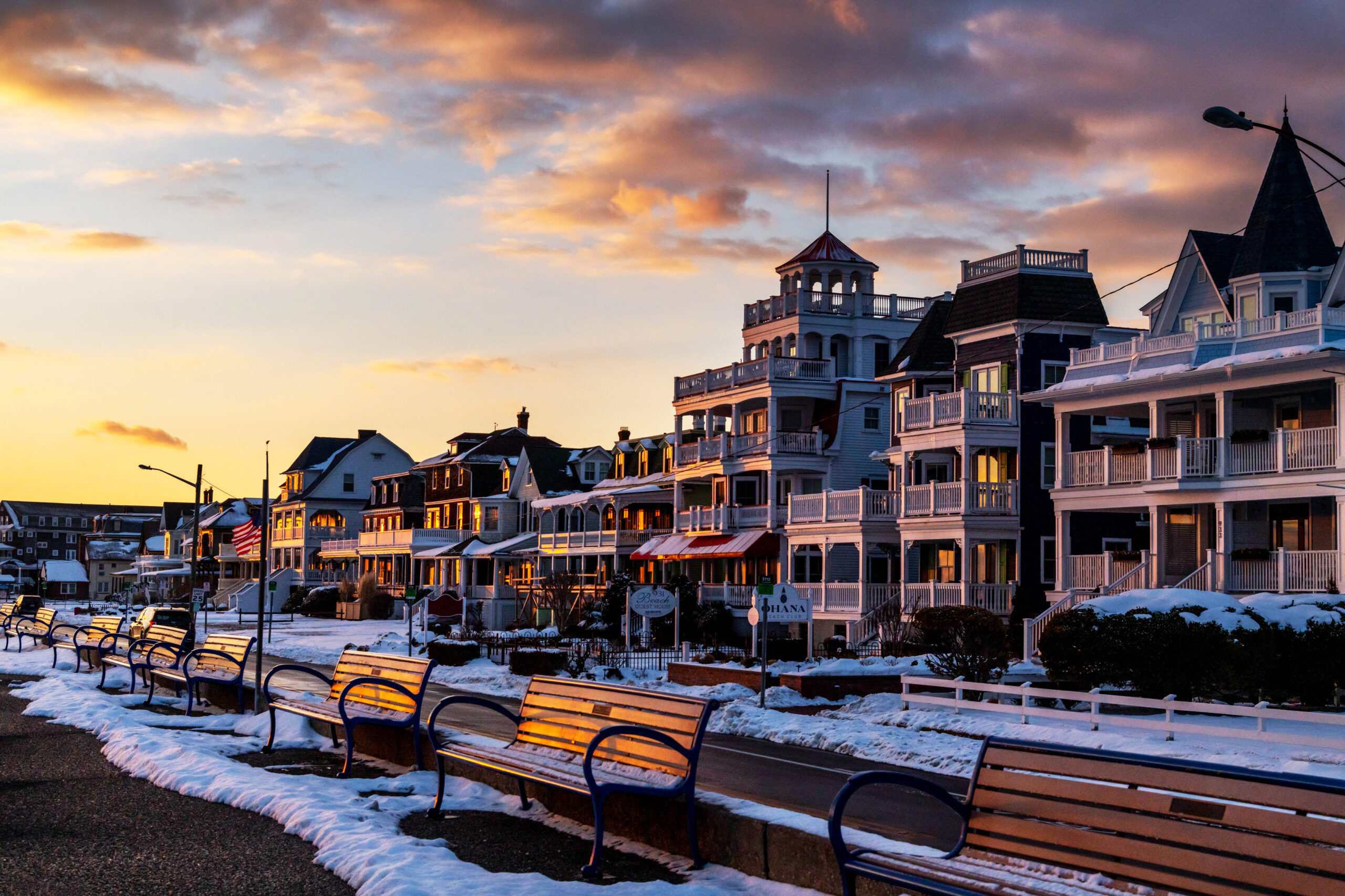
Cape May is the most underrated beach town on the East Coast, and September is when it actually becomes livable—the summer families have returned to school, the water is still warm enough for swimming (typically in the mid-60s), and the beaches are genuinely quiet. The drive from Philadelphia is roughly 2.5 hours; from New York, expect three to four hours depending on your starting point.
The town itself is a Victorian architecture museum—colorful gingerbread houses, wraparound porches, and a walkable downtown that feels frozen in the 1880s without being precious about it. Spend time on the quieter beaches like Higbee Beach and Poverty Beach instead of the crowded central strand.
The sunset dolphin-watching cruises leave from the harbor regularly and are genuinely good—you’ll see dolphins, the light is perfect for photos, and the cruise typically runs about two hours.
Hunt for Cape May diamonds (quartz pebbles that glint in the sun) along the shoreline, browse the vintage shops on Washington Street, and eat at Mayer’s Tavern for solid coastal food without the pretension. The SS Atlantus wreck is visible from the beach—it’s a rusted 1911 concrete ship that’s been slowly disappearing into the ocean for a century, and it’s an oddly compelling piece of maritime history to contemplate while you’re sitting on the sand.
Stay in a Victorian bed-and-breakfast or a beachfront hotel in the main village—Cape May’s lodging is charming and reasonably priced in September compared to July and August. The town is small enough that you can walk everywhere, which means you can leave the car parked and actually relax.
Which Southern Road Trips Offer the Best September Weather?
September in the South means warm days, cool nights, and zero humidity — the exact opposite of the sticky summer that just ended. These four routes deliver the mildest weather of the year, smaller crowds than peak season, and the first whispers of fall color without the chaos of October leaf-peeping.
Base yourself in one town per route and drive the scenic loops during the day.
| Route | Best For | Drive Time from Major Airport | September Highlight |
|---|---|---|---|
| Charleston & Lowcountry | Historic charm, coastal drives, food | 15 min from CHS | Mild weather, pre-hurricane season calm |
| Asheville & Blue Ridge Parkway | Mountain scenery, hiking, festivals | 40 min from AVL | Early foliage, crisp evenings, outdoor events |
| Beaufort & Sea Islands | Quiet coastal towns, salt marshes, wildlife | 1.5 hours from CHS or SAV | Warm water, fewer tourists, golden light |
| Dauphin Island & Alabama Gulf | Beach relaxation, birding, island drives | 50 min from MOB | Swimmable water, migratory birds, empty beaches |
Charleston and the South Carolina Lowcountry
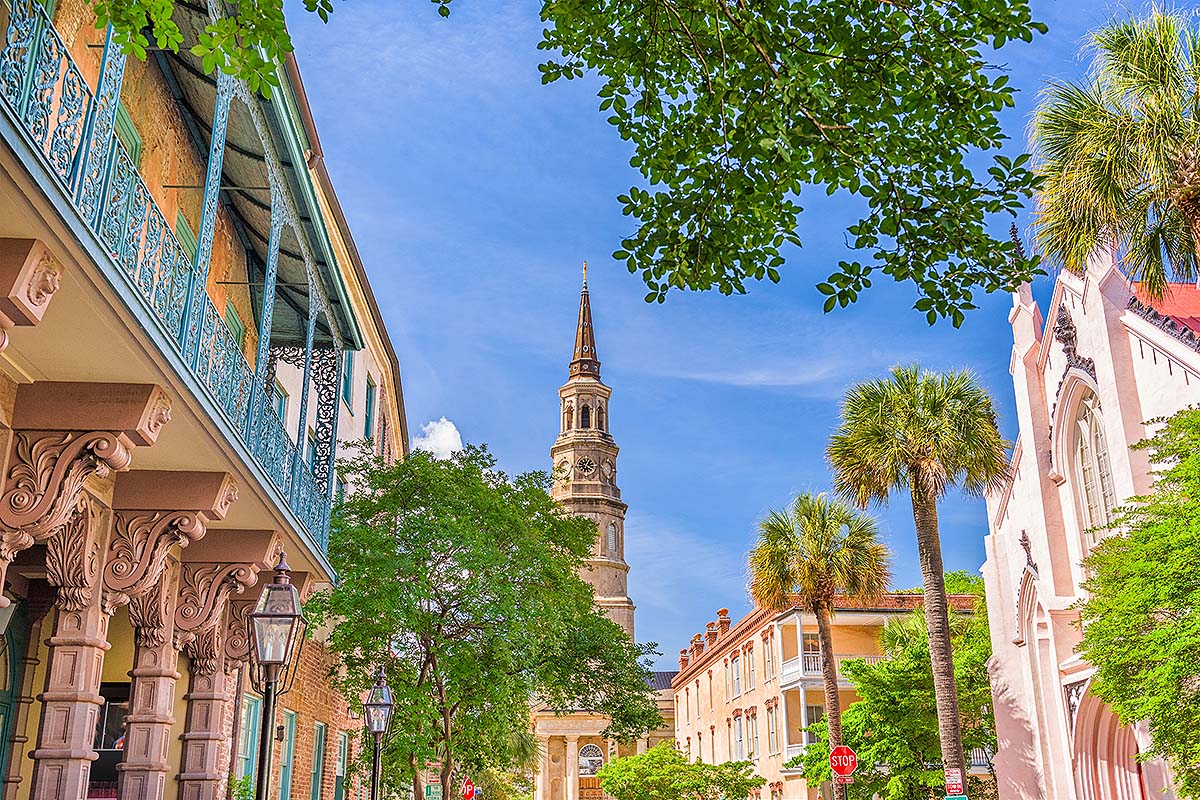
Charleston in September is the version locals prefer — the weather is mild and mostly dry, summer crowds have evaporated, and hotel rates drop noticeably. The city’s 18th-century architecture, cobblestone streets, and waterfront restaurants are exactly as photogenic as the Pinterest pins suggest, but you’ll actually have room to move through them.
Base yourself downtown or near the historic district and drive the Lowcountry loops during the day. Head south to Edisto Island for salt-marsh scenery and quiet beaches, or west toward Magnolia Plantation and Gardens — the oldest landscaped gardens in the U.S., worth a half-day wander.
The drive from Charleston Regional Airport (CHS) is 15 minutes; parking downtown is tight but manageable if you stay put for a few days.
- Why September wins: Temperatures hover in the low 80s with crisp mornings — perfect for walking the historic district without melting.
- Best stay style: Boutique hotels or inns within walking distance of King Street and the waterfront; you’ll skip the car most days.
- Insider move: Book a rooftop breakfast reservation at your hotel the night before — the morning light over the harbor is unbeatable, and you’ll beat the lunch crowds.
Asheville and the Blue Ridge Parkway
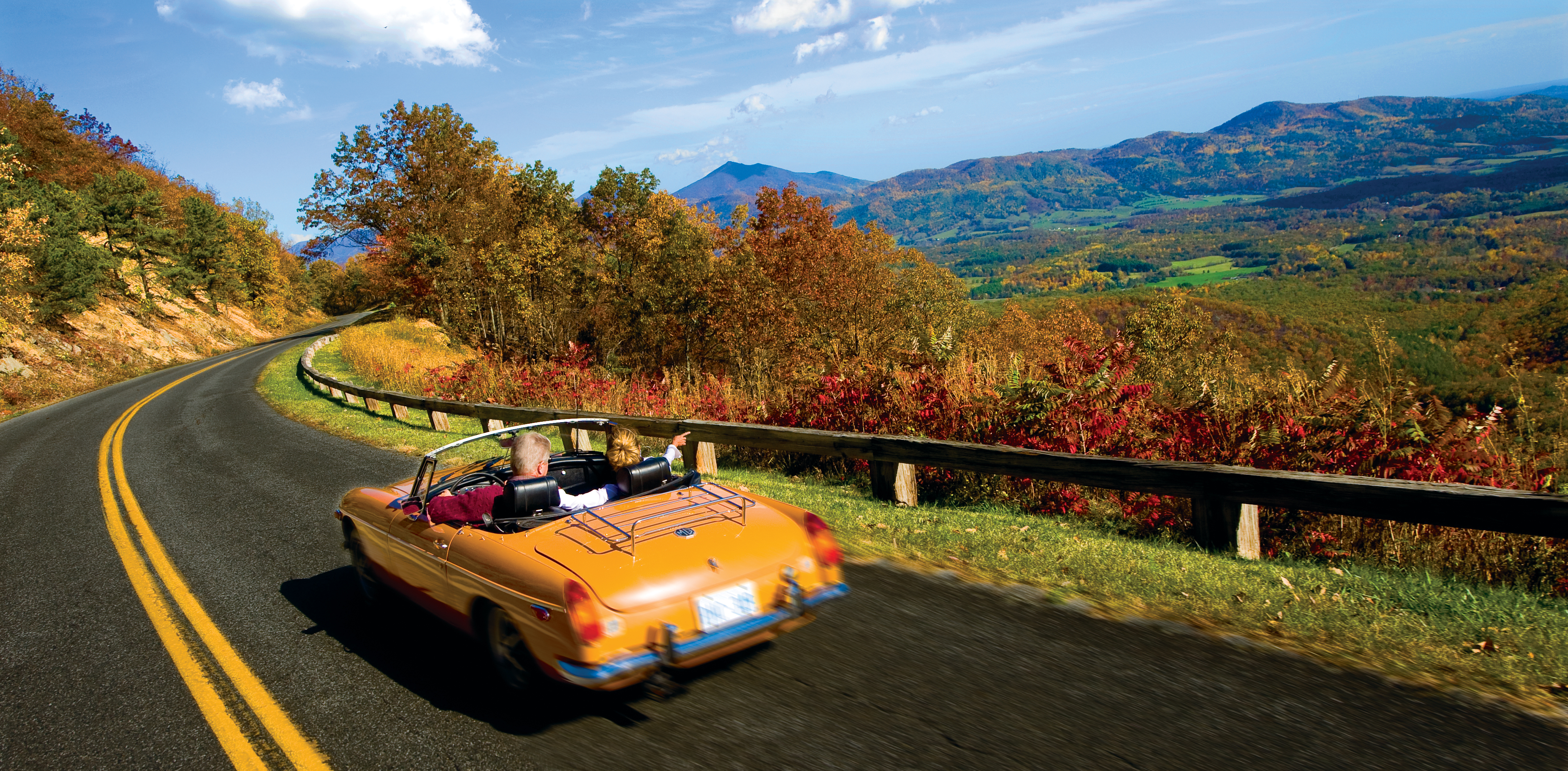
Asheville in September hits the sweet spot: the weather is pleasantly warm with crisp evenings, early fall colors are just starting to tint the Blue Ridge Mountains, and the city buzzes with outdoor concerts, farmers’ markets, and beer festivals. The Blue Ridge Parkway — one of the longest and most spectacular scenic drives in the U.S. — is at its best when the summer heat breaks but the leaves haven’t peaked yet, meaning fewer parkway traffic jams and clearer views.
Fly into Asheville Regional Airport (AVL), stay downtown or in South Slope (the brewery district), and spend your days on the parkway or exploring nearby Hendersonville, nicknamed “Apple Alley.” September is harvest season: orchards, corn mazes, and pumpkin patches are in full swing, and farm stands overflow with spiced cider and hot donuts. The parkway drive itself takes as long as you want — stop at overlooks, short hikes, and scenic pullouts; plan for a full day if you’re driving the entire 469-mile length, or tackle sections in 2-3 hour chunks.
- Why September wins: Warm days for hiking and outdoor festivals, cool nights for sleeping, and the parkway is open and clear.
- Best stay style: Mountain inns or downtown Asheville hotels with easy access to breweries and restaurants; you’ll want walkable nightlife after scenic drives.
- Insider move: Visit Hendersonville’s orchards and farm stands on a weekday morning before crowds arrive; the spiced cider and fresh donuts are worth the early start.
Beaufort and the Sea Islands
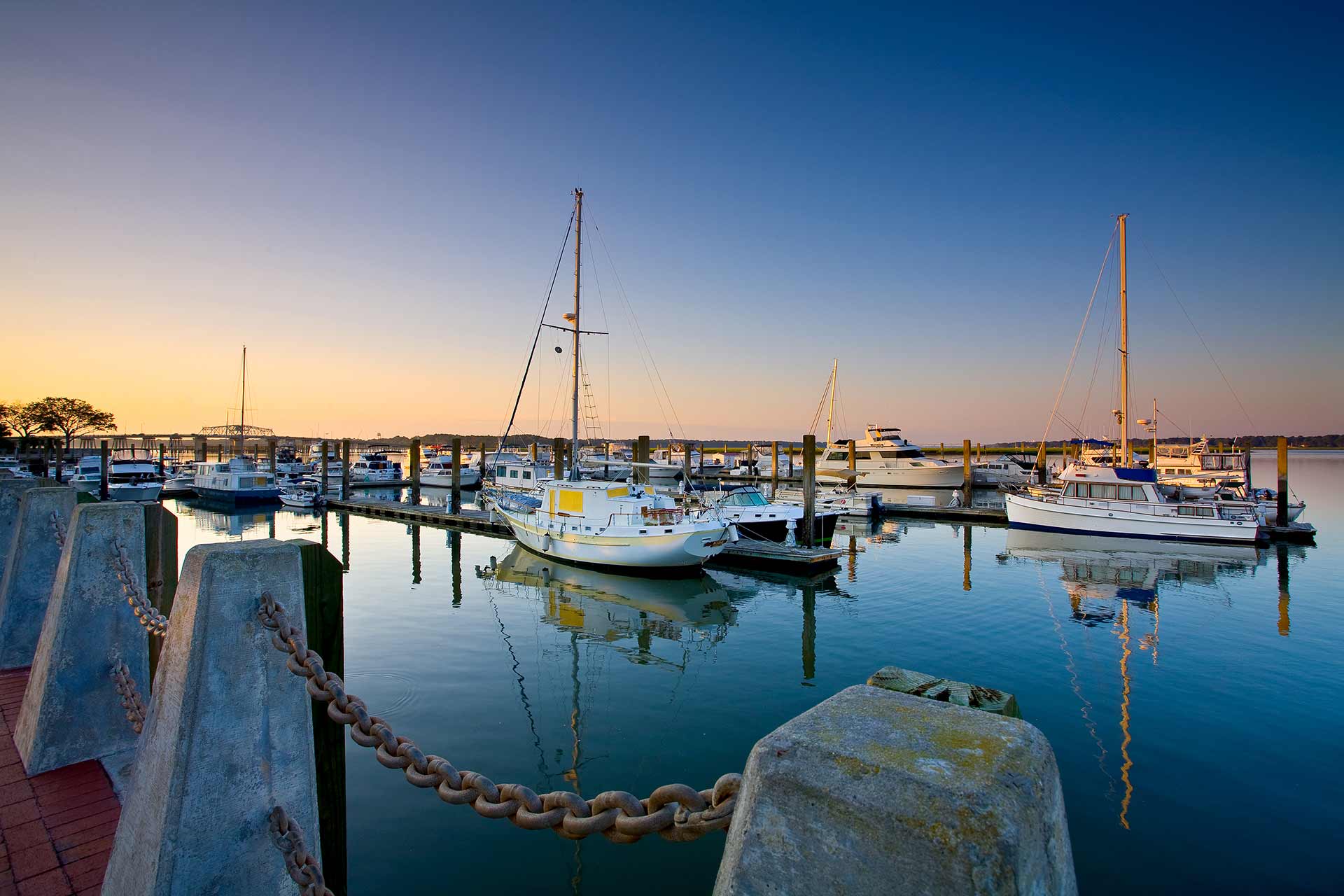
Beaufort is the quieter, slower version of Charleston — a historic seaport with Spanish moss draped over live oaks, salt marshes, and a laid-back Lowcountry vibe that feels genuinely removed from the tourist circuit. September weather is warm and mostly dry, the water is still swimmable, and the town is practically empty compared to summer and October weekends.
Base yourself in downtown Beaufort (walkable, with restaurants and galleries) and use it as a hub for day drives to nearby Sea Islands — Hunting Island State Park, Fripp Island, and St. Helena Island. The drive from Charleston (CHS) is about 1.5 hours; from Savannah (SAV) it’s roughly the same.
Beaufort’s appeal is slowness: spend mornings walking the waterfront, afternoons exploring salt marshes by kayak or car, and evenings on a porch watching the light change over the water.
- Why September wins: Warm water for swimming, golden afternoon light for photography, and virtually no crowds.
- Best stay style: Historic inns or waterfront cottages in downtown Beaufort; the whole point is to walk to dinner and not need a car after dark.
- Insider move: Visit Hunting Island State Park on a weekday; the lighthouse, beach, and maritime forest trails are nearly empty, and the light at sunset is unreal.
Dauphin Island and the Alabama Gulf Coast
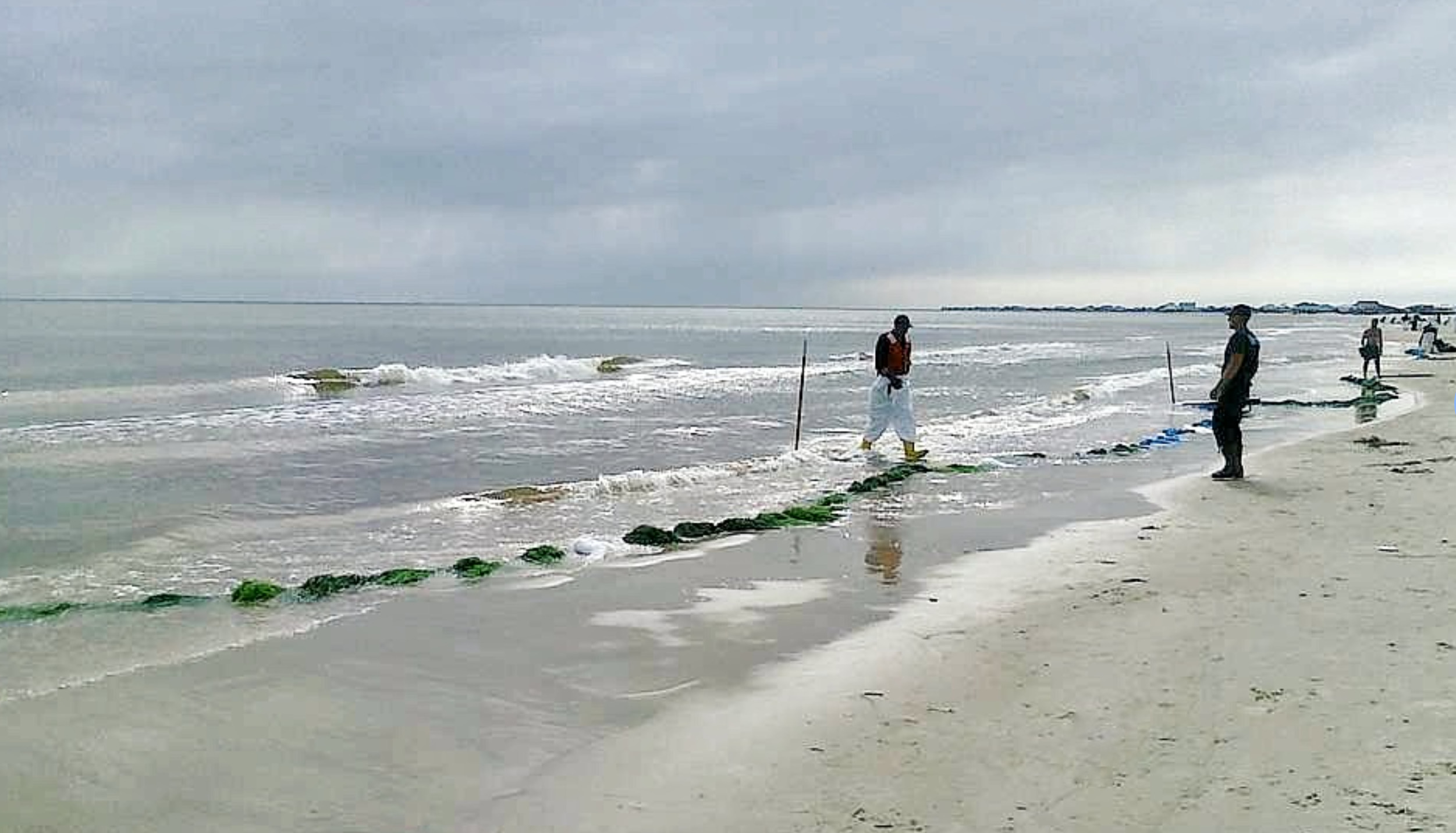
Dauphin Island is a 14-mile barrier island off the Alabama coast that most road-trippers skip entirely — which is exactly why it’s worth the detour. September means warm water for swimming, migratory birds arriving for fall, and beaches that feel genuinely empty.
The island has a small-town feel, a working fishing pier, and views across the Gulf that shift from blue to gold as the day moves on.
Fly into Mobile Regional Airport (MOB) and drive 50 minutes south on AL-193 over the Gordon Persons Bridge to reach the island. Stay for 2-4 nights in a beachfront cottage or small hotel; the whole island is only 14 miles long, so you’re never more than a 15-minute drive from anywhere.
Spend mornings on the beach, afternoons exploring the Audubon Bird Sanctuary or driving the scenic loop, and evenings at the fishing pier or a waterfront restaurant.
- Why September wins: Water temperature is still in the mid-70s, summer crowds are gone, and early fall migration brings birding opportunities.
- Best stay style: Beachfront cottages or small island hotels; you want direct beach access and the sound of water from your room.
- Insider move: Visit the Audubon Bird Sanctuary in early morning during migration season; September brings warblers, herons, and shorebirds that are nearly invisible to casual visitors.
Top 5 Pacific Northwest and Alaska Routes for Adventure
September transforms the Pacific Northwest and Alaska into a rare sweet spot where summer crowds evaporate, alpine tundra ignites with gold and crimson, and wildlife remains active before winter closes access—making this the last real window to tackle glacier tours, high-elevation hikes, and remote wilderness drives without fighting shoulder-season chaos.
| Route | Best For | Drive Time from Major Hub | Key Advantage in September |
|---|---|---|---|
| Seattle and the Olympic Peninsula | Coastal scenery, temperate rainforest, wildlife | 2–4 hours from Seattle | Mild weather, fewer crowds, elk spotting |
| North Cascades National Park and the Cascade Loop | Alpine hiking, scenic drive, fall color | 2.5 hours from Seattle | Golden larches, cool temps, post-Labor Day solitude |
| Bend and the High Desert of Oregon | Mountain biking, volcanic landscape, craft beer | 3.5 hours from Portland | Perfect riding weather, clear skies, fewer tourists |
| Wallace and the Idaho Panhandle | Historic mining town, river scenery, outdoor recreation | 4 hours from Spokane | Comfortable temps, fall foliage begins, quiet roads |
| Kenai Fjords National Park, Alaska | Glacier tours, marine wildlife, remote wilderness | 4.25 hours by train from Anchorage to Seward | Last chance for boat access before winter, whales and otters active |
Seattle and the Gateway to the Olympic Peninsula
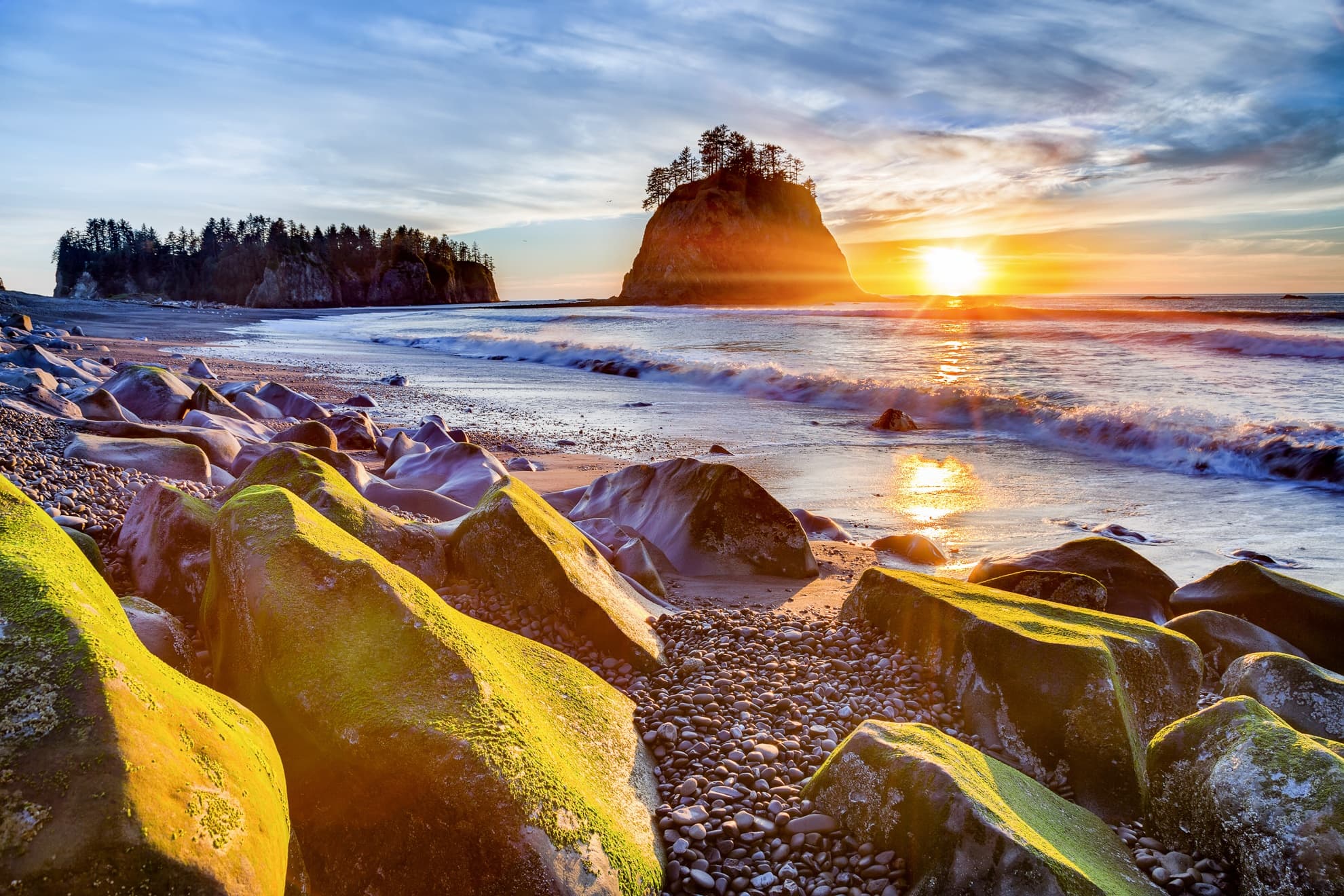
Base yourself in Seattle or the small towns ringing the Olympic Peninsula—Port Townsend, Port Angeles, or Forks—to access temperate rainforest, dramatic coastal cliffs, and wildlife viewing without the summer gridlock. September weather is mild and dry enough for serious hiking, yet cool enough that you won’t overheat on the trail.
Elk herds are visible in the early morning along Highway 101, and the peninsula’s quieter after Labor Day means parking at trailheads and lodges fills up far less.
- Why September wins: Post-summer calm, comfortable hiking temps (55–65°F typical), and active wildlife before fall migration intensifies.
- Drive flow: From Seattle, head west across the Tacoma Narrows Bridge to Olympia, then north to Port Townsend or Port Angeles (2–3 hours depending on your destination).
- Stay strategy: Port Townsend offers Victorian-era charm and waterfront access; Port Angeles sits closest to Hurricane Ridge and the Hoh Rainforest trailheads.
- Insider tip: Arrive at popular trailheads (Hoh Rainforest, Sol Duc Falls) by 7 a.m. to secure parking and avoid the midday tour-bus crowds that still show up even in September.
North Cascades National Park and the Cascade Loop
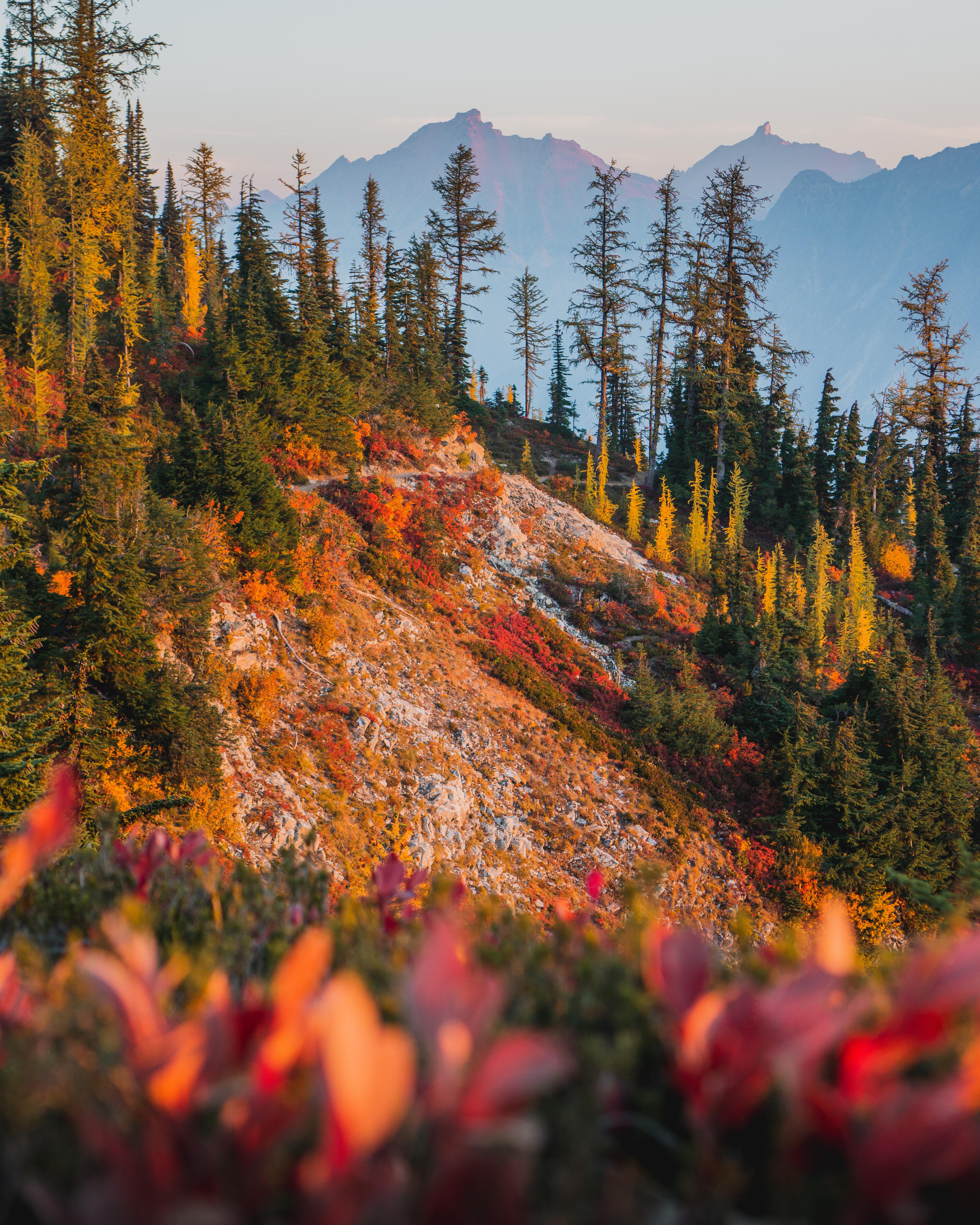
Highway 20 through the North Cascades is the Pacific Northwest’s most dramatic scenic drive, and September is when golden larches and fiery alpine foliage make it unmissable. The park sits roughly 2.5 hours northeast of Seattle, and the Cascade Loop—a 440-mile circuit that includes the North Cascades, Lake Chelan, and the Wenatchee Valley—is best tackled as a 4–5 day road trip with strategic overnight stops to avoid backtracking across this vast terrain.
- Why September is peak: Summer crowds vanish after Labor Day, cool mountain air (45–60°F at elevation) keeps you alert on the drive, and the alpine tundra glows with early fall color—a window that closes fast as October storms roll in.
- Highway 20 closure risk: The North Cascades Highway typically closes in winter; September is your last guaranteed month of full access before seasonal closures begin in late October or November.
- Stay strategy: Base yourself in Marblemount or Concrete (west side) for easy Highway 20 access, or Winthrop (east side) for drier high-desert scenery and proximity to the Methow Valley’s mountain-biking trails.
- Hike priority: Cascade Pass and Sahale Arm offer the most dramatic alpine views and are typically snow-free by early September; confirm trail conditions with the park before you go.
Bend and the High Desert of Oregon
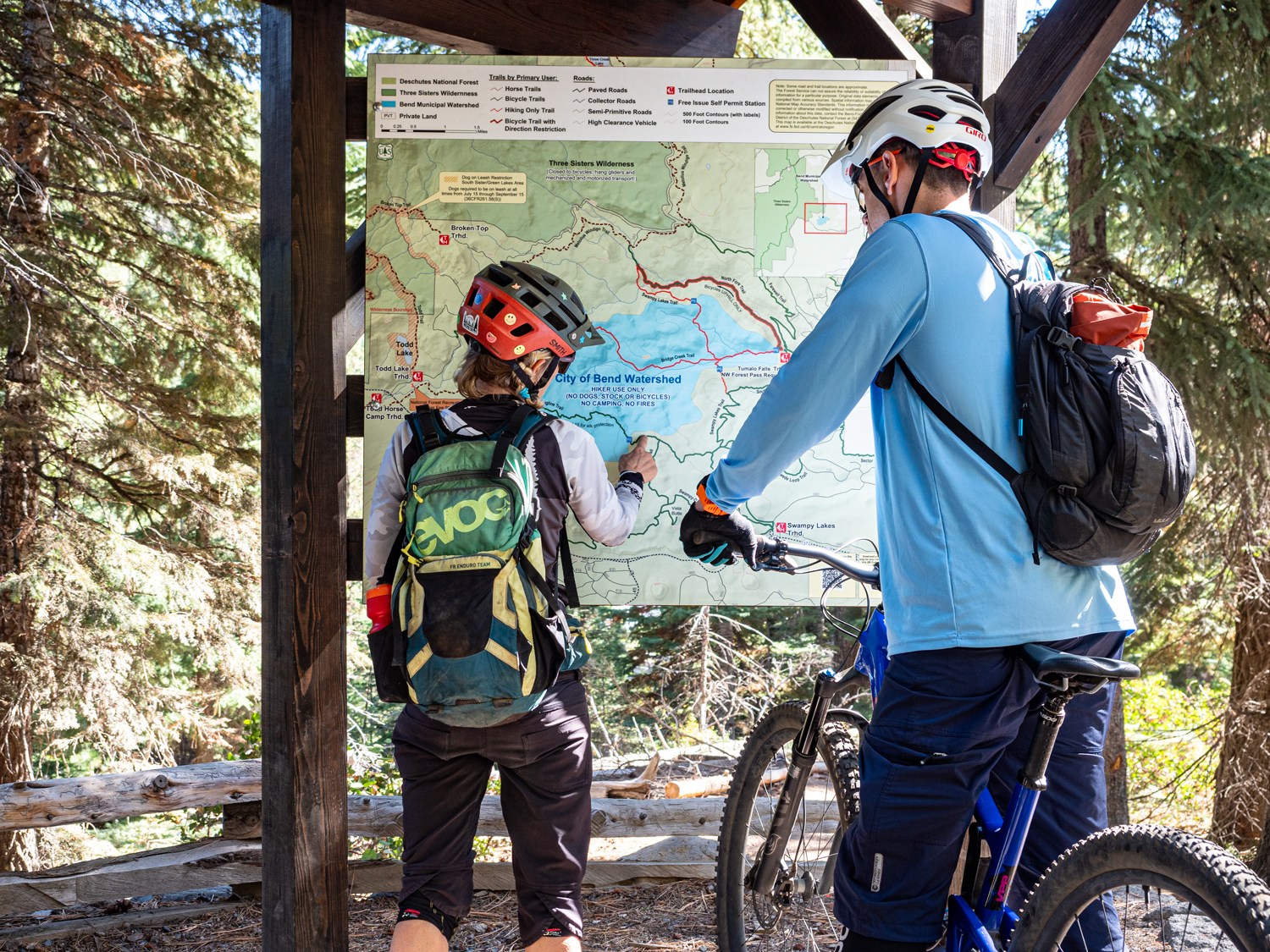
Bend sits at 3,600 feet in Oregon’s high desert, roughly 3.5 hours southeast of Portland, and September is when the mountain-biking capital of the Pacific Northwest hits its stride—clear skies, cool mornings (50–65°F), and the summer dust-bowl heat finally breaks. The town is surrounded by volcanic cinder cones, pristine lakes, and hundreds of miles of singletrack, plus a craft-beer scene that rewards post-ride hangs.
- Why September works: Perfect riding temps, fewer tourists than July–August, and the high desert’s clear skies mean reliable weather for multi-day trips.
- Stay strategy: Downtown Bend offers walkable breweries, restaurants, and bike shops; the town is compact enough that you can base yourself in one spot and day-trip to different trailheads.
- Beyond biking: Crater Lake National Park is 2 hours south (a stunning half-day detour), and the Deschutes River offers rafting and fly-fishing if you need a break from the saddle.
- Insider detail: Book lodging by early August if you’re traveling the first two weeks of September—mountain-biking events and Labor Day weekenders fill rooms fast, even in the shoulder season.
Wallace and the Idaho Panhandle
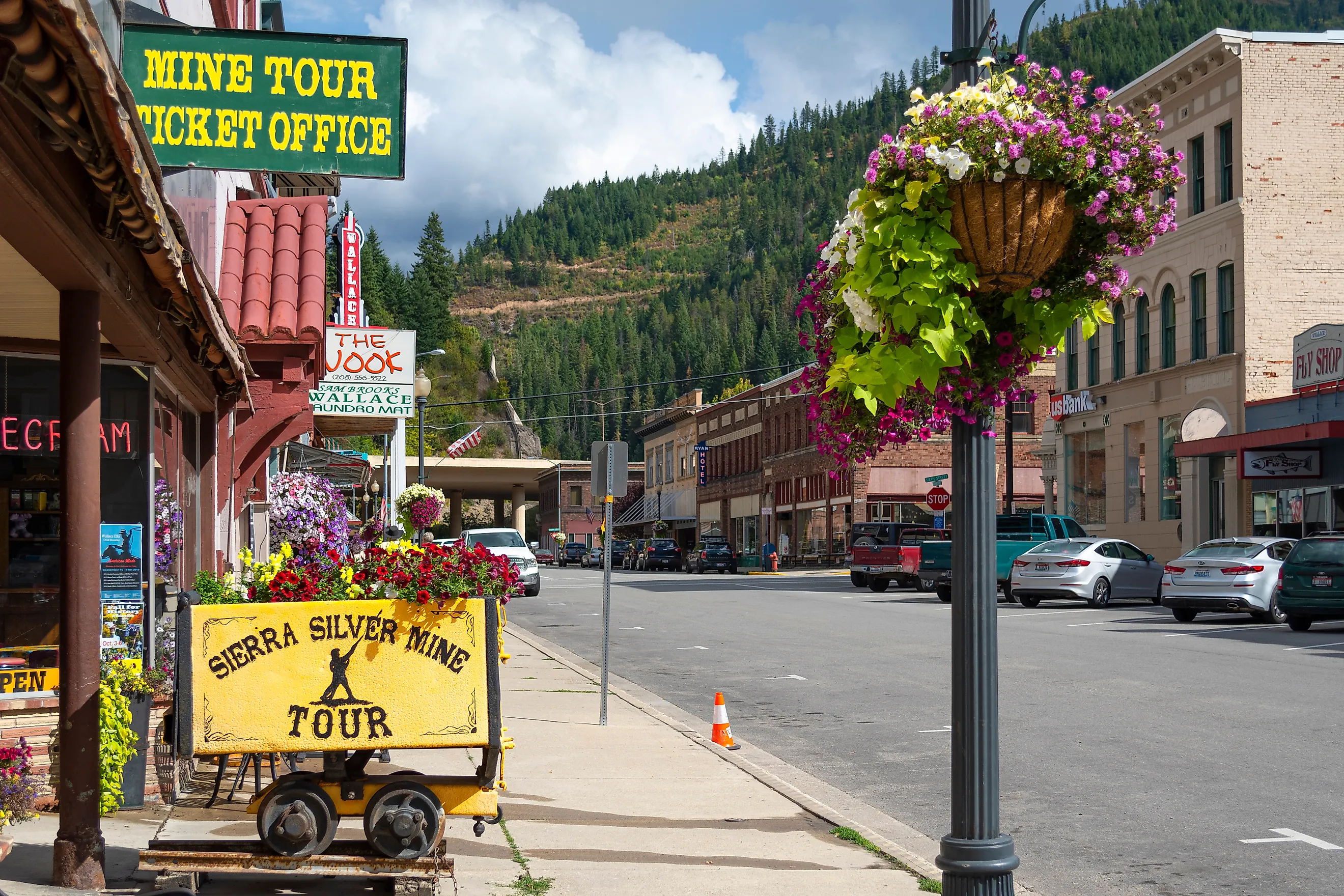
Wallace is a beautifully preserved 1880s silver-mining town nestled in the Coeur d’Alene National Forest, roughly 4 hours east of Spokane, Washington. September brings comfortable hiking temps, the first hints of fall foliage in the surrounding mountains, and a quiet authenticity that vanishes once winter tourism kicks in.
The town serves as a perfect overnight stop on a longer Pacific Northwest road trip or a three-day base for exploring the Panhandle’s river valleys, old mining roads, and forest trails.
- Why September fits: Daytime temps hover around 65–70°F, nights cool to 45°F (ideal for sleeping), and the summer tourist rush has cleared out.
- Stay strategy: The historic downtown has small inns and bed-and-breakfasts within walking distance of restaurants and the Mining Museum; avoid chain hotels on the highway and stay in town for character and walkability.
- Activities: The Coeur d’Alene River offers scenic drives and moderate hikes; the Hiawatha Trail (a converted railroad grade) is a 15-mile out-and-back perfect for families and casual riders.
- Route context: Wallace works best as an overnight stop between Spokane and the North Cascades, or as a base for exploring the Wallowa Mountains and Hells Canyon to the south.
Kenai Fjords National Park and the Alaskan Wilds
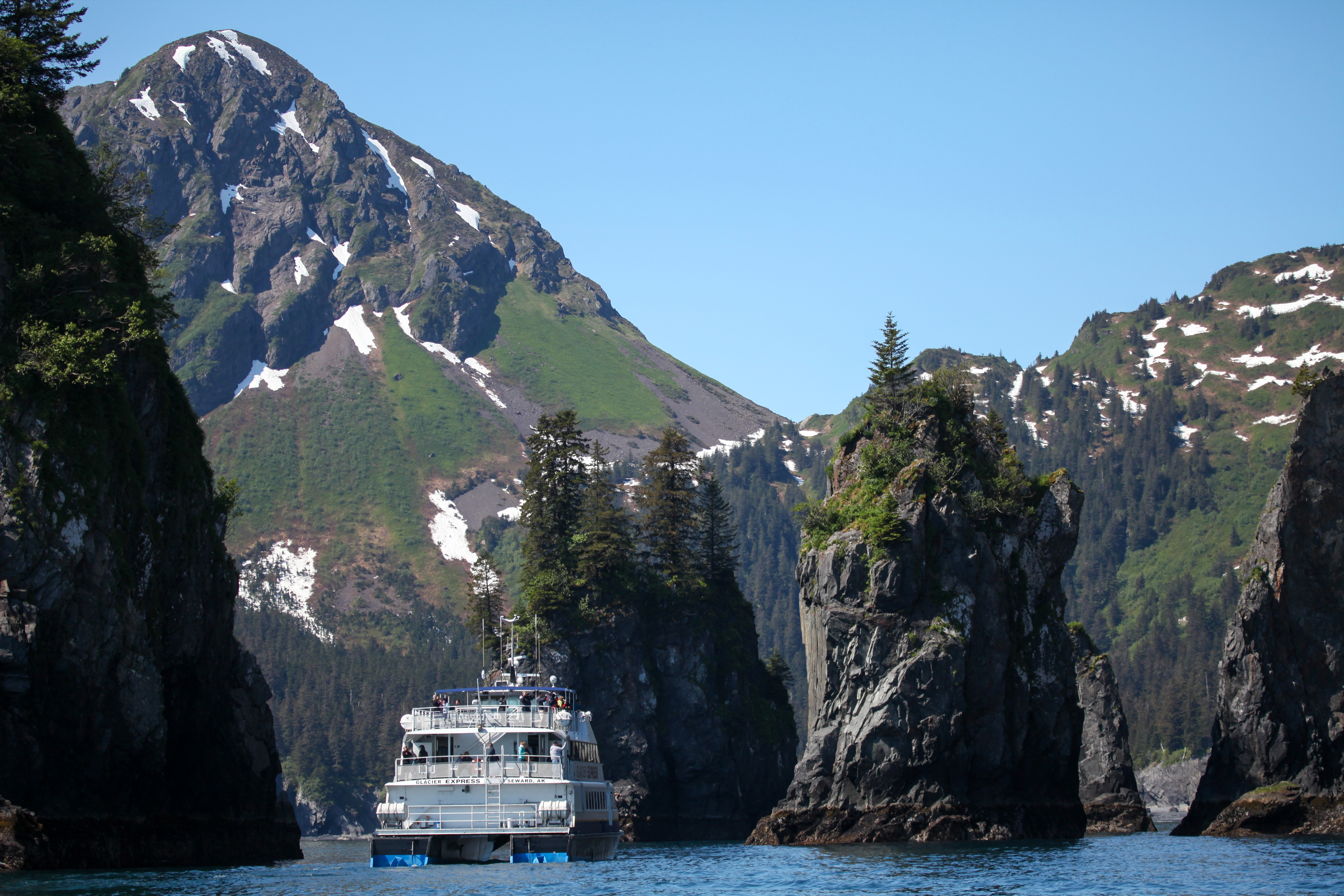
Kenai Fjords is Alaska’s most accessible glacier-viewing destination, reachable via a 4 hour 15 minute train ride south from Anchorage to Seward, the gateway town. September is the last reliable window before winter storms and ice make boat tours impossible—the tidewater glaciers (Holgate and Aialik) are still calving, humpback whales and sea otters remain active, and the alpine tundra glows with early fall color.
Plan for a minimum 5-day trip: 1 day travel, 2–3 days for boat tours and Seward exploration, and 1–2 days for the drive back or onward travel.
- Why September is critical: This is your last real month to access glacier tours before winter closes the park; whales and otters are still feeding actively, and the cool temps (45–55°F) are comfortable for all-day boat exposure.
- Boat tour logistics: Full-day cruises depart Seward daily and typically cost $200–350 per person; book 2–3 weeks ahead for September dates, as tour operators fill quickly before the seasonal closure.
- Stay strategy: Seward is a small fishing town with limited lodging; book accommodations (hotels, cabins, or Airbnbs) by mid-August for September travel. The town sits on Resurrection Bay and offers a scenic, walkable downtown with restaurants and outfitters.
- Train vs. drive: The Alaska Railroad from Anchorage to Seward is scenic and eliminates rental-car stress on unfamiliar roads; the drive is 4 hours by car if you prefer flexibility, but the train experience is worth the premium for first-time visitors.
- Insider tip: Bring layers and waterproof gear for boat tours—spray from glacier calving and open-water conditions mean you’ll get wet even in a covered cabin. The boat’s upper deck offers the best wildlife and glacier views, but exposure is real.
Which Western Road Trips Feature the Best National Parks?
September transforms the West’s most iconic national parks into a photographer’s dream with fewer crowds, cooler hiking temperatures, and the first whispers of fall color painting red rock and alpine tundra. This is the sweet spot—summer heat breaks, peak-season tourists thin out, and the light turns golden.
Base yourself in gateway towns near each park to maximize morning access and avoid the drive-in scramble.
| Destination | Best For | Key September Advantage | Stay Base |
|---|---|---|---|
| Zion National Park, Utah | Canyon hiking and red rock drama | Comfortable temps for full-day hikes; early fall tint on rocks | Springdale (gateway town) |
| Carmel-by-the-Sea & Pacific Coast Highway | Coastal scenery and small-town charm | Warm, clear days; summer fog lifts | Carmel or Big Sur area |
| Santa Fe & High Desert, New Mexico | Art, culture, and mountain trails | Warm days, cool nights; golden cottonwoods; lodging deals | Santa Fe (walkable historic center) |
| Colorado Springs & Pikes Peak Region | Alpine scenery and outdoor activities | Crisp fall air; vibrant foliage at elevation; fewer crowds | Colorado Springs or Manitou Springs |
| Na Pali Coast & Kauai’s North Shore | Dramatic cliffs and tropical adventure | Whales and sea otters active; last boat tours before winter | Hanalei or Princeville (north shore) |
Zion National Park and the Utah Red Rocks
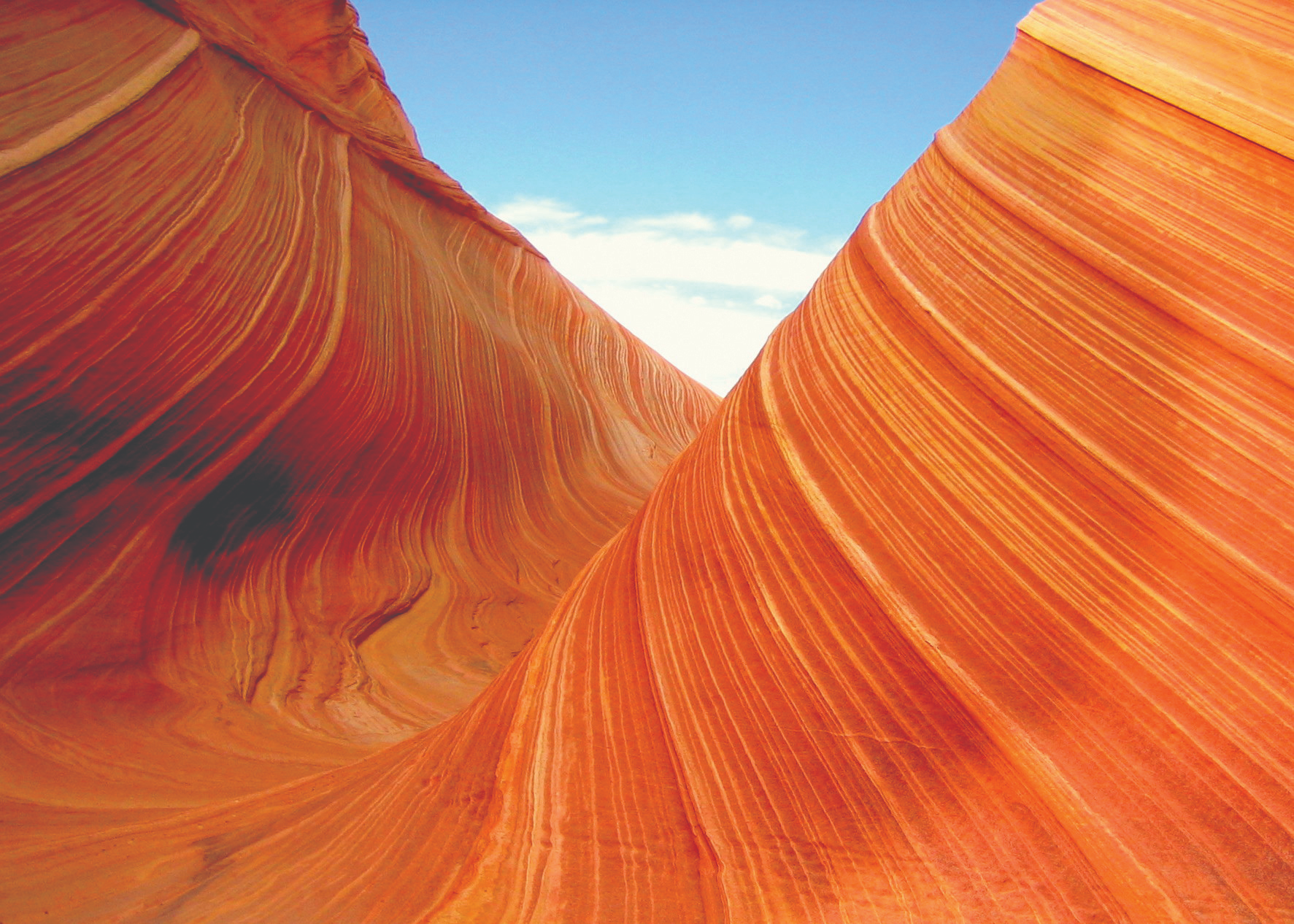
Zion in September is the rare moment when you can hike The Narrows or Angels Landing without melting or waiting in line—temperatures drop to the 70s–80s, and the crowds that choke the park in July have moved on. The Virgin River still runs full, the red rock walls glow deeper orange in the lower-angle September sun, and early fall color begins tinting the canyon floors.
This is when serious hikers actually enjoy the experience instead of enduring it.
The Watchman Campground sits directly inside the park with unobstructed views of the Watchman peak at sunrise and the Virgin River’s gentle rush as your soundtrack. Book months ahead—September fills fast because word has spread.
If camping doesn’t appeal, Springdale (the gateway town just outside the south entrance) has lodging for every budget and sits a 5-minute drive from the visitor center, making early-morning trailhead access effortless. Avoid midday heat by starting hikes before 7 a.m.
- Insider move: The Court of the Patriarchs Viewpoint and Lower Emerald Pool trails are less crowded than Angels Landing but equally stunning in September light.
- Entry fee: $35 per vehicle (valid 7 days); no reservation needed for day use.
- Must-do hike: The Narrows (full hike or partial wade) is safest and most rewarding in September when water levels are manageable.
Carmel-by-the-Sea and the Pacific Coast Highway
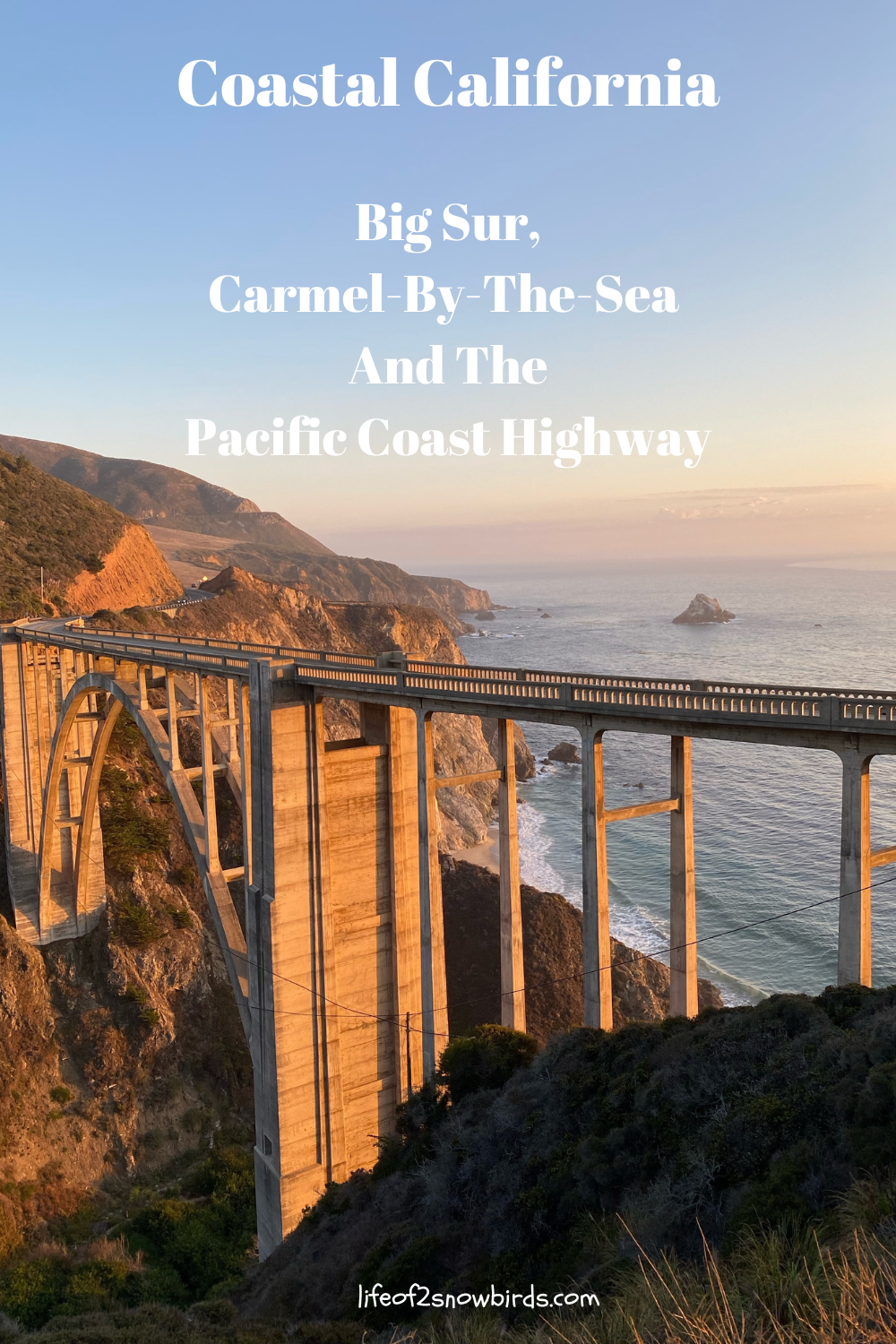
The Pacific Coast Highway in September is pure California myth made real—warm, clear days without summer’s marine layer fog, and the coastal towns shift from tourist gridlock to something closer to their actual character. Carmel-by-the-Sea, with its fairy-tale cottages and art galleries, becomes genuinely walkable instead of shoulder-to-shoulder crowded.
The water is warmest of the year (still cold by most standards, but swimmable for the brave), and the light on the cliffs and coves turns amber and gold.
Stay in Carmel proper or in nearby Big Sur if you want drama and isolation—both put you steps from the highway’s most photographed views and hiking access. Carmel’s downtown is compact and pedestrian-friendly, with galleries, restaurants, and the beach accessible on foot.
Big Sur lodges and cabins trade walkability for solitude and unfiltered coastal views. Either way, drive slowly; the road itself is the destination.
September weather is stable enough that you won’t lose days to fog or rain.
- Best stops: Bixby Bridge, McWay Falls (Julia Burns State Park), Point Lobos State Natural Reserve.
- Insider move: Point Lobos has a 2-hour parking limit but rotates quickly in September—arrive by 9 a.m. or skip the main lot and walk from the overflow area.
- No entrance fee for the highway itself; state parks charge $10–$15 per vehicle.
Santa Fe and the High Desert of New Mexico
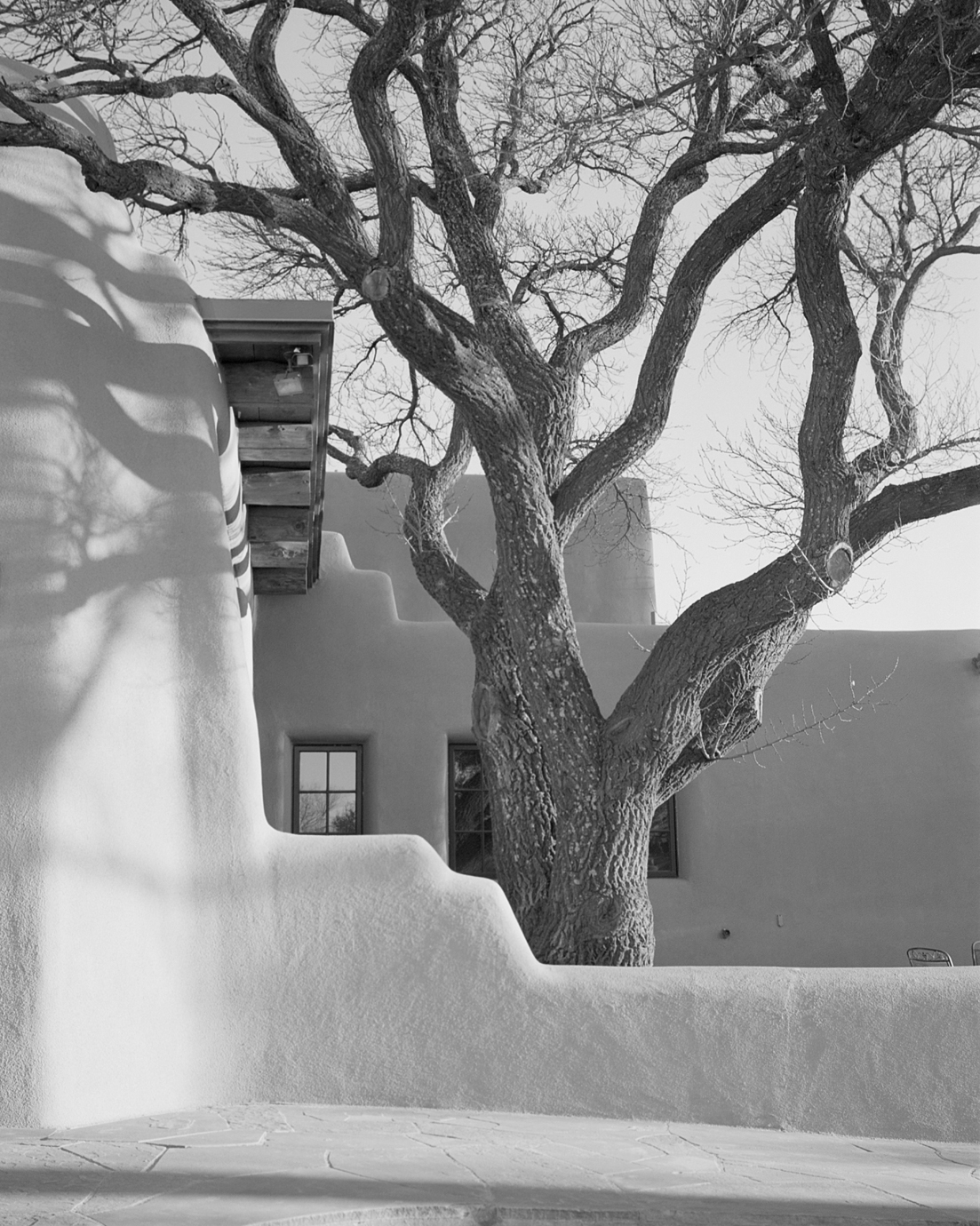
Santa Fe in September is the rare Western destination where you get culture, hiking, and genuine deals on lodging all at once. Temperatures are warm by day (70s–80s) and cool at night—perfect for wandering the historic adobe streets and art galleries without overheating, then hiking into the surrounding mountains without exhaustion.
Golden cottonwoods begin their glow along the trails, and the mountain air carries that crisp clarity that makes the light feel almost three-dimensional. Hotel rates drop noticeably after Labor Day, and you’ll actually find tables at restaurants without reservations.
Base yourself in Santa Fe’s historic center (the Plaza area), where everything from galleries to trailheads is walkable or a short drive away. The town itself is the experience—narrow streets, local art, excellent food, and proximity to hiking in the Sangre de Cristo Mountains.
September is mild enough that you can spend mornings on the trails and afternoons in galleries without weather interrupting either.
- Best hikes: Atalaya Trail (moderate, 7.2 miles) and Aspen Vista Trail (easier, 5 miles) both offer mountain views and early fall color.
- Insider move: The Georgia O’Keeffe Museum and Canyon Road galleries are less crowded in September—you can actually see the work without jostling.
- No park entrance fees for hiking around Santa Fe; some trailheads have small parking donations.
Colorado Springs and the Pikes Peak Region
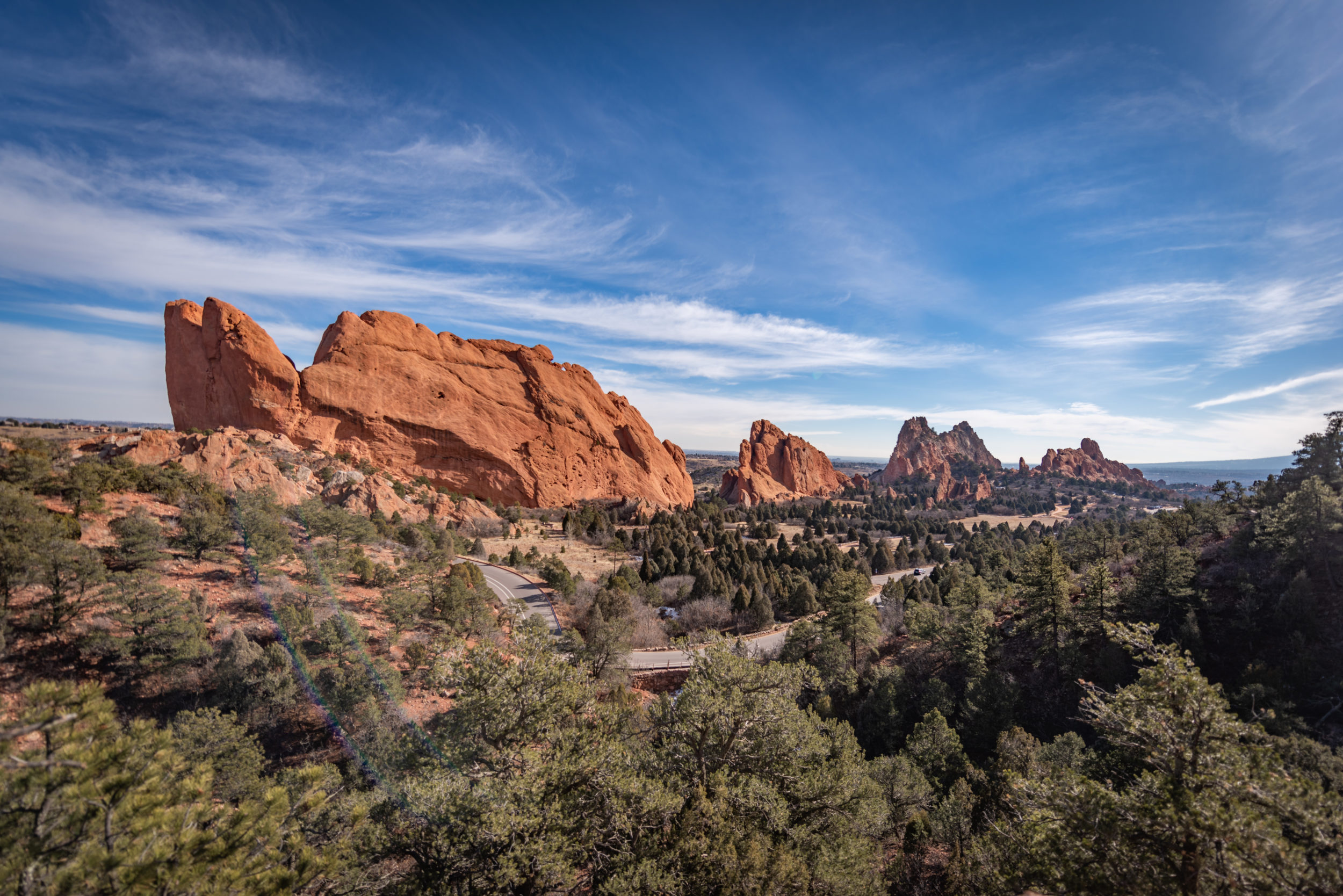
Colorado Springs in September delivers what the name promises—cool, crisp mountain air that makes hiking feel like a privilege instead of a slog, and the aspen and cottonwood trees begin their gold transformation against the red rock backdrop. Garden of the Gods and North Cheyenne Cañon Park glow in early fall color, and the Pikes Peak Cog Railway runs through vibrant foliage as it climbs to 14,115 feet.
Crowds have thinned significantly from summer, and the light is that perfect golden-hour quality all day long.
Stay in Colorado Springs proper or the nearby mountain town of Manitou Springs (a 20-minute drive north) for a more intimate base. Colorado Springs offers more amenities and easier access to the highway; Manitou Springs trades convenience for charm and puts you closer to the cog railway and some of the best hiking.
Either way, September weather is stable and predictable—you won’t lose days to afternoon thunderstorms like you might in July and August.
- Must-do activities: Pikes Peak Cog Railway (book ahead; $20–$30 round trip), Garden of the Gods (free; 1,300 acres of trails and red rock), Seven Falls (small entry fee; dramatic waterfall hike).
- Best hike: North Cheyenne Cañon Park offers moderate trails with stream access and aspen groves at their color peak in late September.
- Insider move: Arrive at Garden of the Gods before 8 a.m. to secure parking and avoid the midday tour bus crowds.
The Na Pali Coast and Kauai’s North Shore
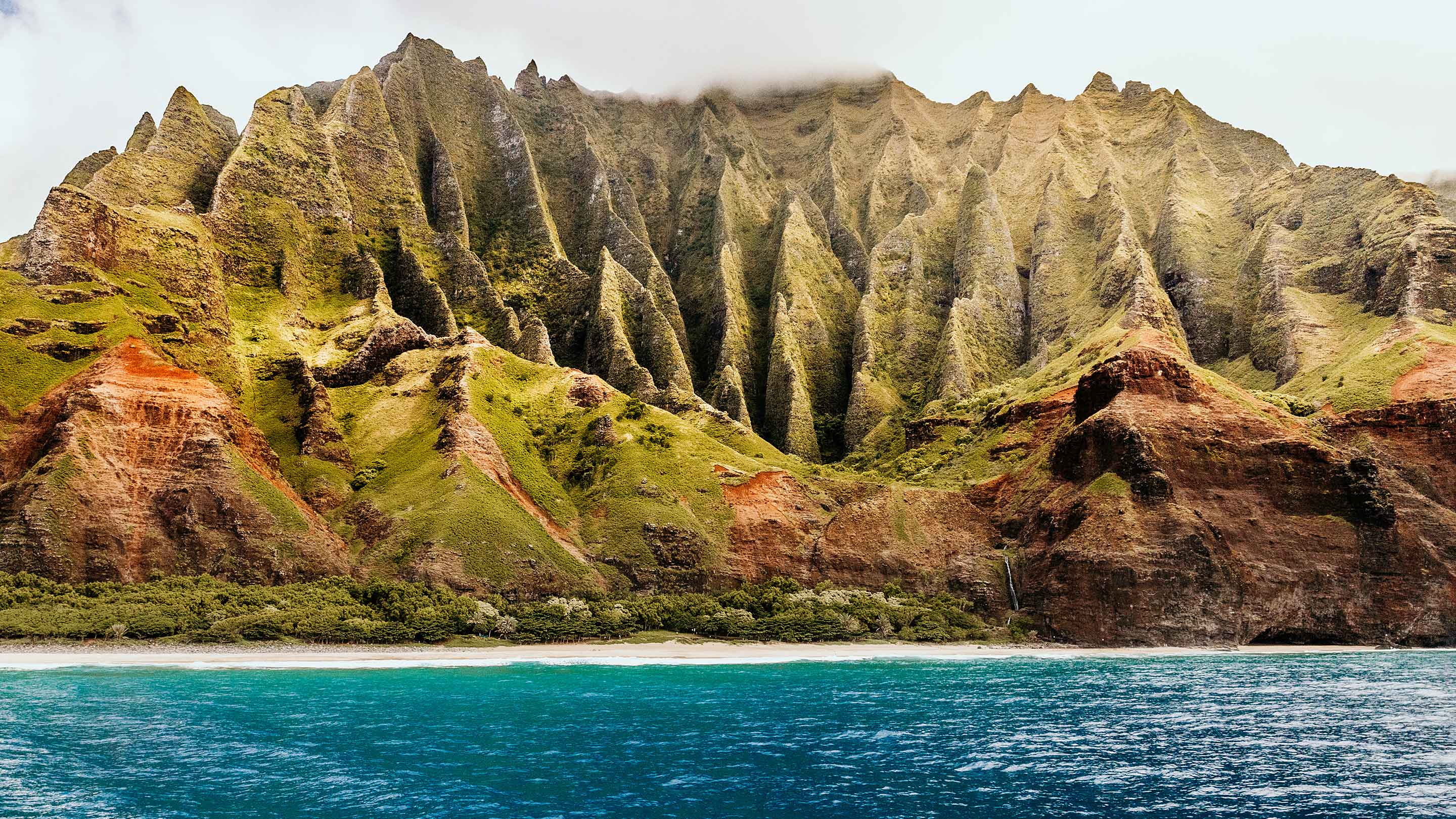
Na Pali Coast in September is the last window before winter swells and rough seas make boat tours impossible—and it’s worth the trip. Whales and sea otters are still active, the alpine tundra-like vegetation glows with early fall color (yes, Hawaii has seasonal change), and the temperatures remain warm and stable.
The cliffs are as dramatic as any landscape in America, and September crowds are a fraction of summer’s chaos. This is the month when the North Shore actually feels accessible instead of overwhelmed.
Base yourself in Hanalei or Princeville on Kauai’s north shore—both are walkable, charming towns with direct access to Na Pali boat tours and hiking. Hanalei is the more bohemian option with a genuine village feel; Princeville is more resort-oriented but offers more lodging variety.
Book boat tours (Zodiac or catamaran; expect $150–$200 per person) as soon as you arrive—September is the last month before winter makes them unreliable or impossible. The Kalalau Trail hike is also best attempted in September when water levels are manageable and weather is stable.
- Best experience: Boat tour to Na Pali (Zodiac is faster and more thrilling; catamaran is smoother and better for photography).
- Alternative hike: Kalalau Trail is 11 miles one-way and requires a permit; the first 2 miles to Hanakapiai Beach are doable as a day hike and offer Na Pali views without the full commitment.
- Insider move: Book tours early morning to avoid afternoon swell and maximize calm water for photography.
- No park entrance fee for Na Pali Coast State Park; boat tour operators charge separately.
Best Hidden Gem Road Trips in the Midwest and Central USA
The Midwest in September offers something the coasts don’t: uncrowded natural beauty, affordable lodging, and a genuine sense of discovery. These routes skip the Instagram-famous parks and instead deliver dramatic landscapes, quirky towns, and the kind of driving where you’re not stuck in traffic behind tour buses.
Both destinations hit their sweet spot in early fall—warm enough to enjoy water and hiking, cool enough that humidity finally breaks.
The Ozark Mountains: Missouri, Arkansas, and Oklahoma
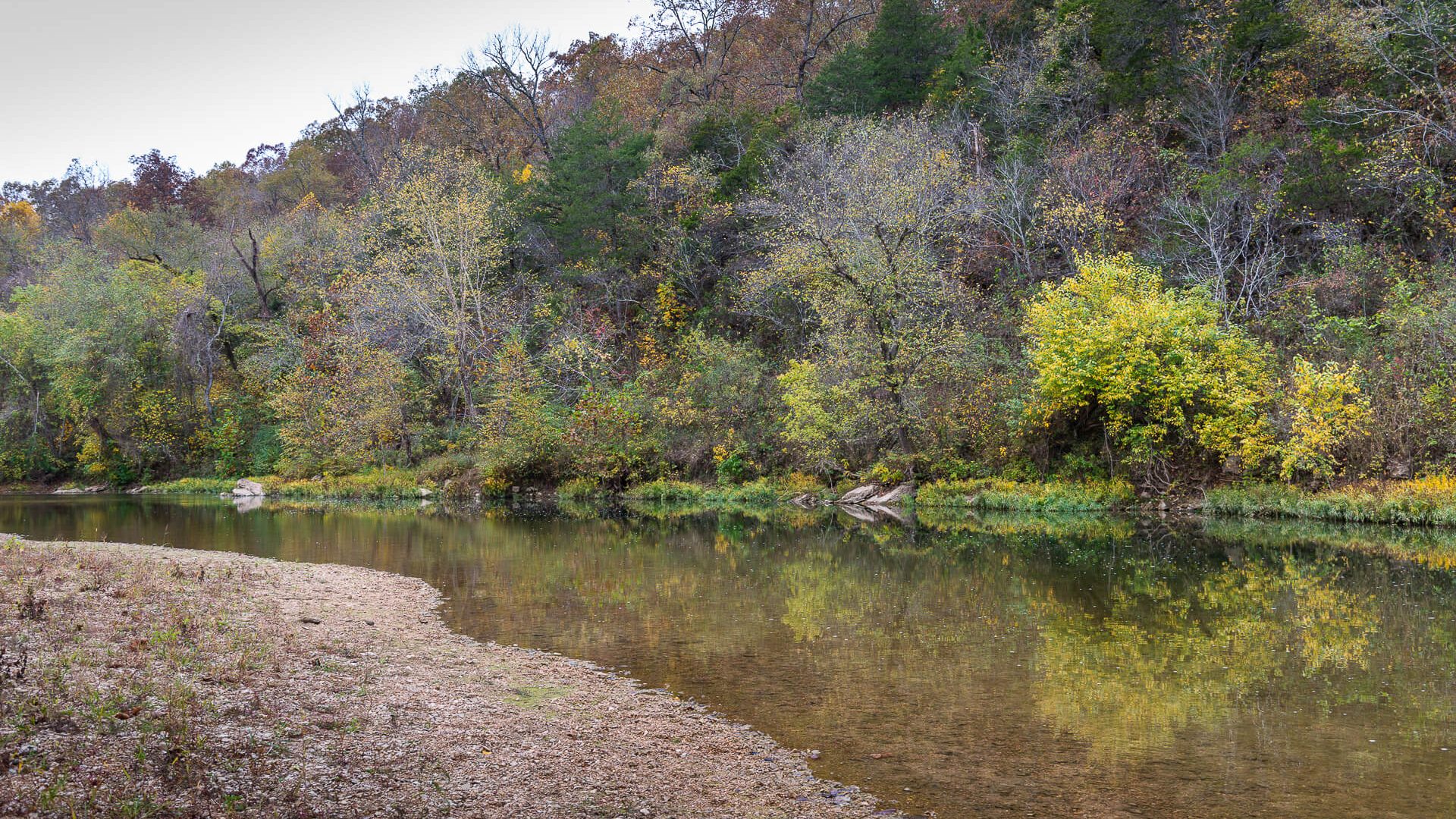
Lake Ozark and the surrounding Ozark plateau deliver rugged bluffs, clear lakes, and hiking that rivals much more famous destinations—without the crowds or the price tag. This is limestone country: caves, springs, and water so clean you can see 30 feet down.
September water temperatures are still swimmable (mid-70s), and the summer heat finally releases its grip.
Why this wins for September: Peak season crowds thin out after Labor Day, but weather stays stable. The lakes are warm enough for kayaking and swimming. Fall colors start creeping in by late September, especially in the higher elevations.
- Base yourself in: Branson, Missouri (the main hub with the most lodging variety and restaurant options) or Eureka Springs, Arkansas (smaller, more artsy, better for couples seeking boutique stays and galleries). Both are 90 minutes to 2 hours from major Ozark attractions.
- Drive time and route flow: This is a loop, not a straight shot. Plan 4–5 days minimum to avoid backtracking. Start in Branson, drive south into Arkansas (Eureka Springs, Buffalo National River), then swing through Oklahoma’s Winding Stair Mountains before returning north.
- What to do: Kayak or canoe the Buffalo National River (Class I–II rapids, beginner-friendly). Hike to waterfalls and bluffs—Hawksbill Crag is the most photographed spot, but it’s a short 2-mile round trip and worth the early start. Explore caves like Blanchard Springs Caverns (guided tours, cool year-round). Swim or paddleboard at Table Rock Lake or Beaver Lake.
- Insider detail: Skip the main Branson attractions (Silver Dollar City, theme shows) unless you’re traveling with kids. The real Ozarks experience is in the national forests and state parks, not the tourist strip.
Saugatuck and Douglas: Michigan’s Art Coast
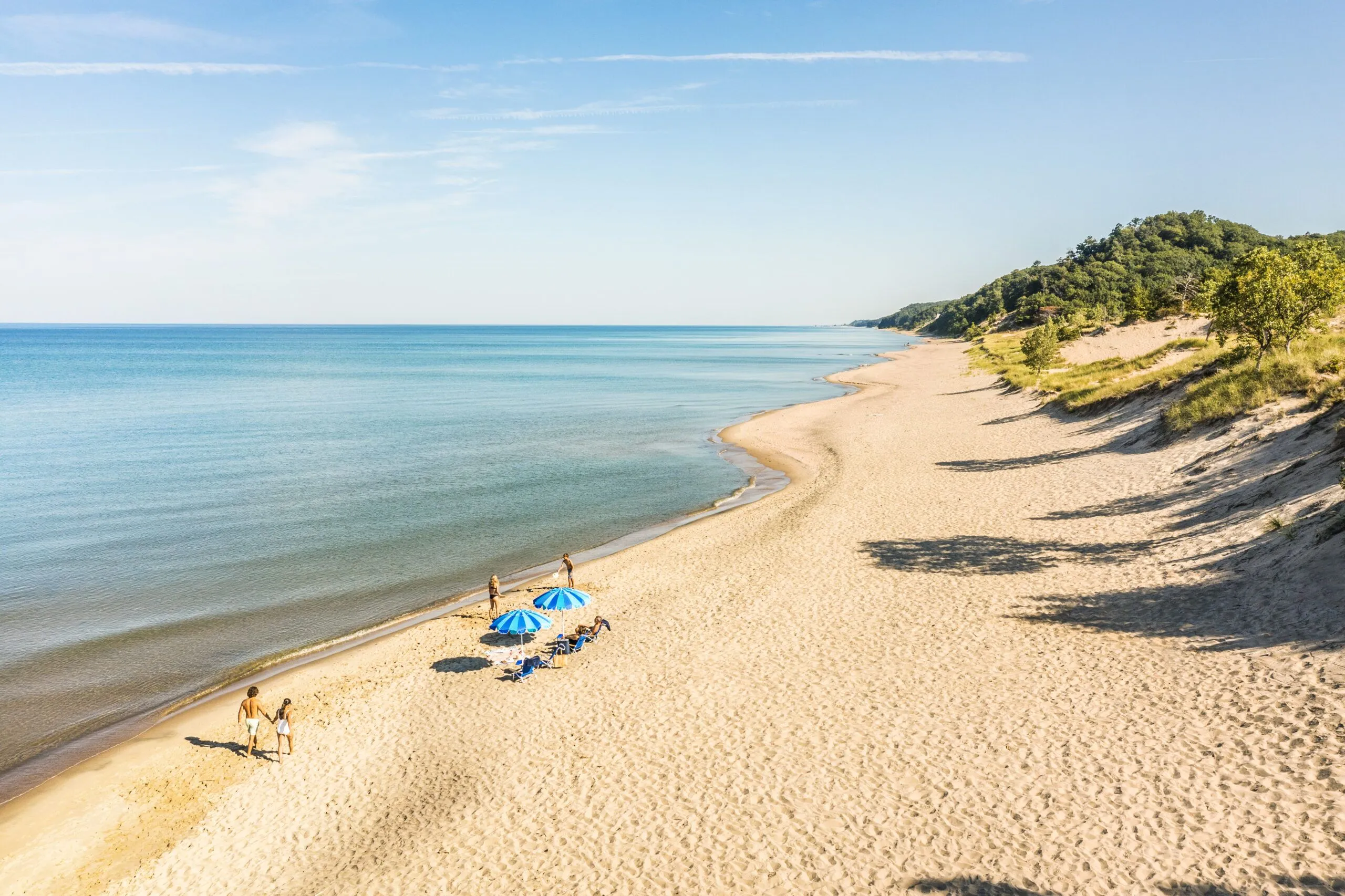
Two small towns separated by a drawbridge and Lake Michigan, Saugatuck and Douglas punch far above their weight as a September destination. Art galleries outnumber chain restaurants, the beach is backed by towering sand dunes, and the vibe is creative without being pretentious.
September is the ideal month: summer tourists leave, the water is warmest of the year (low 70s), and the light turns golden.
Why this wins for September: Peak season ends after Labor Day, but weather is still excellent. The lake is finally warm enough to actually swim in.
Hotels drop prices 20–30% from summer rates. Art galleries and local restaurants are less packed, making reservations easier.
- Base yourself in: Saugatuck proper if you want walkable galleries, restaurants, and beach access in one spot. Douglas if you prefer quieter, more residential feel with equally good beach access. Both are small enough that driving between them takes 10 minutes.
- What to do: Walk the downtown gallery circuit (Saugatuck has 20+ galleries concentrated on Butler Street and surrounding blocks). Climb the Dunes (Mount Baldhead offers a 260-step staircase and panoramic lake views—worth the 20-minute round trip). Kayak or paddleboard on Kalamazoo Lake (rentals available at both towns). Swim or sunbathe at the public beaches (Oval Beach in Saugatuck is the most popular; Tiscornia Beach in Douglas is quieter).
- Lodging style: Boutique inns and vacation rentals dominate here—no major chains. Book early September for Labor Day weekend, but mid-to-late September offers better availability and lower rates. Waterfront cottages and beach-adjacent B&Bs are the move if budget allows.
- Insider detail: The drawbridge between Saugatuck and Douglas opens on the hour and half-hour in summer, but September schedules are lighter—check before planning a timed crossing. Arrive for dinner reservations by 6 p.m.; most restaurants fill by 7 p.m. even in shoulder season.
Quick comparison: Choose the Ozarks if you want hiking, water sports, and natural drama on a tight budget. Choose Saugatuck-Douglas if you want a walkable, artsy small-town escape with lake swimming and gallery browsing.
Both are 6–8 hour drives from major Midwest cities (Chicago, St. Louis, Kansas City), making them perfect for long-weekend road trips.
Frequently Asked Questions
Is September too early for fall foliage, or is it actually the sweet spot?
September delivers early color in specific zones—the Northeast mountains, particularly New England’s higher elevations and the Adirondacks, show genuine foliage by late September. Lower elevations and southern regions (Asheville, the Blue Ridge Parkway, Charleston) stay mostly green through September, with color peaking in October.
The real win of September foliage isn’t peak color everywhere—it’s catching the first dramatic shifts in places like the North Cascades and alpine areas while avoiding October’s crowds and higher prices. If you’re chasing full, saturated fall color across an entire region, wait until mid-October; if you want early hints, crisp air, and fewer people, September is exactly right.
Will I actually avoid crowds in September, or is it still busy?
September clears out significantly after Labor Day—national parks, coastal towns, and mountain destinations all see sharp drops in visitor volume compared to July and August. Acadia, the Pacific Northwest routes, and mountain lodges are noticeably quieter.
The trade-off: early September (before Labor Day) still carries summer crowds and pricing; late September (after the holiday) is when the real calm arrives. Weekdays are always emptier than weekends.
Booking accommodations becomes easier and more affordable in late September, and popular hikes and scenic drives feel genuinely peaceful rather than packed.
What’s the weather actually like on these road trips in September?
September weather varies dramatically by region. The Northeast and Pacific Northwest stay mild and mostly dry—expect 60–75°F with clear skies ideal for driving and hiking.
Southern routes (Charleston, Beaufort, Dauphin Island) remain warm and humid, typically 75–85°F, though hurricane season is technically active (though direct hits are rare). Mountain regions like Asheville and the Adirondacks cool noticeably, especially at elevation, with crisp mornings and evenings—pack layers.
Alaska’s Kenai Fjords stay cool (50–60°F) and can be wet; rain gear is essential. The consistent advantage: September has fewer thunderstorms than summer and more stable weather than October, making it reliable for multi-day driving itineraries.
Which September road trip is best if I have limited time—a long weekend versus a full week?
Long weekends (3–4 days) work best for concentrated routes: Cape May and the New Jersey Shoreline, Seattle and the Olympic Peninsula, or Carmel-by-the-Sea and the Pacific Coast Highway allow you to drive, explore, and return without feeling rushed. Full weeks unlock the bigger loops: the New England Loop (Vermont and New Hampshire), the Cascade Loop in Oregon, or the Utah red rocks circuit around Zion.
The Acadia and Maine coast route splits the difference—doable in 4–5 days but richer with a full week. Southern routes like Charleston to Beaufort to Dauphin Island work well as a 5–7 day progression without backtracking.
Alaska’s Kenai Fjords and the Alaskan Wilds demand a week minimum because of drive times and the need to actually spend time in remote terrain.
Book Your September Road Trip Now
Pick one route that matches your energy level—whether that’s hiking in Zion, kayaking in Maine, or gallery-hopping in Santa Fe—and book lodging by mid-August. September fills fast because word has spread that this is the actual sweet spot, not July or August.
The real magic of September road trips isn’t just the weather or the fewer crowds; it’s that you’ll actually remember the drive itself instead of just the destination. The light, the pace, the ability to stop whenever something catches your eye—that’s what September delivers.
Start with the route closest to you or the one that matches your travel style, then commit to arriving by early September to maximize the calm before late-month weekenders arrive. You’ll thank yourself the moment you hit the road.
Leave a Reply