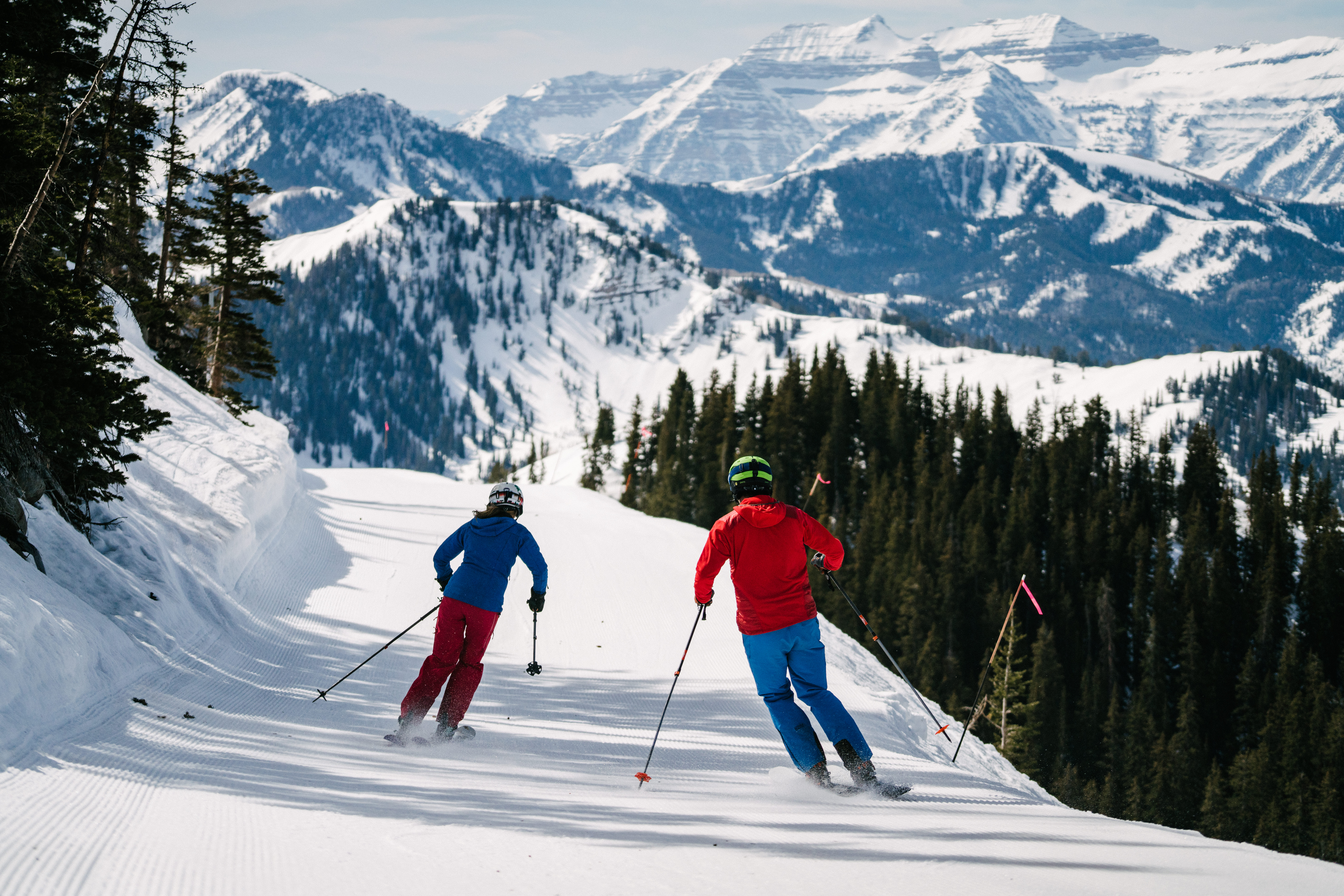
Imagine the silent squeak of ultra-dry snow under your skis as you drop into a wide-open bowl, the Wasatch Range sprawling beneath a piercing blue sky. The air smells of pine and possibility, and with Salt Lake City just a 30-minute drive away, this legendary terrain is surprisingly accessible.
What makes Utah’s ski scene genuinely unique is the concentrated power of its snowfall—500+ inches of some of the lightest powder on earth falls within a handful of canyons, paired with a major international airport as a base camp. This guide cuts through the noise to help you decide which resort matches your style, whether you’re a powder hound, a family, or seeking pure luxury.
Expect to budget roughly $200–$300 per person per day for a solid mid-range trip, climbing to $500+ for luxury lodges and top-tier dining, while savvy planners can find budget days under $150 by targeting southern resorts and shoulder seasons.
Best for Snow Quality and Expert Terrain: Where to Find Utah’s Legendary Powder
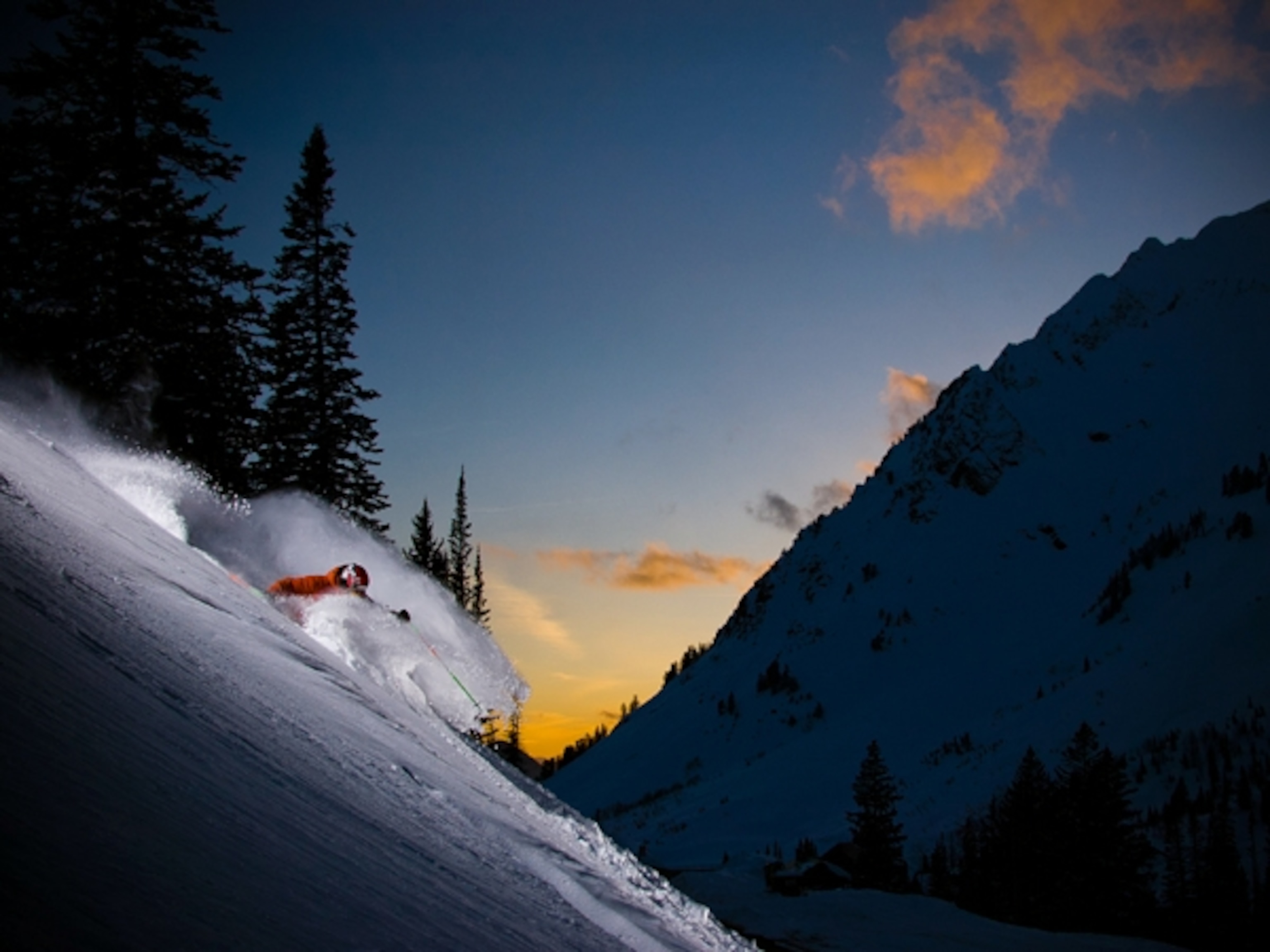
Little Cottonwood Canyon is the undisputed epicenter of Utah’s famous dry, deep snow, and the resorts here cater to those who want to ski it, not just admire it.
Snowbird: The Steep and Deep Powder Capital
Snowbird gets first chair on every major powder day because its 3,240-foot vertical and consistently steep pitches are built for skiers who want to feel the mountain’s full force. This is the move if your priority is challenging terrain that takes a big snowfall seriously—you’ll find no gentle bunny hills wasting valuable acreage.
- Best for: Experts and strong intermediates who live for steep lines, chutes, and the iconic Aerial Tram.
- Snow Reality: Expect 500+ inches annually of some of the lightest snow on earth, thanks to the canyon’s unique meteorological funnel.
- The Trade-off: The on-mountain lodging and base area vibe are purely functional, not charming. You come here for the snow, not the village.
- Insider Tip: The Tram line forms over an hour before first chair on powder days. Arrive at the gate by 8:00 a.m. at the latest if you want untracked shots.
Alta: Traditional Powder Skiing for Skiers-Only
Alta is a pilgrimage site for the powder purist. The no-snowboarders policy isn’t just a rule; it defines the entire experience, creating a singular focus on skiing’s roots and, often, less-compacted snow.
- Best for: Skiers who crave the culture and challenge of a traditional mountain with an almost religious dedication to powder.
- Snow Reality: Averages over 500 inches of that same legendary Cottonwood Canyon snow. The terrain—especially off the Supreme and Wildcat lifts—is steep, tight, and incredibly rewarding.
- The Trade-off: Connectivity and modern amenities are minimal. It’s a day-use area, not a resort. You’ll likely stay in the canyon at Snowbird or in Salt Lake City.
- Insider Tip: Alta can pause ticket sales during peak snowfall periods. Buying a pass (Ikon or Alta) or securing tickets in advance is non-negotiable.
Solitude: Expert Off-Piste Terrain and Honeycomb Canyon
Solitude delivers a masterclass in variety for the advanced skier. While its front side has excellent groomers, the real draw is the hike-to and traversing terrain in Honeycomb Canyon and the Headwall Forest—serious off-piste runs that feel remote despite being lift-accessible.
- Best for: Advanced skiers who want challenging terrain without the extreme crowds of the Cottonwood Canyons, paired with a quieter, more relaxed base area.
- Snow Reality: Also hits 500 inches annually, but in neighboring Big Cottonwood Canyon. The snow quality is exceptional, though slightly less dry than Little Cottonwood’s best days.
- The Trade-off: The expert terrain requires navigating traverses and short hikes. It’s not served by a high-speed quad right to the bowl’s edge. The resort lacks the dramatic vertical of Snowbird.
- Insider Tip: For the best powder stashes in Honeycomb Canyon, enter early via the Summit chair and traverse far skier’s left before the masses figure it out.
For quick comparison, here’s how they stack up on the essentials:
| Resort | Annual Snowfall | Vertical Drop | Best For |
|---|---|---|---|
| Snowbird | 500+ in. | 3,240 ft. | Steep terrain purists |
| Alta | 500+ in. | 2,538 ft. | Skiers-only powder culture |
| Solitude | ~500 in. | 2,047 ft. | Varied expert terrain, fewer crowds |
Best for Families and Beginners: Resorts with Variety and Ease
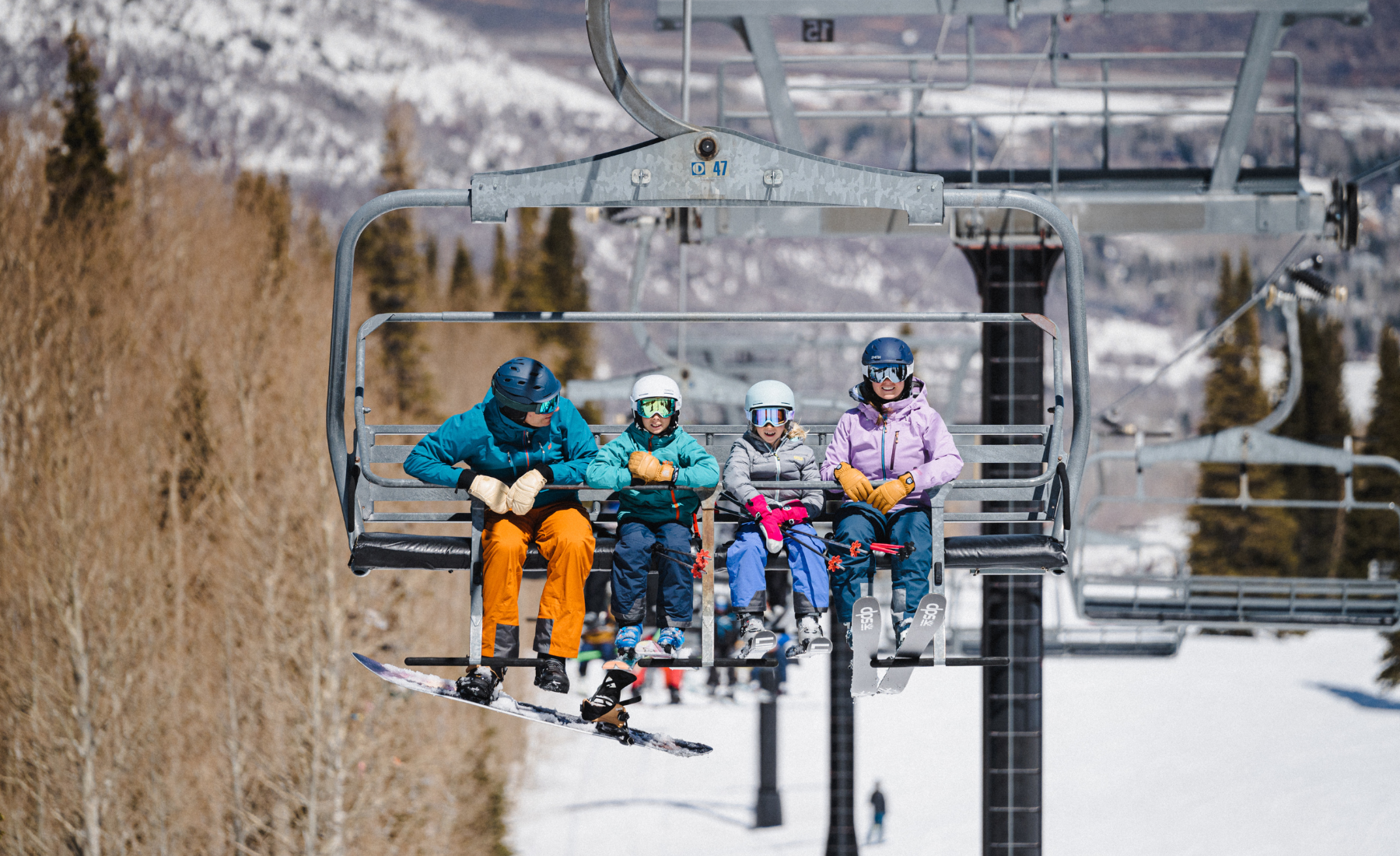
If your group ranges from a five-year-old on their first green run to an uncle who wants moguls before lunch, Park City Mountain is the only Utah resort where nobody has to compromise. At 7,300 skiable acres across 330-plus runs connected by 41 lifts, it is the largest ski resort in the United States — and it uses every acre to make mixed-ability groups work.
Park City Mountain: Massive Terrain and Historic Town
What makes Park City the family default isn’t just size — it’s layout. The 2015 merger with Canyons created two distinct base areas, which splits the crowd before you even click in.
Beginners get dedicated learning zones with slow-speed terrain and their own lifts, so nobody feels rushed by faster traffic.
- Why families win here: The ski school is one of the best-run in the state, and instructors consistently steer first-timers toward the Tombstone Express area. Runs like Serenity and Sanctuary live up to their names — mellow groomers where kids can build confidence without dodging expert traffic.
- Why non-skiers don’t get bored: Park City’s historic Main Street sits at the base, a walkable strip of restaurants, shops, and galleries connected by a free town shuttle. Parents can trade off ski duty without ever leaving the village. This is the only Utah resort where non-skiers have a real town to explore.
- The honest tradeoff: Expect roughly $4,000–$8,000 per person for a full trip (lifts, lodging, meals) — it sits at the top of Utah’s price range. Holiday weeks at the base area feel packed. But the infrastructure absorbs it better than smaller resorts: fast detachable lifts, well-signed terrain, and enough acreage that you can always find quieter pockets if you’re willing to ride one extra lift.
Base yourself in Park City’s Old Town area or at Canyons Village for the easiest slope access — most hotels and condo rentals run free shuttles between both. The resort sits 40 minutes from Salt Lake City International Airport via I-80, making it the most convenient major Utah resort for fly-in families.
Book lodging by early October for peak holiday weeks; shoulder weeks in January and mid-March offer the best balance of snow, shorter lift lines, and lower nightly rates.
Brighton: Affordable Family Fun and Night Skiing
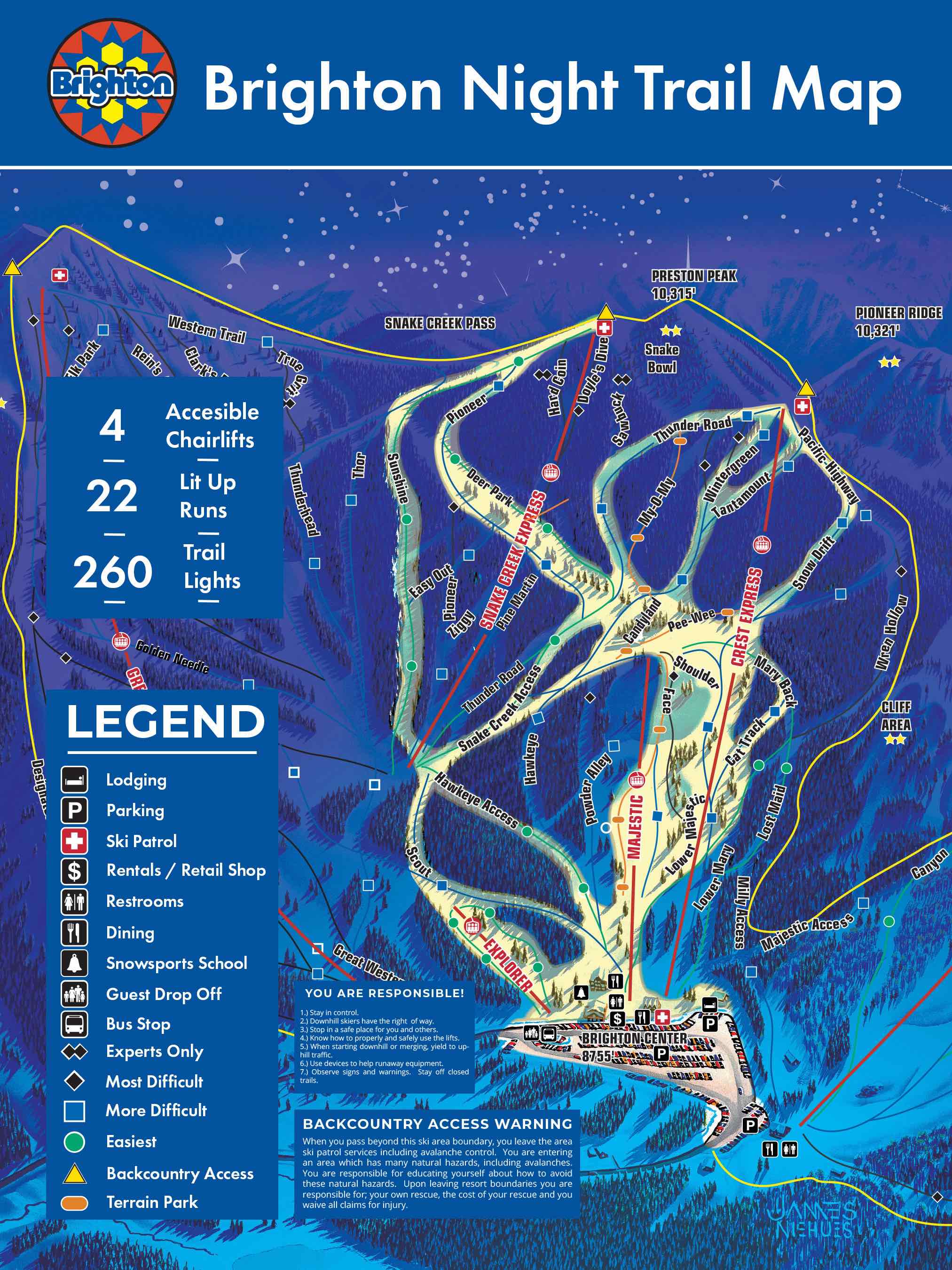
Brighton is the antidote to Park City’s price tag — a no-frills mountain that charges roughly half as much and still delivers 500 inches of annual snowfall, more than any other resort on this list.
- Why budget-conscious families pick Brighton: Lift tickets and season passes run well under $2,000 per person for a full trip, putting it in Utah’s most affordable tier. The relaxed, unpretentious vibe means nobody feels underdressed or out of place. Kids in rental gear blend right in.
- Night skiing is the secret weapon: Brighton is one of the few Utah resorts that lights up after dark, typically running night sessions several evenings per week during peak season — confirm the current schedule on their site because dates shift year to year. For families, this means you can ski a half-day, break for an early dinner, and let older kids or teens hit groomed runs under the lights while younger ones rest.
- The terrain advantage: Across 1,050 acres and 77 runs, Brighton packs enough variety for beginners through intermediate skiers without the intimidation factor of steeper Cottonwood neighbors. The terrain parks are among the best in the state for kids and teens learning tricks, adding entertainment value that bigger resorts charge more to access.
Brighton sits at the top of Big Cottonwood Canyon, roughly 35 minutes from downtown Salt Lake City. There’s no ski-in village or town at the base — lodging options are limited to a handful of cabins and the Millicent Chalet.
Most families day-trip from Salt Lake City or stay in the Cottonwood Heights area, where hotels run $120–$250 per night depending on season. That commute keeps costs down but means you’ll want to leave by 7:30 a.m. on powder days to beat canyon traffic.
Bottom line: Choose Park City if your group needs a full-service town, non-skier entertainment, and you’re comfortable paying top dollar for seamless infrastructure. Choose Brighton if skiing is the priority, your family doesn’t need a village scene, and you’d rather save the budget for an extra day on snow.
Luxury Ski Experiences in Utah: Grooming, Service, and Fine Dining
In Utah, luxury isn’t just about plush bedding—it’s about a perfectly manicured run to yourself before 10 AM and a sommelier waiting for you at lunch. This is where service becomes an obsession.
Deer Valley Resort: The Pinnacle of Ski Luxury
Deer Valley doesn’t just groom runs; it sculpts them. This is the skier-only sanctuary where snowboarders are absent, lift lines are artificially managed, and the corduroy is legendary.
The luxury isn’t an add-on; it’s the entire operating philosophy. You’re paying for exclusivity and meticulous mountain management.
For the ultimate experience, stay slopeside. Your two top-tier choices are:
- St. Regis Deer Valley: The grand dame. Choose this for the iconic funicular that delivers you from your room to the snow, the superb butler service, and the stunning mountain-view pools. It’s classic, opulent, and feels like a destination unto itself.
- Montage Deer Valley: The modern masterpiece. It offers a more contemporary alpine aesthetic, a phenomenal spa, and direct ski-in/ski-out access that’s arguably even more seamless. The dining here, particularly at Burgers & Bourbon, is a standout.
Expect to budget roughly $4,000-$8,000+ per person for a week of skiing, lodging, and dining here. The on-mountain dining is a core part of the experience—don’t skip a long lunch at the Royal Street Café.
Book lodging by September for peak season dates, as these properties sell out.
Insider detail: The grooming is objectively best on runs off the Sultan Express chair. For the most pristine corduroy before it gets tracked out, start your day on the runs of Nabob and Ontario.
Sundance Resort: Boutique Romance and Serene Atmosphere
If Deer Valley is a five-star hotel, Sundance is the intimate, art-filled boutique inn. Founded by Robert Redford, it trades sheer scale for artistic soul and environmental consciousness.
The vibe is serene, creative, and deliberately uncrowded—think more gallery than glitzy resort.
This is the pick for couples or travelers seeking tranquility and a connection to nature over a party scene or vast terrain. The lodging is comprised of charming, secluded mountain cabins and suites nestled among the trees.
The focus is on the on-site art studio, the excellent theater, and farm-to-table dining at the Foundry Grill, which has one of the most beautiful settings in the state.
Sundance operates on a smaller scale with a boutique feel. Lift capacity is limited, which guarantees quiet slopes but means it’s not for those chasing marathon ski days.
It’s about quality of the overall experience. A luxury stay here typically runs in a slightly lower bracket than Deer Valley’s apex properties, but the unique character is the real value.
Choosing your luxury vibe:
| Factor | Deer Valley | Sundance |
|---|---|---|
| Service Style | Polished, efficient, omnipresent resort service | Warm, personal, artist-inspired hospitality |
| Lodging Character | Grand hotels (St. Regis, Montage) with full amenities | Secluded, rustic-chic cabins with fireplaces |
| Dining Highlight | Gourmet on-mountain restaurants (Glitretind, Seafood Buffet) | Farm-to-table at the Foundry Grill with mountain views |
| Best For | Ski-focused luxury, impeccable grooming, and expansive terrain | Romance, creativity, and a peaceful, holistic retreat |
Base yourself in Park City for Deer Valley access and off-slope nightlife, or in the secluded Provo Canyon area for the immersive Sundance experience.
Uncrowded Resorts for Peaceful Skiing: Fresh Tracks and Few Lift Lines
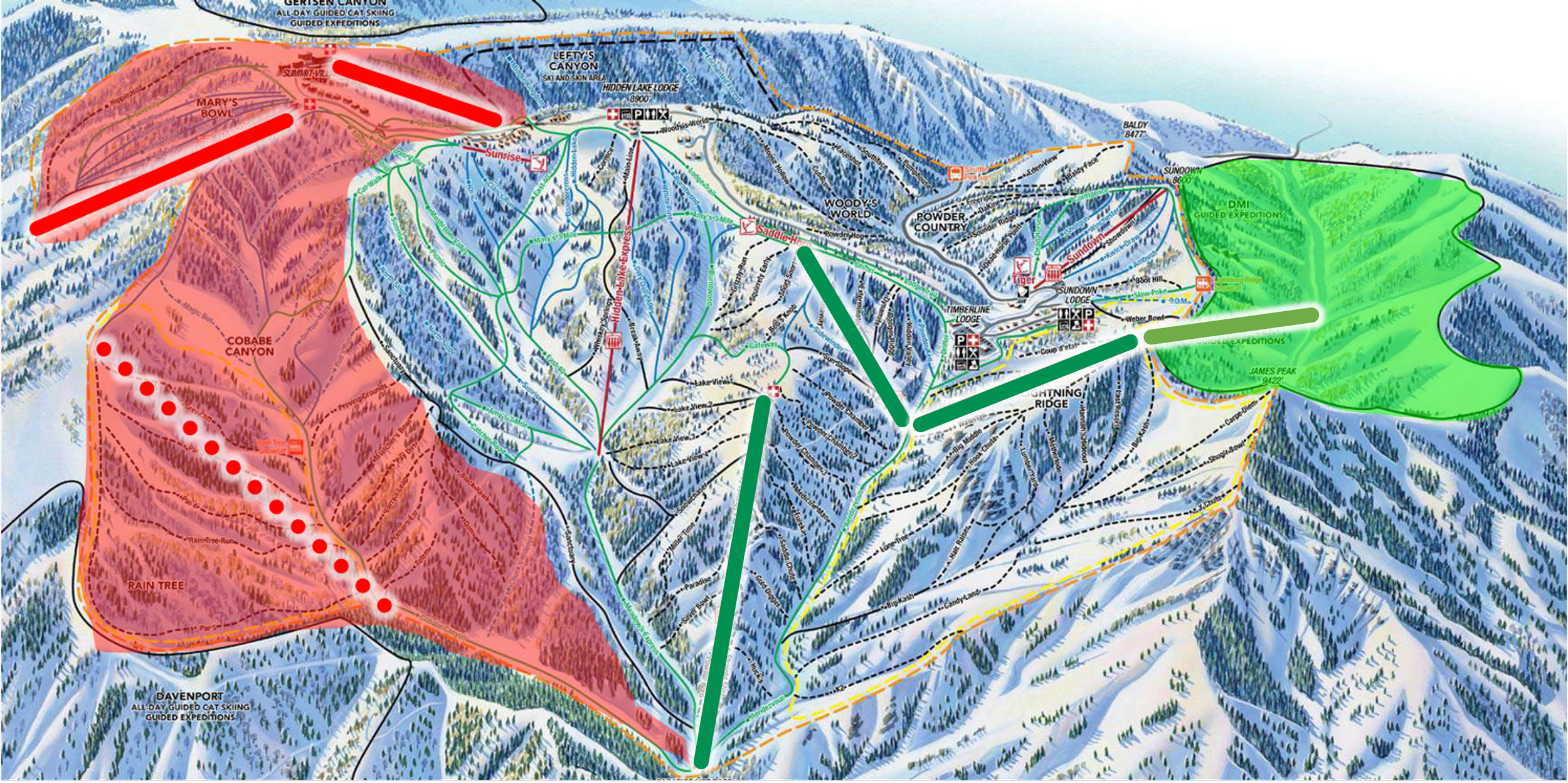
Powder Mountain intentionally caps daily ticket sales and turns people away on powder days — a policy almost unheard of in North American skiing. That single rule creates the most dependable fresh-track experience in Utah, and it’s the reason these two Ogden-area resorts deserve their own section: if lift lines and tracked-out runs ruin your morning, both mountains solve that problem completely.
Powder Mountain: Vast Terrain with Daily Ticket Caps
At 8,464 skiable acres, Powder Mountain rivals Park City Mountain in sheer size — but with only 9 lifts and a hard daily ticket cap, it operates on a completely different philosophy. You get an average of 500 inches of annual snowfall spread across 167 runs, cat-skiing zones, and hike-to terrain that most visitors never reach.
Powder stays untracked for days here.
The trade-off is honest: lifts are slow and fixed-grip, the layout is sprawling, and there’s no slope-side luxury. This is not the mountain for quick laps or polished base villages.
It’s for skiers who’d rather work across massive, quiet terrain than stand in a 15-minute line for a fast chair. The relaxed, low-key vibe — locals call it a “hipster” feel — reinforces the no-frills ethos.
- Best for: Powder seekers and solitude chasers who don’t mind working for it.
- Skip if: You want high-speed infrastructure, groomed boulevards, or a polished base village.
- Insider move: Buy tickets online the moment a storm is forecast — the cap sells out fast after big snow reports, and walk-up availability is unreliable. Once it’s full, the website closes sales and that’s it for the day.
- Budget: Expect roughly $150–$200 per day depending on advance purchase timing and day of the week, though rates shift seasonally.
Where to stay: Eden and Huntsville in Ogden Valley sit at the mountain’s base with cabin rentals and small inns — roughly 20 minutes to the lifts. Ogden city, about 45 minutes south, has more hotel options and a growing food-and-drink scene if you want dinner after skiing.
Snowbasin: Grand Lodges and Short Waits
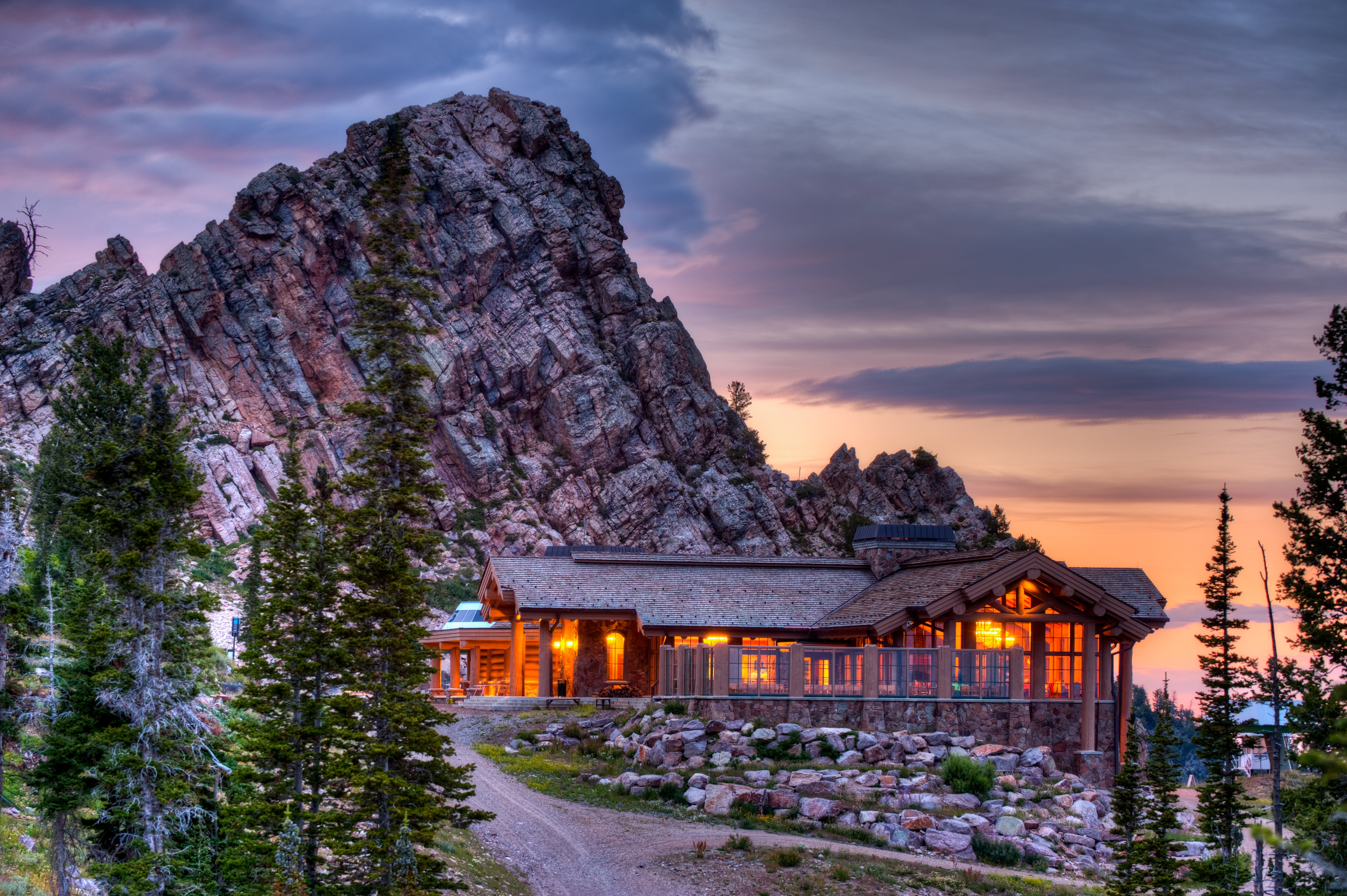
Snowbasin was built out for the 2002 Winter Olympics, and the infrastructure shows. High-speed gondolas and detachable chairs move skiers efficiently across roughly 3,000 skiable acres, which means short waits even on busy weekends.
The real surprise is the lodges — Earl’s Lodge and John Paul Lodge are among the most luxurious on-mountain facilities in North America, with stone fireplaces, full-service dining, and a level of finish you’d expect at Deer Valley, not at a resort this uncrowded.
Snowbasin sits in the same Ogden corridor as Powder Mountain, roughly 45 minutes from Salt Lake City, but delivers a completely different experience. The terrain is varied and well-groomed, the lifts are fast, and the lodges turn midday breaks into an event.
If you want uncrowded skiing without sacrificing comfort, Snowbasin is the clear pick over Powder Mountain.
- Best for: Skiers who want empty lift lines and genuinely impressive lodges — the closest thing to a luxury uncrowded experience in Utah.
- Skip if: You’re chasing extreme steeps or deep backcountry-style powder — Snowbird and Alta handle that better.
- Insider move: Head to Earl’s Lodge’s lower-level dining area for lunch — it’s quieter than the main floor and you’ll still get the fireplace views without the midday crush.
- Budget: Daily tickets typically run $150–$200, with the best rates available through advance online purchase; prices vary by date and season.
Where to stay: The same Ogden Valley towns (Eden, Huntsville) that serve Powder Mountain work equally well for Snowbasin — both resorts are within a 20–30 minute drive of each other. Ogden city gives you the most dining and lodging variety if you’re splitting days between the two.
| Factor | Powder Mountain | Snowbasin |
|---|---|---|
| Skiable acres | 8,464 | ~3,000 |
Budget-Friendly Utah Ski Resorts: Southern Utah and Beyond
For ticket prices that make you double-take, drive south. Brian Head Resort and Eagle Point Resort offer Utah’s most affordable skiing with the bonus of stunning red-rock scenery you won’t find up north.
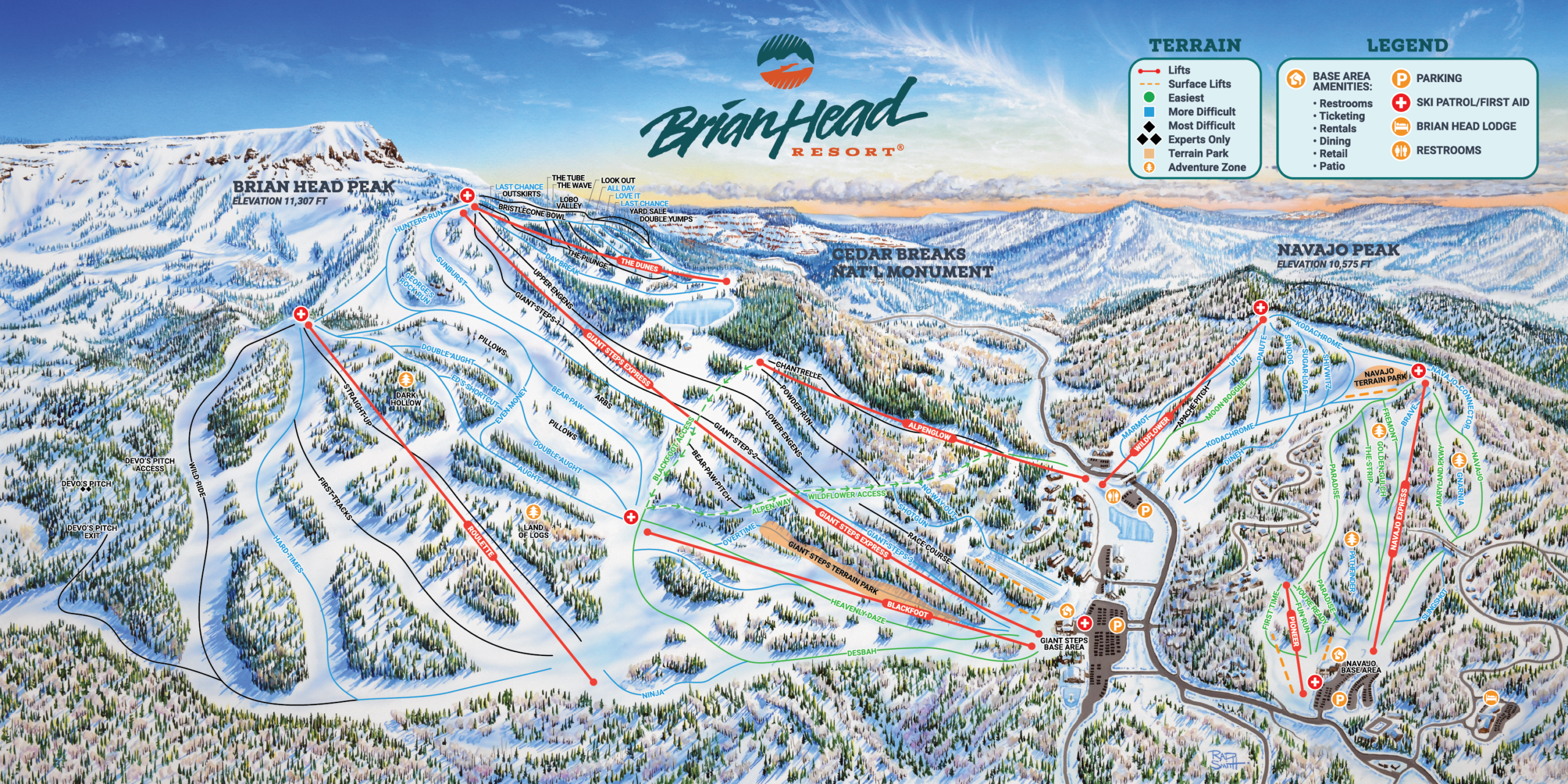
Brian Head Resort: Affordable Mid-Week Tickets and Scenic Views
Brian Head is the move for budget-conscious groups who prioritize pure value over powder hounds’ prestige. Its standout deal is mid-week lift tickets starting around $26 in early season—a price point that’s almost unheard of in a major ski state.
- The draw: The highest base elevation in Utah (9,600 feet) means good snow retention and views into Cedar Breaks National Monument, a mini Bryce Canyon amphitheater of red hoodoos just minutes from the slopes.
- The reality: The terrain is modest, best for beginners and intermediates. This isn’t for steep chasers, but for families and learners wanting a full day on snow without the Wasatch Front crowds or cost.
- Insider booking tip: Purchase lift tickets online at least 48 hours in advance for the best rates. Walk-up window prices are significantly higher.
Where to stay: Base yourself in Cedar City, a 35-minute drive downhill. It’s a full-service college town with chain hotels and motels where a winter night typically runs $80–$150.
You’ll find better food and lodging options here than in Brian Head’s limited on-mountain village.
Eagle Point Resort: Free Kids’ Tickets and Boutique Experience
Eagle Point is the antidote to mega-resort chaos. It’s a small, uncrowded resort that feels like a local secret, making it perfect for families who want a relaxed, budget-friendly ski day without lift-line meltdowns.
- The draw: Kids 12 and under ski free with a paying adult on the same-day lift ticket. This family deal is one of the most generous in the state and radically changes the cost equation for parents.
- The vibe: Think boutique, not big-box. With a handful of lifts and a lodge that feels like a cozy mountain club, you can ski right from your car to the chair. It’s intimate.
- Location advantage: It’s a strategic stop if you’re combining a ski day with a southern Utah national park road trip (Zion, Bryce Canyon, Capitol Reef). It’s about 3.5 hours from both Salt Lake City and Las Vegas.
Where to stay: Lodging at the resort is limited to vacation rentals and a few lodge rooms—book early. A more reliable and varied base is Beaver, a 25-minute drive north on I-15, with basic motels and inns.
| Resort | Best For | Key Budget Perk | Best Lodging Base |
|---|---|---|---|
| Brian Head | Beginners & value-maxing groups | Mid-week tickets from ~$26 | Cedar City (full town services) |
| Eagle Point | Families & those seeking solitude | Kids 12 & under ski free | Beaver (convenient I-15 stop) |
Choose Brian Head for the absolute lowest ticket price and a classic resort experience. Choose Eagle Point for a quieter, more intimate day with the family perk that matters most. Both prove you don’t need to spend a fortune to ski in Utah.
Planning Your Utah Ski Trip: Best Time, Cost, and Passes
Powder Mountain sells out its daily tickets fast—if you’re going mid-season, lock in a pass or purchase your day ticket the moment the window opens.
When to Visit Utah for Optimal Snow and Value?
The sweet spot for deep snow and manageable crowds is mid-January to early March. This is when the snowpack is typically deepest and most consistent across the Wasatch Range.
For the best value, target early December before the holiday rush or the first two weeks of April, when spring skiing is sunnier and lift ticket prices often drop. Avoid Christmas week and Presidents’ Day weekend unless you’re prepared for peak prices and lift lines.
How to Budget for a Utah Ski Vacation?
Budget $200–$400 per person per day for a solid trip covering lift tickets, lodging, food, and gear rental. Here’s the breakdown that matters:
- Lift Tickets: A day ticket at a major resort like Park City or Snowbird can run $200+ if bought at the window. Buying in advance online is non-negotiable—it saves 20-30%.
- Lodging: Base yourself in Salt Lake City for canyon access (Snowbird, Alta, Brighton) to save significantly over slope-side rates. Park City hotels are pricier but offer walkability. Expect $250–$600+ per night for a hotel near lifts during peak season.
- Food & Drink: Brown-bag your lunch. A basic cafeteria meal at a resort lodge is $18–$25. Stock up at a grocery store in the city or gateway town.
- Gear Rental: Rent from a shop in town (e.g., Salt Lake City, Park City) instead of the resort base—you’ll get better rates and quality.
The biggest mistake is paying walk-up rates. Planning weeks ahead on tickets, lodging, and rental packages is where you’ll save hundreds.
Understanding Season Passes: Epic, Ikon, Mountain Collective, and More
The pass you buy dictates where you ski. Forget buying a single-day ticket at every window—these passes pay for themselves in 4 to 6 days of skiing.
Here’s a direct comparison to choose quickly:
| Pass Type | Best For | Key Utah Resorts Included | Insider Take |
|---|---|---|---|
| Epic Pass | Skiers who also want Colorado (Vail, Whistler) access and love Park City’s town vibe. | Park City Mountain | The go-to for Park City devotees. It’s the only way to access the massive resort without a dedicated pass. |
| Ikon Pass | Skiers chasing Utah’s legendary powder (Snowbird, Alta) and wanting more Western US options. | Snowbird, Alta, Deer Valley, Solitude, Brighton | The best choice for most powder-chasers. The Ikon Base Pass offers solid value with some blackout dates. |
| Mountain Collective | Skiers who take 1–2 longer trips per season and want resort variety without a huge upfront cost. | Snowbird, Alta, and many other top resorts nationwide. | Two days at each partner resort, then 50% off additional days. Perfect for explorers, not locals. |
| Individual Resort Pass | Locals or destination skiers committed to one mountain (e.g., Deer Valley skiers-only purists). | Specific resort only. | Only makes sense if you’ll ski 10+ days at that single resort. Otherwise, a multi-resort pass wins. |
The Verdict: For a one-week Utah trip where you want to sample multiple resorts, the Ikon Base Pass is almost always the winner. It covers the state’s best powder terrain at Snowbird/Alta and adds variety with Solitude and Brighton.
Buy it in the spring (April–May) for the lowest price, though fall sales also exist.
Frequently Asked Questions
What is the best ski resort in Utah?
Snowbird wins overall for anyone who prioritizes snow quality and challenging terrain — Little Cottonwood Canyon collects the deepest, lightest powder in the state, and Snowbird’s steep runs put every storm to honest use. Deer Valley takes it for luxury and grooming, Park City is the biggest single-ticket resort in the U.S., and Alta is the powder purist’s skiers-only choice.
The “best” depends on your group, but Snowbird makes the most of what makes Utah famous.
What is the best time to ski in Utah?
Late January through mid-March delivers the most reliable deep snow, with regular storm cycles rolling through the Cottonwood canyons. Christmas and Presidents’ Day weeks are the busiest and priciest — avoid them if flexibility allows.
The high-elevation resorts hold quality snow well into April, which offers spring skiing at better value and noticeably shorter lift lines. For budget-focused trips, early December and late March typically mean lower lodging rates and fewer crowds, though storm consistency is less predictable.
Which Utah ski resort is best for beginners?
Deer Valley and Brighton are the strongest picks. Deer Valley caps daily ticket sales and invests heavily in grooming, so beginners get wide, predictable runs without fighting crowds.
Brighton is the budget-friendlier option — it offers dedicated beginner terrain and night skiing, which means first-timers can practice on gentler slopes after the expert crowds thin out. Avoid starting at Snowbird or Alta; their terrain skews steep and the learning curve is punishing for true beginners.
Can I ski multiple Utah resorts in one trip?
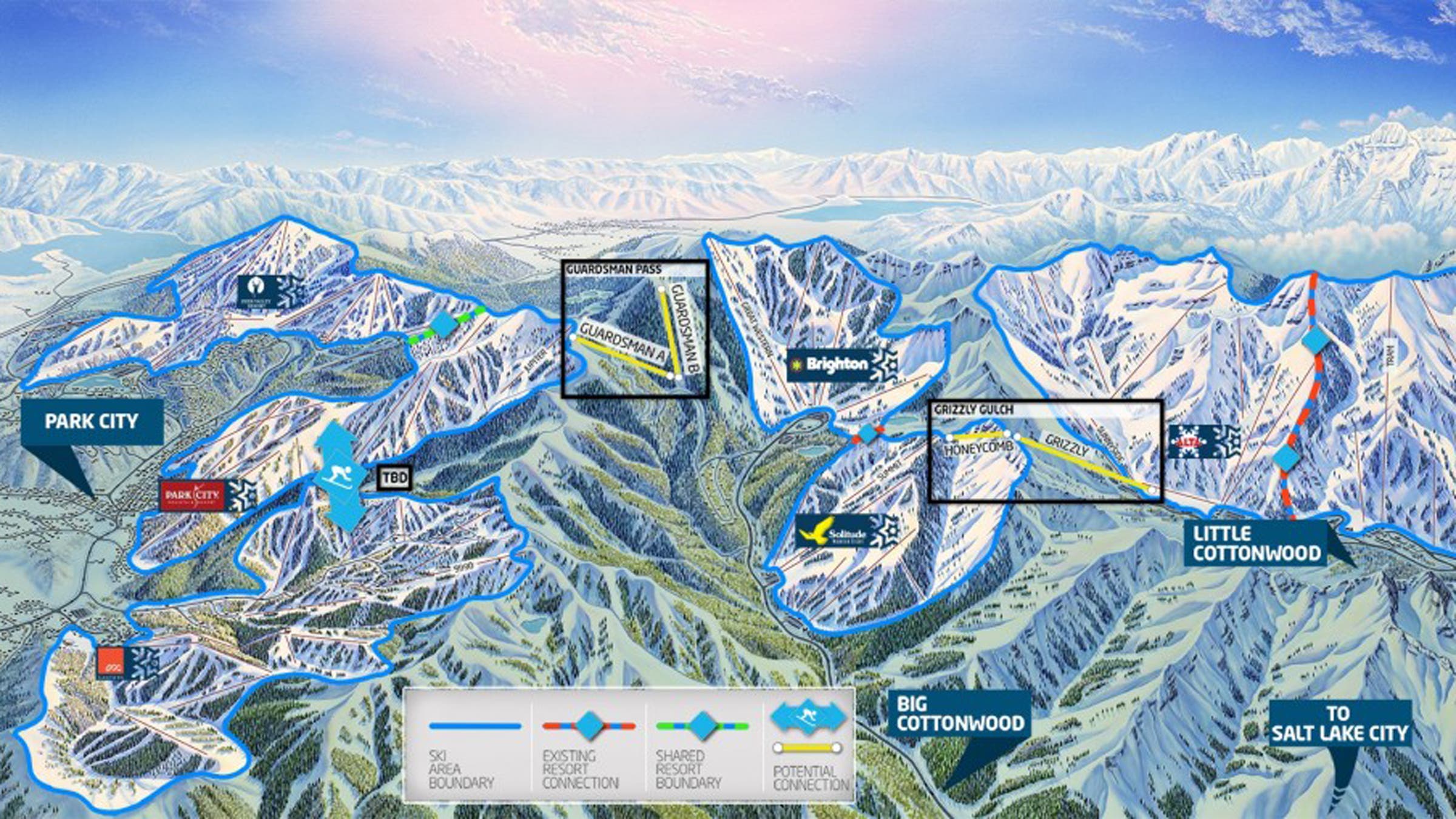
Absolutely — it’s one of Utah’s biggest advantages over Colorado or California. Snowbird, Alta, Brighton, and Solitude all sit within 30 to 40 minutes of downtown Salt Lake City, making a multi-resort week genuinely easy without relocating.
Park City Mountain, Deer Valley, and Woodward Park City cluster in Park City town, so you can base there and swap mountains daily. If you’re planning a resort-hopping trip, look into the Ikon or Mountain Collective passes before buying individual day tickets — the multi-resort pass math almost always beats à la carte pricing by day three.
Choose Your Mountain and Go
Start with Snowbird if powder is non-negotiable, or use the cheat sheet above to match a resort to your crew’s exact vibe. Utah’s secret is out, but its canyons are still deep enough to deliver an epic day on snow.
Booking early is your single biggest advantage, especially for lodging in Park City or a coveted spot at a Powder Mountain cabin. Now you have the insider map—go claim your own tracks.
Leave a Reply