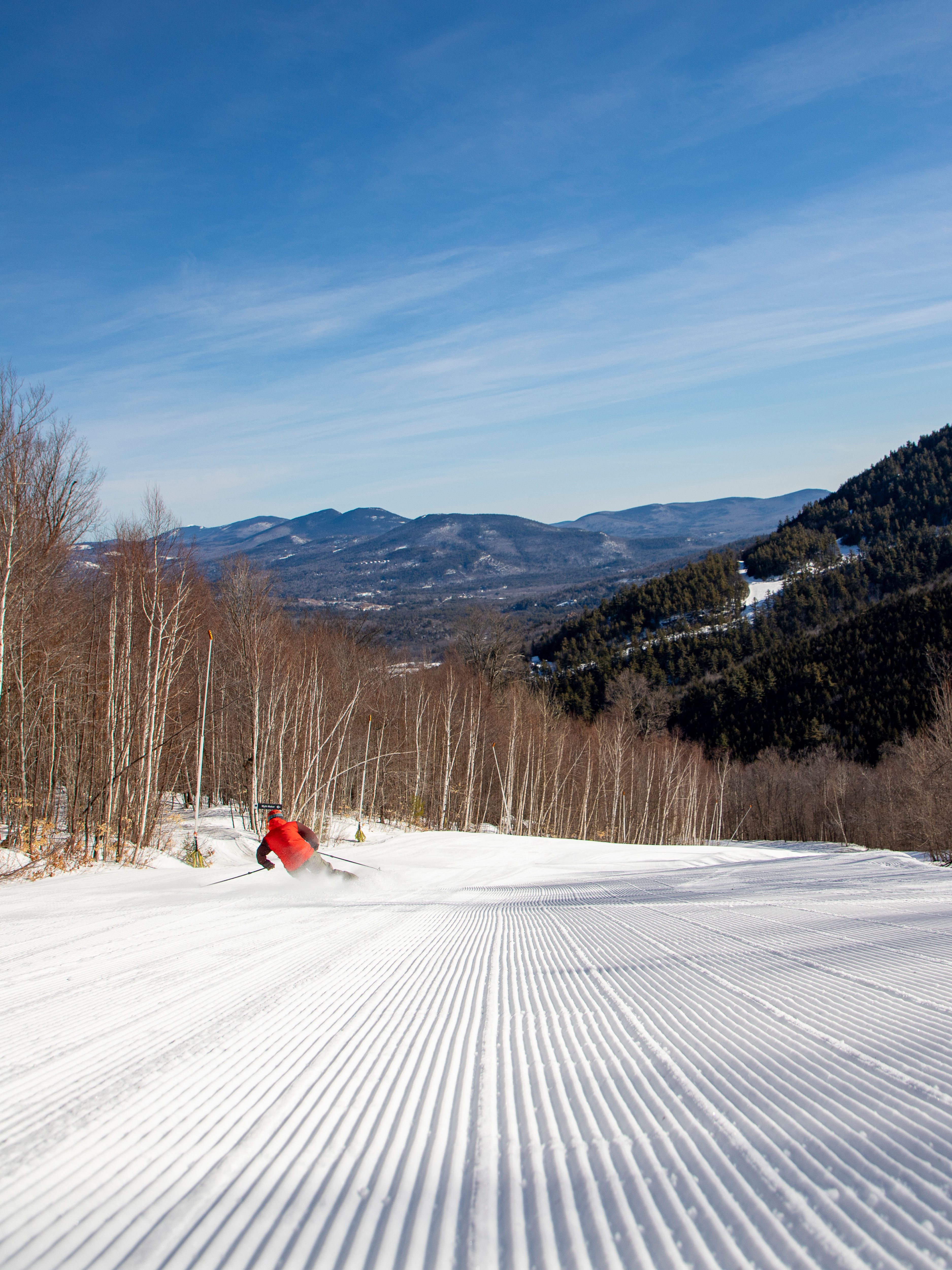
The snow guns are humming full blast and your breath hangs in the air like smoke as you clip into bindings on empty November trails. Your edges bite into machine-made corduroy while the rest of the skiing world waits for December — and that quiet is the whole point.
East Coast early-season skiing isn’t about epic powder dumps or wide-open bowls. It’s about resorts that invested millions in snowmaking infrastructure so you can ski weeks before the crowds arrive, on mountains where cold air and elevation do the heavy lifting.
This guide breaks down the seven resorts worth booking before Thanksgiving — and helps you pick the one that matches how you ski, who you’re traveling with, and what kind of base town you want to come home to.
Expect to spend $100–$200/night for a solid inn or B&B near most resorts, $200–$350/night for lodge-style comfort, and $350–$500+ for ski-in/ski-out convenience. Lift tickets in early season typically run $60–$100 per day — noticeably cheaper than peak holiday pricing.
Your Quick-Pick Guide: Which Mountain Fits Your Trip?
- Earliest Possible Opening → Killington, Vermont — Mid-to-late October in strong years; the most aggressive snowmaking program in New England
- Deepest Natural Snow → Jay Peak, Vermont — 350+ inches annually from the “Jay Cloud”; legendary glades and tree skiing
- Best Village + Skiing Combo → Stowe, Vermont — Charming Main Street, upscale inns, polished mountain with 116 trails
- Families Who Want Everything in One Place → Smugglers’ Notch, Vermont — Self-contained village, top-rated ski school, all ages covered
- Most Early-Season Trail Spread → Sunday River, Maine — Eight interconnected peaks thin out limited early crowds across serious terrain
- Biggest Mountain in the East → Sugarloaf, Maine — Only above-treeline skiing in New England; 1,240+ skiable acres
Vermont Resorts with Reliable Early Season Conditions
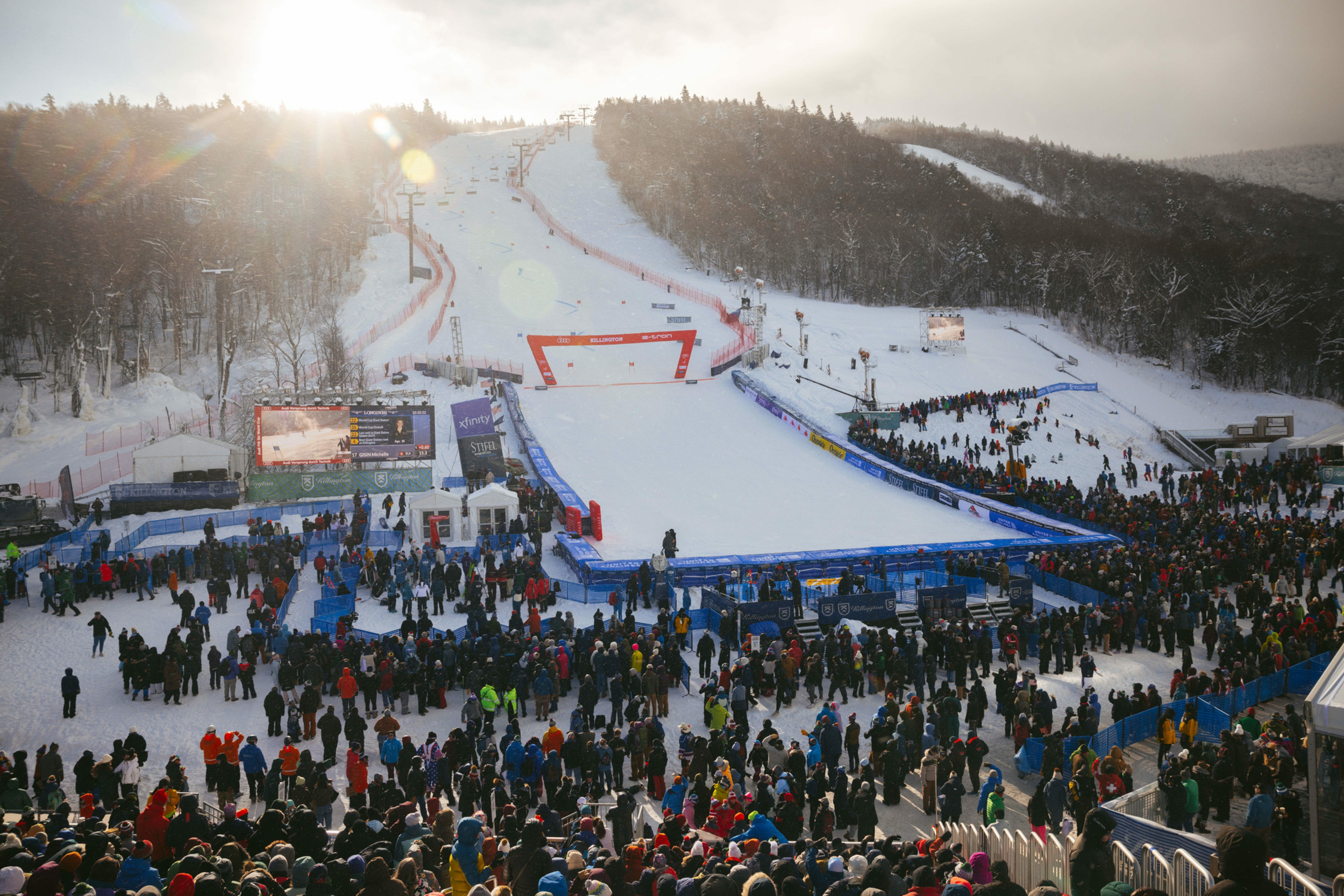
Vermont’s Green Mountains consistently open terrain before anywhere else on the East Coast, thanks to aggressive snowmaking investments and elevation that traps early-season storms. If you’re booking a trip before Thanksgiving, this is the state to bet on.
| Resort | Best For | Vertical Drop | Trails | Lodging Vibe |
|---|---|---|---|---|
| Killington | Reliable early openings, party crowd | 3,050 ft | 155 | Access Road strip — lively, walkable |
| Stowe | Town charm + polished mountain | 2,360 ft | 116 | Village boutiques, upscale inns |
| Jay Peak | Deep powder, tree skiing | 2,153 ft | 80+ | On-mountain lodge, isolated |
| Smugglers’ Notch | Families, multi-day stays | 2,610 ft | 78 | Self-contained village resort |
Killington Ski Resort
Killington earns its “Beast of the East” nickname every November. It has the most aggressive early-season snowmaking program in New England — expect the first trails to spin by mid-to-late October in strong years, with top-to-bottom skiing typically viable by mid-November.
Across seven mountain areas, 155 trails and roughly 250 inches of average natural snowfall give it the widest terrain variety on this list.
Where to stay: The Access Road corridor is your base — it runs straight to the K-1 base lodge and packs more bars, restaurants, and ski shops into two miles than any other Vermont ski town. Expect roughly $150–$400/night depending on proximity and weekend demand.
Book early for November weekends; Killington’s early-season crowds are real because everyone knows it opens first.
Insider detail: The Ramshead side of the mountain opens early and gets far less traffic than the K-1 gondola area. If you’re here on a crowded early-season Saturday, start your day there and save K-1 for afternoon laps when the morning rush dies down.
Stowe Mountain Resort
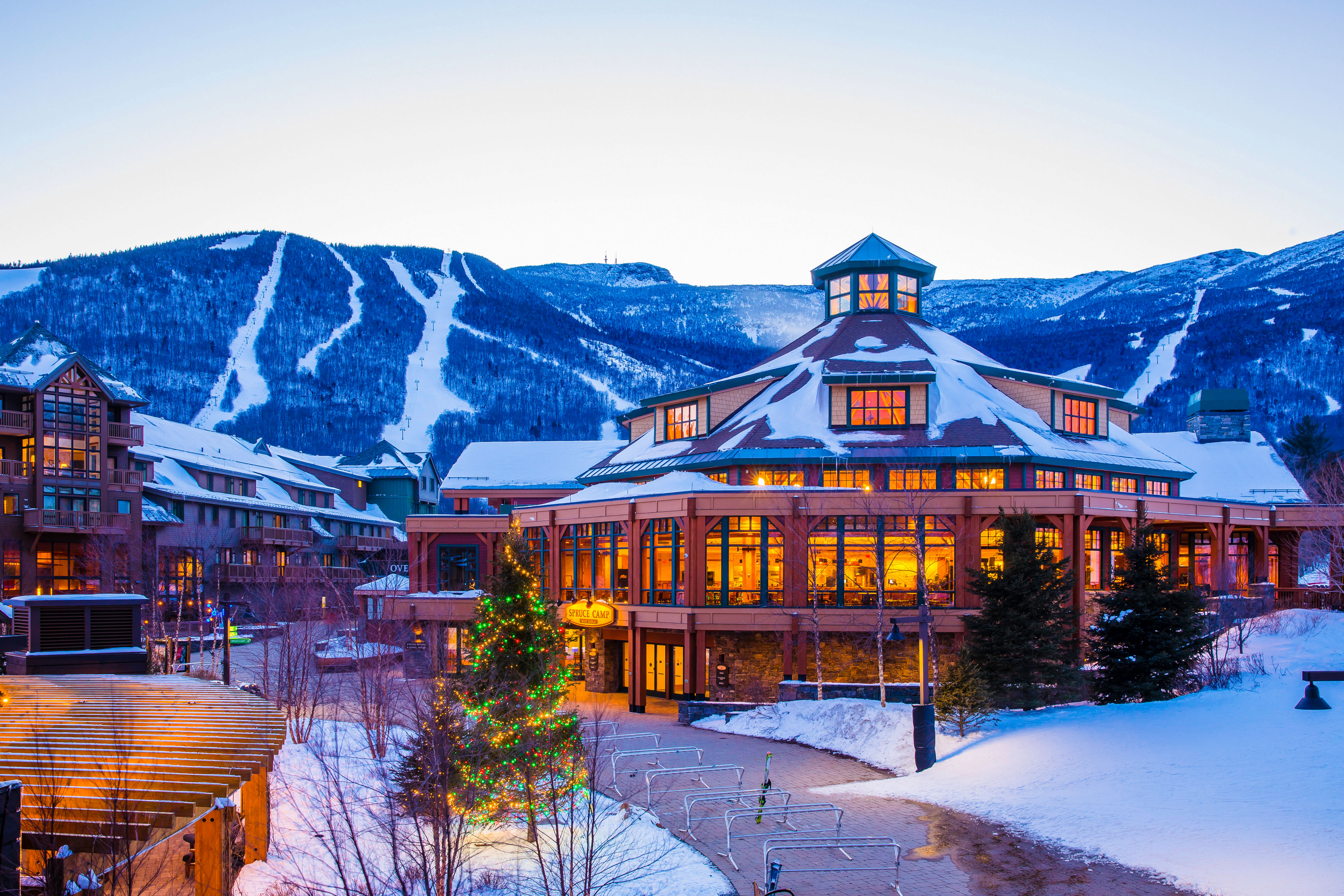
Stowe pairs serious skiing with the most charming base village in Vermont. Its 116 trails across Mount Mansfield and Spruce Peak have drawn East Coast skiers since the 1940s, and the snowmaking system reliably covers the front-facing terrain by mid-to-late November.
What separates Stowe from Killington isn’t the mountain — it’s the town. Main Street is lined with locally owned restaurants, gear shops, and cozy inns that give the whole trip a New England postcard feel.
Where to stay: Base yourself in Stowe village — roughly 10 minutes from the resort — for the best dining and walkability. Stowe Mountain Lodge (at the resort base) is the premium ski-in/ski-out pick, but village inns and B&Bs in the $150–$300/night range deliver more character.
Expect higher prices than Killington across the board.
Who it wins for: Couples and anyone who wants a real town outside their ski boots. Skip it if you’re purely chasing the earliest possible opening — Killington typically beats Stowe by a week or two.
Jay Peak Resort
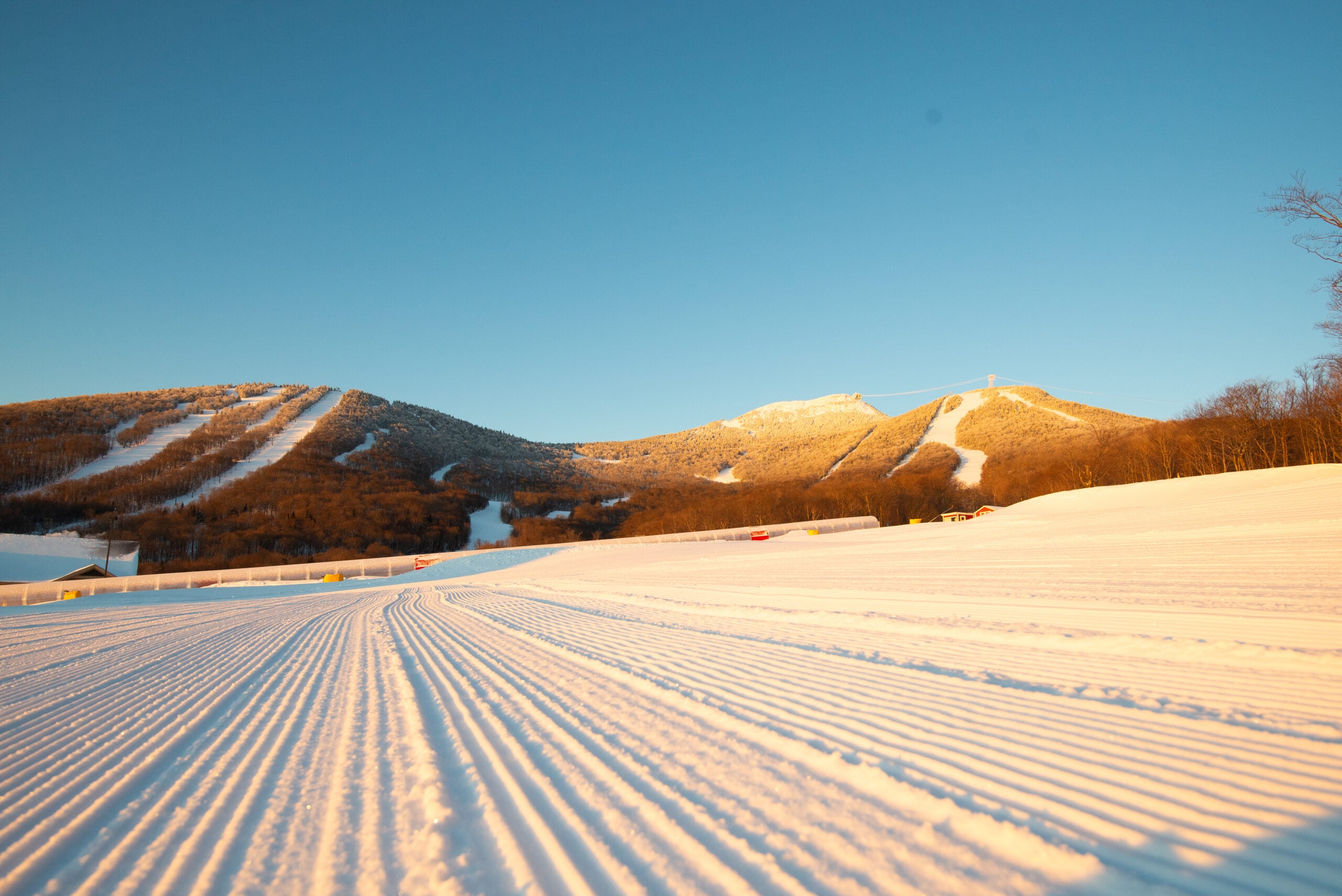
Jay Peak sits right on the Canadian border and pulls over 350 inches of annual snowfall from a weather phenomenon locals call the “Jay Cloud.” It’s the snowiest ski resort on the East Coast, period. When storms hit, Jay gets buried while resorts three hours south get rain.
That makes it the single best early-season bet for natural snow — and the reason dedicated powder skiers drive past Killington and Stowe to get here.
The terrain backs it up: 80+ trails, a 2,153-foot vertical drop, and legendary glades like Valhalla and Everglade that are among the best tree-skiing runs east of the Rockies. This is not a beginner’s paradise — intermediates and experts get the most out of it.
Where to stay: Jay’s on-mountain Tram Haus Lodge and Hotel Jay keep you steps from the slopes, and the Pump House indoor waterpark is a genuine draw for families or anyone needing a mid-trip break from the cold. The trade-off: Jay is remote.
The nearest real town is about 20 minutes away, and dining options on-mountain are limited. Plan roughly $200–$350/night for lodge rooms.
Who it wins for: Skiers who prioritize snow depth over village charm. If you want fresh tracks and don’t mind the isolation, Jay delivers conditions that no other East Coast resort can match.
Smugglers’ Notch Resort
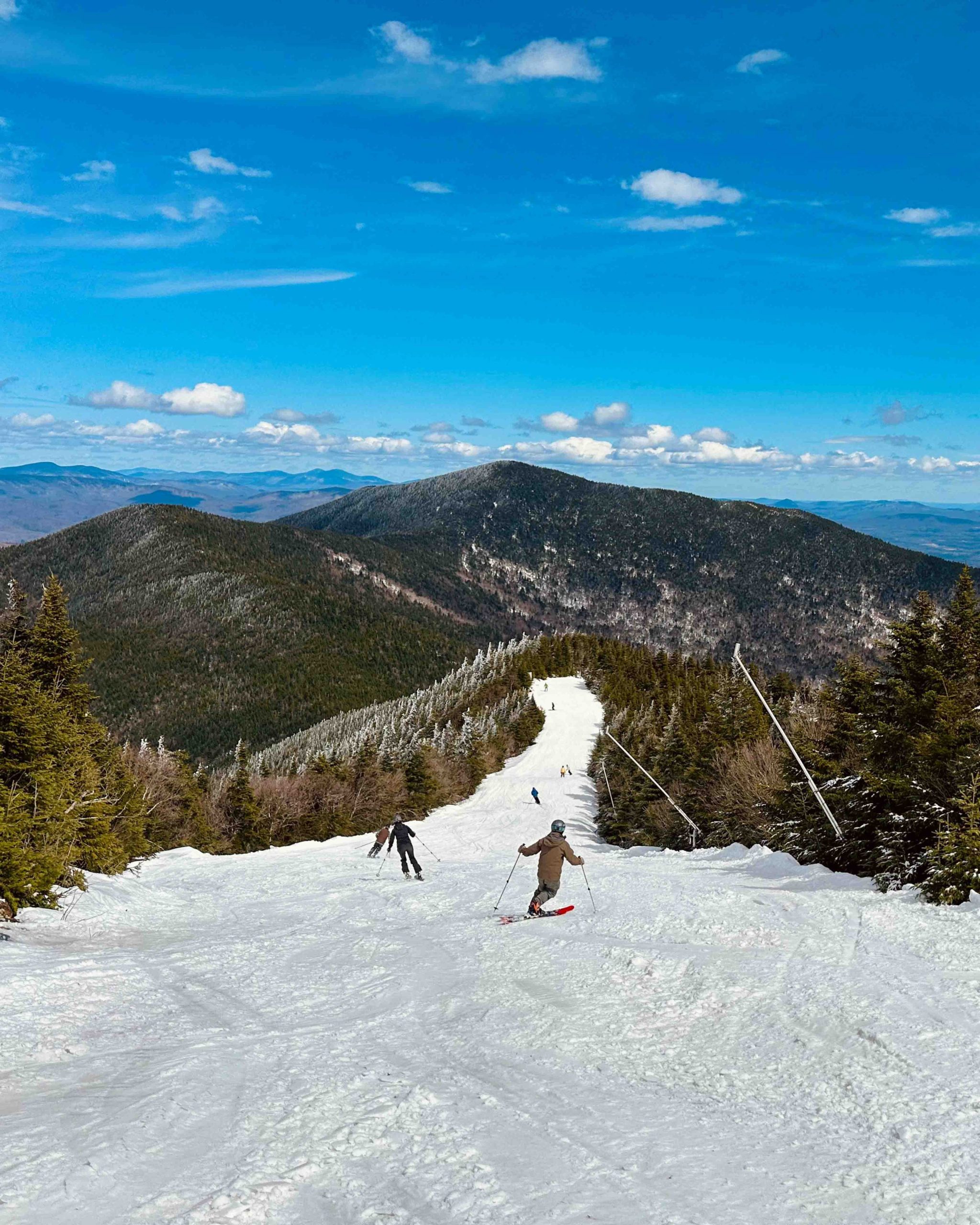
Smugglers’ Notch — universally called “Smuggs” — is Vermont’s strongest family play. Three interconnected mountains (Morse, Madonna, and Sterling) give every ability level dedicated terrain: gentle cruisers on Morse, steep bump runs on Madonna, and solid intermediate glades on Sterling.
The resort’s Snow Sport University is regularly rated among the best ski schools in the East.
Early-season openings typically trail Killington by a week or so, but the snowmaking covers the core family terrain reliably by late November. The self-contained village layout means you park once and walk to everything — lifts, lodging, dining, and off-slope activities like tubing and ice skating.
Where to stay: Smuggs operates its own village accommodations ranging from standard hotel rooms to multi-bedroom condos, typically $180–$400/night depending on unit size and dates. The condo-style units are the move for families — full kitchens eliminate the restaurant hunt, and the village is small enough that kids can walk between activities independently.
Who it wins for: Families with kids under 14 who want everything in one place. Solo adults or advanced skiers will get bored faster here than at Killington or Jay.
Maine Resorts Offering Prime Conditions from Early November
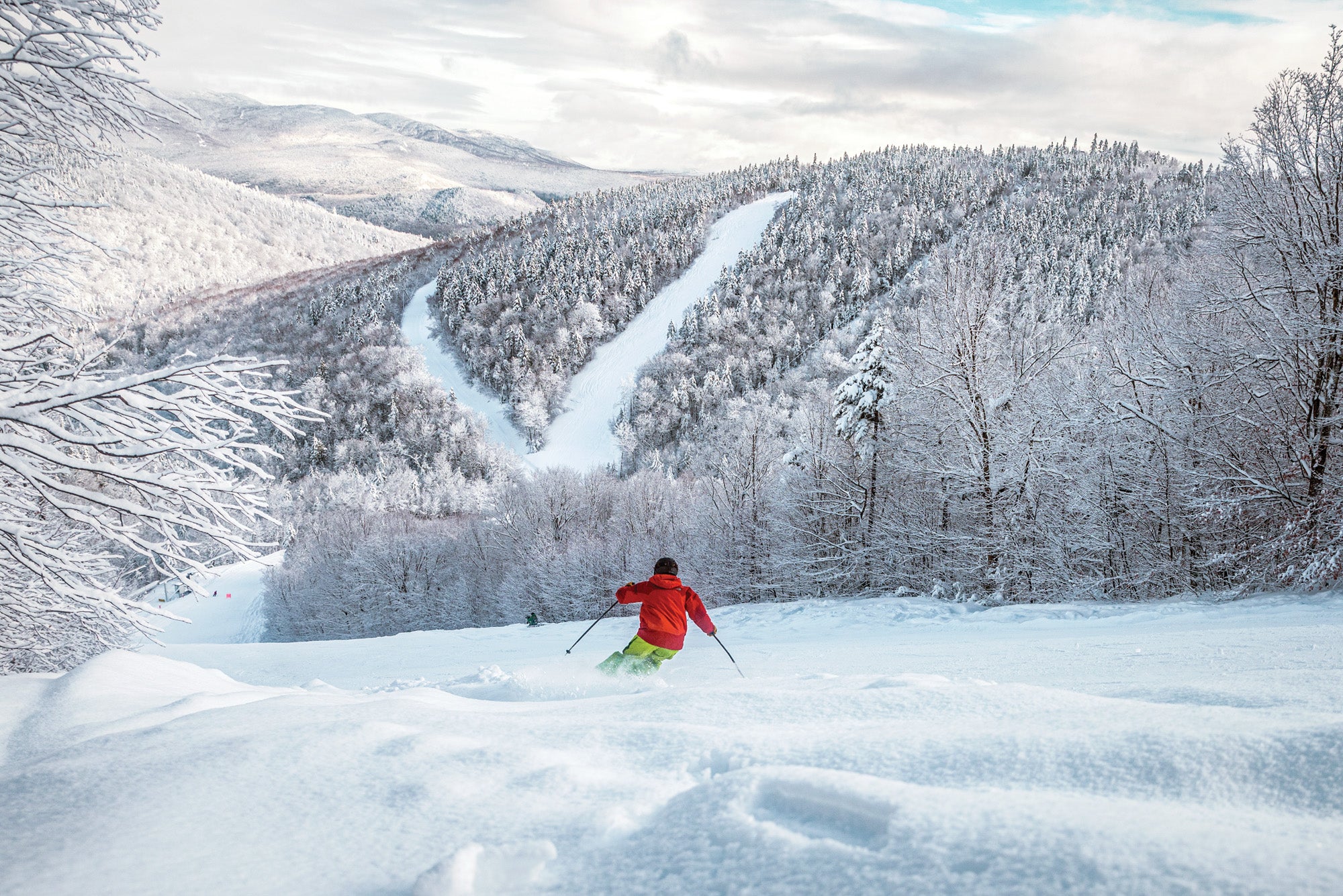
Maine’s western mountains open trails weeks before most East Coast competitors, thanks to massive snowmaking investments and higher elevations that hold cold air. If you want to be skiing by the second week of November without gambling on natural snow, this is where you book.
Sunday River
Sunday River’s eight interconnected peaks give it a scale advantage that matters early season — when only a handful of trails are open, spreading across multiple mountains means less crowding on the runs that are ready. The resort’s snowmaking system is one of the most advanced on the East Coast, and they use it aggressively.
Expect terrain open from early November, with coverage expanding fast through Thanksgiving.
Base yourself in Newry or the Sunday River resort area for walk-or-shuttle access to the slopes. The Grand Summit Hotel sits slope-side and is the obvious convenience play, though it charges a premium for that proximity.
Budget-conscious skiers do better in Bethel, a 15-minute drive east, where you’ll find more affordable inns and the added benefit of a real downtown with restaurants and a general store.
- Best for: Skiers who want variety and hate crowded early-season trails — eight peaks spread the limited early terrain thin.
- Early-season edge: Snowmaking covers the majority of their 135 trails, so by late November you’re looking at real terrain variety, not just one ribbon of white.
- Insider move: Sunday River typically opens North Peak first, which has the best groomed intermediate runs — stake out early laps there before the weekend crowd arrives.
Sugarloaf Mountain
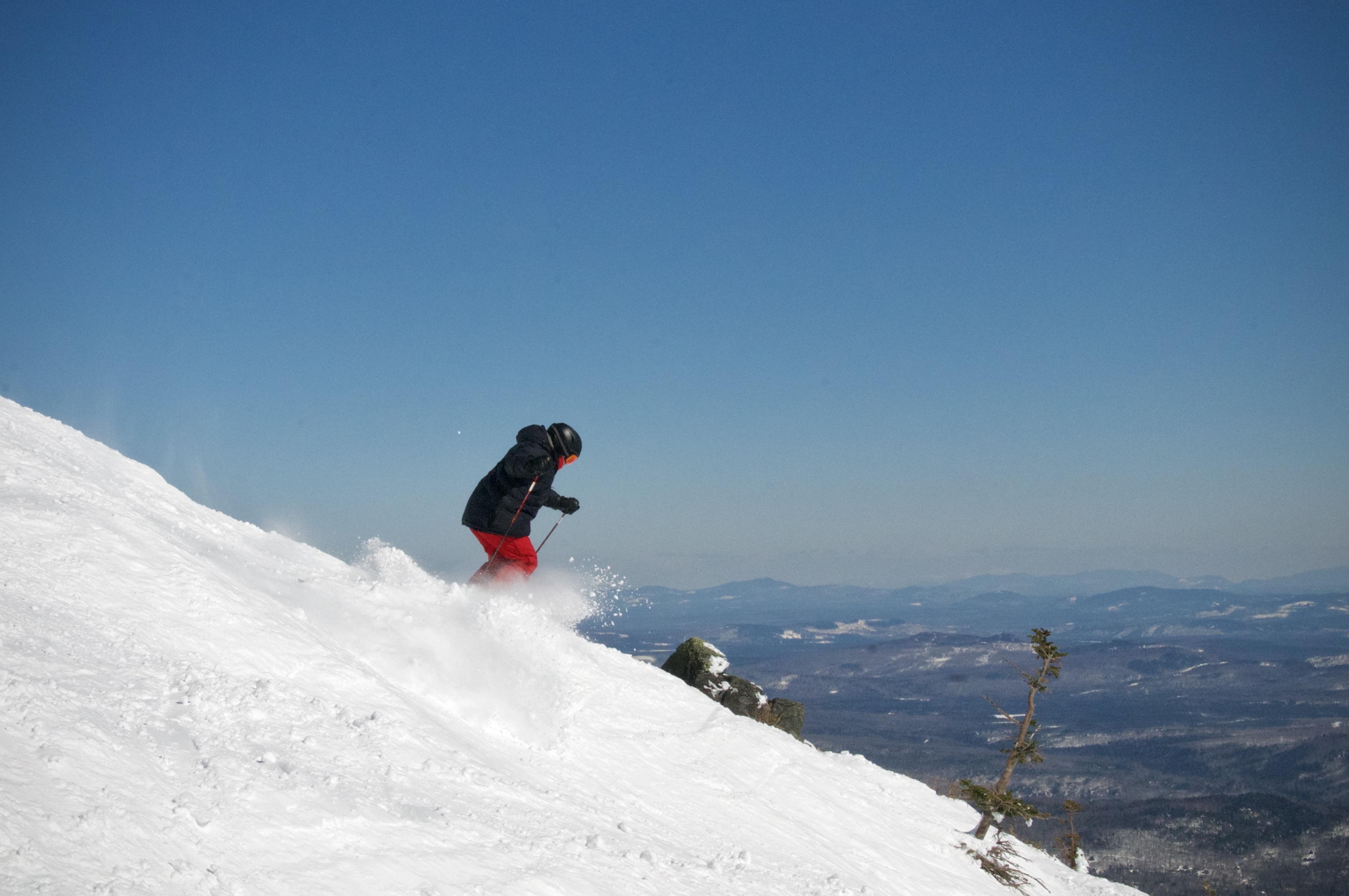
Sugarloaf is the largest ski area east of the Rockies, and that scale translates directly into early-season credibility. The mountain holds cold air at its higher elevations and runs aggressive snowmaking across its 1,240-plus skiable acres.
It usually opens a week or so after Sunday River — typically mid-November — but catches up quickly and often surpasses by December.
The real reason to choose Sugarloaf over Sunday River: The Snowfields, New England’s only above-treeline skiing. You won’t ski them in early November — they depend on natural snowfall and usually open later in winter — but knowing they’re coming is reason enough to pick Sugarloaf as your season-long base.
For lodging, Sugarloaf’s base village has ski-in/ski-out condos and the Sugarloaf Mountain Hotel, all within walking distance of the lifts. Carrabassett Valley, the surrounding town, is quieter and cheaper than Sunday River’s resort area, but dining options are limited — plan to eat at the mountain or self-cater.
Kingfield, about 20 minutes south, adds a few more restaurant choices and some charming B&Bs if you prefer a town feel.
- Best for: Intermediate-to-advanced skiers who want the biggest terrain footprint in New England and don’t mind a slightly later opening day.
- Early-season edge: When Sugarloaf commits to opening, they push hard — expect solid coverage on their core trails by Thanksgiving week.
- Insider move: Book lodging in the base village early for holiday weekends; Carrabassett Valley has far fewer beds than demand warrants, and prices spike fast once the mountain confirms its opening date.
Bottom line: Pick Sunday River if your priority is opening-day access and trail variety from the first snowmaking push. Pick Sugarloaf if you want the biggest mountain in the East and are willing to wait an extra week — the payoff is a resort that feels less commercial and more committed to serious terrain.
Either way, both mountains guarantee skiing before Thanksgiving, which is more than most East Coast resorts can honestly claim.
New York Mountains with Strong Early Season Potential
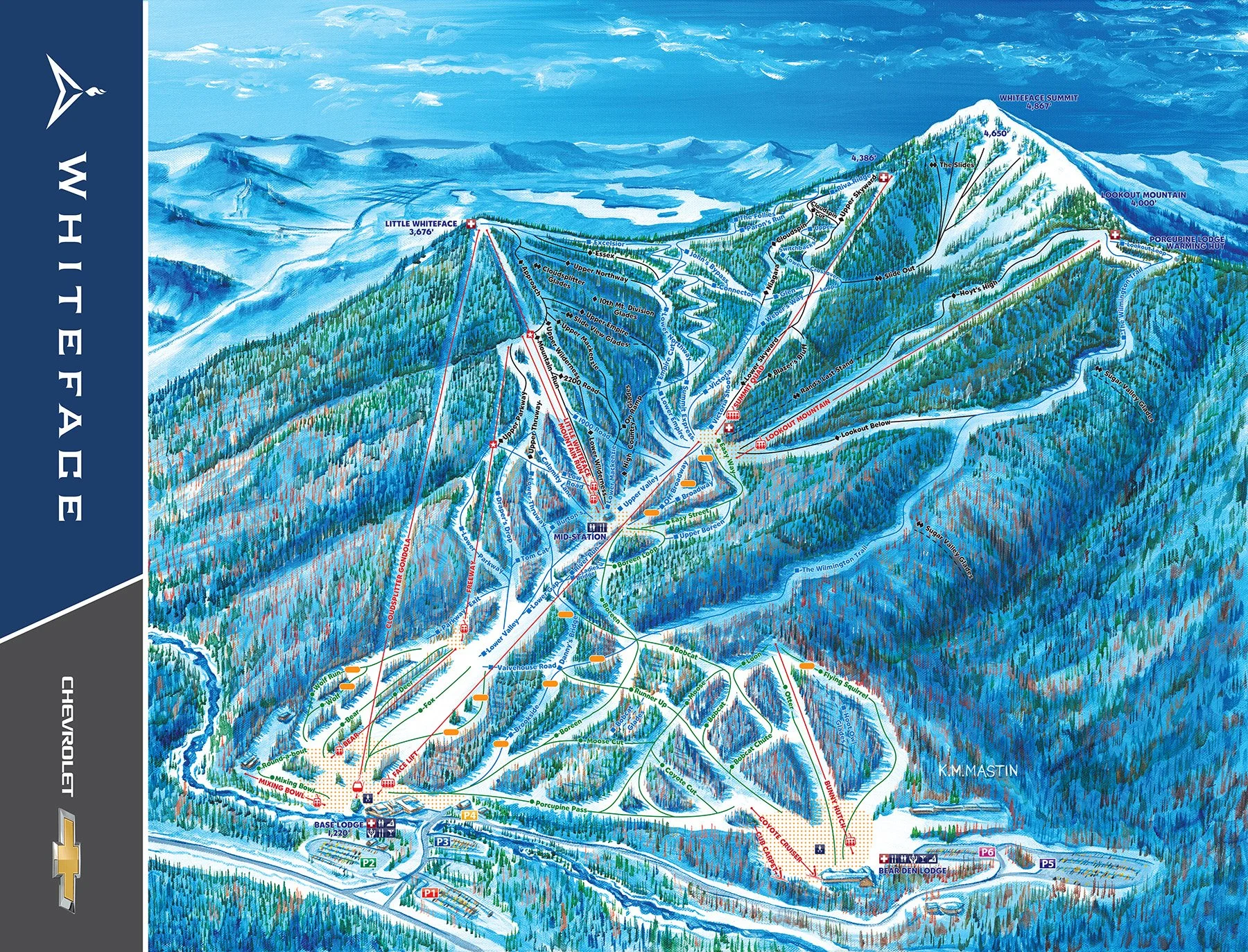
Whiteface Mountain
Whiteface doesn’t just have the greatest vertical drop east of the Rockies at 3,430 feet — it hosted the 1980 Winter Olympics alpine events, which means this mountain was built to punish legs and reward ambition. At 4,867 feet of summit elevation with 90-plus trails across 288 skiable acres, it delivers terrain variety that most East Coast mountains simply cannot match.
For early season skiing, Whiteface’s higher elevation and Adirondack location give it a natural cold-weather edge over lower-lying New York resorts. Snowmaking covers a significant portion of the mountain, and the resort typically spins lifts in mid-to-late November — though exact opening dates depend on the season’s early weather patterns.
Confirm the current season’s projected opening on whiteface.com before booking.
- Best for: Advanced and intermediate skiers who want serious vertical and Olympic-caliber terrain without flying west.
- The summit view: On clear days you can see Vermont, Canada, and the full icy expanse of Lake Champlain — genuinely one of the best panoramas on the entire East Coast.
- The trade-off: Whiteface’s exposed summit means wind and cold are real factors early season. Come prepared with layers and a neck gaiter; don’t expect cozy grooming on the upper mountain in November.
- Base yourself in: Lake Placid, roughly 10 miles from the mountain. The village has walkable dining, lodging at multiple price points, and a legitimate small-town atmosphere — not a manufactured resort base. Book early for holiday weekends; Lake Placid fills fast.
Whiteface is the pick for skiers who care more about the skiing itself than the scene around it. If you want the biggest vertical and the most dramatic terrain in New York State — and you’re willing to tolerate rawer early-season conditions for it — this mountain delivers in ways that smaller New York hills simply can’t.
Frequently Asked Questions
When does early season skiing actually start on the East Coast?
Most East Coast resorts target mid-to-late November for opening day, though a handful — Killington and Sunday River among them — regularly push into early November when temperatures cooperate. Killington has historically been one of the first resorts in the East to open, sometimes as early as late October.
That said, early season means limited terrain. Expect a handful of groomed runs, not the full mountain.
Confirm opening dates directly with each resort because they shift every year based on weather.
Which East Coast resort has the most reliable early season conditions?
Killington earns that title without much debate. Its massive snowmaking infrastructure — one of the largest in the East — covers enough terrain to deliver skiable conditions even when natural snow is scarce.
Sunday River is the close runner-up thanks to its own top-tier snowmaking system across eight interconnected peaks. If your dates are locked in and non-negotiable, pick one of these two and your odds of actually skiing improve dramatically.
Is early season skiing on the East Coast worth it, or should I wait?
It is worth it if you go in with the right expectations. You will not get powder days or full mountain access.
What you will get is short lift lines, discounted lodging rates, and the chance to shake off your off-season rust before the holiday crowds arrive. If you are a strong intermediate or advanced skier who does not mind repeating a few well-groomed runs, early season delivers real value.
Families with beginners should wait until mid-December when more terrain and ski school programs are fully running.
Do I need to book anything special for an early season trip?
Lift tickets are generally cheaper and easier to snag in early season, but lodging near popular resorts like Killington and Stowe still books up on weekends. Book accommodations at least three to four weeks out for any November or early December trip.
One move most people overlook: ship your ski gear ahead using a service like ShipSkis or LugLess so you skip baggage claim hassles entirely — especially useful if you are flying into Burlington or Portland and driving to the mountains.
Pick Your Mountain and Lock It Down
Book Killington or Sunday River first if your dates are set for early November — they open earliest and give you the best shot at real terrain before Thanksgiving. If you can hold off until mid-November, Jay Peak’s natural snow and Stowe’s village charm make the short wait worthwhile.
Early-season East Coast skiing delivers something no Western resort can replicate: the feeling of having a mountain nearly to yourself, with lift tickets and lodging at their cheapest of the entire season.
Choose your resort from the list above, book your lodging this week, and stop waiting for someone to tell you ski season has started — you’ll already be there when it does.
Leave a Reply