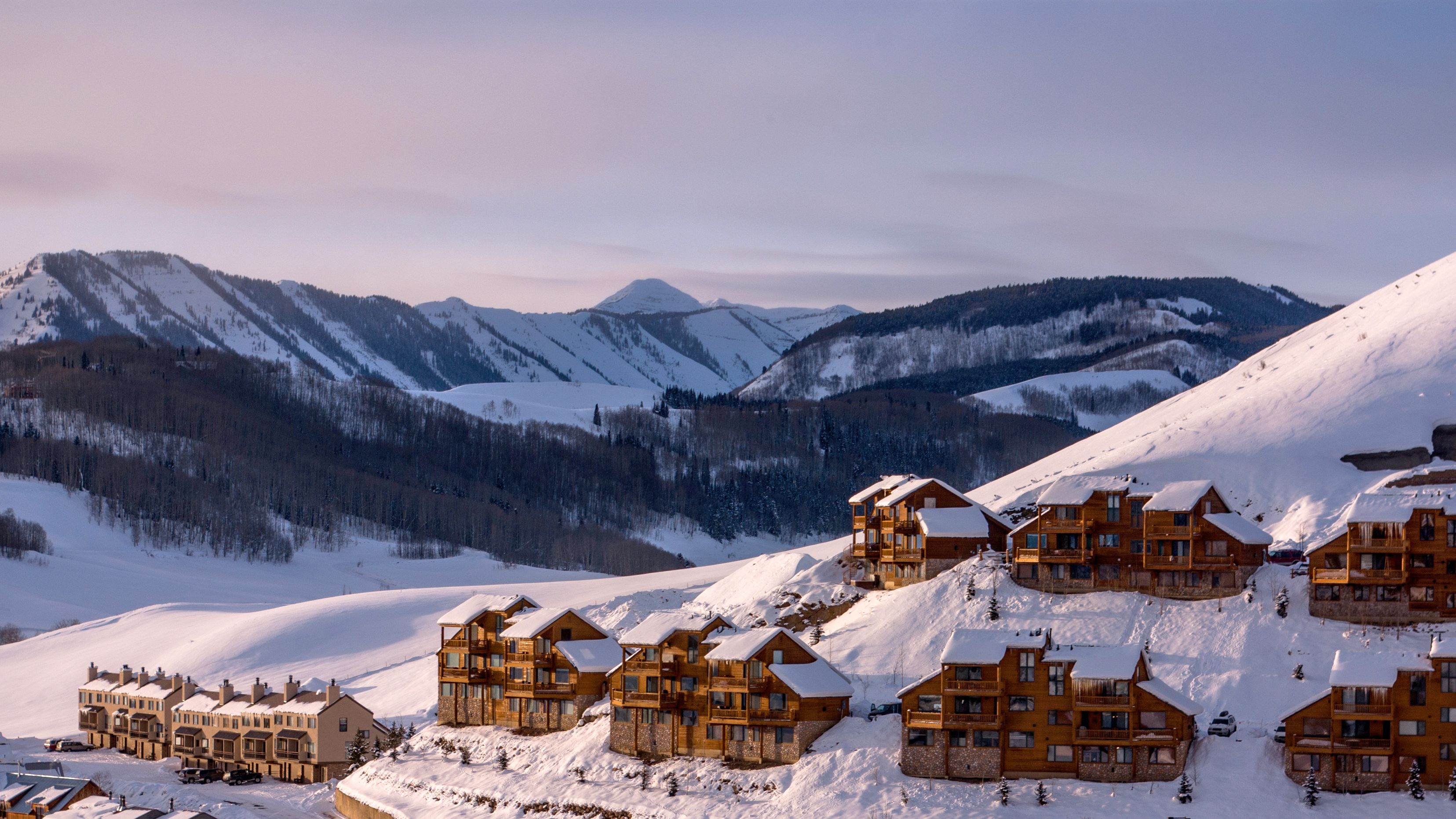
Powder so dry it squeaks under your edges, steam curling off natural hot springs into freezing mountain air, and Victorian main streets glowing amber as boot-pack footsteps echo past barroom doors — this is what Colorado delivers every winter, in wildly different flavors depending on which town you choose.
No other state packs this many distinct ski personalities into a single mountain range.
Colorado’s 30-plus resorts span a cost spectrum that rewards matching your town to your wallet: budget-friendly trips run roughly $1,300–$2,300 per person for five days, mid-range lands around $2,200–$3,950, and the luxury tier (Aspen, Vail) can easily crest $5,000–$8,000+ once lodging and dining factor in.
This guide walks you through every category — from powder-choked hidden gems to polished resort villages — so you pick the right town on the first try instead of regretting it on the drive home.
How to Choose the Best Colorado Ski Town for Your Trip
Colorado has 30-plus ski resorts spread across the Rockies, and picking the wrong one means burning vacation days on a town that doesn’t match your priorities. The decision comes down to five factors — and they matter in this order.
What kind of terrain and skiing experience are you looking for?
This is the filter that rules out half your options immediately. Colorado’s ski towns break into clear terrain categories:
- Advanced and expert terrain: Crested Butte is the standout — steep, gnarly, and unapologetically challenging, though it still has enough intermediate and beginner runs to keep mixed groups happy. Telluride delivers similar intensity with a dramatic box-canyon setting.
- Big-mountain variety (all levels): Vail’s 5,317 acres make it the largest single ski area in Colorado. Breckenridge and Steamboat Springs also offer massive acreage spread across multiple peaks with terrain for every ability. These are the safe picks when your group spans skill levels.
- Beginner and intermediate-friendly: Ski Cooper near Leadville and Monarch Mountain near Buena Vista are smaller, less intimidating, and significantly cheaper. Winter Park is the best mid-size option — gentler learning terrain at the base with more challenging bowls higher up.
- Longest possible season: Arapahoe Basin (A-Basin) typically runs into June, sometimes early July. If spring skiing matters, base yourself in Dillon or Frisco for A-Basin access alongside Keystone and Breckenridge.
Are you traveling as a family, a couple, or with a group of friends?
- Families: Steamboat Springs wins — it’s genuinely family-oriented rather than family-tolerant. The town has a Western ranch vibe, a natural hot springs complex (Old Town Hot Springs), and terrain that doesn’t punish beginners. Breckenridge is the runner-up thanks to its walkable Main Street, free sledding hills, and tubing parks that keep kids busy off the slopes.
- Couples: Aspen is the obvious choice if budget allows — upscale dining, boutique shopping, and a sophisticated nightlife scene without the frat-party energy. Telluride runs a close second for couples who prefer scenery and seclusion over scene. Crested Butte suits couples who want charm and character without pretension — think Victorian houses and casual taverns, not velvet ropes.
- Groups of friends: Breckenridge delivers the best après-ski density in the state, with dozens of bars and restaurants within walking distance of the lifts. Vail’s Lionshead and Vail Village also pack in nightlife options, though at steeper prices. For a group that prioritizes terrain variety and doesn’t need a party scene, Copper Mountain near Frisco offers 140 marked trails and a more laid-back atmosphere.
What’s your budget: luxury, mid-range, or affordable?
Colorado ski towns span a huge cost range. Here’s the honest breakdown:
- Luxury ($$$$$): Aspen and Vail sit at the top. Upscale hotels, fine dining, and designer boutiques push daily costs well above most other Colorado towns. Aspen’s peak-season population swells from 7,000 to 27,000, and pricing reflects that demand.
- Mid-range ($$–$$$): Breckenridge, Steamboat Springs, Winter Park, and Copper Mountain hit the sweet spot — good lodging variety without Aspen-level markup. Frisco and Dillon are smart mid-range bases with access to multiple nearby resorts.
- Affordable ($–$$): Crested Butte, Durango, Pagosa Springs, Buena Vista, and Leadville are where your dollar stretches furthest. Local restaurants, modest lodging, and smaller resorts keep costs manageable. Lift tickets are typically the single biggest expense at any Colorado ski town, so a multi-resort pass (see below) is the single best cost-reduction move you can make.
Epic Pass vs. Ikon Pass: Which Colorado ski towns are included?
If you’re skiing more than three or four days, a season pass almost always beats individual lift tickets — which can run $200-plus per day at major resorts. The two dominant passes cover different Colorado towns:
| Pass | Colorado Ski Towns / Resorts Included |
|---|---|
| Epic Pass | Vail, Beaver Creek, Breckenridge, Keystone, Crested Butte, Arapahoe Basin |
| Ikon Pass | Winter Park, Copper Mountain, Steamboat Springs, Aspen Mountain, Aspen Highlands, Buttermilk, Snowmass, Eldora |
Choose your pass before you choose your town. If your group already owns Epic Passes, basing in Breckenridge, Vail, or Dillon makes financial sense.
Ikon holders should look at Winter Park, Steamboat, or the Aspen/Snowmass corridor. Note that Telluride, Durango/Purgatory, Monarch, and Ski Cooper are not on either major pass — they operate independently, which sometimes means shorter lift lines and lower standalone ticket prices.
How far are you willing to drive from Denver International Airport?
Denver International is the gateway for nearly every Colorado ski trip. Drive times are the real deciding factor, especially for weekend trips:
| Drive Time from DEN | Ski Towns |
|---|---|
| Under 2 hours | Winter Park, Fraser |
| 2–2.5 hours | Breckenridge, Frisco, Copper Mountain, Dillon, Arapahoe Basin (all via I-70) |
| 2.5–3 hours | Vail, Beaver Creek |
| 3–3.5 hours | Steamboat Springs, Buena Vista/Monarch |
| 4–5 hours | Crested Butte, Telluride, Durango, Pagosa Springs/Wolf Creek, Leadville/Ski Cooper |
Insider reality check: The I-70 corridor (Breckenridge, Vail, Copper, Keystone) is the shortest drive from Denver but also the most congested. Weekend ski traffic on I-70 westbound on Friday afternoons and Sunday returns can add 1–3 hours to any estimate above.
If you’re flying in for a weekend trip, Winter Park via US-40 is the smartest play — shorter drive and less traffic than the I-70 corridor. For towns beyond three hours, consider flying into Aspen’s regional airport (direct flights from several major U.S. cities) or Montrose Regional Airport for Telluride access, which eliminates the long mountain drive entirely.
The Best Ski Towns in Colorado for World-Class Skiing and Luxury
These three towns sit at the top of Colorado’s ski hierarchy — where champagne powder meets five-star dining, designer boutiques line historic streets, and the base area feels more like a European resort than a dusty mountain parking lot. They’re expensive.
They’re worth it if skiing is your centerpiece and you want the full lifestyle package around it.
Telluride
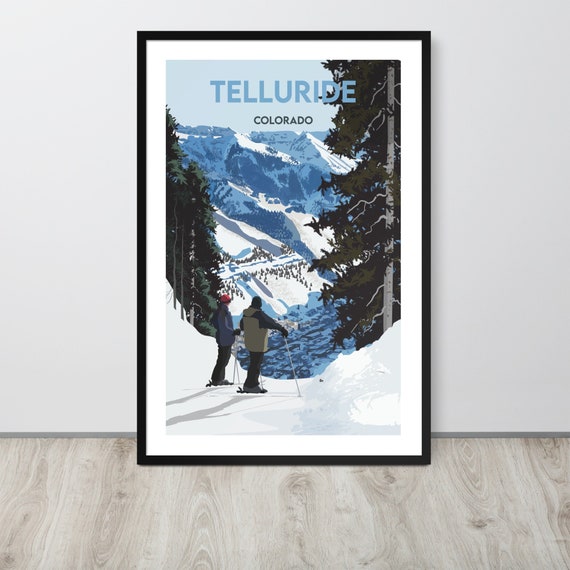
Telluride wins on sheer drama: a Victorian mining town wedged into a box canyon with thousand-foot cliffs on every side, where the ski runs funnel directly into the historic main street. You can clip out of your bindings and walk into a craft cocktail bar in under two minutes.
No shuttle bus, no base-village schlep — the mountain and the town are genuinely one thing.
- Best for: Experienced skiers and riders who want steep, challenging terrain in a setting that feels untouched by corporate ski culture.
- The vibe: Hippie-luxe. Boutiques sell crystals next to cashmere. A-lister homes dot the hillside, but the downtown energy is unpretentious and festival-driven year-round.
- The catch: Getting here is the commitment. It’s a six-plus hour drive from Denver, or a connecting flight into Telluride or Montrose regional airports — neither is cheap or frequent. That remoteness keeps crowds down, which is part of the appeal.
- Stay tip: Base yourself in the historic town of Telluride for walkability and character, not Mountain Village, which is convenient but sterile by comparison. The free gondola connecting the two runs until midnight, so you’re never stranded.
- Insider detail: On powder days, skip the front-facing Revelation Bowl and hike the ridge to Gold Hill Chutes — the traverse back is worth it for laps that most visitors never touch.
Aspen and Snowmass Village
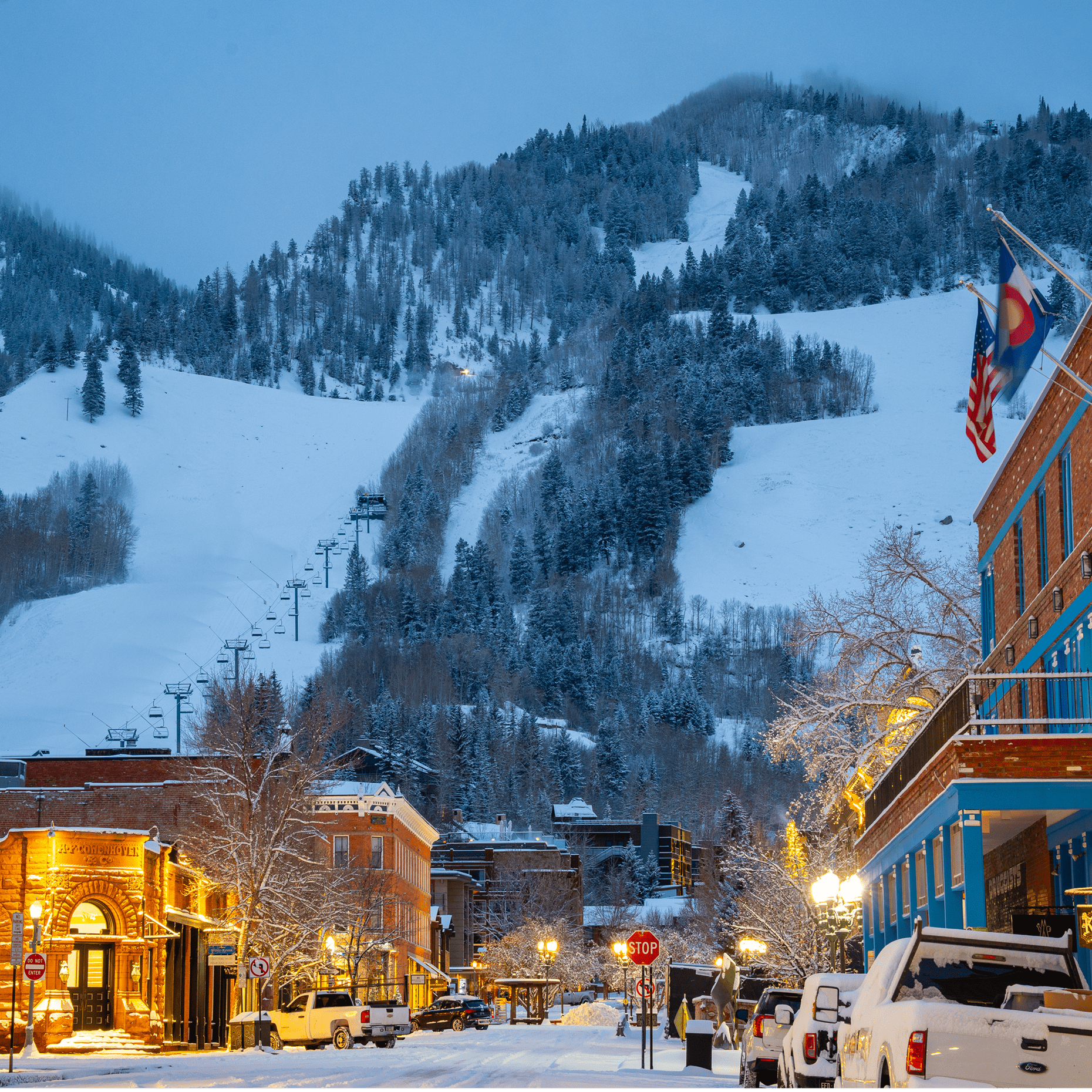
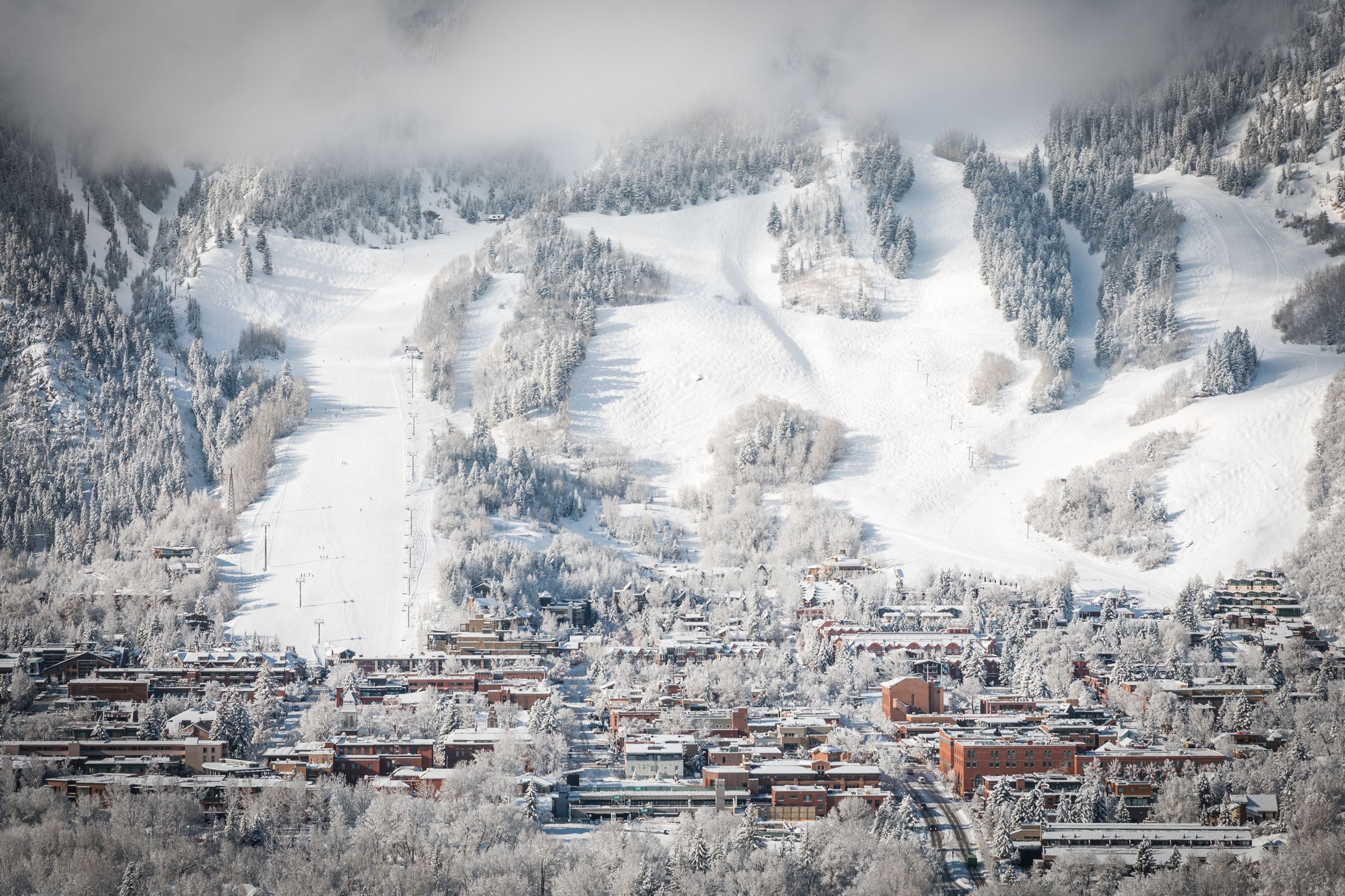
Aspen is the name everyone knows, and it earns the reputation. Four separate mountains — Aspen Mountain, Aspen Highlands, Buttermilk, and Snowmass — cover everything from gentle groomers to the gnarly Highland Bowl hike-to terrain.
No other ski destination in Colorado offers this range within a single lift-ticket system.
- Best for: Skiers who want world-class variety across four mountains paired with a town that rivals any major city for dining, art, and nightlife.
- The vibe: Unapologetically upscale. The après-ski scene is legendary — think craft breweries, late-night live music, and an art museum that hosts cocktail events after the lifts close.
- The catch: Peak-season costs are steep. Expect $800–$1,500+ per night at top-tier hotels during holidays and January–March. Dining and nightlife prices match major metropolitan areas.
- Stay tip: Stay in Aspen proper if culture, dining, and walkability matter most. Snowmass Village is the better base for families — larger, quieter, and the ski-in/ski-out lodging options are more plentiful and slightly less punishing on the wallet.
- Getting there: Aspen/Pitkin County Airport receives direct flights from major U.S. hubs during ski season, making it far more accessible than its mountain-town peers. Verify seasonal schedules directly with the airline.
- Insider detail: Aspen Highlands gets a fraction of the traffic that Aspen Mountain does on any given day, and the Highland Bowl hike delivers some of the best expert terrain in the state. Most visitors never make it past the gondola — take advantage of that.
Vail
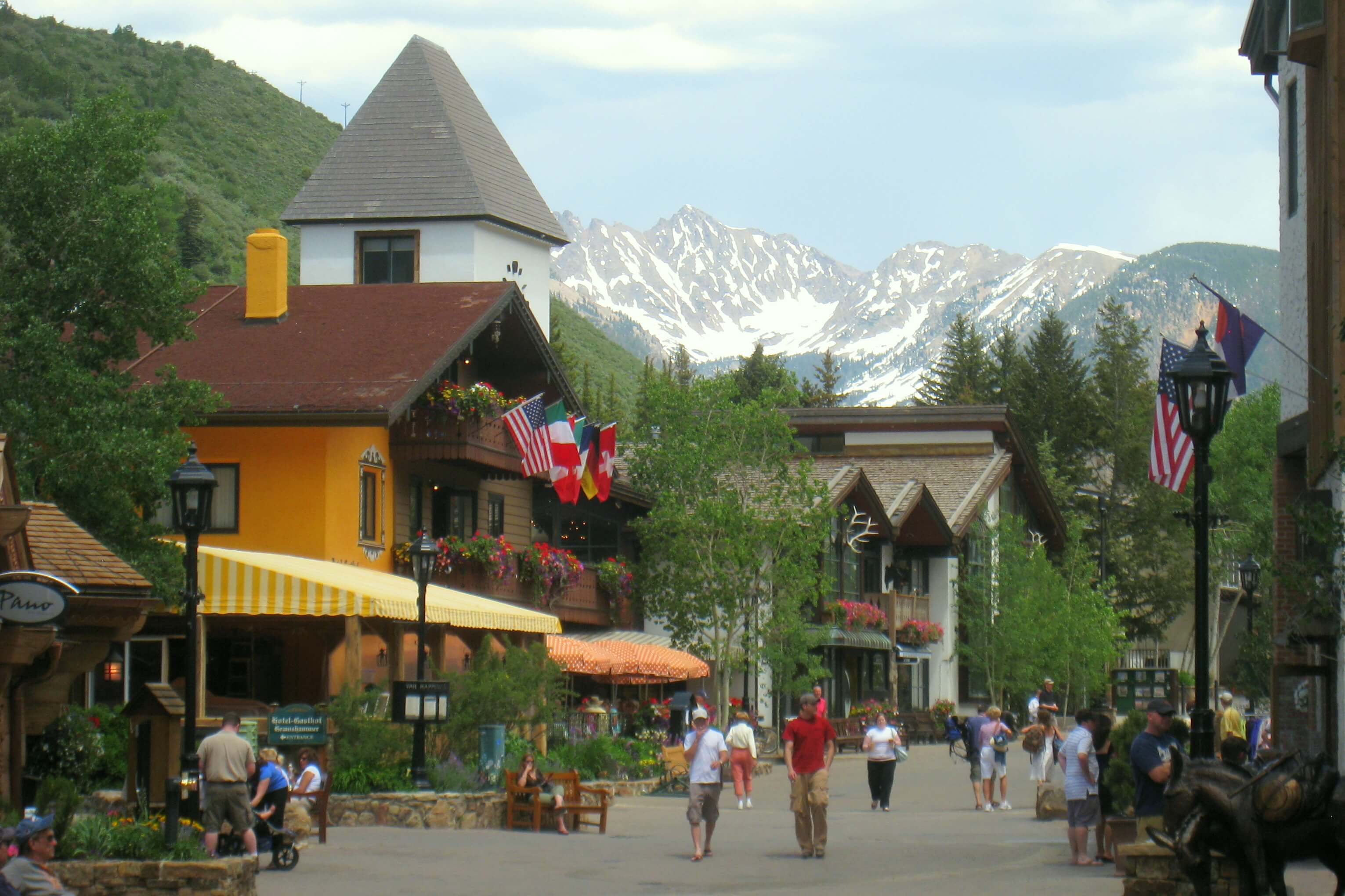
Vail is Colorado’s largest single-mountain ski resort and the closest luxury option to Denver — roughly a two-hour drive on I-70, traffic permitting. The sheer acreage means you can ski all day without repeating a run, and the seven legendary Back Bowls deliver wide-open powder stashes that feel nothing like a resort experience.
- Best for: Skiers who want massive terrain variety and easy Denver access without sacrificing upscale lodging, dining, and a polished village atmosphere.
- The vibe: European-inspired and meticulously designed. Vail Village and Lionshead are cobblestoned, heated-sidewalk charming — beautiful, but undeniably curated. It reads more luxury resort than organic mountain town.
- The catch: Weekend crowds from Denver are real, especially on powder days and holiday weekends. The Back Bowls can track out by mid-morning on Saturdays. Midweek is a completely different, far better mountain.
- Stay tip: Vail Village is the premium base for nightlife and dining access on foot. Lionshead offers a slightly quieter alternative with similar proximity to the Eagle Bahn Gondola.
- Pass note: Vail is on the Epic Pass system — if you’re already committed to Epic, this is where that investment pays off biggest in Colorado’s luxury tier. Lift tickets purchased day-of are expensive; a pass is almost always the smarter buy for anyone skiing three or more days.
- Insider detail: The Back Bowls face east and lose their snow quality fast once the sun hits. On powder days, ski them first thing and save the front-side groomers for the afternoon — most visitors do the opposite.
Best Colorado Ski Towns with Character, Great Terrain, and Lively Towns
These three towns nail the trifecta: terrain worth the trip, a main street you actually want to walk after lifts close, and a personality that sets them apart from every cookie-cutter resort village dotting the I-70 corridor.
Breckenridge
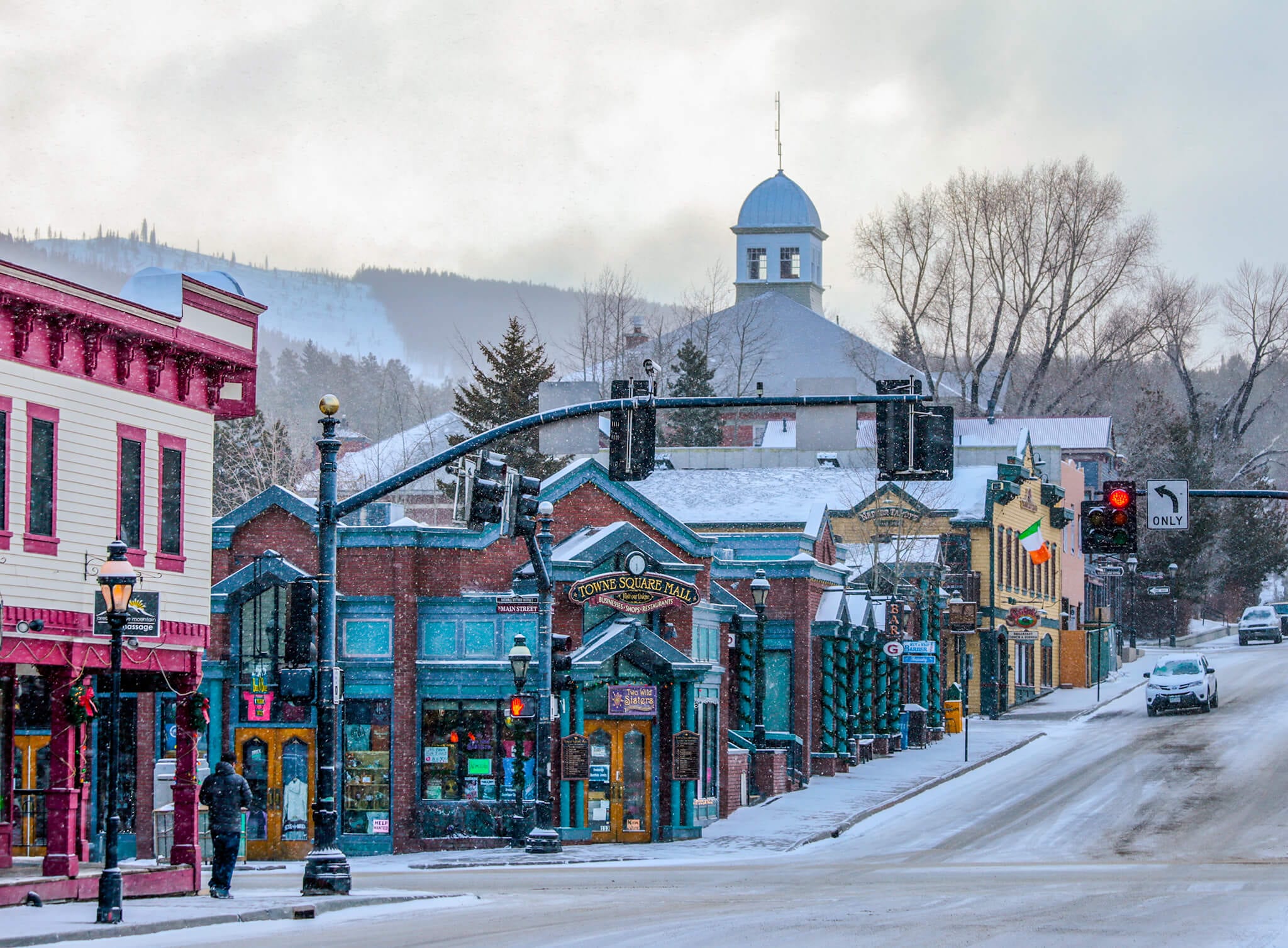
Breckenridge is the easiest sell for anyone who wants a real town with real skiing — not a purpose-built resort with a manufactured village. The Victorian-era Main Street stretches for blocks, lined with restaurants, craft cocktail bars, independent galleries, and gear shops that stay lively well past last chair.
The mountain delivers 2,908 acres across five peaks, with enough expert terrain on the above-treeline bowls of Peak 6 to justify the trip even for advanced skiers who’ve written Breck off as intermediate-only.
- Best for: Groups and friends who want nightlife beyond one hotel bar. Breck’s Main Street bar scene is the liveliest in Summit County.
- Town character: Genuine gold-rush-era mining town — the colorful Victorian buildings aren’t a facade. This place dates to 1859.
- Dining tip: Skip the slope-side chains and head to the restaurants along Ridge Street and South Main for locally owned spots where you won’t need a reservation on weeknights.
- Know before you go: Breckenridge sits at 9,600 feet. Altitude headaches hit hard on night one — hydrate aggressively and take it easy that first evening.
Steamboat Springs
Steamboat earns its “Ski Town, U.S.A.” trademark honestly — more Winter Olympians have come from here than any other town in North America. The vibe is distinctly Western: ranching culture meets ski culture, which means flannel and cowboy hats rather than fur and designer goggles.
The trademarked Champagne Powder — dry, light snow averaging over 300 inches annually — is legitimately some of the best skiing snow in the state.
- Best for: Skiers who want world-class powder without the pretension. Steamboat feels more approachable than Aspen or Vail, and it costs less too.
- Town character: Lincoln Avenue is the main drag, anchored by local restaurants, craft breweries, and the Old Town Hot Springs — soak after skiing for a fraction of what you’d pay at a resort spa.
- Terrain highlight: The gladed tree skiing here is arguably the best in Colorado. The aspen groves and well-spaced trees make powder days unforgettable, and the ski area spans 3,668 acres — large enough to keep experts busy for a full week.
- Insider tip: Time your trip around the Winter Carnival, held every February since 1914. Expect ski-joring where horses pull skiers down Main Street, a torchlight parade, and the genuinely bizarre “Lighted Man” — a local tradition you won’t find anywhere else.
Crested Butte
Crested Butte calls itself “the last great Colorado ski town,” and the label sticks because it still actually feels like one. Elk Avenue’s colorful Victorian buildings house locally owned restaurants, dive bars, and gear shops — the kind of places where your server might have skied the same chute you did that morning.
This town hasn’t been overrun by luxury chains or sanitized into a resort brochure.
- Best for: Skiers chasing extreme terrain and anyone tired of polished resort towns. Crested Butte rewards the adventurous.
- Town character: More authentic than polished. Victorian houses, casual restaurants, and a creative streak visible in the quirky local shops and art scene. The resort is known for its extreme terrain, though plenty exists for intermediates and beginners.
- Terrain highlight: The North Face and Headwall deliver some of the most challenging in-bounds terrain in Colorado. Steep chutes, cliffs, and tight trees that earn every bit of Crested Butte’s reputation.
- Budget advantage: Crested Butte sits on the more affordable end of Colorado’s ski towns — lodging and dining run noticeably less than Aspen or Vail, making it a strong pick for skiers who want character without a luxury price tag.
| Town | Vibe | Terrain Strength | Best Suited For |
|---|---|---|---|
| Breckenridge | Historic mining town, high-energy nightlife | 2,908 acres across five peaks, strong above-treeline bowls | Groups, nightlife lovers, mixed-ability parties |
| Steamboat Springs | Cowboy-meets-ski, laid-back Western charm | 3,668 acres, best-in-state tree skiing, Champagne Powder | Powder hounds, families, anyone wanting unpretentious luxury |
| Crested Butte | Quirky, authentic, off-the-beaten-path | Extreme in-bounds terrain with solid intermediate options | Advanced skiers, budget-conscious travelers seeking real character |
Best Colorado Ski Towns Near Denver for Weekend Ski Trips
For a spontaneous ski weekend without burning your entire PTO, these towns sit within a three-hour drive of Denver — meaning you can leave Friday after work and still be on the slopes by Saturday morning.
Winter Park, Fraser, and Granby
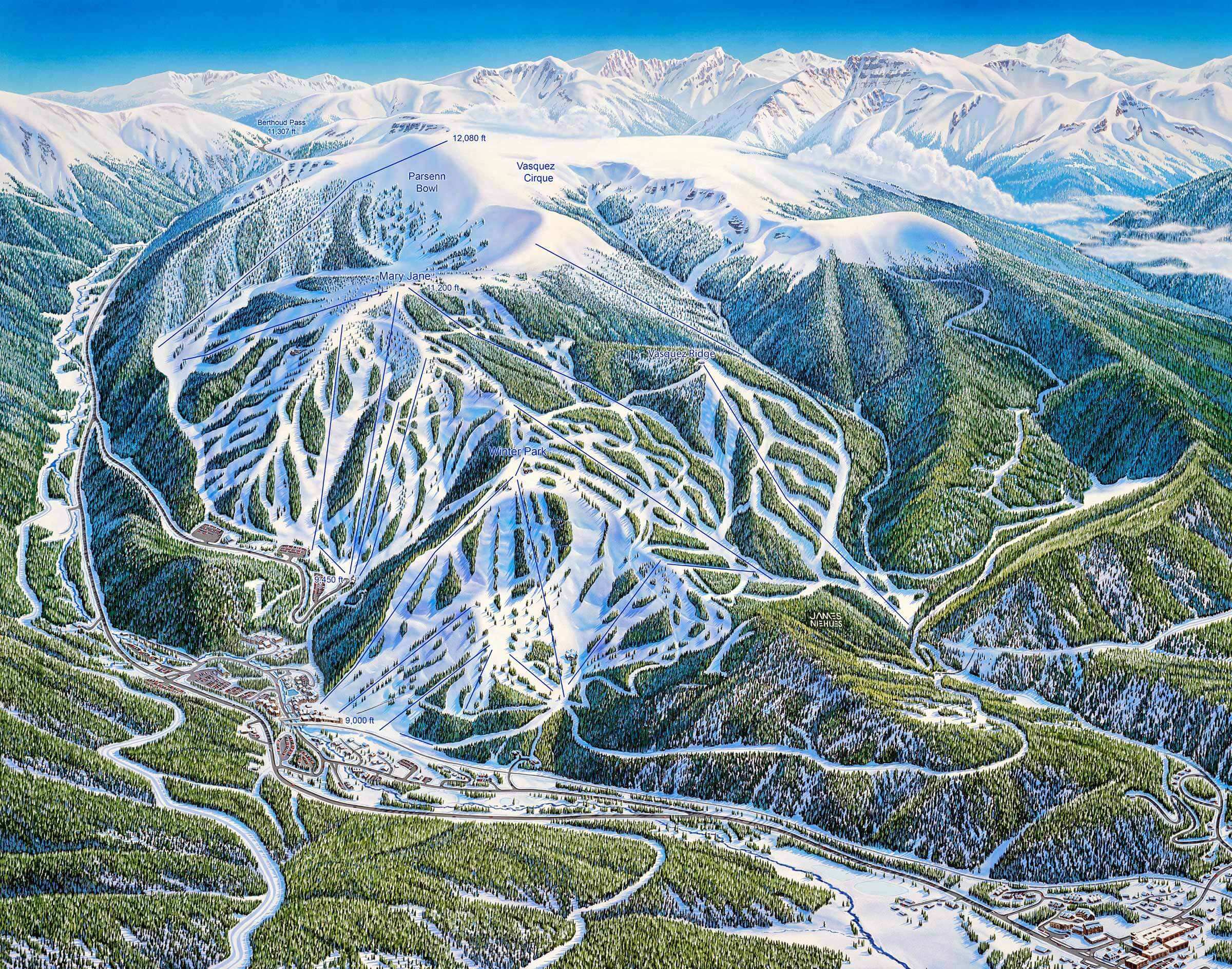
This trio of towns along US 40 is the easiest call for a quick getaway, offering the best balance of drive time, terrain variety, and base-area convenience. Winter Park Resort itself is massive and well-rounded, but the real win is staying in the town of Fraser for a quieter, more affordable base that’s just a five-minute drive from the resort’s main access point.
- Best for: Skiers who want big-mountain terrain without the Vail-level crowds or price tag.
- Weekend Strategy: Base yourself in Fraser or Granby for lower lodging costs and a local feel. You’ll still be skiing at Winter Park Resort in minutes.
- Insider Move: Head straight to the Mary Jane side of the resort if you’re an expert. It’s famous for its bumps, challenging terrain, and a more hard-core local vibe than the main Winter Park side.
Dillon and Arapahoe Basin
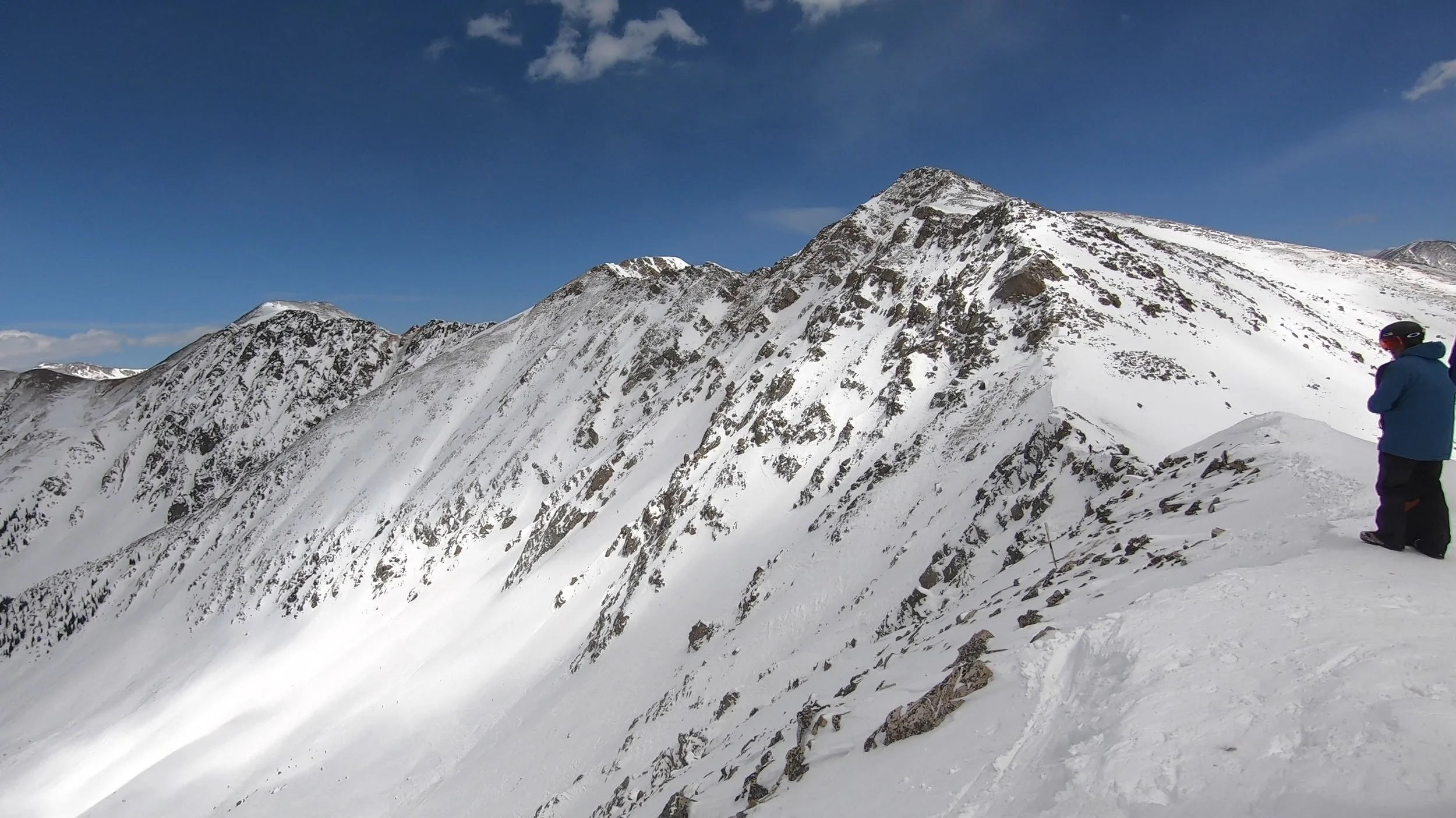
If your definition of a “weekend ski trip” means maximizing hours on snow with zero fuss, Dillon is your strategic base camp. It’s a no-nonsense, year-round town right on I-70, sitting just 10 minutes from two very different resorts: the family-friendly Keystone and the steep, expert-centric Arapahoe Basin (A-Basin).
This pairing lets you match the resort to the day’s mood or conditions.
- Best for: Skiers who prioritize terrain challenge and don’t need a fancy village scene at the end of the day.
- The Trade-off: Dillon has solid amenities and affordable condos, but it’s not a charming, walkable ski village. It’s a practical hub.
- Key Advantage: A-Basin’s high elevation (over 12,000 feet at the summit) means it often has the best snow conditions and is one of the last resorts to close, sometimes into June.
Frisco and Copper Mountain
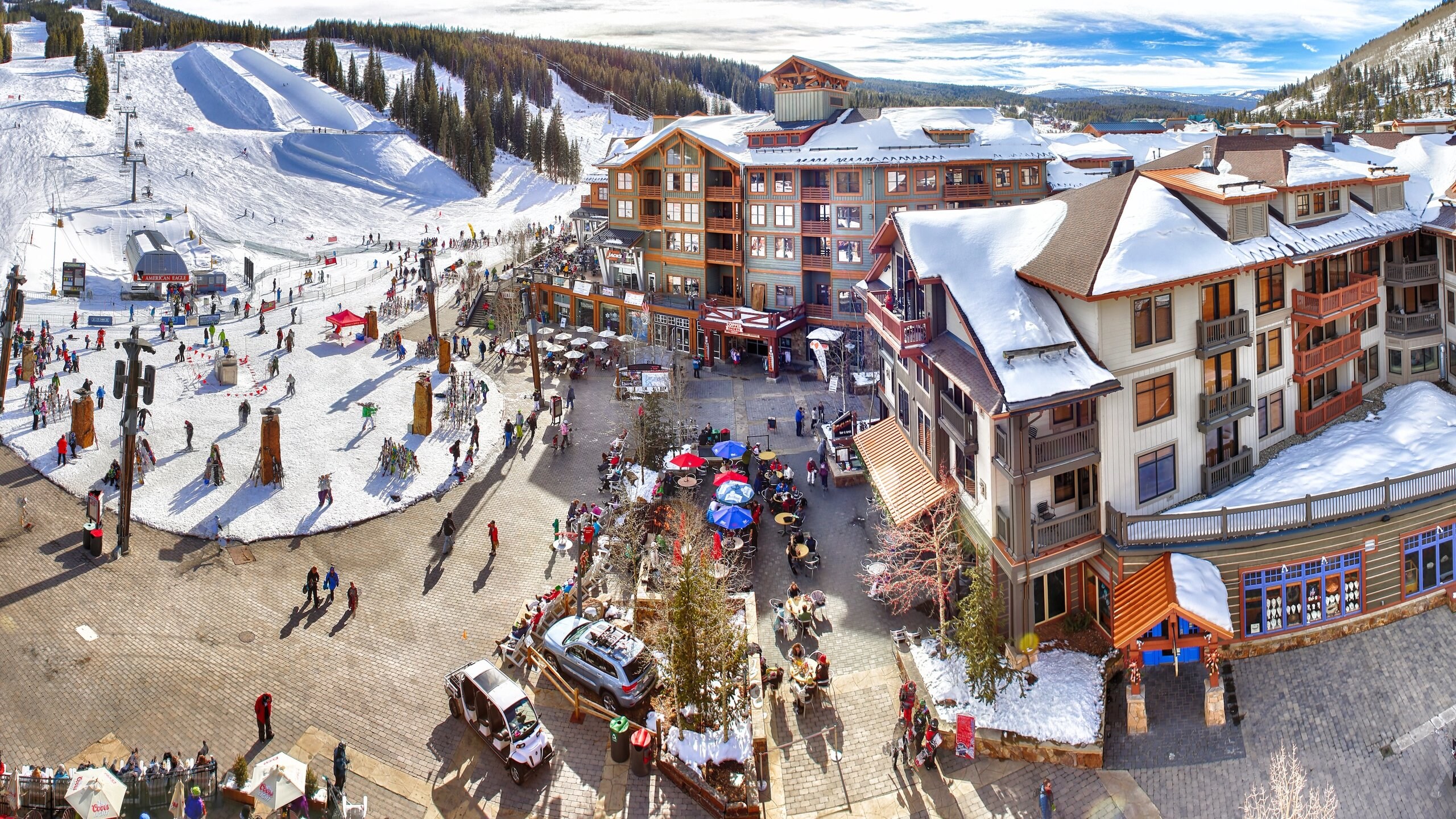
Frisco is the ideal main street base for a weekend that combines serious skiing with a lively, walkable town vibe. You can stay here and easily access Copper Mountain, Breckenridge, and Keystone.
Copper is the standout for weekenders because its terrain is naturally divided by ability level — you’ll spend less time on the wrong run for your skill.
- Best for: Groups with mixed abilities who want a genuine town experience with plenty of dining and après-ski options within walking distance.
- Logistics Win: The free Summit Stage bus connects Frisco to all the major nearby resorts, so you can ski different mountains each day without moving your car.
- Insider Tip: Book a lodging spot on Frisco’s Main Street. You’ll be steps from restaurants, bars, and the bus stop, making for a seamless, social weekend.
For a quick comparison:
| Town Grouping | Drive from Denver* | Best Base Vibe | Key Resort Access |
|---|---|---|---|
| Winter Park, Fraser, Granby | ~1.5-2 hours | Quiet, residential in Fraser/Granby | Winter Park Resort |
| Dillon & Arapahoe Basin | ~1.5 hours | Practical, highway-access hub | Arapahoe Basin, Keystone |
| Frisco & Copper Mountain | ~1.5 hours | Walkable main street with full amenities | Copper Mountain, plus easy bus to Breck, Keystone |
*Drive times are estimates from DIA without significant I-70 traffic. Weekend traffic, especially Sunday returns, can double these times.
Best Hidden-Gem Colorado Ski Towns for Budget Travelers
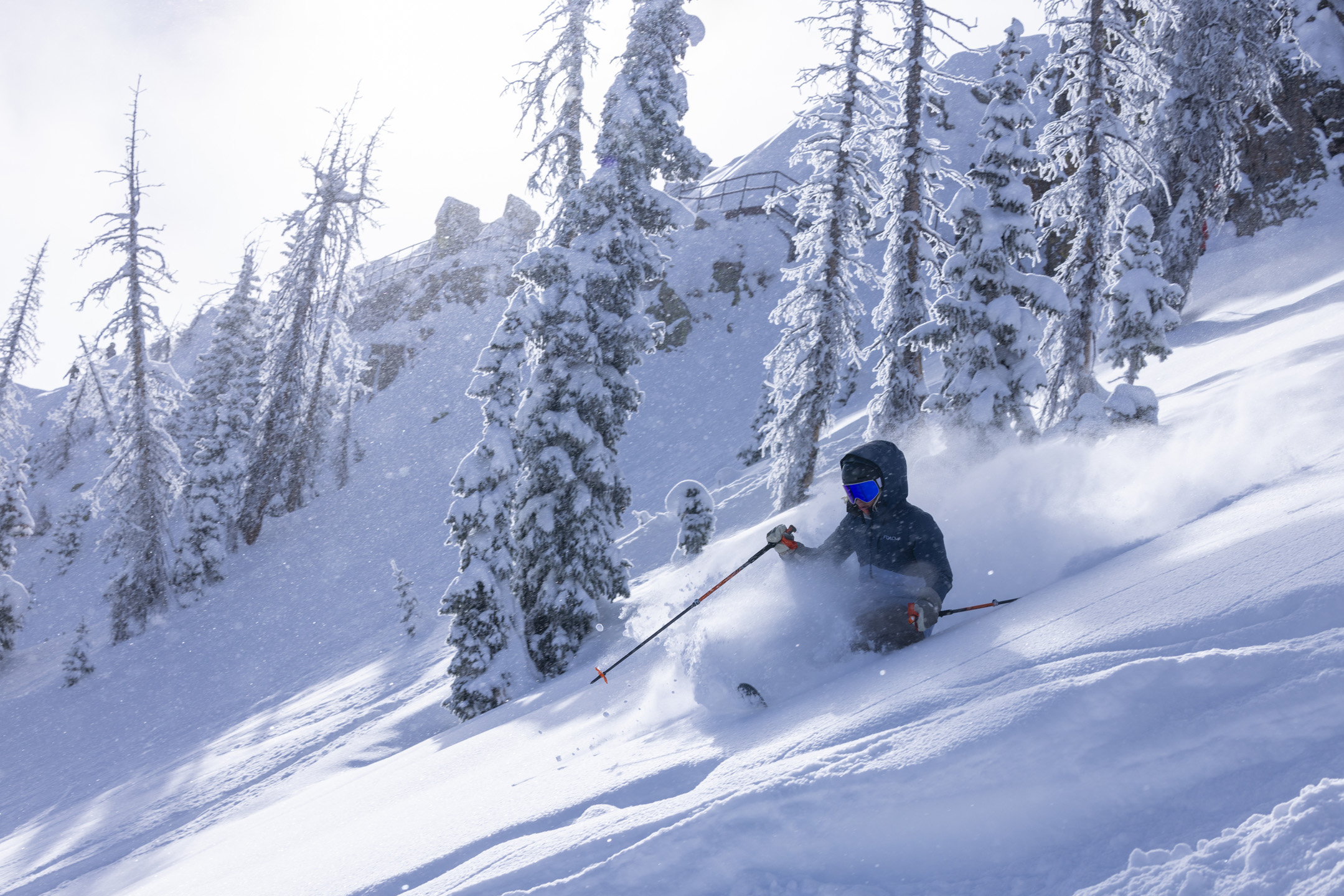
Wolf Creek Ski Area near Pagosa Springs regularly claims the most snowfall in Colorado — averaging over 450 inches annually — and a day ticket there costs a fraction of what you’ll pay at Vail or Aspen. These four towns share a formula worth knowing: uncrowded slopes, independent or small resorts, and genuine affordability that doesn’t feel like a compromise.
| Town | Ski Area | Best For | Drive from Denver |
|---|---|---|---|
| Durango | Purgatory | Town life + terrain variety | ~6 hours |
| Buena Vista | Monarch Mountain | Families avoiding pass-holder crowds | ~2.5 hours |
| Leadville | Ski Cooper | Beginners and history buffs | ~2 hours |
| Pagosa Springs | Wolf Creek | Powder hounds and hot-spring lovers | ~4.5 hours |
Durango and Purgatory
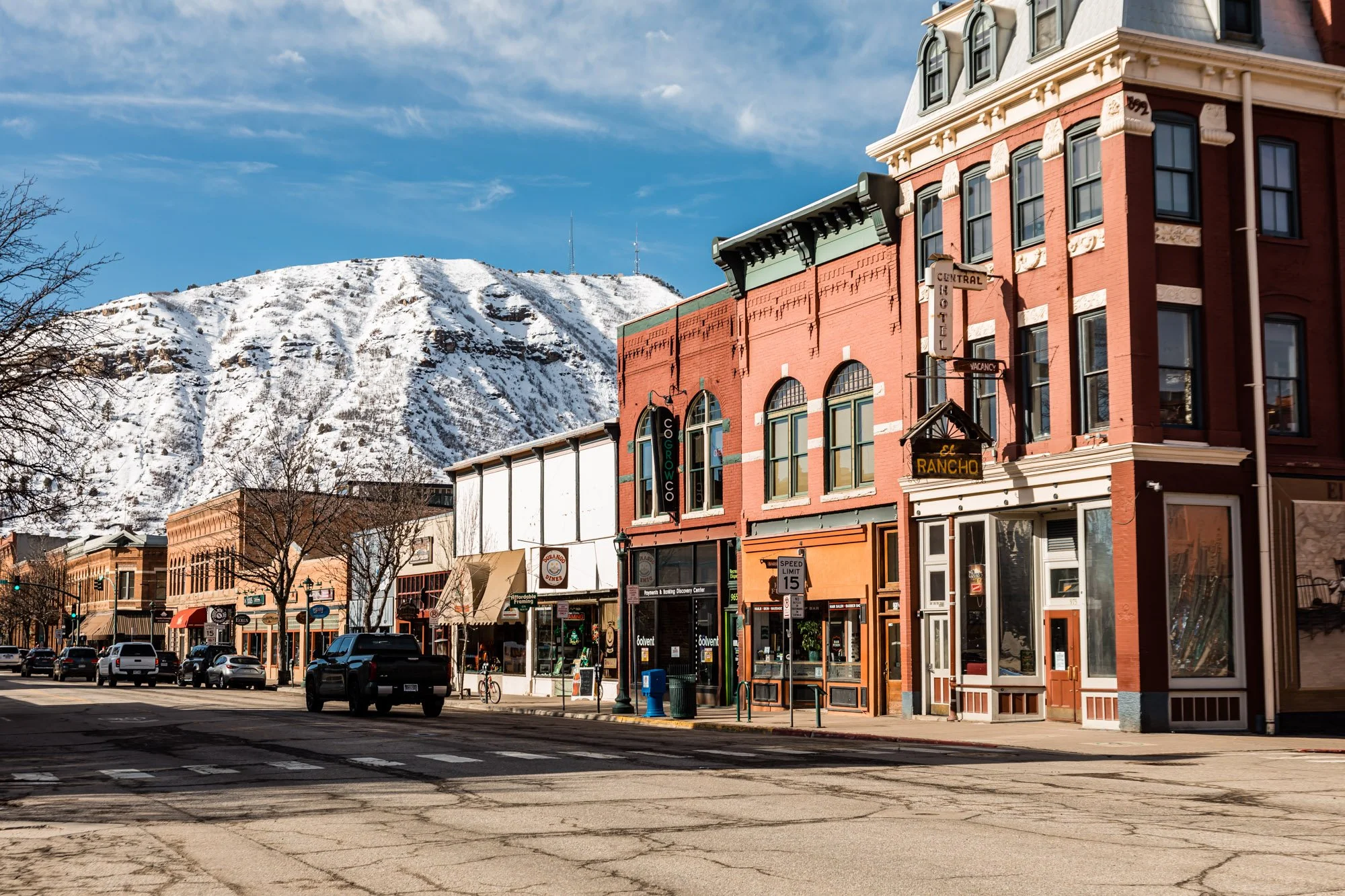
Durango is the only town on this list that genuinely functions as a year-round community. The historic downtown has real restaurants, local breweries, and a walkable Main Street that doesn’t hollow out when the lifts close.
Purgatory Resort sits 25 miles north on US 550 and delivers over 1,600 acres of terrain across 105 runs at a price point that undercuts Summit County by a wide margin.
Base yourself in Durango rather than on the mountain — mid-range hotels in town typically run $100–180/night during peak season, and the 30-minute drive to Purgatory each morning is straightforward on a well-maintained highway. The town also connects to Pagosa Springs (covered below) if you want to combine two hidden gems in one trip.
Buena Vista and Monarch Mountain
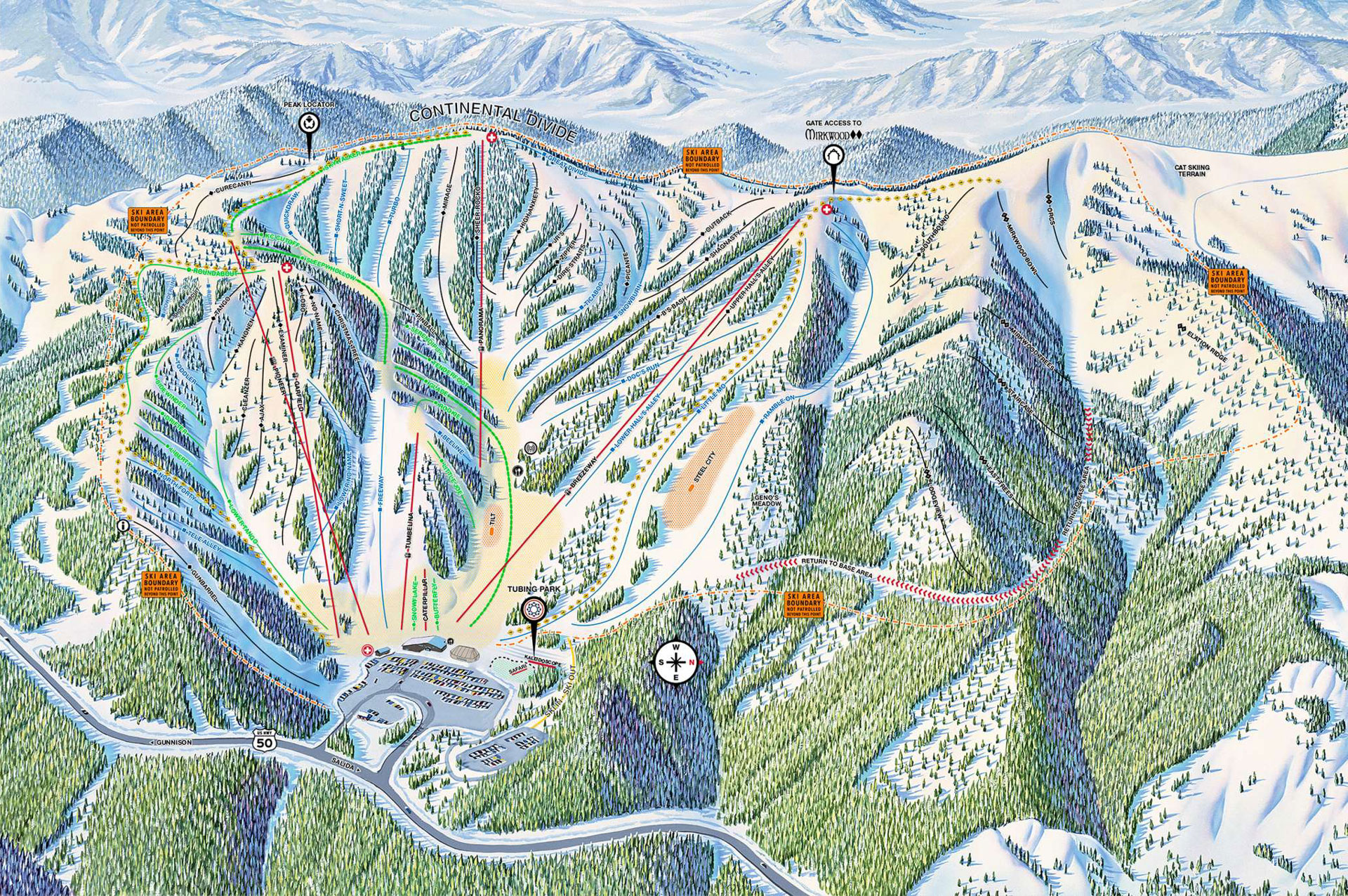
Monarch Mountain is one of the last independently owned ski areas in Colorado — no Ikon, no Epic, no corporate passholders clogging the lifts on holiday weekends. Day tickets usually run $70–90 for adults, and the mountain’s 800 acres of terrain peak above 11,000 feet with a solid mix of groomed cruisers and tree skiing that suits intermediates best.
Buena Vista sits 20 miles east and feels like an actual small town, not a resort village wearing a cowboy hat. Cabins and budget motels commonly run $80–130/night — the cheapest lodging on this list.
The town also sits along the Arkansas River corridor with access to natural hot springs and excellent winter hiking.
Leadville and Ski Cooper
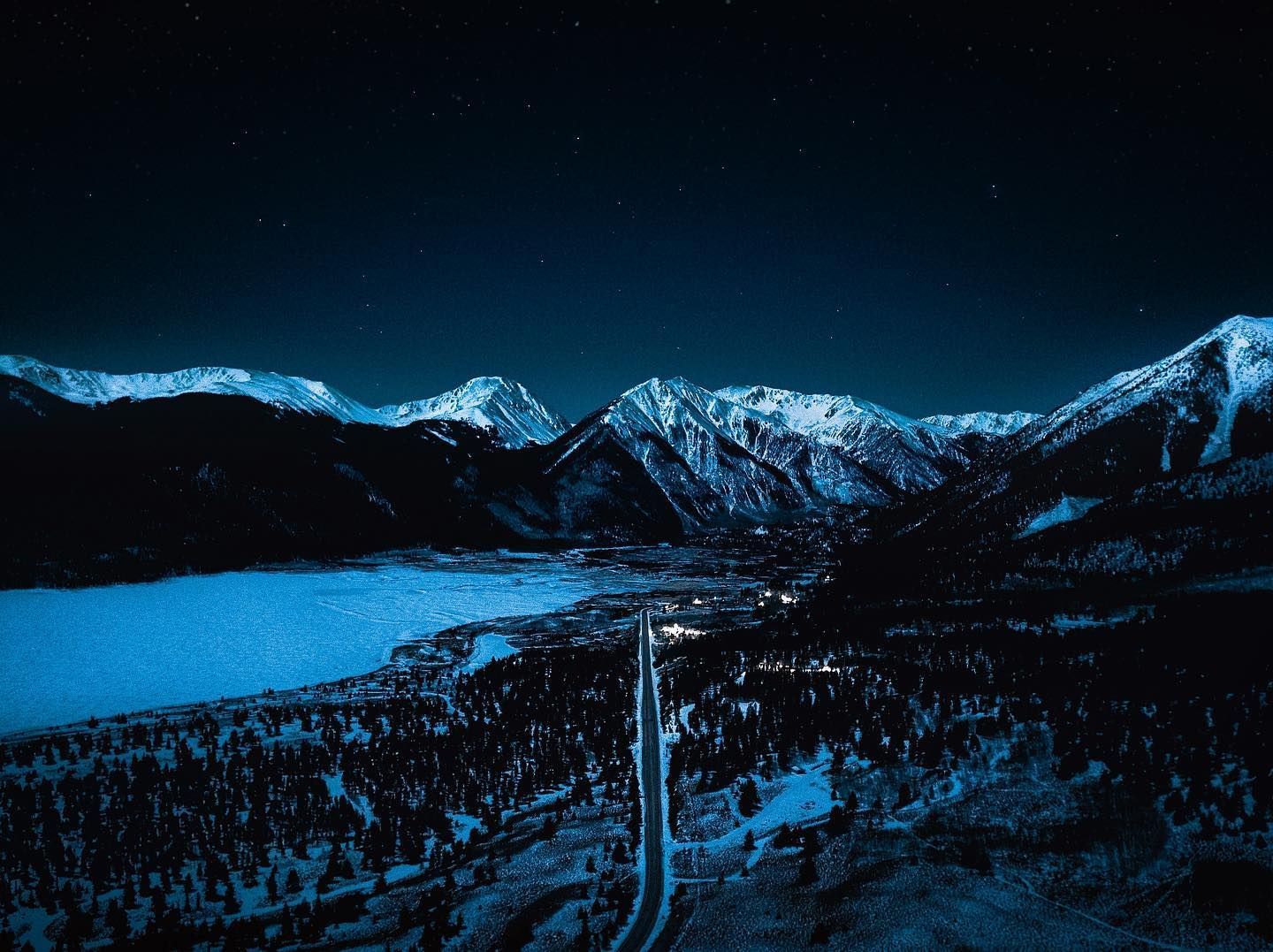
Leadville is the highest incorporated city in North America at 10,152 feet, and Ski Cooper is its 70-year-old, no-frills ski area with five lifts and terrain that skews heavily beginner and intermediate. This is the move for bringing someone who’s never skied without risking a second mortgage — adult day tickets typically land around $55–75.
The town itself is a former silver mining boomtown with genuine Victorian architecture, not replica charm built for tourists. Lodging is sparse but affordable, with a handful of small inns and motels.
At roughly two hours from Denver via US 24, Leadville is also the closest hidden-gem option on this list for a quick weekend trip.
Insider tip: Ski Cooper offers guided snowcat skiing on Chicago Ridge, opening up 2,600 acres of above-treeline powder terrain — a fraction of the cost you’d pay for cat skiing at larger resorts. Book early; availability is limited.
Pagosa Springs and Wolf Creek
Wolf Creek Ski Area averages more snowfall than any other resort in Colorado — typically 450+ inches per season — and the terrain is genuinely varied, from mellow groomers to steep chutes. The crowds stay thin because the location is remote, and a day ticket usually costs $65–85 for adults.
This is where you go when you want the goods without the scene.
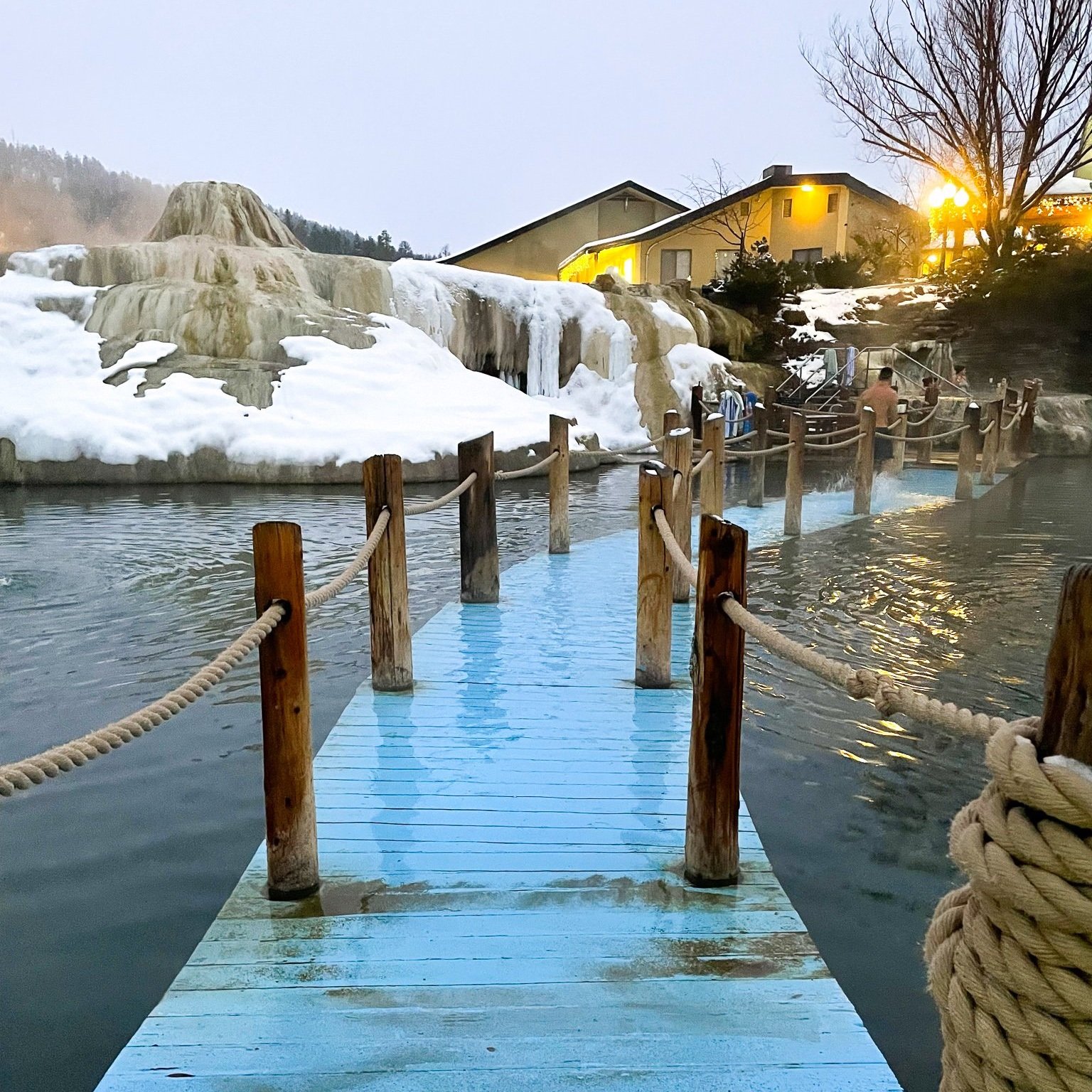
Pagosa Springs, about 30 miles east of the ski area, is the natural base town and is well known for its geothermal hot springs — the chance to soak tired legs after a powder day is a real draw. Standard hotels and vacation rentals typically run $90–160/night.
The trade-off is distance: Pagosa Springs sits about 4.5 hours from Denver and 60 miles from the nearest commercial airport in Durango. Plan for a long weekend, not a quick overnight.
What to Do Off the Slopes in Colorado Ski Towns
Colorado’s best ski towns don’t clock out when the lifts stop spinning — they just shift gears. From geothermally heated mineral pools to brewery-lined main streets and free sledding hills, the off-slope scene here is often the reason people extend their trip by a day or two.
Quick orientation — which towns win where:
- Natural hot springs: Steamboat Springs and Pagosa Springs
- Après-ski and nightlife: Aspen, Telluride, and Vail
- Dining and craft breweries: Aspen, Breckenridge, and Crested Butte
- Winter activities beyond skiing: Frisco, Breckenridge, and Steamboat Springs
Best Ski Towns for Natural Hot Springs
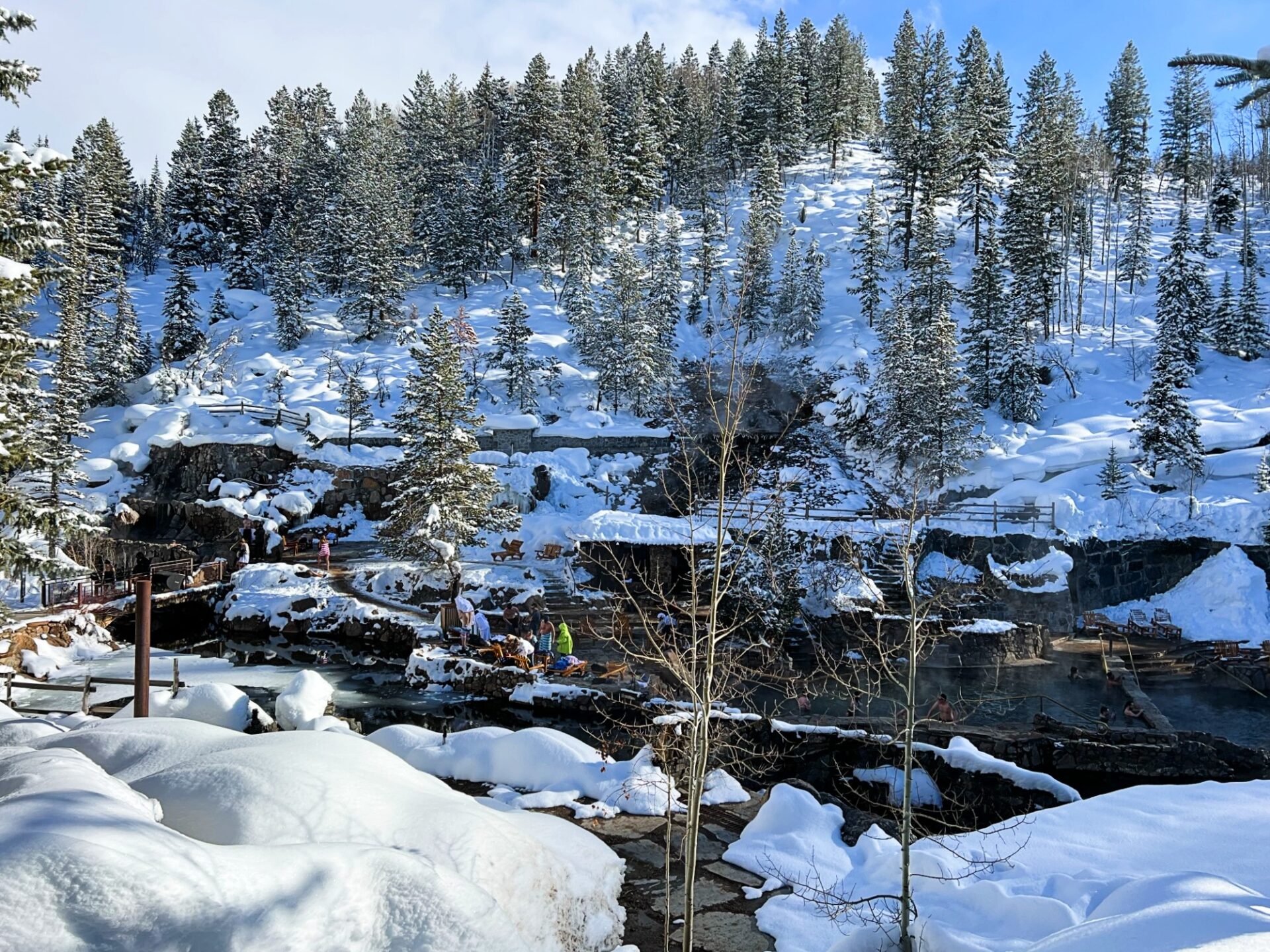
Steamboat Springs is the only Colorado ski town where you can soak in geothermal pools without leaving the valley. The Strawberry Park Hot Springs, about 15 minutes from the ski area, sits in a forested canyon with stone-walled pools ranging from roughly 101°F to 104°F.
After dark, it’s adults-only and clothing-optional — worth knowing before you load the kids in the car. Entry typically runs around $20–25 per person, and reservations are strongly recommended on weekends and holidays because capacity is limited.
Pagosa Springs, further south near the Purgatory ski area, claims the world’s deepest geothermal hot spring and has several commercial soaking options right in the small downtown. This is the better pick for budget-conscious travelers who want a soak-and-ski combo without Vail-level prices.
The town is walkable, unpretentious, and the hot springs are genuinely the main event — not a side attraction.
Best Après-Ski Scenes and Nightlife
Aspen’s après-ski scene is legitimately legendary and backs it up with variety. The town’s craft breweries and taverns are just the starting point — world-class restaurants, live music venues, and cultural institutions keep the energy going well past last chair.
The Aspen Art Museum hosts after-ski cocktail events on select evenings, which is exactly the kind of thing you won’t find in a standard resort town. Expect to spend accordingly; this is not a cheap night out.
Telluride draws a different crowd — more festival-goers and live-music obsessives than bottle-service regulars. The town hosts events year-round, and its compact historic main street concentrates bars, restaurants, and music venues within a few walkable blocks.
The free gondola connecting Telluride to Mountain Village runs until late (usually until midnight or later depending on season), so you can bar-hop between both sides of the mountain without driving.
Vail delivers polished nightlife if that’s your preference — think upscale cocktail bars and well-dressed crowds rather than dive-bar character. If you want the party without the velvet rope, head to nearby Minturn or Frisco for a more relaxed scene with fewer crowds and lower tabs.
Breckenridge is the wildcard: a genuinely lively, walkable Main Street with a high concentration of bars, restaurants, and live music for a town its size. It skews younger and more casual than Aspen or Vail, and the energy on a Saturday night in peak season rivals any mountain town in the Rockies.
Best Dining and Craft Breweries in Colorado Ski Towns
Aspen dominates for high-end dining — multiple James Beard–recognized restaurants operate within a few blocks of each other. If you’re choosing one splurge meal on a Colorado ski trip, this is where to do it.
For a more grounded food scene, Crested Butte wins on character. The town’s dining options skew casual and locally driven — think seasonal menus in converted Victorian buildings rather than white-tablecloth formality.
It feels like a real town with real restaurants, not a resort food court dressed up in flannel.
Breckenridge has quietly built a strong brewery and restaurant scene that punches above its weight for a town of roughly 5,000 year-round residents. Several craft breweries sit along or just off Main Street, making it easy to walk a tasting route without planning much in advance.
The food ranges from solid après-ski pizza to genuinely ambitious mountain cuisine.
Steamboat Springs rounds out the list with approachable, ranch-influenced dining and a growing craft beer presence. It’s the best pick if you want good food without pretension — and if you’re traveling with kids, the restaurant scene is more accommodating than Aspen’s.
Snowshoeing, Cross-Country Skiing, Tubing, and Other Winter Activities
Frisco Adventure Park is the standout for non-skiing winter fun. The tubing hill here is well-maintained, affordable relative to resort prices, and genuinely fun for all ages.
Sessions typically run in timed blocks — book ahead on weekends because they fill up. While you’re in Frisco, the trail network around Dillon Reservoir offers easy snowshoeing and cross-country terrain with mountain views that rival anything you’d see from a chairlift.
Breckenridge offers free sledding hills, which is a rarity in a town with this much resort infrastructure. Check the town’s parks and recreation listings for current hill locations and any equipment rental details before you go.
Steamboat Springs has an extensive cross-country skiing and snowshoeing network, including groomed trails at the Steamboat Ski Touring Center. The town’s ranching heritage also means options like horse-drawn sleigh rides and guided winter horseback rides — activities that feel rooted in the place rather than imported as resort entertainment.
Ouray, while not a major downhill ski town, is Colorado’s ice-climbing capital. The Ouray Ice Park — a free, man-made ice-climbing venue in a natural gorge — draws climbers from around the world each winter.
If you’ve ever wanted to try ice climbing, this is the most accessible place in North America to start, with clinics and guided experiences available through local outfitters.
One insider tip: many Colorado ski areas offer free or discounted access to cross-country trails and snowshoeing routes that most downhill visitors never discover. Ask at the base-area guest services desk — not the lift-ticket window — and you’ll often get pointed to terrain that doesn’t appear in the main marketing materials.
Are Colorado Ski Towns Worth Visiting in Summer?
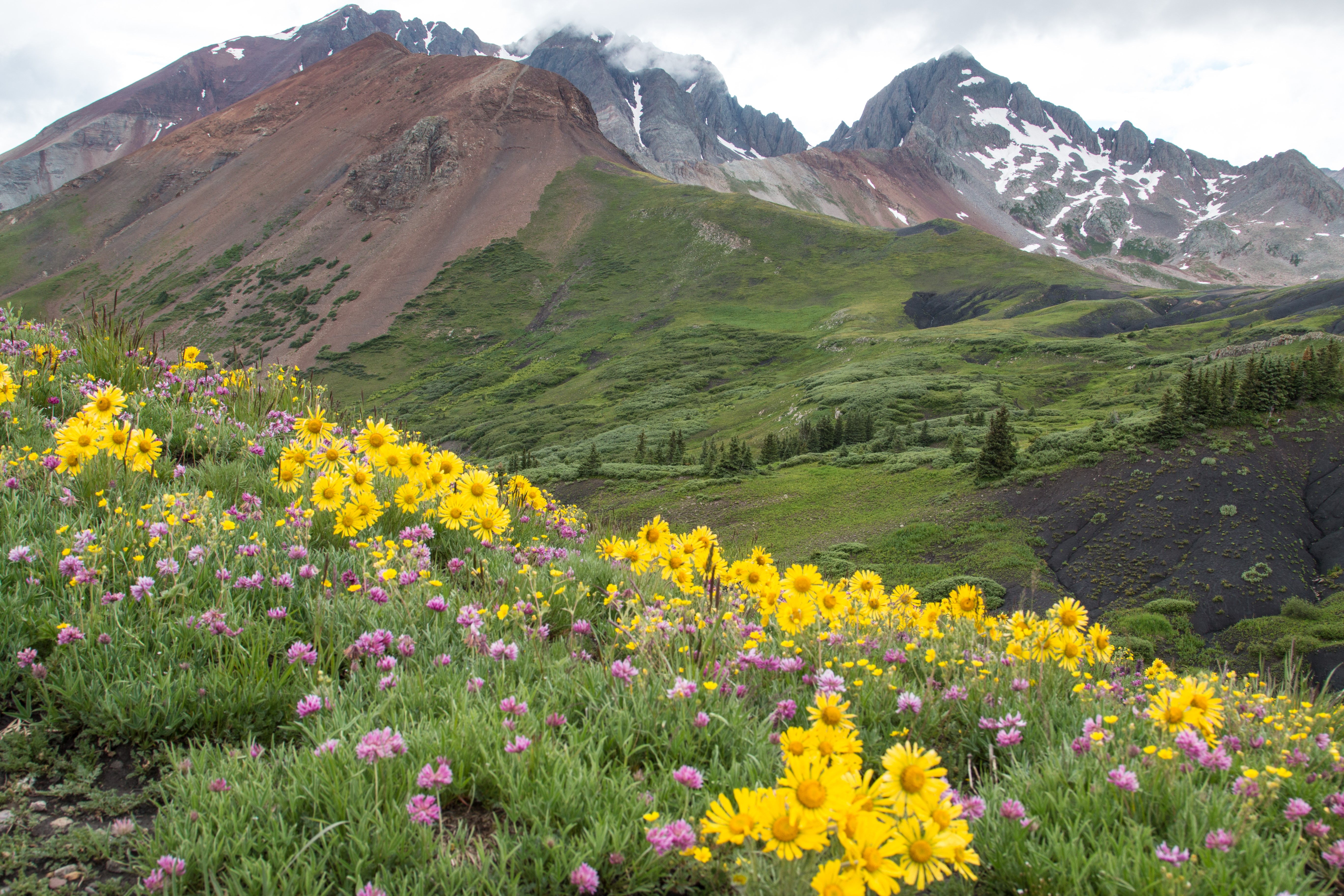
For a wildflower-drenched adventure with a fraction of the winter crowds, Colorado’s ski towns are some of the best summer destinations in the West. The mountains trade ski lifts for bike trails and festivals, offering a completely different—and arguably more relaxed—reason to visit.
Best summer festivals and cultural events in Colorado ski towns
Summer in these towns is defined by a packed calendar of events that celebrate everything from art to gourmet food. The vibe is festive, communal, and a perfect excuse to plan a trip around a specific weekend.
- Crested Butte Arts Festival (typically August): This is the busiest weekend of the summer for this quirky town, filling the streets with art, music, and a palpable energy. The rest of the season, you can count on outdoor concerts twice a week.
- Aspen Food & Wine (typically June): This is the marquee cultural event, drawing national talent. The Aspen Film Festival adds another layer of artsy appeal. Book lodging months in advance if you’re targeting either.
- Telluride’s summer lineup: It stands out for year-round festivals and live music, making it the top pick if your ideal summer day ends with a world-class performance in a box canyon.
Mountain biking, wildflower hiking, and outdoor adventure
The same terrain that makes for epic skiing becomes a playground for hikers and bikers. July and August are peak months for wildflowers and trail access.
- Crested Butte: The move for wildflower seekers and bikers. The wildflower viewing is unbeatable—arrive by early July for peak blooms on trails like Snodgrass. Its reputation for extreme skiing translates into challenging bike terrain, but there’s plenty for intermediates too.
- Steamboat Springs: Perfect for families or mixed groups. Combine serious mountain biking with the option for gentle hikes, fishing, and those famous hot springs. The town’s Western vibe feels even more authentic in the sunshine.
- Aspen/Snowmass: For high-end adventure. The surrounding White River National Forest offers everything from horseback riding to paragliding. Summer is when the town’s famous cultural scene really merges with the outdoors.
Hot springs, river tubing, and scenic train rides
This is the ultimate summer relax-and-recover strategy after a day on the trails.
- Steamboat’s Hot Springs: The natural mineral springs, particularly the more rustic Strawberry Park Hot Springs, are a non-negotiable part of the Steamboat summer experience. Book reservations weeks ahead, especially for evening soaks.
- Buena Vista (near Ski Cooper): An outdoor adventure hub where you can hit trails for biking and hiking, then soak at Mount Princeton Hot Springs. It’s a standout for combining activity and relaxation in one base.
- Scenic Rides: Durango, home to the Purgatory resort, offers the historic Durango & Silverton Narrow Gauge Railroad, a stunning scenic train ride through the San Juan Mountains that pairs perfectly with a summer ski town trip.
Summer Ski Town Snapshot
| Town | Summer Vibe | Don’t Miss |
|---|---|---|
| Crested Butte | Wildflower Epicenter | Arts Festival & Mountain Biking |
| Steamboat Springs | Western Adventure & Relaxation | Hot Springs & Rodeo |
| Aspen/Snowmass | Cultural Luxury | Food & Wine Festival |
| Telluride | Festival-Driven & Scenic | Summer Concert Series |
How to Plan a Colorado Ski Trip: Best Time to Visit, Getting There, and What It Costs
The difference between a $4,000 ski week and a $2,000 one often comes down to three dates on a calendar — when you fly in, which day you hit the highway, and whether you bought lift access six months early or at the window.
When is the best time to visit Colorado ski towns?
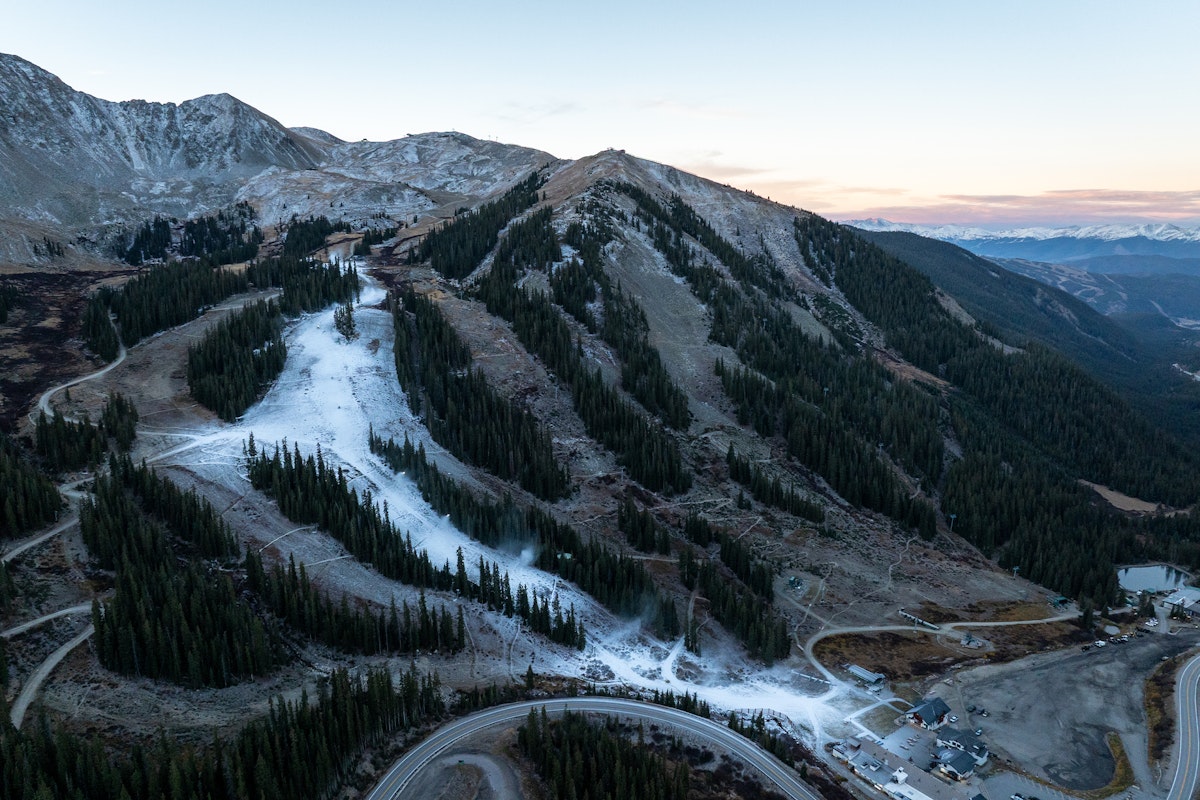
Colorado’s ski season typically runs mid-November through mid-April, though some resorts stretch much longer. Arapahoe Basin is famous for keeping lifts spinning into May and sometimes June.
The sweet spot depends on what you prioritize: powder, price, or breathing room.
| Window | Conditions | Crowds | Price Signal |
|---|---|---|---|
| Early season (mid-Nov–mid-Dec) | Variable — base still building, not all terrain open | Light | Lodging deals, discounted lift tickets |
| Holiday peaks (Christmas–New Year’s, MLK, Presidents’ Day) | Good to excellent snow, full terrain | Maximum | Premium pricing on everything — book 4–6 months out |
| January (post–New Year’s to mid-month) | Snow stacking up, cold temps keep it dry | Low — the quietest month | Best value window of the entire season |
| Mid-Feb through March | Peak snow depth, warming days, spring skiing starting late month | Moderate to heavy (spring break weeks spike) | Book spring break dates early — they sell out |
| April | Soft corn snow, slushy by afternoon, limited terrain at lower-elevation resorts | Light | Bargain lodging, discounted passes, sun-soaked patio lunches |
The insider move: Book the second or third week of January. Resorts are empty, snow is piling up, and lodging rates can drop 30–50% below holiday pricing. January is when locals ski — follow their lead.
Weekdays almost always beat weekends regardless of month. If you can swing a Tuesday-to-Friday trip, you’ll find shorter lift lines, less highway congestion, and better rates on everything from condos to rentals.
How to get to Colorado ski towns: flying, driving, and shuttles
Denver International Airport (DEN) is the main gateway for most Colorado ski trips. It has the most flights, the best fares, and the widest rental car selection.
The tradeoff: every mountain-bound traveler funnels onto I-70 west, and the drive ranges from 70 minutes to nearly six hours depending on your destination.
Regional airports cut drive time dramatically but cost more and have fewer direct flights. Use them when your budget or schedule justifies it:
- Eagle County Regional (EGE): 35 minutes to Vail, 25 to Beaver Creek. Seasonal direct flights from major hubs.
- Aspen/Pitkin County (ASE): Walk-to-town close — but fares are steep and flights fill fast.
- Yampa Valley/Hayden (YVRA): 30–40 minutes to Steamboat Springs. Good winter seasonal service.
- Montrose Regional (MTJ): About 75 minutes to Telluride. Best option if your trip is Telluride-focused.
- Gunnison-Crested Butte (GUC): 30 minutes to Crested Butte. Limited service but a real time-saver.
- Durango–La Plata County (DRO): 25 minutes to Durango and Purgatory. Small airport, fewer options.
Driving from Denver — what to know: I-70 westbound is the only real route to Summit County, Vail, and Beaver Creek, and weekend traffic can turn a 90-minute drive into a three-plus hour crawl. Leave Denver before 6:30 a.m. on Saturday mornings, or drive up Thursday or Friday evening instead.
Returning Sunday afternoon is equally brutal — aim to leave the mountains by 1 p.m. or after 6 p.m.
Four-wheel drive or all-wheel drive with good snow tires isn’t legally required but is practically mandatory for winter mountain driving. Colorado’s traction law (Code 15/16) activates during storms and requires adequate tires or chains on I-70 in the mountains.
Shuttles and transfers make sense if you don’t want to drive I-70 or rent a car. Epic Mountain Express (formerly Colorado Mountain Express) runs shared shuttles from DEN to most Summit County and Vail-area towns, typically $50–$90 per person each way depending on destination and timing.
Private car services run $200–$400+ per vehicle but cut out stops. Once you’re in a walkable base town like Breckenridge, Telluride, or Aspen, you may not need a car at all — free town shuttles and gondolas connect lodgings to slopes.
How much does a Colorado ski town trip cost?
Colorado skiing is not cheap, but costs swing wildly based on when you go, where you stay, and how you handle lift access. Here’s a realistic per-person budget breakdown for a five-day, four-night trip based on mid-season pricing:
| Expense | Budget | Mid-Range | Luxury |
|---|---|---|---|
| Round-trip airfare to DEN | $200–$350 | $300–$500 | $500–$900+ |
| Lift tickets (5 days) | $250–$400* | $400–$600 | $600–$800+ |
| Lodging (4 nights) | $400–$800 | $800–$1,600 | $1,600–$4,000+ |
| Equipment rental (5 days) | $120–$200 | $150–$250 | $200–$350+ |
| Food & drink (5 days) | $200–$350 | $350–$600 | $600–$1,200+ |
| Ground transport | $100–$200 | $200–$400 | $400–$800+ |
| Approximate total | $1,300–$2,300 | $2,200–$3,950 | $3,900–$8,000+ |
*Budget lift tickets assume a multi-resort season pass (Epic or Ikon) purchased in advance — this is the single biggest money-saver in ski travel. A full Epic or Ikon pass bought before the fall deadline typically costs $600–$900 for the whole season, which breaks even after just 4–5 days of skiing compared to window-rate daily tickets that now run $150–$250+ per day at major resorts.
Where you stay changes everything. Aspen and Vail command the steepest lodging prices in the state — expect $300–$800+/night for a decent hotel room during peak dates. Breckenridge and Steamboat Springs land in the middle, with condos and hotels from $150–$400/night depending on proximity to the lift.
Durango, Buena Vista, and Pagosa Springs offer genuine bargains, with comfortable lodging often under $150/night.
Food tip: Resort on-mountain dining runs $15–$30 for a basic lunch. Pack a sandwich or eat at base-area restaurants in town instead — you’ll save $10–$15 per meal and usually eat better.
Grocery stores in ski towns (City Market, Safeway) stock everything you need for breakfast and apres-snacks if your lodging has a kitchen, which it should.
Booking timeline that saves real money: Buy your season pass by early-to-mid fall for the best price. Book holiday-week lodging by August.
Rent equipment online in advance (usually 10–20% cheaper than walk-in rates). And if you’re visiting in January or April, wait for last-minute lodging deals — those months regularly see properties drop rates to fill empty rooms.
Frequently Asked Questions
What is the best Colorado ski town for first-time skiers?
Steamboat Springs is the top pick. Its dedicated beginner terrain and relaxed, welcoming atmosphere build confidence faster than more intense, high-altitude resorts.
You also get the bonus of natural hot springs to soothe muscles after your first day on the slopes.
Which Colorado ski town has the most snow?
Steamboat Springs consistently claims the title for most snow, averaging over 350 inches annually, and is famous for its dry, light “Champagne Powder®.” For reliably deep snow and a longer season, also consider Arapahoe Basin, which often stays open into June.
What is the most affordable ski town in Colorado?
Look at Crested Butte or Durango (near Purgatory resort). These towns deliver authentic character and great terrain without the ultra-luxury price tag of Aspen or Vail.
Staying slightly off-mountain or in neighboring towns like Fraser (for Winter Park) or Buena Vista (for Monarch) also stretches the budget. Your biggest savings come from an Ikon or Epic Pass if you plan to ski multiple days.
Which Colorado ski towns are best for non-skiers?
Steamboat Springs and Telluride lead for non-skiers. Steamboat’s Strawberry Park Hot Springs and downtown scene are compelling.
Telluride offers year-round festivals, incredible dining, and a stunning box canyon setting you can explore via gondola. Aspen and Vail excel with high-end shopping, spas, and art galleries.
How many days do you need for a Colorado ski town trip?
Plan for a minimum of three nights. This allows two full ski days without feeling rushed and gives you an evening to explore the town.
A five-day trip is the sweet spot for most travelers, offering time to ski different areas, take a rest day for another activity, and truly soak in the atmosphere. Base yourself in the core town for walkability to slopes and apres.
Are Colorado ski towns crowded during the holidays?
Expect peak crowds and highest prices during Christmas/New Year’s week and Presidents’ Day weekend. Lodging books out months in advance, and lift lines are longest.
For a better balance of good snow and manageable crowds, target the first two weeks of December or mid-January after Martin Luther King Jr. Day.
Pick Your Town and Lock In the Details Now
If you’ve narrowed it down to one or two towns, the single smartest next move is buying your Epic or Ikon season pass before fall pricing expires — it’s the one decision that drops per-day ski costs from $200-plus at the window to well under half that across even a short trip.
Then book January lodging for the lowest rates and emptiest slopes of the entire season, because that’s the window locals protect for themselves.
Colorado’s ski towns aren’t interchangeable — each one rewards a specific kind of traveler with a specific kind of mountain experience, and matching yourself correctly is what turns a good ski trip into one you’re still talking about years later.
Save this guide, share it with whoever you’re traveling with, and start with the pass decision today — everything else falls into place after that.
Leave a Reply