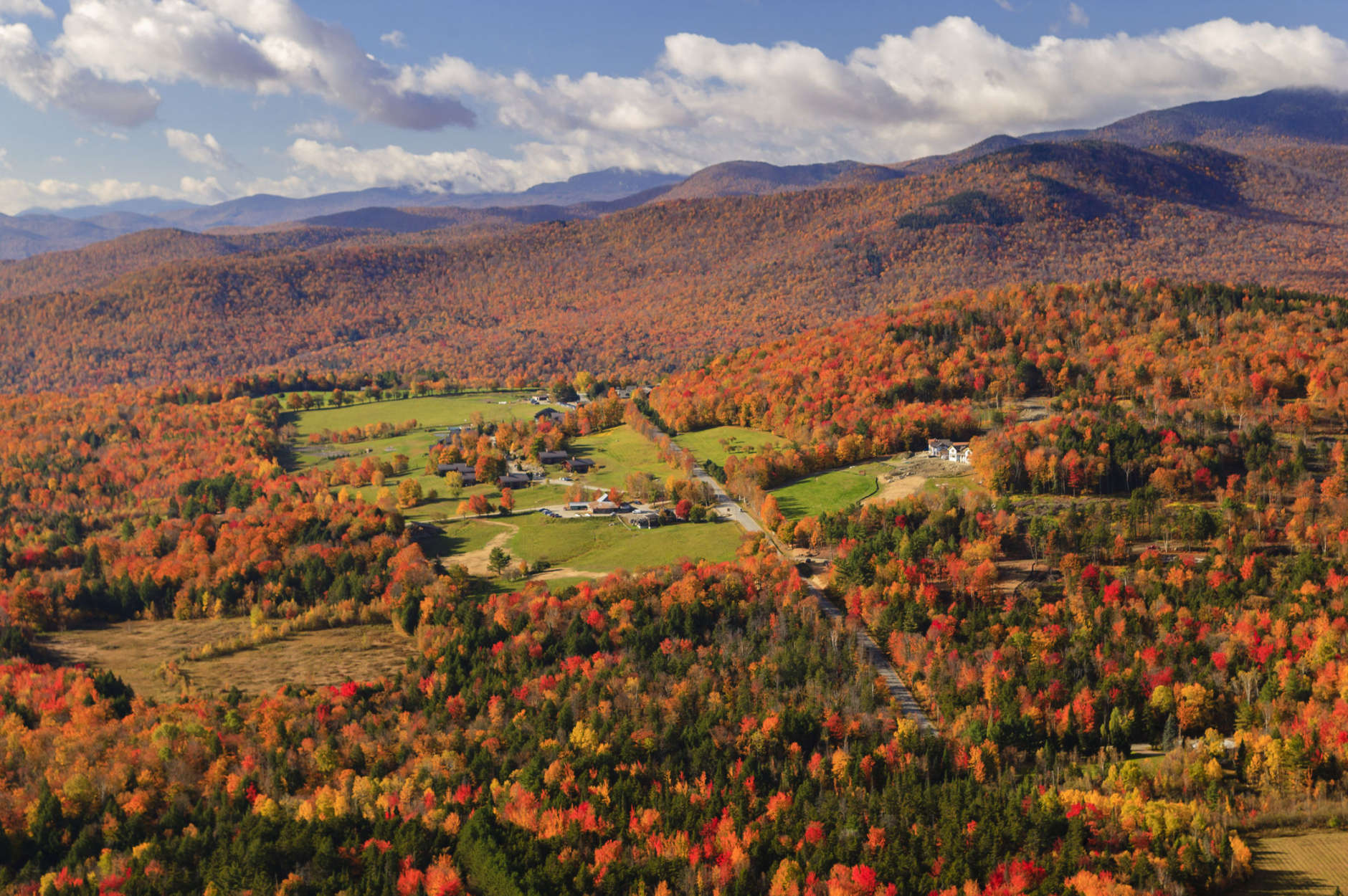
The moment you crest a ridge and see a valley floor painted in crimson, gold, and burnt orange—that’s when you understand why millions of Americans abandon their routines every October to chase leaf color. I’ve driven enough scenic byways and hiked enough mountain trails to know that peak foliage isn’t something you stumble into; it’s something you plan for, and the payoff is a landscape that looks almost unreal.
What makes small-town fall foliage different from just driving through pretty forest is the infrastructure: a walkable downtown where you can eat well and sleep comfortably, local knowledge about which trails and overlooks actually deliver views, and the kind of quiet that makes color feel like an event rather than background scenery. This guide cuts through the noise and tells you exactly which towns peak when, where to stay, and what to do between sunrise hikes and dinner reservations.
Budget ranges: Budget travelers should expect $80–120 per night for modest inns and lodges in less-famous towns like Jim Thorpe, Pennsylvania, or Millerton, New York; mid-range runs $120–180 in popular destinations like Stowe and Asheville during shoulder season; splurge options in Telluride and Woodstock hit $200–300+ on peak weekends. Book 6–8 weeks ahead for guaranteed availability.
The Six Regions That Peak at Different Times (Pick Your Window)
New England (Late September–Mid-October): Stowe, Vermont, and Woodstock, Vermont, deliver the Instagram-ready sugar-maple explosion first, followed by Bar Harbor, Maine, and North Conway, New Hampshire. These towns fill fastest and book earliest; reserve by August for peak weekends.
Mid-Atlantic (Mid-October): New Paltz, New York, Lake Placid, New York, and Jim Thorpe, Pennsylvania, offer dramatic mountain color with fewer crowds than New England. Booking window: 6–8 weeks ahead.
Southern Appalachia (Late October–Early November): Blowing Rock, North Carolina, Asheville, North Carolina, and Gatlinburg, Tennessee, peak later, giving you a second chance if you missed New England. The Blue Ridge Parkway is the star here, and this region stays colorful longest.
Western Mountains (Late September–Mid-October): Crested Butte, Colorado, and Telluride, Colorado, deliver golden aspen groves at higher elevations. Leavenworth, Washington, offers Pacific Northwest access.
Book 6–8 weeks ahead; expect $150–250+ per night.
Midwest Lakes & Rivers (Mid-October): Door County, Wisconsin, Traverse City, Michigan, and Red Wing, Minnesota, combine water views with hardwood color. These towns are less crowded and more affordable ($100–160 per night) than mountain destinations.
Hidden Gems (Mid-October–Early November): Eureka Springs, Arkansas, and Bentonville, Arkansas, deliver reliable color without the I-95 corridor crush. Budget $90–150 per night and book 4–6 weeks ahead.
Which New England Small Towns Have the Best Fall Foliage?
New England’s autumn doesn’t just happen—it erupts. The region’s hardwood forests (sugar maples, birches, aspens) flip from green to a coordinated explosion of crimson, gold, and burnt orange over just 4–6 weeks, typically peaking between late September and mid-October depending on elevation and latitude.
This section covers six towns where the foliage is the main event, not a side benefit, and where walkable downtowns, dining, and lodging let you stay put instead of chasing color from town to town.
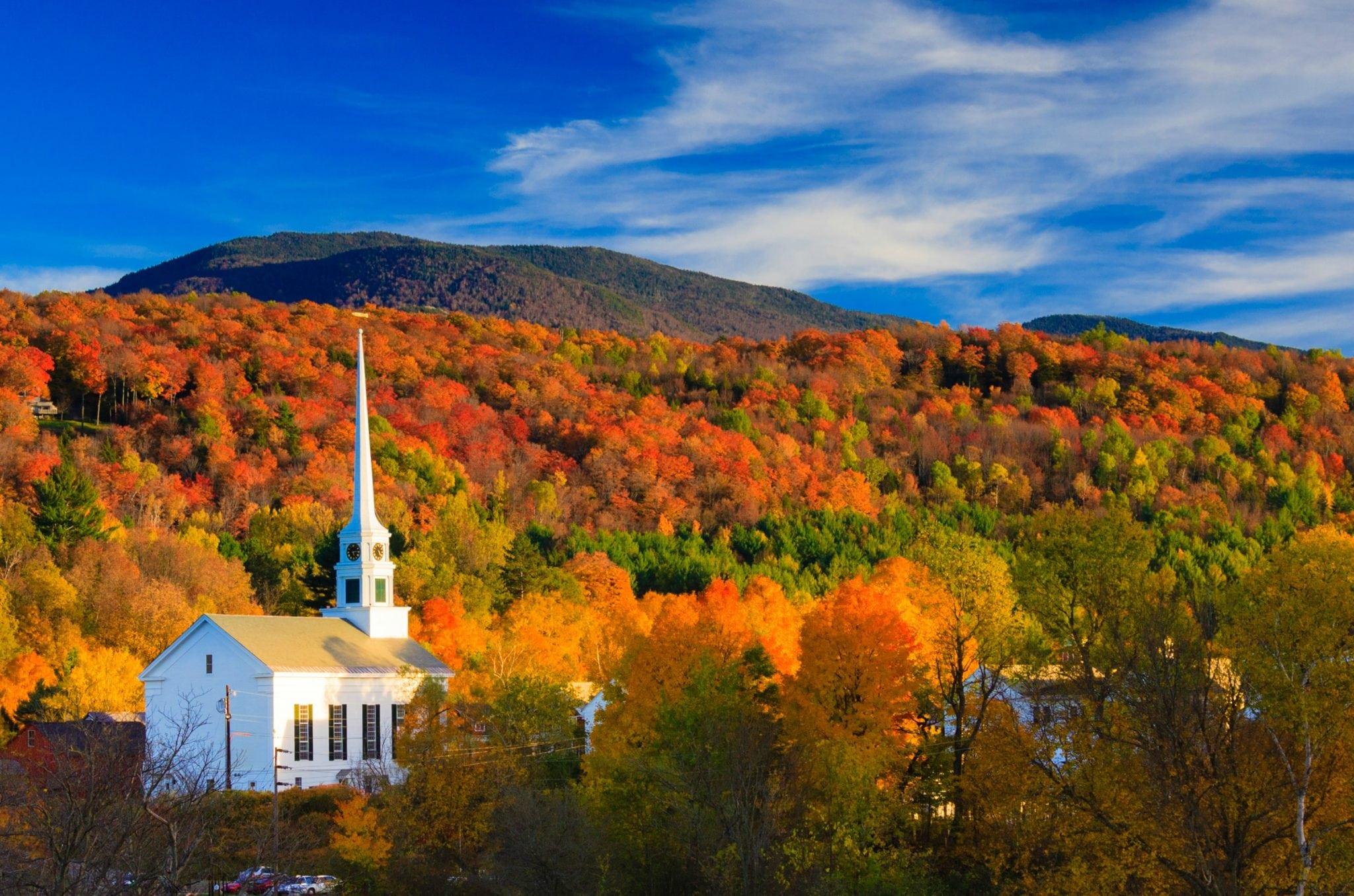
Stowe, Vermont
Best for: Photographers, hikers, and travelers who want the most Instagram-ready New England autumn without apology. Why it wins: Stowe’s position in the Green Mountains means the town itself sits in a natural amphitheater of color—reds, oranges, and yellows blanket the surrounding slopes and create what looks like a painted canvas rather than a real landscape.
The town is small enough to walk the downtown in 20 minutes but packed with farm-to-table restaurants, craft galleries, and inns with fireplaces. Peak foliage typically runs late September through mid-October.
Book lodging by August if you’re targeting peak weekends; shoulder weeks (early September or late October) offer thinner crowds and lower rates while still delivering strong color.
Insider detail: Skip the obvious overlooks and hike the Mansfield Traverse, a six-mile day hike that climbs Stowe Mountain Resort’s Haselton Trail to Mount Mansfield’s Nose, then follows the ridgeline with 360-degree views of the Green Mountains in full color. The elevation gain is real, but the payoff is solitude and unobstructed foliage views that beat any roadside pullout.
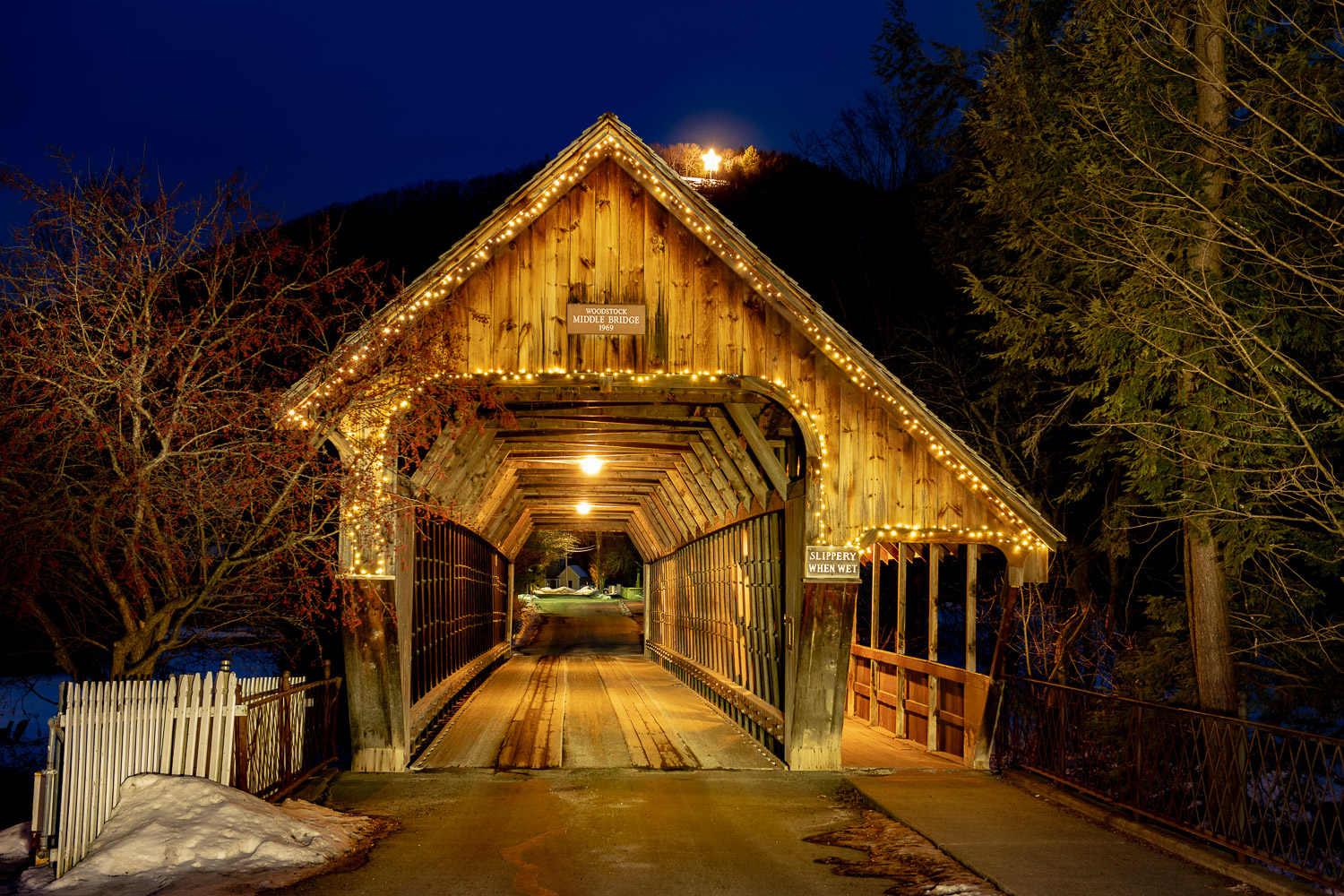
Woodstock, Vermont
Best for: Travelers seeking quintessential New England charm with zero effort—this is the town that inspired the aesthetic. Why it wins: Woodstock’s covered bridge, village green, and Federal-era architecture frame the surrounding hillside color perfectly, making every street corner a natural photograph.
The downtown is entirely walkable, with independent restaurants, galleries, and shops clustered around the green. Foliage peaks mid-September through early October.
The town fills quickly on weekends; plan for weekday visits or book 8–10 weeks ahead if you need a specific weekend. Lodging ranges from historic inns to modern boutique hotels, most within walking distance of dining and shops.
Insider detail: Arrive early morning (before 9 a.m.) to photograph the covered bridge and green without crowds—by 11 a.m. on peak-season weekends, the town becomes a traffic jam of leaf-peepers.
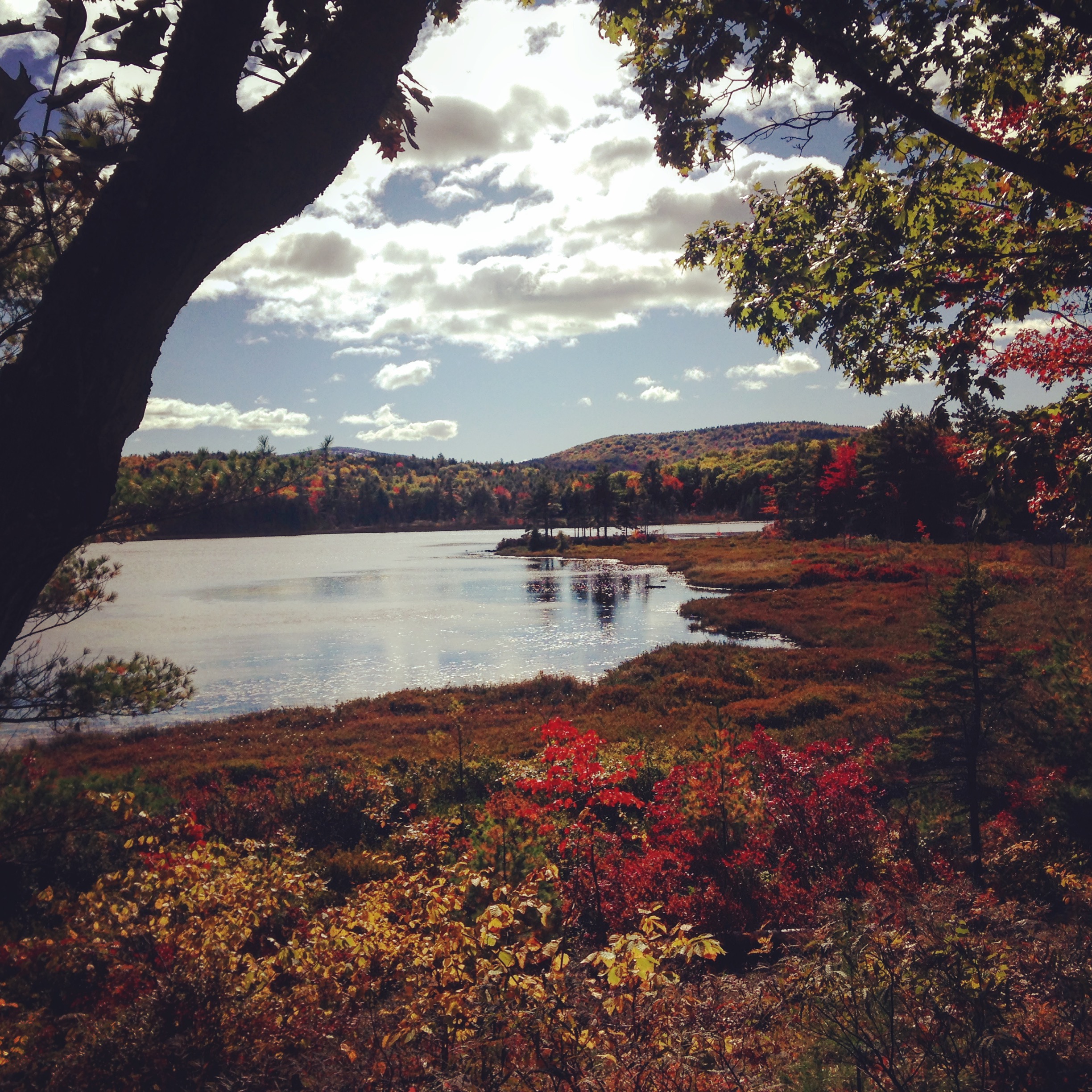
Bar Harbor, Maine
Best for: Coastal travelers who want foliage plus ocean views and don’t want to choose between mountains and sea. Why it wins: Bar Harbor sits at the gateway to Acadia National Park, where nearly 50,000 acres of mixed forest meets the Atlantic—the color reflection off the water and the contrast between golden aspens and dark evergreens is unmatched in New England.
The town itself is a working harbor with seafood restaurants, galleries, and waterfront lodging. Peak foliage runs late September through mid-October.
Acadia’s carriage roads and hiking trails offer easy to moderate access to color without technical climbing—the Park Loop Road (27 miles) is the classic drive, though it can back up on peak weekends. Book accommodations by July for October weekends; September offers better availability and still-strong color.
Insider detail: Drive the Park Loop Road at sunrise (gates open at 8 a.m.) to avoid the midday traffic jam and catch the light hitting the foliage at the best angle. The loop takes roughly 2–3 hours without stops; add another 2–3 hours if you’re hiking or exploring carriage roads.
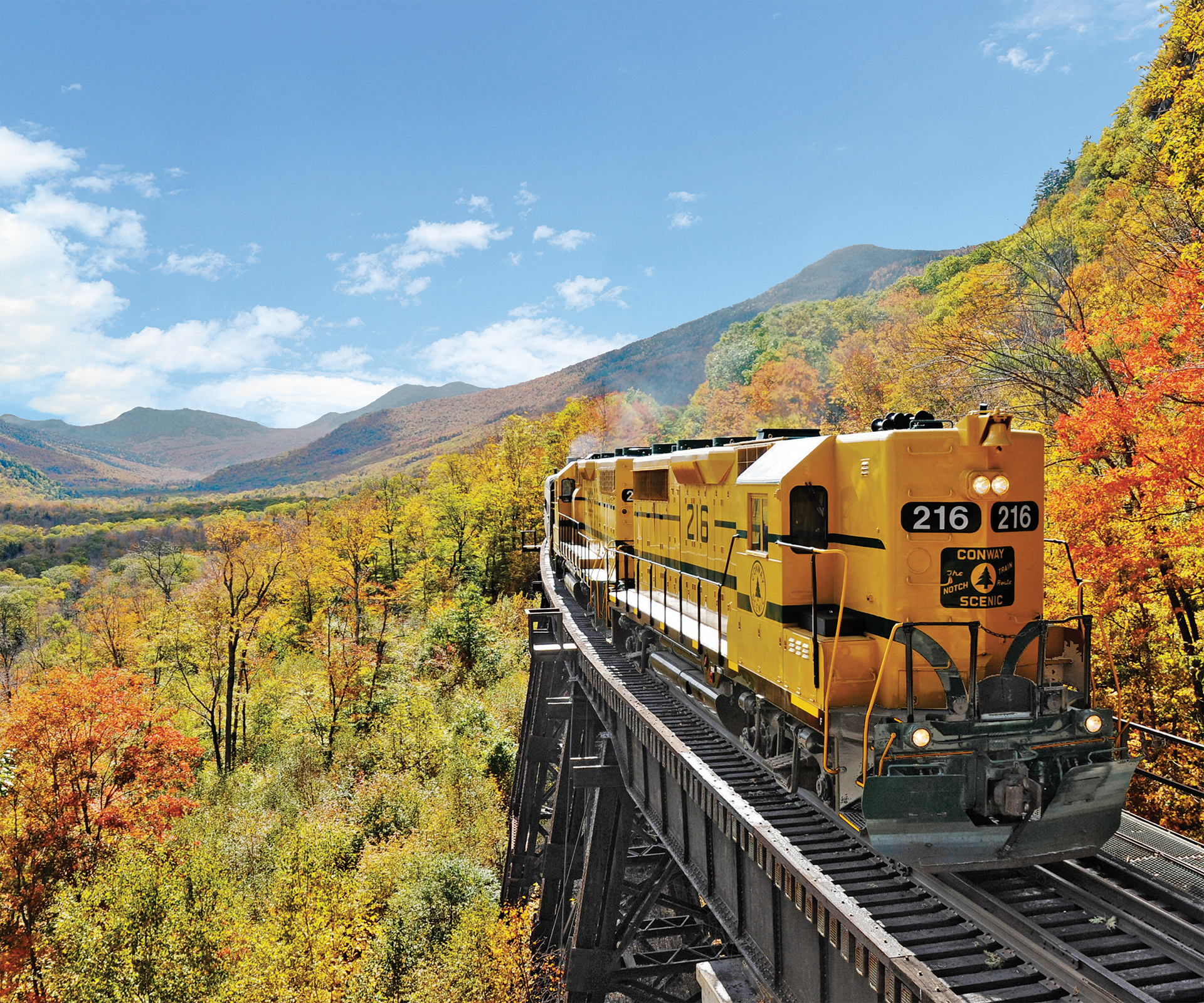
North Conway, New Hampshire
Best for: Hikers and outdoor-focused travelers who want serious mountain color and easy access to trails without the crowds of Vermont. Why it wins: North Conway sits in the White Mountains, where elevation changes mean multiple foliage peaks happening simultaneously—lower elevations peak mid-October, higher elevations peak earlier, creating layered color across the landscape.
The town is a climbing and hiking hub with outfitters, casual restaurants, and budget-friendly lodging. Peak foliage runs late September through early October at higher elevations, mid-October at lower elevations.
The town is less precious than Stowe or Woodstock, which means fewer Instagram crowds and easier parking. Trails range from easy valley walks to strenuous ridge hikes; the nearby Saco River offers kayaking and scenic driving.
Insider detail: Hike Mount Washington’s lower trails (like the Ammonoosuc Ravine Trail) in late September when the summit is already bare but the mid-elevations are at peak color—you get the dramatic color contrast without the crowds of October weekends.
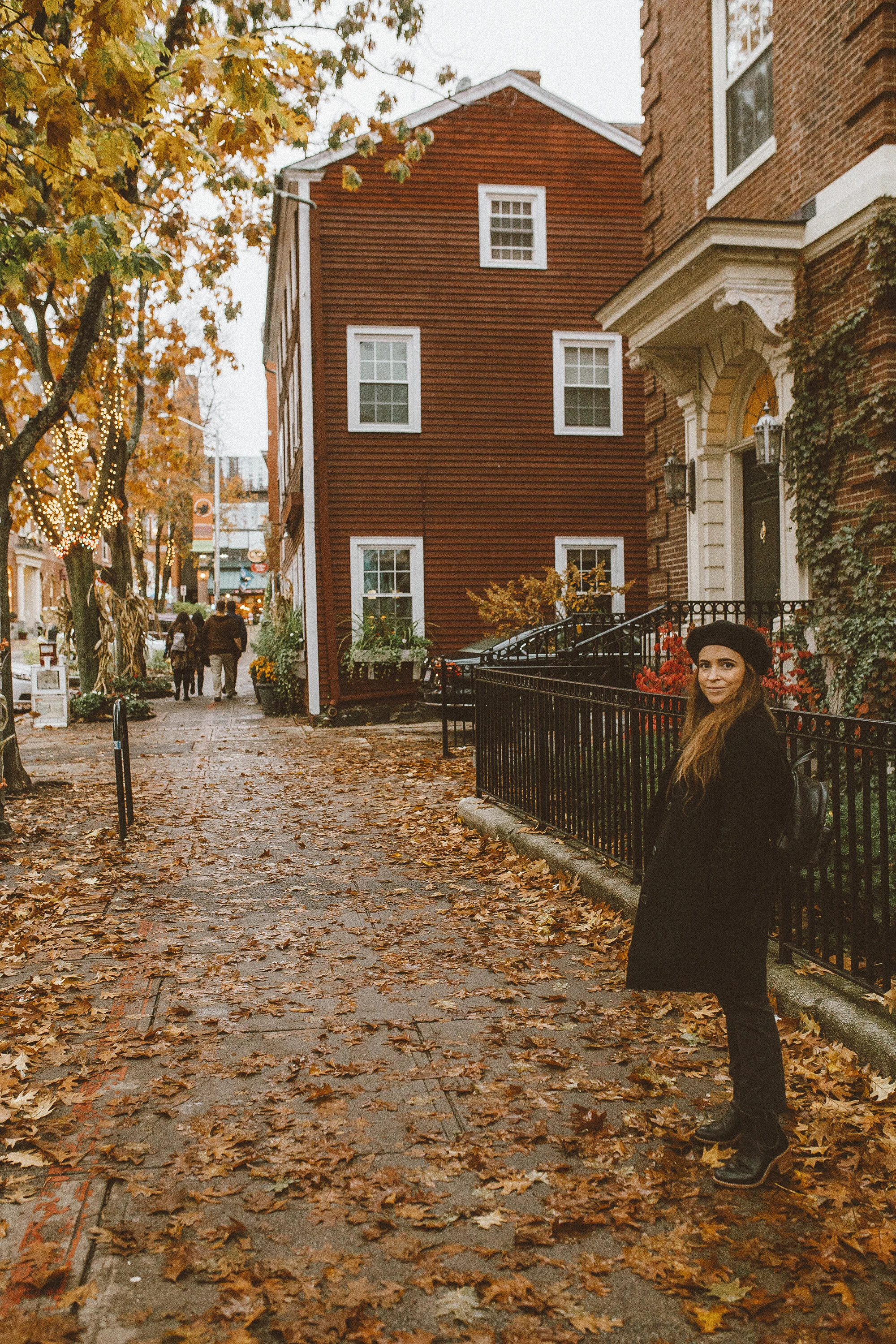
Salem, Massachusetts
Best for: Travelers who want foliage plus history and don’t want to drive more than an hour from Boston. Why it wins: Salem delivers colonial architecture, witch-trial history, and waterfront color all in a compact, walkable downtown—it’s the only town on this list where the buildings are as much the draw as the foliage.
The town sits on the North Shore and combines harbor views with tree-lined streets that turn brilliant gold and red in October. Peak foliage runs early to mid-October.
The town is easily reached by train from Boston (roughly 45 minutes), which eliminates parking stress. Lodging is more affordable than Vermont towns, and the downtown has strong restaurant and museum density.
Insider detail: Visit on a weekday in early October to avoid the weekend witch-trial tourism crowds while still catching strong color. The Pickering House and surrounding historic district are photogenic in foliage without the October 31st chaos.
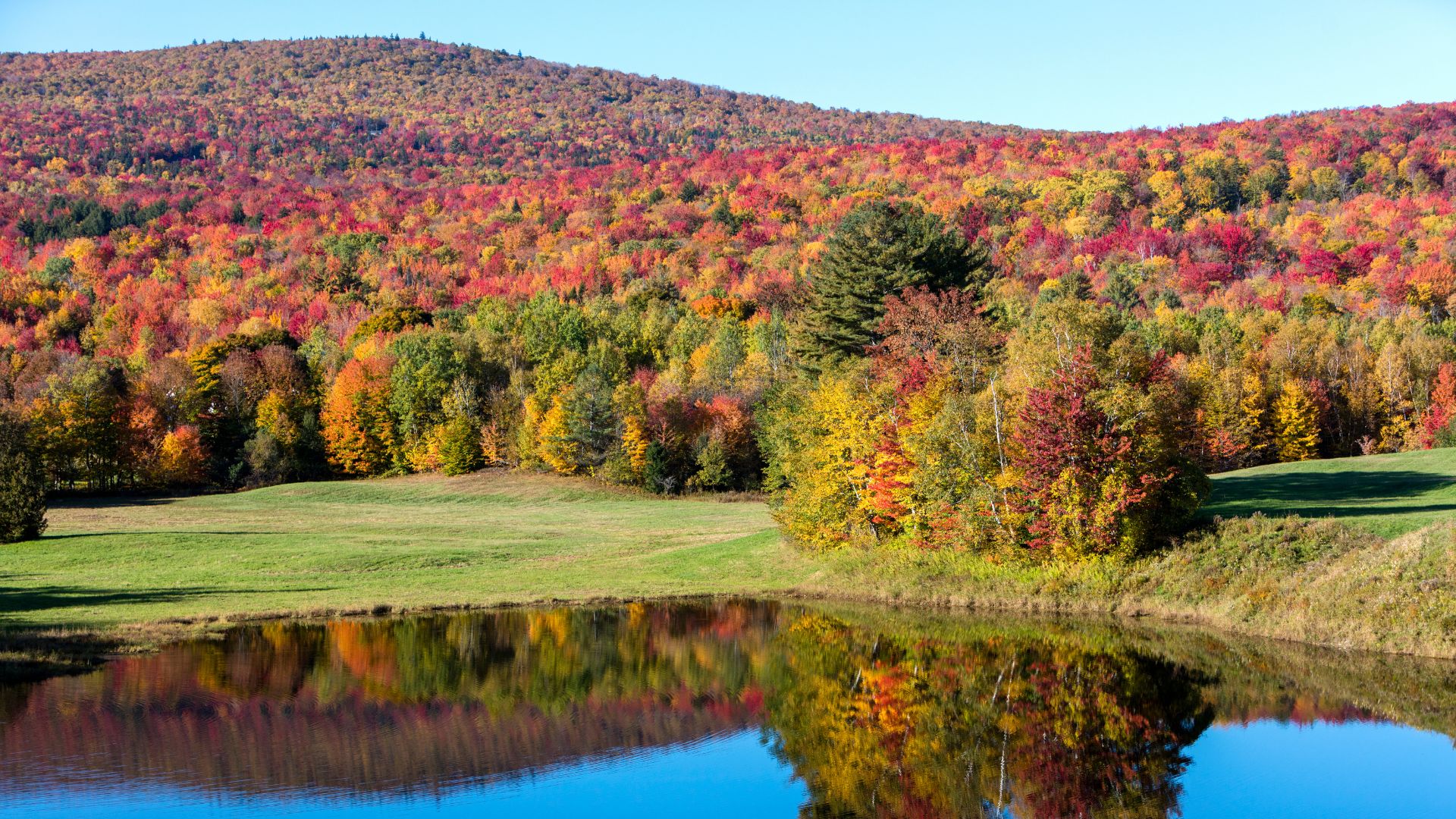
The Berkshires, Massachusetts & Connecticut
Best for: Travelers seeking a weekend escape from Boston or New York who want small-town charm, cultural events, and foliage without the drive to Vermont. Why it wins: The Berkshires span a two-hour radius west of Boston and offer dozens of charming small towns (Stockbridge, Great Barrington, Lenox) nestled in rolling hills that turn brilliant color in fall—you can drive scenic back roads for miles without hitting a major highway.
Peak foliage runs late September through early October. The region is known for farm-to-table dining, art galleries, and cultural venues (Tanglewood, Mass MoCA).
Lodging ranges from rustic inns to upscale resorts. Unlike single-town destinations, the Berkshires reward driving—pick a home base (Stockbridge or Great Barrington are most walkable) and spend days exploring different valleys and small towns.
Insider detail: Skip the main roads and drive Route 7 and the back roads between towns (Routes 23, 41, 183) in early morning light—the foliage is just as strong, but you’ll have the roads mostly to yourself while everyone else is stuck on I-91.
New England Fall Foliage Comparison
| Town | Peak Foliage Timing | Best For | Walkability | Lodging Availability (Peak Weekends) |
|---|---|---|---|---|
| Stowe, VT | Late Sept–mid-Oct | Photographers, hikers | Downtown only | Book by August |
| Woodstock, VT | Mid-Sept–early Oct | Classic New England charm | Fully walkable | Book 8–10 weeks ahead |
| Bar Harbor, ME | Late Sept–mid-Oct | Coastal + mountain color | Fully walkable | Book by July |
| North Conway, NH | Late Sept–early Oct | Hikers, outdoor focus | Downtown only | More availability than VT |
| Salem, MA | Early–mid-Oct | History + foliage, Boston proximity | Fully walkable | More availability, lower cost |
| The Berkshires, MA/CT | Late Sept–early Oct | Scenic driving, multiple towns | Town-dependent | Varies by town |
When to Visit and How to Book
Peak foliage in New England is a 4–6 week window that shifts earlier at higher elevations and later at lower elevations. Late September typically catches peak color in the mountains; early to mid-October is the sweet spot for most valleys and lower elevations.
The exact timing varies by 1–2 weeks year to year depending on summer heat and fall weather—check foliage forecasts (the National Interagency Fire Center and state tourism boards publish weekly updates) 2–3 weeks before your planned trip.
Weekends during peak foliage fill lodging 8–12 weeks in advance and create traffic jams on scenic drives. If your schedule allows, travel mid-week (Tuesday–Thursday) in late September or early October for strong color with half the crowds.
If you must travel on a weekend, book by July and plan to arrive early morning to beat traffic on scenic roads.
Base yourself in one town rather than moving nightly—this eliminates packing stress and lets you explore surrounding areas by day. All six towns listed here have enough dining, shopping, and lodging variety to sustain a 2–3 day stay without feeling repetitive.
What Are the Top Mid-Atlantic Small Towns for Autumn Colors?
The Mid-Atlantic’s fall foliage peaks later than New England—typically mid-October through early November—which means you can dodge peak crowds while catching equally stunning color. The Hudson Valley and Shawangunk Mountains create a dramatic backdrop of reds and golds that rival Vermont, but with far fewer leaf-peepers and easier access from major cities.
Base yourself in one of these towns for 2–3 days to maximize hiking, wine, and small-town wandering without the Northeast Corridor traffic.
New Paltz, New York
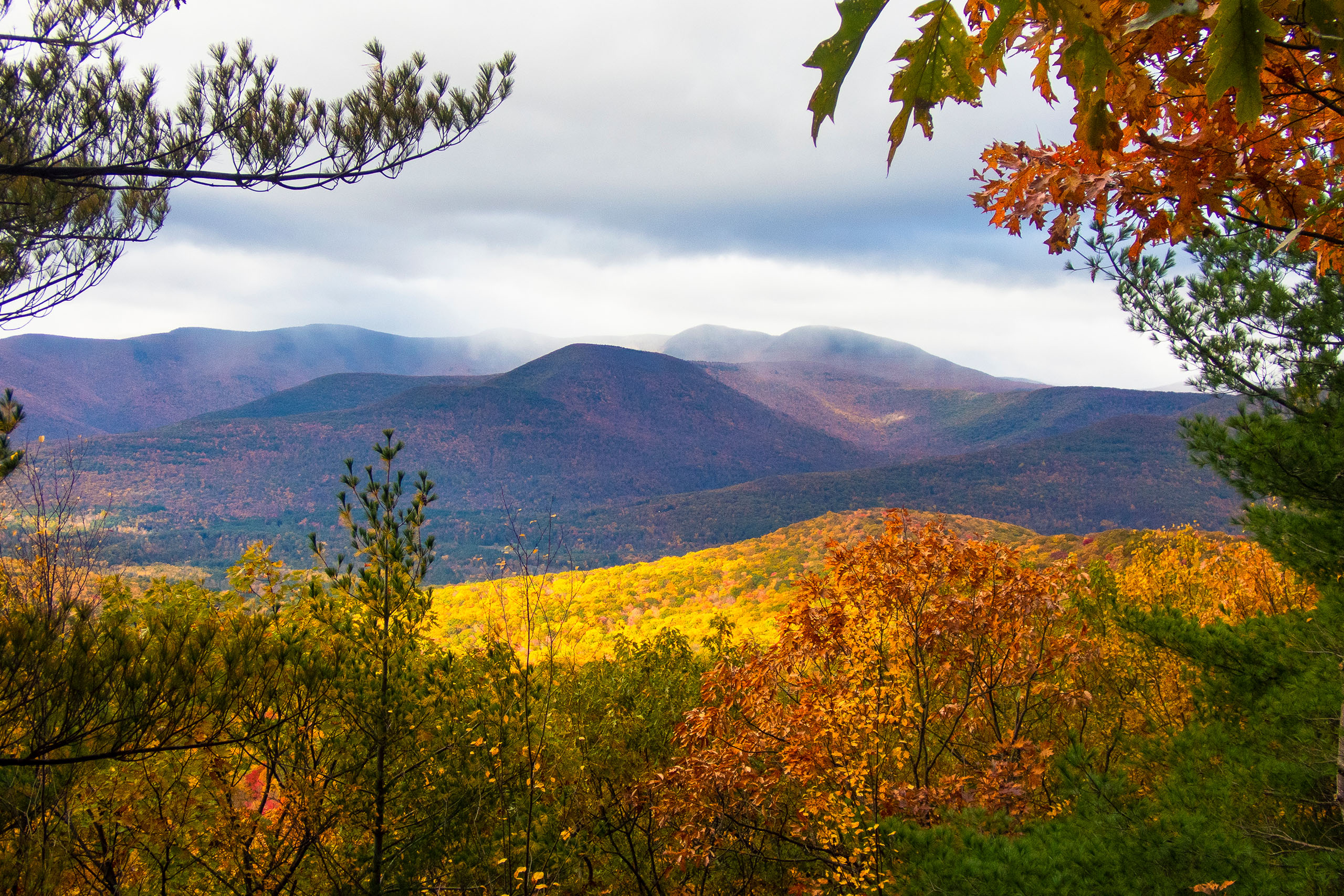
New Paltz wins for hikers who want world-class autumn views without a backpacking permit. The Shawangunk Mountains rise directly above town, and the Bonticou Crag and Carriage Road trails deliver ridge-line color in under 2 hours round-trip—perfect for a morning hike before lunch in the walkable downtown.
The town itself is a college-friendly mix of farm-to-table restaurants, craft breweries, and vintage shops, so you’re not stuck eating chain food after a day outside. Peak foliage typically arrives mid-October; book lodging by Labor Day if you want weekend availability.
Lake Placid, New York
Lake Placid is the choice for travelers who want mountain scenery without the altitude—the Adirondacks deliver crisp fall air and mirror-like reflections of golden aspens in the lake itself. The town hosted the 1980 Winter Olympics and still feels like a proper mountain village with a genuine year-round community, not a seasonal tourist trap.
Hiking options range from easy lakeside walks to challenging peaks like Whiteface Mountain, and the downtown has solid restaurants and shops to fill a rainy afternoon. Foliage peaks in late September to early October, earlier than the Hudson Valley, so plan accordingly.
Jim Thorpe, Pennsylvania
Jim Thorpe is the underdog pick for anyone tired of overcrowded New England towns—it delivers the same Victorian architecture and riverside charm as Stowe or Woodstock but with half the tourists and a grittier, more authentic vibe. The town sits in the Lehigh Gorge, and the surrounding ridges turn brilliant red and orange in mid-October.
The Lehigh Gorge State Park offers easy riverside walks and more serious hiking, and the downtown has quirky antique shops, a small brewery scene, and restaurants that aren’t overpriced. Lodging fills up on weekends, but weekday rates drop significantly.
New Hope, Pennsylvania
New Hope appeals to couples and friend groups who want fall color plus walkable nightlife—the town has a thriving arts scene, LGBTQ+-friendly vibe, and excellent restaurants that you won’t find in more conservative small towns. The Delaware River runs alongside town, and the surrounding Bucks County farmland turns gold and crimson in late October.
The Delaware Canal Towpath offers flat, scenic walks, and nearby Washington Crossing Historic Park provides historical context without feeling like a museum slog. Weekends book solid; aim for Thursday–Sunday stays in October and reserve early.
Millerton, New York
Millerton is the quiet alternative for anyone who wants small-town fall without crowds or cuteness fatigue—it’s a genuine working town in the Harlem Valley with a strong local community and zero tourist infrastructure. The surrounding countryside is pure farmland and forest, and the foliage is just as vibrant as anywhere else in the region, but you’ll be nearly alone on the roads.
The town has a good diner, a farm-to-table restaurant, and an independent bookstore, but no chain hotels or tourist shops. This is the pick for introverts and photographers who want authentic autumn without performing for Instagram.
Peak foliage hits mid-to-late October; it’s a 2-hour drive from New York City, making it ideal for a long weekend escape.
Comparison at a glance: New Paltz wins for hiking and proximity to dramatic peaks. Lake Placid offers Adirondack scenery and earlier peak foliage.
Jim Thorpe delivers authentic small-town character at lower prices. New Hope is your base for nightlife and dining.
Millerton suits travelers seeking solitude and genuine local life over tourist amenities.
Where to Find the Best Southern Appalachian Fall Foliage?
The Southern Appalachians deliver peak color in late October through early November with a critical advantage over New England: fewer crowds and lower prices, but a shorter, more unpredictable window—hardwoods here turn fast once temperatures drop. This region wins for anyone wanting dramatic mountain backdrops without the tourist gridlock, and for road-trippers who can base themselves in one town and day-trip to multiple peaks and scenic drives.
Blowing Rock, North Carolina
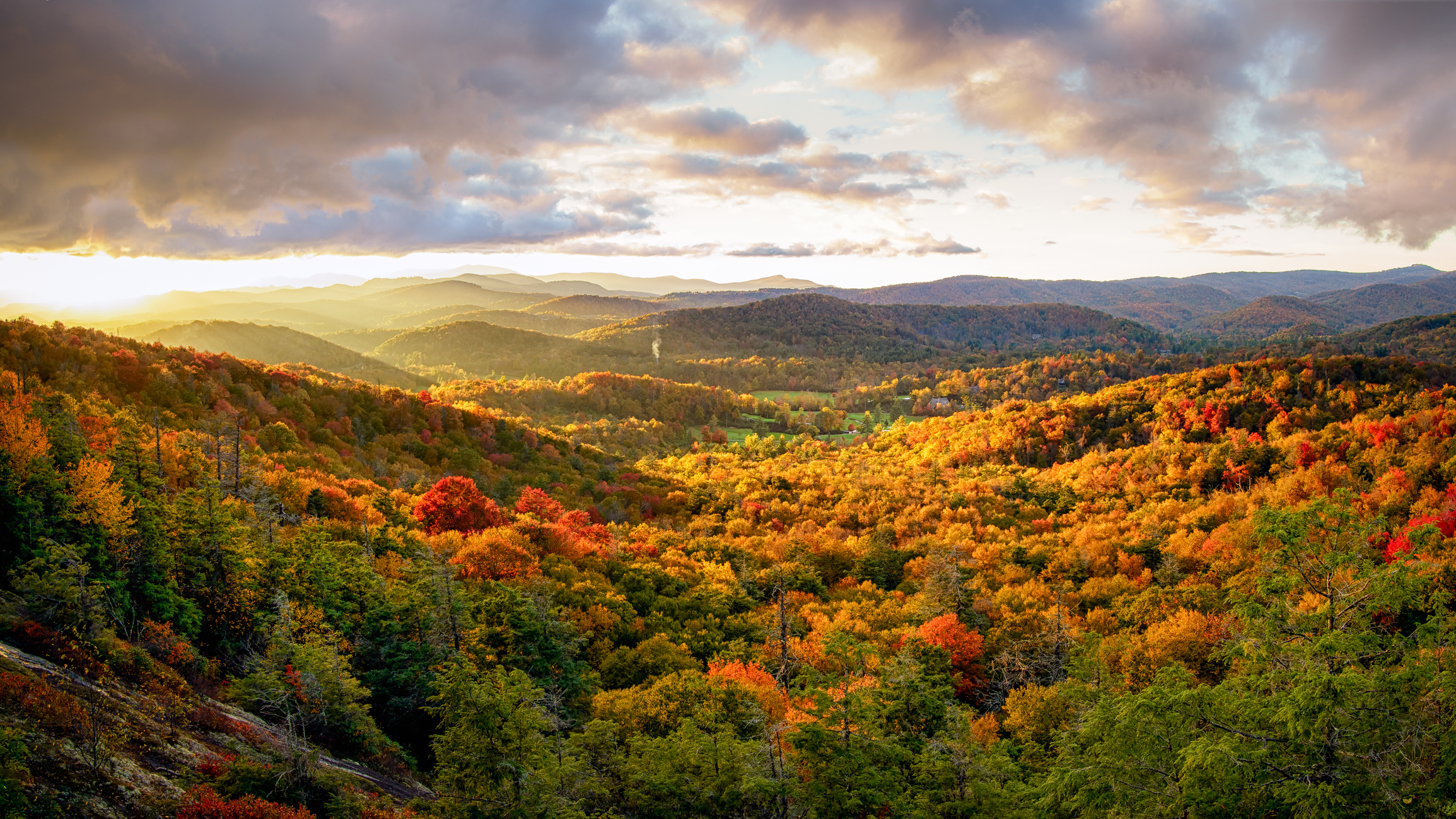
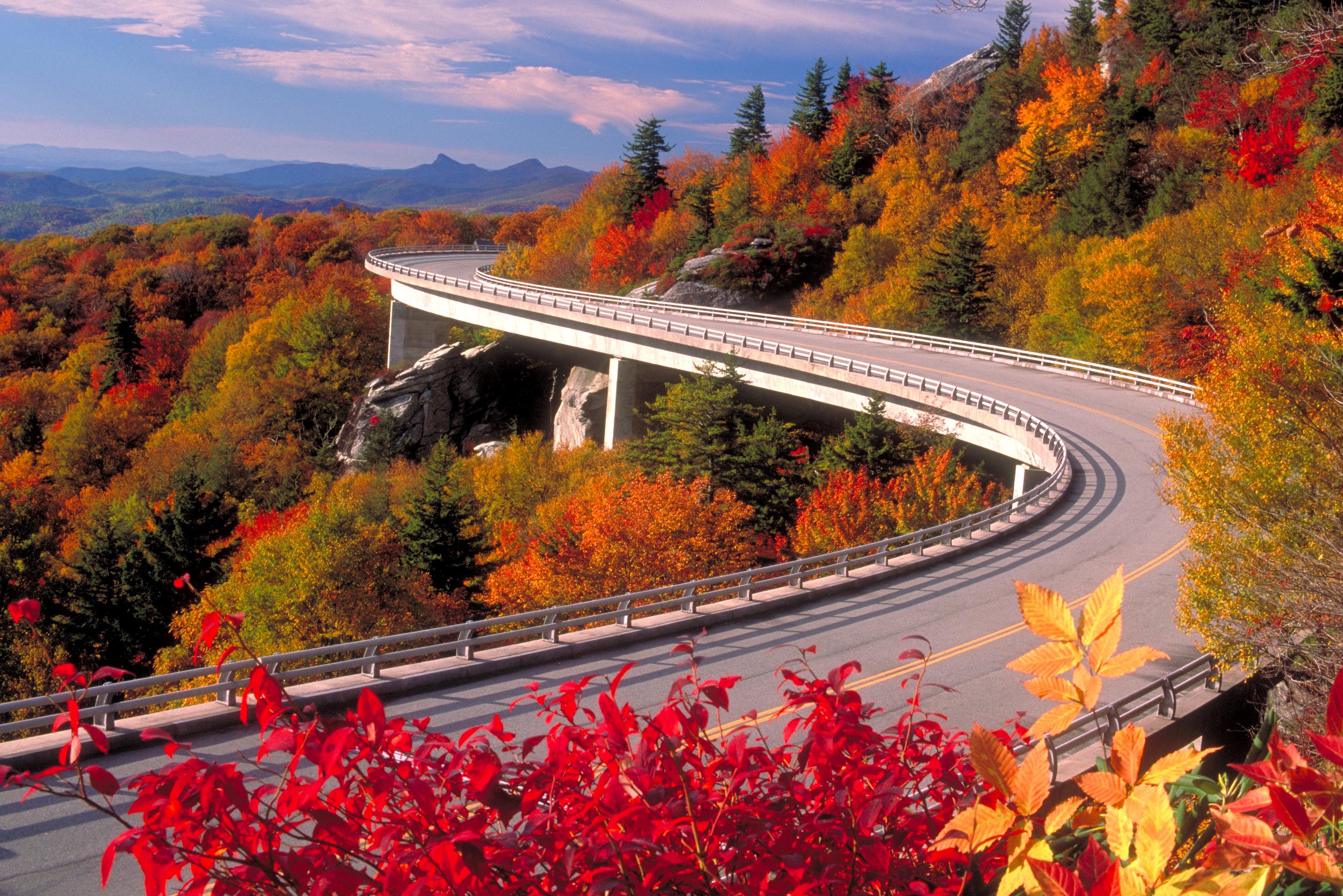
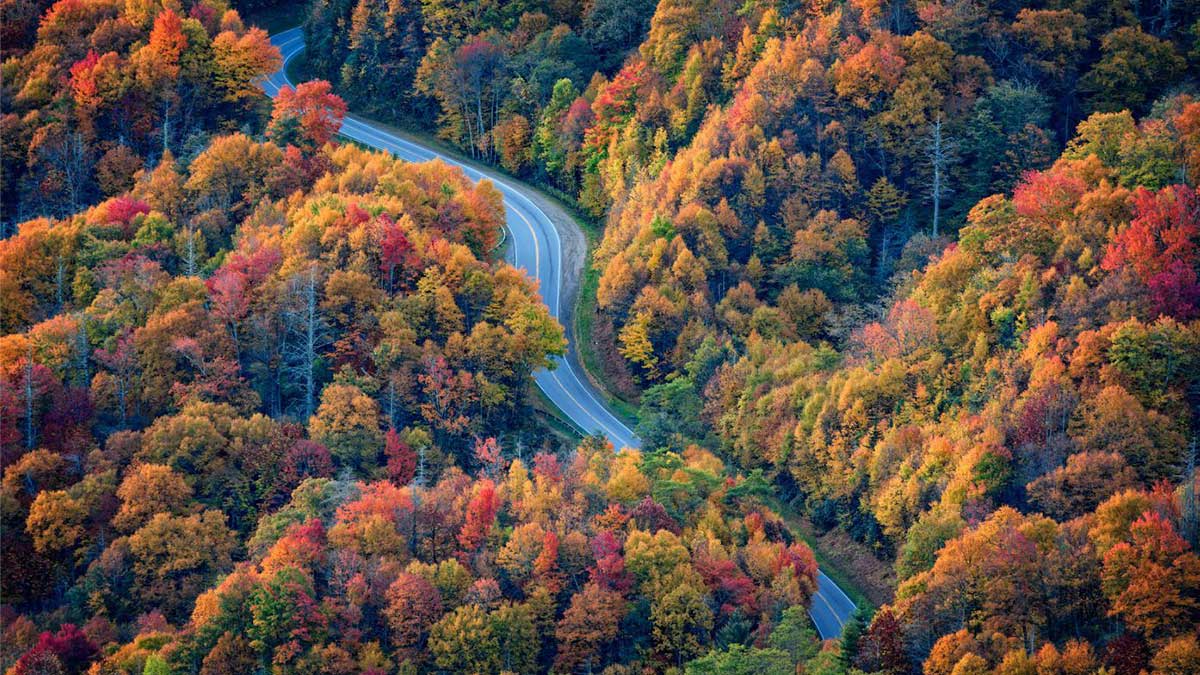
Blowing Rock is the walkable, quaint base for accessing some of the East’s most rugged peaks—the town itself sits sandwiched within lush Southern Appalachian slopes that explode into reds, oranges, and yellows by late October. The real draw is the Blue Ridge Parkway, a 469-mile scenic drive that runs from Shenandoah National Park in Virginia to Great Smoky Mountains in North Carolina, with one of its most dramatic sections right here: the Linn Cove Viaduct, a 1,234-foot bridge that clings to Grandfather Mountain and delivers long-range views that justify the hype.
From Blowing Rock, drive south on the Blue Ridge Parkway for 10 miles, cross the viaduct, and return via Highway 221 north—a 20-mile loop that takes roughly 2–3 hours depending on stops. Peak foliage typically arrives in late October; confirm current conditions with the Blue Ridge Parkway visitor center before driving, as weather and elevation affect timing.
The town has restaurants, shops, and a village feel, making it a solid overnight base if you want to explore on foot between drives.
Asheville, North Carolina
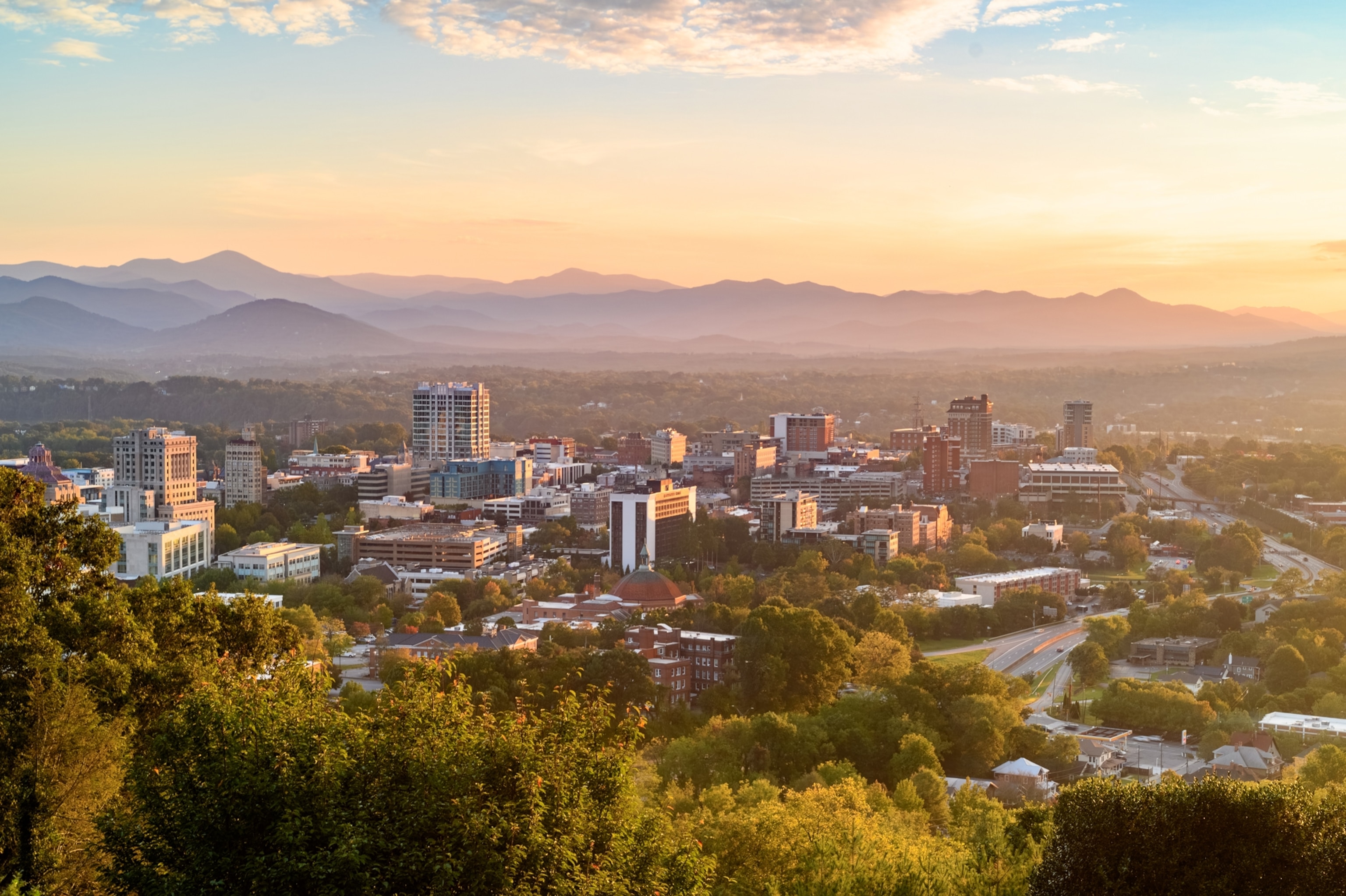
Asheville is the larger, arts-forward alternative to Blowing Rock—it has a hilly, eclectic downtown packed with craft vendors, shops, and restaurants, plus proximity to both the Blue Ridge Parkway and free-to-explore grounds at the Biltmore estate and Grove Park Inn (both offer paid tours if you want the full experience). The town itself is worth a half-day walk, but the real foliage payoff comes from scenic drives: Lake Junaluska, a 1–2 mile walkable loop nearby, delivers mountain reflections in fall colors, and Black Mountain, a cute small town minutes away, has a general store and bookstore for a quick stop.
Base yourself in downtown Asheville if you prefer restaurant density and nightlife; peak foliage typically hits late October. The town draws more tourists than Blowing Rock, so expect busier restaurants and shops, but the trade-off is more dining and lodging variety.
Franklin, Tennessee
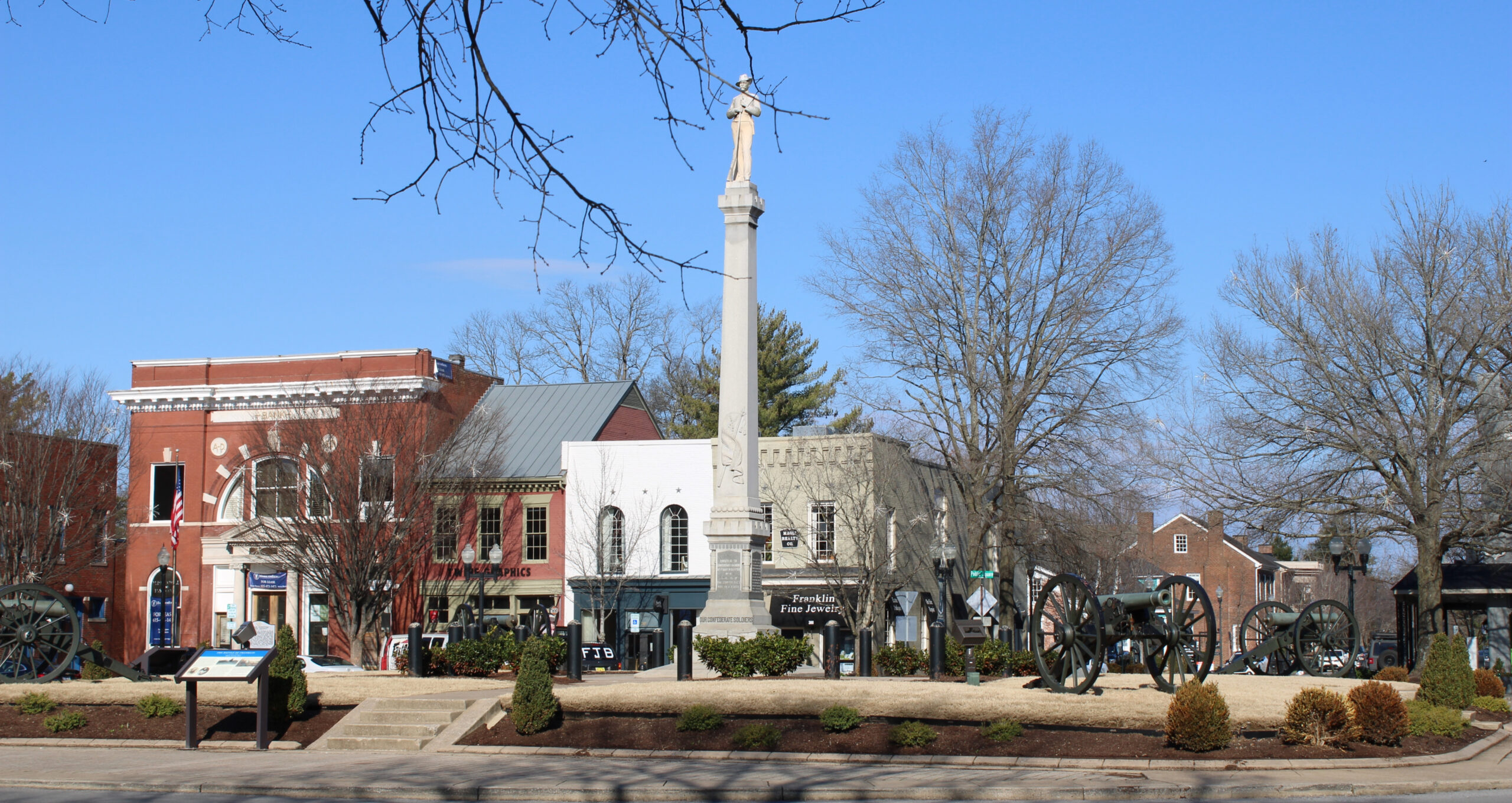
Franklin is a charming, walkable downtown about 30 miles south of Nashville that trades mountain drama for rolling hills and historic character—the town square is lined with antique shops, galleries, and restaurants, making it ideal for travelers who want fall color without high elevation. The surrounding countryside turns golden and amber in mid-to-late October, and the slower pace appeals to anyone skipping the parkway crowds.
Franklin works best as an overnight stop or weekend base if you’re combining it with Nashville, rather than as a standalone foliage destination; the color here is subtle compared to higher-elevation Appalachian towns. Stay downtown for walkability and restaurant access.
Gatlinburg, Tennessee
Gatlinburg sits at the gateway to Great Smoky Mountains National Park and is the busiest, most commercialized stop on this list—the town itself is crowded with chain hotels, attractions, and tourist shops, but the surrounding mountains deliver stunning fall color in late October through early November. The real value is park access: you can hike to waterfalls, drive Cades Cove Loop (an 11-mile scenic drive through the park), or take the scenic Ober Gatlinburg aerial tramway for high-elevation views without the hike.
Gatlinburg wins for families or anyone prioritizing easy park access and lodging variety; it loses for travelers seeking a quiet, authentic small-town experience. Book lodging early if visiting peak foliage season, as the town fills fast.
Highlands, North Carolina
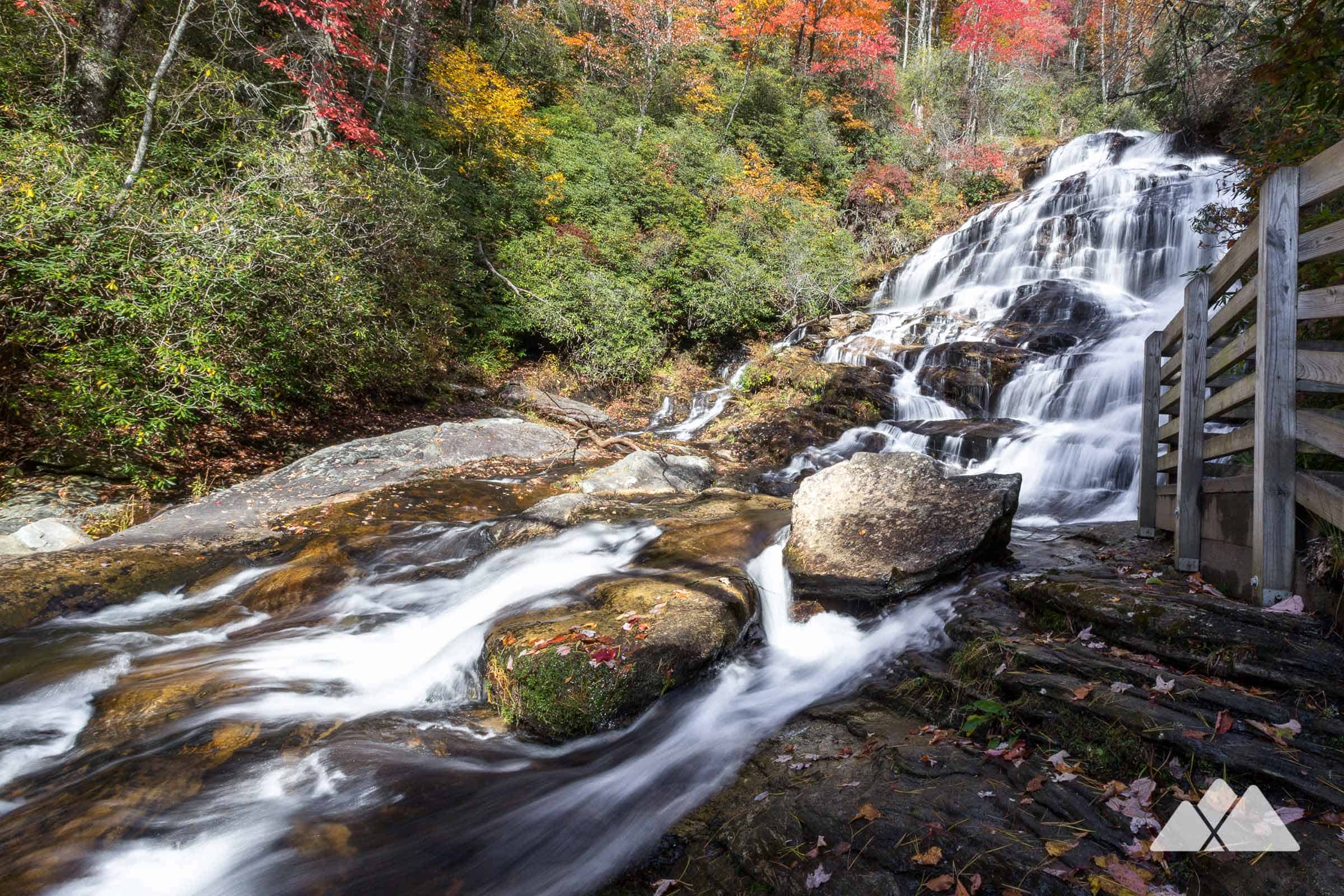
Highlands is a high-elevation gem (4,118 feet) that delivers some of the most intense fall color in the South because cooler temperatures trigger earlier, more dramatic leaf changes—expect peak color in mid-to-late October, roughly 1–2 weeks ahead of lower-elevation towns. The walkable downtown has galleries, shops, and restaurants, and the surrounding area is dotted with waterfalls and hiking trails that showcase color up close.
Highlands works best as a 2–3 day base if you’re willing to drive 2+ hours from Asheville or Gatlinburg; it’s less touristy than Gatlinburg but smaller and quieter than Asheville. The trade-off is fewer lodging and dining options, so book ahead.
The elevation advantage means this is the place to go if you want peak color earliest in the season.
Which Southern Appalachian Town Fits Your Trip?
- Blowing Rock: Best for Blue Ridge Parkway drives and a quaint, walkable base with moderate crowds.
- Asheville: Best for foliage + downtown culture, restaurants, and nightlife; larger and busier than Blowing Rock.
- Franklin: Best for a quick overnight stop or Nashville combo; rolling hills rather than mountain drama.
- Gatlinburg: Best for Great Smoky Mountains access and family-friendly attractions; most crowded and commercialized.
- Highlands: Best for earliest, most intense peak color and a quieter, higher-elevation experience; smallest town with fewest amenities.
Timing note: Southern Appalachian peak foliage typically arrives in late October through early November, roughly 2–3 weeks after New England peaks. Check current conditions with local visitor centers before booking, as elevation and weather create wide variation year to year.
Which Western Mountain Towns Offer the Best Golden Aspen Views?
Western mountain towns trade New England’s sugar maples for something equally dramatic: golden aspen groves that blanket entire mountainsides in September and October, with far fewer leaf-peepers fighting for the view. The season is shorter and more concentrated than the Northeast, but the payoff is higher elevation drama, less crowding, and towns built around skiing and hiking rather than pure tourism.
Base yourself in one of these towns for 3–4 days and you’ll catch the peak window without the gridlock of Vermont foliage season.
Crested Butte, Colorado
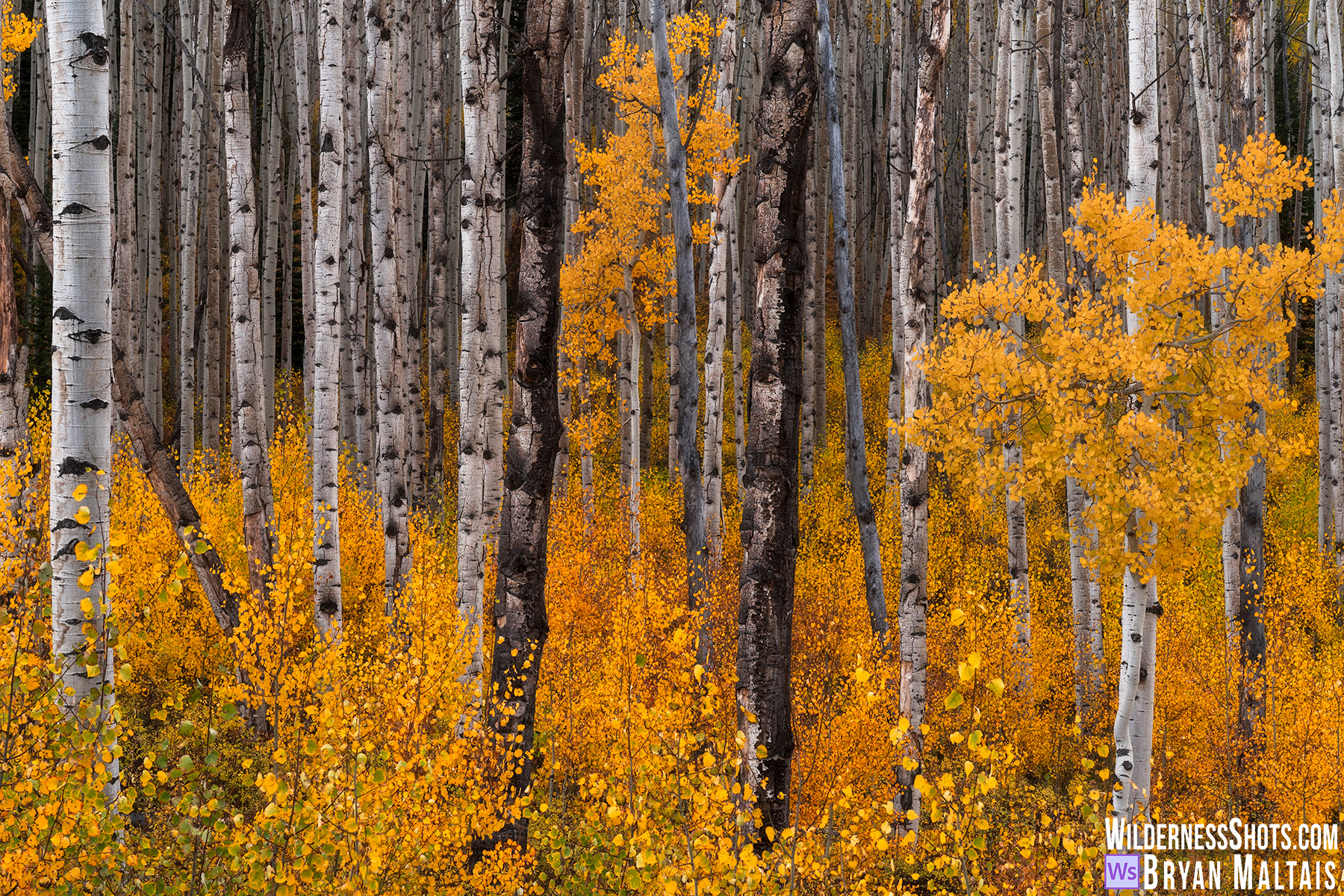
Best for: Travelers who want serious mountain scenery without sacrificing a walkable, historic downtown. Crested Butte wins because September and October are shoulder season—the ski resort is closed, crowds vanish, and the mountains shimmer with golden aspens while the town’s late-1800s wooden buildings on Elk Avenue stay open and lively.
The mountains around the resort turn white in winter, but in fall they’re blanketed in color. Whetstone Mountain, directly in front of town, is the iconic backdrop.
Expect roughly $120–180 per night for mountain lodges and inns during fall shoulder season, though prices vary. The town sits at 9,000 feet, so pack layers—mornings are crisp even in early September.
What to do: Hike the Three Lakes Loop via Lost Lake for close-up aspen views, or drive the scenic byways radiating from town. The Maroon Bells (about 30 minutes away) offer postcard-perfect aspen framing if you time it right, though they’re technically in another town.
Rent a mountain bike and hit the trails that wind through the groves.
Telluride, Colorado
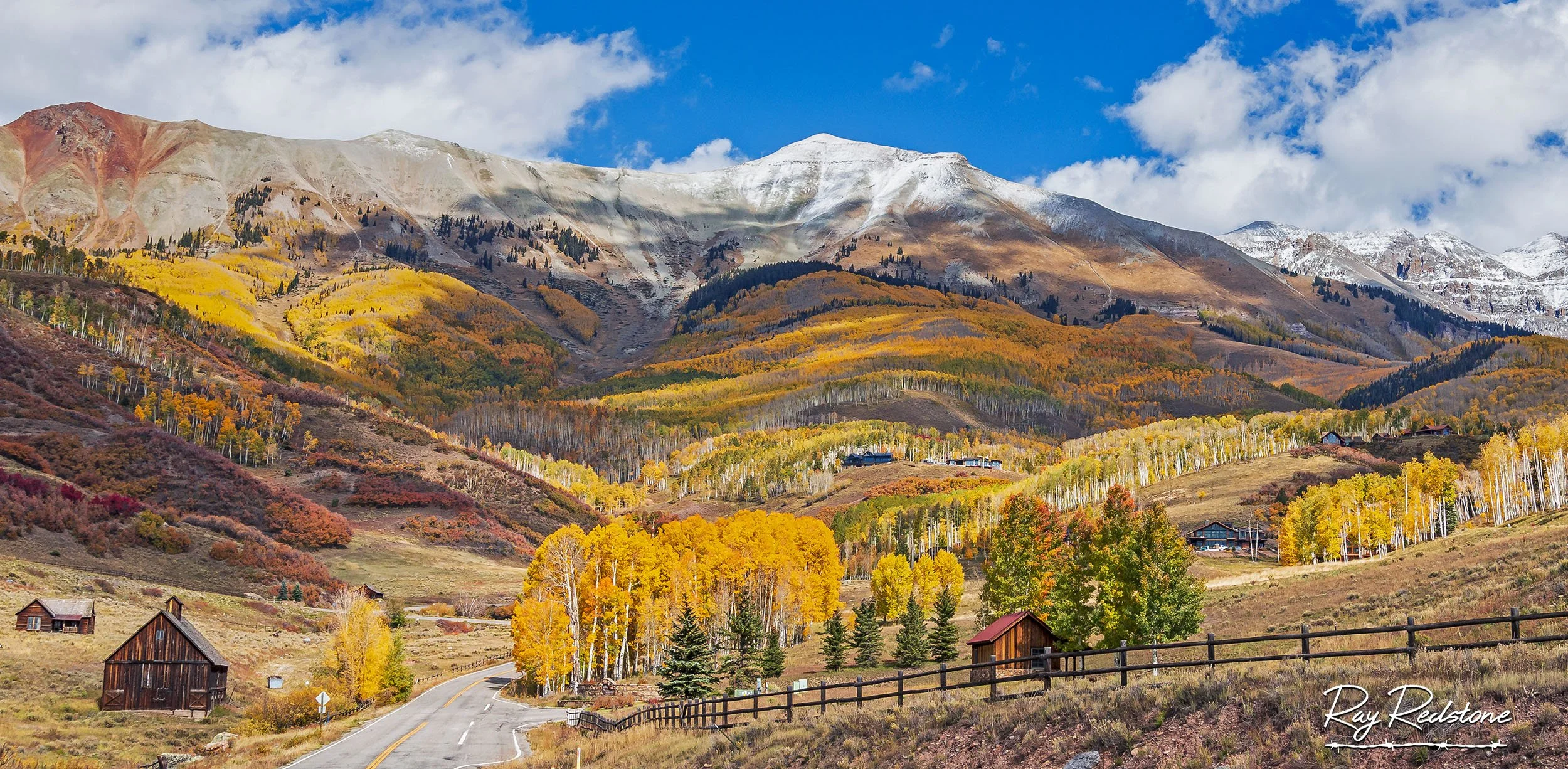
Best for: Travelers with a bigger budget who want luxury mountain scenery and a car-free town center. Telluride wins because the entire downtown is pedestrian-only, surrounded by 13,000-foot peaks that glow gold in late September, and the gondola runs year-round so you can ride above the aspens without hiking.
This is a pricier option—expect $180–280+ per night for lodging during peak fall weekends—but the trade-off is a genuinely walkable, sophisticated mountain town with no car traffic. The gondola ride to Mountain Village takes 15 minutes and offers aerial views of the aspen canopy.
Peak color typically hits late September through mid-October. Book lodging 6–8 weeks ahead if you’re targeting a specific weekend.
What to do: Ride the gondola for zero-effort foliage views, hike the Bridal Veil Falls trail (3 miles round-trip) for waterfall-and-aspen combos, or take a scenic chairlift ride at the resort. The town itself is worth a full day—galleries, restaurants, and shops line the main street.
Leavenworth, Washington
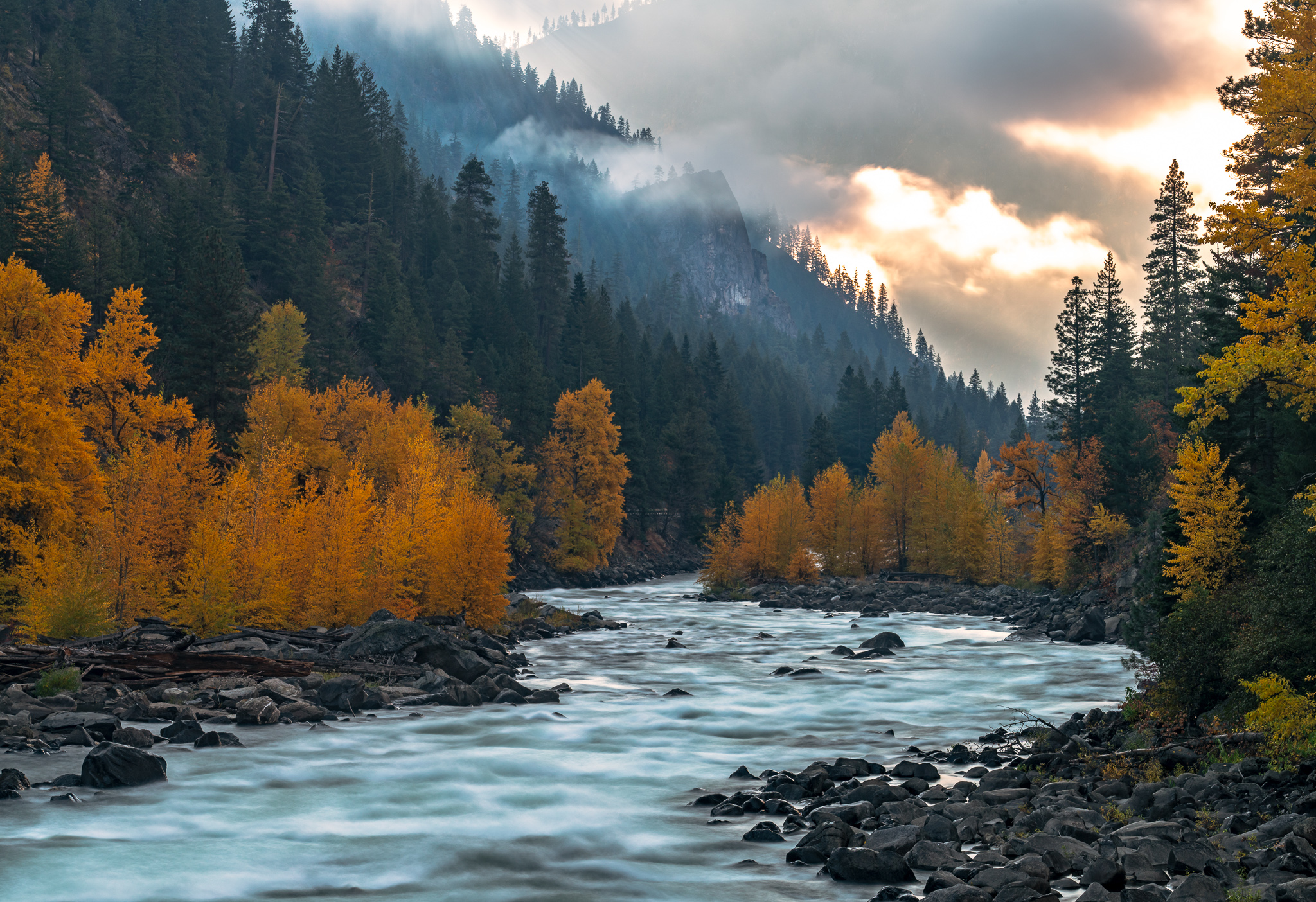
Best for: Pacific Northwest travelers and Seattle day-trippers who want dramatic aspen color without flying. Leavenworth wins because it’s only 2.5 hours from Seattle, sits in the Cascade foothills where larch trees turn brilliant gold (not just aspens), and the Bavarian-themed downtown is quirky enough to justify a full weekend.
This is the most accessible option on this list for West Coast travelers. Peak color runs late September through mid-October.
Expect $100–160 per night for lodges and inns. The town’s Bavarian architecture is either charming or kitschy depending on your taste, but the surrounding hiking and scenic drives are genuinely beautiful.
Arrive early on weekends—parking fills up by 10 a.m. during peak foliage season.
What to do: Hike the Enchantments (a full-day alpine loop with larch and aspen groves), drive the North Cascades Highway for continuous color, or take the scenic Peshastin-Dryden Road along the Wenatchee River. The town center has restaurants and shops, but the real draw is the forest.
Jackson Hole, Wyoming
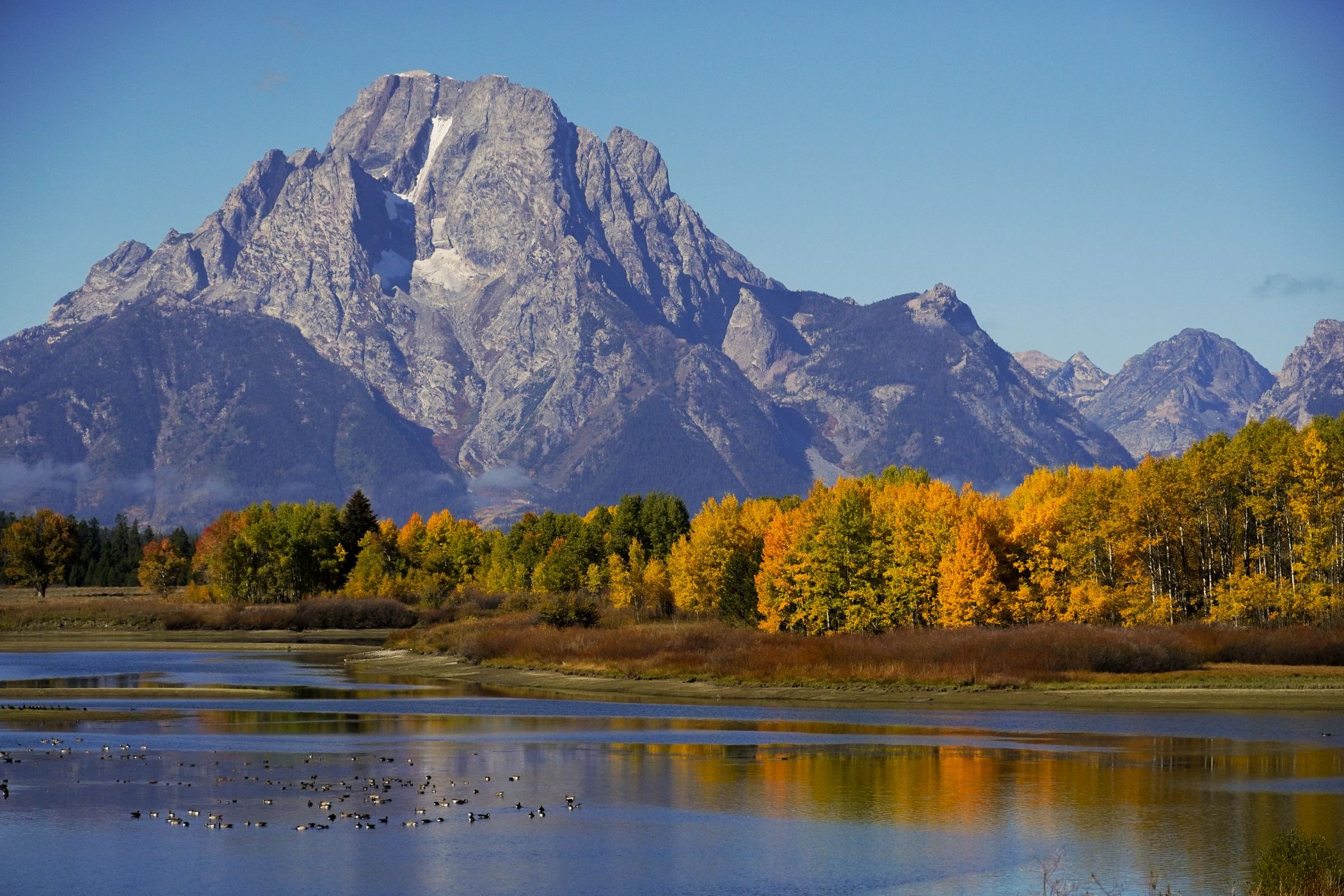
Best for: Travelers who want dramatic mountain backdrops and don’t mind a longer drive. Jackson Hole wins because the Teton Range provides a snowcapped backdrop to golden aspen groves in the valley floor—a visual combination you won’t find anywhere else on this list.
The town sits at 6,250 feet in a valley surrounded by 13,000-foot peaks. Peak foliage typically hits late September through early October.
Expect $130–200 per night for lodges and mountain inns during fall. The drive from Denver is 6–7 hours; from Salt Lake City it’s 4–5 hours.
This is a serious outdoor town, not a tourist village, so come ready to hike, bike, or drive scenic routes rather than shop.
What to do: Hike Cascade Canyon or Jenny Lake Loop for aspen-framed mountain views, drive the scenic loop roads in Grand Teton National Park (separate from Jackson Hole Resort), or mountain bike the trails radiating from town. The town square has restaurants and galleries, but most visitors spend their time in the mountains.
Taos, New Mexico
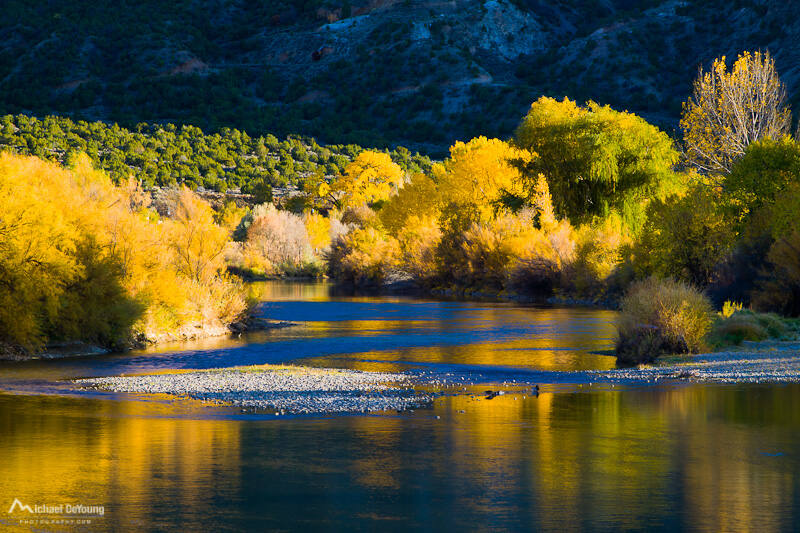
Best for: Travelers seeking a different kind of fall color—cottonwoods instead of aspens, and cultural richness beyond hiking. Taos wins because the surrounding mountains turn gold in September-October, the town has a genuine artistic community and historic plaza, and the Rio Grande offers a unique way to see foliage from the water.
Taos sits at 7,000 feet and feels less touristy than other mountain towns on this list. Peak color runs mid-September through mid-October.
Expect $90–150 per night for lodges and inns. The town’s adobe architecture and art galleries give it a different character than ski-resort towns—this is a place to spend time in town, not just use it as a hiking base.
What to do: Raft the Orilla Verde section of the Rio Grande ($65 per adult for half-day floats) where the water meanders past cottonwoods in full color—trips run into mid-October. Hike the Taos Ski Valley trails, explore the historic plaza and galleries, or drive the scenic High Road to Española through mountain villages.
Stanley, Idaho
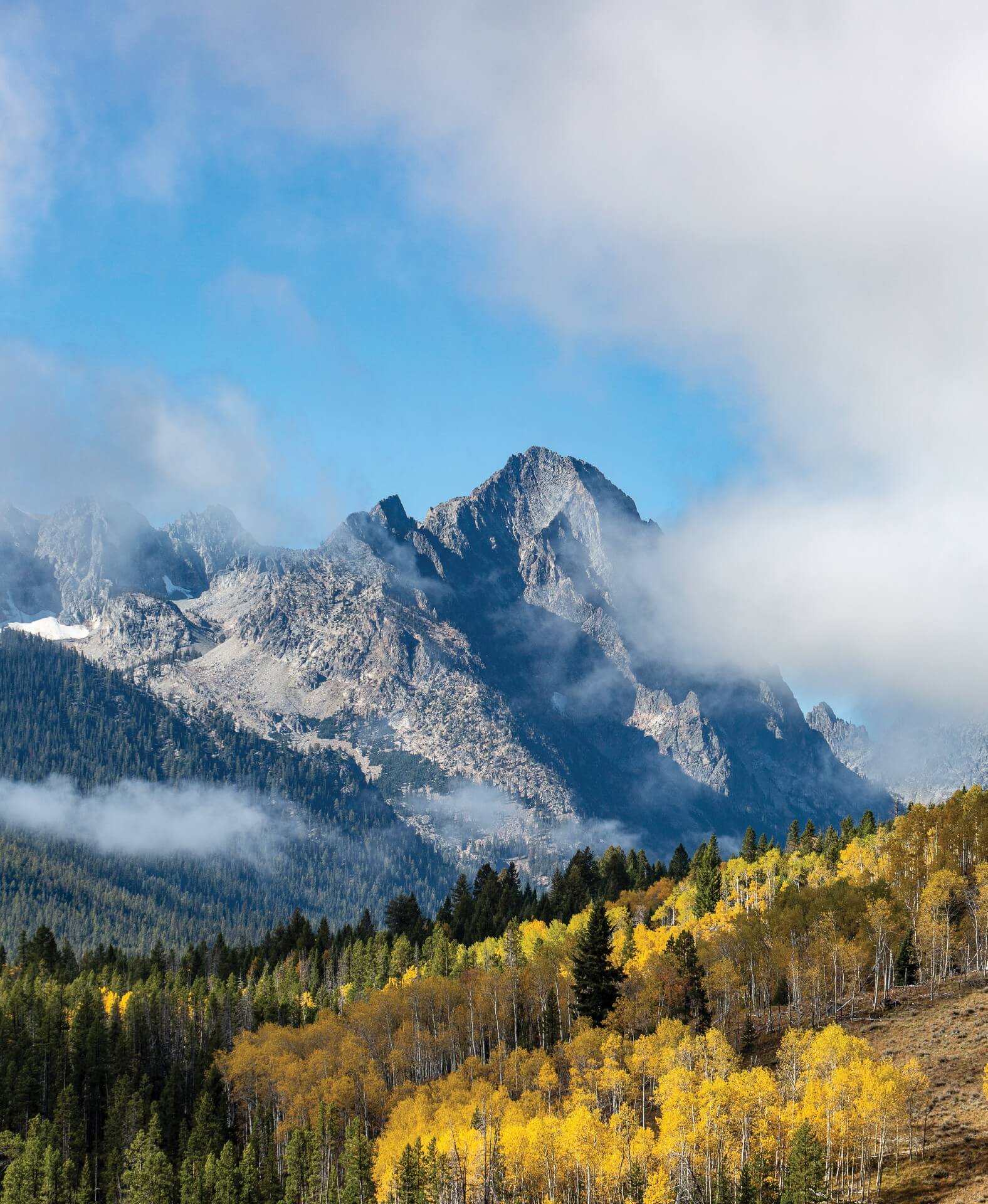
Best for: Travelers who want genuine mountain solitude and don’t need a developed downtown. Stanley wins because it’s the highest town in Idaho at 6,200 feet, surrounded by the Sawtooth Mountains with dense aspen groves, and it’s small enough that you’ll have trails and views mostly to yourself.
This is the least touristy option on this list—Stanley has a handful of lodges, restaurants, and outfitters, but no gift shops or galleries. Peak color runs late September through early October.
Expect $100–140 per night for lodges. The drive from Boise is 3 hours; from Sun Valley it’s 1.5 hours.
Come here if you want mountains without crowds, not a walkable downtown experience.
What to do: Hike the Sawtooth Lake Trail (10 miles round-trip) for alpine aspen views, drive the Sawtooth Scenic Byway for continuous color, or fish the Stanley Lake area. This is a serious outdoor destination—plan accordingly.
Comparison: Peak Timing and Access
| Town | Peak Color Window | Elevation | Best Access From | Vibe |
|---|---|---|---|---|
| Crested Butte, CO | Late Sept–Oct | 9,000 ft | Denver (4 hrs) | Historic, walkable, ski-town energy |
| Telluride, CO | Late Sept–mid-Oct | 8,750 ft | Denver (5.5 hrs) | Luxury, car-free, sophisticated |
| Leavenworth, WA | Late Sept–mid-Oct | 1,200 ft | Seattle (2.5 hrs) | Quirky, accessible, Pacific Northwest |
| Jackson Hole, WY | Late Sept–early Oct | 6,250 ft | Denver (6–7 hrs) | Serious outdoor, mountain-focused |
| Taos, NM | Mid-Sept–mid-Oct | 7,000 ft | Albuquerque (2.5 hrs) | Artistic, cultural, historic |
| Stanley, ID | Late Sept–early Oct | 6,200 ft | Boise (3 hrs) | Remote, solitary, serious hiking |
Insider Tips for Western Foliage Season
Book lodging 6–8 weeks ahead for Telluride and Crested Butte weekends. These towns fill fast during peak color, and prices spike 20–30% on weekends. Weekday stays are cheaper and less crowded—if your schedule allows, aim for Tuesday–Thursday.
Higher elevation = earlier peak color. Telluride and Crested Butte (both 8,700–9,000 feet) peak in late September; lower towns like Taos and Jackson Hole peak in early October. If you’re flexible, chase the color by starting high and moving lower as the season progresses.
Afternoon light is better than morning for aspen photography. Golden aspens glow brightest in late afternoon when the sun hits them from the side. Plan hikes to finish near sunset, not sunrise.
Larch trees (not aspens) turn gold in Leavenworth and the Pacific Northwest. They’re equally stunning but less common east of the Cascades—if you’ve never seen larch color, Leavenworth is worth the trip for that alone.
What Are the Best Midwest Lake and River Towns for Leaf Peeping?
The Midwest’s fall foliage story is written in water—the Mississippi River’s bluffs, the Great Lakes’ shorelines, and inland lakes ringed with hardwoods that turn weeks earlier than their New England counterparts. These towns trade the crowded leaf-peeping circuits for genuine river culture, working waterfronts, and the kind of quiet that makes color actually feel like an event.
Base yourself in one of these four towns for a fall getaway that doesn’t require fighting crowds or booking six months ahead.
Door County, Wisconsin
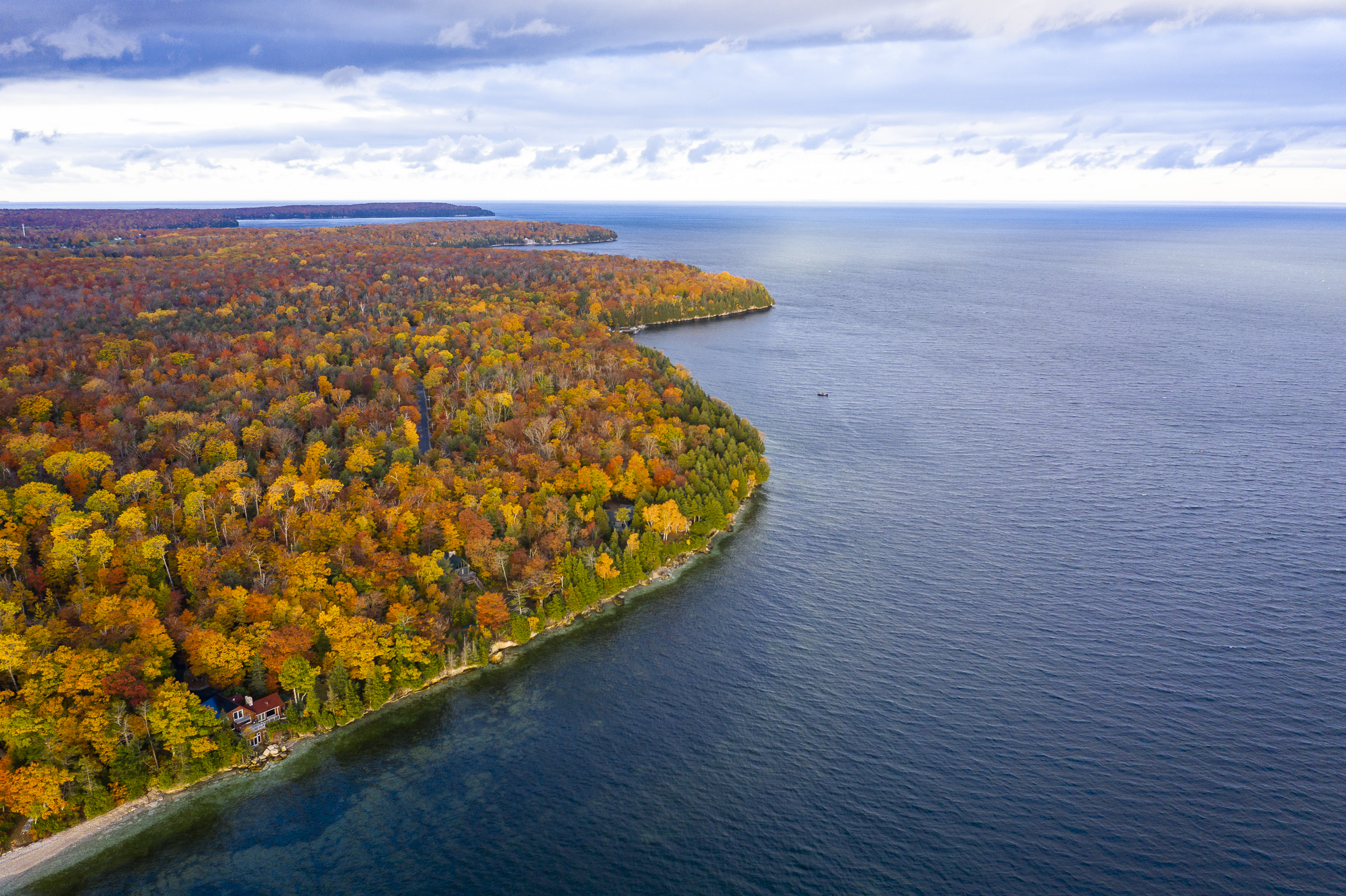
Door County’s peninsula juts into Lake Michigan like a finger, and the water moderates temperatures just enough to extend the color window into late October—a full two weeks past inland Wisconsin. The combination of cherry orchards, birch and maple forests, and water views on both sides of the peninsula makes this the Midwest’s most visually complete fall destination.
The best strategy is to base yourself in Sturgeon Bay or one of the smaller villages along the bay side and spend three to four days driving the scenic loop, stopping at state parks and orchards rather than trying to cram everything into a weekend.
Peak color typically arrives in mid-October, though timing varies by year—confirm with the Door County Chamber of Commerce closer to your travel dates. The two-lane roads around the peninsula are designed for slow driving, which works perfectly for foliage spotting.
Stay in a cabin or small inn in Sturgeon Bay or Sister Bay for walkable access to restaurants and galleries, then day-trip to Peninsula State Park (hiking and water views), Whitefish Dunes State Park, and the cherry orchards around Fish Creek.
Traverse City, Michigan
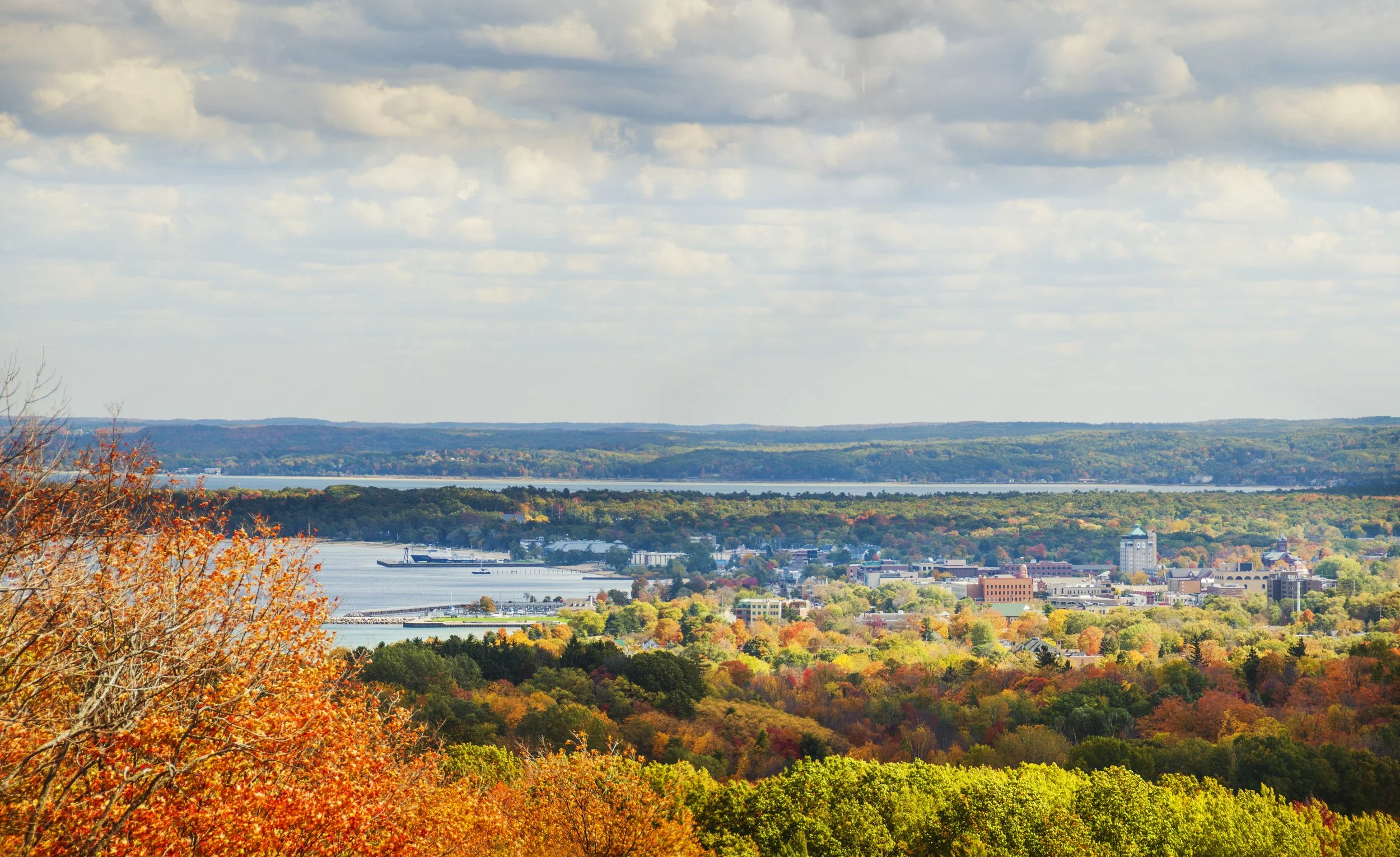
Traverse City sits at the base of the Leelanau Peninsula on Grand Traverse Bay, surrounded by cherry orchards and vineyards that turn brilliant gold and crimson in fall. Unlike Door County’s peninsula drive, Traverse City works best as a home base—the town itself has walkable downtown shops, restaurants, and galleries, plus easy access to scenic drives, hiking, and water activities.
The bay’s influence keeps temperatures moderate and extends color into late October.
Peak foliage typically arrives in early to mid-October. Stay downtown or near the waterfront for restaurant access and morning walks along the bay.
The Old Mission Peninsula and Leelanau Peninsula scenic drives are the main draws—both are roughly 30 minutes from downtown and feature vineyard views mixed with hardwood color. Hiking around Sleeping Bear Dunes National Lakeshore, about 45 minutes south, offers lakeside foliage without the crowds of more famous fall destinations.
Red Wing, Minnesota
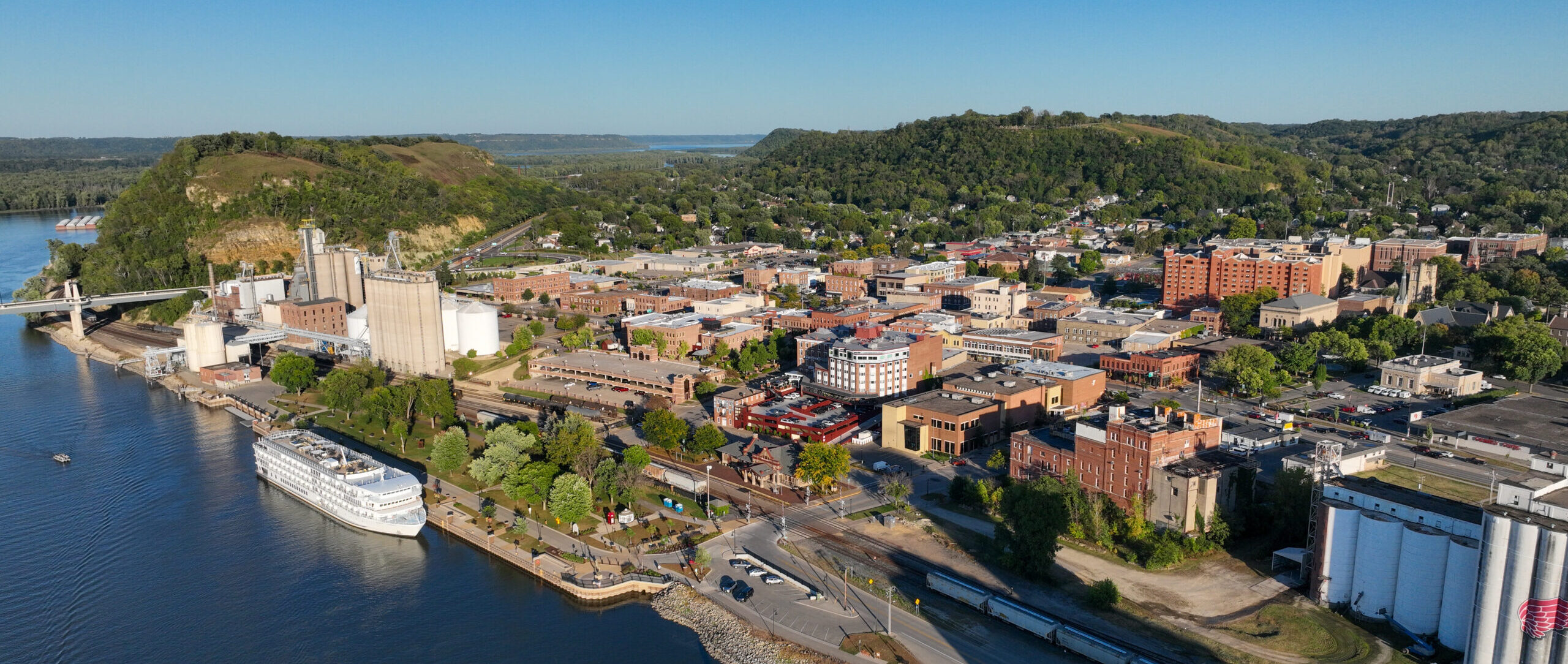
Red Wing sits on a dramatic bend of the Mississippi River about an hour south of Minneapolis, with bluffs rising steeply on both sides and a genuine working river town feel that most Midwest fall destinations have lost to tourism. The river’s influence creates a microclimate that supports dense hardwood forests—the trees here are taller and more dramatic than inland Minnesota, and the water reflection doubles the visual impact.
This is the move for travelers who want authentic river culture over curated small-town shopping.
Peak color typically arrives in mid-October. The St. James Hotel, built in 1875, anchors the downtown and includes a rooftop restaurant overlooking the river—stay here or in one of the smaller inns nearby for walkable access to shops and the riverfront.
The real draw is simply driving or walking along the river roads and stopping at overlooks; the bluffs themselves are the main attraction. If you want to extend the trip, Scandia, about 20 minutes south on the river, has additional shops and a historic pie shop also overlooking the water.
Galena, Illinois
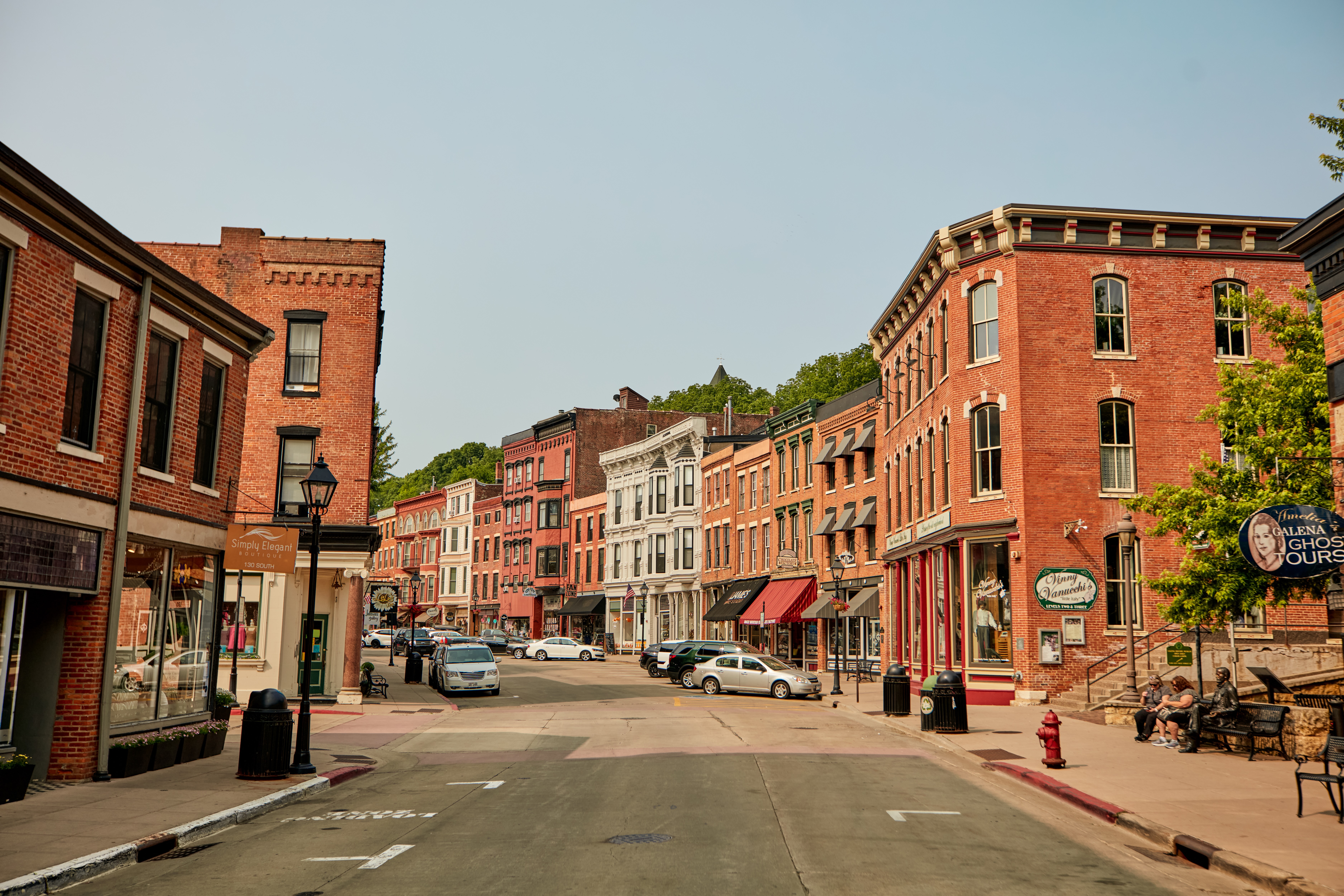
Galena is a preserved 19th-century lead-mining town in the far northwest corner of Illinois, perched on the Galena River with rolling hills surrounding it on all sides. The town’s entire downtown is a National Historic Landmark—brick buildings, narrow streets, and zero chain stores—which means fall foliage here comes with genuine architecture and history rather than manufactured charm.
The surrounding hills are loaded with oak, maple, and hickory, and the river valley creates a natural color bowl.
Peak color typically arrives in early to mid-October. Stay in one of the historic inns or bed-and-breakfasts downtown for walkable access to galleries, restaurants, and shops.
The town itself is the main attraction—walking the downtown and side streets is the primary activity—but scenic drives through the surrounding hills and a visit to nearby state parks like Galena Territory offer additional foliage views. This town works best as a long weekend base rather than a one-day stop.
Midwest Fall Foliage Planning Overview
| Town | Peak Color Window | Best For | Key Draw |
|---|---|---|---|
| Door County, WI | Mid-October–early November | Multi-day scenic drives and state parks | Water views on both sides of peninsula; extended color window |
| Traverse City, MI | Early–mid-October | Walkable downtown base with vineyard drives | Bay access, cherry orchards, nearby Sleeping Bear Dunes |
| Red Wing, MN | Mid-October | Authentic river culture over curated tourism | Mississippi River bluffs, working riverfront, dramatic water reflection |
| Galena, IL | Early–mid-October | Historic architecture combined with foliage | Preserved 19th-century downtown, rolling hills, no chain stores |
Insider tip: Midwest fall color peaks 1–2 weeks earlier than New England, so if you’re flexible on dates, book these towns in early October rather than waiting for late-month crowds. Water-adjacent towns like Door County and Red Wing also extend the color window by 7–10 days compared to inland areas, making them safer bets for late-season travel.
Are There Hidden Gem Fall Foliage Towns in the Ozarks?
The Ozarks deliver fall color without the New England crowds — Eureka Springs and Bentonville offer genuine small-town charm paired with reliable peak foliage timing and zero pretense. Both towns sit in northwest Arkansas where hardwoods turn reliably by mid-October, but they serve completely different travelers.
Eureka Springs, Arkansas
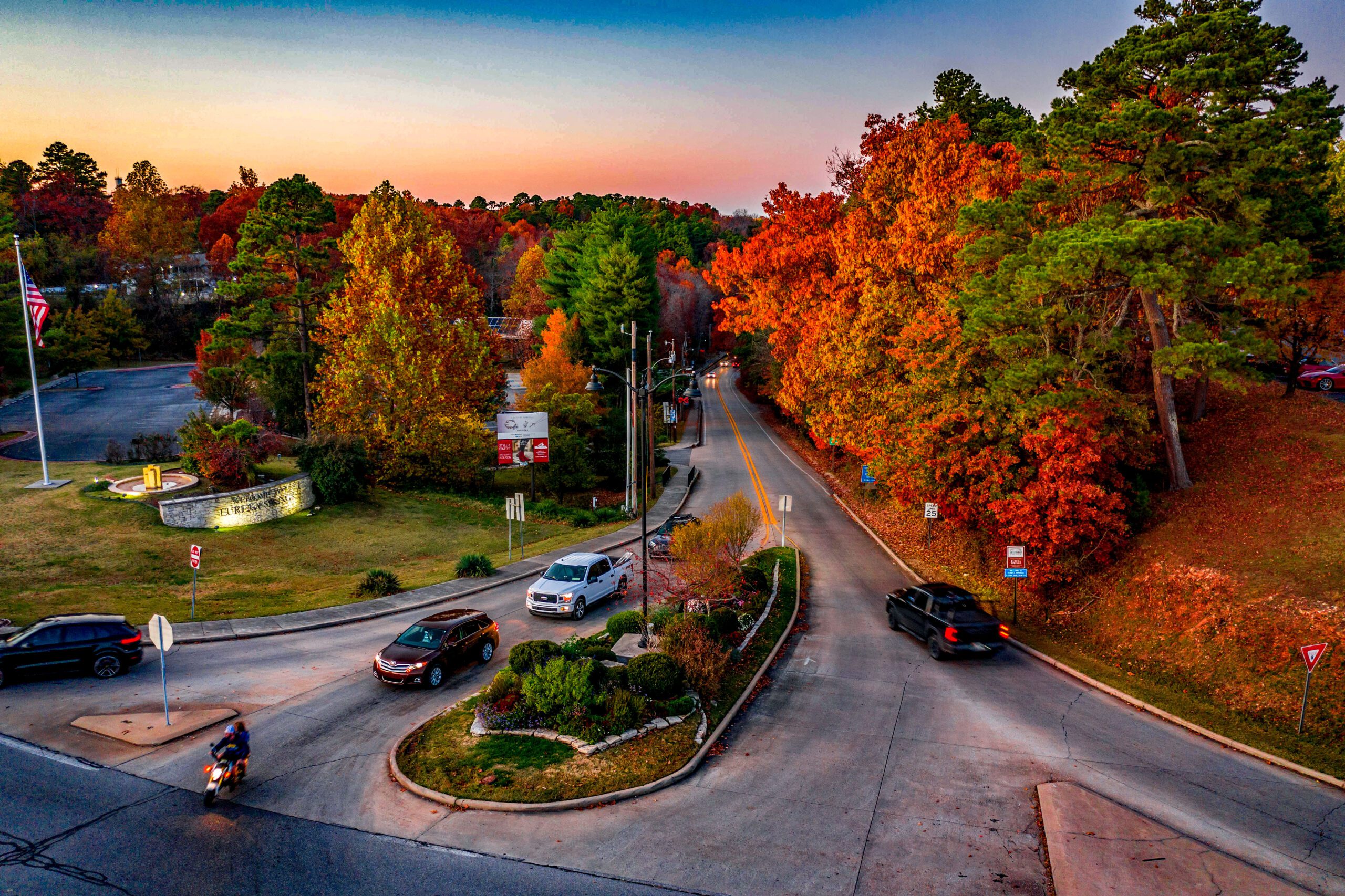
Eureka Springs wins for travelers who want Victorian architecture, walkable streets, and dramatic hillside views all at once. The town clings to steep bluffs above a gorge, so fall color surrounds you on every side — drive or walk anywhere and you’re photographing reds and golds reflected in the Eureka Springs basin.
Peak foliage typically arrives mid-October through early November, giving you a solid four-week window to plan.
The downtown is genuinely walkable with galleries, antique shops, and restaurants clustered on narrow streets that feel frozen in the 1800s — this is the move if you want to stay put and explore on foot rather than drive between overlooks. Book lodging in the historic downtown core or on the surrounding hillsides; you’ll want to be within walking distance of restaurants and shops since the town’s appeal is its compact, car-free vibe during peak season.
One insider detail: arrive on a weekday in mid-to-late October if you can — weekends fill with leaf-peepers and tour buses, but Tuesday through Thursday mornings are genuinely quiet, and the light on the hillsides is sharper.
Bentonville, Arkansas
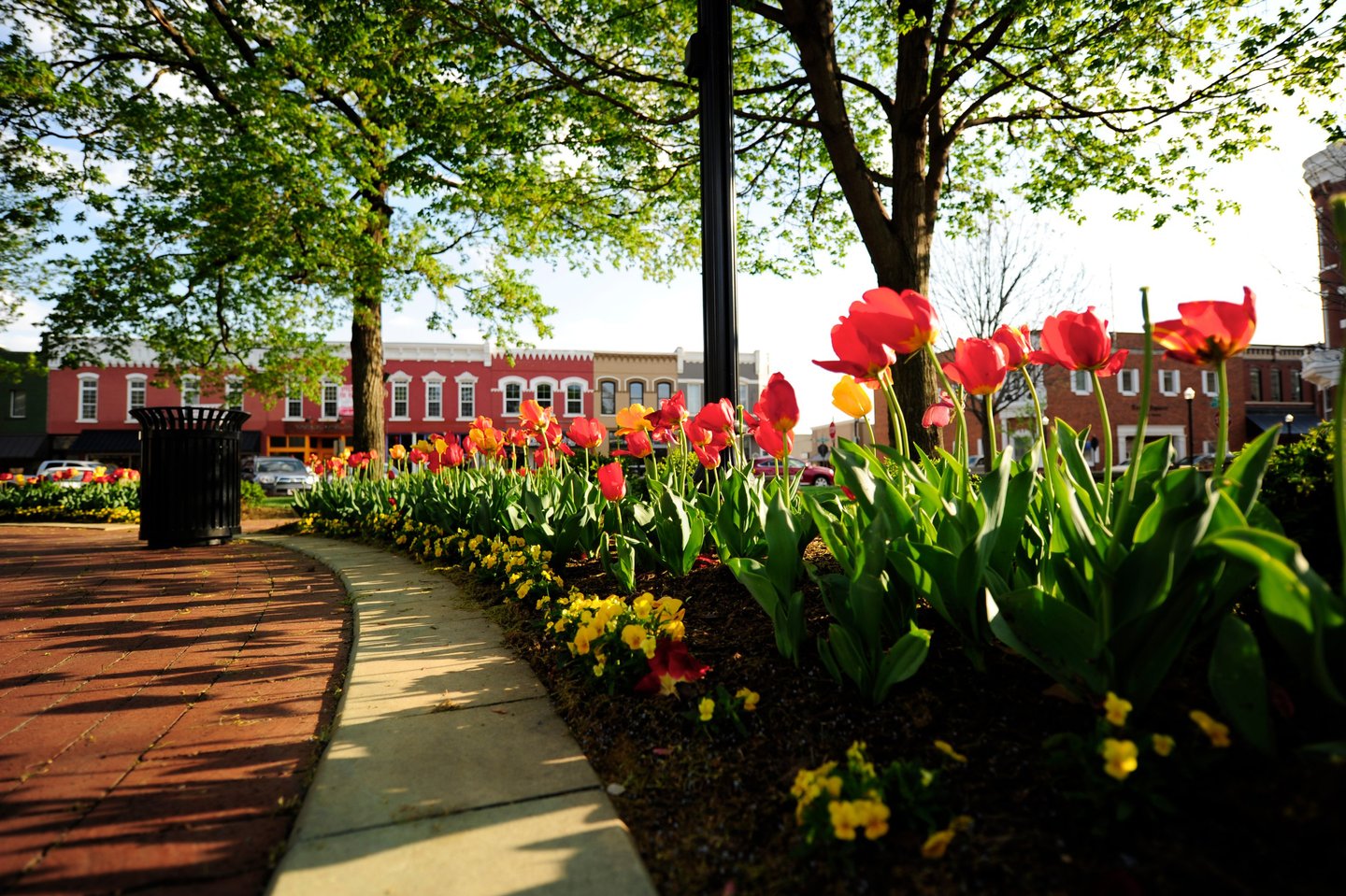
Bentonville is the choice for families and active travelers who want fall color paired with biking, hiking, and a modern downtown that doesn’t feel stuck in time. The town has invested heavily in trail systems and parks over the past decade — the Razorback Greenway is a 40-mile paved trail network that cuts through the region, and Crystal Bridges Museum of American Art sits on 120 acres of forest that turns brilliant in October.
You get legitimate outdoor infrastructure without sacrificing small-town character.
The downtown square has been revitalized with local restaurants and shops, but it’s less precious than Eureka Springs — this is where you base yourself if you want to hike, bike, or explore the surrounding Ozark terrain during the day and eat well at night. Peak foliage timing matches Eureka Springs (mid-October through early November), but Bentonville’s appeal is the activity level, not the architecture.
Stay downtown or in the neighborhoods immediately surrounding the square for walkable access to restaurants and the trail system. The Razorback Greenway connects directly to downtown, so you can bike from your hotel into the surrounding forest without a car.
The decision: Eureka Springs if you want to sit, stare, and photograph; Bentonville if you want to move, hike, and stay active. Both peak reliably in mid-October and avoid the I-95 corridor crush entirely.
How Should You Time Your Fall Foliage Trip to Catch Peak Colors?
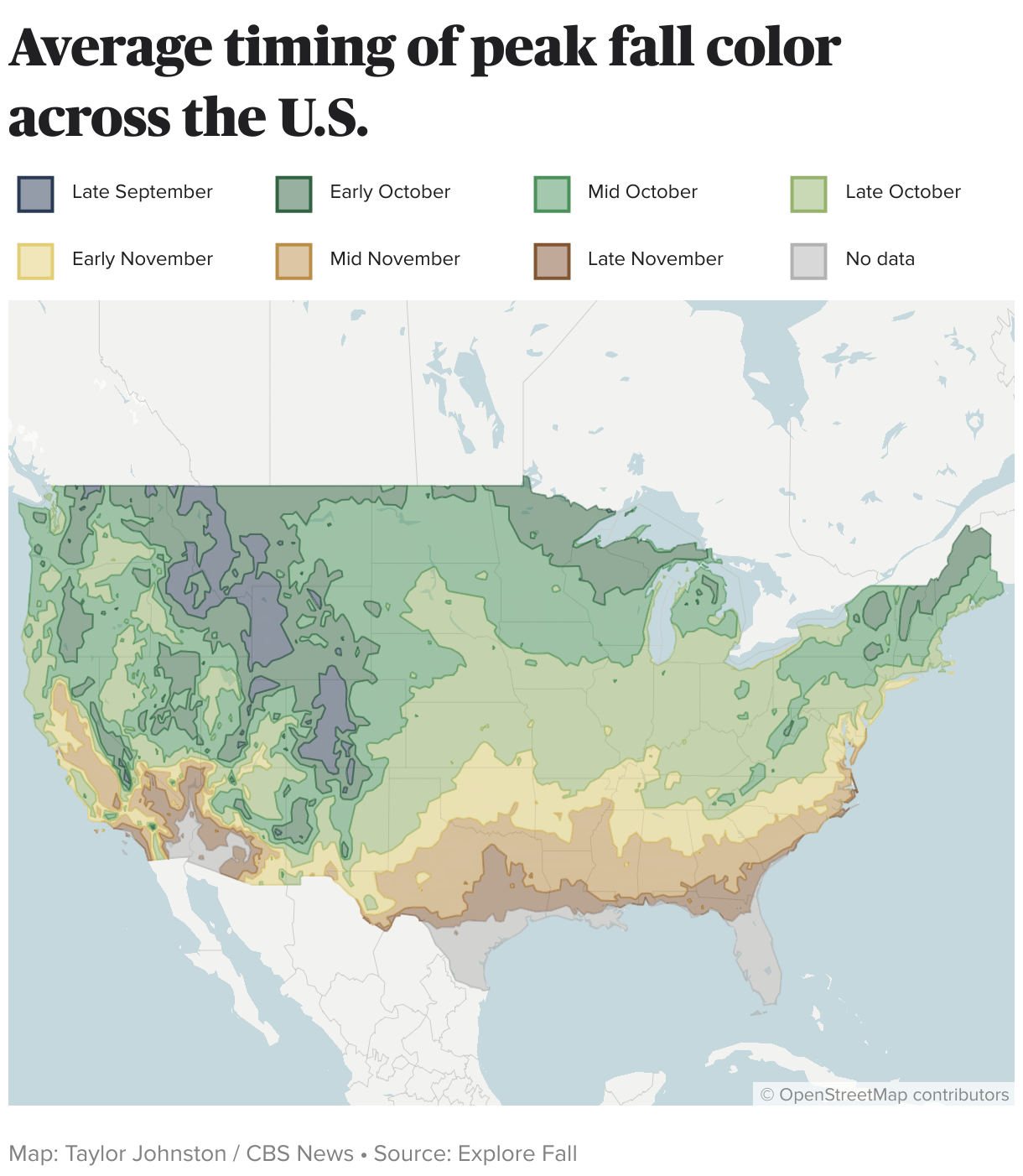
Timing is everything—show up two weeks too early and you’ll see mostly green; two weeks too late and the trees are bare. Peak color doesn’t happen everywhere at once; it cascades down the country from north to south and high elevation to low elevation over a ten-week window.
The difference between a disappointing trip and one that justifies the drive comes down to knowing which towns peak when, and booking accordingly.
Mid-September to Early October: High-Elevation and Northern Border Towns
The highest elevations and northernmost towns turn first. Stowe, Vermont, and the Berkshires in western Massachusetts and northwestern Connecticut typically see peak color by late September or early October.
Lake Placid, New York, and the higher peaks of the Black Hills in South Dakota also peak during this window. If you’re chasing the absolute earliest show, these are your targets—but expect summer crowds to still be present and book lodging 6–8 weeks ahead.
The Black Hills Parkway, Spearfish Canyon State & National Scenic Byways, and Needles Highway through Custer State Park deliver golden aspen views at their most vibrant during this period. October is also when Custer State Park’s 1,300 bison are easier to spot as summer tourism thins out.
For a high-elevation mountain town experience, base yourself in a small-town center with cabin or lodge lodging nearby for early-morning scenic drives before the light fades.
Mid-to-Late October: Mid-Latitude and Southern Appalachian Peaks
This is the sweet spot for the majority of fall foliage destinations across the country. Blowing Rock, North Carolina, peaks in mid to late October at its 4,000-foot elevation, with reds, oranges, and yellows lighting up the Southern Appalachian slopes.
Asheville, North Carolina, Gatlinburg and Pigeon Forge in Tennessee, and Highlands, North Carolina, all reach peak color during this same window. The Finger Lakes region of upstate New York—home to over a hundred wineries and charming small towns—also peaks mid-to-late October.
This is when the Blue Ridge Parkway delivers its most dramatic color, and when most small-town festivals and events cluster.
Mid-October is also when many businesses remain open and crowds are manageable compared to peak summer. Book lodging 4–6 weeks in advance for mid-range options.
Stay in walkable small-town centers like Asheville’s downtown or Gatlinburg’s village base to access scenic drives, waterfalls, and restaurants without driving far each morning. Note that some businesses in higher-elevation towns like Blowing Rock begin closing by the end of October, so plan your visit before the last week of the month if you want full access to shops and dining.
Late October to November: Lower-Elevation and Southern Destinations
Lower elevations and more southern towns hold color longer into November. Brevard, North Carolina, and other lower-elevation Appalachian towns peak in late October and early November, offering a second chance if you missed the mid-October window.
This timing also works for anyone combining a fall foliage trip with other fall activities—Halloween events, harvest festivals, and smaller crowds make late October and early November appealing for travelers who don’t need peak color intensity.
Book 3–4 weeks ahead for late-season trips; availability opens up as summer travelers clear out. Lower-elevation towns typically stay open through November, giving you more flexibility.
Plan scenic drives like the Blue Ridge Parkway or Custer State Park for early morning when light is best and roads are quietest. Expect cooler temperatures—bring layers and plan indoor activities (restaurants, galleries, wineries in the Finger Lakes) for afternoon breaks.
Timing Baseline: Confirm peak color dates with local visitor bureaus 2–3 weeks before your trip, as weather shifts can move peak dates earlier or later by 7–10 days. Most towns post foliage forecasts online by mid-September.
What Are the Most Scenic Byways Connecting These Fall Towns?
The real magic of fall foliage travel isn’t just arriving at a pretty town—it’s the drive between them, where the landscape shifts and deepens with every mile. These three byways are engineered for leaf-peeping: long enough to justify a full day, short enough to complete without exhaustion, and designed so you’re never more than a few pull-offs away from a trailhead, overlook, or small-town lunch stop.
Cruising the Blue Ridge Parkway (Virginia & North Carolina)
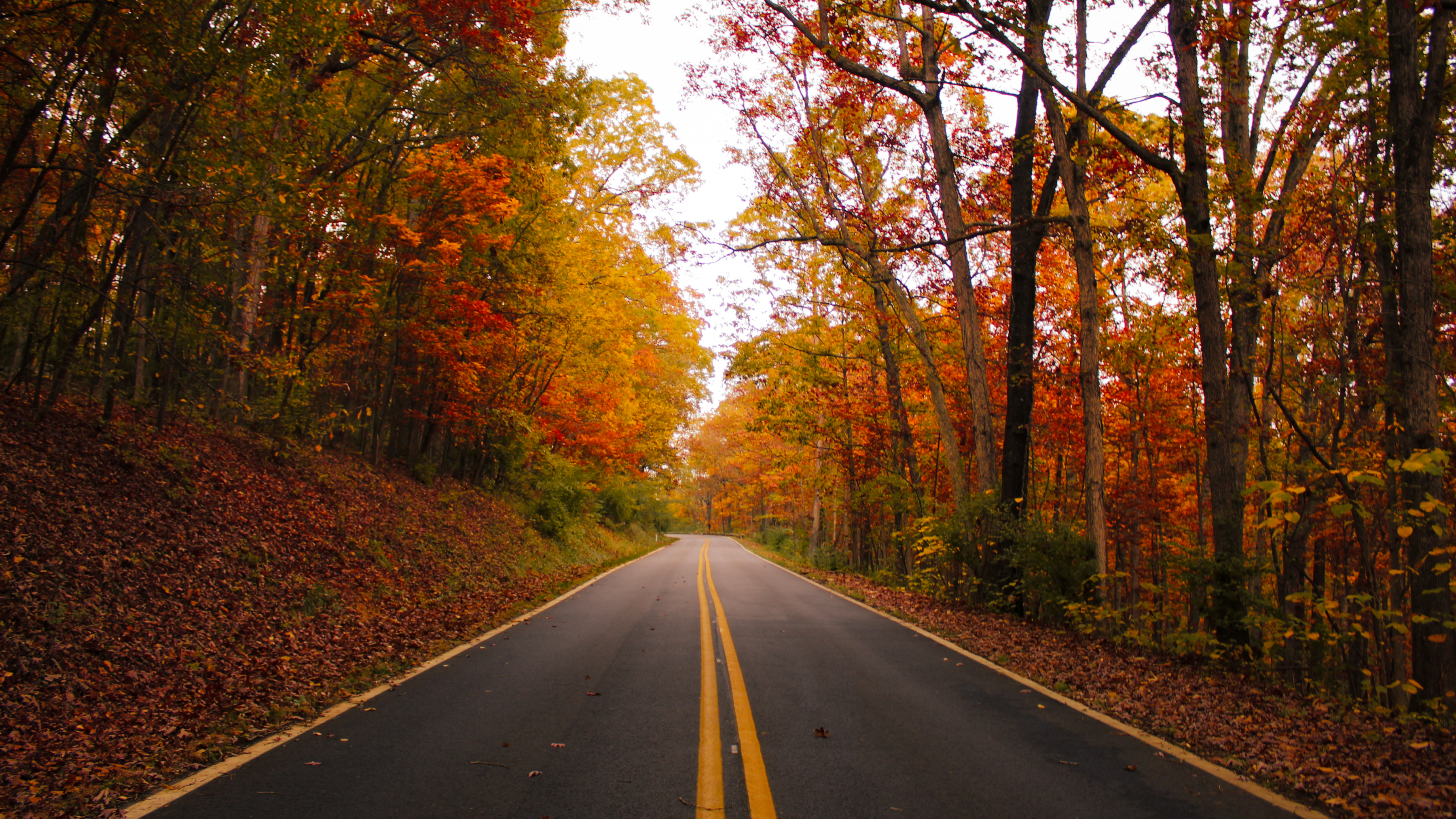
The 469-mile Blue Ridge Parkway connecting Shenandoah National Park in Virginia to Great Smoky Mountains National Park in North Carolina is the gold standard for autumn driving in America—mile after mile of postcard-worthy views, especially between October and November when peak color hits. This is the drive that justifies a full long weekend, not a quick afternoon loop.
Base yourself in or near Blowing Rock, North Carolina (covered in detail in the Southern Appalachian section) to access one of the parkway’s most dramatic stretches. From there, drive south on the Blue Ridge Parkway for 10 miles to the Linn Cove Viaduct, a 1,234-foot bridge that hovers along the edge of Grandfather Mountain and delivers long-range views that justify stopping—multiple times.
The viaduct is the single most photographed section of the entire parkway, and for good reason: the engineering is stunning, and in fall the surrounding ridges glow amber and crimson. Return north via Highway 221 to complete a 20-mile loop that takes roughly 2–3 hours with stops.
Plan this drive for a full day, not a rushed morning. Bring a thermos, stop at every overlook that calls to you, and expect to see crowds on peak weekends (mid-October is typically the busiest window).
The parkway is free to drive, but arrive early if you want parking at popular pull-offs. No reservations needed, but the road can close temporarily due to weather or maintenance—check the official Blue Ridge Parkway website before you go.
Navigating the Kancamagus Scenic Byway (New Hampshire)
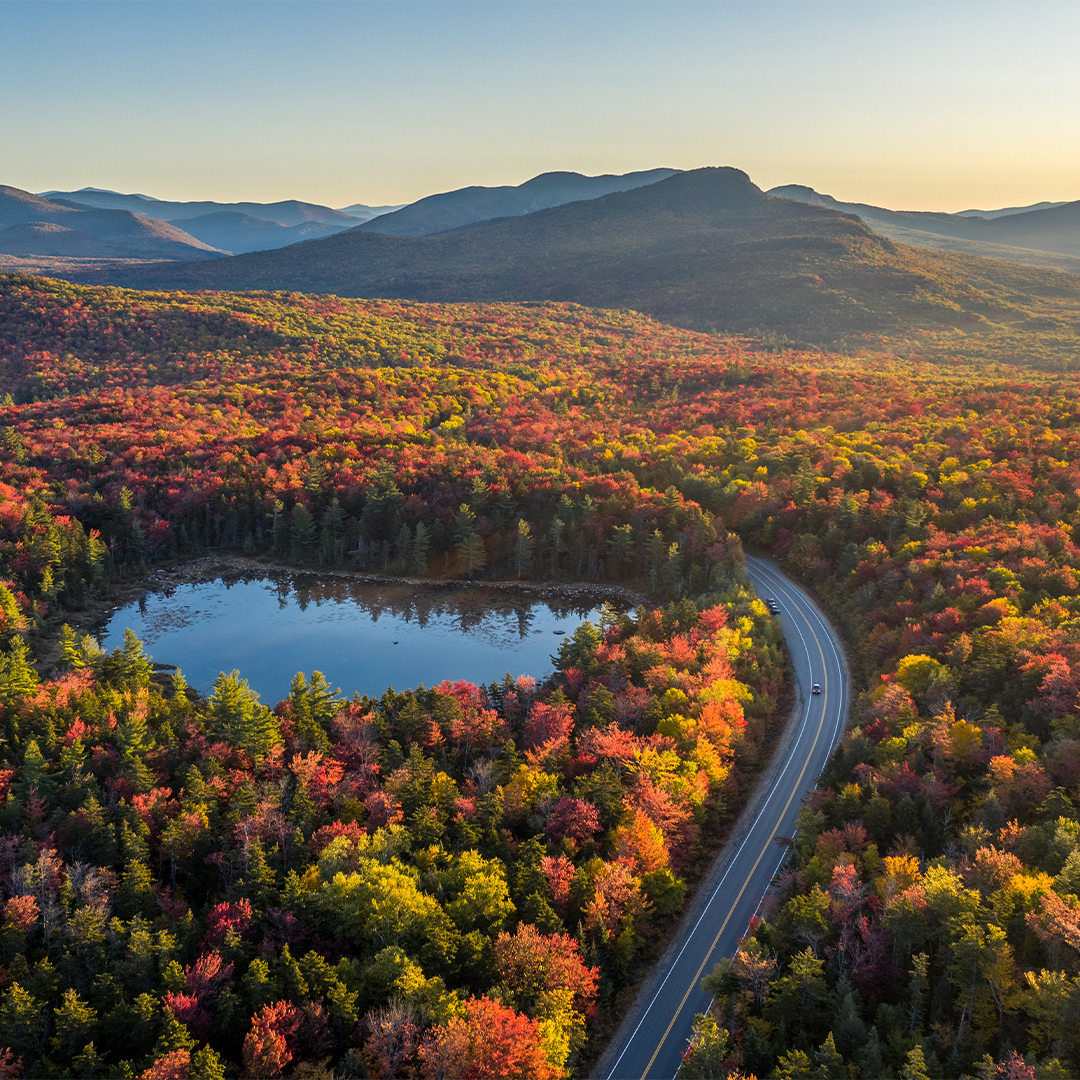
The Kancamagus Scenic Byway—locals call it “the Kanc”—is a 34-mile ribbon through White Mountain National Forest that delivers the most concentrated burst of fall color in New England. Unlike the Blue Ridge Parkway’s sprawling 469 miles, the Kanc is compact and intense: you can drive it in roughly 1–1.5 hours without stops, but you’ll want 4–5 hours to actually experience it.
The byway runs between Lincoln and Conway, New Hampshire, and is best driven in early-to-mid October when the hardwoods (maples, birches, aspens) peak simultaneously. The road itself is two lanes, well-maintained, and lined with frequent pull-offs, picnic areas, and short walking trails that let you step directly into the foliage without committing to a full hike.
Sabbaday Falls is a popular 2-mile round-trip waterfall walk accessible right from the highway; Rocky Gorge offers a scenic loop with river views.
Stay in North Conway (detailed in the New England section) or Lincoln to base yourself for multiple drives or to break up a longer road trip. The Kanc is free and open year-round, but expect heavy traffic on peak weekends in October—arrive by 8 a.m. or plan a weekday visit if you want parking and solitude.
The road rarely closes, but icy conditions can occur in late fall, so check conditions before heading out.
Navigating the Spearfish Canyon Scenic Byway (South Dakota)
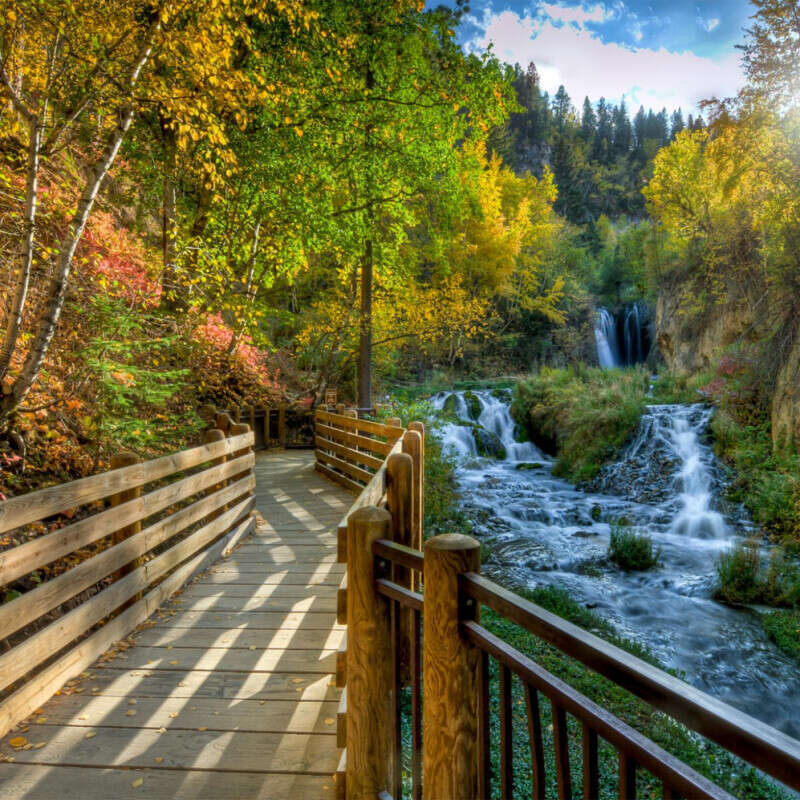
Spearfish Canyon Scenic Byway is the underrated fall-color drive for travelers who want golden aspen without the East Coast crowds. This 19-mile route winds through the Black Hills of South Dakota, delivering the region’s signature autumn feature: dense groves of aspen trees that turn a brilliant, almost neon yellow in late September and October.
The byway connects Spearfish to the town of Cheyenne Crossing and is best driven in October when the aspens are at peak color and summer crowds have vanished. Unlike the Blue Ridge Parkway’s ridge-top vistas, Spearfish Canyon is intimate—the road drops into a narrow canyon with rock walls and creek access, making it feel more like a secret than a bucket-list drive.
Plan 1–2 hours for the drive itself, plus time to explore Custer State Park (accessible nearby), which is home to 1,300 bison and offers additional scenic loops like Needles Highway.
This byway works best as part of a larger Black Hills road trip. Stay in Spearfish or Deadwood (a historic mining town 15 minutes north) to base yourself for multiple days of driving and hiking.
The byway is free and open year-round, though October weather can shift quickly in the mountains—bring layers and check conditions before heading out. The real bonus: October and November are the quietest months in the region, meaning you’ll have overlooks and trails largely to yourself.
Comparison at a glance: Choose the Blue Ridge Parkway for epic scale and the most dramatic ridge-top views; pick the Kancamagus for the most concentrated fall color in the shortest distance; select Spearfish Canyon if you want golden aspens, fewer crowds, and a more intimate canyon experience.
Frequently Asked Questions
When exactly does fall foliage peak in small-town America?
Peak timing depends entirely on geography. New England towns like Stowe and Woodstock typically peak in mid-October, while Southern Appalachian towns such as Blowing Rock and Asheville peak slightly later, usually late October into early November.
The Finger Lakes region and Black Hills follow similar mid-to-late October windows. Start planning 4-6 weeks before your target peak date, then confirm with local visitor bureaus one week prior—early cold snaps or warm spells shift color by 1-2 weeks annually.
Booking lodging 2-3 months ahead is essential; peak weekends fill fast.
Which region has the longest fall foliage season?
Southern Appalachia (North Carolina, Tennessee) stretches the season longest because elevation variation means lower valleys turn color first, then higher elevations follow weeks later. This staggered effect keeps the region colorful from late September through November.
The Blue Ridge Parkway and drives around Gatlinburg and Asheville remain spectacular even into November when northern New England has already peaked and faded. If flexibility matters more than peak intensity, book the South.
Do I need a car to see fall foliage in these small towns?
Yes—a car is essential. These towns are built for driving scenic routes: the Blue Ridge Parkway in North Carolina, Needles Highway through Custer State Park in South Dakota, and the byways around the Berkshires and Finger Lakes all require wheels.
Most small-town centers are walkable once you arrive, but the foliage itself lives on mountain roads and forest drives. Public transit does not reach these areas meaningfully.
Rent a car for the full experience.
What’s the best strategy for avoiding crowds during peak foliage season?
Travel mid-week (Tuesday through Thursday) rather than weekends—this single decision cuts crowds by 40-60% in popular towns. Visit shoulder-peak weeks (early October in the North, late October in the South) instead of the absolute peak weekend.
Black Hills and the Finger Lakes draw fewer leaf-peepers than New England, so consider less-famous regions if solitude matters. Book accommodations in quieter nearby towns—Black Mountain near Asheville or smaller villages in the Berkshires—and drive into busier spots for day visits.
Book Your Peak-Color Trip With Confidence
Start by choosing your region based on when you can travel, then confirm peak-color dates with the local visitor bureau one week before your trip—weather shifts can move peak timing by 7–10 days, and you want to arrive at the right moment. Book lodging 6–8 weeks ahead for New England and Colorado destinations, 4–6 weeks for everything else, and plan to arrive early on your first morning to beat traffic on scenic drives.
Fall foliage in a walkable small town is worth the planning because you’re not just chasing color—you’re trading your routine for a place where the landscape demands your attention, the restaurants are genuinely good, and the pace slows down enough to actually notice the season changing. This is the trip that justifies a long weekend away.
Pick your town, confirm peak dates with the visitor bureau, and book your lodging this week—the best rooms in peak-season towns vanish by mid-summer.
Leave a Reply