
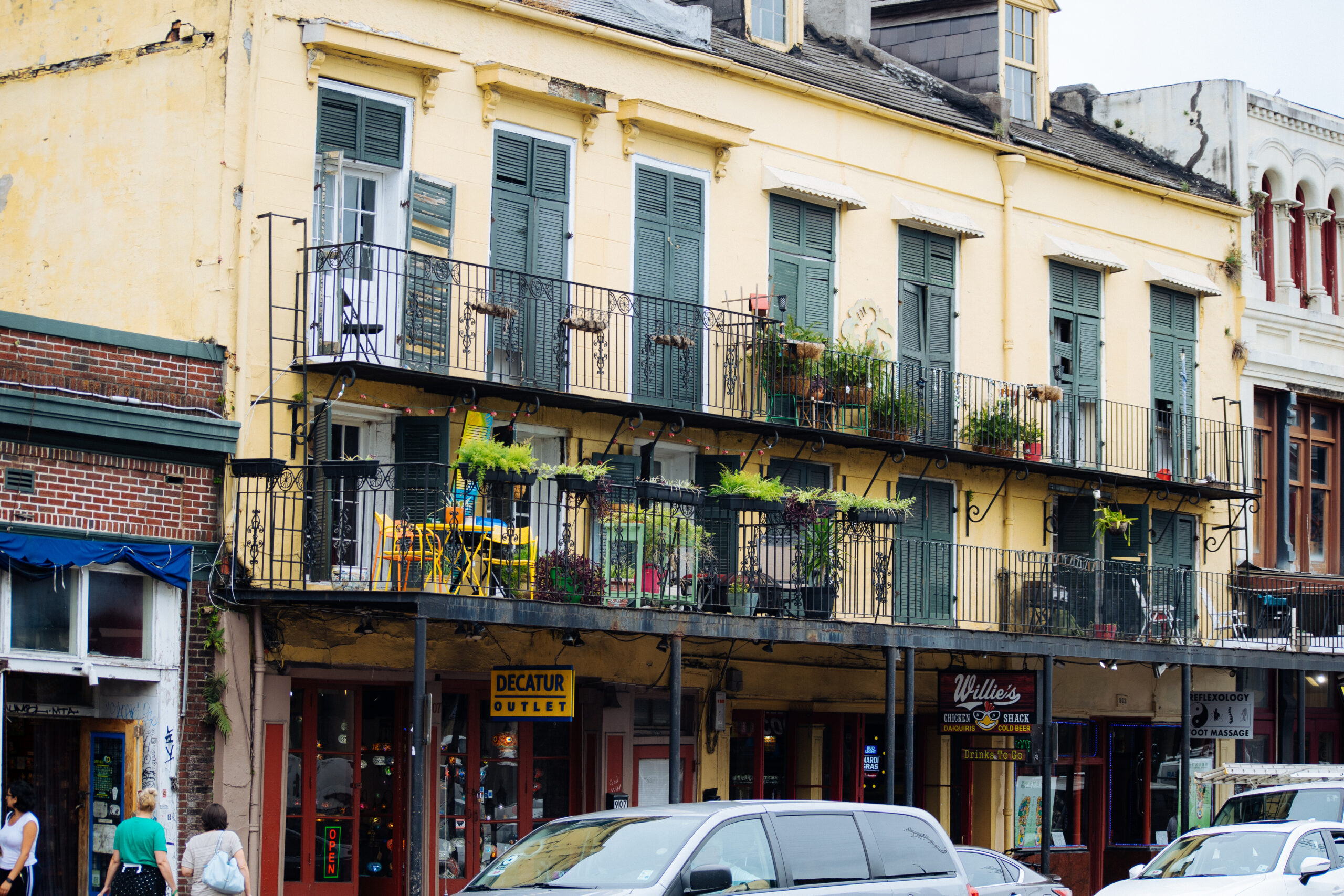
The scent of smoky barbecue and fried dough hangs over a closed-off city block, brass band horns bouncing off wrought-iron balconies while kids in superhero costumes chase each other between food tents.
By dusk, a twelve-foot skeleton looms over a Garden District porch, fog machines hissing through the live oaks, and somewhere on Frenchmen Street a trumpet player hits a note so perfect the whole crowd goes silent for half a breath.
What makes October in New Orleans different from any other fall destination is the sheer density — parades, food festivals, haunted tours, and harvest events stacked into every single weekend, with Halloween woven into the city’s DNA in a way no other American city can claim.
This guide breaks down exactly which events, tours, and neighborhood experiences deserve your limited time, whether you’re planning a family getaway or a grown-up weekend escape.
Expect to spend roughly $100–150 per day on a budget (street food, free festivals, and streetcar rides), $250–400 mid-range (guided tours, food crawls, and a French Quarter hotel), or $500+ to splurge on a steamboat dinner cruise, a combined plantation day trip, and a boutique Garden District inn.
Best Family-Friendly Things to Do in New Orleans in October
October in New Orleans isn’t just for adults chasing cocktails on Bourbon Street — the city rolls out a stacked lineup of kid-friendly festivals, harvest events, and Halloween traditions that make it one of the best fall family destinations in the South.
Quick planning cheat sheet:
- Best food festival: National Fried Chicken Festival (early October)
- Best all-day fair: Gretna Fest (mid-October, 3 days)
- Best for little kids: Boo at the Zoo or Mrs. Heather’s Farm
- Best Halloween atmosphere: Krewe of Boo Parade (Saturday before Halloween)
- Best for tweens and older kids: Ghosts in the Oaks (City Park)
- Best for parents who want a beer while kids play: New Orleans Oktoberfest
National Fried Chicken Festival

This free-admission, two-day festival typically lands the first weekend in October. Over 30 vendors compete for “Best Fried Chicken” honors, and the judging is public — you eat, you vote.
Live music stages, a kids’ zone, and lines that build fast by noon make early arrival essential. Get there before 11 AM to beat the worst crowds and actually taste the signature items before popular vendors sell out.
Confirm exact dates and location for the current year at the official festival website — dates shift slightly each fall.
Gretna Fest
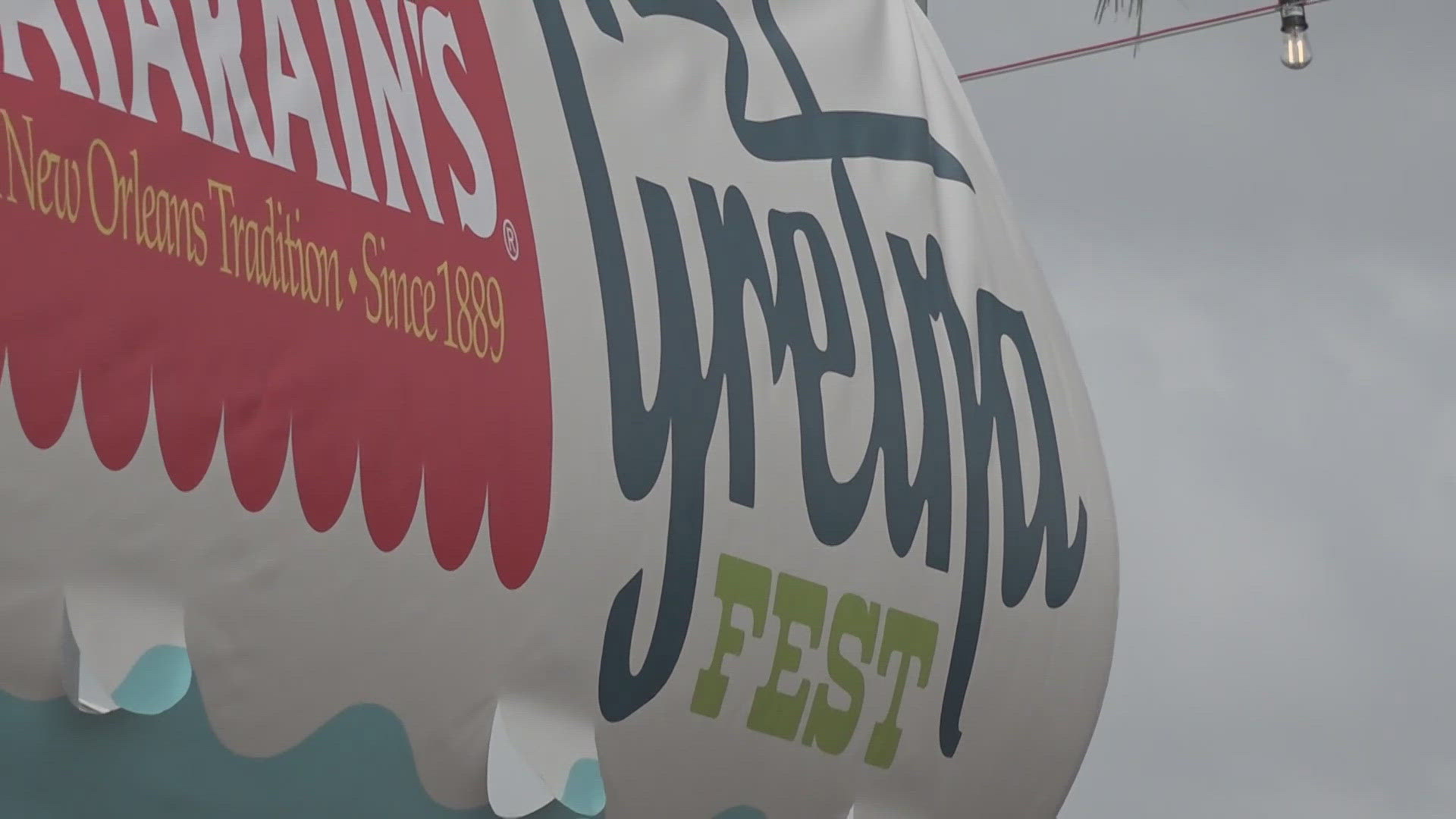
This is the sleeper pick most tourists miss. Gretna sits just across the river on the West Bank, roughly 15 minutes from the French Quarter, and throws a 3-day October festival that functions like a county fair with genuinely good food.
Multiple live music stages, craft beer for the adults, and a dedicated kids’ area with games and rides. Expect admission under $10 per person, though pricing varies by year.
The smaller crowds compared to downtown events make this the smarter call for families with toddlers or strollers — you’ll actually have room to navigate.
New Orleans Oktoberfest
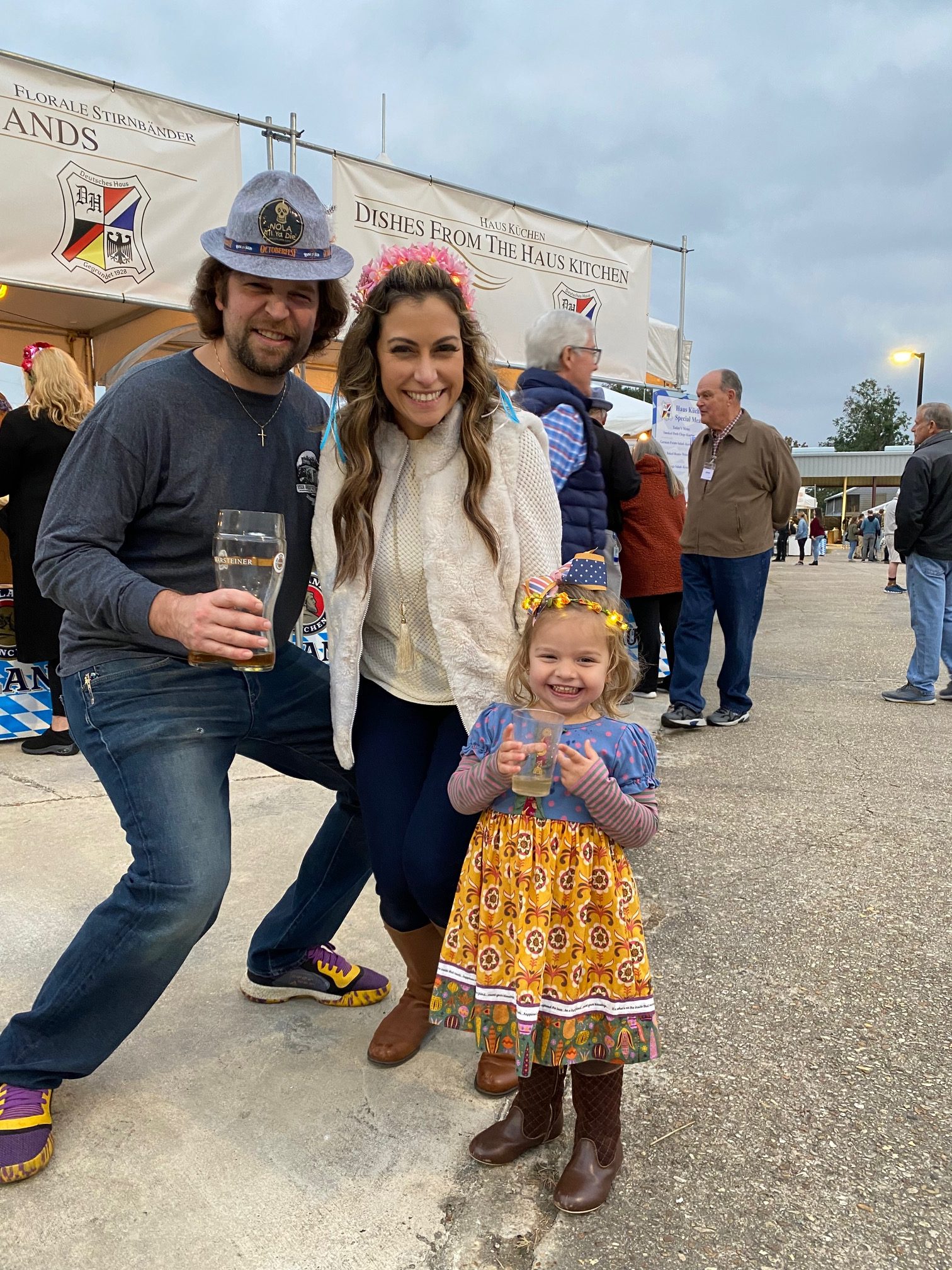
Typically held over two or three weekends in October, this daytime event is family-friendly with German food, live music, and outdoor space where kids can roam while parents enjoy the biergarten. It’s low-key compared to the mega festivals, which is exactly the appeal for families with young children who don’t need sensory overload.
Check the hosting venue’s website for current weekend dates and admission, as the schedule changes annually.
Krewe of Boo Parade
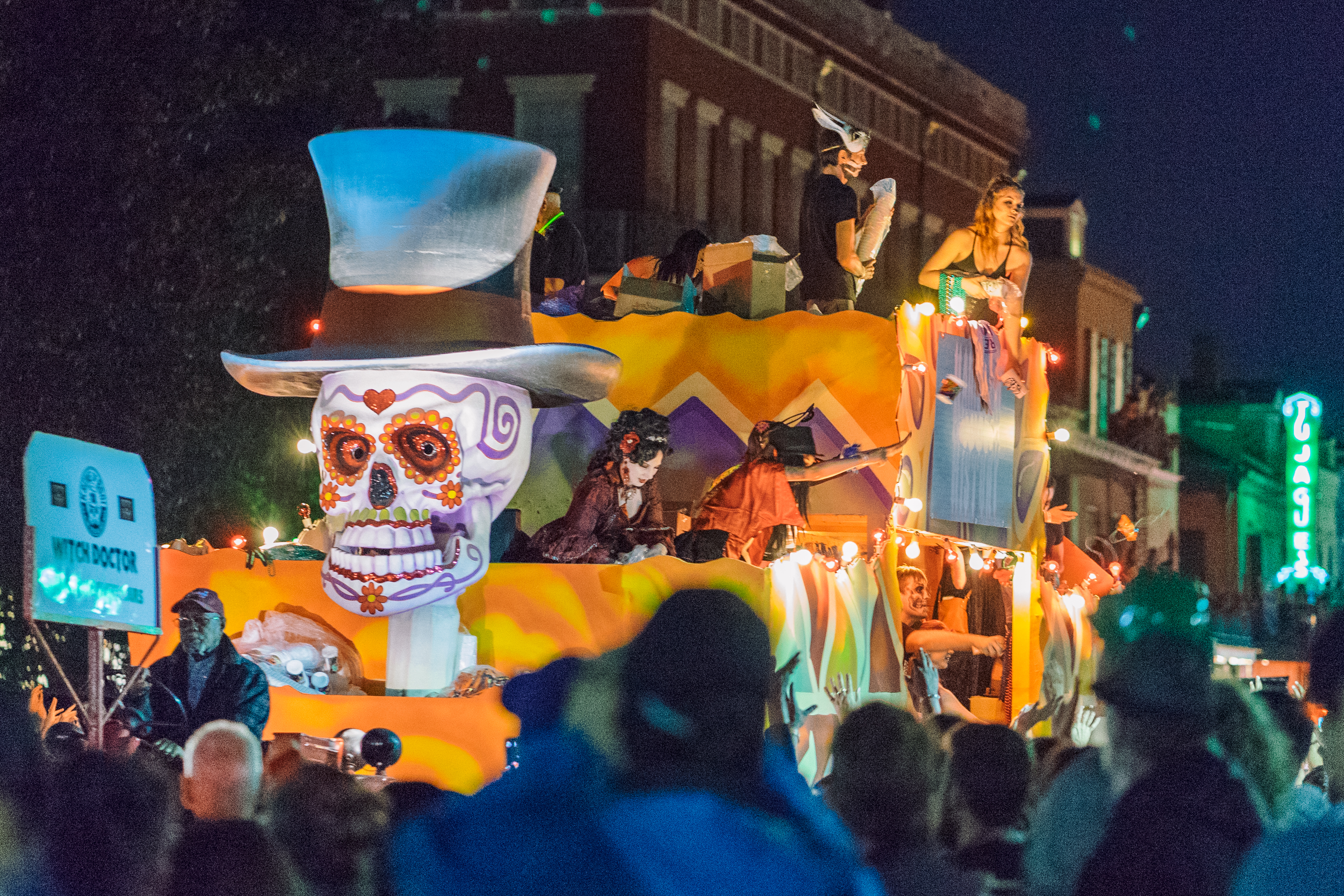
The city’s official Halloween parade rolls the Saturday before Halloween through the French Quarter and Marigny. Float riders toss Halloween-themed throws — glow sticks, stuffed bats, candy — and costumed spectators line the route.
This is the best way for kids to experience a true New Orleans parade without Mardi Gras-level chaos. Stake out a spot along Royal Street or Esplanade Avenue early; the best family viewing areas fill up roughly an hour before roll time.
Ghosts in the Oaks
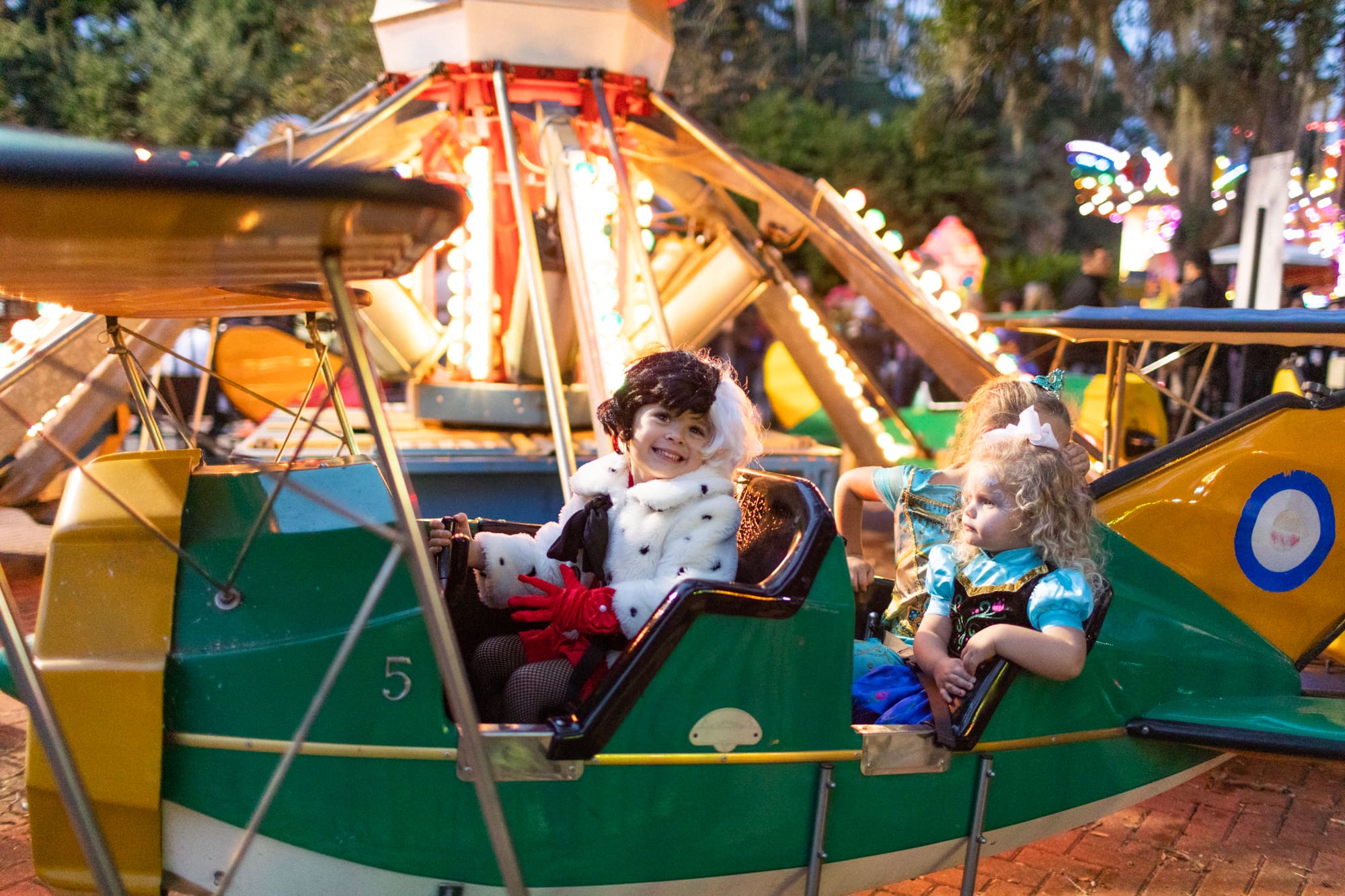
This after-dark Halloween event in City Park is built for families — scary enough to thrill older kids, tame enough that your four-year-old won’t end up in your bed at 2 AM. Expect trick-or-treat stations, a kid-scaled haunted house, and costumed characters roaming the grounds.
It typically runs select nights in mid-to-late October. Buy tickets in advance online — weekend dates sell out, and there’s no reliable walk-up availability.
Boo at the Zoo
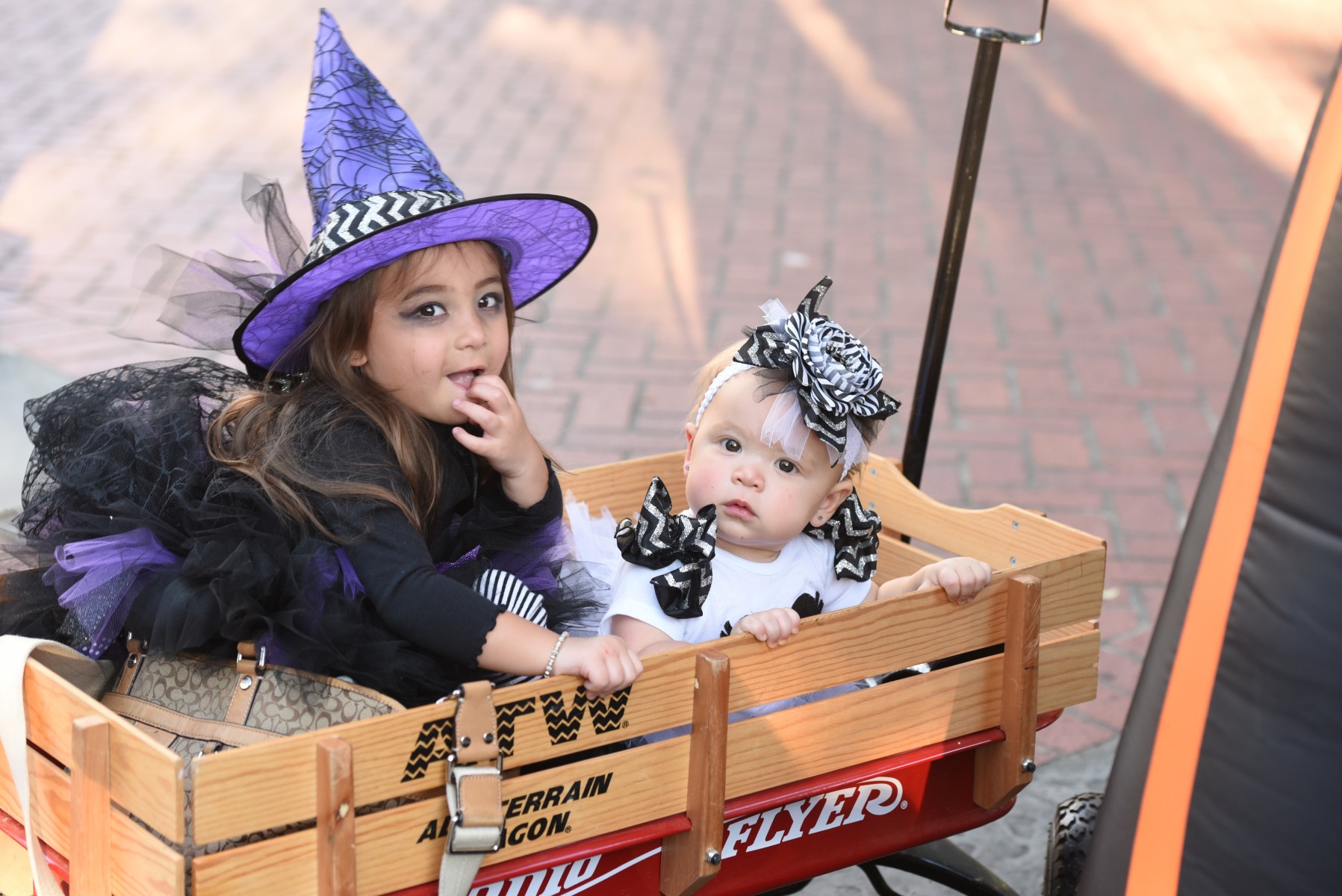
Audubon Zoo’s mid-October Halloween event is the safest, most contained option for families with kids ages 4–12. Costumed children hit treat stations throughout the zoo grounds, and the atmosphere leans festive rather than frightening.
It runs during daytime hours only, so no late-night meltdowns on the drive home. Plan for about two hours.
Arrive right at opening for the shortest treat-station lines — by midday, the wait gets tedious for small kids.
Mrs. Heather’s Farm
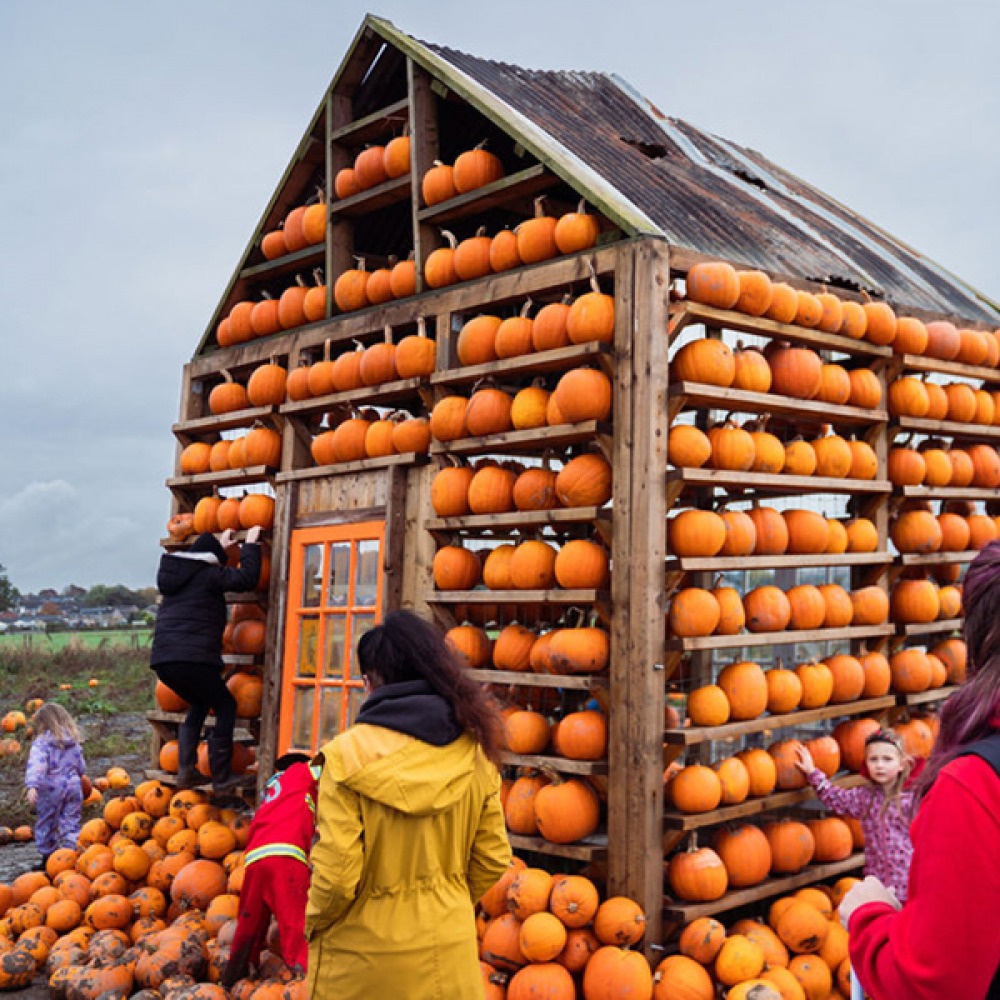
Located in Algiers, about 20 minutes from the French Quarter, Mrs. Heather’s Farm delivers the full pumpkin-patch afternoon: wagon rides, pumpkin painting, outdoor play areas, and open space where kids can genuinely run. New Orleans families swear by this spot.
Pack snacks and plan to stay longer than you think — three to four hours is typical. This is a small family-run operation with seasonal scheduling, so confirm hours and pricing before making the drive.
Stay tip: Base yourself in the French Quarter or Warehouse District for walkable access to the Krewe of Boo Parade and downtown festivals. For Gretna Fest and Mrs. Heather’s Farm, plan to drive or rideshare — both sit outside the main tourist core but are easy 15–20 minute trips.
Best Halloween and Spooky Experiences
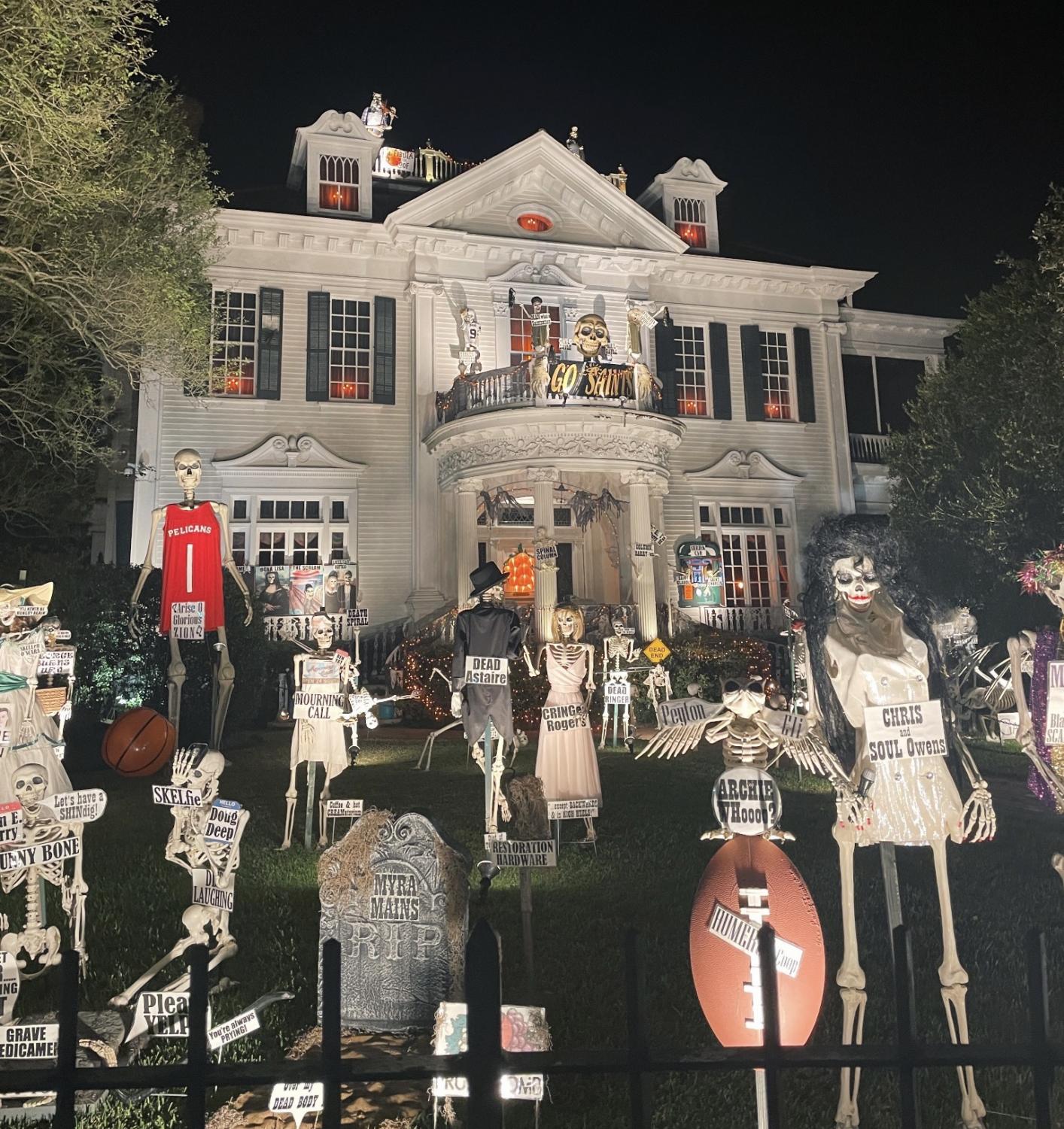
New Orleans doesn’t just acknowledge the supernatural—it hosts it. October turns the city’s already-deep roots in voodoo, ghosts, and above-ground cemeteries into a full-scale, city-wide Halloween season with a sophistication other cities can’t match.
The Mortuary Haunted House
This is the city’s premier, professionally produced haunted attraction, housed in a former funeral home. It’s the top choice for a guaranteed scare, especially for adults and older teens.
Skip it with young children—it’s genuinely intense and not recommended for those under 11.
- Best for: Thrill-seekers wanting a cinematic, high-fear experience in a historic building.
- Insider Tip: Tickets are sold online for specific time slots. Book in advance, especially for weekend nights in late October, as wait times for walk-ups can be brutal.
- Planning Baseline: Expect to be open Thursday–Sunday through October, with daily operations during Halloween week. Verify current hours and pricing on their official site.
Ghost Tours
A walking ghost tour is a quintessential October evening in the French Quarter. The quality varies wildly by guide. Book with a company that uses licensed, history-trained guides who can distinguish documented history from campfire tales.
- Best for: Anyone interested in the real stories behind the city’s haunted reputation while exploring atmospheric streets at night.
- Decision Factor: Prices typically range from $25–$35 per adult. The best tours sell out weeks in advance in October. Book the moment your travel dates are confirmed.
Haunted Pub Crawl
This combines a ghost tour with the city’s legendary bar scene. It’s the top pick if you want spooky stories with your Sazerac. You’ll visit 3-4 historic bars, often with a cocktail included at one stop.
- Best for: Social travelers and cocktail enthusiasts who prefer their hauntings with a drink in hand.
- Insider Tip: These tend to start later (8 PM or 9 PM) and are strictly 21+. They often visit bars in the quieter, more historic blocks of the Quarter, not the rowdy Bourbon Street stretch.
Voodoo Tour
Focuses specifically on the history, misconceptions, and cultural practices of Voodoo in New Orleans. It’s less about jump scares and more about understanding a real, living spiritual tradition central to the city’s identity.
- Best for: Travelers seeking a deeper cultural understanding beyond ghost stories. Often includes a visit to the tomb of Voodoo Queen Marie Laveau in St. Louis Cemetery No. 1.
- Important Note: Access to St. Louis Cemetery No. 1 requires a licensed guide—no independent entry. A Voodoo tour is the most natural way to see it.
Quick Decision Guide:
| Activity | Vibe | Book Ahead? | Ideal Group |
|---|---|---|---|
| The Mortuary | High-intensity, cinematic horror | Yes, for time slot | Thrill-seeking adults/teens (11+) |
| Ghost Tour | Atmospheric, story-driven history | Critical – sells out | History buffs, first-time visitors |
| Haunted Pub Crawl | Social, spooky, and spirited | Yes, especially weekends | Cocktail lovers, social groups |
| Voodoo Tour | Cultural, insightful, respectful | Yes, for cemetery access | Culture-focused travelers |
Top Music and Food Festivals
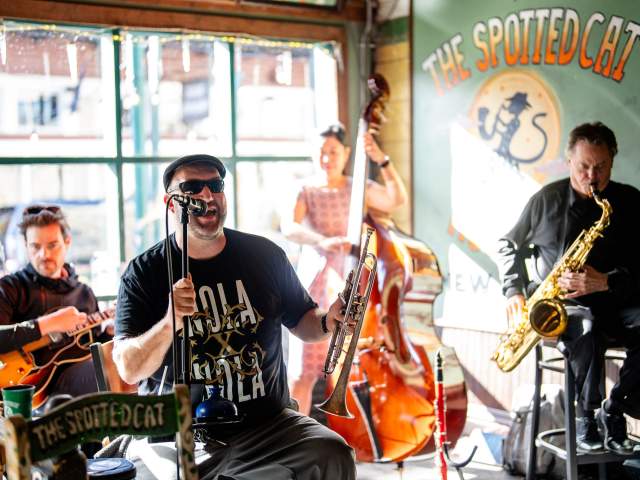
October in New Orleans is a marathon of brass bands, barbecue smoke, and po’boy lines, where you can eat your way through a block party and still make an evening jazz set. The festival calendar is packed, but choosing the right one depends on whether you’re coming for the music, the food, or just the chaotic, joyful vibe of a street filled with locals.
| Festival | Typical Timing | Cost | The Vibe |
|---|---|---|---|
| NolaxNola Music Fest | Early October | Free to $$ | City-wide music crawl |
| Crescent City Blues & BBQ | Mid-October | Free | Soulful blues & pitmaster showdowns |
| Oak Street Po’Boy Festival | Late October | Free entry | Gluttonous sandwich competition |
| Treme Fest | Usually October | Free | Cultural celebration of Treme neighborhood |
| Top Taco | Usually October | $-$$ | Unlimited taco sampling competition |
NolaxNola Music Fest
This isn’t a single-stage festival; it’s a city-wide music crawl across legendary venues. You buy a wristband and hop between clubs to catch acts ranging from brass bands to indie rock.
It’s the best October option if your priority is discovering new artists in authentic settings rather than standing in a field. Book a hotel in the Warehouse District or French Quarter to walk between sets.
Crescent City Blues & BBQ Festival
Held in Armstrong Park, this free festival is the undisputed winner for anyone who wants deep Southern blues and serious barbecue. The lineup consistently features heavyweights, and the focus on slow-smoked meat means the food is a legitimate competitor, not an afterthought.
Arrive hungry—the BBQ vendors are the main event alongside the main stage.
Oak Street Po’Boy Festival
This is a pilgrimage for po’boy purists. Oak Street shuts down for a massive cook-off where restaurants compete for the “best po’boy” crown.
You’ll find creative versions (think fried soft-shell crab or duck confit) alongside the classic fried shrimp. The festival is usually held on a Sunday in late October, but confirm exact dates annually.
Insider tip: go before noon to beat the worst lines and have first pick of the limited-edition creations.
Treme Fest
Celebrating the culture of the historic Treme neighborhood—one of the oldest African American neighborhoods in the U.S.—this free festival features brass bands, Mardi Gras Indians, and local food stalls. It’s less about big-name acts and more about authentic, community-rooted music.
Pair it with a self-guided walking tour of the neighborhood’s landmarks.
Top Taco
If you think New Orleans is all about creole and Cajun, this festival will correct you. Top Taco pits top local restaurants against each other in a taco showdown, with unlimited tasting tickets.
It’s a fun, modern food event with a party atmosphere, but the lineups can get long. Prioritize the tents with the most creative protein options early in the evening.
Iconic Neighborhoods and Walking Experiences
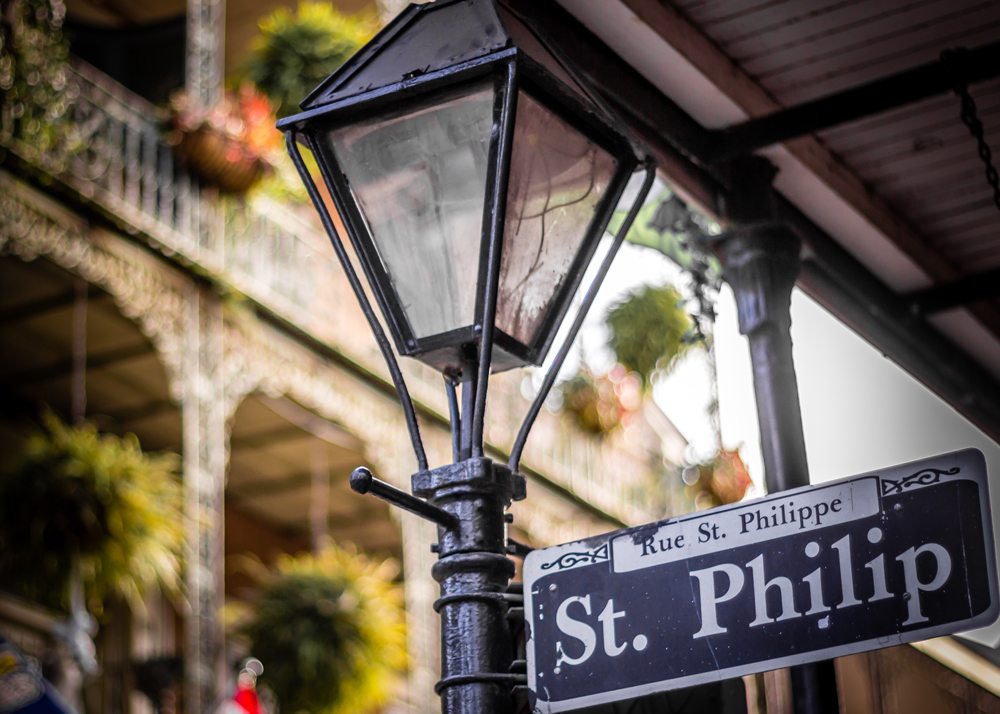
October in New Orleans means two things: the French Quarter hums with pre-Halloween electricity, and the residential streets along St. Charles Avenue transform into a haunted gallery worth the streetcar fare alone. Both are best experienced on foot.
Explore the French Quarter
The French Quarter is the oldest neighborhood in New Orleans — 78 blocks of Creole townhouses, Spanish Colonial ironwork, and courtyards you’ll never find on a driving tour. October is the sweet spot for walking it: summer’s brutal humidity has broken, and the Halloween-season crowds haven’t fully descended until the final weekend.
A guided walking tour is the single best use of your first morning here. You’ll cover Jackson Square, Pirate’s Alley, the oldest buildings on Chartres Street, and the architectural details you’d walk right past alone.
Expect roughly $25–35 per person for a standard two-hour tour — or use Free Tours by Foot, which operates on a tip-what-you-want model and runs solid French Quarter routes daily.
- Best for history buffs: A French Quarter walking tour with a licensed guide — Two Chicks Walking Tours runs well-reviewed options with customizable routes.
- Best for foodies: A French Quarter food tour that hits po’boy shops, praline counters, and a Creole lunch stop. Book through TripAdvisor-rated operators; most run 3 hours and cost around $60–75.
- Best for a free intro: Free Tours by Foot’s daily French Quarter walk — no reservation needed, just show up at the designated meeting point.
- Best for October specifically: A haunted evening walking tour through the Quarter after dark. Other sections cover ghosts and voodoo tours in detail, but the 8 PM time slot is ideal — the streets are lit, costumed locals are out, and the energy peaks mid-October onward.
Insider detail: The Sazerac House, sitting on the edge of the French Quarter, offers a free self-guided tour with complimentary cocktail tastings — it’s rarely crowded on weekday mornings and is the best zero-cost indoor stop when an afternoon rain shower hits.
Base yourself in or near the French Quarter if walkability is your priority. Hotels here run $150–350/night in October, but Halloween weekend prices spike to 2–3x normal rates. Book six to eight weeks out if your trip overlaps the final weekend.
See the Spooky Decor on St. Charles Avenue
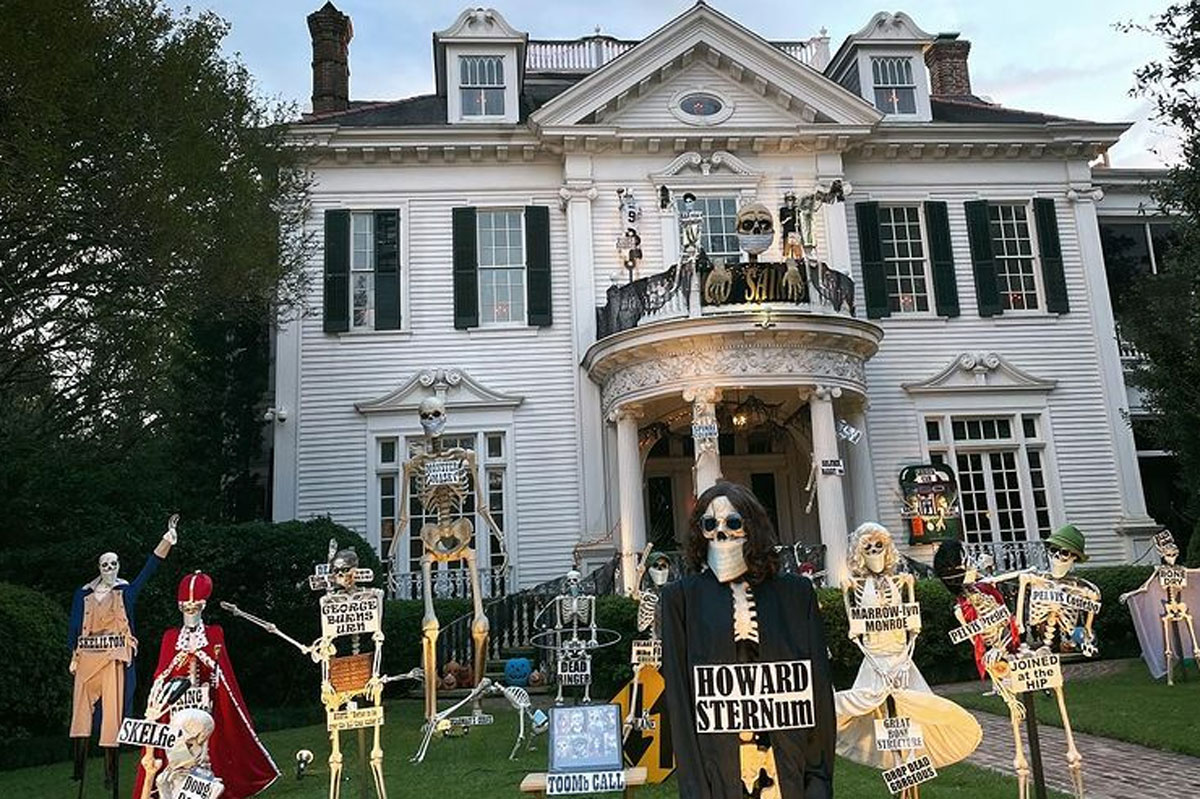
Every October, the grand homes along St. Charles Avenue and the surrounding Garden District go all-out for Halloween — think towering skeletons, fog machines, elaborately themed yards, and haunted stoops that rival professional installations. This is a residential decorating tradition, not a commercial event, which makes it feel more genuine than anything you’d find at a theme park.
The best way to see it: ride the St. Charles streetcar from the French Quarter toward the Garden District. The fare is $1.25 per ride (exact change or a Jazzy Pass), and the route runs continuously.
Disembark around Washington Avenue and walk the surrounding blocks — the most elaborate displays cluster between St. Charles and Magazine Street, roughly from Jackson Avenue down to Louisiana Avenue.
- When to go: Decorations go up starting early October, but the full effect peaks the last two weeks of the month.
- Best time of day: Walk or ride at dusk — most homeowners add lighting, projections, and sound effects that only activate after dark.
- Combine it: Pair this with a self-guided Garden District walk past Lafayette Cemetery No. 1 and the antebellum mansions. The cemetery is free to view from outside; guided tours that enter typically cost around $25–30.
Stay tip: The Garden District and Lower Garden District offer boutique inns and quieter stays at $130–280/night in October — a strong alternative to the French Quarter if you want character without Bourbon Street noise. You’re still one streetcar ride from the Quarter’s action.
October temperatures in New Orleans average highs around 75°F with evenings dipping into the 50s by late month. Wear closed-toe walking shoes and bring a light layer for post-sunset strolls — and skip the sandals, especially on the uneven sidewalks of the Quarter.
Best Tours and Cruises
October’s drop in humidity and 70s-degree afternoons make it the single best month to spend hours outside on a boat, bus, or walking tour without melting. Book these early — tour operators run fewer departures in shoulder season, and weekend slots fill up fast around Halloween.
| Tour | Best For | Time Needed | Book Ahead |
|---|---|---|---|
| Swamp Tour | Wildlife, scenery, October sweet spot | 2–4 hours (including transit) | 1–2 weeks |
| Hop On Hop Off | First-timers, lay of the land | 1.5–2 hours (full loop) | A few days |
| Steamboat Evening Cruise | Date night, sunset on the Mississippi | 2–3 hours | 2+ weeks |
| Local Food Tour | Foodies, French Quarter deep-dive | 3–3.5 hours | 1 week |
Swamp Tour
If you only book one excursion outside city limits, make it a swamp tour. October is the sweet spot: alligators are still active before winter dormancy, mosquitoes have crashed from their summer peak, and bald eagles are starting to return.
Most tours depart from areas like Lafitte, Slidell, or the Honey Island Swamp, roughly 30–45 minutes from the French Quarter.
- Best overall pick: Airboat tours get you closer to wildlife faster — small-group boats navigate shallow water where big boats can’t.
- If you want narration: Traditional pontoon tours trade speed for detailed ecology and Cajun history from local captains.
- Budget move: Expect roughly $30–$60 per person for pontoon; airboats typically run $50–$90. Prices vary by group size and provider.
- Insider tip: Morning departures (8–9 AM) see the most alligator activity — by mid-afternoon they sun themselves and go still. This is rarely mentioned on booking pages.
New Orleans Hop On Hop Off Tour
The hop-on, hop-off double-decker bus is the single best way to get oriented on day one. A full loop hits Jackson Square, the French Market, the Garden District, the Warehouse District, and the cemeteries — all narrated, with the option to jump off at any stop.
- Worth it if: You have limited time and want to preview neighborhoods before committing a full afternoon to any one of them.
- Not worth it if: You already know the layout — just walk. The bus takes about 1.5–2 hours for the full loop without hopping off.
- Pro move: Start early (first bus is usually around 9:30 AM) and do the full loop first to hear the narration. Hop off on your second pass.
- Price baseline: Typically $40–$50 for a one-day pass for adults, though online discounts are common — check before buying at the stop.
Steamboat Evening Cruise
A jazz dinner cruise on the Mississippi is pure New Orleans romance — a live jazz band, Creole dinner, and the city skyline glowing from the water at dusk. The Steamboat Natchez is the historic option, though it periodically undergoes schedule changes, so confirm current availability directly.
- Best for: Couples, parents’ night out, or anyone who wants a polished NOLA experience without navigating crowds.
- What to expect: Boarding typically begins around 6 PM with a 7 PM departure and return by 9 PM, though times vary by operator and season.
- Reality check: Dinner is serviceable Creole fare, not destination dining. You’re paying for the atmosphere, the band, and the river — and that’s plenty.
- Book early: October weekends sell out, especially close to Halloween. Two weeks out is the minimum for a guaranteed dinner seating.
Local Food Tour
A guided food tour through the French Quarter is the fastest way to eat like a local without gambling on random restaurants. You’ll hit 5–7 stops over about three hours — think gumbo, po’boys, pralines, and a cocktail or two — with a guide who explains why each dish matters here.
- Top operators to check: Two Chicks Walking Tours covers the French Quarter and Garden District with small groups. For a food-focused option, look at the French Quarter food tours available through major booking platforms.
- Budget alternative: Free Tours by Foot operates on a tip-what-you-want model — same neighborhood coverage, lower commitment.
- Timing tip: Book a late-morning tour (10–11 AM start). You’ll eat enough for lunch and still have your evening free for dinner on Frenchmen Street or a festival.
- Insider detail: Most food tours include a stop at a praline shop and a po’boy spot. If you’ve already hit the Oak Street Po’Boy Festival (covered elsewhere in this guide), tell your guide — they’ll usually swap in a different stop.
Must-Visit Museums and Cultural Sites

At the National WWII Museum, every visitor receives a dog tag assigned to a real WWII veteran — and by the time you reach the final exhibit, you discover whether that soldier survived the war. That single detail turns a museum visit into something closer to a reckoning, and it’s the reason this museum tops every New Orleans must-do list.
These five spots span the full range of New Orleans culture — immersive art, panoramic city views, and one of the top-ranked museums in the country. Here’s how to choose based on your time and interests:
| Museum | Best For | Time Needed |
|---|---|---|
| National WWII Museum | Everyone — the city’s undisputed crown jewel | Full day (minimum) |
| NOMA + Sculpture Garden | Art lovers and City Park visitors | 2–3 hours |
| Vue Orleans | First-timers wanting city orientation | 1–2 hours |
| Jamnola | Families and culture-curious travelers | 1–2 hours |
| Le Musee de F.P.C. | History beyond the surface | ~1 hour |
National WWII Museum
This is consistently ranked the top attraction in New Orleans and among the best museums in the country — and it earns the title. Multiple buildings house interactive exhibits, immersive battlefield recreations, and artifacts covering the European and Pacific theaters.
Self-guided sections sit alongside curated walkthroughs depicting scenes set in Germany, the Pacific islands, and beyond.
Plan a full day, and accept that even then you likely won’t see everything. October is ideal timing: lower humidity and milder temperatures make the short walks between buildings comfortable, and the pre-holiday lull means thinner crowds than you’ll find in November or December.
- Insider tip: Arrive right at opening. Lines at the interactive exhibits grow significantly by midday, especially on weekends.
- Location: Warehouse District — the surrounding area is one of the best bases in the city for walkable access to restaurants, galleries, and the French Quarter on foot.
- Advance tickets: Buy online through the museum’s website. October weekends can sell out, particularly during festival-heavy stretches.
Le Musee de F.P.C.
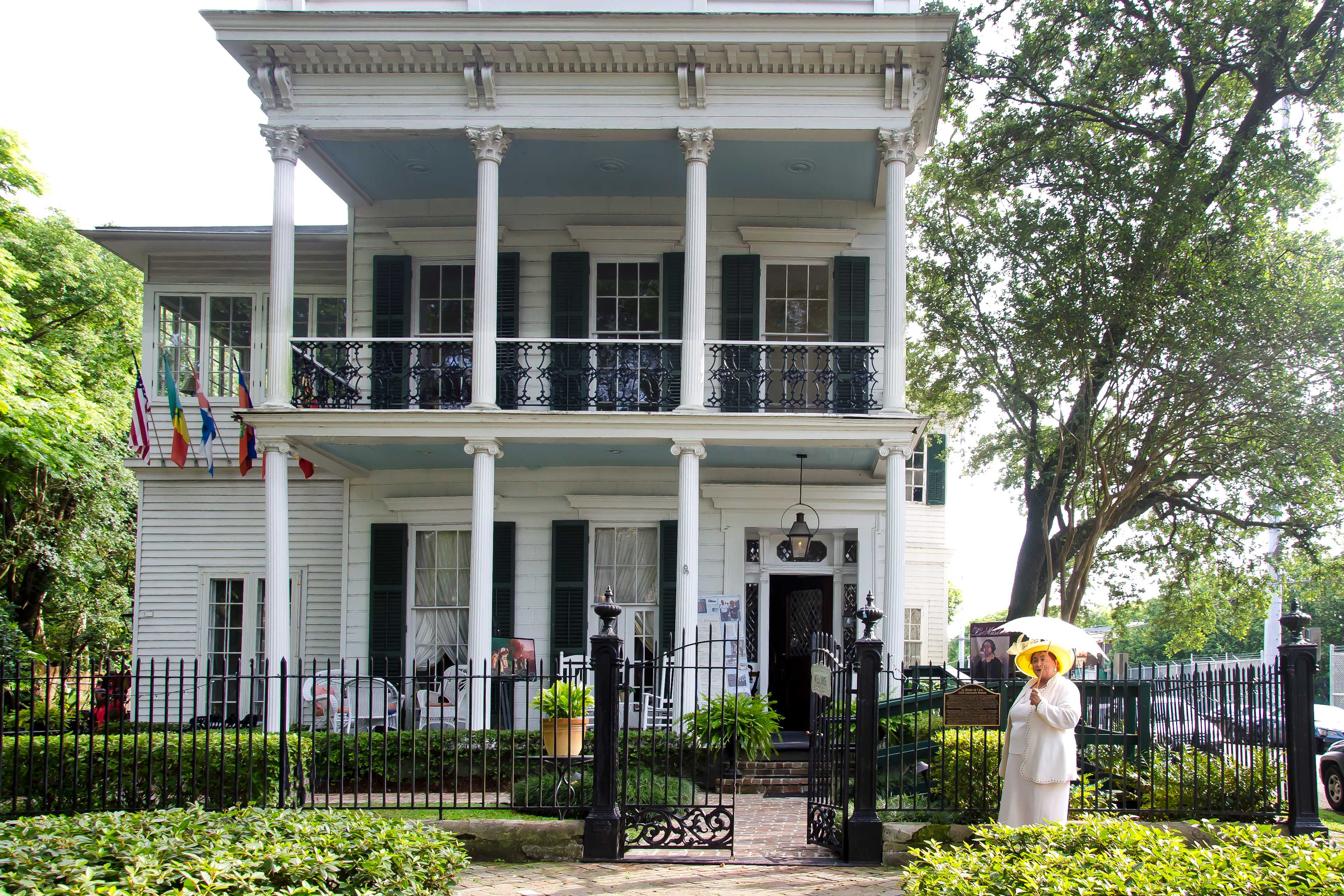
Le Musee de F.P.C. (Museum of Free People of Color) is a small historic house museum that fills a gap most New Orleans tours leave wide open. It documents the history and contributions of free people of color in New Orleans — a community that shaped the city’s culture, architecture, and politics well before the Civil War.
This is not a sprawling institution. Budget about an hour.
It’s the right pick if you want African American history told with depth and specificity, not compressed into a footnote on someone else’s walking tour. Hours can vary and guided visits may require advance arrangements — call or check the museum’s website before showing up.
Jamnola
Jamnola — short for Joy, Art & Music of New Orleans — packs 17 immersive, illusion-driven exhibits into one walkthrough experience celebrating the city’s food, festivals, music, and local icons. It’s part art installation, part interactive playground, and entirely New Orleans.
October is arguably the best month to visit. The spooky-season energy pairs naturally with Jamnola’s theatrical, sensory-heavy rooms, and the experience often layers in Halloween-themed touches during the month.
Best suited for families with kids roughly ages six and up, or anyone who wants culture delivered in a format that doesn’t feel like a museum lecture.
- Location: Bywater neighborhood — pair it with a walk along the riverfront or a meal on St. Claude Avenue.
- Tickets: Timed-entry only. Book online in advance, especially for October weekends when Halloween crowds drive demand.
Vue Orleans Museum

Vue Orleans puts you on the 34th floor for unobstructed 360-degree views of New Orleans — the Mississippi, the French Quarter, the Garden District, all of it laid out at once. But the views aren’t the whole story.
The museum layers in exhibits on the city’s neighborhoods, music, food, and culture, making it a strong first-stop orientation for first-time visitors who want context before diving deeper.
Time your visit for late afternoon so daylight views transition into golden hour over the river. That timing also places you near excellent dinner options in the Central Business District afterward. Budget 1–2 hours.
New Orleans Museum of Art (NOMA)

NOMA anchors City Park as one of the South’s oldest fine arts institutions, with a permanent collection of nearly 40,000 works. The real October draw sits right outside: the Sydney and Walda Besthoff Sculpture Garden, a five-acre outdoor space shaded by live oaks — free to enter and tailor-made for mild fall weather.
- Hours: Tuesday through Sunday, 10 a.m. to 5 p.m.
- Budget move: Louisiana residents get free museum admission every Wednesday.
- Tickets: Reserve through NOMA’s website and check current exhibitions before you go — rotating shows are often the best reason to visit.
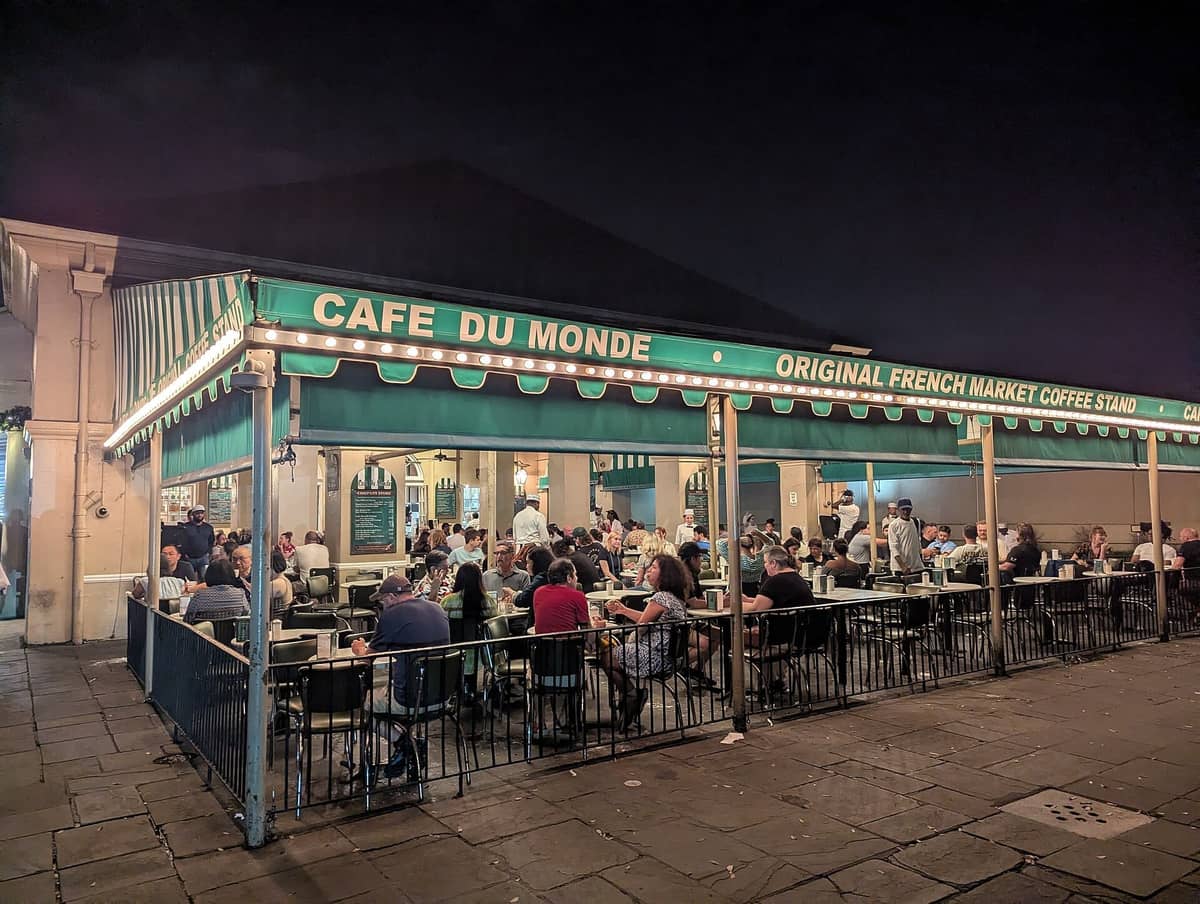
- Pair it with: City Park’s walking paths, ancient live oaks, and the Café du Monde outpost steps from the museum entrance — a low-key October afternoon done right.
Day Trips from New Orleans
Plantation Tours

The canopy of 300-year-old live oaks lining the entrance to Oak Alley Plantation is one of the most photographed sights in Louisiana — and it looks even more dramatic in October’s softer light and thinner crowds. Six major plantations sit within an hour’s drive along River Road, the historic corridor hugging the Mississippi between New Orleans and Baton Rouge.
October is prime visiting season: mornings start in the mid-60s, so walking these grounds before midday heat is actually pleasant, unlike the swampy misery of summer.
Choosing the right plantation depends entirely on what you want from the experience. These are not interchangeable stops.
| Plantation | Best For | Drive Time | Why Choose It |
|---|---|---|---|
| Whitney Plantation | History-first visitors | ~50 min | The only plantation in Louisiana dedicated entirely to the lives of enslaved people. No romanticized mansion tour — this is raw, important, unforgettable. |
| Oak Alley Plantation | Iconic photos + architecture | ~55 min | That legendary oak-lined walkway. The Big House tour is solid, but the real draw is the grounds and that one perfect shot. |
| Laura Plantation | Cajun/Creole culture seekers | ~50 min | French Creole focus with storytelling rooted in the families who lived and worked here. Best guided tour narration along River Road. |
| Houmas House | Garden lovers + foodies | ~55 min | Stunning gardens, on-site restaurant, and a more resort-like atmosphere. Less heavy history, more Southern estate fantasy. |
| Destrehan Plantation | Closest to the city | ~30 min | Shortest drive, smaller crowds, solid hands-on demonstrations. Good if you only have a half-day to spare. |
If you can only pick one, Whitney wins for any traveler who wants substance over scenery. The guided experience centers the stories of over 350 enslaved people documented here — it is the most meaningful plantation tour in the state, period.
Pair it with Oak Alley next door (they are five minutes apart on River Road) for the visual payoff.
Booking and logistics to know: Expect roughly $25–$40 per adult for individual plantation admissions, though prices vary by tour type and provider. Whitney and Oak Alley both offer guided tours on set schedules — book online at least a few days ahead for October weekends, when they do sell out morning slots.
Most plantations open around 9:30 or 10 AM and close by 4:30 or 5 PM. Confirm current hours directly with each plantation, as schedules shift seasonally.
Several New Orleans tour operators run combined plantation day trips that include round-trip transportation, typically hitting two plantations in one day for $70–$100 per person. This eliminates the rental car question entirely.
If you prefer to drive yourself, River Road is a straight shot on the West Bank — take the Huey P. Long Bridge or drive through the tunnel from the East Bank.
Traffic is minimal on weekday mornings.
Insider tip: Arrive at opening time, especially at Oak Alley. By 11 AM, tour buses from New Orleans fill the grounds and that iconic photo becomes a crowd-management exercise.
October weekday mornings before 10:30 AM are the closest you will get to having the oaks to yourself.
For those basing themselves in the city, River Road plantations are a straightforward day trip — no overnight needed. But if you want to slow down, the small towns of Vacherie and Garyville along River Road have a handful of bed-and-breakfasts that put you minutes from the plantations and away from the French Quarter noise.
This works well for travelers combining a River Road day with an evening swamp tour in the same corridor.
What’s the Weather Like in New Orleans in October?
October is the month locals actually start spending time outside again — the first cool front typically arrives mid-month, and you’ll feel the air shift overnight. After a brutal summer, that mid-October morning when humidity finally breaks is the day everyone in New Orleans notices.
If your trip falls after that front, you’re in for the best walking weather the city offers all year.
October Temperature and Conditions
Expect daytime highs around 80°F and lows near 60°F most of the month. Early October mornings and evenings hover in the mid-60s; by late October, nighttime temps can dip into the low 50s.
Humidity drops noticeably compared to September — October is the only month you can comfortably do a full day outdoors without melting.
Rain is less frequent than summer, though brief afternoon showers still happen. UV index sits at moderate levels, so sunscreen remains necessary, especially for walking tours and outdoor festivals.
Midday is still the warmest and most humid window — plan outdoor exploration for mornings or closer to sunset when possible.
Packing Tips for October
Pack for warm days and cool nights, especially if your trip spans late October. Here’s what actually matters:
- Light layers: A T-shirt paired with a light cardigan or jacket handles most days. You’ll peel it off by noon and want it back by 8 PM.
- Long pants or jeans: Essential for evening outings. Shorts work for daytime, but pants keep you comfortable at dinner, on haunted pub crawls, and during late-night Frenchmen Street sessions.
- One warmer layer: Late-month nights can drop to 50°F. A medium-weight jacket or sweater is non-negotiable if you’re visiting the last two weeks of October.
- Closed-toe walking shoes: New Orleans sidewalks are uneven, and you’ll walk far more than expected. Sneakers beat sandals every time here.
- Light rain jacket: October rain is less common but still happens — a packable jacket beats an umbrella in the French Quarter’s narrow streets.
- Costume pieces: If your visit falls on or near Halloween weekend, pack what you need. Costume shops exist, but sizes and selection thin out fast in the final days.
- Sunscreen: Still necessary. October sun is deceptive — you won’t feel burned until it’s too late during a full day at festivals or walking the Garden District.
The insider move: pack a small tote or daypack so you can carry your jacket and rain layer during the day. Mornings start cool, midday gets warm, and evenings cool off again — you’ll cycle through three seasons in a single day.
Frequently Asked Questions
Is October a good time to visit New Orleans?
October is the single best month to visit New Orleans — that’s not a soft recommendation, it’s the consensus among anyone who’s experienced the city across all four seasons. Daytime highs sit in the high 70s to low 80s°F, humidity finally breaks after a brutal summer, and the Halloween season turns the entire city into a month-long event with parades, haunted experiences, and festivals stacked back to back.
Convention traffic hasn’t surged yet, so hotel rates and restaurant waits stay more manageable than November.
What’s the weather like in New Orleans in October?
Expect highs around 80°F and lows near 60°F. A cool front usually rolls through mid-month — locals call it the moment the air actually feels different.
Rain is less frequent than summer, and UV drops to moderate levels. This is genuinely the only month where you can walk the French Quarter, hit a festival, and do an evening cemetery tour without needing to retreat to air conditioning.
Mornings and evenings call for a light layer; afternoons are warm but comfortable.
How many days do you need for New Orleans in October?
Three days is the bare minimum to cover the French Quarter, a neighborhood walk through the Garden District or Treme, and at least one festival or major event. Five days is the sweet spot — that gives you time for a day trip to a plantation or swamp tour, a dedicated food crawl, and breathing room to catch whatever Halloween event or weekend festival lines up with your dates.
A full week works too, but only if you’re the type who likes lingering in a city rather than checking boxes.
Are haunted tours worth booking in October?
Absolutely — October is when New Orleans ghost tours peak in quality because the seasonal energy and storytelling atmosphere are unmatched. But book at least a week in advance; every reputable walking tour operator sells out on October weekends.
If you’re deciding between a standard ghost walk and something more niche, the themed options (pub crawls, voodoo-focused walks, cemetery tours) tend to deliver sharper storytelling than generic haunted-history overviews. Check the Ghost Tours and Haunted Pub Crawl sections above for operator picks.
Start Planning Your October New Orleans Trip
Start by locking in your top-priority weekend event — whether that’s the Krewe of Boo Parade, Crescent City Blues & BBQ, or the Oak Street Po’Boy Festival — and build your itinerary around it.
Then book your ghost tour or swamp tour at least two weeks out; October weekend slots disappear fast, and scrambling for walk-up availability means missing the best time slots and guides.
October in New Orleans is the rare trip where every single day can feel completely different from the last — one morning you’re eating beignets in a courtyard, that night you’re watching a Halloween parade roll past three-hundred-year-old buildings.
Pin this guide now so every festival date, insider tip, and booking recommendation is ready when you sit down to plan.
Leave a Reply