
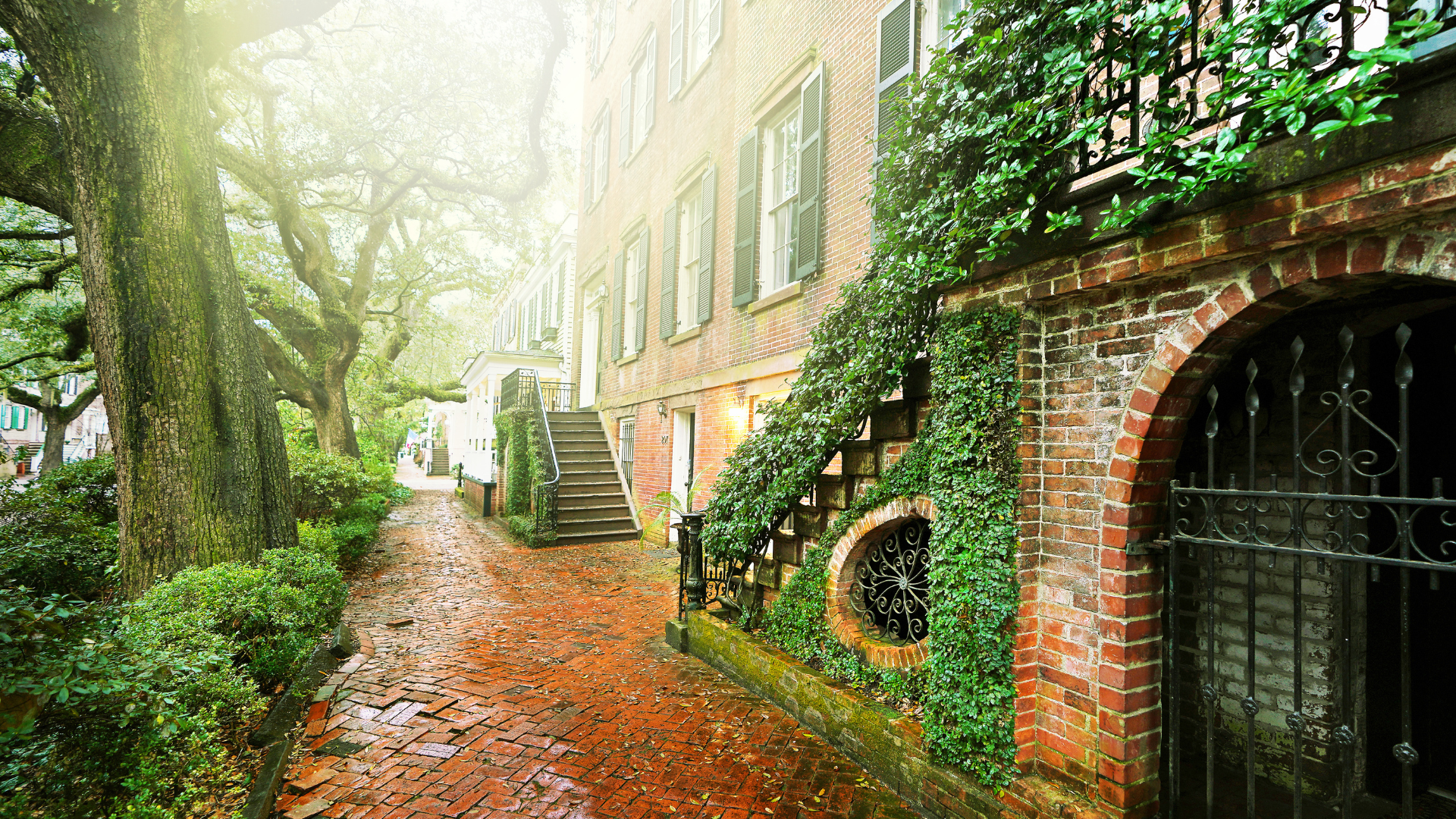
You’re standing on a cobblestone lane as late-afternoon light turns every live oak canopy into a cathedral of amber and green, and for the first time all year the air feels cool enough to actually linger. The smell of fried chicken drifts from Jones Street, a saxophone bleats somewhere near Forsyth Park, and Spanish moss hangs so still it looks painted onto the scene.
No other American city feels like this in autumn. Savannah sits on layers of its own dead, and October light hitting those 22 historic squares creates shadows so deliberate they feel staged — which is exactly why every major travel publication has crowned it America’s most haunted city.
This guide walks you through exactly what to prioritize so you can build a trip around the festivals, outdoor adventures, ghost tours, and food experiences that match your vibe without wasting a single evening.
Budget-wise, Savannah is remarkably flexible: plan roughly $150–200 per day for free festivals and counter-service meals, $250–400 per day with boutique hotels and guided tours, and $500-plus per day for premium rooms and private after-hours experiences.
Savannah Fall at a Glance: Your Best Picks
If you only have time to skim, these are the highest-value moves from every category in this guide — one from each section, chosen because they deliver the most Savannah for your effort and money.
- Best festival: SCAD Savannah Film Festival — late October premieres, celebrity red carpets, and individual screening tickets from just $10–$15.
- Best free event: Savannah Jazz Festival — five days of world-class performers in Forsyth Park, every single event at zero cost.
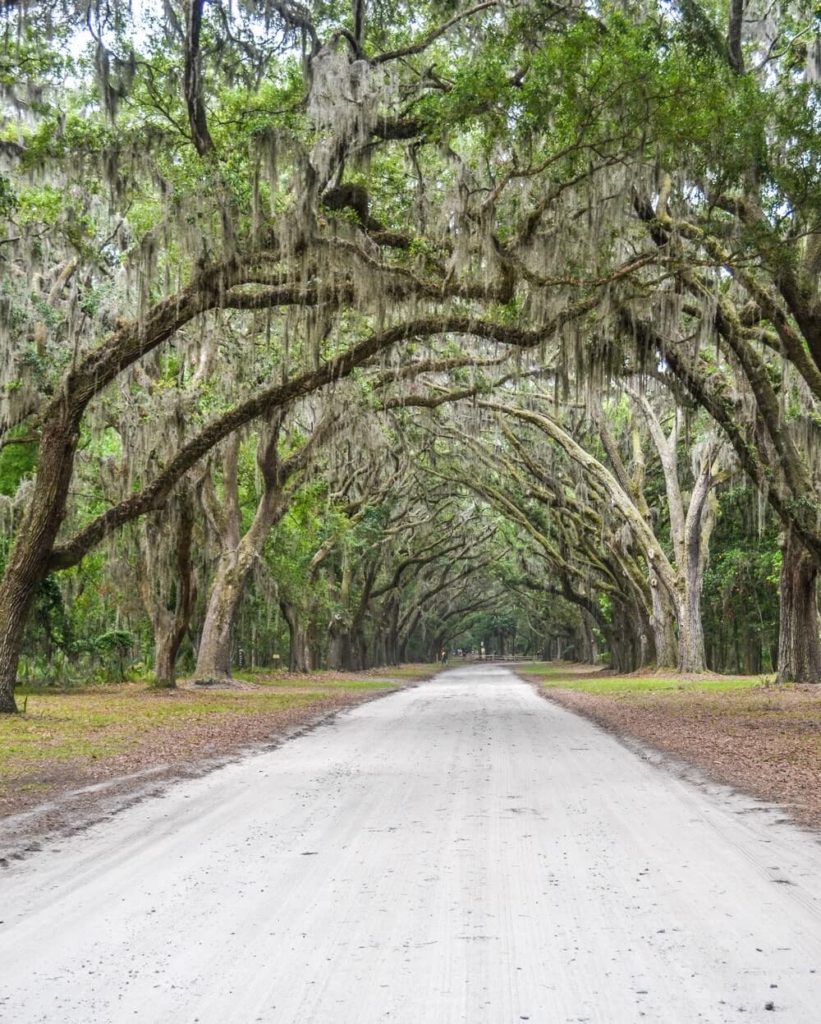
- Best outdoor adventure: Wormsloe Historic Site — the iconic mile-long oak avenue is jaw-dropping in October light, with hiking trails and colonial ruins for $3.25.
- Best ghost tour: Genteel & Bard Dark History Walking Tour — earbud audio so you catch every whispered detail, history-first storytelling through the Historic District.
- Best food experience: Mrs. Wilkes Dining Room — communal Thanksgiving-style lunch on Jones Street for $25–$30, line up by 10 a.m.
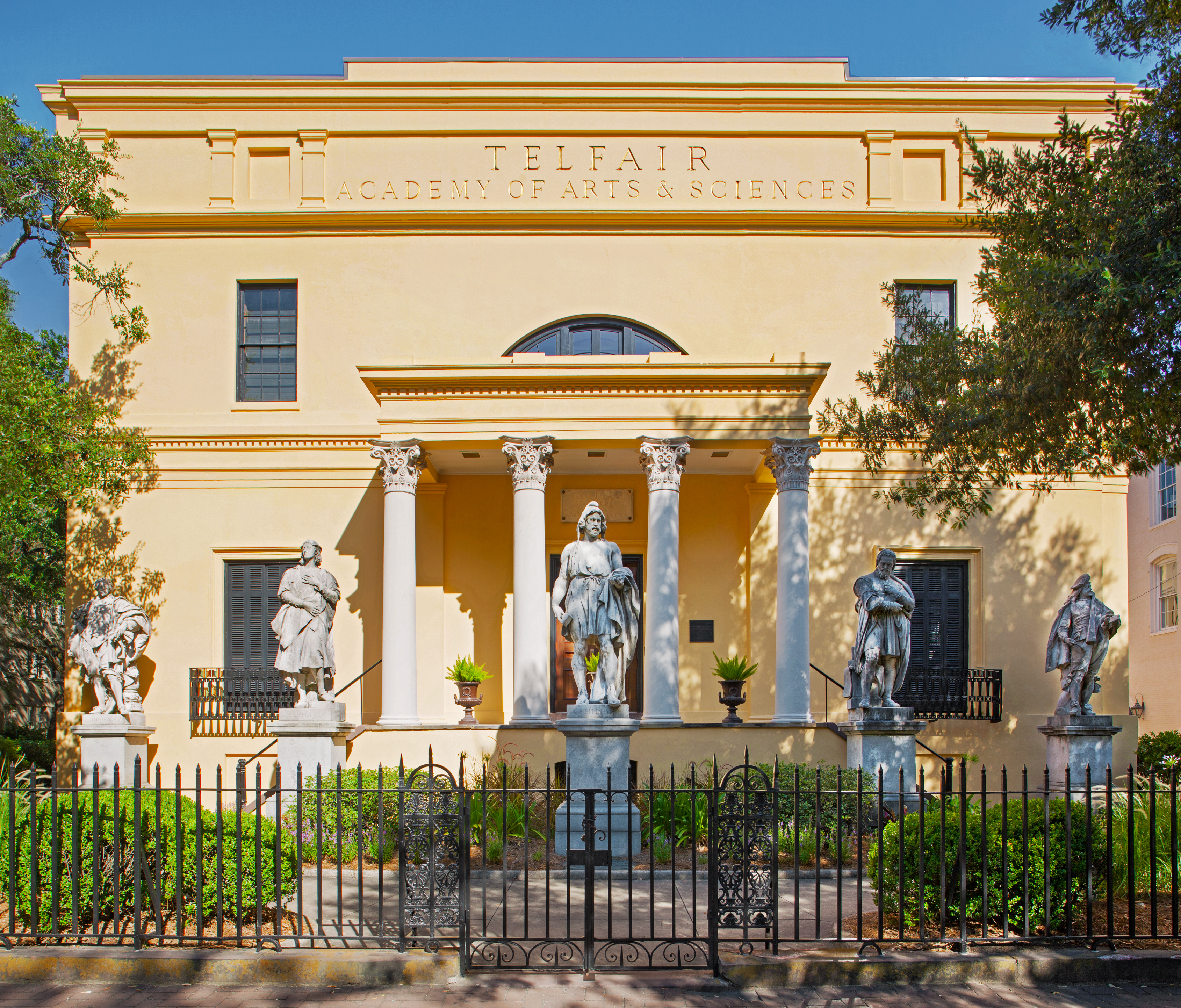
- Best museum: Telfair Academy — home to the Bird Girl statue from Midnight in the Garden of Good and Evil, plus a Regency-era mansion art collection.
Best Festivals to Attend in Savannah in the Fall
Savannah’s festival season peaks in October, when the mild weather and spooky atmosphere create the perfect backdrop for everything from indie film premieres to massive street parties. Don’t try to do them all—pick the one that matches your vibe, and plan to stay in the walkable Historic District to easily hop between events.
SCAD Savannah Film Festival
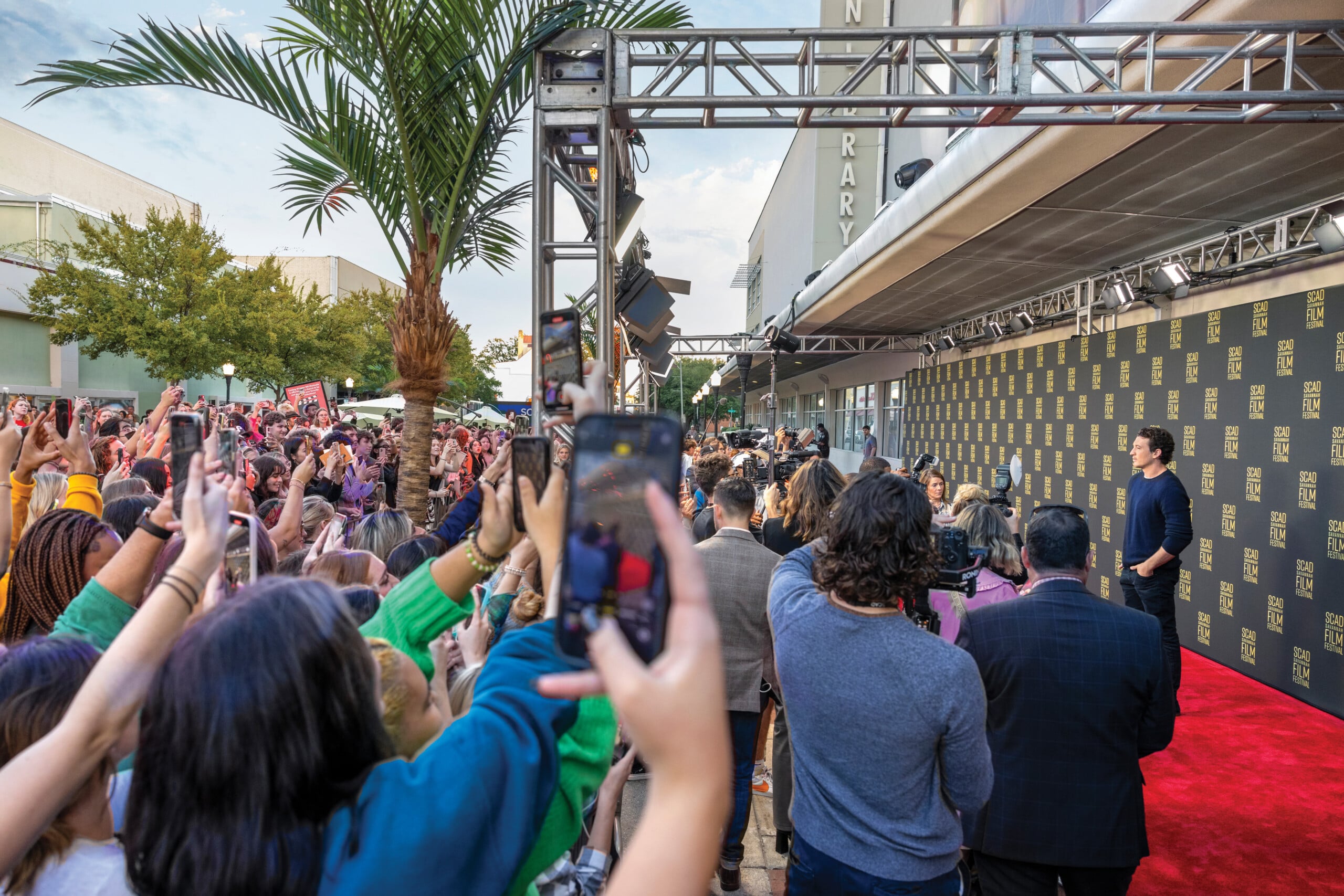
This is the most prestigious event on Savannah’s fall calendar. For eight days in late October (typically the last week), the city becomes a hotbed of cinema with major premieres and intimate screenings.
It’s your best chance to see Oscar-buzz films before wide release and spot A-list celebrities on the red carpet outside the Lucas Theatre.
- Best for: Film buffs, culture seekers, and anyone who wants a brush with Hollywood without the LA crowd.
- Insider Tip: Individual screening tickets are surprisingly affordable, usually around $10-$15. But the popular celebrity tributes sell out fast—book those months in advance.
Savannah Jazz Festival
This five-day festival at the end of September is a perennial local favorite and a phenomenal value: every single event is completely free. Expect world-class performers at various venues around the city, with the main stages typically in Forsyth Park.
- Best for: Music lovers and anyone looking for a high-quality, no-cost festival experience.
- Insider Tip: Arrive early for the Forsyth Park headliners; it’s a popular picnic spot, so claiming a good blanket real estate is key.
Oktoberfest at Plant Riverside District
Forget a single weekend—Savannah’s Oktoberfest runs every weekend from late September through the entire month of October at the vibrant Plant Riverside District on River Street. The festivities are family-friendly, with live music, German food, and unique competitions like bratwurst-eating and the hilarious wiener dog races.
- Best for: Families, groups looking for a lively daytime party, and anyone who wants a festive riverfront atmosphere.
- Insider Tip: It’s free to enter, so budget for food and drinks. The Plant Riverside area gets packed—consider staying at a hotel in the Historic District and walking over.
Savannah Pride Festival
Typically held in mid-October, this celebration fills Forsyth Park with live performances, vendors, and a powerful sense of community. It’s a joyful, inclusive event that showcases the city’s welcoming spirit.
- Best for: LGBTQ+ travelers and allies looking for a spirited community celebration.
Blues, Brews, BBQ and Bourbon Event
This is a one-day (usually in October) culinary and music event that spotlights the South’s best comfort food and sounds. It’s smaller and more focused than the other festivals, offering an excellent tasting experience.
- Best for: Foodies and whiskey lovers who want a curated tasting event.
| Festival | Typical Timing | Cost | Vibe |
|---|---|---|---|
| SCAD Film Fest | Late October (8 days) | Individual tix ~$10-$15 | Cultural, glamorous, cinematic |
| Jazz Festival | Late September (5 days) | Free | Musical, communal, relaxed |
| Oktoberfest | Every weekend Sept-Oct | Free entry | Family-friendly, lively, riverside |
| Pride Festival | Mid-October (1 day) | Free | Celebratory, community-focused |
| Blues, Brews, BBQ | One day in October | Ticketed | Culinary, focused, tasting-centric |
Top Outdoor Activities for Savannah’s Fall Weather
By mid-October, Savannah’s summer grip finally breaks — daytime highs settle into the mid-70s, humidity drops enough to make walking the squares genuinely enjoyable, and the canopy of live oaks starts pulling gold at the edges. These four outdoor activities deserve priority because they exploit that weather window before December’s unpredictable chill arrives.
Quick comparison at a glance:
| Activity | Best For | Time Needed | Cost |
|---|---|---|---|
| Forsyth Park Picnic | Couples, families, low-effort relaxation | 1–3 hours | Free (plus food) |
| Pumpkin Hunting | Solo wanderers, photographers | 1–2 hours | Free |
| Bonaventure Cemetery | History buffs, readers, contemplative walkers | 1–2 hours | Free |
| Wormsloe Historic Site | Families, hikers, anyone with a camera | 2–3 hours | $3.25+ |
Picnicking in Forsyth Park
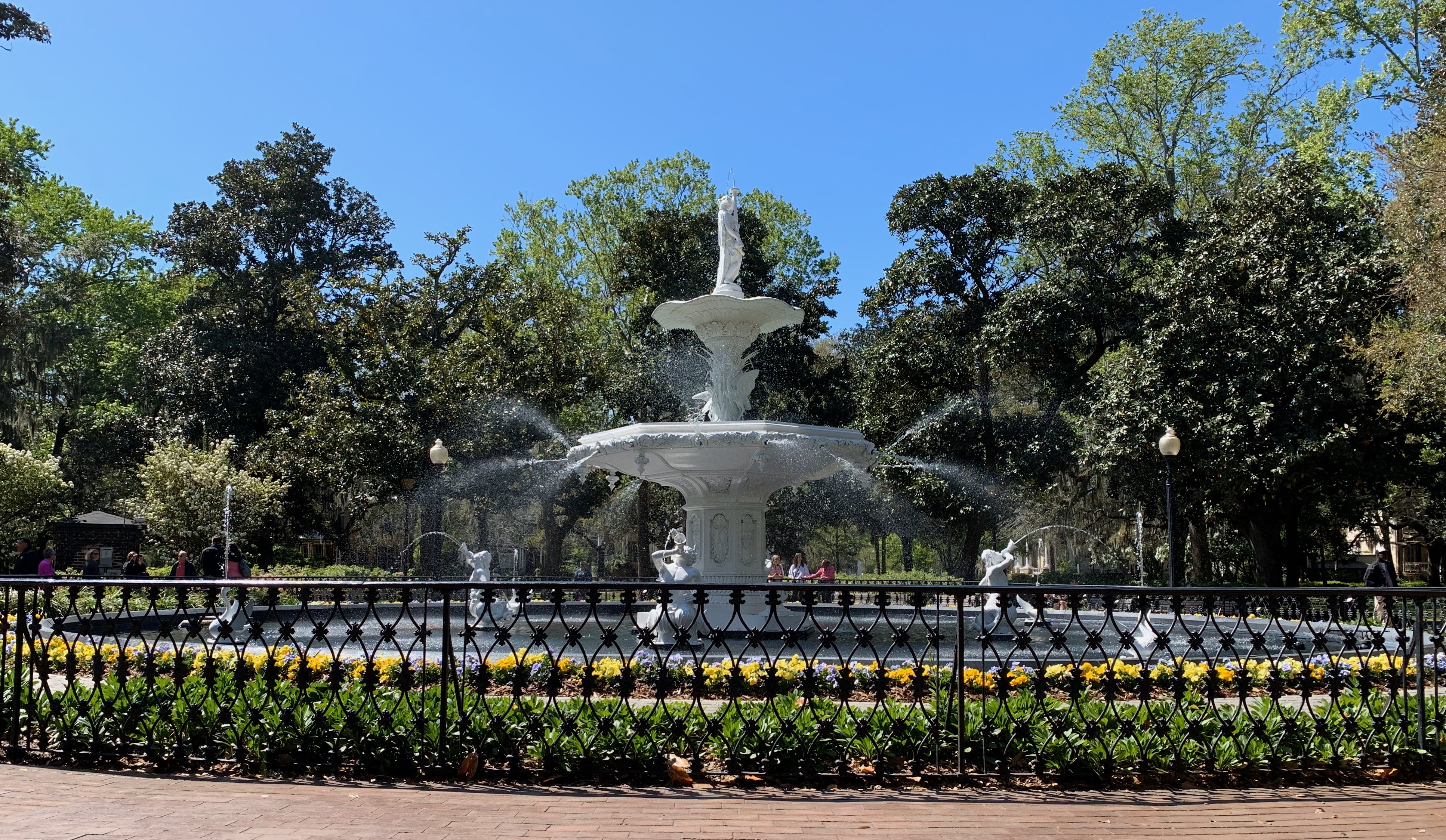
Forsyth Park is where Savannah does fall right, and a picnic there is the single easiest way to spend an afternoon without spending much money. The move is simple: grab provisions from Brighter Day Natural Foods Market — a health-food shop literally steps from the park’s north end — and claim a spot near the iconic white fountain.
That fountain is the park’s centerpiece for a reason: framed by live oaks going amber and red, it photographs better in October than any other month.
If your dates align, check for the Savannah Philharmonic’s annual Picnic in the Park concert, typically held one Saturday evening in October. The symphony performs at the park’s grandstand while the crowd lounges on blankets under the oaks — it’s the kind of event that makes you reconsider your entire life trajectory.
Soft drinks, beer, and wine sell on-site, and food trucks park nearby, so you can skip the BYO hassle entirely.
The Forsyth Farmers’ Market runs every Saturday from 9 a.m. to 1 p.m. at the park’s south end — a solid backup plan for sourcing local produce, baked goods, and prepared food if Brighter Day doesn’t suit you.
Pumpkin Hunting in the Historic District
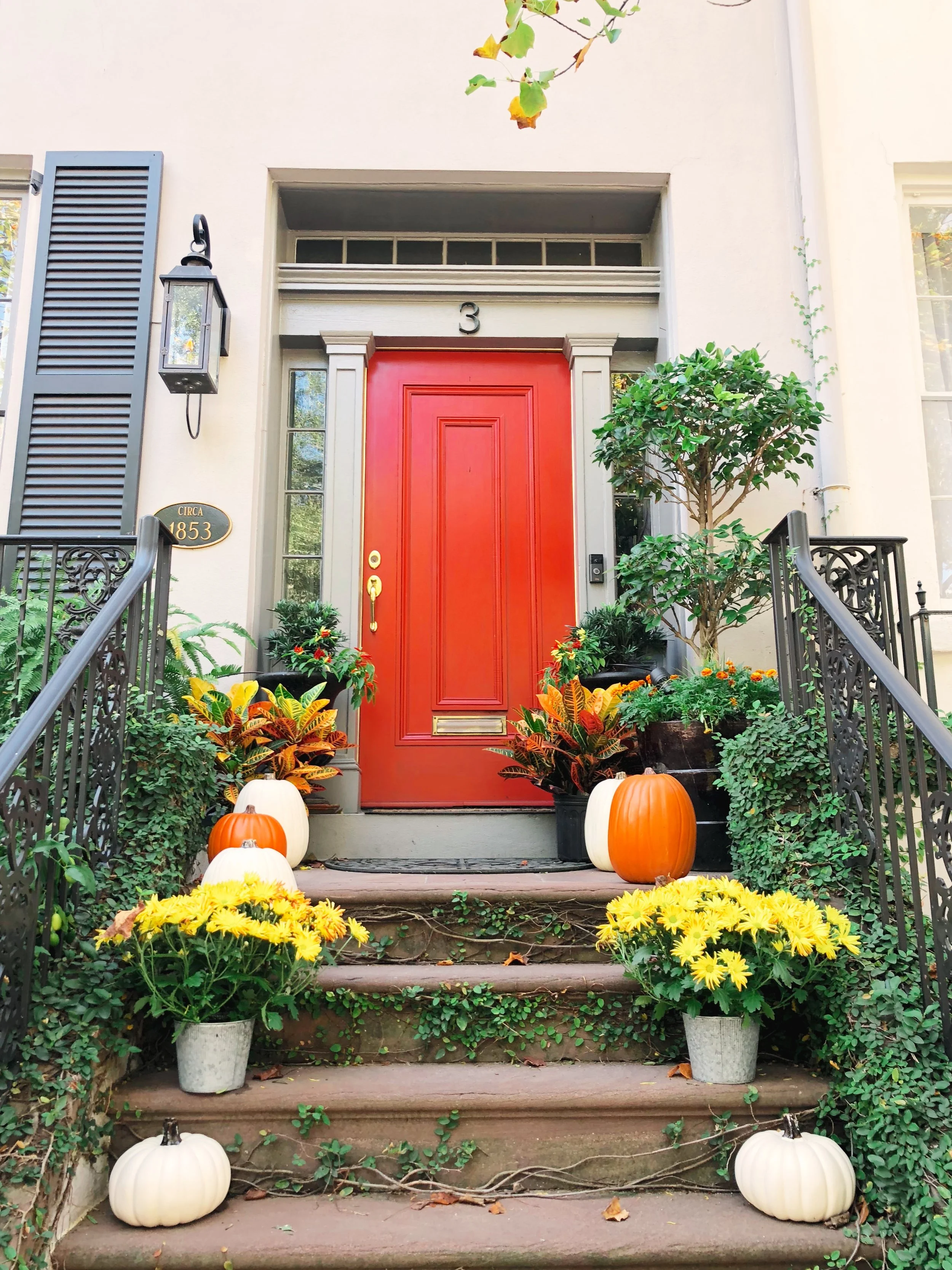
This is not a farm or a patch. Pumpkin hunting in Savannah means strolling the residential streets of the Historic District — think Jones Street, Gaston Street, the quieter lanes south of Forsyth — and admiring the elaborate porch and balcony arrangements that homeowners put out starting in late September.
The displays range from tasteful stacked heirlooms to full-blown harvest fantasies spilling down iron staircases.
The real reward is that pumpkin hunting forces you onto streets most tourists never walk. You’ll pass hidden antique shops and small art galleries tucked into townhouses that don’t show up in standard guides.
Set aside an hour or two with no fixed route — the less you plan, the better this works. Morning light is best for photography; late afternoon is best for catching the neighborhood’s golden-hour glow against all that orange and green.
Visiting Bonaventure Cemetery
Bonaventure is not morbid — it’s one of the most photogenic landscapes in the Southeast, and fall is its peak season. The 100-acre cemetery sits on a bluff along the Wilmington River, packed with moss-draped live oaks, magnolias, and hickory trees.
In October and November, the interplay of Spanish moss, turning leaves, and weathered Victorian monuments creates images that look almost staged.
Readers of Midnight in the Garden of Good and Evil will recognize Bonaventure as a central setting. A heads-up: the famous Bird Girl statue from the book’s cover no longer lives here — it was moved indoors to the Telfair Academy for preservation, which is covered elsewhere in this guide.
Come for the grounds and the sculpture, not for the statue.
- Best time to arrive: Early morning, before 9 a.m. You’ll have the paths mostly to yourself and get the best light filtering through the oaks.
- Stay friendly: Bonaventure sits about 15 minutes east of the Historic District. If you’re basing yourself downtown, it’s an easy morning side trip before lunch back in the squares.
Exploring Wormsloe Historic Site
The mile-long avenue of live oaks leading into Wormsloe is the single most photographed scene in coastal Georgia, and for good reason — it’s genuinely jaw-dropping. In fall, the tunnel of canopy takes on extra dimension as leaves thin slightly and afternoon light slants through.
This is the outdoor activity that justifies bringing a real camera, not just a phone.
Admission starts around $3.25 (Georgia State Parks pricing; confirm current rates before visiting since they adjust periodically). Beyond the iconic oak avenue, Wormsloe has well-maintained hiking trails through maritime forest and along the salt marsh.
The ruins of a colonial-era tabby fort sit at the trail’s end — a surprisingly atmospheric stop most visitors don’t expect.
Families take note: In October, Wormsloe hosts a “Where is Noble Bones?” scavenger hunt along the hiking trails, where kids scan a QR code at the museum and search for skeletal remains of the Jones family. It runs select Saturdays from 10 a.m. to 4 p.m. and turns the trails into a genuine adventure for younger travelers.
Check the Georgia State Parks event calendar for confirmed 2026 dates.
- Insider detail: Arrive right at opening if you want the oak avenue shot without other people in it. By mid-morning on fall weekends, the entrance backs up with tour groups and photographers.
- Getting there: Wormsloe is about 20 minutes south of downtown Savannah on Skidaway Road. No public transit option — you’ll need a car or rideshare.
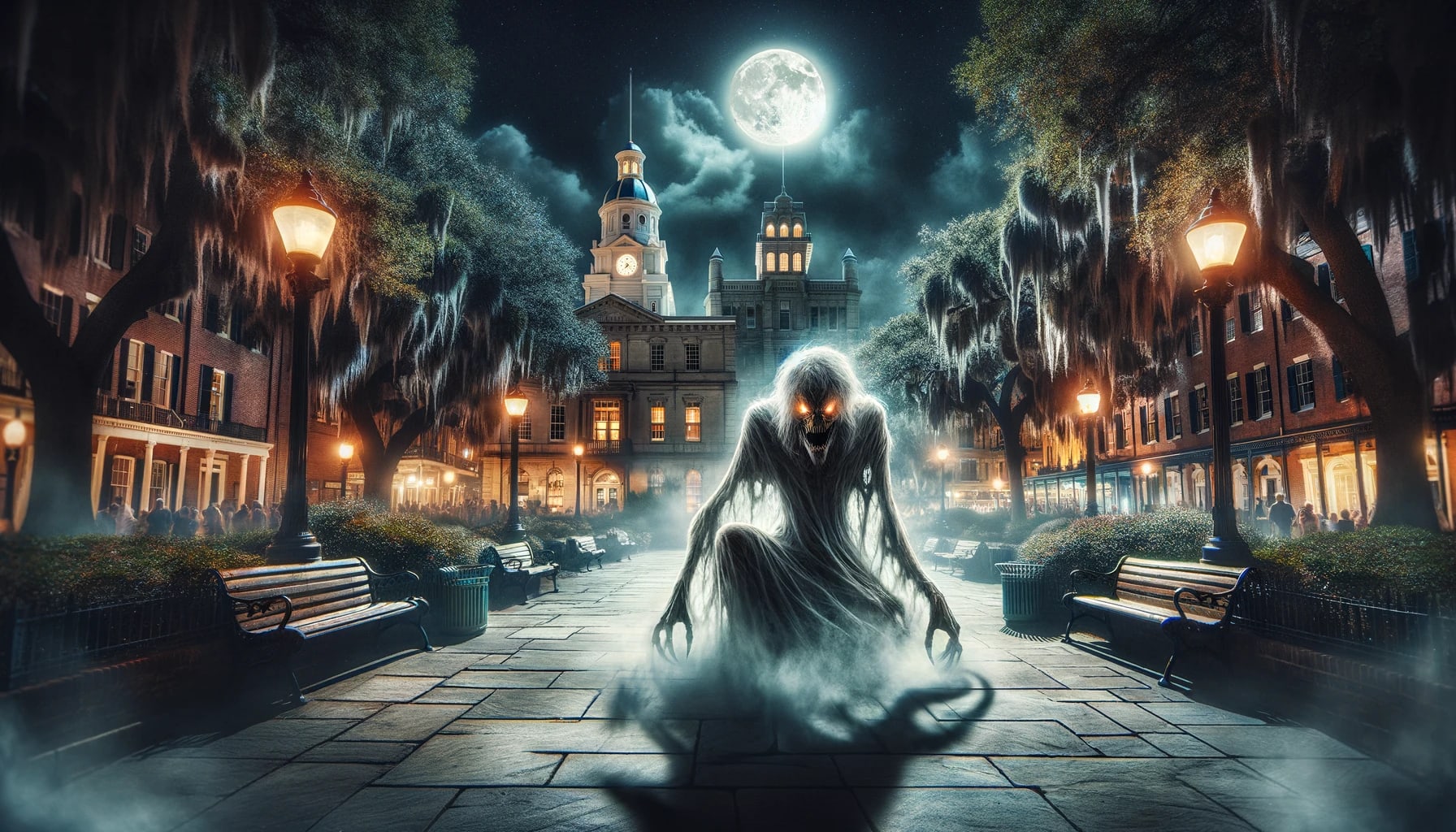
Savannah is a necropolis — a city built literally on top of its dead, layer upon layer of burials beneath every cobblestoned square. That’s not folklore; it’s urban planning history, and it’s the core reason Travel + Leisure, CNBC, and Condé Nast Traveler have each named it America’s most haunted city.
Fall amplifies everything: cooler air, longer shadows, and Spanish moss that looks like it was designed for horror films.
Here’s a quick read on which tour fits your style:
- Genteel & Bard (walking): Best for history-first travelers who want storytelling, not jump scares.
- Ghosts & Gravestones (trolley): Best for covering more ground without the footwork — includes two indoor stops.
- Haunted forest trails: Best for groups wanting a scream-park scare experience outside city limits.
- Paranormal investigations: Best for anyone who’s watched enough ghost-hunting shows to want the EMF reader in their own hands.
Genteel and Bard Dark History Ghost Tour
This walking tour through the Historic District is the one to book if you care about actual history woven into genuine creep factor. The guide leads small groups on foot, and the detail that matters most: every guest gets earbuds connected to the guide’s microphone, so you catch every whispered name and date even when the group crowds into a narrow lane.
No straining to hear over traffic or other tourists. That alone separates this from every other ghost walk in town.
It runs throughout October — confirm exact dates and times directly with Genteel & Bard, as Friday and Saturday slots fill up fast during peak fall weekends. Book at least a week ahead for those nights.
Ghosts and Gravestones Trolley Tour
If two hours on your feet after a full day of sightseeing sounds like a chore, this trolley tour covers far more haunted ground without the blisters. You’ll ride the “Trolley of the Doomed” past cemeteries, battlefields, and antebellum mansions, then step off inside two notoriously haunted buildings: the Andrew Low House and the Perkins & Sons Chandlery.
The indoor stops are where this tour earns its keep — the chandlery stories tend to rattle even self-proclaimed skeptics.
Tickets are available through the American Prohibition Museum’s booking page. This is the stronger pick for mixed-age groups or anyone who prefers narrated comfort over late-night cobblestones.
Haunted Forest Trails Near Savannah
Savannah’s flat, urban grid means true forest-based haunted experiences require driving outside city limits. Organized haunted trail attractions typically pop up on weekends in October in the Pooler and Richmond Hill areas — these are seasonal operations rather than permanent venues, so search “haunted trails near Savannah GA” closer to your trip for current operators and schedules.
Expect roughly $20–35 per person, though pricing varies by operator and season. The tradeoff is straightforward: a more immersive, scream-focused experience than any city ghost tour, but you’ll need a car and about 30 minutes each way.
Paranormal Investigations at Historic Venues
For anyone who’s watched enough ghost-hunting shows to want the EMF reader in their own hands, several Savannah historic venues offer after-hours paranormal investigation experiences — small groups, real equipment, and hours inside buildings with documented activity. These typically run as special October events or private small-group bookings rather than nightly offerings, usually capped at 15–20 participants per session.
Check local paranormal tour operators and historic venue websites for fall-specific dates well in advance; these sell out faster than standard ghost tours. If your interest leans more toward storytelling and atmosphere than the tech, Genteel & Bard or the trolley tour will satisfy you better for less money.
Best Food and Drink Experiences in the Fall
Once Savannah’s humidity finally breaks in October, comfort food stops being a sweaty obligation and starts feeling earned — and these three experiences are the best ways to spend that appetite.
Mrs. Wilkes Dining Room Thanksgiving-Style Meal
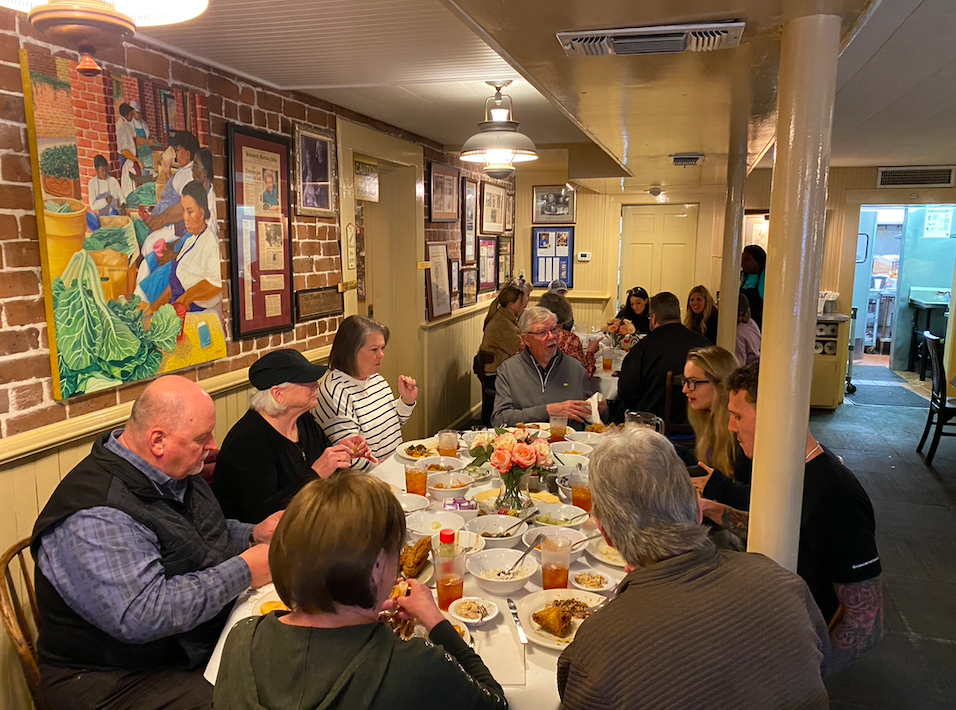
Mrs. Wilkes serves Thanksgiving dinner every weekday it’s open — fried chicken, mac and cheese, collard greens, sweet potatoes, cornbread, and banana pudding passed around communal tables family-style to strangers who become temporary friends. Meals run 11am to 2pm, but you need to be in line on Jones Street by 10am or risk a 45-minute-plus wait.
No reservations exist. No shortcuts exist.
That sounds intense because it is. But this is the single most Savannah food experience you can have, and fall is when it’s actually enjoyable to stand outside — the wait in July is a different story entirely.
Lunch is cash or check only, usually around $25–30 per person, though confirm before you go since prices shift.
- Why fall wins: Cooler mornings make the queue on Jones Street — widely considered one of America’s most beautiful streets — a pleasant experience instead of a survival exercise.
- Insider detail: Ask for a seat near the kitchen pass. Plates emerge fastest from that end, and you’ll see what’s coming before the rest of the table does.
Guided Food Tours Highlighting Southern Favorites
A guided food tour through the Historic District is the smartest way to sample multiple Southern institutions in a single afternoon without committing to full portions at each. Local guides typically lead groups to three or four stops for appetizer-sized tastings — think fried green tomatoes, shrimp and grits, and peach cobbler — each paired with a beer, glass of wine, or soft drink.
These are small plates, not a full meal, so eat a light breakfast first.
The guided format earns its cost through access: guides know which kitchens are actually worth your time and which are trading on location alone. Expect to pay roughly $50–75 per person for a walking tour, usually lasting two to three hours.
For a self-guided alternative, build your own route targeting these quintessential Southern dishes at established spots across the Historic District:
- Fried chicken — the benchmark of any Savannah kitchen worth visiting
- Collard greens — slow-cooked with smoked meat, not the health-food version
- Fried green tomatoes — crisp, tangy, and better here than anywhere else in the South
- Biscuits and gravy — a breakfast move, so plan this stop early
- Peach pie — Georgia’s signature dessert, non-negotiable
Craft Cocktails at American Prohibition Museum Speakeasy
The American Prohibition Museum in City Market is worth the admission for the exhibits alone — 6,000 square feet of Roaring Twenties artifacts, vintage cars, and antique moonshine stills with costumed guides walking you through them. But the real move is the fully operational speakeasy hidden at the end.
You finish the museum tour and walk straight into a bar serving period-accurate cocktails alongside modern craft versions. Ordering a drink here feels earned in a way that no regular bar can replicate — you’ve just walked through the history of why this drink was illegal, and now you’re holding one.
- Best for: Couples, cocktail enthusiasts, and anyone who wants a story to tell at dinner that night
- When to go: Afternoon, when the space is less crowded and the bartenders have more time to talk through the menu
- Pro tip: Book museum tickets in advance during fall festival weekends — the space fills up when events bring extra visitors to the City Market area
Base yourself in the Historic District to walk to all three of these without touching your car. The stretch between Jones Street, City Market, and the riverfront puts you within a 15-minute walk of every recommendation here — and Savannah was made for walking between meals.
Which Museums Are Worth Visiting in Savannah During Fall?
When a sudden October drizzle or mid-November chill pushes you off the squares, Savannah’s museums deliver air-conditioned escapes packed with art, history, and stories you won’t hear on any ghost tour. Five stand out — but they serve very different moods, so pick based on what your group actually cares about.
| Museum | Best For | Time Needed | Key Draw |
|---|---|---|---|
| SCAD Museum of Art | Contemporary art lovers | 1–2 hours | Cutting-edge rotating exhibitions |
| Telfair Academy | Literary history fans | 1–1.5 hours | The Bird Girl statue |
| Savannah African Art Museum | Cultural deep-divers | 1–1.5 hours | 1,000+ pieces, free admission |
| Pirates & Treasure Museum | Families and casual browsers | 30–45 min | Real wreck-site artifacts |
| Beach Institute | Civil Rights and local history | 45 min–1 hour | Oldest school for Black children in Savannah |
SCAD Museum of Art
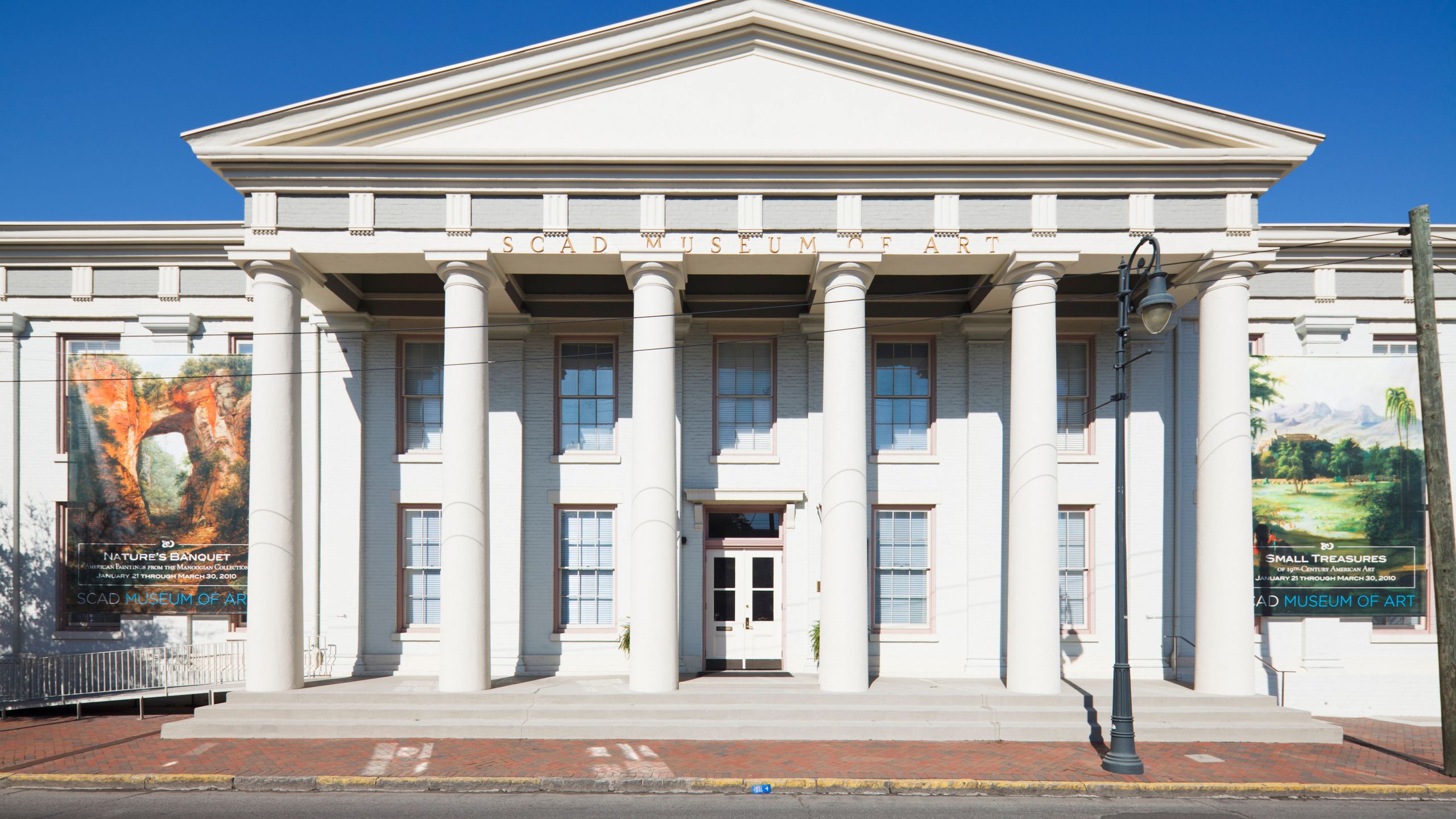
This is the museum for anyone who wants Savannah to feel modern rather than frozen in the 1800s. The SCAD Museum of Art anchors the university’s downtown campus with rotating contemporary exhibitions — think large-scale installations, photography, and multimedia work from globally recognized artists alongside SCAD faculty and alumni.
The building itself, a restored 1853 railway depot, creates a striking contrast between old brick walls and bold contemporary pieces.
- Why fall works: SCAD’s academic calendar means fresh exhibition rotations typically land in September and October, so you’re catching new work.
- Best for: Couples, design-minded travelers, and anyone already walking the Historic District who wants a focused 90-minute cultural stop.
- Plan around: If you’re visiting during the SCAD Savannah Film Festival (covered earlier), the museum often hosts related programming and receptions — check the festival schedule for open events.
Telfair Academy and Bird Girl Statue

If you’ve read Midnight in the Garden of Good and Evil — or even just recognize the book’s iconic cover — you’ve already seen the Bird Girl. The bronze statue stood in Bonaventure Cemetery for decades before being relocated to Telfair Academy to protect it from the crowds the book attracted.
Seeing it here, in a controlled gallery setting, is actually a better experience than squinting at it through cemetery gates.
- Don’t skip the rest: Telfair Academy is Savannah’s premier art museum, housed in a Regency-style mansion from 1819. Its permanent collection leans toward 19th- and early 20th-century American and European works.
- Insider tip: Visit on a weekday morning if possible. Fall brings tour groups that cluster here mid-afternoon, and the Bird Girl viewing area is small — you want a quiet moment with it, not a selfie line.
- Combo value: Telfair Museums offers a combination ticket covering Telfair Academy, the Jepson Center (contemporary art across the street), and the Owens-Thomas House — worth it if you plan to spend a full museum day.
Savannah African Art Museum
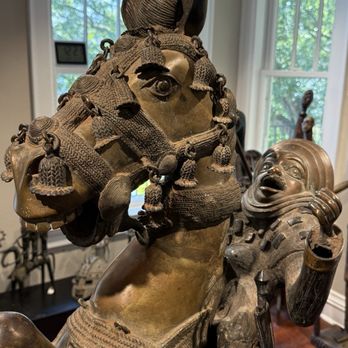
This is the sleeper pick and arguably the most underrated museum in the city. Opened in 2016, the Savannah African Art Museum houses over 1,000 pieces from 22 West and Central African countries representing more than 130 cultures and ethnic groups — ceramic, wood, and metal works from the 19th and 20th centuries.
The collection’s depth is genuinely impressive for a free-admission museum of this size.
- Tour structure: Docent-led tours focusing on West African art depart at the top of each hour; Central African art tours run at the bottom of the hour. Choose one or stay for both — the guides are knowledgeable and the pacing is unhurried.
- Family-friendly: Free workshops and family craft days are held on the second Saturday of each month — a strong option if you’re traveling with kids.
- Why it belongs in your fall itinerary: It’s free, air-conditioned, and typically uncrowded compared to the Telfair properties. You can walk through in an hour or linger for two.
Savannah Pirates and Treasure Museum
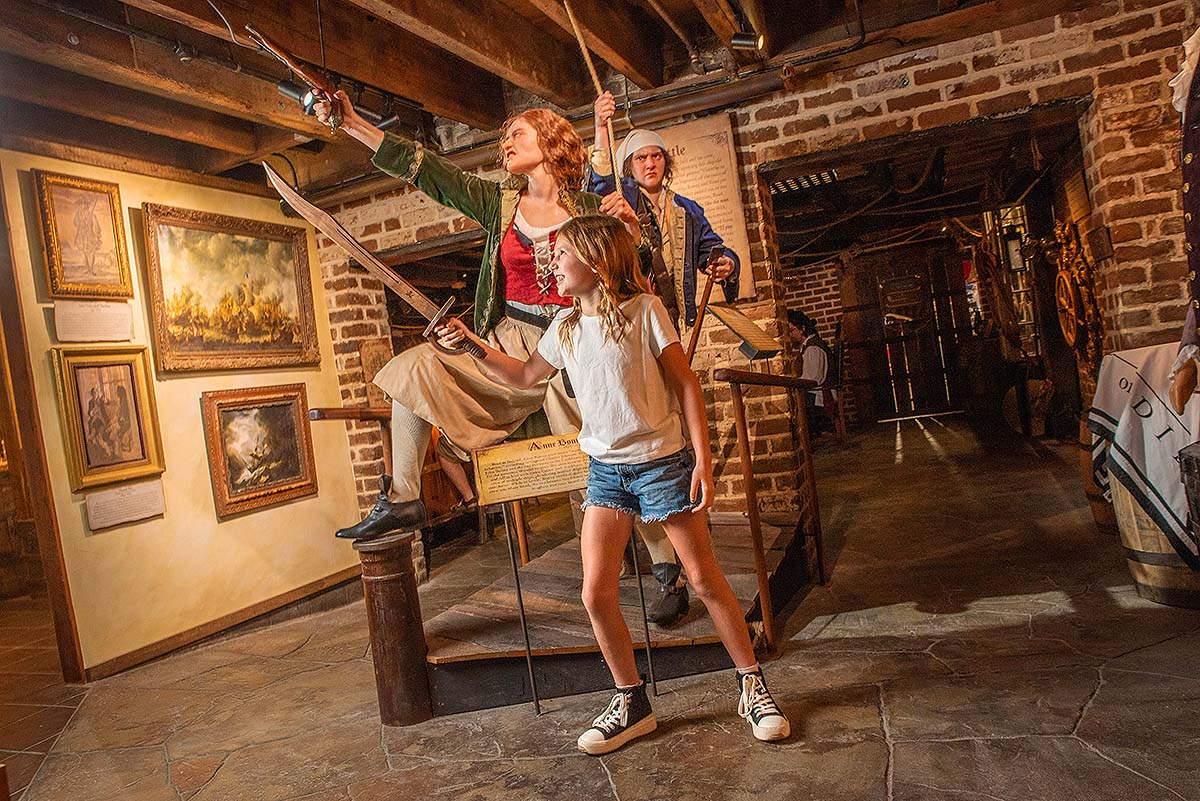
A compact, story-driven museum that earns its spot mostly for families and anyone who wants a break from Savannah’s heavy Civil War and antebellum history. Exhibits include pirate weapons, ship models, navigation tools, and real artifacts pulled from Atlantic wreck sites.
The space is small — plan 30 to 45 minutes — but the storytelling is tight and the artifacts are genuine, not plastic props.
- Honest take: Adults without kids may find this one skews young. If you’re choosing between this and the African Art Museum on a tight schedule, the African Art Museum wins on depth and originality.
- Good pairing: It sits near the Historic District’s northern end, so combine it with a River Street stroll rather than making a dedicated trip.
Beach Institute African American Cultural Center

The Beach Institute is Savannah’s oldest school for African American children, founded in 1867 during Reconstruction. Today it operates as a cultural center documenting the African American experience in Savannah from the Civil War through the Civil Rights era.
The permanent collection includes period artifacts, photographs, and rotating exhibitions.
- Why visit: Savannah’s plantation tours and Civil War sites often gloss over or omit Black history entirely. The Beach Institute fills that gap with specificity and nuance. It’s essential context that makes the rest of the city’s history legible.
- Timing note: Hours can be limited — confirm current operating days before you go, especially midweek in November when schedules sometimes tighten.
Is October the Best Time to Visit Savannah?
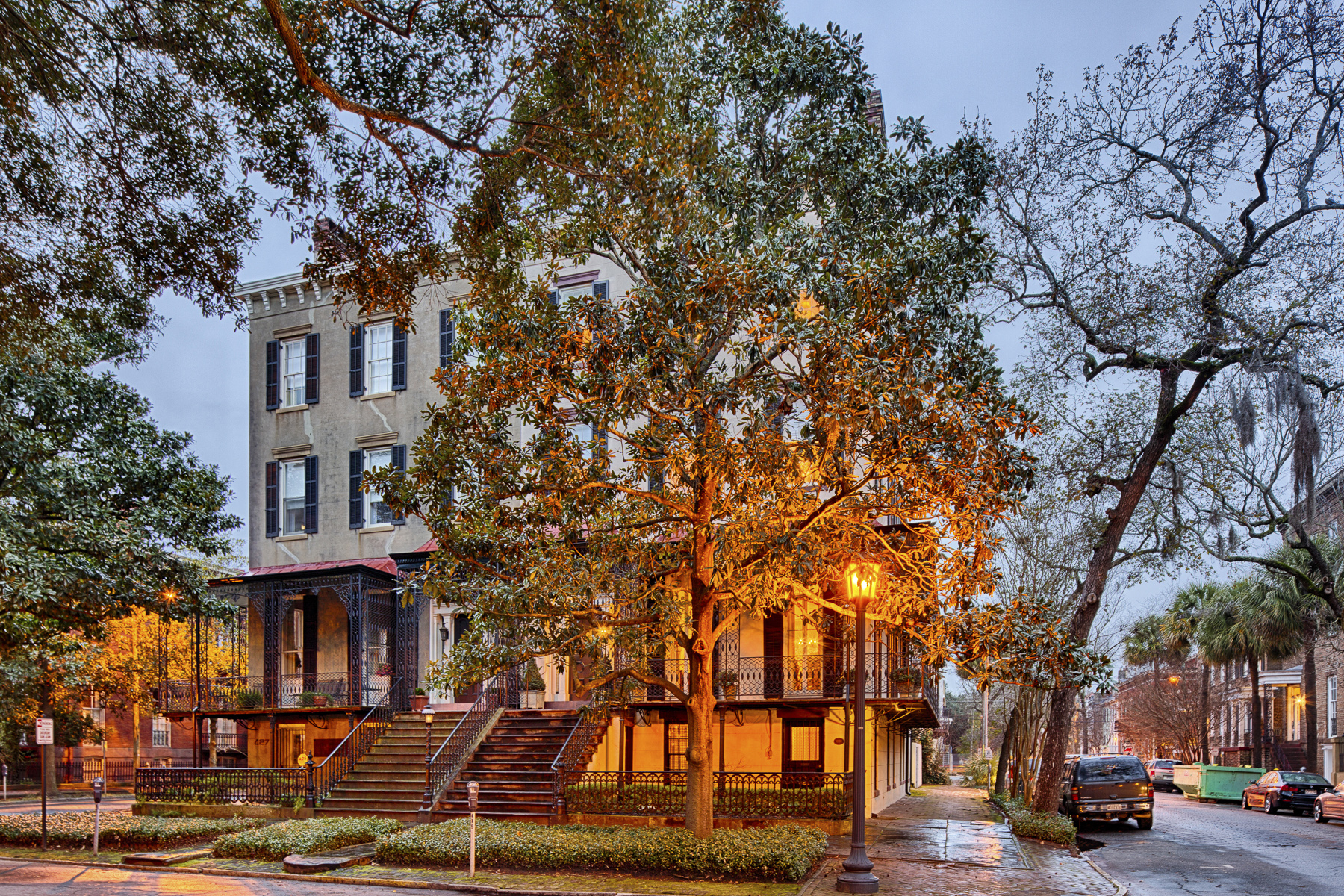
The second Savannah’s brutal summer humidity finally breaks — usually by early October — the city transforms into its most walkable, most atmospheric self. Daytime highs settle into the mid-70s to low 80s°F, evenings cool to the low 60s, and the mosquito siege that dominates June through September loosens its grip.
That alone makes October Savannah’s single best month for anyone planning to spend real time on foot through the squares and side streets.
But weather is only part of the argument. October packs more free public events into 31 days than any other month on Savannah’s calendar — weekly farmers markets at Daffin Park and Eastern Wharf, outdoor philharmonic concerts in Chippewa Square, a Zombie Walk through the Starland District, Halloween bar crawls along River Street, and the SCAD Savannah Film Festival toward month’s end.
Other sections of this guide break each one down, but the takeaway is simple: you will not run out of things to do.
How October Compares to Other Months
| Factor | October | Mar–May | Jun–Aug | Nov–Feb |
|---|---|---|---|---|
| Daytime Temp | 75–82°F | 70–85°F | 90°F+ with high humidity | 55–65°F |
| Humidity | Moderate | Moderate | Oppressive | Low |
| Crowds | Moderate | Heavy | Heavy | Light |
| Hotel Rates | Moderate | High | High | Lowest |
| Event Density | Highest | High | Moderate | Low |
Spring runs a close second — especially during St. Patrick’s Day week — but you’ll pay peak hotel rates and navigate the thickest crowds of the year around Forsyth Park and River Street. Summer means swapping outdoor exploration for air-conditioned refuge by 1 p.m. November and December deliver the cheapest rates and holiday decorations, but event programming thins noticeably and some outdoor attractions feel bare.
October threads the needle: comfortable weather, manageable crowds, moderate pricing, and a calendar that rivals any month of the year.
What to Pack
Daytime calls for shorts, short sleeves, and comfortable walking shoes — Savannah’s uneven brick sidewalks and cobblestone alleys punish anything flimsy. Once the sun drops, temperatures settle into the low 60s, so throw a light jacket or sweater into your bag for evening ghost tours, outdoor concerts, and strolls along the waterfront.
Skip the heavy layers entirely.
Where to Base Yourself
Stay in the Historic District for maximum walkability — you’ll be steps from the squares, Forsyth Park, and most October events without ever needing your car. Boutique inns and walkable hotels along Bull Street or near Lafayette Square keep you within a 10-minute stroll of the densest activity.
Book early if your dates overlap with the SCAD Film Festival or Halloween weekend; both push occupancy up and availability down quickly.
Insider timing: The first two weeks of October are the sweet spot. Hotel rates tend to run noticeably lower than the back half of the month, when film festival crowds and Halloween programming drive demand.
Arriving Sunday through Thursday instead of Friday or Saturday can shave 20–30% off downtown room rates — a savings that compounds fast on a multi-night stay.
What Should You Wear in Savannah in October?
October in Savannah still feels like summer most afternoons — think 70s and 80s with humidity that reminds you this is coastal Georgia, not the mountains. You’ll be walking miles on uneven brick sidewalks and cobblestones, so what you pack matters more than you’d expect.
Do I need winter clothes for Savannah in October?
No. Daytime highs typically stay warm enough for shorts and short sleeves throughout October. You’re not packing for fall foliage crispness — you’re packing for a summer that’s just starting to ease up. Save the heavy layers.
Will I need a jacket at night?
Yes. Temperatures generally dip into the low 60s after dark, and if you’re on a ghost tour, sitting outside at a restaurant on River Street, or walking between bars during the Halloween crawl, a light jacket, sweater, or sweatshirt is all you need.
Skip the bulky coat — it’ll just be something to carry by 10 p.m.
What shoes are best for walking Savannah in October?
Comfortable walking shoes are non-negotiable. The Historic District is best explored on foot, and that means uneven brick sidewalks, cobblestone side streets, and Forsyth Park’s gravel paths.
Closed-toe sneakers or sturdy walking sandals both work. Avoid heels and flimsy flip-flops unless you want blisters on Bay Street.
Should I bring an umbrella or rain jacket?
October sees moderate rainfall, and pop-up afternoon showers are a Savannah trademark. Toss a compact umbrella or packable rain jacket in your bag — you’ll thank yourself when a 20-minute downpour hits right as you’re leaving Mrs. Wilkes Dining Room or heading into the American Prohibition Museum speakeasy.
Do You Need a Car in Savannah?
Navigating Savannah’s 22 historic squares by car is a headache you don’t need. The one-way streets, scarce parking, and pedestrian-filled lanes make driving downtown more stressful than scenic.
Your decision hinges on one question: how far beyond the Historic District will you go?
| Option | Best For | Cost (Approx.) | Key Consideration |
|---|---|---|---|
| Rental Car | Exploring Wormsloe, Tybee Island, or day trips. | $50-$80/day + $20-30 parking/day. | Parking downtown is expensive and frustrating. Only worth it for trips outside the core. |
| CAT Bus | Budget travelers based downtown, limited routes. | $1.50 single ride. | Runs until around 9 p.m. Not practical for late nights or outer areas. |
| Walking | Staying in the Historic District. | Free. | The best way to experience downtown. Most squares and tours are within a 2-mile radius. |
| Bike Rental | Covering more ground downtown without a car. | $15-25/day. | Flat terrain, but watch for cobblestones and use bike racks. Do not lock to historic fences. |
| Ride-Share/Taxi | Flexible point-to-point trips, nights out. | $8-15 per downtown trip. | Essential for trips to the airport or restaurants outside the walkable core. |
The Verdict: Rent a Car Only If…
Only rent a car if your itinerary includes Wormsloe Historic Site, Bonaventure Cemetery, Tybee Island beaches, or driving to Savannah’s outskirts for events like the Alee Shriner’s Terror Plantation. For downtown-focused trips—ghost tours, Forsyth Park, River Street, and restaurants—save the money and hassle.
Insider Tip: If you do drive in, park once. Use the Whitaker Street Garage or the Bryan Street Garage near the Visitor Center as a base.
Expect to pay $20-30 for 24 hours. From there, walk or use a ride-share.
Street parking is metered, time-limited, and highly competitive.
Getting Around Without a Car
Base yourself in the Historic District for maximum walkability. Chatham Area Transit (CAT) buses cover key routes but shut down early. For evenings, especially after a speakeasy cocktail at the American Prohibition Museum or a ghost tour, Uber and Lyft are reliable and affordable for short hops.
The CAT Downtown Shuttle (dot) is a free option that loops through the core tourist area every 10 minutes. It’s useful for hopping between the Visitor Center, City Market, and River Street.
Frequently Asked Questions
Is Savannah worth visiting in the fall instead of summer?
Yes — and it’s not even close. Fall highs sit between 70 and 86 degrees with lows in the low 60s, which means you get summer’s warmth without the sweat-through-your-shirt humidity.
The heavy summer tourist season drops off starting in September, so Forsyth Park, the historic squares, and popular restaurants like Mrs. Wilkes Dining Room become noticeably less packed. Hotel rates also tend to dip, especially midweek.
October and November are the sweet spot: warm enough for outdoor activities at Wormsloe or Bonaventure Cemetery, cool enough at night for ghost tours without overheating. This is the season locals actually enjoy their own city — that should tell you everything.
What should I pack for Savannah in October?
Daytime stays warm enough for shorts and short sleeves most days, so pack light. The one thing visitors underestimate is the nighttime drop — temperatures fall into the low 60s after dark, and Savannah’s evening scene is half the appeal.
Bring a light jacket, sweater, or sweatshirt for bar crawls, sunset markets, and evening ghost tours. Skip bulky boots; comfortable walking shoes or supportive sandals handle the flat sidewalks and cobblestones just fine.
If you’re planning any of the Halloween events or the Vampire Ball, toss a costume or themed outfit in your bag — several October events reward participation.
Are there free fall events in Savannah?
Plenty. Savannah’s fall calendar is stacked with free options that most travel articles ignore entirely:
- Midtown Farmers’ Market — Held Wednesdays (3–7 p.m.) at Daffin Park through October. Free entry, local produce, and a genuinely local vibe most tourists never find.
- Savannah Sunset Market — Thursday evenings (4:30–8:30 p.m.) at Eastern Wharf and sometimes Hutchinson Island. Free entry, waterfront setting, food vendors, and live music. Confirm the weekly location at savannahsunsetmarket.com since it rotates.
- Trunk or Treat events — Multiple free Halloween-themed events pop up across the city in late October, including ones at Grayson Stadium and with the Jaycees in Midtown. Family-friendly, no registration required for attendees.
- Howl-O-Ween at Daffin Park — A free pet costume event in late October that’s as entertaining to watch as it is to participate in. Check savannahga.gov closer to the date for 2026 confirmation.
Is Savannah a good Halloween destination?
Savannah leans into Halloween harder than almost any Southern city, and the combination of genuinely haunted reputation plus walkable historic district makes it work. The Crawl With Us Halloween Bar Crawl (tickets starting around $19.70, adults 21+) hits River Street, Bay Street, and City Market bars with a costume contest and cash prizes — it’s the organized way to experience Savannah’s nightlife on Halloween without aimless wandering.
For something darker, the Savannah Vampire Ball out at Debellation Brewing in Richmond Hill runs the full last week of October with themed crawl events and a formal ball. Families should stick to the trunk-or-treat events and Paint Your Own Pumpkin at Service Brewing (suggested $10 donation).
The ghost tours listed in this article run year-round but reach peak atmosphere in late October — book ahead because the best time slots sell out. The one catch: Halloween week gets crowded downtown, so secure your hotel in the Historic District early if you want to walk back from events.
Why Savannah Belongs on Your Fall Calendar
Start by locking in your dates around the SCAD Savannah Film Festival in late October or the Jazz Festival in late September, then book a hotel in the Historic District so you can walk to every restaurant, square, and ghost tour without touching a car. If your dates overlap with either festival or Halloween weekend, reserve that room now — occupancy climbs fast.
Fall is the one season where Savannah’s atmosphere, food scene, and haunted reputation all peak simultaneously, and the city rewards you for slowing down in ways that summer heat and winter chill simply never will.
Pick one festival, one ghost tour, and one meal at Mrs. Wilkes, then let the live oaks and cobblestones handle the rest.
Leave a Reply