
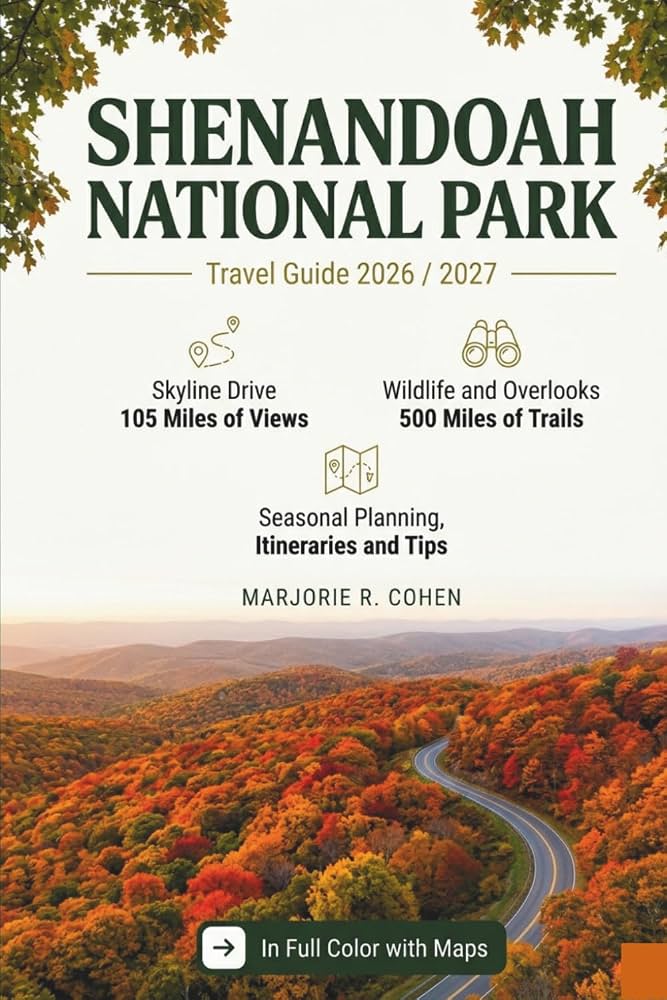
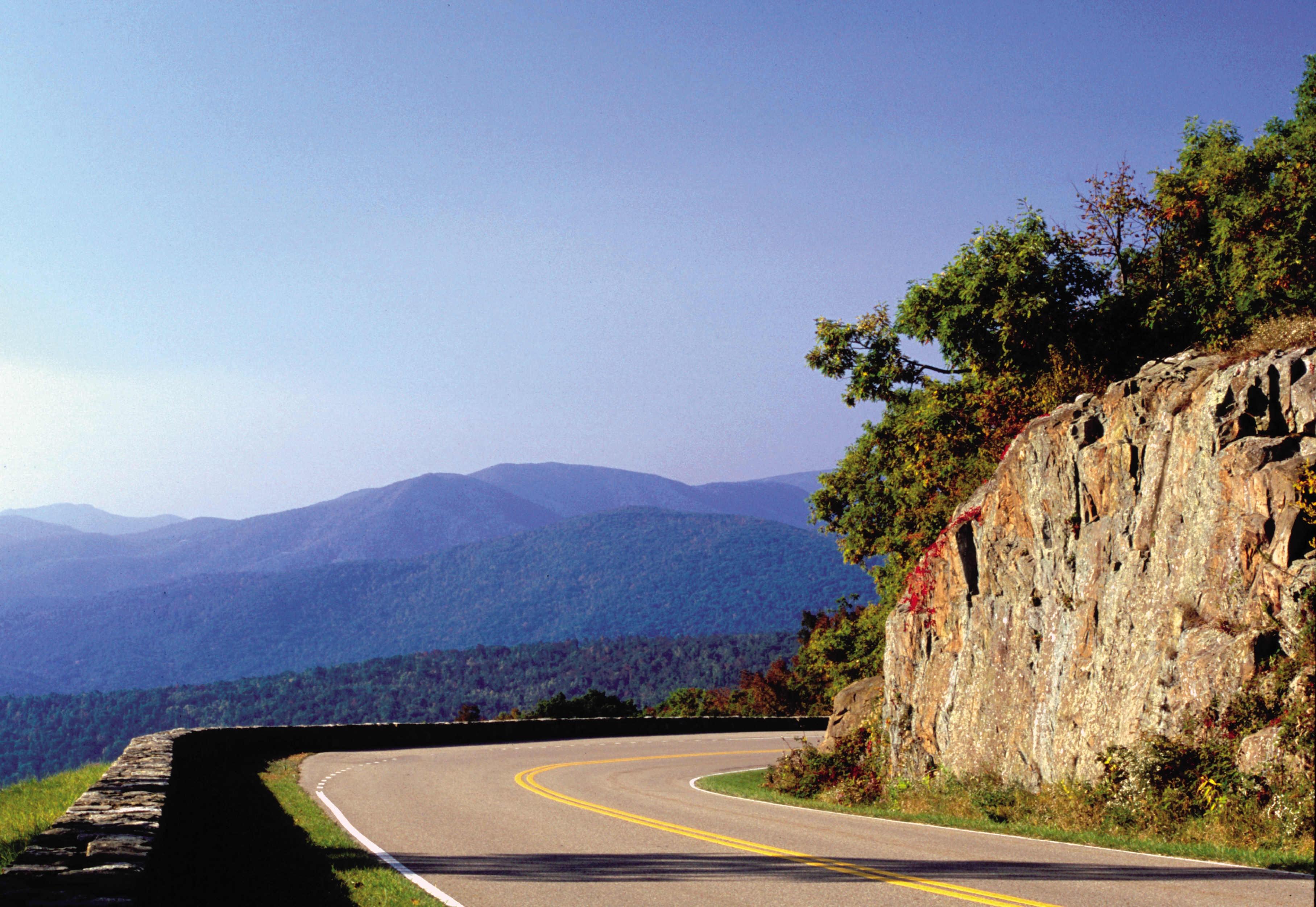
Fog lifts off the Blue Ridge at dawn, threading between ridgelines until the whole valley below looks like a painting someone forgot to finish. You’re standing on Skyline Drive with a thermos of coffee, and the only sound is wind moving through hardwoods — no crowds yet, no cell signal, just the kind of silence that recalibrates your whole nervous system.
What makes these gateway towns different from national park towns out west is scale. You’re never more than a short drive from a Civil War battlefield, a cavern system, or a three-Michelin-star restaurant tucked inside a village of 200 people.
This guide matches you to the right base town based on what you actually care about — pure park access, quiet solitude, serious dining, or a vineyard-and-distillery detour.
Budget stays run $80–130 per night for motels and basic cabins, mid-range sits around $150–250 for B&Bs and lodges, and splurge territory — think The Inn at Little Washington or a private riverside cabin — starts near $300 and climbs steeply from there.
Best Towns Near Shenandoah National Park for First-Time Visitors
If you’ve never been to Shenandoah, Front Royal and Luray remove nearly every decision barrier: both sit minutes from a park entrance, both have lodging you can book without calling around, and both offer something to do on the inevitable afternoon when the weather turns. That combination matters more than charm when you’re planning your first trip.
Front Royal
Front Royal is the default for a reason. The town sits directly at Shenandoah’s North Entrance — the most popular access point on Skyline Drive — and it’s the only gateway with enough hotels, motels, cabins, and restaurants to handle peak-season demand without feeling overwhelmed.
For first-timers coming from Washington, D.C. (roughly 70 miles east), this is where you’ll want to base yourself for at least your first night.
- Park access: You can be on Skyline Drive within minutes of leaving your lodging. That early-morning start matters — the North Entrance parking lots at popular trailheads fill by mid-morning on weekends from April through October.
- Lodging range: Chain hotels and motels cluster along the main corridor, but Front Royal Outdoors offers riverside cabin rentals just a few miles from the entrance — a better pick if you want to combine park hiking with kayaking, tubing, or fishing on the Shenandoah River.
- Dining: More options than any other single gateway town. Castiglia Italian Eatery is the reliable local choice; national chains cover the rest. Don’t expect a food scene — expect convenient fuel.
- Best for: Families, road-trippers, and anyone who wants maximum flexibility with minimal driving.
Book lodging well ahead if you’re visiting during fall foliage season (typically mid-October through early November). Front Royal fills first among all the gateway towns because of its proximity to D.C.
Luray
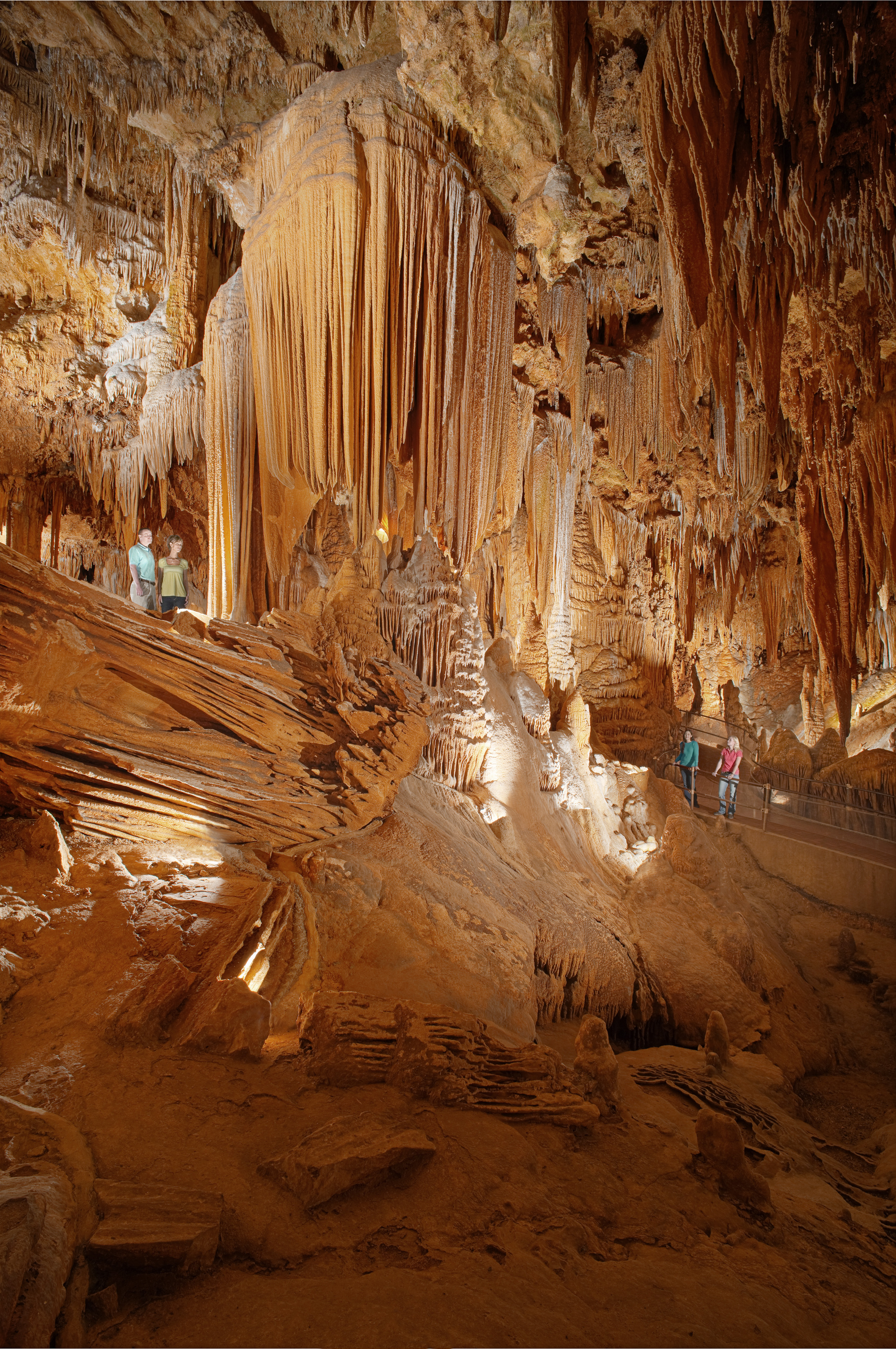
Luray is the pick when you want your first Shenandoah trip to include more than just the park itself. Luray Caverns — a massive underground cathedral of stalactites, stalagmites, and flowstone discovered in 1878 — is the single most-visited attraction in the Shenandoah Valley.
It’s touristy, and it earns that crowd. The scale is genuinely jaw-dropping, especially the Great Stalactite Organ, which uses the cave formations as a musical instrument.
- Park access: Luray sits roughly 15 minutes west of the park’s Thornton Gap entrance via U.S. 211. That entrance puts you on Skyline Drive at milepost 31.5 — centrally located for reaching both northern and southern sections of the park in a single day.
- Lodging range: Smaller and quieter than Front Royal’s strip. A handful of motels, B&Bs, and cabin rentals. Fewer options means fewer choices to agonize over, which is a genuine plus for first-timers.
- Beyond the caverns: The Luray Valley Museum and the Car & Carriage Caravan Museum sit on the same property as the caverns — worth the combo ticket if you’re traveling with kids or anyone who needs a break from hiking.
- Best for: Travelers who want one must-see non-park attraction built into the trip, especially with children or in mixed-weather conditions.
Book cavern tickets online in advance. Walk-up weekend lines stretch long from May through October, and timed-entry reservations cut your wait significantly. Typical adult admission runs around $30–34 depending on season — confirm current pricing before your visit.
Between the two, Front Royal wins for pure park logistics and lodging variety. Luray wins if you want the trip to feel like more than just hiking. For a three-day visit, base in one and day-trip to the other — they’re about 45 minutes apart along U.S. 211.
Towns Best Suited for Quiet Stays and Less Crowds
The fog and mist that blanket the Blue Ridge aren’t a reason to cancel—they’re the main event, and these two towns let you experience the park’s quieter, moodier magic without the bumper-to-bumper traffic on Skyline Drive.
Elkton
The move for: Visitors who want genuine, untouristy small-town calm and don’t mind being a 15-minute drive from the park entrance. Elkton delivers the kind of pace that genuinely lowers your blood pressure.
It’s a historic town west of the Swift Run Gap entrance, offering a peaceful home base without the commerce of busier gateways.
- Quiet Edge: This is the least developed of the main gateway towns. Expect more front-porch rocking chairs than bustling sidewalks.
- What to Do: Stroll the aisles of McGuire’s Country Store for antiques and local crafts. It’s an experience in itself.
- Lodging Vibe: Seek out private cabins and B&Bs scattered in the surrounding hills. You’re staying here for solitude, not walkable nightlife.
- Insider Detail: The Swift Run Gap entrance it serves is one of the less-busy entry points to Skyline Drive, making for easier sunrise or sunset drives.
Sperryville
The move for: Those who want walkable charm, acclaimed food and drink, and prime park access—without the crowds of Front Royal or the sprawl of Luray. Sperryville sits at the doorstep of the Thornton Gap entrance, the park’s busiest hub, yet the village itself remains a quaint, artsy enclave.
- Quiet Edge: Despite its reputation for great restaurants, Sperryville’s footprint is tiny. You can walk the whole village in minutes, and the crowds disperse after dinner.
- What to Do: Browse Thornton River Art Gallery, taste spirits at Copper Fox Distillery, or stock up at the Thornton River Orchard & Market. You’re minutes from the Old Rag trailhead.
- Lodging Vibe: Boutique inns, small lodges, and romantic cottages are your best bet. Book weeks in advance for fall weekends.
- Insider Detail: The Thursday afternoon farmers market is a local secret—show up early for the best produce and baked goods for your trail snacks.
| Town | Best For | Park Access | Crowd Level | Walkable Dining |
|---|---|---|---|---|
| Elkton | Deep quiet, solitude | Swift Run Gap (moderate use) | Lowest | Limited |
| Sperryville | Walkable charm + park access | Thornton Gap (busiest) | Moderate (but charming) | Excellent |
Bottom line: Choose Elkton if your top priority is serene isolation in a true rural setting. Choose Sperryville if you want your quiet to be punctuated by a fantastic meal and a craft cocktail, all within a short stroll of your inn and a major park entrance.
Which Towns Offer the Strongest Combination of Dining and Culture?
Lexington wins this category outright — it’s a bona fide food destination with a walkable historic downtown and two prestigious colleges feeding a cultural calendar that punches well above its population. Woodstock and Waynesboro each deliver their own version of authentic valley dining without the tourist markup, just with fewer options to choose from.
| Town | Best For | Dining Standout | Cultural Draw | Drive to Nearest Park Entrance |
|---|---|---|---|---|
| Lexington | Food-focused travelers | Farm-to-table scene rivaling much larger cities | College-town arts, history, lectures | ~45 min (south section) |
| Waynesboro | Blue Ridge Parkway road-trippers | Craft breweries, casual farm-forward spots | Live theater, rotating art galleries | Under 5 min (Rockfish Gap) |
| Woodstock | Riverside charm, local flavor | Small-batch cafés with local sourcing | Jefferson-designed courthouse, museum | ~30 min (Thornton Gap area) |
Woodstock
Woodstock is the kind of town where the café owner knows the farmer who grew your breakfast. Virginia’s fourth-oldest town (circa 1772) centers on a courthouse Thomas Jefferson designed — the dining scene is small but intentional, built around people who actually care where the ingredients come from.
Where to eat:
- Woodstock Garden Café — Breakfast and lunch built around local sourcing, including coffee from Aperture Coffee Roasters. This is your morning move.
- Woodstock Cafe — Pick up picnic provisions here before hiking Big Schloss. Think sandwiches, baked goods, and grab-and-go items sized for a trail day.
- Woodstock Brew House — Post-hike beers inside a former Casey Jones clothing factory from the 1920s. The industrial bones give it character no brewpub architect could replicate.
Culture beyond food: The Woodstock Museum covers regional heritage. Seven Bends State Park offers paddling and fishing on the Shenandoah River, and Woodstock Tower delivers a bird’s-eye view of the valley — both pair well with a morning café stop before or after.
Base yourself here if you want affordable lodging, river access, and a town that feels lived-in rather than staged for visitors. The vibe is genuinely local — you won’t find souvenir shops cluttering Main Street.
Waynesboro
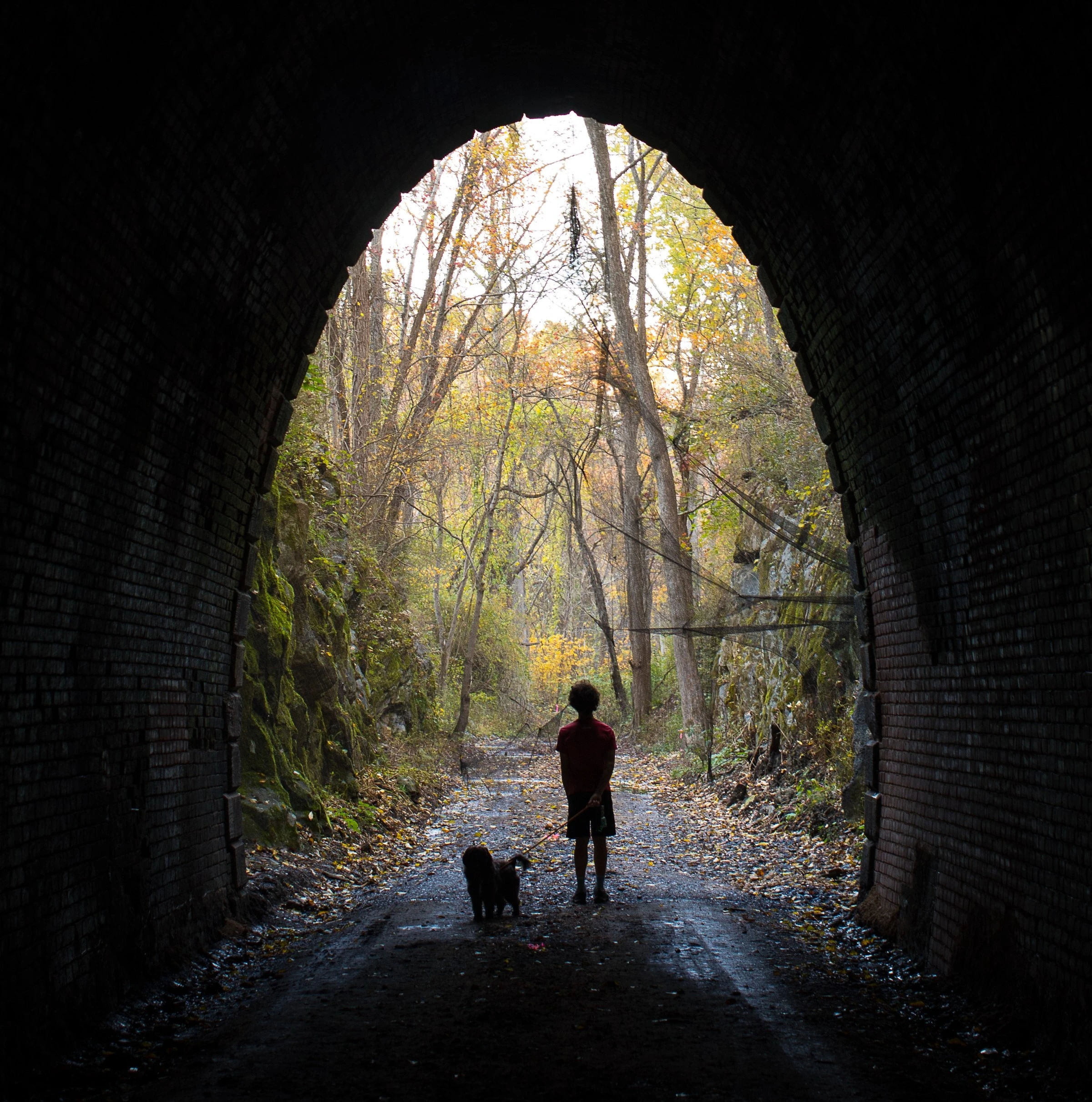
Waynesboro sits at the only junction where Skyline Drive meets the Blue Ridge Parkway — no other town in the region holds that geographic distinction. That makes it the most practical base for travelers piecing together a multi-day park and scenic drive trip while still wanting a real dinner at the end of the day.
The food scene skews casual but has grown meaningfully in recent years: craft breweries, farm-forward restaurants drawing from the surrounding agricultural valley, and enough variety for a multi-night stay without repeating a menu style. The Wayne Theatre, a restored performing-arts venue on Main Street, books live music, film, and comedy — a genuine cultural anchor, not a seasonal tourist attraction.
The Shenandoah Valley Art Center adds rotating gallery exhibitions worth an hour of your afternoon.
Base yourself here if you’re doing a multi-day park visit and want to drive the full Blue Ridge Parkway connection. The Rockfish Gap entrance is under five minutes from downtown, saving real drive time compared to towns farther north.
For lodging, you’ll find standard chains and a handful of locally owned inns within walking distance of both the restaurants and the theatre.
Lexington
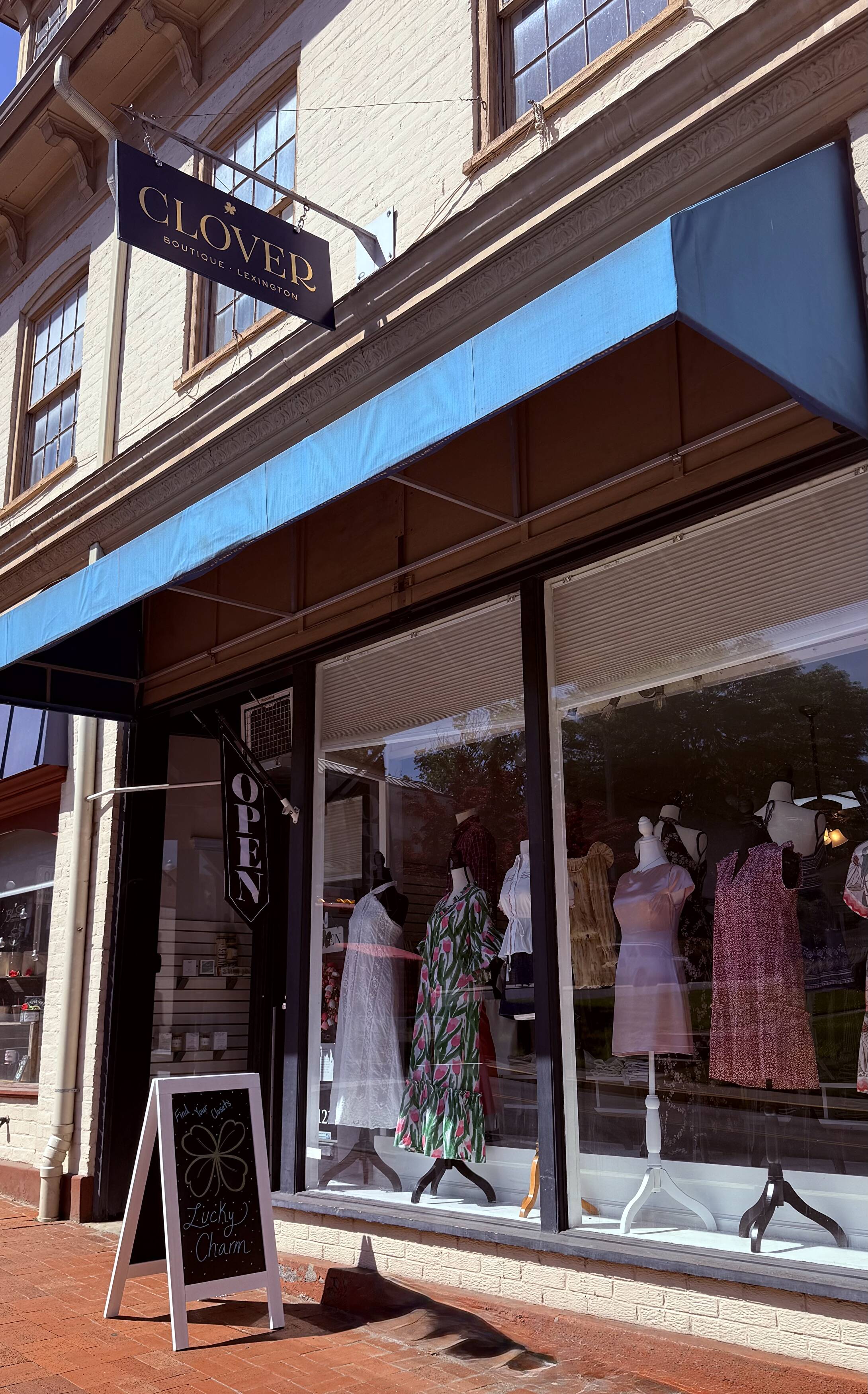
Lexington is the clear winner for anyone who cares as much about dinner as the hike. This college town — home to both Washington and Lee University and Virginia Military Institute — sustains a dining scene that would impress a city five times its size.
Farm-to-table restaurants source directly from surrounding Shenandoah Valley farms, and the concentration of independent spots along Main Street means you can eat seriously well for multiple nights without a single repeat.
The cultural depth extends well beyond the plate. Downtown holds the Stonewall Jackson House, the Lee Chapel and Museum at Washington and Lee, and a year-round calendar of performances and lectures fueled by two colleges.
Downtown is exceptionally walkable — plan to park once and explore everything on foot over an afternoon and evening.
The honest tradeoff: Lexington sits about 45 minutes from the park’s southern section. That makes it a stellar cultural complement to a park trip rather than a pure base camp.
The smart move is pairing one night here with a night closer to park entrances — Waynesboro to the south or Luray and Front Royal to the north — so you get both serious dining and early-morning trailhead access without daily hour-long commutes.
Is Strasburg Worth Visiting for History and Breweries?
Strasburg is the compact, mural-covered town where you can tour a stately 1797 manor house in the afternoon and sip beer from a vintage film reel by evening—all without the parking headaches of more crowded hubs.
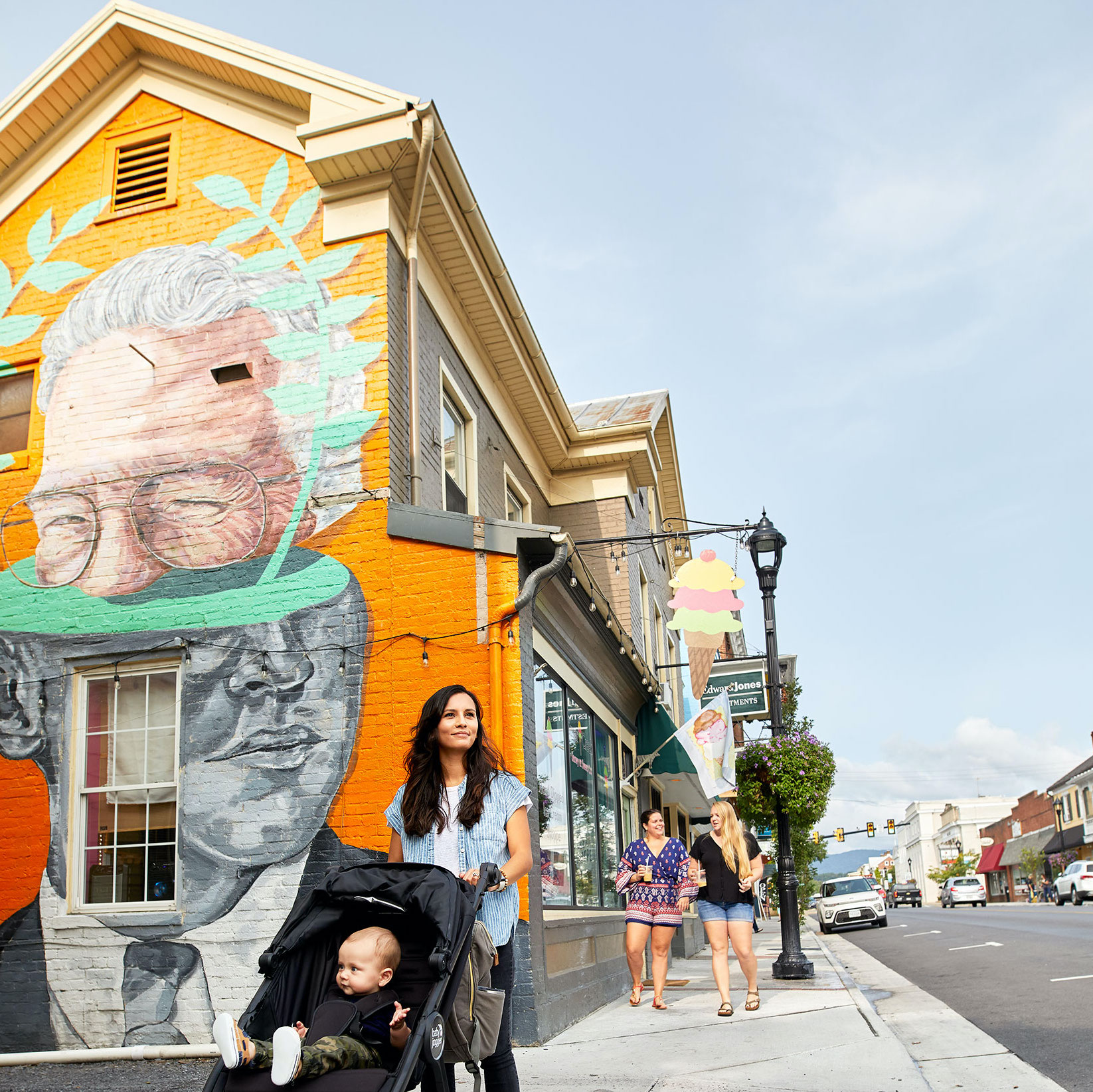
This town delivers a strong, distinct pairing: profound American history and a craft beverage scene with serious personality. It’s an ideal half-day or full-day add-on if you’re staying in Front Royal or exploring the park’s northern section.
History Worth Your Time
The main historical draw is Cedar Creek and Belle Grove National Historical Park. The site preserves the landscape of the 1864 Battle of Cedar Creek and includes the stunning 1797 Belle Grove Manor House.
The National Park Service offers guided tours of the manor, furnished with period antiques.
- What to do: Take the guided house tour. It’s the only way to see the interior and understand the site’s significance in the Shenandoah Valley Campaign.
- Planning detail: There’s a modest fee for the manor tour. Confirm hours and tour times directly with the National Park Service, as they vary seasonally.
Strasburg’s own story unfolds on its downtown walls via an impressive collection of public murals. They’re free to see and make for a quick, rewarding walk between stops.
Brewery with Character
Box Office Brewery isn’t just another taproom. Set inside a converted 1918 movie theater, the space alone is a draw.
The standout is their flight service—beers and ciders are presented in vintage film reel canisters. It’s a gimmick, but a fun one that ties directly to the building’s history.
- What to order: The flight. It’s the best way to sample the variety and get the full thematic experience.
- Insider tip: The building’s historic architecture is part of the appeal. Arrive before it gets too crowded on weekends to appreciate the details of the old theater space.
The Verdict
Yes, Strasburg is worth the visit if you have a specific interest in Civil War history or enjoy breweries with a strong sense of place. Its dual attractions are unique, closely located, and provide a focused experience unlike the broader dining scenes in towns like Woodstock or Sperryville.
It’s less of a “base camp” and more of a rewarding destination in its own right. Plan for a half-day to fully appreciate the manor tour, a mural walk, and a flight at the brewery.
| Attraction | Best For | Key Detail |
|---|---|---|
| Cedar Creek & Belle Grove | Civil War history, architecture | Guided tours of a 1797 manor house on a pivotal battlefield. |
| Box Office Brewery | Craft beer fans, unique experiences | Flights served in vintage film reels inside a 1918 theater. |
| Downtown Mural Walk | Quick cultural stop, photographers | Free, self-guided walk showcasing diverse community stories. |
Towns with Easy Access to Wineries and Distilleries
The tiny town of Washington, Virginia, population under 200, transforms during the first weekend of November for the Rappahannock County Studio Tour, drawing art lovers who discover its surrounding vineyards almost by accident. This isn’t a base for rushing into the park gates at dawn; it’s for travelers who plan their day around a morning gallery visit, an afternoon tasting, and a world-class dinner.
Washington
Washington itself is the quiet, historic heart of Rappahannock County, but your winery itinerary will radiate outward from here. You’re not picking a town with a high concentration of tasting rooms on its main street.
You’re choosing a sophisticated, scenic base camp with unrivaled dining, from which you’ll drive 15-30 minutes to reach the region’s stellar wineries and distilleries.
The key advantage is location. Washington sits centrally within a county whose rolling farmland is dotted with acclaimed vineyards.
Pair a visit to Copper Fox Distillery in Sperryville—a 20-minute drive northwest—with tastings at vineyards along Route 211 or Route 231.
What Wins Here: The combination of Rappahannock County’s pastoral wine trail scenery and the undeniable culinary draw of The Inn at Little Washington. For some travelers, the chance to have a three-Michelin-star dinner after a day of tastings justifies the premium lodging costs and the need to drive between stops.
What Disappoints: The walkability factor. You will be driving between your lodging, individual wineries, and restaurants. Don’t expect to stroll from a tasting room back to your inn.
Lodging Context: Stay in or just outside the town of Washington for the classic experience—historic inns and B&Bs are the standard. The Inn at Little Washington is the iconic, splurge-worthy option, but other inns like The Foster Harris House offer a refined stay.
This is the choice for couples and culture-focused travelers prioritizing ambiance over proximity to the park’s northern entrance.
Insider Specific: For a tasting experience that feels distinctly Virginian, seek out vineyards using Virginia-native grape varieties like Viognier or Norton, not just the familiar Cabernet. Ask your pourer what’s growing best in their specific plot of Blue Ridge foothill terroir.
Frequently Asked Questions
What’s the best town for first-time visitors to stay?
Front Royal is the strongest default choice. It’s your gateway to the park’s northern entrance, offers the widest range of lodging from cabins to camping, and puts you right on the Shenandoah River for post-hike activities.
It removes guesswork and maximizes your first day.
Can I do a worthwhile weekend trip from Washington, D.C.?
Absolutely, but plan your drive strategically. A Friday evening departure for a northern town like Front Royal or Strasburg means you’re sipping local beer at Box Office Brewery within 90 minutes.
For a Sunday-focused trip targeting popular central hikes, base in Luray to hit trailheads early. The key is matching your town to your park entry point to minimize windshield time.
Which town offers the best mix of food, culture, and easy park access?
Sperryville wins this, hands down. Its position at the Thornton Gap entrance is convenient, but the town itself is the real draw.
You’ll find acclaimed restaurants, Copper Fox Distillery, and art galleries all within a short stroll—no driving between dinner and drinks. It’s the sophisticated base camp.
How do I avoid the biggest crowds?
Skip the most popular central entrances on peak weekends. Choose a town that accesses the park’s northern (Front Royal) or southern (Waynesboro) ends, where traffic and parking are often more manageable.
For a true quiet stay, consider Elkton on the park’s western slope; it’s less touristed but still provides solid access to the central district.
Insider tip: During peak fall foliage, Skyline Drive requires a reservation on specific dates. Book your timed entry as soon as you book your lodging—it’s not optional.
Your Next Move Starts with One Booking
Open a map, circle the entrance that matches your priority — North, Thornton Gap, Swift Run, or Rockfish Gap — then book lodging in the town that serves it. Everything else falls into place once you’ve committed to a base.
These towns exist because the Blue Ridge has been pulling people off highways and onto quiet roads for generations, and each one offers a different version of that same irresistible gravity.
Pick the town that fits your style, reserve your spot before fall foliage season fills every room, and start planning which overlook on Skyline Drive you’ll watch your first sunrise from.
Leave a Reply