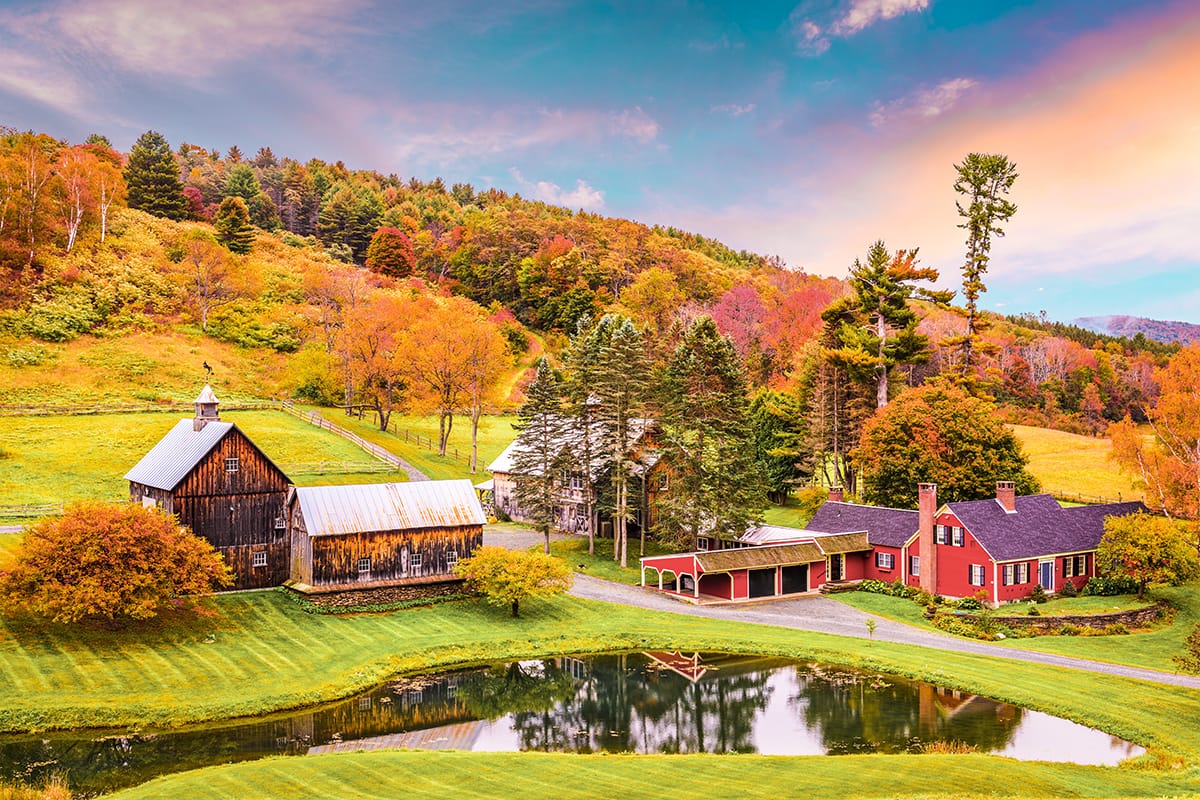
Picture standing on blinding white gypsum dunes as the sun drops low, the sand shifting from stark white to rose gold while the Organ Mountains fade into silhouette on the horizon. Or imagine stepping off a Maui catamaran after watching a humpback breach just yards from the boat, the Pacific warm enough at 79°F to make you forget it’s November.
November in the USA delivers something no other month can: warm destinations from Key West to the Sonoran Desert that have shed their peak-season crowds without losing a degree of their heat, all at shoulder-season prices that feel like a booking glitch.
This guide breaks down exactly where to go based on what you actually want — beaches, red rock hikes, live jazz, or poolside nothing — so you can stop scrolling and start booking.
Budget stays in places like Gulf Shores or Albuquerque run roughly $100–$180/night, mid-range boutique hotels in Sedona or San Diego land around $200–$350/night, and splurge-worthy resorts in Maui, Scottsdale, or Palm Springs start at $400–$600+/night. Airfare in early November typically drops 15–30% below summer peaks.
Your Quick-Pick Guide
Craving warm water and sand? → Key West, Florida — 82°F air, 79°F ocean, and the summer crowds are long gone.
Want perfect hiking weather? → Sedona, Arizona — 68°F days, golden light on red rock, and trailheads that aren’t mobbed.
After cities and culture? → New Orleans, Louisiana — 72°F days, Frenchmen Street live music with actual seats available, and hotel rates that dip noticeably from peak.
Traveling with kids? → San Diego, California — Zoo, LEGOLAND, and Balboa Park all running full schedules in mid-60s to low 70s weather without summer chaos.
Planning a couples trip? → Savannah, Georgia — Spanish moss, candlelit dinners in restored townhouses, and evening strolls through Forsyth Park in perfect sweater weather.
Chasing the best value? → Gulf Shores, Alabama — warm Gulf water, family-friendly beaches, and accommodation rates 30–40% below summer.
Best Warm West Coast Destinations in November
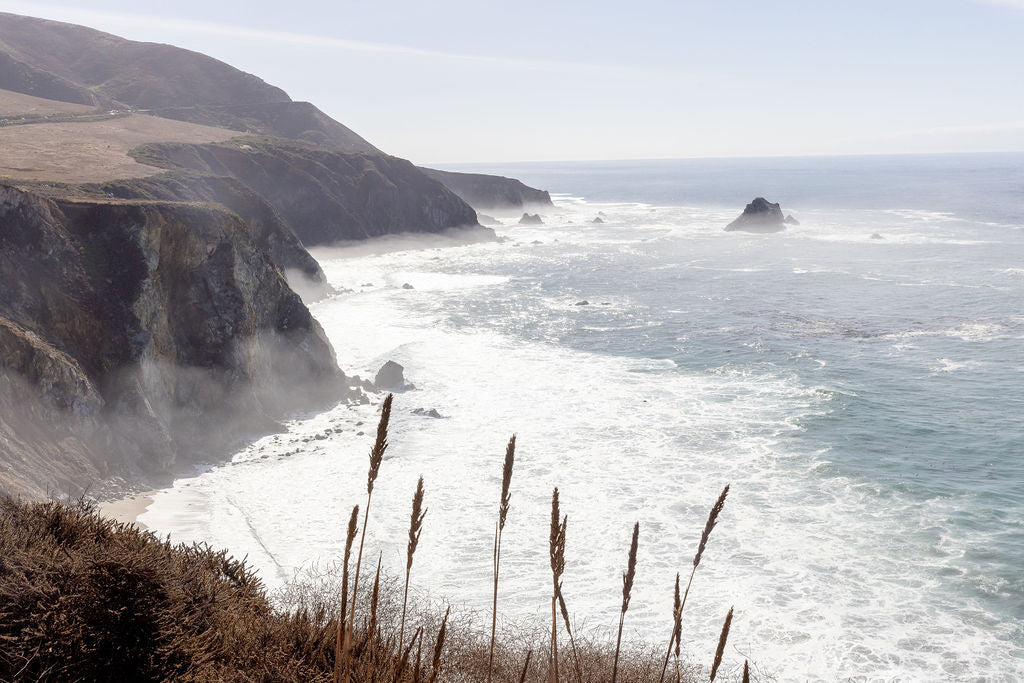
November is when California’s coast stops performing for tourists and starts living for locals — the summer fog retreats, Highway 1 sheds its RV caravans, and you can actually snag a dinner reservation in San Francisco without a three-week lead time. Temperatures along the coast range from the low 50s to upper 60s°F, which won’t win any tropical awards, but delivers clear skies, uncrowded trails, and shoulder-season hotel rates that make the whole trip feel like a steal.
| Destination | Avg High | Best For | November Edge |
|---|---|---|---|
| San Francisco | 64°F | City culture + nature | Fog gone, Indian summer |
| Big Sur | 66°F | Dramatic coastline | Empty roads, moody skies |
| Santa Catalina Island | 62°F | Island escape, no passport | Only 3 rainy days avg |
| Los Angeles | Low 70s°F | Urban + outdoor mix | Hiking weather, lower rates |
| Huntington Beach | 72°F | Surf culture | Still sunny, uncrowded waves |
| Napa Valley | Low 60s°F | Wine country | Fall colors, harvest wrap-up |
San Francisco, California
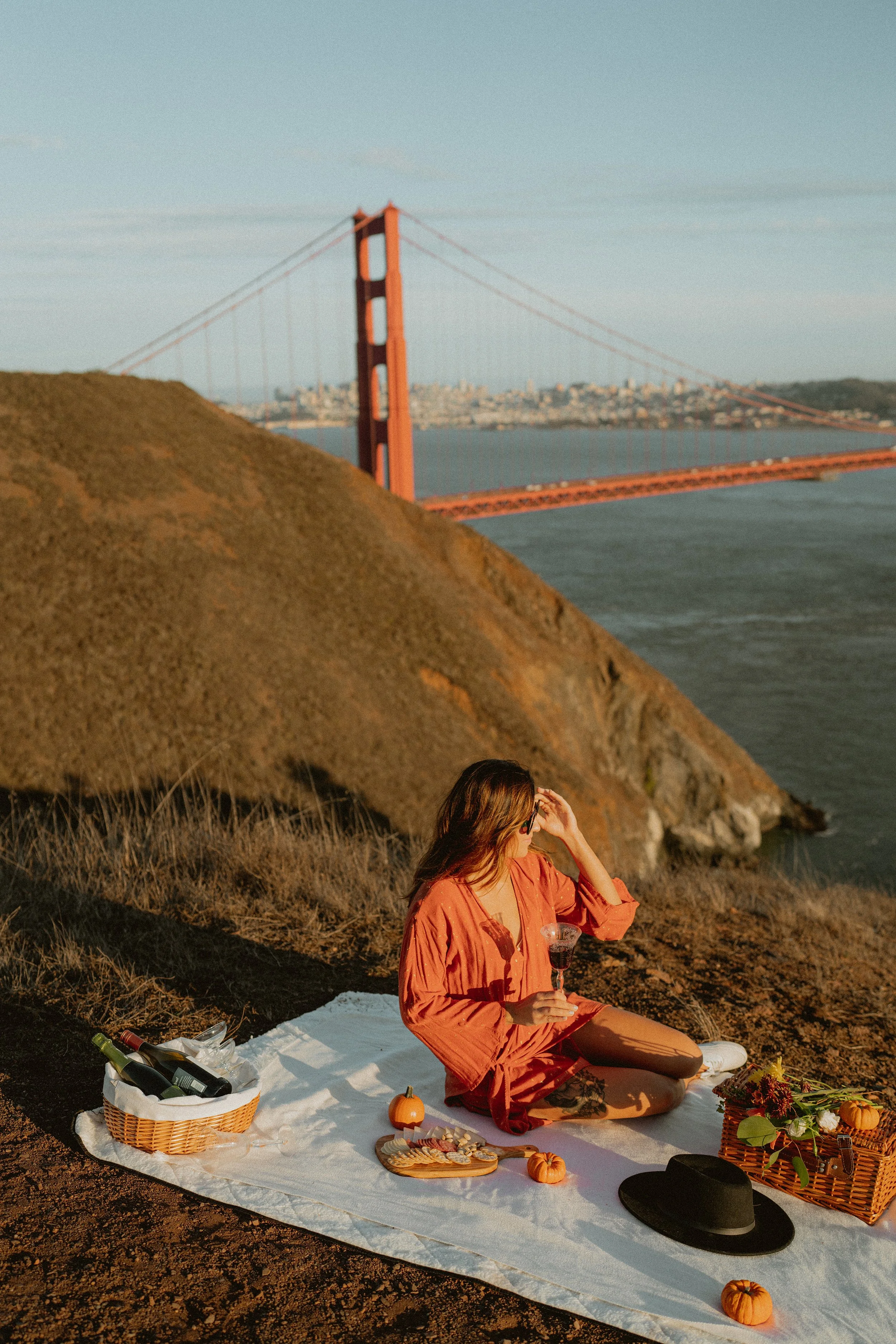
Forget everything you’ve heard about San Francisco being cold and foggy — in November, the city regularly hits its warmest, clearest days of the year. Locals call it second summer, and they’re not exaggerating.
Expect highs around 64°F with roughly six rainy days for the month, meaning you’ll get plenty of dry, golden-hour afternoons perfect for walking across the Golden Gate Bridge or climbing the stairs at Lands End without a single marine layer in sight.
- Best outdoor move: The Batteries-to-Bluffs Trail in the Presidio — ocean views the entire way, and November light makes the bridge glow.
- Where to stay: Base yourself in the Marina or Cow Hollow neighborhoods for walkable access to the waterfront, Crissy Field, and better parking than downtown. Boutique hotels in these areas typically run $180–$300/night in November, well below summer peaks.
- What to skip: Fisherman’s Wharf is as touristy as ever — spend that time in Golden Gate Park instead, where the de Young Museum’s tower gives free 360-degree views.
Big Sur, California
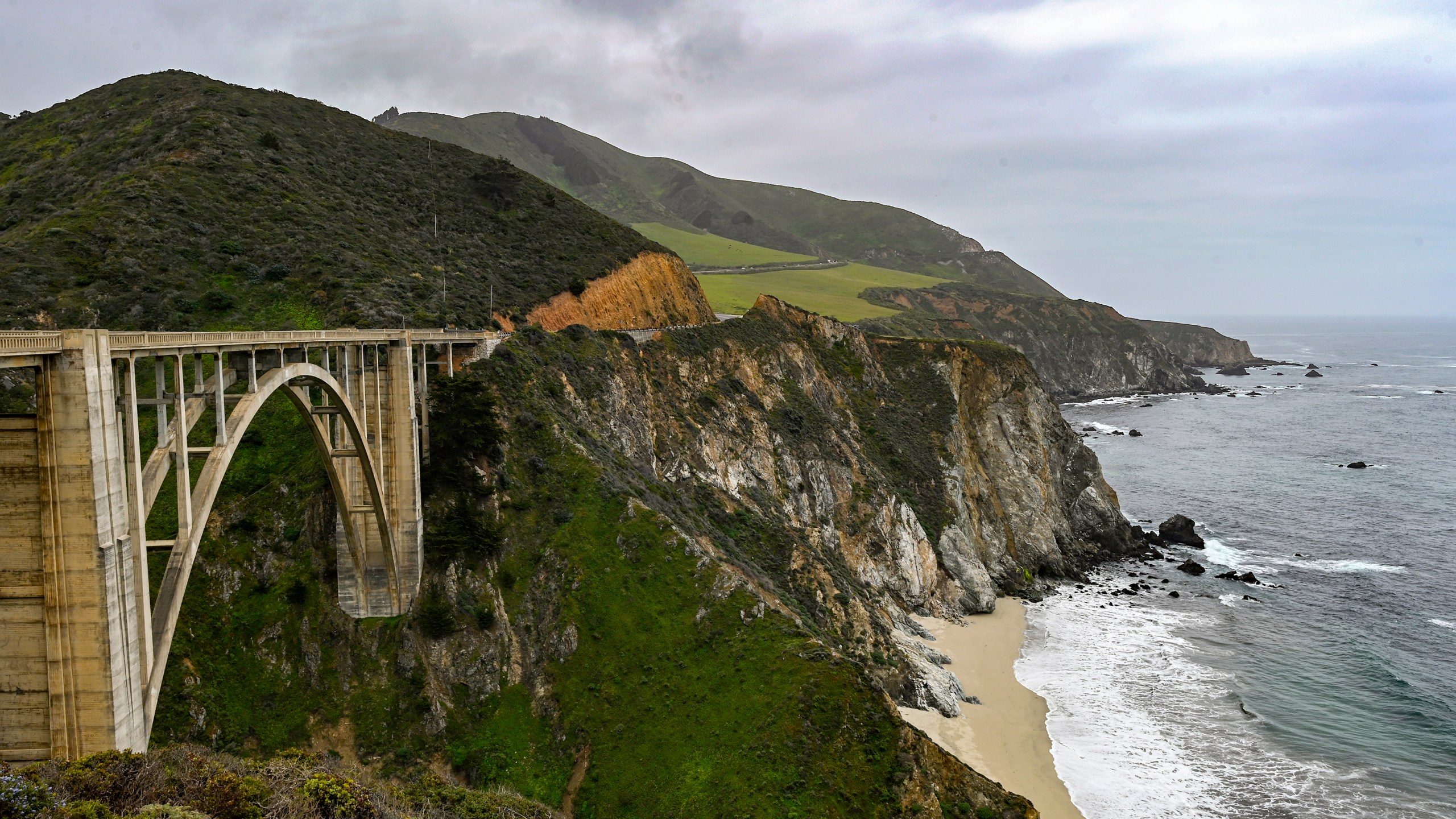
Big Sur in November feels like driving through a landscape painting that nobody else showed up to see. The coast runs 46°–66°F, and with roughly five rainy days for the month, you’ll get stretches of jaw-dropping clarity between brief Pacific storms.
The real draw: Bixby Bridge without a line of cars pulled over for selfies, McWay Falls overlook with actual elbow room, and Pfeiffer Beach’s purple sand glowing in late-afternoon light.
- Critical planning detail: Highway 1 closes without much warning during November’s early rains — landslides and rockslides are a real risk. Check Caltrans QuickMap the morning of your drive, every time.
- Where to stay: Lodges along Highway 1 (Deetjen’s, Glen Oaks Big Sur, Pfeiffer Big Sur State Park campground) book out weeks ahead even in shoulder season. Reserve early. There’s no real “town” — you’re choosing between rustic-chic lodges and state park sites.
- Insider timing: Pfeiffer Beach’s keyhole arch photographs best from 3:30–4:30 PM in November when the sun angle hits the rock formation directly. Arrive early; the parking lot holds maybe 30 cars.
Santa Catalina Island, California
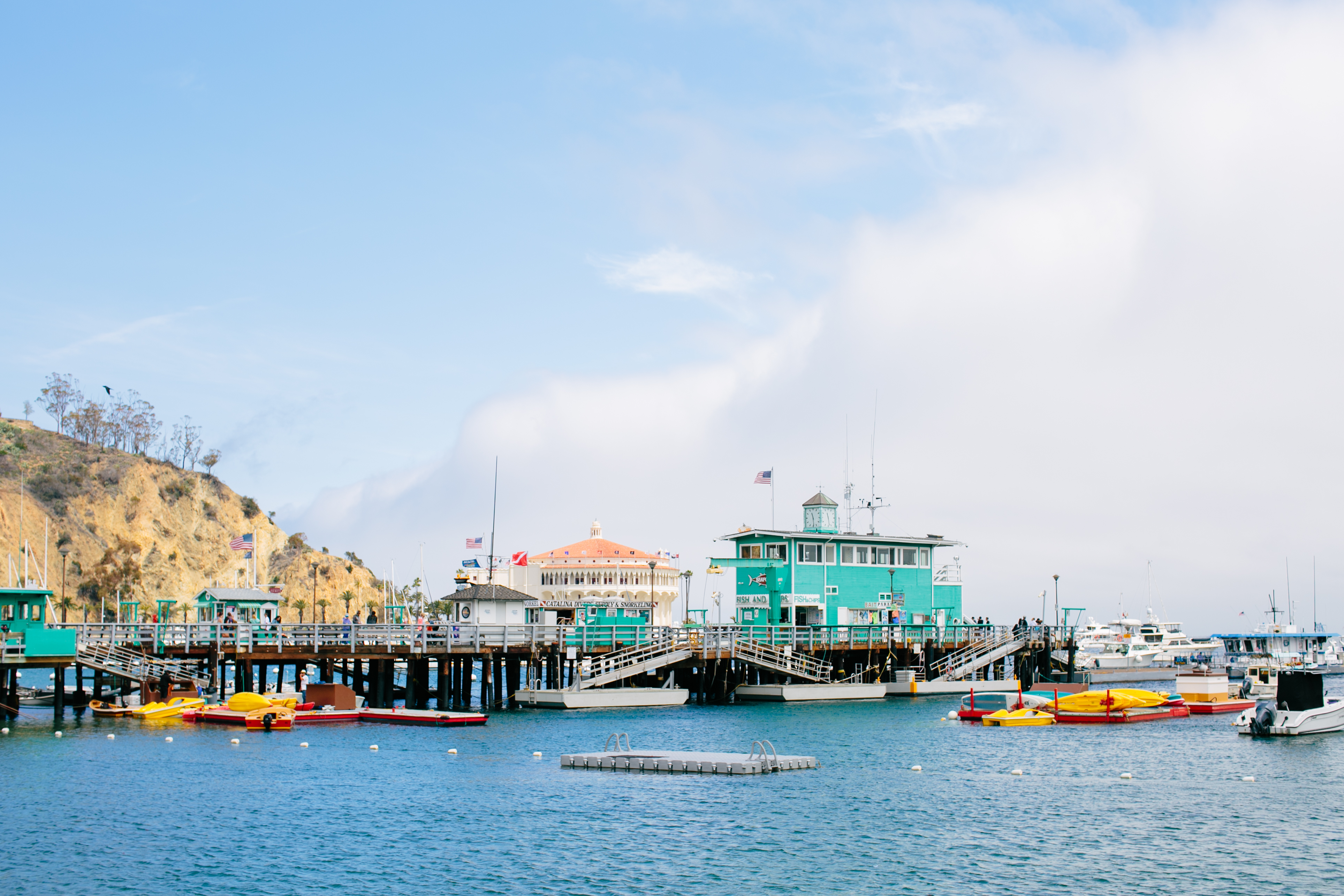
Catalina in November averages only three rainy days for the entire month, and the 46°–62°F range feels warmer than it sounds when you’re walking Avalon’s sun-soaked waterfront. This is the month the island stops feeling like a day-trip destination and starts feeling like an actual getaway — the summer ferry crowds thin dramatically, restaurant waits disappear, and you can rent a golf cart without competing for one.
- Don’t miss: The Catalina Casino (not a gambling hall — it’s a 1929 art deco movie palace and ballroom) offers guided tours of the building’s murals and architecture. Most visitors walk past it without going inside.
- Getting there: The Catalina Express ferry runs from Long Beach, San Pedro, or Dana Point. Crossings take roughly one hour and usually cost $40–$80 round-trip — confirm current schedules with the operator, as November frequency drops from summer levels.
- Where to stay: Base in Avalon village, where waterfront inns and boutique hotels put you within walking distance of everything. The town is fully pedestrian-friendly — explore on foot, by bike, or by golf cart rental.
Los Angeles, California
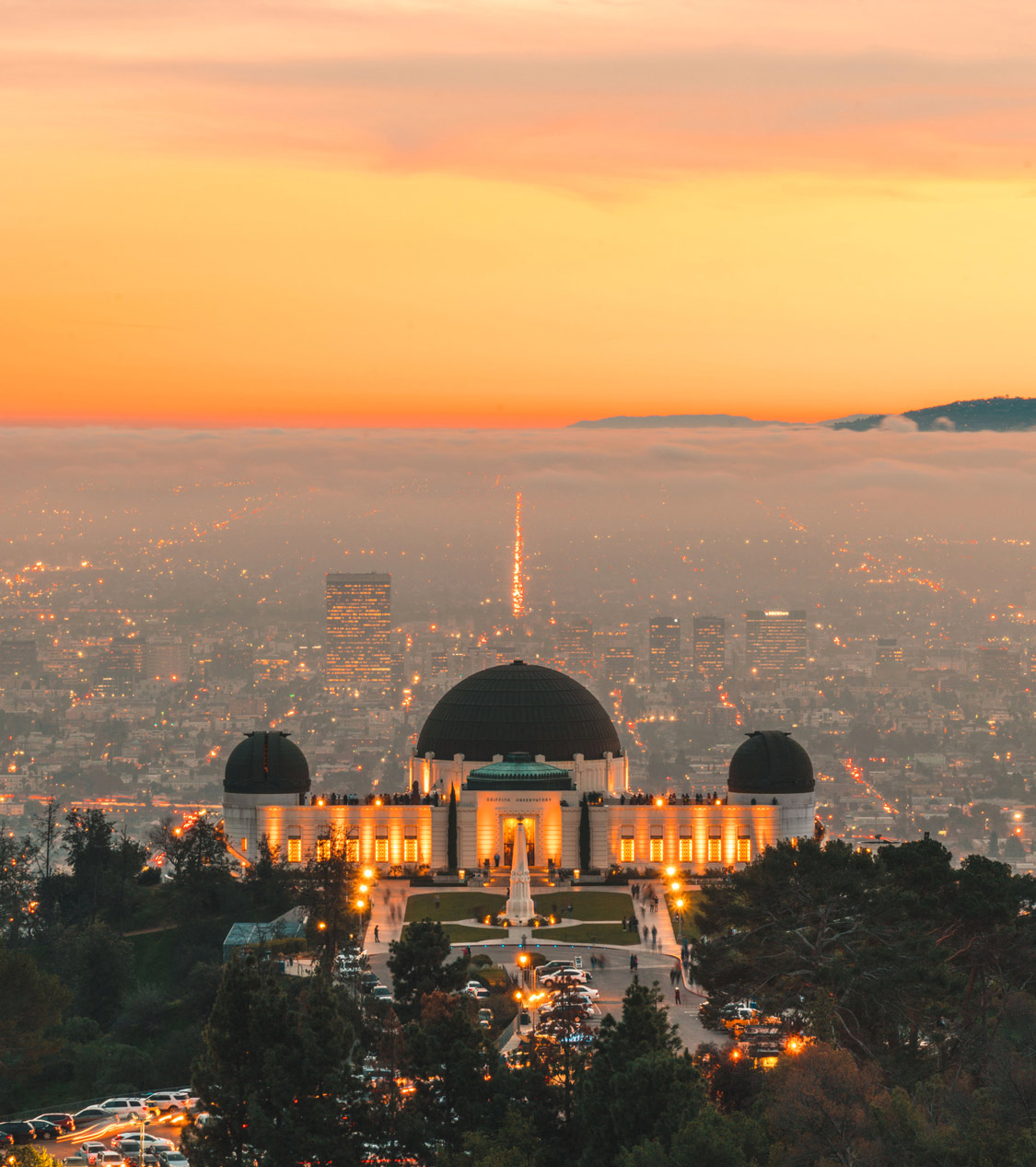
November is arguably the best month to actually do things outdoors in LA — the summer haze clears, hiking temperatures drop into the comfortable low 70s°F, and you won’t melt on the trail at Runyon Canyon or Griffith Park. Hotel rates dip noticeably from peak season, and the city takes on a quieter rhythm that makes neighborhoods like Silver Lake, Los Feliz, and the Arts District feel more like places people actually live.
- Best outdoor payoff: Hike to the Griffith Observatory at sunset for the classic LA skyline view — November’s cleaner air means you’ll actually see the ocean on clear days.
- Where to stay: Skip the tourist-heavy Hollywood corridor. Base in Santa Monica for beach access, Los Feliz for hike proximity, or Downtown LA for walkable food and culture. Boutique hotels in these neighborhoods typically run $150–$280/night in November.
- Worth the drive: Bolsa Chica Ecological Reserve in Huntington Beach (covered below) makes an easy day trip for birdwatching — November is peak migratory season.
Huntington Beach, California
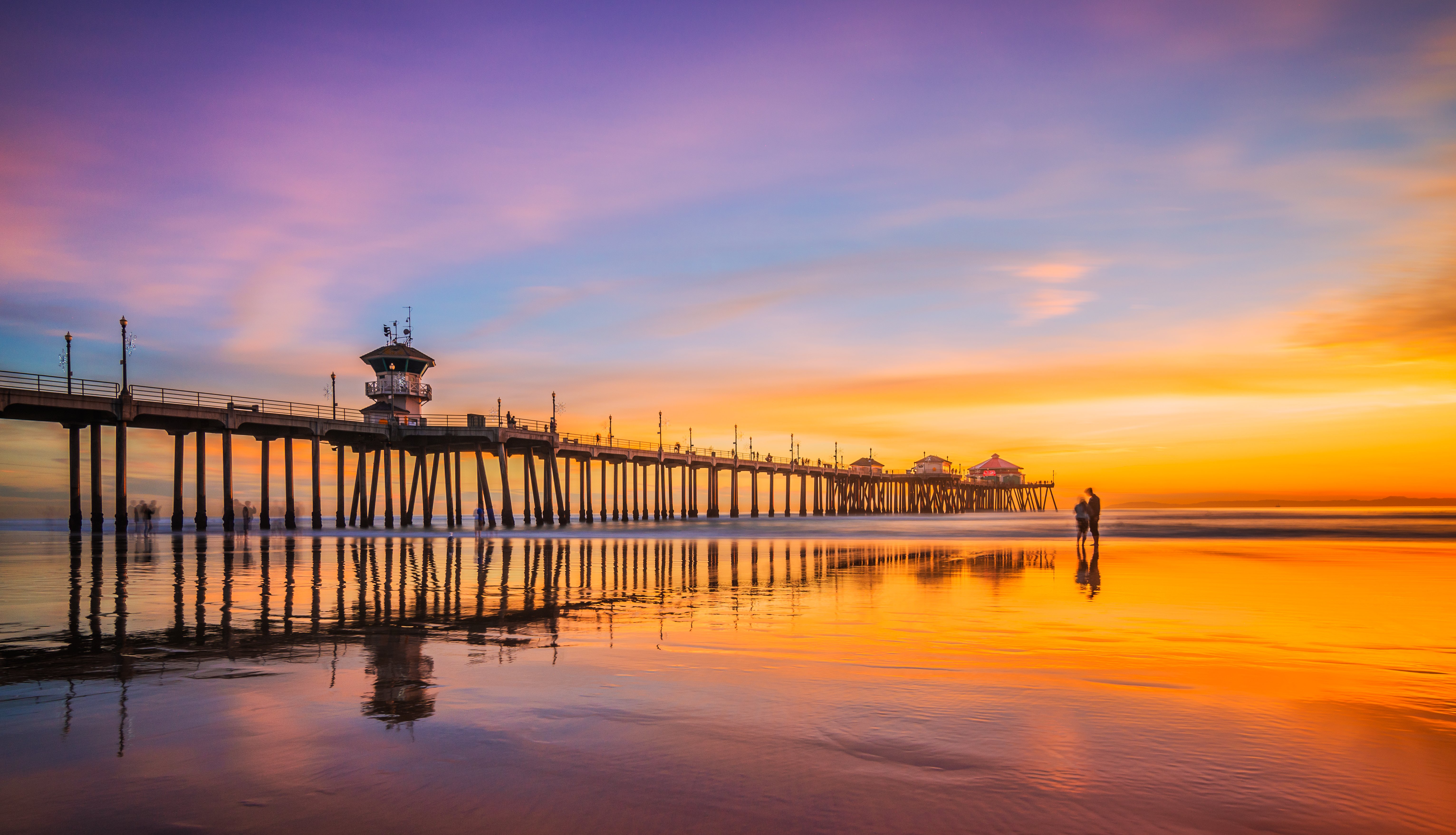
Surf City USA earns its nickname in November — the water’s cooler but the waves stay consistent, and at an average high of 72°F with reliable sunshine, this is the West Coast’s warmest beach option that doesn’t require a flight. The summer tourist crush is gone, Pacific City’s outdoor dining patios have actual availability, and you can bike the boardwalk without weaving around crowds.
- Best for: Anyone who wants a laid-back beach town vibe without the pretension or price tag of Malibu. Surfing, beach biking, and Bolsa Chica Ecological Reserve birdwatching are the core activities.
- Where to stay: Beachfront hotels along Pacific Coast Highway put you steps from the sand and the Huntington Beach Pier. Expect $180–$350/night for oceanfront properties in November — roughly 30–40% below summer rates.
- Insider move: Walk Bolsa Chica at sunrise. The wetland reserve draws thousands of migratory birds in November, and early morning light turns the marshland golden. Free entry, free parking before 8 AM.
Napa Valley, California
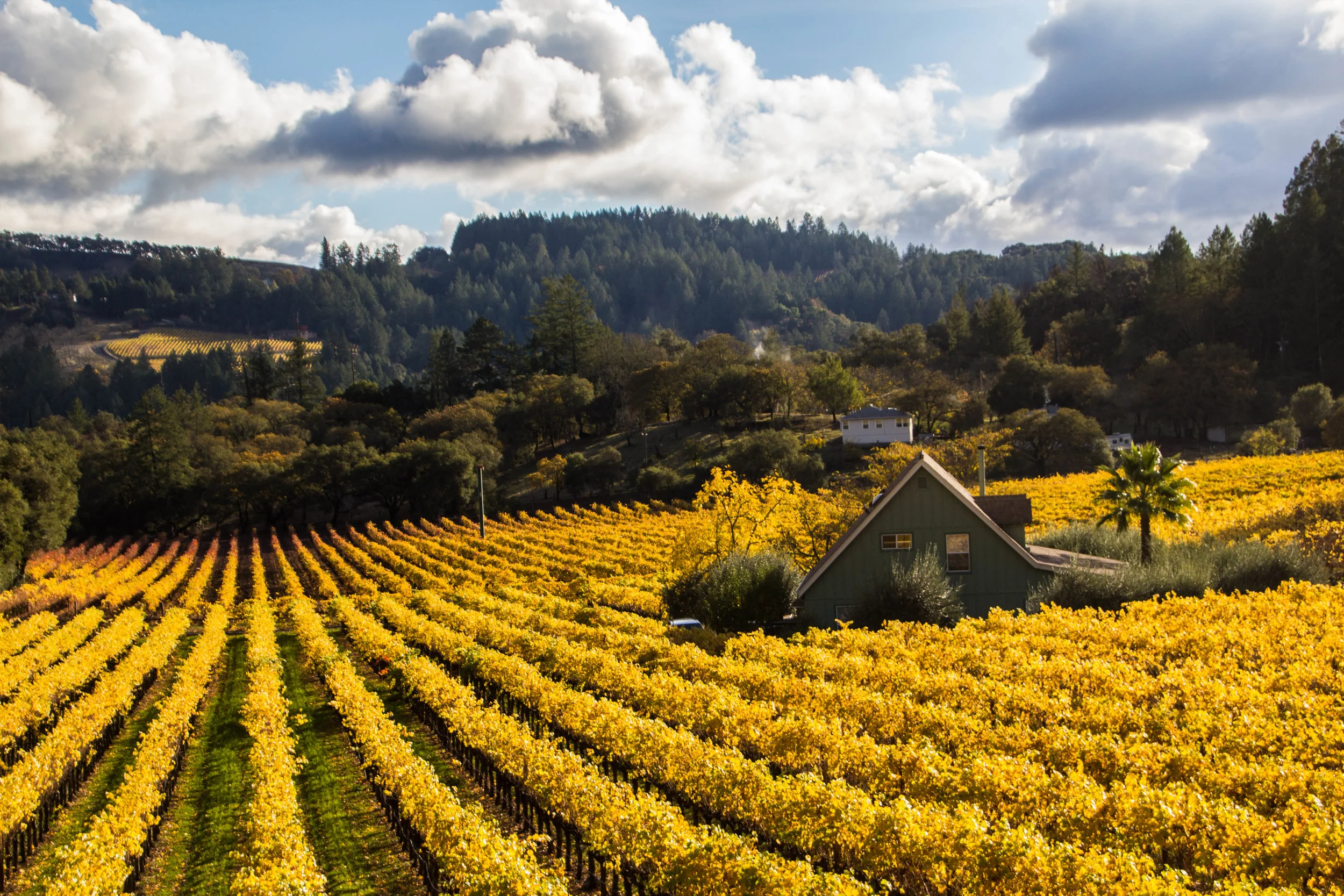
By November, Napa’s grape harvest is wrapping up and the vineyards shift into their most photogenic phase — rows of gold, amber, and crimson stretching across the valley floor. Daytime temperatures settle in the low 60s°F, cool enough for a sweater but warm enough for outdoor tastings without shivering through your Cabernet.
The summer crush of visitors has largely evaporated, which means tasting rooms are calmer, winemakers are more available, and you can actually hear yourself talk at the bar.
- Best outdoor pairing: Morning hot air balloon ride over the valley (operators typically run through November — confirm availability directly, as weather cancellations increase) followed by an afternoon bike ride through the vineyards along the Silverado Trail.
- Where to stay: Yountville is the best base for walkable access to top restaurants and tasting rooms. Napa town offers more budget-friendly hotels. Calistoga, at the valley’s north end, adds hot springs and a more relaxed pace. Expect $200–$450/night for mid-range properties — November rates are meaningfully lower than harvest season peaks in September and October.
- What to know: Many wineries require reservations for tastings, and some smaller producers close or reduce hours in late November. Book your must-visit spots at least two weeks ahead.
Hawaiian Islands for Warm November Weather

November is when Hawaii’s whale season officially begins, and the islands shed their summer crowds without losing a degree of their 80°F warmth. This is the sweet spot for value, space, and that perfect golden-hour light.
| Island | Best For | November Vibe | Key Booking Tip |
|---|---|---|---|
| Maui | First-timers, couples, whale watchers | Lively but manageable; resort areas feel festive | Book whale watch tours now—they fill fast. |
| Kauai | Hikers, solitude seekers, nature lovers | Quiet, lush, and deeply relaxed | Secure a rental car immediately; options are limited. |
Maui, Hawaii
Maui in November is the ultimate balanced Hawaiian experience: you get the start of the spectacular humpback whale migration, reliably sunny leeward coasts, and significantly lower rates than the December peak. The island feels alive but not overcrowded.
- Weather & Water: Expect daytime highs around 84°F and ocean temps near 79°F. The leeward (south and west) coasts—Wailea, Ka’anapali—are your driest, sunniest bets.
- What to Do: Book a whale watching catamaran tour from Ma’alaea Harbor (season typically runs Nov-May). Drive the Road to Hana, but start by 7 AM to beat traffic. For a less crowded sunrise, skip Haleakalā’s summit and watch from the Kula Lodge terrace instead.
- Where to Stay: Wailea for polished luxury and calm beaches. Kihei for condo-style value with great access to both south and west shores. Paia is the move for a boho, surfer-town base near the Hana Highway.
- Insider Detail: The best luau on the island, Old Lahaina Luau, books out months ahead. If it’s sold out, The Feast at Mokapu at the Andaz is a more intimate, upscale alternative that’s easier to reserve.
Kauai, Hawaii
Kauai is the antidote to overdevelopment. In November, its legendary green landscapes are intensely vibrant from the recent rainy season, and you’ll have hiking trails and lookouts almost to yourself. This is the island for disconnecting.
- Weather & Water: The North Shore (Princeville, Hanalei) gets more rain, creating the waterfalls and rainbows. For guaranteed sun, base yourself on the South Shore in Poipu. Ocean conditions can be rougher on the North Shore in November.
- What to Do: Hike the first two miles of the Kalalau Trail (no permit needed for this section) for staggering Na Pali Coast views. Take a doors-off helicopter tour to see the otherwise inaccessible interior. Explore the charming, historic town of Hanapepe on a Friday night for its art walk.
- Where to Stay: Poipu for sunny weather, snorkeling, and family-friendly resorts. Princeville for dramatic cliffside scenery and golf. Kapaa for a central location with a mix of vacation rentals and walkable dining.
- Insider Detail: The most famous beach, Hanalei Bay, can have strong currents in November. For a calmer, equally beautiful swim, head to the protected waters of Anini Beach on the North Shore.
Southwest Desert Warm Spots
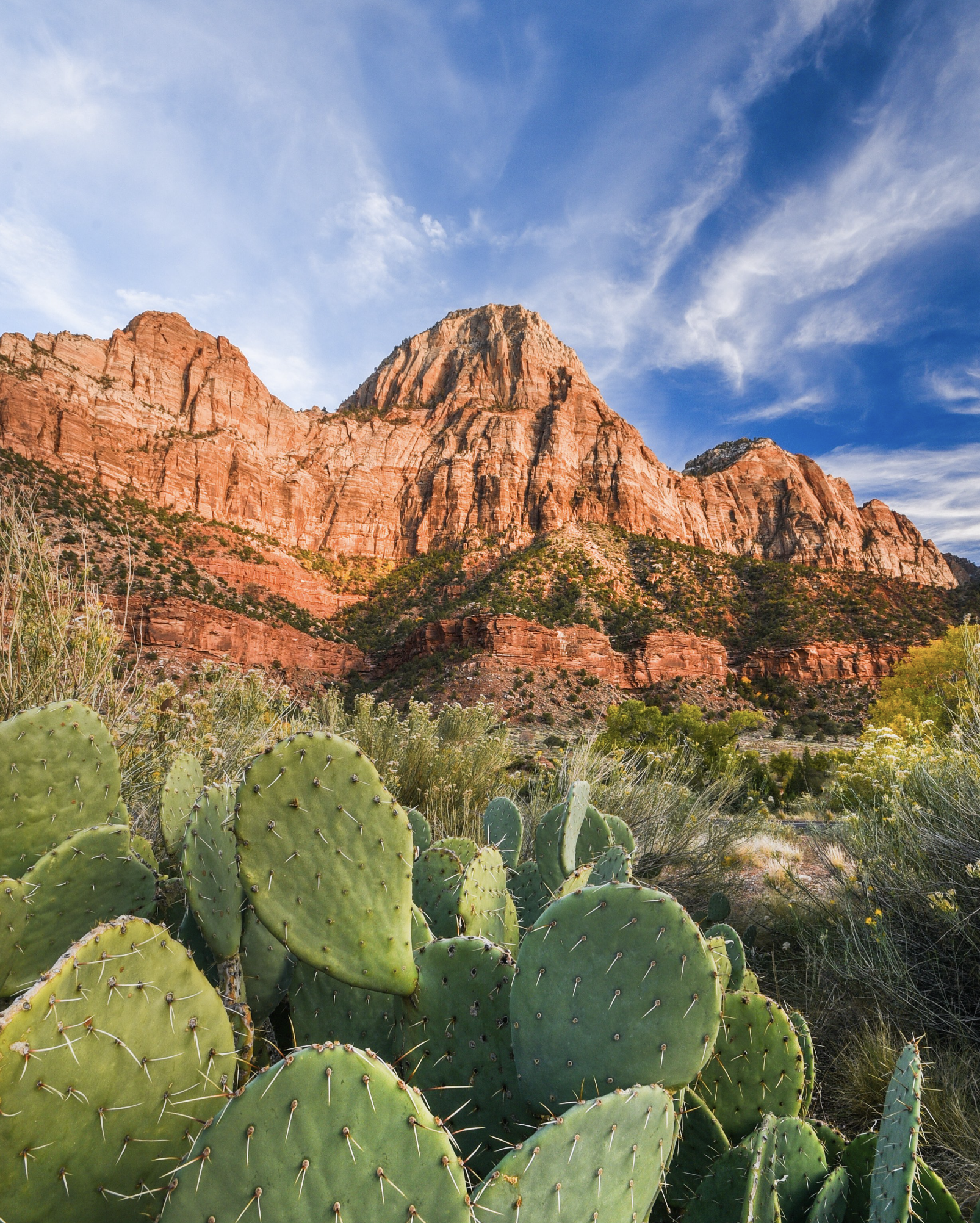
November is when the Southwest finally exhales — summer’s brutal 110°F days are gone, the crowds thin hard, and the desert light turns amber. This is the sweet spot for every park and city on this list.
| Destination | Nov Temp Range | Best For | Crowd Level |
|---|---|---|---|
| Joshua Tree NP | 43–72°F | Bouldering, stargazing | Moderate |
| Grand Canyon NP | 46–70°F | Rim hiking, photography | Low |
| Saguaro NP | 46–73°F | Desert trails, cycling | Low |
| Phoenix | Warm, dry | Golf, resort pools, dining | Moderate |
| Las Vegas | Mild, dry | Shows, dining, day trips | Moderate |
| Palm Springs | Warm, dry | Poolside, mid-century design | Low–Moderate |
| Sedona | Cool–mild | Red rock hiking, wellness | Moderate |
| Death Valley NP | Warm, dry | Scenic drives, photography | Low |
| Capitol Reef NP | Cool–mild | Slot canyons, solitude | Very Low |
Joshua Tree National Park, California
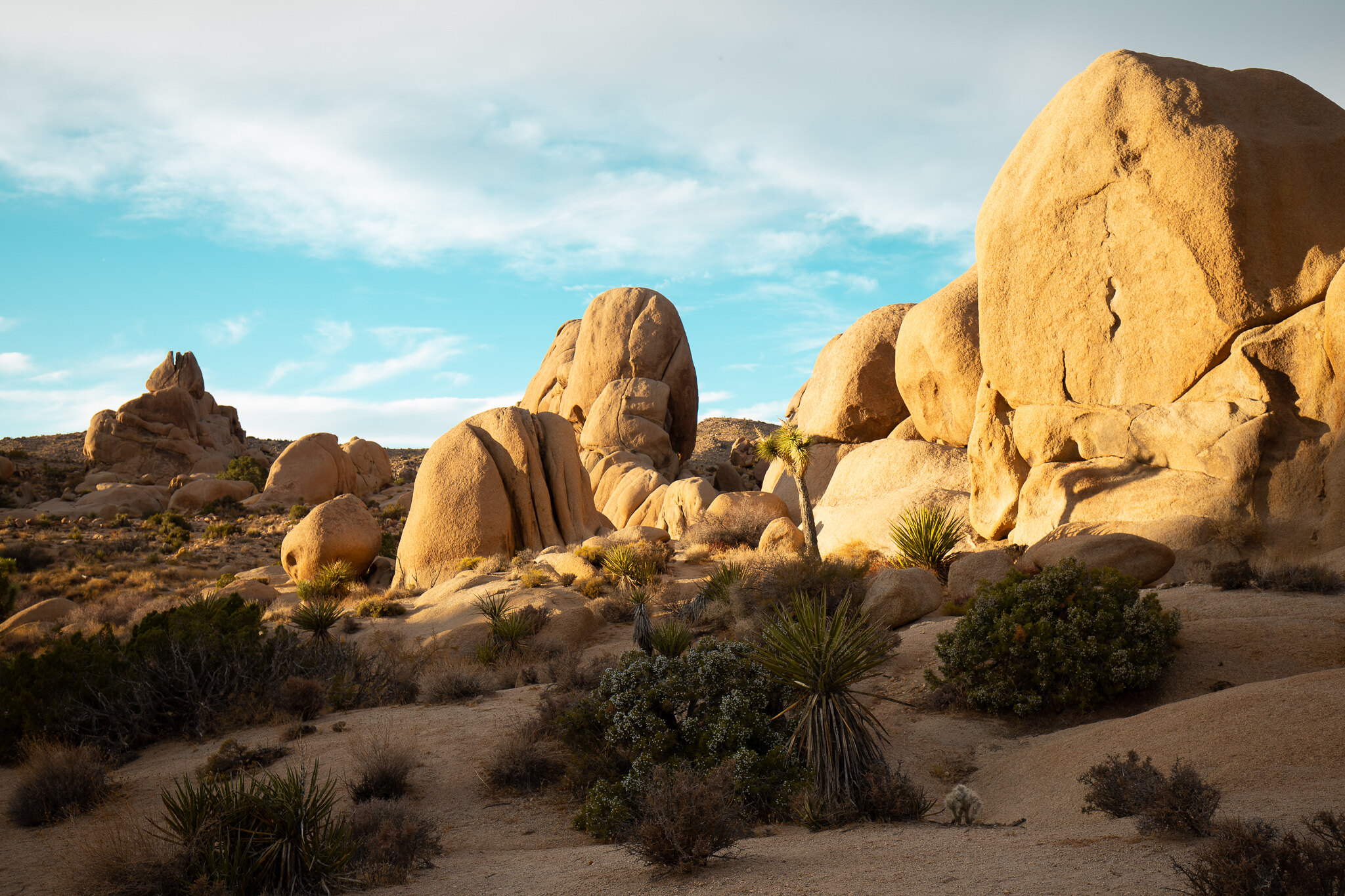
Joshua Tree in November means zero rain on average and temperatures that sit perfectly between “comfortable hoodie” and “just a t-shirt.” The otherworldly boulder fields and twisted Joshua trees are best explored on the Hidden Valley Trail (easy, 1 mile loop) or the Ryan Mountain summit (moderate, 3 miles round trip) for panoramic desert views.
- Base yourself in: Joshua Tree town or Twentynine Palms — both sit right at park entrances and have quirky motels, indie coffee shops, and stargazing-friendly Airbnbs.
- Insider move: Enter through the less-used North Entrance (Twentynine Palms) on weekends. The West Entrance (Joshua Tree town) backs up with day-trippers from LA by mid-morning.
- Don’t skip: Night sky viewing. November’s longer nights and dry air make this one of the best stargazing parks in the country — the Milky Way is visible without a telescope.
Grand Canyon National Park, Arizona
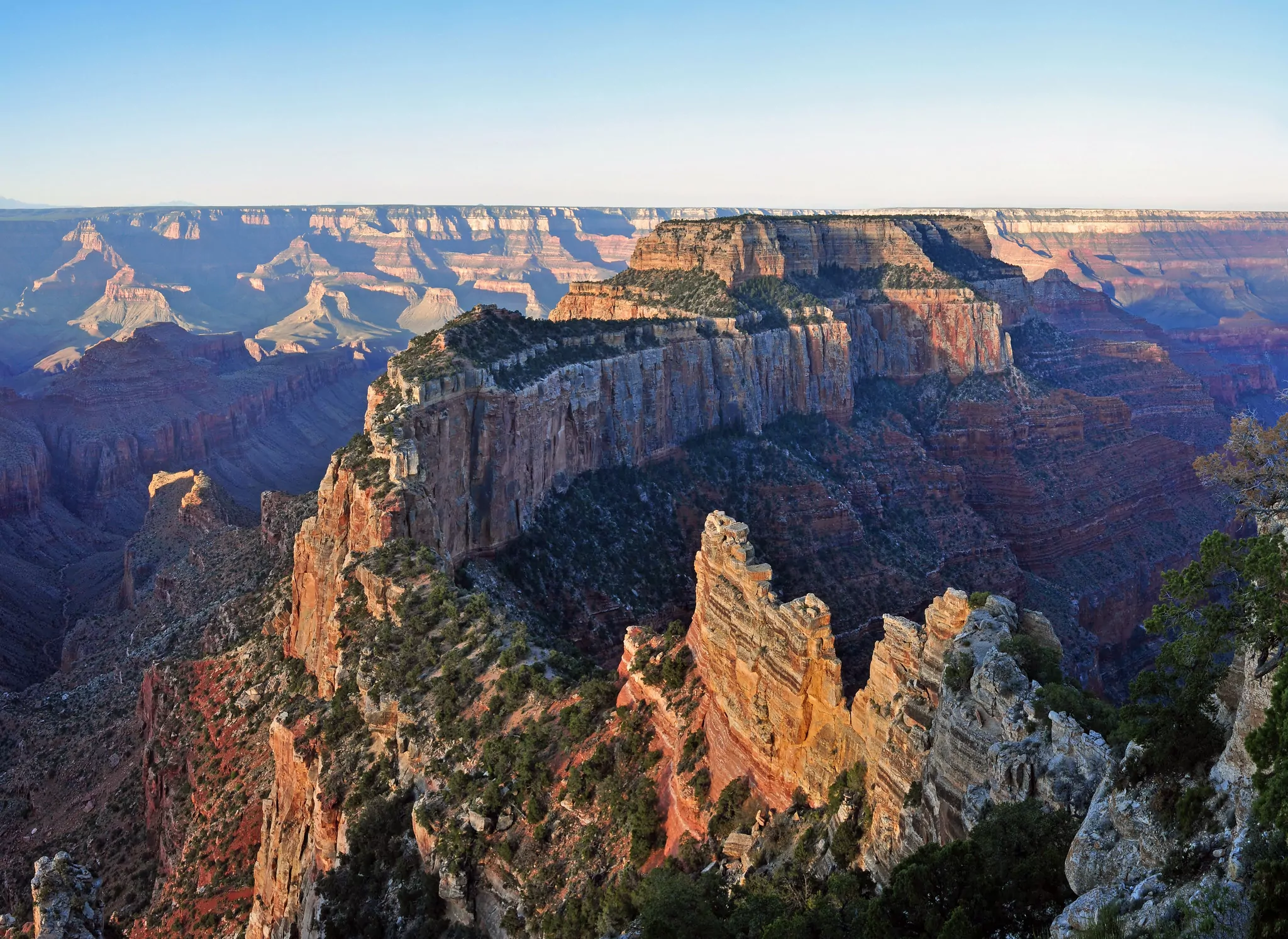
The South Rim stays open year-round, and November averages only two rainy days — meaning you get clear canyon views with a fraction of summer’s shoulder-to-shoulder crowds. The North Rim closes for winter around mid-October, so plan on the South Rim exclusively.
- Best rim trail strategy: Walk the paved Rim Trail from Mather Point to Yavapai Point at sunrise. It’s flat, short, and delivers the canyon’s most iconic light show.
- Stay inside the park at El Tovar or Bright Angel Lodge if you can book 13 months ahead — both sit directly on the rim. Otherwise, Tusayan (7 miles south of the entrance) has standard chain hotels and avoids the park’s limited parking scramble.
- Temperature note: Expect 46–70°F at the rim, but the inner canyon is significantly warmer. If you hike below the rim, layers you can shed are essential.
Saguaro National Park, Arizona
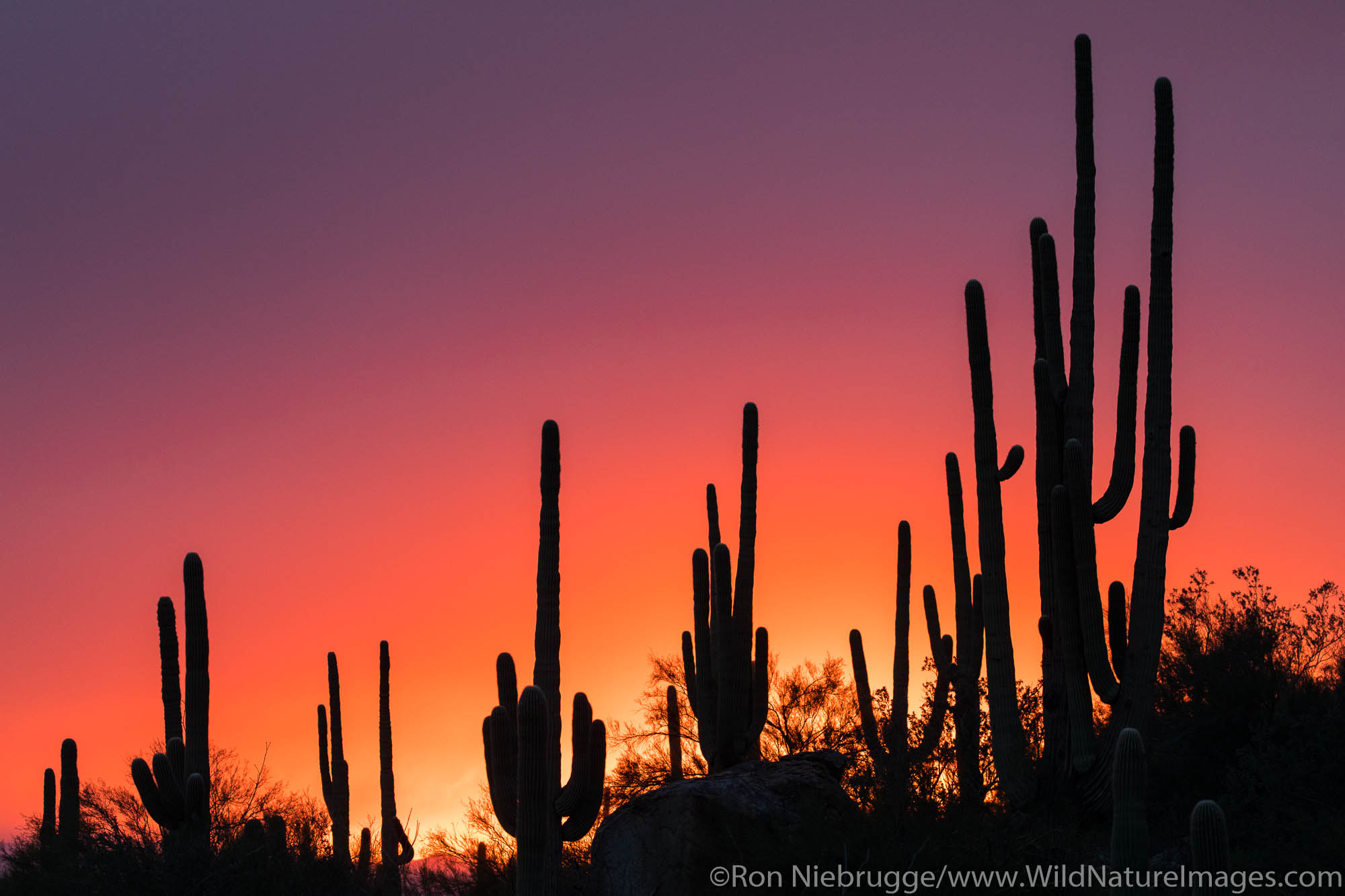
Split into two districts flanking Tucson, Saguaro is where you walk among the tallest cacti in North America — some reaching 40 feet — against a backdrop of the Santa Catalina Mountains. November’s 46–73°F range and one average rainy day make this ideal hiking territory.
- East vs. West: The Rincon Mountain District (East) has longer backcountry trails and fewer people. The Tucson Mountain District (West) has denser saguaro forests and the best sunset photo ops along the Bajada Loop Drive.
- Base yourself in Tucson — the park is only 15–30 minutes from downtown, where the food scene punches well above its weight. Sonoran hot dogs, Mexican breakfast spots, and James Beard–recognized restaurants are all within a short drive.
- Insider move: Drive the Cactus Forest Loop at golden hour in the East district. The saguaros glow orange and you’ll share the road with almost nobody in November.
Phoenix, Arizona
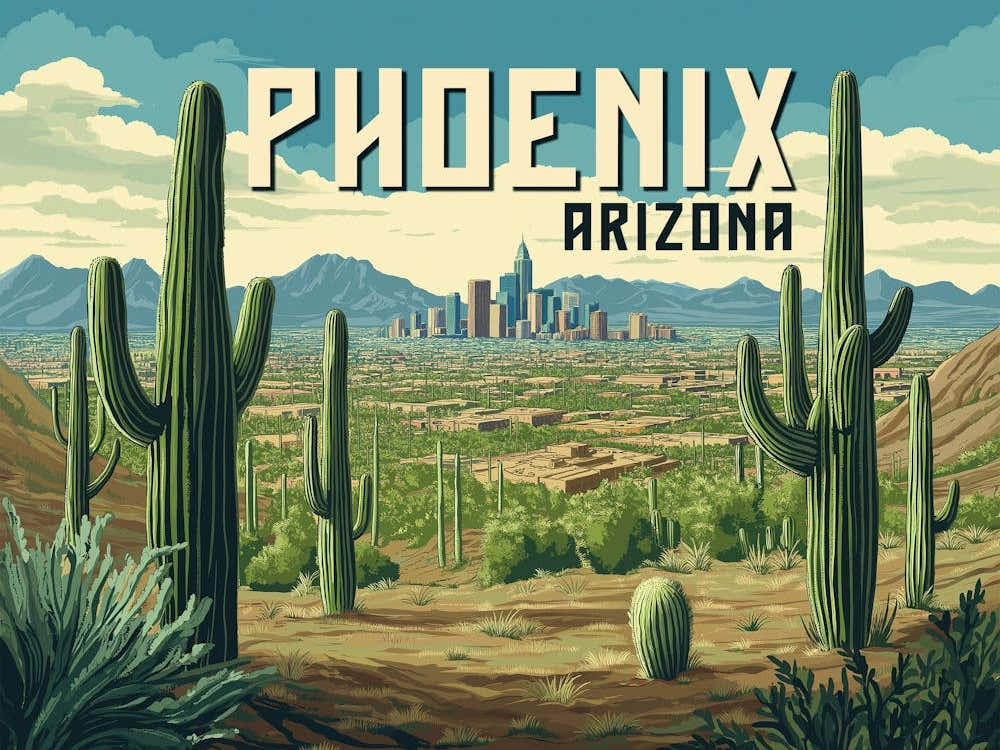
Phoenix in November is peak season for a reason — pool weather, golf weather, and hiking weather all collide in the same week. Expect daytime highs in the upper 70s to low 80s, which makes Camelback Mountain’s Echo Canyon Trail (strenuous, 2.5 miles round trip) actually enjoyable instead of dangerous.
- Stay in Scottsdale for resort pools, spa culture, and the best restaurant density in the metro area. Downtown Phoenix is grittier but has the better nightlife and craft beer scene.
- Food wins: Phoenix’s Mexican food is among the best in the country — seek out the family-run spots along Van Buren Street and the taco corridor on 16th Street. This isn’t Tex-Mex; it’s Sonoran-style, and the difference matters.
- Book early: November is high season here. Resort rates typically run $250–$500/night, though prices vary by property and booking window.
Las Vegas, Nevada
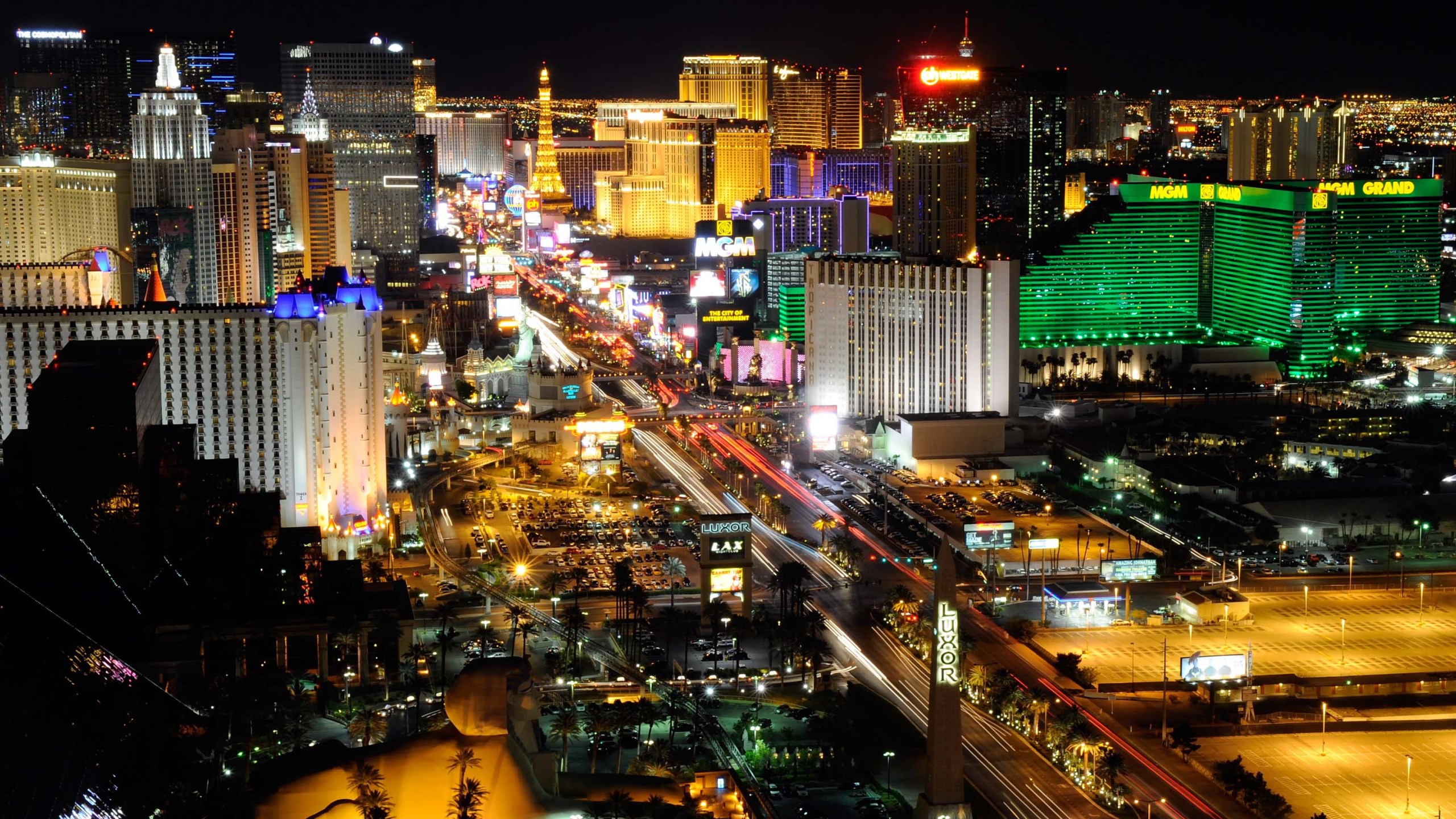
Las Vegas in November trades summer’s punishing 115°F for comfortable 60s–70s days, making it the best time to actually walk the Strip without melting. The real draw beyond the casinos: November is prime day-trip season to Red Rock Canyon (20 minutes west), Valley of Fire State Park (1 hour northeast), and even the Grand Canyon’s West Rim (2.5 hours).
- Where to eat: The Strip’s celebrity-chef restaurants are overpriced for what you get. Downtown’s Arts District and Chinatown (yes, Las Vegas has a legitimate Chinatown along Spring Mountain Road) deliver better food at half the price.
- Stay strategy: Mid-Strip hotels (Bellagio, Cosmopolitan, ARIA) keep you central. Downtown’s Circa or the Fremont Street area cost less and have more character.
- Insider move: Book shows and dinner reservations for weeknights. Weekend pricing spikes hard, and the Strip’s restaurant waits can exceed 90 minutes without a reservation.
Palm Springs, California
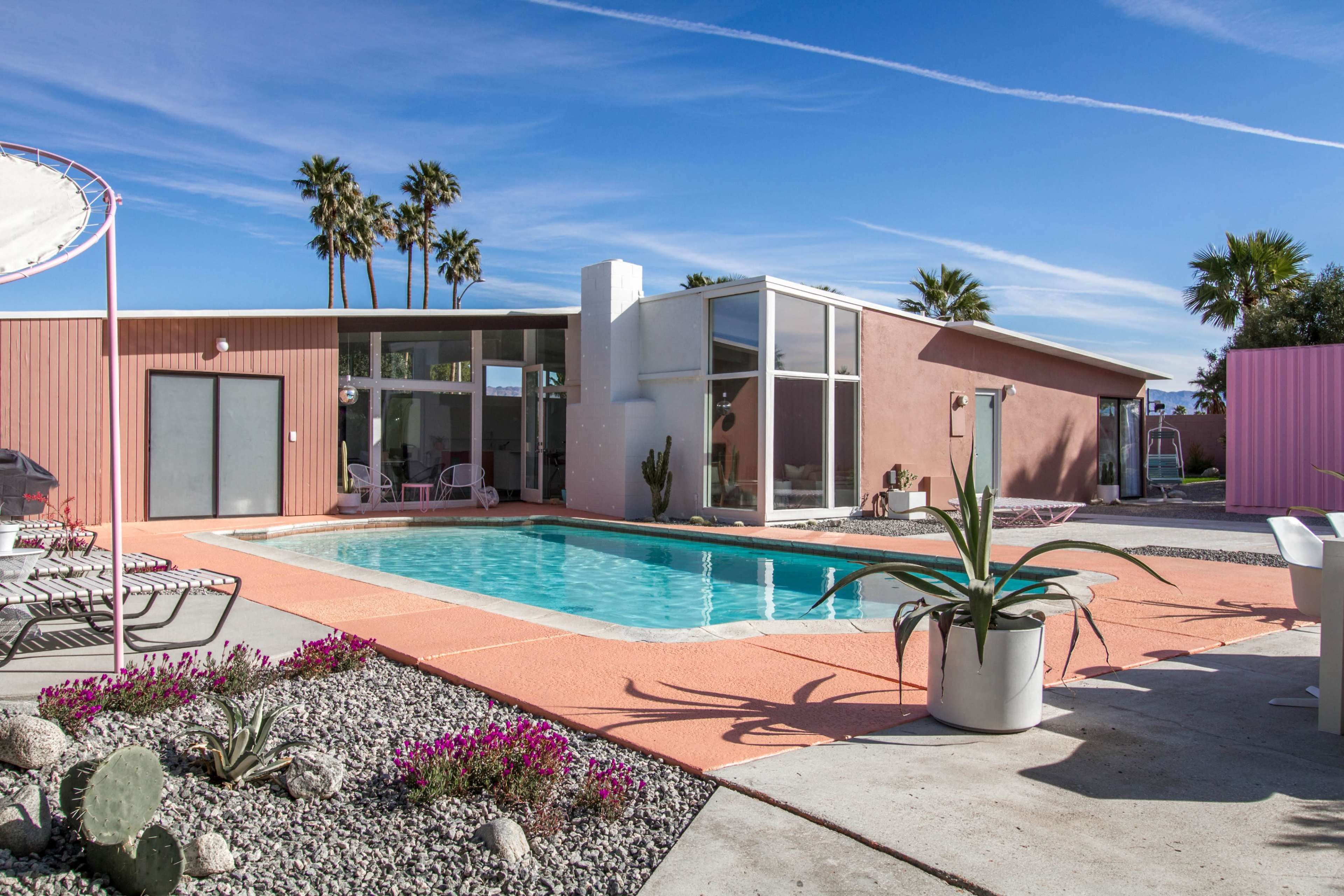
Palm Springs in November is pool season without the suffocating summer heat — think 80s during the day, cool desert evenings, and a mid-century modern aesthetic that makes every corner feel like a Slim Aarons photograph. The town is small enough to explore on foot once you’re in the central corridor.
- Stay style: Boutique mid-century hotels are the move here — places like The Parker, Ace Hotel, or the smaller independents along Indian Canyon Drive. Skip the large chain resorts unless you need a golf course.
- Do this: Ride the Palm Springs Aerial Tramway to the top of San Jacinto Peak. You ascend from desert floor to pine forest in 10 minutes, and the temperature drops roughly 30°F. Bring a jacket.
- Thursday night VillageFest on Palm Canyon Drive shuts down the main drag for a street market with food vendors, art, and live music — it’s the best free evening in town.
Sedona, Arizona

Sedona’s red rock formations are spectacular year-round, but November brings cooler hiking temps (typically 40s–60s), thinner crowds, and cottonwood trees turning gold along Oak Creek. This is the month to tackle Cathedral Rock or Devil’s Bridge without waiting in a line of hikers at the trailhead.
- Base yourself in West Sedona or Uptown for walkable restaurant access and proximity to the most popular trailheads. The Village of Oak Creek (5 miles south) is quieter and slightly cheaper.
- Wellness scene: Sedona leans hard into vortex tours, crystal shops, and spa culture. Whether you buy into the energy stuff or not, the spa treatments at resorts like L’Auberge de Sedona are legitimately excellent.
- Insider move: Hike to Devil’s Bridge at sunrise (arrive by 6:30 AM). By 9 AM, the parking lot is full and the bridge has a selfie line. November’s shorter days make sunrise easier to catch.
Death Valley National Park, California
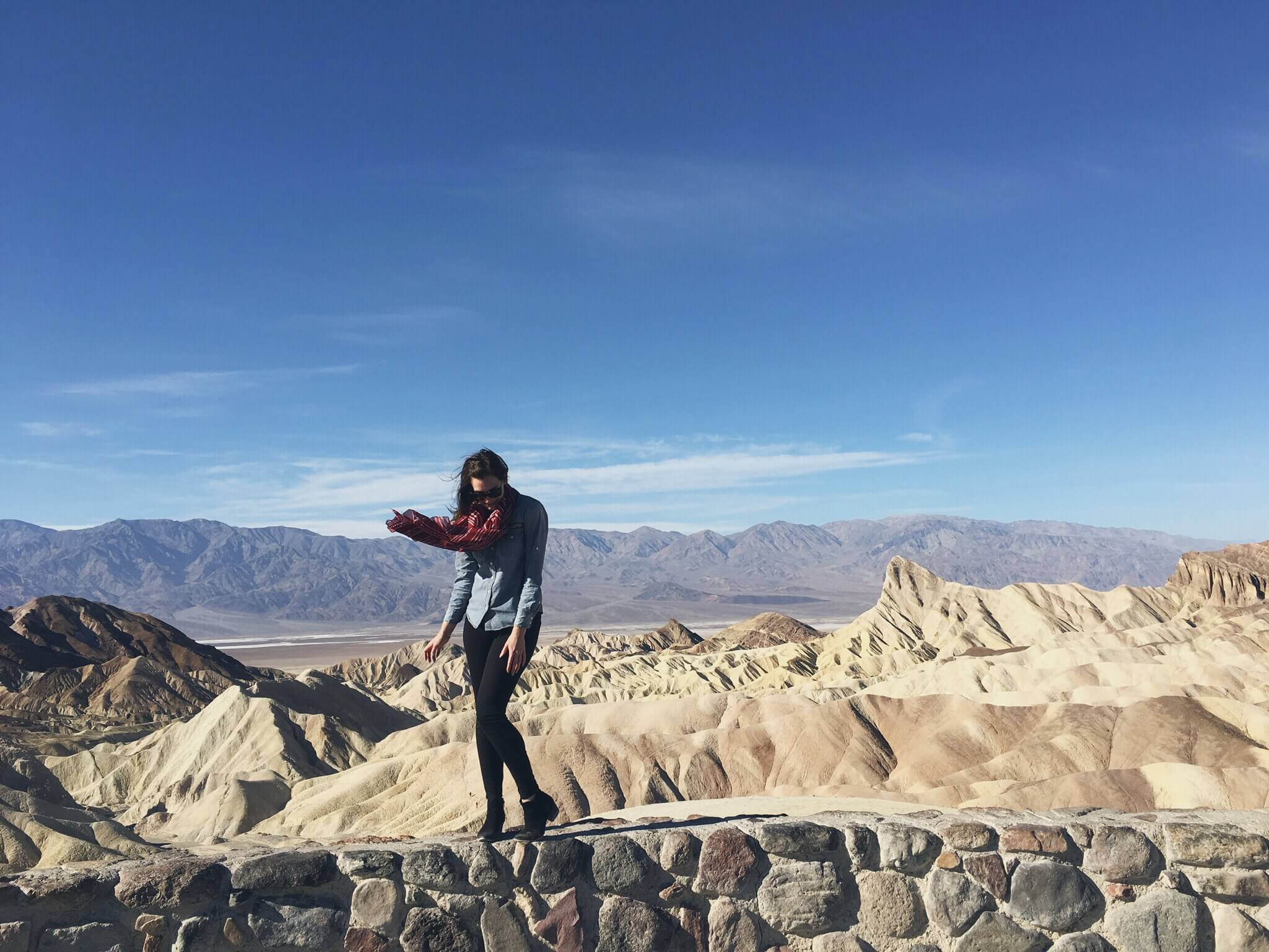
Death Valley in summer is genuinely dangerous. November flips it entirely — daytime temperatures settle into the 70s, and the park’s extreme landscapes become fully explorable.
Badwater Basin (the lowest point in North America), Zabriskie Point, and the Mesquite Flat Sand Dunes are all comfortable to visit all day.
- Stay inside the park at The Inn at Death Valley or the more affordable Ranch at Death Valley, both in Furnace Creek. Stovepipe Wells Village is another option further north. Outside the park, Beatty, Nevada (40 miles east) has budget motels.
- Must-drive: Artist’s Drive is a one-way, 9-mile scenic road through multicolored volcanic hills. Late afternoon light makes the colors pop hardest.
- Gas warning: Fill up before entering the park. Fuel inside Death Valley is available but expensive — typically $1–2 more per gallon than in nearby towns.
Capitol Reef National Park, Utah
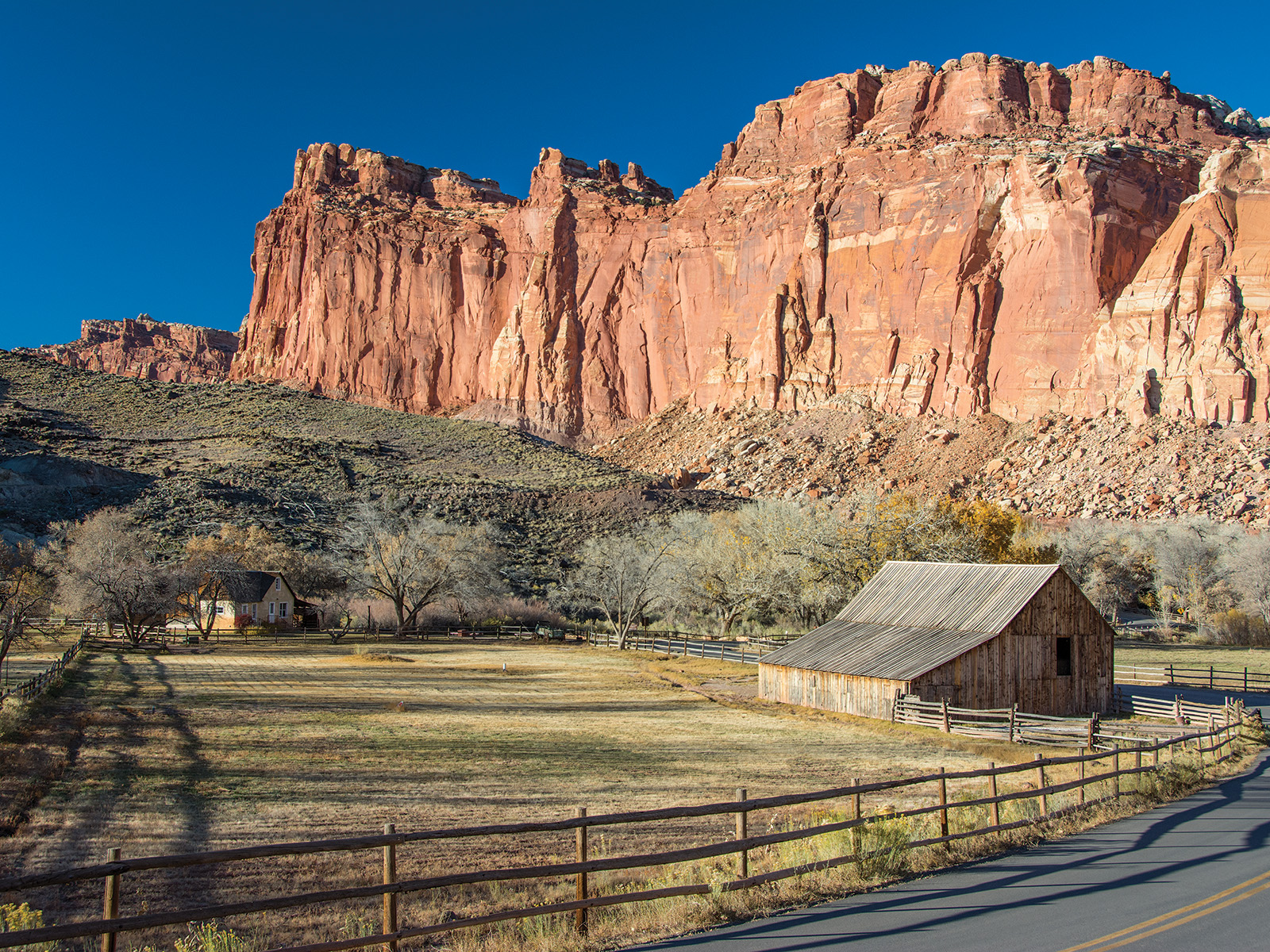
Capitol Reef is Utah’s least-visited national park, and November makes it even quieter — you can hike through red rock canyons and along the Fremont River with barely another person in sight. The golden cottonwood trees lining the river corridor peak in early-to-mid November, adding a flash of color against the red sandstone.
- Gateway town: Torrey, Utah (population roughly 250) is the only real base option. It’s small — a handful of motels, a few restaurants, and a gas station — but that’s the point. Book lodging in advance because options are limited.
- Top hike: Hickman Bridge Trail (1.7 miles round trip, moderate) delivers a natural stone arch and canyon views with minimal effort. Cassidy Arch (3.4 miles round trip) is longer but rewards you with a walkable arch and far fewer people.
- Don’t miss the orchards: Capitol Reef preserves historic orchards planted by Mormon settlers. In November the harvest is usually over, but walking through the gnarled apple and pear trees with the cliffs behind them is worth the detour.
- Combine with: Capitol Reef sits naturally between Bryce Canyon and Moab (Arches/Canyonlands) on Utah’s scenic Highway 12 — one of the most beautiful drives in America. It works perfectly as a one-night stop on a longer Southwest road trip.
Central US Warm Getaways
Forget the coast — the Central US delivers November warmth through 72°F jazz-filled nights in New Orleans and blindingly white gypsum dunes you’ll have almost entirely to yourself. These five stops work as a standalone city break or a connected road trip from Texas through southern New Mexico.
| Destination | Nov Temp Range | Rain Days | Best For |
|---|---|---|---|
| New Orleans, LA | 53°–72°F | 5 | Food, music, culture |
| Houston, TX | 50°–72°F | 7 | Museums, food scene, NASA |
| Dallas, TX | 42°–64°F | 5 | Urban exploring, BBQ, sports |
| Albuquerque, NM | 35°–59°F | 3 | Old Town, balloon views, chile |
| White Sands, NM | 28°–66°F | 1 | Surreal desert hiking, photography |
New Orleans, Louisiana
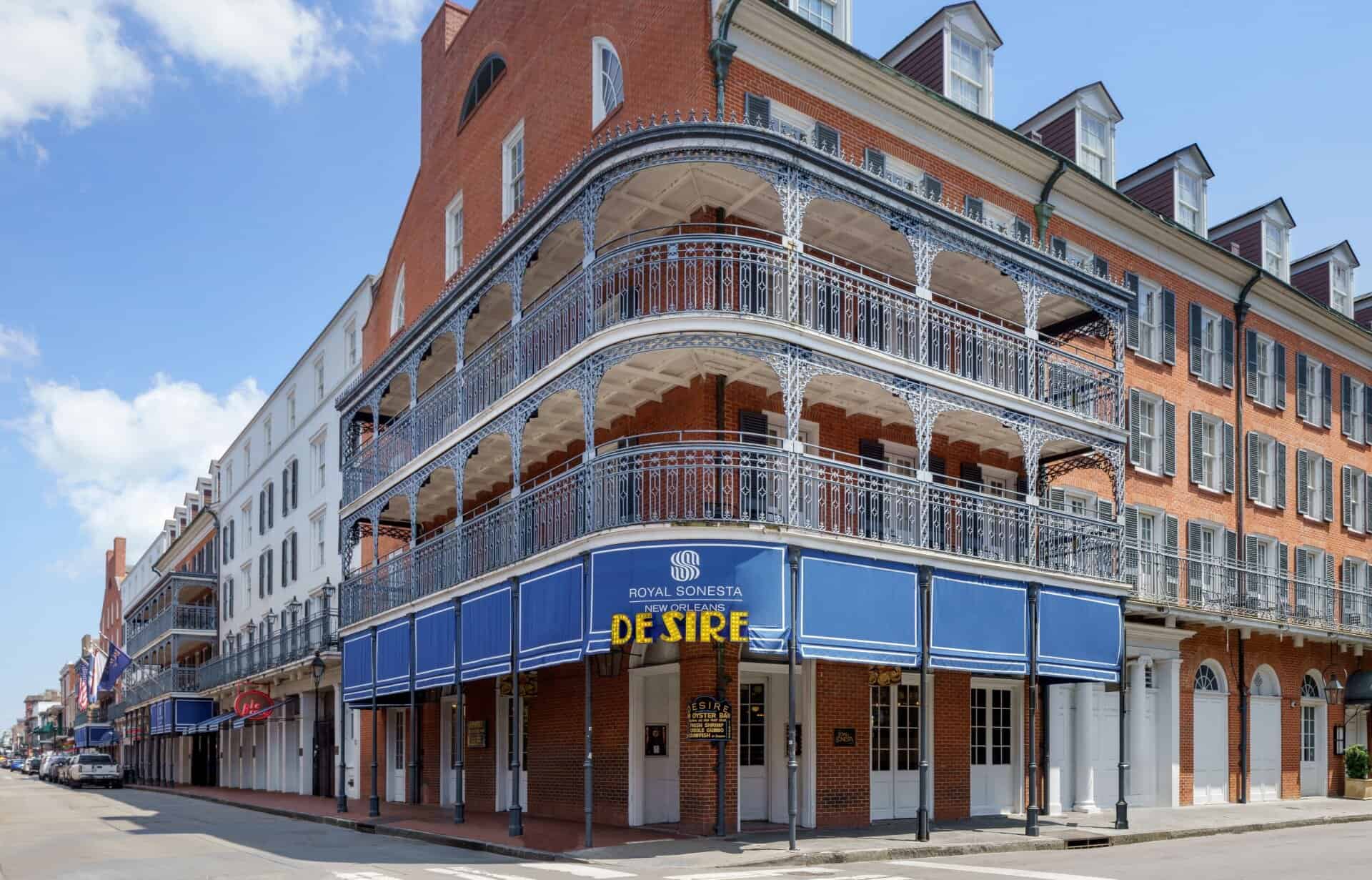
New Orleans in November hits the sweet spot: warm enough for patio dining, cool enough to walk the French Quarter without melting, and packed with events that actually matter — not filler festivals. Average highs reach 72°F with only about five rainy days all month.
- Why November wins: The massive post-Mardi Gras tourism dip means hotel rates in the French Quarter and Warehouse District drop noticeably. You’ll also catch early holiday decorations going up around Thanksgiving week.
- Must-do: A live-music crawl on Frenchmen Street any night of the week — no cover charges at most clubs, and November crowds mean you’ll actually get a seat.
- Eat here: New Orleans is listed among the best food destinations in the country for a reason. Get a po’boy at Parkway Bakery, a late-night bowl at Commander’s Palace, or beignets at Café Du Monde before 9 a.m. to skip the line.
- Stay smart: Base yourself in the Marigny or Bywater neighborhoods for walkable access to Frenchmen Street without the Bourbon Street noise. Boutique hotels in the Warehouse District offer better value than French Quarter options at this time of year.
Houston, Texas
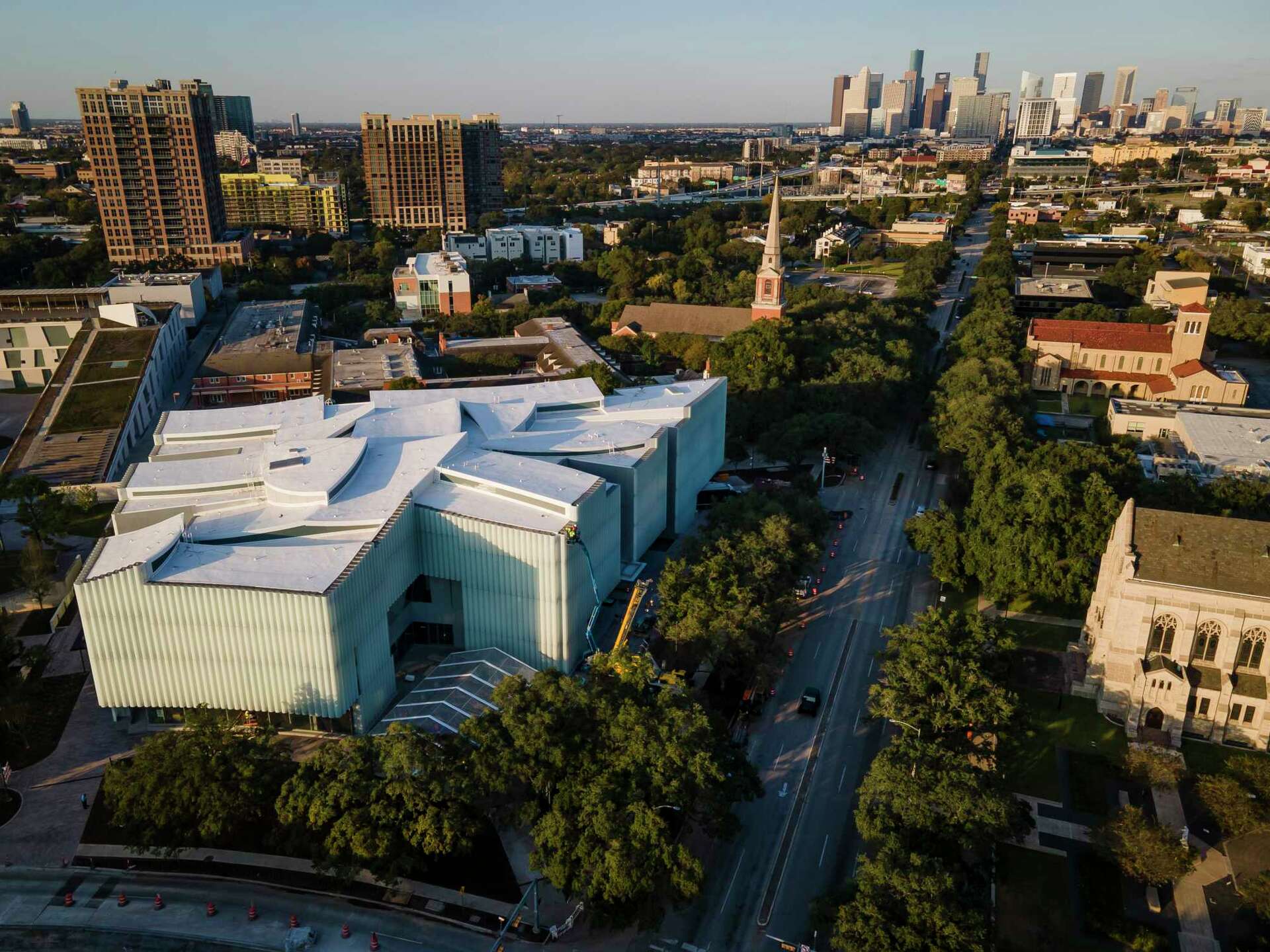
Houston doesn’t try to be charming — it tries to be everything, and mostly succeeds. November highs hover around 72°F, making it comfortable for the city’s sprawling layout that’s brutal in summer.
Expect about seven rainy days, so mornings are your outdoor window.
- Why it works: Houston’s Museum District has 19 museums within walking distance, and most are free or donation-based. The Menil Collection and Rothko Chapel alone justify a day.
- Food capital claim: Houston’s food scene rivals any US city — the diversity of Vietnamese, Mexican, Indian, and Gulf Coast seafood options in a single afternoon is unmatched outside New York or LA.
- Don’t skip: Space Center Houston, about 30 minutes southeast of downtown. Book the NASA Tram Tour in advance — it fills up on weekends even in November.
- Stay central: Montrose or the Museum District for walkability. The Galleria area works if shopping is the priority, but you’ll drive everywhere else.
Dallas, Texas
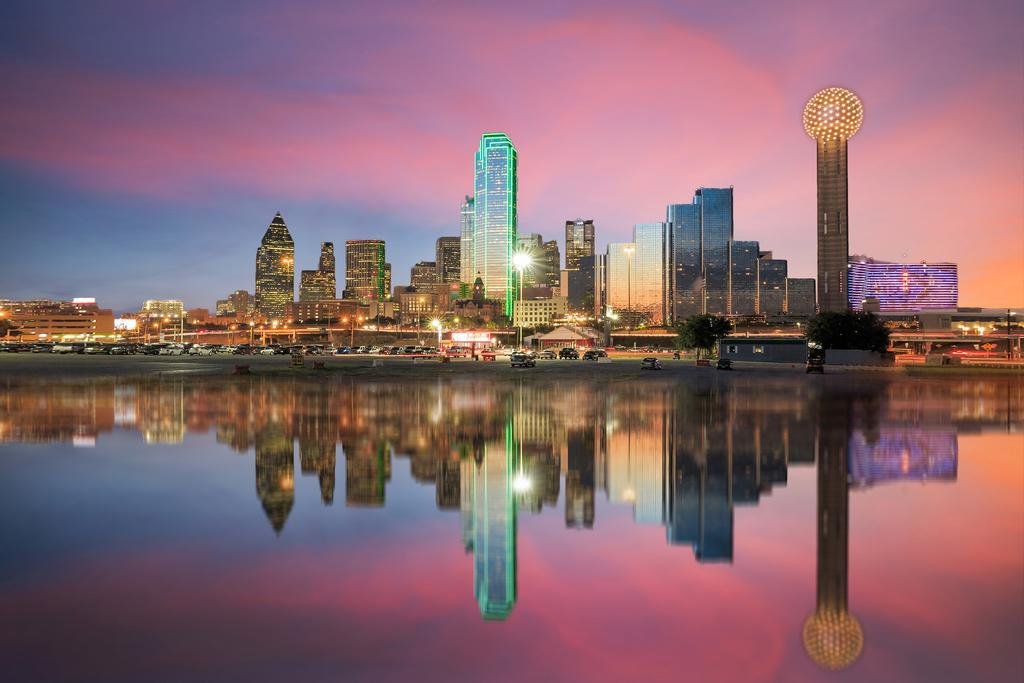
Dallas in November runs cooler than Houston — highs around 64°F, lows dipping into the low 40s — so pack a layer. It’s not beach weather, but it’s ideal for a long weekend of barbecue, neighborhoods, and a Cowboys or Mavericks game.
- Best reason to go: The Bishop Arts District in Oak Cliff. Independent shops, tacos at Taqueria El Si Hay, and cocktails at small bars that don’t exist anywhere else. This neighborhood is Dallas at its least generic.
- For BBQ: Pecan Lodge in Deep Ellum is the name everyone knows, but Cattleack Barbeque (open Thursday–Saturday only, expect a line) wins on pure meat quality.
- Stay in: Deep Ellum or Uptown for nightlife access. Downtown works for first-timers who want to walk to the Arts District and Dealey Plaza.
Albuquerque, New Mexico
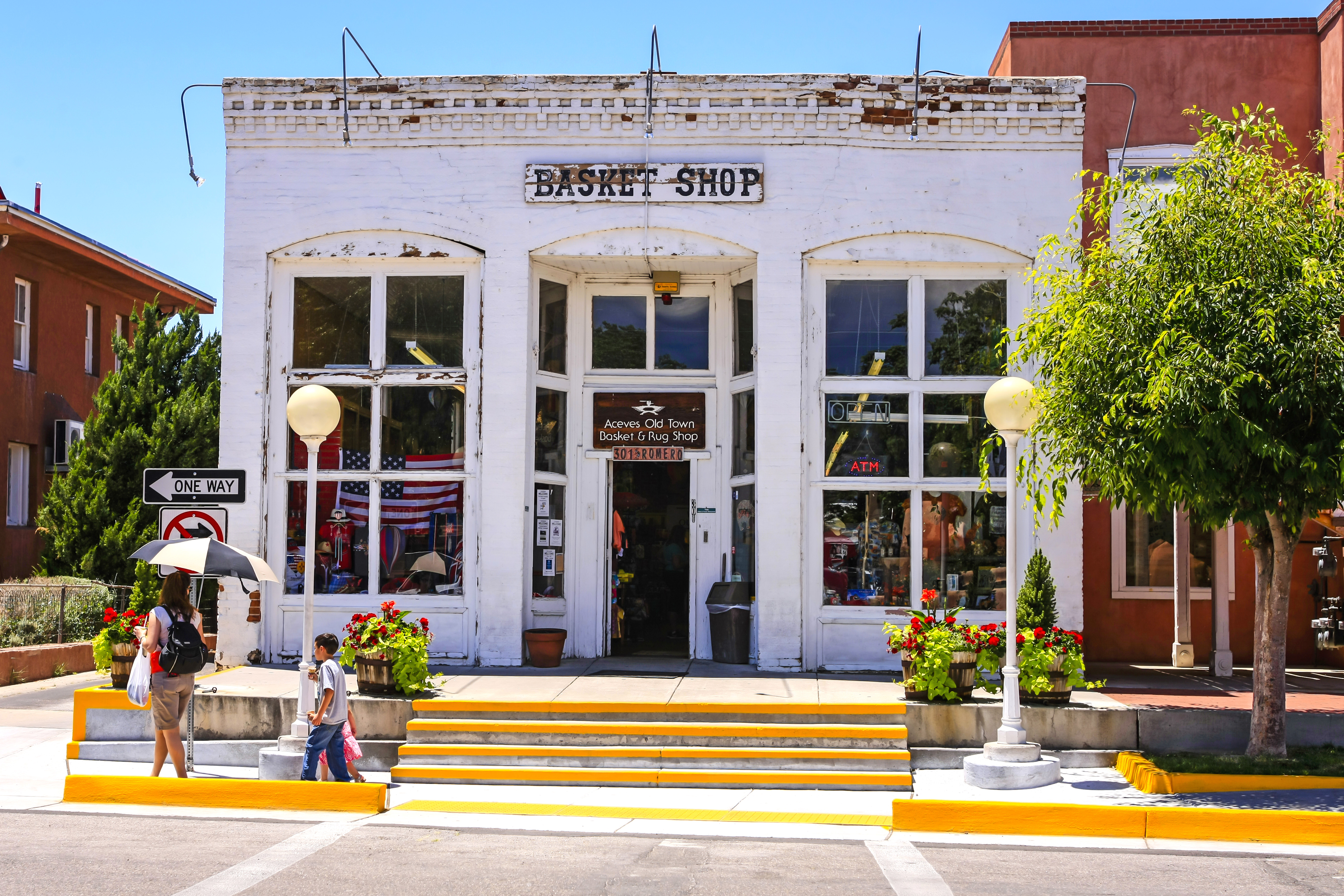
Albuquerque in November is mild-to-cool, not warm — highs around 59°F, lows near freezing. Come here for the culture, the chile, and as a launchpad for White Sands, not for sunbathing. Only three rainy days means reliably clear skies.
- Old Town is the base: Adobe architecture, local galleries, and the best concentration of restaurants in the city. Stay within walking distance here and you won’t need a car for evening plans.
- What to eat: New Mexico’s red-versus-green chile debate is real, and you’ll be asked at every restaurant. The correct answer is “Christmas” (both).
- Day trip pairing: Albuquerque sits about 3.5 hours north of White Sands National Park via I-25 South, making it a natural two-stop itinerary. The Turquoise Trail scenic byway connects Albuquerque toward Santa Fe if you want to extend north instead.
White Sands National Park, New Mexico
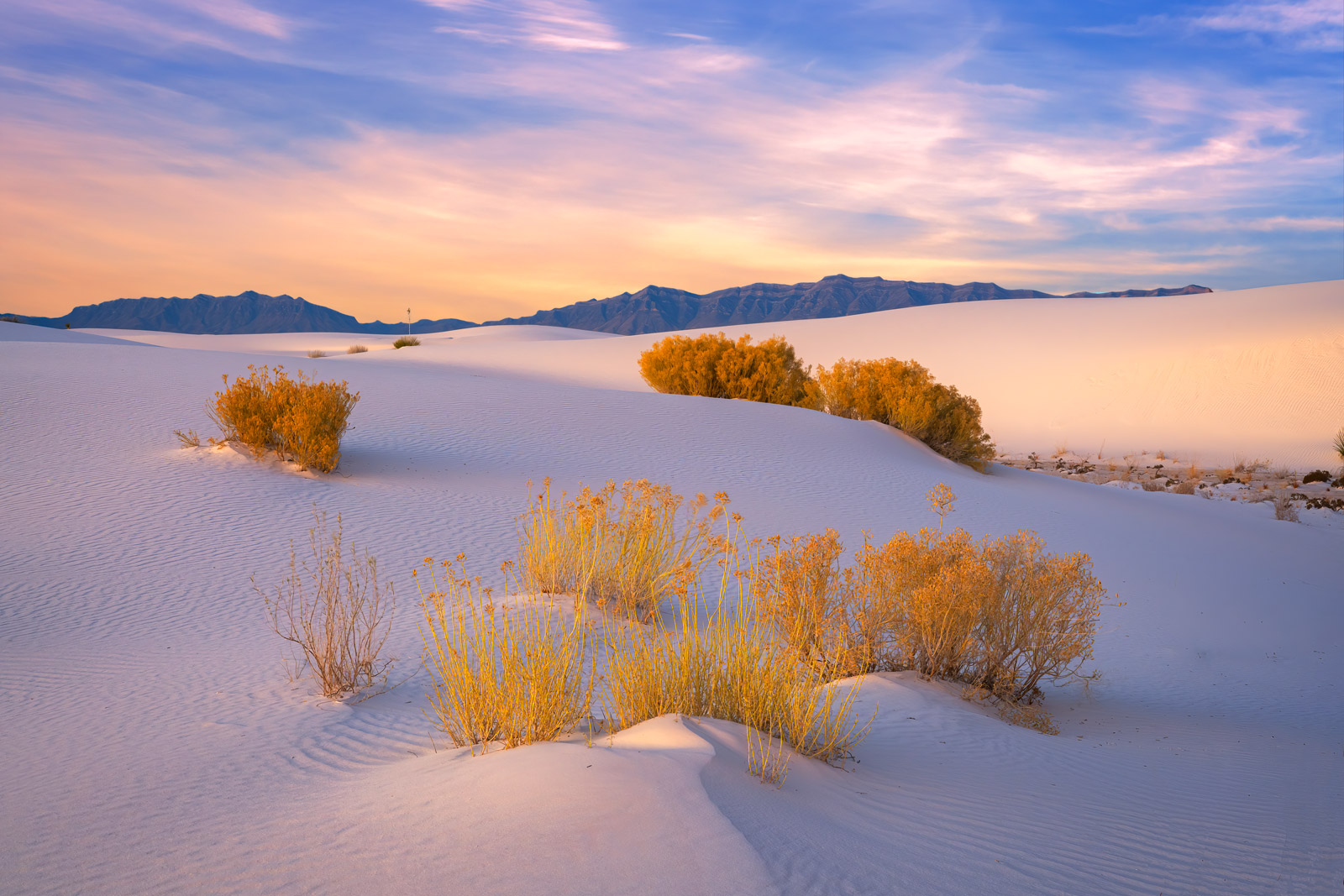
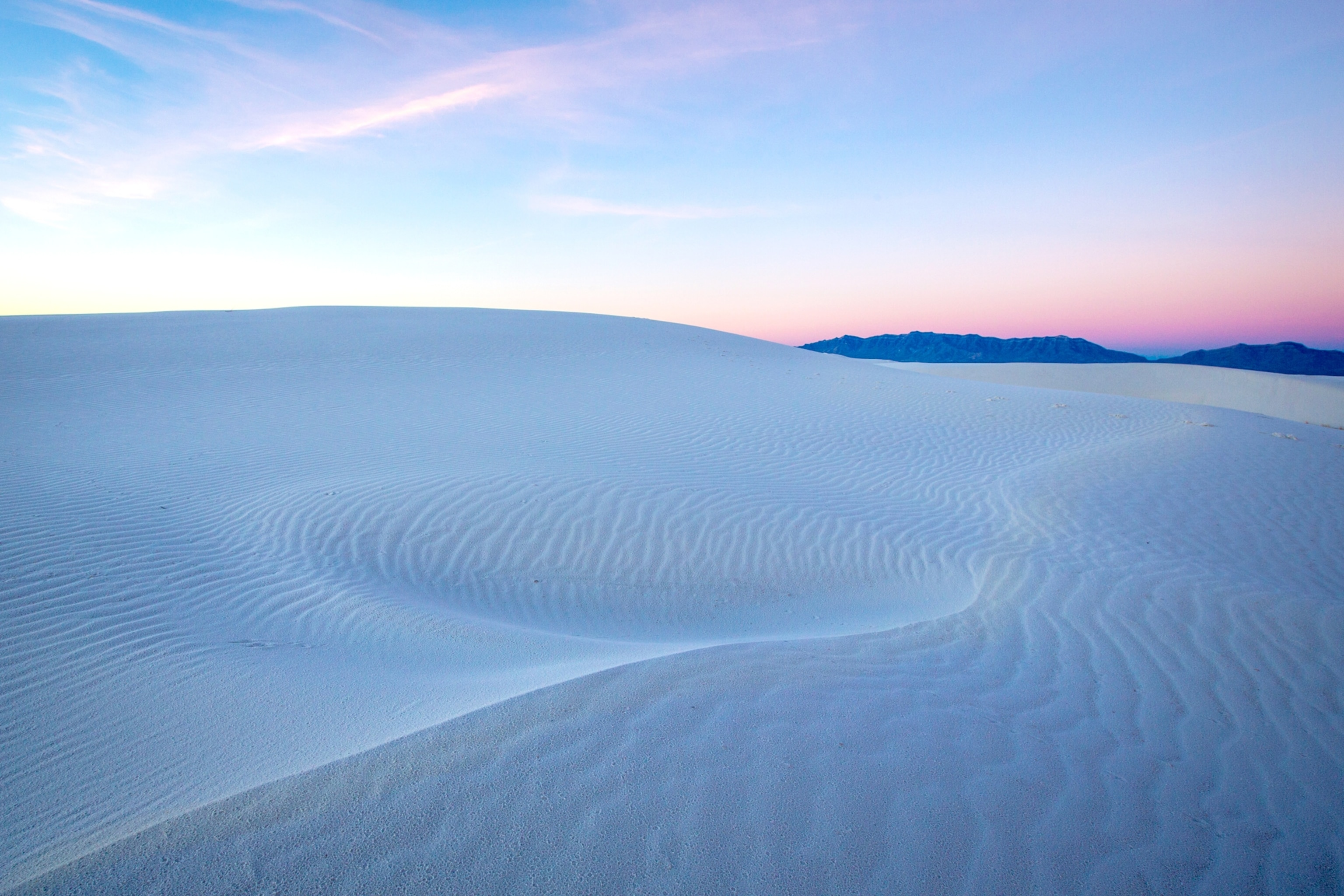
White Sands is the sleeper pick of this entire list. The gypsum dune field — the largest on Earth — stretches 275 square miles of blinding white sand that looks like snow but feels like powder.
November brings mild days, virtually zero crowds, and only about one rainy day for the entire month.
- Why November is peak: Summer temperatures here exceed 100°F. November’s 60s-range highs make hiking the dunes actually pleasant, and you’ll share the park with a fraction of summer visitor numbers.
- Must-know detail: The park occasionally closes for missile testing at the adjacent White Sands Missile Range — closures are posted on the NPS website, usually with 24-hour notice. Always check the morning of your visit.
- Do this: The Alkali Flat Trail (5-mile loop) takes you deep into the dune field where footprints disappear and the landscape feels genuinely alien. Start early — the trail is exposed and the sand reflects heat even on mild days.
- Sunset is non-negotiable: The dunes turn pink and gold at golden hour. This is the single best photography window in any Central US November destination.
- Stay in Alamogordo: The gateway town is 15 minutes from the park entrance with basic chain hotels. Don’t expect boutique options — this is a functional base, not a destination. Book early if visiting Thanksgiving week.
How to Choose the Best Warm Place Based on Your Interests
November’s sweet spot is that you can swim in Key West, hike red rocks in Sedona, or catch live music in Austin — all without fighting summer crowds or paying peak-season rates. The hard part is choosing. Here’s how to narrow it down fast.
| Travel Style | Top Pick | Why It Wins in November |
|---|---|---|
| Beaches | Key West | Water warm enough to swim, crowds gone |
| National Parks & Hiking | Sedona | Perfect trail temps, golden light |
| Cities & Culture | Austin | 72°F days, peak live music season |
| Families | San Diego | Zoo, beaches, and mild weather without summer chaos |
| Couples | Savannah | Spanish moss, candlelit restaurants, no humidity |
Best for Beaches
Key West wins for anyone who actually wants to get in the water — ocean temps hover around 78°F in November, which is warmer than most mainland beaches hit all summer. Hilton Head Island is the better call if you prefer wide, uncrowded sand and a resort atmosphere over a party scene.
For a quick Miami-adjacent option, Crandon Park Beach on Key Biscayne delivers calm, shallow water and 70–81°F air temps without the South Beach intensity.
- Crowd level: Key West stays lively but manageable; Hilton Head and Key Biscayne feel nearly empty compared to summer.
- Budget pick: Gulf Shores, Alabama — warm sand, family-friendly, and accommodation prices drop significantly after October.
- Stay tip: On Hilton Head, base yourself near Coligny Beach for walkable access to restaurants and the widest stretch of sand.
Best for National Parks and Hiking
Sedona in November is the move — daytime highs around 68°F make Cathedral Rock and Devil’s Trail genuinely enjoyable instead of a heat survival exercise. The light is also at its most dramatic for photography, and trailhead parking fills up slower than in spring.
Capitol Reef National Park in Utah is the sleeper pick. November brings cooler temps that make hiking the red rock canyons comfortable, minimal crowds, and golden cottonwood trees along the Fremont River — a combination you won’t find any other month.
White Sands National Park in New Mexico ranges from 28°F at night to 66°F during the day, so layer up, but the stark white dunes against blue November skies are worth the early chill.
- Insider detail: At Haleakalā National Park on Maui, sunrise summit reservations are required year-round — but November availability is significantly easier to snag than summer months. Book through recreation.gov as soon as your dates are set.
- Base yourself: Sedona’s Uptown area puts you between the two main trail clusters. For Capitol Reef, the small town of Torrey (population under 300) is your only real gateway — book early because options are limited.
Best for Cities and Culture
Austin at 72°F in November is when the city actually delivers on its promise — outdoor patios are packed, South Congress Avenue is browsable without heatstroke, and the live music calendar stays full. New Orleans is the stronger pick if food is your primary motivation; November’s cooler air makes walking the French Quarter and Garden District a pleasure rather than an endurance test.
- Don’t miss in Austin: Lady Bird Lake for kayaking or the hike-and-bike trail, Barton Springs Pool (spring-fed, 68°F year-round), and any venue on Red River Street on a Thursday night.
- Road trip option: San Antonio pairs well with Austin — it’s an easy 80-mile drive, and the River Walk in November has lighter crowds and mild evenings perfect for outdoor dining.
- Savannah for slower pace: If you want architecture, history, and oak-shaded squares over nightlife, Savannah’s November weather (mid-60s to low 70s) and boutique-filled downtown make it the most romantic city pick on this list.
Best for Families
San Diego is the no-brainer family pick — the San Diego Zoo, LEGOLAND, and Balboa Park all operate at full schedule in November, air temps sit in the mid-60s to low 70s, and you skip the summer lines that make those attractions miserable. Gulf Shores, Alabama is the budget-friendly alternative with warm Gulf water, the Alabama Gulf Coast Zoo, and accommodation rates that can run 30–40% below summer pricing.
- Wildlife-focused families: Crystal River, Florida — November is early manatee season, and guided snorkel tours to swim with manatees typically run $60–75 per person. Book with a licensed operator for the best experience.
- Beach-and-boardwalk families: Daytona Beach still offers warm sand and the iconic boardwalk without spring break chaos.
- Stay tip: In San Diego, Mission Bay hotels give you water access, proximity to SeaWorld, and a quieter base than the Gaslamp Quarter — better for kids who need downtime between attractions.
Best for Couples
Savannah takes this category cleanly. The combination of 200-year-old oak canopies draped in Spanish moss, candlelit restaurants in restored townhouses, and November temperatures that make evening strolls through Forsyth Park genuinely romantic is hard to beat.
The city is walkable, boutique hotels are plentiful in the Historic District, and you won’t compete with bachelorette parties the way you do in peak season.
- Luxury alternative: The Palm Beaches in Florida — upscale resorts, quieter beaches, and November rates that haven’t yet hit winter peak pricing.
- Adventure couples: Sedona’s red rock sunsets paired with spa resorts in Oak Creek Canyon offer a different kind of romance — active days, unwinding evenings.
- Insider detail: In Savannah, book dinner reservations at least a week out for Friday and Saturday nights in November — the city’s food scene has gained enough national attention that walk-ins at popular spots like The Grey are unreliable even in shoulder season.
What to Pack for Warm November Travel in the USA
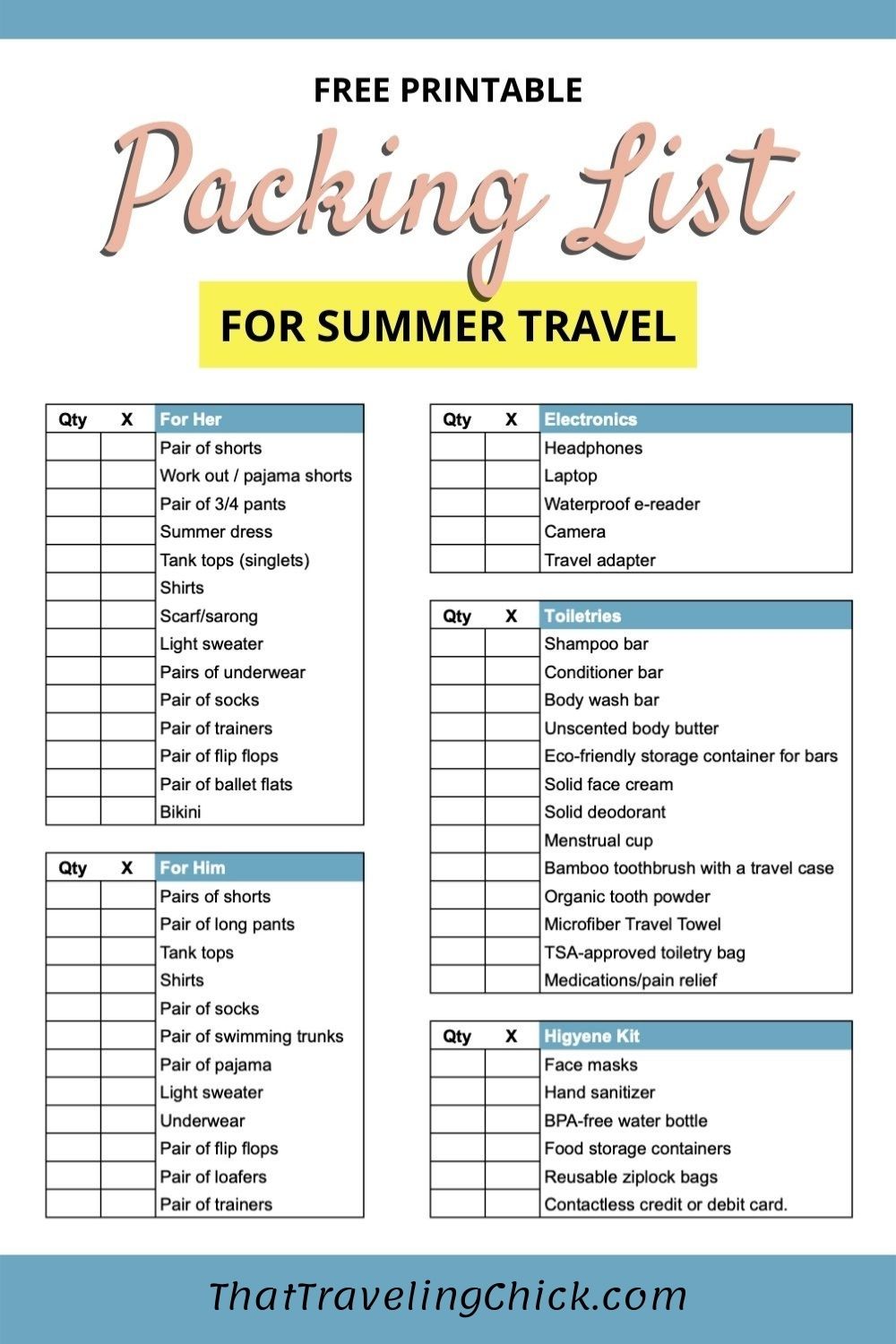
November warm-weather packing is a trap — you’ll overpack summer clothes and freeze every desert night and coastal morning. The temperature swing between 2 p.m. and 7 a.m. in places like Joshua Tree, Sedona, or even Hilton Head can be 30 degrees, and that’s the detail most packing lists bury.
The Non-Negotiable Core List
These items cover every warm November destination in this guide, from the Hawaiian Islands to the Gulf Coast:
- Lightweight layers, not heavy ones: Two to three breathable long-sleeve shirts and one pair of lightweight pants handle cool mornings better than a hoodie you’ll stuff in your bag by 10 a.m.
- One packable windbreaker or light jacket: This is your 6 a.m. hike layer, your sunset-on-the-beach layer, and your over-air-conditioned restaurant layer. A compressible jacket that folds into its own pocket beats anything bulky.
- Comfortable walking shoes with grip: Sneakers or trail runners work for city strolling in Savannah, desert trails in Saguaro, and boardwalks in Huntington Beach. Skip the sandals-only strategy — November mornings on tile and concrete are colder than you expect.
- Sunscreen SPF 50+: The desert sun in Phoenix and Palm Springs is still intense in November, and UV exposure on the water in Maui or Catalina Island doesn’t care about the calendar. Reapply every two hours.
- Sunglasses with UV protection: Non-negotiable in the Southwest, where glare off red rock and white sand is brutal.
- Swimsuit: Pack it even if you’re unsure. Gulf Coast water in Florida and Texas stays swimmable through November, and most resort pools in Scottsdale and Palm Springs are heated.
- A refillable water bottle: Desert destinations like Death Valley and Capitol Reef are deceptively dry. You’ll feel fine until you don’t.
Destination-Specific Adjustments
Not every warm destination needs the same bag. Here’s where to deviate:
| Destination Type | Add to Your Bag | Skip |
|---|---|---|
| Southwest Desert (Joshua Tree, Grand Canyon, Sedona, Death Valley) | Warm fleece or midlayer for nights that drop into the 30s–40s°F, lip balm, moisturizer, headlamp for early trail starts | Umbrella (rain is rare), heavy boots unless doing technical hikes |
| Gulf & Atlantic Coast (Tampa, Myrtle Beach, Hilton Head, Gulf Shores) | Rain shell or compact umbrella, bug spray for marshy areas and wildlife refuges | Heavy jacket — lows rarely dip below 50°F |
| Hawaiian Islands (Maui, Kauai) | Reef-safe sunscreen (required by Hawaii law), water shoes for rocky shorelines, rain jacket for windward sides | Jeans — humidity makes them miserable |
| Southern California (Los Angeles, Big Sur, Catalina, Huntington Beach) | Hoodie or warm layer for marine-layer mornings that hover in the 50s°F, hiking shoes for Big Sur trails | Expectation of warm ocean water — Pacific temps in November typically sit around 60°F |
| Southwest Cities (Phoenix, Palm Springs, Las Vegas) | One nice outfit for dinner — these cities dress up at night, and you’ll want to match the scene | More than one pair of closed-toe shoes |
The One Thing Most People Forget
A portable phone charger. Shorter November daylight means you’re navigating in dim light more often, using GPS on unfamiliar trails, and relying on your phone for sunset timing, restaurant reservations, and photo ops.
A dead phone at 4:45 p.m. in Death Valley or on the Road to Hana is a real problem, not an inconvenience.
What Not to Bother Packing
- Formal wear: Even upscale restaurants in Scottsdale, Palm Springs, and Maui lean smart-casual. One versatile outfit handles every dinner.
- More than two swimsuits: One dries overnight in warm, dry climates. Two covers humid spots like Kauai where drying takes longer.
- Full-size toiletries: Every destination in this guide has grocery stores and pharmacies within easy reach. Travel-size gets you through day one; buy the rest there.
The golden rule for November packing: dress for the coldest hour of the day, then peel layers off. You’ll never regret the extra long-sleeve shirt, but you will regret standing shivering at a 6 a.m. Grand Canyon sunrise in a tank top.
Transportation Options to Top Warm Destinations
November airfare to warm-weather destinations typically drops 15–30% compared to peak summer and holiday pricing, especially in the first three weeks of the month — that window is your sweet spot for locking in deals before Thanksgiving travel surges.
West Coast: Fly In, Then Decide on a Car
For San Francisco, Los Angeles, and Palm Springs, direct flights from most major U.S. cities are plentiful and competitive. LAX and SFO are the busiest hubs, but Palm Springs International (PSP) is a sleeper pick if you’re heading straight to the desert — it’s small, fast to navigate, and often has surprisingly affordable fares from Midwest and East Coast cities in November.
Big Sur, Napa Valley, and Death Valley all require a rental car — there’s no practical public transit to any of them. For Big Sur specifically, Highway 1 can close without warning due to landslides, especially after early fall rains.
Check Caltrans road conditions before you go.
- Best for no-car trips: San Francisco and Los Angeles both have functional metro and rideshare networks. You can explore each city without driving.
- Rental car essential: Big Sur, Napa Valley, Joshua Tree, Death Valley, Palm Springs day trips, and anywhere in Utah’s Capitol Reef corridor.
- Catalina Island access: The Catalina Express ferry runs from Long Beach, San Pedro, and Dana Point — roughly 1 hour 15 minutes each way. Book round-trip in advance; November sailings are less frequent than summer. Expect roughly $80–$90 round-trip per adult, though prices vary by departure port and booking date.
Hawaii: Inter-Island Flights Are the Move
Getting to Maui or Kauai means flying into Kahului Airport (OGG) or Lihue Airport (LIH), respectively. There are no ferries between Hawaiian islands — inter-island flights on Hawaiian Airlines or Southwest are your only real option, typically 30–45 minutes and usually $60–$120 one way if you book a few weeks ahead.
A rental car is non-negotiable on both Maui and Kauai. Public transit exists but won’t get you to trailheads, remote beaches, or the Road to Hana on your own schedule.
Book your car early — November is shoulder season, but inventory on both islands is limited and prices spike if you wait until two weeks out.
Southwest Desert: Road Trip Territory
This is where a road trip earns its keep. Phoenix (PHX) and Las Vegas (LAS) are the two best fly-in hubs for hitting multiple Southwest destinations in one trip. Both airports have massive rental car fleets and competitive pricing.
A logical driving loop from Phoenix: fly into PHX, drive to Saguaro National Park (20 minutes), then Sedona (2 hours north), then Grand Canyon’s South Rim (2 hours further), and optionally swing through Capitol Reef in Utah (4.5 hours northeast of the Grand Canyon). Fly home from Las Vegas (4.5 hours from Capitol Reef) to avoid backtracking.
- Phoenix to Joshua Tree: About 3.5 hours west on I-10. Doable as a day trip, better as an overnight.
- Las Vegas to Death Valley: Roughly 2 hours west. Fill your gas tank before leaving Vegas — fuel inside the park is scarce and expensive.
- Las Vegas to Capitol Reef: About 4.5 hours via I-15 and UT-24. The last stretch has limited cell service, so download offline maps.
For gateway town stays near national parks, Sedona and Tusayan (just outside Grand Canyon’s South Rim) are the most convenient bases with lodging and dining. Springdale is the go-to base for Zion, though that’s outside this article’s scope.
Southeast & Gulf Coast: Fly or Drive, Your Call
Savannah, Tampa, and Gulf Shores are all reachable by direct flights from most eastern and midwestern cities. Tampa International (TPA) is consistently rated one of the best mid-size airports in the country — easy layout, short security lines, and close to downtown.
If you’re within a day’s drive (say, Atlanta to Savannah is 4 hours, or Nashville to Gulf Shores is about 6), driving makes sense and saves on rental car costs once you arrive. For Gulf Shores and the Alabama coast, a car is essential regardless — there’s no meaningful public transit.
Booking Timing & Rental Car Tips
| Planning Detail | Recommendation |
|---|---|
| Flight booking window | 6–10 weeks before departure for best domestic fares |
| Rental car booking | Reserve at time of flight booking — cancel free if plans change |
| Hawaii car rental | Book 4+ weeks out; inventory is tight even in shoulder season |
| Thanksgiving week | Prices spike 30–50%; travel the week before or after instead |
| Gas budget (Southwest road trip) | Expect $3.50–$4.50/gallon; fill up in cities, not near parks |
Insider tip: If you’re flying into Las Vegas for a Southwest road trip, check one-way car rental rates returning to Phoenix instead. One-way drop-off fees are often waived during November because rental companies need to reposition fleet inventory from Vegas to Arizona for the winter snowbird surge.
You save drive time and sometimes money.
Is November a Good Time to Visit These Places for Lower Costs?

The first two weeks of November are the sweet spot for savings across nearly every warm destination in the U.S. You get the weather benefits without the Thanksgiving price surge and crowd spike.
Here’s the cost breakdown for planning your November trip:
| Cost Factor | Early November (1st-15th) | Late November (Thanksgiving Week) |
|---|---|---|
| Airfare | Typically 15-30% lower than summer peaks. Book 6-10 weeks out for the best rates. | Prices jump sharply, often matching or exceeding summer highs. |
| Hotels & Rentals | Shoulder season rates apply. Expect significant discounts at beach resorts in places like Huntington Beach or Gulf Coast towns. | Rates spike due to holiday travel. Book months in advance. |
| Car Rentals | Availability is good, and daily rates are reasonable for road trips through the Southwest or California. | Demand surges. Reserve as soon as you book flights. |
| Activities & Tours | Easier to book last-minute tours in places like Napa Valley or Sedona. Some operators offer fall discounts. | Popular tours sell out. No discounts. |
The verdict: November is excellent for lower costs if you travel before the Thanksgiving rush. The trade-off is shorter daylight hours and some seasonal attractions closing after Halloween.
For national parks like Joshua Tree or Saguaro, this is a major win—comfortable hiking temps and lower campground demand.
- Best for Budget: The first week of November. You’ll find the deepest discounts on lodging in desert destinations like Palm Springs and Phoenix before the winter snowbirds arrive in full force.
- Biggest Cost Trap: Booking anything for Thanksgiving week without a 3-month lead time. Prices double, and availability vanishes.
- Insider Tip: For beach destinations like Maui or Kauai, look for “shoulder season” package deals that bundle flights and hotels. Resorts are more willing to negotiate or include perks like resort credits in early November.
Confirm all attraction hours directly before booking, as many parks and tours reduce schedules after October. Pack layers—desert nights can drop into the 40s, even after a warm day.
Frequently Asked Questions
What is the warmest place to visit in the USA during November?
Key West, Florida, consistently tops out as the warmest spot, with average highs around 82°F and water temperatures hovering near 79°F — warm enough for swimming without hesitation. Hawaii’s islands run a close second, typically landing in the mid-80s.
If you want mainland warmth without the humidity, Palm Springs and Phoenix regularly hit the mid-to-upper 70s with virtually zero rain. The tradeoff: Key West and Hawaii book up fast around Thanksgiving, so lock in accommodations by early October if you’re targeting late November.
Are November vacations cheaper?
Early November is one of the best-value windows of the year for warm-weather destinations. Hotel rates and airfare drop noticeably between the first and third week — Thanksgiving week is the exception, when prices spike sharply and availability tightens.
Desert destinations like Palm Springs, Las Vegas, and Phoenix offer particularly strong deals because their peak season doesn’t kick in until December or January. Beach destinations in Florida and the Gulf Coast also see lower rates compared to winter high season.
The sweet spot: travel the first two weeks of November for the best combination of warm weather, thin crowds, and budget-friendly pricing.
Can I visit national parks in November?
Absolutely — and November is arguably the best month for desert and Southwest parks. Joshua Tree, Saguaro, Death Valley, and Capitol Reef all have comfortable daytime temperatures in the 60s to 70s, far more pleasant than their brutal summer months.
The Grand Canyon’s South Rim stays open year-round with highs in the mid-40s to 50s, so dress in layers. One caveat: some parks reduce visitor center hours or close certain campgrounds after October, so check the National Park Service website for current operating status before you go.
Desert parks also mean shorter daylight hours — plan to hit trailheads early since sunset arrives around 5:30 p.m. in November.
What should I pack for a warm November vacation?
Think layers, not bulk. Pack lightweight clothing, a swimsuit, comfortable walking shoes, sunscreen, and sunglasses as your base.
Add a light jacket or sweater for mornings and evenings — even in warm destinations like San Diego or Savannah, nighttime temps can dip into the 50s. If you’re headed to the desert (Palm Springs, Joshua Tree, Phoenix), the temperature swing between midday and after dark can be 30 degrees, so that extra layer isn’t optional.
A reusable water bottle matters more than you think in arid climates, even in November.
Your November Warm-Weather Escape Starts Here
Start by matching yourself to one of the six travel styles above, then book accommodations for the first two weeks of November — Maui, Sedona, and the Grand Canyon’s South Rim fill up faster than you’d expect even in shoulder season. Reserve your top restaurant picks and any guided tours at least two weeks out, especially in New Orleans and Napa Valley where the best tables and tasting rooms cap capacity year-round.
November gives you the rare window where warm weather, thin crowds, and shoulder-season pricing all exist at the same time — a combination that vanishes entirely once Thanksgiving hits.
Lock in your dates now and use this guide to build the trip around the one destination that actually fits how you want to feel this November.
Leave a Reply