
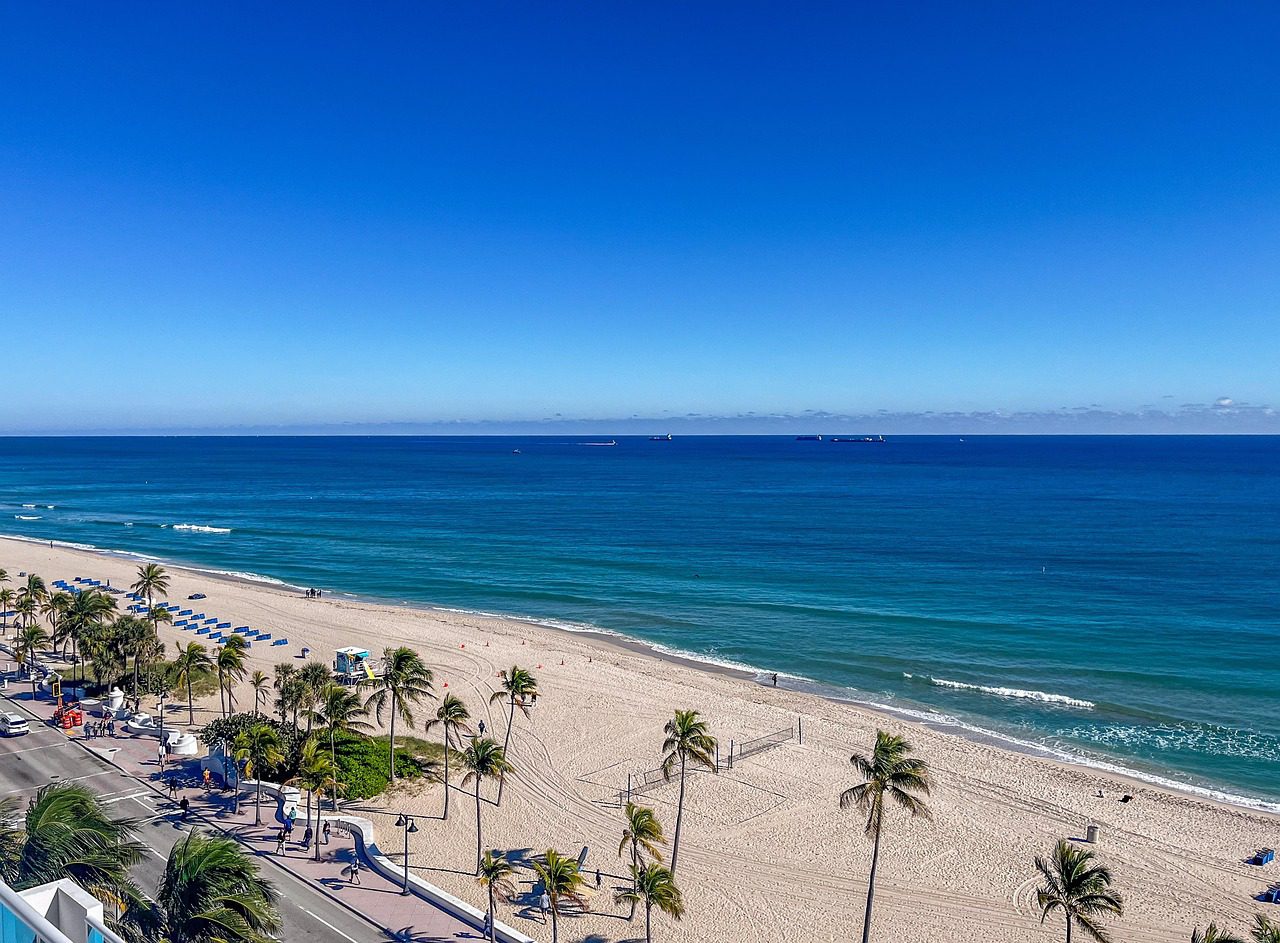
The Gulf laps at your ankles in seventy-degree water while the rest of the country scrapes frost off windshields. Pelicans dive into emerald surf, the sand squeaks under bare feet, and a cold front here means grabbing a light hoodie at sunset—not a parka.
What makes Florida’s winter coastline unlike any other warm-weather escape in the U.S. is the sheer range of personalities packed into a single peninsula. You can sleep in a quiet fishing village one night and walk past Art Deco neon the next without ever crossing a state line.
This guide breaks down exactly which town fits your winter style, whether you’re chasing empty beaches, stone crab claws, or a surf break with no line.
Expect roughly $100–$200 per night on the budget end for Forgotten Coast rentals or New Smyrna motels, $200–$350 for mid-range beach condos and Gulf Coast boutique inns, and $350–$500+ for polished resorts in Naples, Miami, or Key West.
Your Quick-Pick Cheat Sheet for Florida Winter Beach Towns
Don’t have time to scroll the whole article? Start here — these six picks cover every major winter priority on Florida’s coast.
| Winter Priority | Top Pick | The Gist |
|---|---|---|
| Warmest mainland water | Naples & Marco Island | Mid-70s°F surf, world-class shelling on the Ten Thousand Islands, and stone crab season in full swing. |
| Easy family beach days | Clearwater / St. Pete Beach | Wide, calm sugar-sand beaches, nightly Pier 60 sunset festival, and aquariums for rainy afternoons. |
| Empty beaches on a budget | Forgotten Coast (Cape San Blas) | Uncrowded state parks, multi-week rental discounts up to 40%, and a nature-driven pace that slows you down. |
| Nightlife, food & culture | Miami & Key West (tie) | Miami delivers Wynwood art and South Beach energy; Key West offers Duval Street bars, Hemingway’s house, and Mallory Square sunsets. |
| A one-of-a-kind wildlife encounter | Crystal River | Swim alongside hundreds of manatees in 72°F springs — book weeks ahead for morning tours. |
| Laid-back local’s escape | New Smyrna Beach | Genuine surf-town culture, walkable Flagler Avenue dining, and the undeveloped Canaveral National Seashore next door. |
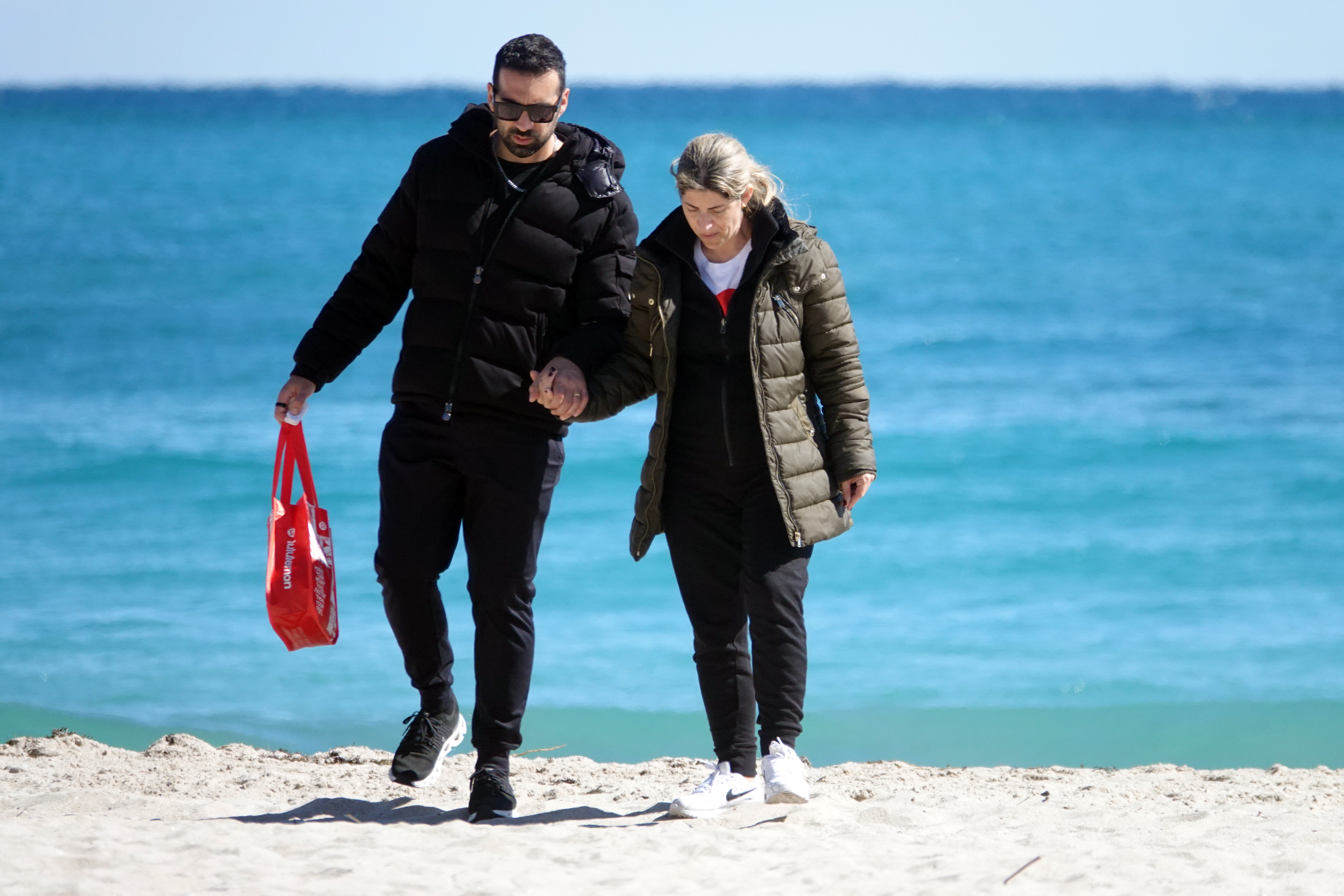
Forget shoveling snow: while most of the country is layering up, Florida’s coastline stays sunny, with winter water temperatures from the mid-60s°F in the Panhandle to the low 70s°F in the Keys—warm enough for a brave swim and perfect for beachcombing without the sweat.
What Makes Florida’s Beach Towns the Perfect Winter Escape?
It’s the combination of reliably warm weather, staggering geographic variety, and a crowd-free coastline that turns a winter beach trip from a gamble into a sure thing. You’re not just choosing a beach; you’re picking a vibe, from the tropical, party-ready energy of South Florida to the silent, shell-strewn solitude of the Gulf Coast.
Here’s how to think about it.
- The Weather Guarantee: This is the primary draw. Winter is Florida’s dry season, meaning more sun and less humidity. You can reliably expect sunny days in the 70s°F. The further south you go, the warmer it gets—Naples and Miami often see highs in the mid-70s°F, making them reliably swimmable destinations.
- The Crowd Advantage: Winter is technically Florida’s peak season, but “peak” is relative. The massive spring break and summer family crowds are gone. You’ll find more breathing room on the sand, easier restaurant reservations, and less traffic on the A1A—except for a few snowbird-heavy hotspots.
- An Activity for Every Speed: You can do everything or nothing. Kayak with manatees in Crystal River’s 72°F springs, bike the flat, scenic paths of South Walton’s 30A, explore the historic streets of St. Augustine, or simply read a book on a deserted stretch of the Forgotten Coast. The options are endless.
- The Easy Logistics: Major airports are everywhere (Miami, Fort Lauderdale, Tampa, Orlando), and a rental car lets you road trip between distinct coastal personalities. Basing yourself in a central spot like Clearwater or Fort Lauderdale gives you easy day-trip access to quieter nearby towns.
Choosing Your Winter Beach Vibe
Your perfect town depends entirely on who you’re traveling with and what you want from the sand.
| If You’re Looking For… | Best Winter Bet | The Deal |
|---|---|---|
| Families with young kids | Clearwater / St. Pete Beach | Wide, sugar-sand beaches with calm Gulf waters, plus aquariums and the Pier 60 sunset festival. Some beaches allow vehicle access, a game-changer for hauling gear. |
| Couples & Luxury | Naples & Marco Island | Upscale dining, world-class shelling on the Ten Thousand Islands, and the warmest winter beaches on the mainland. It’s polished and peaceful. |
| Solitude & Nature | The Forgotten Coast (Cape San Blas) | Empty beaches, state parks you can have to yourself, and a laid-back, uncommercial feel. Winter is the best time to kayak the clear, calm bay. |
| Lively Nightlife & Culture | Miami & Fort Lauderdale | South Beach’s iconic scene, world-class art in Wynwood, and endless dining. It’s the most energetic winter beach destination in the state. |
| A Laid-Back Local’s Escape | New Smyrna Beach | A cool, under-the-radar surf town with great seafood, a vibrant arts scene, and a drivable beach. It has a genuine, non-touristy vibe. |
Insider Tip: Winter is “high season” for lodging, so book accommodations 3-6 months out, especially for holiday weeks. For a more local, value-driven stay, look for vacation rentals in neighborhoods just one or two blocks off the beachfront, rather than directly on the sand.
Best Gulf Coast Beach Towns in Florida for Winter
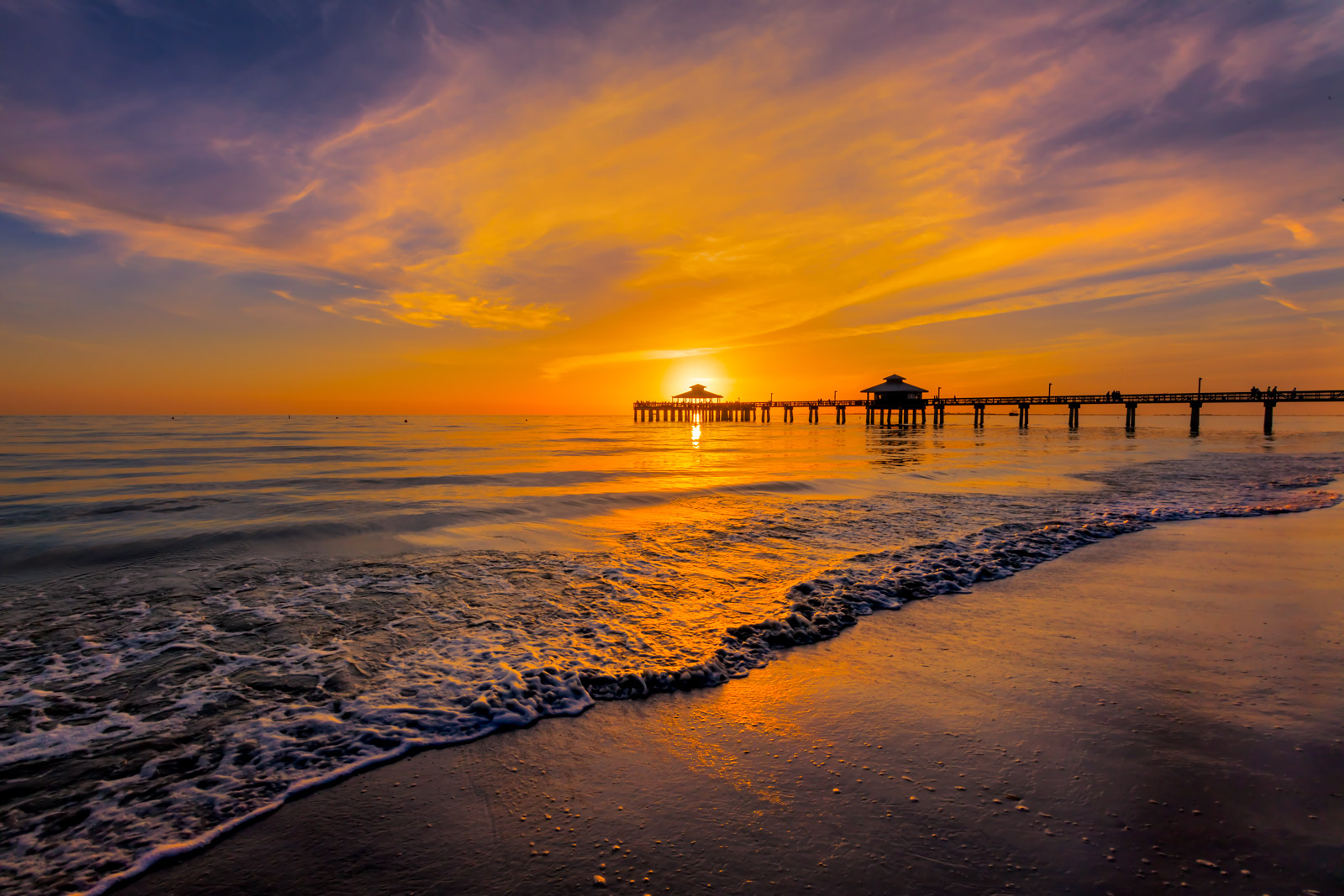
Forget the summer crowds and hurricane worry; a Gulf Coast winter means fiery sunsets, 74-degree water, and having sugar-sand beaches mostly to yourself. This is the season locals cherish.
Here’s the quick take on the region’s best winter bases:
| Destination | Winter Vibe | Best For | Key Consideration |
|---|---|---|---|
| Naples & Marco Island | Upscale, serene, sunny | Couples, foodies, golf | Premium pricing; book early. |
| Sanibel & Fort Myers | Natural, quiet, focused on shelling | Nature lovers, families | Still recovering from Hurricane Ian; check status. |
| Clearwater & St. Pete Beach | Classic, accessible, wide beaches | Families, first-timers | Most popular; expect more people and development. |
| Crystal River | Unique, wild, eco-focused | Adventure seekers, wildlife fans | Not a typical beach town; it’s about the springs. |
| Tampa Bay Area | Urban energy with beach access | Travelers wanting city amenities | Beaches require a short drive (30-60 min). |
Naples & Marco Island: Luxury Living on the Paradise Coast
This is where you come for refined winter ease. Naples’ downtown, anchored by 5th Avenue South and 3rd Street South, is a walkable grid of art galleries, boutiques, and some of Florida’s best dining—think fresh stone crab at USS Nemo or farm-to-table at The Bay House.
The vibe is polished but relaxed.
Marco Island, a 15-minute drive south, trades downtown glamour for a quieter, waterfront-centric luxury. It’s more resort-oriented, with Tigertail Beach offering exceptional birding and shelling.
The key difference: Naples is for those who want a town with a beach; Marco is for those who want a resort community on the water.
- Insider Tip: For a legendary sunset, skip the crowded Naples Pier. Head to the more serene Lowdermilk Park or book a table at The Turtle Club (reserve weeks ahead) right on Vanderbilt Beach.
- Stay Strategy: Base in downtown Naples for walkability to dinner, or choose a beachfront high-rise on Gulf Shore Boulevard for direct sand access. On Marco, resorts like the JW Marriott are destinations in themselves.
Sanibel Island & Fort Myers: Shelling, Serenity & Island Time
Note: Sanibel and Captiva Islands were severely impacted by Hurricane Ian in 2022. Significant recovery has occurred, but some businesses, infrastructure, and resorts are still rebuilding or operating at limited capacity. Thorough, recent research is essential before booking.
When it’s at full strength, this is the shelling capital of the world. The island’s unique east-west orientation acts as a natural scoop for Gulf treasures.
The rhythm here is dictated by the tide, not the clock. Winter is prime season for finding conch, junonia, and lion’s paw shells, especially after a storm.
Fort Myers proper, on the mainland, is your practical gateway with more hotel options and the historic Edison & Ford Winter Estates. But the magic is on the island: bike the paths (no traffic lights on Sanibel), visit the J.N.
“Ding” Darling National Wildlife Refuge for migratory bird spectaculars, and embrace the early-morning shelling ritual.
Clearwater & St. Pete Beach: Sugar-Sand Classics
These are the names you know, and they deliver on their promise: wide, award-winning quartz sand and reliably sunny winter days. Clearwater Beach is more family-focused and bustling, with Pier 60’s nightly sunset celebration.
St. Pete Beach, particularly the Pass-a-Grille neighborhood at its southern tip, has a more charming, old-Florida residential feel with excellent local eateries.
- Decision Point: Choose Clearwater if your priority is a lively, all-in-one beachfront strip with easy dining and entertainment. Choose St. Pete Beach (especially Pass-a-Grille) for a slightly more relaxed, historic atmosphere with superb sunset views and walkable local shops.
- Pro Move: Stay on the bay side of the peninsula (like in downtown St. Pete) for cultural access to the Dalí Museum and vibrant food scene, then drive 20-30 minutes to the beach for the day. You get both city and sand without the premium beachfront hotel price.
Crystal River: Swimming with Manatees in Warm Winter Springs
This isn’t a typical beach town—it’s a wildlife phenomenon. From November through March, hundreds of West Indian manatees congregate in the constantly 72-degree waters of Kings Bay and the surrounding springs.
It’s one of the only places in the U.S. where you can legally swim alongside them in their natural habitat.
The experience is regulated. You must book a guided tour with a licensed operator (like Crystal River Watersports or Plantation Adventure Center).
They provide wetsuits and education on passive observation rules. The town itself is small and unpretentious, focused entirely on this eco-attraction.
- Critical Planning: Book your manatee tour weeks in advance, especially for peak dates in January. Tours depart early morning for the best visibility and encounters. This is a morning activity; afternoons are for kayaking the clear waters of Three Sisters Springs or exploring the nearby Chassahowitzka National Wildlife Refuge.
- Stay Style: Lodging is simple motels, vacation rentals, and lodges like Plantation on Crystal River, which has its own tour operators. This is about the experience, not luxury digs.
Tampa Bay Area: Big-City Energy with Easy Beach Access
Base yourself in Tampa or St. Petersburg and you get a world-class city scene with the beaches of Pinellas County as your playground. In Tampa, explore the historic Ybor City, the Florida Aquarium, and a rising culinary scene.
In St. Pete, the arts district and waterfront parks are fantastic.
The beach trade-off is clear: you’ll drive 30-60 minutes to Clearwater Beach or St. Pete Beach. But for travelers who want urban culture, pro sports, and diverse dining with their beach days, this is the most dynamic option on the list.
It’s perfect for a longer stay where you can split time between city exploration and dedicated beach days.
Best Panhandle Beach Towns in Florida for Winter
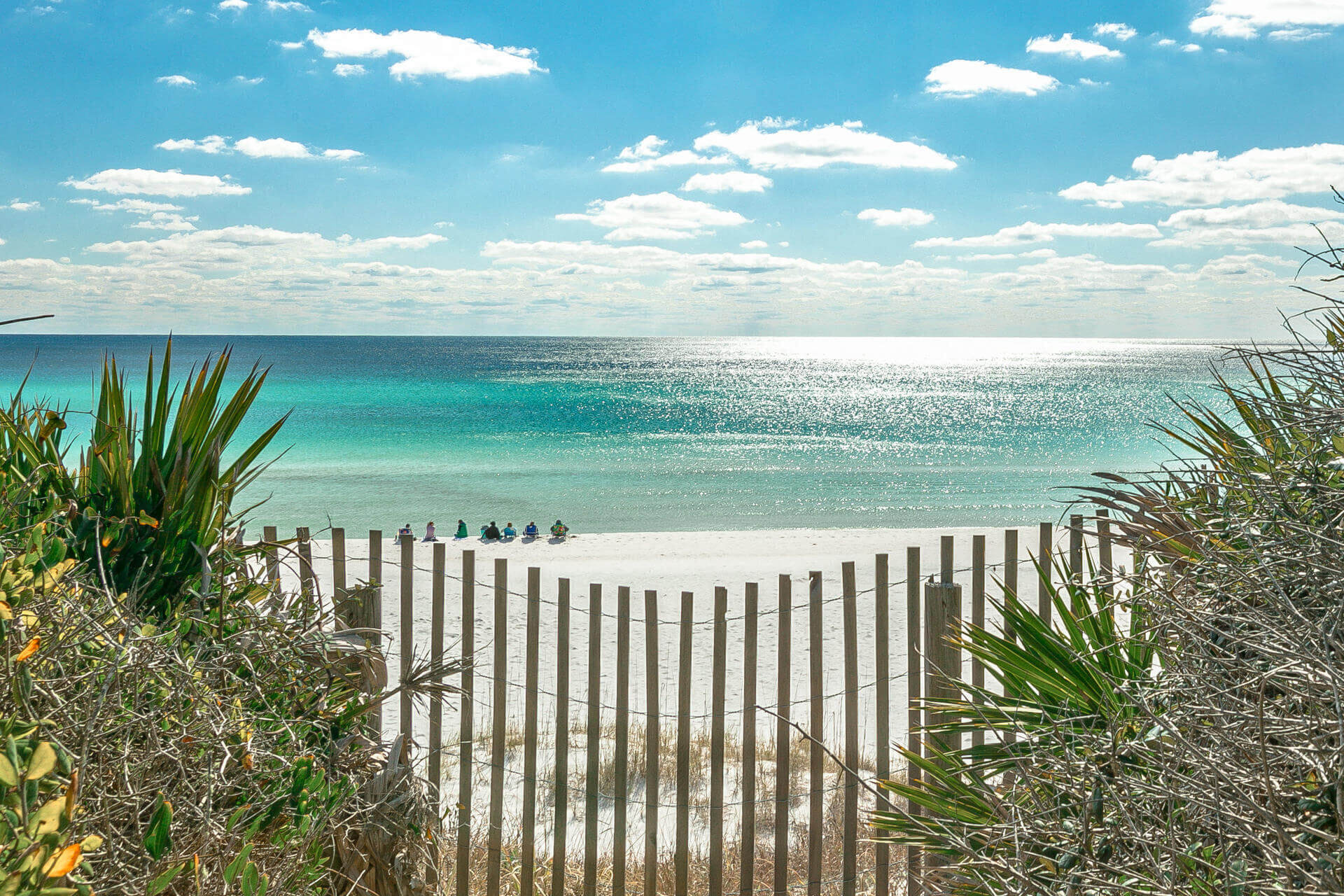
The Florida Panhandle delivers the state’s whitest sand and most surprisingly affordable winter beach escapes — but each stretch trades on a completely different vibe. Knowing which one matches your trip style saves you from ending up in a condo tower when you wanted a quiet coastal village, or vice versa.
| Area | Vibe | Winter Sweet Spot | Best Base Style |
|---|---|---|---|
| Destin & Emerald Coast | Lively, family-first, resort-heavy | Beach days with built-in kid entertainment | High-rise condos, beachfront resorts |
| South Walton / 30A | Charming, walkable, design-forward | Pedal-friendly village hopping along 30A | Cottage rentals, boutique inns |
| Forgotten Coast | Quiet, unpretentious, nature-driven | Uncrowded beaches and low-season rental rates | Vacation rentals, small inns |
Destin & the Emerald Coast: Family-Friendly White Sand
Destin is where Panhandle families with young kids gravitate — and for good reason. The sugar-white sand and generally calm Gulf waves make beach days easy even in winter, when daytime highs typically land in the low 60s to low 70s.
The trade-off is density: Destin’s lodging corridor along Highway 98 and Emerald Coast Parkway is packed with high-rise condos and chain resorts, so if solitude matters to you, this isn’t your spot.
Where to stay: Condo rentals along the Destin Harbor or on Miramar Beach put you walking distance from restaurants and boat tours without needing a car for every meal. For families who value a full kitchen and laundry — essentials for multi-night winter stays — a beachfront condo in the Crystal Beach or Holiday Isle neighborhoods wins over a standard hotel room every time.
Expect roughly $120–$250/night in winter, depending on size and exact beachfront access, though rates fluctuate by property and booking window.
- Insider pick: Book a Gulf-view unit on a mid-level floor (4th–8th) in a smaller condo building rather than the towering resort complexes — you’ll get the same beach access with less noise and lower HOA-driven cleaning fees baked into your nightly rate.
- Winter advantage: HarborWalk Village stays active year-round with restaurants and fishing charters, so even on cooler days you have something walkable to do without driving.
South Walton & Scenic Highway 30A: Picture-Perfect Beach Neighborhoods
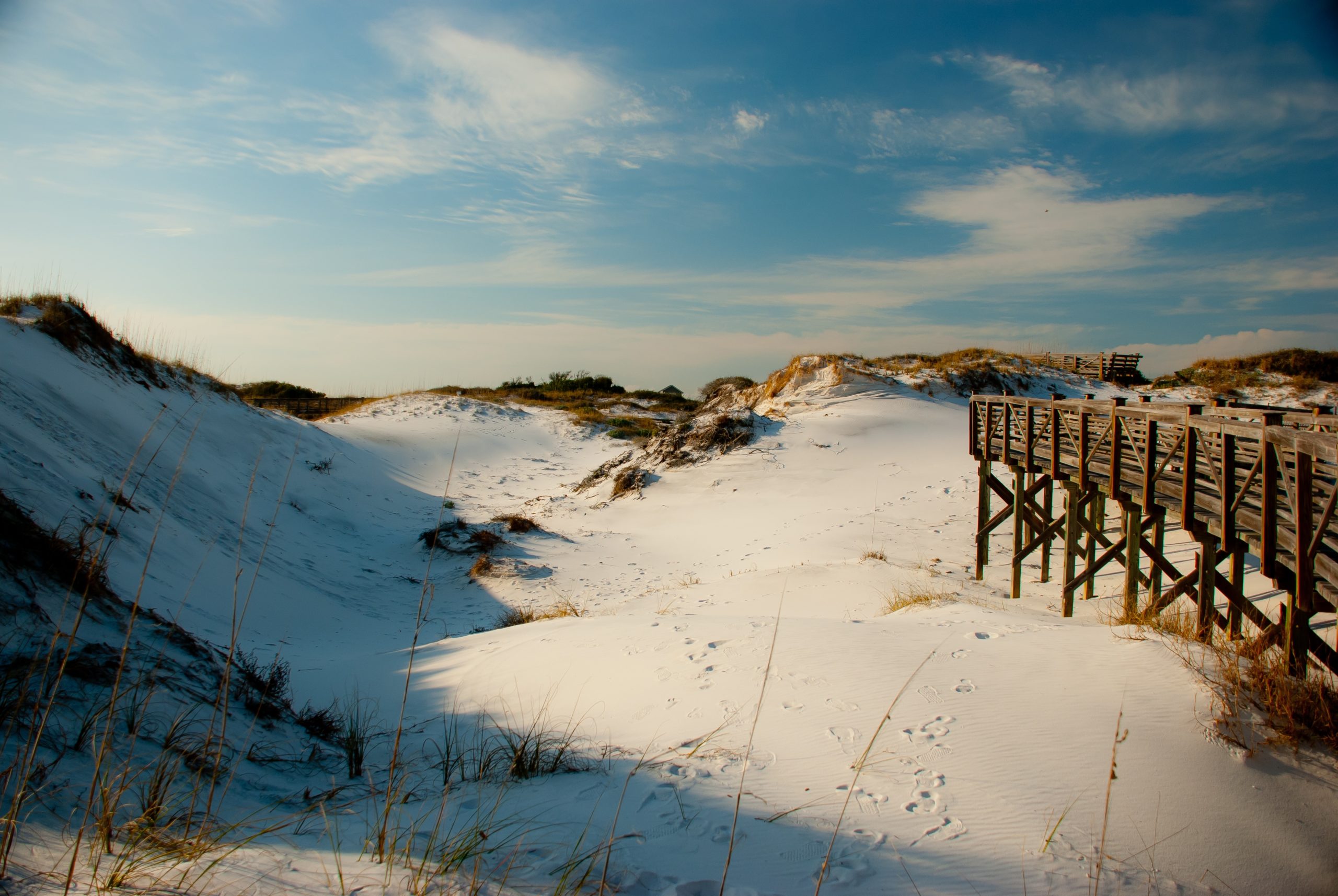
South Walton is the Panhandle’s most intentional lodging experience. The 16 individual beach neighborhoods strung along Scenic Highway 30A — including Seaside, Rosemary Beach, Alys Beach, and WaterColor — each have their own architecture, shops, and restaurant clusters, all connected by paved bike paths.
This is where you stay if your idea of a winter beach trip includes morning coffee at a walkable café, afternoon cycling along a flat coastal path, and dinner without ever getting in the car.
Where to stay: Cottage and townhome rentals inside the planned communities are the move. Rosemary Beach and Seaside have the most walkable cores with the best restaurant access, but they command premium rates — typically $200–$400/night in winter for a one- or two-bedroom cottage, though lower than summer peak by 30–50%.
WaterColor and Grayton Beach offer slightly better value with the same bike-path access and beach quality.
- Best for: Couples and families with older kids who can bike independently. If you have toddlers or need flat, easy stroller access to the beach, Seaside’s central square and Rosemary Beach’s boardwalk paths are the most manageable.
- Don’t miss: Grayton Beach State Park sits right in the middle of 30A with some of the least-developed shoreline on the coast — staying in nearby WaterColor or Grayton Beach puts you a short walk from it.
- Insider detail: Many 30A rental properties include complimentary bike rentals — always confirm before booking, because it eliminates a daily rental cost of roughly $25–$40 per bike.
The Forgotten Coast: Cape San Blas, Port St. Joe & Mexico Beach
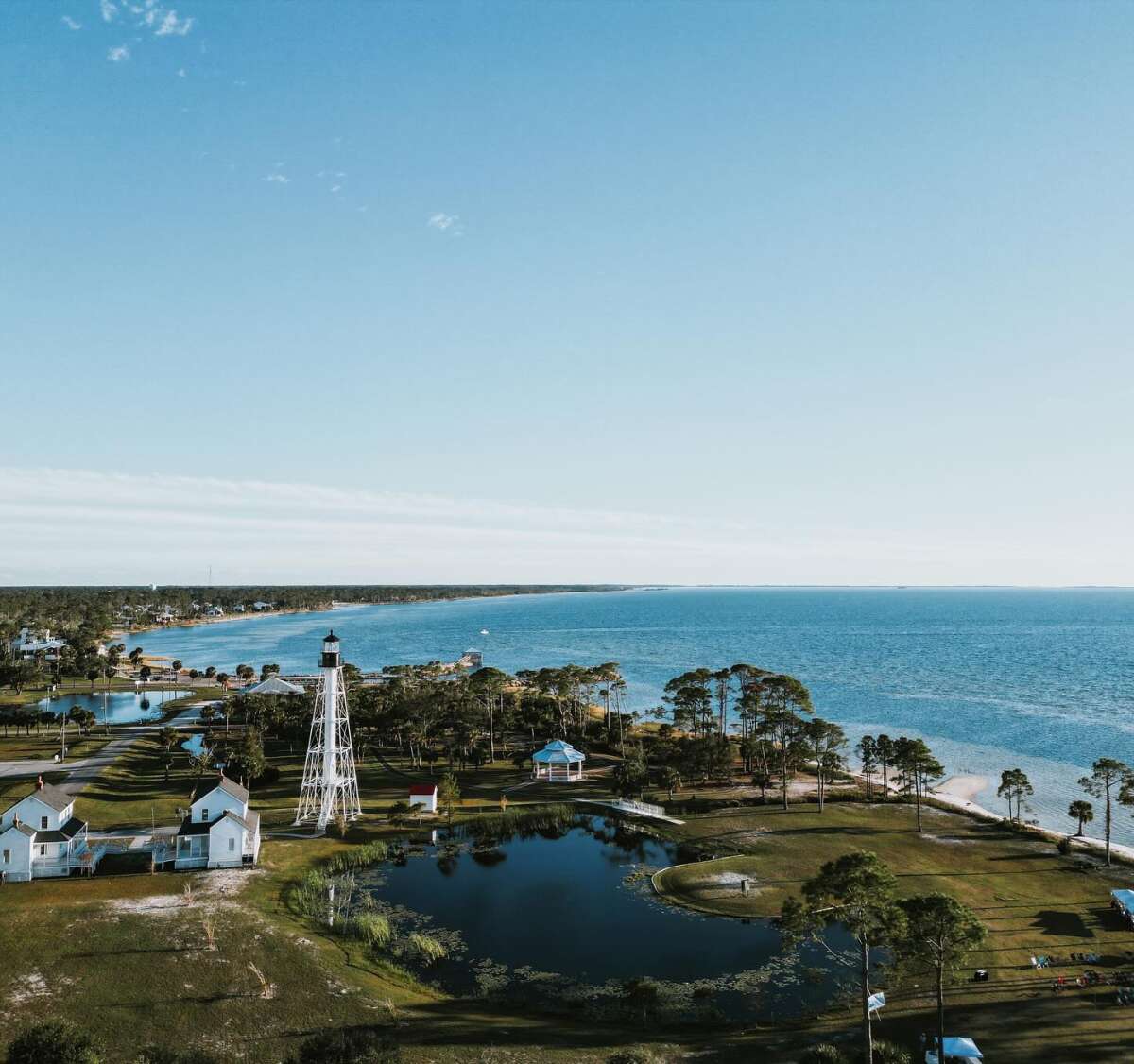
The shift you feel driving into Cape San Blas or Mexico Beach once October arrives is real: bridge traffic disappears, rental rates drop, and the towns go quiet enough to hear the Gulf. Highs settle into the 50s and 70s through winter, and the lack of summer crowds transforms these stretches into a nature lover’s basecamp — stone crab season kicks in, holiday festivals fill the calendar, and St. Joseph Peninsula State Park becomes a birder’s paradise.
Where to stay: Vacation rentals dominate here — condos, cottages, and beach houses are your primary options, with very few traditional hotels. Cape San Blas is the most scenic base, with rentals stretching along the narrow peninsula between the Gulf and St. Joseph Bay.
Port St. Joe is the practical choice if you want a walkable small-town core with restaurants and a grocery store nearby. Mexico Beach is the most affordable entry point, though it’s still rebuilding amenities since Hurricane Michael in 2018, so confirm what’s open before booking.
- Best for: Budget-conscious couples, snowbirds staying multiple weeks, and anyone who prioritizes empty beaches over nightlife or restaurant density.
- Winter activities worth basing near: The Loggerhead Run Bike Path on Cape San Blas offers a flat, scenic ride; the Maritime Hammock Trail gives an easy bayfront walk; and winter kayaking on St. Joseph Bay is calmer and quieter with almost no boat traffic.
- Insider detail: Multi-week winter rentals on the Forgotten Coast often come at significant discounts — some property managers offer 20–40% off nightly rates for stays of 28 days or longer. Always ask directly rather than booking through a platform, where dynamic pricing rarely reflects long-stay deals.
- Realistic winter caution: This coast gets genuinely cold fronts. You’ll have many days in the 60s and 70s perfect for beach walks and kayaking, but pack layers — occasional dips into the 40s happen, and the limited restaurant scene means you’ll want a rental with a full kitchen for those cozy nights in.
Best Atlantic Coast Beach Towns in Florida for Winter
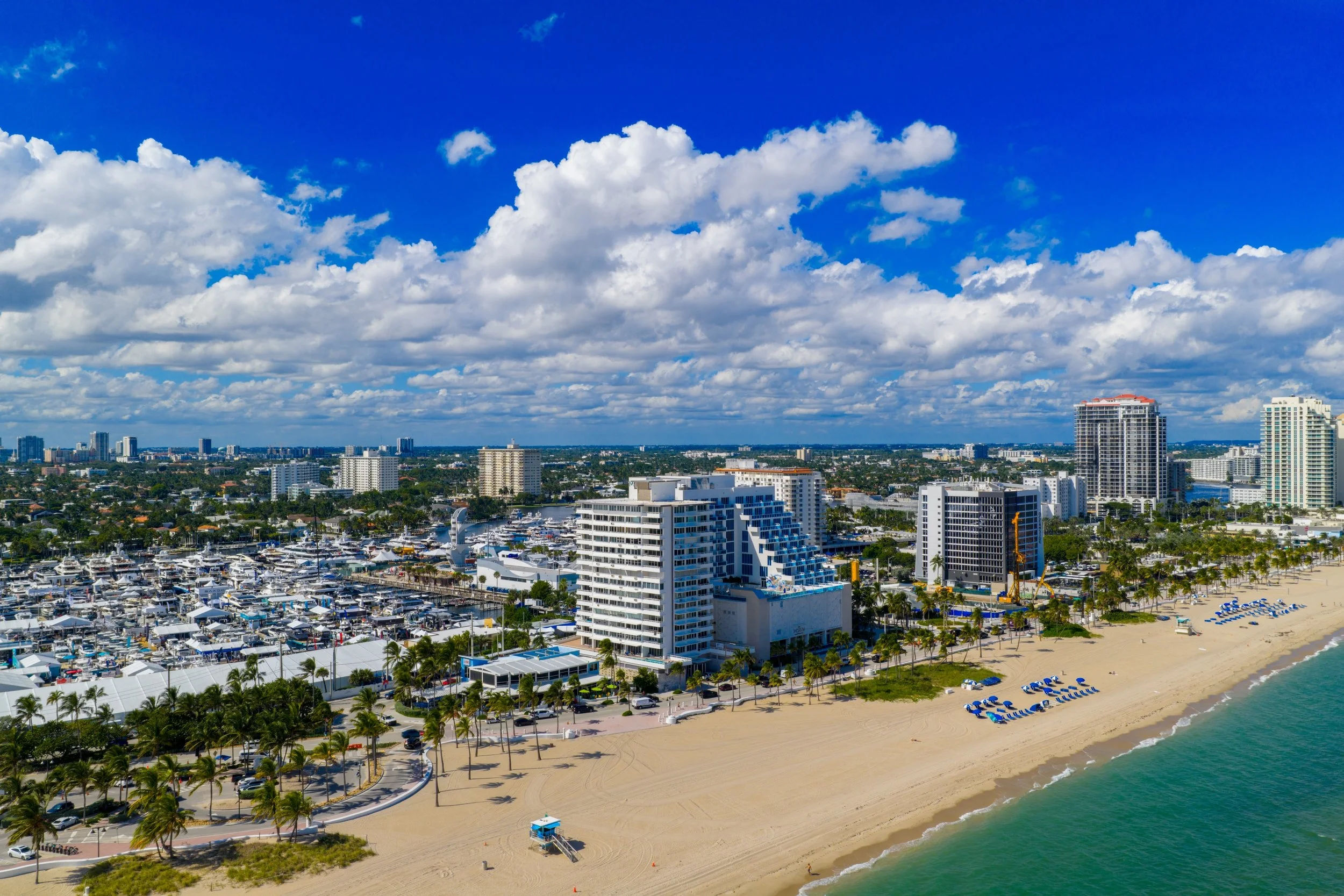
The Atlantic coast delivers a different energy than Florida’s Gulf side — faster-paced, more cosmopolitan, and backed by some of the state’s best dining, art, and nightlife scenes. Winter highs along this stretch typically hover in the mid-to-upper 70s°F, and the ocean water stays warm enough for swimming through January most years.
Here’s where to go — and what each town actually does best.
| Town | Best For | Winter Vibe | Price Range |
|---|---|---|---|
| Fort Lauderdale & Hollywood | Waterfront dining, arts, easy logistics | Sophisticated beach city with culture | Mid-range to upscale |
| Miami | Nightlife, food, world-class beaches | High-energy, international, warmest | Upscale to luxury |
| New Smyrna Beach | Budget-friendly chill, surfing, nature | Quiet local’s town, uncrowded | Budget to mid-range |
| St. Augustine | History, families, walkable charm | Cobblestones and beach in one trip | Mid-range |
Fort Lauderdale & Hollywood: Beaches, Art & Waterfront Glamour
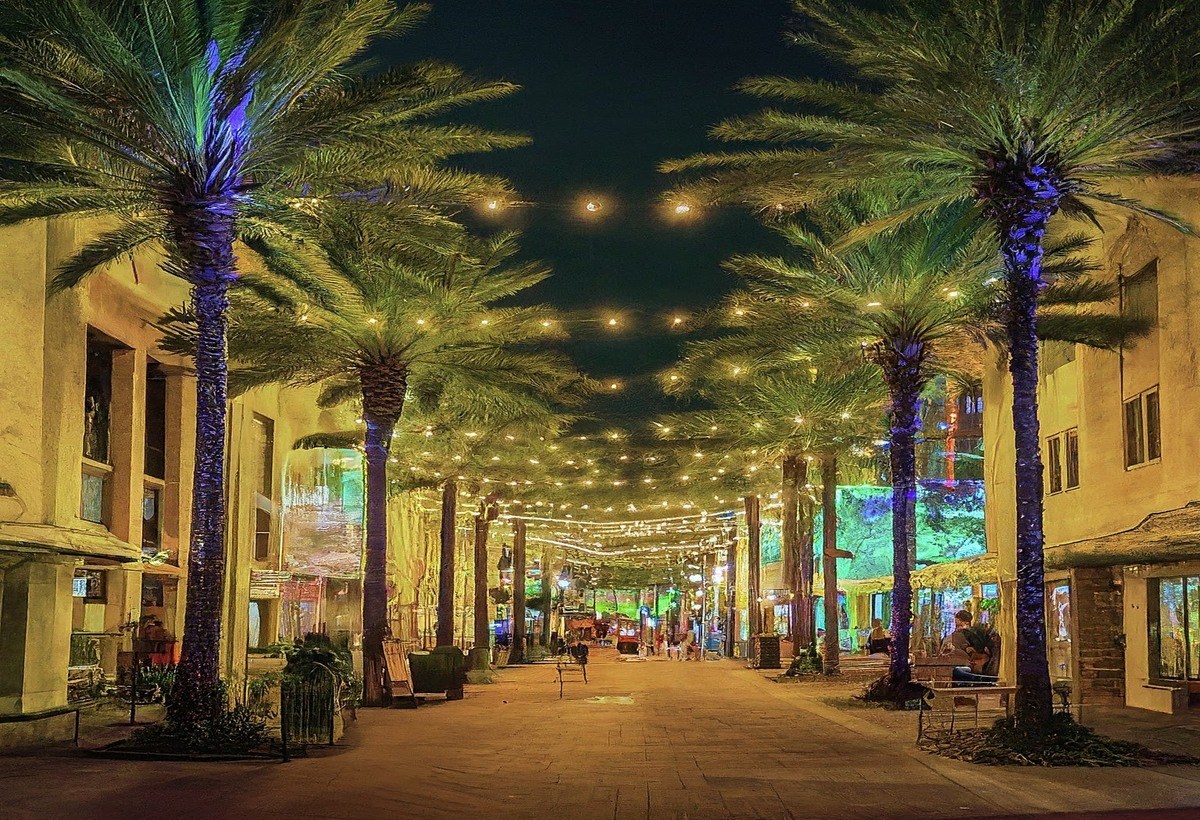
Fort Lauderdale’s average winter high sits right around 78°F — warm enough for a full beach day without the suffocating humidity that defines summer here. The city has quietly evolved past its spring-break reputation into one of Florida’s most livable coastal destinations, with legitimate arts institutions, waterfront dining, and a riverfront that actually invites walking.
What wins here: Las Olas Boulevard is the main artery — lined with galleries, boutiques, and restaurants that range from casual seafood to fine dining. The Fort Lauderdale Riverwalk connects downtown parks and cultural venues along the New River, and it’s a genuinely pleasant morning walk.
Hollywood’s Broadwalk (yes, no “e”) runs 2.5 miles along the beach with casual oceanfront cafes and a more relaxed pace than Fort Lauderdale proper.
What to know: Fort Lauderdale-Hollywood International Airport (FLL) is a budget-airline hub — Spirit, JetBlue, and Southwest all run heavy winter schedules here, often significantly cheaper than flying into Miami. If you’re flying into Miami instead, it’s roughly 25 miles north on A1A or I-95.
Where to stay: The Premiere Hotel sits less than one block from the beach with a saltwater pool and walkable access to shops and restaurants — a strong mid-range pick. For waterfront glamour, Las Olas-area hotels put you in the center of the action.
Hollywood beachfront rentals tend to run cheaper than Fort Lauderdale proper for similar ocean access.
Day trip worth adding: Everglades National Park is about an hour west — easy to do as a half-day with an airboat tour or a full day of hiking the Shark Valley loop.
Miami: A World-Class Winter Beach Destination
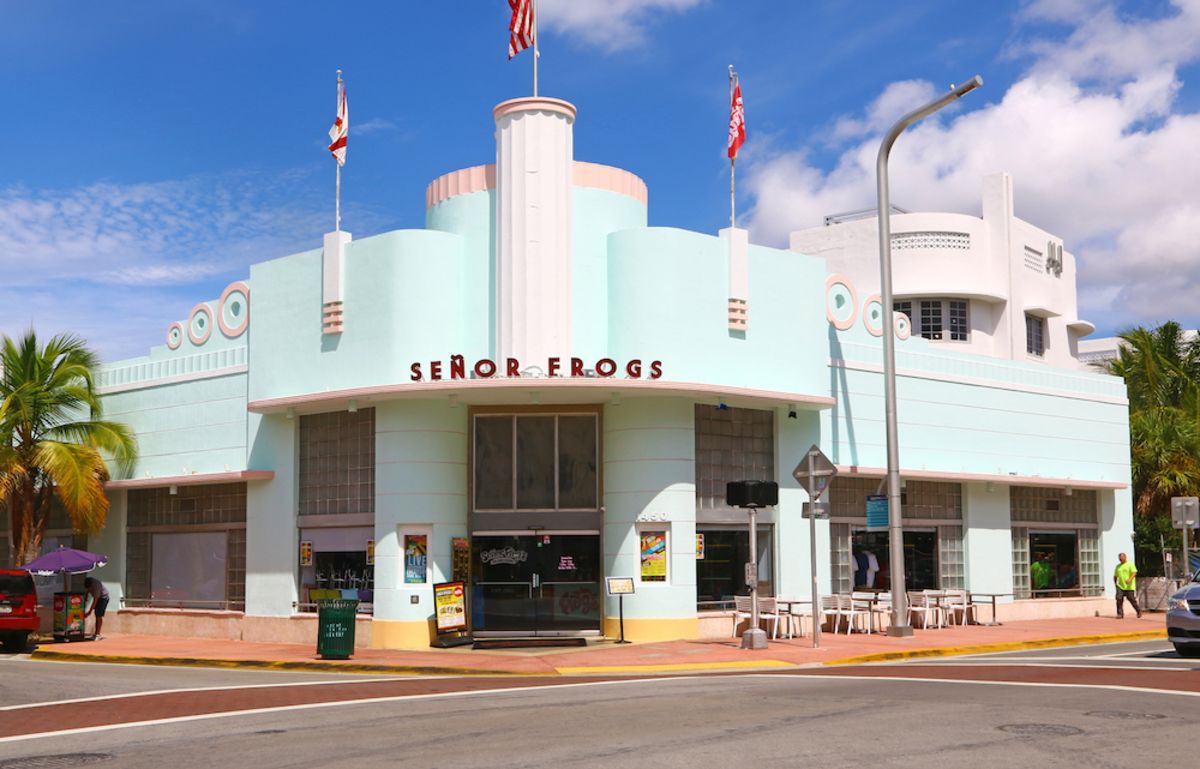
Miami in winter is peak season for a reason: highs around 77°F, the Atlantic warm enough to swim, and the entire city firing on all cylinders — art fairs, restaurant openings, outdoor festivals. It’s the most expensive and most demanding option on this list, but nothing else in Florida matches the cultural density.
What wins here: South Beach remains iconic, but the real winter advantage is Miami’s neighborhoods beyond the sand. The Wynwood Walls district is a world-class open-air gallery.
Little Havana’s Calle Ocho is essential for Cuban coffee and live music. Brickell and the Design District deliver high-end dining that rivals any U.S. city.
For actual beach time, South Beach’s Lummus Park stretch and the quieter Crandon Park on Key Biscayne are both excellent in winter with far fewer crowds than summer brings.
What disappoints: Traffic is genuinely brutal, especially on the causeways between Miami Beach and the mainland. Hotel rates in South Beach spike hard December through March — expect roughly $250–$500/night for anything beachside, though rates vary by property and booking window.
Parking adds up fast. This is not a laid-back trip unless you deliberately stay put on the beach and ignore the mainland.
Insider move: Book South Beach hotels for midweek stays and shift weekend nights to Wynwood or the Design District, where rates drop meaningfully and you’re closer to Miami’s best restaurants and galleries without the beach markup.
New Smyrna Beach: The Laid-Back Local’s Favorite
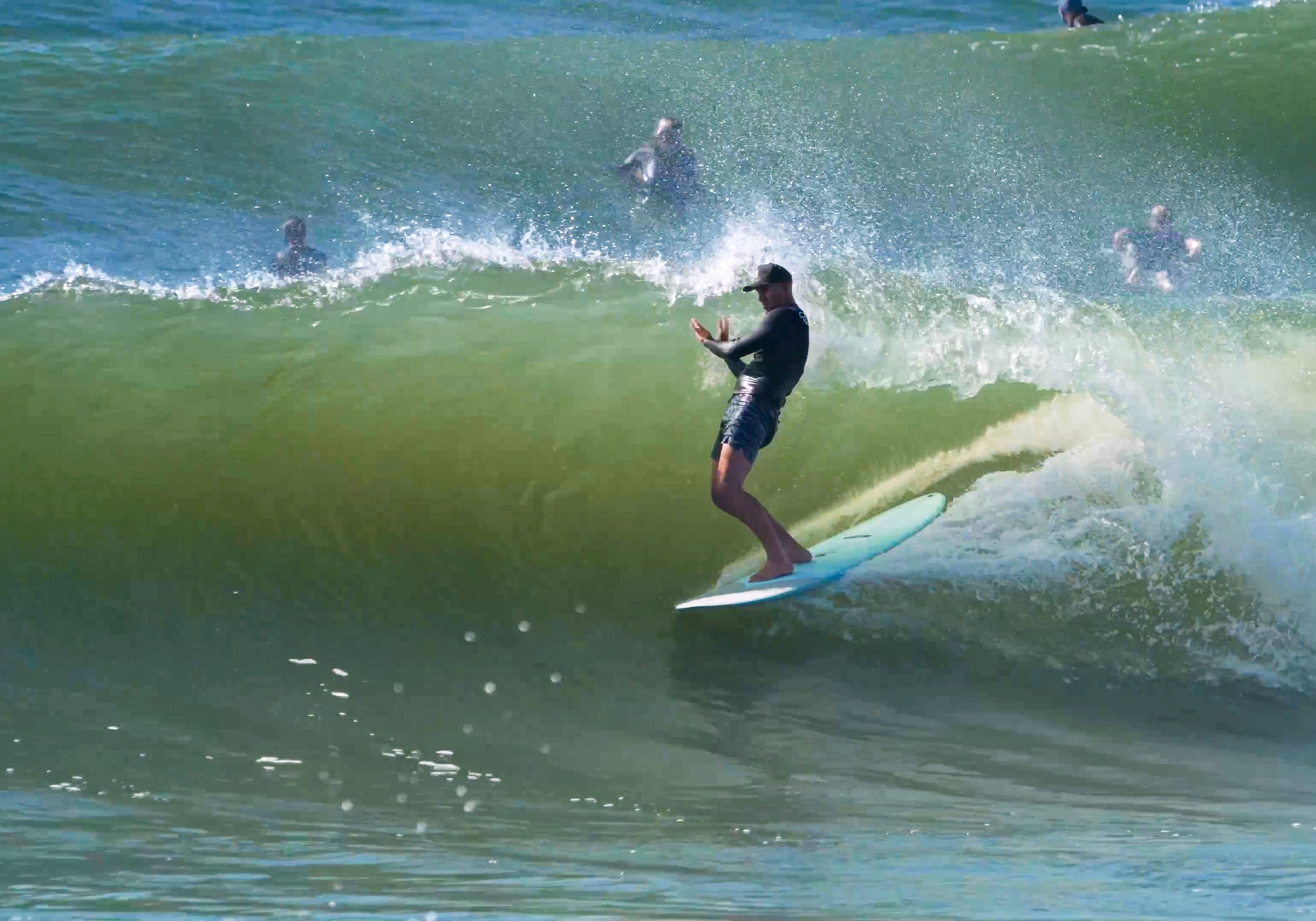
New Smyrna Beach sits just south of Daytona Beach, and locals will tell you it’s everything Daytona isn’t — quieter, more walkable, and with a genuine small-town surf culture that hasn’t been paved over by chain hotels. Winter temperatures run slightly cooler than South Florida (highs around 72–74°F), so you’re not guaranteed a swim day every visit, but outdoor conditions are reliably pleasant for biking, kayaking, and beach walking.
What wins here: The town’s Flagler Avenue strip is the center of action — independent restaurants, local shops, and a handful of solid surf breaks right at the beach approach. New Smyrna is one of Florida’s most consistent surf towns, and winter swells bring reliable waves without summer’s crowds.
The Marine Discovery Center runs guided kayak and boat tours through the Indian River Lagoon, one of the most biodiverse estuaries in North America — manatee and dolphin sightings are common even in winter.
What to know: You can drive on the beach here (north of the Flagler Avenue approach), which is both a convenience and a reason some stretches feel less pristine. If you prefer car-free sand, head south toward the Canaveral National Seashore — 24 miles of undeveloped barrier island beach with almost no infrastructure and a fraction of the visitors.
New Smyrna is also just a short drive from Daytona Beach if you want bigger-city dining or a motorsports event.
Best for: Travelers who want Florida beach culture without the resort markup. Vacation rentals and small inns dominate here over big hotels, keeping the vibe local.
St. Augustine: America’s Oldest City Meets the Beach
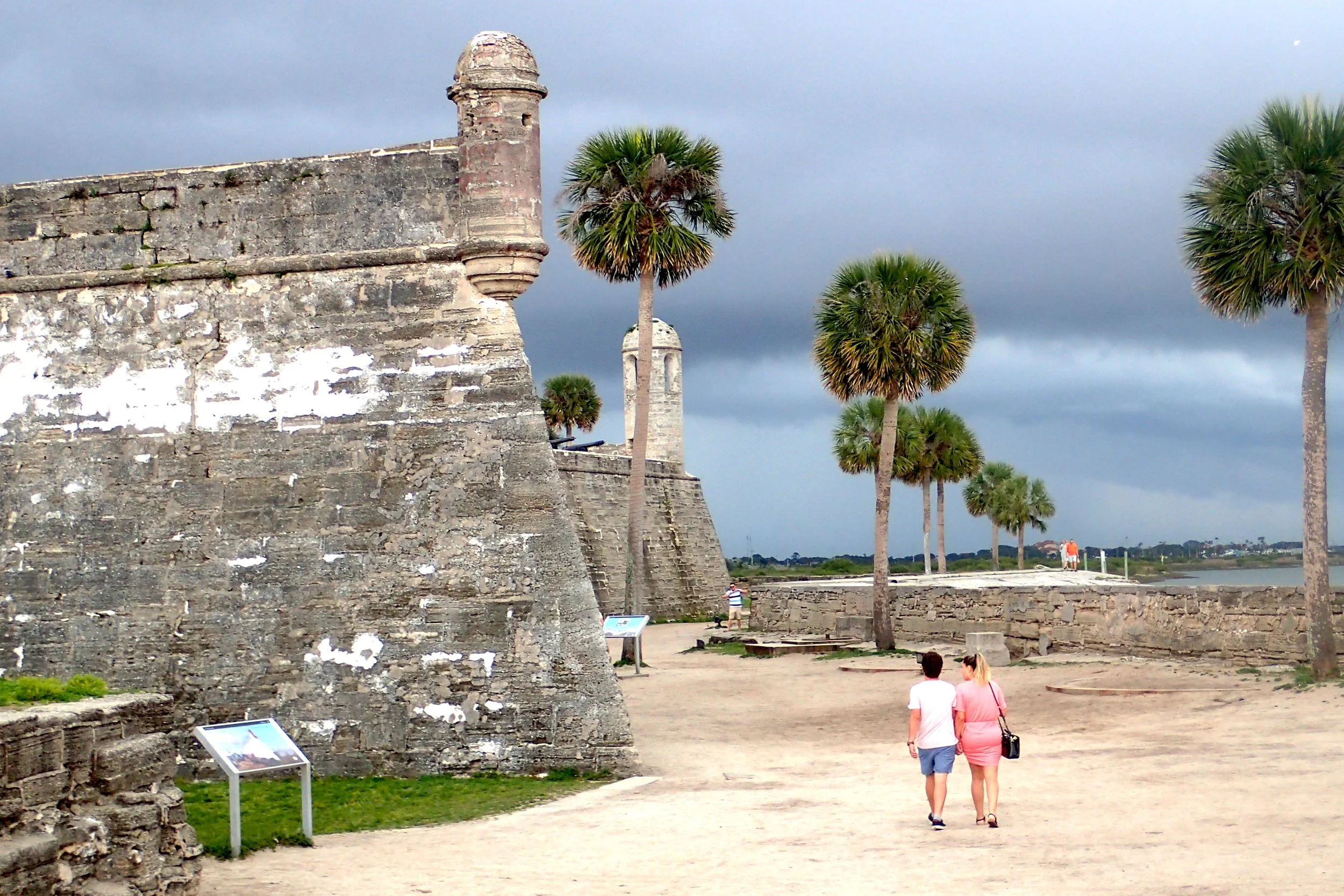
St. Augustine claims the title of oldest continuously occupied European-established settlement in the U.S., and it actually earns the hype — the 16th-century Castillo de San Marcos fortress still anchors the waterfront, and the narrow streets of the historic district are packed with museums, galleries, and restaurants inside centuries-old coquina buildings. Winter highs average around 68°F, cooler than South Florida, but the tradeoff is a walkable historic core that’s genuinely enchanting in the off-season.
What wins here: You get two trips in one. The historic district delivers days of exploration — Flagler College (inside the former Ponce de León Hotel), the St. Augustine Lighthouse, and dozens of smaller museums.
Then Anastasia State Park, just across the Bridge of Lions, offers four miles of undeveloped Atlantic beach with far less traffic than the city beaches. The combination of cobblestone history and uncrowded winter sand is unique on this entire coast.
What to know: Nights of Lights, St. Augustine’s annual holiday lighting display, runs mid-November through late January — the entire historic district glows with millions of white lights, and it’s worth timing your visit around it. Expect hotel rates to peak during this window, especially on weekends, so book several weeks out.
Downtown parking is tight; staying within walking distance of the historic district eliminates the headache entirely.
Best for: Families and couples who want substance beyond the beach. This is the only town on this list where you could skip the sand entirely and still have a full vacation.
Base yourself in the historic district for walkable access to restaurants and attractions, with the beach a 10-minute drive away.
The Florida Keys: A Tropical Winter Beach Road Trip
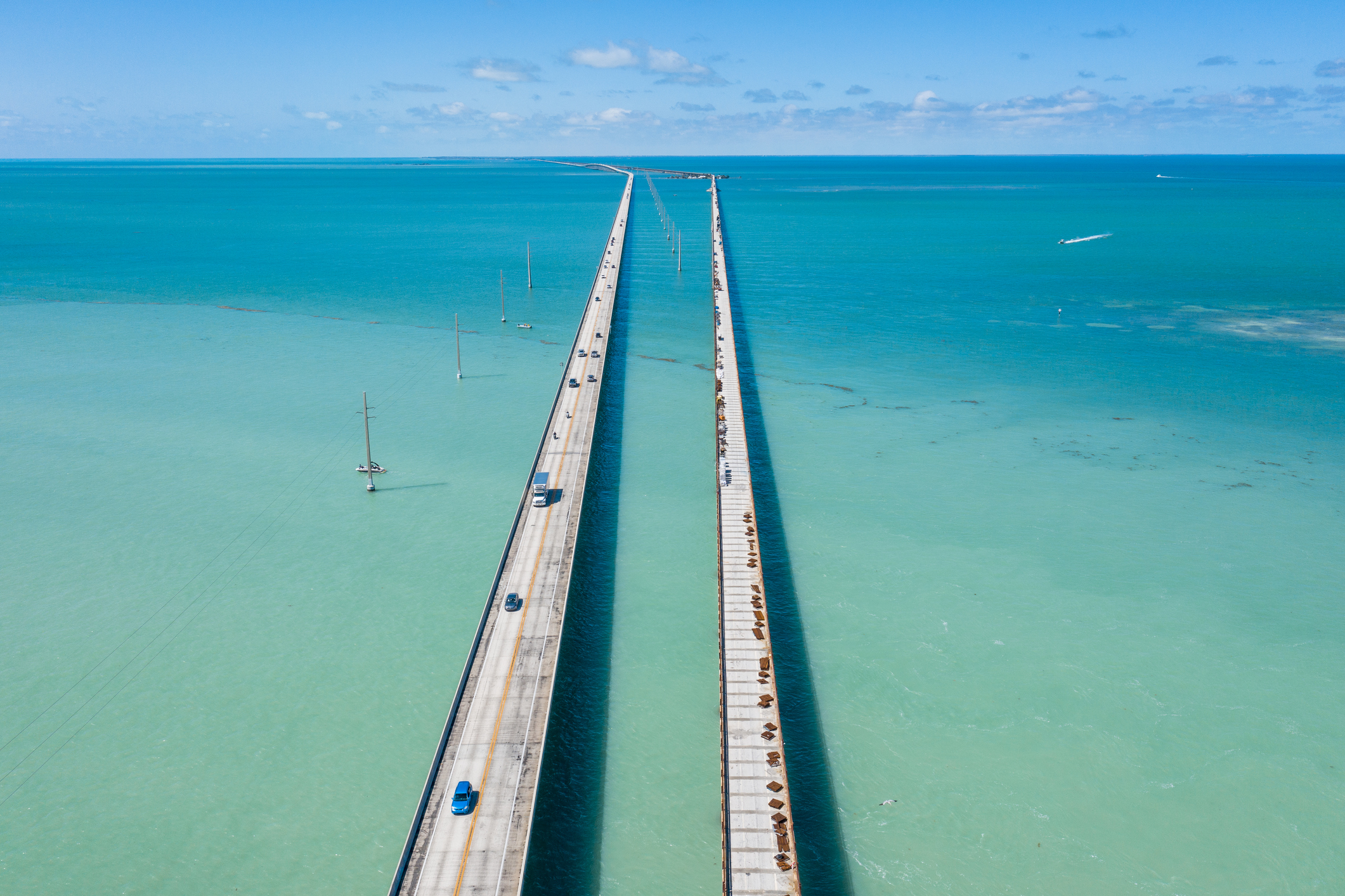
Driving the Overseas Highway — 113 miles of bridges and causeways hopping across turquoise open water — is the only road trip in the continental U.S. where you technically cross 42 bridges between island chains. Winter is when it works best: hurricane season ends November 30, daytime highs hover in the mid-to-upper 70s, and the Keys settle into their most comfortable, least hectic stretch of the year.
The drive from Key Largo to Key West takes about two hours without stops, but that defeats the purpose. Plan at least a full day with overnight stops in the Upper Keys and Key West — two to three nights total if you want to actually experience both areas rather than white-knuckle past them.
| Base | Best For | Vibe | Winter High |
|---|---|---|---|
| Key West | Nightlife, culture, food, history | Lively, walkable, party-forward | ~77°F |
| Islamorada & Upper Keys | Fishing, diving, nature, families | Laid-back, outdoorsy, quieter | ~77°F |
Key West: The Southernmost Winter Escape in the U.S.

Key West holds the title of the southernmost city in the continental U.S., and it earns it — average winter highs sit at 77°F, making it reliably warmer than virtually anywhere else in the Lower 48 from December through February. This is where the Caribbean starts to bleed into the American South, and the culture reflects it: conch houses, roosters roaming the sidewalks, and a bar scene that punches well above the island’s roughly four-square-mile footprint.
The core experience breaks into three zones:
- Mallory Square at sunset: Every evening, street performers, vendors, and crowds gather for the nightly Sunset Celebration — arrive by 5 PM in winter to claim a railing spot. This is the single most iconic Key West ritual, and it’s free.
- Duval Street & Old Town: Duval runs north–south across the island and anchors the bar-hopping circuit locals call the “Duval Crawl.” Step off Duval onto the side streets of Old Town for the real charm — pastel conch cottages, hidden gardens, and the unexpectedly fascinating Key West Cemetery with its satirical headstones.
- Cultural anchors: The Ernest Hemingway Home & Museum is the standout — his writing studio and the famous six-toed cat descendants still roaming the property. The Southernmost Point buoy marker draws a line for the obligatory photo (expect a short queue, even in winter — mornings are your best window).
Beach note: Smathers Beach is Key West’s largest public beach and the go-to for swimming and sunbathing, though temper expectations — Keys beaches are generally narrow and man-made rather than the wide sugar-sand stretches of the Panhandle. The water and the weather are the real draw here, not the sand itself.
Insider tip: Book a day trip to Dry Tortugas National Park well in advance — the ferry (Yankee Freedom) sells out days to weeks ahead in winter. The 70-mile boat ride takes roughly 2.25 hours each way and costs around $200 per adult, but you’re landing on a Civil War-era fort surrounded by some of the clearest water and healthiest reef in the Keys.
This is the single most unforgettable day trip from Key West, and it’s worth the splurge.
Base yourself in Old Town for walkability to everything — Duval Street hotels, Truman Annex vacation rentals, and guesthouses on the side streets keep you within a 10-minute walk of the action without needing a car once you arrive.
Islamorada & the Upper Keys: Laid-Back Island Hopping
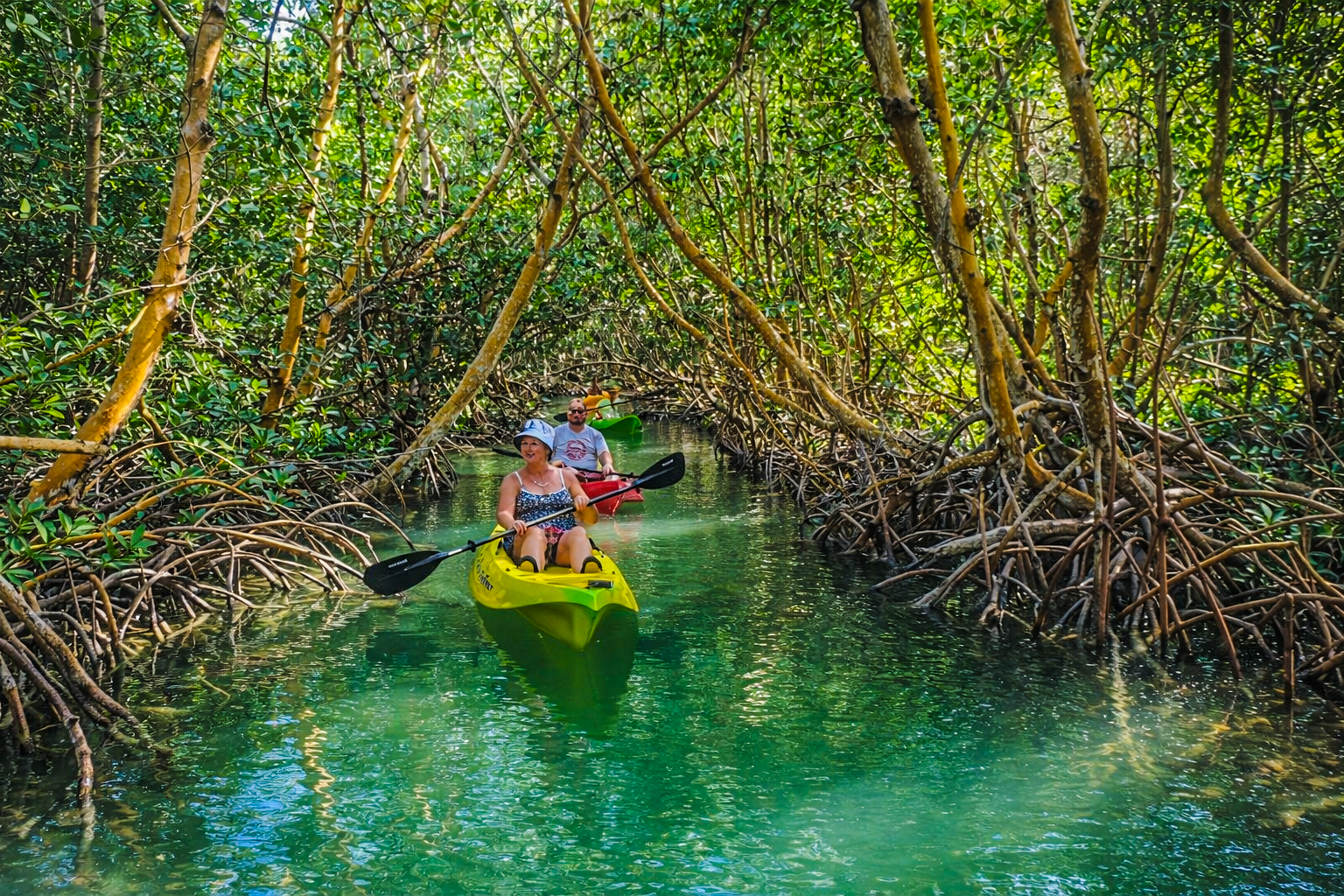
Islamorada and the Upper Keys (Key Largo south through Plantation Key and Upper Matecumbe) are what people picture when they imagine the Keys before Duval Street enters the equation — turquoise shallows, mangrove islands, fishing boats, and open-air seafood shacks with sand floors. If Key West is the party, the Upper Keys are the exhale.
Key Largo sits at the top of the chain, roughly an hour south of Miami, and is home to John Pennekamp Coral Reef State Park — the first undersea park in the United States. Glass-bottom boat tours run year-round and let you see the reef without getting wet, while snorkel and dive trips put you on top of the living coral.
Winter water visibility is often better than summer because of calmer conditions.
Islamorada, about 20 minutes south, is officially designated the “Sport Fishing Capital of the World.” Offshore charters, backcountry flats fishing, and bridge fishing are all available — winter is prime season for sailfish offshore and bonefish on the flats. Even non-anglers find plenty here:
- Robbie’s of Islamorada: The tarpon feeding dock is a beloved roadside stop — pay a small fee to hand-feed massive tarpon from the dock, then browse the open-air market. It’s touristy, undeniably fun, and worth 30 minutes.
- Theater of the Sea: A marine mammal park in Islamorada offering dolphin and sea lion encounters — a solid pick for families with younger kids looking for something beyond the beach.
- Kayaking the backcountry: The calm, shallow waters of Florida Bay and the mangrove tunnels around the Upper Keys are ideal for kayaking in winter — cooler air temps mean fewer bugs, which is the single biggest quality-of-life upgrade over a summer visit.
Stay guidance: Islamorada’s main stretch along US-1 clusters most resorts, waterfront hotels, and restaurants within a few miles — Cheeca Lodge & Spa is the most established upscale option, while smaller motels and vacation rentals offer more budget-friendly picks. Key Largo’s lodging options skew toward dive-oriented resorts and bayside inns.
Book winter stays at least a month ahead; the Keys fill with snowbirds from late December through March.
The honest trade-off: The Upper Keys lack the cultural density and walkability of Key West. You’ll need a car, and evenings are quieter — no Duval Crawl equivalent exists here.
What you get instead is direct water access, world-class fishing, and the kind of slow island rhythm that Key West traded for its nightlife decades ago. Choose based on what recharges you.
Best Winter Beach Towns for Food, Culture & Nightlife
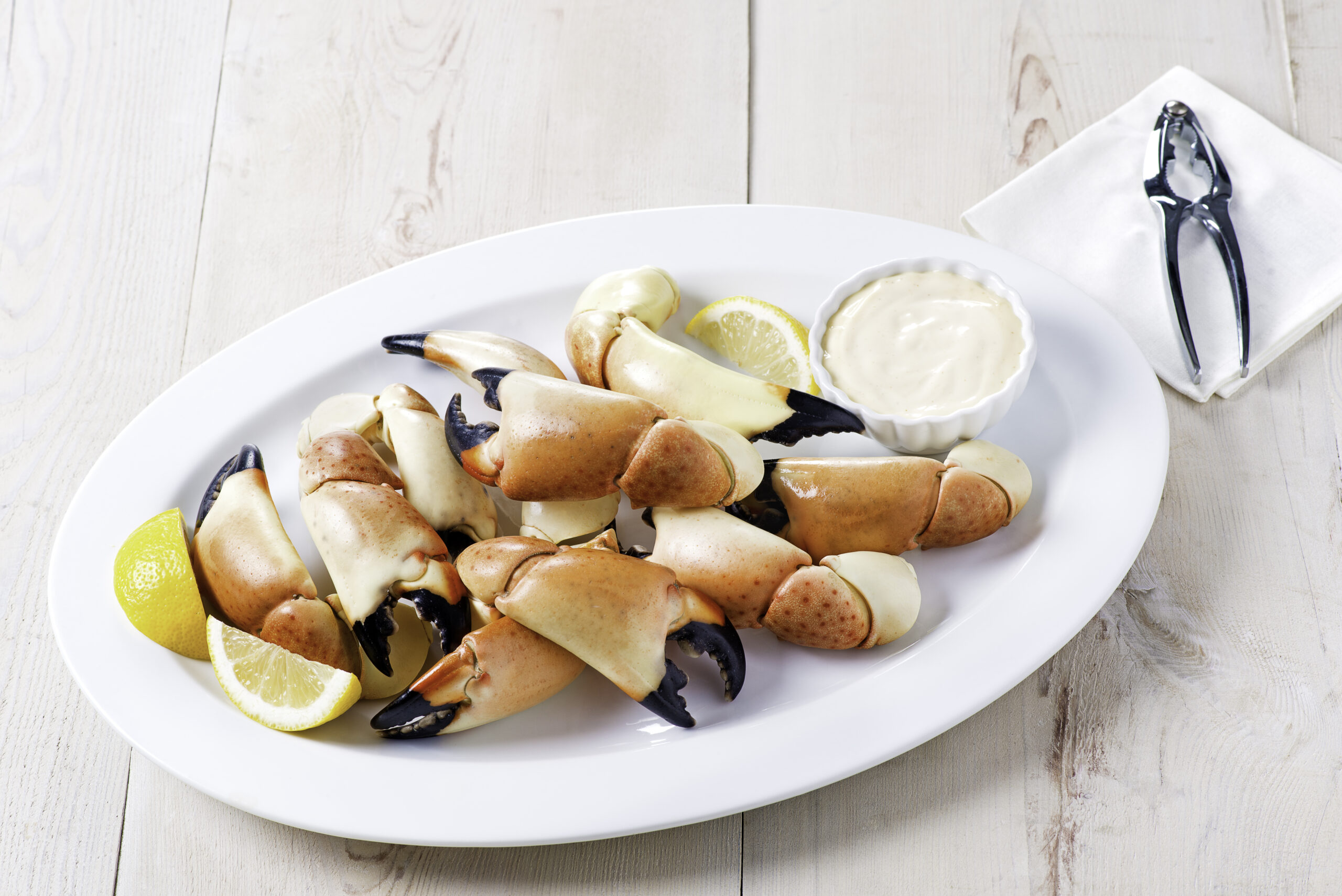
Winter is stone crab season—October 15 through May 1—making it the perfect time to crack claws at a waterfront joint without the summer crowds fighting for a table.
For food-driven travelers, Florida’s winter beach towns offer everything from rustic seafood shacks to sophisticated culinary scenes. Here’s where to go for the best plates, markets, and nights out.
| Town | Food & Nightlife Vibe | Winter Insider Edge |
|---|---|---|
| The Forgotten Coast (Port St. Joe, Apalachicola) | Farm-to-table, oyster bars, local breweries | Weekly farmers markets (check rotating schedules) and zero wait for waterfront tables on a Friday night. |
| Hollywood & Fort Lauderdale | Upscale resorts, seafood houses, live music | The Diplomat Beach Resort’s multiple on-site restaurants let you dine well without leaving the property. |
| South Walton & Scenic 30A | Refined Southern cuisine, wine bars, chef-driven spots | Easier reservations at acclaimed places like George’s at Alys Beach during the quieter winter months. |
| New Smyrna Beach | Laid-back cafés, casual seafood, beach bars | Locals-only feel at spots like The Garlic, a restaurant with a legendary garden patio. |
Best Winter Beach Towns for Foodies & Culture Seekers
The Forgotten Coast is the most authentic food destination. This is where you taste Florida’s working waterfront. Apalachicola is renowned for its oysters, and Port St. Joe’s seafood houses serve stone crab claws chilled with mustard sauce.
The Salt Air Farmers Market in Port St. Joe (first and third Saturdays) and similar markets in Apalachicola and Mexico Beach give you direct access to local produce and crafts—a genuine slice of coastal life that larger towns can’t match.
For polished dining with resort perks, Hollywood (near Fort Lauderdale) wins. Base yourself at The Diplomat Beach Resort for its multiple on-site dining options, from casual to upscale, plus a lively lobby bar scene. The property’s convenience means you can have a fantastic dinner and be back to your room in minutes, a key advantage when you want a night out without a taxi.
Best Winter Beach Towns for Nightlife & Social Scene
South Walton’s Scenic 30A neighborhoods like Seaside and Rosemary Beach have a curated, walkable nightlife. Think wine bars, boutique cocktail lounges, and live music at venues like The Hub, which hosts regular winter events.
It’s sophisticated but not club-heavy—ideal for couples or groups who want conversation and quality drinks.
New Smyrna Beach offers the most casual, unpretentious beach-bar scene. This is a town where flip-flops are welcome everywhere. Head to Flagler Avenue for a strip of lively bars and pubs, or grab a sunset drink at Breakers Oceanfront.
The vibe is friendly and local, especially on weekends.
Best Winter Beach Towns for Budget-Friendly Dining
New Smyrna Beach and the Forgotten Coast provide the best value. New Smyrna is full of casual, affordable eateries—from seafood shacks to pizza joints—where a great meal won’t break the bank. In Port St. Joe and Mexico Beach, you can get fresh-off-the-boat seafood at no-frills markets and cook it yourself at a rental condo, which is often the most budget-friendly (and delicious) option.
Whichever you choose, book any desirable dinner reservation for peak nights (Friday/Saturday) in advance, even in winter. Popular spots fill up faster than you’d expect.
Planning Your Florida Winter Beach Vacation
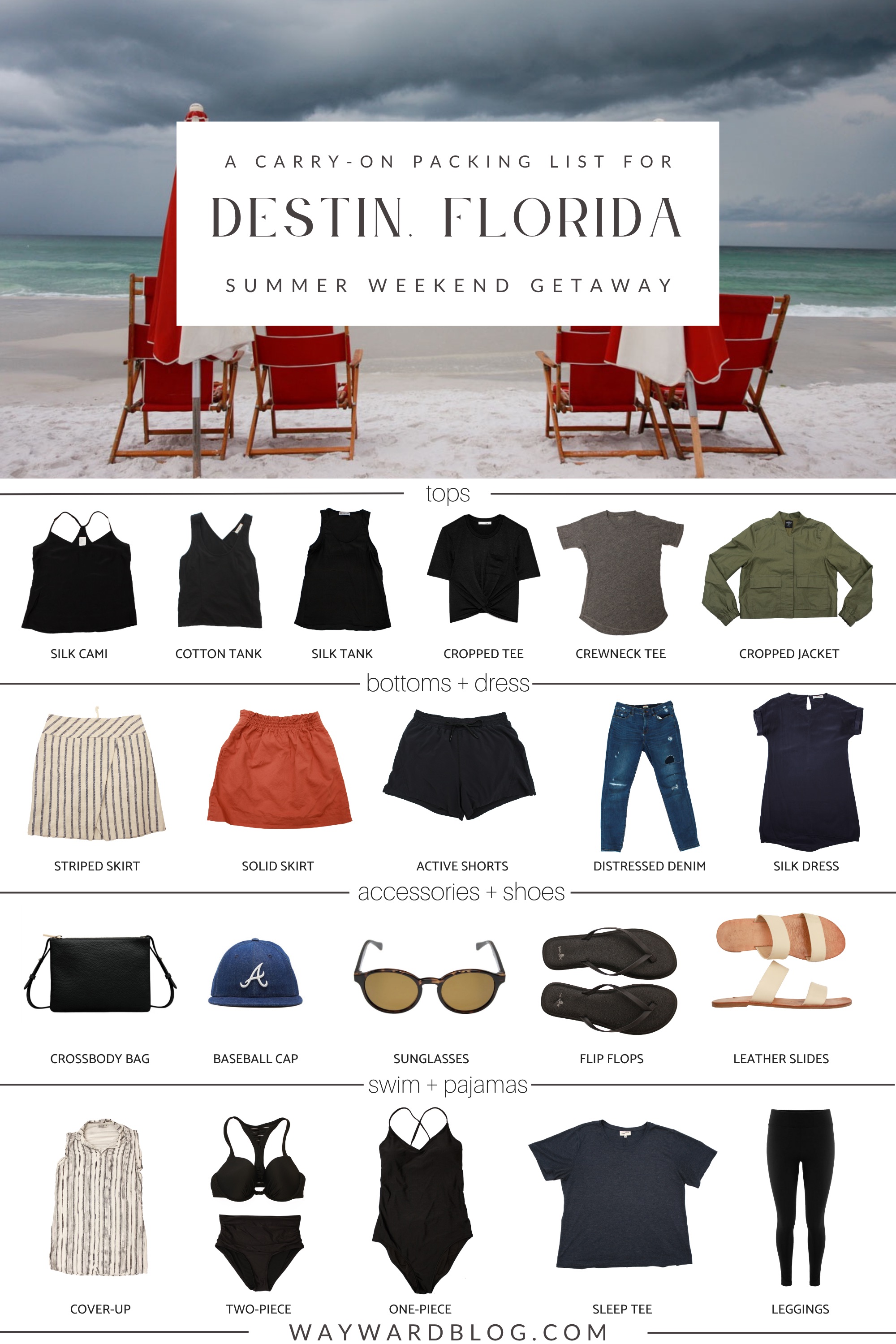
Florida’s winter temperatures can swing 30 degrees in a single day depending on where you stand — 58°F at sunrise in Destin while Naples hits 79°F by noon. That gap is the single biggest planning factor most visitors overlook, and it affects everything you pack, where you fly, and when you book.
What to Pack for a Winter Beach Trip to Florida
The mistake is treating Florida like a tropical guarantee. Pack for two seasons in one carry-on.
South Florida (Naples, Miami, the Keys) stays reliably warm — daytime highs typically run 75–80°F — so beachwear dominates. Central and Gulf Coast towns (Clearwater, Sanibel, Sarasota) hover around 70–75°F during the day but drop to the low 50s at night.
The Panhandle (Destin, 30A, Cape San Blas) can dip into the 40s overnight, and cold fronts push through regularly from December through February.
- Base layer: Two swimsuits, shorts, breathable tops, and a wide-brim hat. These cover 80% of your days south of Tampa.
- Evening and cold-front gear: One pair of jeans, a light sweater or fleece, and a windbreaker or packable jacket. You’ll reach for these every evening in the Panhandle and at least a few nights on the Gulf Coast.
- Footwear that earns its space: Sandals for the beach, sneakers or closed-toe shoes for trails and state parks (many require them on boardwalks), and water shoes if you’re visiting the rocky Atlantic beaches near St. Augustine or the shell-laden shores of Sanibel.
- Sun protection is non-negotiable: UV index in South Florida regularly hits 6–7 in January. Reef-safe sunscreen, polarized sunglasses, and lip balm with SPF go in the bag year-round.
- Rain layer: Winter is Florida’s dry season, but passing showers still happen. A compact rain shell beats an umbrella when you’re walking a beach trail or a boardwalk like the Riverwalk in San Antonio’s warmer cousin — the Naples Pier approach on a drizzly afternoon.
How to Get Around: Driving, Flying & Regional Airports
Flying into Florida in winter is a volume game — every major airport serves snowbirds, cruise passengers, and holiday travelers simultaneously. Your airport choice should match your destination, not just the cheapest fare.
| Airport | Code | Best For | Typical Winter RT from Northeast |
|---|---|---|---|
| Fort Lauderdale | FLL | Atlantic Coast towns, budget fares | $150–$300 |
| Miami | MIA | Miami Beach, the Keys, wide international connections | $180–$350 |
| Tampa | TPA | Clearwater, St. Pete, Sarasota, Gulf Coast | $160–$320 |
| Fort Myers | RSW | Sanibel, Naples, Marco Island, Paradise Coast | $180–$340 |
| Orlando | MCO | Largest selection, often cheapest — 90 min drive to coasts | $130–$280 |
| Pensacola | PNS | Eastern Panhandle, 30A, Pensacola Beach | $200–$360 |
| Northwest Florida Beaches (Panama City) | ECP | Destin, Panama City Beach, Cape San Blas | $220–$380 |
| Key West | EYW | The Keys without the drive — limited routes, higher fares | $280–$450 |
Driving is king once you arrive. Florida is a car state — public transit exists only in Miami (Metrorail/Metromover) and limited trolleys in Fort Lauderdale, Key West, and St. Augustine. Rent a car unless you’re staying put in one walkable beach town.
Book early during peak weeks; rates from major airport agencies typically run $40–$80/day in winter but spike to $100+ during Christmas and Presidents’ Day week.
Road trip note: The drive from Miami to Key West on US-1 takes about 3.5–4 hours without stops. I-75 connects Tampa to Naples in roughly 2.5 hours.
The Panhandle runs along US-98, a scenic but slower two-lane highway for long stretches — budget extra time between Destin and Cape San Blas (about 2 hours).
When to Book and How to Save Money on Peak Winter Travel
Florida’s winter is its high season, and the pricing curve is steep. The most expensive stretch runs from mid-December through Easter, with two absolute peaks: Christmas/New Year’s week and Presidents’ Day weekend.
If you have any flexibility, you’re leaving real money on the table by ignoring the calendar.
- Best value window: The first two weeks of December and the stretch between MLK Day (mid-January) and Presidents’ Day (mid-February). Beach rental rates can drop 20–35% compared to holiday weeks, and restaurant wait times shrink dramatically.
- Booking lead time: Aim for 3–4 months ahead for holiday-week stays, especially in popular towns like Destin, Naples, and Clearwater. For January and February outside holiday windows, 6–8 weeks out usually secures good availability. Beach house rentals on 30A and Cape San Blas fill fastest — book these first if that’s your plan.
- Flight strategy: FLL consistently undercuts MIA by $30–$60 on the same routes. MCO often beats both, and the 60–90 minute drive to either coast is a fair trade for $100+ savings per ticket. Tuesday and Wednesday departures save the most. Set fare alerts for your target dates — winter sales to Florida drop frequently in September and October.
- Accommodation savings: Condo rentals beat hotels for stays longer than 3 nights, especially along the Gulf Coast and Panhandle where hotel rates climb sharply in winter. Look for weekly-rate discounts (typically 10–15% off nightly pricing). State park campgrounds at places like St. Joseph Peninsula or Honeymoon Island offer sites for $20–$40/night — a fraction of nearby hotel costs — but availability disappears months in advance.
One insider move: Book a Sunday-to-Sunday rental instead of Saturday-to-Saturday. Most vacationers follow the Saturday turnover cycle, which means Saturday check-in days carry peak pricing.
Shifting by one day often unlocks the same property at 10–15% less, and you’ll deal with lighter highway traffic on a Sunday drive.
Frequently Asked Questions
Which Florida coast stays warmer in winter?
The Gulf Coast wins this one. Naples and Marco Island on the Paradise Coast average 74–77°F in winter — the warmest mainland beach temperatures in the state.
The Atlantic side, including New Smyrna Beach and St. Augustine, runs cooler because of prevailing northeast winds and open-ocean exposure; expect mid-60s to low 70s on good days, with more unpredictable swings. If warm water and reliable beach days matter most, book the Gulf Coast.
Can you swim at Florida beaches in winter?
It depends on the coast and your cold tolerance. Gulf water temperatures hover around 65–72°F from Naples north through Clearwater in winter — comfortable for wading and some swimmers, especially kids who don’t mind the chill.
The Atlantic side drops into the low-to-mid 60s, which most people find too cold for a real swim. The surest warm-water option is a heated pool — resorts like The Diplomat Beach Resort in Hollywood and Marriott Crystal Shores on Marco Island both have heated pools specifically for this reason.
For actual ocean swimming, the southern Gulf Coast is your best bet.
What is the cheapest time to visit Florida’s beach towns in winter?
January and early February, after the holiday surge ends and before spring break begins, deliver the lowest rental rates across most beach towns. The Forgotten Coast — Cape San Blas, Port St. Joe, and Mexico Beach — sees prices drop sharply in winter, and many property owners offer extended-stay discounts for bookings of a week or longer; always ask directly when reserving.
South Walton and the Emerald Coast also dip in price compared to their peak summer season, though they never get truly cheap. Avoid Presidents’ Day weekend and mid-March if budget is a concern.
Do I need a car to visit Florida’s beach towns?
Yes, with very few exceptions. Florida’s beach towns are spread out, and public transit between them is essentially nonexistent.
If you’re flying in, budget for a rental car — you’ll need it for grocery runs, restaurant hopping, and reaching state parks and beaches that aren’t walkable from your hotel. Key West is the one town where you can realistically go without a car; Duval Street and the waterfront are walkable, and bikes or scooters handle everything else.
For the Panhandle, Gulf Coast, and Atlantic Coast towns, a car is non-negotiable.
Pick Your Coast and Start Packing
If warm water is non-negotiable, book Naples or Marco Island first — their Gulf-side position gives you the highest ocean temperatures on the mainland. For a longer trip that blends beach days with big-city energy, fly into Tampa and split your week between St. Pete’s cultural scene and the sugar sand of Clearwater.
Florida’s winter coastline earns its reputation because it removes every excuse not to go: reliable sun, thin crowds, and enough variety that you can return every January for a decade and never repeat the same trip.
Choose the one town that matches your vibe, book your rental at least six weeks out, and let the rest of the country be jealous while your toes are in the sand.
Leave a Reply