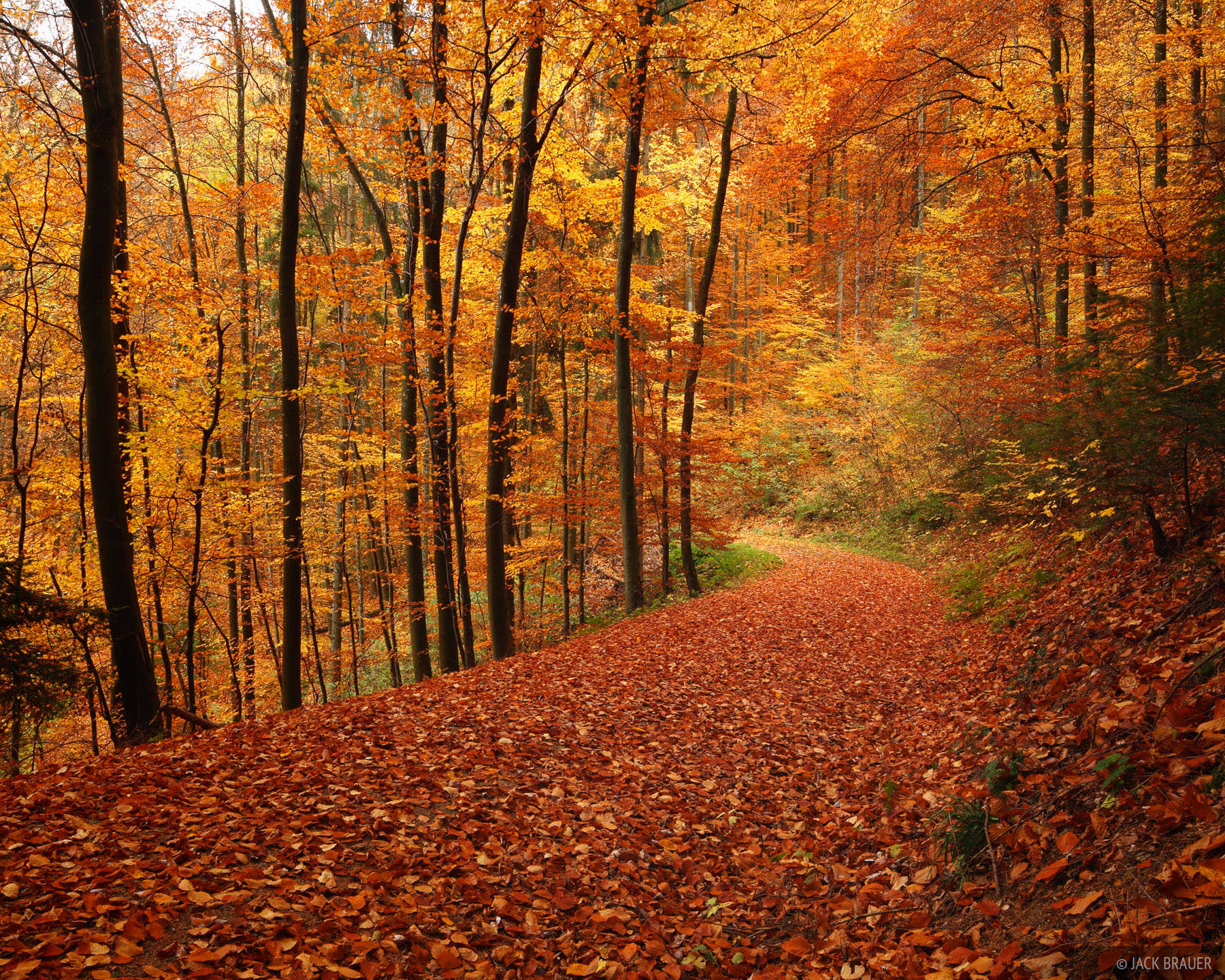
The air smells of damp earth and wood smoke, and every mountain road is lined with a cathedral of amber and rust. Crisp mornings give way to golden afternoons, perfect for a slice of warm Zwiebelkuchen after a forest walk.
Unlike any other autumn destination, the Black Forest’s foliage unfolds over a month-long sweep from its high ridges down to its valleys, giving you two distinct shows in one trip. This is where fairy-tale villages meet serious hiking and Germany’s most iconic road trip.
I’ll help you decide exactly when to go and where to stay to catch the perfect wave of color. For a week-long immersion, expect to spend around €150 per day for mid-range comfort, with budget options starting near €90 and splurge-worthy spa hotels reaching €350.
Your Black Forest Autumn Cheat Sheet
Here’s the quick guide to locking in your perfect fall trip, based on the most crucial decisions.
- Peak Color Timing: The first full week of October hits the sweet spot—catch high-road gold and valley saturation in one go.
- Best Overall Base: Freiburg for car-free flexibility, stellar food, and easy train access to Triberg, Titisee, and France.
- Best for Spas & Driving: Baden-Baden as your northern gateway to the Schwarzwaldhochstraße and thermal baths.
- Best for Villages & Waterfalls: Stay in Gengenbach for charm, using it as a base for Triberg’s falls.
- Best for Hiking & Lakes: Titisee (book the quiet east shore) for early color and Feldberg summit access.
- Must-Do Experience: Drive the 60km Schwarzwaldhochstraße at sunrise, then have Kaffee und Kuchen in a mountain Gasthaus.
Best Time to Visit the Black Forest for Autumn Colors
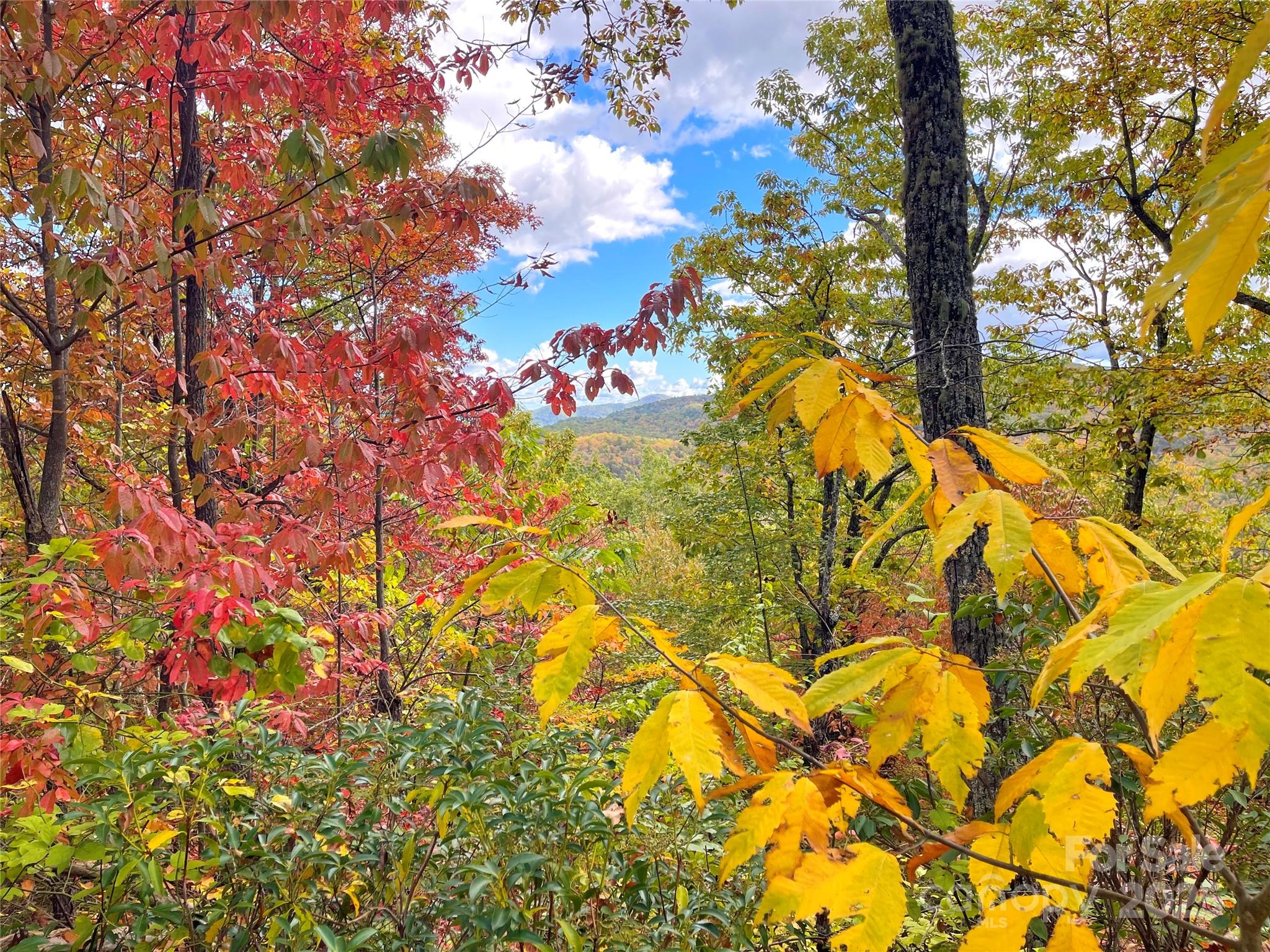
The Black Forest doesn’t peak all at once — color sweeps downhill over roughly four weeks, starting at the ridgelines and finishing in the valley towns. Time your trip right and you get two different stages of color in a single visit.
| Window | Where Color Hits | Best For |
|---|---|---|
| Late September | Northern mountain passes, high ridgelines | Hikers and photographers who want fewer crowds |
| Early–Mid October | Valleys, lakes, most trails | First-timers wanting the full spectacle |
| Late October | Lower towns and vineyard edges | Budget travelers and culture-focused itineraries |
Late September at Higher Elevations
Color arrives first above 800 meters — the ridgeline along the Schwarzwaldhochstraße and the peaks around Hornisgrinde and Feldberg start turning in the last days of September. If you hike early in this window, expect patchy color mixed with deep green; by the final week, the high roads are lined in gold and amber while the valleys below are still fully green.
This is the sweet spot for photographers who want contrast — warm canopy against cool evergreens — and for hikers who want quiet trails. The tradeoff: lower-elevation lakes like Titisee and Schluchsee won’t look autumnal yet, so don’t plan a lakeside itinerary around this time and expect fireworks.
Peak Colors in Early to Mid-October
This is the main event. Valleys, lakeshores, trails, and village streets all hit peak saturation in the first two weeks of October, though exact timing shifts by a few days each year depending on rainfall and overnight temperatures.
The Schwarzwaldhochstraße between Baden-Baden and Freudenstadt — roughly 60 kilometers of ridgeline driving — is at its most dramatic. Kinzigtal Valley, Triberg’s waterfall trails, and the forests surrounding Mummelsee are all blazing during this window.
Expect the most visitors during this period, especially on weekends. Accommodation in popular bases like Triberg, Gengenbach, and Titisee books out quickly — reserve at least four to six weeks ahead for mid-October stays.
Weekday visits to popular spots like the Triberg Waterfalls or Feldberg summit make a noticeable difference in parking and trail congestion.
Lingering Foliage in Late October
By late October, the high forests are mostly bare and the color has dropped to the lower-elevation towns and vineyard fringes. Gengenbach’s half-timbered old town and the parks around Baden-Baden still hold warm tones, and the bonus is noticeably thinner crowds and lower accommodation rates.
The downside is real, though: shorter daylight (sunset around 5:15 PM by late October), more rain, and some mountain facilities closing for the season. Freiburg’s Schlossberg hill — accessible by cable car or a serpentine drive — is one of the best late-month viewpoints, with color lingering on its 456-meter slopes while the city below stays green.
This window works best for travelers combining the Black Forest with a day trip to Colmar, France, where the Alsace harvest season keeps things lively well into November.
Insider tip: If you can only visit once, aim for the first full week of October. You’ll catch late-peak color on the high roads and early-to-mid peak in the valleys — effectively stretching the best of both windows into one trip.
Top Scenic Spots for Fall Foliage in the Black Forest
The Black Forest’s secret weapon for autumn color is its elevation spread — from roughly 200 meters on the Rhine plain to 1,493 meters at Feldberg’s summit. Peak foliage rolls downhill over nearly a month, from late September mountain ridges down to late-October river valleys still burning orange.
These nine spots each deliver a completely different angle on that wave.
| Spot | Experience | Effort | Best For |
|---|---|---|---|
| Schlossberg, Freiburg | Panoramic city + forest views | Low (cable car) | Car-free travelers |
| Breisach am Rhein | Hilltop village + Rhine plain | Low | Wine lovers, half-day trips |
| Geroldsauer Waterfall | Intimate forest waterfall | Low | Families, easy walks |
| Schwarzwaldhochstraße | 60 km ridgeline drive | Low (car required) | Road trippers |
| Mummelsee & Hornisgrinde | Mythic lake + summit views | Medium | Hikers seeking altitude |
| Kinzigtal Valley | Rolling valley villages | Low | Scenic drives, quiet bases |
| Triberg Waterfalls | Germany’s tallest waterfalls | Medium | Photographers |
| Feldberg & Titisee | Alpine summit + glacial lake | Medium–High | Active hikers |
| Schluchsee | Lakeside serenity, no crowds | Low–Medium | Quiet escapes |
Schlossberg in Freiburg
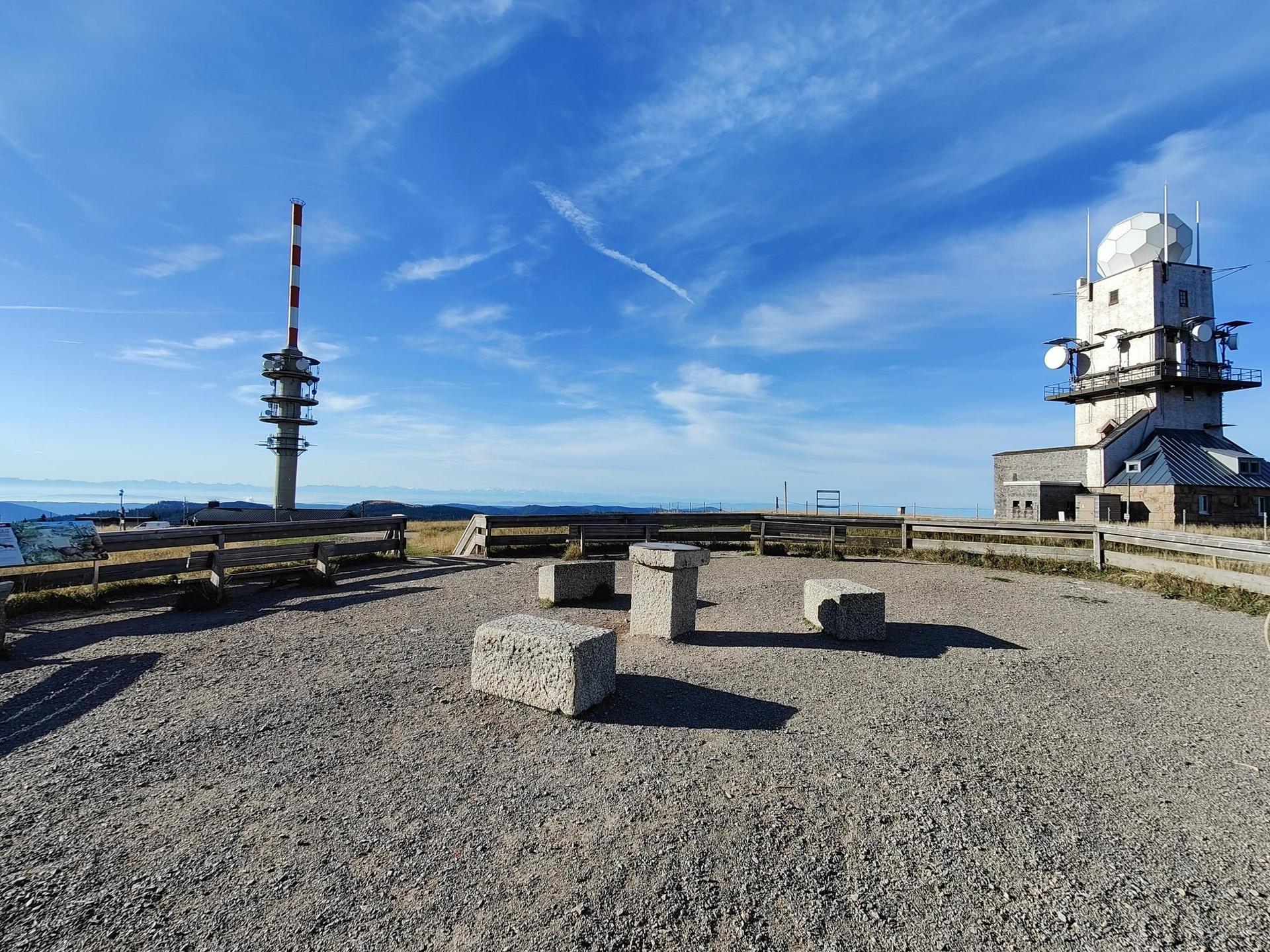
Schlossberg is the most rewarding foliage viewpoint you can reach without a car. This 456-meter tree-covered hill rises directly east of Freiburg’s Old Town, and the Schlossbergbahn cable car whisks you to the top in about three minutes.
From the summit terraces, you get a full panorama of red rooftops backed by layered ridges glowing amber and rust. The serpentine road up is equally stunning if you’re driving — but the cable car lets you actually watch the canopy instead of the asphalt.
Go in the late afternoon when western light ignites the foliage.
Breisach am Rhein
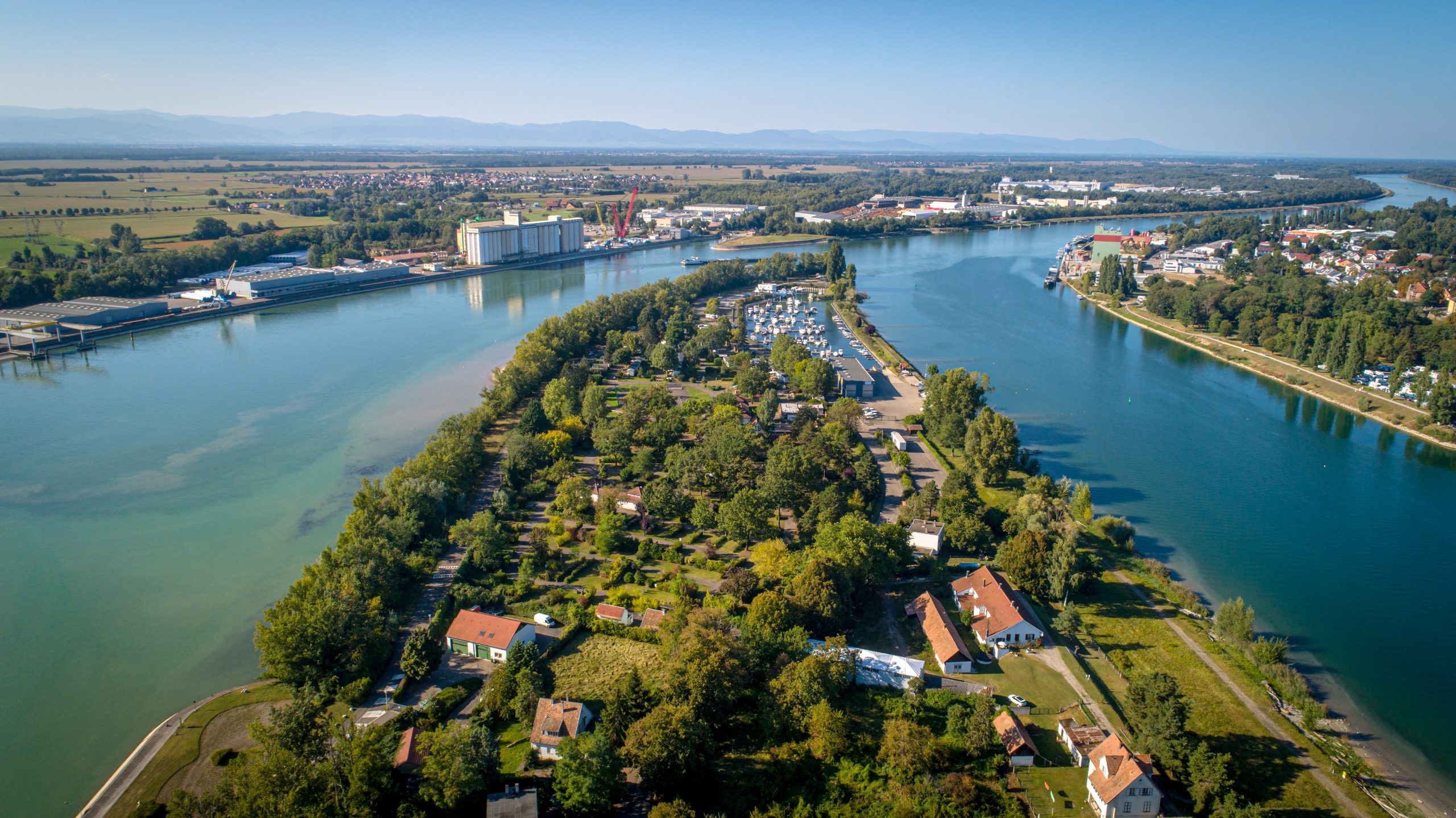
Breisach sits on a dramatic dome-shaped hill rising straight from the Rhine plain, crowned by the Romanesque St. Stephan’s Cathedral. From the cathedral terrace in October, you see vineyards and floodplain forests in gold and copper stretching toward the Vosges mountains in France.
This is a half-day stop, not a full-day commitment — pair it with a wine tasting at one of the town’s Weingüter and you’ve got the ideal low-effort autumn afternoon. Trains from Freiburg reach Breisach in about 30 minutes.
Geroldsauer Waterfall near Baden-Baden
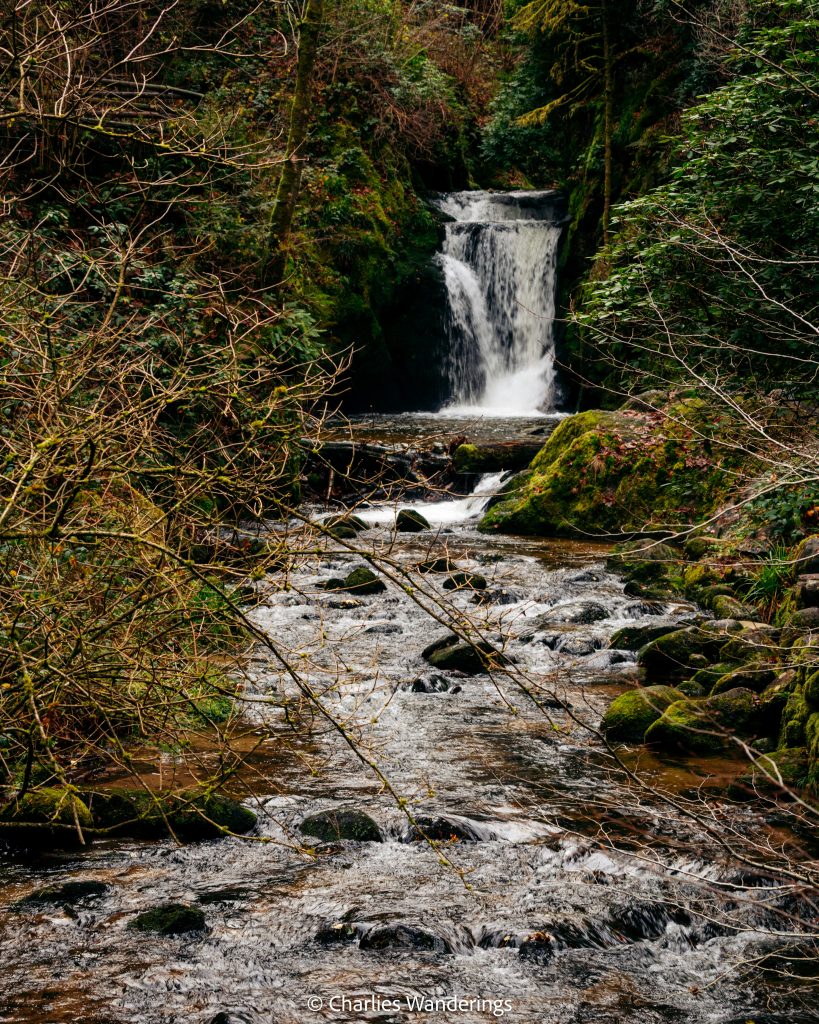
If you’re based in Baden-Baden, Geroldsauer Waterfall is the easiest foliage payoff in the northern region. It’s a flat, roughly 15-minute walk from the parking area along a streamside path wrapped in beech and maple canopy at peak color.
The waterfall itself is modest — this isn’t about drama, it’s about the surrounding forest frame. Visit midweek; the trail gets congested on October weekends.
Schwarzwaldhochstraße Scenic Drive
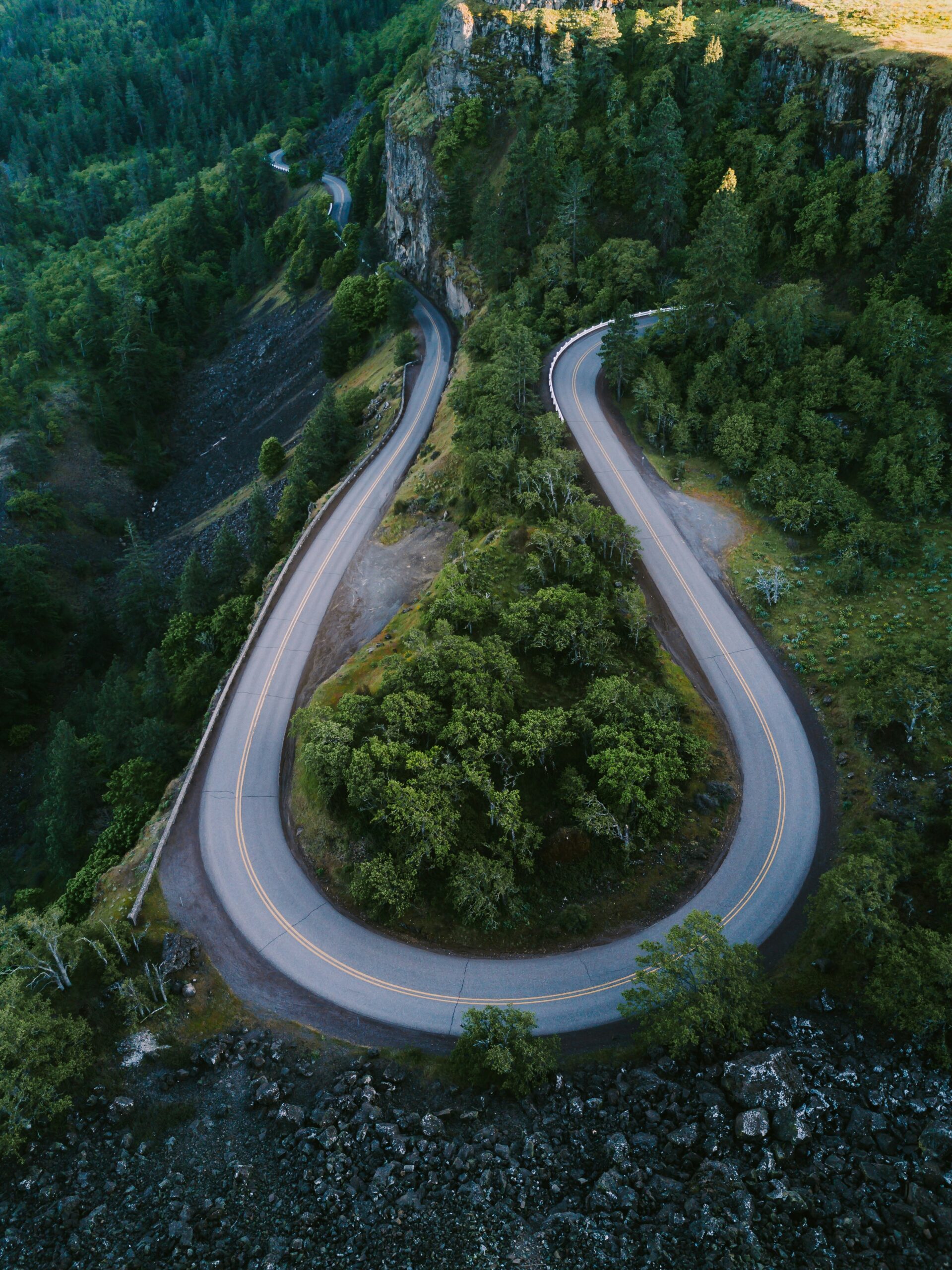
The Schwarzwaldhochstraße stretches roughly 60 kilometers between Baden-Baden and Freudenstadt along the Northern Black Forest ridgeline, and it’s the single most iconic autumn drive in the region. You’re following the crest the entire time, with continuous views over valleys blanketed in gold, orange, and deep crimson each October.
Key stops include pull-off viewpoints (signed Aussichtspunkte), the Mummelsee lake, and traditional Gasthäuser for Kaffee und Kuchen. Drive it southbound from Baden-Baden in the morning — that’s when light hits the eastern slopes.
Budget two to three hours with stops, more if you’re hiking.
Mummelsee and Hornisgrinde
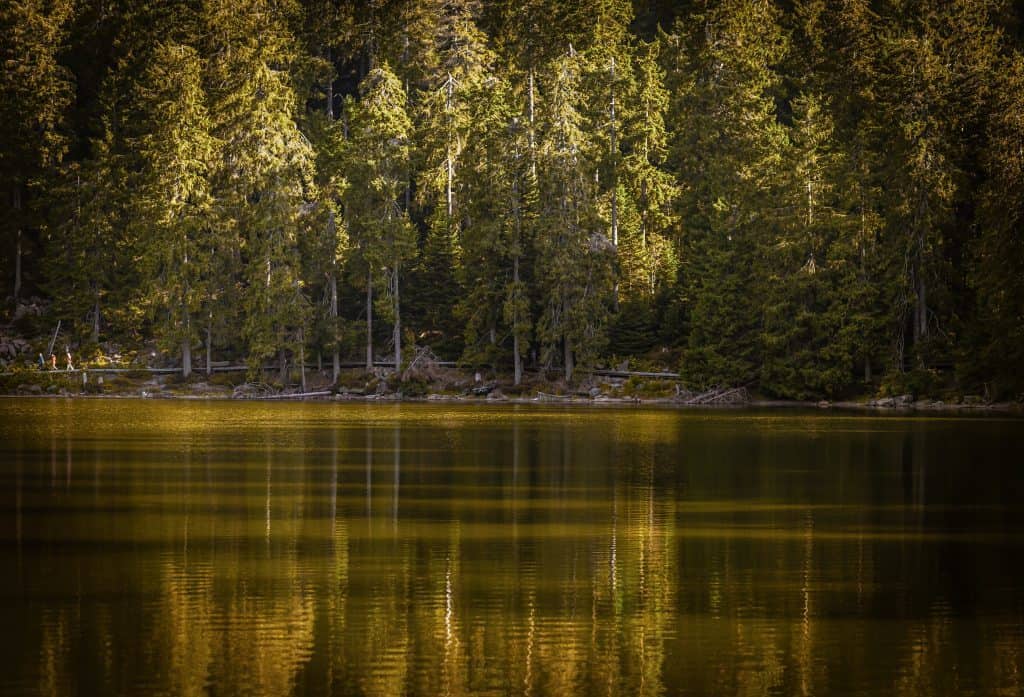
Mummelsee is a dark, glacial lake at about 1,032 meters, wrapped in dense conifer forest that shifts to deep green and bronze in autumn. Folklore says a king lives in its depths, but the real draw is the hike up Hornisgrinde (1,164 meters), the Northern Black Forest’s highest peak.
The summit observation tower gives 360-degree views across the Rhine plain to the Vosges. At this altitude, peak color arrives in late September to early October — well ahead of the valleys.
Bring a windproof layer; the exposed summit is significantly colder than the parking lot.
Kinzigtal Valley
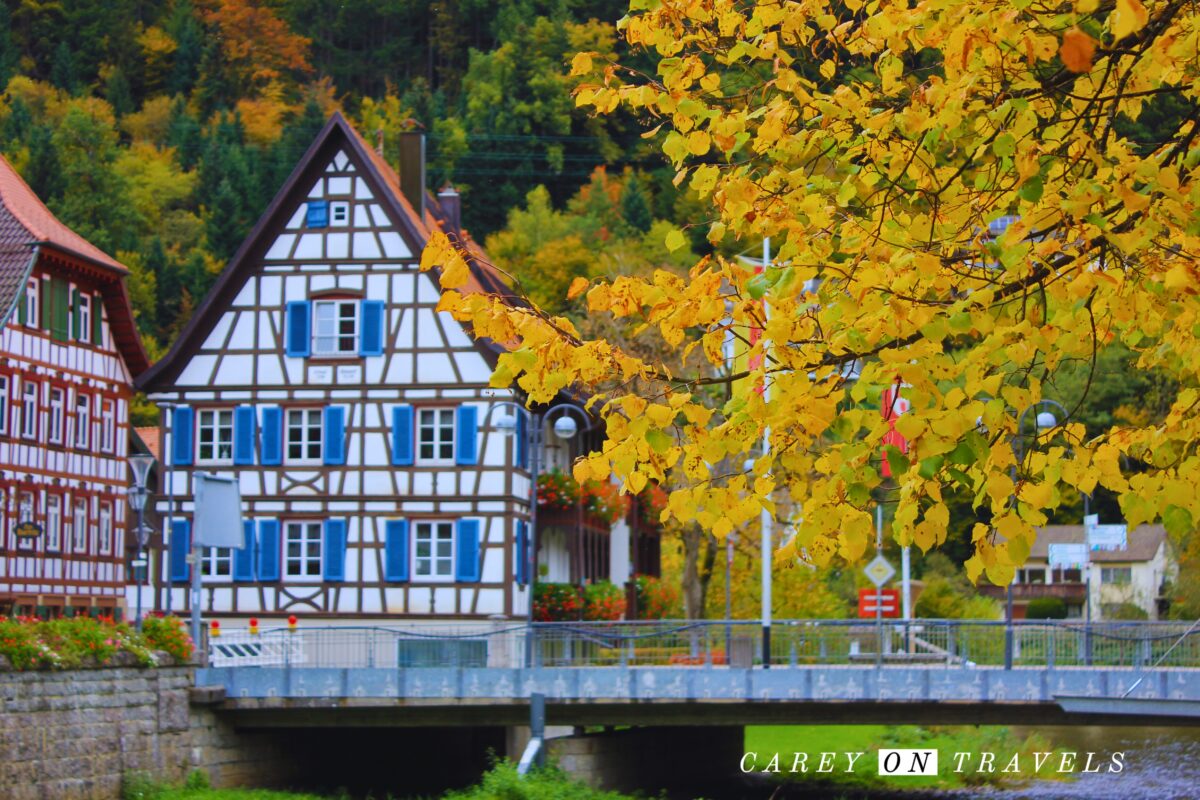
The Kinzigtal runs roughly between Offenburg and Freudenstadt through the Central Black Forest, and it’s the region’s most scenic valley drive without the altitude of the Hochstraße. Half-timbered villages like Haslach, Hausach, and Wolfach line the valley floor, each surrounded by steeply forested slopes reaching peak color in early to mid-October.
This is an excellent area to base yourself if you want Triberg-caliber landscapes with a fraction of the tour-bus traffic. Train service along the valley is reliable, making it a strong option for travelers relying on public transit.
Triberg Waterfalls
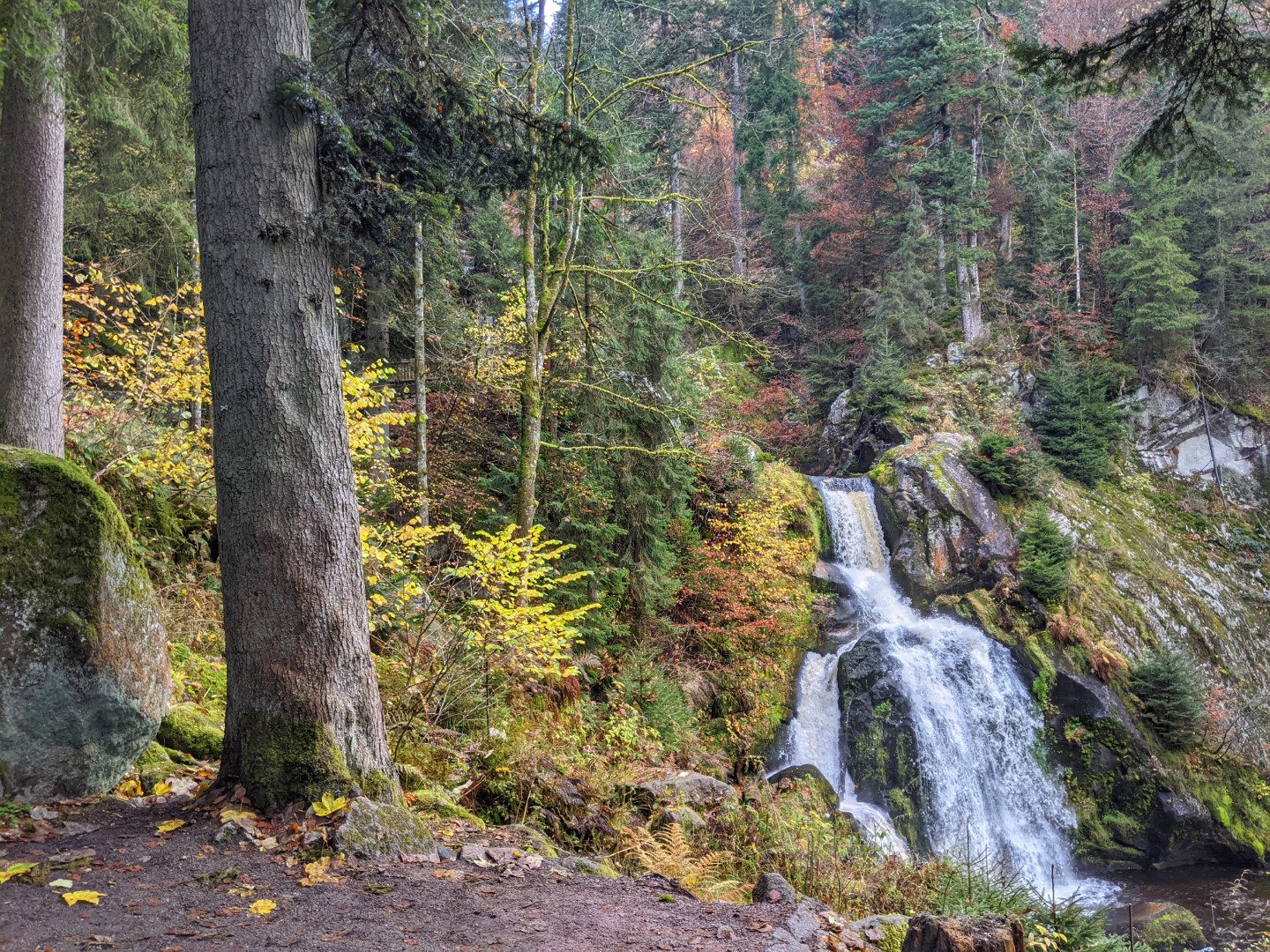
Germany’s tallest waterfalls drop 163 meters over seven cascades, framed by beech and spruce forest that makes autumn the most photogenic season to visit. The lower falls are a short, paved walk from the town center; the upper falls require a steeper uphill hike of about 30 to 40 minutes.
Here’s the move: arrive early morning, when the falls face east and direct sunlight through the mist creates the shot everyone is chasing. Expect a small admission fee per adult.
While you’re in Triberg, the cuckoo clock shops along the main street are worth a quick browse — the town leans touristy, but the waterfalls themselves justify the visit.
Feldberg and Titisee
Where to Base Yourself in the Black Forest
The Black Forest stretches across 6,000 square kilometers of southwestern Germany, and the drive between its northern and southern ends takes nearly two hours — so your base town matters more than your hotel. Pick the wrong corner and you’ll burn entire days on the road instead of on trails.
These four bases cover the most ground with the least backtracking.
| Base | Best For | Car Needed? | Fall Color Sweet Spot |
|---|---|---|---|
| Baden-Baden | Spa lovers, the High Road | Yes | Early Oct at elevation, mid-Oct in town |
| Triberg / Gengenbach | Waterfalls, villages, day hikes | Helpful | Early to mid-October |
| Titisee / Feldberg | Hikers, lake lovers | Yes | Late Sept – early Oct |
| Freiburg | Car-free travelers, food scene | No | Mid to late October |
Baden-Baden for Northern Access and Spas
Baden-Baden is the move if your autumn trip leans toward scenic driving and thermal soaking rather than serious hiking. The town sits at the northern gateway to the Schwarzwaldhochstraße, so you can roll out of breakfast and be on the 60-kilometer High Road within minutes.
After a morning of ridge-top foliage views, spend the afternoon at Caracalla Spa or the Friedrichsbad Roman-Irish bath — autumn is genuinely the best season for this because summer crowds vanish and hotel rates dip noticeably.
The town itself is polished and walkable, with the Kurhaus, Trinkhalle arcade, and Lichtentaler Allee park all within a relaxed afternoon stroll. This is not a timber-and-cuckoo-clock kind of Black Forest base — it’s upscale, manicured, and French-border close.
- Top pick: Brenners Park-Hotel & Spa for the full luxury package; Hotel am Markt for a more budget-friendly Old Town location.
- Who it suits: Couples, spa enthusiasts, and anyone using the Schwarzwaldhochstraße as their autumn anchor.
- Honest take: Skip Baden-Baden if you want raw nature and remote trails — it delivers polish, not wilderness.
Triberg or Gengenbach for Central Villages and Waterfalls
Base yourself in Triberg if waterfalls are the priority — the town’s famous cascades are Germany’s tallest and demand early-morning visits in October to beat the tour-bus crowds that arrive by 10 a.m. Triberg is also ground zero for Black Forest cuckoo clock shops, which is either charming or kitschy depending on your tolerance. Gengenbach, 30 minutes northeast, trades waterfalls for half-timbered beauty and a quieter pace — its medieval old town is one of the prettiest in the region and far less touristed.
- Top pick: Best Western Plus Schwarzwald Residenz in Triberg for reliable mid-range comfort; Die Reichsstadt in Gengenbach for boutique character in the old town center.
- Who it suits: Families, village-hoppers, and anyone wanting a central base for both northern and southern Black Forest day trips.
- Honest take: Triberg’s main drag is overcommercialized. The waterfalls justify the stop, but Gengenbach is the better town to actually sleep in if atmosphere matters more than waterfall proximity.
From either town, the Kinzigtal Valley spreads east for easy driving, and Gengenbach puts you just 30 minutes from Freiburg by regional train.
Titisee or Feldberg for Southern Hiking and Lakes
Titisee and Feldberg serve the outdoor-driven traveler who wants trailheads, alpine air, and lakeside calm. Titisee sits at roughly 850 meters elevation, meaning fall color arrives here earlier — peak foliage typically hits in the first two weeks of October, well before it reaches lower towns.
Feldberg, the Black Forest’s highest peak at 1,493 meters, offers ridge-top hikes with panoramic views across golden valleys that are genuinely hard to match elsewhere in Germany.
Titisee itself is touristy along the waterfront strip, but the lake’s east and south shores remain quiet and photogenic in autumn. Book a lakeside hotel room facing south for morning fog lifting off the water — this is the money shot most visitors miss because they stay on the busy north side.
- Top pick: Treschers Schwarzwald Hotel right on Titisee’s quieter east shore; Landhotel Sonneck near Feldberg for hikers who want trailhead access without lakefront prices.
- Who it suits: Active travelers, photographers, and anyone prioritizing hiking over towns.
- Honest take: Titisee town center is underwhelming — souvenir shops and overpriced restaurants dominate the strip. The lake and surrounding forest are the real draw, so choose your hotel for its lake access, not its proximity to the shops.
Freiburg for Car-Free Travelers
Freiburg is the only Black Forest base that fully works without a car. Germany’s sunniest city has a dense tram network, direct train connections to Triberg, Titisee, and the entire southern Black Forest via the Höllentalbahn line, and enough restaurants, markets, and nightlife to fill the evenings that smaller forest towns cannot.
It’s a genuine university city — lively, affordable for dining, and walkable in the way resort towns rarely are.
Schlossberg hill rises directly from the Old Town and delivers sweeping autumn views without requiring a car or a long hike — take the funicular or walk 20 minutes from the cathedral. The Kaiserstuhl wine region, just 20 minutes west by bus or train, is at its most photogenic during autumn harvest.
- Top pick: Park Hotel Post Freiburg for central location at fair prices; Colombi Hotel for upscale comfort with a pool and spa.
- Who it suits: Solo travelers, rail-pass holders, and anyone who wants urban energy alongside day-trip access to the forest.
- Honest take: Freiburg is the smartest base for a multi-day autumn trip without a rental car. The Höllentalbahn train to Titisee takes roughly 30 minutes and runs frequently, making car-free exploration realistic rather than aspirational.
One booking note: Freiburg’s hotels fill quickly during October weekends when German domestic tourism peaks. Aim to book at least six weeks ahead for fall dates — weekday stays are significantly easier to secure and often 20 to 30 percent cheaper.
How to Get Around the Black Forest Without a Car
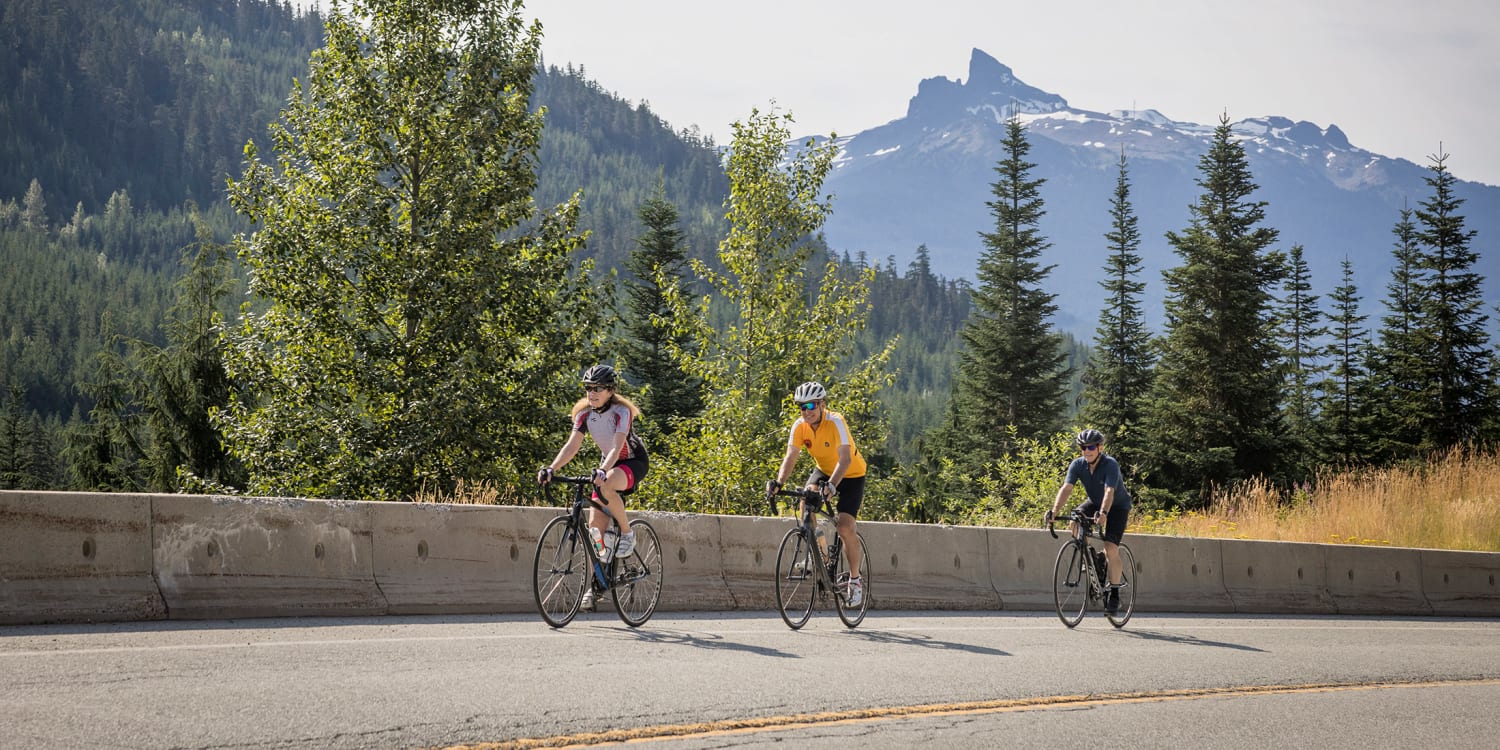
The Black Forest’s train and bus network is surprisingly robust, letting you link up major towns and trailheads without the stress of navigating narrow forest roads or finding parking.
Regional Trains and S-Bahn Connections
The regional trains (Regionalexpress, Regionalbahn) and Freiburg’s S-Bahn form the backbone of car-free travel here. Freiburg is your central hub, with direct lines to Offenburg, Titisee, Donaueschingen, and even into France.
For example, the direct train from Freiburg to the French town of Colmar takes about 45–60 minutes, making for an effortless autumn day trip.
Key routes for leaf-peepers include the line from Offenburg to Konstanz, which traces the Kinzigtal Valley, and the branch from Offenburg to Freudenstadt. Trains are frequent, clean, and efficient.
Purchase a KollektivTicket for groups of two to five adults traveling together—it offers a significant discount over individual fares and is your best value if you’re not solo.
Scenic Bus Routes like Bus 245 on the High Road
For the Schwarzwaldhochstraße (Black Forest High Road), a must-see autumn scenic drive, Bus 245 is your dedicated chariot. This bus route connects Baden-Baden to Freudenstadt, mirroring the car route along the ridgeline.
It’s not just transport; it’s a guided sightseeing experience where you can soak in the panoramic views of the fall foliage without white-knuckling the steering wheel.
The bus runs year-round but check the current VVS (Verkehrsverbund Stuttgart) or KVV (Karlsruher Verkehrsverbund) schedule, as autumn weekend frequency is typically hourly. A regional day pass for your chosen network is almost always more economical than buying point-to-point tickets if you plan two or more bus or train journeys in a day.
Car-Free Traveler Snapshot
| Best For | Primary Hub | Key Route Example | Insider Tip |
|---|---|---|---|
| Scenic drives by bus | Baden-Baden or Freudenstadt | Bus 245 (Schwarzwaldhochstraße) | Sit on the right side heading toward Freudenstadt for the best valley views. |
| Valley & town hopping | Freiburg | Train to Triberg or Donaueschingen | Use the KollektivTicket for groups of 2-5. |
| International day trips | Freiburg | Direct train to Colmar, France | Depart mid-morning to enjoy a full afternoon and return easily. |
The bottom line: Basing in Freiburg or Baden-Baden gives you the most seamless car-free access. You’ll trade some spontaneous detours for the freedom of not driving—and in autumn, when parking at popular spots like Mummelsee is a headache, that’s a major win.
Best Day Trips from the Black Forest in Autumn
When the forest’s colors peak, the surrounding countries offer their own autumn magic, all reachable for a rewarding day out from your base.
Colmar, France
Colmar is the quintessential autumn escape, where half-timbered houses in shades of plum and mustard reflect in canals draped with vines turning fiery red. It’s a sensory win—the crisp air carries the scent of roasting chestnuts from the markets, and every pastry shop window features tarte flambée and local Riesling.
This is the easiest cross-border trip, perfect for a relaxed day of wandering and lunch.
- Travel Time & Access: About 50 minutes by direct train from Freiburg’s central station. Driving takes roughly an hour, but parking in Colmar’s old town is limited and costly.
- Must-Do: Wander the Petite Venise (Little Venice) quarter. For a unique autumn view, book a short flatboat tour along the Lauch River.
- Lunch Strategy: Skip the main tourist squares. For authentic Alsatian fare like choucroute in a cozy wood-paneled room, try Winstub Brenner or Au Fer Rouge—book ahead or arrive by 12:00.
- Insider Tip: Colmar’s covered market, Marché Couvert, is at its best in autumn with new wine, local cheeses, and game meats. It’s the ideal spot to assemble a picnic.
Strasbourg, France

Strasbourg trades Colmar’s intimate charm for grand-scale beauty, anchored by its soaring Gothic cathedral and the impressive European Parliament. Autumn mornings here are often misty, which makes the cathedral’s intricate façade even more dramatic. The city feels like a proper urban adventure after the quiet of the forest.
- Travel Time & Access: Direct trains from Freiburg take about 45-60 minutes. Driving is straightforward, but use the large Pont de l’Europe or Kibitzenau park-and-ride lots and take the efficient tram into the city center.
- Must-Do: Climb the cathedral’s 330 steps for panoramic autumn views over the city’s rooftops and the Vosges mountains in the distance. The view from the terrasse panoramique is worth every step.
- Neighborhood to Explore: The Petite France district is photogenic, but for a more local atmosphere with excellent lunch spots, head to the Quartier Krutenau near the university.
- Why Choose Strasbourg Over Colmar: Pick Strasbourg if you crave a mix of profound history, contemporary culture, and a bigger-city dining scene. It requires more energy but delivers more scale.
Rhine Falls, Switzerland
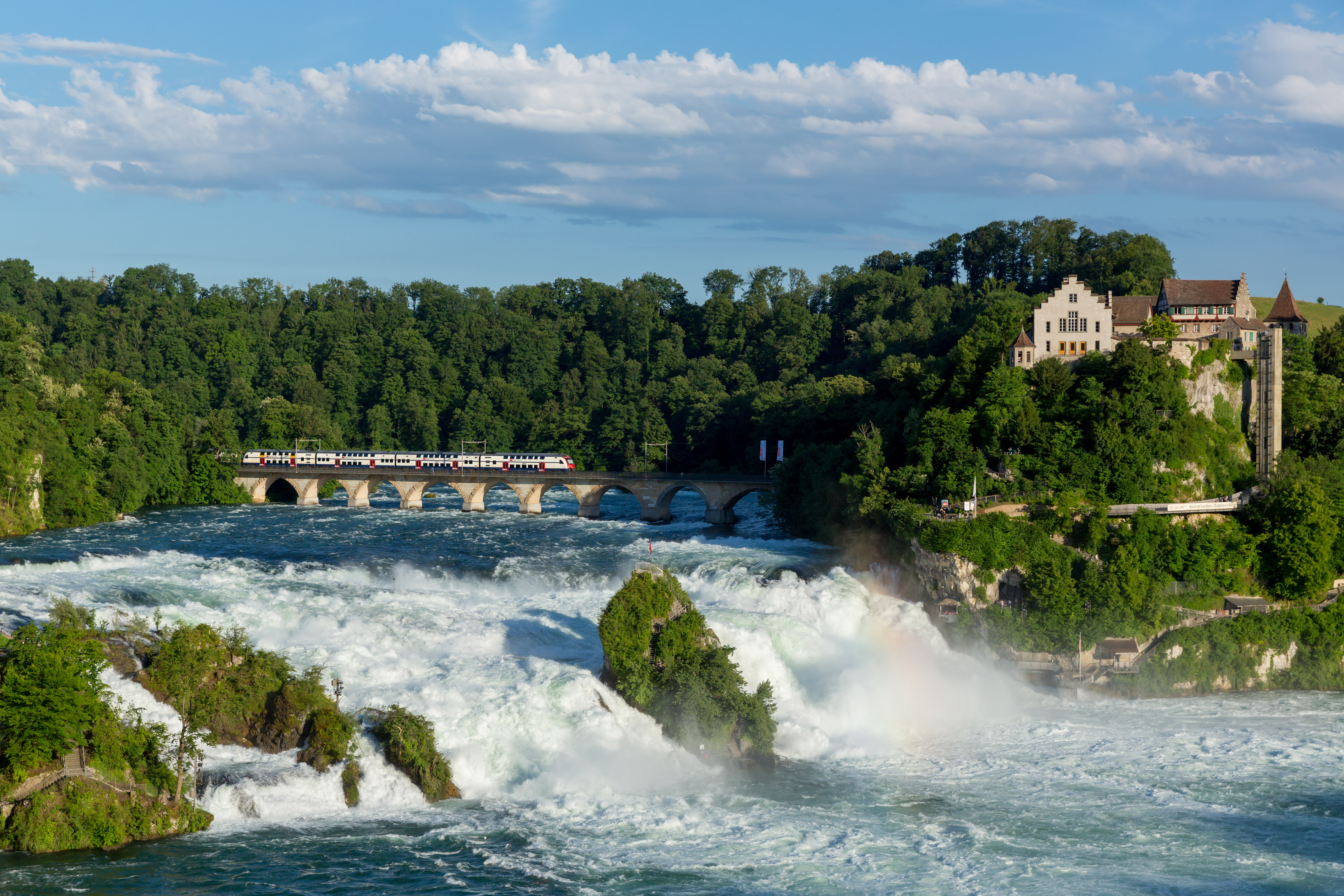
Europe’s largest waterfall is a thundering spectacle year-round, but autumn transforms the surrounding forest into a gold-and-russet amphitheater for the falls. The sheer power of the water is best appreciated on a boat that ventures into the roar at its base—a completely different experience from any forest waterfall hike.
- Travel Time & Access: About 1.5 hours by car from Freiburg. The drive crosses into Switzerland—check that your rental car has a Vignette (motorway sticker) for Swiss roads. For a stress-free trip, combine the falls with a stop in Konstanz on Lake Constance on the return journey.
- Visitor Strategy: The most impressive viewpoint is from the Schlössli Wörth castle platform on the north bank, accessed by boat. Arrive before 11:00 AM to avoid peak crowds and snag better lighting for photos.
- Cost Note: Entry to the viewing platforms and boat tours cost roughly CHF 5-10 per adult each, though combo tickets are available. Prices are in Swiss Francs; card payments are widely accepted.
- Insider Tip: The best photo spot isn’t at the main lookout. Pay the small fee to walk down to the lower platform directly in front of the falls. The spray and sound are part of the autumn experience—wear a waterproof jacket.
Here’s a quick comparison to help you choose:
| Destination | Best For | Travel Vibe | Time Needed |
|---|---|---|---|
| Colmar | Romantic, food & wine, ease | Quick train ride, relaxed | 4-6 hours |
| Strasbourg | Grand architecture, culture | Easy train/tram, more urban | 5-7 hours |
| Rhine Falls | Natural power, wow factor | Scenic drive, requires planning | 4-5 hours (plus transit) |
Essential Tips for Visiting the Black Forest in Autumn
Forget the menus at tourist traps in Triberg or Titisee; the best autumn meal in the Black Forest is a slice of Zwiebelkuchen (savory onion tart) paired with a glass of fresh, cloudy Federweißer at a local winery or harvest market.
Packing Layers and Hiking Shoes
Autumn weather here swings from sunny 15°C (59°F) afternoons to near-freezing mornings, so a mid-layer and a waterproof shell are non-negotiable. Forget fashion sneakers; trails are often damp, muddy, and covered in slippery leaves—waterproof hiking shoes with ankle support are essential gear, not an option.
Local Fall Foods and Drinks to Try
This region’s cuisine peaks in autumn with hearty, harvest-driven dishes. Prioritize these over generic German fare.
- Zwiebelkuchen & Federweißer: The official autumn duo. Find it at wine taverns (Weinstuben) in Kaiserstuhl villages near Freiburg or at dedicated Federweißer festivals, usually from September to November.
- Wildgerichte (Game Dishes): Look for venison (Hirsch) or wild boar (Wildschwein) as a Schnitzel or in a rich stew, especially in traditional restaurants in Gengenbach or Schiltach.
- Black Forest Cake: Yes, it’s famous, but try it at a café with a view, like in Sasbachwalden, where you can appreciate its layers of chocolate, cherries, and cream after a hike.
- Most (New Wine): Similar to Federweißer but made from apples or pears. Slightly sweeter and found at farm stands, particularly along the Deutsche Weinstraße just west of the region.
When to Rent a Car for Flexibility
If your itinerary is focused solely on Freiburg and a single village like Gengenbach, you can manage with trains and buses. Rent a car without hesitation if:
- You’re staying in rural lodges or cabins: Public transport to remote trailheads or guesthouses is infrequent and stops early.
- You want to explore multiple valleys in one day: Combining the Kinzigtal with the Murg Valley or reaching a waterfall like Todtnau’s on your own schedule requires a car.
- You’re visiting during late October: Bus frequencies to scenic spots like the Schwarzwaldhochstraße or Schluchsee reduce significantly after the peak summer schedule ends.
The best strategy is to base yourself in a central town like Freiburg or Offenburg (which offer excellent train connections for day trips) and rent a car for 2-3 specific days to cover ground efficiently. Expect daily rental costs to start around €50-€70 for a compact model, but book early as autumn foliage season is popular.
Insider Detail: For the freshest Federweißer, skip the supermarket and find a roadside stand at a vineyard. The best ones are along the Kaiserstuhl hills near Freiburg, where the wine is actively fermenting and sold within hours of production.
Ask your hotelier or a winery in Ihringen for a direct recommendation.
Frequently Asked Questions
Is it too late to visit the Black Forest in late October?
Absolutely not. While peak color typically fades from higher elevations by mid-October, lower valleys like the Kinzigtal and areas around Freiburg often hold impressive foliage through late October and into early November.
The trade-off is a higher chance of rainy or foggy days, but that often creates a more atmospheric, moody forest scene. The upside?
Fewer crowds and lower prices. Just pack layers and waterproofs.
Do I need to book accommodation far in advance for an autumn trip?
For a visit in October—yes. This is high season for the region’s iconic fall color, and the best-located cabins, guesthouses, and small hotels in towns like Triberg, Gengenbach, and around Titisee book up quickly, especially for weekends.
Secure your lodging at least 2-3 months ahead. Booking earlier also gives you better selection for properties with fireplaces or forest views, which elevate the autumn experience.
What should I absolutely pack for a Black Forest autumn trip?
Prepare for four seasons in one day. Non-negotiables include a waterproof and windproof jacket, sturdy waterproof hiking boots, and layers (merino wool base layers are ideal).
Mornings can be frosty, especially at elevation near Feldberg, while afternoons may be sunny. A compact umbrella is useless against mountain winds—stick with a good rain shell.
Don’t forget a plug adapter for Germany’s Type F sockets.
Are the major attractions and scenic drives still open in autumn?
The scenic drives, like the Schwarzwaldhochstraße, are public roads and always open. However, many seasonal attractions, outdoor pools, and some cable cars operate on reduced schedules or close after the first weekend of October.
Always check the official websites for current hours before you go—this is critical for planning your day. For example, the Schauinsland cable car near Freiburg typically runs year-round, but the last car down varies by season.
Ready to Wander the Golden Forest?
Book your accommodation in Freiburg or Gengenbach for the best balance of atmosphere and access. Then, reserve a car for two or three days to explore the scenic drives and remote trailheads at your own pace.
This is an autumn destination that delivers world-class foliage intertwined with deep culture and real culinary tradition—it’s a full sensory reset, not just a pretty view.
Pin this guide to your travel board so you can find it when you’re ready to plan your perfect autumn week.
Leave a Reply