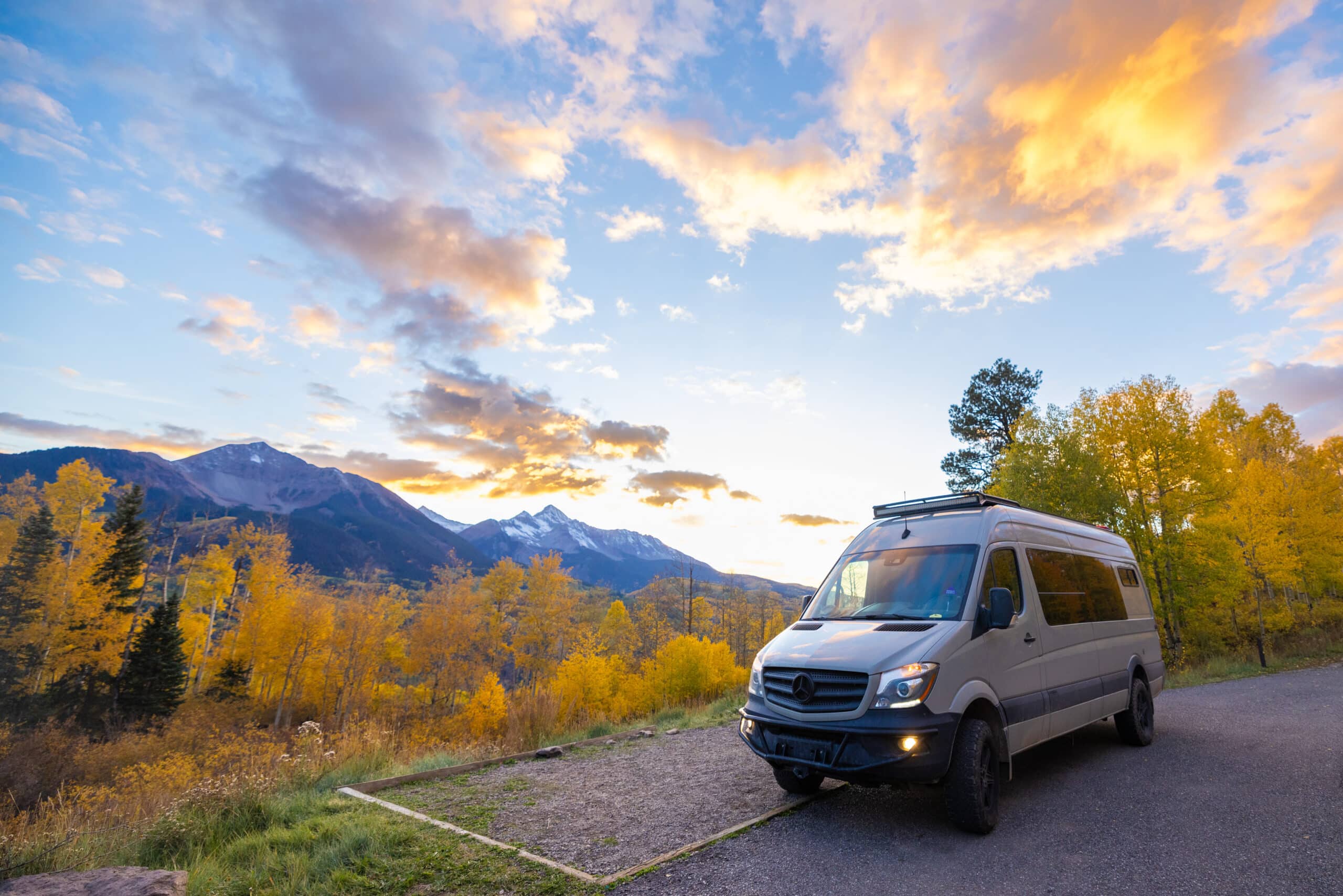
Golden aspen leaves shimmer against a crisp blue sky while the scent of damp pine needles fills the cool mountain air. You can hear the gentle rustle of the canopy as you wind through dramatic mountain passes.
Colorado’s fall foliage is unlike anywhere else because the massive elevation changes create a rolling wave of gold that descends from high peaks to deep canyons. It is a dramatic, high-altitude spectacle of pure aspen gold framed by rugged granite peaks.
This guide will help you nail the tricky timing, choose the absolute best scenic route, and avoid the classic rookie mistakes that ruin mountain drives.
For your budget, expect to spend around $100–$150 per night for budget camping and basic motels, $200–$350 for mid-range mountain lodges, and $500+ for luxury resorts in Aspen or Telluride.
The Quick-Glance Guide to Colorado’s Autumn Gold
If you are short on time, here is the quick-reference cheat sheet to help you plan your perfect route. These are the absolute best stops and routes from our complete guide.
- Best 7-Day Route: The Elk Mountains to the San Juans, starting in Aspen and ending near Telluride.
- Best 2-Day Loop: A fast-paced drive from Buena Vista to Montrose, featuring the ghost town of St. Elmo.
- Most Iconic View: The sunrise reflection at Maroon Bells (book your shuttle early!) and the panoramic Dallas Divide.
- Best Hidden Gem: The quiet lakeside views at Twin Lakes and the massive aspen forests of Kebler Pass.
- Where to Stay: Luxury resorts in Telluride, cozy cabins in Buena Vista, or scenic RV sites at Ridgway State Park.
When is the Best Time for a Colorado Fall Foliage Road Trip?
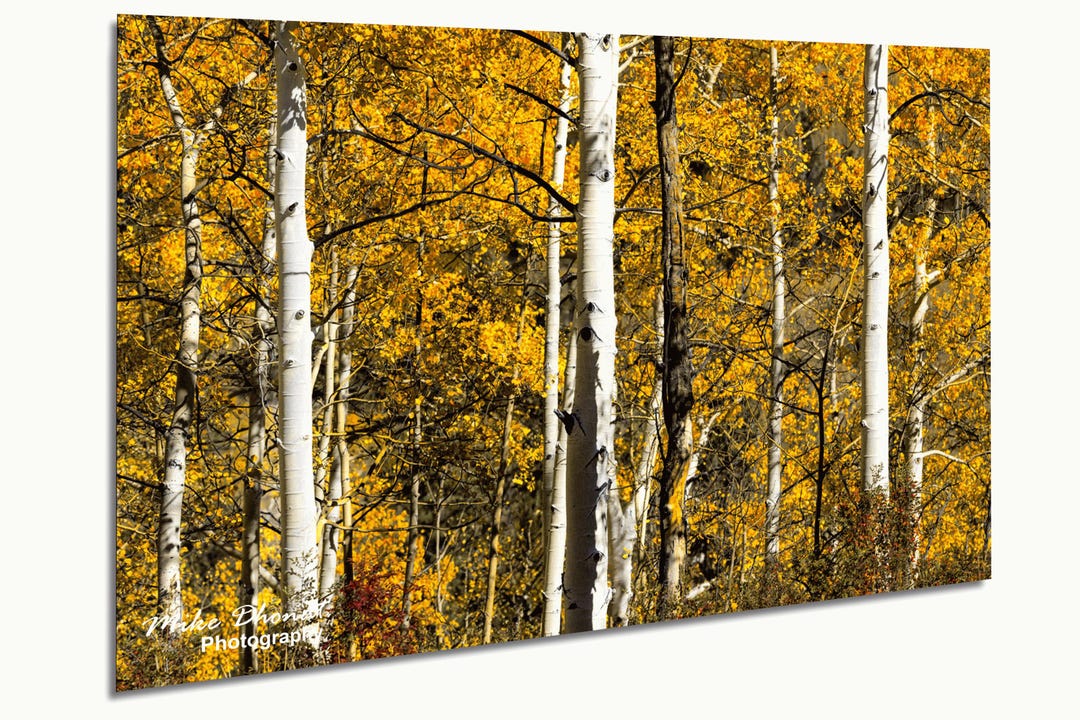
Timing a Colorado leaf-peeping trip is a game of elevation, where the first golden hues appear at 10,000 feet in mid-September and the color descends into the valleys by mid-October. Because the window for peak color at any specific pass is often less than two weeks, I recommend booking your travel for the final week of September to the first week of October to maximize your chances of hitting the “gold” across multiple elevations.
Understanding the Peak Foliage Timeline by Elevation
The state’s geography dictates a predictable top-to-bottom progression of color. While exact dates shift annually based on moisture and temperature, you can use this elevation-based timeline to plan your route:
- Above 10,000 feet: Mid-to-late September. High-alpine areas and mountain passes are the first to turn.
- 8,000 to 9,000 feet: Late September to early October. This is the sweet spot for most iconic mountain towns and popular scenic drives.
- Below 7,000 feet: Early to mid-October. Lower-elevation canyons and foothills offer the final display of the season.
Why High Elevations and Guanella Pass Turn First
High-altitude passes like Guanella and the surrounding peaks experience the first frost of the season, triggering the aspen trees to shed their chlorophyll and reveal their brilliant yellow and orange pigments. Because these areas are exposed to colder winds and thinner air, the foliage transition happens rapidly.
I recommend prioritizing these high-altitude stops in the first half of your trip; if you wait until October, you risk arriving to find the trees already bare following a heavy early-season storm.
Catching the Late-Season Colors in the San Juan Mountains and Denver
If your schedule forces a mid-October departure, don’t cancel your plans; shift your focus to the San Juan Mountains and the lower-elevation corridors. While the high country may be past its prime, the rugged landscapes around the San Juans often hold color longer due to their unique microclimates.
Denver and the surrounding Front Range foothills typically see their peak in the second week of October, making them an excellent final stop for a road trip that starts in the high mountains and concludes in the lower valleys.
Pro-tip: Monitor local leaf-tracking reports and social media location tags starting in early September. Because the “peak” is notoriously fickle, staying flexible enough to adjust your drive by a day or two can be the difference between seeing vibrant color and bare branches.
Always aim for a mountain-town base—like a lodge or cabin in a central pass area—to give yourself the best early-morning access to the changing light on the trees.
What Should You Know Before Driving Colorado’s Mountain Passes in Autumn?
Driving Colorado’s high-altitude passes in autumn is a high-reward, high-stakes endeavor where you might experience a sunny 65-degree afternoon followed by a white-out blizzard by nightfall. The transition from golden aspen groves to winter conditions happens rapidly above 10,000 feet, often catching unprepared travelers off guard during the peak foliage window of late September to mid-October.
Preparing for Unpredictable Alpine Weather and Early Snow
Mountain weather in Colorado is notoriously volatile, and you must pack for every season regardless of the forecast. Even if the valley floors are warm, high-elevation crossings like Vail Pass and the Eisenhower Tunnel can see sudden, heavy snowfall that results in icy roads and restricted visibility.
I recommend keeping a dedicated “winter kit” in your trunk throughout your trip: a sturdy ice scraper, a warm blanket, extra water, and high-traction footwear. If you are renting a vehicle, ensure it is equipped with all-season tires; if you plan to traverse remote mountain passes, confirm that your rental agency permits travel on these specific roads during the shoulder season.
Navigating Campground Closures and Water Access After October 1st
As the calendar flips to October, the infrastructure of the Colorado high country shifts into winter mode, which significantly impacts your logistics. Many U.S.
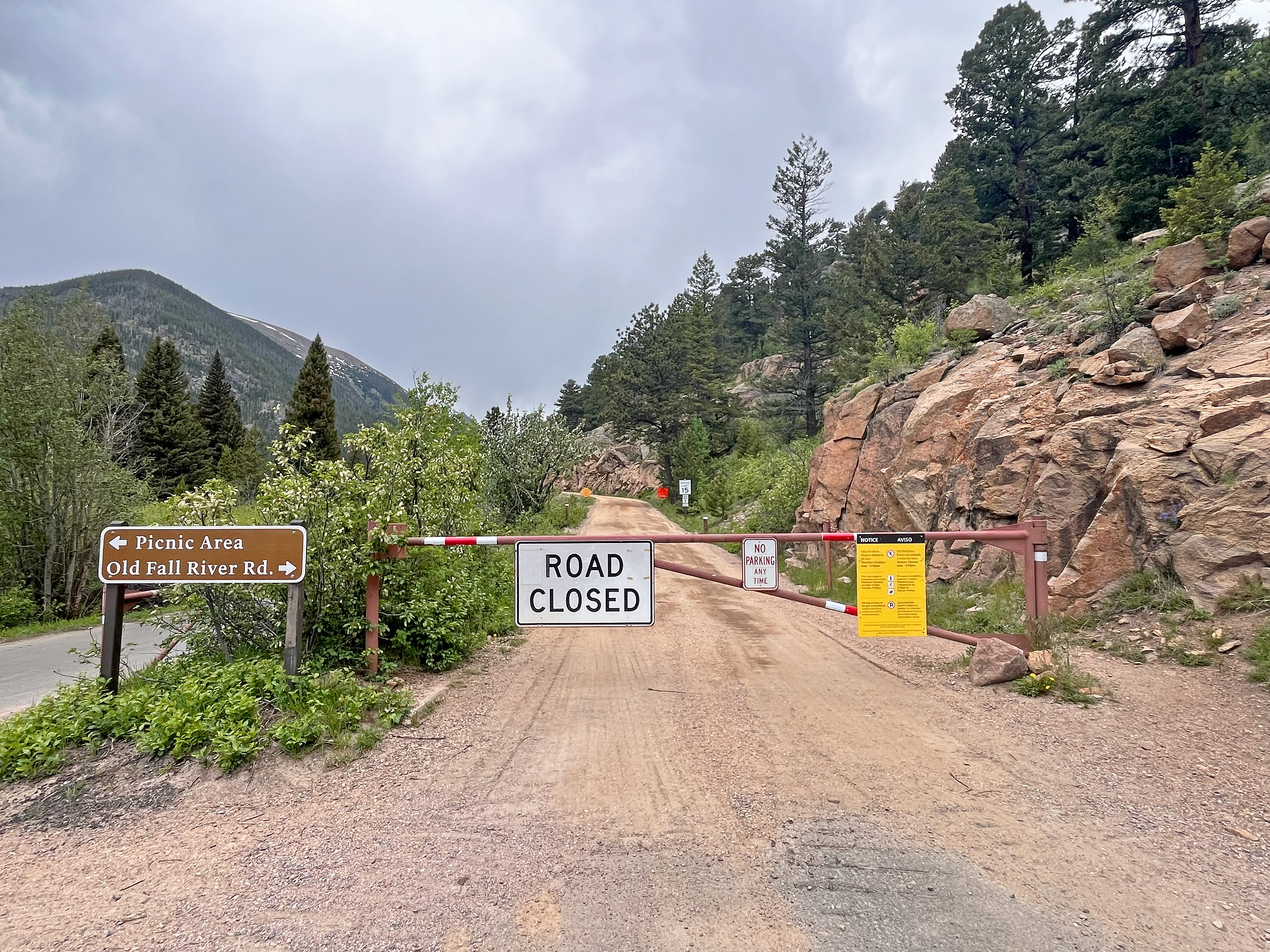
Forest Service campgrounds and high-elevation recreation areas begin closing their gates or shutting off water systems to prevent pipe freezing as early as the first week of the month. If you are planning a road trip that relies on camping, do not assume that a site open in September will be accessible in October.
Always check the official U.S. Forest Service or Colorado Parks and Wildlife status pages for your specific route exactly 48 hours before departure.
For those seeking reliable, road-trip-friendly overnight stops, focus on downtown bases in towns like Montrose or Gunnison, where lodging remains fully operational even as mountain campgrounds begin to shutter.
Securing Reservations and Permits for Maroon Bells
The Maroon Bells Scenic Area is the most photographed spot in the state for a reason, but it is also the most strictly regulated. You cannot simply drive your personal vehicle to the Maroon Bells parking lot during the peak fall season without a pre-booked reservation.
You have three primary ways to gain access, and I recommend booking these as soon as your travel dates are confirmed:
- Shuttle Reservations: This is the most reliable method for most visitors. Shuttle tickets are released in blocks online; check the official Aspen Chamber or Pitkin County reservation portals well in advance.
- Parking Reservations: If you prefer to drive your own vehicle, you must secure a parking permit. These spots sell out months in advance for the peak September and October foliage window.
- Alternative Access: If you are camping or backpacking in the Maroon Bells-Snowmass Wilderness, ensure you have your specific permits printed and ready, as these function as your entry credentials.
Insider Tip: If you fail to secure a parking permit, do not attempt to drive to the gate expecting a last-minute opening. The road is heavily monitored, and you will be turned away.
Instead, prioritize a shuttle reservation for an early morning slot to capture the best light on the peaks while avoiding the midday crowds.
The Ultimate 7-Day Colorado Fall Foliage Road Trip Itinerary
This seven-day route prioritizes the high-altitude gold of the Elk Mountains and the jagged, dramatic peaks of the San Juan range, ensuring you hit the most reliable foliage corridors before the first major snows arrive. By moving from the Aspen area south toward the San Juans, you follow the natural progression of color change, giving you the best odds for peak photography conditions.
Day 1: Denver to Aspen and Setting Up Your Basecamp
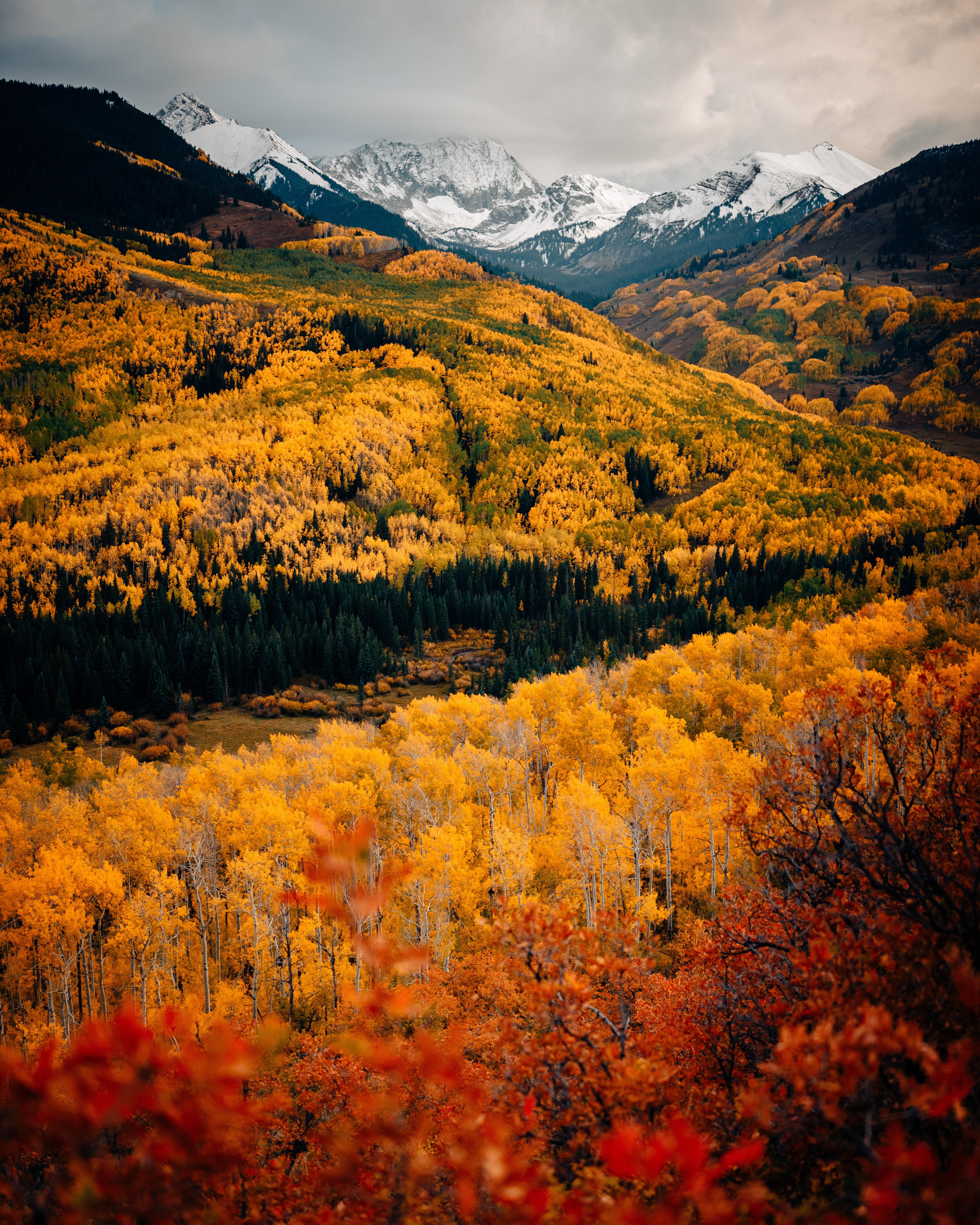
Start your journey by heading west on I-70, taking the exit for Highway 82 toward Aspen. This drive serves as your introduction to the high country.
Aim to arrive in the Aspen area by late afternoon to secure your lodging. I recommend basing yourself in downtown Aspen or the Snowmass Village area for immediate access to the morning trailheads.
Use this evening to stock up on supplies and confirm your parking reservations for the following morning.
Day 2: Maroon Bells Sunrise and Hiking Cathedral Lake
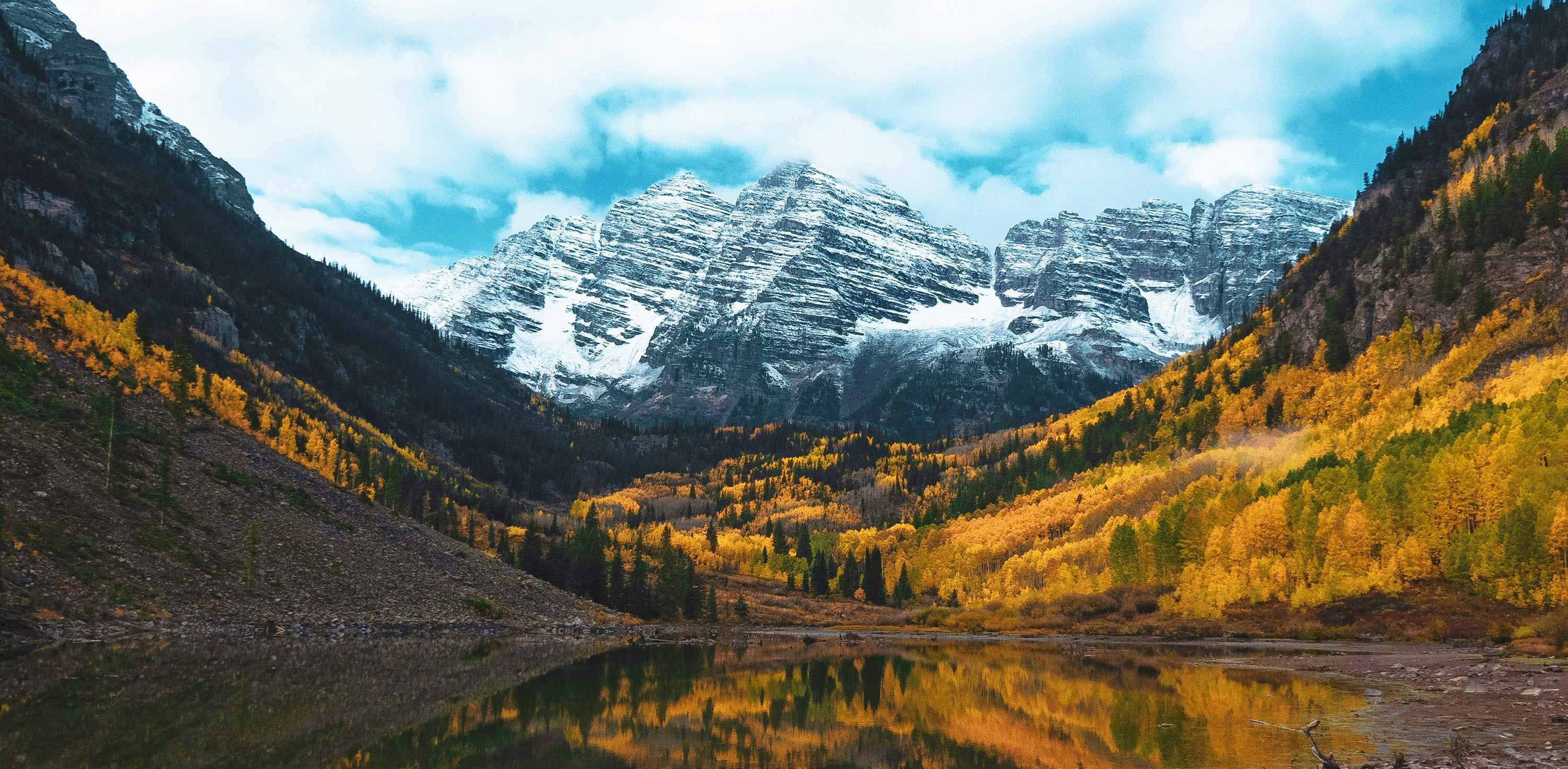
The Maroon Bells are non-negotiable for any fall road trip, but they require strict planning. You must arrive via the pre-booked shuttle system unless you have a private vehicle parking reservation secured well in advance.
After capturing the sunrise, head to the Cathedral Lake trailhead. This hike is a strenuous, high-reward trek that offers some of the most concentrated aspen groves in the region.
It is best for hikers who want to escape the crowds of the main valley floor; skip it if you are not prepared for steep, rocky elevation gain.
Day 3: Penny Hot Springs, McClure Pass, and Kebler Pass
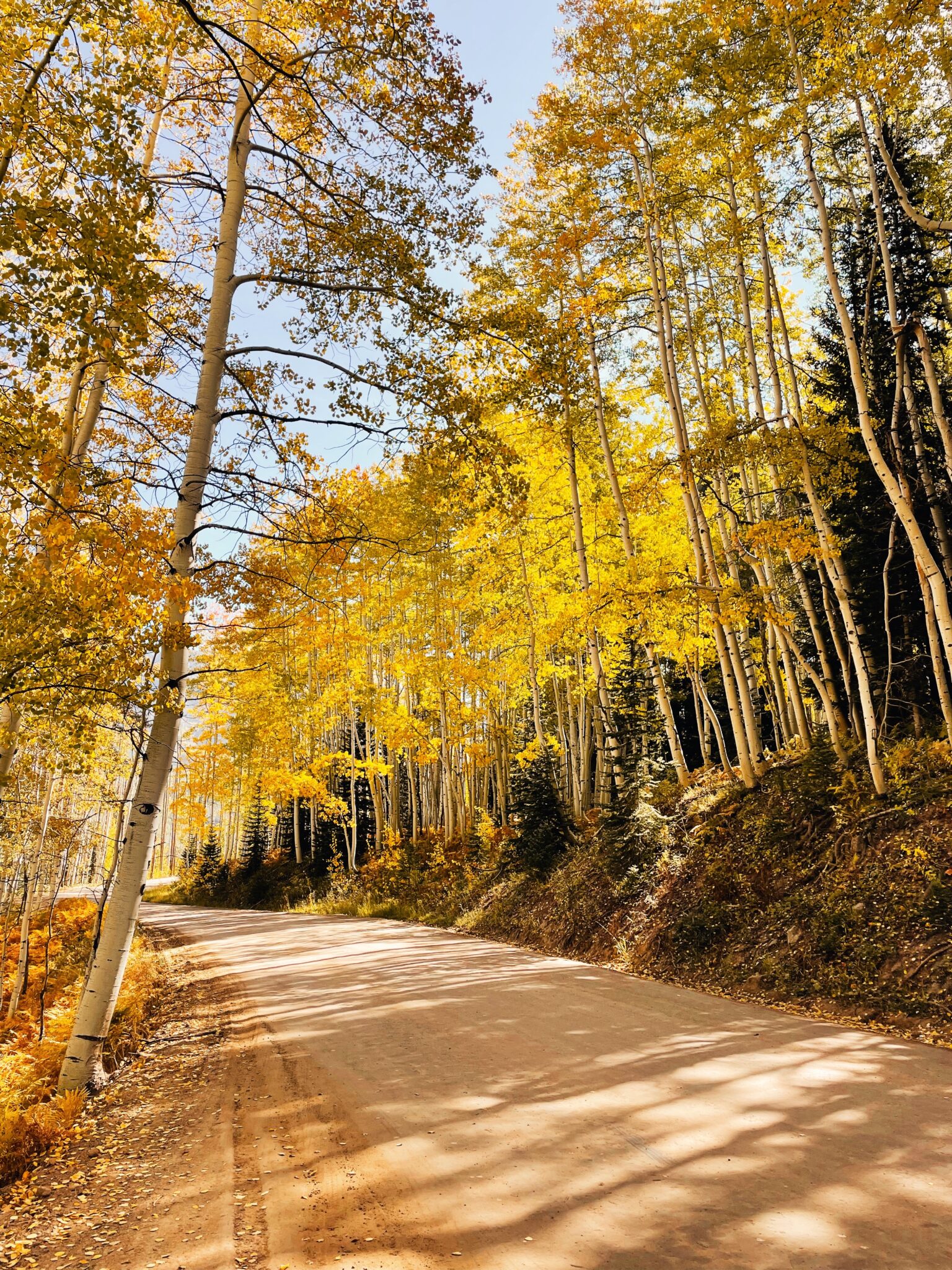
Depart Aspen heading north toward Carbondale, then turn south to reach Penny Hot Springs. This roadside gem is best for a quick, natural soak, but arrive early in the day to secure a spot in the limited parking area.
Continue your drive over McClure Pass toward Paonia, then transition onto Kebler Pass. Kebler Pass is home to one of the largest aspen groves in the country and is a mandatory stop for the sheer density of the color change.
The road is unpaved but generally accessible for standard passenger vehicles in dry conditions.
Day 4: Exploring Crested Butte, Washington Gulch, and Gothic Road
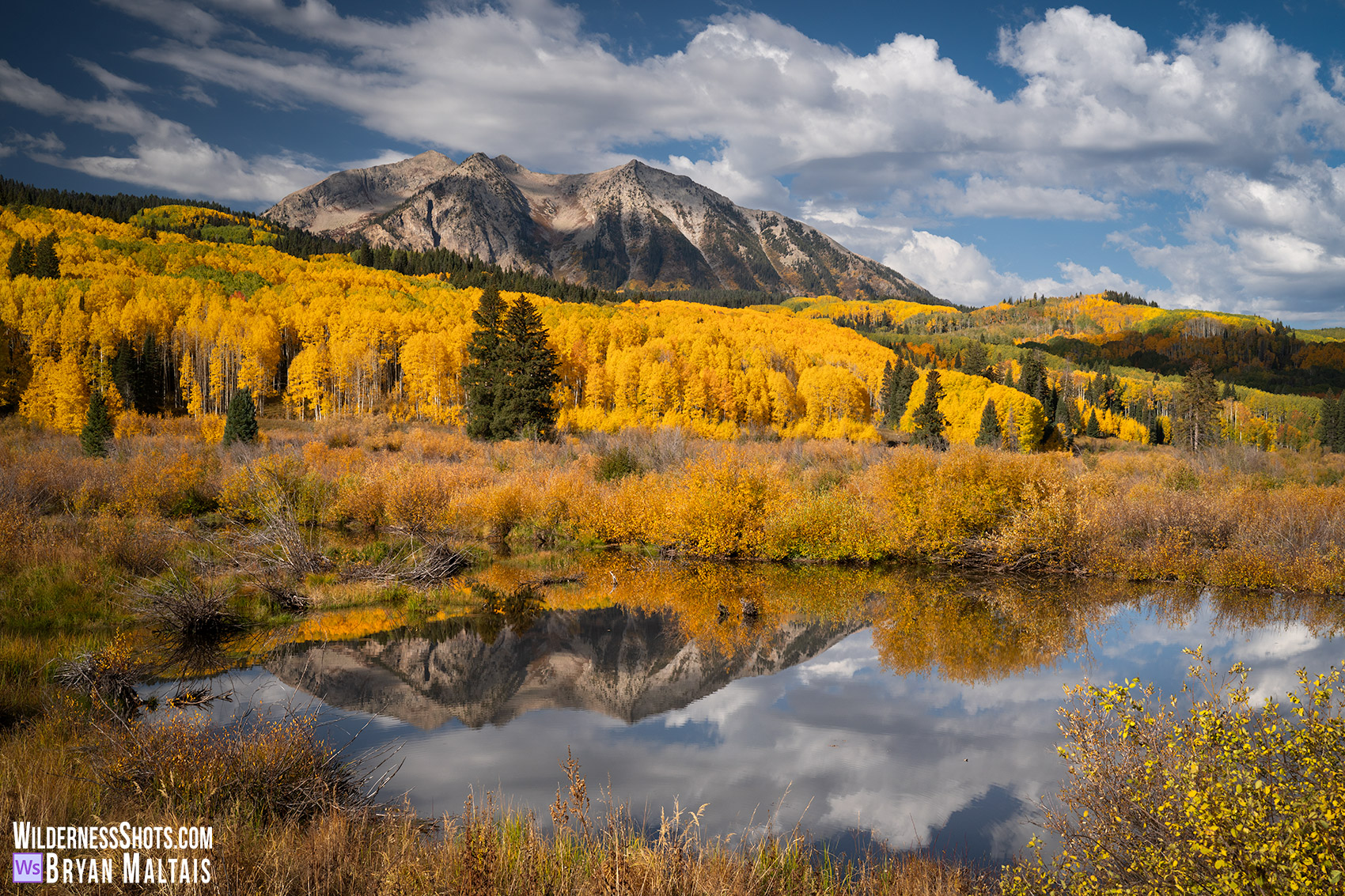
Crested Butte is the heart of Colorado’s fall aesthetic. Spend your day driving the Washington Gulch and Gothic roads; these routes provide iconic views of the East River valley and the surrounding peaks.
These roads are best for those seeking the “postcard” shot of golden hillsides against dark, jagged mountain rock. If you prefer a more relaxed pace, spend your afternoon exploring the historic downtown area, which remains one of the most authentic mountain towns in the state.
Day 5: Black Canyon of the Gunnison and Sunset at Owl Creek Pass
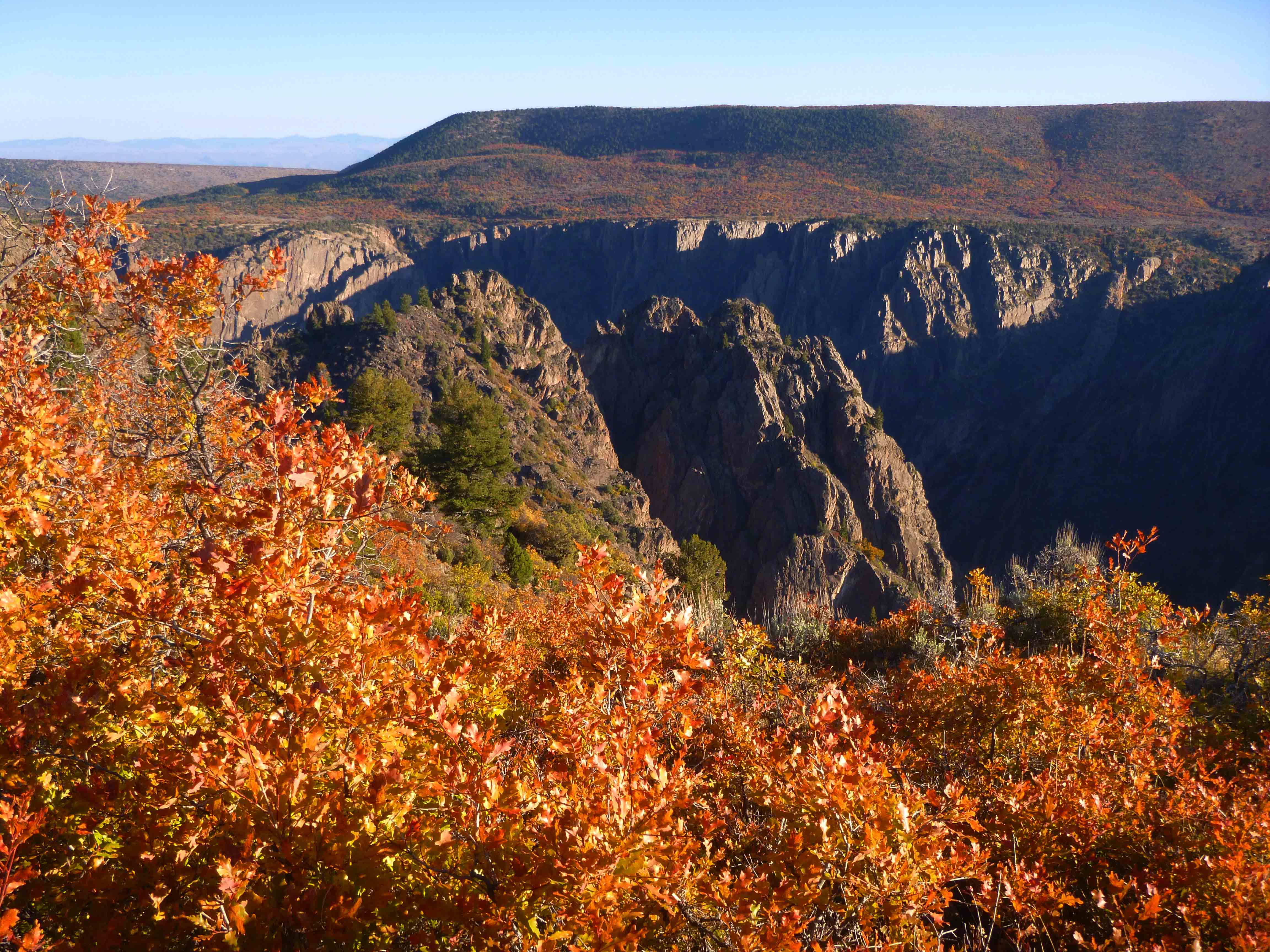
Drive south toward Montrose to reach the Black Canyon of the Gunnison National Park. Spend your morning at the South Rim viewpoints, which are best for dramatic, vertical photography.
In the late afternoon, head toward Owl Creek Pass. This area is my top pick for sunset; the way the light hits the Cimarron Range is unmatched.
It is a more rugged, remote experience, so ensure you have a full tank of gas before leaving Montrose.
Day 6: Chasing Mt. Sneffels Views and the Dallas Divide
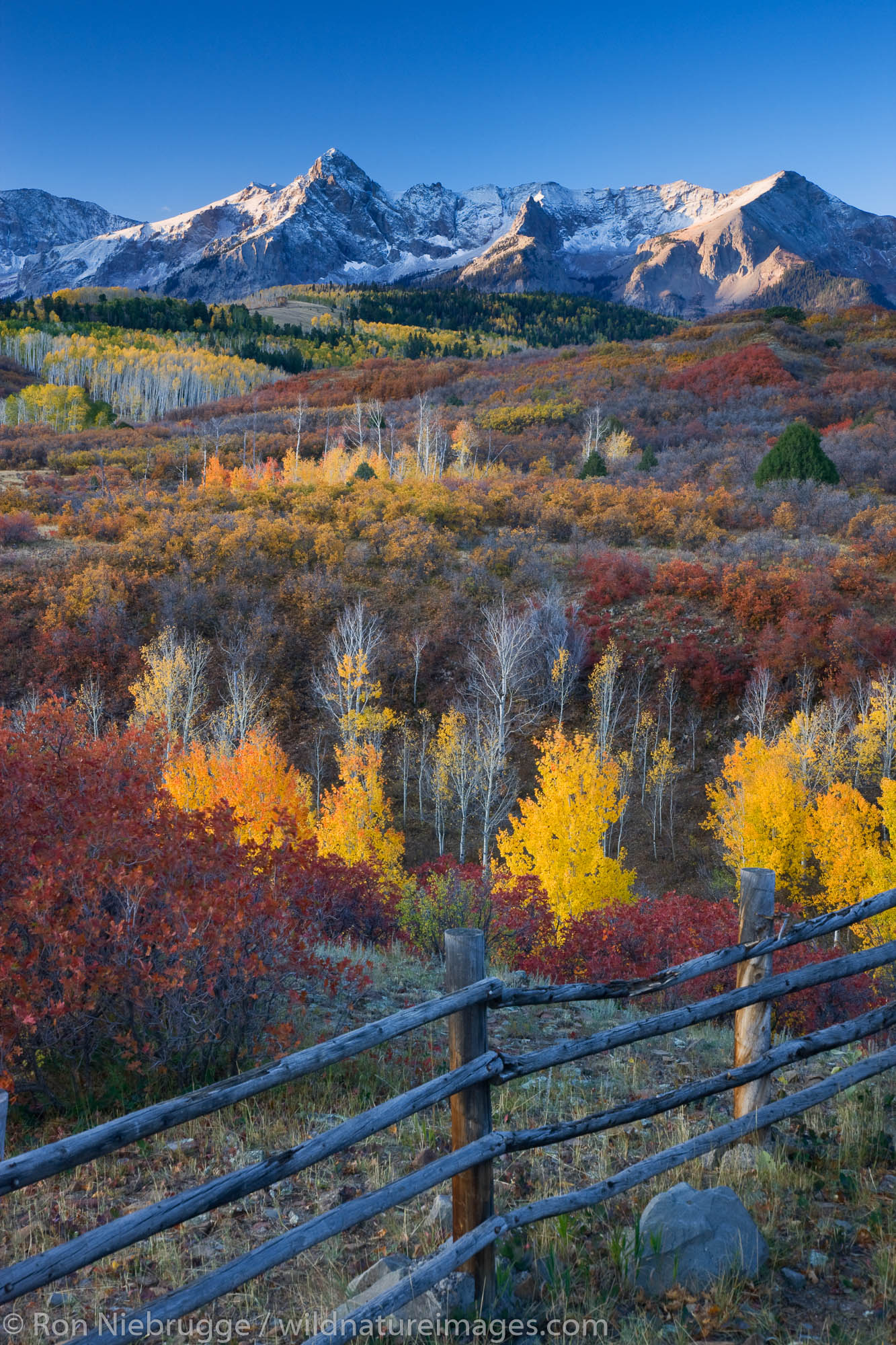
Today is dedicated to the San Juan Mountains. Drive the road toward the Dallas Divide, which offers the classic, wide-angle view of Mt.
Sneffels framed by vibrant yellow and orange aspen stands. This is the most photographed spot in the region for a reason.
It is best for those who want to capture the scale of the San Juans without needing to hike deep into the backcountry. Spend your evening in the nearby town of Ridgway or continue to Telluride for a final night in the high peaks.
Day 7: Heading Back to Denver via Vail Pass and Eisenhower Tunnel
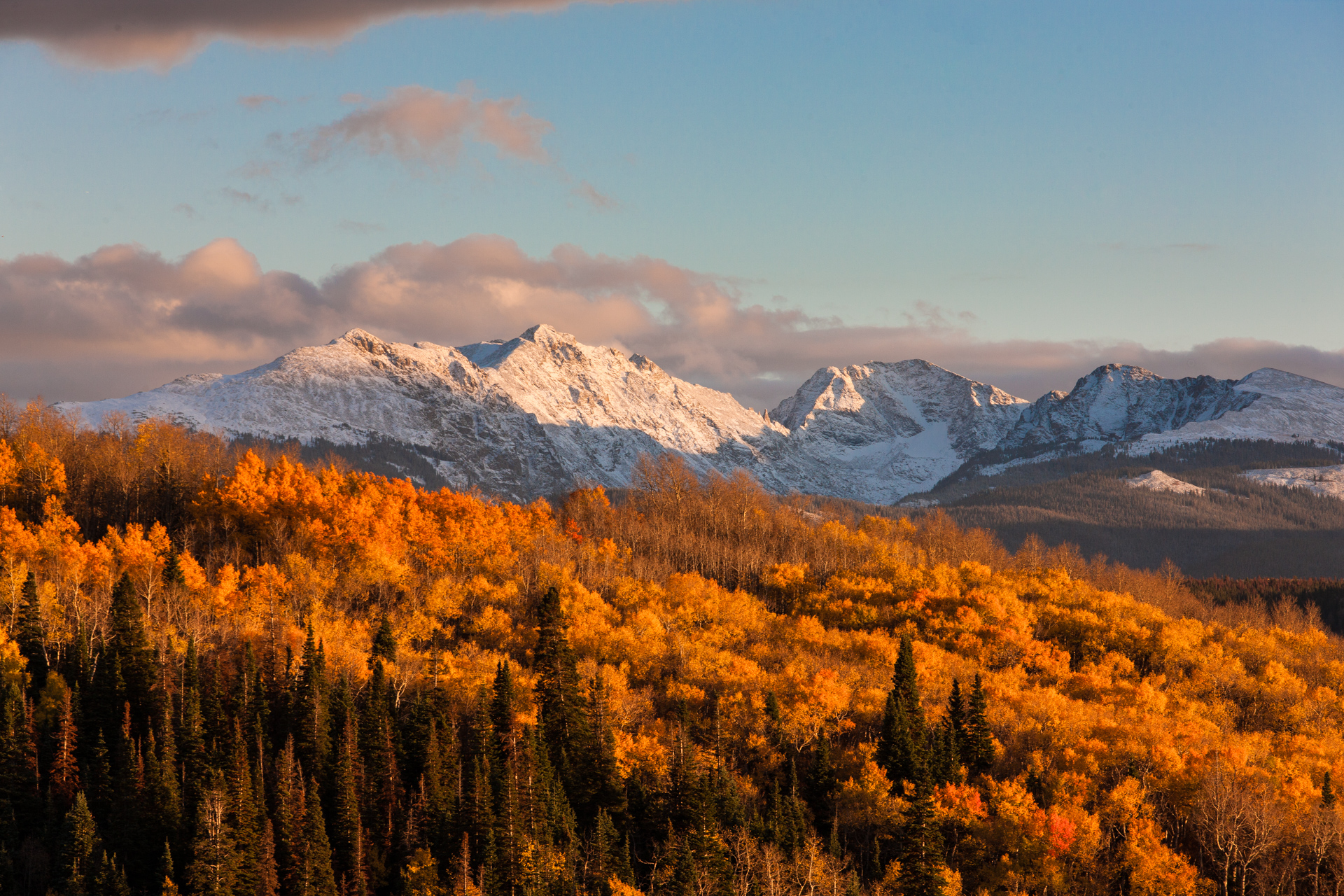
The return drive is a six-hour commitment, so depart early to avoid potential afternoon weather shifts. As you climb toward Vail Pass and the Eisenhower Tunnel, keep in mind that these high-elevation points can experience rapid temperature drops or early-season snow, even if the valleys are warm.
This route is efficient, but it is best to check the Colorado Department of Transportation (CDOT) website for real-time road conditions before you leave, as mountain weather is rarely predictable.
The Quick 2-Day Fall Mountain Drive Loop
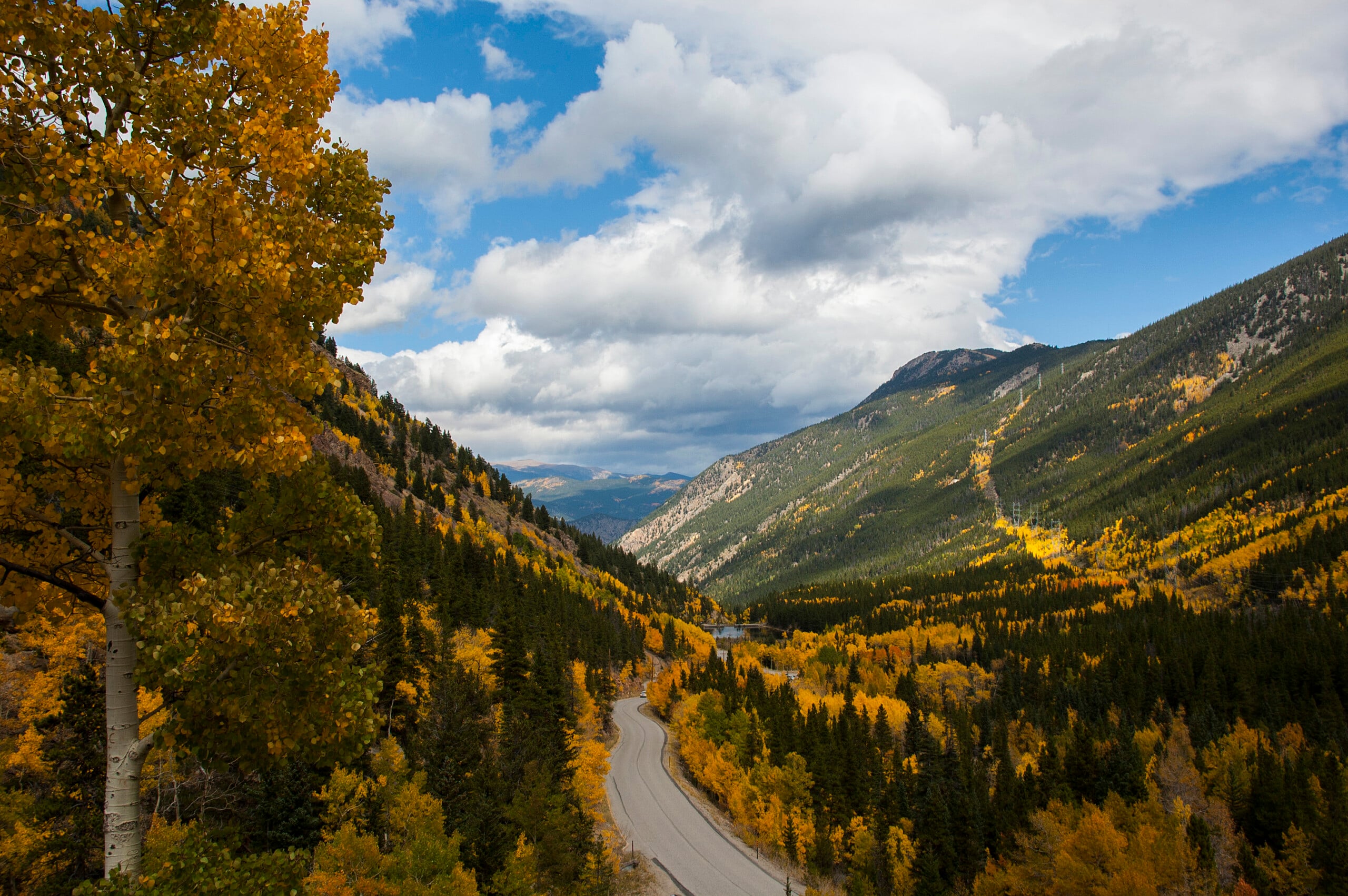
This two-day loop is the most efficient way to capture the transition from the high-altitude peaks of the Arkansas River Valley to the dramatic, wide-open vistas of the Western Slope. By focusing on this specific corridor, you avoid the heavy congestion of the I-70 mountain towns while hitting some of the most reliable spots for late-season gold.
Day 1: Colorado Springs to Buena Vista, St. Elmo, and Montrose
Start your engine by 7:30 AM in Colorado Springs to ensure you have enough daylight for the winding passes ahead. Your first major stop is Buena Vista; I recommend grabbing lunch at Simple Eatery inside the Trailhead store for a quick, high-quality bite before heading into the mountains.
From there, prioritize the detour to the Railroad Bridge Campground. It is a must-stop for photographers because the combination of the historic bridge, the river, and the surrounding aspens creates a quintessential Colorado fall scene.
After the bridge, head toward the ghost town of St. Elmo. This is the highlight of the day for many, but the secret is in the prep: stop at a grocery store beforehand to buy unsalted, shell-on sunflower seeds.
The local chipmunks are famous for being bold, and feeding them is a highlight, but they will ignore anything else you offer. On your way out, take your time descending the Mt.
Princeton area—the foliage views here are often better than at the destination itself. Plan for a late dinner in Gunnison before completing the final leg into Montrose, where you will likely arrive late in the evening.
Day 2: Montrose Main Street, Monarch Pass, and Blue Mesa Reservoir
Montrose serves as a perfect, less-crowded base for the second half of your trip. Before leaving town, spend your morning walking Main Street to visit local shops like Colorado-ology and the various antique stores.
If you have extra time, a quick visit to the Covered Bridge Ranch offers a unique rural perspective on the season.
As you begin your return drive toward the Front Range, you will cross Monarch Pass. This is a high-elevation drive, so expect the temperatures to drop significantly; even if it is sunny in Montrose, have layers ready for the pass.
The stretch along the Blue Mesa Reservoir is the visual anchor of this route. The contrast between the deep blue water and the turning aspens on the surrounding hillsides is spectacular.
While the foliage density on this specific route can vary based on the year’s early frost, the sheer scale of the landscape makes it a winner for anyone who prefers expansive mountain views over tight, tree-lined canyons.
Quick Decision Guide:
- Best for: Travelers who want a mix of historic ghost towns and high-altitude reservoir views without the intense crowds of Aspen or Telluride.
- Skip if: You are looking for dense, continuous forest tunnels; this route is more about sweeping vistas and geological drama.
- Pro Tip: Always check local road status for Monarch Pass before departing, as early season snow can occasionally cause temporary closures or traction law requirements.
Summary for your stay: For this loop, base yourself in a downtown-style rental or lodge in Montrose for the night between your drive days. This gives you immediate access to morning coffee and local shops before you tackle the return trip over the high passes.
Which Alternative Fall Hotspots Should You Add to Your Route?
If your itinerary has room for a detour, these four regions offer distinct alpine experiences that elevate a standard leaf-peeping drive into a true mountain expedition. Use this comparison to decide where to pivot based on your travel style.
| Destination | Best For | Primary Draw |
|---|---|---|
| Telluride | Luxury & Views | Free gondola transit |
| Twin Lakes | Quiet Exploration | High-alpine lake scenery |
| Vail/Breckenridge | Convenience | Resort amenities |
| Grand Lake | Wildlife & Park Access | Rocky Mountain NP proximity |
Telluride and the Free Gondola Ride
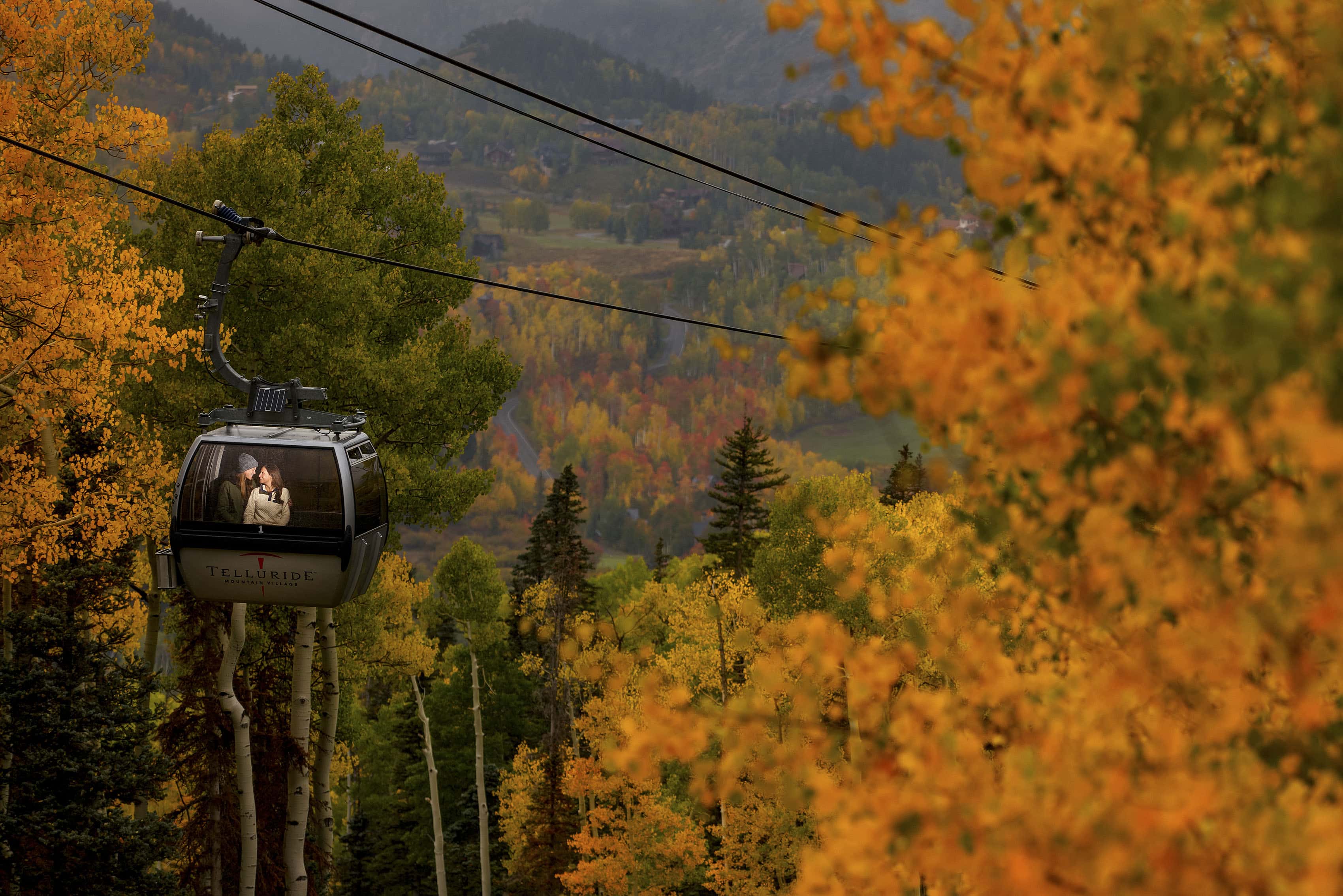
Telluride is the move if you want high-drama scenery without the constant need to be behind the wheel. The town’s free gondola system is the undisputed winner here, providing an aerial view of the surrounding golden aspen groves that no hiking trail can replicate.
I recommend using the gondola to travel between Telluride and Mountain Village; it runs daily, though hours fluctuate by season, so check the official schedule before heading out. It is the perfect base for travelers who want a walkable mountain town experience with world-class dining and lodging options.
Twin Lakes and the Leadville Area
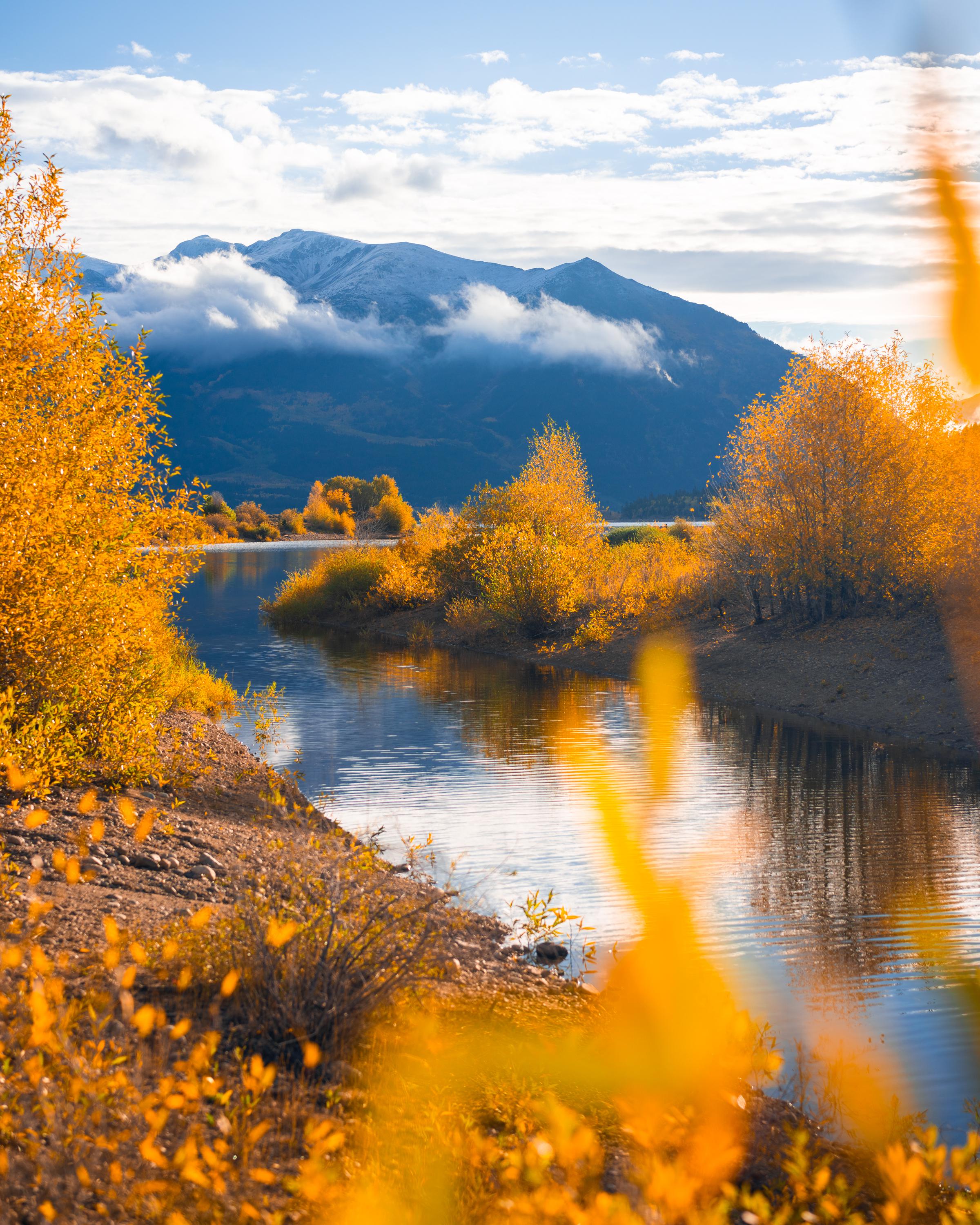
Twin Lakes is my pick for those who find the major resort towns too crowded and prefer a more rugged, reflective atmosphere. This area offers some of the most iconic reflections of golden foliage against the backdrop of Colorado’s tallest peaks.
It is best for photographers and those seeking quiet, lakeside retreats. Skip this if you require high-end shopping or nightlife, as the area is strictly about nature and low-key cabin stays.
Vail and Breckenridge
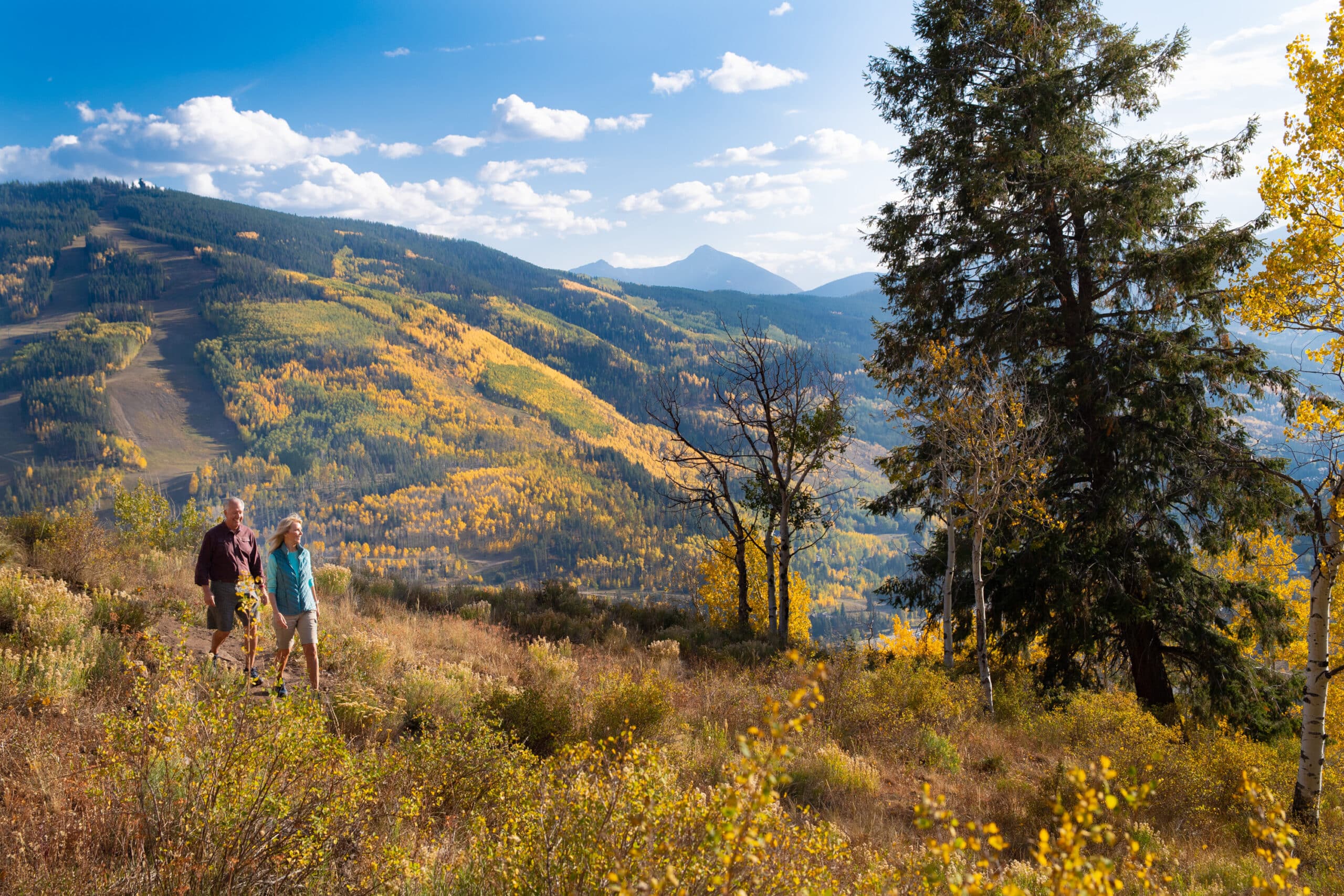
Vail and Breckenridge are the most reliable choices for travelers who want a seamless, all-inclusive mountain experience. These towns are built for tourism, meaning you will have easy access to lodging, gear rentals, and paved roads, even if early snow hits the higher passes.
I recommend these for families or groups who prioritize convenience and want to ensure their itinerary remains flexible regardless of weather. They are less “wild” than the San Juans, but they win on accessibility.
Grand Lake and Rocky Mountain National Park
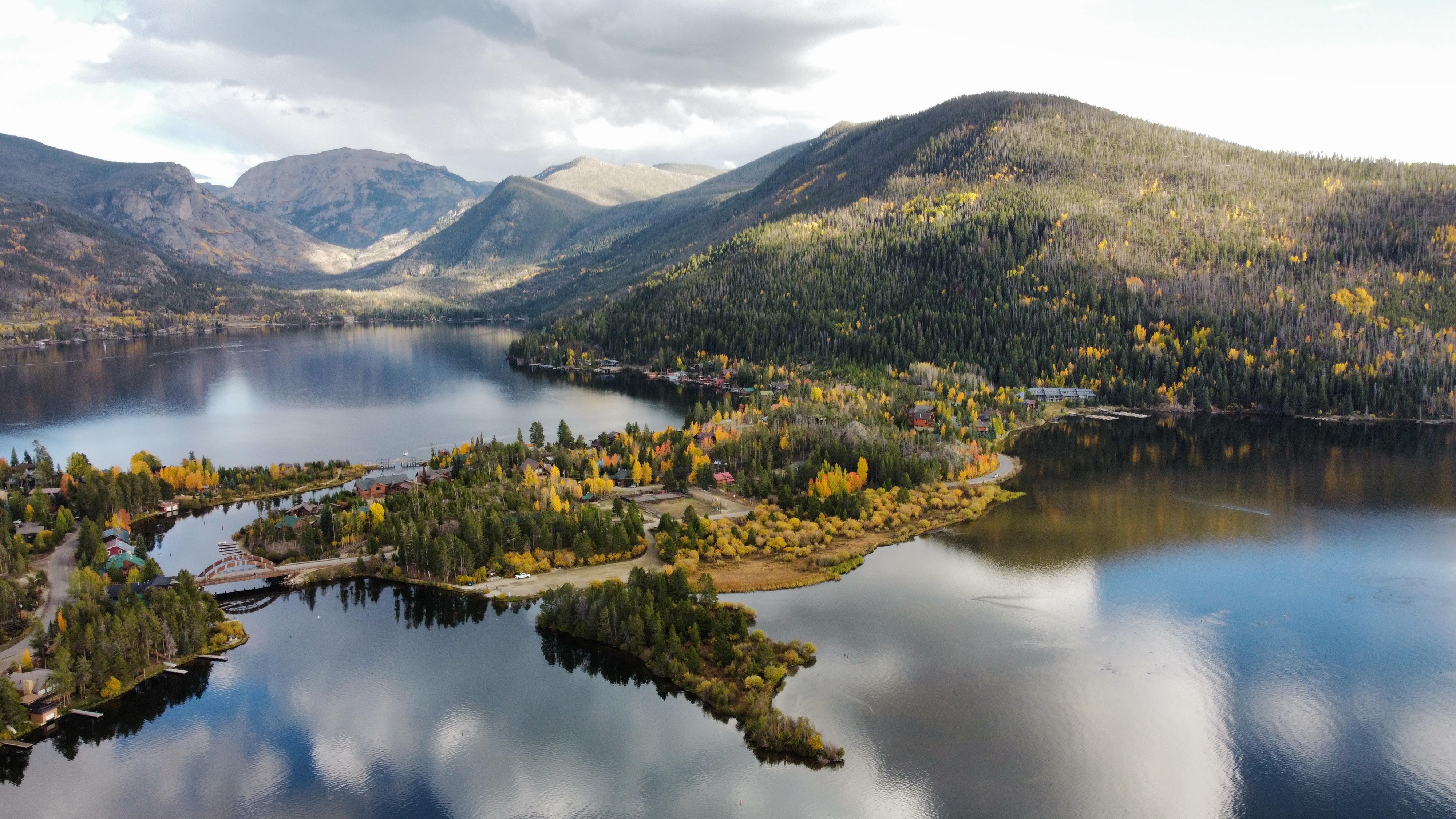
Grand Lake serves as the quiet, western gateway to Rocky Mountain National Park and is the superior choice for anyone hoping to see elk during the fall rut. While the eastern side of the park near Estes Park often faces heavy traffic, the Grand Lake side remains significantly more manageable.
I recommend this stop for wildlife enthusiasts and hikers who want to wake up minutes away from park trailheads. Be aware that the high-altitude roads within the park can close abruptly due to snow, so always check status updates before planning your drive.
Final Decision Factor: If you want the most dramatic, “postcard” scenery, prioritize Telluride. If you want to avoid crowds and keep your itinerary simple, head toward Twin Lakes or Grand Lake.
Save the Vail and Breckenridge corridor for when you want the safety net of full-service resort amenities.
Which Accommodations Should You Book for a Fall Road Trip?
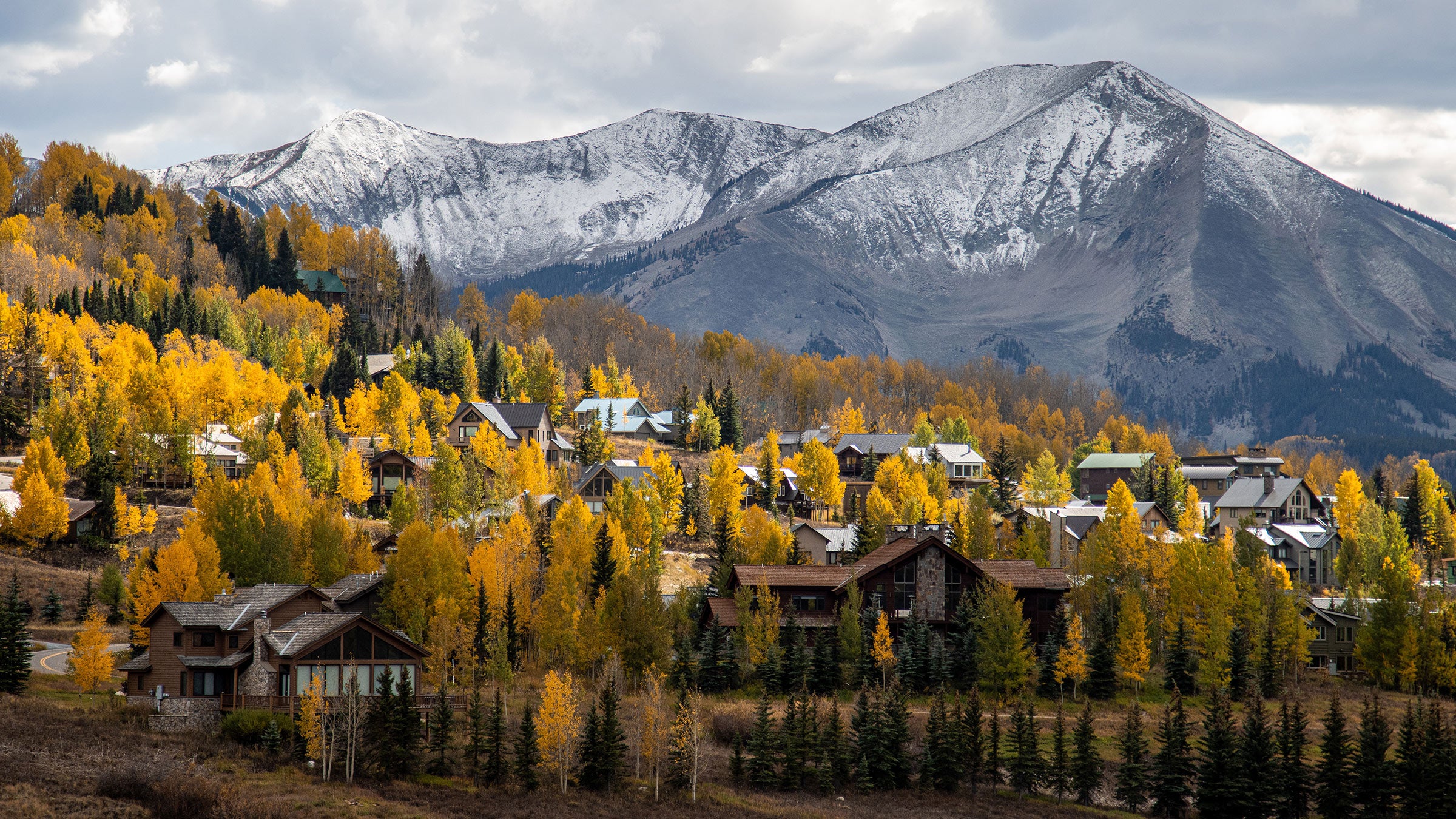
Securing the right basecamp is the difference between a seamless leaf-peeping adventure and spending your golden hours stuck in traffic or searching for a shower. Because Colorado’s mountain towns operate on high-demand seasonal cycles, booking at least four to six months in advance is the standard for peak September and October dates.
If you are planning a last-minute trip, focus on flexible cancellation policies and check state park reservation portals daily for last-minute camping openings.
Top Hotels and Lodges in Aspen, Crested Butte, and Telluride
In these high-elevation hubs, you are paying for proximity to the trailheads and the convenience of walking to dinner after a long day of driving. I recommend prioritizing properties that offer secure parking, as street spots in these towns vanish by mid-afternoon during peak leaf season.
- Aspen: Look for boutique lodges near the base of the mountains to avoid the shuttle wait times for Maroon Bells.
- Crested Butte: Focus your search on the historic downtown area. Staying here puts you within minutes of the Washington Gulch and Gothic Road trailheads, which are essential for seeing the best aspens in the state.
- Telluride: My pick is any property with access to the free gondola; it eliminates the need to move your car once you arrive, giving you immediate access to both the town and Mountain Village.
Cozy Cabins and Boutique Stays in Montrose and Buena Vista
If you prefer a quieter, more rustic experience, Montrose and Buena Vista serve as the perfect “home base” for exploring the San Juan Mountains and the Collegiate Peaks. These towns offer more space and better value than the resort-heavy hubs.
I recommend searching for private cabin rentals along the rivers near Buena Vista. These spots provide easy access to St. Elmo and the surrounding mountain passes without the high price tag of an Aspen hotel.
In Montrose, look for historic downtown lofts or boutique cabins; these are ideal for travelers who want a central location to rest before heading out to the Black Canyon of the Gunnison or the Dallas Divide.
Best Camping and RV Sites from Ridgway State Park to Washington Gulch
Camping in Colorado during the fall requires preparation for freezing nighttime temperatures, but the trade-off is unparalleled access to the changing colors. Ridgway State Park is my top recommendation for RV travelers and campers; it offers well-maintained facilities, including reliable hot showers, which are a luxury when the alpine air turns crisp.
Expect to pay a standard vehicle entry fee plus your nightly camping rate, and always confirm site availability via the Colorado Parks and Wildlife website before you depart.
For those heading toward Crested Butte, the dispersed camping areas near Washington Gulch are legendary, but they fill up rapidly. If you plan to camp here, arrive by Thursday morning to secure a spot for the weekend.
Remember that water access is limited in high-altitude dispersed sites, so arrive with your tanks full. If you are not equipped for primitive camping, stick to established campgrounds like the Railroad Bridge Campground, which offers incredible proximity to scenic tunnels and river views.
Decision Summary: Book Aspen or Telluride if you want walkability and luxury; choose Montrose or Buena Vista for a more relaxed, budget-friendly road trip base. Always prioritize Ridgway State Park if you need reliable amenities like showers and water fill-ups during your journey.
What Essential Gear Should You Pack for Autumn in the Rockies?
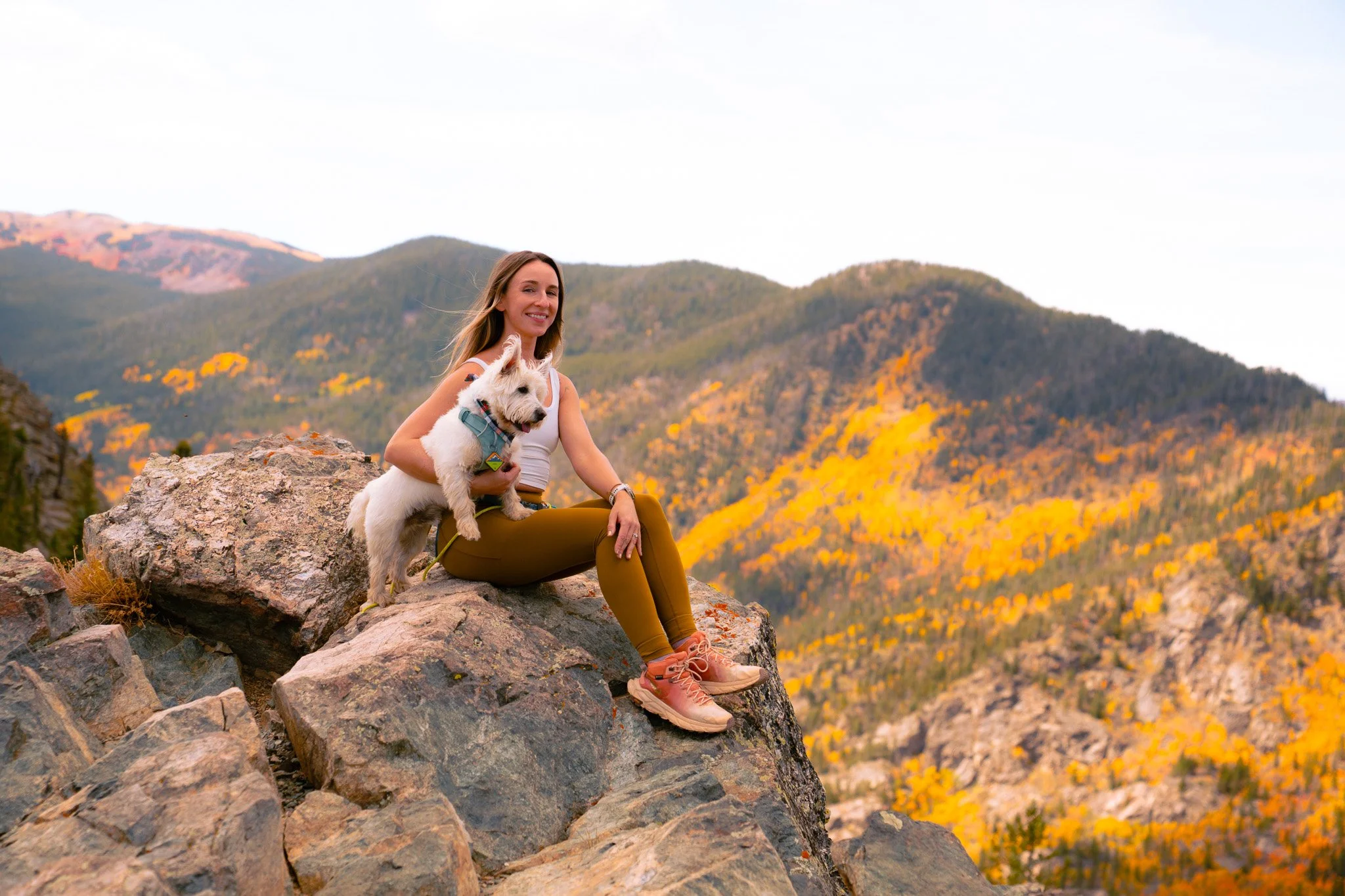
Packing for a Colorado fall road trip requires preparing for a full spectrum of seasons in a single afternoon, as you can easily encounter 70-degree sunshine at a trailhead and a sudden, freezing snowstorm at a high-altitude pass like Vail or the Eisenhower Tunnel within the same day.
Clothing Layers for Freezing Mountain Mornings
The secret to staying comfortable in the Rockies is a strict adherence to a three-layer system. I recommend starting with a moisture-wicking synthetic or merino wool base layer; avoid cotton at all costs, as it stays damp and cold if you break a sweat.
- Base Layer: Essential for temperature regulation during high-exertion hikes.
- Mid-Layer: A fleece or a lightweight down “puffy” jacket is the move for chilly mornings when you are shooting sunrise photos or making coffee at a campsite.
- Outer Shell: A windproof and waterproof rain jacket is non-negotiable. You will need this to block the biting wind on mountain passes and keep you dry during unpredictable autumn squalls.
- Accessories: Pack a beanie and a pair of lightweight gloves. Even if the forecast looks mild, these take up almost no space and are lifesavers when the sun dips behind the peaks.
Hiking Boots, Packs, and Trail Safety Gear
Your footwear and gear choices dictate your mobility on uneven, high-altitude terrain. For most Colorado trails, I prefer a mid-height hiking boot with solid ankle support and a lugged outsole for traction on loose scree or early-season snow patches.
| Gear Item | Why You Need It | Pro Tip |
|---|---|---|
| Daypack | Carries your layers, water, and snacks. | Ensure it has a rain cover or pack a waterproof dry bag inside. |
| Trekking Poles | Saves your knees on steep descents. | Essential if you plan on hiking high-elevation trails like Cathedral Lake. |
| Hydration Reservoir | Keeps you drinking consistently. | Dehydration hits faster at altitude; aim for 2–3 liters per hike. |
| Headlamp | Safety for late-afternoon returns. | Always keep fresh batteries; mountain light fades rapidly after 5:00 PM. |
When heading into areas like St. Elmo or the high-altitude passes, keep a small bag of unsalted sunflower seeds (with shells intact) in your pack if you plan to visit the local chipmunks, as this is the only food they will consistently accept. For safety, always carry the “Ten Essentials,” including a physical map, a first-aid kit, and an emergency shelter, because cell service is notoriously unreliable once you leave the main highway corridors.
My top recommendation is to prioritize a high-quality, broken-in pair of boots over any other gear—blisters will ruin your trip faster than a sudden snow shower ever could.
Frequently Asked Questions
How do I know if I am visiting during the actual peak foliage?
There is no single calendar date that guarantees peak color across the entire state because elevation dictates the timeline so aggressively. I recommend booking your flights or major lodging stays about two to three weeks out, then monitoring local leaf-tracking websites and social media location tags as your start date approaches.
If your schedule allows, stay flexible; if the high country is already turning brown, you can often pivot your route to lower elevations to find the gold.
What should I pack for a road trip that spans September and October?
You must pack for four seasons in a single day. Even if the forecast looks sunny, mountain passes like Vail or the Eisenhower Tunnel can experience sudden snow, high winds, and freezing temperatures as early as mid-September.
I recommend bringing a heavy winter coat, gloves, and a hat, even if you are mostly planning to stay in the car. If you are hiking, ensure your vehicle is equipped for potential slick conditions, and always keep an extra layer and emergency supplies in your trunk.
Is it worth visiting St. Elmo to see the chipmunks?
St. Elmo is a fantastic, kitschy detour if you are traveling through the Buena Vista area. It is a historic ghost town, and feeding the chipmunks is a highlight for many travelers.
My advice: stop at a local store on your way to buy unsalted sunflower seeds with the shells still intact. Do not bring salted or flavored nuts, as these are harmful to the wildlife.
It is a simple, low-cost activity that provides a great break from the long hours of driving.
What is the best way to handle lodging if my route is flexible?
Because Colorado fall foliage draws significant crowds, I recommend securing your primary basecamps—such as those in Aspen or near the San Juan Mountains—well in advance. For the rest of your route, look for towns with multiple lodging options like Montrose or Gunnison to serve as your flexible overnight stops.
If you are aiming for a more rustic experience, look into cabins or lodges near the mountain passes, but always confirm their operating status for October, as some seasonal accommodations close shortly after the first of the month.
Top Decision Factors: When planning, prioritize flexibility over a rigid itinerary. Always check the weather for high-elevation passes before departing each morning, and keep your sunflower seeds ready for St. Elmo if you want the quintessential mountain town experience.
How to Make Your Autumn Road Trip a Reality
Your very first step is to secure your Maroon Bells shuttle or parking reservations immediately, as these sell out months in advance. After that, map out your basecamps in Aspen and Montrose to lock in the best lodging rates before the autumn rush.
There is nothing quite like watching an entire mountain range turn a brilliant, fiery gold under a clear blue Colorado sky.
Download the Colorado Department of Transportation app today to monitor mountain pass conditions and start packing your layers for the ultimate autumn drive.
Leave a Reply