
The scent of roasted chestnuts mingles with the crisp autumn air as a river of floats, bands, and cheering crowds flows down Fifth Avenue. This is the heartbeat of a Columbus Day weekend in New York City—a uniquely American celebration steeped in Italian-American culture, paired with the absolute peak of fall foliage in Central Park.
Unlike a standard holiday weekend, this one is defined by a single, massive cultural event that shapes the entire city’s energy, from parade-day street closures to neighborhood festivities. This guide helps you decide whether to dive into that iconic New York experience or use the long weekend for a scenic escape elsewhere.
Plan on a budget of $200-$400 per night for mid-range hotels in Manhattan, with splurge options starting around $600. Outdoor-focused trips like camping or a rural cabin stay can easily dip below $150 per night.
Quick-Pick: Your Best Weekend Vibe
If you’re short on time, here’s how to match the holiday to your travel style.
- For Iconic Urban Energy: New York City. Experience the nation’s largest Columbus Day Parade, then explore Central Park’s peak color.
- For Peak Fall Foliage & Outdoors: The Adirondacks or Great Smoky Mountains. Prime leaf-peeping and hiking with established trail systems.
- For Coastal Charm & Relaxation: Hudson Valley or Cape Cod. Apple orchards, wineries, and quieter seaside towns before they fully close for the season.
- For Guaranteed Warm Weather: Las Vegas & Valley of Fire State Park. Desert hiking and city nightlife without the Midwest chill.
- For a Northwest Adventure: Portland or Seattle. Waterfall hikes in the Columbia River Gorge or a ferry ride to Bainbridge Island.
Is New York City Worth Visiting for Columbus Day Weekend?

Thirty-five thousand marchers filling Fifth Avenue from 44th to 72nd Street — that is the Columbus Day Parade, and it is the single best reason to spend the long weekend in Manhattan. Combined with peak fall foliage in Central Park and a packed cultural calendar, this is one of the most energetic weekends of the year to visit New York.
Worth it? Absolutely — if you plan around the crowds.
Columbus Day Weekend is high season in NYC. Hotel rates spike, Broadway sells out, and restaurant wait times double.
Book accommodations at least six weeks out and lock in dinner reservations the moment flights are confirmed. Base yourself in Midtown East or the Upper West Side for the easiest walk to the parade route and quick access to Central Park.
Attending the Columbus Day Parade
The Columbus Day Parade runs along Fifth Avenue and draws roughly one million on-site spectators, with another million watching on television. It is the largest celebration of Italian-American culture in the country — bands, floats, military contingents, and cultural groups stretching for nearly thirty blocks.
- When: Second Monday of October, typically starting around 11:30 AM. Confirm exact timing with the Columbus Citizens Foundation, which organizes the event annually.
- Where to stand: The stretch between 50th and 68th Streets delivers the best views with slightly less density than the southern end near 44th Street. Arrive by 10:30 AM for a front-row curb spot.
- What to expect: The parade runs for several hours, with energy peaking mid-route. Street closures begin early, so plan your morning transit accordingly.
- Insider detail: The blocks around St. Patrick’s Cathedral (50th–51st Streets) fill up fastest. Walk six to eight blocks north for comparable views with noticeably less shoulder-to-shoulder pressure.
Day-by-Day Itinerary in Manhattan
Three days covers the parade, major landmarks, and neighborhood flavor without burning out.
Saturday — Arrive and Explore Midtown
Check into your hotel, drop bags, and walk south from Times Square through Rockefeller Center to Fifth Avenue. Top of the Rock at sunset gives skyline views without the Empire State Building’s longer lines.
Dinner in Hell’s Kitchen — dozens of well-priced restaurants sit within a ten-block radius.
Sunday — Central Park and Uptown
Morning in Central Park when fall colors are near their peak. Walk the Bethesda Terrace to Bow Bridge loop, then head to the Upper West Side for brunch.
Afternoon options include the American Museum of Natural History or the Metropolitan Museum of Art on the park’s east side. Book museum tickets online in advance — walk-up lines on holiday weekends are punishing.
Monday — Parade Day and Lower Manhattan
Grab an early coffee, stake out your Fifth Avenue spot by 10:30 AM, and enjoy the parade. Afterward, head downtown: walk through the Financial District, visit the 9/11 Memorial, and end in Tribeca or the West Village for a farewell dinner.
That stretch is where NYC’s food scene shines brightest — skip the Midtown tourist traps entirely.
Neighborhood Exploration Options
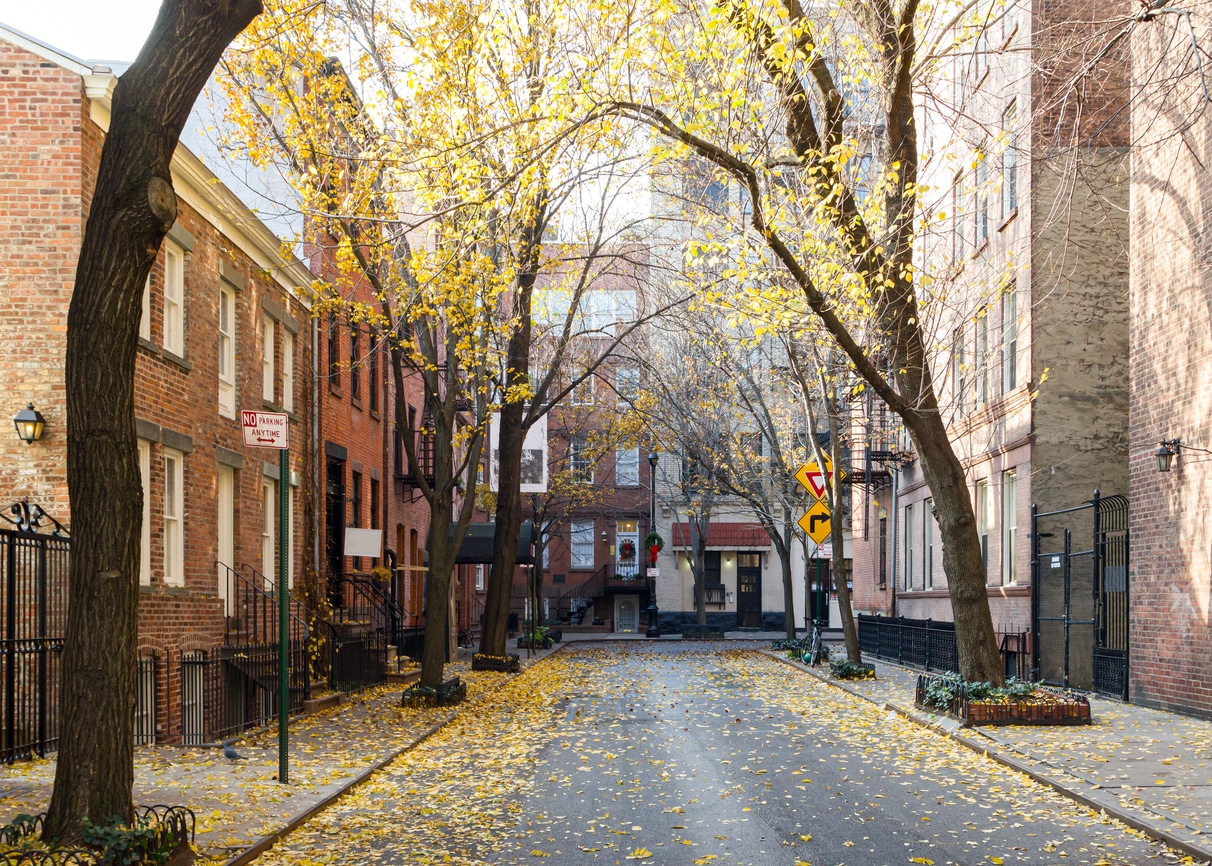
Manhattan rewards wandering, but these neighborhoods deliver the most return on a Columbus Day Weekend visit.
- Upper West Side: Best base for families and anyone prioritizing Central Park access. Quieter residential streets, excellent delis, and the parade route is a short walk east.
- Midtown East: Walkable to the parade, Grand Central, and most major museums. Convenient but touristy — expect higher prices and longer waits at restaurants.
- Greenwich Village and West Village: The weekend’s strongest dining and nightlife. Cobblestone streets, independent shops, and Washington Square Park. Not parade-adjacent, but worth the subway ride for evening plans.
- Lower East Side: Edgier, younger energy. Street art, vintage shops, and some of the city’s most inventive restaurants. Best for travelers who have visited NYC before and want something beyond the highlights.
- Chelsea: Art galleries, the High Line, and Chelsea Market. A strong pick for couples wanting walkable culture and food without Midtown congestion.
Benefits of Ground Transportation
Driving into Manhattan for Columbus Day Weekend is a mistake most first-timers make exactly once. Parking in Midtown garages typically runs $40–$70 per day, and the parade closes Fifth Avenue for hours, rerouting traffic and clogging cross streets well into the afternoon.
Use the subway for everything within Manhattan. The MTA runs on a holiday schedule on Columbus Day itself — slightly reduced frequency — but trains still cover all major routes.
A 7-day unlimited MetroCard costs roughly $34 and handles the entire weekend comfortably.
For arrivals, the best ground options depend on your airport or starting point.
- From JFK or LaGuardia: Subway plus AirTrain (JFK) or the Q70 SBS bus (LaGuardia) costs under $10 and takes 45–75 minutes depending on your hotel’s location.
- From Newark: NJ Transit to Penn Station is the most reliable option — typically 30–40 minutes and around $13–$16 one way.
- From a driving-distance city: Park at a New Jersey Transit or Metro-North station outside the city and take the train in. You save on parking and avoid holiday bridge-and-tunnel backups that can add 60–90 minutes to the drive.
Ride-shares surge hard during parade hours. If you need a car service on Monday, book before 10 AM or after 3 PM to dodge the worst pricing and gridlock.
Best Outdoor Activities for Columbus Day Weekend
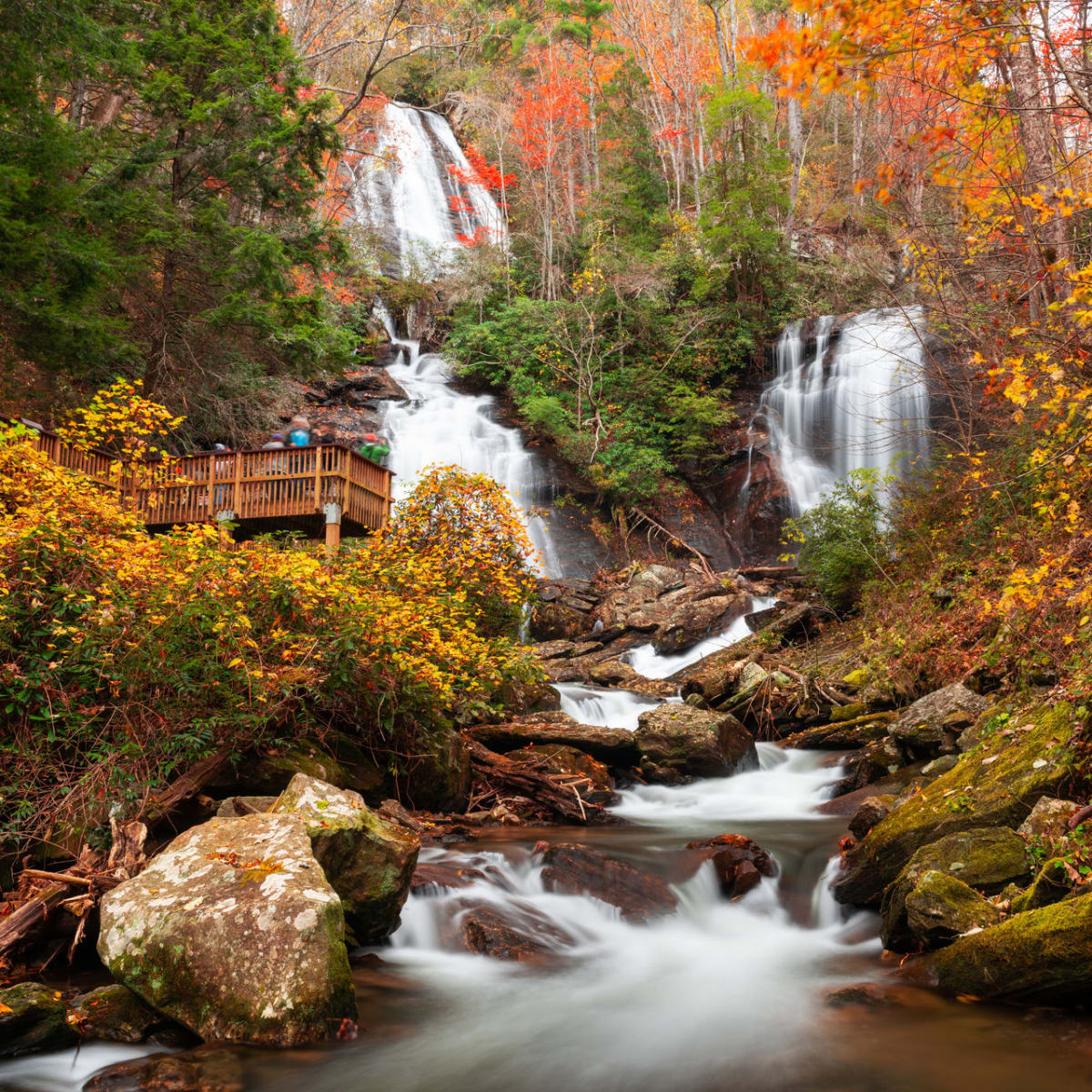
Peak fall foliage across much of the northern U.S. makes Columbus Day weekend a prime time for outdoors-focused trips, but the holiday crowds and short booking windows require a strategic plan. These activities let you leverage the season’s best assets without wasting time.
| Activity Type | Best For | Key Consideration |
|---|---|---|
| Hiking & Nature Walks | Active travelers, leaf-peepers | Go early; popular trails are crowded by 10 AM. |
| Camping | Those seeking quiet & cost savings | Reserve ASAP; many state parks book up fast. |
| Apple Orchards & Pumpkin Patches | Families, couples | Tickets required at most; book 1-2 weeks ahead. |
| Gardens & Wineries | Relaxed groups, foodies | Weekday visits are significantly less hectic. |
Hiking and Nature Walks
Forget aimless wandering—choose trails based on your group’s vibe. For a classic, crowd-pleasing walk with guaranteed payoff, opt for a state park loop trail (typically 2-4 miles) that ends at a waterfall or overlook.
These are well-maintained and offer the best leaf-peeping density.
- Best for mixed groups: Well-marked trails in parks like the Great Smoky Mountains National Park or the Adirondacks. Avoid backcountry trails unless your whole party is experienced.
- Pro timing: Start by 8 AM. You’ll get parking, solitude, and the best light for photos. By noon, popular trailheads can be gridlocked.
- Insider tip: Use the AllTrails app’s “live traffic” feature on the day of your hike to see real-time congestion at trailheads before you drive out.
Camping Spots
Columbus Day is often the last hurrah for comfortable camping in northern states before nights turn seriously cold. This is your chance for an uncrowded pitch—if you act fast.
- Your move: Target state parks over national parks for easier, last-minute availability. Sites with electric hookups book first, but tent-only loops often have openings.
- The payoff: Off-season rates apply at many parks starting in October, saving you 20-30%. Night skies are clearer and campgrounds are quieter after 9 PM.
- What to confirm: Always check the park’s specific “season dates.” Some campgrounds close entirely after Columbus Day weekend.
Apple Orchards and Pumpkin Patches
This is a high-demand activity where showing up without a ticket is a rookie mistake. Most reputable orchards now require timed-entry tickets for Columbus Day weekend, purchased online in advance.
- The smart play: Book your tickets the moment they release, usually in late August or early September. Weekday mornings (if you can swing it) are a fraction of the Saturday chaos.
- Value pick: Go for orchards that bundle your activity (like a hayride and a small pumpkin) into the admission price. Pay-per-pumpkin fields add up quickly for families.
- Food tip: Skip the long line for apple cider donuts at the main barn. Smaller satellite stands or food trucks on the property often have shorter waits for the same product.
Visiting Gardens and Wineries
Fall is harvest season, and vineyards are at their most photogenic with changing leaves and heavy vines. This is the most relaxed way to enjoy the outdoors, combining scenery with a curated tasting experience.
- Base yourself near wine country: Regions like Virginia’s Loudoun County, New York’s Finger Lakes, or California’s Sonoma offer many wineries within a short drive, allowing you to visit two or three without a long haul.
- Garden strategy: Botanical gardens host spectacular fall displays. Look for gardens that feature Japanese maples and ornamental grasses—they peak in October.
- Booking rule: Reservations are now standard for weekend tastings at any well-known winery. A 2-3 week lead time is safe. Drop-ins are often turned away.
How to Plan Transportation for Columbus Day Weekend Trips?
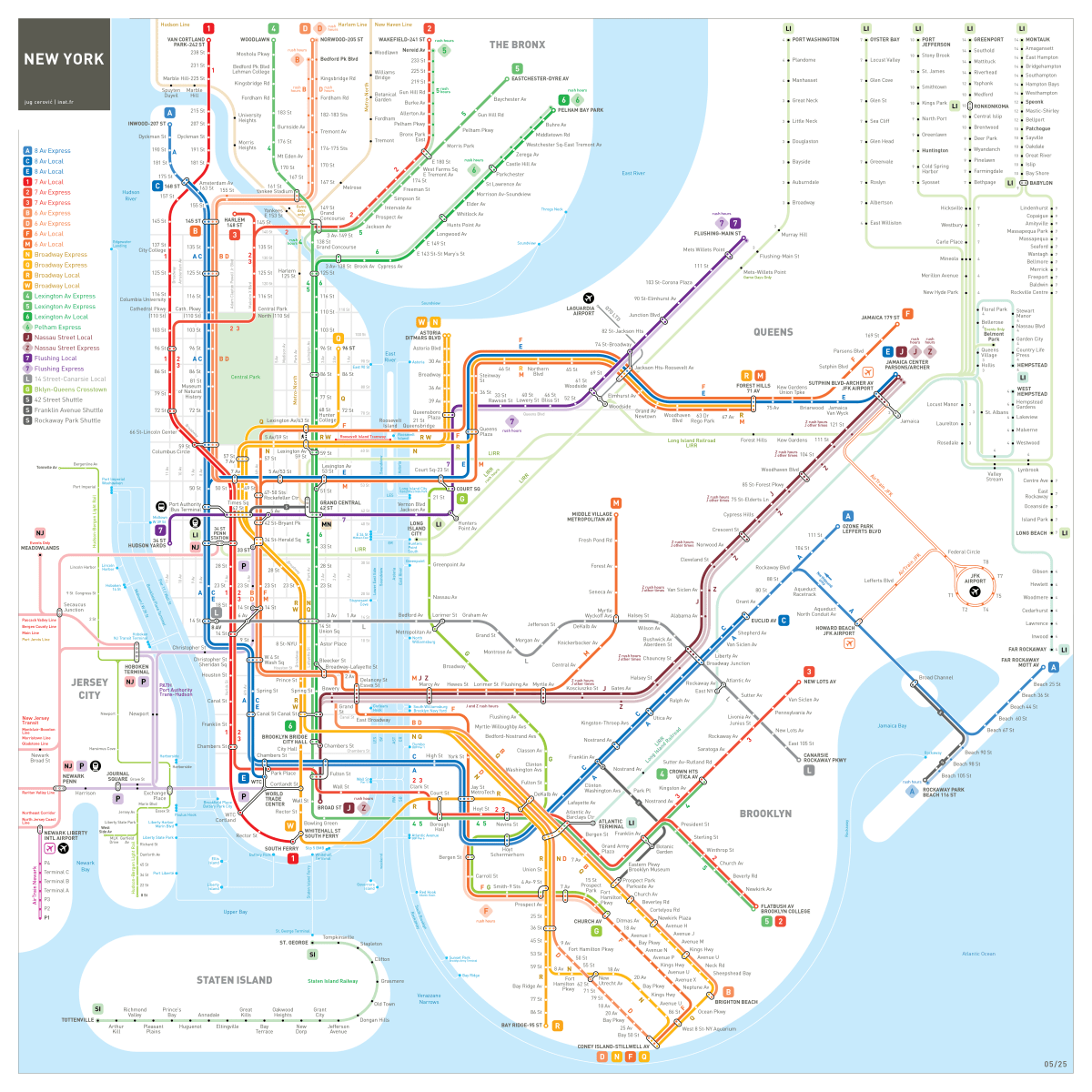
Parking in a place like Manhattan can easily consume half a day and a hundred dollars. Choosing the right transportation strategy before you go is what separates a stressful weekend from a smooth one, especially when holiday traffic and closures are in play.
Options Without a Car
For trips centered in major metro areas or specific resort towns, ditching the car is often the smartest play. It eliminates parking fees, which can run $40-$80 per day in downtown cores, and lets you avoid the holiday gridlock that peaks on Friday afternoon and Monday afternoon.
- For Big City Trips (NYC, Chicago, Boston): Subway, metro, and commuter rail are your best friends. In New York, a 7-day unlimited MetroCard is the move for stays over 4 days. For group travel from the airport or late nights, ride-shares are more practical than navigating the subway with luggage.
- For Resort & Coastal Towns: Many popular fall destinations—like the Hudson Valley, Cape Cod, or towns in the Colorado mountains—have regional bus or train services (like Amtrak’s Ethan Allen Express to Vermont) that drop you in walkable town centers. Once there, local shuttles, bike rentals, and your own two feet are often sufficient.
- For National Park Gateway Towns: Places like Bar Harbor (for Acadia) or Moab (for Arches/Canyonlands) often have local shuttle services into the parks during peak season, which can be a huge relief when parking lots fill by 10 AM.
Safety and Reliability Factors
A holiday weekend adds variables. Public transit often runs on a modified “Sunday” schedule on Columbus Day itself, meaning longer wait times and less frequent service.
Ground transportation services (like pre-booked car services) offer predictable pricing and routes, a major advantage when demand surges and ride-share fares skyrocket.
- Book Key Rides in Advance: Airport transfers and any ride you absolutely need to be on time (like getting to a parade start point) should be reserved 48-72 hours ahead with a licensed, insured provider.
- Verify Holiday Schedules: Always check the transit authority’s website for your specific destination’s holiday schedule. Don’t rely on the standard weekday timetable for Monday.
- Choose Transit Hubs for Lodging: The most reliable transit access comes from staying within a 5-10 minute walk of a major station. In NYC, this means a hotel in Midtown near a major subway hub. In other cities, a downtown hotel near the central bus or train terminal.
| Option | Best For | Watch Out For |
|---|---|---|
| Public Transit | Solo travelers & pairs on a budget; central city locations. | Holiday schedules, crowding on parade routes, can be tricky with luggage. |
| Ride-Shares (Uber/Lyft) | Flexibility, direct door-to-door service, groups of 3+. | Surge pricing during peak times (parade, holiday evening); can be 3-4x the normal fare. |
| Pre-Booked Car Service | Reliability for airport transfers and key events; a fixed cost. | Higher base price than ride-shares; requires planning ahead. |
| Regional Train (Amtrak) | City-to-city travel (e.g., NYC to Boston/Philly/D.C.); avoids highway traffic entirely. | Book early; holiday weekends sell out. Prices increase closer to travel date. |
Insider Specific: For the Columbus Day parade in Manhattan, the MTA sometimes adds extra express trains on the lines running up the West Side (1/2/3) and East Side (4/5/6) before 10 AM. Knowing which local stops are closed during the parade lets you plan your entry point from a block or two away.
Frequently Asked Questions
When exactly is Columbus Day Weekend, and is everything open?
Columbus Day falls on the second Monday of October every year — it’s a federal holiday, which gives you a guaranteed three-day weekend. Government offices, banks, and some post offices close that Monday.
Most restaurants, shops, attractions, and tourist destinations stay open and often run special programming around the holiday, especially in cities like New York where the parade draws huge crowds. Plan for banks and mail services to be unavailable that day, and confirm any specific museum or venue hours in advance since some adjust their schedules.
Is Columbus Day Weekend a good time to visit New York City?
It’s one of the best fall weekends for Manhattan. The Columbus Day Parade runs up Fifth Avenue and brings real energy to Midtown, fall foliage is usually peaking in Central Park, and the weather is typically mild — think 55–68°F with crisp mornings.
The trade-off: hotels charge peak rates and the parade route gets packed by mid-morning. Book accommodations at least three to four weeks out, especially if you want to stay in Midtown East near the parade corridor.
Neighborhood exploration in areas like the West Village or Lower East Side gives you a break from the crowds without leaving the city.
What are the best Columbus Day Weekend trips if I don’t want to fly?
The three-day weekend sweet spot is destinations within a four- to five-hour drive or train ride from your home base. For East Coast travelers, the Hudson Valley and Catskills offer peak fall foliage, apple orchards, and pumpkin patches without the Manhattan price tag.
New England’s coastal towns — from Newport to Cape Cod — still have restaurants and shops open into mid-October. In the Pacific Northwest, Portland’s Columbia River Gorge waterfalls and Seattle’s ferry-to-Bainbridge-Island day trip are standout drives.
For the Southwest, Red Rock Canyon sits just 17 miles from the Las Vegas Strip, and Valley of Fire State Park is about an hour out — both are ideal for a desert hiking weekend when Eastern forests are getting too cold.
What’s the weather like for Columbus Day Weekend travel in the USA?
Expect wide variation depending on region. The Northeast and upper Midwest typically see daytime highs of 50–65°F with cool evenings — bring layers and a light jacket.
The Pacific Northwest (Seattle, Portland) averages 50–60°F with a chance of rain, so a waterproof layer is non-negotiable. The Southeast and desert Southwest (Las Vegas, parts of Texas) still run warm — 70–85°F — making them strong picks if you want outdoor time without bundling up.
Mountain destinations like Mount Rainier or Mount Hood can see early snow or freezing temperatures at elevation by mid-October, so check trail conditions before committing to a hike. Bottom line: pack for layering no matter where you go, and verify any outdoor activity plans within a week of departure.
Book Smart, Then Go Enjoy
Decide on your vibe—parade and city or foliage and quiet—and lock in your hotels or campsites this week. For NYC, securing a Midtown East or Upper West Side room now means you’ll be steps from the action without last-minute panic.
This weekend is worth it because it’s one of the few times the entire country shares a long break synced with nature’s spectacular fall show, whether in a bustling city or a tranquil forest.
Look up the official Columbus Citizens Foundation website to confirm the exact parade time and route, then get your plans in motion.
Leave a Reply