
The smell hits first — that particular autumn perfume of wet leaves and cooling earth — followed by the sight of maples blazing crimson against a cloudless sky, and the sound of your boots crunching through color as you climb into the mountains. Fall hiking in the USA is a completely different experience than summer, and timing it right means the difference between hiking through a landscape that glows and one that’s already turned brown.
What makes American fall hikes unique is the regional stagger: you can chase peak foliage from Colorado’s aspen groves in late September straight through to the South’s lingering color in November, giving you a two-month window to find solitude and saturation depending on where you’re willing to drive. This guide cuts through the hype and tells you exactly which trails deliver, when to go to avoid the parking-lot crowds, and how to pack for weather that can swing 30 degrees between sunrise and noon.
Budget-friendly fall hiking runs $0–$35 per vehicle for park entrance fees, plus lodging that ranges from $60–$150 per night in gateway towns (mid-range) to $200+ for resort cabins near famous trailheads during peak foliage weekends (splurge). The real cost isn’t the hike itself — it’s booking lodging early and being flexible on timing to avoid the mid-October crush when hotels charge peak rates.
Your Fall Hiking Quick Reference
- Peak Foliage Timing: Mid-October peaks across most of the USA, but early September captures Colorado’s aspen gold with zero crowds, and November delivers color in the South with last-minute lodging availability.
- Northeast Winners: Acadia’s Jordan Pond (Maine), White Mountains’ Diana’s Baths (New Hampshire), and Shenandoah’s Old Rag (Virginia) deliver iconic views but fill by 9 a.m. on weekends — arrive early or pick weekdays.
- West’s Best Bets: Staunton State Park near Denver beats Maroon Bells for aspen color without crowds; Zion’s Riverside Walk offers red-rock drama with cottonwoods; Glacier’s Highline Trail rewards serious hikers with genuine wilderness.
- Midwest Secret: Wisconsin’s Devil’s Lake State Park and Ice Age Trail deliver New England-quality foliage intensity with a fraction of the crowds and easier logistics.
- Essential Gear: Waterproof boots, merino wool base layers, packable down jacket, and a headlamp are non-negotiable — wet leaves hide slippery rocks, and daylight vanishes by 5–6 p.m. in November.
When is the Best Time to Go on Cozy Fall Hikes in the USA?
Peak foliage timing in the US shifts 1–2 weeks earlier each year at higher elevations and northern latitudes, which means your window for maximum color is narrow and worth planning around — miss it by a week and you’re hiking through brown leaves instead of fire.
Early Autumn: Mid-September to Early October
This window is best for anyone who wants solitude and cooler temperatures without the crowds that descend during peak foliage season. Early autumn wins because trails are still quiet, bugs have mostly vanished, and the light quality is exceptional — that magical golden hour stretches longer when the sun sits lower on the horizon, turning even modest hillsides into glowing landscapes.
Higher-elevation trails in Colorado, Montana, and the Pacific Northwest reach their color peak during this window, while lower elevations in the South and Midwest are still mostly green.
The trade-off: you’ll see scattered color rather than the full blaze most people expect. If you’re chasing the Instagram-worthy explosion of red and gold across entire mountainsides, this isn’t your window.
But if you want to hike without fighting for parking at trailheads or dealing with leaf-peeping traffic jams, early September through early October delivers the cozy, quiet experience the keyword promises.
Peak Foliage: Mid-October to Late October
This is the sweet spot for maximum color saturation across most of the country — expect the most vibrant reds, oranges, and golds concentrated in a 2–3 week window that typically peaks mid-October in New England and the Northeast, and shifts slightly later (late October) in the Mid-Atlantic and upper South. Peak foliage wins because the entire landscape transforms at once, creating the dramatic, saturated color that justifies the hype and the crowds.
The reality: trailheads fill by 7 a.m., parking lots overflow, and popular hikes like Maroon Bells in Colorado or trails in Shenandoah National Park become bottlenecks. Hotels and cabins near major hiking areas book 2–3 months in advance during this window.
If you’re flexible on timing, this is when to go only if you’re willing to start hikes at dawn, book lodging early, or choose less-famous trails in the same regions. For anyone prioritizing peace and solitude over maximum color, skip this window entirely.
Late Season Leaf Peeping: November
November is the move for travelers who want fall foliage without the fall foliage crowds — trails are nearly empty, lodging is available last-minute, and the landscape still holds color in protected valleys and lower elevations, even as higher peaks turn bare. Late-season hiking wins because you get the cozy autumn aesthetic (cooler air, fewer bugs, that contemplative quality of the season winding down) without competing for space or paying peak-season prices.
The catch: color fades fast in November, and weather becomes unpredictable. Trails at elevation may have early snow, and daylight shrinks to under 10 hours by late November, which limits your hiking window.
November works best for lower-elevation trails in the South (Great Smoky Mountains, Shenandoah’s lower sections, Blue Ridge foothills) and Midwest (Wisconsin’s Apostle Islands, for example), where color lingers longer and snow is less likely. If you’re planning a November hike, confirm trail conditions with the park or ranger station before you go — early snow closures happen without warning.
Timing Strategy Across Regions: Base yourself in gateway towns near major hiking areas to avoid the drive-in-drive-out rush. For New England and Northeast trails, book mid-September or wait until November.
For Colorado and the West, early September captures aspen gold before the crowds arrive. For the South and Midwest, mid-October through early November offers the best balance of color and accessibility.
Confirm specific peak dates with the National Park Service or state tourism boards 2–3 weeks before your trip — foliage timing shifts year to year based on temperature and rainfall.
What are the Most Scenic Fall Hikes in New England and the Northeast?
New England’s fall foliage peaks in mid-October, but the Northeast’s hiking season stretches from September through November—and the region’s elevation changes mean you can chase peak color across multiple states by simply driving north or higher. Unlike the West’s dramatic geology, these hikes reward you with intimate forest color, cascading water, and 360-degree summit views framed by hardwoods at their most vivid.
Base yourself in gateway towns like Bar Harbor (Maine), North Conway (New Hampshire), Stowe or Wilmington (Vermont), or the Hudson Valley (New York) to access multiple trails without constant relocation.
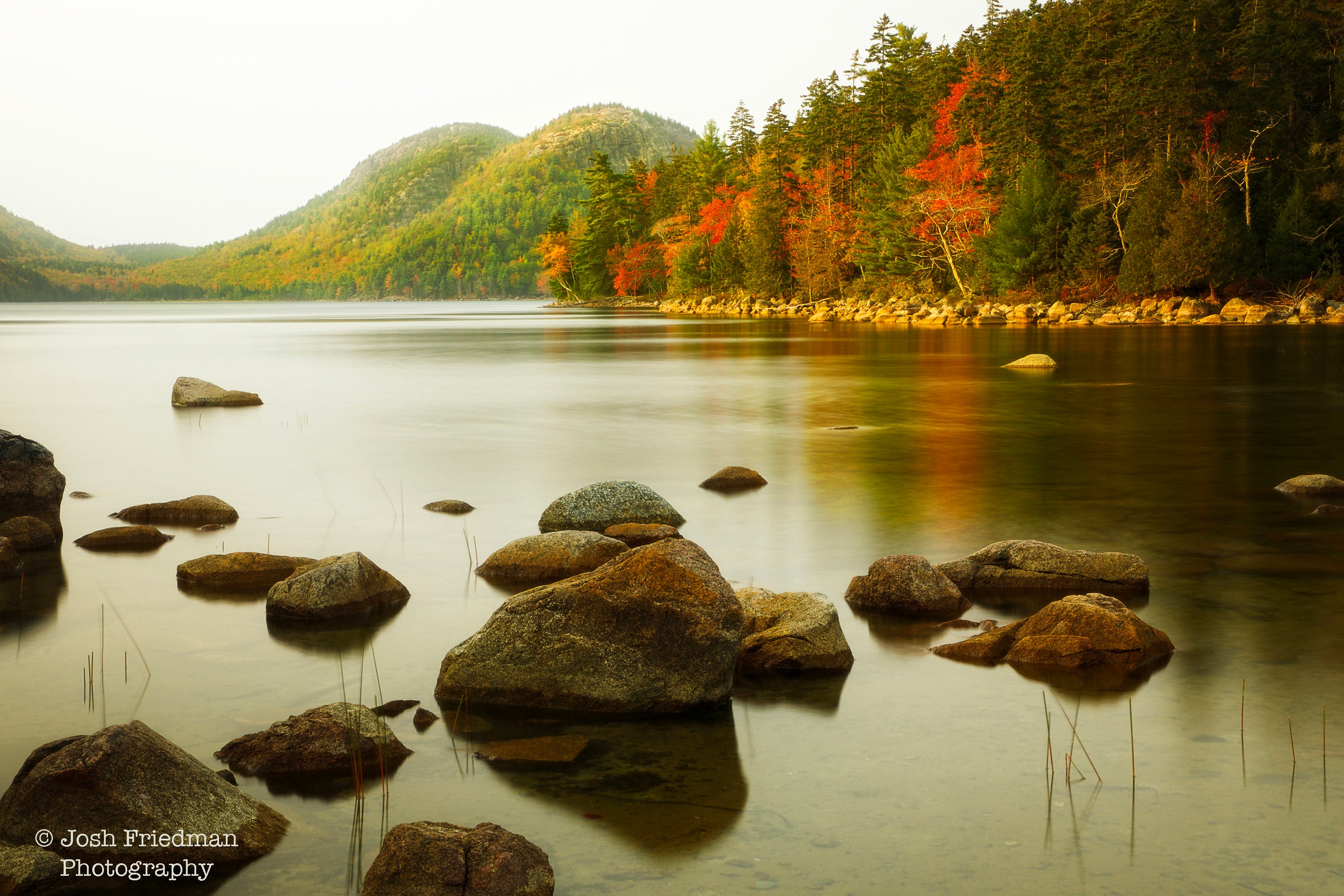
Acadia National Park (Maine): Jordan Pond Path & Cadillac Mountain
Jordan Pond Path is the move for anyone who wants iconic fall color without the scramble—this 3.3-mile loop hugs the shoreline with unobstructed views of the Bubbles, two distinctive peaks that reflect perfectly in the water when conditions are calm. The trail is well-maintained and relatively flat, making it accessible even in early September when crowds thin out.
Cadillac Mountain, the highest point on the East Coast at 1,530 feet, demands more effort but rewards you with 360-degree views that stretch across Frenchman Bay and the Atlantic; on clear October days, the surrounding forest canopy is a patchwork of crimson, gold, and amber.
Stay near: Bar Harbor offers waterfront hotels and easy park access via the Park Loop Road. Acadia’s entrance fee is $30 per vehicle (valid for 7 days); arrive early in October to secure parking at popular trailheads, as the lot fills by 9 a.m. on weekends.
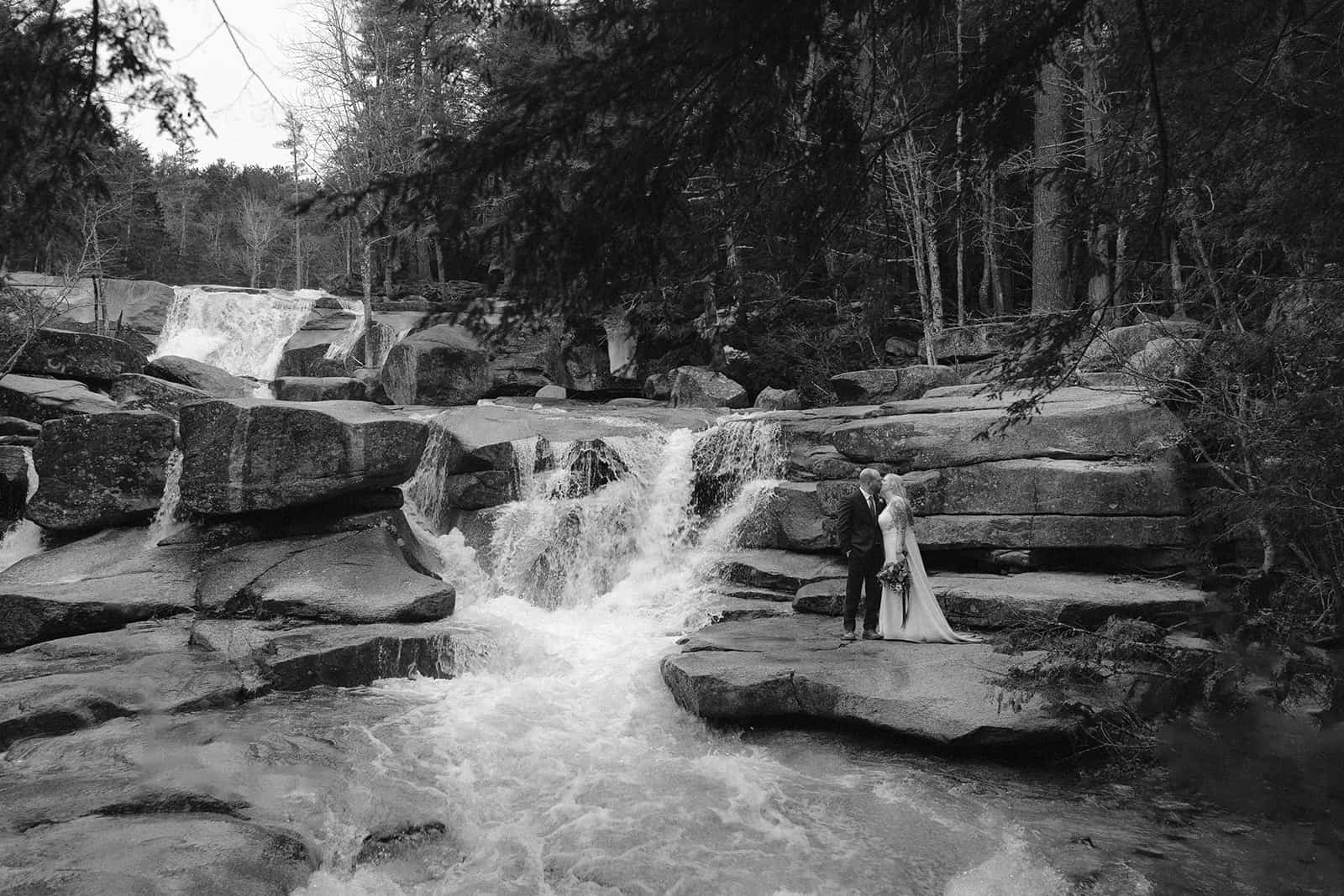
The White Mountains (New Hampshire): Diana’s Baths & Mount Washington
Diana’s Baths is the smart choice if you want a waterfall hike that doesn’t require technical climbing—this 3.5-mile round-trip follows a cascading stream through a gorge where the water, rocks, and surrounding foliage create a postcard moment in every direction. The trail is moderate and popular with families, which means it’s crowded on weekends but never feels dangerous or exposed.
Mount Washington, the Northeast’s highest peak at 6,288 feet, is a different beast entirely: the 8.5-mile round-trip via Tuckerman Ravine is steep, exposed, and weather-dependent, but the summit’s views in clear October weather—when you can see into four states—justify the effort and the risk.
Stay near: North Conway is the hiking hub, with lodges, cabins, and mountain inns within walking distance of trailheads. Expect the White Mountains to peak 1-2 weeks earlier than lower elevations; plan for late September to early October for maximum color.
Weather changes rapidly above 4,000 feet—bring layers and check conditions before starting any summit hike.
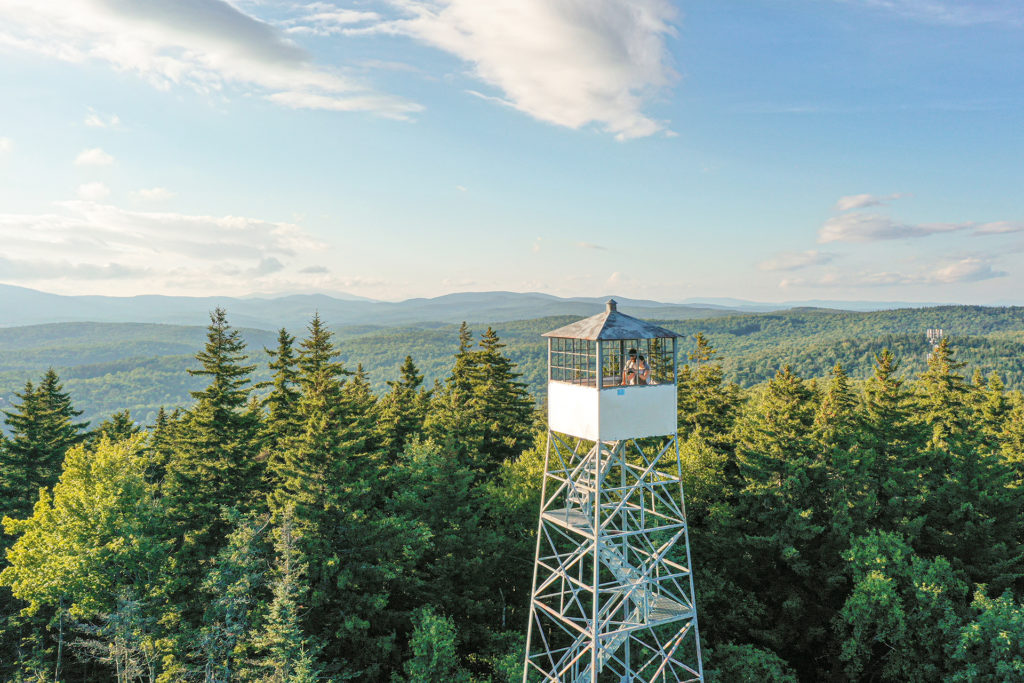
Green Mountain National Forest (Vermont): Mount Olga & Shelburne Bay Park
Mount Olga is the underrated gem of Vermont fall hiking—this 1.8-mile loop near Wilmington climbs to a decommissioned fire tower that now serves as a 360-degree lookout, and the views from the summit span the Berkshire Mountains to the south, Mount Snow’s slopes to the east, and a riot of autumn color in every direction. The hike is easy enough for a morning outing but feels substantial because of the tower’s vantage point.
Shelburne Bay Park, just 7 miles from Burlington, offers the opposite experience: a leisurely 2.5-mile loop around Lake Champlain with no elevation gain, perfect for a relaxed afternoon when you want color without exertion.
Stay near: Stowe or Wilmington provide cabin and lodge options with easy access to both trails; Burlington offers more urban amenities if you prefer a town base. Vermont’s foliage typically peaks in mid-October, though the state’s elevation variation means color lingers into November at higher elevations.
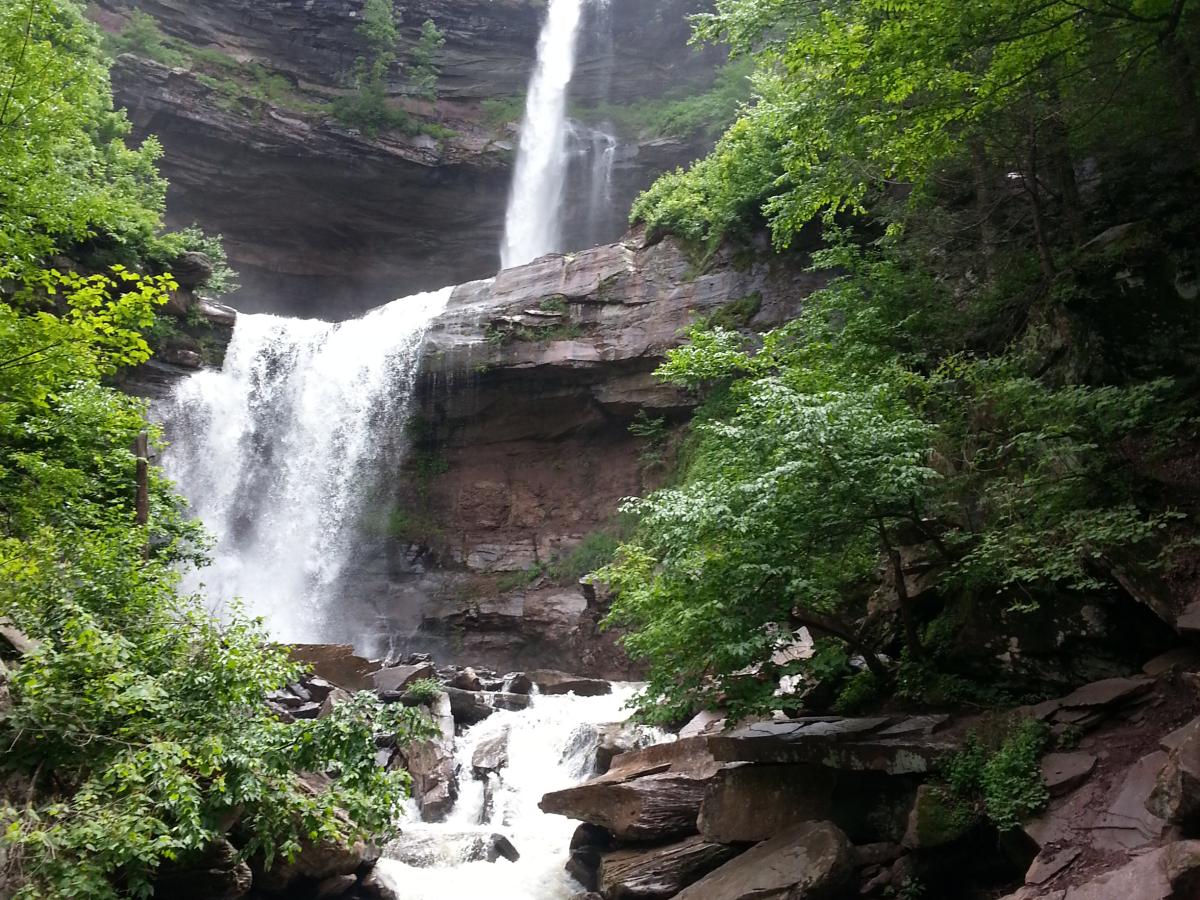
The Catskill Mountains (New York): Kaaterskill Falls & Devil’s Path
Kaaterskill Falls, at 260 feet, is New York’s tallest waterfall and the hike to reach it is a no-brainer for anyone wanting drama without excessive distance—the 3.5-mile round-trip is moderately steep but straightforward, and the falls surrounded by golden and crimson foliage in October is worth the crowds. Devil’s Path is the serious alternative: this 24-mile ridge trail is one of the Northeast’s most demanding day hikes, with steep scrambles, exposed sections, and cumulative elevation gain that tests fitness and focus, but the payoff is solitude and unfiltered views of the Catskill wilderness at peak color.
Stay near: The Hudson Valley towns of Woodstock and Kingston offer boutique inns and restaurants within 30-45 minutes of both trailheads. Kaaterskill Falls is accessible year-round, but water flow peaks in spring and after heavy rain; October conditions are typically dry, so the falls may run lower than summer levels.
Devil’s Path requires an early start (before 6 a.m.) to complete safely before dark in October’s shorter daylight hours.
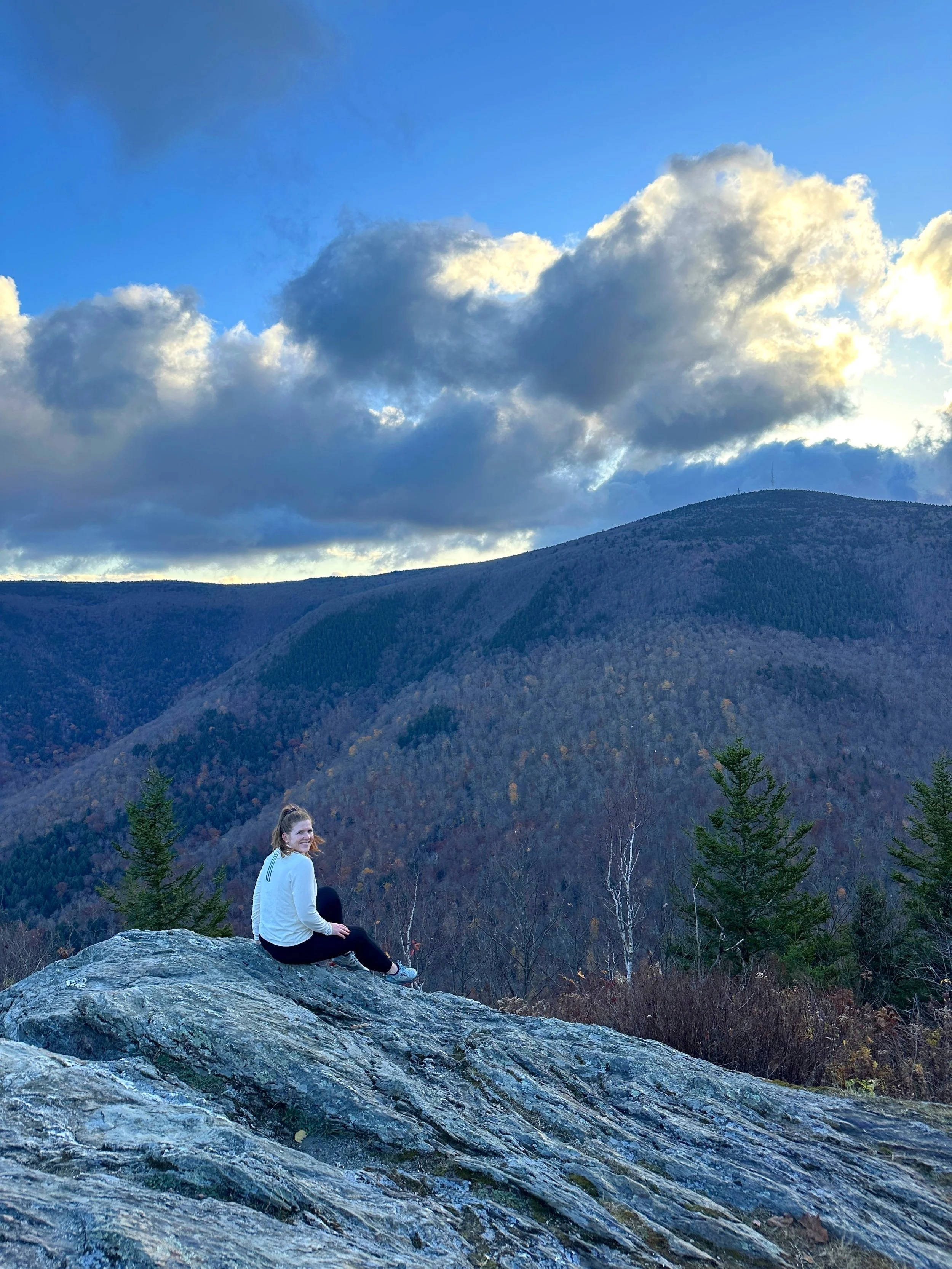
The Berkshires & Pratt’s Brook (Massachusetts): Mount Greylock & Pratt’s Brook Loop
Mount Greylock, at 3,491 feet, is Massachusetts’s highest peak and the 8.8-mile round-trip via the Thunderbolt Ski Trail is the state’s most rewarding fall hike—the climb is relentless but the summit’s War Memorial tower and views across five states make the effort feel earned. Pratt’s Brook Loop offers a gentler alternative: this moderate loop near Great Barrington combines forest color with stream crossings and is less crowded than Greylock, making it a smart choice if you want to avoid the summit-rush crowds on peak weekends.
Stay near: Great Barrington and Lenox are the Berkshires’ main bases, with inns, restaurants, and cultural venues that make fall weekends feel like more than just a hiking trip. Mount Greylock’s summit weather is unpredictable even in October—wind and fog can roll in suddenly, so start early and be prepared to turn back if visibility drops.
The Thunderbolt descent is steep and rocky; descending in poor light is dangerous.
Comparison overview: Choose Jordan Pond for easy access and iconic views, Cadillac Mountain if you want the highest point on the coast, Diana’s Baths for waterfall drama without technical climbing, Mount Washington only if you’re fit and the weather is clear, Mount Olga for a fire-tower vantage point, Shelburne Bay for no-effort color, Kaaterskill Falls for the tallest water feature, Devil’s Path only if you’re an experienced hiker with a full day, Mount Greylock for the Northeast’s most comprehensive summit views, and Pratt’s Brook if you want to avoid crowds.
Where Can You Find Cozy Autumn Trails in the Mid-Atlantic and South?
The Mid-Atlantic and South deliver fall color without the New England crush — Shenandoah’s ridgelines glow in October while Great Smoky Mountains stay warm enough for November hiking, and Maryland’s Billy Goat Trail offers dramatic river gorge scenery in a single afternoon. These regions peak later than the Northeast, giving you a second window to catch peak foliage if you missed it elsewhere.
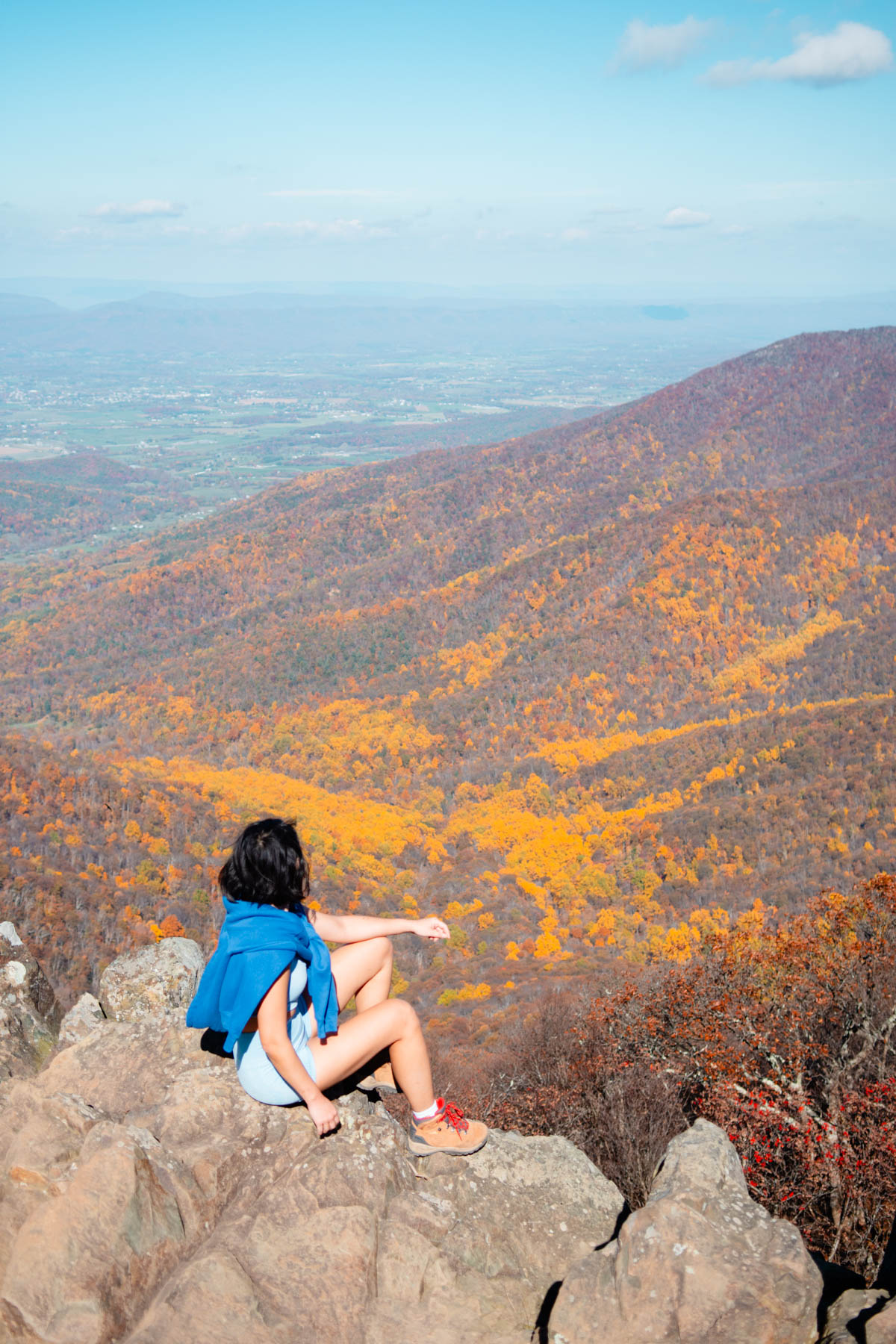
Shenandoah National Park & Blue Ridge (Virginia): Blackrock Summit, Old Rag & Humpback Rock
Blackrock Summit via the Appalachian Trail is the quickest payoff in Shenandoah — a steep, rocky scramble that rewards you with 360-degree views of the Shenandoah Valley exploding in red and orange. This works best for hikers who want dramatic vistas without committing to a full day; the rock scramble at the top is exposed and thrilling but short enough that even moderate hikers finish in 2–3 hours round-trip.
Old Rag Mountain is the more famous choice and for good reason — it’s a rewarding loop with panoramic views that justify the 9-mile, moderately strenuous effort. Expect crowds on weekends during peak foliage (mid-October), especially since parking fills early.
Start before 8 a.m. if you’re going on a Saturday in October, or pick a weekday to avoid the lot-full closures that happen regularly.
Humpback Rock near Nellysford in the Blue Ridge Mountains is the underrated gem here — a moderate 4-mile loop completed in about 2 hours that delivers 360-degree views of explosive autumn hues without the Old Rag traffic. From the precipice, you see Shenandoah National Park’s southern section to the north and the densely forested mountaintops of George Washington National Forest to the southwest.
This one wins for anyone wanting the full panorama experience without fighting crowds or committing to a long day.
Base yourself in the small towns near Shenandoah’s entrances — Luray, Virginia (north entrance) or Waynesboro (central) offer easy trailhead access and cozy fall lodging options. Shenandoah’s park entrance fee is $30 per vehicle for a 7-day pass; the Skyline Drive alone (101 miles of ridgeline scenery) justifies the cost if you’re spending a full day exploring multiple trailheads.
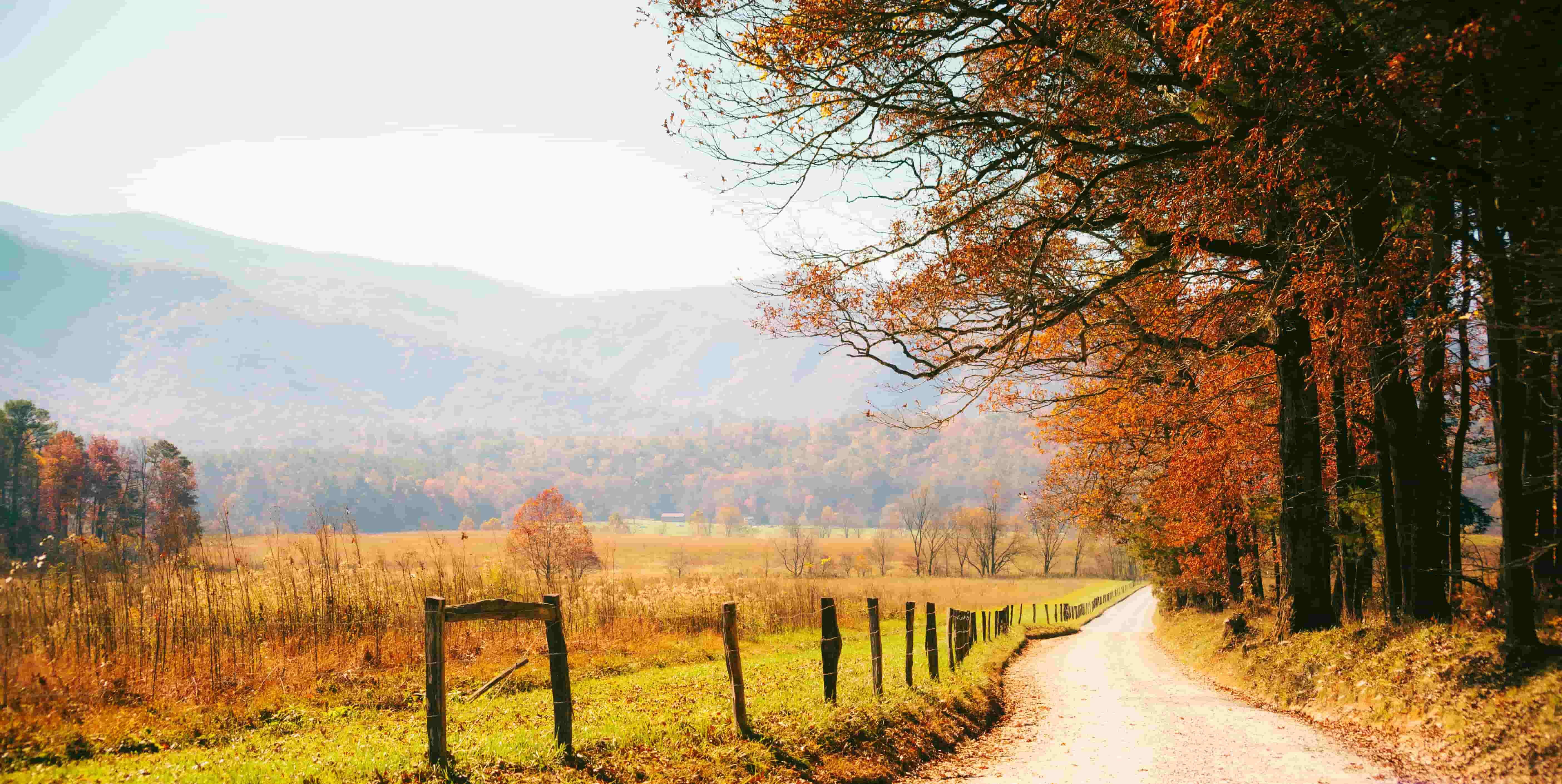
Great Smoky Mountains National Park (Tennessee & North Carolina): Clingmans Dome
Clingmans Dome is the highest point in the park and the payoff is a sunrise or sunset over a sea of autumn foliage — but the 1.2-mile walk from the parking area is paved and crowded, making this a decision between accessibility and solitude. Go for the view if you have limited mobility or want a guaranteed photo moment; skip it if you’re seeking a quiet, immersive hike.
The real advantage of Great Smoky Mountains in fall is the later season — the park stays warm and hikeable into November, giving you a second chance at foliage if peak color has already passed elsewhere. With over 800 miles of trails ranging from easy to backcountry, you can find a hike that matches your fitness level and time commitment.
The Appalachian Trail runs through the park, offering breathtaking vistas of rolling hills blanketed in fall colors.
Base yourself in Gatlinburg, Tennessee (north entrance) or Cherokee, North Carolina (south entrance) for easy access to trailheads and cozy mountain lodging. The park has no entrance fee, making it an economical choice for a fall hiking weekend.
Note that some higher-elevation trails may close or become icy in late November, so confirm conditions with the park before planning a late-season trip.
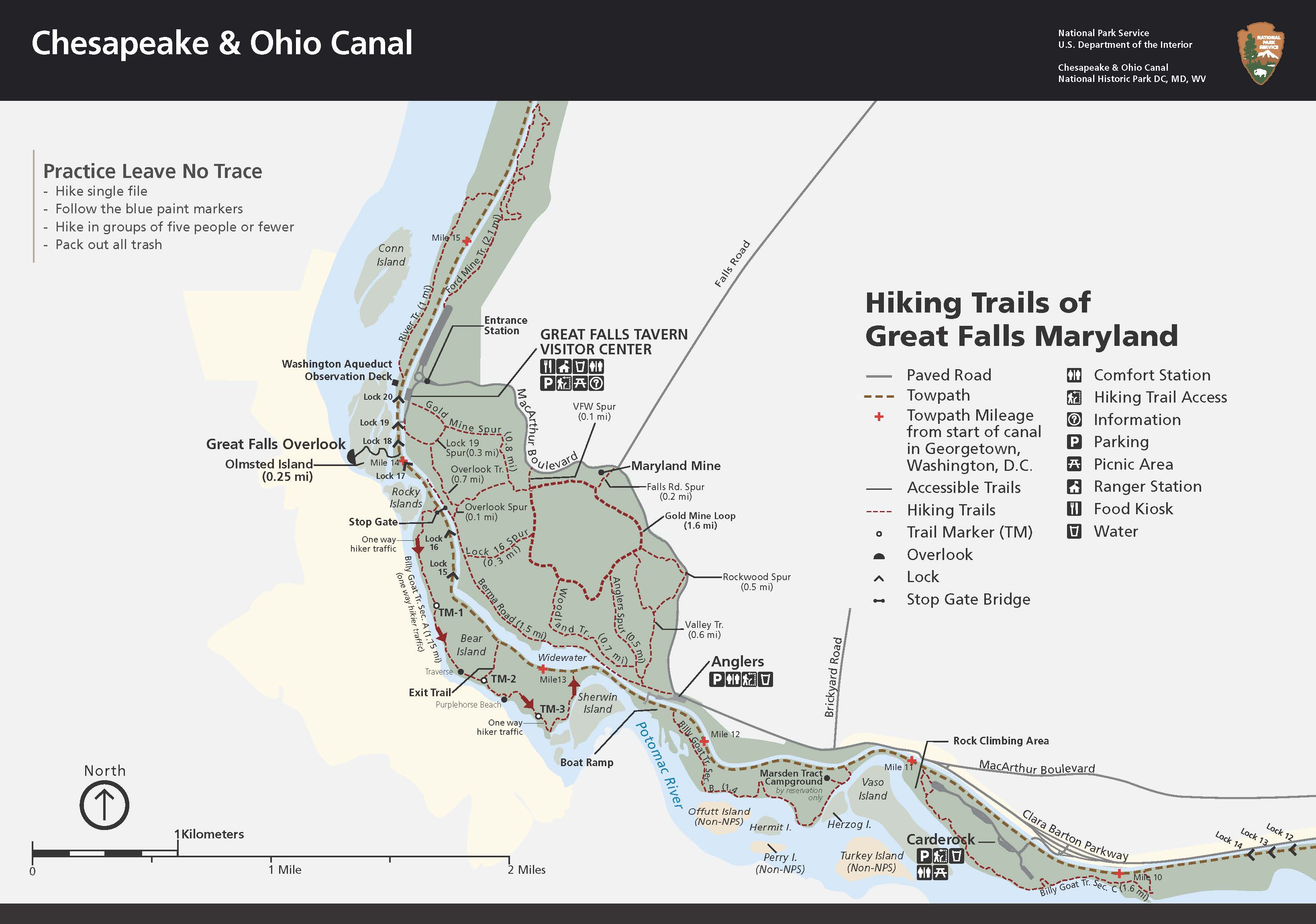
Great Falls Park (Maryland): Billy Goat Trail
The Billy Goat Trail is a dramatic 1.7-mile scramble along the Potomac River gorge that delivers rock-hopping, river views, and autumn color in a single afternoon — no permit, no crowds, and no need to wake up early. This is the move for anyone near Washington, D.C. or Baltimore who wants a quick, scenic hike without driving hours to a national park.
The trail has three sections (A, B, and C); Section A is the most popular and most technical, with rock scrambles and river-level views that make it feel more adventurous than its short mileage suggests. Sections B and C are easier and less crowded but less visually dramatic.
Start on Section A if you’re comfortable with scrambling; the payoff is worth the grip-strength demand.
Fall foliage peaks here in mid-to-late October, with the river gorge framing golden and red leaves against the water. The park is open dawn to dusk year-round, and there’s no entrance fee, though parking can fill on weekends.
Arrive before 10 a.m. on Saturdays in October to secure a spot, or visit on a weekday to hike in near-solitude. The trail is best done in the morning before the sun drops behind the gorge walls and kills the light for photos.
Which Mountain and Desert Hikes in the West Offer the Best Fall Colors?
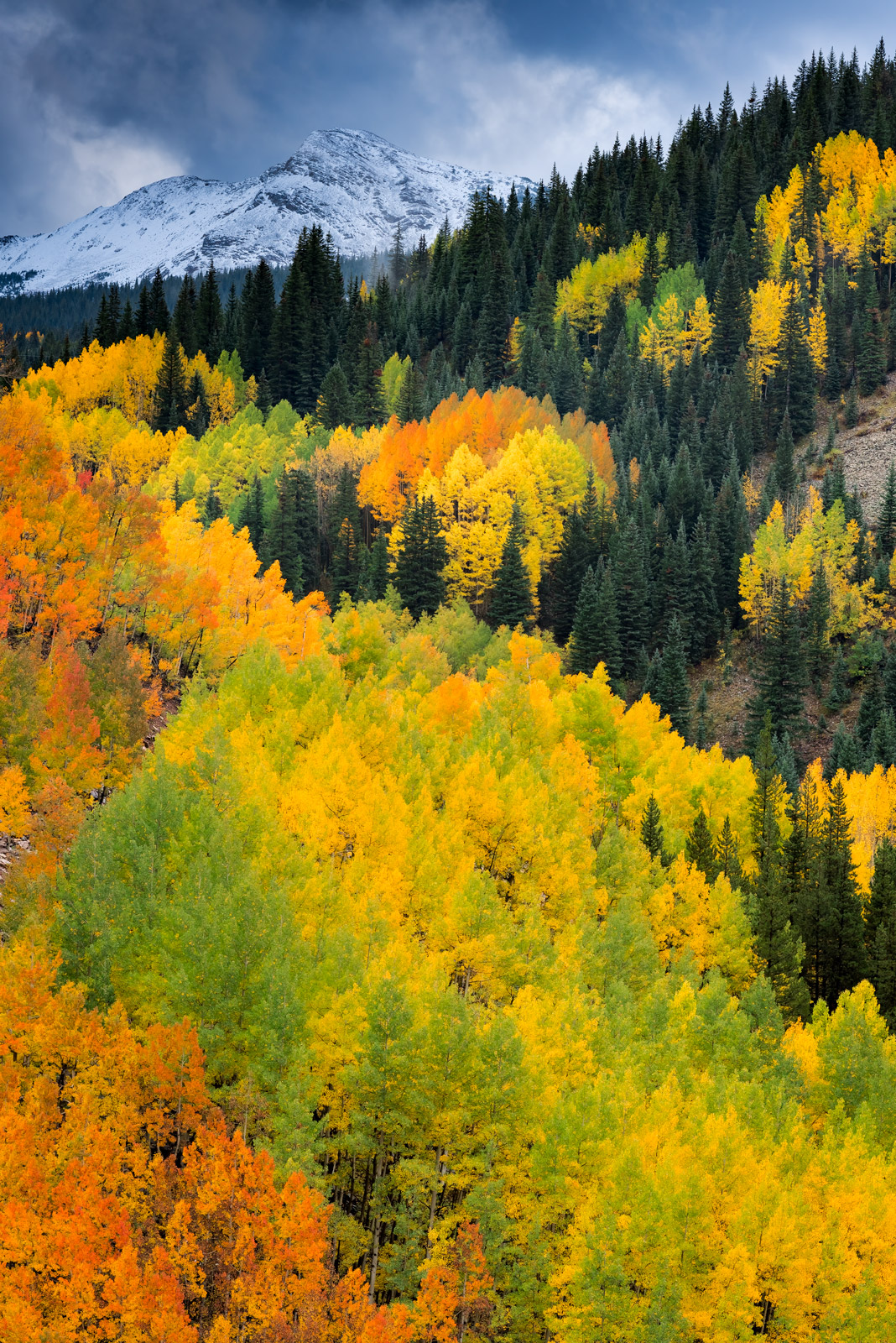
Western fall hiking splits into two completely different experiences: high-altitude aspens that turn gold in Colorado and Montana, and desert canyons where cottonwoods and maples frame red rock in Utah and Idaho. The timing matters enormously—Colorado peaks peak in late September and early October, while Utah’s lower elevations hold color through mid-November.
Water access, elevation gain, and crowd density vary wildly across these four destinations, so matching your fitness level and schedule to the right trail saves a frustrating day.
Aspen & Pine (Colorado): Maroon Bells, Staunton State Park & Tenderfoot Mountain
Colorado’s aspen groves deliver the most reliable and dramatic gold foliage in the West, but Maroon Bells near Aspen is so famous it becomes a parking lot by mid-morning in peak season. Staunton State Park, 45 miles southwest of Denver near Pine, wins for anyone who wants that same aspen spectacle without the crowds—the 10-mile roundtrip hike rewards effort with grassy meadows, granite cliffs, Lion’s Head peak, and an overlook to Elk Falls waterfall.
This is a serious hike, not a casual stroll, but the payoff is genuine solitude framed by vibrant aspens.
For a shorter, easier option that doesn’t sacrifice views, Tenderfoot Mountain near Dillon delivers impressive vistas of the Tenmile Range and Lake Dillon in just 2.5 miles, with the bonus that its best views sit at the base of the peak rather than requiring a summit push. Base yourself in Aspen or Dillon depending on your tolerance for crowds and resort pricing—Aspen is the obvious choice for town amenities and trail variety, but Dillon offers quieter lodging and faster access to Tenderfoot without the drive from the valley floor.
Expect peak aspen color from late September through early October; by November, most leaves have dropped. Maroon Bells charges a $10 per vehicle fee and fills by 8 a.m. on weekends.
Staunton State Park requires no reservation but charges $10 per vehicle day-use. Tenderfoot trailhead is free and less crowded, making it the smarter choice for spontaneous fall trips.
Zion National Park (Utah): Riverside Walk & Observation Point
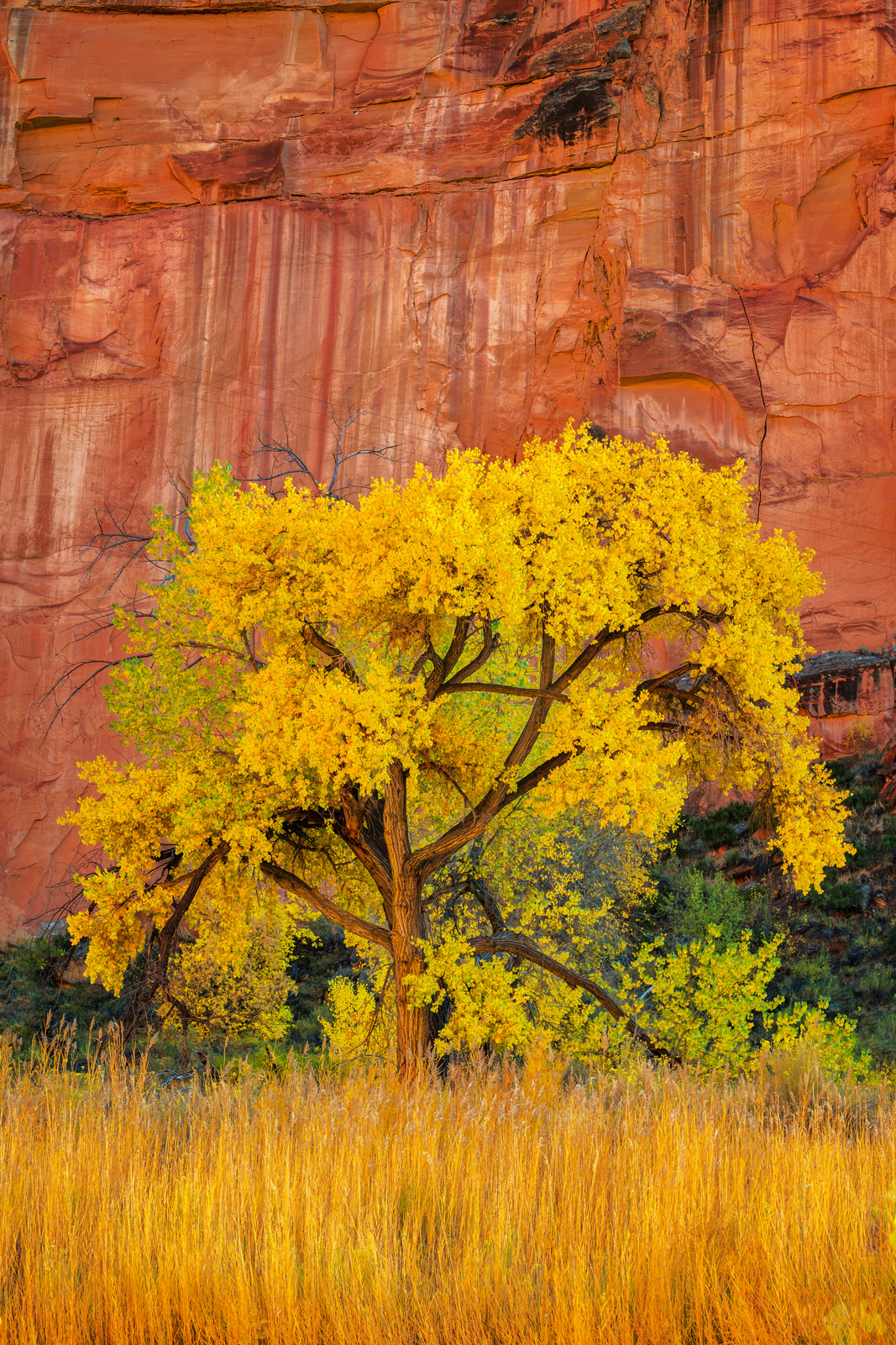
Zion’s desert canyons don’t deliver the aspen gold of Colorado, but they offer something rarer: towering red sandstone cliffs framed by golden cottonwoods and crimson maples, a color combination you won’t find anywhere else in the West. The Riverside Walk is a 2-mile family-friendly paved path along the Virgin River that showcases this blend without requiring scrambling or serious elevation gain—perfect for anyone who wants fall color without committing to a full day hike.
For hikers ready for challenge, Observation Point climbs 2,000 feet over 8 miles roundtrip and rewards you with a panoramic view of the entire Zion Canyon draped in autumn foliage.
Zion’s lower elevation means fall color holds longer than Colorado—expect peak color from mid-October through November. The park charges $35 per vehicle for a 7-day pass.
Arrive before 9 a.m. or visit on weekdays to secure parking; the Riverside Walk lot fills fastest. Stay in Springdale, just outside the park’s south entrance, for easy trailhead access and walkable dining and lodging options.
Glacier National Park (Montana): The Highline Trail
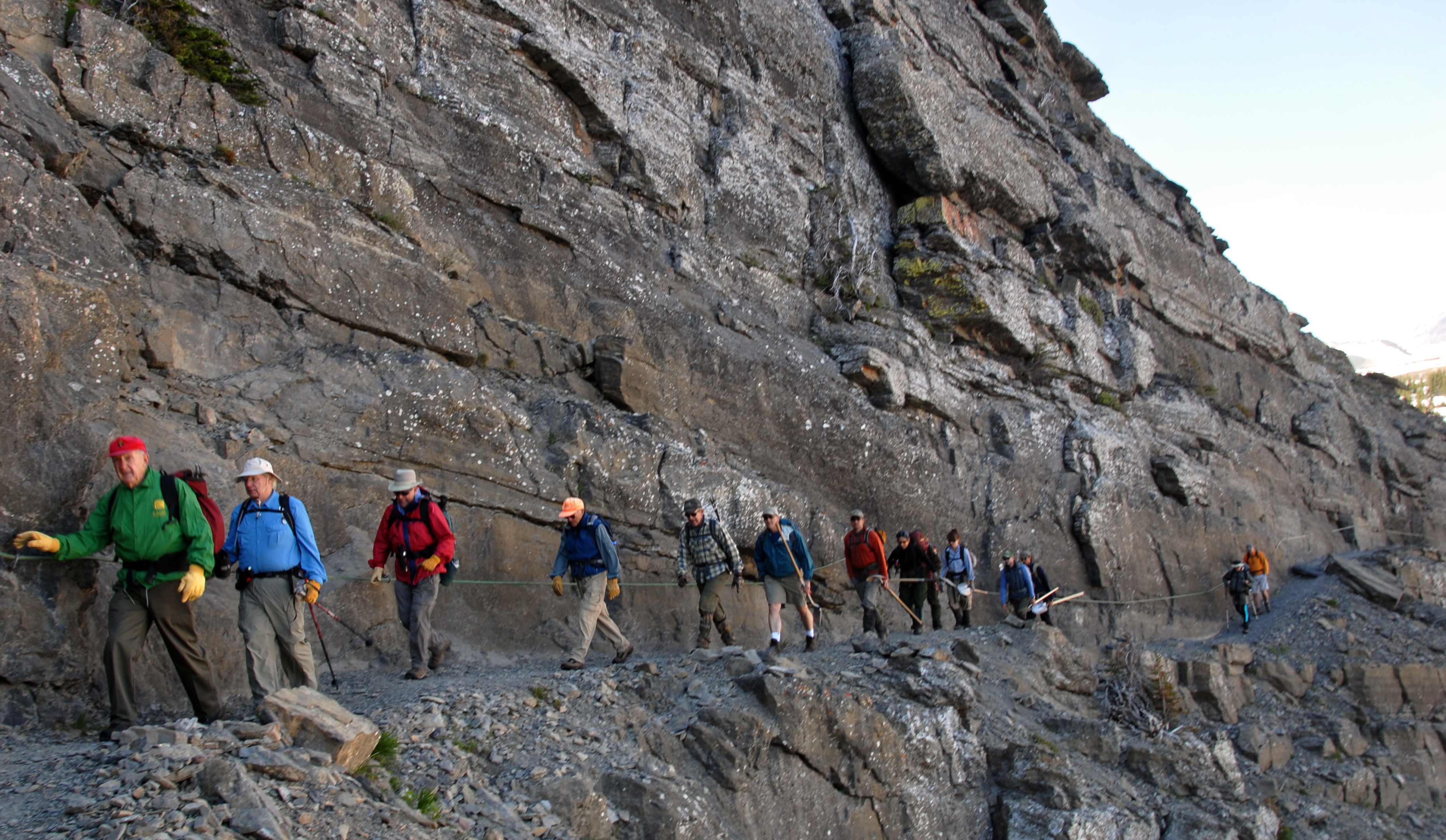
The Highline Trail is the most remote and dramatic fall hike on this list—12 miles of cliff-edge walking with glaciers, colorful valleys, and virtually no crowds once summer tourism ends. This is not a casual walk; it’s a serious mountain hike that demands fitness and attention, but the payoff is genuine wilderness that most fall hikers never experience.
The trail closes seasonally due to snow and road access, so confirm current conditions with the park before planning your trip.
Fall color in Glacier peaks in late September and early October at higher elevations; lower valleys hold color into early November. Check Glacier’s website for specific trail and road closures—many high passes and access roads shut down by mid-October.
Glacier National Park charges $35 per vehicle for a 7-day pass. Base yourself in West Glacier or St. Mary depending on which side of the park you’re accessing; both towns offer lodging and serve as gateways to trailheads.
Arrive early in the season (late September) if you’re set on the Highline, as early snow can force closures by mid-October.
Coeur d’Alene & Sawtooths (Idaho): Tubbs Hill & Sawtooth Lake
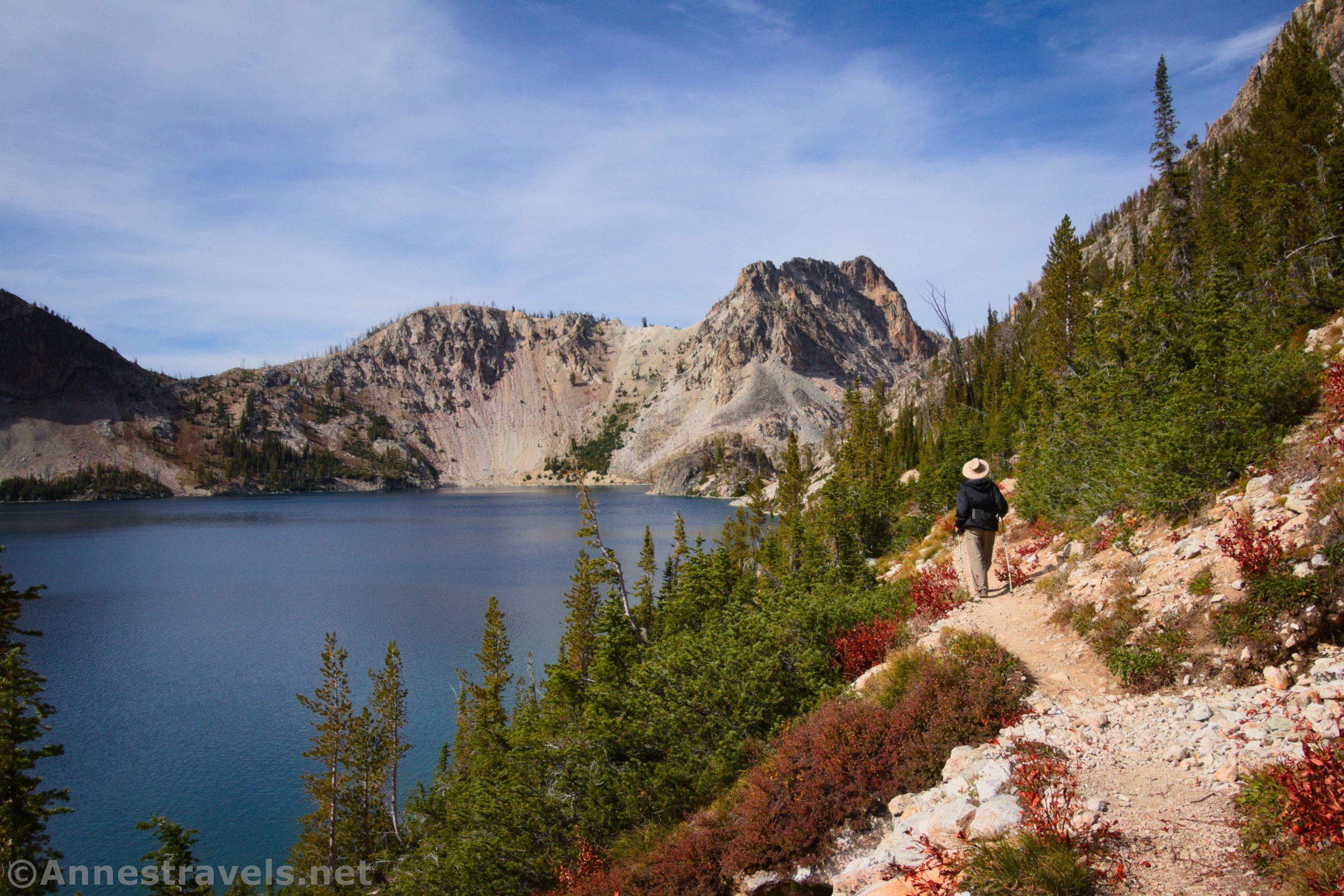
Idaho’s Sawtooth Range delivers alpine meadows and high-elevation color that rivals Colorado, but with a fraction of the crowds. Sawtooth Lake sits at 8,435 feet and requires a serious commitment—1,700 feet of elevation gain over 5 miles, typically 5–6 hours roundtrip—but hikers who complete it find an alpine lake framed by jagged peaks and early-season snow patches that make the effort unforgettable.
The Iron Creek trailhead is the most popular access point for good reason. If you’re planning to camp, the National Forest allows dispersed camping anywhere within its boundaries, making this a genuine backcountry experience rather than a day hike.
For a gentler alternative closer to Coeur d’Alene, Tubbs Hill offers easier access to fall color without the alpine commitment. Peak color in the Sawtooths arrives in late September and early October; by November, snow typically blocks higher passes.
There is no entrance fee for the Sawtooths, but parking at Iron Creek trailhead can be tight on weekends—arrive before 8 a.m. Base yourself in Coeur d’Alene for town amenities and easy access to both trails, or stay closer to the Sawtooths if you’re committing to a multi-day backpacking trip.
| Destination | Best For | Distance & Difficulty | Peak Color Timing | Crowds |
|---|---|---|---|---|
| Staunton State Park, CO | Serious hikers seeking solitude and aspen gold | 10 miles roundtrip, moderate-strenuous | Late Sept–early Oct | Low |
| Tenderfoot Mountain, CO | Families and casual hikers wanting quick views | 2.5 miles roundtrip, easy | Late Sept–early Oct | Low-moderate |
| Riverside Walk, Zion | Families and anyone avoiding steep elevation | 2 miles roundtrip, easy | Mid-Oct–Nov | High |
| Observation Point, Zion | Fit hikers wanting canyon panoramas | 8 miles roundtrip, strenuous | Mid-Oct–Nov | Moderate |
| Highline Trail, Glacier | Experienced backpackers seeking remote wilderness | 12 miles, moderate-strenuous | Late Sept–early Oct | Very low |
| Sawtooth Lake, Idaho | Alpine hikers and backpackers | 10 miles roundtrip, strenuous | Late Sept–early Oct | Low-moderate |
What are the Best Moody Fall Hikes in the Pacific Northwest and Alaska?
The Pacific Northwest and Alaska deliver fall hiking that trades the predictable sugar-maple reds of New England for moody drama — think misty gorges, golden larch forests, and glacier-carved valleys where the light turns amber and the crowds vanish. This region peaks in late September through October, when the weather is stable enough for backcountry access but the summer crush is gone.
These hikes reward early planners with solitude and the kind of atmospheric conditions that make fall photography actually worth the effort.
Silver Falls State Park (Oregon): Trail of Ten Falls
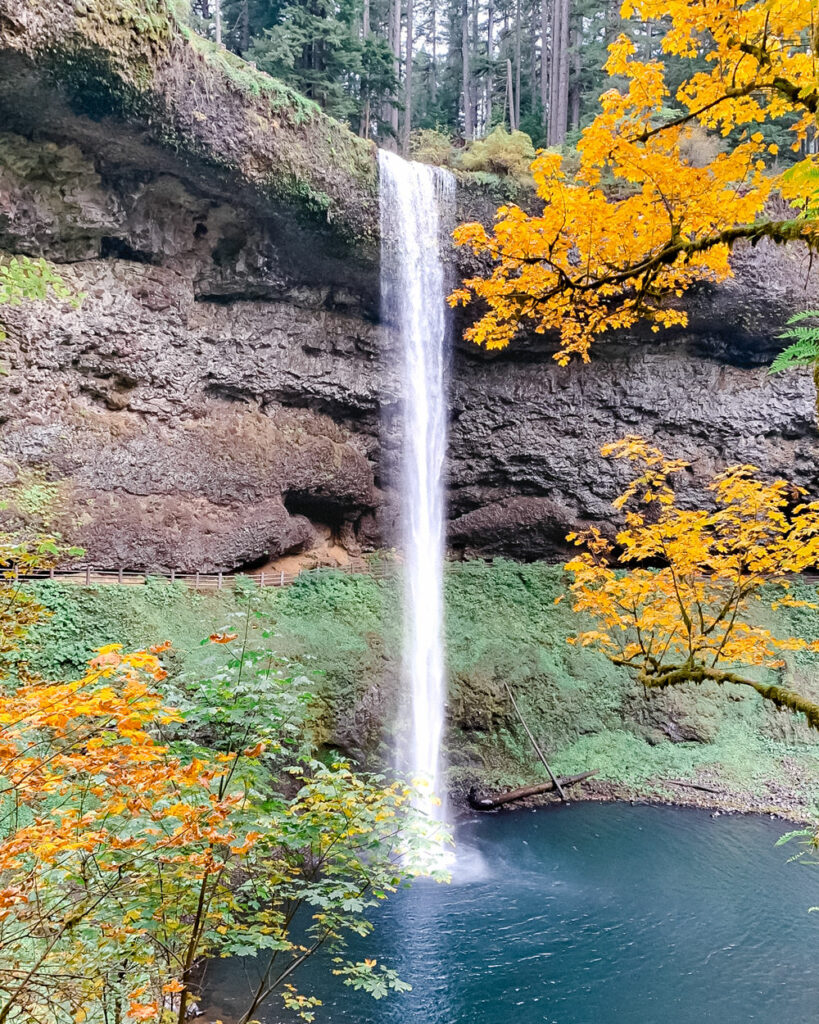
This is the Pacific Northwest’s most accessible waterfall-and-foliage combo — ten cascades in one loop, with old-growth Douglas fir and bigleaf maple turning gold and rust against the basalt canyon walls. The Trail of Ten Falls is roughly 7 miles roundtrip on well-maintained paths, and the payoff is immediate: you hike behind at least three major falls, which means you get the mist, the sound, and the moody light all at once.
Best for hikers who want a full-day adventure without technical scrambling or elevation gain that punishes the knees. The single reason it wins: you can see more waterfalls in one day here than on most Pacific Northwest hikes, and the canyon walls create natural light diffusion that makes fall colors glow even on overcast days.
Timing matters — aim for late September or early October when water flow is still strong but the park isn’t mobbed. The park is open year-round and has no entrance fee.
Parking fills by 10 a.m. on weekends during peak foliage, so arrive early or plan a weekday visit. The nearest town for lodging and supplies is Silverton, Oregon, about 25 minutes away; base yourself there for a full-day park visit without the drive stress.
North Cascades & Columbia River Gorge (Washington): Heather-Maple Pass Loop & Hamilton Mountain
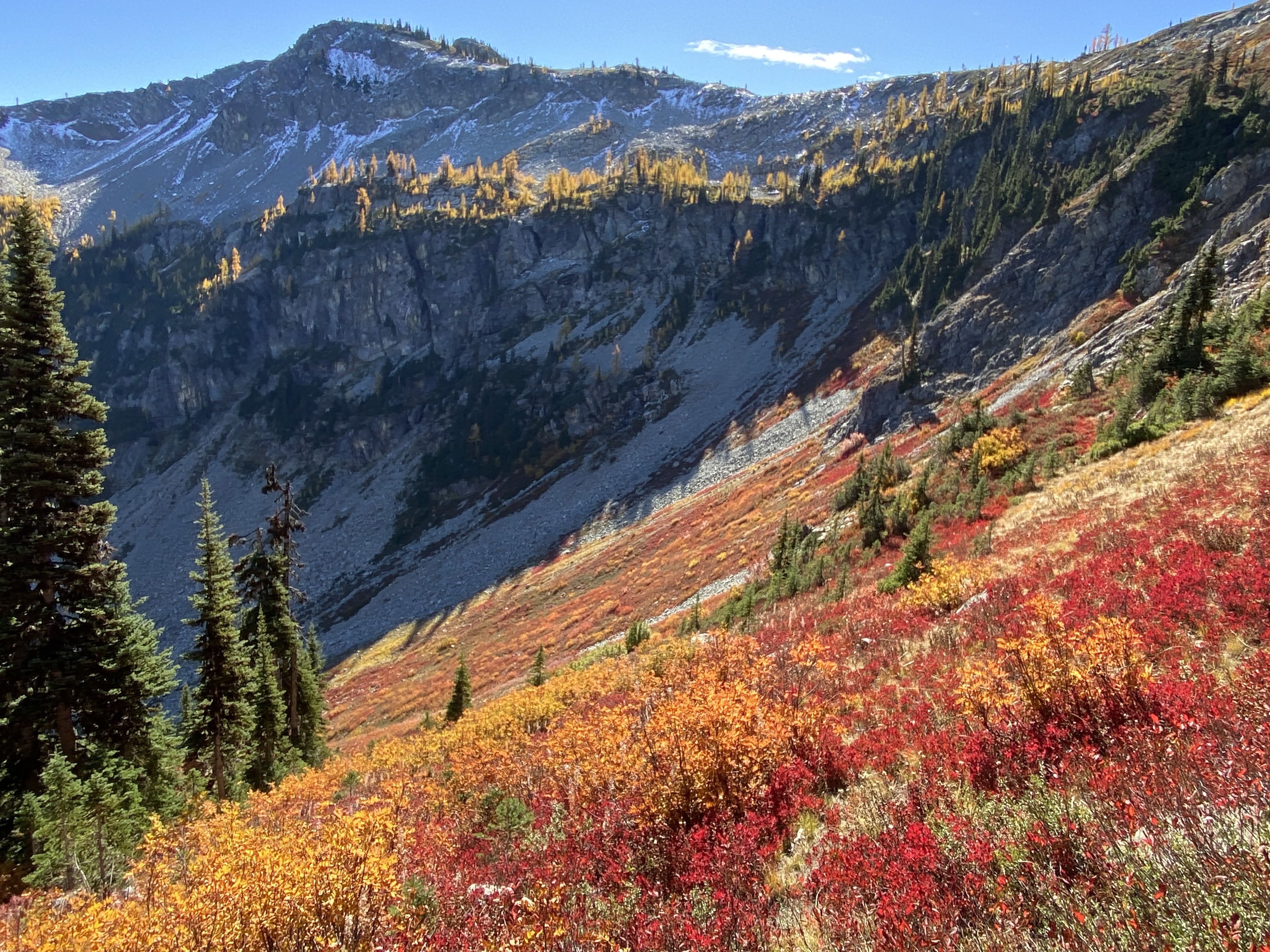
These two hikes sit in different ecosystems but deliver the same moody payoff — high-alpine larch forests that turn butter-yellow in late September, paired with dramatic rock and glacier views that feel remote even though they’re accessible. The Heather-Maple Pass Loop is roughly 7.2 miles and climbs to 6,200 feet, rewarding you with 360-degree views of North Cascades peaks and a larch forest that glows like a painting when the light hits it right.
Hamilton Mountain in the Columbia River Gorge is shorter (about 3 miles roundtrip) but steeper, with switchbacks through old-growth forest and a ridgeline finish that overlooks the gorge’s basalt cliffs and the river below.
Choose Heather-Maple Pass if you want high-alpine drama and can handle 1,500 feet of elevation gain; choose Hamilton Mountain if you want waterfall views, river scenery, and a quicker payoff. Both trails are best visited in late September or early October — by November, snow closes higher elevations.
No fees for either hike. The North Cascades loop requires a 2-hour drive from Seattle; the Columbia River Gorge hikes are 1.5 hours from Portland.
For a multi-day trip combining both, base yourself in Concrete, Washington (near the North Cascades) or Hood River, Oregon (near the Gorge), and plan one hike per day to avoid burnout.
Glacier Bay National Park (Alaska): Bartlett Cove Trail
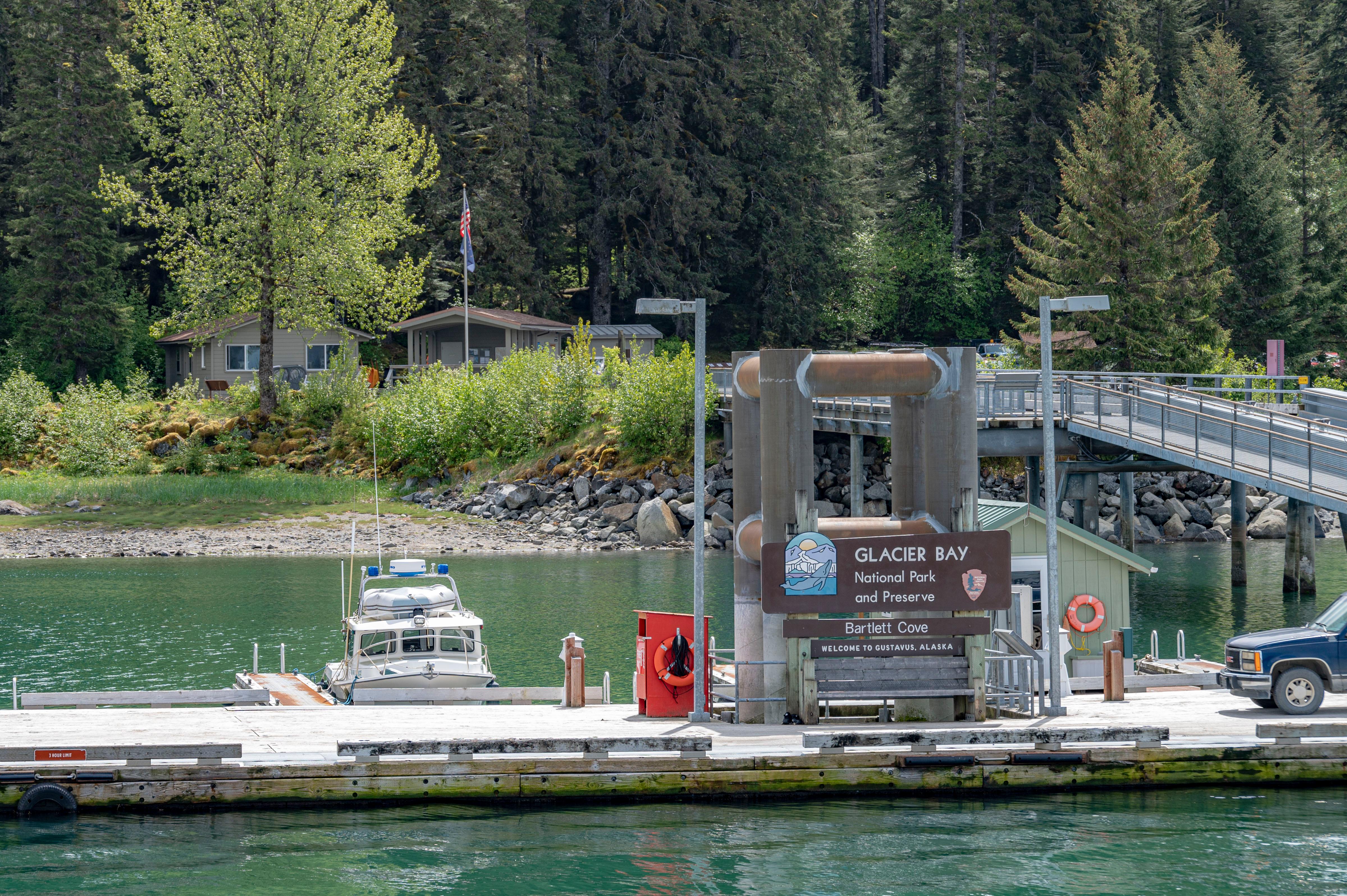
Glacier Bay flips the script on fall foliage — instead of deciduous trees, you get tundra color shifts, wildflowers persisting into September, and the chance to spot bears and whales from a hiking trail, not a boat tour. The Bartlett Cove Trail is short (roughly 1.3 miles) and flat, making it the rare Alaska hike that doesn’t demand mountaineering fitness.
The real draw is the setting: you’re walking through spruce and hemlock forest with views of tidewater glaciers, and in early fall the wildflowers are still blooming while the light turns golden and the air gets that crisp, clean quality that only happens in Alaska.
This hike is best for travelers who want an Alaska experience without committing to a week-long expedition, or who are already visiting Southeast Alaska and want a land-based alternative to cruise-ship crowds. The single reason it wins: you can see glaciers and wildlife from a short, easy walk — most Alaska glacier hikes require serious mileage or boat access.
Access is by ferry from Juneau (roughly 3.5 hours) or by small plane; there is no road access. The park charges no entrance fee.
Plan for late August through September for the best combination of stable weather, lingering wildflowers, and active wildlife. Lodging is limited — the park has a lodge at Bartlett Cove, but book months ahead.
Juneau is the gateway town and has standard hotel and cabin options; plan a 1-2 day stay to justify the ferry cost.
Why You Should Not Overlook the Midwest for Cozy Fall Hikes
Wisconsin gets left off most fall hiking lists, which is a massive mistake — the state delivers autumn color intensity that rivals New England, but with dramatically fewer crowds and easier logistics. The Midwest’s underrated status is your advantage: you’ll hike saturated foliage without fighting shoulder-to-shoulder traffic, and the trails here are designed for actual humans, not Instagram endurance tests.
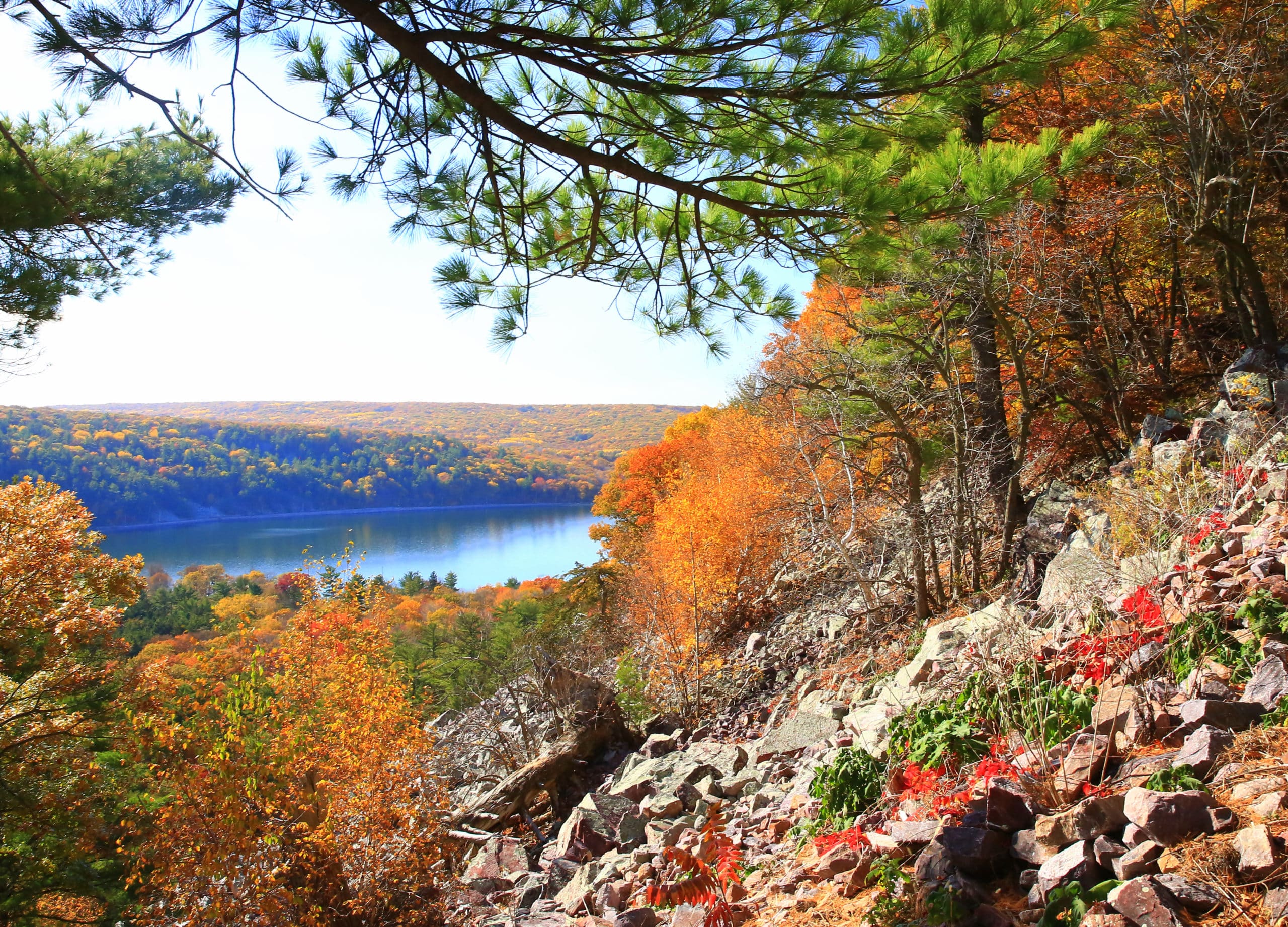
Devil’s Lake State Park (Wisconsin): East Bluff Trail
The East Bluff Trail is the move if you want dramatic elevation and payoff without a brutal climb — 1.7 miles round-trip with views that justify every step. The landscape here was carved by ancient glaciation and sits on some of the oldest rock outcrops in North America, which means the bluffs rise steeply enough to feel substantial but not so aggressively that casual hikers bail halfway.
The trail delivers saturated autumn hues and sweeping vistas over the lake, and the Nature Conservancy designated this area as one of the “Last Great Places” for good reason.
Base yourself in Baraboo, the small town anchoring Devil’s Lake State Park, for easy trailhead access and a quiet overnight stop. The park sits roughly 45 minutes north of Madison, making it accessible for a long weekend without requiring a full week commitment.
Fall color typically peaks mid-October through late October, though confirm current conditions with the park before booking.
Madeline Island (Wisconsin): Bay View Trail
The Bay View Trail is the choice for anyone who wants fall color without any physical demand — 1.3 miles on flat coastline with a wooden boardwalk that keeps your feet dry and your focus on the water and trees. Madeline Island is the largest of the Apostle Islands in Lake Superior, and the trail sits within Big Bay State Park in La Pointe, delivering that rare combination of pristine water views and thick autumn foliage without requiring a ferry or special gear.
Getting there requires a ferry from Bayfield, Wisconsin (roughly 90 minutes from Superior), and the ferry ride itself is part of the experience — you’re crossing one of the clearest freshwater lakes in the country. Plan for ferry schedules and weather-dependent crossings, which can shift seasonally; confirm departure times and availability before committing to the trip.
This trail works best for families, older hikers, or anyone who wants the full fall experience without the technical challenge.

The Ice Age Trail (Wisconsin): Statewide Network
The Ice Age Trail is not a single hike but a 1,200-mile national scenic trail winding through 30 Wisconsin counties, following the edge of the last continental glacier — which means you can pick your own distance and difficulty while walking through landscape shaped by forces that most hikers never think about. The trail passes through diverse terrain: kettles (glacial depressions), rolling hills, and forests that turn brilliant in fall, all within a single state.
This is the option for road-trip planners or multi-day visitors who want flexibility — you can hike a 2-mile section near your hotel or commit to a full-day trek depending on your schedule and energy. The trail is maintained by volunteers and passes through both state parks and private land, so check the official Ice Age Trail website for current conditions, parking, and seasonal closures before heading out.
Fall is ideal for Ice Age Trail hiking because cooler temperatures make longer distances manageable, and fewer bugs mean you can actually enjoy the experience.
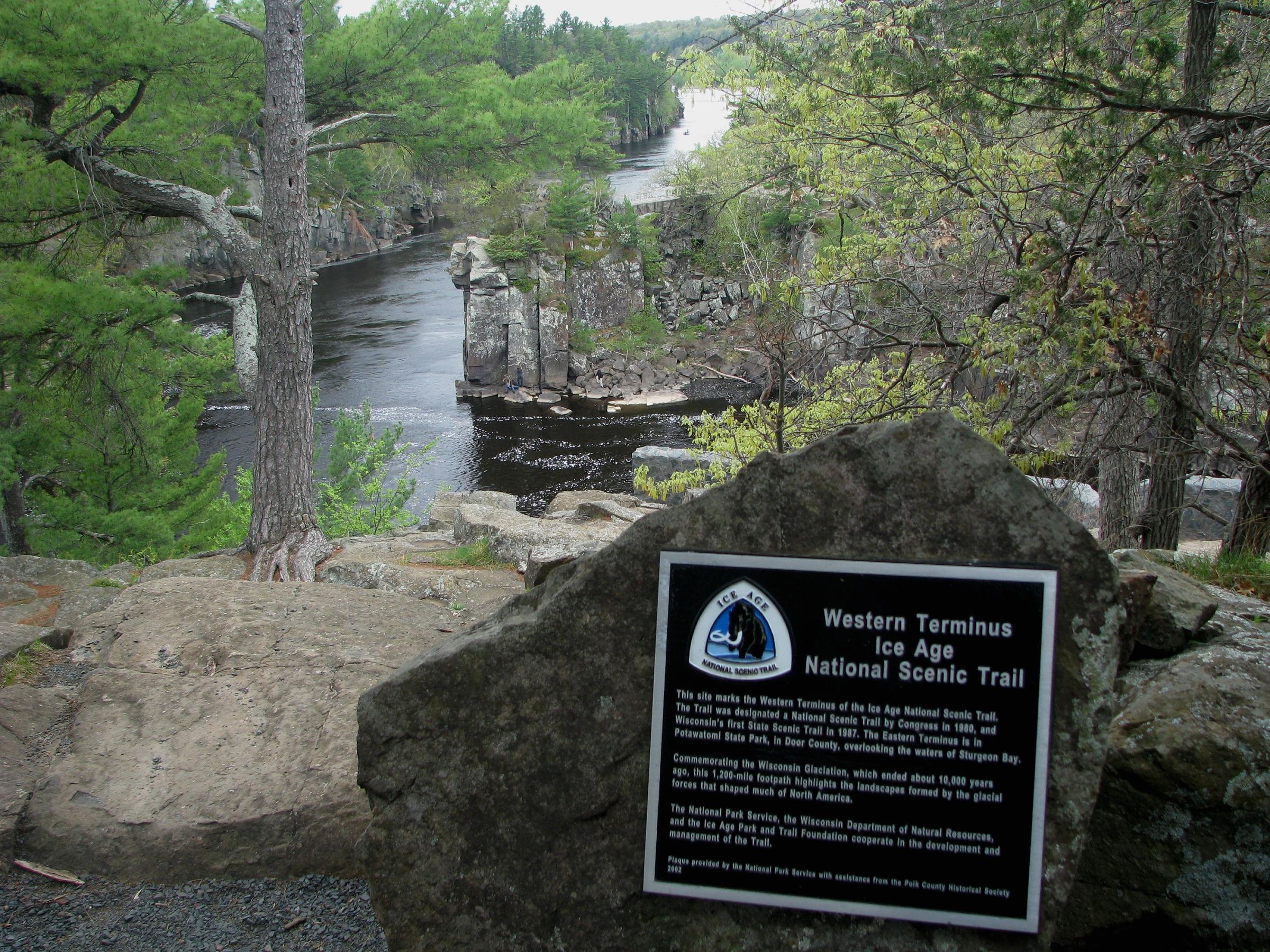
Why the Midwest wins for fall hiking: Wisconsin’s trails deliver world-class autumn color without the New England crowds, New Hampshire permit systems, or Colorado altitude adjustment. The trails here are honest — they don’t oversell themselves, and they deliver exactly what they promise.
If you’re planning a fall hiking trip and haven’t considered Wisconsin, you’re missing one of the best-kept secrets in American autumn.
How to Pack and Prepare for a Cozy Autumn Hiking Trip
Fall hiking demands a gear strategy that accounts for temperature swings of 20+ degrees between sunrise and midday — pack wrong and you’ll either freeze at dawn or overheat by noon, both of which kill the experience. The key is layering, not bulk, and knowing which single-use items actually matter versus which ones are Pinterest fantasy.
Essential Gear for Unpredictable Fall Weather

Base layer (merino wool or synthetic): Skip cotton entirely — it holds moisture and turns you into a human ice pack the moment you stop moving. Merino wool or synthetic base layers wick sweat and regulate temperature without the bulk, and they don’t smell after a full day of hiking.
This is non-negotiable.
Mid-layer (fleece or lightweight down): A packable fleece or down jacket that compresses to the size of a water bottle wins for fall specifically — you’ll shed it by mid-morning but need it at the trailhead and summit. Down is lighter and more packable; fleece is more water-resistant if the forecast hints at drizzle.
Choose based on the specific trail’s weather pattern, not a generic “fall” assumption.
Outer shell (waterproof jacket and pants): Fall rain is cold rain, and a wet hiker loses body heat fast. A lightweight, packable rain jacket is essential; rain pants are optional unless the forecast calls for sustained precipitation.
Look for jackets with pit zips to dump heat during exertion without removing the whole layer.
Footwear: Waterproof hiking boots or trail shoes with aggressive tread are non-negotiable in fall — wet leaves hide slippery rocks and roots, and a twisted ankle miles from the trailhead is a genuine emergency. Waterproof matters more in fall than in summer because wet feet in 45-degree weather lead to hypothermia risk.
Bring a second pair of socks in your pack; swapping damp socks for dry ones mid-hike is a game-changer.
Hat and gloves: You lose 40% of body heat through your head, and fall wind at elevation is brutal. A lightweight beanie and thin gloves (merino wool or synthetic) pack into almost nothing but prevent the misery of numb fingers and a pounding headache from cold exposure.
Choose gloves with touchscreen compatibility if you’re photographing foliage.
Thermos and snacks: Hot liquid is a morale multiplier in fall — bring a thermos with hot tea, coffee, or apple cider and you’ve solved half the comfort equation. Pack calorie-dense snacks (nuts, energy bars, nut butter packets) because your body burns more calories staying warm in cool weather.
Sunscreen and lip balm with SPF: Fall sun reflects off wet leaves and water, intensifying UV exposure. Sunburn in October feels worse than in July because the air is cool enough to mask the sun’s intensity.
Safety Tips for Late-Season Hiking
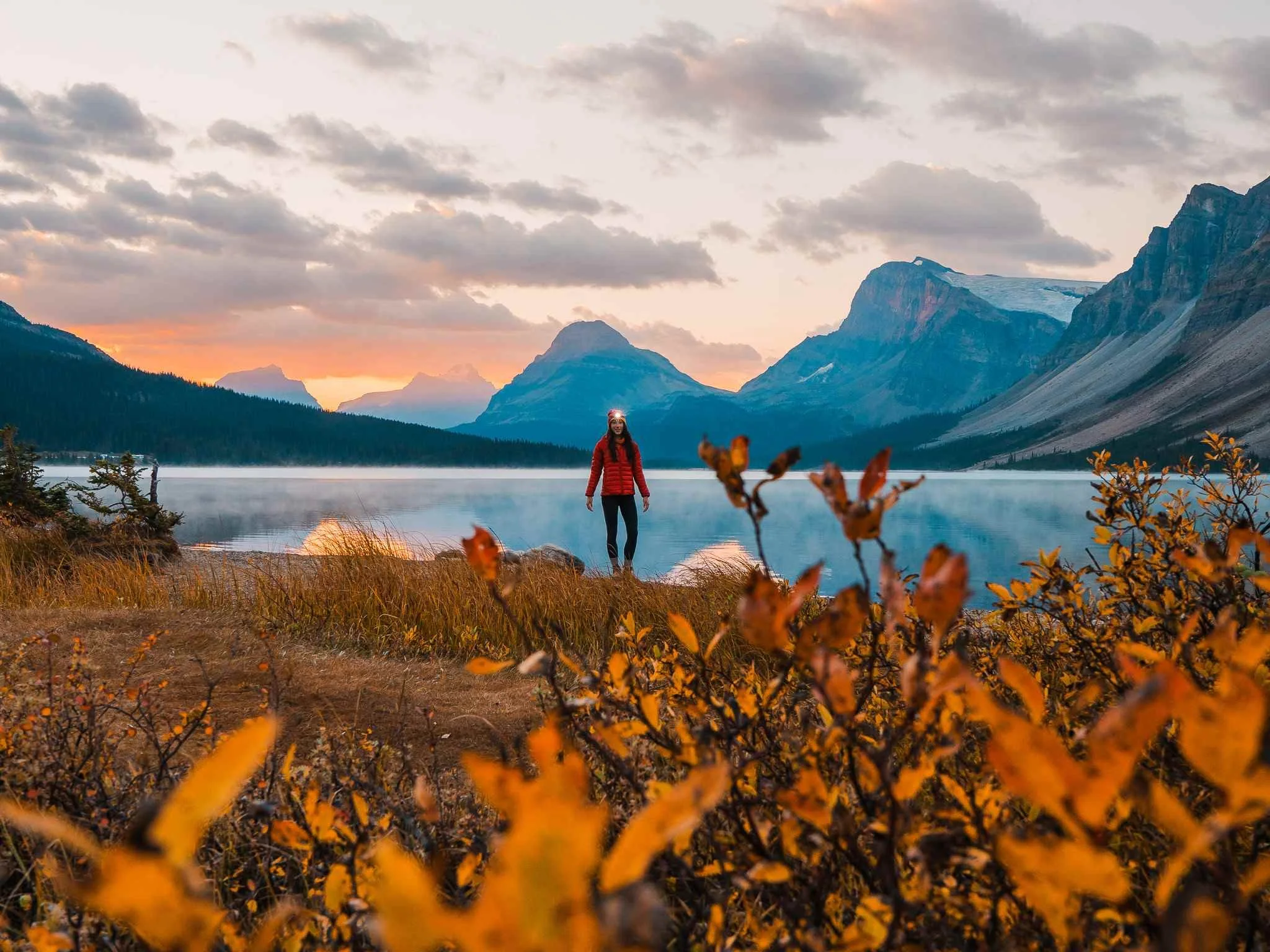
Start early and finish before dark: Daylight hours shrink by 2-3 minutes per day in fall, and hiking in darkness on unfamiliar terrain is how people get lost or injured. Plan to be off the trail at least one hour before sunset.
Check sunset times for your specific date and location — don’t guess.
Wet leaves are as slippery as ice: A leaf-covered root or rock is invisible until your foot slides. Slow your pace by 20-30% compared to summer hiking, use trekking poles to distribute weight and catch yourself, and avoid shortcuts or steep descents where footing is uncertain.
This single adjustment prevents most fall hiking injuries.
Bring a headlamp and extra batteries: Even if you plan to finish before dark, a headlamp weighs almost nothing and is insurance against a twisted ankle, a wrong turn, or an unexpectedly long final stretch. Carry fresh batteries — cold weather drains them faster.
Tell someone your exact route and expected return time: Fall trails are less crowded, which is beautiful but means fewer people to help if something goes wrong. Leave a detailed itinerary (trailhead name, specific route, expected return time) with a friend or family member, and check in when you’re back safely.
Carry water and electrolytes: Dehydration sneaks up in cool weather because you don’t sweat visibly and don’t feel thirsty. Bring at least 2 liters of water and consider an electrolyte powder to maintain hydration and body temperature regulation.
Know the signs of hypothermia: Shivering, confusion, slurred speech, and loss of coordination are early warnings. If you or a hiking partner shows these signs, stop, dry off, put on dry layers, drink something warm, and descend immediately.
Hypothermia can develop in 45-degree weather if you’re wet and exhausted.
Check weather and trail conditions the night before: Fall weather changes fast — a clear forecast at 6 p.m. can mean rain by dawn. Check the National Weather Service forecast and call the park or trail management office for current conditions, closures, or hazards (downed trees, washouts, early snow at elevation).
This 10-minute step prevents wasted trips and dangerous surprises.
Wear bright colors or a safety vest: Fall hunting season overlaps with peak foliage in many regions. Wear blaze orange or a safety vest, especially in areas where hunting is permitted.
Check local hunting season dates before booking your hike.
Frequently Asked Questions
Real fall hikers ask practical questions before booking — here are the answers that actually matter for planning your trip.
What’s the best time to see fall colors on a hike?
Peak foliage typically peaks mid-October to late October across most of the USA, though timing varies dramatically by region and elevation. New England peaks earlier (mid-to-late October), while the Mid-Atlantic and South peak closer to late October or even early November.
Higher elevations turn first — if you’re hiking Clingmans Dome in Great Smoky Mountains or Cadillac Mountain in Acadia, expect peak color 2–3 weeks before lower trails in the same state. Check regional foliage forecasts 1–2 weeks before your trip; they’re surprisingly accurate and beat guessing.
Do I need reservations or permits for fall hikes?
National parks like Acadia, Shenandoah, and Great Smoky Mountains don’t require permits for day hikes, but parking fills fast during peak foliage weekends — arrive by 7 a.m. or plan for a 30-minute to 2-hour wait. Some state parks and trailheads (especially in New England and the Northeast) now use timed-entry systems or reservation apps; check the specific park’s website before you go.
Private land hikes like those in the Berkshires or Catskills rarely require permits, but always confirm access on the trailhead information board or local hiking websites.
What should I pack for a fall hike that I wouldn’t bring in summer?
Layers win in fall — mornings are often 40–50°F and afternoons can climb to 60–70°F, so bring a moisture-wicking base layer, a fleece or wool mid-layer, and a windproof jacket you can tie around your waist. Waterproof hiking boots matter more in fall than summer because trails are wet from morning dew and recent rain; wet leaves hide slippery rocks and roots.
A headlamp or extra flashlight is essential — sunset comes by 5–6 p.m. in November, and trails get dark fast. Bring a thermos of hot cider, coffee, or tea; it’s not just cozy, it’s a morale lifter when temperatures drop mid-hike.
Are fall hikes harder than summer hikes on the same trail?
Yes — wet leaves and damp soil make footing treacherous, especially on descents, so a hike that feels moderate in July can feel strenuous in October. Reduced daylight also means less time to complete a hike safely, so start earlier than you would in summer and pick trails 1–2 difficulty levels below what you’d normally attempt.
Fewer bugs and cooler temperatures mean you can push harder aerobically without overheating, but the technical footing demands more focus and slower pacing.
Start Your Fall Hiking Trip Now
Pick your region based on timing: early September if you want Colorado’s aspen gold and solitude, mid-October if you’re chasing maximum color saturation and can handle crowds, or November if you want foliage without the fight and last-minute lodging deals. Book your trailhead and lodging this week if you’re targeting mid-October peak foliage — hotels near Shenandoah, Acadia, and the White Mountains book 2–3 months in advance during this window.
Fall hiking in the USA rewards early planners with experiences that summer crowds never get: empty trails framed by color, light that turns golden for hours, and the kind of quiet that makes you remember why you hike in the first place. Choose one trail from this guide that matches your fitness level and schedule, confirm peak foliage timing with the park’s website, and commit to starting your hike before sunrise to secure parking and finish before dark.
Leave a Reply