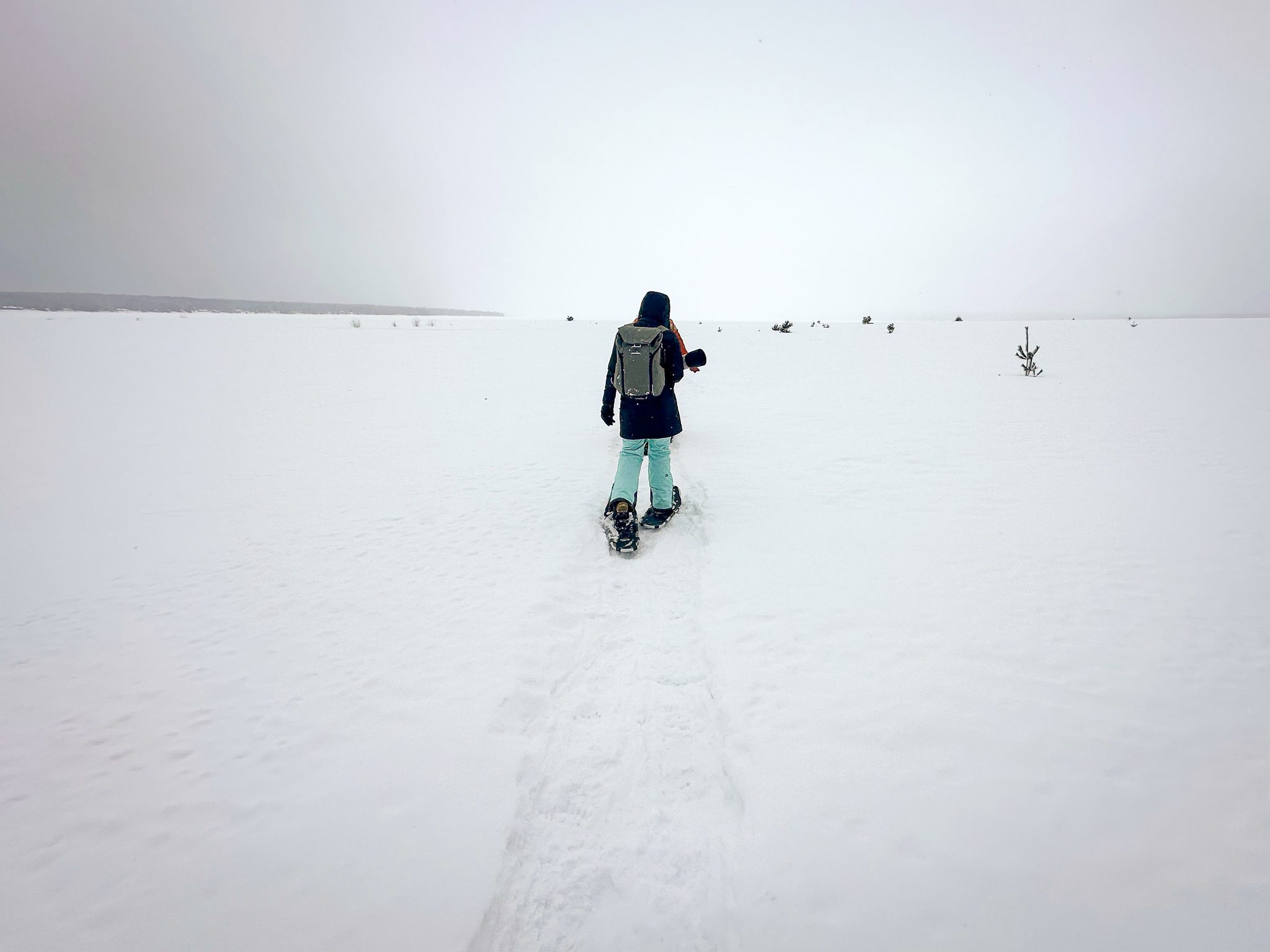
Cold air off a frozen lake smells like iron and woodsmoke, and by dusk the only sound on the shoreline is your own boots and the crack of ice shifting out past the docks. Somewhere behind you a woodstove is ticking, a mug is going cold on a porch rail, and the whole village has gone dark except for the windows you can walk to.
What makes cozy lake towns in winter in the USA different from snowy towns anywhere else is that the water stays part of the trip — you sleep beside it, walk onto it, and eat looking at it, instead of driving past it to a ski hill. These are villages built for one fireplace-lit evening, not resorts engineered around lift lines.
In this guide I’ll help you decide which flavor of winter lake town you actually want: a frozen, silent shoreline in the Adirondacks and Mountain West, or a milder lakeside village where the water never ices over and you can sit outside at dusk.
Plan on roughly $90–160 a night for a simple cabin or motel, $200–350 for an inn or well-located rental with a real fireplace, and $400 and up for a splurge lakefront property with the view and the woodstove together.
The Fast Pick: Which Winter Lake Town Fits Your Trip
Short on time? Match your mood to a town and skip the rest of the scroll.
- The classic snowy lake-town experience: Saranac Lake — a three-lake chain, water at your doorstep, and genuine silence.
- Restaurants and things to do in one afternoon: Lake Placid — an overlook hike plus a Main Street that stays lively in January.
- Pure quiet with almost no schedule: Bolton Landing — one frozen Lake George view and a short snowy trail.
- Flat trails and a museum backup plan: Wolfeboro — the Cotton Valley Rail Trail and the Wright Museum of World War II.
- A February festival worth building the trip around: McCall — giant snow sculptures, plus Ponderosa State Park trails.
- Wildlife and national park terrain: Grand Lake — moose and elk on the East Inlet Trail at the edge of Rocky Mountain National Park.
Want open water instead of ice? Go milder: Big Bear Lake, California for a cabin reset two hours from LA, Traverse City, Michigan for tasting rooms and cold-water shoreline walks, or Lake Geneva, Wisconsin for the 21-mile Shore Path past Victorian estates.
Which Winter Lake Towns in the USA Actually Feel Cozy?
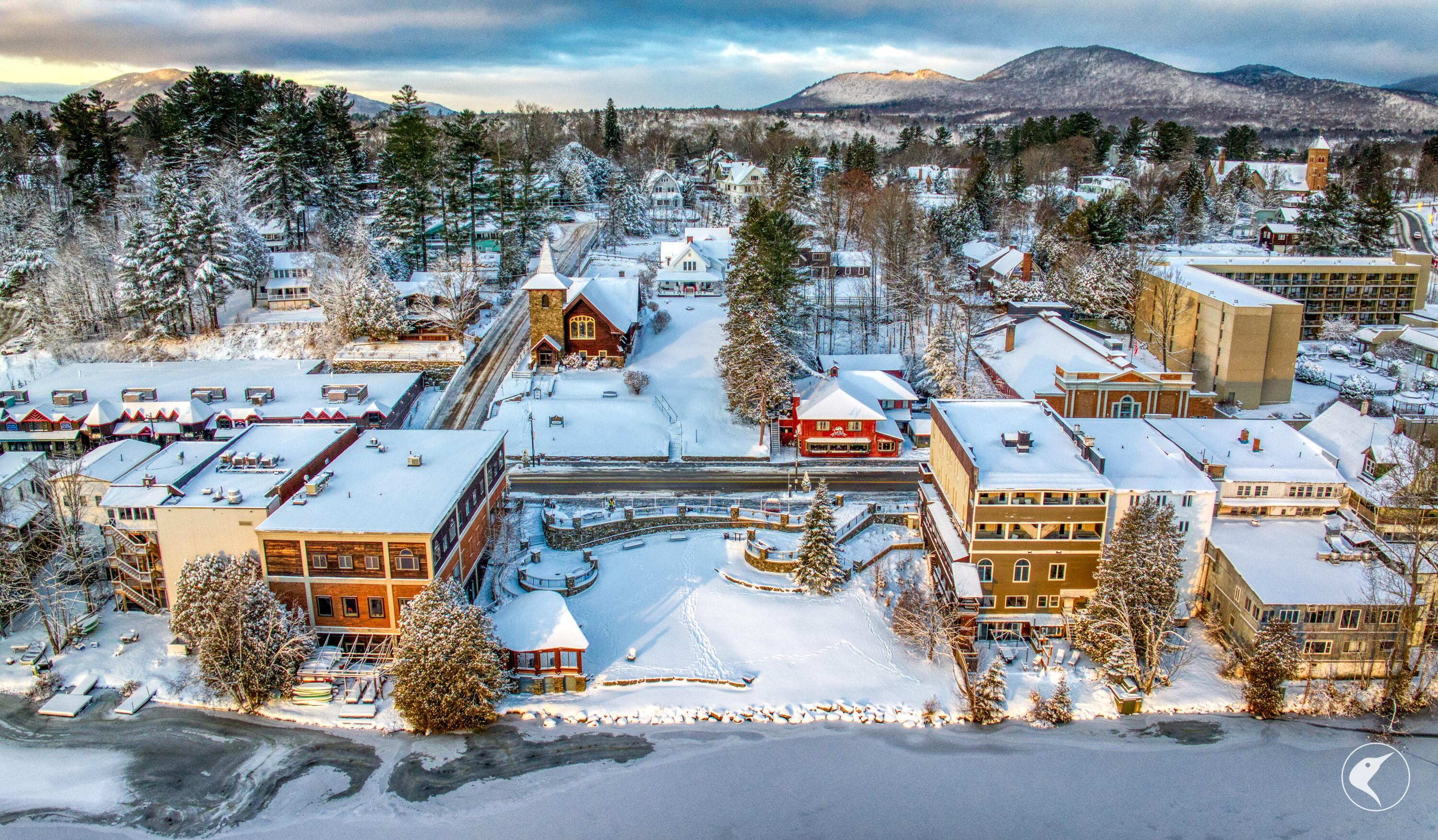
A frozen shoreline is silent in a way no summer lake ever is — the water stops moving, snow absorbs sound, and a village of a few thousand people feels like it was built for exactly one fireplace-lit evening. That hush is the whole point.
But plenty of places with a lake and a snowy photo are strip-mall towns with a view, and they will disappoint you by dinner on day one. Here is how I draw the line, and how to choose the flavor of winter you actually want.
What “Cozy” Has to Mean on a Frozen Shoreline
Cozy is not a vibe word here. It is four physical things you can verify before booking:
- Walkable village core: lodging, dinner, coffee, and the water within a loop you can cover on foot, so the car stays parked.
- Real cabin and inn stock: actual wood-and-stone properties with fireplaces or wood stoves, not condo complexes that happen to face a lake.
- Easy nature access: a trail, shoreline path, or lakeside walk that starts in or beside town rather than a drive away.
- A winter pace that isn’t a party scene: places where locals outnumber nightclub-flyer crowds and one car-free day is genuinely realistic.
My hard filter: fireplace culture. If a town’s lodging and its bars and coffee shops don’t all revolve around a hearth you can sit beside after dark, it fails the test — that is the difference between a cozy lake town and a cold one.
Snowy Frozen-Lake Towns or Milder Lakeside Towns: Which Trip Do You Want?
The list splits into two very different vacations, and picking the wrong one is the biggest mistake readers make.
- Snowy frozen-lake towns: Northern New England, upstate New York, and the Mountain West. Expect a lake you can walk onto, snow piled to the windowsills, winter carnivals, and the full hot-drink-after-cold-air routine. This is the romantic postcard — and it demands real cold-weather tolerance.
- Milder lakeside towns: Southern California, northern Michigan, and southern Wisconsin. You get long lakeside evenings, liquid water, and outdoor dining instead of ice. This is the better call for anyone who hates being cold but still wants the quiet shore.
My recommendation: choose snowy if the trip is about the fireplace and the frozen lake itself; choose milder if you want to be outside comfortably for hours. Solo travelers and couples do best in the snowy half; families with young kids should default to milder.
Why Winter Is When These Towns Feel Most Like Themselves
In summer these towns are traffic, dock rentals, and restaurant waits. In winter the crowd thins to locals, and the pace drops to whatever you set it to.
- Thinner crowds: the village core is yours, tables are available, and trails are quiet.
- Unhurried pace: nothing requires a reservation made weeks out, which makes spontaneous slow days possible.
- Seasonal events: winter carnivals, parades, and bonfires give the town its own reasons to celebrate — confirm dates locally, because they shift yearly.
The trade to accept: shorter daylight and some seasonal closures. The payoff is a lake town operating at its own speed rather than at the mercy of peak season.
Snowy Adirondack and New England Lake Towns for a Winter Escape
Lake Placid is the only town on this list that has hosted the Winter Olympics twice — 1932 and 1980 — and the Adirondack towns around it carry that same hard-weather confidence. These four stops run from the high Adirondacks down to Lake George and east to New Hampshire’s Lakes Region, and they are not interchangeable.
Lake Placid gives you Olympic history and a real Main Street. Saranac Lake gives you a lake chain and actual silence.
Bolton Landing gives you Lake George without the summer traffic. Wolfeboro gives you a walkable village with a rail trail right behind it.
Pick by the day you want, not by the postcard:
- History plus restaurants: Lake Placid.
- Quiet water and cabin time: Saranac Lake.
- One frozen lake view and nothing else competing for it: Bolton Landing.
- Flat, easy trail miles and a museum afternoon: Wolfeboro.
Lake Placid, New York
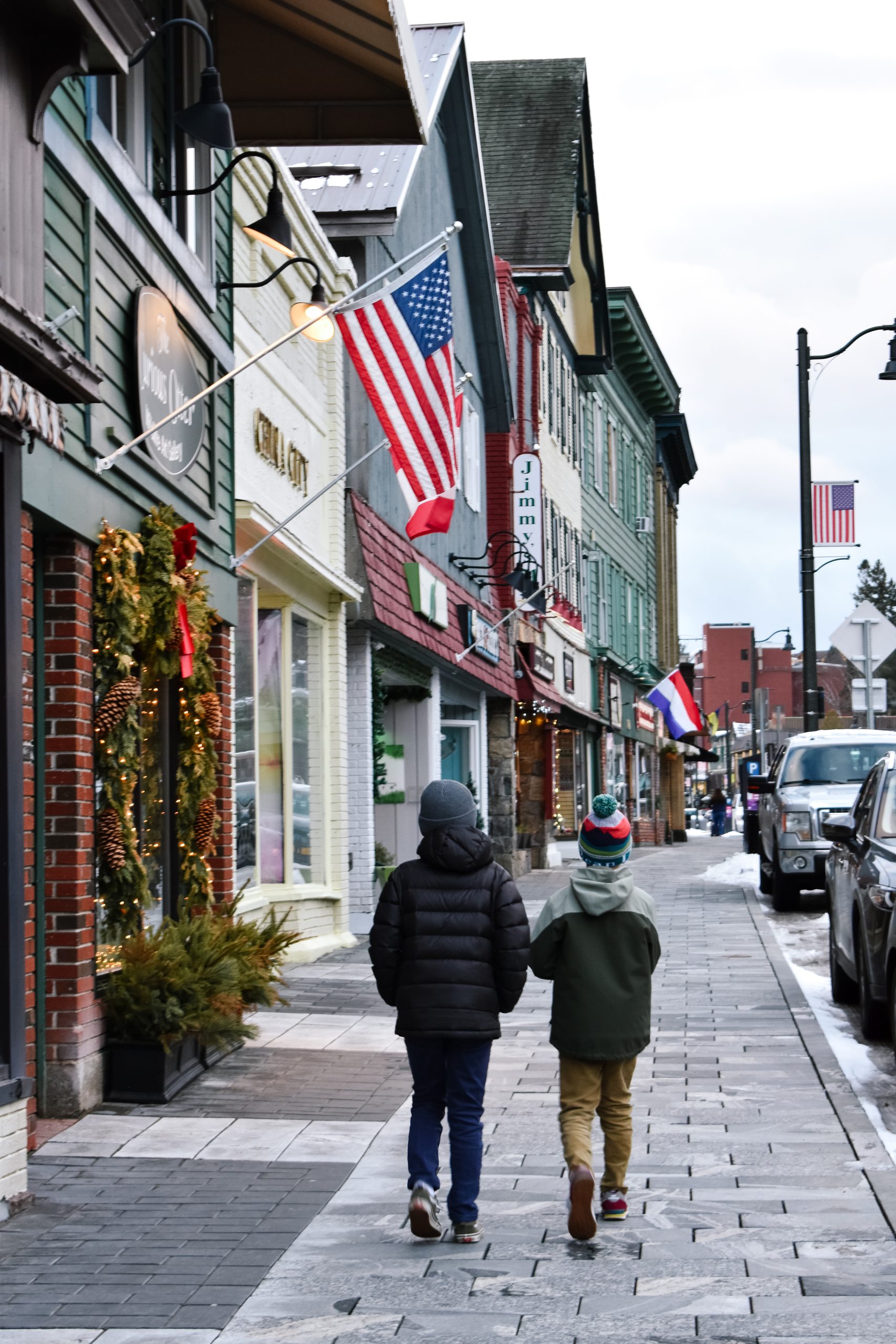
Lake Placid is where to base yourself if you want Olympic history within walking distance of dinner. The village hosted the 1932 and 1980 Winter Olympics, and the venues are still in use — this is a working winter sports town, not a museum piece.
That means Main Street stays lively when most mountain villages go quiet in January: restaurants run full service, and the ice cream counters keep churning after dark, which is exactly the reward you want after a cold afternoon outside.
The move here is a short overlook hike that finishes in under an hour, then food. Do the hike before lunch and Main Street fills up; the light is better on the climb and you get the overlook to yourself.
- Best for: travelers who want scenery and a real dinner street in the same afternoon.
- Sequence: overlook hike first, Main Street dinner second, ice cream as the closer.
- Worth knowing: the Olympic venues anchor the town, so expect more infrastructure and more people than the three towns below.
Saranac Lake, New York
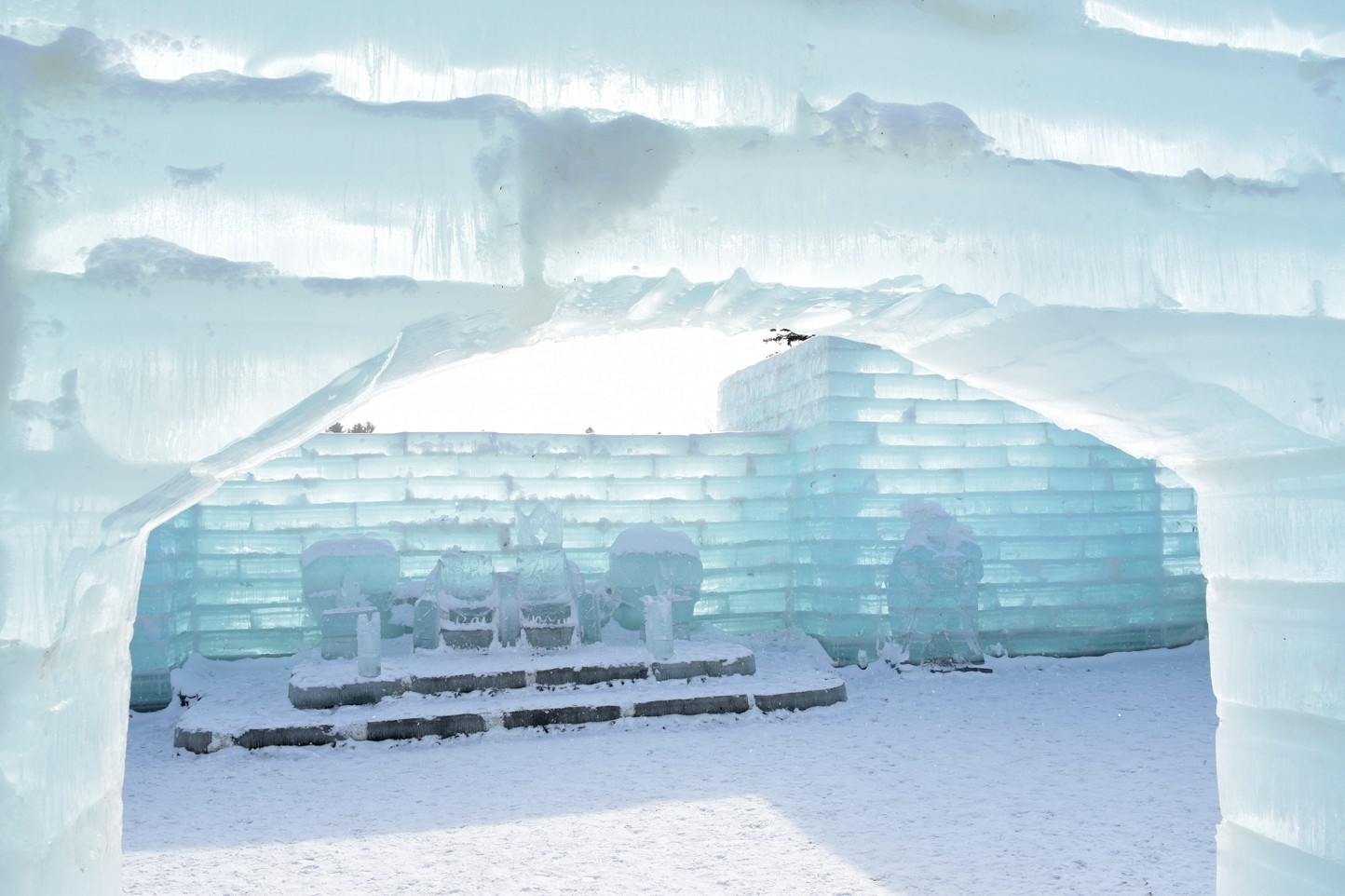
Saranac Lake is the pick for anyone who thought Lake Placid was too busy. The town sits on a chain of three lakes — Upper, Middle, and Lower — and that layout matters in winter: you get long, unbroken water sightlines instead of one crowded shoreline.
Water-side Adirondack cabins here are the reason to book an overnight rather than day-tripping from Lake Placid; waking up on the lake chain is the whole point of coming this far north.
For hiking, Baker Mountain and St. Regis Mountain are the two names to know. Baker is the shorter objective; St. Regis is the bigger day with the bigger payoff.
Choose based on how much daylight you have and how the trail conditions look, and treat both as genuine winter ascents.
- The event to plan around: the February Winter Carnival, one of the oldest in the country. Dates shift each year, so confirm the schedule before you lock in lodging.
- Best for: readers who want a lake at their doorstep and a mountain objective within reach.
- Skip it if: you want a dense restaurant scene — Saranac Lake trades dining depth for quiet.
Bolton Landing, New York
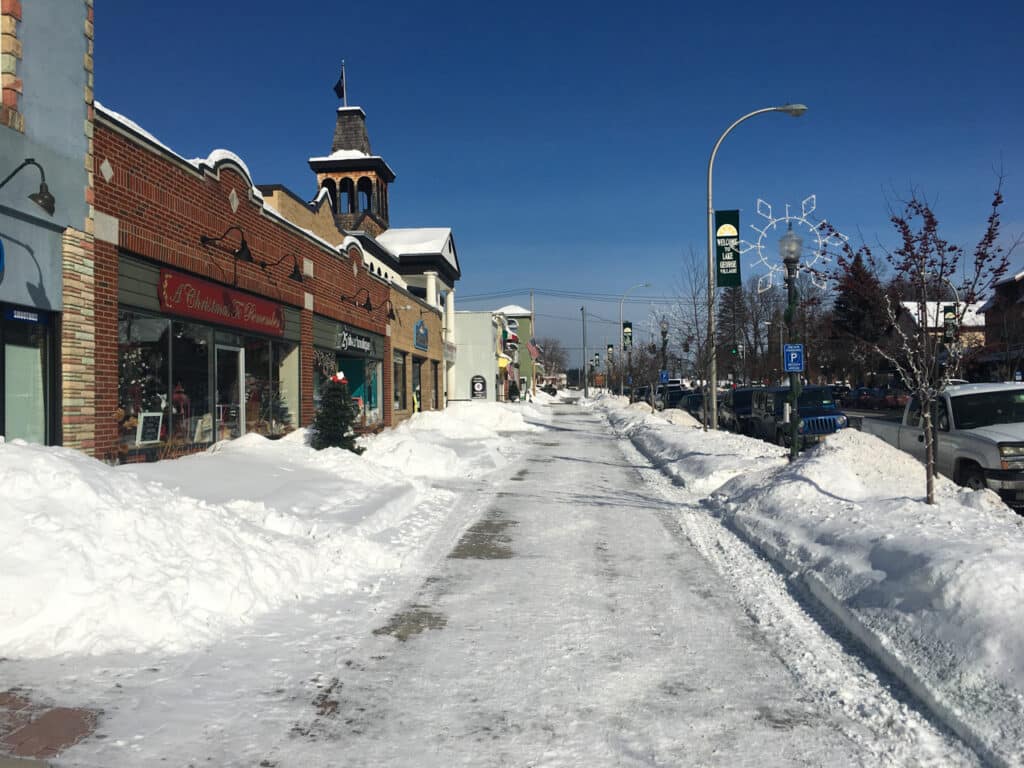
Bolton Landing sits on Lake George, but in winter it delivers something the lake’s summer reputation never promises: stillness. This is the town built for one kind of traveler — the one who wants a frozen lake view, a snowy trail, and no schedule.
The village is compact, the lakefront is open, and the hush is the reason people come back in February instead of July.
Run the Bolton Landing routine exactly as written: a short hike on the snowy trail access around town, then a long hot drink somewhere warm. The hike should be modest on purpose.
Nobody comes here to log miles; the trail is how you earn the second half of the day.
- Best for: couples and solo travelers who want quiet over activity.
- Trail strategy: pick the shortest snow-covered option near the village and save your legs.
- Be honest with yourself: if you need nightlife or a long restaurant list, choose Lake Placid instead.
Wolfeboro, New Hampshire
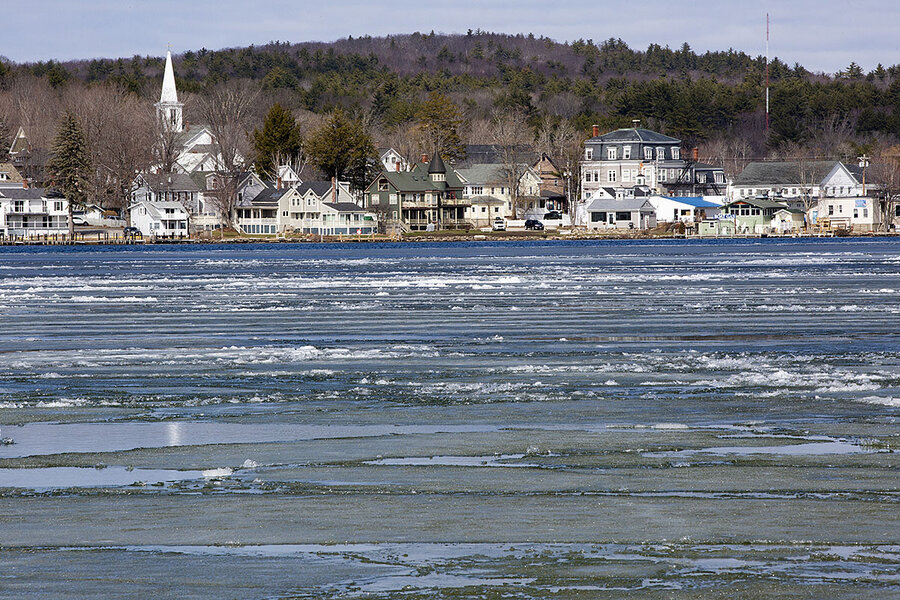
Wolfeboro calls itself the oldest summer resort town in America, which is a strange credential for a winter trip — and that is exactly why it works. The village was built to be walked, so the summer infrastructure becomes winter convenience: shops, museums, and trailheads cluster close to the water on Lake Winnipesaukee instead of spreading along a strip.
Two things make the winter day here. The Cotton Valley Rail Trail runs flat past beaver ponds, which is the rare trail where the wildlife viewing is the destination and the mileage is free.
Then the Wright Museum of World War II, which is strong enough to justify a full afternoon if the weather turns. Abenaki Ski Area’s trails cover the day you want something steeper.
- Best for: mixed-ability groups — the rail trail works for everyone, and the museum rescues a bad-weather day.
- Do this: rail trail in the morning for the beaver ponds, Wright Museum after lunch, Abenaki trails when the snow is good.
- Why it beats bigger Lakes Region towns: everything is within a short drive, so you spend the day outside rather than in the car.
My honest ranking if you can only pick one: Saranac Lake for the classic winter lake-town experience, Lake Placid if your group needs restaurants and things to do, Bolton Landing if the goal is to do almost nothing, and Wolfeboro if flat trails and a museum sound like the right winter day.
Mountain West Lake Towns Where Winter Runs Deep
These four towns sit between 5,000 feet and more than 8,300 feet, with frozen or near-frozen water at the center of town and mountain ranges stacked directly behind it. This is the deepest-winter corner of the list: plan for real snow, short daylight, and roads that reward slow driving.
McCall, Idaho
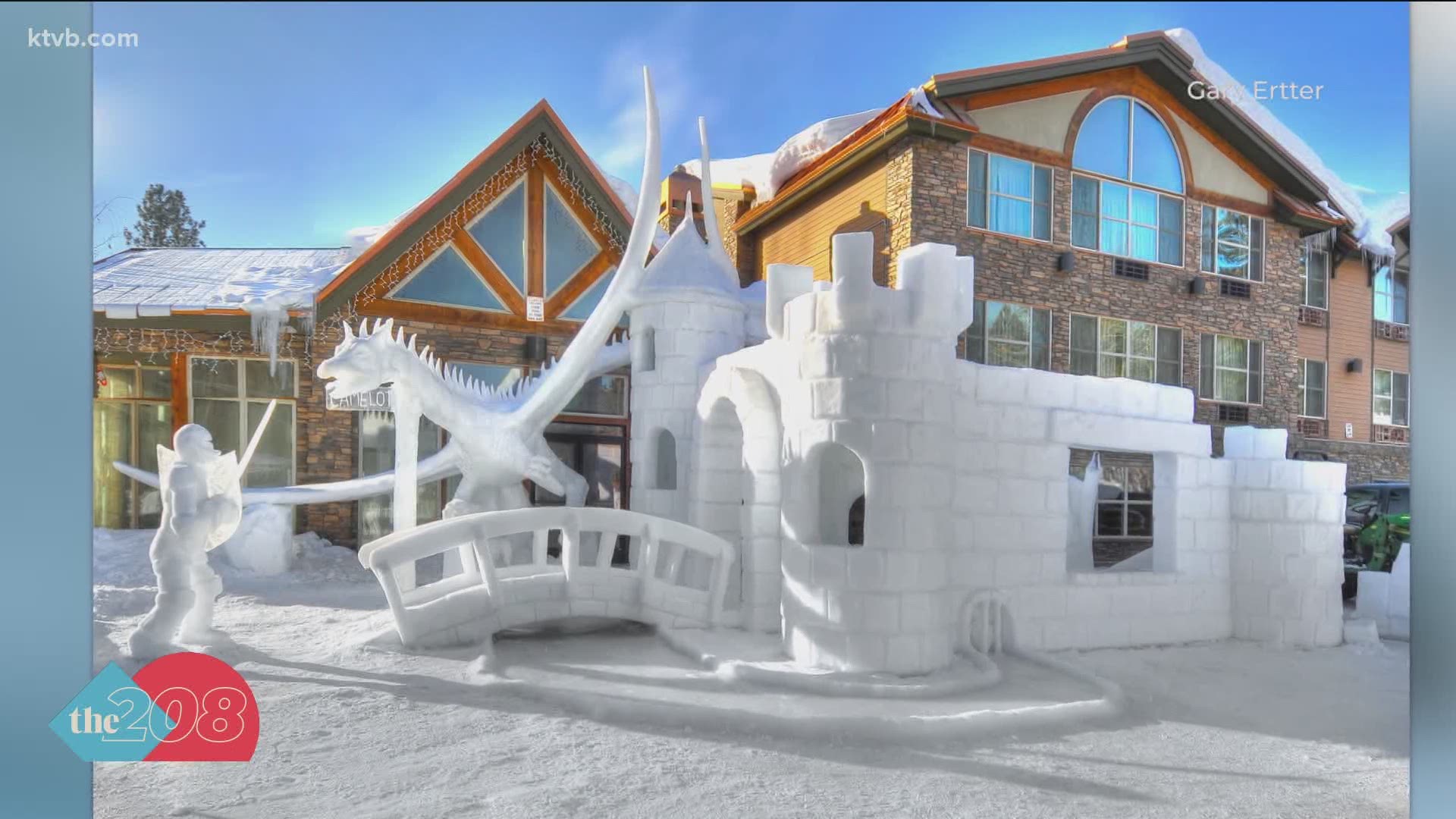
McCall sits at about 5,000 feet on the shore of Payette Lake, and in winter the town shrinks to its essentials: a walkable core, a plowed lakeside path, a brewery, and a state park peninsula that feels a world away from the highway. It is the pick here for anyone who wants snow on the ground but no resort-village markup.
- Flat and easy: The Rotary Park lakeside walk is the move on arrival day — low effort, straight onto the water, and the fastest way to orient yourself before tackling anything uphill.
- Best half-day: Ponderosa State Park’s trails run through forest onto a lake peninsula. Pick the shorter loops in winter and save the longer network for a clear, cold afternoon.
- Evening anchor: A local craft brewery beats a hotel bar for atmosphere, and it solves dinner planning without a reservation scramble.
- Where to sleep: Log cabin rentals are the whole point of coming here in winter — book one with a woodstove or fireplace and a plowed driveway, and confirm road access before you pay.
Time your trip around February. The Winter Carnival is McCall’s signature event, and its massive snow sculptures are the reason to accept the crowds. The sculptures are genuinely enormous and worth planning a full day around.
Insider move: Walk the sculpture field early in the morning the day after judging, not during the peak festival block. You get the finished work in good light, with room to actually see it, and you spend the busiest hours doing trails instead.
Sandpoint, Idaho
Sandpoint sits on Lake Pend Oreille, a lake deep and quiet enough that the U.S. Navy used it for submarine testing during World World II.
That history gives the water an odd gravity in winter — this is not a decorative lake, it is a working one, and the Selkirk and Cabinet ranges close around it on three sides.
- Why pick it: Sandpoint wins on drama per mile. The lake is huge, the mountain backdrops are immediate, and the town has a real arts scene that keeps evenings interesting when the trails are done.
- Snow-day default: Schweitzer Mountain’s trail network handles the big-exertion day. Expect alpine terrain and conditions that change fast — treat it as the serious outing of the trip, not a stroll.
- Quieter alternative: The Gold Hill Trail is the better choice when you want elevation and views without committing to a resort day.
- Bad-weather plan: The local galleries and arts scene are the reason Sandpoint beats a pure ski base. When visibility drops, town is the destination.
Choose Sandpoint over McCall if scenery and art matter more to you than a marquee festival. Choose McCall if a built-in reason to visit in February matters more.
Grand Lake, Colorado
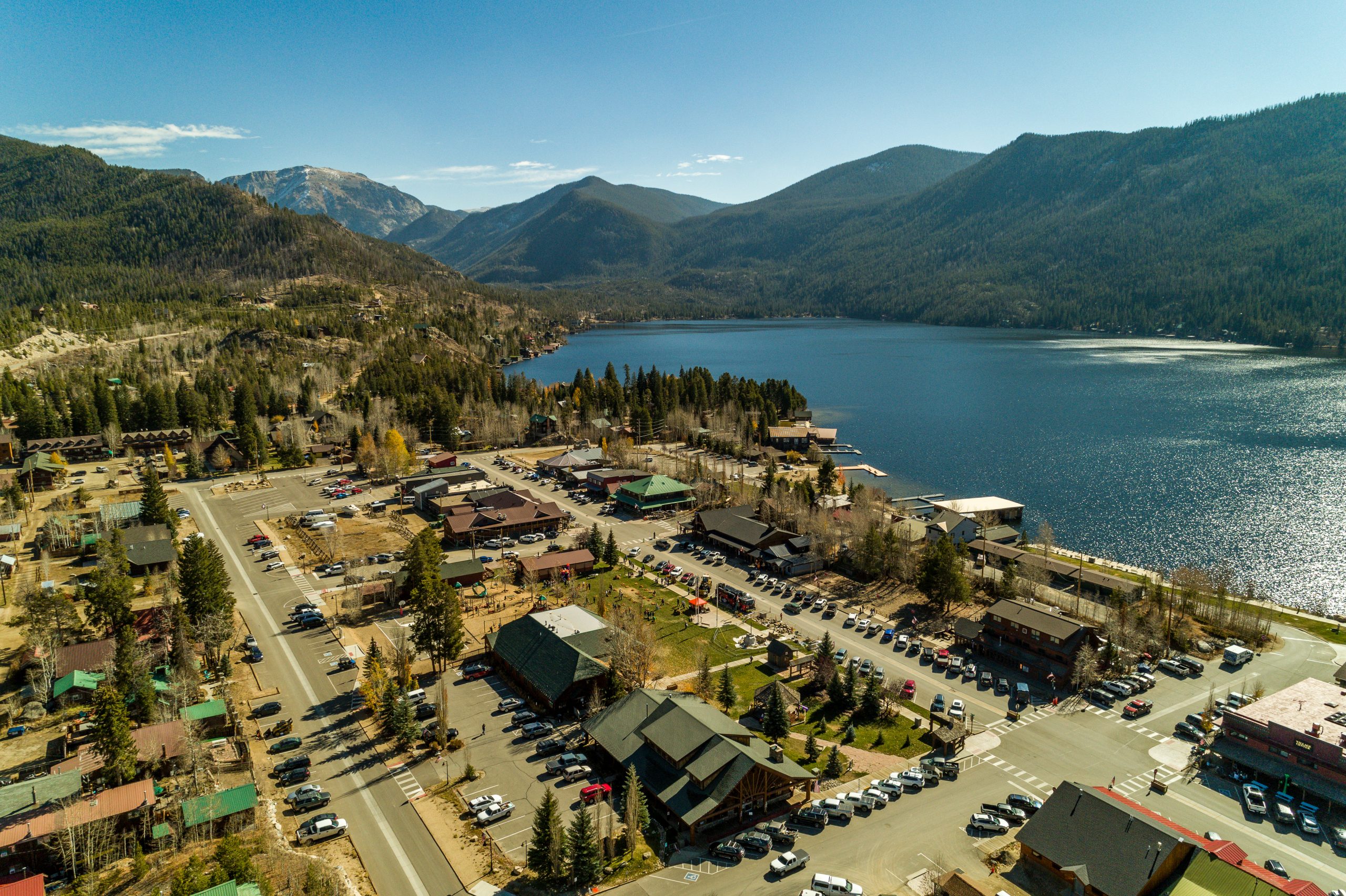
Grand Lake sits at more than 8,300 feet and holds the title of Colorado’s highest incorporated town, with Colorado’s largest natural lake frozen at its center and the western entrance to Rocky Mountain National Park at its edge. This is the most intense winter of the four — the elevation is not a footnote, it is the experience.
- Give yourself a day to adjust: At this altitude, arrive, walk the Boardwalk, and keep the first afternoon light. Save the trails for day two.
- The signature hike: The East Inlet Trail is the one to prioritize. It runs toward the park’s backcountry and is your best shot at wildlife — moose, elk, and mule deer are all regular sightings along this corridor.
- Town texture: The Boardwalk has restaurants and shops with an old-West personality that reads authentic rather than manufactured. It is compact enough to cover between trail sessions.
- Access advantage: Being on the park’s western side means Rocky Mountain National Park is part of your daily loop rather than a separate excursion.
Grand Lake is the clear winner for wildlife-focused travelers and anyone who wants national park terrain without a national park base-camp shuffle. It loses to Bigfork and Sandpoint only if altitude affects you badly or you want a livelier food scene.
Bigfork, Montana
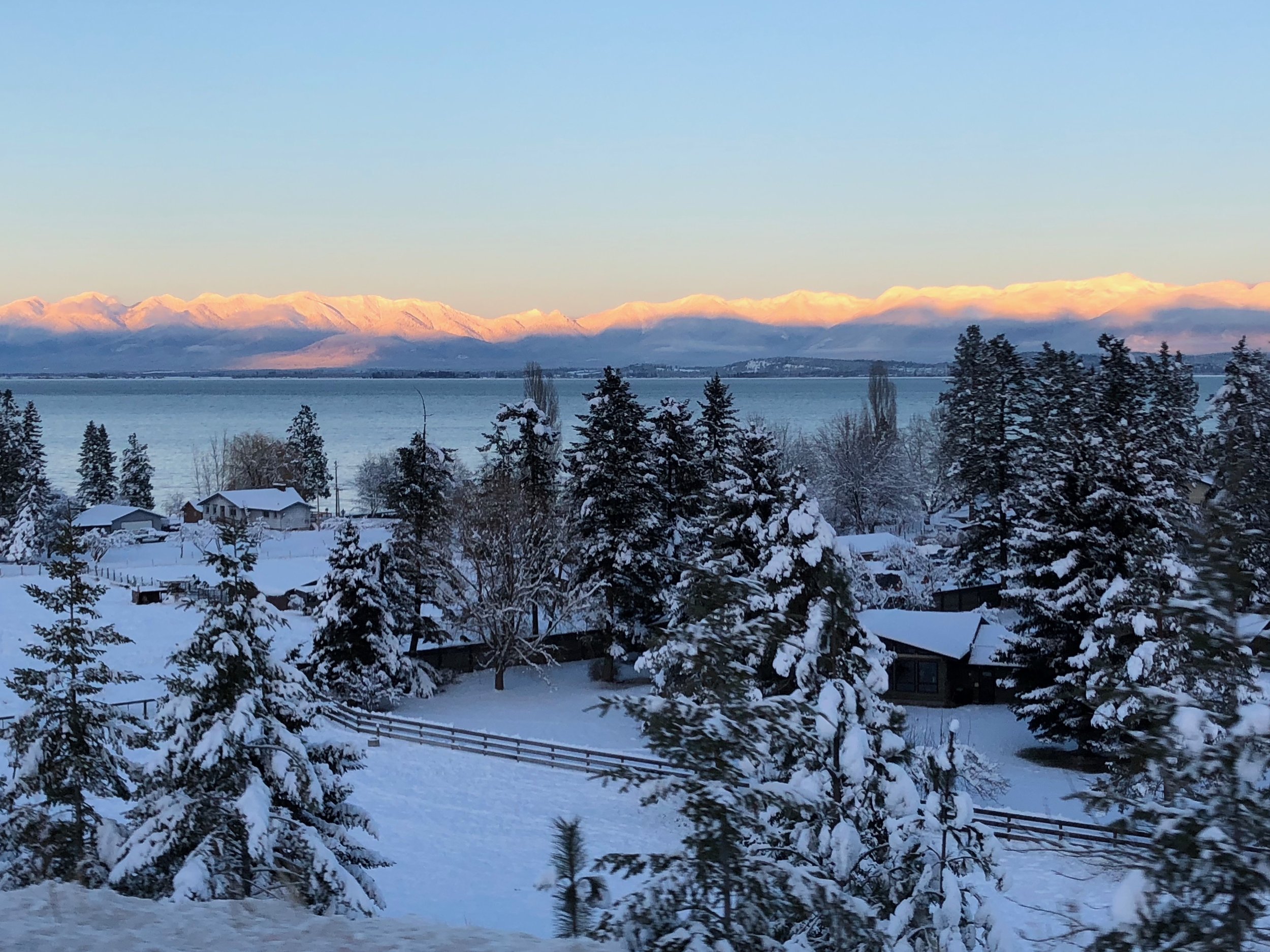
Bigfork sits where the Swan River enters Flathead Lake, the largest natural freshwater lake west of the Mississippi, with the Swan Range rising directly behind town. It pairs a serious arts district with a food scene that punches far above a town this size, which is exactly what you want after a cold day outside.
- Best mixed day: The Swan River Nature Trail delivers river, forest, and mountain views at a moderate grade — the ideal warm-up before anything steeper.
- Go bigger: Jewel Basin is the high-country option when conditions and access cooperate. Verify current road and trail status before driving up in winter, since mountain access changes with the season.
- Why it earns a slot: Bigfork is the town here where the evening matters as much as the hike. Gallery-hopping followed by a real dinner is a legitimate plan, not filler.
- Lake context: Flathead’s scale is the backdrop for everything — expect wide, cold water views and the Swan Range doing the heavy lifting visually.
For winter lake-town trips in this region, my ranking is simple: McCall if you want an event to build the trip around, Grand Lake if wildlife and national park access are the priority, Bigfork if food and art matter as much as trails, and Sandpoint if raw scenery is the whole point.
Lake Towns With Mild Winters and Long Lakeside Evenings
Not every winter lake town needs frozen shorelines and a snowplow schedule. The three towns below run west to east across the country, and each one trades deep snow for something better in the cold months: open water, walkable waterfronts, and evenings that don’t end at four o’clock.
Pick one, or string them into a longer route — but never more than two in a single trip, because the point here is to slow down.
Big Bear Lake, California
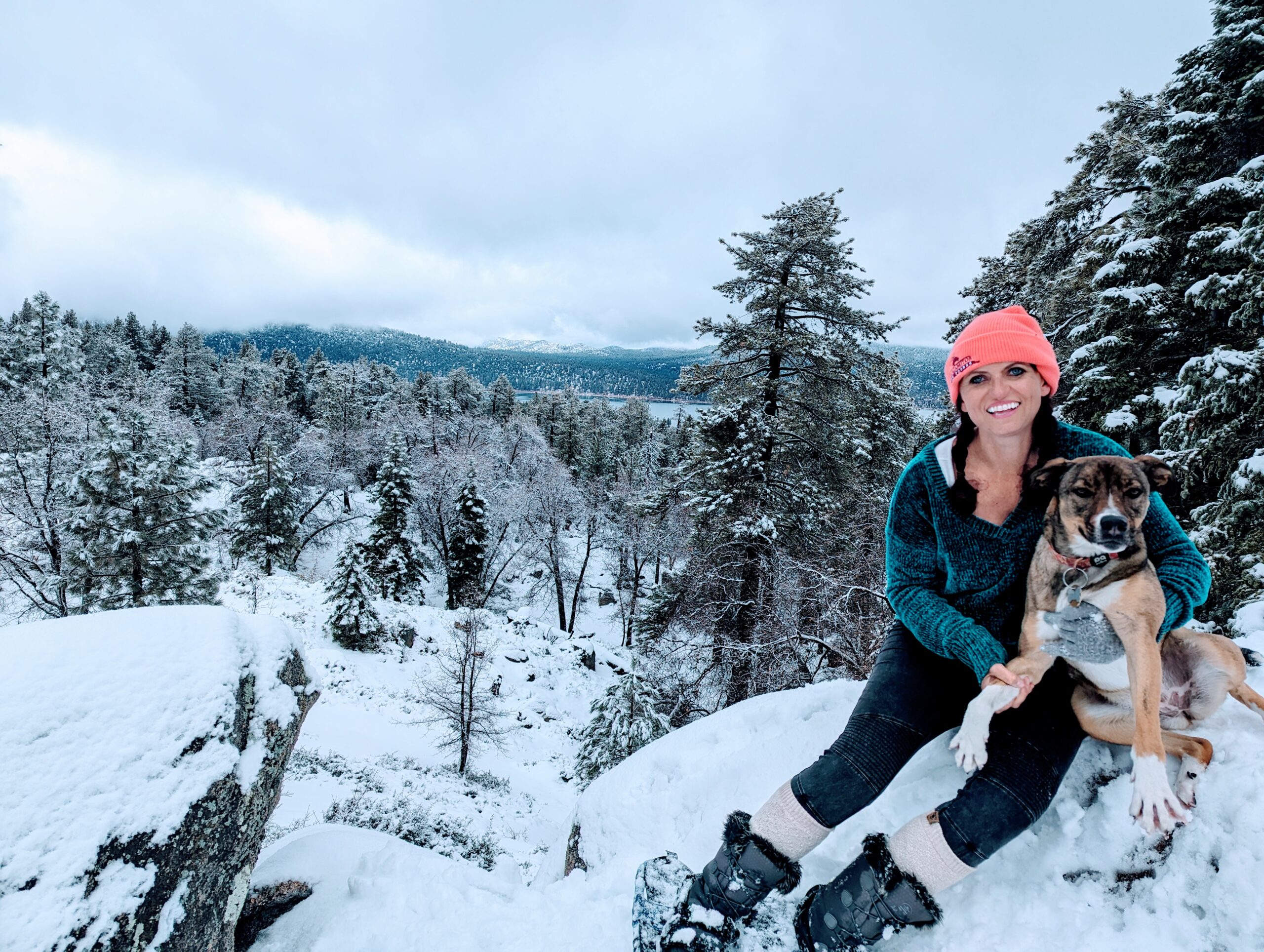
Two hours from Los Angeles, Big Bear Lake sits at 6,752 feet in the San Bernardino Mountains and feels like it should be a full day’s drive away. That proximity is the entire argument for it: you leave the city after breakfast and are on a mountain trail before lunch.
Winter here is mild by alpine standards — cold nights, generally manageable days, and snow that comes and goes rather than burying the town.
- The one hike to do: Castle Rock Trail, just over two miles round trip, finishes with a rock scramble onto a granite overlook above the lake. Do it early, when the light hits the water and the trail is still empty. The scramble is short but genuinely hands-on, so skip it if you’re hauling small kids or have bad knees.
- The wet-weather backup: The Discovery Center runs nature programs on the forest and local wildlife, which is the smart move on a snowy or windy afternoon when the trails turn to slush.
- Where to sleep: This is A-frame cabin and mountain cottage country, and that’s the right call — a cabin with a wood-burning fireplace beats a resort room here, because the whole appeal is the quiet after dark.
My honest read: Big Bear works best as a two- to three-night reset for anyone based in Southern California. It’s not the snowy fantasy the Mountain West delivers, and if you want guaranteed powder you should look elsewhere.
What it does give you is a real mountain at a real remove from the city, without the flight.
Traverse City, Michigan
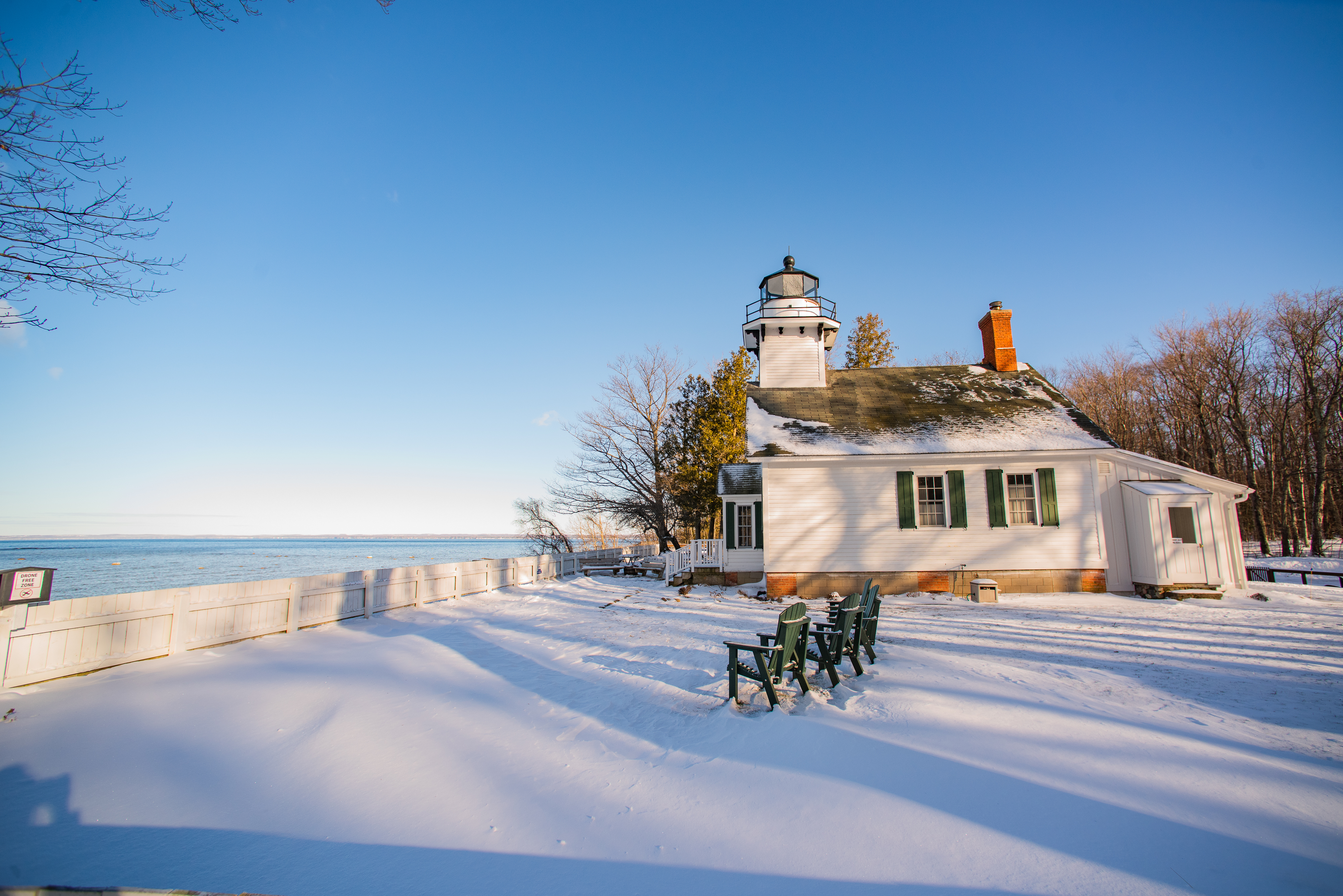
Traverse City sits at the base of Grand Traverse Bay, on the edge of a region that grows the overwhelming majority of the country’s tart cherries — a fact you’ll taste before you see the orchards. In winter, the bay goes quiet, the crowds thin out, and the food-and-drink scene that usually has to fight for reservations becomes yours.
- Worth the drive: Sleeping Bear Dunes National Lakeshore, a short run west of town. Winter strips it to bare dune, dark water, and empty overlooks — which is when the scale of it actually registers.
- The afternoon plan: Old Mission Peninsula, the finger of land splitting the bay, where the winery tasting rooms stay open through the cold months. Designate a driver or book a tour; the peninsula road is scenic enough to be distracting.
- Timing tip: The National Cherry Festival usually lands in early summer — confirm exact dates with the organizer before you build a trip around it. Visiting in winter means you get the region’s cherry products without the festival crowds.
Traverse City wins on eating and drinking for a small town, and I’d choose it over Big Bear for anyone whose trip revolves around dinner rather than trail time. It’s the pick for a long weekend built around tasting rooms, good restaurants, and cold-water shoreline walks.
Lake Geneva, Wisconsin
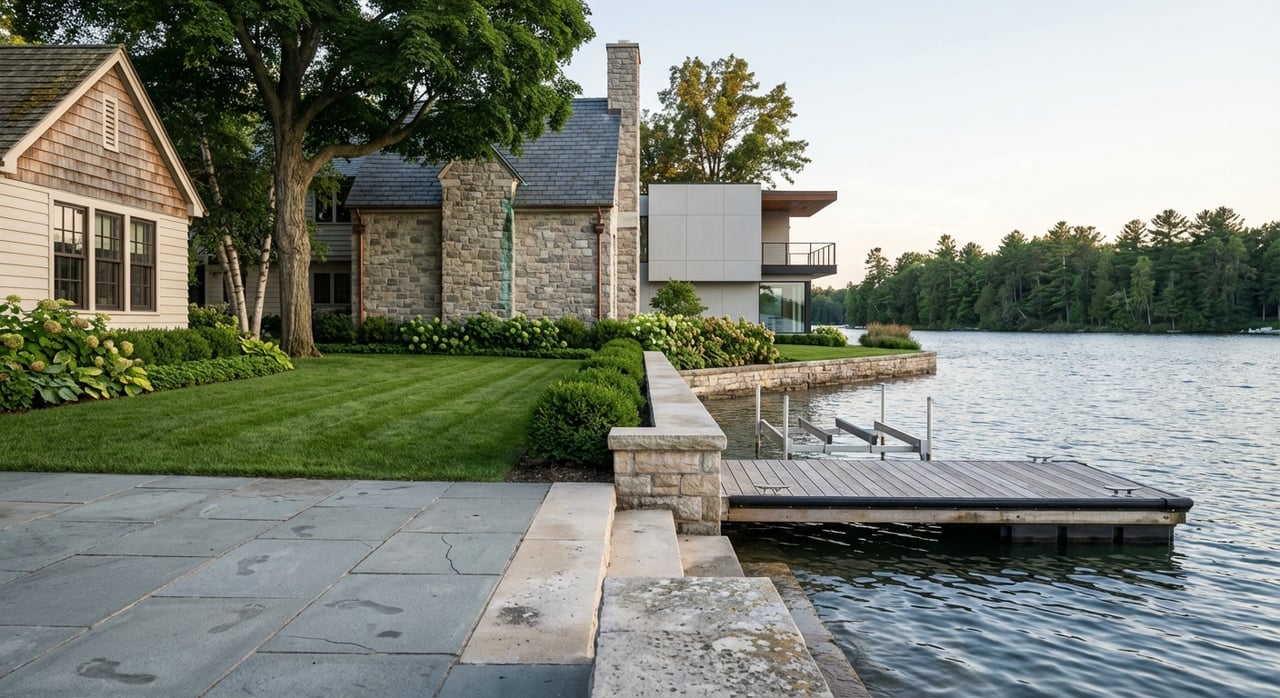
Lake Geneva has been Chicago’s escape since the 1870s — more than 150 years of city people pointed at the same shoreline, which is why the lakefront here is lined with Victorian estates and old resort cottages rather than anonymous condo blocks. That inherited architecture is what makes a winter walk feel like a period film.
- The signature outing: The Geneva Lake Shore Path, a 21-mile walking route tracing the water past those estates and cottages. You don’t need to do all of it — pick a segment near town, and give yourself time to stop and read the buildings.
- Classic Lake Geneva, kept: The fudge shops downtown and the boat tours on the lake are touristy, and I’d do both anyway. They’re the town’s oldest tradition, not a trap.
- Where to sleep: Book a rental with a sunset-facing deck and direct water access. That combination is the entire reason to come in winter — the lake goes gold, then grey, and you watch it from inside.
Lake Geneva is the most accessible of the three for Midwest readers and the easiest to do without a car once you’re in town. It’s my pick if you want water views, historic eye candy, and zero logistical friction.
Skip it if you want elevation or solitude — this is a social lake town, and it doesn’t pretend otherwise.
Route-wise, these three don’t chain together cheaply; each is anchored to a different major metro. Choose the one within a half-day of your starting point and give it the full trip instead of splitting your time.
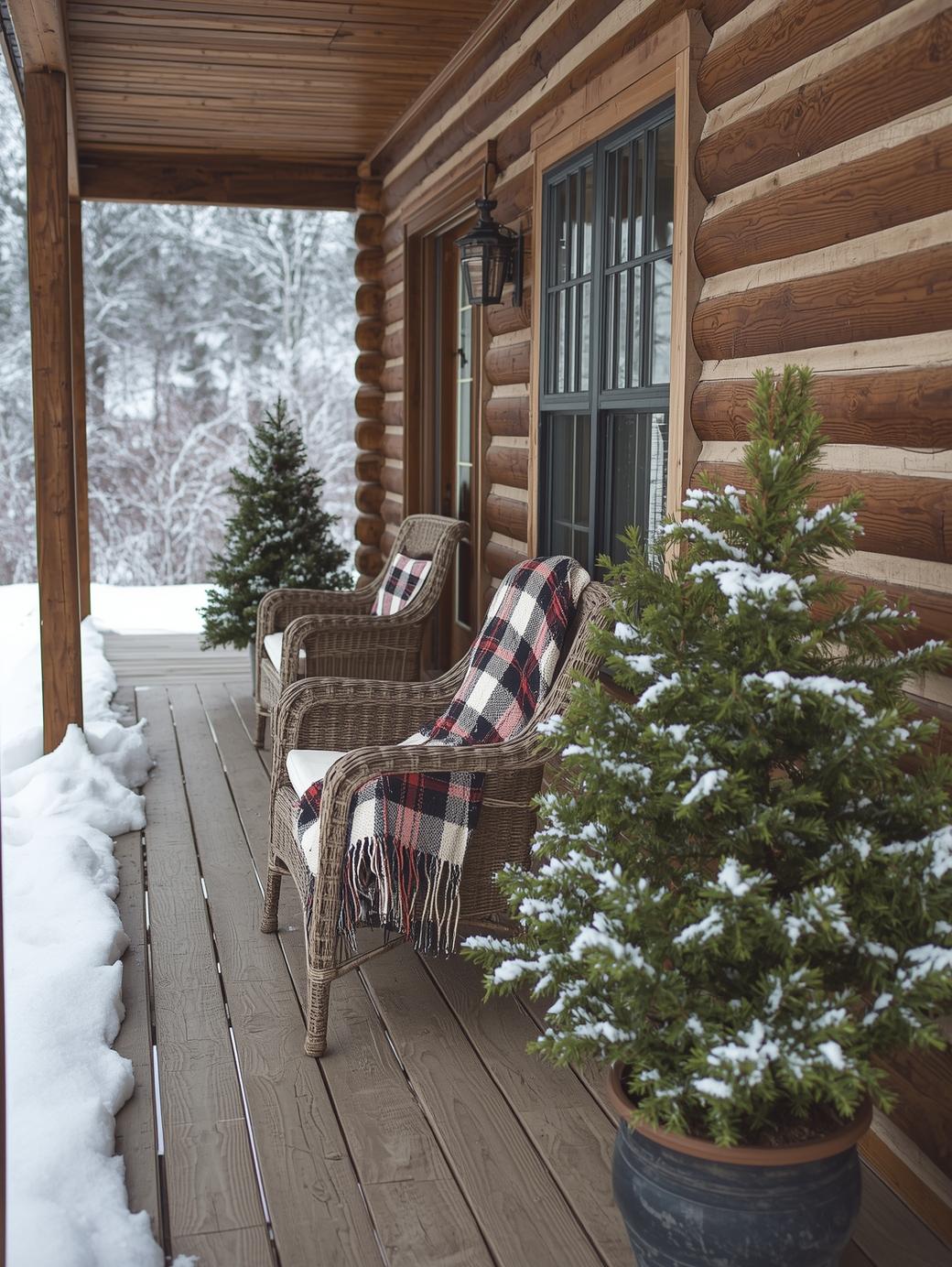
The fastest way to ruin a winter lake trip is booking it like a summer one — cramming three towns into a long weekend and arriving exhausted. Give yourself 3 to 7 days and treat the schedule as optional.
This section covers exactly how long to book, how to cut the cost without cutting the coziness, and what actually keeps you warm on a frozen shoreline.
How Many Days to Book — and When in Winter to Go
Three days is the floor; seven is where these towns stop feeling like a getaway and start feeling like home. My rule is two nights plus one quiet morning: arrive, settle, and let the second morning stay completely unplanned — no reservations, no driving, just coffee and the lake.
That single unscheduled stretch is what people remember, and it only works if you’ve booked the nights around it.
- Three to four days: One town, one cabin, zero driving days. Best for couples and solo travelers escaping a single weekend.
- Five to seven days: Enough time for a slow base plus a day trip, without repacking every morning. Best for families and anyone traveling a long distance to get here.
The timing trick matters more than the length: book midweek. Sunday-through-Thursday stays dodge the peak ski-weekend crowds that clog mountain towns Friday and Saturday, and lodging rates typically drop in the same window — expect meaningful savings versus weekend pricing, though exact rates vary by property and season.
Midweek also means shorter waits for dinner tables and quieter trailheads.
Keeping a Winter Lake Trip Affordable
The single biggest lever is where you sleep. Book lodging with a kitchen or at least a mini-fridge, then cook two meals in each day — breakfast and one other.
A grocery-run breakfast and a simple cabin dinner can cut a couple’s food spend dramatically compared with eating every meal on Main Street, and winter is forgiving here: hearty one-pot meals suit a cabin better than a restaurant reservation ever will.
- Shop on arrival day: Hit the grocery store before you settle in, so the cabin is stocked and you never face a hungry, icy drive into town.
- Keep one dinner out: Pay for the memorable meal, not the routine one. Cooking breakfast and lunch in makes that restaurant night guilt-free.
- Carry a thermos and snacks: Prices near parks, trailheads, and lakesides climb fast in winter when options thin out. A filled thermos and a bag of snacks mean you never buy a $7 coffee just to warm up.
That thermos habit is the cheapest warmth in travel. Fill it before you leave the cabin in the morning and it pays for itself by the second outing.
What to Pack for Frozen Lakes and Icy Main Streets
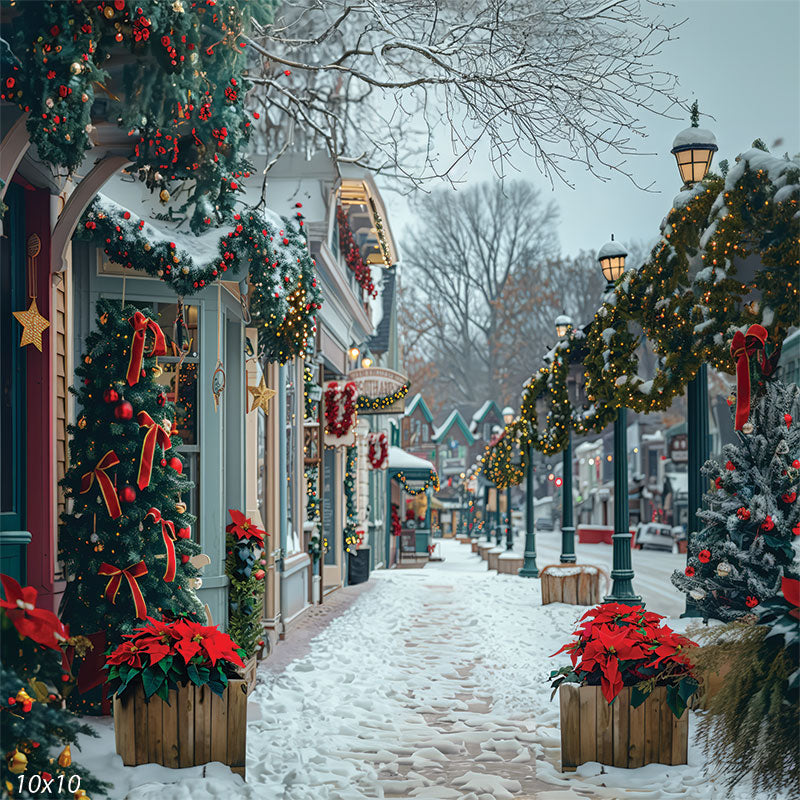
Winter lake towns punish two mistakes: wrong footwear and one layer too few. Village streets here are often steep, plowed unevenly, and glazed with black ice by late afternoon.
- Grippy shoes win: Pack boots or shoes with real rubber tread and traction — fashion boots on an icy Main Street hill is how vacations end in urgent care. Add light traction cleats if you plan to walk trails.
- One warmer layer than you think: Frozen lakes generate wind with nothing to break it, and temperatures drop fast the moment the sun leaves the water. That extra insulating layer lives in your daypack, not your suitcase.
- Extremities and light: Warm gloves, a hat that covers your ears, and a headlamp — winter daylight disappears early, and the walk back from dinner is often longer and darker than it looked going out.
Pack light otherwise. The goal is one simple thing: slow down on purpose, and stay warm enough to enjoy it.
Frequently Asked Questions
Can I walk out onto the frozen lakes?
The snowy towns on this list are chosen because the lake freezes solid enough to become part of the landscape, but ice is never a casual decision. Treat a frozen lake as backcountry — check conditions locally, go with company, and never assume a shoreline that looks solid is safe.
What if I don’t want to rent a car?
Pick a town with a genuine walkable village core and you can keep the car parked or skip it entirely. Lake Geneva is the easiest of these to do without a car, and Lake Placid gives you dinner, coffee, and the water inside one loop on foot.
What if I want guaranteed snow?
Book the Adirondacks or the Mountain West — Lake Placid, Saranac Lake, McCall, and Grand Lake are where deep winter runs. Big Bear Lake is explicitly not the powder fantasy, so choose it for the cabin and the proximity to the city, not for reliable snow.
Pick Your Town and Give It the Whole Trip
Start by choosing one town — Saranac Lake if you want the classic frozen-lake experience, Lake Placid if your group needs a dinner street, Grand Lake if wildlife is the point — then book three to four nights midweek rather than one frantic weekend. That unplanned second morning by the water is the part you’ll still be telling people about in July.
A winter lake town gives you the rarest thing in American travel right now: a place that is quieter, cheaper, and more itself in the cold months than at any other time of year.
Save this list, choose your one town tonight, and put the trip on the calendar before the season fills.
Leave a Reply