Crisp air hits your face the moment you step out of the car, and suddenly the entire hillside blazes in colors you’ve only seen in photographs—reds so deep they’re almost burgundy, golds that glow in afternoon light, oranges that make you reach for your camera before you’ve even checked into your inn. This is what fall in the mountains delivers that nowhere else can: genuine storybook villages where the foliage isn’t a backdrop, it’s the entire reason you’re there.
Mountain towns in fall offer something the crowded leaf-peeping circuits of the Northeast can’t match: walkable village centers where you can spend mornings browsing local shops and afternoons on crisp trails without needing a car once you arrive. Whether you’re drawn to New England’s postcard perfection, the Blue Ridge’s dramatic gorges, the West’s golden aspens, or the Ozarks’ Victorian charm, these destinations deliver genuine quiet alongside peak color.
This guide helps you pick the right mountain town based on what actually matters to you—whether that’s serious hiking, food and wine, hot springs, or simply a fireplace and a book. Budget ranges run roughly $100–$180 per night for mid-range mountain inns in shoulder weeks, climbing to $180–$280 during peak foliage (mid-to-late October), with splurge options at historic lodges and resort towns hitting $250–$400 nightly.
Your Quick-Reference Mountain Town Picks
Best for Storybook Aesthetics: Woodstock, Vermont—quintessential covered bridges, white-steepled churches, and a village green that looks painted, all without the manufactured feel of theme parks.
Best for Hiking + Mountain Views: Stowe, Vermont (six-mile Mansfield Traverse with 360-degree ridgeline views) or Crested Butte, Colorado (Three Lakes Loop through aspen groves at 9,375 feet).
Best for Dramatic Cliffside Scenery: New Paltz, New York—the Shawangunks’ vertical rock formations and carriage trails deliver golden-hour views without technical climbing.
Best for Food + Wine: Hendersonville, North Carolina—apple orchards, vineyards, and farm-to-table restaurants serving that day’s harvest, all walkable from downtown inns.
Best for Solitude + Hot Springs: Stanley, Idaho—fewer than 75 year-round residents, natural mineral hot springs scattered throughout the Sawtooth Valley, and aspen-lined rivers that feel genuinely private.
Best for Culture + Southwestern Character: Taos, New Mexico—500-year-old plaza, galleries, fly fishing, and aspen-lined mountain trails with high-desert color contrasts.
Best for Victorian Charm + Natural Springs: Eureka Springs, Arkansas—ornate 1800s architecture built into mountainsides, 13 natural springs, and mellow Ozark foliage without New England crowds.
Peak Foliage Timing: Mid-to-late October across most regions; Vermont and higher elevations peak early-to-mid October; western aspens peak late September through early October; book accommodations 6–8 weeks ahead for peak weeks.
Which New England Mountain Towns Offer the Coziest Fall Getaway?
New England’s fall mountain towns deliver what the rest of the country chases: actual storybook villages where the foliage isn’t just a backdrop—it’s the entire point. Unlike the crowded Blue Ridge circuit, these three towns offer genuine quiet, walkable centers, and the kind of crisp autumn air that justifies the drive north.
Base yourself in any of these for 2–3 nights and you’ll understand why New Englanders refuse to leave in October.
Woodstock, Vermont: The Quintessential Storybook Village
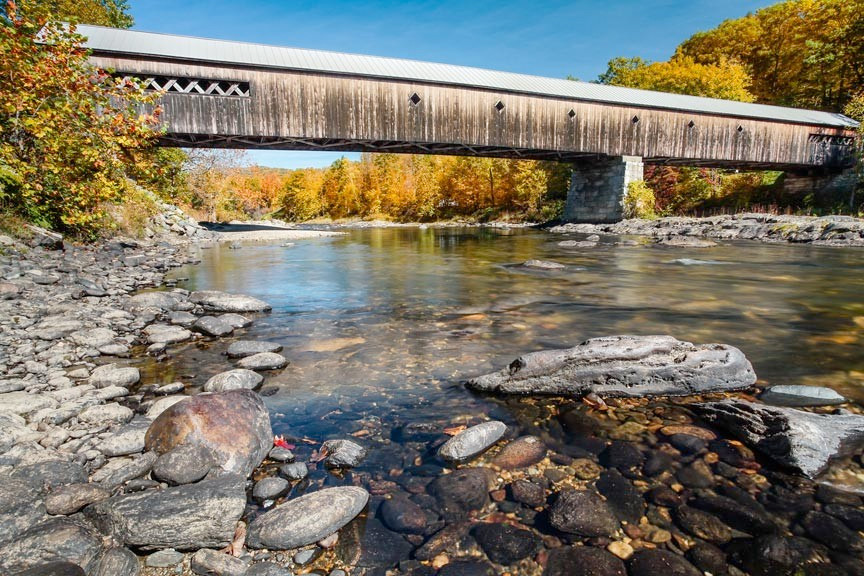
If Norman Rockwell painted a fall getaway, it would look exactly like Woodstock. This picture-perfect Vermont village embodies everything romantic about New England autumn—covered bridges framing mountain views that belong on postcards, white-steepled churches surrounded by sugar maples ablaze with color, and a village green that hosts a farmers market overflowing with heirloom apples, fresh cider, and handmade woolens.
The entire town looks like it’s been dipped in watercolor, and the best part is that Woodstock remains refreshingly uncommercial despite its beauty.
Woodstock wins for anyone prioritizing Instagram-worthy aesthetics without the manufactured feel—this is genuine New England charm, not a theme park version. The town’s compact walkability means you can spend mornings browsing vintage shops and afternoons on crisp village walks without needing a car once you arrive.
Stay in the town center or nearby mountain inns to maximize walkability and avoid the drive back after cider tastings at local orchards.
Stowe, Vermont: Alpine Charm, Mountain Trails, and Fresh Cider
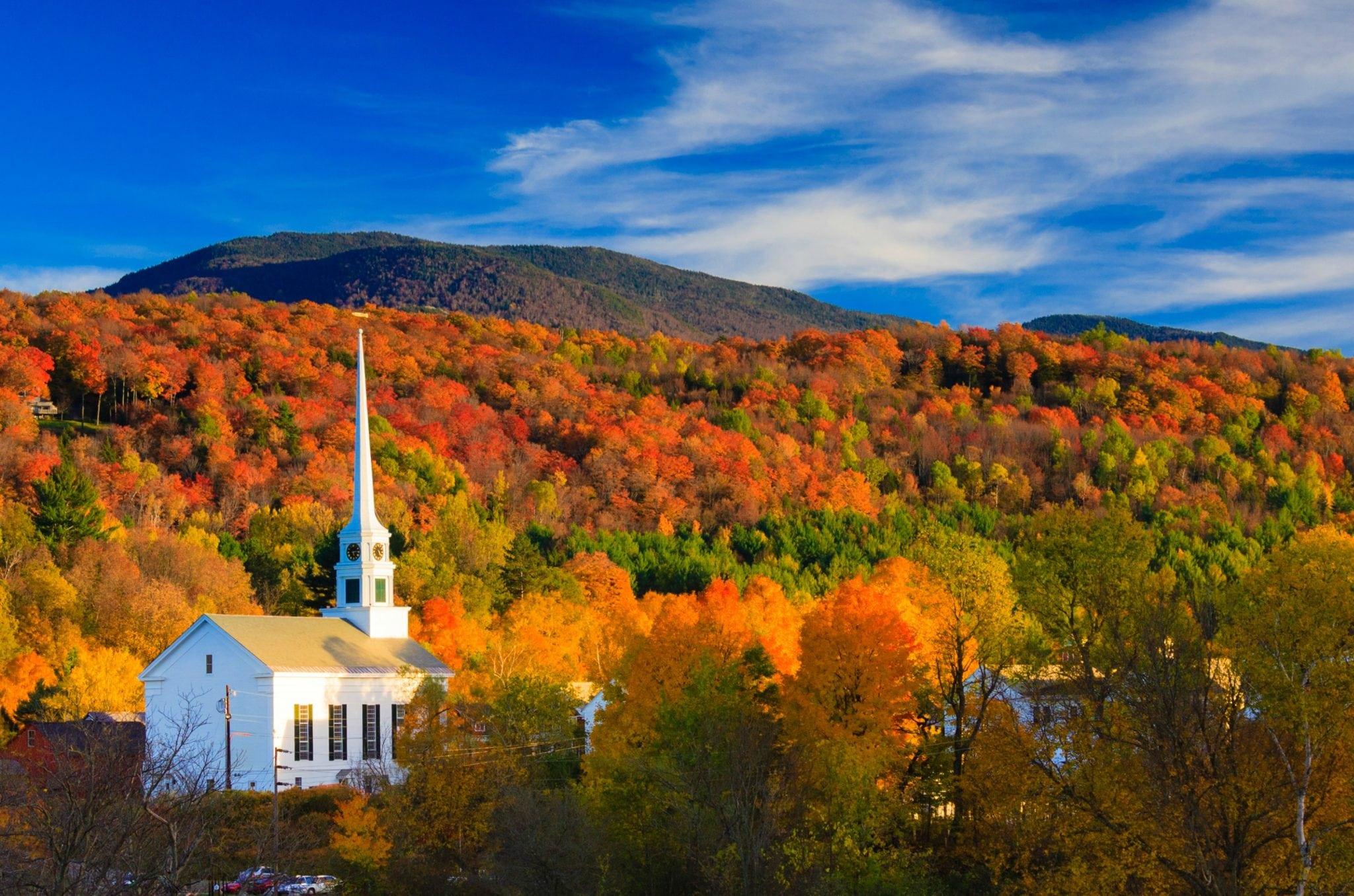
Just an hour north of Woodstock, Stowe offers a different flavor of Vermont charm—more outdoor adventure, same spectacular fall colors, with a mountain village vibe that’s irresistible when the temperature drops. The town sits at the base of Mount Mansfield, Vermont’s highest peak, and the surrounding Green Mountains turn into a 360-degree canvas of reds, oranges, and golds by mid-October.
Choose Stowe if you want mountain scenery plus serious hiking without the crowds of western peaks. The Mansfield Traverse is a six-mile day hike that climbs Stowe Mountain Resort’s Haselton Trail to the top of Mansfield’s Nose, then zips along the ridgeline and descends the Long Trail into Smugglers’ Notch State Park—the climbing is arduous, but you earn 360-degree views of the Green Mountains in their fall splendor.
Base yourself in the village center for easy access to trailheads, local cafes, and the kind of mountain-town energy that keeps you exploring after sunset.
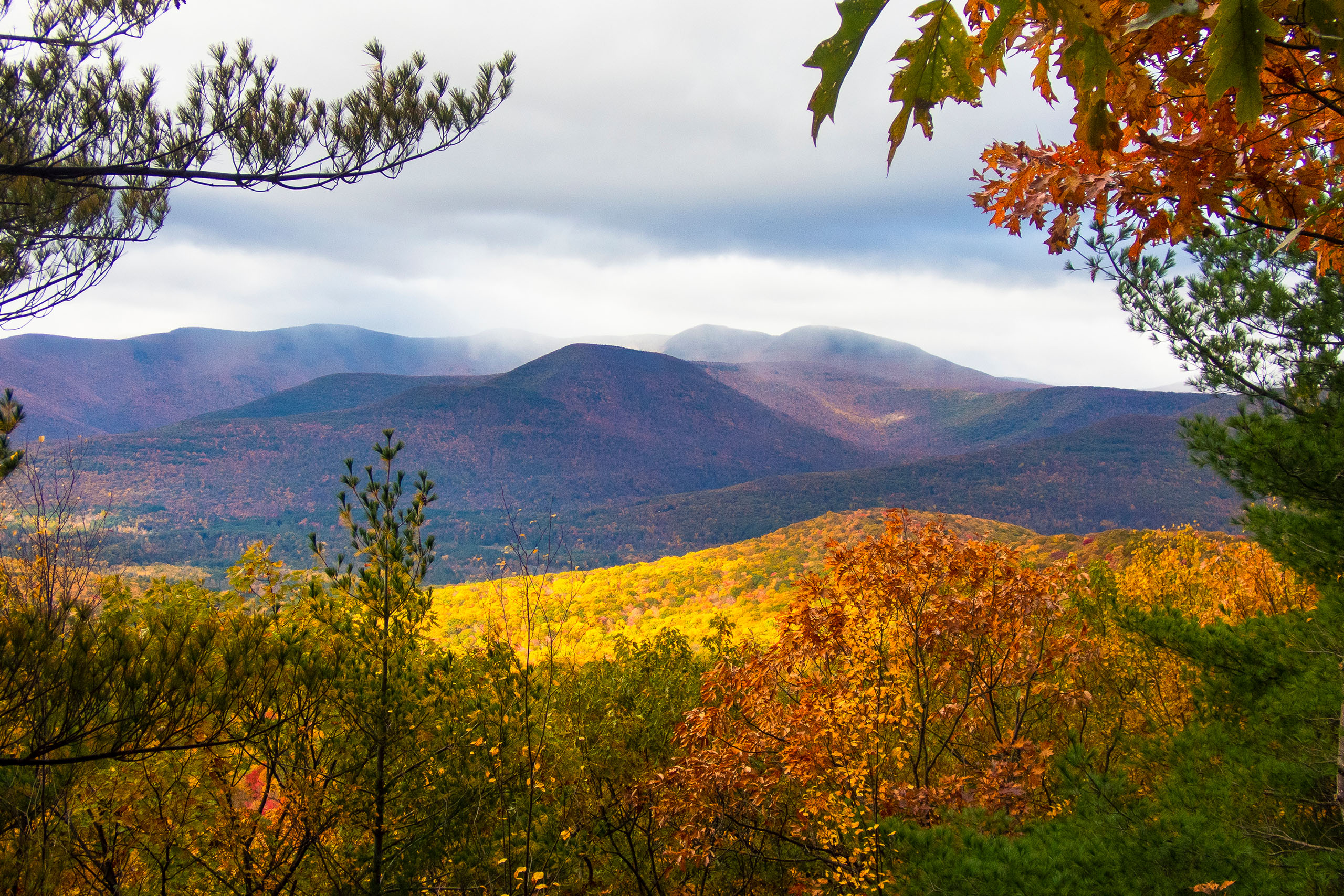
New Paltz, New York: Cliffside Views and Carriage Trails in the Gunks
New Paltz sits at the gateway to the Shawangunks—a ridge of dramatic cliffs and hiking terrain that turns into a golden-hour paradise in fall. Unlike Vermont’s rolling mountains, the Gunks offer vertical drama: towering rock formations, carriage roads threading through hardwood forests, and overlooks where you can watch the Hudson Valley turn amber below you.
The town itself is a scrappy college village with excellent local food and zero pretension, making it the least “precious” of these three options.
Pick New Paltz if you want dramatic landscape variety and don’t mind trading postcard perfection for genuine outdoor adventure. The Bonticou Crag carriage trails deliver cliffside views and fall foliage without requiring technical climbing, and the town’s proximity to the Hudson Valley means you can pair hiking with farm-to-table dinners and local wine bars.
Stay in the village center or in nearby mountain lodges to keep trailhead access tight and maximize time on the ridges before dark.
Timing note: Peak foliage across New England typically arrives in mid-to-late October, though it varies by elevation and weather—confirm with local tourism boards before booking, as early frosts or late warmth shift the timeline by weeks. All three towns fill quickly during peak weekends; aim for weekday visits in early October or the first week of November for fewer crowds and better lodging availability.
The Best Blue Ridge Mountain Towns to Visit in Fall
The Blue Ridge Mountains deliver fall foliage with zero crowds after Labor Day—and these North Carolina towns sit directly in the path of peak color, meaning you get cozy lodging, farm-to-table restaurants, and easy access to some of the most photographed scenic drives in America without fighting the September rush.
Blowing Rock, North Carolina: Scenic Parkway Drives and Cliffside Overlooks
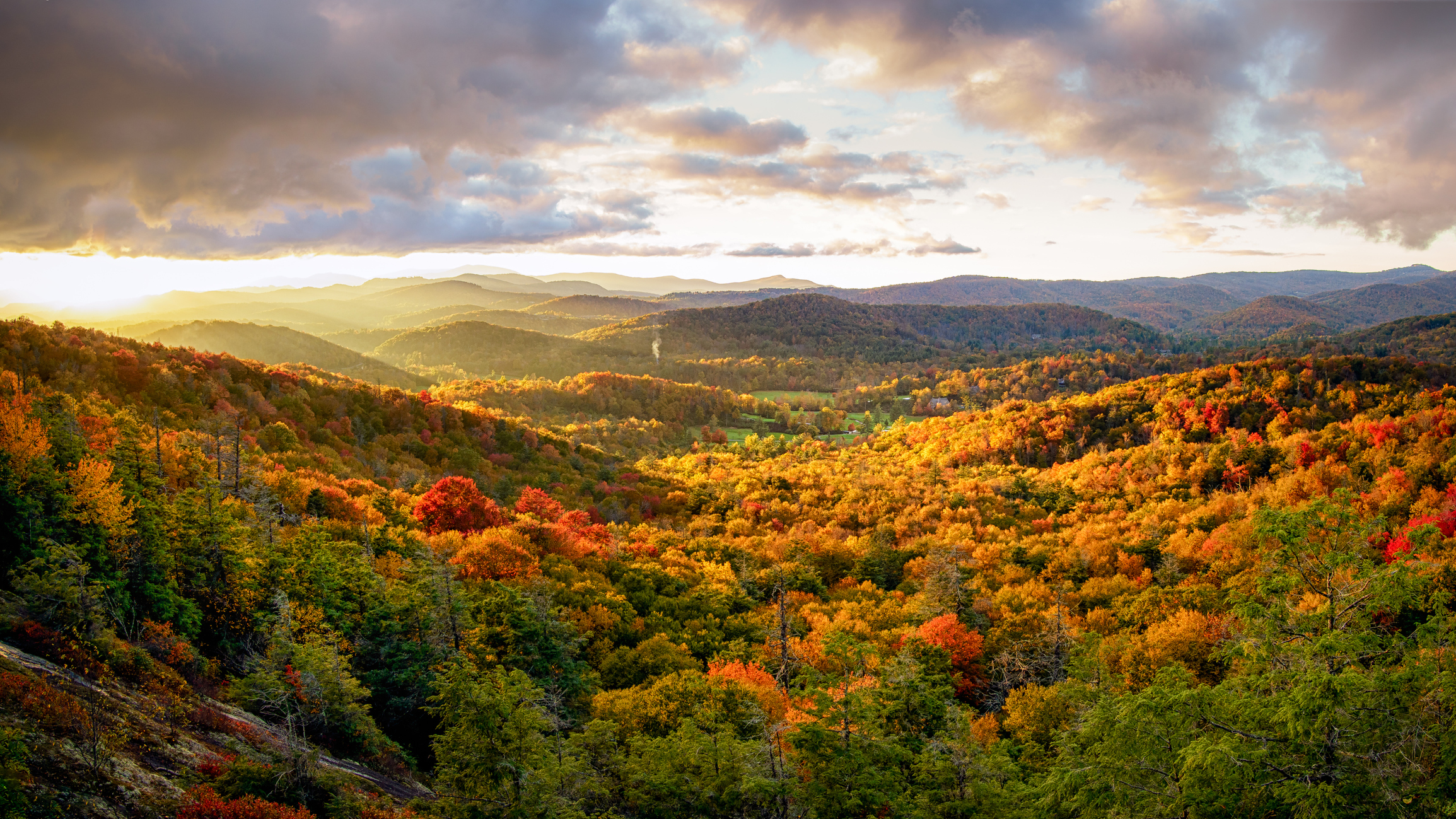
Blowing Rock is North Carolina’s oldest tourist attraction, and for fall specifically, it’s the gateway to the Blue Ridge Parkway’s most dramatic section—the 1,234-foot Linn Cove Viaduct that hovers along Grandfather Mountain’s edge. Best for: travelers who want a single base for multiple scenic drives and don’t mind a slightly busier town atmosphere.
The real win here is the 20-mile loop you can drive or bike from town: head south on the Blue Ridge Parkway for 10 miles, cross the viaduct, and return via Highway 221—all doable in a morning and all peak foliage.
From Blowing Rock, also hit Moses Cone Manor (a historic estate with grounds perfect for a quick walk) and Linville Falls, a waterfall that peaks in drama during fall when water flow is highest. Note: Check the National Park Service website before visiting—parts of Western North Carolina are still recovering from Hurricane Helene damage, and road closures on the Parkway can shift seasonally.
Black Mountain, North Carolina: A Laid-Back Haven for Art and Music Lovers
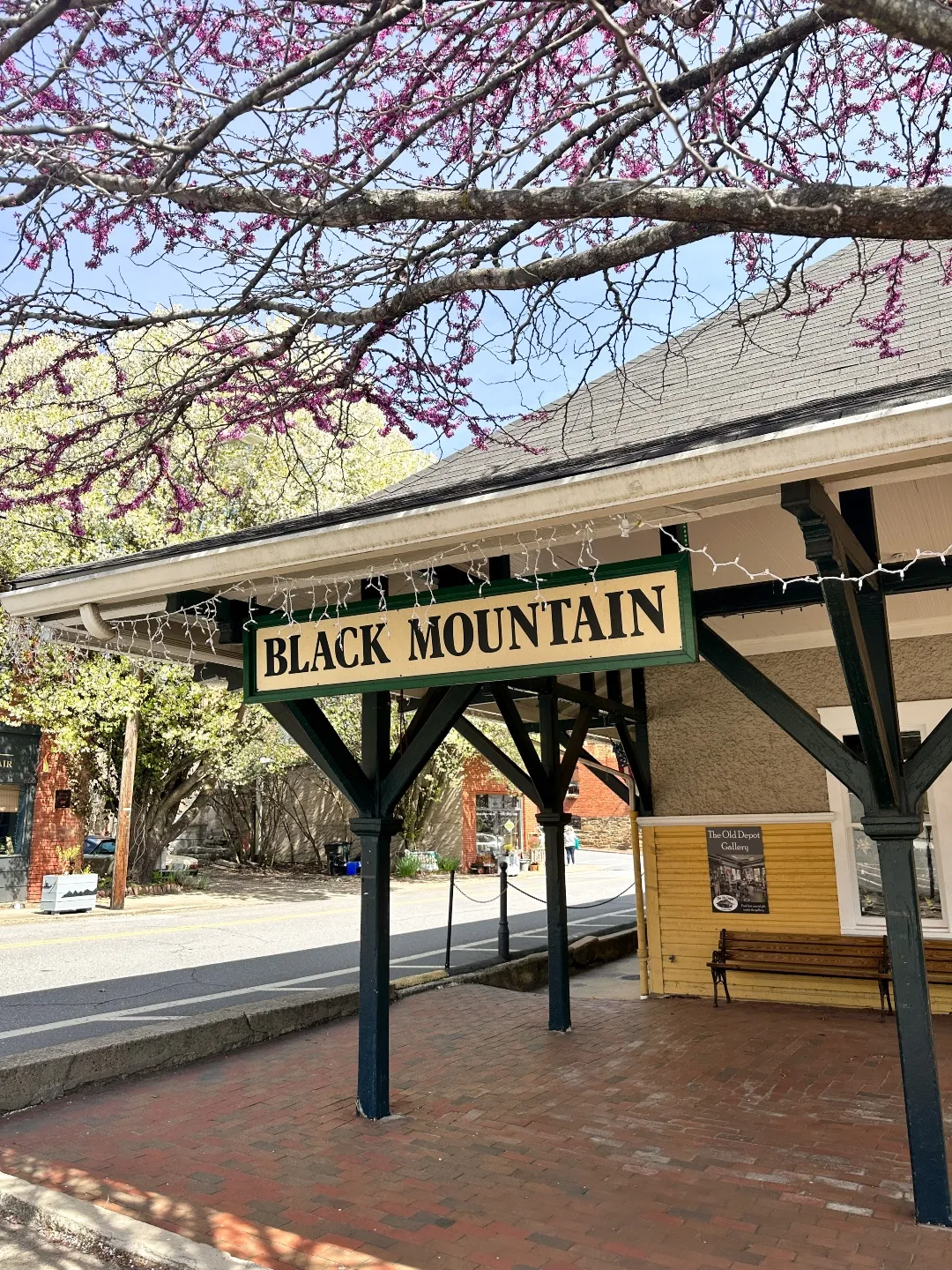
Just east of Asheville, Black Mountain trades the Parkway crowds for live music venues, craft breweries, and galleries that actually feel like working artist spaces rather than tourist traps. Best for: couples or solo travelers who want mountain views without the Instagram-famous town energy, plus easy access to excellent hiking trails.
The single reason to stay here: it’s close enough to Asheville for a day trip but far enough away that your evening feels genuinely quiet—you get sweeping mountain views and a real small-town vibe in the same trip.
Use Black Mountain as a base or add-on to an Asheville weekend; the drive between them is under 20 minutes, so you can split time between the two without wasting a day on logistics.
Valle Crucis, North Carolina: Historic Lodging and Quiet Mountain Air
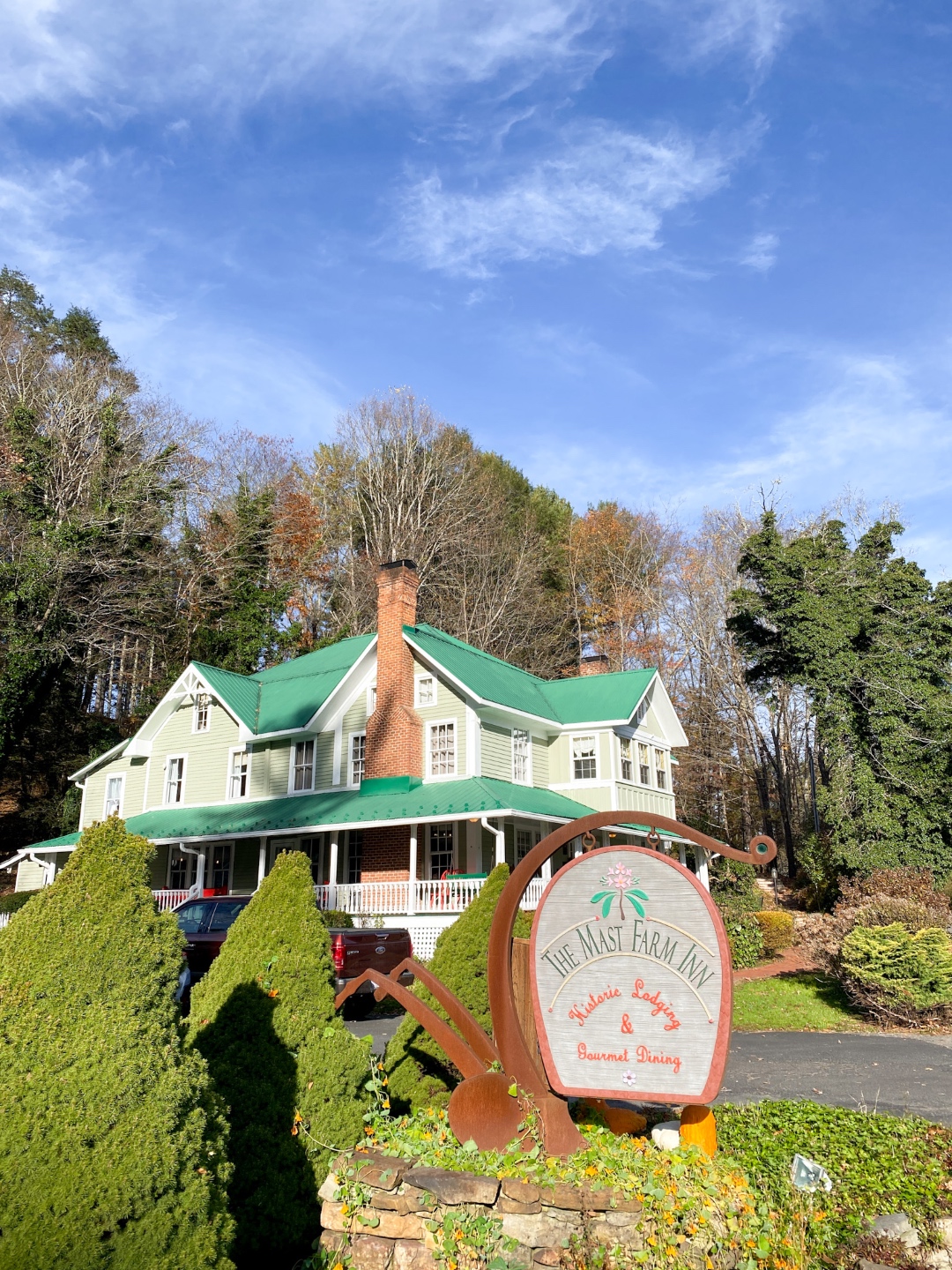
Valle Crucis feels like stepping back in time—a genuinely quiet mountain village where the main draw is unplugging rather than sightseeing. Best for: readers seeking fireplace-and-book weekends, not adventure itineraries.
The win: the Mast Farm Inn, a historic property where you can actually rest without guilt, plus nearby Banner Elk offers shops and restaurants if you need them, but you won’t feel pressured to fill every hour.
Make dinner reservations at Over Yonder (now located in nearby Boone) to avoid the drive back after dark, and plan for crisp morning walks through tree-lined streets—that’s the real activity here.
Saluda, North Carolina: Gorge Waterfalls and Small-Town Railroad Charm
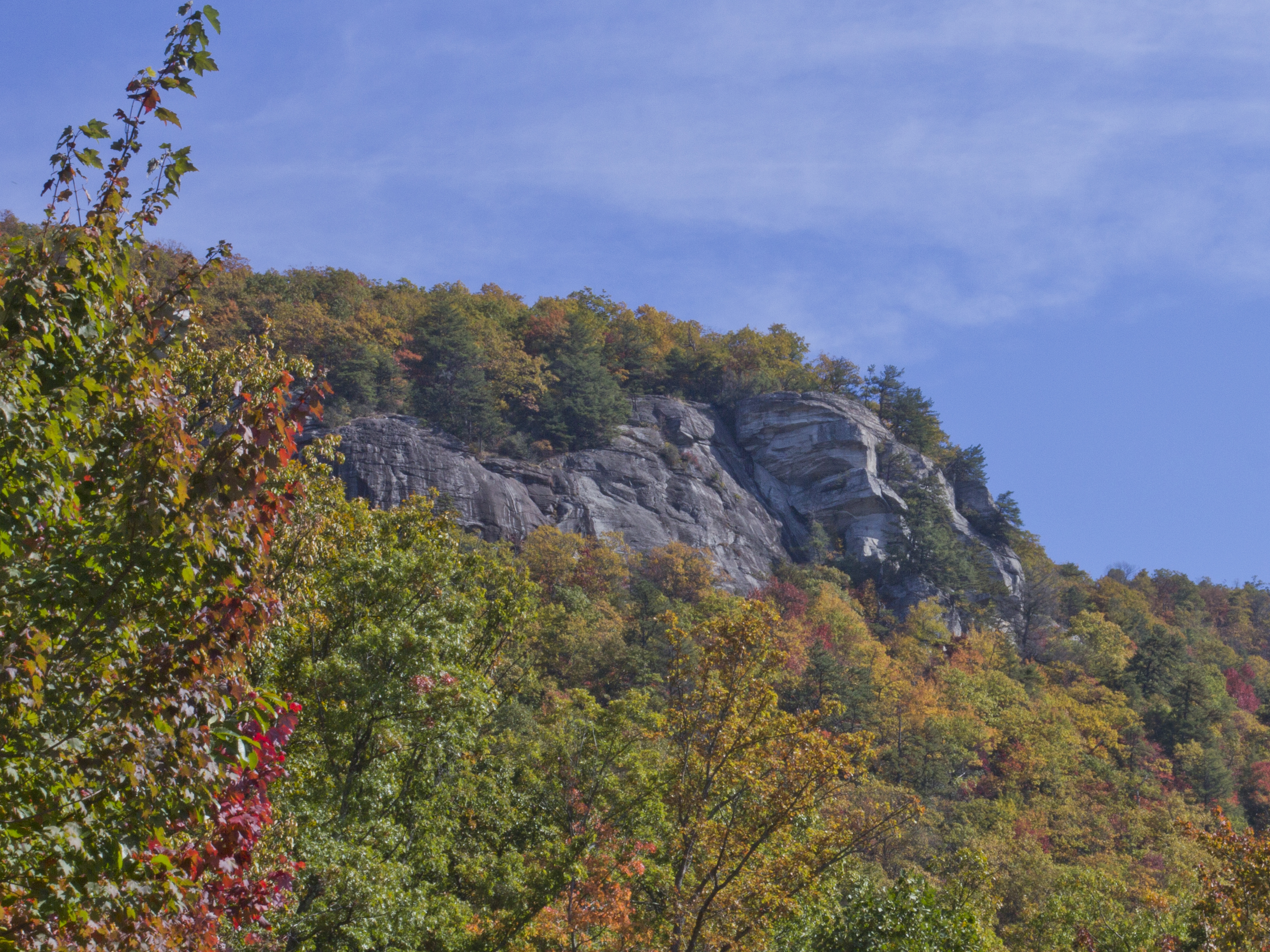
Perched on the edge of the Blue Ridge Escarpment, Saluda is genuinely tiny—a two-block downtown that somehow contains artist galleries, outdoor shops, and enough character to justify a full weekend. Best for: travelers who want waterfalls and hiking without the infrastructure of larger towns, plus a real artist-community feel.
The reason it wins: this former railroad town has reinvented itself as an outdoor enthusiast’s haven without losing its small-town bones—you get gorge waterfalls, excellent hiking access, and zero chain restaurants in the same place.
Hendersonville, North Carolina: Apple Orchards, Vineyards, and Autumn Spas
Hendersonville sits in the heart of North Carolina’s apple country, and fall is harvest season—meaning orchards are open for picking, cider is fresh, and farm-to-table restaurants have actual ingredients to work with. Best for: travelers who want food and wine as the main event, not a side activity.
The single reason to base yourself here: you can hit multiple orchards and vineyards in a morning, eat lunch at a restaurant serving that day’s harvest, and be back at your inn by 4 p.m. for a spa treatment or fireplace time.
Stay in the downtown area for walkable access to restaurants and shops; the town center is genuinely charming without feeling forced.
Burnsville, North Carolina: An Artistic Escape Near Mount Mitchell
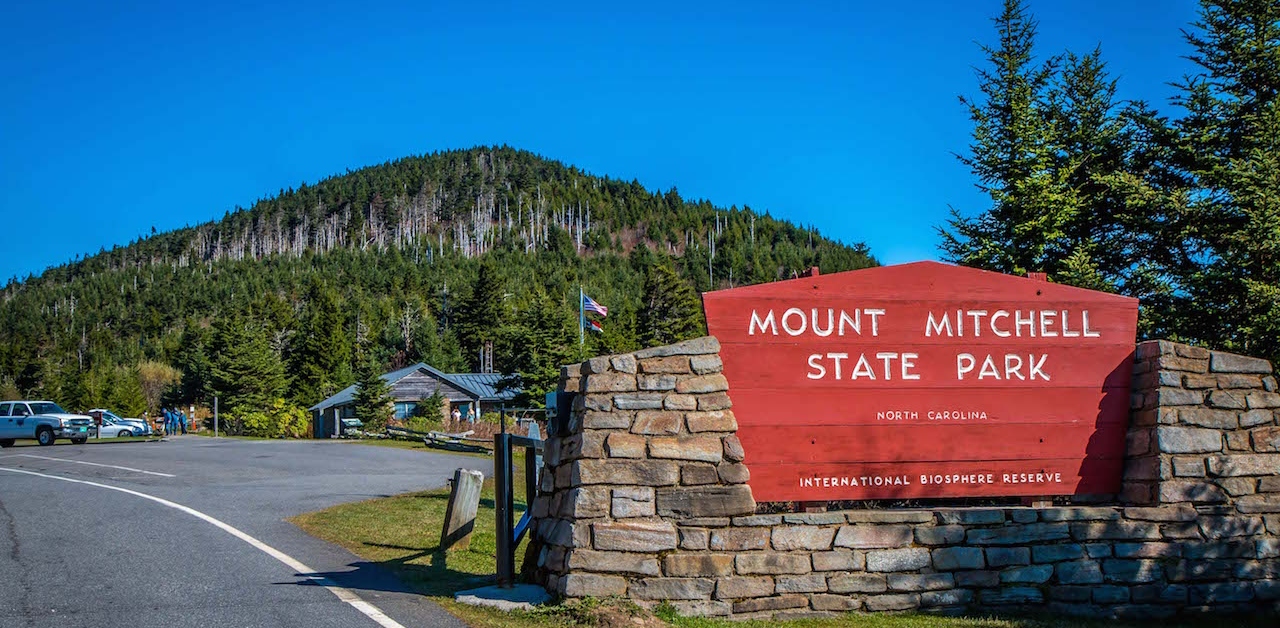
Burnsville is an artist community in the shadow of Mount Mitchell (the highest peak east of the Mississippi), making it ideal for travelers who want serious mountain scenery paired with galleries and live music. Best for: art-focused travelers and hikers who don’t want to choose between culture and nature.
The win: you can hike Mount Mitchell in the morning, grab lunch at a local café, and catch live music at a gallery or brewery in the evening—all without leaving a town small enough to feel intimate.
Asheville, North Carolina: High-Country Culture and Dog-Friendly Trails
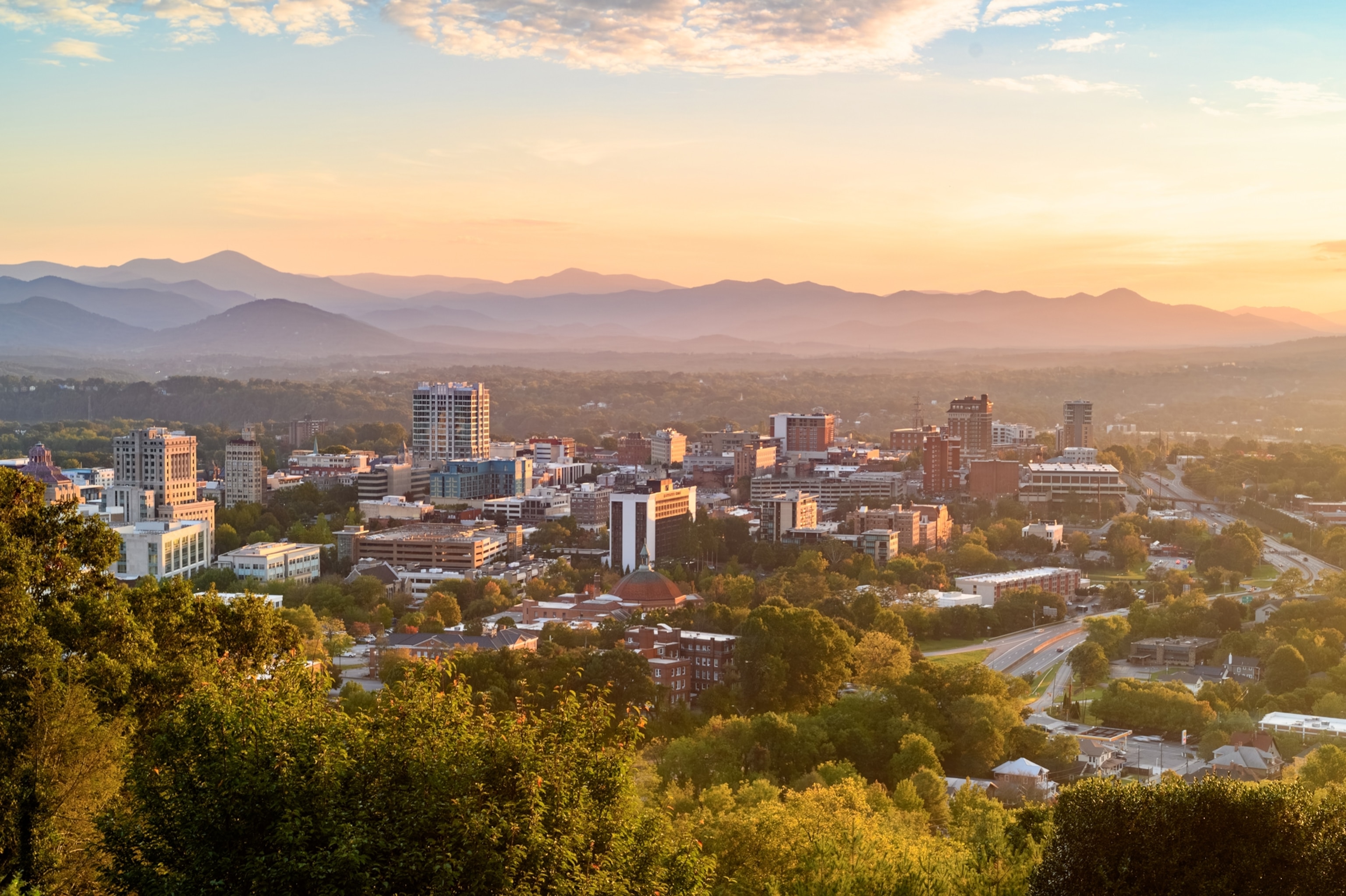
Asheville is the largest town on this list and the only one that feels like an actual city, but it’s still surrounded by mountains and packed with breweries, restaurants, and cultural events that justify its size. Best for: travelers who want mountain access without sacrificing restaurant quality, nightlife, or walkable neighborhoods.
The reason it wins for fall: the surrounding trails are genuinely excellent, the food scene is the strongest in the Blue Ridge, and the town itself is dog-friendly enough that you can bring your pet to patios and breweries without feeling like a burden.
Base yourself downtown for walkable access to restaurants and galleries; parking is tight but available in decks near the main streets. Day trips to quieter towns like Black Mountain or Valle Crucis are easy 20-30 minute drives if you want a break from the Asheville energy.
Blue Ridge Fall Lodging Overview
| Town | Best For | Stay Style | Vibe |
|---|---|---|---|
| Blowing Rock | Scenic drive base | Mountain inns, historic lodges | Busier, tourist-friendly |
| Black Mountain | Art and hiking | Boutique inns, small hotels | Artsy, laid-back |
| Valle Crucis | Quiet unplugging | Historic inns, fireplaces | Very quiet, time-travel feel |
| Saluda | Waterfalls and art | Small inns, artist lodges | Tiny, intimate, adventurous |
| Hendersonville | Orchards and wine | Downtown inns, spa resorts | Food-focused, relaxed |
| Burnsville | Art and serious hiking | Mountain inns, artist stays | Creative, mountain-centric |
| Asheville | Culture and food | Boutique hotels, downtown inns | Vibrant, walkable, urban |
Insider tip: Book mountain inns with fireplaces by early September—these fill fastest during fall foliage season, and the difference between a room with a working fireplace and one without is the difference between a cozy evening and a cold one. Many inns require 2-3 night minimums during peak foliage (late September through mid-October), so plan accordingly.
Spectacular Western Mountain Towns to Visit in Fall
The West’s fall palette is bolder and quieter than the East—golden aspens against evergreen slopes, high-altitude clarity, and towns small enough that you’ll recognize faces by day three. These four destinations deliver genuine mountain solitude without the leaf-peeping gridlock of New England.
Leavenworth, Washington: Bavarian Style Meets Golden Cascade Larches
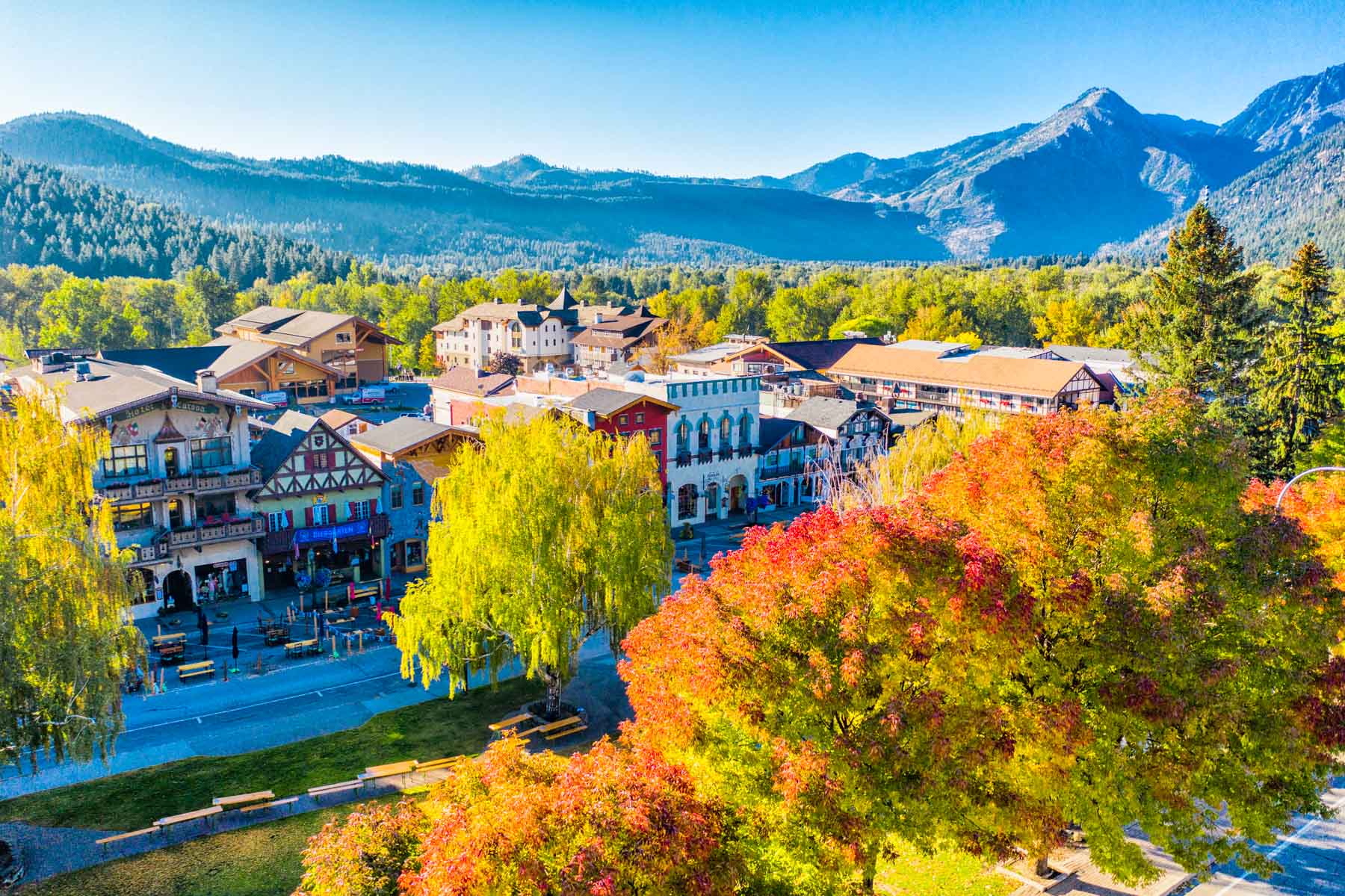
Leavenworth sounds like a theme park until you arrive and realize the Bavarian architecture is the backdrop, not the point—the real draw is the Cascade Mountains turning gold around you while you walk a genuinely charming village. This is the move for travelers who want alpine scenery without flying to Switzerland, plus the bonus of a walkable downtown where every building looks like it belongs in a fairy tale.
The single reason it wins: the larch trees. Cascade larches are rare conifers that turn brilliant gold in fall—a color you won’t see anywhere else in the Pacific Northwest—and they blanket the slopes surrounding town.
Mid-September through early October is peak, when the entire valley glows. Hike the Icicle Gorge Trail or drive the scenic loop toward Snoqualmie Pass to see them at their best.
Stay in the village center or in one of the nearby mountain lodges; downtown puts you within walking distance of restaurants, shops, and the river. The town fills quickly during peak foliage weekends, so book lodging by late August if you’re targeting late September or early October.
What to do: Ride the Leavenworth Ski Hill chairlift in fall for above-tree-line views of the colored larches below. Fish the Wenatchee River for fall-run salmon.
Browse the Historic Hermann Museum and antique shops on Main Street. Cozy Corner Vintage Restaurant serves German classics in a historic riverside building.
End the day at one of the many B&Bs in restored Victorian homes—several offer wine and cheese on wrap-around porches.
Crested Butte, Colorado: Massive Aspen Groves and Rocky Mountain Singletrack
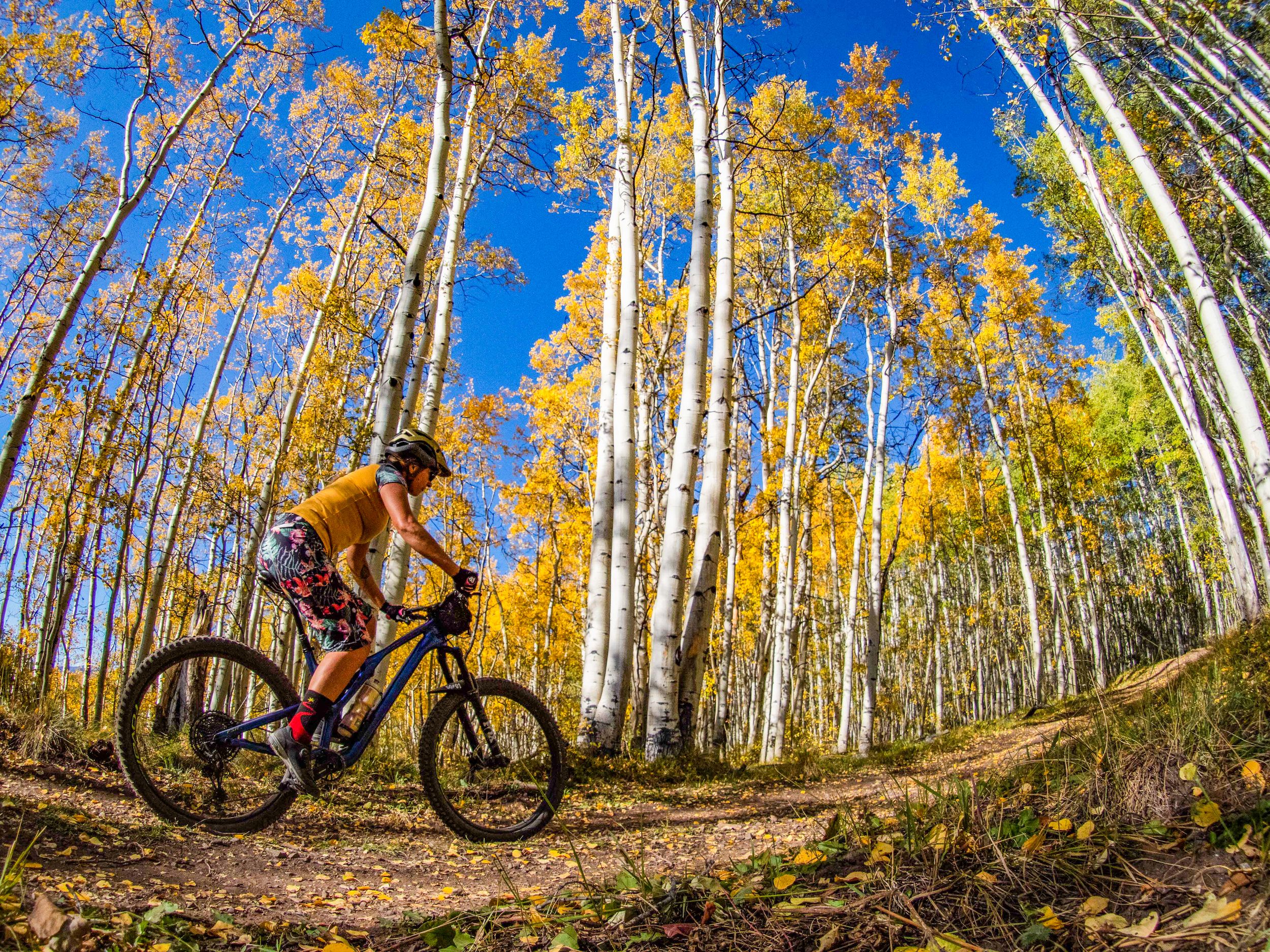
Crested Butte sits at 9,375 feet in a basin surrounded by aspen groves so dense and uniform they look painted—and in fall, they turn a synchronized yellow-gold that photographers queue up for at sunrise. This is the pick for mountain bikers and hikers who want serious trail access without sacrificing small-town coziness.
The single reason it wins: the Three Lakes Loop Trail, a moderate 10-mile hike that winds through aspen forest, past alpine lakes, and delivers views of the Elk Mountains. The aspens peak late September through early October, and the trail is less crowded than the front-range hikes near Boulder or Denver.
Mountain bikers get the same aspen scenery on singletrack—the Crested Butte Bike Park stays open into fall with lift access and hundreds of trail miles.
Base yourself in the town of Crested Butte proper (not the ski resort village), where the historic downtown has genuine character—local restaurants, galleries, and outfitters. Book by mid-August for peak foliage weekends; the town swells with leaf-peepers and mountain bikers.
What to do: Hike the Three Lakes Loop or Maroon Bells-Snowmass Wilderness trails. Mountain bike the Crested Butte Bike Park.
Drive the scenic Kebler Pass road (closed in winter, so fall is your window) for aspen-lined views. Fish the East River.
Dine at local restaurants that feature fall harvest menus and local game.
Stanley, Idaho: Quiet Sawtooth Peaks and Secret Hot Springs
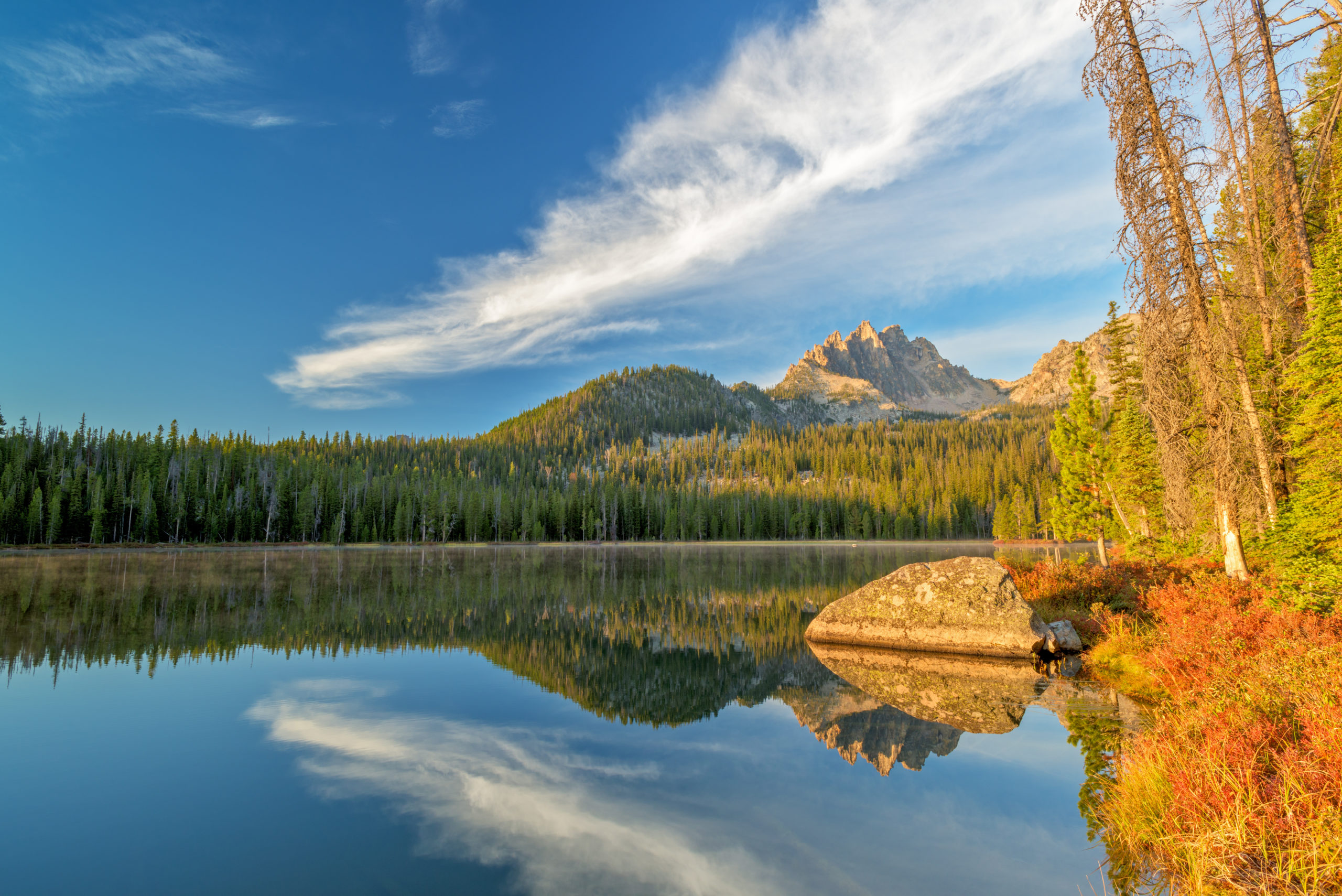
Stanley has fewer than 75 year-round residents, which means fall here feels like you’ve stumbled into a private mountain valley—yellow and gold cottonwoods line the rivers, aspens decorate the mountain slopes, and the only crowds are the ones you bring. This is for travelers who define cozy as genuine isolation, not Instagram-filtered solitude.
The single reason it wins: the natural hot springs scattered around the Sawtooth Valley. Soak in Bonneville Hot Springs, Sunbeam Hot Springs, or the lesser-known pools near the Sawtooth National Recreation Area while fall colors reflect in the water.
The contrast—steaming mineral water, crisp mountain air, golden aspens—is unbeatable. Summer is high season here, so fall takes on a sleepy, almost private vibe.
Stay in Stanley’s handful of lodges and cabins, or camp at one of the nearby Forest Service campgrounds. The town has minimal services (one grocery store, a few restaurants), so stock up before arriving.
Fall weather turns unpredictable by late September, so plan for early September if you want reliable conditions.
What to do: Hike to Sawtooth Lake or Redfish Lake for alpine scenery framed by aspens. Fish the Salmon River and surrounding streams—fall is prime season.
Soak in natural hot springs. Drive the scenic loop around Redfish Lake.
Pack a picnic and explore the Sawtooth National Recreation Area on foot or mountain bike.
Taos, New Mexico: High-Desert Aspens and Historic Sangre de Cristo Vistas
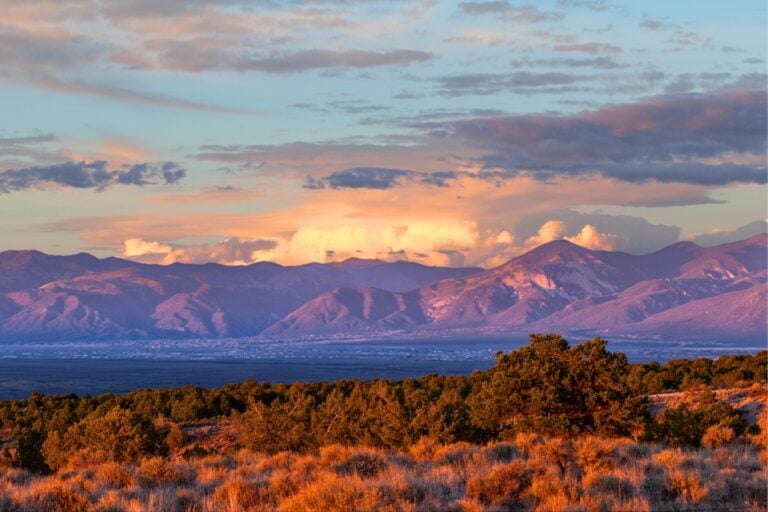
Don’t let the high-desert location fool you—the Sangre de Cristo Mountains surrounding Taos are packed with aspen stands that turn yellow and orange in fall, creating splotches of color against evergreen slopes and the rust-colored earth below. This is the choice for travelers who want fall foliage with Southwestern culture, art galleries, and a centuries-old plaza as the centerpiece.
The single reason it wins: the elevation contrast. Go high into the Sangre de Cristos and you’re surrounded by aspens; drop into the valley and cottonwoods line the rivers in gold.
The town itself sits at 7,000 feet, so fall arrives earlier and lingers longer than in lower elevations—expect peak color late September through mid-October. The Taos Valley Farmer’s Market brims with apples, greens, gourds, and nuts during fall, and restaurants like the Love Apple make the most of the autumn harvest.
Base yourself in historic Taos, where the 500-year-old plaza is walkable and surrounded by galleries, shops, and restaurants. Book by late August for peak foliage weekends.
The town has genuine character—this isn’t a manufactured mountain village, but a real community with deep roots.
What to do: Hike the Taos Ski Valley area trails for aspen-lined views and mountain vistas. Fly fish the streams around Taos—fall is prime season.
Explore the historic Taos Pueblo, one of the oldest continuously inhabited communities in the United States. Walk the plaza and browse galleries and antique shops.
Drive the scenic loop toward Picuris Pueblo or the Rio Grande Gorge for high-desert fall color.
Quick Comparison: Western Fall Towns at a Glance
| Town | Best For | Peak Foliage | Signature Activity | Crowd Level |
|---|---|---|---|---|
| Leavenworth, WA | Scenic village walks, rare larch trees | Mid-Sept to early Oct | Chairlift rides, river fishing | Moderate to high on weekends |
| Crested Butte, CO | Mountain biking, serious hiking | Late Sept to early Oct | Three Lakes Loop Trail, bike park | Moderate (less crowded than Front Range) |
| Stanley, ID | Solitude, hot springs soaking | Late Aug to early Sept | Hot springs, fishing, alpine lakes | Very low (under 75 residents) |
| Taos, NM | Culture, art, Southwestern character | Late Sept to mid-Oct | Pueblo visits, fly fishing, plaza walks | Moderate (genuine community, not resort town) |
Insider tip: Book lodging by mid-August for all four towns if you’re targeting peak foliage weekends. Leavenworth and Crested Butte fill fastest.
Stanley has the fewest rooms, so plan early or consider nearby gateway towns. Taos stays quieter than the others—it’s a real place, not a tourist destination designed around fall color.
Is Eureka Springs the Ultimate Cozy Ozark Mountain Town for Autumn?
Eureka Springs, Arkansas: Victorian Architecture, Springs, and Mellow Slopes
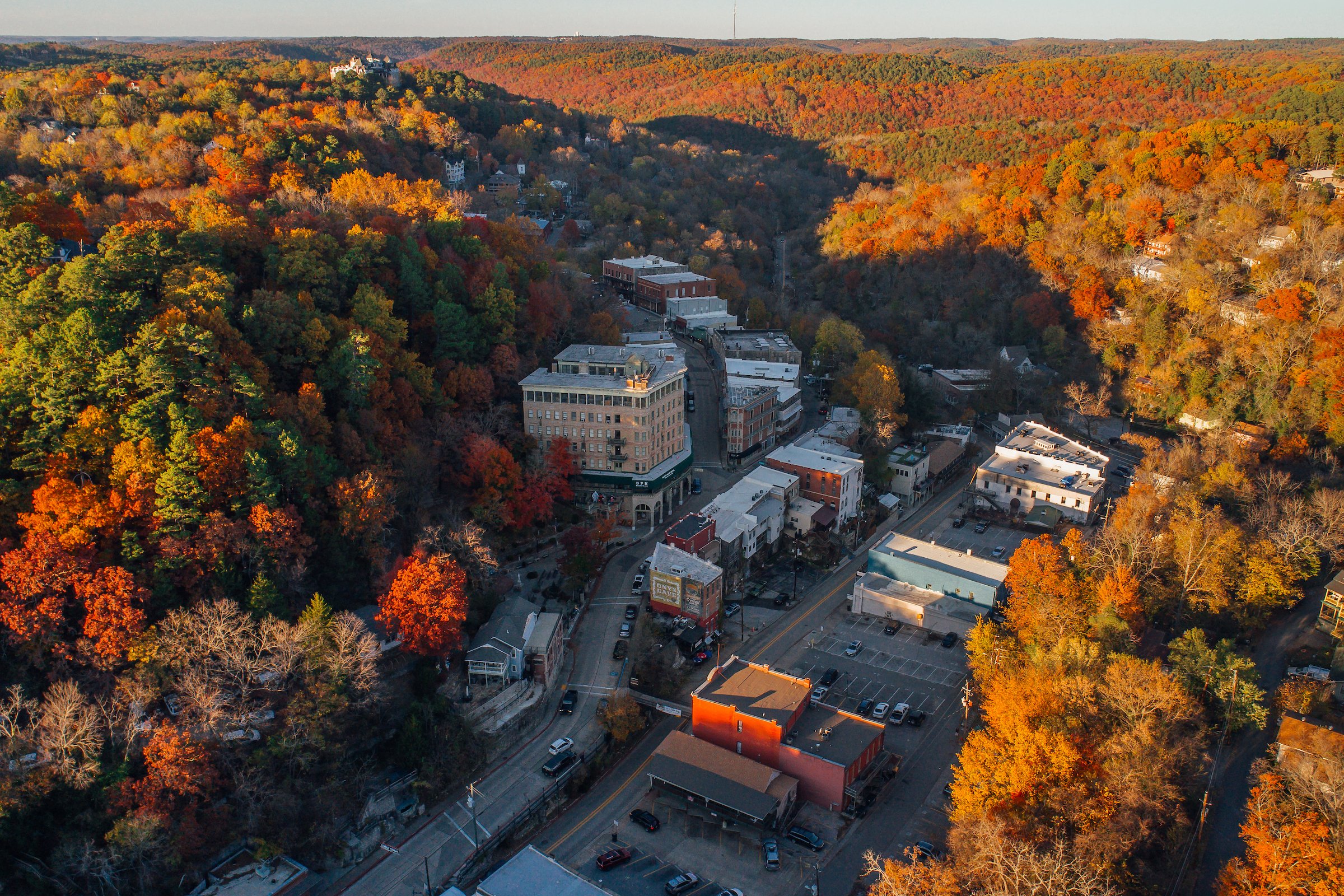
Eureka Springs sits built into a mountainside with the entire town on the National Register of Historic Places—meaning ornate Victorian-era architecture completely enveloped by technicolor hardwoods in fall is not a marketing promise, it’s the actual layout. This is the move for travelers who want cozy authenticity without pretense: walkable streets, genuine historic character, and 13 cold natural springs that have drawn visitors since the late 1800s for their reputed healing properties.
The town wins because it delivers visual drama without the crowds of more famous New England destinations. The mellow Ozark Mountains roll away from main street in every direction, creating a sense of being tucked into the landscape rather than perched on top of it.
Fall foliage here peaks roughly in mid-to-late October, though timing varies by year—confirm with local tourism before booking. The combination of Victorian storefronts, mountain views, and natural springs creates a genuinely different fall experience from the Blue Ridge or New England alternatives covered elsewhere in this guide.
Base yourself in the historic downtown core for walkable access to galleries, antique shops, and restaurants. Most lodging clusters around the main streets and historic district, putting you steps from the town’s character rather than isolated on a hillside.
The town is compact enough to explore on foot but dramatic enough in elevation changes that comfortable shoes matter—the Victorian architecture means stairs, steep sidewalks, and uneven terrain throughout.
The natural springs are the honest differentiator here. Unlike spa towns that market “wellness,” Eureka Springs’s springs have actual documented history—people have been visiting them for over a century.
Several are accessible to the public, and the town’s small size means you can visit multiple springs in a single afternoon without driving between resort properties. This is particularly appealing in fall when the cooler air makes soaking in natural mineral water feel indulgent rather than obligatory.
One insider detail: arrive midweek in October rather than weekends to experience the town’s genuine rhythm. Weekends draw leaf-peepers and weekend warriors from nearby states, but Tuesday through Thursday the town reverts to its actual character—slower pace, easier parking, and restaurants that aren’t packed with tour groups.
How to Plan Your Cozy Autumn Mountain Escape
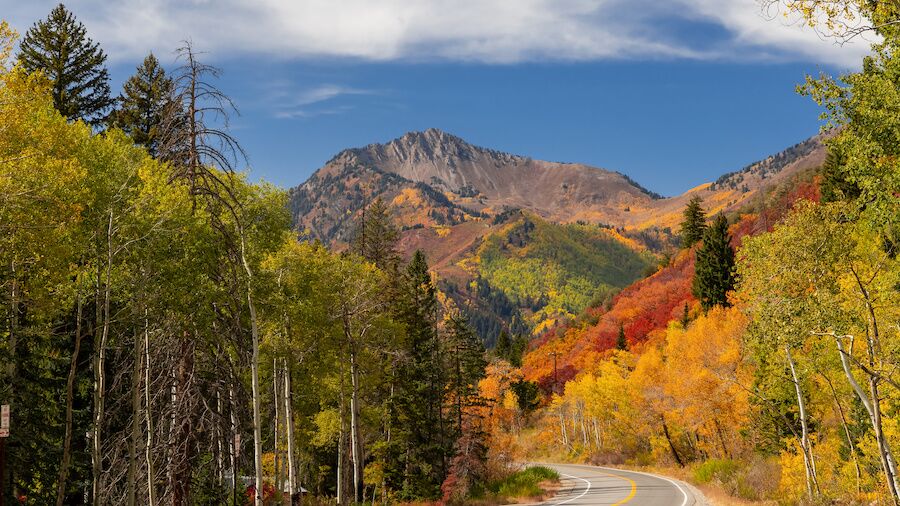
The difference between a rushed leaf-peeping weekend and an actually restful mountain escape comes down to timing, packing strategy, and knowing which weeks the crowds thin out while the color peaks. Most cozy mountain towns hit their sweet spot in mid-October—enough foliage to justify the trip, fewer tourists than peak season, and temperatures cool enough for fires and sweaters but not so cold that outdoor hiking becomes a chore.
When is the peak season for fall foliage in the mountains?
Peak foliage timing varies by elevation and latitude, so choosing the right week matters. In the Blue Ridge Mountains of North Carolina, colors typically peak between mid-October and early November, with mid to late October hitting hardest at higher elevations like Blowing Rock (around 4,000 feet).
Vermont’s fall colors tend to peak between early and mid-October as red oaks, maples, and dogwoods shift into bright reds, oranges, and yellows. Higher-elevation western towns like Crested Butte and Stanley see their aspen groves turn gold slightly earlier, usually late September through mid-October.
The practical advantage of timing your trip for peak week: you avoid the shoulder-season crowds that clog restaurants and hotels during the two weeks before and after peak, when foliage is still decent but not spectacular. Mid-October across most mountain regions offers the best trade-off between color intensity and actual availability of reservations.
Check the specific town’s foliage forecast 7-10 days before your trip—most Blue Ridge Parkway and state tourism sites update weekly predictions once September hits.
Important note: Parts of Western North Carolina are still recovering from Hurricane Helene damage, so verify current road access and closures on the Blue Ridge Parkway and at specific attractions before booking. The Linn Cove Viaduct and other popular stops may have temporary closures.
What should you pack for a cozy mountain town fall trip?
Mountain fall weather is deceptive—sunny midday temperatures can drop 20-30 degrees by evening, and elevation changes mean you’ll move between warm and cold multiple times in a single day. Pack in layers, not bulk.
Bring a lightweight merino wool base layer, a fleece or wool sweater, and a windproof jacket that packs small. Jeans work fine for town strolls, but if you’re hiking trails like Fishhook Creek or Mount Tom, pack one pair of hiking pants or leggings and waterproof trail shoes—morning dew on mountain grass soaks regular sneakers instantly.
For the cozy-town experience itself, bring comfortable walking shoes that can handle cobblestone streets and uneven historic sidewalks (Eureka Springs and Woodstock have plenty of both). A scarf does double duty as warmth and a casual-to-dinner upgrade.
Bring a reusable water bottle—mountain towns often have public fountains and refill stations, and staying hydrated at elevation prevents headaches. If you’re planning to visit orchards, farms, or outdoor markets (common in fall), pack a small crossbody bag that won’t bounce on hikes but holds a light jacket, water, and a snack.
Don’t overpack “cute” outfits—mountain towns in fall reward comfort over Instagram aesthetics. Bring one nicer sweater or blazer if you plan to dine at a sit-down restaurant, but otherwise, prioritize layering and waterproofing over variety.
A small umbrella or rain jacket is essential; mountain weather shifts fast, and afternoon showers are common in fall.
For lodging, base yourself in the town center of whichever mountain escape you choose—Woodstock, Stowe, Blowing Rock, Stanley, or Eureka Springs all have walkable downtown cores with mountain inns, cabins, and boutique hotels within steps of restaurants, shops, and trailhead access. This eliminates the need for a car once you arrive and lets you enjoy evening strolls and spontaneous dinner reservations without worrying about parking.
Frequently Asked Questions
Which cozy mountain towns are the most budget-friendly in fall?
North Carolina’s Blue Ridge towns—particularly Blowing Rock, Black Mountain, Burnsville, and Valle Crucis—deliver peak fall foliage without the New England price tag. Expect lodging to run roughly $100–$180 per night in shoulder fall weeks (early October or late November), though peak leaf season (mid-to-late October) pushes rates higher.
Surry County wine towns like Elkin and Mount Airy in the Yadkin Valley offer similar savings with vineyard access and hiking included at no cost. Skip Vermont and Colorado resort towns if budget matters—the same fall experience costs 40–60% less in the Carolinas and Ozarks.
Eureka Springs, Arkansas, sits in the middle ground: Victorian charm and natural springs without Aspen-level pricing, typically $120–$200 for mid-range inns. Book accommodations in early September for the best rates before peak season demand hits.
How early do you need to book accommodations for fall leaf-peeping?
For peak foliage weeks (mid-to-late October in the Northeast and mid-elevation mountain towns), book 6–8 weeks ahead—roughly mid-August—to secure your first choice of lodging. Popular towns like Stowe, Vermont, Woodstock, Vermont, and Crested Butte, Colorado, fill completely 10–12 weeks out during their peak color window.
If you’re flexible on dates and willing to visit early October or late November, you can book 3–4 weeks ahead and still find availability at reasonable rates.
For less-crowded alternatives like Stanley, Idaho, Taos, New Mexico, or smaller Carolinas towns, 4–6 weeks ahead is typically sufficient. Always confirm peak leaf dates with local tourism boards before booking—foliage timing shifts 1–2 weeks depending on early frost or warm spells, and booking too early for a town’s actual peak color wastes your trip.
What are the best dog-friendly cozy mountain towns to visit in fall?
Asheville, North Carolina, is the gold standard for dog travelers: downtown hotels welcome pets, dozens of dog-friendly patios and breweries operate year-round, and the Blue Ridge Parkway’s numerous trailheads allow leashed hiking with spectacular fall views. Stowe, Vermont, and Leavenworth, Washington, both offer walkable village centers where dogs are welcome in most shops and outdoor dining areas, plus immediate access to mountain trails perfect for crisp-weather hikes.
Stanley, Idaho, caters to outdoor dogs with easy trailhead access and a laid-back mountain vibe—most lodges and cabins welcome pets without fees. Taos, New Mexico, offers high-desert hiking with dog-friendly trails and a relaxed attitude toward four-legged travelers.
When booking, confirm pet policies directly with lodges and inns, as fees and size restrictions vary widely. Fall is ideal for dog travel in mountain towns: cooler temperatures mean safer hiking, and fewer summer crowds make trails and downtown areas more manageable for anxious pets.
Book Your Mountain Escape Now
Pick your town based on what you actually want to do—hiking, eating, soaking in hot springs, or simply sitting by a fireplace—then book lodging in the historic downtown core where everything is walkable. Mid-October offers the best trade-off between peak color and actual availability, though early October and late November deliver equally stunning foliage with thinner crowds.
Fall in a cozy mountain town isn’t just a weekend away; it’s a reset that justifies the drive north or west. These towns deliver genuine quiet, walkable centers, and the kind of crisp autumn air that makes you understand why people plan their entire year around October.
Reserve your mountain inn by mid-August for peak foliage weeks, confirm current road access on the Blue Ridge Parkway and in Western North Carolina (Hurricane Helene recovery is ongoing), and pack in layers—mountain weather shifts 20–30 degrees between midday sun and evening chill.
Leave a Reply