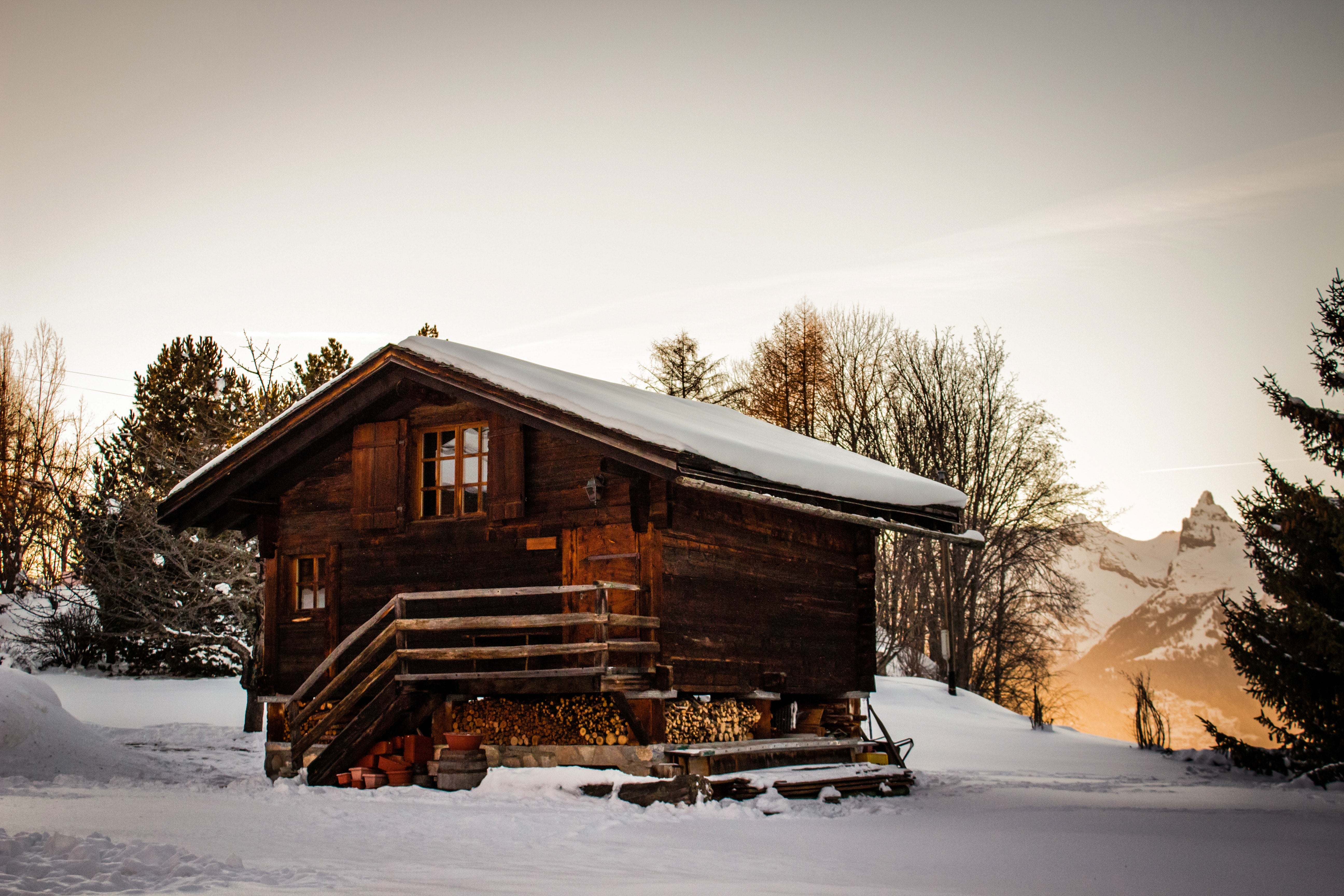
Imagine snowflakes falling silently outside while a real fire crackles inside, warming your feet on a rug you didn’t have to share. This is the genuine winter stillness that only a private cabin can deliver, a complete reset from the noise and schedules of resorts.
Unlike other vacations, a cabin lets you set your own pace, immersing you in the quiet of the woods or mountains. This guide cuts through the options to help you choose the perfect region and book confidently.
You can find basic retreats starting around $100 per night, with mid-range options from $200 to $400, and splurge-worthy lodges with hot tubs and prime locations costing $500 or more.
Quick Reference: Best Winter Cabin Regions at a Glance
This table highlights the highest-value decisions for your trip, based on direct experience.
| Region | Best For | Snow Reliability | Price Range (per night) |
|---|---|---|---|
| New England | Cross-country skiing, lodge life | High (Dec–Mar) | $150–$400 |
| Upper Midwest | Snowmobiling, frozen lakes | Very High (Dec–Mar) | $100–$300 |
| Blue Ridge, NC | Scenic drives, mild winter hiking | Moderate (Dec–Feb) | $120–$350 |
| Mountain West | Powder skiing, national parks | Very High (Nov–Apr) | $200–$600 |
| Alaska | Northern lights, true wilderness | Extreme (Oct–Apr) | $150–$400 |
Prioritize a full kitchen and a hot tub—they make the biggest difference in comfort.
Why Should You Choose a Winter Cabin Getaway Over Other Vacations?
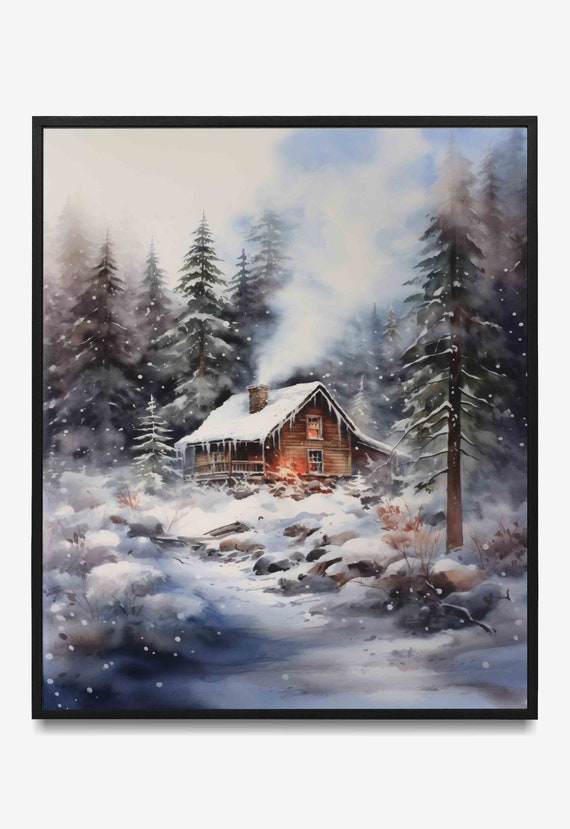
A winter resort charges you for every hour of entertainment. A cabin charges you for the silence — and silence is what actually resets you.
If your ideal winter escape involves zero lobby noise, no dinner reservations to stress over, and a fireplace that belongs only to you, a cabin delivers what no hotel chain or cruise ship can: genuine stillness.
The Mental Health and Relaxation Benefits of Escaping to a Cabin in Winter
Snow-covered wilderness has a measurable effect on stress levels, and winter cabins put you directly inside that landscape rather than viewing it through a hotel window. The difference matters.
A cabin in the woods or mountains removes the ambient noise of shared spaces — no hallway footsteps, no elevator dings, no pool crowds. What replaces it is the kind of quiet that lets your nervous system actually downshift.
Here’s what makes a cabin specifically better for mental recovery than other winter trips:
- No schedule pressure: Resort vacations quietly demand you “get your money’s worth” — hit the buffet, attend the excursion, make the happy hour. A cabin has no programming. Wake when you want, eat when you’re hungry, sit by the fire for three hours reading. That’s the whole point.
- Nature immersion without performance: You don’t have to hike a summit or conquer a trail to benefit from being surrounded by trees and snow. Stepping onto a cabin porch with coffee and breathing cold, clean air for ten minutes does more for your mood than most spa treatments.
- Digital disconnection happens naturally: Many remote cabins have limited or no cell service. Instead of fighting the urge to check your phone, the environment removes the choice entirely. That forced disconnect is what city vacations can never replicate — your phone still works in a hotel.
- Lower social exhaustion: For couples, small families, or solo travelers who find crowded destinations draining, a cabin removes the constant negotiation of shared spaces. No fighting for pool chairs, no waiting for restaurant tables, no strangers in the hot tub.
How Cabin Getaways Offer a Perfect Balance of Adventure and Calm
The best winter cabins sit at the intersection of two things travelers usually have to choose between: outdoor activity and total rest. A ski resort pushes you toward constant motion.
A beach resort lures you into permanent inertia. A cabin lets you toggle between both on your own terms.
A typical day looks like this: snowshoe a nearby trail in the morning, return to the cabin for a slow lunch cooked in your own kitchen, spend the afternoon reading or napping, then step outside again at dusk to watch the light change over frozen terrain. No one is selling you an excursion.
No one is timing your checkout. The adventure comes to you — or doesn’t — and either option is the right one.
- Winter activities without the crowd markup: From most well-located cabins, you can snowshoe, cross-country ski, ice fish, or snowmobile without paying resort-lift prices or sharing the trail with hundreds of people. Many cabins in regions like the Upper Midwest or Blue Ridge Mountains sit directly adjacent to trail networks or frozen lakes.
- Self-contained comfort: A cabin with a full kitchen, wood-burning stove, and comfortable living space means you control the pace entirely. Cook a real dinner at 6 PM or 9 PM. Start a fire when you feel like it. This autonomy is the core reason cabins beat hotels for multi-day winter stays — you settle in rather than just occupying a room.
- Evenings become the highlight: At a resort, the evening is when you fight for restaurant seats or sit in a crowded lounge. At a cabin, the evening is board games by firelight, hot drinks on the porch, or stargazing from a deck with zero light pollution. This is the part most people remember longest.
Bottom line: if you want winter to feel like winter — not a themed version of it filtered through a lobby — a cabin is the only format that delivers. The specific regions, amenities, and price ranges to look for are covered in the sections ahead, but the reason to choose a cabin over every other option comes down to one thing: it lets winter be quiet, and it lets you be still inside it.
What Should You Look for When Booking a Cozy Winter Cabin?
The perfect winter cabin isn’t just about the fireplace—it’s about booking one that won’t leave you cold, broke, or stuck. Here’s how to nail the logistics before you ever pack your bags.
Key Amenities That Make or Break a Winter Cabin Stay
Prioritize amenities that directly combat winter’s challenges. A wood-burning fireplace is atmospheric, but an efficient central heating system is non-negotiable.
Hot water pressure and a fully-equipped kitchen for cooking comfort meals matter more than a rustic charm that freezes you out.
- Hot Tub: This is the number-one upgrade worth paying extra for. Soaking in hot water after a cold day of activities is a core part of the winter cabin experience. Don’t settle for a cabin without one if you can avoid it.
- Full Kitchen: You’ll save a fortune and stay cozy. Confirm it has a standard oven, not just a microwave, and enough pots and pans for real meals. A coffee maker is essential.
- Reliable Heat Source: “Wood-burning stove” sounds romantic until you’re freezing. Look for listings that specify supplemental forced-air heating or baseboard heaters. Ask the host directly.
- Washer/Dryer: Critical for drying snow gear and damp layers daily. This single amenity extends your usable wardrobe and comfort.
Seclusion vs. Proximity: How Remote Do You Really Want to Be?
This is your biggest decision after price. Total seclusion feels magical until you realize the nearest grocery store is an hour away on icy roads. Balance is key.
Choose true remote seclusion (30+ min to town) only if: You are fully self-sufficient, have 4WD/AWD, and are prepared to hunker down with all supplies for your stay. This is for experienced winter drivers and planners.
Choose “conveniently rural” (5-15 min to a main road or town) if: You want peace but also the option for a restaurant meal, a forgotten grocery item, or help if conditions turn bad. This is the sweet spot for most first-time winter cabin renters.
Avoid cabins marketed as “remote” that lack clear road-maintenance information. Always ask: “Is the access road plowed regularly after snowfall? Is there cell service?” A stunning mountain view isn’t worth getting stuck.
Budgeting for a Cabin Getaway: Nightly Rates, Splitting Costs, and Hidden Fees
Cabin prices swing wildly by season, location, and size. A basic studio cabin in the Upper Midwest might start around $150 per night, while a large, amenity-rich mountain lodge near a ski resort can easily exceed $600 per night in peak season (typically January-February).
Split the cost smarter. A 3-bedroom cabin that sleeps 8 might seem expensive at $450/night, but at $56/person/night, it’s a steal compared to individual hotel rooms. Use a spreadsheet to divide costs fairly, including groceries.
Scrutinize these hidden fees before booking:
- Cleaning Fee: This is a one-time charge, often $75-$250. It’s standard, but factor it into your total cost.
- Pet Fee: Usually $50-$100 per stay. If you’re not bringing a pet, don’t pay it.
- Occupancy Fee: Some rentals charge extra per guest after the first 2 or 4 people. Read the fine print.
- Road Access / Parking Fee: Rare, but some remote properties or those in gated communities charge for road maintenance or a parking spot. Ask.
Insider Booking Move: For the best rates and selection, book your winter cabin for the following year during the current winter. Peak season dates for popular destinations like the Smoky Mountains or Colorado Rockies can be booked 9-12 months in advance.
Last-minute deals are rare for desirable cabins.
| Planning Factor | Best For | Watch Out For |
|---|---|---|
| Total Seclusion | Experienced planners with AWD/4WD, seeking true digital detox. | Isolation, tricky road access, distance from supplies. |
| “Conveniently Rural” | Most groups, families, and first-timers wanting peace + access. | Slightly less “off-grid” feeling. |
| Near a Ski Town | Those prioritizing ski resort access and nightlife. | Highest prices, crowded trails, noise. |
Top Cozy Winter Cabin Getaways Across the USA
The difference between a forgettable winter trip and a transformative one usually comes down to location — and whether your cabin actually delivers on the “cozy” promise or just looks good in photos. Here’s the honest breakdown of where to go, what to expect, and which regions earn the hype.
| Region | Best For | Snow Reliability | Price Range (per night) |
|---|---|---|---|
| New England | Cross-country skiing, lodge life | High (Dec–Mar) | $150–$400 |
| Upstate New York | Skiing, Catskills charm | High (Dec–Mar) | $200–$500 |
| Blue Ridge, NC | Scenic drives, mild winter hiking | Moderate (Dec–Feb) | $120–$350 |
| Upper Midwest | Snowmobiling, frozen lakes | Very High (Dec–Mar) | $100–$300 |
| Pacific Northwest | Alpine scenery, hot springs | Variable (Dec–Feb) | $175–$450 |
| Mountain West | Powder skiing, national parks | Very High (Nov–Apr) | $200–$600 |
| Alaska | Northern lights, true wilderness | Extreme (Oct–Apr) | $150–$400 |
Northeast & New England: Maine Wilderness Lodges, Pennsylvania Stargazing, and Upstate New York’s Best-Kept Secrets
New England owns the classic winter cabin archetype for a reason — reliable snow, centuries-old forest, and lodges that actually know how to do cold-weather hospitality.
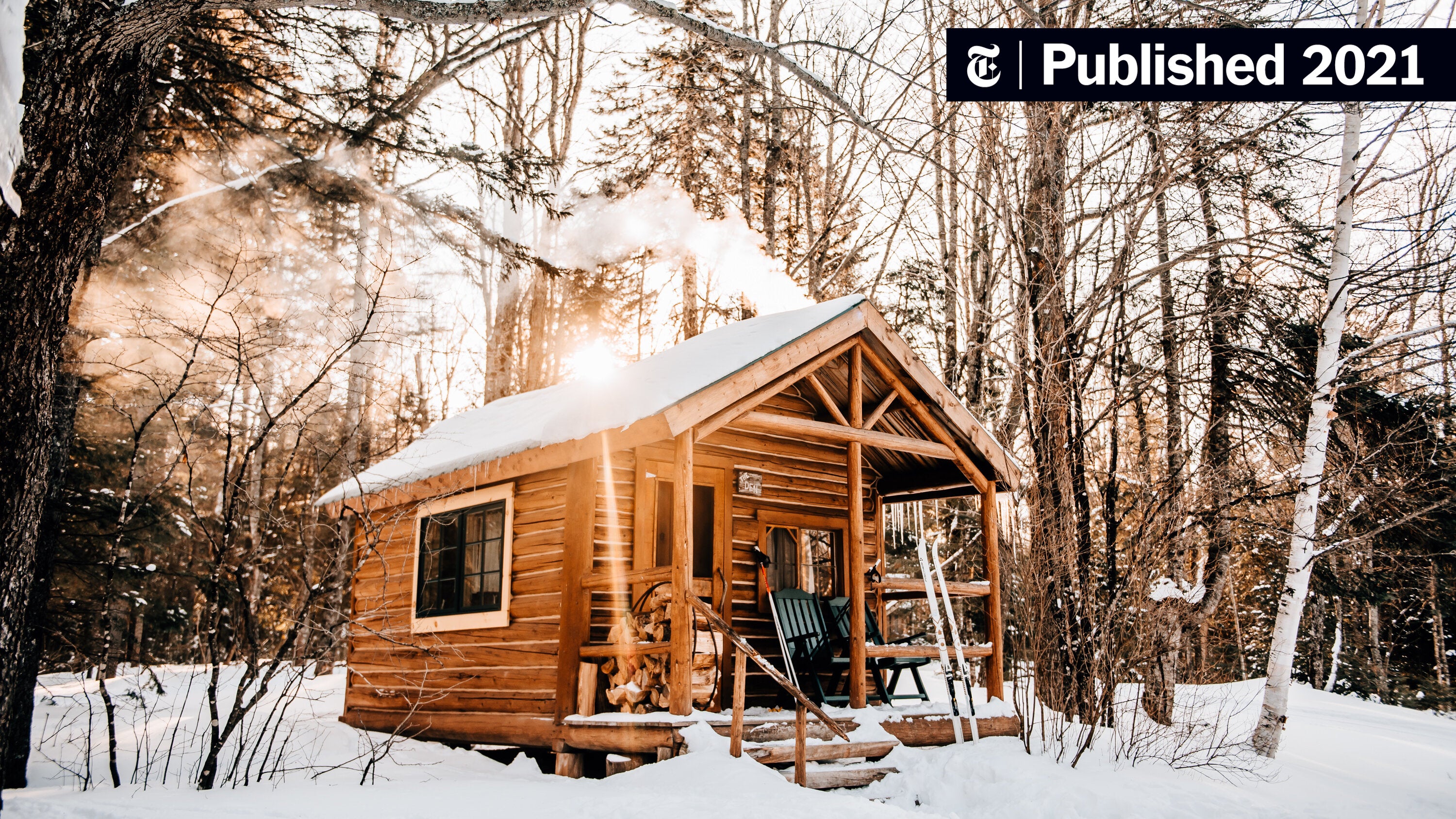
Maine’s 100 Mile Wilderness is the pick for serious cross-country skiers. The Appalachian Mountain Club operates clusters of log cabins deep in the backcountry where you can ski right out the front door.
The real insider move: they serve family-style meals at a central lodge, so you get fed without cooking — a rarity in true wilderness settings. Book early; these fill months ahead for peak winter weekends.
Upstate New York splits into two distinct worlds. The Catskills deliver more polish and accessibility, while the Adirondacks feel wilder and more rugged.
- Casa Minnewaska (Kerhonkson, Catskills): A luxury renovation with a hot tub on an expansive deck — this is the cabin for couples who want cozy without roughing it. Minnewaska State Park and the Shawangunk Mountains are minutes away for winter hiking and ice climbing. Expect roughly $300–$500 per night through Upstate Getaways.
- Juniper Hill Cabin (Wilmington, Adirondacks): Seven minutes from Whiteface Mountain and tucked into a quiet cul-de-sac backed by woods. Skiers targeting Whiteface get slope access without resort-lodge pricing. Lake Placid, Jay, and classic Adirondack scenery are all within easy reach. This is the move for groups who want a real town nearby but a cabin that feels secluded.
Pennsylvania earns its spot for stargazing over anything else. The state’s northern tier — particularly areas around Cherry Springs State Park — sits under some of the darkest skies east of the Mississippi.
Winter’s longer nights and clearer air make January and February peak viewing months. Pair a remote cabin with a clear forecast and you’ll see the Milky Way without a telescope.
Southeast: Blue Ridge Mountain Cabins in North Carolina
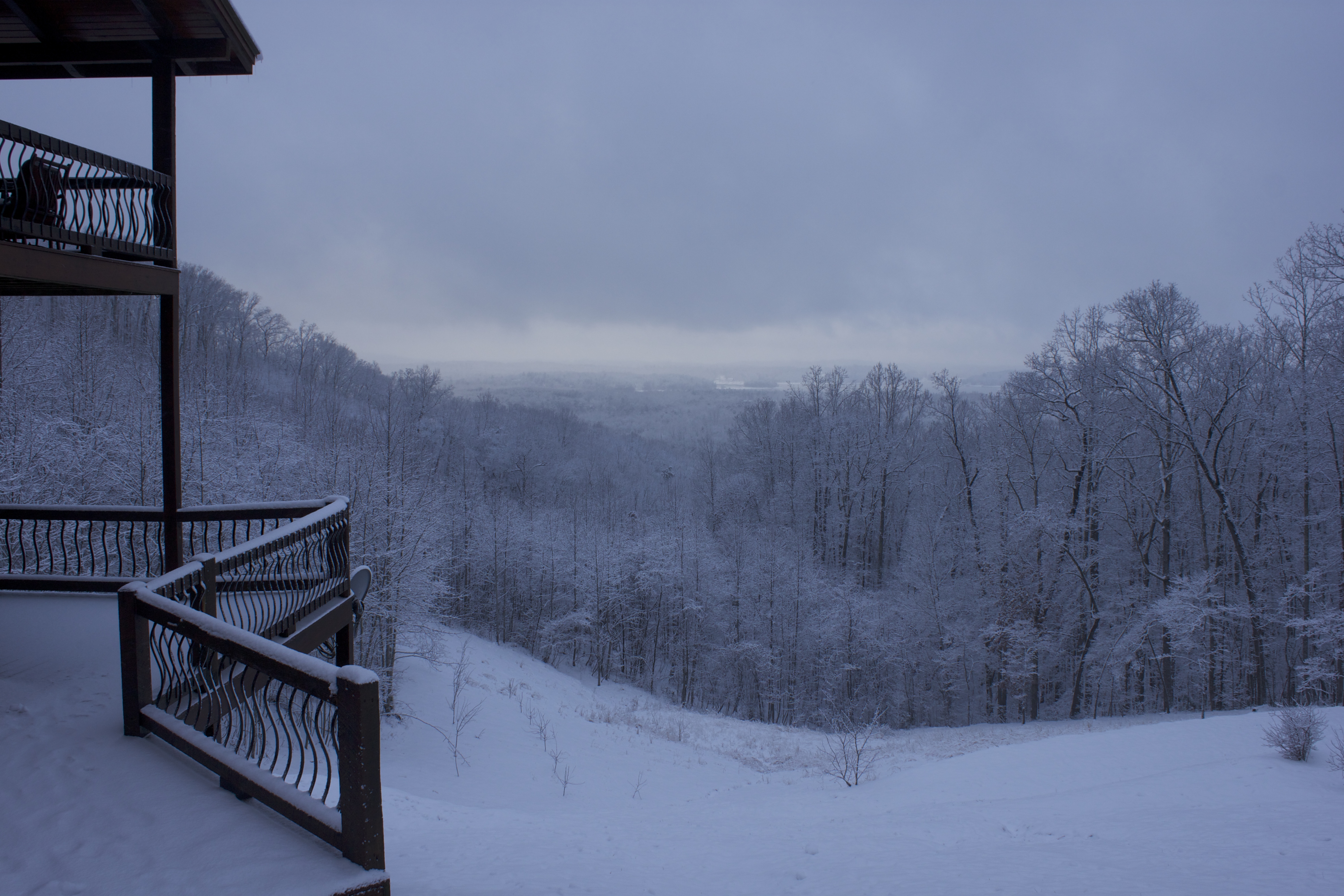
North Carolina’s Blue Ridge is the move if you want winter atmosphere without brutal temperatures — daytime highs hover in the 30s and 40s through January, and snow dusts the peaks while valleys stay accessible.
The Blue Ridge Parkway spans 469 miles across four distinct regions, but winter planning matters: sections above 4,000 feet close frequently due to ice, typically from November through March. Base yourself near the Pisgah region (milepost 340–469) or the Highlands segment (milepost 217–340) for the best cabin access with fewer road closures.
Banner Elk, Blowing Rock, and Asheville are the most reliable gateway towns with year-round cabin inventory and dining.
One honest caveat: this isn’t the region for guaranteed deep snow. Come for the misty mountain views, uncrowded trails, and the Blue Ridge’s Scottish-immigrant heritage that shows up in everything from place names to local cooking — not for powder days.
Upper Midwest: Lakeside Wilderness and Snowmobile Country
The Upper Midwest doesn’t get credit it deserves for winter cabin trips. Minnesota’s Boundary Waters, Wisconsin’s Northwoods, and Michigan’s Upper Peninsula deliver serious snow — often five to six feet of cumulative accumulation by season’s end — and a cabin culture built around frozen lakes and woodstoves.
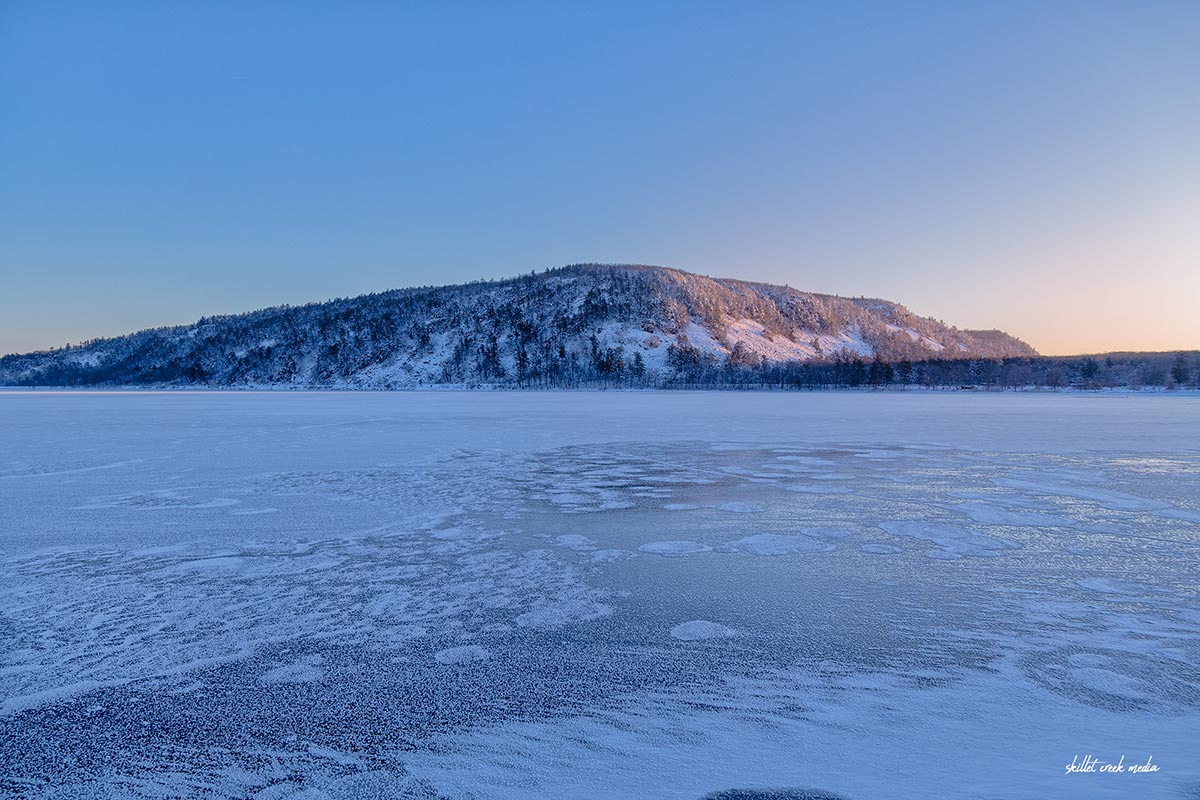
- Eagle River, Wisconsin: Time your trip for the third weekend of January to catch the World Championship Snowmobile Derby — it draws over 40,000 fans and functions like the Indy 500 of snowmobile racing. Even if you’re not racing, the energy is infectious and cabin availability in surrounding towns spikes with rental inventory.
- Boundary Waters, Minnesota: For true silence and frozen-wilderness solitude, nothing in the lower 48 compares. Winter outfitters run guided snowshoe and dog-sled trips from entry-point cabins near Ely. Expect temperatures well below zero — this is for people who want the real thing, not a Pinterest version of winter.
- Michigan’s Upper Peninsula: The Keweenaw Peninsula gets hammered with lake-effect snow (sometimes 200+ inches per season), making it a sleeper pick for snowshoeing and cross-country skiing from your cabin door.
Pacific Northwest: Snow-Capped Peaks Near the Canadian Border
Oregon and Washington’s cabin scene runs different from the rest of the country — you get volcanic peaks, old-growth rainforest draped in snow, and hot springs within striking distance. The tradeoff: weather is less predictable, and a “snowy cabin” trip can turn into a “rainy cabin” trip if you pick the wrong week.
Base near Mt. Hood in Oregon or the North Cascades corridor in Washington for the most reliable snow at elevation.
Leavenworth, Washington — a Bavarian-themed town about two hours east of Seattle — combines cabin rentals with a winter festival season and genuine alpine scenery. The town’s Christmas lighting festival in early December books cabins months out, so plan accordingly or aim for January when crowds thin and prices drop by roughly 20–30 percent.
Mountain West: Powder Slopes, National Parks, and Desert Backdrops
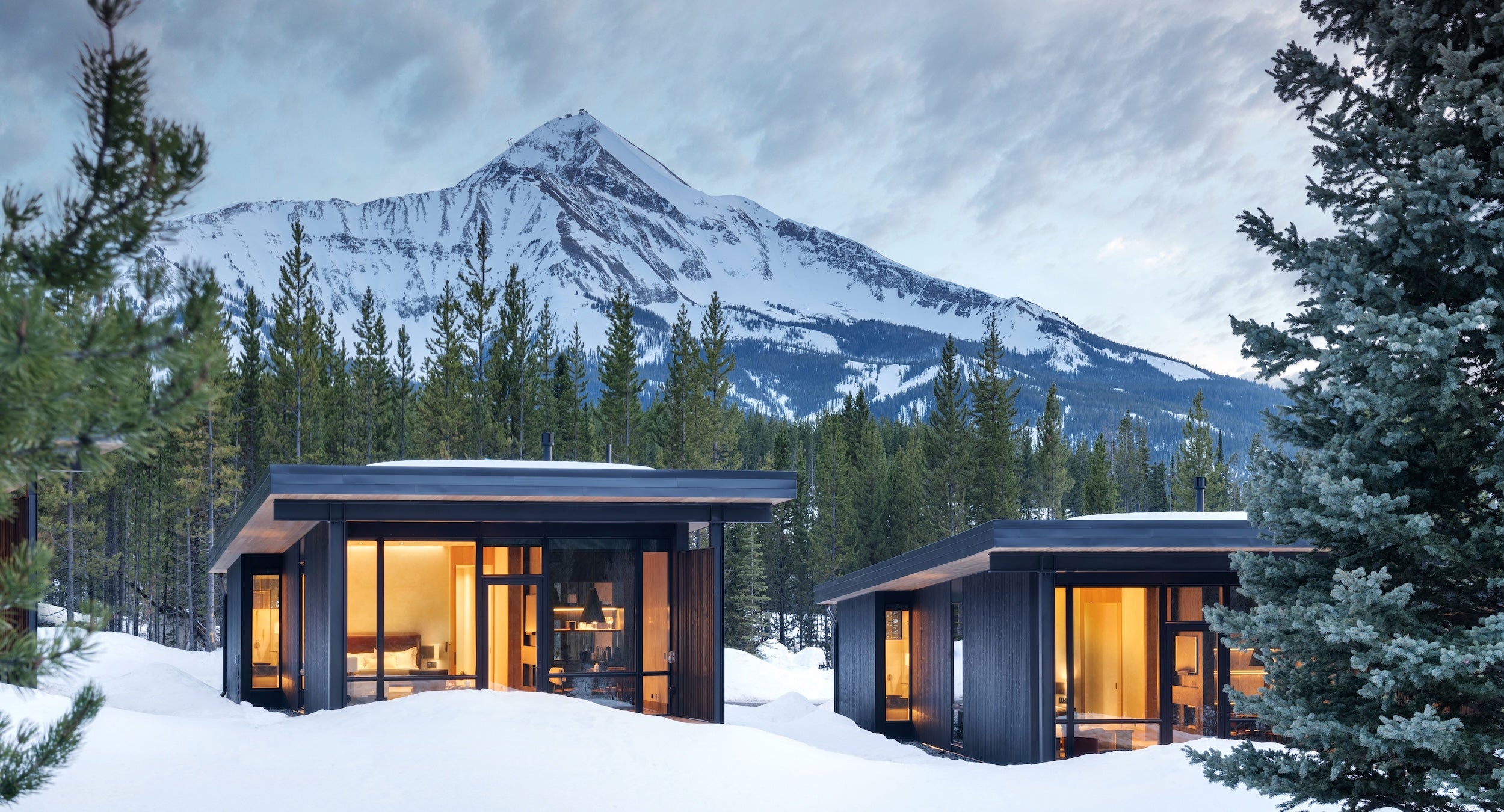
This is where winter cabin trips reach their peak — literally. Utah, Colorado, Montana, Wyoming, and Idaho sit at the intersection of the continent’s best powder, national park access, and cabin infrastructure that ranges from rustic to resort-luxury.
- Park City, Utah / Jackson, Wyoming: Ski-town cabins at ski-town prices. Worth it if skiing is your primary activity. Book by September for December–February weekends.
- West Yellowstone, Montana: The gateway to Yellowstone’s winter season (roads open to oversnow vehicles mid-December). A cabin here puts you inside one of the park’s quietest, most magical windows — steaming geysers against frozen landscapes, bison herds in deep snow, and almost no crowds compared to summer.
- Stanley, Idaho / McCall, Idaho: The anti-resort option. Stanley sits at 6,200 feet surrounded by the Sawtooth Range with cabin rates that run 40–50 percent below comparable Colorado towns. McCall adds Payette Lake and a small-town charm that bigger destinations lost years ago.
- Taos, New Mexico: A desert-meets-mountain winter you won’t find anywhere else. Ski Taos in the morning, soak in natural hot springs by afternoon, and return to an adobe-style cabin with a kiva fireplace. The high desert air makes even 20°F feel manageable.
Alaska: Northern Lights and True Wilderness
Alaska in winter is not a casual trip — it’s a commitment. Temperatures in Fairbanks regularly drop below -20°F, daylight shrinks to under five hours in December, and some cabins require snowmachine access only.
But if the northern lights are on your bucket list, this is the single best place in the United States to see them, with peak viewing from September through March and the highest activity often in February and March.
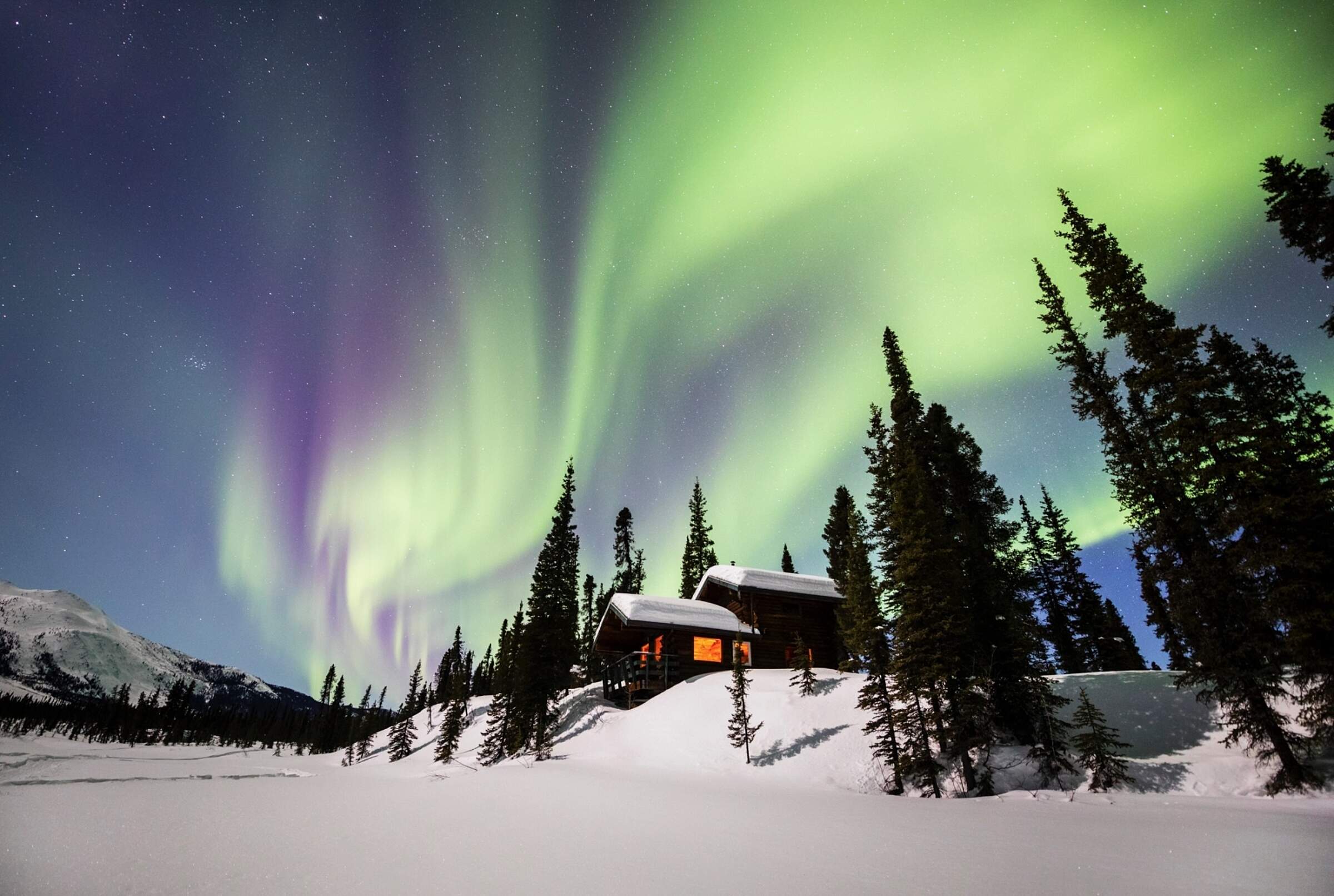
Fairbanks sits directly under the auroral oval and logs an average of 200+ clear nights per year. Book a cabin 30–60 minutes outside town — close enough for supplies, far enough to escape light pollution.
Many operators include a wake-up service when aurora activity peaks overnight, which is the kind of detail that justifies the trip.
Insider detail: The best northern lights viewing happens not on the coldest nights, but on nights with sudden temperature drops that create ice fog — the fog clears patches of sky that frame the aurora in ways clear nights never do. Locals know this; most visitors don’t.
What Winter Activities Can You Enjoy from a Cabin?
The best winter cabins aren’t just a place to sleep—they’re a basecamp for adventure, where you can ski right out the door or end your day with a soak under a billion stars.
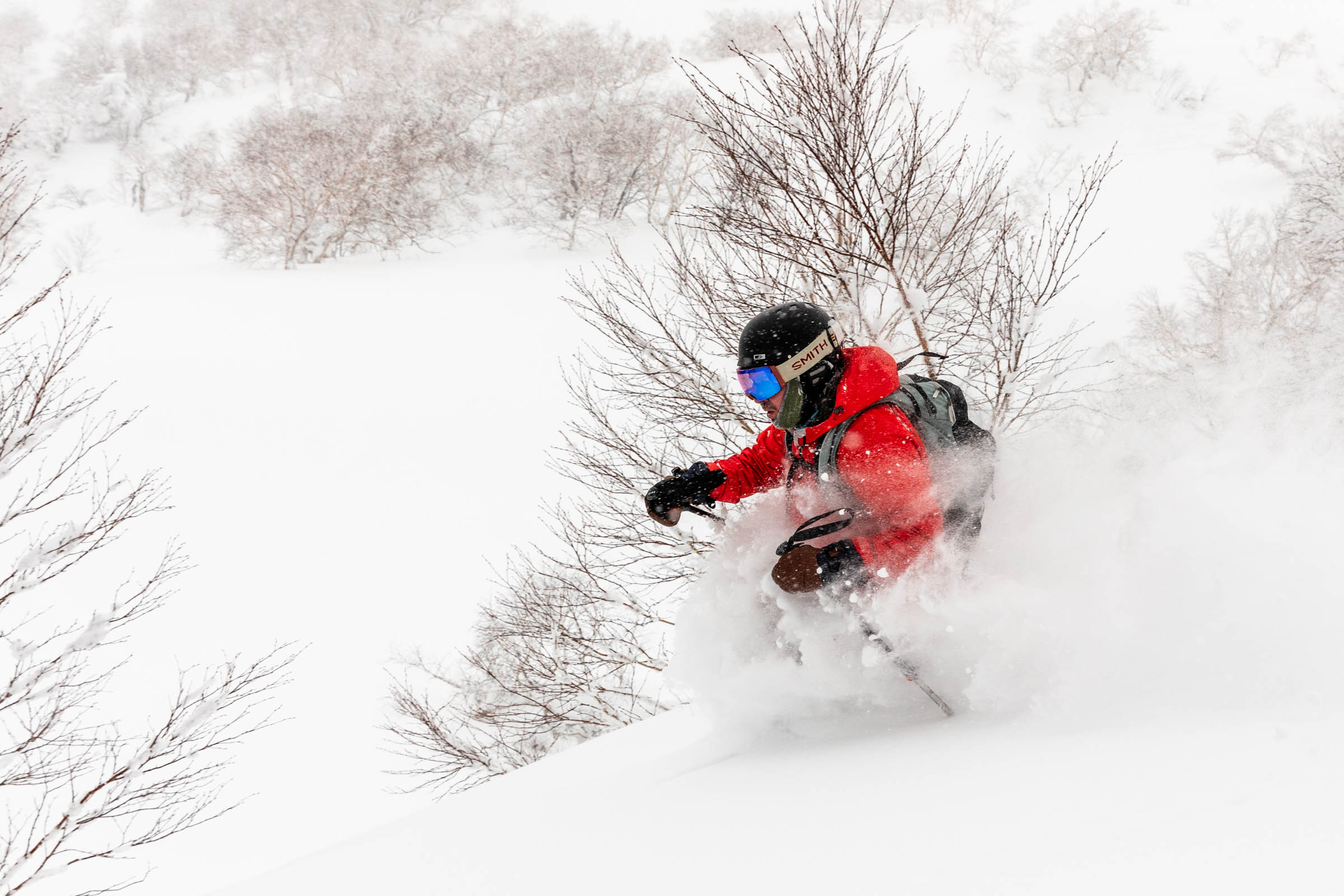
Skiing, Snowboarding, and Snowshoeing Right from Your Doorstep
This is the pinnacle of cabin convenience: true ski-in/ski-out or trailhead access. Forget crowded parking lots and shuttle buses.
- For Resort Access & Powdery Slopes: A cabin near Whiteface Mountain in New York’s Adirondacks is a power move. Book near Lake Placid or Wilmington for a short drive to Olympic-grade terrain, then return to your own fireplace. Nightly rates here peak December-March, so expect a premium.
- For Backcountry & Cross-Country: The Appalachian Mountain Club’s lodges in Maine’s 100 Mile Wilderness offer rustic cabin clusters with immediate access to cross-country ski trails. The real win is the included, family-style meals at the main lodge—book early, as these spots are coveted by Nordic skiing purists.
- For Accessibility & Family Fun: Snowshoeing from your cabin door is the easiest activity to start. Nearly every wooded cabin region—from the Poconos to the Cascade foothills—offers this. Rent gear in the nearest town before you arrive.
Dog Sledding, Ice Fishing, and Snowmobiling Adventures
These are the high-adrenaline experiences that create legendary cabin trip stories. They require advance booking, especially dog sledding, which often sells out weeks ahead.
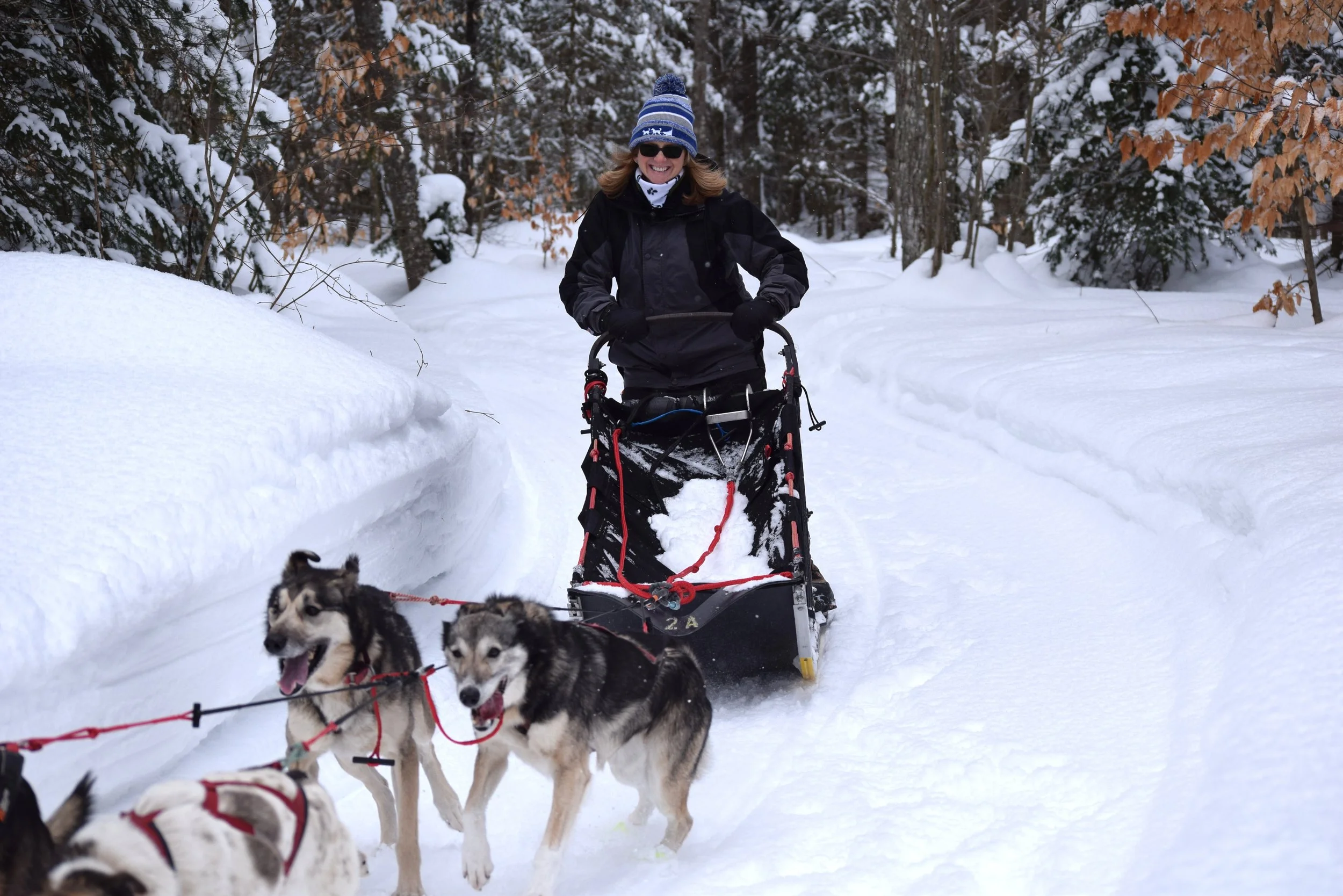
- Dog Sledding: The Boundary Waters area of Minnesota and the outskirts of Fairbanks, Alaska are prime spots. Half-day experiences typically run $150-$250 per person. Dress warmer than you think—you’re sitting still in a sled.
- Ice Fishing: Lakeside cabins in Wisconsin, Minnesota, and Maine are your hub. Many outfitters rent heated shanties and gear for $50-$100 per day. The key is drilling your hole in at least 4 inches of clear ice, so always check local conditions with a guide or bait shop first.
- Snowmobiling: The Upper Midwest (Michigan’s Upper Peninsula, Wisconsin) and parts of Vermont have legendary trail networks. Rent sleds from $150-$300 per day. A cabin with direct trail access is gold, letting you ride all day and park steps from your door.
Stargazing, Northern Lights Viewing, and Scenic Winter Drives
The ultimate low-effort, high-reward activities. Your cabin’s remote location is the main asset here.
- Stargazing: The darkest skies are in mountain West cabins (Montana, Idaho, Wyoming) or desert-adjacent spots in New Mexico. A clear, moonless night is your only requirement. Bring a reclining camp chair and a thermos.
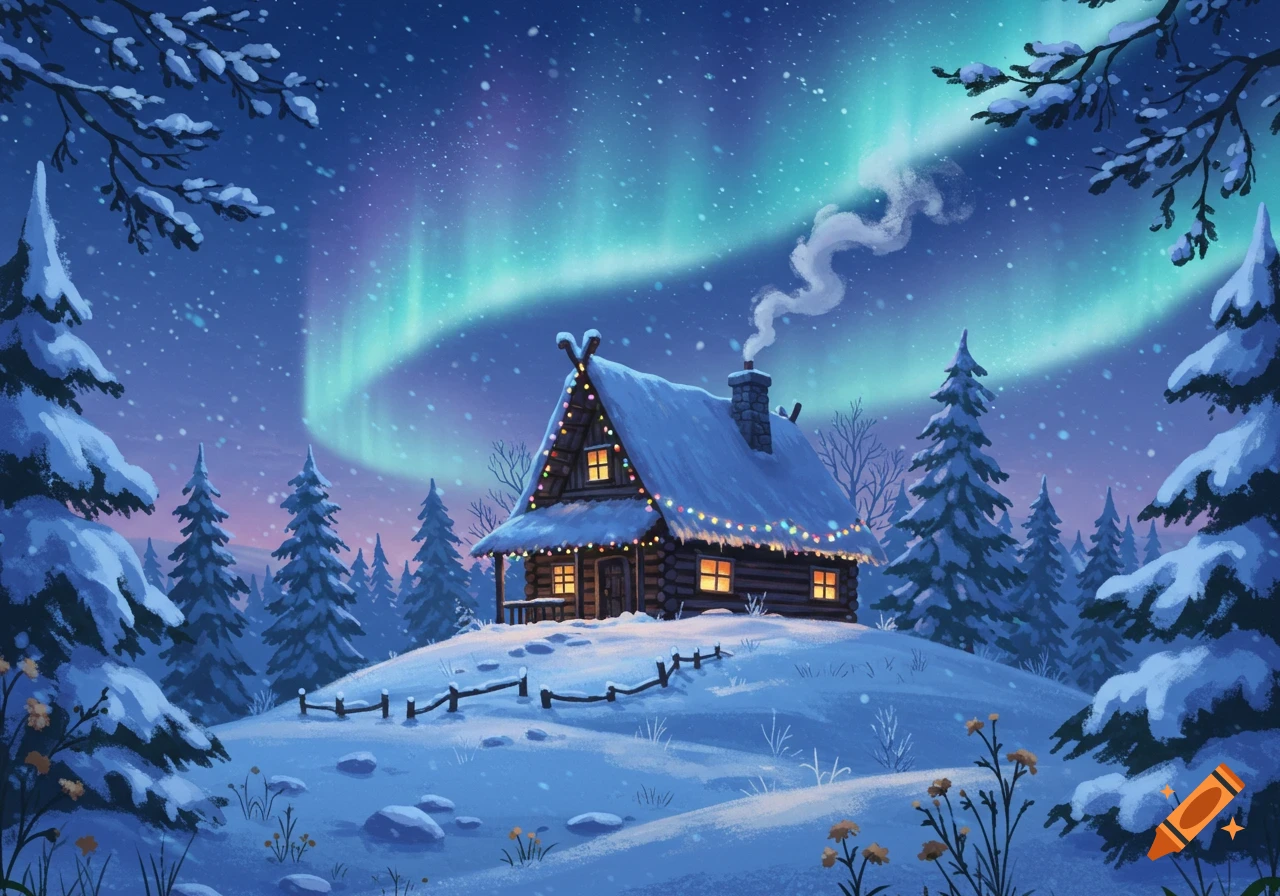
- Northern Lights: This is a game of location and luck. Northern Minnesota (Voyageurs National Park area), northern Wisconsin, and Alaska (Fairbanks) offer the best odds in the U.S. Plan for late-night wake-ups; a cabin with a clear northern view and no light pollution is essential. Fall and early spring often have clearer skies than deep winter.
- Scenic Winter Drives: Don’t overlook this. Routes like Vermont’s Route 100, Montana’s Going-to-the-Sun Road (check winter closures), or the Blue Ridge Parkway in North Carolina are stunning under snow. Pack traction devices for your tires and tell someone your route.
| Activity | Best Regions | Best For | Booking Tip |
|---|---|---|---|
| Ski/Snowboard Access | Northeast (VT, NY), Mountain West (CO, UT) | Skiers who hate logistics | Reserve cabins 6+ months out for peak dates |
| Dog Sledding | Minnesota, Alaska | Families & bucket-listers | Book tours 2-3 months ahead; they sell out |
| Stargazing/Aurora | Mountain West, Northern Midwest, Alaska | Use a dark sky map app to choose your cabin |
Insider Specific: The best Northern Lights viewing often happens after midnight on a crisp, clear night. Set an alarm, brew coffee, and watch from your cabin’s deck or a nearby lake shore—the reflection on the water doubles the spectacle.
What Should You Pack for a Winter Cabin Getaway?
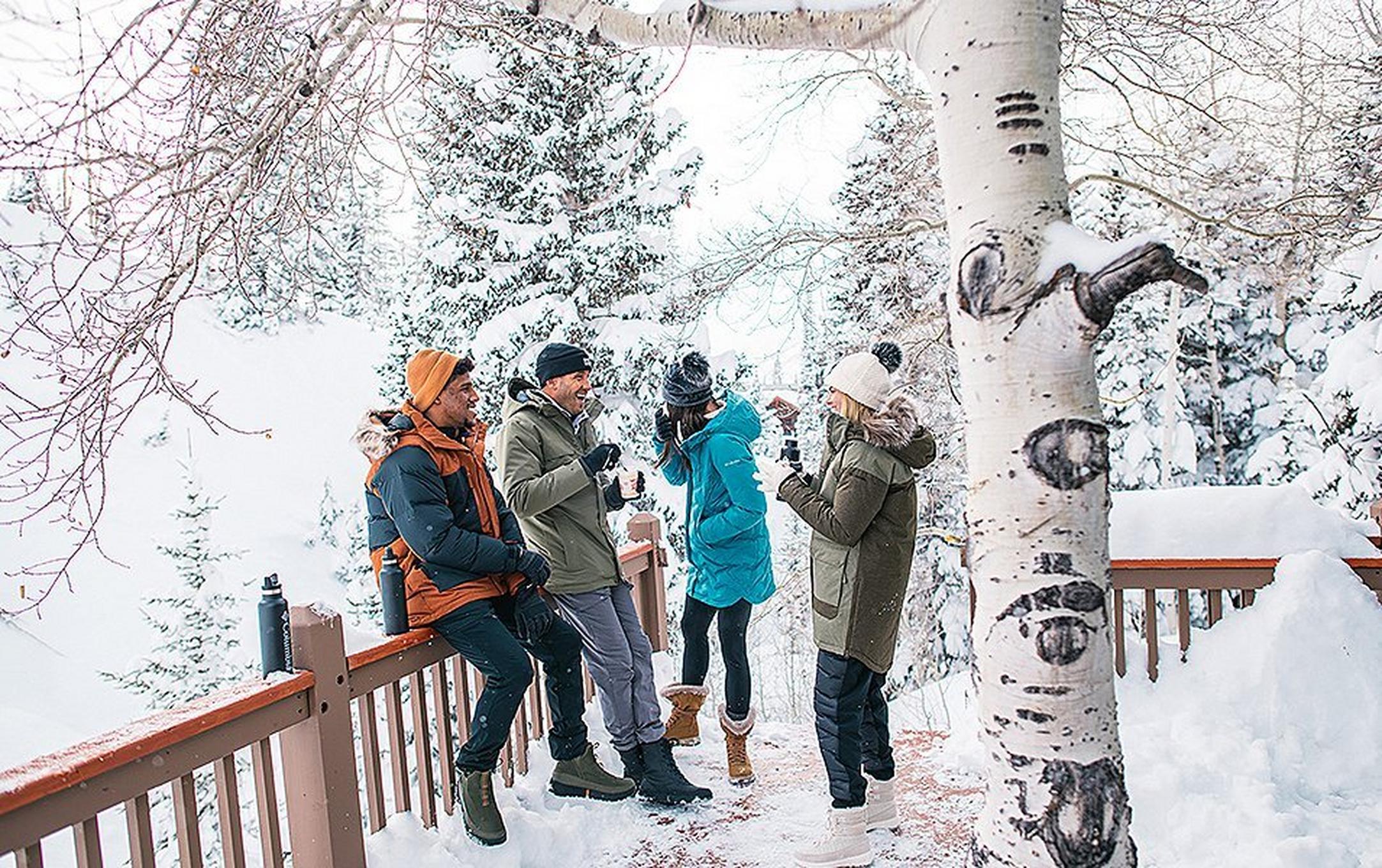
One wrong packing choice — cotton socks, no headlamp, forgotten phone charger — and your cozy cabin escape turns into a shivering, frustrated mess. Cabins are gloriously remote by design, which means the nearest store is often 30 to 45 minutes down a snowy road.
Pack like you are self-sufficient, because you basically are.
Must-Have Cozy Clothing and Layering Essentials
The golden rule for cabin winter packing: layer from skin to shell. Skip cotton entirely for base layers — it traps moisture and makes you colder, not warmer.
Merino wool or synthetic moisture-wicking fabrics are the only base layers worth packing.
- Base layer top and bottom (2–3 sets): Merino wool beats synthetic on odor control for multi-day trips. Budget roughly $40–80 per piece from brands like Smartwool or REI Co-op. Rotate between sets daily.
- Mid-layer fleece or down jacket: Pack one heavyweight insulating layer for outdoors and keep it separate from your “cabin cozy” layer. A zip-up fleece you can peel off inside is more practical than a pullover.
- Waterproof outer shell: Non-negotiable if you plan to snowshoe, hike, or even walk to a woodshed. A basic hardshell jacket keeps snow from soaking through to your insulation layers.
- Wool socks (3–4 pairs): This is where most people fail. Cotton socks inside cold boots are miserable. Smartwool or Darn Tough hiking socks in mid-cushion weight handle both indoor lounging and outdoor trudging.
- Warm hat, neck gaiter, and insulated gloves: Pack a lightweight beanie for inside the cabin and a heavier insulated hat for outdoor activities. A neck gaiter (like a Buff) is more versatile than a scarf and won’t catch on things.
- Slippers or camp booties: Cabin floors — especially wood and tile — are brutally cold in winter. Pack dedicated indoor slippers with rubber soles. Down booties from brands like Exped or Nemo weigh almost nothing and are worth the investment for anyone who runs cold.
- Thermal pajamas or fleece joggers: You will spend hours inside. Pack sleepwear you would also wear to breakfast and around the cabin. Flannel pants and a long-sleeve merino top double as both.
The layering system that actually works: Base layer → mid fleece → down or puffy jacket → waterproof shell. Add or remove the shell and puffy depending on whether you are inside by the fire or trudging through fresh snow.
This four-layer system handles temperatures from 40°F down to well below 0°F.
Kitchen Supplies, Comfort Items, and Emergency Gear You Might Not Think Of
Most cabin kitchens stock the basics — a skillet, a pot, some utensils — but they almost never have the details that make a cold-weather trip comfortable. These are the items experienced cabin renters pack every single time.
- Your own sharp chef’s knife: Cabin knives are almost universally dull. A single 8-inch chef’s knife wrapped in a towel makes cooking actually enjoyable. This is the single most overlooked packing item.
- French press or pour-over setup: Many cabins have a basic drip maker or a Keurig, but nothing beats real coffee by a fireplace. A compact travel French press costs under $15 and weighs ounces.
- A quality headlamp: Power outages happen in remote mountain and forest areas during winter storms. A headlamp beats a flashlight because it keeps both hands free for firewood, circuit breakers, or navigating unfamiliar stairs. Pack extra batteries — cold drains them fast.
- Portable battery bank (10,000+ mAh): Remote cabins often have spotty cell service, meaning your phone burns through battery searching for signal. A fully charged bank keeps your GPS and emergency calls working.
- Fire-starting supplies: Do not assume the cabin stocks matches, kindling, or newspaper. Bring a lighter, a small bundle of fatwood fire starters, and a couple of dryer lint cubes. They weigh nothing and save you 20 minutes of frustration.
- A real blanket from home: Sounds indulgent, but cabin-provided bedding varies wildly in quality. A familiar throw blanket transforms any couch into an actual retreat. This is the comfort item that makes the biggest psychological difference.
- Board games, cards, and a book: Cell service and Wi-Fi are unreliable in most remote cabin locations. Downloaded podcasts, offline Spotify playlists, a deck of cards, and one solid board game cover any group size for an entire weekend.
- Roadside emergency kit for your car: This is the item no one packs until they need it. A basic kit with jumper cables, a small shovel, cat litter for tire traction, and a blanket should live in your trunk. Winter cabin roads are often unpaved, unplowed, and steep. AAA response times in remote mountain areas can exceed two hours.
- Groceries from home or the nearest town: Plan your first two meals before arrival. Stop at a grocery store in the gateway town — not near the cabin. Mountain convenience stores charge premium prices for basics, and selection is limited. A simple cooler bag with breakfast items, coffee, and dinner ingredients means you do not have to leave the cabin on your first night.
The one thing nobody tells you: Pack a small flashlight or lantern for the bathroom at night. Cabin bedrooms are often on different floors from bathrooms, and hallway lighting is minimal.
Stumbling through an unfamiliar dark cabin at 2 a.m. in freezing temperatures is not the cozy memory you want to make.
How Can You Make Your Cabin Feel Extra Cozy This Winter?
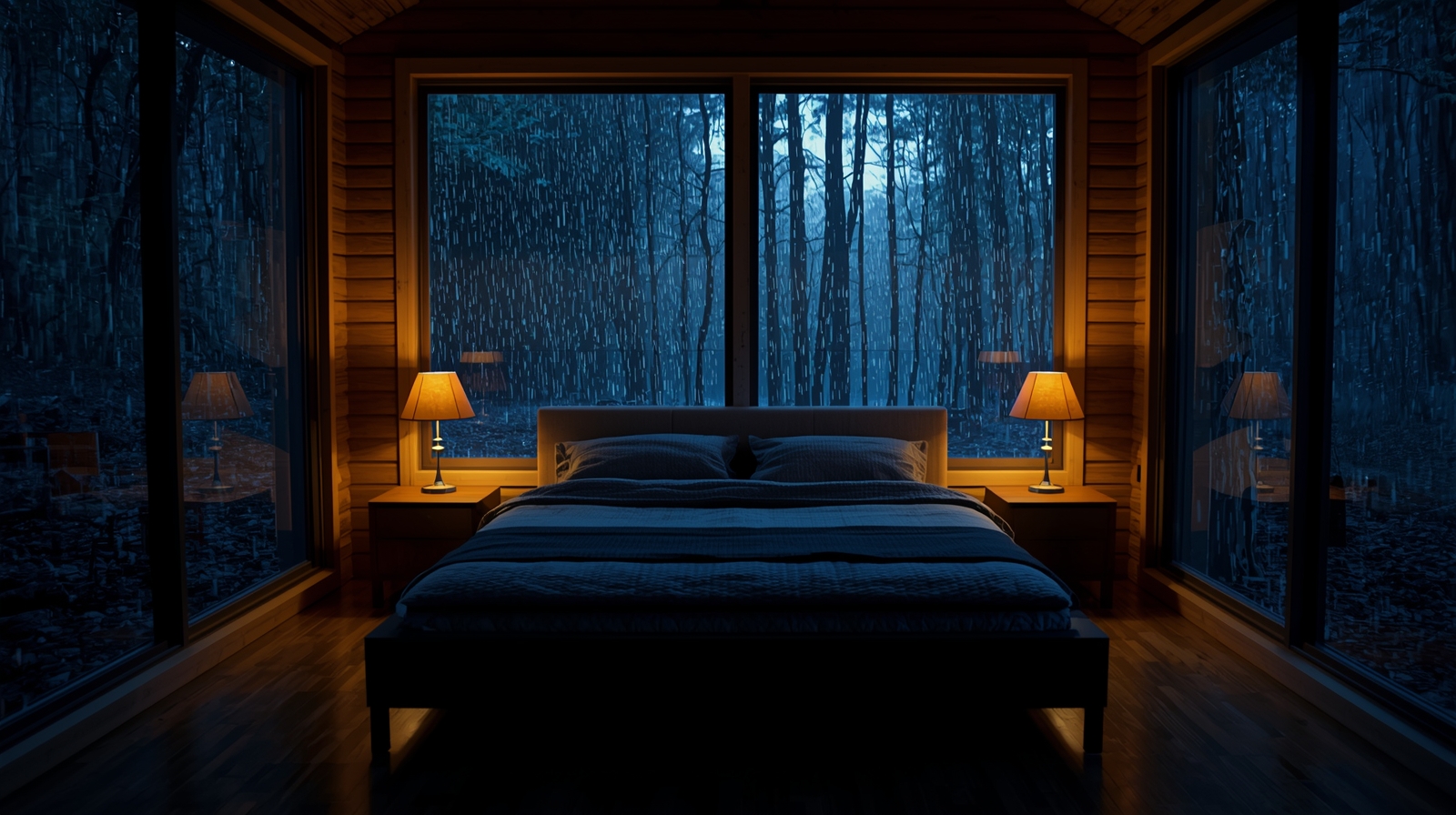
The single best upgrade you can make is swapping your lighting. Skip the harsh overhead fixtures that came with the rental.
Unpack a few LED candles or a small, warm-toned lamp from home and place them on end tables and the mantel. The right light instantly transforms a generic space into a refuge.
Layering Blankets, Swapping Lighting, and Setting the Mood
True coziness is a deliberate environment you create, not a feature list on a booking page. Focus on these tactile and atmospheric shifts to elevate your stay from merely a shelter to a genuine winter hideaway.
- Blanket Strategy: Don’t settle for the one scratchy throw on the couch. Bring your own favorite plush blanket or a heavy wool one to drape over your side of the bed. Layer a faux sheepskin or a chunky knit over the sofa for texture and immediate warmth when you sit down.
- Lighting Overhaul: Pack 2-3 small, plug-in warm LED lamps or puck lights. Place one on the kitchen counter, one on a side table, and use the fireplace as your primary light source at night. This creates pools of warm light and eliminates the cave-like feel of a single ceiling bulb.
- Scent and Sound: A small candle (check cabin rules first) with a notes of pine, cedar, or vanilla completes the sensory shift. For sound, curate a playlist of ambient, acoustic, or instrumental music on a portable speaker—avoid the TV as default background noise.
Warm Drinks, Comfort Food, and the Art of Doing Nothing
This is where you trade restaurant reservations for self-sufficient indulgence. The goal is maximum flavor and warmth with minimal effort, so you can truly embrace the art of the uninterrupted afternoon.
- The Drink Station: Before you even unpack your bags, set up a dedicated drink station on the kitchen counter. A kettle, your favorite tea or instant cocoa, a French press, and a bottle of good whiskey or brandy for evening hot toddies. Having it all out and ready encourages you to actually use it.
- Comfort Food Strategy: The best cabin meals are ones that simmer all day. Pack the ingredients for a simple stew, chili, or soup—stop at a local butcher near your cabin’s gateway town for quality stew meat. A slow cooker is your best friend here; start it at lunch for a ready-made dinner after a hike. Don’t overlook the simple perfection of grilled cheese and tomato soup.
- Embrace the Schedule Gap: Leave one full day on your itinerary with absolutely no planned activities. This is the day for waking up late, reading by the fire until noon, taking a short aimless walk, and starting dinner at 4 PM. The pressure to “make the most of it” is the enemy of true cabin relaxation.
Insider Move: Stop at the general store or butcher in the nearest small town (think Lake Placid, NY or Maple Falls, WA for Pacific Northwest cabins) on your way in. Grab the local smoked sausage, fresh bread, and a pie for dessert.
It supports the community and gives you ready-to-enjoy provisions, eliminating the need for multiple trips out.
When Is the Best Time to Book a Winter Cabin Getaway?
The best winter cabins get locked down months before the first snowflake falls—waiting until November means scrolling through leftovers. Your booking timeline isn’t just about dates; it’s about securing the fireplace views, the specific A-frame, or the lakeside lodge you actually want, not just what’s available.
Peak Season vs. Off-Peak: Timing Your Trip for Best Weather and Fewer Crowds
Peak season is defined by two words: holiday crowds. For most U.S. winter cabin destinations, this runs from mid-December through the end of February, coinciding with school breaks and popular ski weekends.
Expect fully booked trails, higher nightly rates, and a lively atmosphere. Off-peak—the sweet spot for serene quiet—runs from early November to mid-December and again in early March.
You trade guaranteed deep snow for fewer people, often better rates, and a higher chance of last-minute availability.
| Factor | Peak Season (Mid-Dec – Feb) | Off-Peak (Nov – Mid-Dec, Early March) |
|---|---|---|
| Weather & Snow | Most consistent snowpack for skiing, snowshoeing. | Variable; good for early/late season sports, but check local conditions. |
| Crowds & Vibe | Bustling trails, lively lodge social scenes. | Quiet roads, empty trails, true seclusion. |
| Pricing | Premium rates, especially holidays. Expect 30-50% more. | Better value, more flexible cancellation policies often available. |
| Best For | Guaranteed snow activities, festive atmospheres, family trips. | Budget travelers, couples, solitude seekers, and flexible planners. |
My verdict: Choose off-peak if your goal is relaxation and you’re adaptable with activities. The price break and silence are worth checking a snow report. Choose peak only if a specific holiday week or guaranteed ski conditions are non-negotiable.
How Far in Advance Should You Reserve a Popular Cabin?
The golden rule: the more specific your dream cabin, the earlier you must book. A popular, well-reviewed log cabin near Lake Placid or a sought-after ski-in/ski-out lodge in Colorado requires serious lead time.
- For Holiday Weeks (Thanksgiving, Christmas, New Year’s, MLK Day): Book 6-9 months in advance. This is non-negotiable for popular destinations like those in the Mountain West or New England. By summer, the best options are gone.
- For Peak Season Weekends (Jan-Feb): Aim for 3-4 months out. Prime properties in high-demand areas (Blue Ridge, Upper Midwest lakefront) fill quickly for Friday-Sunday slots.
- For Off-Peak Stays: You have more flexibility. Many desirable cabins open up 1-2 months prior, and last-minute cancellations happen. It’s the ideal time to snag a great deal if you’re not tied to a holiday.
Insider detail: Platforms like Airbnb and VRBO show inventory 12 months out, but the highest-quality independent cabins and lodges often open their own reservation windows on a specific date (e.g., “Bookings for next winter open March 1”). Find your target property’s direct website and sign up for their newsletter to catch that drop.
It’s how you beat the aggregator rush for the really special places.
Frequently Asked Questions
How far in advance should I book a winter cabin?
For peak holiday weekends (Thanksgiving, Christmas, New Year’s, MLK Day), book 3–6 months out — popular cabins in places like the Blue Ridge Mountains or near major ski areas sell out first. For a random January or February weekend, you can often snag availability 4–6 weeks ahead, though last-minute deals are rare in high-demand areas like the Mountain West.
The sweet spot for both selection and pricing is late September through mid-October for the entire winter season.
Do winter cabins have reliable WiFi and cell service?
Many do now, but assume nothing. Cabins marketed towards remote work or longer stays usually advertise WiFi speeds — if they don’t mention it, that’s your answer.
Properties in established vacation areas like the Poconos, Catskills, and Gatlinburg corridors tend to have solid connectivity because demand pushed providers to upgrade. True wilderness cabins in Alaska, northern Maine, or deep Upper Midwest forests are the most likely to leave you offline.
If you need to work remotely, filter explicitly for WiFi and check recent guest reviews for signal reliability — photos and listing descriptions are outdated fast.
What if roads get snowed in or conditions are dangerous?
This is the question most first-timers skip, and it’s the one that matters most. Always confirm your cabin’s access road type before booking — paved and county-maintained is different from a private gravel switchback that may not get plowed.
Carry tire chains or verify your vehicle is AWD/4WD if you’re heading anywhere mountainous from November through March. Most cabin hosts in snow-prone regions include arrival instructions about road conditions and what vehicle you’ll need.
Build a buffer day into your schedule during winter months; a storm that delays you by 12 hours is common, not catastrophic, but it means booking a Sunday checkout instead of a tight Monday morning flight home.
Are winter cabins typically pet-friendly?
More are than you’d expect, but the pet-friendly filter will shrink your options significantly — especially in premium properties with hot tubs, high-end furnishings, or shared septic systems. Expect a pet fee ranging from $25–$75 per stay, and always confirm breed or weight restrictions before booking because some hosts are strict even when they list as pet-friendly.
If you’re bringing a dog, prioritize cabins with fenced outdoor areas or direct trail access so your pet isn’t miserable in deep snow. The Southeast and Upper Midwest cabin markets tend to be the most lenient on pets; luxury Mountain West properties are the least.
Ready to Book Your Cozy Escape?
Start by choosing the region that matches your snow and activity priorities, then book directly with properties in gateway towns like Lake Placid or Stanley, Idaho. For the best selection, especially for holiday weeks, secure your cabin now for next winter.
A winter cabin getaway offers a true reset, trading crowded lobby noise for the profound quiet of snow-covered woods and your own fireplace. This is the kind of trip where the best memories are made during unscheduled, quiet moments.
Pick your top region from the overview and find your perfect cabin today before the best ones are gone.
Leave a Reply