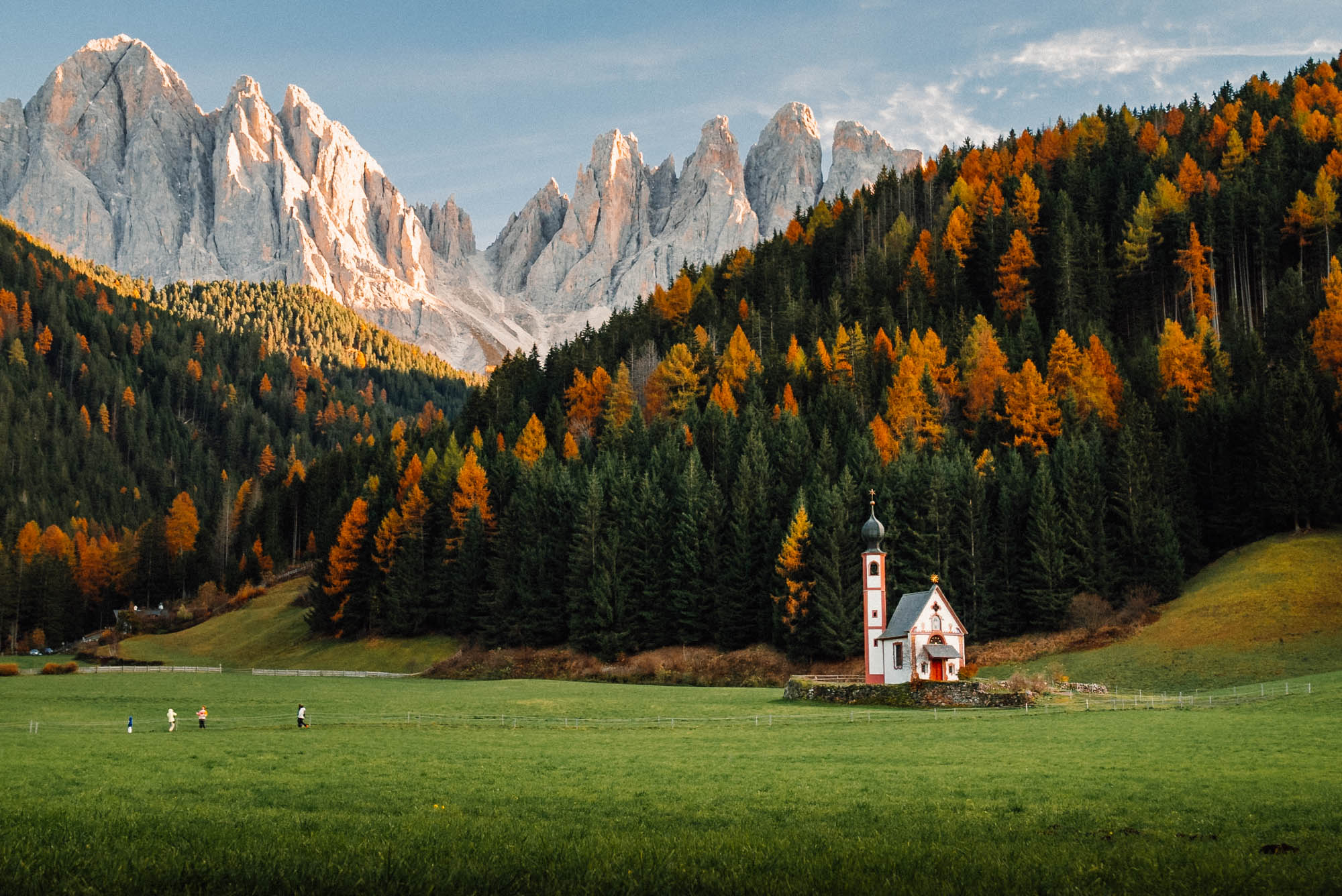
The larch forests turn an almost impossible gold, lighting up entire valleys against the pale Dolomite rock that catches sunset in shades of amber and rose you won’t find anywhere else in the Alps.
Stand at a trailhead at 8 AM in early October and the silence is startling — no tour buses, no crowds, just frost on the meadow grass and your breath hanging in the cold air.
Wake before dawn in a valley like Val di Funes and you’ll watch the fog burn off the spires one by one, revealing ridgelines dusted in their first sugarcoating of snow.
October in the Dolomites is unlike autumn anywhere else in Europe because the golden larch forests against pale limestone spires create a color contrast no other mountain range delivers — and you’ll share the trails with a fraction of summer’s crowds.
This guide breaks down exactly where to base yourself, when within October to go, and what to pack so you don’t waste a single golden day.
Expect roughly €70–120 per night at budget guesthouses, €100–180 for mid-range valley hotels, and €200+ for splurge properties with spa and half-board — all 30–50% below summer peak pricing.
Your October Dolomites Snapshot
- Best window: October 1–15 for peak golden larches and the most open infrastructure; October 16–31 for deeper solitude but more closures and early snow risk.
- Best base for first-timers: Val Gardena (Ortisei) — the most hotels, restaurants, and the only lift access reliably running into late October.
- Best for photographers: Val di Funes (Santa Magdalena) — the iconic church-and-Odle-range shot with golden larches framing every angle.
- Most flexible base: Cortina d’Ampezzo — year-round town with central access to Tre Cime, Lago di Braies, and Cinque Torri as day trips.
- Non-negotiable: Rental car with winter tires, plus a hotel with spa facilities or a self-catering kitchen for bad-weather days.
- Budget reality: €70–180/night depending on valley — that’s 30–50% below summer peak, the best hotel value of the year.
Weather in the Dolomites in October
By October, the Dolomites have shed their summer haze for something sharper and more unpredictable — crisp mornings that bite, afternoons warm enough for a T-shirt on the trail, and the very real chance you’ll wake up to fresh snow above 2,000 meters. This is shoulder season in its truest form, and the weather will dictate more of your trip than any itinerary you build on paper.
October Temperatures at a Glance
| Metric | Value |
|---|---|
| Average daily high | 11.8°C / 53.4°F |
| Average daily low | 1.8°C / 35.4°F |
| Overall average | 6.8°C / 44.4°F |
These are valley-level numbers. Every 1,000 meters you climb, drop roughly 6°C (10.8°F) — so a pass at 2,200 meters can feel like 0°C at midday. That gap between valley warmth and summit chill is the single biggest planning mistake October visitors make.
What It Actually Feels Like Day to Day
Mornings start cold and often frosty, especially from mid-October onward. By late morning, most valley towns warm into the low teens Celsius — pleasant enough for hiking in a long sleeve, but the moment you stop moving, the mountain air cuts through fast.
Carry a layer even on “warm” days.
October is one of the Dolomites’ drier months. Summer thunderstorms have passed and autumn winds stay relatively calm compared to November.
You’re more likely to get long stretches of crisp, clear skies than sustained rain — but when weather moves in, it moves hard and fast, especially at elevation.
The Altitude Problem
Here’s what the averages don’t tell you: October weather in the Dolomites is really two different experiences stacked on top of each other.
- Below 1,500 meters: Pleasant autumn days. Valleys like Val di Funes, Cortina, and the Seiser Alm access roads stay comfortable. Larches peak in gold. This is where October shines.
- Above 2,000 meters: Genuine winter conditions can arrive overnight — frost, ice on trails, even snowfall. By late October, high passes like the Sella or Falzarego can see snow. Lake water levels drop severely, and some high-elevation lakes freeze or dry up entirely by month’s end.
This split is the reason flexible planning beats rigid itineraries in October. You want the ability to swap a high-altitude day for a valley walk if weather closes in.
Snow and Road Access
Snow at higher elevations is not hypothetical — it’s expected, especially in late October. If you’re driving mountain passes, rent a car with winter tires.
All-season tires won’t cut it if snow falls on an uphill grade. Italian law requires winter tires or chains from November 15 onward, but October storms don’t wait for the calendar.
How Weather Should Shape Your October Trip
- Book accommodations with spa or wellness facilities. Bad weather days will happen — a hotel with a sauna turns a rained-out afternoon into a recovery day rather than a wasted one.
- Choose stays with on-site dining or self-catering kitchens. Restaurants in smaller villages close or reduce hours in October. Being stranded in a valley with no open kitchen is a real possibility.
- Build buffer days into your schedule. October weather shifts quickly. A day with zero visibility at Tre Cime can clear into bluebird skies the next morning — but only if you’re still there to see it.
Insider note: The Dolomites’ famous “enrosadira” — the pink-alpenglow effect on pale rock at sunset — is actually more dramatic in October’s drier, clearer air than in summer haze. Clear afternoons in early October deliver the best light shows of the year.
Position yourself with a west-facing view toward Sassolungo or the Marmolada massif in the last hour before sunset, and the rock will glow amber, then rose, then deep violet.
Where to Stay in the Dolomites in October
October is when Dolomites hotel rates drop to their lowest of the year — roughly 30–50% below peak summer pricing at most properties — and that’s the single biggest reason to book now instead of waiting for “better conditions.” You won’t find better value in these valleys all year. The tradeoff is availability: many hotels in the higher valleys close entirely by early October, which means your base choice matters far more than your hotel choice.
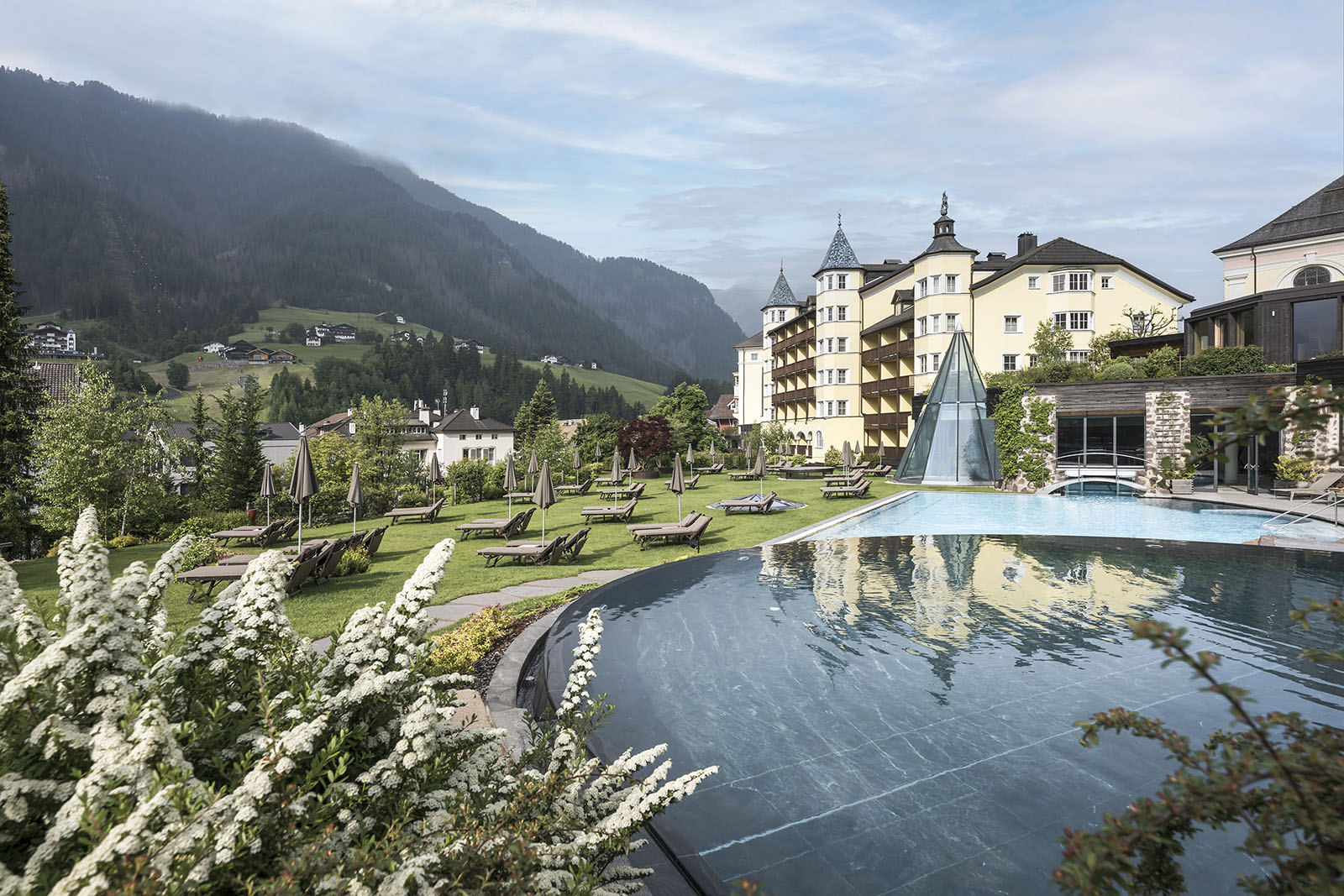
Here’s how the five main valleys compare for October lodging:
| Valley | October Availability | Best Base Town | Best For |
|---|---|---|---|
| Val Gardena | Good — most hotels open through month | Ortisei or Selva | Hikers wanting the most lift access and dining options |
| Cortina d’Ampezzo | Good — year-round tourism town | Cortina center or Pocol | First-timers wanting iconic scenery and convenience |
| Alta Pusteria | Moderate — some hotels open, quieter | Dobbiaco or San Candido | Travelers pairing Dolomites with East Tirol or Lago di Braies |
| Alta Badia | Limited — most properties closed by October | San Cassiano or La Villa | Those who prioritize silence over convenience |
| Val di Funes | Limited — small guesthouse inventory | Santa Magdalena | Photographers and anyone chasing that iconic church view |
Two pieces of strategy before diving in: book directly with properties, not through OTAs — October is when small family-run hotels reward direct bookings with better rates and flexibility. And always confirm your exact opening dates by email; “open in October” often means “open until mid-October” or “open on request.” Get it in writing.
Val Gardena Accommodations
Val Gardena is your safest October base in the Dolomites, full stop. While other valleys shut down in waves through September, Val Gardena’s three main villages — Ortisei, Santa Cristina, and Selva di Val Gardena — keep enough hotels, restaurants, and even some cable cars running well into late October or early November.
If you’re planning a single-base Dolomites trip, this is where to anchor.
Ortisei (1,236 m) is the most atmospheric choice. The pedestrianized center has woodcarving workshops, bakeries, and enough restaurants to keep dinner interesting for a week.
Hotels here sit at the lowest elevation of the three villages, which means slightly warmer mornings and less early frost on the roads. The Seceda and Alpe di Siusi cable cars both depart from or near Ortisei, and at least one typically runs through October — confirm with the Val Gardena lift company before booking.
Selva di Val Gardena (1,563 m) wins for serious hikers who want immediate access to the Sella Group and Passo Sella. It’s higher, colder, and more resort-oriented, but the trailhead access is unbeatable.
Hotels here tend to be larger and more amenity-driven — think wellness spas and half-board packages. Expect roughly €90–160 per night for a double in a mid-range hotel in October, though properties vary widely.
Santa Cristina sits between the two and works well if you want a quieter village without feeling remote. It’s a solid compromise base with fewer tourists but easy bus connections to both Ortisei and Selva.
Insider detail: Ortisei’s lower village streets fill with tour buses during summer, but in October you’ll have the same cobblestones practically to yourself. Book a room facing the valley rather than the main road — the mountain view from the upper floors of even a basic three-star is worth more than any upgrade.
Cortina d’Ampezzo Accommodations
Cortina is the Dolomites’ most famous town, and unlike many valleys, it functions year-round. Hotels stay open in October because the town has enough cultural appeal, shopping, and dining to justify it even without summer hiking crowds.
This makes Cortina the most forgiving base if your dates are flexible or if you’re arriving mid-to-late October when other valleys are locking up.
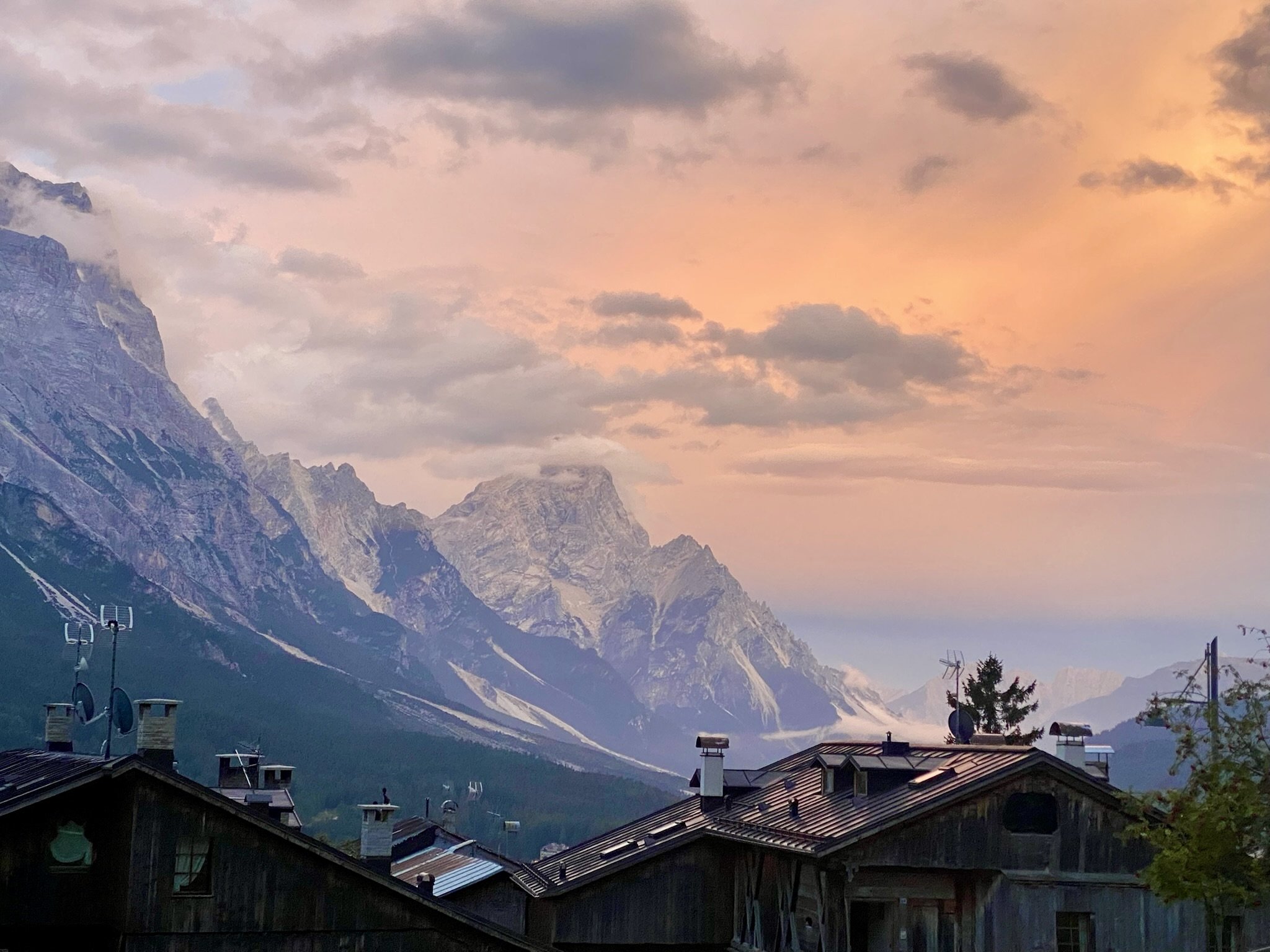
The town center concentrates most of the mid-range and upscale options within walking distance of restaurants and the main bus station. For something quieter, Pocol — a small hamlet about 5 km above Cortina toward the Giau Pass — offers a handful of mountain lodges and small hotels with genuinely stunning views of the Tofane group.
Properties like Ciasa Vervei in Pocol combine easy car access to Cortina with the feeling of being perched above it all.
October pricing in Cortina stays slightly higher than in Val Gardena or Alta Pusteria because the town never fully enters off-season mode. Budget roughly €100–180 for a double in the town center, less in Pocol or outlying hamlets.
Half-board options are common and usually a good deal at this time of year — the included dinners at family-run hotels tend to be substantially better than what you’d find at a comparable standalone restaurant.
The strategic advantage of Cortina: you can reach Tre Cime di Lavaredo, Lago di Braies, Cinque Torri, and the Giau Pass as day trips without switching hotels. That itinerary flexibility is exactly why most Dolomites October planners use Cortina as their first or last base.
Alta Pusteria Accommodations
The Puster Valley stretches across the northern Dolomites, and the towns of Dobbiaco and San Candido make excellent October bases for anyone coming from Austria or wanting to explore the Sexten Dolomites and Tre Cime area without the Cortina price tag.
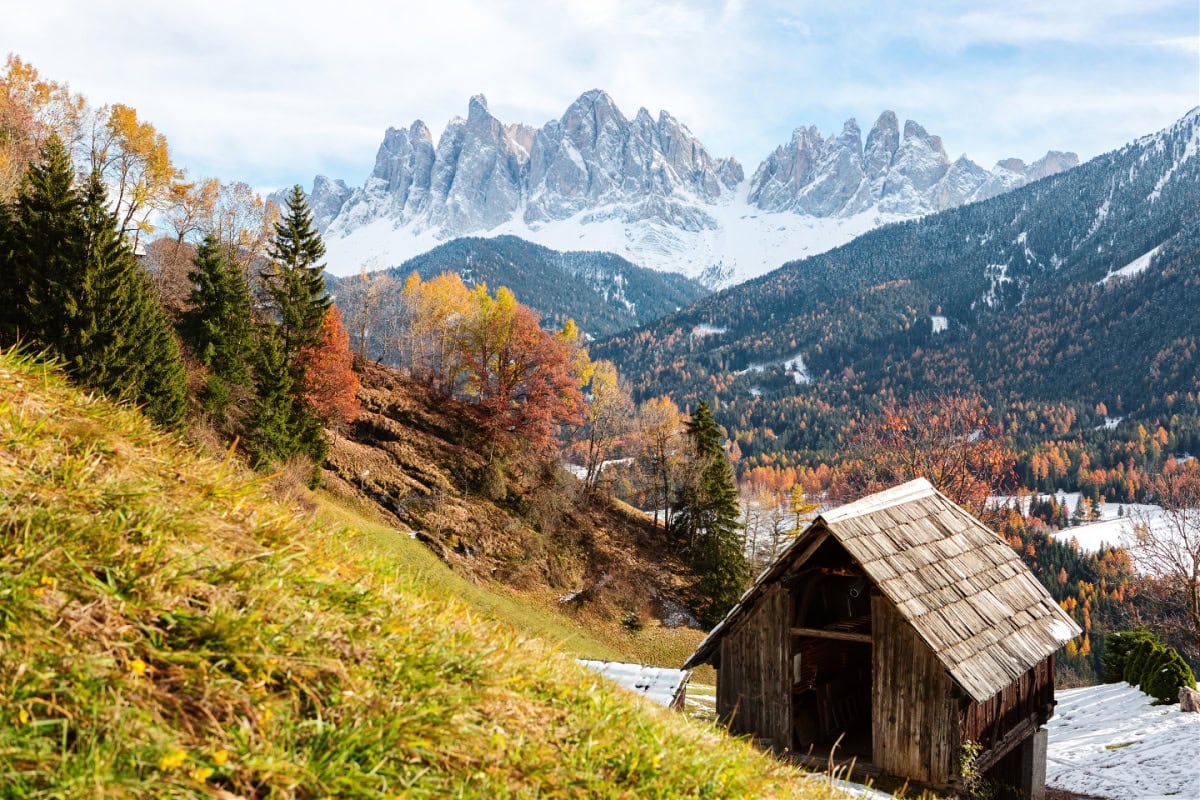
Dobbiaco is a small, no-frills town with a handful of family-run hotels and guesthouses that typically stay open into October. It sits at the junction of the road to Lago di Braies and the road south toward Cortina, which gives you excellent day-trip range.
Accommodation here runs €70–120 for a double — noticeably cheaper than Cortina or Val Gardena. The town itself is unglamorous but functional: a few good restaurants, a bakery, a train station with connections to San Candido and Fortezza.
San Candido is prettier and slightly more resort-oriented, with a walkable center and better dining options. It’s also the staging point for hikes into the Tre Cime area if you’re approaching from the north.
Expect similar pricing to Dobbiaco.
The reason to choose Alta Pusteria over Cortina: if Lago di Braies and the Sexten Dolomites are your priorities, basing here eliminates the 45-minute drive from Cortina each way. The reason to choose Cortina instead: more open restaurants, more hotel options, and better connectivity to the central Dolomites.
If you’re structuring a multi-base itinerary, Dobbiaco makes an ideal two-to-three-night northern anchor before moving south to Val Gardena or Cortina.
Alta Badia Accommodations
Alta Badia is the hardest October base to recommend unreservedly — and the most rewarding for the right traveler. The valley shuts down earlier than any other major Dolomites area; most hotels, restaurants, and all cable cars close before October even begins.
What remains is a skeleton crew of properties, mostly in San Cassiano and La Villa, that cater to the autumn crowd.
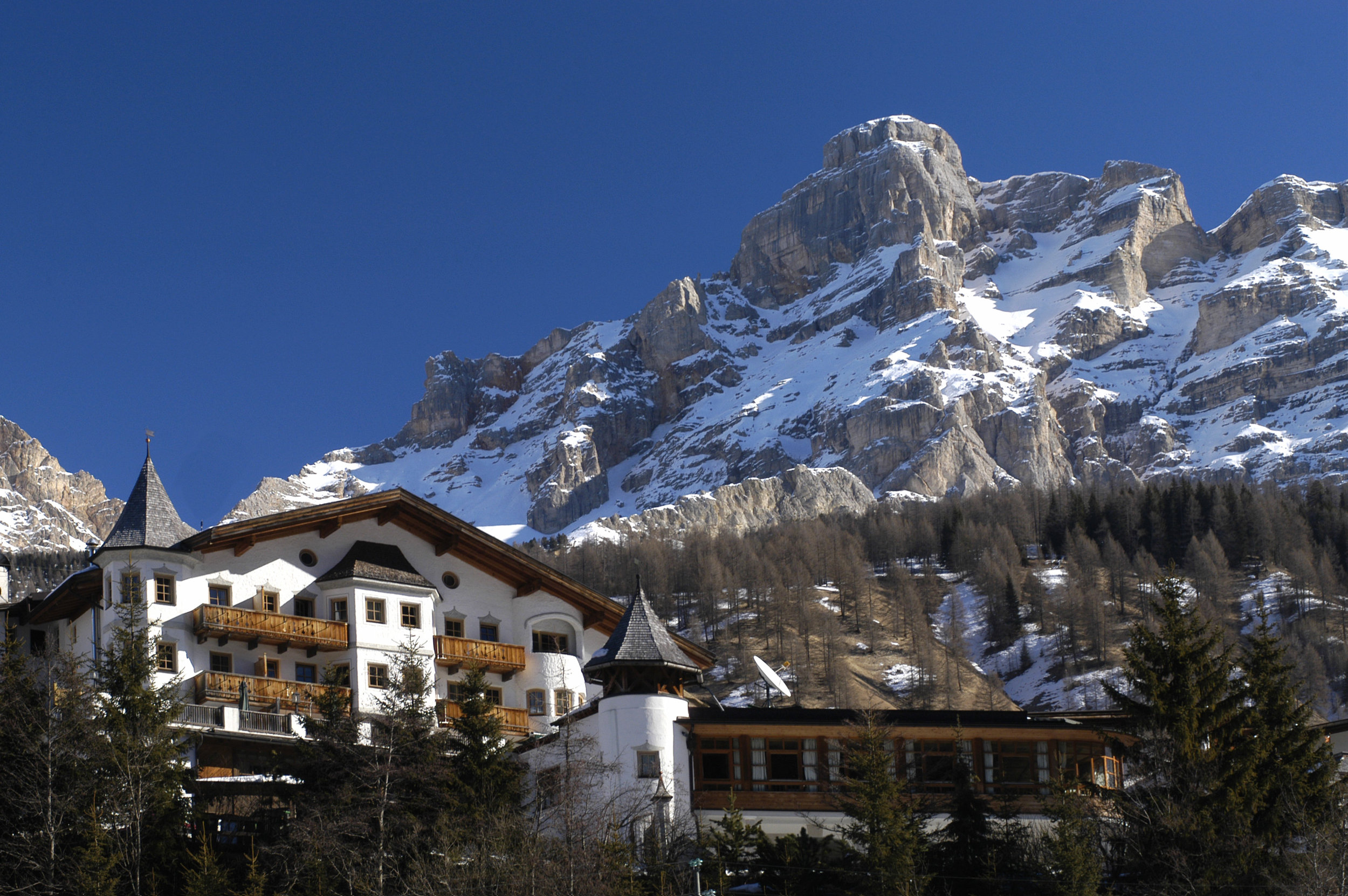
If you’re the kind of traveler who finds a quiet village with no open restaurants and thinks “perfect,” Alta Badia in October delivers something no other valley can: genuine, almost eerie stillness. The larch forests around the Armentara Meadows and La Crusc turn an intense gold, and you may hike for hours without seeing another person.
The fall colors here are arguably the most vivid in the Dolomites because the valley’s mix of larch and evergreen creates sharper contrast than in Val Gardena or Cortina.
The practical problem is straightforward: with most hotels closed, your options are limited. The few that remain open in October tend to be higher-end properties — expect €120–200 for a double, often with half-board since standalone restaurants are scarce.
Book early and confirm directly that the property is open for your exact dates. Do not assume availability; call or email.
If you’re building a multi-base itinerary, Alta Badia works best as a two-night stop rather than a week-long base. Arrive prepared with groceries or confirm that your hotel serves dinner, because walking to a nearby restaurant may not be an option.
Val di Funes Accommodations
Val di Funes is tiny — just a handful of guesthouses, farm stays, and small hotels scattered between the villages of Santa Magdalena and San Pietro. In October, availability shrinks further, and the valley operates on a near-whisper.
But if you’ve seen the famous photograph of the Church of San Giovanni framed against the Odle range glowing amber in autumn light, you already know why people come here.
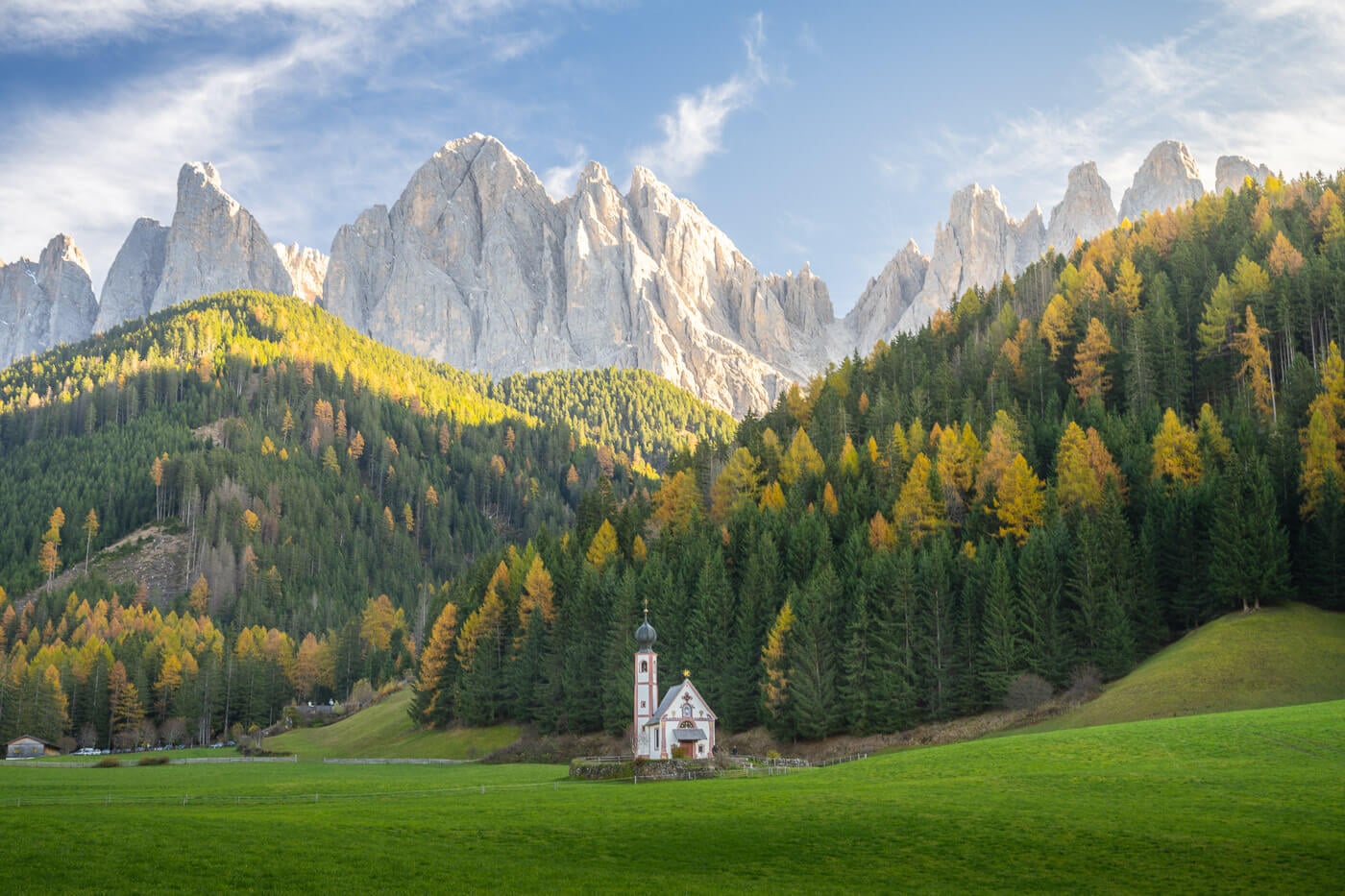
Santa Magdalena is the obvious base. The village has a few guesthouses and farm stays — typically €60–100 for a double — and very little else.
There’s a small grocery, a couple of simple restaurants, and the trailhead to the Adolf Munkel Trail, which is one of the Dolomites’ best autumn walks. Don’t come expecting nightlife or variety; come expecting mornings where the valley fog lifts to reveal golden larches and grey rock spires.
The strategic question is whether to sleep here or day-trip from Val Gardena. If you’re already based in Ortisei, Val di Funes is roughly 30 minutes by car — easy to reach for a sunrise or sunset visit without relocating.
But if you want the full experience of waking up in that valley, staying one or two nights in Santa Magdalena is worth the logistics. Book a farm stay or Gasthof with a balcony facing the Odle range; the evening light on those peaks is the reason this valley appears in every Dolomites photo book.
Practical note: Val di Funes has no lift access whatsoever, and October daylight hours mean you need to start hikes by 8:30 a.m. to make the most of the light. An overnight stay gives you that early-morning head start that day-trippers from Val Gardena can never match.
Best Hikes in the Dolomites in October
Forget crowded summer trails—October hiking means having alpine meadows to yourself, with only the crunch of golden larch needles underfoot. The trade-off is simple: lifts are closed, huts are shut, and you need to be self-sufficient, but the payoff is staggering silence and color.
| Region | Best For | October Reality Check |
|---|---|---|
| Alta Badia | Trails blanketed in orange larch, near-total solitude | Almost everything closes early. You’ll need a car and to pack everything. |
| Cortina d’Ampezzo | Iconic views without the crowds, walk-up hikes | More options stay open; great for your base. |
| Alta Pusteria | Dramatic panoramas with some lift access | Check which lifts to Tre Cime are still running. |
| Val Gardena | Best infrastructure, some lifts run late into October | The most “accessible” October hiking region. |
| Val di Funes | That iconic church-and-mountain photo, pastoral vibes | Short, easy walks from the road; not for a long trek. |
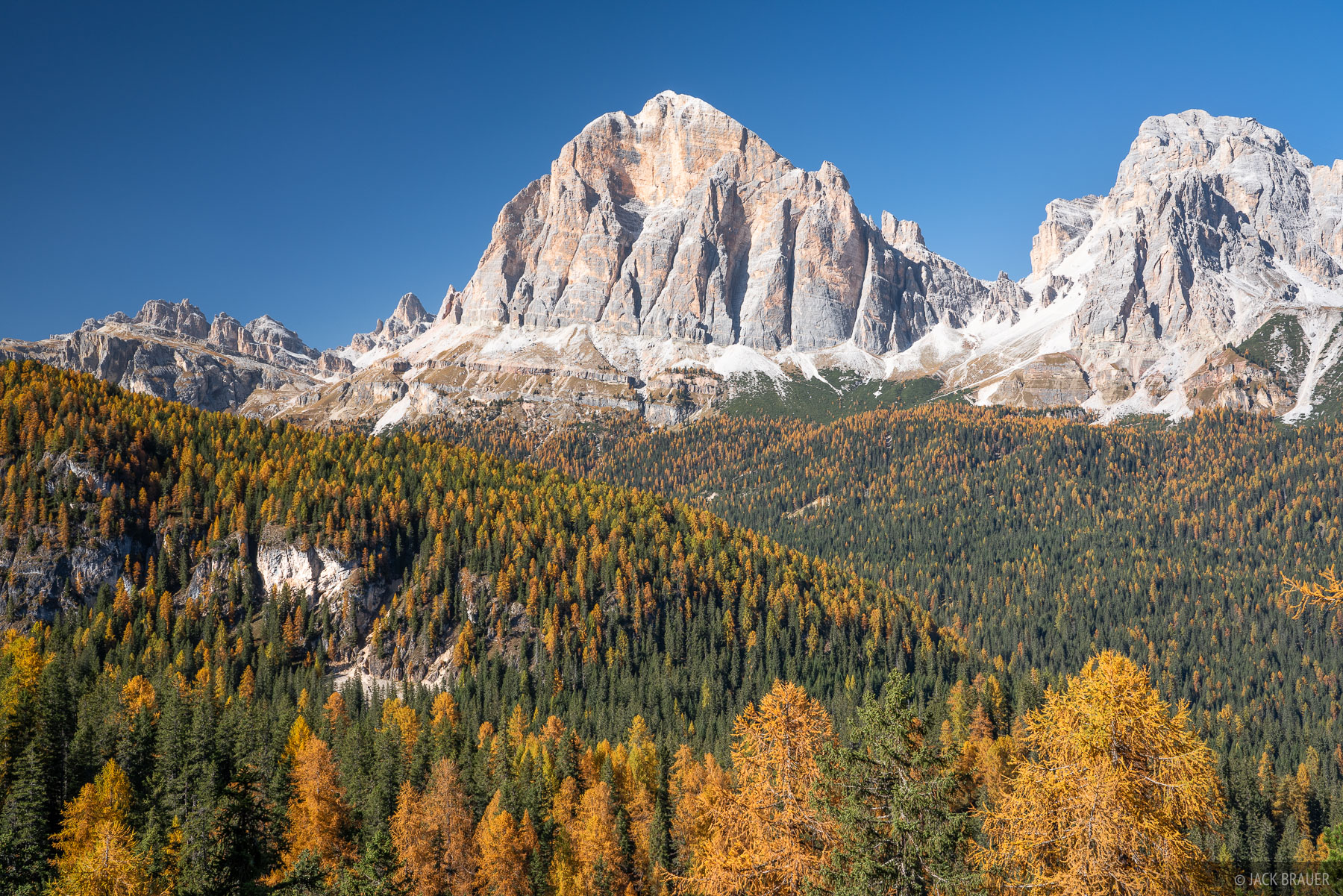
Alta Badia Hikes
Alta Badia in October is for hikers who prize silence above all else. The season ends early here, leaving valleys breathtakingly empty.
Base yourself in Corvara or La Villa and prepare to hike from the car—no lifts are running. This is walking through a cathedral of fall color with barely another person in sight.
- Armentara Meadows to La Crusc: This is the standout. Hike from San Cassiano through blazing larch forests to the La Crusc/Santa Croce church, framed against the Fanes-Sennes-Braies massif. The 3-4 hour loop is moderate, and the view from the meadows is the quintessential Dolomites autumn scene. Park at the San Cassiano church and start early for the best light.
- Plan de Corones (Kronplatz) Meadows: Skip the mountain entirely. The gentle walks around the base, like the easy trail from the Piz La Villa cable car base to the Sass Dlacia area, deliver golden forests and massif views with minimal effort. It’s perfect for a post-lunch stroll.
Cortina d’Ampezzo Hikes
Cortina is your strongest October base because it offers a wider range of accessible hikes that don’t rely on cable cars. The town retains more services, and you’re central to several great valleys.
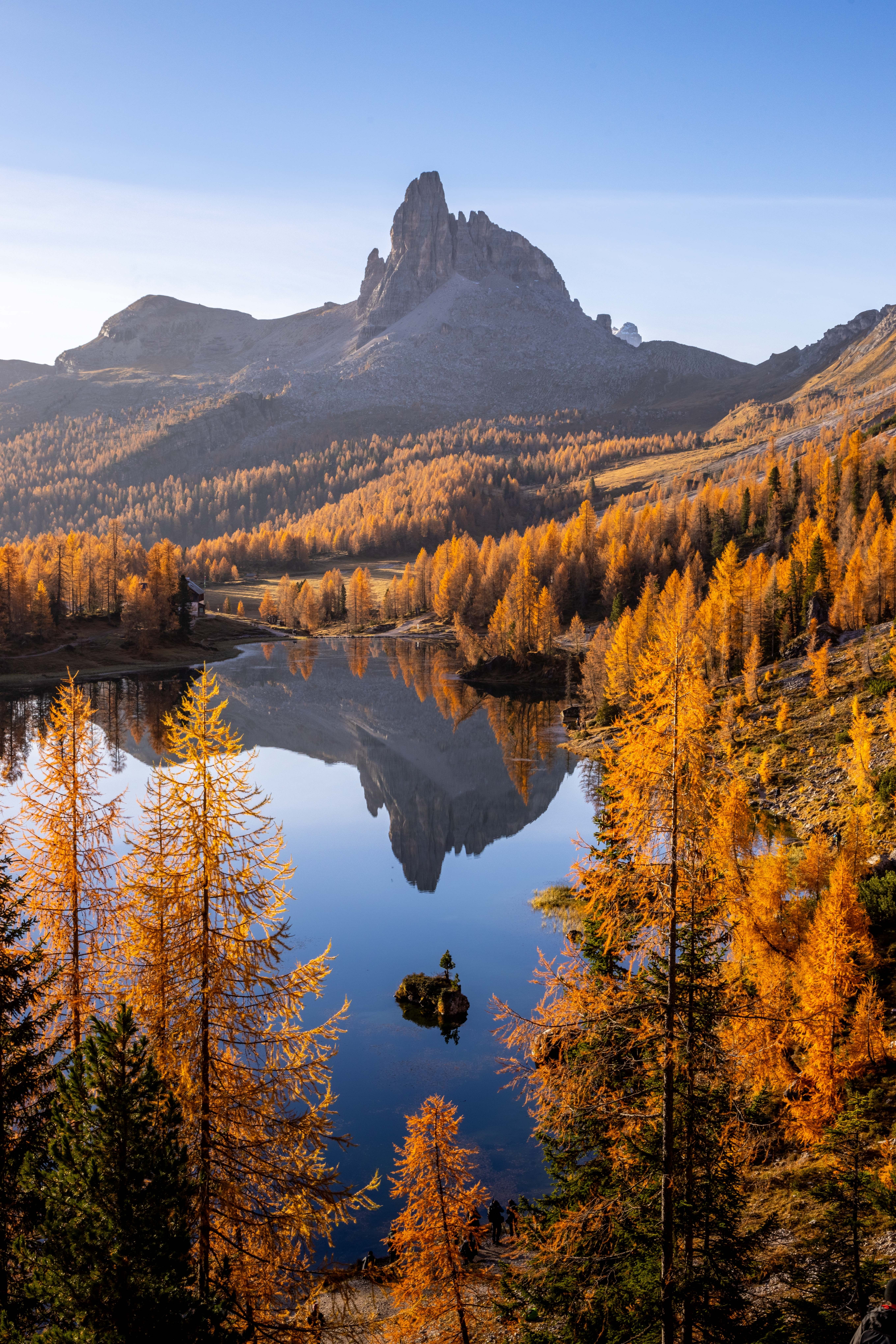
- Lago di Federa (Lake Federa): The hike to the brilliant turquoise lake beneath Croda da Lago is a classic for good reason. The 3-4 hour round trip from the road end at Ponte di Ru Curto is manageable and spectacularly photogenic as larches frame the water. Arrive at the trailhead by 8 AM to have the lake reflection nearly to yourself.
- Tre Cime di Lavaredo from Rifugio Auronzo (If Road Open): The toll road to Rifugio Auronzo sometimes stays open until the first snow. If it’s open, the iconic 3-hour circuit of the Tre Cime is still feasible in early October, though expect winter conditions—bring layers and microspikes. Confirm road status with local authorities the day before.
- Cinque Torri: A fantastic choice if weather is unstable. The loop around these iconic rock spires takes just 1-2 hours and starts from the Passo Giau road (Antax). The landscape feels otherworldly, and you’ll have the famous “Via Ferrata” towers to yourself.
Alta Pusteria Hikes
Alta Pusteria, especially around Sesto/Sexten, offers some of the most dramatic mountain scenery in the Dolomites. Its advantage in October is that some key lifts in the Sesto and Braies areas may operate on a reduced schedule into early October—always check locally.
- Tre Cime Circuit (Alternative): If the Auronzo toll road is closed, tackle the Tre Cime from the Val Fiscalina side. Start in Sesto and hike to Rifugio Locatelli, looping back. It’s a full-day, demanding 7-8 hour trek (1,300m elevation gain) but rewards you with the most immersive perspective. Only for fit hikers in stable weather.
- Lago di Braies to Hochalpenkopf: For a shorter option, walk the easy, scenic trail around Lago di Braies, then continue up the trail toward Hochalpenkopf for elevated views of the lake and surrounding peaks. You can turn back whenever you like.
Val Gardena Hikes
Val Gardena is the Dolomites’ most resilient region in October. Some lifts in Ortisei, Selva, and Santa Cristina often run until late October or even early November, giving you vertical access others lack.
This is your best bet for higher-altitude hiking without a massive ascent.
- Seceda Ridgeline (If Cable Car Open): If the Ortisei-Furnes-Seceda cable car is running, it puts you directly at the spectacular Seceda ridgeline with views of the Sassolungo massif. From there, walk the undulating trail to the Pieralongia hut and back for about 3 hours of pure drama. This is a top-tier choice if accessible.
- Alpe di Siusi (Seiser Alm) Edges: The vast plateau edges above Ortisei and S. Cristina offer gentle to moderate trails with constant backdrop views of the Sassolungo and Sassopiatto massifs. Hike from the Mont Sëuc cable car station (if open) to the Bullaccia peak or simply explore the meadows.
Val di Funes Hikes
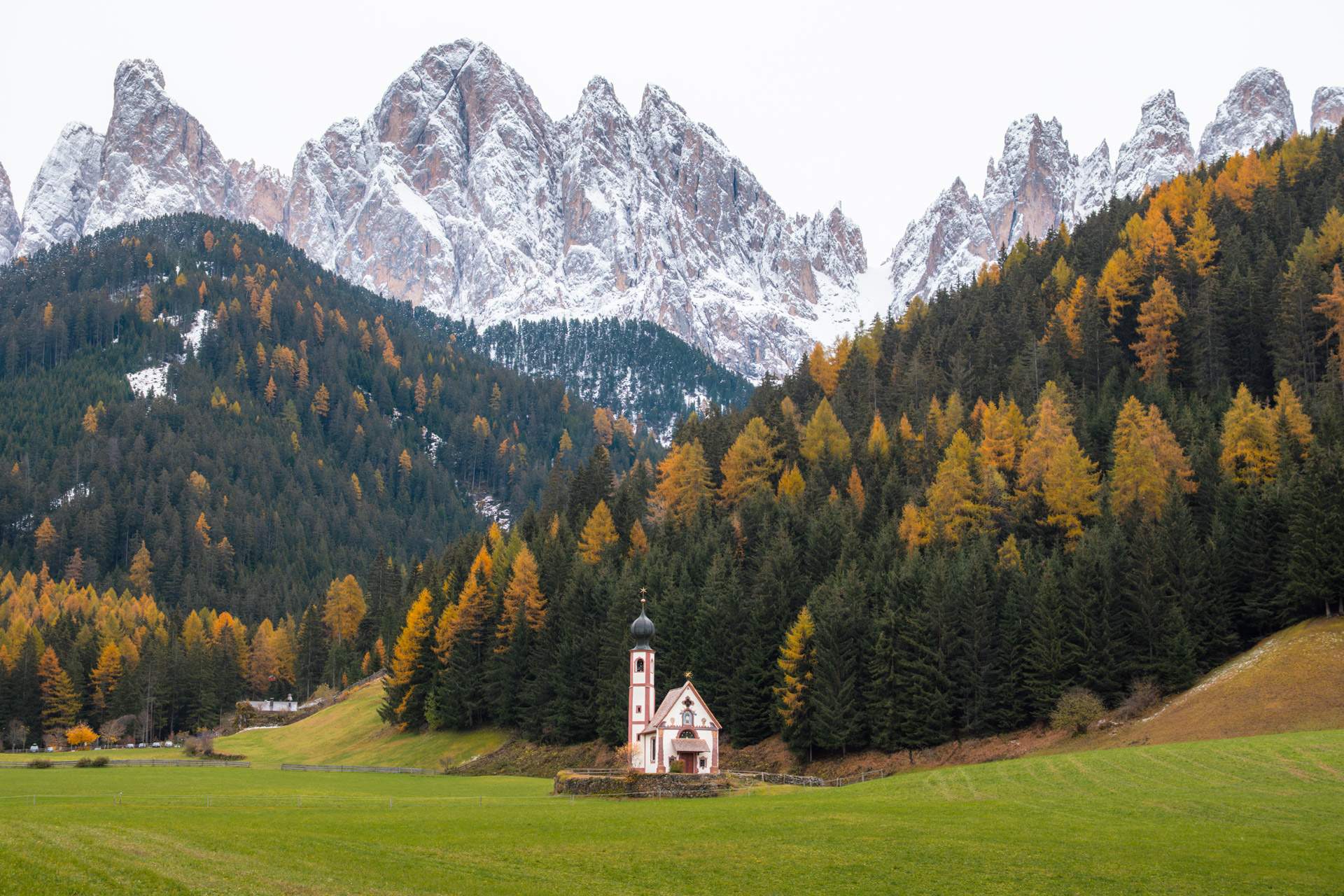
Val di Funes is about the view, not the trek. You come for the iconic shot of the tiny St. Magdalena church against the Odle/Geisler peaks, and in October, the foreground is a tapestry of gold and red.
Base yourself in the valley for one or two nights to catch sunrise and sunset light.
- St. Magdalena Viewpoint Walk: The essential “hike” is the short, gentle walk from the St. Magdalena church parking area along the forest trail toward the Adolf Munkel Trail. You don’t need to go far to get the perfect photographic composition. This is more of a 1-hour stroll than a hike, but it’s mandatory.
- Adolf Munkel Trail (Partial): For something more substantial, tackle the first section of the Adolf Munkel Trail from St. Magdalena to the Geisler/Odle mountain group. The trail traverses beneath the spires with constantly changing views. An out-and-back to the Gschnagenhardt Alm takes 3-4 hours.
Early October vs Late October in the Dolomites
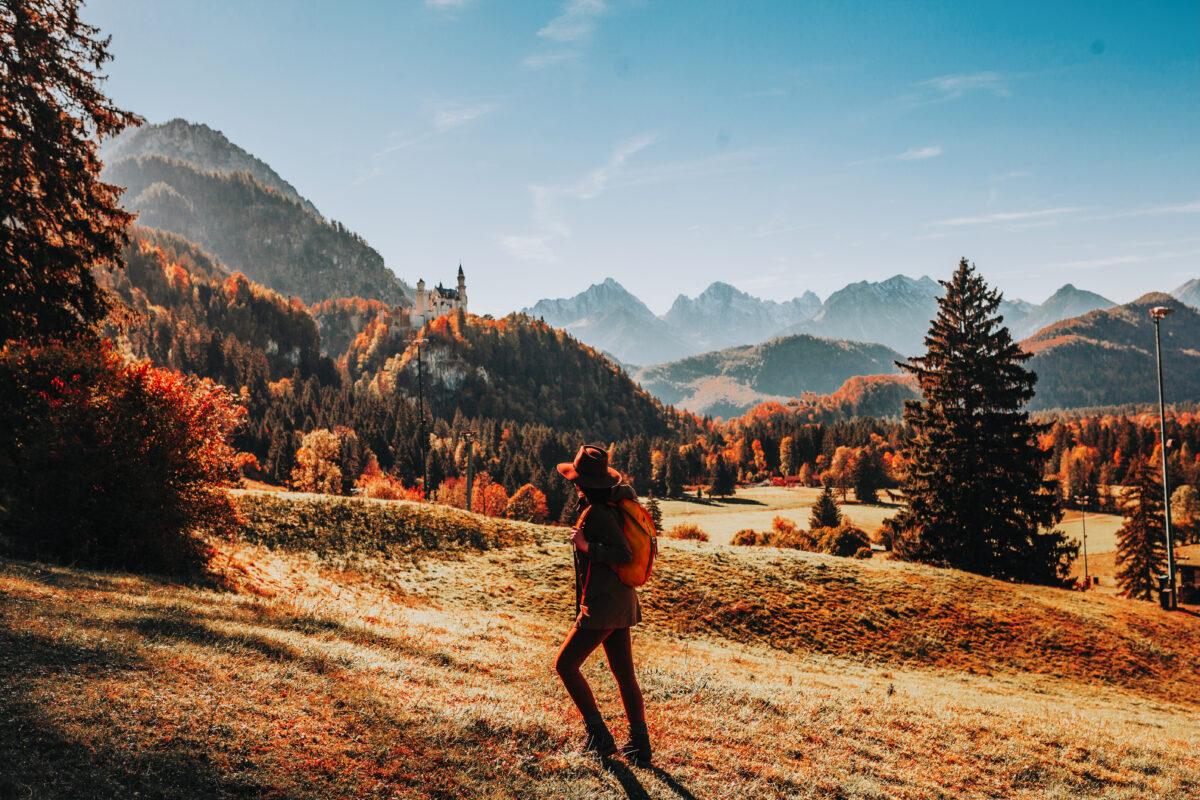
The larches don’t peak all at once — and that single fact determines whether you hit the sweet spot or arrive a week too late. Early October (roughly October 1–15) and late October (roughly October 16–31) deliver two fundamentally different Dolomites experiences, and choosing wrong means either missing the gold or getting snowed out of your plans entirely.
Early October (October 1–15): The Sweet Spot
This is the window I’d recommend to anyone who hasn’t been to the Dolomites before. Larch forests hit peak gold, visibility tends to be sharp, trails are empty, and — critically — you can still hike with options.
Some mountain huts remain open through the first two weeks of October, and certain cableways in Val Gardena typically run until late October or early November. Multi-day hut-to-hut treks become unreliable, but day hikes at lower and mid-elevations are fully on the table.
- Best for: First-time Dolomites visitors, moderate hikers, photographers chasing peak larch color against gray rock.
- What works: Mountain hut dining still available on select routes. Cable car access in Val Gardena and parts of Cortina. Hotel rates already dropping into off-season pricing.
- What to expect: Temperatures around 8–15°C at hiking elevation, with nights near or below freezing. Morning ice on shaded trails is real — bring microspikes as standard gear, not optional.
- The move: Base yourself in a valley town like Ortisei, Cortina d’Ampezzo, or Santa Maddalena where trailheads are accessible and dining options exist. Don’t plan a rifugio-based multi-day trek — the odds of a hut closing mid-route are too high.
Late October (October 16–31): For Experienced, Flexible Travelers
Late October is where the Dolomites get moody and magnificent — but you earn every view. Golden larches are still on display at mid-elevations, and the solitude is absolute.
The trade-off is genuine operational uncertainty. Most rifugios are closed.
High-altitude passes can see snow at any point above 2,000 meters. Lakes that looked full in September may now be strikingly low or even frozen at higher elevations.
- Best for: Experienced hikers comfortable with winter-level gear and flexible plans, road-trip-focused travelers who want scenic driving over summit hikes.
- What works: Driving the Prato Piazza plateau with zero road restrictions or toll fees — the road stays open all day, and the hike to Monte Specie for sunrise or sunset is spectacular with no crowds.
- What to avoid: Alta Via 1, Alta Via 2, and any high-altitude traverse. Rifugios are closed, rescue infrastructure is not in place, and short daylight hours leave no margin for error.
- What to expect: Dining options become extremely limited outside valley towns. Book accommodation with on-site dining or self-catering facilities — this is non-negotiable, not a nice-to-have.
Quick Comparison
| Factor | Early October | Late October |
|---|---|---|
| Larch color | Building to peak gold | Peak to past peak, depending on elevation |
| Mountain huts | Some open (esp. Puez-Odle, Fanes-Sennes-Braies parks) | Mostly closed |
| Cableways | Select lifts running in Val Gardena | Fewer operating — confirm before you go |
| Snow risk | Possible above 2,000m | Likely above 2,000m, possible lower |
| Dining options | Limited but available on valley trails | Very limited — self-catering strongly advised |
| Hotel rates | Off-season pricing begins | Deepest off-season discounts |
| Who it’s for | Most travelers, first-timers | Experienced, gear-ready, flexible planners |
The Non-Negotiable for Both Windows
Rent a car with winter tires — not all-season, actual winter tires. If it snows, driving uphill without them becomes dangerous and sometimes impossible.
Pack layers for genuine winter conditions regardless of which half of October you choose: a winter coat, gloves, beanie, and microspikes belong in your bag from day one. And book a hotel or apartment with either a spa for bad-weather days or a kitchen for self-catering.
The Dolomites in October reward the prepared and punish the casual.
Which Mountain Huts Stay Open in October?
The window for experiencing a rifugio meal or overnight stay slams shut fast—by mid-October, the vast network is in hibernation. Your strategy is simple: target early October for hut access, or accept that late October means carrying all supplies and skipping the hut culture entirely.
The Handful of Huts Open into Late October
A few lower-altitude or road-accessible exceptions usually stay open through the month, weather permitting. Confirm directly before going, as early snow can trigger sudden closures.
- Rifugio Sasso Piatto: A stellar choice for access to the Sassolungo group. Its road-accessible location helps it often stay open into the final week of October. Book its South Tyrolean meals well in advance.
- Rifugio Col Alto: Above Corvara in Alta Badia, it typically operates into late October. It’s less about remote trekking and more about a convenient mountain lunch with a view.
- Rifugio Malga Ra Stua: Near Cortina, this traditional alpine pasture hut often serves into late October. It’s a solid goal for a day hike from the Cortina area.
What You Need to Know Before You Go
Hut-hopping multi-day treks like the Alta Via are off the table. Day hikes from a valley base are the only viable October plan.
- Book Overnight Stays Immediately: The few open huts have minimal beds. Reserve weeks ahead, not days.
- Expect “Rest Days”: Many huts that are open close one or two days a week. You must verify their weekly schedule.
- Winter Rooms Are Not a Backup: Some rifugios leave unlocked, unheated emergency rooms. These are for survival situations, not planned overnights.
- Dining is the Main Draw: Go for a hearty lunch of canederli or barley soup. Dinner service is unlikely unless you’ve booked a bed.
Bottom Line: For a classic hut experience, visit in the first two weeks of October and focus on the named exceptions above. For late October hikes, assume every hut is closed and pack a full lunch—the golden larches will be your only company.
| Hut | Best For | Key October Detail |
|---|---|---|
| Rifugio Sasso Piatto | A Sassolungo day hike with a warm meal. | Often open to month’s end; book lunch ahead. |
| Rifugio Col Alto | A mountain lunch from Corvara. | Check for mid-week rest days. |
| Rifugio Malga Ra Stua | A goal from Cortina’s trailheads. | Call to confirm evening meal service. |
How to Structure an October Itinerary in the Dolomites
Forget seeing everything — October in the Dolomites rewards the traveler who picks two to four bases and lets weather dictate each morning. The entire region compresses in autumn: cableways shut, dining options thin out, and driving between valleys takes longer on icy passes.
A tight, flexible structure beats a packed one every time.
The 2-to-4 Base Strategy
Choose your bases based on how many days you have, then stay put in each one for three to five nights. This is not a place to hotel-hop nightly — you need buffer days for bad weather, because a full day of rain or early snow at elevation will happen at least once.
| Trip Length | Number of Bases | Best For |
|---|---|---|
| 4–5 days | 2 bases | Focused hiking, minimal driving, maximum flexibility |
| 7–10 days | 3 bases | The sweet spot — covers east, central, and west Dolomites without rushing |
| 10–14 days | 3–4 bases | Photographers and slow travelers who want golden hour in multiple valleys |
Suggested Driving Flow (East to West)
The most efficient route avoids backtracking by moving east to west, starting from Venice Marco Polo Airport (or Innsbruck in reverse). Total driving distance for a full loop across the major valleys runs roughly 550 km, not counting daily detours to trailheads and passes.
Base 1: Cortina d’Ampezzo (3 nights)
Start here — it’s the closest major Dolomite valley to Venice and the most flexible October base. Cortina’s central location lets you pick hikes each morning based on real-time weather rather than committing the night before.
The town has enough restaurants and hotels with spas to fill a rain day without boredom.
Base 2: Alta Pusteria — Sesto or San Candido (2–3 nights)
Drive northeast from Cortina over Passo Tre Croci or through the Cadore valley, roughly 45 minutes to an hour. This zone gives access to the Tre Cime di Lavaredo area and the Sexten Dolomites.
Late October brings the larch forests around Sesto into peak gold. The road to Rifugio Auronzo is a toll road (around 30 EUR per car) with restricted hours — confirm the schedule before you go because October closures can shift with little notice.
Base 3: Val Gardena — Ortisei or Santa Cristina (3 nights)
Head west through the Val Pusteria, passing through Brunico and over to the Val Gardena — roughly two hours of driving. Val Gardena is the October exception: some lifts here run into late October or even early November, giving you access to high-altitude trails other valleys have already closed.
This is the strongest base for anyone who wants to hike Seceda, the Alpe di Siusi, or the Sassolungo circuit without relying solely on legs.
Base 4 (optional): Val di Funes (2–3 nights)
Only 30 minutes west of Val Gardena over the Passo Pinei, Val di Funes is where you end the trip slowly. The tiny villages of Santa Magdalena and Funes sit directly beneath the Odle range, and late October larch color here is among the most photographed in the Alps.
There’s less to do activity-wise, which is exactly the point — this base is for decompressing, photographing the church at dawn, and easing into your final days.
Early October vs. Late October: How It Changes the Plan
In early October, prioritize higher-altitude hikes and hut visits while some remain open. Mountain huts in the Puez-Odle and Fanes-Sennes-Braies nature parks typically stay open through mid-month, so front-load any hut-based day hikes into your first few days.
In late October, shift focus to lower-elevation larch forests, golden-hour photography, and valley walks — many high trails will have ice by morning and snow above 2,000 meters.
Non-Negotiable Logistics
- Rent a car with winter tires. October snow at higher passes is not hypothetical — it will happen at least once during a week-long trip. Standard summer tires are not safe and not legal on mountain roads once winter conditions hit.
- Book accommodations with on-site dining or kitchen access. Restaurant options outside major towns are extremely limited in October. A hotel with a half-board option or an apartment with a kitchen removes a daily planning headache.
- Build in one flex day per base. Weather shifts fast at Dolomite elevations — a clear morning can turn to whiteout by noon. Having unscheduled days means you can seize the good windows instead of forcing a hike in bad conditions.
- Check pass road status daily. Passo Sella, Passo Gardena, and Passo Giau can close temporarily with early snowfall. Use the Trentino weather service at Meteotrentino.it for the most accurate local mountain forecasts.
The insider move: drive Prato Piazza in late October. The road is open all day with no toll and no vehicle restrictions that plague the summer months, and the hike to Monte Specie from the parking area delivers 360-degree Dolomite panoramas with almost no other hikers around.
It’s one of the highest-value, lowest-effort October outings in the entire region.
What to Pack for Dolomites October Travel
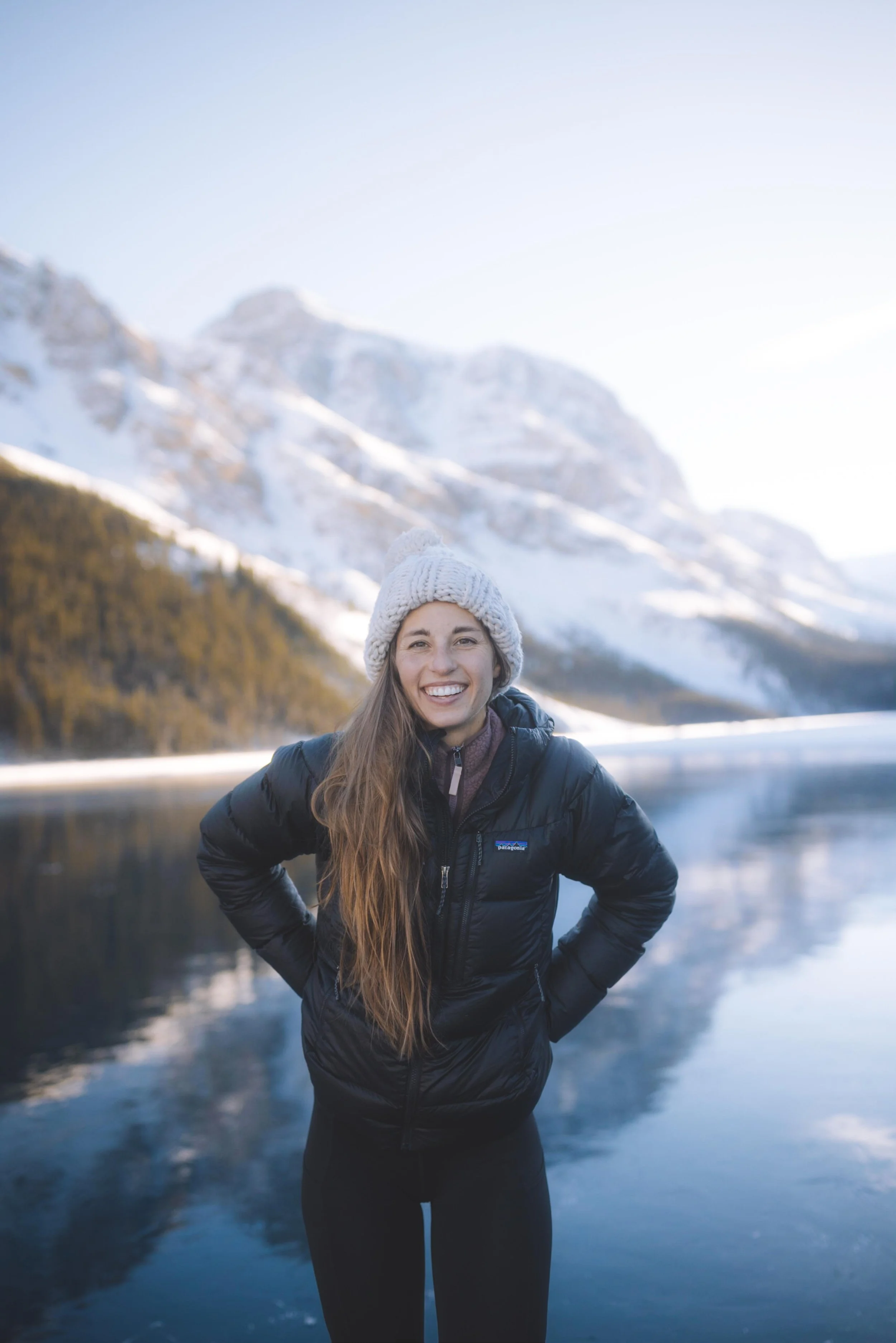
October mornings in the Dolomites can start at 25°F on a high trail and hit 55°F by lunch in the valley — then drop again once clouds roll in. Packing for this month means preparing for three seasons in a single day, and getting it wrong means either overheating on the ascent or shivering through a summit you worked hard to reach.
The Layering System That Actually Works
Skip cotton entirely. You need a three-layer system that handles moisture, warmth, and wind without making you stop every twenty minutes to adjust.
- Base layer: Merino wool long-sleeve tops (two minimum). They regulate temperature, resist odor across multiple days, and dry faster than cotton when you inevitably sweat on a steep climb. Smartwool or Icebreaker are reliable brands — expect to pay $60–90 per top.
- Mid layer: A fleece or lightweight insulated jacket. This is your warmth layer for summits and shaded valleys. A grid-fleece like the Patagonia R1 or a synthetic puffy works best because it still insulates when damp.
- Outer shell: A waterproof, windproof hardshell jacket is non-negotiable. October weather shifts fast, and a rain jacket without proper waterproofing (look for Gore-Tex or equivalent) will leave you soaked on exposed ridges. Pair it with waterproof pants you can pull on over hiking pants without removing boots — side zips matter here.
Footwear: The Most Important Decision
Waterproof mid-cut hiking boots are the only right answer for October. Trails are muddy, morning frost makes limestone slick, and ankle support matters when you’re descending scree in fading light.
Low-cut trail runners leave you vulnerable on all three counts. Break in your boots before you arrive — blisters at 7,000 feet with closed mountain huts are a trip-ending problem.
- Merino hiking socks: Two to three pairs. They cushion, wick, and stay warm when wet. Darn Tough and Smartwool both offer lifetime warranties.
- Camp shoes or sandals: For evenings at your valley hotel after your boots come off. Your feet will thank you.
Cold-Weather Gear You Cannot Skip
This is where most October visitors underestimate the Dolomites. High passes and summit ridges regularly see frost, wind chill, and early snow by mid-month.
- Microspikes: The single most important extra item. Early frost and light snow make exposed trails treacherous without them. Kahtoola MICROspikes fit over any boot and weigh almost nothing. Pack them even if the forecast looks clear — conditions change hourly at elevation.
- Warm beanie and insulated gloves: Your extremities lose heat fastest on windy ridges. A fleece-lined beanie and windproof gloves weigh ounces and prevent misery at viewpoints.
- Neck gaiter or buff: Doubles as sun protection, wind block, and warmth. One of the most versatile items you can carry.
- Lightweight down or synthetic puffy: For summit breaks and early starts. Stuff it in your pack when you’re moving, pull it out the moment you stop. A packable jacket that compresses to the size of a water bottle is ideal.
Rain and Wind Protection
October averages 8–10 rainy days in the Dolomites, and mountain weather is notoriously unpredictable. A sudden storm at 2,500 meters is not the same as drizzle in a valley — wind-driven rain at altitude demands gear that seals completely.
- Waterproof pack cover or dry bags: Protect electronics, extra layers, and food. A 20-liter dry bag liner inside your pack beats an external rain cover that blows off in wind.
- Trekking poles: Essential for muddy descents, stream crossings, and stability on frosty sections. Collapsible aluminum poles are more durable than carbon for rocky Dolomite terrain.
Hiking Pack Essentials
Mountain huts are largely closed by mid-October, so you carry everything you need for the day. No popping into a rifugio for warm soup and a dry seat.
- Thermos with hot tea or coffee: This is the October game-changer. Fill it at your hotel before you leave. A hot drink at a cold summit transforms the experience.
- Packed lunch and snacks: There is nowhere to buy food on most trails. Bring high-calorie, portable options — trail mix, dark chocolate, energy bars, cheese and bread from the valley.
- Headlamp with fresh batteries: October daylight runs roughly 7:00 AM to 6:30 PM early in the month, shrinking to about 6:30 AM to 5:00 PM by month’s end. If a hike runs long, you need hands-free light on unfamiliar trail.
- Map or downloaded offline trail map: Cell signal is unreliable at elevation. Download routes on Komoot or AllTrails before you leave your accommodation. Paper maps from Tabacco (1:25,000 scale) cover every Dolomite trail in detail.
- Sunscreen and sunglasses: October sun at altitude is still strong, especially with glare off frost and early snow. SPF 30 minimum.
What to Wear Off the Trail
Dolomite valley towns are casual. You do not need dressy clothes, but you will want something clean and comfortable for evenings at your hotel restaurant.
Smart-casual layers — a clean long-sleeve, dark jeans or chinos, and a warm jacket — cover everything from a rifugio dinner to a Cortina café. A lightweight scarf layers well for cooler evenings.
Car and Driving Essentials
Rent a car with winter tires fitted — standard summer tires are illegal on snowy roads and genuinely dangerous on steep Dolomite passes. Most rental agencies in Bolzano, Innsbruck, and Venice switch to winter tires in October, but confirm when booking.
Carry a small emergency kit: phone charger, water, a warm blanket, and snacks in case a pass closes temporarily.
The Often-Forgotten Items
- Plug adapter (Type C or F): Italy uses European two-pin plugs. Bring two adapters if you’re charging phone, camera, and headlamp batteries nightly.
- Portable battery pack: Cold temperatures drain phone batteries fast. A 10,000 mAh power bank keeps navigation and photography alive through a full day.
- Ziplock bags: Waterproof storage for phone, wallet, and passport on wet days. Weighs nothing, solves real problems.
- Earplugs: If you’re staying in valley guesthouses near roads, October is hunting season and early-morning rifle reports are common in rural areas. Light sleepers will want these.
The short version: pack for winter conditions at elevation and spring conditions in the valleys, and you will be comfortable no matter what October throws at you. Under-packing is the only mistake that ruins a Dolomite October — there are no gear shops on the trail.
Frequently Asked Questions
Is October a good time to visit the Dolomites?
October is the best month for solitude and fall color in the Dolomites — if you accept the trade-offs. The first two weeks hit the sweet spot: golden larch forests, snow-dusted peaks, empty trails, and significantly lower hotel rates.
Late October pushes further into unpredictability but rewards with deeper autumn atmosphere and no road restrictions on passes like Prato Piazza. The catch is real: mountain huts close by early October, cableways mostly shut down, and weather can swing from bluebird skies to full snowstorm within a single trip.
Approach October with flexible dates and valley-based accommodation, and it’s unbeatable. Approach it expecting August infrastructure, and you’ll be disappointed.
Do I need a rental car for the Dolomites in October?
Yes — a rental car is essentially mandatory in October. Public transport exists but runs on reduced autumn schedules, and many trailheads that are bus-accessible in summer become car-dependent once seasonal routes thin out.
Book a car with winter tires; October snow is common above 2,000 meters, and driving uphill on summer tires after an early snowfall is genuinely dangerous. Budget roughly €30–50 per day depending on vehicle size and pickup location — Bolzano and Innsbruck airports typically have the best rates and availability.
One planning note: certain toll roads like the road to Rifugio Auronzo charge around €30 per car and operate on restricted hours in October, so confirm access times before you drive up.
Can I do hut-to-hut hiking in the Dolomites in October?
Mostly no. Multi-day hut-to-hut routes are largely not feasible in October because the majority of rifugios close by early October.
A handful of huts in the Puez-Odle and Fanes-Sennes-Braies Nature Parks stay open through mid-to-late October, but spacing between open huts makes continuous trekking impractical. The better October format is day hikes from a valley base — drive or take a lift to a trailhead, hike 4–6 hours, and return to a hotel with hot food and a real bed.
If hut-to-hut is non-negotiable for you, visit in September instead.
Are cable cars and lifts running in October?
Most cableways and lifts close by early October. The notable exception is Val Gardena, where some lifts run until late October or occasionally early November — but schedules shift yearly, so confirm directly with the operator before planning a hike around a specific lift.
When lifts are closed, you can still hike from valley floors or drive to mid-elevation trailheads, but expect longer approach walks and steeper total elevation gain. Factor this into daily plans: a hike that’s 4 hours with a lift start might become 6–7 hours without one.
Start Planning Your October in the Dolomites
Lock in early October dates if you can — the first two weeks deliver peak larch color and the most open infrastructure.
Book directly with a family-run hotel in Ortisei or Cortina and confirm their exact October opening dates by email before you commit a single euro.
The Dolomites in October give you something no other European mountain range can — world-class scenery with almost nobody else around, at a fraction of peak-season cost.
This is the month to go — build your itinerary around Val Gardena as your anchor and let the weather guide every day after that.
Leave a Reply