
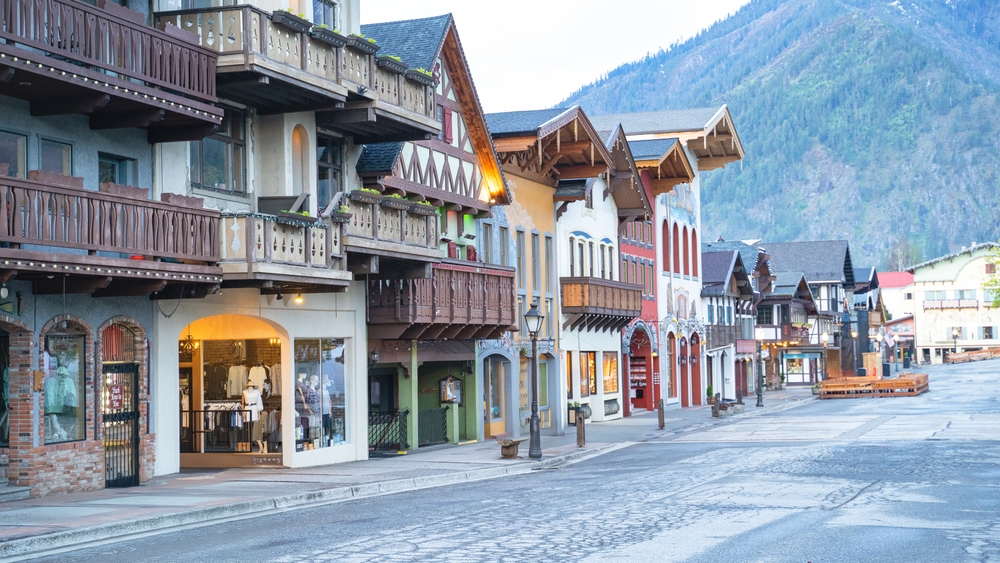
Cobblestone streets lined with pastel Victorians, granite cliffs plunging into the Atlantic, rolling green hills dotted with white-fenced horse farms—these fairytale places exist right here in the USA, no transatlantic flight required. The magic isn’t manufactured; it’s baked into the architecture, landscape, and genuine sense of place that these destinations have protected for generations.
What makes American fairytale destinations different from their European counterparts is accessibility and authenticity combined—you can drive to Woodstock’s covered bridge in under three hours from Boston, hike Acadia’s coastal trails without navigating foreign train systems, and explore Charleston’s cobblestone streets without the tourist-trap pricing that plagues European equivalents. This guide cuts through the Instagram noise and shows you exactly which destinations deliver real enchantment, when to visit them without fighting crowds, and how to plan a road trip that actually feels magical instead of exhausting.
Budget ranges: expect $150–250 per person daily for mid-range comfort (modest hotels, good restaurants, park entrance fees), with Northeast destinations running toward the higher end and Southern destinations slightly lower; shoulder seasons (late April, early June, September) cut costs by 30–40% compared to peak summer and fall foliage periods.
Your Fairytale USA Snapshot: Where to Go and Why
Northeast Alpine Charm: Woodstock, Vermont delivers the storybook formula—covered bridge, village green, white-steepled church—without pretension or crowds, especially in shoulder seasons (late April–May or September–October).
Historic Grandeur: The Hudson River Valley combines Gilded Age mansions, artist communities, and dramatic bluffs overlooking water; base yourself in Cold Spring or Beacon for walkable downtowns and Metro-North train access to New York City.
Wild Coastal Drama: Acadia National Park and Bar Harbor deliver genuine wilderness—jagged granite cliffs, crashing Atlantic waves, dense pine forest—with the best experience in late September or early October when summer crowds clear but weather remains stable.
Seaside Nostalgia: Cape Cod offers lighthouses, salt-weathered cottages, and swimmable beaches; it’s genuinely accessible (2–3 hours from Boston) and genuinely affordable compared to other Northeast coastal destinations.
Southern Pastel Perfection: Charleston’s cobblestone streets and harbor-front mansions rival European charm at American prices; skip the Battery district crowds and explore quieter residential blocks where locals actually live.
Bourbon Country Pastoral: Kentucky’s rolling green hills, white-fenced horse farms, and distillery tours deliver pastoral fairytale without fixed routes—design your own 2-day weekend loop or full-week tasting journey.
Natural Wonders: Red River Gorge (Kentucky), Mammoth Cave (Kentucky), and the Adirondacks (New York) deliver raw geological drama—stone arches, underground chambers, pristine mountain lakes—where the landscape does the heavy lifting instead of manicured architecture.
Timing Rule: Late September through mid-October is the only season delivering fairytale fantasy across all destinations—crisp air, golden light, leaf color, and manageable crowds.
Which Are the Most Enchanting Fairytale Towns in the US Northeast?
The Northeast delivers fairytale appeal without the transatlantic flight—think covered bridges, coastal villages frozen in time, and mountain towns where every street corner looks staged for a postcard. These four destinations each nail a different flavor of enchantment: alpine perfection, historic grandeur, wild coastal drama, and seaside nostalgia.
Base yourself in any of these towns for 2–3 days and you’ll have enough charm, hiking, and dining to justify the trip.
Woodstock, Vermont: The Picture-Perfect Alpine Escape
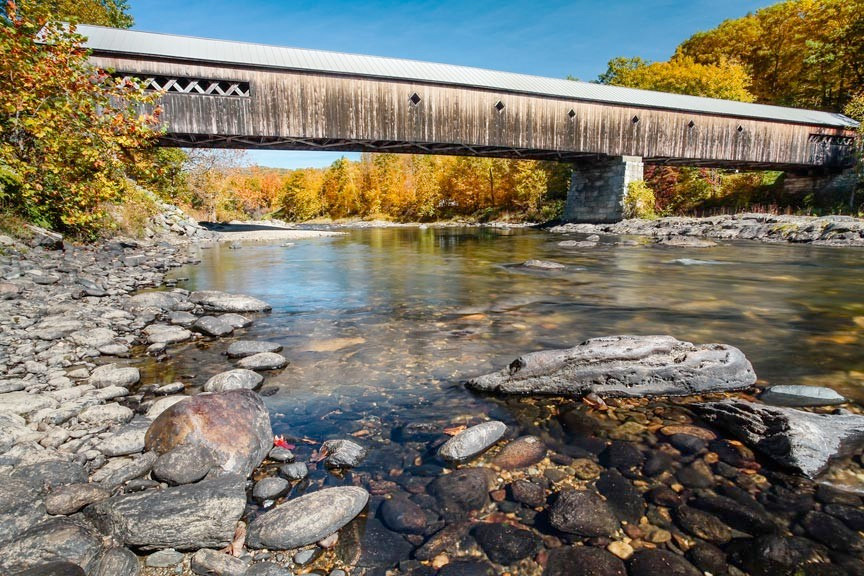
Woodstock’s downtown is so cinematically perfect that it feels constructed—but it’s real, and that’s the entire point. The village green, covered bridge, and white-steepled church are the exact fairytale formula, and the Billings Farm & Museum (a working dairy farm on the town’s edge) reinforces the storybook aesthetic without feeling forced.
Best for travelers who want quintessential New England without pretension or crowds, and who plan to hike or bike during their stay. Woodstock wins because it’s genuinely walkable, genuinely charming, and genuinely less mobbed than comparable towns in the region—especially if you visit in shoulder seasons (late April–May or September–October) when fall foliage crowds have cleared but the weather is still stable.
Stay in the downtown core or within walking distance of the green; this keeps you centered for morning coffee runs and evening strolls without needing a car. The town’s size means you can explore the entire village on foot in under two hours, leaving the rest of your day for outdoor activities like biking the Quechee Gorge trails or paddling the Ottauquechee River.
Restaurants and cafes cluster around the green and along Central Street, so proximity matters more than specific hotel names.
The Hudson River Valley, New York: Historic Estates and River Magic
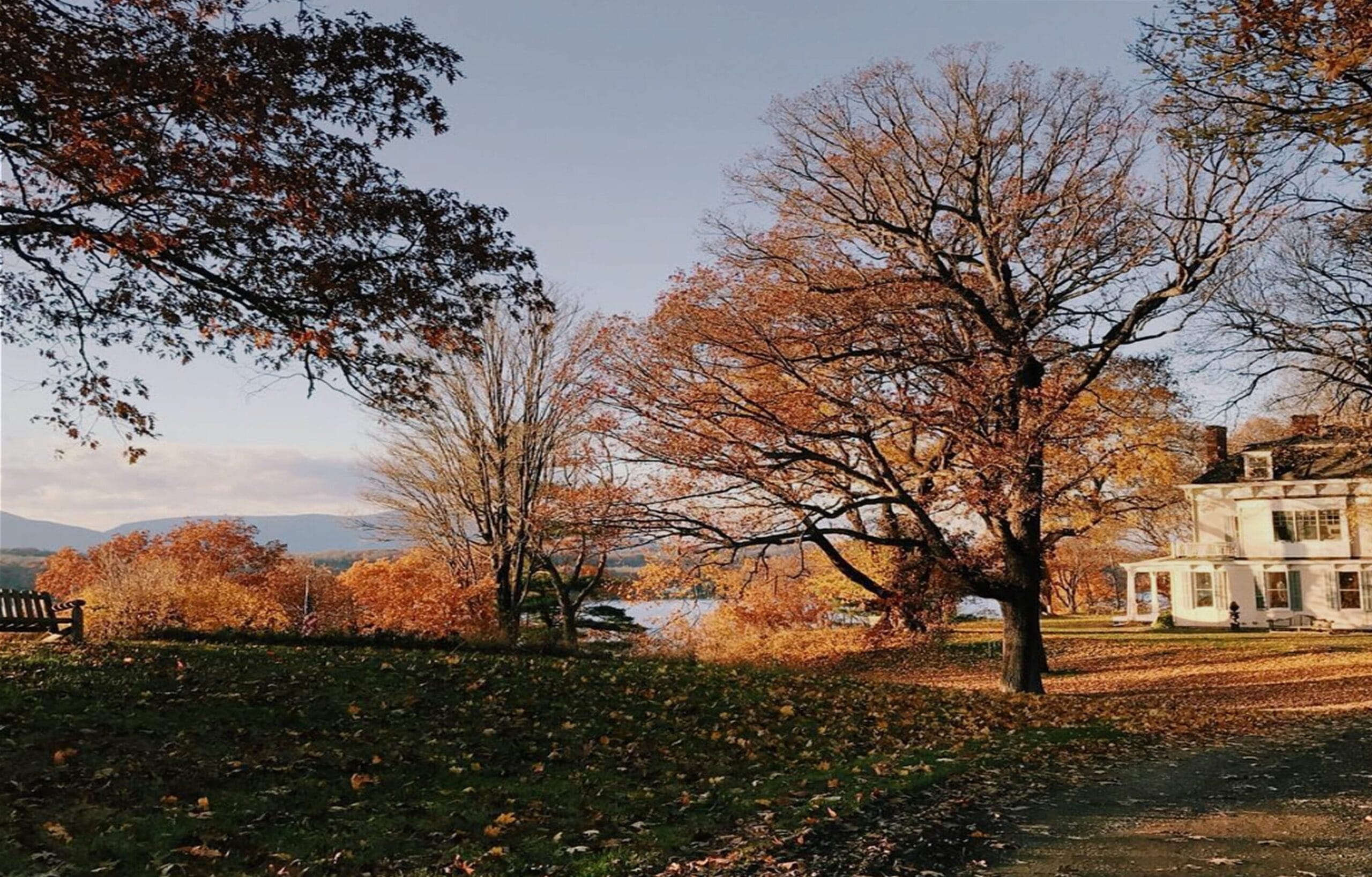
The Hudson River Valley stretches roughly 30 miles north from the Palisades, and its real magic lies not in a single town but in the concentration of Gilded Age mansions, artist communities, and small villages perched on dramatic bluffs overlooking the water. Unlike Woodstock’s alpine cuteness, the Valley trades on historical grandeur and creative energy—you’re walking through landscapes that inspired Hudson River School painters and hosted Vanderbilt estates.
Best for travelers interested in art, architecture, and history over pure village charm, and for those willing to base themselves in a gateway town and day-trip to multiple sites. The Valley wins because it offers intellectual depth and variety; one day you’re touring a mansion, the next you’re browsing galleries in Cold Spring or Beacon, and the river views are constant.
Base yourself in Cold Spring (across the river from West Point, with excellent train access from New York City) or Beacon (home to the Dia:Beacon contemporary art museum and closer to mid-Valley estates). Both towns have walkable downtowns with restaurants and cafes, and both sit on the Metro-North Railroad, making them ideal overnight stops if you’re road-tripping from the city.
The Valley is roughly 90 minutes north of Manhattan by car, so it works as a day trip or a 2–3 day escape with overnight stays in one of the gateway towns.
Acadia National Park and Bar Harbor, Maine: Wild Coastal Wonderland
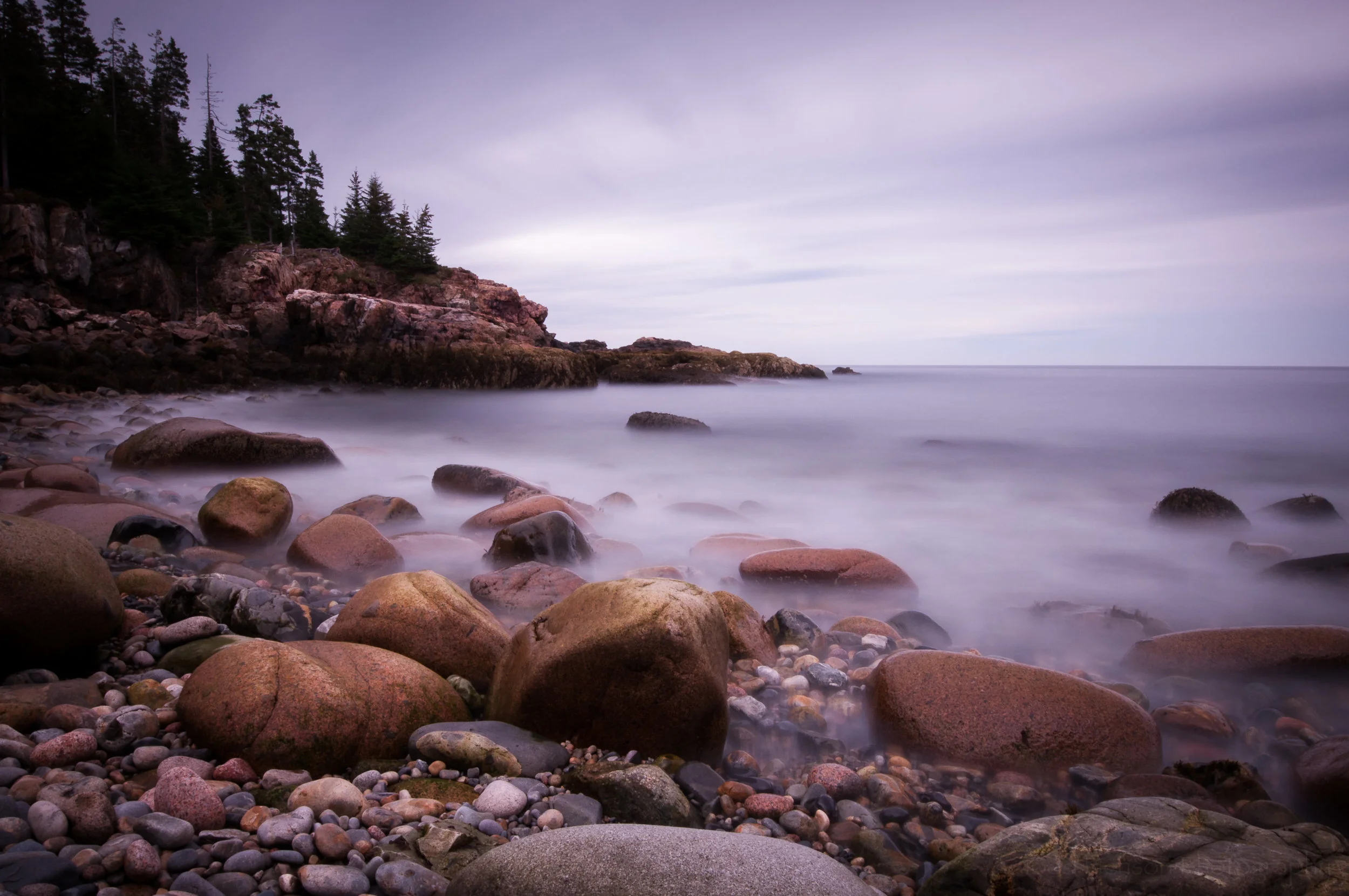
Acadia is the fairytale for travelers who want wilderness drama over village cuteness—jagged granite cliffs, crashing Atlantic waves, and dense pine forest create a landscape that feels genuinely untamed. Bar Harbor, the gateway town just outside the park, is busy and touristy in peak summer (June–August), which means crowds and inflated prices, but visit in shoulder season (late May or September–October) and you get the same scenery with breathing room and better restaurant availability.
Best for hikers, photographers, and anyone seeking coastal beauty that doesn’t rely on pastel buildings or manicured charm. Acadia wins because it’s one of the few fairytale destinations in the Northeast that feels authentically wild—the landscape does the heavy lifting, not the architecture.
Stay in Bar Harbor proper if you want walkable dining and evening activity, or in quieter towns like Northeast Harbor or Southwest Harbor (both on the park’s quieter western side) if you prioritize peace. Bar Harbor is roughly 4.5 hours from Boston by car; plan for 2–3 days minimum to hike the park’s major trails (Jordan Pond Path, Beehive Trail, or the Precipice Trail for experienced hikers) and explore the Park Loop Road by car.
The park charges a vehicle entrance fee (typically around $30 per car for a weekly pass, though confirm current rates); many trails are free once you’re inside.
Cape Cod, Massachusetts: Quaint Historic Boardwalks and Coastal Lore
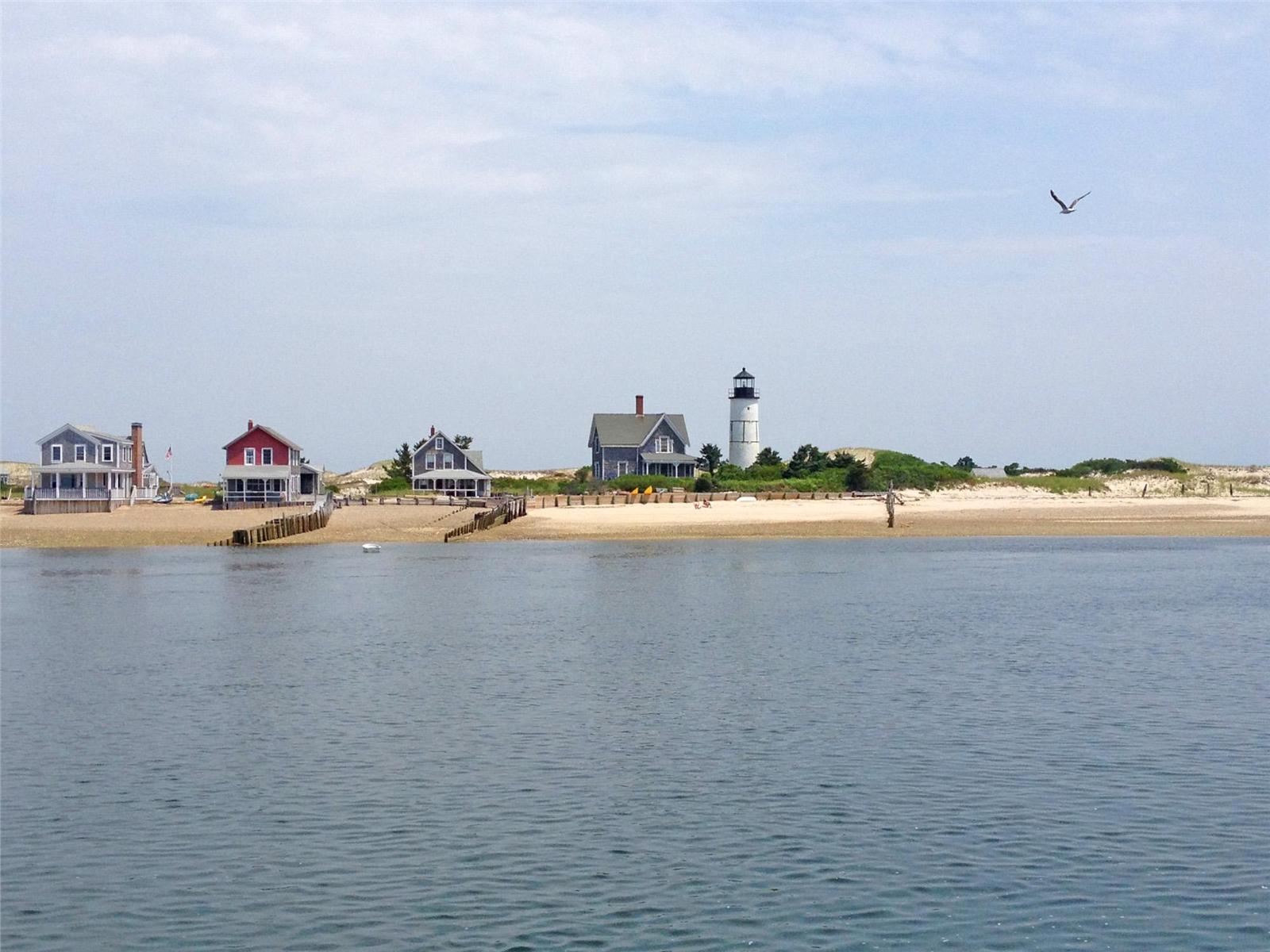
Cape Cod delivers the seaside fairytale—lighthouses, salt-weathered cottages, sandy beaches, and a pace that feels deliberately slower than the mainland. The Cape’s charm is nostalgic rather than grand; it trades on summer-camp memories and family tradition rather than architectural spectacle.
Best for families, beach lovers, and anyone seeking a classic American coastal escape with minimal pretension. Cape Cod wins because it’s genuinely accessible (2–3 hours from Boston), genuinely affordable compared to other Northeast coastal destinations, and genuinely fun for both kids and adults—the beaches are swimmable, the ice cream shops are iconic, and the quiet villages feel earned rather than manufactured.
Base yourself in one of the quieter mid-Cape towns like Chatham or Dennis if you want charm without summer-vacation chaos, or in Provincetown at the Cape’s tip if you want a more vibrant, artsy scene. The Cape is roughly 90 minutes from Boston; drive time to the tip (Provincetown) is about 2.5 hours from the bridge.
Beaches, lighthouses, and village walks are free; restaurants and shops cluster in downtown areas of each town. Plan for 2–4 days depending on whether you’re beach-focused or exploring multiple villages.
Northeast Fairytale Comparison: Quick Decision Guide
| Destination | Best For | Vibe | Drive Time from Boston |
|---|---|---|---|
| Woodstock, Vermont | Alpine charm, hiking, fall foliage | Storybook perfect, walkable, quiet | ~2.5 hours |
| Hudson River Valley, NY | Art, history, mansions, creative communities | Intellectual, dramatic, varied | ~1.5 hours (from NYC) |
| Acadia & Bar Harbor, Maine | Hiking, coastal wilderness, photography | Wild, rugged, genuinely untamed | ~4.5 hours |
| Cape Cod, Massachusetts | Beaches, families, seaside nostalgia | Relaxed, accessible, summery | ~2 hours |
Insider tip: Visit Acadia and Bar Harbor in late September or early October—the summer crowds have cleared, the water is still swimmable (barely), and the fall foliage is just starting. This is the sweet spot for the entire Northeast, and it applies to all four destinations above.
What Are the Best Southern Fairytale Destinations for Cobblestone Charm?
The South delivers fairytale moments without the European price tag — Charleston’s harbor-front architecture rivals anything in the Cotswolds, and Kentucky’s bourbon country rolls with pastoral beauty that feels genuinely untouched. Both destinations reward slow travel and reward visitors who linger past the Instagram stops.
Charleston, South Carolina: Southern Charm and Pastel Architecture
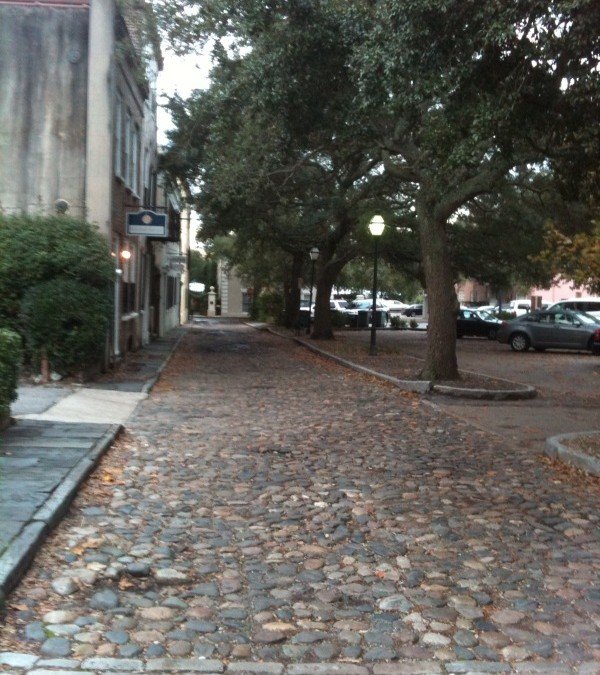
Charleston’s cobblestone streets and harbor-front mansions create the most photogenic Southern fairytale in the US — and the city’s recent surge in attention means you’ll compete with crowds, but the architecture and cuisine justify the trip. The real magic happens when you move beyond the Battery district and explore the quieter blocks where locals actually live; the pastel row houses, gas lamps, and Spanish moss-draped oaks feel genuinely timeless rather than staged.
Stay in the historic downtown core — the French Quarter or King Street neighborhoods put you within walking distance of the cobblestone streets, harbor views, and restaurants without requiring a car. The city is compact enough to explore on foot, which is essential since parking fills fast during peak season (March through May and September through November).
Book accommodations 6-8 weeks ahead for spring and fall weekends; summer (June-August) is hot and humid but offers lower rates and fewer crowds.
The single most useful insider detail: arrive at the Battery (the waterfront promenade) at sunrise before tour groups descend, then explore the side streets and residential blocks where the real architectural charm lives. The cobblestone streets photograph better in soft morning light, and you’ll actually see the city rather than just the crowds.
The Bourbon Trail, Kentucky: Rolling Hills and Pastoral Horse Country

Kentucky’s bourbon country is pastoral fairytale — rolling green hills, white-fenced horse farms, and distilleries that range from industrial-scale operations to intimate family-run estates. The Bourbon Trail is not a fixed route; you choose which distilleries to visit based on your taste preferences and time, which means you can design a 2-day weekend loop or a full week of tastings without backtracking.
The landscape itself is the draw here — the drive between distilleries passes through genuinely beautiful countryside that feels worlds away from typical American highway scenery. Woodford Reserve, Buffalo Trace, and Wild Turkey are the most visited and offer polished tours with reliable scheduling; smaller distilleries like Heaven Hill provide more intimate experiences but require advance booking.
Tours typically run 60-90 minutes and include tastings; expect to spend roughly $15-25 per tour, though prices vary by distillery.
Base yourself in Lexington or Frankfort for easy access to the main distilleries — both towns have downtown hotels and restaurants within 20-45 minutes of the major tour stops. Plan 2-3 distillery visits per day maximum; the drives are scenic but the tastings add up quickly.
Spring (April-May) and fall (September-October) offer the best weather for exploring the countryside between stops; summer heat is intense, and winter roads can be icy.
The insider move: visit on a weekday rather than weekends to avoid tour-bus crowds and get more personalized attention from distillery staff. Advance reservations are essential for popular distilleries like Woodford Reserve, especially during peak season.
Where Can You Find Enchanting Natural Wonders and Forest Fairytales?
These three destinations deliver the raw, untouched magic that no manicured town square can match — soaring mountain peaks that disappear into mist, stone arches carved by millennia of water, and cave systems so vast they feel like entering another world entirely. If your fairytale fantasy involves solitude, geological drama, and trails that reward early mornings, these natural wonders are non-negotiable.
The Adirondacks, New York: Pristine Mountain Lakes and Untouched Wilderness
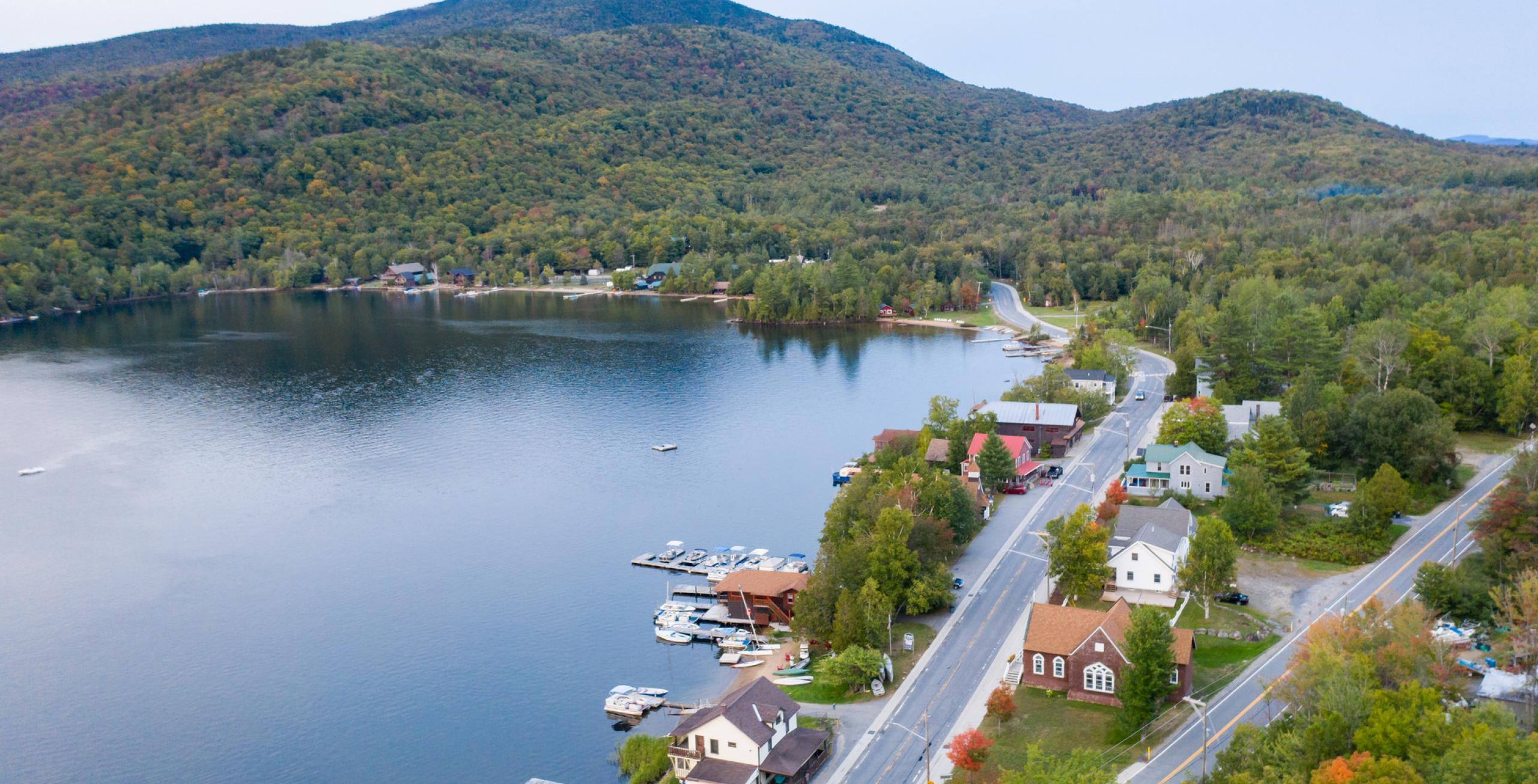
The Adirondacks deliver what most fairytale destinations promise but rarely achieve: genuine remoteness without leaving the Northeast. This 6-million-acre park sprawls across upstate New York and contains 46 peaks over 4,000 feet, hundreds of glacial lakes, and valleys so quiet you’ll hear your own breathing.
The region wins for anyone seeking solitude and alpine scenery — the only catch is that accessibility requires intentional planning and often a car.
Base yourself in one of the gateway towns like Lake Placid or Saranac Lake, both offering lodges, inns, and easy access to trailheads. Lake Placid sits at the foot of Whiteface Mountain and offers the most developed infrastructure; Saranac Lake feels quieter and more village-like.
From either base, you can reach major hikes, paddling routes, and scenic drives within 30 minutes.
The best time to visit is late September through early October, when foliage peaks and summer crowds vanish — expect roughly 40–60°F days and crisp mornings ideal for hiking. Winter transforms the region into a snow-sports destination, but road access can be unpredictable.
Summer (July–August) brings peak crowds and humidity; spring mud makes many trails impassable until May.
High Peaks trails like Colden or Gothics deliver dramatic views but require serious fitness and early starts to avoid afternoon thunderstorms. Lower-elevation options like Cascade Mountain or Ampersand Mountain offer fairytale views without technical climbing.
Paddling on Saranac Lake or Tupper Lake provides an entirely different perspective — rent canoes or kayaks from local outfitters and expect glassy mornings before wind picks up.
The insider move: arrive at popular trailheads by 7 a.m., especially on weekends. Parking fills by mid-morning at Cascade, Gothics, and Colden.
The quietest magic happens on weekday mornings in shoulder season (late August, early September, or mid-October) when weather is still favorable but families have returned to school.
Red River Gorge, Kentucky: Natural Stone Arches and Deep Forest Trails

Red River Gorge carves a 30-mile scar through eastern Kentucky with 100-foot sandstone cliffs, natural stone arches, and a river that cuts deeper into the forest with every mile — this is the closest thing to Appalachian fairytale drama the region offers. The gorge wins for hikers seeking dramatic geology and accessible trails that don’t require mountaineering skills; it loses points only if you need amenities or prefer less-crowded experiences (weekend traffic here is real).
Stay in or near Slade, Kentucky, a tiny town at the gorge’s heart with basic lodging and outfitter services. The nearby town of Stanton offers slightly more options.
Both are roughly 90 minutes from Lexington, making this a feasible long weekend from major cities. Natural Bridge State Park sits adjacent to the gorge and offers additional trails and a historic lodge if you want a slightly more developed base.
Visit in late September or early October to catch fall color and avoid summer humidity and crowds. Spring (April–May) brings wildflowers and flowing water but also muddy trails.
Summer weekends draw heavy crowds; weekday visits in shoulder seasons are dramatically quieter.
Sky Bridge Trail is the most famous hike — a 1.5-mile loop crossing a 680-foot natural arch with views that justify the Instagram crowds. Grays Arch offers similar drama with fewer people.
For solitude, hike Auxier Ridge or the Rough Trail, both offering stunning geology and minimal foot traffic on weekdays. Rappelling and rock climbing are popular here; outfitters in Slade offer guided experiences.
The insider detail: visit midweek in early October when foliage is peak but crowds have thinned. Arrive at Sky Bridge trailhead by 8 a.m. even on weekdays — parking is limited.
The gorge’s best-kept secret is hiking at dawn or dusk, when light angles through the cliffs and most visitors are elsewhere.
Mammoth Cave National Park, Kentucky: An Underground Geological Wonderland
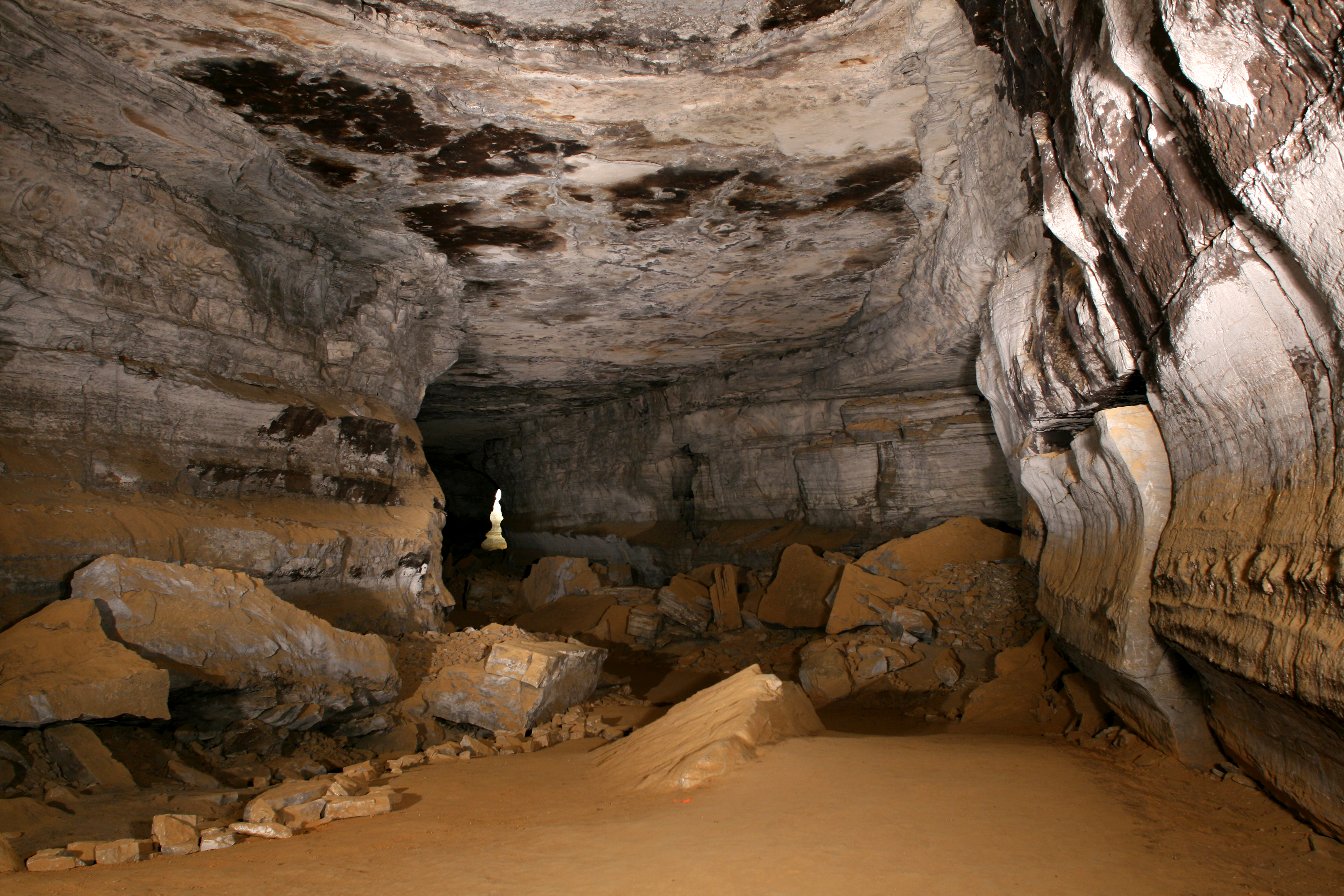
Mammoth Cave is the world’s longest known cave system — over 400 miles of surveyed passages descend into darkness beneath central Kentucky, making it a UNESCO World Heritage Site and the kind of place that rewires your sense of scale and geology. This destination wins for families, non-hikers, and anyone seeking a completely different kind of fairytale — one that unfolds underground with stalactites, underground rivers, and chambers so vast they feel like cathedrals carved by time.
The park sits in central Kentucky, roughly two hours south of Louisville. Stay in or near Bowling Green, Kentucky, the closest town with lodging and dining options, or base yourself at one of the park’s nearby inns if available.
The cave entrance is within the national park boundary, and surface trails around the park offer additional hiking if you want to combine underground and above-ground exploration.
Visit year-round — the cave maintains a constant 54°F temperature, so seasonal weather doesn’t affect the underground experience. However, spring and fall offer the most comfortable surface conditions for exploring the park’s trails and scenic areas.
Summer brings families and school groups; winter is quieter but roads can be icy.
Cave tours range from easy 2-hour walks on paved paths to strenuous 6-hour expeditions crawling through tight passages and climbing ladders. The Historic Tour and Frozen Niagara Tour suit most visitors and require no special fitness.
The Wild Cave Tour is the move for anyone wanting genuine adventure — expect tight squeezes, mud, and a real sense of exploration. Tours typically take 2–6 hours depending on difficulty; book in advance during peak season, especially for the Wild Cave Tour, which limits group size.
The park also offers above-ground hiking, including the Green River Bluffs Trail and Bottomland Trail, both offering forest scenery and river views. Combine a cave tour with surface exploration for a full-day experience.
The insider move: book the Wild Cave Tour for genuine fairytale adventure — it’s the only tour that feels like actual caving rather than a guided walk. Arrive early for cave tours to secure your preferred time slot, especially on weekends.
Bring a light jacket even in summer; the cave is cold and damp. Wear sturdy shoes with good grip — cave floors are slippery and uneven.
How to Plan Your Fairytale USA Road Trip

A fairytale road trip works best when you anchor it to one region instead of chasing every destination across the country—driving 12 hours between Cape Cod and the Bourbon Trail kills the magic and wastes half your time. The Northeast loop (Vermont, Hudson Valley, Bar Harbor, Cape Cod) chains together naturally over 7–10 days; the South (Charleston, Kentucky, Red River Gorge) works as a separate 5–7 day arc.
Pick one, build your overnight stops around it, and commit.
When is the Best Time to Visit These Whimsical Destinations?
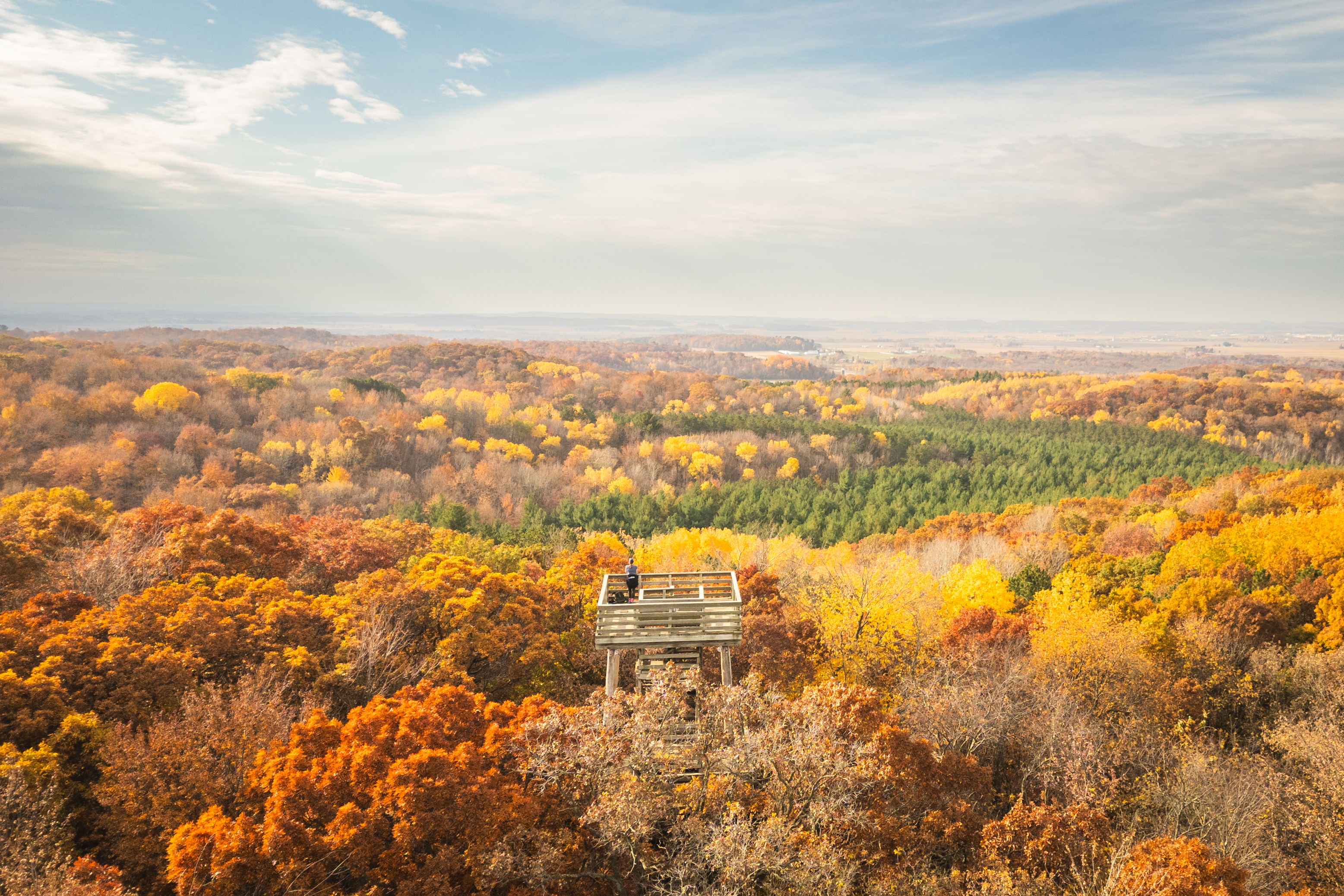
Fall (late September through October) is the only season that delivers on the fairytale fantasy across most of these destinations—crisp air, golden light, leaf color, and manageable crowds. Early September works as a compromise: you still get warm weather and fewer tourists than peak summer, but you miss the peak foliage.
Winter transforms places like Woodstock and Bar Harbor into storybook settings with snow, but many attractions close or reduce hours, and road conditions become unpredictable.
Summer (June–August) brings reliable weather and full operating hours, but expect wall-to-wall crowds at Cape Cod, Acadia, and Charleston—parking becomes a scavenger hunt, restaurants book out, and the charm gets trampled. Spring (April–May) is underrated: wildflowers bloom, the weather stabilizes, and crowds haven’t arrived yet, though some mountain roads and park facilities may still be opening after winter.
For the Bourbon Trail specifically, spring and fall offer the best conditions for distillery tours without the oppressive Kentucky summer heat. For Mammoth Cave National Park, any season works, but summer brings school groups and longer wait times for cave tours—book tours in advance if visiting June–August.
How to Avoid the Crowds at Popular Fairytale Spots?
Timing beats destination swaps. Visiting Cape Cod in early September instead of July cuts crowds by 60% while keeping the beach warm. Bar Harbor’s peak crush happens July–August; arrive in late May or mid-September for the same scenery with parking and restaurant reservations actually available.
Charleston’s tourist season peaks March–April and October–November; visit in June or February for authentic charm without the Instagram crowds.
Choose lesser-known towns in the same region. Everyone photographs Woodstock’s covered bridge; Barnstable (on Cape Cod) and nearby smaller villages offer the same quaint character without the tour buses. The Hudson Valley’s Beacon and Cold Spring draw fewer crowds than Rhinebeck while delivering identical river views and antique shops.
In Charleston, skip the Battery district at midday and explore the quieter residential blocks north of Broad Street—the architecture is just as beautiful and the streets are actually walkable.
Visit attractions during off-peak hours. Acadia’s Jordan Pond Path and carriage roads are nearly empty before 9 a.m. or after 4 p.m., even in peak season. Mammoth Cave tours book fastest for midday slots; early morning and late afternoon tours have shorter waits.
Red River Gorge’s most famous arches (Skybridge, Natural Bridge) fill up by 10 a.m.—arrive by 8 a.m. or plan a sunset hike instead.
Base yourself in gateway towns, not the main attractions. Stay in Bar Harbor’s quieter neighborhoods or nearby towns like Northeast Harbor instead of the crowded downtown strip. For the Bourbon Trail, base yourself in Frankfort or Lexington rather than Louisville—you’re closer to distilleries, parking is easier, and you avoid the city congestion.
For Charleston, stay in the Neck area or James Island; you get the same access to downtown attractions with a 10-minute drive and far fewer tourists on your block.
Skip the signature viewpoints at peak times. Woodstock’s covered bridge is most photogenic at sunrise or in heavy rain when day-trippers stay home. Cape Cod’s famous lighthouses draw crowds 10 a.m.–3 p.m.; visit before 9 a.m. or after 5 p.m. The Hudson Valley’s Olana mansion has timed tickets; book the last tour of the day for a quieter experience and better light for photos.
Travel midweek instead of weekends. Fairytale destinations are 40–50% less crowded Tuesday–Thursday than Saturday–Sunday. If you have flexibility, this single change delivers more breathing room than switching seasons.
Frequently Asked Questions
What makes a place in the USA feel like a fairytale?
Fairytale destinations share three non-negotiable elements: architecture that stops you mid-stride (think pastel Victorians, stone cottages, or castle-like structures), a landscape that feels removed from everyday life (coastal cliffs, dense forests, rolling hills, or dramatic gorges), and a genuine sense of place that hasn’t been flattened by chain stores and generic development. The best ones also have a specific historical or natural story — whether that’s Revolutionary War roots, literary heritage, or geological drama — that gives the setting actual weight beyond Instagram appeal.
Skip anywhere that feels like a theme park version of itself; the real magic is in towns and parks where locals still live and work alongside visitors.
Are these fairytale destinations family-friendly?
Yes, but with important caveats. Small New England towns like Woodstock and Cape Cod work beautifully for families with kids of any age — hiking, ice cream shops, and gentle coastal walks keep everyone happy.
National parks like Acadia and Mammoth Cave are built for families, though younger children may struggle with longer hikes or cave tours; check age minimums and trail difficulty before booking. The Bourbon Trail and some upscale Hudson Valley estates skew toward adults without kids.
Beach destinations like the Outer Banks and Cape Cod are genuinely family-friendly year-round, though summer crowds are intense and prices spike accordingly.
What’s the best time to visit without fighting massive crowds?
Late September through mid-October is the sweet spot across most destinations — fall foliage peaks, summer tourists have left, weather is still mild, and lodging rates drop noticeably. Winter (November through February) works for anyone avoiding crowds entirely, though some attractions reduce hours and mountain roads can close unpredictably.
Spring (April-May) brings wildflowers and moderate crowds but unpredictable weather. Summer is peak season everywhere; expect 2-3x higher prices, full parking lots, and restaurant waits.
If you must visit in summer, arrive at popular spots by 8 a.m. or visit on weekdays rather than weekends.
How much should I budget for a fairytale USA road trip?
Budget roughly $150–250 per person per day for a comfortable trip covering lodging, food, and activities, though this varies sharply by region and season. Northeast destinations (Vermont, Maine, Hudson Valley) run higher — expect $180–300 daily for mid-range hotels and dining.
Southern destinations like Charleston and the Bourbon Trail typically cost $140–220 daily. National parks and outdoor-focused trips (Acadia, Red River Gorge, Adirondacks) can be cheaper if you camp or stay in gateway towns rather than resort areas.
Summer and fall foliage season double prices across the board; visiting in shoulder seasons (late April, early June, September) cuts costs by 30–40% without sacrificing experience. Entrance fees for national parks run $25–35 per vehicle; most state parks charge $5–15 per person or are free.
Start Your Fairytale Road Trip This Season
Pick one region (Northeast loop or Southern arc) instead of chasing every destination across the country—anchor yourself to Woodstock and the Hudson Valley for 7–10 days, or base yourself in Charleston and Kentucky for 5–7 days. This prevents the magic-killing 12-hour drives between regions and actually gives you time to breathe.
Book your trip for late September through mid-October and you’ll hit the exact window when foliage peaks, summer crowds vanish, and the light turns golden—this single timing choice delivers more fairytale atmosphere than any other decision you’ll make. These destinations reward slow travel and early mornings; arrive at trailheads by 8 a.m., explore residential blocks instead of Instagram hotspots, and stay midweek instead of weekends to actually experience the places instead of just the crowds.
Start by choosing one region and one anchor town (Woodstock, Charleston, or Bar Harbor), then build your 2–3 day itinerary around day trips to nearby fairytale spots—this approach keeps logistics simple and lets you actually enjoy the magic instead of spending half your time driving.
Leave a Reply