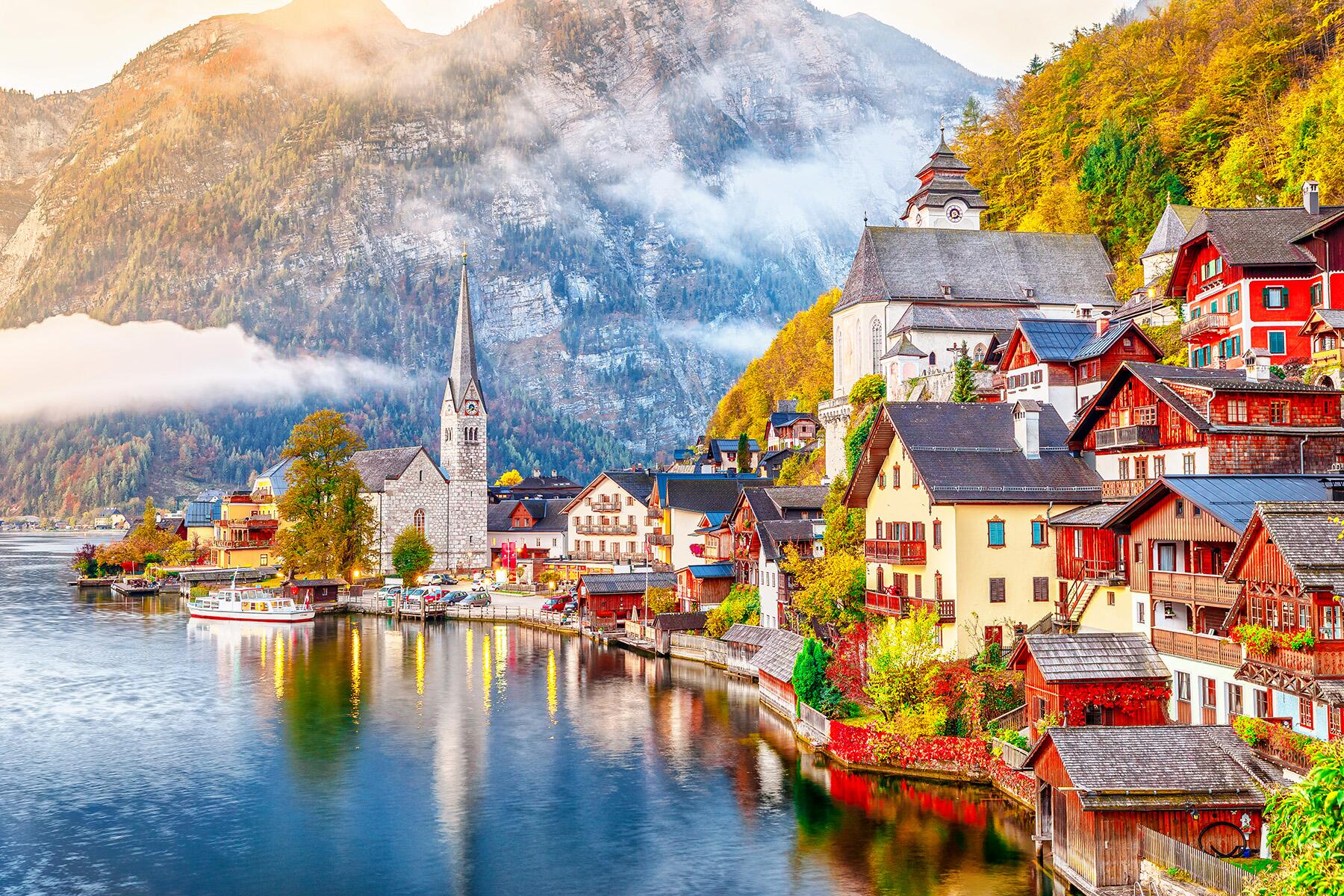
The cobblestone streets are wet with morning mist, castle silhouettes emerge against amber skies, and the lake water reflects every color shift in the surrounding forests—this is what autumn does to Europe’s fairytale towns. You’re walking alone through medieval squares that were packed shoulder-to-shoulder three weeks ago, and the light hits the stone facades at angles that make every photo feel stolen from a storybook.
Fall transforms these destinations in ways summer never can: temperatures drop to the perfect walking range (50–65°F), crowds evaporate after Labor Day, and the golden light lingers longest in the late afternoon. Alpine lake towns like Bled and Hallstatt hit their visual peak when surrounding forests turn, while medieval villages in Central Europe reveal authentic character once tour buses stop arriving by the dozen.
This guide cuts through the noise and tells you exactly which towns justify your time, how to actually avoid crowds, and when to book to dodge both summer chaos and winter closures. Budget ranges run roughly $80–150 per night for mid-range accommodations in smaller towns, $150–250 in popular bases like Annecy or Bergen, and $40–80 for regional trains and buses between destinations.
The Five Fairytale Towns That Actually Deliver in Fall
Alpine Lake Towns: Bled, Slovenia (easiest access, best hiking) • Hallstatt, Austria (most dramatic, requires timing) • Annecy, France (best for multi-day stays, full amenities)
Medieval Central Europe: Cesky Krumlov, Czech Republic (castle views, riverside magic) • Rothenburg ob der Tauber, Germany (intact medieval walls, history-rich)
Less-Crowded Alternatives: Colmar, France (canal reflections, Alsatian charm) • Gent, Belgium (all of Bruges without the crowds) • Mostar, Bosnia (dramatic bridge, genuine culture)
Coastal & Southern Europe: Positano, Italy (day-trip from Sorrento, cliffside drama) • Riomaggiore, Italy (Cinque Terre hiking, fishing village authenticity) • Santorini, Greece (prices drop 30–40% in October, still swimmable)
Northern Fjords: Bergen, Norway (urban charm + fjord access) • Reine, Norway (isolation and landscape, cabin stays) • Seydisfjordur, Iceland (moody light, Ring Road stop) • Porvoo, Finland (45 minutes from Helsinki, medieval atmosphere)
Which Alpine Lake Towns Offer the Best Fall Foliage?
Alpine lake towns hit peak magic in autumn when mountain reflections deepen against turning leaves and summer crowds vanish — but timing and logistics matter more here than in other fairytale destinations. These three towns sit at different elevations and distances from major transit hubs, which changes how you experience them and when you should book.
Fall is the sweet spot: temperatures stay cool enough for hiking but warm enough for waterfront wandering, and the lake water reflects every color shift in the surrounding forests.
Bled, Slovenia
Bled wins for travelers who want the easiest alpine lake experience without sacrificing scenery — the lake is genuinely the star, and fall light hits the water like liquid gold when the surrounding forests turn. The town sits close enough to Ljubljana (roughly 1.5 hours by train or car) that it works as an overnight stop or a full day trip, which means you can base yourself in the capital and still catch peak foliage without committing to a longer stay.
The lake itself is the biggest draw: rent a rowboat by the hour if you want hands-on access to the water, or take a traditional pletna boat to the island church for the postcard moment. Walking trails radiate outward from town — hike toward Ojstrica viewpoint for the classic castle-and-lake vista, or tackle longer forest routes if you have the time and legs for it.
Fall temperatures make these walks genuinely pleasant rather than sweaty, and the changing canopy overhead beats summer’s solid green. Stay in the old town center near the lake for walkable access to boats, restaurants, and trailheads; avoid the sprawl on the far side of the lake unless you’re driving.
Hallstatt, Austria
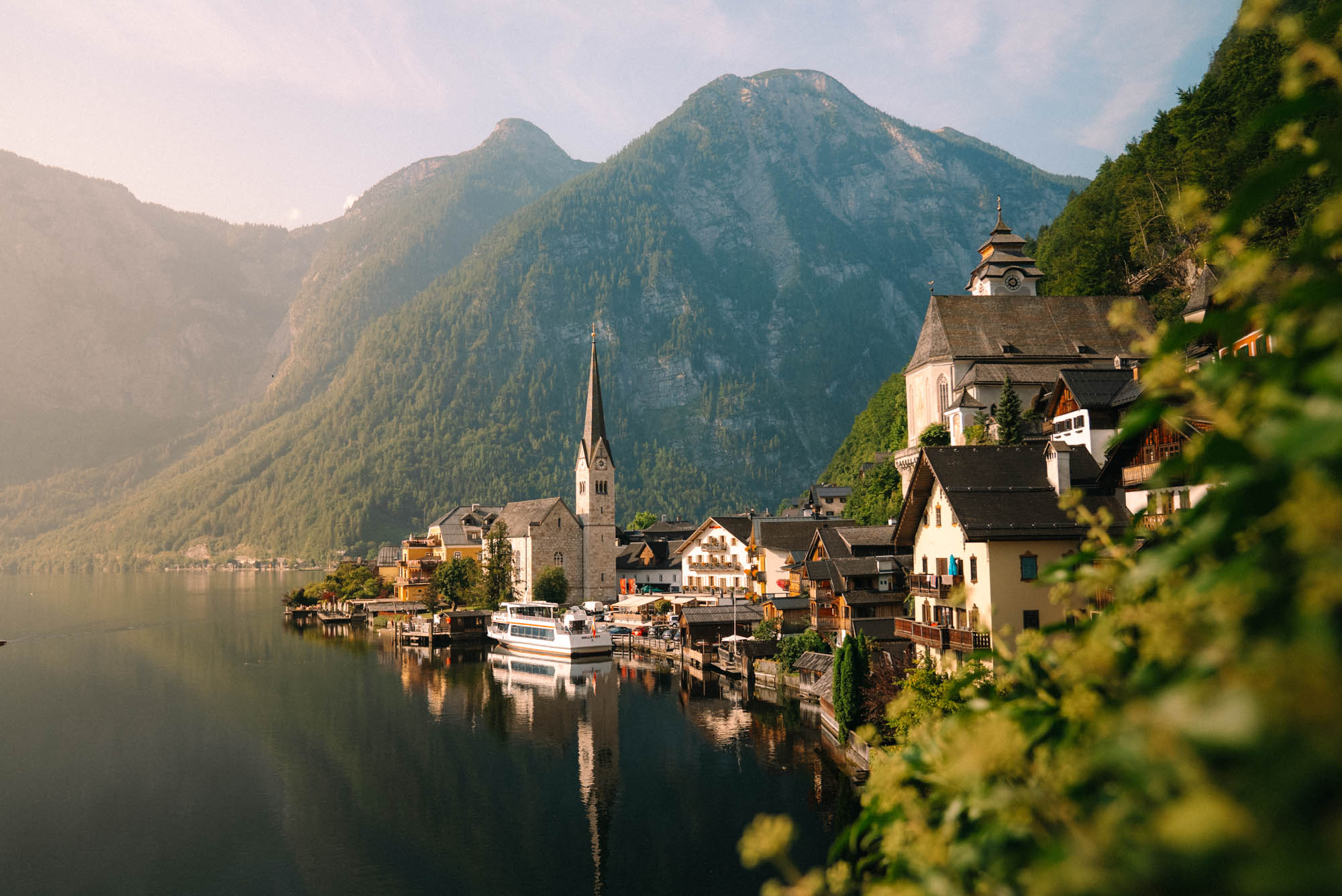
Hallstatt is the move for photographers and anyone willing to time their visit carefully — it’s objectively one of Europe’s most stunning lakeside towns, but crowds and logistics can ruin the experience if you don’t plan right. Visit in mid-to-late fall (mid-November onward) when most tour groups have left and the town feels genuinely magical rather than like a human traffic jam; the tradeoff is that many shops and restaurants close early or shut down entirely, so confirm opening hours before you go and don’t expect full dining options.
The town sits on a narrow strip between the lake and mountains, which means there’s essentially one main street — this is both its charm and its limitation. The salt mines hike is the main outdoor activity and worth the effort: the trail climbs toward the historic mines with lake views building as you ascend, and fall light through the forest canopy makes the walk feel less touristy.
Getting here requires patience: Salzburg is the closest major city (roughly 70 minutes by car, 2–3 hours by public transit), and the final approach involves either a narrow mountain road or a ferry across the lake. Base yourself in the old town center right on the water if you can book early; parking is limited and often requires paid lots outside town.
The payoff is waking up to the lake reflecting fall colors before the day-trippers arrive.
Annecy, France
Annecy is the best choice for travelers who want a functioning town with real restaurants, shops, and nightlife alongside alpine lake beauty — it doesn’t feel like a museum piece the way Hallstatt does, and it has enough going on that a rainy fall day won’t derail your trip. The lake is stunning, but the town itself is the real draw: wander the old town’s canal-lined streets, browse local markets, and eat well without the tourist markup you’d find in smaller villages.
Fall brings cooler temps perfect for exploring on foot, and the lake reflects the surrounding mountains beautifully without the summer haze. Annecy is also the most accessible of the three: it sits roughly 30 minutes from Geneva by train or car, which means you can combine it with a Swiss stop or use it as a base for exploring the broader French Alps.
Water activities like kayaking and paddleboarding are available year-round, though fall water temps are cold enough that most people skip swimming. Stay in the old town (Vieille Ville) near the lake and canals for walkable access to everything; this area gets busy but never feels as overwhelmed as Hallstatt.
The town is large enough that you can spend 2–3 days here without running out of things to do, making it the strongest choice if you’re building a longer fall itinerary through the Alps.
| Town | Best For | Distance from Major City | Fall Crowd Level | Stay Style |
|---|---|---|---|---|
| Bled, Slovenia | Day trips, easy access, hiking | 1.5 hrs from Ljubljana | Moderate (manageable) | Old town center, walkable to lake |
| Hallstatt, Austria | Photography, solitude, peak scenery | 2–3 hrs from Salzburg | Low (mid-Nov onward) | Waterfront old town (book early) |
| Annecy, France | Multi-day stays, dining, town life | 30 mins from Geneva | Moderate (still lively) | Vieille Ville (old town), canal-side |
Insider detail: In Hallstatt, arrive before 9 a.m. or after 4 p.m. to avoid the day-tripper surge, even in fall — the town is narrow enough that timing genuinely changes the experience. In Annecy, the Saturday morning market in the old town is worth planning around for fresh local produce and a real sense of how locals live.
In Bled, book rowboat rentals the evening before if you’re visiting on a weekend in peak fall foliage season (late September through October) — they fill up early.
Best Medieval Fairytale Towns in Central Europe for Autumn Walks
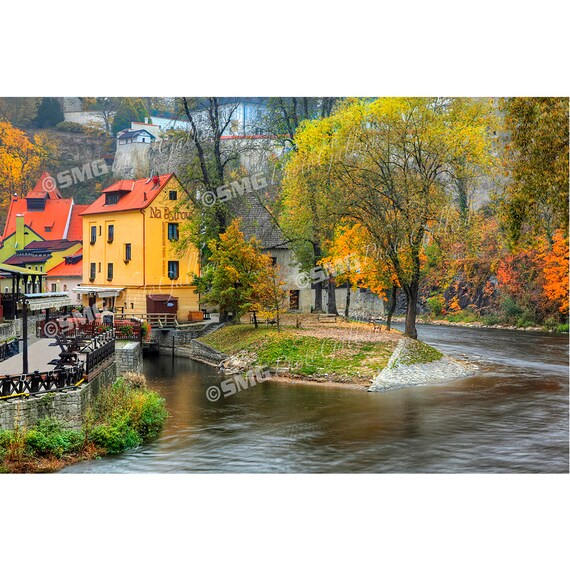
These four towns are the real deal for fall wandering: cobblestone streets lined with golden larch trees, castle silhouettes against amber skies, and the kind of quiet you only get when summer crowds thin out. Each one rewards an overnight stay over a rushed day trip — autumn light lingers longest in the late afternoon, and staying puts you in the old town after the tour buses leave.
The comparison below shows what each town does best and who should prioritize which.
| Town | Best For | Key Draw | Crowd Level in Fall |
|---|---|---|---|
| Cesky Krumlov, Czech Republic | Castle views and riverside wandering | 13th-century castle overlooking the Vltava River | Moderate to high (still busy, but less than summer) |
| Rothenburg ob der Tauber, Germany | Medieval wall walks and history buffs | Fully intact fortress wall with 360° town views | Moderate (more manageable than peak season) |
| Colmar, France | Alsatian charm and canal-side strolls | Half-timbered buildings reflected in waterways | Lower (less famous than other French towns) |
| Gent, Belgium | Underrated gem hunters | Medieval guildhalls and bridges without the Bruges crowds | Low (genuinely under the radar) |
Cesky Krumlov, Czech Republic
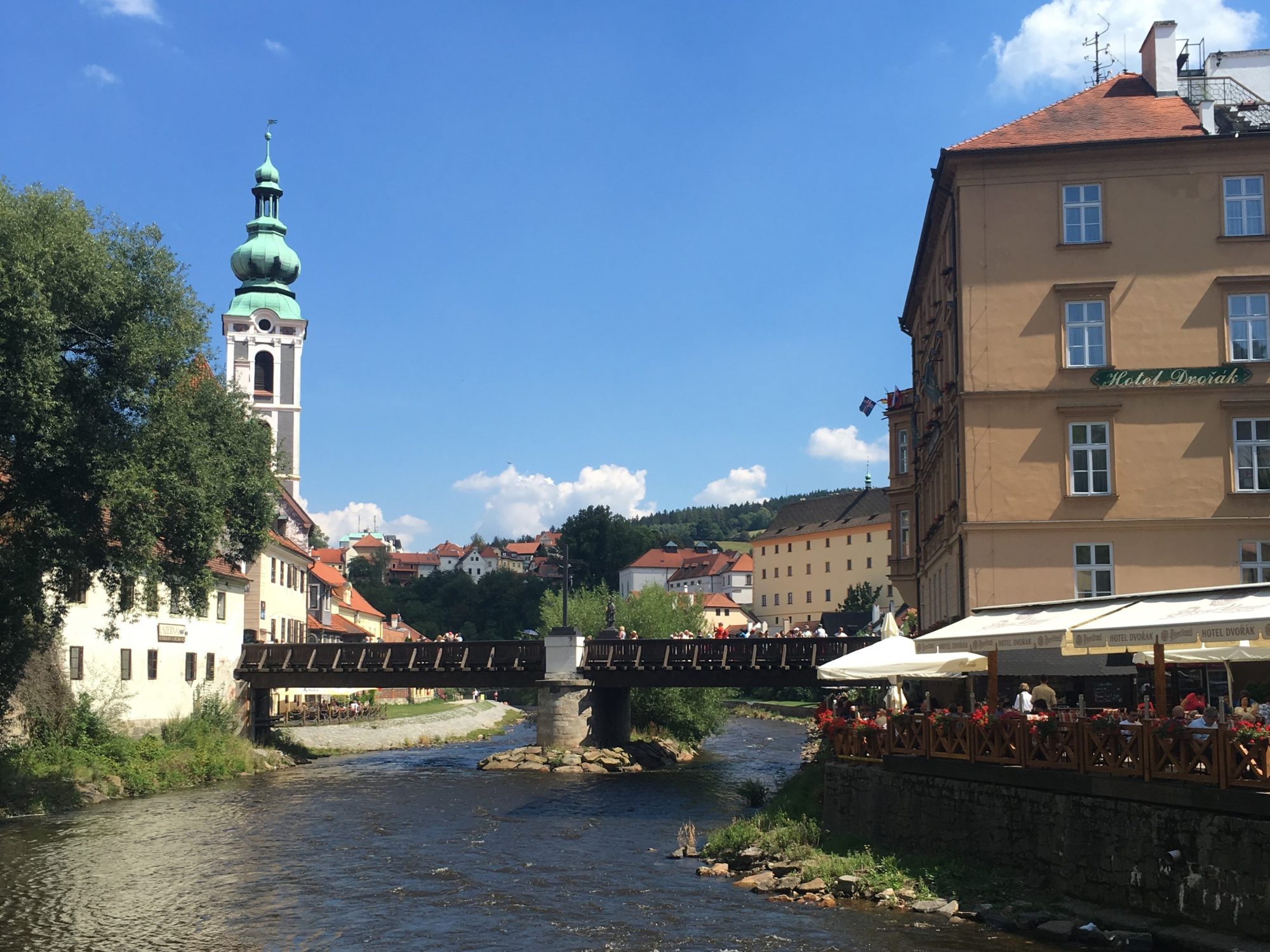
A 13th-century castle dominates the skyline above a medieval town wrapped in a horseshoe bend of the Vltava River — the setting is so perfect it feels constructed rather than real. The cobblestone streets are narrow enough that you’ll naturally slow down, and autumn light hits the castle stone at angles that make photography almost unfair.
This town is best for anyone who wants castle views without the Alpine crowds of Austria or Switzerland, and it wins because a single overnight stay (rather than a day trip from Prague) gives you the town entirely to yourself after 5 p.m.
Stay and logistics: Base yourself in the old town center — the town is small enough that any hotel or guesthouse within the medieval walls puts you steps from everything. Most visitors day-trip from Prague (roughly 2.5 to 3 hours by train or car), but staying one night transforms the experience.
Book accommodation in advance during September and October, when fall foliage is peak and rooms fill quickly. The castle itself charges admission for interior tours; the real magic is the exterior views and the riverside walk below.
Insider detail: Arrive after 4 p.m. if you’re staying overnight — the tour groups clear out by late afternoon, and the town becomes genuinely quiet. The best light for photos is early morning or just before sunset along the riverside path on the south bank.
Rothenburg ob der Tauber, Germany
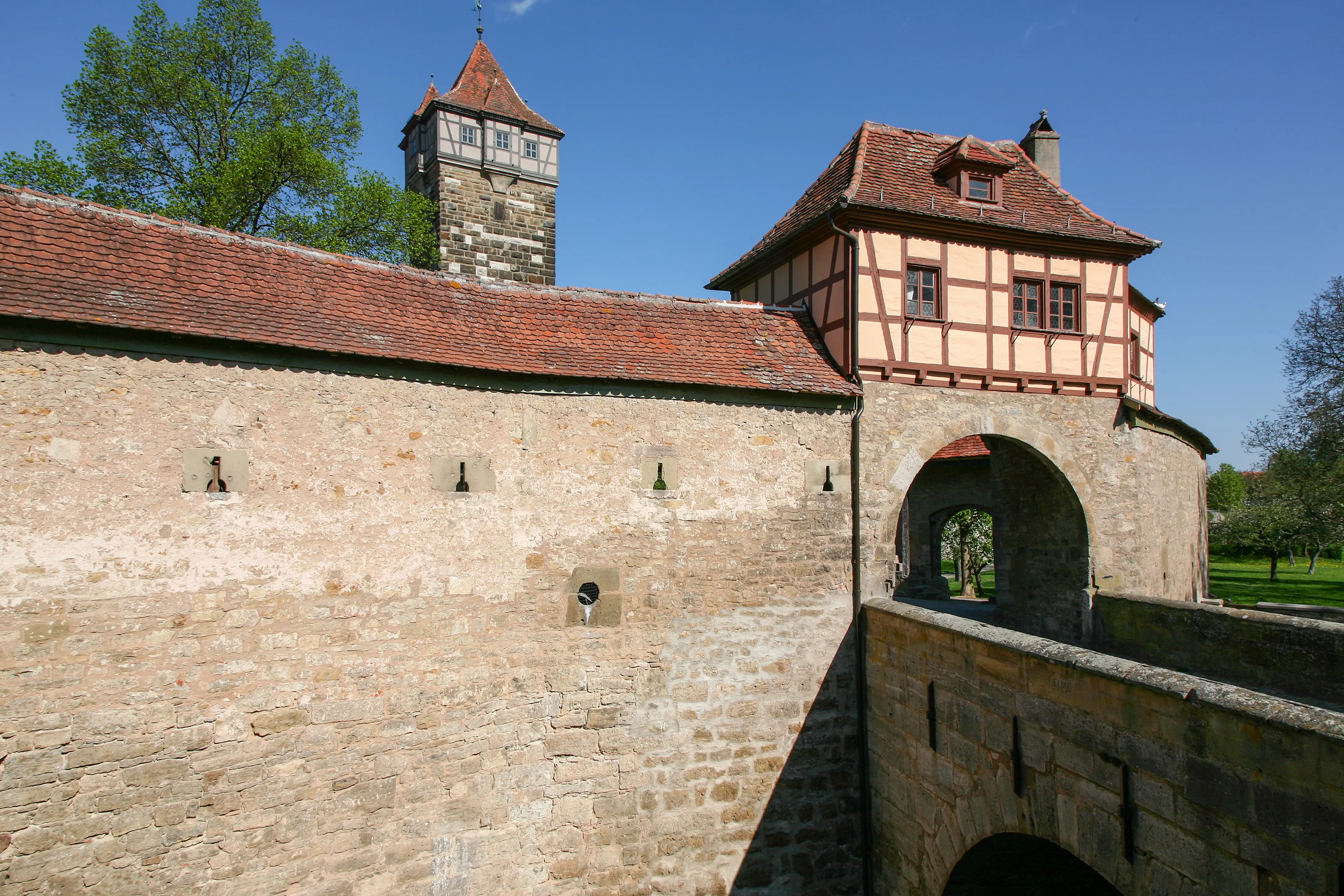
This is Germany’s most preserved medieval town, and the reason is visible immediately: a complete fortress wall still encircles the old town, and you can walk the entire perimeter on a covered path that doubles as a time machine. The cobblestone streets below are lined with half-timbered buildings in shades of cream and rust, and in fall the surrounding farmland turns golden.
This town is best for history-focused travelers and anyone who wants to understand what a medieval German town actually felt like to defend, and it wins because the wall walk is genuinely unique — no other Central European town lets you circumnavigate the entire medieval boundary this way.
Stay and logistics: Stay in the old town (Altstadt) itself — the walkable center is compact and atmospheric, especially in the evening. Rothenburg is roughly 1.5 hours from Munich by train or car, making it an easy stop on a Bavaria road trip.
The Night Watchman tour is a popular evening activity and worth booking in advance during peak fall season (September through early November). Autumn here means fewer crowds than summer but still steady foot traffic during daylight hours.
Insider detail: Walk the city wall at sunrise or after 5 p.m. for solitude and the best light. The wall is open year-round and free to access; the views are identical whether you visit at 10 a.m. or 6 p.m., but the experience is entirely different.
Colmar, France
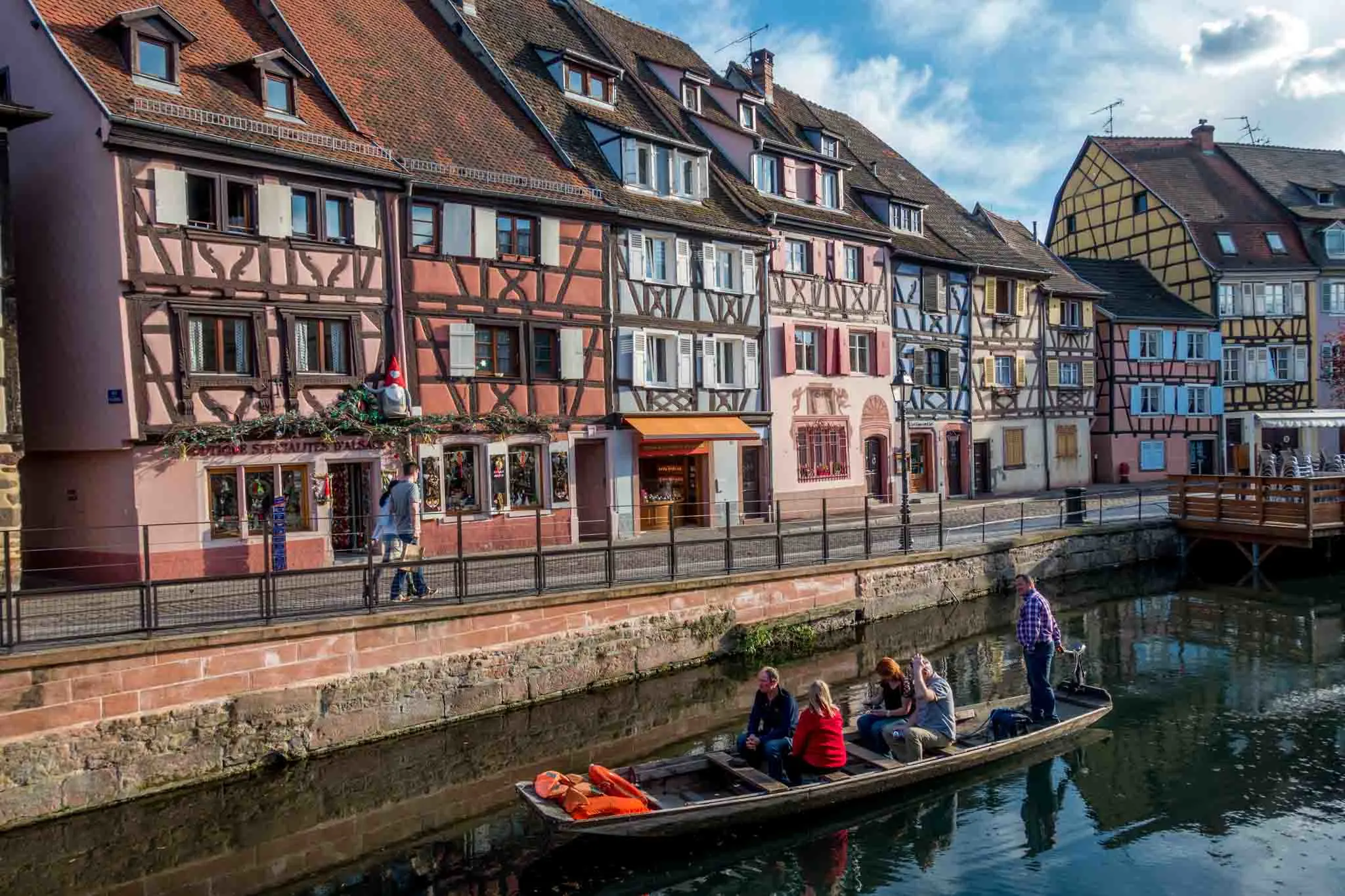
Half-timbered Alsatian buildings in jewel tones — deep reds, forest greens, mustard yellows — line canals that reflect them perfectly, creating the kind of symmetry that makes you question whether the town is real or a painting. Colmar is less famous than other French fairytale towns, which means fall visits feel like a private discovery rather than a pilgrimage.
This town is best for travelers who want French charm without fighting crowds, and it wins because the canal-side walks are genuinely peaceful even in peak season, and the Alsatian wine culture means excellent local food at every price point.
Stay and logistics: Base yourself in the Vieille Ville (old town) near the canals — staying within walking distance of the water puts you in the most photogenic part of town and near restaurants and cafés. Colmar is roughly 1 hour from Strasbourg by train, making it an easy addition to an Alsace wine region itinerary.
September and October bring harvest season, which means wine festivals and local markets are active. Book lodging early if visiting during the first two weeks of October, when fall colors peak and the wine harvest is in full swing.
Insider detail: The best light for canal reflections is early morning (before 9 a.m.) or late afternoon (after 4 p.m.). Visit the canals at these times if photography is a priority; midday light flattens the colors and brings crowds.
Gent, Belgium
Gent has all the medieval architecture and canal-side charm of Bruges — stone bridges, guildhalls with Gothic spires, waterfront walks — but without the tour-group saturation that makes Bruges feel like a theme park by noon. The town is genuinely under the radar for American travelers, which means fall visits feel like an actual discovery rather than a checkbox.
This town is best for travelers who want authentic medieval Belgium without crowds, and it wins because you get the same visual impact as Bruges at a fraction of the tourism pressure, plus better local restaurants and a younger, livelier atmosphere.
Stay and logistics: Stay in the old town center near Sint-Baafskathedraal (St. Bavo’s Cathedral) or along the Graslei waterfront — both areas put you in the heart of the medieval town and within walking distance of everything. Gent is roughly 30 minutes from Bruges by train and 40 minutes from Brussels, making it an easy addition to a Flanders road trip.
Fall is ideal here because the town is still pleasant but noticeably quieter than summer. Book accommodation in advance during September and early October if visiting during peak fall foliage.
Insider detail: The best views of the guildhalls and bridges are from the Graslei waterfront at dusk, when the stone facades are lit gold and the water is calm. Walk the waterfront after 5 p.m. for the clearest views and fewest crowds.
Why Fall Is the Best Time to Visit These Southern European Coastal Towns
October transforms these Mediterranean villages into the sweet spot between summer chaos and winter quiet—fewer crowds, perfect hiking weather, and the light that makes every pastel building glow. Southern European coasts in fall deliver the postcard version of itself without the July crush, and the water is still warm enough for beach time without the peak-season pricing.
Positano, Italy
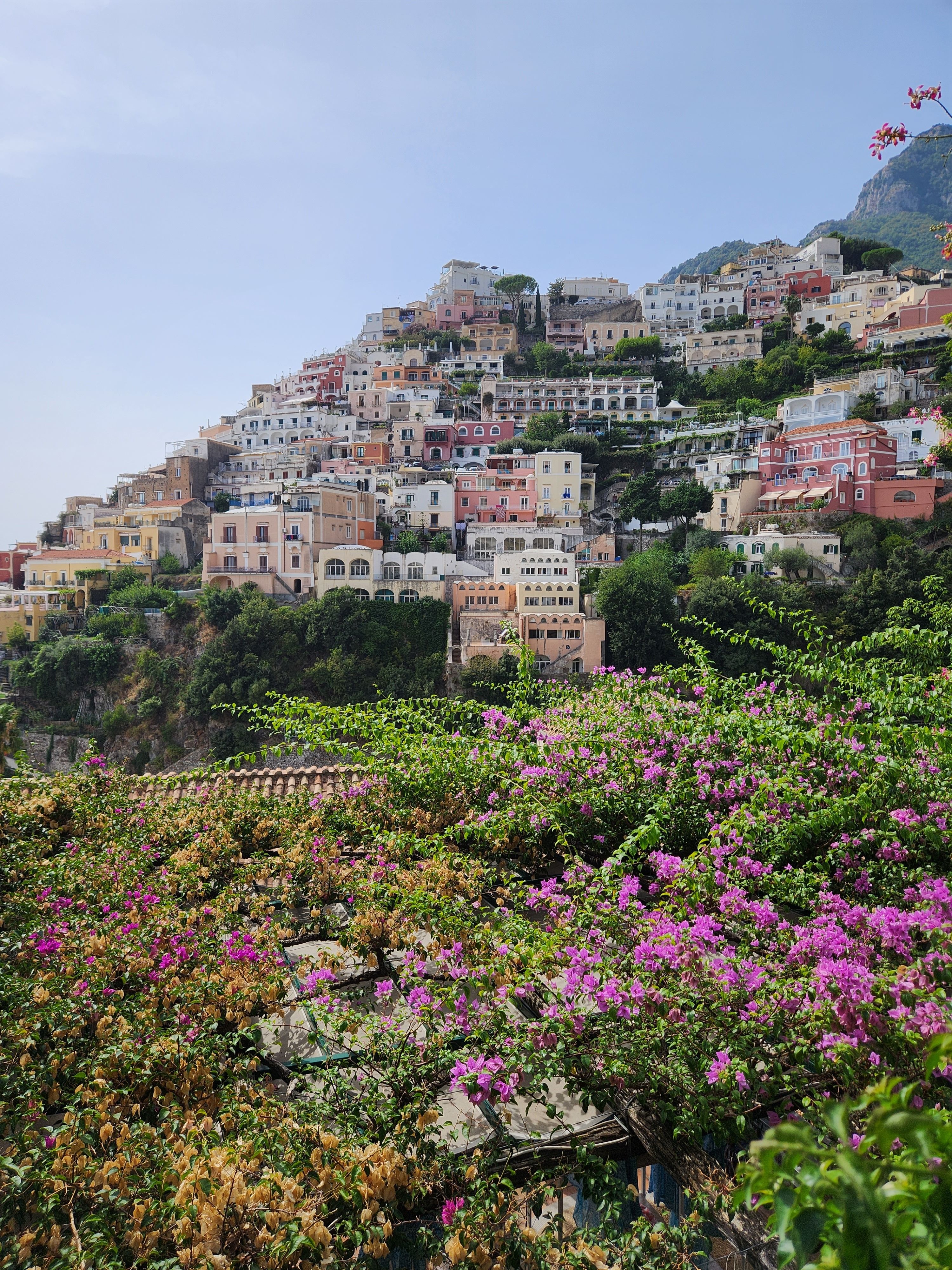
Positano is the most photographed town on the Amalfi Coast for a reason: tiered pastel buildings tumble down a clifftside to a pocket beach with water so blue it looks filtered. October is when Positano actually becomes livable—summer brings wall-to-wall tourists and prices that punish your wallet, but fall strips that away and leaves the magic intact.
The town was noticeably mellow in October, with enough open shops and restaurants to explore without feeling like you’re queuing for every meal.
The catch: Positano is tiny and expensive to stay in, even in fall. Base yourself in Sorrento instead—it’s bigger, has real restaurants where locals eat, and sits just 30 minutes away by bus or car.
Use Positano for a day visit: stroll the steep pedestrian streets, lunch at L’Ancora for unbeatable views of the cliffside, and swim if the weather holds. This approach gives you the Positano dream without the tourist-trap pricing or the feeling of being trapped in a resort bubble.
Riomaggiore (Cinque Terre), Italy
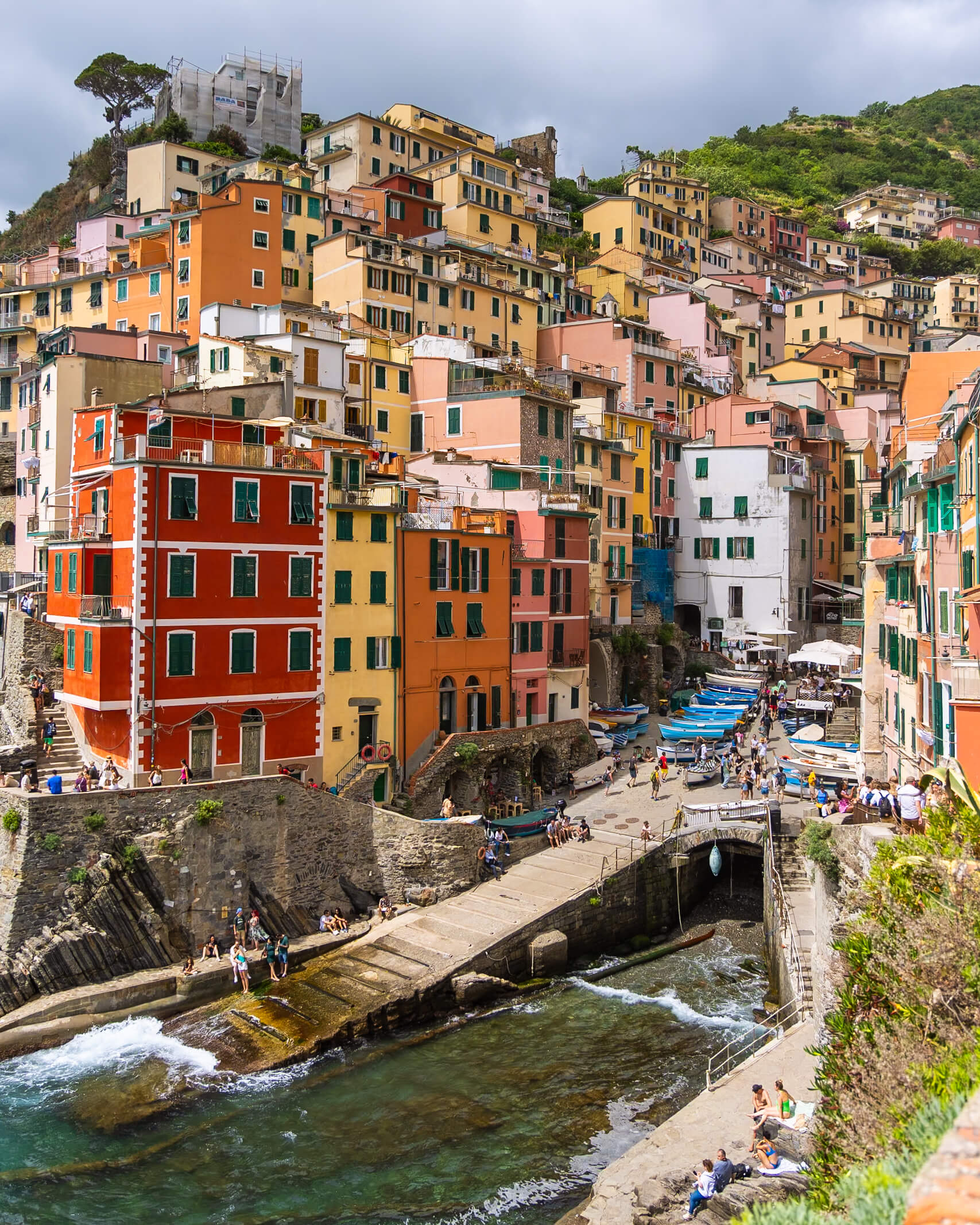
Riomaggiore is the southernmost village of Cinque Terre, a UNESCO-protected cluster of five fishing villages stacked on a Ligurian clifftop. Pastel-colored houses—faded pink, ochre, mint—rise directly from the water, and the only way in or out is by train, boat, or hiking the famous coastal trails.
Fall is when Cinque Terre stops feeling like a theme park and starts feeling like an actual place: the summer day-trippers thin out, the light turns golden, and the hiking trails become genuinely pleasant instead of shoulder-to-shoulder crowded.
Stay in Riomaggiore itself or one of the other villages (La Spezia, the nearest larger town on the mainland, is a 10-minute train ride away if you want more dining options and a quieter base). The main draw is hiking between villages—the Via dell’Amore coastal path between Riomaggiore and Manarola is iconic, though it’s often closed for maintenance; confirm status before you go.
October weather is ideal for these trails: cool enough to hike without overheating, but dry enough that the steep stone steps aren’t treacherous. Bring good shoes—these paths are not casual strolls.
Santorini, Greece
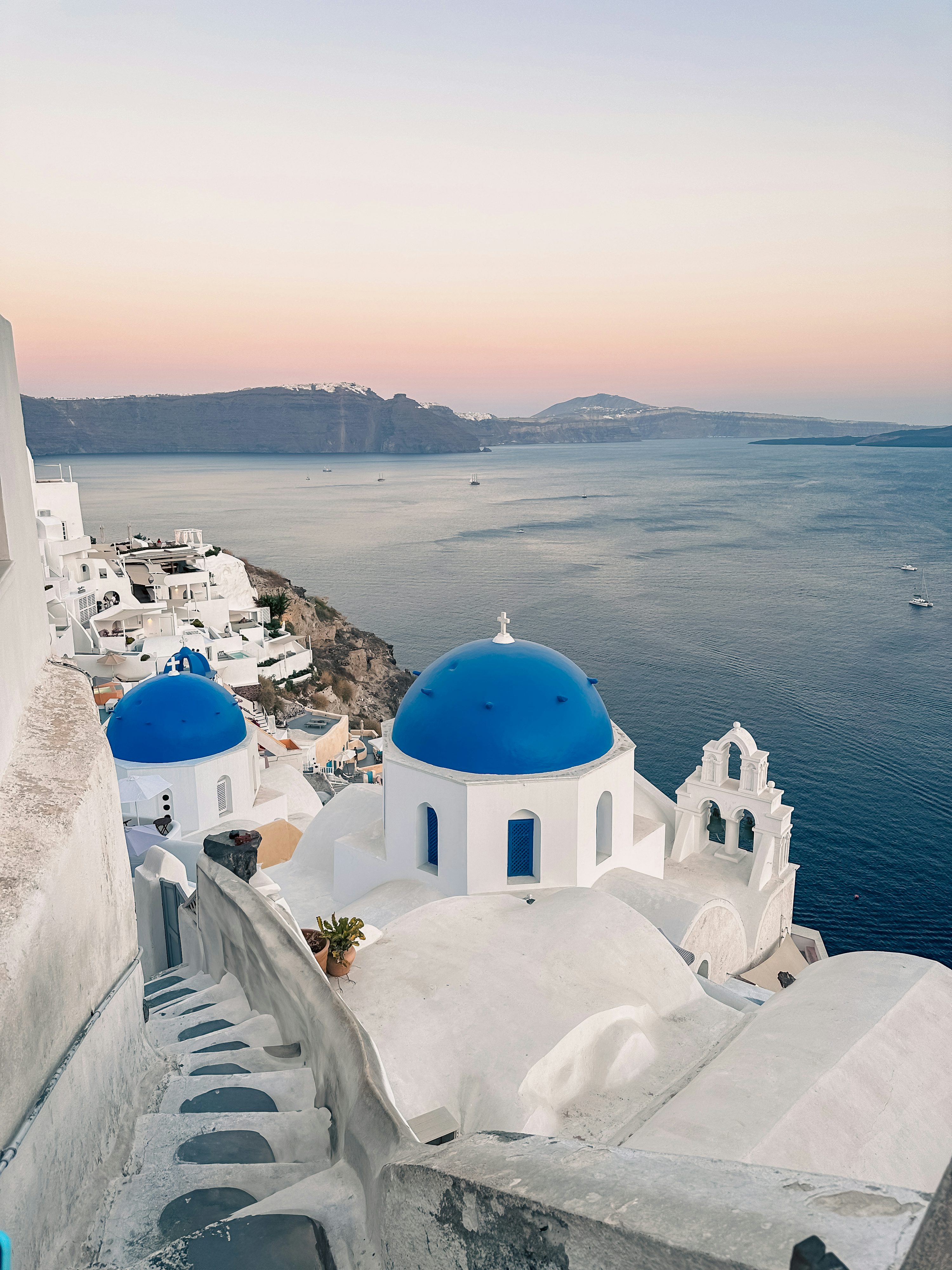
Santorini’s reputation rests on its dramatic caldera cliffs, whitewashed villages, and sunsets that justify the hype—but summer Santorini is a cruise-ship parking lot where you’ll pay €20 for a coffee and fight for a spot on the beach. October flips the script entirely: the island is still warm and swimmable, but the crowds evaporate and prices drop by 30–40 percent.
The light is softer, the wine harvest is happening, and you can actually see the volcanic landscape without squinting through a sea of selfie sticks.
Base yourself in Oia for the iconic sunset views (book accommodation early—even October fills up), or choose Kamari or Perivolos on the east coast for a quieter, more local vibe with better beaches and cheaper eats. October is still warm enough for swimming—water temps hover around 72–75°F—and the hiking trails on the caldera rim are stunning without the midday heat that makes summer treks miserable.
Skip the crowded sunset viewing platforms in Oia; instead, hike the caldera trail from Fira to Oia at golden hour and watch the light change from above the crowds.
Sintra, Portugal
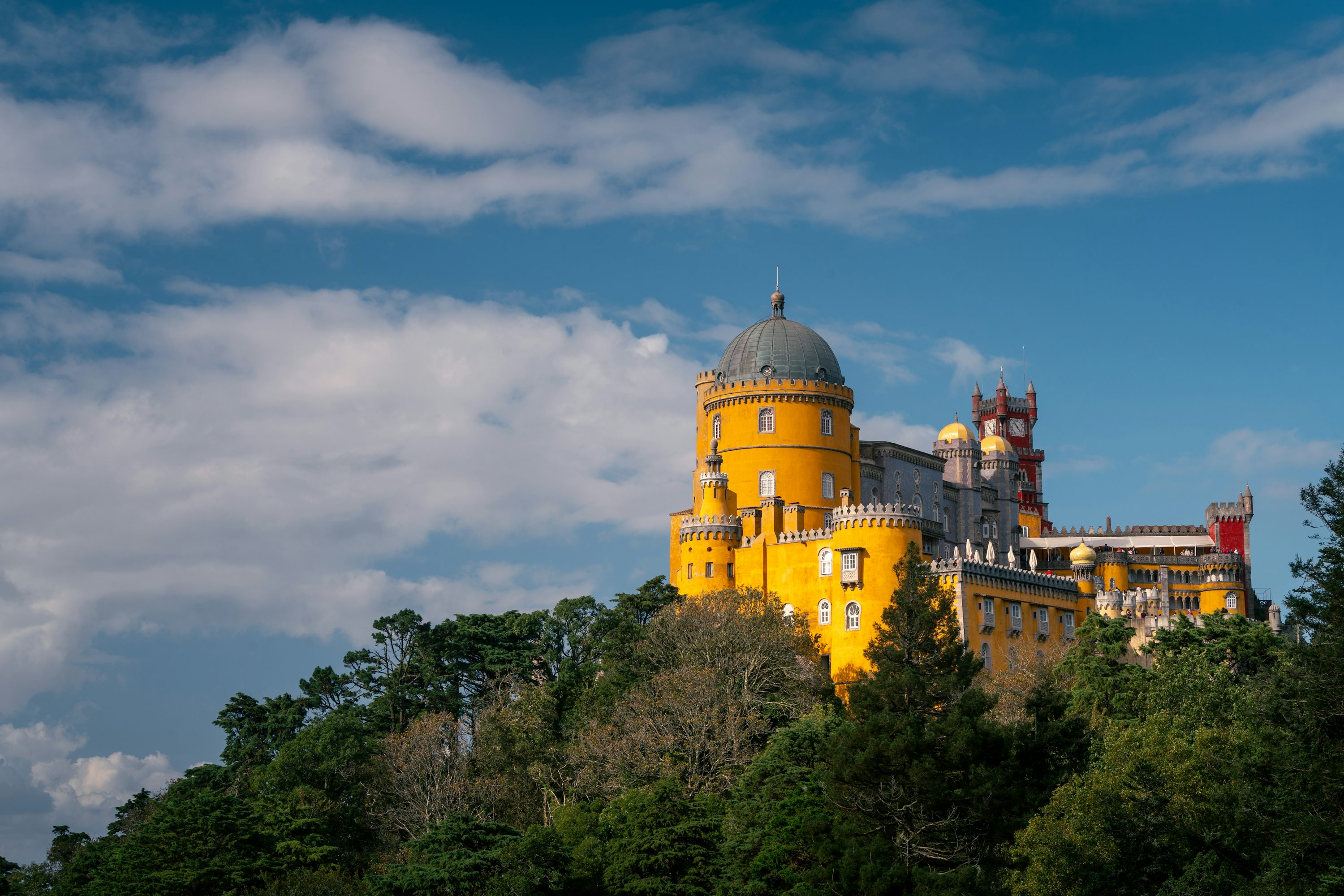
Sintra is a hillside town 30 kilometers from Lisbon where fairy-tale palaces—Pena Palace, Quinta da Regaleira, Monserrate—emerge from the mist like something out of a storybook. The town itself is a maze of colorful buildings and lush gardens, and fall is when Sintra stops feeling like a day-trip checkbox and becomes genuinely atmospheric: the summer heat breaks, the gardens are still green, and the mist that rolls through the hills adds drama instead of blocking views.
Sintra works best as a day trip from Lisbon (30 minutes by train from Rossio Station), though staying overnight gives you the town at its quietest—early morning before tour groups arrive, or late afternoon when the light turns amber. October weather is ideal for exploring the palace grounds on foot; wear layers because the hilltop can be cool and damp even when Lisbon is warm.
Pair Sintra with Cascais, a charming coastal town 30 minutes away, for a two-stop day that covers both mountain and seaside without backtracking.
Fall Comparison: Which Town Fits Your Trip?
| Town | Best For | Key Advantage in Fall | Stay Where |
|---|---|---|---|
| Positano | Beach + dramatic scenery | Crowds drop 50%, water still swimmable | Sorrento (nearby base) |
| Riomaggiore | Hiking + village charm | Coastal trails become pleasant, not packed | Riomaggiore or La Spezia |
| Santorini | Iconic sunsets + island life | Prices drop 30–40%, caldera hikes are doable | Oia (views) or Kamari (local vibe) |
| Sintra | Palaces + gardens | Mist adds atmosphere, perfect hiking weather | Lisbon (day trip) or overnight in Sintra |
Insider Tip: October Timing Matters
Early October (first two weeks) is still warm and busy—book ahead and expect higher prices. Mid-to-late October is the sweet spot: warm enough to swim and hike comfortably, but quiet enough that you’ll actually see the place instead of just the crowds.
By November, some restaurants and smaller hotels start closing for the season, especially in smaller villages like Riomaggiore and Positano. If you’re set on fall, aim for October 10–31.
Is Autumn the Right Season for Northern Europe’s Fjords and Coastal Villages?
Autumn in Norway, Iceland, and Finland transforms fjord villages into moody, intimate landscapes—shorter daylight, crisp air, and dramatically fewer tourists make fall the strategic choice over summer’s chaos. These northern coastal towns reveal their true character when the crowds vanish and the light turns golden and low.
If you’re choosing between seasons for this region, fall wins decisively over summer unless you specifically need midnight sun or guaranteed warm weather.
Timing matters sharply here: September through early October offers the longest daylight window (still 12-14 hours in Bergen and Porvoo, dropping to 8-10 hours by late October in Iceland). By November, daylight shrinks to 4-6 hours and winter weather arrives—beautiful but demanding.
Plan for September-early October as the sweet spot; late October works if you’re comfortable with shorter days and occasional rain or early snow.
Bergen, Norway
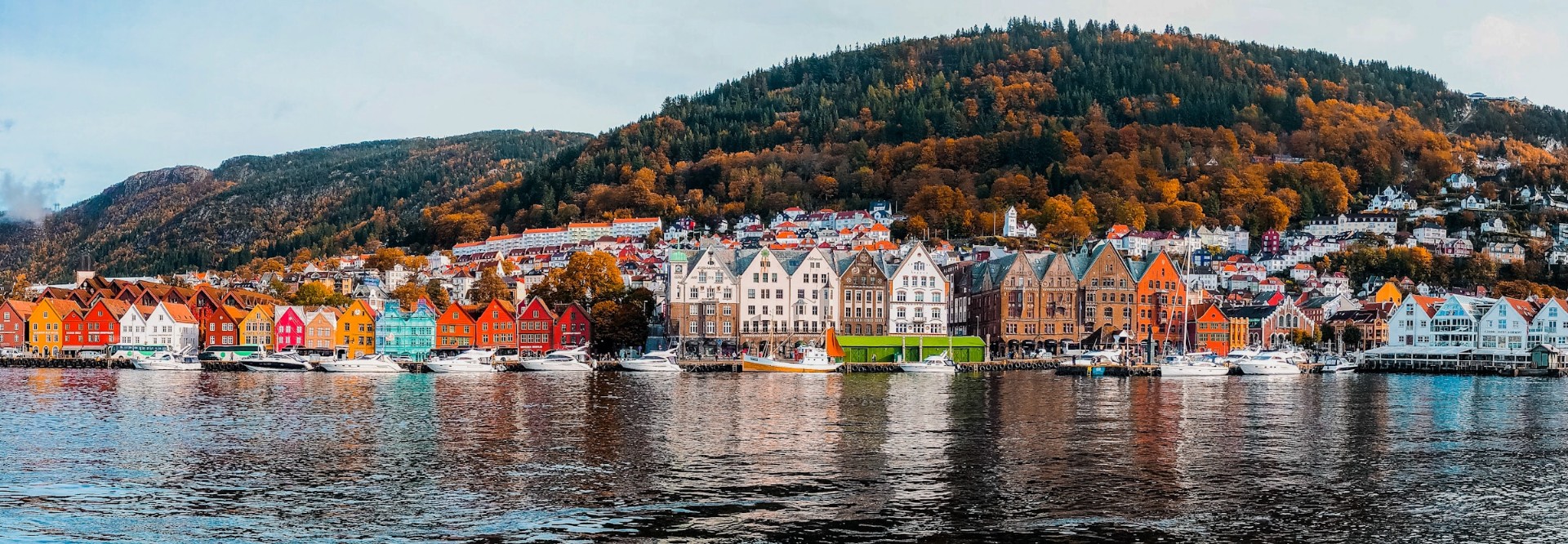
Bergen’s brightly colored harborfront houses and surrounding fjord views hit peak visual drama in fall when mist clings to the water and the light turns amber—this is when the postcard becomes real. The Fish Market remains open year-round and serves as the best vantage point for those iconic row houses; grab coffee or wine and watch the light change across the water without the summer shoulder-to-shoulder crowds.
September and early October keep the weather mild (expect roughly 50–55°F / 10–13°C) while shops and restaurants stay fully open; by late October, rain becomes frequent and some seasonal venues close early.
Base yourself in the old harbor district (Bryggen) if you want walkable access to restaurants, shops, and the waterfront—staying here means you’re already positioned for morning light and evening strolls without needing transport. Mount Ulriken cable car operates year-round and delivers panoramic fjord views; the ride takes about 8 minutes and costs roughly 300–350 NOK ($28–33 USD) for a round-trip ticket.
The Norway in a Nutshell tour (a multi-leg train, ferry, and bus loop) is overbooked in summer but runs with smaller groups in fall; book at least 2–3 weeks ahead if you’re traveling September-October.
Insider detail: Arrive at the Fish Market by 7:30 a.m. in fall—you’ll have the harbor and light almost entirely to yourself for 30–45 minutes before tour groups arrive.
Reine, Norway
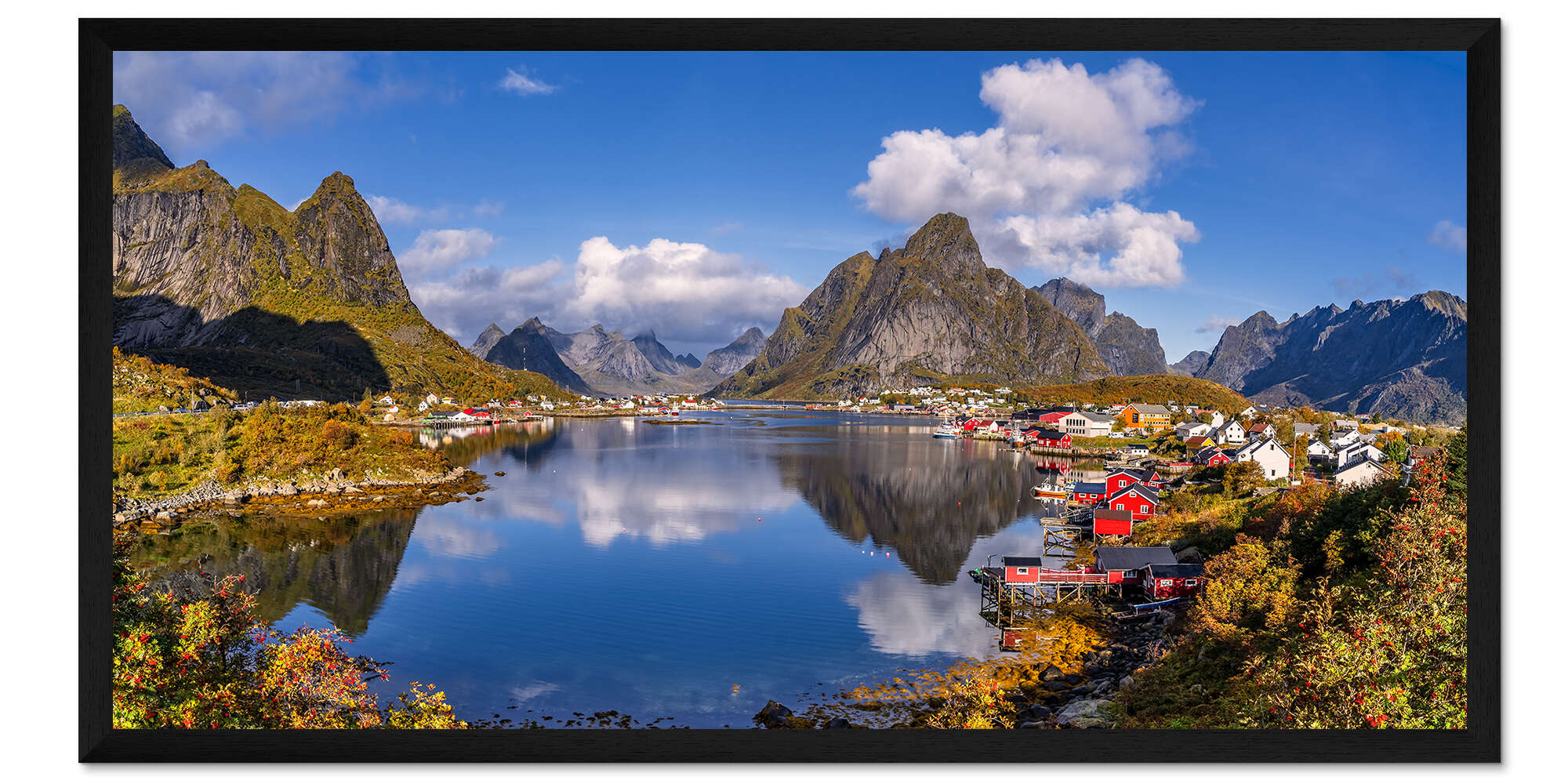
Reine is a working fishing village in the Lofoten Islands where red and yellow boathouses sit directly on the water and jagged peaks rise behind—it’s the opposite of Bergen’s urban charm and the reason to choose Reine if you want isolation and raw landscape over city amenities. This is a place where you go to sit quietly, photograph, and feel small; there are no major attractions, no cable cars, just the village itself and the surrounding mountains and water.
Fall is the only season that makes Reine accessible without summer crowds or winter road closures—September through early October is the operational window before snow and ice limit road access to the islands.
Reine has no hotels; stay in a traditional rorbuer (fisherman’s cabin) directly on the water—these are the only accommodation option and they’re the entire point of being here. Expect to pay roughly 1,200–1,800 NOK ($110–165 USD) per night for a basic cabin sleeping 2–4 people.
The village sits at the end of the E10 highway through the Lofoten Islands; driving from Bodø (the nearest airport) takes roughly 4–5 hours. There are no restaurants—bring groceries or plan to cook in your cabin.
This is not a convenience destination; it’s a commitment to quiet and landscape.
Who wins here: Photographers, introverts, and travelers who want to disappear into a place rather than check boxes. Skip Reine if you need restaurants, shops, or structured activities.
Seydisfjordur, Iceland
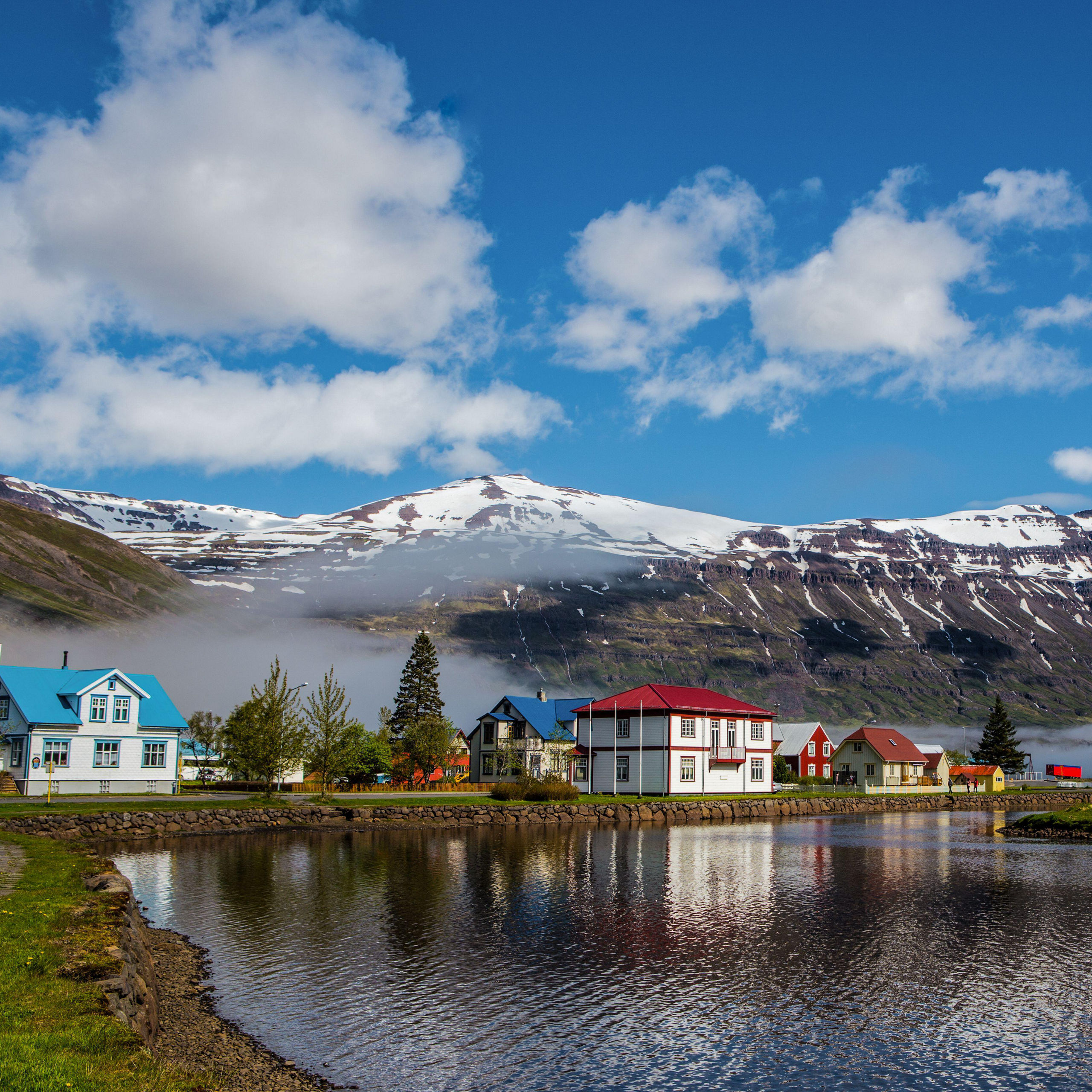
Seydisfjordur is a tiny port town on Iceland’s east coast where pastel-colored houses line a steep fjord and waterfalls cascade down the cliffs behind—it feels like someone dropped a Scandinavian village into a dramatic landscape and forgot to add crowds. Unlike Reykjavik or the Golden Circle, Seydisfjordur stays genuinely quiet even in peak season, and autumn amplifies that solitude while the light turns theatrical.
The town is accessible only by driving the scenic Route 1 (Ring Road) or arriving by ferry from Denmark; there are no flights, which keeps casual tourists away.
September is the operational sweet spot—daylight runs 12–13 hours, the weather is mild (expect roughly 45–50°F / 7–10°C), and the summer ferry from Denmark still runs (though confirm schedules with Smyril Line, as they change seasonally). By October, daylight drops to 10 hours and weather becomes unpredictable; by November, the ferry stops and the town enters winter mode.
The town has one small hotel (Hótel Seydisfjördur) and a handful of guesthouses; book at least 4–6 weeks ahead for September travel. There are two restaurants and a grocery store; this is not a food destination.
Best for: Travelers driving Iceland’s Ring Road who want a genuine stop rather than a photo op, and photographers chasing moody light and isolation. The 4–5 hour drive from Reykjavik is worth it only if you’re committing to a full day or overnight stay.
Porvoo, Finland
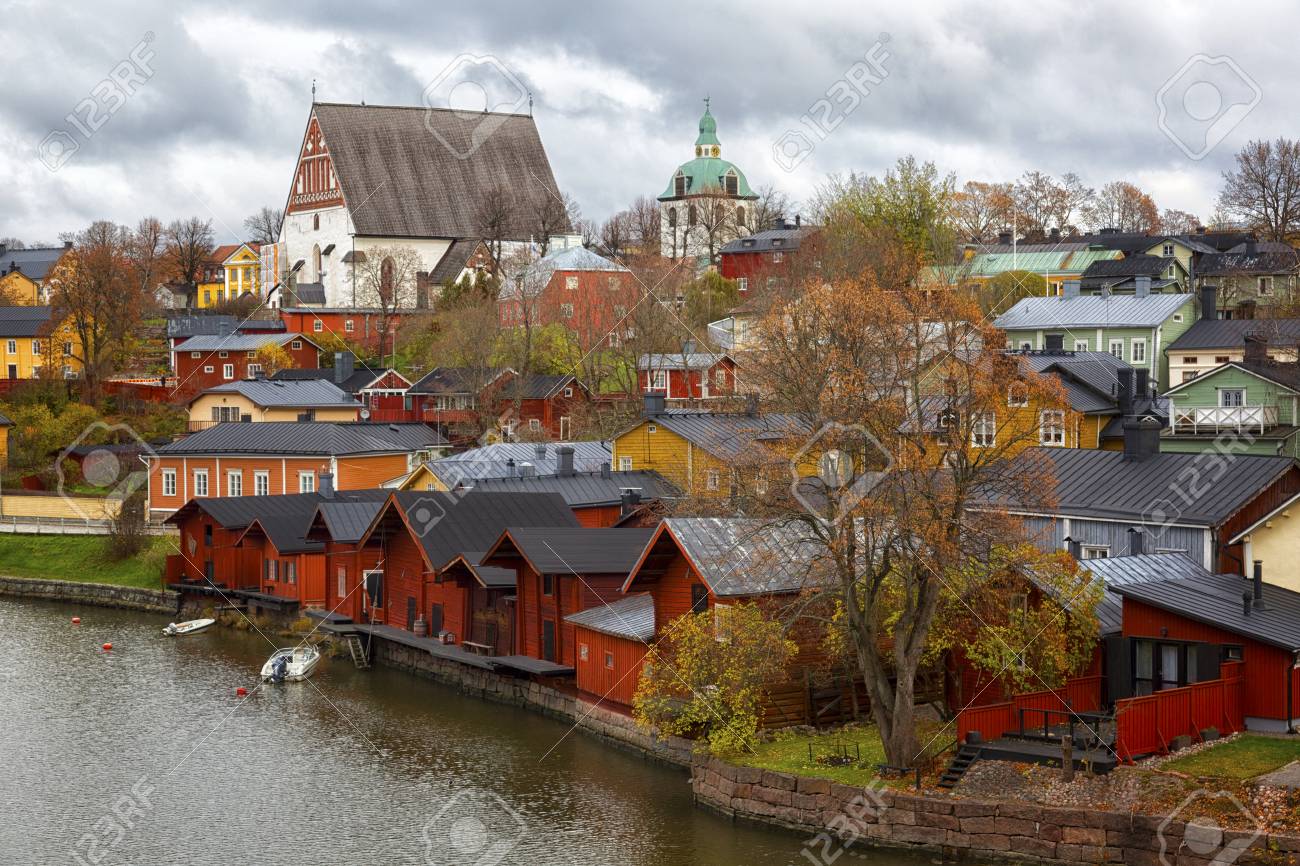
Porvoo’s narrow cobblestone streets and wooden riverside houses create a medieval atmosphere that feels transported from Central Europe—except it’s in Finland, 45 minutes from Helsinki, making it the easiest fairytale town to access in this section. The old town is compact enough to walk in an hour but atmospheric enough to spend a full day; the Porvoonjoki River and surrounding architecture are genuinely photogenic, especially in fall when the light turns soft and the summer day-trippers have returned to Helsinki.
September and early October deliver mild weather (roughly 50–55°F / 10–13°C) and full restaurant and shop hours; by late October, rain increases and some seasonal venues close. Stay in the old town itself or base yourself in Helsinki and take the train or bus (roughly 45–60 minutes each way)—both approaches work, though staying overnight in Porvoo means you can walk the streets in early morning light before any crowds arrive.
The Brunberg chocolate shop and local Runeberg Torte pastries are the town’s signature treats; these are worth trying but not worth planning a trip around.
Who wins here: Travelers combining Helsinki with a day or overnight escape, and anyone wanting a fairytale setting without the logistical complexity of Norway or Iceland. Skip if you need multiple activities or nightlife—Porvoo is about atmosphere and walking, not attractions.
Comparison Overview: Northern Fjords and Coastal Villages in Fall
| Town | Best For | Daylight (Sept–Oct) | Weather | Accessibility | Stay Style |
|---|---|---|---|---|---|
| Bergen, Norway | Urban charm + fjord views + full amenities | 12–14 hours | Mild, rainy (50–55°F) | Major airport, train hub | Harborfront hotels, old town boutiques |
| Reine, Norway | Isolation, landscape, photography | 12–13 hours | Cool, variable (45–50°F) | 4–5 hour drive from Bodø airport | Waterfront rorbuer cabins only |
| Seydisfjordur, Iceland | Ring Road stop, moody light, solitude | 12–13 hours (Sept), 10 hours (Oct) | Cool, unpredictable (45–50°F) | Ring Road drive or ferry from Denmark | Small hotel or guesthouses |
| Porvoo, Finland | Easy day trip from Helsinki, medieval atmosphere | 12–13 hours | Mild, rainy (50–55°F) | 45–60 min by train/bus from Helsinki | Old town inns or Helsinki base |
The real decision: Choose Bergen if you want a city-scale experience with full infrastructure; choose Reine or Seydisfjordur if you’re willing to sacrifice amenities for genuine isolation and landscape; choose Porvoo if you’re already in Helsinki and want a half-day escape. All four are genuinely better in fall than summer, but only Bergen and Porvoo offer the full range of restaurants and services that make extended stays comfortable.
Underrated British, Irish, and Balkan Fairytale Towns to Explore This Fall
These five towns sit outside the Alpine and Mediterranean circuits that dominate fall travel guides—meaning shorter queues, lower prices, and the kind of authentic atmosphere that makes a fairytale destination actually feel like one. The Balkan towns especially reward travelers willing to navigate less-polished infrastructure; the payoff is dramatic riverside architecture and genuine local warmth that you won’t find in overcrowded Central European alternatives.
Bibury, England
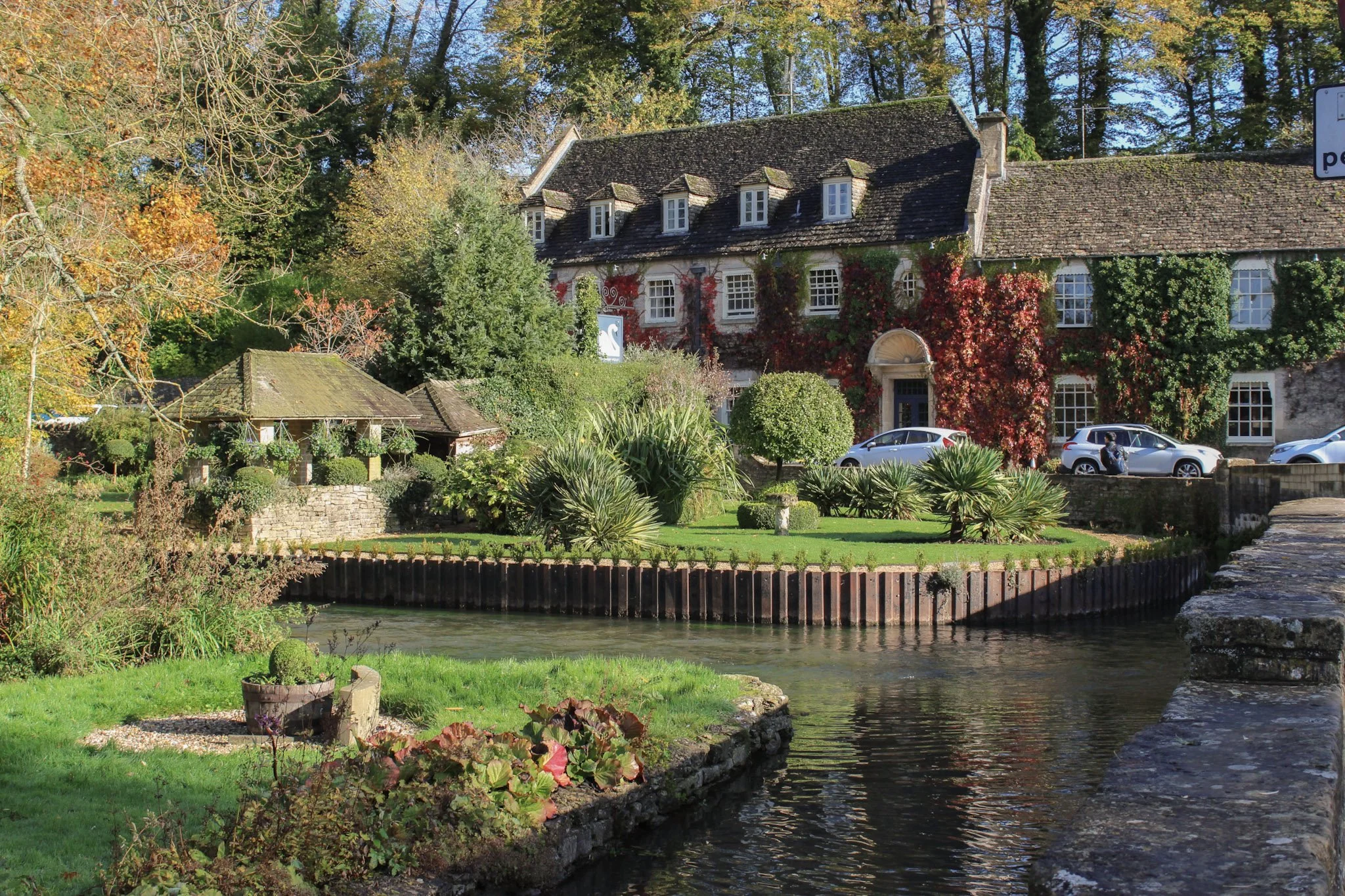
Bibury’s honey-colored stone cottages and River Coln create the postcard-perfect English village that actually lives up to its reputation—but only if you arrive before 10 a.m. or after 4 p.m. when day-trippers from London thin out. This is the move for anyone seeking quintessential English countryside without fighting crowds; the single reason it wins is that fall light hits those golden facades at the exact angle that makes every phone photo look professional.
Base yourself in the village proper or nearby Cirencester (15 minutes by car) if you want more dining and lodging options. The Cotswolds region is best explored by car; expect roughly 90 minutes from London.
Autumn here peaks in mid-October when the riverside walks are dry but the trees still hold color.
Cong, Ireland
Cong sits between two lakes in County Mayo and feels genuinely removed from the tourist circuit that dominates the Ring of Kerry and Dublin. This works best for road-trippers who want a quiet overnight stop with real character; it wins because the village is small enough that you can walk the entire place in an afternoon, yet rich enough in history and riverside beauty that you’ll want to stay two days.
Rent a car in Dublin or Galway and drive west—expect roughly 2.5 to 3 hours from Galway, depending on route. Stay in the village itself for walkable access to the abbey ruins and riverside paths.
Fall weather in western Ireland is unpredictable (rain is common), so pack layers and waterproof gear; mid-September through October offers the best balance of mild temperatures and fewer tourists.
Mallaig, Scotland
Mallaig is a working fishing village on Scotland’s west coast, not a manicured tourist town—the harbor still smells like fish and the locals still outnumber visitors. Choose this if you want dramatic Highland scenery without the Loch Ness crowds; it wins because the coastal light in fall is moody and cinematic, and the village serves as the ferry gateway to the Isle of Skye, making it a natural overnight stop on any Highland road trip.
Drive from Inverness (roughly 3.5 hours) or take the scenic West Highland Line train from Glasgow (roughly 5.5 hours). Stay in the village center for easy access to the harbor and ferry terminal.
Fall here means cooler temperatures and shorter daylight, but the dramatic cloud formations and reduced tourist pressure make it worth the weather trade-off. Book accommodation early; options are limited and fill quickly in September and October.
Mostar, Bosnia & Herzegovina
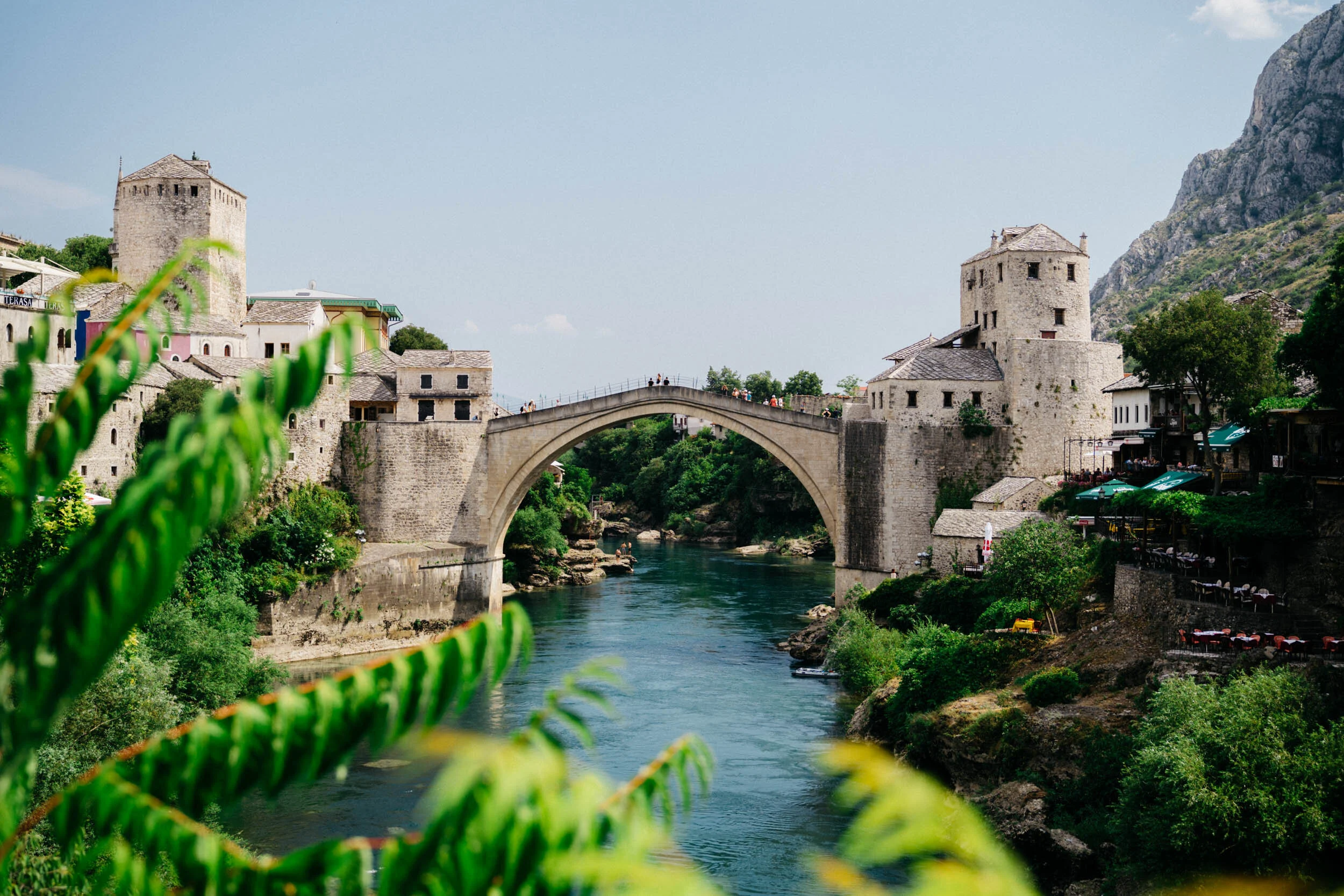
Mostar’s Stari Most (the 16th-century bridge) dominates the town center, with restaurants and shops built into the riverbank below—it’s the kind of setting that justifies every Instagram cliché. This is the pick for travelers who want dramatic architecture and genuine cultural depth without the price tag of Austria or Switzerland; it wins because fall temperatures are ideal (60–70°F), tourism drops significantly after September, and the food at places like TimaIrma’s is excellent and cheap.
Fly into Sarajevo (roughly 2 hours by car or bus from Mostar) or take a bus from Split, Croatia (roughly 3.5 hours). Stay in the old town near the bridge for walkable access to restaurants and river views.
Bus transport is the primary way to move around Bosnia; expect reliable connections between major towns. Fall is genuinely the best season here—summer brings heat and crowds, while winter can be wet and cold.
Book a guided walking tour if you want context on the town’s recent history; many local guides offer afternoon walks for roughly $15–25.
Počitelj, Bosnia & Herzegovina
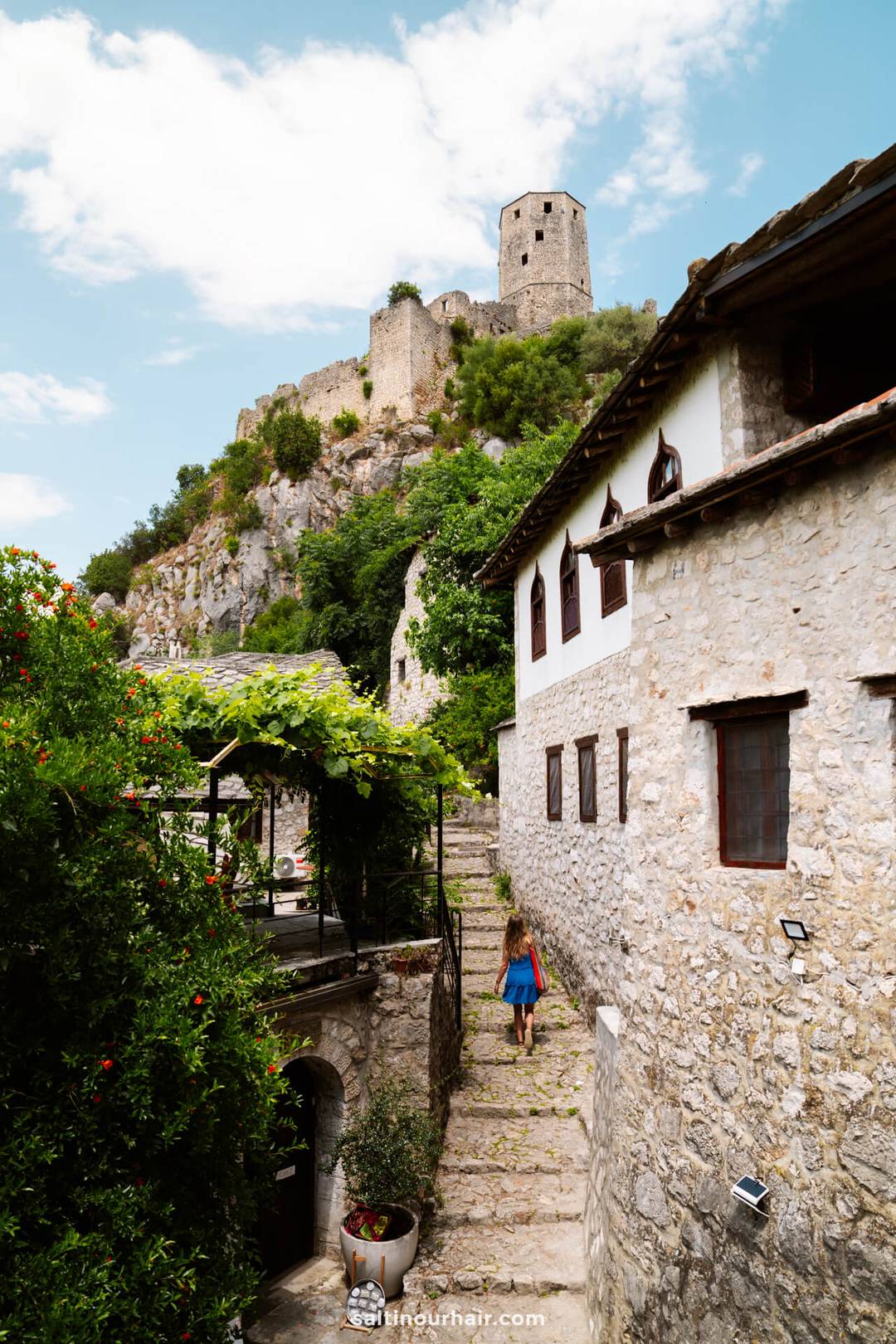
Počitelj is a hilltop village of Ottoman-era stone houses stacked vertically above the Neretva River—it’s the kind of place that feels frozen in time because tourism infrastructure here is genuinely minimal. Pick this if you’re comfortable with rougher travel logistics and want an experience that feels genuinely undiscovered; it wins because the architecture is stunning, the village is tiny (you can walk it in 45 minutes), and fall weather makes the uphill walk to the top manageable.
Počitelj sits roughly 30 kilometers south of Mostar (30–40 minutes by car or local bus). There are no hotels in the village itself; stay in Mostar and day-trip, or book a private room through local contacts arranged in advance.
Tourism here is still developing, so expect limited English, no ATMs in the village, and restaurants that operate on local schedules rather than tourist hours. This is not a destination for travelers who need convenience—it’s for those who see that as the entire point.
Fall (September through October) is ideal; summer heat makes the climb uncomfortable, and winter brings rain and occasional snow.
Fall Timing and What to Pack for These Towns
All five destinations hit their sweet spot between mid-September and mid-October. Bibury and Mallaig are best in early-to-mid October when autumn color peaks.
Cong and the Balkan towns are ideal from late September through October, when summer heat breaks but rain hasn’t yet become constant. Pack layers for all five—British and Scottish towns can be damp and cool even in early fall, while Balkan towns stay warmer but shift from hot to pleasant.
Waterproof jackets are non-negotiable for Ireland and Scotland; the Balkan towns rarely need them in fall but benefit from them anyway.
How to Plan Your Autumn Trip to Europe’s Fairytale Towns
The single biggest mistake travelers make is treating these towns as day trips from major cities — you’ll arrive at peak crowd hours and leave before the magic happens. Autumn is the ideal window: fewer tourists, cooler temperatures perfect for walking cobblestone streets, and golden light that makes every photo look like a storybook illustration. The trade-off is that some restaurants and shops close earlier in the shoulder season, but that’s exactly what makes these towns feel authentic again instead of like theme parks.
What is the Best Way to Get Around Without a Car?
Trains and buses are your backbone for reaching fairytale towns across Europe, and they’re faster and cheaper than renting a car for this type of trip. Most of these towns cluster in Central Europe (Czech Republic, Austria, Germany) or sit within 1–3 hours of major hubs like Prague, Vienna, or Munich via regional rail. Book direct trains or regional buses when possible — they’re reliable, frequent, and eliminate parking stress in medieval town centers where cars are either restricted or a nightmare.
For towns like Hallstatt, Austria: Salzburg is the closest major city, roughly 70 minutes away by car, but public transportation stretches the journey to 2–3 hours depending on connections. Take the train from Salzburg to Hallstatt station, then a short local bus or walk to the lakeside town.
This is slower than driving but means you arrive ready to walk, not stressed about parking.
For Cesky Krumlov, Czech Republic: Most travelers day-trip from Prague (2.5–3 hours by bus), but staying overnight in the town itself transforms the experience — book a room in the old town center and you’ll have the castle and cobblestone streets nearly to yourself once day-trippers leave. Direct buses run regularly from Prague’s main station; book tickets online to avoid lineups.
For Irish and Balkan towns like Cong or Počitelj: A rental car becomes the smarter choice if you’re island-hopping or exploring multiple towns in one region. Ireland’s coastal drives and Bosnia’s mountain routes don’t have reliable public transit between smaller villages.
If you do rent, book manual transmission cars in advance — automatics cost significantly more in Europe and are harder to find in autumn.
Ferry access matters for island or lakeside bases. If you’re staying in a gateway town like Bergen, Norway or using a lakeside hotel as your home base for day trips to Alpine villages, confirm ferry schedules before booking — autumn schedules shift and some routes reduce frequency after September. Check operator websites 2–3 weeks before travel, not the day before.
How to Avoid the Crowds in Popular Destinations Like Hallstatt and Cesky Krumlov?
Visit in November or early December, not September or October. September and October are still peak season for European tourism — the crowds thin dramatically once November arrives and most casual tourists have returned home. Mid-November onward, you’ll find shops and restaurants open but with manageable foot traffic, and the early winter light adds a moody fairytale quality that summer never delivers.
Hallstatt is overrun by day-trippers between 10 a.m. and 4 p.m. Arrive by 8 a.m. or after 5 p.m. to have the lakeside and castle views almost entirely to yourself. If you’re staying overnight (which you should), book a room in the old town center — you’ll have the streets to yourself in early morning and evening, which is when the town actually feels magical.
Skip the main viewpoint that all tour buses photograph; hike toward the salt mines instead for views without crowds and a genuine sense of discovery.
Cesky Krumlov requires an overnight stay to justify the journey from Prague. Day-trippers clog the castle bridge and main square from noon to 4 p.m. Stay in a small hotel or guesthouse in the town center, explore in the early morning before 9 a.m., and return to your room during peak hours. The town genuinely feels like a film set once the crowds leave.
Winter (December–February) is even quieter, though some restaurants close — autumn (November) gives you the best balance of open amenities and solitude.
For less-famous alternatives, prioritize Počitelj, Bosnia & Herzegovina and Cong, Ireland. These towns see a fraction of the visitors that Hallstatt or Cesky Krumlov attract, even in peak season. Počitelj requires more planning (bus transport is the main option and schedules are less frequent than Central European routes), but that friction is exactly what keeps it authentic.
Cong rewards a car rental and a flexible itinerary — you can explore the Irish countryside at your own pace and stumble into smaller villages that tour groups never reach.
Book accommodations in the town center, not in nearby larger cities. Staying in Salzburg and day-tripping to Hallstatt means joining the morning rush of tourists on the same bus. Staying in Hallstatt itself costs more but gives you the town before and after the crowds arrive.
The same logic applies to Cesky Krumlov — a night in the old town beats three nights in Prague with daily commutes. Budget roughly 20–30% more for central accommodations, but you’re buying back hours of solitude and authentic experience.
Travel midweek (Tuesday–Thursday) instead of weekends. Autumn weekends still draw significant crowds, especially in September and October. If your schedule allows, plan your trip for a Tuesday arrival and Thursday departure.
You’ll notice the difference immediately, and booking midweek often means lower hotel rates as well.
Frequently Asked Questions
Which European fairytale town has the best fall foliage?
Lake Bled, Slovenia delivers the most dramatic autumn transformation among fairytale towns — the lake water intensifies in color as surrounding forests shift to deep reds and golds, creating reflections that amplify the visual impact. The temperature in fall is also ideal for the hiking trails that ring the lake, letting you chase the color change from multiple vantage points rather than staying tethered to one viewpoint. Hallstatt, Austria ranks second: the alpine setting means foliage peaks earlier (mid-September through October) and the lakeside location mirrors the trees, doubling the visual effect.
If you’re chasing pure leaf color density and don’t mind crowds, Cesky Krumlov, Czech Republic offers dense forest coverage around the medieval town, though visiting in early fall (September) before peak tourism hits will give you better light and fewer photo-bombers in your shots.
Is Europe cheaper to visit in the fall?
Yes — fall (September through November) is significantly cheaper than summer across fairytale towns, with accommodation and restaurant prices dropping 20–40% after August ends. Hallstatt and Cesky Krumlov see the steepest discounts in October and November as day-trippers thin out.
The trade-off is real: some smaller attractions and restaurants close early or shut down entirely by November, especially in Alpine towns like Bled and Hallstatt. Mid-September to mid-October is the sweet spot — you still catch warm weather, most businesses stay open, and prices have already dropped from summer peaks.
Book train and bus tickets 2–3 weeks ahead to lock in lower fares; last-minute fall bookings don’t guarantee savings the way they do in winter.
What should you pack for an autumn trip to European villages?
Layer aggressively — mornings in Alpine towns like Bled and Hallstatt drop to 40–50°F (5–10°C) by October, but afternoons warm to 55–65°F (13–18°C). Bring a water-resistant jacket (rain is common in fall across Central Europe), comfortable walking shoes with grip (cobblestone streets are slick when wet), and a lightweight sweater or fleece.
For hiking around lakes and castle towns, pack moisture-wicking socks and gaiters if you’re doing longer trails. A small daypack (20–25L) is essential — you’ll be carrying layers you shed mid-morning and a water bottle.
Sunscreen and sunglasses still matter; fall sun reflects intensely off water in Bled and Hallstatt. If visiting Bosnia or Portugal in late fall, add a heavier cardigan or wool coat; these regions dip faster than Alpine areas once November hits.
Avoid heavy luggage — fairytale towns have narrow streets and stairs; rolling suitcases are a liability.
How many days should you spend in each fairytale town?
Two days is the minimum to avoid feeling rushed; one day leaves you scrambling between the main attractions and the lake or castle without breathing room. Lake Bled works as a day trip from Ljubljana if you’re on a tight schedule, but you’ll miss the hiking and the town’s quieter evening magic.
Hallstatt deserves 1.5–2 days if you’re doing the salt mine hike; the town itself is compact, but the surrounding trails justify the stay. Cesky Krumlov and Rothenburg ob der Tauber reward 2 days — the first for the main sights (castle, old town, walls) and the second for the Night Watchman tour in Rothenburg or a riverside walk in Krumlov without crowds.
If you’re island-hopping or road-tripping (like pairing Sintra with Cascais near Lisbon), one full day per town is acceptable. Bosnia’s Mostar and Počitelj are best visited together on a 2–3 day loop from Sarajevo, as tourism infrastructure is thinner and travel between towns takes longer.
Book Your Fall Fairytale Trip Now
Start by choosing your region based on what draws you: Alpine lakes if you want dramatic water reflections and hiking, Central Europe if you want castle views and medieval streets, or Nordic fjords if you want isolation and moody light. Book accommodations in the town centers themselves (not nearby larger cities), aim for mid-September through mid-October for the best balance of weather and solitude, and commit to at least one overnight stay in each town—day trips guarantee you’ll arrive during peak crowds.
Fall is genuinely the only season these towns feel like themselves instead of tourist theme parks, and the difference between visiting in August versus October is the difference between standing in a queue and having the castle to yourself at sunrise. Your next step is locking in a regional train pass (Eurail or Interrail) if you’re visiting multiple Central European towns, or booking direct flights to gateway cities like Prague, Vienna, or Bergen and planning your town-hopping from there.
Pick one town as your anchor, spend two nights there, and use day trips or short hops to explore nearby alternatives—this approach gives you time to actually breathe instead of racing between Instagram spots. Autumn won’t wait; these towns are booking up now for September and October travel, so reserve your accommodations and train tickets within the next two weeks.
Leave a Reply