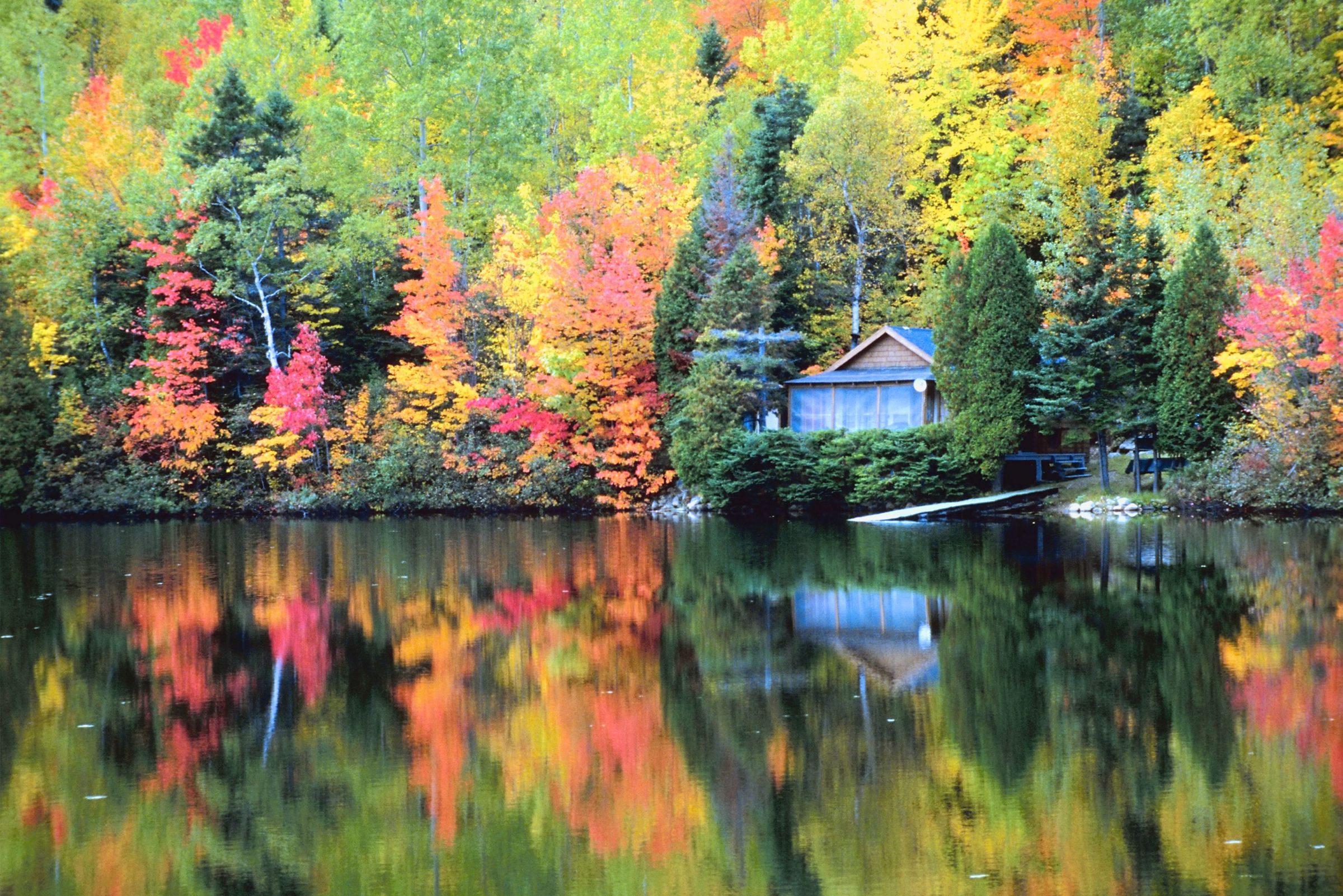
Imagine the smell of woodsmoke and crisp air as a valley erupts in a slow-motion wave of amber and crimson, with every hillside telling a different story. This isn’t a generic guide to ‘seeing fall leaves.’
It’s your precise, week-by-week playbook for tracking peak color from the northern mountains to the southern coast. This guide helps you decide exactly which state and which week to book for the most vibrant canopy.
Budgets vary: a weekend road trip can be $500-800 for a couple, a mid-range cabin stay runs $1,200-2,000 for a week, and a splurge at a top foliage-region inn could be $3,500+.
Quick-Reference Peak Finder
You don’t have time to read every region. Use this table to pinpoint your best window and top drive based on when you can travel.
| Region | Prime Timing | Top Scenic Drive | Insider Move |
|---|---|---|---|
| New England (VT, NH, ME) | Columbus Day Weekend | Route 100, VT & Kancamagus Hwy, NH | Book lodging 6-8 weeks out; drive midweek. |
| Mid-Atlantic (VA, NC) | Mid-Oct to Early Nov | Blue Ridge Parkway & Skyline Drive | Enter Skyline Dr. at Thornton Gap to avoid crowds. |
| Midwest (MN, WI, IL) | Late Sept to Late Oct | North Shore, MN & Door County, WI | Book Grand Marais cabins months ahead; visit Door County midweek. |
| Mountain West (CO, MT) | Mid-Sept to Mid-Oct | Million Dollar Highway, CO & Going-to-the-Sun Road, MT | Monitor elevation-based trackers daily; be ready to pivot. |
This snapshot gives you the essentials. For deep-dive details on specific states, keep scrolling.
Peak Foliage Dates by New England State
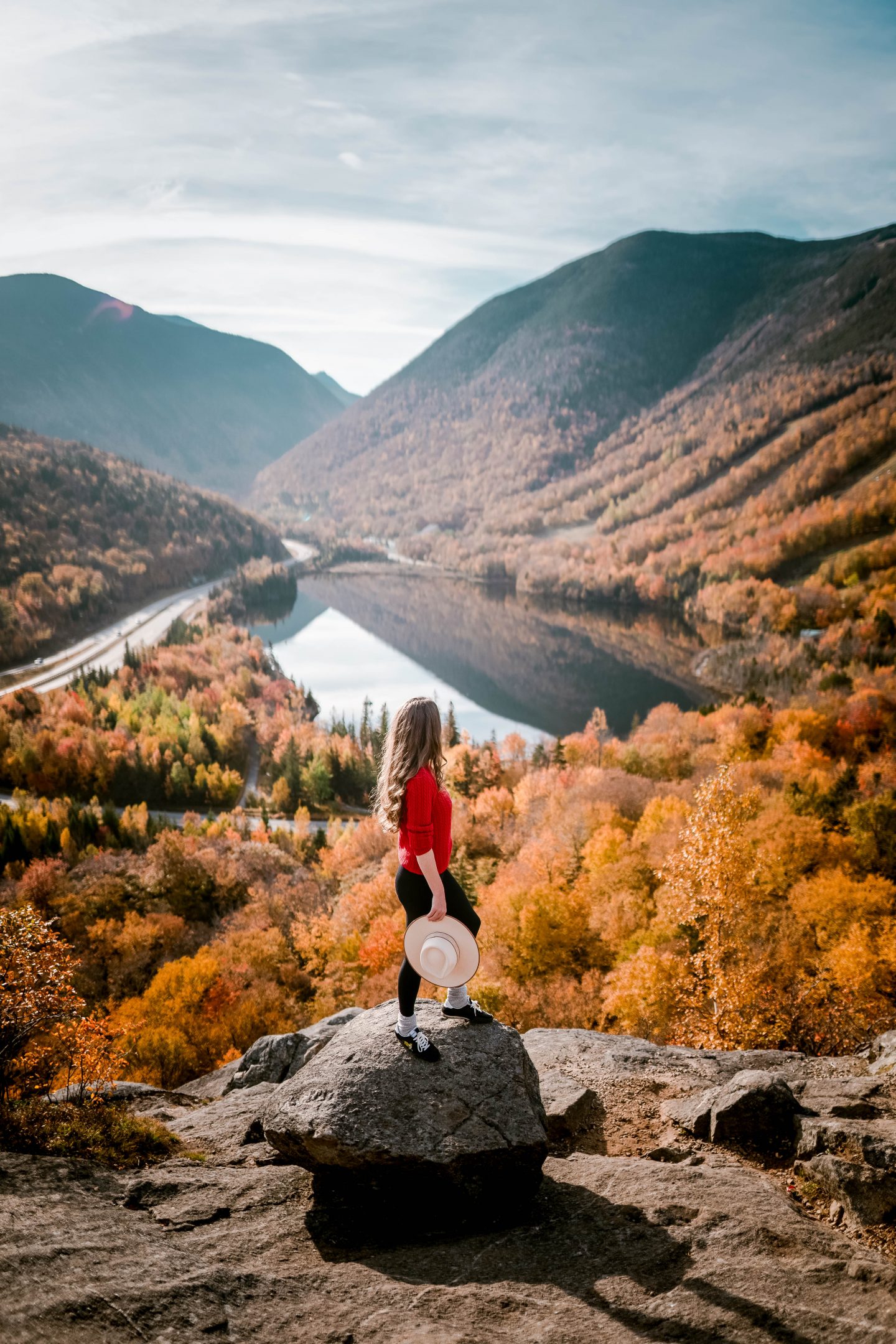
Peak color in New England doesn’t arrive all at once — it rolls south like a slow-motion wave, starting in the northern mountains around late September and reaching the southern coast by early November. That means the state you choose, and even which part of that state, completely changes what you’ll see.
Time it wrong by a week and you’ll find bare branches or still-green hillsides.
| State | Typical Peak Window | First to Peak | Best Bet If You Can Only Pick One Drive |
|---|---|---|---|
| Vermont | Late Sept – mid-Oct | Northeast Kingdom | Route 100, Stowe to Killington |
| New Hampshire | Early Oct – late Oct | White Mountains / North | Kancamagus Highway (Rte. 112) |
| Maine | Late Sept – late Oct | Moosehead Lake / North Woods | Acadia National Park loop |
| Massachusetts | Early Oct – late Oct | Berkshires / Mohawk Trail | Central Berkshire Loop |
| CT & Rhode Island | Mid-Oct – early Nov | Northern hills | Litchfield Hills, CT |
Columbus Day Weekend (the second weekend of October) is the single safest bet if you’re booking blind. That week typically delivers peak color from Vermont’s Green Mountains south through the White Mountains and into western Massachusetts — the widest corridor of color you’ll find all season.
Vermont Peak Dates by Region
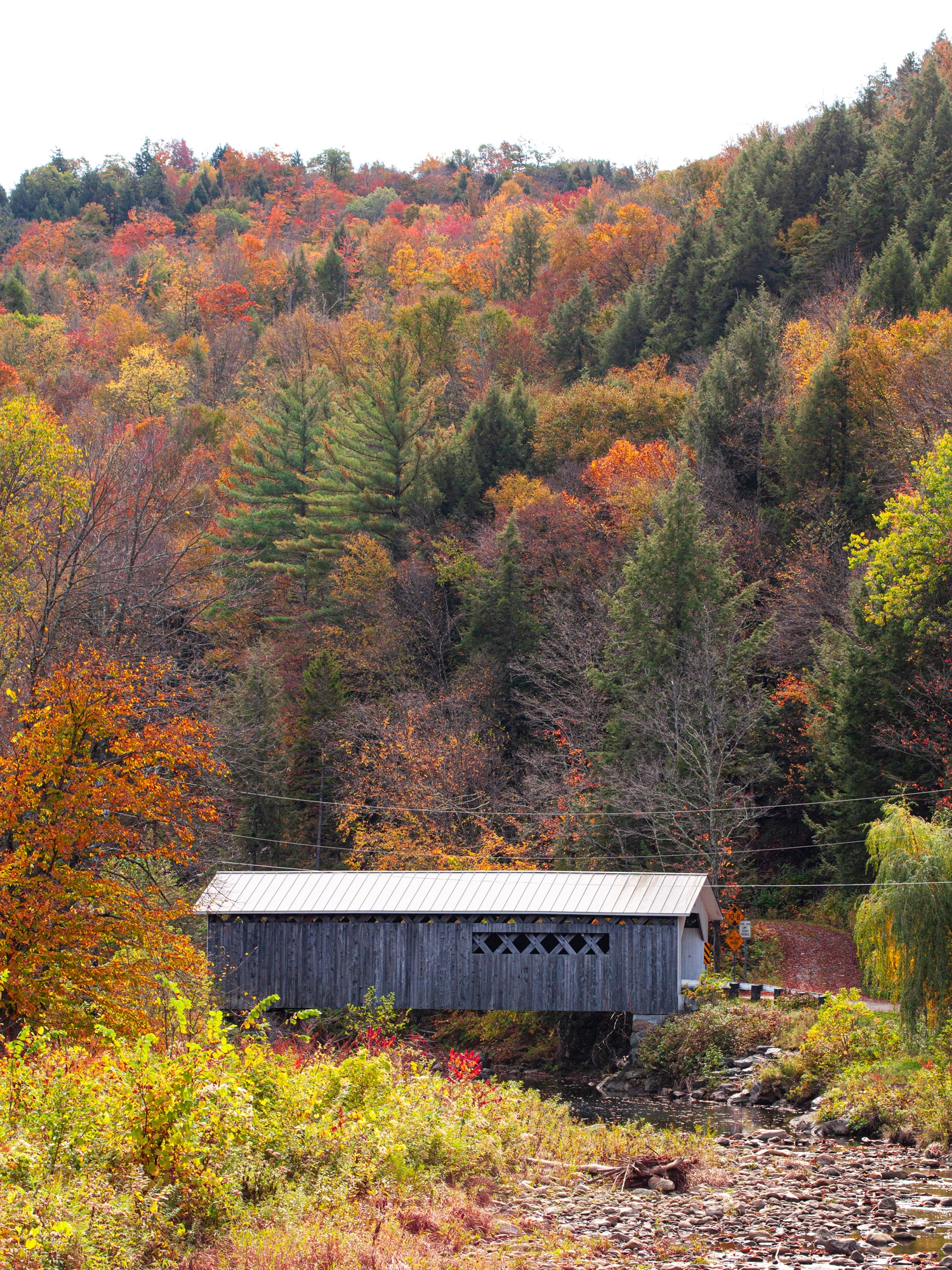
Vermont is the headline act for most foliage chasers, and for good reason: the sugar maples here produce the most saturated reds and oranges in New England. But the state peaks in waves, not all at once.
- Northeast Kingdom (mid-to-late Sept): This remote, hilly corner peaks first — usually the last week of September. Fewer tourists, more moose sightings, and genuinely stunning rural roads. Base in Newport or St. Johnsbury for easy access.
- North/Central Green Mountains — Stowe, Route 100 (late Sept – early Oct): Stowe sits at the base of Vermont’s highest peak and peaks around Sept 28–Oct 9 in most years. The 60-mile Stowe & Northern Mountains Loop passes Moss Glen Falls and Bingham Falls — both worth pulling over for. Book lodging in Stowe or Waterbury at least 6–8 weeks ahead for peak weekends.
- Southern Vermont — Manchester, Bennington (early-to-mid Oct): Color arrives here about a week after the north. Route 7A through Arlington and Manchester offers a quieter alternative to Route 100 with good lunch stops.
Insider tip: Vermont’s valleys stay green longer than the ridgelines. If you arrive and the valley floor looks underwhelming, drive 15 minutes uphill — the mountainsides above are almost always ahead of the lowlands by 5–7 days.
New Hampshire Peak Dates by Region
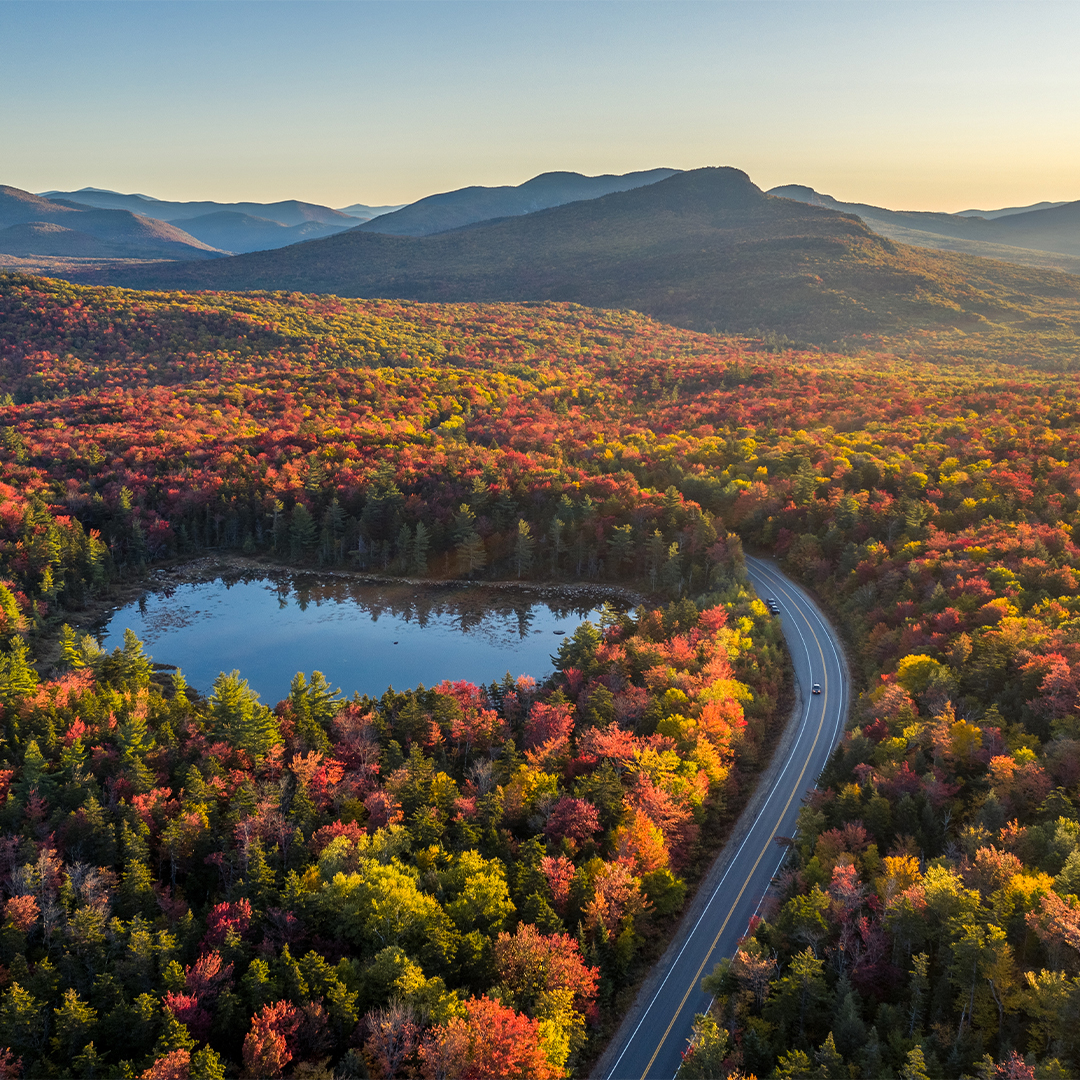
New Hampshire packs enormous variety into a small state. The White Mountains are the main event, but southern New Hampshire holds its own if your dates skew later.
- White Mountains / North (early-to-mid Oct): The Kancamagus Highway — 34.5 miles of Route 112 from Lincoln to Conway — peaks around Oct 13–22 most years. This is the single most iconic foliage drive in the state. No gas stations, no cell service for most of it. Fill up in Lincoln or Conway before you enter.
- Lakes Region — Squam Lake, Lake Winnipesaukee (mid Oct): Peaks about a week after the Whites. Good option if you want foliage plus waterfront dining and boat rentals rather than mountain passes.
- Southern New Hampshire — Monadnock Region (mid-to-late Oct): Peaks last, usually mid-to-late October. Mount Monadnock’s summit offers a 360-degree foliage panorama if you’re willing to hike — expect a 3–4 hour round trip.
Insider tip: The Kanc is bumper-to-bumper on Columbus Day Weekend. Go midweek or arrive at the Lincoln end before 8 a.m. on a Saturday to beat the caravan.
The western half (Lincoln to the pass) has the most dramatic elevation and color — if you’re short on time, drive that stretch and turn around.
Maine Peak Dates by Region
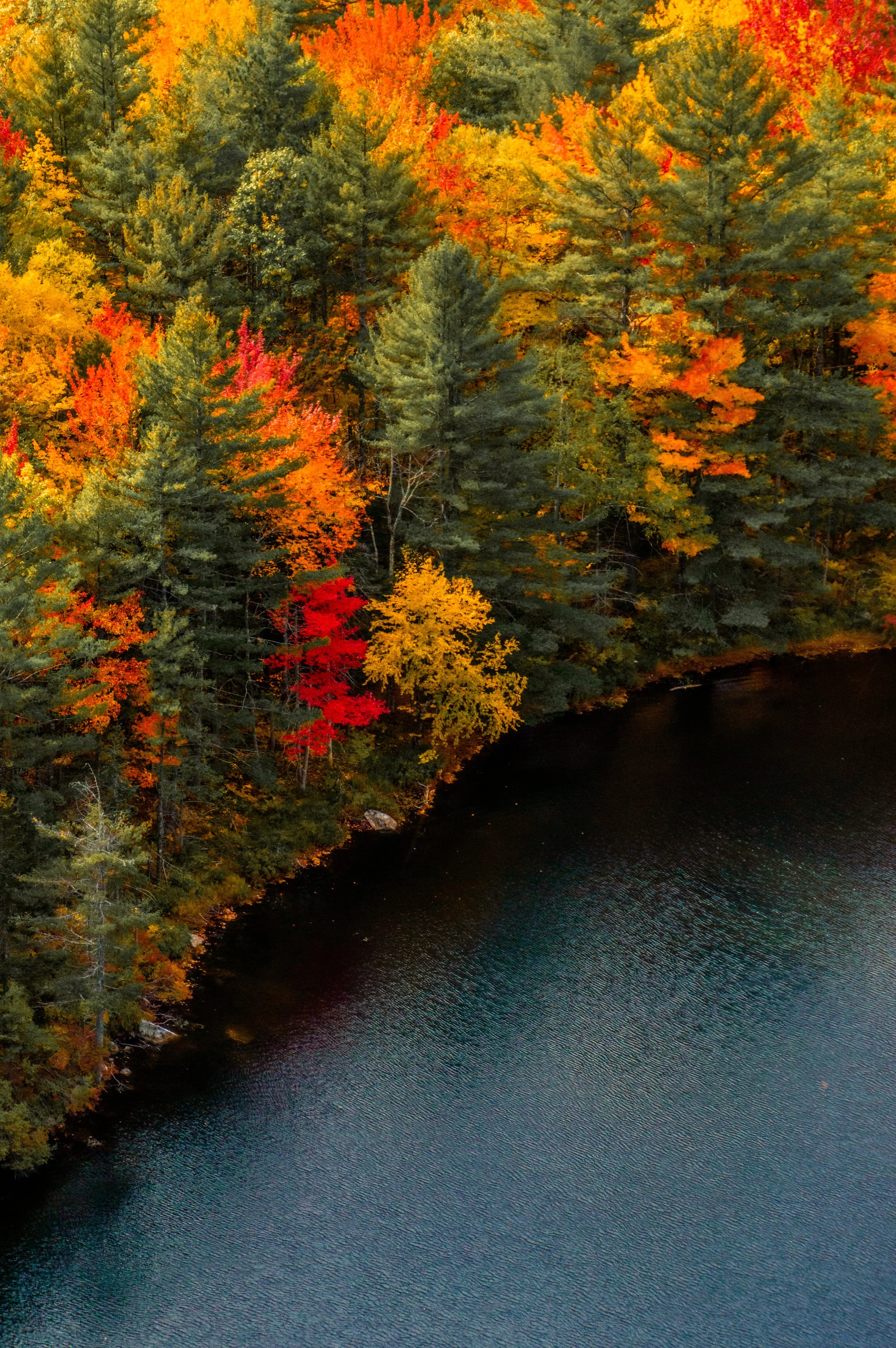
Maine’s foliage season runs long thanks to its north-south span, but the best color concentrates in the western mountains and the North Woods — not the coast, which leans toward subtle golds and rusts rather than blazing reds.
- North Woods — Moosehead Lake, Greenville, Baxter area (late Sept – early Oct): This is where color starts in Maine. Greenville near Moosehead Lake is a standout — peak usually hits the last few days of September into early October. Remote and worth the drive.
- Western Mountains — Rangeley, Sunday River, Bethel (early-to-mid Oct): The Rangeley Lakes region and Route 17 overlook deliver some of the best mountain-plus-lake foliage combinations in the state.
- Acadia / Midcoast (mid-to-late Oct): Color arrives later here, and it’s more muted — birch golds and oak bronzes against the ocean. Still beautiful, but not the red maple spectacle of the mountains. Base in Bar Harbor for the national park loop road and Cadillac Mountain sunrise.
Insider tip: Northern Maine’s color window is narrow — sometimes only 5–7 days at true peak. If you’re driving up for Moosehead or Baxter, watch the New England foliage trackers and be ready to go within 48 hours of peak reports.
The color won’t wait.
Massachusetts Peak Dates by Region
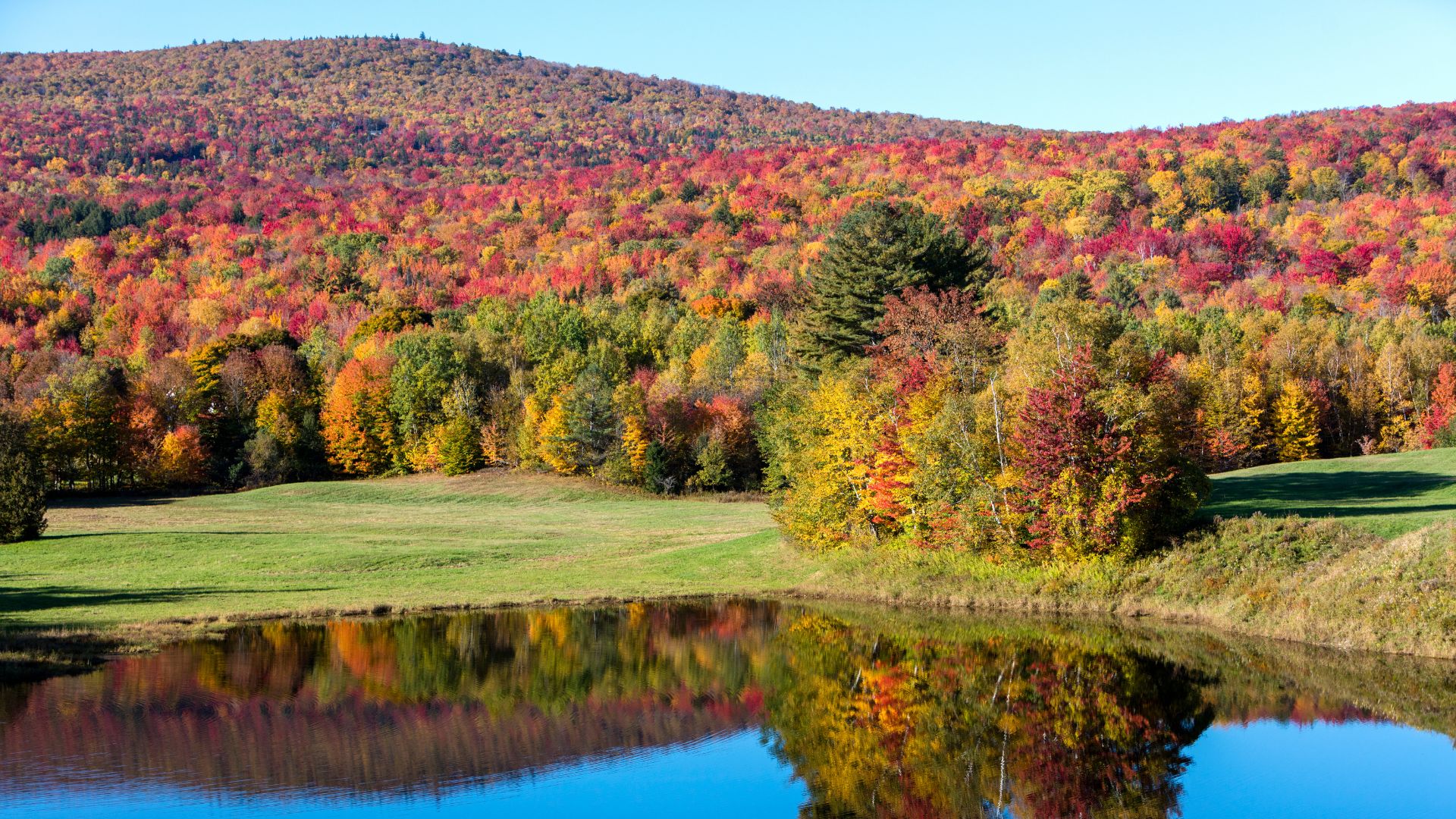
Massachusetts splits cleanly into two foliage experiences: the western Berkshires (serious color, mountain drives) and everything east of I-491 (pleasant but modest).
- Berkshires — Lenox, Stockbridge, Mohawk Trail (early-to-mid Oct): Higher elevations in the Berkshires peak during Columbus Day Weekend most years. The Central Berkshire Loop connects Becket, Hinsdale, Pittsfield, West Stockbridge, and Lenox — roughly 60 miles of quintessential New England towns, covered bridges, and rolling color.
- Mohawk Trail (Route 2) — early-to-mid Oct: Massachusetts’ original scenic road climbs through the northern Berkshires. The stretch from Shelburne Falls to North Adams has the best elevation and overlooks. Stop at the Bridge of Flowers in Shelburne Falls — it’s a former trolley bridge turned garden, and it’s free.
- Eastern Mass — mid-to-late Oct: Color filters into the eastern half of the state by mid-to-late October. Walden Pond and the Minuteman Bikeway offer easy, close-to-Boston foliage walks, but don’t expect the intensity of the Berkshires.
Insider tip: The Berkshires are a sleeper lodging value compared to Vermont. Lenox and Stockbridge have boutique inns and B&Bs that cost 20–30% less than comparable Stowe properties during peak weekend.
Book 6–8 weeks ahead, not more — some Berkshire properties open bookings later than Vermont’s.
Connecticut and Rhode Island Peak Dates
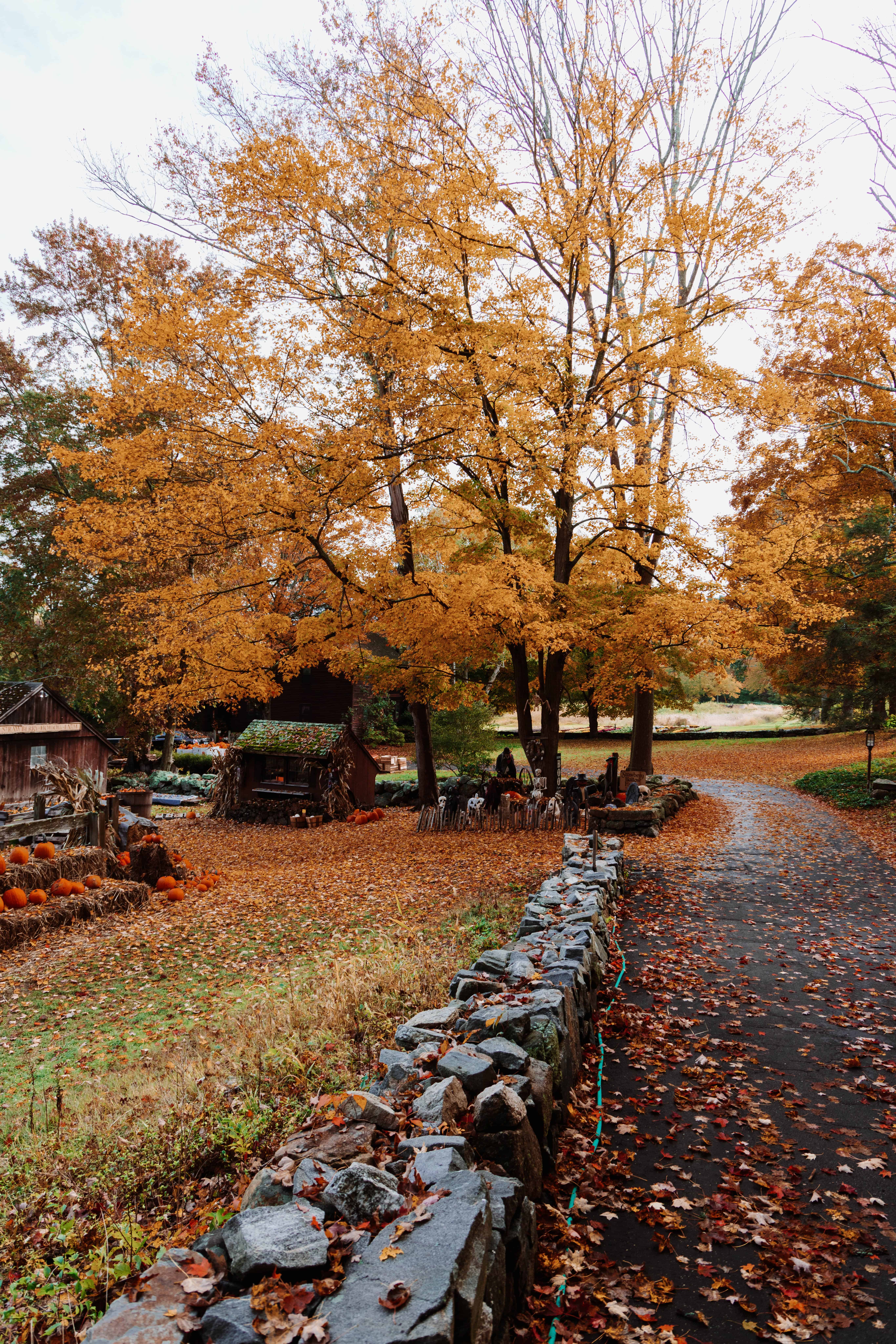
These southernmost New England states peak last — usually mid-October into early November — and they’re the smartest pick for travelers who couldn’t book early or who want fewer crowds with still-genuine color.
- Litchfield Hills, CT (mid-to-late Oct): The northwestern corner of Connecticut has the best foliage in both states. Rolling hills, white-steeple towns, and the covered bridges of the Housatonic River valley make this feel like Vermont without the traffic. Route 7 through Kent and Cornwall is the standout drive.
- Eastern Connecticut highlands (mid-to-late Oct): Route 169 through Lebanon and Canterbury is a quieter alternative — mostly farmland, stone walls, and colonial homesteads with color that holds into late October.
- Rhode Island — late Oct to early Nov: Small state, subtle color. The best foliage clusters around the western hills near Scituate and Foster, not the coastline. If you’re in Providence, a 30-minute drive west puts you in surprisingly wooded countryside.
Bottom line: If you missed the northern New England window, don’t skip the trip. Connecticut and Rhode Island deliver legitimate fall color with a fraction of the crowds, and Columbus Day Weekend traffic won’t ruin your day here.
When Is Peak Foliage in Mid-Atlantic States?
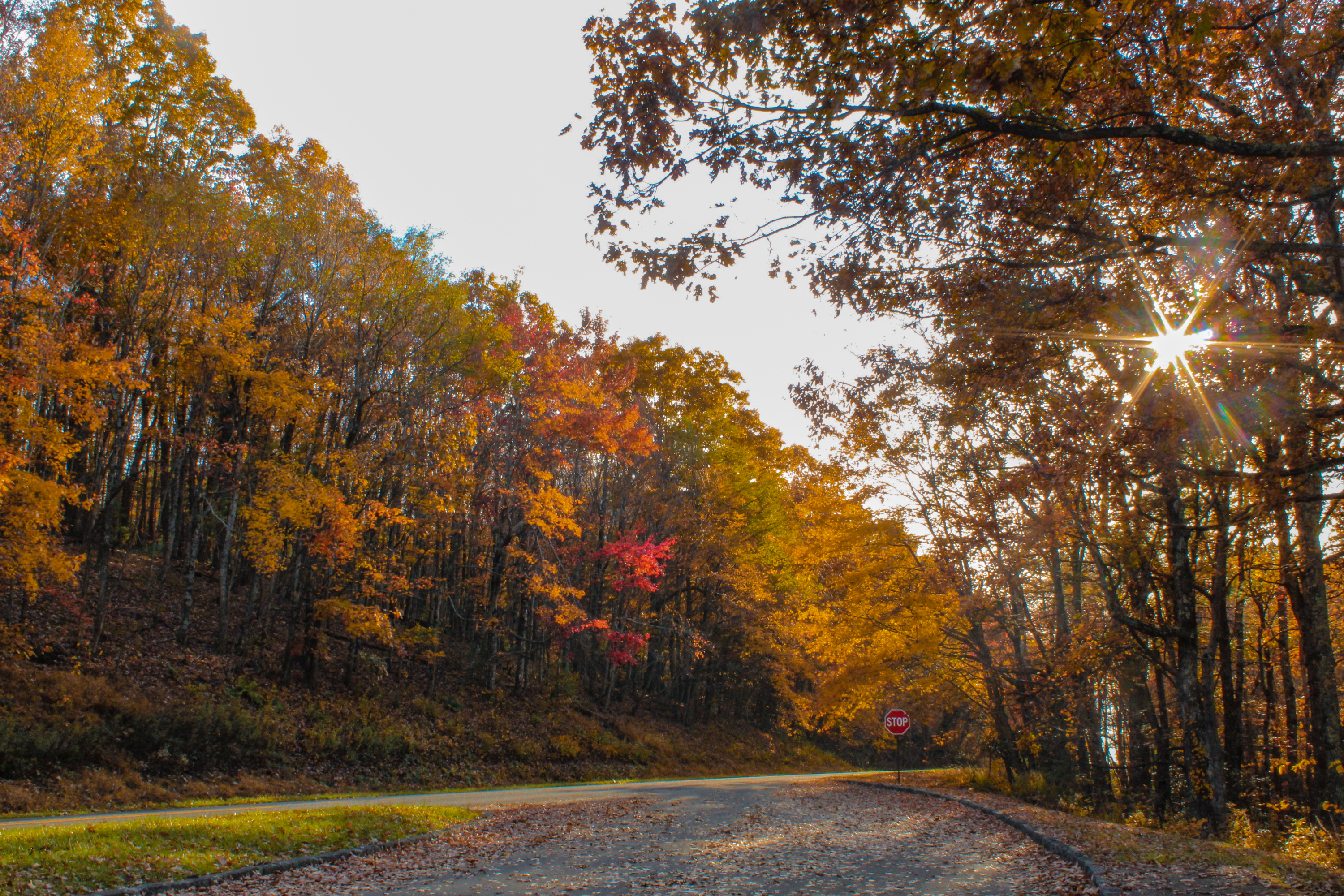
The Blue Ridge Parkway delivers a longer, higher-stakes color show than any single New England state. Its 469-mile spine sees peak color roll down the mountains from mid-October through early November, giving you a moving target to chase.
Virginia Peak Dates
In Virginia, target mid-October for the northern sections near Shenandoah National Park. Skyline Drive, the park’s 105-mile ridge-top road with over 70 overlooks, typically peaks around the second to third week of October.
For the most intense, reflective color, drive the section of the Blue Ridge Parkway between mileposts 0 and 100. The maples and oaks at higher elevations here turn first.
- Best for: First-time leaf-peepers wanting dramatic overlooks without extensive hiking.
- Stay strategy: Base in Staunton or Waynesboro for easy Parkway access and good dining. Luray is a solid alternative for Shenandoah Valley charm.
- Insider tip: Enter Skyline Drive at the less-busy Thornton Gap entrance (US-211) for a more immediate immersion into color, bypassing the often-congested Front Royal entrance.
North Carolina Peak Dates
Color hits North Carolina’s high country last, with peak dates typically running from late October into the first week of November. The highest elevations around Grandfather Mountain and the Asheville area (around 3,000-4,000 feet) peak first.
The southernmost section near Great Smoky Mountains National Park can hold color into early November.
- Best for: Travelers wanting to combine foliage with craft breweries, great food, and Asheville’s vibrant downtown.
- Stay strategy: Asheville is the undisputed hub. Book a downtown boutique hotel to walk to restaurants after a day of driving. For a quieter, cabin-focused trip, look at rentals in Blowing Rock or Banner Elk.
- Insider tip: Drive the less-crowded section of the Parkway between Asheville and Cherokee (south of Asheville) midweek. Stop at the Rough Ridge trailhead (milepost 302.8) for a short, rewarding hike with panoramic views above the treeline.
Plan your drive: The entire Virginia-to-North Carolina route takes about 10-12 hours of pure drive time without stops. For a dedicated foliage trip, plan 3-4 days minimum to soak it in.
The Parkway’s speed limit is 45 mph, and stopping at overlooks is the entire point. Book lodging in your chosen base towns 2-3 months ahead for October weekends.
Peak Foliage Dates in Southern States
The Southern fall show is a slow, warm burn—a golden encore stretching into November where you can hike in a t-shirt, not a parka.
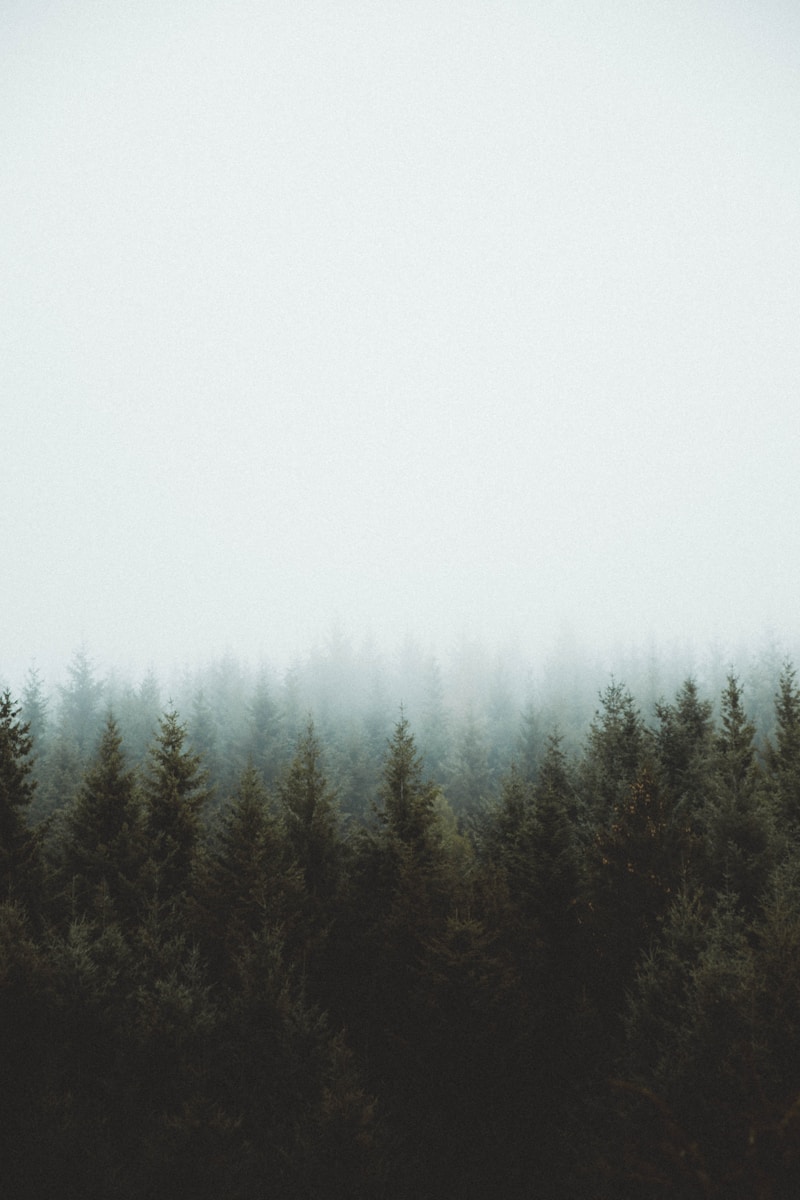
Tennessee Peak Dates
Peak Window: Early to mid-October in the mountains, lingering into early November in the foothills. Great Smoky Mountains National Park is the main event.
The color creeps down from Clingmans Dome and Newfound Gap starting in late September. For the best display without bumper-to-bumper park traffic, target the second week of October and drive the quieter Foothills Parkway instead of Cades Cove Loop.
Base yourself in Gatlinburg or Pigeon Forge for access, but book lodging months ahead—these towns fill completely during peak.
Georgia Peak Dates
Peak Window: Mid to late October in the North Georgia mountains. Don’t overlook this state—it’s seriously underrated.
Cloudland Canyon State Park’s canyon walls explode with color, and the view from the West Rim Loop trail is a top-tier payoff for moderate effort. For a scenic drive with minimal planning, take the Russell-Brasstown Scenic Byway.
Stay in a cabin near Blairsville or Helen for a true mountain town vibe.
Arkansas Peak Dates
Peak Window: Late October into early November, a solid two to three weeks later than New England. The Ozarks and Boston Mountains are your targets.
The Pig Trail Scenic Byway (AR 23) and the drive through Devil’s Den State Park are prime leaf-peeping routes. Base in Eureka Springs for a charming town with good dining, or find a rental cabin near the Buffalo National River for solitude and waterfront foliage views.
Texas Peak Dates
Peak Window: Early to mid-November, making it the last major foliage show in the continental U.S. This isn’t maple dominance; it’s a palette of deep golds and bronzes from pecan, oak, and bald cypress trees.
The Lost Maples State Natural Area is the pilgrimage site, but get there on a weekday. A more reliable and less crowded bet is a drive along the Guadalupe River near Kerrville or a visit to Garner State Park.
| State | Peak Timing | Top Spot for First-Timers | Pro Tip |
|---|---|---|---|
| Tennessee | Early Oct | Foothills Parkway | Enter Smokies early; lots fill by 9 AM. |
| Georgia | Late Oct | Cloudland Canyon State Park | West Rim Loop for best canyon views. |
| Arkansas | Late Oct | Pig Trail Scenic Byway | Combine with Devil’s Den State Park. |
| Texas | Early Nov | Lost Maples State Natural Area | Weekdays only; permits may be required. |
The Insider Move: In the South, foliage lines up with festival season. Sync your trip with a local event—like Helen’s Oktoberfest in Georgia or a fall festival in Eureka Springs—for a richer experience than just driving and looking.
When Does Peak Foliage Occur in Midwestern States?
The Midwest’s fall color window is powerful but often moves faster than New England’s, creating a brilliant but concentrated show you can’t delay booking.
Peak timing here is a game of weeks, not months. The show typically starts in the far north in late September and sweeps south through October.
Your best strategy is to target the sweet spot for your chosen state, book lodging immediately, and be ready to chase color west or south if an early frost or storm shifts the schedule.
| State | Peak Window | Top Drive/Region | Best For |
|---|---|---|---|
| Minnesota | Late Sept – Early Oct | North Shore of Lake Superior | Dramatic shoreline cliffs + color |
| Wisconsin | Early – Mid October | Door County & Kettle Moraine | Lakeside towns & rolling hills |
| Illinois | Mid – Late October | Galena & Starved Rock | Historic towns & canyon vistas |
Minnesota Peak Dates
Peak in Minnesota ignites first along the Canadian border. The North Shore’s maples start turning in late September, with color typically peaking in the first two weeks of October.
This is your target window—the Superior Hiking Trail overlooks and the Gunflint Trail are spectacular, but book lodging in Grand Marais or Lutsen months ahead.
- Best base: Grand Marais. It’s the gateway to the Superior National Forest and has walkable inns and restaurants.
- Insider move: Drive the Sawbill Trail (County Road 2) inland from Tofte for maple-blanketed hills without the Highway 61 traffic.
- Late-season backup: The Mississippi River bluffs near Winona peak in mid-to-late October if you miss the north.
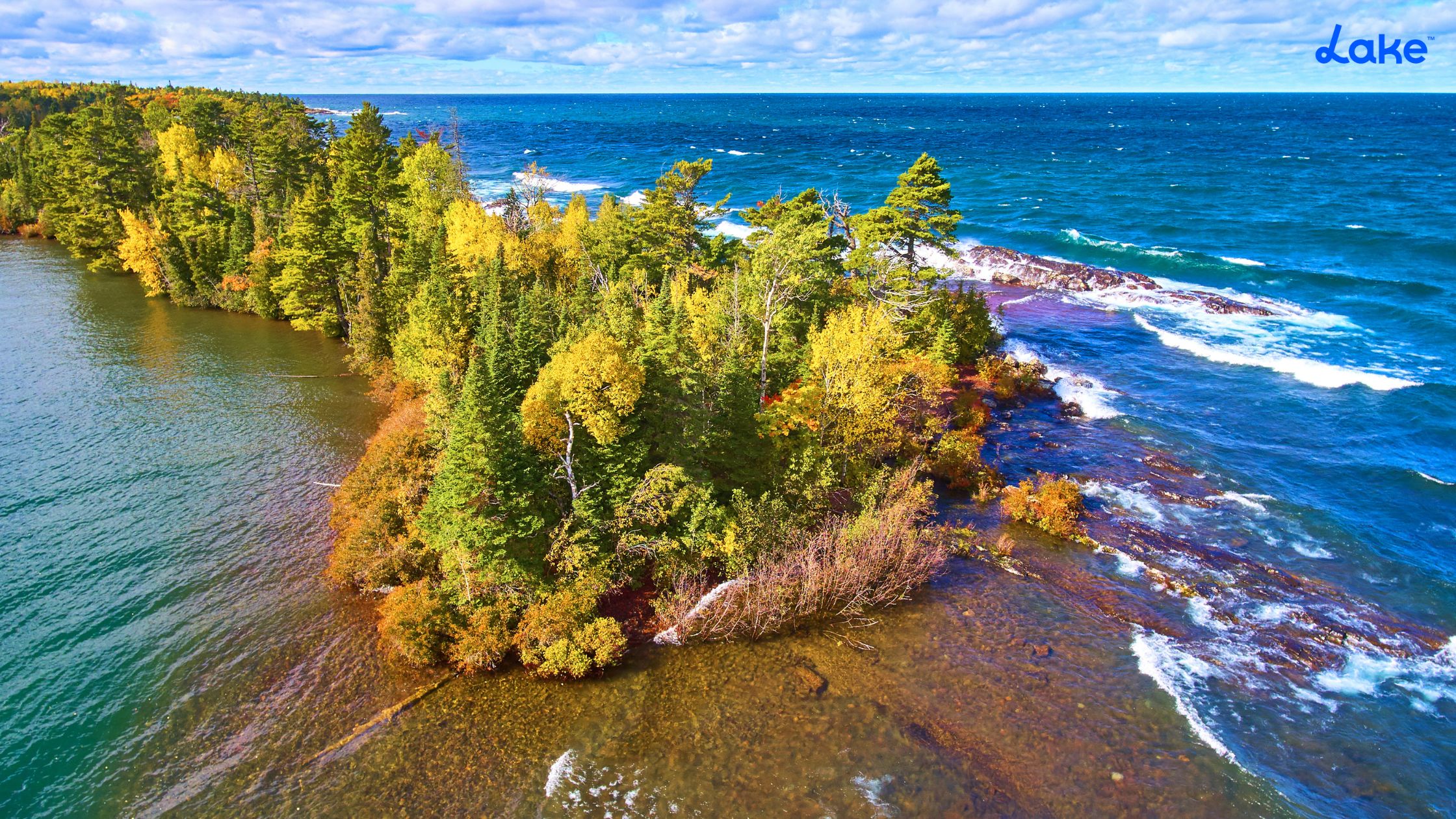
Wisconsin Peak Dates
Wisconsin’s color spreads rapidly south in October. Door County’s maple and cherry orchards usually peak the first week of October, while the rolling Kettle Moraine State Forest holds its color through mid-month.
The fall festival crowds in Door County are real; visit midweek for sanity.
- Best drive: Highway 42 up the Door Peninsula. Stop at Peninsula State Park for blufftop views of Green Bay.
- Don’t overlook: The Driftless Area in southwest Wisconsin (around Viroqua). Its deep valleys and unglaciated ridges create intense, layered color with fewer tourists.
- Lodging tip: Cabins with fireplaces in Ephraim or Sister Bay book a year out for peak weekends. Consider staying in Sturgeon Bay for more availability and shorter drives.
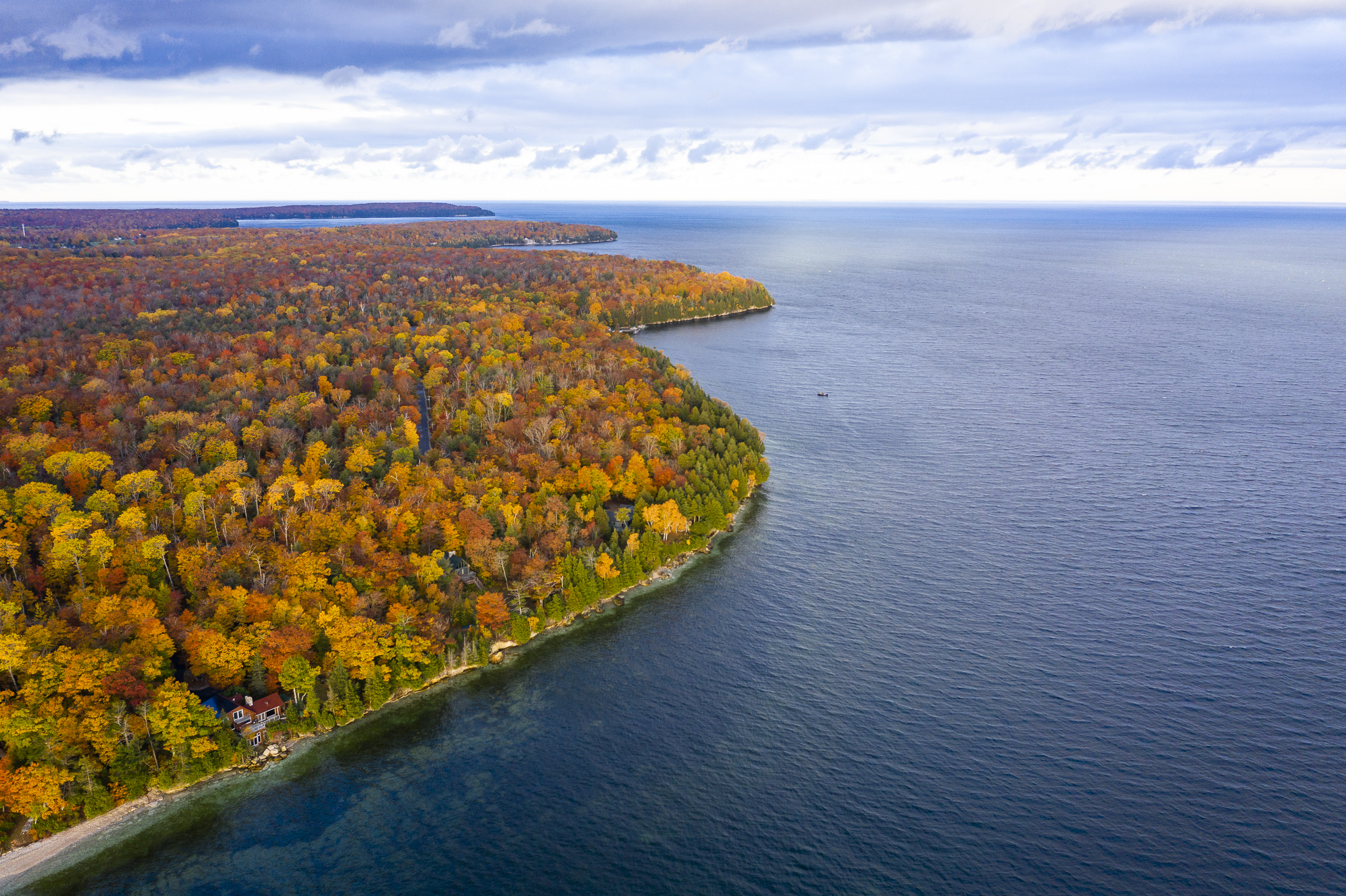
Illinois Peak Dates
Illinois foliage peaks last, usually in the second half of October. The state’s best color isn’t in flat farmland but in two distinct areas: the forested canyons of Starved Rock State Park and the rolling hills around Galena in the northwest.
- Best base: Galena. Its historic Main Street is lined with boutiques and restaurants, and the surrounding countryside is a patchwork of color. Stay in a B&B within walking distance of downtown.
- Must-see: Starved Rock’s canyons. Hike to French, Wildcat, or St. Louis Canyon for waterfalls surrounded by blazing oaks and maples. Arrive early—the parking lot fills by 10 a.m. on peak October weekends.
- Photography tip: For a unique shot, photograph the foliage from the top of the bluffs at Matthiessen State Park, just south of Starved Rock. The crowds are thinner.
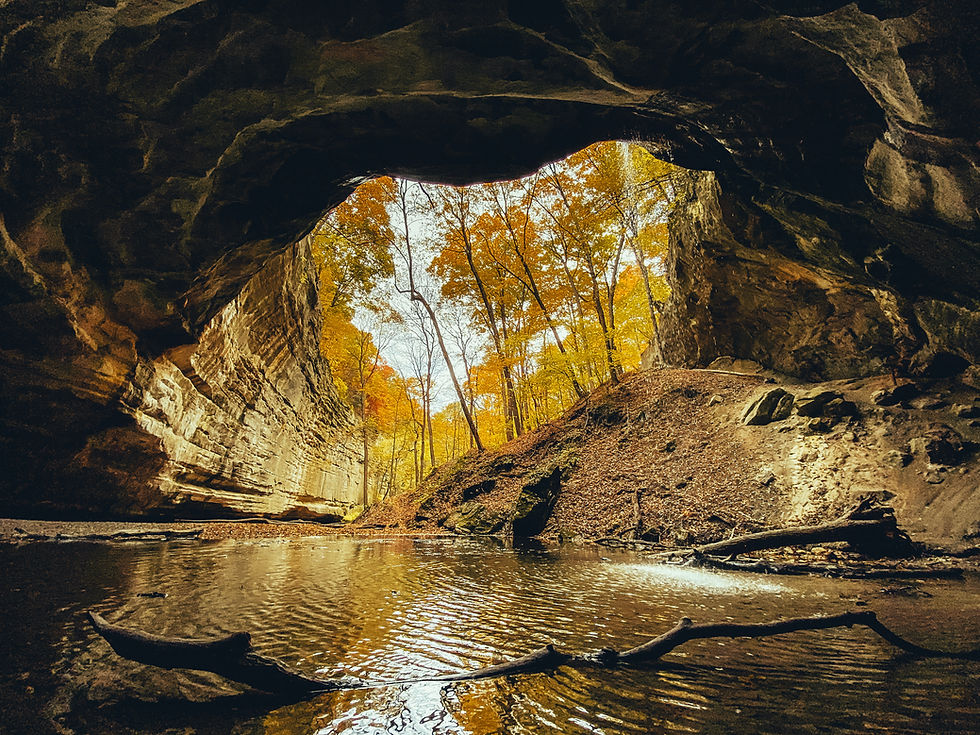
Final Advice: Midwest foliage trackers are your best friend. The window from green to bare branches is tight.
Have your top two destinations picked and hotels reserved. Then, one week out, check state forestry reports and be ready to drive toward the best confirmed color.
Peak Foliage Dates in Mountain West States
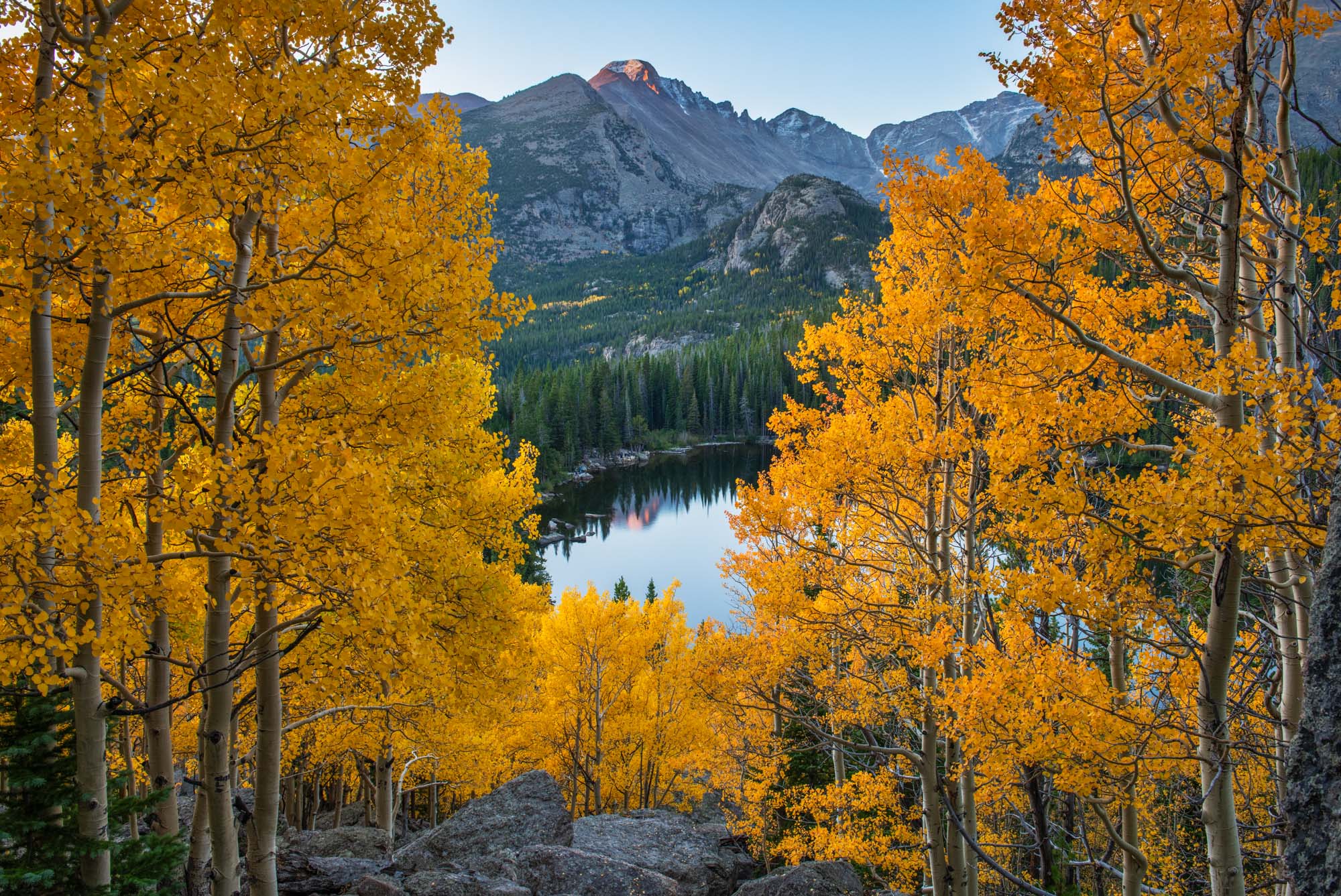
The Mountain West trades uniform canopies for dramatic, high-altitude gradients—aspen gold at 9,000 feet holds for weeks while valley cottonwoods are just starting to turn.
Colorado Peak Dates
Peak color in Colorado is an elevation game, not a statewide event. Your strategy should be to chase the aspens from the highest passes down to the foothills over several weeks.
- Best Window: Mid-September to mid-October is your safe bet. The high country around Aspen, Telluride, and the San Juan Mountains (the “Million Dollar Highway” between Ouray and Silverton is a top drive) typically peaks first, usually around the last week of September.
- Lower Elevations: The foothills and Front Range corridors (like the Peak to Peak Highway near Nederland) see their best color in the first two weeks of October.
- Verdict: Plan a flexible road trip. Base yourself in a central hub like Frisco or Buena Vista for access to multiple passes, and be ready to drive to where the color report is hottest.
Idaho Peak Dates
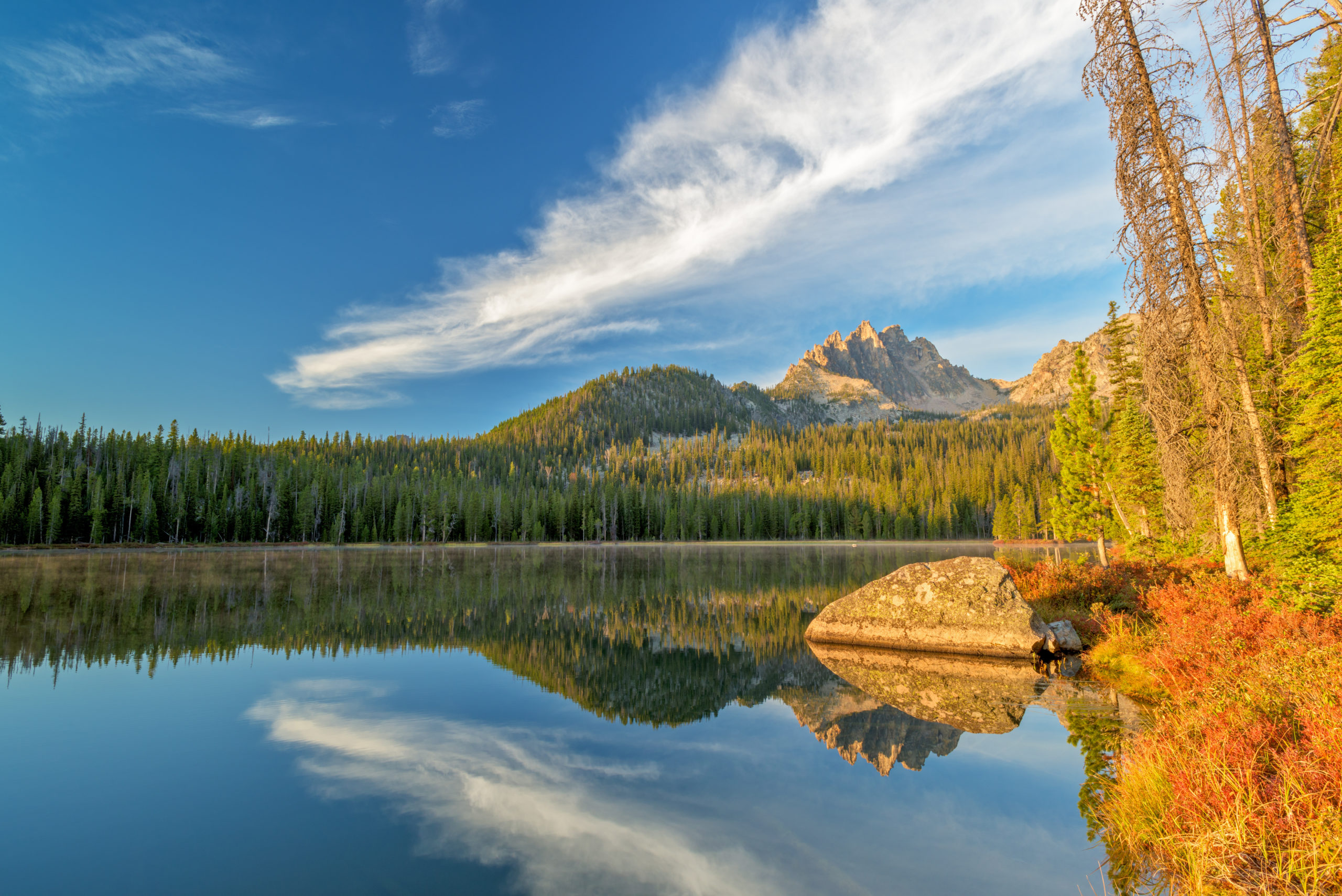
Idaho’s foliage is a rugged, uncrowded secret, with vast groves of aspen and larch turning the mountains into patchwork quilts of gold and bronze.
- Northern Idaho & Panhandle: Color peaks earlier here, typically from mid-September to early October. The area around the Sawtooth Mountains and Stanley is a standout, with the peaks glowing gold against still-green evergreens.
- Central & Southern Idaho: The Snake River Plain and areas like the City of Rocks see peak later, generally from late September through mid-October. The Boise Foothills are a reliable bet for the first half of October.
- Insider Angle: Idaho’s larch trees (a conifer that turns gold) are a unique spectacle. The best displays are often in remote national forest areas—check the Salmon-Challis National Forest for serious foliage hunters.
Montana Peak Dates
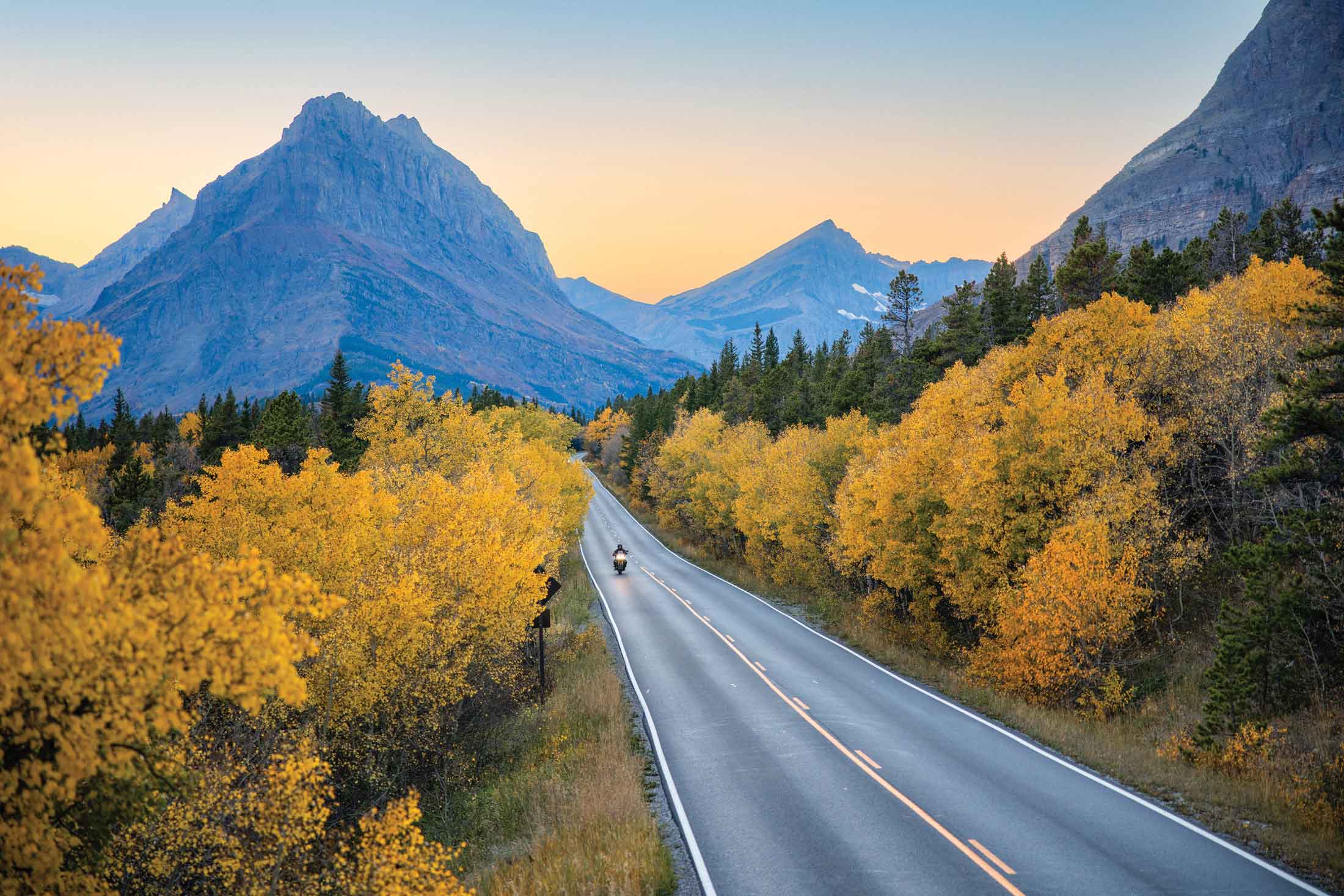
Montana’s foliage is about scale and wildlife; watching a bull elk bugle against a mountainside of gold aspen is a core memory waiting to happen.
- Western Montana: The Bitterroot Valley and areas around Glacier National Park generally peak from late September through the first week of October. The Going-to-the-Sun Road is iconic, but check the National Park Service site for road status—it usually closes for the season in mid-October.
- Central & Eastern Montana: Color arrives later as you move east, with areas like the Beartooth Highway (often closed by snow by early October) and the Missouri River Breaks peaking in early to mid-October.
- Pro Tip: Base yourself in Whitefish for Glacier access or Hamilton for the Bitterroot Valley. Book lodging early—these are small towns with limited inventory that fill months ahead for fall.
| State | Primary Window | Key Visual | Best For |
|---|---|---|---|
| Colorado | Mid-Sept – Mid-Oct | Aspen gold against granite peaks | Road trip flexibility & high-altitude drives |
| Idaho | Late Sept – Mid-Oct | Vast aspen & larch groves | Uncrowded wilderness & unique larch displays |
| Montana | Late Sept – Early Oct | Golden valleys with wildlife | Scenic drama & national park access |
The Bottom Line: Peak dates here are a moving target dictated by elevation and weather. Your only reliable plan is to not have a rigid one.
Monitor state-specific foliage trackers as your trip nears, and be prepared to pivot your daily itinerary based on real-time color reports. The payoff is foliage on a scale the East Coast can’t match.
When Is Peak Foliage in Western States?
Forget the East Coast maple tunnels; Western foliage is a drama of golden aspens against red rock and evergreen peaks on a massive scale. The key is chasing elevation—colors roll down the mountains from September to November.
Use this table to compare states at a glance, then dive into the specifics below for your trip planning.
| State | Typical Peak Window | Top Spot for Color | Key Planning Note |
|---|---|---|---|
| Washington | Late Sept – Mid-Oct | North Cascades Highway | Color peaks early at high elevations; schedule flexibility is key. |
| Oregon | Early – Late Oct | McKenzie Pass / Columbia Gorge | Best combined with wine country harvest festivals. |
| Utah | Late Sept – Mid-Oct | Alpine Loop (Highway 92) | Peak color is fleeting; be ready to drive to it. |
| Arizona | Mid-Oct – Early Nov | Oak Creek Canyon (Sedona) | Warm days mean extended season, but crowds are heavy. |
| California | Early Oct – Early Nov | Yosemite Valley & June Lake Loop | Ignore the coast; head straight to the Sierra Nevada. |
Washington Peak Dates
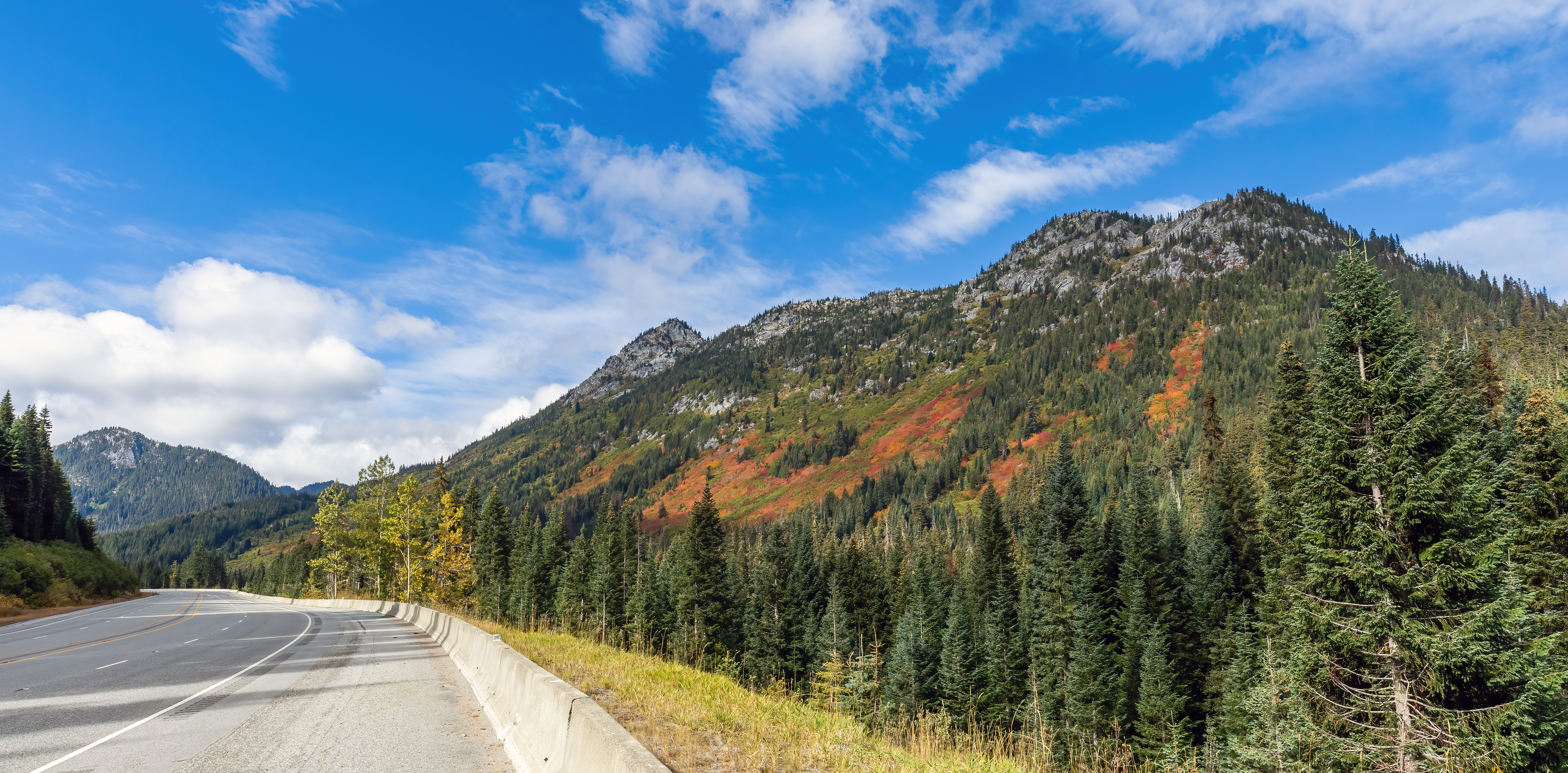
The show starts in the high country. For a near-guarantee of peak gold, drive the North Cascades Highway (SR 20) from the Diablo Lake overlook west toward Marblemount in the last week of September.
The larches—a deciduous conifer—turn a brilliant yellow against dark pines.
- Best for: Epic mountain scenery and serious photographers who don’t mind cooler weather.
- Pro Tip: Weekdays are essential. This highway sees massive crowds on October weekends. The color moves fast, so check the Washington Trails Association trip reports for current conditions.
- Stay Context: Base yourself in Winthrop for a charming Western-town vibe and easy access to the highway’s eastern entrance.
Oregon Peak Dates
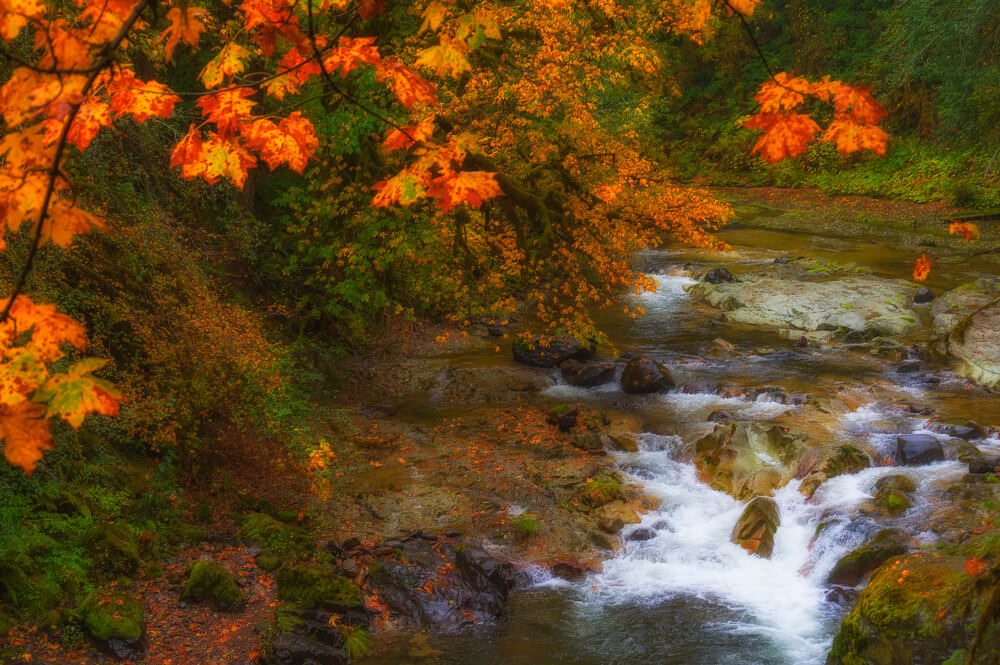
Oregon’s foliage is a west-to-east gradient. The Columbia River Gorge peaks in early October with bigleaf maples and Oregon ash, while the high desert east of the Cascades waits until mid-to-late October for its aspens and cottonwoods.
- Best for: A scenic road trip that pairs color with waterfalls or wine tasting.
- Pro Tip: The McKenzie Pass-Santiam Highway (OR 242) is a seasonal road that usually closes in November. Its winding route through lava fields and forests offers stunning contrast, but check ODOT for current status—it’s narrow and not for RVs.
- Stay Context: A Bend base puts you within 90 minutes of high desert color at places like the Deschutes River Trail.
Utah Peak Dates
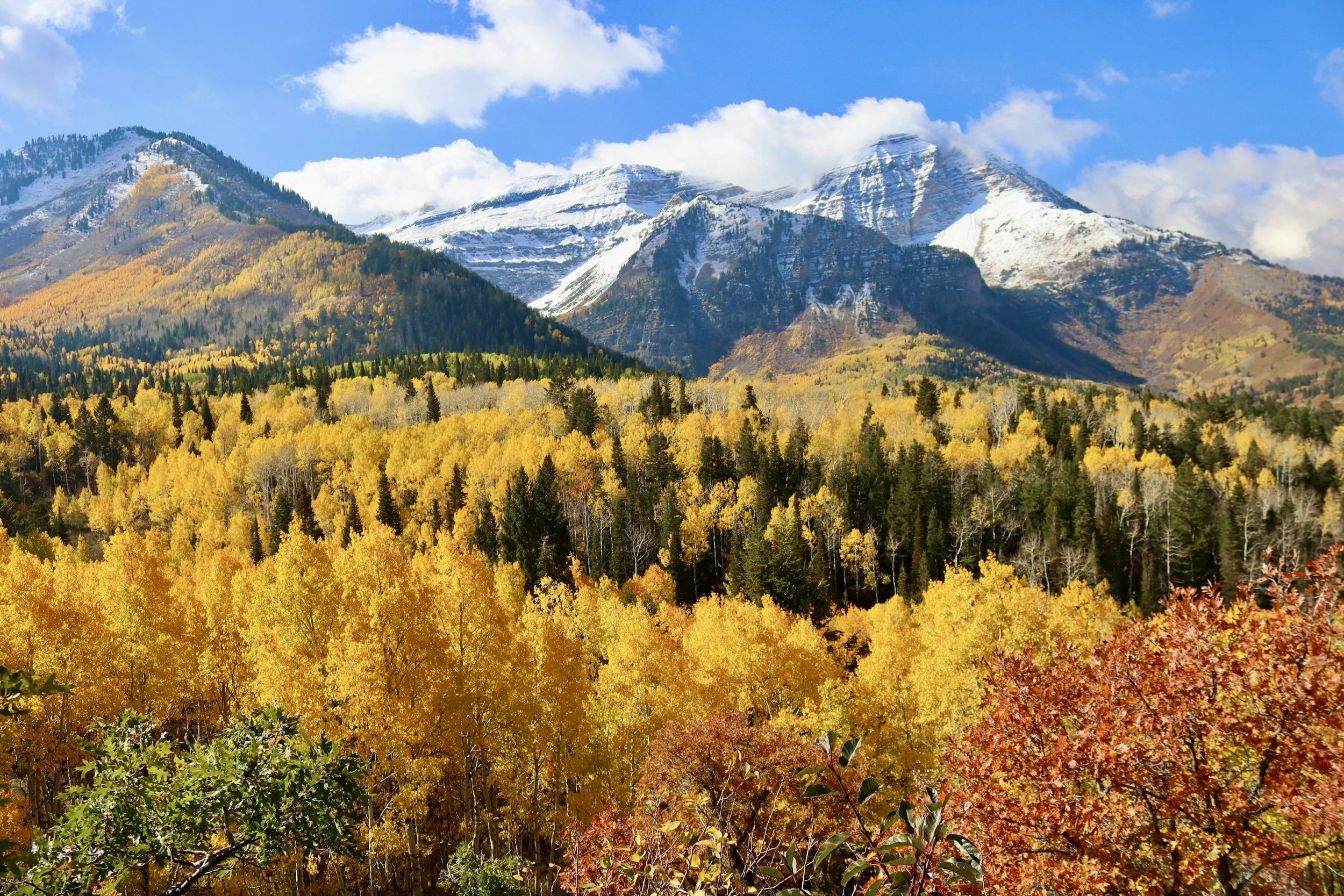
Utah’s color is concentrated in the Wasatch Range and a few other mountain pockets, making it a targeted chase. The famous Alpine Loop (Highway 92) from American Fork Canyon to Sundance is the iconic drive, usually peaking in the first two weeks of October.
- Best for: A quick, intense burst of color against iconic red rock backdrops.
- Pro Tip: The loop is a one-day event, not a multi-day trip. Pair it with a visit to the red rock at Capitol Reef National Park, where cottonwoods along the Fremont River peak in late October for a completely different palette.
- Stay Context: Park City or Provo make logical bases with plentiful lodging for the Alpine Loop.
Arizona Peak Dates
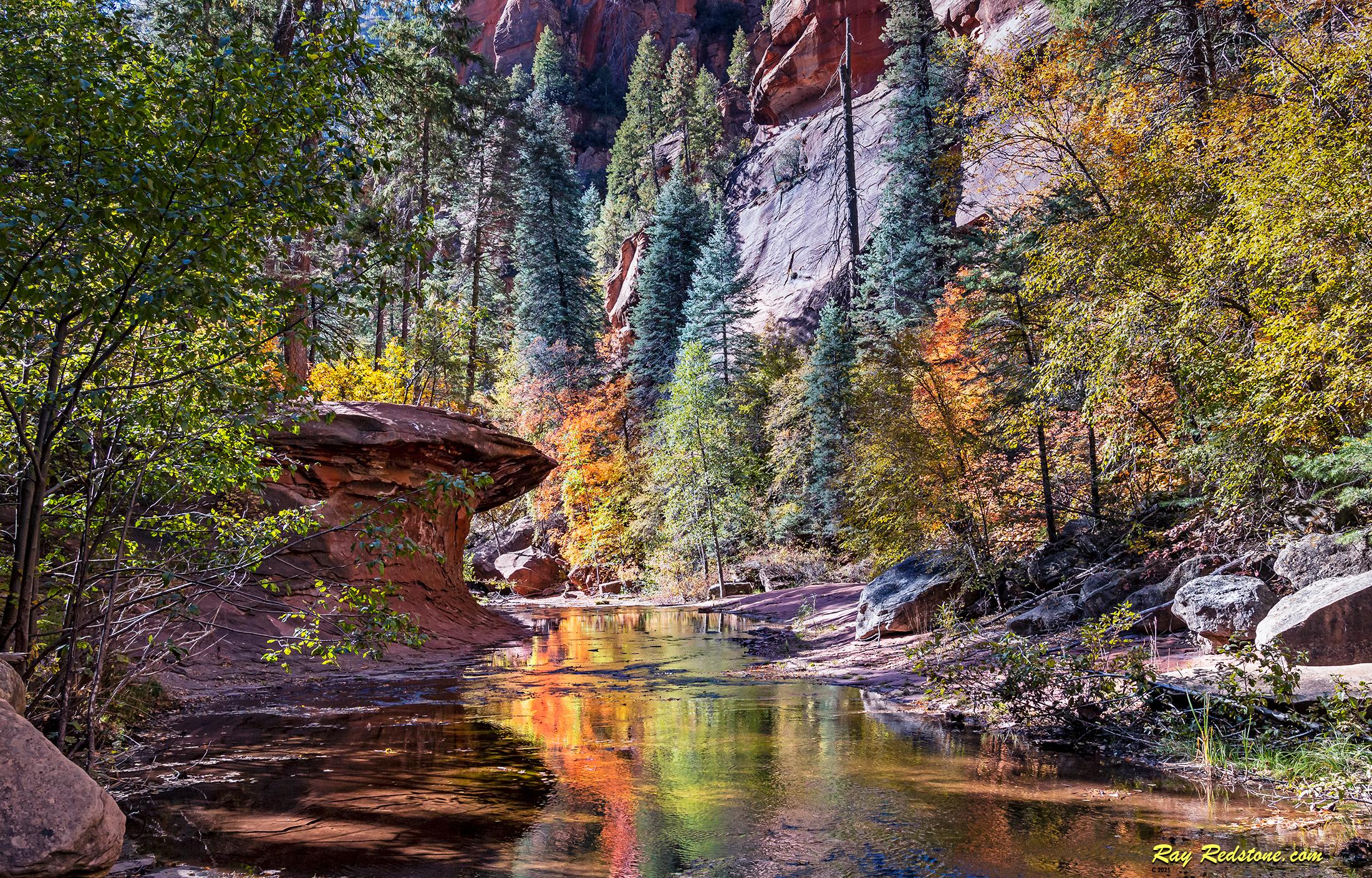
Arizona’s foliage is a warm-weather bonus. The high-country stands of aspen and oak in the San Francisco Peaks and the brilliant canyon maples in Oak Creek Canyon (near Sedona) provide the best displays, typically from mid-October into the first week of November.
- Best for: Combining a foliage hunt with a warm-weather escape and red rock hiking.
- Pro Tip: For solitude, skip the crowded West Fork Trail in Oak Creek Canyon. Instead, drive the Apache Trail (AZ 88) east of Phoenix for golden cottonwoods along canyon lakes, though the road can be rough in sections.
- Stay Context: Sedona is the obvious base for Oak Creek Canyon, but Flagstaff is a more affordable and central launch point for northern Arizona color.
California Peak Dates
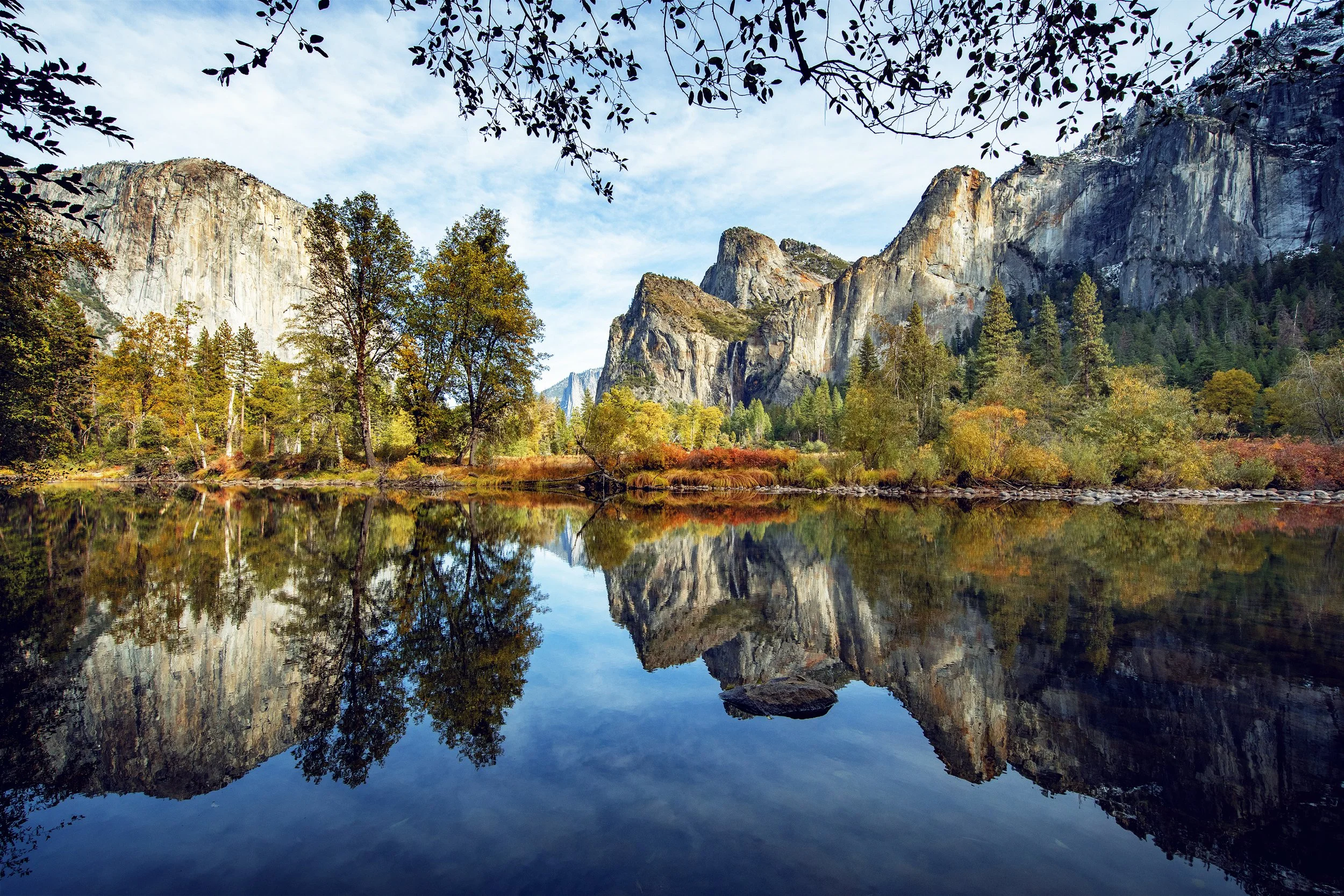
California’s foliage reputation suffers from coastal bias. Ignore San Francisco and Los Angeles. The real action is in the Sierra Nevada, where a massive elevation range creates a long, rolling season from early October to early November.
- Best for: World-class mountain scenery with a reliable color show.
- Pro Tip: Yosemite’s peak in Yosemite Valley usually hits the third week of October. For a less crowded but equally stunning alternative, drive the June Lake Loop (Highway 158) off 395, where aspens reflect in alpine lakes. This typically peaks in mid-October.
- Stay Context: For Yosemite, book lodging in Mariposa or El Portal months ahead. For June Lake, the namesake town’s cabins and lodges are perfect. For the ultimate road trip, connect both via the stunning Tioga Pass (Highway 120), which usually closes in November.
Western foliage rewards the flexible traveler. Unlike the dense, predictable forests of New England, the color here is scattered across vast landscapes. Pick your state, target its key window, and build your trip around that single, fleeting visual payoff.
Frequently Asked Questions
When is the absolute best weekend to see peak fall foliage in New England?
Target Columbus Day Weekend (the long weekend of the second Monday in October). This is the statistical sweet spot where you have the highest chance of catching peak color across the widest swath of New England—from Vermont’s Green Mountains to New Hampshire’s White Mountains and into western Massachusetts.
For 2024, aim for October 12-14. If you have flexibility, the full week surrounding it is your best bet.
What does “peak foliage” actually mean?
It’s more than just a few pretty trees. True peak is when every deciduous tree in your 360-degree line of sight has changed from green.
Crucially, this means most leaves are still on the branches, not blanketing the ground below. A few early-turning trees don’t disqualify it, but a mix of green, bare, and colorful branches means you’ve missed the window.
How do I get good photos of the foliage?
Ditch the midday sun. The best light is during the golden hour—the first 30 minutes after sunrise and the last 30 before sunset—when colors glow.
Overcast days are actually superior for saturated color, so don’t be disappointed by clouds. And don’t just shoot trees; include a foreground element like a covered bridge, stone wall, or winding road to tell a story.
For the iconic shot, find a still lake at dawn for perfect reflections.
Where can I see amazing foliage without the crowds?
Head to the Quabbin Reservoir in central Massachusetts. This massive, undeveloped water basin offers stunning foliage reflections, especially from the Enfield Lookout on Route 9—it’s a breathtaking, underappreciated view.
Alternatively, base yourself in a town like Manchester, Vermont, and explore the lesser-known side roads off of Route 100 early in the morning.
Ready to Chase the Color?
Pick the region that matches your travel dates from the overview table and book your lodging today—especially for those peak October weekends in popular areas. This is the one trip where timing is everything, and your perfect week is already on the calendar.
Experiencing this annual spectacle is a profound reminder of the season’s rhythm, a vibrant escape that’s far more immersive than any photo can show. Use the state-specific tips in this guide to find your perfect overlook.
Leave a Reply