
The smell of wet stone and fallen leaves hits you first as you descend into Watkins Glen’s gorge, 19 waterfalls compressed into a single ravine where the cliff walls amplify the reds and golds surrounding you. The Finger Lakes transform in mid-October into something almost unreal—11 major lakes mirroring hillsides draped in crimson, vineyards glowing gold against the water, and gorges where the canopy is so dense the fall color feels like it’s closing in on you from every direction.
This region delivers something nowhere else does: the combination of dramatic vertical waterfalls framed by sheer cliffs, lake-and-vineyard vistas that shift color as you drive the shoreline, and aerial perspectives from gliders and chairlifts that show you the full carpet of autumn all at once. What makes it unique is the compression—you’re not choosing between gorges or lakes or wine or mountains; you’re experiencing all of them within 45 minutes of each other, each one at peak intensity in October.
This guide cuts through the logistics and tells you exactly where to base yourself, which hikes deliver the most dramatic foliage payoff, which wineries are worth your time, and how to time your visit so you’re actually seeing peak color instead of arriving three days too late.
Budget ranges: Budget travelers can expect $80–$120 per night for motels like Grayhaven in Ithaca, plus $10–$20 winery tastings and free-to-$10 state park entry fees. Mid-range stays run $150–$250 per night at boutique inns and lakeside hotels; splurge options like The Lake House on Canandaigua hit $300–$500+ per night but include on-site dining, spas, and resort amenities that justify staying put for a full day.
Your Fall Foliage Game Plan at a Glance
Peak timing: Mid-to-late October delivers the most vivid reds and golds; book lodging by late August for peak weekends.
Best base for gorges and waterfalls: Ithaca (Grayhaven Motel or similar) puts you within 15–20 minutes of Watkins Glen, Taughannock Falls, and Buttermilk Falls—the region’s most dramatic foliage hikes.
Best base for wine and lake views: The Lake House on Canandaigua or a Seneca Lake property centers you on the wine trail and Letchworth State Park overlooks, though you’ll drive 45+ minutes to reach Ithaca-area gorges.
Don’t miss hikes: Watkins Glen State Park (19 waterfalls, 3 miles, moderate effort) and Taughannock Falls (215-foot waterfall, 2 hours, easy terrain).
Wineries worth your time: Forge Cellars (modern vibe, Seneca Lake views), Keuka Lake Vineyard (all-day experience with firepits), Hazlitt 1852 (historic, family-friendly).
Aerial experiences: Bristol Mountain Fall Sky Rides (easiest option, weekends in October) or zipline canopy tours (full immersion in the changing forest).
When Is Peak Fall Foliage Season in the Finger Lakes?
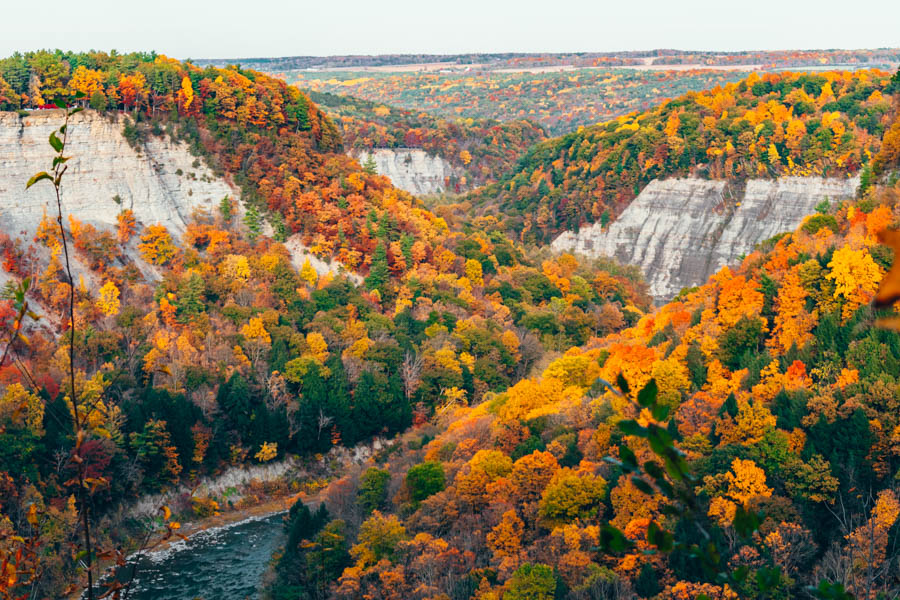
Peak fall color in the Finger Lakes typically arrives in mid-to-late October, when the landscape transforms into a carpet of red, orange, and gold across 11 major lakes and thousands of acres of state parks. This is the window when warm days meet cool nights—ideal conditions for the most vivid foliage—and when farmers markets overflow with harvest bounty and fall festivals celebrate the season.
Book lodging and plan your trip at least 4-6 weeks ahead for peak weekends; specialty stays like The Lake House on Canandaigua and boutique inns fill fast.
Timing Your Visit for Maximum Color
Fall color peaks between mid-October and early November, though the exact window shifts slightly year to year depending on temperature and rainfall. Early October offers thinner crowds and milder weather but less dramatic color; late October delivers the richest reds and golds but brings weekend traffic and higher lodging rates.
If you’re flexible, aim for a weekday visit in mid-to-late October to balance color intensity with fewer visitors on trails and at wineries.
Check foliage forecasts 2-3 weeks before your planned trip through the official Visit Finger Lakes website or regional tourism boards—they update color reports as the season progresses. This matters because a cold snap or early frost can accelerate peak color by a week or two, and missing the window by a few days means softer, less photogenic hues.
Why Fall Foliage Matters for Your Itinerary
- Peak color drives your activity choices: Hiking trails like those through Letchworth State Park’s 14,000+ acres and rim walks at Taughannock Falls (215-foot waterfall framed by sheer cliffs) are most stunning mid-to-late October. The same trails are muddy and less visually rewarding in November.
- Aerial experiences shine only in peak season: Bristol Mountain’s Fall Sky Rides (weekend rides to the summit in October) and aerial zipline canopy tours are designed specifically for foliage viewing—book these early October to secure weekend slots before they sell out.
- Wine tastings pair better with peak color: Visiting Seneca Lake Wine Trail or Keuka Lake vineyards during peak foliage means vineyard views are at their most dramatic, and fall festivals often align with mid-October weekends.
- Lodging and dining reservations fill 6-8 weeks ahead: Peak weekends (mid-October Saturdays and Sundays) book out completely; mid-week visits offer better availability and quieter experiences at the same price point.
Where to Base Yourself for Peak Foliage Access
If your itinerary centers on waterfalls, gorges, and Cayuga Lake wineries, stay in or near Ithaca (Grayhaven Motel or similar) to minimize daily driving and maximize time on trails like Buttermilk Falls and Robert H. Treman State Parks during peak color hours.
If you’re planning a wider loop covering Seneca Lake, Canandaigua, and western attractions like Letchworth State Park, consider splitting your stay between an east-side base (Ithaca area) and a west-side base (Canandaigua or Seneca Lake) to reduce driving fatigue and capture peak color at multiple locations without backtracking.
Book accommodations by late August for peak October weekends. Specialty lodging like The Lake House fills 8+ weeks ahead; standard hotels and motels have better availability but still book solid by early September for mid-October dates.
Best Hikes for Immersive Fall Foliage Views
These four state parks deliver the most dramatic fall color payoff in the Finger Lakes — each one combines gorge scenery, waterfalls, and the kind of canopy coverage that turns a simple walk into a full sensory experience. The key difference: some reward you for effort, others don’t require it.
Pick based on your stamina and how much time you have.
Watkins Glen State Park Gorge Trail
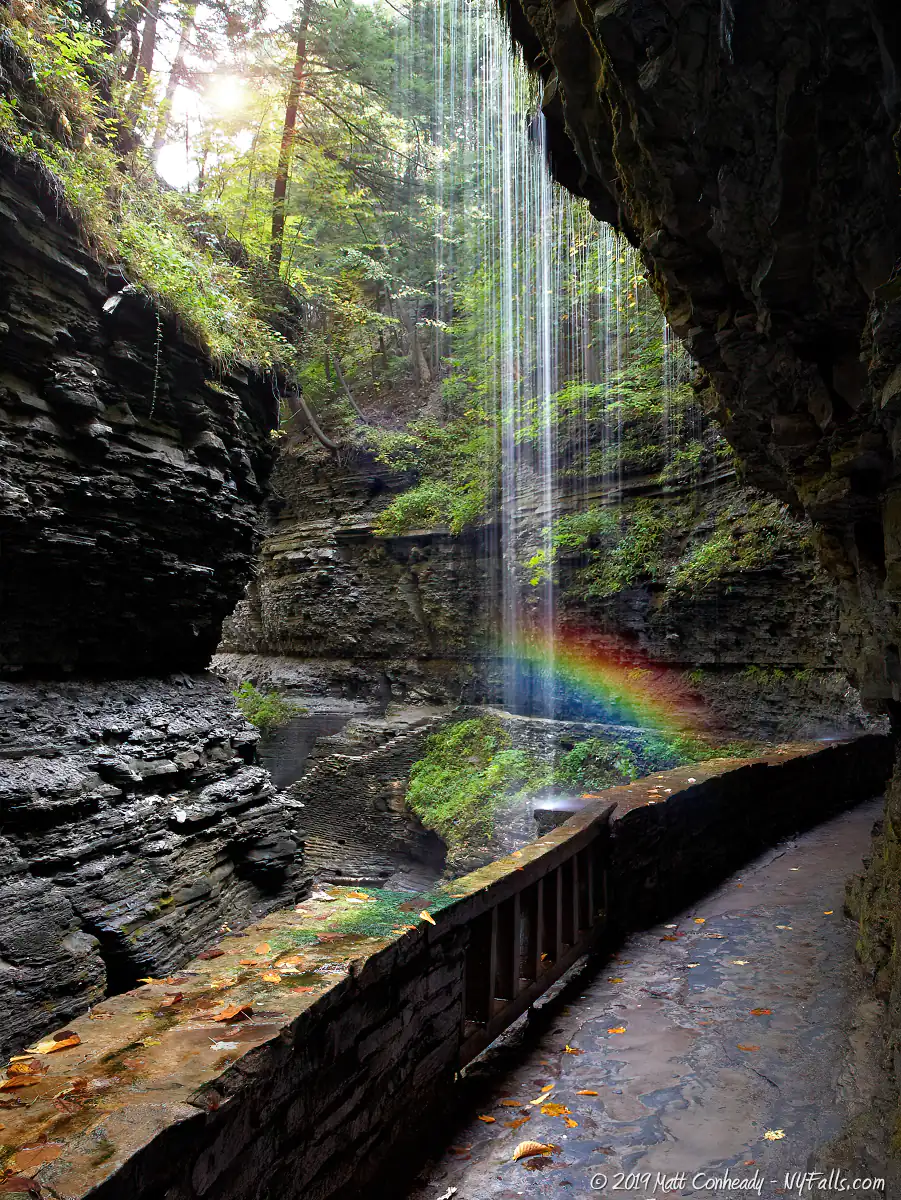
This is the region’s most visually stunning hike — 19 waterfalls compressed into one gorge trail, each one framed by towering cliff walls that amplify the fall color effect. The gorge path is roughly 3 miles round trip and heavily stepped throughout, so it’s not casual, but the payoff is immediate and relentless.
- Entry fee: $10 per vehicle.
- Gorge trail season: Mid-May to mid-October only — confirm before visiting in early November.
- Best for: Photographers and hikers who want the most dramatic waterfall-and-foliage combo without needing mountaineering skills.
- Insider tip: Arrive before 10 a.m. on weekends in peak fall — the narrow gorge gets crowded fast, and the light improves early.

Taughannock Falls State Park
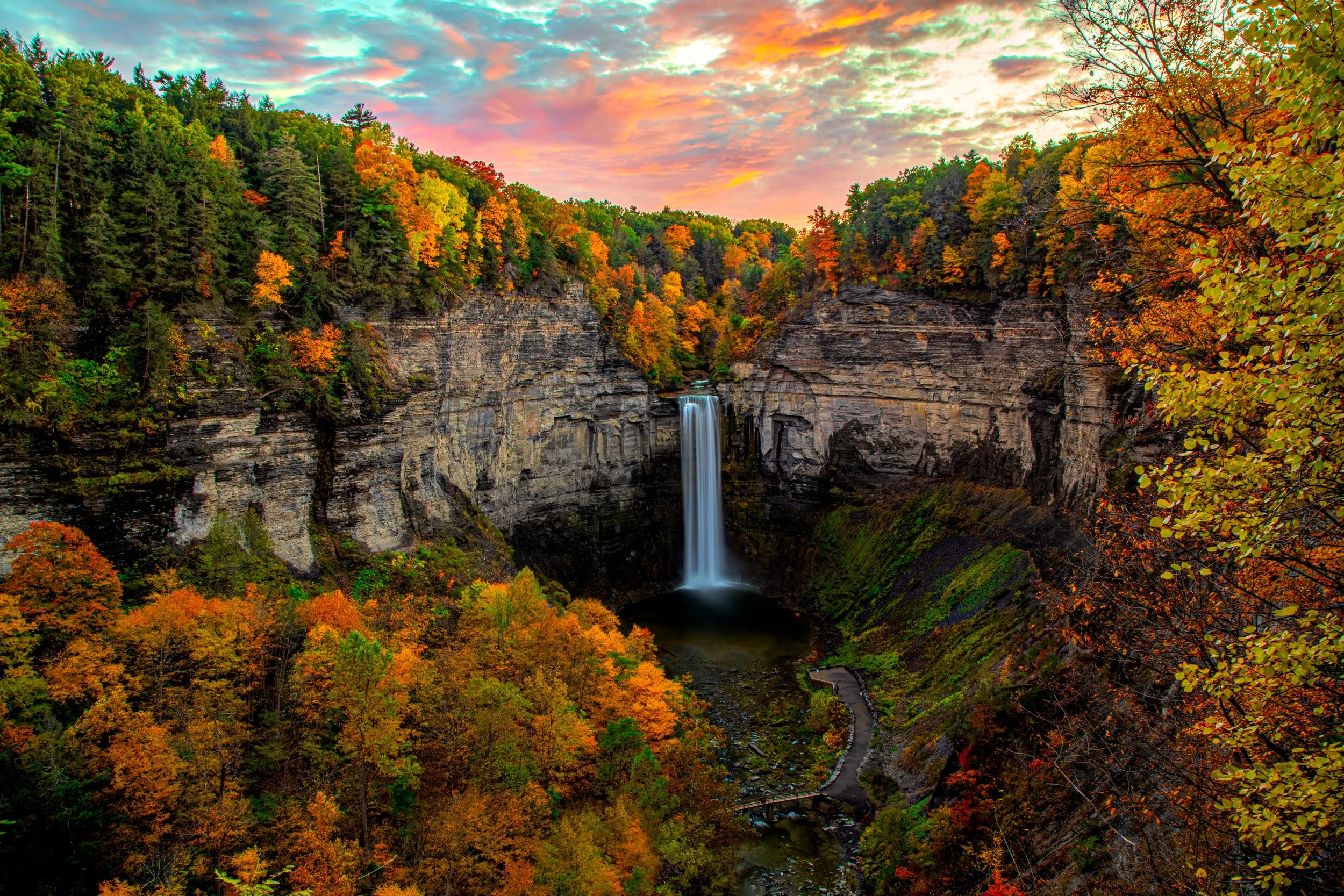
A 215-foot waterfall plunging past sheer cliffs is the centerpiece here, and the park gives you two ways to experience it: a rim trail for panoramic views or a closer walk that takes you nearly to the base. The round-trip takes about 2 hours on easy terrain with no steep hills — this is the move if you want dramatic scenery without the stair punishment.
- Best for: Families, casual hikers, and anyone who wants waterfall views without constant elevation changes.
- Rim vs. base walk: Both deliver fall color; the rim gives you perspective, the base gives you immersion.
- Parking and access: Well-maintained facilities and ample parking; the park is open year-round.
Buttermilk Falls and Robert H. Treman State Parks
These two gorge parks sit close to Ithaca and each features multiple cascades and interconnected trails, so you can string together a longer hike or keep it short. The gorges funnel you through dense canopy, which intensifies the fall color effect and keeps temperatures cool even on warm days.
- Robert H. Treman advantage: Summer swimming with lifeguards (though not relevant for fall visits, the park infrastructure is well-maintained year-round).
- Trail variety: Both parks offer options for different fitness levels — you’re not locked into one route.
- Best for: Hikers who want multiple waterfall stops and don’t mind a bit more elevation gain than Taughannock.
- Nearby base: Both parks are within 15 minutes of Ithaca, making them ideal for a morning or afternoon hike before settling into town for dinner or wine.
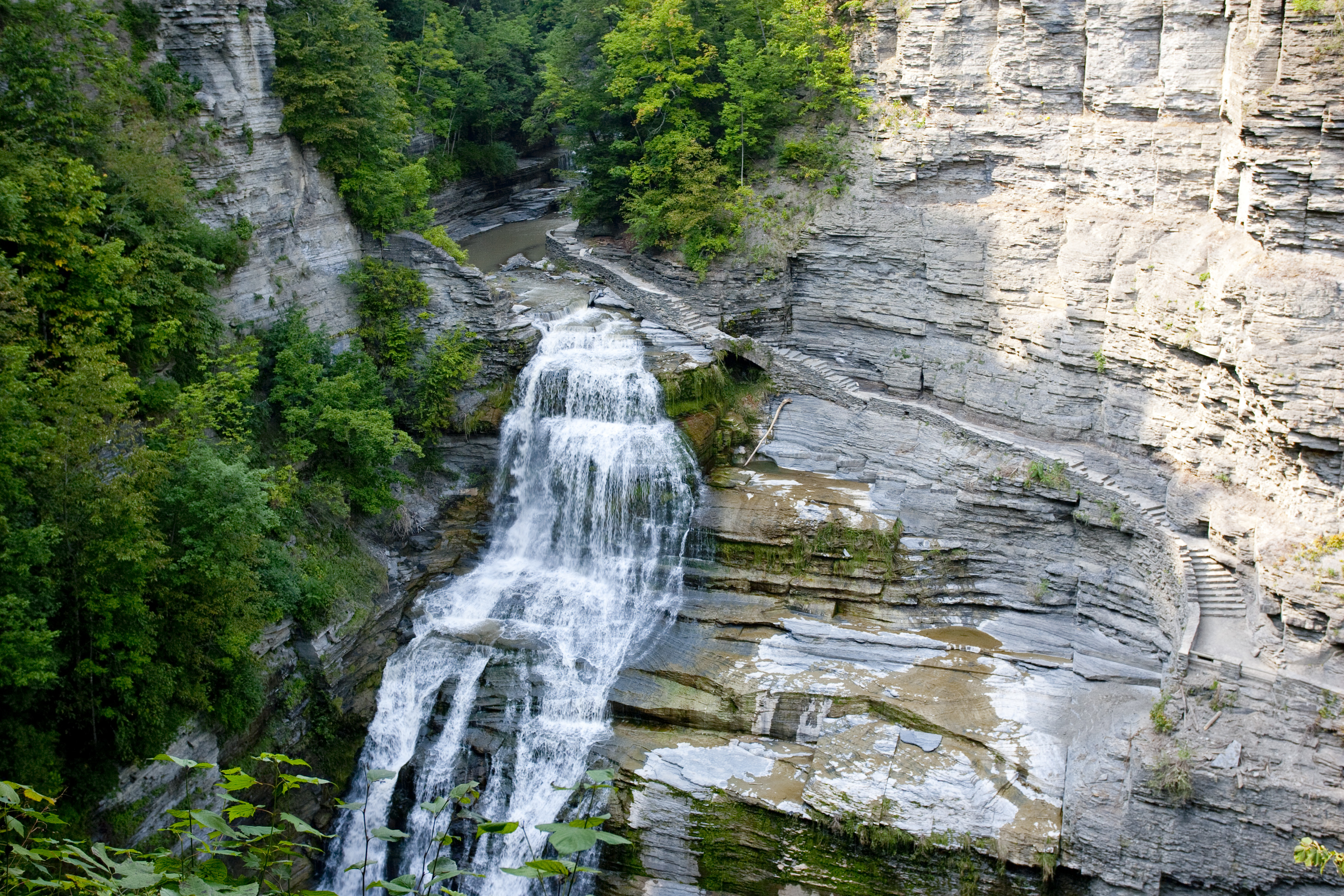
Letchworth State Park Overlooks and Trails
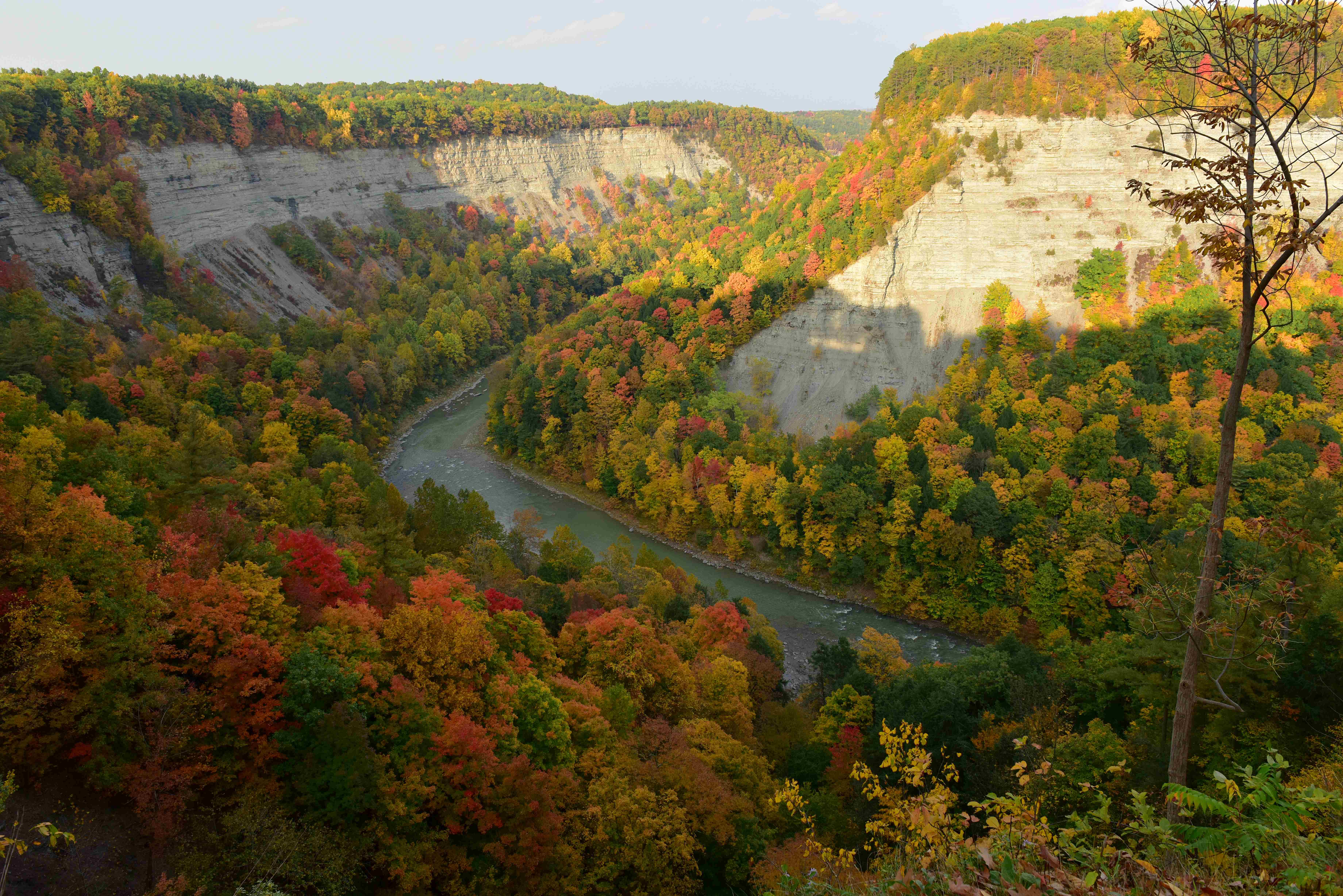
Known as the Grand Canyon of the East, Letchworth spans 14,000+ acres and 66 miles of trails. Unlike the gorge parks, this is a sprawling landscape where you’re not confined to a single waterfall — you’re moving through open overlooks, forest sections, and ridge views.
The three major waterfall overlooks are the main draw, but the park’s scale means you can hike as little or as much as you want.
- Best for: Hikers who want variety and don’t mind driving between trailheads to hit multiple overlooks.
- Fall color intensity: The mix of open meadows and dense forest means you see both the broad landscape effect and intimate canopy detail.
- Time commitment: A quick overlook tour takes 1–2 hours; a full day of trail hiking is easily possible.
- Nearby base: The park straddles Livingston and Genesee counties; the town of Castile is the closest overnight option, though many visitors base themselves in Ithaca or Canandaigua and make Letchworth a day trip.
Which Park Matches Your Trip Style
| Park | Effort Level | Time Needed | Best For | Peak Fall Window |
|---|---|---|---|---|
| Watkins Glen | Moderate (lots of steps) | 2–3 hours | Waterfall photographers, hikers seeking drama | Mid-May to mid-October |
| Taughannock Falls | Easy (flat, no steep hills) | 2 hours | Families, casual walkers, anyone avoiding stairs | Year-round |
| Buttermilk & Treman | Moderate to challenging | 2–4 hours | Hikers who want multiple cascades and trail options | Year-round |
| Letchworth | Easy to challenging (your choice) | 1–8 hours | Hikers wanting landscape variety and multiple overlooks | Year-round |
Critical planning note: Watkins Glen’s gorge trail closes mid-October, so if you’re visiting late fall, prioritize it early in your trip. All other parks stay open year-round, but fall foliage peaks typically mid-September through early November — confirm current conditions with each park before you go, as weather affects color timing.
What to bring: Layers are non-negotiable. Gorges and areas near waterfalls stay cool even on warm days, and morning mist can make rocks slippery.
Wear proper hiking shoes with good grip, bring water, and plan to arrive early on weekends to secure parking.
Top Scenic Drives and Aerial Experiences for Autumn Colors
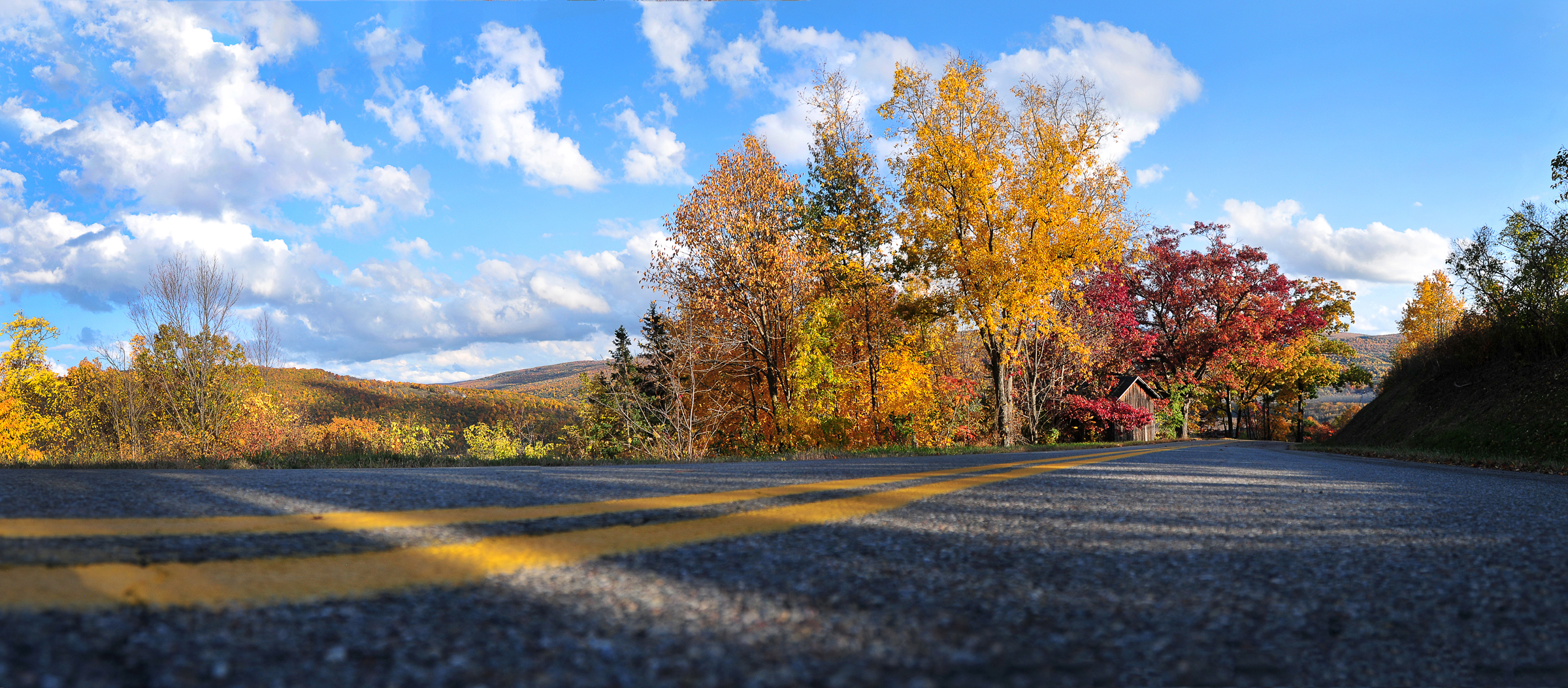
The Finger Lakes reveal themselves best from two vantage points in fall: the road hugging the shoreline and the sky above it. Ground-level drives capture the vineyard-to-water gradients and hillside color shifts; aerial tours deliver the full carpet of red, gold, and orange that makes this region unmissable in October.
Both matter — and both deserve time in your itinerary.
Canandaigua Lake and Keuka Lake Routes
Canandaigua Lake’s shoreline drive is the region’s most direct fall aesthetic win. The road traces the water’s edge with vineyard slopes rising directly behind — no backtracking, no dead ends.
The lake itself acts as a mirror for hillside color, doubling the visual impact on clear October days. Drive the eastern shore (Route 21) first for morning light hitting the water; loop the western side (Route 20A) in afternoon when the sun illuminates the opposite bank.
Keuka Lake demands more time but rewards it. The Y-shaped lake means you’ll drive both arms, and the surrounding hills are steeper and more densely forested than Canandaigua — the color saturation is noticeably richer.
Start at the lake’s southern tip and follow Route 54 north along the eastern arm, then cut across and return via the western arm (Route 54A). This creates a natural loop and prevents backtracking.
Budget two to three hours for the full drive plus stops; one hour if you’re just passing through.
Lodging strategy: If your fall itinerary centers on these two lakes plus wineries and waterfall hikes in the central Finger Lakes, basing yourself in Ithaca reduces daily driving fatigue. If you’re splitting time between Canandaigua and Keuka, consider a two-base approach — one night on the west side, one on the east — to avoid the 45-minute drive between them each morning.
Bristol Mountain Sky Rides and Ziplines
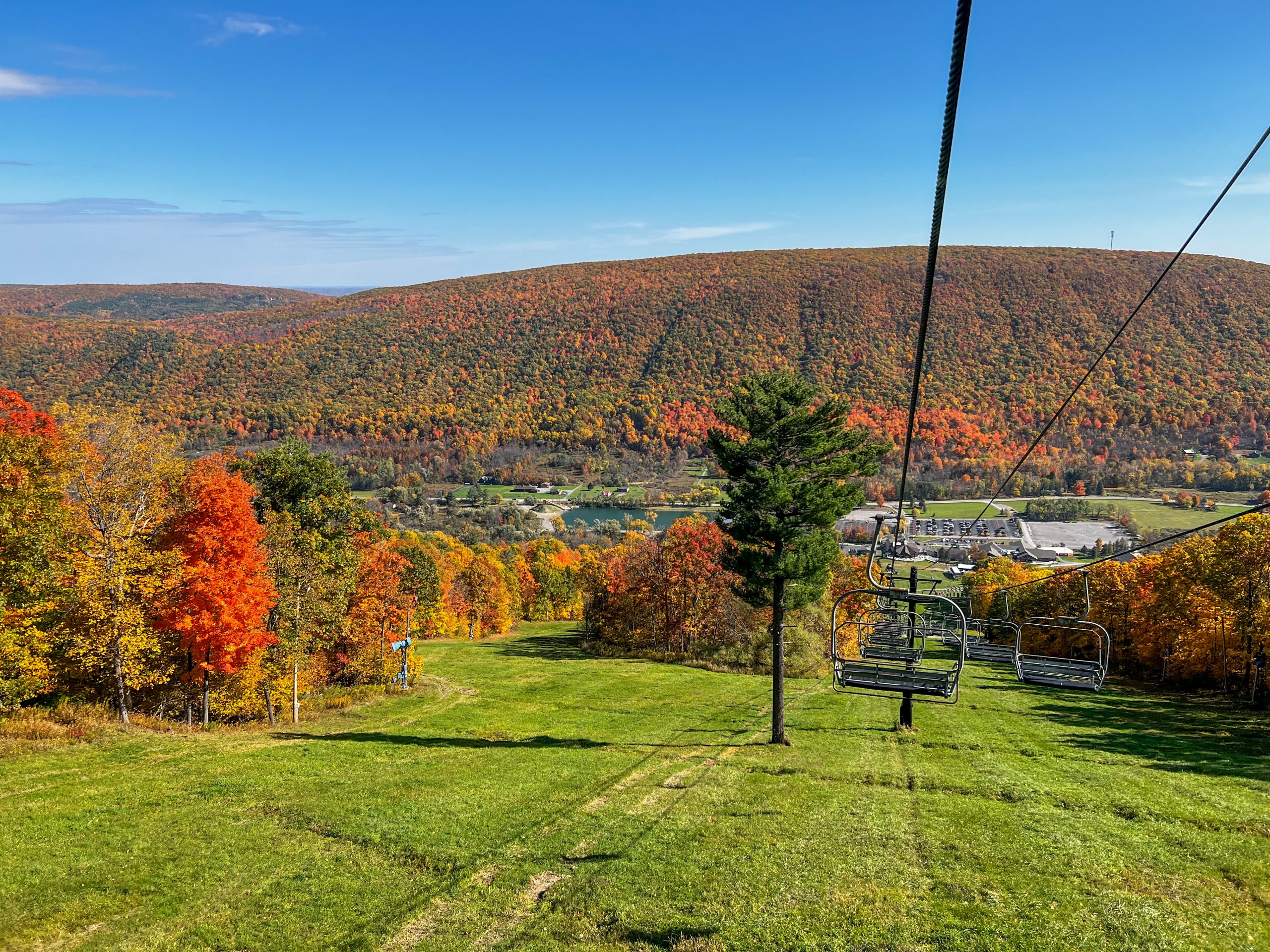
Bristol Mountain’s Fall Sky Rides run weekends in October and deliver the easiest aerial experience in the region — no physical exertion, no special skills, just a chairlift to the summit with unobstructed views of the Bristol Hills and valley floor draped in autumn color. The ride takes roughly 15 minutes up; plan 30 minutes total including the descent.
This is the move for anyone who wants the aerial perspective without commitment or cost.
For travelers who want more intensity, Bristol Mountain Aerial Adventures offers seven challenge courses through the forest canopy, ranging from beginner-friendly to expert. The three-hour Zipline Canopy Tour is the standout — you zip and hike through the changing forest, which means you’re moving through the color rather than just viewing it from above.
This combines the thrill of ziplines with genuine immersion in the fall landscape.
- Best for quick visits: Fall Sky Rides on a clear October weekend — no booking needed, just show up.
- Best for all-day adventure: Zipline Canopy Tour — book ahead, bring water and a camera, wear closed-toe shoes.
- Best for families with mixed ages: Aerial Adventures challenge courses — difficulty levels mean everyone participates at their own pace.
Greek Peak Mountain Resort Adventures

Greek Peak sits on the eastern edge of the region and offers the most variety in a single location. The High Peaks Aerial Challenge Course strings suspended bridges, hanging blocks, and horizontal tires through the canopy — it’s a ropes course that forces you to stay present in the landscape rather than just observe it.
The Nor’easter Mountain Coaster is the real draw: a 4,300-foot descent that uses every peak, dip, and vertical drop on the mountainside. In fall, you’re essentially sledding through a color gradient from summit to base.
The mountain coaster is the fastest, most thrilling option in the region if you want speed and scenery combined. Expect a 10-minute ride down; budget 30 minutes total including the chairlift back up.
Zipline tours are also available for travelers who want the canopy experience without the ropes course commitment.
- Mountain Coaster: Best for thrill-seekers and photographers — the speed means you’ll want to ride it twice to actually absorb the views.
- Aerial Challenge Course: Best for groups with varying fitness levels — you control your pace through the obstacles.
- Zipline Tours: Best for a middle ground between passive chairlift rides and full ropes courses.
Harris Hill Soaring and Costa Flying Service Flights
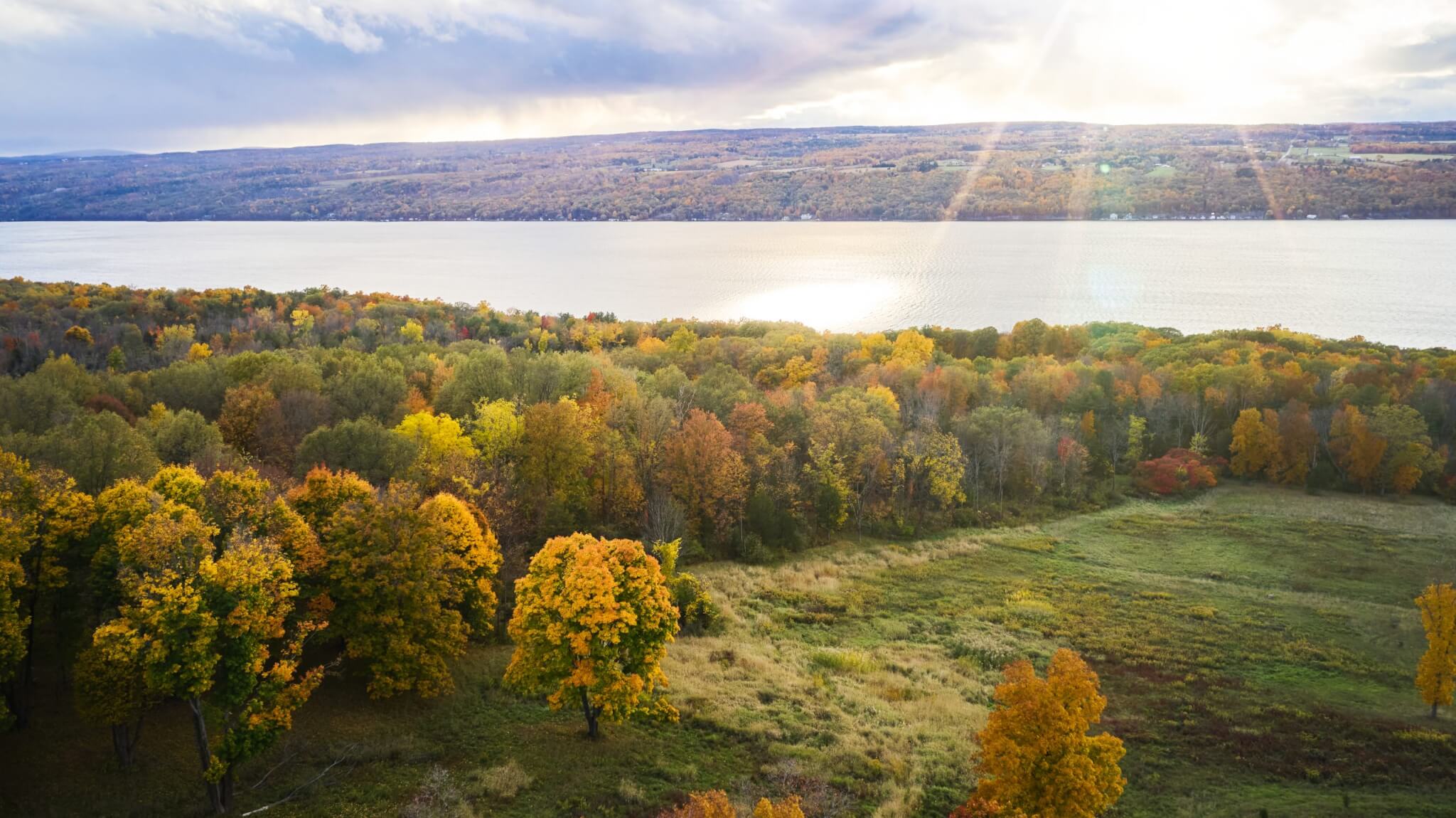
These are the only true aerial photography opportunities in the region — silent, slow enough to actually see and frame the landscape, and high enough to capture the full color carpet. Harris Hill Soaring operates gliders over Chemung County’s rolling hills; Costa Flying Service uses small aircraft over Keuka and Seneca Lakes.
Both offer flights ranging from eight minutes to over two hours, so you can match the experience to your budget and time.
Gliders are quieter and more intimate; small planes cover more ground faster. Gliders are the better choice if you want to linger over a single lake or valley; planes win if you want to see multiple lakes in one flight.
Both require advance booking — these are not walk-up experiences. Bring a camera with a good zoom; you’ll be shooting through windows, and the light at altitude is sharper than from the ground.
| Operator | Aircraft Type | Best For | Flight Length |
|---|---|---|---|
| Harris Hill Soaring | Glider | Silent, intimate views of Chemung County hills | 8 minutes to 2+ hours |
| Costa Flying Service | Small aircraft | Covering both Keuka and Seneca Lakes in one flight | 8 minutes to 2+ hours |
Insider tip: Book these flights for late morning (10 a.m.–noon) when the sun is high enough to light the water and hillsides evenly. Early morning and late afternoon create harsh shadows that flatten the color in photos.
Expect roughly $150–$400 per person depending on flight length; prices and availability vary by operator and season, so confirm directly with each service.
Wineries Offering the Strongest Fall Aesthetic Experiences

These four wineries deliver the full fall fantasy—not just wine, but the setting, the views, and the reason to stay for hours. Each one is positioned on or near Seneca or Keuka Lakes, so you can string them together on the Seneca Lake Wine Trail without backtracking.
The difference between them matters: some prioritize design and solitude, others are built for families and all-day lingering. Pick based on your vibe, not just the tasting notes.
Forge Cellars on Seneca Lake

This is the move if you want the coolest winery energy in the region without the tourist crush. Forge Cellars sits on Seneca Lake with epic water-and-vineyard views that peak in fall when the surrounding hills turn red and gold.
The Pinot Noirs are genuinely excellent, and the vibe is modern-casual—no pretension, no velvet ropes. The tasting room design alone justifies the visit: clean lines, natural light, and a layout that doesn’t feel cramped even when busy.
Arrive mid-afternoon on a weekday to avoid the weekend crowds and claim a spot on the terrace while the light is still golden.
Keuka Lake Vineyard
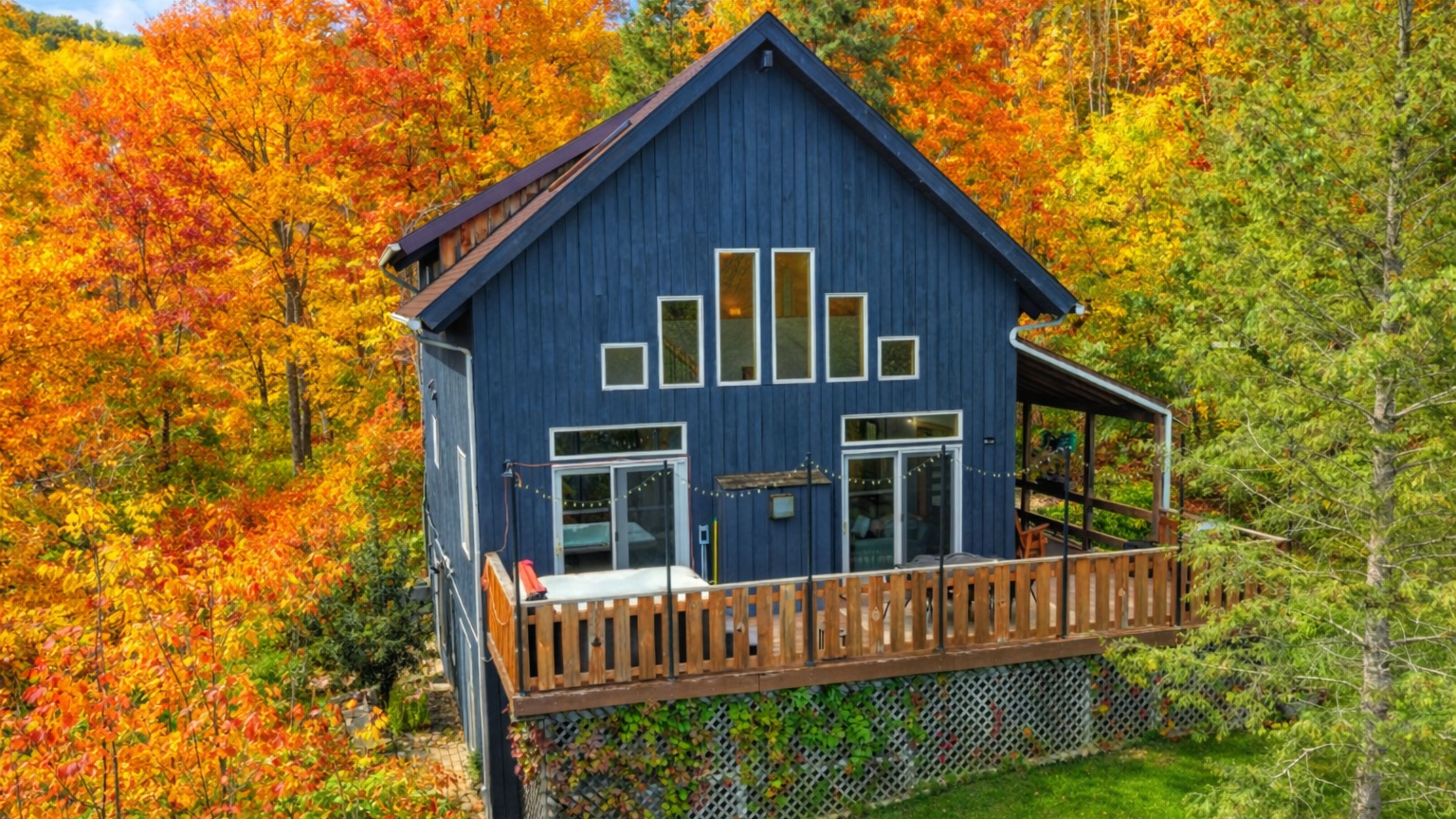
Book this one if you’re traveling with people who have different priorities—or if you want to make a full day of it without leaving the property. Keuka Lake Vineyard is essentially a fall festival venue that happens to have excellent wine.
The setup includes a tasting room, firepits, an onsite food truck, a bandstand for live music, and a full wine cellar to explore. Families love it because kids can roam safely while adults taste; couples love it because the firepits and lake views create genuine atmosphere.
The trade-off: it’s busier and more commercial than intimate wineries, but that’s the point—you’re not paying for exclusivity, you’re paying for an all-day experience. Go on a Friday or Saturday evening when live music is scheduled, and bring a sweater for the firepits.
Hillick & Hobbs Estate
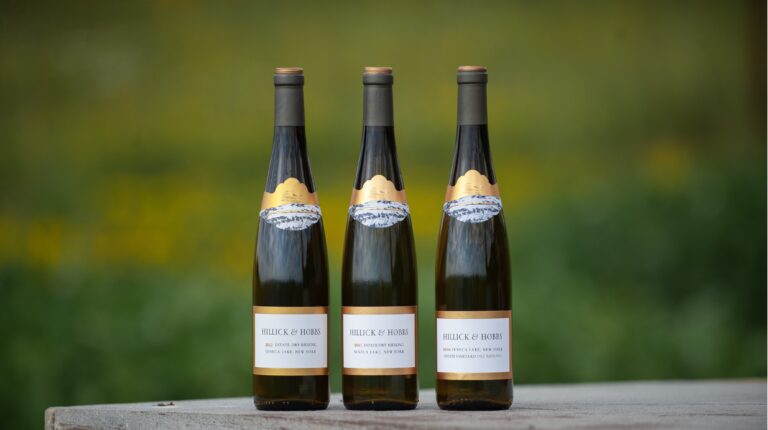
This is the pick for design lovers and photographers. Hillick & Hobbs specializes in world-class Rieslings, but the real draw is the winery itself—every angle is Instagram-ready, from the architecture to the vineyard layout to the tasting room.
The property feels intentional and curated in a way that screams “I know what I’m doing.” Fall colors frame the estate perfectly, and the Rieslings pair naturally with the crisp autumn air. This is not the place to bring large groups or expect a party atmosphere; it’s intimate and refined.
Expect smaller tasting pours and a focus on the wine itself rather than the experience theater.
Hazlitt 1852 and Dr. Konstantin Frank Winery

These two are the historic anchors of the region—visit them back-to-back for a masterclass in Finger Lakes wine heritage. Hazlitt 1852 dates back to 1852 and has genuine character: a pond, sprawling grounds perfect for families, and the famous Red Cat wine that tastes like fall in a glass.
The property feels lived-in and unpretentious, with room for kids to run around while adults taste. Dr. Konstantin Frank Winery is the pioneer that put the Finger Lakes on the wine map; it’s celebrated for exceptional Rieslings and carries the weight of that legacy.
Both draw crowds because they’re legendary, so arrive early (before 11 a.m.) or late (after 4 p.m.) to avoid the tour buses. These are the wineries to visit if you care about the story and history, not just the Instagram moment.
Logistics tip: Base yourself in Ithaca or Watkins Glen for easy access to Seneca Lake’s wine trail. Most of these wineries cluster within 20–30 minutes of each other, so you can hit two or three in a half-day without rushing.
Tasting fees typically range from $10–$20 per person, though prices vary by winery and season—call ahead to confirm. Fall weekends (especially mid-October through early November) book up fast, so reserve tasting slots in advance if the winery offers them.
Where Should You Base Your Stay for Optimal Fall Aesthetics?
The Finger Lakes region sprawls across 11 major lakes and dozens of state parks—which means your lodging choice directly determines how much driving you’ll do each day and whether you actually see peak foliage or spend half your time in the car. Choosing the right base (or two) is the difference between a seamless fall getaway and exhausting logistics.
Grayhaven Motel in Ithaca
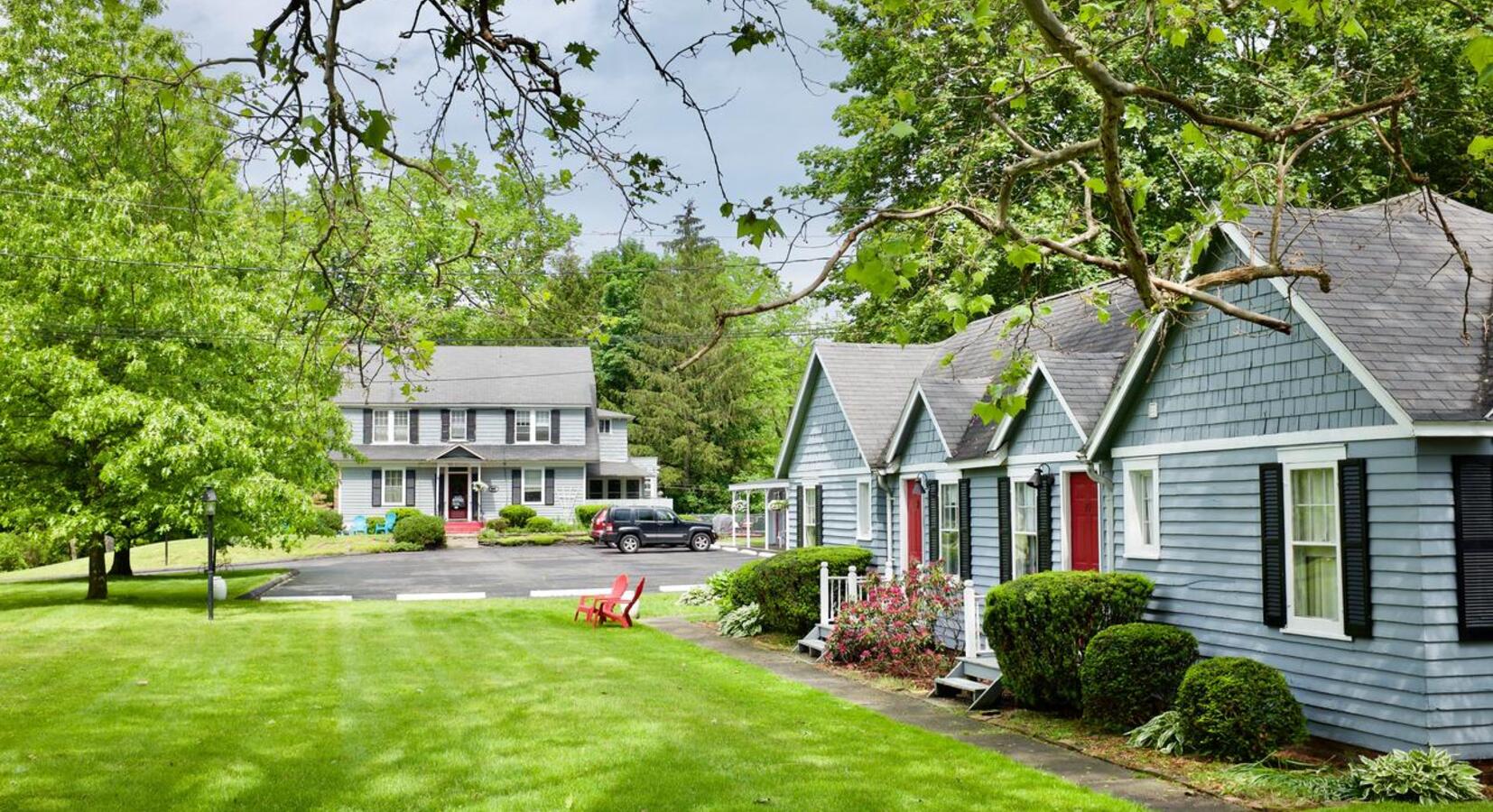
Pick Ithaca if your fall itinerary centers on waterfalls, gorges, and Cayuga Lake wineries. Grayhaven positions you for minimal driving to Watkins Glen State Park, Taughannock Falls, Buttermilk Falls, and Robert H.
Treman State Park—all the gorge hikes that deliver the most immersive foliage views. You’ll wake up, hike, and be back before sunset without burning two hours on the road.
- Best for: Waterfall and gorge-focused trips; photographers wanting early-morning light without long drives.
- Driving advantage: Most major gorge trails are within 15–20 minutes; Cayuga Lake wineries are walkable or a short drive from town.
- Trade-off: You’re on the east side of the region, so reaching Seneca Lake or Canandaigua Lake wineries requires 45+ minutes of driving.
The Lake House on Canandaigua
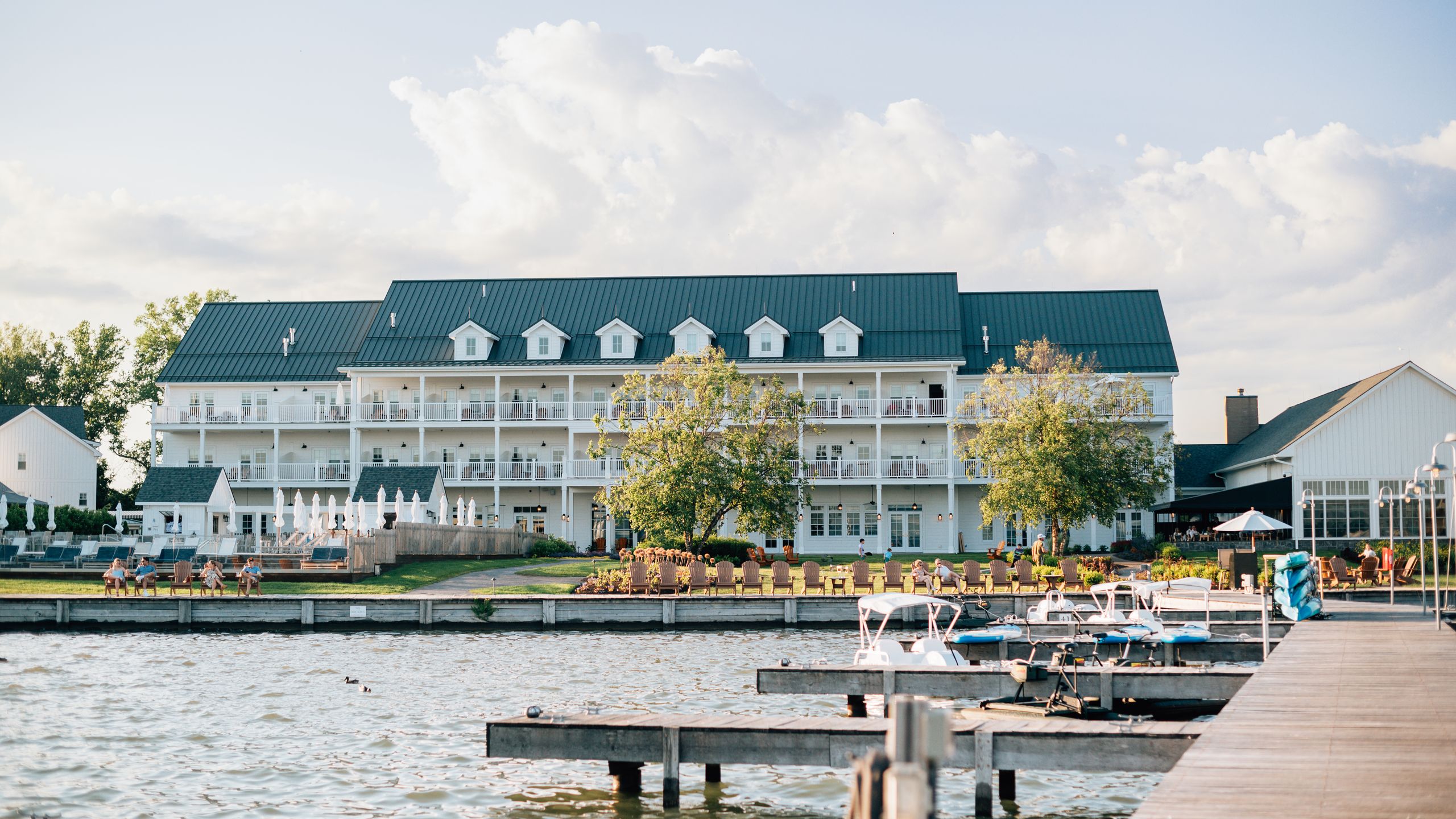
The Lake House is the move if you want to base yourself on the western Finger Lakes and need a resort-level experience—spa, pool, multiple restaurants, and design-forward rooms. It’s refined and purpose-built for travelers who want to set up shop and explore Seneca and Canandaigua lakes without constant hotel switching.
Book early for peak fall season; availability tightens fast.
- Best for: Couples and groups prioritizing comfort and on-site amenities; wine-focused itineraries on Seneca and Canandaigua.
- Driving advantage: Central to western lake wineries and Letchworth State Park overlooks (about 45 minutes away).
- Trade-off: Ithaca gorges and Cayuga Lake are 45+ minutes east; if you want to split time between both sides, you’ll be driving more.
- Booking reality: This is a specialty property—reserve well in advance, especially for weekends in October.
Combining East and West Lake Bases
If your fall trip spans 4+ days and you want to experience both the gorge hikes (east) and the wine-and-lake aesthetic (west), splitting your stay between Ithaca and Canandaigua reduces driving fatigue and lets you maximize daylight. Spend 2–3 nights in Ithaca hitting Watkins Glen and Taughannock, then move west for Seneca Lake wineries and Letchworth State Park overlooks.
- Driving time between bases: Ithaca to Canandaigua is roughly 45–60 minutes depending on route.
- Packing strategy: Pack light or plan a midtrip laundry stop; moving lodging twice eats into relaxation time.
- Best for: Travelers with 5+ days who want the full Finger Lakes fall experience without choosing between gorges and lakes.
How to Plan Transportation and Daily Logistics for Fall Trips
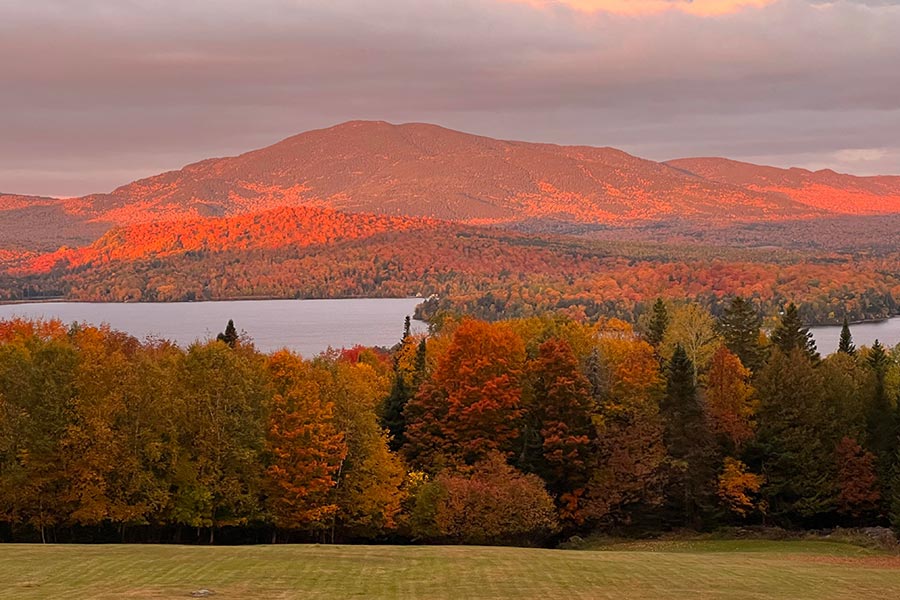
The Finger Lakes sprawl across 11 major lakes with attractions separated by real distances—this is not a walkable region, and underestimating drive time between wineries, waterfalls, and overlooks is the fastest way to waste a fall day stuck in a car instead of watching leaves change. A car is non-negotiable, and your base strategy determines whether you spend 3 hours driving or 30 minutes.
Choose Your Base Strategy
The region splits into two natural zones: the east side (Ithaca, Cayuga Lake, gorges, and waterfalls) and the west side (Seneca Lake, Canandaigua Lake, and Letchworth State Park). Picking one base versus two changes everything about your daily pace.
- East-side only (Ithaca base): Best if your fall itinerary centers on waterfalls, gorges, and Cayuga shore wineries. Staying in Ithaca means minimal daily driving and easy morning access to trails like Watkins Glen and Taughannock Falls before crowds arrive. This works for a 2–3 day trip.
- West-side focus (Canandaigua or Seneca Lake base): Choose this if you’re prioritizing Letchworth State Park’s 14,000+ acres and the Seneca Lake Wine Trail. Canandaigua is the gateway to Watkins Glen and offers lakeside dining, but you’ll drive 45–60 minutes to reach Ithaca-area attractions.
- Two-base strategy (east + west): This is the move for a 4–5 day fall trip that covers both zones without backtracking. Split your stay between Ithaca (2 nights) and Canandaigua or a Seneca Lake property (2 nights). Yes, you’ll pack twice, but you eliminate the exhausting 90-minute round-trip drives and actually have time to sit at a winery overlook instead of rushing to the next stop.
Booking and Seasonal Timing
Peak fall foliage typically runs from late September through mid-October, and lodging fills fast—especially specialty properties like The Lake House on Canandaigua. Book your base 6–8 weeks ahead if you’re targeting peak color weekends (Saturdays and Sundays in early October).
Weekday visits in late September or early October offer thinner crowds and easier parking at trailheads, though colors may not be at their absolute peak.
Always confirm park opening hours and seasonal access before you arrive. Gorge trails and waterfall overlooks can have weather-related closures in fall, and some state parks adjust hours as daylight shortens.
Daily Driving and Route Planning
The Seneca Lake Wine Trail is central and requires less total driving than routes that ping-pong between all 11 lakes. If you’re based on the east side and want to explore west-side wineries, plan a full day trip rather than squeezing it into an afternoon—you’ll drive roughly 45 minutes one way, and wine tastings plus a meal will eat 4–5 hours minimum.
Letchworth State Park’s 66 miles of trails and three major waterfall overlooks demand a dedicated day if you want to actually hike or sit and absorb the views. Don’t try to combine it with a full wine trail in the same day unless you’re comfortable with rushed stops.
What to Pack and Prepare
- Layers are essential: Mornings by the water or inside gorges stay cool even in fall, and afternoon sun can warm things up quickly. Bring a fleece or light jacket you can tie around your waist.
- Comfortable walking shoes: Fall foliage hikes range from easy 1-mile overlook walks to challenging 5+ mile gorge trails. Wear shoes with good grip—wet leaves and gorge rocks are slippery.
- Early starts: Arrive at popular trailheads (Watkins Glen, Taughannock Falls, Letchworth overlooks) by 9 a.m. on weekends to secure parking and beat crowds. Fall weekends fill parking lots by 10:30 a.m.
Practical Logistics Checklist
| Planning Factor | What You Need to Know |
|---|---|
| Gas and car maintenance | Budget roughly 150–200 miles of driving for a 3–4 day trip covering both east and west zones. Fill up in Ithaca or Canandaigua before heading to remote state parks. |
| Cell service | Reliable in towns and along major routes. Gorge interiors and some state park interiors have spotty coverage—download offline maps before hiking. |
| Restaurant reservations | Book dinner reservations 2–3 weeks ahead for fall weekends, especially at winery restaurants and lakeside spots like the Sand Bar at The Lake House on Canandaigua. |
| State park hours | Most parks open at sunrise; gorge trails and overlooks close at dusk. Check visitfingerlakes.com or individual park websites for current seasonal hours before each visit. |
| Parking fees | Most state parks charge $5–$10 per vehicle for day-use parking. Some accept cash only at trailhead lots. |
Insider Tip: Timing Matters More Than You Think
If you’re chasing peak fall color, check foliage reports 10–14 days before your trip—don’t book based on the calendar alone. Peak color shifts yearly depending on weather.
Visit the Finger Lakes Visitors Connection website or call (585) 394-3915 for current foliage updates before finalizing your dates.
Frequently Asked Questions
What’s the best time to catch peak fall foliage in the Finger Lakes?
Peak color typically arrives in early to mid-October, though the exact timing shifts year to year depending on weather. Warm days and cool nights trigger the most vivid reds, golds, and oranges — conditions that usually lock in around the first two weeks of October.
Book lodging by late August if you’re targeting that window; specialty stays like The Lake House on Canandaigua fill fast. If you miss peak, late September still delivers solid color with fewer crowds, and early November works if you prefer solitude over saturation.
Do I need a car to get around the Finger Lakes?
Yes — a car is non-negotiable. The region spans 11 major lakes with attractions spread across dozens of miles; public transit doesn’t connect wineries, state parks, gorges, or overlooks in any practical way.
Expect 20–45 minutes between major stops depending on which lake you’re exploring. If you’re splitting time between the eastern lakes (Ithaca, Cayuga) and western lakes (Seneca, Canandaigua), you’re looking at 45 minutes to an hour of driving.
Budget for that fatigue; consider two bases if you’re staying more than three days to cut daily drive time.
How early should I arrive at popular hikes and state parks to avoid crowds?
Arrive by 8:30 a.m., especially on weekends during peak foliage season. Watkins Glen State Park and Letchworth State Park parking fills by mid-morning on sunny fall days.
Always check park opening hours before you go — seasonal access changes, and some gorge trails close during winter. Weekday visits in early October beat weekends by a significant margin if your schedule allows.
What should I pack for a Finger Lakes fall trip?
Layers are essential. Mornings in gorges and along the water stay cool even in early October; afternoons warm up quickly.
Bring a light jacket, long-sleeve shirt, and comfortable hiking boots with good grip — wet leaves and gorge trails demand traction. Waterproof jacket for mist near waterfalls.
Sunscreen and sunglasses for high-elevation overlooks and scenic drives where UV reflection off foliage is intense.
Book Your Peak Fall Trip Now
Check the Visit Finger Lakes foliage forecast 10–14 days before your planned trip—peak color shifts yearly, and timing it right is the difference between stunning reds and faded oranges. Base yourself in Ithaca if gorges and waterfalls are your priority, or split your stay between Ithaca and Canandaigua if you have 4+ days and want to experience both the eastern gorges and western wine-and-lake aesthetic without exhausting yourself on the road.
The Finger Lakes in fall is genuinely worth your time because the foliage isn’t just a backdrop—it’s the main character, framing every hike, every winery overlook, and every scenic drive in a way that makes even casual visitors understand why people chase fall color obsessively.
Book your lodging by late August for peak October weekends, confirm state park hours before you arrive, and plan to spend at least one full day on a gorge hike and one afternoon on a scenic lake drive—that’s the minimum to actually absorb what makes this region special in autumn.
Leave a Reply