The moment you step onto red rock canyon floors at sunset or wake to salt air filtering through canvas walls, you realize glamping isn’t about roughing it—it’s about arriving somewhere so beautiful that comfort feels like a bonus, not the point. I’ve stayed at enough glamping properties across the Southwest, coasts, and mountains to know which ones actually deliver that feeling versus which ones just look good in photos.
American glamping splits into distinct aesthetic categories, each designed for a different kind of traveler and landscape. Desert minimalism trades coastal drama for silence and geological scale; coastal redwoods layer multiple moods into single stays; mountain basecamp puts you inside adventure rather than observing it from a distance; farm-to-table immersion makes you part of the land you’re visiting; and unconventional properties prove glamping doesn’t require remote wilderness—just intentional design.
This guide cuts through the Instagram noise and helps you match the right aesthetic to how you actually want to spend your time, not how you think you should travel.
Budget ranges: expect roughly $200–$300 per night for foundational glamping with basic amenities; $300–$600 for mid-range luxury with meals and activities included; and $700–$1,200+ for ultra-premium design-forward properties with curated programming and exclusive access.
The Five Glamping Aesthetics That Actually Matter
Desert & Red Rock Minimalism — ULUM Moab, RESET Hotel Twentynine Palms, Under Canvas Moab. Best for: couples on creative retreats, solo travelers seeking silence, photographers chasing golden light.
The vibe: clean lines, natural materials, views that dominate the design. Book October–April when daytime temps hit the 70s–80s.
Coastal Redwoods & Ocean Breezes — Alila Ventana Big Sur, Treebones Resort, Under Canvas Acadia. Best for: families, friend groups, wellness-focused travelers.
The vibe: layered experiences (quiet mornings, active afternoons, fireside evenings), salt air, forest canopy. Book May–October; summer is warmest but most crowded.
Mountain & Alpine Air — Under Canvas Glacier & Yellowstone, American Prairie Reserve, Dunton Hot Springs. Best for: adventure athletes, hikers, wildlife watchers.
The vibe: rugged functionality, basecamp energy, early-morning trailhead access. Book June–September; fall offers fewer crowds and peak foliage.
Farm-to-Table & Agritourism — The Cozy Peach (Arizona), Forest Gully Farms (Tennessee). Best for: families with kids, food lovers, hands-on learners.
The vibe: participatory, seasonal, community-focused. Book spring and fall for orchard activities and comfortable outdoor temperatures.
Fantastical & Unconventional — Collective Retreats Governors Island (New York), Nomad Ridge at The Wilds (Ohio), AutoCamp Asheville (North Carolina). Best for: special occasions, design enthusiasts, first-time glampers.
The vibe: statement-making, conversation-starting, often Instagram-famous. Book shoulder seasons for better rates and fewer crowds.
Desert & Red Rock Minimalist: 7 Best Southwestern Glamping Aesthetic USA Spots
The Southwest’s glamping scene trades coastal drama for something quieter and more austere—vast red rock canyons, slot canyons carved into silence, and night skies so dark they feel like a private show. These properties lean into minimalism and restraint, letting the landscape dominate the design rather than competing with it.
If you’re drawn to clean lines, desert light, and the kind of silence that actually feels luxurious, this is where to land.
The region clusters around Utah’s Mighty Five national parks and Arizona’s Grand Canyon corridor, making it possible to base yourself at one glamping property and day-trip to multiple parks. Most properties operate year-round, though spring (March–May) and fall (September–November) offer the most comfortable temperatures for outdoor exploration.
Summer heat can exceed 100°F in lower elevations; winter brings cooler nights but clearer skies.
| Property | Location & Best For | Signature Experience | Design Style |
|---|---|---|---|
| ULUM Moab | Moab, Utah — Arches & Canyonlands access | Luxury desert suites with Canyonlands views | Minimalist modern, natural materials |
| RESET Hotel Twentynine Palms | Twentynine Palms, California — Mojave Desert detox | Shipping-container suites, digital disconnect | Industrial minimalism, floor-to-ceiling glass |
| Under Canvas Grand Canyon | Williams, Arizona — South Rim access (25 min) | Canvas tents on 160 acres, Dark Sky certified | Safari-style luxury, West Elm furnishings |
| Under Canvas Zion & Bryce Canyon | Utah — Twin-park base for Zion & Bryce | High-elevation cool, hoodoo exploration | Rustic luxury, king beds, ensuite baths |
| Under Canvas Lake Powell-Grand Staircase | Utah — Lake Powell & slot canyon access | On-site slot canyon, paddleboarding, canyon rim setting | Canvas tents, plush beds, campfire gatherings |
| Under Canvas Moab | Moab, Utah — Arches & Canyonlands hub | DarkSky-certified, red rock slickrock trails | Luxury tents, shaded lounges, desert sunsets |
| The Cozy Peach | Queen Creek, Arizona — Farm-to-table experience | Agritourism, orchard activities, goat interactions | Farm stay, vintage trailers, hands-on programming |
ULUM Moab (Utah)
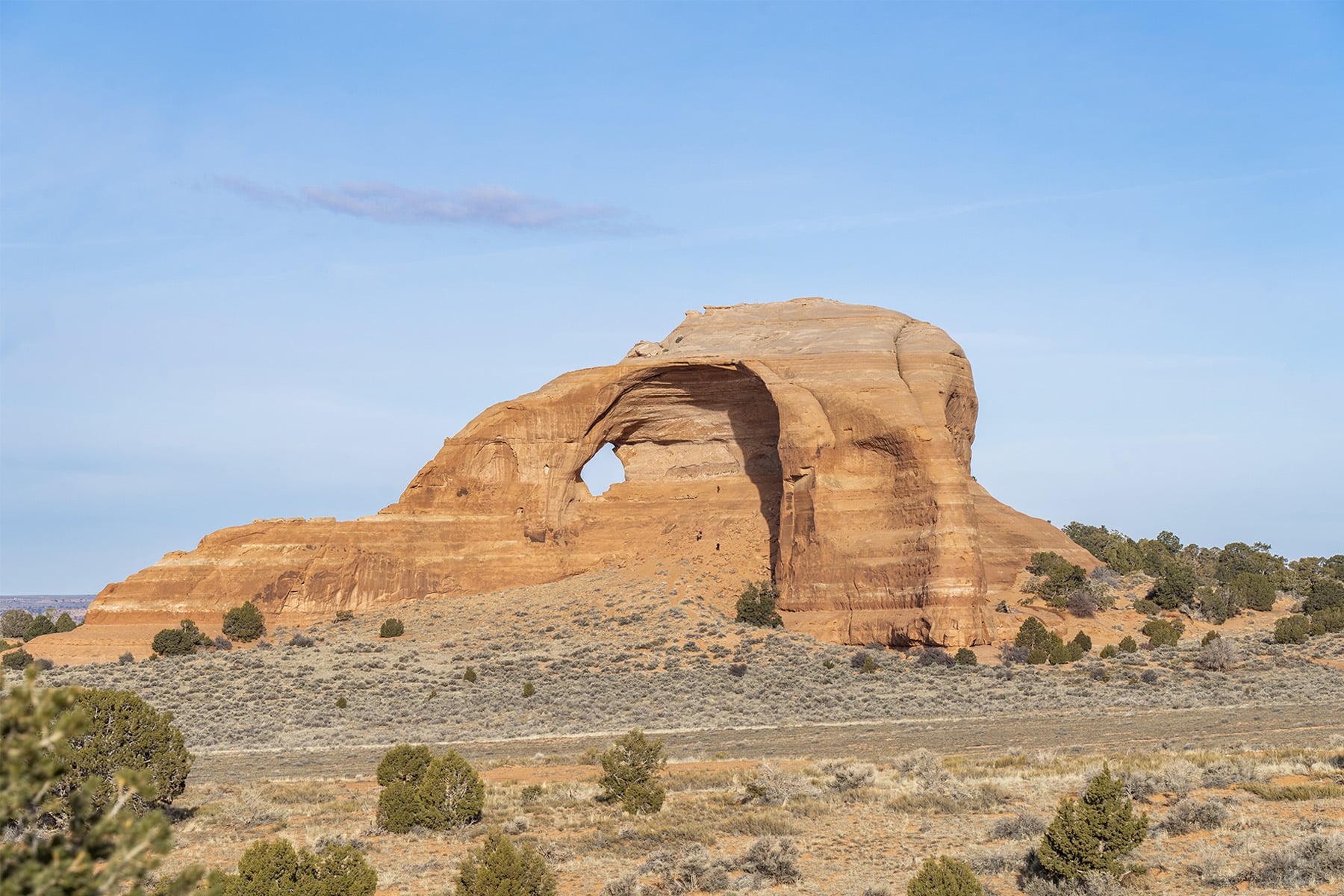
Best for: Couples and small groups who want design-forward minimalism without sacrificing comfort. Skip if: You need constant WiFi or prefer all-inclusive programming. Why it wins: ULUM sits on 200 acres of ochre desert adjacent to Looking Glass Arch, with suite tents that span nearly 400 square feet—more spacious than most glamping. Each tent features king beds with Parachute linens, West Elm furnishings, polished concrete sinks, rain showers with Aesop products, and natural materials like Pendleton blankets that echo the landscape.
The property includes hot and cool dipping pools and a massage cave carved naturally into rock, with views that frame Canyonlands National Park like a living painting.
Base yourself here for day trips to Arches National Park (30 minutes) and Canyonlands (45 minutes). The minimalist design means the landscape becomes your primary view—no competing decor.
Book during shoulder season (April–May or September–October) when daytime temps hover in the 70s–80s, ideal for both outdoor exploration and lounging poolside. Expect roughly $400–600 per night depending on season.
RESET Hotel Twentynine Palms (California)
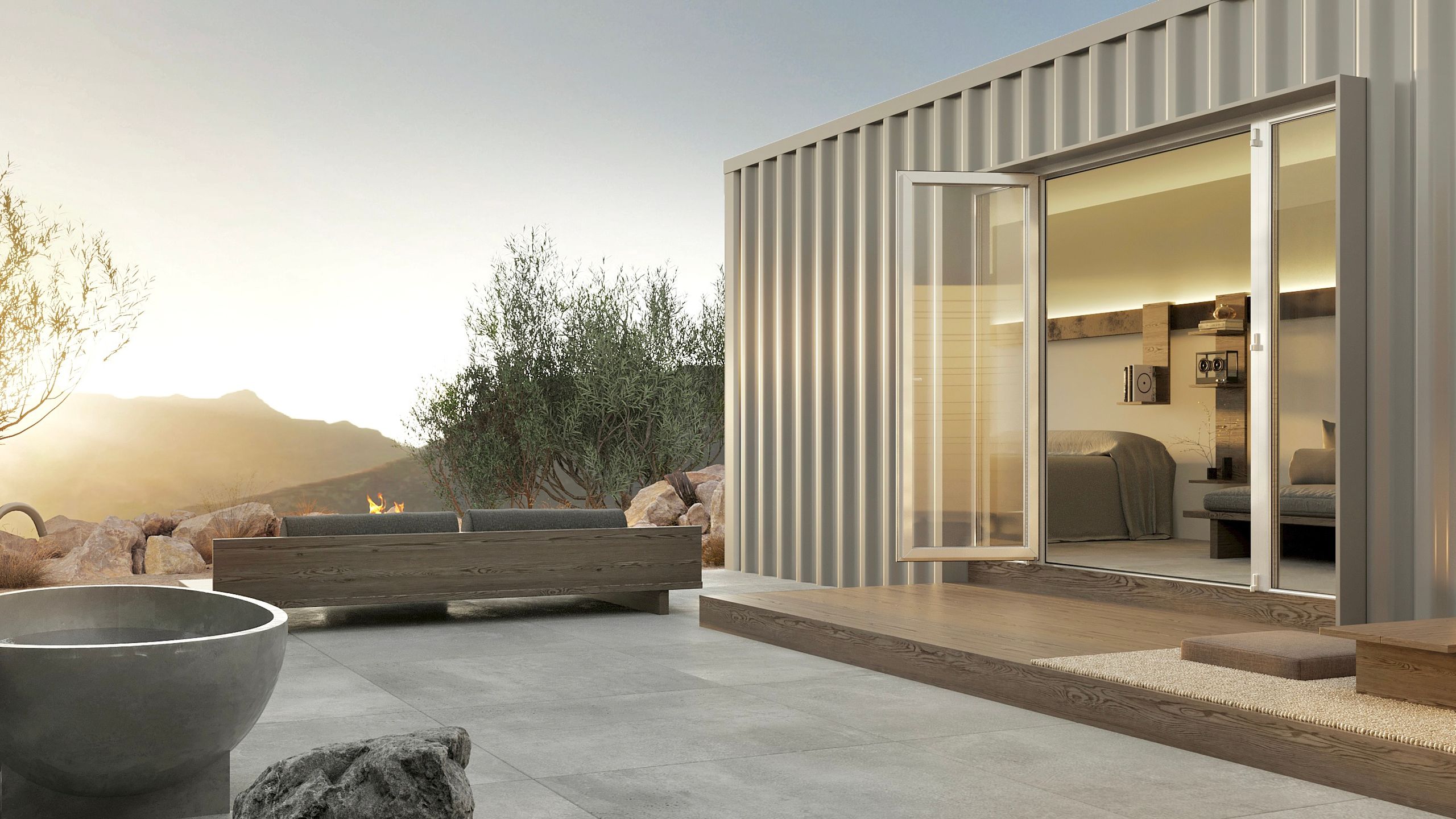
Best for: Digital detox seekers and design enthusiasts who want radical simplicity. Skip if: You need cell service, restaurants within walking distance, or traditional hotel amenities. Why it wins: RESET transforms the Mojave Desert into a design sanctuary with 15 minimalist suites housed in shipping containers, each featuring floor-to-ceiling windows framing unobstructed desert views, clean lines, and purposeful restraint in every material choice. The architecture prioritizes light, transparency, and the landscape itself as the primary design element—rooms feel more like art installations than hotel accommodations.
The hotel functions as an intentional digital detox destination with minimal cell service and programming centered on rest and reset.
This is the move if you want to disappear completely. Located roughly one hour east of downtown Los Angeles, Twentynine Palms sits in the Mojave with Joshua Tree National Park nearby for day exploration.
The minimalist approach means zero distractions—no TVs, no noise, no visual clutter. Winter (November–February) offers the most comfortable desert temps; summer heat exceeds 110°F.
Expect roughly $300–450 per night. Book well in advance; only 15 rooms means limited availability.
Under Canvas Grand Canyon (Arizona)
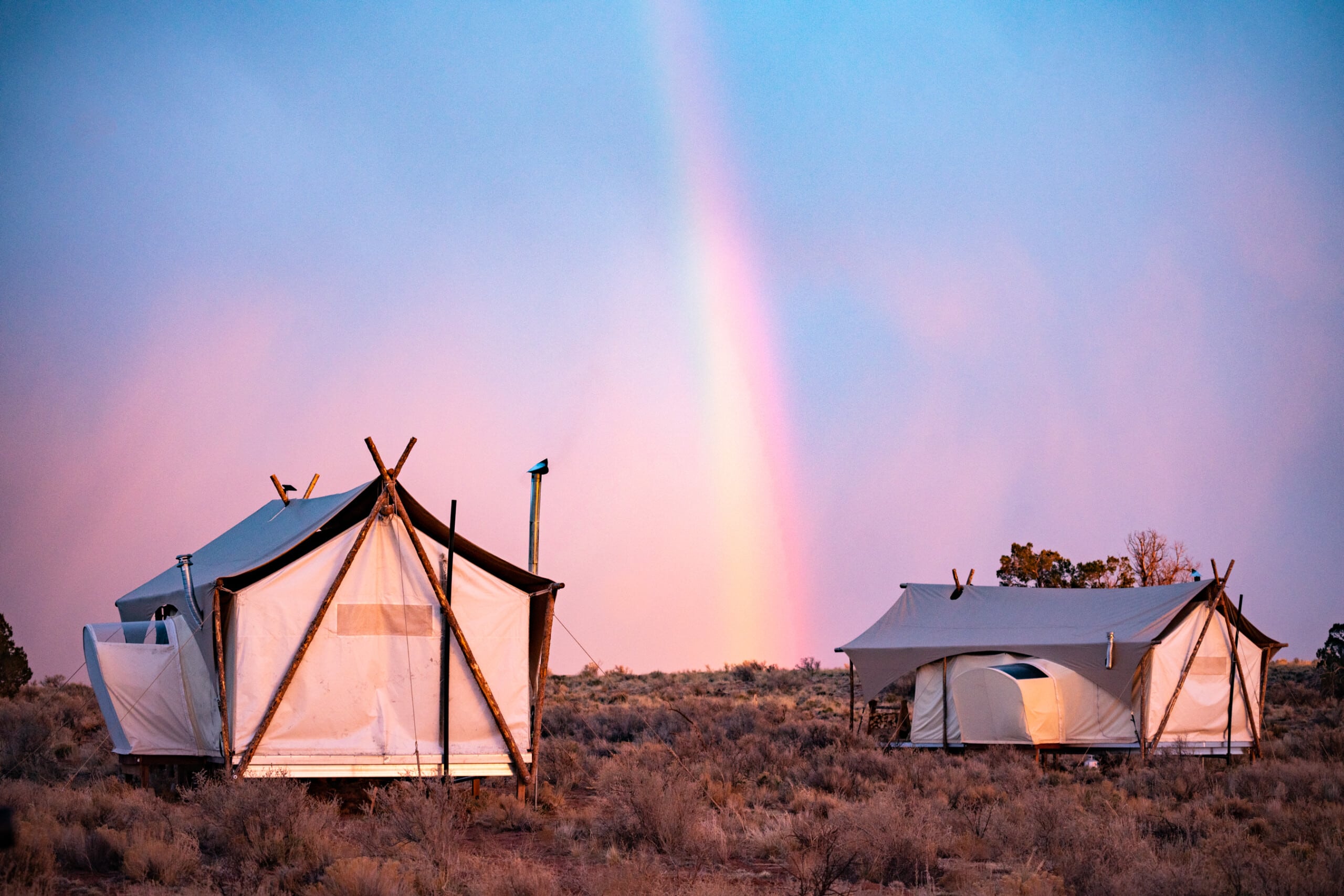
Best for: Grand Canyon visitors who want proximity without park lodging hassles. Skip if: You prefer being inside the park boundaries or want a full restaurant scene. Why it wins: Just 25 minutes from the South Rim entrance, Under Canvas Grand Canyon sits on 160 acres of piñon and juniper forest, completely removed from the park’s crowds. Safari-style canvas tents feature king beds, private bathrooms, wood-burning stoves for chilly desert nights, and West Elm furnishings.
The lobby tent channels refined hospitality with a full restaurant and chic interiors. The property is Dark Sky-certified, meaning nights deliver unobstructed star views—a major advantage over in-park lodging where light pollution is unavoidable.
Base yourself here for a 2–3 day Grand Canyon stay. Spend mornings hiking the rim or rafting the Colorado River, then return to the fire pit to watch the sky ignite with stars.
The property includes yoga sessions and organized activities, but the real draw is the balance between luxury and remoteness. Expect roughly $350–550 per night.
Book 2–3 months ahead for peak season (March–May, September–October). The property operates year-round; winter nights dip below freezing, making the wood-burning stoves essential.
Under Canvas Zion & Bryce Canyon (Utah)
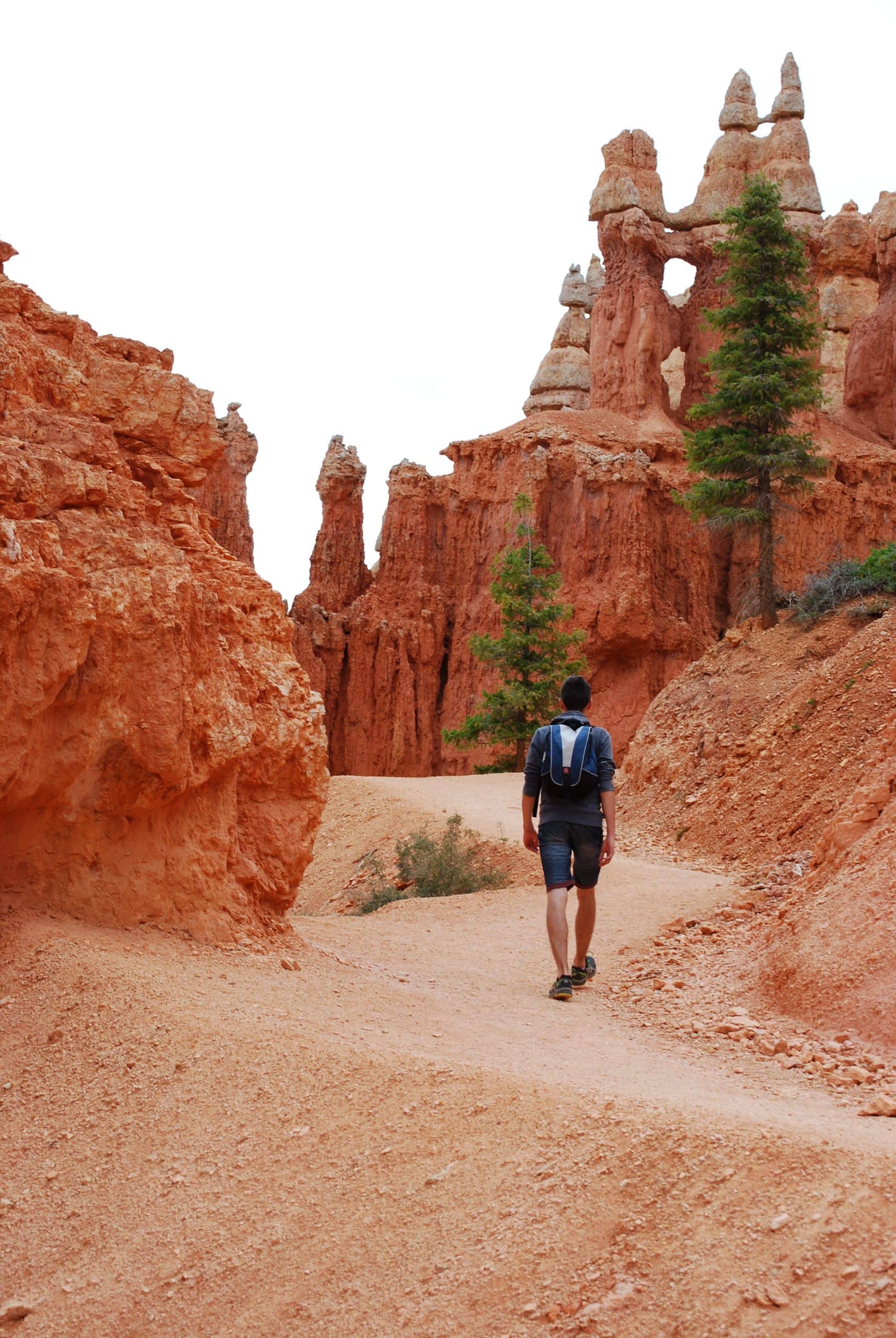
Best for: Travelers who want to explore two iconic parks from one base without backtracking. Skip if: You prefer staying within park boundaries or need constant activity programming. Why it wins: Set at refreshing high elevation in Utah’s Canyon Country, this property places you in the heart of red rock country with cooler temperatures perfect for desert adventures. Tents feature king beds, ensuite bathrooms, and West Elm furnishings—blending rugged beauty with total relaxation.
Wander among Bryce’s otherworldly hoodoos, take a guided horseback ride through pine forests, then return for fireside cocktails and s’mores under one of the darkest, starriest skies in America.
This location works as a dual-park hub: Bryce Canyon is minutes away, and Zion is roughly 90 minutes south—manageable for day trips without resetting camp. The high elevation (around 9,000 feet at Bryce) means nights cool significantly even in summer, and spring wildflowers (April–May) and fall colors (September–October) are spectacular.
Winter can bring snow, limiting some activities but delivering pristine quiet. Expect roughly $300–500 per night.
Book early for peak season; the high elevation and limited capacity fill quickly.
Under Canvas Lake Powell-Grand Staircase (Utah)
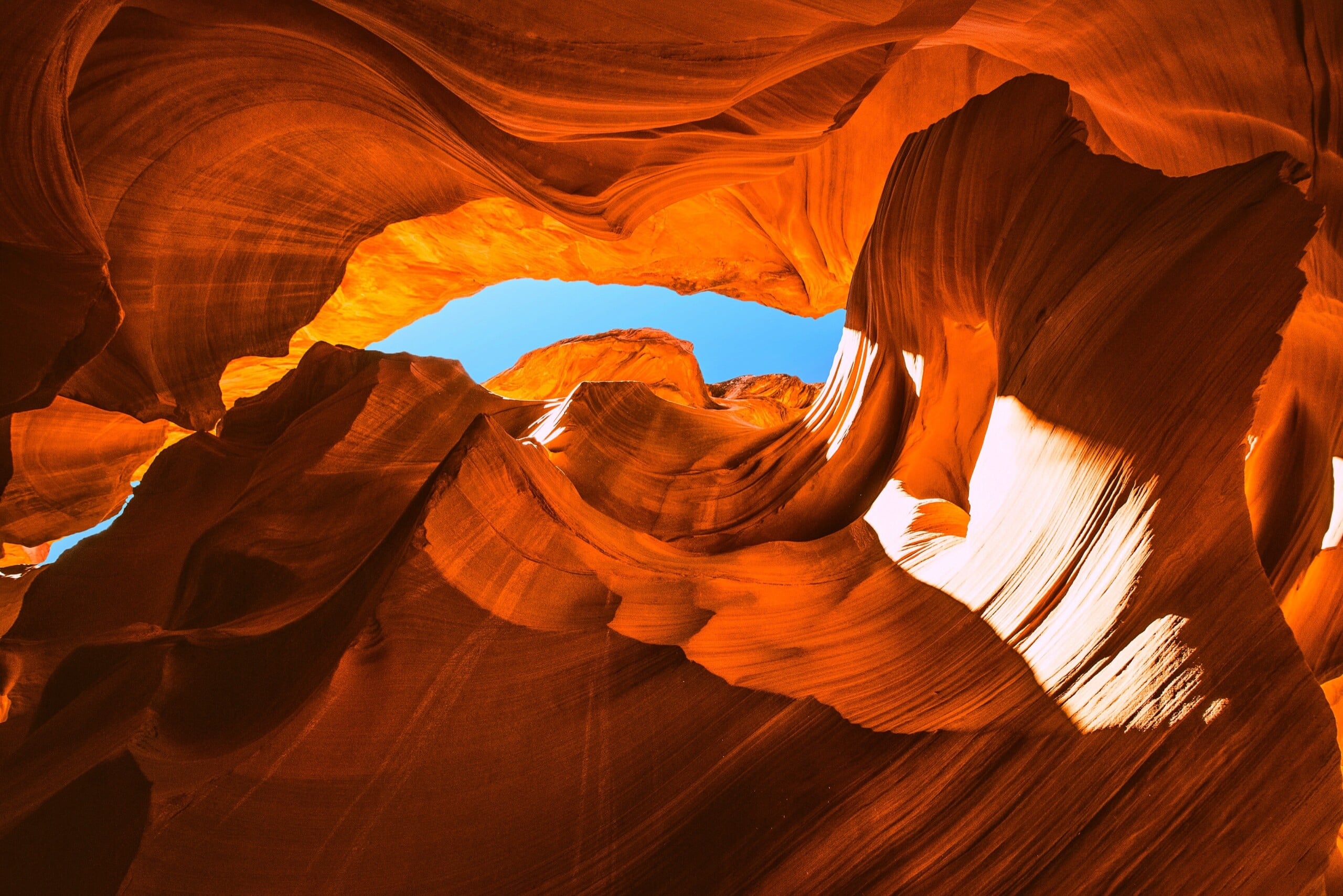
Best for: Adventure seekers who want water activities, slot canyon exploration, and desert landscape in one property. Skip if: You prefer purely land-based activities or want a full-service resort experience. Why it wins: Adventure is literally at your doorstep. Paddleboard across Lake Powell, explore hidden slot canyons—including one right on-site—and take in sweeping views from the camp’s canyon rim setting.
After boating, sunbathing at Lone Rock Beach, catching the sunset at Horseshoe Bend, or exploring nearby Grand Staircase-Escalante, return to plush beds, hot showers, and nightly campfires beneath a desert sky. The on-site slot canyon is the differentiator here—you don’t need to drive to experience one of the Southwest’s signature landscapes.
This property works best as a 3–4 day base combining water and hiking. Lake Powell’s water temps are coldest in spring and fall; summer heat can exceed 100°F but water provides relief.
The canyon rim setting means sunsets are exceptional. Expect roughly $350–500 per night.
Book during shoulder season (April–May or September–October) for comfortable temps and fewer crowds. The property operates year-round, but winter water activities are limited.
Under Canvas Moab (Utah)
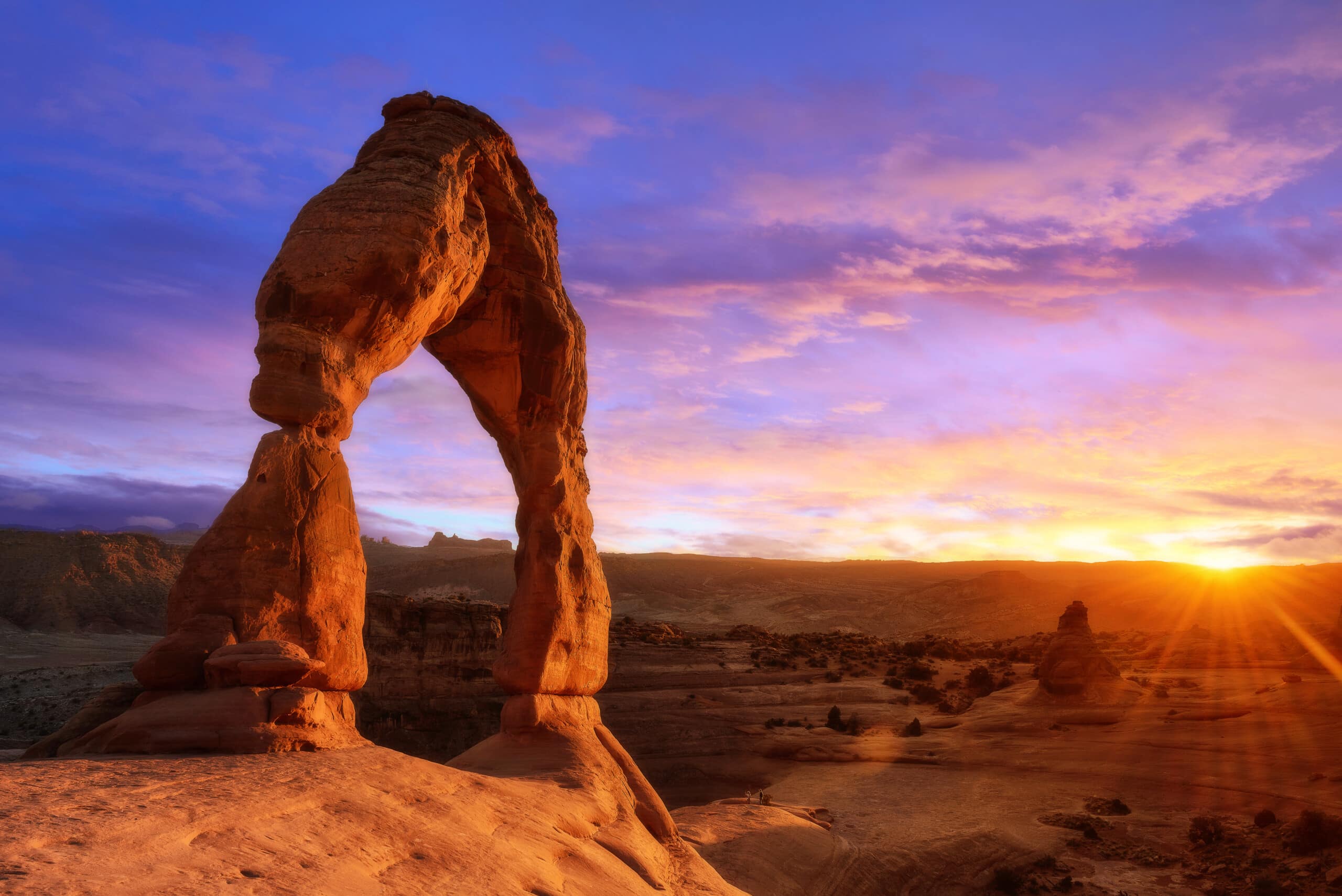
Best for: Adventure athletes and outdoor enthusiasts who want direct access to two national parks and world-class slickrock trails. Skip if: You prefer relaxation-focused glamping without daily activity planning. Why it wins: Two national parks—Arches and Canyonlands—are short drives from this DarkSky-certified resort in Utah’s Canyon Country. Off-road on slickrock trails, raft the Colorado River, or climb towering red cliffs by day.
Luxury tents await in a red rock wonderland with shaded lounge spaces and camp programming. Epic desert sunsets and a spectacular cosmic show under one of America’s darkest night skies round out the experience.
Moab is the adventure capital of the Southwest, and this property puts you in the epicenter. Arches is 5 minutes away; Canyonlands is 30 minutes.
The DarkSky certification means night sky photography and stargazing are exceptional. Spring (March–May) and fall (September–October) are ideal; summer heat exceeds 100°F but is manageable with early-morning hikes and afternoon pool time.
Expect roughly $300–450 per night. Book 2–3 months ahead for peak season.
The property includes organized activities like guided hikes and rafting trips, but you can also self-guide using nearby trailheads.
The Cozy Peach (Arizona)
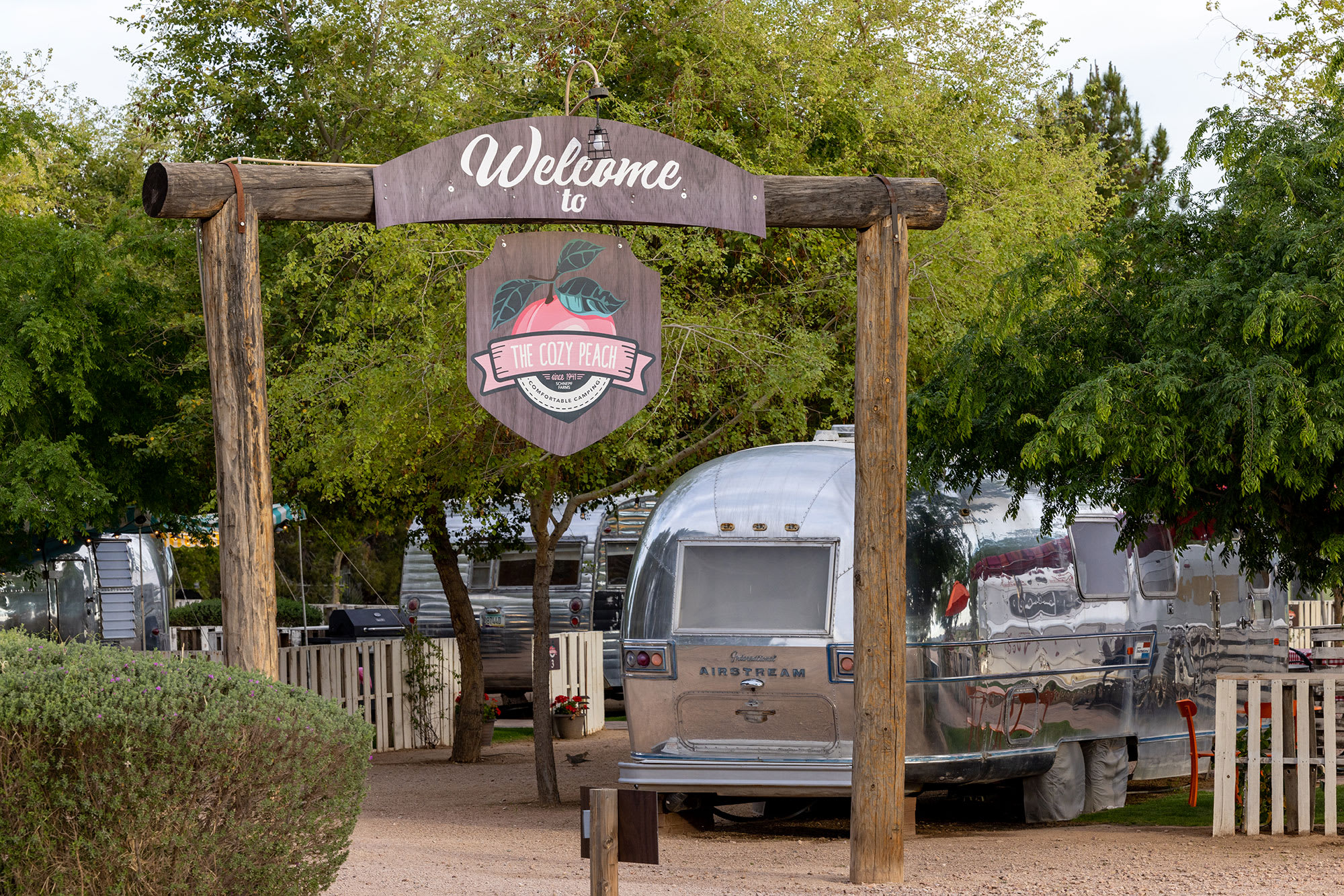
Best for: Families and groups who want hands-on agritourism, animal interactions, and farm-to-table programming. Skip if: You want minimalist design or quiet solitude—this is activity-heavy and social. Why it wins: This local farm-to-table icon welcomes guests to help cultivate 25+ fruits and vegetables exclusively for farm use. Beyond the goat petting zoo, you’ll find cooking and baking classes, hayrides, cycling, train rides, orchard yoga, massage treatments, and winter ice skating.
Lodging consists of 10 vintage travel trailers with en-suite bathrooms—a nostalgic, playful take on glamping that appeals to families and groups seeking immersive farm experiences rather than pure luxury.
Located one hour southeast of Phoenix in Queen Creek, The Cozy Peach works best as a 2–3 day escape for families or friend groups. The farm-to-table focus means meals are sourced directly from the property, and the hands-on activities (especially for kids) are the main draw.
Spring (February–April) is ideal for orchard activities and wildflower season; fall (September–November) brings cooler temps and harvest activities. Winter ice skating is a unique regional draw.
Expect roughly $150–250 per night for vintage trailers. Book well in advance for weekends and holiday periods; the property is popular with Phoenix-area families.
Call 480-987-3100 for current availability and programming details.
Practical Planning for Southwest Glamping
When to book: Spring and fall are peak seasons across all properties due to comfortable daytime temps (70s–80s) and clear skies. Book 2–3 months in advance for March–May and September–October.
Summer (June–August) offers lower rates but daytime heat exceeds 100°F in lower elevations; high-elevation properties like Bryce Canyon remain comfortable. Winter (November–February) is quietest and cheapest but brings cold nights and occasional snow at higher elevations.
What to pack: Layer aggressively. Desert days are hot; nights drop 30–40°F below daytime temps, especially at elevation.
Bring sunscreen, a hat, and sunglasses for daytime exploration. Most properties provide blankets and heating (wood stoves or in-tent heaters), but bring a light jacket for evening campfires.
Hiking boots are essential for slickrock and canyon trails.
Getting around: A rental car is essential. Properties are spread across Utah and Arizona with significant distances between parks.
Expect 45 minutes to 2 hours between major attractions. Gas up in larger towns (Moab, Springdale, Kanab) before heading to remote properties.
Park entrance fees: Most national parks charge $35 per vehicle for a 7-day pass. Annual passes ($80) are worth it if visiting multiple parks. Check NPS.gov for current hours and seasonal closures before booking.
Coastal Redwoods & Ocean Breezes: 7 Coastal Aesthetic Glamping Sites
The California coast and Pacific Northwest demand a different glamping approach—one where canvas meets salt air, where stargazing competes with ocean views, and where the sound of waves replaces the silence of desert nights. These seven properties trade red rock minimalism for redwood canopies and coastal drama, each designed to anchor you to the water without forcing you to choose between nature and a real shower.
| Property | Location | Signature Feature | Best For |
|---|---|---|---|
| Alila Ventana | Big Sur, California | Spa-quality bathhouse in redwood canyon | Couples seeking luxury isolation |
| Treebones Resort | Big Sur, California | Yoga retreats, ocean-view redwood bar | Wellness-focused travelers |
| El Capitan Canyon | Santa Barbara County, California | Wood-fired hot tubs, on-site restaurant | Multi-day retreat seekers |
| Nightsky Camps | San Luis Obispo, California | Geodesic domes with stargazing decks | Astronomy enthusiasts |
| Under Canvas Acadia | Bar Harbor, Maine | Waterfront deck overlooking granite coast | East Coast hikers and sunrise chasers |
| Under Canvas Columbia River Gorge | Washington | Stargazer tents, farm-to-table dining | Wine country explorers |
| Under Canvas Yosemite | California | Gateway to granite cliffs and waterfalls | National park adventurers |
Alila Ventana | Big Sur, California
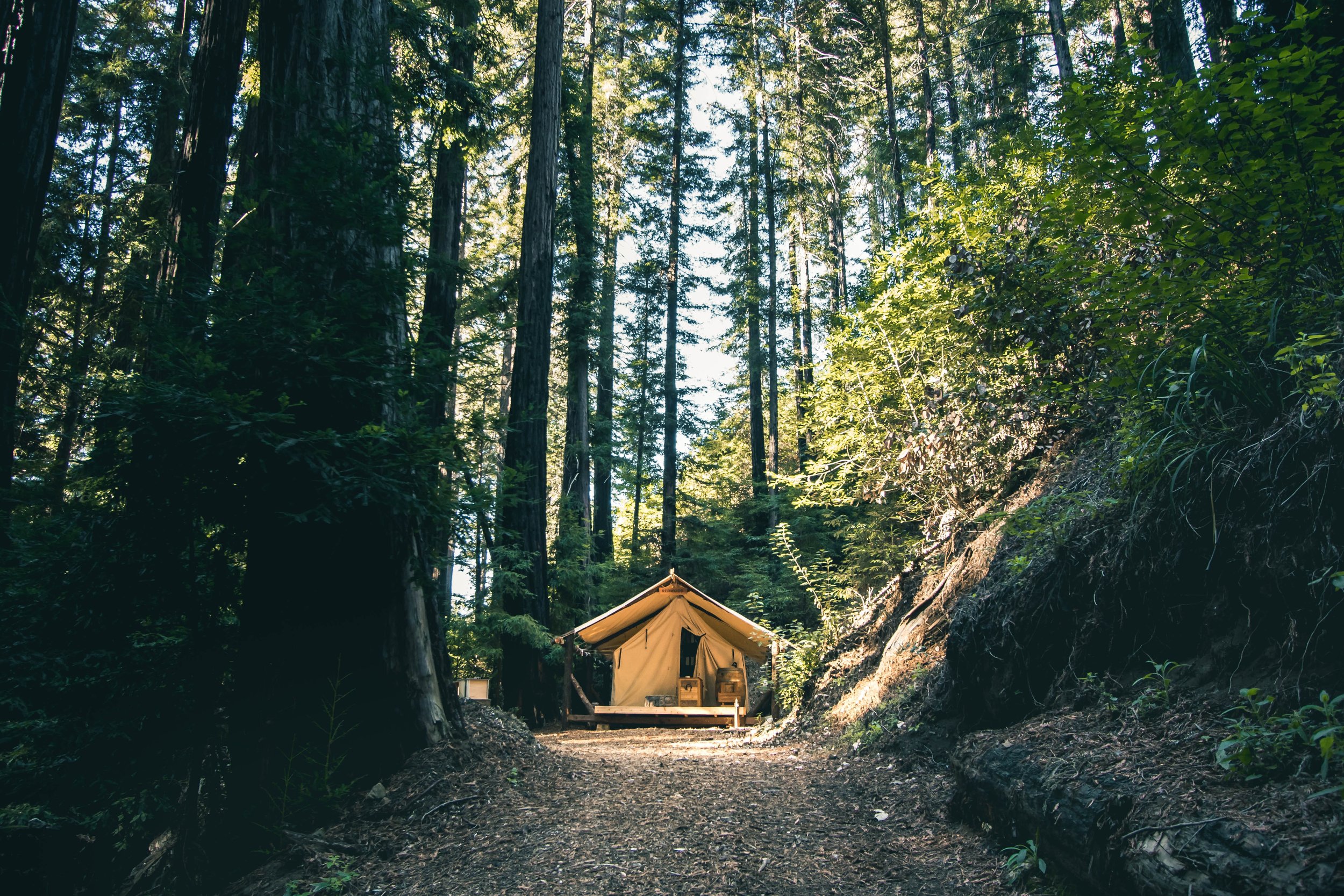
Alila Ventana sits on 160 acres of Big Sur redwoods where the only way in is on foot—a deliberate choice that keeps the property quiet and forces you to slow down before you even reach your tent. Safari-style canvas tents feature custom-designed mattresses and premium linens, but the real win here is the newly built bathhouse: teak-enclosed showers, heated floors, and marble vanities transform what’s usually the worst part of camping into a spa experience.
Fire pits, s’mores, and the sound of Post Creek complete the picture.
Who should book this: Couples and small groups willing to hike 10–15 minutes for genuine seclusion. Skip it if you need road-adjacent convenience or have mobility concerns with the footpath access.
Practical detail: The 20-acre canyon setting means you’re shielded from wind and crowds, but also that cell service is spotty—plan accordingly if you need to stay connected.
Treebones Resort | Big Sur, California
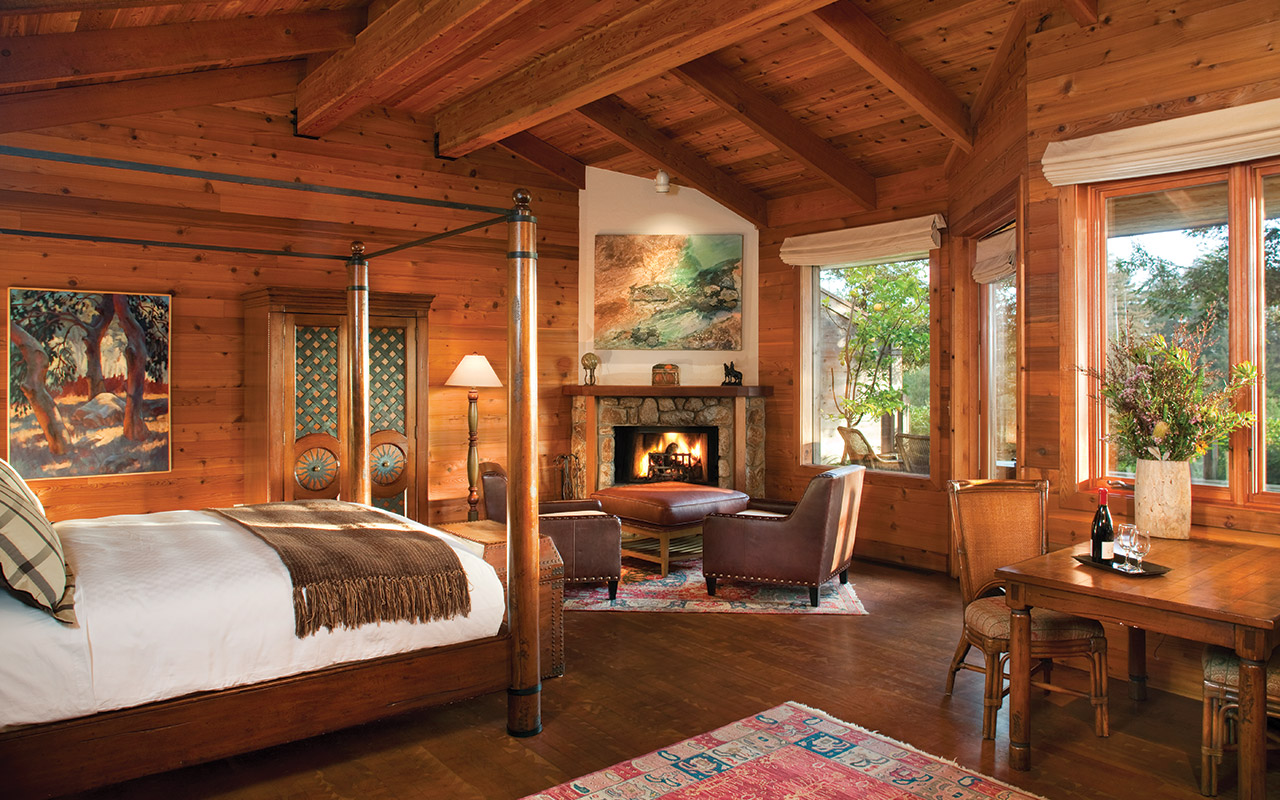
Treebones is the move for travelers who want structure and programming alongside nature. This 11-acre sustainable forest retreat hosts yoga retreats, concerts, and wellness getaways year-round, with a redwood bar overlooking the Pacific Ocean that alone justifies the stay.
Hot tubs, yoga classes, and massage treatments are built into the experience, not added as upgrades.
Who should book this: Anyone prioritizing wellness, community, and curated retreats over solo silence. Skip if you want to avoid group energy or structured schedules.
Insider move: Book during a specific retreat (yoga, sound bath, or concert series) rather than open dates—the programming is what separates Treebones from generic glamping.
El Capitan Canyon | Santa Barbara County, California
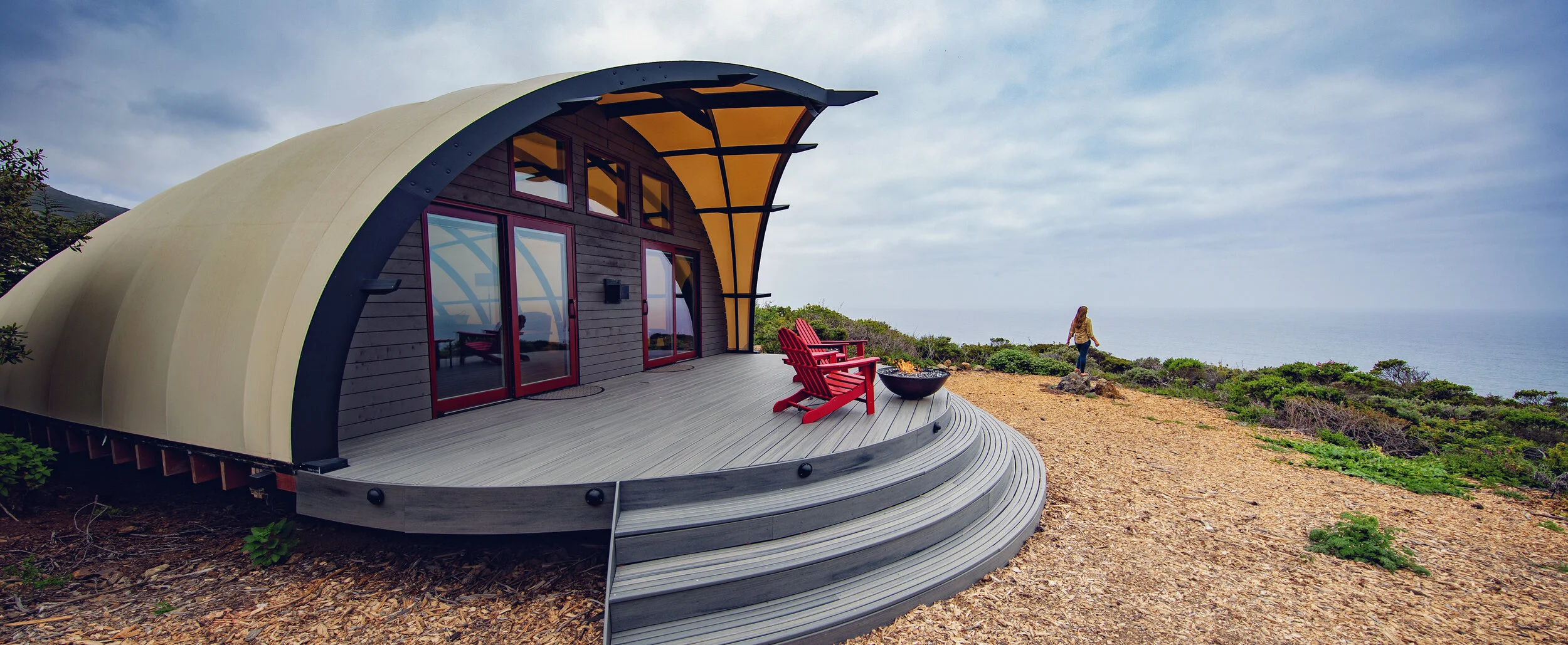
Spread across 300 acres of California chaparral, El Capitan Canyon works as both a wilderness escape and a destination retreat. The mix of glamping accommodations comes with wood-fired hot tubs, spa services, and a full restaurant on-site—meaning you can spend three days here without leaving the property if you choose.
Each room has comfortable bedding, heating, and access to modern bathhouses that balance nature immersion with genuine comfort. Hiking, swimming holes, and uninterrupted stargazing are the main draws.
Who should book this: Multi-day retreat seekers and families who want nature without sacrificing hot meals and spa access. Skip if you’re looking for ultra-remote isolation or prefer smaller, more intimate properties.
Practical detail: The on-site restaurant means you’re not driving to Santa Barbara for dinner—a major convenience if you’re staying three nights or longer.
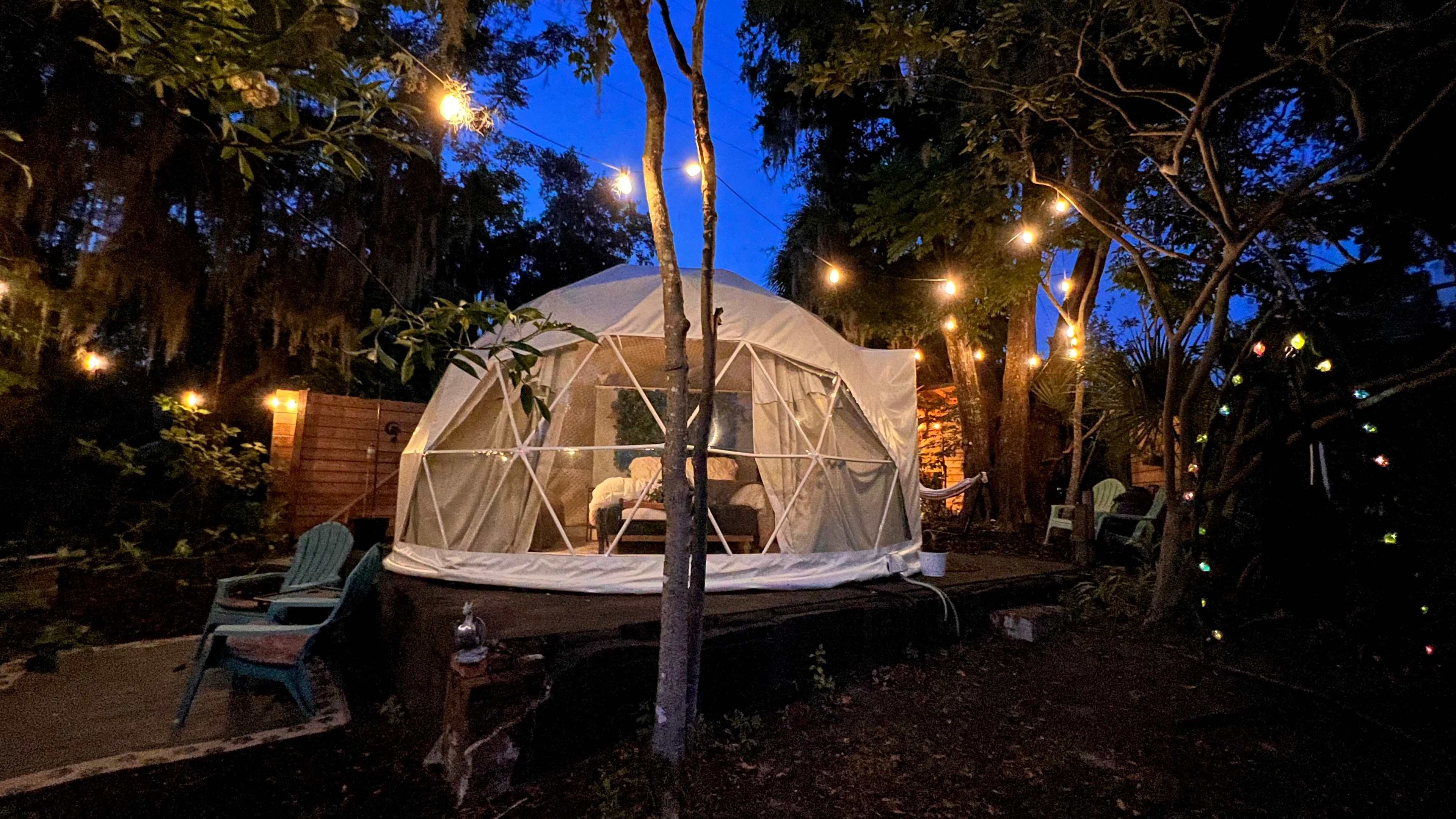
Nightsky Camps | San Luis Obispo, California
Nightsky Camps launches this summer on the Central Coast with a specific obsession: dark sky stargazing. Geodesic domes and safari-style tents are positioned to maximize celestial observation and coastal views, with deck spaces designed for astronomy rather than just lounging.
Contemporary interiors, hiking trail access, and ocean proximity round out the experience, but the design philosophy is clear—the landscape and sky are the main event, and every structure enhances rather than disrupts that view.
Who should book this: Astronomy enthusiasts and travelers who want a modern, design-forward aesthetic without sacrificing stargazing potential. Skip if you prefer traditional tent camping or need established restaurant and activity infrastructure.
Practical detail: New properties often have limited reviews and variable operations in their first season—call ahead to confirm current availability and any seasonal closures before booking.
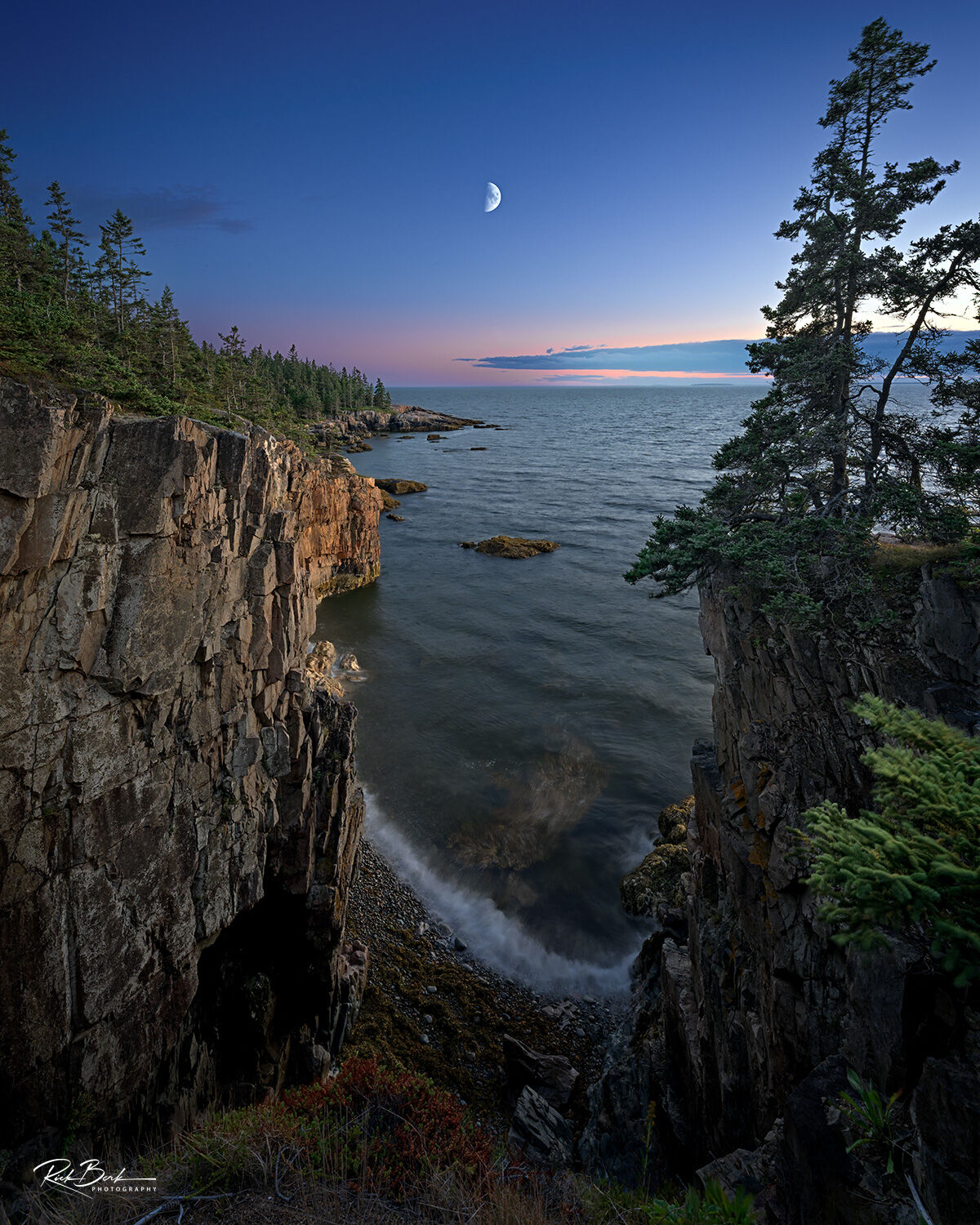
Under Canvas Acadia | Bar Harbor, Maine
Wake to salt air at Under Canvas Acadia, where private decks overlook Maine’s wild granite coastline. This is the East Coast answer to Western glamping—hiking Acadia’s peaks, exploring tidepools, and cycling scenic carriage roads by day, then returning to safari tents with in-tent wood stoves and waterfront breezes.
A locally-inspired lobster boil dinner and proximity to charming Bar Harbor make this a full coastal experience, not just a campground. The bonus: Cadillac Mountain, where you can catch the first sunrise in the U.S., is minutes away.
Who should book this: East Coast hikers and travelers seeking New England coastal charm with luxury tent comfort. Skip if you prefer warm-weather camping or want to avoid the Atlantic’s cool ocean breezes.
Insider move: Book for late May through early September when weather is most reliable. Plan a sunrise hike to Cadillac Mountain the morning after arrival—the logistics are easier when you’re already on-site.
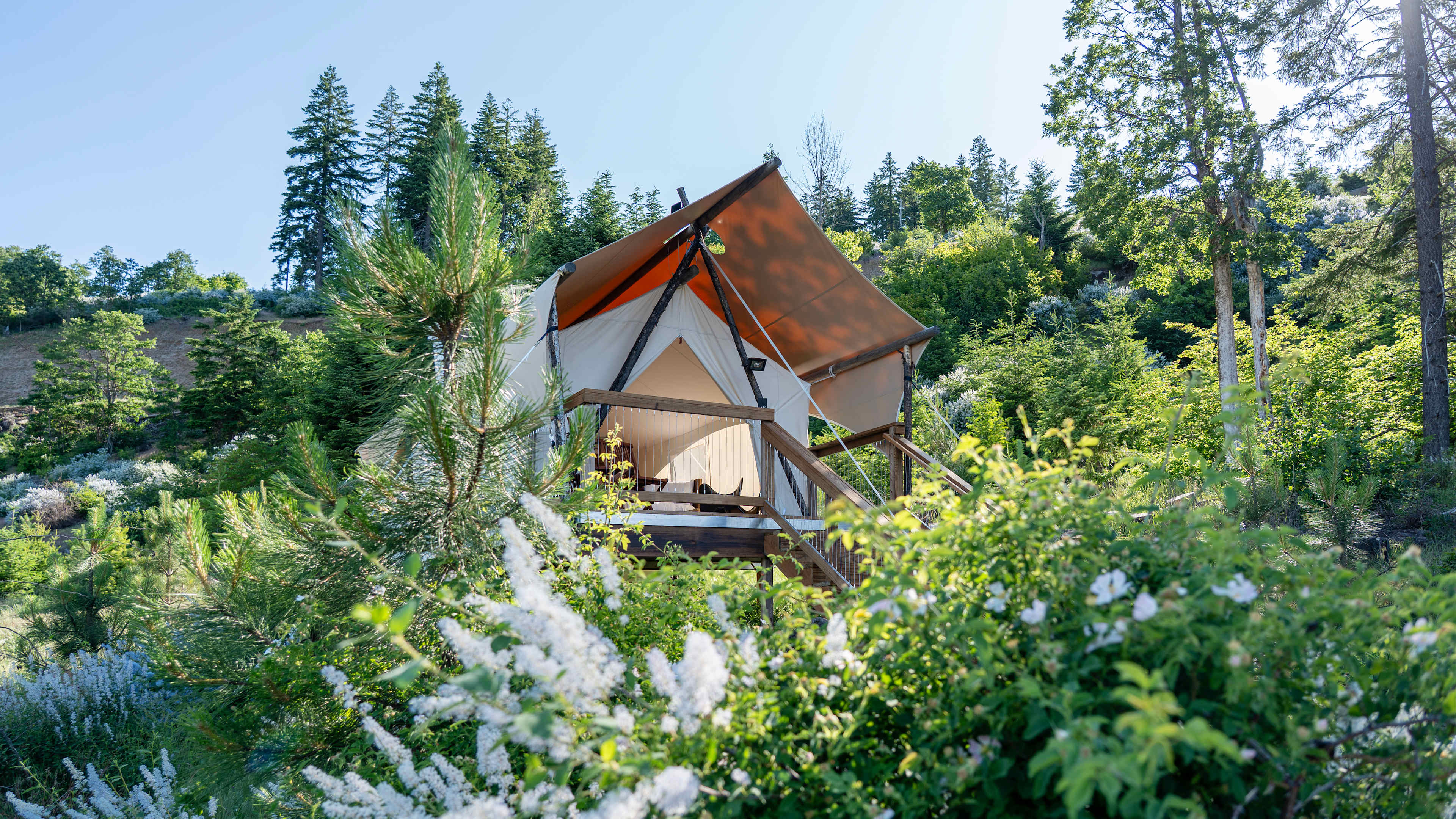
Under Canvas Columbia River Gorge | Washington
Your day at Under Canvas Columbia River Gorge begins with mountain views and ends with fireside stargazing. The Historic Columbia River Highway offers scenic drives, the Waterfall Corridor delivers hikes, and nearby vineyards provide wine-country exploration.
Back at camp, dine al fresco or join a farm-to-table cooking class led by a private chef. Opt for a Stargazer Tent—complete with a viewing window above your bed—to drift off beneath the stars without leaving your sleeping space.
Who should book this: Wine country explorers and travelers who want hiking, culinary experiences, and stargazing in one location. Skip if you need full-service restaurant dining or prefer desert landscapes to gorge scenery.
Practical detail: The private chef cooking classes fill quickly during peak season (June–September)—book these experiences when you reserve your tent, not after arrival.
Under Canvas Yosemite | California
Under Canvas Yosemite serves as the gateway to Yosemite National Park’s granite cliffs and waterfalls, positioning you for early-morning trailhead access without the noise and crowds of in-park lodging. The property itself delivers the Under Canvas formula—safari tents, chef-prepared dining, hot showers, and cozy indoor and outdoor spaces—but the real value is location: you’re close enough to Half Dome and Bridalveil Fall to hike before breakfast, yet far enough away to avoid the parking chaos.
Who should book this: National park adventurers who want luxury tent comfort with genuine wilderness access. Skip if you need to be inside the park boundary or prefer smaller, more intimate properties.
Practical detail: Book accommodations and plan your Yosemite hikes simultaneously—popular trails fill up months in advance, and staying at Under Canvas doesn’t guarantee park entry permits during peak season.
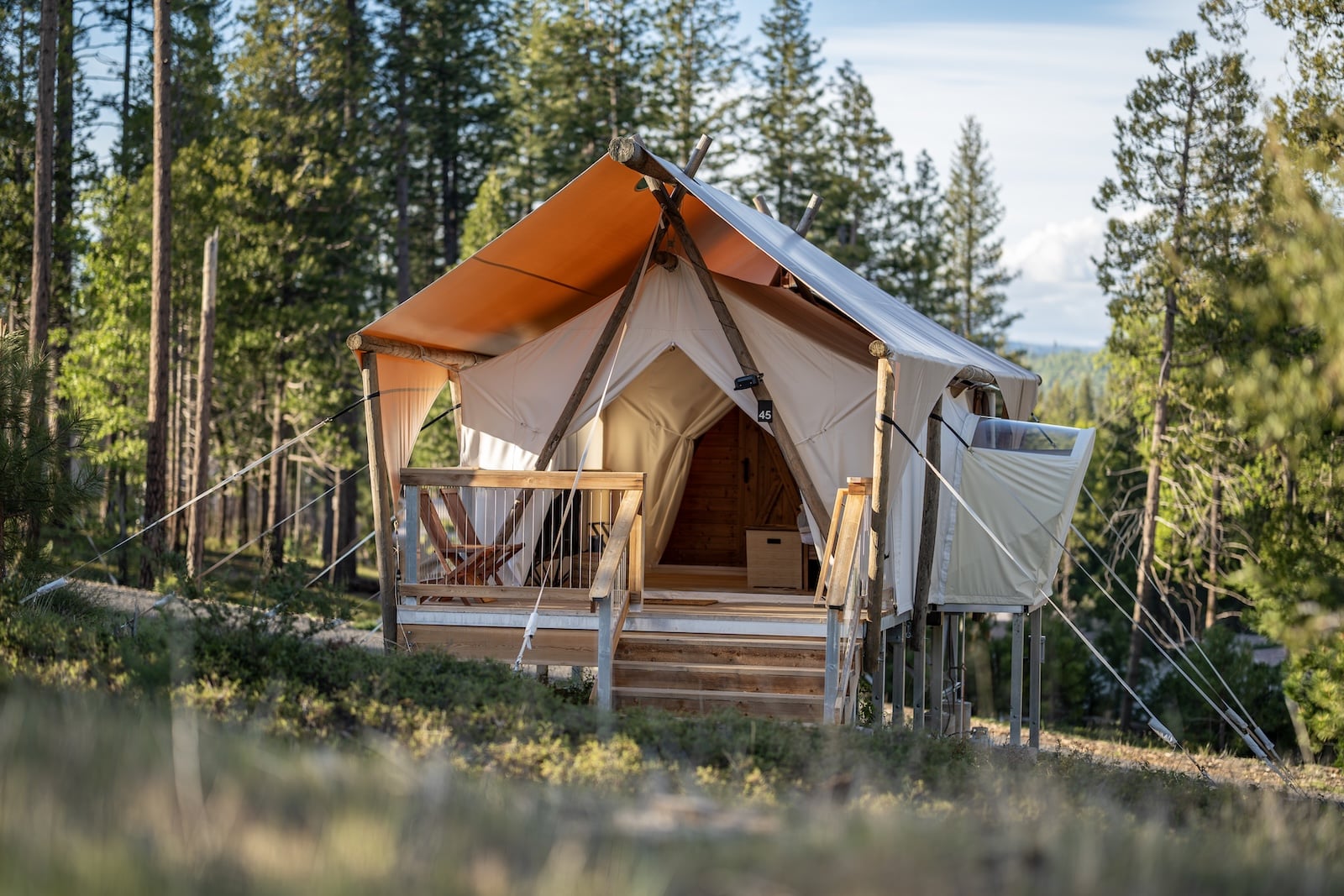
Bottom line: Coastal glamping in the U.S. splits into two experiences: California’s redwood-and-ocean blend (Alila, Treebones, El Capitan, Nightsky) offers year-round warmth and established infrastructure, while the Maine and Washington properties deliver regional character and shorter, more intense seasons. Choose based on your priority: wellness programming (Treebones), stargazing obsession (Nightsky), East Coast granite (Acadia), wine country access (Columbia River Gorge), or national park proximity (Yosemite).
All seven deliver the core glamping promise—real nature, real comfort, no compromise.
Rugged Luxury & Alpine Air: 6 Mountain Aesthetic Glamping Destinations in the West
These six properties trade desert minimalism for evergreen forests, alpine meadows, and the kind of silence that only happens above 6,000 feet. Mountain glamping in the West means waking to wildlife sounds instead of highway noise, soaking in natural hot springs, and sleeping under skies so dark and star-filled they feel like a different planet.
The best ones combine serious outdoor access—glacier-fed lakes, backcountry trails, working ranches—with the kind of bedding and bathrooms that make you forget you’re technically camping.
Quick comparison: Under Canvas properties (Glacier, Yellowstone, Mount Rushmore) offer consistent luxury and proximity to major parks; Teton Wagon Train is the move for active travelers who want to be in motion; Dunton Hot Springs wins for romance and novelty; American Prairie Reserve appeals to conservation-minded travelers and those seeking true solitude.
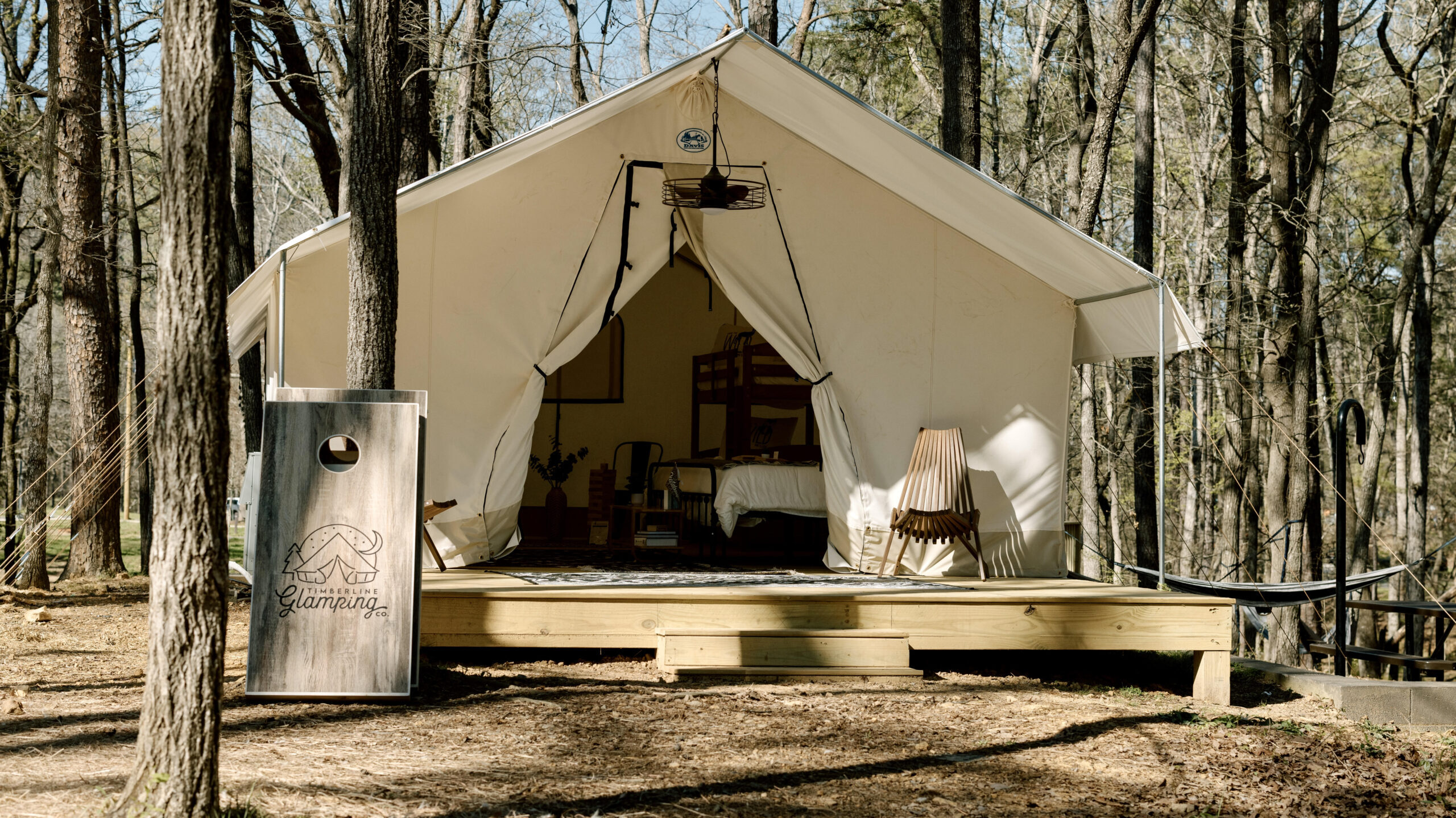
Under Canvas Glacier & Yellowstone (Montana)
Montana’s two Under Canvas locations bookend the state’s most iconic natural attractions—Glacier National Park in the northwest and Yellowstone’s west entrance in the south—and both deliver the same formula: safari-style canvas tents with king beds and private bathrooms, open-air dining, and direct access to some of the continent’s most dramatic landscapes.
Under Canvas Glacier sits seven miles from Glacier’s west entrance and serves as the ideal base for the Going-to-the-Sun Road, glacier-fed lake kayaking, and alpine trail hiking through wildflower meadows. The camp’s open-air lobby doubles as a gathering space for evening wine and s’mores by the fire pit.
Best for: active travelers who want a comfortable bed and hot shower after a full day of park exploration. Skip it if you need constant WiFi or prefer staying inside park boundaries.
Under Canvas West Yellowstone positions you 10 minutes from Old Faithful, Grand Prismatic Spring, and Mammoth Hot Springs. The upscale dining and ensuite bathrooms mean you’re not roughing it between geyser visits.
Best for: families and couples who want park access without sacrificing comfort. The main drawback: both locations fill quickly during peak summer (June–August); book 3–4 months ahead for July and August stays.
Practical action: Arrive at either camp by mid-afternoon to settle in before sunset. Both properties offer guided hikes and ranger programs—ask the front desk which trails have the fewest crowds that day.
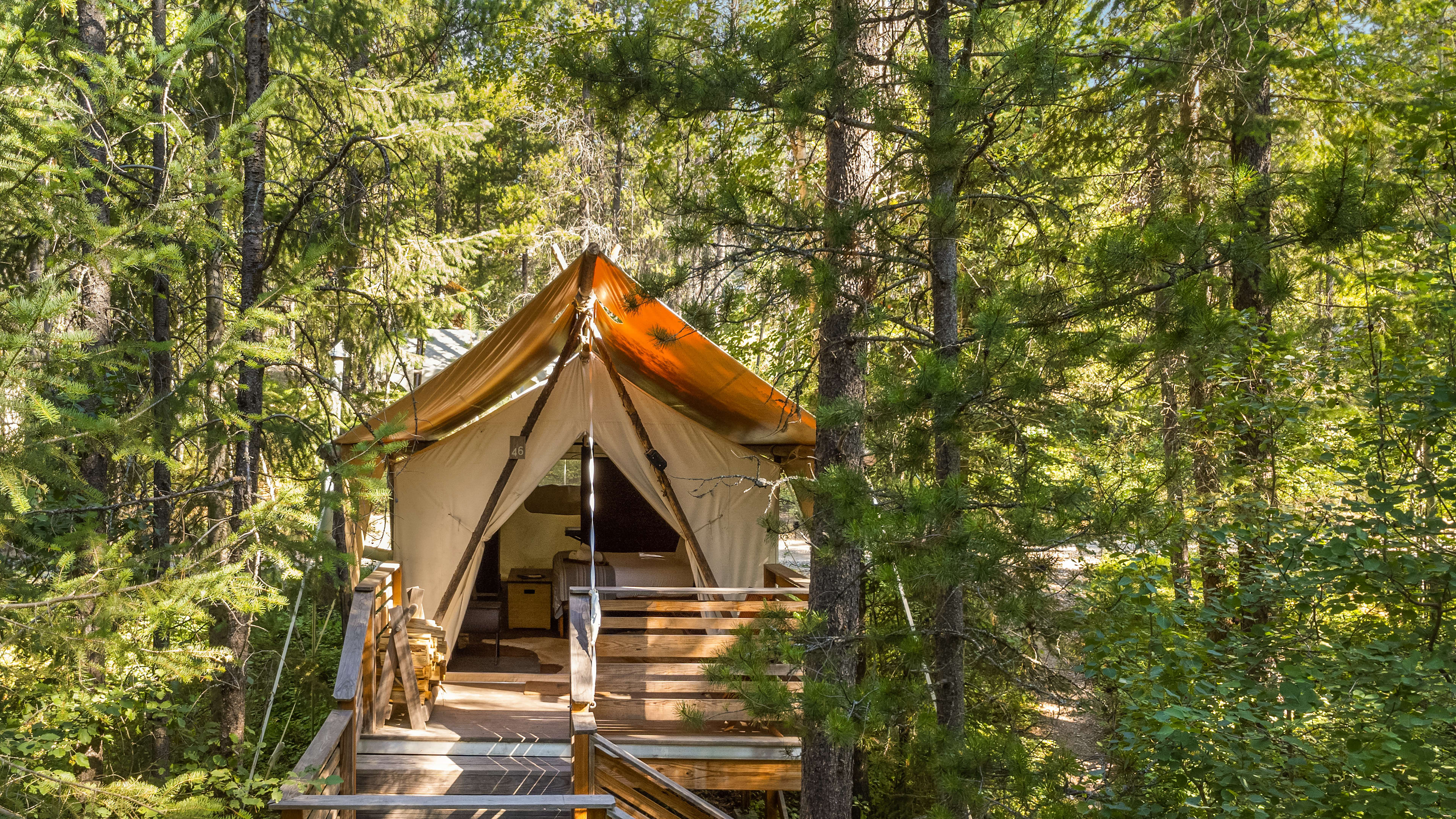
Under Canvas Mount Rushmore (South Dakota)
Built on a historic gold mining settlement in the Black Hills, this camp combines American history tourism with genuine mountain comfort. The spacious safari-inspired tents sit in a forested setting that feels far removed from the monument crowds, yet you’re minutes away from Mount Rushmore’s evening lighting ceremony and Custer State Park’s scenic trails.
The real draw here is the contrast: spend your day exploring Crazy Horse Memorial and hiking Custer State Park, then return to camp to watch the illuminated monument glow against the night sky from your private vantage point. Best for: history buffs and families who want a full Black Hills itinerary without staying in roadside motels.
Skip it if you’re not interested in the Mount Rushmore experience—the camp’s location is built entirely around that attraction.
Insider detail: The lighting ceremony happens nightly at dusk (times vary seasonally). Time your return to camp for the show, and bring a jacket—Black Hills evenings cool down quickly even in summer.
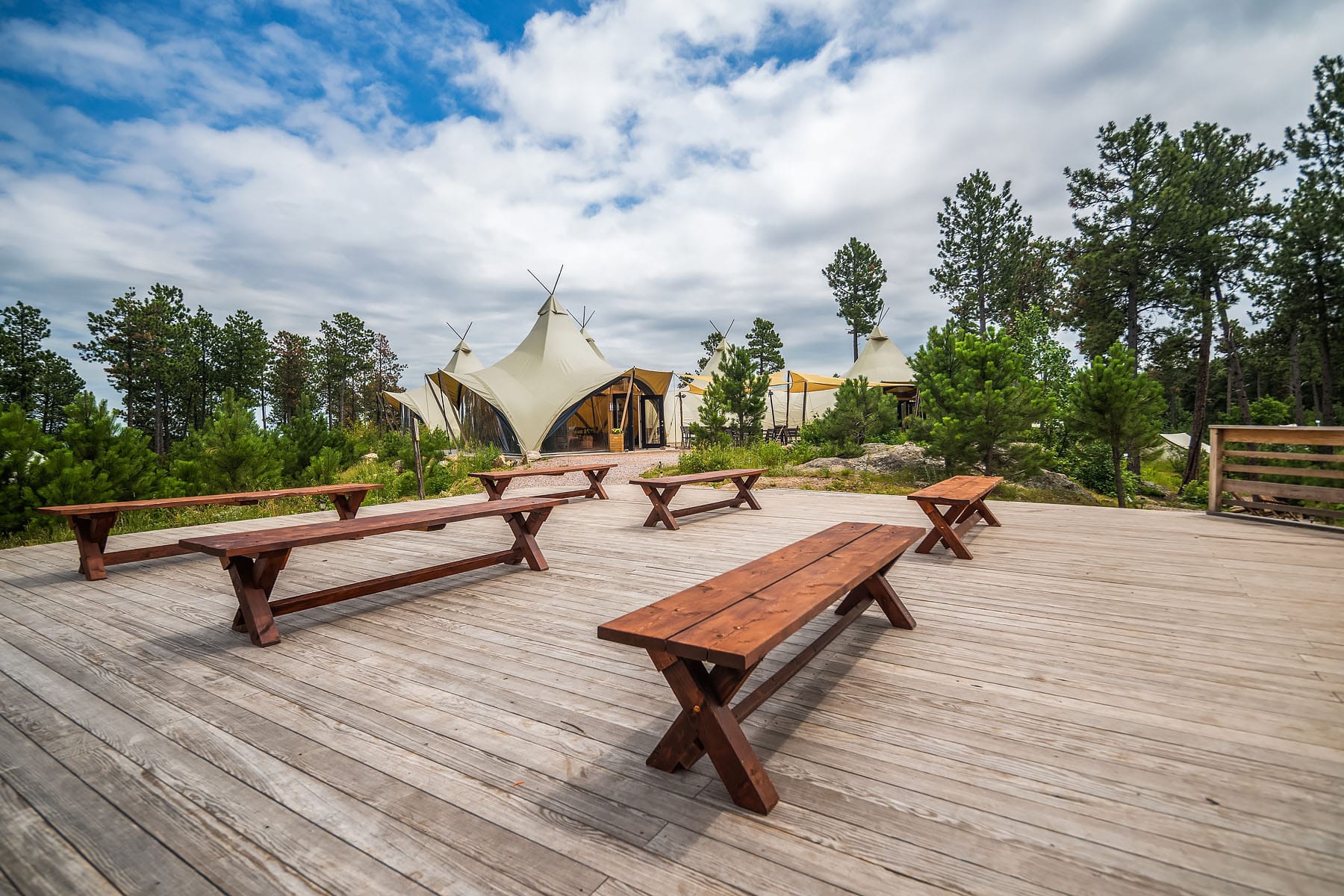
Teton Wagon Train (Wyoming)
This is not a stationary glamping camp—it’s a mobile journey through Caribou-Targhee National Forest where you travel by covered wagon during the day and sleep in canvas tents at night. It’s the closest thing to authentic Old West travel without actually roughing it.
The Teton Wagon Train appeals to travelers who want movement and novelty built into their trip, not just day hikes from a fixed base. Each day involves a new camp, new scenery, and the rhythm of frontier travel.
Best for: active adventurers, families with older kids (ages 8+), and anyone who finds staying in one place boring. Skip it if you prefer a home base, need reliable cell service, or have mobility concerns—wagon travel is physically demanding.
Practical action: Multi-day trips typically run spring through fall. Book well in advance (6+ months for peak season) and confirm the current schedule directly with the operator, as dates and availability change year to year.

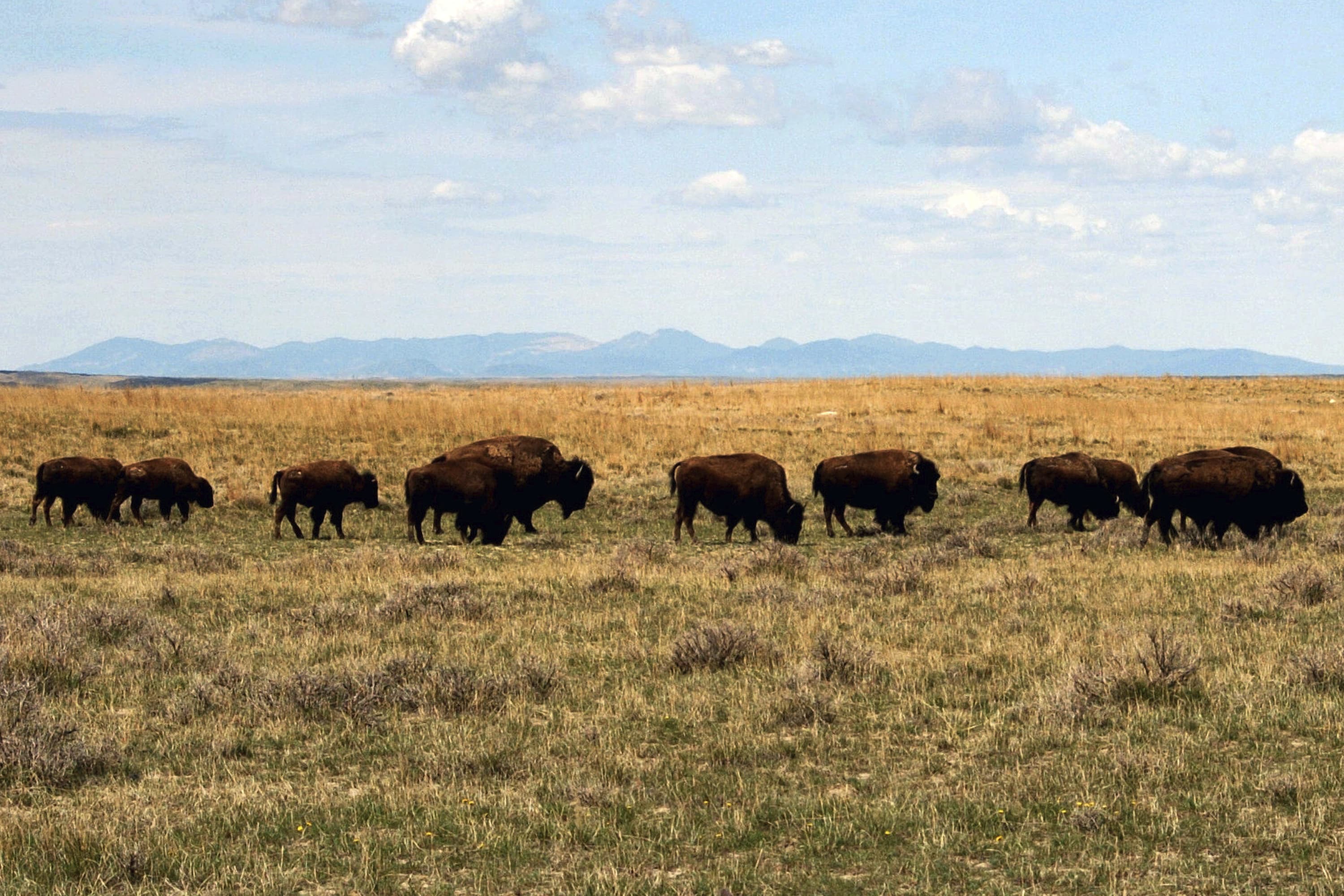
American Prairie Reserve (Montana)
This is conservation glamping: a working prairie reserve near Lewistown, Montana, where your stay directly supports habitat restoration and wildlife protection. The experience prioritizes solitude and ecological immersion over amenities—you’re here to witness the landscape, not to be entertained by it.
American Prairie Reserve is best for travelers who care about conservation, want genuine wilderness solitude, and don’t need constant activity or dining options. The trade-off is clear: fewer creature comforts than Under Canvas properties, but far more authentic prairie experience and the knowledge that your money funds land protection.
Skip it if you need reliable WiFi, on-site dining, or structured activities.
Insider detail: Wildlife viewing is best at dawn and dusk. Bring binoculars and a field guide—bison, pronghorn, and grassland birds are the main attractions.
Dunton Hot Springs (Colorado)
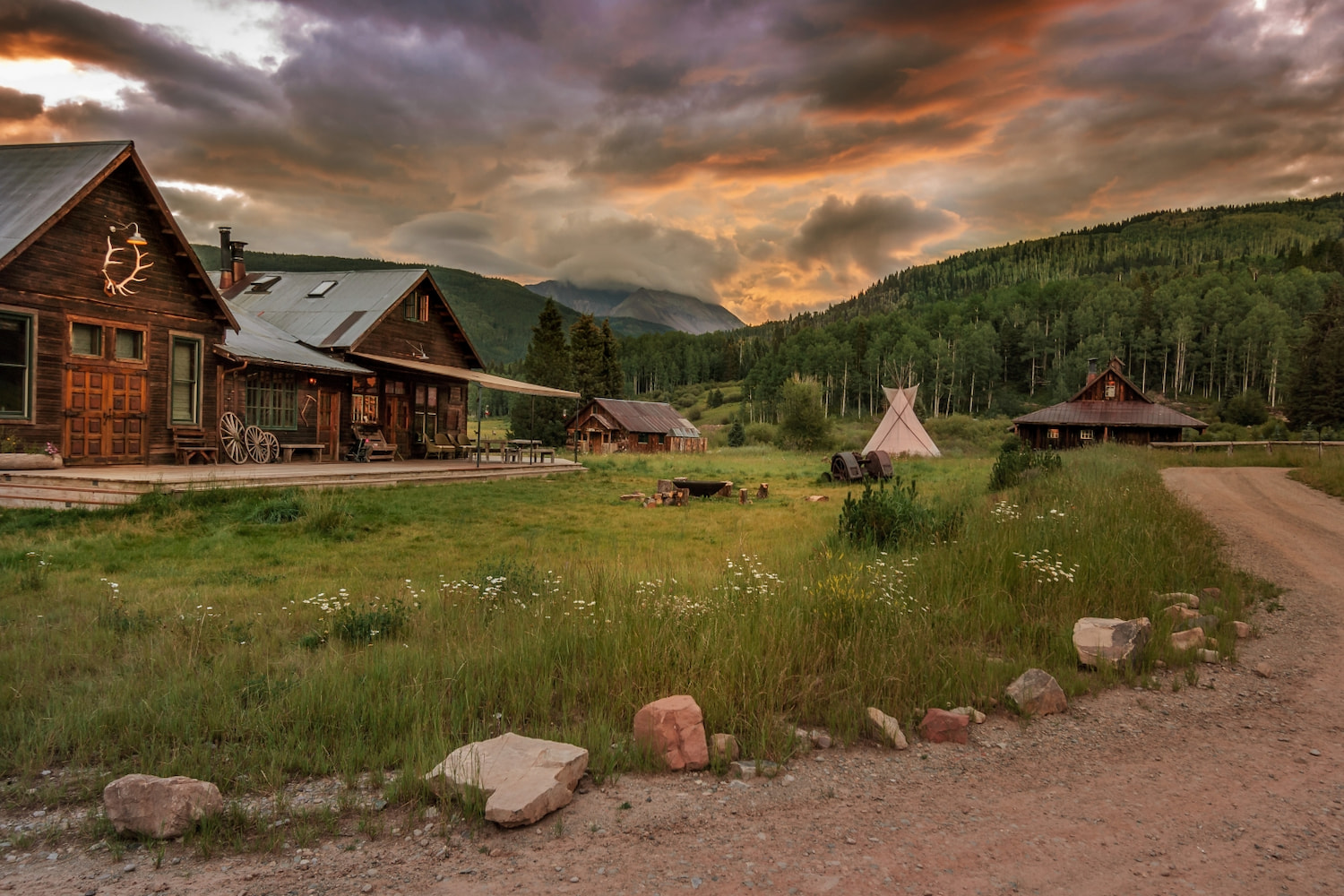
Dunton occupies an entire ghost town in an alpine valley near Dolores, Colorado, and offers the most theatrical glamping experience on this list. The property blends 1800s frontier authenticity with modern luxury—restored cabins and prospector-style tents feature contemporary furnishings, and natural hot springs on-site provide the ultimate après-hike soak.
This property wins for romance, novelty, and travelers who want a story to tell. The ghost town setting and hot springs create an unforgettable backdrop.
Best for: couples seeking a unique retreat, families wanting a memorable reunion destination (the entire property can be rented), and anyone drawn to Old West nostalgia with modern comfort. Skip it if you prefer anonymity or want to avoid the “Instagram-famous glamping” crowd.
Practical action: Book the natural hot springs for early evening—the temperature drops dramatically after sunset, and soaking under stars is the signature experience. Request a cabin over a tent if you want maximum privacy and heating.
The Green O (Montana)
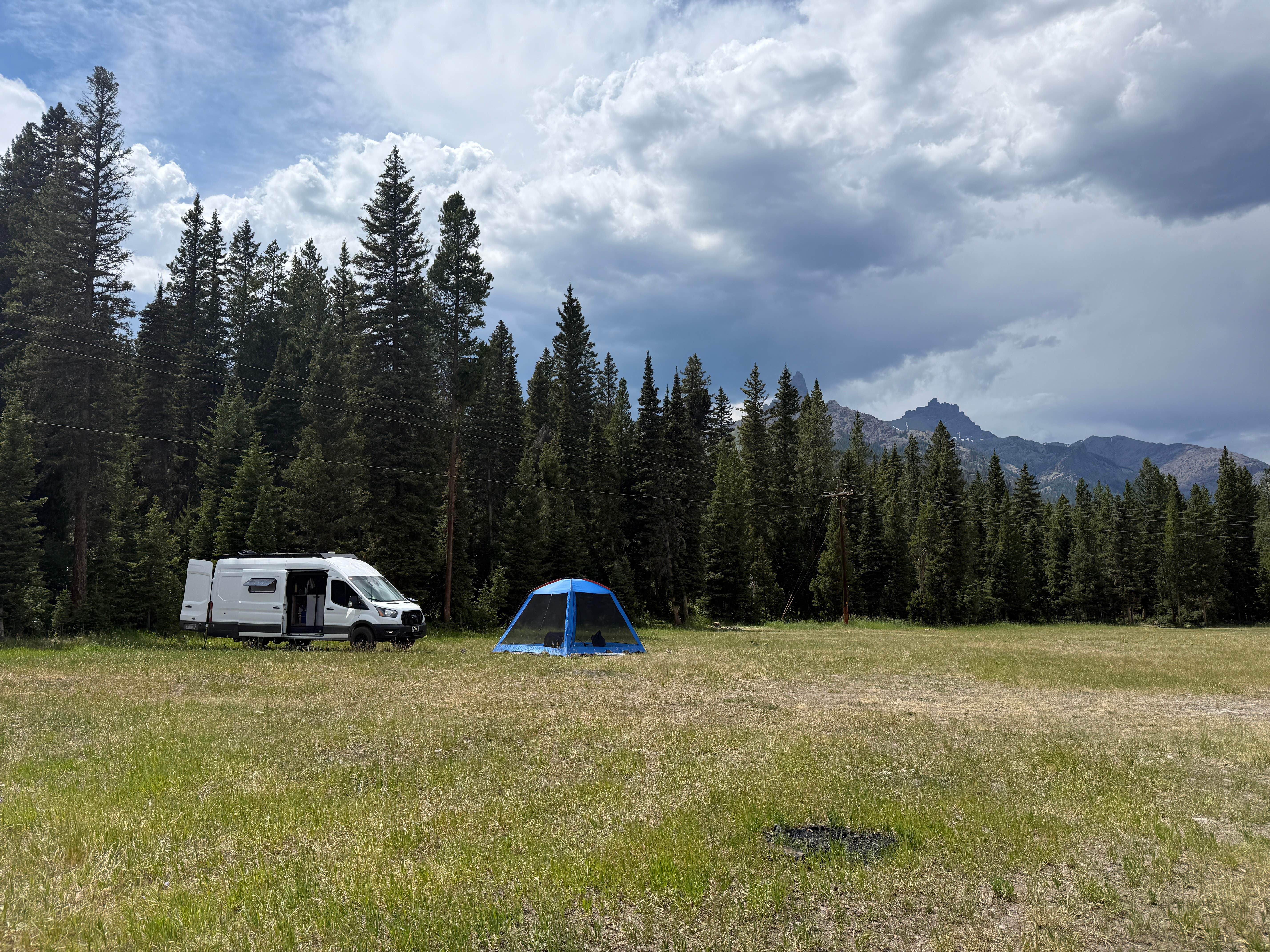
This smaller, lesser-known property near the Beartooth Mountains offers a more intimate mountain glamping experience than the larger Under Canvas chain. The focus is on quiet, personalized service, and access to some of Montana’s most remote hiking and fishing terrain.
The Green O appeals to travelers seeking a quieter alternative to busier glamping chains, with the trade-off being fewer on-site amenities and activities. Best for: couples and small groups who prioritize peace and solitude over structured programming.
Skip it if you need reliable restaurant dining or expect daily housekeeping.
Practical action: Confirm current operating status and booking availability directly before planning—smaller properties sometimes adjust seasons or close for renovations without wide announcement.
Bottom line: Mountain glamping in the West works best as a base camp for park exploration (Under Canvas Glacier, Yellowstone, Mount Rushmore) or as a destination in itself for romance and novelty (Dunton Hot Springs). Book peak season (June–August) 3–4 months ahead.
Spring (May–June) and fall (September–October) offer fewer crowds, cooler nights, and better wildlife viewing—plan accordingly.
Southern Bohemian & Woodland Magic: 5 East Coast Glamping Aesthetic USA Favorites
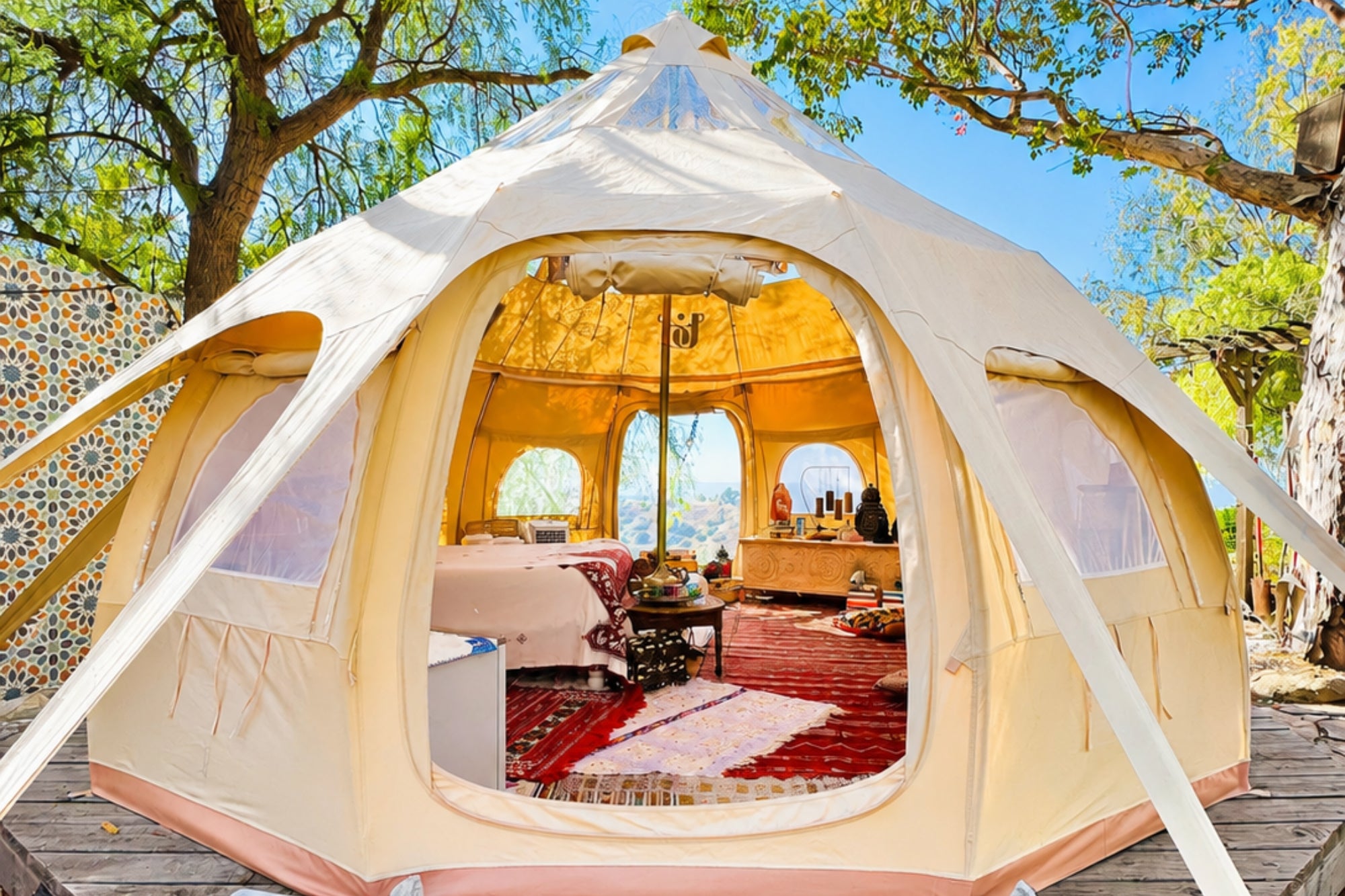
The East Coast’s best glamping leans into maximalist design and intimate gatherings rather than minimalist desert vibes—think hand-stitched canvas, vintage furnishings, and communal farm-to-table meals that anchor the experience. These five properties prioritize wellness, creative exploration, and the kind of curated comfort that makes you want to stay longer than planned.
All sit within easy reach of Appalachian hiking, river access, and small towns worth exploring between camp days.
Dunya Camp (Georgia)
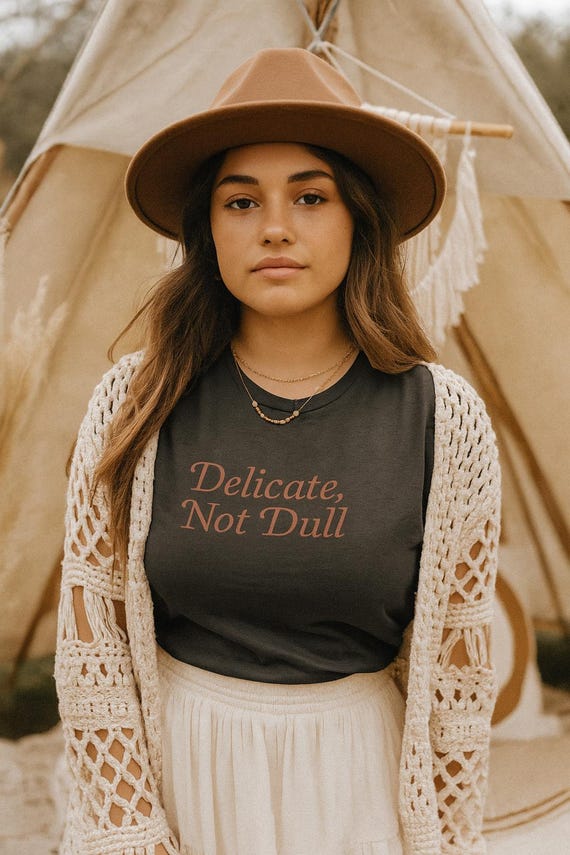
Best for: Couples and small groups seeking wellness-first glamping with serious design intent. Skip if: You want solitude or minimal social interaction—this camp thrives on communal energy. Why it wins: Canvas tents feature hand-stitched details, wood stoves, and interiors that channel bohemian maximalism through patterned wallpapers, vintage furnishings, and curated art. The property sits on rolling Georgia countryside, making it feel simultaneously remote and intimate.
Farm-to-table dining and wellness programming (think creative workshops and guided experiences) are built into the stay, not added on.
The communal spaces are designed for gathering and nourishment—this is where Dunya separates itself from standard glamping. You’re not just sleeping in a beautiful tent; you’re joining a retreat-style experience.
Book during shoulder seasons (spring or early fall) to avoid peak wellness-retreat crowds and enjoy more personalized attention from staff.
AutoCamp Asheville & Asheville Glamping (North Carolina)
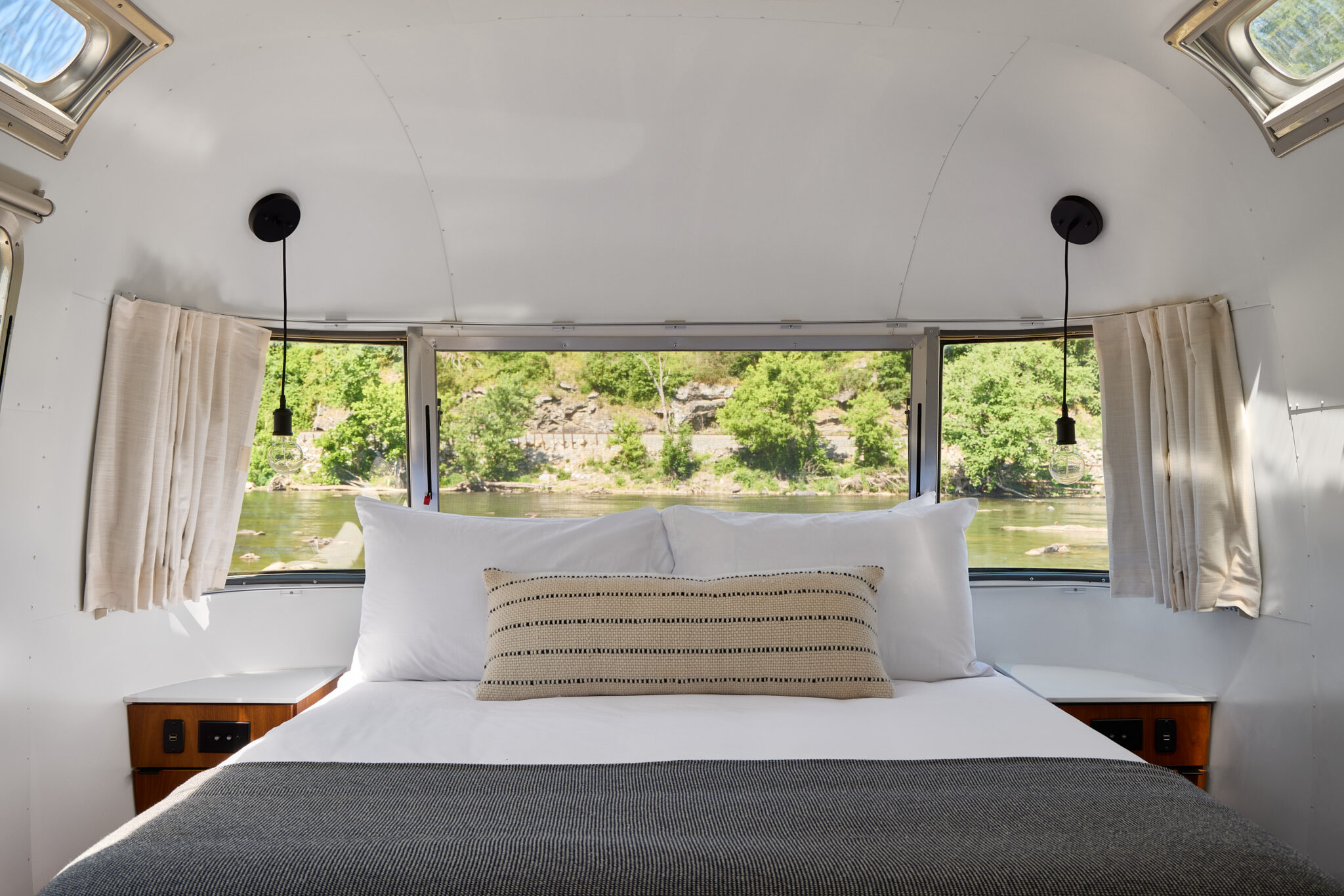
Best for: Design-forward travelers who want Instagrammable lodging plus easy access to Blue Ridge hiking and Asheville’s restaurant scene. Skip if: You’re budget-conscious—AutoCamp runs premium pricing for the Airstream aesthetic. Why it wins: AutoCamp Asheville opened winter 2023–24 with 67 accommodations across 16 acres along the French Broad River, including iconic Airstreams, custom cabins, and exclusive Bambi suites. Each Airstream features bright airy sitting rooms, full bathrooms, kitchenettes, queen beds tucked under panoramic windows, and private patios with fire pits.
The 5,000-square-foot clubhouse anchors the property with a bar, lounge, general store, and year-round plunge pool—this is a design-forward basecamp, not a quiet retreat.
Asheville Glamping offers a quieter alternative if you prefer a smaller, more intimate property without the clubhouse scene. Both properties position you perfectly for exploring Asheville’s downtown galleries, breweries, and restaurants—you can hike all day and eat well at night without the drive.
Under Canvas Great Smoky Mountains (Tennessee)
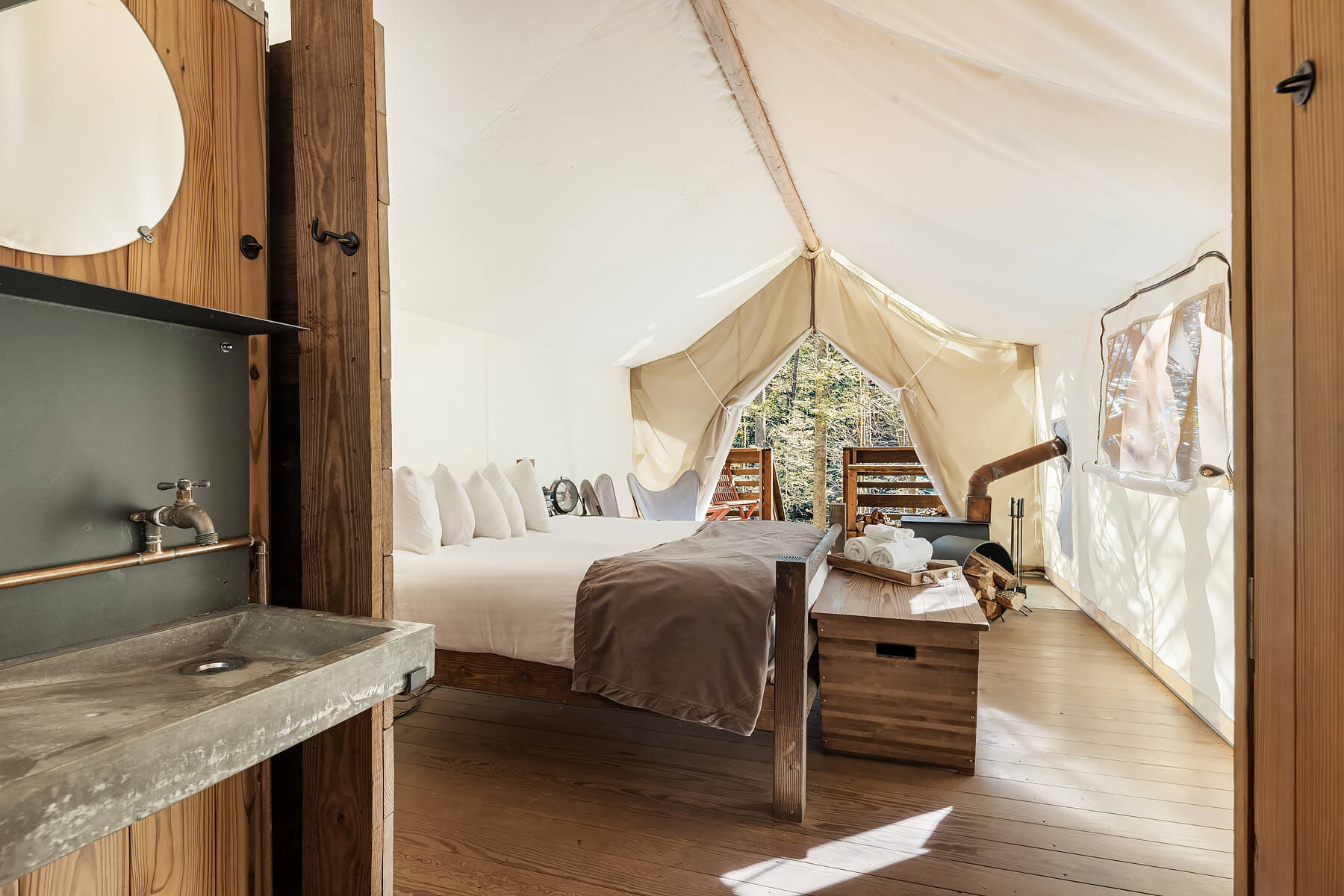
Best for: Families and groups wanting direct access to Gatlinburg and Great Smoky Mountains National Park with structured activities included. Skip if: You need true backcountry solitude—this is a social, activity-rich property. Why it wins: Just 10 minutes from Gatlinburg and the Great Smoky Mountains National Park entrance, this property sits on 182 acres of lush, wooded terrain. Safari-inspired tents feature private decks, ensuite bathrooms, and the mix of rustic and refined that makes cozy mountain nights actually comfortable.
Wake to misty mountain vistas, raft the Pigeon River, explore trails and waterfalls, then return for Southern-inspired meals and acoustic music under twinkling string lights.
The location is the real win here—you’re close enough to Gatlinburg for dinner and entertainment but far enough removed to feel genuinely in the mountains. Book spring or early fall for the best weather and wildflower displays on nearby trails.
Forest Gully Farms (Tennessee)
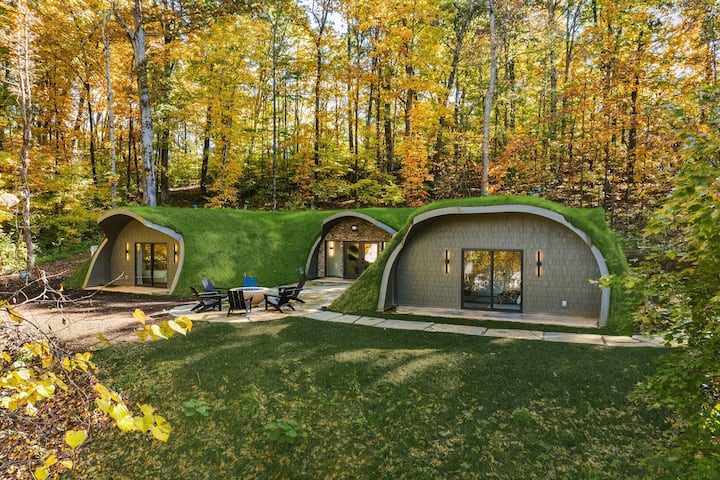
Best for: Adventurous groups (up to 8 adults plus kids) seeking a completely unique, one-of-a-kind stay focused on sustainability and creative exploration. Skip if: You need multiple accommodation options or frequent staff interaction—this is a private, self-directed experience. Why it wins: This family-run operation rents to only one group at a time, making it feel like a private retreat. The underground cabin aesthetic channels hobbit-house charm while the property functions as a sustainable food forest.
Each season offers a different environmental experience, so return visits feel genuinely different. The intimacy and exclusivity make this the most memorable option for groups willing to embrace a slower, more immersive pace.
The trade-off: You’re responsible for more of your own experience here—there’s no on-site restaurant or activity programming. This works perfectly for groups that want to cook together, explore independently, or simply disconnect.
Book well in advance; availability is extremely limited given the single-group-at-a-time model.
Depot Lodge (Virginia)
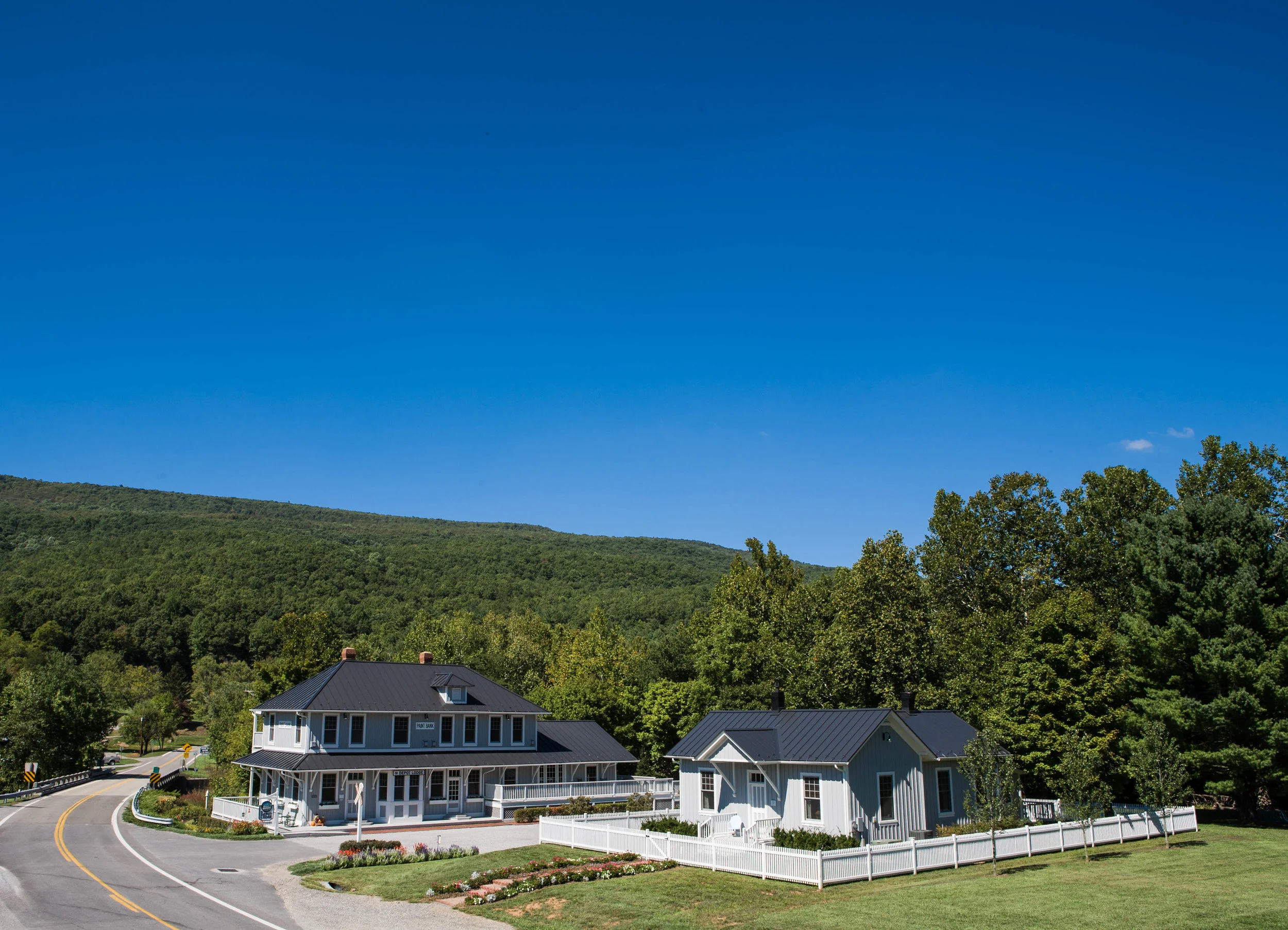
Best for: History buffs and adventure seekers wanting a unique heritage stay with outdoor activity access. Skip if: You need modern amenities or prefer contemporary design—this property celebrates its 1900s mining-boom origins. Why it wins: This former train depot in Paint Bank, Virginia, delivers old-fashioned hospitality with genuine character. Bike the “Rail Trail,” fly fish for rainbow trout on a float trip, or go spelunking through the Lost World Caverns in nearby Lewisburg.
The location puts you in the heart of Virginia’s mountain adventure corridor without the crowds of more famous destinations.
Depot Lodge works best as a base for active travelers who want to spend days outside and return to a cozy, historically rooted space at night. The nearby Lewisburg downtown is worth an evening stroll for local dining and galleries.
Spring through fall offers the best conditions for the outdoor activities that make this property shine.
Comparison at a Glance
| Property | Best For | Group Size | Design Vibe | Key Activity |
|---|---|---|---|---|
| Dunya Camp (GA) | Wellness-focused couples | Small groups | Bohemian maximalist | Farm-to-table dining, creative workshops |
| AutoCamp Asheville (NC) | Design lovers, Asheville access | Couples to families | Vintage Airstream, contemporary | River access, Blue Ridge hiking, town dining |
| Under Canvas Great Smoky Mountains (TN) | Families, activity seekers | Families to groups | Safari-inspired, rustic-refined | Park trails, river rafting, Gatlinburg access |
| Forest Gully Farms (TN) | Adventure groups, sustainability-minded | Up to 8 adults + kids | Hobbit-house underground cabin | Self-directed exploration, seasonal immersion |
| Depot Lodge (VA) | History buffs, outdoor adventurers | Couples to small groups | Historic heritage, rustic charm | Rail Trail biking, fly fishing, caving |
Why These Five Stand Out
These East Coast properties share a commitment to curated design and community-focused experiences that set them apart from generic glamping. Unlike the minimalist desert aesthetic, these camps embrace color, pattern, vintage furnishings, and intentional gathering spaces.
Each offers something genuinely different—from wellness retreats to heritage stays to private-group exclusivity—so your choice depends entirely on what kind of experience you’re after.
Base yourself in Asheville for the most walkable town access and restaurant density, or choose the Smoky Mountains properties for direct national park proximity. For the most immersive, unique experience, Forest Gully Farms demands advance planning but delivers memories that outlast standard glamping stays.
Dunya Camp works best as a true retreat—plan 3+ nights to settle into the wellness rhythm and community vibe.
Urban Escapes & Conservation Havens: 2 Unique Glamping Concepts
These two properties flip the glamping script entirely: one trades red rock vistas for Manhattan skyline views across a car-free island, while the other pairs luxury canvas lodges with active wildlife conservation. Both prove glamping doesn’t require remote wilderness—it requires intentional design and a reason to be there beyond Instagram.
Collective Retreats Governors Island (New York)
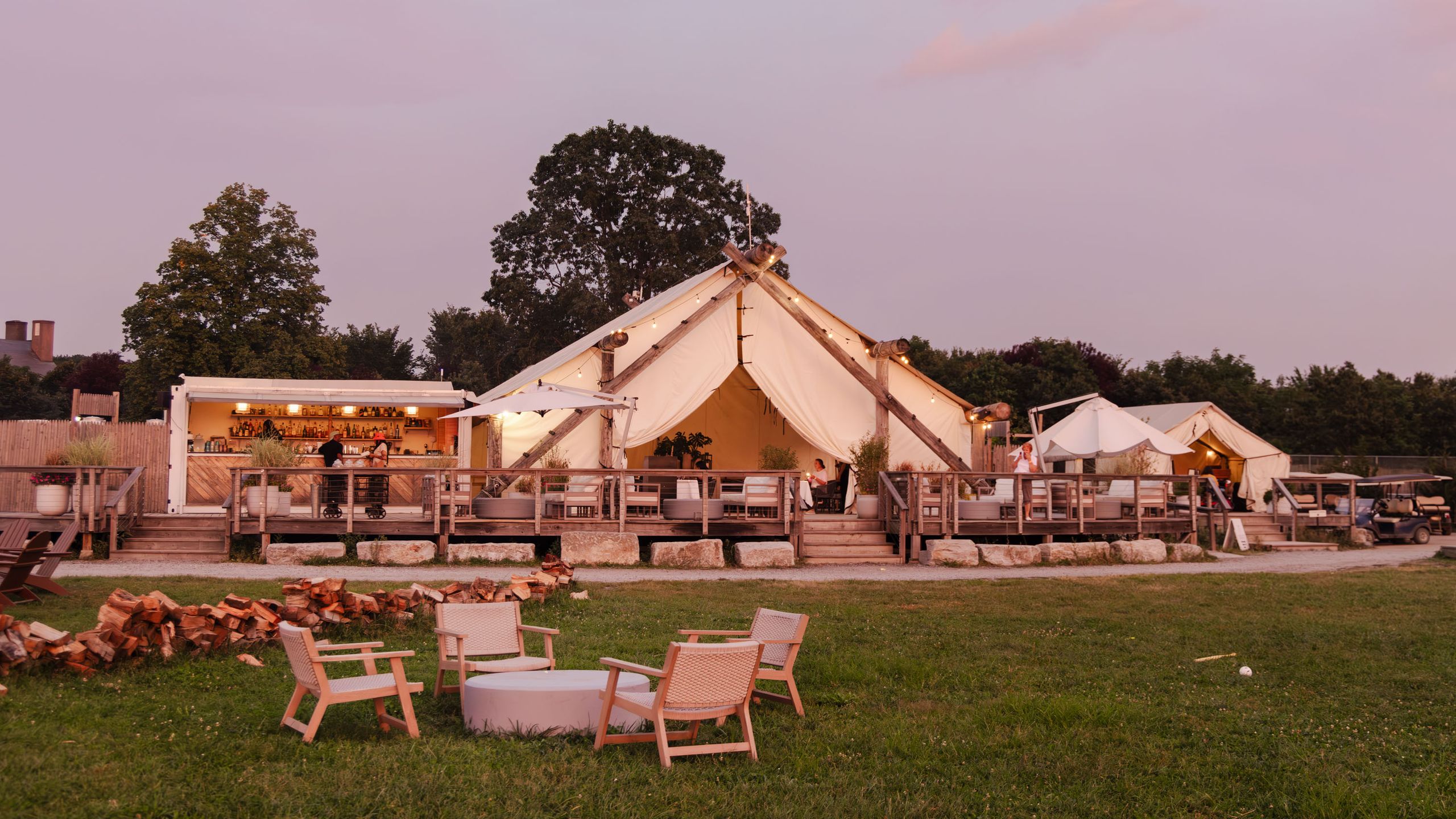
Collective Retreats positions luxury canvas lodges on Governors Island, a completely car-free setting in New York Harbor with unobstructed Manhattan skyline views and direct East River access. This is the move for travelers who want nature immersion without leaving the city—you’re minutes from Brooklyn and Lower Manhattan but surrounded by beaches, gardens, and genuine quiet.
Each lodge features contemporary interiors, en-suite bathrooms, and private deck access. The property emphasizes intentional hospitality over typical hotel service, with programming centered on wellness, art, and community.
Unlike standard NYC hotels, there’s no noise from street traffic, no crowds fighting for lobby space, and no pressure to optimize every minute. The island itself becomes part of the stay—walking trails, waterfront access, and curated cultural events create a rhythm that feels slower than the city it overlooks.
Best for: Couples seeking a design-forward escape within the city, travelers who want to skip the commute from outer boroughs, anyone wanting to experience New York’s waterfront without Manhattan hotel fatigue. Skip it if: You need proximity to Times Square or Midtown attractions—the island is intentionally removed from that energy. The win: You wake to skyline views, fall asleep to harbor breezes, and never set foot in a car or crowded lobby.
Practical detail: Book during shoulder seasons (May–June, September–October) when the island is less crowded but weather remains reliable. Ferries run regularly from lower Manhattan, so plan 20–30 minutes for transit from your starting point.
Nomad Ridge at The Wilds (Ohio)
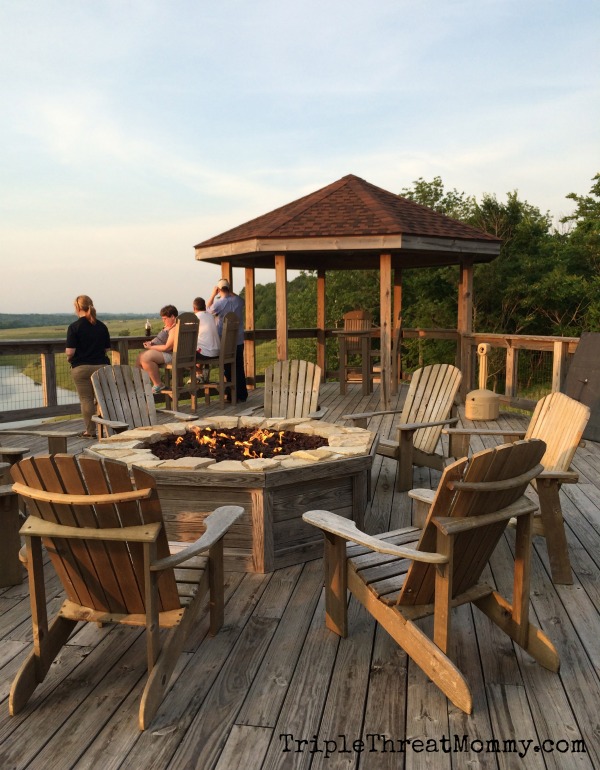
Nomad Ridge sits within The Wilds, a 10,000-acre conservation center in Cumberland, Ohio, where your stay directly supports active wildlife rehabilitation and research. This property pairs luxury canvas accommodations with respectful, educational wildlife encounters—you’re not just watching animals; you’re funding their care and learning how conservation actually works.
The glamping experience here centers on safari-style immersion without the flight to Africa. Accommodations blend comfort with proximity to the property’s animal habitats, and programming emphasizes education over entertainment.
This appeals to travelers who want their stay to mean something beyond personal relaxation—your booking dollars go directly to animal care and habitat restoration.
Best for: Families wanting to teach kids about conservation, wildlife enthusiasts who prefer hands-on learning over passive observation, travelers seeking purpose-driven travel. Skip it if: You want nightlife, fine dining, or a pure relaxation retreat—this is educational and mission-focused. The win: You leave knowing exactly where your money went and having gained real knowledge about wildlife management.
Practical detail: The Wilds operates year-round, but spring and fall offer the most comfortable temperatures for outdoor wildlife viewing. Book well in advance during peak seasons (May–September), as the property’s conservation mission attracts serious travelers rather than casual tourists.
Why these two matter: Urban glamping and conservation-focused stays represent the future of the category. They prove that glamping’s appeal isn’t just about escaping to remote places—it’s about staying intentionally, whether that means reconnecting with a city you thought you knew or supporting wildlife protection while you sleep.
How Much Does a Luxury Glamping Stay in the USA Cost?
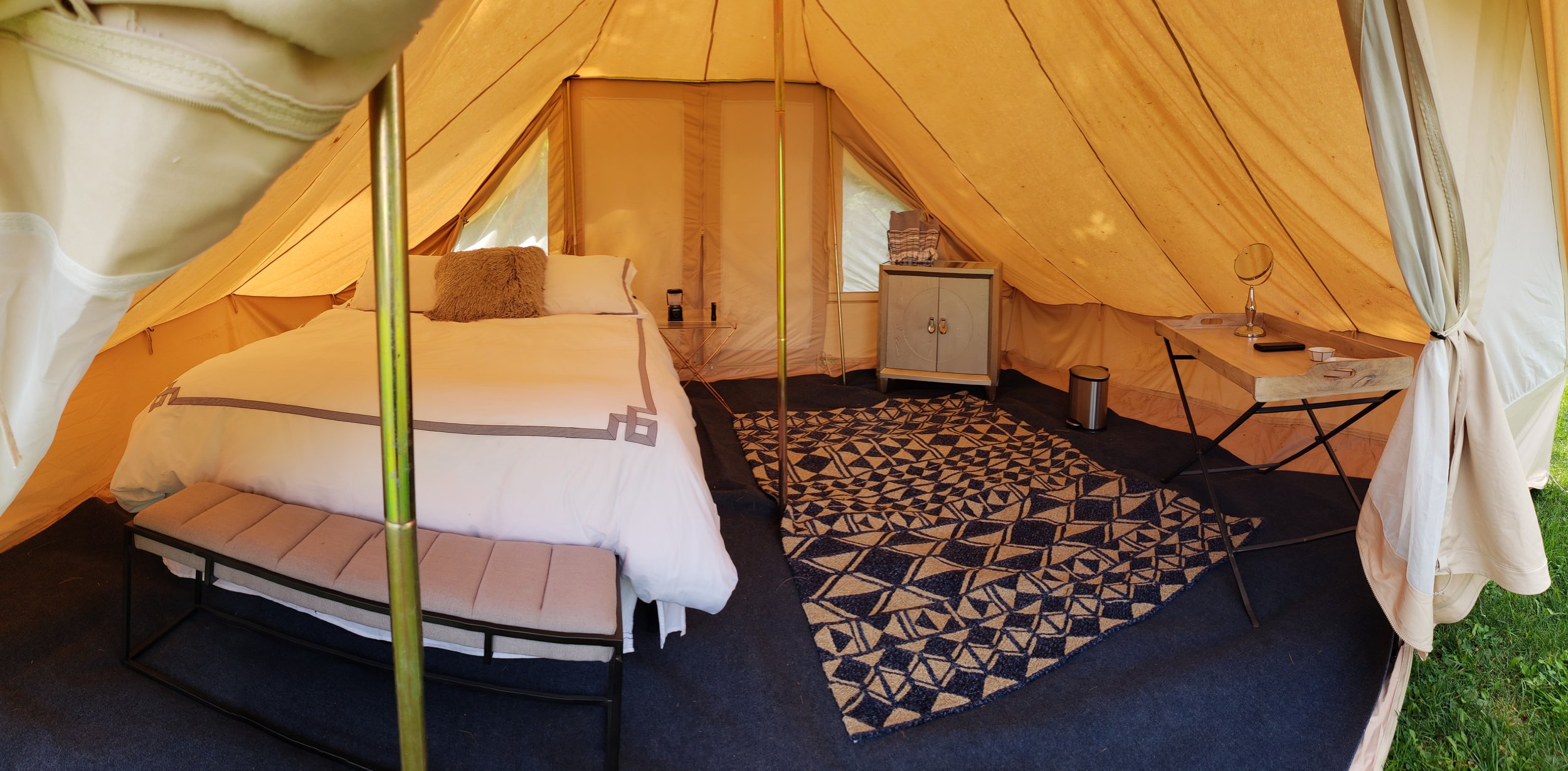
Glamping pricing splits into three clear tiers, and your choice depends entirely on how much you’re willing to trade tent fabric for hotel finishes. Budget-conscious glampers can find canvas-and-bed setups starting around $150–$250 per night, while mid-range luxury properties (think safari tents with real bathrooms and chef dining) typically run $300–$600 per night.
High-end properties like ULUM Moab and Collective Retreats on Governors Island push into the $700–$1,200+ per night range—but they’re not just tents; they’re design statements with amenities that rival five-star hotels.
Budget Glamping: $150–$250 Per Night
This tier gives you the glamping aesthetic—canvas, nature immersion, and a real bed—without the resort pricing. Expect safari-style tents with queen or king beds, ensuite bathrooms (or nearby facilities), and basic amenities like heating and electricity.
Many Under Canvas locations fall into this range depending on season and tent type, offering chef-prepared meals and activity programming without the design-forward finishes of luxury competitors.
Best for: Families, groups splitting costs, and travelers who want the experience without overspending. Skip if: You need high-end furnishings, spa services, or exclusive design. The win: You get real comfort and nature access for less than a mid-range hotel in most US cities.
Mid-Range Luxury: $300–$600 Per Night
This is where most glamping properties live, and it’s the sweet spot for serious comfort. Tents feature king beds with quality linens, ensuite bathrooms with hot showers, heating and air conditioning, and access to on-site dining and activities like yoga, guided hikes, or live music.
Many Under Canvas locations, El Capitan Canyon, and Treebones Resort operate in this range, offering curated local experiences and chef-prepared meals without the ultra-luxury price tag.
Best for: Couples seeking romance, solo travelers wanting real comfort, and anyone who values experience programming over design exclusivity. Skip if: You’re budget-hunting or need five-star spa treatments. The win: You get genuine luxury amenities, guided adventures, and memorable dining at a price that doesn’t require a second mortgage.
Ultra-Luxury: $700–$1,200+ Per Night
These properties redefine glamping as design-forward hospitality. ULUM Moab spans nearly 400 square feet with West Elm furnishings, Aesop bath products, a natural rock massage cave, and views framing Canyonlands like a painting.
Collective Retreats on Governors Island delivers Manhattan skyline views with car-free island living and contemporary interiors that feel more boutique hotel than tent. Expect curated wellness programming, private decks, premium linens (Parachute at ULUM), and often limited availability.
Best for: Special occasions, design-conscious travelers, and anyone treating glamping as a destination in itself rather than accommodation. Skip if: You’re uncomfortable spending premium prices for canvas walls or want traditional hotel anonymity. The win: You’re paying for exclusivity, design intention, and experiences you can’t replicate elsewhere—plus bragging rights.
What’s Included vs. What Costs Extra
Most glamping properties bundle meals and activities into nightly rates, which is why pricing feels higher than traditional camping but often beats resort costs when you factor in dining. Chef-prepared breakfasts and dinners, guided hikes, yoga classes, and nightly s’mores typically come included.
Extras that may cost more: spa treatments (massage cave access at ULUM, for example), premium activity guides, alcohol, and special experiences like private dinners or helicopter tours.
Practical action: When comparing properties, always check what’s bundled—a $400-per-night property with three meals and guided activities often delivers better value than a $300-per-night site where you’re buying meals separately.
Seasonal Pricing Swings
Glamping prices fluctuate dramatically by season. Peak summer (June–August) and fall foliage season (September–October) command top rates across all tiers.
Spring and early fall shoulder seasons typically offer 15–25% discounts, while winter (except ski-adjacent properties) can drop 30–40% below peak. Desert properties like ULUM and RESET Hotel Twentynine Palms stay relatively consistent year-round since weather is stable, but coastal and mountain glamping sites see sharper seasonal swings.
Insider tip: Book shoulder-season dates (late April–May or early September) for the best value-to-experience ratio—you’ll dodge crowds, save money, and often get better weather than peak summer.
How to Lock in Better Rates
Most glamping properties offer 10–20% discounts for stays of three nights or longer, making weekend trips more expensive per night than longer stays. Early booking (60+ days out) sometimes unlocks 5–15% savings, though popular properties fill fast regardless.
Package deals combining multiple nights with activities or meals occasionally appear on property websites or travel platforms, though direct booking usually beats third-party sites for glamping.
Smart move: If flexibility allows, commit to a three-night minimum and book directly with the property—you’ll save more than shopping around.
Bottom Line on Budget
Plan for $300–$500 per night as your realistic baseline for genuine glamping with meals and activities included. That’s roughly double a mid-range hotel but often half the cost of a luxury resort, and the experience is incomparable.
Ultra-luxury properties justify their premium through design, exclusivity, and curated programming—not just comfort. Budget glamping exists but often sacrifices the amenities that make glamping worth the splurge in the first place.
What is the Best Time of Year to Go Glamping in the US?
The answer depends entirely on which glamping aesthetic you’re chasing—desert heat peaks in summer, mountain air turns crisp in fall, and coastal fog lifts in late spring. Unlike traditional hotels, glamping properties are often seasonal or weather-dependent, which means timing isn’t just about comfort; it’s about whether your chosen property is even open.
The US glamping calendar breaks into three distinct windows, each with different trade-offs. Summer (June–August) delivers peak season across nearly all properties—expect full bookings, premium pricing, and the most reliable weather for outdoor activities.
Fall (September–November) offers the sweet spot for most travelers: cooler temperatures, fewer crowds, and lower rates at desert and mountain properties. Winter (December–February) closes many canvas-based glamping sites entirely, though a few year-round properties like AutoCamp Asheville (opening winter 2023–24) and properties in milder climates stay operational.
Summer: Peak Season, Peak Prices
Summer is when glamping fills up fastest. Desert properties like ULUM Moab and RESET Hotel Twentynine Palms see their highest demand June through August, when temperatures soar but stargazing conditions remain excellent.
Mountain glamping near Yellowstone and Glacier reaches capacity by mid-June. Coastal properties along California’s Big Sur and redwood regions operate at full occupancy.
Book 2–3 months in advance for summer dates. Expect rates 30–50% higher than shoulder seasons. Summer works best if you prioritize hiking, water activities, and don’t mind crowds at popular landmarks.
Skip summer if heat bothers you (desert properties regularly exceed 95°F) or if you want solitude.
Fall: The Ideal Window
September through November is when glamping shines. Desert properties cool into the 70s–80s, making outdoor exploration comfortable all day.
Mountain locations like Under Canvas Glacier and The Green O in Montana hit peak foliage season in late September and early October. Coastal glamping benefits from clearer skies and warmer ocean temperatures than spring.
Fall rates drop 20–35% compared to summer, and availability opens up significantly. Most properties remain fully operational through November.
This is the move for anyone balancing comfort, value, and access—book 4–8 weeks ahead for September dates, 6–10 weeks for October.
Winter: Limited but Possible
Most canvas-based glamping closes November through March due to snow, cold, and weather unpredictability. However, select properties stay open year-round.
AutoCamp Asheville operates through winter with heated Airstreams and indoor amenities like a plunge pool and clubhouse bar—ideal for those who want glamping without true roughing it. Desert properties in Arizona and California remain open, though nighttime temperatures drop significantly (expect 40–50°F lows).
Winter rates are lowest of the year, and you’ll have properties nearly to yourself. Book directly with operators to confirm winter availability, as many glamping sites don’t advertise off-season dates online.
Winter works only if you’re comfortable with cold nights and limited outdoor dining, or if you’re targeting a property specifically designed for year-round comfort.
Spring: The Overlooked Sweet Spot
April and May often get skipped, but they’re excellent for coastal and desert glamping. Wildflowers bloom across southwestern properties, water levels peak at coastal locations, and temperatures sit in the comfortable 60s–75s range.
Spring is less crowded than summer and warmer than fall, yet rates remain reasonable.
The trade-off: spring weather is less predictable, especially in mountain regions where snow can linger into May. Coastal fog is heavier in April than May. Book 6–8 weeks ahead for spring dates.
Regional Timing Breakdown
Desert & Red Rock (Utah, Arizona, California): October–April is optimal. Summer heat (110°F+) makes daytime activities miserable. Winter nights are cold but manageable. Skip May–September unless you’re a heat enthusiast.
Mountain & Alpine (Montana, Wyoming, Colorado): June–September only. Most properties close by October due to snow. July–August are warmest but most crowded. September offers crisp mornings, fewer people, and peak foliage—book here.
Coastal (California, Maine, Washington): May–October. Summer (July–August) is warmest but foggiest on California’s north coast. Late May and September offer clearer skies and fewer tourists. Winter is rainy and cold; most properties close.
Farm Stays (Arizona, etc.): October–April. The Cozy Peach operates year-round, but spring and fall are most comfortable for outdoor activities like hayrides and orchard yoga. Summer heat limits activity options.
Practical Booking Strategy
Check each property’s operating calendar before booking—glamping sites don’t always publish this clearly online. Call or email directly to confirm dates, especially for shoulder seasons.
Many properties adjust hours or close specific weeks for maintenance. Prices typically increase 2–4 weeks before peak dates, so booking 8–12 weeks ahead locks in better rates than waiting until 4 weeks out.
If flexibility matters more than a specific date, aim for September or early October across all regions—it’s the most reliably comfortable, affordable, and available window in the US glamping calendar.
How Do You Choose the Right Glamping Aesthetic for Your Trip?
The real decision isn’t which glamping site looks best on Instagram—it’s which sensory experience matches how you actually want to spend your time. A desert minimalist retreat demands a different mindset than a forest hideaway, and picking the wrong vibe means wasting money on a setting that doesn’t align with your trip’s purpose. The good news: glamping aesthetics fall into clear categories, each designed for a specific traveler type and travel goal.
Match Your Vibe to Your Actual Trip Goals
Start by asking yourself what you’re running toward, not just what you’re running from. Are you seeking silence and introspection, or community and shared meals?
Do you want to wake up and immediately hike, or ease into the day with coffee on a private deck? The aesthetic you choose should support that rhythm, not fight it.
Desert and red rock minimalism (think ULUM Moab or RESET Hotel Twentynine Palms) suits solo travelers, couples on creative retreats, and anyone who finds peace in stark landscapes and open sky. These sites prioritize visual simplicity and geological drama—expect muted earth tones, clean lines, and views that don’t need decoration.
Best for: photographers, writers, meditators, and travelers who want to feel small against something vast. Skip it if: you need constant activity, distraction, or social interaction.
Coastal redwoods and ocean breezes (Treebones Resort, Alila Ventana Big Sur, Under Canvas Acadia) appeal to families, friend groups, and anyone seeking the sensory reset of salt air and tree cover. These sites layer multiple moods—quiet mornings, active afternoons, fireside evenings—so you’re not locked into one experience.
Best for: travelers who want flexibility, natural beauty without isolation, and easy access to both hiking and town amenities. Skip it if: you’re budget-conscious or prefer wide-open views over enclosed forest.
Mountain and alpine air (The Green O in Montana, Under Canvas Glacier & Yellowstone, American Prairie Reserve) works for adventure families, outdoor skill-builders, and travelers who measure success by miles hiked or summits reached. The aesthetic here is rugged and functional—expect wood, stone, and gear-friendly layouts.
Best for: hikers, climbers, wildlife watchers, and anyone who wants their accommodation to feel like basecamp, not a resort. Skip it if: you prefer pampering over purpose or need reliable cell service.
Farm-to-table and agritourism (The Cozy Peach in Arizona) attracts families with kids, food-focused travelers, and anyone seeking hands-on connection to land and season. These sites blur the line between stay and experience—you’re not just visiting nature, you’re participating in it.
Best for: families, food lovers, and travelers who want their kids to learn where food comes from. Skip it if: you want passive relaxation or have dietary restrictions that limit farm-sourced dining.
Fantastical and unconventional (Forest Gully Farms in Tennessee, Collective Retreats on Governors Island) appeal to travelers seeking novelty, Instagram-worthy settings, or experiences that feel genuinely different. These properties prioritize surprise and conversation-starting design.
Best for: first-time glampers, special occasions, and travelers who want a story to tell. Skip it if: you prefer timeless design over statement pieces or need predictable comfort.
Consider Practical Constraints Before Booking
Aesthetic preference matters, but logistics matter more. A stunning desert site is worthless if you’re driving 8 hours with young kids who need frequent stops.
A coastal redwood retreat loses its appeal if you’re traveling during peak season and paying triple the off-season rate.
Seasonality shapes the experience dramatically. Desert glamping peaks October through April—the light is golden, temperatures are mild, and the landscape feels alive. Summer in the desert is punishing and often closed.
Coastal sites work year-round but feel crowded and expensive June through August. Mountain properties have a narrow sweet spot: June through September for hiking, December for snow.
Confirm operating dates and availability before committing to an aesthetic.
Travel time and gateway access matter more than you think. Under Canvas locations near major parks (Grand Canyon, Zion, Yosemite, Acadia) are positioned as basecamp alternatives—you’re 20-45 minutes from trailheads and viewpoints, which means early-morning access and fewer crowds. ULUM Moab and RESET Twentynine Palms require driving to reach, but that isolation is part of the appeal.
Coastal sites like Treebones and Alila Ventana sit on scenic drives (Big Sur Highway 1, California coast), so factor in slow travel time. If you’re flying in, choose a property within 2-3 hours of your airport, or budget extra time and money for ground transportation.
Group size and social tolerance determine whether you’ll actually enjoy the space. Under Canvas sites are designed for mixed groups—you’ll see other guests at meals, yoga, and evening activities. If you want complete privacy, look for exclusive-use properties like Forest Gully Farms (one group at a time) or private suites at ULUM.
Collective Retreats on Governors Island feels urban and social—expect to share common spaces and programming. Family glamping sites like The Cozy Peach welcome kids and structure activities around them.
Solo travelers often feel most comfortable at larger properties with built-in community, or at exclusive-use sites where they’re not surrounded by couples.
Aesthetic Alignment Checklist: Ask These Questions Before Booking
- What time of year am I traveling? Match your dates to the property’s peak season, not just its operating dates. Off-season often means reduced activities, closed restaurants, or skeleton staff.
- How far am I willing to drive from the airport or nearest town? Desert and mountain sites often require 1-3 hours of driving. Coastal and island properties may require ferry access or longer coastal drives.
- Do I want to be around other guests or completely alone? Under Canvas and Collective Retreats are social. ULUM, RESET, and exclusive-use farms are isolating.
- What’s my actual activity level? If you’re not a hiker, don’t book a mountain basecamp. If you’re not a foodie, farm stays won’t justify the cost.
- Am I paying for the view or the experience? Some glamping sites (Alila Ventana, ULUM) are worth the cost for the landscape alone. Others (The Cozy Peach, Collective Retreats) justify pricing through activities and programming.
- What’s my budget flexibility? Desert and mountain glamping typically ranges from $250–$500 per night. Coastal and exclusive-use properties run $400–$800+. Peak season adds 30–50% to base rates.
The One Decision That Matters Most
Pick the aesthetic that matches your actual self, not your aspirational self. A minimalist desert retreat is stunning but soul-crushing if you’re an extrovert who needs stimulation and people.
A social farm stay is exhausting if you’re an introvert seeking silence. A mountain basecamp is frustrating if you’re not a hiker.
The best glamping experience isn’t the one with the best light—it’s the one where you don’t have to fight your own nature to enjoy it.
Once you’ve identified your aesthetic match, lock in your dates early (6–8 weeks ahead for peak season), confirm all activities and meal options in writing, and ask the property directly about their quietest tents, best sunrise views, or least crowded meal times. These insider details transform a beautiful stay into an unforgettable one.
Frequently Asked Questions About Glamping Aesthetic USA
What’s the difference between glamping and regular camping?
Glamping trades a sleeping bag and tent stakes for a real bed, hot shower, and chef-prepared meals—but keeps you immersed in nature. You wake to birdsong instead of alarms, hike during the day, and end evenings by a fire under stars.
The core difference: you’re not managing a campsite. Safari-inspired canvas tents come fully outfitted with hotel-worthy amenities like king beds, private bathrooms, wood-burning stoves, and West Elm furnishings.
Pack light. Unplug completely.
Sleep deeply.
When is the best time to book a glamping trip?
Book 2–3 months ahead for peak season (May through September), especially for popular Under Canvas locations near the Grand Canyon, Zion, and Moab. Spring and fall offer fewer crowds and mild weather—ideal if you want solitude without summer heat.
Winter closures vary by location; confirm operating dates directly with the property. Shoulder seasons (April–May and September–October) deliver the sweet spot: comfortable temperatures, manageable crowds, and better availability than summer.
How much does glamping typically cost per night?
Expect roughly $200–$600 per night depending on location, season, and tent type, though prices vary significantly by property and demand. Desert and mountain locations (Moab, Grand Canyon, Zion) typically fall in the $300–$500 range.
Coastal properties and premium sites like ULUM Moab run higher. Budget-conscious travelers should book shoulder seasons and check for multi-night discounts.
Compare what’s included—most glamping stays feature meals, activities, and amenities that justify the nightly rate versus a standard hotel.
Can I bring my dog glamping?
Yes. Under Canvas locations are dog-friendly, and many other glamping properties welcome four-legged travelers.
Confirm pet policies and any associated fees when booking. Bring familiar bedding, waste bags, and check whether your dog can join group activities like yoga or evening s’mores—some properties have restrictions on where pets can roam.
What should I pack for a glamping trip?
Pack light. Your tent has a real bed with linens, so skip sleeping bags and pillows.
Bring layers (mornings and evenings cool down significantly), comfortable hiking shoes, sunscreen, and a headlamp for nighttime bathroom trips. Leave behind: heavy luggage, formal clothes, and the assumption you’ll be roughing it.
Most properties provide towels, toiletries, and climate control. Check your specific property’s packing list—many publish detailed guides online.
Do glamping sites offer activities, or is it just sleeping in a tent?
Activities are built in. Expect guided hikes, yoga classes, farm-to-table cooking demonstrations, live acoustic music, nightly s’mores, and stargazing sessions.
Many properties partner with local guides to curate adventures tied to the landscape—think scenic drives along the Columbia River Highway, paddling rivers, or visiting nearby vineyards. Some activities are included; others cost extra.
Check the property’s activity calendar before booking if you have specific interests.
Are glamping sites accessible for people with mobility concerns?
Accessibility varies widely by property and terrain. Canvas tents sit on platforms with stairs or ramps, and some locations offer ground-level or ADA-compliant options—but not all.
Contact the property directly before booking to confirm wheelchair access, bathroom facilities, and whether terrain suits your needs. Coastal and island glamping (like Governors Island) may have better accessibility infrastructure than remote desert or mountain locations.
What if I want to visit multiple glamping locations on one trip?
Plan a road trip hitting 2–3 locations in the same region. Utah’s Mighty Five (Moab, Zion, Bryce Canyon, Lake Powell, and Grand Staircase) cluster within driving distance and have multiple Under Canvas properties.
The Southwest (Arizona, Utah, California) works well for a 7–10 day loop. California’s coast (Big Sur, Mendocino County, Acadia-adjacent properties) suits a different itinerary.
Build in 2–3 nights per location minimum to justify the drive and actually unwind—glamping defeats itself if you’re rushing between sites.
Can I get a glamping experience near a major city?
Yes. Collective Retreats on Governors Island delivers nature immersion minutes from Manhattan, with skyline views and car-free island access.
This is the exception, not the rule—most glamping prioritizes remote landscapes over urban proximity. If you want both, base yourself in a gateway town (like Moab for desert sites or a small town near Big Sur for coastal glamping) and day-trip to attractions, then return to your tent for quiet evenings.
Is glamping worth the cost compared to a hotel?
Yes, if you value experience over convenience. Glamping includes meals, guided activities, and intentional design that hotels don’t—you’re paying for immersion, not just a bed.
The real win: you wake up inside the landscape you came to see, not in a parking lot. If you want to check a destination off a list and move on, a hotel near the park entrance is faster and cheaper.
If you want to actually connect with a place, glamping justifies the premium.
Do I need to book directly with the property, or can I use third-party booking sites?
Book directly with the property when possible—you’ll get accurate availability, the best rate, and direct contact if plans change. Many glamping sites don’t appear on major OTA platforms like Booking.com or Airbnb, so direct booking is often your only option.
Call or email with questions about tent types, activity inclusions, and cancellation policies before committing.
Your Next Move: Choose Your Aesthetic, Then Book Strategically
Start by identifying which sensory experience matches your actual trip goal—silence and introspection, or community and shared meals; immediate hiking access, or easing into days with coffee on a private deck. The aesthetic you choose should support that rhythm, not fight it.
Book 2–3 months ahead for peak season (May–September), or aim for September–October when temperatures are mild, crowds thin out, and rates drop 20–35% below summer. Confirm operating dates directly with the property—many glamping sites don’t publish seasonal closures clearly online, and you don’t want to arrive at a closed property.
The real win of glamping isn’t the view or the Instagram moment—it’s waking up inside the landscape you came to see, with a real bed, hot shower, and chef-prepared meals waiting. Pick the aesthetic that matches your actual self, lock in your dates early, and let the landscape do what it does best while you actually rest.
Leave a Reply