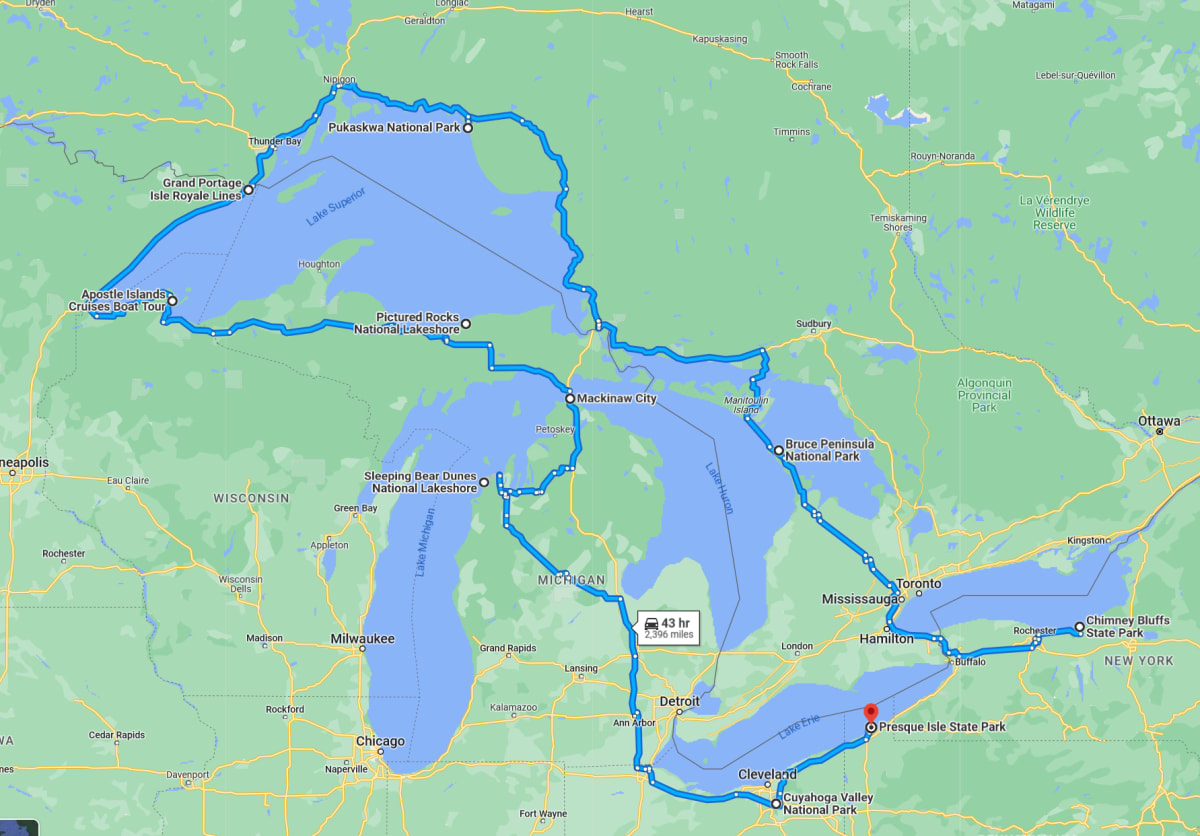
The moment you crest the dunes at Sleeping Bear and see Lake Michigan sprawl beneath you—turquoise water meeting 450-foot sand cliffs—you understand why people abandon their routines every October for this loop. The air tastes like cold water and burning maple leaves, and the light turns everything golden for exactly three hours before sunset.
The Great Lakes fall road trip beats coastal alternatives because you’re chasing color on three fronts simultaneously: old-growth forest in the Upper Peninsula, wine-country vineyards around Traverse City, and dramatic Lake Superior cliffs that rival anything in New England—all within a single 7-10 day loop. This guide cuts through the noise and tells you exactly where to start, which stops actually justify your time, and when to go so you don’t arrive after peak color has already faded.
Budget $1,200–$1,800 for a week-long trip per person (mid-range lodging, casual dining, park fees, and gas included); splurge versions hit $2,500+ with wine tastings and resort stays; budget-conscious travelers can do it for under $1,000 with camping and self-catering.
Fall Road Trip Snapshot
- Best starting point: Sleeping Bear Dunes (6–8 hours from most Midwest cities) puts you in immediate fall color without extreme distance; Upper Peninsula requires 7–10 hours but delivers the most dramatic scenery.
- Peak color window: Mid-September through early October for Traverse City and Leelanau Peninsula; late September through mid-October for Upper Peninsula (check Michigan DNR foliage report 2–3 weeks before your trip).
- Essential stops that earn their drive time: Sleeping Bear Dunes, Traverse City wine country, Mackinac Island (optional but iconic), Pictured Rocks National Lakeshore, Porcupine Mountains Wilderness State Park.
- Minimum trip length: Five days hits the highlights; seven to ten days lets you add remote Upper Peninsula stops without rushing.
- You absolutely need a car: Public transit doesn’t connect these stops; rent one for the full trip or at least 4–5 days.
When Is Peak Fall Color Season Around the Great Lakes?
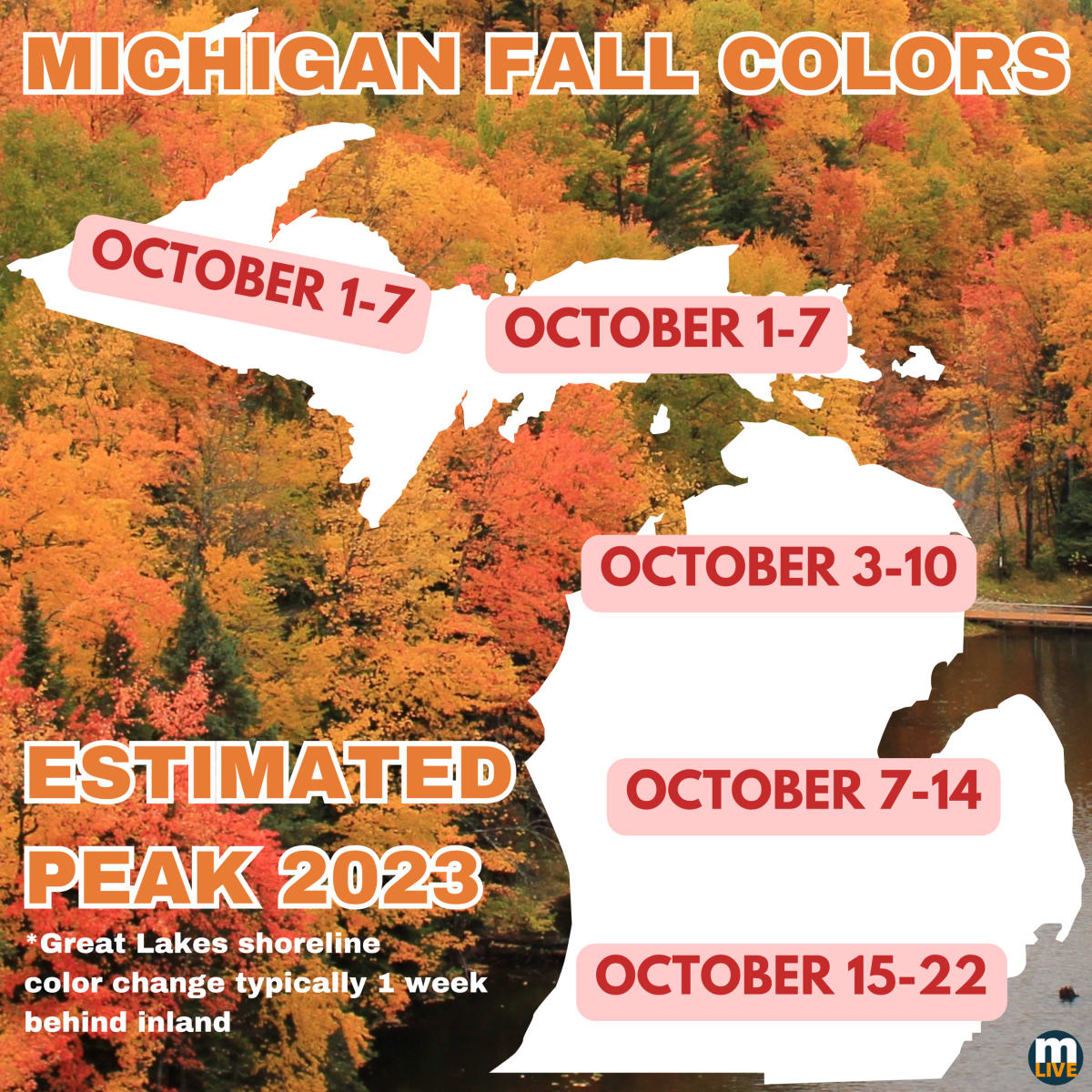
Peak fall color timing varies significantly around the Great Lakes, with the Upper Peninsula and northern regions peaking 2–3 weeks earlier than southern Michigan shorelines. The best approach is to confirm current foliage reports with official sources before booking, since weather patterns shift the timeline year to year.
General timing by region:
- Upper Peninsula and northern Lake Superior: Late September through early October. The Porcupine Mountains and Pictured Rocks area typically reach peak color earliest, driven by cooler temperatures at higher elevations and northern latitude.
- Traverse City and Old Mission Peninsula: Mid-October. Wine country and the cherry-growing region see peak color slightly later as the season progresses southward.
- Ludington and southern Lake Michigan: Late October. Proximity to the lake moderates temperatures, delaying peak color by 7–10 days compared to inland areas.
Plan to visit 2–3 weeks before peak, not during it — roads, ferries, and lodging fill fast once color peaks. Early-season travel (late September in the UP, early October downstate) offers fewer crowds and easier reservations while colors are still building.
Check the Michigan Department of Natural Resources fall color report and Minnesota DNR foliage updates 2–3 weeks before your planned trip dates. These official sources update weekly and account for current weather patterns — they’re far more reliable than fixed calendar dates.
Which Starting Point Makes the Most Sense?
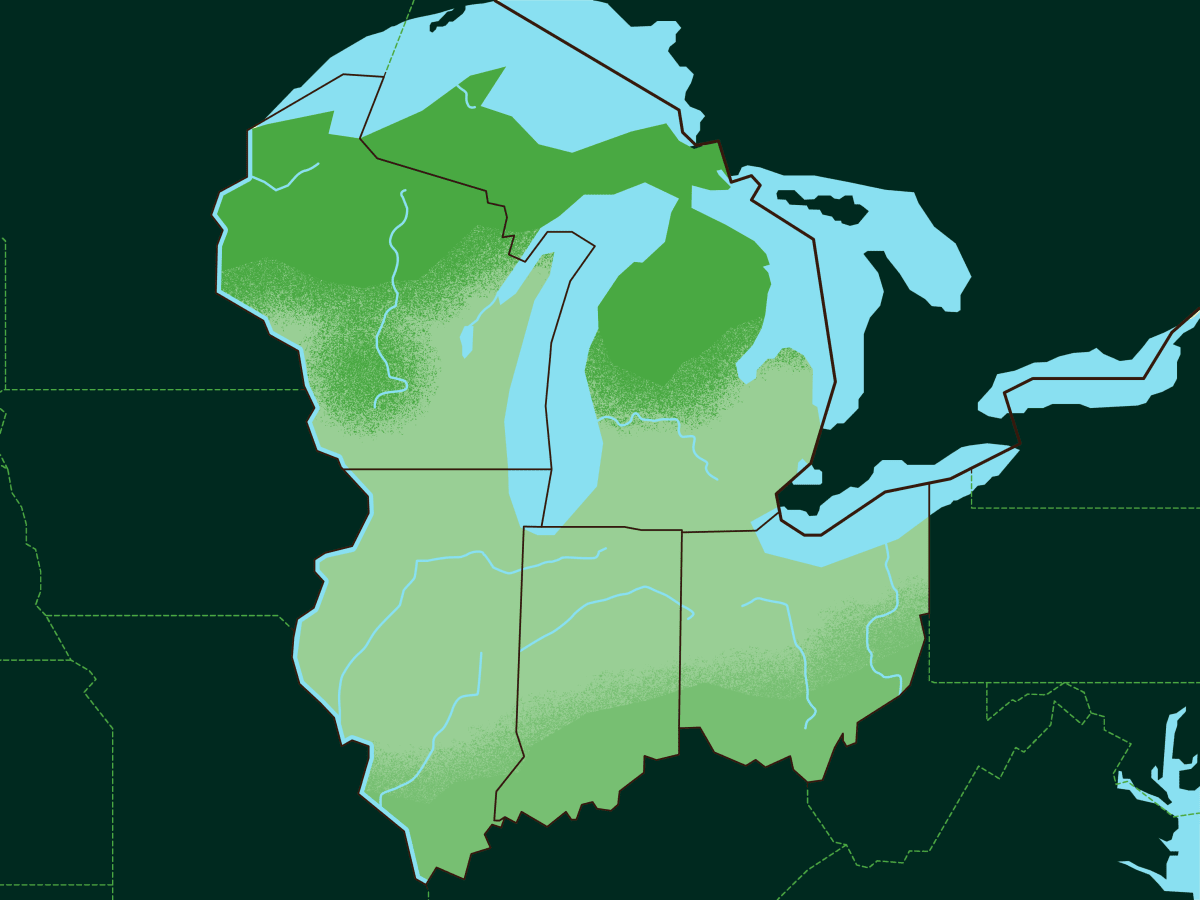
Your starting point determines whether you chase fall color inland or begin with Lake Superior’s raw drama—and it locks in your entire route direction. Detroit works as a gateway if you want urban energy first, but the real decision is whether to launch north into the Upper Peninsula’s waterfalls and old-growth forest, or west toward the dunes and wine country.
Each choice saves or costs you 4–6 hours of driving and completely changes which peaks you’ll catch.
Detroit as a Gateway (Optional Add-On)
Detroit itself is not the focus of a fall road trip, but if you’ve never been, add 2–3 days at the start or end to explore the city. This works best as a pre-trip or post-trip buffer, not as your road trip launch point.
From Detroit, you’re still 4–5 hours from the first major fall color payoff.
Sleeping Bear Dunes (Best for Dunes, Wine Country, and Moderate Driving)
Sleeping Bear Dunes National Lakeshore, just south of Traverse City, is the strongest starting point if you want immediate visual impact without extreme distance. The dunes tower over Lake Michigan with tropical-looking turquoise water, and the park anchors you near wine country and the Leelanau Peninsula—both peak fall destinations.
From most of the Midwest, this is a 6–8 hour drive and puts you in position to work north toward Mackinac Island or east into the Upper Peninsula without backtracking.
- Best for: Photographers, couples, anyone prioritizing accessible scenery and wine tastings over remote wilderness.
- Driving advantage: Central location lets you branch north to Mackinac Island or east to Pictured Rocks without retracing your route.
- Fall timing: Peak color around Traverse City and the Leelanau Peninsula typically peaks mid-to-late September through early October.
- Stay base: Traverse City offers the most lodging variety and restaurant density; smaller towns like Empire sit closer to the dunes themselves.
Upper Peninsula: Pictured Rocks and Porcupine Mountains (Best for Waterfalls, Solitude, and Peak Fall Drama)
If you want old-growth forest, sandstone cliffs, and the kind of fall color that stops you mid-hike, start by driving straight to the Upper Peninsula. Pictured Rocks National Lakeshore near Munising delivers seven waterfalls and Lake Superior views that rival anything in the Midwest.
Porcupine Mountains Wilderness State Park—Michigan’s largest state park at 60,000 acres—sits further west with 35,000 acres of untouched forest, 90+ miles of trails, and the Lake of the Clouds scenic area that justifies the drive alone.
- Best for: Hikers, waterfall chasers, anyone willing to trade convenience for genuine wilderness and fewer crowds.
- Driving reality: This is 7–10 hours from most Midwest starting points; plan an overnight stop in Marquette or Munising.
- Fall timing: Upper Peninsula color peaks slightly earlier than southern Michigan—typically late September through early October.
- Stay base: Munising works for Pictured Rocks access; Marquette offers more amenities; smaller towns like Ishpeming sit between both parks.
- Insider detail: The Escarpment Trail at Porcupine Mountains is the single best hike for fall color in the region—do it early in the day before afternoon crowds arrive.
The Route Decision: Which Direction Wins?
Start at Sleeping Bear if you want balance—dunes, wine, Mackinac Island, and still time for Upper Peninsula waterfalls without feeling rushed. Start in the Upper Peninsula if you have 7+ days and prioritize wilderness and solitude over variety.
Starting from Detroit only makes sense if you’re adding a separate city visit; otherwise, you’re adding 8+ hours of driving that doesn’t feed the road trip itself.
The most efficient loop: Sleeping Bear → Traverse City wine country → Mackinac Island → drive east to Pictured Rocks and Porcupine Mountains → return south. This avoids backtracking and hits both major fall color zones without wasting drive time.
How to Get from Detroit to Mackinac Island
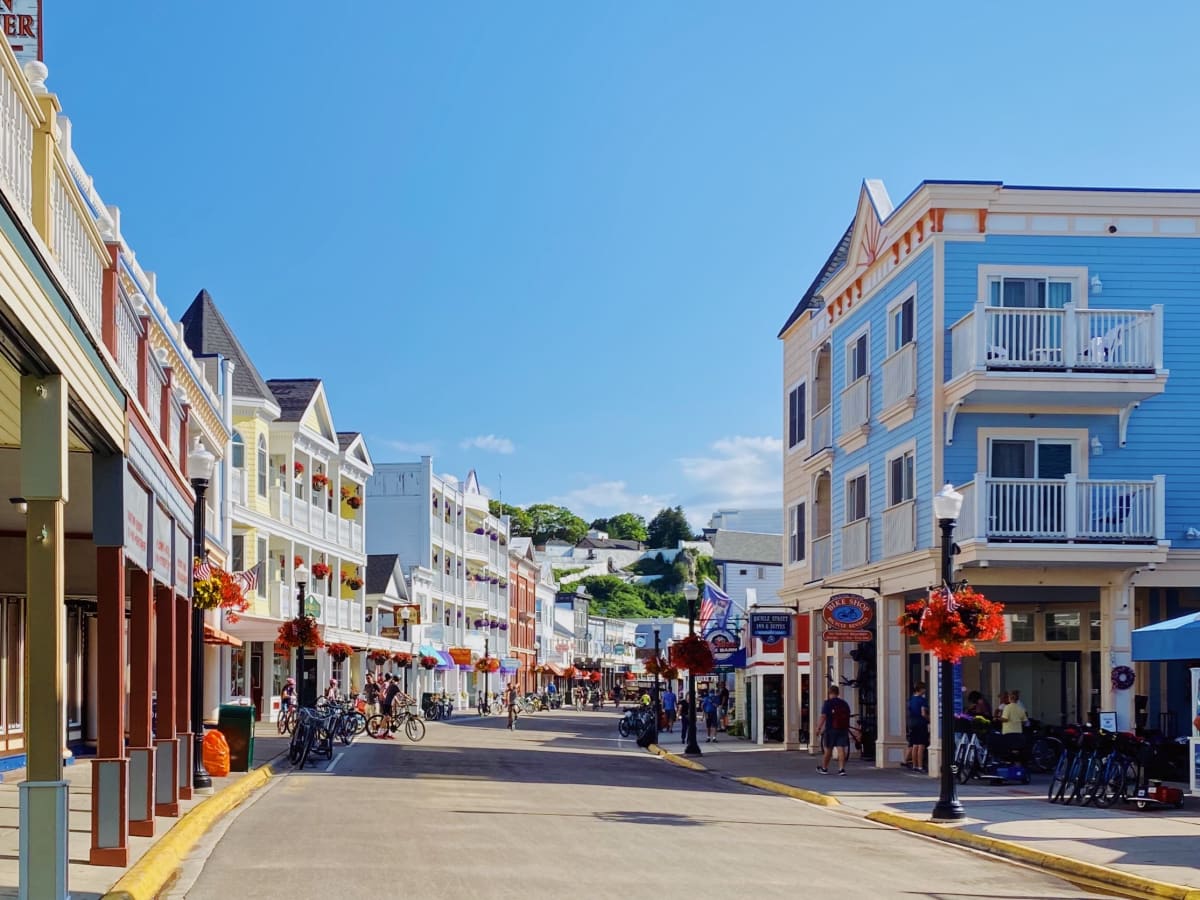
The 5-hour drive from Detroit to Mackinac Island is the backbone of this road trip, but the real decision isn’t the route—it’s where to break the journey and whether you’re staying on the island or the mainland. Most travelers skip the island overnight entirely and base themselves in Mackinaw City instead, which cuts ferry costs and lets you explore more of the Upper Peninsula without backtracking.
The Route: Detroit to Mackinaw City
Head north from Detroit on I-75 for roughly 5 hours straight to Mackinaw City. This is a straightforward drive with no scenic detours—the payoff comes after you arrive.
Mackinaw City sits at the tip of Michigan’s Lower Peninsula, directly across from Mackinac Island. The town exists almost entirely to serve ferry passengers, so you’ll find abundant parking near the docks and a cluster of motels within walking distance.
Where to Stay: Mackinaw City vs. Mackinac Island
This choice determines your entire island experience and budget. Mackinaw City is the smarter base for a fall road trip because it gives you flexibility, saves money on lodging, and keeps you closer to Upper Peninsula stops like Tahquamenon Falls and Pictured Rocks.
- Stay in Mackinaw City if: You want to maximize fall color driving time and explore the Upper Peninsula without the cost and hassle of an island overnight. You’ll spend $80–150 per night instead of $200+, have a car waiting for morning drives, and avoid ferry logistics. The Clearwater Lakeshore Motel is the top-rated option—lakefront rooms with balconies, a private sand beach, and evening fire pits justify the slightly higher price.
- Stay on Mackinac Island if: You’re willing to rent a car to a parking lot outside the city, pay ferry fees both ways, and spend significantly more on lodging for the experience of stepping back in time. This works only if you have a full day to spend on the island itself, not just a few hours.
Ferry Details and Timing
Ferries run at least once per hour in fall, so you have real flexibility. Buy tickets online in advance—they’re valid for any sailing on your chosen day, not a specific time slot.
A mid-afternoon ferry after lunch gives you a few hours on the island for dinner and an evening walk before returning to the mainland. If you’re staying in Mackinaw City, you can take a morning ferry, spend the day on the island, and catch an evening return without rushing.
Bike rentals on the island are expensive and charged by the hour, so rent only when you’re ready to use them immediately—don’t grab one at the ferry dock and pay for idle time while you explore on foot.
From Mackinaw City, the Upper Peninsula opens up immediately. Tahquamenon Falls is roughly 2 hours northeast, and Pictured Rocks near Munising is another hour past that.
If you’re basing yourself in Mackinaw City and doing a day trip to Mackinac Island, you’ll still have time to drive toward the UP in the late afternoon or early evening.
Is Mackinac Island Worth Visiting in Fall?
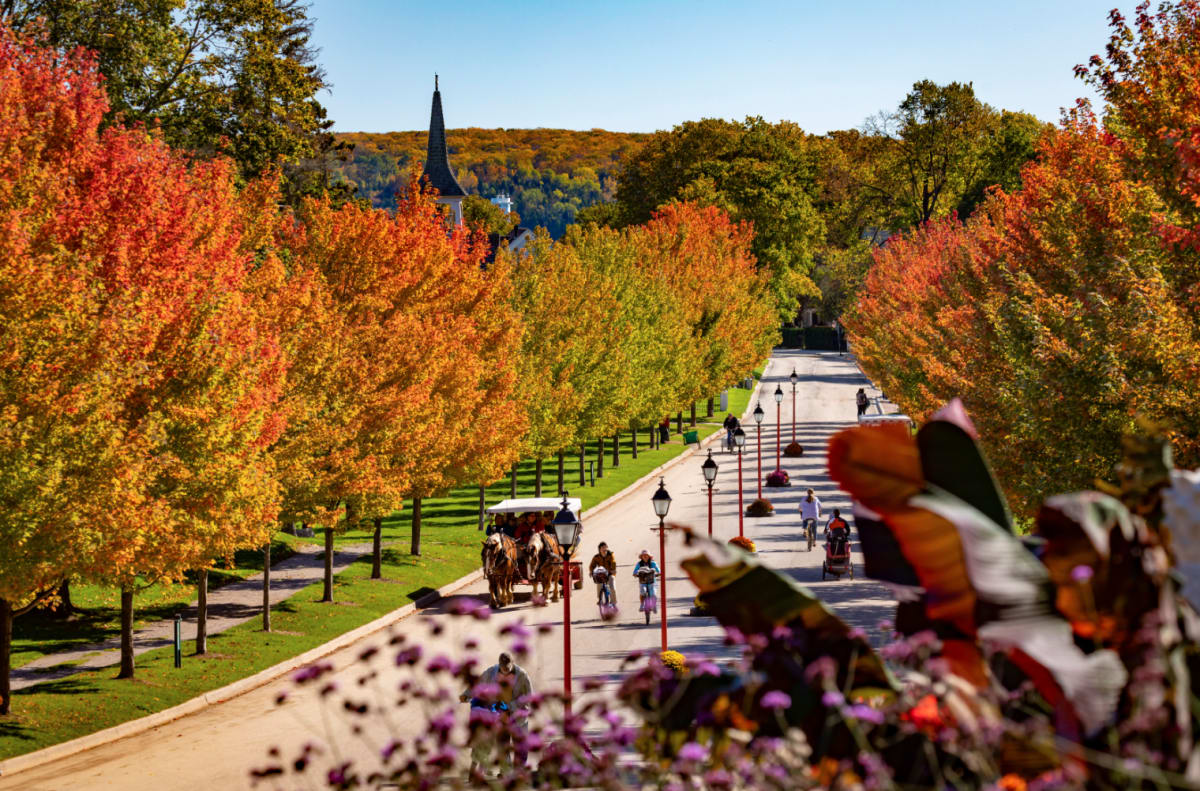
Yes — but only if you’re willing to pay premium prices for a genuinely car-free escape and don’t mind crowds thinning but not disappearing. Fall on Mackinac Island means cooler temperatures (perfect for walking), fewer summer tourists, and the island’s Victorian architecture framed against amber and crimson trees.
The trade-off: it’s still pricey, ferries run less frequently than summer, and some restaurants and attractions begin closing in late October. If you want quintessential Great Lakes nostalgia without the summer chaos, one overnight stay is worth it.
If you’re budget-conscious or prefer solitude, skip the island and spend that money on the Upper Peninsula instead.
Ferry Options and Tips
Ferries depart from Mackinaw City (the closest mainland point) and run at least once per hour in fall, with tickets available for online purchase in advance — they’re valid for any sailing on your chosen day. The crossing takes roughly 15 minutes.
Book a mid-afternoon ferry after lunch so you arrive with daylight left to explore; this also gives you a full evening on the island without rushing. Expect to pay roughly $15–$20 per person round-trip, though prices vary by operator and season.
If you want to stay in Mackinaw City instead of on the island, the Clearwater Lakeshore Motel is the top-rated choice — it’s a lakefront property with balcony rooms, a private sand beach, and fire pits lit in the evenings, making it a solid budget alternative to island hotels.
Where to Stay on Mackinac Island
Hotel options range from iconic luxury to mid-range comfort. Here’s what actually matters for your decision:
- The Grand Hotel: The most famous hotel on the island and the most expensive. Book only if you want the full Victorian experience and have the budget; otherwise, you’re paying for the name, not better service or location.
- Hotel Iroquois: Top-rated on the island for good reason — strong service, central location, and better value than The Grand without sacrificing quality.
- Island House Hotel: Mid-range option that delivers solid comfort and a good location for exploring the island’s main attractions.
- Cottage Inn: A bed-and-breakfast style property if you prefer a smaller, more intimate setting.
- Mission Point Resort: The most budget-friendly option among island hotels, though still not cheap — best for travelers who want to stay on the island but need to watch costs.
Insider tip: Book accommodations well in advance for fall weekends; October is peak foliage season and rooms fill quickly. Most island hotels require a two-night minimum stay during peak fall color weeks.
Top Things to Do on the Island
Mackinac Island is small enough to explore on foot in a few hours, but there’s enough to fill a full day if you move slowly and enjoy the scenery.
- Walk the waterfront and Main Street: The harbor views are stunning in fall, and the Victorian storefronts are lined with fudge shops, galleries, and restaurants. This is the island’s heart — don’t skip it.
- Rent a bike (but time it right): Bikes are a popular way to explore, but rental prices are high when charged by the hour. Rent only when you’re ready to use it immediately, not in advance. The island’s roads are hilly but manageable, and fall weather is ideal for cycling.
- Hike to Arch Rock: A short, scenic walk that rewards you with views of a natural limestone arch jutting from the shoreline — one of the island’s most photographed spots and worth the 15-minute walk.
- Visit Fort Mackinac: Perched on a bluff above the island, this reconstructed military fort offers panoramic views of the Straits of Mackinac and Lake Huron. The walk up is steep but the views justify it.
- Enjoy dinner with a view: Several restaurants overlook the harbor; book ahead and request a waterfront table to watch the sunset over the water.
Plan to spend one full day on the island — arrive mid-afternoon, explore the waterfront and Main Street before dinner, stay overnight, and depart the next morning after breakfast. This gives you the island experience without overcommitting time or money.
Best Upper Peninsula Stops for Fall Colors
The Upper Peninsula’s Lake Superior shoreline delivers the most dramatic fall scenery on the entire Great Lakes loop — towering sandstone cliffs, old-growth forest, and waterfalls all turn color simultaneously, and the crowds thin out dramatically after Labor Day. These five stops form a natural driving sequence along the Superior coast and should anchor your road trip itinerary.
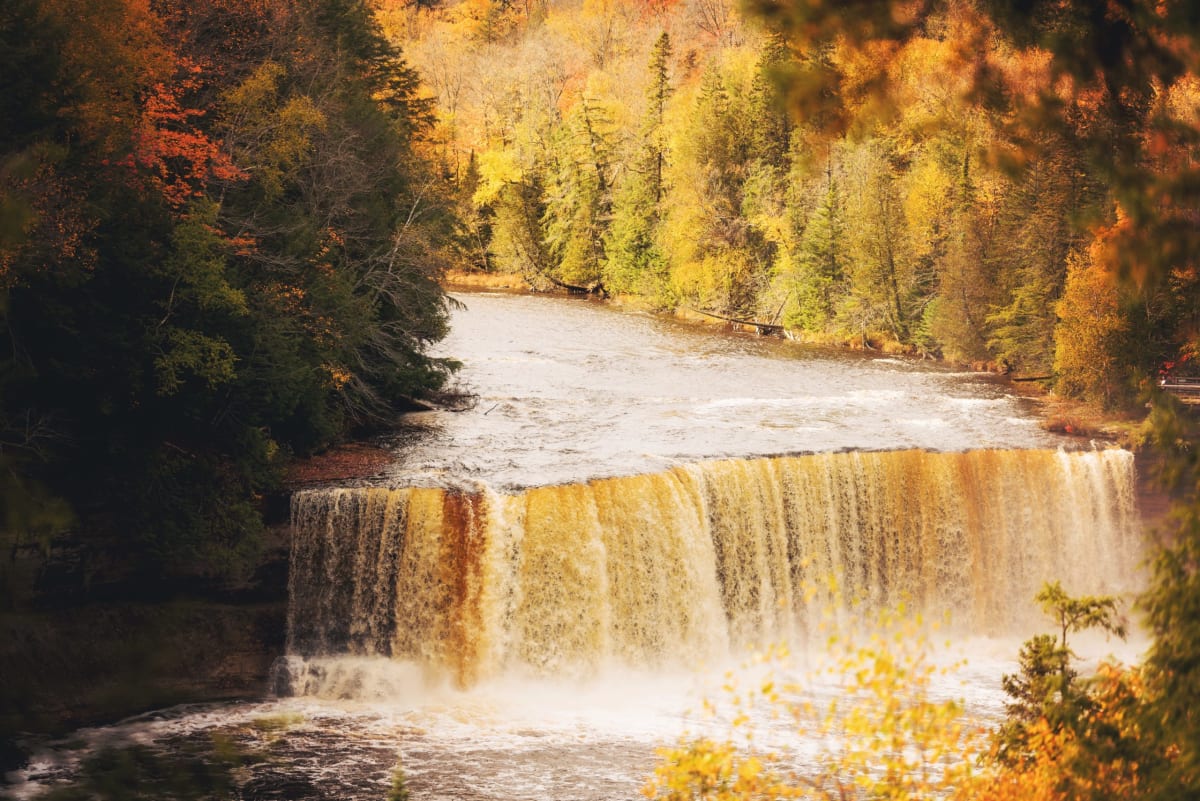
Tahquamenon Falls State Park
This is the essential first stop on the Upper Peninsula leg, just 90 minutes from the St. Ignace ferry dock. Tahquamenon Falls is home to the largest waterfall east of the Mississippi — the Upper Falls drop nearly 50 feet and are stained reddish-brown by tree tannins, a color that intensifies against fall foliage.
The state park charges $11 for an out-of-state day pass and offers hiking trails ranging from 1 to 8 miles, including handicap-accessible routes to the Upper Falls. Plan 3–4 hours here if you want to hike and photograph; the park is least crowded on weekday mornings in early October.
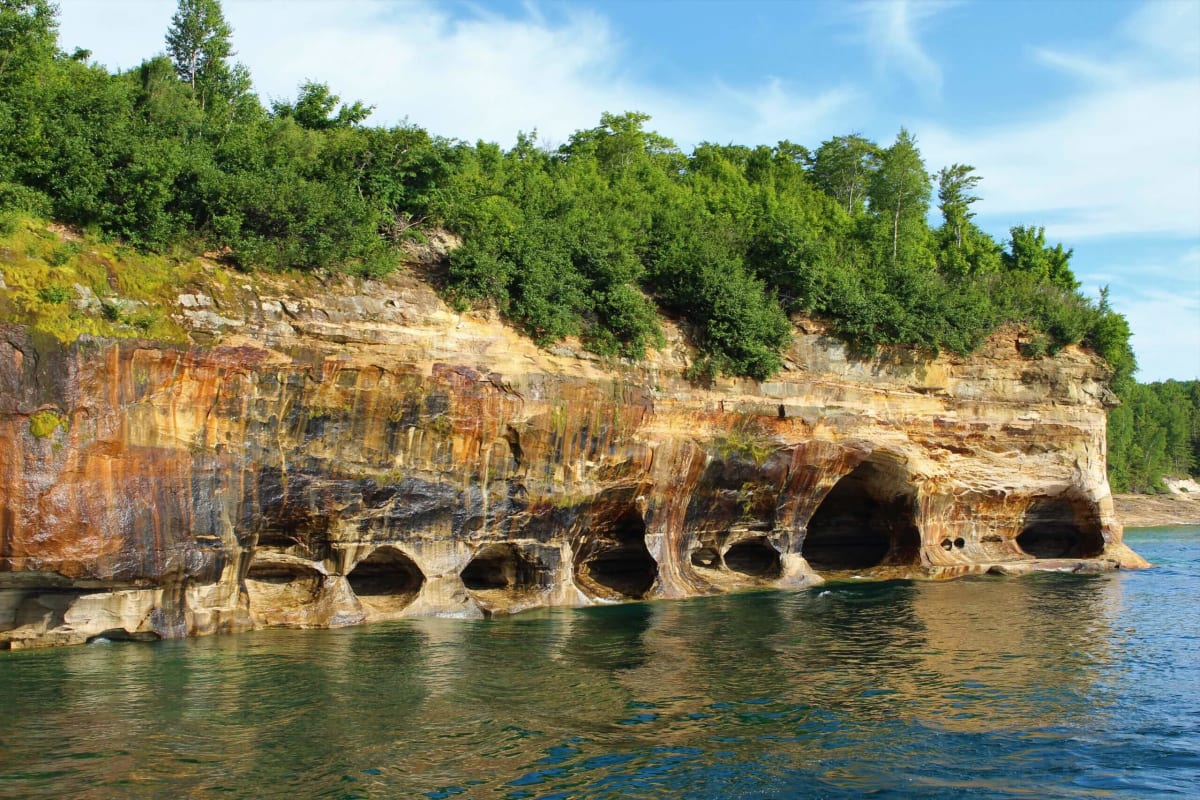
Pictured Rocks National Lakeshore
Pictured Rocks is a 40-mile stretch of multicolored sandstone cliffs rising 200 feet above Lake Superior — this is the most photographed section of the Great Lakes shoreline and worth every minute of the 3.5-hour drive from Tahquamenon Falls. The park sits near Munising and features at least seven waterfalls, kayaking access, and hiking trails that deliver unobstructed lake and cliff views.
Fall colors peak here in late September through mid-October, and the cliffs’ mineral-stained layers (red, orange, yellow) create natural contrast with golden birch and crimson maples. Admission is free; budget a full day for hiking or a 2–3 hour scenic boat cruise if you want to see the cliffs from the water without committing to a backcountry trek.
Grab dinner in Munising at Pictured Rocks Pizza or Eh! Burger before heading to your overnight stop.
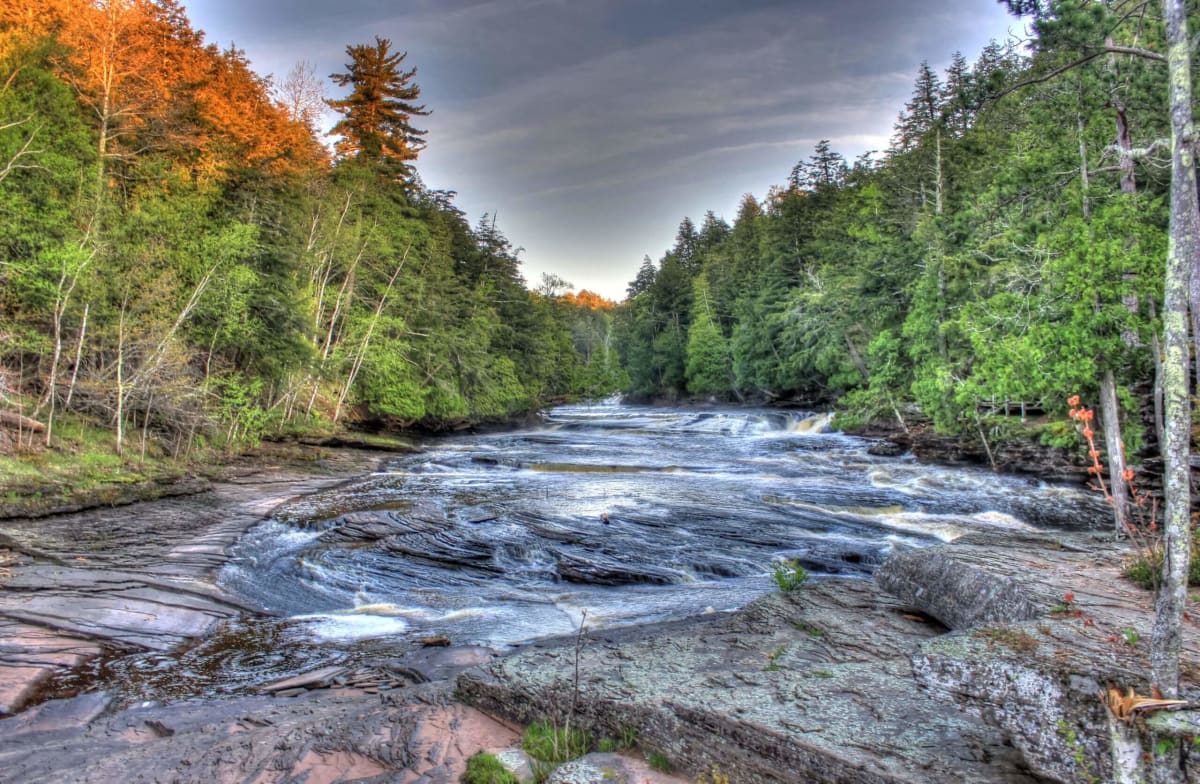
Porcupine Mountains Wilderness State Park
Known locally as “The Porkies,” this is Michigan’s largest state park — 60,000 acres of old-growth forest, 35,000 acres of which are untouched, with 90+ miles of hiking trails and countless rivers and streams hugging the Lake Superior shoreline. The park is the move if you want solitude and deep forest color without the day-tripper crowds that pack Pictured Rocks.
Fall foliage peaks here in late September through early October, and the mix of birch, maple, and evergreen creates a more varied palette than the Lower Peninsula. Plan a 4-hour drive from Pictured Rocks.
Stay overnight in nearby Ontonagon or Bessemer to access trailheads early; the park’s scenic drive along the bluffs takes roughly 30 minutes if you skip hiking.
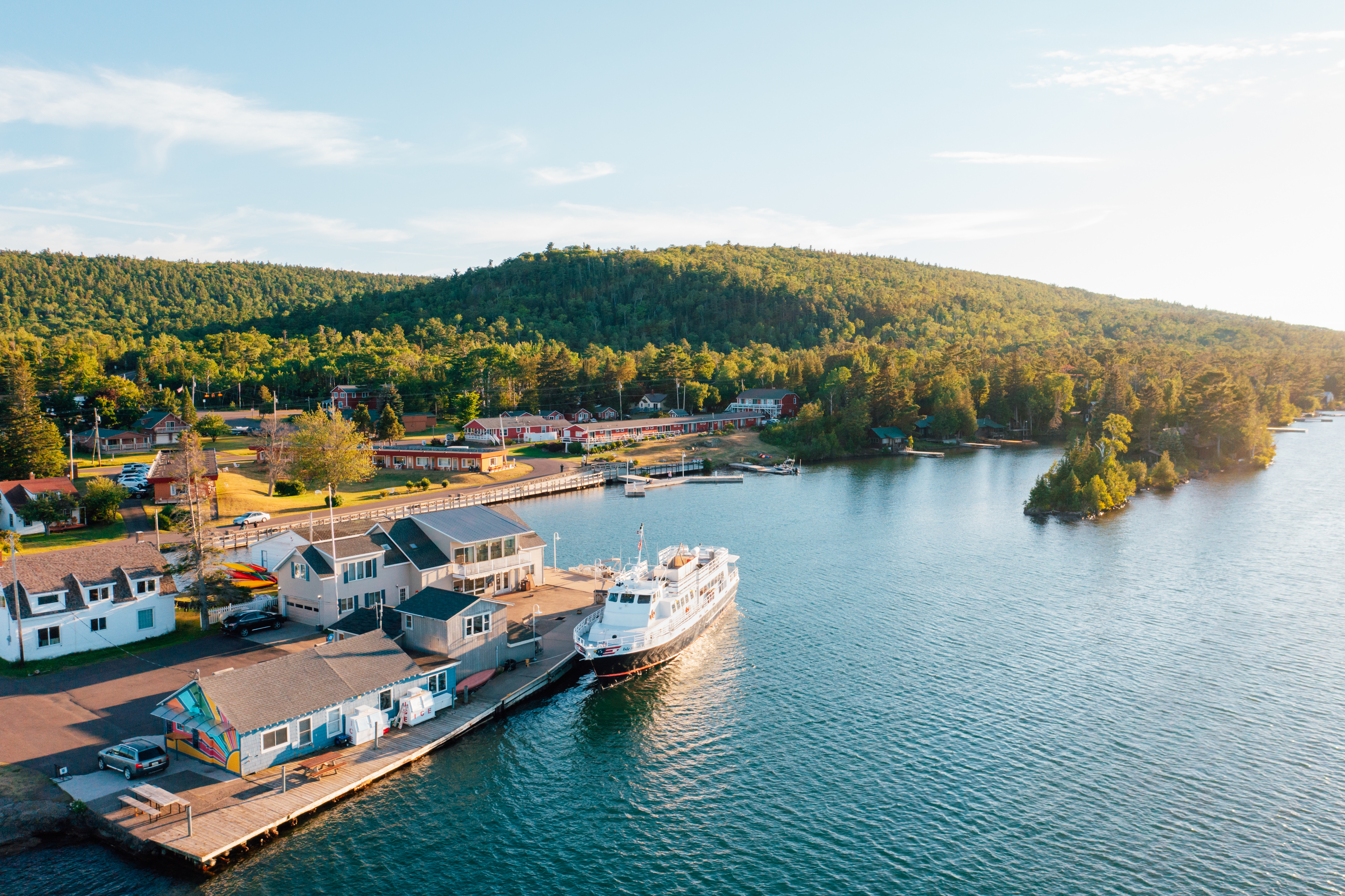
Keweenaw Peninsula and Copper Harbor
This is the northernmost point of the Upper Peninsula and the most remote stop on this itinerary — a 2.5–3 hour drive from Porcupine Mountains. Copper Harbor sits at the tip of a narrow peninsula jutting into Lake Superior and delivers dramatic fall color against white sand beaches (Bete Grise is the standout) and rocky shorelines.
The town is tiny and quiet in fall, making it ideal if you want to escape crowds entirely. Mountain biking trails crisscross the peninsula, and Brickside Brewery is worth a stop for local beer and views.
The drive in and out is scenic but slow; treat this as an overnight destination rather than a quick pass-through. Cell service is spotty, and the single road in and out closes occasionally in winter, so confirm access before committing.
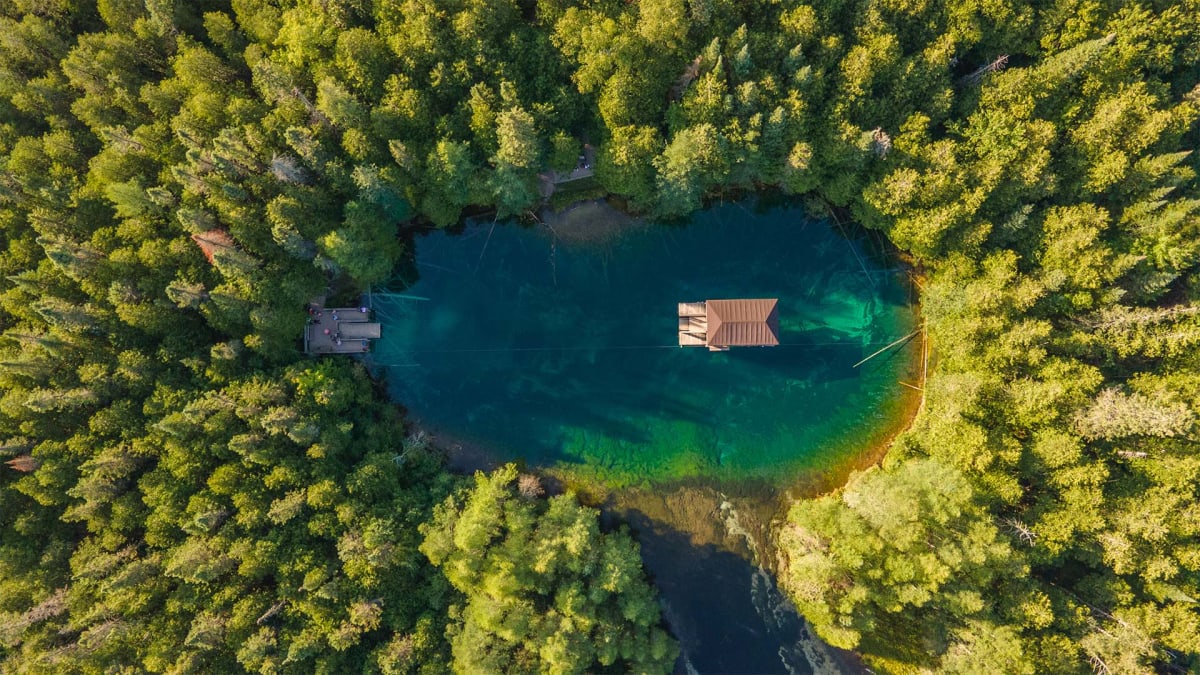
Kitch-iti-kipi and Palms Book State Park
This is the southernmost stop on the Upper Peninsula loop and works best as a final destination before heading back toward Traverse City or the Lower Peninsula. Kitch-iti-kipi is a natural spring located inside Palms Book State Park, next to Indian Lake — the spring is accessible only by raft, and the crystal-clear water and surrounding fall foliage create a unique photo opportunity.
The park is smaller and less visited than Tahquamenon or Pictured Rocks, making it a good choice if you want to avoid peak-season crowds. Plan 1–2 hours for the raft ride and a short walk; this stop pairs well with a night in nearby Manistique or as a halfway point on the drive back to Traverse City (roughly 3.5 hours south).
Driving sequence and overnight strategy: Base yourself in Munising or nearby towns for access to both Tahquamenon Falls and Pictured Rocks (they’re roughly 90 minutes apart). From there, push north to Porcupine Mountains or Copper Harbor for a second night if you have the time; both require early starts to maximize daylight.
Kitch-iti-kipi works as a final stop before heading south, or skip it entirely if time is tight and focus on Pictured Rocks and Porcupine Mountains instead — those two deliver the most dramatic color and scenery per hour driven.
How to Explore the Traverse City Area
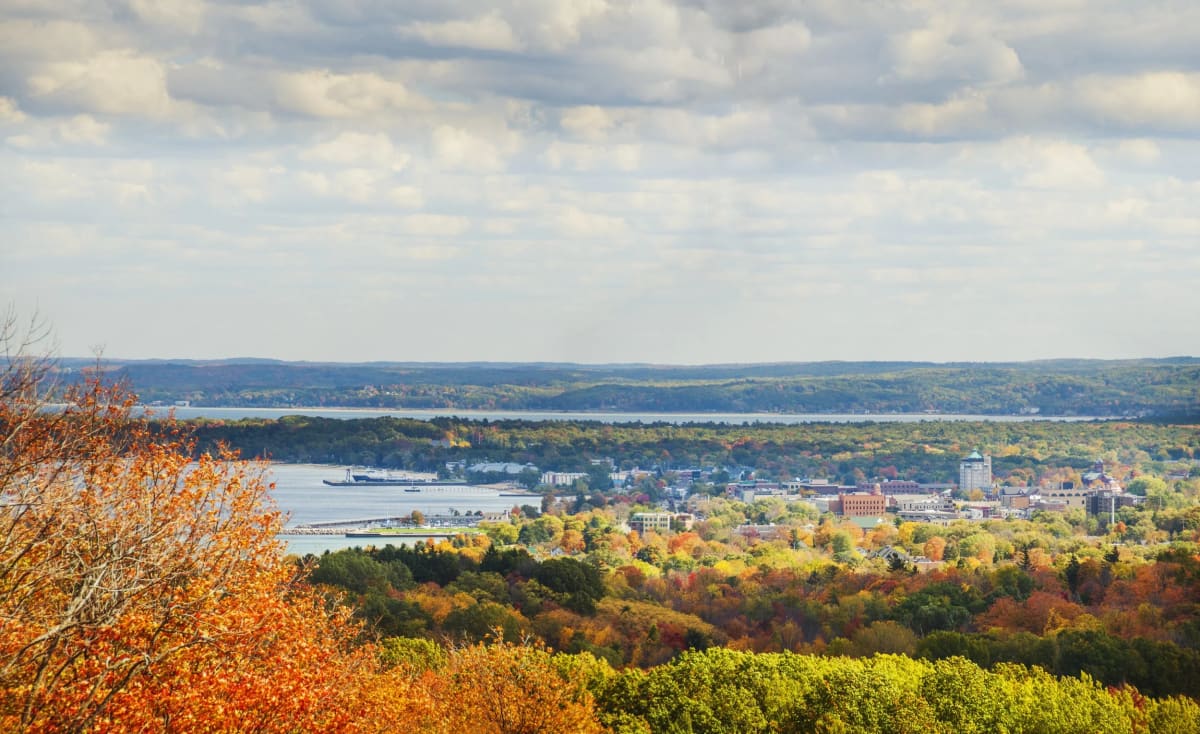
Traverse City is the fall road trip anchor you didn’t know you needed — it’s the only place on the Great Lakes where you can chase wine, sand dunes, and peak foliage all within a 30-minute radius. The town itself sits on the edge of Grand Traverse Bay, but the real draw is the surrounding peninsulas, which pack more variety into a two-day stop than most travelers expect.
Base yourself in downtown Traverse City for walkable restaurants and brewery access, then day-trip the peninsulas.
Old Mission Peninsula Wineries
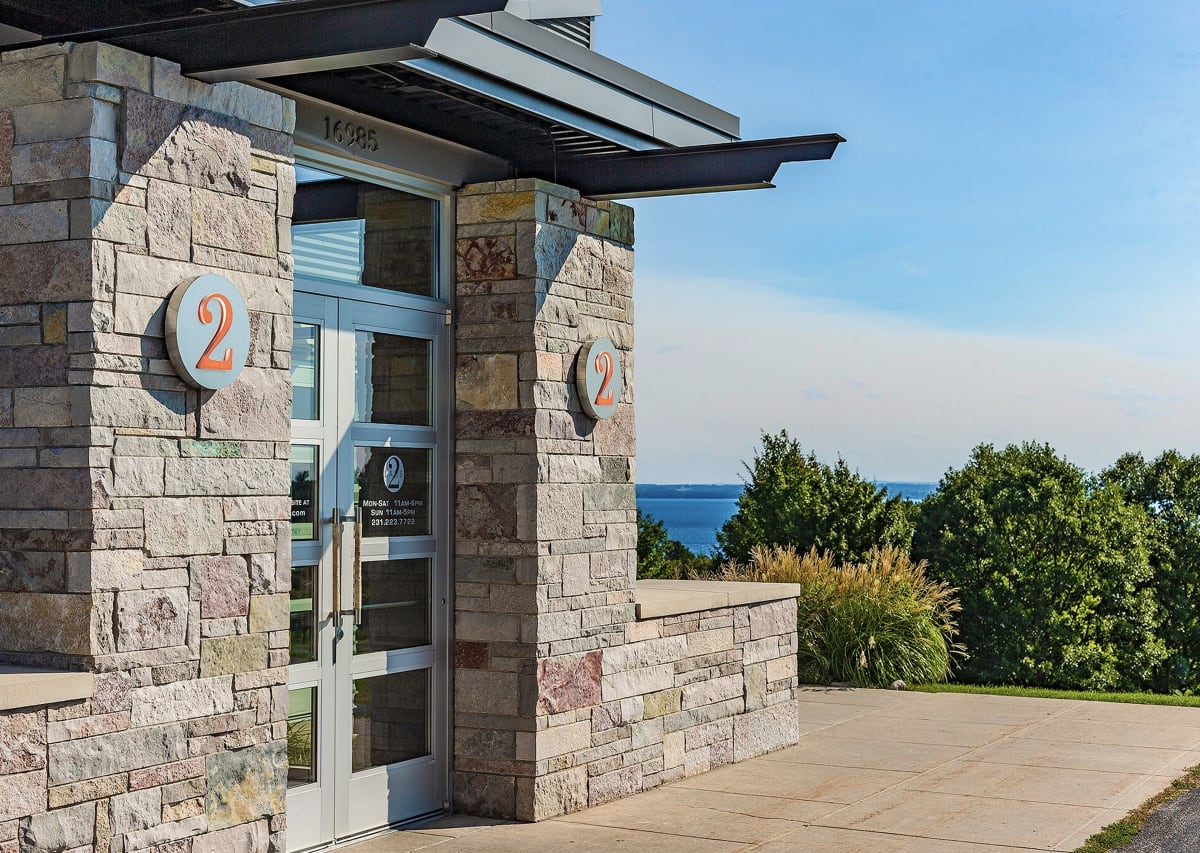
Old Mission Peninsula is Michigan’s second-largest wine region, but it stays quieter than Napa because most fall travelers skip it for Leelanau. That’s your advantage.
Nearly a dozen wineries dot the 22-mile peninsula, and the drive itself — sandwiched between Grand Traverse Bay on both sides — beats any tasting room interior. The peninsula is narrow enough that you can hit three to four wineries in a single afternoon without backtracking.
The best strategy: start at the base of the peninsula near Traverse City and drive north, stopping at wineries that interest you. Many offer fall-specific tastings and cider releases in October.
Expect roughly $5–15 per tasting, though most waive the fee if you buy a bottle. The real win here is that Old Mission wineries are less crowded than Leelanau’s, so you’ll actually get to talk to the winemakers instead of waiting in line.
Insider tip: Stop at a farm stand near the peninsula entrance for fresh cherries or cider before you start tasting — it resets your palate and gives you context for why this region’s fruit matters.
Sleeping Bear Dunes National Lakeshore
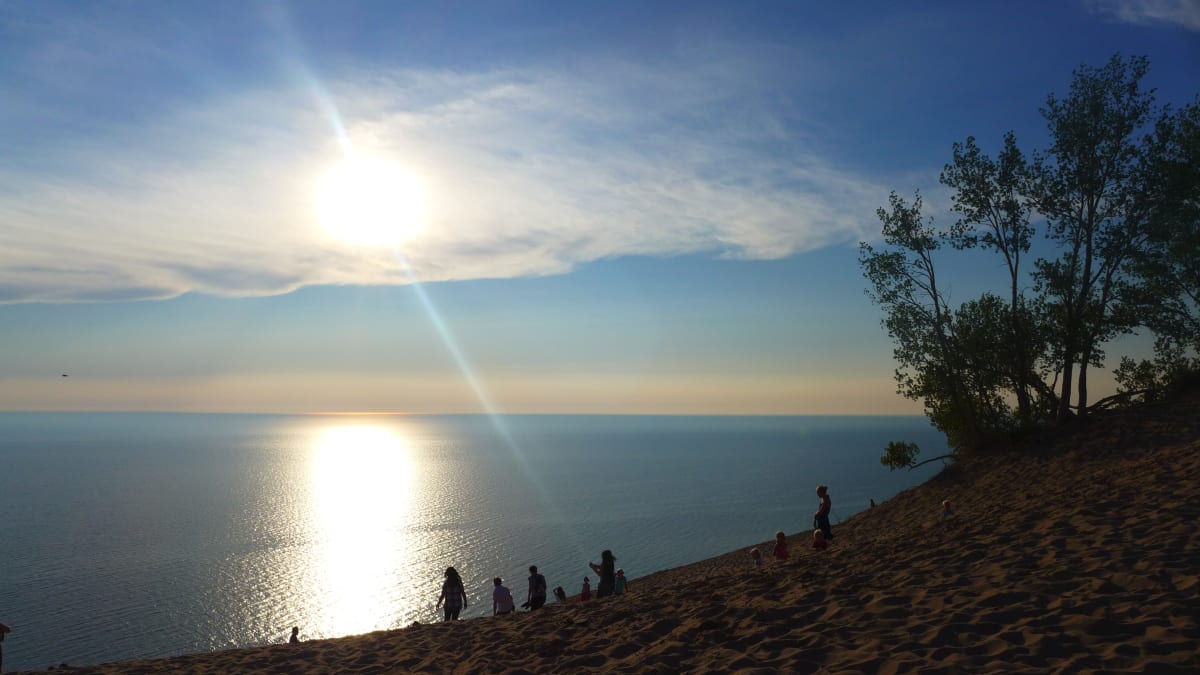
Sleeping Bear Dunes is the one stop on this road trip that makes you forget you’re in Michigan — 65 miles of Lake Michigan shoreline, 450-foot sand dunes, and sunsets that rival coastal destinations. The dunes rise directly from the water, creating a landscape that feels more like the Sahara meeting the ocean than anything in the Midwest.
Fall is the sweet spot: summer crowds are gone, the water is still swimmable for hardy travelers, and the light is golden all afternoon.
The park is free to enter, though parking at individual trailheads costs $15 per vehicle per day (or $30 for a week pass). The Dune Climb trailhead is the most popular — a steep 260-foot ascent that takes 15–20 minutes and rewards you with views across the bay.
For a less-crowded hike, take the Sleeping Bear Point Trail (13 miles round-trip, moderate difficulty) or the shorter Empire Bluff Trail (1.4 miles, easier). The Pierce Stocking Scenic Drive is a 7-mile loop that requires no hiking — drive it at sunset if you’re short on time.
Stay in Traverse City or the nearby village of Empire (15 minutes south of the dunes). Empire is smaller and closer to the park entrance, making it ideal if you want to catch sunrise at the dunes before heading back to wine country.
Leelanau Peninsula Highlights
Leelanau Peninsula is the more famous sibling — it has more wineries (around 30), more traffic, and more Instagram-worthy moments than Old Mission. If you’re choosing between the two, Leelanau wins for variety and scenic drive quality, but it’s busier and pricier.
If you have time for both, do Old Mission first (quieter, less crowded), then Leelanau for the full wine-country experience.
The peninsula is shaped like a thumb jutting into Lake Michigan, so the drive itself is the point — you’re surrounded by water and vineyards the entire time. The highlight is the 45-mile Scenic Loop Drive, which hugs the shoreline and passes through small towns like Northport and Suttons Bay.
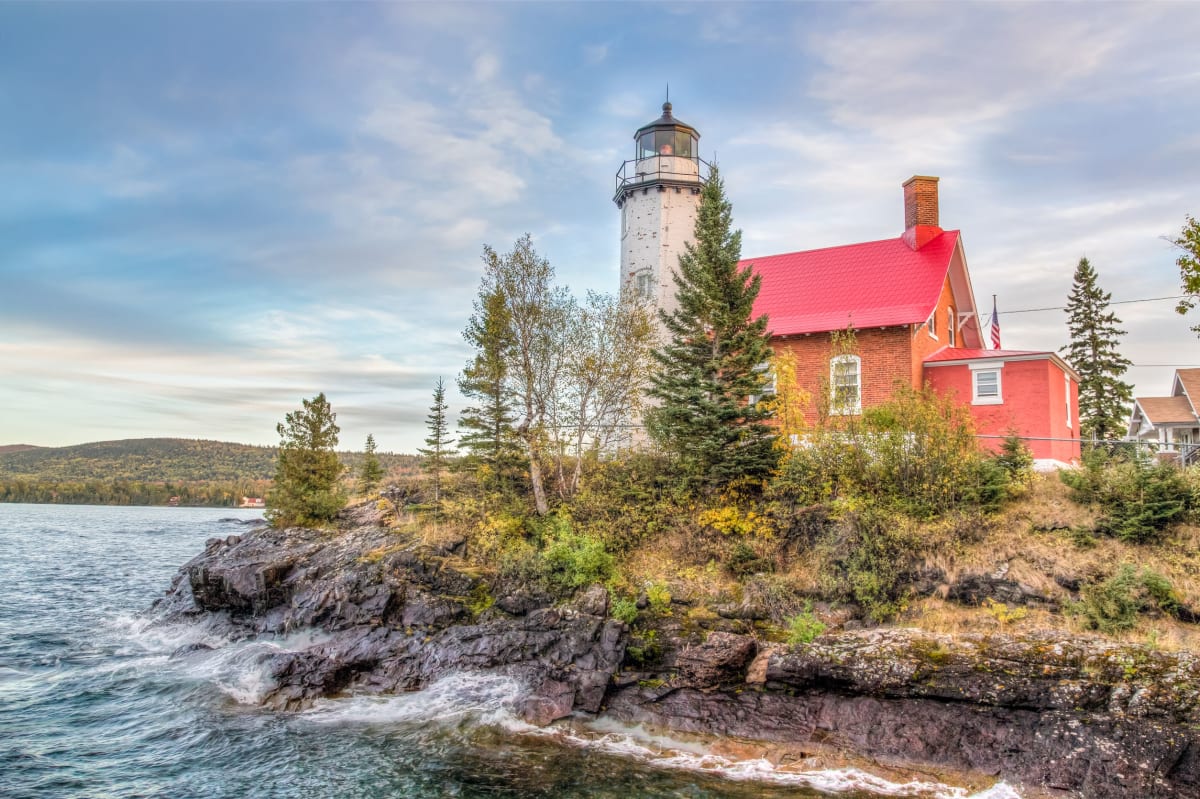
Northport is worth a stop for its lighthouse, beach access, and waterfront restaurants. Suttons Bay has the most walkable downtown, with galleries, tasting rooms, and cafes clustered within a few blocks.
Wineries on Leelanau range from casual farm operations to polished tasting rooms. Expect $10–20 per tasting, and book ahead if you’re visiting on a weekend in peak fall (late September through mid-October).
Many wineries offer outdoor tasting areas with bay views — prioritize those if the weather holds.
Insider tip: The Leelanau Peninsula is also home to several state parks and natural areas. If you’re dune-fatigued, the Sleeping Bear Dunes Scenic Loop (a separate drive from the main park) offers similar views without the hiking requirement — it’s a 7-mile out-and-back drive through forest and dunes.
Route planning: If you’re driving from Detroit to Mackinac Island (as covered in the earlier road-trip sections), Traverse City sits roughly halfway. Spend one full day exploring Old Mission and Sleeping Bear Dunes, then a second day on Leelanau Peninsula before heading north.
This adds only one extra overnight but transforms your trip from a straight shot to the island into a proper fall road trip.
Transportation Tips Without a Car

A car-free Great Lakes fall road trip is possible, but it requires advance planning and realistic expectations—you’ll move slower, cover less ground, and depend on schedules that don’t always align with peak color windows. This works best if you’re basing yourself in one or two towns rather than chasing the full loop.
Ferry and Water Transit
Ferries are your best car-free option for reaching Mackinac Island and connecting between major lakeside towns. The Mackinac Island ferries from Mackinaw City and St. Ignace run year-round, with service typically operating through November depending on weather—confirm current schedules directly with operators, as fall schedules vary.
Ferry rides take roughly 15–20 minutes and cost between $30–$45 per person round-trip, though prices shift seasonally.
For exploring the broader Great Lakes region without a car, water-based tours and scenic cruises operate from ports in Traverse City, Munising (near Pictured Rocks), and other lakeside towns. These are slower than driving but eliminate navigation stress and offer guided context you’d miss on your own.
Train and Bus Options
Amtrak’s Wolverine line connects Chicago to Detroit and Pontiac, useful for reaching the southern starting point of this trip. From there, regional bus service becomes limited—Greyhound and smaller carriers serve some Upper Peninsula towns, but routes are infrequent and travel times are long.
Expect 4–6 hour bus rides between major stops.
The Indian Trails bus service operates between Detroit and the Upper Peninsula, with stops in Traverse City and Marquette, but schedules typically run only once or twice daily. Book ahead, especially in fall when ridership increases.
Best Car-Free Strategy: Base Yourself in One Town
Skip the full loop. Instead, pick a single town as your hub and use local shuttles, tour operators, and day trips to explore nearby attractions.
This approach works well for fall colors because peak foliage windows are short—staying put lets you chase the best light without racing between regions.
- Traverse City base: Rent a car for 2–3 days to hit Old Mission Peninsula, Leelanau Peninsula wineries, and Sleeping Bear Dunes, then return it. Use the town’s walkable downtown for meals and lodging between drives. Local wine tour companies offer guided day trips if you prefer not to drive.
- Mackinac Island base: Ferry from Mackinaw City, explore the island on foot (no cars allowed), and take day ferries to nearby towns. This is the most car-free–friendly stop on the entire route.
- Munising base (Upper Peninsula): Stay near Pictured Rocks National Lakeshore and book guided kayak or hiking tours that handle logistics. Local outfitters run daily trips to Pictured Rocks, Tahquamenon Falls, and Bond Falls—no car required.
Rideshare, Rental Cars, and Tour Companies
Uber and Lyft operate in Traverse City, Mackinaw City, and Marquette, but availability drops sharply in smaller towns and rural areas—do not rely on rideshare as your primary transportation. Costs add up fast for multi-stop days.
Renting a car for portions of your trip is more practical than staying completely car-free. Many travelers fly into Detroit or Traverse City, take the train or bus to their base town, then rent a car for 2–4 days to explore surrounding areas.
This hybrid approach costs less than rideshare and gives you flexibility during peak color season when schedules matter most.
Guided tour companies handle all driving and logistics—companies like Great Lakes Tour Co. and regional outfitters offer multi-day fall foliage tours that include lodging, meals, and transportation. These cost more upfront but eliminate planning stress and ensure you’re positioned for the best colors at the right time.
Realistic Limitations
Without a car, you cannot reach Bond Falls, Porcupine Mountains Wilderness State Park, Keweenaw Peninsula, or Kitch-iti-kipi—these require significant driving from main towns and have no public transit access. You’ll also miss the scenic drives (Boundary Road through Porcupine Mountains, M-22 along Leelanau Peninsula) that define this trip’s appeal.
Fall color season is short and weather-dependent. Public transit schedules don’t flex for peak foliage windows. If you’re committed to seeing the best colors, a rental car for at least part of your trip is worth the cost.
Frequently Asked Questions
What’s the best time to catch peak fall colors around the Great Lakes?
Peak color timing shifts by location and year, but expect mid-September through early October for the northern Michigan stops (Traverse City, Leelanau Peninsula, Old Mission Peninsula) and late September through mid-October for the Upper Peninsula. The farther north you go—especially around Porcupine Mountains and Pictured Rocks—the earlier the color peaks, sometimes as early as late August.
Check the Michigan DNR fall color report 2-3 weeks before your planned trip; it updates weekly and beats guessing. Weather matters more than the calendar: warm days and cool nights trigger the best color, while early hard freezes or late warm spells throw timing off by weeks.
Do I need a car for a Great Lakes fall road trip, or can I use public transit?
You need a car for this trip—full stop. Public transit doesn’t connect the key stops (Sleeping Bear Dunes, Pictured Rocks, Porcupine Mountains, Mackinac Island ferry docks).
The road itself is the experience: you’re driving along Lake Michigan and Lake Superior shorelines, stopping at overlooks and trailheads that are only accessible by vehicle. Ride-shares don’t operate in remote areas like Copper Harbor or between Munising and Marquette.
If you don’t have a car, rent one for the duration; it’s cheaper than trying to piece together ferry, shuttle, and tour combinations.
How many days do I actually need for a Great Lakes fall road trip?
Minimum five days if you’re hitting the highlights (Sleeping Bear Dunes, Traverse City wine country, Mackinac Island, and one Upper Peninsula stop). Seven to ten days lets you add Pictured Rocks, Porcupine Mountains, Keweenaw Peninsula, and Kitch-iti-kipi without rushing.
Anything less than five days means you’re spending more time driving than exploring. The road trip only works if you stay overnight in 2-3 different towns; don’t try to day-trip from one base—you’ll waste four hours daily in the car and miss the slow-travel magic that makes fall colors worth chasing.
Will I encounter road closures or seasonal shutdowns in fall?
Most roads stay open through October, but some Upper Peninsula routes close or become unreliable in November. Keweenaw Peninsula roads can get sketchy by late October depending on weather.
Mackinac Island ferries run year-round but reduce frequency after Labor Day and may have weather delays in rough fall storms. State park facilities (visitor centers, some campgrounds) close seasonally—confirm hours before arriving.
The Mackinac Bridge itself never closes to cars, but high winds occasionally restrict certain vehicle types. Check the Michigan DNR website and local road condition reports one week before departure, not the day-of.
Book Your Dates and Go Before the Window Closes
Start by checking the Michigan DNR fall color report 2–3 weeks before your planned dates, then book lodging immediately—peak foliage weekends fill up fast, especially around Traverse City and Mackinac Island. Rent your car the same day you book hotels so you lock in rates before demand spikes.
This road trip works because it forces you to slow down and actually notice the light changing throughout the day—something you can’t do from a highway or a resort. The Great Lakes in fall are genuinely worth the drive, and the crowds thin out dramatically after Labor Day, meaning you’ll have trails and overlooks mostly to yourself.
Pick your starting point (Sleeping Bear for balance, Upper Peninsula for wilderness), commit to five to seven days minimum, and go before October ends—the window closes fast.
Leave a Reply