
Warm cider steam rising from a paper cup, the crackle of a bluegrass fiddle drifting across a hay-strewn fairground, and the sharp perfume of apples split open under your boots — this is what October smells and sounds like when you do it right.
Harvest festivals in the U.S. cluster into a razor-sharp two-to-three-week window in early-to-mid October, and that overlap lets you string together multiple major stops on a single road trip without a single dead day between them. Nowhere else on earth has this density of festivals, foliage, and farm culture compressed into one driveable corridor.
This guide walks you through exactly which route fits your time, budget, and priorities — whether you want cider-snob New England or pumpkin-mad Ohio.
Budget travelers can do a weekend festival trip for around $200–$400 including gas, food, and admission; mid-range weeklong road-trippers should plan $800–$1,500 with moderate lodging; splurge routes with RV rentals and farm-stay accommodations run $2,500–$4,000 for two people over seven to ten days.
Your Quick-Pick Guide to the Best Harvest Festival Route
Four distinct corridors span the country, each with a different flavor, pace, and October sweet spot. Scan these highlights to lock in your direction fast.
- Northeast & New England (7–10 days) — Best for cider obsessives and foliage chasers: Anchor at the National Apple Harvest Festival in Biglerville, PA, then flow north through Vermont orchards and covered bridges. Peak window is early-to-mid October.
- Mid-Atlantic & Appalachia (4–7 days) — Best for bluegrass lovers and mountain scenery: The Brushy Mountain Apple Festival in North Wilkesboro, NC is your anchor, paired with Skyline Drive and deep-Appalachian farm loops. Peak window runs late September through mid-October.
- Midwest (7–10 days) — Best for pumpkin devotees and small-town charm: The Circleville Pumpkin Show in Ohio and Bayfield Applefest in Wisconsin bookend a route through the heartland. Peak window spans the full month of October.
- West Coast (5–10 days) — Best for wine harvest fans and coastal vibes: Half Moon Bay Art & Pumpkin Festival anchors a north-flowing route into Sonoma crush season and Pacific Northwest orchards. Milder weather all October long.
- RV camping insider move: Harvest Hosts membership ($99/year) unlocks free overnight parking at over 4,000 farms, orchards, and cideries — book your October stays by late August because they fill fast in the Northeast and Midwest.
Why October Is Prime Season for a Harvest Festival Road Trip USA
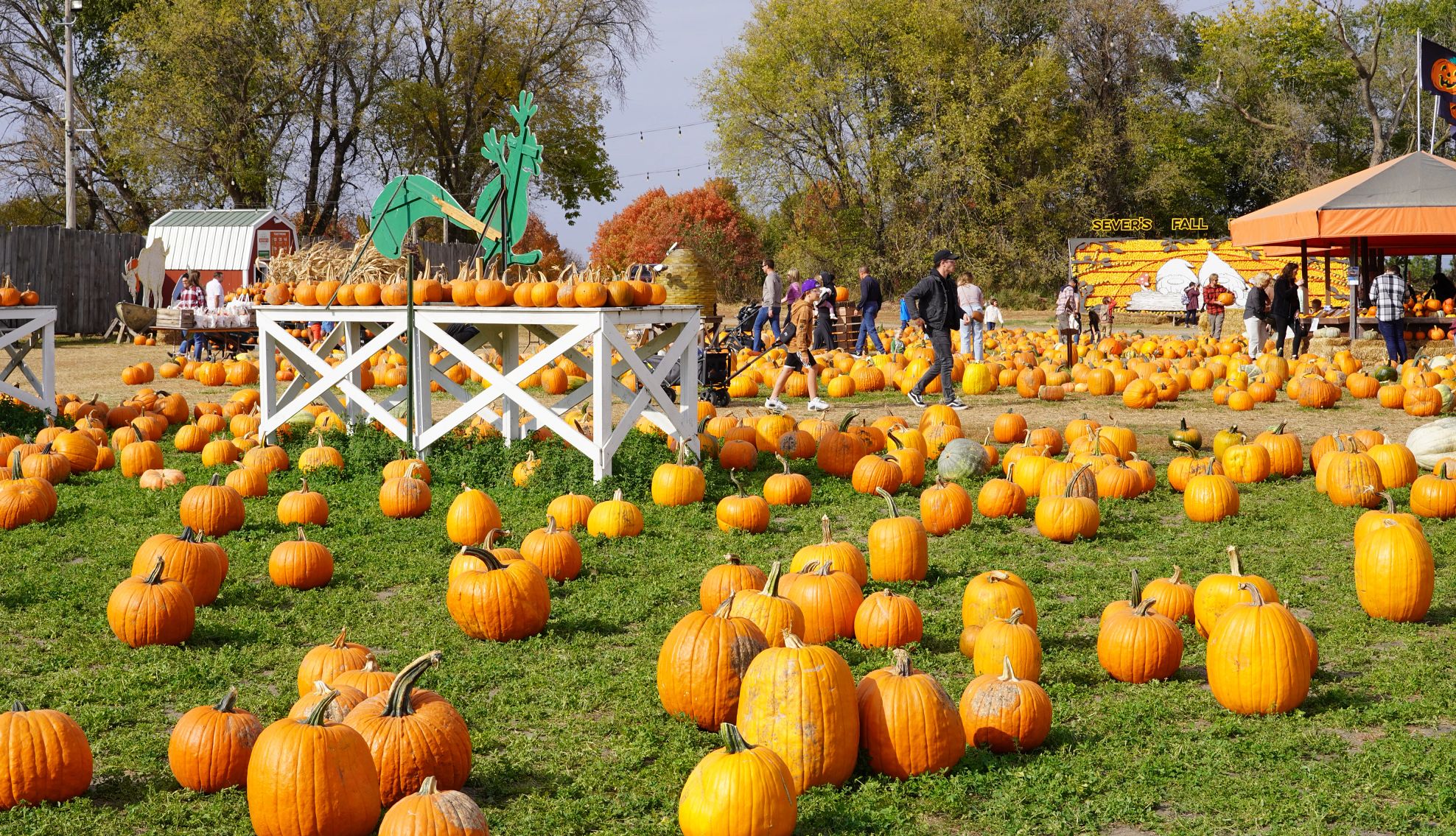
The first hard frost hasn’t hit yet, the apple bins are overflowing, and every small-town fairground from Vermont to North Carolina smells like fresh cider doughnuts — October is when the entire country’s harvest calendar hits a two-to-three-week sweet spot that makes a multi-stop road trip not just possible, but seamless.
Harvest festivals cluster heavily in early to mid-October, with a second wave rolling through late October depending on region and crop timing. That overlap is your advantage: you can string together two, three, even four major festivals in a single road trip week without dead days in between.
Miss this window and you’re chasing pumpkins into November, when many operations close for the season.
The Weather Advantage You’re Not Thinking About
October delivers the one thing June road trips never can: cool nights paired with warm, dry afternoons. Daytime highs across the harvest belt typically range from the mid-50s to low 70s°F — perfect for spending entire days outdoors at festivals, orchards, and farm stands without heat exhaustion or miserable humidity.
The catch: evenings drop fast. Pack thermal layers because temperatures can dip into the 30s and 40s°F after dark, especially in mountain and Appalachian regions.
Foliage and Festivals Overlap
This is the real power move of an October trip. Peak fall foliage coincides almost exactly with peak harvest festival season in the Northeast and Mid-Atlantic — typically the first three weeks of October, moving south and to lower elevations by late month.
You’re not choosing between leaf-peeping and festival-hopping. You’re doing both on the same drive, on the same day.
- Northeast corridor (VT, NY, PA): Peak color usually hits early-to-mid October. Festival windows align perfectly — the National Apple Harvest Festival in Biglerville, PA runs its main weekends October 5–6 and 12–13, and Vermont’s harvest celebrations peak around the same stretch.
- Appalachia and the Southeast (NC, VA, WV): Color shifts a week or two later. The Brushy Mountain Apple Festival in North Carolina capitalizes on this overlap — think mountain ridges blazing orange while you’re sampling fried apple pies.
- Midwest (OH, WI, MI): The Circleville Pumpkin Show and Warrens Cranberry Festival line up during peak Midwest foliage, typically the first two to three weeks of October.
- West Coast (WA, CA): Foliage is subtler, but October brings wine grape harvest, cider season, and smaller-town Oktoberfest celebrations into prime timing.
Why Not September — Or November?
September feels like fall but the harvest calendar isn’t there yet. Many orchards and farms don’t open festival operations until the first weekend of October.
By mid-to-late November, outdoor festivals are done, farms have shifted to Christmas tree sales or gone dormant, and weather turns unpredictable across the northern half of the country. October gives you the widest net: nearly every major harvest festival in the U.S. has at least one active weekend this month.
The insider move: book your lodging and any festival-specific camping or RV spots for the second weekend of October. That’s historically when the most festivals overlap regionally, and it’s also when fall color peaks in the greatest number of states simultaneously.
Confirm exact dates annually — festival schedules and peak foliage shifts by roughly a week each year depending on summer heat and early rainfall.
How to Plan Your Harvest Festival Road Trip USA
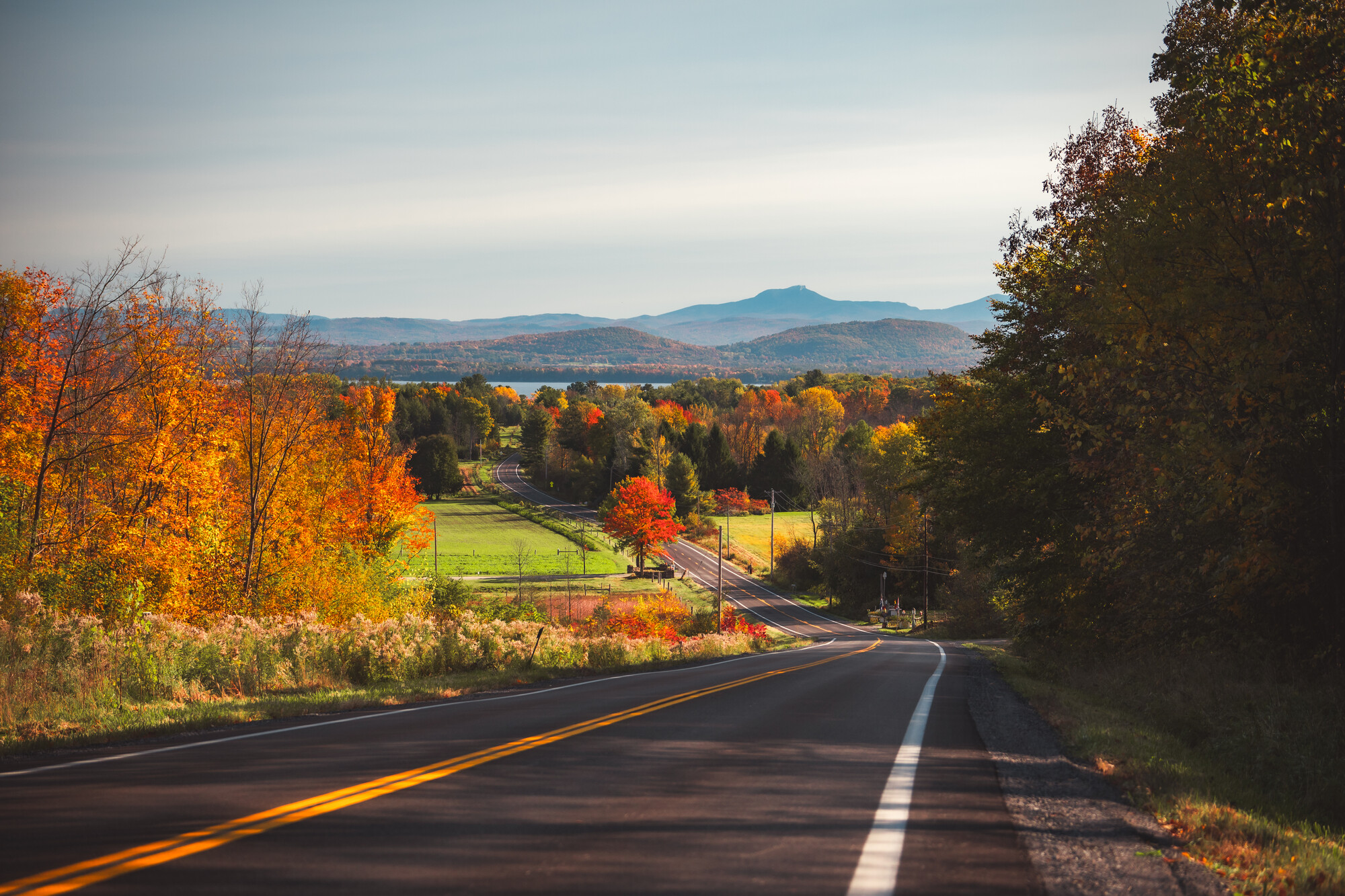
Four routes dominate the harvest festival circuit, each with a distinct pace, landscape, and flavor profile. Pick one based on how many days you have and what you want filling your trunk — apples, pumpkins, wine bottles, or all three.
| Route | Days | Best For | Peak Window |
|---|---|---|---|
| Northeast & New England | 7–10 | Cider snobs, foliage chasers | Early–mid October |
| Mid-Atlantic & Appalachia | 4–7 | Bluegrass fans, mountain scenery | Late Sept–mid October |
| Midwest | 7–10 | Pumpkin devotees, small-town charm | Early–late October |
| West Coast | 5–10 | Wine harvest, coastal vibes, milder weather | October |
Northeast and New England Route
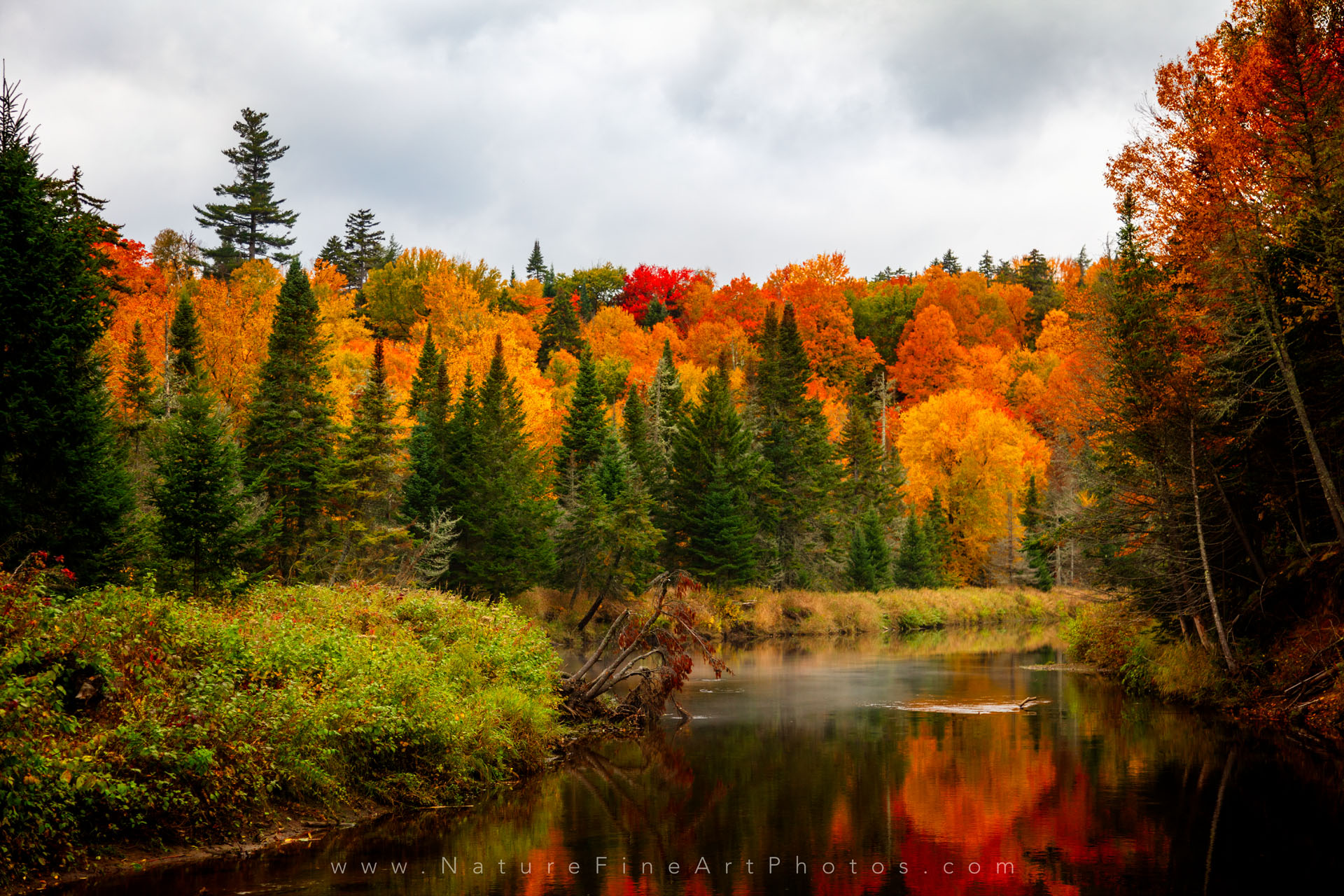
Start in Philadelphia and drive west into Adams County, Pennsylvania for the National Apple Harvest Festival in Biglerville — held the first two weekends of October. Expect dozens of cider styles, orchard strolls, and culinary demos where apples show up in everything from ice cream to chutney.
This festival draws serious crowds Saturday midday, so arrive before 10 a.m. to claim parking within walking distance.
From Biglerville, the route flows naturally:
- Biglerville, PA → Shenandoah Valley, VA: Roughly 2.5 hours south. Farm stands line Route 11 and Route 340 — stop for fresh cider and baked goods without any festival ticket needed.
- Shenandoah Valley → Northern Vermont: A longer push (6–7 hours), but worth it for the Shelburne Farms and Stowe apple harvest events. Woodstock, Vermont hosts its own harvest celebration with a smaller, more local feel than the Pennsylvania mega-festival.
- Vermont → Cooperstown, NY → Loop back: Head west through rural New York for cider mill stops before returning to the Northeast corridor. Cooperstown adds a bonus detour for anyone who also likes baseball.
This route demands 7–10 days to do comfortably. If you only have a weekend, the Biglerville festival alone justifies a two-night trip from Philadelphia, Baltimore, or D.C. — all within a 2-hour drive.
Insider detail: The second weekend at Biglerville is noticeably less packed than the first, and vendors sometimes discount remaining stock on Sunday afternoon.
Mid-Atlantic and Appalachia Route
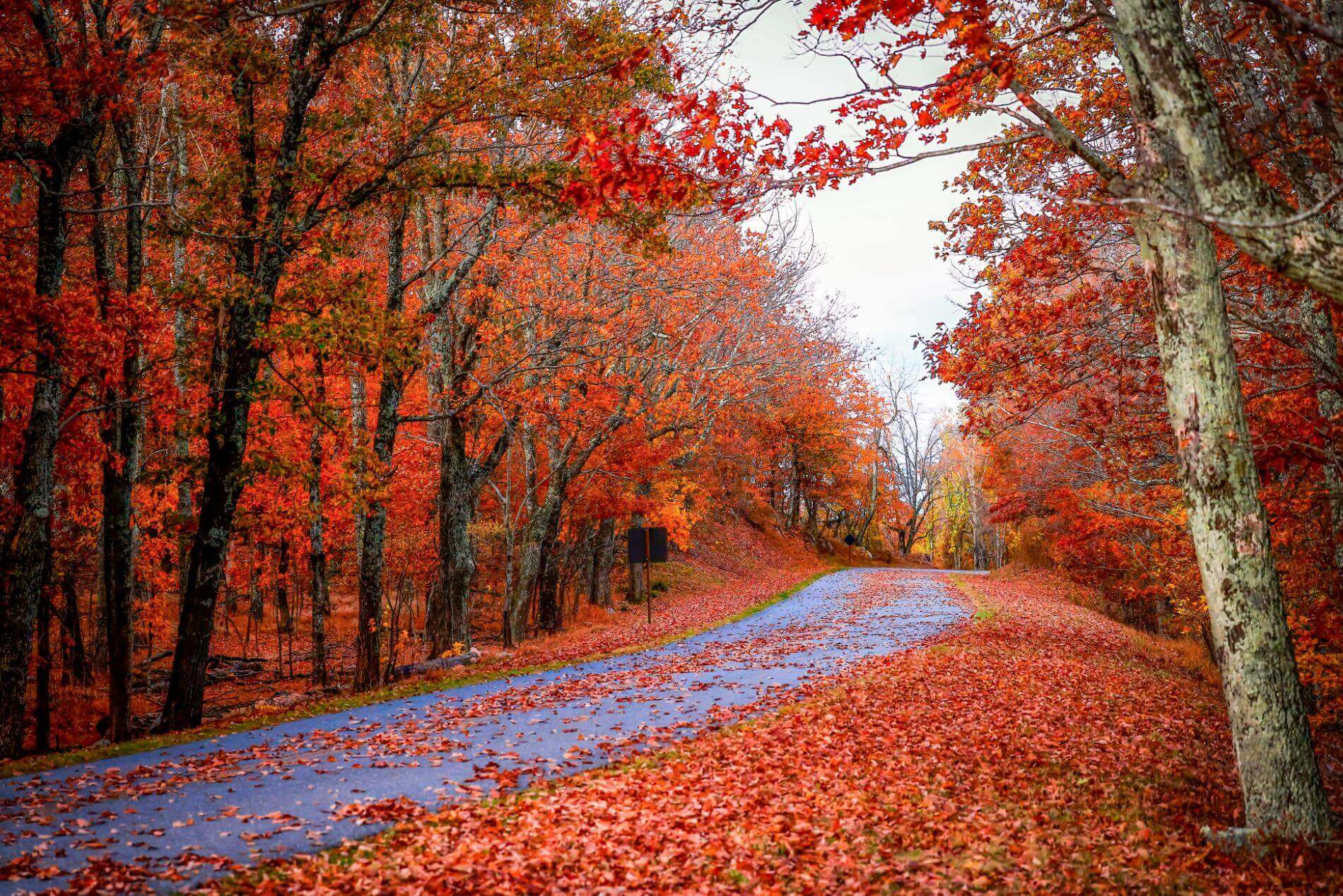
This route trades colonial charm for mountain music and higher elevation foliage. Anchor it around the Brushy Mountain Apple Festival in North Wilkesboro, North Carolina — typically the first Saturday in October.
It’s a one-day event with 100-plus arts and craft booths, bluegrass and old-time music stages, and food stalls pushing fried apple pies, apple butter, and regional barbecue.
A workable driving flow:
- Washington, D.C. → Shenandoah Valley, VA (Day 1–2): Drive Skyline Drive or take I-81 through the valley. Apple orchards and farm wineries dot both routes.
- Shenandoah Valley → North Wilkesboro, NC (Day 3–4): About 3.5 hours south on I-81 and US-421 through the Blue Ridge foothills. Base yourself in the North Wilkesboro area Friday night to be festival-ready Saturday morning.
- North Wilkesboro → Western NC / Southern VA farm loop (Day 5–7): Continue into the deeper Appalachians for leaf-peeping and small farm stays before looping back north.
October evenings in these mountains drop fast — expect temperatures in the 40s after sunset even when afternoons hit the 60s. Layer accordingly so you can enjoy the outdoor music stages past dark.
Insider detail: Most attendees cluster around the main music stage near the courthouse. The craft booths two blocks south have shorter lines and better pricing on apple butter and handmade goods.
Midwest Route
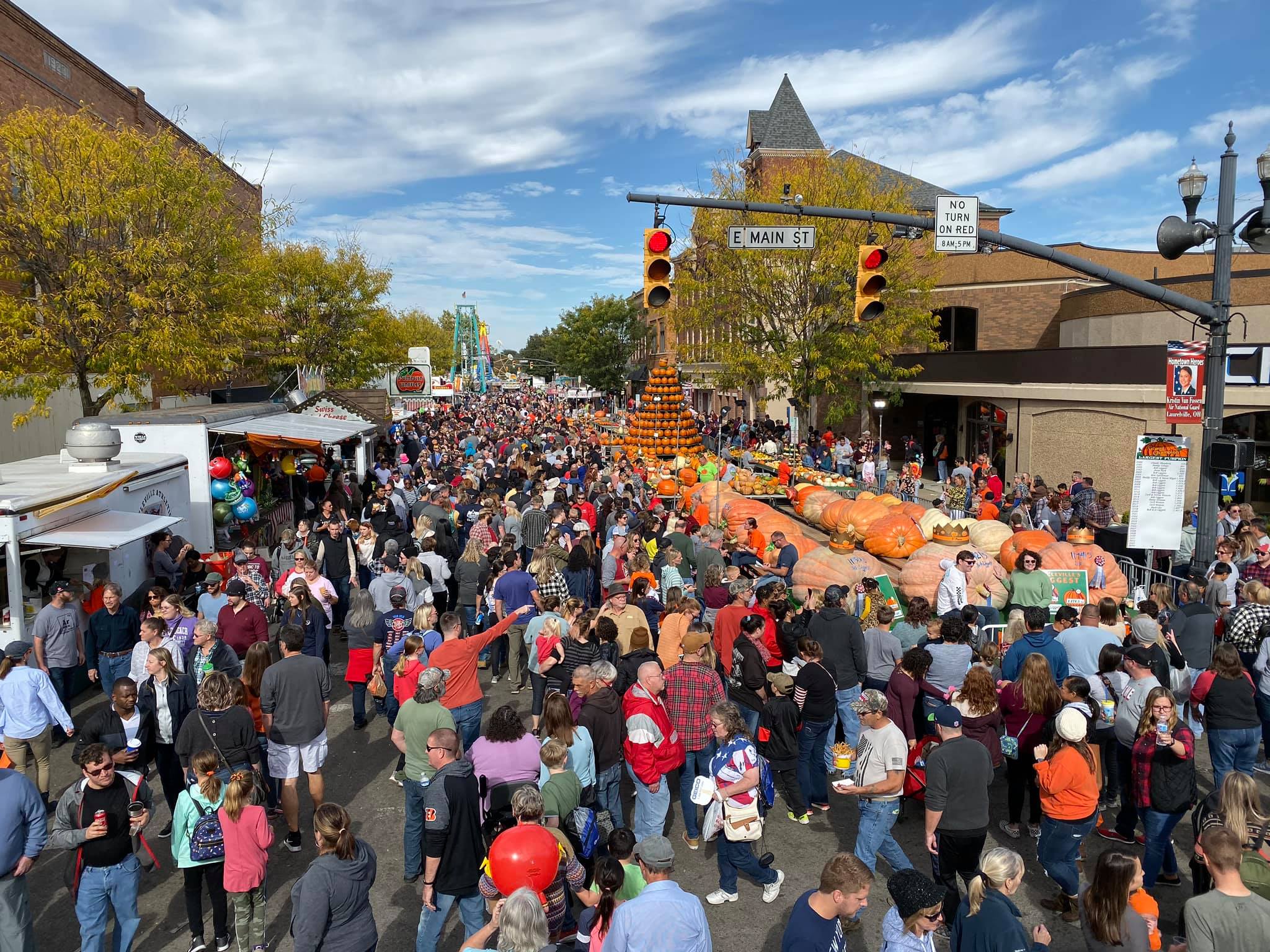
The Midwest delivers the most pumpkin-forward festivals on this list. Start at the Circleville Pumpkin Show in Ohio — one of the largest pumpkin festivals in the country, typically running four days in the third week of October.
Giant pumpkin weigh-offs, pumpkin-flavored everything, and a small-town atmosphere that hasn’t been over-commercialized.
From Circleville, head north:
- Circleville, OH → Grafton, IL wine country (Day 3–4): About 6 hours west. Illinois River valley wineries offer harvest-season tastings with fewer tourists than Napa or Sonoma.
- Grafton → Bayfield, WI (Day 5–7): A longer drive (roughly 8 hours) to reach Bayfield Applefest on Lake Superior’s south shore, usually held the first full weekend in October. This is the most scenic stop on the route — fall color hits peak right around festival time, and the Apostle Islands backdrop is unbeatable.
- Bayfield → Minnesota orchard stops (Day 8–9): Apple orchards and pumpkin patches line the Mississippi River bluff country south of Minneapolis. A more relaxed, non-festival day to decompress.
This is a 10-day route if you want to breathe. It compresses to 7 days if you skip the Minnesota detour and loop back from Bayfield through Wisconsin’s Door County.
Insider detail: Bayfield Applefest is small-town logistics — main streets close to vehicle traffic, and parking fills by mid-morning. Park at the shuttle lots on Route 13 and ride in rather than circling blocks.
West Coast Route
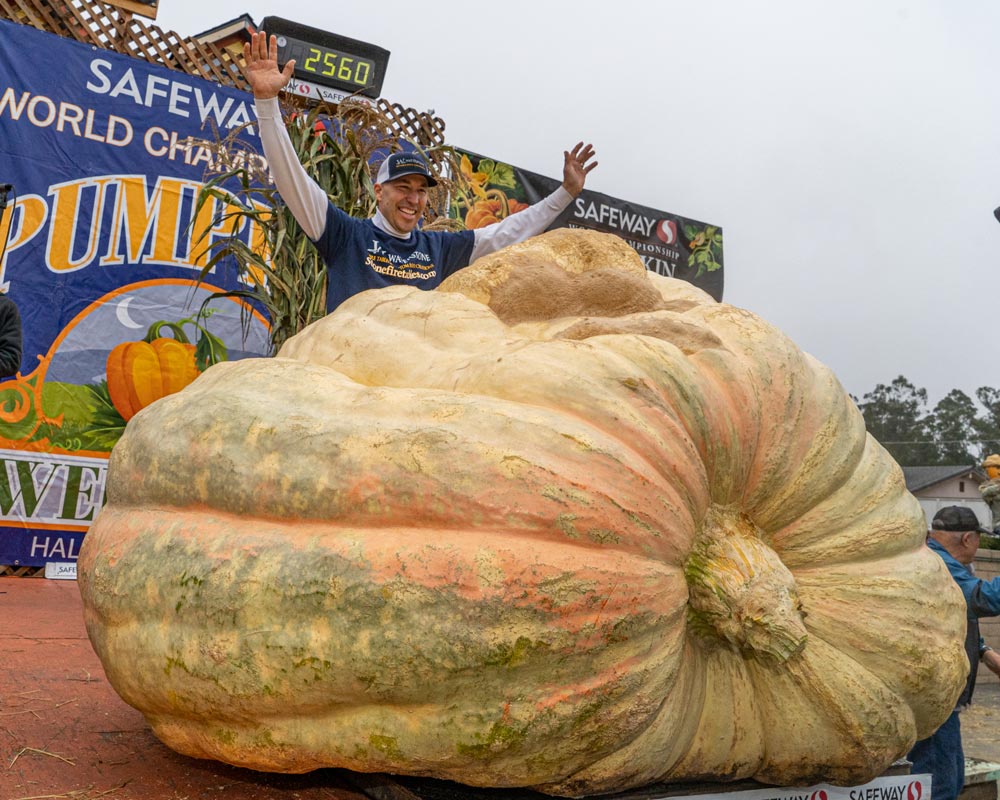
West Coast harvest festivals come with a California and Pacific Northwest advantage: milder October weather and wine harvest season layered on top of the festival calendar. Anchor this route at the Half Moon Bay Art & Pumpkin Festival along the coast south of San Francisco — expect massive pumpkin displays, coastal fog burning off by noon, and an easygoing crowd compared to East Coast equivalents.
A south-to-north flow works best:
- San Dimas, CA → Half Moon Bay (Days 1–5): Start in Southern California at the Huck Finn Jubilee — a bluegrass and Americana festival with camping and intimate performances, typically in October. Then drive north along the coast (roughly 6 hours on US-101) to reach Half Moon Bay for pumpkin festival weekend.
- Half Moon Bay → Sonoma / Napa wine harvest (Day 6–7): Just 1.5–2 hours north. October is crush season — wineries are active, tasting rooms are buzzing, and the vineyards are turning gold.
- Wine country → Pacific Northwest (Day 8–10): If you have the days, continue north into Oregon and Washington for Leavenworth, WA’s Oktoberfest and smaller pumpkin patches and vineyard harvest events throughout the Willamette Valley and eastern Washington.
California’s coast stays foggy into late morning most of October. Plan festival arrivals for midday and use early mornings for driving between stops.
Insider detail: Half Moon Bay parking is a bottleneck — the festival runs free shuttles from CSM College and other satellite lots. Arrive before 9 a.m. or after 2 p.m. to avoid the worst of it.
RV Camping Options Near Major Harvest Festivals
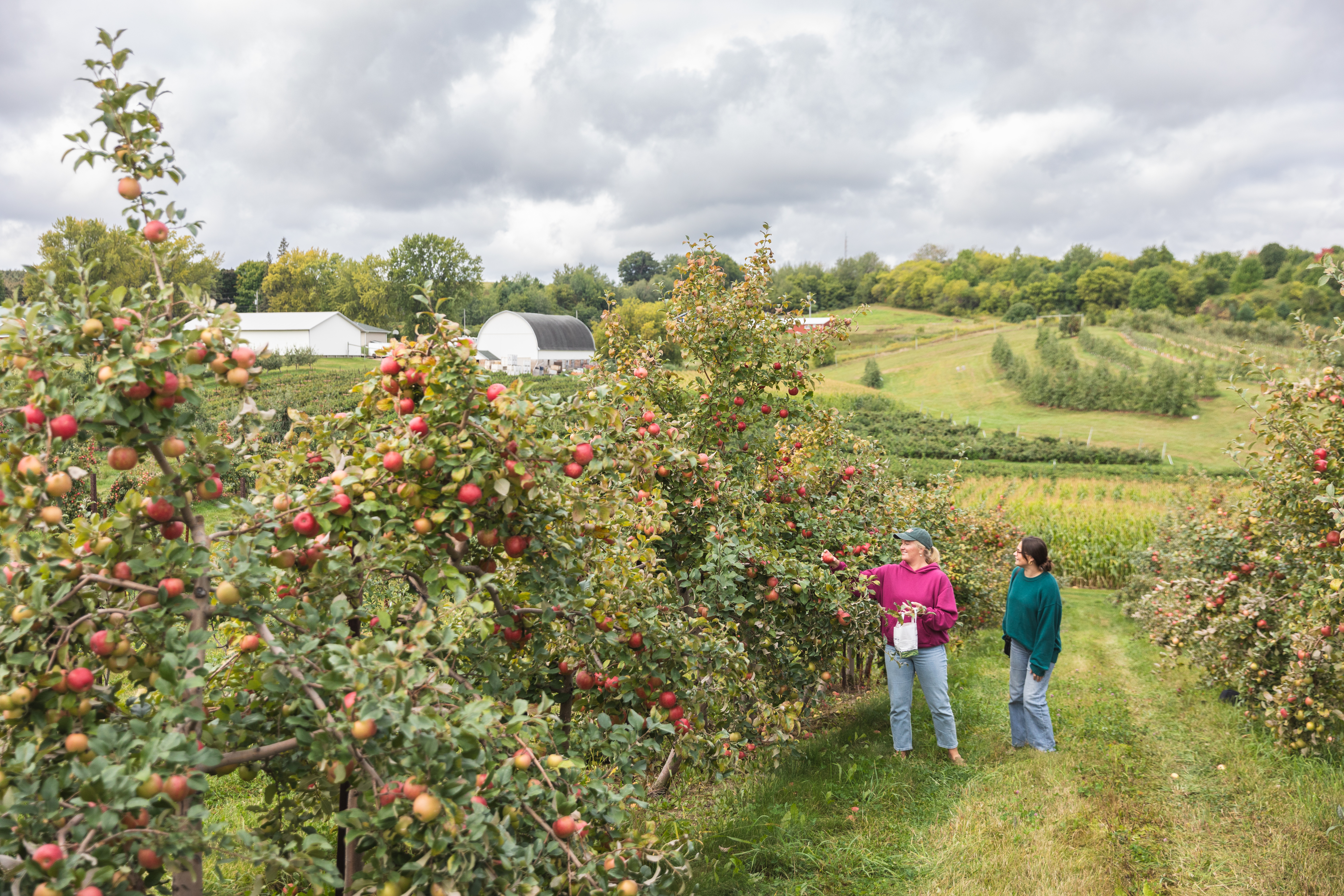
The best harvest festival RV stay isn’t in a packed gravel lot behind the fairgrounds — it’s parked at a working cider orchard where the host hands you a glass of fresh-pressed apple cider at check-in. Harvest Hosts, a membership network connecting RV travelers with farms, orchards, vineyards, and cideries, offers free overnight parking in exchange for supporting the host’s business. A single annual membership (typically around $99) unlocks over 4,000 locations nationwide, with the densest coverage in the Northeast and Midwest harvest belt.
These are dry-camping stays — no hookups — so arrive with full tanks and plan to boondock. Most hosts expect you before dark, limit stays to one night, and appreciate a purchase like a bottle of wine or a jar of apple butter.
Here’s a quick regional comparison to help you plan your overnight strategy:
| Region | Best RV Camping Type | Booking Pressure | October Night Temps |
|---|---|---|---|
| Northeast & New England | Harvest Hosts orchards + private RV parks | High — book by late August | Mid-30s to low 50s°F |
| Mid-Atlantic & Appalachia | State parks + foothill wineries | Moderate — more dispersed options | Upper 30s to mid-50s°F |
| Midwest | Harvest Hosts farms + metro-area parks | High near flagship festivals | Low 30s to low 50s°F |
| West Coast | Forest campgrounds + wine-country hosts | Moderate — varies by microclimate | Below freezing inland; 50s coast |
Northeast and New England Stays
Biglerville / Gettysburg, PA (near the National Apple Harvest Festival): The Gettysburg area has several private RV parks within 15 minutes of the festival grounds. Book by mid-August for full-hookup sites on October weekends — these go fast.
Harvest Hosts lists multiple orchards and farms in Adams County; use the “along route” filter if you’re driving in from Philadelphia or D.C. This is the insider move: you’ll wake up surrounded by apple trees instead of idling in festival traffic at 8 a.m.
Woodstock / Stowe, VT: Vermont campgrounds near the Billings Farm Harvest Celebration and the Shelburne/Stowe cider festivals are stunning but limited. Vermont state parks with RV sites — like Quechee Gorge or Little River — are solid choices, though most close seasonally, typically by mid-October.
Confirm operating dates directly with the park before committing. Harvest Hosts coverage in Vermont and western Massachusetts is excellent — filter by “orchard” and “farm” for the best pairings along Route 100.
- Best for full-hookup comfort: Private RV parks near Gettysburg — more amenities and dump stations, but you’re in a parking lot, not a farm.
- Best for atmosphere: Harvest Hosts orchards in Adams County, PA — buy cider directly from the source and fall asleep to silence.
- Best for foliage road-trippers: Harvest Hosts farms along Vermont’s Route 100 corridor — a new orchard view every morning.
Mid-Atlantic and Appalachia Stays
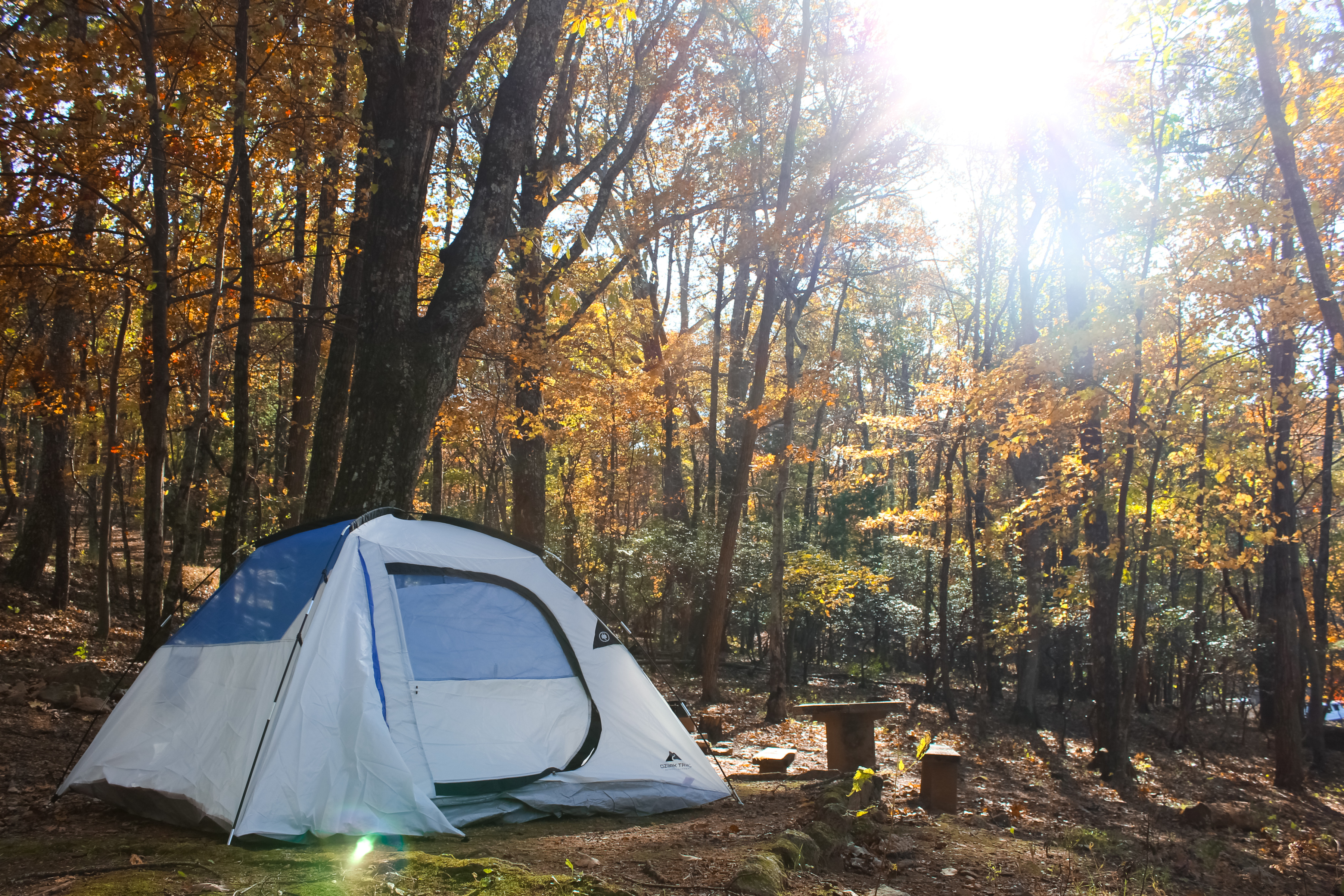
North Wilkesboro, NC (near the Brushy Mountain Apple Festival): Western North Carolina’s Blue Ridge foothills offer a strong mix of state parks and private RV parks. Stone Mountain State Park, roughly 30 minutes from North Wilkesboro, has RV-friendly sites with electric hookups and a mountain setting that beats any commercial park. For Harvest Hosts, search wineries along the
Essential Gear and Etiquette for Harvest Festival Road Trips

A single October rainstorm can turn a festival grounds into ankle-deep mud by midday — and thousands of footfalls will do the same even without rain. What you pack determines whether you enjoy the day or spend it miserable in soaked sneakers.
Gear That Actually Matters
Forget the curated “fall aesthetic” packing lists. These are the items that separate a good festival day from a regrettable one.
- Waterproof boots or shoes: Non-negotiable. Festival grounds — whether they’re orchards, farm fields, or fairgrounds — get chewed up fast. Leather boots with rubber soles handle cider spills, hay-strewn paths, and morning dew without complaint. Gore-Tex hiking shoes work too, but skip anything fabric-only.
- Layers you can shed: October mornings start in the 40s across most of the northern festival belt and climb into the 60s or 70s by afternoon. A packable vest or fleece over a moisture-wicking base layer covers that entire range. Avoid cotton — it traps sweat and chills you when temperatures drop after sunset.
- A crossbody bag or small backpack: You’ll be juggling cider cups, apple butter jars, and hand pies. A hands-free bag keeps your purchases secure while you eat, take photos, or hold a kid’s hand. Leave the purse at the hotel.
- Foldable tote or reusable grocery bag: Most harvest festivals are vendor-heavy — jams, honey, produce, baked goods. Bring your own bag so you’re not awkwardly carrying five paper sacks through a crowd.
- Cash in small bills: Many farm vendors and smaller festival booths don’t take cards, or they add a surcharge. Having $50–$100 in ones, fives, and tens saves you from missing out on the best finds. ATMs on festival grounds typically charge $3–5 per withdrawal.
- Portable phone charger: You’ll burn through battery on maps, photos, and social media by early afternoon. A small 10,000mAh power bank costs under $20 and keeps you running all day.
- Sunglasses and sunscreen: Autumn sun at lower angles hits harder than people expect, especially in open orchards and farm fields with zero shade. SPF 30 and polarized shades are worth the pocket space.
Festival Etiquette That Keeps You Welcome
Harvest festivals happen on working farms and in small communities that open their doors to enormous crowds. Following a few unwritten rules keeps those doors open year after year.
- Arrive early, leave graciously: Most festivals see peak crowds between 11 a.m. and 2 p.m. Arriving at opening — typically 9 or 10 a.m. — means shorter food lines, easier parking, and first pick at vendor products. When leaving, expect traffic delays of 20–45 minutes at larger events like the National Apple Harvest Festival or the Circleville Pumpkin Show. Patience isn’t optional.
- Respect the “no picking” signs: If you’re visiting a u-pick orchard attached to a festival, confirm which rows or trees are designated for picking before you start. Grabbing fruit from display-only areas or trampling crop rows to get a photo is the fastest way to get asked to leave.
- Ask before touching — and before photographing vendors: Handling produce, squeezing apples, or opening jars to smell products without buying is considered rude at farm stands. Equally, many artisan vendors prefer you ask before photographing their work up close.
- Know the pet policy before you arrive: Most large festivals prohibit dogs entirely due to crowd density and food safety regulations. Smaller farm events may allow leashed pets. Check the festival website — don’t assume your dog is welcome, and never leave a pet in a hot car.
- Tip generously at food stalls: Festival food vendors often pay premium fees for their booth space and work 12-hour days in the elements. A 20% tip on a $8 cider or $12 barbecue plate is standard and appreciated.
- Use designated parking and shuttles: Resist the urge to park on rural roadsides near festival grounds — you risk towing and block farm equipment access. Most major festivals offer free or $5–$10 shuttle lots. Use them. The shuttle ride is often part of the experience, passing through scenic farmland.
One Insider Detail Worth Knowing
Festival food lines peak between 11:30 a.m. and 1 p.m. The move is to eat your main meal at 10:30 a.m. right when vendors open for lunch service, then snack on cider donuts and kettle corn throughout the afternoon. You’ll eat hotter food with half the wait — and still have room for pie.
Must-Do Experiences Beyond the Main Festivals
The best harvest road trips aren’t built around a single festival weekend — they’re built around what you find between them. A u-pick orchard at 9 a.m., a cider tasting at a family operation with no website, a barn dance on a Vermont dairy farm — these are the moments that actually stick.
Here’s how to fill the gaps with experiences that outshine the main stage.
Pick Your Own at Working Orchards and Farms
Skip the festival food court apples and go straight to the source. U-pick orchards along your route deliver what no booth can: time in the rows, the smell of fallen fruit, and a half-bushel you chose yourself.
The sweet spot for most Northeast and Mid-Atlantic orchards is the first three weeks of October — earlier varieties like Honeycrisp peak in late September, while Fuji and Granny Smith hold into early November depending on the region.
- Best for families: Orchards with hayrides, corn mazes, and cider donut shacks on-site. These typically charge $2–5 per person for entry plus per-pound picking — expect to spend $15–30 for a family of four including a bag of apples and snacks.
- Best for adults without kids: Look for orchards attached to hard cider operations. Many in Vermont, Virginia, and the Pacific Northwest now offer tasting flights ($8–15) alongside picking. The vibe is completely different from the family-crowd spots.
- Insider move: Arrive within 30 minutes of opening on weekdays. You’ll beat school groups, get first pick of the best rows, and have the kind of quiet that makes orchards actually feel like an escape — not a parking lot.
Cider Mill and Hard Cider Tastings
Cider has quietly become one of the best reasons to slow down on a harvest road trip. The craft cider movement has exploded across New England, the Shenandoah Valley, and western North Carolina — the same regions that anchor the major apple festivals.
Many small operations press on-site and pour flights you literally cannot buy in stores.
Prioritize cideries that grow their own fruit. The difference between estate cider and sourced-juice cider is as stark as estate wine versus bulk — and small producers are usually happy to walk you through it if you ask.
Budget $10–20 per tasting flight; most include 4–6 pours.
Harvest Host Overnight Stays at Farms and Wineries
If you’re traveling by RV or campervan, Harvest Hosts is the single best tool for turning a transit night into an experience. The network includes over 9,500 locations — farms, orchards, cideries, vineyards, and small museums — where members can boondock overnight for free (membership runs roughly $99/year as a baseline).
During October, use their map filters to search by type (“orchard,” “winery,” “farm”) and “along route” to line up stays near your festival stops.
The real value: you decompress after a crowded festival day on someone’s working land, often with a complimentary tasting or farm store access included. This pairs especially well with routes through rural Pennsylvania, Vermont, and the Shenandoah Valley, where Host coverage is dense.
Scenic Drives Through Peak Foliage Corridors
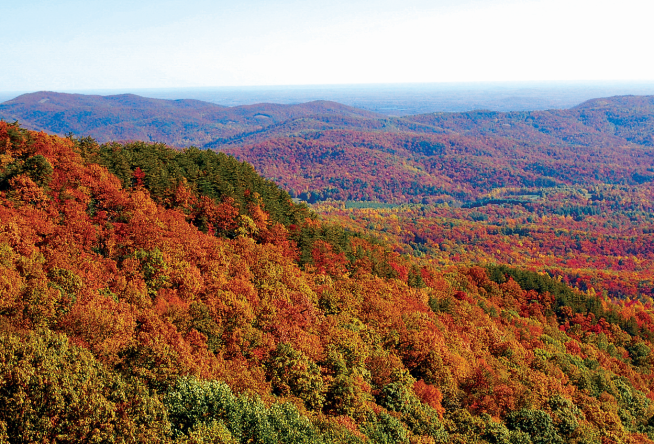
Build at least one half-day of pure driving into your itinerary — not to get somewhere, but because the road itself is the experience. The best foliage corridors overlap directly with harvest festival regions, so you’re never going out of your way.
- Blue Ridge Parkway (NC/VA): Peak color hits mid-to-late October at higher elevations. Budget 3–4 hours for a scenic stretch with pullover stops. Speed limit is 45 mph max — and that’s the point.
- Shenandoah Valley (VA): Skyline Drive runs 105 miles along the ridgeline with 75 overlooks. An America the Beautiful pass ($80/year) or a 7-day vehicle pass (typically $30) covers entry. Weekdays only if you want to actually stop at overlooks without circling for parking.
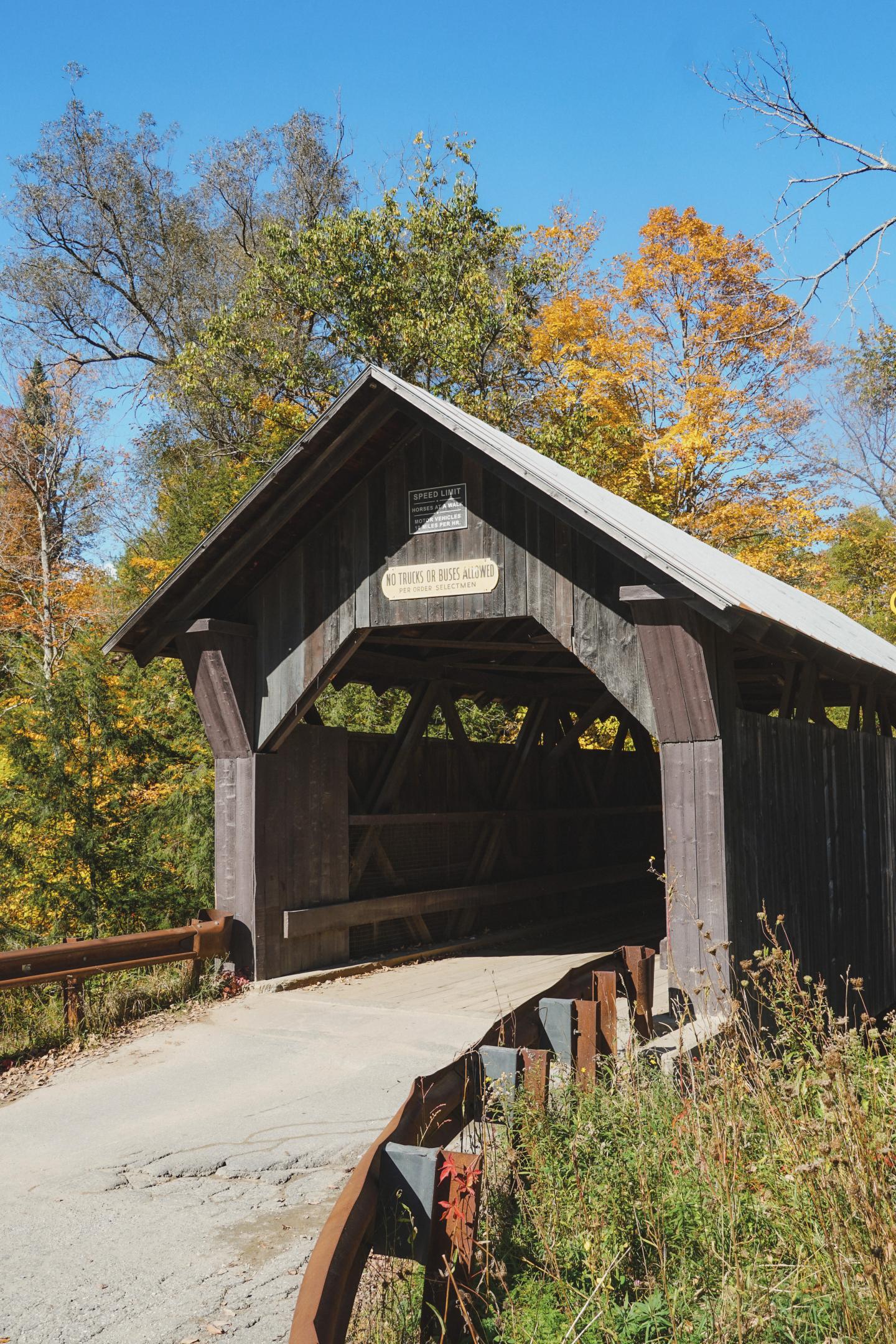
- Vermont Route 100: Runs north-south through the state’s most concentrated foliage zone. Pair it with stops at Billings Farm for the Harvest Celebration or any of the covered bridge detours along the way.
Bluegrass, Folk, and Barn Dance Pairings
Several harvest regions run acoustic music events and barn dances that complement — not compete with — the big festivals. These are smaller, more intimate, and usually cheaper or free.
The Billings Farm Harvest Celebration in Woodstock, Vermont, includes a traditional barn dance that’s worth planning your entire Vermont day around. In western North Carolina and the southern Appalachians, check local listings for bluegrass sessions at community centers and breweries — they cluster on Friday and Saturday evenings during October and often aren’t listed on any national event calendar.
If you’re routing through California, the Huck Jubilee bluegrass festival in San Dimas runs in October with workshops, camping, and intimate performances — a strong detour if your West Coast route needs a non-pumpkin counterpoint.
Pumpkin Patches and Corn Mazes
Every region has them, and the quality gap between a great patch and a forgettable one is enormous. The best operations combine a genuine working farm with a corn maze designed for adults — not just a toddler-friendly photo op.
Circleville, Ohio, and the surrounding area has some of the Midwest’s strongest options, easily paired with the Pumpkin Show.
Expect $10–20 per person for a full corn maze plus pumpkin. Go on a late afternoon for the best light and thinner crowds. Bring cash — smaller operations sometimes don’t take cards.
Oktoberfest Pairings in Small-Town America
If your route passes through the Pacific Northwest or the Southeast, consider adding a small-town Oktoberfest stop. Leavenworth, Washington, and Helen, Georgia, both run Octoberfest events in Bavarian-themed settings that feel like a different trip entirely — useful for breaking up consecutive harvest-festival days.
These draw big crowds on peak weekends, so book lodging well in advance and aim for Thursday or Friday arrivals if you want any breathing room.
Frequently Asked Questions
When is the best time to plan a harvest festival road trip?
Early to mid-October is prime time — most major festivals cluster in the first three weeks of the month, though some, like the Warrens Cranberry Festival in Wisconsin, run into late October. Weekend dates are when the big-name events happen (the National Apple Harvest Festival in Biglerville, PA, for example, runs its main weekends in early-to-mid October), so plan your driving days around those windows and use weekdays for scenic transit between regions.
Always confirm exact dates with each festival’s official site before committing — schedules shift year to year, and some events run only two weekends, not the full month.
Do I need to buy tickets or make reservations in advance?
Most harvest festivals are walk-up, pay-at-the-gate events with general admission typically in the $5–$15 range, though pricing varies by event. The real reservation you need is lodging — farm stays, cabins, and Harvest Hosts locations near popular festivals fill up weeks ahead, especially for October weekends.
If you’re RV camping, book your Harvest Hosts stay as soon as your festival dates are locked. Their map filters for orchards, wineries, and farms along your route make this straightforward, but availability in peak October narrows fast.
Can I find RV camping near harvest festivals?
Yes, and it’s arguably the best way to do this road trip. Harvest Hosts alone has over 9,500 locations across the U.S. and Canada — farms, orchards, cideries, vineyards, and breweries that let RVers stay overnight.
Use their “along route” search and filter by type (orchard, winery, farm) to line up stays that complement your festival stops. Traditional RV parks near festival towns also exist, but they book out fast and charge peak-season rates in October.
Harvest Hosts locations are a quieter, more immersive alternative — and many hosts share produce, tours, or local intel you won’t find online.
What should I pack for a harvest festival road trip?
Layers are non-negotiable. October mornings can be frosty across the Northeast, Appalachia, and Midwest, then warm to t-shirt weather by mid-afternoon — pack thin thermal layers you can peel off, not one heavy jacket.
Beyond clothing, bring a reusable tote for farm purchases, cash (many small festival vendors and farm stands don’t take cards), comfortable walking shoes for muddy orchard rows, and a cooler for perishable finds like fresh cider or local cheese. If you’re attending evening events like barn dances or acoustic sets, a headlamp or small flashlight helps navigating unlit farm fields after dark.
Pick Your Weekend, Book the Orchard, and Go
Lock in the second weekend of October for the broadest festival overlap and peak foliage, then check each festival’s official site for exact dates since they shift slightly every year. Book your Harvest Hosts stays or lodging immediately after — the best farm properties vanish six weeks out.
October harvest festivals are the one road trip where the drive, the destination, and the season itself are all equally worth your time off.
Pin this guide now so it’s ready when August rolls around and it’s time to reserve your route.
Leave a Reply