
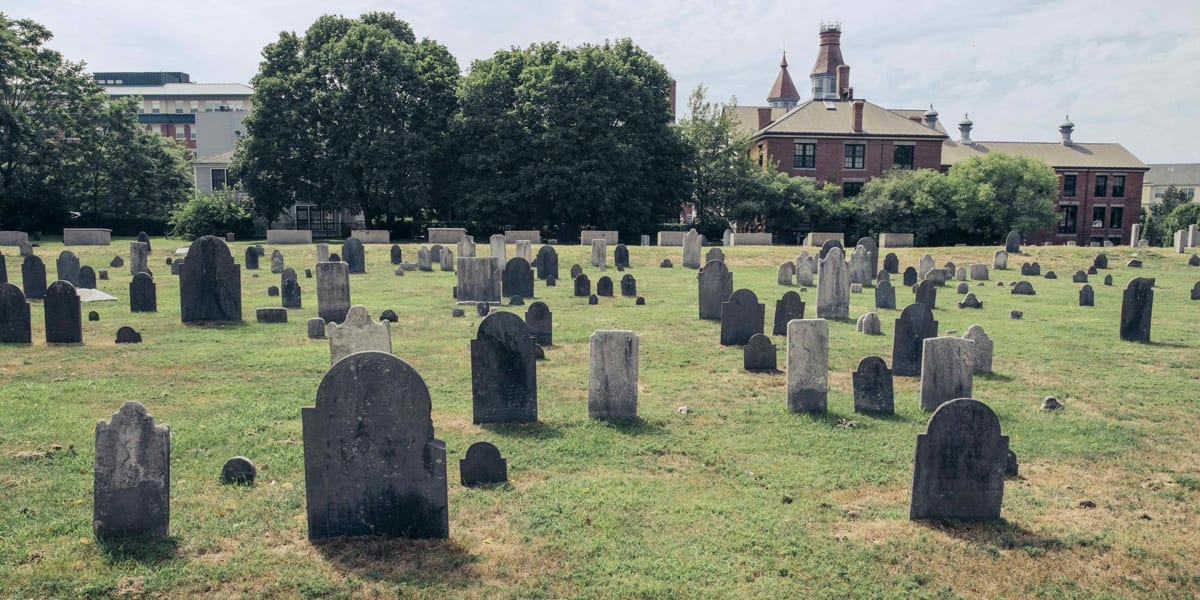
Cold spots between beds that won’t warm up, luggage unpacked by invisible hands, and the unmistakable feeling of being watched in a hallway built over a century ago—this is the sensory reality of America’s most documented haunted destinations. The paranormal aesthetic here isn’t manufactured for Instagram; it’s built from actual tragedy, architectural decay, and the kind of historical weight that makes your skin prickle at 3 a.m.
What separates these destinations from generic “spooky” tourism is specificity: the Stanley Hotel’s Room 217 where Stephen King woke screaming, the Queen Mary’s narrow warship corridors where soldiers died, the Hotel Monte Vista’s windows where two women were thrown to their deaths, and Eastern State Penitentiary’s cellblocks where documented shadow figures have been caught on camera. You’re not paying for atmosphere—you’re paying for proximity to actual hauntings with witnesses, investigations, and infrastructure built around them.
This guide cuts through the hype and helps you decide which haunted destination matches what you actually want: literary horror, maritime tragedy, Old Hollywood glamour, institutional darkness, colonial witch-trial history, or small-town Gothic isolation.
Budget ranges: haunted hotels run $150–$300+ per night (premium for documented activity); ghost tours cost $20–$50 per person; paranormal investigations run $100–$300+ depending on location and duration. Cities like Salem and New Orleans offer free walking access to haunted districts; abandoned institutions like Eastern State charge $15–$25 for standard tours, $50+ for paranormal-focused investigations.
Your Haunted Destinations Overview
Haunted Hotels Worth the Overnight Stay: The Stanley Hotel (Estes Park, Colorado) for Stephen King’s documented terror and Room 217’s invisible housekeeping; the Queen Mary (Long Beach, California) for maritime wartime deaths in an actual ship; Hotel Monte Vista (Flagstaff, Arizona) for Old Hollywood celebrity ghosts on Route 66; Hot Lake Hotel (La Grande, Oregon) for institutional darkness and thermal-lake isolation.
Photogenic Haunted Mansions: Whaley House (San Diego) for walkable urban access; Winchester House (San Jose) for architectural madness over paranormal activity; Myrtles Plantation (Louisiana) for the most documented ghosts (twelve confirmed); House of the Seven Gables (Salem) for literary inspiration and witch-trial connection.
Abandoned Institutions for Pure Gothic Decay: Eastern State Penitentiary (Philadelphia) for documented shadow figures and easier logistics; Trans-Allegheny Lunatic Asylum (West Virginia) for remote immersion and medical-abuse history.
Cities That Deliver Full Immersion: Salem, Massachusetts (witch trials, nightly tours, colonial darkness); New Orleans, Louisiana (most actively paranormal, French Quarter infrastructure); Savannah, Georgia (Spanish moss Gothic, less manufactured); Eureka Springs, Arkansas (Victorian mountain town, crowd-free); St. Augustine, Florida (500 years of layered history).
Which Haunted Hotels Deliver the Strongest USA Aesthetic?
These four hotels aren’t just decorated with ghost stories—they’re built from them. Each one offers a different flavor of American haunting: literary horror, maritime tragedy, Old West celebrity intrigue, and medical-institutional darkness.
Pick based on what aesthetic pulls you in, then book directly with the hotel to confirm current paranormal activity reports and room availability, since haunted-room popularity shifts seasonally.
Stanley Hotel in Estes Park Colorado
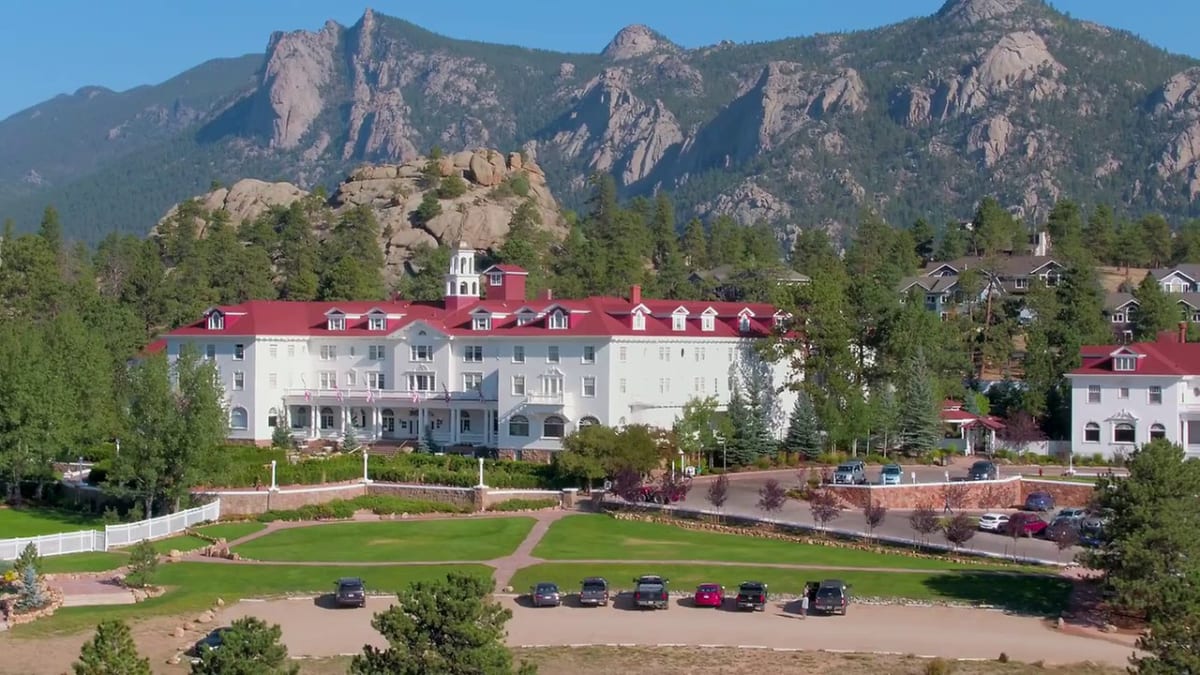
This is the one Stephen King himself was too spooked to sleep through. Built in 1909 by the Stanley Steamer magnate, the 420-room Colonial Revival landmark inspired The Shining after King stayed in Room 217 and woke to screams and nightmares so vivid he turned them into horror canon.
The hotel’s paranormal reputation isn’t hype—it’s been featured on nearly every major ghost television series.
Room 217 is the draw: guests report luggage unpacked by invisible hands, lights flickering on and off, and a persistent cold spot between beds that some attribute to Mrs. Elizabeth Wilson, the hotel’s fastidious head housekeeper who apparently doesn’t approve of unmarried couples. The grand staircase, multiple ballrooms, and underground cave system add to the Gothic atmosphere.
The hotel sits in Estes Park, a mountain gateway town with easy access to Rocky Mountain National Park, so you can pair your haunted stay with daytime hiking if you want daylight breaks from the paranormal energy.
- Best for: Horror literature fans and anyone who wants the most famous haunted-hotel backstory in America.
- The aesthetic: Elegant 1909 grandeur with literary dread—think Jack Torrance’s descent, not jump scares.
- Insider tip: Room 217 books months ahead during October. If you can’t secure it, rooms 217 and 237 (the movie version) are the most active—aim for those or ask the front desk which other rooms have recent guest reports.
RMS Queen Mary in Long Beach California
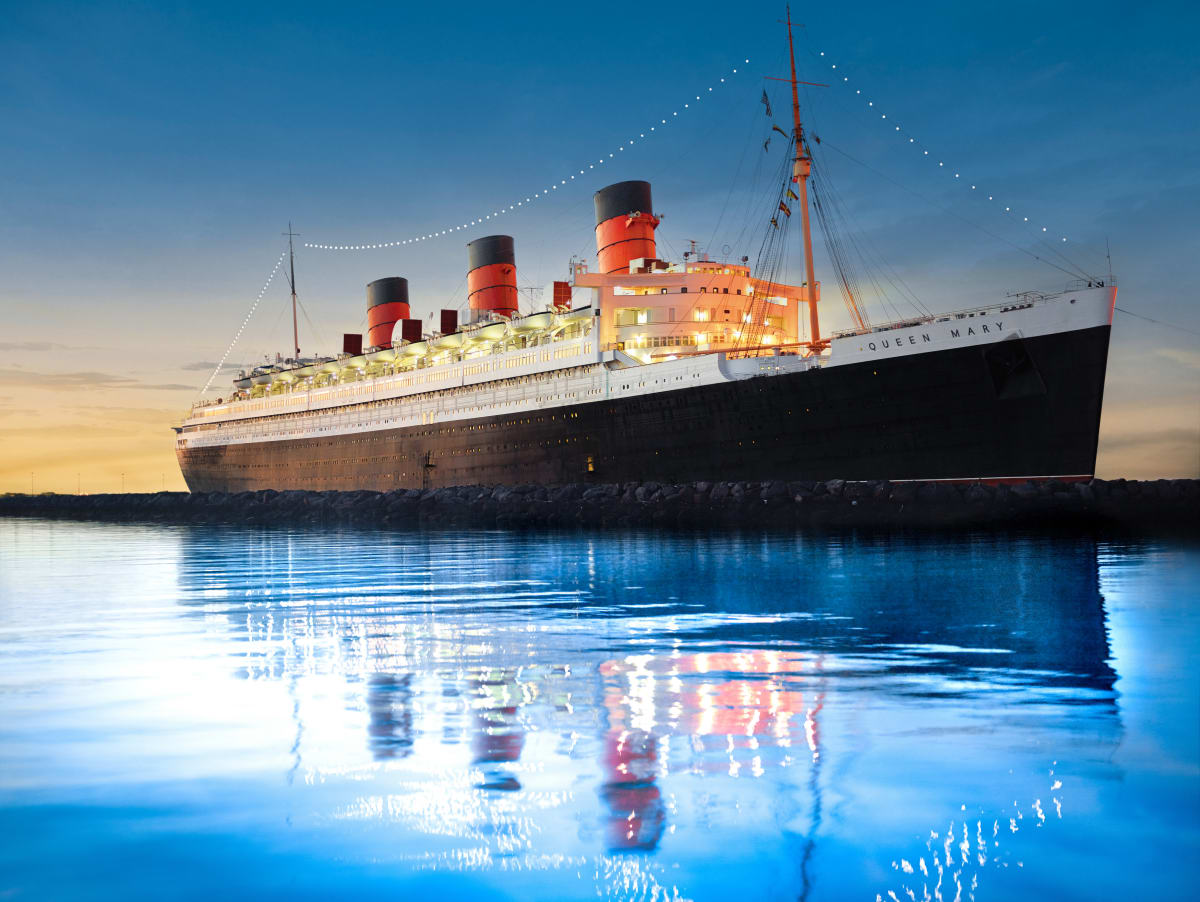
A 1936 ocean liner permanently docked in Long Beach, the Queen Mary trades mountain isolation for maritime melancholy. This ship served as a transatlantic luxury liner, then as a World War II troopship before becoming a hotel—a trajectory that accumulated ghost stories from multiple eras.
The paranormal activity here is tied to the vessel’s working history: deaths during wartime service, accidents in confined spaces, and the weight of thousands of souls who passed through its decks.
Staying aboard a ship-turned-hotel creates an immediate aesthetic advantage: you’re sleeping in actual historical architecture, not a recreation. The narrow corridors, engine rooms, and original fixtures amplify the haunted feeling without needing set dressing.
Long Beach itself is urban and accessible, with restaurants and attractions nearby, so you’re not isolated in a remote mountain town—you’re haunted in the middle of a functioning city.
- Best for: Travelers who want paranormal atmosphere without leaving urban amenities, and anyone drawn to maritime history.
- The aesthetic: Art Deco elegance meets warship austerity—glamorous and claustrophobic at once.
- Insider tip: Book a cabin-style room rather than a suite if you want the most authentic ship-quarters experience and the strongest sense of being in a haunted vessel.
Hotel Monte Vista in Flagstaff Arizona
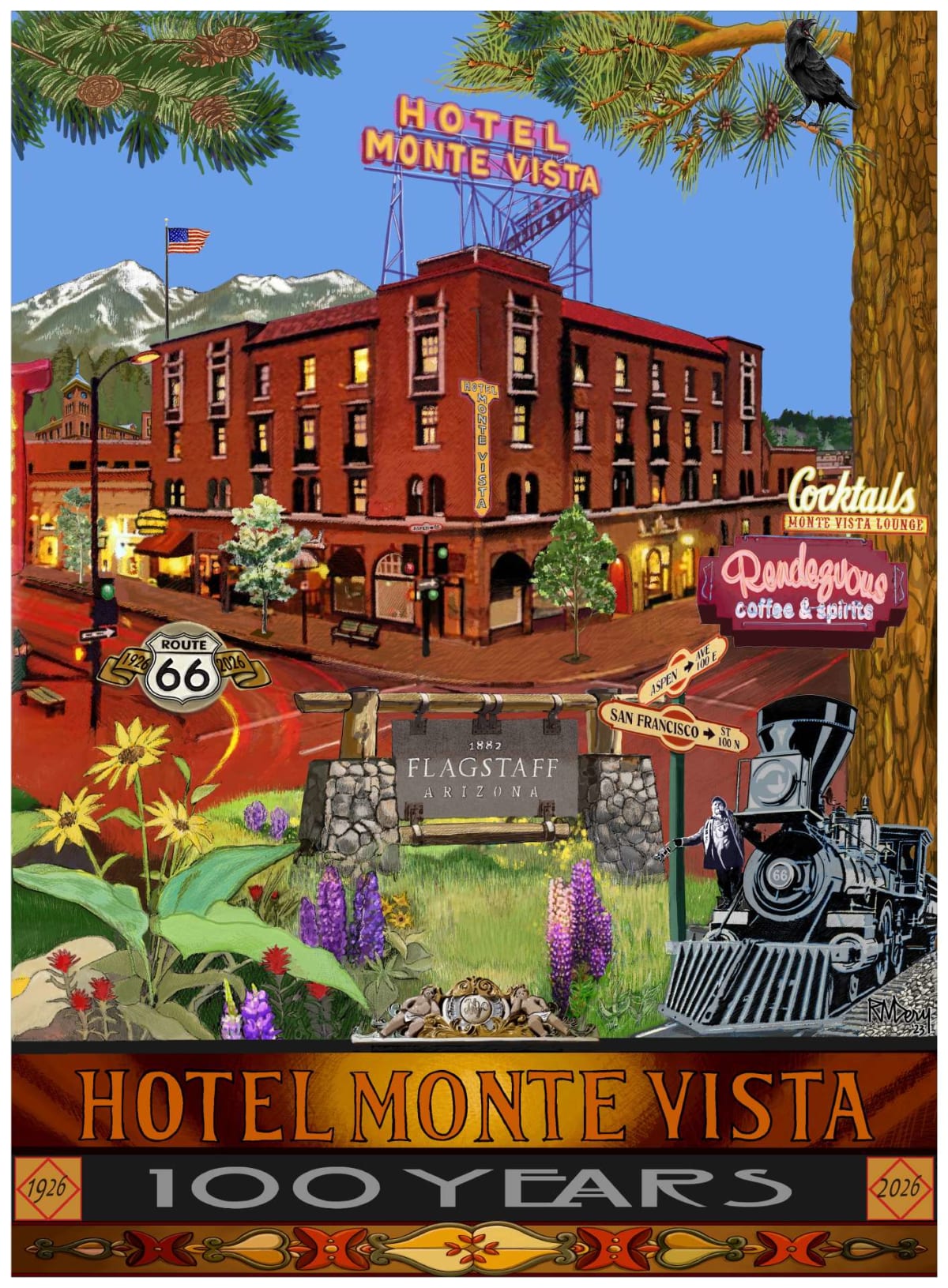
Built in 1927 with funding from western writer Zane Grey, this 73-room landmark hosted every major Hollywood star of the early-to-mid 20th century—John Wayne, Gary Cooper, Humphrey Bogart, Bing Crosby, and dozens more. The paranormal activity here is tied directly to celebrity: John Wayne himself reportedly had run-ins with the hotel’s ghosts.
Room 305 is the most active, where guests see a woman in a rocking chair at the window or watch the chair rock by itself. Room 306 harbors darker energy—two women who were thrown from the window and killed now reportedly place their hands over sleeping guests’ mouths.
Room 220 houses “the Meat Man,” an eccentric guest who hung fresh meat from the chandelier.
The aesthetic here is Old Hollywood meets small-town Arizona—you’re sleeping in a piece of cinema history that never left the 1930s. Flagstaff itself is a charming mountain town with Route 66 nostalgia, craft breweries, and proximity to the Grand Canyon, so you can base yourself here for a longer haunted-and-scenic trip.
The hotel’s location on Route 66 adds to the Americana atmosphere.
- Best for: Classic Hollywood fans and anyone who wants their haunting served with a side of golden-age glamour and celebrity lore.
- The aesthetic: 1920s luxury hotel frozen in time, with the energy of famous guests (living and dead) still occupying the rooms.
- Insider tip: Room 305 and 306 book up fast. If those are unavailable, ask staff which other rooms have had recent paranormal reports—activity shifts, and front-desk staff track it.
Hot Lake Hotel in La Grande Oregon
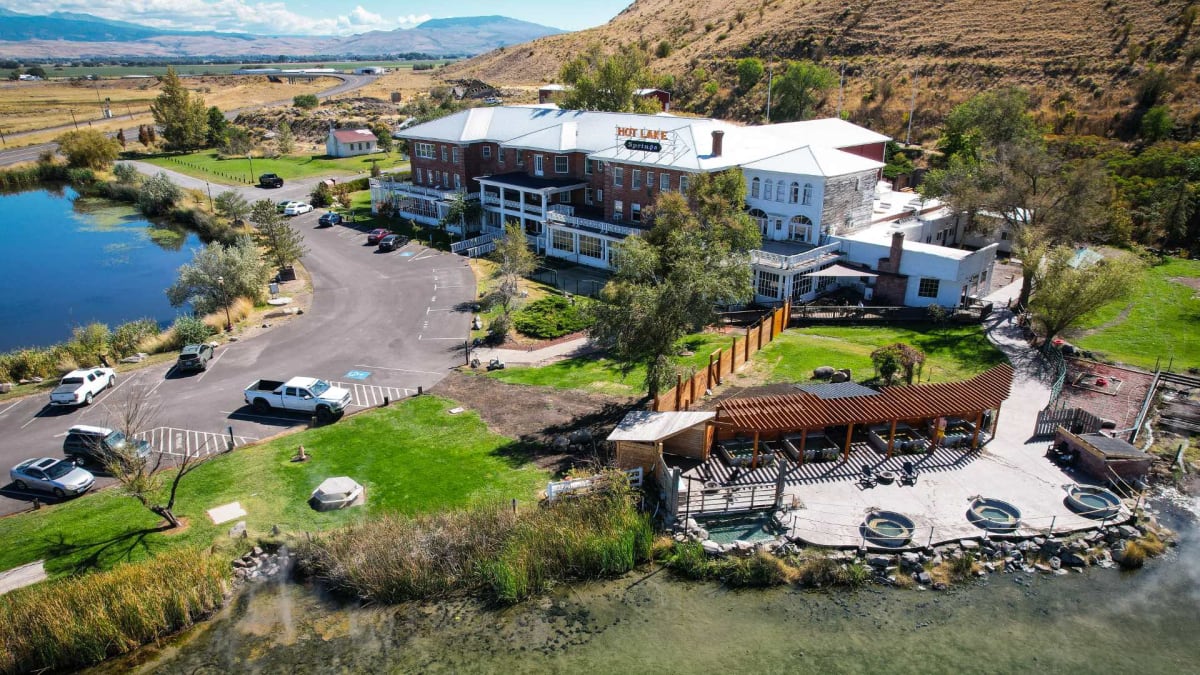
This one carries the heaviest historical weight. Built in 1864 on a naturally warm thermal lake, Hot Lake served Native Americans (primarily the Nez Perce) first, then Oregon Trail pioneers, then wealthy patients including the Mayo brothers.
A sprawling brick hotel expanded in 1903 could house over 1,000 guests. Then came the 1934 fire, the Depression, World War II (when it became a nurse-training center and flight school), and finally its darkest chapter: a storage facility for typhoid victims’ bodies, then a nursing home, then an insane asylum.
The hotel was abandoned in 1991 and featured on ABC’s “The Scariest Places on Earth” in 2001.
The paranormal activity here reflects all those layers: old vacationers, a nurse scalded to death in the lake, a gardener who committed suicide, and asylum patients. The aesthetic is architectural decay mixed with thermal-resort grandeur—brick structures surviving when wood burned, thermal waters that once healed now feeling eerie.
La Grande is a small eastern Oregon town, so this is the most isolated and atmospheric of the four. If you want true remoteness and the feeling of exploring an actual haunted ruin being slowly restored, this is it.
- Best for: Paranormal investigators, history buffs interested in institutional hauntings, and travelers seeking the most isolated and atmospheric experience.
- The aesthetic: Decaying grandeur and medical-institutional darkness—less glamorous than the others, more genuinely unsettling.
- Insider tip: Confirm current operating status and which sections of the hotel are open to guests before booking, as restoration is ongoing and room availability fluctuates. The thermal lake itself is part of the experience—visiting it during your stay adds to the haunted-landscape immersion.
Quick Comparison
| Hotel | Location Vibe | Paranormal Specialty | Best If You Want |
|---|---|---|---|
| Stanley Hotel | Mountain town, scenic, isolated | Literary horror, celebrity encounters | The most famous haunted-hotel story in America |
| RMS Queen Mary | Urban, accessible, waterfront | Maritime tragedy, wartime deaths | Paranormal atmosphere without leaving a city |
| Hotel Monte Vista | Route 66 town, historic downtown | Old Hollywood glamour, celebrity ghosts | Golden-age cinema history with paranormal energy |
| Hot Lake Hotel | Remote small town, thermal landscape | Institutional darkness, medical tragedy | The most isolated and genuinely unsettling experience |
Which Historic Mansions Capture the Most Photogenic Haunted Aesthetic?
These four mansions deliver the visual drama and documented paranormal stories that make haunted houses worth the trip—but they’re wildly different experiences, and choosing the wrong one wastes a day. The Whaley House works for urban explorers who want walkable history; Winchester House is the move for architecture obsessives; Myrtles Plantation rewards road-trippers willing to venture deep into Louisiana; and House of the Seven Gables belongs on any Salem itinerary.
Pick based on what you actually want to photograph and how much backstory matters to you.
Whaley House in San Diego California
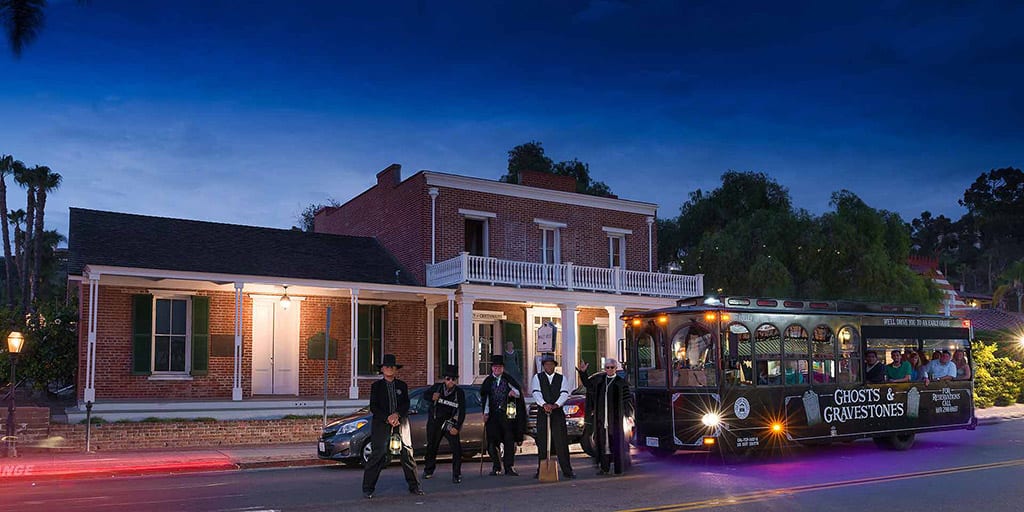
Built in 1857, the Whaley House is the most accessible of these four—it’s walkable from downtown San Diego and doesn’t require a road trip detour. The house has served as a family home, general store, courthouse, theater, and morgue, which means the architectural bones are genuinely interesting beyond the ghost stories.
Paranormal activity here includes unexplained cold spots, disembodied voices, objects moving on their own, and cameras malfunctioning, which actually works in your favor if you’re chasing atmospheric photography—the eerie technical glitches feel authentic, not staged.
This is the best choice if you’re basing yourself in San Diego and want a haunted stop that doesn’t eat an entire afternoon. The house remains a working tourist attraction with regular tours, so expect crowds during peak season.
The photogenic appeal is strongest in late afternoon when light hits the period architecture at an angle—the 1850s bones photograph better than the ghost stories do.
Winchester House in San Jose California
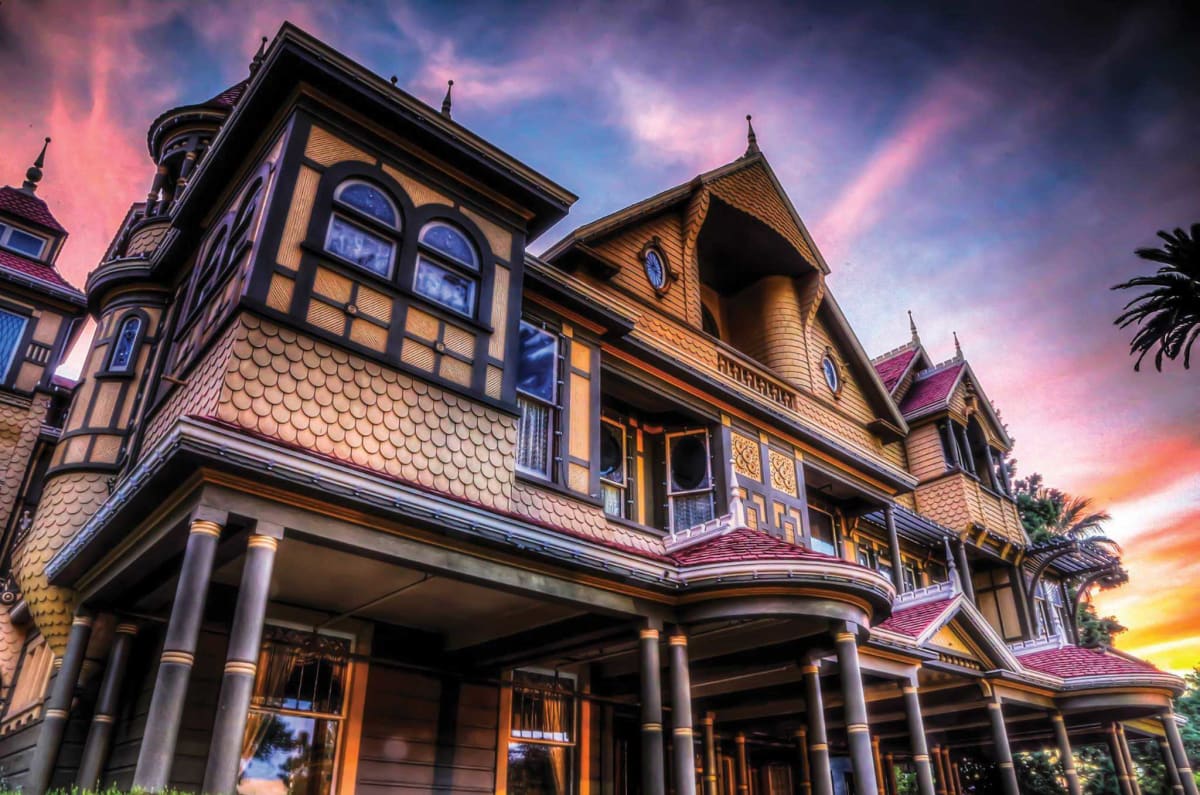
This is the mansion for people who care more about architectural weirdness than paranormal activity. Sarah Winchester, heiress to the Winchester Repeating Arms fortune, spent 38 years and $70 million (in today’s currency) building a 24,000-square-foot labyrinth of 160 rooms, 40 bedrooms, 10,000 windows, 2,000 doors, 13 bathrooms, 6 kitchens, 47 fireplaces, and 52 skylights.
The backstory—a psychic convinced her that continuous construction would appease the ghosts of rifle victims—is compelling, but the real draw is the architectural madness: staircases that lead nowhere, doors opening onto walls, rooms within rooms.
The third floor is documented as particularly active with paranormal activity, though honestly, the house’s visual strangeness is more unsettling than any ghost story. Tours are mandatory and lengthy, so block 90 minutes minimum.
San Jose is a 45-minute drive from San Francisco, making this a solid Bay Area add-on rather than a standalone destination. The house photographs best from the exterior—the interior is too maze-like for coherent shots unless you’re capturing the architectural oddities specifically.
Myrtles Plantation in Louisiana

Built in 1796 by “Whiskey Dave” Bradford (a Whiskey Rebellion fugitive), Myrtles Plantation consistently ranks as one of America’s most haunted sites with documented sightings of at least twelve ghosts. The spirits include a young Tunica Indian woman roaming the grounds, Confederate and Union soldiers killed inside, and Chloe, a former enslaved woman who allegedly poisoned her owner’s wife and daughters with oleander-laced cake and was hanged in retaliation—she’s seen wearing a turban to hide her severed ear.
The plantation sits on a Tunica Indian burial ground, which adds another layer of documented paranormal history.
This is the only option that requires serious road-trip planning—Myrtles is in St. Francisville, Louisiana, roughly 30 minutes north of Baton Rouge. If you’re driving the Louisiana haunted circuit (which includes New Orleans and Savannah nearby), Myrtles works as an overnight stop.
The grounds are genuinely atmospheric—Spanish moss, antebellum architecture, and documented activity make this feel less like a tourist attraction and more like stepping into a haunted property. The photogenic appeal is highest at dusk when the light turns golden and the moss creates natural shadow.
Book ahead; this is not a walk-in destination.
House of the Seven Gables in Salem Massachusetts
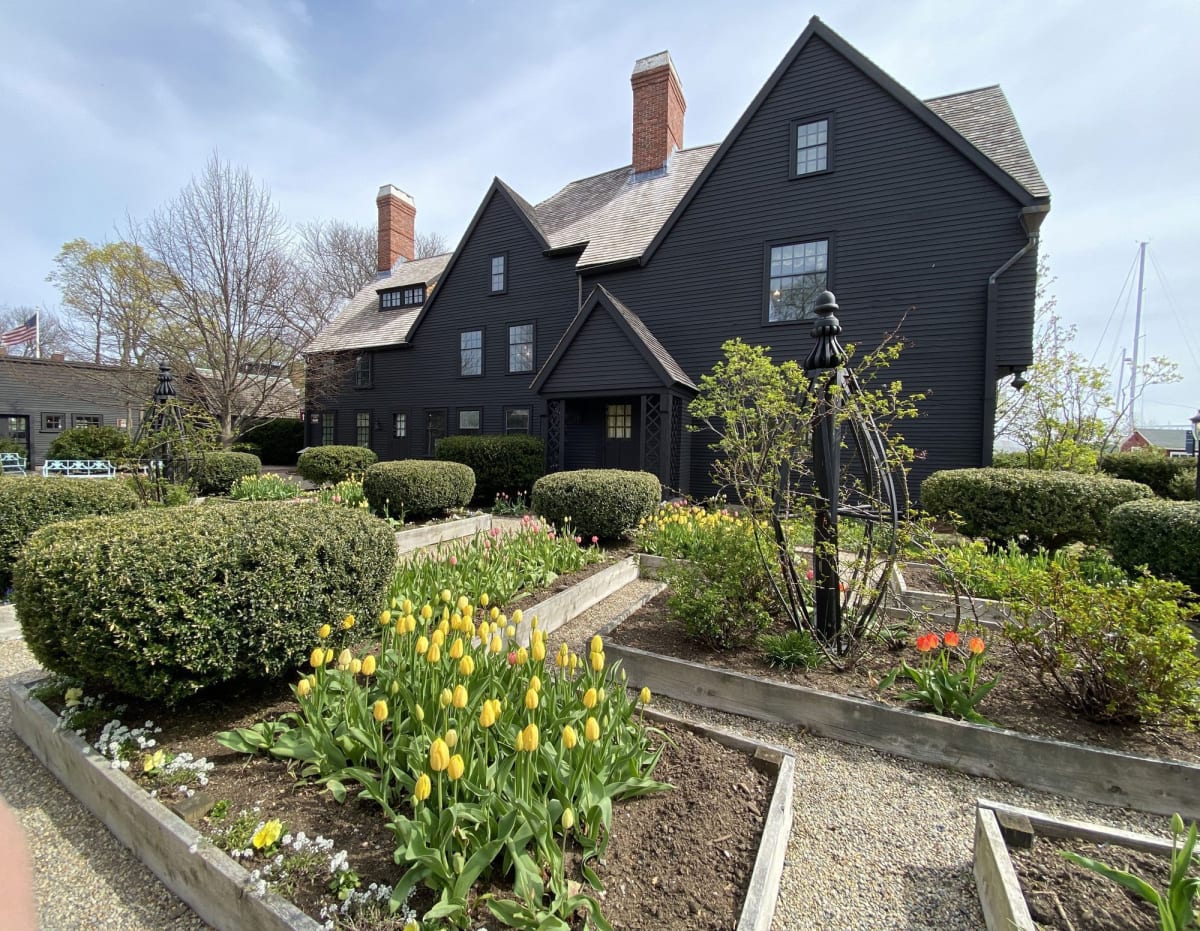
This massive saltbox Puritan home inspired Nathaniel Hawthorne’s horror novel of the same name and sits in Salem, the epicenter of American paranormal tourism. The 1692–93 Salem Witch Trials executed at least 20 people and tortured 200 more, and the house is haunted by agitated ghosts of Pyncheon and Maule family members who lived in—but felt imprisoned by—the structure.
Tales include witchcraft, family curses, maniacal laughter, and unexplained footsteps.
This is a must-add if you’re already in Salem (less than an hour from Boston), but don’t make it a standalone trip—the real haunted aesthetic experience comes from exploring the entire town: trolley tours, The Sallie House, and the witch trial memorial sites. The House of the Seven Gables photographs beautifully from the exterior, especially in autumn when the colonial architecture and bare trees create maximum gothic mood.
Tours are available, and the house operates year-round, though October draws the heaviest crowds. Base yourself in downtown Salem for walkable access to multiple haunted sites in one evening.
Which Abandoned Institutions Offer the Darkest Gothic Aesthetic?
These two decaying fortresses—one a medieval stone prison, the other a sprawling Victorian asylum—deliver the most visceral haunted aesthetic in America: genuine architectural decay paired with documented paranormal activity and histories so brutal they feel staged. Both are actively operated as paranormal tour destinations, meaning you can walk through the actual spaces where the hauntings occur.
Eastern State Penitentiary in Philadelphia Pennsylvania
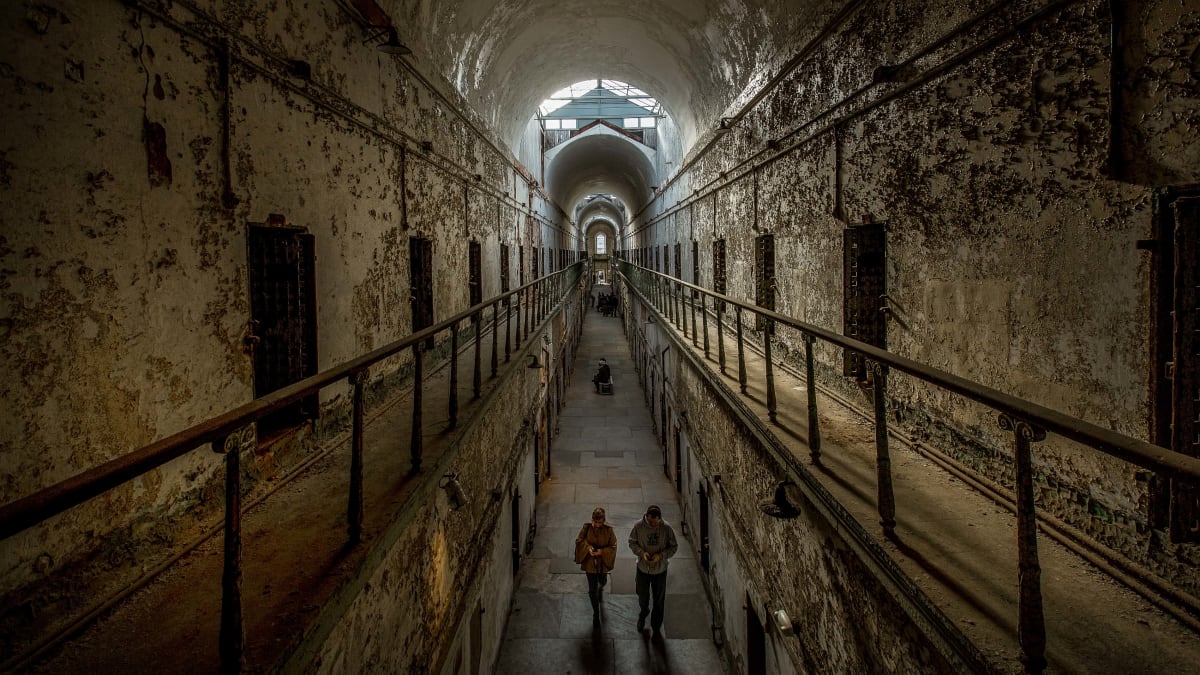
Eastern State is the stronger choice if you want pure Gothic atmosphere without the travel logistics of a remote location. Built in 1829 as a fortress-like stone structure in Philadelphia’s Fairmount neighborhood, it looks exactly like a haunted prison should: imposing, decaying, and designed to crush the human spirit.
The Quaker architects intended isolation and penitence; what they created was a machine for psychological destruction—solitary confinement in damp, dark stone cells with no windows, severe punishments (including chaining inmates’ tongues to their wrists), and rampant suicides and insanity.
The paranormal reputation is specific and credible. Cellblocks 4, 6, and 12 report the most activity: disembodied laughter, wailing, pacing footsteps, echoing shackles, and the ghost of Pep, the prison dog.
During restoration work, a locksmith in Cellblock 4 reported feeling a presence beside him; when he looked up, a shadow figure jumped across the cellblock and vanished. The SyFy series “Ghost Hunters” filmed a distinct shadowy figure in Cellblock 4 on camera.
These are not vague anecdotes—they’re documented, witnessed events.
- Best for: Urban-based haunted tourism; photographers seeking industrial decay; paranormal investigators.
- Insider tip: Book a ghost tour rather than a standard daytime tour—paranormal guides focus on the specific cellblocks and documented activity, not just prison history.
- Location advantage: Philadelphia is a major city with abundant lodging, restaurants, and transit; the penitentiary is walkable from Center City hotels.
Trans-Allegheny Lunatic Asylum in Weston West Virginia
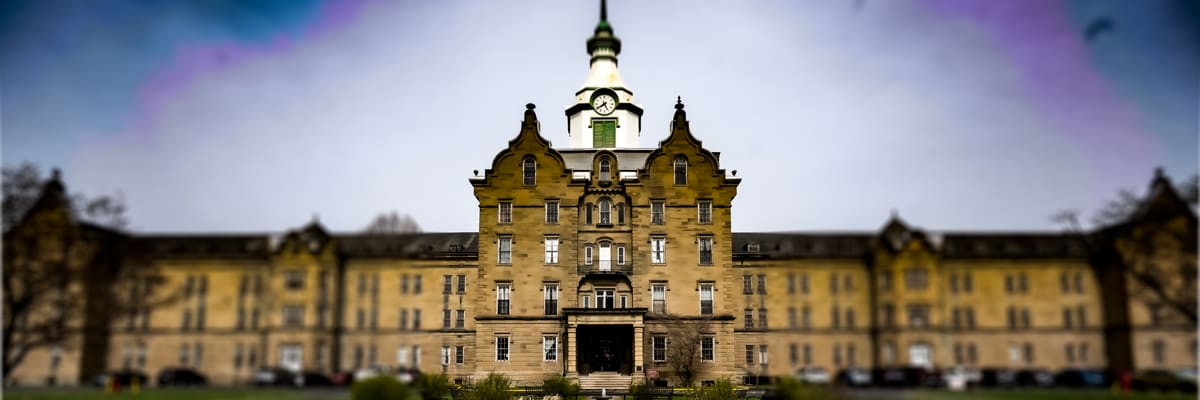
Trans-Allegheny wins if you want a more remote, immersive haunted experience and are willing to drive to a smaller town. Built in 1863 as a state-of-the-art hospital meant to house 250 patients humanely, it became a warehouse of suffering: by the 1950s, it held 2,600 patients—more than ten times capacity.
Patients slept on floors in their own feces. Hundreds of lobotomies were performed here by Dr. Walter Freeman using an icepick-type instrument hammered into eye sockets.
The facility was shut down in 1994, leaving behind a sprawling Victorian complex frozen in institutional decay.
The paranormal activity is tied directly to this documented abuse. Spirits of mistreated patients, Civil War soldiers admitted as psychiatric cases, and women committed by husbands with no legal recourse are reported throughout the building.
Unlike Eastern State, Trans-Allegheny offers a more isolated, atmospheric experience—the asylum sits on grounds with minimal modern development, amplifying the sense of abandonment.
- Best for: Paranormal investigators; travelers seeking remote, immersive haunted experiences; those interested in medical history and institutional abuse.
- How to experience it: Book a ghost or paranormal tour through the asylum’s official offerings—these focus on documented hauntings and the building’s worst chapters, not sanitized history.
- Stay logistics: Weston, West Virginia is a small town; base yourself here for the night or plan as a day trip from nearby larger towns like Clarksburg (30 minutes away) if you need more lodging variety.
The comparison: Eastern State delivers stronger Gothic architecture and easier logistics; Trans-Allegheny offers deeper isolation and a more sprawling, immersive decay. Choose Eastern State if you’re building a Philadelphia trip; choose Trans-Allegheny if you’re making a dedicated paranormal pilgrimage and want to feel genuinely removed from the modern world.
Which Cities Provide the Richest Overall Haunted USA Aesthetic Experience?
The strongest haunted destinations aren’t just atmospheric — they’re built on centuries of documented tragedy, active paranormal tourism infrastructure, and walkable historic districts where you can actually base yourself for multiple days. These eight cities deliver the full immersion: ghost tours, paranormal investigations, period architecture, and the kind of layered history that makes the aesthetic feel earned rather than manufactured.
Salem, Massachusetts
Salem is the heavyweight. The 1692–93 witch trials executed at least 20 people and tortured 200 more — that’s not legend, that’s documented American tragedy.
The entire historic district is built on this foundation, and the town has leaned into paranormal tourism hard enough that ghost tours run nightly year-round. The House of the Seven Gables (covered in another section) sits at the center, but the real aesthetic win is walking the streets after dark when the colonial architecture and cemetery atmosphere feel genuinely unsettling rather than kitschy.
- Best for: Serious paranormal tourists and history obsessives who want infrastructure (tours, museums, investigations) built into the destination itself.
- Stay strategy: Base yourself in downtown Salem’s historic district — walkable to all major sites, ghost tours depart nightly, and you can explore the Burying Point Cemetery and Old Burying Point on foot.
- Insider detail: Visit after 9 p.m. when tour groups thin out; the colonial streets feel genuinely eerie rather than crowded.
Savannah, Georgia
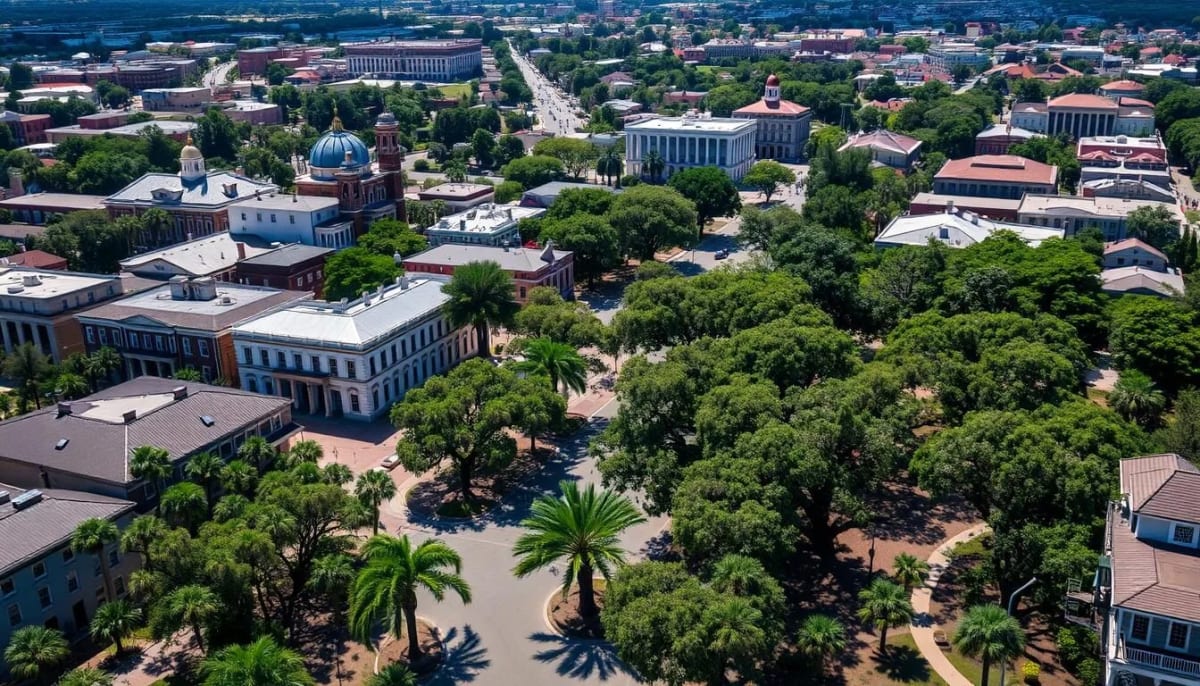
Savannah trades Salem’s witch-trial intensity for something subtler and more pervasive: a city where ghosts feel woven into the everyday aesthetic. Spanish moss hangs from live oaks in the historic squares, the architecture is antebellum Southern Gothic, and the paranormal reputation is built on centuries of slavery, dueling deaths, yellow fever epidemics, and Civil War trauma.
The vibe is less “spooky season attraction” and more “genuinely haunted old city that happens to welcome paranormal tourism.”
- Best for: Travelers who want haunted atmosphere without the manufactured Halloween energy — Savannah’s darkness is ambient and historical.
- Stay strategy: Stay near Forsyth Park or one of the historic squares (Chippewa, Madison, or Monterey) for walkable access to ghost tours, cemeteries, and restaurants without needing a car.
- Insider detail: Bonaventure Cemetery is genuinely beautiful and haunting during the day; ghost tours often skip it in favor of downtown, so explore it solo for a less-crowded paranormal experience.
New Orleans, Louisiana
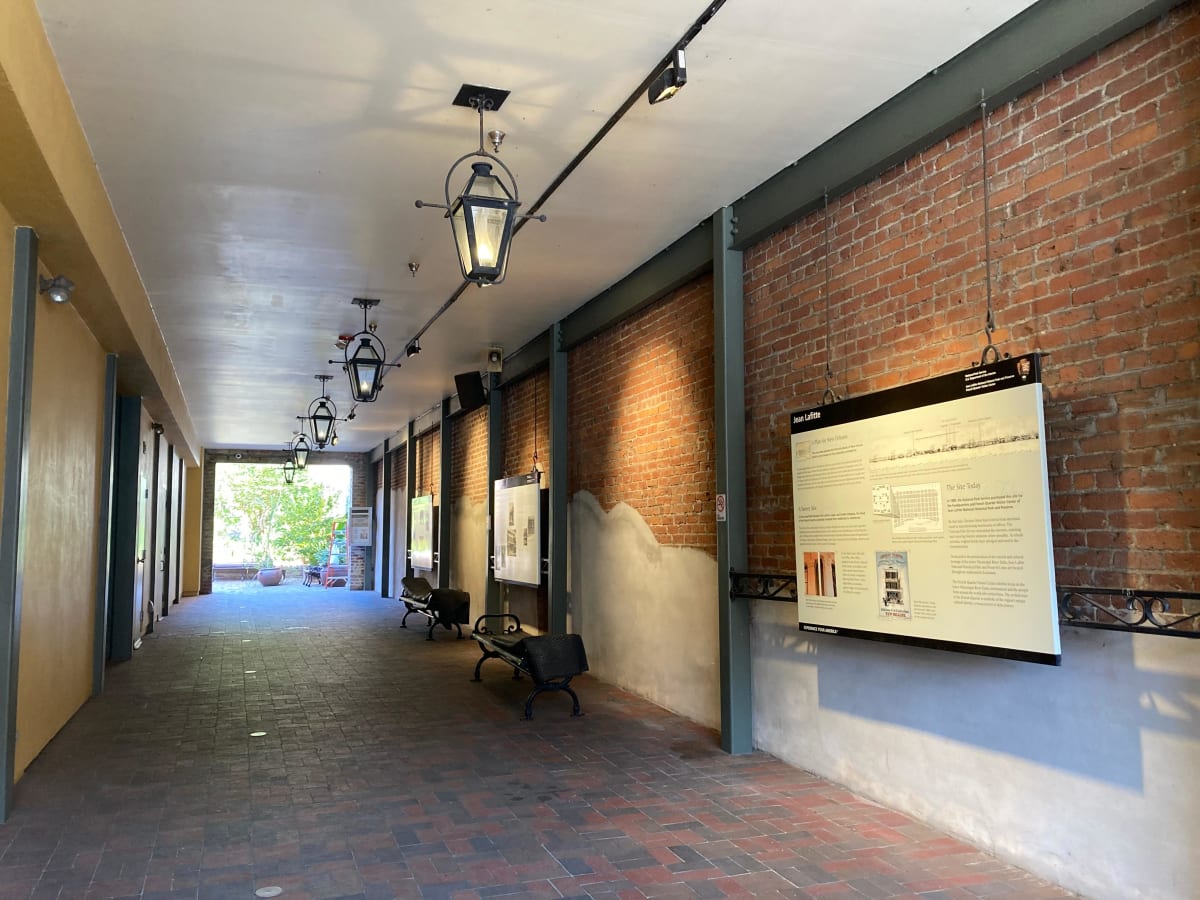
New Orleans is the most actively paranormal city on this list — not because of one historical event, but because of layered, ongoing tragedy: slavery, voodoo practices, Hurricane Katrina, and centuries of plague and violence have created what locals describe as restless spirits wandering the streets. The French Quarter’s narrow streets, wrought-iron balconies, and gas-lamp lighting create an aesthetic that feels genuinely otherworldly, especially at night.
Paranormal investigations and ghost tours are a major industry here, and the city doesn’t apologize for its darkness.
- Best for: Travelers seeking the most actively paranormal destination — New Orleans has the deepest paranormal tourism infrastructure and the most reported ongoing activity.
- Stay strategy: The French Quarter is the obvious choice for walkable access to ghost tours, cemeteries, and paranormal investigation companies, though it’s touristy; Marigny or Bywater offer slightly more local flavor while staying close to paranormal hotspots.
- Insider detail: St. Louis Cemetery No. 1 is the most famous, but it’s heavily toured; St. Louis Cemetery No. 2 is less crowded and equally atmospheric.
St. Augustine, Florida
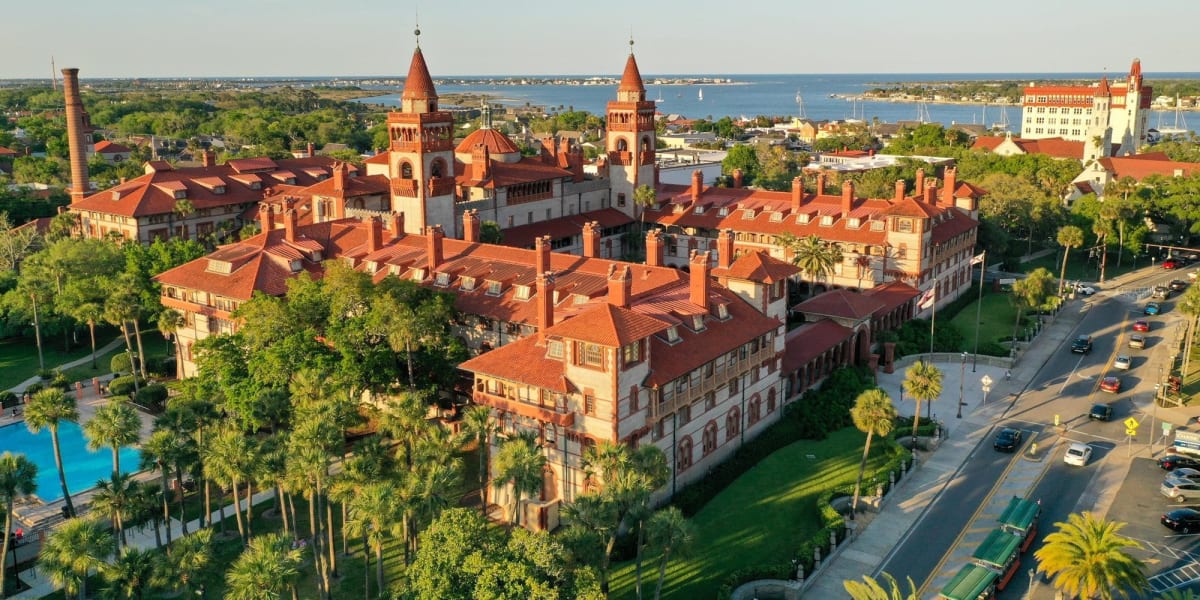
St. Augustine is America’s oldest continuously occupied European settlement (founded 1565), which means nearly 500 years of documented deaths, disease, warfare, and imprisonment have stacked up in one small historic district. The Old Jail Museum offers paranormal investigations into mysterious deaths; the Huguenot Cemetery is genuinely eerie; and the overall aesthetic is Spanish colonial architecture mixed with American frontier darkness.
Unlike Salem’s focused witch-trial narrative, St. Augustine’s haunting is diffuse and layered across centuries.
- Best for: History-first travelers who want paranormal activity as a bonus layer rather than the main event — St. Augustine’s aesthetic works even if you’re skeptical about ghosts.
- Stay strategy: Stay in the historic district (San Marco Avenue area) for walkable access to the Old Jail, cemeteries, and ghost tours; the district is compact and entirely navigable on foot.
- Insider detail: St. Francis Inn is mentioned in the research as haunted by a couple known for moving guests’ belongings — book it if you want the full paranormal stay experience, but the historic district itself is the real draw.
Eureka Springs, Arkansas
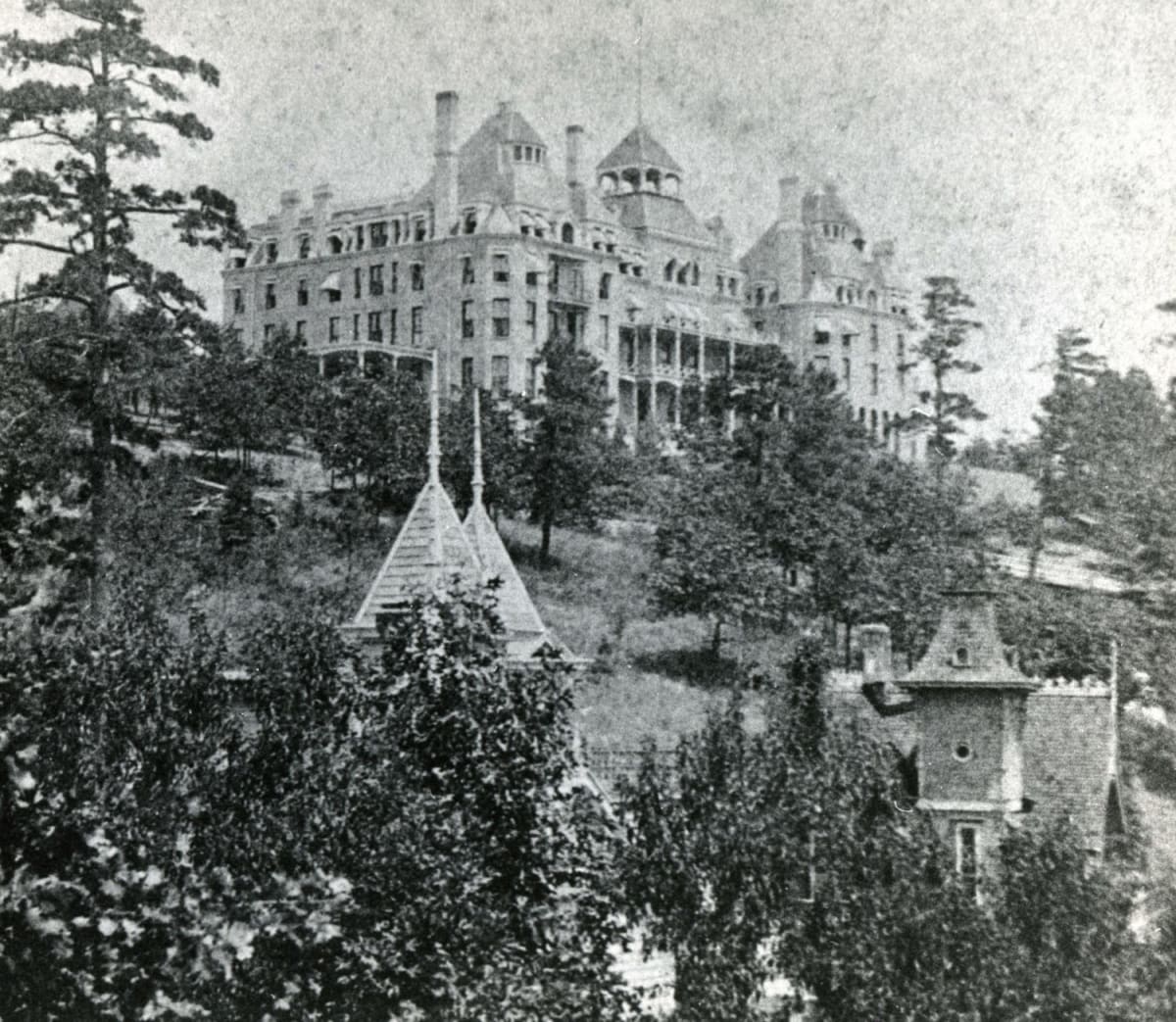
Eureka Springs is the aesthetic dark horse: a Victorian mountain town built on steep hillsides with narrow streets, Gothic Revival architecture, and a reputation for paranormal activity tied to its mining-era past and Civil War history. It’s less famous than Salem or New Orleans, which means fewer crowds and a more authentic haunted small-town vibe.
The architecture alone — Victorian mansions, steep alleyways, period storefronts — creates the aesthetic without needing to lean on tourism infrastructure.
- Best for: Travelers seeking haunted atmosphere without the crowds or manufactured spooky-season energy.
- Stay strategy: Base yourself in the historic downtown area (around Main Street) where Victorian inns and bed-and-breakfasts cluster; the entire town is walkable and the hillside setting creates natural Gothic atmosphere.
- Insider detail: Visit during shoulder seasons (September or early November) when the weather is cool, the leaves are turning, and paranormal tourism hasn’t peaked yet.
San Antonio, Texas
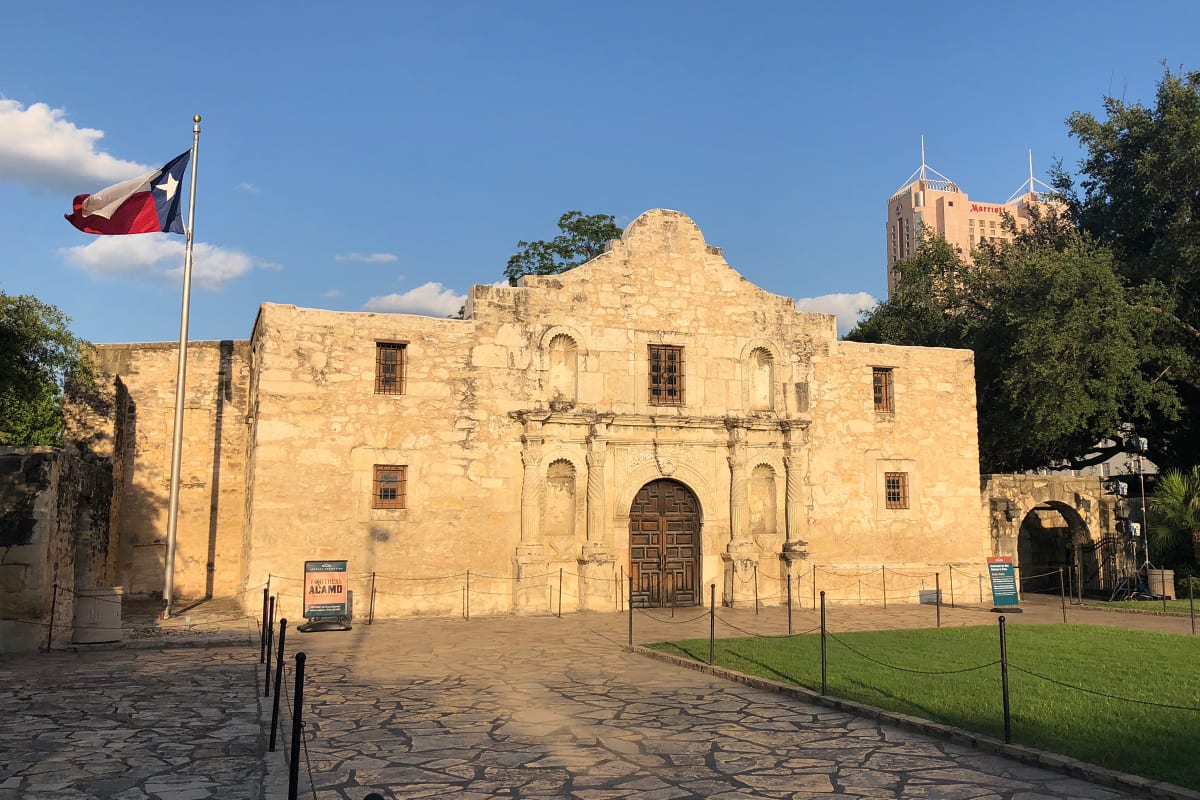
San Antonio is Texas’s most haunted city, and the Alamo is the centerpiece: nearly every man died in the 13-day Battle of the Alamo in 1836, and locals report ongoing paranormal activity from those soldiers. The city’s paranormal reputation is also built on its Spanish mission heritage and multicultural history of conflict.
Unlike the colonial New England aesthetic of Salem, San Antonio offers Spanish colonial architecture, mission grounds, and a different flavor of American historical darkness.
- Best for: Travelers who want haunted history tied to Texas independence and military conflict rather than witch trials or slavery.
- Stay strategy: Stay downtown near the Alamo or along the River Walk; the historic district is walkable and paranormal tours depart from downtown hotels and visitor centers.
- Insider detail: The Alamo itself is free to enter during the day, but the paranormal atmosphere is strongest at dusk when tour groups are active and the mission grounds feel genuinely eerie.
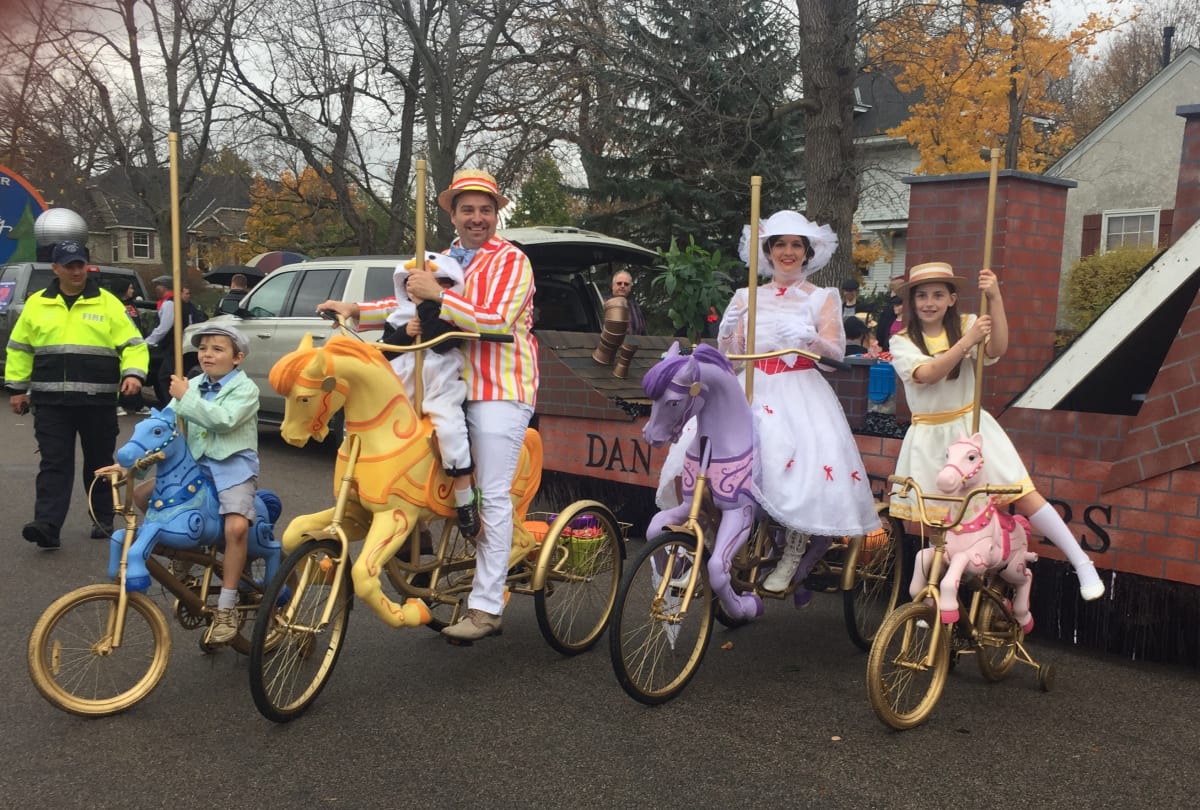
Anoka, Minnesota
Anoka is the outlier: it’s known as the “Halloween Capital of the World” and leans hard into paranormal tourism and spooky seasonal celebrations. Unlike the other destinations on this list, Anoka’s haunted aesthetic is partly manufactured — it’s a small Midwestern town that has built its identity around Halloween tourism.
The paranormal reputation is lighter and more playful than Salem’s or New Orleans’s, but the infrastructure for paranormal tourism (haunted houses, ghost tours, paranormal investigations) is substantial.
- Best for: Travelers who want haunted atmosphere with a lighter, more community-celebration vibe — less dark history, more Halloween fun.
- Stay strategy: Stay downtown near Main Street where Halloween events, ghost tours, and paranormal attractions cluster; the town is small and entirely walkable.
- Insider detail: Visit during the Anoka Halloween celebration (typically late October) when the town is fully activated with paranormal events, haunted houses, and tours; off-season, the haunted aesthetic is minimal.
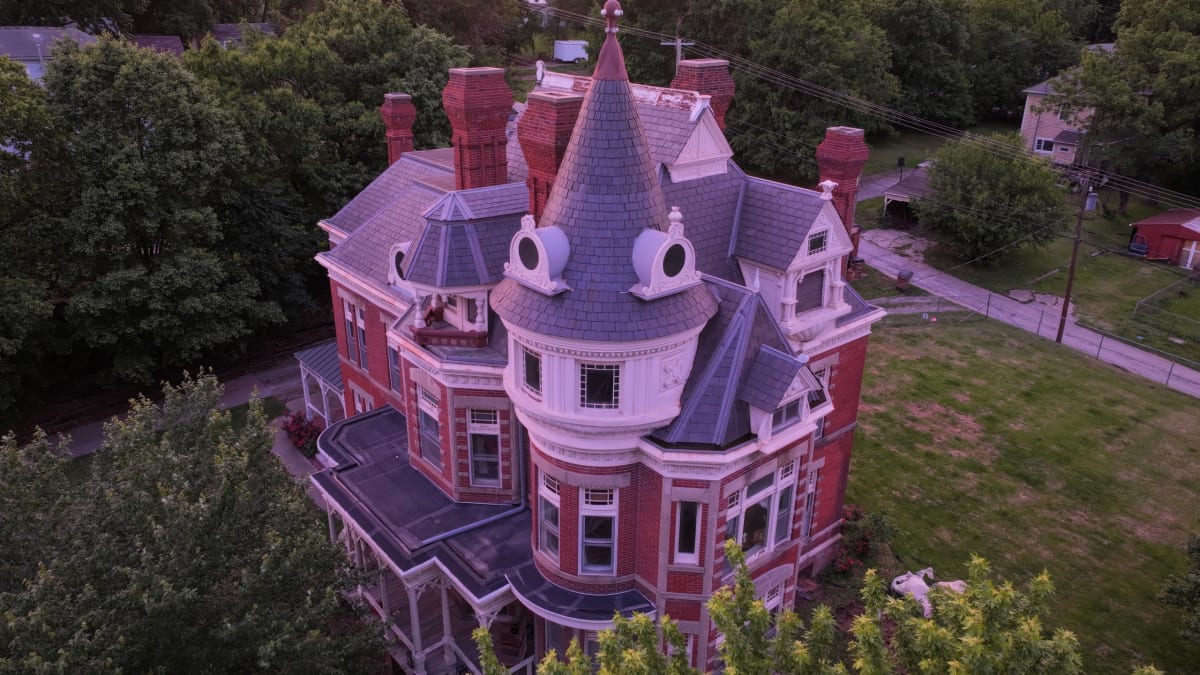
Atchison, Kansas
Atchison is a small Victorian river town with a deep paranormal reputation tied to its 19th-century history, including deaths from disease, violence, and Civil War conflict. The town has embraced paranormal tourism and offers ghost tours and paranormal investigations, but it remains less crowded than Salem or New Orleans.
The aesthetic is authentic small-town Gothic: Victorian architecture, historic cemeteries, and the kind of quiet that makes paranormal activity feel plausible.
- Best for: Paranormal enthusiasts seeking authentic haunted small-town atmosphere without the crowds or commercialization of major destinations.
- Stay strategy: Stay downtown (near Commercial Street) in a historic inn or bed-and-breakfast; the town is tiny and entirely walkable, and ghost tours depart from downtown.
- Insider detail: Atchison’s paranormal reputation is less documented than Salem’s, so the haunted aesthetic feels more genuine and less curated — if you’re skeptical about manufactured hauntings, this town’s quieter vibe may feel more convincing.
Quick Comparison: Which City Wins for Your Trip?
| City | Best For | Paranormal Infrastructure | Aesthetic Strength |
|---|---|---|---|
| Salem, Massachusetts | Serious paranormal tourists | Excellent (tours, museums, investigations nightly) | Colonial witch-trial darkness |
| Savannah, Georgia | Atmospheric haunted beauty | Strong (ghost tours, cemeteries) | Spanish moss, antebellum Gothic |
| New Orleans, Louisiana | Most actively paranormal | Excellent (investigations, tours, voodoo history) | French Quarter gas-lamp Gothic |
| St. Augustine, Florida | History-first travelers | Good (paranormal investigations, tours) | Spanish colonial 500-year depth |
| Eureka Springs, Arkansas | Crowd-averse aesthetic seekers | Moderate (local tours, less infrastructure) | Victorian hillside Gothic |
| San Antonio, Texas | Military history + paranormal | Good (Alamo tours, paranormal investigations) | Spanish mission darkness |
| Anoka, Minnesota | Halloween celebration vibe | Strong (seasonal, Halloween-focused) | Playful spooky, less dark history |
| Atchison, Kansas | Authentic small-town paranormal | Moderate (local tours, quieter scene) | Quiet Victorian Gothic |
The verdict: Salem and New Orleans are the strongest all-around choices if you want paranormal infrastructure, documented history, and walkable aesthetic in one trip. Savannah wins if you want haunted beauty without the manufactured spooky-season energy.
Eureka Springs and Atchison win if you want authentic small-town darkness without crowds. St. Augustine works if you want history-first paranormal layering.
San Antonio is the choice if you want military-conflict haunting tied to American independence. Anoka is only worth visiting during its Halloween season.
Frequently Asked Questions
What’s the best time of year to visit haunted destinations?
October is peak season—expect crowds, higher prices, and fully booked ghost tours and paranormal investigations. If you want the haunted aesthetic without the tourist crush, September and early November deliver the same moody atmosphere with shorter wait times and easier reservations.
Winter (December–February) works for indoor-focused destinations like the Stanley Hotel or Queen Mary, where fewer visitors mean quieter, more immersive experiences. Spring and summer are the slowest seasons; book then only if you prioritize solitude over seasonal theming.
Do I need to book ghost tours in advance, or can I walk these towns on my own?
Self-guided walking works in Salem, Savannah, New Orleans, and St. Augustine—the historic districts are walkable, atmospheric, and loaded with marked paranormal sites. But ghost tours unlock stories and access you won’t get alone: paranormal investigations aboard the Queen Mary, trolley tours through Sallie House’s neighborhood, and guided investigations at the Old Jail Museum in St. Augustine reveal context that makes the aesthetic hit harder.
Book tours 2–4 weeks ahead during September–November; they fill fast. Off-season, you can often book same-day.
Are haunted hotels actually worth the premium price, or is the paranormal activity just marketing?
The Stanley Hotel, 1886 Crescent Hotel in Eureka Springs, and the Queen Mary charge haunted-hotel premiums—expect roughly $150–$300+ per night depending on season and room type. The premium buys you documented history (Stephen King’s Room 217 at the Stanley; the Crescent’s 1990s violent poltergeist activity at the Sallie House), not guaranteed ghost sightings.
If you’re after the aesthetic and historical immersion, the investment pays off—you’re sleeping in the actual location, not just visiting. If you’re skeptical about paranormal activity, save money and book a regular hotel in the same town instead.
Which haunted destination is best for a first-time visitor with no paranormal experience?
Salem, Massachusetts or St. Augustine, Florida—both are walkable, historically rich, and forgiving if you’re not committed to overnight paranormal investigations. Salem’s entire downtown is built around its haunted reputation, so attractions and tours are everywhere.
St. Augustine mixes paranormal sites with 500 years of colonial history, so you get atmosphere and education regardless of ghost beliefs. Eureka Springs is smaller and more intimate but requires a car.
The Stanley Hotel and Queen Mary demand more commitment—they’re destination stays, not casual day trips.
Book Your Haunted Trip With Confidence
Start with Salem or New Orleans if you want paranormal infrastructure and documented history in one walkable destination—both have nightly ghost tours, paranormal investigations, and enough atmospheric architecture that you’ll feel genuinely unsettled even without believing in ghosts. If you want a dedicated overnight experience, book the Stanley Hotel’s Room 217 or the Queen Mary’s cabin-style rooms 2–3 months ahead; these fill fast during September–October.
The real payoff of haunted destinations isn’t the ghost sightings (though documented activity is credible at these locations)—it’s the sensation of standing in actual spaces where documented tragedy occurred, surrounded by architecture that hasn’t been sanitized or modernized away. That aesthetic, that weight, is worth the trip.
Pick one destination based on what pulls you in—literary horror, maritime darkness, Old Hollywood glamour, or institutional decay—then book ghost tours or paranormal investigations directly through the venue’s website 3–4 weeks ahead. Avoid peak October unless you love crowds; September and early November deliver the same moody aesthetic with actual availability.
Leave a Reply