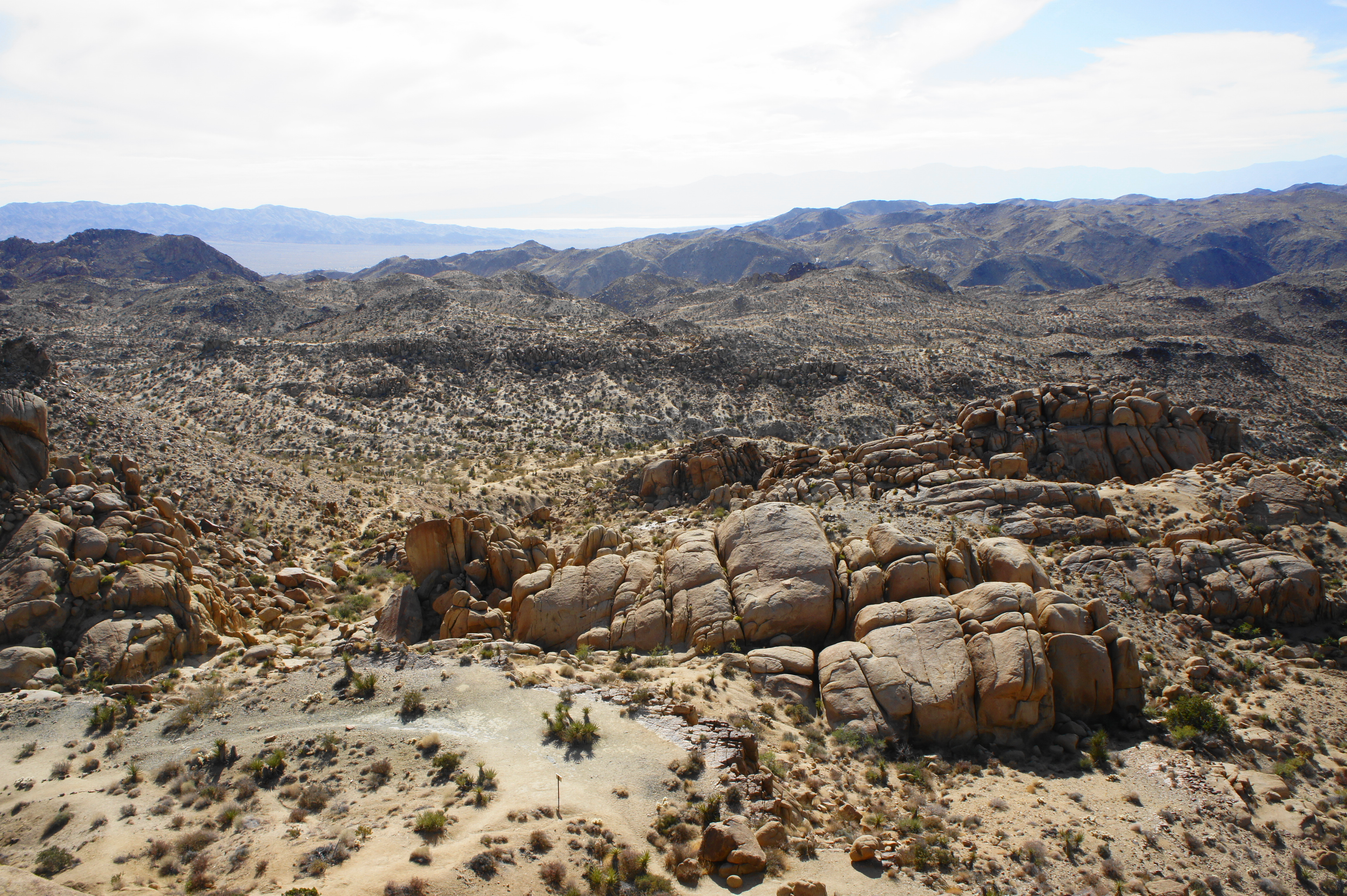
Picture yourself scrambling over sun-warmed granite boulders as the late afternoon light paints them in gold, the air so crisp and dry that a full day of exploration feels effortless.
October is when Joshua Tree delivers its perfect weather—daytime highs in the 70s°F, cool nights ideal for stargazing, and none of the spring superbloom crowds that pack the trails.
This guide cuts through the guesswork, showing you exactly how to plan your October trip for maximum adventure and minimal stress.
Budget-wise, expect to spend $90 to $350 per night on lodging, plus a $30 park entrance fee per vehicle, with options from cozy motels to design-forward rentals.
Your October Cheat Sheet: Key Decisions at a Glance
- Best Weather Window: Mid-70s°F days and 40s-50s°F nights—comfortable for hiking, climbing, and stargazing without heat or freezing cold.
- Crowd Level: Significantly quieter than spring; hit the North Entrance via Twentynine Palms for the fastest entry and least congestion.
- Top October Activity: All-day hiking on trails like Ryan Mountain and rock scrambling at Hidden Valley, followed by sunset photography at Jumbo Rocks.
- Lodging Pick: Twentynine Palms vacation rentals offer desert silence and quick park access; book 3-4 months ahead for October weekends.
- Non-Negotiable Packing: Layered clothing for temperature swings, sturdy hiking shoes, and a gallon of water per person daily—no water sources inside.
Why October is Peak Season for Joshua Tree National Park
By mid-October, Joshua Tree’s daytime highs settle into the mid-70s°F — roughly 30 degrees cooler than July’s punishing average — which means you can hike, scramble over boulders, and actually linger outside without the sun forcing you back to your car by 11 a.m.
This is the rare month that delivers comfortable all-day access, thinner crowds, and the kind of amber evening light that makes the desert look like a movie set. Here’s why it beats every other season for most visitors.
| October Advantage | What You Get | Trade-off |
|---|---|---|
| Temperatures | Mid-70s°F days, 40s–50s°F nights | Cold mornings — bring layers |
| Crowds | Significantly fewer visitors than spring | Weekends still draw LA/Palm Springs day-trippers |
| Light quality | Long golden hours, earlier sunsets (~6:15–6:30 p.m.) | Shorter daylight overall — plan accordingly |
Ideal Daytime Temperatures for Hiking and Climbing
Joshua Tree sits between 3,000 and 5,000 feet elevation in the high desert, and that altitude makes all the difference. Summer regularly pushes past 100°F — hot enough that the park advises against hiking after 10 a.m. Spring can still deliver cold, windy mornings that catch visitors off guard.
October threads the needle: warm enough for shorts and a t-shirt by mid-morning, cool enough that granite stays touchable and climbable all afternoon.
You can start a trail at 9 a.m. without roasting, linger on a summit through lunch, and still feel comfortable at 3 p.m. — a rhythm that’s genuinely impossible from June through September. The high-desert air also means low humidity, so shade actually works and sweat evaporates instead of pooling.
Manageable Crowds Versus Spring Superblooms
Spring is Joshua Tree’s viral season. Superbloom photos flood social media from March through May, and the park responds with full parking lots, entrance lines that stretch onto the highway, and trailheads packed bumper-to-bumper.
The park has hit vehicle capacity and temporarily closed entrances on peak spring weekends.
October is the opposite. Visitor numbers drop off sharply once wildflower season ends, which translates to shorter waits at entrance stations, open parking at normally packed spots like Skull Rock and Hidden Valley, and stretches of trail where you might not see another person for 20 minutes.
The one caveat: weekends still pull day-trippers from Los Angeles (roughly a 2.5-hour drive) and Palm Springs (about 45 minutes). If your schedule allows, arrive midweek for the quietest experience. Even a Friday arrival beats a Saturday one.
Dramatic Evening Light Across Boulders and Joshua Trees
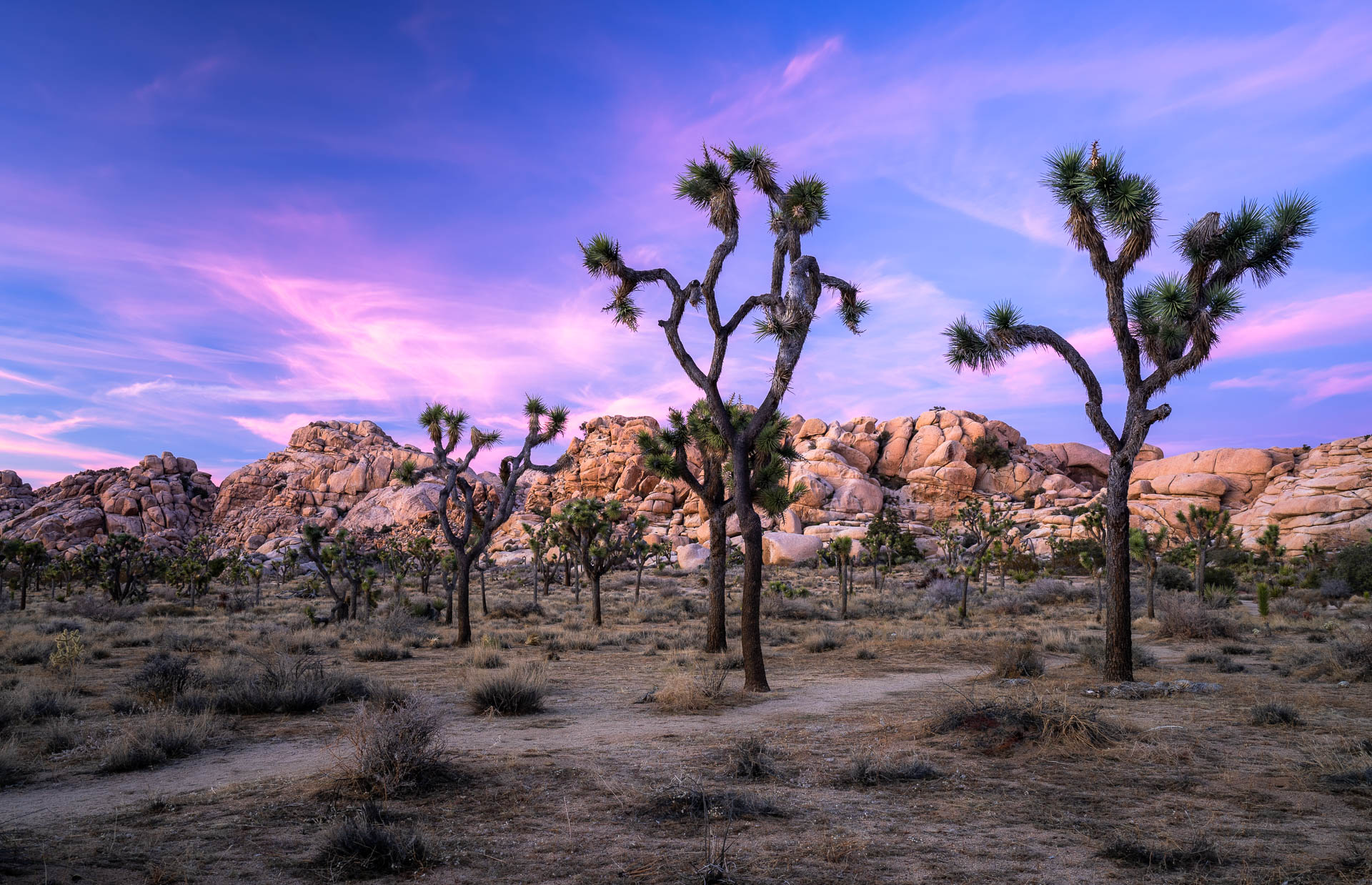
October’s lower sun angle is a photographer’s gift that summer visitors never get. The light rakes across the monzogranite boulders at a shallow, dramatic angle that turns the rock formations — especially around Jumbo Rocks and Hidden Valley — into glowing amber sculptures for roughly two hours before sunset.
Insider detail: position yourself along Park Boulevard or near the Cap Rock parking area between 4 and 6 p.m. in mid-October. The granite doesn’t just catch light — it radiates it, shifting from gold to deep orange as the sun drops.
This is the shot that makes Joshua Tree look otherworldly, and it only works this well when the sun sits low enough to hit the boulders from the side rather than straight overhead.
October sunsets land around 6:15–6:30 p.m., which means you can photograph golden hour, catch the afterglow, and be back near a gateway town for dinner — all without the 8 p.m. summer sunset that keeps you out past comfort. Earlier nightfall also brings Joshua Tree’s certified International Dark Sky status into play sooner, so a single evening can deliver both sunset color and serious stargazing without a late night. (More on the best stargazing spots and timing in a later section.)
Best Time for Specific Activities in October
October unlocks all three signature Joshua Tree experiences — hiking, climbing, and stargazing — in a single trip. Summer forces you to choose between trails by dawn and stars after dark. October lets you do both without heatstroke or freezing.
Hiking Comfortable All-Day Trails
In summer, you have about two usable hours before the desert bakes you off the trail. October flips that entirely.
Daytime highs typically sit in the low 80s, and the high desert elevation (around 3,000–5,000 feet) keeps the air dry and manageable. You can comfortably hike from mid-morning through late afternoon without rationing water or seeking shade every twenty minutes.
That said, start early anyway. The best light hits the boulder fields before 9 a.m., and popular trails like Hidden Valley, Barker Dam, and Ryan Mountain fill up by mid-morning on October weekends. Weekday mornings are the move if you want solitude.
- Best for sunrise: Keys View Road viewpoint or the Cholla Cactus Garden — both face east and glow gold in early October light.
- Best all-day trail: Ryan Mountain (3 miles round trip, ~1,000 feet gain). The summit panorama rewards you at any hour in October, and the steady climb keeps you warm without overheating.
- Skip by midday: Anything fully exposed on the park’s southern basin — even in October, 2 p.m. sun on open sand feels harsher than the thermometer suggests.
Rock Climbing on Cool Granite
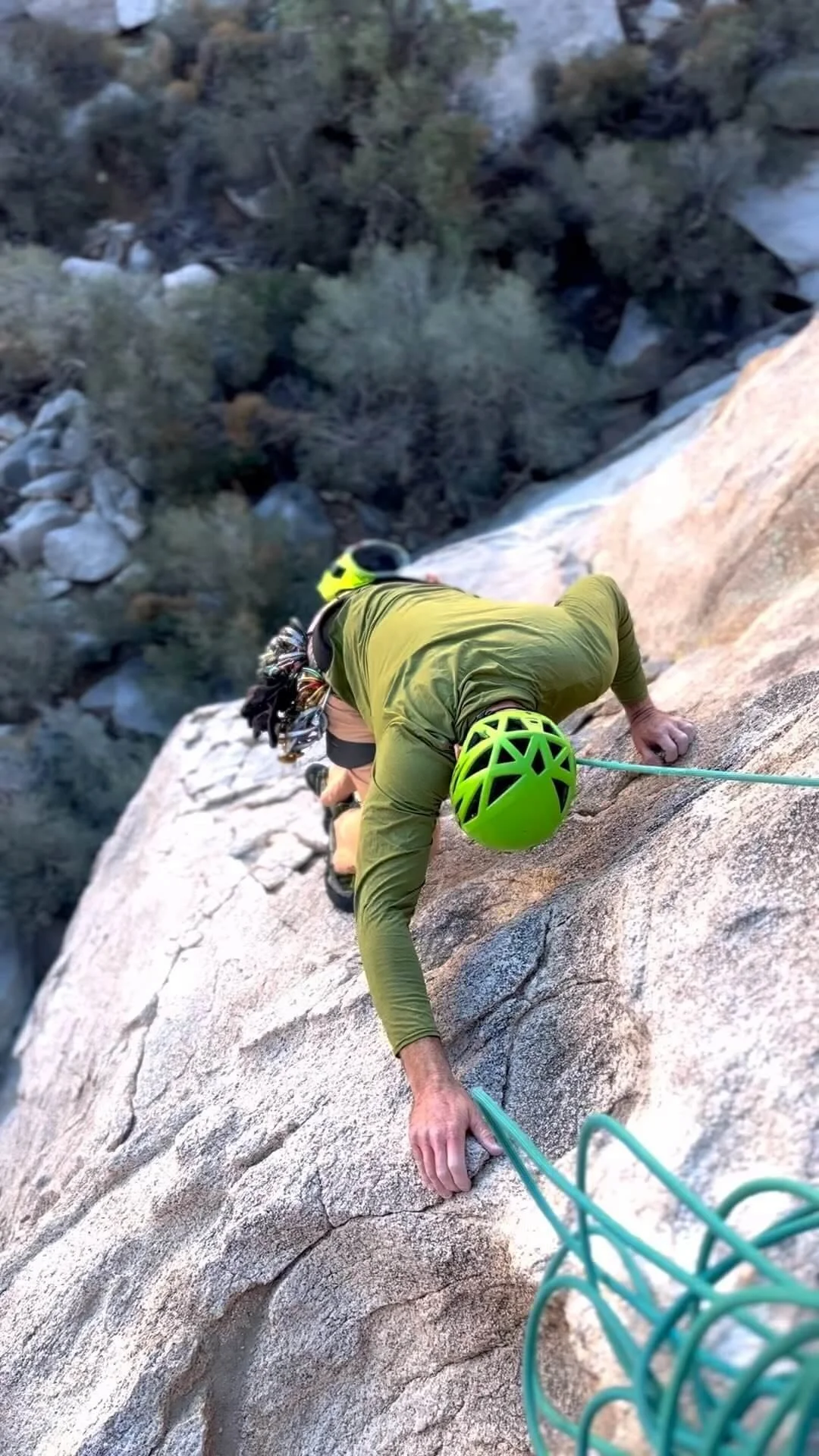
Joshua Tree is one of the premier trad climbing destinations in North America, and October is when serious climbers converge. The granite stays cool enough to grip without chalk turning to paste, and friction on the rock face is noticeably better than in summer heat.
Expect to share popular formations — Intersection Rock, Headstone Rock, and the Astro Domes see heavy traffic on October weekends — but the cooler temps mean longer sessions and less fatigue.
You do not need to be a climber to enjoy the rock here. Free-scrambling over the huge boulder formations scattered throughout the park is one of October’s best low-effort activities.
The rocks are grippy, the gaps are explorable, and the afternoon light turns everything amber.
- Beginner-friendly bouldering: Hidden Valley Campground area has dozens of low-grade problems within a short walk of the parking lot.
- Intermediate and up: Real Hidden Valley and the Cap Rock area offer classic multi-pitch routes — most guidebooks rate October as prime sending season.
- Gear note: No rental shops inside the park. Bring your own or rent from outfitters in Joshua Tree town or the city of Joshua Tree (as covered in the gateway towns section).
Stargazing in a Certified Dark Sky Park
Joshua Tree earned its International Dark Sky Park certification for good reason — minimal light pollution, high elevation, and dry air combine to produce some of the clearest night skies in Southern California. October is a sweet spot for stargazing because nights are cool but not bitter, and the Milky Way’s galactic core is still visible in the western sky early in the evening before it drops below the horizon later in the month.
The tradeoff: October nights drop into the mid-40s, sometimes lower. That is comfortable with a jacket and a blanket, but it is not summer-in-a-T-shirt territory. Pack layers and a headlamp with a red-light setting so you do not wreck your night vision.
- Best stargazing spots: Cap Rock parking area, the parking pullout on Park Boulevard near Hidden Valley, and the remote Geology Tour Road (unpaved — high-clearance vehicle recommended).
- Moon phase matters more than anything: Check the lunar calendar before your trip. A new-moon night in October will deliver darker skies than a full-moon night in any season. Plan your stargazing evening around the moonless window.
- Insider detail: The park sometimes hosts ranger-led night sky programs at the Oasis Visitor Center in Twentynine Palms — confirm dates with the visitor center directly since schedules change year to year.
Base yourself in Twentynine Palms or Joshua Tree town for easy access to the park’s north entrances, and you can hike by day, climb by afternoon, and stargaze by night without ever driving more than fifteen minutes to your bed.
How to Get to Joshua Tree National Park Without Issues
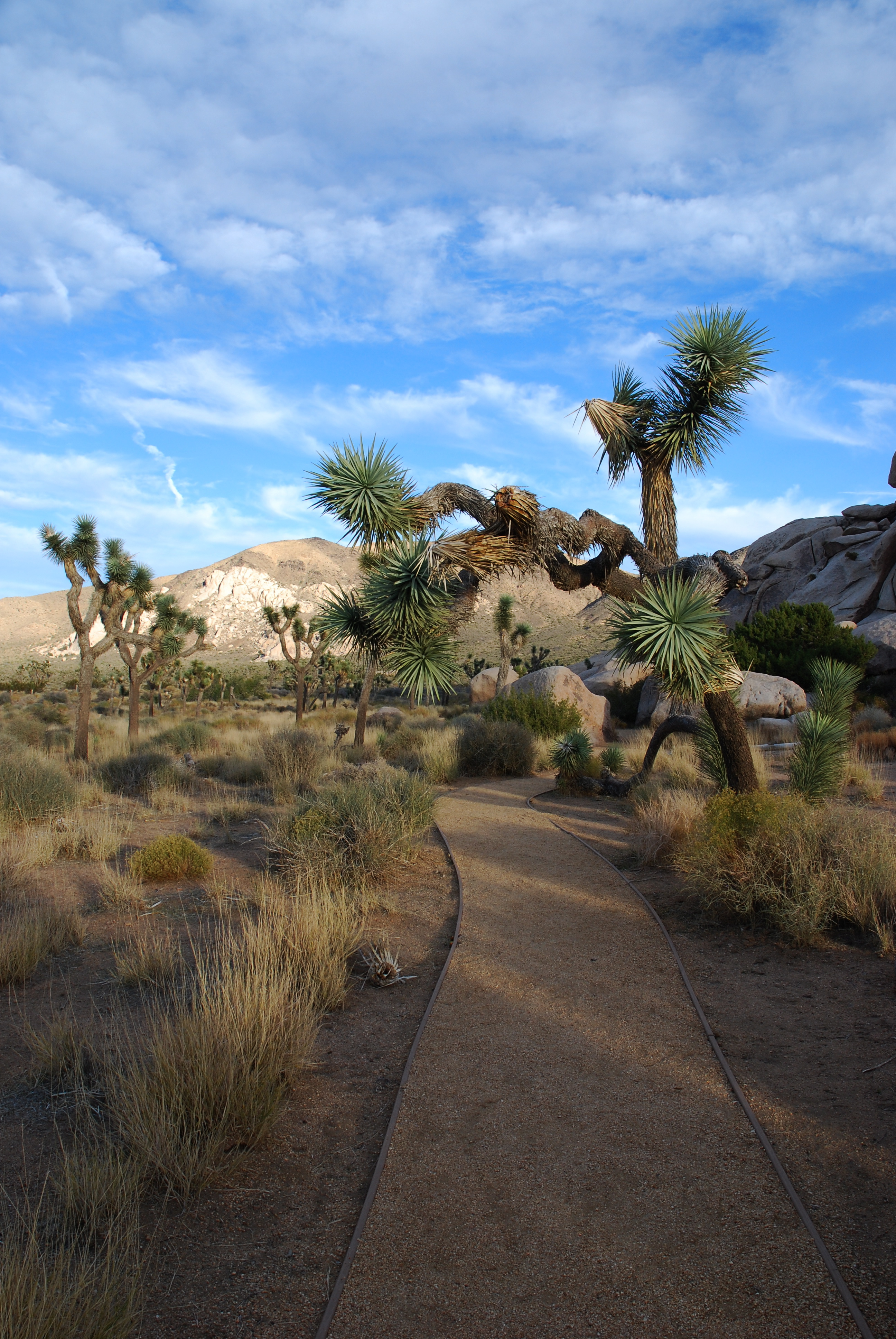
The bottleneck most October visitors hit isn’t inside the park — it’s at the gate. The West Entrance near Joshua Tree village backs up 15–20 minutes by 9 a.m. on weekends, while the North Entrance via Twentynine Palms rarely queues past five minutes even on peak fall Saturdays.
Choosing the Best Entrance to Avoid Congestion
Joshua Tree has three vehicle entrances, and your choice depends entirely on where you’re staying and what you plan to do first.
| Entrance | Best For | October Wait Reality |
|---|---|---|
| West (Joshua Tree town) | Closest to Hidden Valley, Barker Dam, Skull Rock | Longest lines on weekends; arrive before 8:30 a.m. or after 2 p.m. |
| North (Twentynine Palms) | Staying in 29 Palms; quick access to Indian Cove | Consistently the fastest entry — use this for sunrise starts |
| South (Cottonwood Spring / I-10) | Coming from Palm Springs or I-10; accessing the Pinto Basin | Almost no line, but adds 40+ minutes of driving to popular north-park trails |
My pick for October: If you’re staying anywhere in the Twentynine Palms or 29 Palms area, the North Entrance is the move. You’ll save 20 minutes of idling and get to trailheads faster.
The West Entrance only makes sense if you’re based directly in Joshua Tree town and want to walk out your door and into the park within minutes.
The South Entrance works best as a secondary entry point on days you want to explore the less-visited Cholla Cactus Garden or drive the Pinto Basin Road — not as your daily default.
Parking Discipline at Popular Trailheads
October brings perfect hiking weather, which means Hidden Valley, Barker Dam, and Keys View parking lots fill between 9:30 a.m. and 11 a.m. on weekends. Here’s how to avoid circling:
- Hidden Valley lot: This is the worst offender — it reaches capacity first because it serves both casual walkers and climbers. Arrive by 9 a.m. or plan it for late afternoon (after 3 p.m.) when morning hikers have cleared out.
- Barker Dam: Slightly more parking but still tight mid-morning. The 1.3-mile loop draws families, so expect slower crowds. Better to pair this with an early Keys View drive and hit Barker Dam by noon.
- Keys View: Small lot at the end of a dead-end road. If it’s full, you’re waiting — there’s no overflow. The sunset crowd makes this worse on Fridays and Saturdays.
- Skull Rock pullouts: Not a formal lot — just roadside pull-off spaces along Park Boulevard. They fill unpredictably. Don’t count on finding a spot between 10 a.m. and 2 p.m.
Insider detail: The Ryan Mountain trailhead lot rarely fills even on peak weekends. If you’re flexible on which hike you do first, start here at 9 a.m. while everyone else fights over Hidden Valley, then circle back to the popular spots after lunch when crowds thin.
Always park in designated pullouts and lots — rangers actively ticket vehicles parked on vegetation or blocking access roads, and the fines are steep.
No Shuttle System and Self-Driving Requirements
Joshua Tree runs no in-park shuttle and has no public transit connections to any of its entrances. This is non-negotiable: you need a personal vehicle to visit.
There’s no rideshare reliability at the park gates, no bus service from Palm Springs or Twentynine Palms into the park, and no bike-share or scooter rental option. Cell service drops to zero inside the park within minutes of entering, so requesting an Uber at a trailhead after a hike is not a plan — it’s a gamble with terrible odds.
A few hard requirements to know before you drive in:
- Fuel up before entry. There are no gas stations inside the park. The closest options are in Joshua Tree town (West), Twentynine Palms (North), or along I-10 near the South Entrance.
- Download offline maps. Google Maps and Apple Maps both allow offline area downloads. Do this at your lodging before you lose signal. The NPS app also has an offline map of the park that’s reliable for trail navigation.
- Any passenger vehicle works. You don’t need 4WD or high clearance for standard park roads. All main roads are paved. Unpainted roads (like the Geology Tour Road) require high clearance and are best skipped unless you have a capable vehicle and experience.
- No RV restrictions on main roads, but Indian Cove and some pullouts are tight. If you’re driving a large motorhome, stick to Park Boulevard and the main scenic loop.
If you’re flying into the region without a car, your only real option is renting a vehicle from Palm Springs International Airport (about 50 minutes to the West Entrance) or from the smaller Palm Springs-area rental locations along I-10. Book early for October — rental availability tightens as desert season kicks in and rates typically run $45–80/day for a standard sedan, though prices vary by provider and booking window.
Where to Stay Near Joshua Tree National Park in October
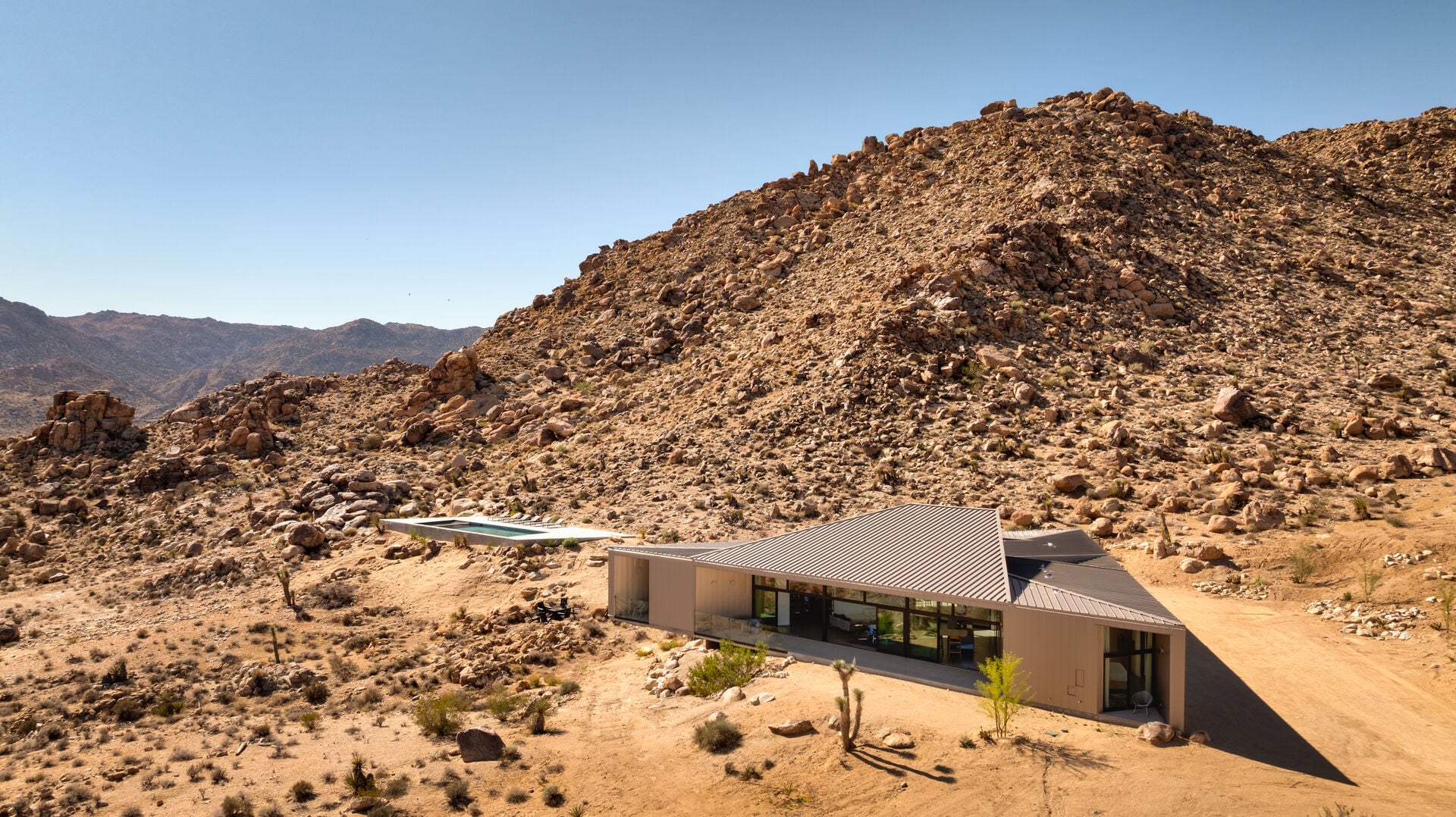
October fills up fast because everyone who skipped the brutal summer finally books — and there’s no campground reservation system inside the park to absorb the overflow. Lodging in the surrounding desert towns is your lifeline, and picking the wrong base town can add 30 minutes each way to your mornings.
Gateway Towns With Quick Entrance Access
Three towns ring the park’s entrances. Your choice depends on which entrance you’re using and what kind of downtime you want after dark.
| Town | Nearest Entrance | Drive to Gate | Best For |
|---|---|---|---|
| Twentynine Palms | North (29 Palms) | 5–10 min | Quietest option, fewest crowds at entry |
| Joshua Tree (town) | West | 5 min | Cafés, walkable main strip, closest to Hidden Valley |
| Yucca Valley | West | 15–20 min | Chain stores, gas, groceries, most budget motels |
Twentynine Palms wins for October specifically. The north entrance sees less congestion than the west gate near Joshua Tree town, and the town itself has spread out enough that rentals here tend to sit on larger lots with actual desert silence. You’ll also be closer to the park’s less-visited eastern sections — think Cholla Cactus Garden at golden hour without fighting for a parking spot.
Joshua Tree town is the trendy pick — a handful of converted motels, a couple of coffee shops, and the iconic Joshua Tree Saloon. It works great if you want walkable evenings, but the west entrance parking lot is the first to hit capacity on October weekends.
Plan to arrive before 8 a.m. or deal with overflow.
Yucca Valley is a last resort, not a base camp. It’s where you stock up at Walmart or Stater Bros., not where you want to unwind. If budget forces you here, the extra 10 minutes to the gate is the trade-off.
Palm Springs is roughly 45 minutes from the south (Cottonwood) entrance and over an hour from the popular west gate. It’s a fine option if you want resort amenities, but you’ll burn meaningful driving time every morning.
Only commit to this pairing if poolside cocktails matter more to you than sunrise trailheads.
Airbnb and Vacation Rental Options
Desert Airbnbs near Joshua Tree are a genuine highlight — not just a place to crash. The best ones sit on hillside lots in Twentynine Palms or spread across the open desert between towns, designed with concrete floors, floor-to-ceiling windows, and private hot tubs oriented toward the sunrise.
One well-reviewed setup in Twentynine Palms sits tucked against a hillside that blocks harsh afternoon sun, lets you read outside midday, and faces due east for unobstructed morning light without leaving the property. That kind of layout isn’t rare here — it’s the standard the area has built its rental reputation on.
What to look for in an October rental:
- East-facing orientation: You’re in the desert to watch sunrise over boulder fields. West-facing decks sound nice until you realize October sunsets happen at 6 p.m. and you’re inside by 7.
- Hot tub over pool: October days hit the 80s but nights drop into the 40s and 50s. A hot tub earns its keep; a pool goes unused most of the week.
- Off-grid charm vs. practical needs: Many rentals market themselves as “remote desert retreats.” That’s code for no cell signal and a 15-minute dirt road. Great for disconnecting — terrible if you need to pull up offline maps each morning. Confirm Wi-Fi and road conditions before booking.
- Proximity to a town for supplies: You’ll want coffee and groceries within a 10-minute drive. Pure isolation sounds romantic until you’re making a 40-minute round trip for milk.
Expect roughly $150–$350 per night for a well-reviewed two-bedroom rental in October, though prices swing based on weekend vs. midweek and how close you are to the park. Budget-conscious pairs can find studios and converted Airstreams in the $90–$150 range — they’re charming but often lack kitchens, which matters when restaurants out here are limited.
Booking Timeline to Secure Availability
October is peak booking season for Joshua Tree lodging. The window that matters: book 3 to 4 months ahead for weekends, 6 to 8 weeks out for midweek stays. If you’re reading this in July or August for an October trip, you still have options.
If you’re reading this in September, you’re picking from what’s left.
- By early August: The most sought-after desert Airbnbs — the ones with architectural photography and hot tubs on every listing — are largely gone for October weekends.
- September: Midweek availability remains solid, and some hosts drop prices to fill gaps. Watch for last-minute cancellations on Fri–Sun stays.
- Under 2 weeks out: Motels in Yucca Valley and Twentynine Palms (think Joshua Tree Motel, Harmony Motel) become your realistic options. They’re basic but functional and typically run $100–$180/night.
One insider move: message Airbnb hosts directly about their cancellation policy. Desert hosts deal with frequent last-minute October cancellations from hikers who underestimate the drive from Los Angeles.
A polite inquiry about waitlist availability often turns up a slot that never relists publicly.
Campgrounds inside the park — Black Rock, Indian Cove, Jumbo Rocks — operate on a reservation system through Recreation.gov, and October sites open on a rolling six-month window. They sell out within hours.
If camping is your plan, set a calendar reminder for your exact six-month-out date and be online at 7 a.m. Pacific. Walk-up sites are essentially nonexistent in October.
For full campground and camping details, see the entrance fees and practical info section.
What to Pack for Joshua Tree in Fall
Sun Protection and Hydration Essentials
October sun in the Mojave is deceptively intense. You’ll burn in under an hour without protection, and the dry air sucks moisture from your body faster than you realize. Don’t just pack these items—wear and use them from the moment you step out of your car.
- Hat: A wide-brimmed hat is non-negotiable. A baseball cap leaves your neck and ears exposed to serious burn.
- Sunscreen: Apply broad-spectrum SPF 50+ sunscreen before you leave your lodging and reapply every two hours, more often if sweating.
- Sunglasses: Polarized sunglasses protect your eyes from glare off the light-colored rock and sand.
- Water: Carry at least one gallon (3.8 liters) of water per person per day. There are no water sources inside the park. Start hydrating the night before you hike.
- Electrolytes: Add electrolyte tablets or powder to your water bottle to replace salts lost through sweat.
Layered Clothing for Cool Nights
The high desert’s defining feature is its temperature swing. A sunny 80°F afternoon can plummet to the 40s or even 30s°F after dark. The key is versatile layering you can peel off and stash in a daypack.
- Base Layer: Start with a moisture-wicking t-shirt or long-sleeve top (synthetic or merino wool).
- Mid-Layer: A fleece or a lightweight puffy jacket is essential for warmth. Pack this even if your car feels warm upon arrival.
- Outer Layer: A windbreaker or a light shell blocks the breeze that kicks up in the afternoons and cools you down fast at sunset.
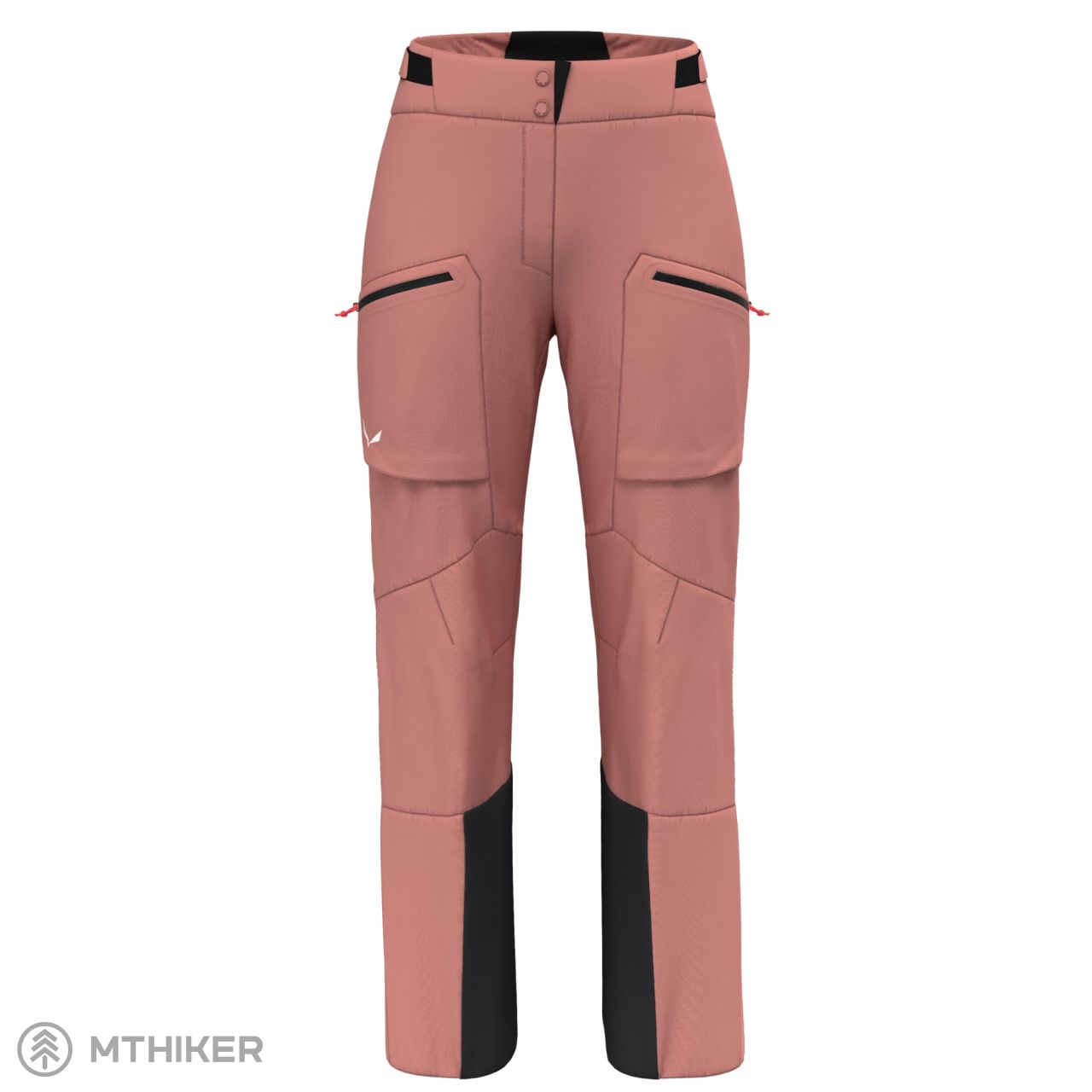
- Pants: Convertible hiking pants (zip-offs) are ideal for adapting to the day. Sturdy jeans work for casual exploring but are poor for scrambling or if you get sweaty.
Footwear for Rocky Terrain
Forget the fashion boots. The ground is a minefield of jagged rocks, loose gravel, and spiky plants. Proper footwear prevents twisted ankles and cactus spines in your feet.
- Shoes: Sturdy, closed-toe hiking shoes or trail runners with aggressive tread and good ankle support are best. Avoid smooth-soled sneakers.
- Socks: Wear moisture-wicking hiking socks to prevent blisters. Cotton socks will get damp and rub.
- Sandals (optional): Only for wearing at your lodging or on paved paths. Do not wear them on trails or while scrambling on rocks.
Entrance Fees and Practical Info for October Visits
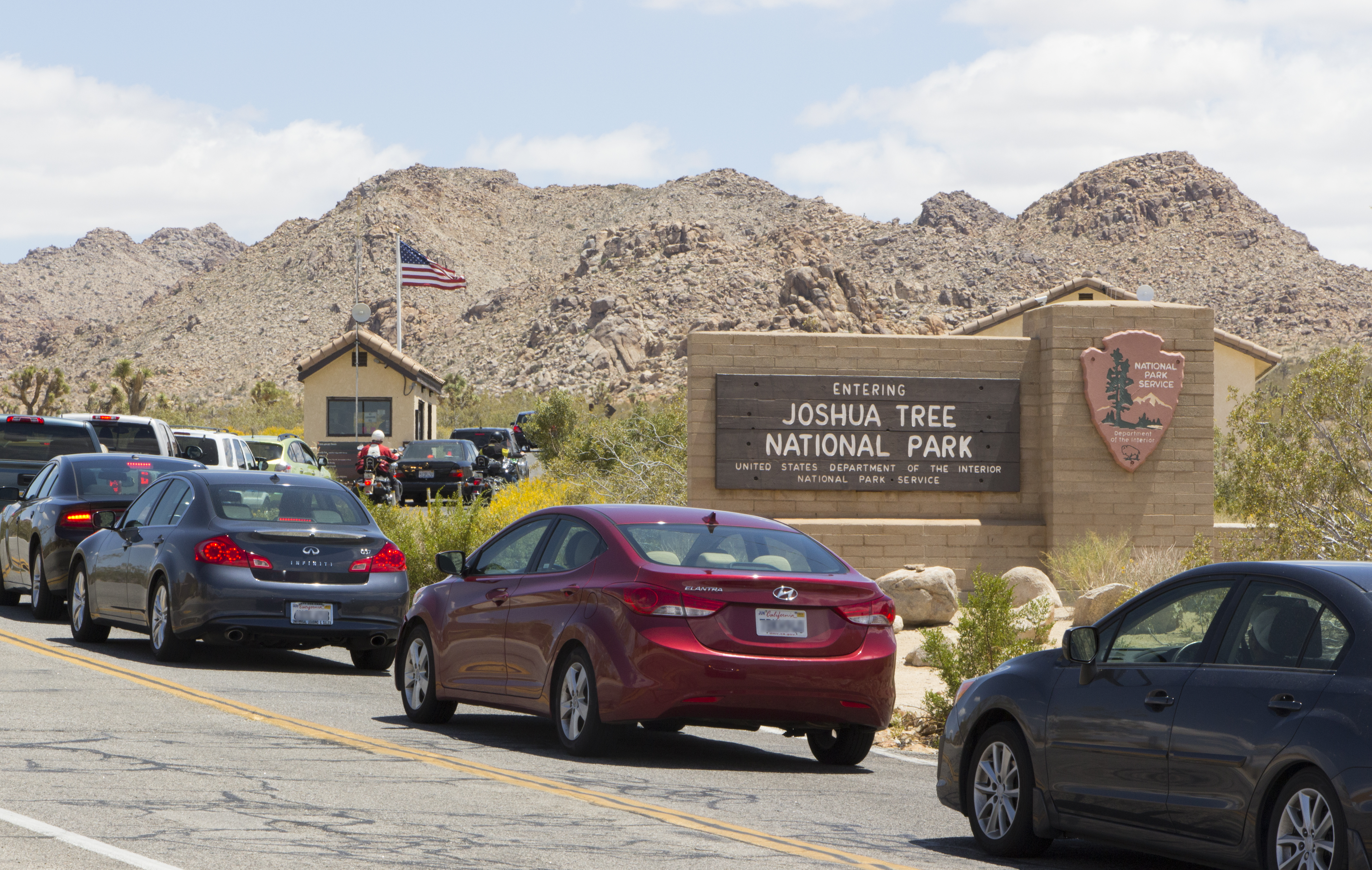
Paying the entrance fee is the last easy part of your Joshua Tree visit — everything after the gate requires self-sufficiency that most first-timers underestimate. Here’s what to know before you drive up to that booth.
Current Vehicle and Per-Person Rates
Joshua Tree charges a 7-day entrance pass at the gate or at recreation.gov ahead of time. Expect these rates, though confirm with the National Park Service before your trip since fees are subject to change:
| Entry Type | Typical Cost | Best For |
|---|---|---|
| Private Vehicle | $30 | Anyone driving in — the standard option for most October visitors |
| Motorcycle | $25 | Solo or two-up riders |
| Per Person (foot, bike, etc.) | $15 | Rare — only if you’re somehow entering without a vehicle |
| America the Beautiful Annual Pass | $80 | Anyone visiting two or more national parks this year — it pays for itself fast |
If you already hold an America the Beautiful pass, you’re covered — flash it at the entrance station and drive through. The park-specific annual pass ($55) only makes sense if Joshua Tree is your sole national park destination for the year, and even then, the extra $25 for the America the Beautiful pass is worth the flexibility.
Buy your pass online at recreation.gov before arrival. You’ll still stop at the entrance booth for the ranger to scan or check it, but you skip the fumbling-at-the-window moment that backs up the October queue behind you.
Water and Fuel Stops Before Entry
There are zero gas stations and zero water-fill stations inside Joshua Tree National Park. This is the detail that catches people off guard, especially in October when daytime temps still reach the 80s and 90s. You need to arrive fully stocked.
- Fuel up in one of the gateway towns — Joshua Tree, Twentynine Palms, or Palm Desert all have gas stations within five minutes of their respective park entrances. Don’t gamble on your tank reading half-full.
- Water is non-negotiable. Carry at least one gallon per person per day, and buy it before you enter. The small markets in Joshua Tree and Twentynine Palms stock jugs and cases. There are no vending machines or concessions inside the park.
- Restrooms exist at major trailheads and the visitor centers, but they’re pit toilets in most locations. Bring your own hand sanitizer and tissue as backup.
The Cottonwood Visitor Center near the south entrance sometimes has a water spigot available outside, but relying on it is a mistake — assume you’re on your own and treat any on-site water as a bonus, not a guarantee.
Cell Service Limitations and Offline Maps
Once you pass the entrance station, assume you have no cell service until you leave. This isn’t an exaggeration — the park covers nearly 800,000 acres of desert with almost no towers in range.
A sliver of signal flickers near the north entrances (Joshua Tree and Twentynine Palms gates), but it vanishes within a mile.
- Download offline maps before you arrive. Google Maps and Apple Maps both allow offline area downloads. Save the entire park plus the corridor back to your lodging.
- The NPS app (official National Park Service app) lets you download the full Joshua Tree park map and trail guides for offline use. Install it and download the park content while you still have Wi-Fi at your hotel or Airbnb.
- Screenshot or print your reservation confirmations. If you have a campsite reservation, climbing permit, or timed entry confirmation, have it accessible without signal. Rangers may ask for it.
- Tell someone your plan. With no ability to call for help from most of the park, text a friend or family member your intended trailhead and expected return time before you enter.
This is the insider move most visitors skip: pick up the free paper map at the entrance station or visitor center. It shows every named road, trailhead, and point of interest — and it never loses signal.
Fold it onto your dashboard and use it as your primary reference. Phones die, GPS drifts, and that paper map will be the reason you find your car at sunset instead of wandering through boulders in the dark.
Safety Considerations for an October Trip
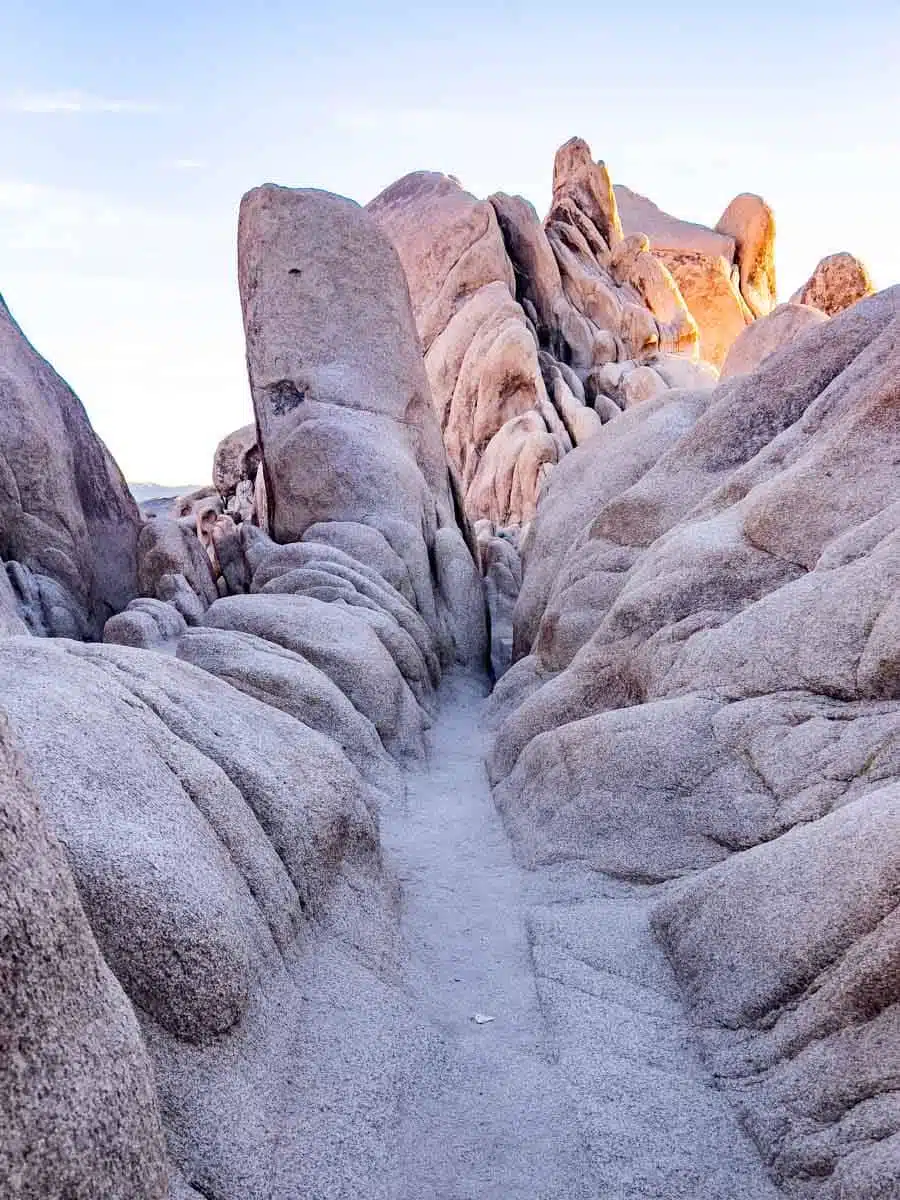
October drops the brutal triple-digit heat, but the desert still punishes anyone who treats mild weather as a reason to skip precautions. You’re in a remote, unforgiving landscape with no piped water anywhere in the park, virtually no cell service, and emergency response times measured in hours — not minutes.
Heat Precautions Even in Milder Weather
Daytime highs in October typically range from the mid-70s to mid-80s°F — comfortable by summer standards, but the low humidity and relentless direct sun make dehydration creep up fast. The high desert sits around 3,000–5,000 feet elevation, which intensifies UV exposure and dries out your body quicker than you’d expect at these temperatures.
- Carry one gallon of water per person per day — minimum. There is no potable water anywhere inside the park. Fill every container in the gateway towns (Twentynine Palms, Joshua Tree town) before you drive through an entrance.
- Start hikes by 7–8 a.m. and plan to be back at your car by early afternoon, even when the forecast looks pleasant. The midday sun on exposed desert floor still radiates heat well above what the air temperature suggests.
- Watch for warning signs in yourself and your group: headache, dizziness, dark urine, or sudden fatigue. In dry desert air you often won’t feel yourself sweating — that doesn’t mean you aren’t losing fluids rapidly.
- Don’t rely on shade. The park’s open terrain offers almost none. Sun-protective clothing and a wide-brim hat matter more here than on most hikes you’ve done elsewhere.
Cell service drops to zero across most of the park. Download offline maps before you arrive and always tell someone outside your group your planned route and expected return time.
Checking for Occasional Fall Storms
October sees very little rain, but when storms do hit, they arrive violent and fast. The desert floor is hard-packed and nearly impermeable — water doesn’t soak in, it rushes across the surface as flash floods.
- Check the National Weather Service forecast (weather.gov) for the Joshua Tree area the morning of your visit, not just the night before. Desert storms can form over the surrounding mountains and move into the park with little warning.
- Avoid dry washes, canyons, and low-lying areas if any rain is in the forecast — even when skies above you are blue. Flash floods can travel miles from where the rain actually falls.
- Paved roads can flood. If you encounter water flowing across a road, turn around — just six inches of moving water can sweep a vehicle off course. Park roads may close temporarily during and after storms.
- After a storm, watch for rockslides near boulder formations. Wet rock is also significantly more slippery, so postpone any climbing plans until surfaces fully dry, which usually takes less than a day in this climate.
Storms also bring lightning to wide-open terrain. If you hear thunder, get to your vehicle immediately — the park’s exposed granite and metal climbing bolts make hikers and climbers especially vulnerable during electrical storms.
Frequently Asked Questions
Is Joshua Tree National Park worth visiting?
Absolutely — and October is when the park puts on its best performance. The high desert cools dramatically at night and in the morning during fall, which means you can actually enjoy full days outdoors without heat exhaustion.
You’ll wear shorts during the day and throw on a sweatshirt by evening. Between the massive free-climbable rock formations and the otherworldly Joshua Trees themselves, this park delivers a landscape unlike anywhere else in the national park system.
How many days do I need in Joshua Tree?
Two full days is the sweet spot for most visitors. Day one hits the popular west-side trails like Hidden Valley and Barker Dam plus the signature rock scrambling.
Day two covers the less crowded east side, Cholla Cactus Garden, and Keys View for sunset. One day is doable but means choosing between hiking and climbing — you can’t fit both comfortably.
Three days only makes sense if you’re a serious rock climber or want multiple stargazing sessions with zero rush.
Is Joshua Tree crowded in October?
Crowds pick up compared to summer but remain far more manageable than the March-April superbloom season. Weekdays in October are your best bet — you’ll find parking at popular trailheads and quiet stretches on most trails.
Weekends draw bigger numbers, especially from Los Angeles day-trippers, so arrive before 8 a.m. on Saturdays and Sundays. Gate congestion and full parking lots are the real bottleneck, not trail overcrowding, which is why early arrival matters more than choosing a “hidden” trail.
Can you camp in Joshua Tree in October, and do I need a reservation?
Yes — October is prime camping season here. Expect nighttime temperatures in the 40s°F, so bring a sleeping bag rated to at least 30°F.
Most campgrounds operate on a reservation system through Recreation.gov, and October weekends book out weeks in advance. Securing a spot midweek is significantly easier.
If campgrounds are full, the gateway towns of Joshua Tree and Twentynine Palms have backup lodging options already covered in this guide.
Ready to Experience Joshua Tree in October?
Secure a rental in Twentynine Palms and plan to enter through the North Entrance before 8:30 a.m. to beat any weekend lines and start your day on quiet trails.
October’s combination of golden light, bearable temperatures, and uncrowded spaces makes Joshua Tree’s otherworldly landscape truly shine.
Download the official NPS app and offline maps today so you’re fully prepared the moment your cell signal vanishes at the park gate.
Leave a Reply