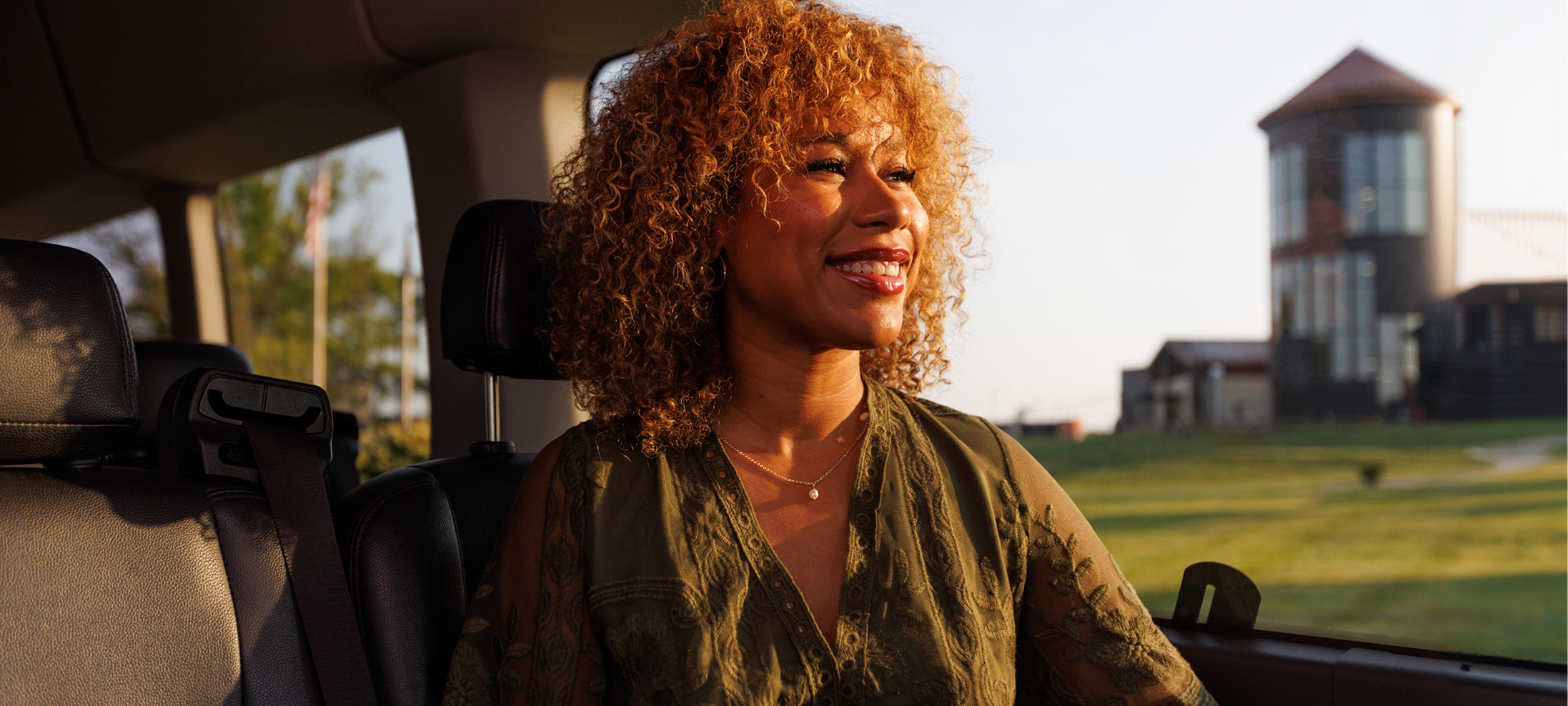
The morning fog lifts off limestone-filtered creeks as you pull into a gravel lot, and the air already carries that sweet, charred-oak perfume drifting from the rickhouse next door. By mid-afternoon, amber light spills through barrel-warehouse doors while the hillsides burn crimson and gold just beyond the glass.
Nowhere else in America blends working distilleries, horse country, and peak autumn foliage into a single driving corridor the way Kentucky does in October. You’re tasting bourbon where it was made while the landscape around you puts on the kind of show that makes you forget you have a schedule.
This guide tells you exactly where to base yourself, which distilleries deliver the best fall scenery, and how to pace your tastings so you remember every pour.
Budget roughly $100–$200 per person on tours and tastings across a long weekend, with lodging ranging from $150 a night for a Bardstown B&B to $400 for a private horse-country farm stay. A full three-day trip for two runs $800–$1,500 depending on dining and accommodation choices.
Is Fall the Best Time to Visit the Kentucky Bourbon Trail?
Mid-October on the Bourbon Trail means 65°F sunshine, copper-dusted hillsides, and a pour of single barrel that tastes like it was built for the season. Fall isn’t just a good time to visit — it’s the time, and the distilleries know it.
Expect harvest-themed menus, extended outdoor hours, and golden-hour light that turns every rickhouse into a postcard.
Weather and Foliage Advantages in Autumn
Kentucky’s fall weather is the sweet spot for a driving-and-tasting road trip. September typically brings highs in the upper 70s to low 80s°F, October settles into the mid-60s to low 70s, and November cools to the 50s.
That range means you can comfortably walk distillery grounds, linger on patios, and take longer tours without summer’s humidity or winter’s bite.
Foliage peaks across central Kentucky from mid-October through the first week of November, depending on elevation and rainfall. The rolling hills between Bardstown, Lawrenceburg, and Versailles — the trail’s core corridor — turn amber, burnt orange, and deep red.
Distilleries with expansive outdoor grounds become destinations in themselves during this window, and the countryside drives between stops are half the experience.
The comfortable temperatures also mean distillery tours extend outdoors more often. Expect more time in rickhouses with open doors, courtyard tastings, and walking portions through barrel-aging facilities that get stifling in July.
This is when in-depth, multi-hour experiences feel enjoyable rather than exhausting — and why fall tours tend to be longer and more immersive than their summer counterparts.
Weekday vs Weekend Crowds During Peak Season
Here’s the honest truth: fall is peak season, and the trail drew 2.8 million visitors recently. Weekends in October are the single busiest window of the entire year.
Popular distilleries like Buffalo Trace, Woodford Reserve, and Maker’s Mark can see 40-person lines before the doors open on Saturday mornings, and tour slots sell out weeks in advance.
Weekdays are a different story entirely. Tuesday through Thursday visits mean shorter waits, more availability for walk-in tastings, and a better chance of actually chatting with distillery staff.
If your schedule allows even one weekday on the trail, use it for your highest-priority stop — the one you’d be genuinely disappointed to rush through or miss.
- Best crowd avoidance: Tuesday to Thursday, arriving at opening time (usually 9 or 10 a.m.).
- Busiest window: Saturdays in October, especially between 11 a.m. and 3 p.m.
- Shoulder sweet spot: Late September and early November deliver fall foliage with noticeably thinner crowds and better tour availability.
- Book ahead for: Any weekend tour in October — reserve at least two to three weeks out, longer for marquee distilleries.
One thing the official trail map won’t tell you: Kentucky State Police actively patrol the Bourbon Trail corridors, particularly US-31E between Bardstown and Louisville. DUI checkpoints during peak season are not uncommon.
Plan a designated driver, book a guided tour service, or base yourself somewhere walkable — downtown Bardstown and Louisville’s NuLu district both put multiple tasting rooms within an easy Uber ride so you can enjoy every pour without worrying about the drive back to your hotel.
What to Pack for a Kentucky Bourbon Trail Road Trip in Fall
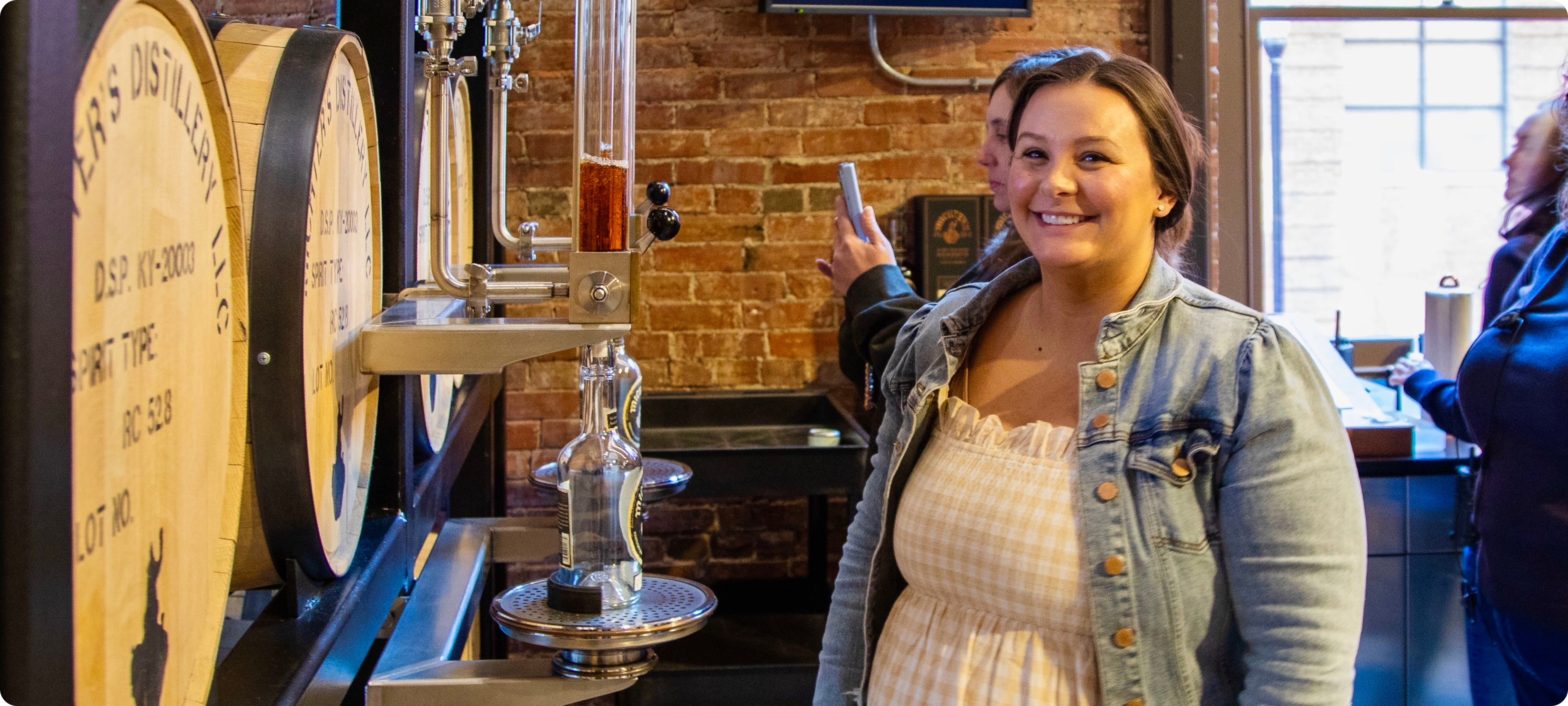
Kentucky fall mornings can start near 40°F and climb into the mid-60s by afternoon — and you’ll spend the day bouncing between heated tasting rooms, open-air rickhouses, gravel parking lots, and potentially muddy trailheads. Packing wrong means either shivering through a 75-minute tour or hauling a heavy coat you don’t need by noon.
Here’s the quick-reference list before we break it down:
| Category | Must-Pack | Why It Matters on the Trail |
|---|---|---|
| Base layer | Moisture-wicking tee or long-sleeve | Keeps you comfortable during warm indoor tastings |
| Mid layer | Light flannel, sweater, or fleece | Essential for morning starts and open-air rickhouses |
| Outer layer | Waterproof jacket or packable rain shell | Fall showers are common and unpredictable |
| Footwear | Broken-in walking shoes or low hiking boots | Tours mean 60–90 min on concrete, gravel, and stairs |
| Accessories | Sunglasses, hat, refillable water bottle | Hydration and sun protection between tastings |
| Tech | Smartphone or camera | Rickhouses framed by fall foliage are peak photo material |
Layering Essentials and Rain Protection
The single biggest packing mistake on the Bourbon Trail in fall is dressing for one temperature. You won’t be in one.
A typical day moves you from a chilly 8 a.m. parking lot to a climate-controlled visitor center to a drafty rickhouse where barrel stacks create their own microclimate — and then back outside for a walk along the grounds.
Build your outfit in three layers:
- Base layer: A moisture-wicking T-shirt or lightweight long-sleeve. Cotton works fine if you run cool, but synthetic blends handle the temperature swings better. This is what you’ll be most comfortable in once you’re inside a heated tasting room.
- Mid layer: A light flannel shirt, quarter-zip fleece, or sweater you can easily tie around your waist. This is your workhorse layer — mornings and late afternoons in the mid-40s to mid-50s demand it, and some rickhouses stay cool even on warmer days.
- Outer layer: A waterproof jacket or packable rain shell is non-negotiable. Kentucky averages 3 to 4 inches of rain in both October and November, and showers often roll in without much warning. Skip the umbrella if you want hands free for your phone and tasting glass — a hooded shell does the job.
Pro tip: dark colors hide bourbon-barrel dust and the occasional splash. You’ll thank yourself by the third stop of the day.
Comfortable Footwear and Accessories for Tours and Trails
You’ll walk more than you expect. A standard Kentucky Bourbon Trail tour runs about 75 minutes and covers multiple buildings, outdoor paths, and stairs.
Craft Tour stops are shorter at roughly 45 minutes, but the floors are often uneven concrete or gravel. Add in a hike at Raven Run Nature Sanctuary or a stroll through distillery grounds, and you’re looking at 8,000 to 12,000 steps before dinner.
Here’s what earns its space in your bag:
- Shoes: Broken-in walking shoes or low hiking boots with good traction. New sneakers will punish you by stop two. Avoid open-toed shoes entirely — distillery floors can be sticky, and some facilities require closed-toe footwear for production-area access.
- Sunglasses and a hat: Fall sun sits low and hits hard during afternoon tastings, especially at outdoor patios and overlooks along the Kentucky River Palisades.
- Refillable water bottle: This is the most overlooked item on the trail. You’re tasting bourbon — sometimes four to six pours per stop — and dehydration creeps up fast. Most distillery visitor centers have water stations. Use them between every tasting, not just when you feel thirsty.
- Camera or smartphone: Fall foliage peaks in mid-to-late October across the Bluegrass region, and rickhouses framed by red and gold hillsides are the kind of shots that justify the trip. A phone with a decent lens is plenty.
- A small daypack or crossbody bag: You’ll accumulate bottles, merchandise, and tasting notes. Hands-free carrying keeps you from juggling a bourbon glass and a shopping bag in a rickhouse doorway.
One insider detail most guides skip: bring a pen. Many distilleries offer passport booklets or tasting cards, and the ones with working pens at the counter are rarer than you’d think. Toss one in your bag and you’ll never hold up the line.
How to Plan Your Bourbon Trail Itinerary in Fall
At Buffalo Trace, visitors regularly encounter a line of 40-plus people snaking past the bronze buffalo statue before they’ve even grabbed their morning coffee — and that’s on a Tuesday. With 2.8 million people hitting the trail annually and fall being peak season, your itinerary lives or dies on booking strategy and pacing discipline.
Booking Tours and Avoiding Peak Crowds
Book every guided tour at least two to three weeks ahead for fall weekends — longer if you’re targeting Maker’s Mark or Woodford Reserve, which sell out first. Weekday mornings remain the single best window for smaller crowds and more personal interaction with guides.
A Tuesday-through-Thursday trip is the move if your schedule allows it.
The trail splits into two distinct experiences, and your booking approach should match each one:
| Kentucky Bourbon Trail | Craft Tour | |
|---|---|---|
| Distilleries | 18 marquee names | 50+ small producers |
| Average tour | ~75 min, ~$18 | ~45 min, ~$12 |
| Crowd level | High — book ahead | Moderate — walk-ins often work |
| Vibe | Polished, large-scale operations | Intimate, often meet-the-distiller |
Many marquee distilleries also offer walk-in tasting bars and seasonal cocktail experiences when full tours are sold out — you won’t be shut out entirely, but you’ll miss the behind-the-scenes rickhouse and production access that justifies the drive.
The itinerary sweet spot for fall: Two to three distillery visits per day, maximum. Three is aggressive and only works if at least two are Craft Tour stops with shorter formats.
Two marquee tours plus a leisurely lunch is the pace that lets you actually absorb what you’re tasting instead of sprinting between rickhouses.
Base yourself in Louisville, Lexington, or Bardstown — each puts a different cluster within a 30-minute drive:
- Louisville: Western trail access — Evan Williams, Michter’s, Rabbit Hole. Best for urban dining and nightlife after tastings.
- Lexington: Central position — Woodford Reserve, Buffalo Trace, Town Branch. Best for combining with Keeneland fall races and horse country scenery.
- Bardstown: Bourbon country’s heartland — Heaven Hill, Willett, Lux Row, and Maker’s Mark all nearby. Best for full immersion with less driving.
- Frankfort: Quieter overnight option if Buffalo Trace is your priority stop. Limited dining but genuinely peaceful.
For a three-day fall trip, the strongest route avoids backtracking: start in Louisville, swing through Bardstown for an overnight, then finish in Lexington. Distances between clusters run 35 to 50 minutes on scenic two-lane roads — factor that drive time into every day.
Pacing Tastings and Staying Hydrated
Each guided tour ends with a tasting — typically two to four pours ranging from a quarter-ounce to a half-ounce each. That sounds modest until you’ve done three tours before lunch.
The math adds up fast, and the rural driving between stops means responsible pacing isn’t optional.
- Water between every stop: Carry a refillable bottle. Most visitors’ centers have water stations, but don’t count on finding anything between locations on back roads.
- Eat a real breakfast before your first pour: Not just coffee. Bardstown and Lexington both have solid breakfast spots near the trail — fuel up properly.
- Schedule a 90-minute midday break with food and no alcohol: This resets your palate and your system before the afternoon stop. Treat it as non-negotiable, not optional.
- Designate a driver or book a licensed tour operator: Kentucky’s DUI threshold is 0.08 BAC, and pours across multiple stops reach it faster than expected. Several operators handle all driving so everyone can taste freely — expect roughly $100–175 per person for a full-day guided experience, depending on group size and stops included.
- Use the spit buckets: No one at a professional distillery will judge you. Serious tasters spit — it’s how you evaluate flavor without impairment stacking up by stop three.
Here’s where fall weather works directly in your favor: temperate days mean you can comfortably linger on outdoor patios between tastings, walk the grounds, and let time pass naturally between pours instead of rushing to the next climate-controlled building. Build that breathing room into your schedule on purpose — it’s the difference between a trip you remember fondly and one that blurs together by 3 p.m.
Which Distilleries Deliver the Best Fall Scenery?
The rickhouses at James B. Beam in Clermont sit against rolling hills that ignite in October — and that single view is worth routing your entire afternoon around.
But Beam is just one flavor of fall scenery on the Trail. Distilleries here cluster into three distinct settings, and the one you choose shapes the entire mood of your visit.
| Scenery Type | Best For | Standout Distilleries |
|---|---|---|
| Rickhouse Views | Iconic bourbon imagery — barrel warehouses against autumn hills | James B. Beam, Wilderness Trail, Bulleit |
| Farm & Countryside | Slowing down, walking trails, pastoral photo ops | Maker’s Mark, Bluegrass Distillers, Log Still |
| Waterway Settings | River bluffs, creekside trails, fire pits at golden hour | Wild Turkey, Castle & Key, Woodford Reserve |
Rickhouse Views at James B. Beam, Wilderness Trail and Bulleit
If your mental image of bourbon country is rows of weathered wooden warehouses stacked with aging barrels against a backdrop of fiery hillsides, James B. Beam Distilling Co. in Clermont delivers exactly that.
The rickhouses here are massive, photogenic, and set against terrain that turns deep amber and crimson by mid-October. This is the distillery to prioritize if you want one hero photo that screams “Kentucky fall.”
Wilderness Trail in Danville and Bulleit in Shelbyville both offer their own warehouse-and-hillside compositions. Wilderness Trail’s campus is newer and more open, giving wide sightlines across the surrounding countryside.
Bulleit’s setting near Shelbyville places it squarely in horse-and-bourbon country, with pastoral views from the property. Neither matches Beam’s dramatic rickhouse-to-hills ratio, but both work well as scenic stops if you’re already routing through their regions.
- Best time for photos: Arrive mid-morning when low-angle light hits the rickhouse facades — late afternoon works too, but morning crowds are thinner.
- Insider detail: Beam’s Clermont campus has elevated walkways between buildings that most visitors skip in favor of the main tour route. Step off the beaten path for unobstructed rickhouse-and-foliage shots without other tourists in frame.
Farm and Countryside Settings at Maker’s Mark, Bluegrass Distillers and Log Still
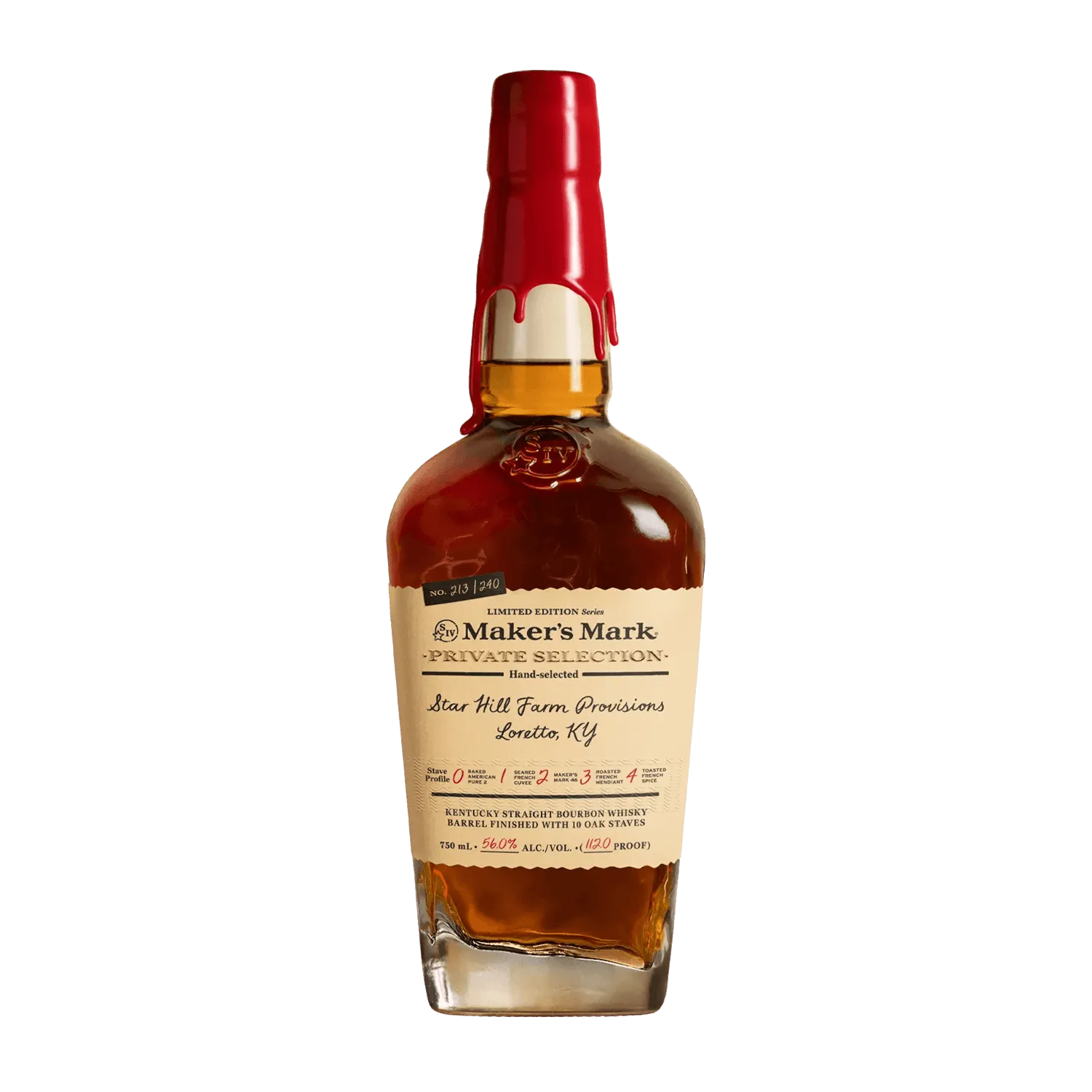
Maker’s Mark at Star Hill Farm in Loretto is the gold standard for countryside scenery on the Trail. The property includes ponds, apiaries, and walking trails that wind through grounds exploding with fall color.
Plan to spend at least 90 minutes here beyond the tour — the grounds reward slow exploration in a way most distilleries simply don’t.
Bluegrass Distillers near Lexington greets visitors with a tree-lined driveway that opens into surrounding farmland — a quieter, more intimate version of the pastoral bourbon experience. It’s a Craft Tour stop, so expect a smaller crowd and a more personal visit.
Log Still Distillery in Gethsemane sits on wide-open farmland with a 12-acre lake on-site. Anglers can bring a rod and cast a line between tastings, which makes this the only distillery on the Trail where you can legitimately fish during your visit.
- Best for families or groups who want to linger: Maker’s Mark and Log Still both have enough grounds to fill an unhurried afternoon.
- Best for a quick scenic hit: Bluegrass Distillers — the tree-lined entrance alone is worth the detour if you’re passing through the Lexington area.
- Insider detail: Log Still’s lake is catch-and-release, and the distillery sometimes hosts bonfire evenings in fall. Call ahead to check the schedule — these aren’t always listed on the website.
Waterway Locations at Wild Turkey, Castle & Key and Woodford Reserve
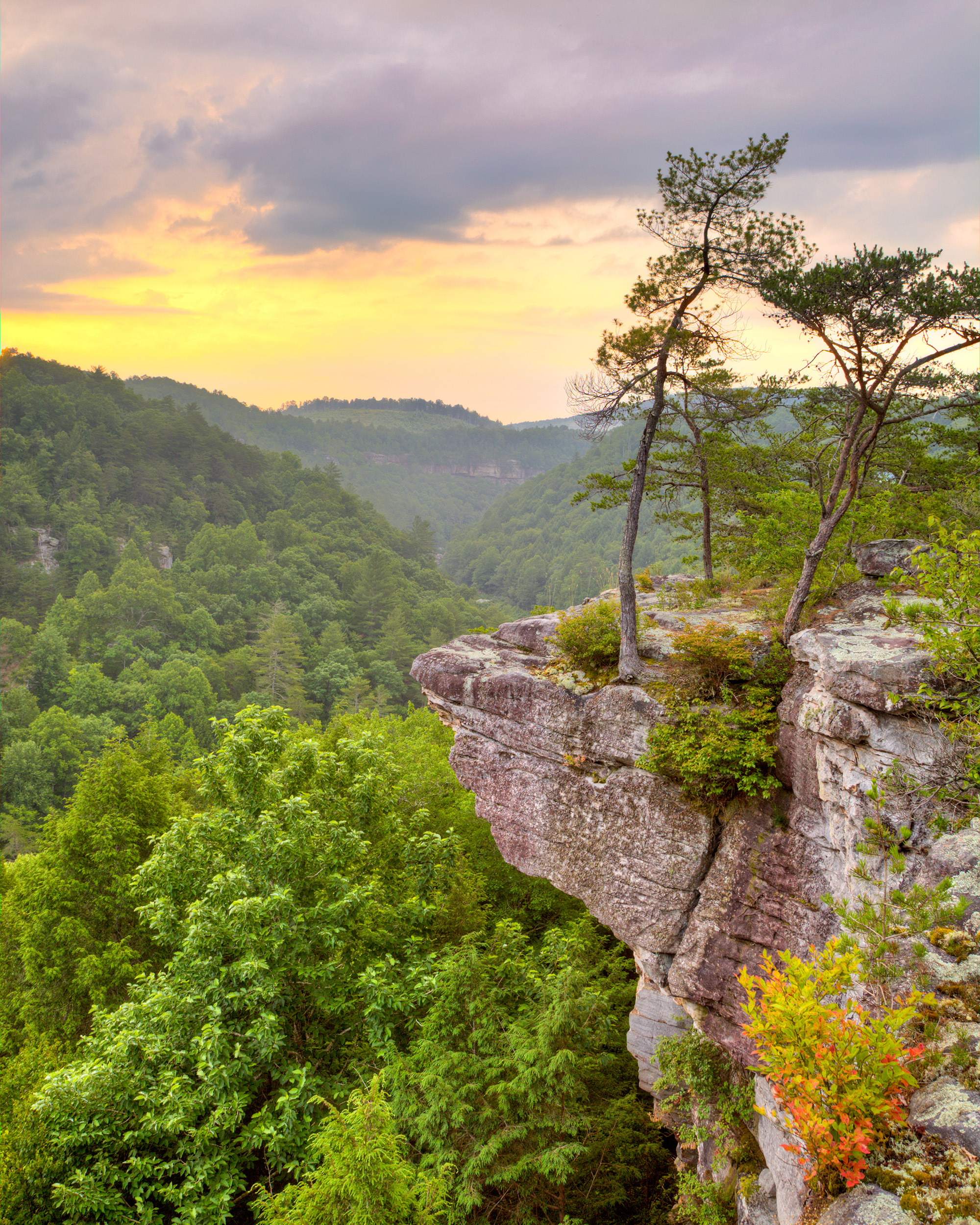
Wild Turkey perches above the Kentucky River with outdoor fire pits that make it the single best distillery on the Trail for golden-hour bourbon sipping in fall. The river bluff setting means you’re looking down at water and tree canopy simultaneously — peak color here typically hits mid-to-late October.
This is the stop you build your late afternoon around.
Castle & Key and Woodford Reserve both sit along Glenn’s Creek in a wooded corridor near Millville. Castle & Key’s restored grounds include formal gardens and walking trails along the creek — the property feels more European estate than Kentucky distillery.
Woodford Reserve sits just downstream in a similarly wooded setting, with its own creek-side charm. Visiting both in a single afternoon is easy since they’re only a few miles apart, and the drive between them along McCracken Pike is one of the prettiest short stretches on the entire Trail.
Heaven’s Door, farther east, leads visitors down to a creekside landing with log cabins and a working water wheel — a more rustic, storybook take on waterway scenery. Old Pogue in Maysville offers sweeping Ohio River vistas if you’re routing through northeastern Kentucky.
- Best for fire pits and river views: Wild Turkey, hands down. Arrive by 4 PM to claim a pit before the post-tour crowd.
- Best for creek-side walking: Castle & Key — the trails here are well-maintained and the gardens are worth the visit even if you skip the tasting.
- Best pairing: Castle & Key and Woodford Reserve back-to-back, with the McCracken Pike drive between them as a scenic palate cleanser.
- Insider detail: Castle & Key’s walking trails are free to access even without a tour reservation. You can explore the grounds and creek path on your own, then grab a cocktail at the bar — no booking required for the outdoor areas.
Where to Find Seasonal Bourbon Cocktails in Fall
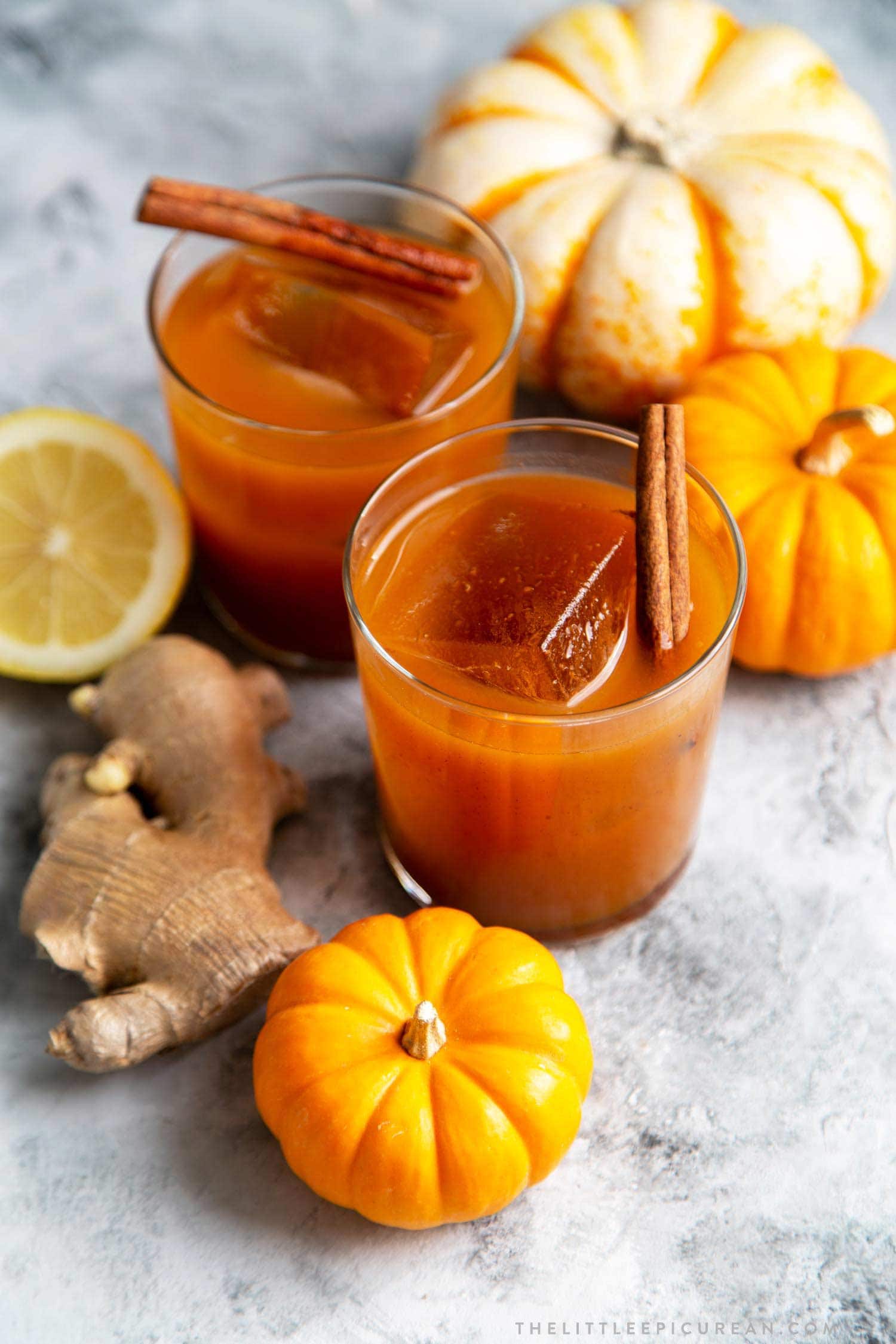
When October hits, distillery bars across the Trail swap summer juleps for cocktails built around apple, cinnamon, pumpkin, maple, and pecan — and the best ones are worth building an afternoon around. Here’s where to find them, grouped by region so you can slot stops into your driving route without backtracking.
| Distillery | Location | Standout Fall Drink | Vibe |
|---|---|---|---|
| Bespoken Spirits | Lexington | Full harvest cocktail collection | Urban tasting room, craft-forward |
| Heaven Hill Bourbon Experience | Bardstown | Rotating fall cocktail menu | Polished, education-focused |
| Lux Row Distillers | Bardstown | Jack O’ Latte, Harvest Mocha | Family-friendly, relaxed |
| Log Still Distillery | New Haven | Habanero Lime Bourbon-Rita | Estate grounds, event-driven |
| Second Sight Spirits | Ludlow (Northern KY) | Fall cocktails + coffee pairings | Intimate, quirky, afternoon hang |
Harvest-Inspired Drinks at Bespoken Spirits and Heaven Hill
Bespoken Spirits in Lexington runs what’s arguably the most complete fall cocktail program on the Trail. Their full harvest collection leans into seasonal flavors without gimmicks — think real maple, fresh apple, warm baking spices layered into bourbon-forward drinks rather than sugar bombs masquerading as cocktails.
This is the stop for anyone who takes their drinks seriously and wants variety in a single visit. Base yourself in Lexington’s downtown walkable hotel district and make this your evening cocktail stop after a day of distillery tours.
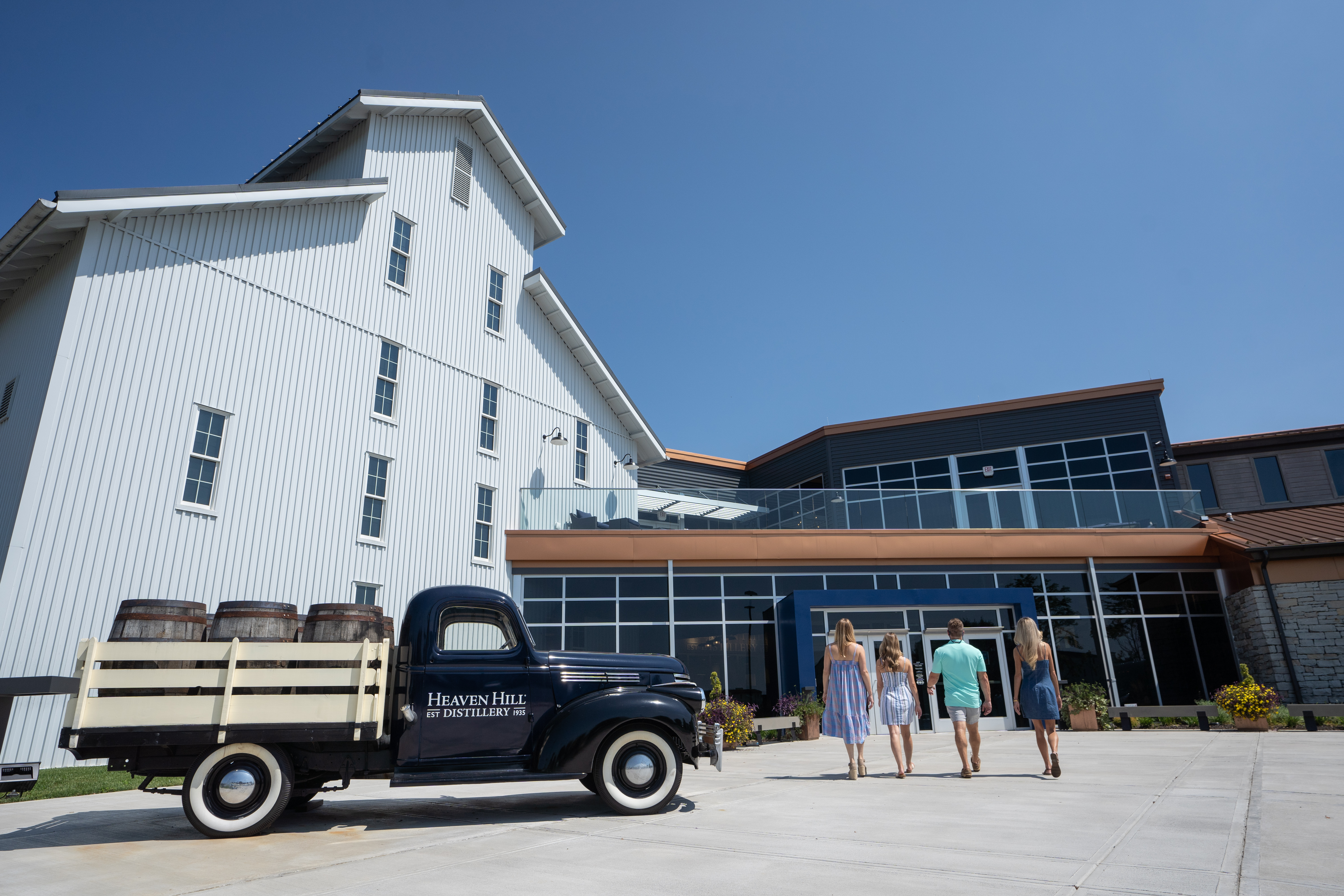
Heaven Hill Bourbon Experience in Bardstown takes a different approach: their expert mixologists curate a rotating menu that changes throughout the fall season. That means you can’t plan your exact drink in advance — and that’s the point.
The rotation rewards repeat visitors and keeps the bar from feeling like a tourist conveyor belt. Expect cocktails that actually showcase Heaven Hill’s portfolio (Elijah Craig, Larceny, Rittenhouse Rye) rather than burying the bourbon under mixers.
Pair this with the Bardstown Bourbon Company Kitchen and Bar nearby for a full fall-flavored evening.
Insider tip: Heaven Hill’s cocktail bar tends to fill after the last tour of the day lets out. Arrive mid-afternoon, between the 1 p.m. and 3 p.m. tour waves, and you’ll likely have the bartender’s full attention — which matters when the menu is rotating and you want a real recommendation.
Fan Favorites at Lux Row, Log Still, and Second Sight Spirits
Lux Row Distillers in Bardstown goes all-in on playful fall names — the Jack O’ Latte, Apple Jack Fizz, Harvest Mocha, and the Spice to Meet Ya’ Old Fashioned are all on the seasonal menu. The Old Fashioned is the move for purists who want autumn spice without dessert sweetness; the Jack O’ Latte is the crowd-pleaser that converts skeptics.
Lux Row’s tasting room is relaxed and family-friendly, making it a solid mid-afternoon stop when you need a break from formal tours.
Log Still Distillery in New Haven throws a curveball with their Habanero Lime Bourbon-Rita — a fall cocktail that skips the expected pumpkin-and-cinnamon playbook entirely. The heat from the habanero plays off bourbon’s natural warmth in a way that works surprisingly well on a crisp October afternoon.
Log Still’s campus is expansive and event-driven, so check their calendar before visiting; the Hometown Harvest event (covered elsewhere in this guide) pairs perfectly with their seasonal drink menu.
Second Sight Spirits in Ludlow — just across the river from Cincinnati — is the outlier on this list geographically, but it earns its spot. Their fall-inspired cocktails come with coffee pairings, making this the ideal late-morning or early-afternoon indulgence before heading south toward Bardstown.
The setting is intimate and the staff genuinely nerdy about flavor combinations. If you’re starting your Trail trip from Northern Kentucky or Cincinnati, make Second Sight your Day 1 kickoff.
Don’t overlook: Neeley Family Distillery serves a dedicated Pumpkin Spice Cocktail that leans into the season without apology. It’s not on the main Kentucky Bourbon Trail roster, but if you’re passing through their area, it’s a worthwhile detour for pumpkin spice done right — with actual bourbon, not syrup.
What Events and Festivals Enhance a Fall Bourbon Trail Trip?
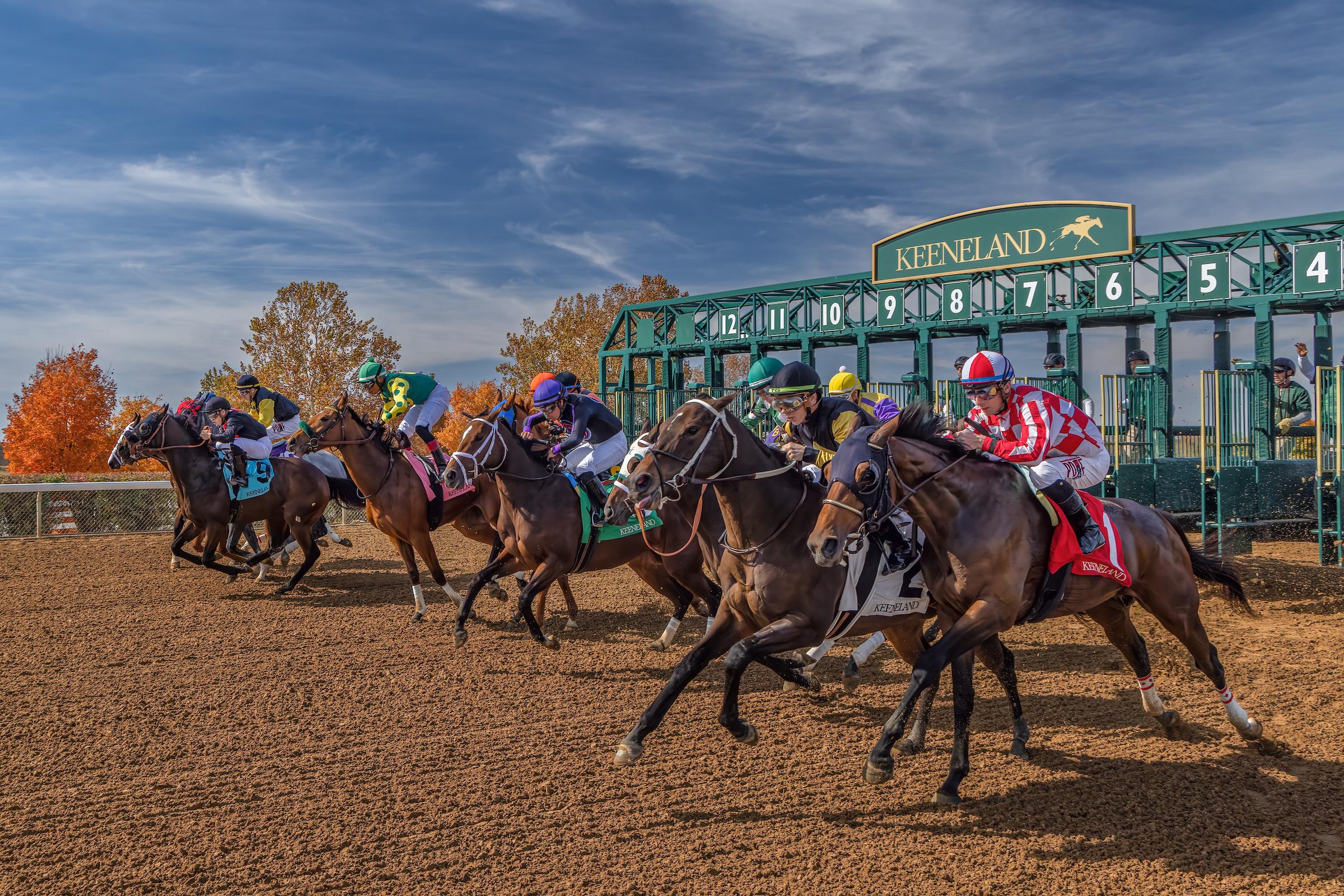
Fall weekends in bourbon country collide with horse racing season, harvest festivals, and distillery open houses — stacking your itinerary with reasons to linger past the tasting room. Time your trip right and you can catch a Keeneland race in the morning, a craft distillery festival by afternoon, and a seasonal cocktail flight before dinner.
That kind of layered day is what separates a good bourbon trip from a legendary one.
Hometown Harvest at Log Still and Southern Kentucky Distillers Craft Festival
Two fall-specific events deserve a spot on your calendar if dates align. Hometown Harvest at Log Still in New Haven celebrates the season with local food vendors, live music, and the distillery’s full lineup of pours — all set against the property’s scenic countryside campus. It’s the kind of event that rewards arriving early and lingering, especially with the grounds dressed in peak foliage.
The Southern Kentucky Distillers Craft Festival gathers smaller producers from the Kentucky Bourbon Trail Craft Tour in one location, making it the most efficient way to taste beyond the marquee names without extra windshield time. Expect roughly 50-plus craft producers on the broader Craft Tour — this festival puts a curated selection within arm’s reach.
Both events typically land in the October–November window, but confirm exact dates with organizers because schedules shift year to year.
My take: if you can only pick one, choose the Craft Festival. It delivers variety you won’t get at any single distillery stop, and the smaller producers pour experimental expressions you’ll never find on a shelf back home.
Combining Distillery Visits with Keeneland Races or Local Harvest Events
Keeneland Race Course in Lexington runs its prestigious fall meet, typically from early October through late October. Gates open early, post times start mid-morning, and the atmosphere — tailgates, seersucker mixed with flannel, bourbon flowing freely — is pure Kentucky.
Pairing a Keeneland morning with an afternoon distillery visit is the single best fall combo on the trail. Woodford Reserve sits about 20 minutes from the track, making it the natural follow-up.
Beyond Keeneland, fall in central Kentucky means:
- Churchill Downs fall meet: Louisville’s iconic track runs a shorter fall season — ideal if you’re basing in Louisville and hitting Angel’s Envy or Evan Williams that day.
- College football Saturdays: University of Kentucky home games in Lexington transform the city. Book distillery tours for Friday or Sunday if you want to avoid game-day traffic and hotel surcharges.
- County and town harvest festivals: Bardstown, Lawrenceburg, and Versailles each host autumn events with local food, crafts, and live music. These are rarely promoted on the Bourbon Trail website — check local tourism boards two to three months out.
Insider detail most visitors miss: Keeneland’s fall meet sells out certain race days fast, especially the Breeders’ Cup when it’s hosted there. General admission is affordable, but reserved seating requires booking weeks ahead.
If your trip centers on a Keeneland Saturday, lock down race tickets before you book distillery tours — the track is the harder reservation to secure.
Base yourself in Lexington for the easiest access to both Keeneland and the cluster of distilleries within 30 minutes. Louisville works if you prefer city dining and nightlife after your trail day, but expect a 60–75 minute drive to reach the Lexington-area distilleries each morning.
How to Explore Nature and Scenic Drives Near the Trail in Fall
Between tastings, Kentucky’s bluegrass countryside puts on a show that rivals any distillery rickhouse — and the best vantage points are just minutes off the bourbon corridor. These detours turn a good road trip into an unforgettable one.
Old Frankfort Pike and Kentucky River Palisades Overlooks
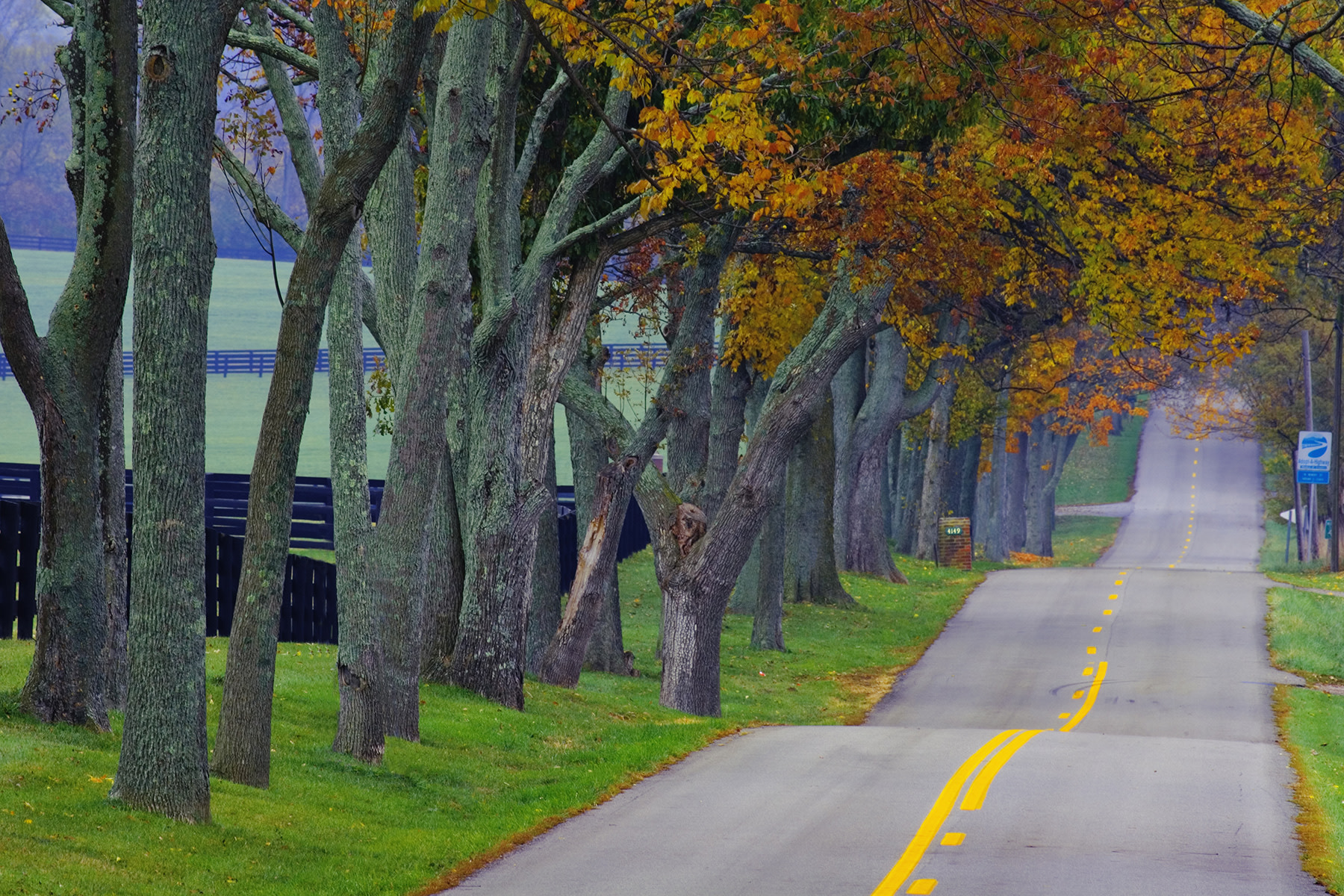
Old Frankfort Pike is the single most scenic drive connecting Louisville and Lexington, and fall is when it peaks. The narrow two-lane road winds past century-old stone fences, horse farms, and hardwood canopies blazing in red, orange, and gold.
Plan roughly 45 minutes for the full stretch without stops — but you will stop. Budget at least 90 minutes with photo pulls.
For the most dramatic overlooks, detour toward the Kentucky River Palisades — towering limestone cliffs that drop straight to the river below. The palisades run along the Kentucky River between Frankfort and Boonesborough, and several pull-off points along KY-1659 and the Fort Boonesborough area offer unobstructed views.
Peak foliage along the palisades typically hits mid- to late October, though this shifts with rainfall and temperature each year.
- Best time to drive: Early morning or late afternoon for golden light on the limestone and fewer cars on the road.
- Navigation tip: Download your route before leaving. Cell service drops in stretches between Frankfort and the river crossings.
- Pair it with: Woodford Reserve or Castle & Key — both sit close to the pike’s western end.
Hiking at Raven Run Nature Sanctuary and John James Audubon State Park
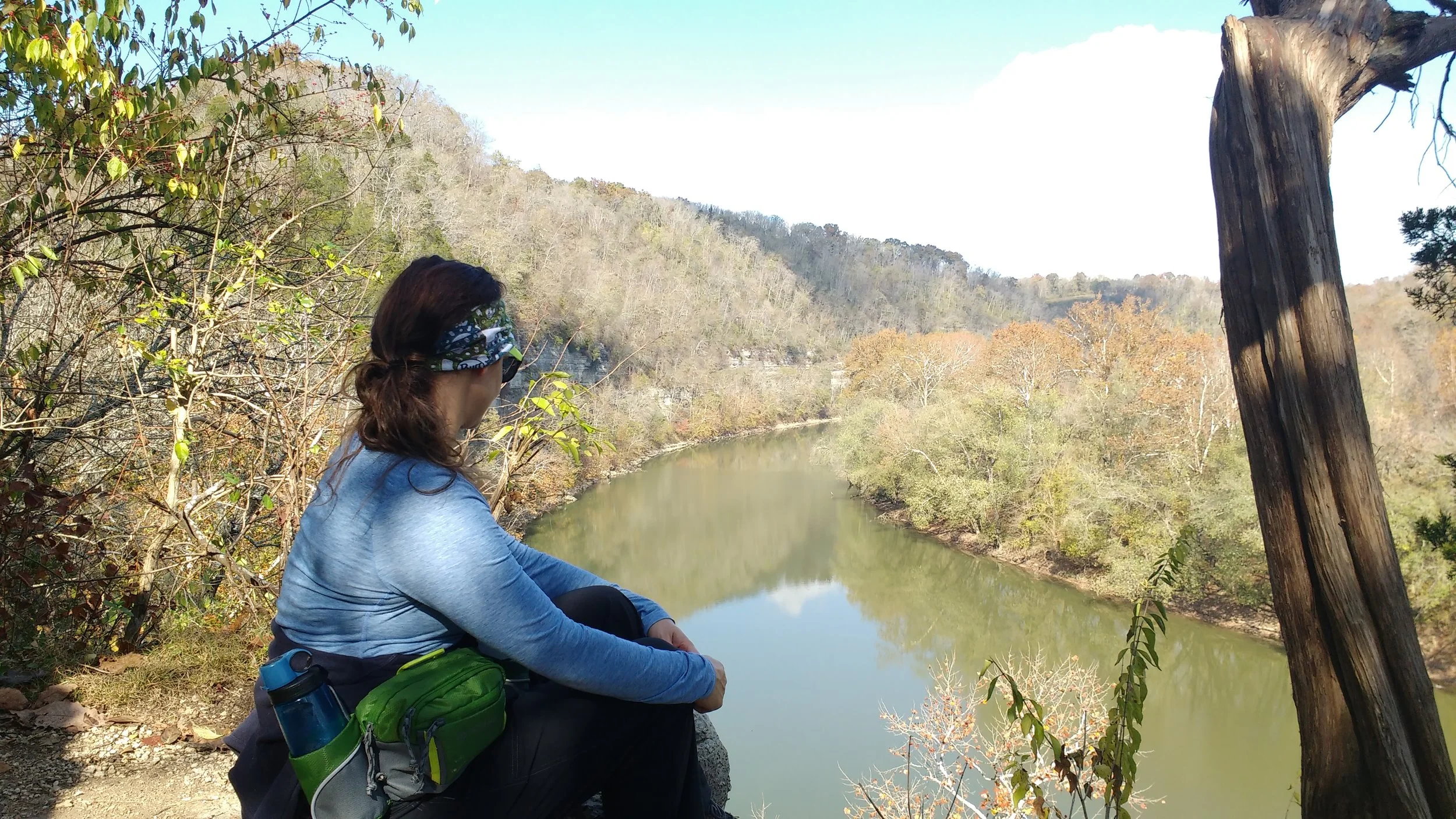
Raven Run Nature Sanctuary, just 20 minutes south of Lexington, delivers the best combination of accessible hiking and sweeping Kentucky River Palisades overlooks near the bourbon corridor. The 734-acre preserve has over 10 miles of marked trails ranging from easy creek-side walks to moderate ridge climbs.
The Palisades Overlook trail is the payoff — a roughly 2.5-mile round trip that ends at a cliff-edge view of the river gorge painted in fall color.
- Hours: Open daily, typically dawn to dusk. Confirm current hours before visiting, as the sanctuary occasionally closes for managed hunts or weather.
- Cost: Free admission.
- Insider detail: Cell service is unreliable on the ridge trails. Download or screenshot the trail map from the sanctuary’s website before you arrive — there’s no reliable signal once you’re past the nature center.
- When to go: Start early. Fall daylight fades fast in the gorge, and the trails are not lit. Aim to be off-trail by 5 p.m. in October.
John James Audubon State Park in Henderson, near the western end of the trail, is worth the drive if you’re routing through the Owensboro or Green River distillery corridor. The park’s 6.5 miles of trails wind through old-growth forest that turns brilliant in late October.
It’s also one of the state’s top birding spots — bring binoculars if that’s your thing. The on-site museum covers Audubon’s years in Kentucky, and the lake trail is flat enough for all fitness levels.
- Pair it with: Green River Distilling Co. in Owensboro, roughly 30 minutes east.
- Best for: Travelers who want a quieter, less-trafficked alternative to the Lexington-area trails.
Bourbon Boat Tours and Horse Country Experiences
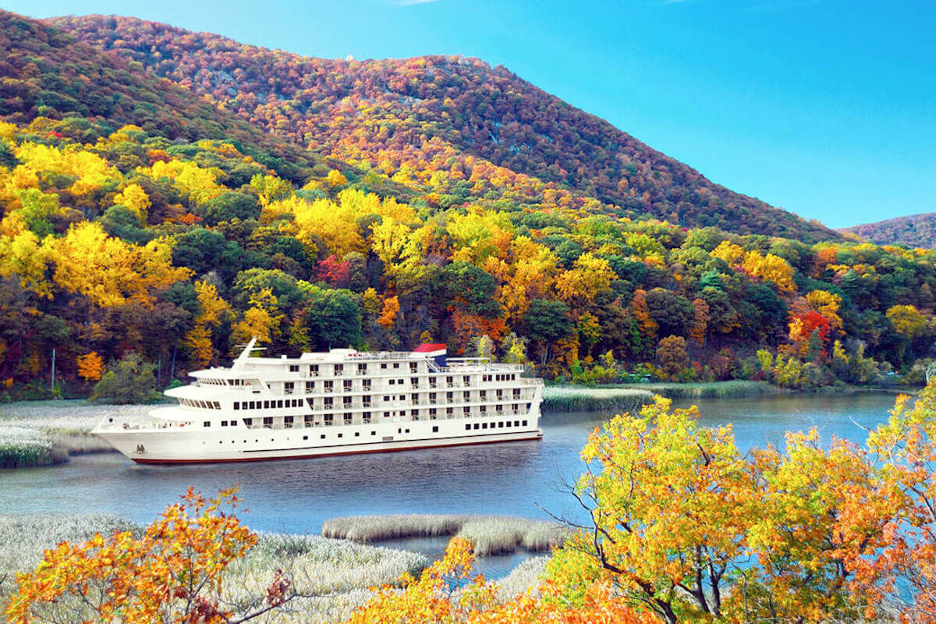
The Kentucky River Palisades aren’t just for hiking — outfitters run guided kayak and canoe trips through the gorge that put you at water level beneath those limestone walls. Paddling the palisades in fall is a standout experience, with the cliff faces and canopy reflected on calm water.
Trips typically run from late spring through mid-November, weather permitting, and usually last two to four hours depending on the route. Expect roughly $50–$80 per person for a guided trip, though pricing varies by outfitter and group size.
Book in advance — fall weekends fill up fast.
Horse country is inseparable from the bourbon corridor, and fall is when the bluegrass farms are at their most photogenic. Keeneland’s fall meet, usually running through October in Lexington, pairs naturally with a trail day — catch morning workouts for free, then hit a distillery by noon.
Beyond the track, several horse farm tours operate in the Lexington area, offering van-based drives through working Thoroughbred operations. These typically run 60–90 minutes and cost around $25–$50 per person.
The farms are private property, so self-driving isn’t an option — guided tours are the only way in.
- Best combo day: Morning horse farm tour near Lexington → Old Frankfort Pike drive → afternoon tasting at Woodford Reserve or Castle & Key.
- Booking window: Reserve horse farm tours at least a week ahead in October. Kayak trips on the palisades should be booked two to three weeks out for fall weekends.
For travelers basing in Lexington, all of these experiences sit within a 30-minute to one-hour drive, making them easy half-day additions between distillery visits. Frankfort works as a quieter overnight base with direct access to both Old Frankfort Pike and the palisades overlooks.
What Transportation Options Work Best for a Fall Road Trip?
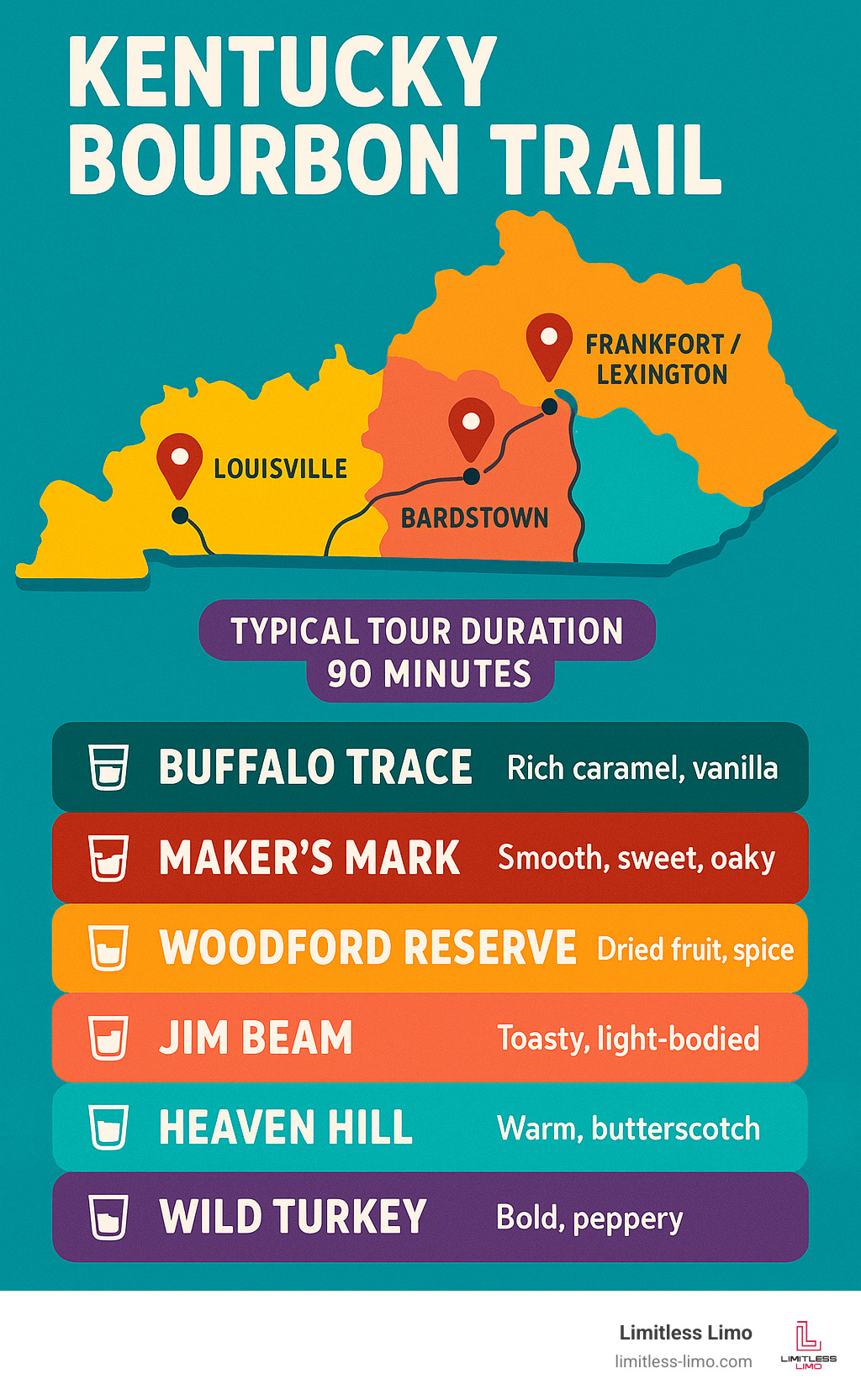
With 68 official stops spread across hundreds of miles of narrow bluegrass backroads between Louisville and Lexington — and every single one involving bourbon tastings — how you get between distilleries matters more here than on almost any other American road trip.
Self-Driving with Designated Driver Rotation
Self-driving gives you the most flexibility, especially for reaching the Craft Tour’s 50-plus smaller producers that guided operators rarely include. But someone in your group has to stay completely sober — Kentucky’s DUI threshold is 0.08% BAC, and rural sheriffs patrol these county roads in fall when visitor numbers surge.
The rotation system that actually works: assign a different driver for each distillery stop. Average tours run 75 minutes on the main trail and 45 minutes on the Craft Tour, giving the designated driver plenty of time to explore the grounds, browse gift shops, and soak in the scenery without tasting.
Swap keys at each parking lot.
- Distances are deceptive. Google Maps might show 30 minutes between stops, but narrow county roads, farm equipment, and peak-season foliage traffic can easily double that. Build in buffer time between reservations.
- Parking is free at every distillery. But lots at marquee names like Buffalo Trace and Maker’s Mark fill by mid-morning on October weekends. Arrive before 10 a.m. or shift those visits to weekdays.
- Rental cars work fine. Pick up at Louisville (SDF) or Lexington (LEX) — both airports sit within 30 minutes of multiple distilleries. Book a midsize or larger; you will want trunk space for bottles.
- Keep purchases cool. Bourbon left in a hot trunk during afternoon tastings can develop off-flavors. Store bottles in the cabin with A/C running or bring a cooler — this is the single tip most first-time visitors miss.
Hiring Guided Tours or Staying On-Site at Distilleries
If everyone in your group wants to taste at every stop, a guided tour eliminates the designated-driver problem entirely. Several operators run multi-distillery day trips from Louisville and Lexington, typically covering three to four stops with transportation, tastings, and sometimes lunch.
Expect roughly $100–$200 per person depending on group size and distillery selection, though prices vary by provider and season.
The trade-off is rigid scheduling. You will not detour to a Craft Tour discovery on a whim or linger at a rickhouse view because the bus says move.
For first-timers who want the marquee experience without logistics, guided tours deliver. For repeat visitors or bourbon enthusiasts chasing experimental mashbills at small producers, self-driving wins.
Staying on-site or within walking distance of a distillery is the underrated third option. A handful of properties — including Castle & Key and Log Still — offer overnight accommodations directly on their grounds, letting you skip driving entirely for at least one leg of the trip.
Bardstown, the self-proclaimed “Bourbon Capital of the World,” and Versailles both sit at the center of the highest distillery concentration, making them strong overnight bases with short drives to morning tours.
| Option | Flexibility | DD Concern | Best For |
|---|---|---|---|
| Self-Driving (Rotation) | Highest — go anywhere, anytime | Requires strict sober-driver swaps | Groups of 4+ who want Craft Tour stops and full control |
| Guided Tour | Low — fixed itinerary and schedule | None — everyone tastes freely | Couples, small groups, or first-timers who want zero planning |
| On-Site Distillery Lodging | Moderate — walk to tastings, drive for everything else | Eliminated for on-property visits | Anniversary trips, splurges, or anyone who wants to wake up on the grounds |
Which Neighborhoods or Areas Offer the Best Fall Accommodations?
Base yourself where the morning fog lifts off limestone-filtered creeks and you can smell the sweet, oaky air from a nearby rickhouse before your coffee’s even brewed. Your lodging choice dictates your daily rhythm: a Bardstown corridor stay puts you in the heart of the action, a Horse Country Airbnb offers pastoral serenity, and a Louisville urban base provides big-city amenities with trail access.
Bardstown Corridor Stays Near Multiple Distilleries
Bardstown is the undisputed epicenter of the Bourbon Trail, making it the most efficient base for hitting multiple marquee distilleries without long drives. Staying here means you’re minutes from Heaven Hill, Bardstown Bourbon Company, and Lux Row, with Maker’s Mark and Willett a short scenic drive away.
The town itself is charming, with a historic downtown square perfect for evening strolls and dinners.
- Best for: First-time visitors and those prioritizing distillery density over nightlife. You’ll maximize tasting time and minimize windshield time.
- Stay style: Look for boutique inns and B&Bs within walking distance of the downtown square for easy dinner access. Chain hotels cluster along the Highway 150 bypass for simpler parking.
- Insider detail: Book a place on the west side of town (toward Springfield Road) for slightly quicker morning access to the cluster of distilleries west of Bardstown, beating the traffic that builds from the east.
Horse Country Airbnbs Between Frankfort and Versailles
For a quieter, more scenic fall retreat, the rolling horse farms between Frankfort and Versailles offer stunning Airbnb and cabin rentals. This area places you perfectly between the state capital’s distilleries (like Buffalo Trace) and the Woodford Reserve corridor, with Lexington’s restaurants a 20-minute drive east.
The foliage here, framed by black plank fences and thoroughbreds, is arguably the trail’s most iconic.
- Best for: Couples and travelers who want a serene, photogenic home base and don’t mind a 20-30 minute drive to most distilleries.
- Stay style: Prioritize properties advertised as “farm stays” or “country estates” on platforms like Airbnb or VRBO. Many are converted guest houses on working horse farms.
- Insider detail: Filter for properties that explicitly mention “no cleaning fee” or “weekly discount.” Many farm owners offer better rates for direct bookings if you find their personal website, bypassing platform fees.
Louisville Urban Options Close to Whiskey Row
If you want urban energy, top-tier restaurants, and easy access to the trail’s starting point, Louisville is your city base. Staying downtown or in the NuLu (East Market District) neighborhood puts you within walking distance of the Evan Williams Bourbon Experience and the start of Whiskey Row, with numerous craft cocktail bars.
It’s also the best launch point for day trips east to the distilleries near Frankfort and Versailles.
- Best for: Travelers who want a full evening scene, diverse dining, and don’t mind starting their day with a 45-60 minute drive to the first distillery.
- Stay style: Boutique hotels in the Whiskey Row historic district offer the most thematic immersion. For more space and value, look at apartment-style hotels in NuLu.
- Insider detail: Valet parking at downtown hotels can run $30-$45 per night. If you’re renting a car, confirm your hotel has a partnership lot or choose a property in NuLu where street parking is more feasible on weekends.
| Area | Best For | Daily Drive Vibe | Book This If… |
|---|---|---|---|
| Bardstown Corridor | Distillery density, first-timers | Short hops (5-15 min) | You want to walk to dinner and minimize driving between tours. |
| Horse Country Airbnbs | Scenery, serenity, couples | Scenic drives (20-30 min) | Your ideal morning is watching mist rise over a horse pasture, not a parking lot. |
| Louisville Urban | Nightlife, dining, city amenities | Highway commutes (45-60 min) | You consider a great cocktail bar and a James Beard-nominated restaurant essential trip components. |
Expect nightly rates to range from $150-$300 for a well-reviewed B&B or boutique hotel in Bardstown, $200-$400 for a private farm Airbnb, and $180-$350 for a downtown Louisville hotel during peak fall foliage (typically mid-October to early November). Book at least 2-3 months in advance for October weekends; weekday stays offer more flexibility and often lower prices.
Frequently Asked Questions
How many distilleries can I realistically visit in one day?
Two to three is the honest sweet spot. Tours run 45–75 minutes each, tastings add another 20–30 minutes, and drive times between stops range from 15 minutes to over an hour.
Factor in lunch, gift shop browsing, and the inevitable “let’s just sit on this patio for a minute,” and three distilleries fill a full day without rushing. Trying to squeeze in four means you’ll either skip tasting notes or speed through the best parts.
On weekdays in fall, you have more flexibility with timing — but the pacing advice still holds.
What’s the difference between the Kentucky Bourbon Trail and the Craft Tour?
The Kentucky Bourbon Trail is the 18 marquee distilleries — Buffalo Trace, Maker’s Mark, Woodford Reserve, Wild Turkey, Four Roses, Heaven Hill, Jim Beam, and the rest of the names you already recognize. These are large-scale operations with polished tours averaging 75 minutes and roughly $18 per person.
The Kentucky Bourbon Trail Craft Tour features 50+ smaller producers, some making fewer than 100 barrels a year. Tours are shorter (around 45 minutes, typically $12), far more intimate, and you’ll often talk directly with the distiller.
The Craft Tour is where you taste experimental mashbills that will never hit store shelves. Do both if you have time — but if you only have a long weekend, start with the marquee trail and add one or two craft stops near your overnight base.
Do I need a car to do the Bourbon Trail?
Yes — a car is essentially non-negotiable. Distilleries are spread across multiple counties between Louisville and Lexington, with rural backroads connecting most stops.
There is no public transit between them. Guided tour companies and shuttle services exist out of Louisville and Lexington, but they limit you to a fixed itinerary and typically hit only two to three distilleries per day.
If you’re booking a guided option, reserve well in advance for fall weekends — they sell out. Designated driver planning is critical: assign someone, use the spit buckets (they’re there for a reason), or book a driver service.
Rideshare availability drops sharply outside city limits.
How much does it cost to do the full Bourbon Trail?
Budget roughly $18 per tour at marquee distilleries and around $12 at craft stops, though prices vary by distillery and tour type. Premium or behind-the-scenes experiences can run $30–$50+.
Across a typical 3-day trip hitting six to eight distilleries, expect to spend $100–$200 on tours and tastings alone. Add gas, meals, and lodging — plan on $150–$250 per night for a decent hotel in Louisville, Lexington, or Bardstown — and a solid long weekend runs $800–$1,500 for two people, depending on dining and accommodation choices.
The Bourbon Trail passport is free at your first distillery stop, and completing it earns a commemorative gift at no extra charge.
Start Planning Your Fall Bourbon Road Trip
Lock in weekday tours at your top two marquee distilleries first — Woodford Reserve and Maker’s Mark sell out earliest in fall. Build your overnight stays around Bardstown for the shortest drives between stops, and book a guided tour service if everyone in your group wants to taste freely without worrying about a designated driver.
Fall on the Bourbon Trail is the rare trip where the golden-hour drive between distilleries is just as memorable as the bourbon waiting at the end of it.
Reserve your October weekday tours and Bardstown lodging now — the best slots vanish months ahead of peak foliage season.
Leave a Reply