Steam rolls off the ice hole at the edge of a frozen lake while your skin prickles from the sauna heat, and somewhere above you the sky smears pale green. Later, a team of huskies goes silent the second they start running, and the only sound is runners on snow at -20°C.
Lapland is the one Arctic destination built entirely around being out there without skis — husky sleds you drive yourself, reindeer sleighs through forest, snowmobiles, icebreakers, and aurora darkness engineered by people who literally switch off the town lights at 10pm for you.
This guide helps you decide three things that shape the whole trip: which base to book, which experiences are actually worth the money, and which month to travel in.
Expect roughly $100 a night for a self-catering cabin, mid-range spend around the $2,160 mark for two on a five-day self-drive trip, and a true splurge like a glass igloo at about £700 a night.
Lapland Without Skis: The Short Version
- Best overall experience: husky sledding — you drive your own sled, and Bearhill Husky is the welfare-focused pick if you want a quieter, more personal run.
- Best base for a non-skiing week: Luosto — walkable, crowd-free, and book a chalet with a private sauna rather than a hotel room.
- Best month to go: February for a first trip, or early-to-mid March for maximum daylight plus solid snow.
- Best aurora hunting without a guide: Lake Inari for a flat, dark horizon, or the Ounasvaara lookout tower above Rovaniemi after 10pm.
- Best splurge: the icebreaker cruise and ice floating out of Kemi — Sampo, Arktis or Polar Explorer.
- Best weather-day fix: Arktikum in Rovaniemi, or Siida in Inari for Sámi culture and context.
Northern Lights Hunting Without Skis
Ounasvaara’s lookout tower above Rovaniemi switches off its lights at 10pm each night — a deliberate move to kill light pollution for people standing up there waiting for the sky to move. That single detail is the whole aurora game in Lapland: darkness, not distance, is what you are actually chasing, and everything below is about finding it without strapping on anything.
Set expectations first. Most displays at this latitude start as a pale, slow-moving arc or a faint green smear that you almost mistake for cloud, then intensify into curtains and pink-edged columns if the storm builds.
Photos will look more vivid than what your eyes register — that is normal night vision, not a disappointing night. A “quiet” display is still a sighting worth standing in the cold for.
Where and when to look
Aurora season runs from late August or early September through early April. Winter is the reliable half of that window, and the lights can appear any clear night within it — this is not a dawn-only or festival-date phenomenon.
- The Kp scale (0–9): it measures geomagnetic storm strength, and it is the number forecast apps show you. Kp 5 is the official storm threshold — bright, overhead, hard-to-miss activity. In practice, Lapland sits far enough north that Kp 3–4 is plenty: you will see real aurora at that level, often overhead rather than on the horizon. Do not cancel a night because the forecast says Kp 2.
- The equinox bump: late September and late March statistically produce stronger geomagnetic activity than midwinter. If your dates are flexible, those shoulder windows are the smartest gamble for a vivid show.
- Lake Inari: the strongest choice for a flat, unobstructed horizon and almost no light dome — the frozen lake is your viewing platform. It is remote, so only go if you are already based in the far north and can get there safely.
- Sirkkajärvi: the closer-to-hub alternative for open water views and fewer trees blocking the sky.
- Ounasvaara lookout tower: the low-effort option — a short climb for a wide, elevated view with the town lights behind you rather than in front of you. After 10pm it is properly dark up there.
Do you need a guided aurora tour?
Skip the tour if you have a car, several nights, and the patience to sit in a warm vehicle and wait. Guided trips are genuinely worth it in exactly three cases: you have no car, you have only one or two nights, or the sky is cloudy at your base — guides chase holes in the cloud cover and drive to darker ground, which is the one advantage DIY cannot match.
Otherwise, save the money. Pick a dark spot, check the forecast hourly after dusk, and give any single sighting at least an hour before you move on.
One caveat: if aurora is the entire reason for this trip and you are flying a long way, book one guided night as insurance and treat everything else as bonus.
Apps, forecasts and live webcams to use
Install more than one — they update on different cycles and disagree often enough that averaging them is the only honest strategy.
| Tool | What it is best for |
|---|---|
| Space Weather Live | Reading the raw numbers — Kp, solar wind speed, Bz. Best for people who want data, not encouragement. |
| Aurora App | Clean, readable forecasts for a non-expert; good first app to open at dinner. |
| Aurora Alert-Realtime | Push alerts when activity spikes, so you are not refreshing anything manually. |
| Aurora Notifier | A second alert layer — useful redundancy when one app misses a sudden surge. |
| Aurora Forecast | A quick multi-day outlook to help you decide which night to stay up late. |
Before you leave your accommodation, pull up the Levi and Rovaniemi/Apukka live webcams. They answer the one question apps cannot: is the sky actually clear right now.
If the webcam shows cloud, stay put and check again in an hour rather than driving to a viewing spot to look at white sky.
Winter Activities in Lapland That Don’t Require Skis
A team of huskies can pull you across a frozen lake at 25 km/h while the temperature sits at -20°C — and not one of these experiences requires you to own, rent, or understand a pair of skis. Here is what is actually worth your money, in the order you will encounter it.
Husky sledding
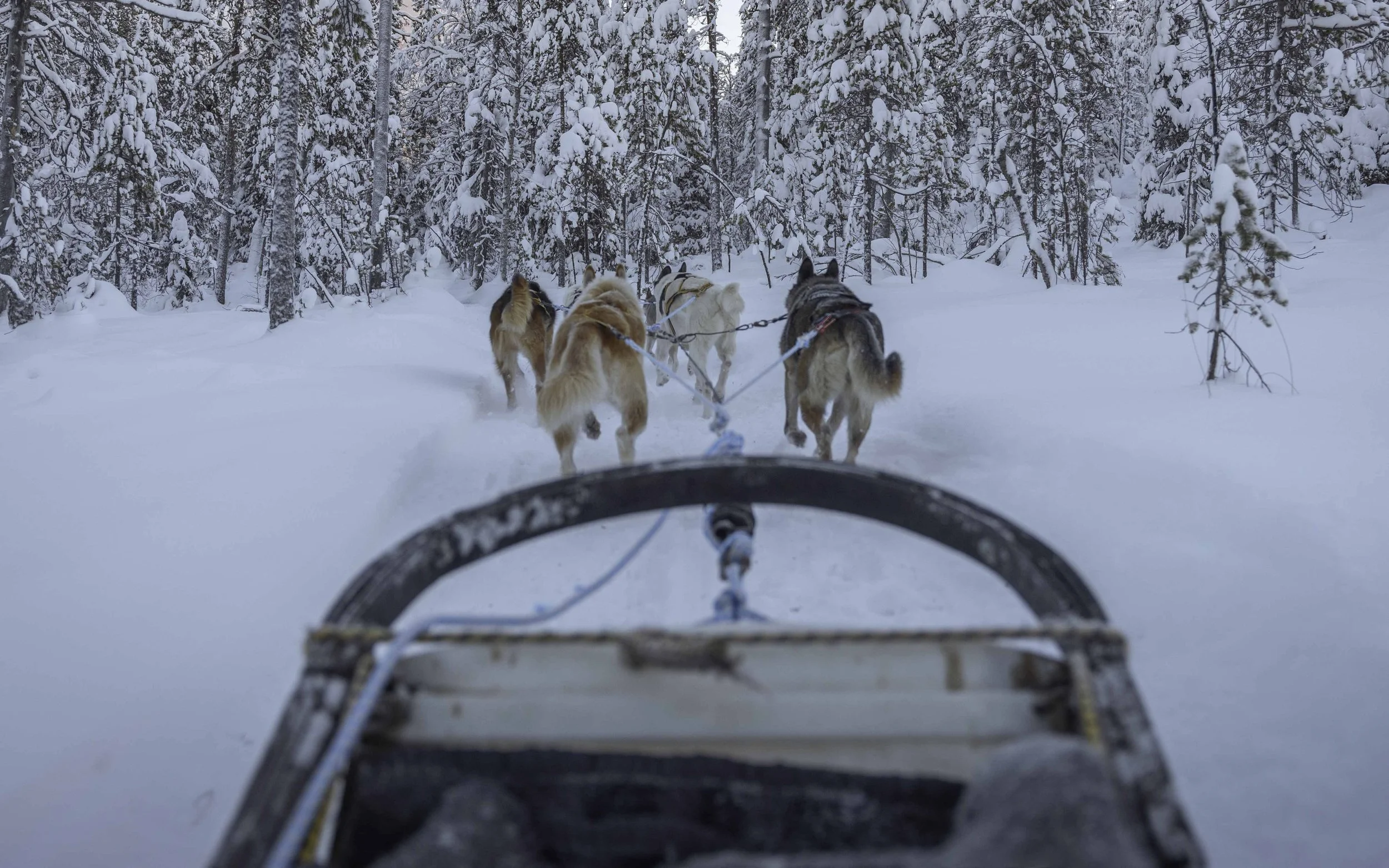
This is the single best activity in Lapland for a non-skier, and I would build the trip around it. You drive your own sled, which turns a passive ride into something you actually do.
Expect to pay around €150 or more per person for a 5–10 km route, though prices vary by season and provider.
- Bearhill Husky: Smaller, welfare-focused outfit with genuinely happy dogs. Best pick if you want a quieter, more personal run.
- Hetta Huskies: The serious operator for longer routes and multi-day options near Hetta.
- Happy Huskies: Good short-format option if your schedule is tight.
Insider detail: the dogs are loudest and most chaotic at the starting line, then silent once they are running. That noise is anticipation, not distress — do not let it put you off.
Reindeer farm visits and sleigh rides
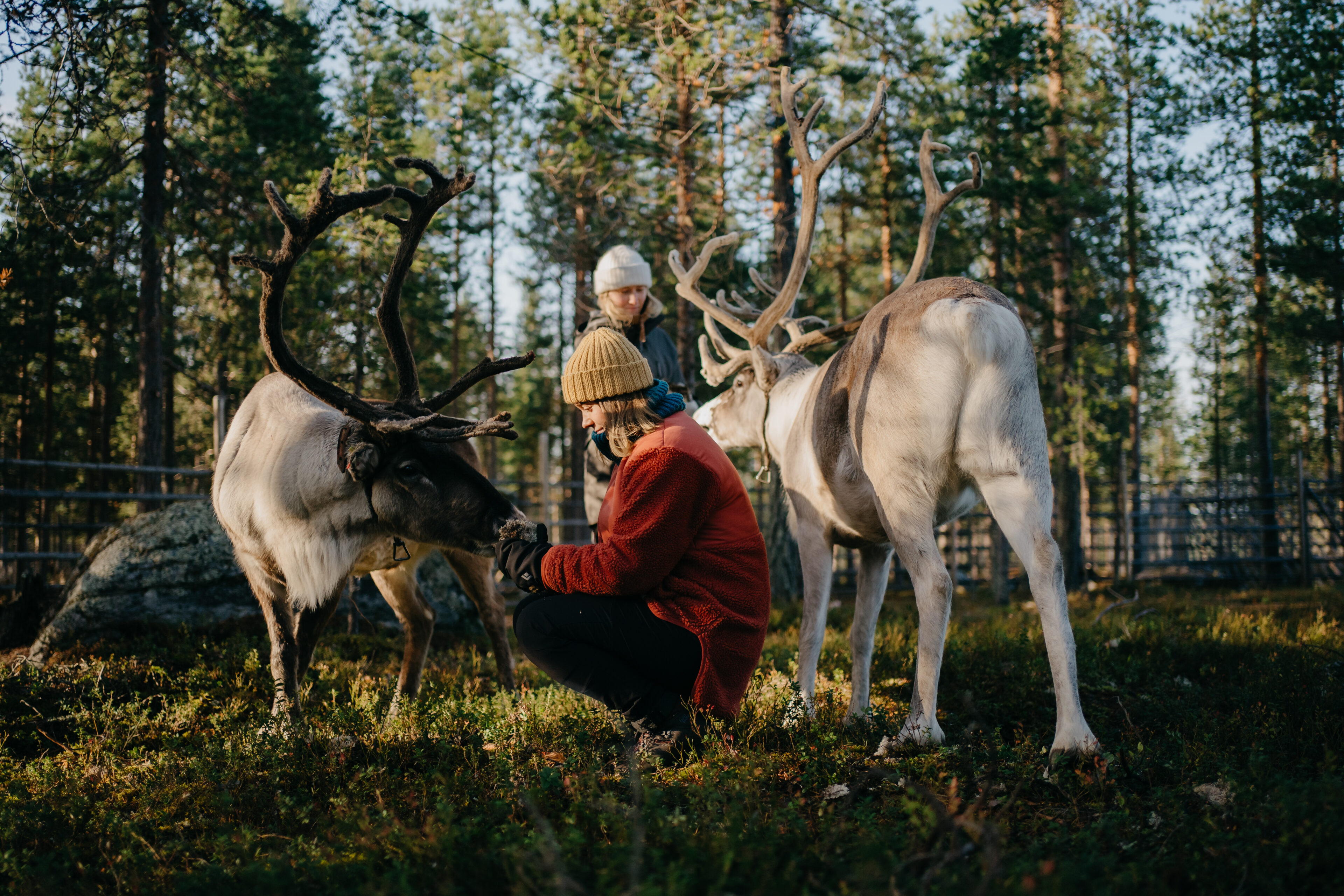
Reindeer herding is Sámi livelihood, not a theme park invention, and the best farms let you see that difference. Three tiers exist — pick one, not all three.
- Farm visit (€25–35): Feeding, meeting the herd, hearing the herding story. Best value for families.
- Short sleigh ride (€40–45): Add the iconic forest glide. This is the sweet spot for most visitors.
- Long safari (€115–135): Only worth it if you want time in the wilderness, not just the photo.
Konttaniemi is the farm I would book first, with plenty of others spread across the region near Rovaniemi, Levi and Inari. Every visitor who completes a reindeer safari can claim a reindeer driving license — it is a joke souvenir, but it is also the most oddly satisfying €0 you will spend.
Snowmobile safaris
Snowmobiling is how you cover real distance without any fitness requirement, and it beats husky sledding for anyone who wants speed and distance over sentiment. Tokkasafaris, Arctic Attitude and Kinos Safaris all run guided safaris; book a half-day route rather than a short loop, because the short ones stay on groomed tracks near the base.
Snowshoeing and winter hiking
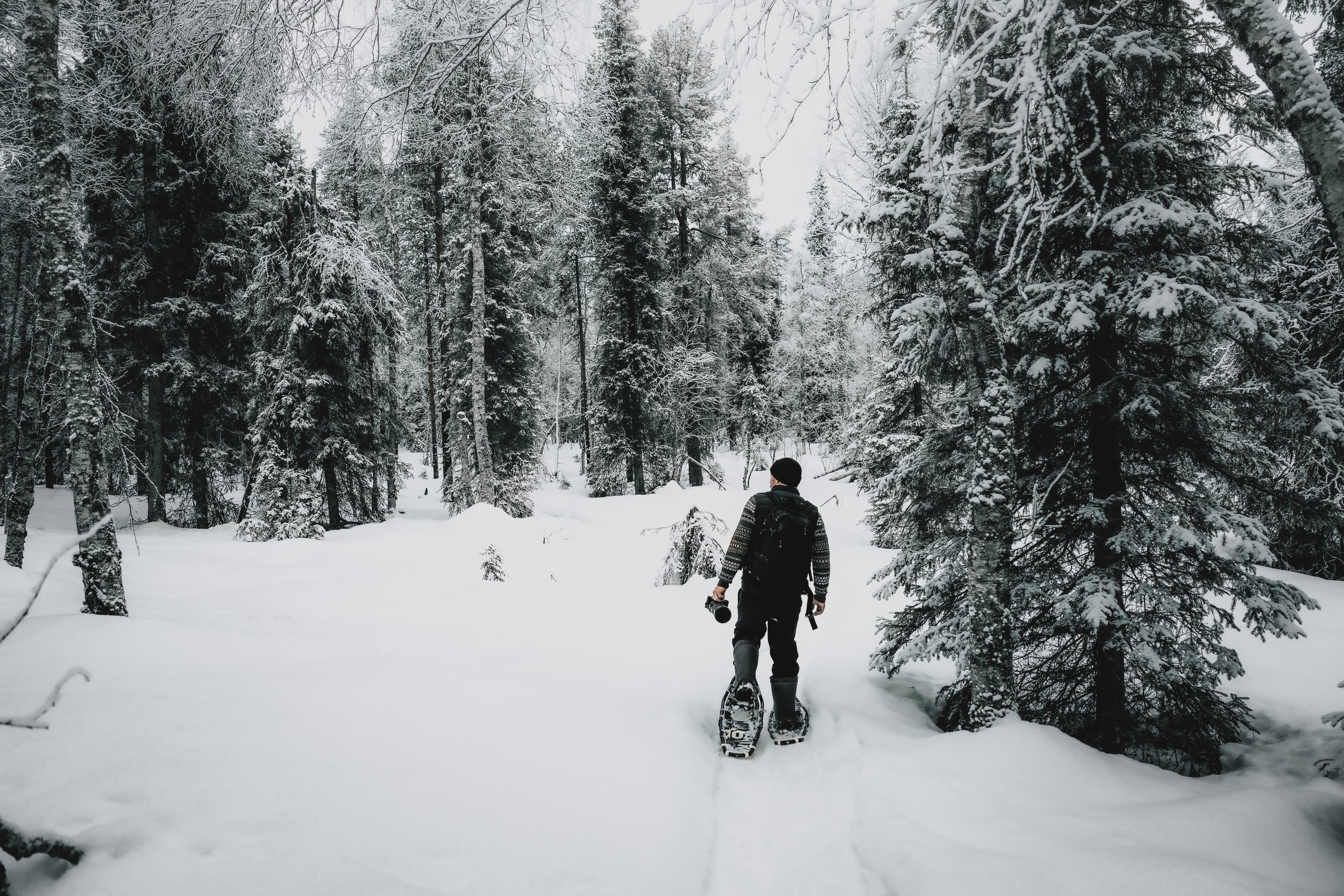
Snowshoes are the only way to leave the trail, which is exactly where the photography happens — untouched snow, weighted spruce, no ski tracks cutting the frame.
- Korouoma: A 5 km loop through frozen waterfall country, with microspike rental around €12 at the trailhead. The most photogenic walk on this list.
- Ounasvaara: A 3.2 km winter trail near Rovaniemi that works as a short half-day outing.
Ice fishing on a frozen lake
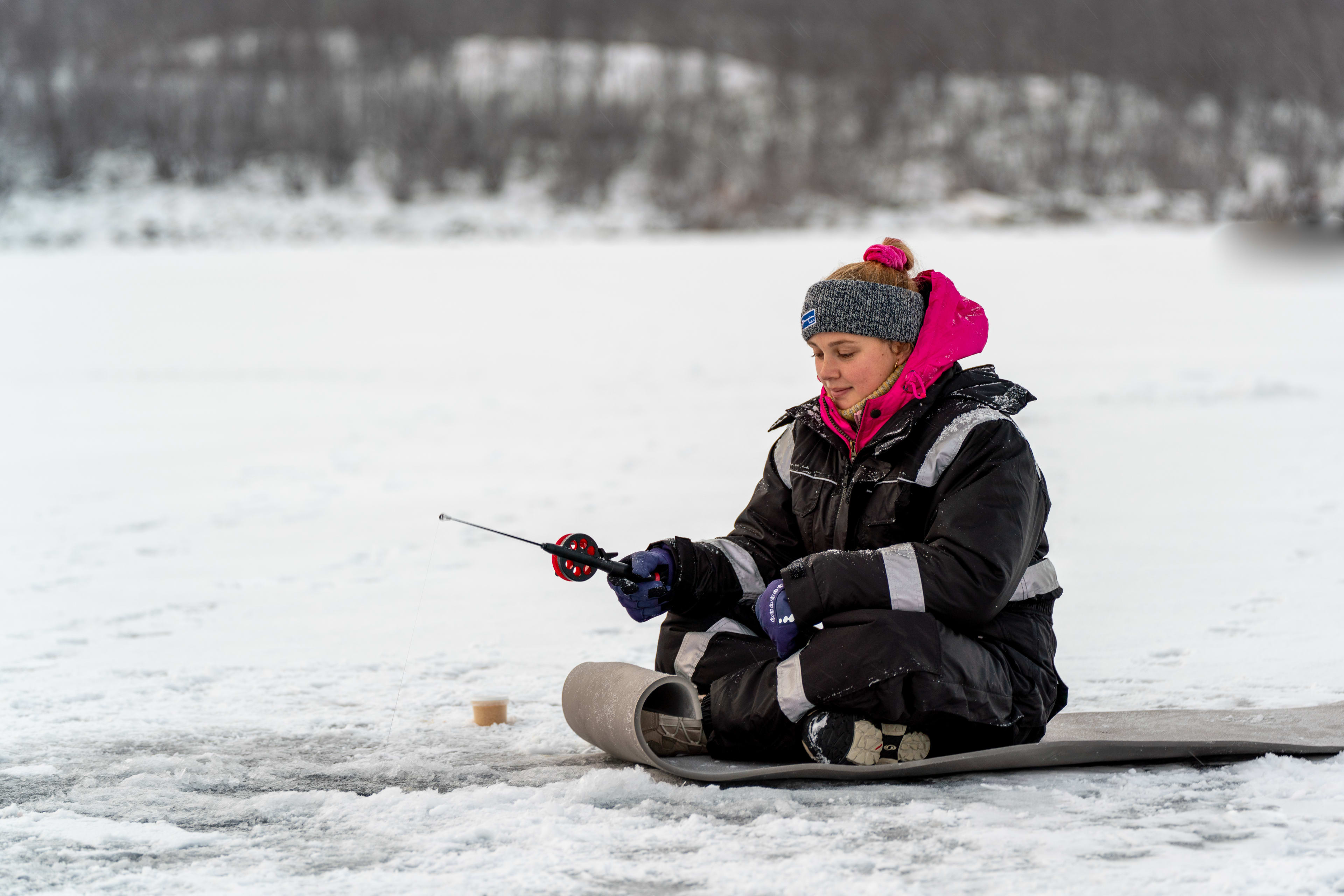
Ice fishing is a genuine Finnish hobby rather than a tourist invention — most Finns were dragged out to a frozen lake as children and either kept it or rejected it forever. Book a guided tour and you get the drilling technique, the hole, the line, and a fire to sit beside; catch a fish and you may cook it on the spot.
Go for the stillness, not the catch.
Icebreaker cruise and ice floating
The icebreaker cruise is the one splurge that justifies itself: you sail through a frozen sea, then float in a survival suit among broken ice. Plan on a three- to four-hour experience, depending on route and operator.
- Sampo and Arktis: Both sail from Kemi.
- Polar Explorer: Sails from Båtskärnäs.
- Standalone ice floating: Safartica and Nordic Adventures run it without the ship — cheaper and arguably more memorable, since the silence is the point.
Snow castles, ice bars and igloo stays
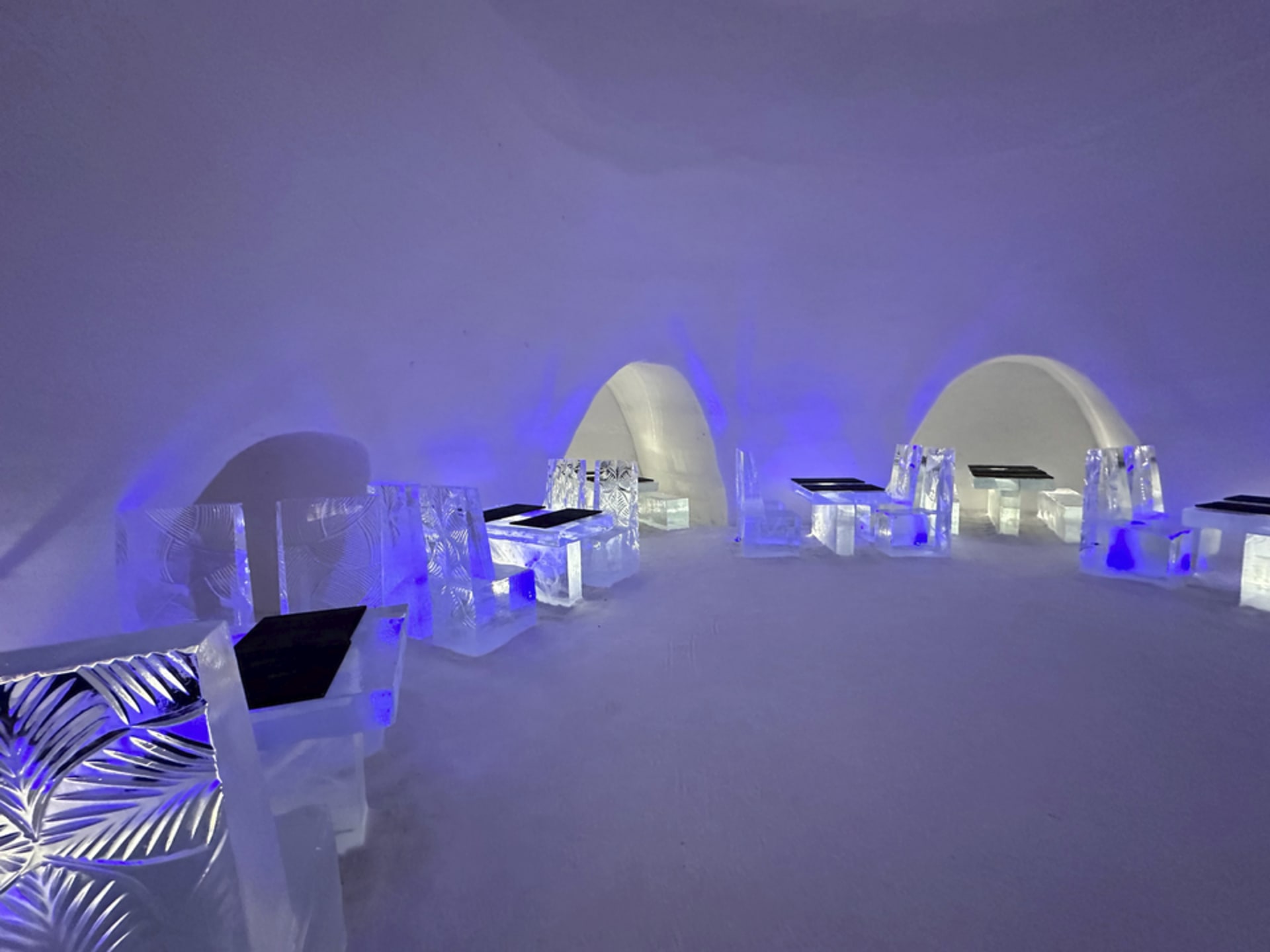
The Snow Village in Kittilä is rebuilt every winter from roughly 20 million kg of snow, and that ambition is visible in the sculpture work. Entry is around €25 and it usually runs from late December to early April — confirm exact dates with the operator, because opening shifts yearly.
The Kemi SnowCastle SnowExperience 365 is the disappointment here: it is a refrigerated warehouse-style hall kept cold enough to hold snow sculptures year-round, with ice slides and an ice bar. If it comes bundled with your icebreaker ticket, take it.
I would not pay separately for it.
Finnish sauna and ice swimming
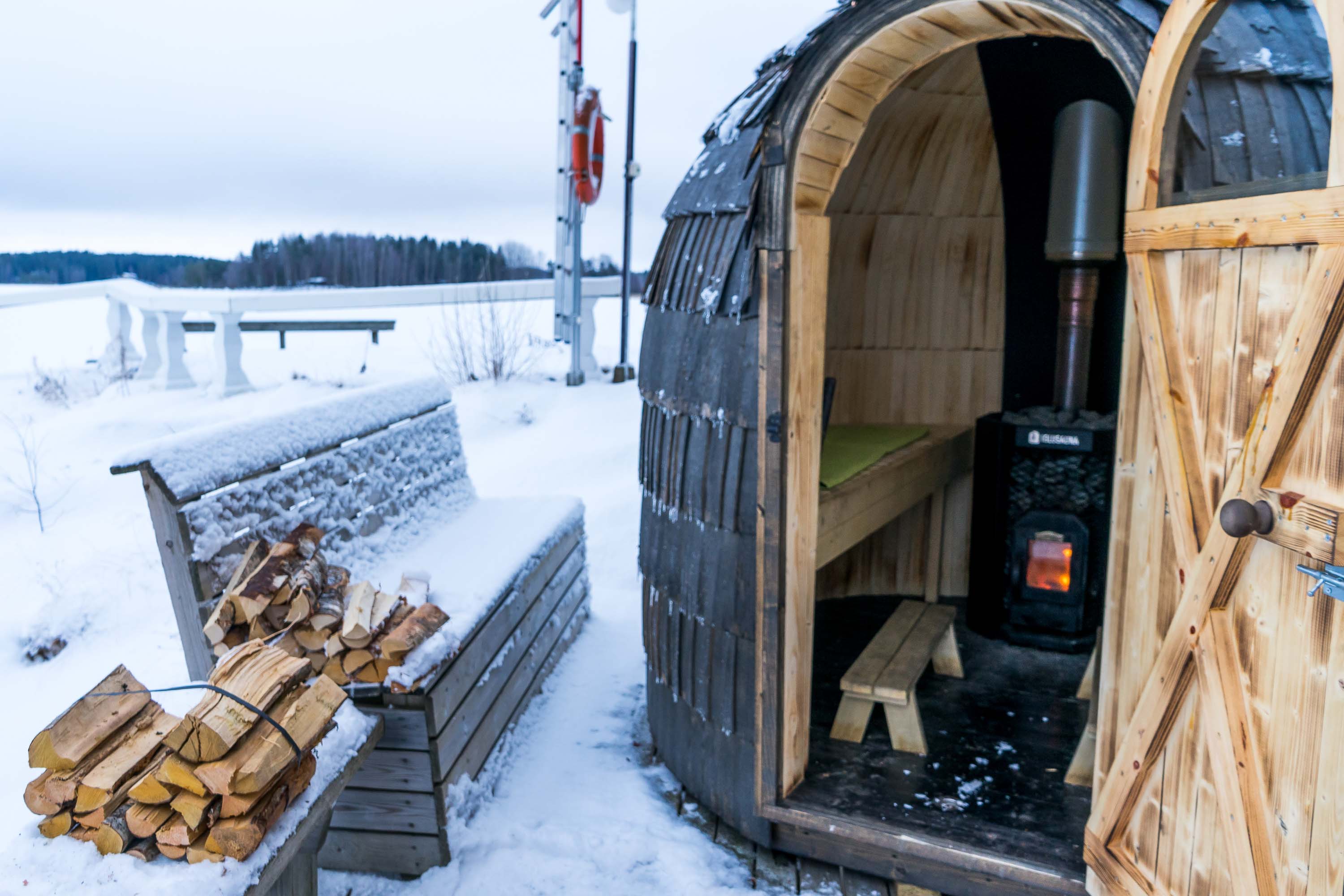
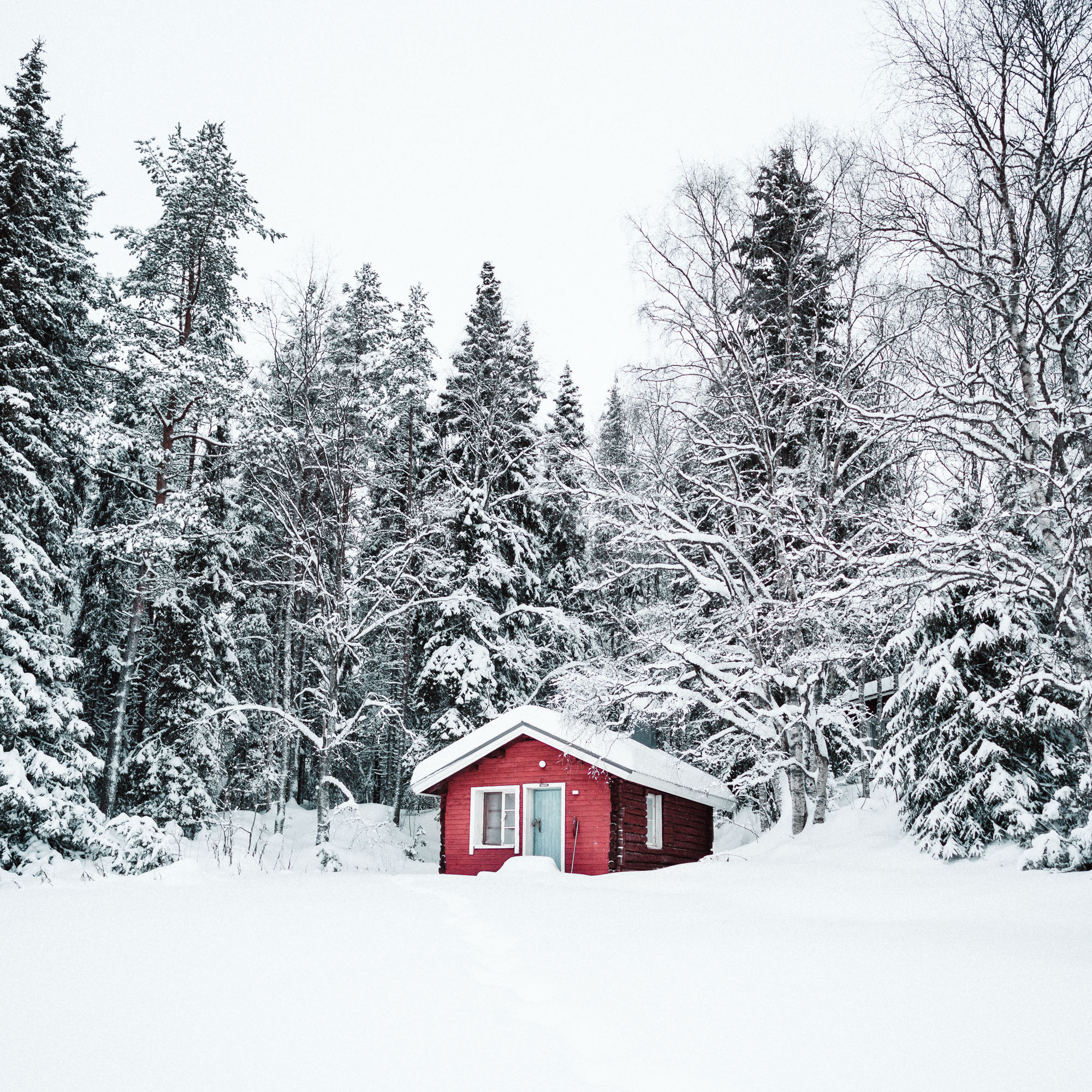
The Finnish ritual is simple and non-negotiable: sauna until you are roasting, then a dip in a hole cut into lake ice, then back in. It is a cultural institution, not a spa gimmick, and most chalets with a private sauna let you do it on your own schedule.
Bring your bathing suit and a towel; the shock of the water lasts about four seconds.
Museums, Sámi culture and Santa Claus Village
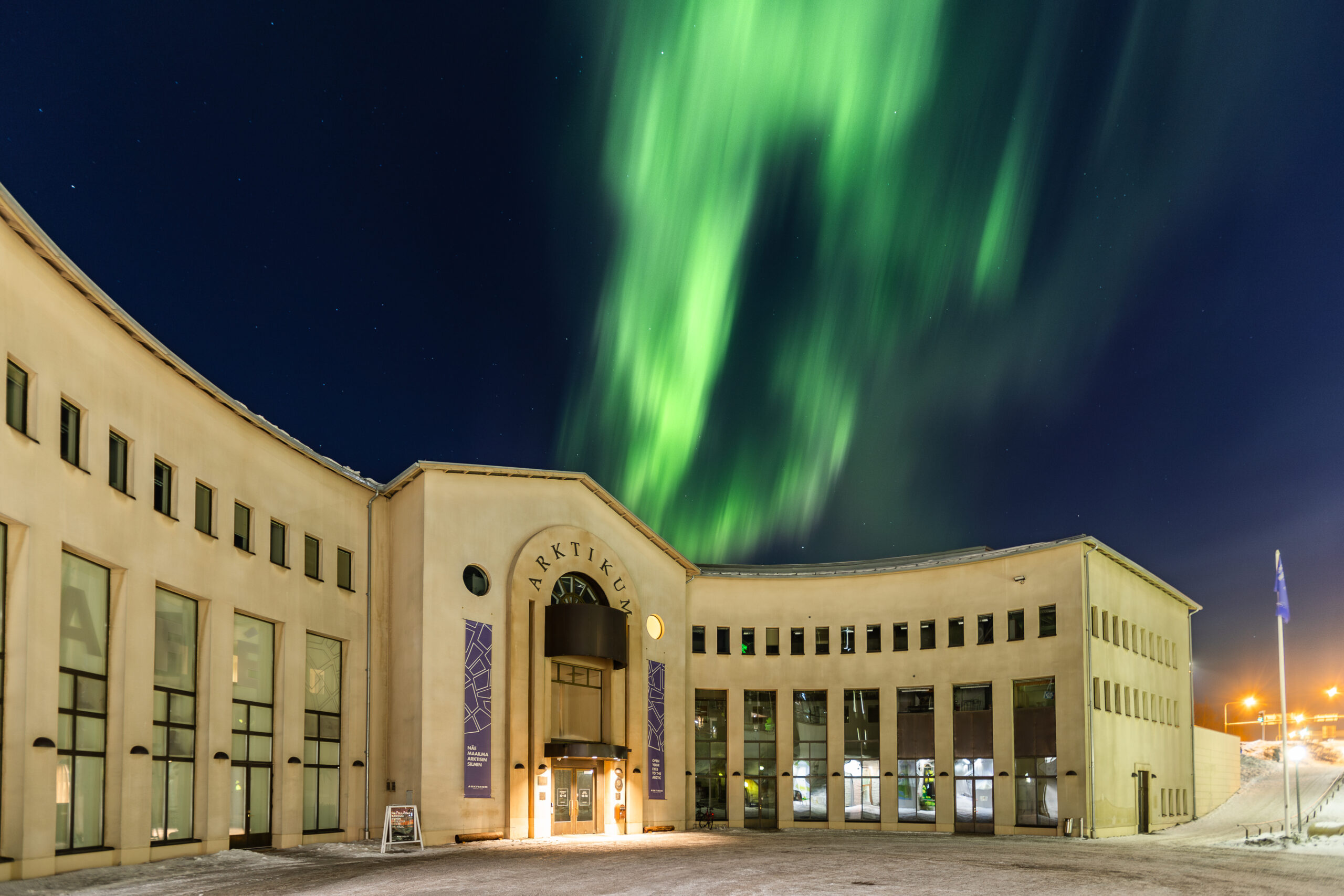
Weather days are real in the Arctic, and these three are where you want to be when one hits.
- Arktikum, Rovaniemi: The best single introduction to Arctic science and history in the region.
- Siida, Inari: The definitive Sámi museum and nature centre — go here for cultural context, not souvenirs.
- Samiland, near Levi: A useful stop if you are already based in Levi.
Pair a museum morning with a wilderness kota dinner — a meal cooked over open fire in a traditional Sámi-style hut — for the contrast of Arctic storytelling and Arctic food. For something active instead, fat-tire biking on packed snow is the closest non-skier equivalent to a ski run and works well on the same groomed lake trails as the snowmobile routes.
Santa Claus Village itself sits within the Rovaniemi base itinerary, which is where I break down whether it is worth your day.
Where to Base Yourself in Lapland If You Don’t Ski
Luosto is a village you can walk end to end in twenty minutes, with essentially zero crowds and no tourist hotels — and it still sits only about ninety minutes from Rovaniemi Airport by car. That combination is my pick for non-skiers who want quiet.
The four bases below each win for a different reason, so match the town to your trip rather than the other way round.
Rovaniemi
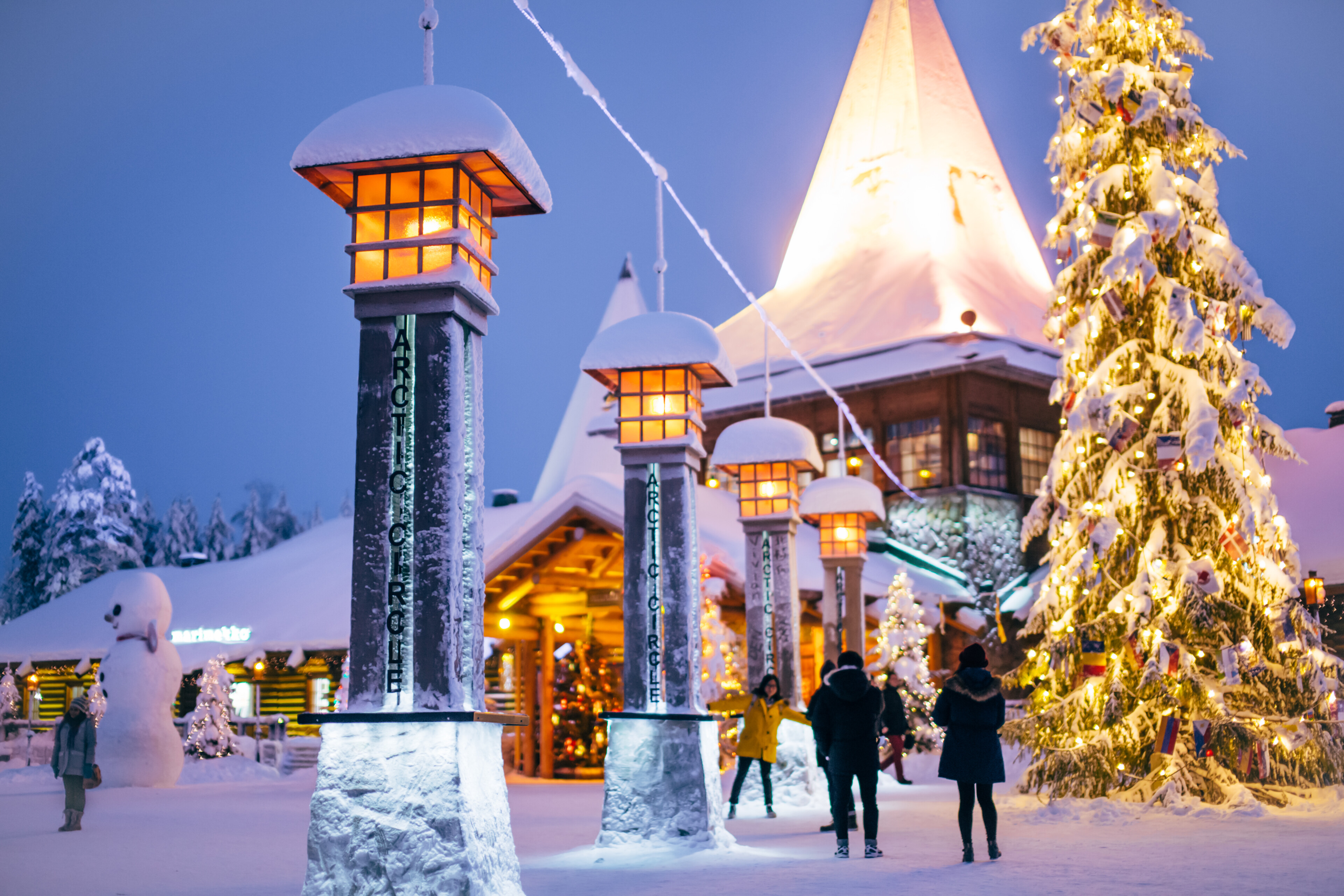
Rovaniemi is the logistics hub: the most flights and the overnight train arrive here, the tour operator bench is the deepest in Lapland, and it is the only base where you can book things on short notice. Stay in the city, not at Santa Claus Village.
The village is free to enter, but every experience inside is priced for a once-in-a-lifetime family visit:
- Santa photos: start around €55, depending on the package and season.
- Mrs. Claus: roughly €5 for a short visit.
- Santa’s Pets: around €15.
- Reindeer sleigh: about €30 for the short lap, €50 for the longer ride.
- SantaPark: about €45 for entry.
Insider detail worth knowing: the painted Arctic Circle line at the village is not the real one — the actual circle runs roughly 2 km north of where it is marked. Go if children believe in Santa; otherwise budget an hour, take the photo with the marker, and spend the rest of your day on real excursions.
Luosto
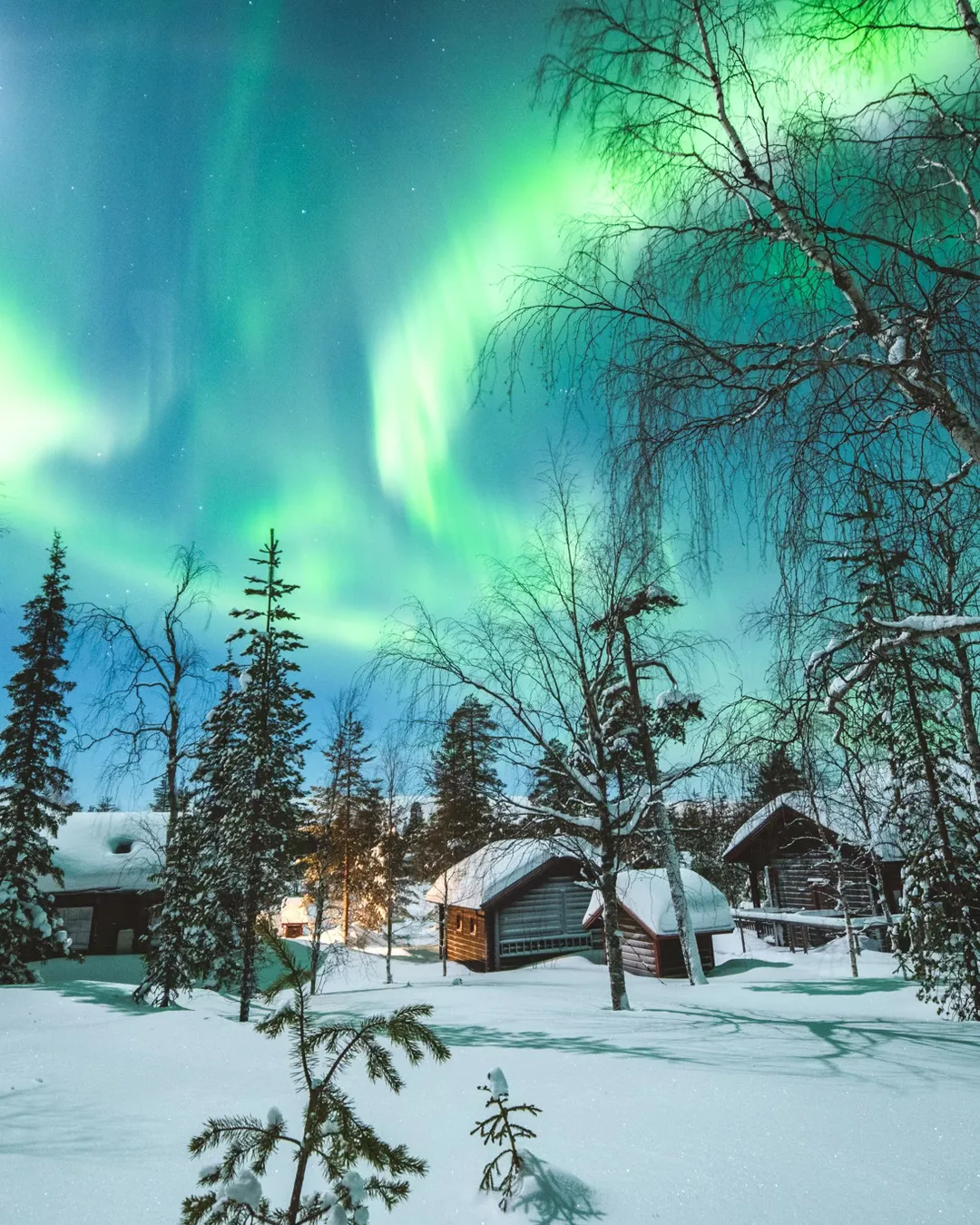
My actual recommendation for a non-skiing week. Book a chalet or cabin rather than a hotel room: the kitchen keeps meal costs sane and the private sauna is the daily reward after a cold afternoon, which is where the chalet format quietly beats a resort stay.
- Getting there: about 1.5 hours by taxi from Rovaniemi Airport, or roughly 2 hours by bus — confirm current schedules with the operator.
- Local operator: Lapland Safaris runs the village’s snowmobile, husky and snowshoe outings, so you can book everything without a car.
- Splurge option: the glass igloos at Santa’s Hotel Aurora Luosto run around £700 per night. Worth it for one night if the sky is the trip; otherwise the cabins win on value.
Levi and Ylläs area
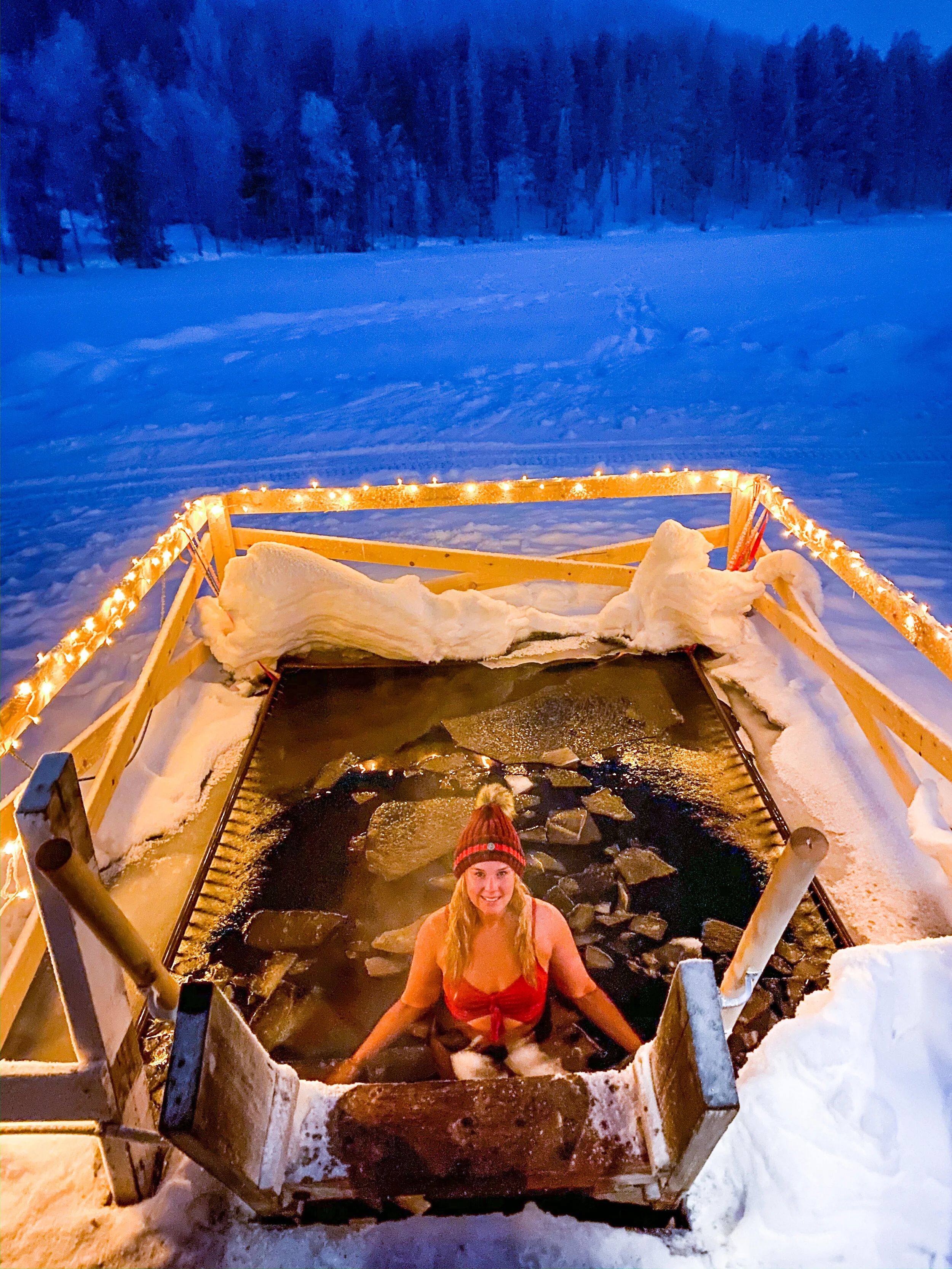
Levi is the most resort-like base in Lapland and the best pick if your idea of a winter day is a long spa session and a good dinner — it has the widest concentration of restaurants, rentals and services outside Rovaniemi. It is also the practical base for the Snow Village built near Kittilä each winter. Choose Ylläs instead if you want more cabin-style accommodation and fewer resort crowds; Levi wins on convenience, Ylläs on quiet.
Saariselkä, Ivalo and Inari
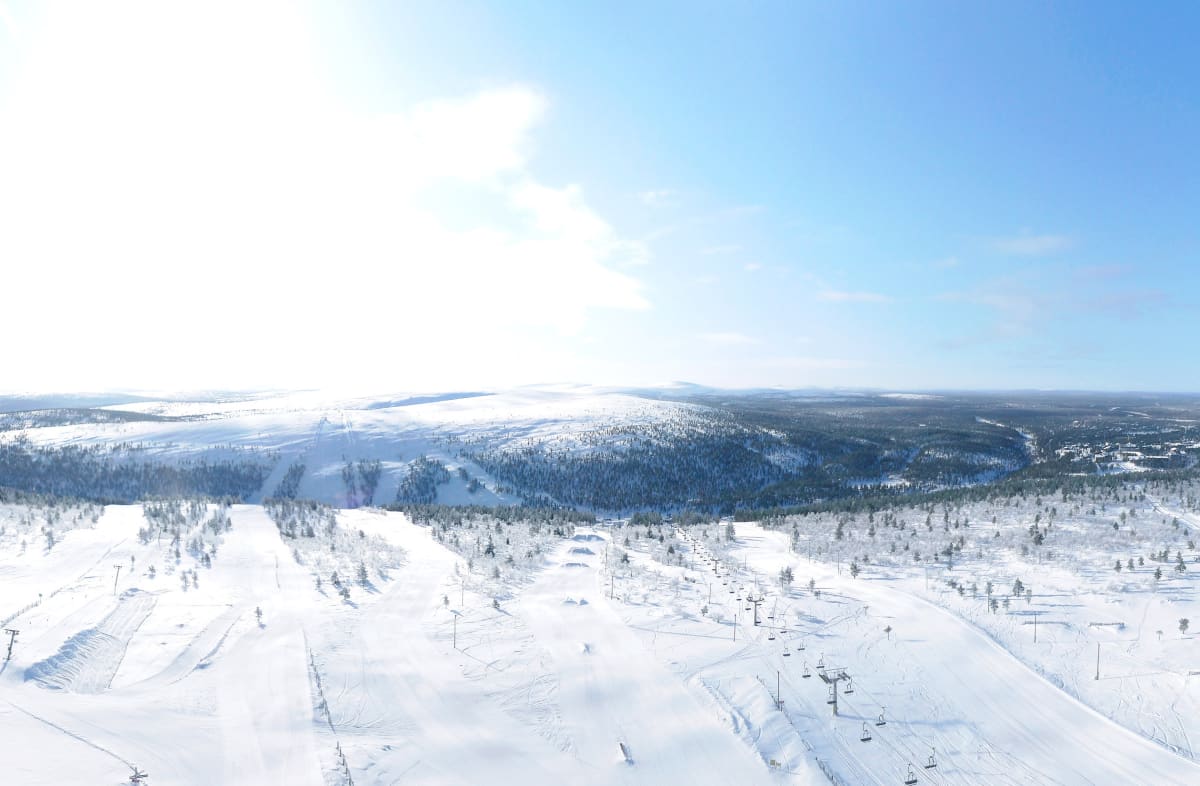
Fly into Ivalo for this stretch — it is the northernmost of the region’s airports and puts fell scenery and dark skies at your doorstep. Saariselkä is the livelier village with the easiest services; Inari is the pick for anyone prioritising Sámi culture and stillness over restaurants and nightlife. This is the base I choose when northern lights are the reason for the trip, and it is the weakest choice if you want lots of dining and shopping.
Kemi
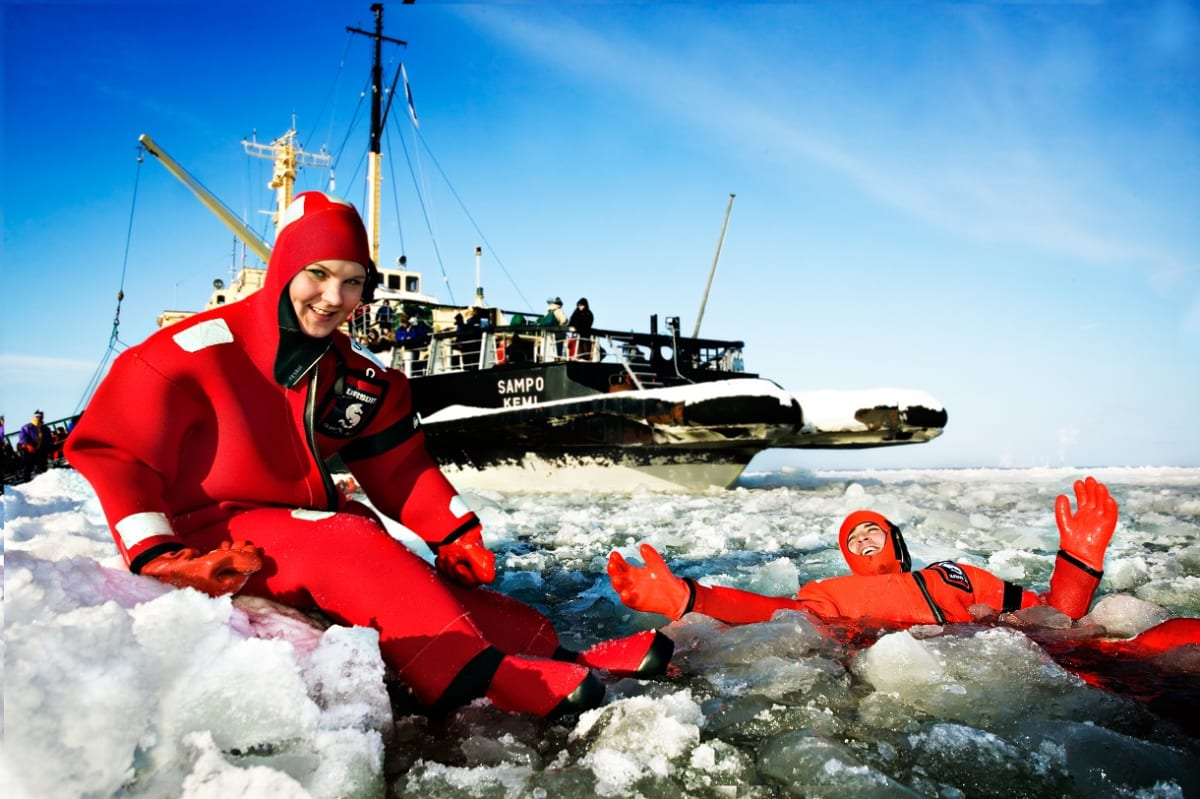
Kemi sits on the Gulf of Bothnia, south of the Arctic Circle, and exists on this list for one reason: the icebreaker cruise across the frozen sea, the excursion nowhere else in Lapland can offer. The town itself is small and quiet and works well as a coastal stop between Rovaniemi and the Swedish border rather than as a full-week base.
When Is the Best Time to Visit Lapland in Winter?
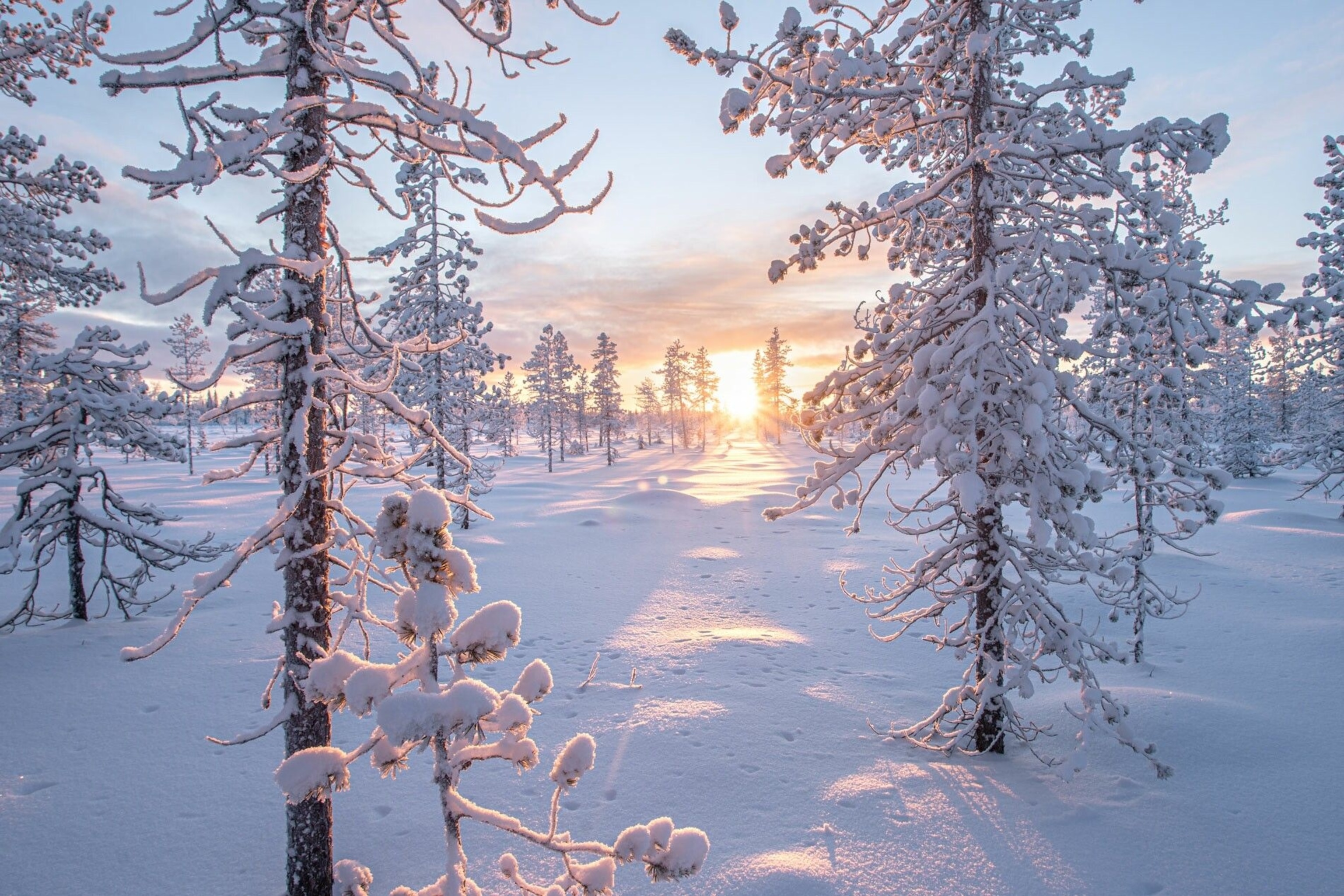
The winter season runs from November to mid-April, and daylight — not temperature — is what actually shapes your trip. Rovaniemi’s usable light swings from about two and a half hours in December to over twelve in March, and that difference decides how much you can fit into a day before dinner.
| Month | Daylight in Rovaniemi | What it means for your plans |
|---|---|---|
| November | Roughly 7 hours down to 4 | Snow cover is not guaranteed yet |
| December | About 2.5 hours | Shortest days of the year, deepest winter mood |
| January | About 6 hours | Sun returns, prices drop after the holidays |
| February | 6 hours growing to 10 | Snow still deep, days usable |
| March | 12 to 13 hours | Full outdoor days, shoulder-season pricing |
Temperatures run consistently cold across the window: expect daytime highs around -5°C, overnight lows of -10 to -20°C, and cold snaps reaching -35°C in January and February. That is manageable with the right layering — and a reason to build a hot sauna into every evening rather than treat it as a luxury.
December and January
Farther north, around Saariselkä and Inari, polar night means the sun does not clear the horizon from roughly early December to early January — while Rovaniemi still holds on to its two and a half hours of blue light. Choose December for atmosphere and holiday energy; choose January to actually see the landscape.
- January’s real advantage: prices fall after the New Year crowds leave while daylight doubles. If you want the classic snow-laden forest look, January through March is the window for the frozen trees at Riisitunturi.
- December’s trade-off: maximum charm, minimum usable light. Do not stack two excursions into one day.
- Weather reality: January carries the year’s worst extremes, so plan flexibility for any activity that depends on visibility or safe ice.
February
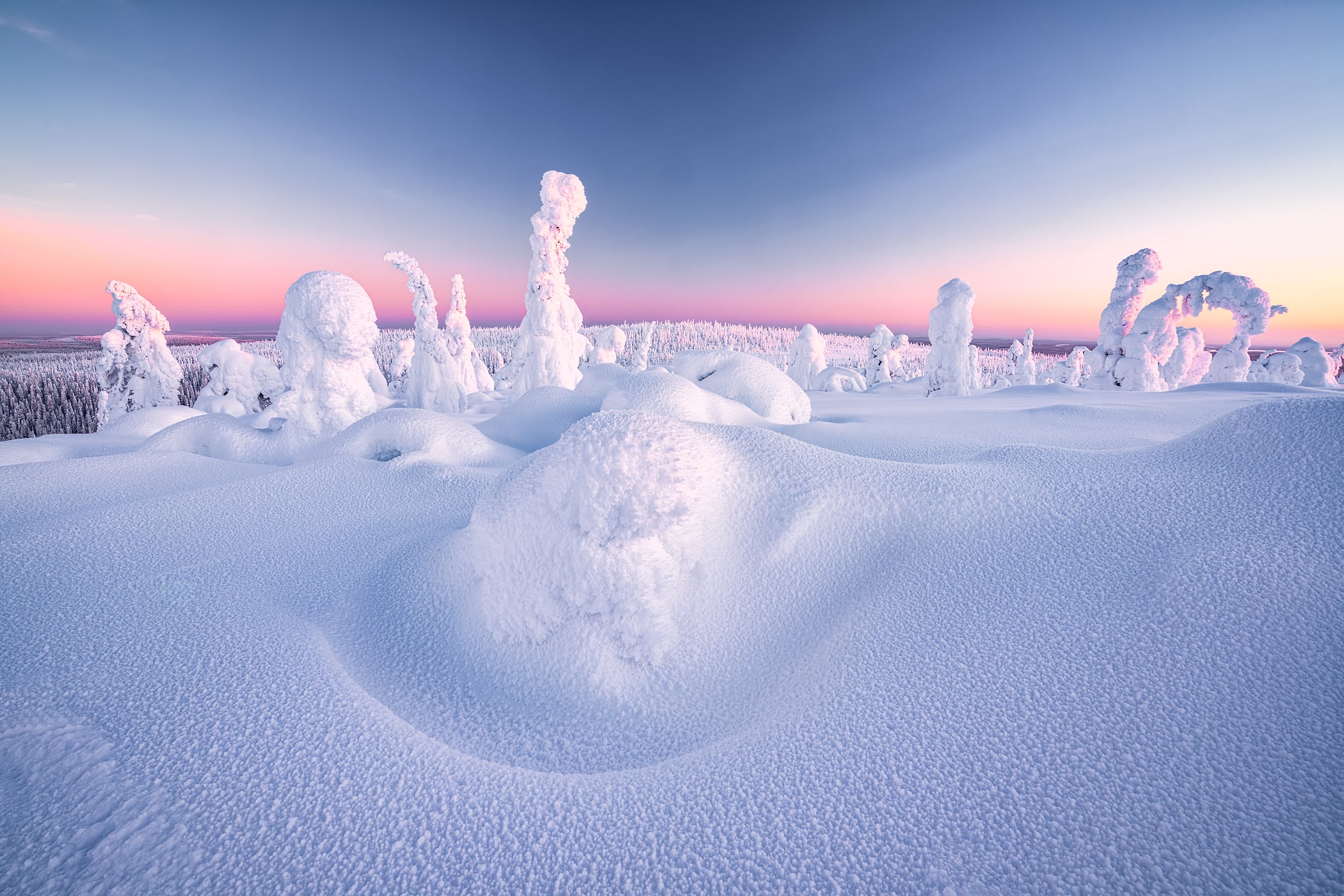
February is the month I would book for a first non-skiing winter trip. Snow is deep and reliable, daylight climbs fast from around six hours toward ten, and the brutal January cold usually eases slightly.
You get full mornings for a husky or reindeer outing and still have afternoon light left for a trail.
March and early April
March delivers 12 to 13 hours of daylight around the equinox, typically clearer skies than midwinter, and shoulder-season deals as demand softens. Late March can feel almost mild at roughly 2-4°C in the middle of the day.
- Pick early-to-mid March for maximum daylight plus solid snow — the strongest all-round combination.
- Pick late March if you want longer, warmer days and accept that surfaces get slushy in towns by afternoon.
- Avoid late April: activities wind down as operators close for the season, and snow cover turns unreliable fast.
Insider detail: November is the one month I would skip despite the low prices. Snowfall timing is unpredictable, and a green or patchy Lapland undermines almost every reason you are coming.
Getting to and Around Lapland Without a Ski Trip Setup
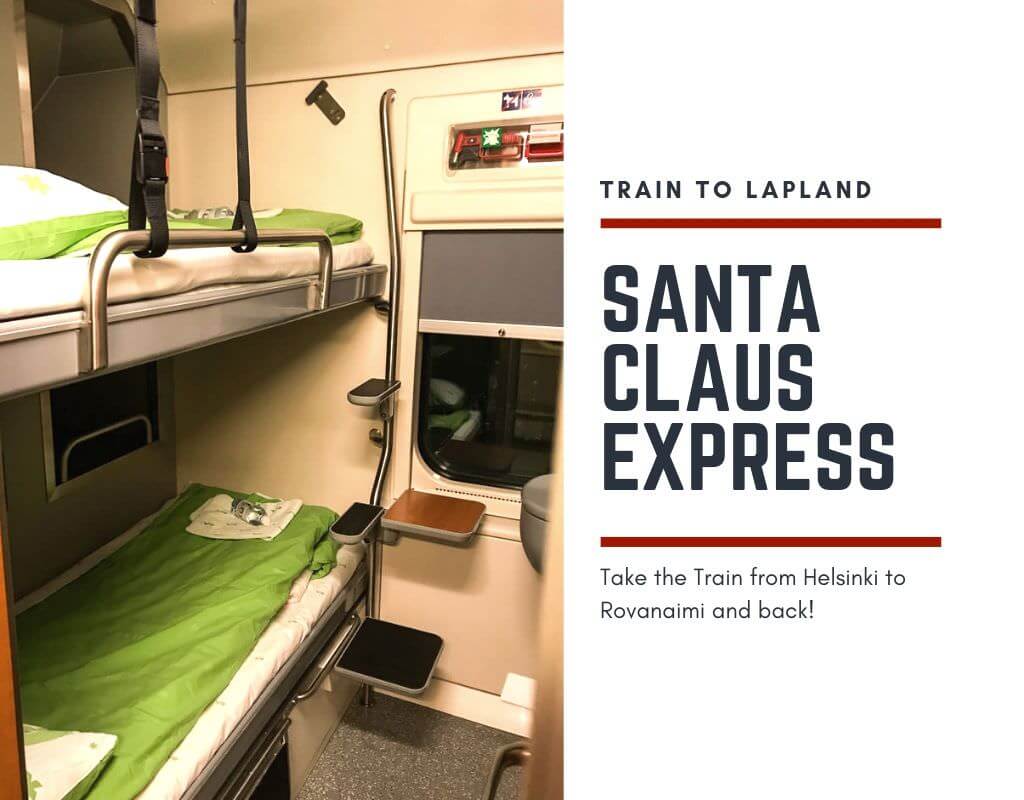
The Santa Claus Express sleeper covers the Helsinki–Rovaniemi run in roughly 12 hours, which makes it the one leg of a Lapland trip that turns transit into sleep instead of costing you a full day of your 4–5 day window.
Flying in
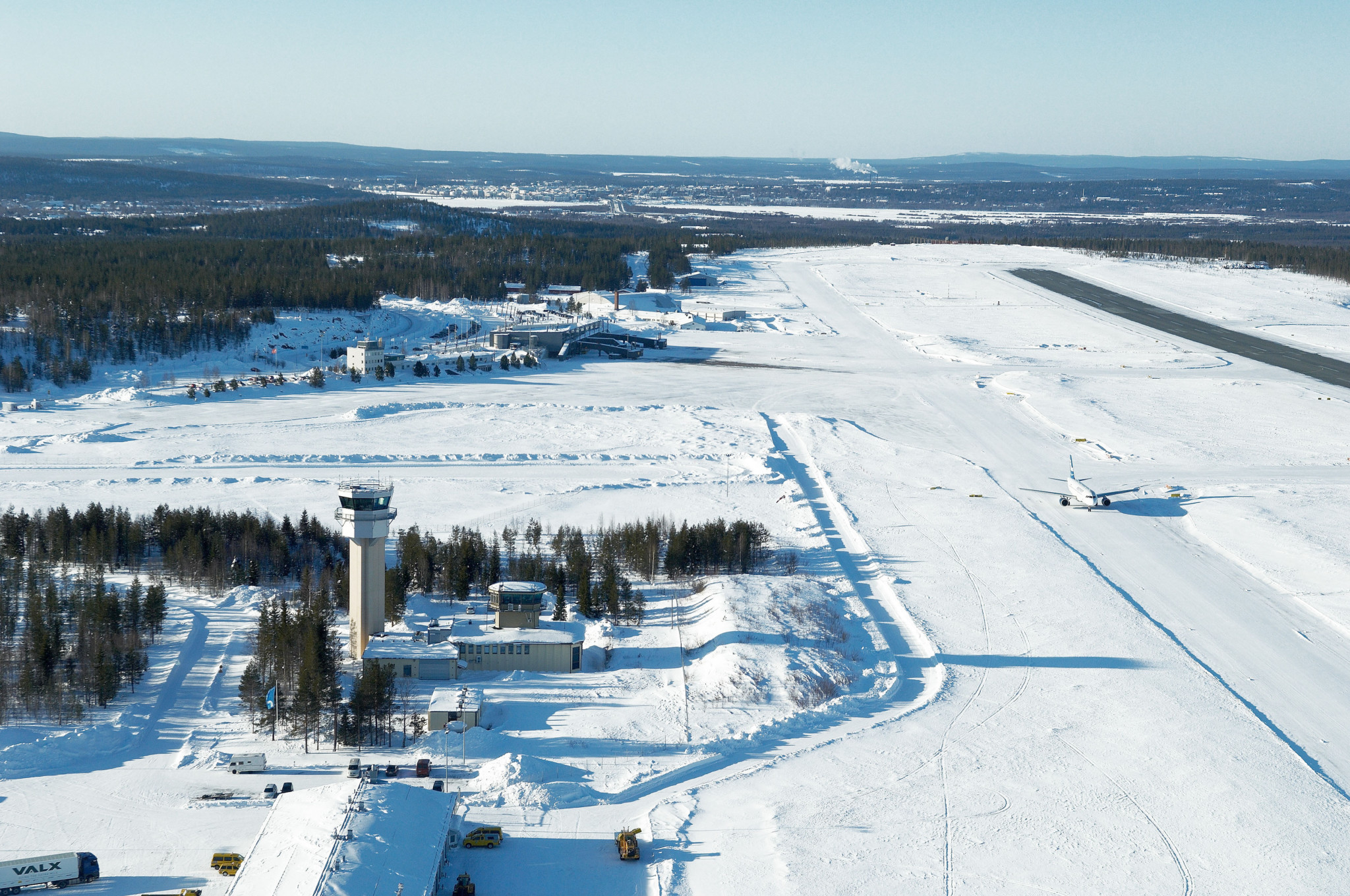
Four airports serve Finnish Lapland, and choosing the wrong one quietly adds hours of driving to your trip. My rule: book the airport nearest your booked accommodation, and let Rovaniemi be the fallback.
| Airport | Code | Pick it when |
|---|---|---|
| Rovaniemi | RVN | You want the most routes and the easiest onward transport. The all-round default. |
| Kittilä | KTT | Your bookings sit in the Levi/Ylläs direction. Skip it otherwise. |
| Ivalo | IVL | You are heading north to the Saariselkä/Inari area and want remoteness over convenience. |
| Kuusamo | KAO | Your plans are on the eastern side. Least convenient for a classic Lapland loop. |
Direct winter routes have historically connected these airports to London, Manchester, Birmingham, Bristol, Amsterdam, Brussels and Paris. Treat those as seasonal, usually November–March, and confirm the schedule with the airline before you build the trip around it.
From the US, route through Helsinki — the domestic hop up north is only 1h20–1h45.
The flight-versus-train call: take the Santa Claus Express if you value saving the hotel night and dislike short-hop connections; take the flight if your time is tight or you land late in Helsinki. Book the sleeper well ahead for winter weekends.
Driving, buses and taxis
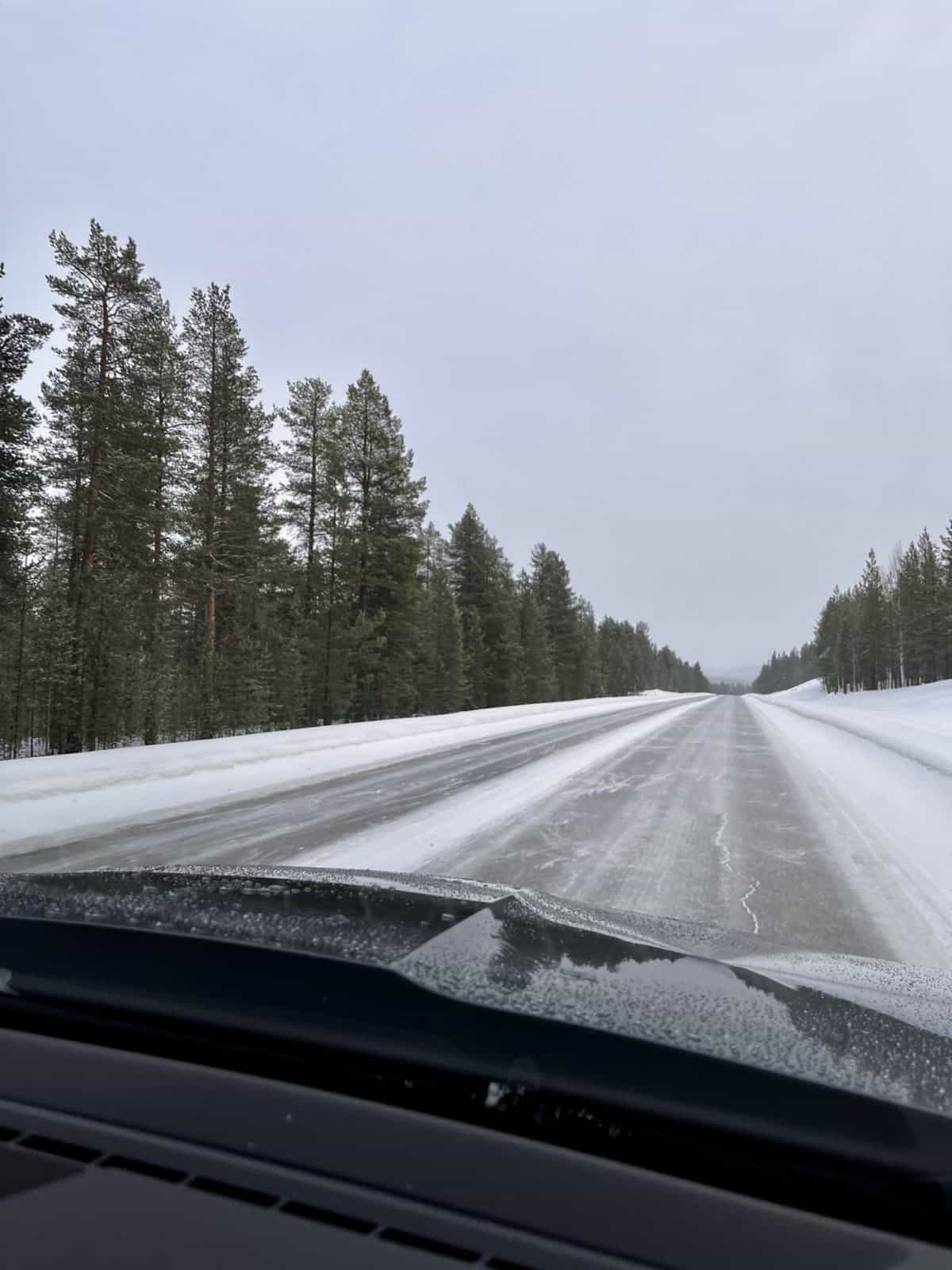
Rental cars are the best money you will spend on this trip if you plan to move between spots on your own schedule. For non-skiers staying put at one property with operator pickups, skip it — buses and pre-booked taxis cover the gaps without you touching a winter road.
- Rent a car if: you want flexibility on timing, weather, and booking activities independently rather than around hotel transfer slots.
- Go car-free if: everything you booked includes pickup. Long-distance buses connect the towns; taxis work for short runs but get expensive over distance, so pre-book rather than flag one down.
Road rules that catch visitors out:
- Tires: winter or studded tires are required in winter conditions. They are standard on rentals in season, but confirm it in writing when booking.
- Headlights: on at all times, including midday.
- Red lights: no turning right on red.
- Speed limits: built-up areas cap at 50 km/h, rural roads typically run 80 km/h, and motorways go up to 100 km/h. Speed cameras are common.
- Parking: timed zones use a parking disc — set it to your arrival time, not your departure. Keep the disc in the glovebox; forgetting one is the easiest fine of the trip.
What to Pack for Arctic Winter Days Without Ski Gear
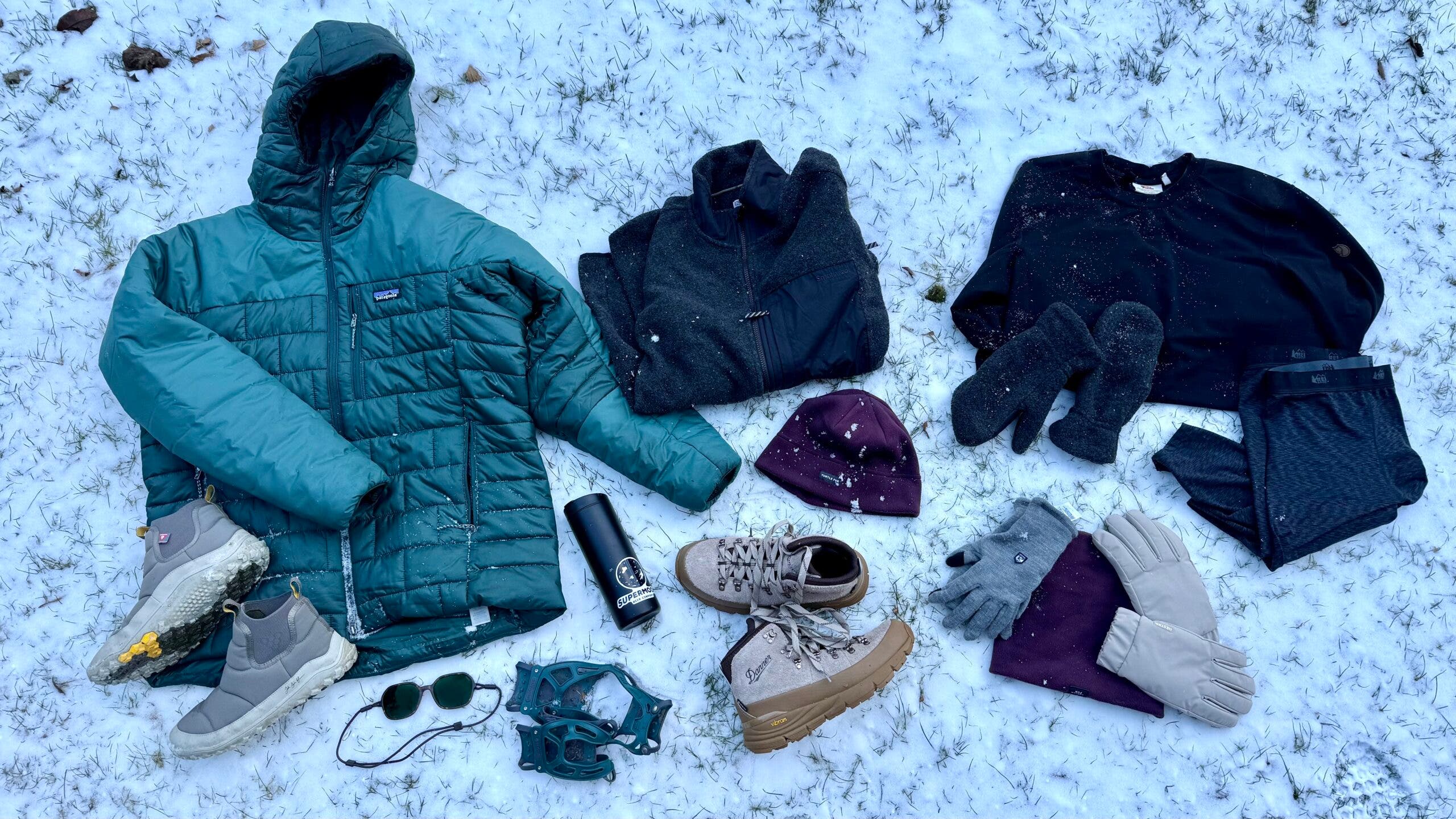
Cold kills batteries faster than it kills enthusiasm: a phone pulled out for photos at -20°C can drop from full to dead in under an hour, and every item below exists to stop one specific failure — a frozen phone, wet feet, numb fingers, or an evening with nothing to do. Pack for stillness, not for skiing. Standing on a frozen lake watching for aurora is colder than any descent.
The layering system
Three layers is the entire system: a moisture-wicking base, thin buildable mid-layers, and one thick outer shell. The mistake is buying one enormous parka and nothing breathable underneath — sweat chills you faster than dry cold ever will.
- Base layers: merino is the premium pick; bamboo, Tencel and polyester fleece all work if merino is out of budget. Skip cotton entirely — it holds moisture against skin. Pack 5 base tops so you always have a dry one.
- Mid-layers: 3 sweaters or fleeces you can add and shed indoors. Finnish interiors are aggressively heated; you will peel down the moment you sit for dinner.
- Outer: one windproof, insulated jacket with a hood. That is all you need — this is a carry-on trip, not a suitcase trip.
Extremities, boots and accessories
Cold hands and wet feet end Arctic days early. Everything here is worth the bag space.
- Mittens, not gloves: fingers share heat inside a mitten, so mittens are always the warmer choice. Bring thin gloves underneath for camera work.
- Boots: Sorel-type waterproof winter boots with insulation — you will be standing in snow, not walking through it. Break them in before you fly.
- Socks: thick fleece-lined pairs, worn as 2 pairs, and pack 4 fleece socks total. Wet socks have no quick fix at -15°C.
- Hand and foot warmers: non-negotiable for sedentary activities — sleigh rides, sledding, sitting in a sled — where you are motionless for extended stretches.
- Power bank: keep it in an inside pocket against your body so the cold drains it too.
- Tripod and red-light headlamp: a tripod for hands-free night shots; red light preserves night vision and stops you from blinding fellow aurora watchers.
- Sunscreen, sunglasses and lotion: low sun plus snow glare burns skin and eyes, and heated indoor air dries skin out painfully.
- Bathing suit: you will use it at the sauna and it is awkward to buy locally at short notice.
- Entertainment for dark evenings: a book, downloaded films, card games. Boredom is the real downside of remote bases.
Renting thermal gear instead of packing it
Renting is the smarter move if you are flying carry-on or only doing one or two heavy outdoor days. Luosto Safaris rents thermal clothing, which saves you buying a bulky suit you will never wear again. On the trail, microspikes can be rented at the Korouoma trailhead — the icy waterfall trail is unwise in ordinary boots, and renting beats carrying spikes home.
Rent the outer layer, own the base layer: anything touching skin should be yours.
How Much Does a Non-Skiing Lapland Winter Trip Cost?
A five-day Lapland winter trip for two lands around $2,159.81 — and roughly a third of that is not flights or beds, but the husky, reindeer and snowmobile bookings that make the trip worth taking. Budget for the experiences first and the rest sorts itself out.
Where the money actually goes
Finland uses the euro, and Lapland is less punishing than its reputation suggests — but only if you cook. Restaurant mains run about €18–25 and a pint of beer costs €9–12, so eating out three times a day is what turns a reasonable trip into an expensive one.
Tap water is perfectly safe, so never buy bottles, and tipping is not expected anywhere; round up only for exceptional service.
- Excursions are the real expense: a husky safari starts around €150 per person, reindeer experiences range from roughly €25 for a farm visit to €115–135 for a long sleigh safari, and a snow castle entry is about €25. Icebreaker cruises and snowmobile safaris sit at the top of the range.
- Accommodation spans the widest gap: self-catering rentals can come in under $100 a night, while a glass igloo runs around £700 a night. I’d take the rental and spend the difference on one bucket-list activity.
- The single best saving lever: book a place with a kitchen. Grocery-shop breakfasts and dinners, then treat yourselves to one restaurant meal a day.
- The package shortcut: Travelbase’s Lapland Travel seven-day package runs under £1,200 per person including flights and four activities — worth pricing against DIY before you book anything separately.
A sample 5-day budget for two
Here is what a self-drive, self-catering trip actually totals, based on a real five-day itinerary.
| Category | Cost for two |
|---|---|
| Accommodation | $676 |
| Car rental | $489 |
| Fuel | $136 |
| Excursions | $730 |
| Total | $2,159.81 |
That total excludes flights and food, so add those on top — which is exactly why the kitchen matters. Excursions take the largest single slice, so choose the two or three you actually care about and skip the rest rather than spreading yourself thin.
Frequently Asked Questions
How many days do I need in Lapland if I am not skiing?
Four to five days is the realistic minimum, because weather and short daylight mean you cannot stack excursions the way you would on a normal city trip. Add nights if aurora is a priority, since every extra clear night multiplies your odds.
Should I book activities before I fly or arrange them there?
Rovaniemi has the deepest bench of tour operators, so it is the only base where booking on short notice works reliably. If you are basing in Luosto, Saariselkä or Inari, book your husky, reindeer and snowmobile outings before you travel.
Is Lapland worth it if the northern lights never show?
Yes — the husky, reindeer, sauna and ice experiences stand on their own, and a faint display still counts as a sighting. But if aurora is the entire reason for the trip, book one guided night as insurance and treat everything else as bonus.
Is a non-skiing Lapland trip manageable with children or older travelers?
Most of these activities require no fitness beyond sitting still in the cold, and reindeer farm visits are noted as the best value for families. The real test is cold tolerance during long sedentary stretches, so plan shorter outings and warm breaks between them.
Book February, Base in Luosto, and Let the Rest Follow
Lock in a February or early-March trip, fly into Rovaniemi, and take the ninety-minute transfer out to a Luosto cabin with a kitchen and a sauna. Then book one husky safari as your anchor day and one guided aurora night as your safety net.
This is the rare winter destination where the memorable stuff happens while you are standing still, wrapped in borrowed thermal gear, watching the sky finally move.
Pin this Lapland winter guide for non-skiers to your Finland board so the bases, booking order and packing list are waiting when you sit down to plan.
Leave a Reply