The smell hits you first—that particular combination of woodsmoke, cold air, and wet leaves that only exists for about three weeks in October. You’re driving Route 1 with the windows down, watching maples turn crimson and birches glow gold against a sky so blue it looks photoshopped, and suddenly you understand why people plan their entire year around Maine’s fall.
Maine’s foliage window is tighter and more dramatic than anywhere else on the East Coast—peak color happens all at once across the entire state in early to mid-October, not gradually over six weeks like Vermont or New Hampshire. Miss it by two weeks and you’re looking at bare branches; hit it right and you’re driving through a landscape that won’t look this good again for 12 months.
This guide walks you through exactly when to go, where to stay without overpaying, and which hikes and coastal stops actually justify the drive—so you can spend your time on the road experiencing Maine’s fall instead of figuring out logistics.
Budget estimates: $150–250/night for mid-range lodging (inns and small hotels), $250–400/night for splurge-worthy properties like White Barn Inn, and $80–150/night for rustic cabins near Moosehead Lake.
Your Quick-Reference Fall Foliage Roadmap
Timing: Book for early to mid-October when peak color hits simultaneously across Maine—late September works for northern regions like Moosehead Lake, but you’ll find bare branches in coastal towns if you wait until late October.
The 5-Day Loop: Bangor → Moosehead Lake (moose safaris, forest color) → Mount Desert Island & Acadia (Cadillac Mountain, coastal views) → Camden (harbor town, Mount Battie hike) → Portland (lighthouses, final night).
Essential Overnight Bases: Greenville (Moosehead Lake gateway), Southwest Harbor or Bar Harbor (Acadia access), Camden (Route 1 midpoint), Freeport or Portland (final leg).
Must-Do Stops: Somesville footbridge, Cadillac Mountain sunrise, Bass Harbor Head Lighthouse, Mount Battie in Camden Hills State Park, Portland Headlight.
Booking Window: Lock in accommodations 6–8 weeks ahead for peak season (mid-September through mid-October)—popular inns fill fast and prices spike 30–50% above summer rates.
Driving Reality: Route 1 is scenic but slow (expect 30–45 minutes per 30 miles on weekends); avoid Saturdays entirely and drive weekday mornings for empty pullouts and short parking waits.
When Is the Best Time for a Maine Fall Foliage Road Trip?
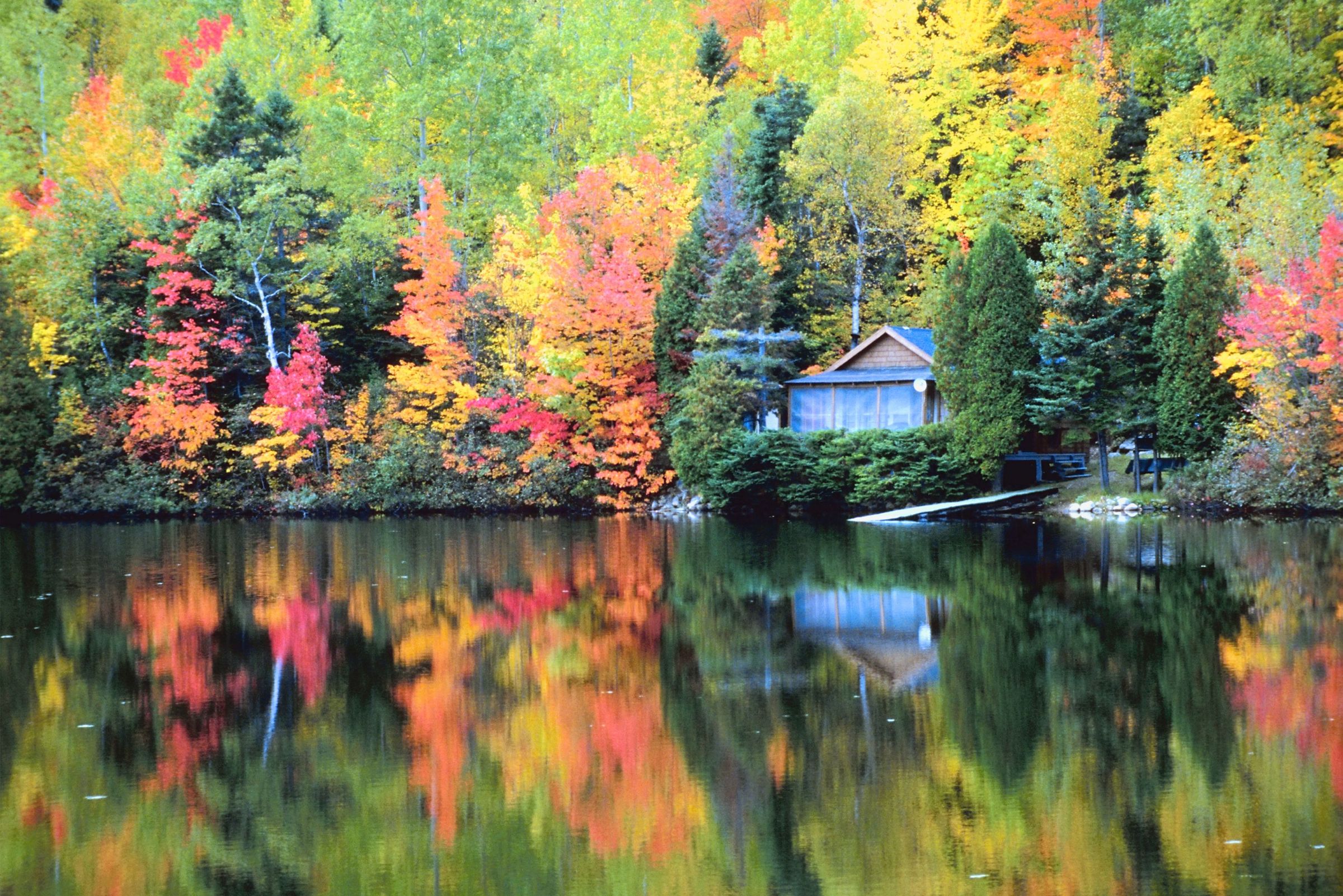
Peak foliage in Maine hits mid-September through mid-October, with the absolute sweet spot landing in early to mid-October when the entire state turns simultaneously — maples blaze crimson, birches glow gold, and even the remote interior lakes reflect a canopy that won’t look this good again for 12 months. Book your trip for this window and you’ll see why Maine’s fall is worth the drive; miss it by two weeks and you’ll find bare branches and a landscape that’s already moved on.
Early Fall (Late August to Early September)
This is the move for travelers who want to avoid crowds and still catch early color in the northern regions around Moosehead Lake, though the southern coast (Bar Harbor, Camden, Portland) will still be mostly green. Expect lower hotel rates and shorter restaurant lines, but understand that you’re trading peak visual impact for solitude — the dramatic reds and oranges most people associate with Maine foliage won’t fully emerge yet.
This window works best if your priority is hiking and outdoor activities over pure leaf-peeping, or if you’re traveling with young kids who need flexibility around school schedules.
Peak Fall (Mid-September to Mid-October)
This is when you book the trip. Mid-September through mid-October delivers the full Maine foliage experience — every region from the interior lakes to the rocky coast is at or near peak color simultaneously, and the weather is cool enough for comfortable driving and hiking (expect daytime temps in the 50s–60s°F).
Hotel rates spike 30–50% above summer pricing, rooms book out weeks in advance, and Route 1 becomes a slow parade of leaf-peepers, but the payoff is non-negotiable: you’ll see the landscape that justifies the hype. Plan to book accommodations 4–6 weeks ahead during this window, and expect to share popular scenic overlooks and hiking trails with other visitors.
Late Fall (Late October to Early November)
By late October, most foliage has already peaked and fallen, leaving behind a landscape of browns and bare branches — this is not the time to chase color. The exception: if you’re visiting specifically for activities like apple picking at Treworgy Orchards or exploring Acadia without summer crowds, late October still offers mild weather and significantly cheaper lodging.
Roads remain fully open and accessible, but you’re committing to a different kind of Maine experience: quieter, colder, and focused on coastal scenery and small-town charm rather than the forest canopy.
Booking and Road Conditions
All major routes (I-95, Route 1, Route 2, and park roads through Acadia) stay open year-round through November, with no seasonal closures during the fall foliage window. Snow and ice typically don’t arrive until late November or December, so a September or October road trip requires no special winter gear.
Gas up in larger towns like Bangor or Portland before heading to remote areas like Moosehead Lake, where fuel options are sparse and prices run 10–20 cents higher per gallon. Overnight stays should be booked as early as possible — aim for 6 weeks out during peak season (mid-September to mid-October) and 2–3 weeks for shoulder season (early September or late October).
The Ultimate 5-Day Maine Fall Foliage Road Trip Itinerary
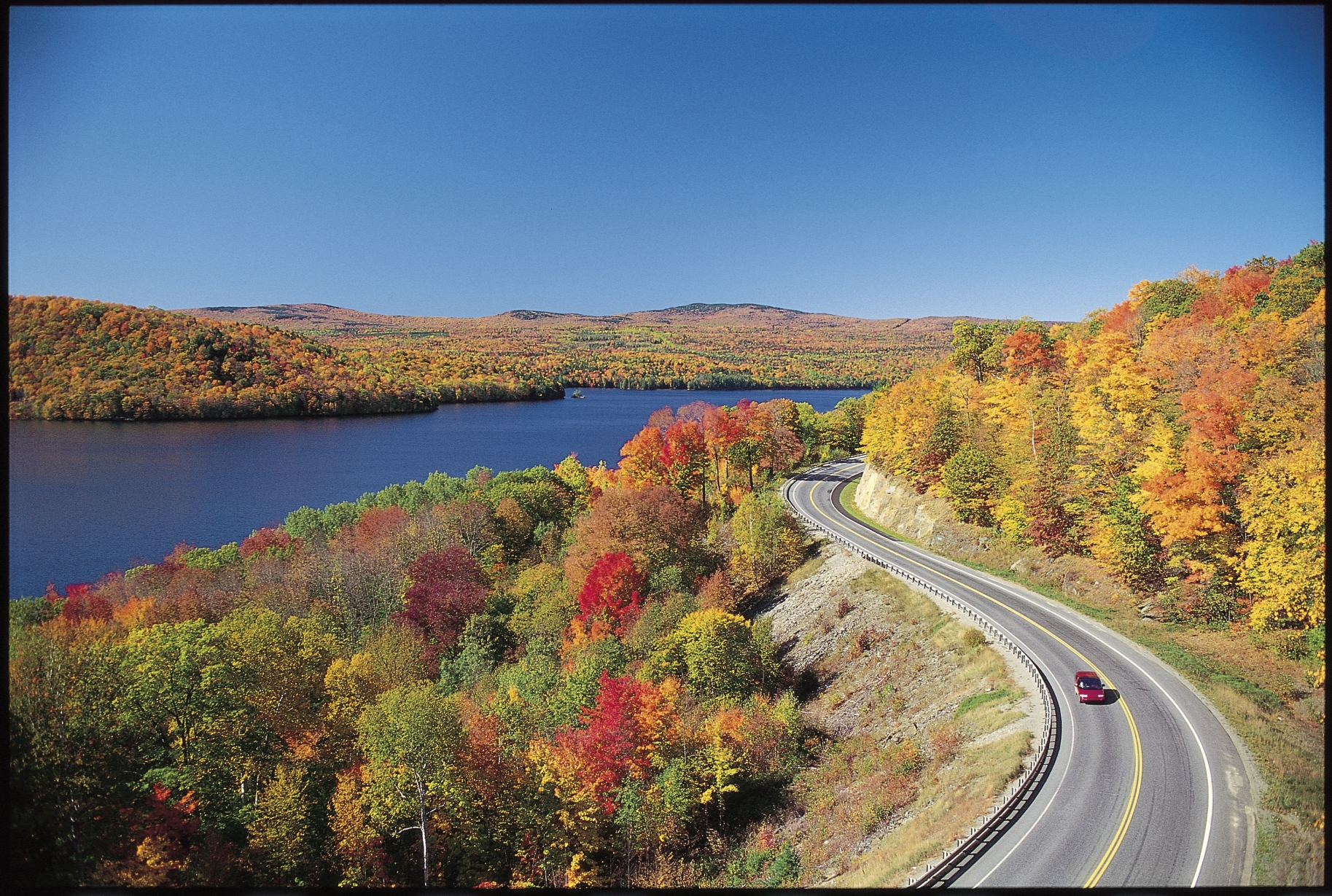
This itinerary runs 240 miles south from Maine’s wilderness to its most photographed lighthouse—each day trades elevation for coastline, and every stop is positioned to maximize fall color without backtracking. The route moves you from dense forest and moose country through Acadia’s alpine views, then down the rocky coast to Portland, hitting the peak leaf-peeping window (late September through mid-October) when roads are passable and lodging is still available. Rent a car in Portland and plan 5-7 hours of driving spread across five days; an electric vehicle works if you plan charging stops ahead.
Day 1: Portland to Bangor (60 miles, 1.5 hours)
Start with Maine’s most iconic lighthouse before heading inland. Portland Headlight is the most photographed lighthouse in the world—you’ve seen it on book covers without realizing it. Arrive early (sunrise or mid-morning before crowds) to photograph the white tower against fall foliage and rocky shore, then grab coffee and a pastry at a local café before driving north.
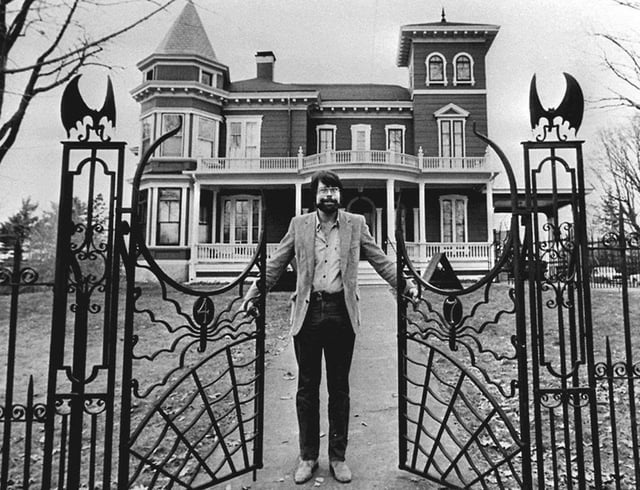
Stop in Bangor to tour Stephen King’s Victorian mansion at 47 West Broadway. The house is unmissable: ornate iron fence decorated with iron spider webs, Gothic details, and the real-world inspiration for his horror fiction.
This is a drive-by photo stop, not a full tour, but it’s worth 15 minutes for fans and architecture enthusiasts. Overnight in Bangor or push toward Moosehead Lake if you want to maximize wilderness time on Day 2.
Day 2: Bangor to Moosehead Lake (90 miles, 2 hours)
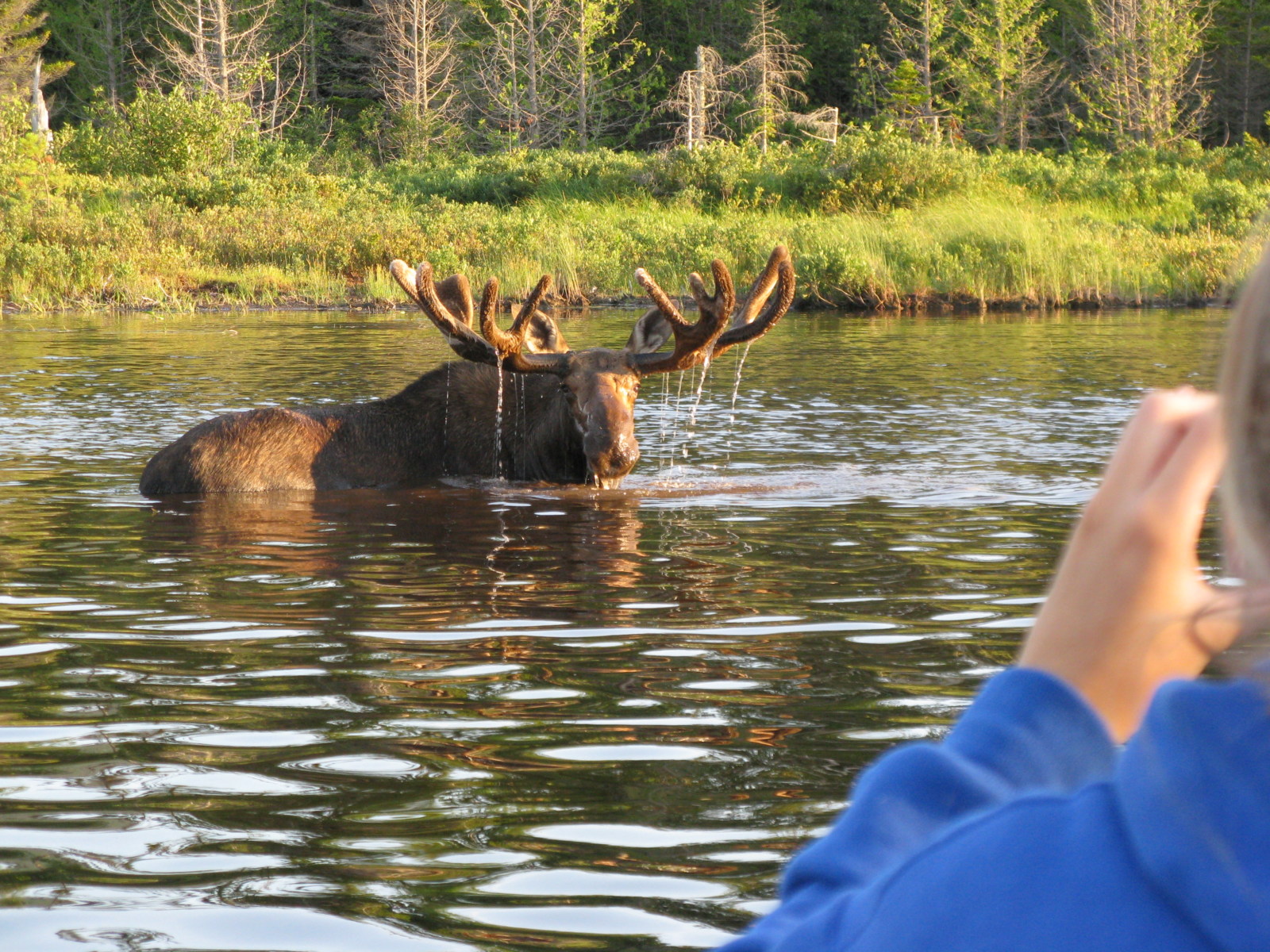
Trade coastal views for old-growth forest and a genuine chance to spot moose at dawn or dusk. Moosehead Lake is Maine’s largest lake, surrounded by 75,000 acres of working forest and the state’s highest concentration of moose. Book a moose safari tour with a local outfitter (typically 2–3 hours, early morning or evening, expect roughly $60–100 per person) for the best odds of seeing one in its natural habitat—fall is prime season because water levels are lower and moose move into shallows to feed.
Spend the afternoon hiking around the lake or exploring the small town of Greenville, the gateway village on Moosehead’s southern shore. Stay overnight in Greenville or a lakeside lodge; the town has basic lodging and a few local restaurants.
This day is about silence and forest—no cell service, minimal crowds, and the kind of quiet that makes fall foliage actually feel peaceful instead of crowded.
Day 3: Moosehead Lake to Southwest Harbor & Mount Desert Island (140 miles, 3 hours)
Head south and east toward Acadia National Park, stopping in Somesville—the oldest settlement on Mount Desert Island and home to the most photographed footbridge in the park. Somesville is tiny, charming, and a mandatory photo stop: the small museum and picturesque wooden footbridge are quintessential Maine fall. Grab lunch here or in nearby Northeast Harbor, then drive to Southwest Harbor to settle in for two nights.
Southwest Harbor is the quieter gateway to Acadia compared to Bar Harbor—fewer cruise-ship crowds, better access to the park’s western side, and a working fishing village feel. Spend the rest of the afternoon exploring the park’s western loop: drive the Park Loop Road (27 miles, allow 2–3 hours with stops), stop at Eagle Lake for a short walk, and catch sunset from a scenic pullout.
Stay overnight in Southwest Harbor or nearby Seal Cove; both towns have small inns and are 10–15 minutes from Acadia’s main entrances.

Day 4: Mount Desert Island – Acadia National Park & Bar Harbor (Local Exploration)
Dedicate a full day to Acadia’s highest peaks and coastal trails without leaving the island. Start with an early-morning hike at Cadillac Mountain (the highest point on the U.S. Atlantic coast at 1,528 feet) or Indian Point’s quieter Blagden Preserve trail, which offers bay views, bird-watching, and occasional seal sightings without the Cadillac crowds.
Both trails are 1–2 hours round-trip and deliver peak foliage views with minimal effort.
Before leaving Mount Desert Island in the afternoon, stop at a small Acadia pond across from Eagle Lake to watch for early-morning beaver activity (if you missed it on Day 3). Then drive to Bar Harbor for lunch or an afternoon walk through the town’s downtown shops and galleries.
Bar Harbor is touristy but unavoidable—it’s the park’s main hub and has the most restaurant and lodging options on the island. If you prefer quiet, stay in Southwest Harbor and day-trip to Bar Harbor; if you want walkable dining and nightlife, base yourself in Bar Harbor.
Either way, you’ll spend most of this day in the park itself, not in town.

Day 5: Mount Desert Island to Camden to Portland (90 miles, 2.5 hours)
Head south along Route 1, stopping in Camden—a picturesque harbor town with a state park hike and the best lodging and dining on the coast. Before leaving Mount Desert Island, take one last morning walk at Indian Point or Blagden Preserve if you didn’t on Day 4. Then drive south to Camden (about 1.5 hours), stopping briefly in smaller towns like Ellsworth or Blue Hill if you want to stretch your legs.
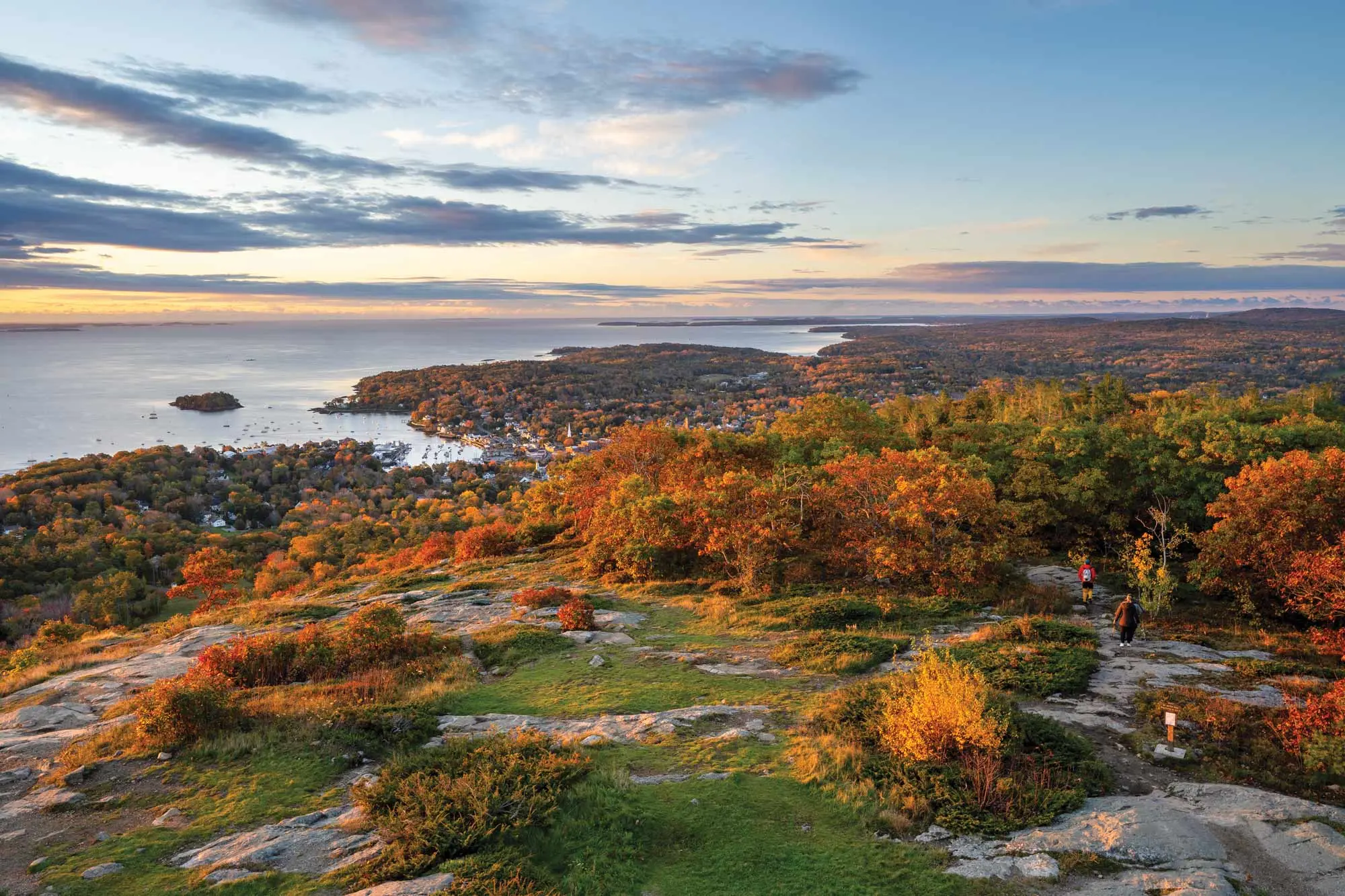
In Camden, hike Mount Battie in Camden Hills State Park (1.3 miles round-trip, moderate, 45 minutes) for panoramic views of the harbor and fall-colored hills—this is one of Maine’s most rewarding short hikes and a classic photo spot. Spend the afternoon wandering Camden’s downtown: galleries, antique shops, and the working harbor are worth 2–3 hours.
Stay overnight in Camden if your flight is late, or continue south to Portland (1 hour) for your final night. Portland offers more restaurants and nightlife; Camden is quieter and more romantic for couples.
On your final morning, revisit Portland Headlight if you missed sunrise on Day 1, or explore Portland’s Victoria Mansion (a restored Victorian home with intricate millwork) and downtown galleries before heading to the airport.
Logistics & Pacing Notes
Driving time totals roughly 8–10 hours across five days—manageable if you break it into 1.5–3 hour segments and stop for meals and short hikes. Peak foliage typically peaks in late September through mid-October; confirm exact timing with the Maine Foliage Hotline (maine.gov/foliage) before booking. Roads are all paved and well-maintained; Route 1 is slower but more scenic than I-95.
Moosehead Lake and Acadia require overnight stays; plan lodging 4–6 weeks ahead for peak season. Rental cars are essential—public transit is minimal outside Portland and Bar Harbor.
An EV works if you plan charging stops; gas stations are available in every town but less frequent in Moosehead region.
5 Best Towns and Stops for Leaf Peeping Along Route 1
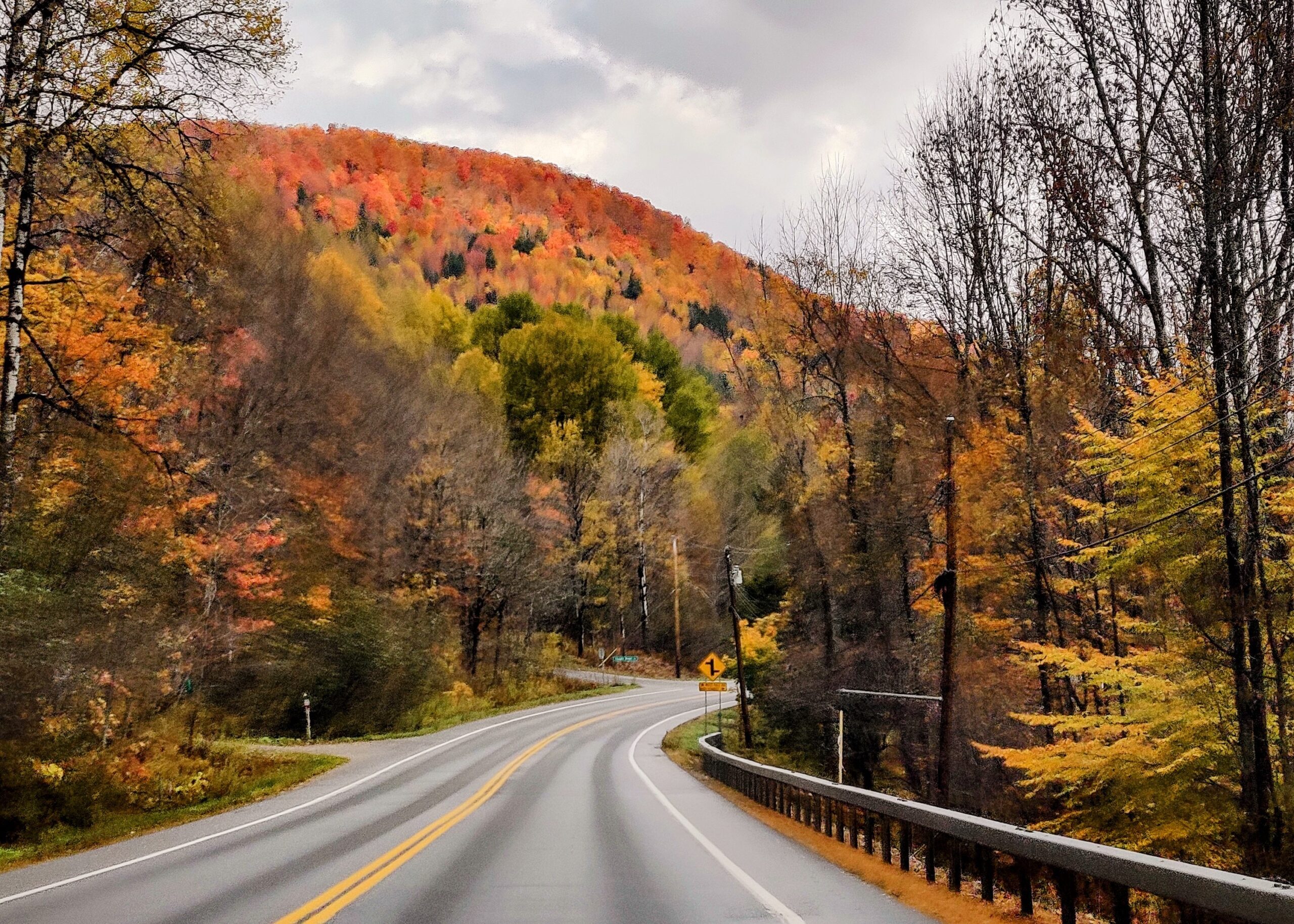
Route 1 hugs Maine’s coast and cuts through the state’s most photogenic fall corridor—but not all stops are created equal for leaf peeping. The towns below are ordered geographically from north to south and chosen specifically for their combination of peak foliage views, walkable village character, and strategic positioning on your drive.
Each one deserves a 1–2 hour stop minimum; rushing through defeats the purpose.
Somesville and Mount Desert Island
Somesville is the oldest settlement on Mount Desert Island and home to the most photographed footbridge in Maine—a picturesque wooden span that frames perfectly against fall maples and the surrounding village architecture. This is a 15-minute detour from the main highway but worth every minute if you’re already on the island for Acadia.
The tiny village has a small museum and is quiet enough in fall to actually hear the leaves turning. Park near the footbridge, walk the village on foot, and plan for 45 minutes to an hour here.
The real leaf-peeping payoff comes from the short trails nearby: Blagden Preserve offers quiet woodland paths with bay views and frequent deer and bird sightings, while the Wonderland Trail on the island’s southwestern shore takes you through flat woodlands to rocky shoreline with tide pools—a completely different foliage experience than mountain views.
Stay nearby: Base yourself in Southwest Harbor or Bar Harbor if you’re spending a full day on Mount Desert Island; both are covered in other sections of this guide.
Camden and Mount Battie
Camden is where New England postcard aesthetics actually live—a working harbor town with a downtown that doesn’t feel manufactured, lined with antique shops, galleries, and restaurants that reward wandering. The real foliage win is Mount Battie, accessible either by a moderate hiking trail through Camden Hills State Park or by a scenic drive straight to the summit.
The drive-to-the-top option beats a full hike if you’re short on time or energy; the payoff is a 360-degree view of fall color spreading across the entire region, with the harbor framed below. Early morning or late afternoon light hits the foliage differently—go twice if you can.
The town itself is best explored on foot; plan 2–3 hours minimum for a proper stop.
Stay nearby: Camden is a natural overnight base for this section of Route 1. The town has multiple lodging options (covered in the accommodations section) and is walkable enough that you can explore after checking in.
Brunswick and Morse Mountain
Brunswick is a college town with genuine character—home to Bowdoin College and a downtown that feels lived-in rather than curated for tourists. The foliage here is excellent, but the real draw is Morse Mountain, a short but steep coastal hike that rewards you with views of fall color meeting the Atlantic.
The trail is less crowded than Acadia routes and offers a completely different aesthetic: dense forest transitioning to rocky beach with no crowds. The hike itself is roughly 1.5 miles one-way and takes about 45 minutes to an hour.
Brunswick’s downtown is worth 30–45 minutes of walking; the architecture is solid New England, and there are good coffee and lunch spots if you need a break.
Freeport (Shopping and the L.L.Bean Flagship)
Freeport is a shopping destination first, a foliage stop second—but it earns its place on this list because it’s unavoidable on Route 1 and because the L.L.Bean flagship store (open 24/7) is genuinely worth a visit, even if you’re not a gear person. The building itself is iconic, and the giant boot outside is a photo moment.
The real insider tip: there’s an L.L.Bean outlet in the shops directly across the street from the flagship, with better deals on the same merchandise. Beyond shopping, Freeport’s downtown has walkable charm and decent restaurants.
The foliage here is good but not exceptional—this is more of a strategic stop for logistics and a meal break than a peak leaf-peeping destination. Plan 1–2 hours depending on how serious you are about shopping.
Stay nearby: Freeport is roughly 15 minutes south of Brunswick and makes sense as an overnight stop if you’re breaking up your drive. It’s also close enough to Portland (20 minutes) that you could base yourself in either town.
Scenic Route 1 Detours: Wiscasset, Bath, and Rockland
These three towns sit between Freeport and Camden and are worth brief stops if you have time, though they’re less essential than the four stops above. Wiscasset is known for its antique shops and historic homes; the foliage is good, and the town is genuinely charming, but it’s small and easy to cover in 30 minutes. Bath is a maritime history town with excellent architecture and a working shipyard visible from downtown; the foliage is solid, and the town has more substance than Wiscasset, but again, 45 minutes to an hour is enough. Rockland is the largest of the three and home to the Farnsworth Art Museum and a working fishing harbor; it’s worth a stop if you’re an art person or want a longer meal break, but it’s not a foliage destination specifically. All three are on Route 1 and add minimal drive time if you’re already heading south, but none of them will change your trip if you skip them.
Driving flow: If you’re moving south on Route 1, you’ll encounter these towns in this order: Wiscasset, Bath, Rockland, then Brunswick, Freeport, and eventually Camden. Stop where the town appeals to you, not because you feel obligated to hit every one.
Top Fall Activities and Scenic Hikes in Maine
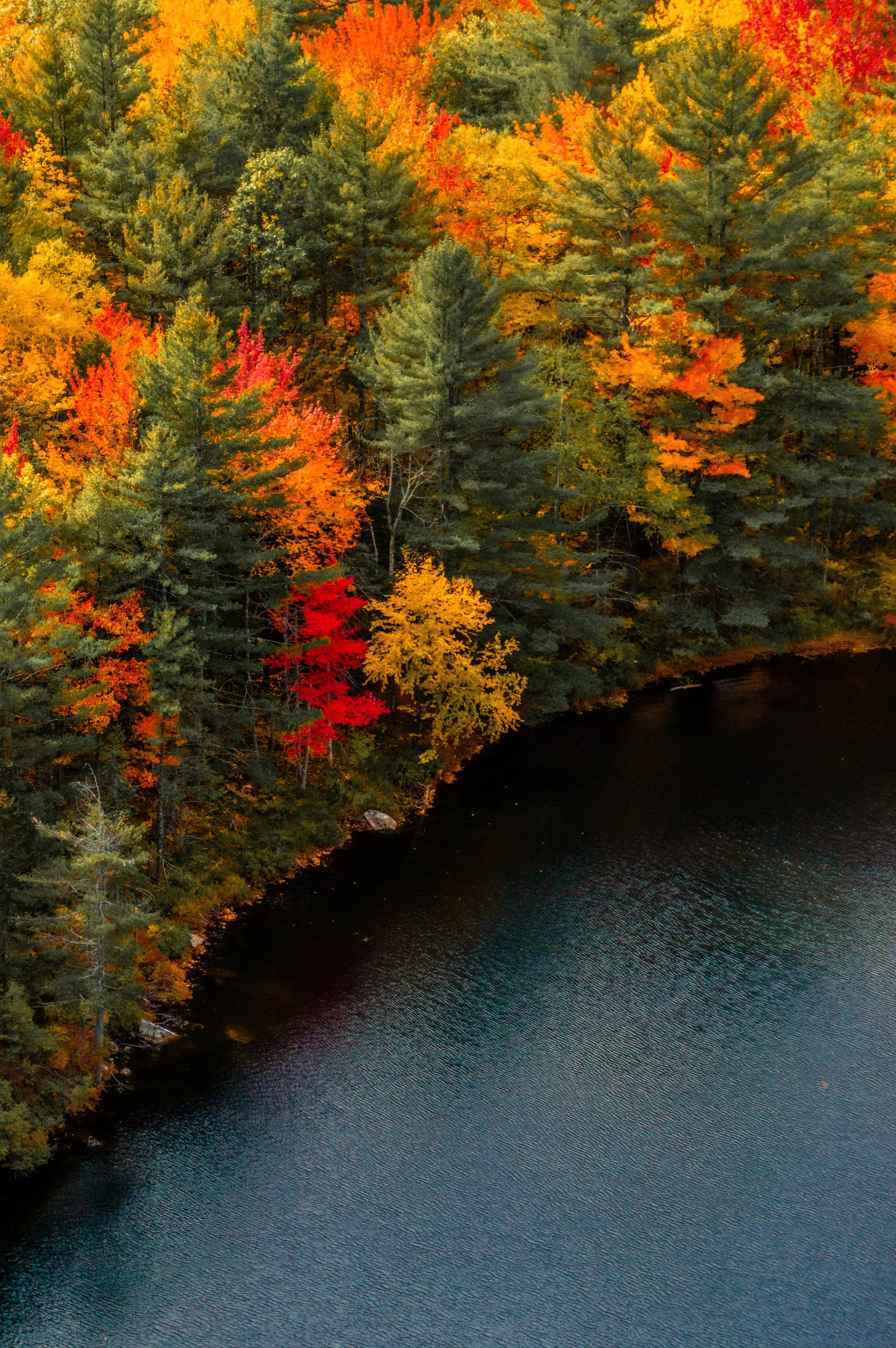
The best Maine fall days aren’t spent sitting in a car watching trees blur past—they’re spent on a ridge with 360-degree color, or on a schooner cutting through Atlantic swells with lighthouses on the horizon. This section covers the hikes and adventures that actually justify the drive, starting with the ones that deliver the most dramatic foliage payoff and ending with the coastal experiences that make fall in Maine different from anywhere else.
Leaf Peeping Hikes: Cadillac Mountain, Morse Mountain, and Wonderland Trail
Cadillac Mountain in Acadia National Park is the obvious choice if you want the highest vantage point and the most reliable color spread across the landscape—the summit sits at 1,530 feet and gives you unobstructed views of the entire island and surrounding forests. The trade-off is crowds and a paved road to the top, which means you’re hiking with everyone else who bought the park pass that morning.
If you want solitude and a genuine hike, Morse Mountain near Brunswick delivers a tighter, more intimate climb through hardwoods that turn brilliant red and gold in peak season, with fewer tourists and a rocky beach payoff at the base.
Wonderland Trail on the western side of Mount Desert Island is the move for anyone who wants easy access without the Acadia crowds. The trail is short, flat, and leads through quiet woodlands to a rocky shoreline where you can explore tide pools at low tide—it’s more about coastal texture than dramatic elevation, but the foliage frames the rocky Maine coast in a way that feels authentically New England.
All three hikes are best done in the early morning (before 9 a.m.) to avoid peak parking and foot traffic, especially in peak foliage weeks (late September through mid-October).
Classic Autumn Fun: Treworgy Orchards and Stephen King’s House
Treworgy Orchards in Woolwich is the only stop on this road trip that doubles as both a photo op and a legitimate activity—you can pick your own apples, buy fresh cider donuts, and grab a hard cider if the weather turns cold. The orchard is set against a backdrop of fall color and is genuinely worth 90 minutes if you’re traveling with kids or anyone who enjoys the agritourism experience.
Skip it if you’re on a tight timeline or already overwhelmed with tourist stops.
Stephen King’s house at 47 W Broadway in Bangor is a drive-by, not a tour—the author does not offer public visits, and the property is private. What you’re doing is stopping to photograph the Victorian mansion with its ornate iron fence decorated with iron spider webs and bat details, which is exactly as gothic and deliberately spooky as King intended.
It takes 10 minutes and costs nothing, and it’s the kind of quirky Maine moment that makes for a good Instagram story. Don’t expect to go inside or meet anyone; just snap a photo and move on.
Coastal Adventures: Lighthouse Spotting and Sunset Schooner Rides
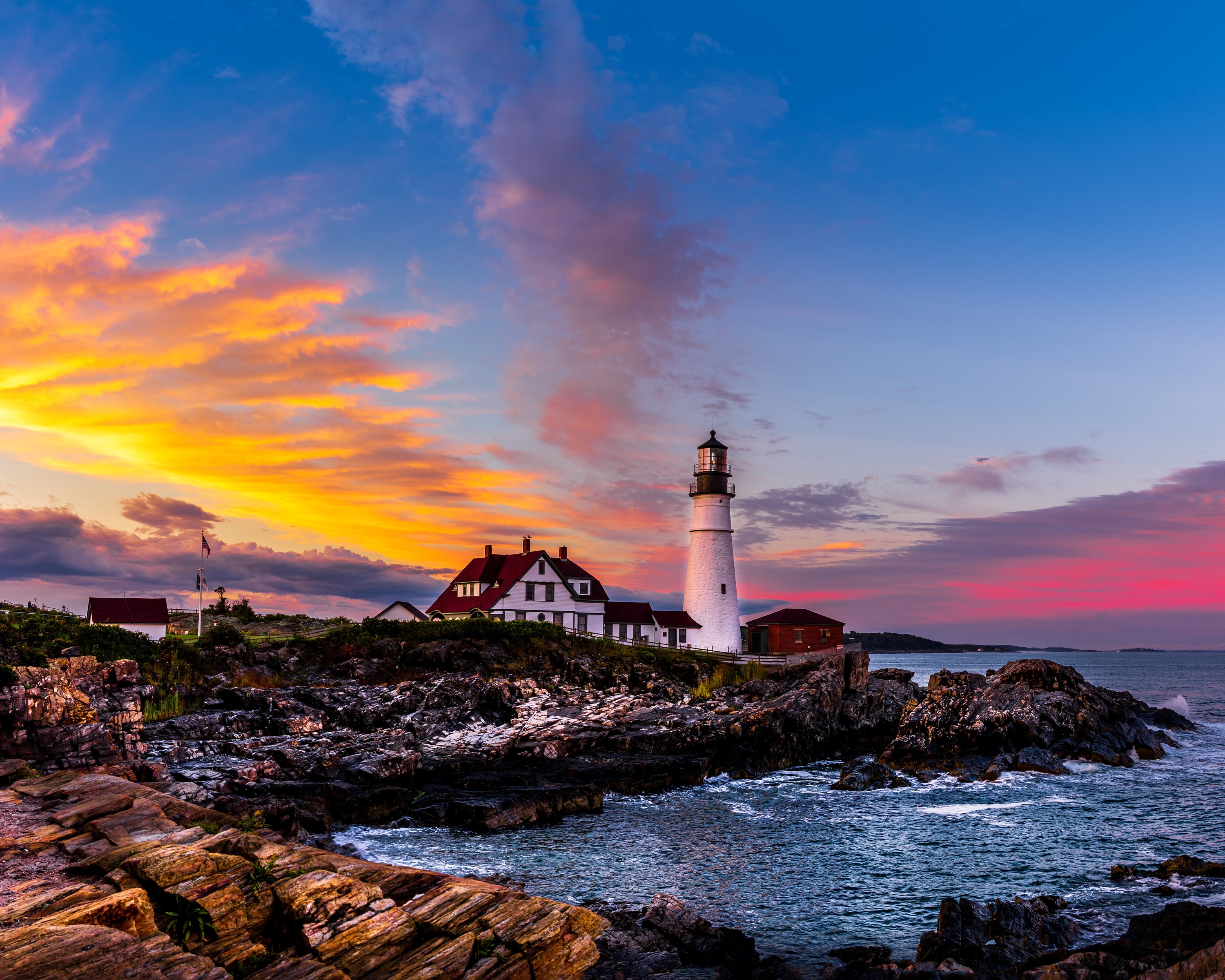
Bass Harbor Head Lighthouse on Mount Desert Island is a short walk down a set of stairs from the parking area, and the late afternoon light here is unbeatable for photography—the rocky Maine coast, the white lighthouse, and the fall foliage create the exact postcard image that brought you to Maine in the first place. Go in the late afternoon when the light turns golden and the crowds thin out.
A sunset schooner ride out of Camden or Bar Harbor is the single best way to see the coast from a different angle and spot Curtis Island Headlight, porpoises, and possibly whales depending on the season. Bring a heavy jacket—the Atlantic breeze is cold even in early fall, and the wind picks up once you’re on the water.
These rides typically run 1.5 to 2 hours and operate through October, though schedules and availability vary by operator and weather, so confirm directly with the schooner company before booking. Base yourself in Camden or Bar Harbor if you’re planning a schooner ride, as both towns have multiple operators and easy waterfront access; you’ll want to be close enough to catch an early evening departure without rushing from a distant hotel.
Pair a schooner ride with dinner at a waterfront restaurant afterward—the combination of salt air, sunset light, and fresh seafood is the closest thing to a perfect Maine fall evening. Bring layers, book your ride at least a few days in advance during peak season, and don’t expect calm seas; rougher water is part of the experience and the reason the views are so dramatic.
Where to Stay: 6 Best Hotels and Cozy Cabins for Couples
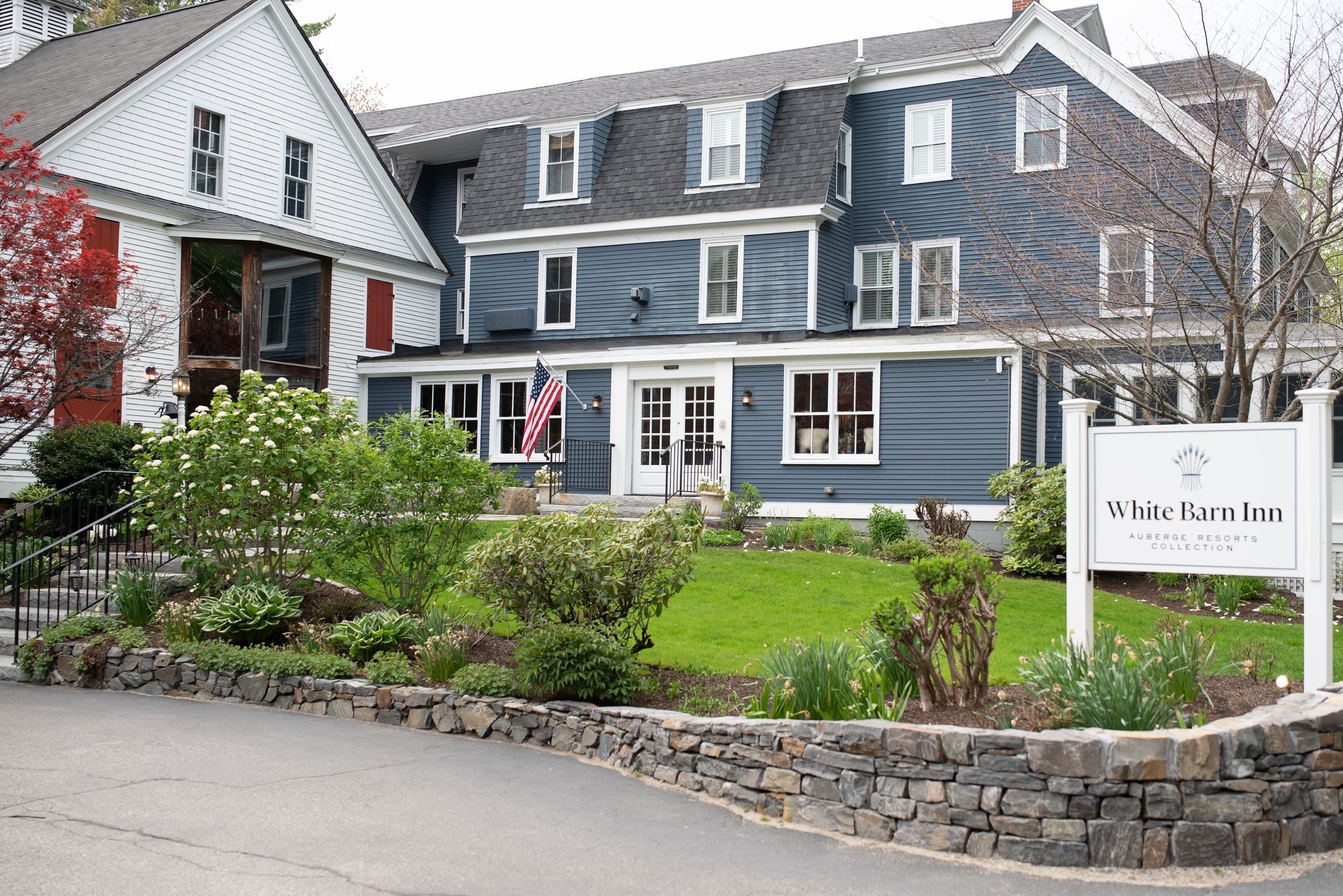
The best fall foliage road trip stays in Maine split into two camps: design-forward luxury resorts that justify splurging for one night, and rustic lakefront cabins that fill up weeks in advance—book early or you’ll land in whatever’s left. Kennebunkport and the Moosehead Lake area are the two anchor bases worth your time; anything else is a night-stop between hikes and lighthouses.
Luxury Resorts and Boutique Hotels
White Barn Inn (Kennebunkport) is the move if you want one night that feels like a creative reset, not just a place to sleep. This Auberge resort pairs designer interiors with a full breakfast included—the kind of detail that saves you an hour of finding coffee in a small town.
Book it as your splurge night near the end of the trip when you’re tired and deserve the rooftop views and leather-chair lounges. Expect luxury pricing; this is not a budget play, but it’s the rare resort that actually justifies the cost on a fall foliage road trip.
If White Barn is booked or out of budget, the research supports it as the clear luxury standout for this route—other high-end options exist in the region, but this one specifically delivers on the “inspiring” factor that makes a road trip stay memorable instead of forgettable.
Charming Bed & Breakfasts
Research data for independent bed & breakfasts along this route is limited to name mentions without operational details. If you’re prioritizing cozy, walkable small-town stays over resort amenities, confirm current availability and breakfast policies directly with properties before booking—B&B availability swings wildly during peak foliage season.
Rustic Lakefront Cabins
Gray Ghost Camps (Rockwood, near Moosehead Lake) is your fallback cabin option if the Greenville area books out—and it will. These are average cabins in a well-located cluster near the gateway to Moosehead Lake, not a destination unto themselves.
The real lesson here: book any Moosehead Lake cabin accommodation 4–6 weeks in advance during fall foliage season, or you’ll end up with whatever’s left after weather cancellations and last-minute rebooking scrambles. Greenville itself is the better base if you can secure a cabin there, but proximity to the lake matters more than cabin aesthetics when you’re chasing moose safaris and sunrise hikes.
Booking strategy for this road trip: Lock in White Barn Inn or your luxury night first (September through mid-October fills fast). Then secure Moosehead Lake cabins immediately after.
The coastal towns—Kennebunkport, Bar Harbor, Camden—have more hotel inventory and can be booked closer to your travel dates. Avoid booking all five nights at once with one chain; split between a luxury night, a cabin night, and 2–3 nights in walkable coastal towns so you’re not driving more than 90 minutes between bases.
Where to Eat: Best Restaurants, Bakeries, and Lobster Shacks

Maine’s fall food scene splits cleanly: roadside lobster shacks that hit hard and fast between park stops, bakeries in Portland and Kennebunk that anchor your mornings, and a handful of fine-dining spots worth a detour if you’re staying overnight in Kennebunkport or Rockland.
The timing matters—Jordan Pond House closes seasonally, Dorr Lobster is your move for lunch en route to Mount Desert Island, and the breweries cluster around Kennebunk and Rockland, making them natural dinner stops on your drive south from Acadia.
Iconic Lobster Rolls and Seafood
Dorr Lobster Seafood Market (Ellsworth) is the only lobster stop that makes geographic sense on your drive to Mount Desert Island—it sits right on your route just before Ellsworth, so you don’t backtrack. Order the lobster or crab roll, eat it fast, and stretch your legs with a walk through downtown Ellsworth before pushing toward Acadia.
This is pure efficiency: no ambiance, no wait, exactly what you need between park activities.
Mabel’s Lobster Claw (Kennebunkport) wins if you’re staying overnight in the southern coastal towns or passing through on Day 5. The lobster roll here is the classic Maine version—cold, mayo-forward, meat-heavy—and it’s the kind of place that doesn’t pretend to be anything fancier than it is.
Best for: anyone who wants the iconic Maine lobster experience without driving out of your way. Skip if you’re on a tight park schedule; Dorr is faster.
Jordan Pond House (Acadia National Park) is famous for its popovers—puffy, hollow rolls that are an American version of Yorkshire pudding—and it’s the only restaurant inside the park proper. The catch: it closes seasonally, so confirm hours before you arrive.
Nearly everyone visiting Acadia stops here, which means crowds and a tourist-trap vibe, but the popovers are genuinely good and the location on Jordan Pond is stunning. Go early (before 11:30 a.m.) or skip it entirely and grab lunch in Bar Harbor instead, which is 20 minutes away and far less congested.
Cozy Bakeries and Sweet Treats
Tandem Bakery (Portland) is your move for a serious pastry breakfast before leaving the city on Day 5 or as a fuel stop if you’re driving through Portland mid-trip. Expect fresh croissants, seasonal fruit tarts, and coffee that doesn’t taste like a gas station.
Best for: anyone who wants to start the day right before a long drive.
Boulangerie Bakery (Kennebunk) works perfectly if you’re staying in the Kennebunk area on your final night—grab coffee and a pastry before heading home. It’s a genuine French-style bakery, not a chain, which means the bread and croissants actually taste like something.
Best for: overnight stays in Kennebunk; skip if you’re day-tripping through.
Fine Dining and Craft Breweries
Via Vecchia (Portland) is Italian, not seafood, which makes it the right choice if you’re tired of lobster by Day 5. The pasta is excellent and the wine list is solid.
Best for: couples who want a proper dinner in Portland without the seafood repetition. Reserve ahead during peak foliage season.
Primo (Rockland) is the fine-dining anchor for your Day 4 stop. The menu changes seasonally and leans heavily on local seafood and farm ingredients, but the kitchen executes at a high level—this is not a tourist trap.
Best for: anyone staying overnight in Rockland or willing to make it a dinner destination on the drive south from Acadia. The single insider detail: arrive hungry and order the tasting menu if it’s available; it’s the best way to experience what the chef is doing that season.
Reservations are essential.
Batson River Brewery (Kennebunk) is the craft beer stop if you’re an IPA drinker or want to support northeastern micro-breweries. The beer quality is genuinely high—not a tourist brewery trading on location.
Best for: anyone staying in Kennebunk on Day 5 or passing through in late afternoon. Pair it with food from a nearby spot or grab bar snacks here.
The brewery atmosphere is casual and perfect for a wind-down after a full day of driving and hiking.
Ada’s Kitchen (Rockland) is a solid casual option if you want a quick dinner without the fine-dining commitment of Primo. Best for: anyone passing through Rockland on Day 4 who wants real food fast.
Stay-Friendly Dining Strategy: Base yourself in Kennebunkport or Rockland if you want dinner options without backtracking. Kennebunkport clusters Mabel’s, Boulangerie, and Batson River within walking distance, making it ideal for a final overnight before heading home.
Rockland gives you Primo for a special dinner and Ada’s Kitchen for casual meals. If you’re staying in Bar Harbor (near Acadia), skip Jordan Pond House and eat in town instead—the restaurants are better and less crowded.
How to Handle Logistics and Transportation
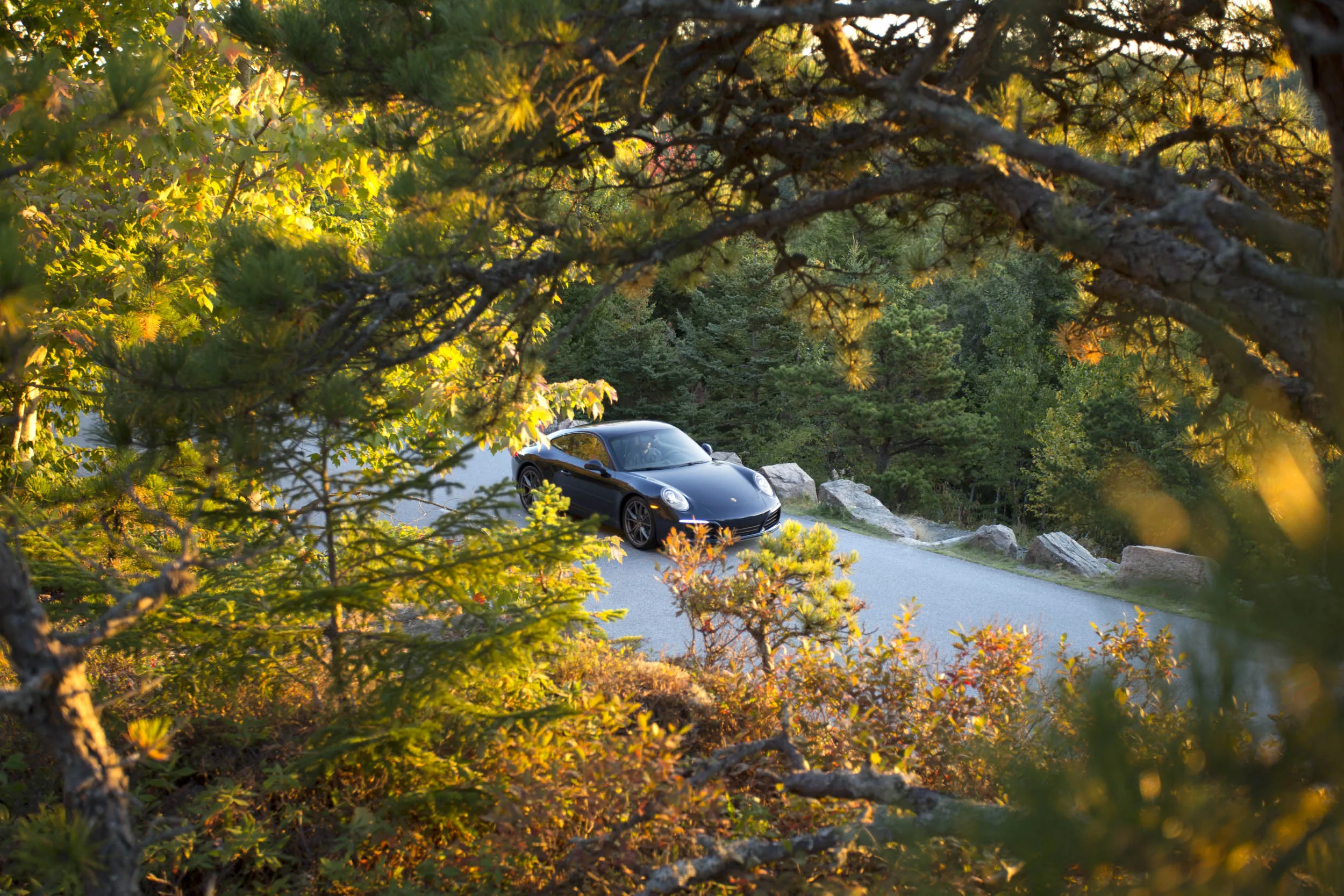
A Maine fall foliage road trip demands strategic timing and route planning—peak leaf season compresses into 3-4 weeks, and the two-lane roads that make the scenery magical also mean slow, scenic driving that eats up your day. This isn’t a highway sprint; it’s a deliberate pace that rewards early starts and flexible timing.
Best Routes and Road Conditions
The classic loop runs from Bangor south through Moosehead Lake, down to Mount Desert Island and Acadia, then follows the coastal Route 1 back toward Portland—roughly 250 miles over 5 days. This geography works because it follows the foliage progression: inland peaks first, then coastal towns as the season shifts.
Route 1 is the spine of this trip, and it’s narrow, winding, and lined with pull-offs that double as photo ops and traffic jams during peak season (late September through mid-October). Expect 30–45 minutes per 30 miles on Route 1 during leaf-peeping weekends; plan accordingly and avoid Saturdays if possible.
Road conditions are typically clear through October, but early November can bring wet leaves and occasional frost in higher elevations around Moosehead Lake. All major routes are paved and passable year-round, but Acadia’s Park Loop Road (a 27-mile scenic drive) occasionally closes for maintenance in fall—confirm status before arrival.
Winter weather arrives unpredictably after mid-November, so book your trip before then unless you’re comfortable with potential snow.
Driving Times and Distance Breakdown
Bangor to Moosehead Lake (Greenville): roughly 1.5 hours, 75 miles. Moosehead Lake to Southwest Harbor (Mount Desert Island): roughly 2.5 hours, 110 miles.
Southwest Harbor to Bar Harbor (Acadia hub): roughly 30 minutes, 15 miles. Bar Harbor to Camden: roughly 2 hours, 90 miles.
Camden to Freeport: roughly 45 minutes, 30 miles. Freeport to Portland: roughly 25 minutes, 20 miles.
These times assume moderate traffic and minimal stops; add 30–60 minutes if you’re stopping for photos, food, or scenic overlooks.
When to Drive and Avoid Traffic
Weekday mornings (Tuesday–Thursday, 7–9 a.m.) are your best window for smooth driving and empty scenic pullouts. Peak foliage weekends (mid-September through mid-October) bring Boston and New York day-trippers; avoid Saturday and Sunday entirely if you value your sanity.
If you must travel on weekends, leave your lodging by 6:30 a.m. to beat the crowds to trailheads and scenic overlooks. Afternoon drives (3–5 p.m.) are quieter but sacrifice daylight for photography and hiking.
Parking and Overnight Stops
Base yourself in one or two towns rather than moving nightly—this cuts driving time and lets you explore deeply. Bangor works as a starting point (1–2 hours from Moosehead Lake activities).
Bar Harbor or Southwest Harbor are essential for Acadia access; both have downtown parking and walkable restaurants. Camden is the ideal midpoint for the coastal leg, with free street parking and direct access to Route 1 attractions.
Freeport and Portland are final stops; both have downtown parking garages ($2–5/day) and hotel lots.
If you’re driving the full 5-day loop, overnight in Greenville (Moosehead Lake), Bar Harbor or Southwest Harbor (Acadia), Camden (coastal Route 1), and Freeport or Portland (final leg). This avoids backtracking and keeps your next morning’s drive under 2 hours.
Gas, Food, and Service Stops
Fill up in Bangor, Greenville, and Bar Harbor—rural stretches between towns have limited gas stations and prices spike 20–30% in small villages. Greenville and Bar Harbor are your last reliable stops before heading inland to Moosehead Lake or remote Acadia roads.
Bring snacks and water; convenience stores are sparse on back roads. Most restaurants in peak foliage towns are open through October but close or reduce hours in November, so confirm hours before driving to a specific lunch spot.
Car Rental and Vehicle Type
A standard sedan handles all paved roads on this itinerary, but an SUV or truck with higher clearance is worth the upgrade if you’re planning unpaved forest roads or rough hiking access roads. Rental agencies in Bangor and Portland offer typical rates ($50–90/day for economy, $80–130/day for SUV), though peak season (late September–mid-October) drives prices up 30–50%.
Book 2–3 weeks ahead during foliage season. All-terrain tires aren’t necessary, but all-season tires with good tread are essential for wet leaves and potential early frost.
Ferry and Alternative Transportation
No ferries are required for this road trip itinerary. If you want to add island exploration (Isle au Haut, Cranberry Isles), ferries run from Bar Harbor and Southwest Harbor, but they add 2–3 hours and aren’t essential for peak foliage viewing.
Skip ferries unless you have extra time and want a slower-paced island day.
What to Pack for the Drive
Bring layers—mornings are 40–50°F, afternoons can hit 60–65°F, and elevation changes (especially around Moosehead Lake and Acadia) drop temps 5–10°F. A light jacket, fleece, and waterproof shell cover all scenarios.
Comfortable walking shoes are non-negotiable; you’ll be stopping constantly for photos and short hikes. Pack a phone charger, portable battery pack, and a paper map or offline maps app (cell service is spotty inland).
Sunscreen and sunglasses are essential—fall sun reflects off water and foliage, and you’ll spend hours outdoors.
Navigation and Apps
Google Maps works reliably on this route, but download offline maps for Moosehead Lake and remote Acadia roads where service drops. Waze is useful for avoiding traffic on Route 1, but it sometimes reroutes you onto slower back roads—stick with Google Maps for this trip.
The Dyrt and AllTrails apps are invaluable for finding trailheads and checking parking availability at popular hikes.
Frequently Asked Questions
When is the absolute best time to visit for peak fall colors?
Late September through early October is the safest window, though peak varies by elevation and region—higher elevations like Moosehead Lake turn earlier than coastal areas. Check Maine’s official fall foliage website before booking, since the peak date can shift by 1–2 weeks depending on weather.
If you’re flexible, aim for the first two weeks of October for the highest chance of catching peak color across the entire route.
Do I need reservations months in advance, or can I book last-minute?
Book lodging 6–8 weeks ahead for peak foliage season—popular inns and hotels fill fast, especially along Route 1 and in towns like Camden and Bar Harbor. Last-minute availability exists, but you’ll pay premium rates and lose choice in location.
If you’re traveling in late October or early November, booking windows tighten further because many coastal restaurants and smaller hotels close for the season after October.
What should I pack for a Maine fall road trip?
Layer aggressively—mornings and evenings drop into the 40s–50s°F, but midday can warm to the 60s. Bring a waterproof jacket (coastal fog and rain are common), comfortable walking shoes for hiking Cadillac Mountain or Morse Mountain, and a sweater or fleece for evening schooner rides and fireside dinners.
Sunglasses and sunscreen matter too; fall sun reflects off water and foliage intensely.
Is this road trip doable in less than 5 days?
Yes, but you’ll sacrifice depth—a 3-day version can hit Acadia, Bar Harbor, and Portland, but you’ll skip Moosehead Lake and the quieter inland foliage. The 5-day itinerary (Bangor to Moosehead Lake to Mount Desert Island to Camden to Portland) gives you time to actually hike, eat, and absorb each stop without feeling rushed.
If you have only 2–3 days, anchor yourself in one base like Bar Harbor or Camden and do day trips instead of driving the full route.
Book Your Peak Foliage Trip With Confidence
Start by confirming peak foliage dates on Maine’s official foliage website—the exact window shifts 1–2 weeks depending on weather, and hitting it right is the difference between a transformative trip and a disappointing one. Lock in White Barn Inn or your luxury night first (it books out fastest), then secure Moosehead Lake cabins immediately after, then fill in coastal towns closer to your travel date.
Maine’s fall is worth the drive because it’s compressed, dramatic, and genuinely different from the gradual color change you’ll see anywhere else—the entire state turns simultaneously, and the combination of inland forest, mountain elevation, and rocky coastline means you’re seeing foliage from every angle in a single trip. This isn’t a casual weekend getaway; it’s a deliberate road trip that rewards early planning and a willingness to wake up before sunrise for the best light and empty trailheads.
Book your lodging now for early to mid-October, rent your car, and plan to drive Route 1 on a weekday morning—your future self will thank you when you’re watching sunrise from Cadillac Mountain without crowds, eating lobster rolls between hikes, and actually understanding why people plan their entire year around Maine’s fall.
Leave a Reply