
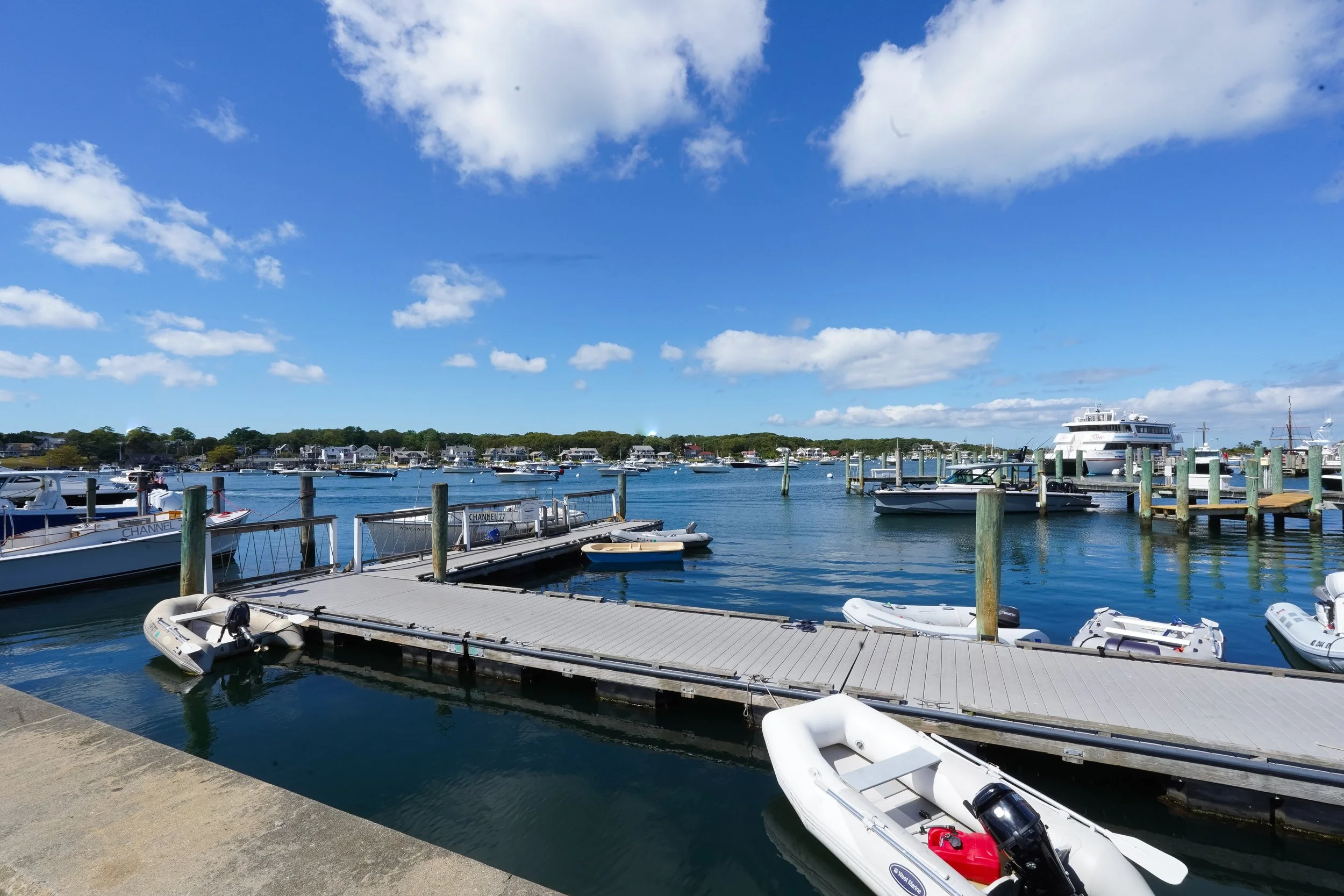
Golden late-afternoon light spills across weathered shingle cottages, and the only sound on Edgartown’s Main Street is your own footsteps echoing off white clapboard. At Lucy Vincent Beach, clay cliffs glow amber against a steel-blue October sky, and not a single towel crowds the sand.
That kind of solitude doesn’t exist anywhere else in New England coastal travel — private beaches that padlock their gates from June through Labor Day suddenly swing open to anyone willing to show up in a wool sweater.
This guide tells you exactly where to stay, which towns deliver after the crowds leave, and how to plan a fall Vineyard trip without wasting a single day on guesswork.
Expect mid-range lodging to run roughly $250–$450 per night at a well-located inn, with budget-friendly weeknight rooms dipping closer to $150 and full-service splurges like the Mansion House pushing $500 or more on peak fall weekends.
Your Fall Martha’s Vineyard Cheat Sheet
- Smartest base town: Vineyard Haven — the only town that functions year-round with reliable dining, open shops, and direct ferry arrival
- Best hotel for convenience: Mansion House in Vineyard Haven, steps from the dock with a year-round pool and spa
- Best hotel for atmosphere: Ashley Inn in Edgartown, a personal-run country inn on Main Street with genuine off-season charm
- Don’t-miss perk: Lucy Vincent Beach in Chilmark opens to everyone from mid-September — arguably the most beautiful beach on the island, completely free
- Dining reality check: Big-name seasonal spots like Nancy’s and Giordano’s close, but year-round anchors like Dock Street Coffee Shop and the Edgartown Diner keep you fed without lines
- Transport strategy: Walk on the passenger ferry for under $22 round-trip, then rent a car on-island for one full day at roughly $165 — saves $300+ versus bringing your vehicle across
Is Fall the Best Time to Visit Martha’s Vineyard?
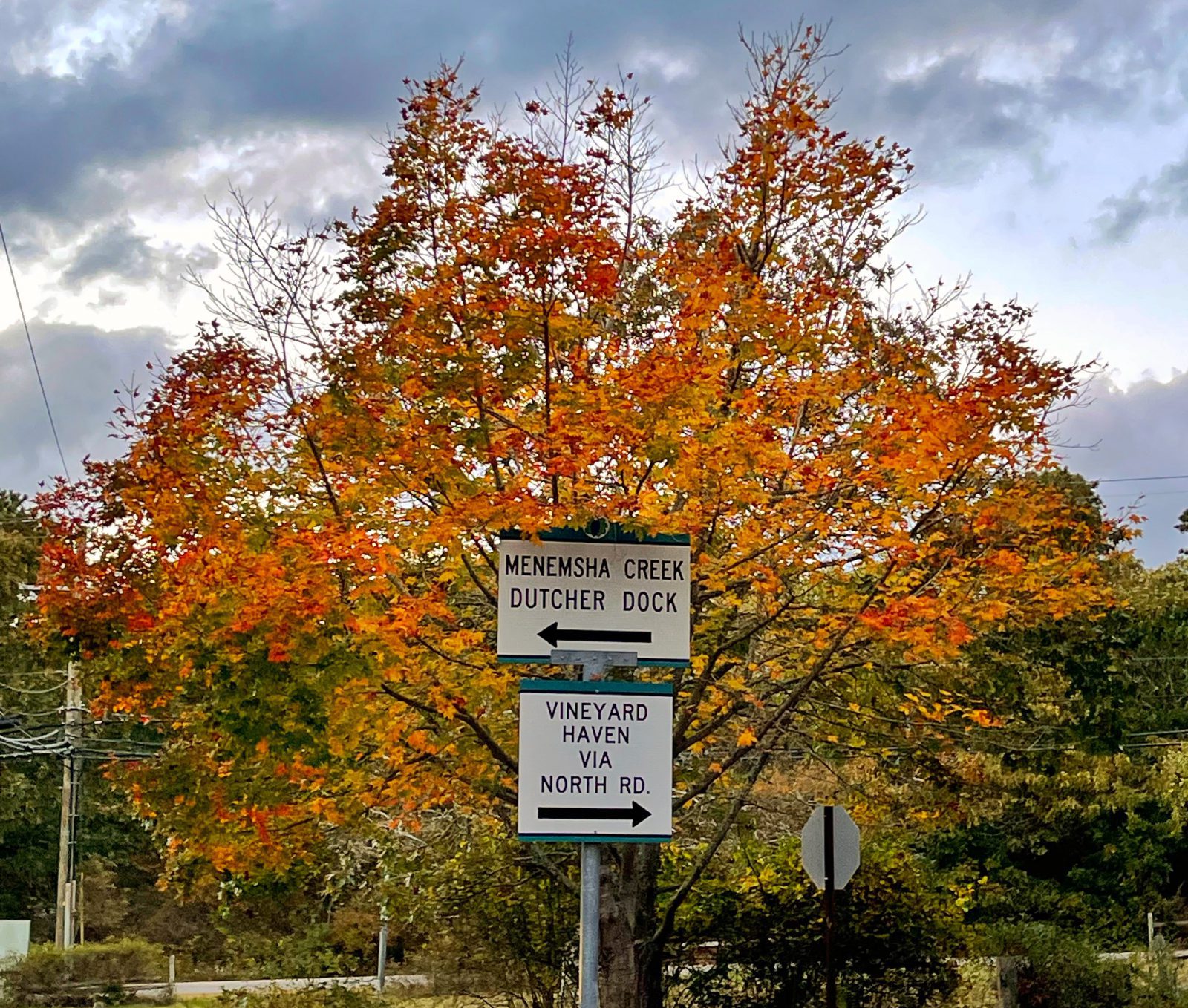
When the summer crowd of 130,000 shrinks to roughly 17,000 permanent residents, Martha’s Vineyard transforms from a celebrity-packed bottleneck into the island it was always meant to be — quiet, uncrowded, and genuinely affordable (relatively speaking). The question isn’t whether fall is a good time to visit.
It’s whether you can handle a Vineyard without the scene.
Summer means booking your car ferry spot six months in advance, standing in long restaurant lines, and paying peak-season hotel rates. Fall means walking onto the same ferry without a reservation, sitting down immediately at every open restaurant, and finding waterfront inns at a fraction of July prices.
The tradeoff is real but manageable: some businesses close entirely, the water is too cold for swimming, and the weather is unpredictable.
Summer vs. Fall at a Glance
| Factor | Summer (June–Aug) | Fall (Sept–Nov) |
|---|---|---|
| Island population | ~130,000 | ~17,000 |
| Car ferry reservations | Book 6 months ahead | Same-week or walk-on availability |
| Restaurant waits | Long lines at popular spots | Walk in and sit down |
| Hotel rates | Peak pricing | Typically 20–50% lower at most inns |
| Private beaches | Restricted to residents/guests | Lucy Vincent and Quansoo open to everyone |
| Dining choices | Everything open | Big-name spots close; smaller gems stay open |
| Weather | Warm, predictable | Cool, variable — layers essential |
Where Fall Wins Outright
- Exclusive beaches become public: Lucy Vincent Beach in Chilmark and Quansoo Beach — both strictly off-limits to non-residents in summer — open to everyone from roughly mid-September through spring. Walking a nearly empty Lucy Vincent on a crisp October afternoon is worth the trip alone.
- Zero crowds at marquee spots: The Gingerbread Cottages in Oak Bluffs, the Edgartown Lighthouse, Menemsha at sunset — shoulder-to-shoulder in July, all to yourself in October.
- Hotel availability without the planning marathon: Properties like the Mansion House in Vineyard Haven, the Ashley Inn in Edgartown, and the Edgar Hotel drop well below summer peaks. A week or two of advance booking works — no six-month scramble required.
- Hiking in peak form: Cool air, changing foliage, and empty trails make fall the best season for the island’s network of paths. More details in the hiking and nature section.
Where Summer Still Wins
- Dining breadth: Well-known restaurants — including spots like Nancy’s and Giordano’s in Oak Bluffs — shut down for the off-season. Smaller locally focused places stay open and the food is often better without the pressure of feeding hundreds nightly, but your options narrow considerably.
- Swimming and beach days: Water temperatures drop fast after September. If the trip revolves around sunbathing and warm ocean swimming, fall won’t deliver.
- Nightlife and events: Most organized programming, live music calendars, and late-night scenes disappear. This is a decompression trip, not a party trip.
The Honest Caveat
Off-season Martha’s Vineyard is not a fully functioning resort island. The visitors bureau distributes limited off-season information and printed guides tend to gear toward summer travelers starting in June.
Some places listed as “open” online are actually shuttered for the season. Locals are the most reliable source — ask at your inn or at the diner counter.
Budget expectations should stay grounded too: everything on the island costs more than the mainland because freight costs are baked into every gallon of milk and every tank of gas. That doesn’t change with the season.
The Insider Angle Most Visitors Miss
The island’s private beaches opening to the public in fall is not widely advertised. Lucy Vincent Beach is one of the most beautiful stretches of coastline in New England, and in summer you cannot access it unless you’re a Chilmark resident.
From mid-September on, the gates open. No sign announces it — you just show up.
Who Should Book a Fall Trip
- Couples seeking quiet: A waterfront inn in Edgartown or Vineyard Haven, long walks, good food, and nowhere to be. That’s the itinerary.
- Photographers: Golden autumn light, empty beaches, and weathered shingle architecture — this is when the island photographs best.
- Hikers and nature lovers: Trail systems without another soul in sight, migratory birds along the coast, and cranberry bogs in harvest season.
- Spontaneous planners: Fall is the only season you can decide on a Wednesday to visit that weekend.
The bottom line: if your idea of Martha’s Vineyard is lobster rolls at a packed counter and warm-water swimming, stick with summer. But if you want the actual island — the one locals see year-round, without the noise, at real-world prices — fall is not just “also good.” It’s better.
Which Towns Deliver the Best Off-Season Vibe?
When the summer crowd of 130,000 thins to roughly 17,000 permanent residents, the island’s five distinct towns stop competing for your attention and start revealing who they actually are. Each one has a completely different off-season personality — and choosing the wrong base is the fastest way to feel like you’re staying in a ghost town.
| Town | Off-Season Vibe | Best For | Walk-In Dining? |
|---|---|---|---|
| Vineyard Haven | Year-round workhorse | First-timers, foodies, rainy-day backup | Yes — most reliably open |
| Edgartown | Refined and sleepy | Couples, architecture lovers, upscale calm | Moderate — some closures |
| Oak Bluffs | Quiet with character | Families, budget travelers, history buffs | Spotty — many seasonal closures |
| Menemsha/Chilmark | Totally shut down | Day-trippers, solitude seekers only | No — do not base here off-season |
Here’s the honest take on each one.
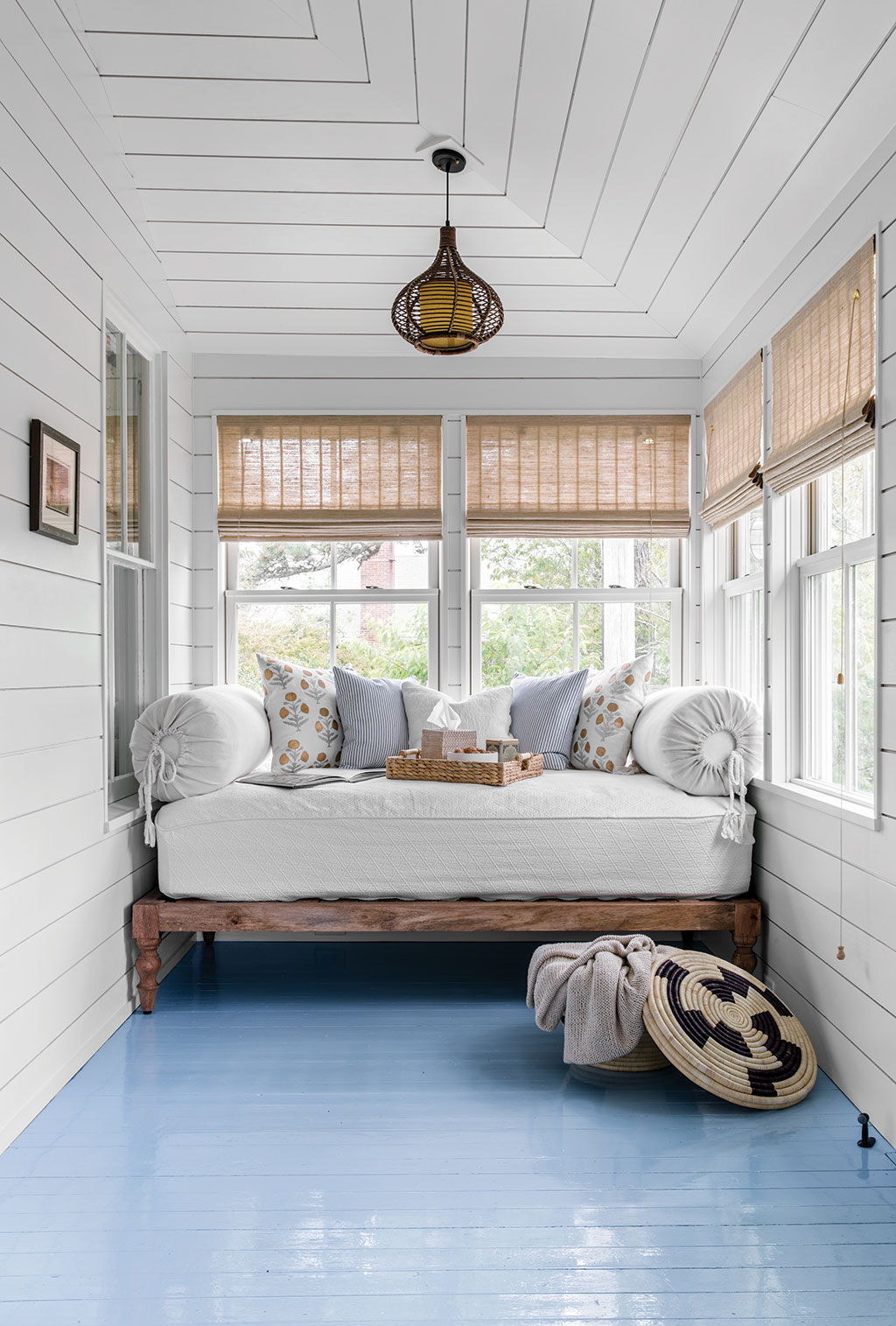
Vineyard Haven
This is the only town on the island that functions at full capacity year-round. That alone makes it the smartest off-season base for anyone who doesn’t want to plan every meal and errand around seasonal closures.
The ferry from Woods Hole docks here, which means you walk off the boat directly into a town with open bookstores, a functioning hardware store, and — critically — reliable coffee.
Why it wins in fall:
- Most walkable year-round dining: The Black Dog Tavern and Art Cliff Diner are open through the off-season (Art Cliff closes Wednesdays, plan accordingly). You will not go hungry here.
- Rainy-day insurance: More shops and galleries stay open here than anywhere else on the island. When a nor’easter rolls in, Vineyard Haven is where you want to be stuck.
- Ferry convenience: You arrive and depart without needing a car or bus to reach your base. That matters when you’re hauling luggage in November wind.
- Stay context: Main Street and the blocks immediately around the harbor put you within a five-minute walk of everything that stays open. Book lodging on this side of town, not up toward West Chop.
Edgartown
Edgartown in peak season feels like a movie set — white clapboard mansions, manicured hedges, couples in linen. In fall, the production wraps and the town exhales.
The streets are genuinely empty after 6 p.m. If that sounds romantic to you, this is your town. If it sounds depressing, pick Vineyard Haven instead.
Why it works — and where it doesn’t:
- Architecture still stuns: The stately whaling captains’ houses along Main Street and North Water Street are worth a visit in any season. Fall light on those white facades is objectively better than harsh summer sun.
- Dinner is the move: A handful of year-round restaurants keep Edgartown viable for evening meals — your lodging will know which ones are open during your specific dates. Lunch options thin out significantly.
- Early coffee problem: The first reliable coffee in Edgartown is at the gas station on Main Street. That’s not a joke — it’s a genuine planning detail. Bring a thermos or adjust your morning expectations.
- Stay context: The Ashley Inn on Main Street and The Edgar Hotel both operate through the off-season with meaningfully lower rates. Both put you within walking distance of the handful of open restaurants.
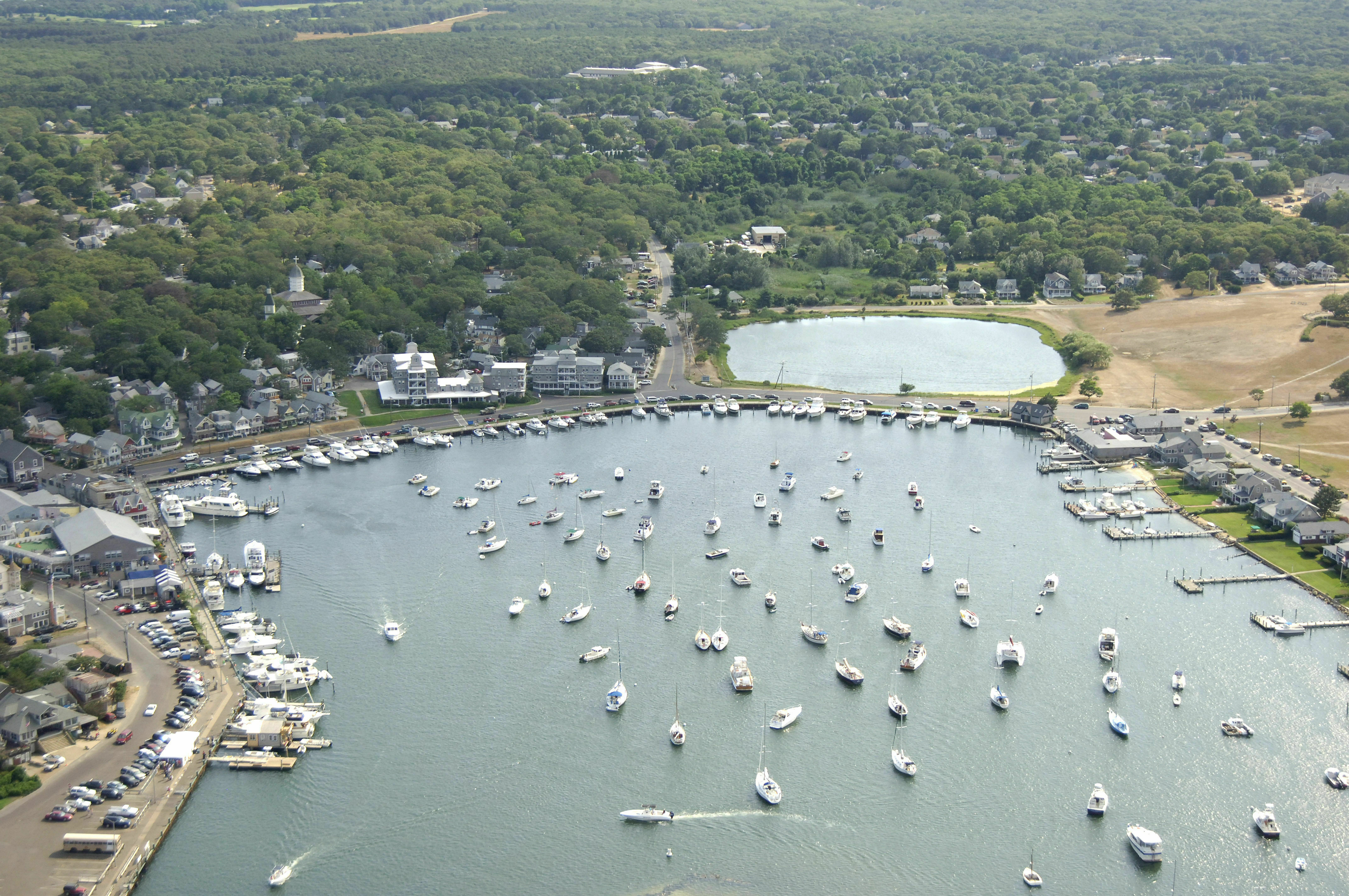
Oak Bluffs
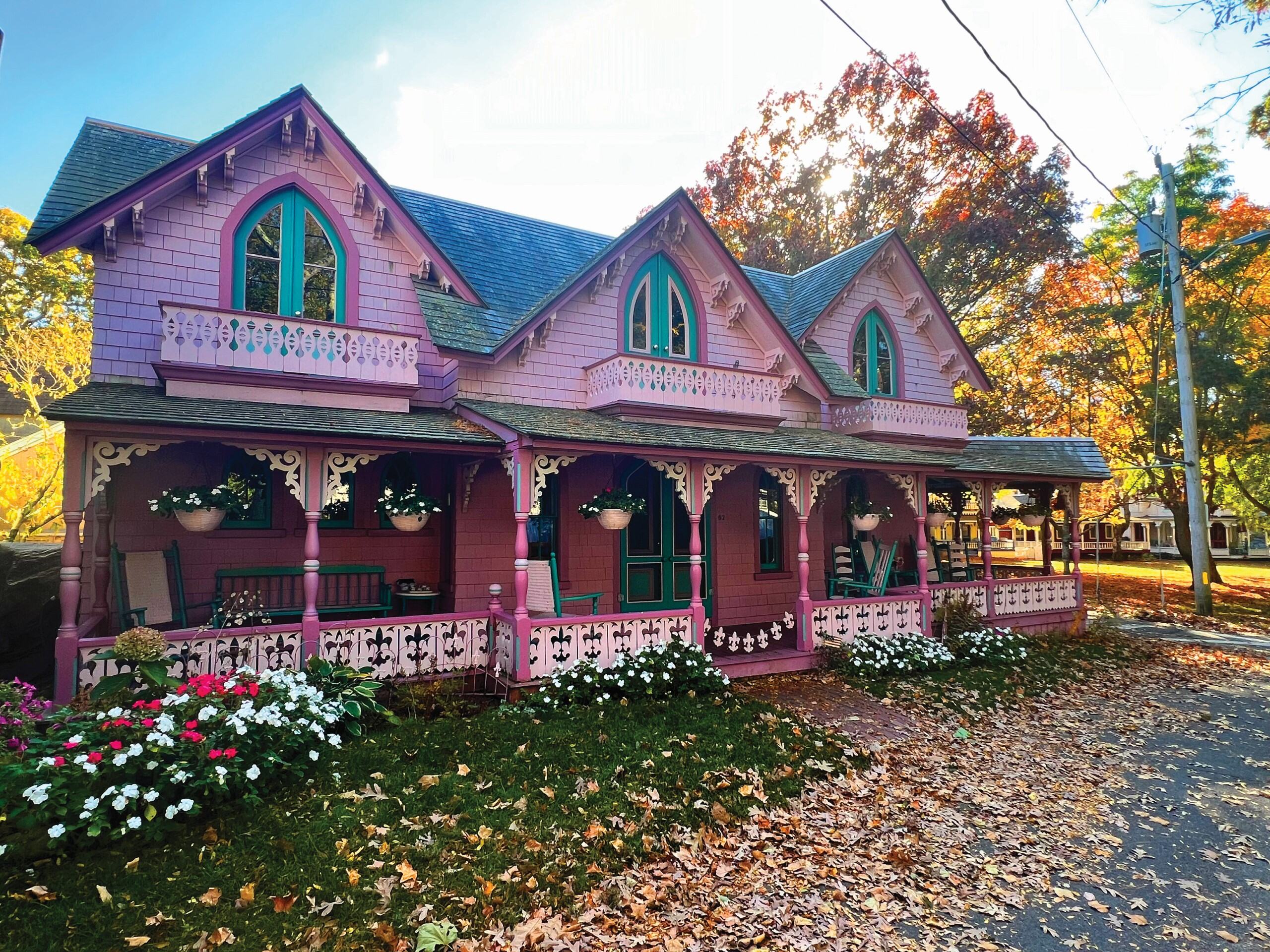
Oak Bluffs has the island’s most fascinating architectural history — the candy-colored Victorian “gingerbread cottages” from the Methodist camp meetings of the 1800s are genuinely unlike anything else in New England. The Flying Horses Carousel, the nation’s oldest operating platform carousel, sits right on Circuit Avenue.
In summer, this town buzzes. In fall, it goes quiet in a way that’s either peaceful or eerie depending on your temperament.
The reality check:
- Many businesses close for the season: Circuit Avenue — the main drag — loses a significant percentage of its restaurants and shops after Columbus Day weekend. Do not expect to stroll up and find dinner easily.
- The gingerbread cottages are still there: Walking through the Campground Association area costs nothing and requires zero open businesses. Off-season is actually the best time to photograph these without crowds blocking every shot.
- Harbor views hold up: The lawn overlooking the harbor, where boats dock out in open water, is a year-round scene. Bring a blanket and a thermos — that’s your off-season Oak Bluffs experience.
- Base here only if: You have a rental car, you’re comfortable cooking some meals, or you specifically want the quiet Victorian neighborhood experience. Otherwise, Vineyard Haven or Edgartown serves you better.
Menemsha and Chilmark
Do not base yourself in Menemsha or Chilmark during the off-season. Full stop.
These are fishing villages and rural farmland — gorgeous, iconic, and almost entirely shuttered from late October through spring. The famous Menemsha fish markets, the beach sunsets, the lobster pounds — nearly all of it closes for the season.
You can drive through, take photos of the fishing shacks and the harbor, and feel the solitude that draws artists and writers here. But there’s no lodging infrastructure operating, minimal food access, and no backup plan if the weather turns.
- Day-trip from Vineyard Haven or Edgartown. The drive across the island takes 20 to 30 minutes and the roads through Chilmark’s rolling farmland are genuinely beautiful with fall foliage.
- Bring your own food. Pack a picnic and eat on Menemsha Beach — even closed, this is one of the most photographed sunset spots in the Northeast for a reason.
- Check with individual businesses before visiting. Some Menemsha fish markets and shacks operate on limited fall schedules, usually closing for good by mid-to-late October. Confirm with operators directly because dates shift year to year.
Best Hotels in Martha’s Vineyard for Lower Fall Rates
Off-season rates on Martha’s Vineyard typically drop 30–50% from peak summer pricing, but availability flips: the best-located inns that sell out in July suddenly have rooms open for weeks. These three properties are year-round operations with real character — not summer-only rentals that shutter by Columbus Day.
| Hotel | Town | Style | Best For | Standout Feature |
|---|---|---|---|---|
| Mansion House | Vineyard Haven | Full-service hotel | Ferry arrivals who want zero commute | Pool, spa, and harbor views |
| Ashley Inn | Edgartown | Country inn | Quiet-seekers and couples | Main Street location, personal service |
| Edgar Hotel | Edgartown | Renovated boutique hotel | Design-conscious travelers | High-end amenities with MV character |
Mansion House in Vineyard Haven
If you’re arriving by ferry — and you almost certainly are — the Mansion House is the move. It sits steps from the Vineyard Haven dock, which means you roll off the boat and into your room in under five minutes.
That matters even more in fall when the last ferries run earlier and you don’t want to be dragging luggage across a dark island.
- What wins: Year-round pool and spa, which most island properties don’t offer outside summer. Harbor views from upper floors are genuinely spectacular at sunrise.
- What to know: Vineyard Haven is a dry town — no alcohol served at restaurants here. If that’s a dealbreaker, base in Edgartown or Oak Bluffs instead.
- Insider detail: Request a harbor-facing room on an upper floor. The view of ferries coming and going is the kind of thing that makes fall mornings worth waking up for.
Off-season rates make the Mansion House considerably more accessible than its July pricing suggests. The Black Dog Tavern is a short walk for breakfast — book directly with the hotel and ask about current fall pricing, which fluctuates by week.
Ashley Inn in Edgartown
The Ashley Inn is the anti-hotel pick. It’s a proper country inn on Main Street in Edgartown — think creaky floors, real antiques, and the kind of quiet that only exists when sixty tour buses aren’t parked outside.
Owner Fred runs it personally, and the service reflects that hands-on attention.
- What wins: You’re on Main Street in the prettiest town on the island, walking distance to everything Edgartown offers in fall — which is considerably more than you’d expect. The old-world atmosphere is authentic, not staged.
- What to know: It’s a country inn, not a hotel. Don’t expect a front desk staffed 24 hours or room service. Do expect a quieter, more personal stay than any chain could deliver.
- Insider detail: The earliest coffee in Edgartown comes from the gas station a block up Main Street — worth knowing when you want to catch sunrise over the harbor before anywhere else opens.
This is the right call for anyone who values atmosphere over amenities. Fall rates make what’s normally a splurge into something reasonable.
Edgar Hotel in Edgartown
The Edgar Hotel took a full renovation and actually got it right — polished enough to feel upscale, grounded enough to still feel like you’re on Martha’s Vineyard. It’s the newest-feeling option of these three without tipping into sterile boutique territory.
- What wins: Both standard rooms and suites feel considered, not just repainted. The renovation blends modern finishes with island character in a way that works.
- What to know: It runs more like a proper hotel than the Ashley Inn, which means more consistent service but less personality. Choose based on whether you want charm or polish.
- Insider detail: Suites are worth the upgrade in fall when the price gap narrows significantly — you get real living space for often just $30–50 more per night, though rates shift throughout the season.
For travelers who want a hotel that feels designed rather than inherited, the Edgar is the best fall-value pick in Edgartown. Book directly for the most accurate off-season rates, which typically run from late September through mid-November before holiday pricing kicks in.
Bottom line: Choose the Mansion House for convenience and amenities, the Ashley Inn for character and quiet, or the Edgar Hotel for a modern island stay. All three are open year-round and all three drop meaningfully in fall — but the best rooms at any of them still go first, so book at least three to four weeks ahead even in shoulder season.
Where to Eat in Martha’s Vineyard in Fall Without Lines
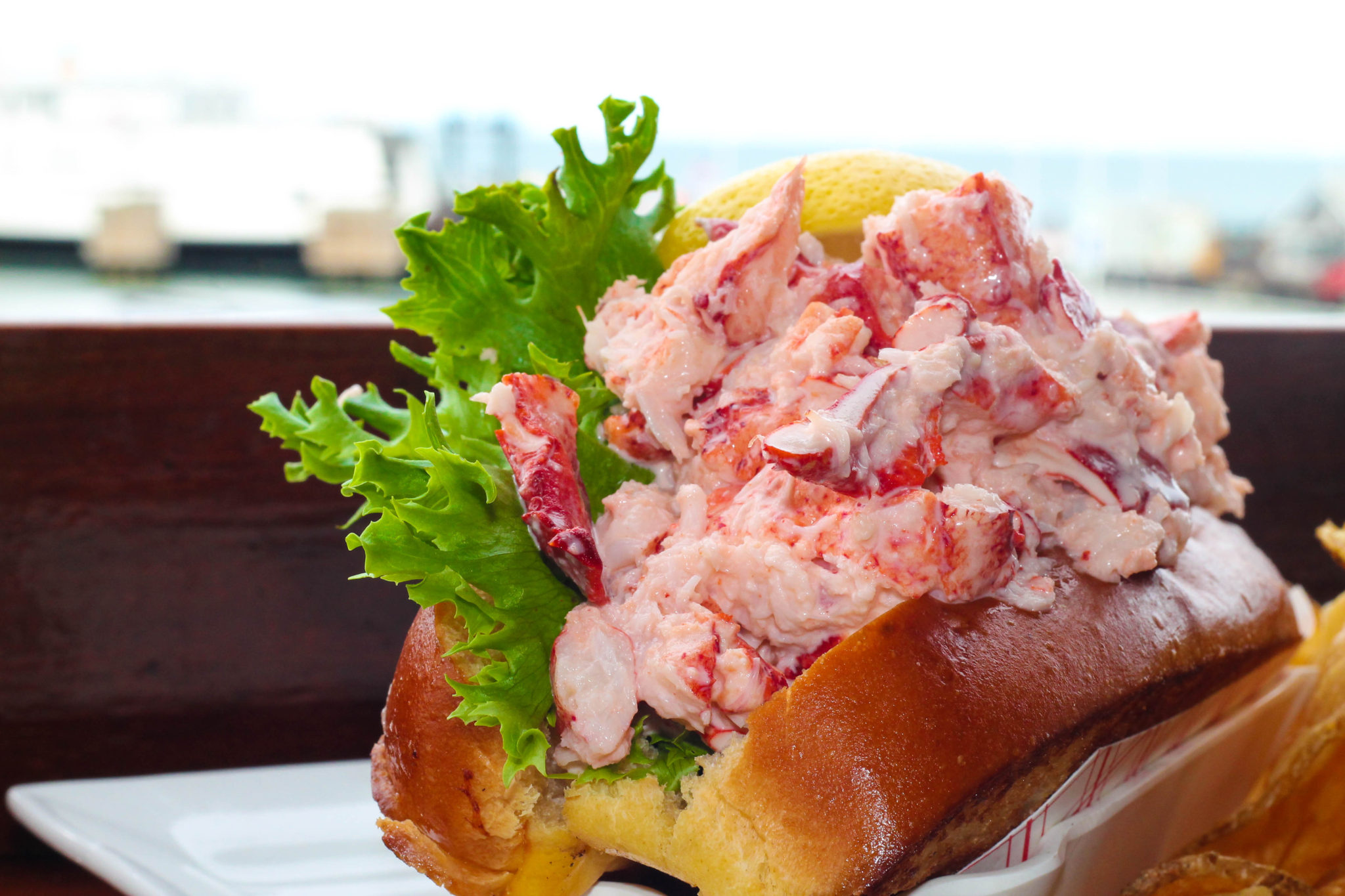
The August wait for a lobster roll disappears entirely by mid-October — and that alone makes fall dining here worth the trip. The trade-off is real: many of the island’s bigger-name restaurants shutter after Columbus Day.
Nancy’s, Giordano’s, and a handful of Edgartown’s polished spots won’t reopen until Memorial Day. But the smaller, locals-driven places stay open year-round, and eating shoulder-to-shoulder with year-round residents instead of tourist crowds is a genuine upgrade.
A critical planning detail: everything on Martha’s Vineyard costs more than the mainland because supplies arrive by ferry. Expect restaurant prices roughly 15–25% higher than comparable Cape Cod spots.
That’s the island premium — accept it upfront and enjoy the meal.
Breakfast and Casual Spots
Dock Street Coffee Shop (Vineyard Haven) is the single best reason to set an alarm on a fall morning. It’s where locals eat — no frills, counter seating, and the eggs-and-linguica plate is the move.
In summer you’d wait for a stool; in fall you’ll have your pick. Get there early, because even off-season this place fills by 9 AM on weekends.
The Edgartown Diner stays open through the off-season and does a legitimately good omelette. It’s the kind of no-pretense breakfast spot that feels right on a gray October morning before exploring Edgartown’s side streets.
Both of these are solid choices — pick based on which town you’re staying in and save yourself the drive.
- Best for local flavor: Dock Street Coffee Shop in Vineyard Haven — counter stools, linguica, zero tourists.
- Best for a sit-down morning: The Edgartown Diner — reliable omelettes, booth seating, right in town.
- Earliest coffee option: The gas station one block up from Main Street in Edgartown opens before anything else. No joke — it’s the pre-dawn photographer’s best friend.
Dinner and Local Favorites
Fall dinner options thin out significantly compared to summer, but what stays open tends to be the places that earn year-round loyalty. The Lookout Tavern is worth tracking down for lobster rolls — it’s a draw even in peak season, and without the July crowd it becomes a genuinely relaxed meal.
The honest reality: don’t arrive expecting a deep dinner rotation. Two to three solid dinner options per town is realistic for most of October and November.
This is where advance planning pays off — check operating days before you go, because many fall spots run Thursday through Sunday only.
If you’re based in Vineyard Haven or Edgartown, you’ll have the most reliable off-season dinner access. Menemsha’s iconic seafood shacks — covered elsewhere in this guide — close earlier in the season, so don’t count on them past mid-October.
Bakery and Quick Bites
Fall bakery options are limited, and this is one area where the off-season genuinely disappoints compared to summer’s abundance. The move here is to grab baked goods early in the day from whatever’s open near your morning coffee stop, rather than planning a dedicated bakery run.
If pastries and quick bites matter to your trip, bring some snacks from the mainland or plan your bakery stops for days when you’re near a town center that has confirmed hours. The visitor’s bureau information for off-season dining is notoriously incomplete — locals often know about open spots that aren’t listed anywhere.
Ask at your inn or hotel front desk. The Ashley Inn in Edgartown, for example, is the kind of place where the owner will point you to what’s actually open that week.
- Biggest fall dining mistake: Arriving without checking hours. Closures shift weekly, and many spots drop to weekend-only service without updating online listings.
- Budget move: Plan one restaurant dinner per day and supplement with groceries from Cronig’s Market in Vineyard Haven — it stays open year-round and prices are reasonable by island standards.
What to Do in Martha’s Vineyard in Fall

The locked gates come down after Columbus Day, and Lucy Vincent Beach—the one you couldn’t get on all summer—becomes your private, windswept playground. Fall on the Vineyard trades swimsuit crowds for the kind of solitary beauty that requires a wool sweater and a good pair of boots.
Beaches Open to Everyone
The island’s best beaches are famously private in summer, reserved for town residents. Come fall, the restrictions lift. This is the single biggest off-season perk for a visitor who wants more than just sand.
- Lucy Vincent Beach (Chilmark): This is the top pick. Dramatic clay cliffs, crashing waves, and zero crowds. Access is free and open to all from mid-September through late May. On a crisp, sunny fall day, walking its length feels like discovering a secret coast.
- Quansoo Beach (Chilmark): Another resident-only beach that opens to all off-season. More exposed and wild than Lucy Vincent, with strong surf. It’s for contemplation, not swimming.
- State Beach & South Beach: These popular spots remain technically open but lose their appeal without the warmth and the lifeguards. The real fall beach experience is at the newly public Chilmark beaches.
Hiking Trails and Nature
Forget the crowded summer paths. Fall hiking here is about immersing in the island’s quieter, golden-hour landscape. The Menemsha Hills offer the most rewarding payoff for your effort.
- Menemsha Hills (Chilmark): The trail leads to the second-highest point on the island, with panoramic views from the Gay Head Cliffs to the Elizabeth Islands. The foliage is a bonus. The modest 3-mile loop is perfect for a half-day outing.
- Long Point Wildlife Refuge (West Tisbury): Managed by The Trustees, this offers miles of trails through coastal scrub, outwash plain, and to a remote barrier beach. A $5 parking fee applies (non-members). It’s the best spot for seeing the island’s interior ecology and quiet shoreline.
- General Tip: Pick up a detailed trail map from the Martha’s Vineyard Land Bank office in Edgartown or the Trustees’ office. Cell service on trails can be unreliable.
Museums and History Sites
Edgartown is your base for history. The grand sea captain’s houses are striking against grey skies, and you can tour them without jostling.
- Martha’s Vineyard Museum (Edgartown): This is the main cultural anchor. Housed in a historic campus, its exhibits on whaling, the Wampanoag, and island life are excellent. They often run special fall programs. Check their hours before you go—they operate on a reduced winter schedule.
- Edgartown Walking Tour: Self-guided is best. Pick up a map at the museum or the Edgartown Board of Trade. Focus on North Water Street and the harbor, where the white clapboard homes of 19th-century whaling captains are perfectly preserved. The crowds are gone, so you can actually linger on the porches and read the plaques.
- Aquinnah Cliffs & Lighthouse (Aquinnah): The Gay Head Cliffs are spectacular year-round, but fall light makes the clay striations glow. The small museum at the base is often open on weekends into October. It’s a scenic drive, not a lengthy museum visit.
Bookstores and Quiet Wanders
The off-season is made for this. Book a stay in Vineyard Haven or Edgartown, where you can walk to a bakery, a bookstore, and a calm harbor in five minutes.
- Bunch of Grapes (Vineyard Haven): The island’s flagship indie bookstore. It’s cozy, well-stocked, and has a great local history section. Fall is when you can actually browse the shelves without a line forming behind you.
- Edgartown Books (Edgartown): A beautifully curated store on Main Street. Their staff picks are reliably good. It’s a perfect stop between gallery visits.
- The Quiet Wander: The real activity is simply walking. Stroll the Edgartown harbor at dusk when the fishing boats come in, or walk the length of Circuit Avenue in Oak Bluffs to see the Painted Ladies without the summer soundtrack. Bring a book to The Newes from America pub in Edgartown, grab a pint, and sit by the fire. That’s the off-season itinerary in a nutshell.
How to Get Around Martha’s Vineyard in Fall
The single biggest mistake fall visitors make is bringing a car on the ferry. At roughly $300 or more round-trip (charged by vehicle length), plus near-impossible off-season reservations through the Steamship Authority, you’re paying a premium for a headache.
Rent on the island instead — the math almost always favors it.
Renting a Car on the Island
A 24-hour off-season rental on Martha’s Vineyard typically runs around $165, and that gives you complete freedom to hit every town, trail, and beach without waiting on anyone else’s schedule. Book through one of the agencies near the Vineyard Haven or Edgartown ferry docks — availability is far better in fall than summer, but don’t assume unlimited inventory on weekends or during October foliage weeks.
- Budget the mainland parking: If you drove to Woods Hole, expect to pay around $17 per day at the Steamship Authority lots. Factor that into your total cost comparison against bringing the car over.
- One strong rental day beats a week of bus schedules: Rent a car for 24 hours, loop the entire island — Aquinnah cliffs, Menemsha, Chilmark, Edgartown, Oak Bluffs — then return it. Most visitors find one full driving day covers everything worth seeing off-season.
- Gas up on-island: Fuel costs more here, but you don’t have many options. Top off before returning the car to avoid refueling surcharges from the rental agency.
Bus Travel Realities
The Vineyard Transit Authority (VTA) runs year-round bus routes connecting the main towns, and the fare is low — typically a few dollars per ride. That’s the good news.
The honest assessment: fall bus service runs on reduced frequency, routes are limited, and you’ll spend significant time waiting. Drivers during off-season have been reported as unfamiliar with the island, which can mean missed stops or confusion if you’re relying on verbal directions.
Bring the VTA schedule (available at the ferry terminal and online) and treat the bus as a backup, not your primary plan.
- Best use case: Getting between Vineyard Haven and Edgartown or Oak Bluffs without a car — these routes run most reliably.
- Don’t count on it: Reaching Chilmark, Menemsha, or Aquinnah by bus in fall is unreliable. Those areas are where a rental car earns its cost.
Ferry Planning and Parking
The Steamship Authority ferry from Woods Hole is the main gateway, and booking a vehicle spot requires planning well ahead — even in fall. The system opens reservations months in advance, and prime departure times sell fast despite the smaller crowds.
The smarter fall move: Leave your car on the mainland and walk on as a passenger. The passenger fare is a fraction of vehicle transport, boarding is faster, and you avoid the reservation scramble entirely.
Rent a car once you arrive on the island — you’ll likely save money and definitely save stress.
- Walk-on fare: Typically under $20 round-trip per adult — confirm current pricing at steamshipauthority.com since rates adjust seasonally.
- Vehicle fare: Usually $150+ each way depending on vehicle length, and that’s before passenger fees are added on top.
- Provincial Town (Hyannis) alternative: If you’re coming from the Cape Cod side, the Hy-Line ferry to Oak Bluffs runs seasonally and can be less competitive for reservations. Check if fall service is still operating before counting on it.
- Flying in: Cape Air and other regional carriers fly directly to Martha’s Vineyard Airport from Boston and New York. If your trip is short and you plan to rent a car on-island anyway, flying eliminates the ferry hassle completely.
One detail most guides skip: the Vineyard Haven ferry dock puts you within walking distance of the town center, rental car agencies, and several lodging options including the Mansion House. Oak Bluffs dock is similar for its town.
If your schedule allows, request the Vineyard Haven arrival — it’s the more practical off-season base with more services still open in fall.
How Much Does Martha’s Vineyard Cost in Fall?
The single biggest budget win of a fall trip is what you don’t spend: the frantic $300+ car ferry fee and the peak-season premium on everything from a lobster roll to a hotel room. Plan for an island that’s 30-50% cheaper on lodging and entirely more accessible.
Lodging: The Main Savings
This is where your budget breathes. The nightly rate at a place like the Mansion House in Vineyard Haven or the Ashley Inn in Edgartown (covered in our hotel section) can drop by a third or more compared to July.
Expect to pay roughly $250-$450 for a good B&B or boutique hotel room on a fall weekend, versus $400-$700+ in summer.
- Book direct: Always call the hotel after checking online. Many offer slightly better off-season rates or waive fees when you book directly, a detail rarely listed on their sites.
- Weeknight wins: Sunday through Thursday nights are consistently the cheapest. You’ll often find the same room at weekend rates on a Tuesday.
Dining & Groceries: Fewer Options, Still Island Prices
Meals will cost the same as summer at any given restaurant, but your total spend can drop. You won’t be tempted by expensive pop-up bars, and many of the priciest seasonal spots (like big waterfront restaurants) are simply closed.
The casual spots that remain, detailed in our dining section, often have more reasonable menus.
- Budget real talk: As one local told us, everything costs more on the island—getting supplies there adds to the price. A casual dinner for two with drinks will typically run $80-$120. A dozen oysters and a beer at a Menemsha shack might be $60.
- Stock up wisely: Bring non-perishable snacks and wine from the mainland. Island grocery prices are noticeably higher.
Activities: Mostly Free or Very Cheap
This is the off-season’s secret weapon for budget travelers. Your two main activities—experiencing empty, stunning nature and exploring historic towns—cost nothing.
- Beaches: Normally resident-only gems like Lucy Vincent Beach are open to everyone. Free.
- Hiking: Trail networks like those around Menemsha or the Manuel F. Correllus State Forest are free to access.
- Museums: A modest admission fee, often under $15 per adult.
Transportation: Your Strategic Cost
How you get here and move around is your biggest variable. Plan this carefully.
| Option | Typical Fall Cost | Best For |
|---|---|---|
| Passenger-Only Ferry | $18-$22 round-trip per adult. | Solo travelers or couples staying in walkable towns like Edgartown or Vineyard Haven. |
| Bring Your Car on Ferry | $180+ round-trip (price per foot of vehicle). Reservations can be tight. | Families needing car seats/mobility or those staying in remote areas like Aquinnah. Book months ahead. |
| Rent a Car on the Island | $150-$200 per 24 hours. | Flexibility without the ferry hassle. Reserve online before you arrive. |
| Island Bus (VTA) | $2.50 per ride or $7 for a day pass. | Budget travelers based in a main town making limited trips. |
Insider tip: The smartest budget play is often taking the passenger ferry and renting a car on-island for just one or two full days of exploration, then relying on walking and the bus otherwise. This beats paying the steep ferry fee for your own car you may not use daily.
The bottom line: A fall getaway for two for three nights can realistically be planned for $1,500-$2,200 total, including lodging, food, transport, and activities. In summer, that same trip could easily exceed $3,000.
You’re trading a few open restaurants and the beach-swimming crowd for significant savings, solitude, and the island’s authentic, magical charm.
Frequently Asked Questions
Is everything closed on Martha’s Vineyard in the fall?
No — but the island shrinks significantly. Summer’s 130,000-person population drops to roughly 17,000, and the bigger seasonal restaurants like Nancy’s and Giordano’s shut down for the year.
That said, plenty of smaller spots stay open and they actually want your business. The real gap is information: the Martha’s Vineyard Visitors’ Bureau and most local publications don’t start listing off-season events until June, so expect to do more legwork finding what’s open once you arrive.
Come flexible, not frustrated.
Should I bring my car on the ferry or rent one on the island?
Rent on the island — it’s the smarter move. Ferry vehicle reservations are notoriously tough to snag, even in off-season, and bringing a standard-sized rental over will run you roughly $300 or more (the ferry charges by the foot).
A 24-hour off-season car rental on Martha’s Vineyard runs about $165, plus roughly $17/day to park your mainland vehicle at the Woods Hole area. For a two- or three-day visit, renting on-island saves money and eliminates the reservation headache entirely.
Can I access the restricted beaches like Lucy Vincent in the off-season?
Yes — this is one of the best-kept perks of off-season travel. Beaches that require town stickers all summer, including Lucy Vincent Beach in Chilmark and Quansoo Beach, open to everyone once the seasonal restrictions lift.
You won’t be swimming in October, but a long walk on Lucy Vincent on a crisp fall day with zero crowds is worth the trip alone. Check with the Chilmark town office for exact opening dates, as they shift slightly each year.
How many days should I spend on Martha’s Vineyard in the off-season?
Two to three days is the sweet spot. The island is small enough to explore thoroughly in that window — hit the open restaurants, walk the now-public beaches, hike a few trails, and browse Edgartown and Vineyard Haven without the summer crush.
Several travelers find it smart to combine a shorter Vineyard stay with a few days on Cape Cod, where more dining and lodging options remain open into late fall. You’ll get the island magic without running out of things to do — and you’ll save considerably on island costs, which run higher year-round due to the expense of shipping everything across the water.
Start Planning Your Off-Season Vineyard Escape
Book the passenger ferry from Woods Hole first — it’s cheap, fast, and eliminates the vehicle reservation headache entirely. Then call the Mansion House or Ashley Inn directly for their current fall rate; both properties reward direct bookings with better pricing than you’ll find online.
Walking an empty Lucy Vincent Beach in October, with wind-cut clay cliffs on either side and salt air filling your lungs, is one of those rare moments that costs almost nothing and rewrites how you think about a destination you thought you already knew.
Pick your dates this week, lock in that ferry spot, and let everything else on the Vineyard fall into place.
Leave a Reply