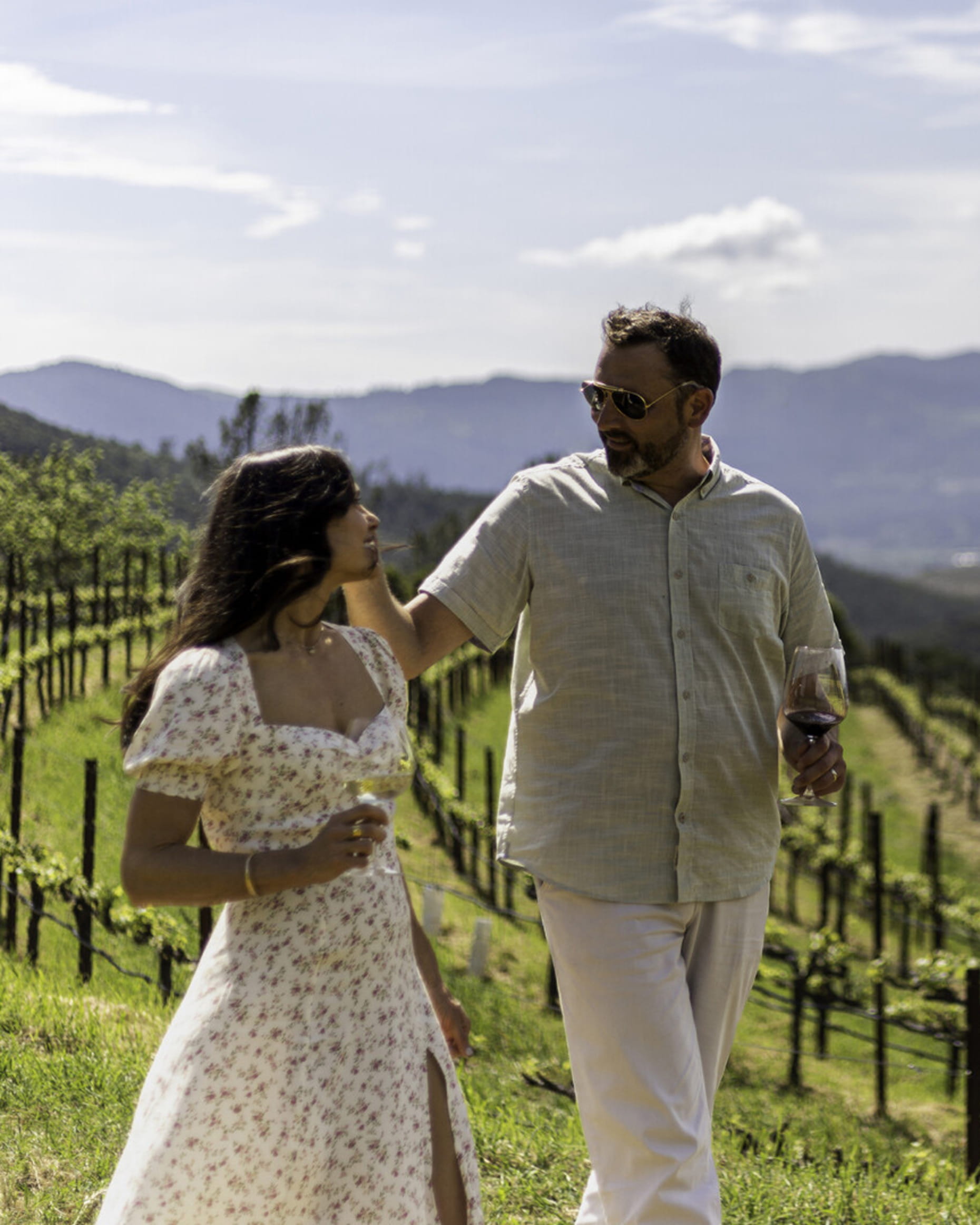
The air in Napa during October smells like fermenting jam — a thick, yeasty sweetness that drifts from every crush pad and clings to your clothes by late afternoon. At dawn, yellow harvest bins move through misty vineyard rows on flatbed trucks, and by golden hour, the entire valley glows like warm amber poured over rolling hills.
No other wine region in America delivers this combination of dramatic foliage, hands-on harvest access, and world-class tasting experiences all compressed into a few short weeks. The fall harvest aesthetic here is not a backdrop — it is the main event, woven into every drive, every dinner, and every vineyard walk you take.
This guide helps you decide when to visit, where to base yourself, and which winery tours, seasonal events, and scenic routes are actually worth building your trip around. Expect to spend roughly $150 to $300 per day on a budget trip with modest lodging and casual tastings, $400 to $600 for mid-range comfort with resort-level amenities, and $800 or more daily if you want private winemaker tours, sunrise balloon rides, and design-forward hotels.
Your Fall Harvest Quick Guide
Short on time? These are the six decisions that will shape your entire Napa harvest trip — and the specific picks I would make after visiting during peak crush.
When to Go: Mid-September through late October is peak crush, with the strongest fermenting scents, harvest crews in action, and the most vibrant vineyard colors. Visit Tuesday through Thursday for the same experience with better tasting room attention and breathing room on the roads.
Best Winery Harvest Tour: Trinchero Napa Valley’s private winemaker tour in St. Helena ($75 to $150 per person) gives you crush pad access and genuine face time with the winemaker — far more authentic than any corporate estate tour.
Best Scenic Drive: The Silverado Trail before 10 a.m. on a weekday delivers serene, uninterrupted vine views with easy pull-offs and minimal traffic compared to Highway 29.
Best Outdoor Experience: A sunrise hot air balloon flight with Napa Valley Balloons Inc. ($275 to $350 per person) transforms the vineyard quilt below into something you will never forget — book two to three weeks ahead for October dates.
Best Restaurant: Gentleman Farmer Bungalow in downtown Napa for intimate, harvest-driven cooking where the menu changes based on the day’s finds, not a printed sheet.
Best Hotel Base: R INN Napa for walkable downtown access at $200 to $400 per night, or Alila Napa Valley in St. Helena for design-forward luxury with a central valley location at $500 to $1,000 or more per night.
Why Visit Napa Valley During the Fall Harvest?
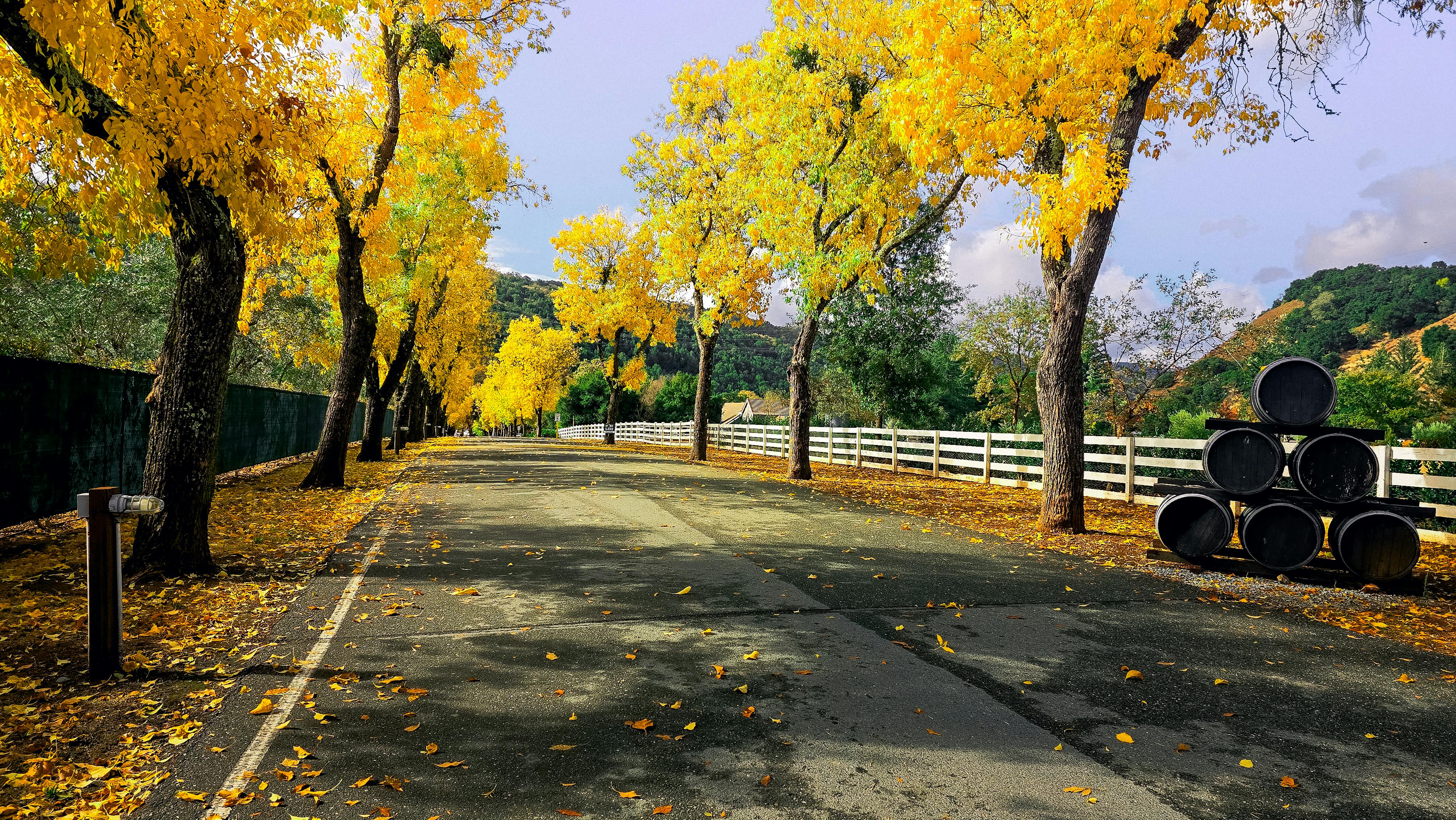
By early October, the green vineyard rows that framed the valley all summer shift to burnt amber and russet, and the entire landscape looks like it’s been dipped in warm honey. That golden hue is reason enough — but fall in Napa delivers on every other sense too.
The Golden Hue and Crisp Air of Autumn Vineyards
Mornings arrive cool and misty, especially in the southern Carneros region near the bay, then burn off by mid-morning into clear skies and temperatures that settle in the low 70s°F. This is the sweet spot: warm enough for a patio tasting without sweating through it, cool enough that an afternoon walk through the vines feels refreshing rather than punishing.
Expect vine canopy colors ranging from deep burgundy to saffron depending on the varietal and elevation. Cabernet blocks tend toward dark crimson, while Pinot Noir and Merlot vines blaze orange and gold.
The contrast against the Mayacamas and Vaca mountain ranges — which stay stubbornly green and grey — makes every viewpoint worth pulling over for. For more on where to find the most dramatic foliage, see the scenic vineyards and scenic drives sections of this guide.
Practical note: pack layers. A light jacket and warm sweater cover you for morning fog and evening cool-downs. Comfortable walking shoes are non-negotiable — vineyard tours are on uneven ground, not manicured paths.
Handpicked Grapes and Fermenting Scents in Wine Country
The smell hits you before the view does. During crush — the weeks when grapes are being picked and processed — the air carries a thick, yeasty sweetness of fermenting juice that you won’t experience any other time of year.
It’s strongest in the late afternoon near active production facilities, and it turns a simple drive down the valley into something you breathe in rather than just look at.
Harvest crews work the rows at dawn, handpicking clusters into yellow bins that get trucked to crush pads by mid-morning. If you want to witness this up close, harvest tours and stomping events run through October and sometimes into early November — those are covered in detail later in this guide.
Even without a formal tour, you’ll spot crews at work from the road in nearly every sub-appellation during peak weeks.
This is also when Napa’s energy shifts. Winemakers who spent months watching the sky are now fully in motion — sorting, pressing, making decisions that will define their next vintage.
Tasting room conversations feel different in October: staff are genuinely buzzing, and you’re more likely to hear real winemaking insight instead of rehearsed talking points. That intangible urgency is the single best reason to visit during harvest rather than any other season.
- Best window: Mid-September through late October is peak crush. By early November, the frenzy calms and the vineyards settle into their final autumn colors.
- Crowd reality: Weekends book out — wineries, restaurants, and hotels all fill. Visit Tuesday through Thursday for the same harvest experience with breathing room and often better tasting room attention.
- Stay smart: Base yourself in St. Helena or Yountville for walkable dining and central access to both the valley floor and mountain appellations. Napa city works if you prefer more hotel variety and nightlife, though you’ll drive 20–30 minutes to reach upper-valley wineries.
What Does Harvest Season Look Like in Napa Valley?
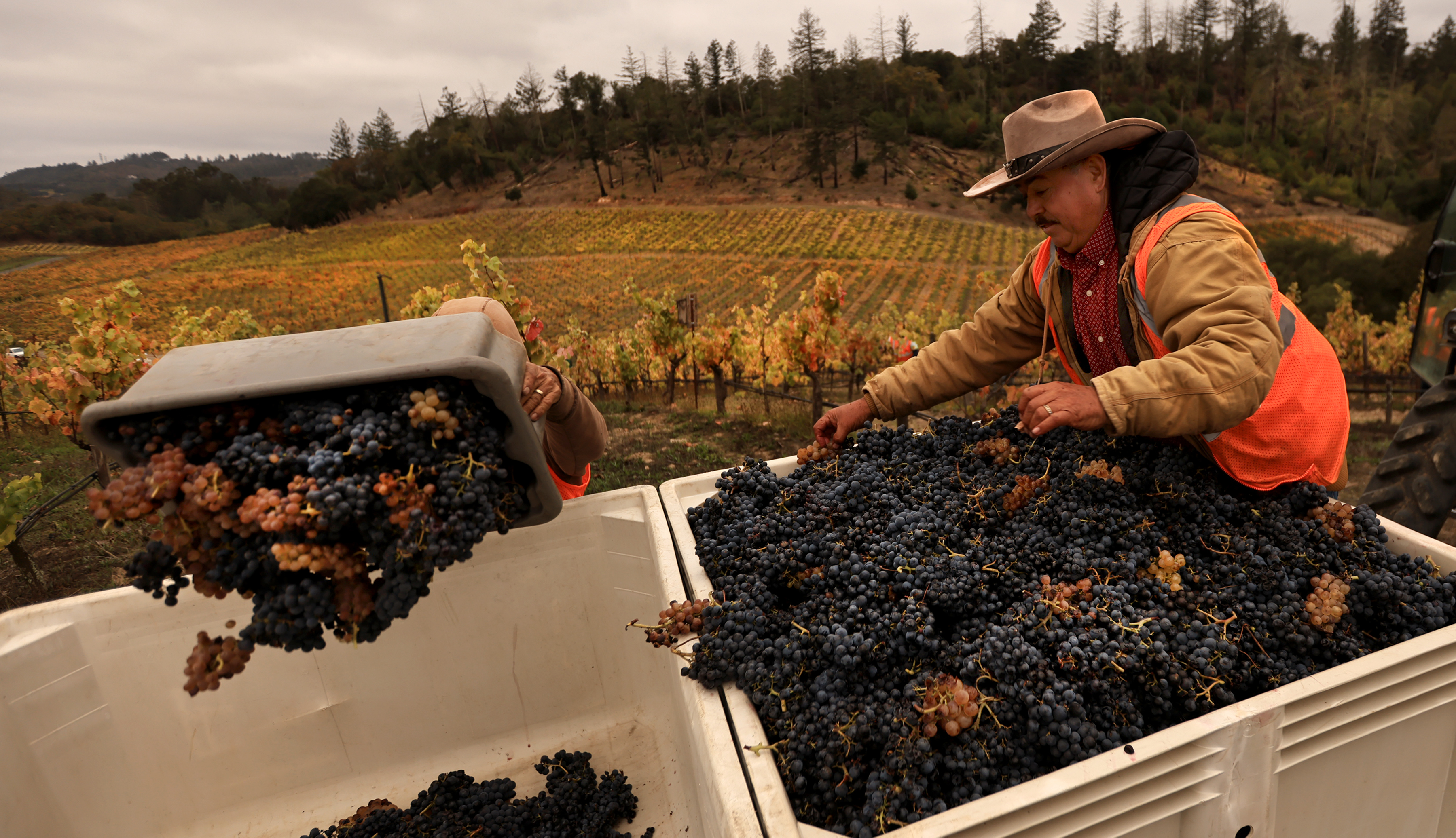
Forget quiet sipping. Harvest is Napa at its most intense and alive: crews working before dawn, tractors moving through misty rows, and an unmistakable charge in the air that tells you the entire year is coming down to these few weeks.
Timing and Traditions of Grape Picking
The “when” is everything, and it’s dictated by the grape, not the calendar. Pinot Noir for sparkling wine is picked first, often in mid-August, while thick-skinned Cabernet Sauvignon hangs on until October.
The decision to pick isn’t casual; it’s a high-stakes science of testing sugar (Brix), acidity, and phenolic ripeness. This precision is the tradition.
- Primary Window: The main crush runs from late August through October, with peak activity in September.
- Early Harvest (Aug-Sept): Best for seeing white wine grapes and early reds come in. The energy is high but the full valley frenzy is just building.
- Peak Harvest (Sept-Oct): The entire region hums. This is when most red varieties are picked, and the fermenting scents mentioned in another section become truly pervasive.
Energy and Anticipation Among Vintners
Forget polished tasting rooms. During harvest, the real action is at the crush pad.
Winemakers and interns work 18-hour days, covered in grape must, making split-second decisions. This isn’t a performance for tourists; it’s the decisive, stressful, and exhilarating culmination of a year’s work.
Your best observation point is a winery tour that actually takes you to the production area during active crush.
The vibe is electric but deeply focused. Walk through St. Helena or Yountville in the early morning and you’ll see tired crews fueling up on coffee. The anticipation is about potential—the quality of this vintage is being locked in, barrel by barrel.
| Visit Timing | What You’ll Experience | Best For |
|---|---|---|
| Early Harvest (Late Aug-Mid Sep) | First picks, active crush pads for whites and Pinot, building energy. | Avoiding peak crowds while still catching real harvest action. |
| Peak Harvest (Mid Sep-Late Oct) | Full valley crush, fermenting scents everywhere, maximum industry energy. | The full, immersive harvest aesthetic and festival atmosphere. |
| Late Harvest (November) | Crush concludes, wines ferment quietly, fall colors fully mature. | Quieter visits focused on scenic beauty and post-harvest peace. |
Insider Tip: The highest energy isn’t always on the most famous estates. Smaller, family-run wineries where the owner is also the winemaker often provide a more raw, authentic view of the harvest frenzy.
Book their tours well in advance and ask specifically if you’ll see active crush during your visit. This is the detail that transforms a tour from informative to unforgettable.
Which Wineries Offer the Best Harvest Tours and Experiences?
During crush, select wineries swap their standard tasting flights for something far more intimate — walking the sorting table with a winemaker, sampling juice straight from the tank, or tasting barrel samples that won’t be bottled for another year. These four are the ones worth building an afternoon around.
| Winery | Experience Type | Ideal For | Book Ahead? |
|---|---|---|---|
| Trinchero Napa Valley | Private tour with winemaker | Serious wine students | Yes — limited slots |
| Domaine Carneros | Rosé & sparkling terrace tasting | Celebratory vibes, couples | Recommended, not required |
| Quilt & Co. (Belle Glos) | Pinot Noir–focused tasting room | Red wine purists | Walk-ins okay |
| Robert Mondavi Winery | Reserve harvest events | Napa history buffs | Essential |
Trinchero Napa Valley Private Tours
This St. Helena property flies under the radar compared to its flashier neighbors, and that is exactly the reason to go. The private tour with chief winemaker Landon Donley is the standout offering — you walk the crush pad, taste through the portfolio in a tasting room that actually looks designed rather than decorated, and leave understanding why this family-run operation punches above its weight.
Expect roughly $75–150 per person for private experiences, though pricing shifts seasonally. The aesthetic alone justifies the stop: clean lines, warm wood, no gift-shop chaos.
- Best move: Book the private winemaker tour rather than the standard tasting — the difference is enormous.
- When to go: Midweek mornings during harvest for the most face time with staff.
- Parking: Free on-site lot, easy access off Highway 29 in St. Helena.
Domaine Carneros Rosé Tastings
The château-style estate sitting on a hilltop in the Carneros region is reason enough to visit, but the sparkling rosé tasting seals it. Founded by the Taittinger family, Domaine Carneros makes méthode traditionnelle sparkling wines that rival anything from Champagne at a fraction of the pretension.
The terrace views across the southern vineyards during harvest — when the Carneros vines turn gold and amber — make this the most photogenic tasting of the four.
- Best move: Request the terrace seating, not the interior salon. The view is the experience.
- What to order: The Brut Rosé paired with their cheese and charcuterie plate — expect roughly $40–60 for a tasting flight.
- Note: Carneros sits at the southern end of the valley, cooler and windier than up-valley. Bring a layer.
Belle Glos Pinot Noir Experiences at Quilt & Co.
Fair warning: Belle Glos has no vineyard or winery to tour. The tasting room, called Quilt & Co., sits in downtown Napa, and it is purely about the glass in front of you.
For Pinot Noir lovers, that glass is worth the detour. Belle Glos sources from coastal vineyards across California and produces some of the richest, most fruit-forward Pinots in the state — nothing like the restrained Burgundian style.
If you prefer lean, earthy Pinot, skip this. If you want velvet-textured, dark-fruited intensity, this is your stop.
- Best move: Hit Quilt & Co. after a morning of up-valley tastings — it’s a perfect late-afternoon downtown anchor before dinner.
- Walkability: No reservation typically needed; it’s tasting-room style, not tour style.
- Pairs well with: A dinner reservation at one of downtown Napa’s seasonal restaurants — the Pinot you taste here will change what you order at the table.
Robert Mondavi Winery Reserve Events
Robert Mondavi is the OG — the winery that put Napa on the global map. The harvest-season reserve events go deeper than the standard tour, pulling back the curtain on the Mondavi family legacy and pouring from their top-tier reserve lineup that most visitors never access.
The Mission-style architecture and iconic archway are as much a part of the Napa story as any wine in the glass. This is the one to book if you want history and craft in a single visit.
- Best move: Skip the general admission tour entirely and book the Reserve Tasting or a harvest-specific event — the quality gap is significant.
- Booking window: Reserve events sell out fast; book at least 2–3 weeks ahead for October and November dates.
- Insider detail: The To Kalon vineyard, directly behind the winery, is one of the most storied plots in American winegrowing — ask about it during the tour.
Base yourself in St. Helena for walkable access to Trinchero and quick drives to the others, or choose downtown Napa if Quilt & Co. and evening dining matter more than morning vineyard access. Either way, two of these four experiences per day is the right pace — three becomes a blur.
Best Scenic Vineyards for Fall Colors and Views
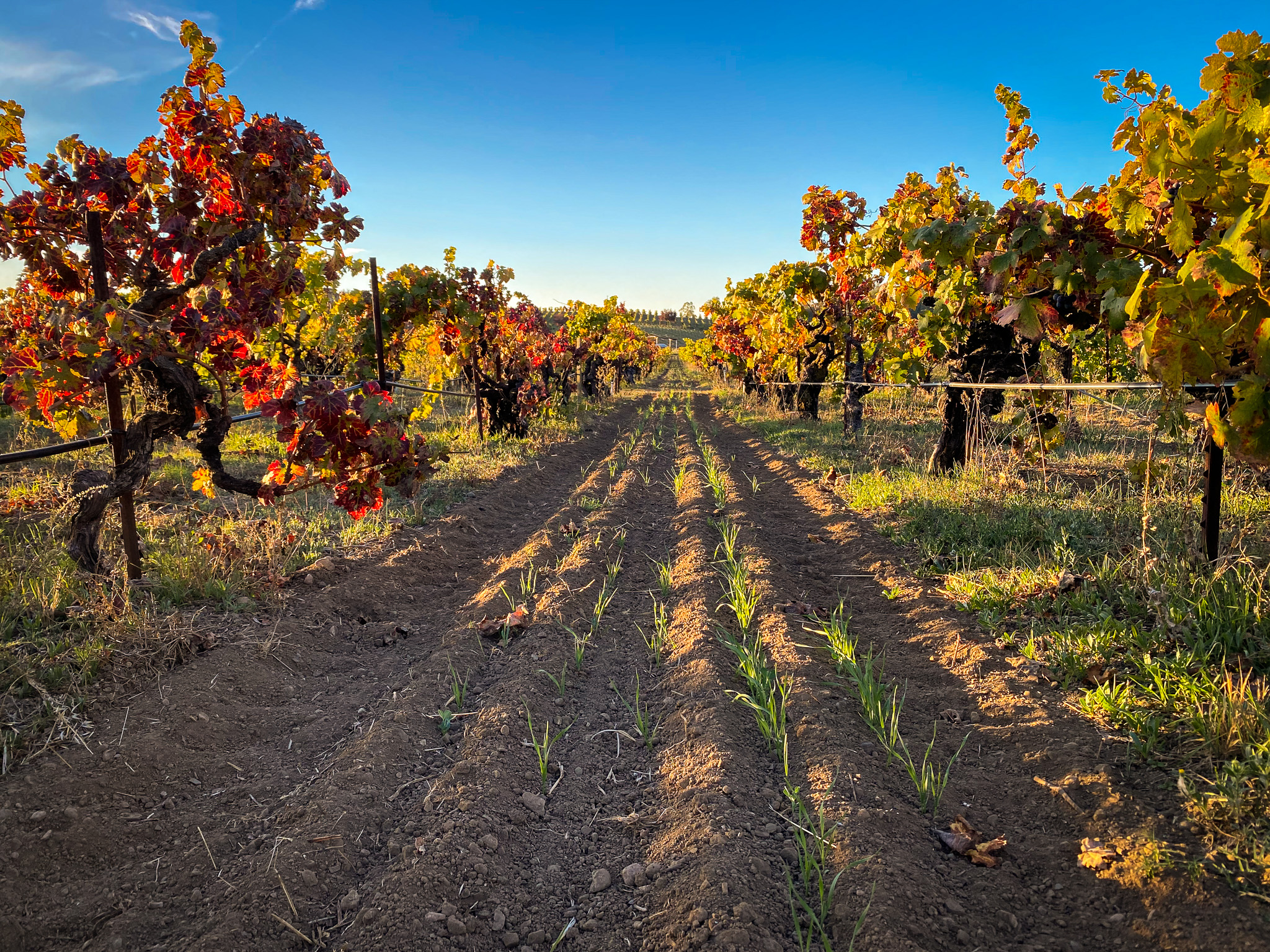
Forget the generic vineyard green—the real show starts when the Cabernet vines turn a deep, almost blackish-red against the pale stone of the Stags Leap palisades. This is where Napa’s fall palette gets dramatic, and each sub-appellation has a completely different color personality to offer.
Stags Leap District Cabernet Contrasts
Choose this district for the most photogenic, high-contrast scenes in the valley. The iconic palisades provide a stunning neutral backdrop for the vines, which shift from green to deep purple and crimson as harvest concludes.
This is the move for serious photographers and anyone seeking that classic, moody Napa shot.
- Best For: Late afternoon golden hour lighting, when the sun hits the palisades.
- Insider Tip: Drive the Silverado Trail instead of Highway 29 for unobstructed, pull-off views of the palisades and vineyards.
Spring Mountain District Fiery Foliage
The winding roads up Spring Mountain deliver an entirely different show—a fiery mix of vineyard colors and native trees, all set against steep, forested slopes. This is the best pick for a scenic, immersive drive where the color feels enveloping.
- Best For: Drivers who love curves and elevation changes; you’re in the foliage, not just looking at it.
- Practical Note: Roads are narrow and winding. Plan for a slower pace and use designated pull-outs. Mornings are best to avoid afternoon fog and tour bus traffic.
Howell Mountain Diverse Palettes
Up here, the cooler climate creates a more diverse and patchwork-like display. You’ll see the golden yellows of Chardonnay vines beside the rust and orange of Zinfandel, all interspersed with evergreen forest.
It’s less a sea of color and more a textured tapestry.
- Best For: Hikers and those wanting to combine a drive with a walk; several trailheads offer valley-overlook views.
- Key Detail: The color variation is dramatic because different grape varieties change at slightly different times, extending the visual interest.
Carneros Region Yellow and Gold Tapestries
The cool, breezy Carneros region at the valley’s southern end is dominated by Pinot Noir and Chardonnay. Here, the color story is a broad, luminous wash of gold and yellow, set against flat wetlands and gentle hills.
It’s the most expansive and accessible color viewing.
- Best For: Easy, flat scenic driving and birdwatching combos; the vineyards border the Napa-Sonoma Marshes.
- Planning: Combine a drive down Duhig Road with a stop at a Carneros tasting room for rosé—the quintessential local pairing with this view.
Mount Veeder Steep Autumn Hues
For the adventurous, Mount Veeder’s steep, rugged terrain produces some of the most intense and varied autumnal hues. Vines cling to dramatic slopes, creating bold strokes of red, orange, and gold that contrast with the wild, chaparral-covered hillsides.
- Best For: Those who want a sense of wilderness and dramatic topography with their fall colors.
- Reality Check: Roads are steep, narrow, and often unpaved beyond the main winery turn-offs. A confident driver and a vehicle with decent clearance are recommended.
Quick-Compare: Napa’s Fall Color Sub-Regions
| Appellation | Dominant Color Story | Ideal Viewer | Key Advantage |
|---|---|---|---|
| Stags Leap | Deep reds & purples vs. stone | Photographers | Most dramatic contrast |
| Spring Mountain | Fiery mix & forest canopy | Scenic drivers | Immersive, winding drive |
| Howell Mountain | Diverse patchwork (gold to rust) | Hikers & variety seekers | Extended color window |
| Carneros | Expansive gold & yellow washes | Easy-going drivers | Accessibility & space |
| Mount Veeder | Wild, intense strokes on steep slopes | Adventurous explorers | Rugged, untamed beauty |
Insider Specific: The color typically peaks in mid-October but can shift a week earlier or later based on the year’s specific heat and rain. For the most reliable viewing, plan for the last two weeks of October and always have a backup tasting room reservation in case a drive is foggier or less colorful than expected.
Which Scenic Drives Capture the Harvest Aesthetic?
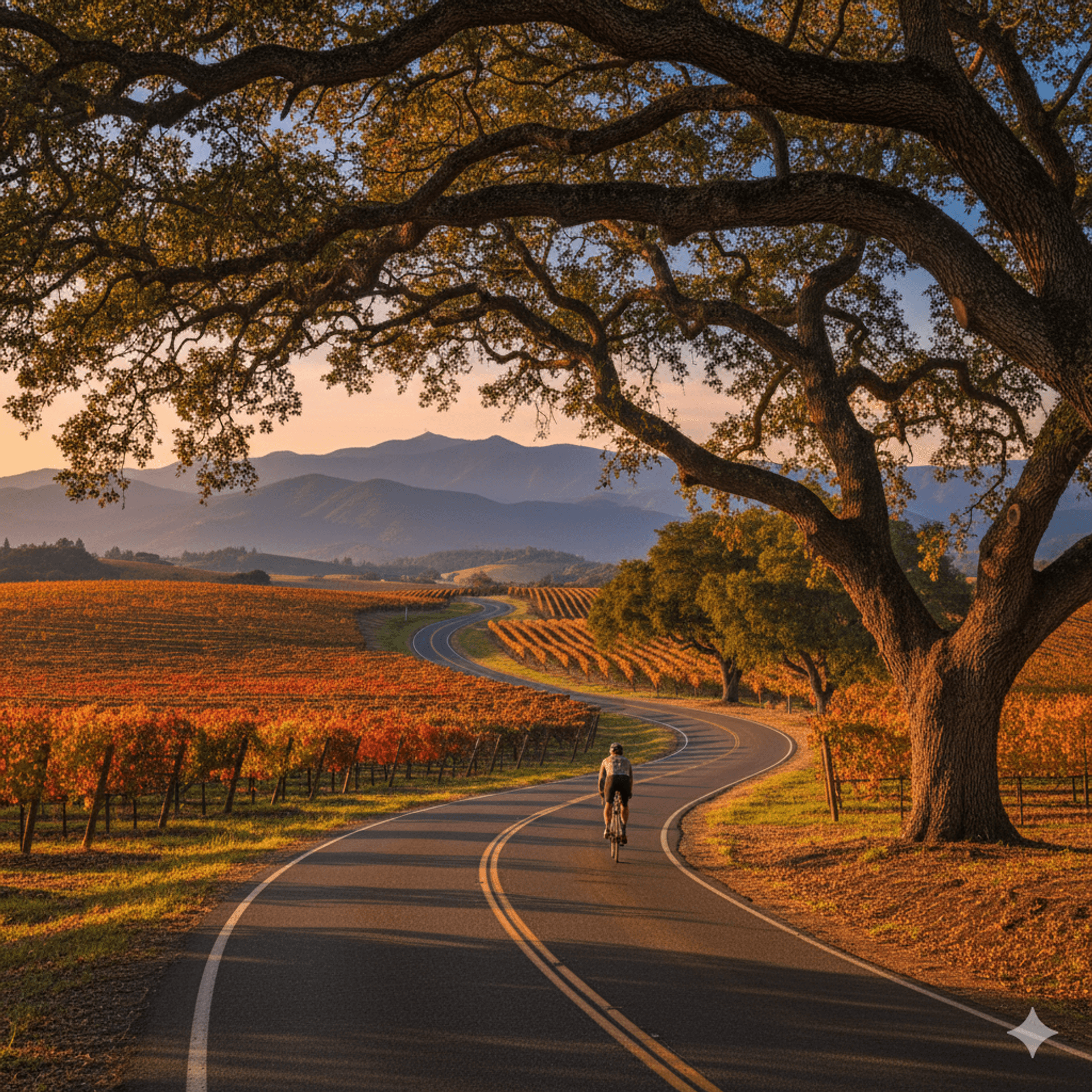
Skip the congested Highway 29; the Silverado Trail is the harvest-season drive for anyone who values serenity and uninterrupted vine views. This parallel route delivers the quintessential Napa aesthetic without the traffic—just you, the golden vines, and the soft light that makes the fall colors glow.
Silverado Trail: Serene Journeys
For a drive that feels like a private viewing of the harvest, the Silverado Trail wins. The road is less traveled, offering a peaceful journey where you can roll the windows down, smell the fermenting grapes in the air, and pull over easily for photos.
It’s the ideal choice if you want to experience the valley’s beauty at a contemplative pace, without constantly checking your mirrors.
- Best for: Photographers and couples seeking solitude.
- The drive: Start in the town of Napa and head north. The section between Yountville and St. Helena is particularly stunning.
- Pro tip: Go on a weekday morning. You’ll have the road almost to yourself, and the morning light is unbeatable for photos.
Dry Creek Road Loop: Leisurely Stops
The Dry Creek Road loop in Sonoma County (just over the Mayacamas from Napa) offers a different but equally compelling harvest vibe. This drive is for those who want variety—a more laid-back, exploratory feel with sprawling vineyards, roadside farm stands, and more frequent opportunities for spontaneous stops.
It’s a less formal, more rural counterpart to Napa’s main valley. The foliage here creates a vibrant patchwork, and the rolling hills feel a bit more wild.
Choose this loop if your ideal drive includes popping into a casual tasting room or grabbing local produce along the way.
- Best for: Families and groups wanting a relaxed, all-day outing.
- The drive: A classic loop is Dry Creek Road to Westside Road, then back via Canyon Road or West Dry Creek Road. Allow at least half a day.
- Insider detail: The western side of the loop (West Dry Creek Road) is narrower and more scenic, with deep pockets of fall color in the canyons.
Bottom line: Pick the Silverado Trail for a serene, iconic Napa drive. Choose the Dry Creek Road loop if you want a more casual, exploratory day trip with a Sonoma personality.
Both are best enjoyed mid-week in October or early November for peak color and lighter traffic.
Wine Festivals and Harvest Events to Attend
The valley’s energy shifts from merely scenic to actively celebratory, with harvest parties where the main attraction is the palpable thrill of the crush itself. This is your ticket behind the velvet rope, into the working heart of harvest season.
Hands-On Grape Stomping Activities
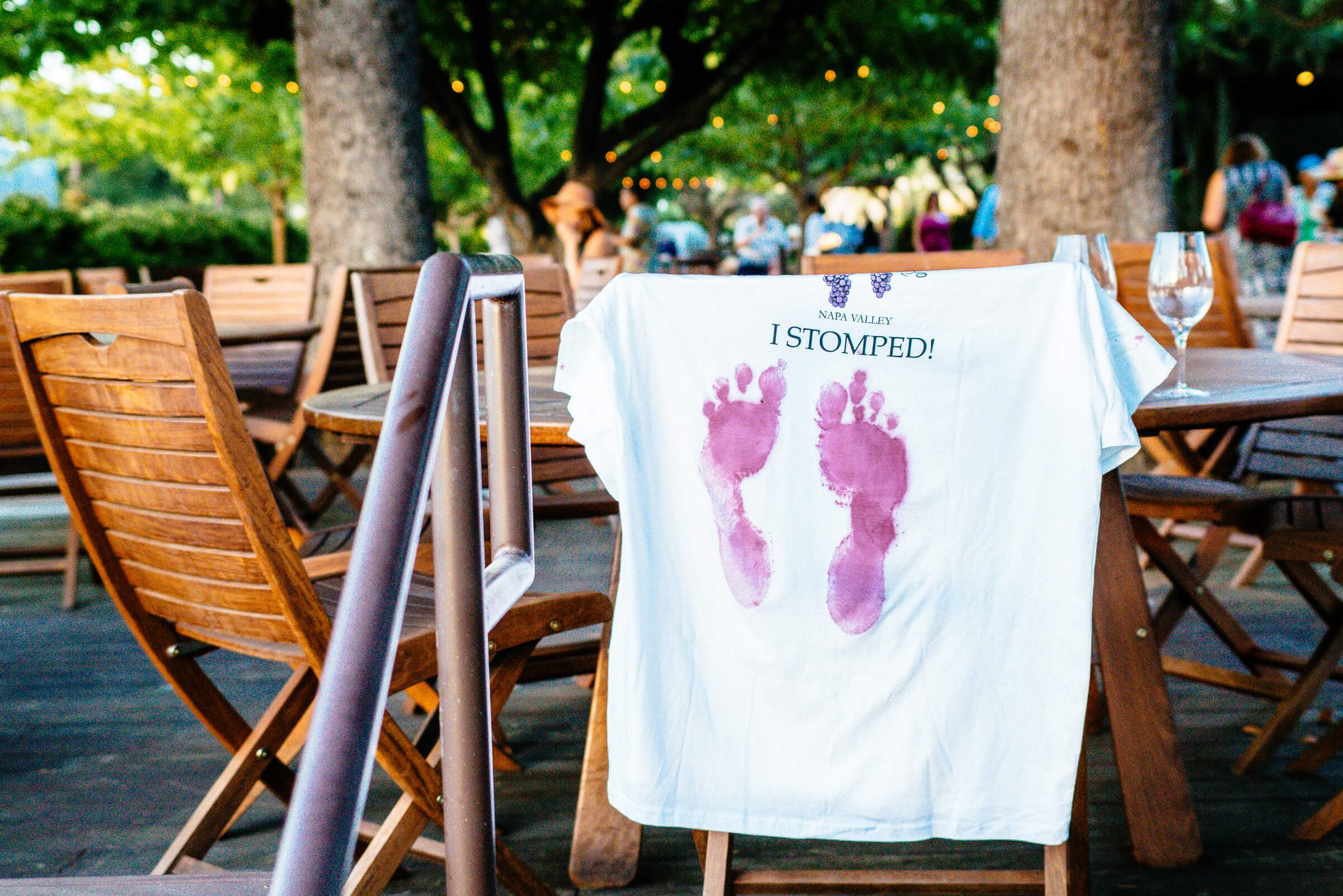
This is the single most iconic harvest activity for good reason—it’s messy, historic, and deeply satisfying. You’ll join a line, roll up your pants, and plunge feet-first into a half-ton bin of freshly picked Cabernet Sauvignon grapes, feeling the skins split and juice run.
It’s a direct, tactile connection to centuries of winemaking tradition that a tasting room can’t provide.
- The Real Deal: Legit events are hosted by actual wineries, not tourist traps. The best include a seated tasting of library wines afterward, so you compare the raw material with the finished product.
- Book Early: These sessions are limited to small groups and sell out weeks in advance. Don’t expect to walk in. Aim to secure a spot by late summer for an October date.
- Come Prepared: Wear clothes and shoes you don’t mind staining purple. The juice will not come out. Pack a change of shoes for your car, and bring a light layer—stomping happens in shaded crush pads.
Intimate Vineyard Dinners and Lavish Parties
These are the events where winemakers let their hair down with their most devoted fans, often in locations—like a barrel room or a hilltop vineyard—normally closed to the public. Expect multi-course meals paired with unreleased wines straight from the tank, under strung lights as the November chill sets in.
- The Grand Affair: Look for “Harvest Party” or “Crush Party” events from major estates. These are more festive than formal, with live music, food stations from top local chefs, and unlimited pours of current releases. They’re the best value for a full evening of indulgence.
- The Chef’s Table Experience: For hyper-local cuisine and conversation, seek out dinners hosted in partnership with a single winery and a celebrated Napa chef. The focus is on seasonal ingredients, with each course designed for a specific wine, often including a future vintage sample.
- The Insider Move: The most coveted, exclusive dinners are announced via winery mailing lists, not major event platforms. Sign up for emails from your favorite producers by late summer if you want a shot at these intimate gatherings, which can run from $250 to over $500 per person.
For the definitive, up-to-the-minute calendar of official harvest festivals and ticketed winery events, your first stop should always be the Visit Napa Valley website’s harvest events page. Dates and participation shift annually, so treat any other list as a preview and book directly through that primary source.
Where to Eat for Seasonal Harvest Flavors?
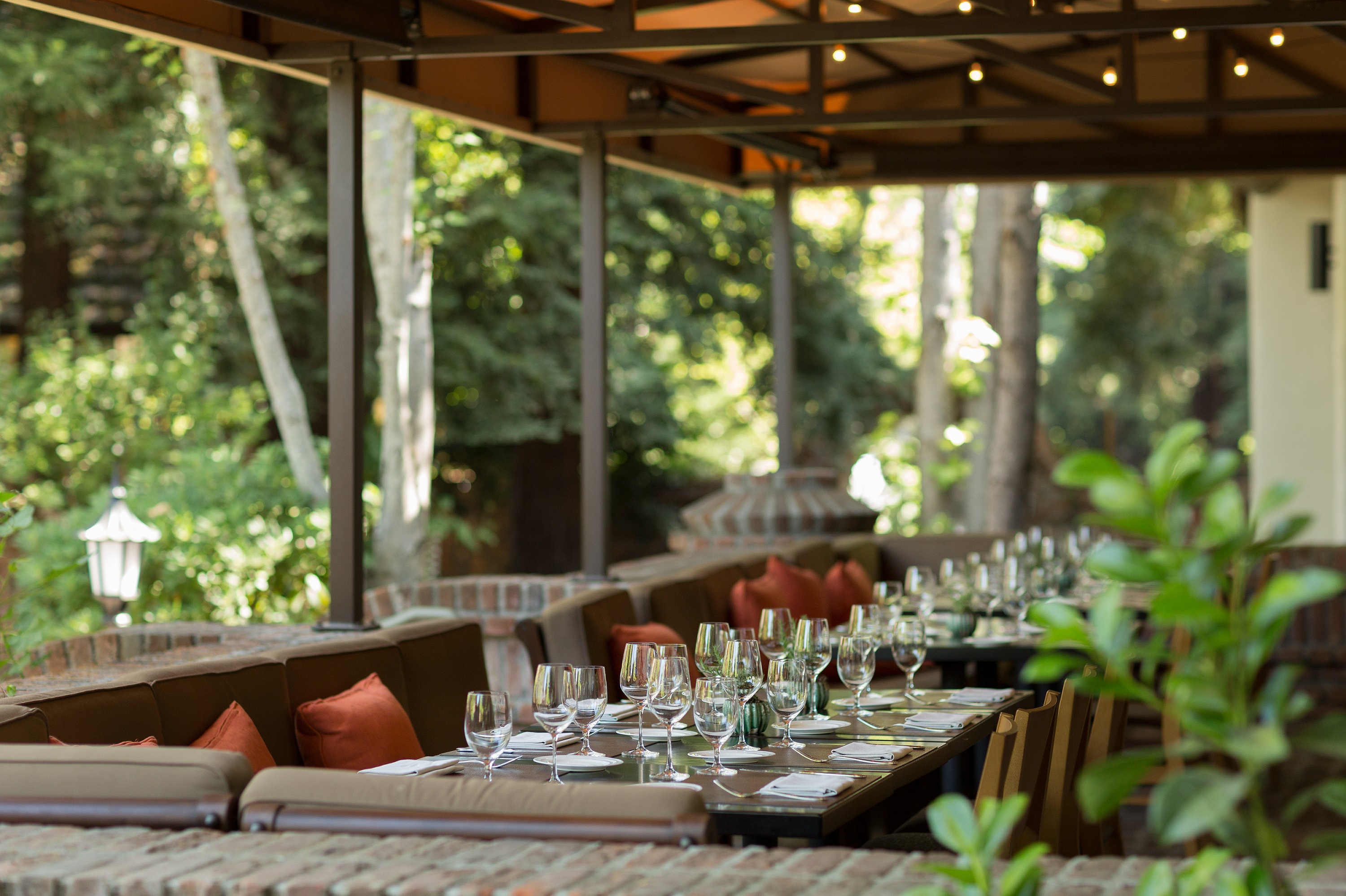
The harvest aesthetic isn’t just visual—it’s edible. These tables put you directly into the season’s rhythm, serving the hyper-local, ingredient-driven food that defines Napa’s fall.
Gentleman Farmer Bungalow Communal Cooking
This downtown Napa spot is the move for anyone craving connection, not just a meal. The experience is built around owners Joey and Jeff; you can schedule a morning run with one of them and return for a cooked breakfast, or walk in for dinner and watch them cook from the bar.
It feels less like a restaurant and more like being hosted at a friend’s incredibly talented home. The menu is dictated by the day’s finds, making every visit a genuine taste of the harvest moment.
- Best for: Solo travelers, couples, or small groups of friends wanting an intimate, story-driven meal.
- Book ahead: The morning run/cook experience is special but requires coordination—contact them directly to arrange it.
- The vibe: Unpretentious, lively, and deeply personal. You’ll likely leave with new friends.
The Charter Oak Outdoor Mulberry Dining
For a longer, slower meal under the trees, The Charter Oak delivers a definitive outdoor harvest setting. Dining on the patio beneath mulberry trees, surrounded by gardens, feels like the pastoral ideal of wine country.
The family-style menu celebrates the same local farms and seasonal produce that supply the region’s best kitchens, but presented in a relaxed, communal format. This is where you book for a celebratory dinner where the setting is as important as the food.
- Best for: Groups and special occasions. The communal plates are designed for sharing.
- The must-order: Anything from the wood-fired grill. The simple preparations let stellar ingredients shine.
- Plan for: Expect roughly $40-$60 per person for a full family-style experience, though prices vary by season and menu.
Calistoga Depot Wood-Fired and Artisanal Options
When you want to break from wine and dive into artisanal spirits and casual, wood-fired fare, head to this reimagined 1868 train depot in Calistoga. It’s a collection of several eateries and bars under one historic roof, offering everything from wood-fired pizzas to Oaxacan cuisine and a dedicated oyster and caviar bar.
The fall harvest extends to the bar program here, with small-batch spirits and cocktails. It’s the perfect low-key, high-flavor stop for lunch or an early evening bite, especially if you’re exploring the north valley.
- Insider tip: The live music and pool tables make it a good after-tasting hangout spot when you need a palate reset from wine.
- Best for: Foodies who want variety and a lively, casual atmosphere. Not for a quiet, romantic dinner.
- What to expect: Think food hall energy with artisanal quality. Prices are à la carte, with mains typically in the $15-$30 range.
Outdoor Activities to Experience the Fall Aesthetic

At 2,000 feet, the vineyards look like a hand-stitched quilt — burgundy blocks, amber stripes, gold patches stretching into morning fog. That vantage point is why a balloon ride during harvest isn’t optional; it’s the single most transformative way to see Napa in autumn.
But ballooning is just one way to get outside this season. Here’s how to choose the right activity for your energy, budget, and schedule.
| Activity | Effort | Typical Cost | Best For |
|---|---|---|---|
| Hot Air Balloon | Low | $250–$350/person | Sunrise romantics, photographers |
| Cycling Vineyard Routes | Moderate | $40–$70 bike rental/day | Active couples, wine-and-ride combos |
| Bothe-Napa Valley State Park | Moderate–Strenuous | $10 day-use parking | Families, shade-seekers, creek lovers |
| Skyline Wilderness Park | Moderate–Strenuous | $5 parking | Ridge views, solitude seekers |
Hot Air Balloon Rides Over Harvested Vineyards
Book Napa Valley Balloons, Inc. for sunrise flights. They launch from Yountville and float over the central valley floor when the light is lowest and most golden — roughly 6:45 to 7:15 a.m. depending on October sunrise times. The entire experience runs about an hour in the air, plus a post-flight sparkling wine toast on the ground.
Balloon rides sell out fast during harvest weekends. Reserve at least two to three weeks ahead for October dates; midweek flights are easier to snag and often have smaller baskets.
Expect roughly $275–$350 per adult, though prices vary by provider and season. Most operators require passengers to be at least six years old and in reasonable health.
The insider move most visitors miss: temperatures at altitude in fall are genuinely cold — often in the low 40s at dawn. Dress as if you’re going skiing, not wine tasting.
The heavy sweater-and-scarf combo that feels overdressed at ground level will barely keep you comfortable once you’re above the fog layer.
Cycling Routes Through Colorful Vineyards
Renting a bike and riding the vineyard roads is the best way to absorb the harvest aesthetic at human speed. You smell fermenting grapes from crush pads.
You hear workers calling across rows. You stop when you want.
No shuttle bus schedule, no group tour pace.
- Silverado Trail (north section): The quieter alternative to Highway 29, this two-lane road runs parallel to the valley’s eastern bench with minimal traffic before 10 a.m. Best for a relaxed morning ride with vineyard views on both sides. Flat to gently rolling terrain suits intermediate cyclists.
- Los Carneros to Cuttings Wharf Road: The southern end of the valley where Pinot Noir country meets wetlands. Yellow-gold vineyard tapestries give way to tule-lined waterways. Flatter and windier — bring a layer.
- Pope Valley loop via Howell Mountain Road: For experienced riders who want climbs and payoff views. The ascent through Howell Mountain delivers some of the most dramatic fall color contrasts in the valley — deep green oaks against amber vines.
Bike rentals typically run $40–$70 per day for hybrids or road bikes. Several outfitters in downtown Napa and St. Helena offer rentals with racks so you can shuttle between wineries by bike.
One caution: Highway 29 has no shoulder in long stretches and carries heavy harvest truck traffic. Stick to the Silverado Trail or back roads.
Hiking Trails at Bothe-Napa Valley State Park
Bothe-Napa Valley sits just north of St. Helena and delivers something the vineyard floor can’t: redwood canopy, creek crossings, and genuine elevation change. The park’s trails wind through old-growth redwoods and mixed hardwood forest that turns amber and rust in late October.
- Redwood Trail (1.2 miles): The easiest option — flat, shaded, and ideal for families or anyone wanting a gentle forest walk after a morning of wine tasting. Starts near the day-use picnic area.
- Coyote Peak Trail (3.5 miles round trip): The payoff hike. Moderate climb through oak woodland to a ridgetop with valley views. The fall color panorama from the peak is the reason to come here rather than staying on the valley floor.
- Richie Creek Trail: Connects to the longer loop system. Best after the first rains of the season when the creek actually runs — typically by mid-to-late October.
Day-use parking is around $10 per vehicle. Arrive before 10 a.m. on October weekends; the parking lot is small and fills quickly.
The park has no food service, so pack water and snacks. Cell reception is spotty inside the canyon — download your trail map offline before arriving.
Skyline Wilderness Park Ridge Views
Skyline Wilderness Park sits on the eastern edge of Napa city and is the local favorite for ridge-top views without driving deep into the valley. The Bay Area Ridge Trail runs through the park, delivering sweeping overlooks of the valley floor, the Mayacamas range, and — on clear fall days — all the way to Mount Tamalpais.
- Bay Area Ridge Trail via Skyline Park: A moderate climb through chaparral and grassland to exposed ridgeline. The golden hillsides here contrast sharply with the green valley floor below. Best light hits between 4 and 6 p.m. in October.
- Lake Marie Road Loop: A gentler option through oak woodland to a small reservoir. Less dramatic views but more shade and a good choice if you’re recovering from yesterday’s tasting schedule.
Parking is around $5. The trails are exposed once you leave the tree line — bring sunscreen even in October. This park is significantly less crowded than Bothe, making it the better pick if solitude matters more than redwood scenery.
Packing all four activities into one trip: Do the balloon ride on day one at sunrise, then cycle vineyard roads mid-morning when the light is still warm. Save the hikes for day two or three when your palate needs a break from tasting.
Bothe-Napa and Skyline are a 20-minute drive apart, so they can easily share a single afternoon if you start early.
Best Spas for Grape and Mud Treatments
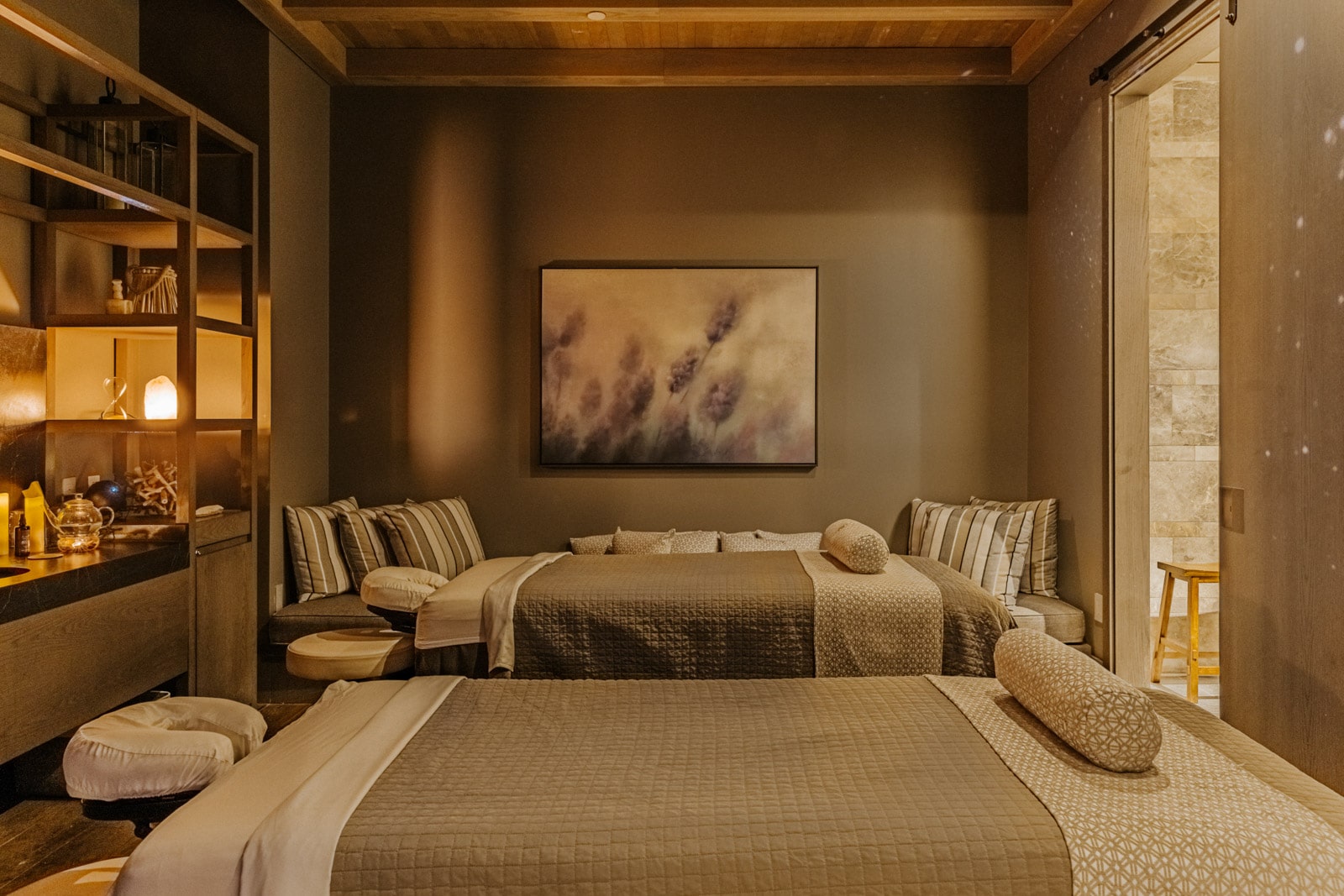
During harvest, the same Cabernet and Chardonnay grapes filling barrels across the valley are also being cold-pressed into antioxidant-rich seeds and skins for spa treatments — and booking one of these after a full day of tasting is the smartest move you’ll make all trip.
| Spa | Signature Harvest Treatment | Vibe | Best For |
|---|---|---|---|
| Meritage Resort & Spa | Grape seed scrub + facial | Polished resort luxury | Couples wanting a full-service wine country spa day |
| Carneros Resort & Spa | Grape seed–based body treatments | Boutique farmstead elegance | Those already staying in the Carneros area |
| The Spa at Napa River Inn | Grape wraps | Downtown walkable charm | Napa city base with easy evening dining access |
| Golden Haven Hot Springs | Classic mud bath + mineral soak | No-frills, old-school Calistoga | Budget-friendly mud bath purists |
| Roman Spa Hot Springs Resort | Mineral soak + mud bath | Quiet, restorative retreat | Anyone wanting a full wellness overnight in Calistoga |
Carneros Resort & Spa Grape Seed Options
Carneros Resort & Spa sits in the cool southern end of the valley — the same Carneros region covered for its golden fall vineyard views — and its spa leans into grape seed–based body treatments that pair naturally with the pinot noir and chardonnay this AVA is known for. Book here if you’re already staying at the resort or tasting at nearby Domaine Carneros; the spa doesn’t make sense as a standalone detour from the main valley unless you’re already in the area.
Meritage Resort & Spa Body Scrubs and Facials
The Meritage’s spa offers a grape seed body scrub and a grape seed facial — two distinct treatments worth stacking if you have the time. The scrub comes first to exfoliate, then the facial seals in the antioxidants.
This is the polished, resort-level option for couples who want a full spa afternoon with wine country polish, and it’s conveniently located just south of downtown Napa off the Silverado Trail corridor. Expect treatments to run in the $150–$250 range per person, though pricing shifts by season and package — always confirm directly with the resort before booking.
The Spa at Napa River Inn Grape Wraps
The Spa at Napa River Inn is the pick if you’re basing yourself in downtown Napa and want a grape wrap treatment without driving anywhere. The inn sits along the Napa River waterfront, steps from the restaurants and tasting rooms on First Street, so you can roll from treatment table to dinner reservation on foot.
This is the most walkable spa option on the list — ideal for travelers who don’t want to add a drive to their recovery day.
Golden Haven Hot Springs Classic Mud Baths
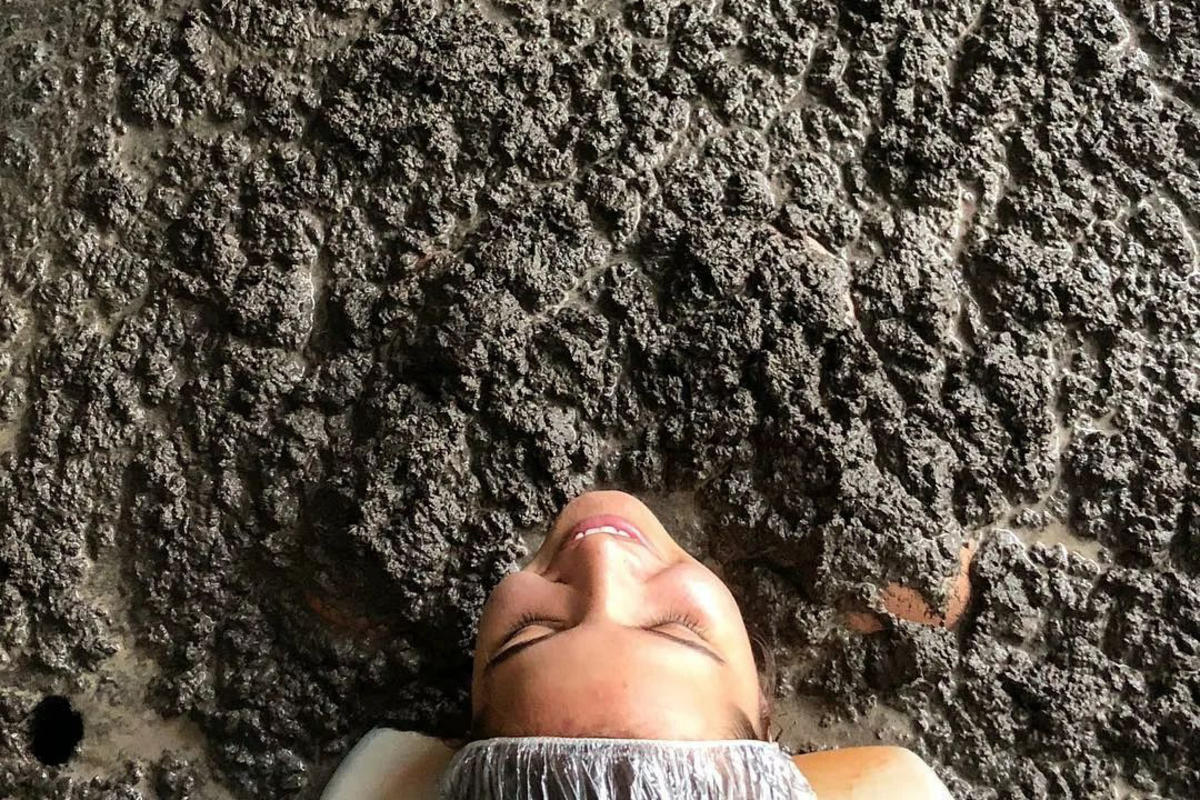
Golden Haven Hot Springs in Calistoga delivers the classic Napa Valley mud bath — a hot volcanic mud soak followed by a mineral bath and a cool-down flannel wrap — at a price point that undercuts most Calistoga competitors. This is old-school, no-frills Calistoga wellness: the facilities aren’t luxurious, but the mud bath itself is the real thing.
Skip it if you want ambiance; book it if you want the authentic Calistoga mud experience without overpaying for it. The entire session usually runs 90 minutes from mud to wrap.
Roman Spa Hot Springs Resort Mineral Soaks
Roman Spa Hot Springs Resort is the strongest choice for travelers who want to combine a mineral soak and mud bath with an overnight stay in Calistoga. The resort offers mineral-rich hot springs alongside its spa treatments, making it a true wellness retreat rather than a single-treatment stop.
Calistoga sits at the far north end of the valley — roughly 30 minutes from downtown Napa — so staying here overnight means you avoid backtracking after a long soak. Base yourself in Calistoga for a night or two if you’re prioritizing rest and recovery mid-trip; it pairs perfectly with the quieter, post-harvest pace of the northern valley.
Insider tip: Book Calistoga spa appointments for late afternoon — around 3–4 p.m. — to avoid the midday rush from day-trippers. Mornings fill up fast on weekends during harvest season, but late-afternoon slots are easier to secure and let you soak while the vineyards outside turn golden in the low fall light.
Which Hotels to Stay at for a Fall Getaway?
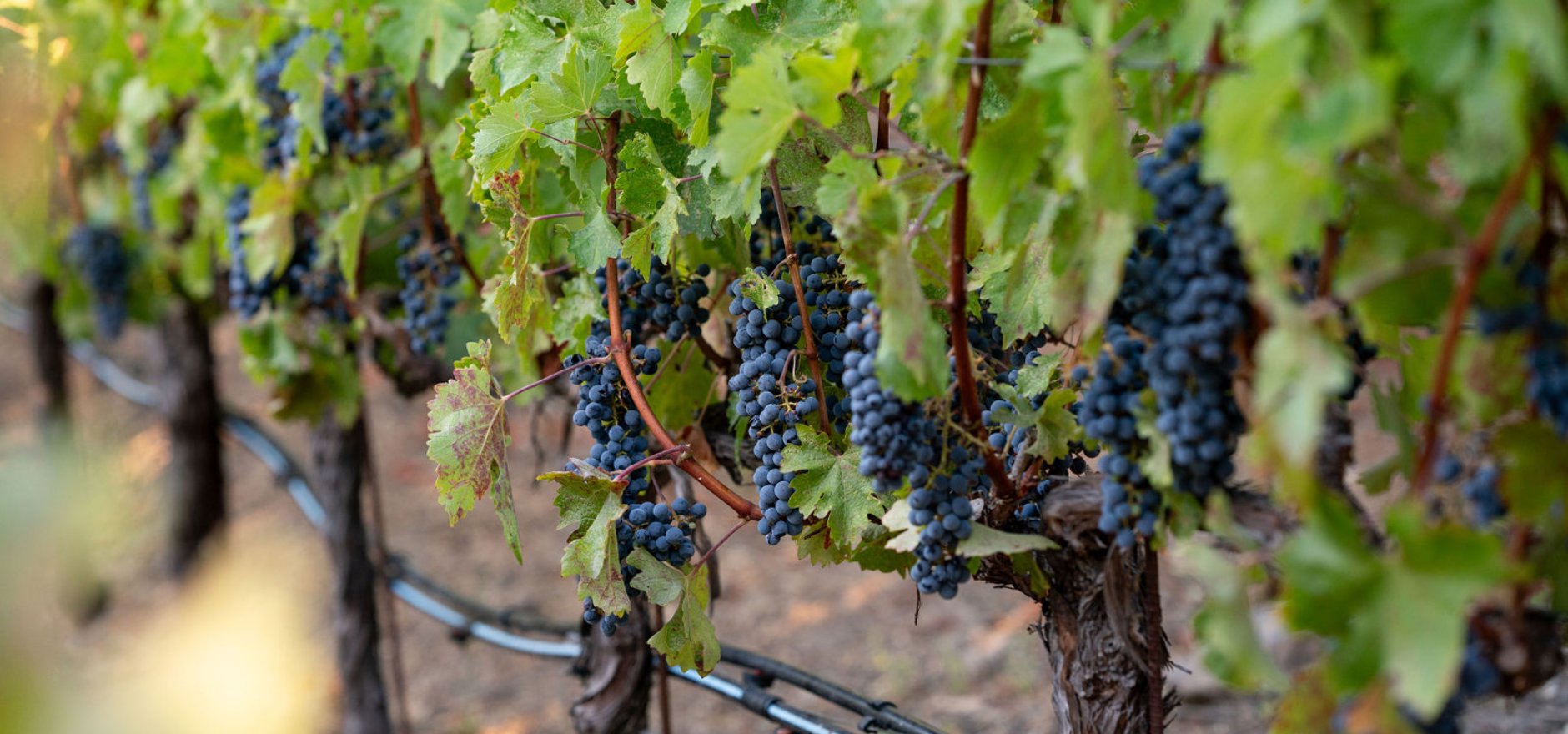
Where you sleep during harvest shapes everything — stay in Calistoga and you’re minutes from volcanic hot springs after a full day on Silverado Trail; base yourself downtown Napa and tasting rooms become walkable after dinner. These four properties each own a distinct slice of the fall experience, so your choice comes down to what you want to wake up to.
| Property | Vibe | Best For | Base Area |
|---|---|---|---|
| Silverado Resort | Classic golf resort with vineyard views | Active couples, golfers | Napa (south valley) |
| R INN Napa | Downtown boutique comfort | Walkable dining and wine bars | Downtown Napa |
| Roman Spa Hot Springs Resort | Mineral springs and mud baths | Wellness-focused travelers | Calistoga |
| Alila Napa Valley | Lavish modern architecture and spa | Luxury splurge, design lovers | St. Helena |
Silverado Resort — Golf and Farm-to-Table Brunch
Silverado is the move for anyone who wants resort-level amenities without the isolation of a remote vineyard estate. Two championship golf courses sit on property, a full-service spa handles post-harvest-tour recovery, and the grounds back directly into Napa’s southern vineyards — the fall color here is immediate, not a drive away.
The real reason to book during harvest: the Chef’s Garden Brunch. You eat at communal tables set in the center of the property’s working garden, surrounded by the actual ingredients on your plate.
Expect the menu to shift weekly based on what’s ripe — this is farm-to-table without the performance. Book the brunch separately from your room; it fills fast on October weekends.
- Best room pick: Fireplace suites beat standard rooms in fall — mornings are cool enough to use them.
- Price range: Expect roughly $350–$700/night in peak October, dropping somewhat in late November.
- Book early: Harvest-season weekends sell out months ahead — lock in by July if possible.
R INN Napa — Downtown Boutique Comfort
If your fall trip revolves around restaurants and tasting rooms rather than resort time, R INN puts you inside Napa’s walkable downtown core. Step outside and you’re within blocks of the Oxbow Public Market, dozens of wine bars, and the Napa Riverfront — no car needed for evening plans.
This is the pick for travelers who want a stylish home base without paying resort rates. The rooms lean modern and well-designed, the kind of place that feels intentional rather than generic.
Downtown Napa stays lively through November, which matters if you’re visiting after peak harvest crowds have dispersed.
- Best for: Couples or friend groups who plan to be out most of the day and want a comfortable, well-located crash pad.
- Price range: Typically $200–$400/night depending on room type and season — significantly less than valley resorts.
- Walk-out benefit: Morning coffee at Ritual Coffee Roasters and evening tastings at Vintner’s Collective are both under a 10-minute walk.
Roman Spa Hot Springs Resort — Wellness Escape
Calistoga is Napa Valley’s hot springs town, and Roman Spa leans fully into that identity. Mineral-rich soaking pools and volcanic mud baths are on property — no driving to a separate spa facility.
After a long day of harvest tours and barrel tastings, sinking into geothermal water at golden hour is exactly the reset this trip needs.
Calistoga sits at Napa Valley’s northern end, which positions you closest to Spring Mountain and Mount Veeder wineries — both covered in the scenic drives section. The town itself is small and quiet after dark, so this is not the pick for nightlife seekers.
It absolutely is the pick for anyone who wants the trip to feel restorative, not just indulgent.
- Insider detail: Book mud bath treatments at least a week out during October — Calistoga’s spa scene fills up with harvest visitors and walk-in availability is unreliable.
- Best for: Travelers who want to pair wine country with genuine spa recovery, especially those already planning to explore the valley’s northern wineries.
- Price range: Generally $150–$350/night — the best value of these four options, with spa treatments as an add-on.
Alila Napa Valley — Lavish Architecture and Spa
Alila is where you book when the hotel itself is supposed to be part of the story. The architecture is striking — clean, modern lines against St. Helena’s vineyard backdrop — and the rooms are the most design-forward of any property on this list.
The on-site spa matches the aesthetic: polished, unhurried, and genuinely luxurious rather than performatively so.
Location matters here. St. Helena sits in the heart of Napa Valley, putting you centrally positioned between the Stags Leap District to the south and Calistoga to the north.
During harvest, this central base means shorter drives to morning tastings and more flexibility to pivot your day based on what’s happening in the vineyards.
- Who it’s for: Design lovers and anyone celebrating something — anniversary, milestone birthday, or simply the fact that you finally booked this trip.
- Price range: Expect roughly $500–$1,000+/night during harvest season. This is a splurge, and it earns it.
- Book strategy: Midweek stays in late October or early November can drop rates meaningfully while the harvest aesthetic is still at its peak.
How to Pack for Napa Valley’s Fall Weather?
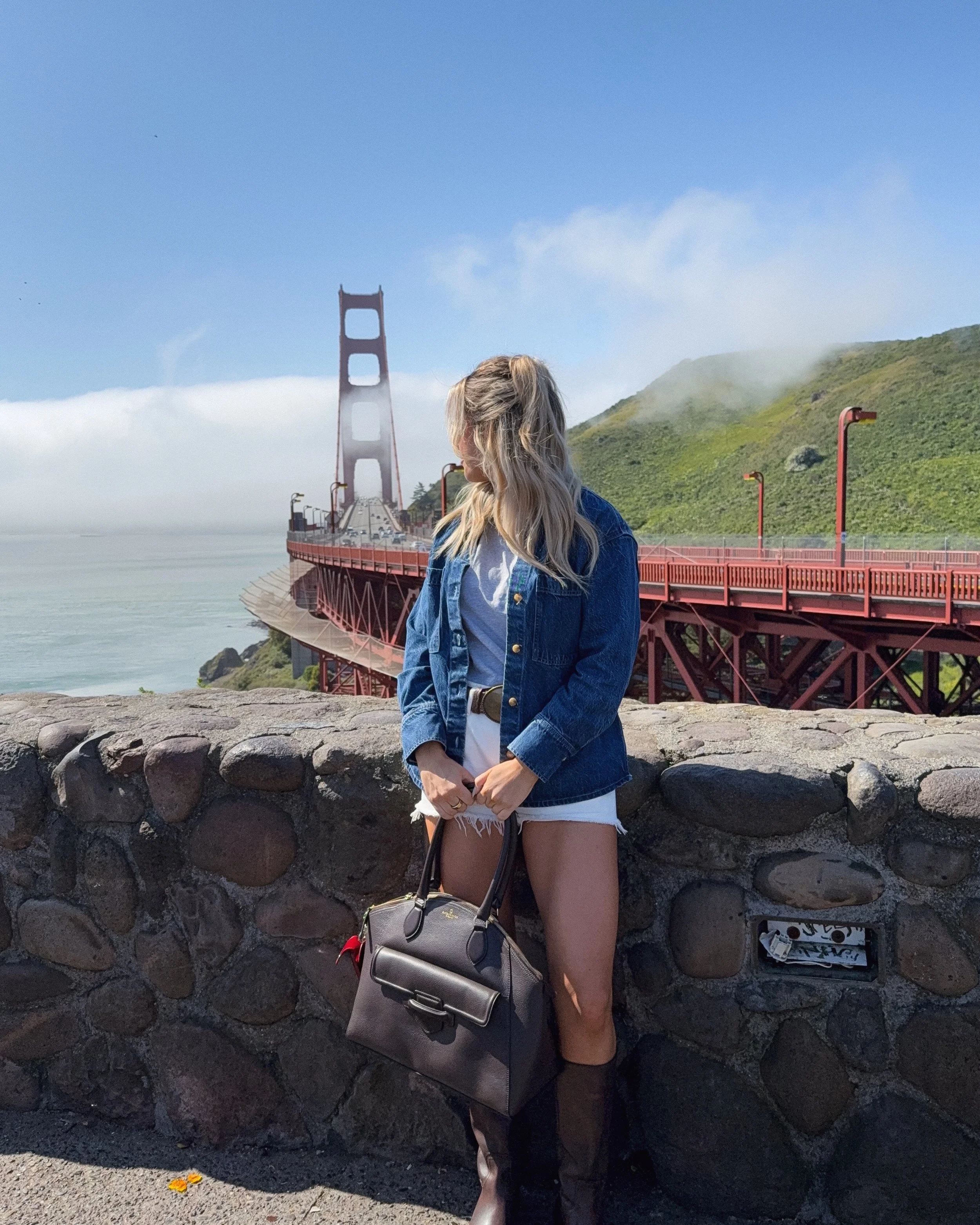
Forget overpacking; the key to Napa’s harvest aesthetic is dressing for a single day that feels like three seasons. Your morning vineyard walk will be cool, your afternoon tasting sunny and warm, and your evening dinner crisp again.
The right wardrobe lets you enjoy every phase without running back to your car.
Layering Essentials and Comfortable Shoes
Start with a breathable base layer—a simple cotton tee or linen blouse works. Over that, add a mid-layer you can easily remove, like a soft merino wool sweater or a cashmere blend.
The outer layer is non-negotiable: a lightweight, packable jacket or a structured cotton blazer. This system adapts instantly to shifting temperatures.
Your shoes will make or break the day. You will walk on gravel vineyard paths, uneven winery grounds, and smooth restaurant floors. Prioritize comfort and stability.
- The Winner: Leather ankle boots or stylish sneakers with substantial soles. They handle terrain and look appropriate everywhere from a barrel room to a downtown bistro.
- The Mistake: Thin-soled ballet flats, new boots that need breaking in, or open-toed sandals. Gravel and dew are constant companions in the morning.
Hats, Sweaters, and Light Jackets for Golden Hour
As the sun dips and casts that famous golden light over the vines, temperatures drop noticeably. This is where your accessories become essential, not just decorative.
- Hats: A wide-brimmed wool or felt hat is functionally perfect. It provides shade during the day and adds a stylish, harvest-ready layer when it cools down.
- Sweaters: Pack a sweater specifically for evenings. A chunky knit is ideal for outdoor fire pits, but a fine-gauge merino wool is smarter if you’ll move between outdoor areas and climate-controlled tasting rooms.
- Light Jackets: A denim jacket, a suede blazer, or a chic trench coat is your golden hour armor. They add polish to any outfit and provide just enough warmth as you sip a final glass on a patio.
Insider Tip: Winery tasting rooms are often cooler than you expect, chilled for wine preservation. Having that sweater or jacket to throw on mid-tasting prevents you from being distracted by the cold.
Pack in a versatile color palette—think earth tones, creams, and burgundies—to match the landscape and look cohesive in every photo. Your bag should be a crossbody or hands-free tote to keep your hands free for glasses and a phone.
How to Navigate Napa Valley During Harvest Season?
The biggest harvest-season mistake is assuming you can drive between tastings like it’s a Tuesday. From late September through October, expect two-lane roads packed with tour buses, cyclists, and distracted drivers gaping at the vines.
Your strategy needs to be as crisp as the morning air.
Driving the Silverado Trail Safely
The Silverado Trail is your best move for a more relaxed harvest drive, but “relaxed” is relative. It’s narrower and twistier than Highway 29, so vigilance is key.
The real win is timing: hit the Trail before 10 a.m. on weekdays to avoid the slow-moving convoys of limos and vans. Weekends are a write-off for a leisurely drive; save it for a weekday or use it as your primary corridor to bypass 29’s stoplights entirely.
Key navigation tips for self-driving:
- Avoid U-turns: Most accidents happen when drivers spot a picturesque winery and make sudden stops or illegal U-turns. Plan your stops in advance and use designated turnouts.
- The Oakville Cross Road Trap: This connector between the Trail and 29 becomes a congested bottleneck from noon to 4 p.m. Cross the valley north or south of this zone.
- Parking is part of the plan: Winery parking lots fill up by 11 a.m. on harvest weekends. Factor in a 10-15 minute search for street parking or overflow lots if you arrive late.
- Designate a sober driver or don’t drive at all. The CHP increases DUI checkpoints in the valley during harvest. This is non-negotiable.
Bus Tours and Designated Driver Options
For most visitors, booking a tour or car service is the single smartest navigation decision you’ll make. It removes parking, driving, and DUI worries entirely.
Your three best options:
- Small-group van tours (6-10 people): This is the sweet spot for a harvest aesthetic. Companies like Platypus Tours or Napa Valley Tours focus on smaller, family-owned wineries not on the main tourist circuit. You get vineyard access without the cattle-call feeling. Expect to pay $100-$150 per person for a half-day tour that includes 3-4 tastings.
- Private car service / chauffeur: The ultimate flexibility. A chauffeured sedan for a group of 4 lets you set your own pace and hit last-minute harvest events. It’s pricier—usually $50-$75 per hour—but worth it if you have specific wineries on your list. Book these at least a month out for harvest dates.
- Public trolley (Napa Valley Wine Train not included): The VINE Transit’s Route 10 bus runs along Highway 29, but it’s unreliable for tight tasting schedules. Not recommended as your primary hop-on option during harvest.
Insider booking tip: The best tour companies fill their harvest-season schedules by August. If you’re planning a trip for September or October, book your transport by early summer.
Last-minute options will be limited to generic large-bus tours that stick to major corporate wineries, missing the harvest magic entirely.
Frequently Asked Questions
What should I pack for Napa Valley in the fall?
Layers are everything here. Daytime temperatures are comfortable, but mornings and post-sunset evenings drop fast once October hits.
Pack comfortable walking shoes (vineyard tours and tasting room floors are rough on flimsy soles), warm sweaters, and a light jacket you can peel off by noon. A hat and sunglasses are non-negotiable for sunny tasting sessions on open patios.
Leave anything too formal at home — Napa is upscale-casual, not black-tie, and you will be standing on gravel more than you expect.
Is fall really the best time to visit Napa, or is that just marketing?
It is genuinely the best time — but with a caveat. Harvest season (roughly mid-September through October) delivers the golden vineyard colors, the fermenting scent in the air, and the electric energy among vintners that no other season matches.
Crowds thin compared to summer, and the cooler weather makes long vineyard walks and outdoor tastings actually pleasant rather than exhausting. The trade-off: popular wineries and restaurants book out faster during harvest weekends, so advance reservations matter more in fall than any other season.
Are there fall festivals or harvest events worth planning around?
Yes — Napa’s harvest parties and grape-stomping experiences are the highlight of the season, but they sell out early. Visit Napa Valley’s official site (visitnapavalley.com) lists current harvest parties, hands-on harvest tours, and seasonal celebrations.
These events are worth building your itinerary around, especially if you want the hands-on crush experience that tasting rooms alone cannot replicate. Book as soon as dates are announced, typically in late summer.
What is Napa like specifically in November — is it too late?
November is not too late — it is a different experience, and a quieter one worth considering. The vibrant harvest colors mellow into deeper golds and ambers across the rolling hills, and the crisp fall air makes scenic drives and vineyard strolls feel especially serene.
Crowds drop noticeably, which means more personal attention at tasting rooms and easier reservations at top restaurants. If you prefer a peaceful, restorative escape over the high-energy crush atmosphere, November is actually the smarter pick.
Plan Your Napa Harvest Trip Now
Start by booking the Trinchero private winemaker tour for a midweek morning and a sunrise balloon ride with Napa Valley Balloons Inc. — both sell out fast once October dates open. Then lock in your hotel for mid-October stays by July at the latest, because the best properties fill months ahead during peak harvest season.
The harvest aesthetic — the golden vineyard colors, the fermenting sweetness in the air, the electric energy among winemakers making the year’s most critical decisions — exists for only a handful of weeks each fall, and Napa delivers it with an intensity no other wine region can match.
Head to the Visit Napa Valley website’s harvest events page to check current dates for grape stomping sessions, harvest dinners, and vineyard celebrations, then secure your tickets before the season fills up completely.
Leave a Reply