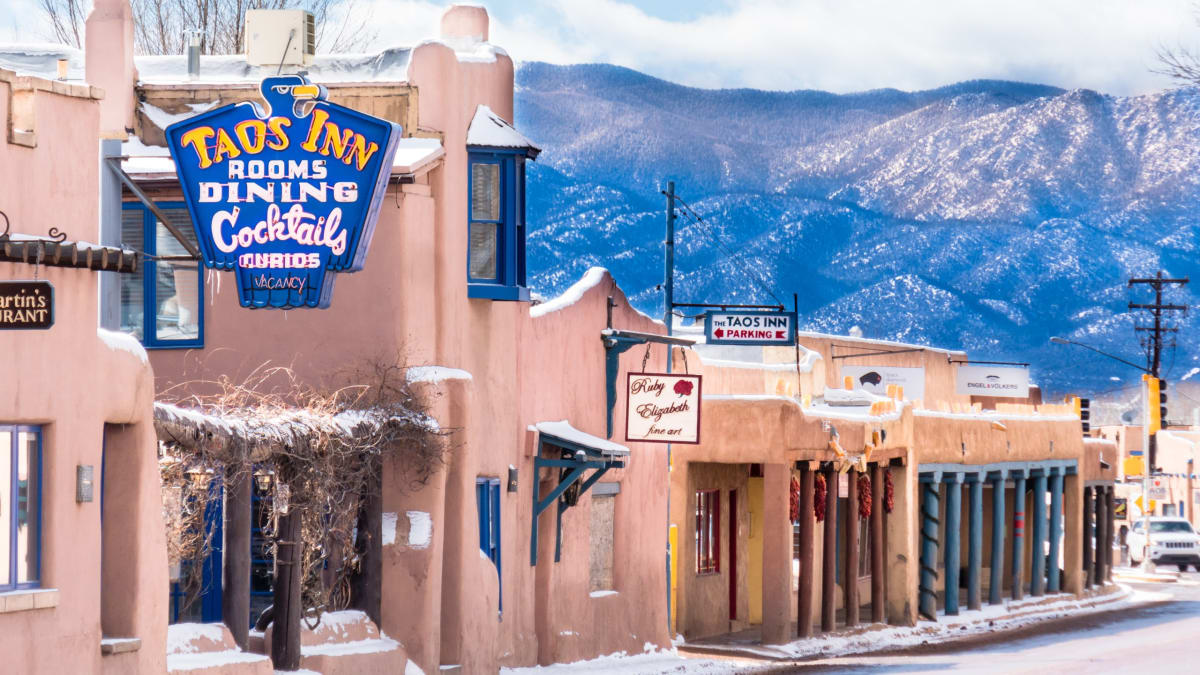
Steam rolls off a bowl of red chile stew while the window fogs against the cold, and that smell of chile and masa is the scent of every morning on this drive. Out at White Sands, the low winter sun turns the gypsum from flat white into ridges of blue shadow and gold, and by night the hot springs at Ojo Caliente throw mist into black desert air.
Nowhere else packs Ancestral Puebloan cliff rooms, a Japanese onsen in the Sangre de Cristo foothills, and a dune field that reads as snowdrift in photographs onto a single paved loop. You move through that range in a rental sedan, with lunch counters and adobe chapels filling the gaps between landmarks.
This guide settles the two decisions that shape everything: how to route the week and where the mountain legs belong.
Plan roughly $100–$175 a day per person on a budget, $200–$350 for mid-range comfort, and $400 and up if you want private mineral baths and Heritage hotels every night.
The Loop at a Glance: My Picks for a Week in New Mexico
- Best one-week shape: Fly into Albuquerque Sunport, north to Santa Fe and the high-country outliers first, south through Roswell and Carlsbad to White Sands, then back up I-25 to your flight.
- Best under four days: Skip the northern loop entirely and run the southern-only route — Truth or Consequences, Socorro, Las Cruces, then the White Sands–Carlsbad corner and back.
- Best lodging picks: Painted Lady Bed & Brew in Albuquerque, Sierra Grande Lodge and Spa in Truth or Consequences, and Hotel Encanto de Las Cruces to close the trip chain-free.
- Best food stops: Barelas Coffee House for red chile stew, Duran Central Pharmacy for green, and El Paragua in Española for tacos before Chimayó.
- Best winter payoff: White Sands for the dune light, Carlsbad Caverns Big Room near empty, and Ski Santa Fe for cheap tickets and steep terrain.
- Biggest gamble: Bisti Badlands and the Gilman Tunnels road — rough, seasonally gated, and the first things I’d cut after a storm.
Is a New Mexico Winter Road Trip Actually Worth It?
Christmas week 2018, a historic snowstorm closed most of New Mexico’s mountain roads overnight — and the travelers caught in it still filled a week with standout stops. That’s the winter trade in one sentence: thinner crowds and cheaper everything, bought with one real risk.
The case for driving in the cold months
Winter is when New Mexico’s marquee places finally feel roomy. Everything you’re driving hours to see is less crowded, and lodging and activity prices are often cheaper than in the busy seasons — which matters on a loop with multiple overnight stops.
- White Sands, better in winter than summer: the gypsum dunes are miserable to walk in summer’s heat, and comfortable in winter — so go midday, when the sun is warmest, not at sunrise. This is the one season when the middle of the day is the right time to be on the sand.
- Elevation swings, packed in one day: New Mexico stacks high desert and alpine terrain close together, so a mild desert morning can end on snow-covered roads. Keep a warm layer in the car even when the valley forecast looks generous.
- Layered days, not layered weeks: cold snaps and warm spells both pass quickly here. A flexible plan beats a rigid one — leave slack for the day that turns out gorgeous and the leg that doesn’t.
The one risk you’re accepting
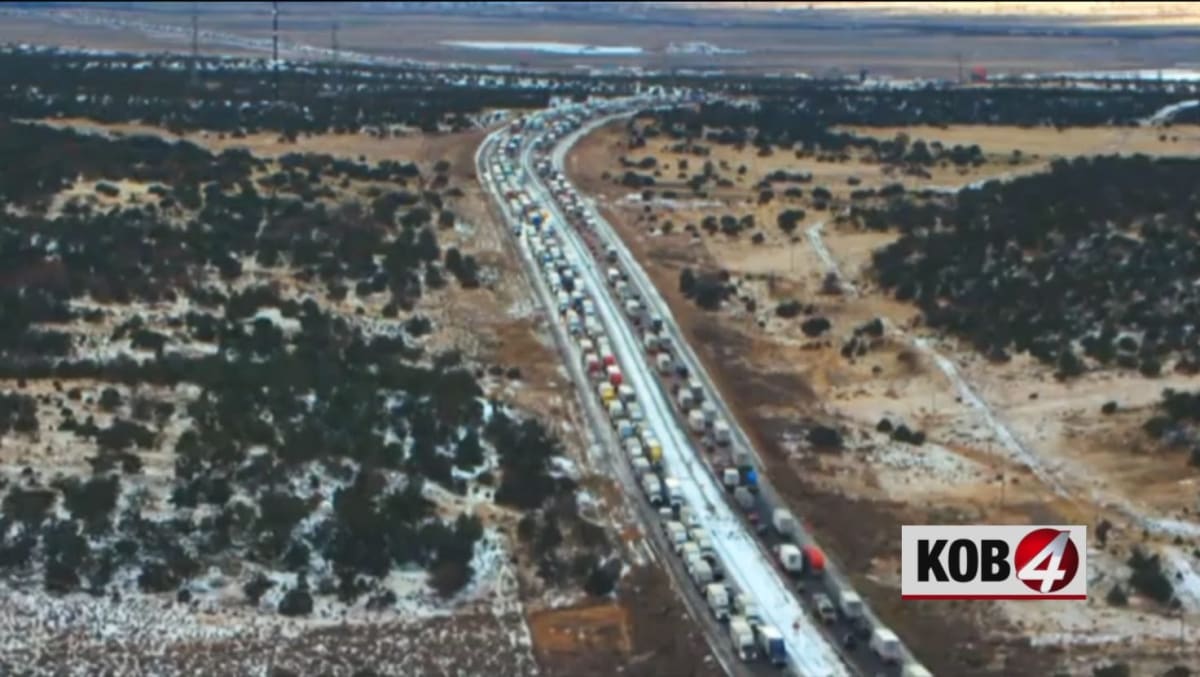
Winter storms here don’t just dust the roads — they close them. Mountain roads and even interstate stretches can shut with little warning, as they did during that 2018 storm, and a closed pass can erase a planned leg entirely.
I’d accept the risk every time, but I’d build the trip so no single day is make-or-break: keep a low-elevation fallback route in mind, drive the mountain legs in daylight, and treat any summit or pass as a bonus rather than a requirement.
Where to Start and How to Shape the Loop
Albuquerque Sunport wins the flight search almost every time — it is the cheapest and by far the most abundant gateway into the state, and that single fact decides the shape of the whole trip.
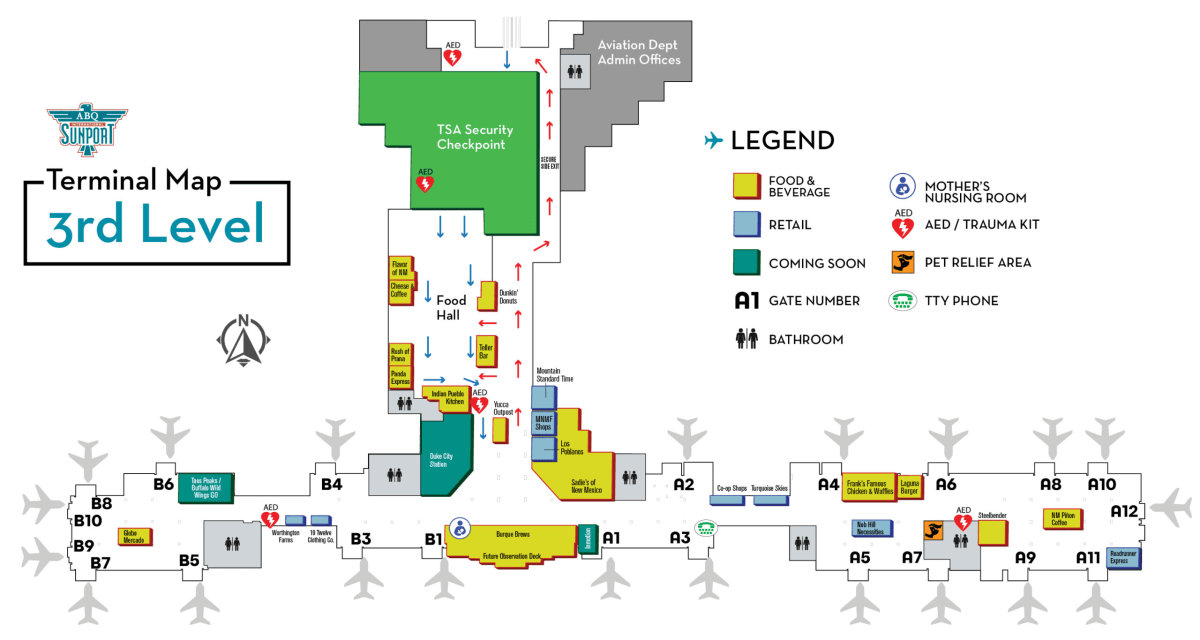
Flying in and out of Albuquerque Sunport
Price and frequency both point to Sunport, so I would not overthink it. Book one round-trip ticket in and out of Albuquerque and treat the city as a hub rather than a destination.
- Arrive early: Take the first flight of the morning so you pick up the rental car before noon and use the daylight on your first real drive instead of wasting it in the terminal.
- Rent on site: Grabbing the car at the airport beats an off-airport shuttle, and you want the vehicle for the entire loop — no backtracking to return it mid-trip.
- Return here: A single pickup and drop-off is the cheapest structure; open-jaw tickets into Santa Fe or El Paso usually cost more and save little driving.
One loop, one week: the shape of the drive
New Mexico is the fifth-largest state in the country, so even a full week shows you only a fraction of it. Do not try to fix that with more driving — pick the classic loop and accept the fraction.
The logic that works: head north first from Albuquerque into the mountains and high desert, swing south through the lower-elevation desert, then return north to Sunport. That order keeps your driving legs in geographic sequence and saves the long haul back to the airport for last.
- Days 1–2: North from Sunport to Santa Fe, then the high-country towns beyond it.
- Days 3–4: Continue north into the wild outliers before turning the car around.
- Days 5–7: Drop south into the Roswell–Carlsbad–White Sands stretch, then work back up to Albuquerque for your flight.
Southern-only alternative: If you have less than a week or want to stay on lower ground entirely, skip the northern loop. Fly into Sunport, drive straight south through Truth or Consequences, Socorro, Las Cruces and the White Sands–Carlsbad corner, then return the same way.
It is flatter, shorter, and the smarter choice for a first-timer with four days instead of seven.
Albuquerque: The Launch Pad
Red or green chile stew is the state question, and Albuquerque is where you answer it before the road trip even starts. Give the city two full days: one for chile and Old Town, one for the Sandia crest.
Warm up with chile stews and Pueblo food
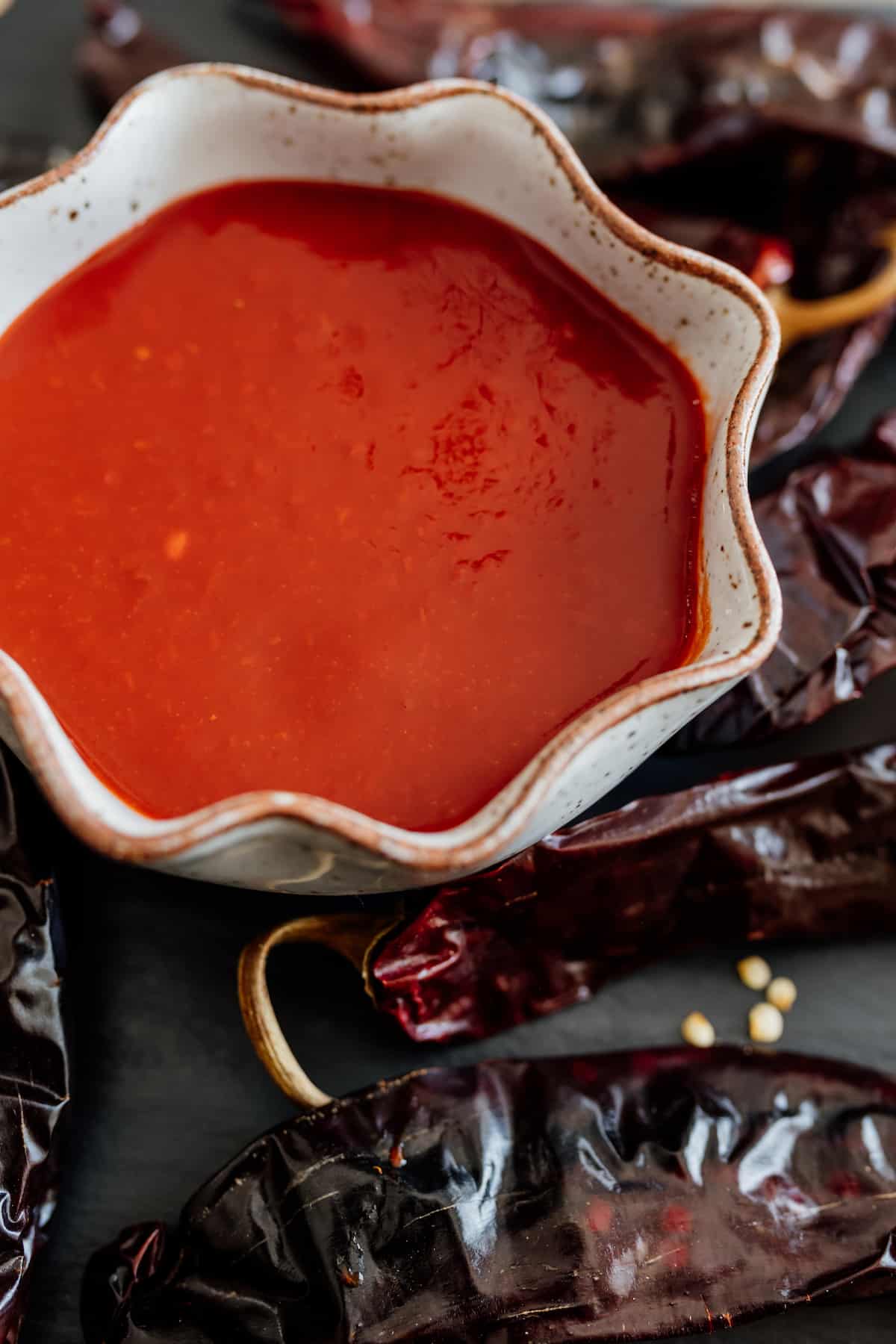
Winter turns Albuquerque’s signature bowls from “nice” into the whole point of the meal. My advice: order red at one place and green at the other and decide for yourself.
- Barelas Coffee House: the old-school choice in a working-class neighborhood south of downtown. Get the red chile stew with tortillas and don’t dress it up.
- Duran Central Pharmacy: the green chile stew is the draw, and the lunch counter is hidden in the back of the still-operating pharmacy — most visitors walk past it without knowing it’s there.
- Indian Pueblo Cultural Center: the single best orientation to the state’s 19 Pueblos, and the on-site kitchen’s Pueblo taco — frybread, beans, lettuce, chile — is the one to order. Do the galleries first, then eat.
Old Town, museums and petroglyphs
Old Town is compact enough to cover on foot in a morning, and it’s the calmest stretch of the whole itinerary.
- Old Town Plaza and San Felipe de Neri Church: the adobe church has anchored the plaza since the 1700s; walk the surrounding lanes before the gift shops get busy.
- Turquoise Museum: the clearest explanation of the state gem anywhere in New Mexico. Worth the entry for rock nerds and anyone who’ll be shopping for jewelry later in the trip.
- Petroglyph National Monument: volcanic escarpment on the city’s west side, carved with images centuries old. Pick one short trail rather than trying to see all the sites.
- Breaking Bad RV tour: book it only if the show is the reason you came. Otherwise the city itself is the better story.
- El Malpais detour: more than an hour west on I-40, where La Ventana Natural Arch spans the lava country. Add it only if you’re routing that way, and confirm the road is passable before committing.
Sandia Peak and the Cibola trail network
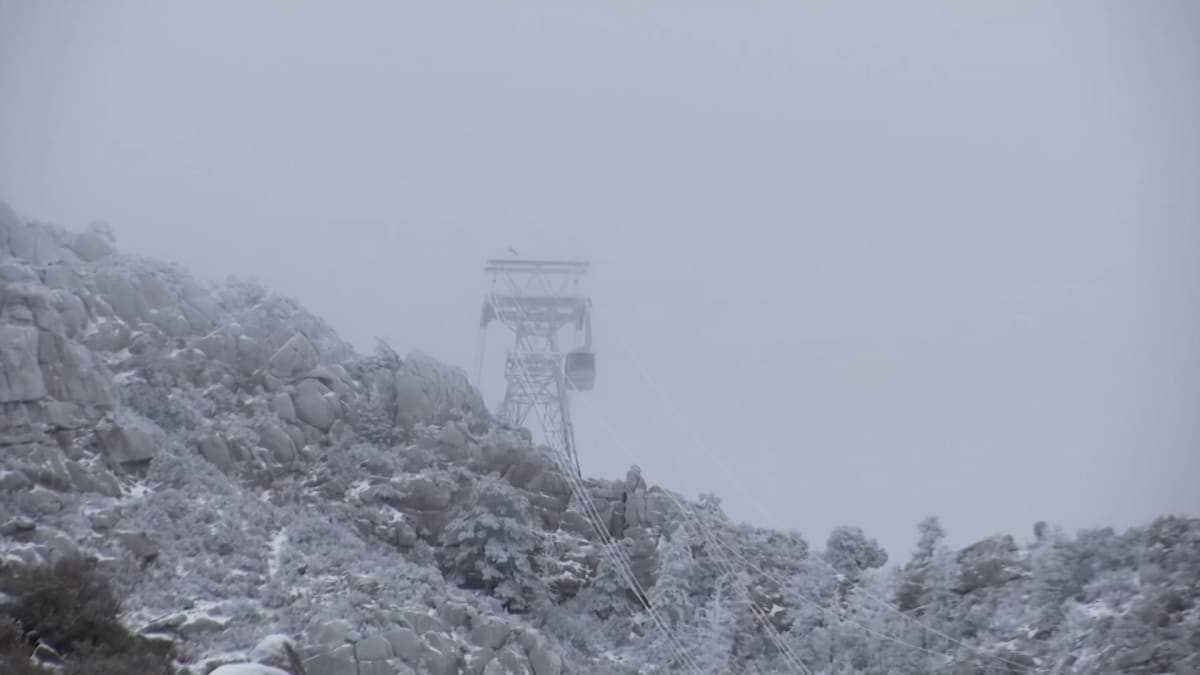
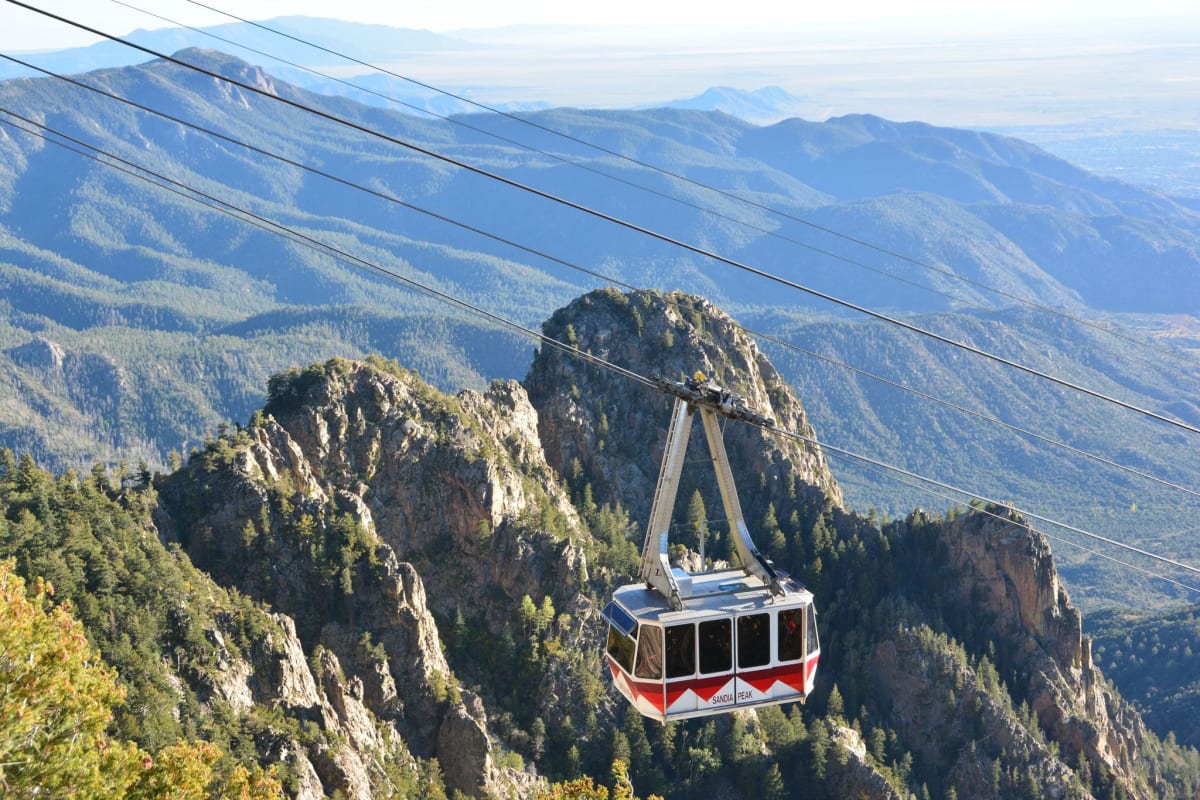
The Sandia Peak Tramway climbs nearly 4,000 feet to the crest in minutes, delivering the whole city and valley spread out below — the view that makes this drive worth starting here.
- Tramway: the default in winter. Verify it’s running before driving up; ice and wind shut it down.
- Hiking up: possible for strong legs, but snow and ice make the ascent a real winter objective. I’d save the summit-on-foot idea for summer.
- Sandia Peak Ski Area: a small local hill on the same mountain — a half-day of turns without a big-mountain commitment.
- Cibola National Forest trails: snowshoe-friendly when the crest is covered and the best way to get solitude minutes from the city.
- Tinkertown Museum: a hand-carved folk-art detour in the east mountains, on the way to or from the tram. Fifteen minutes here recharges anyone tired of grand scenery.
Where to sleep in Albuquerque
Painted Lady Bed & Brew is the booking I’d make: a restored 19th-century brothel turned B&B where the daily hoppy hour is included, so you meet other road-trippers without hunting for a bar. Stay here if you want character; choose a chain near the airport only if you have an early flight out.
Santa Fe: Skiing, Adobe and Neon Art
Ski Santa Fe hands you an affordable lift ticket, terrain steep enough to earn your après drink, and a view back over snow-dusted red rock — this is where the northern loop stops being a driving tour and starts feeling like a vacation. Give Santa Fe the two days it deserves, one on the mountain and one on foot.
A day on the mountain at Ski Santa Fe
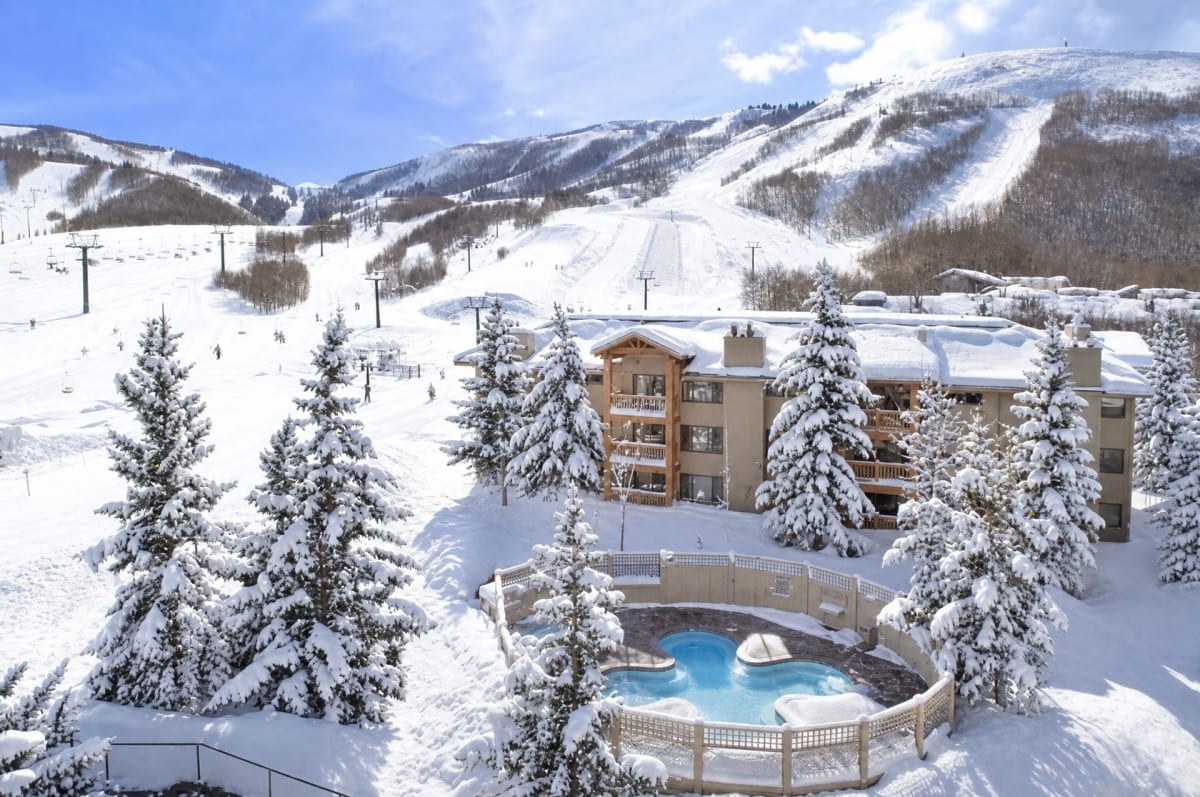
Lift tickets at Ski Santa Fe stay cheap for a full-service Southwest resort, and the terrain is genuinely challenging — this is not a learn-to-ski hill. I’d book the full day here instead of a rushed morning; the mountain rewards strong skiers, and the scenery is the actual product.
- Who it’s for: confident skiers who want a hard day and a low bill.
- Who should pass: anyone whose group needs long, gentle groomers — the draw here is pitch and views, not beginner acreage.
- The real reason to come: stopping mid-run to look back at red rock under white snow. Don’t let it distract you on the steeps; do make time for it on the way down.
Soak the legs at Ten Thousand Waves
Ten Thousand Waves is a Japanese-style onsen garden in the hills above Santa Fe, and it’s the single best thing you can do to your knees after a day at Ski Santa Fe. Reserve a private tub before you show up — those are the ones worth the drive up, and they book out first.
If your schedule is tight, skip the massage and just soak: the garden setting is why this place is famous.
Walking the old mud-and-straw city
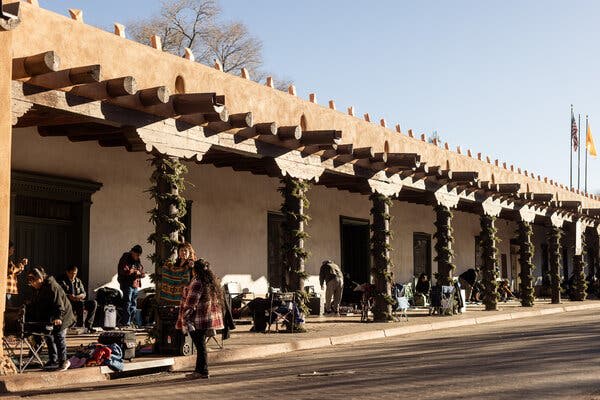
Santa Fe is the second-oldest city in America, and its mud-and-straw adobe core packs centuries of history into blocks you can walk in an afternoon. Park once and do it in this order:
- Palace of the Governors first: the market under its portal is the best souvenir stop in the state. Native artisans sell here in person, the roster rotates, and the best pieces leave early — arrive in the morning, not after lunch.
- Cathedral Basilica of St. Francis of Assisi: the Plaza’s anchor, and the calmest counterweight to the shopping.
- Loretto Chapel: go for the spiral staircase, which curls upward with no visible center support. It’s the one church interior in town worth the admission.
- New Mexico Museum of Art: the pick if you want context for everything you’ve been looking at.
- Barrio de Analco and San Miguel Chapel: the oldest neighborhood in the city and one of the oldest church structures in the country.
- Cross of the Martyrs: save it for last, and climb it at sunset over the rooftops.
Then close the loop with margaritas at La Fonda on the Plaza. It sits right on the square, the drinks are the traditional Santa Fe send-off, and you can walk back to the car from there.
Meow Wolf after dark
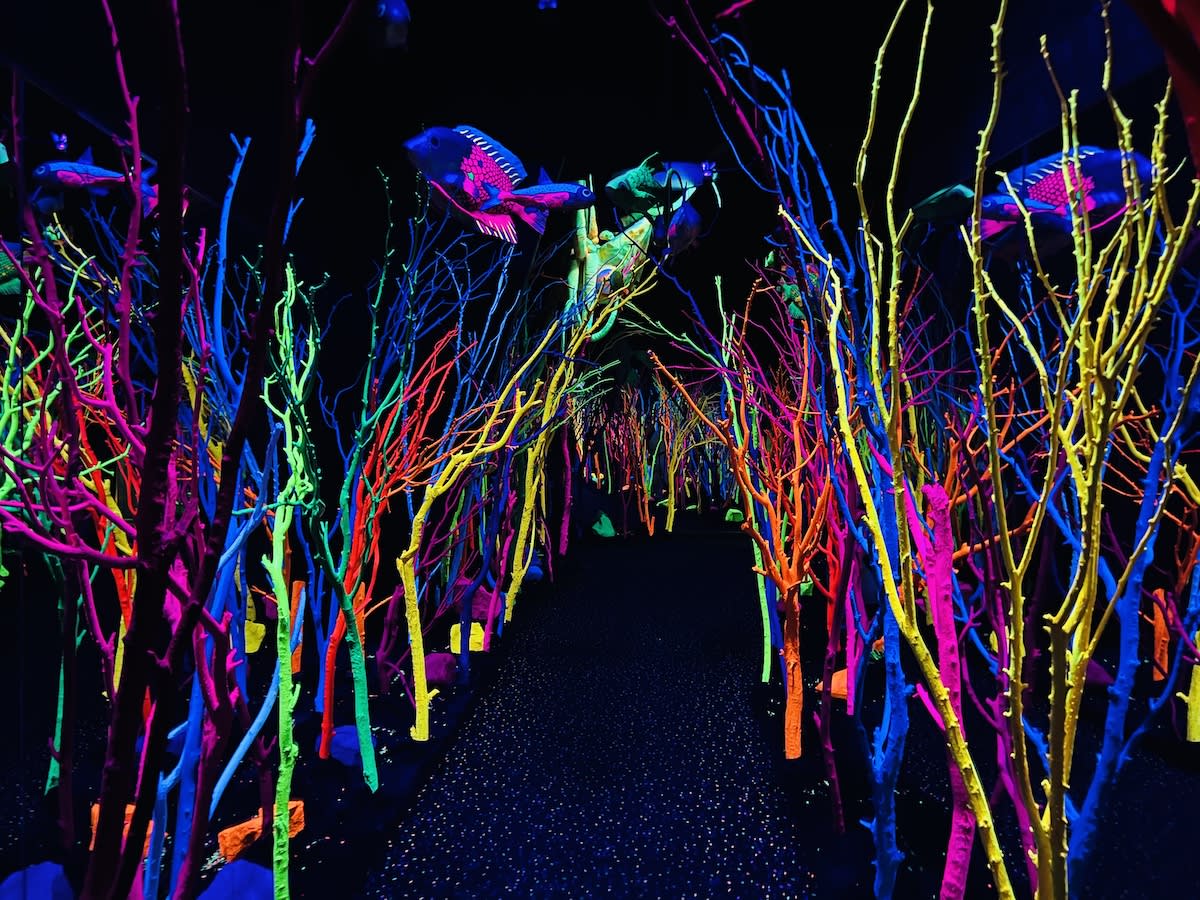
Meow Wolf took over a former bowling alley and stuffed it with 70 rooms of blacklights, neon and climb-through surrealism — the deliberate opposite of the mud-and-straw city you just walked. Go after dark, when the outside world has gone quiet and the installation’s glow does the heavy lifting.
Meow Wolf runs timed entry, so buy the slot you want in advance instead of walking up and hoping.
Chimayó, Ojo Caliente and the High Road to Taos
A 1950s family taco stand, a pool of arsenic water, and a chapel floor that pilgrims have been scooping dirt from since the early 1800s — this is the leg where northern New Mexico’s culinary and spiritual oddities stack up within a short drive of each other. Do it northbound before you swing south.
Eating in Española on the way to Chimayó
El Paragua is the reason to skip every fast-food exit in Española. A tree-lined street off the main drag leads to a colorful adobe family home where the family’s 1950s taco stand grew into a restaurant that locals will argue is the best Mexican food in the state.
- What to order: The tacos, plainly — this is not a place for a salad. Pair them with the house margarita at the table; the phrase “margarita for the road” is a figure of speech, not a driving plan.
- Why here: It is a genuine destination meal sitting directly on your way north, not a detour. Fill up in Española because options thin out fast after Chimayó.
Soaking in arsenic water at Ojo Caliente
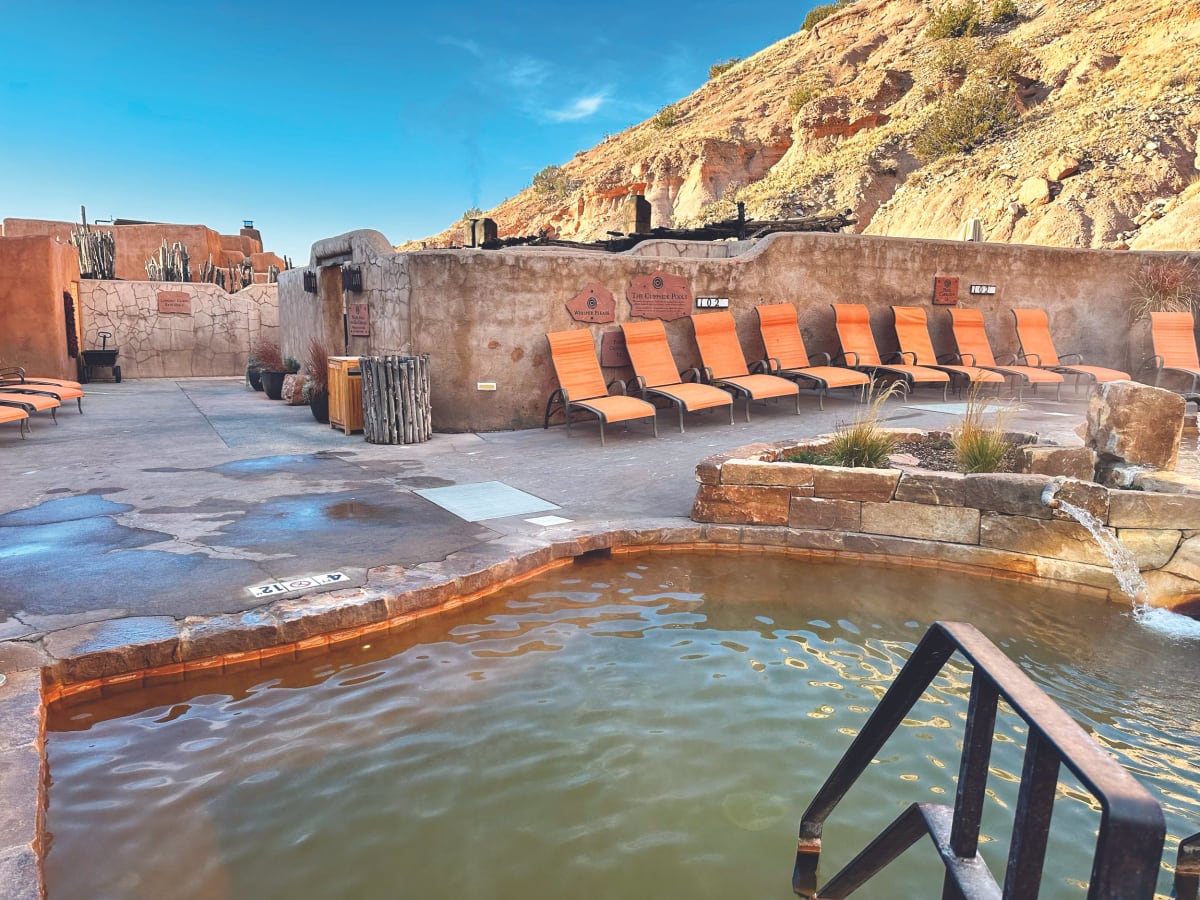
Ojo Caliente is the only hot spring in the world with four distinct mineral water types, and the arsenic pool is the one people ask about. Arsenic water is credited with helping arthritis and digestion, lithia with mood, and the mud bath involves coating yourself and baking in the sun before rinsing.
- Best for first-timers: The enclosed soda pool. A rock structure walls the bath off from the rest of the grounds, which is the closest thing here to actual solitude.
- Best for a splurge: Overnight at the luxury lodging on site. It is the smartest money on this stretch if the driving days are stacking up, and it lets you soak after the day-trippers leave.
Petroglyphs above the valley at La Cieneguilla
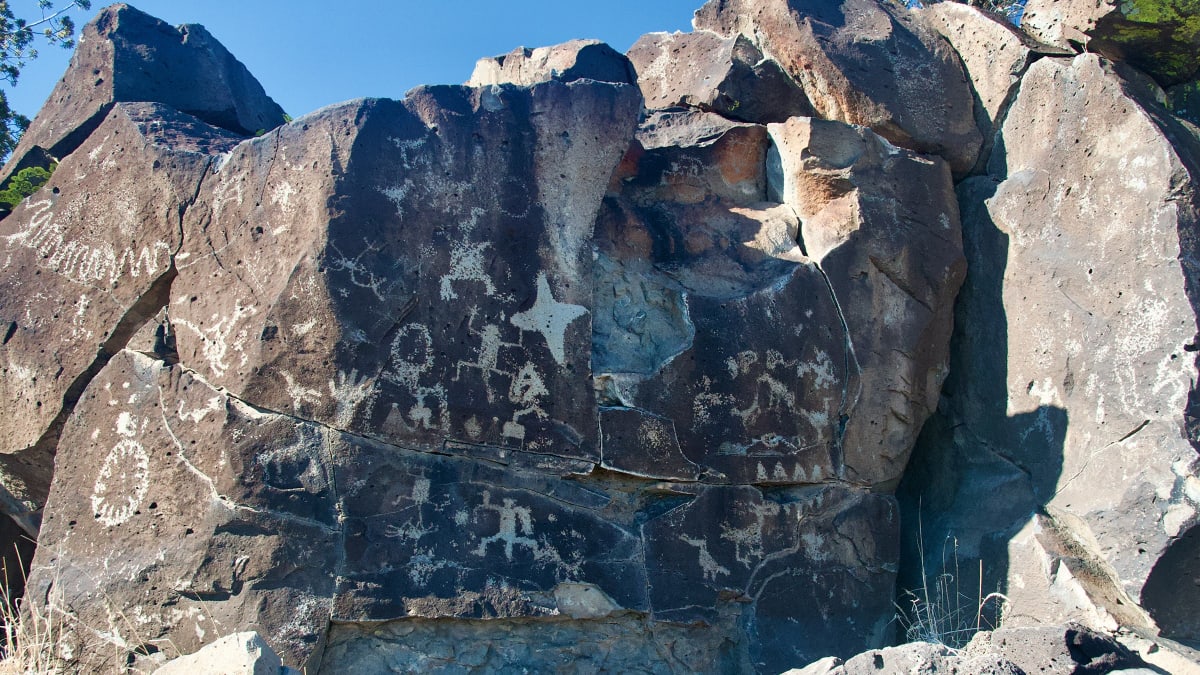
La Cieneguilla packs more than 4,800 carved images onto a basalt escarpment, and you reach the main panels on a walk that takes about 15 minutes from the parking area. The carvings are thought to date back nearly 10,000 years, which makes this one of the densest rock-art concentrations in the Southwest.
It sits between Santa Fe and Española, so add it to the northbound leg rather than backtracking from Ojo Caliente. In winter the exposed basalt holds wind and ice; wear real footwear, not the boots you drive in.
Driving the High Road to Taos
The payoff on the High Road is El Santuario de Chimayó, an early-19th-century church whose floor is dug up by hundreds of thousands of visitors each year, all scooping the dirt that tradition says has healing powers. Winter is the time to see it properly, when the crowd thins enough to actually stand in the room.
- Worth the stop: San José de Gracia Church in Truchas and Truchas Overlook, for the Sangre de Cristo range dropping behind the village.
- Photograph it: San Francisco de Asís Mission Church in Ranchos de Taos, the massive adobe buttresses that made it one of the most painted buildings in America.
- Half an hour, no more: The Chimayó Museum. Interesting context on the weaving and faith traditions; skip it if daylight is short.
- Before Taos: Taos Art Museum at Fechin House, a hand-carved home that is as much the exhibit as the paintings.
- Finish here: Taos Pueblo, the multistory adobe settlement that has been continuously inhabited for centuries.
Northern New Mexico’s Wild Outliers
North of Santa Fe, a single 1.5-mile loop trail passes ladders leaning into thousand-year-old cliff rooms and the low stone walls of underground home ruins — and most winter visitors have it nearly to themselves. This is the day of the trip where you trade adobe plazas for volcanic canyons, sacred peaks and badlands that look like another planet.
Bandelier’s cliff dwellings
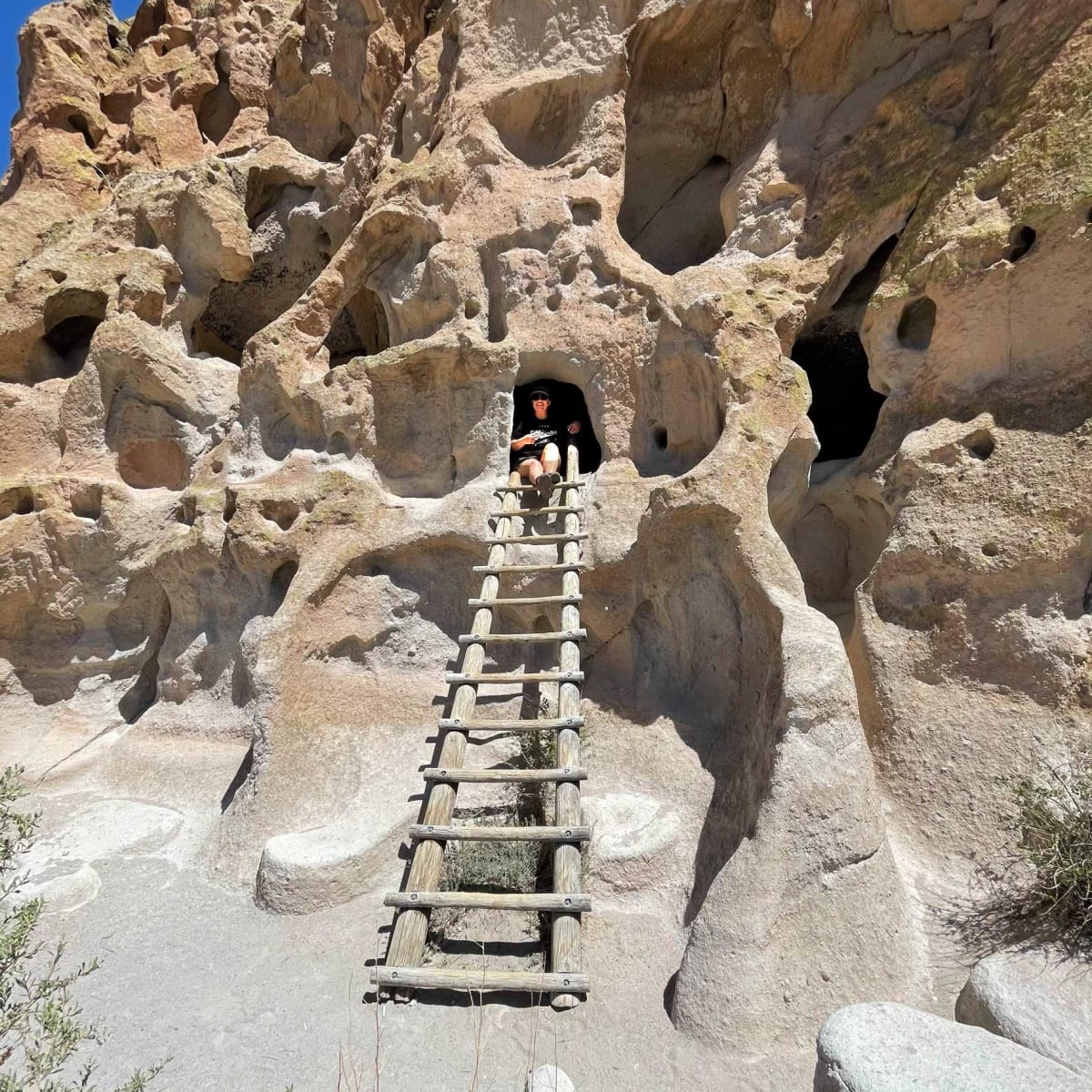
Bandelier sits about an hour north of Santa Fe and delivers the highest historical payoff per mile of any stop in this section. The Main Loop Trail threads past Tyuonyi Pueblo, the cavates you climb ladders into, and petroglyphs, all at low canyon elevation where winter snow rarely holds.
Go early — the ladder alcoves photograph best in morning light, and you want them without a queue behind you.
- Best for: anyone who wants Ancestral Puebloan history without a strenuous hike.
- Skip if: you’re chasing solitude on a holiday weekend; this is the one northern site that draws real crowds.
Shiprock and the Bisti Badlands
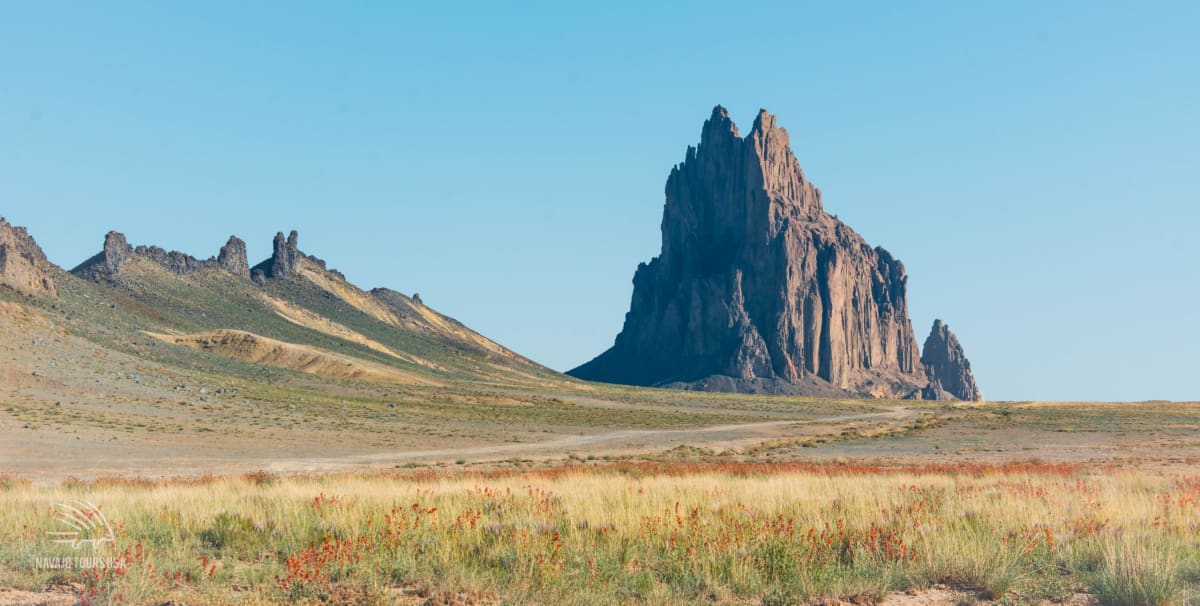
Shiprock rises nearly 1,800 feet out of the flat plain like a broken fin, and the honest way to see it is from the highway shoulder — the peak is sacred to the Navajo Nation, with no climbing and no drones permitted. Photograph it from a distance with the plain in the foreground; that framing is the reason people drive out here.
Farther west, the Bisti/De-Na-Zin Wilderness is eroded hoodoos, cracked eggs of sandstone and complete silence. Two warnings decide whether you go:
- Road condition: access roads are rough dirt and can become impassable after storms — a real risk in winter. A high-clearance vehicle is the smart call.
- Navigation: there are no marked trails in the badlands; download an offline map before you lose signal.
- Verdict: worth the detour for photographers and solitude-seekers, not worth it if your group hates unpaved driving.
Jemez country: snowshoes and tunnels
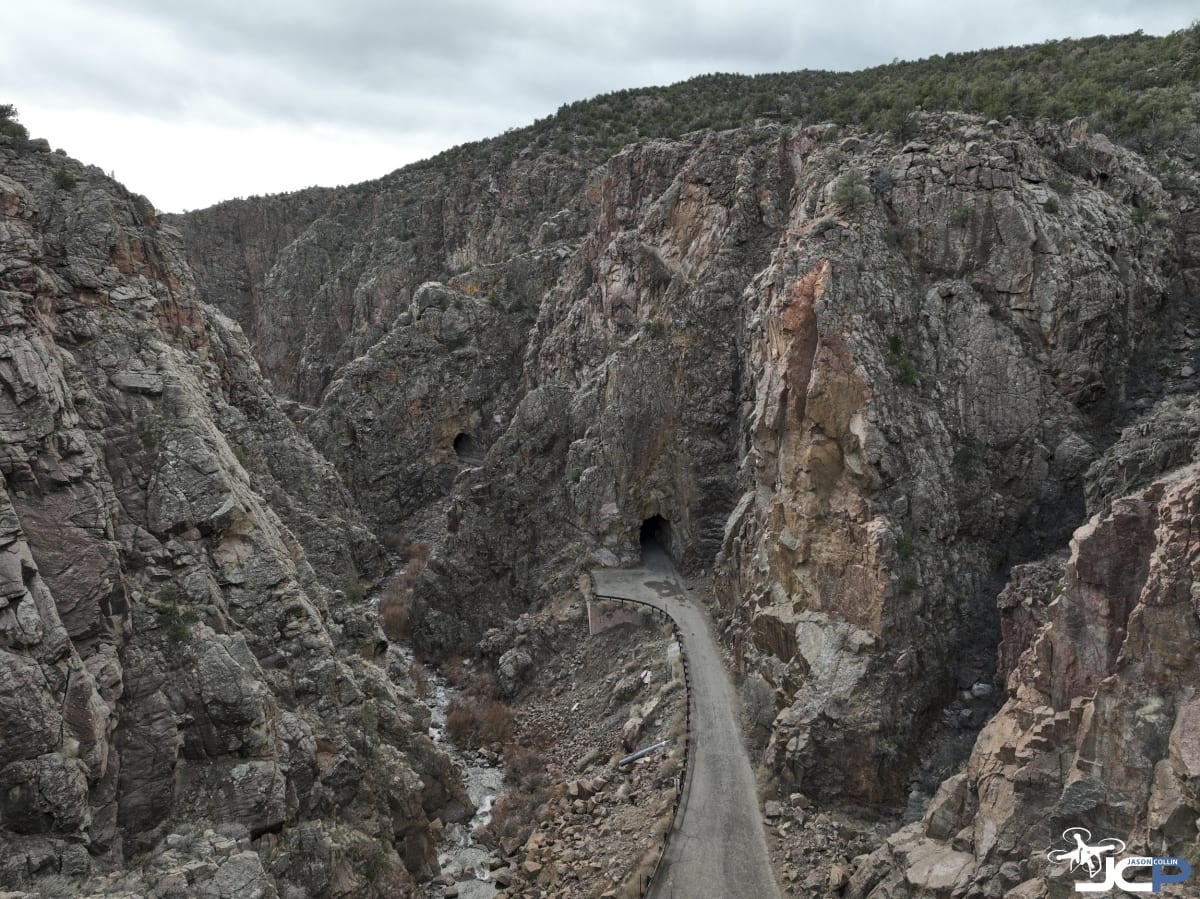
The Jemez National Recreation Area is the snowshoeing payoff of the trip, but winter shuts down many of its roads and amenities, so pick your access point before you drive in. The Gilman Tunnels — carved through rock along a river gorge — are the standout walk here, though the road to them is seasonally gated.
Treat the tunnels as a fair-weather bonus, not a guarantee.
- Do: snowshoe the open Jemez trails when snow allows.
- Confirm first: whether the Gilman Tunnels road is open before committing the drive.
Valles Caldera, Puye and Tent Rocks
Valles Caldera is a collapsed volcano the size of a valley floor, where elk herds graze beside historic ranch cabins — and where winter road closures routinely keep you at the preserve’s entrance. If the main road is shut, the entrance meadows still deliver elk views; that’s the compromise worth making.
- Puye Cliff Dwellings: the quieter cliff-site alternative near Española, with big views and layered history.
- Kasha-Katuwe Tent Rocks: the cone-shaped slot canyon everyone photographs, but its opening status has been uncertain for years — do not build your itinerary around it.
The Southern Swing: Roswell, Carlsbad and White Sands
The last leg of this trip trades mountain passes for something stranger: a UFO-shaped McDonald’s, a cave carved 1,000 feet into ancient coral, and a dune field so white your photos will read as snow. Give the southern swing three days minimum — Roswell for the kitsch, Carlsbad for the geology, White Sands for the light.
Alien detour in Roswell
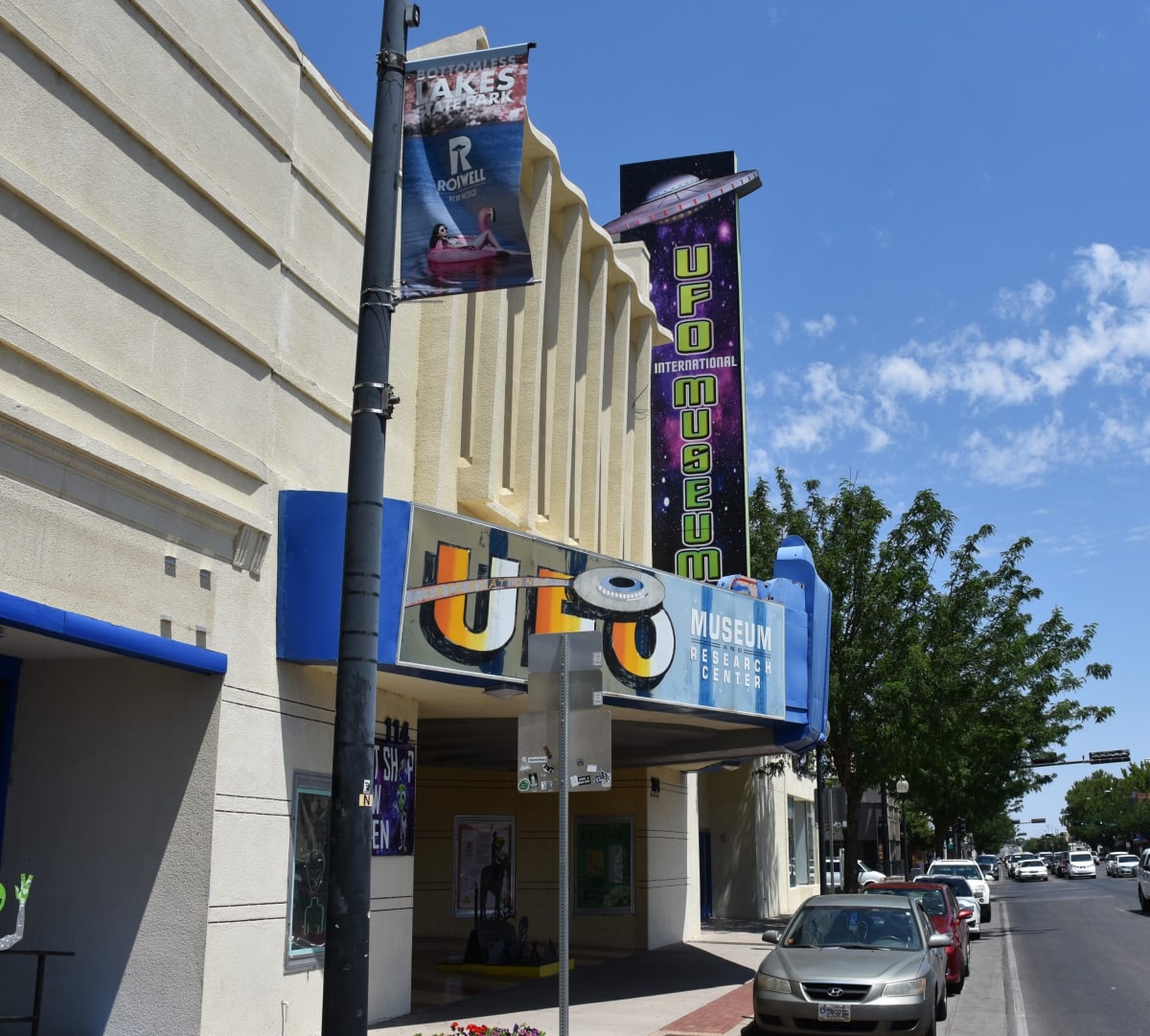
From the high country, drop down I-25 and US-285 for roughly three hours into the flat desert and you’ll hit Roswell, the most committed theme town in America. Set the record straight before you go: this is nowhere near Area 51, which sits in Nevada.
Roswell’s claim is a 1947 crash that the military first described as a flying saucer and later reclassified as a weather balloon — and that single contradiction birthed an entire industry.
Commit to the bit for an afternoon and skip it guilt-free if aliens aren’t your thing. The town is not subtle, and that’s the point.
- Worth the stop: The International UFO Museum and Research Center — the town’s one genuinely substantive attraction, with the crash documentation and declassified material that justify the drive.
- Best photo op: The world’s only McDonald’s built in the shape of a UFO. Eat elsewhere; this exists for the picture.
- Timing note: The annual UFO festival usually lands in summer, so a winter swing gets you the alien storefronts and murals without the crowds.
- My read: Roswell is a ninety-minute diversion, not a base. Budget your lodging nights for Carlsbad and White Sands instead.
Descending into Carlsbad Caverns
Leaving Roswell south on US-285, the desert flattens into miles of pecan orchards before rising into colorful petrified coral hills — the same reef the caverns were carved out of, roughly 1,000 feet underground. You’ll drive to the top of the mountain for a panoramic view before choosing how to get down.
- Elevator: Takes you nearly 80 stories straight down. Fast, easy, and the right call for anyone with knee problems or young kids.
- On foot: A roughly 90-minute descent down the long, dark staircase — the better choice if you’ve been sitting in a car all day and want the slow reveal.
- My call: Walk down and ride the elevator back up. You get the full cave approach on fresh legs and skip the climb.
The destination is the Big Room: a chamber roughly 4,000 by 625 feet — about six football fields of stalactites, stalagmites and flowstone — held at a constant 55 degrees year-round. Bring a layer regardless of what it’s doing outside.
In winter this space, which packs shoulder-to-shoulder in summer, is close to empty, and the silence changes the experience entirely.
Gypsum dunes that look like snow
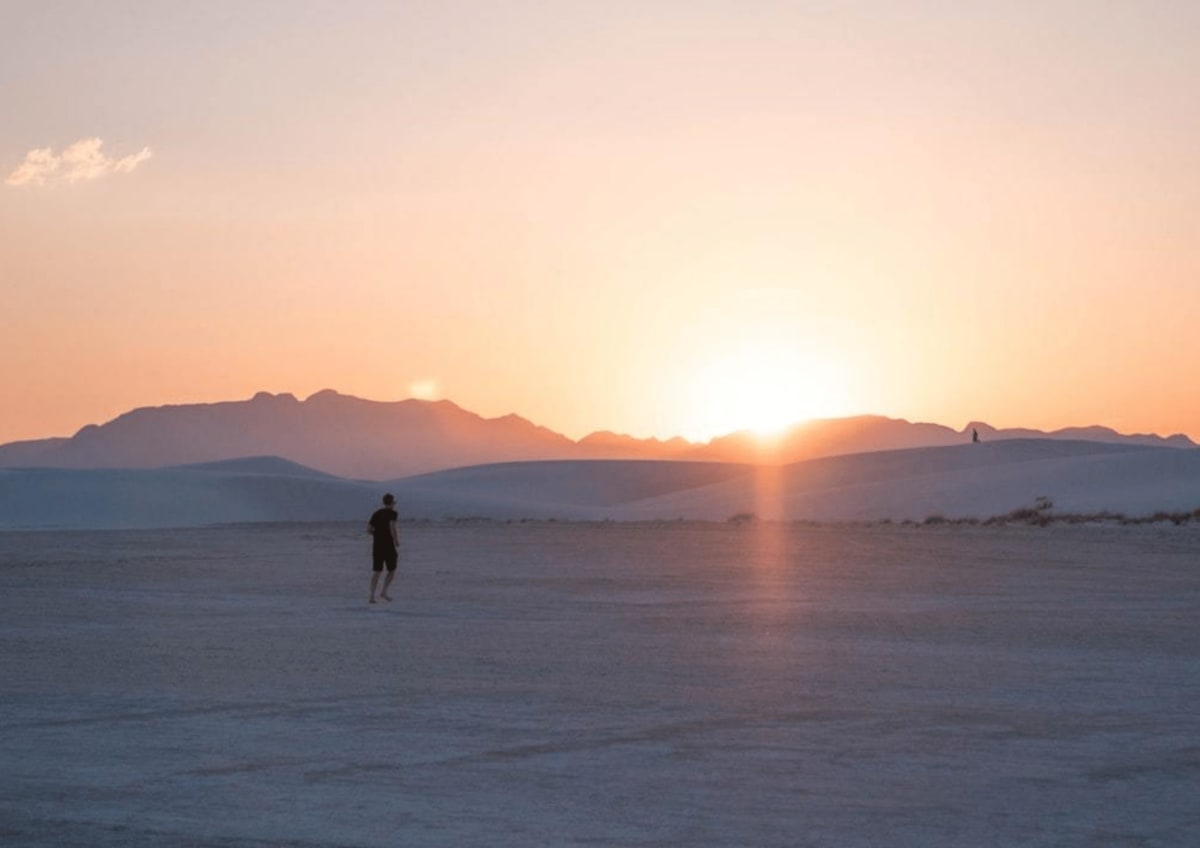
White Sands protects the largest gypsum sand dune field on Earth, and the endless white genuinely reads as snowdrift in photographs. The gypsum is soft enough to sled on and cool enough underfoot to walk barefoot — treat it like a snow day in a desert.
The eight-mile scenic drive is the spine of the park, and the move is to use it as access rather than a drive-through:
- For the classic shot: Drive the loop to the Alkali Flats Trailhead, park, and walk away from the road toward the mountains. The dunes get quieter and the footprint-free sand better with every quarter mile.
- For fun: Sled the dunes — the park sells or rents sleds at the visitor center, and the steeper faces near the road are the best runs.
- For range: Horseback riding across the dunes is the most memorable way to cover ground here.
- For light: Arrive before sunset or just after. Low sun turns the dunes from flat white to ridges of blue shadow and gold — this is the whole reason to time your visit.
One hard rule on overnight plans: winter nights here regularly drop below freezing, so camping is off the table. Stay in Alamogordo or Las Cruces and drive in for the light instead.
Southern New Mexico’s Slow Side: T-or-C, Socorro, Las Cruces and Ruidoso
Truth or Consequences is the only town in America that renamed itself after a 1950s TV game show — and the hot springs beneath it never needed the publicity. The reason to base here is Sierra Grande Lodge and Spa, a 1929 building on the National Register that Ted Turner bought in 2012, sitting on an underground thermal lake with private hot-spring baths.
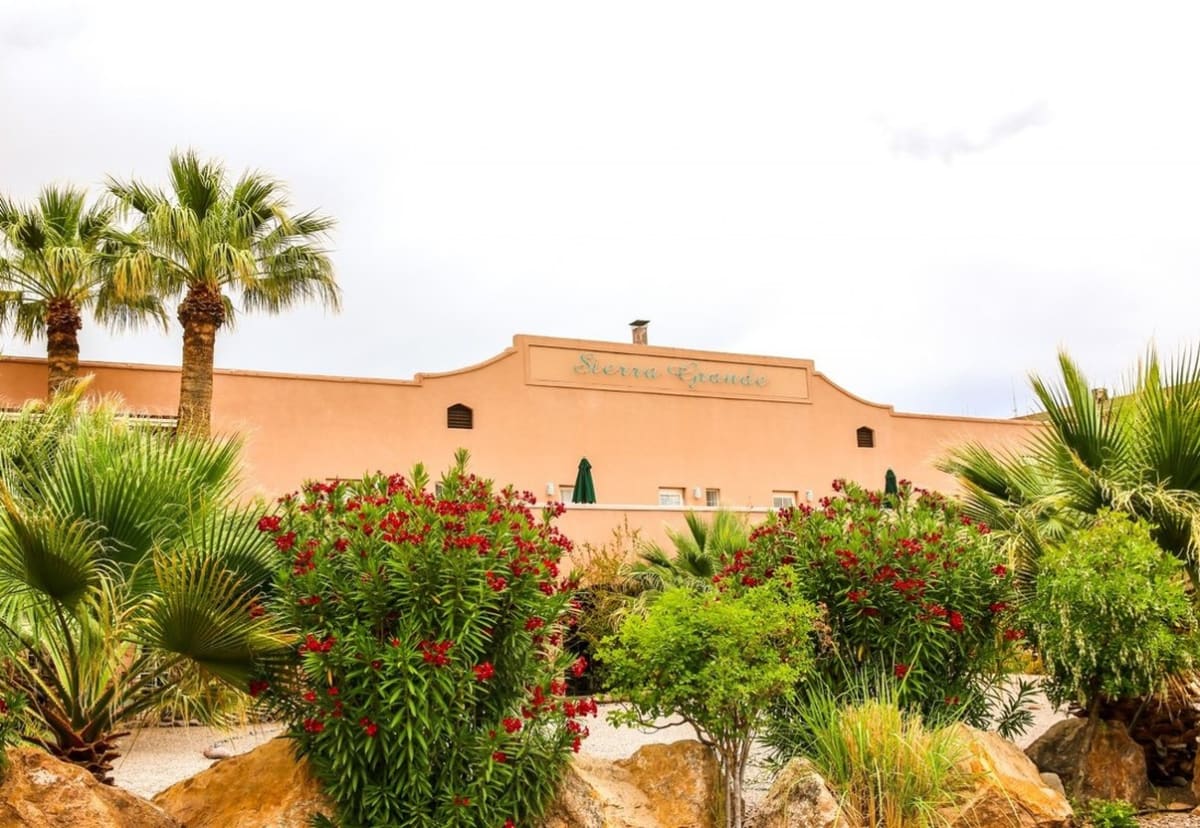
Hot springs and spaceports in Truth or Consequences
Take the private baths at Sierra Grande rather than soaking in a shared pool; this is a driving trip and the point is to reset your legs, not to socialize. Between soaks, Geronimo Springs Museum delivers the single best concentration of Native American pottery in the south, and dinner splits cleanly: Bella Luca for a proper sit-down Italian meal, Brazen Fox Taqueria when you want something fast and cheap.
The other reason T-or-C earns an overnight is Spaceport America, whose tours depart from town rather than from the desert site. Book the tour slot first and build the day around it — Virgin Galactic leases space out here at roughly $1 million a year, so security is real and you will not simply drive up to the gate.
Socorro and the lava fields
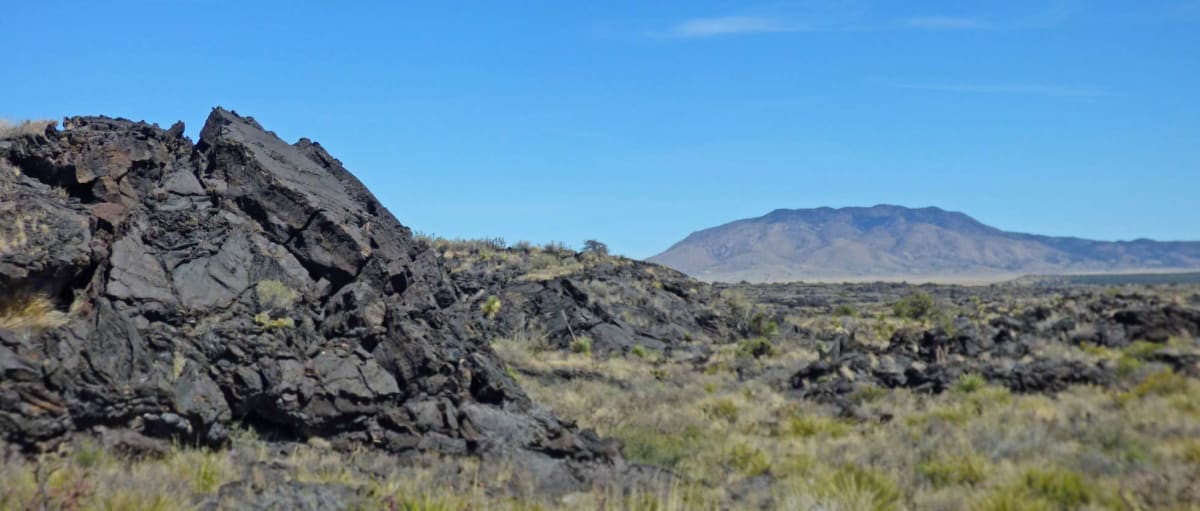
North up I-25, Socorro is the quiet counterweight: a 1840 Franciscan mission still anchoring the plaza, and the Socorro Old Town B&B, where Terry’s breakfast muffins are the reason to stay here instead of pushing on. South of town, the ruins of Fort Craig make the best free history stop in the region — an adobe fort that held the Rio Grande against Confederate troops, now just weathered walls against open desert.
Do not skip Valley of Fires Recreation Area. The one-mile loop across the lava field is flat, short and strange, and it is the easiest hour of walking on the entire southern route.
- Best for: breaking up the I-25 drive with an actual walk instead of another gas-station stop.
- Pair it with: Fort Craig the same morning, then T-or-C hot springs that evening.
Ruidoso and the Mescalero high country
Ruidoso is where the southern leg gets its mountain air, and Inn of the Mountain Gods on the Mescalero Reservation is the address: casino, concert hall and Wendell’s, where the New Mexico lamb chops are the dish to order. It also puts a genuine ski hill within reach — one of the southernmost places in the United States to ski — so you can log last runs before the drive home.
If gambling and concerts are not your thing, stay in Ruidoso proper and use the resort for dinner. The town’s hiking and welcoming restaurants are the real draw.
Las Cruces, Old Mesilla and the Organ Mountains
Las Cruces anchors the end of the run at Hotel Encanto de Las Cruces, which bills itself as the premier Heritage Hotel in Southern New Mexico — and this whole stretch rewards that kind of choice. In a week or two down here you can go entirely chain-free, which is rare in the American Southwest and worth planning around.
- Old Mesilla Village: five miles from the hotel, a miniature Santa Fe with serious Billy the Kid history and better restaurants than the city. Go for lunch, wander the plaza, skip the souvenir shops.
- Dripping Springs Natural Area: the essential hike. In the Organ Mountains you get a waterfall plus two sets of ruins — an 1800s hotel and a 1900s sanatorium — on a walk short enough to fit on a departure day.
Choose Dripping Springs over another museum on your final morning. The ruins and the canyon walls are the image you will remember from southern New Mexico, and there is nothing else like it on the drive back.
Winter Driving, Closures and Passes: What to Check Before You Go
In December 2018, a federal shutdown closed most national park units in New Mexico just as holiday road trippers landed — and a separate storm shut down mountain roads the same week. That combination is the real risk of a winter loop here: not cold, but the wrong two things happening at once.
Build your itinerary so a closure costs you an afternoon, not the trip.
The closure check that saves the trip
Do this check the morning of every driving leg, not the night before. Conditions change overnight, and a road that was clear at dinner can be closed by breakfast.
- Roads: Pull up the New Mexico Department of Transportation road-condition map and the relevant state highway before you leave the room. Chain and tire restrictions get posted there first.
- Each park unit: Check the National Park Service alerts page for that specific monument or park. Individual units post closures independently — one open gate tells you nothing about the next one.
- Forest and BLM land: Backcountry and unpaved roads are the first to go and the last to reopen. Assume any dirt road on your route is out of play after a storm and treat pavement as your winter baseline.
- Fuel: Fill up in Albuquerque or Santa Fe before heading north or south. Stations thin out fast between towns, and a closed pass turns a short detour into a long one.
My rule: if a mountain leg is uncertain, drive it in the morning and keep the afternoon flexible. Late-day snow is what strands people.
Passes and shutdown contingencies
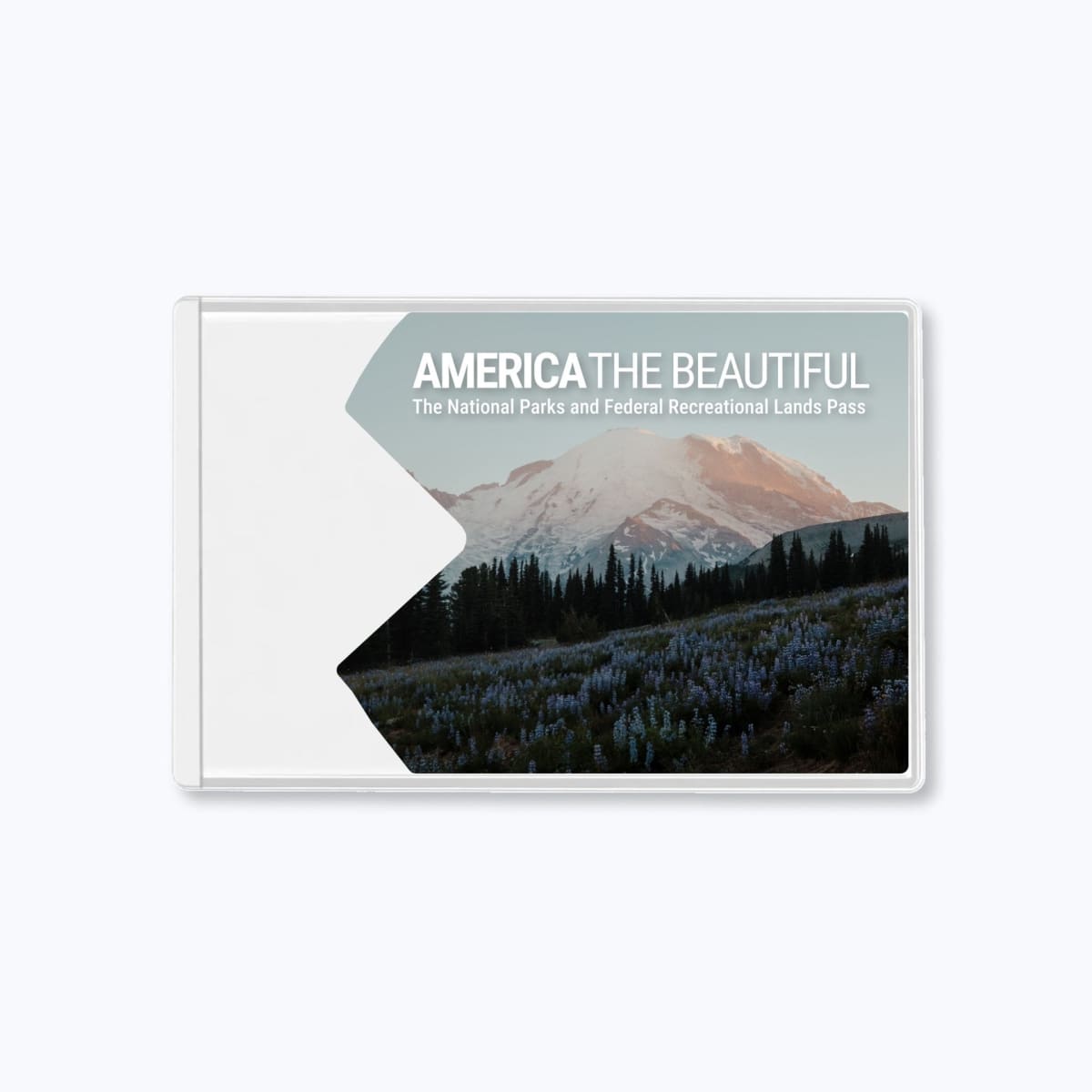
If your loop touches multiple federal sites, the America the Beautiful Annual Pass is the obvious buy — roughly $80 at current pricing, so it pays for itself quickly across a week of monuments and recreation areas. Confirm the price and purchase options with the National Park Service before you go, since fees do change.
What the pass cannot buy you is access. During a government shutdown, park units may close entirely or run with reduced services — restrooms, visitor centers and entry stations among them.
Keep a shutdown-proof swap list: low-elevation towns, hot springs and state parks stay open when federal gates don’t.
The fallback route: when mountain passes close, drop south and follow the lower-elevation I-25 and US-285 corridors toward Roswell, Carlsbad and Las Cruces. Those drives rarely accumulate the snow that blocks northern roads, and the southern swing is worth doing on its own merits — so a closure just reorders the trip instead of wrecking it.
Frequently Asked Questions
Do I need four-wheel drive for this loop?
No — treat pavement as your winter baseline and rent accordingly. Save the high-clearance vehicle for one specific gamble: the rough unpaved access into the Bisti Badlands, which I’d skip entirely after any storm.
What should I actually pack for this trip?
Keep a warm layer in the car even when the valley forecast looks generous, because a mild desert morning can end on snow. Bring real footwear for the exposed basalt at La Cieneguilla and one extra layer for the Big Room at Carlsbad, which sits at a constant 55 degrees.
Which stops need advance reservations?
Meow Wolf runs timed entry, Ten Thousand Waves private tubs book out first, and the Spaceport America tours depart from Truth or Consequences on set slots — lock those three in before anything else. Everything else in this loop is walk-up.
Can I take kids or older parents on this drive?
Yes, with the right picks. The Carlsbad elevator is the right call for anyone with knee problems or young kids, and flat short walks like the one-mile Valley of Fires loop and the 15-minute approach to the La Cieneguilla panels keep mixed groups happy.
Start the Loop With One Decision Tonight
Book the first morning flight into Albuquerque Sunport, reserve two nights at Painted Lady Bed & Brew, and route north to Santa Fe before you even think about Roswell. That single sequence — mountains first, desert swing last — is what makes the week feel like a story instead of a list.
Winter is when these places finally show you their scale in silence, and a closure only reorders the trip instead of wrecking it.
Pin this loop to your trip board and block the seven days before you look at a single hotel.
Leave a Reply