
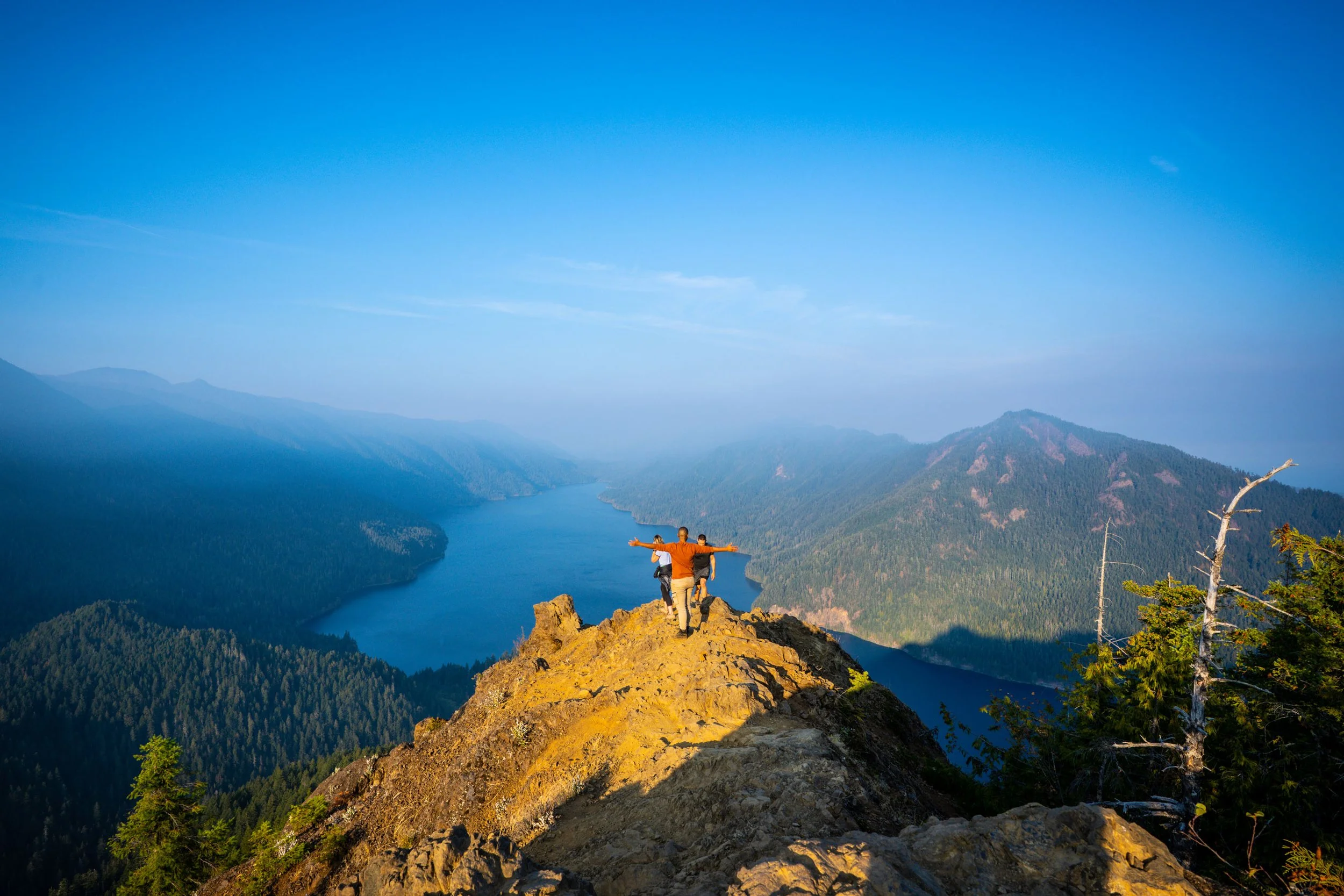
Cool morning air hits your face as moss-draped Sitka spruces tower above you, their needles glowing against golden cottonwoods—this is the Olympic Peninsula in fall, where temperate rainforest meets deciduous color in a way that exists nowhere else in the Pacific Northwest. The peninsula’s fall hiking window is narrow and weather-dependent, compressed into three distinct months that each demand different gear, fitness levels, and expectations.
September offers dry trails and high-elevation access before snow arrives; October delivers the mythical sweet spot of peak foliage with manageable rain; November tests your commitment with relentless downpours but rewards you with near-total solitude and the deepest forest colors. This guide cuts through the confusion and tells you exactly which month matches your priorities, which trails deliver the best fall colors for your fitness level, and where to base yourself for easy trailhead access.
Budget estimates: Budget ($50–100/night camping or basic inns) to mid-range ($150–250/night historic lodges like Lake Crescent or Lake Quinault) to splurge ($300+/night for guided multi-day hiking packages with meals and expert guides).
Your Fall Hiking Decision at a Glance
Best month to go: October wins for peak foliage, stable-enough weather, and easiest permit access—but only if you pack full rain gear and accept 2–4 wet days per week.
Top trails by fitness level: Easy (Madison Falls, Marymere Falls, Spruce Railroad, Hall of Mosses, Quinault Rain Forest Nature Trail—all under 5 miles, minimal elevation); Moderate (Sol Duc Falls, Hoh River to Five Mile Island—5–10 miles, manageable climbing); Challenging (Royal Basin, High Divide, Staircase Rapids—10+ miles or steep elevation gain).
Where to base yourself: Lake Crescent Lodge for quick access to alpine foliage and waterfalls; Lake Quinault Lodge for rainforest immersion and solitude; Elwha River area for backpackers tackling longer routes.
Critical gear: Gore-Tex rain jacket and pants (non-negotiable), waterproof boots with traction, trekking poles for wet rocks, and all ten essentials including a charged phone.
Road and trail closures: Check nps.gov/olym/planyourvisit/wilderness-trail-conditions.htm before every trip—snow closes high-elevation trails starting late September; Highway 101 can flood or close without warning during fall storms.
Best Time to Hike the Olympic Peninsula in Fall?
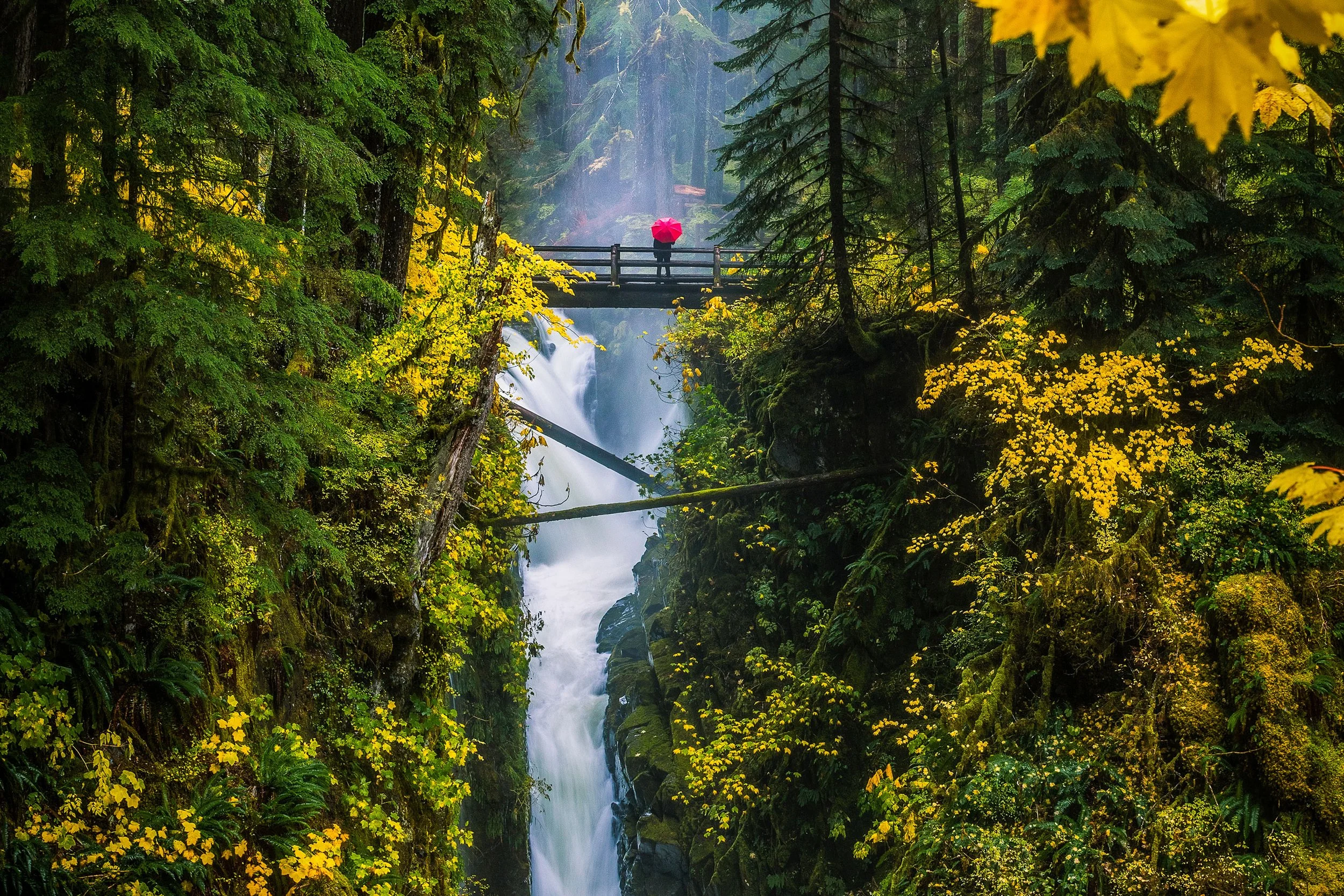
Early September clears the crowds before the rain intensifies, but snow already caps the high peaks—October delivers the sweet spot of solitude and stable weather, while November tests your gear and commitment but rewards you with empty trails and the deepest forest colors. The decision hinges on whether you prioritize dry conditions or total isolation.
September Trail Conditions and Weather
September is the move if you want the best odds of dry hiking days and still-accessible high-elevation trails. Most summer crowds vanish by early September, so you’ll have solitude without the November downpours.
Expect cool mornings (40s–50s°F) warming to the 50s–60s°F by afternoon, with occasional rain—bring a rain shell, not full rain gear yet.
The catch: Snow begins covering mountaintops as early as late September, which means high-divide and ridge trails above 4,000 feet become unpredictable fast. If you’re targeting Hurricane Ridge or High Divide Trail, book early September or accept postholing through slush.
Lower-elevation trails like Madison Falls, Marymere Falls, and Hoh River trails stay clear all month and showcase early autumn colors without the mud.
Backpacking permits are easier to secure in September than summer, but harder than October—book 3–4 weeks ahead if you have specific dates in mind. Check the National Park Service trail conditions page before each trip; snow can close ridge access with little warning.
October Trail Conditions and Weather
October is the optimal month for Olympic Peninsula fall hiking—fewer visitors than September, more stable weather than November, and peak foliage across all elevations. Temperatures drop to 45–55°F, and rain becomes more frequent but rarely all-day.
Most days you’ll get a few dry hours for hiking, especially mornings.
Why October wins: Backpacking permits are simplest to obtain because crowds have thinned but weather is still reasonable. The rainforests glow with vibrant reds, oranges, and yellows against the gray sky.
Lake Crescent’s cerulean water contrasts dramatically with autumn colors—this is the month for that shot. High-elevation trails are passable early October but increasingly risky mid-month as snow accumulates; plan ridge hikes for the first two weeks.
Expect 2–4 rainy days per week, but afternoon breaks are common. Pack full rain gear (jacket, pants, waterproof boots) and extra socks.
Trails don’t close in October, but mud and slick rocks demand careful footing. This is when backpacking truly shines—the cooler temperatures mean less sweat, fewer bugs, and the psychological reward of having the wilderness mostly to yourself.
November Trail Conditions and Weather
November is for committed hikers only. Rain becomes relentless (expect 15+ wet days), temperatures hover in the 40s°F, and snow drops to 3,000–4,000 feet, closing most high-elevation trails entirely.
But the payoff is profound: near-total solitude and the deepest forest colors as deciduous trees finish their transition.
What works in November: Lower-elevation rainforest trails (Hoh River, Hall of Mosses, Quinault Rain Forest) stay hikeable and are virtually empty. These trails thrive in wet conditions—moss glows neon green, waterfalls roar, and the forest feels primordial.
Bring full rain gear, waterproof boots, and a tarp if backpacking; a rain shelter is no longer optional.
What doesn’t work: Any trail above 3,500 feet. Hurricane Ridge closes to vehicles after the first major snow (typically late October or early November), though the road may reopen temporarily.
Tire chains are required for Heart O’ the Hills entrance after November 1st if the road is open. Check park alerts and trail conditions daily—November closures happen without warning.
Backpacking permits are easiest to secure in November because demand drops sharply, but only book this month if you have genuine rain-hiking experience and appropriate gear. Hypothermia risk is real; layering and waterproofing are non-negotiable.
| Month | Best For | Rain Frequency | High Trails Open? | Crowds |
|---|---|---|---|---|
| September | Dry hiking, high-elevation access, early foliage | Occasional (1–2 days/week) | Yes, early month only | Light |
| October | Peak foliage, balanced conditions, backpacking permits | Frequent (2–4 days/week) | Early month only | Very light |
| November | Solitude, rainforest immersion, deep colors | Constant (15+ days/week) | No | Minimal |
Base yourself near the trailheads you plan to hike: For September–October hikes around Lake Crescent and Hurricane Ridge, stay in Port Angeles or near Lake Crescent Lodge for early-morning access to Mt. Storm King and Marymere Falls.
For Hoh River and Quinault trails (ideal for November), base yourself on the west side near Lake Quinault Lodge. For mid-peninsula trails like Sol Duc Falls, the Elwha River area offers quick access.
Booking lodging 4–6 weeks ahead is wise for October weekends; September and November have more availability.
Which Olympic Peninsula Trails Deliver the Best Fall Foliage?
Fall foliage on the Olympic Peninsula peaks when deciduous trees turn gold and crimson against the permanent green of the temperate rainforest—a contrast that doesn’t exist anywhere else in the Pacific Northwest. The best trails for this show are concentrated in three zones: the Elwha River valley near Port Angeles, the Sol Duc area, and the Quinault Rainforest on the western slope.
Each delivers different scenery, difficulty, and crowds. Pick based on your fitness level and how much solitude matters to you.
Quick comparison: Easy trails (Madison Falls, Marymere Falls, Spruce Railroad, Hall of Mosses, Quinault Rain Forest Nature Trail) are best for families, photographers, and anyone wanting foliage without the elevation gain. Moderate to challenging trails (Sol Duc Falls, Staircase Rapids Loop) reward you with fewer people and more dramatic forest depth.
All seven trails are accessible by car year-round unless weather or maintenance closes roads—confirm current status before driving.
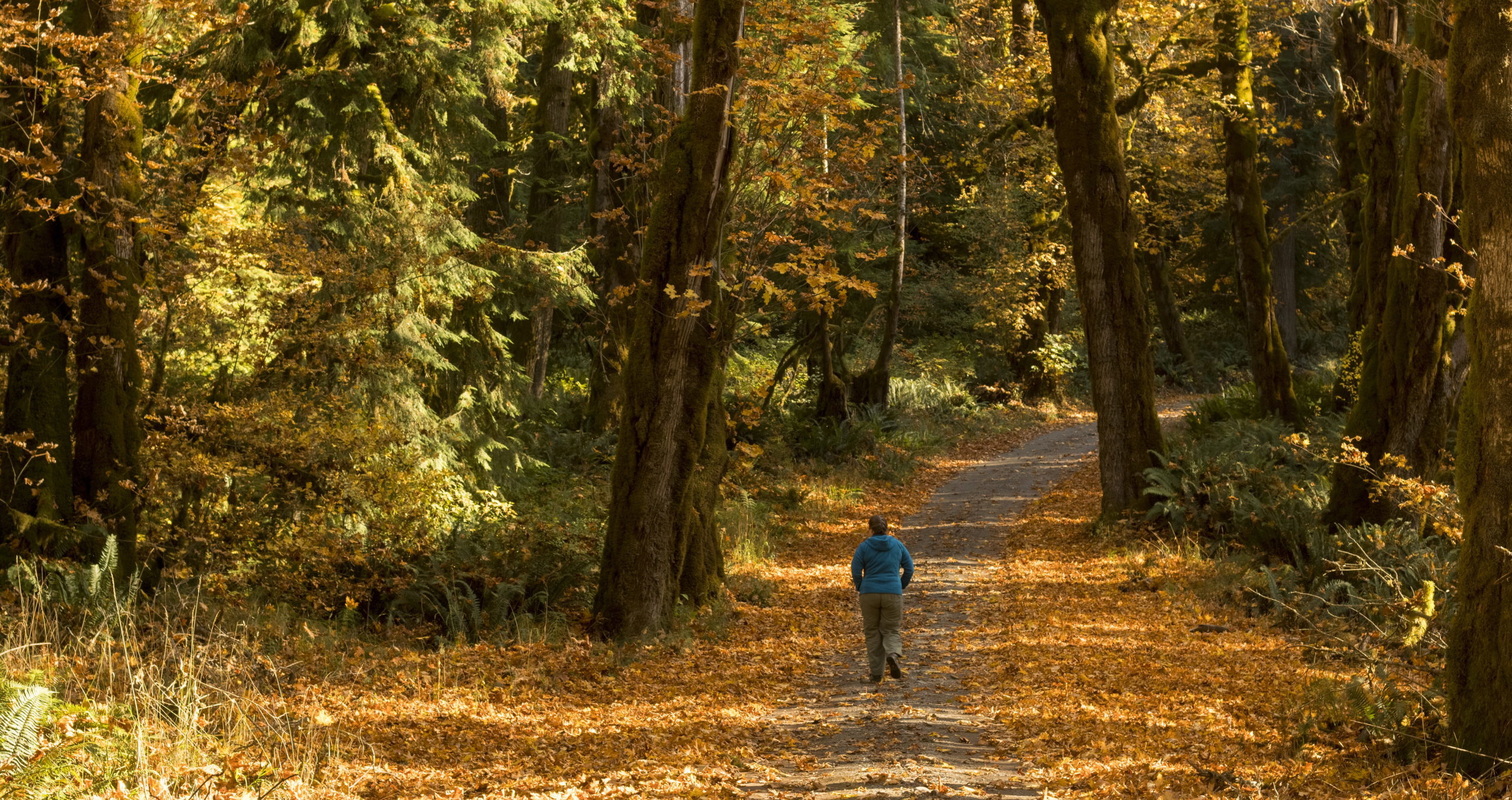
Madison Falls Trail
This is the move for a quick autumn fix without committing your whole day. The short walk from the parking lot delivers excellent views of Madison Falls with the Elwha River framed in fall colors—bright yellows and oranges against the evergreen backdrop.
It’s accessible enough for families and older hikers, and the parking area has good facilities. Base yourself near Lake Crescent Lodge if you’re combining this with other Elwha Valley trails; the lodge sits roughly 20 minutes north of the trailhead.
Marymere Falls Trail
Marymere Falls is the sweet spot for fall hikers who want a real walk but not a slog. The trail winds through old-growth forest where moss-draped trees and ferns become more vibrant after autumn rains begin, typically mid-September onward.
In October, expect mushrooms scattered across the forest floor—a bonus detail that makes this hike feel alive. The falls themselves are modest, but the forest around them is the real draw.
This trail pairs perfectly with a Lake Crescent visit; the trailhead is minutes from the historic lodge, where you can grab warm drinks by the fireplace afterward.
Spruce Railroad Trail
This flat, easy rail-trail hugs the north shore of Lake Crescent and is the best choice if you want to combine fall colors with water views. The contrast between the lake’s deep blue and the golden deciduous trees reflected in it is genuinely stunning in late October.
The trail is mostly level and works well for casual walkers and cyclists. Parking is at the trailhead off Highway 101; no reservations needed.
The nearby Lake Crescent Lodge area offers lodging and dining if you want to extend your stay.
Sol Duc Falls Trail
Sol Duc Falls delivers the most dramatic forest experience of the seven trails and rewards you with genuine solitude in October. The trail descends through old-growth forest where mushrooms flourish on the damp autumn floor, and the falls themselves are powerful and photogenic.
This is a moderate hike—roughly 1.7 miles one way with some elevation change—but nothing technical. The real advantage: October hikers often have the trail nearly to themselves, unlike the crowded summer months.
The Sol Duc area has lodging and a resort if you want to base yourself there for multiple days of exploration.
Hall of Mosses Trail
Hall of Mosses is the most visually dramatic rainforest walk on the Peninsula. Massive Sitka spruces and western red cedars draped in moss create a cathedral-like atmosphere that feels prehistoric.
In fall, after rains arrive, the moss becomes even more vivid and luminous. The trail is easy and short—roughly 1.3 miles round trip—making it perfect for photographers and anyone wanting maximum visual impact with minimal physical demand.
The Hoh Rainforest area has basic facilities and nearby lodging options; plan to spend at least a few hours here because the forest demands slow walking and looking up.
Quinault Rain Forest Nature Trail
Quinault Rain Forest Nature Trail is the best choice if you want old-growth forest and flowing water without the crowds that can hit Hall of Mosses. The easy loop showcases impressive old-growth trees and Willaby Creek flowing through the forest, with lush moss and maidenhair ferns that become more vibrant after autumn rains begin.
This trail is underrated compared to Hoh, which means you’ll see fewer people and more wildlife. The Quinault area sits on the western slope of the Peninsula, roughly 90 minutes from Port Angeles; base yourself at Lake Quinault Lodge if you’re making this a full day or overnight trip.
Staircase Rapids Loop Trail
Staircase Rapids Loop is the most challenging of these seven trails and the best option for hikers wanting elevation, forest depth, and genuine autumn solitude. The loop climbs through old-growth forest with views of the Skokomish River and its rapids.
Fall colors appear later here than at lower elevations—peak foliage typically hits in late October to early November—but the trade-off is fewer people and a more immersive forest experience. This is a moderate to challenging hike with real elevation gain; it’s not for casual walkers, but it’s worth the effort if you want to escape crowds.
The Staircase area is on the eastern slope of the Peninsula, roughly 60 minutes from Port Angeles.
Insider detail: All seven trails see increased mushroom activity in October after the first heavy rains. Bring a camera or field guide if you’re interested in fungi—the variety and abundance in fall is remarkable and often overlooked by foliage-focused hikers.
How to Choose Between Easy and Challenging Olympic Peninsula Fall Hikes?
The Olympic Peninsula offers a rare advantage in fall: you can chase alpine foliage and rain-forest reds without committing to a full backpacking expedition—but only if you pick the right trail for your fitness level and time. The difference between a rewarding day hike and a miserable slog comes down to elevation gain, distance, and whether you’re chasing meadow views or old-growth forest.
Here’s how to match your ambition to the actual trail.
Quick comparison: Easy trails (under 5 miles, minimal elevation) deliver fall color in 2–3 hours. Moderate trails (5–10 miles, 300–500 feet gain) take half a day and reward you with alpine meadows or river valleys.
Challenging trails (10+ miles or steep elevation) demand fitness, early starts, and full-day commitment but unlock the most dramatic foliage displays—think tarns reflecting autumn reds or moss-draped valleys untouched by crowds.
High Divide Trail
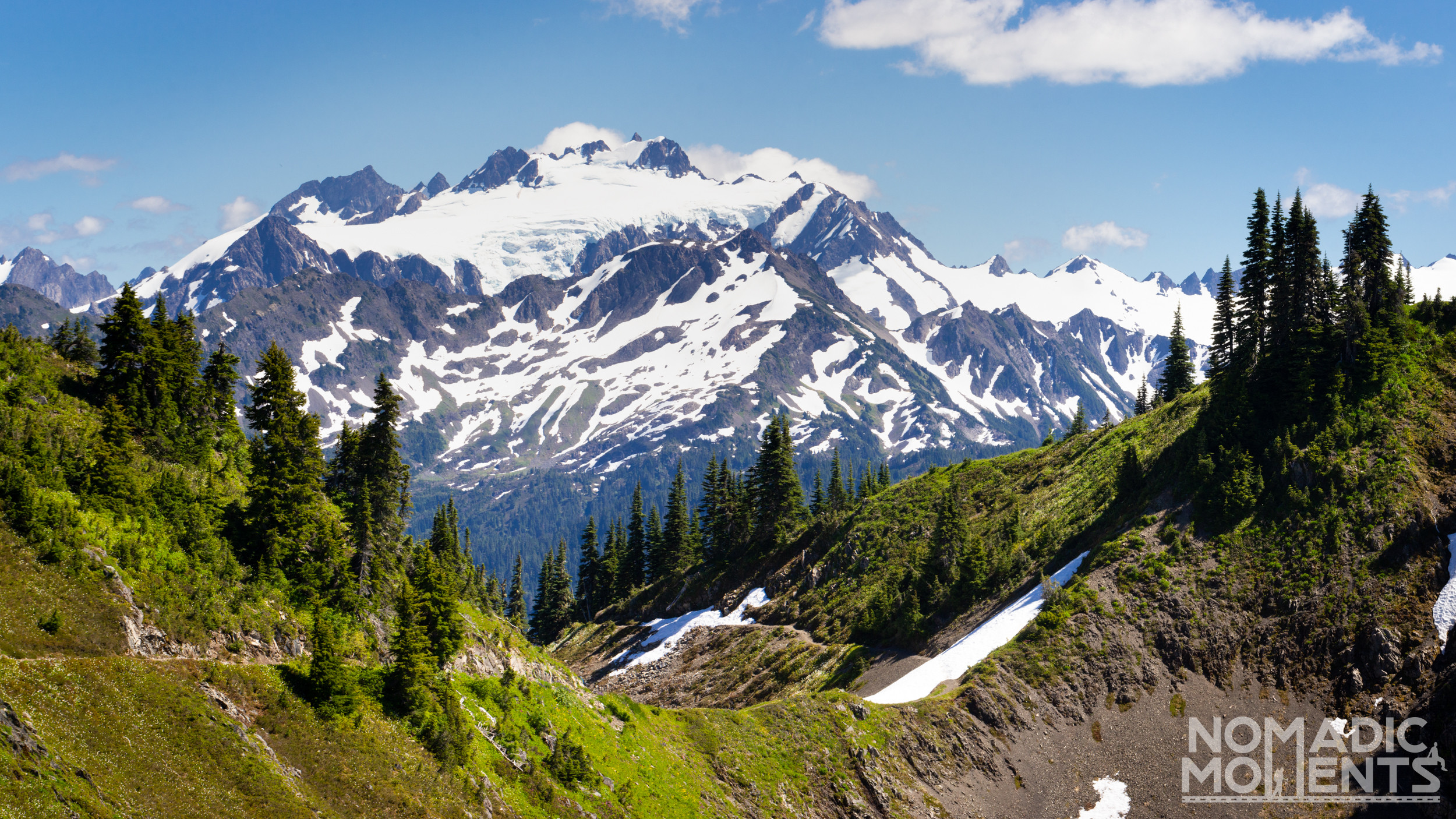
Best for: Experienced backpackers and fit day hikers who want the most dramatic alpine scenery and aren’t afraid of steep terrain. This is not a casual stroll.
High Divide Trail is a 20-mile adventure designed for hikers with serious backcountry experience and proper gear. The trail climbs steeply into alpine meadows where fall colors—reds, oranges, and golds—paint the high country against snow-dusted peaks.
The payoff is unmatched views and solitude, but the cost is real: this requires a full day minimum, strong legs, and comfort with exposure on narrow ridges. Beginners attempting this in fall risk getting caught by darkness or weather.
Save this for late September when days are longest and conditions are most stable, or plan it as a 2-day backpack with a camp at one of the high alpine lakes.
Insider tip: Start before dawn to maximize daylight, and turn back by 2 p.m. if you haven’t reached your target viewpoint—weather can close in fast at elevation in fall.
Royal Basin Trail
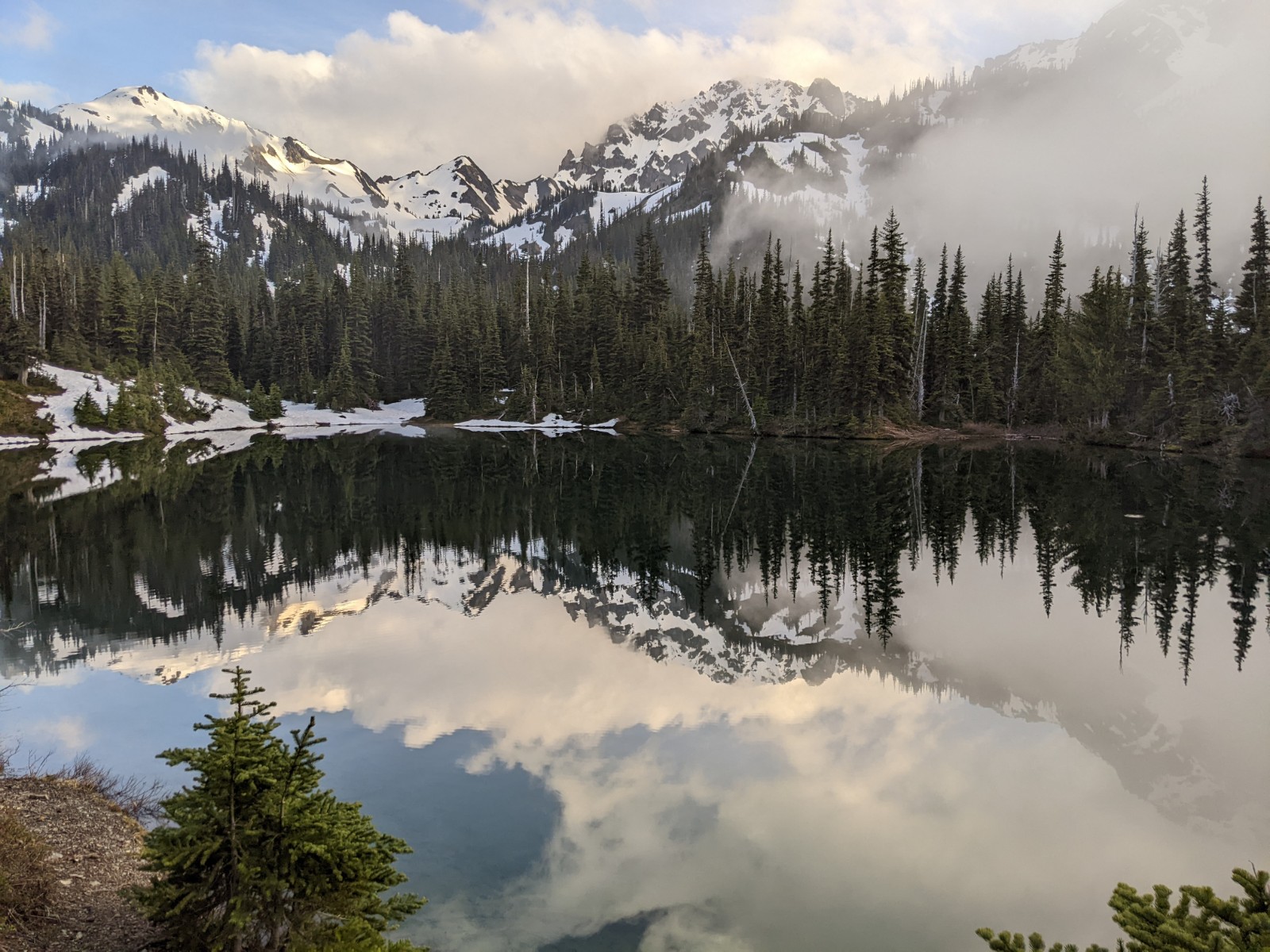
Best for: Fit hikers (not beginners) who want alpine meadow and lake views without committing to a full backpack. Plan 6–7 hours round trip.
Royal Basin Trail delivers one of the most photogenic fall scenes on the peninsula: Royal Lake at 7.2 miles, surrounded by moss-covered trees and ferns, with autumn reds and oranges reflecting perfectly in crystal-clear water. The route starts on Upper Dungeness Trail, then branches to Royal Basin just over a mile in.
Long traverses alternate with steep switchbacks, so the climbing is relentless but broken into manageable sections. The meadow views open gradually as you climb, rewarding your effort with each hundred feet gained.
Upper Royal Basin, another ¾ mile beyond the lake, offers alpine tarns and even more dramatic color if you have energy left.
This trail is not easy—expect solid elevation gain and a full day—but it’s achievable for anyone comfortable hiking 6+ miles with sustained climbing. The fall foliage here peaks in mid-to-late September; by October, colors fade and weather becomes unpredictable.
Bring extra water; the trail crosses few reliable sources once you leave the valley floor.
Insider tip: The junction to Royal Basin is easy to miss; mark it on your map before you leave the trailhead, and don’t rely on cairns alone.
Hoh River Trail to Five Mile Island
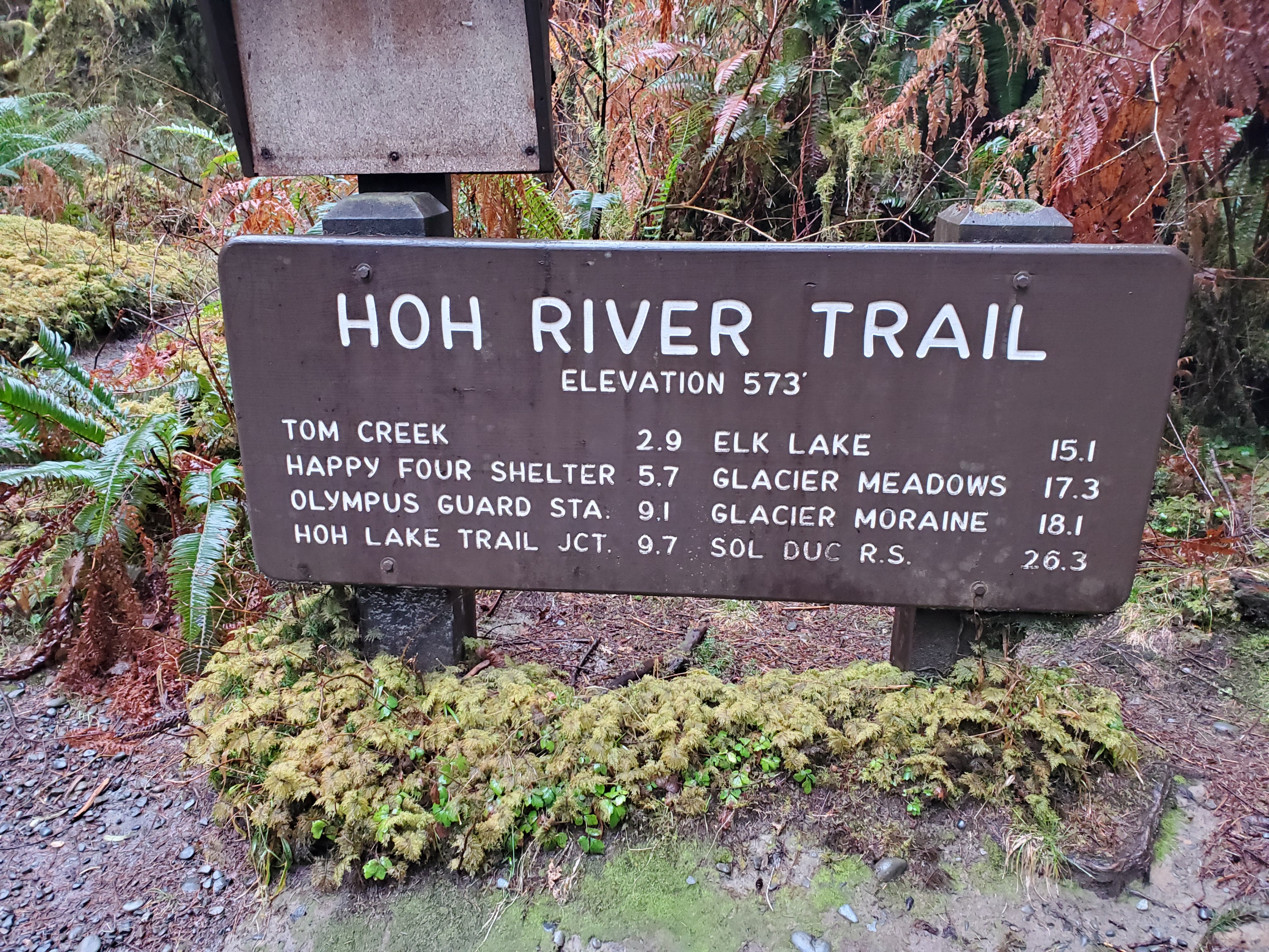
Best for: Moderate hikers who want rain-forest immersion and river views without extreme elevation gain. This is a solid half-day to full-day option.
Five Mile Island is the sweet spot for hikers who want to experience the Hoh Rain Forest’s fall colors—moss-draped trees, ferns, and the occasional flash of golden cottonwood—without overcommitting. The roundtrip distance is 10.6 miles with only 300 feet of elevation gain, making it manageable for anyone with decent fitness.
The Hoh River runs alongside the trail, and in fall, the water reflects the changing canopy. You’ll likely spot elk and bald eagles, especially in early morning or late afternoon.
The trail is well-maintained and straightforward—no navigation challenges—but it’s also popular, so expect other hikers, especially on weekends. The real advantage here is accessibility: you can do this as a day hike from the Forks area or base yourself at Lake Quinault Lodge and drive 45 minutes to the trailhead.
The forest feels primordial in fall, and the lack of steep climbing means you can move slowly and absorb the atmosphere instead of grinding uphill.
Insider tip: The trail can be muddy and slick year-round; waterproof boots with good grip matter more here than on drier trails. Start early to secure parking at the trailhead lot, which fills by mid-morning on weekends.
Ozette Triangle Trail
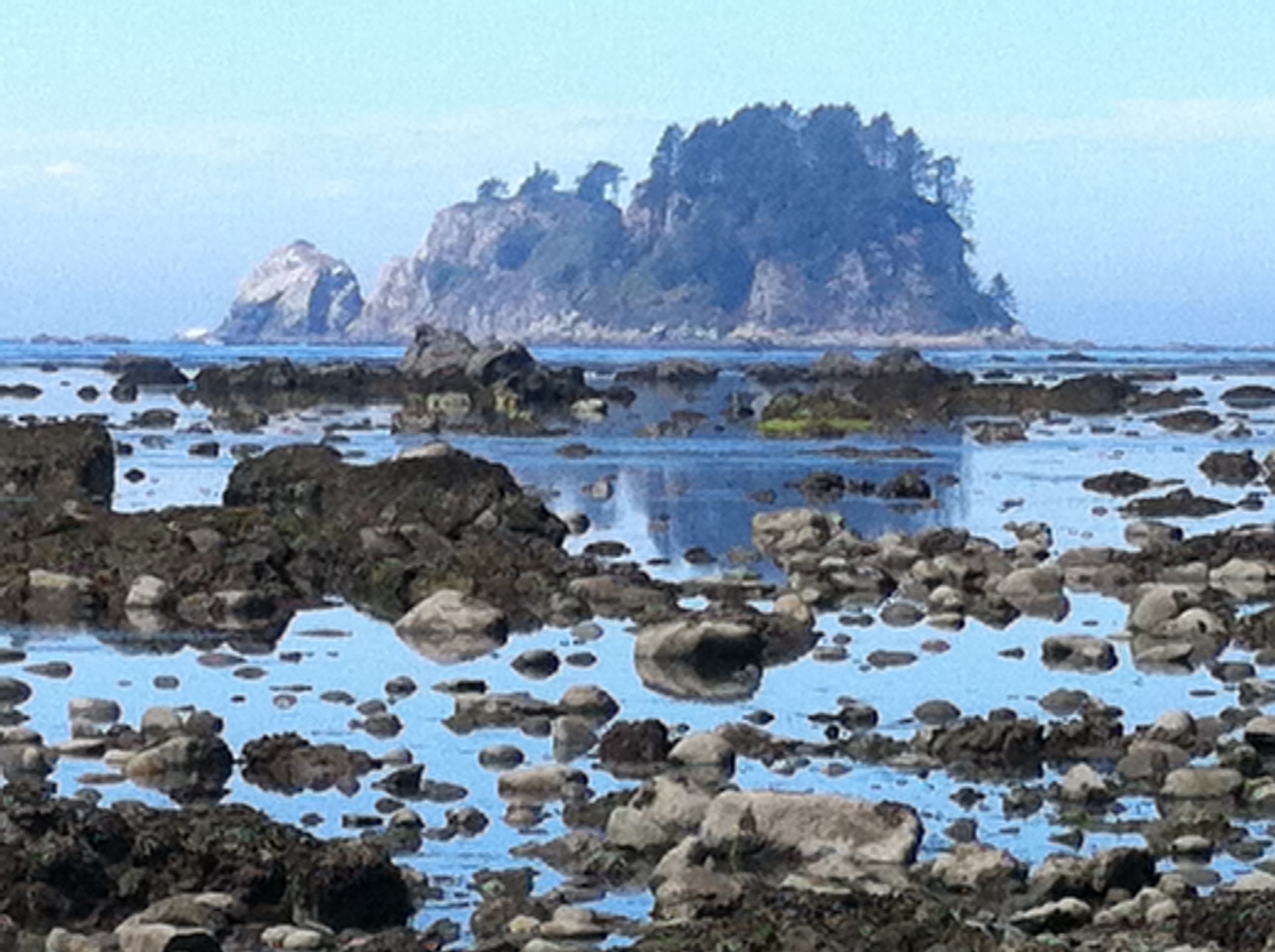
Best for: Beginners and families who want a coastal loop with minimal elevation gain and maximum fall scenery variety. This is the easiest of the four.
Ozette Triangle is a 9.2-mile roundtrip with only 100 feet of elevation gain—essentially flat—making it the most accessible option for hikers who still want a full day outdoors. The loop combines two sand-spit trails with a beach walk, offering three distinct ecosystems: old-growth forest, open sand dunes, and rocky shoreline.
In fall, the forest section glows with golden cottonwoods and red vine maple, while the beach reveals tide pools and driftwood framed by autumn light. Wildlife sightings are common: bald eagles, seals, and occasionally sea otters.
The trade-off is that this trail is popular and exposed to weather—wind and rain can make the beach section unpleasant, and the sand-spit trails can be muddy. However, the flatness means even tired hikers can finish without suffering.
This is the only trail of the four that works well for families with older children or anyone recovering from injury but wanting to stay active. The loop can be done in 4–5 hours at a comfortable pace, leaving time for a late lunch or early dinner back in Port Angeles.
Insider tip: Tide pools are best explored at low tide; check tide tables before you go and plan your beach section timing accordingly. Bring a headlamp if you’re hiking in late October or November—daylight ends by 4:30 p.m., and the forest section gets dark fast.
Quick Decision Matrix
| Trail | Distance | Elevation Gain | Best For | Time Needed |
|---|---|---|---|---|
| High Divide | 20 miles | Steep | Expert backpackers | 1–2 days |
| Royal Basin | 14.4 miles | 500+ feet | Fit day hikers | 6–7 hours |
| Hoh River to Five Mile Island | 10.6 miles | 300 feet | Moderate hikers | 5–6 hours |
| Ozette Triangle | 9.2 miles | 100 feet | Beginners, families | 4–5 hours |
Where to Base Yourself for These Hikes
High Divide and Royal Basin are accessible from the northern side of the peninsula; stay in the Port Angeles or Lake Crescent area for early-morning starts to these trailheads. Hoh River to Five Mile Island requires driving to Forks on the western side; Lake Quinault Lodge area puts you closer to the Hoh trailhead and other rain-forest hikes.
Ozette Triangle is on the remote northwest coast; plan an overnight in Port Angeles or Forks and drive 1.5–2 hours to the trailhead, or make it a dedicated coastal trip.
How to Prepare for Rain and Safety on Olympic Peninsula Fall Hikes?
The Olympic Peninsula receives up to 12 feet of precipitation annually, and fall is when that deluge begins in earnest—but the thick canopy of deciduous and coniferous trees draped with mosses creates surprisingly good cover as you hike in the rain. The real risk isn’t getting wet; it’s being unprepared for it, which turns a manageable day into a dangerous one.
Proper gear and closure awareness are the difference between a magical autumn hike and a rescue situation.
Essential Gear for Wet Conditions
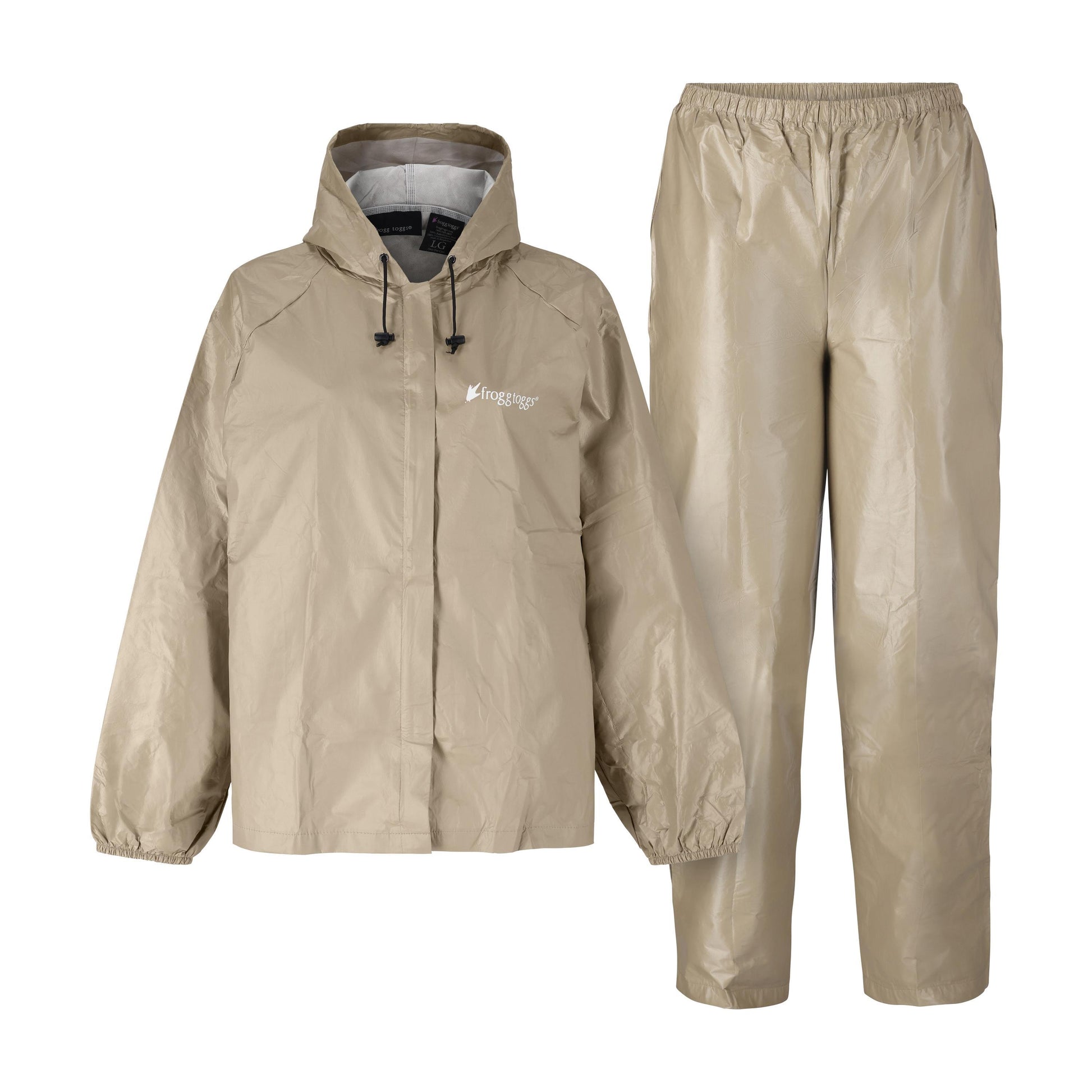
Rain gear is non-negotiable on the Olympic Peninsula in fall. A Gore-Tex rain jacket and rain pants are necessities—not optional upgrades.
Waterproof hiking shoes or boots with good traction are equally critical; wet rocks and muddy trail sections are slick year-round, and fall adds leaf cover that hides hazards. Trekking poles aren’t luxury items here—they’re safety equipment that stabilizes you on wet terrain and reduce strain on knees during steep descents when footing is compromised.
Layer strategically instead of wearing a single heavy parka over a shirt. Layering lets you shed or add insulation as your body temperature and exertion level change, preventing both overheating (which leads to sweat and chilling) and hypothermia.
Pack all ten essentials in your backpack, including a portable cell phone charger and cord—connectivity is spotty in the park, and a dead phone is a liability in an emergency.
Road and Trail Closure Planning
Before any hike, check the National Park Service trail conditions page at nps.gov/olym/planyourvisit/wilderness-trail-conditions.htm. Fall brings not just rain but early snow at higher elevations starting most years in October, which can close high-divide trails and alpine routes without warning.
Lower-elevation trails like Madison Falls, Marymere Falls, and Spruce Railroad Trail typically remain open through November, but conditions degrade rapidly after heavy rain events.
Highway 101, which loops through the park, can experience closures due to flooding, fallen trees, or landslides during fall storms. Check the park’s website or call ahead before driving to trailheads in the Elwha River Vicinity or Lake Crescent Lodge Area.
Some sections of Highway 112 from Port Angeles to Neah Bay are also prone to seasonal closures. Plan your route with a backup trailhead in mind—don’t commit to a single hike when weather can change access in hours.
If you’re uncertain about conditions or want expert navigation in wet terrain, guided day hike tours and inn-based hiking packages are available through local operators and include professional guides who know current conditions and can adjust routes on the fly. This is the smart move for solo hikers or anyone unfamiliar with Pacific Northwest weather patterns.
Where to Stay for Access to Olympic Peninsula Fall Hikes?
The Olympic Peninsula’s three main lodge bases each unlock different trail networks and fall experiences — your choice depends on which hikes matter most and whether you want a single base or a road-trip loop. All three are historic properties with fireplaces and lake access, but they serve different trail priorities and travel styles.
Lake Crescent Lodge Area
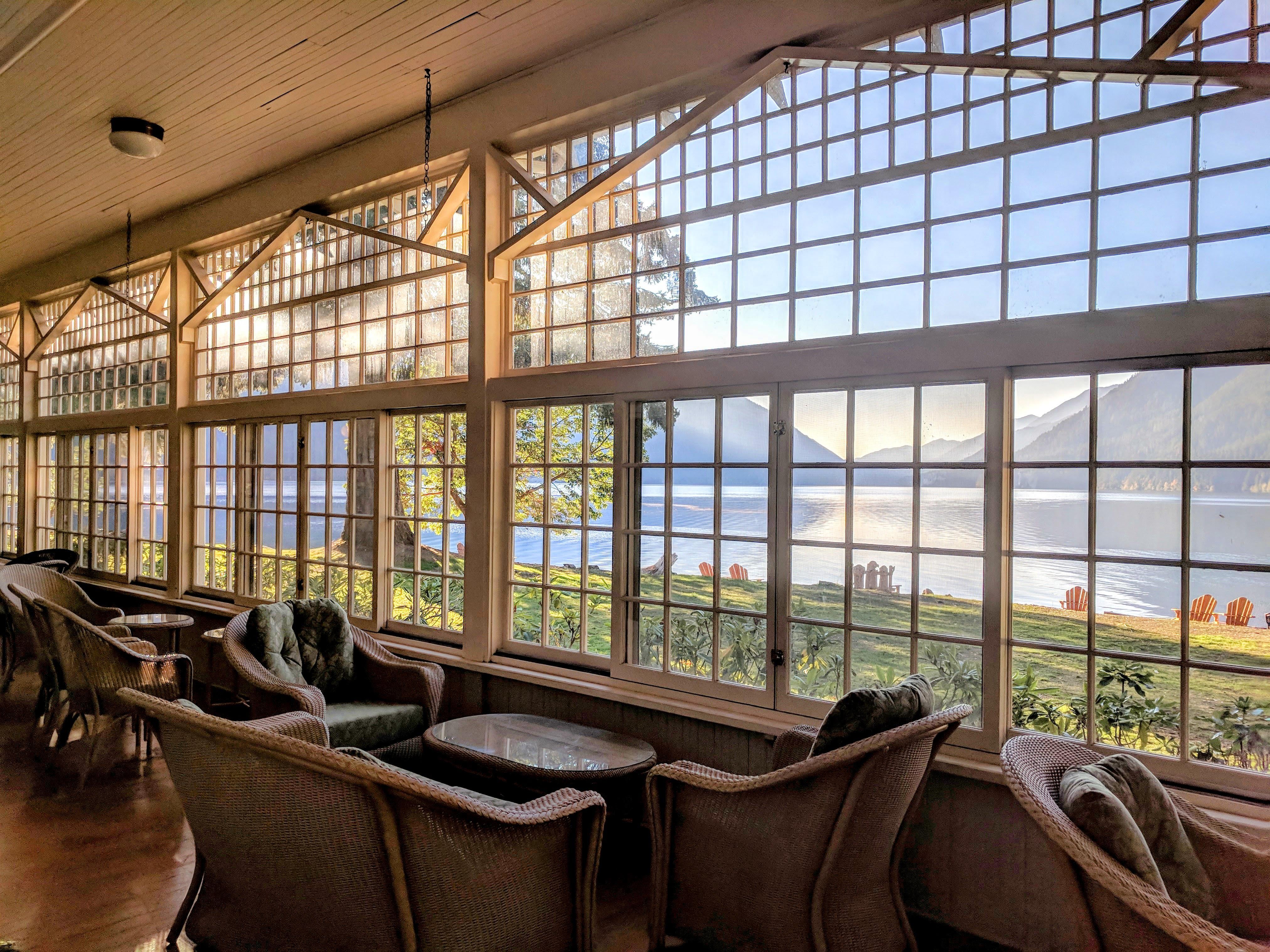
Lake Crescent Lodge is the best choice if your priority is quick access to the peninsula’s most photogenic fall hikes without a long drive from Port Angeles. The lodge sits within walking distance of Marymere Falls and Mt.
Storm King — two of the most colorful fall trails on the peninsula. The native maples surrounding the lodge itself put on a spectacular display in September and October, so you’ll see foliage the moment you arrive.
The historic lodge offers a massive fireplace for warming up between hikes, a patio for lunch, and kayak rentals if you want to see the fall colors reflected on the cerulean water.
- Best for: Photographers and hikers wanting maximum fall color with minimal driving. Base yourself here for 2–3 days and hit multiple trails without relocating.
- Drive time from Port Angeles: Roughly 45 minutes west on US-101.
- Insider detail: Arrive by mid-afternoon to secure a room with a lake view — fall weekends book fast, and views fill first.
- Bonus: The lodge is close enough to the Elwha River area that e-bike rentals in Port Angeles (Discover E-Bikes) make a three-hour roundtrip ride feasible as a non-hiking activity day.
Elwha River Vicinity

The Elwha River area is the move for backpackers and multi-day hikers tackling the Historic Press Traverse or other longer routes. This region sits between Port Angeles and Lake Crescent, making it a natural overnight stop if you’re doing a road-trip loop of the peninsula.
The Whiskey Bend Trailhead (the northern start for the 44-mile Press Traverse) is based here, and the Elwha River itself is prime for fall fishing — Coho salmon run September through November. The rebuilt Elwha River Bridge offers a scenic bike-and-walk alternative if you want foliage without a serious hike.
- Best for: Backpackers, multi-day hikers, and travelers combining hiking with fishing or biking.
- Lodging style: Campgrounds and small inns rather than grand historic lodges — expect more rustic, budget-friendly options.
- Drive time from Port Angeles: Roughly 10–20 minutes south on US-101.
- Why stay here: If you’re starting the Press Traverse or other backcountry routes, an overnight near Whiskey Bend Trailhead means an early start without a pre-dawn drive.
Lake Quinault Lodge Area
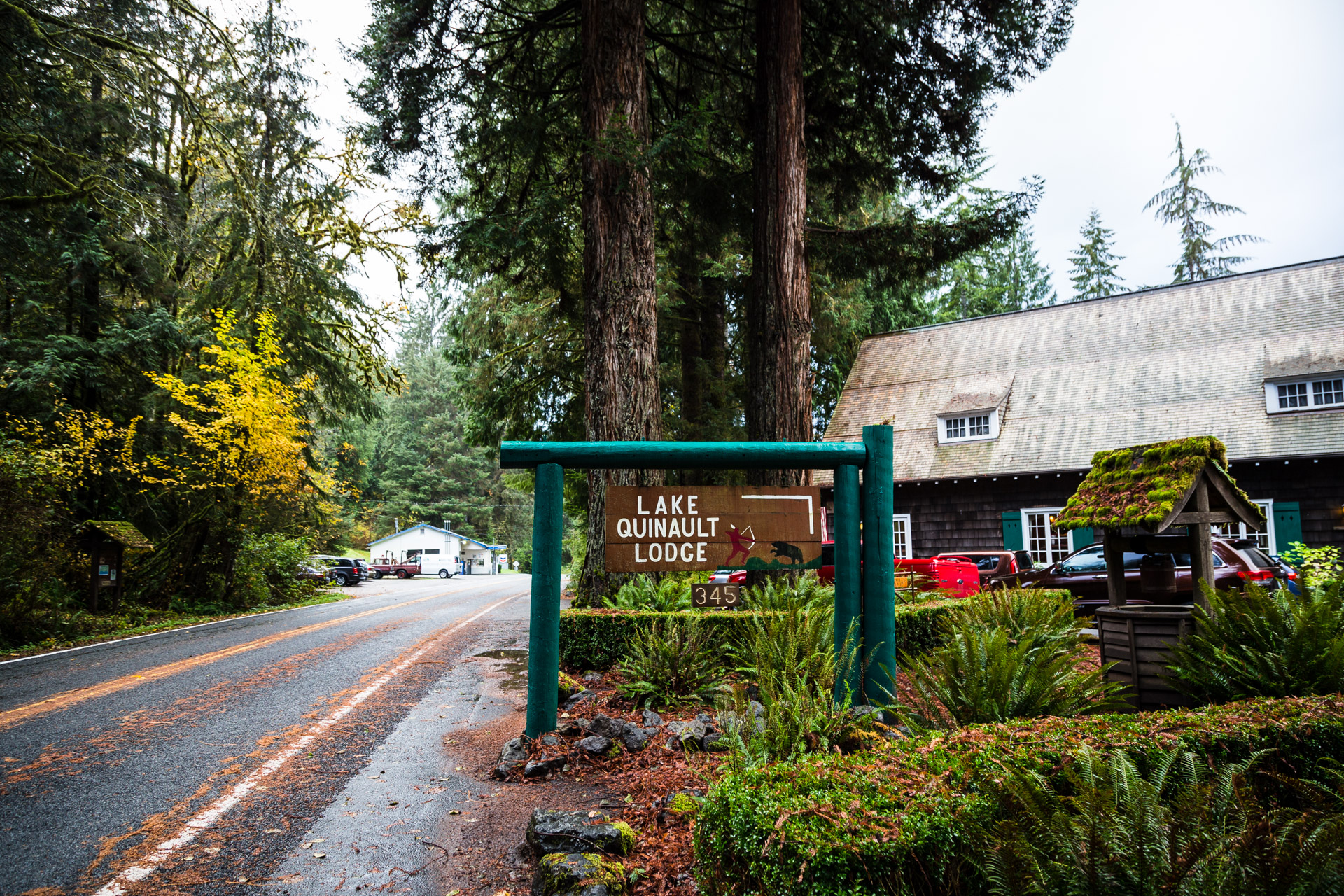
Lake Quinault Lodge is the best base if you want to explore the rainforest side of the peninsula and hike trails like the Quinault Rain Forest Nature Trail and Hoh River Trail. The lodge sits on the lake’s shore with direct trail access and a grand lobby fireplace — the setting is quieter and more remote than Lake Crescent, which appeals to travelers seeking solitude over convenience.
From here, you can also access the southern end of the Press Traverse (North Fork Trailhead) if you’re doing a multi-day backpacking trip.
- Best for: Couples, solo travelers, and hikers prioritizing old-growth rainforest scenery and a peaceful lodge experience over proximity to Port Angeles.
- Drive time from Port Angeles: Roughly 90 minutes southwest via US-101 — plan this as a full-day destination, not a quick stop.
- Trail access: Hikes here lean toward rainforest and river routes rather than alpine views. Fall colors are more muted (greens and golds) but the wet, mossy atmosphere is atmospheric in autumn rain.
- Insider detail: Book a room facing the lake if available — the view from your room makes the longer drive feel worthwhile, especially on rainy fall mornings when you want to linger before hiking.
Quick Comparison: Which Lodge Base Fits Your Trip?
| Lodge Area | Best For | Drive from Port Angeles | Trail Style |
|---|---|---|---|
| Lake Crescent | Fall foliage photographers, quick access, 2–3 day stays | 45 min | Alpine, waterfalls, lake views |
| Elwha River | Backpackers, multi-day hikers, fishing, road-trip stops | 10–20 min | Backcountry, river access, longer routes |
| Lake Quinault | Rainforest hikers, solitude seekers, couples | 90 min | Old-growth forest, river, remote trails |
Road-trip strategy: If you have 4–5 days, base yourself at Lake Crescent for two nights (hit Marymere Falls, Mt. Storm King, and nearby trails), then drive south to Lake Quinault for two nights (Quinault Rain Forest, Hoh River Trail).
This loop covers both the alpine fall colors and the rainforest without backtracking. The Elwha River area works best as an overnight stop between Port Angeles and either lake if you’re doing a longer peninsula loop.
Frequently Asked Questions
What’s the best time in fall to hike the Olympic Peninsula before everything closes or gets too wet?
Early to mid-September delivers the sweet spot: fewer crowds than summer, stable weather patterns, and trails still fully open. By late October, rain becomes the default condition, and by November 1st, tire chains are required for Heart O’ the Hills entrance if you’re headed to Hurricane Ridge.
If you’re flexible, aim for September or early October — you’ll have solitude without fighting daily downpours or closures.
Do I need a permit or reservation to hike the Olympic Peninsula in fall?
Day hikes don’t require permits, but check the National Park Service alerts and trail conditions before heading out — some routes close seasonally or due to weather damage. If you’re planning a backcountry overnight trip, wilderness permits are required and should be reserved in advance through the park’s official website.
For guided hikes through operators like Wildland Trekking, booking ahead (especially in September) secures your spot and includes gear, meals, and expert guidance on trail conditions.
What should I do if I’m worried about rain and muddy trails ruining my hike?
Rain is not a problem to avoid — it’s part of the Olympic experience. Waterproof gear, good traction boots, and realistic expectations transform a wet hike into an advantage: fewer people, moss-covered forests at their most vivid, and dramatic coastal storm views.
If you want to minimize mud and maximize foliage, September offers the driest conditions. If you’re hiking in October or November, embrace the wet — it’s what makes the rainforests glow.
Always check trail conditions on the park website before departing, and tell someone which trail you’re hiking and when you expect to return.
Can I see fall colors and wildlife like birds at the same time?
Yes — autumn is peak season for both. Hurricane Ridge is the most popular spot for fall birding, with early morning visits at the Hurricane Ridge Visitor Center offering sightings of Horned larks, American pipits, grebes, cormorants, palm warblers, and loons.
The Audubon Society provides detailed resources on native bird populations throughout Olympic National Park. Combine a morning birding session with a midday hike on trails like Marymere Falls or Sol Duc Falls to capture both experiences in one trip.
Book Your Olympic Peninsula Fall Hike Now
Pick your month based on whether you want dry conditions (September) or peak foliage with rain (October), then choose your lodge base—Lake Crescent for alpine color, Lake Quinault for rainforest immersion. Reserve lodging 4–6 weeks ahead for October weekends, and check the National Park Service trail conditions page the day before you drive to confirm access.
The Olympic Peninsula’s fall hiking window is short and weather-dependent, which is exactly why it’s worth planning now instead of waiting for perfect conditions that may never arrive. Wet moss glowing neon green, waterfalls roaring with autumn runoff, and trails nearly empty of other hikers—this is the experience that makes fall hiking here irreplaceable.
Pick your month, book your lodge, pack your rain gear, and go hike before the window closes.
Leave a Reply