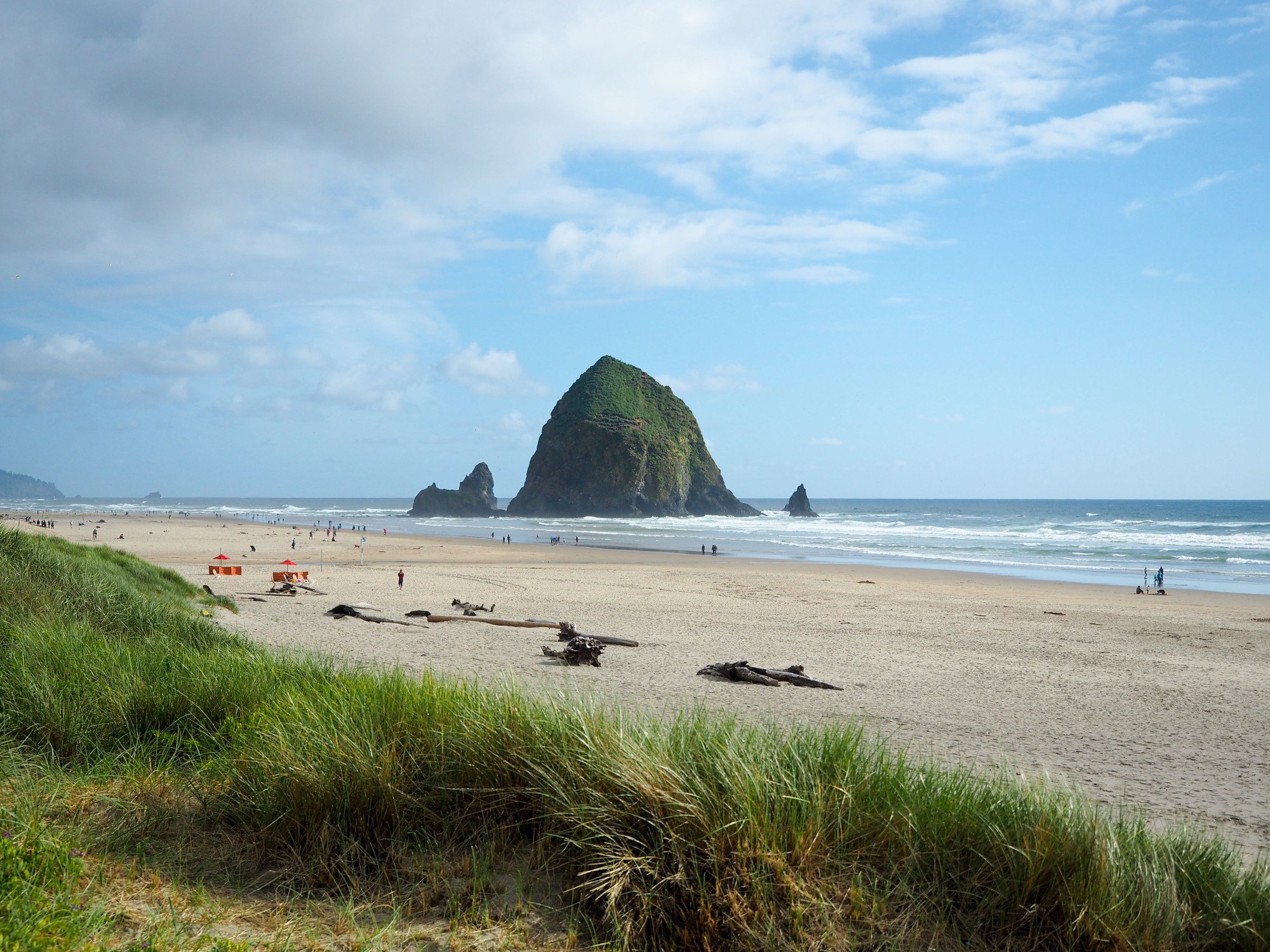
Salt spray hits your face the moment you step out of the car, and the sound of waves crashing against 300-foot sea stacks fills the silence—this is the Oregon Coast in summer, a 363-mile ribbon of dramatic cliffs, hidden coves, and working fishing villages that demands actual time, not just a quick photo stop. What makes this coastline different from California or Washington is the sheer variety packed into one drive: you’ll see everything from moody southern sea stacks to iconic northern headlands to sandy dunes in between, all accessible without technical hiking or dangerous roads.
This guide cuts through the planning confusion so you know exactly how many days you need, where to base yourself, and which stops actually justify the detour versus which ones are tourist traps. Budget ranges from $40–$80 daily for car rental, $80–$200 per night for lodging depending on town and season, and $15–$30 per meal for fresh seafood that tastes like it was caught this morning.
Your Quick-Reference Road Trip Snapshot
- Ideal Duration: 4–5 days minimum; anything less feels rushed and defeats the purpose of a coastal drive.
- Best Timing: Late May through mid-June for ideal weather and smaller crowds; July–August still excellent but book accommodations 2–3 months ahead.
- Northern Base Towns: Cannon Beach (luxury, walkable, pricey); Seaside (family-friendly boardwalk energy); Manzanita (peaceful, tree-lined); Rockaway Beach (budget-friendly, authentic).
- Must-Hit State Parks: Ecola (iconic northern views, 15 minutes), Cape Perpetua (Thor’s Well and Devils Churn, tide-dependent), Samuel H. Boardman (dramatic southern sea stacks, least crowded).
- Arrival Point: Portland International Airport (PDX)—rent your car here, not Eugene or Salem; you’ll save time and money.
Planning Your Summer Oregon Coast Road Trip
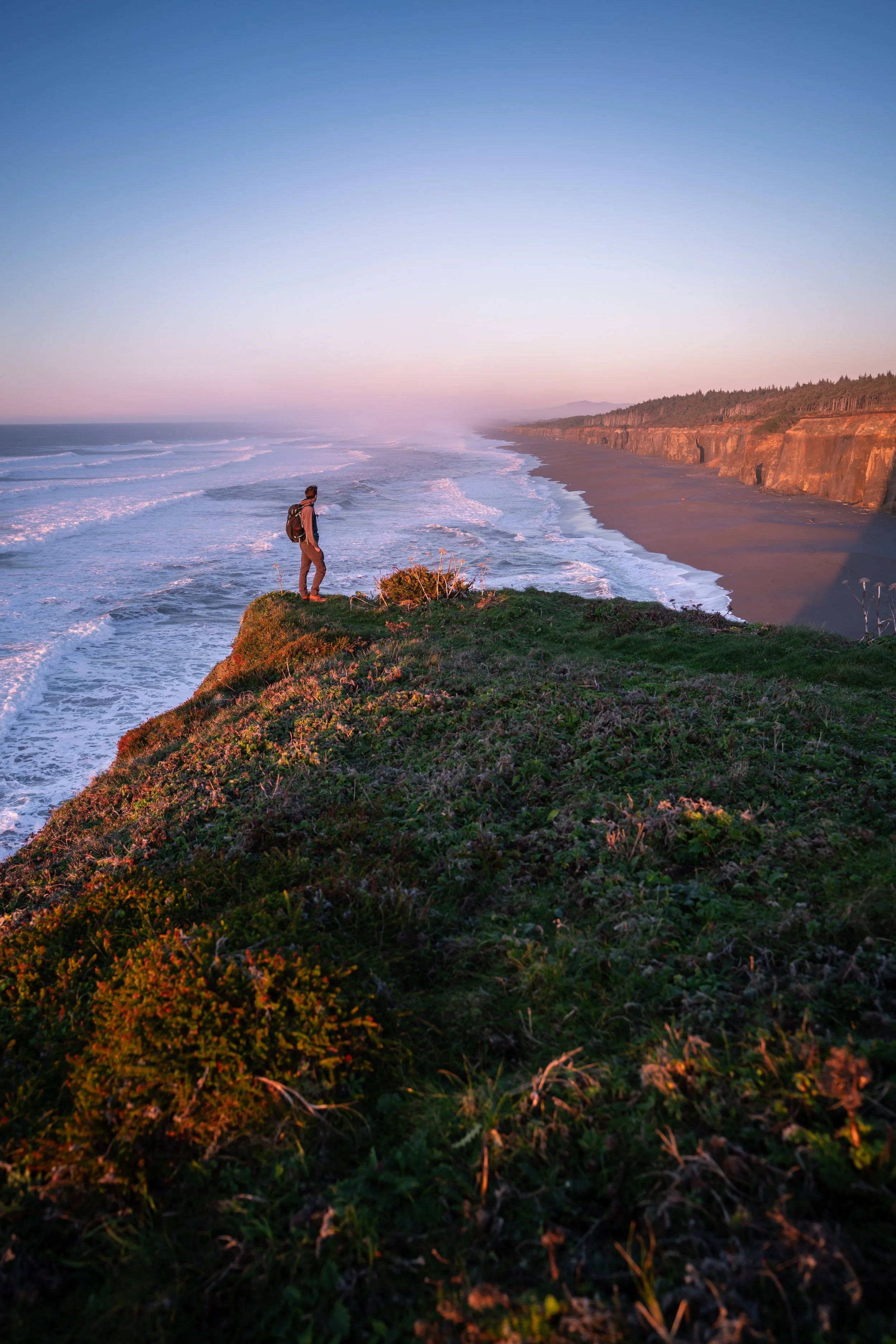
The Oregon Coast in summer is not a subtle destination—it’s a 363-mile ribbon of dramatic sea stacks, hidden coves, and working fishing villages that demands time to actually experience, not just photograph. Most travelers underestimate how many days they need, how early to book lodging, and what the drive actually demands of them.
This section cuts through the planning confusion so you can book with confidence.
Where Should You Fly in and Rent a Car?
Portland International Airport (PDX) is your only practical entry point for an Oregon Coast road trip. It’s the closest major hub to the northern coast and puts you on the scenic highway within 90 minutes.
Rent your car directly at PDX—book ahead via comparison sites like Discover Cars to lock in the best rates from major rental companies, which typically range from $40–$80 per day depending on vehicle size and season.
Do not rent in Eugene or Salem to save money; the drive to the coast eats into your actual trip time and negates any savings. Portland-based rental gives you immediate access to the northern coastline (Cannon Beach, Ecola State Park, Rockaway Beach) on Day 1, which is the smartest flow for a 5-day itinerary.
How Many Days Do You Need for the Drive?
A bare-minimum 2-day coast run exists only in theory. A realistic summer Oregon Coast road trip requires 4–5 days minimum to avoid feeling like you’re just checking boxes between car seats.
Here’s the math: The full coastline from Astoria (north) to Gold Beach (south) is roughly 363 miles, but the actual drive time is deceptive because the highway hugs the coast with constant pullouts, viewpoints, and photo stops. A 5-day itinerary (4 nights) lets you base yourself in one or two towns, do proper hikes at state parks, eat a real meal instead of gas-station sandwiches, and actually see why people come back year after year.
A 3-night, 4-day trip works if you’re ruthless about skipping the southern coast (Bandon, Gold Beach) and focusing on the northern half. Anything less than 3 nights feels rushed and defeats the purpose.
When is the Best Time to Visit the Coast in the Summer?
Early summer—late May through mid-June—is the sweet spot for Oregon Coast road trips. The winter rains have mostly cleared, temperatures sit in the mid-60s to low 70s, and the crowds haven’t yet arrived.
July and August are still excellent but bring peak tourism and higher hotel prices; if you’re traveling then, book accommodations 2–3 months in advance or expect limited availability and inflated rates.
The northern coast (Cannon Beach, Seaside, Manzanita) fills up fastest in July–August because Seattle and Portland residents escape the city heat. The southern coast (Bandon, Gold Beach) stays slightly quieter even in peak season because it requires a longer drive from major metros.
Avoid September onward—fall storms roll in and many seasonal restaurants and lodges begin closing.
What Should You Pack for a Summer Coast Road Trip?
Oregon’s coast is not California. Even in July and August, expect temperatures in the 60s–70s with frequent fog, wind, and sudden cloud cover.
Pack layers as non-negotiable: a lightweight fleece or wool sweater, a windproof jacket, and long pants. Bring a rain jacket even if the forecast looks clear—coastal weather changes in minutes.
Footwear matters more than most travelers realize. Waterproof hiking boots or sturdy sneakers are essential for tidepool exploration and state park trails, which are often muddy even after dry spells.
Bring a swimsuit only if you’re genuinely planning to enter the water (it’s cold—typically 50s–60s); most visitors just wade. Pack sunscreen, sunglasses, and a hat—the sun reflects intensely off sand and water.
Bring a reusable water bottle and snacks; coastal towns have limited grocery options and restaurant lines get long in peak season.
Is Driving the Oregon Coast Highway Stressful or Dangerous?
The drive itself is not stressful—the highway is well-maintained, clearly marked, and traffic moves predictably. The road is scenic but not white-knuckle; you’re not navigating mountain switchbacks or unpaved terrain.
Summer conditions are ideal: dry roads, good visibility, and manageable traffic compared to winter storms.
The real hazard is the ocean, not the road. Sneaker waves are a legitimate danger along Oregon beaches—unexpected large waves that surge up the beach and can sweep people into the ocean or off rocks.
Always face the water when exploring tide pools or walking near the surf line. Heed all posted warnings about rip currents and wave danger; they’re not exaggerated.
Stay off rocks during high tide, and never turn your back to the ocean for photos.
Driving fatigue is the only road-related concern on longer days. The coastal highway demands attention because of frequent pullouts, slow-moving scenic traffic, and the temptation to constantly stop for photos.
Plan to drive no more than 2–3 hours per day on a road trip itinerary, and take breaks every 90 minutes. Base yourself in one town for 2–3 nights rather than moving every night—it eliminates packing stress and lets you explore thoroughly without racing the clock.
The Ultimate 5-Day Oregon Coast Road Trip Itinerary
This route runs south to north, starting at the dramatic southern coast and finishing at the Columbia River mouth—the most logical flow for avoiding backtracking and hitting each region’s best light and tide windows. You’ll base yourself in five different towns, each chosen for strategic positioning and overnight convenience rather than cramming everything into one hub.
Day 1: The Southern Coast and Gold Beach to Bandon
If arriving from Portland or driving from the California border, your first push lands you in Bandon, a 6–7 hour drive from Portland depending on your starting point. Bandon is the anchor for your southern coast exploration—it’s far enough south to justify the drive and positioned perfectly for Day 2 exploration without wasting morning hours on the road.
Arrive by late afternoon, check into your overnight accommodation in Bandon, and spend the remaining daylight walking Bandon’s downtown waterfront or the short beach loop trail. This preps you mentally for the full coast experience without exhaustion.
Drive time: Roughly 6–7 hours from Portland; adjust based on your actual starting point and traffic conditions.
Day 2: A Dedicated Day to Explore Bandon
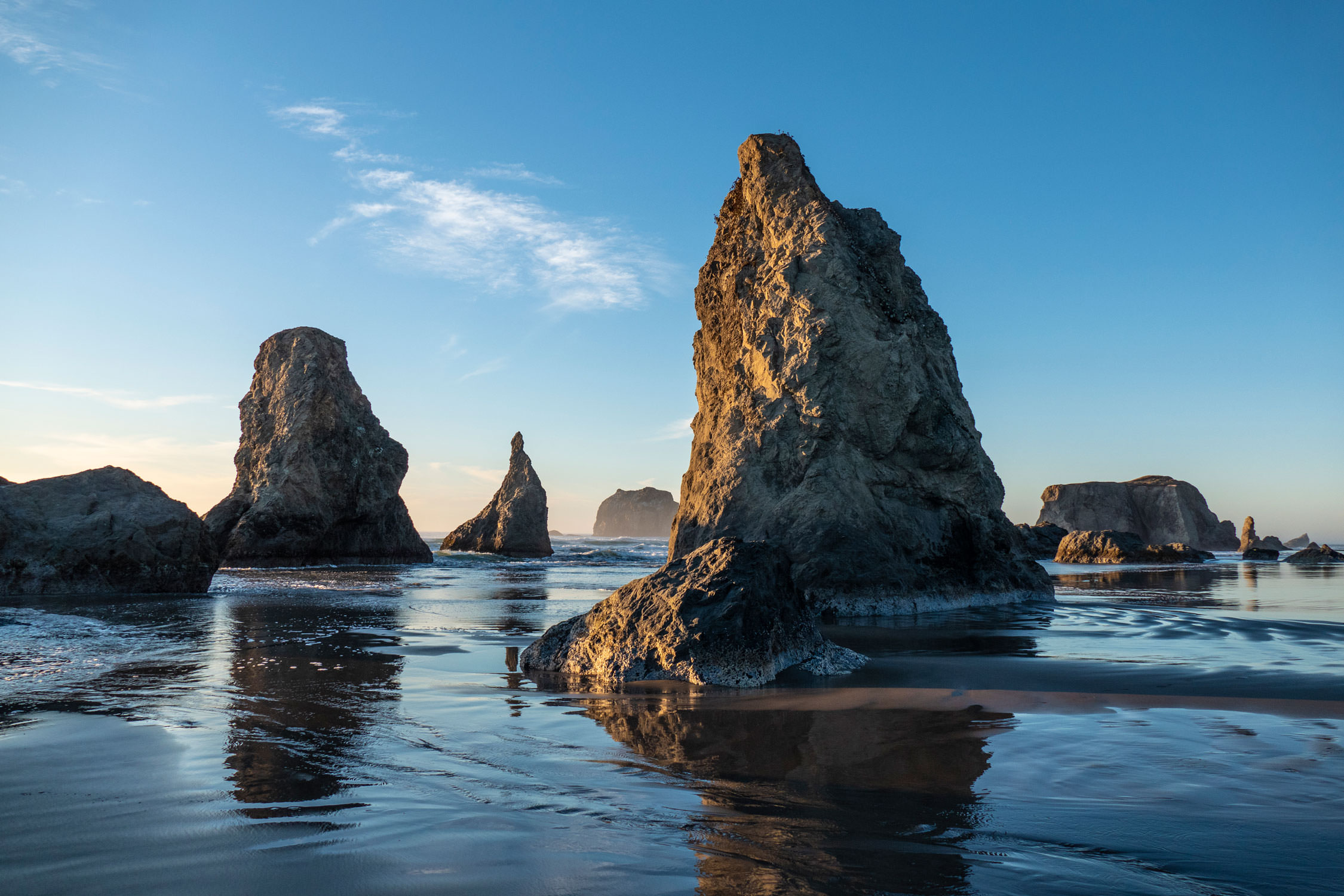
Bandon deserves a full day because the town sits at the coast’s most dramatic southern stretch, with sea stacks, tide pools, and viewpoints that require actual time to absorb—not a 20-minute photo stop. Spend the morning exploring Face Rock Wayside and Coquille Point, both within 10 minutes of downtown, then move to Cape Arago Highway for the trio of state parks (Cape Arago, Shore Acres, and Simpson Reef) that showcase the southern coast’s raw geology.
Return to Bandon for dinner and your second night. This pacing prevents the common mistake of rushing through the south coast in a blur.
Day 3: Florence Sand Dunes, Heceta Head, and Newport
Leave Bandon early (roughly 2.5–3 hour drive) and head north through the Oregon Dunes National Recreation Area near Reedsport. Stop briefly at the dunes if you want a quick walk, but don’t linger—the real payoff is Heceta Head Lighthouse and the viewpoint just north of Florence.
This section of coast is where the landscape shifts from rocky drama to softer, more accessible beaches.
Push through to Newport by early afternoon (roughly 1.5 hours from Florence). Newport serves as your base for exploring Cape Perpetua State Park, which requires a dedicated visit for Thor’s Well and Devils Churn—both are worth the short drive south from town.
Spend your evening in Newport’s Old Town waterfront district.
Drive time: Bandon to Newport is roughly 4–4.5 hours with minimal stops; adjust if you explore the dunes or spend time at Heceta Head.
Day 4: Pacific City, Cape Kiwanda, and Tillamook
From Newport, drive north roughly 1.5 hours to Pacific City, home to Cape Kiwanda State Park. This stop is non-negotiable if you want dramatic sea cliffs and a working fishing village atmosphere.
The short walk to the cape’s viewpoint takes 20 minutes and rewards you with one of the coast’s most photogenic angles.
Continue north to Tillamook (roughly 30 minutes from Pacific City). Tillamook Creamery sits inland about 30 minutes from the coast, but it’s worth the detour if you’re a cheese or ice cream enthusiast—the factory tour and tasting room justify a 1–2 hour stop.
Return to the coast and overnight in Rockaway Beach, Cannon Beach, or Seaside depending on your preference for quiet versus activity. These three towns cluster within 20 minutes of each other, so your choice here is purely about atmosphere, not logistics.
Drive time: Newport to your northern base is roughly 2–2.5 hours with stops at Pacific City and Tillamook.
Day 5: The Northern Coastline from Rockaway Beach to Seaside and Astoria
Your final day covers the northern coast’s most accessible and iconic stops. If you stayed in Rockaway Beach, start with a walk on the quiet, uncrowded beach itself, then drive 10 minutes to Cannon Beach to explore Ecola State Park’s viewpoint (which overlooks Crescent Beach and Chapman Beach) and the town’s famous Haystack Rock.
Continue north to Seaside for lunch or a final beach walk, then push to Astoria (roughly 30 minutes from Seaside) to see the Columbia River mouth and the historic waterfront. This final leg takes roughly 1.5–2 hours of driving with stops, making it a relaxed conclusion rather than a rushed exit.
Total drive time for Day 5: Roughly 1.5–2 hours of actual driving; the day is designed for lingering rather than covering distance.
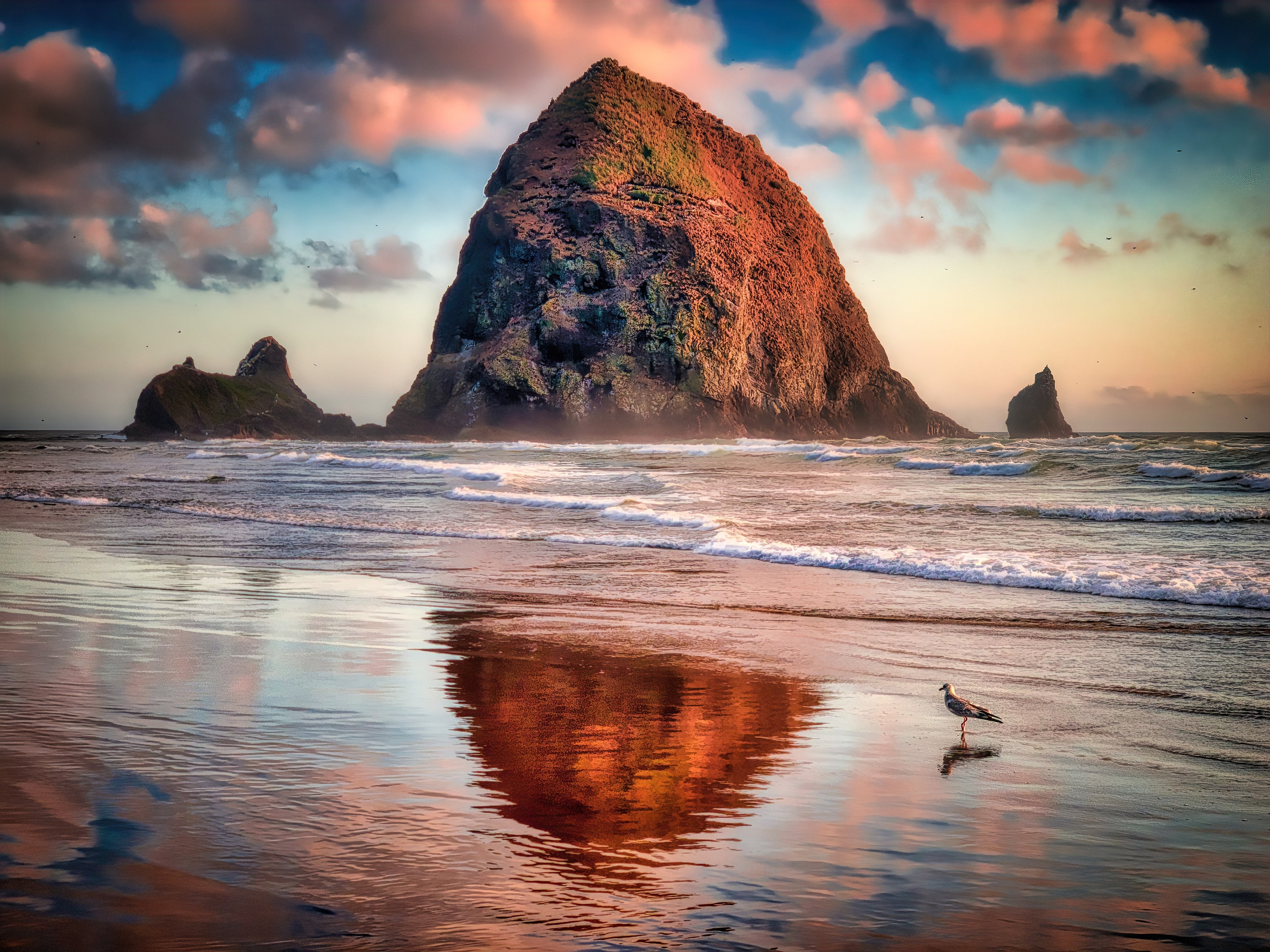
Route overview: This itinerary moves consistently north without backtracking, hitting the coast’s three distinct regions (dramatic southern cliffs, accessible central beaches, iconic northern headlands) in logical sequence. Each overnight base is positioned to minimize morning drive time to that day’s best stops.
If you’re arriving from Washington or want to reverse the route, drive this itinerary backwards—start in Astoria and finish in Bandon—though you’ll face longer final-day driving.
Which Northern Oregon Coast Town Should You Stay In?
The northern coast delivers four distinct overnight bases, each solving a different road-trip priority — and choosing wrong means either overpaying for silence or fighting crowds when you want to relax.
Quick comparison: Cannon Beach wins for design-focused travelers and couples; Seaside for families and boardwalk energy; Manzanita for anyone escaping noise; Rockaway Beach for budget-conscious visitors seeking authenticity over amenities.
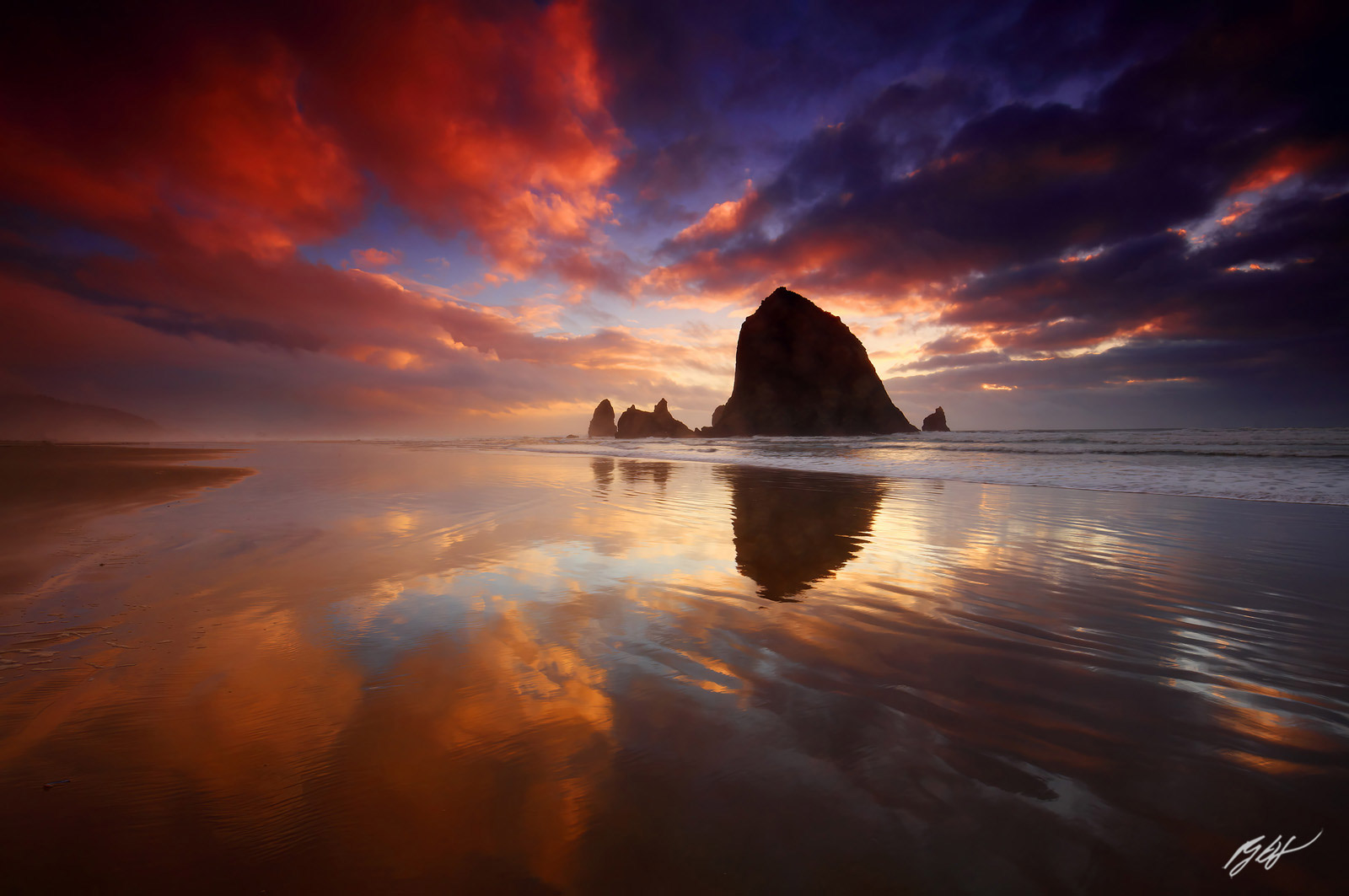
Cannon Beach: The Art-Filled Luxury Escape
Cannon Beach is the move for travelers willing to spend more for a polished, walkable town where every storefront feels intentional and the beach itself — anchored by the iconic Haystack Rock — justifies the premium. Best for couples and solo travelers prioritizing design, galleries, and restaurants over budget.
The single reason it wins: you can walk from your hotel to dinner, coffee, and art without a car, and the town’s strict development standards mean no chain hotels or visual clutter.
Expect higher nightly rates than other northern towns, especially July and August — book 2–3 months ahead if traveling peak summer. The town fills quickly on weekends year-round.
Stay downtown or within walking distance of the main drag; anything more than a few blocks inland loses the appeal. The beach itself is wide and accessible, but parking fills by mid-morning on sunny days — arrive early or use town lots rather than street parking.
Seaside: The Lively, Family-Friendly Boardwalk Hub
Seaside trades Cannon Beach’s quiet sophistication for a buzzing, old-school beach-town energy — think arcade games, saltwater taffy shops, and families claiming picnic tables on the prom (the beachfront promenade). Best for families with kids, groups, and anyone who wants built-in evening activity without planning dinner reservations.
The single reason it wins: the boardwalk is genuinely fun and free, the beach is massive and safe for swimming, and you can find budget-friendly lodging within steps of everything.
Maggie’s on the Prom serves gourmet food right on the boardwalk if you want a step up from casual. The town is louder and more crowded than Manzanita or Rockaway, especially weekends — if you need quiet mornings, request a room away from the prom side.
Parking is ample and cheap. The vibe skews younger and more casual; if you’re seeking upscale dining or gallery browsing, Cannon Beach is 20 minutes north and worth the drive.
Manzanita: The Peaceful, Pine-Fringed Coastal Retreat
Manzanita is the answer for travelers who want a beach town that feels like a secret — quiet, tree-lined streets, a short main drag with local cafes, and a beach that rarely feels crowded even in summer. Best for anyone prioritizing peace, natural scenery, and a slower pace over nightlife or shopping.
The single reason it wins: it’s genuinely uncrowded and feels like an actual community rather than a tourist destination, yet it’s only 25 minutes south of Cannon Beach if you want to day-trip for dinner.
The town is small enough that you can walk the entire downtown in 15 minutes. Lodging is mid-range and easier to book last-minute than Cannon Beach, though still fills on summer weekends.
The beach itself is beautiful but can be windy — bring layers. There’s minimal nightlife; this is a base for early mornings and quiet evenings, not late-night energy.
If you’re traveling with teenagers or want restaurant variety, Seaside or Cannon Beach are better bets.
Rockaway Beach: The Sleepy, Uncrowded Fishing Village
Rockaway Beach is the budget pick and the authenticity pick — a working fishing village where locals outnumber tourists, prices stay low, and the beach feels genuinely yours. Best for budget travelers, photographers seeking moody coastal light without crowds, and anyone who values character over convenience.
The single reason it wins: you’ll spend 40% less on lodging than Cannon Beach, the beach is nearly empty even in July, and the town’s lack of development means zero tourist infrastructure to navigate.
The trade-off is real: there’s minimal dining beyond casual fish-and-chips, no galleries or boutiques, and the town closes early. This is a base for beach walks and early starts to state parks, not a destination for evening entertainment.
The beach can be rough and cold — this is working-fisherman territory, not resort territory. Stay here if you’re road-tripping on a budget or using it as an overnight stop between Cannon Beach and Tillamook; skip it if you want walkable restaurants or shops.
Road-trip timing: All four towns are within 30 minutes of each other, so you can base yourself in one and day-trip to state parks and attractions. Cannon Beach and Seaside anchor the northern coast; Manzanita and Rockaway Beach sit between them and the central coast, making either a logical overnight stop if you’re driving the full Oregon coast in 5+ days.
Best State Parks and Scenic Viewpoints Along the Route
The Oregon coast packs five world-class state parks into a 360-mile drive, and each one demands a different decision: whether you’re chasing dramatic sea stacks, whale pods, or forest trails that feel untouched. Skip the generic pullouts and hit these instead—they’re the reason this road trip beats every other West Coast drive.
Ecola State Park: Iconic Views and Goonies Filming Locations
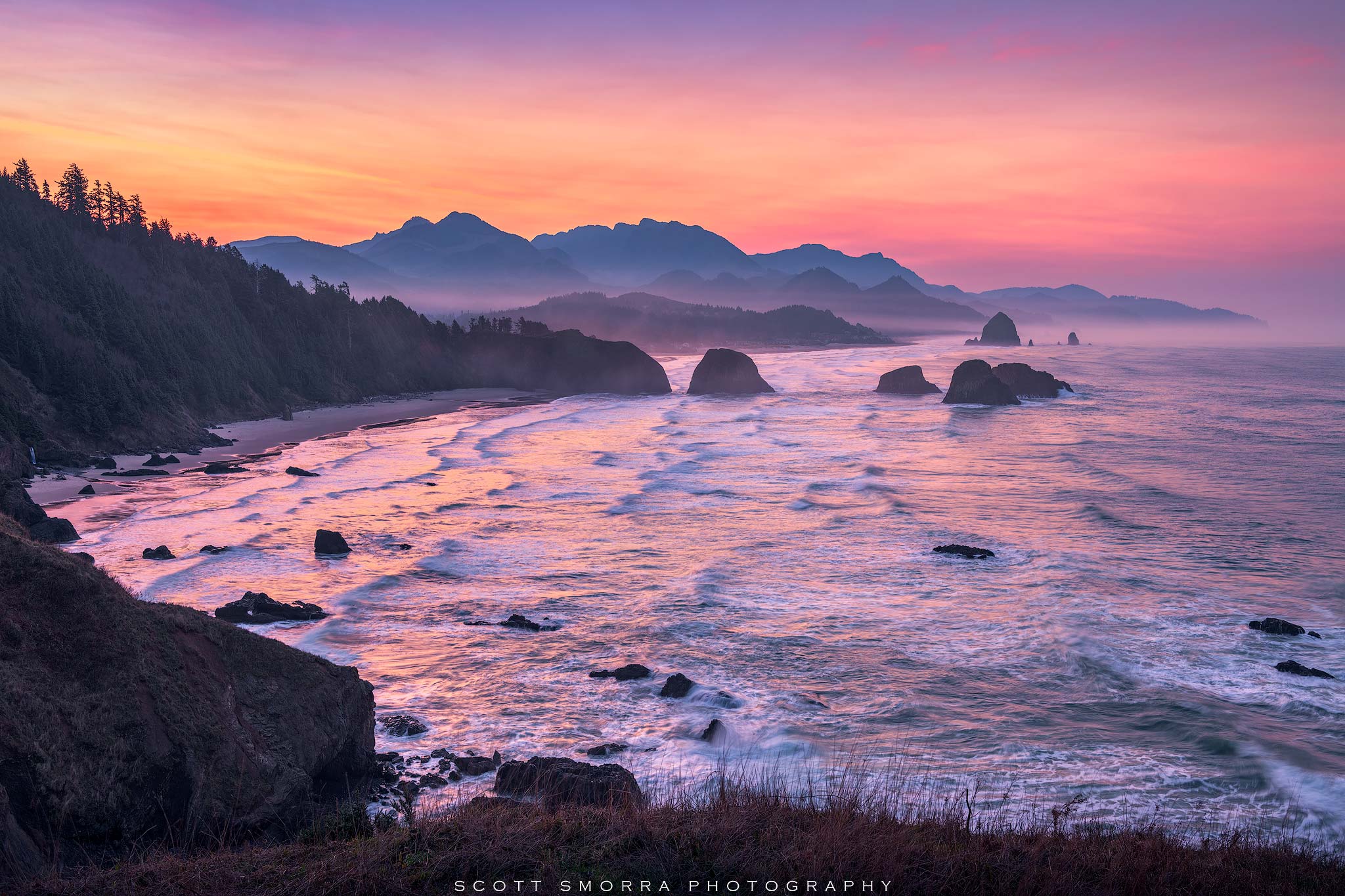
Ecola State Park sits just 10 minutes south of Cannon Beach and delivers the postcard view that made the Oregon coast famous: Crescent Beach, Chapman Beach, and Cannon Beach stacked into one panorama from the overlook. This is the park to hit if you want maximum impact with zero hiking—the viewpoint parking lot puts you 30 seconds from the vista.
The Goonies connection (filming happened here) adds nostalgia value for anyone who grew up in the ’80s, but the real draw is that this viewpoint works as a sunset stop on your way through the northern coast, making it a natural fit for Day 5 of a road trip routing.
Best for road-trippers who want a guaranteed stunning photo without committing to a full hike. Win: It’s on the way, takes 15 minutes total, and the view alone justifies the stop.
Oswald West State Park: Surfing, Forests, and Cape Falcon Hikes

Oswald West State Park sits about 30 minutes south of Cannon Beach and sees a fraction of Ecola’s crowds despite offering better hiking variety. The park has easy to difficult trail options, with Cape Falcon being the signature hike—a moderate 7-mile round trip through old-growth forest that opens onto a headland with unobstructed ocean views.
The beach here is also a serious surf spot, so expect to see boards in summer. Unlike Ecola, this park rewards you for actually walking; the forest canopy and wildlife sightings (elk, deer, sea lions from the overlook) make it feel remote even though you’re only minutes from Highway 101.
Best for hikers who want forest and coast in one stop, or anyone avoiding the Ecola crowds. Win: The Cape Falcon trail delivers both solitude and drama without requiring scrambling or technical skill.
Cape Lookout State Park: Muddy Trails and Whale Watching
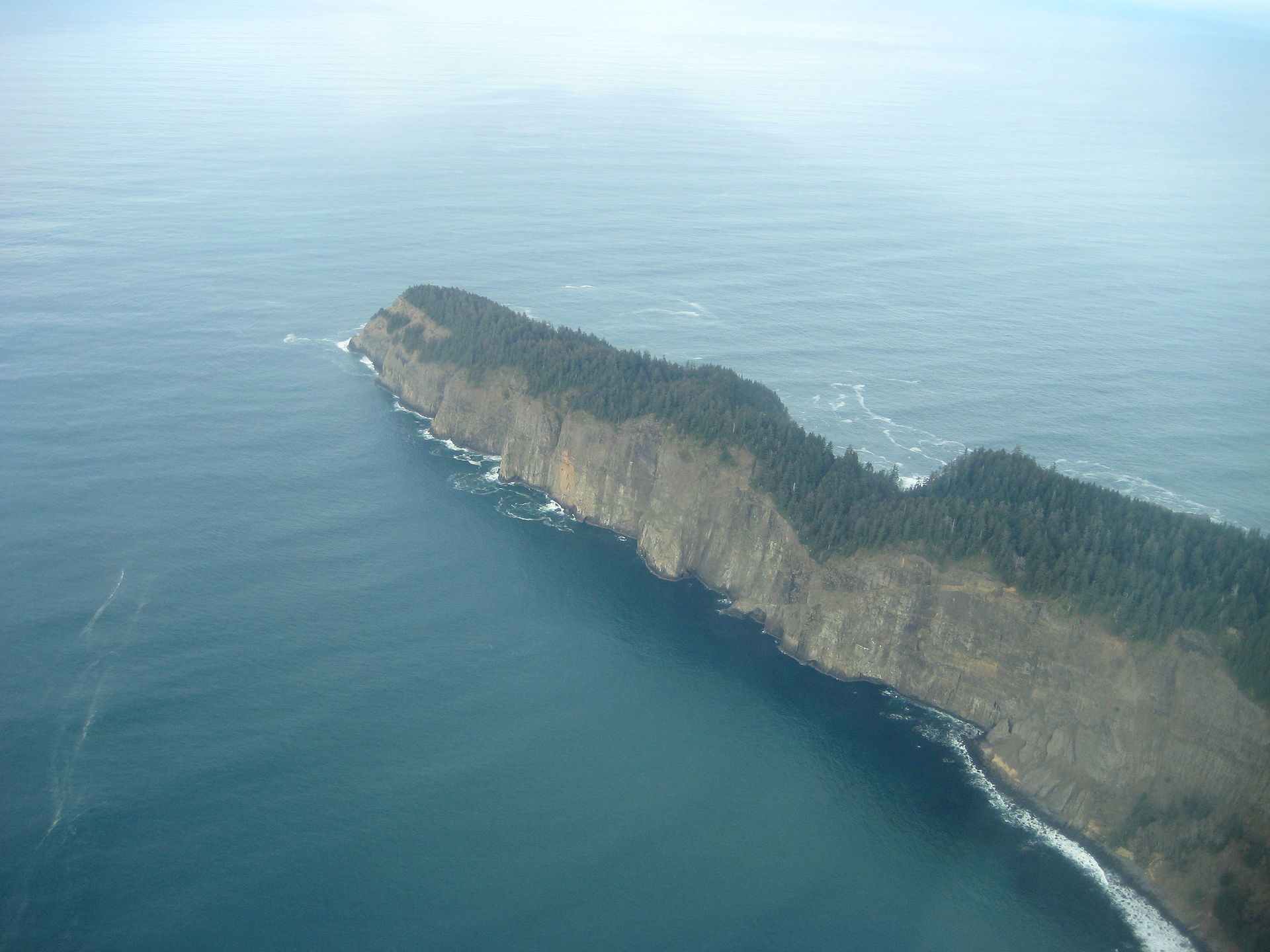
Cape Lookout State Park, south of Tillamook, is the move for travelers who want coastal magic without fighting crowds or committing to a strenuous hike. The signature Cape Lookout Trail is 4.5 miles round trip and muddy year-round (wear waterproof boots), but it delivers a 400-foot headland with gray whale sightings in summer and fall.
The trail is straightforward—no scrambling, no exposure—making it accessible for families and less experienced hikers. The payoff is a quiet, windswept cape where you can sit and actually see whales without binoculars if you time it right during migration season (roughly June through October).
Best for whale watchers and hikers who want a meaningful walk without technical difficulty. Win: This park is less crowded than Cape Perpetua and delivers the same whale-watching odds with better trail conditions for summer travel.
Cape Perpetua State Park: Thor’s Well and Devils Churn
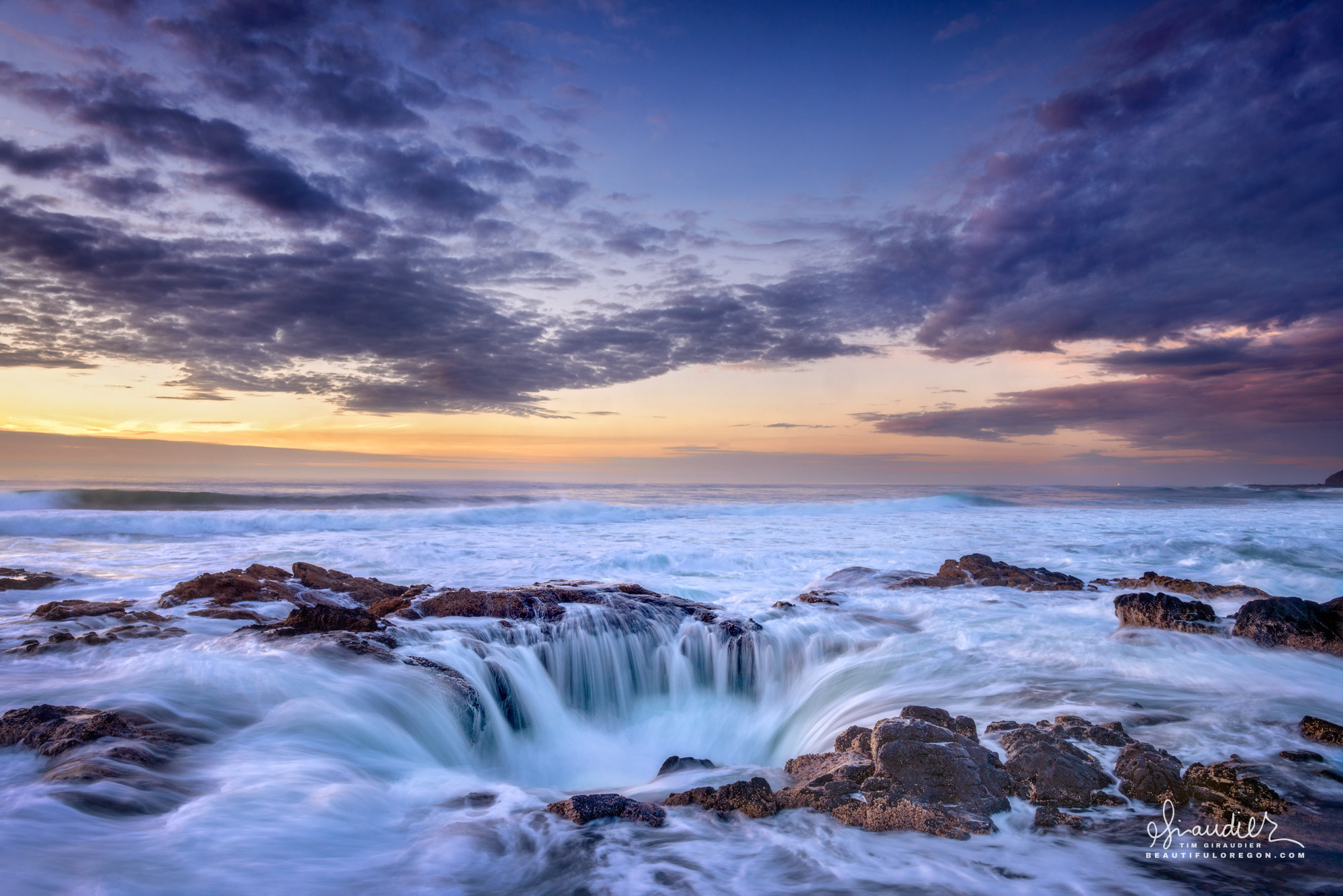
Cape Perpetua is the most visited state park on the Oregon coast and for good reason: Thor’s Well (a sinkhole that appears to drain the ocean) and Devils Churn (a narrow slot canyon where waves explode upward) are genuinely unique geological features. Both are accessible from the same parking area via short walks (under 1 mile each).
Thor’s Well is best photographed at low tide when the illusion is strongest; check tide tables before you go because high tide erases the effect. Devils Churn is the opposite—high tide creates the most dramatic wave action.
The visitor center has current tide times and a small museum explaining the geology.
Best for photographers and geology enthusiasts who want Instagram-worthy drama. Win: These features exist nowhere else on the Oregon coast, but plan around tide times or you’ll waste the stop.
Samuel H. Boardman Scenic Corridor: Dramatic Sea Stacks and Secret Beaches
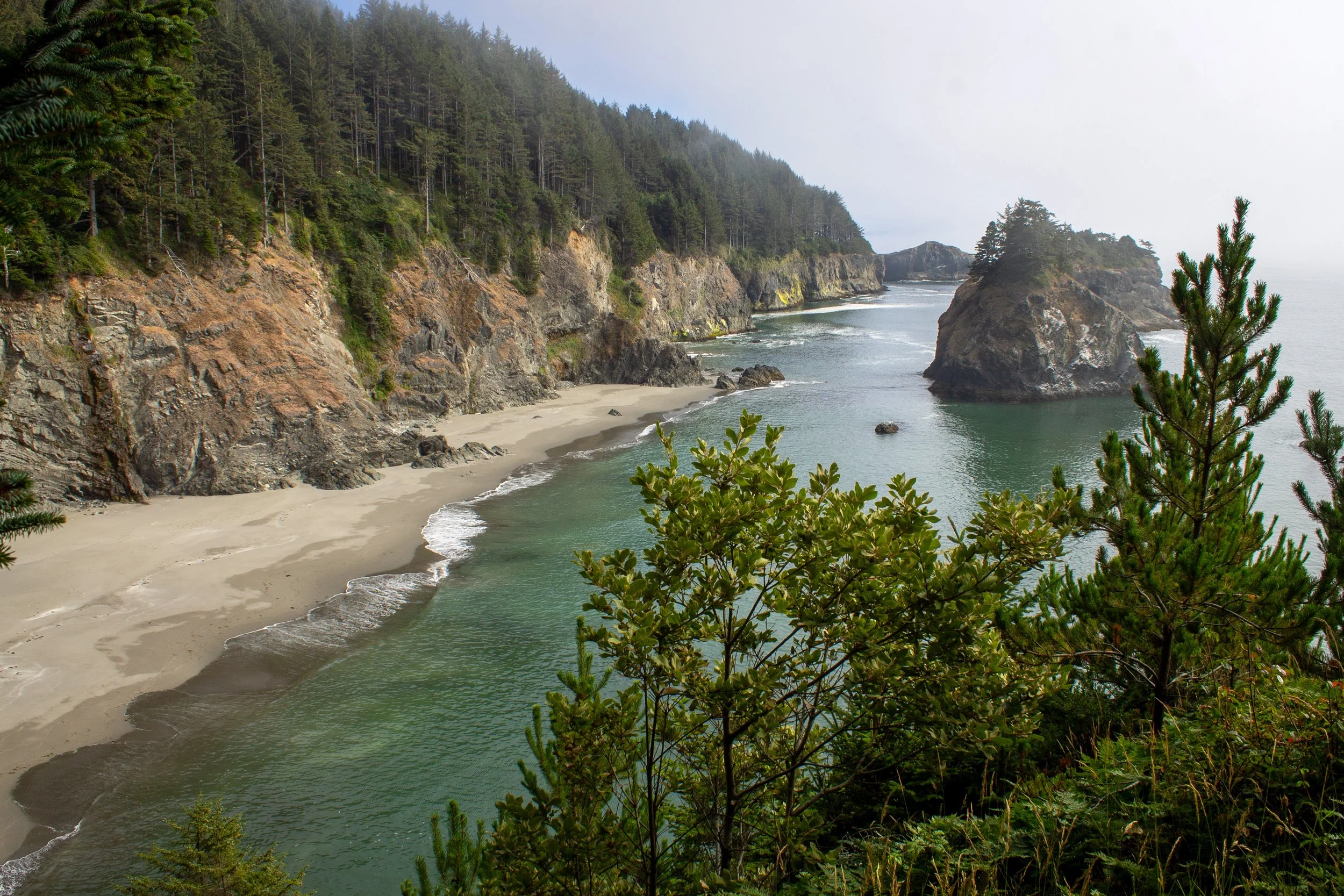
Samuel H. Boardman Scenic Corridor stretches 12 miles along the southern coast between Yachats and Bandon and is technically a series of pullouts and short walks rather than a single park, but it’s the most dramatic stretch of the entire drive.
Arch Rock, Face Rock, and Spouting Horn are the signature stops—each one a different sea stack or geological feature visible from parking areas. The corridor also includes several hidden-gem beaches accessible via short trails (Coquille Point, China Creek Beach, Lone Ranch Beach).
This is the section where the coast stops being pretty and becomes genuinely wild: the rocks are darker, the waves are bigger, and the sense of remoteness is real even though you’re right off Highway 101.
Best for photographers and adventurers who want to feel like they’ve discovered something untouched. Win: It’s the least crowded major scenic stretch on the coast and offers more variety (sea stacks, beaches, viewpoints) than any single state park.
Quick Comparison: Ecola wins for speed and sunset views. Oswald West wins for hiking without crowds.
Cape Lookout wins for whale watching with easy access. Cape Perpetua wins for unique geological features but requires tide-time planning.
Boardman wins for dramatic scenery and solitude. On a 5-day road trip, hit Ecola (Day 5, northern coast), Cape Lookout or Cape Perpetua (Day 3-4, central coast), and Boardman (Day 1, southern coast) to cover the full range without backtracking.
Where to Eat and Drink: The Best Oregon Coast Food Stops

The Oregon Coast doesn’t just deliver dramatic cliffs and empty beaches—it delivers the freshest seafood you’ll eat all year, caught that morning and served within hours. Summer crowds mean restaurant reservations matter, but the payoff is worth it: Dungeness crab that tastes like the ocean, clam chowder thick enough to stand a spoon in, and local breweries that have perfected the art of pairing IPAs with salt air.
Plan your meals strategically, especially in smaller towns where dinner service ends early and options thin out after 8 p.m.
Top Seafood Spots: Fresh Crab, Clam Chowder, and Fish & Chips
Coastal Oregon’s seafood reputation is earned, not marketed. The best stops follow Highway 101 south to north, so you can eat your way through the trip without backtracking.
Gold Beach and Bandon (Southern Coast): Gold Beach sits at the mouth of the Rogue River, which means fresh salmon and rockfish dominate menus. Bandon’s working fishing harbor guarantees that crab and fish landed in the morning hit dinner plates by evening.
This is where you prioritize sit-down seafood shacks over chain restaurants—local operators know their suppliers by name. Book dinner reservations by early afternoon if you’re eating between 6 and 8 p.m., especially in July and August.
Newport (Central Coast): Newport’s working waterfront is the real deal—you can watch fishing boats unload while eating. The town’s seafood restaurants source directly from the docks, which means crab quality and freshness are unmatched.
Expect to pay $16–$28 for fish and chips or crab sandwiches, but portion sizes and ingredient quality justify the price. Arrive for lunch (11:30 a.m.–1:30 p.m.) to avoid dinner crowds and secure a table without a reservation.
Tillamook (Northern Coast): Tillamook Creamery is the famous stop here, but the town also has solid seafood options tied to its fishing heritage. The creamery sits about 30 minutes inland from the coast, so it works as a deliberate detour rather than a drive-by.
Pair it with a coastal dinner in nearby Pacific City or Rockaway Beach rather than eating both in Tillamook.
Astoria (Far Northern Coast): Astoria’s position at the Columbia River mouth makes it a salmon and sturgeon hub. The town has more upscale dining options than smaller coastal villages, which means better cocktail programs and wine lists.
This is the spot to splurge on a proper dinner if you’re staying overnight in the northern section.
Insider tip: Skip the tourist-facing fish and chips stands near major parking lots. Instead, ask your hotel staff where locals eat—they’ll point you to family-run spots where the catch changes daily and prices stay reasonable because volume is steady, not seasonal.
Must-Visit Coastal Coffee Shops and Local Bakeries

Summer mornings on the Oregon Coast demand good coffee and fresh pastries, especially if you’re starting early to beat crowds at state parks or scenic viewpoints. Local bakeries open early (typically 6:30–7 a.m.) and close by 2–3 p.m., so timing matters.
Bandon: Local bakeries here serve sourdough and pastries made fresh daily. Coffee quality is solid, and the vibe is small-town authentic rather than Instagram-optimized.
Grab breakfast here before heading to Bandon’s beaches or Face Rock Scenic Viewpoint.
Newport and Yachats: These towns have reliable independent coffee shops that cater to both tourists and locals. Expect espresso drinks in the $5–$7 range and pastries around $4–$6.
The best move is to grab coffee and a pastry, then eat on a bench overlooking the ocean rather than sitting inside.
Cannon Beach and Seaside: These northern towns have more developed coffee culture because they’re closer to Portland and attract year-round visitors. You’ll find multiple options, including roasters that source beans from local suppliers.
Quality is higher here, which means prices are too ($6–$8 for specialty drinks). Cannon Beach’s cafes tend toward quieter, artsy vibes; Seaside’s are busier and more family-oriented.
Insider tip: Bakeries sell out of the best items (fresh croissants, berry tarts) by 9 a.m., especially in July and August. If you’re staying overnight in a coastal town, ask your hotel to recommend the earliest-opening bakery and plan to eat breakfast there before any activities.
Best Wineries, Breweries, and Tasting Rooms Along Highway 101
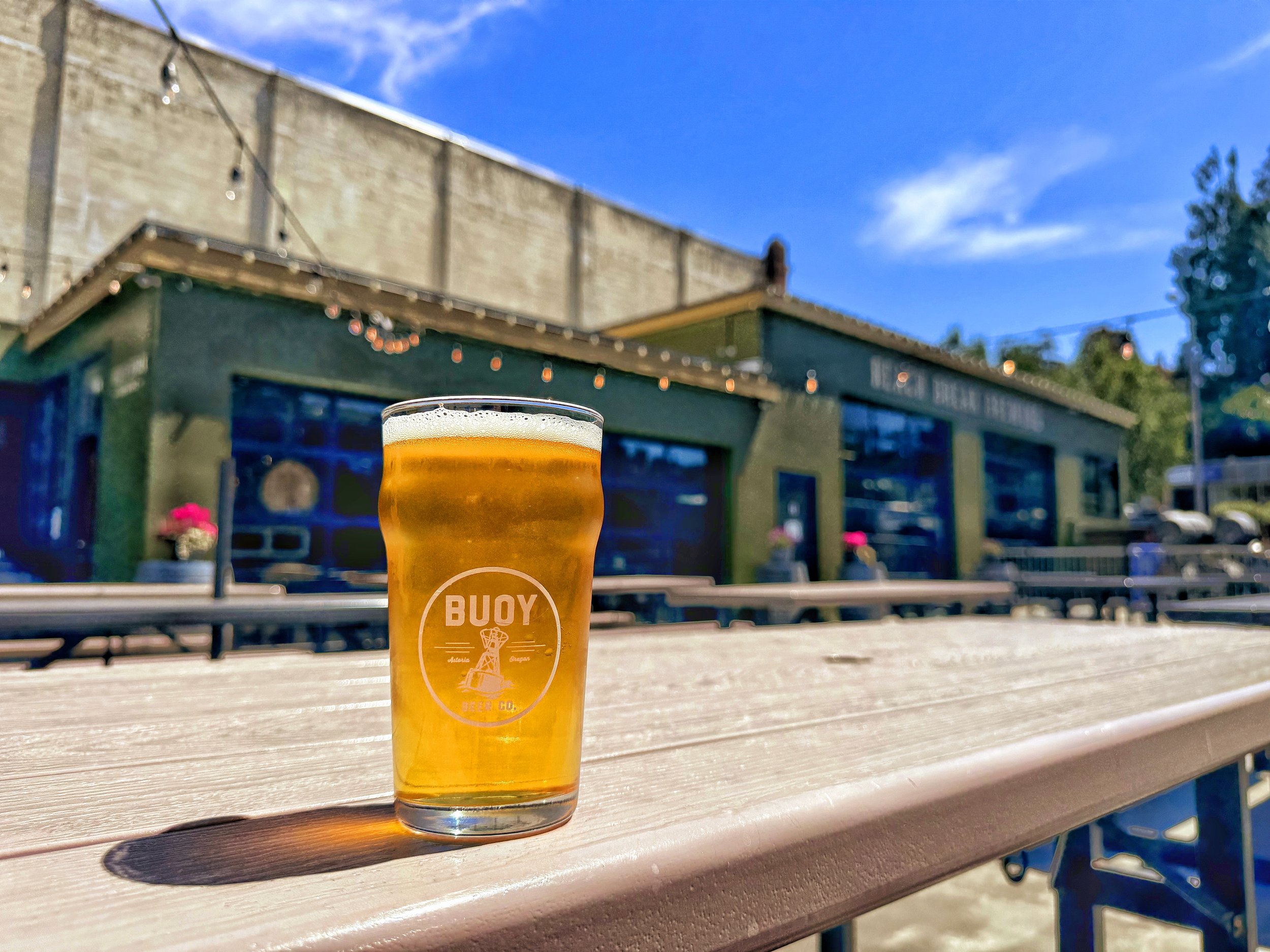
The Oregon Coast doesn’t have the wine reputation of the Willamette Valley, but it has something better for a road trip: breweries embedded in coastal towns that serve excellent IPAs and stouts designed to pair with salt air and seafood. Most are casual, dog-friendly, and open year-round, with summer hours extending into early evening.
Southern and Central Coast Breweries: Smaller towns like Bandon, Yachats, and Newport have one or two solid local breweries each. These are community gathering spots, not tourist attractions, which means the beer is good, prices are fair ($6–$8 per pint), and the atmosphere is relaxed.
Many serve food or allow outside food, so you can pair a brewery visit with fish and chips from a nearby shop. Hours typically run 11 a.m.–9 p.m. in summer, but confirm before planning an evening stop.
Pacific City and Tillamook (Central-Northern Coast): Pacific City has a strong brewery scene relative to its size, and Tillamook’s proximity to the coast means breweries here attract both locals and tourists. Quality is consistent, and the setting—often with views of Cape Kiwanda or farmland—beats typical brewery aesthetics.
Expect $7–$9 per pint and food trucks or kitchen service at most locations.
Cannon Beach, Seaside, and Astoria (Northern Coast): These larger towns have multiple breweries and tasting rooms, including some with wine and cider options if beer isn’t your preference. Astoria especially has developed a craft beverage scene with upscale cocktail bars alongside breweries.
Prices are slightly higher here ($8–$10 per pint), but quality and variety justify it. Rooftop bars and waterfront seating are common, making these good evening stops if you’re staying overnight in the north.
Insider tip: Breweries in coastal towns often have limited kitchen hours (food service may end at 7 or 8 p.m. even if the bar stays open later). If you’re planning a brewery dinner, arrive by 6 p.m. to secure food.
Many also offer flight tastings ($12–$16) if you want to sample multiple beers without committing to full pints—a smart move on a driving day.
Planning note: If you’re staying overnight in Cannon Beach, Seaside, Manzanita, or Astoria, build brewery or wine-tasting time into your evening schedule rather than trying to fit it between daytime activities. These towns have enough options to make a full evening worthwhile, and you won’t feel rushed.
Frequently Asked Questions
What’s the best time of year to do this road trip?
Early summer—June and early July—wins for weather and crowds. Rains have mostly stopped, but you’ll dodge the July-August heat-escape surge when hotels book solid weeks ahead.
If you’re flexible, aim for June; if you’re locked into July or August, book accommodations at least 4-6 weeks in advance. July and August are still excellent for driving and beach time—just expect more people and higher prices.
How many days do I actually need?
Three nights and four days is the minimum to feel like you’ve actually experienced the coast rather than just checked boxes. You could technically hit major stops in two days, but that means constant driving with minimal time to hike, explore tide pools, or sit with the views.
A five-day trip (four nights) lets you linger in towns like Bandon or Cannon Beach, tackle longer hikes at Ecola or Oswald West State Parks, and actually absorb the coastline instead of racing through it.
What are the main safety concerns I should know about?
Sneaker waves are the real threat—they’re larger-than-normal waves that surge up beaches without warning and have swept people off rocks and into the ocean. Always face the water when exploring tide pools or walking near the shoreline, and pay close attention to warning signs posted at beaches.
Riptides are also common, so swim only in designated areas and never assume calm-looking water is safe. The drive itself is straightforward and not dangerous if you’re comfortable with coastal curves and occasional fog.
What should I pack for summer on the Oregon Coast?
Rain jacket and rain boots are non-negotiable even in summer—this is the Pacific Northwest, and weather can shift fast. Layers work better than heavy jackets since mornings are cool but afternoons warm up.
Bring sunscreen (UV reflects off water and sand), a hat or visor, and closed-toe hiking shoes for rocky trails and tide pools. Check the forecast before you leave; July and August are drier, but June and early July can still surprise you with rain.
Book Your Dates and Drive North
Lock in your Portland car rental first, then book your first night in Bandon or your preferred northern base—availability fills fastest in July and August, so don’t delay. Start your drive early enough to arrive by late afternoon so you can settle in and catch the golden-hour light at a nearby viewpoint or beach.
The Oregon Coast in summer is genuinely worth the drive because you get dramatic geology, fresh seafood, and actual solitude even in peak season if you skip the obvious pullouts and base yourself strategically. Book your accommodations now, pack layers and a rain jacket, and plan to drive no more than 2–3 hours per day so you actually have time to explore instead of living in the car.
Leave a Reply