Imagine standing on a blinding white expanse of gypsum sand that looks like frozen waves under a purple twilight sky. Or watching steam rise from a pool of water so impossibly blue and orange it looks like a portal to another planet.
The United States holds some of the most geologically diverse, alien-like landscapes on earth, packed into accessible public lands. You do not need an international flight to walk on salt mirrors or peer into liquid-sand slot canyons.
This guide will help you decide which of these otherworldly destinations fits your travel style, budget, and physical comfort level.
Expect to spend $50 to $150 per day for a budget road trip, $150 to $350 for mid-range lodge stays, and $500+ daily for remote wilderness splurges.
My Quick-Pick Guide to America’s Most Otherworldly Escapes
If you are short on time, use this cheat sheet to match your travel vibe with the perfect surreal destination. I have broken down the absolute best spots from our list so you can choose your adventure instantly.
- Best for Effortless Views: Horseshoe Bend and Bonneville Salt Flats offer massive visual payoffs with almost zero hiking required.
- Best for Dreamy Photos: Grand Prismatic Spring, Antelope Canyon, and White Sands National Park deliver colors so saturated they look photoshopped.
- Best for Serious Hikers: The Wave and Glacier National Park require physical grit and advanced planning but reward you with untouched wilderness.
- Best for Jaw-Dropping Scale: Yosemite Valley, Denali National Park, and Crater Lake will make you feel delightfully microscopic.
10 Surreal Places in the USA That Don’t Feel Real
When you step into these landscapes, the boundary between reality and a movie set blurs. These ten locations represent the most visually arresting terrain in the United States, ranging from the neon-hued geothermal pools of Wyoming to the vast, reflective salt crusts of Utah.
Use the comparison table below to determine which destination fits your travel style and physical comfort level.
| Location | Best For | Key Feature | Physical Demand |
|---|---|---|---|
| Grand Prismatic Spring | Photography | Vibrant color rings | Low |
| Antelope Canyon | Visual Art | Light beams | Low |
| Bonneville Salt Flats | Solitude | Mirror reflections | Low |
| Crater Lake | Vistas | Deep blue water | Low/Moderate |
| White Sands | Adventure | Gypsum dunes | Moderate |
| Glacier National Park | Hiking | Dramatic cliffs | High |
| Horseshoe Bend | Short trips | River curve | Low |
| Denali National Park | Wilderness | Scale/Wildlife | High |
| The Wave | Serious hikers | Rock formations | Very High |
| Yosemite Valley | Iconic views | Granite walls | Moderate |
1. Grand Prismatic Spring (Wyoming)
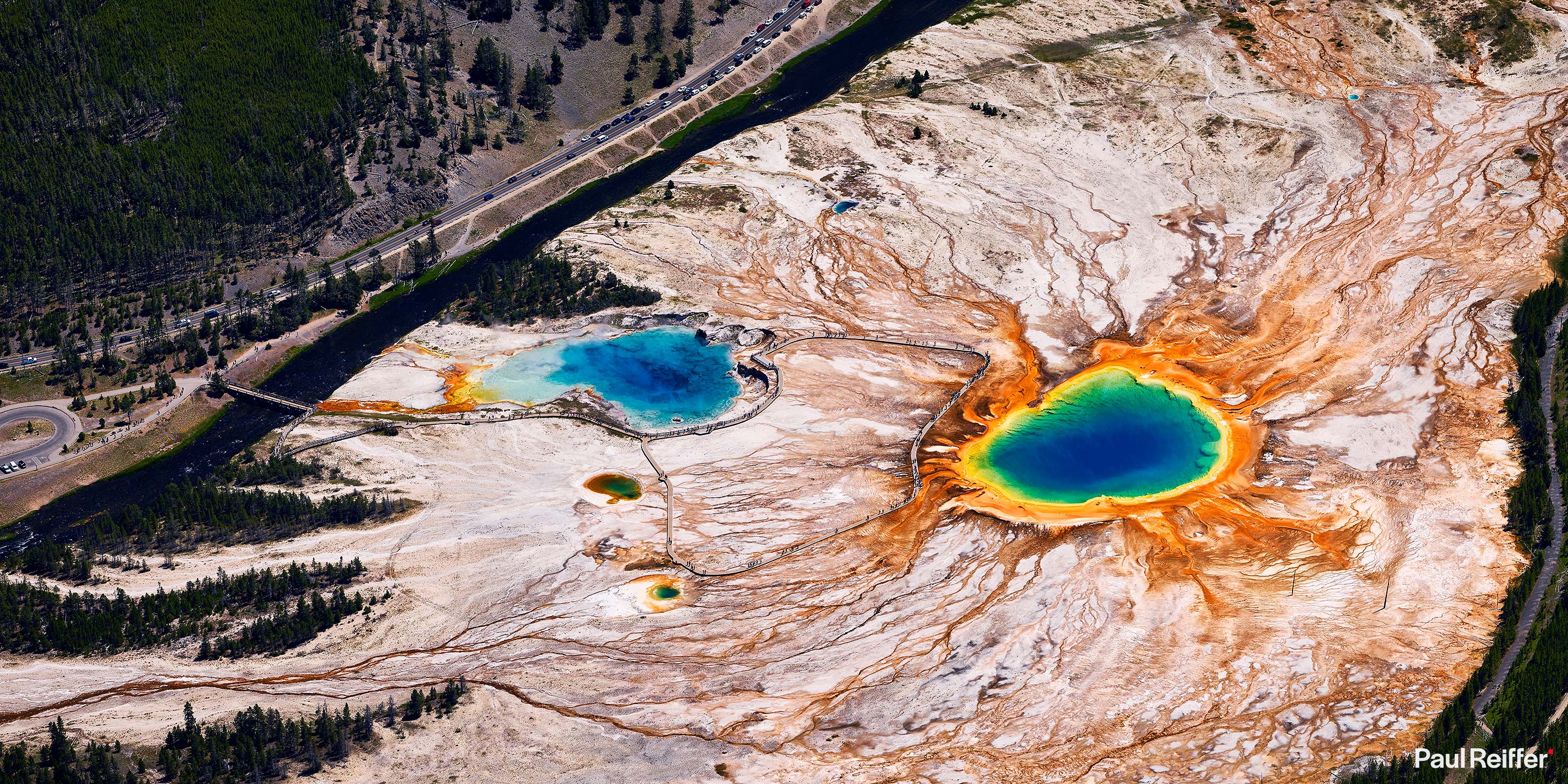
The colors of Grand Prismatic Spring are so saturated they appear digitally altered, with deep blue centers bleeding into vivid orange and yellow bacterial mats. I recommend skipping the boardwalk during midday; the steam often obscures the colors.
Instead, hike the Fairy Falls Trail to the overlook for the best perspective of the entire spring. Stay in West Yellowstone for the easiest early-morning park access.
2. Antelope Canyon (Arizona)
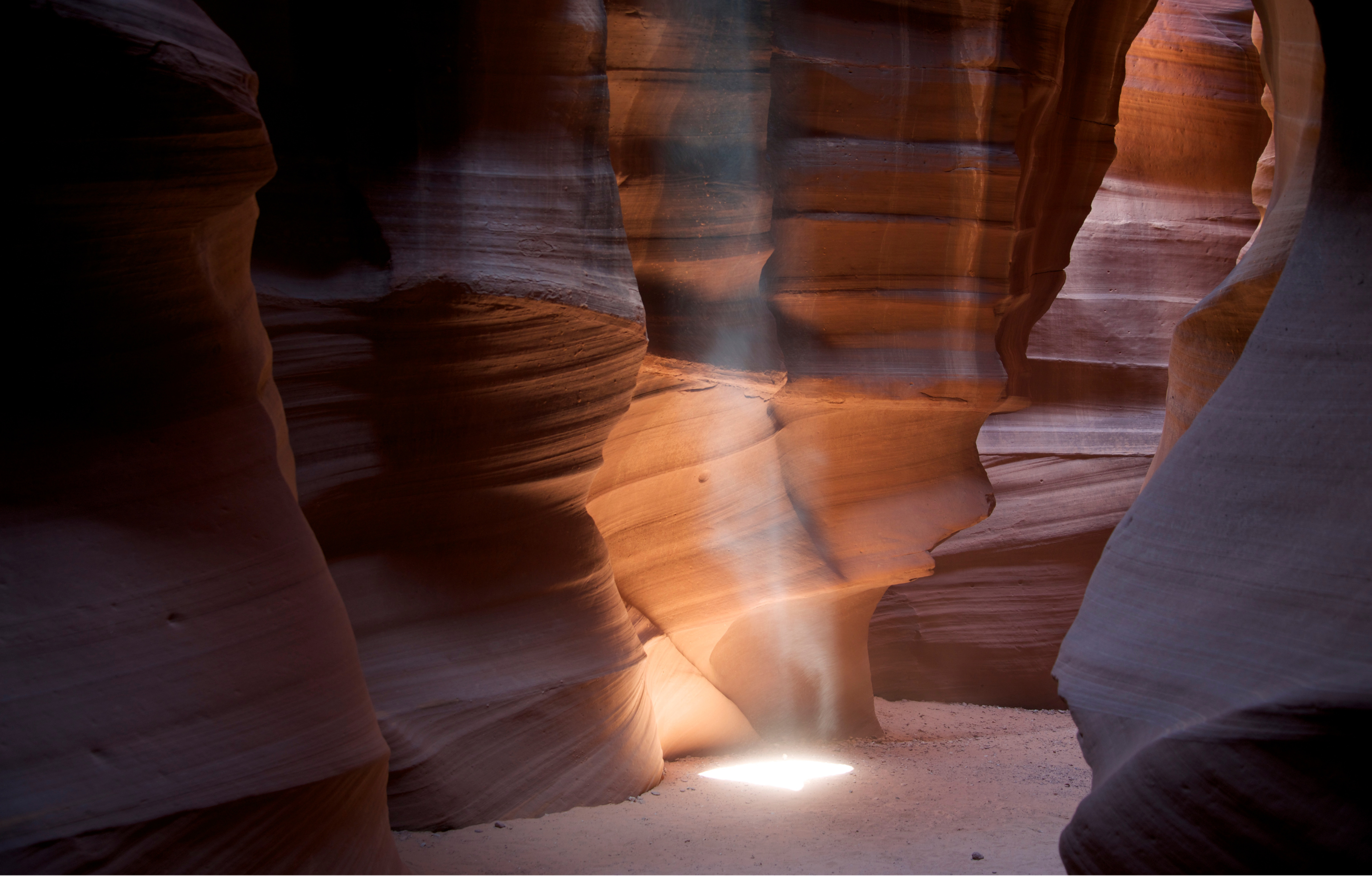
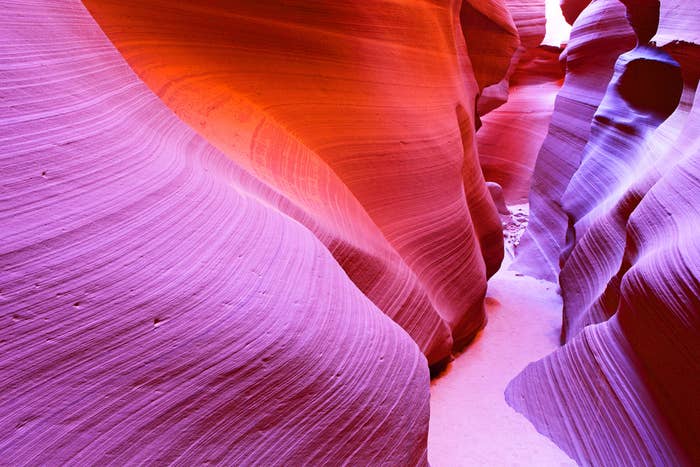
This slot canyon features sandstone walls carved by water into fluid, dreamlike shapes. It is best for those who appreciate guided geological tours, as access is restricted to Navajo-led groups.
My pick is to book a tour during the shoulder season to avoid the intense desert heat.
3. Bonneville Salt Flats (Utah)
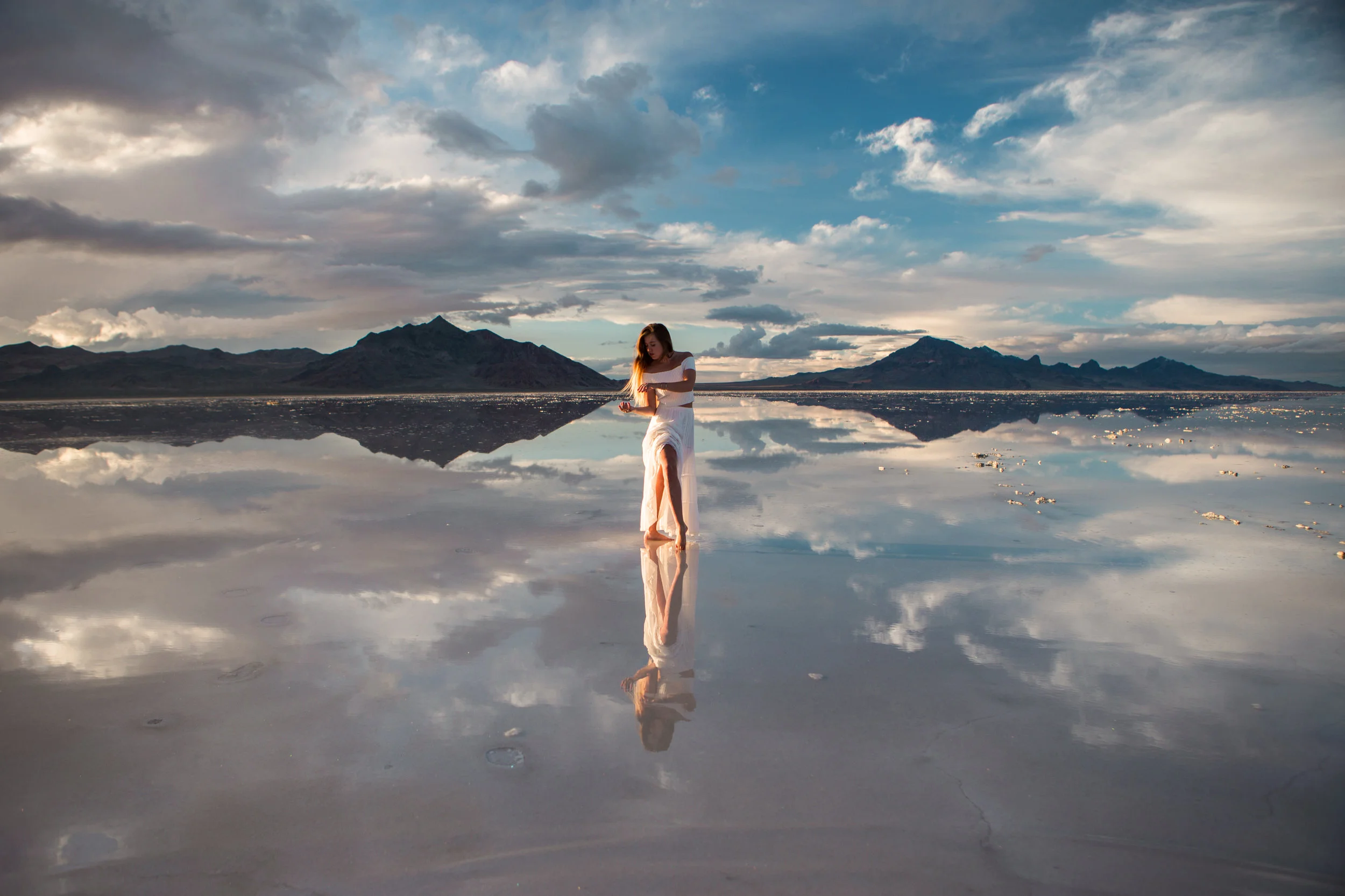
The salt flats offer a stark, endless horizon that feels like walking on another planet. If you visit after a light rain, the ground becomes a perfect mirror.
It is the ultimate spot for minimalist photography, though you should avoid walking too far onto the crust if it is wet, as it can be slippery and damaging to vehicles.
4. Crater Lake (Oregon)
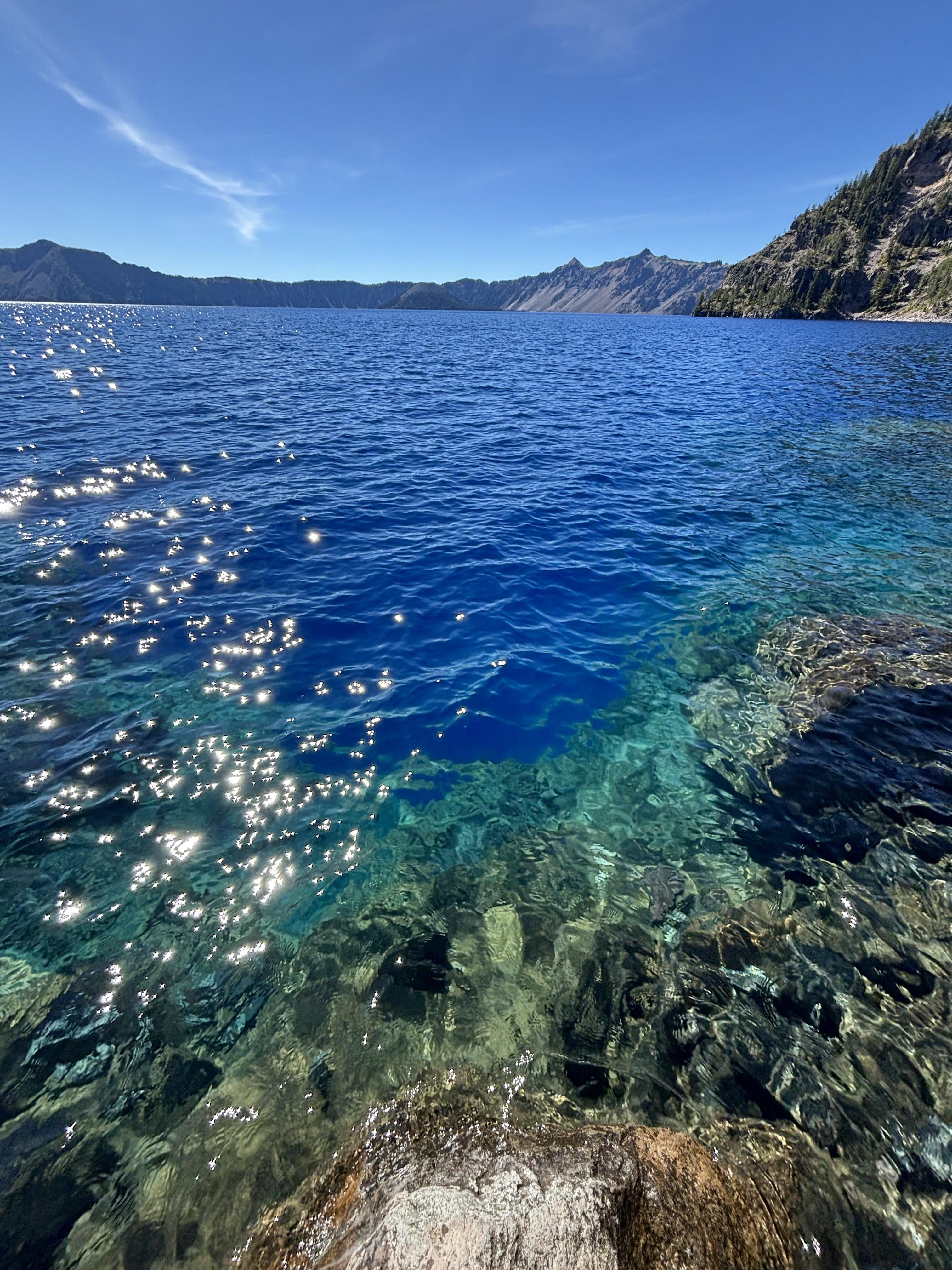
Crater Lake holds the title for the deepest lake in the U.S., and its water is a blue so intense it feels unnatural. I recommend staying in the historic Crater Lake Lodge for the best rim views.
It is perfect for those who want a serene, high-altitude escape without the need for extreme backcountry trekking.
5. White Sands National Park (New Mexico)
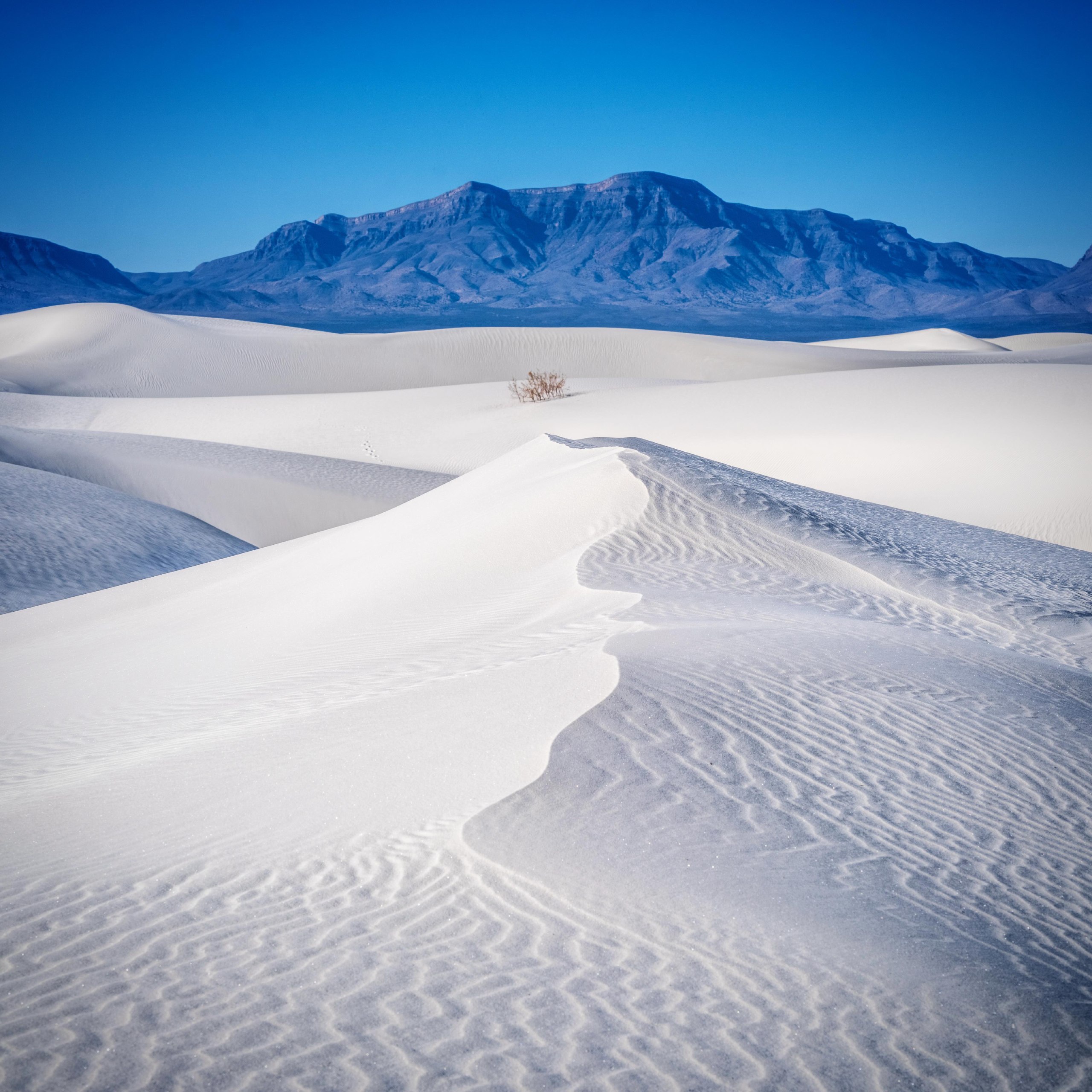
The gypsum dunes at White Sands shift constantly, creating a landscape of blinding white waves. It is best for families and photographers who want to spend time sledding or walking the dunes at sunset. Bring sunglasses, as the glare is significant.
6. Glacier National Park (Montana)

Glacier feels like a relic of a wilder time, defined by jagged, snow-dusted peaks and turquoise glacial lakes. The Going-to-the-Sun Road is the main artery, but it is physically demanding to navigate due to narrow cliff-side stretches.
Stay in a cabin near West Glacier for the best balance of comfort and trailhead proximity.
7. Horseshoe Bend (Arizona)
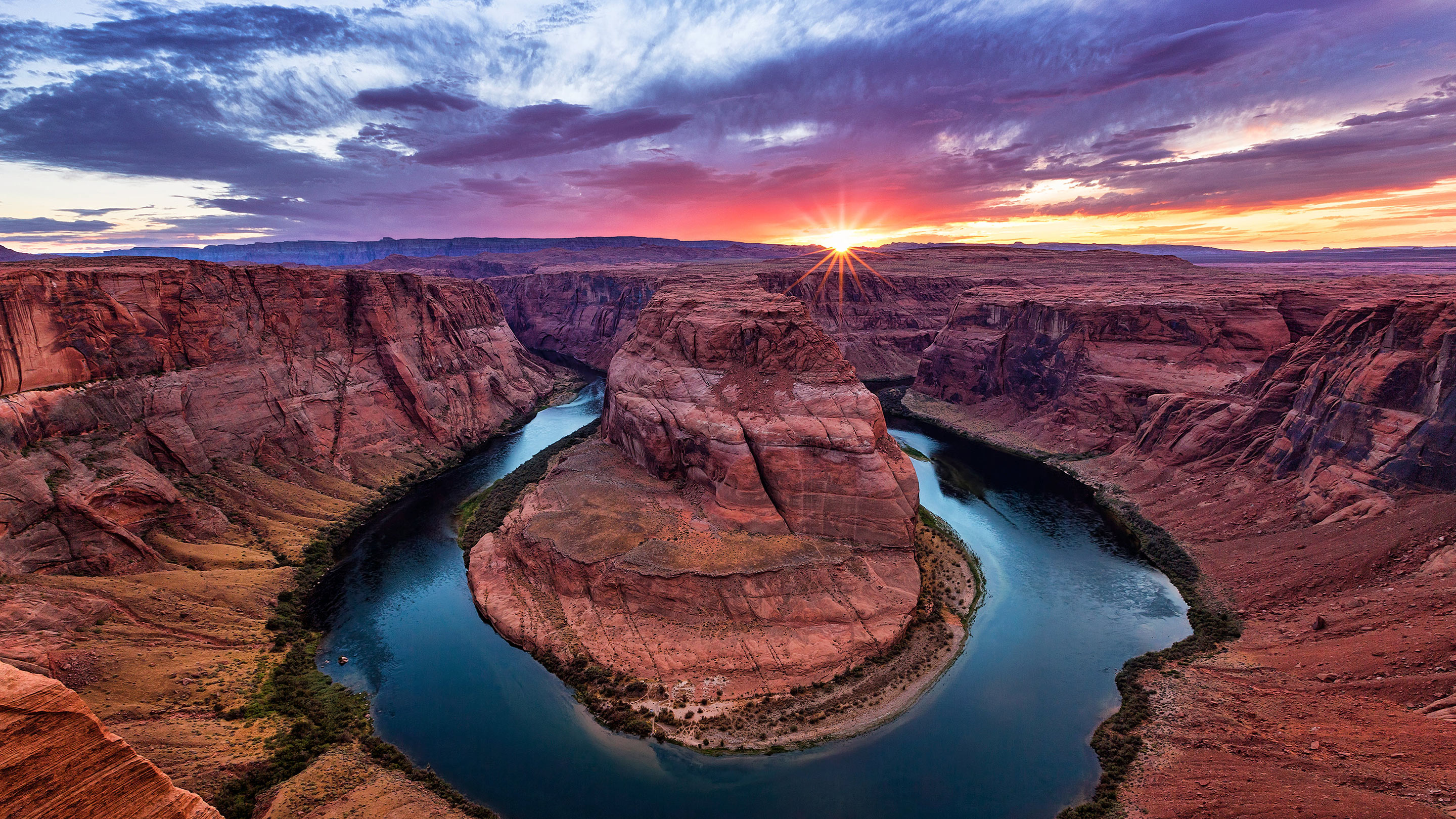
This dramatic meander of the Colorado River is a must-see for road trippers passing through Page. It is a short, accessible walk from the parking area, making it ideal for those who want a high-impact view without a full day of hiking.
8. Denali National Park (Alaska)

The scale of Denali is difficult to comprehend until you are standing beneath its massive, glaciated peaks. It is the premier destination for wildlife enthusiasts.
I recommend basing yourself in a lodge near the park entrance to maximize your chances of seeing grizzly bears or caribou on the park shuttle route.
9. The Wave (Arizona)
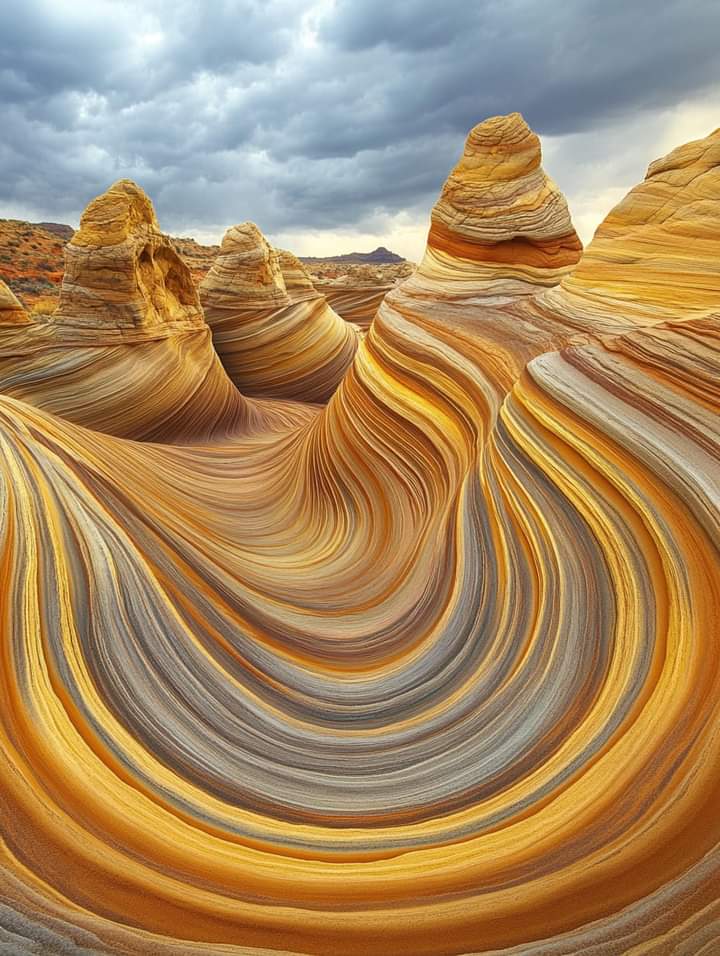
The Wave is a masterclass in geological patterns, featuring swirling sandstone ridges that look like frozen liquid. It is strictly for experienced hikers who are prepared for a 10-kilometer round-trip trek in remote terrain.
Success requires winning a highly competitive permit lottery, so plan your itinerary around this date rather than the other way around.
10. Yosemite Valley (California)

Yosemite Valley is defined by its sheer granite walls and massive waterfalls that make human visitors feel microscopic. It is the best choice for those who love mountain scenery but want the infrastructure of a well-traveled park.
I recommend staying in a lodge within the valley to ensure you can reach the trailheads before the crowds arrive.
Which of These Unreal Places Require Advanced Planning and Permits?
Securing access to America’s most surreal landscapes requires more than just a plane ticket; it demands a strategic calendar and, in some cases, a bit of luck. While many national parks are accessible with a standard pass, the locations that look the most “otherworldly” often enforce strict visitor caps to protect their fragile environments.
Whether you are aiming for the slot canyons of Arizona or the high-alpine roads of Montana, failing to plan months in advance will almost certainly result in a locked gate.
| Location | Access Requirement | Booking Window |
|---|---|---|
| The Wave | Lottery Permit | 4 months in advance |
| Antelope Canyon | Guided Tour | 3–6 months in advance |
| Glacier National Park | Vehicle Reservation | Months prior to season |
| Yosemite Valley | Peak-Hour Reservation | Months prior to season |
How to Win the Permit Lottery for The Wave
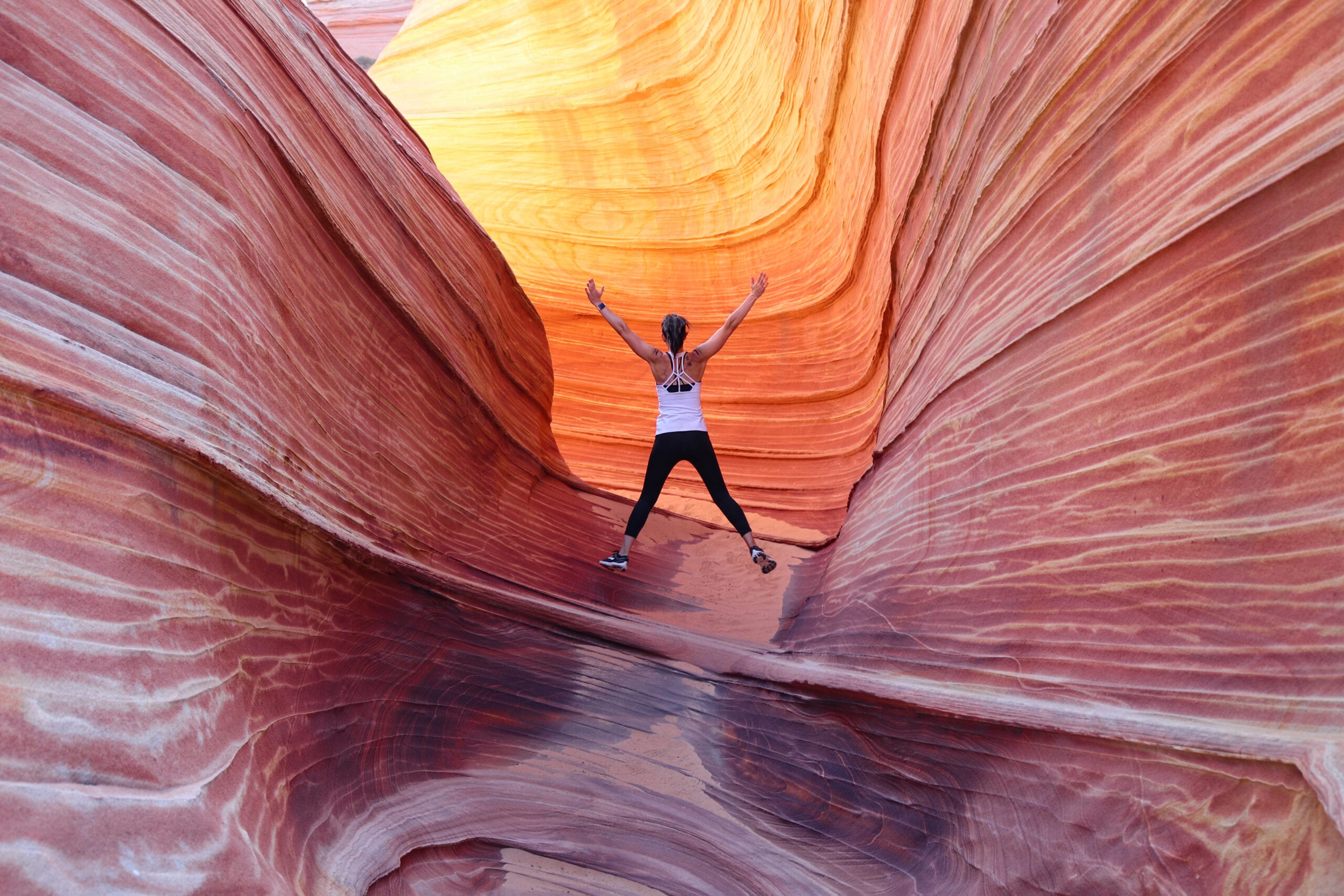
The Wave is the ultimate test of patience, as the Bureau of Land Management limits entry to a tiny fraction of applicants to preserve the delicate, swirling sandstone. I recommend applying for the online lottery exactly four months before your desired month of travel.
If you miss the advance window, there is a secondary “daily” lottery that you must enter while physically located within a specific geofenced area in the region, usually via a mobile app. My advice: do not build your entire trip around a permit for The Wave unless you have a solid backup itinerary for the surrounding Vermilion Cliffs National Monument.
It is a high-risk, high-reward endeavor that favors the flexible traveler.
Navigating Peak-Season Reservations in Yosemite and Glacier National Park
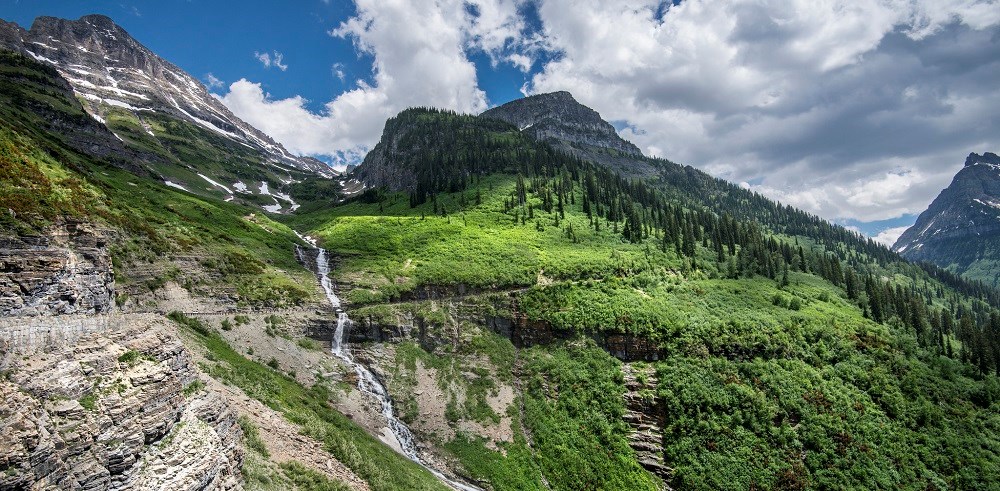
Gone are the days of simply driving into Yosemite or Glacier National Park on a whim during the summer. Both parks now utilize vehicle reservation systems for their most popular corridors, such as Going-to-the-Sun Road in Glacier or the main valley entrance in Yosemite.
These slots are released in blocks—some months in advance and others just 24 hours before—so monitor the official National Park Service (NPS) website daily. For Glacier, I recommend basing yourself in gateway towns like West Glacier or St. Mary to ensure you are at the gate before dawn, which helps you avoid the worst of the midday congestion and parking shortages.
In Yosemite, staying in park-operated lodges or campgrounds within the valley is the only way to guarantee entry, as these reservations typically include your vehicle access.
Booking Guided Tours for Antelope Canyon
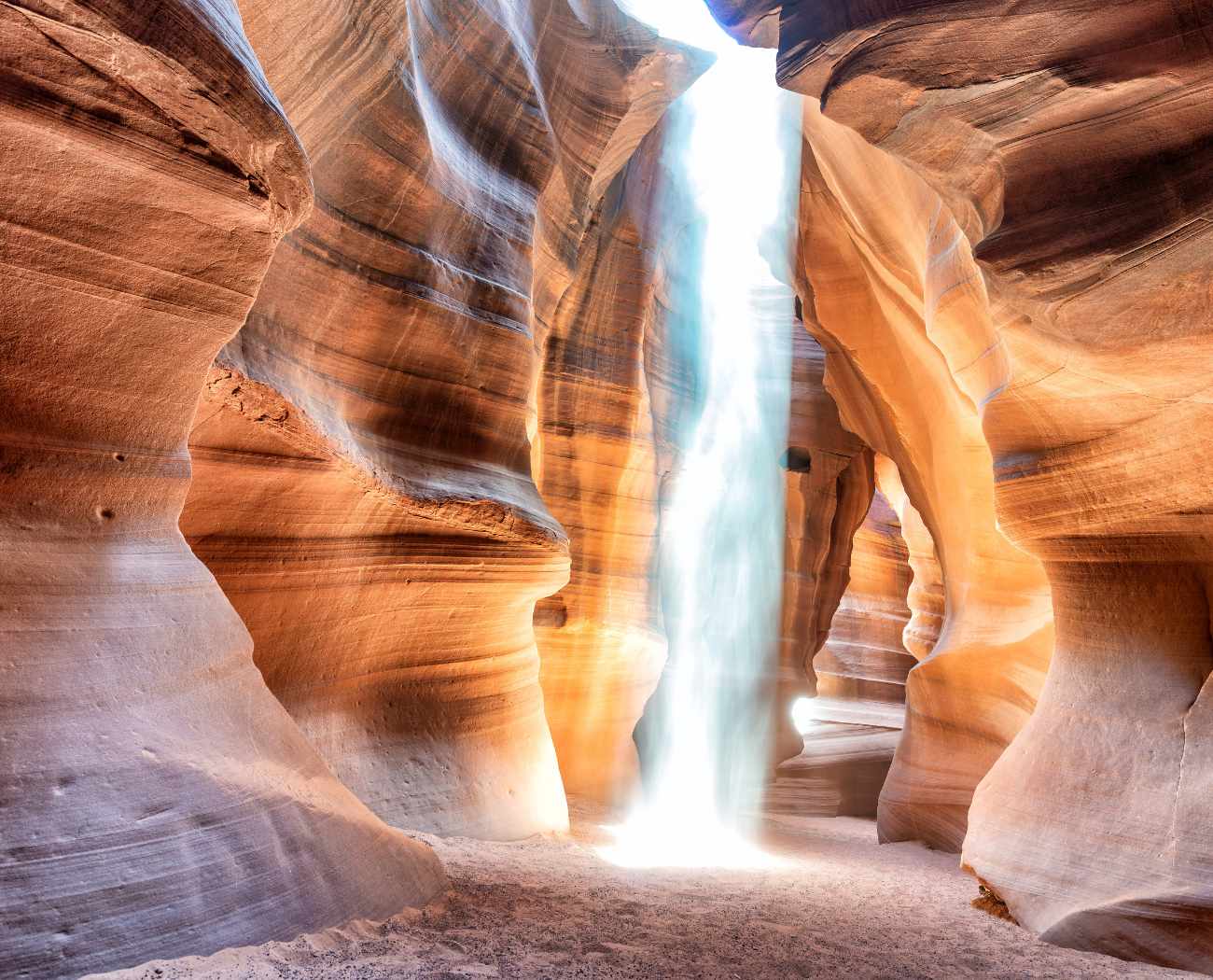
Antelope Canyon is located on Navajo land, and you cannot enter it without a licensed Navajo guide. Because the narrow, wave-like rock formations can only accommodate a limited number of people at once, tours sell out months in advance, especially for the prime mid-day hours when the famous light beams hit the canyon floor.
I prefer booking the earliest or latest tour slots of the day; while you might miss the peak “beam” light, you will avoid the claustrophobic crowds that make photography nearly impossible. Always check the official websites of authorized tour operators in Page, Arizona, and confirm your booking at least 90 days out if you are traveling during the peak spring or autumn months.
Summary: The key to these locations is early action. If you are not booking your tours or permits at least 90 to 120 days out, you are likely too late for the best time slots.
Always prioritize lodging in gateway towns to maximize your chances of securing early-morning park access.
How to Capture the Best Photos at These Surreal Locations?
Capturing these landscapes requires more than just a camera; it demands precise timing to catch the light before the crowds arrive or the weather shifts. Use this guide to prioritize your gear and your wake-up calls.
| Location | Best Time for Photos | Key Challenge |
|---|---|---|
| Bonneville Salt Flats | Immediately after rain | Finding calm, windless conditions |
| Crater Lake | Early morning | Managing high-contrast light |
| White Sands | Golden hour | Tracking shifting dunes |
| Horseshoe Bend | Late afternoon | Managing extreme drop-offs |
Chasing the Perfect Reflection at Bonneville Salt Flats and Crater Lake
The Bonneville Salt Flats transform into a literal mirror only when a thin layer of water covers the salt crust, which typically happens after winter or spring rainstorms. If you arrive during a dry spell, the white expanse is still visually striking, but you lose the “infinite sky” reflection.
For the best results, I recommend checking local weather reports for recent precipitation and heading out at sunrise when the wind is usually at its calmest. Even a light breeze will ripple the water and ruin the mirror effect.
At Crater Lake, the challenge is the depth of the blue water against the jagged caldera walls. Because the lake is at a high elevation, the light can be harsh by mid-morning.
Aim to be at the rim overlooks—such as Discovery Point—at dawn. The morning light hits the water at an angle that reduces glare, allowing you to capture the intense, deep indigo color that makes the lake look like a painting.
Golden Hour and Sunset Tips for White Sands and Horseshoe Bend
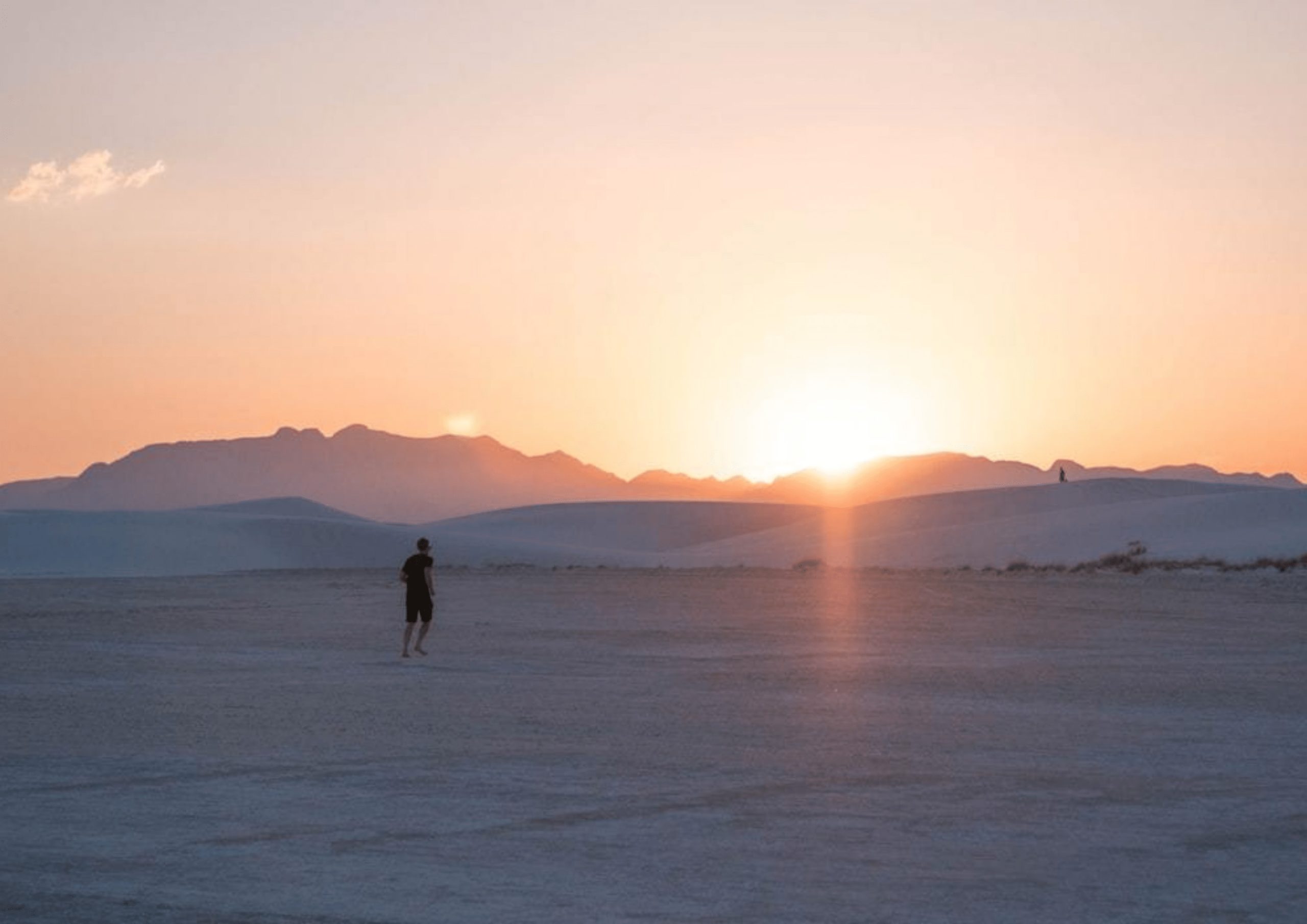
White Sands National Park is unforgiving at midday; the sun reflects off the gypsum dunes with such intensity that your photos will likely be washed out. The move here is to arrive two hours before sunset.
As the sun dips lower, the dunes cast long, dramatic shadows that reveal the texture of the sand, which is invisible in flat, overhead light. Stay until the very end of civil twilight, when the sky turns shades of purple and pink against the white sand.
Horseshoe Bend requires a different strategy. Because the canyon is deep, the bottom of the gorge falls into shadow long before the sun actually sets.
For the most balanced exposure of the river and the canyon walls, late afternoon is your best window. Use a wide-angle lens to capture the full curve of the Colorado River, and keep your tripod steady; the wind at the edge is stronger than you expect.
How to Photograph the Vibrant Colors of Grand Prismatic Spring
The colors of Grand Prismatic Spring are most vibrant when the steam is at a minimum, which means you must prioritize temperature. I recommend visiting on a warmer day or during the midday hours when the air temperature is highest.
If you visit in the early morning when the air is cold, the steam will obscure the orange and yellow bacterial mats that give the spring its signature look.
To truly capture the scale, you must hike the Fairy Falls Trail to the Grand Prismatic Overlook. Shooting from the boardwalk at ground level will only show you steam and blue water; the elevated perspective is the only way to see the full color gradient.
Bring a circular polarizer filter to cut through the surface reflection of the water, which will make the deep blues and greens pop against the surrounding mineral deposits.
Pro Tip: For any of these locations, skip the heavy camera bag if you are doing significant hiking. A lightweight setup with a wide-angle lens and a sturdy, compact tripod is all you need to nail these shots without exhausting yourself before you reach the best vantage points.
Frequently Asked Questions
Are these places suitable for family road trips?
Most of these surreal landscapes are excellent for family road trips, provided you prioritize flexibility and manage expectations regarding terrain. National parks like Glacier, Yosemite, and Denali offer paved roads and accessible viewpoints that are perfect for all ages.
However, avoid destinations like The Wave or remote sections of Antelope Canyon if you are traveling with toddlers or anyone with limited mobility, as these require significant hiking or specialized tour access that can be exhausting for young children.
I recommend basing your family in established gateway towns near the parks to ensure you have access to grocery stores and reliable lodging. This allows you to tackle the “unreal” sights during the cooler morning hours and retreat to a comfortable base for the afternoon, which is the secret to keeping morale high on long-distance trips.
What is the cheapest time of year to visit these surreal destinations?
To save the most money, target the shoulder seasons—typically late September through October or late April through May—when crowds thin out and lodging rates drop significantly. During these windows, you avoid the premium pricing of the peak summer months and the holiday spikes in winter.
National Park entrance fees remain constant, but your biggest savings will come from lower demand for gateway town accommodations and rental cars.
My pick is the month of October for desert locations like White Sands or Antelope Canyon; the temperatures are finally manageable, and you can often find last-minute deals on lodging that would be booked solid in July. Always check official park websites for seasonal road closures, as some high-elevation routes in places like Glacier or Denali may still be inaccessible or just beginning to open during these budget-friendly months.
Which of these spots is the most physically demanding to reach?
The Wave in Arizona is objectively the most demanding to reach, not just because of the terrain, but because of the strict permit system and the lack of a maintained trail. You must be prepared for a strenuous, self-navigated hike through deep sand and rocky washes under intense sun.
It is a high-stakes adventure that requires excellent physical fitness and advanced navigation skills.
If you prefer a challenge that is more accessible but still rigorous, Denali National Park in Alaska requires significant planning and endurance for backcountry exploration. While the park road offers some access, truly experiencing the surreal scale of the landscape often involves long days of hiking in unpredictable weather.
Skip these if you are looking for a casual sightseeing experience; choose Yosemite Valley or Horseshoe Bend instead, where the “unreal” views are much easier to access via well-marked, shorter paths.
How to Start Planning Your Surreal American Adventure
Your next step is to log onto the Recreation.gov website and check the permit calendars for Yosemite or Glacier National Park. If you have your heart set on the swirling sandstone of The Wave, mark your calendar for the lottery exactly four months before your trip.
Experiencing these bizarre, dreamlike landscapes in your own backyard is a reminder of how wild and diverse the American continent truly is.
Pin this guide to your travel board now so you can start booking those competitive permits before they sell out.
Leave a Reply